Nucleosides
Nucleosides are fundamental building blocks of nucleic acids, composed of a nitrogenous base attached to a sugar molecule. In this section, you can find a wide variety of nucleosides essential for research in molecular biology, biochemistry, and pharmacology. These compounds play crucial roles in the synthesis of DNA and RNA, and are also vital in various metabolic processes. Nucleosides are used in studying genetic material, developing antiviral and anticancer therapies, and understanding cellular mechanisms. At CymitQuimica, we provide high-quality nucleosides to support your research and development needs, ensuring purity and reliability for your experimental applications.
Found 3567 products of "Nucleosides"
Sort by
Purity (%)
0
100
|
0
|
50
|
90
|
95
|
100
Fluorescein-5(6)-carboxamidocaproyl-(5-[3-aminoallyl]uridine 5'-triphosphate) - 1 mM aqueous solution
CAS:<p>Fluorescein-5(6)-carboxamidocaproyl-(5-[3-aminoallyl]uridine 5'-triphosphate) is a novel antiviral compound that is an activator of ribonucleoside and deoxyribonucleoside phosphorylation. It has been shown to selectively inhibit the proliferation of cancer cells, and to be cytotoxic to human leukemia cells in vitro. The compound is also able to inhibit HIV replication in vitro. Fluorescein-5(6)-carboxamidocaproyl-(5-[3-aminoallyl]uridine 5'-triphosphate) - 1 mM aqueous solution is a high purity product with CAS No. 134367-01-4 that can be used as a synthetically modified DNA or RNA building block for the production of phosphoramidites. This product has been shown to be cytotoxic against human leukemia cells in</p>Formula:C39H41N4O22P3Purity:Min. 95%Molecular weight:1,010.68 g/mol2’-Deoxy-2-methyladenosine
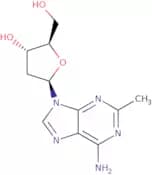
CAS:<p>2’-Deoxy-2-methyladenosine is a nucleoside that is chemically synthesized by the phosphorylation of 2,6-diaminopurine. It has been shown to be an effective activator of RNA polymerase and it also has anticancer properties. 2’-Deoxy-2-methyladenosine can be used as a substitute for thymidine in DNA synthesis. This nucleoside has also been shown to inhibit bacterial growth in culture by inhibiting DNA synthesis and protein synthesis. It is a modified nucleoside that can be used for the synthesis of DNA, RNA, or ribonucleic acids. The CAS number for this compound is 110952-90-4.</p>Purity:Min. 95%Ammonium 4-nitrobenzoate dihydrate
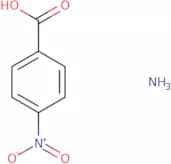
CAS:<p>Ammonium 4-nitrobenzoate dihydrate is a corrosion inhibitor that prevents the corrosion of metal parts and other materials. It is used in the production of plastics, coatings, adhesives, and lubricants. The corrosion inhibition activity of aminobenzoates can be attributed to their ability to form hydrogen phosphate (HPO) anions as well as their ability to complex with metal ions. The hydration process is also important for the corrosion inhibition activity of ammonium 4-nitrobenzoate dihydrate. This process involves the release of water molecules from the ammonium salt, which provide a protective coating around the metal surface. Ammonium 4-nitrobenzoate dihydrate also has additive properties that are beneficial for other industrial applications such as antistatic agents, surfactants, and stabilizers.</p>Purity:Min. 95%5'-o-(Dimethoxytrityl)-N2-(dimethylaminomethylidene)-7-deaza-2'-deoxyguanosine
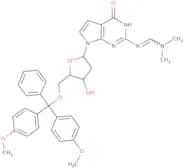
CAS:<p>Please enquire for more information about 5'-o-(Dimethoxytrityl)-N2-(dimethylaminomethylidene)-7-deaza-2'-deoxyguanosine including the price, delivery time and more detailed product information at the technical inquiry form on this page</p>Formula:C35H37N5O6Purity:Min. 95%Molecular weight:623.7 g/molCerebrosides (brain)
CAS:<p>Cerebrosides are a group of natural and synthetic phospholipids that are found in the brain. They are made from glycerophosphoric acid and sphingosine. Cerebrosides have been shown to be anticancer agents, and may also inhibit the growth of bacteria. They can also promote DNA synthesis and prevent the destruction of DNA by inhibiting some enzymes, such as phosphodiesterase. Cerebrosides are also used to synthesize nucleosides and deoxyribonucleosides, which is important for cell division.</p>Formula:C48H93NO8Purity:Min. 95%Molecular weight:812.25 g/mol2'-Deoxy-5'-O-DMT-N6-isobutyryladenosine 3'-CE phosphoramidite
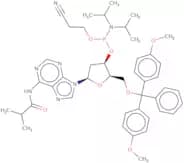
<p>2'-Deoxy-5'-O-DMT-N6-isobutyryladenosine 3'-CE phosphoramidite is a novel and high quality anticancer agent that is used in the synthesis of DNA. This compound has shown potent cytotoxic activity against various cancer cell lines, including human leukemia cells, human breast carcinoma cells, and human colon carcinoma cells. 2'-Deoxy-5'-O-DMT-N6-isobutyryladenosine 3'-CE phosphoramidite inhibits DNA synthesis by inhibiting the enzyme DNA polymerase. It also inhibits protein synthesis and has been shown to be toxic to the mitochondria, which may be responsible for its anti-cancer effects.</p>Formula:C44H54N7O7PPurity:Min. 95%Molecular weight:823.94 g/mol2,2'-Anhydrocytidine
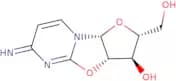
CAS:<p>2,2'-Anhydrocytidine is a cytosine analogue that has been shown to have anticancer activity against solid tumours in mice. The mechanism of action of 2,2'-Anhydrocytidine is not fully understood, but it may be due to its ability to bind to fatty acids and tubule cells in the liver. This compound also induces the production of epidermal growth factor (EGF) and has been shown to inhibit the phase transition temperature of nuclear DNA. It can be used as a model system for hydrogen bonding interactions and chemical stability. 2,2'-Anhydrocytidine can also be used for tissue culture experiments or as a reaction solution in vivo.</p>Formula:C9H11N3O4Purity:Min. 95%Color and Shape:SolidMolecular weight:225.2 g/molClofarabine 5'-monophosphate triethylammonium salt
CAS:<p>Clofarabine is an anti-cancer drug that belongs to the class of diphosphate, Synthetic, Activator, Phosphoramidites, Deoxyribonucleosides. It is a modified nucleoside with antiviral and anticancer activity. Clofarabine 5'-monophosphate triethylammonium salt (CPF) has been shown to inhibit DNA synthesis by blocking the incorporation of deoxyribonucleotides into DNA. CPF binds to DNA at the 3' position of the deoxyribonucleotide chain, which prevents its extension and leads to inhibition of DNA replication. CPF also inhibits viral DNA synthesis through inhibition of viral DNA polymerase or viral RNA polymerase in vitro. Clofarabine is not active against bacteriophage T4 or bacterial RNA polymerase.</p>Purity:Min. 95%Stavudine 5'-triphosphate triethyammonium salt
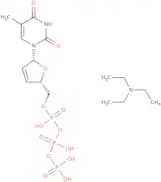
CAS:<p>Stavudine 5'-triphosphate triethyammonium salt is a novel, modified nucleoside that has antiviral and anticancer properties. It is synthesized as a phosphoramidite and used in the synthesis of ribonucleotides, which are incorporated into RNA. Stavudine 5'-triphosphate triethyammonium salt inhibits viral DNA replication by inhibiting the activity of reverse transcriptase, an enzyme that copies the DNA sequence to create a complementary RNA sequence. In vitro studies have shown that stavudine 5'-triphosphate triethyammonium salt inhibits cell proliferation in human cancer cells.</p>Purity:Min. 95%6-Thioguanosine-5'-O-diphosphate sodium salt - 10mM aqueous solution
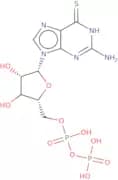
CAS:<p>6-Thioguanosine-5'-O-diphosphate sodium salt is a nucleotide derivative of guanosine that binds to the regulatory site of ATP synthase in the chloroplast. It is an allosteric inhibitor that has been shown to inhibit the synthesis of proteins and chlorophyll, as well as ATP synthesis in plastids of plants. 6-Thioguanosine-5'-O-diphosphate sodium salt has been shown to be effective at inhibiting protein synthesis in mammalian cells, which may be due to its ability to bind to the metabotropic glutamate receptor. The molecule was also found to bind with high affinity to a ternary complex that includes glutamine, glutamate, and ammonia.</p>Formula:C10H15N5O10P2SxNaPurity:Min. 95%Color and Shape:PowderMolecular weight:459.27 g/mol7-(Aminomethyl)-7-deazaguanosine
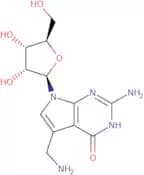
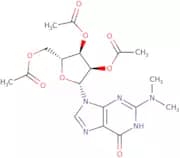
CAS:<p>7-Aminomethyl-7-deazaguanosine is a nucleoside that is classified as a purine. It can be synthesized from 7-amino-7-deazaguanosine and sodium periodate. The chemical reactions involved in the synthesis are oxidation of the amine group on the 7-amino group to form an iminium ion and subsequent nucleophilic attack by the hydroxyl group on the N9 position of the purine ring to form an amino alcohol. This nucleoside has been shown to bind to ribosomes and inhibit protein synthesis, which suggests that it may have potential for use as an antibiotic or anticancer agent. 7-Aminomethyl-7-deazaguanosine has also been shown to cause epigenetic changes such as DNA methylation, histone modification, and alterations in chromatin structure.</p>Formula:C12H17N5O5Purity:Min. 95%Molecular weight:311.29 g/mol2',3',5'-Tri-O-acetyl-2N,2N-dimethylguanosine
CAS:<p>2',3',5'-Tri-O-acetyl-2N,2N-dimethylguanosine (TAMG) is a novel nucleoside that is synthesized from 2',3',5'-tri-O-acetyl-1,3,5-trioxohexanecarboxylic acid. TAMG has been shown to inhibit HIV and Hepatitis B virus replication by inhibiting the synthesis of viral DNA and RNA. The antiviral properties of TAMG are due to its incorporation into the growing DNA chain and blocking the polymerization process. TAMG also has anticancer activity and can be used as a chemotherapeutic agent against various types of cancer cells.</p>Formula:C18H23N5O8Purity:Min. 95%Molecular weight:437.4 g/mol5'-O-DMT-2'-ethylfluoro-5-methyluridine
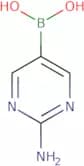
<p>5'-O-DMT-2'-ethylfluoro-5-methyluridine is an activated nucleotide that is used as a synthetic, nonnatural substrate for DNA polymerases. It has been shown to have anticancer and antiviral activities. 5'-O-DMT-2'-ethylfluoro-5-methyluridine is highly pure and of high quality, which makes it suitable for use in research or other applications requiring a high level of purity.</p>Purity:Min. 95%2-Aminopyrimidine-5-boronic acid
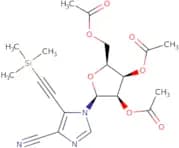
CAS:<p>2-Aminopyrimidine-5-boronic acid is a synthetic compound that has been shown to inhibit the activity of cellulase enzymes in vitro. It also has neuroprotective effects and potent inhibition against cancer cells. 2-Aminopyrimidine-5-boronic acid's mechanism of action is reversible covalent, meaning that it reacts with DNA by forming an N2-(2'-aminopyrimidine) adduct with guanine at position 6 in the purine ring. This reaction inhibits DNA synthesis, leading to cell death. 2-Aminopyrimidine-5-boronic acid is not currently being used as a cancer therapy, but it is being researched for its potential use in cancer treatments.</p>Formula:C4H6BN3O2Purity:Min. 95%Molecular weight:138.92 g/mol5-(2-(Trimethylsilyl)-1-ethynyl)-1-(2',3',5'-tri-O-acetyl-b-D-ribofuranosyl)imidazo-4-carbonitrile
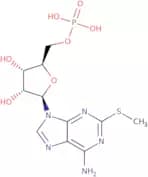
CAS:<p>Ribonucleosides are a class of nucleoside analogues that have been used as antiviral and anticancer agents. Ribonucleosides are synthesized in a two-step process. The first step is the conversion of an appropriate ribose or deoxyribose to the corresponding monophosphate. The second step is the coupling of the monophosphate with an appropriate nucleotide. 5-(2-(Trimethylsilyl)-1-ethynyl)-1-(2',3',5'-tri-O-acetyl-b-D-ribofuranosyl)imidazo-4-carbonitrile is a novel nucleoside analogue, which has been shown to be active against cancer cells and to inhibit viral replication by interacting with DNA polymerase and other enzymes involved in DNA synthesis.</p>Purity:Min. 95%2-Methylthioadenosine 5-monophosphate
CAS:<p>2-Methylthioadenosine 5-monophosphate (2MTA) is an intermediate in purine metabolism that can be synthesized from adenosine monophosphate and methyl mercaptan. 2MTA inhibits the platelet aggregation by inhibiting the function of the P2Y12 receptor, which is a member of the G protein-coupled receptor family. It has been shown to inhibit tumor growth and tumor vasculature, as well as to induce apoptosis in cancer cells. 2MTA also has antiplatelet activity, which may be due to its ability to inhibit cyclooxygenase-1 (COX-1) and cyclooxygenase-2 (COX-2).</p>Formula:C11H16N5O7PSPurity:Min. 95%Molecular weight:393.31 g/mol2'-Deoxy-N2-DMF-5'-DMT-2'-fluoroguanosine 3'-CE phosphoramidite
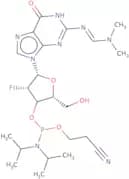
<p>2'-Deoxy-N2-DMF-5'-DMT-2'-fluoroguanosine 3'-CE phosphoramidite is a nucleoside analog that is structurally similar to the natural substrate of DNA polymerase. It can be used in the synthesis of oligonucleotides and as a reagent for the synthesis of modified DNA. The phosphoramidite has antiviral activity and has been shown to have anticancer effects in animal models. It is also used as an activator for deoxyribonucleotide activation, which increases the efficiency of DNA synthesis.</p>Formula:C43H52FN8O7PPurity:Min. 95 Area-%Color and Shape:PowderMolecular weight:842.89 g/mol5-[4-(4,4,5,5-tetramethyl-[1,3,2]dioxaborolan-2-yl)-benzylidene]-pyrimidine-2,4,6-trione
<p>Ribonuclease is an enzyme that cleaves the phosphodiester backbone of ribonucleotide to produce a 5'-phosphate and a 2'-deoxyribonucleoside. Ribonuclease is an activator that activates the synthesis of ribonucleotides, deoxyribonesucleotides and nucleosides. Ribonuclease has antiviral properties which may be due to its ability to inhibit DNA polymerase by catalyzing the hydrolysis of the 2'-deoxyribose-5'-phosphate bond in DNA. Ribonuclease has also been shown to have anticancer activity, which may be due to its ability to inhibit protein synthesis.</p>Purity:Min. 95%8-Aza-7-deaza-2'-deoxy-N2-DMF-5'-O-DMT-guanosine 3'-CE phosphoramidite
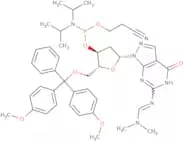
CAS:<p>8-Aza-7-deaza-2'-deoxy-N2-DMF-5'-O-DMT-guanosine 3'-CE phosphoramidite is a novel monophosphate derivative of 2' deoxyN2,8-diaminofluorene 5'-O-(4,4′-dimethoxytrityl) guanosine. It can be used as an activator in DNA synthesis or as a precursor for the synthesis of other modified purines and pyrimidines. This compound has been shown to have anticancer activity in mice. It also has antiviral effects against HIV and HSV1. 8-Aza-7-deaza-2'-deoxyN2,8-diaminofluorene 5'-O-(4,4′dimethoxytrityl) guanosine 3′ CE phosphoramidite is soluble in methanol and ethanol and</p>Formula:C43H53N8O7PPurity:Min. 95%Color and Shape:PowderMolecular weight:824.9 g/mol3',5'-Bis-o-(t-butyldimethylsilyl)-O4-(2,4,6-triisopropylphenylsulfonyl)thymidine
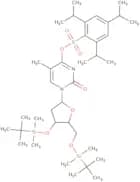
CAS:<p>3',5'-Bis-o-(t-butyldimethylsilyl)-O4-(2,4,6-triisopropylphenylsulfonyl)thymidine (SQ22536) is a modified nucleoside with anticancer activity. It is a deoxyribonucleoside and phosphoramidate analog of thymidine. SQ22536 can be used in the synthesis of DNA or RNA and as an antiviral agent.<br>It has been shown to inhibit the replication of HIV-1 in vitro by inhibiting HIV reverse transcriptase and DNA polymerase.</p>Formula:C37H64N2O7SSi2Purity:Min. 95%Molecular weight:737.1 g/mol5-Fluorouridine
CAS:<p>5-Fluorouridine is an anticancer drug that belongs to the group of modified nucleosides. It is a synthetic nucleoside analogue that inhibits viral and DNA synthesis and can be used as antiviral agents. 5-Fluorouridine has also been shown to inhibit RNA synthesis in vitro. This compound is converted to uracil by deoxyribonucleotide reductase, which results in the formation of 5-fluoro-2'-deoxyuridine monophosphate (5FdUMP) and 5-fluoro-2'-deoxyuridine diphosphate (5FdUDP). The latter has been shown to inhibit DNA synthesis in vitro.</p>Formula:C9H11FN2O6Purity:Min. 95%Molecular weight:262.19 g/molCytidyl-3'-5'-adenosine ammonium salt
<p>Cytidyl-3'-5'-adenosine ammonium salt is a novel synthetic monophosphate nucleoside with antiviral and anticancer properties. It is synthesized from adenosine and cytidine, which are natural nucleosides. Cytidyl-3'-5'-adenosine ammonium salt is a high purity, high quality product that has been modified to target the ribonucleotide reductase enzyme. This enzyme controls the production of DNA in the cell, preventing it from reproducing. This product can be used as an activator for other chemotherapeutic drugs or as an anticancer drug itself.</p>Purity:Min. 95%2'-Deoxyguanosine-5'-O-(1-thiotriphosphate) lithium salt - 100mM aqueous solution
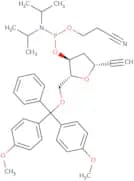
CAS:<p>2'-Deoxyguanosine-5'-O-(1-thiotriphosphate) lithium salt is a nucleotide analog that has been shown to inhibit the synthesis of fatty acids and proteins, as well as cause depression in mice. It also has antiviral activity against the type strain of HIV-1 (HXB2). The drug inhibits protein synthesis by preventing the incorporation of amino acids into a growing polypeptide chain. This inhibition can be reversed by adding vitamin D3 or fatty acids. 2'-Deoxyguanosine-5'-O-(1-thiotriphosphate) lithium salt has been shown to have anti-cancer properties due to its ability to induce apoptosis, which is programmed cell death. This drug also has immune functions, such as an increase in natural killer cells and cytokines, as well as improving energy efficiency in the optical system.</p>Formula:C10H16N5O12P3S·xLiPurity:Min. 95%Molecular weight:523.25 g/molEthynyl 2-deoxy-5-O-DMT-ribosyl 3-CE phosphoramidite
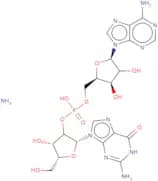
CAS:<p>Ethynyl 2-deoxy-5-O-DMT-ribosyl 3-CE phosphoramidite is a monophosphate nucleoside analog. The ethynyl group is attached to the 2'-hydroxyl group of the ribose sugar. This nucleotide analogue inhibits DNA and RNA synthesis by inhibiting DNA polymerase and RNA polymerase. Ethynyl 2-deoxy-5-O-DMT-ribosyl 3-CE phosphoramidite has antiviral activity against Herpes simplex virus type 1 (HSV1) and type 2 (HSV2) in vitro, as well as cytotoxic activity against human leukemia cells in vitro.</p>Formula:C37H45N2O6PPurity:Min. 95%Molecular weight:644.74 g/molGuanylyl-3'-5'-adenosine triethylammonium salt
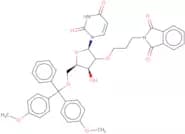
CAS:<p>Guanylyl-3'-5'-adenosine triethylammonium salt (GAT) is a prodrug that is hydrolyzed in vivo to adenosine 3',5'-cyclic monophosphate (cAMP). GAT has been shown to have anti-inflammatory properties, which may be due to its ability to inhibit prostaglandin synthesis. GAT has also been used as a diagnostic tool for inflammatory bowel disease and infectious diseases of the bowel. It can be used as an adjuvant therapy for treating bowel disease, although it does not affect the course of the disease.</p>Formula:C20H25N10O11P·xC6H15NPurity:Min. 95%Color and Shape:PowderMolecular weight:612.45 g/mol5'-O-DMT-2'-O-propylphthalimidouridine
<p>5'-O-DMT-2'-O-propylphthalimidouridine is a synthetic nucleoside that has antiviral and anticancer properties. It is used as a precursor for the synthesis of other nucleosides, including uridine and cytidine. 5'-O-DMT-2'-O-propylphthalimidouridine can be modified with phosphoramidites to create novel modified nucleosides. The chemical name is 1-(5'-O-dimethoxytrityl)-2-[(2' -propyl)thio]uracil. This drug has CAS number 61381-14-4 and molecular weight of 271.11 g/mol.</p>Formula:C41H39N3O10Purity:Min. 95%Molecular weight:733.78 g/mol9-(2'-O-Acetyl-b-D-arabinofuranosyl)-N2-isobutyrylguanine
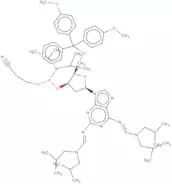
<p>9-(2'-O-Acetyl-b-D-arabinofuranosyl)-N2-isobutyrylguanine is a synthetic nucleoside that is activated by phosphorylation. It has been shown to be effective against cancer and viruses, and it has been proven to have a novel mechanism of action. 9-(2'-O-Acetyl-b-D-arabinofuranosyl)-N2-isobutyrylguanine is an analog of the natural product guanosine, which is found in RNA and DNA. 9-(2'-O-Acetyl-b-D-arabinofuranosyl)-N2-isobutyrylguanine can inhibit viral replication by inhibiting the synthesis of viral ribonucleic acid (RNA) and therefore inhibiting protein synthesis.</p>Purity:Min. 95%2-Amino-2'-deoxy-N2,N6-bis(diisobutylaminomethylidene)-5'-O-DMT-adenosine 3'-CE phosphoramidite
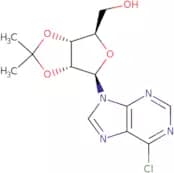
CAS:<p>2-Amino-2'-deoxy-N2,N6-bis(diisobutylaminomethylidene)-5'-O-DMT-adenosine 3'-CE phosphoramidite is a phosphoramidite that is used for the synthesis of nucleosides and nucleotides. The 2-Amino-2'-deoxy-N2,N6-bis(diisobutylaminomethylidene)-5'-O-DMT-adenosine 3'-CE phosphoramidite can be used in the synthesis of DNA, RNA, and other nucleic acids. It also has antiviral and anticancer properties.</p>Formula:C58H83N10O6PPurity:Min. 95%Molecular weight:1,047.32 g/mol6-Chloro-9-(2',3'-O-isopropylidene-b-D-ribofuranosyl)purine
CAS:<p>6-Chloro-9-(2',3'-O-isopropylidene-b-D-ribofuranosyl)purine is a nucleoside that is modified by adding an isopropylidene group (i.e., a C=C bond). It is used in the synthesis of oligonucleotides and phosphoramidites. 6-Chloro-9-(2',3'-O-isopropylidene-b-D-ribofuranosyl)purine has been shown to be an activator of the DNA polymerase, which increases its rate of incorporation of deoxyribonucleotide triphosphates into DNA chains. This nucleoside also has antiviral properties and can be used as an anticancer drug, specifically for hematological malignancies such as leukemia. 6-Chloro-9-(2',3'-O-isopropylidene</p>Formula:C13H15ClN4O4Purity:Min. 95%Color and Shape:PowderMolecular weight:326.74 g/mol2'-Deoxy-5'-O-DMT-guanosine-(DMF)-succinyl CPG 1000 Å
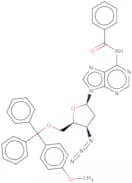
<p>2'-Deoxy-5'-O-DMT-guanosine-(DMF)-succinyl CPG 1000 Å is a phosphoramidite monophosphate with antiviral and anticancer properties. It is synthesized by the reaction of deoxyribonucleosides and activated 2'-deoxy-5'-O-dimethoxytrityl guanosine. This product can be used as an activator for RNA synthesis, in DNA sequencing, and in the synthesis of oligonucleotides. It has also been shown to have antitumor activity against human hepatocellular carcinoma cells.</p>Purity:Min. 95%3'-Azido-N6-benzoyl-5'-O-MMT-2',3'-dideoxyadenosine
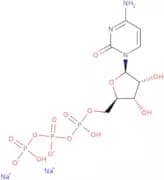
<p>3'-Azido-N6-benzoyl-5'-O-MMT-2',3'-dideoxyadenosine is a novel nucleoside analog that is an activator of ribonucleosides and deoxyribonucleosides. It has been shown to inhibit the growth of cancer cells and to be active against herpes simplex virus. 3'-Azido-N6-benzoyl-5'-O-MMT-2',3'-dideoxyadenosine is synthesized with high purity and quality by our skilled chemists.</p>Formula:C37H32N8O4Purity:Min. 95%Molecular weight:652.72 g/molCytidine-5'-triphosphoric acid disodium salt
CAS:<p>Cytidine-5'-triphosphoric acid disodium salt is an unassigned compound that is a potent inhibitor of protein synthesis. It has been shown to have a specific growth rate of 0.0003, which is significantly lower than the growth rate for other tested compounds. Cytidine-5'-triphosphoric acid disodium salt also inhibits the growth of Klebsiella aerogenes, Escherichia coli, and Enterococcus faecalis at concentrations as low as 1 ppm. The compound has been found to be hydraulically resistant and can be used in polyolefin formulations with high resistance to organic solvents. Cytidine-5'-triphosphoric acid disodium salt is also used as a supplement in the production of proteins such as enzymes, antibodies, hormones, and cytokines because it blocks the formation of proteins by interfering with ribosomes and preventing them from binding to mRNA transcripts.</p>Formula:C9H14N3Na2O14P3Purity:Min. 95%Molecular weight:527.12 g/mol5'-Dimethoxytrityl-1-methyl-pseudoUridine, 2'-O-TBDMS-3'-[(2-cyanoethyl)-(N,N-diisopropyl)]-phosphoramidite
CAS:<p>5'-Dimethoxytrityl-1-methyl-pseudoUridine, 2'-O-TBDMS-3'-[(2-cyanoethyl)-(N,N-diisopropyl)]-phosphoramidite is a nucleoside phosphoramidite that is used in the synthesis of oligonucleotides. It is a novel and high quality chemical compound that has been used in the synthesis of DNA and RNA with anticancer activity. 5'-Dimethoxytrityl-1-methyl-pseudoUridine, 2'-O-[TBDMS]3'[(2-cyanoethyl)-(N,N-diisopropyl)]phosphoramidite (DMTPMP) is an oligonucleotide analog that has shown to help prevent viral replication.</p>Formula:C46H63N4O9PSiPurity:Min. 94 Area-%Color and Shape:PowderMolecular weight:875.07 g/mol2',3'-Dideoxycytidine-5'-triphosphate N,N-diethylethanamine
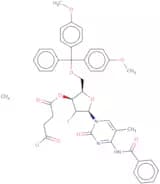
CAS:<p>Please enquire for more information about 2',3'-Dideoxycytidine-5'-triphosphate N,N-diethylethanamine including the price, delivery time and more detailed product information at the technical inquiry form on this page</p>Formula:C9H16N3O12P3•(C6H15N)xPurity:Min. 95%N4-Benzoyl-1-(2'-deoxy-5'-O-DMT-2'-fluoro-b-D-arabinofuranosyl)-5-methylcytosine-3'-O-succinate triethylammonium salt
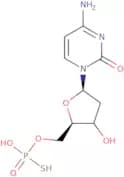
<p>N4-Benzoyl-1-(2'-deoxy-5'-O-DMT-2'-fluoro-b-D-arabinofuranosyl)-5-methylcytosine-3'-O-succinate triethylammonium salt is a synthetic nucleoside. It is used for the treatment of HIV infection. N4-Benzoyl-1-(2'-deoxy-5'-O-DMT)-2'-fluoro -b -D -arabinofuranosyl) -5 methylcytosine (ADT) inhibits viral replication by inhibiting the activity of reverse transcriptase, which is an enzyme that synthesizes DNA from RNA. ADT is activated to its active form by phosphorylation with a kinase and then converted to diphosphate ADP by the enzyme pyrophosphatase. ADP then acts as a substrate for DNA polymerases, incorporating into newly synthesized DNA</p>Formula:C42H40FN3O10·C6H16NPurity:Min. 95%Molecular weight:868 g/mol2'-Deoxycytidine-5'-O-monophosphorothioate sodium salt
CAS:<p>2'-Deoxycytidine-5'-O-monophosphorothioate sodium salt is a nucleoside that is used in the synthesis of DNA. It is also an activator for the phosphoramidite group. This product has novel chemical properties and is CAS No. 63225-09-2. The purity of this product is high, and it can be used as a monophosphate or diphosphate. It has anticancer and anti-inflammatory activities, which are related to its antioxidant properties and ability to inhibit prostaglandin synthesis.</p>Formula:C9H14N3O6PSPurity:Min. 95%Molecular weight:323.26 g/mol5-[N(2-Trifluoroacetamido)ethyl)-3-(E)-acrylamido]-2-deoxyuridine
CAS:<p>5-[N(2-Trifluoroacetamido)ethyl)-3-(E)-acrylamido]-2-deoxyuridine is an anticancer, antiviral, and phosphoramidite DNA synthesis reagent that is modified by the addition of a trifluoroacetamide group. It has been shown to activate monophosphate nucleotides and nucleosides to their corresponding diphosphates and deoxyribonucleosides. 5-[N(2-Trifluoroacetamido)ethyl]-3-(E)-acrylamido]-2-deoxyuridine is synthesized from 2-deoxyuridine which is derived from uracil and phenol. This novel chemical substance has shown promising results in preclinical testing against human cancers and viral infections.</p>Formula:C16H19F3N4O7Purity:Min. 95%Molecular weight:436.34 g/mol2-Methylthio-6-chloropurine riboside
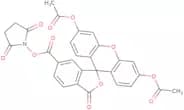
CAS:<p>2-Methylthio-6-chloropurine riboside is an adenosine derivative that acts as a competitive inhibitor of the enzyme RNA polymerase. It is used in the process of translation to inhibit protein synthesis. 2-Methylthio-6-chloropurine riboside is synthesized by reacting 2-methylthioadenosine with 6-chloropurine riboside and then phosphoramidite chemistry.</p>Formula:C12H15CIN4O5SPurity:Min. 95%Molecular weight:466.25 g/mol6-Carboxyfluorescein diacetate N-Hydroxysuccinimide ester
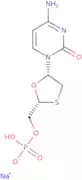
CAS:<p>6-Carboxyfluorescein diacetate N-Hydroxysuccinimide ester is a fluorescence probe that can be used as a marker for biological samples. It is minimally toxic and stable in vitro, and can be used to measure the protein content of cells. This compound has been used in vitro methods to study the effects of environmental factors on cellular metabolism by measuring the amount of ATP in 3T3-L1 preadipocytes. 6-Carboxyfluorescein diacetate N-Hydroxysuccinimide ester has also been used to measure the effectiveness of wastewater treatment processes by analyzing the fluorescence intensity of cells using confocal microscopy. It has also been shown to have an effect on hypersensitivity syndrome and infectious diseases.</p>Formula:C29H19NO11Purity:Min. 95 Area-%Color and Shape:PowderMolecular weight:557.46 g/molLamivudine 5'-monophosphate sodium salt
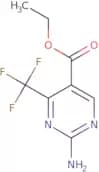
<p>Lamivudine 5'-monophosphate sodium salt is a diphosphate nucleoside analog. It is active against HIV and is also used as an antiviral agent for the treatment of hepatitis B virus infection. Lamivudine 5'-monophosphate sodium salt binds to viral DNA, preventing the progression of viral replication. The drug is phosphorylated by cellular enzymes to its active form, lamivudine triphosphate (3TC).</p>Formula:C8H11N3O6PSNaPurity:Min. 95%Molecular weight:331.22 g/molEthyl 2-amino-4-(trifluoromethyl)pyrimidine-5-carboxylate
CAS:<p>Ethyl 2-amino-4-(trifluoromethyl)pyrimidine-5-carboxylate is a small molecule that is a potent inhibitor of diacylglycerol acyltransferase. The compound has been shown to be an efficient inhibitor of this enzyme, which is involved in the synthesis of diacylglycerol. Diacylglycerol acyltransferase catalyzes the transfer of an acyl group from an acyl-carrier protein (ACP) to glycerol 3-phosphate, forming lysophosphatidic acid and releasing CoA. The inhibition of this enzyme leads to drastically reduced levels of diacylglycerol, which may have implications for the treatment of metabolic syndrome and diabetes.</p>Formula:C8H8F3N3O2Purity:Min. 95%Molecular weight:235.16 g/mol1,3-Dimethyl-5-[3-(4,4,5,5-tetramethyl-[1,3,2]dioxaborolan-2-yl)-benzyl]-pyrimidine-2,4,6-trione
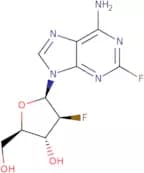
CAS:<p>1,3-Dimethyl-5-[3-(4,4,5,5-tetramethyl-[1,3,2]dioxaborolan-2-yl)-benzyl]-pyrimidine-2,4,6-trione is a novel nucleoside that is synthesized from 5-(3-(4,4,5,5-tetramethyl-[1,3,2]dioxaborolan-2-yl)benzyl)pyrimidine and dimethoxytrityl chloride. This compound has antiviral and anticancer properties. It can inhibit the replication of DNA by binding to the 3' hydroxyl group of the deoxyribonucleotide triphosphate. It also inhibits cancer cell growth by inhibiting RNA synthesis and protein synthesis. 1,3-Dimethyl-5-[3-(4,4,5,5-tetramethyl-[1,3 , 2]d</p>Purity:Min. 95%2-Fluoro-9-(2'-deoxy-2'-fluoro-b-D-arabinofuranosyl)adenine
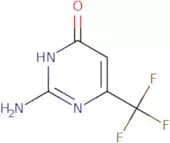
CAS:<p>2-Fluoro-9-(2'-deoxy-2'-fluoro-b-D-arabinofuranosyl)adenine is an antiviral drug that inhibits the synthesis of viral DNA and RNA. It is a synthetic nucleoside analogue with antiviral activity against herpes simplex virus type 1, herpes simplex virus type 2, varicella zoster virus, cytomegalovirus, Epstein Barr virus, and human immunodeficiency virus type 1. This compound is also used as a building block in the preparation of phosphoramidites for chemical synthesis of deoxyribonucleosides. 2-Fluoro-9-(2'-deoxy-2'-fluoro-b-D-arabinofuranosyl)adenine has shown anticancer activity in vitro and can be used to treat various types of cancer.</p>Formula:C10H11F2N5O3Purity:Min. 95%Molecular weight:287.22 g/mol2-Amino-4-hydroxy-6-(trifluoromethyl)pyrimidine
CAS:<p>2-Amino-4-hydroxy-6-(trifluoromethyl)pyrimidine is an activator, which is a substance that activates the enzymes that catalyze chemical reactions. It is a novel material with high purity and high quality. The activator can be used in the synthesis of ribonucleosides, deoxyribonucleosides, nucleosides, and phosphoramidites. 2-Amino-4-hydroxy-6-(trifluoromethyl)pyrimidine has been found to have anticancer and antiviral activities.</p>Purity:Min. 95%8-Benzyloxy-N2-isobutyryl-2-deoxyguanosine
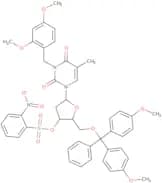
CAS:<p>8-Benzyloxy-N2-isobutyryl-2-deoxyguanosine is a novel, potent and selective anticancer drug that has been shown to inhibit the growth of a variety of human tumor cells in vitro and in vivo. It also has antiviral activity against herpes simplex virus type 1. The drug is an analog of 8-benzyloxyguanosine, a nucleoside which is structurally related to guanine. This compound is synthesized from the corresponding diphosphate and monophosphate derivatives by the action of DNA polymerase and DNA ligase. 8-Benzyloxy-N2-isobutyryl-2-deoxyguanosine inhibits viral replication by binding to the viral DNA polymerase and preventing further synthesis, as well as inhibiting cellular RNA synthesis.</p>Formula:C21H25N5O6Purity:Min. 95%Molecular weight:443.50 g/mol3-N-(2,4-Dimethylbenzyl)-1-(5-O-DMT-3-O-nitrophenylsulphonyl-2-deoxy-b-D-lyxofuranosyl)thymidine
CAS:<p>3-N-(2,4-Dimethylbenzyl)-1-(5-O-DMT-3-O-nitrophenylsulphonyl-2-deoxy-b-D-lyxofuranosyl)thymidine is a modified nucleoside that has antiviral and anticancer properties. It is a synthetic nucleotide with a novel structure that can be phosphorylated to form the corresponding diphosphate, monophosphate, or phosphoramidites. 3N-(2,4-Dimethylbenzyl)-1-(5-O-DMT (3'-O-[(dimethylamino)methyl]oxime)-2'-deoxyribofuranosyl)thymidine is used as an antiviral agent against HIV and other retroviruses.</p>Formula:C46H45N3O13SPurity:Min. 95%Molecular weight:879.93 g/mol2'-Deoxy-5'-O-p-toluenesulfonyluridine
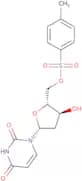
CAS:<p>2'-Deoxy-5'-O-p-toluenesulfonyluridine is a nucleoside that is modified with a p-toluenesulfonyl group on the 2' position. This compound has been shown to be an activator of phosphoramidites. It is also used as an anticancer drug, antiviral agent, and in the synthesis of ribonucleosides and deoxyribonucleosides. 2'-Deoxy-5'-O-p-toluenesulfonyluridine is typically used as a building block for RNA or DNA synthesis. This compound can also be used in the preparation of aminoglycoside antibiotics, as well as for the treatment of cancerous tumors.</p>Formula:C16H18N2O7SPurity:Min. 95%Molecular weight:382.4 g/mol5-(4-Hydroxybutyn-1-yl)uridine
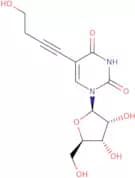
CAS:<p>5-(4-Hydroxybutyn-1-yl)uridine (5-BPU) is a nucleoside that inhibits viral replication. It is synthesized by the phosphoramidite method and modified to produce a 5-(4-hydroxybutyn-1-yl)uridine diphosphate (5-BPUDP). 5-BPUDP can be phosphorylated to form 5-(4-hydoxybutyn-1-yl)uridine monophosphate (5-BPUMP), which is more active than 5-(4-hydoxybutyn-1 -yl)uridine diphosphate. The antiviral activity of this drug has been demonstrated in vitro using human T lymphocytes, Epstein Barr virus, and herpes simplex virus type 1. It has also shown anticancer activity against leukemia cells in mice and rats.</p>Formula:C13H16N2O7Purity:Min. 95%Molecular weight:312.28 g/molPurine riboside-5'-triphosphate
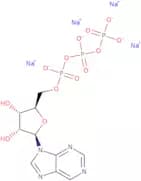
CAS:<p>Purine riboside-5'-triphosphate is a nucleotide that belongs to the group of purines. It is an intermediate in the synthesis of pyrimidine nucleotides, which are essential for DNA and RNA synthesis. Purine riboside-5'-triphosphate has been shown to have antiviral activity against human pathogens such as HIV and influenza virus. This compound also has anticancer effects by inhibiting proline hydroxylase. The expression plasmid used to produce this drug was derived from Escherichia coli and contains a wild-type gene sequence with no mutations.</p>Formula:C10H15N4O13P3Purity:Min. 95%Molecular weight:492.17 g/mol5'-O-DMT-N-(dimethylamino)methylidene-2'-deoxypseudoisocytidine
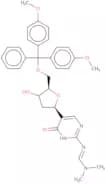
CAS:<p>5'-O-DMT-N-(dimethylamino)methylidene-2'-deoxypseudoisocytidine is a novel antiviral monophosphate nucleoside. It inhibits viral DNA synthesis by competing with natural deoxyribonucleosides in the cell. 5'-O-DMT-N-(dimethylamino)methylidene-2'-deoxypseudoisocytidine is a high purity, modified nucleoside that has been synthesized by chemical phosphoramidite chemistry and modified to allow for efficient polymerase chain reactions. This product has been tested as an anticancer agent in vitro.</p>Formula:C33H36N4O6Purity:Min. 95%Molecular weight:584.66 g/mol
![Fluorescein-5(6)-carboxamidocaproyl-(5-[3-aminoallyl]uridine 5'-triphosphate) - 1 mM aqueous solut…](/_next/image/?url=https%3A%2Fstatic.cymitquimica.com%2Fproducts%2F3D%2Fthumb-webp%2FNF139015.webp&w=3840&q=75)




![5-[4-(4,4,5,5-tetramethyl-[1,3,2]dioxaborolan-2-yl)-benzylidene]-pyrimidine-2,4,6-trione](/_next/image/?url=https%3A%2Fstatic.cymitquimica.com%2Fproducts%2F3D%2Fthumb-webp%2FNT44284.webp&w=3840&q=75)




![5'-Dimethoxytrityl-1-methyl-pseudoUridine, 2'-O-TBDMS-3'-[(2-cyanoethyl)-(N,N-diisopropyl)]-phosph…](/_next/image/?url=https%3A%2Fstatic.cymitquimica.com%2Fproducts%2F3D%2Fthumb-webp%2FPD180455.webp&w=3840&q=75)

![5-[N(2-Trifluoroacetamido)ethyl)-3-(E)-acrylamido]-2-deoxyuridine](/_next/image/?url=https%3A%2Fstatic.cymitquimica.com%2Fproducts%2F3D%2Fthumb-webp%2FUJB22269.webp&w=3840&q=75)

![1,3-Dimethyl-5-[3-(4,4,5,5-tetramethyl-[1,3,2]dioxaborolan-2-yl)-benzyl]-pyrimidine-2,4,6-trione](/_next/image/?url=https%3A%2Fstatic.cymitquimica.com%2Fproducts%2F3D%2Fthumb-webp%2FND44286.webp&w=3840&q=75)