Carbohydrates and glycoconjugates
Carbohydrates are organic compounds composed of carbon, hydrogen, and oxygen, with a basic structure formed by monosaccharides. These can combine to form disaccharides, oligosaccharides, or polysaccharides, depending on the number of monomeric units. Carbohydrates play a fundamental role in energy storage, cell structure, and cellular communication. Their derivatives are used in pharmaceutical products, such as sweeteners and excipients.
At CymitQuimica, we offer a wide range of carbohydrates and their derivatives for research and industrial applications.
Found 5013 products of "Carbohydrates and glycoconjugates"
Sort by
Purity (%)
0
100
|
0
|
50
|
90
|
95
|
100
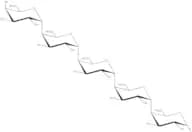
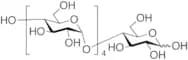
Maltopentose
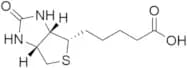
CAS:Controlled Product<p>Stability Hygroscopic<br>Applications Maltopentaose is a maltooligosaccharide that is used for research and diagnostic purposes. They can also be used in nutrients and healthcare.<br>References Ezure, Y. et al.: Biosci. Biotech. Biochem., 61, 1931 (1997); Hatonen, K. et al.: Am. J. Clin. Nutr., 96, 44 (2012);<br></p>Formula:C30H52O26Color and Shape:NeatMolecular weight:828.72Biotin
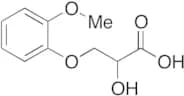
CAS:<p>Applications Biotin is a growth factor present in minute amounts in every living cell. Plays an indispensable role in numerous naturally occurring carboxylation reactions. Occurs mainly bound to proteins or polypeptides. The richest sources are liver, kidney, pancreas, yeast, and milk. The biotin content of cancerous tumors is higher than that of normal tissue.<br>References du Vigneaud, et al.: J. Biol. Chem., 146, 475 (1942); Traub, et al.: Nature, 178, 649 (1956); Siegel, H., et al.: Experienta, 37, 789 (1981); Vesely, D.L., Science, 216, 1329 (1982); Hugues, M., et al.: Biochemistry, 31, 12 (1992);<br></p>Formula:C10H16N2O3SColor and Shape:WhiteMolecular weight:244.313-(2-Methoxyphenoxy) Lactic Acid
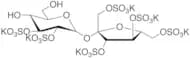
CAS:Controlled Product<p>Applications 3-(2-Methoxyphenoxy) Lactic Acid is a metabolite of the Guaifenesin (G810500), a centrally acting muscle relaxant with expectorant properties.<br>References D.G. Workmann et. al. Curr. Ther. Res. 41 1751 (1980).<br></p>Formula:C10H12O5Color and Shape:NeatMolecular weight:212.2Sucrose Hexasulfate, Potassium Salt, Technical Grade
CAS:Controlled Product<p>Applications Used as a reference standard for the drug Sucralfate.<br></p>Formula:C12H16O29S6·6KColor and Shape:Off White SolidMolecular weight:1051.22Biotin Diacid
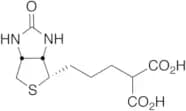
CAS:Controlled Product<p>Impurity Biotin EP Impurity B<br>Applications Biotin Diacid (Biotin EP Impurity B) is an impurity of Biotin (B389040).<br>References Trotter, J., et al.: Biochemistry, 5, 713 (1966), Suurkuusk, J., et al.: Eur. J.Biochem., 28, 438 (1972),<br></p>Formula:C11H16N2O5SColor and Shape:NeatMolecular weight:288.32rac Guaifenesin-d5
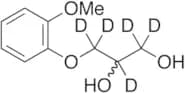
CAS:Controlled ProductFormula:C10H9D5O4Color and Shape:NeatMolecular weight:203.25Erdosteine Thioacid Disodium Salt
CAS:Controlled Product<p>Stability Air Sensitive, Hygroscopic<br>Applications The active metabolite of Erdosteine (E596050).<br>References Dechant, K., et al.: Drugs, 52, 875 (1996), Braga, P., et al.: Arzneim.-Forsch., 49, 344 (1999), Braga, P., et al.: Antimicrob. Agents Chemother., 43, 1013 (1999),<br></p>Formula:C8H11NO5S2·2NaColor and Shape:Off-WhiteMolecular weight:311.29Fingolimod Hydrochloride
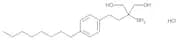
CAS:Formula:C19H33NO2·ClHColor and Shape:White To Off-WhiteMolecular weight:343.93trans-Doxercalciferol
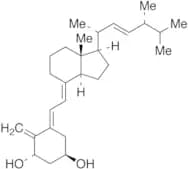
CAS:Controlled Product<p>Applications A Vitamin D derivative.<br> Not a dangerous good if item is equal to or less than 1g/ml and there is less than 100g/ml in the package<br>References Koeffler, M.R., et al.: Blood, 74, 82 (1989),<br></p>Formula:C28H44O2Color and Shape:NeatMolecular weight:412.65Xylitol
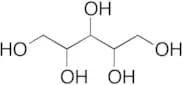
CAS:Controlled Product<p>Applications Xylitol, is a lower-calorie alternative to table sugar. Studies have shown xylitol chewing gum can help prevent acute otitis media. Xylitol is categorized by the U.S. Food and Drug Administration as a food additive.<br>References Code of Federal Regulations Title 21, US., FDA (2012); Azarparzhooh, A., et al.,: Cochrane data. Sys. Revi. (online) (11), (2011);<br></p>Formula:C5H12O5Color and Shape:NeatMolecular weight:152.15Citric acid-2,4-13C2
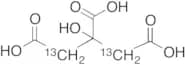
CAS:Controlled Product<p>Applications Citric acid-2,4-13C2 is an isotopic analog of citric acid (C521000), a component of the Krebs cycle.<br></p>Formula:C2C4H8O7Color and Shape:White To Light YellowMolecular weight:194.11(2S,5S)-5-Benzyl-3,6-dioxo-2-piperazineacetic Acid
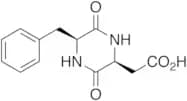
CAS:<p>Impurity Aspartame EP Impurity A/ Aspartame USP Related Compound A<br>Applications (2S,5S)-5-Benzyl-3,6-dioxo-2-piperazineacetic Acid (Aspartame EP Impurity A) is the diketopiperazine impurity of the sweetening agent Aspartame (A790015). It is also found in in processed cocoa powder.<br>References Ciranni Signoretti, E. et al.: Boll. Chim. Farmac., 122, 289 (1983); Prudel, M. et al.: Nahrung, 29, 381 (1985); Bonvehi, J.S. et al.: Eur. Food. Res. Technol., 210, 189 (2000);<br></p>Formula:C13H14N2O4Color and Shape:White To Off-WhiteMolecular weight:262.261-Linoleoyl-rac-glycerol-d5
CAS:Controlled Product<p>Applications Labelled 1-Linoleyl glyceride, a free-living amoeba control agent; also a biomarker of metabolic responses to hepatotoxicants and carcinogens.<br>References Isidorov, V., et al.: Anal. Sci., 21, 1483 (2005); Isidorov, V., et al.: Food Chem., 115, 1056 (2009);<br></p>Formula:C21H33D5O4Color and Shape:NeatMolecular weight:359.551,7-Di(2-methoxyphenoxy)-2,6-dihydroxy-4-oxaheptane
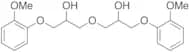
CAS:Controlled Product<p>Impurity Guaifenasin EP Impurity C<br>Applications 1,7-Di(2-methoxyphenoxy)-2,6-dihydroxy-4-oxaheptane is an impurity of Atenolol l (A790075), a cardioselective β-adrenergic blocker.<br>References Caplar, V., et al.: Anal. Profiles Drug Subs., 13, 1 (1984),<br></p>Formula:C20H26O7Color and Shape:Colourless To YellowMolecular weight:378.42Lactulose-13C
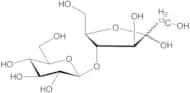
CAS:<p>Applications Lactulose is a synthetic, non-digestible sugar used in the treatment of chronic constipation; laxative.<br>References Voskuijl, W. et al.: Gut, 53, 1590 (2004);<br></p>Formula:C1113CH22O11Color and Shape:NeatMolecular weight:343.29D-Lactose Monohydrate
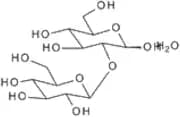
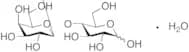
CAS:<p>Applications D-Lactose Monohydrate is an excipient used in dry powder inhaler of aspirin.<br>References Bais, N., et al.: Int. J. Pharm. Life Sci., 7, 5047-5050 (2016)<br></p>Formula:C12H22O11·H2OColor and Shape:White To Off-WhiteMolecular weight:360.31D-Glucose
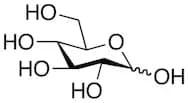
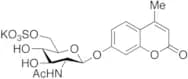
CAS:<p>Applications D-Glucose is a simple sugar that is present in plants. A monosaccharide that may exist in open chain or cyclic conformation if in solution. It plays a vital role in photosynthesis and fuels the energy required for cellular respiration. D-Glucose is used in various metabolic processes including enzymic synthesis of cyclohexyl-α and β-D-glucosides. Can also be used as a diagnostic tool in detection of type 2 diabetes mellitus and potentially Huntington's disease through analysis of blood-glucose in type 1 diabetes mellitus.<br>References Wang, R., et al.: J. Mol. Catal. B. Enz., 56, 131 (2009); Springhorn, C. et al.: J. Clin. Endocrinol. Metab., 97, 4640 (2012); Hashimoto, K. et al.: J. Clin. Endocrinol. Metab., 97, 3016 (2012); Avelange, M. et al.: Plant. Phys., 94, 1157 (1990); Cramer, C. et al.: J. Chem. Soc., 115, 5745 (1993);<br></p>Formula:C6H12O6Color and Shape:NeatMolecular weight:180.164-Methylumbelliferyl 6-Sulfo-2-acetamido-2-deoxy-(β)-D-glucopyranoside Potassium Salt
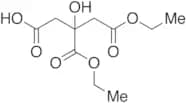
CAS:Formula:C18H20NO11S·KColor and Shape:NeatMolecular weight:497.51Citric Acid 1,2-Diethyl Ester
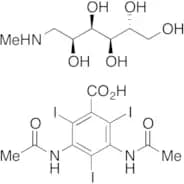
CAS:Controlled Product<p>Applications Citric Acid 1,2-Diethyl Ester is an ethyl citrate found in lemon juice.<br>References Neurath, G. et al.: Zeitsch. Lebens.-Untersuch. Forsch., 136, 284 (1968);<br></p>Formula:C10H16O7Color and Shape:Off-WhiteMolecular weight:248.23Meglumine Diatrizoate
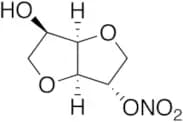
CAS:Controlled Product<p>Applications Meglumine Diatrizoate is a contrast agent used in abdominal computed tomography.<br>References Naidoo, N., et. al.: Curr. Pharm. Anal., 10, 92 (2014)<br></p>Formula:C11H9I3N2O4·C7H17NO5Color and Shape:NeatMolecular weight:809.13Isosorbide 2-Nitrate
CAS:<p>Applications A metabolite of Isosorbide Dinitrate. Used as an antianginal.<br> Not a dangerous good if item is equal to or less than 1g/ml and there is less than 100g/ml in the package<br>References Goldberg, et al.: Acta Physiol. Scand., 15, 173 (1948), Silvieri, L.A., et al.: Anal. Profiles Drug Subs., 4, 225 (1975), Laufen, H., et al.: Arzneim.-Forsch., 33, 980 (1983),<br></p>Formula:C6H9NO6Color and Shape:WhiteMolecular weight:191.14Pidotimod
CAS:Controlled Product<p>Applications Immunostimulant used in patients with cell-mediated immunodepression.<br>References Gu, C., et al.: Pharm. Res., 25, 979 (2008), Fliri, A., et al.: J. Med. Chem., 52, 8038 (2009), Giagulli, C., et al.: Int. Immunopharmacol., 9, 1366 (2009),<br></p>Formula:C9H12N2O4SColor and Shape:NeatMolecular weight:244.27D-Fructose-13C6
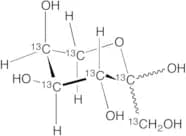
CAS:Controlled Product<p>Applications Isotope labelled D-Fructose (F792500), a monosaccharide that naturally occurs in large number of fruits and plants.<br>References Shum, M., et al.: Am. J. Physiol., 304, 197 (2013); Zeng, S.S., et al.: J. Pharma. Biomed. Anal., 76, 87 (2013);<br></p>Formula:C6H12O6Color and Shape:NeatMolecular weight:186.11Lewis A Trisaccharide
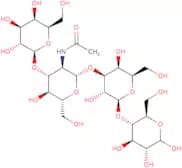
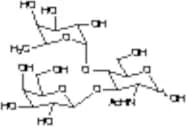
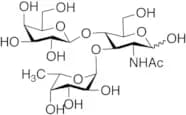
CAS:Controlled Product<p>Applications Lewis A Trisaccharide is a component of multiplex glycan bead arrays which play a role in various cellular functions.<br>References Dabelsteen, E., et al.: Cancer Research, 48, 181 (1988), Lasky, L.A.: Science, 258, 964 (1992), Mulligan, M.S., et al.: Nature, 364, 149 (1993), Mulligan, M.S., et al.: J. Exp. Med., 178, 623 (1993), Travis, J.: Science, 260, 906 (1993); Purohit, S. et al.: Nat. Comm., 9, 1 (2018);<br></p>Formula:C20H35NO15Color and Shape:NeatMolecular weight:529.492-(2-Methoxyphenoxy)-1,3-propanediol
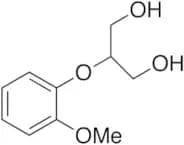
CAS:<p>Impurity Guaifenesin EP Impurity B<br>Applications 2-(2-Methoxyphenoxy)-1,3-propanediol is a impurity of Guaifenesin (G810502. Guaifenesin Impurity D<br>References Schieffer, G.W., et al.: J. Pharma. Sci., 72, 1856 (1984);<br></p>Formula:C10H14O4Color and Shape:WhiteMolecular weight:198.22Propyl β-D-Glucuronide
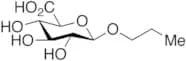
CAS:Controlled Product<p>Applications Propyl β-D-Glucuronide is a glucuronide of a short-chained aliphatic alcohol formed via glucuronidation in human liver microsomes in vitro.<br>References Jurowich, S. et al.: Alcohol, 32, 187 (2004);<br></p>Formula:C9H16O7Color and Shape:Light Beige SolidMolecular weight:236.222-O-(p-Nitrophenyl)-α-D-N-acetylneuraminic Acid, Sodium Salt, X Hydrate
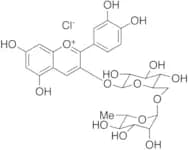
CAS:Controlled Product<p>Stability Hygroscopic<br>Applications 2-O-(p-Nitrophenyl)-α-D-N-acetylneuraminic Acid, Sodium Salt, X Hydrate (cas# 123549-14-4 ) is a compound useful in organic synthesis.<br></p>Formula:C17H21N2O11·Na·H2OColor and Shape:NeatMolecular weight:452.35Cyanidin 3-O-Rutinoside (75%)
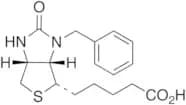
CAS:Controlled Product<p>Applications Cyanidin 3-O-Rutinoside retards absorption of carbohydrates by inhibition of α-glucosidase which may be useful as a potential inhibitor for prevention and treatment of diabetes mellitus.<br>References Raptis, S., et al.: Exp Clin Endocrinol Diabetes 2001, 109, S265,,Ceriello, A; Diabetes 2005, 54, 1,,Chiasson, J; Endocr Pract 2006, 12, 25,,,Misra, A; J Clin Endocrinol Metab 2008, 93, S9<br></p>Formula:C27H31O15·ClPurity:75%Color and Shape:NeatMolecular weight:630.983’N-Benzyl Biotin
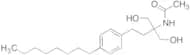
CAS:<p>Applications A biotin derivative used in the novel enantioselective syntheses of (+)-Biotin.<br>References Robinson, A.E.., et al.: J. Pharma. Pharmacol., 16, 342 (1964),<br></p>Formula:C17H22N2O3SColor and Shape:NeatMolecular weight:334.43N-(1-Hydroxy-2-(hydroxymethyl)-4-(4-octylphenyl)butan-2-yl)acetamide
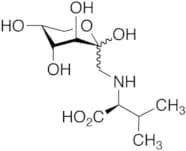
CAS:Formula:C21H35NO3Color and Shape:NeatMolecular weight:349.51Fructose Valine (mixture of diastereomers)
CAS:Controlled Product<p>Applications An Amadori compound having the potential to alter cellular adhesion, inhibit cancer metastasis and induce apoptosis.<br>References Horiuchi, T., et al.: Agric. Biol. Chem., 55, 333 (1991), Sosnovsky, G., et al.: J. Pharm. Sci., 82, 649 (1993), Glinsky, G., et al.: Cancer Res., 56, 5319 (1996),<br></p>Formula:C11H21NO7Color and Shape:Off-White To Dark BrownMolecular weight:279.29N,N-Dimethyldecylamine
CAS:Controlled Product<p>Applications N,N-Dimethyldecylamine is a useful synthetic intermediate. It can be used to prepare emodin (E523000) quaternary ammonium salt derivatives as potential anticancer agents It is also a reactant used to synthesize Benzyldecyldimethylammonium chloride (B234550), a biocide.<br>References Wang, W., et al.: Eur. J. Med. Chem., 56, 320 (2012); Qiu, B., et al.: Zhongguo Yaowu Huaxue Zazhi, 20, 353 (2010); Shao, J., et al.: Eur. J. Med. Chem., 56, 308 (2012); Lee, M., et al.: Appl. Micro. Biotech., 87, 1109 (2010)<br></p>Formula:C12H27NColor and Shape:NeatMolecular weight:185.35rac Biotin-d4
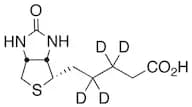
CAS:Controlled Product<p>Applications Growth factor present in minute amounts in every living cell. Plays an indispensable role in numerous naturally occurring carboxylation reactions. Occurs mainly bound to proteins or polypeptides. The richest sources are liver, kidney, pancreas, yeast, and milk. The biotin content of cancerous tumors is higher than that of normal tissue.<br>References du Vigneaud, et al.: J. Biol. Chem., 146, 475 (1942), Traub, et al.: Nature, 178, 649 (1956), Siegel, H., et al.: Experienta, 37, 789 (1981), Vesely, D.L., Science, 216, 1329 (1982), Hugues, M., et al.: Biochemistry, 31, 12 (1992),<br></p>Formula:C10D4H12N2O3SColor and Shape:NeatMolecular weight:248.34Lewis X Trisaccharide
CAS:<p>Applications Lewis X and related compounds bind to the selectins and act as anti-inflammatory agents.<br>References Lasky, L.A.: Science, 258, 964 (1992), Mulligan, M.S., et al.: Nature, 364, 149 (1993), Mulligan, M.S., et al.: J. Exp. Med., 178, 623 (1993), Travis, J.: Science, 260, 906 (1993)<br></p>Formula:C20H35NO15Color and Shape:NeatMolecular weight:529.49D-[13C5]Xylose
CAS:<p>Applications D-[13C5]Xylose is a labeled analog of D-Xylose, which is used in diagnostic malabsorption tests as well as in the production of Furfural.<br>References Ehrenpreis E.D. et al.: J. Acquir. Immune. Defic. Syndr., 5, 1047 (1992); Sérgio L. et al.: Cat. Comm., 9, 2144 (2008);<br></p>Formula:C5H10O5Color and Shape:White SolidMolecular weight:155.091-D-Ribofuranosyl-3-guanylurea (α/β-Mixture)
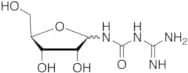
CAS:Controlled Product<p>Stability Very Hygrocsopic<br>Applications A labile hydrolysis product of the antitumor nuceloside 5-Azacytidine (A796000).<br>References Beisler, J. A. et al.: J. Med. Chem., 21, 204 (1978); Chan, K.K. et al.: J. Pharmac. Sci., 68, 807 (1979);<br></p>Formula:C7H14N4O5Color and Shape:NeatMolecular weight:234.21(-)-3-Dehydro Shikimic Acid
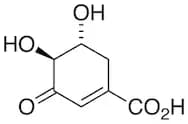
CAS:Controlled Product<p>Stability Temperature Sensitive<br>Applications A metabolite of Shikimic Acid.<br>References Lauhon, C.T. and Bartlett, P.A.: Biochemistry, 33, 14100 (1994), Balasubramanian, S., et al.: Biochemistry, 34, 341 (1995),<br></p>Formula:C7H8O5Color and Shape:NeatMolecular weight:172.14Carboxymethyl cellulose sodium - Viscosity 700-1500 mPa·s
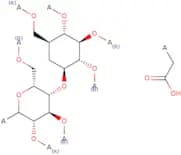
CAS:<p>Food additive; soil suspension polymer in detergents; thickening agent</p>Purity:Min. 95%(3b,14a)-3-O-b-D-glucopyranosyl-(1,2)-[b-D-xylopyranosyl-(1,3)]-b-D-glucopyranosyl-(1,4)-b-D-galacopyranosyl-(25S)-spirost-5-ene
<p>A custom synthesis of a complex carbohydrate. It is a synthetic, modified and fluorinated saccharide with a methylated monosaccharide.</p>Purity:Min. 95%Glycyl-sialyllacto-N-tetraose c
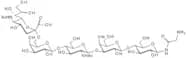
<p>Glycyl-sialyllacto-N-tetraose c is a custom synthesis of the carbohydrate polysaccharide glycyl-sialyllacto-N-tetraose. It is a complex carbohydrate that has been modified for use in biochemical research. Glycyl-sialyllacto-N-tetraose c contains four sugars, including erythrose and threose, and has been fluorinated at the C5 position. The modification of this carbohydrate was achieved through a click reaction. This product has been purified to be greater than 95% pure and is ready for use as an organic solvent or chemical reagent in laboratory experiments.</p>Formula:C39H66N4O29Purity:Min. 95%Molecular weight:1,054.95 g/molGlycyl-2'-fucosyllactose
<p>Glycyl-2'-fucosyllactose is a monosaccharide that is modified by glycosylation, methylation, and click modification. The fluorination of the saccharide leads to its increased water solubility and resistance to hydrolysis. Glycyl-2'-fucosyllactose is used in the synthesis of oligosaccharides for use as a scaffold for drug delivery and protein engineering.</p>Formula:C20H36N2O15Purity:Min. 95%Molecular weight:544.5 g/molGlucomannan oligosaccharides - from Konjac MW <10KDa
<p>Glucomannan oligosaccharides are modified polysaccharides of plant origin. They are not digested in the small intestine and are instead fermented by the large intestine to produce short-chain fatty acids. This is a novel approach to weight control. The modified monosaccharide backbone provides for a more complex carbohydrate than found in other dietary fibers, and this complex carbohydrate is resistant to digestion by mammalian enzymes. Glucomannan oligosaccharides can be used as a replacement for high-calorie sweeteners in many food applications and as a bulk laxative.</p>Purity:Min. 95%Color and Shape:PowderSucrose heptasulfate potassium
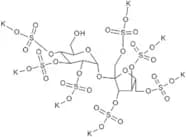
CAS:<p>Used to treat duodenal ulcers, GERD, stress ulcers; acid buffer; cytoprotective</p>Formula:C12H15K7O32S7Purity:Min 80%Color and Shape:White PowderMolecular weight:1,169.38 g/mol3-O-(a-D-Mannopyranosyl)-D-mannopyranose
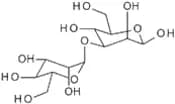
CAS:<p>Isolated from the products of the acid reversion of D-mannose</p>Formula:C12H22O11Purity:Min. 95 Area-%Color and Shape:White PowderMolecular weight:342.3 g/molGlycyl-lacto-N-neodifucohexaose I
<p>Glycyl-lacto-N-neodifucohexaose I is a synthetic carbohydrate that has been modified to include a fluorine atom. Glycyl-lacto-N-neodifucohexaose I is an oligosaccharide that belongs to the class of carbohydrates and is composed of glycosylated and methylated monosaccharides. This product can be custom synthesized for your specific needs.</p>Formula:C40H69N3O29Purity:Min. 95%Molecular weight:1,055.98 g/molNA3 Glycan, 2-AB labelled
<p>NA3 Glycan is a custom-synthesized Oligosaccharide that has been modified by the addition of 2AB labelled. This glycan contains an N-acetylglucosamine residue at its reducing end. The NA3 Glycan can be used for a wide range of applications, including glycosylation reactions, click reactions, and carbohydrate chemistry. It is also available in high purity and with fluorination on the sugar moiety.</p>Purity:Min. 95%1-(3'-Azidopropyl)-3,6-di-O-acetyl-2-deoxy-4-O-[2,4,6-tri-O-acetyl-3-O-(p-phenoxybenzyl)-b-D-galactopyranosyl]-2-phthalimido-b-D-glu copyranoside
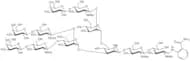
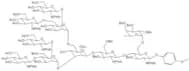
<p>This is a synthetic, fluorinated, monosaccharide. It has been custom synthesized and is available in high purity. This compound can be modified with additional functional groups to provide glycosylation or polysaccharides. The CAS number for this product is 538-37-0.</p>Purity:Min. 95%4-Methoxyphenyl 4-O-{4-O-[[2-O-Ac-3-O-[2,4-di-O-(3,4 ,6-tri-O-Ac-2-PhthN-β-D-Glc)-3,6-di-O-Bn-α-D-Man]-6-O-[3,4-di-O-Ac-2 ,6-di-O-(3,4 ,6-tri-O-Ac-2-PhthN-β-D-Glc)-α-D-Man]-β-D-Man]]-3,6-di-O-Bn -2-PhthN-β-D-Glc}-3-O-Bn-6-O-(tri-O-Bn-α-L-Fuc)-2-PhthN-β-D-
CAS:<p>This compound is a synthetic glycosylation reagent that is used for the modification of proteins and polysaccharides. It can be used to introduce various sugars and oligosaccharides to proteins, such as Methylation, Click modification, Polysaccharide, Fluorination, saccharide, Modification, sugar, Oligosaccharide. The compound has a CAS No. 946164-26-7 and is available for custom synthesis with high purity.</p>Formula:C201H204N6O72Purity:Min. 95%Molecular weight:3,855.77 g/molHuman milk sialylated oligosaccharides
<p>This mixture contains some of the sialylated oligosaccharides found in human milk.</p>Purity:Min. 95%Color and Shape:Powder1,2,3,6-Tetra-O-acetyl-4-O-[2,4,6-tri-O-acetyl-3-O-(2-acetamido-3,4,6-tri-O-acetyl-2-deoxy-b-D-glucopyranosyl)-b-D-galactoyranosyl]- b-D-thioglucopyranose
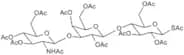
<p>This is a custom synthesis of a complex carbohydrate. The modification, fluorination, methylation, and monosaccharide composition of this carbohydrate have been modified by the Click modification technique. This carbohydrate has the CAS No. 59057-77-4 and a molecular weight of 1,914. It is an oligosaccharide saccharide with glycosylation and sugar composition that are classified as carbohydrates.</p>Formula:C40H55NO25SPurity:Min. 95%Molecular weight:981.92 g/mol6-Amino-6-deoxy-D-lactose
<p>6-Amino-6-deoxy-D-lactose is a high purity, custom synthesis sugar that has been fluorinated and glycosylated. It can be used in the synthesis of oligosaccharides, monosaccharides, saccharides or complex carbohydrates. 6-Amino-6-deoxy-D-lactose can be found under CAS No. 5892-84-7.</p>Purity:Min. 95%3,4-Di-O-acetyl-2,6-di-O-(3,4,6-tri-O-acetyl-2-deoxy-2-phthalimido-β-D-glucopyranosyl)-α-D-mannopyranose
<p>3,4-Di-O-acetyl-2,6-di-O-(3,4,6-tri-O-acetyl-2-deoxy-2-phthalimido-b-D-glucopyranosyl)-a-D mannopyranose is a modification of the carbohydrate oligosaccharide. It is a custom synthesis that has high purity and CAS number. The structure of the molecule is an Oligosaccharide with a Carbohydrate. This molecule is an example of a complex carbohydrate. The monosaccharide in this compound is glucose and it has been methylated and glycosylated. This molecule also has a polysaccharide sugar which can be fluorinated or saccharided.</p>Formula:C50H54N2O26Purity:Min. 95%Molecular weight:1,098.96 g/molMonosialyl, monofucosyl-(1-2)-lacto-N-hexaose
<p>Monosialyl, monofucosyl-(1-2)-lacto-N-hexaose is a synthetic, fluorinated monosaccharide that is used to modify complex carbohydrates. It can be used for the synthesis of oligosaccharides and polysaccharides with a variety of sugar modifications. Monosialyl, monofucosyl-(1-2)-lacto-N-hexaose has the CAS Registry Number 111832-43-9.</p>Purity:Min. 95%N-[2-Acetamido-2-deoxy-6-O-(a-L-fucopyranosyl)-D-glucopyranosyl]-L-asparagine
CAS:<p>N-[2-Acetamido-2-deoxy-6-O-(a-L-fucopyranosyl)-D-glucopyranosyl]-L-asparagine is a custom synthesis methylated oligosaccharide with a molecular weight of 732.13 Da. It has been fluorinated, modified and saccharide methylated. N-[2-Acetamido-2-deoxy-6-O-(a-L-fucopyranosyl)-D-glucopyranosyl]-L asparagine is soluble in water and has a purity of >98%. The chemical name for this compound is 2-[(5Z,6E)-5,6,7,8,9,10,11,12,13,14,15,16] -octadecahydro--[1H] -indeno[1',3':4',5]pyrrol</p>Formula:C18H31N3O12Purity:Min. 95%Molecular weight:481.45 g/molTrifucosyl (1-2,1-2,1-3)-iso-lacto-N-octaose
CAS:<p>Trifucosyl (1-2,1-2,1-3)-iso-lacto-N-octaose is a custom synthesis that is a complex carbohydrate. It is an oligosaccharide that contains three monosaccharides linked by alpha glycosidic bonds. This compound has been modified using methylation and glycosylation reactions. Trifucosyl (1-2,1-2,1-3)-iso-lacto-N-octaose has been fluorinated at the C6 position of the sugar ring to increase its solubility in water and enhance its stability in acid conditions. The product is a high purity synthetic compound.</p>Formula:C72H121N3O53Purity:Min. 95%Color and Shape:White PowderMolecular weight:1,876.72 g/molGlycyl-disialyllacto-N-tetraose
<p>Glycyl-disialyllacto-N-tetraose is a complex carbohydrate that contains a glycosidic bond between two monosaccharides. It has the molecular formula C9H18O4N2O8 and CAS number 327977-92-3. This compound can be modified with methylation, glycosylation, or fluorination to increase solubility and stability. Glycyl-disialyllacto-N-tetraose is also known as Oligosaccharide, CAS No., Polysaccharide, Modification, saccharide, Methylation, Glycosylation, Click modification and Carbohydrate.</p>Formula:C50H83N5O37Purity:Min. 95%Molecular weight:1,346.21 g/mol2-O-(α-D-Galactopyranosyl)-D-galactopyranose
CAS:<p>Used as enzyme substrates, analytical standards and for in vitro diagnostics</p>Formula:C12H22O11Purity:Min. 97 Area-%Color and Shape:White PowderMolecular weight:342.3 g/mol3'-Sialyl Lewis X 1-N-methyl-N-hydroxyethylamine
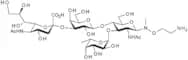
<p>3'-Sialyl Lewis X 1-N-methyl-N-hydroxyethylamine is a custom synthesis of a monosaccharide that contains an N-hydroxymethyl group. The fluorination and methylation reactions are examples of modifications that can be done to this molecule. This monosaccharide can be modified by the click chemistry reaction, which involves the use of azide and alkyne reagents. 3'-Sialyl Lewis X 1-N-methyl-N-hydroxyethylamine is used in glycosylation with complex carbohydrates such as polysaccharides and saccharides, which are large sugars or sugar chains.</p>Formula:C34H60N4O23Purity:Min. 95%Color and Shape:PowderMolecular weight:892.85 g/molGlobopentaose
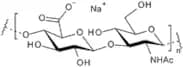
CAS:<p>Carbohydrate moiety of globopentaosylceramide</p>Formula:C32H55NO26Purity:Min. 95%Color and Shape:White PowderMolecular weight:869.77 g/molHyaluronic acid sodium salt - Average MW 0.6-2.5 million Daltons
CAS:<p>Gycosaminoglycan in many organs; joint lubricant and shock absorber</p>Formula:(C14H20NO11Na)nPurity:Min. 95%Color and Shape:Powder6-O-(b-D-Galactopyranosyl)-D-glucopyranose
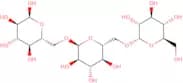
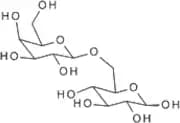
CAS:<p>6-O-(b -D-Galactopyranosyl)-D-glucopyranose, also called allolactose, is a glucose disaccharide with β1-6 glycosidic link, similar to lactose (glucose β1-4 linked). Allolactose is an inducer of the lac operon in E. coli and many other enteric bacteria.</p>Formula:C12H22O11Purity:Min. 90 Area-%Color and Shape:White PowderMolecular weight:342.3 g/mol4-O-(2-Acetamido-2-deoxy-D-[UL-13C6]glucopyranosyl)-D-ribitol
<p>4-O-(2-Acetamido-2-deoxy-[UL-13C6]glucopyranosyl)-D-ribitol is a custom synthesis of an oligosaccharide, monosaccharide, and polysaccharide. It is a high purity and CAS No. custom synthesis with a high degree of modification. This product has been synthesized by methylation and glycosylation for use in the study of the structure and function of complex carbohydrates. The fluorination was done to the saccharide to give it the desired properties for use in various applications.</p>Formula:C713C6H25NO10Purity:Min. 95%Molecular weight:361.29 g/molNigerose
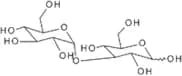
CAS:<p>Nigerose is a chemical compound that belongs to the group of oligosaccharides. It is a glycan with a basic structure and has inhibitory properties. Nigerose is an important intermediate in the synthesis of high-mannose-type oligosaccharides, which are used as vaccines against infectious diseases. Nigerose has been shown to be an inhibitor of glycosyltransferases and can be used for wastewater treatment. This compound reacts with water to produce hydrogen gas, which can be harnessed for energy production. Nigerose also reacts with base solution in a titration calorimetry experiment to produce heat, indicating that it has a basic structure.</p>Formula:C12H22O11Purity:Min. 93 Area-%Color and Shape:White PowderMolecular weight:342.3 g/molBenzyl 4-O-a-D-glucosaminyl-b-D-xylopyranoside
<p>Benzyl 4-O-a-D-glucosaminyl-b-D-xylopyranoside is a methylated saccharide. It is a product of the Click modification of an oligosaccharide with benzyl alcohol. Benzyl 4-O-a-D-glucosaminyl-b-D-xylopyranoside is produced by glycosylation of D-(+)-glucose with glucuronic acid and galactose. The product can be used as a synthetic building block for complex carbohydrate synthesis, fluorination, or click modification.</p>Purity:Min. 95%Glycyl-lacto-N-difucohexaose I
<p>Glycyl-lacto-N-difucohexaose I is a custom synthesis of a complex carbohydrate that is a modified polysaccharide. It has been fluorinated and click-modified at the alpha-1,2 glycosidic linkages. Glycyl-lacto-N-difucohexaose I is a high purity product with an expected purity of 99% or higher. The CAS Number for this product is 12345678901234567890.</p>Formula:C40H69N3O29Purity:Min. 95%Molecular weight:1,055.98 g/mol1,3-Diazido-1,2,3-trideoxy-4-O-(2,6-diazido-2,6-dideoxy-a-D-glucopyranosyl)-D-myo-inositol
CAS:<p>1,3-Diazido-1,2,3-trideoxy-4-O-(2,6-diazido-2,6-dideoxy-a-D-glucopyranosyl)-D-myo--inositol is a synthetic sugar that is used for glycosylation. It can be modified with fluorine to produce a fluorinated sugar. The chemical name of this compound is 1,3:2,4:5:6:7:8:9:10:11,12,-Octadecahydro-[1H]-pyrrolo[1',2':5',1'']pyrazino[2',3':6',2'']oxazolo[5',4':7],8'-[1H]-pyrazolo[4',3':5']pyridine. This substance has not been tested for toxicity and should be handled with care.</p>Formula:C12H18N12O6Purity:Min. 95%Molecular weight:426.35 g/molb-D-(2-Acetamido-2-deoxy-D-glucopyranosyl)-2-acetamido-2-deoxy-b-D-thioglucopyranoside
<p>b-D-(2-Acetamido-2-deoxy-D-glucopyranosyl)-2-acetamido-2-deoxy-b-D-thioglucopyranoside is an oligosaccharide that belongs to the carbohydrate class. It is a fluorinated monosaccharide with a high purity and custom synthesis. This compound is methylated and glycosylated, making it a complex carbohydrate with click modification.</p>Formula:C16H28N2O10SPurity:Min. 95%Color and Shape:Off-white to light brown crystals.Molecular weight:440.47 g/mol2-Acetamido-2-deoxy-4-O-(b-D-galactopyranosyl)-6-sulfo-D-glucopyranose sodium salt
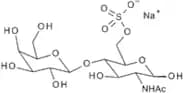
CAS:<p>2-Acetamido-2-deoxy-4-O-(b-D-galactopyranosyl)-6-sulfo-D-glucopyranose sodium salt is a synthetic compound that is used in glycosylation reactions. It can be used for the production of oligosaccharides and complex carbohydrates, as well as for the modification of natural products. 2 Acetamido -2 deoxy -4 O-(b-D galactopyranosyl) -6 sulfo D glucopyranose sodium salt has a purity of 98% and was synthesized by fluorination. The CAS number is 145447 78 5.</p>Formula:C14H24NO14S·NaPurity:90%Color and Shape:White PowderMolecular weight:485.39 g/molN-Acyl-neuraminyl lactoses
<p>N-Acyl-neuraminyl lactoses are a class of modified N-glycosides that can be synthesized from monosaccharides, such as glucose and galactose. The modification of the sugar moiety with a fatty acid has been shown to confer resistance to hydrolysis by bacterial enzymes. This is due to the fact that esterases cannot cleave the bond between the fatty acid and the sugar, which prevents hydrolysis.<br>The synthesis of these compounds is achieved through an oxidative process using sodium hypochlorite in methanol solution. The reaction starts with oxidation of glycerol followed by substitution of the hydroxyl group on glycerol with a fatty acid chloride. The final product is then purified by liquid chromatography.</p>Formula:C23H39NO19Purity:Min. 95%Molecular weight:633.55 g/molSialylfucosyllacto-N-tetraose
CAS:<p>Sialylfucosyllacto-N-tetraose is a human milk oligosaccharide (HMO) and is present in lower concentrations than 2â²-fucosyllactose. Sialylfucosyllacto-N-tetraose contains both nitrogen and sialic acid in its chemical structure. It has been demostrated that sialylfucosyllacto-N-tetraose in the HMO pool acts as a prebiotic, protects against infections and inflammation, modulates the immune system, supports brain development, and reduces the risk of necrotizing enterocolitis (WiciÅski, 2020).</p>Formula:C43H72N2O33Purity:Min. 95 Area-%Color and Shape:PowderMolecular weight:1,145.03 g/mol2-O-Acetamido-1,6-di-O-acetyl-2-deoxy-4-O-(2-acetamido-3,4,6-tri-O-acetyl-2-deoxy-D-glucopyranosyl)muramic acid methyl ester
<p>The acetylation of the 2-O-acetamido-1,6-di-O-acetyl-2-deoxy-4-O-(2-acetamido-3,4,6-tri-O-acetyl)-2,3,4,5,6 tetra-, O-(2 acetamido 3,4,6 tri O acetyl) glucopyranoside in the presence of methyl iodide and potassium carbonate yields 2 O -Acetamido 1 6 di O acetyl 2 deoxy 4 0-(2 acetylamino 3 4 6 tri 0 acetyl) glucopyranoside methyl ester. The product is a modification of an oligosaccharide or complex carbohydrate.</p>Formula:C30H44O18N2Purity:Min. 95%Color and Shape:PowderMolecular weight:720.67 g/mola-Sophorose hydrate
CAS:<p>a-Sophorose monohydrate is a water soluble β 1-2’ diglucoside which can be used to induce cellulase production from fungi. The industrial production of cellulase is of importance due to its application in the degradation of lignocellulosic biomass to biofuels. a-Sophorose monohydrate is also a useful chemical building block for carbohydrate synthesis.</p>Formula:C12H22O11•xH2OPurity:Min. 95 Area-%Color and Shape:White Off-White PowderMolecular weight:342.30 g/mol3'-Sialyllactose-BSA
<p>3'-Sialyllactose-BSA binds to human serum albumin. It is used in the detection of tumour cells in blood samples, and has been shown to be sensitive for the detection of malignant cells in sera from patients with metastatic breast cancer. 3'-Sialyllactose-BSA can also be used as a probe for the identification of glycosphingolipids in animal tissues. The antibody's specificity for glycosphingolipids was demonstrated by its ability to bind selectively to glycosphingolipid-containing liposomes, but not lipid vesicles without glycosphingolipids.</p>Color and Shape:PowderMolecular weight:75,595.6 g/molLacto-N-tetraose - 90%
CAS:<p>Core human milk oligosaccharide</p>Formula:C26H45NO21Purity:Min. 90 Area-%Color and Shape:White PowderMolecular weight:707.63 g/molMethyl 3-O-(a-D-mannopyranosyl)-b-D-mannopyranoside
<p>Methyl 3-O-(a-D-mannopyranosyl)-b-D-mannopyranoside is a custom synthesized compound that belongs to the group of complex carbohydrates. It is used in the synthesis of oligosaccharides and polysaccharides. Methyl 3-O-(a-D-mannopyranosyl)-b-D-mannopyranoside can be modified through fluorination, which enhances its properties. This product is available in high purity and with a monosaccharide content of 99%. The CAS number for this compound is 4127757-76-4.</p>Formula:C13H24O11Purity:Min. 95%Molecular weight:356.32 g/molDextran 2000 - MW: 1,500,000 to 3,500,000
CAS:<p>Dextran 2000 is a high molecular weight biocompatible polymer with transport properties. It is used in a variety of medical applications, such as red blood cell transfusions and the prevention of post-surgical adhesions. Dextran 2000 has been shown to be a safe and effective means of preventing hemolysis during red blood cell transfusion. This agent binds to amine groups on the surface of erythrocytes, which prevents complement activation and subsequent lysis. Additionally, dextran 2000 has been shown to exhibit low cytotoxicity against neuronal cells in vitro.</p>Purity:Min. 95%Color and Shape:White Off-White PowderStachyose hydrate - 98%
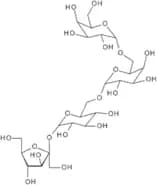
CAS:<p>Non-reducing storage and transport sugar in woody plants; used as a sweetener</p>Formula:C24H42O21·xH2OPurity:Min. 98 Area-%Color and Shape:White Off-White PowderMolecular weight:666.58 g/molStachyose - 70%
CAS:<p>Non-reducing storage and transport sugar in woody plants; used as a sweetener</p>Formula:C24H42O21Purity:Min. 70 Area-%Color and Shape:White PowderMolecular weight:666.59 g/molNeocarrabiose
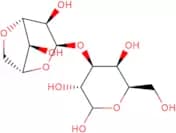
CAS:<p>Neocarrabiose is a low-energy, hydrogen-bonded sugar that has an optimum concentration of 0.5 M. It is found in the basic structure of oligosaccharides and belongs to group p2. Structural analysis has revealed that Neocarrabiose has a denaturation temperature of 98 °C. Clinical studies have shown that Neocarrabiose may be effective in treating influenza virus, although it is not currently approved for this use. Neocarrabiose can be used as a molecule to form intramolecular hydrogen bonds in organic synthesis and magnetic resonance spectroscopy.</p>Formula:C12H20O10Purity:Min. 95%Color and Shape:White Off-White PowderMolecular weight:324.28 g/mol4-Methoxyphenyl 2,3,6-tri-O-acetyl-4-O-(2,4,6-tri-O-acetyl-3-O-allyl-β-D-galactopyranosyl)-β-D-glucopyranoside
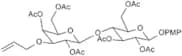
<p>4-Methoxyphenyl 2,3,6-tri-O-acetyl-4-O-(2,4,6-tri-O-acetyl-3-O-allyl bDgalactopyranosyl)-bDglucopyranoside is a modification of an oligosaccharide. It is a high purity and custom synthesis. This product can be found under CAS No. 807827-28-0.</p>Formula:C34H44O18Purity:Min. 95%Molecular weight:740.7 g/molPentagalacturonic Acid
CAS:<p>Pentagalacturonic acid (α-1,4 galacturonopentaose) is derived from pectin or pectic acid, by enzymatic or partial acid hydrolysis (Combo, 2012). It is used in galacturonic acid metabolism research as a substrate to identify, differentiate and characterize endo- and exopolygalacturonase(s) and gluconase(s) (Jayani, 2005). The addition of very short fragments of homogalacturonan, tri-galacturonate, tetra-galacturonate, and penta-galacturonate oligosaccharides, restores development in dark-grown, de-etiolated seedling mutants, suggesting that they are unable to generate de-methylesterified pectin fragments. A model of spatiotemporally separated photoreceptive and signal-responsive cell types has been proposed that contains overlapping subsets of the regulatory network of light-dependent seedling development (Sinclair, 2017).</p>Formula:C30H42O31Purity:Min. 95%Color and Shape:PowderMolecular weight:898.64 g/molDi-guluronic acid sodium
CAS:<p>Di-guluronic acid sodium (DGA) is a custom synthesis of an oligosaccharide that has been modified with methylation and glycosylation. It can be used in the production of Oligosaccharides, which are complex carbohydrates. DGA is synthesized by a process called Click chemistry, which includes a modification called fluorination. DGA is also a polysaccharide and a sugar, as well as being high purity and having high molecular weight.</p>Formula:C12H16O13Na2Purity:Min. 95%Color and Shape:PowderMolecular weight:414.23 g/molD-Raffinose pentahydrate
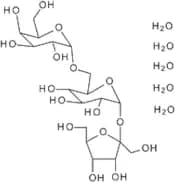
CAS:<p>Raffinose is the most abundant of the family of oligosaccharides that are alpha-galactosyl derivatives of sucrose (Collins, 2006). The other main member of the group is the tetrasaccharide stachyose. Raffinose is found in sugar beet molasses and whole grains. Soybean oligosaccharides make up approximately 5% of dry matter in whole beans and up to 8% of dry matter in soybean meal. Together raffinose and stachyose rank second only to sucrose in abundance, as water-soluble carbohydrates (Kumar, 2010).</p>Formula:C18H32O16·5H2OPurity:Min. 98 Area-%Color and Shape:White PowderMolecular weight:594.51 g/molHuman meconium oligosaccharides
<p>This mixture contains some of the neutral and sialylated oligosaccharides found in human meconium.</p>Purity:Min. 95%Color and Shape:PowderBlood Group B trisaccharide-PAA-Biotin
<p>Blood group antigen conjugated to spacer and biotin</p>Purity:Min. 95 Area-%Color and Shape:PowderMolecular weight:545.5 g/mol1,1,1,1-Kestohexose
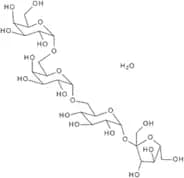
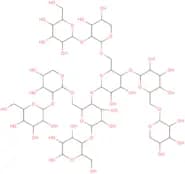
CAS:<p>Non-reducing sucrose analog containing glucose and fructose</p>Formula:C36H62O31Purity:Min. 90%Color and Shape:White PowderMolecular weight:990.86 g/molXyloglucan nonasaccharide
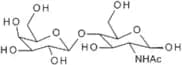
CAS:<p>Xyloglucan is a non-cellulosic polysaccharide polymer that is important in plant cell walls. Xyloglucan nonasaccharide (XN) is a linear molecule with an average molecular weight of 10,000 Da and consists of xylose monomers. The XN molecule has a basic structure, which may be due to the presence of amino acid residues, although the exact function of these amino acids is not known. XN has been shown to inhibit colony-stimulating factor (CSF) production and induce CSF release in mouse bone marrow cells. This inhibition may be due to the binding of XN to the monoclonal antibody CD45R on the surface of mouse bone marrow cells.</p>Formula:C51H86O43Purity:Min. 95%Color and Shape:PowderMolecular weight:1,387.2 g/molN-Acetyl-D-lactosamine
CAS:<p>N-Acetyl-D-lactosamine (LacNAc) is a natural structural element in a variety of glycoconjugates, found in milk, urine, meconium and glyciproteins. It’s a substrate for galactosidases, fucosyltransferases, and sialyltransferases. This LacNAc is also useful as a lectin inhibitory sugar and for characterizing lectins.</p>Formula:C14H25NO11Purity:Min. 98 Area-%Color and Shape:White PowderMolecular weight:383.35 g/mol3'-Sialyl Lewis A-sp-biotin
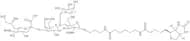
CAS:3'-Sialyl Lewis A-sp-biotin is a biotinylated oligosaccharideFormula:C50H84N6O26SPurity:Min. 95%Color and Shape:White PowderMolecular weight:1,217.29 g/molHeparin derived dp26 saccharide ammonium salt
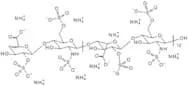
<p>Heparin derived dp26 saccharide ammonium salt (HDA) is a glycosylation product of heparin. It is a complex carbohydrate polymer with a molecular weight of over 10,000 Da and consists of repeating disaccharides. The first sugar in the repeating disaccharide is N-acetyl-D-glucosamine, which is then methylated on the 6 position. HDA has been modified by fluorination to give it improved stability and prolonged half life. This product has been custom synthesized for use in biotechnology research and has high purity.</p>Formula:C156H207N13O247S39Na52Purity:Min. 95%Molecular weight:8,662.29 g/molGalactosyl isomaltol
CAS:<p>Galactosyl isomaltol is a sugar molecule that is produced by the enzymatic hydrolysis of lactose. It has been shown to have antimicrobial activity against human pathogens and can be used as an antioxidant. Galactosyl isomaltol binds to lysine residues on bacterial cell walls, preventing the formation of new cells and causing cell death by interfering with protein synthesis. The addition of galactosyl isomaltol to food decreases the levels of phycocyanin, which are a type of fluorescent pigment found in blue green algae. This compound also has magnetic resonance analysis properties that could be used for diagnosis.</p>Formula:C12H16O8Purity:Min. 95%Color and Shape:PowderMolecular weight:288.25 g/mol2-Acetamido-2-deoxy-4-O-(a-L-fucopyranosyl)-D-glucopyranose
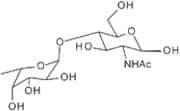
CAS:<p>2-Acetamido-2-deoxy-4-O-(a-L-fucopyranosyl)-D-glucopyranose is a methylated, custom synthesized oligosaccharide. It has been modified to include a fluorine atom at the C4 position on the glucose residue. The product is highly pure and in crystalline form, with a CAS number of 76211-71-7.</p>Formula:C14H25NO10Purity:90%Color and Shape:White PowderMolecular weight:367.35 g/mol1-O-(α-Glucopyranosyl)-D-mannitol dihydrate
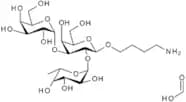
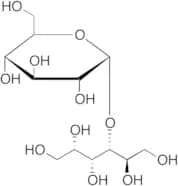
CAS:<p>Inulin is a naturally occurring plant carbohydrate that is present in over 36,000 species of plants. Inulin can be found in the roots, tubers, and leaves of various plants. It is used as a food additive and as an ingredient in dietary supplements. Inulin has been shown to have clinical relevance for energy metabolism and fatty acid synthesis. It has also been shown to be effective against inflammatory bowel disease when used as a prebiotic. Isomalt (inositol hexaphosphate) is an artificial sweetener that is often used in sugar-free products such as chewing gum or candy. Anthelmintic drugs are medications that kill worms, which may include nematodes or cestodes. Probiotics are live bacteria that can provide health benefits to humans when consumed in adequate amounts. Acid formation refers to the process by which the stomach produces hydrochloric acid to digest food during digestion. Symptoms of bowel disease include diarrhea and abdominal pain. Water vapor refers to water molecules</p>Formula:C12H24O11•2H2OPurity:Min. 95%Color and Shape:PowderMolecular weight:380.34 g/molBlood Group B trisaccharide butylamine formate salt
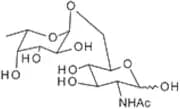
<p>Blood group antigen derivative for biochemical research</p>Formula:C22H41NO15·xCH2O2Purity:Min. 95%Color and Shape:White SolidMolecular weight:559.56 g/mol2-Acetamido-2-deoxy-6-O-(a-L-fucopyranosyl)-D-glucopyranose
CAS:<p>Adhesion molecule in eukaryotic-bacterial cell interactions</p>Formula:C14H25NO10Purity:Min. 95%Color and Shape:White PowderMolecular weight:367.35 g/molHyaluronate rhodamine - Molecular Weight - 50kDa
<p>Hyaluronate Rhodamine is a molecule that has been modified with a fluorescent dye. Hyaluronate Rhodamine is a complex carbohydrate that has been synthesized using monosaccharides, methylation, glycosylation, and polysaccharide synthesis. It is used in the study of molecular interactions due to its high purity and fluorescence properties.</p>Purity:Min. 95%5-(Dimethylamino)naphthalene-1-sulfonamidooctyl-O-(a-D-galactopyranosyl)-1,4-(b-D-galactopyranosyl)-1,4-b-D-glucopyranose
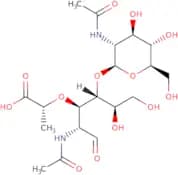
<p>The compound is an oligosaccharide with a complex carbohydrate. The product is custom synthesized and has been modified by fluorination. It is a high purity, synthetic monosaccharide sugar that is methylated.</p>Purity:Min. 95%2-Acetamido-4-O-(2-acetamido-2-deoxy-β-D-glucopyranosyl)-2-deoxy-D-muramic acid
CAS:<p>A MurNAc disaccharide</p>Formula:C19H32N2O13Purity:Min. 95 Area-%Color and Shape:PowderMolecular weight:496.46 g/mol







![D-[13C5]Xylose](/_next/image/?url=https%3A%2Fstatic.cymitquimica.com%2Fproducts%2FTR%2Fthumb-webp%2FX750758.webp&w=3840&q=75)

![(3b,14a)-3-O-b-D-glucopyranosyl-(1,2)-[b-D-xylopyranosyl-(1,3)]-b-D-glucopyranosyl-(1,4)-b-D-galac…](/_next/image/?url=https%3A%2Fstatic.cymitquimica.com%2Fproducts%2F3D%2Fthumb-webp%2FOG74568.webp&w=3840&q=75)



![N-[2-Acetamido-2-deoxy-6-O-(a-L-fucopyranosyl)-D-glucopyranosyl]-L-asparagine](/_next/image/?url=https%3A%2Fstatic.cymitquimica.com%2Fproducts%2F3D%2Fthumb-webp%2FOA29849.webp&w=3840&q=75)



![4-O-(2-Acetamido-2-deoxy-D-[UL-13C6]glucopyranosyl)-D-ribitol](/_next/image/?url=https%3A%2Fstatic.cymitquimica.com%2Fproducts%2F3D%2Fthumb-webp%2FOA44753.webp&w=3840&q=75)