Carbohydrates and glycoconjugates
Carbohydrates are organic compounds composed of carbon, hydrogen, and oxygen, with a basic structure formed by monosaccharides. These can combine to form disaccharides, oligosaccharides, or polysaccharides, depending on the number of monomeric units. Carbohydrates play a fundamental role in energy storage, cell structure, and cellular communication. Their derivatives are used in pharmaceutical products, such as sweeteners and excipients.
At CymitQuimica, we offer a wide range of carbohydrates and their derivatives for research and industrial applications.
Found 5012 products of "Carbohydrates and glycoconjugates"
Sort by
Purity (%)
0
100
|
0
|
50
|
90
|
95
|
100
Monosialyl, monofucosyl-(1-3)-lacto-N-hexaose
<p>Monosialyl, monofucosyl-(1-3)-lacto-N-hexaose is a high purity oligosaccharide that is custom synthesized for use in glycosylation studies. It can be modified with methylation, fluorination, or Click chemistry to create a variety of sugar derivatives. Monosialyl, monofucosyl-(1-3)-lacto-N-hexaose has been shown to have complex carbohydrate properties and can be used as an α1→6 glycosidic linker in the synthesis of polysaccharides.</p>Purity:Min. 95%Sodium alginate, viscosity 250 - 350 mPa.s
CAS:<p>Sodium alginate is a natural polysaccharide that is extracted from seaweed and used as an emulsifier, thickener, and stabilizer in food products. It is also used to create a gel with water or other liquids. The viscosity of sodium alginate can be modified by adding sugar, glycosylation, or methylation. Click modification is used to introduce fluorine atoms into the polymer backbone. Sodium alginate may be modified by adding oligosaccharides or monosaccharides for use as a bio-sorbent in wastewater treatment plants.</p>Color and Shape:PowderBlood Group B pentasaccharide
CAS:<p>Core antigen fragment in ABO blood group system</p>Formula:C30H52O24Purity:Min. 95%Color and Shape:PowderMolecular weight:796.72 g/molSialyllacto-N-fucopentaose I
<p>Sialyllacto-N-fucopentaose I is a high purity, custom synthesis, fluorinated carbohydrate that has been modified by methylation and click chemistry. This oligosaccharide is composed of a saccharide with a molecular weight of 908.5 g/mol and an enantiomeric purity of 99%. Sialyllacto-N-fucopentaose I is an Oligosaccharide with a CAS number of 61497-04-8. It is used in the synthesis of polysaccharides or as a monosaccharide or sugar substitute to produce high purity products.</p>Formula:C43H72N2O33Purity:Min. 95%Molecular weight:1,145.03 g/mol2-Acetamido-6-O-(a-2-N-acetylneuraminyl)-2-deoxy-a-D-galactopyranosyl serine
CAS:<p>2-Acetamido-6-O-(a-2-N-acetylneuraminyl)-2-deoxy-a-D-galactopyranosyl serine is a monosaccharide sugar that is the terminal sugar at the nonreducing end of the glycosidic linkage in gangliosides. It has been shown to be a marker for colorectal adenocarcinoma and may be used as a prognostic marker. 2-Acetamido-6-O-(a-2-N-acetylneuraminyl)-2-deoxy--aDgalactopyranosyl serine, along with other gangliosides, has been found to be elevated in maternal blood and human serum during bowel diseases such as ulcerative colitis. This molecule has also been shown to have structural similarities to antigens that are associated with infectious diseases such as malaria.</p>Formula:C22H37N3O16Purity:Min. 95 Area-%Color and Shape:White PowderMolecular weight:599.54 g/mol4-Methoxyphenyl 2-O-(3,4,6-tri-O-acetyl-2-deoxy-2-phthalimido-a-D-glucopyranosyl)-3,4-di-O-benzyl-6-O-pivaloy-a-D-mannopyranoside
CAS:<p>The chemical name of the compound is 4-Methoxyphenyl 2-O-(3,4,6-tri-O-acetyl-2-deoxy-2-phthalimido-a-D-glucopyranosyl)-3,4-di-O-benzyl--6--O--pivaloyl-[a]-D--mannopyranoside. The molecular formula is C47H69NO17. The molecular weight is 838.10 g/mol. This product is a white to off white solid that has no odor and a sweet taste. Compound can be custom synthesized to customer's specification and purity requirements. The CAS number for this compound is 1820574-70-6.</p>Formula:C52H57NO17Purity:Min. 95%Molecular weight:968.01 g/mol4-Methoxyphenyl 2-O-(3,4,6-tri-O-acetyl-2-deoxy-2-phthalimido-a-D-glucopyranosyl)-3,4,6-tri-O-benzyl-a-D-mannopyranoside
CAS:<p>Methylation of saccharides is a chemical process whereby the hydroxyl groups on the sugar are replaced with methyl groups. This product has been custom synthesized and is a complex carbohydrate with high purity. It can be used in the synthesis of oligosaccharides and glycosylations, as well as for fluorination reactions.</p>Formula:C54H55NO16Purity:Min. 95%Molecular weight:974.01 g/mol3'-Sialylgalacto-N-biosyl-serine
<p>3'-Sialylgalacto-N-biosyl-serine is a custom synthesis of a high purity, complex carbohydrate with the following modifications: fluorination and click modification. This product is a monosaccharide sugar that has many applications in biomedical research. 3'-Sialylgalacto-N-biosyl-serine is an important component of glycolipids and glycoproteins, which are major constituents of the outer leaflet of the plasma membrane. It also plays a role in cell signaling, binding to receptors on the surface of cells to activate them. In addition, this product can be used for the methylation reaction and has been used as an intermediate for other oligosaccharides and polysaccharides.</p>Formula:C28H47N3O21Purity:Min. 95 Area-%Color and Shape:PowderMolecular weight:761.68 g/molGlycyl-chitobiose
<p>Glycyl-chitobiose is an oligosaccharide that can be synthesized from glycerol and chitobiose. This product is often used as a building block for the synthesis of complex carbohydrate molecules. The purity of Glycyl-chitobiose is greater than 98% and it has been modified with fluorine, methyl, and click chemistry. The CAS number for this product is 627-14-1.</p>Formula:C18H32N4O11Purity:Min. 95%Molecular weight:480.47 g/molCarboxymethyl-dextran sodium 20-30% COOH, average molecular weight 150000
CAS:<p>Drug carrier for cancer therapy & imaging, biocompatible, soluble, biodegradable</p>Color and Shape:Powderb-D-Maltose octaacetate
CAS:<p>Useful CO2-philic compounds with potential uses as pharmaceutical excipients, controlled release agents, and surfactants for microemulsion systems in CO2-based processes.</p>Formula:C28H38O19Purity:Min. 98 Area-%Color and Shape:White PowderMolecular weight:678.59 g/molLacto-N-triose II
CAS:<p>Human milk oligosaccharide; glycan moiety on glycoproteins</p>Formula:C20H35NO16Purity:Min. 90%Color and Shape:White PowderMolecular weight:545.49 g/mol2-Acetamido-6-O-(α-2-N-acetylneuraminyl)-2-deoxy-α-D-galactopyranosyl N-acetylserine
CAS:<p>2-Acetamido-6-O-(a-2-N-acetylneuraminyl)-2-deoxy-a-D-galactopyranosyl N-acetylserine is a synthetic glycosyl amino acid.</p>Formula:C24H39N3O17Purity:Min. 95%Color and Shape:PowderMolecular weight:641.58 g/mol(3b,14a)-3-O-b-D-glucopyranosyl-(1,2)-[b-D-xylopyranosyl-(1,3)]-b-D-glucopyranosyl-(1,4)-b-D-galacopyranosyl-(25S)-spirost-5-ene
<p>A custom synthesis of a complex carbohydrate. It is a synthetic, modified and fluorinated saccharide with a methylated monosaccharide.</p>Purity:Min. 95%Glycyl-2'-fucosyllactose
<p>Glycyl-2'-fucosyllactose is a monosaccharide that is modified by glycosylation, methylation, and click modification. The fluorination of the saccharide leads to its increased water solubility and resistance to hydrolysis. Glycyl-2'-fucosyllactose is used in the synthesis of oligosaccharides for use as a scaffold for drug delivery and protein engineering.</p>Formula:C20H36N2O15Purity:Min. 95%Molecular weight:544.5 g/molGlucomannan oligosaccharides - from Konjac MW <10KDa
<p>Glucomannan oligosaccharides are modified polysaccharides of plant origin. They are not digested in the small intestine and are instead fermented by the large intestine to produce short-chain fatty acids. This is a novel approach to weight control. The modified monosaccharide backbone provides for a more complex carbohydrate than found in other dietary fibers, and this complex carbohydrate is resistant to digestion by mammalian enzymes. Glucomannan oligosaccharides can be used as a replacement for high-calorie sweeteners in many food applications and as a bulk laxative.</p>Purity:Min. 95%Color and Shape:PowderChondroitin disaccharide di-0S sodium salt
CAS:<p>The structural analysis of chondroitin disaccharide di-0S sodium salt has been done by a bacterial enzyme, which is an enzyme that catalyzes the hydrolysis of glycosidic bonds. The reaction mechanism is spontaneous and the biochemical analysis indicates that the molecule is a glycosidic bond with hemiketal and hydration. The active site residues are found to be water molecule, which help in binding with the substrate to form a hemiketal. Biochemical analysis of this molecule reveals that it is an oligosaccharide with two sugar molecules linked by glycosidic bond.</p>Formula:C14H20NNaO11Purity:Min. 95 Area-%Color and Shape:PowderMolecular weight:402.31 g/molAcarviosin
CAS:<p>Acarviosin is a chemical compound that is structurally related to the antimicrobial peptide Ac-LLL-Nal-OH. It is an antidiabetic agent that has been shown to be effective for the treatment of type 2 diabetes and associated cardiovascular risk factors. Acarviosin was originally isolated from a bacterial strain and has been chemically synthesized for use in the treatment of diabetes. Acarviosin inhibits both glycan synthesis and enzyme activities, leading to reduced levels of glucose in blood plasma. This drug also exhibits pharmacokinetic properties with a half-life of approximately 15 hours, which allows it to be taken once daily. Acarviosin can also be used as an analytical method for identifying disaccharides by cleaving them at the glycosidic bond, releasing monosaccharides as products.</p>Formula:C14H25NO8Purity:Min. 95%Color and Shape:PowderMolecular weight:335.35 g/molSucrose heptasulfate potassium
CAS:<p>Used to treat duodenal ulcers, GERD, stress ulcers; acid buffer; cytoprotective</p>Formula:C12H15K7O32S7Purity:Min 80%Color and Shape:White PowderMolecular weight:1,169.38 g/molTrehalulose
CAS:<p>Trehalulose is a sugar that is found in plants, animals, and fungi. It is a reaction product of glucose with the enzyme trehalase, which cleaves off two molecules of water to form one molecule of glucose and one molecule of trehalulose. Trehalulose has been shown to be an inhibitor of phosphofructokinase, an enzyme involved in glycolysis. This inhibition can be reversed by the addition of ATP or pyruvate kinase. Trehalulose also has been shown to inhibit the growth of cells by interfering with protein synthesis. Trehalulose may have biological functions including dietary uses as a replacement for sucrose or lactose due to its low calorie content and high level of sweetness.br>br> Trehalulose is structurally similar to sucrose because it has both a glucose part and a fructose part and it will react with hydrogen fluoride (HF) in dry weight reactions, forming trehalo-s</p>Formula:C12H22O11Purity:Min. 90 Area-%Color and Shape:Clear Viscous LiquidMolecular weight:342.3 g/mol3-O-(a-D-Mannopyranosyl)-D-mannopyranose
CAS:<p>Isolated from the products of the acid reversion of D-mannose</p>Formula:C12H22O11Purity:Min. 95 Area-%Color and Shape:White PowderMolecular weight:342.3 g/molChitopentaose hydrochloride
CAS:<p>Pentasaccharide derived from chitin</p>Formula:C30H57N5O21·5HClPurity:Min. 95 Area-%Color and Shape:White PowderMolecular weight:1,006.01 g/molGM2-Ganglioside
CAS:<p>GM2 ganglioside (sodium salt) has a core trisaccharide structure (GalNAcβ1,4Galβ1,4Glc) with sialic acid linked α2,3 to the central galactose residue and ceramide linked β to position 1 on the reducing terminal glucose residue (Ledeen, 2009). GM2 ganglioside is present on neuronal cells and plays a key role in the regulation of dendritogenesis in cortical pyramidal neurons. In lysosomal storage disorders, such as, Tay-Sachs and Sandhoff disease, where hexosaminases A and B are deficient, GM2 ganglioside accumulates in the nervous system (Cachon-Gonzalez, 2018). GM2 ganglioside is also overexpressed in melanomas and other tumours of neuro-ecto origin (Yoshida, 2020). Moreover, the sugar moiety of the GM2 ganglioside is a receptor allowing the viral infection of cells with reovirus and rotavirus (Zhu, 2018).</p>Purity:Min. 96%Color and Shape:Powder3-(b-D-Glucopyranosyl)-D-mannose
<p>3-(b-D-Glucopyranosyl)-D-mannose is a sugar that is a component of the complex carbohydrate called glycosaminoglycan. It can be used in the synthesis of oligosaccharides and monosaccharides or as a modification to saccharides. 3-(b-D-Glucopyranosyl)-D-mannose is synthesized through Click modification with fluorination, glycosylation, and methylation. This sugar has CAS No. 27212-79-4 and molecular weight of 360.3 g/mol.</p>Purity:Min. 95%GD2-Oligosaccharide
<p>GD2 oligosaccharide is the core trisaccharide structure of the ganglioside GD2 (sodium salt) (GalNAcβ1,4Galβ1,4Glc) with its two sialic acids linked α2,3/α2,8 to the central galactose residue (Ledeen, 2009). GD2 ganglioside is expressed at a low concentration in the central nervous system, nerves, skin melanocytes and stem cells in healthy adults. On the other hand, GD2 ganglioside is overexpressed in a number of tumors, including: neuroblastoma, melanoma, small cell lung carcinoma and brain tumors. Recently, GD2 ganglioside has been found in low concentrations on breast cancer stem cells (CSC) that possess: self-renewal properties (division without disrupting the undifferentiated state) and tumor-initiating capabilities. It has been suggested that GD2 ganglioside may be developed as an effective target antigen for CSC immunotherapy (Fleurence, 2017).</p>Formula:C42H67N3O32Na2Purity:Min. 95%Color and Shape:White PowderMolecular weight:1,171.96 g/mol1,2,3,6-Tetra-O-acetyl-4-O-[2,4,6-tri-O-acetyl-3-O-(2-acetamido-3,4,6-tri-O-acetyl-2-deoxy-b-D-glucopyranosyl)-b-D-galactoyranosyl]- b-D-thioglucopyranose
<p>This is a custom synthesis of a complex carbohydrate. The modification, fluorination, methylation, and monosaccharide composition of this carbohydrate have been modified by the Click modification technique. This carbohydrate has the CAS No. 59057-77-4 and a molecular weight of 1,914. It is an oligosaccharide saccharide with glycosylation and sugar composition that are classified as carbohydrates.</p>Formula:C40H55NO25SPurity:Min. 95%Molecular weight:981.92 g/mol4-Methoxyphenyl 4-O-(2,4,6-tri-O-acetyl-3-O-allyl-β-D-galactopyranosyl)-3-O-allyl-β-D-glucopyranoside
<p>4-Methoxyphenyl 4-O-(2,4,6-tri-O-acetyl-3-O-allyl-b-D-galactopyranosyl)-3-O-allyl-b-Dglucopyranoside is a synthetic sugar with a molecular weight of 532. This product can be used in the synthesis of oligosaccharides and monosaccharides. It is also used as an intermediate in glycosylation reactions. This product has not been assigned a CAS number yet.</p>Formula:C31H42O15Purity:Min. 95%Molecular weight:654.66 g/mol4-O-(a-D-Galactopyranosyl)-D-glucopyranose
CAS:<p>Disaccharide is a carbohydrate with two simple sugars. It is soluble in water and has a density of 1.621 g/ml. Disaccharides are found in the tissues of many plants and animals, where they can be hydrolyzed by various enzymes to release monosaccharides. Disaccharides are also found in certain types of lichen and algae, where they are produced through photosynthesis. The most common disaccharides are sucrose, lactose, maltose, trehalose, and cellobiose. The simplest type of disaccharide is called a monosaccharide or sugar molecule. Monosaccarides have the same chemical formula but different physical forms that depend on their molecular mass (i.e., they may be a solid or liquid). Disaccharides can be classified as either sulfuric or organic solvent-soluble depending on whether they dissolve in sulfuric acid or an organic solvent such as ethanol or</p>Formula:C12H22O11Purity:Min. 95%Color and Shape:PowderMolecular weight:342.3 g/molN-[2-Acetamido-2-deoxy-6-O-(a-L-fucopyranosyl)-D-glucopyranosyl]-L-asparagine
CAS:<p>N-[2-Acetamido-2-deoxy-6-O-(a-L-fucopyranosyl)-D-glucopyranosyl]-L-asparagine is a custom synthesis methylated oligosaccharide with a molecular weight of 732.13 Da. It has been fluorinated, modified and saccharide methylated. N-[2-Acetamido-2-deoxy-6-O-(a-L-fucopyranosyl)-D-glucopyranosyl]-L asparagine is soluble in water and has a purity of >98%. The chemical name for this compound is 2-[(5Z,6E)-5,6,7,8,9,10,11,12,13,14,15,16] -octadecahydro--[1H] -indeno[1',3':4',5]pyrrol</p>Formula:C18H31N3O12Purity:Min. 95%Molecular weight:481.45 g/molGlycyl-disialyllacto-N-tetraose
<p>Glycyl-disialyllacto-N-tetraose is a complex carbohydrate that contains a glycosidic bond between two monosaccharides. It has the molecular formula C9H18O4N2O8 and CAS number 327977-92-3. This compound can be modified with methylation, glycosylation, or fluorination to increase solubility and stability. Glycyl-disialyllacto-N-tetraose is also known as Oligosaccharide, CAS No., Polysaccharide, Modification, saccharide, Methylation, Glycosylation, Click modification and Carbohydrate.</p>Formula:C50H83N5O37Purity:Min. 95%Molecular weight:1,346.21 g/mol2-O-(α-D-Galactopyranosyl)-D-galactopyranose
CAS:<p>Used as enzyme substrates, analytical standards and for in vitro diagnostics</p>Formula:C12H22O11Purity:Min. 97 Area-%Color and Shape:White PowderMolecular weight:342.3 g/molβ-D-Maltose octaacetate
CAS:<p>Starch breakdown product; sweetening agent; fermentable intermediate in brewing</p>Formula:C28H38O19Purity:Min. 99 Area-%Molecular weight:678.60 g/molHeparin derived dp8 saccharide ammonium salt
<p>Heparin is a glycosaminoglycan which is a complex carbohydrate that contains repeating disaccharide units of glucosamine and N-acetylglucosamine. Heparin has been shown to inhibit the activity of bacterial enzymes involved in fibrinolysis, such as plasminogen activator inhibitor 1 (PAI-1), and may act as an anticoagulant. Heparin is often used as an anticoagulant in patients with thrombotic disorders, including deep vein thrombosis, pulmonary embolism, or heart attack. Heparin also acts as a cofactor for the activation of clotting factors II (thrombin), VII, IX, X, XI and XII. In addition, it inhibits the activation of factor XIII by preventing its conversion from its inactive form into active factor XIIIa. The molecular weight of heparin is approximately 10 kilodaltons (kDa) and it has a molecular formula</p>Purity:Min. 95%Color and Shape:PowderMolecular weight:~2400 (Average)6-O-(a-D-[6,6'-2H2]Glucopyranosyl)-D-glucopyranose
Controlled Product<p>6-O-(a-D-[6,6'-2H2]Glucopyranosyl)-D-glucopyranose is a synthetic glycosylation product of 6,6'-dihydroxy-[1,1'-biphenyl]-2H-glycine and D-glucose. The compound is used for the synthesis of oligosaccharides and complex carbohydrates. This product is custom synthesized to meet specific needs and can be modified with methyl groups and fluorination. It has a high purity (≥98%) and CAS number.</p>Formula:C12H20O11D2Purity:Min. 95%Molecular weight:344.31 g/molSucrose octasulfate triethylammonium salt
CAS:<p>This compound is generally known as sucralfate and is a medication for the treatment of active duodenal ulcers. It is also used for the treatment of gastroesophageal reflux disease (GERD) and stress ulcers. Sucralfate is a sucrose sulfate-aluminium complex that binds to the ulcer, creating a physical barrier that protects the gastrointestinal tract from stomach acid and prevents the degradation of mucus. It also promotes bicarbonate production and acts like an acid buffer with cytoprotective properties.</p>Formula:C12H22O35S8•(C6H15N)xPurity:Min. 95%Color and Shape:White Off-White PowderMolecular weight:982.81 g/mol4-Methoxyphenyl 4-O-{3-O-[2,4-di-O-(3,4 ,6-tri-O-acetyl-2-deoxy-2-phthalimido-β-D-glucopyranosyl)-3 ,6-di-O-benzyl-β-D-mannopyranosyl]-4 ,6-O-benzylidene-2-O-levulinoyl-β-D-glucopyranosyl}-3 ,6-di-O-benzyl-2-deoxy-2-phthalimido-β-D-glucopyranoside
<p>4-Methoxyphenyl 4-O-{3-O-[2,4-di-O-(3,4,6-tri-O-acetyl-2-deoxy-2-phthalimido -bDglucopyranosyl)-3,6-di-ObenzylbDmannopyranosyl] -4,6-- Obenzylidene--2-- Olevulinoyl-- bDglucopyranosyl} -3,6-- diOBenzyl 2-- deoxy 2-- phthalimido bDglucopyranoside is an oligosaccharide with a sugar backbone. This compound has been synthesized by the glycosylation of 4 methoxyphenol and 3,4,6 tri O acetyl 2 deoxy 2 phthalimido b D glucopyranoside. The glycosidic bond was formed between C 1</p>Formula:C113H113N3O38Purity:Min. 95%Molecular weight:2,121.1 g/mol4-Methoxyphenyl 4-O-{4-O-[[2-O-Ac-3-O-[2,4-di-O-(3,4,6-tri-O-Ac-2-deoxy-2-PhthN-β-D-Glc)-3,6-di-O-Bn-α-D-Man]-β-D-Man]]-3,6-di-O-Bn- 2-deoxy-2-PhthN-β-D-Glc}-3-O-Bn-6-O-(tri-O-Bn-α-L-Fuc)-2-deoxy-2-PhthN-β-D-Glc
<p>4-Methoxyphenyl 4-O-{4-O-[[2-O-Ac-3-O-[2,4-di-O-(3,4,6-tri-O-Ac-2'-deoxy-[2,3]-Bn] -b'-DGlc]-3,6'-di-'O-[(3',4',6'-tri-'O-'Ac)-2'-deoxy-[2'', 3''] -Bn]-a'-DMan]] -b'-DMan]] -3,6'-di-'O-[(3',4',6'--tri-'O-'Ac)-2' ',' 3'' ',' 6'' '--Deoxy-[2' ', 3' ',' 4'' ', 6'' '--Bn] -a'-DMan]] -b' DMan]] -6'-Octaacetate], is a complex carbohydrate that has been modified with a methyl</p>Formula:C151H152N4O47Purity:Min. 95%Molecular weight:2,774.82 g/mol4-O-(2-Acetamido-2-deoxy-D-[UL-13C6]glucopyranosyl)-D-ribitol
<p>4-O-(2-Acetamido-2-deoxy-[UL-13C6]glucopyranosyl)-D-ribitol is a custom synthesis of an oligosaccharide, monosaccharide, and polysaccharide. It is a high purity and CAS No. custom synthesis with a high degree of modification. This product has been synthesized by methylation and glycosylation for use in the study of the structure and function of complex carbohydrates. The fluorination was done to the saccharide to give it the desired properties for use in various applications.</p>Formula:C713C6H25NO10Purity:Min. 95%Molecular weight:361.29 g/mol3'-Sialyl Lewis X
CAS:<p>Please enquire for more information about 3'-Sialyl Lewis X including the price, delivery time and more detailed product information at the technical inquiry form on this page</p>Formula:C31H52N2O23Purity:Min. 95%Color and Shape:PowderMolecular weight:820.75 g/mol1-O-Aminohexyl 3'-sialyllactose sodium
<p>Key synthetic precursor for the synthesis of lacto-oligosaccharides</p>Formula:C29H52N2O19•NaPurity:Min. 95 Area-%Color and Shape:PowderMolecular weight:755.71 g/molBenzyl hepta-O-acetyl-b-D-lactoside
CAS:<p>Useful starting point and intermediate in the synthesis of lacto-oligosaccharides</p>Formula:C33H42O18Purity:Min. 95%Color and Shape:White to off-white solid.Molecular weight:726.69 g/mol4-Methoxyphenyl 4-O-(3,6-di-O-benzyl-2-deoxy-2-phthalimido-β-D-glucopyranosyl)-3-O-benzyl-6-O-(2,3,4-tri-O-benzyl-α-L-fucopyranosyl) -2-deoxy-2-phthalimido-β-D-glucopyranoside
<p>4-Methoxyphenyl 4-O-(3,6-di-O-benzyl-2-deoxy-2-phthalimido-b-D-glucopyranosyl)-3-O-benzyl-6-O-(2,3,4,triO -benzyl--aLfucopyranosyl) -2 deoxy 2 phthalimido b D glucopyranoside is a complex carbohydrate with a molecular weight of 1807. It has been synthesized by the methylation of 4 methoxyphenol and 3 benzaldehyde followed by the click modification of a glycoside. The CAS No. is 123624–72–0. This product has been made in order to be used as an intermediate for the synthesis of oligosaccharides and polysaccharides. The purity level is high and the modification is customized according to customer requirements. This product contains sacchar</p>Formula:C83H80N2O18Purity:Min. 95%Molecular weight:1,393.53 g/molBenzyl 4-O-a-D-glucosaminyl-b-D-xylopyranoside
<p>Benzyl 4-O-a-D-glucosaminyl-b-D-xylopyranoside is a methylated saccharide. It is a product of the Click modification of an oligosaccharide with benzyl alcohol. Benzyl 4-O-a-D-glucosaminyl-b-D-xylopyranoside is produced by glycosylation of D-(+)-glucose with glucuronic acid and galactose. The product can be used as a synthetic building block for complex carbohydrate synthesis, fluorination, or click modification.</p>Purity:Min. 95%1,4-β-D-Xylotriitol
CAS:<p>1,4-B-D-Xylotriitol is a synthetic carbohydrate that has been modified with fluorine. The use of the methylation reaction enables the synthesis of oligosaccharides with up to six glucose units. This product is available in high purity and can be custom synthesized to meet specific needs. 1,4-B-D-Xylotriitol is used for glycosylation reactions and may be useful for modifying carbohydrates and saccharides.</p>Formula:C15H28O13Purity:Min. 95%Molecular weight:416.38 g/molβ-Gentiobiose octaacetate
CAS:<p>Beta-gentiobiose octaacetate is a macrocyclic structure that is glycosidated with an antigen. It has a neutralizing effect on the biological properties of the antigen. Beta-gentiobiose octaacetate has shown antitumour activity in animals, which may be due to its ability to inhibit tumor cell proliferation. Beta-gentiobiose octaacetate also has high fluidity and can be used as an oligosaccharide antigen in biological research. The molecule has a constant molecular weight of 400 Da and is conjugated with proton, which makes it useful for electron microscopy.</p>Formula:C28H38O19Purity:Min. 95%Color and Shape:White PowderMolecular weight:678.59 g/molLewis X 1-O-n-pentylamine
CAS:<p>Lewis X 1-O-n-pentylamine is a methylated saccharide that is used in the synthesis of polysaccharides and oligosaccharides. It has been shown to be an excellent glycosylant for complex carbohydrates, such as glycogen, starch, and cellulose. This product can be custom synthesized according to the customer's specification. The CAS number is 1159604-40-6.</p>Formula:C25H46N2O15Purity:Min. 95%Color and Shape:White SolidMolecular weight:614.64 g/molMethyl 6-O-[(3-O-b-D-galactopyranosyl)-b-D-galactopyranosyl]-b-D-galactopyranoside
<p>Methyl 6-O-[(3-O-b-D-galactopyranosyl)-b-D-galactopyranosyl]-b-D-galactopyranoside is a glycosylated, fluorinated, saccharide that can be custom synthesized. The CAS number for this compound is 127571-99-1. This product is a monosaccharide with a molecular weight of 576. Methyl 6-O-[(3-O-b-D-galactopyranosyl)-b-D-galactopyranosyl]-b-D-galactopyranoside has been used in Click modification and polysaccharide synthesis.</p>Formula:C19H34O16Purity:Min. 95%Molecular weight:518.46 g/mol2-Acetamido-2-deoxy-4-O-(b-D-galactopyranosyl)-D-galactopyranose
CAS:<p>2-Acetamido-2-deoxy-4-O-(b-D-galactopyranosyl)-D-galactopyranose is a glycan that binds to human lymphocytes and induces their death. It is a glycan that has been shown to be sialylated, which may be due to its high degree of homology with other glycan structures. The 2-acetamido group confers the ability to bind to sialyltransferases, which are enzymes that catalyze the transfer of sialic acid from glucose onto complex carbohydrates. This binding inhibits the enzymatic activity of these enzymes and prevents the addition of sialic acid onto oligosaccharides, preventing antigen presentation. 2-Acetamido-2-deoxy-4-O-(b-D-galactopyranosyl)-D-galactopyranose is also known as "sialic acid" or "</p>Formula:C14H25NO11Purity:Min. 90 Area-%Color and Shape:PowderMolecular weight:383.35 g/molHyaluronic acid disaccharide sodium salt
CAS:<p>The hyaluronic acid discaccharide and other enzymatically produced polymer homologs from hyaluronic acid have been of value in the study of hyaluronic acid metabolism in healthy and diseased tissues (Hascall, 2019). Hyaluronic acid is a polysaccharide containing repeating disaccharide units of β-1,3-N-acetyl glucosamine and β-1, 4-glucuronic acid. The unsaturated disaccharide hyalobiuronic acid is released from hyaluronic acid by the action of hyaluronidase on umbilical cord (Weissman, 1954).</p>Formula:C14H20NNaO11Purity:Min. 95 Area-%Color and Shape:PowderMolecular weight:401.3 g/molLacto-N-tetraose - 90%
CAS:<p>Core human milk oligosaccharide</p>Formula:C26H45NO21Purity:Min. 90 Area-%Color and Shape:White PowderMolecular weight:707.63 g/molD-Maltotriose undecaacetate
CAS:<p>CO2-philic compound with uses in pharmaceuticals and CO2-based processes</p>Formula:C40H54O27Purity:Min. 95%Color and Shape:White PowderMolecular weight:966.84 g/molNeocarrabiose
CAS:<p>Neocarrabiose is a low-energy, hydrogen-bonded sugar that has an optimum concentration of 0.5 M. It is found in the basic structure of oligosaccharides and belongs to group p2. Structural analysis has revealed that Neocarrabiose has a denaturation temperature of 98 °C. Clinical studies have shown that Neocarrabiose may be effective in treating influenza virus, although it is not currently approved for this use. Neocarrabiose can be used as a molecule to form intramolecular hydrogen bonds in organic synthesis and magnetic resonance spectroscopy.</p>Formula:C12H20O10Purity:Min. 95%Color and Shape:White Off-White PowderMolecular weight:324.28 g/mol3-O-(a-D-Galactopyranosyl)-b-D-fucopyranosyl propylamine
<p>3-O-(a-D-Galactopyranosyl)-b-D-fucopyranosyl propylamine is a custom synthesis. It is a modification of the natural product. This compound has been fluorinated, methylated and monosaccharide modified. <br>3-O-(a-D-Galactopyranosyl)-b-D-fucopyranosyl propylamine is a synthetic compound that has been created by click chemistry. It contains an oligosaccharide and saccharide group. The CAS number for this compound is 5873087-81-8. 3-O-(a-D-Galactopyranosyl)-b-D-fucopyranosyl propylamine is also glycosylated with sugar groups and has complex carbohydrate chains.</p>Formula:C15H29NO10Purity:Min. 95%Molecular weight:383.39 g/molSialyllacto-N-fucopentaose VI
<p>Sialyllacto-N-fucopentaose VI is a synthetic, high-purity, complex carbohydrate that has been modified with methylation and fluorination. It is a glycosylate oligosaccharide with a molecular weight of about 4500. Sialyllacto-N-fucopentaose VI can be custom synthesized to order and is available in both powder and solid forms.</p>Formula:C43H72N2O33Purity:Min. 95%Molecular weight:1,145.03 g/molCellobiitol
CAS:<p>Cellobiitol is produced by the borohydride reduction of cellobiose. Few publications discuss the chemistry of cellobiitol but applications in the food and pharmaceutical industries have been published.</p>Formula:C12H24O11Purity:Min. 95%Color and Shape:PowderMolecular weight:344.31 g/molAgaroheptaose
CAS:<p>Agarose is a polysaccharide found in red algae, typically Gelidium and Gracilaria. It is a strictly alternating polysaccharide of α-1,3 linked D-galactose and β-1,4 linked L-3,6 anhydrogalactose with occasional sulfation at position 6 of the anhydrogalactose residue. Agaro-oligosaccharides result from cleavage at galactose residues and neoagaro-oligosaccharides from cleavage at 3,6-anhydro residues. A number of publications have suggested that agaroheptaose has properties that include: anti-microbial, antiviral, prebiotic, anti-tumoral, immunomodulatory, anti-inflammatory, glucosidase inhibitory, and hepatoprotective properties.</p>Formula:C42H66O33Purity:Min. 97 Area-%Color and Shape:White Off-White PowderMolecular weight:1,098.95 g/mol4-Methoxyphenyl 4-O-(4-O-acetyl-3,6-di-O-benzyl-2-deoxy-2-phthalimido-b-D-glucopyranosyl)-3,6-di-O-benzyl-2-deoxy-2-phthalimido-b-D- glucopyranoside
CAS:<p>4-Methoxyphenyl 4-O-(4-O-acetyl-3,6-di-O-benzyl-2-deoxy-2-phthalimido-b-D-glucopyranosyl)-3,6-di-O-benzyl -2,4,6-(1',4'-dioxan)-tris(2,3,5',6'-tetraethoxy)phenol</p>Formula:C65H60N2O15Purity:Min. 95%Molecular weight:1,109.17 g/molHuman meconium oligosaccharides
<p>This mixture contains some of the neutral and sialylated oligosaccharides found in human meconium.</p>Purity:Min. 95%Color and Shape:Powder4-Methoxyphenyl 4-O-(3,6-di-O-benzyl-2-deoxy-4-O-levulinoyl-2-phthalimido-β-D-glucopyranosyl)-6-O-tert-butyldimethylsilyl-3-O-benzyl -2-deoxy-2-phthalimido-β-D-glucopyranoside
<p>4-Methoxyphenyl 4-O-(3,6-di-O-benzyl-2-deoxy-4-O-levulinoyl-2-phthalimido-b-D-glucopyranosyl)-6-O-tert butyldimethylsilyl 3,O benzyl 2 deoxy 2 phthalimido b D glucopyranoside is a custom synthesis of a synthetic oligosaccharide. This glycosylation product is soluble in water and has CAS No. of 81238.</p>Formula:C67H72N2O16SiPurity:Min. 95%Molecular weight:1,189.38 g/molN-Acetyl-D-lactosamine heptaacetate
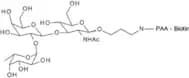
CAS:<p>N-Acetyl-D-lactosamine heptaacetate is a synthetically produced, fluorinated monosaccharide that is used in the production of glycosylations and polysaccharides. N-Acetyl-D-lactosamine heptaacetate can be custom synthesized to meet your needs. This compound is a high purity product.</p>Formula:C28H39NO18Purity:Min. 95%Color and Shape:PowderMolecular weight:677.61 g/molBlood Group B trisaccharide-PAA-Biotin
<p>Blood group antigen conjugated to spacer and biotin</p>Purity:Min. 95 Area-%Color and Shape:PowderMolecular weight:545.5 g/molXyloglucan nonasaccharide
CAS:<p>Xyloglucan is a non-cellulosic polysaccharide polymer that is important in plant cell walls. Xyloglucan nonasaccharide (XN) is a linear molecule with an average molecular weight of 10,000 Da and consists of xylose monomers. The XN molecule has a basic structure, which may be due to the presence of amino acid residues, although the exact function of these amino acids is not known. XN has been shown to inhibit colony-stimulating factor (CSF) production and induce CSF release in mouse bone marrow cells. This inhibition may be due to the binding of XN to the monoclonal antibody CD45R on the surface of mouse bone marrow cells.</p>Formula:C51H86O43Purity:Min. 95%Color and Shape:PowderMolecular weight:1,387.2 g/mol3'-Sialyllactose sodium salt
CAS:<p>3'-Sialyllactose is found in milk with immunoprotective effects against pathogens in newborns and aids development and maturation of the immune system and gut microbiota. It suppresses adhesion and infectivity of bacteria and viruses, such as influenza viruses, HIV-1 and rotaviruses and inhibits binding of cholera toxin.</p>Formula:C23H38NO19NaPurity:Min. 90%Color and Shape:White PowderMolecular weight:655.53 g/mol1,3-α-1,6-α-D-Mannotetraose
CAS:<p>Intermediate for synthesis of N-acetyllactosaminic glycans</p>Formula:C24H42O21Purity:Min. 95 Area-%Color and Shape:White Off-White PowderMolecular weight:666.58 g/molHeparin disaccharide III-A disodium salt
CAS:<p>Heparin disaccharide III-A is a synthetic heparin that is modified with the addition of a sugar molecule. Heparin disaccharide III-A disodium salt (HDS) is a high purity, custom synthesized product and has been fluorinated to improve its stability. HDS has been shown to be an effective inhibitor of glycosylation in bacteria cells, leading to decreased production of bacterial enzymes and proteins. It also inhibits protein synthesis by preventing the methylation of ribosomes and reducing the number of saccharides available for glycosylation. The HDS molecule is composed of two sugars: N-acetylglucosamine and D-glucuronic acid. This compound also has anti-inflammatory properties due to its ability to inhibit prostaglandin synthesis.</p>Formula:C14H19NO14SNa2Purity:Min. 95%Color and Shape:White PowderMolecular weight:503.34 g/molBlood Group A pentasaccharide
CAS:<p>Core antigen fragment in ABO blood group system</p>Formula:C32H55NO24Purity:Min. 95%Color and Shape:White PowderMolecular weight:837.77 g/mol6-O-(a-D-Mannopyranosyl)-D-mannose
CAS:<p>Produced by the reverse hydrolysis of a mannose substrate. Isolated from the partial hydrolysates of bakers' yeast (Saccharomyces cerevisiae) mannan. This disaccharide also forms the sugar portion of the phospholipid, phosphatidylinositodimannoside, of Mycobacterium tuberculosis.</p>Formula:C12H22O11Purity:Min. 95%Color and Shape:White PowderMolecular weight:342.3 g/mol4'-(D-[UL-13C6]Galactosyl)lactose
CAS:<p>Galactosyllactose attenuated NF-κB inflammatory signaling in human intestinal epithelial cells and in human immature intestine. Thus, galactosyllactoses are strong anti-inflammatory agents in human colostrum and early milk, contributing to innate immune modulation. The potential clinical utility of galactosyllactose warrants investigation.</p>Formula:C6C12H32O16Purity:Min. 95%Color and Shape:PowderMolecular weight:510.39 g/molTrehalose hexaacetate
CAS:<p>Trehalose hexaacetate is a polysaccharide that is used as a food additive. It has been shown to be a potent inhibitor of methylation and fluorination, which are post-translational modifications that are important for the function of proteins. Trehalose hexaacetate also has a high degree of glycosylation, which makes it an excellent candidate for complex carbohydrate synthesis. The compound can be custom synthesized with high purity and at low cost.</p>Formula:C24H34O17Purity:Min. 95 Area-%Color and Shape:PowderMolecular weight:594.52 g/molNA4 Glycan, 2-AB labelled
<p>NA4 Glycan, 2-AB labelled is a synthetic glycoconjugate. It is a glycosylation of an oligosaccharide and an amino acid residue with the modification of fluorination. NA4 Glycan, 2-AB labelled can be used for research purposes in methylation and Click chemistry. This product also has CAS No., which means it is custom synthesized to order. The purity of this product is high and it is synthetically produced, making it ideal for research purposes.</p>Purity:Min. 95%Blood Group B trisaccharide butylamine formate salt
<p>Blood group antigen derivative for biochemical research</p>Formula:C22H41NO15·xCH2O2Purity:Min. 95%Color and Shape:White SolidMolecular weight:559.56 g/molD-Maltose monohydrate - Low endotoxin
CAS:<p>D-Maltose monohydrate is a glycosylation product of maltose. It is a complex carbohydrate that has been methylated, fluorinated, and modified with Click chemistry. D-Maltose monohydrate has the CAS number of 3647-20-3 and can be custom synthesized to meet your specifications. This product is free from endotoxins and can be made in high purity.</p>Purity:Min. 95%1,3-α-1,6-α-D-Mannotriose
CAS:<p>Intermediate for synthesis of N-acetyllactosaminic glycans</p>Formula:C18H32O16Purity:Min. 95 Area-%Color and Shape:White Off-White PowderMolecular weight:504.44 g/mol3'-Sulfated Lewis A sodium salt
CAS:<p>3'-Sulfated Lewis A sodium salt is a synthetic oligosaccharide that is used as an antigen for the diagnosis of pancreatic cancer. It is conjugated to a monoclonal antibody and binds to the Lewis A epitope on the surface of cells. 3'-Sulfated Lewis A sodium salt has been shown to be useful in bladder cancer, where it can be used as a marker for tumorigenicity. It has also been shown to stimulate selectins and increase sugar residues on cell surfaces, which may lead to increased tumor growth.</p>Formula:C20H34NO18SNaPurity:Min. 95%Color and Shape:White PowderMolecular weight:631.55 g/mola,a-D-Trehalose anhydrous
CAS:<p>Trehalose is a sugar that is found in many organisms, including humans. It is a disaccharide composed of two glucose units. Trehalose has been shown to be effective against infectious diseases such as HIV and malaria. Trehalose may have anti-inflammatory effects by inhibiting the production of pro-inflammatory cytokines such as tumor necrosis factor alpha (TNF-α) and interleukin 6 (IL-6). The water vapor pressure of trehalose dihydrate is higher than that of trehalose anhydrous, which may account for its greater stability under high humidity conditions.</p>Formula:C12H22O11Purity:Min. 98 Area-%Color and Shape:PowderMolecular weight:342.3 g/molGM1-Pentasaccharide labelled by biotin
<p>GM1 pentasaccharide biotin (sodium salt) has a core tetrasaccharide structure (Galβ1,3GalNAcβ1,4Galβ1,4Glc) with sialic acid linked α2,3 to the inner galactose residue and biotin linked β to position 1 on the reducing glucose moiety (Ledeen, 2009). The parent ganglioside GM1 is abundant in all mammalian brains, where it covers 10%-20% of the total ganglioside mixture. It is found in epithelial membranes and is a key element for bacterial toxicity and viral infection as it is the intestinal receptor for cholera toxin the B-subunits of heat-labile toxin, rotavirus, and simian virus 40. GM1 ganglioside functions as a neurotrophic and neuroprotective compound and has been used therapeutically for diabetic and peripheral neuropathies. GM1 ganglioside also has the ability to bind amyloid-β proteins and is involved in Alzheimerâs pathogenesis (Chiricozzi, 2020).</p>Formula:C50H83N5O31SPurity:Min. 95%Color and Shape:White PowderMolecular weight:1,282.28 g/molMethyl 2-acetamido-2-deoxy-3-O-(a-D-galactopyranosyl)-a-D-galactopyranoside
<p>Methyl 2-acetamido-2-deoxy-3-O-(a-D-galactopyranosyl)-a-D-galactopyranoside is a synthetic, fluorinated glycoside that is used as a building block for the synthesis of complex carbohydrates. Methyl 2-acetamido-2-deoxy-3-O-(a-D-galactopyranosyl)-a-D-galactopyranoside can be used in either Click or Fluorination reactions to synthesize oligosaccharides and monosaccharides. It has been shown to react with ethylene glycol to form methyl 2,6 -O-[(3,4,5,6 -tetra‑O‑acetyl‑β‑D‑galactopyranosyl)α -L‑idopyranosyl]-α -L‑idopyranose. Methyl 2,6 -</p>Purity:Min. 95%a,a-D-Trehalose dihydrate - high purity
CAS:<p>Non-reducing disaccharide; mildly sweet energy source; protein stabilizer</p>Formula:C12H22O11·2H2OPurity:Min. 99 Area-%Color and Shape:PowderMolecular weight:378.33 g/mol4-O-(β-D-Glucopyranosyl)-β-D-thioglucopyranose
<p>4-O-(b-D-Glucopyranosyl)-b-D-thioglucopyranose is a methylated, saccharide. It is a polysaccharide that can be modified with Click chemistry to introduce a variety of modifications in order to make it more suitable for different applications. This compound may be glycosylated or fluorinated for use in pharmaceuticals, as well as have its carbohydrate content modified. 4-O-(b-D-Glucopyranosyl)-b-D-thioglucopyranose is used as a synthetic sugar and is CAS No. 97787-84-5.</p>Formula:C12H22O10SPurity:Min. 95%Molecular weight:358.36 g/molLaminaripentaose
CAS:<p>Ex algal/bacterial polysaccharides-value in b1-3 glucanase assays & diagnostics</p>Formula:C30H52O26Purity:Min. 85 Area-%Color and Shape:PowderMolecular weight:828.72 g/molGlycyl-Oligosaccharidesmannose 5
<p>Glycyl-Oligosaccharidesmannose 5 is a high purity, custom synthesis sugar that is fluorinated and glycosylated. It is an oligosaccharide with a mannose backbone and a glycyl group attached to the first mannose. The methylation of the glycyl group on Glycyl-Oligosaccharidesmannose 5 can be modified to produce different derivatives. This carbohydrate has been synthesized and has CAS Number: 68149-46-1.</p>Formula:C48H82N4O36Purity:Min. 95%Molecular weight:1,291.17 g/molA2 Glycan, 2-AB labelled
<p>The A2 Glycan is a custom synthesized oligosaccharide that is labelled with 2-AB. It contains the following sugars: Oligosaccharide, sugar, Synthetic, Fluorination, Custom synthesis, Methylation, Monosaccharide, Polysaccharide. The A2 Glycan has a purity of > 99%. CAS No. for this product is not available. Modification includes Click modification and complex carbohydrate.</p>Purity:Min. 95%4-O-{4-O-[[2,4-Di-O-acetyl-3-O-[2,4-di-O-(3,4,6-tri-O-acetyl-2-deoxy-2-phthalimido-β-D-glucopyranosyl)-3,6-di-O-benzyl-α-D-mannopyra nosyl]-6-O-[3,4-di-O-acetyl-2,6-di-O-(3,4,6-tri-O-acetyl-2-deoxy-2-phthalimido-β-D-glucopyranosyl)-α-D-mannopyranosyl]
CAS:<p>4-O-{4-O-[[2,4-Di-O-acetyl-3-O-[2,4-di-O-(3,4,6-tri-O-acetyl-2-deoxy-2--phthalimido--bD--glucopyranosyl)-3,6--di--O--benzyl aDmannopyra nosyl]-6--O-[3,4--di--O--acetyl 2,6--di--O-(3,4,6--tri - O - acetyl 2 - deoxy 2 - phthalimido bDglucopyranosyl) aDmannopyranosyl] } is a synthetic complex carbohydrate. It is an oligosaccharide that can be used in glycosylation reactions. This carbohydrate has been custom synthesized and modified to include methyl groups. The CAS number for this compound is 9461642899.</p>Formula:C196H200N6O72Purity:Min. 95%Molecular weight:3,791.68 g/mol2-Acetamido-2-deoxy-4-O-(b-D-galactopyranosyl)-6-sulfo-b-D-glucopyranose
CAS:<p>2-Acetamido-2-deoxy-4-O-(b-D-galactopyranosyl)-6-sulfo-b-D-glucopyranose is a glycosaminoglycan that can be used as an immunomodulator. It has been shown to inhibit the production of tumor necrosis factor alpha (TNFα) in experimental cancer tissues and to stimulate the activity of lymphocytes, which may be due to its ability to regulate camp levels. 2A2D4OSBG also has regulatory effects on monoclonal antibodies and inhibits the immune reaction caused by autoimmune diseases.</p>Formula:C14H25NO14SPurity:Min. 95%Color and Shape:White PowderMolecular weight:463.41 g/mol4-Methoxyphenyl 2,3,6-O-acetyl-4-O-(2,4,6-tri-O-acetyl-β-D-galactopyranosyl)-β-D-glucopyranoside
<p>The compound is a custom synthesis of a complex carbohydrate. It is an oligosaccharide with CAS No. and polysaccharide that has been modified by methylation, glycosylation, and click modification. The compound is Methylated, Glycosylated, Click-modified Carbohydrate Sugar with high purity and fluorination.</p>Formula:C31H40O18Purity:Min. 95%Molecular weight:700.64 g/mol2,3,4,6,1',3',4',6'-Octa-O-benzoyl-D-sucrose
CAS:<p>Sucrose octabenzoate is a practically colorless, odorless, transparent, glass-like material which is compatible with a number of synthetic resins, such as polyvinyl chloride, vinyl chloride-vinyl acetate copolymer, polyvinyl acetate and cellulose acetate. Sucrose octabenzoate improves the hardness and gloss of these products and has also been found to be useful as a component of inks, adhesives, coatings and plastic objects.</p>Formula:C68H54O19Purity:Min. 95%Color and Shape:White/Off-White SolidMolecular weight:1,175.14 g/mol2-Azidoethyl N-acetyl-D-lactosamine
CAS:<p>2-Azidoethyl N-acetyl-D-lactosamine is a custom synthesis that is a complex carbohydrate. It has been modified to include methylation and glycosylation. The saccharide is composed of several sugar molecules, including glucose and galactose, which are linked by alpha (1→4) or beta (1→3) bonds. The carbohydrate can be fluorinated, which increases its stability in the presence of oxygen. This compound has CAS number 338971-38-3. 2-Azidoethyl N-acetyl-D-lactosamine is a high purity product that can be used in the modification of other carbohydrates with click chemistry.</p>Formula:C16H28N4O11Purity:Min. 95%Color and Shape:PowderMolecular weight:452.41 g/mol1,6-anhydrochitobiose
<p>1,6-Anhydrochitobiose is an anhydosugar that can be used in the synthesis of oligosaccharides and polysaccharides</p>Formula:C12H22N2O8Molecular weight:322.39 g/molSodium alginate, Laminaria Hyperborea
CAS:<p>Sodium alginate is a biocompatible polymer that is used in the treatment of wastewater. It is a water-soluble substance that forms a viscous solution when dissolved in water. Sodium alginate has been shown to inhibit the growth of bacteria and fungi, as well as to reduce the number of coliforms and other microorganisms in water. The potential for an alginate to be biocompatible depends on its chemical structure, with Laminaria Hyperborea being the most biocompatible. Alginates have been shown to have surface properties that are similar to those of natural tissue, making them useful for wound dressings.</p>Formula:C6H9NAO7Color and Shape:PowderMolecular weight:216.12 g/molMan-5 N-Glycan
CAS:<p>Man-5 N-glycan is a glycan that is synthesized by the enzyme mannosyltransferase. This glycan contains five mannose residues, one galactose residue, and one N-acetylglucosamine residue. The Man-5 N-glycan is found in eukaryotes, which are organisms whose cells have nuclei and membrane bound organelles. It is often found on the surface of cells or in secretions such as mucus or saliva. Man-5 N-Glycans are involved in cell signaling and may play a role in bladder cancer development. They are also used to generate monoclonal antibodies for diagnostic purposes.</p>Formula:C46H78N2O36Purity:Min. 90.00%Color and Shape:PowderMolecular weight:1,235.1 g/molSucrose octasulfate ammonium
CAS:<p>This comound is generally known as sucralfates and are medications primarily taken to treat active duodenal ulcers. They are also used for the treatment of gastroesophageal reflux disease (GERD) and stress ulcers. Sucralfate is a sucrose sulfate-aluminium complex that binds to the ulcer, creating a physical barrier that protects the gastrointestinal tract from stomach acid and prevents the degradation of mucus. It also promotes bicarbonate production and acts like an acid buffer with cytoprotective properties.</p>Formula:C12H22O35S8•(H3N)8Purity:Min. 98 Area-%Color and Shape:White PowderMolecular weight:1,119.05 g/molBlood Group H disaccharide
CAS:<p>Core antigen fragment in ABO blood group system</p>Formula:C12H22O10Purity:Min. 95%Color and Shape:White PowderMolecular weight:326.3 g/mol2-(3,4-Dihydroxyphenyl)-5,7-dihydroxy-4-oxo-4H-1-benzopyran-3-yl O-b-D-galactopyranosyl-b-D-glucopyranosiduronic acid
CAS:<p>This is a custom synthesis that is a complex carbohydrate. It has been modified, glycosylated, and methylated to create a saccharide with an Oligosaccharide and Polysaccharide. This product is fluorinated, custom synthesized, and has high purity. The CAS number for this product is 77154-70-2.</p>Formula:C27H28O18Purity:Min. 95%Molecular weight:640.5 g/molLacto-N-biose
CAS:<p>Neutral disaccharide naturally present in human breast milk and possible bifidus factor, acceptor for the Helicobacter pylori enzyme α1,2-fucosyltransferase and disaccharide involved in the expression of Lewis blood group antigens.</p>Formula:C14H25NO11Purity:Min. 90%Color and Shape:White PowderMolecular weight:383.35 g/molBenzyl 2-acetamido-2-deoxy-4-O-(b-D-galactopyranosyl)-a-D-galactopyranoside
CAS:<p>Benzyl 2-acetamido-2-deoxy-4-O-(b-D-galactopyranosyl)-a-D-galactopyranoside is a synthetic saccharide. The chemical structure of this material has been modified by fluorination, methylation, and click modification. This product is soluble in water and can be used as a starting material for the synthesis of polysaccharides.</p>Formula:C21H31NO11Purity:Min. 95%Molecular weight:473.47 g/mol2-Acetamido-2-deoxy-4-O-(β-D-[UL-13-C-6]-galactopyranosyl)-D-glucopyranose 6-sulfate
<p>2-Acetamido-2-deoxy-4-O-(beta-D-[UL-13-C-6]-galactopyranosyl)-D-glucopyranose 6-sulfate is an oligosaccharide that has been fluorinated and methylated. This compound has a CAS number and can be custom synthesized, as well as modified with a click reaction. It is a high purity, complex carbohydrate that can be modified with a variety of modifications.</p>Formula:C6C8H25NO14SPurity:Min. 95%Molecular weight:469.37 g/mol4-O-(a-D-Galactopyranosyl)-D-galactopyranose
CAS:<p>Used as enzyme substrates, analytical standards and for in vitro diagnostics</p>Formula:C12H22O11Purity:Min. 97 Area-%Color and Shape:White PowderMolecular weight:342.3 g/molLewis Y pentasaccharide
<p>Lewis Y pentasaccharide is a carbohydrate antigen that is expressed on the surface of cells in the cancer, tissue and lymphatic system. It has been shown to be a polyvalent carbohydrate ligand for lectins, which are proteins that bind carbohydrates. Lewis Y pentasaccharide has a high affinity for erythrocytes of blood group A and B, which makes it useful as an antigen for detection of these blood groups. The binding of Lewis Y pentasaccharide to glycolipids on tumor cells initiates complement-dependent cytotoxicity (CDC) by activating the classical pathway of the immune system. CDC can be used as an adjuvant therapy in cancer treatment.</p>Formula:C32H55NO24Purity:Min. 95%Color and Shape:PowderMolecular weight:837.79 g/molD-Cello-oligosaccharides
<p>This mixture contains all the members of the series up to DP9</p>Purity:Min. 90 Area-%Color and Shape:White PowderRutinose
CAS:<p>Rutinose is a naturally occurring polyphenol found in many plants, including the leaves and bark of rue plants. It is a glycoside derivative that has been shown to inhibit human colorectal adenocarcinoma cells (HL-60) by binding to DNA and inhibiting RNA synthesis. Rutinose also has been shown to have anti-inflammatory effects and has been used in the treatment of metabolic disorders such as diabetes mellitus. Rutinose is a bioactive compound with antioxidant properties that may be related to its ability to bind metal ions, including calcium ions at physiological pH levels. Rutinose also has been shown to have a signal peptide sequence that targets it for secretion into the blood stream, where it may act on brain functions.</p>Formula:C12H22O10Purity:Min. 90%Color and Shape:White PowderMolecular weight:326.3 g/mola-Maltotetraosyl-a,a-trehalose
CAS:<p>a-Maltotetraosyl-a,a-trehalose is a carbohydrate that is modified with fluorine. It is a complex carbohydrate with four maltotriose units linked by alpha,alpha-trehalose units. This compound can be custom synthesized and has high purity. It can also be methylated and glycosylated. Click modification can be done to the sugar in order to modify its properties.</p>Formula:C36H62O31Purity:Min. 95%Molecular weight:990.86 g/molCellobionic acid ammonium salt
CAS:<p>Cellobionic acid is produced by oxidative enzymes working on cellulose. These compounds have found application in cosmetic antiaging formulations, moisturizers, and peels, and in treatment products to improve hyperpigmentation and acne. The bionic acids such as cellobionic acid offer the benefits of α-hydroxyacids without irritation. They also provide additional antioxidant/chelation, barrier strengthening, and moisturizing effects.</p>Formula:C12H25NO12Purity:Min. 95%Color and Shape:Off-White PowderMolecular weight:375.33 g/molGA1-Ganglioside
CAS:<p>GA1-ganglioside is also known as asialo-GM1 ganglioside. Autoimmune responses to GA1 ganglioside and high titers of anti-GA1 antibodies have been associated with neuromotor disorders, such as, motor neuron disease, multifocal motor neuropathy, and Guillain-Barré syndrome (Kolter, 2006). Anti-GA1 antibodies are also associated withâ¯Borrelia burgdorferiâ¯infection and Lyme disease (Djellaoui, 2016).</p>Formula:C62H114N2O23Purity:Min. 95%Color and Shape:PowderMolecular weight:1,255.57 g/mol4-Methoxyphenyl 4-O-(4-O-acetyl-3,6-di-O-benzyl-2-deoxy-2-phthalimido-b-D-glucopyranosyl)-3-O-benzyl-2-deoxy-2-phthalimido-b-D-gluco pyranoside
<p>4-Methoxyphenyl 4-O-(4-O-acetyl-3,6-di-O-benzyl-2-deoxy-2-phthalimido-b-D-glucopyranosyl)-3,6,2′,4′″triphosphate (4MPP) is a methylated saccharide. It can be modified with click chemistry and has been shown to inhibit the synthesis of glycogen in the liver. 4MPP is a high purity product that has been synthesized from naturally occurring carbohydrates. It is also fluorinated for use in research.</p>Formula:C58H54N2O15Purity:Min. 95%Molecular weight:1,019.05 g/molMethyl 3-O-(2-acetamido-2-deoxy-b-D-galactopyranosyl)-a-D-galactopyranoside
CAS:<p>Methyl 3-O-(2-acetamido-2-deoxy-b-D-galactopyranosyl)-a-D-galactopyranoside is a sugar that is synthesized by the Click modification of 3,4,6-trihydroxybenzoic acid and 2,3,6,7,8-pentahydroxyacetophenone. This sugar is used in glycosylation reactions to modify proteins or peptides.</p>Formula:C15H27NO11Purity:Min. 95%Color and Shape:White PowderMolecular weight:397.38 g/molLactobionate hydrazide
<p>Lactobionate hydrazide is a custom synthesis of an oligosaccharide. It is a complex carbohydrate with CAS No. that has been modified by glycosylation, methylation and fluorination. Lactobionate hydrazide is a polysaccharide which has been synthesized by click chemistry and contains high purity with a sugar content of over 99%. This oligosaccharide is not saccharide-bound and can be modified to produce different chemical structures. Lactobionate hydrazide has been used for glycogen storage disorders, as well as for the synthesis of oligosaccharides for the treatment of cancer cells.</p>Purity:Min. 95%GM1b-Oligosaccharide
<p>GM1b pentasaccharide (sodium salt) has a core tetrasaccharide structure (Galβ1,3GalNAcβ1,4Galβ1,4Glc) with a single sialic acid residue linked α2,3 to the terminal galactose residue (Ledeen, 2009). GM1b oligosaccaharide is the carbohydrate moiety in GM1b ganglioside, which is a minor component of human brain monosialoganglioside fraction. GM1b ganglioside and especially anti-GM1b IgG antibodies are associated with axonal Guillain-Barré syndrome, which develops followingâ¯C. jejuniâ¯infection (Yuki, 1999).</p>Formula:C37H61N2O29NaPurity:Min. 90 Area-%Color and Shape:PowderMolecular weight:1,020.87 g/molGangliosides
<p>Sialic acid-containing glycosphingolipids-important component of neuronal cells</p>Purity:Min. 95 Area-%Color and Shape:PowderHexa-mannuronic acid sodium
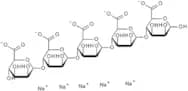
<p>Hexa-mannuronic acid sodium salt (β-1,4-linked sodium mannuronohexaose) is one of a number of oligosaccharides obtained from alginate which is a polysaccharide in brown seaweeds containing: blocks of repeating mannuronic acid sequences (M-M-M-M etc), repeating guluronic acid sequences (G-G-G-G etc), and alternating M-G-M-G sequences.Oligosaccharides can be released using several methods (Lua, 2015; Yanga, 2004) and claims have been published that mannuronic acid oligosaccharides for example, can be effective in the prophylaxis and treatment of Alzheimer's disease, or for the prophylaxis and treatment of diabetes (USP 8835403B2, 2014).</p>Formula:C36H44O37Na6Purity:Min. 95 Area-%Color and Shape:PowderMolecular weight:1,206.65 g/molSucrose palmitate
CAS:<p>The ‘tallowate’ esters are probably the best known derivatives of sucrose and many attempts have been made to commercialise them in order to exploit their excellent surfactant functionalities. The most functional products are the mono- and diesters of the tallow acids (stearic, palmitic, oleic) with hydrophile-lipophile balance (HLB) values that lend themselves to surfactant applications in foods and cosmetics. They also have other uses, for example in coating fruits with a semipermeable membrane that acts as a preservative. Manufacturing economics have prevented these products from mass production and they remain in niche applications.</p>Formula:C28H52O12Purity:(%) Min. 90.0%Color and Shape:White PowderMolecular weight:508.72 g/molChitosan oligomer (Dp 3-7) hydrochloride - Molecular weight 1640
<p>Chitosan oligomer (Dp 3-7) hydrochloride is a carbohydrate with a molecular weight of 1640. It is used as a sugar and an adjuvant in vaccine development. Chitosan oligomer (Dp 3-7) hydrochloride is synthesized by the reaction of chitosan with phosphoryl chloride and has been shown to have antiviral, antibacterial, and anti-inflammatory effects.</p>Formula:(C6H13NO5•HCl)nPurity:Min. 95 Area-%Color and Shape:Powderk-Carrahexaitol trisulfate trisodium salt
<p>k-carrageenan derived hexasaccharide alcohol trisulfate+(3-6 anhydrogalactose)</p>Formula:C36H55O37S3Na3Purity:Min. 95%Molecular weight:1,244.97 g/mol2,3,6,2',3',4',6'-Hepta-O-acetyl-b-lactosyl azide
CAS:<p>2,3,6,2',3',4',6'-Hepta-O-acetyl-b-lactosyl azide is a custom synthesis of a carbohydrate that has been modified by the addition of acetyl groups to one end and the attachment of an azide group to the other. The synthesis of this compound has been completed in high purity and is available for purchase. This compound is a complex carbohydrate that is a sugar that can be modified by fluorination. It is also an oligosaccharide or polysaccharide with saccharide units.</p>Formula:C26H35N3O17Purity:Min. 95%Color and Shape:PowderMolecular weight:661.57 g/mol3'-(N-Glycolyl-a-neuraminosyl)lactose
CAS:<p>3'-(N-Glycolyl-a-neuraminosyl)lactose is a carbohydrate that is synthesized from lactose, which is a disaccharide composed of glucose and galactose. It is synthesized by the modification of the terminal hydroxyl group on the galactose moiety with glycolyl chloride. 3'-(N-Glycolyl-a-neuraminosyl)lactose has been shown to inhibit the growth of bacteria and fungi. It also has the potential to be used as an anti-cancer drug candidate due to its ability to inhibit protein synthesis in cells. This carbohydrate can also be modified by methylation, glycosylation, or click chemistry.</p>Formula:C23H39NO20Purity:Min. 95%Molecular weight:649.55 g/mol3-(a-D-Rhamnopyranosyl)-D-glucose
<p>3-(a-D-Rhamnopyranosyl)-D-glucose is a glycosylation product that is synthesized by the methylation of glucose. It is a complex carbohydrate with a high purity, CAS number and custom synthesis. 3-(a-D-Rhamnopyranosyl)-D-glucose has been modified by fluorination and click chemistry to produce a versatile reagent for glycosylation reactions.</p>Purity:Min. 95%Blood group A type 4 linear trisaccharide-NGL
<p>Useful oligosaccharide-lipid conjugate for raising antibodies.</p>Purity:Min. 95%1,1,1-Kestopentaose
CAS:<p>Non-reducing sucrose analog containing glucose and fructose; prebiotic fibre</p>Formula:C30H52O26Purity:Min. 95 Area-%Color and Shape:White PowderMolecular weight:828.72 g/mol3-O-(2-Acetamido-2-deoxy-b-D-galactopyranosyl)-D-galactopyranose
CAS:<p>3-O-(2-Acetamido-2-deoxy-b-D-galactopyranosyl)-D-galactopyranose is a sugar molecule with biological properties such as lectin, terminal sugar, and carbohydrate. It is a specific sugar for the blood group B. This sugar is also used in assays for pneumococcus, which is a bacterium that can cause pneumonia. 3-O-(2-Acetamido-2-deoxy-b-D-galactopyranosyl)-D-galactopyranose is oxidized by enzymes called oxidases to form 3,4,6 -triacetamido galactose (3TAG) and 3,4,6 -triacetamido glucose (3TG). The disaccharide residues are then hydrolyzed into monosaccharides by glycoconjugates and polyvalent glycosidases.</p>Formula:C14H25NO11Purity:Min. 95%Color and Shape:White PowderMolecular weight:383.33 g/molGD1b-Ganglioside sodium
CAS:<p>GD1b (shown as sodium salt) is one of the major gangliosides in neuronal and glial membranes. It has a core tetrasaccharide structure (Galβ1,3GalNAcβ1,4Galβ1,4Glc) with itâs two sialic acids linked α2,3/α2,8 to the inner galactose residue and ceramide linked β to position 1 on the reducing terminal glucose residue (Ledeen, 2009). GD1b acts as a receptor for BK virus as well as for heat-labile LTII-a toxin, produced by enteropathogenicâ¯E. coli. GD1b ganglioside also interacts with tetanus neurotoxin (TeNT) and is crucial for its entry into cells (Kolter, 2012).</p>Purity:Min. 95%Color and Shape:PowderGalacto-N-biose
CAS:<p>2-Acetamido-2-deoxy-3-O-(b-D-galactopyranosyl)-D-galactopyranose (also known as galacto-N-biose, GNB and T antigen) is a β 1-3’ linked disaccharide which is found in the gastrointestinal tract as a core component of mucin. GNB has been shown to have potential to protect against glutamate excitotoxicity, a process in which nerve cells can be damaged or destroyed. GNB, along with lactose-N-biose, are found in human milk but are not metabolised by gut enzymes and are instead broken down to a digestible form by bifidobacteria found in the intestinal systems of infants in a symbiotic process.</p>Formula:C14H25NO11Purity:Min. 95%Color and Shape:White Off-White PowderMolecular weight:383.35 g/mol2-Acetamido-6-O-(2-acetamido-2-deoxy-a-D-galactopyranosyl)-2-deoxy-D-galactopyranose
CAS:<p>2-Acetamido-6-O-(2-acetamido-2-deoxy-a-D-galactopyranosyl)-2-deoxy-D-galactopyranose is an n-acetylated disaccharide (naturally occurring) that is a glycosidic bond between the two sugars, n-acetyl D galactosamine and 2,3,4,6 tetraacetamido 2 deoxy D galactose. This compound has an acetamide residue in place of a hydroxyl group on the second carbon atom of the sugar. The linkage between these two sugars is a glycosidic bond. In its natural form, this molecule can be found in mammalian cells and bacterial cell walls.</p>Formula:C16H28N2O11Purity:Min. 95%Molecular weight:424.4 g/mol2'',3'',4''-Tri-O-benzylfucosyllactose
<p>Please enquire for more information about 2'',3'',4''-Tri-O-benzylfucosyllactose including the price, delivery time and more detailed product information at the technical inquiry form on this page</p>Formula:C39H50O15Purity:Min. 95%Color and Shape:White To Off-White SolidMolecular weight:758.81 g/molCarboxymethyl cellulose sodium - Viscosity 400-800cps
CAS:<p>Food additive; soil suspension polymer in detergents; thickening agent</p>Formula:C28H30Na8O27Purity:Min. 95%Color and Shape:White To Light Brown SolidMolecular weight:982.44Disialyl-TF
CAS:<p>Disialyl-TF is a monoclonal antibody that binds to the CD33 antigen on the surface of all types of cancer cells, including breast cancer cells. Disialyl-TF has been shown to reduce the growth and spread of prostate cancer cells in mice, reducing tumor size and weight. Disialyl-TF is also active against infectious diseases such as HIV, which may be due to its ability to inhibit the expression of glycan receptors. The mechanism by which it works is not yet known. Disialyl-TF has been shown to bind with high affinity to erythrocytes bearing A or B blood group antigens, making it an excellent diagnostic tool for detecting these antigens in patients with acute myeloid leukemia or other cancers.</p>Formula:C36H59N3O27Purity:Min. 95%Molecular weight:965.86 g/molGD1a-Oligosaccharide
CAS:<p>GD1a oligosaccharide is the carbohydrate moiety from the disialylated glycosphingolipid GD1a of the a-series (shown in the sodium form), a major ganglioside found in neuronal and glial membranes. GD1a oligosaccharide has a core tetrasaccharide structure (Galβ1,3GalNAcβ1,4Galβ1,4Glc) with sialic acids linked α2,3/α2,8 to the inner galactose residue, α2,3 to the outer galactose residue (Ledeen, 2009). GD1a ganglioside interacts with myelin-associated glycoprotein (MAG) and is essential for long-term axon-myelin stability. GD1a ganglioside plays a role in viral infection as it is a receptor for viral glycoproteins in rotavirus and paramyxovirus 1. The hexasaccharide GD1a moiety was also found on a glycoprotein that acts as a receptor for adenovirus type 37. Additionally, GD1a ganglioside interacts with botulinum neurotoxin (BoNT) and is crucial for its entry into cells (Kolter, 2012).</p>Formula:C48H79N3O37Purity:Min. 95%Color and Shape:PowderMolecular weight:1,290.14 g/molThiocellotetraose
<p>Thiocellotetraose is a glycosylation product of cellulose. It is a complex carbohydrate that is similar to other saccharides. Thiocellotetraose can be obtained by methylation, click modification, and fluorination. The monosaccharide units in thiocellotetraose are glucose and mannose. This product can be custom synthesized to meet your specific requirements for purity and CAS number.</p>Formula:C24H42O18S3Purity:Min. 95%Molecular weight:714.78 g/molCellobiosyl fluoride
CAS:<p>Cellobiosyl fluoride has importance as a substrate and inhibitor in enzymatic reactions and shows a good combination of stability and reactivity.</p>Formula:C12H21FO10Purity:Min. 95%Color and Shape:PowderMolecular weight:344.29 g/molLacto-N-neohexaose
CAS:<p>Neutral hexasasaccharide naturally present in human breast milk</p>Formula:C40H68N2O31Purity:Min. 90 Area-%Color and Shape:White PowderMolecular weight:1,072.96 g/molKojibiose
CAS:<p>A rare sugar, prebiotic fibre and inhibitor of α-glucosidases. It inhibits animal-, plant- and microorganism-derived α-glucosidases I. In rodent models for diabetes, it ameliorates arachidic acid-induced liver injury and reduces hepatic inflammatory markers.</p>Formula:C12H22O11Purity:Min. 99 Area-%Color and Shape:White PowderMolecular weight:342.3 g/molMethyl a-maltohexaoside
<p>This product is a custom-synthesized, high purity sugar. The sugar is glycosylated and has undergone click chemistry modification and fluorination. It has been synthesized from monosaccharides and oligosaccharides, which are saccharide carbohydrates. The sugar is an example of a complex carbohydrate.</p>Purity:Min. 95%Heparin disaccharide II-A disodium salt
CAS:<p>Heparin Disaccharide II-A Disodium Salt is a modification of heparin. It is an oligosaccharide with a molecular weight of about 2,000 Daltons. This product can be custom synthesized as per the requirement of the customer. The purity level of this product is very high and it has been shown to have antiviral, anticoagulant, anti-inflammatory, and anticlotting properties.</p>Formula:C14H19NO14SNa2Purity:Min. 95 Area-%Color and Shape:White Off-White PowderMolecular weight:503.34 g/mol2,3,6-Tri-O-acetyl-4-O-[2,3,6-tri-O-acetyl-4-O-(2,3,6-tri-O-acetyl-4-O-(2,3,4,6-tetra-O-acetyl-b-D-galactopyranosyl)-b-D-glucopyrano syl)-b-D-glucopyranosyl]-a-D-glucopyranosyl bromide
<p>2,3,6-Tri-O-acetyl-4-O-[2,3,6-tri-O-acetyl-4-O-(2,3,6-tri-O-acetyl-4-O-(2,3,4,6-tetra-O-acetyl bDgalactopyranosyl)-bDglucopyranosyl]-aDglucopyranosyl bromide (TTA) is an acetylated oligosaccharide with a degree of polymerization of 5. It has a molecular weight of 1312. The compound is a methylated saccharide which is synthesized from 2,3,6 tri O acetyl 4 O methyl 2 3 6 tetra O acetyl b D galactopyranosy 1</p>Formula:C50H67BrO33Purity:Min. 95%Molecular weight:1,275.95 g/molBianntennary N-linked core pentasaccharide
<p>The bianntennary N-linked core pentasaccharide is an oligosaccharide that contains a biantennary glycan and a high purity. This product can be custom synthesized with custom modifications. The bianntennary N-linked core pentasaccharide is an excellent substrate for Click modification, fluorination, and glycosylation reactions. It has been shown to have antiviral activity against herpes simplex virus type 1 (HSV-1) in the guinea pig erythrocyte assay. This product has been methylated at the 6 position of the sugar moiety to yield a modified form.</p>Formula:C34H58N2O26Purity:Min. 95 Area-%Color and Shape:White PowderMolecular weight:910.82 g/mol3-Fucosyllactose
CAS:<p>3-Fucosyllactose (3-FL) is a small and neutral human milk oligosaccharide (HMO) that is metabolized by bacteria in the large intestine. It's a trisaccharide composed of L-fucose, D-galactose and D-glucose and like many other HMOs it offers great interest for the studies of baby milk formula.</p>Formula:C18H32O15Purity:Min. 95%Color and Shape:White PowderMolecular weight:488.44 g/molSucrose dipalmitate
CAS:<p>Sucrose dipalmitate is a pharmaceutical dosage form that is made of sucrose, a high-energy sugar, and palmitic acid. It has a low energy content and can be used as a diagnostic agent in nuclear medicine. Sucrose dipalmitate can be used as an emulsifier in the preparation of nanoemulsions. The particle size of sucrose dipalmitate can be adjusted to achieve the desired effect. In addition, this compound is used for the treatment of cardiac disease and other conditions such as high blood pressure and diabetes.</p>Formula:C44H82O13Purity:Min. 95%Molecular weight:819.11 g/molGQ1b-Ganglioside sodium
CAS:<p>GQ1b ganglioside (sodium salt) has a core tetrasaccharide structure (Galβ1,3GalNAcβ1,4Galβ1,4Glc) with two sialic acids (NeuAc) linked α2,3/α2,8 to the inner galactose residue, two sialic acids (NeuAc) linked α2,3/α2,8 to the terminal galactose residue and ceramide linked β to position 1 on the reducing terminal glucose residue (Ledeen, 2009). Anti-GQ1b ganglioside antibody is associated with Miller Fisher syndrome and is also found in patients with related conditions that may share the same pathogenic mechanism, such as, Bickerstaff brainstem encephalitis. Thus, the measurement of the anti-GQ1b antibody in suspected cases of Miller Fisher syndrome is a useful diagnostic marker (Paparounas, 2004). It has been found that GQ1b ganglioside contributes to synaptic transmission and synapse formation. Low concentrations of GQ1b ganglioside, evoked dopamine (DA) release from laboratory tissues (Chen, 2018).</p>Formula:C106H182N6O56·4NaPurity:Min. 95%Color and Shape:White PowderMolecular weight:2,528.55 g/molLacto-N-difucohexaose I
CAS:<p>Fucosyloligosaccharide present in human milk and colostrum</p>Formula:C38H65NO29Purity:Min. 95 Area-%Color and Shape:White PowderMolecular weight:999.91 g/mol4-Methoxyphenyl 4-O-(3,6-di-O-benzyl-2-deoxy-4-O-levulinoyl-2-phthalimido-β-D-glucopyranosyl)-3-O-benzyl-6-O-(2,3,4-tri-O-benzyl-α-L -fucopyranosyl)-2-deoxy-2-phthalimido-β-D-glucopyranoside
<p>The compound 4-Methoxyphenyl 4-O-(3,6-di-O-benzyl-2-deoxy-4-O-levulinoyl)-2,3,4,6-tetra‑O‑benzyl‑a‑L -fucopyranosyl)-2,3,4,6‑tetra‑O‑benzyl‑a‑L -fucopyranoside is a glycoside of the monosaccharide 2,3,4,6 tetra O benzyl a L fucopyranose. It is prepared by the reaction of methyl 4 methoxyphenol with 2 deoxy 4 levulinoyl 2 phthalimido b D glucopyranoside in the presence of an acid catalyst. The compound has been shown to have anti inflammatory and anti allergic effects.</p>Formula:C88H86N2O20Purity:Min. 95%Molecular weight:1,491.63 g/molN,N',N'',N''',N'''',N''''',N''''''-Heptaacetylchitoheptaose
CAS:<p>Chitinases are enzymes that hydrolyze chitin, a polysaccharide found in the exoskeleton of insects, fungi and other invertebrates. Chitohexaose is a sugar that has been shown to have anti-inflammatory properties. It is a carbohydrate with six acetyl groups attached to it. When this sugar reacts with ammonium bicarbonate (NH4HCO3) in an acidic environment, it produces N,N',N'',N''',N'''',N''''',N''''''-heptaacetylchitoheptaose. This reaction system can be used as a chitinase preparation for investigating the biological effects of chitohexaose. The magnetic resonance spectroscopy was used to study the reaction system and revealed that the product is a hexamer with six acetyl groups on each monomer.</p>Formula:C56H93N7O36Purity:Min. 95%Color and Shape:PowderMolecular weight:1,440.36 g/molNA2F Glycan, 2-AB labelled
<p>NA2F Glycan is a custom synthesis that is used in the identification and quantification of methylated polysaccharides. It is a synthetic modification of a natural glycosylation reaction. The NA2F Glycan is synthesized by 2-AB labelled Methylation, saccharide, Polysaccharide, CAS No., Click modification, Modification, Oligosaccharide, Custom synthesis, Glycosylation, High purity, Carbohydrate, sugar, Synthetic, Fluorination with high purity and complex carbohydrate. This product can be used in glycobiology research as a methylation-sensitive probe for the detection of methylated polysaccharides such as glycoproteins and glycolipids.</p>Purity:Min. 95%Lewis X trisaccharide
CAS:<p>Milk oligosaccharide; antigen; expressed on gastric mucosa and cancer cells</p>Formula:C20H35NO15Purity:Min. 90 Area-%Color and Shape:PowderMolecular weight:529.49 g/mol2-Acetamido-2-deoxy-3-O-(a-L-fucopyranosyl)-D-glucopyranose
CAS:<p>2-Acetamido-2-deoxy-3-O-(a-L-fucopyranosyl)-D-glucopyranose is a carbohydrate that has been found in leaves of camellia plants. It can be used as a marker for the identification of camellia plants. 2-Acetamido-2-deoxy-3-O-(a-L-fucopyranosyl)-D-glucopyranose is also thought to be involved in the developmental and metabolic mechanisms of camellia plants, which are still being studied. This carbohydrate is synthesized from l -glutamine and epigallocatechin in the presence of d -proline.</p>Formula:C14H25NO10Purity:Min. 96 Area-%Color and Shape:White PowderMolecular weight:367.35 g/mol1,4-β-D-Mannopentaose
CAS:<p>Isolated from ivory-nut mannan hydrolysates</p>Formula:C30O26H52Purity:Min. 95%Color and Shape:PowderMolecular weight:828.72 g/molN-Acetyl-9-O-(N-acetyl-a-neuraminosyl)-neuraminic acid
CAS:<p>N-Acetyl-9-O-(N-acetyl-a-neuraminosyl)-neuraminic acid is a synthetic, fluorinated monosaccharide that is used in the synthesis of glycosides and polysaccharides. It can be custom synthesized to any desired purity. This chemical has many modifications, including methylation, esterification, and glycosylation. The CAS number for this product is 96425-77-3.</p>Formula:C22H36N2O17Purity:Min. 95%Molecular weight:600.52 g/molChitosan
CAS:<p>Chitosan is the deacetylated form of chitin. The polysaccharide is deacetylated in order to render it soluble, which is then possible at pH values of less than 7 (normally in dilute acid). This then allows the material to be used in a number of industrial applications as a binder and film former.Molecular weight range 350 - 3500 Da.</p>Color and Shape:PowderChitotetraose tetrahydrochloride
CAS:<p>Tetraose composed of four glucosamine residues</p>Formula:C24H46N4O17•(HCl)4Purity:Min. 95%Color and Shape:White PowderMolecular weight:808.48 g/mol3'-Sialyl Lewis X 16-sp - biotin
<p>3'-Sialyl Lewis X 16-sp - biotin is a modified oligosaccharide that is synthesized by the addition of a sialic acid residue to the terminal position of the carbohydrate. This product has a CAS number and can be custom synthesized to meet specific customer requirements. 3'-Sialyl Lewis X 16-sp - biotin is an important glycosylation site for many proteins, including CD45 and CD47, which are present in erythrocytes and leukocytes respectively. It is also used as an important substrate for methylation reactions due to its susceptibility to S-adenosyl methionine. 3'-Sialyl Lewis X 16-sp - biotin is soluble in water and has a high purity. The structure of this oligosaccharide includes a complex carbohydrate composed of mono-, di-, tri-, tetra-, penta-, hexa-, hepta-, octa-, nona-, deca-sac</p>Formula:C56H95N7O26SPurity:Min. 95%Color and Shape:White PowderMolecular weight:1,314.45 g/molNGA3B N-Glycan
CAS:<p>NGA3B N-Glycan is a high purity, custom synthesis, methylation and fluorination modification of the product. This product is an oligosaccharide that is composed of saccharides and sugars. It has a CAS No. 1620146-04-4.</p>Formula:C66H110N6O46Purity:Min. 95%Color and Shape:SolidMolecular weight:1,723.59 g/mol6'-a-Sialyl-N-acetyllactosamine sodium salt
CAS:<p>Sialylated trisaccharide found in human urine</p>Formula:C25H41N2NaO19Purity:Min. 95%Color and Shape:PowderMolecular weight:696.6 g/mol1,6-Anhydro-β-D-cellotriose
CAS:<p>Produced by the fast pyrolysis of cellulose</p>Formula:C18H30O15Purity:Min. 95%Color and Shape:PowderMolecular weight:486.42 g/molLaminaritetraose
CAS:<p>Ex algal/bacterial polysaccharides-value in b1-3 glucanase assays & diagnostics</p>Formula:C24H42O21Purity:Min. 95 Area-%Color and Shape:White PowderMolecular weight:666.6 g/molVinyl a-D-lactose
<p>Vinyl a-D-lactose is a custom synthesis, fluorinated, modified monosaccharide that can be used to modify proteins and polysaccharides. It has been shown to react with proteins through the click chemistry reaction and methylation. Vinyl a-D-lactose can be used for glycosylation of saccharides and complex carbohydrates in order to synthesize oligosaccharides.</p>Purity:Min. 95%4-Methoxyphenyl 2,3,6-tri-O-acetyl-4-O-[2,4,6-tri-O-acetyl-3-O-(3,4,6-tri-O-acetyl-2-deoxy-2-phthalimido-β-D-glucopyranosyl)-β-D-gal actopyranosyl]-β-D-glucopyranoside
<p>4-Methoxyphenyl 2,3,6-tri-O-acetyl-4-O-[2,4,6-tri-O-acetyl-3-O-(3,4,6-tri-O-acetyl-2-deoxy-2-phthalimido)-bDgalactopyranosyl]-bDglucopyranoside is a modification of an oligosaccharide that has been synthesized by the Oligosaccharide Synthesis and Custom Synthesis Department at Acetech. This product is a complex carbohydrate with a high purity and CAS No. The carbohydrate chain is composed of a monosaccharide methylated at the 4 position and glycosylated with two polysaccharides (sugar) at the 1 and 3 positions. The saccharides are esterified with acetate moieties at the 2 positions. It contains fluorine atoms in the form of flu</p>Formula:C51H59NO27Purity:Min. 95%Molecular weight:1,118 g/molMaltodecaose, min 98%
CAS:<p>α 1,4-glucodecasaccharide derived from starch by hydrolysis and chromatography</p>Formula:C60H102O51Purity:Min. 98 Area-%Color and Shape:White PowderMolecular weight:1,639.42 g/molGlycyl-Lewisa
CAS:<p>Glycyl-Lewisa is a synthetic, fluorinated monosaccharide that is produced by the modification of glycerol. Glycyl-Lewisa is a fluorescent compound that can be used as a biomarker for glycosylation, methylation, and other modifications. Glycyl-Lewisa is also a substrate for polysaccharide synthesis and has been shown to have antiviral effects against HIV. This product can be custom synthesized to meet specific customer needs.</p>Formula:C22H39N3O15Purity:Min. 95%Molecular weight:585.56 g/mola,a-D-Trehalose dihydrate
CAS:<p>Please enquire for more information about a,a-D-Trehalose dihydrate including the price, delivery time and more detailed product information at the technical inquiry form on this page</p>Formula:C12H26O13Purity:Min. 98 Area-%Molecular weight:378.33 g/molk-Carradecaitolpentasulfate pentasodium salt
<p>k-carrageenan derived decasaccharide alcohol pentasulfate+(3-6 anhydrogalactose)</p>Formula:C60H89O61S5Na5Purity:Min. 95%Molecular weight:2,061.59 g/molLinear B-2 trisaccharide
CAS:<p>Linear B-2 trisaccharide is a human serum glycoprotein that belongs to the group of glycoconjugates. It has been shown to have clinical relevance in the detection of cancer and infectious diseases, as well as for use in the treatment of cancer. Linear B-2 trisaccharide can be used in combination with monoclonal antibodies for diagnosis and treatment of cancer. This molecule is also an inhibitor of both influenza virus hemagglutinin and HIV gp120, which may be due to its ability to react with specific carbohydrate structures on these proteins. Linear B-2 trisaccharide is biocompatible and can be used in the development of biodegradable polymers. The linearity of this molecule makes it more stable than other related molecules, such as glycopeptides.</p>Formula:C20H35NO16Purity:Min. 95%Color and Shape:PowderMolecular weight:545.49 g/molMonosialyl, monofucosyllacto-N-neohexaose
<p>Monosialyl, monofucosyllacto-N-neohexaose is a synthetic oligosaccharide. It has a molecular weight of 1205. The compound has been modified with a click modification and fluorination, and has been shown to be stable in the presence of acid, base, and heat. The compound is also high purity and can be synthesized on request. Monosialyl, monofucosyllacto-N-neohexaose is an example of a complex carbohydrate that contains both a sugar and polysaccharide component. The sugar component is composed of one monosaccharide: sialic acid. The polysaccharide component consists of six disaccharides: two lactose molecules linked with one glucose molecule each. Monosialyl, monofucosyllacto-N-neohexaose is used as an artificial sweetener in food products such as cookies or cakes</p>Formula:C57H95N3O43Purity:Min. 95%Color and Shape:PowderMolecular weight:1,510.36 g/mol2-Acetamido-2-deoxy-4-O-(a-D-galactopyranosyl)-D-glucopyranose
<p>The 2-acetamido-2-deoxy-4-O-(a-D-galactopyranosyl)-D-glucopyranose is a carbohydrate. It is an oligosaccharide, which is a sugar with more than two monosaccharides. The CAS number of this compound is 9077-98-0. The molecular weight of this compound is 450.01 g/mol and the purity level is 99%. This compound can be custom synthesized to meet your needs. This product can be methylated, glycosylated, or click modified to create products with different properties.</p>Formula:C14H25NO11Purity:Min. 95%Color and Shape:PowderMolecular weight:383.35 g/molN-Propyl β-lactoside
CAS:<p>N-Propyl b-lactoside is a synthetic sugar that belongs to the group of complex carbohydrates. It is a modification on the saccharide that is made by methylation, glycosylation and carbonylation. N-Propyl b-lactoside is synthesized from the monosaccharides glucose, galactose and fructose with the help of click chemistry. This product has high purity, fluorination and synthetic properties.</p>Formula:C15H28O11Purity:Min. 95%Molecular weight:384.38 g/mol4-Aminobutyl 2-O-(a-D-mannopyranosyl)-a-D-mannopyranoside
<p>4-Aminobutyl 2-O-(a-D-mannopyranosyl)-a-D-mannopyranoside is a custom synthesis that has been fluorinated, methylated, and modified with a click modification. The product is a glycosylation that is an oligosaccharide sugar. It is an Oligosaccharide saccharide CAS No. Carbohydrate complex carbohydrate.</p>Purity:Min. 95%1,4-β-D-Xylotetraose
CAS:<p>1,4-β-D-Xylotetraose is a sugar that is found in the genus Talaromyces and is used as a sweetener. It is produced by plant cells and has been shown to have thermostability. 1,4-β-D-Xylotetraose has been found to have lipidomic activity, which may be related to its ability to bind lipids. It also has a dietary profile, which may contribute to its use as a supplement. 1,4-β-D-Xylotetraose can be used as an affinity agent for lipid profiling because it binds lipids with high affinity.</p>Formula:C20H34O17Purity:Min. 95 Area-%Color and Shape:White Off-White PowderMolecular weight:546.47 g/molSucrose stearate - 70% monostearate
CAS:<p>The "tallowate" esters are probably the best known derivatives of sucrose and many attempts have been made to commercialise them in order to exploit their excellent surfactant functionalities. The most functional products are the mono- and diesters of the tallow acids (stearic, palmitic, oleic) with hydrophile-lipophile balance (HLB) values that lend themselves to surfactant applications in foods and cosmetics. They also have other uses, for example in coating fruits with a semipermeable membrane that acts as a preservative. Manufacturing economics have prevented these products from mass production and they remain in niche applications.</p>Formula:C30H56O12Purity:Min. 90 Area-%Color and Shape:White Off-White PowderMolecular weight:608.77 g/molMaltulose monohydrate
CAS:<p>Occurs by epimerisation of maltose and transglucosylation</p>Formula:C12H22O11·H2OPurity:Min. 95%Color and Shape:White PowderMolecular weight:360.32 g/mol6-O-Sulfated Lewis X - 90%
<p>6-O-Sulfated Lewis X is a complex carbohydrate that contains a 6-sulfated Lewis X monosaccharide. It has been synthesized to have a high purity and stability. 6-O-Sulfated Lewis X is soluble in water and can be used as a synthetic building block for the synthesis of saccharides, polysaccharides, and oligosaccharides. The compound has been modified to have fluorination at the C6 position.</p>Formula:C20H35NO18SPurity:Min. 95%Color and Shape:PowderMolecular weight:609.55 g/molBlood Group A trisaccharide, N-aminoethyl nonanamide
CAS:<p>Blood group antigen derivative for biochemical research</p>Formula:C31H57N3O16Purity:Min. 95 Area-%Color and Shape:PowderMolecular weight:727.79 g/mol1,3:1,4-b-Glucotetraose (B)
CAS:<p>1,3:1,4-b-Glucotetraose (B) is a high purity, custom synthesis sugar. It can be modified with a click modification, fluorination, glycosylation, or methylation. This compound has CAS No. 58484-02-9 and is a Modification of the carbohydrate saccharide group. 1,3:1,4-b-Glucotetraose (B) is an Oligosaccharide that consists of Monosaccharides and Carbohydrates. It is a complex carbohydrate that can be used as a medicine for diabetes mellitus type 2.</p>Formula:C24H42O21Purity:Min. 95%Color and Shape:White PowderMolecular weight:666.58 g/mol3α,4β-Galactotriose
CAS:<p>Obtained by the partial acetolysis of lambda-carrageenan</p>Formula:C18H32O16Purity:Min. 95 Area-%Color and Shape:White PowderMolecular weight:504.44 g/mol2-O-(2-O-(a-D-Mannopyranosyl)-a-D-mannopyranosyl)-a-D-mannopyranose
<p>2-O-(2-O-(a-D-Mannopyranosyl)-a-D-mannopyranosyl)-a-D-mannopyranose is an oligosaccharide that is synthesized by the glycosylation of a D-mannose with 2,3,4,6-tetra‑O‑benzoyl‑beta‑D‑glucuronic acid. This product is available in custom synthesis and can be modified to order. It has been shown to be highly pure and can be used for a variety of applications including glycosylation reactions, methylations, fluorinations, click modifications, and complex carbohydrate studies.</p>Purity:Min. 95%a1-3-Galactobiose-biotin
<p>a1-3-Galactobiose-biotin is a synthetic, fluorinated oligosaccharide that has been modified with 3 biotin molecules. It is synthesized by the glycosylation of 1,3-galactobiose and is used as an intermediate in the synthesis of carbohydrates. The sugar moiety can be modified with different chemical groups and reactions such as methylation or click modification to change its properties.</p>Formula:C22H36N2O13SPurity:Min. 95%Color and Shape:PowderMolecular weight:568.59 g/molBlood Group A trisaccharide
CAS:<p>Core antigen fragment in ABO blood group system</p>Formula:C20H35NO15Purity:Min. 90 Area-%Color and Shape:PowderMolecular weight:529.49 g/molD-Tagatose
CAS:<p>D-Tagatose is a sugar that is found naturally in some dairy products such as yogurt. It is a complex carbohydrate that can be modified by methylation, fluorination, and click chemistry. D-Tagatose has been shown to have anti-inflammatory properties in animal studies and can inhibit the growth of bacteria such as Escherichia coli and Helicobacter pylori.<br>D-tagatose is water soluble, stable at high temperatures, and does not react with other compounds; it also has a CAS number of 87-81-0. D-tagatose can be custom synthesized to meet your needs.</p>Formula:C6H12O6Purity:Min. 98.5 Area-%Molecular weight:180.16 g/molN-Acetylneuraminic acid dimer disodium salt
CAS:<p>Intermediate in synthesis of ganglioside GD2</p>Formula:C22H34N2O17·2NaPurity:Min. 95 Area-%Color and Shape:White PowderMolecular weight:644.49 g/molGalacturonan DP10-DP15 sodium salt
<p>Mixed DP 10-15 Na galacturonans (α-1,4 10-15 Na galacturonans) are derived from pectin or pectic acid, by enzymatic or partial acid hydrolysis. They are used in galacturonic acid metabolism research as a substrate to identify, differentiate, and characterize endo- and exopolygalacturonase(s) and gluconase(s). In recent studies, it has been shown that long oligogalacturonides (degree of polymerization (DP) from 10â15) help to induce plant defense signaling resulting in enhanced defenses to necrotrophic pathogens.</p>Color and Shape:PowderMaltotriose monohydrate
CAS:<p>Shortest chain oligosaccharide that can be classified as a maltodextrin. A component of liquid glucose (a commercial sweetener composed of glucose, maltose, maltotriose and maltotetrose).</p>Formula:C18H32O16·H2OPurity:Min. 90 Area-%Color and Shape:White Off-White PowderMolecular weight:522.45 g/molDermatan sulphate decasaccharide ammonium salt
<p>Dermatan sulphate decasaccharide ammonium salt is a synthetic, high purity, complex carbohydrate. The CAS number for this product is 543-58-2. Dermatan sulfate decasaccharide ammonium salt is a complex carbohydrate that has been modified with a fluorine atom at the C1 position of the glucose monosaccharide and an acetyl group at the C4 position of the glucuronic acid monosaccharide. Click chemistry was used to introduce these modifications on the sugar molecule and it has been found to be stable in both acidic and alkaline conditions. This product can be customized for your specific needs, including fluorination, methylation, or glycosylation at any position.</p>Purity:Min. 95%Monofucosyl (1-3)-iso-lacto-N-octaose
CAS:<p>Monofucosyl (1-3)-iso-lacto-N-octaose is an HMO oligosaccharide.</p>Formula:C60H101N3O45Purity:Min. 95%Color and Shape:PowderMolecular weight:1,584.44 g/molSucrose octabenzoate - Mixture of benzoylated sucrose isomers
CAS:<p>Sucrose octabenzoate is a practically colorless, odorless, transparent, glass-like material which is compatible with a number of synthetic resins, such as polyvinyl chloride, vinyl chloride-vinyl acetate copolymer, polyvinyl acetate and cellulose acetate. Sucrose octabenzoate improves the hardness and gloss of these products and has also been found to be useful as a component of inks, adhesives, coatings and plastic objects.</p>Formula:C68H54O19Purity:Min. 95%Color and Shape:White PowderMolecular weight:1,175.14 g/molBlood group H type I tetrasaccharide
<p>The H type I tetrasaccharide is a glycosylated molecule that belongs to the class of complex carbohydrates. It is an oligosaccharide with a high purity and high degree of methylation. The H Type I Tetrasaccharide is an important component in immunoglobulin G and can be used in the modification of proteins and other compounds, such as oligosaccharides. The H Type I Tetrasaccharide has been shown to have anti-inflammatory properties due to its ability to inhibit the release of pro-inflammatory cytokines from mast cells.</p>Formula:C26H45NO20Purity:Min. 95%Color and Shape:PowderMolecular weight:691.63 g/molTrehalose-6-vanadate
<p>Trehalose-6-vanadate is a complex carbohydrate that has been modified by the addition of a fluorine atom to the sugar. It is synthesized from the sugar trehalose and vanadium pentoxide in a one-step reaction. Trehalose-6-vanadate can be used as a methylation reagent for saccharides, polysaccharides, oligosaccharides, and other carbohydrates. It can also be used in click chemistry, modification of proteins with carbohydrates, glycosylation reactions, and as a synthetic sugar. Trehalose-6-vanadate is highly pure and stable in solution.</p>Purity:Min. 95%Isomaltopentaose
CAS:<p>Produced from high maltose syrup by treatment with transglucosidase</p>Formula:C30H52O26Purity:Min. 95%Color and Shape:White PowderMolecular weight:828.7 g/mol3'-Sialyl Lewis X 4-sp - biotin
<p>3'-Sialyl Lewis X 4-sp - biotin is an oligosaccharide that is synthesized by methylation of the terminal hydroxyl group of 3'-sialyllactose with a bivalent metal ion. This product has been used in the synthesis of glycosylated proteins and as a carrier for small molecules such as drugs.</p>Formula:C42H71N7O26SPurity:Min. 95%Molecular weight:1,122.11 g/molMonosialyllacto-N-hexaose II
<p>Monosialyllacto-N-hexaose II is a synthetic, fluorinated oligosaccharide that is synthesized by glycosylation of the sugar monosialyllactose. Monosialyllacto-N-hexaose II has a molecular weight of 514.5 Da and is soluble in water. It can be used for applications such as custom synthesis, modification of complex carbohydrates, or click chemistry.</p>Purity:Min. 95%Monofucosyllacto-N-hexaose I
CAS:<p>Sialylated tetrasaccharide found in human milk, possible health benefits for the neonate by supporting resistance to pathogens, gut maturation, immune function, and cognitive development. Purity typically above 70%. Contains other oligosaccharide fragments. For a typical IC trace see datasheet section</p>Formula:C46H78N2O35Purity:(By Hpaec) Min. 70%Color and Shape:PowderMolecular weight:1,219.1 g/molVerbascose
CAS:<p>Immunomodulatory pentasaccharide; prebiotic</p>Formula:C30H52O26Purity:Min. 95 Area-%Color and Shape:White PowderMolecular weight:828.72 g/molAgaropentaose
CAS:<p>Agarose is a polysaccharide found in red algae, typically Gelidium and Gracilaria. It is a strictly alternating polysaccharide of α-1,3 linked D-galactose and β-1,4 linked L-3,6 anhydrogalactose with occasional sulfation at position 6 of the anhydrogalactose residue. Agaro-oligosaccharides result from cleavage at galactose residues and neoagaro-oligosaccharides from cleavage at 3,6-anhydro residues. Reports have suggested that agaropentaose has neuroprotective properties.</p>Formula:C30H48O24Purity:Min. 97 Area-%Color and Shape:White PowderMolecular weight:792.69 g/molD-Cellopentaose
CAS:<p>Cellotriose is a bifunctional sugar that can be chemically converted to cellobiose and D-cellopentaose. Cellotriose is a component of cellulose, which is the most abundant biopolymer on Earth. Cellotriose is a source of chitin, which is a major component of the exoskeleton of insects and crustaceans. The molecule has been observed using atomic force microscopy to have an amphiphilic nature, in that it has both hydrophobic and hydrophilic regions. Cellotriose has been synthesized in the laboratory for use as an artificial sweetener, but it does not taste as good as sucrose because it lacks the sweetness profile. When heated, cellotriose undergoes a color change from yellow to blue-green due to its ability to form hydrogen bonds with oxygen molecules. This property can be used as a colorimetric test for cellulase activity in solutions.</p>Formula:C30H52O26Purity:Min. 95%Color and Shape:White Off-White PowderMolecular weight:828.72 g/molD-Cellotetraose tetradecaacetate
CAS:<p>D-Cellotetraose tetradecaacetate is a complex carbohydrate that consists of a single sugar, D-cellotetraose. It is made up of four glucose molecules attached to each other by glycosidic bonds. The modification of this carbohydrate can be done by methylation and glycosylation. The synthesis of this molecule can be custom-made, as it is not found in nature. This product is high purity and has a CAS number: 83058-25-7.</p>Formula:C52H70O35Purity:Min. 98 Area-%Color and Shape:PowderMolecular weight:1,255.09 g/mol4-O-(6-O-[2-Acetamido-2-deoxy-b-D-glucopyranosyl]-b-D-galactopyranosyl)-D-glucopyranose
CAS:<p>Lacto-N-neotetraose is a trisaccharide composed of two galactose units and one glucose unit. It has been found to be an effective carbohydrate for the treatment of colostrum depletion in newborns. Lacto-N-neotetraose can be obtained through methanolysis, which is the hydrolysis of lactose by the addition of methanol to produce a mixture of sugars. This process is activated by ion exchange chromatography, and then hydrolyzed to produce oligosaccharides. Lacto-N-neotetraose can also be obtained from human or horse milk as 13C NMR spectroscopy shows that it is present in both species.</p>Formula:C20H35NO16Purity:Min. 98 Area-%Color and Shape:PowderMolecular weight:545.49 g/molBenzyl 4- O- b- D- galactopyranosyl-b- D- xylopyranoside
CAS:<p>Benzyl 4-O-b-D-galactopyranosyl-b-D-xylopyranoside is a glycoside that is used in the synthesis of antibiotics. It can be found in the leaves of "Ajania cordata" and "Chenopodium ambrosioides".</p>Formula:C18H26O10Purity:Min. 95%Molecular weight:402.39 g/molMaltotriose - Technical
CAS:<p>Starch breakdown product</p>Formula:C18H32O16Purity:Min. 90.0 Area-%Color and Shape:PowderMolecular weight:504.44 g/molD-Galactopyranosyl-(b1-3)-[N-acetylneuraminyl-(a2-6)]-D-N-acetylgalactosaminyl serine-biotin
<p>D-Galactopyranosyl-(b1-3)-[N-acetylneuraminyl-(a2-6)]-D-N-acetylgalactosaminyl serine-biotin is a Glycosylation, complex carbohydrate. It is a Methylation, Click modification, Polysaccharide. This product is Fluorinated.</p>Purity:Min. 95%Penta-mannuronic acid sodium
<p>b1-4 penta mannuronosaccharide-from alginate by enzyme or acid hydrolysis</p>Formula:C30H37O31Na5Purity:Min. 95%Color and Shape:White PowderMolecular weight:1,008.55 g/molManninotriose
CAS:<p>Manninotriose is a mannose-containing oligosaccharide that has been found to have high resistance against enzymes. This mannose-containing oligosaccharide can be used as a biomarker for the detection of activated macrophages in biological samples, such as serum and urine. It is also used as an activator of monoclonal antibodies, which are used in the diagnosis of autoimmune diseases. Manninotriose may act as a signal peptide for the activation of enzyme activities, such as glycosyl transferase reactions and caffeic acid hydrolase.</p>Formula:C18H32O16Purity:Min. 95 Area-%Color and Shape:White Off-White PowderMolecular weight:504.44 g/molBlood Group H type I trisaccharide-PAA-biotin
<p>Blood group antigen conjugated to spacer and biotin</p>Purity:Min. 95 Area-%Color and Shape:PowderMolecular weight:586.6 g/molD-Turanose
CAS:<p>Turanose is a reducing analog of sucrose that is not metabolized by higher plants, but rather acquired through the action of sucrose transporters for intracellular carbohydrate signaling. In addition to its involvement in signal transduction, D-(+)-turanose can also be used as a carbon source by many organisms including numerous species of bacteria and fungi.</p>Formula:C12H22O11Purity:Min. 98 Area-%Color and Shape:White PowderMolecular weight:342.3 g/mol4,6-O-Benzylidene-D-maltose
CAS:<p>4,6-O-Benzylidene-D-maltose is an oligosaccharide that is a high purity custom synthesis. It has a Click modification and can be synthesized using the Fluorination and Glycosylation reaction. 4,6-O-Benzylidene-D-maltose is soluble in water and ethanol, but insoluble in ether. This product is listed as CAS No. 93417-41-5 and has a Methylation modification. 4,6-O-Benzylidene-D-maltose is also found in saccharides, carbohydrates, and complex carbohydrates.</p>Formula:C19H26O11Purity:Min. 95%Color and Shape:PowderMolecular weight:430.4 g/molDi-N-acetyl-D-lactosamine
<p>Di-N-acetyl-D-lactosamine (DNL) is a sugar that is found in the mammalian tissues and can be used as a lectin to specifically bind to glycoproteins. It has been shown to have specificities for enteritis, and can be used to detect or analyze the sequences of oligosaccharides. DNL has been immobilized on silica gel, which was then reacted with lectins, such as concanavalin A, wheat germ agglutinin, and soybean agglutinin. This process allows for the detection of high-mannose-type oligosaccharides.</p>Formula:C28H48N2O21Purity:Min. 95%Color and Shape:PowderMolecular weight:748.68 g/molBlood group B hexasaccharide type II
<p>Core antigen fragment in ABO blood group system</p>Formula:C38H65NO30Purity:Min. 90%Color and Shape:PowderMolecular weight:1,015.93 g/mol

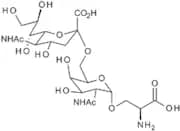
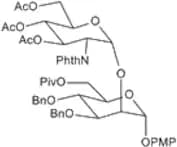
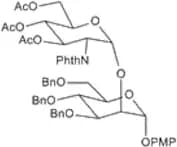
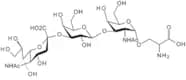
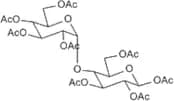
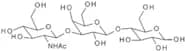

![(3b,14a)-3-O-b-D-glucopyranosyl-(1,2)-[b-D-xylopyranosyl-(1,3)]-b-D-glucopyranosyl-(1,4)-b-D-galac…](/_next/image/?url=https%3A%2Fstatic.cymitquimica.com%2Fproducts%2F3D%2Fthumb-webp%2FOG74568.webp&w=3840&q=75)


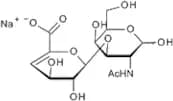

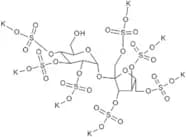
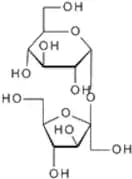
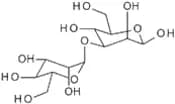

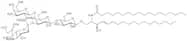

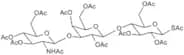

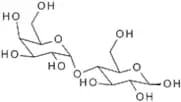
![N-[2-Acetamido-2-deoxy-6-O-(a-L-fucopyranosyl)-D-glucopyranosyl]-L-asparagine](/_next/image/?url=https%3A%2Fstatic.cymitquimica.com%2Fproducts%2F3D%2Fthumb-webp%2FOA29849.webp&w=3840&q=75)


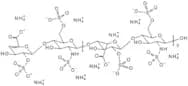
![6-O-(a-D-[6,6'-2H2]Glucopyranosyl)-D-glucopyranose](/_next/image/?url=https%3A%2Fstatic.cymitquimica.com%2Fproducts%2F3D%2Fthumb-webp%2FOG11200.webp&w=3840&q=75)

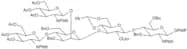
![4-O-(2-Acetamido-2-deoxy-D-[UL-13C6]glucopyranosyl)-D-ribitol](/_next/image/?url=https%3A%2Fstatic.cymitquimica.com%2Fproducts%2F3D%2Fthumb-webp%2FOA44753.webp&w=3840&q=75)
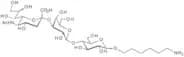
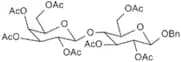
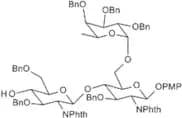
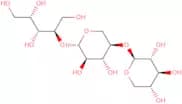
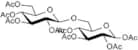
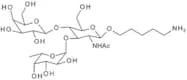
![Methyl 6-O-[(3-O-b-D-galactopyranosyl)-b-D-galactopyranosyl]-b-D-galactopyranoside](/_next/image/?url=https%3A%2Fstatic.cymitquimica.com%2Fproducts%2F3D%2Fthumb-webp%2FOM10182.webp&w=3840&q=75)
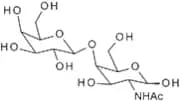
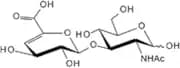
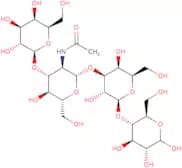
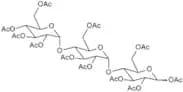
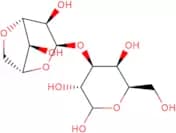
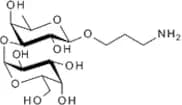
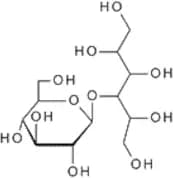
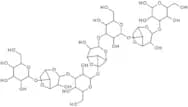
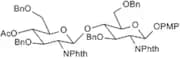
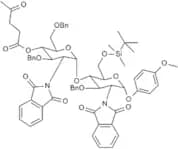


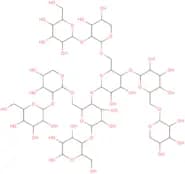

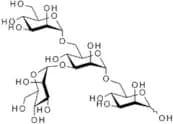

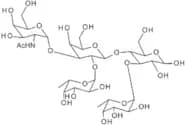
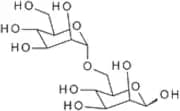
![4'-(D-[UL-13C6]Galactosyl)lactose](/_next/image/?url=https%3A%2Fstatic.cymitquimica.com%2Fproducts%2F3D%2Fthumb-webp%2FOG159775.webp&w=3840&q=75)
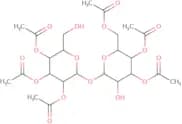
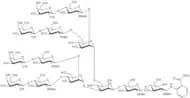
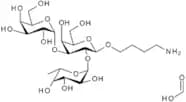


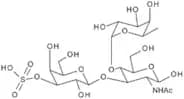
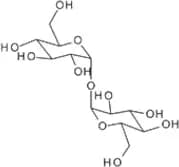
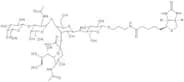

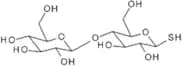
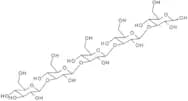

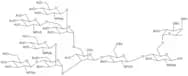
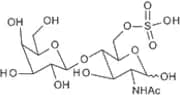
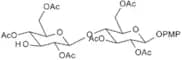
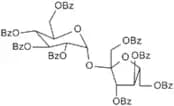
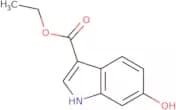

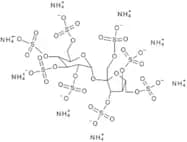
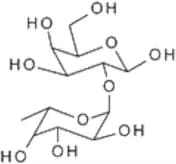
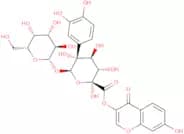

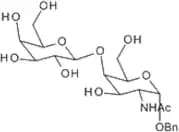
![2-Acetamido-2-deoxy-4-O-(β-D-[UL-13-C-6]-galactopyranosyl)-D-glucopyranose 6-sulfate](/_next/image/?url=https%3A%2Fstatic.cymitquimica.com%2Fproducts%2F3D%2Fthumb-webp%2FOA08512.webp&w=3840&q=75)
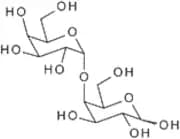
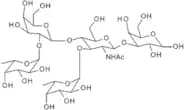

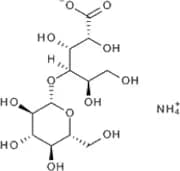

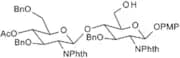
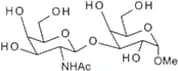

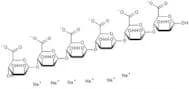
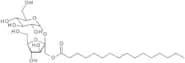
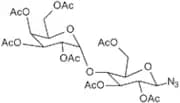


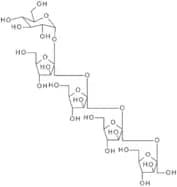
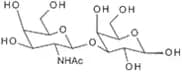

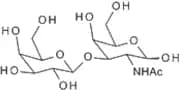
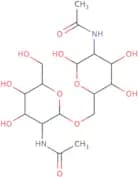
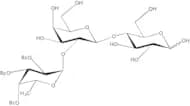
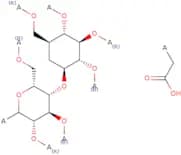



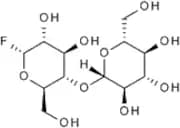
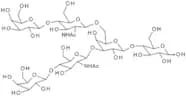

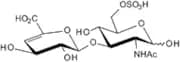
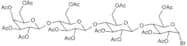
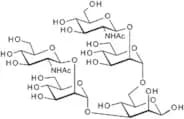

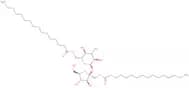
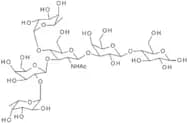


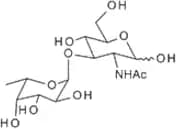

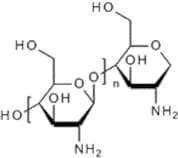



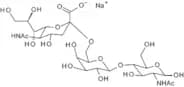
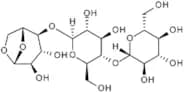
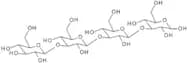

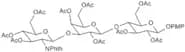
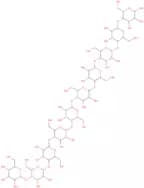

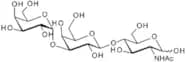

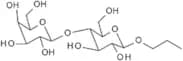

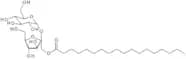


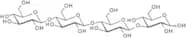

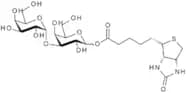


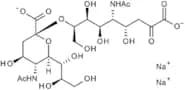
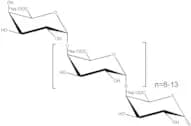
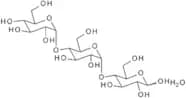


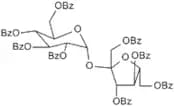


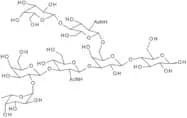
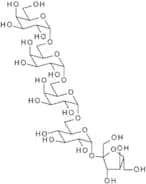


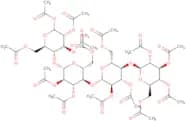
![4-O-(6-O-[2-Acetamido-2-deoxy-b-D-glucopyranosyl]-b-D-galactopyranosyl)-D-glucopyranose](/_next/image/?url=https%3A%2Fstatic.cymitquimica.com%2Fproducts%2F3D%2Fthumb-webp%2FOA05021.webp&w=3840&q=75)


![D-Galactopyranosyl-(b1-3)-[N-acetylneuraminyl-(a2-6)]-D-N-acetylgalactosaminyl serine-biotin](/_next/image/?url=https%3A%2Fstatic.cymitquimica.com%2Fproducts%2F3D%2Fthumb-webp%2FOG15984.webp&w=3840&q=75)