


Benzimidazole and Imidazole Derivatives
Benzimidazole is a compound consisting of a benzene ring fused to an imidazole ring, a five-membered structure containing two nitrogen atoms. Benzimidazole derivatives, such as albendazole, are known for their antiparasitic and antifungal activity, used in the treatment of parasitic infections and certain parasitic diseases in animals and humans. Imidazole, on the other hand, is a five-membered structure with two nitrogen atoms found in various biologically active compounds. Imidazole derivatives, such as metronidazole, have antimicrobial and antiparasitic properties. These compounds are also used in the pharmaceutical industry for treating bacterial infections, parasitic diseases, and some fungal infections, as well as in organic chemistry as catalysts.
At CymitQuimica, we offer high-purity benzimidazoles and imidazoles for research in medicinal chemistry, pharmacology, and biotechnology.
Found 10354 products of "Benzimidazole and Imidazole Derivatives"
Sort by
Purity (%)
0
100
|
0
|
50
|
90
|
95
|
100
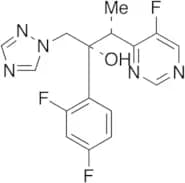
rel-(R,R)-Voriconazole
CAS:Controlled Product<p>Applications The (R,R)-enantiomer of Voriconazole. An antifungal (systemic). An ergosterol biosynthesis inhibitor.<br> Not a dangerous good if item is equal to or less than 1g/ml and there is less than 100g/ml in the package<br>References Sanati, H., et al.: Antimicrob. Ag. Chemother., 41, 2492 (1997),<br></p>Formula:C16H14F3N5OColor and Shape:NeatMolecular weight:349.313-(1H -Benzoimidazol-2-yl)-propylamine hydrochloride
CAS:Formula:C10H14ClN3Purity:95.0%Color and Shape:Grey powderMolecular weight:211.691'-Hydroxy Midazolam-β-D-glucuronide
CAS:Controlled Product<p>Applications The major metabolite of Midazolam (M343000(P)). Midazolam is an anesthetic; anticonvulsant; sedative; hypnotic. It is a positive allosteric modulator of the GABAA receptor.<br>References Dundee, J. W., et al.: Drugs, 28, 519 (1984), Lahat, E., et al.: Br. Med. J., 321, 83 (2000)<br></p>Formula:C24H21ClFN3O7Color and Shape:White To Off-WhiteMolecular weight:517.89Atropine
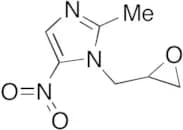
CAS:<p>Applications Atropine is an nerve agent that occurs naturally in plants of the nightshade family. Atropen is used as a pesticide poisoning and as a muscle relaxant when injected intravenously.<br> Not a dangerous good if item is equal to or less than 1g/ml and there is less than 100g/ml in the package<br>References Kujak, R., et al.: J. Pharma. Biomed. Anal., 2015<br></p>Formula:C17H23NO3Color and Shape:WhiteMolecular weight:289.372-Methyl-5-nitro-1-(2-oxiranylmethyl)-1H-imidazole
CAS:Controlled Product<p>Applications 2-Methyl-5-nitro-1-(2-oxiranylmethyl)-1H-imidazole is an impurity of Ornidazole (O688500) which has antifertility activity.<br>References Jones, A., et al.: Xenobiotica, 27, 711 (1997); Cooper, T., et al.: J. Andrology, 18, 431 (1997)<br></p>Formula:C7H9N3O3Color and Shape:NeatMolecular weight:183.16Omeprazole sulfide N-Oxide
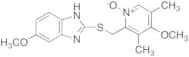
CAS:<p>Applications 5-Methoxy-2-[[(4-methoxy-3,5-dimethyl-2-pyridinyl)methyl]thio]-1H-benzimidazole N-Oxide is a metabolite of Omeprazole (O635000), an proton inhibitor used as an antiulcerative agent.<br>References Muller, P., et al.: Arzneimittel-Forsch., 33, 1685 (1983), Wallmark, B., et al.: Biochim. Biophys. Acta., 778, 549 (1984), Morii, M., et al.: J. Biol. chem., 268, 21553 (1993), Ritter, M., et al.: Br. J. Pharmacol., 124, 627 (1998)<br></p>Formula:C17H19N3O3SColor and Shape:Off-WhiteMolecular weight:345.422'-(1H-Tetrazol-5-yl)-[1,1'-biphenyl]-4-carbaldehyde
CAS:Purity:98%Molecular weight:250.261001586914063,5-Didesamino-3,5-dioxo Lamotrigine
CAS:Controlled Product<p>Impurity Lamotrigine EP Impurity D<br>Applications 3,5-Didesamino-3,5-dioxo Lamotrigine (Lamotrigine EP Impurity D) is an impurity of the anticonvulsant Lamotrigine (L173250).<br>References Hlavac, J. et al.: ARKIVOC, 1, 22 (2003);<br></p>Formula:C9H5Cl2N3O2Color and Shape:NeatMolecular weight:258.06PD 312236, PD 312237 Mixture
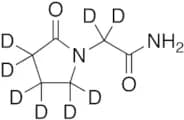
CAS:<p>Applications PD 312236 is a pyranoside lactose conjugate degradation product of pregabalin (P704800), a GABA analogue used as an anticonvulsant.<br>References Lovdahl, M.J., et al.: J. Pharma. Biomed. Anal., 28, 917 (2002);<br></p>Formula:C20H35NO11Color and Shape:NeatMolecular weight:465.49Piracetam-d8
CAS:Controlled Product<p>Applications Labelled Piracetam (P500800). Nootropic.<br>References Gobert, J., et al.: J. Pharm. Belg., 27, 281 (1972), Oosterveld, W.J., et al.: Arzneim.-Forsch., 30, 1947 (1980), Chouinard, G., et al.: Psychopharmacol. Bull., 17, 129 (1981),<br></p>Formula:C6D8H2N2O2Color and Shape:NeatMolecular weight:150.21[2-[5-(Aminomethyl)-2-methyl-1H-imidazol-1-yl]-5-chlorophenyl](2-fluorophenyl)-methanone Dihydrochloride
CAS:Controlled ProductFormula:C18H15ClFN3O• 2(HCl)Color and Shape:White To YellowMolecular weight:343.78Lamotrigine-13C3,d3, Major
CAS:Controlled Product<p>Applications An isotopically labelled Lamotrigine (L173250), an anticonvulsant. Inhibits glutamate release, possible through inhibition of Sodium, Potassium and Calcium currents. Used in treatment of bipolar depression.<br> Not a dangerous good if item is equal to or less than 1g/ml and there is less than 100g/ml in the package<br>References Miller, A.A., et al.: Epilepsia, 27, 483 (1986), Grunze, et al.: Neuropsychobiology, 38, 131 (1998), Calabrese, J.R., et al.: J. Clin. Psychiatry, 60, 79 (1999),<br></p>Formula:C3C62H3H4Cl2N5Color and Shape:Off-White To Light YellowMolecular weight:262.09Apoatropine Hydrochloride
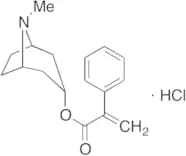
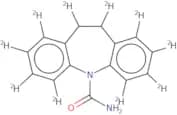
CAS:<p>Applications Apoatropine is an alkaloid derivative with the potential to be an antibacterial.<br>References Cherkaoui, S. et al.: Electrophor., 19, 2900 (1998); Marrero-Ponce, Y. et al.: Bioorg. Med. Chem., 13, 2881 (2005);<br></p>Formula:C17H21NO2·ClHColor and Shape:White To Off-WhiteMolecular weight:307.82Carbamezepine-D10
CAS:Controlled Product<p>Applications Carbamazepine-D10 is used to study occurrence of emerging trace organic chemicals in wastewater effluents in Saudi Arabia.<br>References Alidina, M., et al.: Sci. Total Environ., 478, 152 (2014);<br></p>Formula:C152H10H2N2OColor and Shape:NeatMolecular weight:246.331-(1H-Benzo[d]imidazol-2-yl)-3-methyl-1H-pyrazol-5-amine
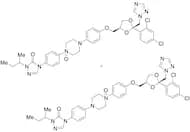
CAS:Purity:97%Molecular weight:213.24400329589844Itraconazole Mono N-Oxide
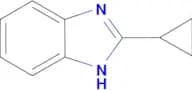
Controlled ProductFormula:C35H38Cl2N8O5Color and Shape:NeatMolecular weight:721.632-cyclopropyl-1H-benzimidazole
CAS:Purity:95.0%Color and Shape:SolidMolecular weight:158.20399475097656N-Pentanoyl-N-((2'-(2-trityl-2H-tetrazol-5-yl)-[1,1'-biphenyl]-4-yl)methyl)-L-valine
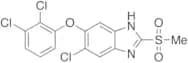
CAS:Purity:97%Molecular weight:677.8489990234375Triclabendazole Sulfone
CAS:Controlled Product<p>Applications Triclabendazole Sulfone is a metabolite of Triclabendazole (T774175), the only anthelmintic drug, which is active against immature, mature and adult stages of fluke.<br>References Whelan, M., et al.: J. Chromato., 1275, 41 (2013); Barrera, S., et al.; Antimicrob. Agent. Chemother., 56, 3535 (2012);<br></p>Formula:C14H9Cl3N2O3SColor and Shape:Off-WhiteMolecular weight:391.66(4-(3-Methoxypropoxy)-3-methylpyridin-2-yl)methanol Hydrochloride
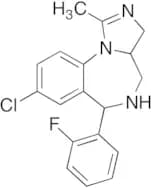
CAS:Controlled ProductFormula:C11H17NO3·HClColor and Shape:NeatMolecular weight:211.26 + 36.463a,4,5,6-Tetrahydro Midazolam
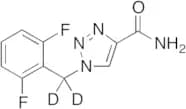
CAS:Controlled Product<p>Applications 3a,4,5,6-Tetrahydro Midazolam is an impurity of Midazolam (M343000), a drug used for the treatment of acute seizures and is also known to exhibit activities as an anticonvulsant, sedative, and hypnotic.<br>References Dundee, J. W., et al.: Drugs, 28, 519 (1984); Lahat, E., et al.: Br. Med. J., 321, 83 (2000); Sati, B., et al.: Acta Pharm., 63, 385 (2013);<br></p>Formula:C18H17ClFN3Color and Shape:NeatMolecular weight:329.80Rufinamide-d2
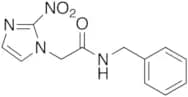
CAS:Controlled Product<p>Applications Labelled Rufinamide (R701552). Antiepileptic triazole derivative which decreases firing by neurons at sodium channels. Anticonvulsant.<br>References Cheung, W.K., et al.: Pharm. Res., 12, 1878 (1995), Cardot, J.-M., et al.: Biopharm. Drug Dispos., 19, 259 (1998), Palhagen, S., et al.: Epilepsy Res., 43, 115 (2001),<br></p>Formula:C10H6D2F2N4OColor and Shape:White To Light YellowMolecular weight:240.21Benznidazole
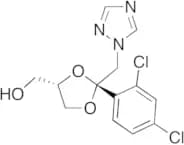
CAS:<p>Applications Benznidazole (BNZ) is traditionally used to treat Chagas disease caused by Trypanosoma cruzi. The drugs used for the treatment of this disease, Nifurtimox and Benznidazole, are toxic and present severe side effects.<br>References Abuin, G., et al.: Mol. Biochem. Parasitol ., 35, 229 (1989), Arora, P., et al.: J. Biol. Chem., 270, 6042 (1995), Campos, M., et al.: J. Immunol., 167, 416 (2001), Faundez, M., et al.: Antimicrob. Agents Chemother., 49, 126 (2005),<br></p>Formula:C12H12N4O3Color and Shape:NeatMolecular weight:260.25cis-2-(2,4-Dichlorophenyl)-2-(1H-1,2,4-triazol-1-ylmethyl)-1,3-dioxolane-4-methanol
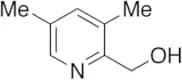
CAS:Controlled ProductFormula:C13H13Cl2N3O3Color and Shape:NeatMolecular weight:330.173,5-Dimethyl-2-pyridinemethanol
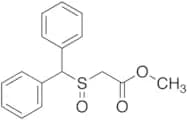
CAS:Controlled Product<p>Applications Intermediate in the preparation of Omeprazole metabolites<br></p>Formula:C8H11NOColor and Shape:Colourless To BrownMolecular weight:137.179Modafinil Carboxylate Methyl Ester
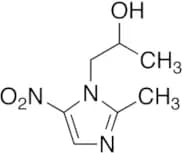
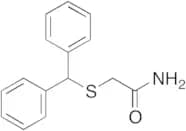
CAS:Controlled Product<p>Impurity Modafinil EP Impurity C<br>Applications Modafinil Carboxylate Methyl Ester (Modafinil EP Impurity C) is a Modafinil derivative.<br>References Lehr, H., et al.: J. Med. Chem., 6, 136 (1963), Saikawa, I., et al.: Chem. Pharm. Bull., 33, 5534 (1985),<br></p>Formula:C16H16O3SColor and Shape:NeatMolecular weight:288.36Secnidazole
CAS:Controlled Product<p>Applications Analog of Metronidazole. Antiamebic. Antiprotozoal (Trichomonas).<br>References Cosar, C., et al.: Arzneim.-Forsch., 16, 23 (1966), Videau, D., et al.: Br. J. Vener. Dis., 54, 77 (1978), Symonds, J., et al.: J. Antimicrob. Chemother., 5, 484 (1979),<br></p>Formula:C7H11N3O3Color and Shape:White To Light YellowMolecular weight:185.18Efinaconazole
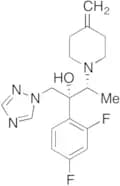
CAS:Controlled Product<p>Applications Efinaconazole is a topical antifungal for onychomycosis. (Synonyms: KP-103)<br>References Sugiura, K., et. al.: Antimicrob. Agents CH., 58, 3837 (2014);<br></p>Formula:C18H22F2N4OColor and Shape:NeatMolecular weight:348.391-(Tetrahydro-2H-pyran-2-yl)-1H-indazol-4-amine
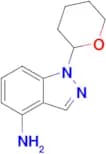
CAS:Purity:95.0%Color and Shape:Liquid, No data available.Molecular weight:217.27200317382812Oxybutynin N-Oxide 90%
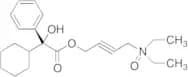
CAS:Controlled Product<p>Applications A metabolite of Oxybutynin.<br>References Hughes, K., et al.: Xenobiotica, 22, 859 (1992), Oki, T., et al.: Biol. Pharm. Bull., 24, 491 (2001), Fetscher, C., et al.: Br. J. Pharmacol., 136, 64 (2002), Zobrist, R., et al.: Pharm. Res., 20, 103 (2003)<br></p>Formula:C22H31NO4Purity:90%Color and Shape:NeatMolecular weight:373.49rac Rivastigmine-d6
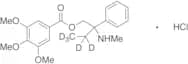
CAS:Controlled Product<p>Applications Labelled rac Rivastigmine. A brain selective acetylcholinesterase inhibitor. Nootropic.<br> Not a dangerous good if item is equal to or less than 1g/ml and there is less than 100g/ml in the package<br>References Rosler, M., et al.: Brit. Med. J., 318, 633 (1999), Enz, A., et al.: Prog. Brain Res., 98, 431 (1993),<br></p>Formula:C14H16D6N2O2Color and Shape:NeatMolecular weight:256.37N-Demethyl Trimebutine-d5 Hydrochloride
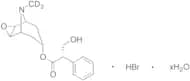
CAS:Controlled Product<p>Applications The main bioactive labelled metabolite of Trimebutine.<br>References Miura, Y., et al.: Drug Metab. Dispos., 17, 455 (1989), Xue, L., et al.: Eur. J. Pharmacol., 294, 75 (1995), Roman, F., et al.: J. Pharmacol. Exp. Ther., 289, 1391 (1999), Kayser, V., et al.: Life Sci., 66, 433 (2000),<br></p>Formula:C21H22D5NO5·HClColor and Shape:NeatMolecular weight:414.93Scopolamine-d3 Hydrobromide Hydrate
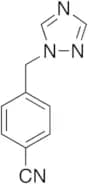
CAS:Controlled Product<p>Stability Hygroscopic<br>Applications An acetylcholine antagonist. Used in treatment of motion sickness; antiemetic; antispasmodic; mydriatic; preanesthetic medicant.<br> Not a dangerous good if item is equal to or less than 1g/ml and there is less than 100g/ml in the package<br>References Brand, J.J., et al.: Lancet, 2, 232 (1970), Bowles, J.B., et al.: Anaesthesia, 34, 476 (1979), Clissold, S.P., et al.: Drugs, 29, 189 (1985), Muhtadi, F.J., et al.: Anal. Profiles Drug Subs., 19, 477 (1990),<br></p>Formula:C17H18D3NO4·BrH·xH2OColor and Shape:NeatMolecular weight:387.284-(1H-1,2,4-Triazol-1-ylmethyl)benzonitrile
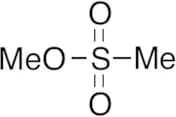
CAS:Controlled ProductFormula:C10H8N4Color and Shape:WhiteMolecular weight:184.20Methyl Methanesulfonate
CAS:<p>Applications Methyl Methanesulfonate is used as a reagent in the synthesis of 2-Methyllamotrigine (M315350); an impurity of Lamotrigine (L173250) which is an anticonvulsant that inhibits glutamate release, possible through inhibition of sodium, potassium and calcium currents. Also used in treatment of bipolar depression.<br> Not a dangerous good if item is equal to or less than 1g/ml and there is less than 100g/ml in the package<br>References Miller, A.A., et al.: Epilepsia, 27, 483 (1986); Grunze, et al.: Neuropsychobiology, 38, 131 (1998); Calabrese, J.R., et al.: J. Clin. Psychiatry, 60, 79 (1999)<br></p>Formula:C2H6O3SColor and Shape:Colourless LiquidMolecular weight:110.134-Methyl Mebendazole
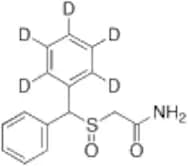
CAS:Controlled Product<p>Applications Mebendazole (M200500) related compound as anthelmintic agent.<br>References Raeymaekers, A.H.M., et al.: Arzneim.-Forsch., 28, 586 (1978),<br></p>Formula:C17H15N3O3Color and Shape:NeatMolecular weight:309.32Modafinil-d5 (Mixture of Diastereomers)
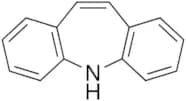
CAS:Controlled Product<p>Applications Labelled Modafinil (M482502). Modafinil is an α-1-adrenergic agonist. Modafinil is a CNS stimulant; psychostimulant that displays neuroprotective and antiparkinsonian activity in a primate model of Parkinson's disease.This is a controlled substance (stimulant).<br>References Saletu, B., et al.: Int. J. Clin. Pharmacol. Res., 9, 183 (1989), Chemelli, R.M., et al.: Cell, 98, 437 (1999)<br></p>Formula:C152H5H10NO2SColor and Shape:NeatMolecular weight:278.38Iminostilbene
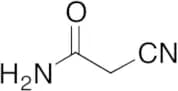
CAS:Controlled Product<p>Impurity Carbamazepine EP Impurity D<br>Applications A metabolite of Carbamazepine (CBZ) (C175840).<br> Not a dangerous good if item is equal to or less than 1g/ml and there is less than 100g/ml in the package<br>References Lertratanangkoon, K., et al.: Drug Metab. Dispos., 10, 1 (1982), Deleu, D., et al.: Eur. J. Clin. Pharmacol., 57, 243 (2001),<br></p>Formula:C14H11NColor and Shape:Yellow To Dark OrangeMolecular weight:193.24Cyanoacetamide
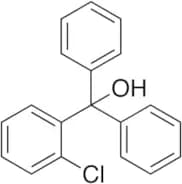
CAS:<p>Applications Cyanoacetamide has been used in photometric and fluorimetric postcolumn labeling.<br>References Honda S., et. al.: Anal. biochem., 134, 483(1983)<br></p>Formula:C3H4N2OColor and Shape:NeatMolecular weight:84.0767(2-Chlorophenyl)diphenylmethanol
CAS:<p>Impurity Clotrimazole EP Impurity A<br>Applications (2-Chlorophenyl)diphenylmethane (Clotrimazole EP Impurity A) is a triarylmethane with antiproliferative activity. (2-Chlorophenyl)diphenylmethane is a degradation product of the antifungal agent Clotrimazole (C587400). Clotrimazole Related Compound A<br>References Suzuki, M. Iyak. Kenk., 23, 44 (1992); Hajkova, R. et al.: Talanta, 73, 483 (2007); Sabourin, L. et al.: Environ. Toxicol. Chem., 30, 582 (2011);<br></p>Formula:C19H15ClOColor and Shape:NeatMolecular weight:294.77N-[3-Methyl-4-(2,2,2-trifluoroethoxy)-2-pyridinyl]methyl Lansoprazole
CAS:Controlled Product<p>Applications Lansoprazole (L175000) impurity.<br>References Wallmark, B., et al.: J. Gastroenterol., 20, 37 (1985), Barradell, L., et al.: Drugs, 44, 225 (1992), Reddy, K., et al.: Pharmazie, 65, 994 (2006),<br></p>Formula:C25H22F6N4O3SColor and Shape:Beige To Light BrownMolecular weight:572.522-Mercaptobenzimidazole
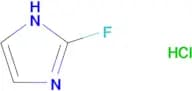
CAS:Controlled Product<p>Impurity Rabeprazole EP Impurity F<br>Applications An antidegradant, protecting rubber from oxidation. An intermediate in the synthesis of Rabeprazole (R070500)<br> Not a dangerous good if item is equal to or less than 1g/ml and there is less than 100g/ml in the package<br>References Beheshti, A., et al.: J. Food Sci., 75, C135 (2010), Rohrig, U., et al.: J. Med. Chem., 53, 1172 (2010),<br></p>Formula:C7H6N2SColor and Shape:NeatMolecular weight:150.202-Fluoro-1H-imidazole hydrochloride
CAS:Purity:95.0%Color and Shape:SolidMolecular weight:122.52999877929688Omeprazole Sulfone N-Oxide
CAS:<p>Impurity Omeprazole EP Impurity I<br>Applications Omeprazole Sulfone N-Oxide (Omeprazole EP Impurity I) is a metabolite of Omeprazole. Impurity I.<br>References Stevens, C.M., et al.: J. Biol. Chem., 75, 182 (1950), Okamoto, S., et al.: Biochem. Biophys. Res. Commun., 101, 440 (1981)<br></p>Formula:C17H19N3O5SColor and Shape:NeatMolecular weight:377.412-(1H-tetrazol-5-yl)ethanol
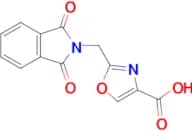
CAS:Formula:C3H6N4OPurity:95.0%Color and Shape:SolidMolecular weight:114.1082-((1,3-DIOXOISOINDOLIN-2-YL)METHYL)OXAZOLE-4-CARBOXYLIC ACID
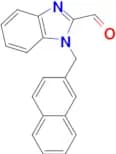
CAS:Purity:95.0%Molecular weight:272.216003417968751-(2-naphthylmethyl)-1H-benzimidazole-2-carbaldehyde
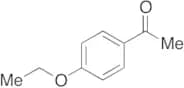
CAS:Purity:95.0%Molecular weight:286.33401489257814'-Ethoxyacetophenone
CAS:<p>Applications 4'-Ethoxyacetophenone, is an acetophenone derivative that can be used as an antibacterial agent. It is a reagent for plymerization. It can also be used as a flavoring agent in fabricating cigarettes with flavored filter tips.<br>References Sivakumar, P., et al.: Chem. Bio. Drug Design, 72, 303 (2008); Mathis, D. E., Beitraege zur Tabakforschung Int., 12, 1 (1983);<br></p>Formula:C10H12O2Color and Shape:White To Off-WhiteMolecular weight:164.20para-Clotrimazole Isomer
CAS:Controlled Product<p>Impurity Clotrimazole EP Impurity B<br>Applications para-Clotrimazole Isomer (Clotrimazole EP Impurity B) is a positional isomer of the antifungal agent (C587400). It showed agonistic activity on the pregnane X receptor and regulated the levels of apoA1 and HDL-cholesterol in rodents.<br>References Buechel, K.H. et al.: Drugs Made Ger., 15, 79 (1972); Bachmann, K. et al.: Pharmacol. Res., 50, 237 (2004);<br></p>Formula:C22H17ClN2Color and Shape:NeatMolecular weight:344.84(2-Oxopyrrolidin-1-yl)acetic Acid
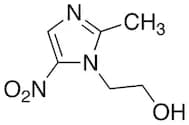
CAS:<p>Impurity Piracetam Impurity D<br>Applications (2-Oxopyrrolidin-1-yl)acetic acid is a reagent in the preparation of pyrazolopyridines as PDE4B inhibitors.<br>References Mitchell, C. J., et al.: Bioorg. Med. Chem. Lett., 20, 5803 (2010);<br></p>Formula:C6H9NO3Color and Shape:Off-WhiteMolecular weight:143.14Metronidazole
CAS:<p>Applications Used as an antibacterial in the treatment of rosacea. Antiprotozoal (trichomonas). A potential human carcinogen.<br>References Carballo, M., et al.: J. App. Toxicol., 29, 248 (2009), Leitsch, D., et al.: Mol. Microbiol., 72, 518 (2009), Sanderson, H., et al.: Toxicol. Lett., 187, 84 (2009),<br></p>Formula:C6H9N3O3Color and Shape:White To Off-WhiteMolecular weight:171.15Modafinil-d10 Carboxylate
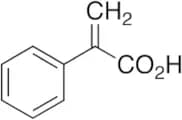
CAS:Controlled Product<p>Applications A metabolite of Modafinil, a central nervous system vigilance promoting agent, which possesses neuroprotective properties.<br>References Duteil, J., et al.: Eur. J. Pharmacol., 180, 49 (1990), Wong, Y., et al.: J. Clin. Pharmacol., 317, 30 (1999), Robertson, P., et al.: Drug Disp., 42, 123 (2003)<br></p>Formula:C15H4D10O3SColor and Shape:NeatMolecular weight:284.4Atropic Acid
CAS:<p>Impurity Ipratropium EP Impurity D<br>Stability Light Sensitive<br>Applications Atropic acid (Ipratropium EP Impurity D) is an impurity of Ipratropium bromide (I740500) and Atropine Sulfate (A794625).<br>References Lyon, R., et al.: J. Pharm. Sci., 95, 1549 (2006), Loch, M., et al.: Toxicology, 233, 229 (2007), John, H., et al.: Anal. Bioanal. Chem., 396, 751 (2010),<br></p>Formula:C9H8O2Color and Shape:Off-WhiteMolecular weight:148.16Atropine Sulfate Monohydrate
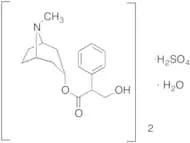
CAS:Controlled Product<p>Applications Mydriatic; antispasmodic; used in preanesthetic medication.<br> Not a dangerous good if item is equal to or less than 1g/ml and there is less than 100g/ml in the package<br>References Brown, R.V., et al.: Br. J. Pharmacol., 15, 170 (1960), Shutt, L.E., et al.: Anaesthesia, 34, 476 (1979), Hinderling, P.H., et al.: J. Pharm. Sci., 74, 703 (1985),<br></p>Formula:C17H23NO3·H2O·H2O4SColor and Shape:White To Light YellowMolecular weight:694.83Iso Letrozole
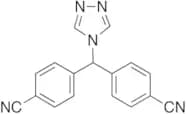
CAS:<p>Impurity Letrozole EP Impurity A; Letrozole USP Related Compound A<br>Applications Isoletrozole (Letrozole EP Impurity A) is an impurity of Letrozole (L330100). Letrozole impurity A as per USP.<br>References Fleming, F.F., et al.: J. Med. Chem., 53, 7902 (2010),<br></p>Formula:C17H11N5Color and Shape:NeatMolecular weight:285.30Glycopyrrolate Bromide-d3 (Mixture of Diastereomers)
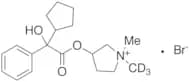
CAS:Controlled Product<p>Applications Labelled analogue of Glycopyrrolate Bromide, a novel pharmaceutical compound based on PDE IV inhibitors. Glycopyrrolate Bromide is used in the treatment of respiratory complaints.<br>References Gomez, et al.: Br. J. Anaesth., 74, 549 (1995);<br></p>Formula:C19H25D3NO3·BrColor and Shape:NeatMolecular weight:401.35rac 5-Hydroxymethyl Tolterodine-d14
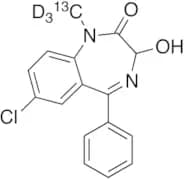
CAS:Controlled ProductFormula:C22H17D14NO2Purity:90%Color and Shape:NeatMolecular weight:355.57Temazepam-13C,d3
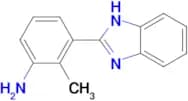
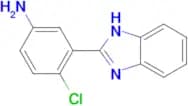
CAS:Controlled Product<p>Applications Temazepam-13C,d3 is labelled Temazepam (T017200) which is a pharmacologically active metabolite of Diazepam. It is used as a sedative and hypnotic drug.<br>References Sarteschi, P., et al.: Arzneim.-Forsch., 22, 93 (1972), Schwandt, H.J., et al.: Xenobiotica, 4, 733 (1974), Curry, S.H., et al.: Br. J. Pharmacol., 57, 427 (1976), Heel, R.C., et al.: Drugs, 21, 321 (1981),<br></p>Formula:C1513CH10D3ClN2O2Color and Shape:NeatMolecular weight:304.753-(1 H -Benzoimidazol-2-yl)-4-chloro-phenylamine
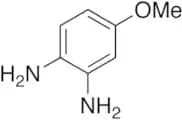
CAS:Purity:97.0%Color and Shape:SolidMolecular weight:243.690002441406253,4-Diaminoanisole
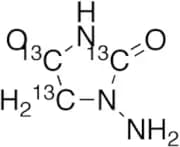
CAS:<p>Applications 3,4-Diaminoanisole (cas# 102-51-2) is a compound useful in organic synthesis.<br></p>Formula:C7H10N2OColor and Shape:NeatMolecular weight:138.171-Amino Hydantoin-13C3
CAS:<p>Applications 1-Amino Hydantoin Hydrochloride (A611090), a metabolite of Nitrofuran.Environmental contaminants<br>References Tribalat, L., et al.: Anal. Bioanal. Chem., 386, 2168 (2006), Chu, P., et al.: J. Agric. Food Chem., 55, 2129 (2007),<br></p>Formula:C3H5N3O2Color and Shape:White To Light YellowMolecular weight:118.07Omeprazole-d3
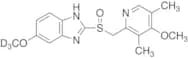
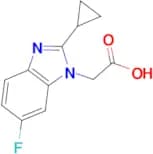
CAS:Controlled Product<p>Applications Labelled Omeprazole, which binds covalently to proton pump, it inhibits gastric secretion. Used as an anttiulcerative.<br>References Muller, P., et al.: Arzneimittel-Forsch., 33, 1685 (1983), Wallmark, B., et al.: Biochim. Biophys. Acta., 778, 549 (1984), Morii, M., et al.: J. Biol. chem., 268, 21553 (1993), Ritter, M., et al.: Br. J. Pharmacol., 124, 627 (1998)<br></p>Formula:C172H3H16N3O3SColor and Shape:NeatMolecular weight:348.432-(2-Cyclopropyl-6-fluoro-1H-1,3-benzodiazol-1-yl)acetic acid
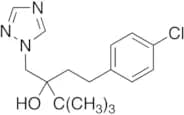
CAS:Molecular weight:234.22999572753906Tebuconazole
CAS:<p>Applications Tebuconazole is an ergosterol biosynthesis inhibitor present in most pesticide formulations (1,2). Various uptake is observed in plants (3). Drinking water Contaminant Candidate List 3 - CCL 3 as per United States Environmental Protection Agency (EPA). Environmental contaminants; Food contaminants. Useful in cannabis testing kits as a component of pesticide mixes (P698235).<br> Not a dangerous good if item is equal to or less than 1g/ml and there is less than 100g/ml in the package<br>References 1. Grimalt S. et al.: Anal Bioanal Chem. 2015 Apr;407(11):3083-912. Gent, D. et al.: Plant Dis. 2003 May:87(5) p591-5973. Wang, C. et al.: Pest. Biochem. Physiol. 2007 Jan:87(1) p1-8<br></p>Formula:C16H22ClN3OColor and Shape:White To Light YellowMolecular weight:307.82Oxcarbazepine
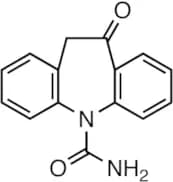
CAS:<p>Applications A metabolite of Eslicarbazepine acetate, (BIA 2-093), a novel central nervous system drug. A keto derivative of Carbamazepine. Used as an anticonvulsant. Neuroprotective & Neuroresearch Product.<br>References Dam., M., et al.: Epilepsy Res., 3, 70 (1989); Beydoun, A., et al.: Expert Opin. Pharmacother., 3, 59 (2001);<br></p>Formula:C15H12N2O2Color and Shape:Light YellowMolecular weight:252.274-(4-Cyanobenzyl)-1,2,4-triazole
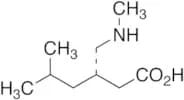
CAS:Controlled Product<p>Applications 4-(4-Cyanobenzyl)-1,2,4-triazole is an intermediate in the synthesis of Letrozole (L330100), an oral, non-steroidal, aromatase inhibitor generally used to treat breast cancer as a result of hormone response after surgery.<br>References Bhatnagar, A.S., et al: J. Steroid Biochem. Mol. Biol., 37, 1021 (1990), Pfister, C.U., et al.: J. Pharm. Sci., 83, 520 (1994), Lipton, A., et al.: Cancer, 75, 2132 (1995),<br></p>Formula:C10H8N4Color and Shape:NeatMolecular weight:184.20(S)-N-Methyl Pregabalin
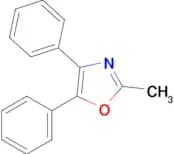
CAS:Controlled Product<p>Stability Hygroscopic<br>Applications The major metabolite of Pregabalin.<br>References Taylor, C.P., at al.: Epilepsy Res., 14, 11 (1993), Field, M.J., et al.: Pain, 80, 391 (1999)<br></p>Formula:C9H19NO2Color and Shape:NeatMolecular weight:173.252-Methyl-4,5-diphenyloxazole
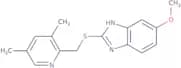
CAS:Purity:95.0%Color and Shape:LiquidMolecular weight:235.285995483398445-Methoxy-2-[[(3,5-dimethyl-2-pyridinyl)methyl]sulphinyl]-1H-benzimidazole
CAS:<p>5-Methoxy-2-[[(3,5-dimethyl-2-pyridinyl)methyl]sulphinyl]-1H-benzimidazole is a natural product. It is an impurity in the drug development process and may be present as an analytical marker for impurities. 5-Methoxy-2-[(3,5-dimethylpyridinium)methyl]sulfinyl]-1Hbenzimidazole is used as a pharmacopoeia standard and can be synthesized on request.</p>Formula:C16H17N3O2SPurity:Min. 95%Color and Shape:PowderMolecular weight:315.39 g/molOmeprazole impurity F and G
CAS:<p>Omeprazole is a proton pump inhibitor that inhibits the H+/K+-ATPase enzyme in gastric parietal cells. Omeprazole impurity F and G are metabolites of omeprazole. Omeprazole impurity F is a metabolite of omeprazole that forms by oxidation of the methylthio group in omeprazole to form a sulfoxide. Omeprazole impurity G is formed by hydrolysis of the methylthio group in omeprazole to form an alcohol. The purity of this product is high and can be custom synthesized based on customer's needs. It is also available as an HPLC standard or as an API impurity for use in metabolism studies.</p>Formula:C16H13N3O2SPurity:Min. 95%Color and Shape:Red PowderMolecular weight:311.36 g/molLansoprazole N-oxide
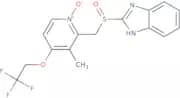
CAS:<p>Lansoprazole N-oxide is a prodrug that is converted to lansoprazole sulfone in vivo. Lansoprazole N-oxide is used as a diluent in chromatographic experiments. It has been shown to be more sensitive than the parent compound, lansoprazole, for the diagnosis of reflux oesophagitis. Lansoprazole N-oxide also has a validation wavelength of 240 nm and can be detected by liquid chromatography. The active form of lansoprazole, lansoprazole sulfone, can be detected by gas chromatography mass spectrometry (GCMS).</p>Formula:C16H14F3N3O3SPurity:Min. 95%Color and Shape:White PowderMolecular weight:385.36 g/mol2-Hydroxy-2,2-bis(2-thienyl) acetic acid
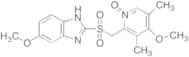
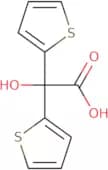
CAS:<p>2-Hydroxy-2,2-bis(2-thienyl) acetic acid is a long-acting bronchodilator that can be administered by inhalation. It has been used in the clinical development of medicines for the treatment of asthma and chronic obstructive pulmonary disease. 2-Hydroxy-2,2-bis(2-thienyl) acetic acid is chemically related to pyridinium compounds. It is a potent inhibitor of muscarinic receptors and has an anticholinergic profile similar to atropine. The safety profile of this drug seems to be favourable in humans with no major side effects reported so far.</p>Formula:C10H8O3S2Purity:Min. 95%Color and Shape:Yellow PowderMolecular weight:240.3 g/mol5-Methoxy-2-[[(4-methoxy-3,5-dimethyl-2-pyridinyl)methyl]sulfinyl]-1H-benzimidazole N-oxide
CAS:<p>5-Methoxy-2-[[(4-methoxy-3,5-dimethyl-2-pyridinyl)methyl]sulfinyl]-1H-benzimidazole N-oxide is an ammonium salt of a sulfoxide with a chloride. It is also known as esomeprazole magnesium. This drug is used in the preparation of pharmaceutical preparations and is used to treat gastroesophageal reflux disease (GERD), peptic ulcers, and other conditions. The magnesium salt form is a polymorphic substance that has a crystalline form that occurs in nature, called alpha form, and a synthetic form that occurs in laboratory experiments and has been designated beta form. The alpha form exhibits enantioselectivity when it binds to the enzyme pepsin, which causes the drug to have an antiulcer effect.</p>Formula:C17H19N3O4SPurity:Min. 95%Color and Shape:PowderMolecular weight:361.42 g/mol4-Desmethoxy omeprazole sulfide
CAS:<p>4-Desmethoxy omeprazole sulfide is a metabolite of omeprazole, a drug that is used to treat ulcers and gastroesophageal reflux disease. 4-Desmethoxy omeprazole sulfide is not an impurity in the production of omeprazole, but is present as a natural component of omeprazole. This compound has been shown to be an impurity standard for HPLC analysis. The pharmacopoeia defines 4-desmethoxy omeprazole sulfide as an API impurity in drug products. It is also being studied for its potential use in drug development and research and development.</p>Formula:C16H17N3OSPurity:Min. 95%Color and Shape:White to off-white solid.Molecular weight:299.39 g/molDi-2-thienylmethanone
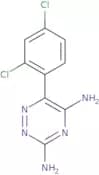
CAS:<p>Di-2-thienylmethanone is a pyrazole with an activation energy of about 10.5 kcal/mol. It has been found to be toxic and can cause cell lysis. This molecule has been used in the synthesis of a number of drugs, including thiopental, a barbiturate that is used as an anaesthetic. Di-2-thienylmethanone is also the precursor for the synthesis of fluoroquinolones, which are potent antibacterial agents. The Friedel-Crafts reaction is one way this molecule is synthesized, and it involves the addition of an alkyl halide to an unsaturated double bond. This reaction is named after Charles Friedel and James Crafts who first discovered it in 1877.</p>Formula:C9H6OS2Purity:Min. 95%Color and Shape:White PowderMolecular weight:194.28 g/mol6-(2,4-Dichlorophenyl)-1,2,4-triazine-3,5-diamine
CAS:<p>6-(2,4-Dichlorophenyl)-1,2,4-triazine-3,5-diamine is a metabolite that can be found in the urine and blood of humans. It has been shown to have cytotoxic effects on human lymphocytes and erythrocytes. 6-(2,4-Dichlorophenyl)-1,2,4-triazine-3,5-diamine is used as an impurity standard for HPLC analysis and as a reference compound for pharmacopoeia. This chemical is also used in the synthesis of some drugs. 6-(2,4-Dichlorophenyl)-1,2,4-triazine-3,5-diamine is not listed in any pharmacopoeia or natural product database.</p>Formula:C9H7Cl2N5Purity:Min. 95%Color and Shape:White PowderMolecular weight:256.09 g/molRabeprazole Impurity 2
CAS:<p>Rabeprazole Impurity 2 is a research and development impurity standard that is used for qualitative analysis. It can be custom synthesized to meet specific needs, and it can also be used in drug product synthesis. Rabeprazole Impurity 2 is a high purity synthetic compound that has been pharmacopoeia-qualified. It can also be used as a metabolite or analytical standard, and it has been studied for its metabolism studies with HPLC-MS. Rabeprazole Impurity 2 has CAS No. 1807988-36-8.</p>Formula:C18H19N3O4Purity:Min. 95%Molecular weight:341.36 g/mol10,11-Dihydroxy-d10 Carbamazepine
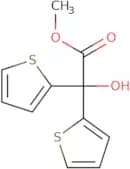
Controlled Product<p>10,11-Dihydroxy-d10 Carbamazepine is a drug product that is used as an analytical reference standard. It is natural and synthetic impurity in the API (active pharmaceutical ingredient) Carbamazepine. The CAS number for 10,11-Dihydroxy-d10 Carbamazepine is 513-81-5. This compound has been synthesized by custom synthesis and is an impurity standard for HPLC analysis of carbamazepine. 10,11-Dihydroxy-d10 Carbamazepine is also a research and development chemical for the drug development industry. It has been classified as a niche chemical due to its high purity and pharmacopoeia grade.</p>Purity:Min. 95%Methyl 2,2-dithienylglycolate
CAS:<p>Intermediate for tiotropium bromide synthesis</p>Formula:C11H10O3S2Purity:Min. 95%Color and Shape:White PowderMolecular weight:254.33 g/mol5-Methoxy-2-[[(4-Chloro-3,5-dimethyl-2-pyridinyl)methyl]sulfinyl]-5-methoxy-1H-benzimidazole
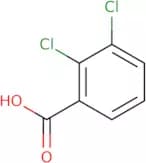
CAS:<p>5-Methoxy-2-[(4-chloro-3,5-dimethyl-2-pyridinyl)methyl]sulfinyl]-5-methoxy-1H benzimidazole is a synthetic drug product. It has been used as a positive control in metabolism studies and as an impurity standard. 5-Methoxy 2-[(4-chloro 3,5 dimethyl 2 pyridinyl)methyl]sulfinyl]-5 methoxy 1H benzimidazole is also a metabolite of the active pharmaceutical ingredient (API) which is used to develop drugs. This chemical is synthesized by custom synthesis and can be obtained at high purity levels. The metabolite of this compound is 5 methoxy 2-[(4 chloro 3,5 dimethyl 2 pyridinyl)methyl]sulfonyl]-5 methoxy 1H benzimidazole.</p>Formula:C16H16ClN3O2SPurity:Min. 95%Color and Shape:PowderMolecular weight:349.84 g/mol2,3-Dichlorobenzoic acid
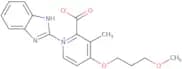
CAS:<p>2,3-Dichlorobenzoic acid is an organic compound that belongs to the class of carboxylates. It is used as a drug substance in the treatment of mycobacterial infections. 2,3-Dichlorobenzoic acid has been shown to have antimicrobial activity against Mycobacterium tuberculosis and other mycobacteria. The sensitivity index for this compound was determined using a chromatographic method with human erythrocytes as the test organism. 2,3-Dichlorobenzoic acid displays its antibacterial activity by inhibiting protein synthesis and cell division. This drug also forms crystalline solids that are soluble in organic solvents such as chloroform or benzene.</p>Formula:C7H4Cl2O2Purity:Min. 95%Color and Shape:PowderMolecular weight:191.01 g/mol2-[[[4-(3-Methoxypropoxy)-3-methyl-2-pyridinyl]methyl]thio]-1H-benzimidazole
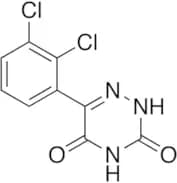
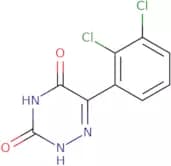
CAS:<p>Rabeprazole is a proton pump inhibitor that is used to treat acid-related disorders such as gastroesophageal reflux disease and peptic ulcers. Rabeprazole inhibits the production of gastric acid by blocking the hydrogen/potassium ATPase that is found in the parietal cells of the stomach. The main mechanism of action for rabeprazole is competitive inhibition of the proton pump, which leads to decreased gastric acid secretion. Rabeprazole can be administered orally or intravenously, with a half-life of about 2 hours. It has been shown to have an effect on human liver cytochrome P450s, but does not affect the activity of recombinant cytochrome P450 3A4 (CYP3A4). In clinical studies, rabeprazole was shown to have no adverse effects on CYP3A4 activity and may even increase it slightly.</p>Formula:C18H21N3O2SPurity:Min. 95%Color and Shape:White PowderMolecular weight:343.44 g/mol6-(2,3-Dichlorophenyl)-1,2,4-triazine-3,5(2H,4H)-dione
CAS:<p>6-(2,3-Dichlorophenyl)-1,2,4-triazine-3,5(2H,4H)-dione is a chlorinating agent that converts alcohols to alkyl chlorides. It is used for the conversion of diazotizable aromatic compounds to diazo compounds. This compound has been shown to be neuroprotective in animal models and provides protection against glutamate excitotoxicity. 6-(2,3-Dichlorophenyl)-1,2,4-triazine-3,5(2H,4H)-dione also reacts with nitrite ions to form the corresponding nitroso derivatives. These derivatives can cause DNA damage and are mutagenic. 6-(2,3-Dichlorophenyl)-1,2,4-triazine-3,5(2H,4H)-dione has been shown to react with aminoguanidine to produce a chromat</p>Formula:C9H5Cl2N3O2Purity:Min. 95%Color and Shape:PowderMolecular weight:258.06 g/mol2-(3-(1-Benzylpiperidin-4-yl)-2-oxopropyl)-4,5-dimethoxybenzoic acid sodium salt
<p>2-(3-(1-Benzylpiperidin-4-yl)-2-oxopropyl)-4,5-dimethoxybenzoic acid sodium salt is a white to off-white crystalline powder. It is soluble in water and sparingly soluble in alcohol. This product is used as an analytical standard and has been found to be a metabolite of the drug clozapine. 2-(3-(1-Benzylpiperidin-4-yl)-2-oxopropyl)-4,5-dimethoxybenzoic acid sodium salt has also been found to be an impurity in the drug product lamotrigine.</p>Formula:C24H29NO5•NaPurity:Min. 95%Molecular weight:434.49 g/mol4-Isobutyl-2-pyrrolidinone
CAS:<p>4-Isobutyl-2-pyrrolidinone is a colorless liquid that belongs to the category of phosphites. It has a high boiling point, which makes it suitable for use in organic solvents and as a heat transfer agent. The thermodynamic properties of 4-Isobutyl-2-pyrrolidinone have been evaluated using the protonation theory. It can be protonated at either the nitrogen or the methyl group, and both forms are present in solution. This means that 4-Isobutyl-2-pyrrolidinone is acidic and can react with other compounds to form salts called lactams. There are two isomers of this compound: cis and trans. Both isomers exist in equilibrium; however, the cis isomer predominates at room temperature. The most common impurities of 4-Isobutyl-2-pyrrolidinone are dehydration products formed during synthesis or</p>Formula:C8H15NOPurity:Min. 95%Color and Shape:White PowderMolecular weight:141.21 g/mol3-Amino-6-(2,3-dichlorophenyl)-1,2,4-triazin-5(4H)-one
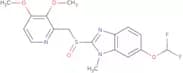
CAS:<p>3-Amino-6-(2,3-dichlorophenyl)-1,2,4-triazin-5(4H)-one is a triazine derivative that is used as an analytical reagent and intermediate. It has been used as a wastewater analysis method to measure the concentration of carbamazepine. 3-Amino-6-(2,3-dichlorophenyl)-1,2,4-triazin-5(4H)-one has also been shown to be useful in developing analytical methods for clinical trials. 3DCTKP has also been used to test the matrix effect of carbamazepine by analyzing it in different matrices such as water and human plasma.</p>Formula:C9H6Cl2N4OPurity:Min. 95 Area-%Color and Shape:PowderMolecular weight:257.08 g/mol2-[[[(4-Methoxypropoxy)-3-methyl-2-pyridinyl]methyl]sulfonyl]-1H-benzimidazole
CAS:<p>2-[[[(4-Methoxypropoxy)-3-methyl-2-pyridinyl]methyl]sulfonyl]-1H-benzimidazole is a protonated sulfonamide that is used as an analytical method to detect the presence of other drugs in human liver tissue. It has been shown to inhibit the activity of cytochrome P450 3A4 (CYP3A4), one of the enzymes responsible for metabolizing many drugs. Bromoenol lactone and powder diffraction spectrum are two additional analytical methods that can be used to detect 2-[([(4-methoxypropoxy)-3-methyl-2-pyridinyl]methyl]sulfonyl]-1H-benzimidazole.</p>Formula:C18H21N3O4SPurity:Min. 95%Color and Shape:White/Off-White SolidMolecular weight:375.44 g/molPantoprazole sodium hydrate - Mixture of impurities D and F
CAS:<p>Pantoprazole sodium hydrate is a custom synthesis that is used as a drug product. The CAS number for this compound is 624742-53-6. This compound has the following impurities: D and F. Pantoprazole sodium hydrate has been shown to be metabolized in vitro by human liver microsomes to its metabolites, including the following: (1) pantoprazol acid, (2) 4-hydroxypantoprazol acid, (3) 4-hydroxyisoxazole acid, and (4) 5-(4-hydroxyphenyl)-2H-1,2-benzoxazin-3(4H)-one. The metabolite 4-hydroxypantoprazol acid has been found to be pharmacologically active in animal models of gastric ulceration and healing.</p>Formula:C17H17F2N3O4SPurity:Min. 95%Color and Shape:Off-white to yellow powder.Molecular weight:397.4 g/mol(1R,3S,5S)-8-Methyl-8-azabicyclo[3.2.1]oct-6-en-3-yl-2'-hydroxy-2',2'-di(thiophen-2''-yl)acetate
CAS:<p>Tanshinone IIA is an enantioselective hydroxamic acid that inhibits matrix metalloproteinase. It is a structural analogue of the hydroxamic acid Tanshinone I and has been shown to inhibit aggrecanase, which is an enzyme that hydrolyzes the glycosaminoglycan aggrecan. It also has anti-cancer effects due to its inhibition of cell proliferation in cancer cells. Tanshinone IIA can be used as a chiral synthon for polymerase chain reactions (PCR) because it contains a stereogenic centre in its structure.</p>Formula:C18H19NO3S2Purity:Min. 95%Color and Shape:PowderMolecular weight:361.48 g/mol


![2'-(1H-Tetrazol-5-yl)-[1,1'-biphenyl]-4-carbaldehyde](/_next/image/?url=https%3A%2Fstatic.cymitquimica.com%2Fproducts%2F10%2Fthumb-webp%2FF758868.webp&w=3840&q=75)

![[2-[5-(Aminomethyl)-2-methyl-1H-imidazol-1-yl]-5-chlorophenyl](2-fluorophenyl)-methanone Dihydroch…](/_next/image/?url=https%3A%2Fstatic.cymitquimica.com%2Fproducts%2FTR%2Fthumb-webp%2FA616235.webp&w=3840&q=75)


![1-(1H-Benzo[d]imidazol-2-yl)-3-methyl-1H-pyrazol-5-amine](/_next/image/?url=https%3A%2Fstatic.cymitquimica.com%2Fproducts%2F10%2Fthumb-webp%2FF718062.webp&w=3840&q=75)
![N-Pentanoyl-N-((2'-(2-trityl-2H-tetrazol-5-yl)-[1,1'-biphenyl]-4-yl)methyl)-L-valine](/_next/image/?url=https%3A%2Fstatic.cymitquimica.com%2Fproducts%2F10%2Fthumb-webp%2FF606061.webp&w=3840&q=75)

![2-Benzyl-1H-benzo[d]imidazole hydrochloride](/_next/image/?url=https%3A%2Fstatic.cymitquimica.com%2Fproducts%2F10%2Fthumb-webp%2FF226633.webp&w=3840&q=75)


![N-[3-Methyl-4-(2,2,2-trifluoroethoxy)-2-pyridinyl]methyl Lansoprazole](/_next/image/?url=https%3A%2Fstatic.cymitquimica.com%2Fproducts%2FTR%2Fthumb-webp%2FM331010.webp&w=3840&q=75)






![2-(3,4-Dimethoxyphenyl)-1h-benzo[d]imidazole](/_next/image/?url=https%3A%2Fstatic.cymitquimica.com%2Fproducts%2F10%2Fthumb-webp%2FF713587.webp&w=3840&q=75)

![5-Methoxy-2-[[(3,5-dimethyl-2-pyridinyl)methyl]sulphinyl]-1H-benzimidazole](/_next/image/?url=https%3A%2Fstatic.cymitquimica.com%2Fproducts%2F3D%2Fthumb-webp%2FIM57917.webp&w=3840&q=75)

![5-Methoxy-2-[[(4-methoxy-3,5-dimethyl-2-pyridinyl)methyl]sulfinyl]-1H-benzimidazole N-oxide](/_next/image/?url=https%3A%2Fstatic.cymitquimica.com%2Fproducts%2F3D%2Fthumb-webp%2FIM57921.webp&w=3840&q=75)

![5-Methoxy-2-[[(4-Chloro-3,5-dimethyl-2-pyridinyl)methyl]sulfinyl]-5-methoxy-1H-benzimidazole](/_next/image/?url=https%3A%2Fstatic.cymitquimica.com%2Fproducts%2F3D%2Fthumb-webp%2FIM57916.webp&w=3840&q=75)
![2-[[[4-(3-Methoxypropoxy)-3-methyl-2-pyridinyl]methyl]thio]-1H-benzimidazole](/_next/image/?url=https%3A%2Fstatic.cymitquimica.com%2Fproducts%2F3D%2Fthumb-webp%2FIM57863.webp&w=3840&q=75)


![2-[[[(4-Methoxypropoxy)-3-methyl-2-pyridinyl]methyl]sulfonyl]-1H-benzimidazole](/_next/image/?url=https%3A%2Fstatic.cymitquimica.com%2Fproducts%2F3D%2Fthumb-webp%2FIM57866.webp&w=3840&q=75)
![(1R,3S,5S)-8-Methyl-8-azabicyclo[3.2.1]oct-6-en-3-yl-2'-hydroxy-2',2'-di(thiophen-2''-yl)acetate](/_next/image/?url=https%3A%2Fstatic.cymitquimica.com%2Fproducts%2F3D%2Fthumb-webp%2FIM42883.webp&w=3840&q=75)