


Benzimidazole and Imidazole Derivatives
Benzimidazole is a compound consisting of a benzene ring fused to an imidazole ring, a five-membered structure containing two nitrogen atoms. Benzimidazole derivatives, such as albendazole, are known for their antiparasitic and antifungal activity, used in the treatment of parasitic infections and certain parasitic diseases in animals and humans. Imidazole, on the other hand, is a five-membered structure with two nitrogen atoms found in various biologically active compounds. Imidazole derivatives, such as metronidazole, have antimicrobial and antiparasitic properties. These compounds are also used in the pharmaceutical industry for treating bacterial infections, parasitic diseases, and some fungal infections, as well as in organic chemistry as catalysts.
At CymitQuimica, we offer high-purity benzimidazoles and imidazoles for research in medicinal chemistry, pharmacology, and biotechnology.
Found 10354 products of "Benzimidazole and Imidazole Derivatives"
Sort by
Purity (%)
0
100
|
0
|
50
|
90
|
95
|
100
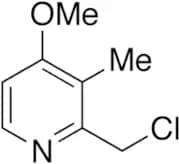
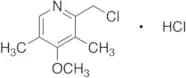
2-Chloromethyl-4-methoxy-3-methylpyridine Hydrochloride
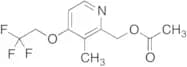
CAS:Controlled Product<p>Applications A pyridine derivative used in the preparation of anti-ulcerative agents and other pharmaceutical compounds.<br>References Kuehler, T.C. et al.: J. Med. Chem., 38, 4906 (1995);<br></p>Formula:C8H10ClNO·ClHColor and Shape:NeatMolecular weight:208.08(3-Methyl-4-(2,2,2-trifluoroethoxy)pyridin-2-yl)methyl Acetate
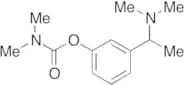
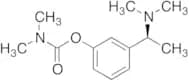
CAS:Controlled Product<p>Impurity Lansoprazole<br>Applications (3-Methyl-4-(2,2,2-trifluoroethoxy)pyridin-2-yl)methyl Acetate is an impurity of Lansoprazole (L175000). Lansoprazole is used as a gastric proton pump inhibitor and an antiulcerative. It May limit the severity of tuberculosis.<br>References Figgitt, D., et al.: Drugs, 60, 925 (2000); Katsuki, H., et al.: Eur. J. Clin. Pharmacol., 57, 709 (2001); Barradell, L.B., et al.: Drugs, 44, 225 (1992); Kim, K., et al.: Clin. Pharmacol. Ther., 72, 90 (2002); Niioka, T., et al.: Ther. Drug Monit., 28, 321 (2006); Chem. and Eng. News. p. 28 July 20 (2018)<br></p>Formula:C11H12F3NO3Color and Shape:NeatMolecular weight:263.213N-Desethyl N-Methyl rac-Rivastigmine
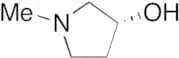
CAS:<p>Impurity Rivastigmin USP Related Compound B<br>Applications N-Desethyl N-Methyl rac-Rivastigmine (Rivastigmin USP Related Compound B) is an impurity in the synthesis of Rivastigmine (R541000) a brain selective acetylcholinesterase inhibitor. Nootropic.<br>References Rosler, M., et al.: Brit. Med. J., 318, 633 (1999), Enz, A., et al.: Prog. Brain Res., 98, 431 (1993),<br></p>Formula:C13H20N2O2Color and Shape:Clear ColourlessMolecular weight:236.31(R)-1-Methyl-3-pyrrolidinol
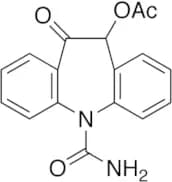
CAS:Controlled Product<p>Applications (R)-1-Methyl-3-pyrrolidinol is a useful synthetic intermediate. It is used for asymmetric synthesis of constrained (-)-S-adenosyl-L-homocysteine (SAH) analogs as DNA methyltransferase inhibitors.<br>References Isakovic, L., et al.: Bioorg. Med. Chem. Lett., 19, 2742 (2009); Gobbini, M., et al.:J. Med. Chem., 51, 4601 (2008)<br></p>Formula:C5H11NOColor and Shape:NeatMolecular weight:101.1510-Acetyloxy Oxcarbazepine
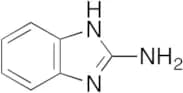
CAS:Controlled Product<p>Applications An intermediate in the preparation of Carbamazepine metabolites.<br>References Heckendorn, R., et al.: Helv. Chimica Acta, 70, 1955 (1987),<br></p>Formula:C17H14N2O4Color and Shape:NeatMolecular weight:310.302-Aminobenzimidazole
CAS:Controlled ProductFormula:C7H7N3Color and Shape:BeigeMolecular weight:133.152-Deschlorothien-3-yl Tioconazole Hydrochloride
CAS:Controlled Product<p>Applications 2-Deschloro Tioconazole Hydrochloride is an analog of Tioconazole (T444680), an antifungal that is more active than Fluconazole (F421000) or Voriconazole (V760000) against Candida glabrata mutant strains. Antifungal (topical).<br>References Jevons, S., et al.: Antimicrob. Agents Chemother., 15, 597 (1979), Clayton, Y.M., et al.: Clin. Exp. Dermatol., 7, 543 (1982), Marriott, M.S., et al.: Dermatologica, 166, 1 (1983),<br></p>Formula:C16H14Cl2N2OS·ClHColor and Shape:NeatMolecular weight:389.73Oxybutynin-d10 Hydrochloride
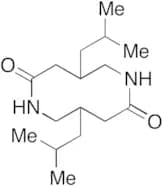
CAS:Controlled Product<p>Applications Oxybutynin-d10 Hydrochloride is a labeled analogue of Oxybutynin Chloride (O868525), an inhibitor of proliferation and supresses gene expression in bladder smooth muscle cells.<br>References Park, J.M., et al.: J. Urol., 162, 1110 (1999); Watson, M., et al.: Brit. J. Pharmacol., 127, 590 (1999)<br></p>Formula:C22H22D10ClNO3Color and Shape:NeatMolecular weight:404.014,9-Diisobutyl-1,6-diazecane-2,7-dione
CAS:Controlled Product<p>Applications 4,9-Diisobutyl-1,6-diazecane-2,7-dione is in impurity of rac-Pregabalin (P704800) which is a GABA analogue used as an anticonvulsant.<br>References Taylor, C.P., at al.: Epilepsy Res., 14, 11 (1993), Field, M.J., et al.: Pain, 80, 391 (1999)<br></p>Formula:C16H30N2O2Color and Shape:NeatMolecular weight:282.42Nitroguanidine (Wetted with water >20%)
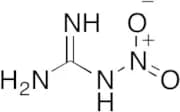
CAS:Controlled Product<p>Applications Nitroguanidine is used in the prediction of heats of detonation of energetic compounds from their molecular structure. It is also used in the synthetic preparation of imidacloprid-d4 (I274992), which is a neonicotinoid.<br> E0<br>References Keshavarz, M.H., et al.: Propellant, Explosives, Pyrotechnics, 37, 93 (2012); Chauzat, M., et al.: Env. Entomol., 38, 514 (2009), Patial, A., et al.: Env. Ecol., 27, 320 (2009), Fernandez-Bayo, J., et al.: J. Agric., Food Chem., 57, 5435 (2009), Tomizawa, M., et al.: J. Med. Chem., 52, 3735 (2009), Chem. and Eng. News 90: 10 (2012)<br></p>Formula:CH4N4O2Color and Shape:White To Off-WhiteMolecular weight:104.07N-Carbamoyl Carbamazepine
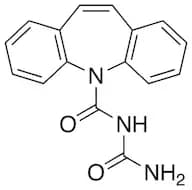
CAS:Controlled Product<p>Impurity Carbamazepine EP Impurity C<br>Applications Carbamazepine (C175840) impurity.<br></p>Formula:C16H13N3O2Color and Shape:NeatMolecular weight:279.294-Hydroxy Midazolam-d5 Methanoate
CAS:Controlled Product<p>Applications A labelled metabolite of Midazolam (M343000).<br>References Ha, H., et al.: Ther. Drug Monit., 15, 338 (1993), Thummel, K., et al.: J. Pharmacol. Exp. Ther., 271, 557 (1994), Kim, R., et al.: Pharm. Res., 16, 408 (1999), Maurer, H., et al.: Anal. Bioanal. Chem., 381, 110 (2005), Smink, B., et al.: J. Anal. Toxicol., 30, 478 (2006),<br></p>Formula:C19H12D5ClFN3O2Color and Shape:NeatMolecular weight:378.842-Chloroacetamide
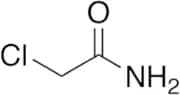
CAS:Controlled Product<p>Applications A component of herbicidal mixtures of cellulose biosynthesis inhibitors with VLCFA inhibitors.<br> Not a dangerous good if item is equal to or less than 1g/ml and there is less than 100g/ml in the package<br>References Aptula, A., et al.: Chem. Res. Toxicol., 19, 1097 (2006), Chan, K., et al.: J. Appl. Toxicol., 28, 608 (2008),<br></p>Formula:C2H4ClNOColor and Shape:WhiteMolecular weight:93.51Itraconazole Desethylene-seco-piperazine Mono-N-formyl Impurity
CAS:Controlled Product<p>Applications Itraconazole Desethylene-seco-piperazine Mono-N-formyl Impurity of Itraconazole (I937500). Itraconazole is an orally active antimycotic structurally related to Ketoconazole. Antifungal. It is a COVID19-related research product.<br>References Espinel-Ingroff, A., et al.: Antimicrob. Agents Chemother., 26, 5 (1984), Heykants, J., et al.: Mycoses, 32, Suppl 1, 67 (1989), Sugar, A.M.,et al.: Curr. Clin. Top. Infect. Dis., 13, 74 (1993),<br></p>Formula:C34H36Cl2N8O5Color and Shape:NeatMolecular weight:707.61(Chloromethyl)cyclohexane
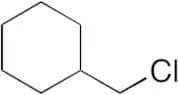
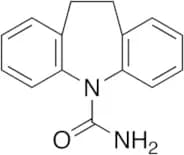
CAS:Controlled Product<p>Applications (Chloromethyl)cyclohexane is a common chemical reagent used in the synthesis of imidazole inhibitors of cytokine release which suppresses the response to tumor necrosis factor.<br> Not a dangerous good if item is equal to or less than 1g/ml and there is less than 100g/ml in the package<br>References Laufer, S. et al., J. Med. Chem., 45, 1695 (2002); Rabinowitz, M. et al.: J. Med. Chem., 44, 4252 (2001);<br></p>Formula:C7H13ClColor and Shape:NeatMolecular weight:132.6310,11-Dihydro Carbamazepine
CAS:Controlled ProductFormula:C15H14N2OColor and Shape:WhiteMolecular weight:238.282-(Chloromethyl)-4-methoxy-3,5-dimethylpyridine Hydrochloride
CAS:Controlled Product<p>Impurity Omeprazole EP Impurity XI<br>Applications 2-(Chloromethyl)-4-methoxy-3,5-dimethylpyridine Hydrochloride (Omeprazole EP Impurity XI) is an intermediate in the production of the antiulcer agent Omeprazole.<br>References Roma, G., et al.: J. Med. Chem., 50, 2886 (2007), Hoffmann, S., et al.: Toxicol. Lett., 180, 9 (2008),<br></p>Formula:C9H12ClNO·ClHColor and Shape:WhiteMolecular weight:222.11trans-Itraconazole
CAS:Controlled Product<p>Impurity Itraconazole EP Impurity E<br>Applications trans-Itraconazole (Itraconazole EP Impurity E) is a geometrical isomer of Itraconazole (I937500). It is a COVID19-related research product.<br>References Ahn, C., et al.: J. Korean Chem. Soc., 43, 676 (1999),<br></p>Formula:C35H38Cl2N8O4Color and Shape:NeatMolecular weight:705.63N-Desethyl N-Methyl Rivastigmine
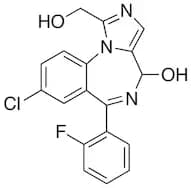
CAS:Controlled Product<p>Impurity Rivastigmine EP Impurity B<br>Applications N-Desethyl N-Methyl Rivastigmine (Rivastigmine EP Impurity B) is an impurity of Rivastigmine (R541000), a brain selective acetylcholinesterase inhibitor. Nootropic.<br>References Rosler, M., et al.: Brit. Med. J., 318, 633 (1999), Enz, A., et al.: Prog. Brain Res., 98, 431 (1993),<br></p>Formula:C13H20N2O2Color and Shape:NeatMolecular weight:236.321',4-Dihydroxy Midazolam
CAS:Controlled Product<p>Applications A metabolite of Midazolam (M343000).<br>References Soucek, P., et al.: Xenobiotica, 22, 83 (1992), Ghosal, A., et al.: Drug Metab. Dispos., 24, 940 (1996), Kobayashi, K., et al.: Biochem. Pharmacol., 63, 889 (2002),<br></p>Formula:C18H13ClFN3O2Color and Shape:NeatMolecular weight:357.77Lurasidone Opened Imide (Mixture of Diastereomers)
CAS:Controlled Product<p>Applications Lurasidone Opened Imide is an impurity in the synthesis of Lurasidone (L474920) which is antipsychotic used for treatment of schizophrenia.<br>References Ishiyama, T., et al.: Eur. J. Pharmacol., 572, 160 (2007); Cole, P., et al.: Drugs of the Fut., 33, 316 (2008);<br></p>Formula:C28H38N4O3SColor and Shape:NeatMolecular weight:510.699-Acridinecarboxylic acid
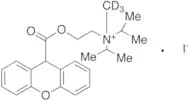
CAS:Controlled Product<p>Applications 9-Acridinecarboxylic acid is used in the synthesis of short DNA-binding peptides.<br></p>Formula:C14H9NO2Color and Shape:YellowMolecular weight:223.23Propantheline-d3 Iodide
CAS:Controlled Product<p>Applications Labelled Propantheline (P760900). Propantheline is an antimuscarinic agent used in the treatment of hyperhidrosis (excessive sweating), enuresis (involuntary urination) as well as cramps or spasms of the stomach, intestine and bladder.<br>References Levin, R. et al.: Neurol. Urodyn., 1, 221 (1982); Daniotti, S. et al.: Br. J. Pharmacol., 82, 305 (1984); Moller, J. et al .: Acta Med. Scand., 184, 201 (1968);<br></p>Formula:C23H27D3INO3Color and Shape:NeatMolecular weight:498.41Midazolam-d6 (1 mg/mL in Acetonitrile)
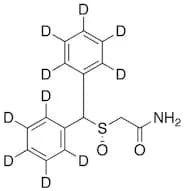
CAS:Controlled ProductFormula:C18D6H7ClFN3Color and Shape:Single SolutionMolecular weight:331.80(S)-Modafinil-d10
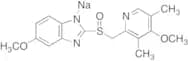
CAS:Controlled Product<p>Applications Labelled (S)-Modafinil. Used for treatment of excessive sleepiness, α1-adrenoceptor agonist.<br>References Saletu, B., et al.: Int. J. Clin. Pharmacol. Res., 9, 183 (1989), Chemelli, R.M., et al.: Cell, 98, 437 (1999), Purnell, M., et al.: J. Sleep Res., 11, 219 (2002), Dinges, D., et al.: Curr. Med. Res. Opin., 22, 159 (2006)<br></p>Formula:C15D10H5NO2SColor and Shape:NeatMolecular weight:283.41Omeprazole Sodium Salt
CAS:Controlled Product<p>Stability Hygroscopic<br>Applications Omeprazole Sodium Salt is the salt analogue of Omeprazole (O635000), which binds covalently to proton pump. It inhibits gastric secretion. Used as an anttiulcerative.<br>References Muller, P., et al.: Arzneimittel-Forsch., 33, 1685 (1983); Wallmark, B., et al.: Biochim. Biophys. Acta., 778, 549 (1984); Morii, M., et al.: J. Biol. chem., 268, 21553 (1993); Ritter, M., et al.: Br. J. Pharmacol., 124, 627 (1998)<br></p>Formula:C17H18N3O3S·Na·H2OColor and Shape:Off-WhiteMolecular weight:385.41(2Z)-2-[Cyano(2,3-dichlorophenyl)methylene]hydrazinecarboximidamide
CAS:Controlled ProductFormula:C9H7Cl2N5Color and Shape:NeatMolecular weight:256.094'-Desmethoxy Omeprazole
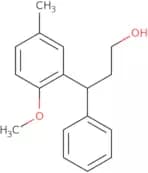
CAS:Controlled Product<p>Applications 4'-Desmethoxy Omeprazole is one of two impurities in the synthesis of Esomeprazole, an anti-ulcerative drug for treatment of acid-related diseases.<br>References Liu, X., et al.: Lat. Am. J. Pharm., 34, 1265-1268 (2015);<br></p>Formula:C16H17N3O2SColor and Shape:NeatMolecular weight:315.392-Methoxy-5-methyl-γ-phenylbenzenepropanol
CAS:<p>2-Methoxy-5-methyl-gamma-phenylbenzenepropanol is a synthetic compound that is used as an intermediate in the synthesis of coumarin derivatives. Reaction with sulfonating agents produces sulfones, and reaction with borohydride reagents produces boronates. The synthesis of 2-methoxy-5-methyl-gamma-phenylbenzenepropanol can be accomplished by the reduction of diphenyl ethers with lithium aluminum hydride or borohydride. The reduction can also be carried out using lanthanum oxide and potassium borohydride. The reaction proceeds smoothly at room temperature in nonpolar solvents.<br>2-Methoxy-5-methyl-gamma-phenylbenzenepropanol reacts with chloride to produce the corresponding chlorides, which are useful intermediates for the synthesis of tolterodine tartrate, a drug used to treat urinary inc</p>Formula:C17H20O2Purity:Min. 95%Molecular weight:256.34 g/molcis-(±)-4-[4-[4-[4-[[2-(2,4-Dichlorophenyl)-2-(1H-1,2,4-triazol-1-ylmethyl)-1,3-dioxolan-4-yl]methoxy]phenyl]-1-piperazinyl]phenyl]- 2,4-dihydro-2-propyl-3H-1,2,4-triazol-3-one
CAS:<p>cis-(±)-4-[4-[4-[4-[[2-(2,4-Dichlorophenyl)-2-(1H-1,2,4-triazol-1-ylmethyl)-1,3-dioxolan-4-yl]methoxy]phenyl]-1-piperazinyl]phenyl]- 2,4-dihydro-2-propyl-3H-1,2,4-triazol-3-one is a drug product that is used as a research and development tool. It is an impurity standard for HPLC. This compound has a chemical name of cis-(±)-4-[4-[4-[4-(hydroxymethyl)phenyl]-1piperazinyl]phenyl]-2, 4dihydro 2propyl 3H 1 2 4 triazol 3one. The CAS number for this compound is 7485591 7. This compound</p>Formula:C34H36Cl2N8O4Purity:Min. 95%Molecular weight:691.61 g/mol(R,R)-Solifenacin succinate
CAS:<p>(R,R)-Solifenacin succinate is a pharmaceutical agent that acts as an antimuscarinic drug. It has been shown to be effective in wastewater treatment, where it was found to reduce the amount of solifenacin and optimised organic chemicals in the water. This drug has also been shown to have antagonist properties against the muscarinic receptor M3.</p>Formula:C23H26N2O2•C4H6O4Purity:Min. 95%Color and Shape:PowderMolecular weight:480.55 g/mol2,12-Dihydro-1,3-dimethyl-9-methoxy-12-thioxobenzo [4,5] pyrido [1,2-c] imidazo [1,2-a] imidazol-2-one
CAS:<p>2,12-Dihydro-1,3-dimethyl-9-methoxy-12-thioxobenzo [4,5] pyrido [1,2-c] imidazo [1,2-a] imidazol-2-one is a synthetic compound that has not been evaluated in humans. This compound is an impurity standard for the synthesis of an API. The purity of this compound is >98% and it has been shown to be stable under acidic conditions.</p>Formula:C16H13N3O2SPurity:Min. 95%Molecular weight:311.36 g/mol2-[(4-Chloro-3-methyl-2-pyridinyl)methylthio]-1H-benzimidazole
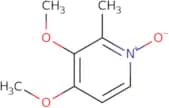
CAS:<p>2-[(4-Chloro-3-methyl-2-pyridinyl)methylthio]-1H-benzimidazole is a drug product. It is an impurity standard for the analytical determination of 2-[(4-chloro-3-methylpyridin)-2yl]thiohydantoin in pharmaceuticals and other chemical products. This compound is also used as a research and development (R&D) metabolite and impurity standard for the synthesis of 4-(4,5,6,7-tetrahydrobenzo[b]thiophen-2-yl)pyridine. The CAS number for this compound is 103312-62-5./END></p>Formula:C14H12ClN3SPurity:Min. 95%Molecular weight:289.78 g/mol3,4-Dimethoxy-2-methylpyridine-N-oxide
CAS:<p>3,4-Dimethoxy-2-methylpyridine-N-oxide is a potent inhibitor of somatostatin, which is known to play a role in the regulation of cancer cell growth and apoptosis. This compound has been shown to inhibit the activity of human kinases, including those involved in tumor cell proliferation. 3,4-Dimethoxy-2-methylpyridine-N-oxide is an anticancer agent that can be used to treat various types of cancer. It has also been found to have inhibitory effects on urine quetiapine and Chinese hamster ovary cells. The compound is a potent analog of kinase inhibitors and can be used as a lead compound for developing new drugs with anticancer properties.</p>Formula:C8H11NO3Purity:Min. 95%Molecular weight:169.18 g/molN-Methyl omeprazole (Mixture of isomers with the methylated nitrogens of imidazole)
<p>Please enquire for more information about N-Methyl omeprazole (Mixture of isomers with the methylated nitrogens of imidazole) including the price, delivery time and more detailed product information at the technical inquiry form on this page</p>Formula:C18H21N3O3SPurity:Min. 95%Molecular weight:359.44 g/molLansoprazole impurity H
CAS:<p>Lansoprazole impurity H is a metabolite of lansoprazole, a proton pump inhibitor that inhibits the production of stomach acid. Lansoprazole impurity H is used in research and development as an analytical standard to measure lansoprazole concentrations in drug products. It is also used as an impurity standard for pharmacopoeia purposes. Lansoprazole impurity H is not known to be toxic, but it has not been evaluated for carcinogenicity or reproductive toxicity.</p>Formula:C23H16F3N5OSPurity:90%MinMolecular weight:467.47 g/molDesdifluoromethoxy hydroxy pantoprazole
CAS:<p>Desdifluoromethoxy hydroxy pantoprazole is a synthetic compound that is used as an impurity standard for the drug product Pantoprazole. It has a purity of ≥98% and is stable under ambient conditions. Desdifluoromethoxy hydroxy pantoprazole is not active on its own, but it is a metabolite of pantoprazole. It can be used to study the metabolism of pantoprazole.</p>Formula:C15H15N3O4SPurity:Min. 95%Molecular weight:333.36 g/molN-Desalkyl itraconazole
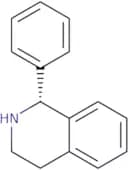
CAS:<p>N-Desalkyl itraconazole is a triazole antifungal drug that belongs to the group of medicines. It is used in the treatment of systemic mycoses, including blastomycosis and histoplasmosis. N-Desalkyl itraconazole has been shown to inhibit the growth of fungi by interfering with their cell membranes and inhibiting their production of ergosterol. Calibration studies have shown that this drug binds to human liver microsomes and plasma proteins, as well as transporters such as P-glycoprotein. These interactions may influence its pharmacokinetics, which can be determined using a bioanalytical method.</p>Formula:C31H30Cl2N8O4Purity:Min. 95%Molecular weight:649.53 g/mol(R)-1-Phenyl-1,2,3,4-tetrahydroisoquinoline
CAS:<p>(R)-1-Phenyl-1,2,3,4-tetrahydroisoquinoline is a chiral molecule with four stereocenters. It is synthesized by the reaction of sulfamic acid and cyclohexene in the presence of p-toluenesulfonic acid. The product formed is then dehydrogenated to produce (R)-1-phenyl-1,2,3,4-tetrahydroisoquinoline. This compound is soluble in organic solvents such as benzene and ethane and can be used as an acceptor for chiral stationary phases.</p>Formula:C15H15NPurity:Min. 95%Color and Shape:PowderMolecular weight:209.29 g/mol1-Phenyl-1,2,3,4-tetrahydro-isoquinoline
CAS:<p>1-Phenyl-1,2,3,4-tetrahydro-isoquinoline is a synthetic compound which has been used as a lead compound for the development of drugs with dopamine β-hydroxylase inhibitory activity. In vitro studies have shown that 1-phenyl-1,2,3,4-tetrahydro-isoquinoline inhibits human serum dopamine β-hydroxylase and can be used to study the possible role of this enzyme in Parkinson's disease. This drug is racemized in the body and has been found to be effective against Parkinson's disease in rats. It is also an enantiomer that has industrial applications for the production of polyurethane foam insulation coatings.</p>Formula:C15H15NPurity:Min. 95%Color and Shape:PowderMolecular weight:209.29 g/mol7-Hydroxyhyoscyamine
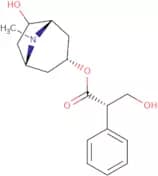
CAS:<p>7-Hydroxyhyoscyamine is an antibacterial agent that is used in the treatment of bacterial infections. It has been shown to inhibit the growth of a number of bacteria including Staphylococcus aureus, Streptococcus pyogenes, and Escherichia coli. 7-Hydroxyhyoscyamine has been shown to be more potent than 6-hydroxyhyoscyamine (6-OH Hya) for inhibiting protein synthesis in the bacteria. The compound does not have any psychoactive effects, unlike atropine sulfate, which is also an alkaloid found in plants from the Solanaceae family. 7-Hydroxyhyoscyamine can be synthesized by reacting atropine with nitrous acid or hydrochloric acid. This synthetic process leads to n-oxides as impurities, which can be removed by using a reversed phase high performance liquid chromatography (RP HPLC). Validation of this</p>Formula:C17H23NO4Purity:Min. 95%Color and Shape:PowderMolecular weight:305.4 g/mol2-Methyl-3,4-dimethoxy pyridine hydrochloride
CAS:<p>2-Methyl-3,4-dimethoxy pyridine hydrochloride is an analytical standard that is used as a reference compound in the pharmaceutical industry to identify impurities in drug products. It also has a niche use as an API impurity and HPLC standard. 2-Methyl-3,4-dimethoxy pyridine hydrochloride is used as an intermediate for the synthesis of other drugs, including benzodiazepines and beta blockers. It is also used in research and development for its high purity. This chemical is natural or synthetic in origin but can be custom synthesized to meet specific requirements. 2-Methyl-3,4-dimethoxy pyridine hydrochloride also has CAS number 1210824-88-6.</p>Formula:C8H11NO2HClPurity:Min. 95%Molecular weight:189.64 g/molSolifenacin EP impurity F succinate
CAS:<p>Solifenacin is an anti-cholinergic drug that has been shown to have a potent antagonistic effect on muscarinic receptors. It is used in the treatment of overactive bladder, urinary incontinence, and irritable bowel syndrome. Solifenacin succinate is a metabolite of solifenacin and it has been found to be an antagonist of M3 muscarinic receptors. The presence of solifenacin and its metabolites in wastewater can interfere with treatment processes by inhibiting the removal of other organic chemicals such as tamsulosin hydrochloride. Optimisation studies for solifenacin production have shown that famotidine can be used as a process aid to reduce solifenacin impurities. Famotidine is also an antagonist of M3 muscarinic receptors and can be used to remove solifenacin from wastewater. Analytes detected in wastewater samples include solifenacin, famot</p>Formula:C27H32N2O6Purity:Min. 95%Molecular weight:480.55 g/mol(1R,3S,5S)-3-(2-Hydroxy-2,2-di(thiophen-2-yl)acetoxy)-8,8-dimethyl-8-azabicyclo[3.2.1]oct-6-en bromide
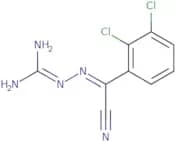
CAS:<p>The human red blood cell (RBC) is a non-nucleated cell in the human blood that carries oxygen to the body's cells. The erythrocyte is characterized by its biconcave shape and its lack of organelles. It has a volume of about 80 fL, and a diameter of about 7 micrometers. The RBCs are produced in bone marrow from precursor cells that differentiate into erythroid progenitor cells. This drug binds to the hemoglobin molecules in the red blood cells and alters their shape, causing an increase in their deformability. In addition, this drug decreases the viscosity of the plasma outside of the red blood cell, which increases its extravascular sensitivity. Evaluations have been performed on low doses to evaluate sensitivities within capillaries with microscopy parameters such as magnification and resolution. These evaluations have shown that this drug can be used for quantifying changes in capillary size due to low doses (</p>Formula:C19H22NO3S2·BrPurity:Min. 95%Molecular weight:456.42 g/mol2-(2,3-Dichlorophenyl)-2-(guanidinoimino) acetonitrile
CAS:<p>Lamotrigine is a chemically unrelated compound, which is the active ingredient of a new class of adjuvant drugs for epilepsy. This drug has been found to be effective against seizures in patients with partial seizures and generalized seizures. Lamotrigine is an orally administered suspensoid that can be mixed with water or other liquids to form a suspension. It has been used as a flavouring agent and an adjuvant in pharmaceuticals, including tablets and capsules. The chemical structure of lamotrigine includes two 2,3-dichlorophenyl groups connected by an amino group (guanidinoimino). This structure gives lamotrigine its chemical name: 2-(2,3-dichlorophenyl)-2-(guanidinoimino) acetonitrile.</p>Formula:C9H7Cl2N5Purity:Min. 95%Molecular weight:256.09 g/molOxybutynin EP impurity A
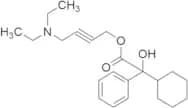
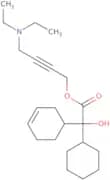
CAS:<p>Oxybutynin EP impurity A is a metabolite of oxybutynin, an antispasmodic drug. It has been shown to have immunomodulatory effects in a rat model of adjuvant arthritis. Oxybutynin EP impurity A is the major metabolite of oxybutynin and has been shown to be pharmacologically active in humans.</p>Purity:Min. 95%Solifenacin impurity C
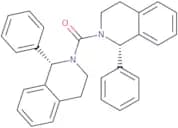
CAS:<p>Solifenacin impurity C is an impurity that is found in the drug product Solifenacin. It has been shown to be a natural metabolite and has been detected in human urine. Solifenacin impurity C is used as an analytical standard for HPLC analyses of solifenacin, and can also be used as a reference material for pharmacopoeia. The purity of this compound is 99%.</p>Formula:C31H28N2OPurity:Min. 95 Area-%Color and Shape:White PowderMolecular weight:444.57 g/molOxybutynin impurity C
CAS:<p>Oxybutynin impurity C is a metabolite of the drug product Oxybutynin (CAS No. 1199574-70-3). It is an analytical standard for HPLC, and a natural impurity in the synthesis of Oxybutynin. This is a synthetic compound that has been shown to be metabolized through oxidation by cytochrome P450 enzymes, reduction by glutathione reductase, or conjugation with glucuronic acid. Oxybutynin impurity C has been used as an analytical reference material for drug development and research and development.</p>Purity:Min. 95%2-[[(4-Methoxy-3-methyl-2-pyridinyl)methyl]sulfinyl]-1H-benzimidazole
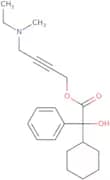
CAS:<p>2-[(4-Methoxy-3-methyl-2-pyridinyl)methyl]sulfinyl]-1H-benzimidazole is a synthetic, impurity standard that is used in the synthesis of drug products. It has been shown to inhibit the metabolism of drugs and may be used as a marker for drug metabolism. This compound may also be used as a marker in analytical studies to assess the purity of a drug product. 2-[(4-Methoxy-3-methyl-2-pyridinyl)methyl]sulfinyl]-1H-benzimidazole has not been evaluated for safety or efficacy.</p>Formula:C15H15N3O2SPurity:Min. 95%Molecular weight:301.36 g/mol









![(2Z)-2-[Cyano(2,3-dichlorophenyl)methylene]hydrazinecarboximidamide](/_next/image/?url=https%3A%2Fstatic.cymitquimica.com%2Fproducts%2FTR%2Fthumb-webp%2FC979120.webp&w=3840&q=75)


![cis-(±)-4-[4-[4-[4-[[2-(2,4-Dichlorophenyl)-2-(1H-1,2,4-triazol-1-ylmethyl)-1,3-dioxolan-4-yl]meth…](/_next/image/?url=https%3A%2Fstatic.cymitquimica.com%2Fproducts%2F3D%2Fthumb-webp%2FID27219.webp&w=3840&q=75)

![2,12-Dihydro-1,3-dimethyl-9-methoxy-12-thioxobenzo [4,5] pyrido [1,2-c] imidazo [1,2-a] imidazol-2…](/_next/image/?url=https%3A%2Fstatic.cymitquimica.com%2Fproducts%2F3D%2Fthumb-webp%2FID57925.webp&w=3840&q=75)
![2-[(4-Chloro-3-methyl-2-pyridinyl)methylthio]-1H-benzimidazole](/_next/image/?url=https%3A%2Fstatic.cymitquimica.com%2Fproducts%2F3D%2Fthumb-webp%2FIC21227.webp&w=3840&q=75)





![(1R,3S,5S)-3-(2-Hydroxy-2,2-di(thiophen-2-yl)acetoxy)-8,8-dimethyl-8-azabicyclo[3.2.1]oct-6-en bro…](/_next/image/?url=https%3A%2Fstatic.cymitquimica.com%2Fproducts%2F3D%2Fthumb-webp%2FIH42882.webp&w=3840&q=75)
![2-[[(4-Methoxy-3-methyl-2-pyridinyl)methyl]sulfinyl]-1H-benzimidazole](/_next/image/?url=https%3A%2Fstatic.cymitquimica.com%2Fproducts%2F3D%2Fthumb-webp%2FIM21228.webp&w=3840&q=75)