Quinazoline and Quinoline Derivatives
Quinazolines and quinolines are nitrogen-containing heterocyclic compounds with aromatic structures that play a key role in the synthesis of drugs with anticancer, antimicrobial, and anti-inflammatory activity. Their derivatives feature structural modifications that optimise bioavailability and selectivity, enabling the development of new active ingredients for various therapeutic applications. These compounds are used in the manufacture of APIs for the treatment of cancer, infections, neurodegenerative diseases, and cardiovascular conditions. Additionally, quinazoline and quinoline derivatives are essential in the research of enzyme inhibitors and the design of innovative bioactive molecules.
At CymitQuimica, we offer high-purity quinazoline and quinoline derivatives for applications in chemical synthesis, pharmaceutical development, and biotechnology.
Found 65573 products of "Quinazoline and Quinoline Derivatives"
Sort by
Purity (%)
0
100
|
0
|
50
|
90
|
95
|
100
Balsalazide 3-isomer
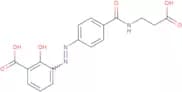
CAS:<p>Balsalazide 3-isomer (BZ3) is a diacid that is used as an anti-hypertensive drug. BZ3 has been shown to be a prodrug of balsalazide, which is converted in vivo to the active form by hydrolysis of the ester linkage. The prodrug approach was designed to provide an orally available agent for use in patients with colitis and ulcerative colitis. The synthetic process begins with the reaction of salicylic acid and bisoprolol to form the ester product, which then undergoes a second reaction with acetyl chloride to form the acyl chloride intermediate. This intermediate reacts with balsalazide and yields BZ3 when heated to high temperatures. BZ3 contains no impurities because it is synthesized from pure starting materials, whereas commercially available balsalazide may contain impurities such as salicylic acid or colitis.</p>Formula:C17H15N3O6Purity:Min. 95%Molecular weight:357.32 g/molN-Hydroxy riluzole O-b-D-glucuronide
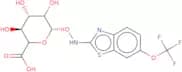
CAS:<p>N-Hydroxy riluzole O-b-D-glucuronide is an analytical standard and drug development metabolite. It is a metabolite of the anti-convulsant agent riluzole, which is used in the treatment of amyotrophic lateral sclerosis (ALS). Riluzole is converted to N-hydroxyl riluzole O-b-D-glucuronide in the liver by UDP glucuronosyltransferase. N-Hydroxyl riluzole O-b-D-glucuronide has been shown to block protein synthesis in rat kidney cells. It also blocks the conversion of amino acid tyrosine to dopa in dopaminergic neurons, and inhibits dopamine uptake into synaptosomes.</p>Formula:C14H13F3N2O8SPurity:Min. 95%Molecular weight:426.32 g/mol2-Deschloro aripiprazole
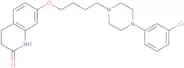
CAS:<p>2-Deschloro aripiprazole is a drug that belongs to the class of antipsychotics. It is an atypical antipsychotic with a high affinity for human albumin and α1-acid glycoprotein, which are plasma proteins. 2-Deschloro aripiprazole has been shown to interact with human albumin and α1-acid glycoprotein in vitro, and it has been suggested that this interaction may be responsible for its pharmacological effects. 2-Deschloro aripiprazole has also been shown to bind to the dopamine D2 receptor, which is thought to be responsible for its therapeutic effects as an antipsychotic. The molecular interactions between 2-deschloro aripiprazole and human albumin have been studied using isothermal titration calorimetry (ITC) and molecular docking studies. These studies have helped us understand how 2-deschloro aripiprazole binds to human album</p>Formula:C23H28ClN3O2Purity:Min. 95%Molecular weight:413.94 g/molSalmeterol Dimer Impurity (Mixture of Diastereomers)
CAS:<p>Salmeterol dimer impurity is a drug product. It is a custom synthesis with high purity. The metabolite of this compound is salmeterol, which is an active ingredient in the asthma medication Serevent (salmeterol xinafoate). Salmeterol dimer impurity has been shown to be a natural metabolite of salmeterol. Salmeterol dimer impurity has also been shown to have anti-inflammatory properties. This compound can be found as an analytical standard for HPLC and used for research and development purposes.</p>Formula:C50H72N2O7Purity:Min. 95%Molecular weight:812.53395a,a,a',a'-Tetramethyl-5-(dibromomethyl)-1,3-benzenediacetonitrile
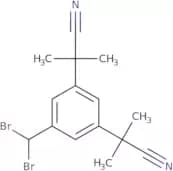
CAS:<p>Tetramethyl-1,3-benzenediacetonitrile is a synthetic chemical that is used as an impurity in the synthesis of pharmaceuticals. It can be found in drug products and is used as an analytical standard for HPLC analysis. Tetramethyl-1,3-benzenediacetonitrile can also be found in natural sources such as plants and fungi. The metabolite has been studied for its metabolism and pharmacological properties. Tetramethyl-1,3-benzenediacetonitrile is not regulated by any pharmacopoeia standards.</p>Formula:C15H16Br2N2Purity:Min. 95%Molecular weight:384.11 g/mol2-Amino-5,6-dichloro-3(4H)-quinazoline acetic acid benzyl ester hydrobromide
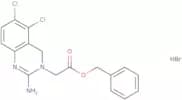
CAS:<p>2-Amino-5,6-dichloro-3-(4H)-quinazoline acetic acid benzyl ester hydrobromide is a drug product that is used as an analytical reference standard for the identification of impurities in aminoglycosides. 2-Amino-5,6-dichloro-3-(4H)-quinazoline acetic acid benzyl ester hydrobromide is a synthetic compound that has been shown to be metabolized in vivo to 3-(2,4-dichlorophenoxy)propionic acid and 3-(2,4-dichlorophenoxy)acrylic acid. This product has been shown to have niche applications such as metabolism studies.</p>Formula:C17H15Cl2N3O2Purity:Min. 95%Molecular weight:364.23 g/molRoflumilast Impurity B
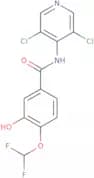
CAS:<p>Roflumilast Impurity B is an oxidative reagent that can be used for the preparation of a variety of organic compounds. It is a white solid that is soluble in organic solvents. Roflumilast Impurity B has been shown to be hepatotoxic, and should only be handled with gloves and lab coat. This material should not come in contact with skin or eyes. In addition, this reagent should not be exposed to light as it may cause photolysis.</p>Formula:C13H8Cl2F2N2O3Purity:Min. 95%Molecular weight:349.12 g/molValdecoxib 3'-sulfonamide
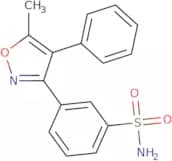
CAS:<p>Valdecoxib 3'-sulfonamide is a synthetic, non-naturally occurring drug product that has been custom synthesized for the purposes of research and development. It is not a natural API nor is it an impurity standard. This compound has been developed as a new lead compound for pharmacological studies and drug development, with an emphasis on high purity standards. The CAS number for this compound is 1373038-56-2.</p>Formula:C16H14N2O3SPurity:Min. 95%Molecular weight:314.36 g/molα-Desmethyl anastrozole
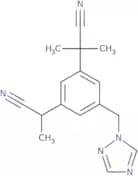
CAS:<p>Alpha-Desmethyl anastrozole is a synthetic chemical that has been used as an impurity standard for the drug product, Anastrozole (Arimidex). This compound is metabolized in humans and is a metabolite of Arimidex. Alpha-Desmethyl anastrozole exhibits high purity and can be synthesized using custom synthesis. The CAS number for this compound is 1215780-15-6.</p>Formula:C16H17N5Purity:Min. 95%Molecular weight:279.34 g/mol6,7-Dimethoxy-2-[4-[(tetrahydro-2-furanyl)carbonyl]-1-piperazinyl]-4(3H)-quinazolinone
CAS:<p>6,7-Dimethoxy-2-[4-[(tetrahydro-2-furanyl)carbonyl]-1-piperazinyl]-4(3H)-quinazolinone is a drug product. It is an analytical standard for the impurity of CAS No. 1177261-73-2. This compound has been synthesized by custom synthesis and its purity is high. The compound has been used in research and development of drugs, pharmacopoeia, HPLC standards, and other related fields.</p>Formula:C19H24N4O5Purity:Min. 95%Molecular weight:388.42 g/molRopivacaine N-Oxide
CAS:<p>Ropivacaine N-Oxide is a synthetic drug used to relieve pain during surgery. It is metabolized by the liver, with metabolites excreted in the urine. Ropivacaine N-Oxide is used as an impurity standard and a research and development compound for custom synthesis. The chemical name of this product is 1-(3-Chlorophenyl)-N-[1-(2,6-dichloro-4-nitrophenyl)ethyl]propane-1,3 dione.</p>Formula:C17H26N2O2Purity:Min. 95%Color and Shape:SolidMolecular weight:290.4 g/molValdecoxib impurity I
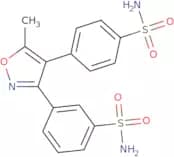
CAS:<p>Valdecoxib impurity I is a synthetic compound that is used as an impurity standard for the drug product Valdecoxib. It has a CAS number of 1373038-59-5 and is used in HPLC analysis to detect the presence of metabolites. Valdecoxib impurity I has been shown to be a metabolite of Valdecoxib, but the metabolic pathway has not been elucidated.</p>Formula:C16H15N3O5S2Purity:Min. 95%Molecular weight:393.44 g/molrac-Des(isopropylamino) acebutolol diol
CAS:<p>rac-Des(isopropylamino) acebutolol diol is a synthetic drug substance that is used for research and development purposes. It has a purity of 99% or greater, does not contain any impurities, and is manufactured using the latest technology. The rac-Des(isopropylamino) acebutolol diol is a pharmaceutical grade product with high purity and quality standards that have been verified by HPLC analysis. This compound is an analytical standard that can be used to calibrate mass spectrometry instruments. Rac-Des(isopropylamino) acebutolol diol is also metabolized into the natural metabolite noracebutanol by cytochrome P450 enzymes in humans.</p>Formula:C15H21NO5Purity:Min. 95%Molecular weight:295.33 g/molNaproxen Impurity C
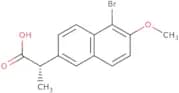
CAS:<p>Naproxen Impurity C is an analytical impurity that is found in Naproxen. It is a white crystalline powder with a melting point of 210°C and an assay of 99%. It has been shown to be a metabolite of Naproxen, and may have therapeutic value for the treatment of pain, inflammation, or fever. The purity of this product has been verified by HPLC analysis.</p>Formula:C14H13BrO3Purity:Min. 95%Molecular weight:309.16 g/mol[1,1'-Biphenyl]-2'-(2H-tetrazol-5-yl)-4-carboxylic acid, [1,1'-biphenyl]-(2'-(2H-tetrazol-5-yl)-4-yl)methyl ester
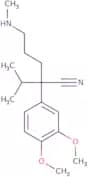
CAS:<p>Biphenyl-2'-(2H-tetrazol-5-yl)-4-carboxylic acid, [1,1'-biphenyl]-(2'-(2H-tetrazol-5-yl)-4-yl)methyl ester is a research and development impurity standard. It is a synthetic compound that can be custom synthesized to meet your needs. The product is available in high purity and pharmacopoeia grade. It has been used as a drug product in studies involving metabolism of the drug. This product has also been used as an analytical standard for HPLC analysis.</p>Formula:C28H20N8O2Purity:Min. 95%Molecular weight:500.51 g/mol3,4-Dimethoxy-a-(1-methylethyl)benzeneacetonitrile
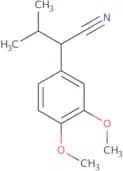
CAS:<p>3,4-Dimethoxy-a-(1-methylethyl)benzeneacetonitrile (DXM) is a synthetic phenylethylamine that is usually found in cough suppressant preparations. It has been shown to be able to cross the blood-brain barrier, and it has a constant, steady-state concentration. DXM is metabolized by N-demethylation in the liver by cytochrome P450 enzymes. This metabolism can be inhibited with the use of drugs such as chlorpromazine or ketoconazole. Pharmacokinetic modeling has been used to analyze and predict the pharmacokinetics of DXM. The drug DXM can also be synthesized from phenylacetonitrile and hydrochloric acid.</p>Formula:C13H17NO2Purity:Min. 95%Color and Shape:PowderMolecular weight:219.28 g/mol4-Dibenzo[b,f][1,4]thiazepin-11-yl-1-piperazineethanol hydrochloride
CAS:<p>4-Dibenzo[b,f][1,4]thiazepin-11-yl-1-piperazineethanol hydrochloride is a drug product that is custom synthesized for research and development purposes. It has been shown to be an active metabolite of diazepam with a half life of 3 hours and low toxicity. 4-Dibenzo[b,f][1,4]thiazepin-11-yl-1-piperazineethanol hydrochloride is used as an analytical standard in the pharmaceutical industry. This compound has been studied in metabolism studies and pharmacopoeia. It has also been shown to have antiinflammatory properties.</p>Formula:C19H23Cl2N3OSPurity:Min. 95%Color and Shape:Off-white solid.Molecular weight:412.38 g/mol(3R,5R)-Pitavastatin Calcium Salt
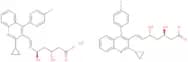
CAS:<p>(3R,5R)-Pitavastatin Calcium Salt is a drug product that is used in the development of pharmaceuticals. It is a synthetic compound with an impurity standard and a metabolite impurity. The CAS number for this product is 254452-96-5. (3R,5R)-Pitavastatin Calcium Salt has been shown to be metabolized by CYP2C9 and CYP2C8 enzymes, which may result in a decrease in potency or activity. This product also has been shown to have anti-inflammatory properties and inhibit the production of inflammatory mediators such as prostaglandins and leukotrienes. (3R,5R)-Pitavastatin Calcium Salt was prepared by solid phase synthesis using a fluorous biphasic approach.</p>Formula:C25H24FNO4CaPurity:Min. 95%Color and Shape:White/Off-White SolidMolecular weight:441.5 g/mol3-(Dimethylamino)-1-(2-thienyl)propan-1-ol
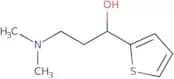
CAS:<p>3-(Dimethylamino)-1-(2-thienyl)propan-1-ol is an organic compound that is used as a chiral building block in the synthesis of drugs. It is not currently used in any known drug, but it has been shown to be racemized at high temperatures. 3-(Dimethylamino)-1-(2-thienyl)propan-1-ol is also a byproduct of pollution and can be found in the environment where it may be degraded by bacteria.</p>Formula:C9H15NOSPurity:Min. 95%Molecular weight:185.29 g/molN-Desmethyltoremifene
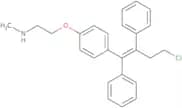
CAS:<p>N-Desmethyltoremifene is an anti-estrogen that has been shown to have genotoxic effects. It inhibits DNA synthesis and protein synthesis in human breast cancer cells. N-Desmethyltoremifene is a potent inducer of CYP3A4, which metabolizes many drugs. This drug also binds to α1-acid glycoprotein, which can lead to reduced plasma concentrations and pharmacokinetics. N-Desmethyltoremifene has been shown to inhibit the growth of renal cell carcinoma in animals, but not normal tissue, at high doses.</p>Formula:C25H26ClNOPurity:Min. 95%Molecular weight:391.93 g/mol1-[(1-Methylethyl)amino]-3-phenoxy-2-propanol
CAS:<p>1-[(1-Methylethyl)amino]-3-phenoxy-2-propanol is an organic compound that belongs to the class of phenoxyethanol derivatives. It has been used in milligram amounts to assist in the separation of racemic mixtures by countercurrent chromatography. The compound is a racemate and the enantiomers are separated by chiral high performance liquid chromatography. The β-adrenergic agonist activity of 1-[(1-methylethyl)amino]-3-phenoxy-2-propanol has been shown in rats.</p>Formula:C12H19NO2Purity:Min. 95%Molecular weight:209.28 g/mol3,4-Bis(2-methoxyethoxy)benzoic acid ethyl ester
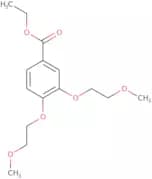
CAS:<p>3,4-Bis(2-methoxyethoxy)benzoic acid ethyl ester is a compound that has been shown to have bactericidal activity against Gram-positive bacteria. It is currently being evaluated for use in the preparation of samples for microbiological analysis and as an antimicrobial agent. 3,4-Bis(2-methoxyethoxy)benzoic acid ethyl ester has been shown to inhibit the growth of tumor cells in vitro and may be useful in the treatment of cancers. This compound also inhibits the production of nitric oxide by nitro groups and hydrogen bonds with amino acids on proteins or carbohydrates that are required for bacterial cell wall biosynthesis.</p>Formula:C15H22O6Purity:Min. 95%Molecular weight:298.33 g/molAnastrozole dimer impurity - 65%
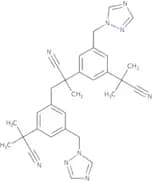
CAS:<p>Anastrozole is an aromatase inhibitor used in the treatment of breast cancer. It is a synthetic drug and impurity standard for HPLC analysis, pharmacopoeia monograph, and synthetic drug development. This product is a mixture of two stereoisomers - the active form, 4-hydroxyanastrozole (4HA), and the inactive form, 4-oxo-anastrozole (4OA). The purity of this product is >99% with a melting point of 130°C.</p>Formula:C30H31N9Purity:Min. 95%Molecular weight:517.63 g/mol4-Phenybutyl 2-carboxyethylphosphinic acid
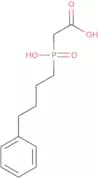
CAS:<p>4-Phenybutyl 2-carboxyethylphosphinic acid is used as an analytical standard and has been shown to be a metabolite of other drugs. It is also used as an impurity standard for HPLC, and provides a niche for drug product development.</p>Formula:C12H17O4PPurity:Min. 95%Molecular weight:256.23 g/molBrexpiprazole impurity 10
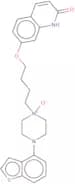
CAS:<p>Brexpiprazole impurity 10 is a drug product that is used as an analytical reference standard for the quality control of brexpiprazole. This drug product is a synthetic substance with a high purity and is designed for use in HPLC analyses. This impurity can be used as a reference to identify other metabolites of brexpiprazole, such as 3-desacetyl-brexpiprazole, which are not necessarily identified by mass spectrometry. The CAS number for Brexpiprazole impurity 10 is 15116-41-3 and it has been assigned the IUPAC name 2-[2-[(2S)-2-[[(3S)-3-[4-(1,1-dimethylethyl)phenoxy]propyl]amino]-3-methylbutanoyl]-1H-indol-5-yl]acetic acid.</p>Formula:C16H15NO2Purity:Min. 95%Molecular weight:253.3 g/molBrexpiprazole impurity 3
CAS:<p>Brexpiprazole impurity 3 is a drug product that has been custom synthesized for research purposes. The purity of this product is high and it has been analyzed using analytical methods. This product can be used to study the metabolism of brexpiprazole, which is an atypical antipsychotic medication. Brexpiprazole impurity 3 also has pharmacopoeia standards, which can be used to develop new drugs or as a quality control standard in research and development.</p>Formula:C25H27N3O3SPurity:Min. 95%Molecular weight:449.57 g/mol4'-(Bromomethyl)-[1,1'-biphenyl]-2-carboxylic acid
CAS:<p>4'-(Bromomethyl)-[1,1'-biphenyl]-2-carboxylic acid (4BMBCA) is a chemical compound that is used as an analytical method in drug discovery and development. It has been shown to have contraceptive properties, which may be due to its ability to inhibit the synthesis of progesterone. 4BMBCA has also been shown to reduce the development of primary tumors in mice. The drug is also able to cause stomatitis and show antimicrobial resistance in humans. Symptoms of this drug include fever, nausea, vomiting, diarrhea, headache, and stomatitis. 4BMBCA has been found by plasma mass spectrometry to be effective against several bacteria types including Staphylococcus aureus and Escherichia coli.</p>Formula:C14H11BrO2Purity:Min. 95%Molecular weight:291.14 g/molCinacalcet impurity E hydrochloride
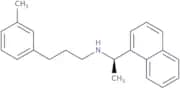
CAS:<p>Cinacalcet is a drug product that is used for the treatment of secondary hyperparathyroidism in patients with chronic kidney disease. It is metabolized through a number of metabolic transformations, including hydrolysis by esterases or glucuronidases, oxidation by cytochrome P450 enzymes, reduction by glutathione reductase, or conjugation with glucuronic acid. The high frequency of human activity has been shown using a patch-clamp technique on human erythrocytes. Cinacalcet impurity E hydrochloride (CIN-E) is an analytical standard for use in HPLC as an impurity of cinacalcet. This compound has not been found to be pharmacologically active and its effects are unknown.</p>Formula:C22H25N·HClPurity:Min. 95%Molecular weight:339.9 g/molSolifenacin impurity C
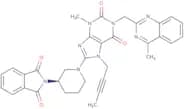
CAS:<p>Solifenacin impurity C is an impurity that is found in the drug product Solifenacin. It has been shown to be a natural metabolite and has been detected in human urine. Solifenacin impurity C is used as an analytical standard for HPLC analyses of solifenacin, and can also be used as a reference material for pharmacopoeia. The purity of this compound is 99%.</p>Formula:C31H28N2OPurity:Min. 95 Area-%Color and Shape:White PowderMolecular weight:444.57 g/mol(R)-7-(But-2-yn-1-yl)-8-(3-(1,3-Dioxoisoindolin-2-yl)piperidin-1-yl)-3-methyl-1-((4-methylquinazolin-2-yl)methyl)-1H-purine-2,6(3H,7 H)-dione
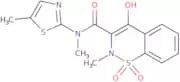
CAS:<p>7-(But-2-yn-1-yl)-8-(3-(1,3-Dioxoisoindolin-2-yl)piperidin-1-yl)-3-methyl-1-(4-methylquinazolin-2(4H)-yl)methyl)-1H -purine-2,6(3H,7H)-dione is a synthetic drug that has been modified to have a higher flow rate. It is used in the synthesis of other drugs. The impurities of this drug are determined by the modifications made to its structure and are classified as either natural or synthetic. Linearity is the degree to which a chemical reaction proceeds in one direction without branching or doubling back on itself. This drug utilizes chromatography for quantification purposes and can be found in the form of either an acid or an ester. Formic acid and acetonitrile are two solvents that can be utilized for this drug's elution from</p>Formula:C33H30N8O4Purity:Min. 95%Molecular weight:602.64 g/molAmido methyl meloxicam
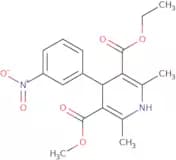
CAS:<p>Amido methyl meloxicam is a synthetic nonsteroidal anti-inflammatory drug. It is used to relieve inflammation and pain. Amido methyl meloxicam is chemically similar to the naturally occurring substance, meclofenamic acid, but it does not have the same side effects.<br>Amido methyl meloxicam is metabolized in the liver by CYP3A4/5 and then excreted by the kidneys.</p>Formula:C15H15N3O4S2Purity:Min. 95%Molecular weight:365.43 g/mol(RS)-Methyl ethyl 1,4-dihydro-2,6-dimethyl-4-(3-nitrophenyl)pyridine-3,5-dicarboxylate - EP Grade
CAS:<p>Propranolol hydrochloride is a non-selective beta-adrenergic blocker that blocks the effects of epinephrine, norepinephrine and dopamine. Propranolol hydrochloride has been shown to inhibit the activity of proximal tubules in the kidney, which may be due to its inhibition of chemical ionization. This drug also has antihypertensive activity and can be used for the treatment of cardiac disorders such as hypertension. Propranolol hydrochloride is a monoclonal antibody that is activated by nitro groups and binds with high affinity to multiple-reaction monitoring (MRM) transitions for protonated molecular ions at m/z 289, 296, 305, 313, 320, 328, 336 and 344. Propranolol hydrochloride also has vasodilatory effects on the papillary muscle which aids in regulating blood pressure by maintaining vascular resistance.</p>Formula:C18H20N2O6Purity:Min. 95%Molecular weight:360.36 g/mol[4-(4-Amino-6,7-dimethoxy-2-quinazolinyl)-1-piperazinyl][(5S)-tetrahydro-5-methyl-2-furanyl]-methanone
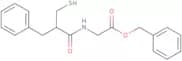
CAS:<p>Furegrelate is an analytical reference standard for the hydroxylation of 4-(4-amino-6,7-dimethoxy-2-quinazolinyl)-1-piperazinyl[(5S)-tetrahydro-5-methyl-2-furanyl]-methanone. Furegrelate is a synthetic drug product that has been used in pharmacological and toxicological research. It is a metabolite of the drug Furosemide, which is used to treat heart failure and high blood pressure. Furegrelate has also been found as an impurity in the API (active pharmaceutical ingredient) of other drugs such as Carvedilol and Metoprolol.</p>Formula:C20H27N5O4Purity:Min. 95%Molecular weight:401.46 g/molRacecadotril Impurity G
CAS:<p>Racecadotril Impurity G is an analytical impurity found in the drug Racecadotril. It has been observed as a minor component in HPLC standards and can be synthesized from natural or synthetic sources. Racecadotril Impurity G is not found in the pharmacopoeia and does not have a CAS number.</p>Formula:C19H21NO3SPurity:Min. 95%Molecular weight:343.44 g/mol6,7,8,9-Tetrahydro-3-[2-[4-(6-methoxy-1,2-benzisoxazol-3-yl)-1-piperidinyl]ethyl]-2-methyl-4H-pyrido[1,2-a]pyrimidin-4-one
CAS:<p>A custom synthesis of 6,7,8,9-tetrahydro-3-[2-[4-(6-methoxy-1,2-benzisoxazol-3-yl)-1-piperidinyl]ethyl]-2-methyl-4H-[1]pyrido[1,2-a]pyrimidin-4one<br>A synthetic analog of the natural product erythromycin A.<br>Metabolite: 3-[2-[4-(6-Methoxybenzo[d][1,3]dioxol-5(4H)-yl)-1piperidinyl)ethyl]-6,7,8,9 tetrahydro 4H pyrido [1',2' a] pyrimidin 4 one<br>Impurity: 1-(6 methoxy benzisoxazol 3 yl) piperidine<br>Custom synthesis: yes<br>High purity: yes</p>Formula:C24H30N4O3Purity:Min. 95%Molecular weight:422.52 g/molCyamemazine sulfoxide
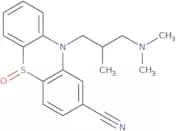
CAS:<p>Cyamemazine sulfoxide is a histamine H1 receptor antagonist. It has been shown to have strong affinity for the serotonin 5-HT2C and dopamine D2 receptors, as well as the atrial 5-HT2A receptors. Cyamemazine sulfoxide has a low oral bioavailability of about 10% and is metabolized in the liver to cyamemazine and its active form, cyamemazine sulfoxide. Cyamemazine sulfoxide binds to serotonin 5-HT2C receptors with a high affinity, which leads to inhibition of serotonin release from nerve endings in the brain. This drug also inhibits dopamine release from nerve endings in the brain and has been shown to have cardiac effects on heart rate and contractility.</p>Formula:C19H21N3OSPurity:Min. 95%Molecular weight:339.46 g/molN-(4-Amino-6,7-dimethoxyquinazol-2-yl)-N-methylpropylenediamine formamide hydrochloride
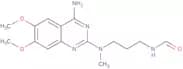
CAS:<p>N-(4-Amino-6,7-dimethoxyquinazol-2-yl)-N-methylpropylenediamine formamide hydrochloride is an impurity in the synthesis of N-(4-amino-6,7-dimethoxyquinazol-2-yl)-N'-methylpropylenediamine formamide hydrochloride. It is a white solid that can be used as an analytical reference standard for HPLC. It has been detected in the urine of people taking this drug and can be used to identify the presence of this drug in urine samples.</p>Formula:C14H17N5O2·HClPurity:Min. 95%Molecular weight:323.78 g/mol2-[[2-Oxo-3-[4-(3-oxo-4-morpholinyl)phenyl]-5-oxazolidinyl]methyl]-1H-isoindole-1,3(2H)-dione
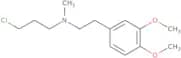
CAS:<p>Please enquire for more information about 2-[[2-Oxo-3-[4-(3-oxo-4-morpholinyl)phenyl]-5-oxazolidinyl]methyl]-1H-isoindole-1,3(2H)-dione including the price, delivery time and more detailed product information at the technical inquiry form on this page</p>Formula:C22H19N3O6Purity:Min. 95%Molecular weight:421.4 g/molN-Methyl-N-(3-chloropropyl)homoveratrylamine
CAS:<p>N-Methyl-N-(3-chloropropyl)homoveratrylamine is a chlorinated alkylating agent that has been shown to accumulate in the myocardium. It is an anaesthetic that can be recycled and used as a nutrient. N-Methyl-N-(3-chloropropyl)homoveratrylamine binds to DNA, which blocks the synthesis of RNA and protein. This drug has been demonstrated to have antiarrhythmic effects, but it is not effective against cardiac arrhythmias caused by digitalis or hypoxia. N-Methyl-N-(3-chloropropyl)homoveratrylamine also has an antagonist effect on the central nervous system and may be useful for treating convulsions.</p>Formula:C12H19NO2·HClPurity:Min. 95%Molecular weight:245.75 g/mol11-[3-(Dimethylamino)propyl]-6,11-dihydrodibenz[b,e]oxepin-11-ol
CAS:<p>Dispersants are substances that are used to break up and disperse particles in a liquid. The dispersant 11-[3-(dimethylamino)propyl]-6,11-dihydrodibenz[b,e]oxepin-11-ol is an active substance that is used in the production of granules, tablets or other solidified forms of medicaments. It is a substance that has a physiologically active effect on humans and animals. This product can be applied as droplets or particles.</p>Formula:C19H23NO2Purity:Min. 95%Color and Shape:PowderMolecular weight:297.39 g/mol3-O-Desethyl-5-O-desmethyl amlodipine
CAS:<p>3-O-Desethyl-5-O-desmethyl amlodipine is a drug product that can be used as an analytical reference standard. It is metabolized in vivo to form 5-O-desmethyl amlodipine, which is the active form of this drug. 3-O-Desethyl-5-O-desmethyl amlodipine is also an impurity in the drug product Amlodipine besylate and its CAS number is 1821498-25-2. The synthetic route for this compound starts with the reaction of 2,3,4,6 trichlorobenzeneethanol with sodium hydroxide followed by hydrogenation of the intermediate to yield 3-(2,6 dichlorophenyl) propanoic acid. This acid was then reacted with methylamine to yield 3-(2,6 dichlorophenyl)-N-[(methylamino) methyl]propionamide.</p>Formula:C17H19ClN2O5Purity:Min. 95%Molecular weight:366.8 g/molAmiodarone EP Impurity G HCL
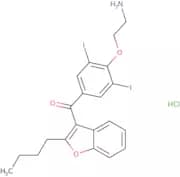
<p>Amiodarone is a drug product that is used in the treatment of various heart conditions. It contains impurity G and HCL. Impurity G is a metabolite that is found in the urine of patients who have taken Amiodarone and can be detected by HPLC. Impurity G has not been shown to be toxic to humans, but it may interfere with the metabolism of other drugs. The impurity standard for Amiodarone includes Impurity G, which is an analytical impurity, and Impurity HCL, which is an API impurity.</p>Formula:C26H31I2NO4·HClPurity:Min. 95%Molecular weight:711.8 g/molChlorhexidine digluconate EP Impurity L
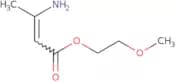
<p>Chlorhexidine digluconate EP Impurity L is a metabolite of chlorhexidine digluconate. It is an impurity found in the drug product, which is used for the treatment of skin and mucous membrane infections. The mechanism of action for chlorhexidine digluconate EP Impurity L is not known. However, it has been shown to be metabolized by CYP3A4 and CYP2C9 enzymes to form chlorhexidine acetate, a metabolite that inhibits bacterial growth, and hydrolyzed by esterases to form 2-hydroxychlorhexidine acetate. This metabolite has been found in the urine of rats following oral administration with chlorhexidine digluconate EP Impurity L.</p>Formula:C13H15ClN2O6Purity:Min. 95%Molecular weight:330.72 g/mol2-Methoxyethyl-3-aminocrotonate
CAS:<p>2-Methoxyethyl-3-aminocrotonate is an impurity of a drug product. It is an analytical standard that is used to quantify the metabolite in pharmaceutical preparations. 2-Methoxyethyl-3-aminocrotonate is a natural metabolite, which can be found in human urine. This compound has been shown to be a potent inhibitor of both bacterial and mammalian cell topoisomerase II and IV, but not mammalian cell topoisomerase I. It also inhibits protein synthesis by binding to the ribosomal 50S subunit. In addition, it has been shown to inhibit the growth of certain bacteria such as clostridium perfringens and Mycobacterium tuberculosis.</p>Formula:C7H13NO3Purity:Min. 95%Molecular weight:159.18 g/molLosartan imidazo[1,5-b]isoquinoline impurity
CAS:<p>Losartan is a drug product that belongs to the class of losartan impurity. It is an impurity standard for research and development, as well as a custom synthesis. Losartan is also used in the synthesis of other drugs, such as losartan potassium, which is classified as a niche compound. Losartan impurity has been shown to be metabolized by several enzymes including CYP2C9 and CYP3A4. The metabolite identified from this study was N-desmethyl losartan.</p>Formula:C22H21ClN6Purity:Min. 95%Molecular weight:404.9 g/mol(3-endo)-9-methyl-9-azabicyclo[3.3.1]nonan-3-amine
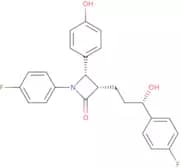
CAS:<p>Granisetron is a drug that belongs to the group of serotonin receptor antagonists. It is used as an antiemetic, mainly in the prevention and treatment of nausea and vomiting caused by cancer chemotherapy and surgery. This drug has been shown to be effective in controlling nausea and vomiting, even when given after chemotherapy or surgical procedures. Granisetron hydrochloride was synthesized in 1988 by chemists at Hoffmann-La Roche. The synthesis was patented in 1990. Potential impurities are not listed on the USP or EP pharmacopeia, but these impurities have been detected during synthesis.</p>Formula:C9H18N2Purity:Min. 95%Molecular weight:154.25 g/mol(3S,4S,3’S)-Ezetimibe
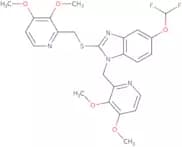
CAS:<p>Please enquire for more information about (3S,4S,3’S)-Ezetimibe including the price, delivery time and more detailed product information at the technical inquiry form on this page</p>Formula:C24H21F2NO3Purity:Min. 95%Molecular weight:409.43 g/molPantoprazole impurity
CAS:<p>Pantoprazole is a proton pump inhibitor. It is used in the treatment of gastroesophageal reflux disease and other conditions involving excessive stomach acid production. The chemical name for Pantoprazole impurity is (E)-1-(4-chlorophenyl)ethyl-3-[(pyrrolidin-2-yl)oxy]propanediol. This substance is an enantiomer of pantoprazole, which has been determined to be inactive. Pantoprazole impurity can be identified by its melting point, crystallizing habit, and optical rotation. Active carbon filtration can be used to remove this substance from the final product.</p>Formula:C24H24F2N4O5SPurity:Min. 95%Molecular weight:518.53 g/molDefluoro pitavastatin
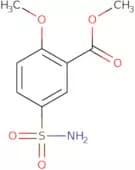
CAS:<p>Please enquire for more information about Defluoro pitavastatin including the price, delivery time and more detailed product information at the technical inquiry form on this page</p>Formula:C25H25NO4Purity:Min. 95%Molecular weight:403.47 g/mol5-(Aminosulfonyl)-2-methoxy-benzoic acid methyl ester
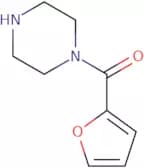
CAS:<p>5-(Aminosulfonyl)-2-methoxy-benzoic acid methyl ester is a synthetic compound that is used for pharmaceutical preparations. It is typically prepared by the reaction of ethylene and chloroacetic acid in the presence of an organic solvent. The reaction time can be adjusted to produce the desired amount of 5-(aminosulfonyl)-2-methoxy-benzoic acid methyl ester. This synthetic compound has been shown to have a high yield, with minimal contaminating impurities. It has also been shown to be effective in both pharmaceutical dosage and calibration.</p>Formula:C9H11NO5SPurity:Min. 95%Molecular weight:245.25 g/mol1-(2-Furoyl)piperazine
CAS:<p>1-(2-Furoyl)piperazine is a potent inhibitor of tyrosinase, an enzyme involved in the production of melanin. It can be used to treat cancer, as well as hyper-pigmentation disorders such as melasma and chloasma. 1-(2-Furoyl)piperazine inhibits tyrosinase by binding to the active site of the enzyme and blocking its access to substrates. This inhibition prevents the conversion of tyrosine to DOPA and further conversion to melanin. 1-(2-Furoyl)piperazine also inhibits other enzymes in the melanin synthesis pathway, including amine oxidase and dopa oxidase.</p>Formula:C9H12N2O2Purity:Min. 95%Color and Shape:PowderMolecular weight:180.2 g/molAlverine EP Impurity E
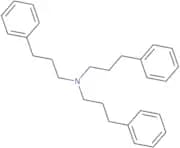
CAS:<p>Alverine EP Impurity E is a nitrogen containing compound with the molecular formula C9H10N. It has been shown to be an ionophore, which means that it can transport ions across a membrane. Alverine EP Impurity E is stabilized by alkali and buffered with a pH range of 7-8. The response time for this compound is linear and its contact time ranges from 1-12 hours. This impurity has a phenyl group and a ph range of 6-7. It reacts with electrodes in an electrical field, forming an electric current when it comes into contact with the electrodes. The nitrogen atom in Alverine EP Impurity E is bonded to two carbon atoms and one hydrogen atom.</p>Formula:C27H33NPurity:Min. 95%Molecular weight:371.56 g/mol3-[2-[4-(2,4-Difluorobenzoyl)piperidin-1-yl]ethyl]-2-methyl-6,7,8,9-tetrahydro-pyrido[1,2-a]pyrimidin-4-one
CAS:<p>Roflumilast is a drug used to treat chronic obstructive pulmonary disease. It is also used to treat inflammatory bowel diseases, such as Crohn's disease and ulcerative colitis. Roflumilast inhibits the enzyme cytochrome P450 in the liver, which is responsible for metabolizing certain drugs and other substances. This inhibition reduces the metabolism of these substances, leading to increased levels of these substances in the body. This can lead to side effects such as nausea, vomiting, dizziness, headache, and itching. Roflumilast also has an anti-inflammatory effect on the intestines by regulating the production of inflammatory cytokines and inhibiting the activity of pro-inflammatory enzymes.</p>Formula:C23H27F2N3O2Purity:Min. 95%Molecular weight:415.48 g/mol4-Desmethyl-3-methyl celecoxib
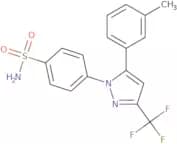
CAS:<p>This compound is a drug product that is used as an analytical standard for the identification of impurities. This compound is also a Metabolism studies, Natural, API impurity, Custom synthesis, Impurity standard, Synthetic and Drug development research chemical. The CAS number for this compound is 170570-01-1 and it has HPLC standards with high purity. This compound is also a Synthetic and Pharmacopoeia Research Chemical with a niche market.</p>Formula:C17H14F3N3O2SPurity:Min. 95%Molecular weight:381.37 g/mol1-Isopropyl-1-N-methylpropylamino-(3,4-dimethoxyphenyl)acetonitrile
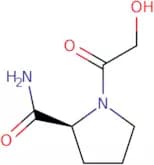
CAS:<p>1-Isopropyl-1-N-methylpropylamino-(3,4-dimethoxyphenyl)acetonitrile is a fluorescent probe that can be used for the detection of drugs in biological samples. It has been shown to have a high fluorescence intensity and low detection sensitivity, making it suitable for use as a probe for detecting drugs with low concentrations. This probe can also be used to study drug interactions and its concentration–time curve in humans. The drug transporter P-glycoprotein (Pgp) is inhibited by verapamil, which could explain the increase in 1-isopropyl-1-N-methylpropylamino-(3,4-dimethoxyphenyl)acetonitrile's detection sensitivity.</p>Formula:C17H26N2O2Purity:Min. 95%Color and Shape:PowderMolecular weight:290.4 g/mol1-Glycoloyl-L-prolinamide
CAS:<p>1-Glycoloyl-L-prolinamide is a drug product that is an analytical standard for the impurity 1-glycoloyl-L-proline (CAS No. 96166-39-1) in the API 1,4,5,6-tetrahydrobenzothiazole (CAS No. 86687-93-0). It has been synthesized to be used as an impurity standard and is provided at a purity of 98.0% or greater by weight. This chemical compound can be used in research and development for the production of drugs as well as in pharmaceutical manufacturing.</p>Formula:C7H12N2O3Purity:Min. 95%Molecular weight:172.18 g/molSalbutamol EP impurity C
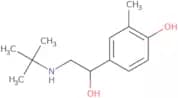
CAS:<p>Salbutamol EP Impurity C is an impurity of Salbutamol EP, which is an active pharmaceutical ingredient. It is a hydrophilic interaction chromatography and reverse-phase high-performance liquid chromatography method that can be used to screen for the presence of impurities in this product. The detection method is based on the use of a diode array detector with a synchronous detection mode. The column used in this screening process is a liquid chromatography column with a particle size of 5 microns and a length of 250 mm, which has been packed with 5% phenyl-95% dimethyl polysiloxane stationary phase. This process requires acetonitrile as the mobile phase, and the detection wavelength ranges from 220 nm to 240 nm.</p>Formula:C13H21NO2Purity:Min. 95%Color and Shape:PowderMolecular weight:223.31 g/molDe(diethylaminoethyl-5-iodo) Amiodarone
CAS:<p>Amiodarone is a drug that belongs to the group of annular compounds. It has been used in the treatment of cardiac arrhythmias, such as atrial fibrillation (AF) and ventricular tachycardia (VT). Amiodarone has been shown to have a high affinity for specific genes, including those involved in the regulation of the heart. This drug is also used in animals, such as dogs and rats. Amiodarone has been shown to have toxic effects on cardiac tissue and other organs, which may be due to its ability to inhibit the metabolism of thyroid hormones by deiodination. Amiodarone also inhibits synthesis of protein by binding to DNA, inhibiting transcription and translation.</p>Formula:C19H17IO3Purity:Min. 95%Color and Shape:PowderMolecular weight:420.24 g/mol1,1'-[(1-Methylethyl)imino]bis[3-[4-(2-methoxyethyl)phenoxy]-2-propanol
CAS:<p>1,1'-[(1-Methylethyl)imino]bis[3-[4-(2-methoxyethyl)phenoxy]-2-propanol] is a synthetic drug product that has been custom synthesized for testing purposes. It is one of the metabolites of the drug product 1,1'-[(1-Methylethyl)imino]bis[3-[4-(2-hydroxypropyl)phenoxy]-2-propanol]. The metabolite has not been found in nature and its structure is unknown. Metabolism studies have been performed on this metabolite to determine its metabolic pathway. This metabolite is an impurity standard for HPLC analysis.</p>Formula:C27H41NO6Purity:Min. 95%Molecular weight:475.62 g/molCinacalcet impurity B
CAS:<p>Cinacalcet impurity B is an amine that is a by-product of the manufacturing process for cinacalcet. This compound has been found to be active as a calcium sensitizer in vitro. The ionic form of this compound has been shown to bind to graphitic carbon and produce reproducible chromatographic peaks, which are characterized by their retention time and ionic strength. Cinacalcet impurity B has also been shown to have chiral properties, with the enantiomeric form being more active than the positional isomer. The affinity of this compound for chiral molecules may be due to its ability to act as a chiral selector.</p>Formula:C19H19NPurity:Min. 95%Molecular weight:261.36 g/molMontelukast Bis-sulfide(mixture of diastereomers)
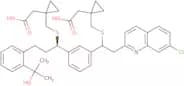
CAS:<p>Montelukast Bis-sulfide is a drug product that is custom synthesized with high purity. It has been studied for its metabolism, analytical properties, and natural sources. The metabolite of montelukast bis-sulfide has been extensively researched for pharmacopoeia as well as for drug development. Montelukast bis-sulfide is a synthetic compound that is not found in nature, but it has niche applications in research and development. CAS No.: 1242260-05-4</p>Formula:C41H46ClNO5S2Purity:Min. 95%Molecular weight:732.39 g/mol3-(Methylamino)-5,6-dihydro-2H-1,4-thiazin-2-one oxime hydrochloride
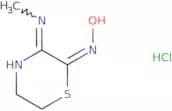
CAS:<p>3-(Methylamino)-5,6-dihydro-2H-1,4-thiazin-2-one oxime hydrochloride is an analytical reagent used for HPLC analysis of the impurities in pharmaceutical products. It is a white crystalline solid with a melting point of 235°C. 3-(Methylamino)-5,6-dihydro-2H-1,4-thiazin-2-one oxime hydrochloride is used as a reference standard and has been assigned CAS No. 112233-23-5 by the Chemical Abstracts Service (CAS). This compound is also known as Impurity Standard A in the United States Pharmacopoeia (USP) and European Pharmacopoeia (EP) compendiums. 3-(Methylamino)-5,6-dihydro-2H-1,4-thiazin-2-one oxime</p>Formula:C5H9N3OS•HClPurity:Min. 95%Color and Shape:PowderMolecular weight:195.67 g/molDi(N-desethyl) amiodarone hydrochloride
CAS:<p>Di(N-desethyl) amiodarone hydrochloride is an impurity of Amiodarone Hydrochloride, which is a drug that is used to treat and prevent serious ventricular arrhythmias. Di(N-desethyl) amiodarone hydrochloride can be synthesized from the corresponding parent compound by desmethylation with trifluoroacetic acid. It has been shown to have a low solubility in water and it is soluble in acetones, ethers, and chloroform. This impurity can be used as a HPLC standard for the analysis of Amiodarone Hydrochloride or as an analytical reference material for other liquid chromatography methods.</p>Formula:C21H22ClI2NO3Purity:Min. 95%Molecular weight:625.67 g/molN,N'-Dimethyl-2-nitro-1,1-ethendiamine
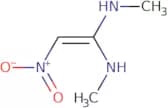
CAS:<p>N,N'-Dimethyl-2-nitro-1,1-ethendiamine is a protonated form of N,N'-dimethyl-2-nitroetheneamine. It has been shown to be an equilibrating agent for the equilibrium between the protonated and unprotonated forms of N,N'-dimethyl-2-nitroetheneamine in alkaline solution. In this way it can be used to determine the pH of an unknown solution. The equilibrium constant is 10^14 at 25 degrees Celsius. This constant varies with temperature and concentration of N,N'-dimethyl-2-nitroetheneamine. The electronic spectra show that this molecule is an anion.</p>Formula:C4H9N3O2Purity:Min. 95%Molecular weight:131.13 g/mol2-[(R)-[(1S)-2-Methyl-1-(1-oxopropoxy)propoxy](4-phenylbutyl)phosphinyl]acetic acid
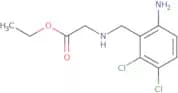
CAS:<p>2-[(R)-[(1S)-2-Methyl-1-(1-oxopropoxy)propoxy](4-phenylbutyl)phosphinyl]acetic acid is a metabolite of the drug product, 2-[(S)-2-methyl-1-(1-oxopropoxy)propoxy](4-phenylbutyl)phosphinic acid. It is an impurity standard for the analytical determination of 2-[(S)-2-methyl-1-(1-oxopropoxy)propoxy](4-phenylbutyl)phosphinic acid in both drug products and in synthetic intermediates. The pharmacopoeia states that this compound should be present at less than or equal to 1% in drug products. This metabolite has been shown to have antiinflammatory activity.</p>Formula:C19H29O6PPurity:Min. 95%Molecular weight:384.4 g/molEthyl 2-(6-amino-2,3-dichlorobenzyl)glycine
CAS:<p>Ethyl 2-(6-amino-2,3-dichlorobenzyl)glycine is a drug product with a CAS number of 70406-92-7. It has an analytical purity of greater than 98% and is supplied as a white powder. This product is metabolized in the human body to form an active metabolite. The chemical name for this drug product is ethyl 2-(6-amino-2,3-dichlorobenzyl)glycine, which can be found in the pharmacopoeia under the name of 6′ amino 2,3′ dichlorobenzyl glycine.</p>Formula:C11H14Cl2N2O2Purity:Min. 95%Molecular weight:277.15 g/molCaptopril EP Impurity H
CAS:<p>Captopril EP Impurity H is a drug product that is used as an analytical reference standard. It is not intended for administration to humans or animals. Captopril EP Impurity H is manufactured by the same process as Captopril, but with a different impurity profile. The purity of this product is 99.5% at 25°C, and it has an impurity profile of less than 0.5%. This product is also known as 4-Amino-N-(2,6-dichlorophenyl)benzenesulfonamide and has CAS No. 205521-07-9.</p>Formula:C15H23NO5S2Purity:Min. 95%Molecular weight:361.48 g/molEnflicoxib
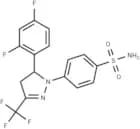
CAS:<p>Enflicoxib is an effective treatment for canine osteoarthritis pain and inflammation, with faster onset than mavacoxib, improving veterinary outcomes.</p>Formula:C16H12F5N3O2SPurity:99.88%Color and Shape:SolidMolecular weight:405.34TAK-875 Hemihydrate
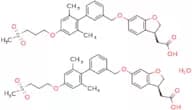
CAS:<p>TAK-875 Hemihydrate (Fasiglifam) is a selective GPR40 agonist with EC50 of 14 nM, 400-fold more potent than oleic acid.</p>Formula:C29H32O7SH2OPurity:98%Color and Shape:SolidMolecular weight:533.63Gallopamil hydrochloride
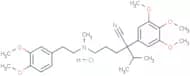
CAS:<p>Gallopamil hydrochloride (Methoxyverapamil hydrochloride) is an antagonist of phenylalkylamine calcium.</p>Formula:C28H41ClN2O5Purity:99.86%Color and Shape:SolidMolecular weight:521.09Vasicinone
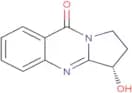
CAS:<p>Vasicinone may act as a hepatoprotective agent.</p>Formula:C11H10N2O2Purity:98.06%Color and Shape:SolidMolecular weight:202.21Rolapitant
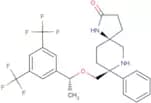
CAS:<p>Rolapitant Hydrochloride is an oral NK1-receptor blocker that prevents nausea and has a fast onset and long half-life.</p>Formula:C25H26F6N2O2Purity:99.86%Color and Shape:SolidMolecular weight:500.48Levobunolol
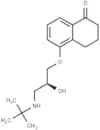
CAS:<p>Levobunolol is a nonselective beta-blocker. It is used topically to treat glaucoma.</p>Formula:C17H25NO3Color and Shape:White To Pink PowderMolecular weight:291.39(R)-Azelastine
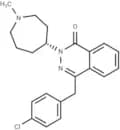
CAS:<p>(R)-Azelastine, an antihistamine, reduces H1R, M1R, M3R levels and inhibits HNEpC growth.</p>Formula:C22H24ClN3OColor and Shape:SolidMolecular weight:381.9Sarafloxacin
CAS:<p>Sarafloxacin (A56620) has antibacterial activities against Gram-positive and Gram-negative bacteria.</p>Formula:C20H17F2N3O3Purity:98.07% - 98.94%Color and Shape:SolidMolecular weight:385.36Daltroban
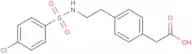
CAS:<p>Daltroban (SKF 96148) is a specific thromboxane A2 (TXA2) receptor antagonist.</p>Formula:C16H16ClNO4SPurity:99.74%Color and Shape:SolidMolecular weight:353.82(S)-Pomalidomide
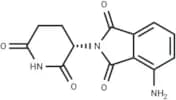
CAS:<p>(S)-Pomalidomide is an inhibitor of angiogenesis and growth of B-cell neoplasias, which induces complete regressions of Burkitt's lymphoma cell tumors.</p>Formula:C13H11N3O4Color and Shape:SolidMolecular weight:273.24Gemigliptin Tartrate(911637-19-9 free base)
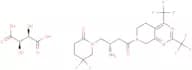
CAS:<p>Gemigliptin Tartrate (LC15-0444 tartrate) is a highly selective, reversible and competitive inhibitor of dipeptidyl peptidase-4 (DPP-4).</p>Formula:C22H25F8N5O8Purity:>99.99%Color and Shape:SolidMolecular weight:639.45BR351 precursor
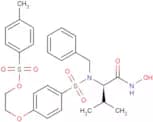
CAS:<p>BR351 precursor is a precursor of BR351. BR351 is a brain penetrant MMP inhibitor (IC50s: 4, 2, 11, 50 nM for MMP2, MMP8, MMP9 and MMP13).</p>Formula:C27H32N2O8S2Purity:98%Color and Shape:SolidMolecular weight:576.68Nifekalant hydrochloride
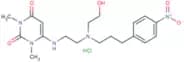
CAS:<p>Nifekalant hydrochloride is an IKr potassium channel blocker with an IC50 of 10 µM.</p>Formula:C19H28ClN5O5Purity:99.91%Color and Shape:SolidMolecular weight:441.91Oxolamine
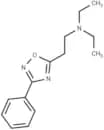
CAS:<p>Oxolamine is an agent of a cough suppressant.</p>Formula:C14H19N3OPurity:98%Color and Shape:SolidMolecular weight:245.32Tropatepine
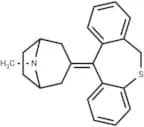
CAS:<p>Tropatepine: oral anticholinergic, treats extrapyramidal symptoms, anti-Parkinson's.</p>Formula:C22H23NSColor and Shape:SolidMolecular weight:333.49(R)-Afatinib
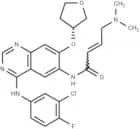
CAS:<p>(R)-Afatinib: oral ErbB inhibitor (EGFR/HER2), IC50 ≤14 nM. For ESCC, NSCLC, gastric cancer research.</p>Formula:C24H25ClFN5O3Color and Shape:SolidMolecular weight:485.94Camylofine
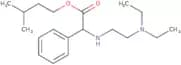
CAS:<p>Camylofine (Avacan) is an antimuscarinic, used for relaxing smooth muscle.</p>Formula:C19H32N2O2·2HClPurity:98%Color and Shape:SolidMolecular weight:393.4TAPI-0
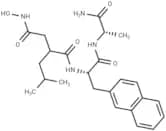
CAS:<p>TAPI-0 is a matrix metalloprotease (MMP) and TACE inhibitor.</p>Formula:C24H32N4O5Color and Shape:SolidMolecular weight:456.53(R)-Carvedilol
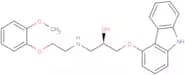
CAS:<p>(R)-Carvedilol is a non-selective blocker of β/α-1. (R)-Carvedilol exerts protection against the vascular or cardiac toxicity of Doxorubicin (DOX).</p>Formula:C24H26N2O4Purity:98%Color and Shape:SolidMolecular weight:406.47Benproperine
CAS:<p>Benproperine is a bioactive molecule with antineoplastic properties.</p>Formula:C21H27NOPurity:98%Color and Shape:SolidMolecular weight:309.45Otamixaban
CAS:<p>Otamixaban (FXV673) is a selective and highly effective Xa inhibitor that inhibits the generation of thrombin and can be used to study acute coronary syndrome.</p>Formula:C25H26N4O4Purity:98.08%Color and Shape:SolidMolecular weight:446.5Laropiprant
CAS:<p>Laropiprant (MK-0524) is a potent and selective antagonist of prostaglandin D2 (PGD2) receptor (DP) such as and DP/DP1 receptor(Ki = 0.57 nM) and TP Receptor(Ki</p>Formula:C21H19ClFNO4SPurity:98.24% - 99.89%Color and Shape:SolidMolecular weight:435.9Ivaltinostat
CAS:<p>CG-200745 is a potent inhibitor of HDAC. CG200745 induces apoptosis and also inhibits the deacetylation of histone H3 and tubulin.</p>Formula:C24H33N3O4Purity:98%Color and Shape:SolidMolecular weight:427.54PTIQ
CAS:<p>MMP-3 expression inhibitor</p>Formula:C13H17NO3Purity:98%Color and Shape:SolidMolecular weight:235.28ND-336
CAS:<p>ND-336 selectively inhibits MMP-2, MMP-9, MMP-14, boosts diabetic wound healing, reduces inflammation, and promotes angiogenesis and skin repair.</p>Formula:C16H18ClNO3S2Color and Shape:SolidMolecular weight:371.9Vapendavir
CAS:<p>Vapendavir binds enterovirus capsids; effective against EV71 with EC50 of 0.5-1.4 μM.</p>Formula:C21H26N4O3Purity:98%Color and Shape:SolidMolecular weight:382.46TAPI-1
CAS:<p>TAPI1 (TAPI) , an ADAM17/TACE inhibitor, inhibits shedding of cytokine receptors.</p>Formula:C26H37N5O5Purity:≥95%Color and Shape:SolidMolecular weight:499.6Esreboxetine
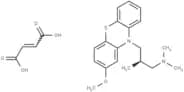
CAS:<p>Esreboxetine( PNU-165442, (S,S) -reboxetine) is a selective inhibitor of norepinephrine reuptake.</p>Formula:C19H23NO3Color and Shape:SolidMolecular weight:313.39Levomepromazine Maleate
CAS:<p>Levomepromazine Maleate: TCA and SNRI with antihistamine, antiadrenergic, and anticholinergic properties.</p>Formula:C23H28N2O5SColor and Shape:SolidMolecular weight:444.546Oxyphenbutazone monohydrate
CAS:<p>Oxyphenbutazone monohydrate: Phenylbutazone derivative, anti-inflammatory, non-selective COX inhibitor, kills dormant M. tuberculosis.</p>Formula:C19H22N2O4Color and Shape:SolidMolecular weight:342.39Fidarestat
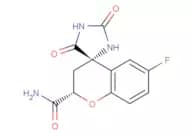
CAS:<p>Fidarestat (SNK 860),Aldose reductase inhibitor (IC50=26 nM). Targets AKR1B10 (33 μM) and V301L AKR1B10 (1.8 μM). Potential diabetes treatment.</p>Formula:C12H10FN3O4Purity:98%Color and Shape:SolidMolecular weight:279.22Rufloxacin hydrochloride
CAS:<p>Rufloxacin HCl (MF-934 HCl): a fluoroquinolone that inhibits topoisomerase and B-cell differentiation.</p>Formula:C17H19ClFN3O3SPurity:99.80%Color and Shape:SolidMolecular weight:399.867M-25
CAS:<p>M-25 is a Smoothened antagonist and inhibitor of the Hedgehog pathway.</p>Formula:C23H29N3O2Color and Shape:SolidMolecular weight:379.5


![6,7-Dimethoxy-2-[4-[(tetrahydro-2-furanyl)carbonyl]-1-piperazinyl]-4(3H)-quinazolinone](/_next/image/?url=https%3A%2Fstatic.cymitquimica.com%2Fproducts%2F3D%2Fthumb-webp%2FID63842.webp&w=3840&q=75)

![[1,1'-Biphenyl]-2'-(2H-tetrazol-5-yl)-4-carboxylic acid, [1,1'-biphenyl]-(2'-(2H-tetrazol-5-yl)-4-…](/_next/image/?url=https%3A%2Fstatic.cymitquimica.com%2Fproducts%2F3D%2Fthumb-webp%2FIB18639.webp&w=3840&q=75)
![4-Dibenzo[b,f][1,4]thiazepin-11-yl-1-piperazineethanol hydrochloride](/_next/image/?url=https%3A%2Fstatic.cymitquimica.com%2Fproducts%2F3D%2Fthumb-webp%2FID27364.webp&w=3840&q=75)
![1-[(1-Methylethyl)amino]-3-phenoxy-2-propanol](/_next/image/?url=https%3A%2Fstatic.cymitquimica.com%2Fproducts%2F3D%2Fthumb-webp%2FIM63785.webp&w=3840&q=75)
![4'-(Bromomethyl)-[1,1'-biphenyl]-2-carboxylic acid](/_next/image/?url=https%3A%2Fstatic.cymitquimica.com%2Fproducts%2F3D%2Fthumb-webp%2FIB19247.webp&w=3840&q=75)
![[4-(4-Amino-6,7-dimethoxy-2-quinazolinyl)-1-piperazinyl][(5S)-tetrahydro-5-methyl-2-furanyl]-metha…](/_next/image/?url=https%3A%2Fstatic.cymitquimica.com%2Fproducts%2F3D%2Fthumb-webp%2FIA63848.webp&w=3840&q=75)
![6,7,8,9-Tetrahydro-3-[2-[4-(6-methoxy-1,2-benzisoxazol-3-yl)-1-piperidinyl]ethyl]-2-methyl-4H-pyri…](/_next/image/?url=https%3A%2Fstatic.cymitquimica.com%2Fproducts%2F3D%2Fthumb-webp%2FIT81401.webp&w=3840&q=75)
![2-[[2-Oxo-3-[4-(3-oxo-4-morpholinyl)phenyl]-5-oxazolidinyl]methyl]-1H-isoindole-1,3(2H)-dione](/_next/image/?url=https%3A%2Fstatic.cymitquimica.com%2Fproducts%2F3D%2Fthumb-webp%2FIO183175.webp&w=3840&q=75)
![11-[3-(Dimethylamino)propyl]-6,11-dihydrodibenz[b,e]oxepin-11-ol](/_next/image/?url=https%3A%2Fstatic.cymitquimica.com%2Fproducts%2F3D%2Fthumb-webp%2FID45253.webp&w=3840&q=75)

![Losartan imidazo[1,5-b]isoquinoline impurity](/_next/image/?url=https%3A%2Fstatic.cymitquimica.com%2Fproducts%2F3D%2Fthumb-webp%2FIL24943.webp&w=3840&q=75)
![(3-endo)-9-methyl-9-azabicyclo[3.3.1]nonan-3-amine](/_next/image/?url=https%3A%2Fstatic.cymitquimica.com%2Fproducts%2F3D%2Fthumb-webp%2FIE22671.webp&w=3840&q=75)

![3-[2-[4-(2,4-Difluorobenzoyl)piperidin-1-yl]ethyl]-2-methyl-6,7,8,9-tetrahydro-pyrido[1,2-a]pyrimi…](/_next/image/?url=https%3A%2Fstatic.cymitquimica.com%2Fproducts%2F3D%2Fthumb-webp%2FID21865.webp&w=3840&q=75)

![1,1'-[(1-Methylethyl)imino]bis[3-[4-(2-methoxyethyl)phenoxy]-2-propanol](/_next/image/?url=https%3A%2Fstatic.cymitquimica.com%2Fproducts%2F3D%2Fthumb-webp%2FIM63789.webp&w=3840&q=75)

phosphinyl]acetic acid](/_next/image/?url=https%3A%2Fstatic.cymitquimica.com%2Fproducts%2F3D%2Fthumb-webp%2FIM21078.webp&w=3840&q=75)