Quinazoline and Quinoline Derivatives
Quinazolines and quinolines are nitrogen-containing heterocyclic compounds with aromatic structures that play a key role in the synthesis of drugs with anticancer, antimicrobial, and anti-inflammatory activity. Their derivatives feature structural modifications that optimise bioavailability and selectivity, enabling the development of new active ingredients for various therapeutic applications. These compounds are used in the manufacture of APIs for the treatment of cancer, infections, neurodegenerative diseases, and cardiovascular conditions. Additionally, quinazoline and quinoline derivatives are essential in the research of enzyme inhibitors and the design of innovative bioactive molecules.
At CymitQuimica, we offer high-purity quinazoline and quinoline derivatives for applications in chemical synthesis, pharmaceutical development, and biotechnology.
Found 65941 products of "Quinazoline and Quinoline Derivatives"
Sort by
Purity (%)
0
100
|
0
|
50
|
90
|
95
|
100
Brexpiprazole impurity 3
CAS:Brexpiprazole impurity 3 is a drug product that has been custom synthesized for research purposes. The purity of this product is high and it has been analyzed using analytical methods. This product can be used to study the metabolism of brexpiprazole, which is an atypical antipsychotic medication. Brexpiprazole impurity 3 also has pharmacopoeia standards, which can be used to develop new drugs or as a quality control standard in research and development.Formula:C25H27N3O3SPurity:Min. 95%Molecular weight:449.57 g/molN-Methyl-N'-[2-[(5-methyl-1H-imidazol-4-yl)methylhio]ethyl]guanidine dihydrochloride
CAS:<p>N-Methyl-N'-[2-[(5-methyl-1H-imidazol-4-yl)methylhio]ethyl]guanidine dihydrochloride is an analytical standard used in HPLC. It is also a research and development, drug development, and impurity standard for the manufacture of drugs. CAS No. 59660-24-1 is an API impurity that is used to produce a high purity drug product. Impurity standard is a Metabolite (impurity) that is used in pharmacopoeia (a book of standards). Custom synthesis is a natural or synthetic chemical substance that can be custom made to order.</p>Formula:C9H17N5S·2HClPurity:Min. 95%Molecular weight:300.25 g/mol4-Dibenzo[b,f][1,4]thiazepin-11-yl-1-piperazineethanol hydrochloride
CAS:<p>4-Dibenzo[b,f][1,4]thiazepin-11-yl-1-piperazineethanol hydrochloride is a drug product that is custom synthesized for research and development purposes. It has been shown to be an active metabolite of diazepam with a half life of 3 hours and low toxicity. 4-Dibenzo[b,f][1,4]thiazepin-11-yl-1-piperazineethanol hydrochloride is used as an analytical standard in the pharmaceutical industry. This compound has been studied in metabolism studies and pharmacopoeia. It has also been shown to have antiinflammatory properties.</p>Formula:C19H23Cl2N3OSPurity:Min. 95%Color and Shape:Off-white solid.Molecular weight:412.38 g/molChlorhexidine diacetate EP Impurity O
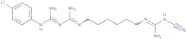
CAS:<p>Chlorhexidine diacetate EP Impurity O is an analytical reference material that is used as a pharmaceutical impurity. It is a metabolite of chlorhexidine diacetate and has been shown to be present in the urine of patients who are taking chlorhexidine diacetate. Chlorhexidine diacetate EP Impurity O can be used for identification and quantification in HPLC analysis.</p>Formula:C22H30Cl2N10Purity:Min. 95%Molecular weight:505.45 g/mol1,1'-[(1-Methylethyl)imino]bis[3-[4-(2-methoxyethyl)phenoxy]-2-propanol
CAS:<p>1,1'-[(1-Methylethyl)imino]bis[3-[4-(2-methoxyethyl)phenoxy]-2-propanol] is a synthetic drug product that has been custom synthesized for testing purposes. It is one of the metabolites of the drug product 1,1'-[(1-Methylethyl)imino]bis[3-[4-(2-hydroxypropyl)phenoxy]-2-propanol]. The metabolite has not been found in nature and its structure is unknown. Metabolism studies have been performed on this metabolite to determine its metabolic pathway. This metabolite is an impurity standard for HPLC analysis.</p>Formula:C27H41NO6Purity:Min. 95%Molecular weight:475.62 g/molLosartan isomer impurity, potassium salt
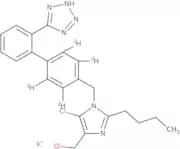
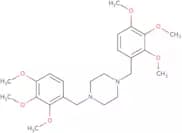
CAS:Controlled Product<p>Losartan is an angiotensin II receptor antagonist. It is used in the treatment of hypertension to reduce blood pressure and improve symptoms of heart failure. Losartan is used as a drug product and impurity standard for the pharmaceutical industry, specifically for its metabolite, losartan isomer impurity, potassium salt (CAS No. 860644-28-6). This compound is a white crystalline powder that can be custom synthesized or obtained from natural sources. High purity Losartan Isomer Impurity, Potassium Salt (CAS No. 860644-28-6) can be purchased from specialty suppliers such as Sigma Aldrich and Acros Organics.</p>Formula:C22H22ClKN6OPurity:Min. 95%Molecular weight:461 g/mol1,4-Bis(2,3,4-trimethoxybenzyl)piperazine
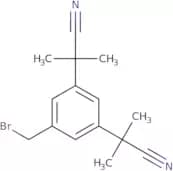
CAS:Controlled Product<p>1,4-Bis(2,3,4-trimethoxybenzyl)piperazine (1,4BTMP) is a piperazine derivative that has been shown to have inotropic properties. 1,4BTMP appears to increase the force of contraction of the heart muscle by increasing intracellular calcium levels. This drug may also be useful in the treatment of ventricular fibrillation and other arrhythmias. It has been shown that 1,4BTMP protects against lipid peroxidation induced by hydrogen chloride and hydrochloric acid in isolated rat hearts. In addition, this compound has been shown to inhibit creatine kinase activity and reduce lipid peroxide formation.</p>Formula:C24H34O6Purity:Min. 95%Molecular weight:418.52 g/mola,a,a',a'-Tetramethyl-5-bromomethyl-1,3-benzenediacetonitrile
CAS:<p>Tetramethyl-5-bromomethyl-1,3-benzenediacetonitrile (TMBDAC) is an impurity standard and a metabolite of the drug product. It is an analytical standard for HPLC. Tetramethyl-5-bromomethyl-1,3-benzenediacetonitrile is a high purity research and development chemical that can be custom synthesized to meet specific needs. This synthetic compound has shown potential as a niche metabolite in metabolism studies. CAS No. 120511-84-4.</p>Formula:C15H17BrN2Purity:Min. 95%Molecular weight:305.21 g/molDutasteride EP impurity E
CAS:<p>Please enquire for more information about Dutasteride EP impurity E including the price, delivery time and more detailed product information at the technical inquiry form on this page</p>Formula:C27H30F6N2O2Purity:Min. 95%Molecular weight:528.54 g/molDefluoro pitavastatin
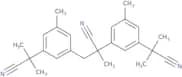
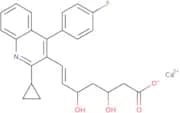
CAS:<p>Please enquire for more information about Defluoro pitavastatin including the price, delivery time and more detailed product information at the technical inquiry form on this page</p>Formula:C25H25NO4Purity:Min. 95%Molecular weight:403.47 g/molDi-destriazole anastrozole dimer impurity
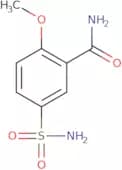
CAS:<p>Di-destriazole anastrozole dimer impurity is a synthetic impurity that is created during the synthesis of anastrozole. It has been studied as a possible metabolite of the drug, but its role in metabolism is not well understood. Di-destriazole anastrozole dimer impurity is soluble in water and methanol and has a melting point of between 1°C to 2°C. The purity of this compound is typically at least 99% with a specific gravity of 1.043 g/mL.</p>Formula:C26H29N3Purity:Min. 95%Molecular weight:383.53 g/mol2-Methoxy-5-sulfamoylbenzamide
CAS:<p>2-Methoxy-5-sulfamoylbenzamide is a white crystalline solid that is soluble in water. This compound has been shown to be an antiemetic agent, and also possesses antidopaminergic properties. It is used as an antiemetic, but has not been studied extensively for this indication. 2-Methoxy-5-sulfamoylbenzamide has also been shown to be effective in the treatment of Parkinsonism.</p>Formula:C8H10N2O4SPurity:Min. 95%Molecular weight:230.24 g/mol1-Desmethyl granisetron
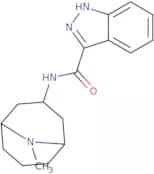
CAS:Controlled Product1-Desmethyl granisetron is an impurity found in the synthesis of granisetron hydrochloride. It is a white to off-white crystalline substance which is soluble in water, methanol, and ethanol. 1-Desmethyl granisetron has a molecular weight of 328.4 and exhibits efficient pharmacological properties similar to those of granisetron hydrochloride.Formula:C17H22N4OPurity:Min. 95%Molecular weight:298.38 g/mol3,4-Dimethoxy-a-(1-methylethyl)benzeneacetonitrile
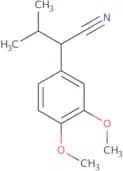
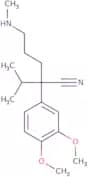
CAS:<p>3,4-Dimethoxy-a-(1-methylethyl)benzeneacetonitrile (DXM) is a synthetic phenylethylamine that is usually found in cough suppressant preparations. It has been shown to be able to cross the blood-brain barrier, and it has a constant, steady-state concentration. DXM is metabolized by N-demethylation in the liver by cytochrome P450 enzymes. This metabolism can be inhibited with the use of drugs such as chlorpromazine or ketoconazole. Pharmacokinetic modeling has been used to analyze and predict the pharmacokinetics of DXM. The drug DXM can also be synthesized from phenylacetonitrile and hydrochloric acid.</p>Formula:C13H17NO2Purity:Min. 95%Color and Shape:PowderMolecular weight:219.28 g/molMontelukast impurity I
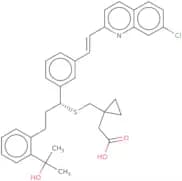
CAS:<p>Montelukast impurity I is an impurity found in the drug product, Montelukast. It is a natural substance and is produced as a result of metabolism studies. The chemical name for this impurity is 3-hydroxy-4-(2-methylpropyl)-5-(4-methoxyphenyl)pentanoic acid. This impurity can be used as an analytical standard and can be synthesized for use in pharmacopoeia. This compound has not been shown to have any therapeutic effects on humans or animals. This impurity has been shown to cause nausea, vomiting, and diarrhea in some patients.</p>Formula:C35H36ClNO4SPurity:Min. 95%Molecular weight:602.18 g/mol2-O-[4-[[(2-Carboxyethyl)amino]carbonyl]phenyl] balsalazide
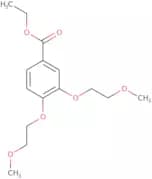
CAS:<p>2-O-[4-[[(2-Carboxyethyl)amino]carbonyl]phenyl] balsalazide is a drug product that has been custom synthesized and purified to high purity. It is an analytical standard for metabolism studies. This compound is metabolized through a number of metabolic transformations, including hydrolysis by esterases or glucuronidases, oxidation by cytochrome P450 enzymes, reduction by glutathione reductase, or conjugation with glucuronic acid. 2-O-[4-[[(2-Carboxyethyl)amino]carbonyl]phenyl] balsalazide is also used as a pharmacopoeia impurity standard and as a research and development HPLC standard.</p>Formula:C27H24N4O9Purity:Min. 95%Molecular weight:548.5 g/mol3,4-Bis(2-methoxyethoxy)benzoic acid ethyl ester
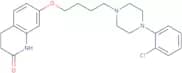
CAS:<p>3,4-Bis(2-methoxyethoxy)benzoic acid ethyl ester is a compound that has been shown to have bactericidal activity against Gram-positive bacteria. It is currently being evaluated for use in the preparation of samples for microbiological analysis and as an antimicrobial agent. 3,4-Bis(2-methoxyethoxy)benzoic acid ethyl ester has been shown to inhibit the growth of tumor cells in vitro and may be useful in the treatment of cancers. This compound also inhibits the production of nitric oxide by nitro groups and hydrogen bonds with amino acids on proteins or carbohydrates that are required for bacterial cell wall biosynthesis.</p>Formula:C15H22O6Purity:Min. 95%Molecular weight:298.33 g/molDeschloro aripiprazole
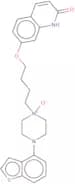
CAS:Deschloro aripiprazole is a drug product that has been analyzed for impurities. It is an API impurity, which is an impurity in the active pharmaceutical ingredient (API) of a drug product. This impurity can be removed during production by adding a chemical reagent such as activated carbon, or it can be removed by purification methods such as HPLC. Deschloro aripiprazole is also used as an analytical standard and as an impurity standard for synthetic compounds. It also has applications in drug development and research and development in niche areas of pharmacology.Formula:C23H28ClN3O2Purity:Min. 95%Molecular weight:413.94 g/mol3-[2-[4-(5-Fluoro-1,2-benzisoxazol-3-yl)-1-piperidinyl]ethyl]-6,7,8,9-tetrahydro-2-methyl-4H-pyrido[1,2-a]pyrimidin-4-one
CAS:<p>3-[2-[4-(5-Fluoro-1,2-benzisoxazol-3-yl)-1-piperidinyl]ethyl]-6,7,8,9-tetrahydro-2-methyl-4H-pyrido[1,2-a]pyrimidin-4-one is a drug product that can be used as an analytical reference standard. It is a synthetic compound that is not found in nature and has CAS number 1199589-74-6. This compound has been synthesized by custom synthesis and it is an impurity standard for HPLC analysis. 3-[2-[4-(5-Fluoro-1,2-benzisoxazol-3 -yl)-1 -piperidinyl]ethyl]-6,7,8,9 -tetrahydro - 2 methyl - 4H - pyrido[1,2 -a]p</p>Formula:C23H27FN4O2Purity:Min. 95%Molecular weight:410.48 g/mol2-Methoxy-5-sulfamoylbenzoic acid
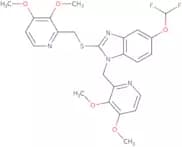
CAS:<p>2-Methoxy-5-sulfamoylbenzoic acid (2MSBA) is a reactive compound that reacts with the proton of vancomycin to form a dianion. This reaction is reversible and can be catalyzed by chloride ions. 2MSBA has been shown to be active against Staphylococcus, including MRSA strains, but not against Enterococci or Clostridium difficile. 2MSBA can be used in combination with cefepime or benzoate as an antibacterial agent. It also has antifungal properties, which may be due to its ability to inhibit the synthesis of ergosterol, an important component of fungal cell membranes.<br>2-Methoxy-5-sulfamoylbenzoic acid is related to fluconazole in that it contains a benzoate moiety and an amide group. These structural features confer antibacterial and antif</p>Formula:C8H9NO5SPurity:Min. 95%Molecular weight:231.23 g/molPantoprazole impurity
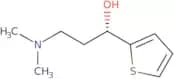
CAS:<p>Pantoprazole is a proton pump inhibitor. It is used in the treatment of gastroesophageal reflux disease and other conditions involving excessive stomach acid production. The chemical name for Pantoprazole impurity is (E)-1-(4-chlorophenyl)ethyl-3-[(pyrrolidin-2-yl)oxy]propanediol. This substance is an enantiomer of pantoprazole, which has been determined to be inactive. Pantoprazole impurity can be identified by its melting point, crystallizing habit, and optical rotation. Active carbon filtration can be used to remove this substance from the final product.</p>Formula:C24H24F2N4O5SPurity:Min. 95%Molecular weight:518.53 g/mol(S)-3-(Dimethylamino)-1-(2-thienyl)propan-1-ol
CAS:<p>(S)-3-(Dimethylamino)-1-(2-thienyl)propan-1-ol is a polymerase chain reaction (PCR) reagent that is used as a building block for the synthesis of five membered ring lactams and dihedral polymers. This compound is synthesized by chemoenzymatic coupling of propanamine with trifluoroacetic acid in the presence of methyl groups, followed by catalytic hydrogenation to yield the desired product. The asymmetric synthesis of this compound was achieved through chiral resolution using NMR spectroscopy.</p>Formula:C9H15NOSPurity:Min. 95%Molecular weight:185.29 g/molDi(N-desethyl) amiodarone hydrochloride
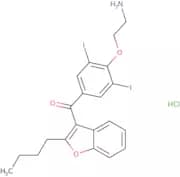
CAS:<p>Di(N-desethyl) amiodarone hydrochloride is an impurity of Amiodarone Hydrochloride, which is a drug that is used to treat and prevent serious ventricular arrhythmias. Di(N-desethyl) amiodarone hydrochloride can be synthesized from the corresponding parent compound by desmethylation with trifluoroacetic acid. It has been shown to have a low solubility in water and it is soluble in acetones, ethers, and chloroform. This impurity can be used as a HPLC standard for the analysis of Amiodarone Hydrochloride or as an analytical reference material for other liquid chromatography methods.</p>Formula:C21H22ClI2NO3Purity:Min. 95%Molecular weight:625.67 g/mol(2S,4S)-4-Cyclohexyl-1-(1,3 dioxopentyl)-L-proline
CAS:Controlled Product<p>(4S)-4-Cyclohexyl-1-(1,3 dioxopentyl)-L-proline is a synthetic, non-natural amino acid. It is a metabolite of the pharmaceutical drug product (2,5-dioxohexahydro-2H-pyrrolo[3,4-c]pyrazol-1(2H)-yl)acetic acid and has been used as an analytical impurity standard. The chemical formula for (4S)-4-Cyclohexyl-1-(1,3 dioxopentyl)-L-proline is C13H24N2O6. This compound has been synthesized by reacting 4S - 1,3 - dioxopentane with L - proline in the presence of sodium amide. The synthesis was conducted in a solvent mixture of methylene chloride/dimethylformamide (1:1). The molecular</p>Formula:C16H25NO4Purity:Min. 95%Molecular weight:295.37 g/mol2-Amino-5,6-dichloro-3(4H)-quinazoline acetic acid hydrobromide
CAS:<p>2-Amino-5,6-dichloro-3(4H)-quinazoline acetic acid hydrobromide is a drug product that is Custom synthesized. It has a high purity and analytical quality. Metabolism studies have been conducted on this compound. Natural and synthetic sources are available for this compound. It is found in the Drug Development section of the pharmacopoeia. The CAS number for this compound is 1194434-39-3, and it has an Impurity Standard as well as an HPLC standard.</p>Formula:C10H10BrCl2N3O2Purity:Min. 95%Molecular weight:355.02 g/molDefluoropitavastatin calcium Salt
CAS:<p>Defluoropitavastatin calcium salt is a synthetic, high purity, pharmacopoeia drug product. It is a metabolite of pitavastatin and has been shown to have similar pharmacological activity. Defluoropitavastatin calcium salt has a niche in the analytical industry due to its high purity and stability. It has been used as an impurity standard for HPLC analysis. Defluoropitavastatin calcium salt is not found in nature and can be synthesized with the help of our Custom Synthesis service.</p>Purity:Min. 95%(2R)-2-(3,4-Dimethoxyphenyl)-5-[2-(3,4-dimethoxyphenyl)ethyl-methylamino]-2-isopropylpentanenitrile hydrochloride
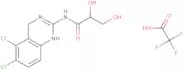
CAS:<p>(2R)-2-(3,4-Dimethoxyphenyl)-5-[2-(3,4-dimethoxyphenyl)ethyl-methylamino]-2-isopropylpentanenitrile hydrochloride (ZD4054) is a drug that has been shown to be sensitive to the efflux pump in Escherichia coli. It is also able to inhibit multidrug resistance in nematodes and cross-resistance in humans. ZD4054 inhibits multidrug resistance by inhibiting the efflux of drugs from cells. This prevents the development of resistance to antibiotics and other drugs. The mechanism of action for this drug is unknown, but it may affect chloride channels that are found on the cell membrane. ZD4054 has also been shown to be effective against C.elegans and Drosophila melanogaster, two species commonly used for research purposes.</p>Formula:C27H39ClN2O4Purity:Min. 95%Molecular weight:491.06 g/molN-(5,6-Dichloro-1,4-dihydro-2-quinazolinyl)-2,3-dihydroxypropanamide 2,2,2-trifluoroacetate
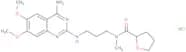
CAS:<p>N-(5,6-Dichloro-1,4-dihydro-2-quinazolinyl)-2,3-dihydroxypropanamide 2,2,2-trifluoroacetate is an analytical reference standard that can be used as a high purity drug product impurity in HPLC. It also has niche application as an API impurity and is a metabolite of the drug quinine.</p>Formula:C13H12Cl2F3N3O5Purity:Min. 95%Molecular weight:418.15 g/mol[4-(4-Amino-7-hydroxy-6-methoxy-2-quinazolinyl)-1-piperazinyl](tetrahydro-2-furanyl)-methanone
CAS:<p>3-amino-2,6-dimethoxy-4-(4-amino-7-hydroxy-6-methoxyquinazolin-2(1H)-yl)piperazine (DMQA) is a synthetic compound. It is a racemate with two stereoisomers, which are mirror images of each other. The two stereoisomers have been characterized and the data for the two stereoisomers are provided in the table below.</p>Formula:C18H23N5O4Purity:Min. 95%Molecular weight:373.41 g/molCinacalcet impurity B
CAS:<p>Cinacalcet impurity B is an amine that is a by-product of the manufacturing process for cinacalcet. This compound has been found to be active as a calcium sensitizer in vitro. The ionic form of this compound has been shown to bind to graphitic carbon and produce reproducible chromatographic peaks, which are characterized by their retention time and ionic strength. Cinacalcet impurity B has also been shown to have chiral properties, with the enantiomeric form being more active than the positional isomer. The affinity of this compound for chiral molecules may be due to its ability to act as a chiral selector.</p>Formula:C19H19NPurity:Min. 95%Molecular weight:261.36 g/mol2,12-Dihydro-1,3-dimethyl-9-methoxy-12-thioxobenzo [4,5] pyrido [1,2-c] imidazo [1,2-a] imidazol-2-one
CAS:2,12-Dihydro-1,3-dimethyl-9-methoxy-12-thioxobenzo [4,5] pyrido [1,2-c] imidazo [1,2-a] imidazol-2-one is a synthetic compound that has not been evaluated in humans. This compound is an impurity standard for the synthesis of an API. The purity of this compound is >98% and it has been shown to be stable under acidic conditions.Formula:C16H13N3O2SPurity:Min. 95%Molecular weight:311.36 g/molRoflumilast Impurity B
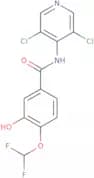
CAS:<p>Roflumilast Impurity B is an oxidative reagent that can be used for the preparation of a variety of organic compounds. It is a white solid that is soluble in organic solvents. Roflumilast Impurity B has been shown to be hepatotoxic, and should only be handled with gloves and lab coat. This material should not come in contact with skin or eyes. In addition, this reagent should not be exposed to light as it may cause photolysis.</p>Formula:C13H8Cl2F2N2O3Purity:Min. 95%Molecular weight:349.12 g/molCalcipotriol EP Impurity I
<p>Calcipotriol EP Impurity I is a metabolite of calcipotriol which acts as a natural, synthetic and analytical standard for the compound. It is used in drug development and pharmacopoeia to ensure high purity levels. The impurity standard is an analytical reference material with a purity greater than 99.5% and contains no more than 10% of any other impurity.</p>Formula:C27H40O3Purity:Min. 95%Molecular weight:412.6 g/molDe(diethylaminoethyl-5-iodo) Amiodarone
CAS:<p>Amiodarone is a drug that belongs to the group of annular compounds. It has been used in the treatment of cardiac arrhythmias, such as atrial fibrillation (AF) and ventricular tachycardia (VT). Amiodarone has been shown to have a high affinity for specific genes, including those involved in the regulation of the heart. This drug is also used in animals, such as dogs and rats. Amiodarone has been shown to have toxic effects on cardiac tissue and other organs, which may be due to its ability to inhibit the metabolism of thyroid hormones by deiodination. Amiodarone also inhibits synthesis of protein by binding to DNA, inhibiting transcription and translation.</p>Formula:C19H17IO3Purity:Min. 95%Color and Shape:PowderMolecular weight:420.24 g/mol2,2'-(1,4-Piperazinediyl)bis[6,7-dimethoxy-4-quinazolinamine]
CAS:<p>2,2'-(1,4-Piperazinediyl)bis[6,7-dimethoxy-4-quinazolinamine] is a chemical compound that is used as a lead to develop new drugs against malaria. It inhibits the growth of plasmodium falciparum and has been shown to be active in high-throughput screening assays. 2,2'-(1,4-Piperazinediyl)bis[6,7-dimethoxy-4-quinazolinamine] may serve as an active molecule for the treatment of malaria in combination with other antiplasmodial agents. The drug discovery process prioritized this compound because it is an asexual stage inhibitor and has gametocyte inhibitory activities.</p>Formula:C24H28N8O4Purity:Min. 95%Molecular weight:492.53 g/molErythromycin E
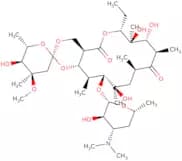
CAS:<p>Erythromycin E is a diluent that is used to make erythromycin solutions. It has been shown to have bioactive molecules by incubating it with chromatographic methods. These bioactive molecules are conjugates of erythromycin and methyl ethyl groups. Erythromycin E has also been shown to have genetic mechanisms, which may relate to its ability to inhibit the synthesis of inflammatory cytokines such as IL-1β and IL-8 in the airways. The acetate extraction method is used for the production of erythromycin E. This process involves extracting erythromycin from Streptomyces bacteria grown in an acetate buffer solution.</p>Formula:C37H65NO14Purity:Min. 95%Color and Shape:Off-White SolidMolecular weight:747.91 g/mol1-(2-Furoyl)piperazine
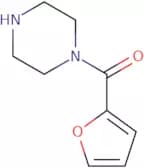
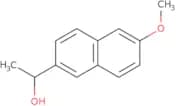
CAS:<p>1-(2-Furoyl)piperazine is a potent inhibitor of tyrosinase, an enzyme involved in the production of melanin. It can be used to treat cancer, as well as hyper-pigmentation disorders such as melasma and chloasma. 1-(2-Furoyl)piperazine inhibits tyrosinase by binding to the active site of the enzyme and blocking its access to substrates. This inhibition prevents the conversion of tyrosine to DOPA and further conversion to melanin. 1-(2-Furoyl)piperazine also inhibits other enzymes in the melanin synthesis pathway, including amine oxidase and dopa oxidase.</p>Formula:C9H12N2O2Purity:Min. 95%Color and Shape:PowderMolecular weight:180.2 g/mol(1RS)-1-(6-Methoxy-2-naphthyl)ethanol
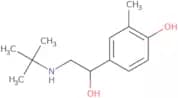
CAS:<p>(1RS)-1-(6-Methoxy-2-naphthyl)ethanol is a multiphase test drug that exhibits reactive properties. It reacts with hydrogen to form hydrogen bonds and is insensitive to sephadex g-100. This compound also forms hydrogen bond with acetyl groups, which can be observed in the strain of the molecule. (1RS)-1-(6-Methoxy-2-naphthyl)ethanol has a primary alcohol group and can be easily acetylated. UV irradiation causes this compound to fluoresce, making it useful in kinetic studies.</p>Formula:C13H14O2Purity:Min. 95%Molecular weight:202.25 g/molSalbutamol EP impurity C
CAS:<p>Salbutamol EP Impurity C is an impurity of Salbutamol EP, which is an active pharmaceutical ingredient. It is a hydrophilic interaction chromatography and reverse-phase high-performance liquid chromatography method that can be used to screen for the presence of impurities in this product. The detection method is based on the use of a diode array detector with a synchronous detection mode. The column used in this screening process is a liquid chromatography column with a particle size of 5 microns and a length of 250 mm, which has been packed with 5% phenyl-95% dimethyl polysiloxane stationary phase. This process requires acetonitrile as the mobile phase, and the detection wavelength ranges from 220 nm to 240 nm.</p>Formula:C13H21NO2Purity:Min. 95%Color and Shape:PowderMolecular weight:223.31 g/mol[4-(4-Amino-6-hydroxy-7-methoxy-2-quinazolinyl)-1-piperazinyl](tetrahydro-2-furanyl)-methanone
CAS:<p>4-(4-Amino-6-hydroxy-7-methoxy-2-quinazolinyl)-1-piperazinyl](tetrahydro-2-furanyl)-methanone (CAS No. 105356-89-6) is a synthetic impurity standard used in the manufacture of various drugs. Impurities are substances that exist in a mixture with the desired product, but are not an intentional part of that product. Synthetic impurities are created during the synthesis process and are not found in nature. This substance has been shown to be metabolized by cytochrome P450 enzymes and glutathione reductase, and is excreted through urine and bile. It also binds to markers expressed at high levels in Mycobacterium tuberculosis strains (e.g., ESX-1 secretion system protein) and inhibits cell growth in culture.</p>Formula:C18H23N5O4Purity:Min. 95%Molecular weight:373.41 g/mol[5-[(Dimethylamino)methyl]furan-2-yl]methanol
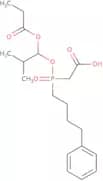
CAS:<p>Dimethylaminoethyl methacrylate is a chemical compound that belongs to the group of dimeric monomers. It is an activated form of methacrylates, which are compounds containing the -C(O)OC-CH2-CH2-O-CO-R functional group. The activated form is prepared by the reaction of a primary amine with acetic acid and acrylic acid. Dimethylaminoethyl methacrylate has been used as a carbohydrate adduct to create glycoconjugates and it has been shown to have anti-mutagenic properties. This product can be found in high concentrations in China.</p>Formula:C8H13NO2Purity:Min. 95%Molecular weight:155.19 g/mol2-((2-Methyl-1-(propionyloxy)propoxy)(4-phenylbutyl)phosphoryl)acetic acid
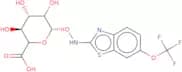
CAS:<p>2-((2-Methyl-1-(propionyloxy)propoxy)(4-phenylbutyl)phosphoryl)acetic acid (KZPBA) is a zoonotic antibiotic that has been shown to be active against agalactiae. It is a prodrug, which is metabolized to the active form, KZPBA, in humans and other mammals. The mechanism of action of KZPBA is not yet known; however, it has been hypothesized that its activity may be due to inhibition of DNA gyrase and topoisomerase IV. This drug has also been shown to have an effect on mastitis in dairy cows.</p>Formula:C19H29O6PPurity:Min. 95%Molecular weight:384.4 g/molN-Hydroxy riluzole O-b-D-glucuronide
CAS:<p>N-Hydroxy riluzole O-b-D-glucuronide is an analytical standard and drug development metabolite. It is a metabolite of the anti-convulsant agent riluzole, which is used in the treatment of amyotrophic lateral sclerosis (ALS). Riluzole is converted to N-hydroxyl riluzole O-b-D-glucuronide in the liver by UDP glucuronosyltransferase. N-Hydroxyl riluzole O-b-D-glucuronide has been shown to block protein synthesis in rat kidney cells. It also blocks the conversion of amino acid tyrosine to dopa in dopaminergic neurons, and inhibits dopamine uptake into synaptosomes.</p>Formula:C14H13F3N2O8SPurity:Min. 95%Molecular weight:426.32 g/molNaproxen EP Impurity D
CAS:<p>Naproxen EP Impurity D is a research and development impurity standard that is used for pharmacopoeia drug product, synthetic, high purity, and analytical purposes. Naproxen EP Impurity D is a metabolite of naproxen and has been shown to be an active form of the drug in animal studies. The CAS number for Naproxen EP Impurity D is 116883-62-6.</p>Formula:C14H13IO3Purity:Min. 95%Molecular weight:356.16 g/molThiamethoxam
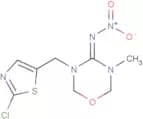
CAS:Thiamethoxam ((E)-thiamethoxam) is an insecticide of broad-spectrum neonicotinoids.Formula:C8H10ClN5O3SPurity:99.86%Color and Shape:SolidMolecular weight:291.71N,N'-Bis[2-(3,4-dimethoxyphenyl)ethyl]-N,N'-dimethyl-1,3-propanediamine dihydrochloride
CAS:<p>N,N'-Bis[2-(3,4-dimethoxyphenyl)ethyl]-N,N'-dimethyl-1,3-propanediamine dihydrochloride is a synthetic compound that is metabolized to the natural product naphthol AS. It is an impurity in the drug product and can also be used as an analytical reference standard.</p>Formula:C25H38N2O4·2HClPurity:Min. 95%Molecular weight:503.5 g/molN2-Methyl alfuzosin-D7 hydrochloride
CAS:<p>N2-Methyl alfuzosin-D7 is a drug product that belongs to the group of alfuzosin, which is a selective inhibitor of the enzyme phosphodiesterase type 5 (PDE5) and is used for the treatment of benign prostatic hyperplasia. It has been designed to reduce the risk of adverse effects associated with other PDE5 inhibitors, such as erectile dysfunction and urinary retention. N2-Methyl alfuzosin-D7 has been shown to be effective in animal studies and in vitro experiments. However, its metabolism remains unknown.</p>Formula:C19H21D7ClN5O4Purity:Min. 95%Molecular weight:432.95 g/molN-[(6-Chloropyridin-3-yl)methyl]-N-methylacetamide
CAS:<p>N-[(6-Chloropyridin-3-yl)methyl]-N-methylacetamide (CAS No. 864628-19-3) is a drug product that has a natural and synthetic origin. Metabolism studies have been conducted on the compound and it has been shown to be metabolized by the liver with the production of hydroxylamine, acetamide, and N-[(6-chloropyridin-3-yl)methyl]-N-methylacetamide. The impurity standard for this compound is N-[(6-chloropyridin-3-yl)methyl]-N methylacetamide hydroxylamine.</p>Formula:C9H11ClN2OPurity:Min. 95%Molecular weight:198.65 g/mol4'-(Bromomethyl)-[1,1'-biphenyl]-2-carboxamide
CAS:<p>4'-(Bromomethyl)-[1,1'-biphenyl]-2-carboxamide is a custom synthesis drug product. It is used as an analytical standard and has been shown to be metabolized in vitro. The main metabolites are 4'-hydroxymethyl-[1,1'-biphenyl]-2-carboxamide and 4'-carboxy-[1,1'-biphenyl]-2-carboxamide. The drug product is also a natural product and can be found in the human body.</p>Formula:C14H12BrNOPurity:Min. 95%Molecular weight:290.16 g/mol1-Isopropyl-1-N-methylpropylamino-(3,4-dimethoxyphenyl)acetonitrile
CAS:1-Isopropyl-1-N-methylpropylamino-(3,4-dimethoxyphenyl)acetonitrile is a fluorescent probe that can be used for the detection of drugs in biological samples. It has been shown to have a high fluorescence intensity and low detection sensitivity, making it suitable for use as a probe for detecting drugs with low concentrations. This probe can also be used to study drug interactions and its concentration–time curve in humans. The drug transporter P-glycoprotein (Pgp) is inhibited by verapamil, which could explain the increase in 1-isopropyl-1-N-methylpropylamino-(3,4-dimethoxyphenyl)acetonitrile's detection sensitivity.Formula:C17H26N2O2Purity:Min. 95%Color and Shape:PowderMolecular weight:290.4 g/mol3-[[[2-[(Aminoiminomethyl)amino]-4-thiazolyl]methyl]sulfinyl]-N-(aminosulfonyl)propanimidamide
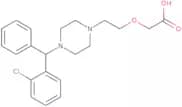
CAS:<p>3-[[[2-[(Aminoiminomethyl)amino]-4-thiazolyl]methyl]sulfinyl]-N-(aminosulfonyl)propanimidamide is a drug product that is custom synthesized. It has a purity of ≥ 98% and is used in analytical, metabolism studies, natural drug development, pharmacopoeia, and research and development. 3-[[[2-[(Aminoiminomethyl)amino]-4-thiazolyl]methyl]sulfinyl]-N-(aminosulfonyl)propanimidamide has an impurity standard of 5% and can be found under CAS No. 90237-03-9.</p>Formula:C8H15N7O3S3Purity:Min. 95%Molecular weight:353.45 g/molCetirizine impurity C
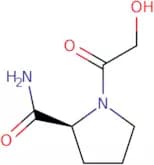
CAS:<p>Cetirizine impurity C is a potential impurity of cetirizine. It is used in the synthesis of cetirizine and as a drug substance. Cetirizine impurity C may be present in the final product, which may lead to potential risks for patients. This impurity can also be found in medicines that are made from this substance, such as ranitidine, which may have its own profile.</p>Formula:C21H25ClN2O3Purity:Min. 95%Molecular weight:388.89 g/mol1-Glycoloyl-L-prolinamide
CAS:<p>1-Glycoloyl-L-prolinamide is a drug product that is an analytical standard for the impurity 1-glycoloyl-L-proline (CAS No. 96166-39-1) in the API 1,4,5,6-tetrahydrobenzothiazole (CAS No. 86687-93-0). It has been synthesized to be used as an impurity standard and is provided at a purity of 98.0% or greater by weight. This chemical compound can be used in research and development for the production of drugs as well as in pharmaceutical manufacturing.</p>Formula:C7H12N2O3Purity:Min. 95%Molecular weight:172.18 g/molRivaroxaban impurity 79
CAS:<p>Please enquire for more information about Rivaroxaban impurity 79 including the price, delivery time and more detailed product information at the technical inquiry form on this page</p>Formula:C38H38N4O12Purity:Min. 95%Molecular weight:742.74 g/mol[6-Hydroxy-2-(4-hydroxyphenyl)-benzo[b]thien-7-yl][4-[2-(1-piperidinyl)ethoxy]phenyl]methanone
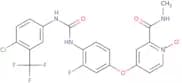
CAS:<p>6-Hydroxy-2-(4-hydroxyphenyl)-benzo[b]thien-7-yl][4-[2-(1-piperidinyl)ethoxy]phenyl]methanone is a synthetic impurity standard that is used as a reference material in the analytical, natural and drug development, and metabolite studies. 6-Hydroxy-2-(4-hydroxyphenyl)-benzo[b]thien-7-yl][4-[2-(1-piperidinyl)ethoxy]phenyl]methanone has a molecular weight of 390.27 and chemical formula C26H28N2O3S. It is also referred to by its CAS number 1391054-73-1.6</p>Formula:C28H27NO4SPurity:Min. 95%Molecular weight:473.58 g/molRegorafenib metabolite M2 oxide
CAS:<p>Regorafenib metabolite M2 oxide (M2O) is a cancer drug that is an inhibitor of multikinase. It was developed as a prodrug for regorafenib, which is used to treat patients with metastatic colorectal cancer and has been shown to be effective against other cancers, such as lung and pancreatic cancer. M2O inhibits the efflux of drugs from cells by binding to the transporter protein P-glycoprotein. This prevents the accumulation of toxic concentrations of regorafenib in cells, which are responsible for its side effects, such as diarrhea and liver damage. The uptake of M2O by cells is also inhibited by light and acidic conditions. Oral administration of M2O leads to increased exposure to regorafenib in the body because it is not metabolized by CYP3A4 enzymes.</p>Formula:C21H15ClF4N4O4Purity:Min. 95%Molecular weight:498.81 g/mol3-[2-[4-(6-Fluoro-1,2-benzisoxazol-3-yl)-1-piperidinyl]ethyl]-7,8-dihydro-2-methyl-4H-pyrido[1,2-a]pyrimidine-4,9(6H)-dione
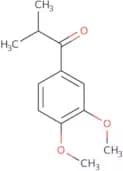
CAS:<p>3-[2-[4-(6-Fluoro-1,2-benzisoxazol-3-yl)-1-piperidinyl]ethyl]-7,8-dihydro-2-methyl-4H-pyrido[1,2-a]pyrimidine-4,9(6H)-dione is a research and development impurity standard. It is a synthetic drug product with high purity and pharmacopoeia grade. 3-[2-[4-(6-Fluoro-1,2-benzisoxazol-3-yl)-1 piperidinyl]ethyl]-7,8 dihydro 2 methyl 4 H pyrido [ 1 , 2 - a ] pyrimidine 4 9 ( 6 H ) dione has CAS No. 118951665 1 and is an analytical standard for HPLC analysis. 3-[2-[4-(6 Fluoro 1 , 2 benzisox</p>Formula:C23H25FN4O3Purity:Min. 95%Molecular weight:424.47 g/mol3,4-Dimethoxyphenyl isopropyl ketone
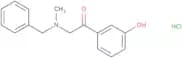
CAS:<p>3,4-Dimethoxyphenyl isopropyl ketone (DMPK) is a calcium antagonist that has been shown to be hypotensive in rats. It is also used as a pharmacological agent to study muscle physiology and biotransformations. DMPK has been shown to have microbial uptake and chronotropic properties, which may explain its use in the treatment of bacterial infections. DMPK binds to sulfoxides and chiral compounds, blocking their activity by inhibiting the enzyme systems involved in oxidation reactions. The drug is an analog of benzyl alcohol, with which it shares similar pharmacological profile.</p>Formula:C12H16O3Purity:Min. 95%Molecular weight:208.25 g/molrac-Benzyl phenylephrone hydrochloride
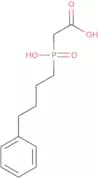
CAS:Controlled Product<p>Rac-Benzyl phenylephrone hydrochloride is a synthetic compound that is not found in nature. It can be used as an analytical standard or a pharmacopoeia impurity standard. Rac-Benzyl phenylephrone hydrochloride has been shown to inhibit the activity of CYP3A4, an enzyme which metabolizes many drugs. As a result, it may be useful for drug development and research and could have applications in niche markets such as natural products.</p>Formula:C16H18ClNO2Purity:Min. 95%Molecular weight:291.77 g/mol4-Phenybutyl 2-carboxyethylphosphinic acid
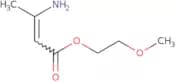
CAS:<p>4-Phenybutyl 2-carboxyethylphosphinic acid is used as an analytical standard and has been shown to be a metabolite of other drugs. It is also used as an impurity standard for HPLC, and provides a niche for drug product development.</p>Formula:C12H17O4PPurity:Min. 95%Molecular weight:256.23 g/mol2-Methoxyethyl-3-aminocrotonate
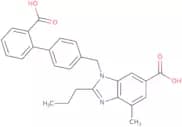
CAS:<p>2-Methoxyethyl-3-aminocrotonate is an impurity of a drug product. It is an analytical standard that is used to quantify the metabolite in pharmaceutical preparations. 2-Methoxyethyl-3-aminocrotonate is a natural metabolite, which can be found in human urine. This compound has been shown to be a potent inhibitor of both bacterial and mammalian cell topoisomerase II and IV, but not mammalian cell topoisomerase I. It also inhibits protein synthesis by binding to the ribosomal 50S subunit. In addition, it has been shown to inhibit the growth of certain bacteria such as clostridium perfringens and Mycobacterium tuberculosis.</p>Formula:C7H13NO3Purity:Min. 95%Molecular weight:159.18 g/mol6-Des(1-methyl-2-benzimidazolyl)-6-carboxy telmisartan
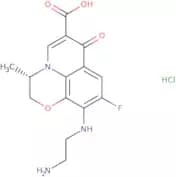
CAS:<p>Telmisartan is a drug that belongs to the class of angiotensin II receptor antagonists and is used in the treatment of hypertension. Telmisartan can be quantitatively analyzed with high sensitivity by liquid chromatography. Impurities in telmisartan can be analyzed qualitatively and quantitatively by liquid chromatography, which requires a shorter time than GC analysis.</p>Formula:C26H24N2O4Purity:Min. 95%Molecular weight:428.48 g/molLevofloxacin diamine impurity
CAS:<p>Levofloxacin is a synthetic fluoroquinolone antibiotic. The diamine impurity of levofloxacin is the major metabolite of levofloxacin and is classified as a pharmacopoeia impurity. Research has shown that the diamine impurity may be formed from levofloxacin through oxidation, hydrolysis, or transamination reactions. Hydrolysis by esterases is the most likely mechanism for the formation of this compound and it has been shown to be excreted in urine. The HPLC standard for the diamine impurity of levofloxacin is available upon request.</p>Purity:Min. 95%Aripiprazole dimer
CAS:<p>Aripiprazole dimer is a drug product that is used for analytical purposes. It is an impurity standard for the research and development of drugs. The CAS number for this compound is 1797986-18-5. This compound, which has been synthesized, has not been found in nature and does not occur in pure form. Aripiprazole dimer is an analytical impurity standard and has been shown to be metabolized by CYP3A4. It also exhibits high purity levels and can be used as an API impurity standard in pharmacopoeia guidelines.</p>Formula:C48H56Cl4N6O4Purity:Min. 95%Molecular weight:922.81 g/mol3,5-Bis[2-[[[2-[(aminoiminomethyl)amino]thiazol-4-yl]methyl]sulphanyl]ethyl]-4H-1,2,4,6-thiatriazine-1,1-dioxide
CAS:<p>Famotidine is a pharmaceutical agent that belongs to the class of H2-receptor antagonists. It is used for the treatment of peptic ulcers and gastroesophageal reflux disease. Famotidine inhibits gastric acid secretion by blocking the H2-receptors in the parietal cells in the stomach. There are two major impurities, 4-amino-N-[(4-[[[2-(aminosulphonyl)thiazol-4-yl]methyl]sulphanyl]ethyl]-3,5-bis[[2-[(aminoiminomethyl)amino]thiazol-4-yl]methyl]sulphanyl]ethyl]-1,2,4,6-thiatriazine 1,1 dioxide and 2-[(aminoiminomethyl)amino]-N-[(4-[[2-(aminosulphonyl)thiazol-4-yl</p>Formula:C16H23N11O2S5Purity:Min. 95%Molecular weight:561.76 g/molChlorhexidine diacetate impurity A
CAS:Chlorhexidine diacetate impurity A is a high purity, analytical standard for the detection of chlorhexidine diacetate impurities in drug products. Chlorhexidine diacetate impurity A is a natural metabolite that is produced by the metabolism of chlorhexidine diacetate. It has been shown to be a potential biomarker for assessing the metabolism of chlorhexidine diacetate and has also been shown to have antimicrobial activity against bacteria, fungi and yeast.Formula:C16H24ClN9Purity:Min. 95%Color and Shape:White to off-white solid.Molecular weight:377.88 g/mol(R,R)-Solifenacin succinate
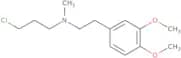
CAS:(R,R)-Solifenacin succinate is a pharmaceutical agent that acts as an antimuscarinic drug. It has been shown to be effective in wastewater treatment, where it was found to reduce the amount of solifenacin and optimised organic chemicals in the water. This drug has also been shown to have antagonist properties against the muscarinic receptor M3.Formula:C23H26N2O2•C4H6O4Purity:Min. 95%Color and Shape:PowderMolecular weight:480.55 g/molN-Methyl-N-(3-chloropropyl)homoveratrylamine
CAS:<p>N-Methyl-N-(3-chloropropyl)homoveratrylamine is a chlorinated alkylating agent that has been shown to accumulate in the myocardium. It is an anaesthetic that can be recycled and used as a nutrient. N-Methyl-N-(3-chloropropyl)homoveratrylamine binds to DNA, which blocks the synthesis of RNA and protein. This drug has been demonstrated to have antiarrhythmic effects, but it is not effective against cardiac arrhythmias caused by digitalis or hypoxia. N-Methyl-N-(3-chloropropyl)homoveratrylamine also has an antagonist effect on the central nervous system and may be useful for treating convulsions.</p>Formula:C12H19NO2·HClPurity:Min. 95%Molecular weight:245.75 g/mol2-[[(4-Chloro-3-methyl-2-pyridinyl)methyl]sulfinyl]-1H-benzimidazole
CAS:<p>2-[[(4-Chloro-3-methyl-2-pyridinyl)methyl]sulfinyl]-1H-benzimidazole (CAS No. 168167-42-8) is a synthetic compound that is used as an analytical reference standard for HPLC. It is also used in the study of drug metabolism, and it has been shown to induce natural oxidation in vitro. 2-[(4-Chloro-3-methylpyridinium)methylsulfinyl]-1Hbenzimidazole is an impurity found in pharmaceutical products that are synthesized from 1-(2,4,6trichlorophenyl)-3-[(4chloromethyl)phenyl]urea.</p>Formula:C14H12ClN3OSPurity:Min. 95 Area-%Color and Shape:Brown PowderMolecular weight:305.78 g/mol1,4-Di-2-furoylpiperazine
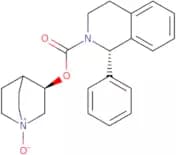
CAS:1,4-Di-2-furoylpiperazine is a synthetic compound that has been shown to have anti-inflammatory and analgesic properties. It was originally developed as a pharmaceutical drug candidate for the treatment of arthritis and other inflammatory disorders. 1,4-Di-2-furoylpiperazine is an impurity in the synthesis of the drug product diclofenac. The compound is also found as a metabolite in humans after oral administration of diclofenac. 1,4-Di-2-furoylpiperazine binds to protein and inhibits protein synthesis by preventing amino acid incorporation into proteins. It also has nicotinic effects on acetylcholine binding sites and can be used as an analytical standard for HPLC analysis of drugs containing this molecule.Formula:C14H14N2O4Purity:Min. 95%Molecular weight:274.27 g/molSolifenacin N-oxide
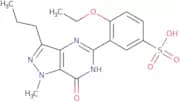
CAS:<p>Solifenacin N-oxide is an anti-cholinergic agent that has been shown to be effective in the treatment of overactive bladder. Solifenacin N-oxide is a prodrug that is hydrolyzed in vivo to solifenacin, its active form. The compound reversibly binds to muscarinic receptors and inhibits the release of acetylcholine. Solifenacin N-oxide has been shown to have low levels of impurities and is highly soluble in water. It was also found to be stable when stored at room temperature for two months. This drug has a high flow rate and moderate retention time, which makes it suitable for reversed-phase liquid chromatography (RPLC). RPLC is a chromatographic technique that separates compounds by size, hydrophobicity, or charge.</p>Formula:C23H26N2O3Purity:Min. 95%Color and Shape:White PowderMolecular weight:378.46 g/molDemethylpiperazinyl sildenafil sulfonic acid
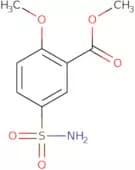
CAS:Demethylpiperazinyl Sildenafil Sulfonic Acid is a prodrug of sildenafil, which is an organic compound. It is used in the treatment of erectile dysfunction and pulmonary arterial hypertension. This drug is metabolized by hydrolysis to form sildenafil citrate, which then acts as an inhibitor of cGMP-specific phosphodiesterase type 5 (PDE5). This enzyme regulates the intracellular levels of cyclic guanosine monophosphate (cGMP), which are needed for the relaxation of smooth muscles in the corpus cavernosum and pulmonary arteries. Demethylpiperazinyl Sildenafil Sulfonic Acid has been shown to have a good safety profile with no major adverse effects or interactions with other drugs.Formula:C17H20N4O5SPurity:Min. 95%Color and Shape:PowderMolecular weight:392.43 g/mol5-(Aminosulfonyl)-2-methoxy-benzoic acid methyl ester
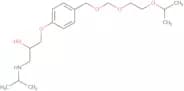
CAS:<p>5-(Aminosulfonyl)-2-methoxy-benzoic acid methyl ester is a synthetic compound that is used for pharmaceutical preparations. It is typically prepared by the reaction of ethylene and chloroacetic acid in the presence of an organic solvent. The reaction time can be adjusted to produce the desired amount of 5-(aminosulfonyl)-2-methoxy-benzoic acid methyl ester. This synthetic compound has been shown to have a high yield, with minimal contaminating impurities. It has also been shown to be effective in both pharmaceutical dosage and calibration.</p>Formula:C9H11NO5SPurity:Min. 95%Molecular weight:245.25 g/molBisoprolol impurity G
CAS:<p>Bisoprolol impurity G is a metabolite of bisoprolol. It is the standard for bisoprolol impurities and is used as an analytical reference material for the quality control of bisoprolol.</p>Formula:C19H33NO5Purity:Min. 95%Molecular weight:355.47 g/mol3,4-Dihydro-7-(3’carboxy)propoxy-2(1H)-quinolinone
CAS:Controlled Product<p>Please enquire for more information about 3,4-Dihydro-7-(3’carboxy)propoxy-2(1H)-quinolinone including the price, delivery time and more detailed product information at the technical inquiry form on this page</p>Formula:C13H15NO4Purity:Min. 95%Color and Shape:PowderMolecular weight:249.26 g/molLoxoprofen Related Compound 2 - mixture of diastereomers
CAS:<p>Loxoprofen Related Compound 2 is a mixture of diastereomers that is an impurity in the drug product, Loxoprofen. Loxoprofen Related Compound 2 is a metabolite of loxoprofen and its concentration in blood plasma after administration of loxoprofen can be used as an indicator for pharmacokinetics. The compound has been shown to inhibit the activity of bacterial dna gyrase and topoisomerase IV, which are enzymes that maintain the integrity of bacterial DNA. Loxoprofen Related Compound 2 was found to be less active than loxoprofen against MRSA and Clostridium perfringens, although it was more active than loxoprofen against Mycobacterium tuberculosis, Mycobacterium avium complex, and methicillin-resistant Staphylococcus aureus (MRSA).</p>Formula:C15H18O4Purity:Min. 95%Molecular weight:262.3 g/molN-Methyl omeprazole (Mixture of isomers with the methylated nitrogens of imidazole)
<p>Please enquire for more information about N-Methyl omeprazole (Mixture of isomers with the methylated nitrogens of imidazole) including the price, delivery time and more detailed product information at the technical inquiry form on this page</p>Formula:C18H21N3O3SPurity:Min. 95%Molecular weight:359.44 g/mol9,10-Dioxo ketotifen
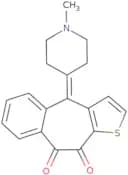
CAS:<p>9,10-Dioxo ketotifen is a drug product that belongs to the category of HPLC standards. It has been shown to be a metabolite of ketotifen and also an impurity in ketotifen. 9,10-Dioxo ketotifen has been shown to possess antihistamine activity and may have potential as a lead compound for the development of new drugs.</p>Formula:C19H17NO2SPurity:Min. 95%Color and Shape:PowderMolecular weight:323.41 g/molN-(3-hydroxytricyclo[3.3.1.1]dec-1-yl)glycyl-L-prolinamide
CAS:N-(3-hydroxytricyclo[3.3.1.1]dec-1-yl)glycyl-L-prolinamide is a metabolite that is formed when the drug product, ticagrelor, undergoes metabolism in the liver. Ticagrelor is a prodrug that requires conversion to its active form, which is N-(3-hydroxytricyclo[3.3.1.1]dec-1-yl)glycyl-L-prolinamide, before it can be used as a platelet inhibitor and antiplatelet agent for the prevention of thrombotic events such as heart attack and stroke. It has been shown to have an excellent stability profile and high purity when produced by HPLC or synthesized using the latest methodology under GMP conditions.Purity:Min. 95%Montelukast Bis-sulfide(mixture of diastereomers)
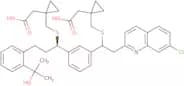
CAS:<p>Montelukast Bis-sulfide is a drug product that is custom synthesized with high purity. It has been studied for its metabolism, analytical properties, and natural sources. The metabolite of montelukast bis-sulfide has been extensively researched for pharmacopoeia as well as for drug development. Montelukast bis-sulfide is a synthetic compound that is not found in nature, but it has niche applications in research and development. CAS No.: 1242260-05-4</p>Formula:C41H46ClNO5S2Purity:Min. 95%Molecular weight:732.39 g/mol2-[2-(4-Dibenzo[b,f][1,4]thiazepin-11-yl-1-piperazinyl)ethoxy]ethanol N-oxide
CAS:2-[2-(4-Dibenzo[b,f][1,4]thiazepin-11-yl-1-piperazinyl)ethoxy]ethanol N-oxide is a peroxide that is used in pharmaceutical preparations as an antioxidant. It is a white solid that is insoluble in water and has a molecular weight of 168.13. 2-[2-(4-Dibenzo[b,f][1,4]thiazepin-11-yl-1-piperazinyl)ethoxy]ethanol N-oxide has been shown to be effective against the development of cholesterol gallstones and can be used as a prophylactic agent against cardiovascular disease. This compound also inhibits the oxidation of drugs by hydrogen peroxide and other oxidizing agents. 2-[2-(4-Dibenzo[b,f][1,4]thiazepin-11-yl-1-piperazinyl)ethFormula:C21H25N3O3SPurity:Min. 95%Color and Shape:Tan to pale orange solid.Molecular weight:399.51 g/mol3-[2-[4-(1,2-Benzisoxazol-3-yl)-1-piperidinyl]ethyl]-6,7,8,9-tetrahydro-2-methyl-4H-pyrido[1,2-a]pyrimidin-4-one
CAS:<p>3-[2-[4-(1,2-Benzisoxazol-3-yl)-1-piperidinyl]ethyl]-6,7,8,9-tetrahydro-2-methyl-4H-pyrido[1,2-a]pyrimidin-4-one is an analog of the antibacterial drug cefuroxime. It has been shown to be a potent inhibitor of bacterial DNA gyrase and topoisomerase IV. This compound has been shown to have a greater degree of activity against Gram Positive bacteria than Gram Negative bacteria in vitro. 3-[2-[4-(1,2-Benzisoxazol-3-yl)-1-piperidinyl]ethyl]-6,7,8,9-tetrahydro-- 2 -methyl-- 4H-- pyrido[1,2-- a]pyrimidin-- 4 -one is not active against acid</p>Formula:C23H28N4O2Purity:Min. 95%Molecular weight:392.49 g/molN2-Losartanyl-losartan
CAS:<p>N2-Losartanyl-losartan is a drug product that has a CAS number of 230971-72-9. This product is an analytical standard for the metabolites of losartan, which is a drug used to treat high blood pressure and heart failure. Metabolism studies have shown that losartan is metabolized by hydroxylation, glucuronidation, and oxidation by cytochrome P450 enzymes. Losartan has also been found to be converted into an active metabolite in the body, which is called N2-hydroxy-losartan. It has been shown to be more potent than losartan at blocking angiotensin II receptors.</p>Formula:C44H44Cl2N12OPurity:Min. 95%Molecular weight:827.81 g/mol1-[3-(Dimethylamino)propyl]-1-(4-fluorophenyl)-1,3-dihydro-5-isobenzofurancarboxaldehyde oxime
CAS:<p>1-[3-(Dimethylamino)propyl]-1-(4-fluorophenyl)-1,3-dihydro-5-isobenzofurancarboxaldehyde oxime is an impurity in the drug product of 1-[3-(dimethylamino)propyl]-1-(4-fluorophenyl)-1,3-dihydro-5-isobenzofuran. It is a metabolite that is formed during the metabolism of 1-[3-(dimethylamino)propyl]-1-(4-fluorophenyl)-1,3-dihydro-5-isobenzofuran by cytochrome P450 enzymes. The CAS number for this compound is 227954–88–3. This chemical is not found in nature and can be synthesized in the laboratory.</p>Formula:C20H23FN2O2Purity:Min. 95%Molecular weight:342.41 g/mol6,7,8,9-Tetrahydro-3-[2-[4-(6-methoxy-1,2-benzisoxazol-3-yl)-1-piperidinyl]ethyl]-2-methyl-4H-pyrido[1,2-a]pyrimidin-4-one
CAS:<p>A custom synthesis of 6,7,8,9-tetrahydro-3-[2-[4-(6-methoxy-1,2-benzisoxazol-3-yl)-1-piperidinyl]ethyl]-2-methyl-4H-[1]pyrido[1,2-a]pyrimidin-4one<br>A synthetic analog of the natural product erythromycin A.<br>Metabolite: 3-[2-[4-(6-Methoxybenzo[d][1,3]dioxol-5(4H)-yl)-1piperidinyl)ethyl]-6,7,8,9 tetrahydro 4H pyrido [1',2' a] pyrimidin 4 one<br>Impurity: 1-(6 methoxy benzisoxazol 3 yl) piperidine<br>Custom synthesis: yes<br>High purity: yes</p>Formula:C24H30N4O3Purity:Min. 95%Molecular weight:422.52 g/molChlorhexidine dihydrochloride impurity B
CAS:<p>Chlorhexidine dihydrochloride impurity B is an impurity found in chlorhexidine dihydrochloride, a drug that is used as an antiseptic and disinfectant. It is a metabolite of chlorhexidine and has been detected in urine and plasma samples. This impurity has no known pharmacological activity. The purity of this compound is not less than 99%.</p>Formula:C16H28Cl3N9OPurity:Min. 95%Color and Shape:White PowderMolecular weight:468.81 g/mol[6-Hydroxy-2-(4-hydroxyphenyl)-7-[4-(2-piperidin-1-yl-ethoxy)benzoyl]-benzo[b]thien-3-yl]-[4-[2-(1-piperidinyl)ethoxy]phenyl]methano ne
CAS:<p>(6-Hydroxy-2-(4-hydroxyphenyl)-7-[4-(2-piperidin-1-yl-ethoxy)benzoyl]-benzo[b]thien-3-yl]-[4-[2-(1-piperidinyl)ethoxy]phenyl]methano ne) is a synthetic drug product that has been custom synthesized for the purpose of research and development. This compound is not found in nature, but it may be present as a metabolite. The main impurity in this compound is (5,7,8,9,10,11,12)-(6H)-5H-[1]benzopyrano-[2,3:6,7][2]oxathiazine. Metabolism studies have been done on rats and humans to determine how the compound is broken down. It was determined that the liver enzyme CYP3A4 was responsible for the</p>Formula:C42H44N2O6SPurity:Min. 95%Molecular weight:704.87 g/mol1,3-bis(1,1-Dimethylpropyl) benzene
CAS:<p>1,3-bis(1,1-Dimethylpropyl) benzene is a synthetic compound that is used in drug product formulation. It is also used as an analytical standard for the determination of 1,3-bis(1,1-dimethylethyl)benzene in drug products and as a natural impurity in API preparations. This compound is metabolized to 1,3-dibromobenzene and 1,2-dibromoethane during its metabolic process. The chemical properties of this compound are similar to those of other alkylbenzenes and it has been shown to have pharmacological effects such as analgesic and antiinflammatory activities.</p>Formula:C16H26Purity:Min. 95%Molecular weight:218.38 g/mol5-Ethyl-5-phenyl-2-(1-phenylpropyl)dihydropyrimidine-4,6(1H,5H)-dione
CAS:<p>5-Ethyl-5-phenyl-2-(1-phenylpropyl)dihydropyrimidine-4,6(1H,5H)-dione is an impurity in the drug product of the drug 5-[3-(3,4-dihydroisoquinolin-2(1H)-yl)propoxy]-2,2'-bis[N-(2-hydroxyethyl)]ethaneamine. It is an analytical standard for HPLC and can be used as a pharmacopoeia or custom synthesis. It is also a metabolite of the drug 5-[3-(3,4-dihydroisoquinolin-2(1H)-yl)propoxy]-2,2'-bis[N-(2-hydroxyethyl)]ethaneamine.</p>Formula:C21H24N2O2Purity:Min. 95%Color and Shape:White PowderMolecular weight:336.43 g/molLosartan imidazo[1,5-b]isoquinoline impurity
CAS:<p>Losartan is a drug product that belongs to the class of losartan impurity. It is an impurity standard for research and development, as well as a custom synthesis. Losartan is also used in the synthesis of other drugs, such as losartan potassium, which is classified as a niche compound. Losartan impurity has been shown to be metabolized by several enzymes including CYP2C9 and CYP3A4. The metabolite identified from this study was N-desmethyl losartan.</p>Formula:C22H21ClN6Purity:Min. 95%Molecular weight:404.9 g/mol4-Oxo valsartan benzyl ester
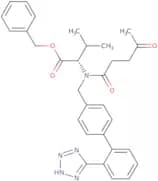
CAS:<p>4-Oxo valsartan benzyl ester is a drug product that is used for research and development purposes. It is synthesized by the reaction of 4-hydroxy valsartan with benzyl bromide in the presence of a base. 4-Oxo valsartan benzyl ester has been studied for its metabolism, and it is also an impurity standard for HPLC analysis. The purity of this compound is >98% and it has CAS number 188240-32-6.</p>Formula:C31H33N5O4Purity:Min. 95%Molecular weight:539.63 g/mol(S)-(-)-2-Aminomethyl-1-ethylpyrrolidine
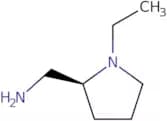
CAS:<p>(S)-(-)-2-Aminomethyl-1-ethylpyrrolidine is a compound that belongs to the class of cyclohexane ring. It has been shown to possess potent anti-infective activity against bacteria and fungi, but not against viruses. It is an inorganic compound that can be synthesized by the chlorination of (S)-(-)-2-aminoethanol. This method is efficient and does not require any organic solvents or catalysts. The binding of inhibitors to the enzyme can be studied by using this molecule as a model system. This molecule also has application as a coating for metal surfaces, which can inhibit corrosion.</p>Formula:C7H16N2Purity:Min. 95%Molecular weight:128.22 g/molRegorafenib metabolite M5
CAS:<p>Regorafenib metabolite M5 is a drug product that is custom synthesized by our company and has high purity. It can be used in metabolism studies, drug development, and pharmacopoeia due to its natural origin. It is also a synthetic compound that can be used as an impurity standard or research and development standard in HPLC.</p>Formula:C20H13ClF4N4O4Purity:Min. 95%Molecular weight:484.79 g/molN-Formyl Saxagliptin
<p>N-Formyl Saxagliptin is an analytical standard for HPLC. It is used as a drug development and API impurity in the pharmaceutical industry. It was synthesized by reacting formaldehyde with the amino acid L-glutamic acid, followed by purification to remove any other contaminants. The CAS number for this chemical is 57847-82-0.</p>Purity:Min. 95%Pitavastatin Z-isomer impurity
CAS:<p>The Z-isomer impurity of pitavastatin is a synthetic compound that has been used as an analytical standard and pharmacopoeia reference. The Z-isomer impurity is not found in nature, but is generated by the hydrogenation of the natural product. It has been shown to be metabolized by CYP3A4 and CYP2C9 enzymes, which are the primary enzymes responsible for drug metabolism. This impurity does not have any therapeutic effect on the body, but can be used as a research and development standard for HPLC.</p>Purity:Min. 95%3-(Methylamino)-1-(2-thienyl)propan-1-ol
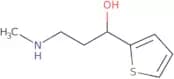
CAS:<p>3-(Methylamino)-1-(2-thienyl)propan-1-ol is a lipase inhibitor that belongs to the group of 1-fluoronaphthalene. It is an efficient method for the demethylation of 1-fluoronaphthalene, which is used in the synthesis of many pharmaceuticals. The synthesis of this compound was achieved through a kinetic study and confirmed by x-ray crystallography. This compound has been shown to be an analytical method for the determination of impurities in other drugs. 3-(Methylamino)-1-(2-thienyl)propan-1-ol can also be used as a drug substance for other pharmaceuticals and has been shown to inhibit the transfer of chiral centers mediated by enzymes and substrates.</p>Formula:C8H13NOSPurity:Min. 95%Molecular weight:171.26 g/molBrexpiprazole impurity 10
CAS:<p>Brexpiprazole impurity 10 is a drug product that is used as an analytical reference standard for the quality control of brexpiprazole. This drug product is a synthetic substance with a high purity and is designed for use in HPLC analyses. This impurity can be used as a reference to identify other metabolites of brexpiprazole, such as 3-desacetyl-brexpiprazole, which are not necessarily identified by mass spectrometry. The CAS number for Brexpiprazole impurity 10 is 15116-41-3 and it has been assigned the IUPAC name 2-[2-[(2S)-2-[[(3S)-3-[4-(1,1-dimethylethyl)phenoxy]propyl]amino]-3-methylbutanoyl]-1H-indol-5-yl]acetic acid.</p>Formula:C16H15NO2Purity:Min. 95%Molecular weight:253.3 g/mol2-[[2-Oxo-3-[4-(3-oxo-4-morpholinyl)phenyl]-5-oxazolidinyl]methyl]-1H-isoindole-1,3(2H)-dione
CAS:<p>Please enquire for more information about 2-[[2-Oxo-3-[4-(3-oxo-4-morpholinyl)phenyl]-5-oxazolidinyl]methyl]-1H-isoindole-1,3(2H)-dione including the price, delivery time and more detailed product information at the technical inquiry form on this page</p>Formula:C22H19N3O6Purity:Min. 95%Molecular weight:421.4 g/mol[6-Hydroxy-2-(4-hydroxyphenyl)benzo[b]thien-3-yl](4-hydroxyphenyl)-methanone
CAS:<p>MDM2 inhibitors are a class of cancer drugs that inhibit the activity of MDM2, which is an oncoprotein that prevents the degradation of p53. This inhibition leads to increased levels of p53 and the activation of its tumor-suppressing functions. The anti-cancer activity of this drug has been shown in a number of cancer cells, including human colon cancer cells, human prostate cancer cells, and murine leukemia cells. Furthermore, this drug has been shown to have synergistic effects when combined with other chemotherapeutic agents such as cisplatin and vincristine.</p>Formula:C21H14O4SPurity:Min. 95%Molecular weight:362.4 g/molKetoconazole Impurity A
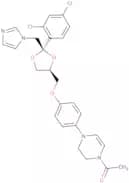
CAS:<p>Ketoconazole Impurity A is a synthetic impurity of Ketoconazole, which is used as an anti-fungal agent. Ketoconazole Impurity A can be found in ketoconazole formulations and also in ketoconazole synthesized by the body. Ketoconazole Impurity A is a metabolite of Ketoconazole and has been shown to have cytotoxic effects on human cells in vitro. Ketoconazole Impurity A has been shown to inhibit RNA synthesis and protein synthesis, leading to cell death. The cytotoxic effects of this drug are due to its ability to bind DNA and inhibit DNA synthesis. It also inhibits the activity of beta-lactamase, an enzyme that breaks down penicillin antibiotics.</p>Formula:C26H26Cl2N4O4Purity:Min. 95%Molecular weight:529.41 g/mol

![N-Methyl-N'-[2-[(5-methyl-1H-imidazol-4-yl)methylhio]ethyl]guanidine dihydrochloride](/_next/image/?url=https%3A%2Fstatic.cymitquimica.com%2Fproducts%2F3D%2Fthumb-webp%2FIM58261.webp&w=3840&q=75)
![4-Dibenzo[b,f][1,4]thiazepin-11-yl-1-piperazineethanol hydrochloride](/_next/image/?url=https%3A%2Fstatic.cymitquimica.com%2Fproducts%2F3D%2Fthumb-webp%2FID27364.webp&w=3840&q=75)
![1,1'-[(1-Methylethyl)imino]bis[3-[4-(2-methoxyethyl)phenoxy]-2-propanol](/_next/image/?url=https%3A%2Fstatic.cymitquimica.com%2Fproducts%2F3D%2Fthumb-webp%2FIM63789.webp&w=3840&q=75)

![2-O-[4-[[(2-Carboxyethyl)amino]carbonyl]phenyl] balsalazide](/_next/image/?url=https%3A%2Fstatic.cymitquimica.com%2Fproducts%2F3D%2Fthumb-webp%2FIC167038.webp&w=3840&q=75)
![3-[2-[4-(5-Fluoro-1,2-benzisoxazol-3-yl)-1-piperidinyl]ethyl]-6,7,8,9-tetrahydro-2-methyl-4H-pyrid…](/_next/image/?url=https%3A%2Fstatic.cymitquimica.com%2Fproducts%2F3D%2Fthumb-webp%2FIF23360.webp&w=3840&q=75)


![(2R)-2-(3,4-Dimethoxyphenyl)-5-[2-(3,4-dimethoxyphenyl)ethyl-methylamino]-2-isopropylpentanenitril…](/_next/image/?url=https%3A%2Fstatic.cymitquimica.com%2Fproducts%2F3D%2Fthumb-webp%2FID28684.webp&w=3840&q=75)
-methanone](/_next/image/?url=https%3A%2Fstatic.cymitquimica.com%2Fproducts%2F3D%2Fthumb-webp%2FIA63847.webp&w=3840&q=75)

![2,12-Dihydro-1,3-dimethyl-9-methoxy-12-thioxobenzo [4,5] pyrido [1,2-c] imidazo [1,2-a] imidazol-2…](/_next/image/?url=https%3A%2Fstatic.cymitquimica.com%2Fproducts%2F3D%2Fthumb-webp%2FID57925.webp&w=3840&q=75)

![2,2'-(1,4-Piperazinediyl)bis[6,7-dimethoxy-4-quinazolinamine]](/_next/image/?url=https%3A%2Fstatic.cymitquimica.com%2Fproducts%2F3D%2Fthumb-webp%2FIP27062.webp&w=3840&q=75)
-methanone](/_next/image/?url=https%3A%2Fstatic.cymitquimica.com%2Fproducts%2F3D%2Fthumb-webp%2FIA63846.webp&w=3840&q=75)
![[5-[(Dimethylamino)methyl]furan-2-yl]methanol](/_next/image/?url=https%3A%2Fstatic.cymitquimica.com%2Fproducts%2F3D%2Fthumb-webp%2FID57850.webp&w=3840&q=75)


![N,N'-Bis[2-(3,4-dimethoxyphenyl)ethyl]-N,N'-dimethyl-1,3-propanediamine dihydrochloride](/_next/image/?url=https%3A%2Fstatic.cymitquimica.com%2Fproducts%2F3D%2Fthumb-webp%2FIB145560.webp&w=3840&q=75)
![N-[(6-Chloropyridin-3-yl)methyl]-N-methylacetamide](/_next/image/?url=https%3A%2Fstatic.cymitquimica.com%2Fproducts%2F3D%2Fthumb-webp%2FIC171311.webp&w=3840&q=75)
![4'-(Bromomethyl)-[1,1'-biphenyl]-2-carboxamide](/_next/image/?url=https%3A%2Fstatic.cymitquimica.com%2Fproducts%2F3D%2Fthumb-webp%2FIB19246.webp&w=3840&q=75)
![3-[[[2-[(Aminoiminomethyl)amino]-4-thiazolyl]methyl]sulfinyl]-N-(aminosulfonyl)propanimidamide](/_next/image/?url=https%3A%2Fstatic.cymitquimica.com%2Fproducts%2F3D%2Fthumb-webp%2FIA182983.webp&w=3840&q=75)
![[6-Hydroxy-2-(4-hydroxyphenyl)-benzo[b]thien-7-yl][4-[2-(1-piperidinyl)ethoxy]phenyl]methanone](/_next/image/?url=https%3A%2Fstatic.cymitquimica.com%2Fproducts%2F3D%2Fthumb-webp%2FIH45348.webp&w=3840&q=75)
![3-[2-[4-(6-Fluoro-1,2-benzisoxazol-3-yl)-1-piperidinyl]ethyl]-7,8-dihydro-2-methyl-4H-pyrido[1,2-a…](/_next/image/?url=https%3A%2Fstatic.cymitquimica.com%2Fproducts%2F3D%2Fthumb-webp%2FIF24786.webp&w=3840&q=75)

![3,5-Bis[2-[[[2-[(aminoiminomethyl)amino]thiazol-4-yl]methyl]sulphanyl]ethyl]-4H-1,2,4,6-thiatriazi…](/_next/image/?url=https%3A%2Fstatic.cymitquimica.com%2Fproducts%2F3D%2Fthumb-webp%2FIB58080.webp&w=3840&q=75)

![2-[[(4-Chloro-3-methyl-2-pyridinyl)methyl]sulfinyl]-1H-benzimidazole](/_next/image/?url=https%3A%2Fstatic.cymitquimica.com%2Fproducts%2F3D%2Fthumb-webp%2FIC21226.webp&w=3840&q=75)

![N-(3-hydroxytricyclo[3.3.1.1]dec-1-yl)glycyl-L-prolinamide](/_next/image/?url=https%3A%2Fstatic.cymitquimica.com%2Fproducts%2F3D%2Fthumb-webp%2FIN176051.webp&w=3840&q=75)
![2-[2-(4-Dibenzo[b,f][1,4]thiazepin-11-yl-1-piperazinyl)ethoxy]ethanol N-oxide](/_next/image/?url=https%3A%2Fstatic.cymitquimica.com%2Fproducts%2F3D%2Fthumb-webp%2FID27365.webp&w=3840&q=75)
![3-[2-[4-(1,2-Benzisoxazol-3-yl)-1-piperidinyl]ethyl]-6,7,8,9-tetrahydro-2-methyl-4H-pyrido[1,2-a]p…](/_next/image/?url=https%3A%2Fstatic.cymitquimica.com%2Fproducts%2F3D%2Fthumb-webp%2FIB21194.webp&w=3840&q=75)
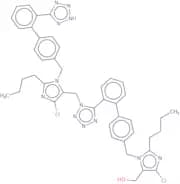
![1-[3-(Dimethylamino)propyl]-1-(4-fluorophenyl)-1,3-dihydro-5-isobenzofurancarboxaldehyde oxime](/_next/image/?url=https%3A%2Fstatic.cymitquimica.com%2Fproducts%2F3D%2Fthumb-webp%2FID182715.webp&w=3840&q=75)
![6,7,8,9-Tetrahydro-3-[2-[4-(6-methoxy-1,2-benzisoxazol-3-yl)-1-piperidinyl]ethyl]-2-methyl-4H-pyri…](/_next/image/?url=https%3A%2Fstatic.cymitquimica.com%2Fproducts%2F3D%2Fthumb-webp%2FIT81401.webp&w=3840&q=75)
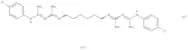
![[6-Hydroxy-2-(4-hydroxyphenyl)-7-[4-(2-piperidin-1-yl-ethoxy)benzoyl]-benzo[b]thien-3-yl]-[4-[2-(1…](/_next/image/?url=https%3A%2Fstatic.cymitquimica.com%2Fproducts%2F3D%2Fthumb-webp%2FIH45164.webp&w=3840&q=75)
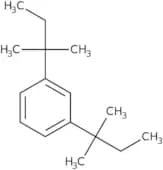
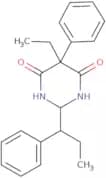
![Losartan imidazo[1,5-b]isoquinoline impurity](/_next/image/?url=https%3A%2Fstatic.cymitquimica.com%2Fproducts%2F3D%2Fthumb-webp%2FIL24943.webp&w=3840&q=75)
![2-[[2-Oxo-3-[4-(3-oxo-4-morpholinyl)phenyl]-5-oxazolidinyl]methyl]-1H-isoindole-1,3(2H)-dione](/_next/image/?url=https%3A%2Fstatic.cymitquimica.com%2Fproducts%2F3D%2Fthumb-webp%2FIO183175.webp&w=3840&q=75)
![[6-Hydroxy-2-(4-hydroxyphenyl)benzo[b]thien-3-yl](4-hydroxyphenyl)-methanone](/_next/image/?url=https%3A%2Fstatic.cymitquimica.com%2Fproducts%2F3D%2Fthumb-webp%2FIH44805.webp&w=3840&q=75)