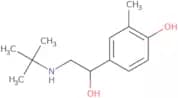
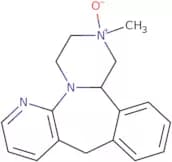
Quinazoline and Quinoline Derivatives
Quinazolines and quinolines are nitrogen-containing heterocyclic compounds with aromatic structures that play a key role in the synthesis of drugs with anticancer, antimicrobial, and anti-inflammatory activity. Their derivatives feature structural modifications that optimise bioavailability and selectivity, enabling the development of new active ingredients for various therapeutic applications. These compounds are used in the manufacture of APIs for the treatment of cancer, infections, neurodegenerative diseases, and cardiovascular conditions. Additionally, quinazoline and quinoline derivatives are essential in the research of enzyme inhibitors and the design of innovative bioactive molecules.
At CymitQuimica, we offer high-purity quinazoline and quinoline derivatives for applications in chemical synthesis, pharmaceutical development, and biotechnology.
Found 65615 products of "Quinazoline and Quinoline Derivatives"
Sort by
Purity (%)
0
100
|
0
|
50
|
90
|
95
|
100
2-[2-[4-(5,5-Dioxidodibenzo[b,f][1,4]thiazepin-11-yl)-1-piperazinyl]ethoxy]ethanol
CAS:<p>Quetiapine is a drug that belongs to the class of sulfoxides. It is usually administered orally, but can also be given intravenously or intramuscularly. Quetiapine has been studied for its clinical use in the treatment of schizophrenia and bipolar disorder. The plasma concentrations of quetiapine are determined by high-performance liquid chromatography (HPLC) with tandem mass spectrometry (LC-MS/MS) detection. Validation studies have shown that the HPLC-MS/MS method is accurate and precise, with good linearity over a range of concentrations. Analysis was performed on plasma samples from healthy volunteers who were administered either 2 mg or 10 mg doses of quetiapine by intravenous injection. Concentrations were calculated and compared to those found in patients with schizophrenia and bipolar disorder who had been given oral doses of 300 mg per day for four weeks, yielding a therapeutic plasma concentration range from 100 to 300 ng/mL.</p>Formula:C21H25N3O4SPurity:Min. 95%Molecular weight:415.51 g/molKetoconazole Impurity A
CAS:<p>Ketoconazole Impurity A is a synthetic impurity of Ketoconazole, which is used as an anti-fungal agent. Ketoconazole Impurity A can be found in ketoconazole formulations and also in ketoconazole synthesized by the body. Ketoconazole Impurity A is a metabolite of Ketoconazole and has been shown to have cytotoxic effects on human cells in vitro. Ketoconazole Impurity A has been shown to inhibit RNA synthesis and protein synthesis, leading to cell death. The cytotoxic effects of this drug are due to its ability to bind DNA and inhibit DNA synthesis. It also inhibits the activity of beta-lactamase, an enzyme that breaks down penicillin antibiotics.</p>Formula:C26H26Cl2N4O4Purity:Min. 95%Molecular weight:529.41 g/molN2-Methyl alfuzosin hydrochloride (1:1)
CAS:<p>N2-Methyl alfuzosin hydrochloride (1:1) is a synthetic compound that is used as an impurity standard for the drug product Alfuzosin. It has been shown to be metabolized by the liver, and its metabolites are excreted through the bile. The N2-methyl group of this compound provides a marker for metabolism studies and it has been shown to inhibit bacterial growth in vitro.</p>Formula:C19H28ClN5O4Purity:Min. 95%Molecular weight:425.91 g/mol2-Methoxyethyl-3-aminocrotonate
CAS:<p>2-Methoxyethyl-3-aminocrotonate is an impurity of a drug product. It is an analytical standard that is used to quantify the metabolite in pharmaceutical preparations. 2-Methoxyethyl-3-aminocrotonate is a natural metabolite, which can be found in human urine. This compound has been shown to be a potent inhibitor of both bacterial and mammalian cell topoisomerase II and IV, but not mammalian cell topoisomerase I. It also inhibits protein synthesis by binding to the ribosomal 50S subunit. In addition, it has been shown to inhibit the growth of certain bacteria such as clostridium perfringens and Mycobacterium tuberculosis.</p>Formula:C7H13NO3Purity:Min. 95%Molecular weight:159.18 g/molValdecoxib impurity I
CAS:<p>Valdecoxib impurity I is a synthetic compound that is used as an impurity standard for the drug product Valdecoxib. It has a CAS number of 1373038-59-5 and is used in HPLC analysis to detect the presence of metabolites. Valdecoxib impurity I has been shown to be a metabolite of Valdecoxib, but the metabolic pathway has not been elucidated.</p>Formula:C16H15N3O5S2Purity:Min. 95%Molecular weight:393.44 g/molCinacalcet impurity E hydrochloride
CAS:<p>Cinacalcet is a drug product that is used for the treatment of secondary hyperparathyroidism in patients with chronic kidney disease. It is metabolized through a number of metabolic transformations, including hydrolysis by esterases or glucuronidases, oxidation by cytochrome P450 enzymes, reduction by glutathione reductase, or conjugation with glucuronic acid. The high frequency of human activity has been shown using a patch-clamp technique on human erythrocytes. Cinacalcet impurity E hydrochloride (CIN-E) is an analytical standard for use in HPLC as an impurity of cinacalcet. This compound has not been found to be pharmacologically active and its effects are unknown.</p>Formula:C22H25N·HClPurity:Min. 95%Molecular weight:339.9 g/molN,N'-Dimethyl-2-nitro-1,1-ethendiamine
CAS:<p>N,N'-Dimethyl-2-nitro-1,1-ethendiamine is a protonated form of N,N'-dimethyl-2-nitroetheneamine. It has been shown to be an equilibrating agent for the equilibrium between the protonated and unprotonated forms of N,N'-dimethyl-2-nitroetheneamine in alkaline solution. In this way it can be used to determine the pH of an unknown solution. The equilibrium constant is 10^14 at 25 degrees Celsius. This constant varies with temperature and concentration of N,N'-dimethyl-2-nitroetheneamine. The electronic spectra show that this molecule is an anion.</p>Formula:C4H9N3O2Purity:Min. 95%Molecular weight:131.13 g/mol10-Oxo mirtazapine
CAS:<p>10-Oxo mirtazapine is a metabolite of the antidepressant drug mirtazapine. It is an impurity in the HPLC standard for mirtazapine and has been shown to be pharmacologically active in animal models. 10-Oxo mirtazapine has also been found to be an impurity in other drugs, such as fluoxetine hydrochloride, but it is not known if it has any activity.</p>Formula:C17H17N3OPurity:Min. 95%Molecular weight:279.34 g/mol4-Phenybutyl 2-carboxyethylphosphinic acid
CAS:<p>4-Phenybutyl 2-carboxyethylphosphinic acid is used as an analytical standard and has been shown to be a metabolite of other drugs. It is also used as an impurity standard for HPLC, and provides a niche for drug product development.</p>Formula:C12H17O4PPurity:Min. 95%Molecular weight:256.23 g/mol3-[2-[4-(6-Fluoro-2-benzoxazolyl)-1-piperidinyl]ethyl]-6,7,8,9-tetrahydro-2-methyl-4H-pyrido[1,2-a]pyrimidin-4-one
CAS:<p>3-[2-[4-(6-Fluoro-2-benzoxazolyl)-1-piperidinyl]ethyl]-6,7,8,9-tetrahydro-2-methyl-4H-pyrido[1,2-a]pyrimidin-4-one is a synthetic compound that functions as a drug product. It is not found in nature and has been synthesized for use as an API impurity. The CAS number for this compound is 1005191-81-0. 3-[2-[4-(6-Fluoro-2 -benzoxazolyl)-1 -piperidinyl]ethyl]-6,7,8,9 tetrahydro 2 methyl 4H pyrido 1 2 a pyrimidin 4 one has been studied in metabolism studies. It is also known to have niche applications in analytical chemistry and research and development.</p>Formula:C23H27FN4O2Purity:Min. 95%Molecular weight:410.48 g/mol4-Dibenzo[b,f][1,4]thiazepin-11-yl-1-piperazineethanol hydrochloride
CAS:<p>4-Dibenzo[b,f][1,4]thiazepin-11-yl-1-piperazineethanol hydrochloride is a drug product that is custom synthesized for research and development purposes. It has been shown to be an active metabolite of diazepam with a half life of 3 hours and low toxicity. 4-Dibenzo[b,f][1,4]thiazepin-11-yl-1-piperazineethanol hydrochloride is used as an analytical standard in the pharmaceutical industry. This compound has been studied in metabolism studies and pharmacopoeia. It has also been shown to have antiinflammatory properties.</p>Formula:C19H23Cl2N3OSPurity:Min. 95%Color and Shape:Off-white solid.Molecular weight:412.38 g/molLosartan imidazo[1,5-b]isoquinoline impurity
CAS:<p>Losartan is a drug product that belongs to the class of losartan impurity. It is an impurity standard for research and development, as well as a custom synthesis. Losartan is also used in the synthesis of other drugs, such as losartan potassium, which is classified as a niche compound. Losartan impurity has been shown to be metabolized by several enzymes including CYP2C9 and CYP3A4. The metabolite identified from this study was N-desmethyl losartan.</p>Formula:C22H21ClN6Purity:Min. 95%Molecular weight:404.9 g/molLevofloxacin diamine impurity
CAS:<p>Levofloxacin is a synthetic fluoroquinolone antibiotic. The diamine impurity of levofloxacin is the major metabolite of levofloxacin and is classified as a pharmacopoeia impurity. Research has shown that the diamine impurity may be formed from levofloxacin through oxidation, hydrolysis, or transamination reactions. Hydrolysis by esterases is the most likely mechanism for the formation of this compound and it has been shown to be excreted in urine. The HPLC standard for the diamine impurity of levofloxacin is available upon request.</p>Purity:Min. 95%Bupropion (R)-Isomer
CAS:Controlled Product<p>Bupropion is a racemic mixture of two enantiomers. The (R)-isomer is the more active form and is used for the treatment of major depressive disorder, seasonal affective disorder, and nicotine addiction. Bupropion has been shown to inhibit monoamine oxidase type A in humans and other mammals. This inhibition may be responsible for its antidepressant effects. The drug also has an effect on the liver, which can lead to serious side effects such as seizures or death if not monitored carefully. Bupropion has a high affinity for α1-acid glycoprotein, which plays a role in drug interactions with other drugs that are metabolized by this protein.</p>Formula:C13H18ClNOPurity:Min. 95%Molecular weight:239.74 g/mol2-Amino-5,6-dichloro-3(4H)-quinazoline acetic acid benzyl ester hydrobromide
CAS:<p>2-Amino-5,6-dichloro-3-(4H)-quinazoline acetic acid benzyl ester hydrobromide is a drug product that is used as an analytical reference standard for the identification of impurities in aminoglycosides. 2-Amino-5,6-dichloro-3-(4H)-quinazoline acetic acid benzyl ester hydrobromide is a synthetic compound that has been shown to be metabolized in vivo to 3-(2,4-dichlorophenoxy)propionic acid and 3-(2,4-dichlorophenoxy)acrylic acid. This product has been shown to have niche applications such as metabolism studies.</p>Formula:C17H15Cl2N3O2Purity:Min. 95%Molecular weight:364.23 g/molN-Methyl-N-(3-chloropropyl)homoveratrylamine
CAS:<p>N-Methyl-N-(3-chloropropyl)homoveratrylamine is a chlorinated alkylating agent that has been shown to accumulate in the myocardium. It is an anaesthetic that can be recycled and used as a nutrient. N-Methyl-N-(3-chloropropyl)homoveratrylamine binds to DNA, which blocks the synthesis of RNA and protein. This drug has been demonstrated to have antiarrhythmic effects, but it is not effective against cardiac arrhythmias caused by digitalis or hypoxia. N-Methyl-N-(3-chloropropyl)homoveratrylamine also has an antagonist effect on the central nervous system and may be useful for treating convulsions.</p>Formula:C12H19NO2·HClPurity:Min. 95%Molecular weight:245.75 g/molAnastrozole dimer impurity - 65%
CAS:<p>Anastrozole is an aromatase inhibitor used in the treatment of breast cancer. It is a synthetic drug and impurity standard for HPLC analysis, pharmacopoeia monograph, and synthetic drug development. This product is a mixture of two stereoisomers - the active form, 4-hydroxyanastrozole (4HA), and the inactive form, 4-oxo-anastrozole (4OA). The purity of this product is >99% with a melting point of 130°C.</p>Formula:C30H31N9Purity:Min. 95%Molecular weight:517.63 g/mol(aR)-a-Methyl-N-[3-[4-(trifluoromethyl)phenyl]propyl]-1-naphthalenemethanamine
CAS:<p>(aR)-a-Methyl-N-[3-[4-(trifluoromethyl)phenyl]propyl]-1-naphthalenemethanamine is a synthetic drug product that is used in research and development. It has been shown to have an analytical purity of 99.8%.</p>Formula:C22H22F3NPurity:Min. 95%Molecular weight:357.41 g/molDesmethyl fluvoxamine - EP
CAS:<p>Desmethyl fluvoxamine is the active metabolite of fluvoxamine, which is a drug used to treat depression. It has been shown that desmethyl fluvoxamine binds to the human liver and can be detected in the blood. A liquid chromatography method was used to measure desmethyl fluvoxamine in wastewater samples. The uptake of desmethyl fluvoxamine into human liver cells was also studied using a polymerase chain reaction technique on cell cultures. Desmethyl fluvoxamine has been shown to induce antidepressant response in people who were administered caffeine. Clinical studies have been conducted on the use of desmethyl fluvoxamine as an antidepressant treatment, with some success.</p>Formula:C14H19F3N2O2Purity:Min. 95%Molecular weight:304.31 g/molDes(oxopentyl) valsartan benzyl ester
CAS:<p>Des(oxopentyl) Valsartan Benzyl Ester is an analytical standard for the drug valsartan. It is a white to off-white, crystalline powder that is soluble in methanol and acetone. This compound can be used as an HPLC standard, or as an impurity standard in the development of valsartan drugs. Des(oxopentyl) Valsartan Benzyl Ester also has niche uses in natural product isolation and synthetic organic chemistry. It is a metabolite of des(oxopentyl)valsartan, which is a prodrug of valsartan.</p>Formula:C26H27N5O2Purity:Min. 95%Molecular weight:441.53 g/molRisperidone N-oxide
CAS:<p>Risperidone N-oxide is a prodrug of risperidone. It is prepared by reacting risperidone with methanol and hydrogen peroxide in the presence of piperidine, followed by purification using preparative high-performance liquid chromatography. Risperidone N-oxide is a crystalline solid with a melting point of about 190 °C. Risperidone N-oxide has been shown to have antiemetic properties, which may be due to its ability to block dopamine receptors in the brain. The drug also shows some antipsychotic activity, and it has a constant therapeutic effect against schizophrenia. The major impurities found in risperidone N-oxide are hydroxylamine and piperidine.</p>Formula:C23H27FN4O3Purity:Min. 95%Molecular weight:426.48 g/molAlverine EP Impurity C
CAS:<p>Alverine EP Impurity C is a by-product of the synthesis of alverine, which is an ammonium salt. The process involves the use of high yield, high purity triflic acid, and organic solvents. The reaction system is typically carried out in a solvent such as toluene or dichloromethane. The organic solvent is then removed by filtration and the desired product can be obtained by crystallization or recrystallization. Alverine EP Impurity C has been shown to have insecticidal properties when applied externally, due to its interaction with insect stereoisomers. It also has anticancer activity and may be used in cancer therapy treatments that involve decompressing tumours and increasing blood supply to the area. Alverine EP Impurity C also has a citric acid binding property that makes it insoluble in water.</p>Formula:C11H17NPurity:Min. 95%Molecular weight:163.26 g/molCetirizine impurity C
CAS:<p>Cetirizine impurity C is a potential impurity of cetirizine. It is used in the synthesis of cetirizine and as a drug substance. Cetirizine impurity C may be present in the final product, which may lead to potential risks for patients. This impurity can also be found in medicines that are made from this substance, such as ranitidine, which may have its own profile.</p>Formula:C21H25ClN2O3Purity:Min. 95%Molecular weight:388.89 g/mol[1,1'-Biphenyl]-2'-(2H-tetrazol-5-yl)-4-carboxylic acid, [1,1'-biphenyl]-(2'-(2H-tetrazol-5-yl)-4-yl)methyl ester
CAS:<p>Biphenyl-2'-(2H-tetrazol-5-yl)-4-carboxylic acid, [1,1'-biphenyl]-(2'-(2H-tetrazol-5-yl)-4-yl)methyl ester is a research and development impurity standard. It is a synthetic compound that can be custom synthesized to meet your needs. The product is available in high purity and pharmacopoeia grade. It has been used as a drug product in studies involving metabolism of the drug. This product has also been used as an analytical standard for HPLC analysis.</p>Formula:C28H20N8O2Purity:Min. 95%Molecular weight:500.51 g/mol1-[[4-(3-Methoxypropoxy)-3-methyl-2-pyridinyl]methyl]-2-[[[4-(3-methoxypropoxy)-3-methyl-2-pyridinyl]methyl]sulfonyl]-1H-benzimidazo le
CAS:<p>1-[[4-(3-Methoxypropoxy)-3-methyl-2-pyridinyl]methyl]-2-[(4-(3-methoxypropoxy)-3-methyl-2-pyridinyl)methylsulfonyl]-1H-benzimidazole (MKC1807) is a synthetic drug product. MKC1807 is an analytical standard in the HPLC assay for the determination of Epiandrosterone sulfate and its metabolites. 1-[4-(3-Methoxypropoxy)-3,5,6,7,8 -pentamethylcyclohexyl]methyl 2-[(4-(3 -methoxypropoxy) 3,5,6,7,8 -pentamethylcyclohexyl)methylsulfonyl]-1H benzimidazole has been shown to be a natural metabolite of Epiandrosterone sulfate. This compound</p>Formula:C29H36N4O6SPurity:Min. 95%Molecular weight:568.69 g/molRoflumilast Impurity B
CAS:<p>Roflumilast Impurity B is an oxidative reagent that can be used for the preparation of a variety of organic compounds. It is a white solid that is soluble in organic solvents. Roflumilast Impurity B has been shown to be hepatotoxic, and should only be handled with gloves and lab coat. This material should not come in contact with skin or eyes. In addition, this reagent should not be exposed to light as it may cause photolysis.</p>Formula:C13H8Cl2F2N2O3Purity:Min. 95%Molecular weight:349.12 g/molLosartan isomer impurity, potassium salt
CAS:Controlled Product<p>Losartan is an angiotensin II receptor antagonist. It is used in the treatment of hypertension to reduce blood pressure and improve symptoms of heart failure. Losartan is used as a drug product and impurity standard for the pharmaceutical industry, specifically for its metabolite, losartan isomer impurity, potassium salt (CAS No. 860644-28-6). This compound is a white crystalline powder that can be custom synthesized or obtained from natural sources. High purity Losartan Isomer Impurity, Potassium Salt (CAS No. 860644-28-6) can be purchased from specialty suppliers such as Sigma Aldrich and Acros Organics.</p>Formula:C22H22ClKN6OPurity:Min. 95%Molecular weight:461 g/mol2-Methoxy-5-sulfamoylbenzamide
CAS:<p>2-Methoxy-5-sulfamoylbenzamide is a white crystalline solid that is soluble in water. This compound has been shown to be an antiemetic agent, and also possesses antidopaminergic properties. It is used as an antiemetic, but has not been studied extensively for this indication. 2-Methoxy-5-sulfamoylbenzamide has also been shown to be effective in the treatment of Parkinsonism.</p>Formula:C8H10N2O4SPurity:Min. 95%Molecular weight:230.24 g/mol4',4'''-[(4'-Methyl-2'-propyl[2,6'-bi-1H-benzimidazole]-1,1'-diyl)bis(methylene)]bis[1,1'-biphenyl]-2-carboxylic acid
CAS:<p>4',4'''-[(4'-Methyl-2'-propyl[2,6'-bi-1H-benzimidazole]-1,1'-diyl)bis(methylene)]bis[1,1'-biphenyl]-2-carboxylic acid is an analytical reagent that is used in research and development as a drug product impurity standard. This compound has been shown to be metabolized by cytochrome P450 1A1 and 2C8 to form 4-hydroxybenzoic acid and 4,4''-[(4'-methyl-2' propyl-[2,6']bi-1H-benzimidazol-1,1' diyl)bis(methylene)]bis[3-(4-hydroxyphenyl)-propionic acid], respectively. 4',4''-[(4'-Methyl-2' propyl-[2,6']bi-1</p>Formula:C46H38N4O4Purity:Min. 95%Molecular weight:710.82 g/mol4-[1,5-Bis-(2-methylsulfamoylethyl)-1H-indol-3-yl]-1-methylpyridinium chloride
CAS:<p>Please enquire for more information about 4-[1,5-Bis-(2-methylsulfamoylethyl)-1H-indol-3-yl]-1-methylpyridinium chloride including the price, delivery time and more detailed product information at the technical inquiry form on this page</p>Formula:C20H27N4O4S2•ClPurity:Min. 95%Molecular weight:487.04 g/mol2,12-Dihydro-1,3-dimethyl-8-methoxy-12-thioxobenzo [4,5] pyrido [1,2-c] imidazo [1,2-a] imidazol-2-one
CAS:<p>2,12-Dihydro-1,3-dimethyl-8-methoxy-12-thioxobenzo [4,5] pyrido [1,2-c] imidazo [1,2-a] imidazol-2-one is a metabolite of the drug 2-[2-(4,5,-dihydroimidazo[1,2a]imidazol -2(3H)-yl)ethoxy]-N-(methylsulfonyl)benzamide. It can be used as an impurity standard for the manufacture of drugs and as a research chemical.</p>Formula:C16H13N3O2SPurity:Min. 95%Molecular weight:311.36 g/mol2-[3-[4-(3-Chloro-4-ethylphenyl)-1-piperazinyl]propyl]-1,2,4-triazolo[4,3-a]pyridin-3(2H)-one
CAS:<p>2-[3-[4-(3-Chloro-4-ethylphenyl)-1-piperazinyl]propyl]-1,2,4-triazolo[4,3-a]pyridin-3(2H)-one is a research and development impurity standard. Impurities are the substances that are not intentionally added to the drug product but can be generated from the synthesis process or from the raw materials. This substance has been used as a synthetic intermediate in the production of other drugs and as an analytical reference for HPLC analysis. It is used to help develop new drugs by providing data about metabolites and possible toxic effects on humans.</p>Purity:Min. 95%Amido methyl meloxicam
CAS:<p>Amido methyl meloxicam is a synthetic nonsteroidal anti-inflammatory drug. It is used to relieve inflammation and pain. Amido methyl meloxicam is chemically similar to the naturally occurring substance, meclofenamic acid, but it does not have the same side effects.<br>Amido methyl meloxicam is metabolized in the liver by CYP3A4/5 and then excreted by the kidneys.</p>Formula:C15H15N3O4S2Purity:Min. 95%Molecular weight:365.43 g/molN,N'-Bis[2-(3,4-dimethoxyphenyl)ethyl]-N,N'-dimethyl-1,3-propanediamine dihydrochloride
CAS:<p>N,N'-Bis[2-(3,4-dimethoxyphenyl)ethyl]-N,N'-dimethyl-1,3-propanediamine dihydrochloride is a synthetic compound that is metabolized to the natural product naphthol AS. It is an impurity in the drug product and can also be used as an analytical reference standard.</p>Formula:C25H38N2O4·2HClPurity:Min. 95%Molecular weight:503.5 g/molDeschloro aripiprazole
CAS:<p>Deschloro aripiprazole is a drug product that has been analyzed for impurities. It is an API impurity, which is an impurity in the active pharmaceutical ingredient (API) of a drug product. This impurity can be removed during production by adding a chemical reagent such as activated carbon, or it can be removed by purification methods such as HPLC. Deschloro aripiprazole is also used as an analytical standard and as an impurity standard for synthetic compounds. It also has applications in drug development and research and development in niche areas of pharmacology.</p>Formula:C23H28ClN3O2Purity:Min. 95%Molecular weight:413.94 g/molSitagliptin hydroxy amide impurity
CAS:<p>Sitagliptin is an oral dipeptidyl peptidase-4 inhibitor that is used to treat type 2 diabetes. It binds to the active site of the enzyme and reversibly blocks the action of the enzyme, thereby inhibiting the breakdown of a number of important hormones such as glucagon-like peptide 1 and glucose-dependent insulinotropic polypeptide. Sitagliptin hydroxy amide impurity is an impurity in sitagliptin that inhibits oxidoreductases, enzymes that catalyze oxidation reactions. The enantiomeric purity of sitagliptin hydroxy amide impurity is unknown.</p>Formula:C16H14F6N4O2Purity:Min. 95%Molecular weight:408.3 g/mol2,2'-(1,4-Piperazinediyl)bis[6,7-dimethoxy-4-quinazolinamine]
CAS:<p>2,2'-(1,4-Piperazinediyl)bis[6,7-dimethoxy-4-quinazolinamine] is a chemical compound that is used as a lead to develop new drugs against malaria. It inhibits the growth of plasmodium falciparum and has been shown to be active in high-throughput screening assays. 2,2'-(1,4-Piperazinediyl)bis[6,7-dimethoxy-4-quinazolinamine] may serve as an active molecule for the treatment of malaria in combination with other antiplasmodial agents. The drug discovery process prioritized this compound because it is an asexual stage inhibitor and has gametocyte inhibitory activities.</p>Formula:C24H28N8O4Purity:Min. 95%Molecular weight:492.53 g/mol3-Ethyl-2-methyl-6,7,8,9-tetrahydro-4H-pyrido[1,2-a]pyrimidin-4-one
CAS:<p>3-Ethyl-2-methyl-6,7,8,9-tetrahydro-4H-pyrido[1,2-a]pyrimidin-4-one is a research and development impurity standard. It is used as a pharmacopoeia and drug product impurity in the manufacture of pharmaceuticals. 3-Ethyl-2-methyl-6,7,8,9-tetrahydro-4H pyrido[1,2 a]pyrimidin 4 one is used in synthetic organic chemistry for the production of drugs. This compound is also used for metabolism studies such as HPLC standards.</p>Formula:C11H16N2OPurity:Min. 95%Molecular weight:192.26 g/molLoxoprofen Related Compound 2 - mixture of diastereomers
CAS:<p>Loxoprofen Related Compound 2 is a mixture of diastereomers that is an impurity in the drug product, Loxoprofen. Loxoprofen Related Compound 2 is a metabolite of loxoprofen and its concentration in blood plasma after administration of loxoprofen can be used as an indicator for pharmacokinetics. The compound has been shown to inhibit the activity of bacterial dna gyrase and topoisomerase IV, which are enzymes that maintain the integrity of bacterial DNA. Loxoprofen Related Compound 2 was found to be less active than loxoprofen against MRSA and Clostridium perfringens, although it was more active than loxoprofen against Mycobacterium tuberculosis, Mycobacterium avium complex, and methicillin-resistant Staphylococcus aureus (MRSA).</p>Formula:C15H18O4Purity:Min. 95%Molecular weight:262.3 g/mol3-O-Desethyl-5-O-desmethyl amlodipine
CAS:<p>3-O-Desethyl-5-O-desmethyl amlodipine is a drug product that can be used as an analytical reference standard. It is metabolized in vivo to form 5-O-desmethyl amlodipine, which is the active form of this drug. 3-O-Desethyl-5-O-desmethyl amlodipine is also an impurity in the drug product Amlodipine besylate and its CAS number is 1821498-25-2. The synthetic route for this compound starts with the reaction of 2,3,4,6 trichlorobenzeneethanol with sodium hydroxide followed by hydrogenation of the intermediate to yield 3-(2,6 dichlorophenyl) propanoic acid. This acid was then reacted with methylamine to yield 3-(2,6 dichlorophenyl)-N-[(methylamino) methyl]propionamide.</p>Formula:C17H19ClN2O5Purity:Min. 95%Molecular weight:366.8 g/mol2-[(4-Chloro-3-methyl-2-pyridinyl)methylthio]-1H-benzimidazole
CAS:<p>2-[(4-Chloro-3-methyl-2-pyridinyl)methylthio]-1H-benzimidazole is a drug product. It is an impurity standard for the analytical determination of 2-[(4-chloro-3-methylpyridin)-2yl]thiohydantoin in pharmaceuticals and other chemical products. This compound is also used as a research and development (R&D) metabolite and impurity standard for the synthesis of 4-(4,5,6,7-tetrahydrobenzo[b]thiophen-2-yl)pyridine. The CAS number for this compound is 103312-62-5./END></p>Formula:C14H12ClN3SPurity:Min. 95%Molecular weight:289.78 g/mol1,4-Di-2-furoylpiperazine
CAS:<p>1,4-Di-2-furoylpiperazine is a synthetic compound that has been shown to have anti-inflammatory and analgesic properties. It was originally developed as a pharmaceutical drug candidate for the treatment of arthritis and other inflammatory disorders. 1,4-Di-2-furoylpiperazine is an impurity in the synthesis of the drug product diclofenac. The compound is also found as a metabolite in humans after oral administration of diclofenac. 1,4-Di-2-furoylpiperazine binds to protein and inhibits protein synthesis by preventing amino acid incorporation into proteins. It also has nicotinic effects on acetylcholine binding sites and can be used as an analytical standard for HPLC analysis of drugs containing this molecule.</p>Formula:C14H14N2O4Purity:Min. 95%Molecular weight:274.27 g/molChlorhexidine EP Impurity N hydrochloride
CAS:<p>Chlorhexidine is an antimicrobial agent that has been shown to be effective against escherichia and chlorobenzene. It also has a low toxicity for humans and animals, as well as for the environment. Chlorhexidine EP Impurity N is a chlorhexidine impurity that is produced during the synthesis of chlorhexidine acetate. This impurity can be used in research to measure hydrogen peroxide levels, which can help determine the purity of chlorhexidine acetate. Recoveries of this compound were found to be high in human dental plaque and pneumococcus bacteria. Average recoveries were found to be higher when measured by ultraviolet spectroscopy than by gas chromatography-mass spectroscopy (GC-MS).</p>Formula:C15H25ClN8•(HCl)xPurity:Min. 95%Molecular weight:352.87 g/mol2-[[4-[2-(Cyclopropylmethoxy)ethyl]phenoxy]methyl]oxirane
CAS:<p>2-[4-[2-(Cyclopropylmethoxy)ethyl]phenoxy]methyloxirane is a metabolite of the drug product 2-[[4-[2-(Cyclopropylmethoxy)ethyl]phenoxy]methyl]oxirane. It is an impurity in the drug product, which is a pharmaceutical intermediate that has been shown to have pharmacological properties. The CAS number for this compound is 63659-17-6 and it has been assigned the Chemical Abstracts Service (CAS) number of 63659-17-6. This compound has been characterized using HPLC and GC/MS methods.</p>Formula:C15H20O3Purity:Min. 95%Molecular weight:248.32 g/molDefluoropitavastatin calcium Salt
CAS:<p>Defluoropitavastatin calcium salt is a synthetic, high purity, pharmacopoeia drug product. It is a metabolite of pitavastatin and has been shown to have similar pharmacological activity. Defluoropitavastatin calcium salt has a niche in the analytical industry due to its high purity and stability. It has been used as an impurity standard for HPLC analysis. Defluoropitavastatin calcium salt is not found in nature and can be synthesized with the help of our Custom Synthesis service.</p>Purity:Min. 95%(R)-7-(But-2-yn-1-yl)-8-(3-(1,3-Dioxoisoindolin-2-yl)piperidin-1-yl)-3-methyl-1-((4-methylquinazolin-2-yl)methyl)-1H-purine-2,6(3H,7 H)-dione
CAS:<p>7-(But-2-yn-1-yl)-8-(3-(1,3-Dioxoisoindolin-2-yl)piperidin-1-yl)-3-methyl-1-(4-methylquinazolin-2(4H)-yl)methyl)-1H -purine-2,6(3H,7H)-dione is a synthetic drug that has been modified to have a higher flow rate. It is used in the synthesis of other drugs. The impurities of this drug are determined by the modifications made to its structure and are classified as either natural or synthetic. Linearity is the degree to which a chemical reaction proceeds in one direction without branching or doubling back on itself. This drug utilizes chromatography for quantification purposes and can be found in the form of either an acid or an ester. Formic acid and acetonitrile are two solvents that can be utilized for this drug's elution from</p>Formula:C33H30N8O4Purity:Min. 95%Molecular weight:602.64 g/molrac-N-Desisopropyl-N-ethyl acebutolol
CAS:<p>rac-N-Desisopropyl-N-ethyl acebutolol is a synthetic drug product. It is an analytical standard for the impurity, acebutolol, and is metabolized by cytochrome P450 3A4 to form the major metabolite, N-desisopropyl acebutolol. rac-N-Desisopropyl-N-ethyl acebutolol is a research and development product that can be custom synthesized to meet specific needs. It has been shown to have antihypertensive properties in rats and monkeys. This product is not intended for human use.</p>Formula:C17H26N2O4Purity:Min. 95%Molecular weight:322.4 g/mol2-Phenylbutyramide
CAS:<p>2-Phenylbutyramide is a drug that acts as a potent, nonselective agonist at adenosine A3 receptors. It has been shown to have therapeutic potential for the treatment of bowel disease and cardiac diseases. 2-Phenylbutyramide binds to the adenosine A3 receptor and triggers an increase in intracellular calcium levels, which leads to smooth muscle relaxation in the gut. This drug also has been found to be effective against autoimmune diseases and organometallic toxicity. It is not active against bacterial infections such as hepatitis or inflammatory bowel disease.</p>Formula:C10H13NOPurity:Min. 95%Molecular weight:163.22 g/mol9,10-Dioxo ketotifen
CAS:<p>9,10-Dioxo ketotifen is a drug product that belongs to the category of HPLC standards. It has been shown to be a metabolite of ketotifen and also an impurity in ketotifen. 9,10-Dioxo ketotifen has been shown to possess antihistamine activity and may have potential as a lead compound for the development of new drugs.</p>Formula:C19H17NO2SPurity:Min. 95%Color and Shape:PowderMolecular weight:323.41 g/molAmiodarone EP Impurity G HCL
<p>Amiodarone is a drug product that is used in the treatment of various heart conditions. It contains impurity G and HCL. Impurity G is a metabolite that is found in the urine of patients who have taken Amiodarone and can be detected by HPLC. Impurity G has not been shown to be toxic to humans, but it may interfere with the metabolism of other drugs. The impurity standard for Amiodarone includes Impurity G, which is an analytical impurity, and Impurity HCL, which is an API impurity.</p>Formula:C26H31I2NO4·HClPurity:Min. 95%Molecular weight:711.8 g/molEthosuximide impurity A
CAS:<p>Ethosuximide impurity A is a fluorinated compound that inhibits the enzyme acetylcholinesterase. It has been shown to inhibit the catalytic mechanism of acetylcholinesterase, which leads to its inhibitory effect on the enzyme. The compound does not have any structural similarity to the other known inhibitors of this enzyme. Ethosuximide impurity A has been shown to be an antimutagen and anticarcinogen in vitro, with a postulated mechanism of action that involves inhibition of a water molecule from binding to the active site.</p>Formula:C7H12O4Purity:Min. 95%Molecular weight:160.17 g/mol2-Ethoxy-1-[[2'-[1-(trityl)-1H-tetrazol-5-yl][1,1'-biphenyl]-4-yl]methyl]-1H-benzimidazole-4-carboxylic acid methyl ester
CAS:<p>2-Ethoxy-1-[2'-[1-(trityl)-1H-tetrazol-5-yl][1,1'-biphenyl]-4-yl]methyl]-1H-benzimidazole-4-carboxylic acid methyl ester is an impurity in the drug product, which is a synthetic drug for research and development. The impurity standard for 2-ethoxy-1-[2'-[1-(trityl)-1H-tetrazol-5-yl][1,1'-biphenyl]-4-yl]methyl]-1H benzimidazole 4 carboxylic acid methyl ester is available in quantities of 10g. The CAS number for the impurity is 150058-29-0. This compound has an API purity of 99.9%. Impurities are not expected to be present at greater than 1% by weight.</p>Formula:C44H36N6O3Purity:Min. 95%Molecular weight:696.8 g/molN2-Methyl alfuzosin hydrochloride (1:x)
CAS:<p>Alfuzosin is a drug used to treat the signs and symptoms of benign prostatic hyperplasia (BPH). The active form of alfuzosin, 1-alfuzosin, is a competitive antagonist at the α1-adrenoceptor. Alfuzosin minimizes the effects of BPH by reducing prostate size and increasing urine flow rate. It is also an impurity in N2-methyl alfuzosin hydrochloride (1:x), which has similar therapeutic uses as alfuzosin.</p>Purity:Min. 95%Montelukast impurity I
CAS:<p>Montelukast impurity I is an impurity found in the drug product, Montelukast. It is a natural substance and is produced as a result of metabolism studies. The chemical name for this impurity is 3-hydroxy-4-(2-methylpropyl)-5-(4-methoxyphenyl)pentanoic acid. This impurity can be used as an analytical standard and can be synthesized for use in pharmacopoeia. This compound has not been shown to have any therapeutic effects on humans or animals. This impurity has been shown to cause nausea, vomiting, and diarrhea in some patients.</p>Formula:C35H36ClNO4SPurity:Min. 95%Molecular weight:602.18 g/mol2-Deschloro aripiprazole
CAS:<p>2-Deschloro aripiprazole is a drug that belongs to the class of antipsychotics. It is an atypical antipsychotic with a high affinity for human albumin and α1-acid glycoprotein, which are plasma proteins. 2-Deschloro aripiprazole has been shown to interact with human albumin and α1-acid glycoprotein in vitro, and it has been suggested that this interaction may be responsible for its pharmacological effects. 2-Deschloro aripiprazole has also been shown to bind to the dopamine D2 receptor, which is thought to be responsible for its therapeutic effects as an antipsychotic. The molecular interactions between 2-deschloro aripiprazole and human albumin have been studied using isothermal titration calorimetry (ITC) and molecular docking studies. These studies have helped us understand how 2-deschloro aripiprazole binds to human album</p>Formula:C23H28ClN3O2Purity:Min. 95%Molecular weight:413.94 g/mol3-(Methylamino)-1-(2-thienyl)propan-1-ol
CAS:<p>3-(Methylamino)-1-(2-thienyl)propan-1-ol is a lipase inhibitor that belongs to the group of 1-fluoronaphthalene. It is an efficient method for the demethylation of 1-fluoronaphthalene, which is used in the synthesis of many pharmaceuticals. The synthesis of this compound was achieved through a kinetic study and confirmed by x-ray crystallography. This compound has been shown to be an analytical method for the determination of impurities in other drugs. 3-(Methylamino)-1-(2-thienyl)propan-1-ol can also be used as a drug substance for other pharmaceuticals and has been shown to inhibit the transfer of chiral centers mediated by enzymes and substrates.</p>Formula:C8H13NOSPurity:Min. 95%Molecular weight:171.26 g/molDesdifluoromethoxy hydroxy pantoprazole
CAS:<p>Desdifluoromethoxy hydroxy pantoprazole is a synthetic compound that is used as an impurity standard for the drug product Pantoprazole. It has a purity of ≥98% and is stable under ambient conditions. Desdifluoromethoxy hydroxy pantoprazole is not active on its own, but it is a metabolite of pantoprazole. It can be used to study the metabolism of pantoprazole.</p>Formula:C15H15N3O4SPurity:Min. 95%Molecular weight:333.36 g/molLabetalol EP impurity D
CAS:<p>Labetalol EP impurity D is a metabolite of labetalol that is used as an impurity standard for HPLC. This impurity has been identified in the drug product and also in the drug development process. Labetalol EP impurity D is one of many metabolites that can be formed by cytochrome P450 enzymes. Labetalol EP impurity D is a natural metabolite of labetalol, which can be found in the urine of humans and other mammals. It is also present in various plants and fungi, including mushrooms, lichens, yeast, and barley. Synthetic labetalol EP impurity D can also be produced by various chemical reactions.</p>Formula:C9H12N2O3Purity:Min. 95%Molecular weight:196.2 g/mol1-Glycoloyl-L-prolinamide
CAS:<p>1-Glycoloyl-L-prolinamide is a drug product that is an analytical standard for the impurity 1-glycoloyl-L-proline (CAS No. 96166-39-1) in the API 1,4,5,6-tetrahydrobenzothiazole (CAS No. 86687-93-0). It has been synthesized to be used as an impurity standard and is provided at a purity of 98.0% or greater by weight. This chemical compound can be used in research and development for the production of drugs as well as in pharmaceutical manufacturing.</p>Formula:C7H12N2O3Purity:Min. 95%Molecular weight:172.18 g/molUNC0224
CAS:<p>UNC0224 is a selective inhibitor of G9a with a Ki of 2.6 nM and IC50 of 15 nM. UNC0224 also potently inhibits GLP with assay-dependent IC50 values of 20-58 nM.</p>Formula:C26H43N7O2Purity:99.80%Color and Shape:SolidMolecular weight:485.67N-Methyl-N'-[2-[(5-methyl-1H-imidazol-4-yl)methylhio]ethyl]guanidine dihydrochloride
CAS:<p>N-Methyl-N'-[2-[(5-methyl-1H-imidazol-4-yl)methylhio]ethyl]guanidine dihydrochloride is an analytical standard used in HPLC. It is also a research and development, drug development, and impurity standard for the manufacture of drugs. CAS No. 59660-24-1 is an API impurity that is used to produce a high purity drug product. Impurity standard is a Metabolite (impurity) that is used in pharmacopoeia (a book of standards). Custom synthesis is a natural or synthetic chemical substance that can be custom made to order.</p>Formula:C9H17N5S·2HClPurity:Min. 95%Molecular weight:300.25 g/mol4-Oxo valsartan benzyl ester
CAS:<p>4-Oxo valsartan benzyl ester is a drug product that is used for research and development purposes. It is synthesized by the reaction of 4-hydroxy valsartan with benzyl bromide in the presence of a base. 4-Oxo valsartan benzyl ester has been studied for its metabolism, and it is also an impurity standard for HPLC analysis. The purity of this compound is >98% and it has CAS number 188240-32-6.</p>Formula:C31H33N5O4Purity:Min. 95%Molecular weight:539.63 g/mol4'-(Bromomethyl)-[1,1'-biphenyl]-2-carboxylic acid
CAS:<p>4'-(Bromomethyl)-[1,1'-biphenyl]-2-carboxylic acid (4BMBCA) is a chemical compound that is used as an analytical method in drug discovery and development. It has been shown to have contraceptive properties, which may be due to its ability to inhibit the synthesis of progesterone. 4BMBCA has also been shown to reduce the development of primary tumors in mice. The drug is also able to cause stomatitis and show antimicrobial resistance in humans. Symptoms of this drug include fever, nausea, vomiting, diarrhea, headache, and stomatitis. 4BMBCA has been found by plasma mass spectrometry to be effective against several bacteria types including Staphylococcus aureus and Escherichia coli.</p>Formula:C14H11BrO2Purity:Min. 95%Molecular weight:291.14 g/molCinacalcet impurity B
CAS:<p>Cinacalcet impurity B is an amine that is a by-product of the manufacturing process for cinacalcet. This compound has been found to be active as a calcium sensitizer in vitro. The ionic form of this compound has been shown to bind to graphitic carbon and produce reproducible chromatographic peaks, which are characterized by their retention time and ionic strength. Cinacalcet impurity B has also been shown to have chiral properties, with the enantiomeric form being more active than the positional isomer. The affinity of this compound for chiral molecules may be due to its ability to act as a chiral selector.</p>Formula:C19H19NPurity:Min. 95%Molecular weight:261.36 g/mol2-O-[4-[[(2-Carboxyethyl)amino]carbonyl]phenyl] balsalazide
CAS:<p>2-O-[4-[[(2-Carboxyethyl)amino]carbonyl]phenyl] balsalazide is a drug product that has been custom synthesized and purified to high purity. It is an analytical standard for metabolism studies. This compound is metabolized through a number of metabolic transformations, including hydrolysis by esterases or glucuronidases, oxidation by cytochrome P450 enzymes, reduction by glutathione reductase, or conjugation with glucuronic acid. 2-O-[4-[[(2-Carboxyethyl)amino]carbonyl]phenyl] balsalazide is also used as a pharmacopoeia impurity standard and as a research and development HPLC standard.</p>Formula:C27H24N4O9Purity:Min. 95%Molecular weight:548.5 g/mol[6-Hydroxy-2-(4-hydroxyphenyl)benzo[b]thien-3-yl](4-hydroxyphenyl)-methanone
CAS:<p>MDM2 inhibitors are a class of cancer drugs that inhibit the activity of MDM2, which is an oncoprotein that prevents the degradation of p53. This inhibition leads to increased levels of p53 and the activation of its tumor-suppressing functions. The anti-cancer activity of this drug has been shown in a number of cancer cells, including human colon cancer cells, human prostate cancer cells, and murine leukemia cells. Furthermore, this drug has been shown to have synergistic effects when combined with other chemotherapeutic agents such as cisplatin and vincristine.</p>Formula:C21H14O4SPurity:Min. 95%Molecular weight:362.4 g/molRegorafenib metabolite M2 oxide
CAS:<p>Regorafenib metabolite M2 oxide (M2O) is a cancer drug that is an inhibitor of multikinase. It was developed as a prodrug for regorafenib, which is used to treat patients with metastatic colorectal cancer and has been shown to be effective against other cancers, such as lung and pancreatic cancer. M2O inhibits the efflux of drugs from cells by binding to the transporter protein P-glycoprotein. This prevents the accumulation of toxic concentrations of regorafenib in cells, which are responsible for its side effects, such as diarrhea and liver damage. The uptake of M2O by cells is also inhibited by light and acidic conditions. Oral administration of M2O leads to increased exposure to regorafenib in the body because it is not metabolized by CYP3A4 enzymes.</p>Formula:C21H15ClF4N4O4Purity:Min. 95%Molecular weight:498.81 g/molDeiodo amiodarone
CAS:<p>Deiodo amiodarone is a noncompetitive inhibitor that binds to the active site of the enzyme and blocks the binding of substrate, thereby inhibiting the synthesis of catecholamines. Deiodo amiodarone has been shown to inhibit the oxidation of benzofuran derivatives in rat liver microsomes, human liver tissue samples, and chromatographic conditions. The inhibition constant for deiodo amiodarone was determined by liquid chromatography with a homogenizing technique.</p>Formula:C25H30INO3Purity:Min. 95%Molecular weight:519.42 g/mol4-Desmethyl-3-methyl celecoxib
CAS:<p>This compound is a drug product that is used as an analytical standard for the identification of impurities. This compound is also a Metabolism studies, Natural, API impurity, Custom synthesis, Impurity standard, Synthetic and Drug development research chemical. The CAS number for this compound is 170570-01-1 and it has HPLC standards with high purity. This compound is also a Synthetic and Pharmacopoeia Research Chemical with a niche market.</p>Formula:C17H14F3N3O2SPurity:Min. 95%Molecular weight:381.37 g/molPantoprazole impurity
CAS:<p>Pantoprazole is a proton pump inhibitor. It is used in the treatment of gastroesophageal reflux disease and other conditions involving excessive stomach acid production. The chemical name for Pantoprazole impurity is (E)-1-(4-chlorophenyl)ethyl-3-[(pyrrolidin-2-yl)oxy]propanediol. This substance is an enantiomer of pantoprazole, which has been determined to be inactive. Pantoprazole impurity can be identified by its melting point, crystallizing habit, and optical rotation. Active carbon filtration can be used to remove this substance from the final product.</p>Formula:C24H24F2N4O5SPurity:Min. 95%Molecular weight:518.53 g/molAlfuzosin hydrochloride EP Impurity F hydrochloride
CAS:<p>Alfuzosin EP Impurity F hydrochloride is a drug product that is used as an analytical standard for Alfuzosin hydrochloride. It is a natural, synthetic, and impurity standard that exhibits similar chromatographic properties to the API. The CAS number of this impurity is 19216-68-3. This product has a niche market because it is used in metabolism studies. It also exhibits high purity and pharmacopoeia grade quality.</p>Formula:C12H16N4O2•HClPurity:Min. 95%Molecular weight:284.74 g/molDechloro anagrelide
CAS:<p>Dechloro anagrelide is a synthetic product that has been developed for use in drug development. It is a white powder and is insoluble in water. Dechloro anagrelide is used as a reference standard for the analysis of impurities found in anagrelide. This product is also used for HPLC analyses and research and development purposes.</p>Formula:C10H8ClNO3Purity:Min. 95%Molecular weight:225.63 g/molNaproxen Impurity C
CAS:<p>Naproxen Impurity C is an analytical impurity that is found in Naproxen. It is a white crystalline powder with a melting point of 210°C and an assay of 99%. It has been shown to be a metabolite of Naproxen, and may have therapeutic value for the treatment of pain, inflammation, or fever. The purity of this product has been verified by HPLC analysis.</p>Formula:C14H13BrO3Purity:Min. 95%Molecular weight:309.16 g/molN-(4-Amino-6,7-dimethoxyquinazol-2-yl)-N-methylpropylenediamine hydrochloride
CAS:<p>N-(4-Amino-6,7-dimethoxyquinazol-2-yl)-N-methylpropylenediamine hydrochloride is an impurity that can be found in some commercially available drugs. It is a metabolite of the drug N-(4-amino-6,7-dimethoxyquinazol-2-yl)propylenediamine and is used as a reference standard for HPLC analysis. This compound has been shown to have antiplatelet activities.</p>Formula:C14H22ClN5O2Purity:Min. 95%Molecular weight:327.81 g/molAlverine EP Impurity D
<p>Alverine EP Impurity D is a synthetic impurity that is the result of the synthesis of Alverine EP. It is a metabolite that can be found in blood plasma and urine. This substance has been shown to have pharmacological activity, but its exact function is unknown. It is not present in natural sources and it does not have pharmacopoeia listing. Alverine EP Impurity D has been detected by HPLC analysis.END></p>Formula:C20H33NPurity:Min. 95%Molecular weight:287.48 g/molApixaban Impurity 11
CAS:<p>Apixaban impurity 11 is an analytical standard used in research and development, drug development, and the production of API. It has a purity of 99.5% by HPLC and is a metabolite of apixaban. Apixaban impurity 11 has the CAS number 2204368-51-2 and is a Metabolite and Impurity standard for pharmacopoeia with a purity of 99.5% by HPLC. This product can be custom synthesized or natural with a purity of 99.5% by HPLC.</p>Formula:C29H31N5O5Purity:Min. 95%Molecular weight:529.59 g/mol2-Methyl-3,4-dimethoxy pyridine hydrochloride
CAS:<p>2-Methyl-3,4-dimethoxy pyridine hydrochloride is an analytical standard that is used as a reference compound in the pharmaceutical industry to identify impurities in drug products. It also has a niche use as an API impurity and HPLC standard. 2-Methyl-3,4-dimethoxy pyridine hydrochloride is used as an intermediate for the synthesis of other drugs, including benzodiazepines and beta blockers. It is also used in research and development for its high purity. This chemical is natural or synthetic in origin but can be custom synthesized to meet specific requirements. 2-Methyl-3,4-dimethoxy pyridine hydrochloride also has CAS number 1210824-88-6.</p>Formula:C8H11NO2HClPurity:Min. 95%Molecular weight:189.64 g/mol(RS)-Methyl ethyl 1,4-dihydro-2,6-dimethyl-4-(3-nitrophenyl)pyridine-3,5-dicarboxylate - EP Grade
CAS:<p>Propranolol hydrochloride is a non-selective beta-adrenergic blocker that blocks the effects of epinephrine, norepinephrine and dopamine. Propranolol hydrochloride has been shown to inhibit the activity of proximal tubules in the kidney, which may be due to its inhibition of chemical ionization. This drug also has antihypertensive activity and can be used for the treatment of cardiac disorders such as hypertension. Propranolol hydrochloride is a monoclonal antibody that is activated by nitro groups and binds with high affinity to multiple-reaction monitoring (MRM) transitions for protonated molecular ions at m/z 289, 296, 305, 313, 320, 328, 336 and 344. Propranolol hydrochloride also has vasodilatory effects on the papillary muscle which aids in regulating blood pressure by maintaining vascular resistance.</p>Formula:C18H20N2O6Purity:Min. 95%Molecular weight:360.36 g/molN2-Methyl alfuzosin-D7 hydrochloride
CAS:<p>N2-Methyl alfuzosin-D7 is a drug product that belongs to the group of alfuzosin, which is a selective inhibitor of the enzyme phosphodiesterase type 5 (PDE5) and is used for the treatment of benign prostatic hyperplasia. It has been designed to reduce the risk of adverse effects associated with other PDE5 inhibitors, such as erectile dysfunction and urinary retention. N2-Methyl alfuzosin-D7 has been shown to be effective in animal studies and in vitro experiments. However, its metabolism remains unknown.</p>Formula:C19H21D7ClN5O4Purity:Min. 95%Molecular weight:432.95 g/mol(3R,5R)-Pitavastatin Calcium Salt
CAS:<p>(3R,5R)-Pitavastatin Calcium Salt is a drug product that is used in the development of pharmaceuticals. It is a synthetic compound with an impurity standard and a metabolite impurity. The CAS number for this product is 254452-96-5. (3R,5R)-Pitavastatin Calcium Salt has been shown to be metabolized by CYP2C9 and CYP2C8 enzymes, which may result in a decrease in potency or activity. This product also has been shown to have anti-inflammatory properties and inhibit the production of inflammatory mediators such as prostaglandins and leukotrienes. (3R,5R)-Pitavastatin Calcium Salt was prepared by solid phase synthesis using a fluorous biphasic approach.</p>Formula:C25H24FNO4CaPurity:Min. 95%Color and Shape:White/Off-White SolidMolecular weight:441.5 g/molDolasetron Mesylate
CAS:<p>Dolasetron Mesylate (MDL-73147EF) is an antagonist of the 5-HT3 receptor and can be used in research on the treatment of vomiting and nausea following</p>Formula:C20H24N2O6SPurity:99.05%Color and Shape:White PowderMolecular weight:420.48O-De(3-fluorobenzyl) lapatinib ditosylate
CAS:<p>O-De(3-fluorobenzyl) lapatinib ditosylate (OFLB) is a drug product that is supplied as a white to light yellow crystalline powder. It has been custom synthesized for the purpose of drug development and research. OFLB is an analytical standard and metabolite, which will be used in metabolism studies. This product is not intended for use in humans or animals.</p>Formula:C22H21ClN4O4S•(C7H8O3S)2Purity:Min. 95%Molecular weight:817.35 g/mol5-O-Desethyl amlodipine
CAS:<p>5-O-Desethyl amlodipine is a metabolite of amlodipine. It has been used as an analytical reference standard for the determination of amlodipine and its metabolites in human plasma and urine. 5-O-Desethyl amlodipine has been reported to be excreted in human breast milk at a concentration that is about 20% of that found in maternal plasma. The drug product is manufactured by HPLC and is classified as a high purity pharmaceutical drug, which means it is free from extraneous substances such as other drugs, proteins, or bacteria.</p>Formula:C18H21ClN2O5Purity:Min. 95%Molecular weight:380.82 g/molVerapamil
CAS:<p>Verapamil (CP-16533-1), an oral calcium channel blocker, inhibits P-gp and CYP3A4, used for hypertension, arrhythmias, and angina research.</p>Formula:C27H38N2O4Purity:99.61% - 99.93%Color and Shape:OilMolecular weight:454.6Solifenacin N-oxide
CAS:<p>Solifenacin N-oxide is an anti-cholinergic agent that has been shown to be effective in the treatment of overactive bladder. Solifenacin N-oxide is a prodrug that is hydrolyzed in vivo to solifenacin, its active form. The compound reversibly binds to muscarinic receptors and inhibits the release of acetylcholine. Solifenacin N-oxide has been shown to have low levels of impurities and is highly soluble in water. It was also found to be stable when stored at room temperature for two months. This drug has a high flow rate and moderate retention time, which makes it suitable for reversed-phase liquid chromatography (RPLC). RPLC is a chromatographic technique that separates compounds by size, hydrophobicity, or charge.</p>Formula:C23H26N2O3Purity:Min. 95%Color and Shape:White PowderMolecular weight:378.46 g/molRivaroxaban impurity 79
CAS:<p>Please enquire for more information about Rivaroxaban impurity 79 including the price, delivery time and more detailed product information at the technical inquiry form on this page</p>Formula:C38H38N4O12Purity:Min. 95%Molecular weight:742.74 g/molAnastrozole dimer impurity
CAS:<p>Anastrozole is an aromatase inhibitor that has been used in the treatment of breast cancer. It binds competitively to the heme moiety of aromatase, blocking its access to substrate and thereby inhibiting estrogen production. Anastrozole dimer impurity is an analytical impurity found in drug products that is not a natural component of the API (active pharmaceutical ingredient). CAS No. 1216898-82-6 refers to this impurity standard as well as other synthetic analogues. This impurity is a custom synthesis with no pharmacopoeia standards for purity. The HPLC standard for this product is high purity (99%).</p>Formula:C30H31N9Purity:Min. 95%Molecular weight:517.63 g/molEthyl 2-(6-amino-2,3-dichlorobenzyl)glycine
CAS:<p>Ethyl 2-(6-amino-2,3-dichlorobenzyl)glycine is a drug product with a CAS number of 70406-92-7. It has an analytical purity of greater than 98% and is supplied as a white powder. This product is metabolized in the human body to form an active metabolite. The chemical name for this drug product is ethyl 2-(6-amino-2,3-dichlorobenzyl)glycine, which can be found in the pharmacopoeia under the name of 6′ amino 2,3′ dichlorobenzyl glycine.</p>Formula:C11H14Cl2N2O2Purity:Min. 95%Molecular weight:277.15 g/mol[4-(4-Amino-7-hydroxy-6-methoxy-2-quinazolinyl)-1-piperazinyl](tetrahydro-2-furanyl)-methanone
CAS:<p>3-amino-2,6-dimethoxy-4-(4-amino-7-hydroxy-6-methoxyquinazolin-2(1H)-yl)piperazine (DMQA) is a synthetic compound. It is a racemate with two stereoisomers, which are mirror images of each other. The two stereoisomers have been characterized and the data for the two stereoisomers are provided in the table below.</p>Formula:C18H23N5O4Purity:Min. 95%Molecular weight:373.41 g/mol1,1'-[(1-Methylethyl)imino]bis[3-[4-(2-methoxyethyl)phenoxy]-2-propanol
CAS:<p>1,1'-[(1-Methylethyl)imino]bis[3-[4-(2-methoxyethyl)phenoxy]-2-propanol] is a synthetic drug product that has been custom synthesized for testing purposes. It is one of the metabolites of the drug product 1,1'-[(1-Methylethyl)imino]bis[3-[4-(2-hydroxypropyl)phenoxy]-2-propanol]. The metabolite has not been found in nature and its structure is unknown. Metabolism studies have been performed on this metabolite to determine its metabolic pathway. This metabolite is an impurity standard for HPLC analysis.</p>Formula:C27H41NO6Purity:Min. 95%Molecular weight:475.62 g/molN-[(6-Chloropyridin-3-yl)methyl]-N-methylacetamide
CAS:<p>N-[(6-Chloropyridin-3-yl)methyl]-N-methylacetamide (CAS No. 864628-19-3) is a drug product that has a natural and synthetic origin. Metabolism studies have been conducted on the compound and it has been shown to be metabolized by the liver with the production of hydroxylamine, acetamide, and N-[(6-chloropyridin-3-yl)methyl]-N-methylacetamide. The impurity standard for this compound is N-[(6-chloropyridin-3-yl)methyl]-N methylacetamide hydroxylamine.</p>Formula:C9H11ClN2OPurity:Min. 95%Molecular weight:198.65 g/mol2-[[(4-Chloro-3-methyl-2-pyridinyl)methyl]sulfinyl]-1H-benzimidazole
CAS:<p>2-[[(4-Chloro-3-methyl-2-pyridinyl)methyl]sulfinyl]-1H-benzimidazole (CAS No. 168167-42-8) is a synthetic compound that is used as an analytical reference standard for HPLC. It is also used in the study of drug metabolism, and it has been shown to induce natural oxidation in vitro. 2-[(4-Chloro-3-methylpyridinium)methylsulfinyl]-1Hbenzimidazole is an impurity found in pharmaceutical products that are synthesized from 1-(2,4,6trichlorophenyl)-3-[(4chloromethyl)phenyl]urea.</p>Formula:C14H12ClN3OSPurity:Min. 95 Area-%Color and Shape:Brown PowderMolecular weight:305.78 g/mol11-[3-(Dimethylamino)propyl]-6,11-dihydrodibenz[b,e]oxepin-11-ol
CAS:<p>Dispersants are substances that are used to break up and disperse particles in a liquid. The dispersant 11-[3-(dimethylamino)propyl]-6,11-dihydrodibenz[b,e]oxepin-11-ol is an active substance that is used in the production of granules, tablets or other solidified forms of medicaments. It is a substance that has a physiologically active effect on humans and animals. This product can be applied as droplets or particles.</p>Formula:C19H23NO2Purity:Min. 95%Color and Shape:PowderMolecular weight:297.39 g/mol[4-(4-Amino-6-hydroxy-7-methoxy-2-quinazolinyl)-1-piperazinyl](tetrahydro-2-furanyl)-methanone
CAS:<p>4-(4-Amino-6-hydroxy-7-methoxy-2-quinazolinyl)-1-piperazinyl](tetrahydro-2-furanyl)-methanone (CAS No. 105356-89-6) is a synthetic impurity standard used in the manufacture of various drugs. Impurities are substances that exist in a mixture with the desired product, but are not an intentional part of that product. Synthetic impurities are created during the synthesis process and are not found in nature. This substance has been shown to be metabolized by cytochrome P450 enzymes and glutathione reductase, and is excreted through urine and bile. It also binds to markers expressed at high levels in Mycobacterium tuberculosis strains (e.g., ESX-1 secretion system protein) and inhibits cell growth in culture.</p>Formula:C18H23N5O4Purity:Min. 95%Molecular weight:373.41 g/molLisinopril diketopipirazine
CAS:<p>Lisinopril diketopipirazine is an analytical drug product. The CAS number for this product is 219677-82-4. This product requires a custom synthesis and impurity standard. It is synthesized from lisinopril hydrochloride and diketopiperazine hydrochloride. Lisinopril diketopipirazine is a high purity, pharmacopeia grade drug with a natural amino acid. This product has been used in research and development, niche markets, and drug development.</p>Formula:C21H29N3O4Purity:90%MinColor and Shape:White To Off-White SolidMolecular weight:387.47 g/mol6-Amino-5-ethyl-5-phenyl-2,4(3H,5H)-pyrimidinedione
CAS:<p>Phenobarbital impurity B is an analytical reference material that is available as a HPLC standard and a CAS No. 58042-96-9. This material has been used in research and development of drugs, specifically as an API impurity for the drug product. Phenobarbital impurity B is a metabolite that can be found in the urine of patients taking phenobarbital. It has shown to have pharmacopoeia standards. Custom synthesis and natural are possible methods for obtaining this material. Synthetic is the most common method for generating this substance.</p>Formula:C12H13N3O2Purity:Min. 95%Molecular weight:231.25 g/molN-[(3-Trifluoromethyl)phenyl)propyl] cinacalcet HCl
CAS:<p>N-[(3-Trifluoromethyl)phenyl)propyl] cinacalcet HCl is an analytical standard that is used as a HPLC impurity standard and an impurity in the synthesis of pharmaceutical drugs. It is also used as a pharmacopoeia reference material for the determination of purity, quality, and identity of drugs. This compound has been assigned a CAS number of 1271930-15-4 (free base). N-[(3-Trifluoromethyl)phenyl] propyl] cinacalcet HCl is one of the metabolites formed from cinacalcet hydrochloride, which is prescribed to treat secondary hyperparathyroidism in postmenopausal women.</p>Formula:C32H31F6N·HClPurity:Min. 95%Molecular weight:580.05 g/mol1-[[4-(3-Methoxypropoxy)-3-methyl-2-pyridinyl]methyl]-2-[[[4-(3-methoxypropoxy)-3-methyl-2-pyridinyl]methyl]thio]-1H-benzimidazole
CAS:<p>1-[[4-(3-Methoxypropoxy)-3-methyl-2-pyridinyl]methyl]-2-[[[4-(3-methoxypropoxy)-3-methyl-2-pyridinyl]methyl]thio]-1H-benzimidazole is a drug product with analytical applications. It has been shown to have natural and synthetic origins, as well as impurities of its own. It is a custom synthesis and research and development compound that is used for HPLC standardization. The compound has been synthesized for the purpose of drug development and it is intended for niche use.</p>Formula:C29H36N4O4SPurity:Min. 95%Molecular weight:536.69 g/mol(+/-)N-Methyl-y-[3-(trifluoromethyl)-phenoxy]benzenepropanamine hydrochloride
CAS:<p>N-Methyl-y-[3-(trifluoromethyl)-phenoxy]benzenepropanamine hydrochloride is a synthetic drug product that has been shown to be metabolized in humans. It is an impurity standard for HPLC and analytical methods. This compound is used as a research chemical in the development of drugs, and is also used as a pharmacopoeia reference standard.</p>Formula:C17H18F3NO·HClPurity:Min. 95%Molecular weight:345.79 g/mol1-(2-Furoyl)piperazine
CAS:<p>1-(2-Furoyl)piperazine is a potent inhibitor of tyrosinase, an enzyme involved in the production of melanin. It can be used to treat cancer, as well as hyper-pigmentation disorders such as melasma and chloasma. 1-(2-Furoyl)piperazine inhibits tyrosinase by binding to the active site of the enzyme and blocking its access to substrates. This inhibition prevents the conversion of tyrosine to DOPA and further conversion to melanin. 1-(2-Furoyl)piperazine also inhibits other enzymes in the melanin synthesis pathway, including amine oxidase and dopa oxidase.</p>Formula:C9H12N2O2Purity:Min. 95%Color and Shape:PowderMolecular weight:180.2 g/mol(S)-5-Chloronaproxen
CAS:<p>(S)-5-Chloronaproxen is a synthetic drug product with a purity of 99.9%. It has been synthesized from natural, custom synthesis and analytical grade raw materials. Metabolism studies have been conducted to determine the metabolic pathways of (S)-5-chloronaproxen. The metabolite profile was analyzed by HPLC, and the impurity standard was developed for use in pharmacopoeia, niche research and development, and quality control laboratories.</p>Formula:C14H13ClO3Purity:Min. 95%Molecular weight:264.7 g/mol1-[[2-[(2-Aminophenyl)amino]-5-methyl-3-thienyl]carbonyl]-4-methyl-piperazine
CAS:<p>Please enquire for more information about 1-[[2-[(2-Aminophenyl)amino]-5-methyl-3-thienyl]carbonyl]-4-methyl-piperazine including the price, delivery time and more detailed product information at the technical inquiry form on this page</p>Formula:C17H22N4OSPurity:Min. 95%Molecular weight:330.45 g/molErythromycin E
CAS:<p>Erythromycin E is a diluent that is used to make erythromycin solutions. It has been shown to have bioactive molecules by incubating it with chromatographic methods. These bioactive molecules are conjugates of erythromycin and methyl ethyl groups. Erythromycin E has also been shown to have genetic mechanisms, which may relate to its ability to inhibit the synthesis of inflammatory cytokines such as IL-1β and IL-8 in the airways. The acetate extraction method is used for the production of erythromycin E. This process involves extracting erythromycin from Streptomyces bacteria grown in an acetate buffer solution.</p>Formula:C37H65NO14Purity:Min. 95%Color and Shape:Off-White SolidMolecular weight:747.91 g/mol5-Ethyl-5-phenyl-2-(1-phenylpropyl)dihydropyrimidine-4,6(1H,5H)-dione
CAS:<p>5-Ethyl-5-phenyl-2-(1-phenylpropyl)dihydropyrimidine-4,6(1H,5H)-dione is an impurity in the drug product of the drug 5-[3-(3,4-dihydroisoquinolin-2(1H)-yl)propoxy]-2,2'-bis[N-(2-hydroxyethyl)]ethaneamine. It is an analytical standard for HPLC and can be used as a pharmacopoeia or custom synthesis. It is also a metabolite of the drug 5-[3-(3,4-dihydroisoquinolin-2(1H)-yl)propoxy]-2,2'-bis[N-(2-hydroxyethyl)]ethaneamine.</p>Formula:C21H24N2O2Purity:Min. 95%Color and Shape:White PowderMolecular weight:336.43 g/mol[4-(4-Amino-6,7-dimethoxy-2-quinazolinyl)-1-piperazinyl][(5S)-tetrahydro-5-methyl-2-furanyl]-methanone
CAS:<p>Furegrelate is an analytical reference standard for the hydroxylation of 4-(4-amino-6,7-dimethoxy-2-quinazolinyl)-1-piperazinyl[(5S)-tetrahydro-5-methyl-2-furanyl]-methanone. Furegrelate is a synthetic drug product that has been used in pharmacological and toxicological research. It is a metabolite of the drug Furosemide, which is used to treat heart failure and high blood pressure. Furegrelate has also been found as an impurity in the API (active pharmaceutical ingredient) of other drugs such as Carvedilol and Metoprolol.</p>Formula:C20H27N5O4Purity:Min. 95%Molecular weight:401.46 g/mol3,4-Dimethoxy-2-methylpyridine-N-oxide
CAS:<p>3,4-Dimethoxy-2-methylpyridine-N-oxide is a potent inhibitor of somatostatin, which is known to play a role in the regulation of cancer cell growth and apoptosis. This compound has been shown to inhibit the activity of human kinases, including those involved in tumor cell proliferation. 3,4-Dimethoxy-2-methylpyridine-N-oxide is an anticancer agent that can be used to treat various types of cancer. It has also been found to have inhibitory effects on urine quetiapine and Chinese hamster ovary cells. The compound is a potent analog of kinase inhibitors and can be used as a lead compound for developing new drugs with anticancer properties.</p>Formula:C8H11NO3Purity:Min. 95%Molecular weight:169.18 g/mol2-(Aminomethyl)-1-ethylpyrrolidine
CAS:<p>2-(Aminomethyl)-1-ethylpyrrolidine is a pharmaceutical preparation that has been used in the analytical method for determining impurities in pharmaceuticals. It has also been used as an intermediate for pharmaceutical dosage preparations and as a reagent for chromatographic analysis of various substances. 2-(Aminomethyl)-1-ethylpyrrolidine is produced by acylation of pyrrole with ethyl chloride, followed by hydrolysis with sodium carbonate and hydrochloric acid. The substance can be separated into its two components using chromatography, which is based on the difference in their polarity. 2-(Aminomethyl)-1-ethylpyrrolidine is a dopamine receptor antagonist that blocks uptake of dopamine into cells by inhibiting the dopamine transporter (DAT). This leads to increased levels of extracellular dopamine and subsequent activation of postsynaptic D2 receptors.</p>Formula:C7H16N2Purity:Min. 95%Color and Shape:Clear LiquidMolecular weight:128.22 g/molOmeprazole Impurity 65
<p>Impurity 65 is an impurity of Omeprazole, a drug used to treat gastroesophageal reflux disease and peptic ulcer. Impurity 65 is a metabolite of Omeprazole that can be found in the drug product at a concentration up to 0.5%. It has been shown to have anti-inflammatory effects and can be used as a research and development standard for HPLC analysis. Impurity 65 is also used as an impurity standard in the USP pharmacopoeia and other pharmacopoeias around the world.</p>Formula:C17H17N3O4Purity:Min. 95%Molecular weight:327.33 g/molChlorhexidine digluconate EP Impurity L
<p>Chlorhexidine digluconate EP Impurity L is a metabolite of chlorhexidine digluconate. It is an impurity found in the drug product, which is used for the treatment of skin and mucous membrane infections. The mechanism of action for chlorhexidine digluconate EP Impurity L is not known. However, it has been shown to be metabolized by CYP3A4 and CYP2C9 enzymes to form chlorhexidine acetate, a metabolite that inhibits bacterial growth, and hydrolyzed by esterases to form 2-hydroxychlorhexidine acetate. This metabolite has been found in the urine of rats following oral administration with chlorhexidine digluconate EP Impurity L.</p>Formula:C13H15ClN2O6Purity:Min. 95%Molecular weight:330.72 g/molSolifenacin Impurity D
CAS:<p>Solifenacin Impurity D is a synthetic impurity of solifenacin. Solifenacin is an anti-cholinergic drug used to treat overactive bladder and urinary incontinence. The purity of this product is 99%. It is soluble in methanol, ethanol, chloroform, and acetone. Solifenacin Impurity D can be used as a reference material for analytical purposes or as an impurity standard in the development of new drugs.</p>Formula:C31H28N2OPurity:Min. 96 Area-%Color and Shape:White PowderMolecular weight:444.57 g/mol1-[(1-Methylethyl)amino]-3-phenoxy-2-propanol
CAS:<p>1-[(1-Methylethyl)amino]-3-phenoxy-2-propanol is an organic compound that belongs to the class of phenoxyethanol derivatives. It has been used in milligram amounts to assist in the separation of racemic mixtures by countercurrent chromatography. The compound is a racemate and the enantiomers are separated by chiral high performance liquid chromatography. The β-adrenergic agonist activity of 1-[(1-methylethyl)amino]-3-phenoxy-2-propanol has been shown in rats.</p>Formula:C12H19NO2Purity:Min. 95%Molecular weight:209.28 g/molToremifene-N-oxide
CAS:<p>Toremifene-N-oxide is a drug that has been shown to have genotoxic effects in human liver cells in an incubated system. Toremifene-N-oxide is the active form of toremifene, which is a selective estrogen receptor modulator (SERM). Toremifene-N-oxide is metabolized by peroxidases and can react with reactive oxygen species (ROS) to produce DNA damage. It also binds to DNA at the site of supercoiled DNA, leading to changes in the molecule's structure. Toremifene-N-oxide has been shown to have an optimum pH of 7.4 and ionization mass of 367. This drug binds to lactoperoxidase found in human liver cells and produces reactive molecules that cause oxidative DNA damage.</p>Formula:C26H28ClNO2Purity:Min. 95%Molecular weight:421.96 g/mol3,4-Bis(2-methoxyethoxy)benzoic acid ethyl ester
CAS:<p>3,4-Bis(2-methoxyethoxy)benzoic acid ethyl ester is a compound that has been shown to have bactericidal activity against Gram-positive bacteria. It is currently being evaluated for use in the preparation of samples for microbiological analysis and as an antimicrobial agent. 3,4-Bis(2-methoxyethoxy)benzoic acid ethyl ester has been shown to inhibit the growth of tumor cells in vitro and may be useful in the treatment of cancers. This compound also inhibits the production of nitric oxide by nitro groups and hydrogen bonds with amino acids on proteins or carbohydrates that are required for bacterial cell wall biosynthesis.</p>Formula:C15H22O6Purity:Min. 95%Molecular weight:298.33 g/molSalbutamol Impurity D
CAS:<p>Salbutamol Impurity D is a chiral, metal chelator impurity of the drug substance Salbutamol. It is a prodrug that is hydrolyzed to its active form, salbutamol sulfate, in vivo. Salbutamol Impurity D binds to chloride ions and has been shown to be an interferent for many analytical methods. The reversed-phase chromatography retention time for Salbutamol Impurity D is about 10 minutes shorter than for Salbutamol sulfate.</p>Formula:C13H19NO3Purity:Min. 95%Molecular weight:237.29 g/mol(1RS)-1-(6-Methoxy-2-naphthyl)ethanol
CAS:<p>(1RS)-1-(6-Methoxy-2-naphthyl)ethanol is a multiphase test drug that exhibits reactive properties. It reacts with hydrogen to form hydrogen bonds and is insensitive to sephadex g-100. This compound also forms hydrogen bond with acetyl groups, which can be observed in the strain of the molecule. (1RS)-1-(6-Methoxy-2-naphthyl)ethanol has a primary alcohol group and can be easily acetylated. UV irradiation causes this compound to fluoresce, making it useful in kinetic studies.</p>Formula:C13H14O2Purity:Min. 95%Molecular weight:202.25 g/molChlorhexidine diacetate EP Impurity O
CAS:<p>Chlorhexidine diacetate EP Impurity O is an analytical reference material that is used as a pharmaceutical impurity. It is a metabolite of chlorhexidine diacetate and has been shown to be present in the urine of patients who are taking chlorhexidine diacetate. Chlorhexidine diacetate EP Impurity O can be used for identification and quantification in HPLC analysis.</p>Formula:C22H30Cl2N10Purity:Min. 95%Molecular weight:505.45 g/molSolifenacin EP impurity F succinate
CAS:<p>Solifenacin is an anti-cholinergic drug that has been shown to have a potent antagonistic effect on muscarinic receptors. It is used in the treatment of overactive bladder, urinary incontinence, and irritable bowel syndrome. Solifenacin succinate is a metabolite of solifenacin and it has been found to be an antagonist of M3 muscarinic receptors. The presence of solifenacin and its metabolites in wastewater can interfere with treatment processes by inhibiting the removal of other organic chemicals such as tamsulosin hydrochloride. Optimisation studies for solifenacin production have shown that famotidine can be used as a process aid to reduce solifenacin impurities. Famotidine is also an antagonist of M3 muscarinic receptors and can be used to remove solifenacin from wastewater. Analytes detected in wastewater samples include solifenacin, famot</p>Formula:C27H32N2O6Purity:Min. 95%Molecular weight:480.55 g/mol(R)-1-Phenyl-1,2,3,4-tetrahydroisoquinoline
CAS:<p>(R)-1-Phenyl-1,2,3,4-tetrahydroisoquinoline is a chiral molecule with four stereocenters. It is synthesized by the reaction of sulfamic acid and cyclohexene in the presence of p-toluenesulfonic acid. The product formed is then dehydrogenated to produce (R)-1-phenyl-1,2,3,4-tetrahydroisoquinoline. This compound is soluble in organic solvents such as benzene and ethane and can be used as an acceptor for chiral stationary phases.</p>Formula:C15H15NPurity:Min. 95%Color and Shape:PowderMolecular weight:209.29 g/molN,N-Dimethylaminoethyl-a-(1-Hydroxycyclopentyl)phenylacetate hydrochloride
CAS:Controlled Product<p>N,N-Dimethylaminoethyl-a-(1-Hydroxycyclopentyl)phenylacetate hydrochloride (DMAEA) is a drug that is used as an ophthalmic. It has been shown to be safe and effective in patients with chronic open angle glaucoma, and it may also have some efficacy for the treatment of other conditions such as uveitis and retinal detachment. DMAEA is thought to work by binding to the DNA in the eye’s optic nerve cells and blocking the production of leukotrienes. This drug has also been shown to have anti-inflammatory properties.</p>Formula:C17H26ClNO3Purity:Min. 95%Color and Shape:PowderMolecular weight:327.85 g/molLabetalol EP Impurity C
CAS:<p>Labetalol EP Impurity C is a synthetic impurity standard that is used to calibrate HPLC columns and for the quantification of labetalol in drug products. Labetalol EP Impurity C is a metabolite of labetalol and has been shown to have similar pharmacological properties. Labetalol EP Impurity C is synthesized by ester hydrolysis. The purity of this compound exceeds 99%.</p>Formula:C16H18N2O3Purity:Min. 95%Molecular weight:286.33 g/mol1-[[3-Methyl-4-(2,2,2-trifluoroethoxy)-2-pyridinyl]methyl]-2-[[[3-methyl-4-(2,2,2-trifluoroethoxy)-2-pyridinyl]methyl]sulfinyl]-1H-b enzimidazole
CAS:<p>1-[[3-Methyl-4-(2,2,2-trifluoroethoxy)-2-pyridinyl]methyl]-2-[[[3-methyl-4-(2,2,2-trifluoroethoxy)-2-pyridinyl]methyl]sulfinyl]-1H-b enzimidazole is an impurity of a drug product. It is a metabolite that has been shown to be present in human plasma and urine. This compound is synthetically produced and is not found in nature. It has been shown to have niche applications in both analytical chemistry and pharmacopoeia.</p>Formula:C25H22F6N4O3SPurity:Min. 95%Molecular weight:572.52 g/mol(2R)-2-(3,4-Dimethoxyphenyl)-5-[2-(3,4-dimethoxyphenyl)ethyl-methylamino]-2-isopropylpentanenitrile hydrochloride
CAS:<p>(2R)-2-(3,4-Dimethoxyphenyl)-5-[2-(3,4-dimethoxyphenyl)ethyl-methylamino]-2-isopropylpentanenitrile hydrochloride (ZD4054) is a drug that has been shown to be sensitive to the efflux pump in Escherichia coli. It is also able to inhibit multidrug resistance in nematodes and cross-resistance in humans. ZD4054 inhibits multidrug resistance by inhibiting the efflux of drugs from cells. This prevents the development of resistance to antibiotics and other drugs. The mechanism of action for this drug is unknown, but it may affect chloride channels that are found on the cell membrane. ZD4054 has also been shown to be effective against C.elegans and Drosophila melanogaster, two species commonly used for research purposes.</p>Formula:C27H39ClN2O4Purity:Min. 95%Molecular weight:491.06 g/molMontelukast acyl-b-D-glucuronide acetic acid salt
CAS:<p>Metabolite of montelukast</p>Formula:C41H44ClNO9S·CH3CO2HPurity:Min. 95%Color and Shape:Off-White PowderMolecular weight:822.36 g/mola,a,a',a'-Tetramethyl-5-bromomethyl-1,3-benzenediacetonitrile
CAS:<p>Tetramethyl-5-bromomethyl-1,3-benzenediacetonitrile (TMBDAC) is an impurity standard and a metabolite of the drug product. It is an analytical standard for HPLC. Tetramethyl-5-bromomethyl-1,3-benzenediacetonitrile is a high purity research and development chemical that can be custom synthesized to meet specific needs. This synthetic compound has shown potential as a niche metabolite in metabolism studies. CAS No. 120511-84-4.</p>Formula:C15H17BrN2Purity:Min. 95%Molecular weight:305.21 g/molThiamethoxam
CAS:<p>Thiamethoxam ((E)-thiamethoxam) is an insecticide of broad-spectrum neonicotinoids.</p>Formula:C8H10ClN5O3SPurity:>99.99%Color and Shape:SolidMolecular weight:291.71Trazodone Impurity A
CAS:<p>Trazodone Impurity A is a drug product that is an impurity standard for Trazodone. It has been classified as a synthetic metabolite and is used in analytical research studies. Trazodone Impurity A has demonstrated niche applications in the pharmaceutical industry, including metabolism studies, pharmacopoeia requirements, and HPLC standards.</p>Formula:C19H22ClN5OPurity:Min. 95%Molecular weight:371.86 g/molN,N-Bis[2-(2-hydroxyethoxy)ethyl] quetiapine chloride
<p>N,N-Bis[2-(2-hydroxyethoxy)ethyl] quetiapine chloride is a synthetic drug product with a purity of >98% and low impurity content, which is used in research and development. It can be custom synthesized to meet the needs of a particular research or development project. This compound has an analytical purity of >98% and low impurity content, making it suitable for use as an API impurity standard. N,N-Bis[2-(2-hydroxyethoxy)ethyl] quetiapine chloride is not currently regulated by any pharmacopoeia.</p>Formula:C25H34ClN3O4SPurity:Min. 95%Molecular weight:508.07 g/mol3,4-Dimethoxy-N,N-dimethyl-benzeneethanamine hydrochloride
CAS:Controlled Product<p>3,4-Dimethoxy-N,N-dimethyl-benzeneethanamine hydrochloride is a drug product that is used as an analytical standard. This drug development chemical is not found in nature and has been synthesized in the laboratory. The chemical's structure closely resembles that of amphetamine and methamphetamine. 3,4-Dimethoxy-N,N-dimethyl-benzeneethanamine hydrochloride is used to develop analytical methods for determining impurities in APIs such as 3,4-dimethoxyamphetamine (DMA). It is also used to help identify metabolites of amphetamines. 3,4-Dimethoxy-N,N-dimethyl-benzeneethanamine hydrochloride has been shown to have a half life of approximately 12 hours and is excreted through the urine.</p>Formula:C12H19NO2·HClPurity:Min. 95%Molecular weight:245.75 g/molN-Desmethyltoremifene
CAS:<p>N-Desmethyltoremifene is an anti-estrogen that has been shown to have genotoxic effects. It inhibits DNA synthesis and protein synthesis in human breast cancer cells. N-Desmethyltoremifene is a potent inducer of CYP3A4, which metabolizes many drugs. This drug also binds to α1-acid glycoprotein, which can lead to reduced plasma concentrations and pharmacokinetics. N-Desmethyltoremifene has been shown to inhibit the growth of renal cell carcinoma in animals, but not normal tissue, at high doses.</p>Formula:C25H26ClNOPurity:Min. 95%Molecular weight:391.93 g/molMethyl 3-aminocrotonate
CAS:<p>Methyl 3-aminocrotonate is an intermediate in the synthesis of pyridinedicarboxylic acid. It is a white powder with a melting point of 160-165°C and a boiling point of 263°C. Methyl 3-aminocrotonate is soluble in water, alcohols, ethers, chloroform, and benzene. It has been detected by its UV absorption at 227 nm. The detection sensitivity for this compound was found to be 0.1 ppm. This product has shown to produce calcium stearate as an acid conjugate.<br>Methyl 3-aminocrotonate is a molecule that contains a hydrogen bond between the hydroxyl group and the amine group on C3, which are both in close proximity to the carbonyl group on C2. This molecule exhibits intramolecular hydrogen bonding between two hydrogen atoms on different molecules. <br>The IR spectrum for methyl 3-aminoc</p>Formula:C5H9NO2Purity:Min. 95%Color and Shape:White To Yellow SolidMolecular weight:115.13 g/mol(S)-(-)-2-Aminomethyl-1-ethylpyrrolidine
CAS:<p>(S)-(-)-2-Aminomethyl-1-ethylpyrrolidine is a compound that belongs to the class of cyclohexane ring. It has been shown to possess potent anti-infective activity against bacteria and fungi, but not against viruses. It is an inorganic compound that can be synthesized by the chlorination of (S)-(-)-2-aminoethanol. This method is efficient and does not require any organic solvents or catalysts. The binding of inhibitors to the enzyme can be studied by using this molecule as a model system. This molecule also has application as a coating for metal surfaces, which can inhibit corrosion.</p>Formula:C7H16N2Purity:Min. 95%Molecular weight:128.22 g/mol[5-[(Dimethylamino)methyl]furan-2-yl]methanol
CAS:<p>Dimethylaminoethyl methacrylate is a chemical compound that belongs to the group of dimeric monomers. It is an activated form of methacrylates, which are compounds containing the -C(O)OC-CH2-CH2-O-CO-R functional group. The activated form is prepared by the reaction of a primary amine with acetic acid and acrylic acid. Dimethylaminoethyl methacrylate has been used as a carbohydrate adduct to create glycoconjugates and it has been shown to have anti-mutagenic properties. This product can be found in high concentrations in China.</p>Formula:C8H13NO2Purity:Min. 95%Molecular weight:155.19 g/mol3-[[[2-[(Aminoiminomethyl)amino]-4-thiazolyl]methyl]sulfinyl]-N-(aminosulfonyl)propanimidamide
CAS:<p>3-[[[2-[(Aminoiminomethyl)amino]-4-thiazolyl]methyl]sulfinyl]-N-(aminosulfonyl)propanimidamide is a drug product that is custom synthesized. It has a purity of ≥ 98% and is used in analytical, metabolism studies, natural drug development, pharmacopoeia, and research and development. 3-[[[2-[(Aminoiminomethyl)amino]-4-thiazolyl]methyl]sulfinyl]-N-(aminosulfonyl)propanimidamide has an impurity standard of 5% and can be found under CAS No. 90237-03-9.</p>Formula:C8H15N7O3S3Purity:Min. 95%Molecular weight:353.45 g/mol1,3-bis(1,1-Dimethylpropyl) benzene
CAS:<p>1,3-bis(1,1-Dimethylpropyl) benzene is a synthetic compound that is used in drug product formulation. It is also used as an analytical standard for the determination of 1,3-bis(1,1-dimethylethyl)benzene in drug products and as a natural impurity in API preparations. This compound is metabolized to 1,3-dibromobenzene and 1,2-dibromoethane during its metabolic process. The chemical properties of this compound are similar to those of other alkylbenzenes and it has been shown to have pharmacological effects such as analgesic and antiinflammatory activities.</p>Formula:C16H26Purity:Min. 95%Molecular weight:218.38 g/mol1-[4-(4-Amino-6,7-dimethoxy-2-quinazolinyl)-1-piperazinyl]-5-hydroxy-1-pentanone
CAS:<p>1-[4-(4-Amino-6,7-dimethoxy-2-quinazolinyl)-1-piperazinyl]-5-hydroxy-1-pentanone is a drug product that is used as an HPLC standard. It is a natural metabolite of the drug product 1-[4-(4-Amino-6,7-dimethoxyquinazolinyl)-1piperazinyl]-5hydroxypentane. The synthesis of this compound has been reported in the literature.<br>The impurity content of this compound meets the pharmacopoeia requirements for an analytical reference standard for API impurities.</p>Formula:C19H27N5O4Purity:Min. 95%Molecular weight:389.45 g/molSalmeterol Dimer Impurity (Mixture of Diastereomers)
CAS:<p>Salmeterol dimer impurity is a drug product. It is a custom synthesis with high purity. The metabolite of this compound is salmeterol, which is an active ingredient in the asthma medication Serevent (salmeterol xinafoate). Salmeterol dimer impurity has been shown to be a natural metabolite of salmeterol. Salmeterol dimer impurity has also been shown to have anti-inflammatory properties. This compound can be found as an analytical standard for HPLC and used for research and development purposes.</p>Formula:C50H72N2O7Purity:Min. 95%Molecular weight:812.53395Ethyl 2-methoxy-5-sulfamoylbenzoate
CAS:<p>Ethyl 2-methoxy-5-sulfamoylbenzoate is a research and development impurity standard. It is a white to off-white crystalline solid that is soluble in water. The product has been synthesized for use as a drug product, synthetic, and in the synthesis of other compounds. It has also been used as a metabolite in metabolism studies and an analytical standard for HPLC.</p>Formula:C10H13NO5SPurity:Min. 95%Molecular weight:259.28 g/molCalcipotriol EP Impurity I
<p>Calcipotriol EP Impurity I is a metabolite of calcipotriol which acts as a natural, synthetic and analytical standard for the compound. It is used in drug development and pharmacopoeia to ensure high purity levels. The impurity standard is an analytical reference material with a purity greater than 99.5% and contains no more than 10% of any other impurity.</p>Formula:C27H40O3Purity:Min. 95%Molecular weight:412.6 g/molIndoxacarb impurity 6
CAS:<p>Indoxacarb is a racemic compound that is used as an insecticide. It belongs to the class of carbamate insecticides and is marketed under the trade name of "Provaunt". Indoxacarb inhibits acetylcholinesterase, which leads to increased acetylcholine in the synapse, resulting in death. The production of indoxacarb has been optimized to yield a high-level of stereoselectivity. This optimization was achieved through a biocatalytic process that uses a strain of Escherichia coli with high stereoselectivity. This strain produces indoxacarb with a high level of stereoselectivity, which can be confirmed by NMR analysis.</p>Formula:C11H9ClO4Purity:Min. 95%Color and Shape:PowderMolecular weight:240.64 g/mol4-Methyl-5-[(2-aminoethyl)thiomethyl]imidazole dihydrochloride
CAS:<p>4-Methyl-5-[(2-aminoethyl)thiomethyl]imidazole dihydrochloride is a synthetic drug product that has been purified to high purity. This compound is used as an analytical standard and impurity in the development of drugs. 4-Methyl-5-[(2-aminoethyl)thiomethyl]imidazole dihydrochloride is a metabolite of imidazole, which is a natural substance with unknown pharmacological activity. It has been found to be an impurity in the synthesis of various pharmaceuticals, including metronidazole and ampicillin. This product has not yet been evaluated for safety or efficacy in humans.</p>Formula:C7H13N3S·2HClPurity:Min. 95%Molecular weight:244.19 g/molNaproxen EP Impurity D
CAS:<p>Naproxen EP Impurity D is a research and development impurity standard that is used for pharmacopoeia drug product, synthetic, high purity, and analytical purposes. Naproxen EP Impurity D is a metabolite of naproxen and has been shown to be an active form of the drug in animal studies. The CAS number for Naproxen EP Impurity D is 116883-62-6.</p>Formula:C14H13IO3Purity:Min. 95%Molecular weight:356.16 g/mol6,7-Dimethoxy-2-[4-[(tetrahydro-2-furanyl)carbonyl]-1-piperazinyl]-4(3H)-quinazolinone
CAS:<p>6,7-Dimethoxy-2-[4-[(tetrahydro-2-furanyl)carbonyl]-1-piperazinyl]-4(3H)-quinazolinone is a drug product. It is an analytical standard for the impurity of CAS No. 1177261-73-2. This compound has been synthesized by custom synthesis and its purity is high. The compound has been used in research and development of drugs, pharmacopoeia, HPLC standards, and other related fields.</p>Formula:C19H24N4O5Purity:Min. 95%Molecular weight:388.42 g/molChloromethyl olanzapinium chloride
CAS:<p>Chloromethyl olanzapinium chloride is an analytical reference material that can be used as a standard for HPLC-UV analysis. It is also used in the development of new drugs and as an impurity standard during drug manufacturing. Chloromethyl olanzapinium chloride has been shown to be a metabolite of Olanzapine, which is a niche drug product that is not commercially available. Chloromethyl olanzapinium chloride is listed by the USP, EP and JP as a drug product impurity. It can be synthesized from natural or synthetic sources.</p>Formula:C18H22Cl2N4SPurity:Min. 95%Color and Shape:PowderMolecular weight:397.37 g/molFluvoxketone
CAS:<p>Fluvoxketone is a drug that belongs to the class of selective non-steroidal anti-inflammatory drugs. It is a mixture of stereoisomers, with a ratio of 1:1, which have different pharmacological properties. Fluvoxketone has an average elution time of 18 minutes and can be detected in the sodium dodecyl sulphate-polyacrylamide gel electrophoresis (SDS-PAGE) profile at around 10 minutes. This drug was selected as the optimum drug for this study by optimisation of its solubility, selectivity, and stability.</p>Formula:C13H15F3O2Purity:Min. 95%Molecular weight:260.25 g/mol3’-Destrifluoromethyl 2’-trifluoromethyl cinacalcet
CAS:<p>3' - Destrifluoromethyl 2' - trifluoromethyl cinacalcet is a metabolite of cinacalcet, which is a drug used for the treatment of secondary hyperparathyroidism. It is an impurity in the drug product and can be identified by HPLC.</p>Formula:C22H22F3NPurity:Min. 95%Molecular weight:357.41 g/mol(3-endo)-9-methyl-9-azabicyclo[3.3.1]nonan-3-amine
CAS:<p>Granisetron is a drug that belongs to the group of serotonin receptor antagonists. It is used as an antiemetic, mainly in the prevention and treatment of nausea and vomiting caused by cancer chemotherapy and surgery. This drug has been shown to be effective in controlling nausea and vomiting, even when given after chemotherapy or surgical procedures. Granisetron hydrochloride was synthesized in 1988 by chemists at Hoffmann-La Roche. The synthesis was patented in 1990. Potential impurities are not listed on the USP or EP pharmacopeia, but these impurities have been detected during synthesis.</p>Formula:C9H18N2Purity:Min. 95%Molecular weight:154.25 g/mol((3R,5S,6E)-Methyl-7-(2-cyclopropyl-4-(4-fluorophenyl)quinolin -3-yl)-3,5-dihydroxyhept-6-enoate
CAS:<p>((3R,5S,6E)-Methyl-7-(2-cyclopropyl-4-(4-fluorophenyl)quinolin -3-yl)-3,5-dihydroxyhept-6-enoate is a metabolite of the drug product. It is a white to off-white crystalline powder that is soluble in methanol and insoluble in water. This compound has been shown to be an impurity standard for HPLC analysis of the drug product. ((3R,5S,6E)-Methyl-7-(2-cyclopropyl-4-(4-fluorophenyl)quinolin -3-yl)-3,5-dihydroxyhept-6-enoate has been used in metabolism studies and pharmacopoeia as a reference substance for the analytical testing of drugs. It can also be synthesized for research purposes.</p>Purity:Min. 95%Losartan azide
CAS:<p>Please enquire for more information about Losartan azide including the price, delivery time and more detailed product information at the technical inquiry form on this page</p>Formula:C22H22ClN9Purity:Min. 95%Molecular weight:447.93 g/mol1,1-Bis-(methylthio)-2-nitroethene
CAS:<p>1,1-Bis-(methylthio)-2-nitroethene is a versatile molecule that can be used as an imine. It is synthesized by reacting trifluoromethanesulfonic acid with the amine in the presence of a base. The imine product has been shown to bind to amines and is therefore a potential drug candidate for prostate cancer cells. 1,1-Bis-(methylthio)-2-nitroethene reacts with triflic acid to produce an intramolecular hydrogen bond, leading to its efficient synthesis. The resulting compound then undergoes reactions that are characterized by nmr spectra and profiles. This functional group is inhibitory against prostate cancer cell lines at high concentrations, although it has no effect on other cell lines.</p>Formula:C4H7NO2S2Purity:Min. 95%Molecular weight:165.24 g/molrac-Benzyl phenylephrone hydrochloride
CAS:Controlled Product<p>Rac-Benzyl phenylephrone hydrochloride is a synthetic compound that is not found in nature. It can be used as an analytical standard or a pharmacopoeia impurity standard. Rac-Benzyl phenylephrone hydrochloride has been shown to inhibit the activity of CYP3A4, an enzyme which metabolizes many drugs. As a result, it may be useful for drug development and research and could have applications in niche markets such as natural products.</p>Formula:C16H18ClNO2Purity:Min. 95%Molecular weight:291.77 g/mol1-[3-(Dimethylamino)propyl]-1-(4-fluorophenyl)-1,3-dihydro-5-isobenzofurancarboxaldehyde oxime
CAS:<p>1-[3-(Dimethylamino)propyl]-1-(4-fluorophenyl)-1,3-dihydro-5-isobenzofurancarboxaldehyde oxime is an impurity in the drug product of 1-[3-(dimethylamino)propyl]-1-(4-fluorophenyl)-1,3-dihydro-5-isobenzofuran. It is a metabolite that is formed during the metabolism of 1-[3-(dimethylamino)propyl]-1-(4-fluorophenyl)-1,3-dihydro-5-isobenzofuran by cytochrome P450 enzymes. The CAS number for this compound is 227954–88–3. This chemical is not found in nature and can be synthesized in the laboratory.</p>Formula:C20H23FN2O2Purity:Min. 95%Molecular weight:342.41 g/mol[6-Hydroxy-2-(4-hydroxyphenyl)-7-[4-(2-piperidin-1-yl-ethoxy)benzoyl]-benzo[b]thien-3-yl]-[4-[2-(1-piperidinyl)ethoxy]phenyl]methano ne
CAS:<p>(6-Hydroxy-2-(4-hydroxyphenyl)-7-[4-(2-piperidin-1-yl-ethoxy)benzoyl]-benzo[b]thien-3-yl]-[4-[2-(1-piperidinyl)ethoxy]phenyl]methano ne) is a synthetic drug product that has been custom synthesized for the purpose of research and development. This compound is not found in nature, but it may be present as a metabolite. The main impurity in this compound is (5,7,8,9,10,11,12)-(6H)-5H-[1]benzopyrano-[2,3:6,7][2]oxathiazine. Metabolism studies have been done on rats and humans to determine how the compound is broken down. It was determined that the liver enzyme CYP3A4 was responsible for the</p>Formula:C42H44N2O6SPurity:Min. 95%Molecular weight:704.87 g/molChlorhexidine dihydrochloride impurity B
CAS:<p>Chlorhexidine dihydrochloride impurity B is an impurity found in chlorhexidine dihydrochloride, a drug that is used as an antiseptic and disinfectant. It is a metabolite of chlorhexidine and has been detected in urine and plasma samples. This impurity has no known pharmacological activity. The purity of this compound is not less than 99%.</p>Formula:C16H28Cl3N9OPurity:Min. 95%Color and Shape:White PowderMolecular weight:468.81 g/mol1-Desmethyl granisetron
CAS:Controlled Product<p>1-Desmethyl granisetron is an impurity found in the synthesis of granisetron hydrochloride. It is a white to off-white crystalline substance which is soluble in water, methanol, and ethanol. 1-Desmethyl granisetron has a molecular weight of 328.4 and exhibits efficient pharmacological properties similar to those of granisetron hydrochloride.</p>Formula:C17H22N4OPurity:Min. 95%Molecular weight:298.38 g/molPhenobarbital impurity A
CAS:<p>Phenobarbital impurity A is a drug product that can be synthesized by Custom synthesis, and is available in high purity. It has been used for metabolic studies and as an analytical standard. Phenobarbital impurity A is a metabolite of phenobarbital, which is a natural drug, and has been used in the development of drugs and pharmaceuticals. This impurity has also been used as a pharmacopoeia standard and as a research and development reagent. CAS No. 69125-70-8</p>Formula:C12H14N4OPurity:Min. 95%Color and Shape:PowderMolecular weight:230.27 g/mol(1-Ethyl-1-methylpropyl)benzene
CAS:<p>(1-Ethyl-1-methylpropyl)benzene is an impurity of some drugs. It is a metabolite of the drug, and can be found in urine or blood samples as a result of its excretion from the body. (1-Ethyl-1-methylpropyl)benzene is used as an analytical standard for HPLC analysis. This chemical is not on the USP list of impurities, but it is listed on the pharmacopoeia. The CAS number for (1-Ethyl-1-methylpropyl)benzene is 1985-97-3.</p>Formula:C12H18Purity:Min. 95%Molecular weight:162.27 g/mol3-[(1E)-2-[4-[[(2-Carboxyethyl)amino]carbonyl]phenyl]diazenyl] balsalazide
CAS:<p>3-[(1E)-2-[4-[[(2-Carboxyethyl)amino]carbonyl]phenyl]diazenyl] balsalazide is a white to off-white solid that is soluble in water and acidic solutions. It has an impurity level of less than 0.5%. The melting point of 3-[(1E)-2-[4-[[(2-Carboxyethyl)amino]carbonyl]phenyl]diazenyl] balsalazide is approximately 195°C. This compound has been shown to have antibiotic activity against a variety of bacteria, including methicillin resistant Staphylococcus aureus (MRSA).</p>Formula:C27H24N6O9Purity:Min. 95%Molecular weight:576.51 g/mol2-Methoxy-5-sulfamoylbenzoic acid
CAS:<p>2-Methoxy-5-sulfamoylbenzoic acid (2MSBA) is a reactive compound that reacts with the proton of vancomycin to form a dianion. This reaction is reversible and can be catalyzed by chloride ions. 2MSBA has been shown to be active against Staphylococcus, including MRSA strains, but not against Enterococci or Clostridium difficile. 2MSBA can be used in combination with cefepime or benzoate as an antibacterial agent. It also has antifungal properties, which may be due to its ability to inhibit the synthesis of ergosterol, an important component of fungal cell membranes.<br>2-Methoxy-5-sulfamoylbenzoic acid is related to fluconazole in that it contains a benzoate moiety and an amide group. These structural features confer antibacterial and antif</p>Formula:C8H9NO5SPurity:Min. 95%Molecular weight:231.23 g/mol1-[[3-Methyl-4-(2,2,2-trifluoroethoxy)-2-pyridinyl]methyl]-2-[[[3-methyl-4-(2,2,2-trifluoroethoxy)-2-pyridinyl]methyl]thio]-1H-benzi midazole
CAS:<p>1-[[3-Methyl-4-(2,2,2-trifluoroethoxy)-2-pyridinyl]methyl]-2-[[[3-methyl-4-(2,2,2-trifluoroethoxy)-2-pyridinyl]methyl]thio]-1H-benzi midazole is a high purity analytical standard that is used to calibrate HPLC. It is found as an impurity in the drug product and as a metabolite. 1-[(3-Methyl-4-(2,2,2 -trifluoroethoxy) - 2 - pyridinyl) methyl] - 2 - [[[3 - methyl (4 ( 2 , 2 , 2 - trifluoroethoxy) - 2 pyridinyl) methyl] thio] - 1 H benzimidazole is the IUPAC name for this compound. This chemical has been synthesized</p>Formula:C25H22F6N4O2SPurity:Min. 95%Molecular weight:556.52 g/mol5-Chloro-N-[3-[[(5-chloro-2-thienyl)carbonyl]amino]-2-hydroxypropyl]-N-[4-(3-oxo-4-morpholinyl)phenyl]-2-thiophenecarboxamide
CAS:<p>Please enquire for more information about 5-Chloro-N-[3-[[(5-chloro-2-thienyl)carbonyl]amino]-2-hydroxypropyl]-N-[4-(3-oxo-4-morpholinyl)phenyl]-2-thiophenecarboxamide including the price, delivery time and more detailed product information at the technical inquiry form on this page</p>Formula:C23H21Cl2N3O5S2Purity:Min. 95%Molecular weight:554.47 g/molChlorhexidine diacetate impurity A
CAS:<p>Chlorhexidine diacetate impurity A is a high purity, analytical standard for the detection of chlorhexidine diacetate impurities in drug products. Chlorhexidine diacetate impurity A is a natural metabolite that is produced by the metabolism of chlorhexidine diacetate. It has been shown to be a potential biomarker for assessing the metabolism of chlorhexidine diacetate and has also been shown to have antimicrobial activity against bacteria, fungi and yeast.</p>Formula:C16H24ClN9Purity:Min. 95%Color and Shape:White to off-white solid.Molecular weight:377.88 g/mol2’-[(1E)-2-[4-[[(2-Carboxyethyl)amino]carbonyl]phenyl]diazenyl] balsalazide
CAS:<p>2’-[(1E)-2-[4-[[(2-Carboxyethyl)amino]carbonyl]phenyl]diazenyl] balsalazide is a chemical substance that has been used as an analytical standard and as a research and development (R&D) tool. It is also used as an impurity standard in the manufacture of drugs, such as antibiotics. 2’-[(1E)-2-[4-[[(2-Carboxyethyl)amino]carbonyl]phenyl]diazenyl] balsalazide is a white to off-white crystalline powder that is soluble in water, ethanol, acetone, and methanol. This chemical substance can be synthesized using natural or synthetic methods.</p>Formula:C27H24N6O9Purity:Min. 95%Molecular weight:576.51 g/molN1-Losartanyl-losartan
CAS:<p>N1-Losartanyl-losartan is a new nonpolar, innovative pharmaceutical agent that fulfills the needs of pharmacological research. It has been shown to be pharmacologically active in vivo and in vitro. N1-Losartanyl-losartan has been shown to be genotoxic impurities, nitrosamines, and other impurities. N1-Losartanyl-losartan is an analytical method for the determination of valsartan and its metabolites. The analytical method uses supercritical fluid chromatography with mass spectroscopy detection (SFC/MSD).</p>Formula:C44H44Cl2N12OPurity:95%NmrMolecular weight:827.81 g/mol(Z)-Fluvoxamine - EP
CAS:Controlled Product<p>(Z)-Fluvoxamine-EP is a drug product that is used as an analytical standard. It is a synthetic metabolite of fluvoxamine, which is a drug used for the treatment of depression. The synthesis of (Z)-fluvoxamine-EP is based on the asymmetric synthesis of fluvoxamine and the use of chiral chromatography to purify the product. This synthetic process allows for the production of high-purity (Z)-fluvoxamine-EP with a purity greater than 99%.</p>Formula:C15H21F3N2O2Purity:Min. 95%Molecular weight:318.33 g/molDi-destriazole anastrozole dimer impurity
CAS:<p>Di-destriazole anastrozole dimer impurity is a synthetic impurity that is created during the synthesis of anastrozole. It has been studied as a possible metabolite of the drug, but its role in metabolism is not well understood. Di-destriazole anastrozole dimer impurity is soluble in water and methanol and has a melting point of between 1°C to 2°C. The purity of this compound is typically at least 99% with a specific gravity of 1.043 g/mL.</p>Formula:C26H29N3Purity:Min. 95%Molecular weight:383.53 g/mol2-Amino-5,6-dichloro-3,4-dihydroquinazoline hydrobromide
CAS:<p>2-Amino-5,6-dichloro-3,4-dihydroquinazoline hydrobromide is a metabolite of the drug product 2-[2-(2,4-dichlorophenyl)-2-(1H-1,2,4-triazol-1-ylmethyl)ethylamino]benzeneacetic acid. It has been shown to inhibit protein synthesis in vitro and in vivo.</p>Formula:C8H8BrCl2N3Purity:Min. 95%Molecular weight:296.98 g/molLinagliptin Impurity 18
CAS:Controlled Product<p>Please enquire for more information about Linagliptin Impurity 18 including the price, delivery time and more detailed product information at the technical inquiry form on this page</p>Formula:C22H23N7O2Purity:Min. 95%Molecular weight:417.46 g/mol(RS)-N-[(1-Ethylpyrrolidin-2-yl)methyl]-2-hydroxy-5-sulphamoylbenzamide
CAS:<p>(RS)-N-[(1-Ethylpyrrolidin-2-yl)methyl]-2-hydroxy-5-sulphamoylbenzamide is a white to off-white crystalline powder. It is soluble in methanol and ethanol, but insoluble in water. It has an assay of >98% (HPLC), and a purity of >99% (HPLC). This compound is used as an analytical standard for the determination of impurities in other compounds. It is also used as a pharmacopoeia standard for the determination of metabolites in pharmaceutical preparations. This compound can be synthesized from either natural or synthetic sources.</p>Formula:C14H21N3O4SPurity:Min. 95%Molecular weight:327.4 g/molMontelukast Bis-sulfide(mixture of diastereomers)
CAS:<p>Montelukast Bis-sulfide is a drug product that is custom synthesized with high purity. It has been studied for its metabolism, analytical properties, and natural sources. The metabolite of montelukast bis-sulfide has been extensively researched for pharmacopoeia as well as for drug development. Montelukast bis-sulfide is a synthetic compound that is not found in nature, but it has niche applications in research and development. CAS No.: 1242260-05-4</p>Formula:C41H46ClNO5S2Purity:Min. 95%Molecular weight:732.39 g/molN2-Losartanyl-losartan
CAS:<p>N2-Losartanyl-losartan is a drug product that has a CAS number of 230971-72-9. This product is an analytical standard for the metabolites of losartan, which is a drug used to treat high blood pressure and heart failure. Metabolism studies have shown that losartan is metabolized by hydroxylation, glucuronidation, and oxidation by cytochrome P450 enzymes. Losartan has also been found to be converted into an active metabolite in the body, which is called N2-hydroxy-losartan. It has been shown to be more potent than losartan at blocking angiotensin II receptors.</p>Formula:C44H44Cl2N12OPurity:Min. 95%Molecular weight:827.81 g/molPitavastatin Z-isomer impurity
CAS:<p>The Z-isomer impurity of pitavastatin is a synthetic compound that has been used as an analytical standard and pharmacopoeia reference. The Z-isomer impurity is not found in nature, but is generated by the hydrogenation of the natural product. It has been shown to be metabolized by CYP3A4 and CYP2C9 enzymes, which are the primary enzymes responsible for drug metabolism. This impurity does not have any therapeutic effect on the body, but can be used as a research and development standard for HPLC.</p>Purity:Min. 95%(S)-3-(Dimethylamino)-1-(2-thienyl)propan-1-ol
CAS:<p>(S)-3-(Dimethylamino)-1-(2-thienyl)propan-1-ol is a polymerase chain reaction (PCR) reagent that is used as a building block for the synthesis of five membered ring lactams and dihedral polymers. This compound is synthesized by chemoenzymatic coupling of propanamine with trifluoroacetic acid in the presence of methyl groups, followed by catalytic hydrogenation to yield the desired product. The asymmetric synthesis of this compound was achieved through chiral resolution using NMR spectroscopy.</p>Formula:C9H15NOSPurity:Min. 95%Molecular weight:185.29 g/molSitagliptin Hydrazine Diamide impurity
CAS:<p>Sitagliptin Hydrazine Diamide impurity is an analytical reference material that has been manufactured in accordance with the requirements of the United States Pharmacopeia (USP) and the European Pharmacopoeia (EP). The material is a white to off-white crystalline powder. It has a purity of 99.9% with a specific gravity of 1.06 g/cm3 and a melting point of 176-177°C. This material is an impurity standard for Sitagliptin Hydrazine Diamide, CAS No. 2072867-07-1, which is used as an anti-diabetic drug product in niche markets.</p>Formula:C26H23F9N6O2Purity:Min. 95%Molecular weight:622.49 g/mol2-[[2-Oxo-3-[4-(3-oxo-4-morpholinyl)phenyl]-5-oxazolidinyl]methyl]-1H-isoindole-1,3(2H)-dione
CAS:<p>Please enquire for more information about 2-[[2-Oxo-3-[4-(3-oxo-4-morpholinyl)phenyl]-5-oxazolidinyl]methyl]-1H-isoindole-1,3(2H)-dione including the price, delivery time and more detailed product information at the technical inquiry form on this page</p>Formula:C22H19N3O6Purity:Min. 95%Molecular weight:421.4 g/molAlverine EP Impurity E
CAS:<p>Alverine EP Impurity E is a nitrogen containing compound with the molecular formula C9H10N. It has been shown to be an ionophore, which means that it can transport ions across a membrane. Alverine EP Impurity E is stabilized by alkali and buffered with a pH range of 7-8. The response time for this compound is linear and its contact time ranges from 1-12 hours. This impurity has a phenyl group and a ph range of 6-7. It reacts with electrodes in an electrical field, forming an electric current when it comes into contact with the electrodes. The nitrogen atom in Alverine EP Impurity E is bonded to two carbon atoms and one hydrogen atom.</p>Formula:C27H33NPurity:Min. 95%Molecular weight:371.56 g/molBenserazide EP Impurity B hydrochloride
<p>Please enquire for more information about Benserazide EP Impurity B hydrochloride including the price, delivery time and more detailed product information at the technical inquiry form on this page</p>Formula:C17H21N3O8•HClPurity:Min. 95%Molecular weight:431.83 g/molDe(diethylaminoethyl-5-iodo) Amiodarone
CAS:<p>Amiodarone is a drug that belongs to the group of annular compounds. It has been used in the treatment of cardiac arrhythmias, such as atrial fibrillation (AF) and ventricular tachycardia (VT). Amiodarone has been shown to have a high affinity for specific genes, including those involved in the regulation of the heart. This drug is also used in animals, such as dogs and rats. Amiodarone has been shown to have toxic effects on cardiac tissue and other organs, which may be due to its ability to inhibit the metabolism of thyroid hormones by deiodination. Amiodarone also inhibits synthesis of protein by binding to DNA, inhibiting transcription and translation.</p>Formula:C19H17IO3Purity:Min. 95%Color and Shape:PowderMolecular weight:420.24 g/mol2-((2-Methyl-1-(propionyloxy)propoxy)(4-phenylbutyl)phosphoryl)acetic acid
CAS:<p>2-((2-Methyl-1-(propionyloxy)propoxy)(4-phenylbutyl)phosphoryl)acetic acid (KZPBA) is a zoonotic antibiotic that has been shown to be active against agalactiae. It is a prodrug, which is metabolized to the active form, KZPBA, in humans and other mammals. The mechanism of action of KZPBA is not yet known; however, it has been hypothesized that its activity may be due to inhibition of DNA gyrase and topoisomerase IV. This drug has also been shown to have an effect on mastitis in dairy cows.</p>Formula:C19H29O6PPurity:Min. 95%Molecular weight:384.4 g/mol(2Z)-1-[5,6-Dihydro-3-(trifluoromethyl)-1,2,4-triazolo[4,3-α]pyrazin-7(8H)-yl]-4-(2,4,5-trifluorophenyl)-2-buten-1-one
CAS:<p>Please enquire for more information about (2Z)-1-[5,6-Dihydro-3-(trifluoromethyl)-1,2,4-triazolo[4,3-α]pyrazin-7(8H)-yl]-4-(2,4,5-trifluorophenyl)-2-buten-1-one including the price, delivery time and more detailed product information at the technical inquiry form on this page</p>Formula:C16H12F6N4OPurity:Min. 95%Molecular weight:390.28 g/mol[[5-[[(2-Aminoethyl)thio]methyl]furan-2-yl]methyl]dimethylamine, hemifumarate
CAS:<p>Ai Product Descriptions 50 Creative</p>Formula:C10H18N2OS·2C4H4O4Purity:Min. 95%Molecular weight:446.47 g/mol3-(Dimethylamino)-1-(2-thienyl)propanone hydrochloride
CAS:<p>3-(Dimethylamino)-1-(2-thienyl)propanone hydrochloride is a sulfoxide that is used as a solvent. It has been used in the synthesis of benzylsulfoxides and solvents for the manufacture of pharmaceuticals. 3-(Dimethylamino)-1-(2-thienyl)propanone hydrochloride is also a potent compound, which is structurally similar to benzene but with an additional methyl group. 3-(Dimethylamino)-1-(2-thienyl)propanone hydrochloride has been used in the synthesis of melphalan and elemental analysis. The chloride group on its structure makes it soluble in water and organic solvents such as acetonitrile. 3-(Dimethylamino)-1-(2-thienyl)propanone hydrochloride can be synthesized by reacting nitric acid with 2-aminothiophenol and dimethylanil</p>Formula:C9H14ClNOSPurity:Min. 95%Molecular weight:219.73 g/molLansoprazole impurity H
CAS:<p>Lansoprazole impurity H is a metabolite of lansoprazole, a proton pump inhibitor that inhibits the production of stomach acid. Lansoprazole impurity H is used in research and development as an analytical standard to measure lansoprazole concentrations in drug products. It is also used as an impurity standard for pharmacopoeia purposes. Lansoprazole impurity H is not known to be toxic, but it has not been evaluated for carcinogenicity or reproductive toxicity.</p>Formula:C23H16F3N5OSPurity:90%MinMolecular weight:467.47 g/mol1,4-Bis[(tetrahydro-2-furanyl)carbonyl]-piperazine
CAS:<p>1,4-Bis[(tetrahydro-2-furanyl)carbonyl]-piperazine is a synthetic drug product. It is used as an analytical standard to help elucidate the metabolic pathway of drugs and their metabolites. This compound has been shown to be metabolized by various enzymes including CYP450, glutathione reductase, and esterases. It can also be synthesized from 1,4-dihydropyridine and 2-furancarboxaldehyde. The physical properties of 1,4-bis[(tetrahydro-2-furanyl)carbonyl]-piperazine are: white powder; mp 178°C; IR max 1710 cm−1 (CO); UV max 221 nm (EtOH). The impurities in this product are: 1-(2H)-Quinolinone (CAS No. 2467-94-1) which may have a maximum concentration</p>Formula:C14H22N2O4Purity:Min. 95%Molecular weight:282.34 g/molDefluoro pitavastatin
CAS:<p>Please enquire for more information about Defluoro pitavastatin including the price, delivery time and more detailed product information at the technical inquiry form on this page</p>Formula:C25H25NO4Purity:Min. 95%Molecular weight:403.47 g/mol1-[4-(4-Amino-6,7-dimethoxy-2-quinazolinyl)-1-piperazinyl]-2-hydroxy-1-pentanone
CAS:<p>1-[4-(4-Amino-6,7-dimethoxy-2-quinazolinyl)-1-piperazinyl]-2-hydroxy-1-pentanone (DMPP) is an analog of the antiarrhythmic drugs flecainide and propafenone. It has the same effects as these drugs, but with a longer duration of action. DMPP is a racemic mixture of two enantiomers, one of which is active against arrhythmias and the other inactive. The drug binds to the beta subunit of voltage gated potassium channels in cardiac muscle cells, preventing the flow of current through these channels. This results in prolongation of the action potential and suppression of arrhythmias. DMPP also inhibits cellulase activity and may be used as an agent for treatment of bacterial infections caused by methicillin resistant Staphylococcus aureus (MRSA).</p>Formula:C19H27N5O4Purity:Min. 95%Molecular weight:389.45 g/mola,a'-[[[2-(3,4-Dimethoxyphenyl)ethyl]imino]di-3,1-propanediyl]bis[3,4-dimethoxy-α-(1-methylethyl)-benzeneacetonitrile
CAS:<p>2,3,4-Trimethoxybenzaldehyde is an organic compound that is used as a chemical intermediate in the synthesis of pharmaceuticals. It is also used as a reagent in the chemical industry and as a flavoring agent. 2,3,4-Trimethoxybenzaldehyde has been shown to be metabolized by human liver microsomes to yield metabolites that are not well characterized. The impurities found in this drug product are 2-methoxy-5-methylphenol and 2,6-dimethoxyphenol.</p>Formula:C42H57N3O6Purity:Min. 95%Molecular weight:699.92 g/molAripiprazole dimer
CAS:<p>Aripiprazole dimer is a drug product that is used for analytical purposes. It is an impurity standard for the research and development of drugs. The CAS number for this compound is 1797986-18-5. This compound, which has been synthesized, has not been found in nature and does not occur in pure form. Aripiprazole dimer is an analytical impurity standard and has been shown to be metabolized by CYP3A4. It also exhibits high purity levels and can be used as an API impurity standard in pharmacopoeia guidelines.</p>Formula:C48H56Cl4N6O4Purity:Min. 95%Molecular weight:922.81 g/molDi(N-desethyl) amiodarone hydrochloride
CAS:<p>Di(N-desethyl) amiodarone hydrochloride is an impurity of Amiodarone Hydrochloride, which is a drug that is used to treat and prevent serious ventricular arrhythmias. Di(N-desethyl) amiodarone hydrochloride can be synthesized from the corresponding parent compound by desmethylation with trifluoroacetic acid. It has been shown to have a low solubility in water and it is soluble in acetones, ethers, and chloroform. This impurity can be used as a HPLC standard for the analysis of Amiodarone Hydrochloride or as an analytical reference material for other liquid chromatography methods.</p>Formula:C21H22ClI2NO3Purity:Min. 95%Molecular weight:625.67 g/mol2-Butyl-3-(3,5-diiodo-4-hydroxybenzoyl)benzofuran
CAS:<p>2-Butyl-3-(3,5-diiodo-4-hydroxybenzoyl)benzofuran is a benzofuran. It is a yellow solid that can be dissolved in water and alcohol.</p>Formula:C19H16I2O3Purity:Min. 95%Molecular weight:546.14 g/molMethyl 4-[[1-(ethoxycarbonyl)-2-oxocyclopentyl]methyl]-α-methylbenzeneacetate
CAS:<p>Please enquire for more information about Methyl 4-[[1-(ethoxycarbonyl)-2-oxocyclopentyl]methyl]-α-methylbenzeneacetate including the price, delivery time and more detailed product information at the technical inquiry form on this page</p>Formula:C19H24O5Purity:Min. 95%Molecular weight:332.39 g/molBrexpiprazole impurity 3
CAS:<p>Brexpiprazole impurity 3 is a drug product that has been custom synthesized for research purposes. The purity of this product is high and it has been analyzed using analytical methods. This product can be used to study the metabolism of brexpiprazole, which is an atypical antipsychotic medication. Brexpiprazole impurity 3 also has pharmacopoeia standards, which can be used to develop new drugs or as a quality control standard in research and development.</p>Formula:C25H27N3O3SPurity:Min. 95%Molecular weight:449.57 g/molN-Methyl omeprazole (Mixture of isomers with the methylated nitrogens of imidazole)
<p>Please enquire for more information about N-Methyl omeprazole (Mixture of isomers with the methylated nitrogens of imidazole) including the price, delivery time and more detailed product information at the technical inquiry form on this page</p>Formula:C18H21N3O3SPurity:Min. 95%Molecular weight:359.44 g/molN2-Methyl alfuzosin
CAS:<p>N2-Methyl alfuzosin is an impurity of Alfuzosin, a drug used to treat benign prostatic hyperplasia. It can be used as an HPLC standard for the detection and quantification of Alfuzosin in pharmaceutical products. N2-Methyl alfuzosin is a metabolite of Alfuzosin that is formed by cytochrome P450 3A4. It has been shown to have anti-inflammatory effects, which may be due to its inhibition of prostaglandin synthesis.</p>Formula:C19H27N5O4Purity:Min. 95%Molecular weight:389.45 g/molBrexpiprazole impurity 10
CAS:<p>Brexpiprazole impurity 10 is a drug product that is used as an analytical reference standard for the quality control of brexpiprazole. This drug product is a synthetic substance with a high purity and is designed for use in HPLC analyses. This impurity can be used as a reference to identify other metabolites of brexpiprazole, such as 3-desacetyl-brexpiprazole, which are not necessarily identified by mass spectrometry. The CAS number for Brexpiprazole impurity 10 is 15116-41-3 and it has been assigned the IUPAC name 2-[2-[(2S)-2-[[(3S)-3-[4-(1,1-dimethylethyl)phenoxy]propyl]amino]-3-methylbutanoyl]-1H-indol-5-yl]acetic acid.</p>Formula:C16H15NO2Purity:Min. 95%Molecular weight:253.3 g/mol(3R)-Tetrahydrofuran-3-yl 4-Methylbenzenesulfonate
CAS:<p>Tetrahydrofuran-3-yl 4-methylbenzenesulfonate is a synthetic compound that has been used as an impurity standard for the drug product and as a metabolite in pharmacopoeia. Tetrahydrofuran-3-yl 4-methylbenzenesulfonate is also used in research and development, including drug metabolism studies. Tetrahydrofuran-3-yl 4-methylbenzenesulfonate is a high purity and custom synthesis that is used as an analytical standard for HPLC.</p>Formula:C11H14O4SPurity:Min. 95%Molecular weight:242.29 g/mol2,3,4-Trihydroxybenzylhydrazine oxalic acid salt
CAS:<p>Metabolite of benserazide</p>Formula:C7H10N2O3·C2O4H2Purity:Min. 95%Molecular weight:260.2 g/molCaptopril EP Impurity H
CAS:<p>Captopril EP Impurity H is a drug product that is used as an analytical reference standard. It is not intended for administration to humans or animals. Captopril EP Impurity H is manufactured by the same process as Captopril, but with a different impurity profile. The purity of this product is 99.5% at 25°C, and it has an impurity profile of less than 0.5%. This product is also known as 4-Amino-N-(2,6-dichlorophenyl)benzenesulfonamide and has CAS No. 205521-07-9.</p>Formula:C15H23NO5S2Purity:Min. 95%Molecular weight:361.48 g/mol6,7,8,9-Tetrahydro-3-[2-[4-(6-hydroxy-1,2-benzisoxazol-3-yl)-1-piperidinyl]ethyl]-2-methyl-4H-pyrido[1,2-a]pyrimidin-4-one
CAS:<p>Tetrahydro-3-[2-[4-(6-hydroxy-1,2-benzisoxazol-3-yl)-1-piperidinyl]ethyl]-2-methyl-4H-pyrido[1,2-a]pyrimidin-4-one (THPP) is a drug product that belongs to the class of drugs used for research and development. It has been shown to have antiinflammatory properties in animal models. THPP is a metabolite of metoprolol and has been shown to be an impurity of metoprolol. The analytical properties of THPP are not yet known. Tetrahydro-3-[2-[4-(6-hydroxy-1,2-benzisoxazol-3--yl)-1--piperidinyl]ethyl]-2--methyl--4H--pyrido[1,2--a]pyrimidin--4one</p>Formula:C23H28N4O3Purity:Min. 95%Molecular weight:408.49 g/molSalbutamol EP impurity C
CAS:<p>Salbutamol EP Impurity C is an impurity of Salbutamol EP, which is an active pharmaceutical ingredient. It is a hydrophilic interaction chromatography and reverse-phase high-performance liquid chromatography method that can be used to screen for the presence of impurities in this product. The detection method is based on the use of a diode array detector with a synchronous detection mode. The column used in this screening process is a liquid chromatography column with a particle size of 5 microns and a length of 250 mm, which has been packed with 5% phenyl-95% dimethyl polysiloxane stationary phase. This process requires acetonitrile as the mobile phase, and the detection wavelength ranges from 220 nm to 240 nm.</p>Formula:C13H21NO2Purity:Min. 95%Color and Shape:PowderMolecular weight:223.31 g/molMirtazapine N-oxide
CAS:<p>Mirtazapine N-oxide is an antidepressant agent that is metabolized to mirtazapine. Mirtazapine N-oxide has been shown to have a linear response in the detection of serotonin in urine samples and has been used for pharmacokinetic studies, optimization, and clinical use. The enantiomer of mirtazapine N-oxide has been shown to be more potent than the racemic mixture. The drug is excreted unchanged into the urine with a half-life of 2 hours. Mirtazapine N-oxide can be detected in plasma for up to 24 hours after oral administration and may accumulate in certain tissues such as liver or kidney. This drug has also been shown to cause death in mice at very high doses.</p>Formula:C17H19N3OPurity:Min. 95%Molecular weight:281.35 g/mol
![2-[2-[4-(5,5-Dioxidodibenzo[b,f][1,4]thiazepin-11-yl)-1-piperazinyl]ethoxy]ethanol](/_next/image/?url=https%3A%2Fstatic.cymitquimica.com%2Fproducts%2F3D%2Fthumb-webp%2FID27366.webp&w=3840&q=75)

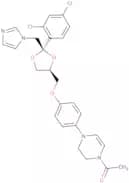

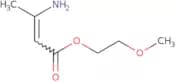
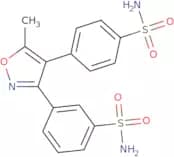
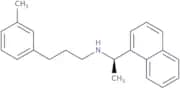
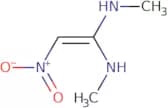
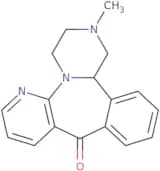
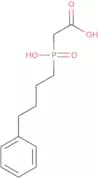
![3-[2-[4-(6-Fluoro-2-benzoxazolyl)-1-piperidinyl]ethyl]-6,7,8,9-tetrahydro-2-methyl-4H-pyrido[1,2-a…](/_next/image/?url=https%3A%2Fstatic.cymitquimica.com%2Fproducts%2F3D%2Fthumb-webp%2FIF23377.webp&w=3840&q=75)
![4-Dibenzo[b,f][1,4]thiazepin-11-yl-1-piperazineethanol hydrochloride](/_next/image/?url=https%3A%2Fstatic.cymitquimica.com%2Fproducts%2F3D%2Fthumb-webp%2FID27364.webp&w=3840&q=75)
![Losartan imidazo[1,5-b]isoquinoline impurity](/_next/image/?url=https%3A%2Fstatic.cymitquimica.com%2Fproducts%2F3D%2Fthumb-webp%2FIL24943.webp&w=3840&q=75)
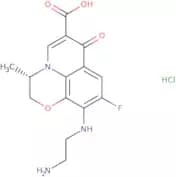
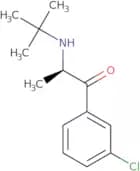
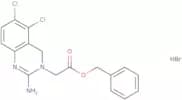
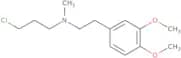
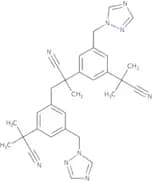
![(aR)-a-Methyl-N-[3-[4-(trifluoromethyl)phenyl]propyl]-1-naphthalenemethanamine](/_next/image/?url=https%3A%2Fstatic.cymitquimica.com%2Fproducts%2F3D%2Fthumb-webp%2FIM101358.webp&w=3840&q=75)
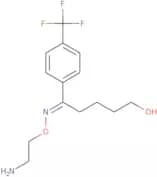
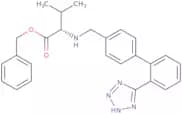
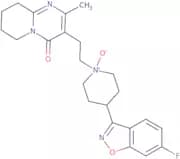
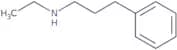
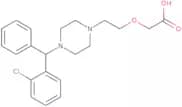
![[1,1'-Biphenyl]-2'-(2H-tetrazol-5-yl)-4-carboxylic acid, [1,1'-biphenyl]-(2'-(2H-tetrazol-5-yl)-4-…](/_next/image/?url=https%3A%2Fstatic.cymitquimica.com%2Fproducts%2F3D%2Fthumb-webp%2FIB18639.webp&w=3840&q=75)
![1-[[4-(3-Methoxypropoxy)-3-methyl-2-pyridinyl]methyl]-2-[[[4-(3-methoxypropoxy)-3-methyl-2-pyridin…](/_next/image/?url=https%3A%2Fstatic.cymitquimica.com%2Fproducts%2F3D%2Fthumb-webp%2FIM25352.webp&w=3840&q=75)
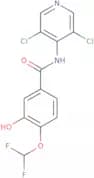
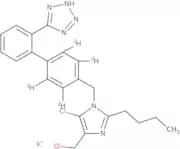
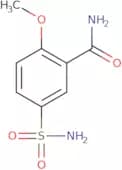
![4',4'''-[(4'-Methyl-2'-propyl[2,6'-bi-1H-benzimidazole]-1,1'-diyl)bis(methylene)]bis[1,1'-biphenyl…](/_next/image/?url=https%3A%2Fstatic.cymitquimica.com%2Fproducts%2F3D%2Fthumb-webp%2FIM28023.webp&w=3840&q=75)
![4-[1,5-Bis-(2-methylsulfamoylethyl)-1H-indol-3-yl]-1-methylpyridinium chloride](/_next/image/?url=https%3A%2Fstatic.cymitquimica.com%2Fproducts%2F3D%2Fthumb-webp%2FIB183365.webp&w=3840&q=75)
![2,12-Dihydro-1,3-dimethyl-8-methoxy-12-thioxobenzo [4,5] pyrido [1,2-c] imidazo [1,2-a] imidazol-2…](/_next/image/?url=https%3A%2Fstatic.cymitquimica.com%2Fproducts%2F3D%2Fthumb-webp%2FID57924.webp&w=3840&q=75)
![2-[3-[4-(3-Chloro-4-ethylphenyl)-1-piperazinyl]propyl]-1,2,4-triazolo[4,3-a]pyridin-3(2H)-one](/_next/image/?url=https%3A%2Fstatic.cymitquimica.com%2Fproducts%2F3D%2Fthumb-webp%2FIC171026.webp&w=3840&q=75)
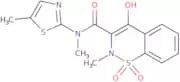
![N,N'-Bis[2-(3,4-dimethoxyphenyl)ethyl]-N,N'-dimethyl-1,3-propanediamine dihydrochloride](/_next/image/?url=https%3A%2Fstatic.cymitquimica.com%2Fproducts%2F3D%2Fthumb-webp%2FIB145560.webp&w=3840&q=75)
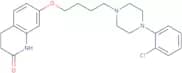
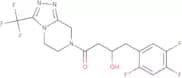
![2,2'-(1,4-Piperazinediyl)bis[6,7-dimethoxy-4-quinazolinamine]](/_next/image/?url=https%3A%2Fstatic.cymitquimica.com%2Fproducts%2F3D%2Fthumb-webp%2FIP27062.webp&w=3840&q=75)
![3-Ethyl-2-methyl-6,7,8,9-tetrahydro-4H-pyrido[1,2-a]pyrimidin-4-one](/_next/image/?url=https%3A%2Fstatic.cymitquimica.com%2Fproducts%2F3D%2Fthumb-webp%2FIE23102.webp&w=3840&q=75)
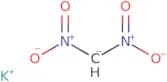
![2-[(4-Chloro-3-methyl-2-pyridinyl)methylthio]-1H-benzimidazole](/_next/image/?url=https%3A%2Fstatic.cymitquimica.com%2Fproducts%2F3D%2Fthumb-webp%2FIC21227.webp&w=3840&q=75)
![2-[[4-[2-(Cyclopropylmethoxy)ethyl]phenoxy]methyl]oxirane](/_next/image/?url=https%3A%2Fstatic.cymitquimica.com%2Fproducts%2F3D%2Fthumb-webp%2FIC20741.webp&w=3840&q=75)
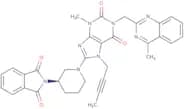

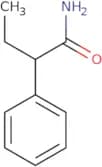
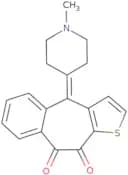

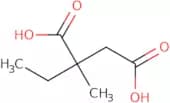
![2-Ethoxy-1-[[2'-[1-(trityl)-1H-tetrazol-5-yl][1,1'-biphenyl]-4-yl]methyl]-1H-benzimidazole-4-carbo…](/_next/image/?url=https%3A%2Fstatic.cymitquimica.com%2Fproducts%2F3D%2Fthumb-webp%2FIE22869.webp&w=3840&q=75)

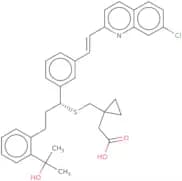
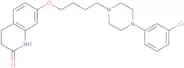
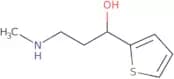


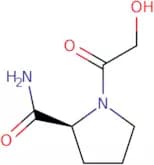
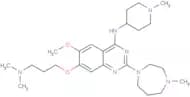

![N-Methyl-N'-[2-[(5-methyl-1H-imidazol-4-yl)methylhio]ethyl]guanidine dihydrochloride](/_next/image/?url=https%3A%2Fstatic.cymitquimica.com%2Fproducts%2F3D%2Fthumb-webp%2FIM58261.webp&w=3840&q=75)
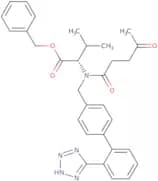
![4'-(Bromomethyl)-[1,1'-biphenyl]-2-carboxylic acid](/_next/image/?url=https%3A%2Fstatic.cymitquimica.com%2Fproducts%2F3D%2Fthumb-webp%2FIB19247.webp&w=3840&q=75)

![2-O-[4-[[(2-Carboxyethyl)amino]carbonyl]phenyl] balsalazide](/_next/image/?url=https%3A%2Fstatic.cymitquimica.com%2Fproducts%2F3D%2Fthumb-webp%2FIC167038.webp&w=3840&q=75)
![[6-Hydroxy-2-(4-hydroxyphenyl)benzo[b]thien-3-yl](4-hydroxyphenyl)-methanone](/_next/image/?url=https%3A%2Fstatic.cymitquimica.com%2Fproducts%2F3D%2Fthumb-webp%2FIH44805.webp&w=3840&q=75)
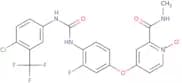
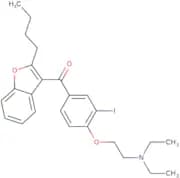
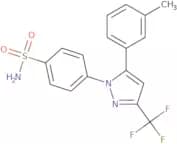
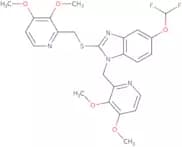

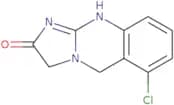
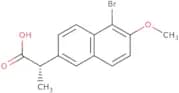




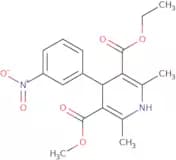
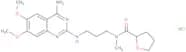
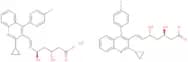


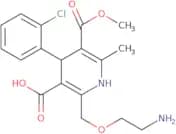
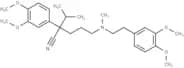
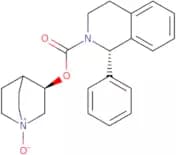

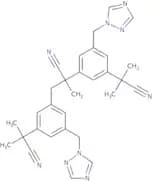
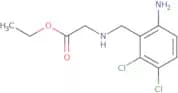
-methanone](/_next/image/?url=https%3A%2Fstatic.cymitquimica.com%2Fproducts%2F3D%2Fthumb-webp%2FIA63847.webp&w=3840&q=75)
![1,1'-[(1-Methylethyl)imino]bis[3-[4-(2-methoxyethyl)phenoxy]-2-propanol](/_next/image/?url=https%3A%2Fstatic.cymitquimica.com%2Fproducts%2F3D%2Fthumb-webp%2FIM63789.webp&w=3840&q=75)
![N-[(6-Chloropyridin-3-yl)methyl]-N-methylacetamide](/_next/image/?url=https%3A%2Fstatic.cymitquimica.com%2Fproducts%2F3D%2Fthumb-webp%2FIC171311.webp&w=3840&q=75)
![2-[[(4-Chloro-3-methyl-2-pyridinyl)methyl]sulfinyl]-1H-benzimidazole](/_next/image/?url=https%3A%2Fstatic.cymitquimica.com%2Fproducts%2F3D%2Fthumb-webp%2FIC21226.webp&w=3840&q=75)
![11-[3-(Dimethylamino)propyl]-6,11-dihydrodibenz[b,e]oxepin-11-ol](/_next/image/?url=https%3A%2Fstatic.cymitquimica.com%2Fproducts%2F3D%2Fthumb-webp%2FID45253.webp&w=3840&q=75)
-methanone](/_next/image/?url=https%3A%2Fstatic.cymitquimica.com%2Fproducts%2F3D%2Fthumb-webp%2FIA63846.webp&w=3840&q=75)
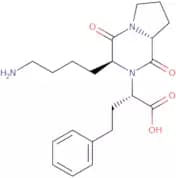
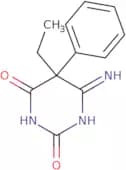
![N-[(3-Trifluoromethyl)phenyl)propyl] cinacalcet HCl](/_next/image/?url=https%3A%2Fstatic.cymitquimica.com%2Fproducts%2F3D%2Fthumb-webp%2FIT106469.webp&w=3840&q=75)
![1-[[4-(3-Methoxypropoxy)-3-methyl-2-pyridinyl]methyl]-2-[[[4-(3-methoxypropoxy)-3-methyl-2-pyridin…](/_next/image/?url=https%3A%2Fstatic.cymitquimica.com%2Fproducts%2F3D%2Fthumb-webp%2FIM25351.webp&w=3840&q=75)
![(+/-)N-Methyl-y-[3-(trifluoromethyl)-phenoxy]benzenepropanamine hydrochloride](/_next/image/?url=https%3A%2Fstatic.cymitquimica.com%2Fproducts%2F3D%2Fthumb-webp%2FIM58072.webp&w=3840&q=75)
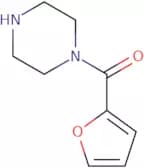
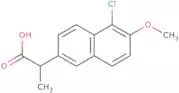
![1-[[2-[(2-Aminophenyl)amino]-5-methyl-3-thienyl]carbonyl]-4-methyl-piperazine](/_next/image/?url=https%3A%2Fstatic.cymitquimica.com%2Fproducts%2F3D%2Fthumb-webp%2FIA183184.webp&w=3840&q=75)
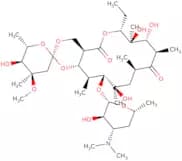
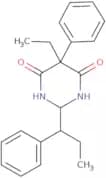
![[4-(4-Amino-6,7-dimethoxy-2-quinazolinyl)-1-piperazinyl][(5S)-tetrahydro-5-methyl-2-furanyl]-metha…](/_next/image/?url=https%3A%2Fstatic.cymitquimica.com%2Fproducts%2F3D%2Fthumb-webp%2FIA63848.webp&w=3840&q=75)
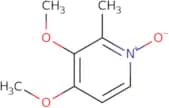
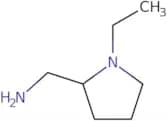
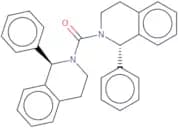
![1-[(1-Methylethyl)amino]-3-phenoxy-2-propanol](/_next/image/?url=https%3A%2Fstatic.cymitquimica.com%2Fproducts%2F3D%2Fthumb-webp%2FIM63785.webp&w=3840&q=75)
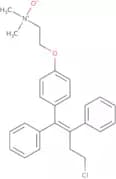
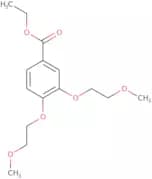
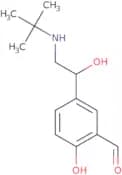
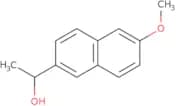


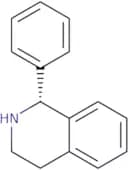
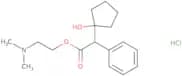

![1-[[3-Methyl-4-(2,2,2-trifluoroethoxy)-2-pyridinyl]methyl]-2-[[[3-methyl-4-(2,2,2-trifluoroethoxy)…](/_next/image/?url=https%3A%2Fstatic.cymitquimica.com%2Fproducts%2F3D%2Fthumb-webp%2FIM25689.webp&w=3840&q=75)
![(2R)-2-(3,4-Dimethoxyphenyl)-5-[2-(3,4-dimethoxyphenyl)ethyl-methylamino]-2-isopropylpentanenitril…](/_next/image/?url=https%3A%2Fstatic.cymitquimica.com%2Fproducts%2F3D%2Fthumb-webp%2FID28684.webp&w=3840&q=75)
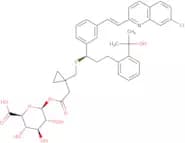
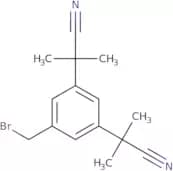
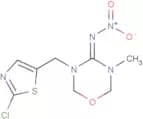
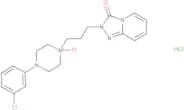
![N,N-Bis[2-(2-hydroxyethoxy)ethyl] quetiapine chloride](/_next/image/?url=https%3A%2Fstatic.cymitquimica.com%2Fproducts%2F3D%2Fthumb-webp%2FIB76470.webp&w=3840&q=75)
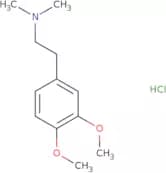
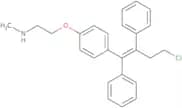
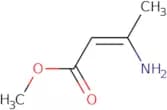
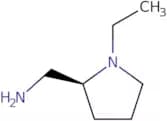
![[5-[(Dimethylamino)methyl]furan-2-yl]methanol](/_next/image/?url=https%3A%2Fstatic.cymitquimica.com%2Fproducts%2F3D%2Fthumb-webp%2FID57850.webp&w=3840&q=75)
![3-[[[2-[(Aminoiminomethyl)amino]-4-thiazolyl]methyl]sulfinyl]-N-(aminosulfonyl)propanimidamide](/_next/image/?url=https%3A%2Fstatic.cymitquimica.com%2Fproducts%2F3D%2Fthumb-webp%2FIA182983.webp&w=3840&q=75)
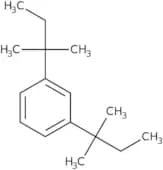
![1-[4-(4-Amino-6,7-dimethoxy-2-quinazolinyl)-1-piperazinyl]-5-hydroxy-1-pentanone](/_next/image/?url=https%3A%2Fstatic.cymitquimica.com%2Fproducts%2F3D%2Fthumb-webp%2FIA63845.webp&w=3840&q=75)

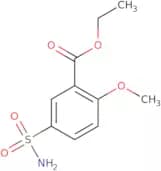

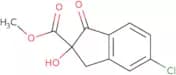
![4-Methyl-5-[(2-aminoethyl)thiomethyl]imidazole dihydrochloride](/_next/image/?url=https%3A%2Fstatic.cymitquimica.com%2Fproducts%2F3D%2Fthumb-webp%2FIM58265.webp&w=3840&q=75)

![6,7-Dimethoxy-2-[4-[(tetrahydro-2-furanyl)carbonyl]-1-piperazinyl]-4(3H)-quinazolinone](/_next/image/?url=https%3A%2Fstatic.cymitquimica.com%2Fproducts%2F3D%2Fthumb-webp%2FID63842.webp&w=3840&q=75)

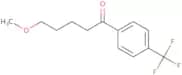
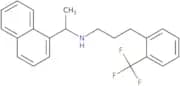
![(3-endo)-9-methyl-9-azabicyclo[3.3.1]nonan-3-amine](/_next/image/?url=https%3A%2Fstatic.cymitquimica.com%2Fproducts%2F3D%2Fthumb-webp%2FIE22671.webp&w=3840&q=75)
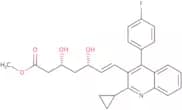

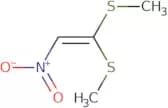
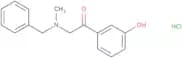
![1-[3-(Dimethylamino)propyl]-1-(4-fluorophenyl)-1,3-dihydro-5-isobenzofurancarboxaldehyde oxime](/_next/image/?url=https%3A%2Fstatic.cymitquimica.com%2Fproducts%2F3D%2Fthumb-webp%2FID182715.webp&w=3840&q=75)
![[6-Hydroxy-2-(4-hydroxyphenyl)-7-[4-(2-piperidin-1-yl-ethoxy)benzoyl]-benzo[b]thien-3-yl]-[4-[2-(1…](/_next/image/?url=https%3A%2Fstatic.cymitquimica.com%2Fproducts%2F3D%2Fthumb-webp%2FIH45164.webp&w=3840&q=75)
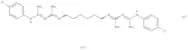
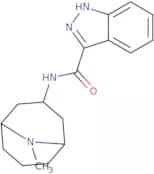
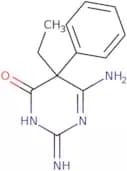
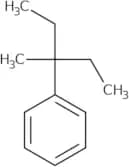
![3-[(1E)-2-[4-[[(2-Carboxyethyl)amino]carbonyl]phenyl]diazenyl] balsalazide](/_next/image/?url=https%3A%2Fstatic.cymitquimica.com%2Fproducts%2F3D%2Fthumb-webp%2FIC19769.webp&w=3840&q=75)

![1-[[3-Methyl-4-(2,2,2-trifluoroethoxy)-2-pyridinyl]methyl]-2-[[[3-methyl-4-(2,2,2-trifluoroethoxy)…](/_next/image/?url=https%3A%2Fstatic.cymitquimica.com%2Fproducts%2F3D%2Fthumb-webp%2FIM25690.webp&w=3840&q=75)
![5-Chloro-N-[3-[[(5-chloro-2-thienyl)carbonyl]amino]-2-hydroxypropyl]-N-[4-(3-oxo-4-morpholinyl)phe…](/_next/image/?url=https%3A%2Fstatic.cymitquimica.com%2Fproducts%2F3D%2Fthumb-webp%2FIC183209.webp&w=3840&q=75)
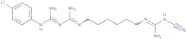
![2’-[(1E)-2-[4-[[(2-Carboxyethyl)amino]carbonyl]phenyl]diazenyl] balsalazide](/_next/image/?url=https%3A%2Fstatic.cymitquimica.com%2Fproducts%2F3D%2Fthumb-webp%2FIC157151.webp&w=3840&q=75)
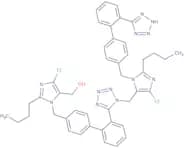
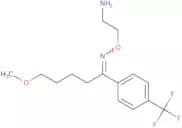
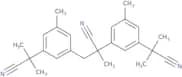
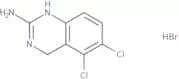

![(RS)-N-[(1-Ethylpyrrolidin-2-yl)methyl]-2-hydroxy-5-sulphamoylbenzamide](/_next/image/?url=https%3A%2Fstatic.cymitquimica.com%2Fproducts%2F3D%2Fthumb-webp%2FIE145489.webp&w=3840&q=75)
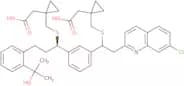
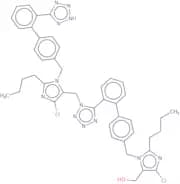
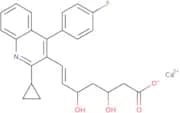
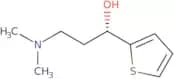
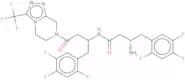
![2-[[2-Oxo-3-[4-(3-oxo-4-morpholinyl)phenyl]-5-oxazolidinyl]methyl]-1H-isoindole-1,3(2H)-dione](/_next/image/?url=https%3A%2Fstatic.cymitquimica.com%2Fproducts%2F3D%2Fthumb-webp%2FIO183175.webp&w=3840&q=75)
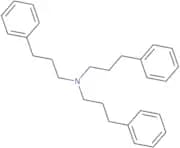
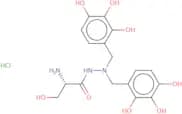

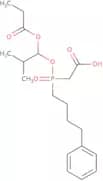
![(2Z)-1-[5,6-Dihydro-3-(trifluoromethyl)-1,2,4-triazolo[4,3-α]pyrazin-7(8H)-yl]-4-(2,4,5-trifluorop…](/_next/image/?url=https%3A%2Fstatic.cymitquimica.com%2Fproducts%2F3D%2Fthumb-webp%2FID183167.webp&w=3840&q=75)
![[[5-[[(2-Aminoethyl)thio]methyl]furan-2-yl]methyl]dimethylamine, hemifumarate](/_next/image/?url=https%3A%2Fstatic.cymitquimica.com%2Fproducts%2F3D%2Fthumb-webp%2FIA57851.webp&w=3840&q=75)
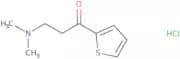
![1,4-Bis[(tetrahydro-2-furanyl)carbonyl]-piperazine](/_next/image/?url=https%3A%2Fstatic.cymitquimica.com%2Fproducts%2F3D%2Fthumb-webp%2FIB63853.webp&w=3840&q=75)

![1-[4-(4-Amino-6,7-dimethoxy-2-quinazolinyl)-1-piperazinyl]-2-hydroxy-1-pentanone](/_next/image/?url=https%3A%2Fstatic.cymitquimica.com%2Fproducts%2F3D%2Fthumb-webp%2FIA63849.webp&w=3840&q=75)
![a,a'-[[[2-(3,4-Dimethoxyphenyl)ethyl]imino]di-3,1-propanediyl]bis[3,4-dimethoxy-α-(1-methylethyl)-…](/_next/image/?url=https%3A%2Fstatic.cymitquimica.com%2Fproducts%2F3D%2Fthumb-webp%2FID145565.webp&w=3840&q=75)

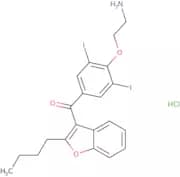
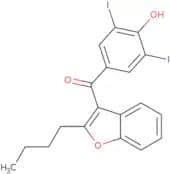
![Methyl 4-[[1-(ethoxycarbonyl)-2-oxocyclopentyl]methyl]-α-methylbenzeneacetate](/_next/image/?url=https%3A%2Fstatic.cymitquimica.com%2Fproducts%2F3D%2Fthumb-webp%2FIM184082.webp&w=3840&q=75)
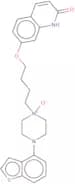



![6,7,8,9-Tetrahydro-3-[2-[4-(6-hydroxy-1,2-benzisoxazol-3-yl)-1-piperidinyl]ethyl]-2-methyl-4H-pyri…](/_next/image/?url=https%3A%2Fstatic.cymitquimica.com%2Fproducts%2F3D%2Fthumb-webp%2FIT21195.webp&w=3840&q=75)