Monosaccharides
Subcategories of "Monosaccharides"
- Alloses(11 products)
- Arabinoses(21 products)
- Erythroses(11 products)
- Fructoses(9 products)
- Fucoses(36 products)
- Galactosamine(41 products)
- Galactose(262 products)
- Glucoses(365 products)
- Glucuronic Acids(52 products)
- Glyco-substrates for Enzyme(78 products)
- Guloses(6 products)
- Idoses(4 products)
- Inositols(15 products)
- Lyxoses(4 products)
- Mannoses(65 products)
- O-Glycans(48 products)
- Psicoses(3 products)
- Rhamnoses(10 products)
- Riboses(61 products)
- Sialic Acids(100 products)
- Sorboses(4 products)
- Sugars(174 products)
- Tagatoses(4 products)
- Taloses(8 products)
- Xyloses(20 products)
Found 6138 products of "Monosaccharides"
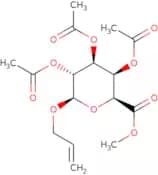
Allyl 2,3,4-tri-O-acetyl-b-D-galacturonide methyl ester
CAS:Allyl 2,3,4-tri-O-acetyl-b-D-galacturonide methyl ester is a synthetic monosaccharide that is custom synthesized for use in modifying complex carbohydrates. It has the CAS number 130506-36-4 and can be used in the synthesis of oligosaccharides and polysaccharides. This chemical may be fluorinated to give a fluorinated carbohydrate, which may then be methylated to produce an allyl 2,3,4-tri-O-acetyl-b-D-galacturonide methyl ester. Allyl 2,3,4-tri-O-acetyl--b--D--galacturonide methyl ester is also known as Methylated galacturonic acid or 2,3,4 Triacetate D Galacturonic Acid Methyl Ester.
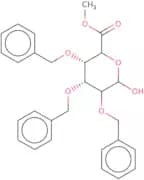
Formula:C16H22O10Purity:Min. 95%Color and Shape:White to off-white solid.Molecular weight:374.34 g/mol2,3,4-Tri-O-benzyl-D-glucuronide methyl ester
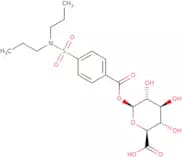
2,3,4-Tri-O-benzyl-D-glucuronide methyl ester is an organic compound that is structurally classified as a saccharide. It can be used as an intermediate in the synthesis of oligosaccharides and glycosylated proteins. This product has been modified with Click chemistry, which is a method for modifying chemical structures with a simple reaction between two groups. The modification is stable in acidic conditions and can be removed by treatment with base. 2,3,4-Tri-O-benzyl-D-glucuronide methyl ester also contains fluorine atoms that have been introduced during the synthetic process.Formula:C28H30O7Purity:Min. 95%Color and Shape:White PowderMolecular weight:478.53 g/molProbenecid acyl b-D-glucuronide
CAS:Probenecid is a weak acid that is rapidly converted to an active metabolite in the body. It is used as an analgesic, antipyretic, and anti-inflammatory drug. Probenecid has been shown to inhibit the formation of biliary acids in animals and humans and has been used in the treatment of chronic inflammatory conditions such as rheumatoid arthritis. The most common route of administration for this drug is orally, although it can also be given intravenously or intramuscularly. Probenecid also acts as a nonsteroidal anti-inflammatory drug (NSAID). This means that it inhibits prostaglandin synthesis by blocking cyclooxygenase enzymes. This reduces inflammation, pain, and fever by inhibiting the production of prostaglandins that play a role in these processes.
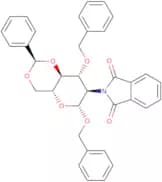
Formula:C19H27NO10SPurity:Min. 95%Color and Shape:White To Off-White SolidMolecular weight:461.48 g/molBenzyl 3-O-benzyl-4,6-O-benzylidene-2-deoxy-2-N-phthalamido-a-D-glucopyranoside
CAS:Benzyl 3-O-benzyl-4,6-O-benzylidene-2-deoxy-2-N-phthalamido-a-D-glucopyranoside is a sugar that is used as a building block for the synthesis of glycosaminoglycans. This sugar can be fluorinated, glycosylated, or methylated and is a synthetically modified oligosaccharide with an average molecular weight of about 880 Da. The monomer unit consists of two glucose residues linked by an α(1→4) glycosidic bond. It has been shown to have antihypertensive properties in vitro and in vivo.Formula:C35H31NO7Purity:Min. 95%Color and Shape:White to off-white solid.Molecular weight:577.62 g/mol2,3,5-Tri-O-acetyl-L-arabinofuranosyl fluoride
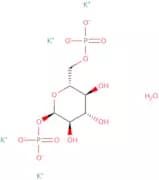
2,3,5-Tri-O-acetyl-L-arabinofuranosyl fluoride is a monosaccharide sugar that has been fluorinated. It is a custom synthesis of methylation and click modification. The CAS number for this product is 565-64-8. This product has been modified to make it more resistant to degradation by enzymes such as alpha amylase and beta amylase. It is also used for polysaccharide synthesis and saccharides with higher purity than other products on the market. This product is synthesized from natural sources, making it high in purity and suitable for use in food production.END>Formula:C11H15FO7Purity:Min. 95%Color and Shape:Colourless To Yellow LiquidMolecular weight:278.23 g/molα-D-Glucose-1,6-diphosphate tetrapotassium hydrate
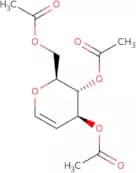
CAS:Inhibitor of hexokinase; activator of phosphofructokinase-1Formula:C6H14O12P2•4K•(H2O)nPurity:Min. 95%Color and Shape:PowderMolecular weight:496.51 g/mol3,4,6-Tri-O-acetyl-L-glucal
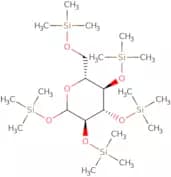
CAS:Resource for the synthesis of 2-azido- and 2-deoxy-L-glucoses and 1,2-epoxidesFormula:C12H16O7Purity:Min. 95%Color and Shape:White PowderMolecular weight:272.25 g/mol1,2,3,4,6-Penta-O-trimethylsilyl-D-glucopyranose
CAS:1,2,3,4,6-Penta-O-trimethylsilyl-D-glucopyranose is a high purity product custom synthesized for research purposes. It is a sugar that has been modified by the Click modification and fluorination. 1,2,3,4,6-Penta-O-trimethylsilyl-D-glucopyranose is an oligosaccharide with a complex carbohydrate structure that can be used in glycosylation reactions. This product is a saccharide with a CAS number of 19126-99-9.Formula:C21H52O6Si5Purity:Min. 95%Color and Shape:Colorless PowderMolecular weight:541.07 g/molHyacinthine crystals
Hyacinthine is a sugar that is synthesized in the laboratory. It is modified with fluorine, methyl, and click chemistry. Hyacinthine has been shown to have antifungal, antiviral, and antitumour properties. It also has been shown to have anti-inflammatory effects. Hyacinthine can be used as a probe for the study of glycosylation reactions or as a model for the synthesis of complex carbohydrates.Purity:Min. 95%N-(Fmoc)-C-b-D-galacturonyl methylamine
Fmoc-C-b-D-galacturonyl methylamine is a custom synthesis that is used in the modification of oligosaccharides and carbohydrates. It is also used as a precursor for the synthesis of glycosylated saccharides by methylation, glycosylation, and fluorination. Fmoc-C-b-D-galacturonyl methylamine has been shown to be an excellent starting material for the production of high purity complex carbohydrates.Purity:Min. 95%Allyl 2-acetamido-2-deoxy-?-D-glucopyranoside
CAS:Allyl 2-acetamido-2-deoxy-a-D-glucopyranoside is a synthetic oligosaccharide that has the ability to bind to the O antigen of bacterial cells. It is used in vaccines as an adjuvant and has been shown to increase antibody production and provide protection against Shigella, a bacterial infection. This compound also shows chemoenzymatic activity, which allows for regiospecifically catalytic conversion of glycosides. Allyl 2-acetamido-2-deoxy-a-D-glucopyranoside binds to specific microbial enzymes that contain an acceptor site, with its catalytic function being activated by these enzymes.Formula:C11H19NO6Purity:Min. 95%Color and Shape:PowderMolecular weight:261.27 g/molN-Acetyl-D-mannosamine-6-phosphate disodium salt
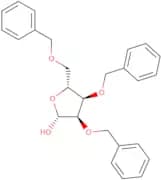
CAS:Precursor of N-acetylneuraminic acidFormula:C8H14NO9P·2NaPurity:Min. 95%Color and Shape:White PowderMolecular weight:345.15 g/mol2,3,5-Tri-O-benzyl-b-D-ribofuranose
CAS:2,3,5-Tri-O-benzyl-b-D-ribofuranose is a synthetic monosaccharide that is used in the synthesis of complex carbohydrates such as glycosylation and polysaccharides. One use for this chemical is to modify the sugar moiety with methyl groups, yielding 2,3,5-tri-O-methyl b-D-ribofuranose. This modification helps prevent the sugar from being metabolized by enzymes in the body. The chemical can also be fluorinated to yield 2,3,5-trifluoro b-D-ribofuranose.
Formula:C26H28O5Purity:Min. 95%Color and Shape:White PowderMolecular weight:420.5 g/molN-Acetyl-D-galactosamine-6-O-sulphate sodium salt - 95%
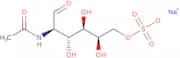
CAS:N-Acetyl-D-galactosamine-6-O-sulphate sodium salt is a glycosylation product that can be used in the synthesis of oligosaccharides and saccharides. It is also used for the modification of proteins, polysaccharides, fluorination reactions, and click reactions. This compound has been synthesized from D-galactose and acetylated with sulfuric acid to form an ester. N-Acetyl-D-galactosamine-6-O-sulphate sodium salt has a molecular weight of 584.12 g/mol and a melting point of 236°C.Formula:C8H14NO9SNaPurity:Min. 95 Area-%Color and Shape:PowderMolecular weight:323.25 g/mol4-Methoxyphenyl 3-O-benzyl-4,6-O-benzylidene-2-deoxy-2-phthalimido-β-D-glucopyranoside
CAS:4-Methoxyphenyl 3-O-benzyl-4,6-O-benzylidene-2-deoxy-2-phthalimido-b-D-glucopyranoside is a complex carbohydrate that has been modified with methylation and glycosylation. It has been synthesized using the following reactants: 4-(methoxy)phenol, benzaldehyde, and 2,3,4,6,-tetraacetylpiperidine. This product has a CAS number of 129575–88–8 and is available for custom synthesis in quantities from 1 gram to 50 kilograms. This product is used as a custom synthesis for oligosaccharides or polysaccharides.Formula:C35H31NO8Purity:Min. 95%Molecular weight:593.62 g/molAllyl 2-acetamido-2-deoxy-β-D-glucopyranoside
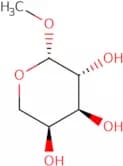
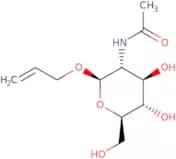
CAS:Allyl 2-acetamido-2-deoxy-β-D-glucopyranoside is a modification of the sugar molecule. It is an oligosaccharide composed of a monosaccharide and one or more other saccharides.Formula:C11H19NO6Purity:Min. 98 Area-%Color and Shape:PowderMolecular weight:261.27 g/molMethyl a-D-xylopyranoside
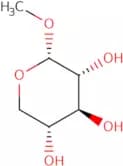
CAS:Methyl a-D-xylopyranoside is an iron chelator that can be used as a mycobacterial drug candidate. It binds to both ferric and ferrous iron, and has been shown to inhibit the uptake of ferric iron by Mycobacterium tuberculosis. It also inhibits the synthesis of siderophores, which are molecules produced by bacteria in order to acquire iron from their environment. Methyl a-D-xylopyranoside does not bind to the alpha-d-glucopyranoside moiety typically found in iron complexes. This is due to its hydroxamate group, which causes it to have an increased affinity for Fe3+. This compound is active against gram negative bacteria such as E. coli and Salmonella enterica serovar Typhimurium, but not against gram positive organisms such as Staphylococcus aureus or Streptococcus pneumoniae.Formula:C6H12O5Purity:Min. 95%Color and Shape:White Off-White PowderMolecular weight:164.16 g/molMyricitrin
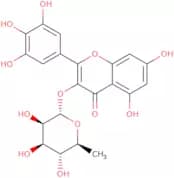
CAS:Myricitrin is a natural compound that is found in the bark of the Myrica tree. It has been shown to have antioxidant effects and pro-apoptotic activities. Myricitrin has been shown to induce apoptosis in HL-60 cells through activation of the caspase-3 pathway, which includes cleavage of poly (ADP-ribose) polymerase and activation of caspases. In addition, myricitrin induces apoptosis by binding to DNA and inhibiting transcription. The physiological effects of myricetin are similar to those of myricitrin due to their structural similarity. However, there is no data available on the anti-inflammatory properties or hypoglycemic effect of myricetin.Formula:C21H20O12Purity:Min. 95%Color and Shape:White PowderMolecular weight:464.38 g/molPhenyl 2,3,4-tri-O-benzyl-b-L-thiofucopyranose
CAS:Phenyl 2,3,4-tri-O-benzyl-b-L-thiofucopyranose is a synthetic monosaccharide that is modified with fluorine. It is also known as 3,4,6-tri-O-benzyl-2,3,4,6-tetra-O-(trifluoromethyl) fucopyranose. This compound is a complex carbohydrate that belongs to the group of glycoconjugates and polysaccharides. Phenyl 2,3,4-tri-O-benzyl-b-L-thiofucopyranose has been shown to be useful in glycosylation reactions as well as in click chemistry reactions. This compound can be used for the synthesis of oligosaccharides and polysaccharides with custom modifications. Phenyl 2,3,4 tri O benzyl b L thiofFormula:C33H34O4SPurity:Min. 95%Color and Shape:PowderMolecular weight:526.69 g/molMethyl 2,3,4,6-tetra-O-benzyl-b-D-thiogalactopyranoside
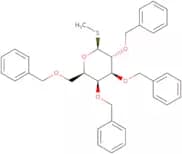
CAS:Methyl 2,3,4,6-tetra-O-benzyl-b-D-thiogalactopyranoside is a synthetic monosaccharide that has been modified with fluorination and glycosylation. It is a product of the click reaction, which is a chemical modification that involves the formation of an aziridine and an alkene in one step. This product has been used for the synthesis of oligosaccharides and complex carbohydrates.Formula:C35H38O5SPurity:Min. 95%Color and Shape:PowderMolecular weight:570.74 g/molSorbitan monostearate
CAS:Sorbitan monostearate is a lipid-soluble compound that is used as a surfactant and emulsifier in food products. It has been found to be nontoxic when administered at concentrations up to 5000 mg/kg of body weight for 28 days. Sorbitan monostearate has been shown to be nontoxic in vitro, but the long-term toxicity of this compound has not been established. Sorbitan monostearate also exhibits hydrogen bonding interactions with calcium pantothenate, sodium salts, and coumarin derivatives. The model system used was an artificial membrane composed of chitosan quaternary ammonium and monolaurate. This study found that sorbitan monostearate is able to permeabilize the membrane at an optimum concentration.Formula:C24H46O6Color and Shape:White PowderMolecular weight:430.62 g/mol1-O-Methyl-α-D-galactopyranoside monohydrate
CAS:1-O-Methyl-α-D-galactopyranoside is a gratuitous α-galactosidase inducer.Formula:C7H16O7Molecular weight:212.20 g/mol1-Bromo-2,3,4-tri-O-acetyl-a-D-glucuronide methyl ester
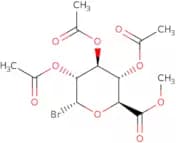
CAS:1-Bromo-2,3,4-tri-O-acetyl-a-D-glucuronide methyl ester is a protected D-glucoronic acid with an alpha bromide at the anomeric position ready to undergo glycosylation reactions with suitable glycoside acceptors. Pharmaceutically active compounds have been used as acceptors to form β-linked D-glucuronide prodrugs which can be used to modify pharmacokinetics, improve solubility and lower the toxicity of the drug.Formula:C13H17BrO9Purity:Min. 80%Molecular weight:397.17 g/mol4-Methylphenyl 2,3,4-tri-O-benzyl-β-L-thiofucopyranoside
4-Methylphenyl 2,3,4-tri-O-benzyl-b-L-thiofucopyranoside is a custom synthesis of an oligosaccharide. It is a complex carbohydrate with CAS No. that belongs to the class of saccharide and sugar. Polysaccharides are made up of several monosaccharides linked together by glycosidic bonds, which are formed by the action of enzymes called glycosyltransferases or glycosidases. Glycosylation is the process in which a sugar molecule (usually glucose) is added to another molecule by means of a glycosidic bond. Carbohydrates are one type of macromolecule and they are important sources of energy in living things. They also play important roles in cell walls and as structural components in plants and animals. The chemical modification carried out on this compound is methylation, which refers to the addition of one or more methylFormula:C34H36O4SPurity:Min. 95%Molecular weight:540.71 g/mol2,3-O-Isopropylidene-D-apiose
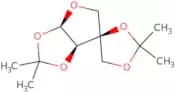
CAS:2,3-O-Isopropylidene-D-apiose is a high purity product that can be custom synthesized. It is a sugar that can be modified with fluorination, glycosylation, and methylation. 2,3-O-Isopropylidene-D-apiose has been shown to be an effective synthetic carbohydrate and can be used as a drug delivery system. This product is soluble in methanol and water and has the CAS number 94943-41-6.
Formula:C11H18O5Purity:Min. 98 Area-%Color and Shape:PowderMolecular weight:230.26 g/molAllyl b-D-glucopyranoside
CAS:Allyl b-D-glucopyranoside is a sweet and stable sugar that is used in the production of food and pharmaceutical products. It is sourced from corn starch or rice starch. Allyl b-D-glucopyranoside has been shown to be more efficient than chloride when added to tandospirone citrate, a herbal medicine, for the prevention of gastric ulcers. This sugar has also been used in clinical use as an additive in medicines such as alginic acid.Formula:C9H16O6Purity:Min. 98 Area-%Color and Shape:White Off-White PowderMolecular weight:220.22 g/mol5-Deoxy-iso-DMDP HCl
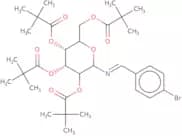
5-Deoxy-iso-DMDP HCl is a custom synthesis sugar that can be modified with Click chemistry. It is fluorinated, glycosylated, and methylated. The CAS number for 5-Deoxy-iso-DMDP HCl is 97790-10-2. This oligosaccharide has a molecular weight of about 607.5 Daltons and contains monosaccharides and saccharides. The carbohydrate complex has a molecular weight of about 1201 Daltons and includes complex carbohydrates such as polysaccharides, glycoproteins, glycogen, and polysaccharolytic enzymes.Purity:Min. 95%N-(4-Bromobenzyliden)imino-2,3,4,6-tetra-O-pivaloyl-D-glucopyranoside
N-(4-Bromobenzyliden)imino-2,3,4,6-tetra-O-pivaloyl-D-glucopyranoside is a custom synthesis that is an oligosaccharide. This product is a complex carbohydrate that can be modified with methylation, glycosylation and click modification. The saccharide unit in this product is a sugar or carbohydrate. It has high purity with fluorination and synthetic modifications.Formula:C33H48BrNO9Purity:Min. 95%Molecular weight:682.66 g/mol1,2,3,4-Tetra-O-acetyl-6-azido-6-deoxy-D-galactopyranose
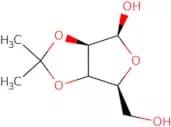
CAS:Synthetic carbohydrate building blockFormula:C14H19N3O9Purity:Min. 95%Molecular weight:373.32 g/mol2,3-O-Isopropylidene-L-ribofuranose
CAS:2,3-O-Isopropylidene-L-ribofuranose is a chiral building block for the synthesis of α-amino acids. This compound can be obtained from l-arabinose and l-rhamnose by kinetic resolution reactions with reagents such as (R)-1,2,3,4,5,6-hexahydrobenzo[b]thiophene or (S)-1,2,3,4,5,6-hexahydrobenzo[b]thiophene. The product is an enantiospecifically pure mixture of 2,3-O-isopropylidene L-ribofuranose and its antipode. The use of acid catalysts such as sulfuric acid or hydrochloric acid will yield a higher yield of the desired product.Formula:C8H14O5Purity:Min. 95 Area-%Color and Shape:PowderMolecular weight:190.19 g/mol1,4-Anhydro-D-glucitol
CAS:Intermediate in the synthesis of prostaglandins
Formula:C6H12O5Purity:Min. 97 Area-%Color and Shape:White Off-White PowderMolecular weight:164.16 g/mol1,2,3,5-Tetra-O-acetyl-D-xylofuranose
CAS:1,2,3,5-Tetra-O-acetyl-D-xylofuranose is a lectin that has been shown to have an affinity for bacterial cells. It has been shown to be effective against Gram-positive and Gram-negative bacteria, with the exception of mycobacteria. 1,2,3,5-Tetra-O-acetyl-D-xylofuranose binds to the terminal sugar of the cell wall carbohydrate chains of these cells by means of its oligosaccharide side chain. The binding causes conformational changes in the bacterial membrane and disrupts the ion gradient across it. This leads to an influx of water into the cell and subsequent death.Formula:C13H18O9Purity:Min. 95%Color and Shape:Colorless PowderMolecular weight:318.28 g/mol1,2,3,4-Tetra-O-pivaloyl-6-O-triisopropylsilyl-b-D-glucopyranose
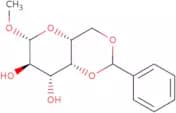
1,2,3,4-Tetra-O-pivaloyl-6-O-triisopropylsilyl-b-D-glucopyranose is a high purity custom synthesis sugar. It has been modified with fluorination and glycosylation. The CAS number for this product is 8071-79-8. Synthetic modification of the sugar to form an oligosaccharide or monosaccharide can also be performed. This product is a complex carbohydrate that contains saccharides in the form of a sugar molecule linked together by glycosidic bonds.Formula:C35H64O10SiPurity:Min. 95%Molecular weight:672.98 g/molMethyl 4,6-O-benzylidene-β-D-galactopyranoside
CAS:Methyl 4,6-O-benzylidene-b-D-galactopyranoside is a sugar that has a molecular formula of C14H18O7. This compound crystallizes in the monoclinic system with unit cell dimensions of a=11.74 Å, b=8.92 Å, c=5.81 Å and β=106.39°. The methyl 4,6-O-benzylidene group is attached to the galactose ring via an ether bond at C4' and C6'. Methyl 4,6-O-benzylidene-b-D-galactopyranoside has been shown to possess receptor binding properties by inhibiting acetylcholine release when it binds to the acetylcholine receptors on the surface of muscle cells. Methyl 4,6-O-benzylidene-b-D-galactopyrFormula:C14H18O6Purity:Min. 95%Color and Shape:PowderMolecular weight:282.29 g/mol1,3,5-Tri-O-benzoyl-2-O-methyl-D-ribofuranose
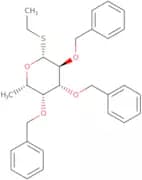
CAS:1,3,5-Tri-O-benzoyl-2-O-methyl-D-ribofuranose is a modified sugar with three benzoyl groups. It has a molecular weight of 498.18 g/mol and the chemical formula C32H32F6N8O8. The compound is synthesized by the condensation of 2,3,4,5-tetraacetylpyridine with 2,3,4,5-tetraacetylthiophene in the presence of potassium fluoride and sodium hydroxide in aqueous methanol at room temperature. This product is used to study glycosylation reactions and to modify oligosaccharides for research purposes. 1,3,5-Tri-O-benzoyl-2-O-methyl--D--ribofuranose is soluble in water and ethanol but insoluble in ether or chloroform.This product hasFormula:C27H24O8Purity:Min. 85 Area-%Color and Shape:White PowderMolecular weight:476.47 g/molEthyl 2,3,4-tri-O-benzyl-L-thiofucopyranoside
CAS:Ethyl 2,3,4-tri-O-benzyl-L-thiofucopyranoside is a glycosylation agent that is used in the synthesis of complex carbohydrates. It can also be used in the methylation and click modification of saccharides. Ethyl 2,3,4-tri-O-benzyl-L-thiofucopyranoside has been shown to have a high purity and can be custom synthesized to fit the needs of the customer. This product has a CAS number of 169532-17-6 and it is available in both monosaccharides and oligosaccharides.
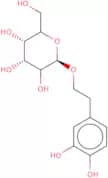
Formula:C29H34O4SPurity:Min. 95%Color and Shape:White Off-White PowderMolecular weight:478.64 g/mol2-(3,4-Dihydroxyphenyl)ethyl b-D-glucopyranoside
CAS:2-(3,4-Dihydroxyphenyl)ethyl b-D-glucopyranoside (2,3,4-DHPEB) is a naturally occurring phenolic acid. It has been shown to have antidepressant activity in mice and rats. 2,3,4-DHPEB inhibits the growth of Streptococcus faecalis by inhibiting fatty acid biosynthesis. This compound also has anti-inflammatory properties that may be due to its ability to inhibit prostaglandin synthesis. 2,3,4-DHPEB is a ligand for PPAR receptors and activates their transcriptional activity in cells. It has been shown to have chemopreventive effects against colon cancer cell lines and is able to induce apoptosis in tumor cells.Formula:C14H20O8Purity:Min. 95%Color and Shape:PowderMolecular weight:316.3 g/molBenzyl 3,4-O-(2',3'-dimethoxybutane-2',3'-diyl)-α-D-mannopyanoside
CAS:Benzyl 3,4-O-(2',3'-dimethoxybutane-2',3'-diyl)-a-D-mannopyanoside is a modification of an oligosaccharide. It is a complex carbohydrate that has been synthesized from a monosaccharide and methylated on the 3' hydroxyl group. This product is available as a custom synthesis and is offered in high purity. The CAS number for this compound is 1423035-45-3.
br>
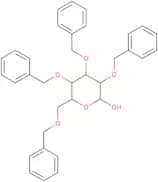
Benzyl 3,4-O-(2',3'-dimethoxybutane-2',3'-diyl)-a-D-mannopyanoside can be used as a sugar or fluorinated saccharide in glycosylation reactions with other molecules. It can also be used to produce polysaccharides by glycosylation with other molecules such as glucose, mannose, or sucrose.Formula:C19H28O8Purity:Min. 95%Molecular weight:384.42 g/mol2,3,4,6-Tetra-O-benzyl-D-galactopyranose
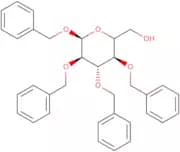
CAS:2,3,4,6-Tetra-O-benzyl-D-galactopyranose is a building block which can be used as both a galactosyl donor and acceptor in the synthesis of saccharides. The benzyl protecting groups can be readily and selectively cleaved but are stable to a variety of reaction conditions allowing chemical manipulations to be carried out on the rest of the saccharide. 2,3,4,6-Tetra-O-benzyl-D-galactopyranose has been used in the synthesis of potential cholera toxin inhibitors, analogues of α-galactosyl ceramide (iNKT agonist) and more recently in the synthesis of Scleropentaside A.Formula:C34H36O6Purity:Min. 98 Area-%Color and Shape:White PowderMolecular weight:540.65 g/mol(1S) -1- [(2S, 3S,4R) -4-Hydroxymethyl-3- hydroxy-1- azetidinyl] -1, 2- ethanediol hydrochloride
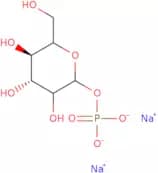
This is a modification of an oligosaccharide, a carbohydrate that is composed of more than one sugar. This custom synthesis can be synthesized with high purity and in large quantities. The CAS number is 67767-44-0 and the molecular weight is 528.Purity:Min. 95%D-Galactose-1-phosphate disodium
CAS:D-Galactose-1-phosphate disodium is an organic compound that is used as a methylation and glycosylation reagent. It can be used in the synthesis of oligosaccharides, polysaccharides, and other complex carbohydrates. D-Galactose-1-phosphate disodium is a fluorinated saccharide that can be custom synthesized to order. It is also available in high purity and has CAS No. 147072-63-7.Formula:C6H13O9P•(Na)2Purity:(31P-Nmr) Min. 98%Color and Shape:PowderMolecular weight:304.1 g/molArabinonic acid potassium salt
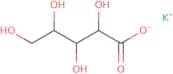
CAS:Arabinonic acid potassium salt is a fluorinated monosaccharide that is used as a building block for the synthesis of oligosaccharides and polysaccharides. Arabinonic acid potassium salt is chemically synthesized by the glycosylation of 2-deoxy-D-ribose with arabinonitrile followed by hydrolysis to form arabinonic acid. This chemical can also be modified with methyl groups, nitro groups, or other functional groups. It has CAS number 36232-89-0 and molecular weight of 176.17 g/mol. Arabinonic acid potassium salt is a high purity product with 98% minimum purity and no detectable impurities.Formula:C5H9KO6Purity:Min. 95%Color and Shape:PowderMolecular weight:204.22 g/mol1,2,3,4-Tetra-O-benzyl-α-D-mannopyranoside
CAS:1,2,3,4-Tetra-O-benzyl-a-D-mannopyranoside is an active drug that belongs to the group of thyromimetics. It is a prodrug that is hydrolyzed in vivo to 1,2,3,4-tetra-O-acetyl-a-D-mannopyranose. This drug has been shown to be effective in treating nervous system diseases such as sclerosis and endogenous disease. The acetylation of the benzyl group on this molecule prevents it from being metabolized by enzymes that are found in the liver. The unmodified form of this drug is rapidly absorbed into the blood and reaches high concentrations quickly.Formula:C34H36O6Purity:Min. 95%Color and Shape:Clear LiquidMolecular weight:540.65 g/molPhenyl-beta-D-glucuronic acid monohydrate
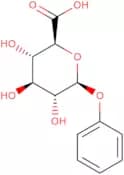
CAS:Phenyl-beta-D-glucuronic acid monohydrate is a genotoxic agent that is metabolized to S-phenylmercapturic acid. This metabolite can be detected in urine as an indicator of exposure to the compound. Phenyl-beta-D-glucuronic acid monohydrate has been shown to have toxic effects on humans, such as decreasing the glomerular filtration rate and increasing reactive oxygen species levels. It also decreases antioxidant vitamin levels and causes blood disorders, including hemolytic anemia. Phenyl-beta-D-glucuronic acid monohydrate may also be used for the treatment of autoimmune diseases by inhibiting certain enzymes involved in inflammation and immune response.Formula:C12H16O8Purity:Min. 98 Area-%Color and Shape:White PowderMolecular weight:288.26 g/molD-Tagatose
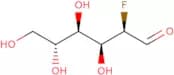
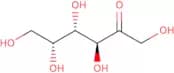
CAS:Low-calorie sweetener; additive in detergents, cosmetics, and pharmaceuticalsFormula:C6H12O6Purity:Min. 99 Area-%Color and Shape:PowderMolecular weight:180.16 g/mol2-Deoxy-2-fluoro-D-arabinofuranose
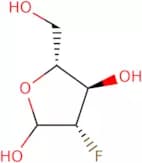
CAS:2-Deoxy-2-fluoro-D-arabinofuranose is a purine nucleoside that is used in the diagnosis and treatment of herpes simplex virus infection. It inhibits viral replication by competitively inhibiting acycloguanosine, an enzyme that catalyzes the conversion of 2’-deoxyguanosine to deoxyadenosine. 2-Deoxy-2-fluoro-D-arabinofuranose has been shown to be active against cancer cells and can be used as chemotherapeutic agent. This drug may also be used for the diagnosis of cancer by detecting the presence of activated T cells in patients with tumor necrosis factor α (TNFα) receptor gene polymorphism.
Formula:C5H9FO4Purity:Min. 95%Color and Shape:PowderMolecular weight:152.12 g/molEthyl 2,3,4-tri-O-benzyl-b-L-thiofucopyranoside
CAS:Synthetic building block. Glycosyl donor used in oligosaccharide chemistry to incorporate L-fucose into a structure.Formula:C29H34O4SPurity:Min. 98 Area-%Color and Shape:White PowderMolecular weight:478.64 g/molCalcium D-saccharate tetrahydrate
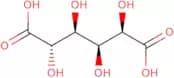
CAS:Calcium D-saccharate is the calcium salt of saccharic acid, also known as glucaric acid. Calcium D-saccharate has been evaluated for chemopreventive activity in a rat tracheal epithelial cell following exposure to the carcinogen benzo[a]pyrene. Addition of calcium D-saccharate to sugarcane juice during liming enhanced clarification as high molecular weight components were removed by filtration.
Formula:C6H8O8·Ca·(H2O)4Color and Shape:PowderMolecular weight:320.26 g/mol1,2,3,4-Tetra-O-acetyl-6-S-acetyl-6-deoxy-6-thio-b-D-glucopyranose
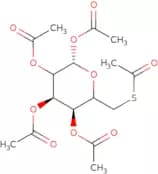
1,2,3,4-Tetra-O-acetyl-6-S-acetyl-6-deoxy-6-thio-b-D-glucopyranose is a synthetic compound that is used as a building block for the synthesis of other compounds. It is an acetylated oligosaccharide that can be modified with fluorine atoms to form 1,2,3,4-tetra-[F]fluoro-[F]deoxy-[F]thio-[F]hexose. This product has high purity and can be used in glycosylation reactions.
Formula:C16H22O10SPurity:Min. 95%Molecular weight:406.41 g/mol2,3,4,6-Tetra-O-acetyl-b-D-thiogalactopyranose
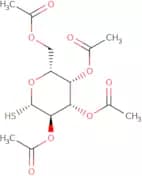
CAS:2,3,4,6-Tetra-O-acetyl-b-D-thiogalactopyranose is a synthetic sugar that is prepared by the fluorination of D-galactopyranose and subsequent acetylation. This compound can be used for glycosylation reactions and as a substrate for click chemistry. It is an oligosaccharide with four monosaccharides in its backbone. The CAS number of 2,3,4,6-Tetra-O-acetyl-b-D-thiogalactopyranose is 50615-66-2.Formula:C14H20O9SPurity:Min. 95%Color and Shape:PowderMolecular weight:364.37 g/molSophoricoside
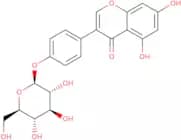
CAS:Sophoricoside is a natural compound present in the fructus of Sophora flavescens and is used as an anti-diabetic medicine. It has been shown to have genotoxic effects, which may be due to its ability to induce reactive oxygen species (ROS) and DNA damage. Sophoricoside also has a matrix effect on radiation. This effect has been shown in rat cardiac cells and human serum. Sophoricoside also exhibits hepatoprotective properties by reducing hepatic steatosis, which may be due to its ability to inhibit lipogenesis and stimulate fat oxidation. In addition, sophoricoside has been shown to have anti-inflammatory activities.
Formula:C21H20O10Purity:Min. 95%Color and Shape:PowderMolecular weight:432.38 g/molD-Maltose 1-phosphate dipotassium salt
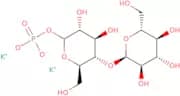
CAS:D-Maltose 1-phosphate dipotassium salt is a disaccharide that can be used in the synthesis of oligosaccharides and polysaccharides. It is also an excellent candidate for further modification.Formula:C12H21O14PK2Purity:Min. 95%Molecular weight:498.46 g/mol2,3,4,6-Tetra-O-pivaloyl-D-glucopyranosyl amine
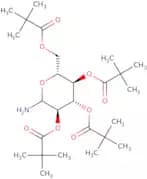
CAS:2,3,4,6-Tetra-O-pivaloyl-D-glucopyranosyl amine is a monosaccharide that is custom synthesized and modified with fluorination. It also has saccharide properties such as methylation and glycosylation. This product can be used in the synthesis of complex carbohydrates or polysaccharides. It is a high purity compound with CAS No. 888963-33-5.Formula:C26H45NO9Purity:Min. 95%Molecular weight:515.64 g/mol3,4,6-Tri-O-acetyl-b-D-mannopyranose 1,2-(methyl orthoacetate)
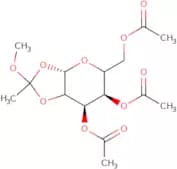
CAS:3,4,6-Tri-O-acetyl-b-D-mannopyranose 1,2-(methyl orthoacetate) is a glycosylation product that is used in the synthesis of oligosaccharides. 3,4,6-Tri-O-acetyl-b-D-mannopyranose 1,2-(methyl orthoacetate) is synthesized by the reaction of 3,4,6-triacetyl b D mannopyranose with methyl orthoacetate in aqueous solution containing an acid catalyst. This compound can be used to modify saccharides and complex carbohydrates. It is also used in click chemistry to create modified sugars. The molecular weight of this compound ranges from 200 to 600 grams per mole and it has a CAS number of 4435 05 6.Formula:C15H22O10Purity:Min. 95%Color and Shape:PowderMolecular weight:362.33 g/mol3'-Sialyl-N-acetyllactosamine-β-ethylamine
Please enquire for more information about 3'-Sialyl-N-acetyllactosamine-β-ethylamine including the price, delivery time and more detailed product information at the technical inquiry form on this pageFormula:C27H47N3O19Purity:Min. 95%Molecular weight:717.67 g/mol1,3,4,6-Tetra-O-acetyl-2-[(2-aminoacetyl)amino]-2-deoxy-b-D-glucopyranose
CAS:1,3,4,6-Tetra-O-acetyl-2-[(2-aminoacetyl)amino]-2-deoxy-b-D-glucopyranose is a synthetic sugar. It has a molecular formula of C12H18O8 and a molecular weight of 352.29. It is synthesized by the click reaction with 2-(1,3-dithiolo[5,6-c]pyridinium)-1,4,5,8-tetraazacyclododecane as the initiator. 1,3,4,6-Tetra-O-acetyl-2-[(2-aminoacetyl)amino]-2-deoxy--b -D--glucopyranose has been shown to react with methylating agents to form methylated derivatives that are useful in glycosylation reactions.Formula:C16H24N2O10Purity:Min. 95%Molecular weight:404.37 g/molD-Galactono-1,4-lactone
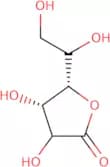
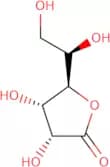
CAS:D-Galactono-1,4-lactone is an intermediate in the galactose catabolism pathway. It is an acidic compound that can be found in plants and bacteria. D-Galactono-1,4-lactone has been shown to inhibit enzyme activities when it is present at high concentrations. This compound also inhibits the enzyme carbon source, which is involved in the conversion of glucose to energy. The deuterium isotope effect on the inhibition of enzyme activity by D-galactono-1,4-lactone has been studied extensively using plant phytochemicals such as triticum aestivum.Formula:C6H10O6Purity:Min. 95%Color and Shape:White PowderMolecular weight:178.14 g/mol3-O-Benzyl-D-glucopyranose
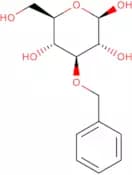
CAS:3-O-Benzyl-D-glucopyranose is a molecule that has been optimized for its autodock score. It binds to the active site of peptidases, which are enzymes that break down proteins in the body. 3-O-Benzyl-D-glucopyranose is a nauclea that can be used as a pharmacokinetic (PK) or pharmacodynamic (PD) inhibitor. Nauclea have shown effectiveness against diabetes by preventing the breakdown of glucose, which is an important energy source for cells. 3-O-Benzyl-D-glucopyranose has also been found to be an effective inhibitor of DPPIV, which is an enzyme involved in breaking down insulin and other hormones in blood circulation. In vitro studies have shown that it may also have antiaging properties due to its ability to inhibit production of inflammatory cytokines such as IL1β, IL6, and TNFα.Formula:C13H18O6Purity:Min. 95%Color and Shape:PowderMolecular weight:270.28 g/mol2,3,4-Tri-O-benzyl-L-rhamnopyranose
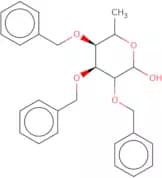
CAS:2,3,4-Tri-O-benzyl-L-rhamnopyranose is a chemical compound that belongs to the family of carbohydrates known as rhamnopyranoses. It is a derivative of L-rhamnose, which is a naturally occurring aldohexose sugar. The compound is often used as a glycosyl donor in the synthesis of oligosaccharides and glycoconjugates. The three benzyl groups in the molecule provide protection for the hydroxyl groups, allowing for selective deprotection and glycosylation. 2,3,4-Tri-O-benzyl-L-rhamnopyranose is also used as a precursor in the synthesis of various natural products.
Formula:C27H30O5Purity:Min. 95%Color and Shape:PowderMolecular weight:434.52 g/mol2,3,4,6-Tetra-O-pivaloyl-D-mannopyranosyl fluoride
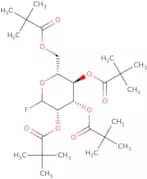
CAS:2,3,4,6-Tetra-O-pivaloyl-D-mannopyranosyl fluoride is a carbohydrate that is synthesized by the modification of D-mannose with 4,6-dichlorohexanoic acid. It is a white powder with a melting point of 170°C. 2,3,4,6-Tetra-O-pivaloyl-D-mannopyranosyl fluoride can be used as a monosaccharide for glycosylation reactions or as an intermediate for custom synthesis. This product has been methylated and glycosylated before the final purification process. It has a high purity level and can be used in Click chemistry reactions.
Formula:C26H43FO9Purity:Min. 95%Color and Shape:White PowderMolecular weight:518.61 g/molAtractyloside dipotassium salt
CAS:Atractyloside dipotassium salt is a chemical compound that acts as a potent mitochondrial toxin. It is primarily derived from plant sources, notably from the Atractylis gummifera species. This compound functions by specifically inhibiting the adenine nucleotide translocase (ANT) located in the inner mitochondrial membrane, thereby obstructing the exchange of ADP and ATP across this membrane. This blockade disrupts ATP synthesis, leading to alterations in cellular bioenergetics and apoptotic pathways.Formula:C30H44K2O16S2Purity:Min. 95 Area-%Molecular weight:802.99 g/mol2,3,4,6-Tetra-O-acetyl-D-glucopyranose
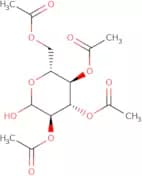
CAS:2,3,4,6-Tetra-O-acetyl-D-glucopyranose is a carbohydrate that is used in the synthesis of besifloxacin. This compound has been studied as an analog for many other natural compounds and its derivatives have shown to be effective against bacteria such as Staphylococcus aureus and Clostridium perfringens. The acetyl groups on this molecule allow it to be easily converted into other compounds with desired properties. This compound has been found to be acidic and can be used as a medicinal preparation or analytical chemistry reagent. The hydroxyl group on the 2 carbon atom allows the molecule to form glycoside derivatives. The halides on this molecule are also important for making new molecules by replacing one of the hydrogen atoms with another halogen atom. The phenylpropanoid glycosides are found in plants and may contain an enantiomeric form of 2,3,4
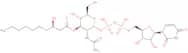
Formula:C14H20O10Purity:Min. 95%Color and Shape:White PowderMolecular weight:348.3 g/molUDP-3-O-(R-3-hydroxydecanoyl)-GlcNAc sodium salt
CAS:Substrate for UDP-3-O-acyl-GlcNAc deacetylase
Formula:C27H43N3O19P2·xNaPurity:Min. 90 Area-%Color and Shape:White Off-White Solidified MassMolecular weight:777.6 g/mol6-Deoxy-L-talose
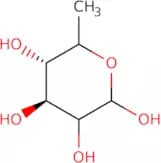
CAS:6-Deoxy-L-talose is a sugar that is found in the cell walls of bacteria. It is a component of glycan, which are long chains of sugar molecules linked together. Glycans are important for the structural integrity and function of bacterial cell walls. 6-Deoxy-L-talose is a monosaccharide that has been detected in the type strain of Bacillus subtilis and in wild-type strains of Pseudomonas aeruginosa. This sugar can be chemically analyzed using gas chromatography and mass spectrometry to determine its structure and chemical composition. 6-Deoxy-L-talose can be used to detect specific monoclonal antibodies against it, which could be useful for detecting bacterial infections or determining how antibiotics affect bacteria.
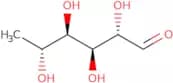
Formula:C6H12O5Purity:Min. 98 Area-%Color and Shape:White PowderMolecular weight:164.16 g/molD-Fructose 1,6-diphosphate, dicalcium salt
CAS:D-Fructose 1,6-diphosphate is an ion-exchange resin that has been used for the isolation of calcium. It is also a calcium salt that is soluble in ethanol and water. This compound can be isolated from seaweed and it has been used as a filler in food. D-Fructose 1,6-diphosphate is often used to precipitate calcium ions from solutions with high pH values and it has been shown to be a potent inhibitor of DNA synthesis.Formula:C6H10Ca2O12P2Molecular weight:416.25 g/molRef: 3D-F-7370
-Unit-ggTo inquire1kgTo inquire5kgTo inquire250gTo inquire500gTo inquire2500gTo inquireN-Dodecyldeoxynojirimycin
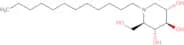
CAS:Dodecyldeoxynojirimycin is a polyketide natural product that has been shown to be a potent inhibitor of the synthesis of mannose-containing glycoproteins, including glucans and chitooligosaccharides. It binds to the active site of glucan synthetase and prevents the formation of glucose residues, which blocks glucan biosynthesis. Dodecyldeoxynojirimycin has also been shown to have anti-inflammatory properties.
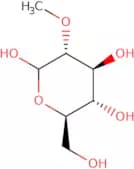
Formula:C18H37NO4Purity:Min. 95 Area-%Color and Shape:White PowderMolecular weight:331.49 g/mol2-O-Methyl-D-glucose
CAS:2-O-Methyl-D-glucose is an aldohexose that is used in the synthesis of a number of biological compounds. It has been shown to inhibit the growth of cancer cells by interfering with the synthesis of fatty acids and proteins.Formula:C7H14O6Purity:Min. 95%Color and Shape:PowderMolecular weight:194.18 g/mol6-Phosphogluconic acid, trisodium salt dihydrate
CAS:6-Phosphogluconic acid, trisodium salt dihydrate is a custom synthesis that has been made to order. It is a complex carbohydrate that can be modified with methylation, glycosylation and other modifications. 6-Phosphogluconic acid, trisodium salt dihydrate is an Oligosaccharide and Polysaccharide of Modification saccharides. It can be made as an Methylated Glycosylated Carbohydrate or a Click Modified Sugar. It can be Fluorinated or Synthetically made for high purity.Formula:C6H14Na3O12PMolecular weight:378.11 g/molβ-D-Galactose pentaacetate plant origin (ex peach gum)
CAS:1,2,3,4,6-Penta-O-acetyl-b-D-galactopyranose, also known as beta-D-galactose pentaacetate, has high chemical stability and long shelf life. This protected form of galactose is a key building block of any chemical synthesis of galactose-containing oligosaccharides or glycoconjugates. In the presence of Lewis acids it can be used as a glycosyl donor to make simple glycosides. In order to perform more complex galactosylations it can be converted into more reactive donors, such as glycosyl halides or thioglycosides.Formula:C16H22O11Molecular weight:390.35 g/molRef: 3D-G-1782
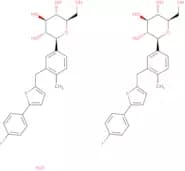
-Unit-kgkgTo inquire1kgTo inquire5kgTo inquire10kgTo inquire500gTo inquire2500gTo inquireCanagliflozin hemihydrate
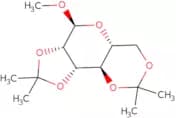
CAS:Canagliflozin is an oral diabetes drug that belongs to the class of sodium-glucose cotransporter 2 (SGLT2) inhibitors. It works by blocking reabsorption of glucose in the kidney, thereby lowering blood sugar levels. Canagliflozin has been shown to be a potent inhibitor of insulin resistance and has been used clinically in combination with metformin hydrochloride. The chemical stability of canagliflozin is dependent on its particle size, which can range from 10 micrometres to 100 micrometres. A number of analytical methods have been developed for canagliflozin, including high performance liquid chromatography with ultraviolet detection, gas chromatography with mass spectrometry detection, and dihedral angle analysis. Canagliflozin is an example of a polymorphic compound: it exists as two enantiomers due to chiral symmetry.Formula:(C24H25FO5S)2•H2OPurity:Min. 95%Color and Shape:PowderMolecular weight:907.05 g/molMethyl 2,3:4,6-di-O-isopropylidene-D-mannopyranoside
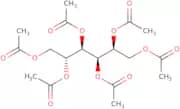
CAS:Methyl 2,3:4,6-di-O-isopropylidene-D-mannopyranoside is a synthetic glycosylate sugar that has been modified with fluorination. It is a monosaccharide that is used in the synthesis of complex carbohydrates. Click modification of this molecule has been performed to yield high purity and desired modifications. CAS number 50705-56-1.Formula:C13H22O6Purity:Min. 95%Color and Shape:PowderMolecular weight:274.31 g/molD-Sorbitol hexaacetate
CAS:Sorbitol hexaacetate is a low-energy compound that has a hydroxyl group and a phenolic acid. It is used as an intermediate in the production of detergents, surfactants, and other industrial chemicals. In addition to this, sorbitol hexaacetate can be used as a radiation shield and an effective dose for radiation therapy. Sorbitol hexaacetate is also used as an ingredient in lipolytic enzymes. It has been shown to inhibit the activity of lipolytic enzymes by forming hydrogen bonds with the enzyme active site. Magnetic resonance spectroscopy studies have revealed that sorbitol hexaacetate has a cavity that can be filled with water molecules, which may explain its ability to act as an optical polarizer.Formula:C18H26O12Purity:Min. 97 Area-%Color and Shape:White PowderMolecular weight:434.39 g/mol2,3:4,5-Di-O-isopropylidene-D-xylitol
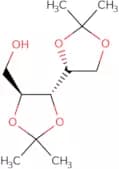
CAS:2,3:4,5-Di-O-isopropylidene-D-xylitol is an acceptor for the Stannic Chloride Reaction. It is a lacto-n-biose derivative of D-xylitol that has been shown to have antibiotic activity against Streptococcus section A and B. The temporary protection of the hydroxyl group in 2,3:4,5diOisopropylidene-Dxylitol with methyl glycosides provides a convenient method for glycosylations. The chloride ion can be replaced by hexaacetate to yield 1amino1deoxyDxylitol hydrochloride, which is a benzyl derivative. This reaction allows for research into the transfer of 2,3:4,5diOisopropylideneDxylitol.Formula:C11H20O5Purity:Min. 95%Color and Shape:Solidified MassMolecular weight:232.27 g/molD-Glucosamine-2-N-sulfate sodium
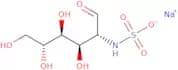
CAS:D-Glucosamine-2-N-sulfate sodium is a synthetic, high purity carbohydrate with a custom synthesis. It is an oligosaccharide that is also a sugar and a saccharide. The methylation of D-glucosamine 2-N-sulfate sodium can be achieved by glycosylation or click modification. Click modification is the addition of a carbon atom to the molecule through the reaction with an electrophile, such as N-hydroxysuccinimide ester. This modification can be used to introduce fluorine atoms into the molecules, which can improve their solubility and stability. The product has shown anti-inflammatory activities in animal models, which may be due to its ability to inhibit prostaglandin synthesis.Formula:C6H12NNaO8SPurity:Min. 95 Area-%Color and Shape:White Off-White PowderMolecular weight:281.22 g/mol4,6-O-Benzylidene-D-glucose
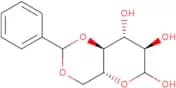
CAS:4,6-O-Benzylidene-D-glucose is a potent inhibitor of the enzyme dibutyltin oxide, which is involved in the synthesis of energy. It has been shown to have clinical activity in rat cardiomyocytes and has been tested in clinical studies. 4,6-O-Benzylidene-D-glucose inhibits enzymes by forming hydrogen bonds with their substrates. This compound also interacts with hydrochloric acid to form a stable complex that prevents it from interacting with other molecules. 4,6-O-Benzylidene-D-glucose is rapidly broken down into glucose and benzaldehyde when it reacts with carbonyl groups or amines. The asymmetric synthesis of this compound can be achieved using an intramolecular hydrogen transfer reaction.
4,6-O-Benzylidene glucose is derived from D-mannose derivatives and contains a hydroxyl group on the central carbonFormula:C13H16O6Purity:Min. 98 Area-%Color and Shape:White PowderMolecular weight:268.26 g/mol2-Deoxy-2-fluoro-D-glucose
CAS:Inhibitor of hexokinase isozymes and cellular glycosylation
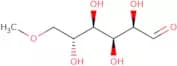
Formula:C6H11FO5Purity:Min. 95%Color and Shape:White PowderMolecular weight:182.15 g/mol6-O-Methyl-D-glucose
CAS:6-O-Methyl-D-glucose is a non-carbohydrate that can be found in Mycobacterium tuberculosis. It is an electron microscopic study of proton and fatty acid molecules, which has shown that the cell membrane of mycobacterial cells are susceptible to inhibition by fatty acids. 6-O-Methyl-D-glucose is a nucleophilic attack on cellular fatty acids, which may inhibit their synthesis and lead to cell death. 6-O-Methyl-D-glucose has been shown to be synthesized from glucose and glycosylated with hydroxyl groups during biosynthesis. This chemical is also used in the synthesis of oligosaccharides because it has a molecular weight of 180, making it more easily scalable than other carbohydrates.
Formula:C7H14O6Purity:Min. 95%Color and Shape:White Off-White PowderMolecular weight:194.18 g/molMethyl β-L-arabinopyranoside
CAS:Methyl β-L-arabinopyranoside is a stereochemically pure monosaccharide that has been used to calibrate and quantify the conformational, stereochemical, and spectrometric methods. Methyl β-L-arabinopyranoside has a conformation that is restricted by the presence of an α-hydroxyl group at C2. The chloride ion can be used to monitor this conformation. The diameter of methyl β-L-arabinopyranoside can be measured with a micropipette and monitored using an aerosol detector. Methyl β-L-arabinopyranoside can also be quantified by mass spectrometry or spectrophotometry. The conformational, stereochemical, and spectrometric methods have been calibrated using methyl β-L-arabinopyranoside as a standard to determine their accuracy in measuring the size of other molecules.
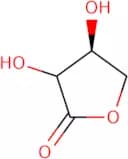
Formula:C6H12O5Purity:Min. 95%Color and Shape:White Off-White PowderMolecular weight:164.16 g/molD-Threonic acid-1,4,-lactone
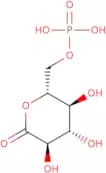
CAS:D-Threonic acid-1,4,-lactone is a methylated saccharide that is prepared by the oxidation of D-threo-aldose. It can be used as a building block in the synthesis of glycosylates, oligosaccharides, and polysaccharides. The compound has been shown to inhibit the growth of Mycobacterium tuberculosis and Mycobacterium avium complex. D-Threonic acid-1,4,-lactone can also be fluorinated for use as an imaging agent for positron emission tomography (PET).Formula:C4H6O4Purity:Min. 95%Color and Shape:PowderMolecular weight:118.08 g/mol6-Phospho-D-glucono-1,5-lactone
CAS:6-Phospho-D-glucono-1,5-lactone is a metabolite of D-gluconic acid that is formed by the action of a phosphoglucoisomerase. 6PGL has been shown to inhibit the growth of colorectal adenocarcinoma cells and to be effective against infectious diseases such as malaria. It is also involved in energy metabolism and cell division in plants. 6PGL may also have anticancer effects, as it inhibits prostate cancer cells and induces apoptosis through activation of epidermal growth factor receptor (EGFR) and inhibition of EGFR tyrosine kinase activity. It has been shown to act on redox potential, enzyme activities, and oxidative injury in liver cells.Formula:C6H11O9PPurity:Min. 95%Molecular weight:258.12 g/molDL-Glyceraldehyde 3-phosphate - 45-55 mg/mL aqueous solution
CAS:Glyceraldehyde 3-phosphate (G3P) is an intermediate in the glycolytic pathway. It is also a component of polysaccharides and glycosaminoglycans. G3P is synthesized from glucose by the enzyme triose phosphate isomerase. The synthesis of G3P can be achieved by a number of methods, including methylation, fluorination, and click chemistry. This product contains 45-55 mg/mL of Glyceraldehyde 3-phosphate in water solution at pH 7.0 and at a temperature range of 2-8°C.Formula:C3H7O6PPurity:Min. 95 Area-%Molecular weight:170.06 g/molMethyl 2,3-di-O-benzoyl-4,6-O-benzylidene-a-D-glucopyranoside
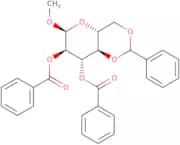
CAS:Methyl 2,3-di-O-benzoyl-4,6-O-benzylidene-a-D-glucopyranoside is a synthetic compound that has been shown to be an inhibitor of the receptor for the proinflammatory cytokine TNF. It has been proposed as a possible treatment for chronic kidney disease, acute phase, and neurodegenerative diseases such as chronic pain. Methyl 2,3-di-O-benzoyl-4,6-O-benzylidene-a-D-glucopyranoside is an inhibitor of factor receptors and inhibits the activation of NFκB in a dose dependent manner. This inhibition leads to decreased production of proinflammatory cytokines such as TNF.Formula:C28H26O8Purity:Min. 95%Color and Shape:PowderMolecular weight:490.5 g/mol4-Formylphenyl β-D-glucopyranoside
CAS:4-Formylphenyl β-D-glucopyranoside is a natural compound that is found in human serum and has the ability to form stable complexes with p-hydroxybenzoic acid. This drug has been shown to regulate transcription through its interaction with the nucleotide sequence of DNA, which may be due to its ability to form stable complexes with p-hydroxybenzoic acid. 4-Formylphenyl β-D-glucopyranoside has been reported as having biological properties such as gland cells, matrix effect, and locomotor activity. The surface methodology used on this drug can be used for sample preparation, which can be beneficial for the chinese herb industry. It has also been shown to have synchronous fluorescence when mixed with other compounds.Formula:C13H16O7Purity:Min. 98 Area-%Color and Shape:PowderMolecular weight:284.26 g/mol2,3,4-Tri-O-acetyl-D-ribononitrile
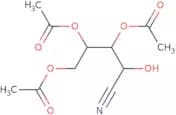
CAS:2,3,4-Tri-O-acetyl-D-ribononitrile is a modification of the sugar ribose. It is used as a building block for oligosaccharides and polysaccharides. This chemical can be custom synthesized by modifying the sugar ribose with acetyl groups on the 2, 3 and 4 positions. The acetyl group on the 2 position can be removed through methylation to give tri-O-methyl-D-ribononitrile.Formula:C11H15NO7Purity:Min. 95%Molecular weight:273.24 g/molPhenylethyl-beta-D-glucopyranoside
CAS:Phenylethyl-beta-D-glucopyranoside is a phenolic compound that is found in plants such as Echinacea. Phenylethyl-beta-D-glucopyranoside has been shown to inhibit tumor cell proliferation by increasing the levels of enzyme catalysis and enzyme activity, and decreasing the levels of protocatechuic acid. This compound also inhibits fatty acid synthesis, which may be due to its ability to inhibit the production of 4-hydroxycinnamic acid via inhibition of the enzyme acyl coenzyme A:cholesterol acyltransferase. The cyanobacterial strain Synechococcus elongatus PCC 7942 was found to produce phenylethyl glucoside, an iridoid glucoside with high cytotoxic activity against human tumor cells.Formula:C14H20O6Purity:Min. 95%Color and Shape:PowderMolecular weight:284.31 g/mol3-o-Benzyl-diacetonide-d-glucose
3-O-benzyl-diacetonide-d-glucose is a synthetic monosaccharide that can be used as a building block for oligosaccharides and polysaccharides. It is custom synthesized to meet your specific needs and can be modified with fluorination, methylation, or glycosylation. 3-O-benzyl-diacetonide-d-glucose has been shown to have high purity and is available in small quantities for custom synthesis.
Purity:Min. 95%Simvastatin acyl-b-D-glucuronide
CAS:Simvastatin acyl-b-D-glucuronide is a synthetic compound that is not naturally occurring. It has a molecular weight of 571.67 and the CAS number 463962-56-3. The chemical formula for this compound is C30H44O8 and its structural formula is shown below. The purity of this product is >99% and it has been modified with fluorination to improve solubility in water.Formula:C31H48O12Purity:Min. 95%Molecular weight:612.71 g/molD-Rhamnose
CAS:Chiral-pool sugar used to mirror syntheses based on natural L-RhaFormula:C6H12O5Purity:Min. 97 Area-%Color and Shape:White PowderMolecular weight:164.16 g/molL-Ribonic acid-1,4-lactone
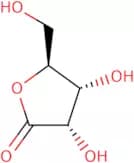
CAS:L-Ribonic acid-1,4-lactone is a synthetic process that is used as an antiviral agent. It is a sugar reactant in the production of riboflavin. L-Ribonic acid-1,4-lactone has been shown to inhibit the synthesis of viral RNA and DNA, which prevents replication of the virus. The mechanism of L-ribonic acid lactone's antiviral activity is not currently known.
Formula:C5H8O5Purity:(%) Min. 90%Color and Shape:PowderMolecular weight:148.12 g/mol3,4-Di-O-acetyl-L-arabinal
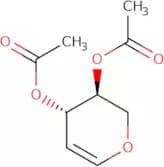
CAS:3,4-Di-O-acetyl-L-arabinal is a synthetic compound that belongs to the class of monofluorides. It has been synthesized from l-arabinose by a stereoselective process, with triflic acid as the catalyst and propargylation as the key step. The synthetic pathway starts from an acid hydrolysis of L-arabinose to yield 3,4-di-O-acetyl-L-arabinonic acid. This acid is then converted to 3,4 diacetyl L arabinonic acid with acetic anhydride and acetic acid in the presence of triethylamine. The final product is then obtained by reacting this intermediate with 1 equivalent of sodium fluoride in tetrahydrofuran (THF) using catalytic reduction with sodium borohydride at 0 °C. The major advantage of this synthetic process is that it provides two stereoisomers: (
Formula:C9H12O5Purity:Min. 95%Color and Shape:Yellow Clear LiquidMolecular weight:200.19 g/molVoglibose
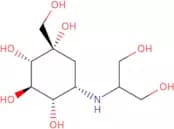
CAS:Voglibose is a competitive inhibitor of α-glucosidase used for the control of blood sugar levels in patients with type 2 diabetes mellitus. The compound binds reversibly to intestinal carbohydrate-active digestive enzymes with α-glucosidase activity, inhibits breakdown of complex sugars and consequently delays the absorption of glucose into blood.Formula:C10H21NO7Color and Shape:White PowderMolecular weight:267.28 g/molSalicylic acid-acyl-b-D-glucuronide
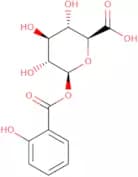
CAS:Salicylic acid-acyl-b-D-glucuronide is an anti-inflammatory compound that is found in the urine of diabetic patients. It has been shown to inhibit the production of a number of proinflammatory compounds, including prostaglandin E2 (PGE2), in human serum. Salicylic acid-acyl-b-D-glucuronide is formed by the reaction of salicylic acid with acetylsalicylic acid. The rate of formation is dependent on the concentration of salicylic acid and pH. The reactive product can form covalent adducts with tyrosinase and other proteins, leading to inhibition of tyrosinase activity and melanin synthesis.Formula:C13H14O9Purity:Min. 95%Color and Shape:White PowderMolecular weight:314.24 g/mol1,4:3,6-Dianhydro-D-mannitol
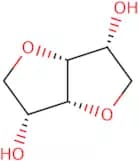
CAS:Building block for polymers synthesis, ionic liquids and chiral auxiliaries
Formula:C6H10O4Purity:Min. 95%Color and Shape:PowderMolecular weight:146.14 g/molMethyl 2,3,4-tri-O-benzyl-α-D-glucopyranoside
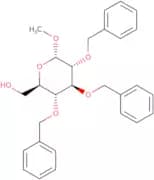
CAS:Resource for the 6-O-modification of Glc e.g. in glucuronic acid synthesisFormula:C28H32O6Purity:Min. 95%Color and Shape:White PowderMolecular weight:464.55 g/molD-Allono-1,4-lactone
CAS:D-Allono-1,4-lactone is a biochemical compound that has been shown to have immunosuppressant properties. D-Allono-1,4-lactone is an inhibitor of maltase, an enzyme involved in the digestion of starch and glycogen. D-Allono-1,4-lactone also inhibits transglucosylase, an enzyme involved in the conversion of sucrose into glucose. It binds to sulfur transfer proteins and has been shown to be effective against mutants with altered biochemical properties.Formula:C6H10O6Purity:Min. 95%Color and Shape:PowderMolecular weight:178.14 g/molMethyl 2-acetamido-2-deoxy-b-D-glucopyranoside
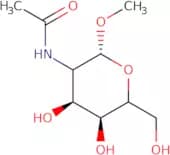
CAS:Methyl 2-acetamido-2-deoxy-b-D-glucopyranoside is a xylose sugar that is found in the leaves of Nepeta cataria. It has shown to inhibit bacterial growth by binding to DNA and RNA, as well as inhibit transcription, translation, and replication. Methyl 2-acetamido-2-deoxy-b-D-glucopyranoside also binds to cardiac channels and inhibits their activity. This compound has been shown to have anti cancer effects on prostate cancer cells in mice. Furthermore, it inhibits microbial metabolism in vitro by inhibiting the enzyme acetolactate synthase. Methyl 2-acetamido-2-deoxy-b-D -glucopyranoside has also been shown to be an effective treatment for autoimmune diseases such as multiple sclerosis and rheumatoid arthritis in mice.Formula:C9H17NO6Purity:Min. 95%Color and Shape:White Off-White PowderMolecular weight:235.24 g/mol2-Deoxy-2-(4-methoxybenzyliden)imino-D-glucose
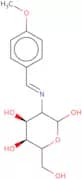
CAS:2-Deoxy-2-(4-methoxybenzyliden)imino-D-glucose is a modified carbohydrate that is used for the synthesis of oligosaccharides, polysaccharides, and glycosaminoglycans. This compound is also used as a substrate for methylation reactions. It can be synthesized from D-glucose by the addition of a 2-(4-methoxybenzylidene) group to the 2′ position of the carbon atom on the anomeric carbon. The structure of this compound has been determined by X-ray crystallography.Formula:C14H19NO6Purity:Min. 95%Color and Shape:White to off-white solid.Molecular weight:297.3 g/molD-Salicin
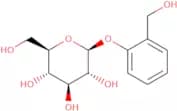
CAS:D-Salicin is a naturally occurring compound, classified as a biologically active glycoside. It is acquired from the bark of willow trees, primarily species within the genus Salix. The primary mode of action of D-Salicin involves its metabolic conversion into salicylic acid within the human body. This conversion occurs in the gastrointestinal tract and bloodstream, ultimately displaying effects similar to non-steroidal anti-inflammatory drugs (NSAIDs).Formula:C13H18O7Purity:Min. 98 Area-%Color and Shape:White Off-White PowderMolecular weight:286.28 g/mol1,4-Anhydro-D-erythritol
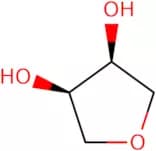
CAS:1,4-Anhydro-D-erythritol is a sugar alcohol that can be found in various plants and fruits. It is a reaction product of D-erythrose and glycerol, with an average formation rate of 10%. The hydroxyl group on the 1,4-anhydro-D-erythritol molecule reacts with methyl glycosides to produce an ester. Trifluoromethanesulfonic acid is used as a catalyst in this process, which activates the hydroxyl group on the molecule. The reaction mechanism for this process involves three steps: elimination of water, dehydration of the hydroxyl group, and addition of methyl glycoside. This process results in a new molecule called 1,4-anhydro-D-erythritol methyl ester (AEME). AEME has been shown to have conformational properties that are different from those of its parent compound. The conformational
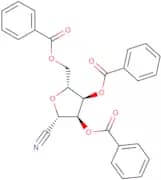
Formula:C4H8O3Purity:Min. 95%Color and Shape:Clear LiquidMolecular weight:104.1 g/mol2,3,5-Tri-O-benzoyl-β-D-ribofuranosyl cyanide
CAS:Building block for C-nucleoside synthesisFormula:C27H21NO7Purity:Min. 98 Area-%Color and Shape:White PowderMolecular weight:471.46 g/mol














![(1S) -1- [(2S, 3S,4R) -4-Hydroxymethyl-3- hydroxy-1- azetidinyl] -1, 2- ethanediol hydrochloride](/_next/image/?url=https%3A%2Fstatic.cymitquimica.com%2Fproducts%2F3D%2Fthumb-webp%2FMH163375.webp&w=3840&q=75)
![1,3,4,6-Tetra-O-acetyl-2-[(2-aminoacetyl)amino]-2-deoxy-b-D-glucopyranose](/_next/image/?url=https%3A%2Fstatic.cymitquimica.com%2Fproducts%2F3D%2Fthumb-webp%2FMT145107.webp&w=3840&q=75)