Monosaccharides
Subcategories of "Monosaccharides"
- Alloses(11 products)
- Arabinoses(21 products)
- Erythroses(11 products)
- Fructoses(9 products)
- Fucoses(36 products)
- Galactosamine(41 products)
- Galactose(261 products)
- Glucoses(365 products)
- Glucuronic Acids(52 products)
- Glyco-substrates for Enzyme(78 products)
- Guloses(6 products)
- Idoses(4 products)
- Inositols(15 products)
- Lyxoses(4 products)
- Mannoses(65 products)
- O-Glycans(48 products)
- Psicoses(3 products)
- Rhamnoses(10 products)
- Riboses(61 products)
- Sialic Acids(100 products)
- Sorboses(4 products)
- Sugars(173 products)
- Tagatoses(4 products)
- Taloses(8 products)
- Xyloses(20 products)
Found 6089 products of "Monosaccharides"
2,3,4,6-Tetra-O-acetyl-b-D-glucopyranosyl chloride
CAS:2,3,4,6-Tetra-O-acetyl-b-D-glucopyranosyl chloride is a fluorescent probe for nuclei and quadrupole resonance spectroscopy. It has been used to study the nuclear quadrupole resonance of anions in aqueous solution. The fluorescence intensity of 2,3,4,6-Tetra-O-acetyl-b-D-glucopyranosyl chloride is proportional to the concentration of anions in water. Fluorescence properties were evaluated by measuring the emission spectrum at various excitation wavelengths. The absorption spectrum was also measured to determine the fluorescence quantum yield and fluorescence lifetime.Formula:C14H19ClO9Purity:Min. 95 Area-%Color and Shape:White Off-White PowderMolecular weight:366.8 g/mol1,6-Anhydro-3,4-O-isopropylidene-b-D-galactopyranose
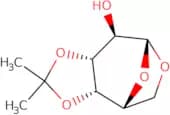
CAS:1,6-Anhydro-3,4-O-isopropylidene-b-D-galactopyranose is a custom synthesis of a complex carbohydrate that has been modified with methylation and glycosylation. It is a saccharide with the CAS number 52579-97-2. This product is highly pure and can be fluorinated for synthesizing other sugars or carbohydrates. The purity of this product is greater than 98%.Formula:C9H14O5Purity:Min. 95%Color and Shape:White PowderMolecular weight:202.2 g/molBenzyl 2-acetamido-4,6-O-benzylidene-2-deoxy-α-D-muramic acid
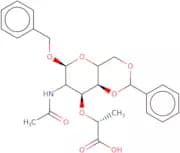
CAS:Benzyl 2-acetamido-4,6-O-benzylidene-2-deoxy-a-D-muramic acid is an analog of benzyl 2-acetamido-4,6-O-benzylidene-2,3,5,6 tetra deoxy a -D muramic acid. It is activated by ethyl bromoacetate and can be conjugated with various biological molecules such as proteins or peptides. The biological properties of this compound have been studied in bioassays. This analog has shown to have anticancer effects and also has anorectic effects in rats. It also inhibits the growth of cancer cells that are resistant to other anticancer drugs. Benzyl 2 acetamido 4,6 O benzylidene 2 deoxy a D muramic acid has also been shown to inhibit pancreatic tumor growth in mice without causing any toxicity to the pancreas.br> BenzFormula:C25H29NO8Purity:Min. 95%Color and Shape:PowderMolecular weight:471.5 g/molD-Glucose-6-phosphate disodium salt dihydrate
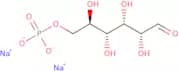
CAS:Glucose 6-phosphatase substrateFormula:C6H11Na2O9P·2H2OPurity:Min. 98%Color and Shape:White PowderMolecular weight:340.13 g/mol(3-N-Boc-aminopropyl) 4,6-O-benzylidene-3-O-pivaloyl-b-D-galactopyranoside
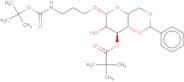
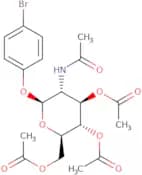
3-N-Boc-aminopropyl) 4,6-O-benzylidene-3-O-pivaloyl-b-D-galactopyranoside is a sugar that is custom synthesized. It is a fluorinated saccharide with an aminopropyl group at the 3' position and benzylidene group at the 6' position.Formula:C26H39NO9Purity:Min. 95%Molecular weight:509.59 g/mol4-Bromophenyl 2-acetamido-3,4,6-tri-O-acetyl-2-deoxy-β-D-glucopyranoside
CAS:4-Bromophenyl 2-acetamido-3,4,6-tri-O-acetyl-2-deoxy-b-D-glucopyranoside is a custom synthesis product. It has been modified with fluorination, methylation and click modification. This product is an oligosaccharide which can be used for saccharide or polysaccharide synthesis. The purity of this product is high and it has been synthesized from a monosaccharide.Formula:C20H24BrNO9Purity:Min. 95%Molecular weight:502.31 g/mol2,3,4,6-Tetra-O-acetyl-D-galactopyranosyl azide
CAS:2,3,4,6-Tetra-O-acetyl-D-galactopyranosyl azide is a fluorinated sugar that can be used as a synthetic intermediate for the glycosylation of polysaccharides. This compound has been shown to have high purity and does not react with other compounds in the reaction mixture.
Formula:C14H19N3O9Purity:Min. 95%Molecular weight:373.32 g/mol3-Deoxy-1,2-O-isopropylidene-5-p-toluoyl-a-D-glycero-pent-3-enofuranose
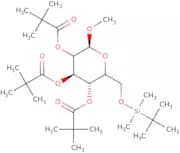
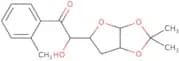
CAS:3-Deoxy-1,2-O-isopropylidene-5-p-toluoyl-a-D-glycero-pent-3-enofuranose is a modified sugar that is synthesized by click chemistry. The chemical modification of this sugar consists of fluorination and glycosylation. This compound has been used in the synthesis of complex carbohydrates. 3 Deoxy 1,2 O isopropylidene 5 p toluoyl a D glycero pent 3 enofuranose has CAS No. 75096 63 8. This product can be used as a replacement for fluorescein in many applications because it fluoresces under UV light.Purity:Min. 95%Methyl 6-O-tert-butyldimethylsilyl-2,3,4-tri-O-pivaloyl-a-D-galactopyranoside
Methyl 6-O-tert-butyldimethylsilyl-2,3,4-tri-O-pivaloyl-a-D-galactopyranoside is a synthetic saccharide that can be used as a monosaccharide building block in the synthesis of complex carbohydrates. It has a CAS number and can be custom synthesized to meet the customer's needs. It is also fluorinated and can be modified with Click chemistry. This product is high purity and has been synthesized from glycosylation and fluorination.Formula:C28H52O9SiPurity:Min. 95%Molecular weight:560.81 g/mol2-Azido- 2- deoxy- 3, 4:5, 6- bis- O- isopropylidene-D- mannonic acid methyl ester
2-Azido-2-deoxy-3,4:5,6-bis-O-isopropylidene-D-mannonic acid methyl ester is a synthetic carbohydrate molecule that has been synthesized from 2,2'-azido-2,2'-dideoxyribose. The monosaccharide moiety of the molecule has been fluorinated to create a reactive site for modification with other molecules. This modification can be done by glycosylation or polysaccharide attachment. The azido group on the sugar can be modified with any number of different methyl groups and this is done through a process called Click chemistry. The chemical formula for 2ADDMEM is C8H12N4O8F. The CAS Number for 2ADDMEM is 103510-60-1 and it has an average purity of 99%.Purity:Min. 95%Hexahydro- 1, 2, 8- tris-acetoxy- [1S- (1a, 2a, 8a, 8ab) ]-5(1H) -indolizinone
CAS:Hexahydro-1,2,8-tris-acetoxy-[1S-(1a,2a,8a, 8ab)]-5(1H)-indolizinone is a custom synthesis of a complex carbohydrate. It has been modified by fluorination and methylation. The CAS number for this chemical is 107741-72-0. Hexahydro-1,2,8-tris-acetoxy-[1S-(1a,2a,8a, 8ab)]-5(1H)-indolizinone is soluble in water and ethanol and insoluble in ether. This product can be used as an intermediate for the preparation of oligosaccharides and polysaccharides.Formula:C14H19NO7Purity:Min. 95%Molecular weight:313.3 g/molGlucosamine sulfate potassium chloride
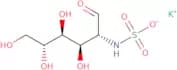
CAS:Glucosamine sulfate potassium chloride is a reaction solution that contains glucosamine and hydrochloric acid. It is used in the treatment of osteoarthritis and related diseases, as well as for the prevention of cardiovascular disease. Glucosamine sulfate potassium chloride has been shown to reduce pain and improve the clinical response in patients with osteoarthritis. The synergic effect of glucosamine sulfate potassium chloride may be due to its ability to inhibit the degradation of collagen by hydrochloric acid. This drug also increases the production of glycoside derivatives from glucose, which are important for basic protein synthesis. Glucosamine sulfate potassium chloride can be used as a dietary supplement for infants, who have fatty acid deficiencies.Formula:(C6H14NO5)2SO4•(KCl)2Purity:Min. 95%Molecular weight:605.52 g/molD-Galactose-4-O-sulphate sodium
CAS:D-Galactose-4-O-sulphate sodium salt is a white crystalline powder. It is soluble in water and ethanol, but insoluble in ether. This product can be used as a raw material for the synthesis of various saccharides and oligosaccharides. D-Galactose-4-O-sulphate sodium salt has an average purity of 99%. It is custom synthesized to meet customer requirements.Formula:C6H12O9S•NaPurity:(%) Min. 95%Color and Shape:PowderMolecular weight:283.21 g/molEthyl β-D-glucuronide
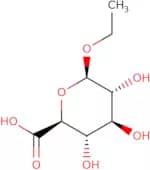
CAS:Ethyl β-D-glucuronide (EBG) is a metabolite of ethanol that is formed by the conjugation of glucuronic acid to ethanol in the liver. EBG has been shown to be a potential biomarker for alcohol consumption, as it can be detected in urine and blood. The presence of this molecule has also been associated with an increased risk of developing type 2 diabetes mellitus, cardiovascular disease, and cancer. EBG may also have pharmacological effects as it has been shown to inhibit lipid oxidation and increase insulin sensitivity. This molecule can be extracted from human serum using solid phase microextractionFormula:C8H14O7Purity:Min. 98 Area-%Color and Shape:Slightly Brown PowderMolecular weight:222.19 g/molDapagliflozin propanediol monohydrate - Bio-X ™
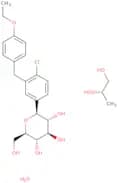
CAS:Dapagliflozin is a sodium-glucose cotransporter subtype 2 (SGLT2) inhibitor that can be used in the treatment of diabetes mellitus type 2. It inhibits glucose reabsorption in the proximal tubule of the nephron and results in glycosuria, which helps to improve glycaemic control. Also, Dapagliflozin is used to lower the risk of sustained eGFR decline, end-stage renal disease, cardiovascular death, and hospitalization for heart failure in patients with chronic kidney disease who are at risk of progression.Formula:C21H25ClO6•C3H8O2•H2OPurity:Min. 95%Color and Shape:PowderMolecular weight:502.98 g/molD-Fructose-1,6-diphosphate dicalcium salt
CAS:D-Fructose-1,6-diphosphate dicalcium salt is an inorganic compound that is used as a pharmaceutical ingredient. It is the calcium salt of D-fructose-1,6-diphosphate. D-Fructose-1,6-diphosphate dicalcium salt can be isolated from a variety of sources, including by reprecipitation from ethanol and isolation from impurities in monophosphates. This product is obtained through ion exchange with alkali and calcium. The purity of this compound is confirmed by its free acidity (pH less than 1) and the absence of contaminating phosphate ions.
Formula:C6H10Ca2O12P2Color and Shape:PowderMolecular weight:416.24 g/molThiodigalactoside - Bio-X ™
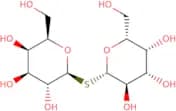
CAS:This product is part of our Bio-X ™ Range. These products are aimed at life science researchers who need high quality ready-to-use products for assay development, screening or other R&D work. With a solubility datasheet and convenient vials, all of our Bio-X ™ products are in stock across our global warehouses for rapid delivery and ease of use.Formula:C12H22O10SPurity:Min. 95%Color and Shape:PowderMolecular weight:358.36 g/mol3-Deoxy-D-glycero-D-galacto-2-nonulosonic acid
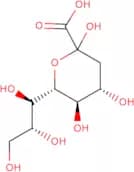
CAS:3-Deoxy-D-glycero-D-galacto-2-nonulosonic acid (3DG) is a monosaccharide that is present in many biological molecules, such as glycoproteins and glycoconjugates. 3DG is found in the sialic acid residues of glycoproteins and has been shown to have anticancer properties through its ability to inhibit cell growth. This compound also inhibits the synthesis of DNA and RNA by binding to bacterial 16S ribosomal RNA, inhibiting protein synthesis and cell division. 3DG has been used in biocompatible polymers for medical applications, such as drug delivery systems.Formula:C9H16O9Purity:Min. 98 Area-%Color and Shape:White Yellow PowderMolecular weight:268.22 g/mol6- Deoxy- 3, 5- O- [(R) - benzylidene] - L- mannonic acid g- lactone
CAS:6-Deoxy-3,5-O-[(R)-benzylidene]-L-mannonic acid g-lactone is a complex carbohydrate that belongs to the group of polysaccharides. It can be modified by methylation and fluorination. 6-Deoxy-3,5-O-[(R)-benzylidene]-L-mannonic acid g-lactone is an active ingredient in a custom synthesis. Its purity is high and it has been synthesized with a Click modification. 6DMAgL has a CAS number of 322726-60-3 and can be manufactured in any form.Purity:Min. 95%Allyl 2,3,4,6-tetra-O-acetyl-β-D-glucopyranoside
CAS:Allyl 2,3,4,6-tetra-O-acetyl-β-D-glucopyranoside is a health product that is used as an anesthetic. It is made from allyl alcohol and acetic acid in the presence of alkali. Allyl 2,3,4,6-tetra-O-acetyl-β-D-glucopyranoside has been shown to be degradable in the environment and biodegradable in soil. This product does not contain any hazardous materials and is not toxic to humans. Allyl 2,3,4,6-tetra-O-acetyl-β-D-glucopyranoside has also been shown to have an antiinflammatory effect on the human body.Formula:C17H24O10Purity:Min. 95%Color and Shape:PowderMolecular weight:388.37 g/mol2-Deoxy-2-fluoro-D-glucose 6-phosphate dipotassium
CAS:2-Deoxy-2-fluoro-D-glucose 6-phosphate dipotassium is a fluorinated sugar that is used as a building block in the synthesis of complex carbohydrates. 2-Deoxy-2-fluoro-D-glucose 6-phosphate dipotassium can be modified to produce glycosylations, methylations, and click chemistry modifications. This product is sold as a custom synthesis and can be used for any desired modification.Formula:C6H10FK2O8PPurity:Min. 95 Area-%Color and Shape:PowderMolecular weight:338.31 g/molMethyl N-Benzyl-3-fluoro-2,3,4-trideoxy-2,4-imino-a-L-ribopyranoside
Methyl N-Benzyl-3-fluoro-2,3,4-trideoxy-2,4-imino-a-L-ribopyranoside is a fluorinated monosaccharide that is synthesized from an oligosaccharide. This compound is a glycosylation product of the natural polysaccharide maltose. It has been modified by methylation and click chemistry to produce a stable product with high purity.
Methyl N-Benzyl 3 Fluoro 2,3,4 Trideoxy 2,4 Imino A L Ribopyranoside has a molecular weight of 539.62 and is soluble in water at 25°C. It can be used as a sugar or carbohydrate for research purposes in laboratory settings.Purity:Min. 95%Methyl 4,6-O-benzylidene-2,3-di-O-methanesulfonyl-a-D-glucopyranoside
CAS:Methyl 4,6-O-benzylidene-2,3-di-O-methanesulfonyl-a-D-glucopyranoside is a glycosylation product that can be used in the synthesis of complex carbohydrates. It is also useful in the synthesis of saccharides, oligosaccharides, and monosaccharides. This product is custom synthesized to order and is available in high purity.Formula:C16H22O10S2Purity:Min. 95%Molecular weight:438.47 g/molN-Acetyl-D-galactosamine-3,6-di-O-sulphate sodium salt
A sulfated GalNAc analogueFormula:C8H13NO12S2·2NaPurity:Min. 95%Color and Shape:White to off-white solid.Molecular weight:425.3 g/mol3,6-Dideoxy-3,6-imino-4,5-O-isopropylidene-D-mannitol
3,6-Dideoxy-3,6-imino-4,5-O-isopropylidene-D-mannitol is a complex carbohydrate that is a sugar. It is an oligosaccharide and has CAS No. 123725-27-8. 3,6-Dideoxy-3,6-imino-4,5-O-isopropylidene D mannitol is a saccharide and it can be modified with methylation or glycosylation. 3,6-Dideoxy D mannitol can be fluorinated in the presence of elemental fluorine to produce 3,6 difluoro 2,5 dihydroxyhexanoic acid. 3,6 Dideoxy D mannitol is synthesized from 2 acetylacetone and tetrachloroethanol as starting materials.Purity:Min. 95%Methyl glucoside dioleate
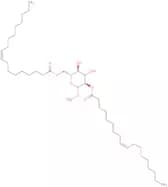
CAS:Methyl glucoside dioleate is a fatty acid ester that is a cross-linking agent. It can be used as a neutralizer and surfactant in cosmetic products. Methyl glucoside dioleate has been shown to have synergistic effects with hyaluronic acid, which stimulates the production of collagen and elastin. It also has skin-softening properties due to its ability to form films on the skin surface and reduce water loss by forming a hydrophobic barrier. Methyl glucoside dioleate is not known to cause allergic reactions or other adverse effects when applied to humans, although there are no long-term studies on this topic.Purity:Min. 95%N-(Succinyl)-O-b-D-galactopyranosylhydroxylamine
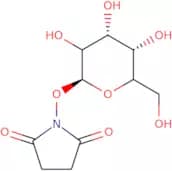
N-(Succinyl)-O-b-D-galactopyranosylhydroxylamine is a custom synthesis of an oligosaccharide with a modified sugar. The modification includes fluorination and succinylation of the hydroxyl group at the b position on the galactose ring. This sugar is also known as a complex carbohydrate and is found in saccharides, carbohydrates, and sugars. This product is synthesized to provide high purity with a click modification for use in methylation reactions.Formula:C10H15NO8Purity:Min. 95%Molecular weight:277.23 g/molAllyl 2,3,4-tri-O-benzyl-a-D-glucopyranoside
CAS:Allyl 2,3,4-tri-O-benzyl-a-D-glucopyranoside is a sugar that is used in the synthesis of glycosides. It can be synthesized by a click modification reaction that yields an allyl ether from an allylic alcohol. This product has been shown to react with bromine in the presence of UV light and produce a monobenzylated product, which can be used as a fluorescent probe for labeling saccharides. Allyl 2,3,4-tri-O-benzyl-a-D-glucopyranoside can also be modified with methyl groups or glycosidic bonds to form complex carbohydrates.Formula:C30H34O6Purity:Min. 95%Color and Shape:PowderMolecular weight:490.59 g/mol2,3,4,6-Tetra-O-benzyl-D-mannopyranosyl fluoride
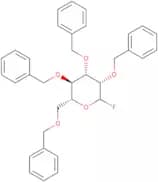
CAS:2,3,4,6-Tetra-O-benzyl-D-mannopyranosyl fluoride is a glycosylamine that has been synthesized from l-threonine. The chemical structure of this compound can be classified as a pyranose sugar with an O-methylated benzyl group at the C2 position. This sugar is synthesized by reductive cleavage of the methyl ether and subsequent reaction with sodium borohydride. The conformational analysis of the molecule was performed using molecular mechanics calculations and quantum mechanical simulations. In addition, electron paramagnetic resonance (EPR) experiments were conducted to determine the chemical shift in the 1H NMR spectrum and to identify the acceptor or donor in the molecule. Trichloroacetimidates are used as monomers for this type of synthesis because they provide good yields and can be easily prepared by reacting chloroacetic acid with chloral hydrate.Formula:C34H35FO5Purity:Min. 95%Color and Shape:Yellow PowderMolecular weight:542.64 g/molFuraneol beta-D-glucopyranoside
CAS:Furaneol beta-D-glucopyranoside is a synthetic sugar that is used as an intermediate in the synthesis of complex carbohydrates. Furaneol beta-D-glucopyranoside has been modified by methylation and fluorination, which allows it to be used in click chemistry. Furaneol beta-D-glucopyranoside is also a high purity compound with a custom synthesis available for purchase.Formula:C12H18O8Purity:Min. 97 Area-%Color and Shape:PowderMolecular weight:290.27 g/molGlucosylsphingosine
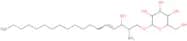
CAS:Glucosylsphingosine is a modified carbohydrate that belongs to the group of complex carbohydrates. It is a custom synthesis and has high purity with no detectable impurities. Glucosylsphingosine is an oligosaccharide, which is a polysaccharide composed of three or more monosaccharides. This compound can be methylated, glycosylated, or fluorinated in order to change its properties. Glucosylsphingosine has been synthesized from glucose and sphinganine, which are both monosaccharides. Glucose can be synthesized by the reduction of glucose-6-phosphate using glucose-6-phosphate dehydrogenase or it can be obtained from hydrolysis of starch. Sphinganine can be obtained by hydrolysis of sphingomyelin, which is a phospholipid found in cell membranes or by deacylation of N-acetylFormula:C24H47NO7Purity:Min. 95%Molecular weight:461.63 g/mol1,2-O-Di-O-acetyl-5-O-benzoyl-3-deoxy-3C-methyl-D-ribofuranose
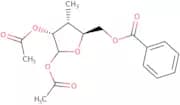
CAS:1,2-O-Di-O-acetyl-5-O-benzoyl-3-deoxy-3C-methyl-D-ribofuranose is a fluorinated monosaccharide that can be used as a building block for the synthesis of complex carbohydrates. It is a custom synthesis and is available in high purity.Formula:C17H20O7Purity:Min. 95%Molecular weight:336.34 g/molN-(2,4-Dinitrophenyl-deoxynojirimycin
N-2,4-Dinitrophenyl-deoxynojirimycin (DNPDNJ) is a methylated derivative of deoxynojirimycin. It is an inhibitor of glycosylation that can be used to study the structure and function of carbohydrates. DNPDNJ is a synthetic saccharide that can be custom synthesized. Click modification and modification with Oligosaccharides are common modifications for DNPDNJ. DNPDNJ is available in high purity and has been fluorinated for use in fluorescence studies.
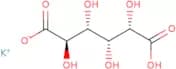
Purity:Min. 95%D-Glucarate monopotassium
CAS:D-Glucarate monopotassium is a pharmaceutical preparation that is used to inhibit the growth of bacteria. It inhibits the proliferation of cells by inhibiting fatty acid synthesis, which leads to decreased levels of cholesterol, and reduces the uptake of glucose. D-Glucarate monopotassium is also an oxidizing agent that converts uridine into uric acid and has been shown to have inhibitory properties against human cancer cells. D-Glucarate monopotassium can be used as an antioxidant for the prevention or treatment of chronic diseases such as atherosclerosis, diabetes, and cancer. This compound acts as an inhibitor for trypsin treatment on carbohydrates, preventing hydrolysis by this enzyme.
Formula:C6H9O8·KPurity:Min. 95%Color and Shape:PowderMolecular weight:248.23 g/mol3-Azido-3-deoxy-1,2-O-isopropylidene-a-D-xylofuranose
3-Azido-3-deoxy-1,2-O-isopropylidene-a-D-xylofuranose is a synthetic sugar that can be used for glycosylation, methylation and modification. This product has CAS number 68438-65-6 and molecular weight of 229.33. The product has a purity of greater than 99%. It is a white powder that can be dissolved in water or ethanol. 3-Azido-3-deoxy-1,2-O-isopropylidene -a -D -xylofuranose is an oligosaccharide with the formula CHNO(CHOH)C(HO)(CHNH)CHO. 3AODXF is a monosaccharide with the formula CHNO(CHOH)C(HO)(CHNH)COOH. Monosaccharides are carbohydrates that contain only one sugar unit (monoPurity:Min. 95%a-D-Glucose-1-phosphate disodium salt hydrate
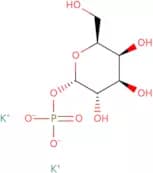
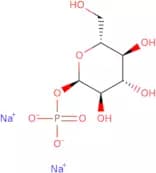
CAS:a-D-Glucose-1-phosphate disodium salt hydrate (aGPD) is a bacterial strain that has been shown to produce fatty acids from glucose. The production of fatty acids has been shown to be dependent on transfer reactions involving tagatose, which is an intermediate product of the process optimization of aGPD. The final product of these reactions is lactic acid, which is formed in an acidic environment. This bacterial strain has also been used as a model system for studying kidney bean phosphatase and photosynthetic activity in monoclonal antibody production.Formula:C6H11O9P·2Na·xH2OPurity:Min. 97%Color and Shape:White PowderMolecular weight:304.1 g/molMethyl 4,6-O-benzylidene-2,3-di-O-(p-toluenesulfonyl)-α-D-glucopyranoside
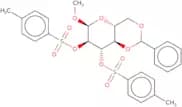
CAS:Methyl 4,6-O-benzylidene-2,3-di-O-(p-toluenesulfonyl)-a-D-glucopyranoside is a custom synthesis that has been modified with fluorination, methylation, and click modification. It is a monosaccharide that can be found in saccharides and polysaccharides. This product is also a synthetic carbohydrate with the CAS number of 6884-01-1. Methyl 4,6-O-benzylidene-2,3-di-O-(p-toluenesulfonyl)-a -D -glucopyranoside has been shown to have antihyperglycemic properties by inhibiting the action of alpha amylase on starch. This product also inhibits the activity of alpha amylase on glycogen and lactose.Formula:C28H30O10S2Purity:Min. 95%Molecular weight:590.66 g/mol2,3-O-Isopropylidene-L-lyxonic acid-1,4-lactone
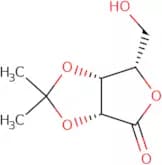
CAS:2,3-O-Isopropylidene-L-lyxonic acid-1,4-lactone is an enantiopure compound that is a member of the glycoside family. It has been shown to inhibit the activity of glycosidases, which are enzymes that hydrolyze glycosides. 2,3-O-Isopropylidene-L-lyxonic acid-1,4-lactone has an ambiguous stereochemistry due to its carbon chains and catalytic groups. The conformational analysis of this compound reveals that it can be classified as a chiral molecule because it lacks a plane of symmetry. Crystallographic analysis has shown that 2,3-O-Isopropylidene-L-lyxonic acid-1,4-lactone adopts a dimeric form and crystallizes in an asymmetric unit cell with space group P2(1)22(1).Formula:C8H12O5Purity:Min. 97 Area-%Color and Shape:White PowderMolecular weight:188.18 g/mol2-C-( tert.Butyldimethylsilyloxy)methyl-2,3:5,6-di-O-isopropylidene-L-gulono-1.4-lactone
2-C-(tert-Butyldimethylsilyloxy)methyl-2,3:5,6-di-O-isopropylidene-L-gulono-1.4-lactone is a synthetic monosaccharide that is a modification of L-Gulono Oligosaccharide, which is a polysaccharide. 2C-(tert-Butyldimethylsilyloxy)methyl -2,3:5,6-di--O--isopropylidene--L--gulono 1.4 lactone is also known as 2C-(tert butyldimethylsilyloxy) methyl -2,3:5,6--di--O--isopropylidene--L--gulono 1.4 lactone and is used in the manufacture of saccharides and carbohydrates. It can be found in thePurity:Min. 95%L-Glucosamine hydrochloride
CAS:L-Glucosamine hydrochloride is a fluorescent derivative of L-glucosamine, which is an amino sugar that occurs naturally in the human body. L-glucosamine hydrochloride can be used to measure the uptake of glucose by cells and tissues. The hydroxyl group on the glucosamine molecule is responsible for this activity. L-glucosamine hydrochloride has been shown to have anticancer activity against leukemia cells in tissue cultures and it may be useful as a cancer treatment. It is also capable of inducing cytokine responses when it binds to antigen sites on T cells, which may lead to its use as an immunotherapy agent.Formula:C6H13NO5•HClPurity:Min. 95%Color and Shape:PowderMolecular weight:215.63 g/moltrans,trans-3,4-Dihydroxy-D-proline
Trans,trans-3,4-Dihydroxy-D-proline is a custom synthesis that has been fluorinated and methylated. It is a polysaccharide with a sugar backbone of an oligosaccharide or saccharide. The carbons in the backbone are connected by glycosylation to form a complex carbohydrate. This product has CAS No.
Purity:Min. 95%tert-Butyl 2-acetamido-3,4,6-tri-O-acetyl-2-deoxy-b-D-glucopyranoside
CAS:Tert-butyl 2-acetamido-3,4,6-tri-O-acetyl-2-deoxy-b-D-glucopyranoside is a modification of the natural carbohydrate tertiary butyl 2,3,4,6 tetraacetyl beta D glucopyranoside. It is synthesized by the addition of acetamide to the 3 and 4 position on the glucose molecule. This product can be used as a reagent for glycosylation reactions. Tert-butyl 2 acetamido 3,4,6 tri O acetyl 2 deoxy b D glucopyranoside is an oligosaccharide with a molecular weight of 522.5 Da. The monomeric units are alpha glucose and beta glucose linked by glycosidic bonds. This product is also methylated at the 6 position on the glucose molecule and then fluorinated to create a hydrocarbon chain with one hydroxylFormula:C18H29NO9Purity:Min. 95%Molecular weight:403.42 g/mol7-Deoxy-1,2:3,4:5,6-tri-O-isopropylidene-D-glycero-L-ido-heptitol
The 7-Deoxy-1,2:3,4:5,6-tri-O-isopropylidene-D-glycero-L-ido-heptitol is a synthetic oligosaccharide that can be custom synthesized for research purposes. It is composed of the sugar monomers 6,7-dideoxyglucose and 1,2:3,4:5,6-tetraisopropyldecaonol. The 7DG and 1,2:3,4:5,6TIDCA are linked together via an alpha(1→4) glycosidic linkage. This product has been fluorinated to increase its stability in aqueous solutions. br>br> The 7DG and 1,2:3,4:5,6TIDCA monomers are connected by an alpha(1→4) glycosidic linkage. The structuralPurity:Min. 95%Neocarradecaose-41,3,5,7,9-penta-O-sulfate sodium salt
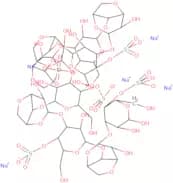
CAS:Neocarradecaose-41,3,5,7,9-penta-O-sulfate sodium salt is a synthetic oligosaccharide that is used as an active ingredient in anti-tuberculosis drugs. It has been shown to have strong inhibitory activity against Mycobacterium tuberculosis. Neocarradecaose-41,3,5,7,9-penta-O-sulfate sodium salt is also a good substrate for glycosylation reactions and can be modified by methylation or click chemistry. This compound is water soluble and suitable for dissolving in organic solvents. The purity of the compound is over 98%.Formula:C60H87Na5O61S5Purity:Min. 95 Area-%Color and Shape:Yellow PowderMolecular weight:2,059.58 g/mol3,5-O-Isopropylidene-a-L-xylofuranose
3,5-O-Isopropylidene-a-L-xylofuranose is a Custom synthesis, modification, fluorination and methylation of a monosaccharide. 3,5-O-Isopropylidene-a-L-xylofuranose is a synthetic oligosaccharide that has been modified by click chemistry with the addition of an acetate group.Formula:C8H14O5Purity:Min. 95%Molecular weight:190.19 g/mol2- Acetamido- 2, 4- dideoxy-D- xylo- hexose
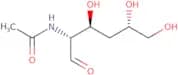
CAS:2-Acetamido-2,4-dideoxy-D-xylo-hexose is a synthetic monosaccharide that is modified with fluorine, methylation and acetamidodeoxysugar. The product is used as an intermediate in the synthesis of oligosaccharides and polysaccharides. It can also be used to modify saccharides with modifications such as click chemistry, fluorination and saccharide modification. 2-Acetamido-2,4-dideoxy-D-xylo-hexose (2A6DH) has CAS number 40555-55-3.Formula:C8H15NO5Purity:Min. 95%Molecular weight:205.21 g/mol2,3:4,5-Di-O-isopropylidene-6-oxo-D-talonic acid methyl ester
2,3:4,5-Di-O-isopropylidene-6-oxo-D-talonic acid methyl ester is a modification of an oligosaccharide. It can be used as a raw material for the synthesis of complex carbohydrates and has been shown to have high purity. 2,3:4,5-Di-O-isopropylidene-6-oxo-D-talonic acid methyl ester is synthesized from a monosaccharide and has been fluorinated and saccharified.Purity:Min. 95%(1S) -1- [(2S, 3R,4R) -N-Benzyl-3- benzyloxy- 4-hydroxymethyl-3-methyl-1- azetidinyl] -1, 2- ethanediol
(1S) -1- [(2S, 3R,4R) -N-Benzyl-3- benzyloxy- 4-hydroxymethyl-3-methyl-1- azetidinyl] -1, 2- ethanediol is a custom synthesis product that has been modified with methylation and fluorination. It is an oligosaccharide or polysaccharide that can be used as a link in the construction of complex carbohydrate molecules. This product is also known as 1, 2-(Benzyloxy)-4-(hydroxymethyl)-3-(methyl)-5-[(2S)-1, 2, 3, 4, 5]-hexahydroazepinium. This compound has been shown to have high purity and good stability. The chemical formula for this product is C12H22O7F2N2O5.Purity:Min. 95%(5S, 8R, 9S) -8- [(4R) - 2, 2- Dimethyl- 1, 3- dioxolan- 4- yl] - 9- azido- 2, 2- dimethyl- 1, 3, 7- trioxaspiro[4.4] nonan- 6- one
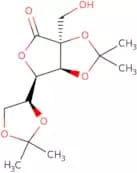
This is a custom synthesis of an oligosaccharide. The chemical name is (5S, 8R, 9S) -8- [(4R) - 2, 2- Dimethyl- 1, 3- dioxolan- 4- yl] - 9- azido- 2, 2- dimethyl- 1, 3, 7- trioxaspiro[4.4] nonan- 6- one. It has CAS No., which is 567606-39-2 and Polysaccharide as its Modification. This product can be found in the Carbohydrate section under Sugar and Glycosylation sections under Methylation and Click modification respectively. It's purity level is high and it can be synthesized with fluorination for your desired needs.Purity:Min. 95%(2E) -4- [(3aS, 4R, 5aR) -5-Hydroxy-( 2, 2- dimethyltetrahydro- 4H- 1, 3- dioxolo)[3, 4- c] piperidin- 2- yl] -2- butenoic acid meth yl ester
2-Butenoic acid methylester is a carbohydrate compound with a molecular formula of C4H6O4 and a molecular weight of 136.09. It has the chemical name of (2E) -4- [(3aS, 4R, 5aR) -5-hydroxy-( 2, 2-dimethyltetrahydro- 4H- 1, 3- dioxolo)[3, 4- c] piperidin- 2- yl] -2- butenoic acid meth yl ester. This product is an oligosaccharide that can be custom synthesized to meet your needs. This product is also known as an Oligosaccharide or sugar and can be fluorinated to produce a complex carbohydrate. The CAS number for this product is 72695-10-8. This product is available in high purity and has been methylated and glycosylated.Purity:Min. 95%2-Keto-D-gluconic acid
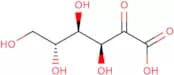
CAS:2-Keto-D-gluconic acid is a naturally occurring compound that can be synthesized from sodium carbonate and 2-keto-d-gluconic acid. 2-Keto-D-gluconic acid has been shown to have antimicrobial properties against many bacterial strains, including its ability to inhibit the growth of wild type strains of Staphylococcus aureus, Streptococcus pneumoniae, Escherichia coli, and Pseudomonas aeruginosa. It has also been shown to have antiinflammatory properties. The synthesis of 2-keto-D-gluconic acid requires optimization of the process with respect to the monoclonal antibody surface methodology used.Formula:C6H10O7Purity:Min. 95%Color and Shape:PowderMolecular weight:194.14 g/mol1,2:3,4:5,6-Tri-O-isopropylidene-L-glycero-L-gulo-heptitol
1,2:3,4:5,6-Tri-O-isopropylidene-L-glycero-L-gulo-heptitol is a methylated saccharide. It is a synthetic carbohydrate with a molecular weight of 568.87 and a CAS No. of 310540-53-0. This product is soluble in water and has been shown to be resistant to the pH of stomach acid. 1,2:3,4:5,6-Tri-O-isopropylidene-L-glycero-L-gulo-heptitol can be used as a click modification or modification reaction to make oligosaccharides or polysaccharides. This product can also be used for glycosylation reactions or custom synthesis of carbohydrates such as sugars or complex carbohydrates. 1,2:3,4:5,6 -Tri -O -isopropylidene -Purity:Min. 95%2-Amino- 2- deoxy- 3- O- methyl-D- glucose
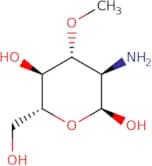
CAS:2-Amino-2-deoxy-3-O-methyl-D-glucose is a modified sugar that has been synthesized by the methylation of D-glucose. This product is often used as a building block in glycosylation, which is the process of adding sugars to proteins or polysaccharides. The modification of this carbohydrate makes it resistant to hydrolysis and oxidation reactions, making it suitable for use in pharmaceuticals and other applications. 2-Amino-2-deoxy-3-O-methyl-D-glucose can be fluorinated to produce 2-(Fluoro)amino 2 deoxy 3 O methyl D glucose, which has been shown to have antihypertensive effects in rats with high blood pressure. This product can also be modified with click chemistry to produce 2-[(Azidomethyl)amino]-2 deoxy 3 O methyl D glucose, which can be usedFormula:C7H15NO5Purity:Min. 95%Molecular weight:193.2 g/moltert-Butyl β-D-glucopyranoside
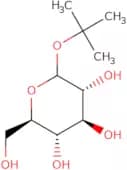
CAS:tert-Butyl b-D-glucopyranoside is a monomer that belongs to the class of acrylic acid ester. It is used in polymer synthesis, as a photoinitiator and as a light stabilizer for polymers. The compound is resistant to heat and has a high degree of light transmittance. Tert-butyl b-D-glucopyranoside is soluble in chloroform and can be found in carbon tetrachloride solution with a transmittance of up to 83%. This compound can be used as an indexing agent for silicon wafers because it produces protrusions when immersed in chloroform.Formula:C10H20O6Purity:Min. 95%Color and Shape:PowderMolecular weight:236.26 g/molMethyl 2,3,4-tri-O-pivaloyl-6-O-trityl-a-D-mannopyranoside
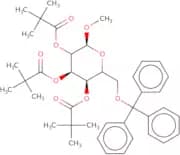
Methyl 2,3,4-tri-O-pivaloyl-6-O-trityl-a-D-mannopyranoside is a custom synthesis of a complex carbohydrate. It is an Oligosaccharide that has been modified with saccharide Methylation and glycosylation. This product is also fluorinated and Click modified. The CAS number for this product is [[Category:Chemical compounds]]Formula:C41H52O9Purity:Min. 95%Molecular weight:688.87 g/molEthyl 2-O-benzyl-4,6-O-benzylidene-b-D-thioglucopyranoside
Ethyl 2-O-benzyl-4,6-O-benzylidene-b-D-thioglucopyranoside is a custom synthesis of a monosaccharide. It consists of an ethoxy group at the 4th position and a benzyl group at the 6th position on the ring. The compound has been fluorinated, methylated, and modified with click chemistry to make it more stable. This product is a synthetic oligosaccharide that has been glycosylated and modified with saccharide chains. It is used as a complex carbohydrate for dietary supplements.Purity:Min. 95%b-D-Allopyranose
CAS:b-D-Allopyranose is a monosaccharide that has been modified with fluorine. It is used as a substrate for the production of oligosaccharides and polysaccharides, which are important biomolecules in cell walls and membranes. b-D-Allopyranose can be customized to suit your needs with Click chemistry, Methylation, or other modifications. We offer high purity b-D-Allopyranose at competitive prices.
Formula:C6H12O6Purity:Min. 97 Area-%Color and Shape:PowderMolecular weight:180.16 g/molMethyl 2,4-Di-O-acetyl-3-deoxy-3-fluoro-b-D-xylopyranoside
CAS:Methyl 2,4-Di-O-acetyl-3-deoxy-3-fluoro-b-D-xylopyranoside is a synthetic, fluorinated glycosylation product. It is used in the synthesis of complex carbohydrates, and has been shown to be useful for click modification. This product has been custom synthesized by our company, and can be ordered in high purity.Formula:C10H15FO6Purity:Min. 95%Molecular weight:250.22 g/mol2-C-Azidomethyl- 2, 3:5, 6- di-O-isopropylidene)-D- mannose
2-C-Azidomethyl-2,3:5,6-di-O-isopropylidene)-D-mannose (2CAM) is a custom synthesis that is created by modifying the natural sugar D-mannose. The modification of this sugar yields 2CAM, which is a fluorinated and methylated compound. The monosaccharide in 2CAM is an alpha anomeric structure with a 6 carbon chain. This chemical can be synthesized from D-mannose through the addition of an azide group to the C4 hydroxyl group on the mannose ring. This modification to the natural sugar leads to a complex carbohydrate that exhibits saccharide properties as well as glycosylation properties. 2CAM has been shown to have inhibitory effects against bacterial pathogens such as Mycobacterium tuberculosis and Clostridium perfringens, which are both gram negative bacteria. In contrast,Purity:Min. 95%(2S, 3R, 4R) -3- Benzyloxy- 1- butyl-4- (hydroxymethyl) - N- methyl- 2- azetidinecarboxylic acid methyl ester
(2S, 3R, 4R) -3-Benzyloxy-1-butyl-4-(hydroxymethyl)-N-methyl-2-azetidinecarboxylic acid methyl ester is a modification of an oligosaccharide. This product is custom synthesized and has a high purity. It is a methylated carbohydrate that contains a fluorinated saccharide.Purity:Min. 95%4-O-Methyl-D-glucose
CAS:4-O-Methyl-D-glucose is an acidic sugar that is found in the cell walls of plants. It has been shown to have structural studies on plant cells, with ion-exchange and ester linkages. 4-O-Methyl-D-glucose is metabolized by microorganisms, including bacteria, fungi, and yeast. This sugar can be oxidized to form acid or oligosaccharides as well as oxidation products such as methylglyoxal. 4-O-Methyl-D-glucose is also used in the synthesis of mucopolysaccharides which make up the connective tissue of tumor cells. This sugar can be synthesized from D-mannose by a diazonium salt reaction followed by oxidation with sodium hypochlorite. The hydroxyl group on this sugar can be acetylated to form acetylated 4-O methyl glucose.Formula:C7H14O6Purity:Min. 95%Color and Shape:White PowderMolecular weight:194.18 g/mol(2S,3R,4S)-2-(Benzoyloxy)methyl-3,4,N-tri-O-benzoyl-5-methyl-pyrrolidine-3,4-diol
(2S,3R,4S)-2-(Benzoyloxy)methyl-3,4,N-tri-O-benzoyl-5-methyl-pyrrolidine-3,4-diol is a high purity synthetic carbohydrate that is custom synthesized to your specifications. It can be used for saccharide and oligosaccharide modification or glycosylation. (2S,3R,4S)-2-(Benzoyloxy)methyl-3,4,N-tri-O-benzoyl-5-methyl-pyrrolidine-3,4-diol is prepared from benzoyl chloride and 3'-chloroacetyl chloride in the presence of triethylamine. This product is available for methylation and click chemistry modification.Purity:Min. 95%D-Arabinose
CAS:The aldopentose D-arabinose also known as aloinose, Aloe sugar, pectinose (Collins, 2006), is not as common in nature as its enantiomer L-arabinose. D-arabinose is a component of the polysaccharide in Aloe (Haynes, 1963) and is present in the unripe (green) tomato (Lycopersicon esculentum) (Chandra, 2009). The major cell wall carbohydrate of Corynebacterineae (a bacterial group that includes tuberculosis, leprosy and diphtheriae) is an arabinogalactan, a branched polysaccharide that is essential for the physiology of these bacteria. The arabinogalactan complex is often referred to as mycolyl-arabinogalactan-peptidoglycan complex. As arabinogalactan is made up of D-arabinofuranosyl and D-galactofuranosyl residues, a complete understanding of their biosynthethic pathways could provide suitable targets for new chemotherapeutics (Meniche, 2008).Formula:C5H10O5Purity:Min. 99 Area-%Color and Shape:PowderMolecular weight:150.13 g/mol(3S, 4S, 5S) -3, 4-Dihydroxy- 5- (hydroxymethyl) - L- proline
CAS:(3S, 4S, 5S) -3, 4-Dihydroxy-5-(hydroxymethyl) -L-proline (1) is a modification of the amino acid proline. It is an oligosaccharide with a complex carbohydrate structure. The molecular weight of the compound was determined to be 1,664.1 g/mol by mass spectrometry analysis. This product is available for custom synthesis and can be purchased in high purity and synthetic form. It also has a CAS number of 1225455-73-1 and its chemical name is 3-[(2R)-2-(3,4-dihydroxypropanoyloxy)] -4-[(2R)-2-(3,4-dihydroxypropanoyloxy)] -5-[(2R)-2-(hydroxymethyl)oxido] -L-proline.Formula:C6H11NO5Purity:Min. 95%Molecular weight:177.16 g/molEthyl 2,3,4,6-tetra-O-acetyl-D-thiomannopyranoside - min 80% a-anomer
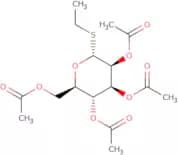
CAS:Ethyl 2,3,4,6-tetra-O-acetyl-D-thiomannopyranoside is a high purity custom synthesis sugar that can be modified with fluorination, glycosylation and methylation. This compound has CAS No. 79389-52-9. Ethyl 2,3,4,6-tetra-O-acetyl-D-thiomannopyranoside is a complex carbohydrate that is also an oligosaccharide and monosaccharide. It has many applications in the food industry as well as pharmaceuticals.Formula:C16H24O9SPurity:Min. 95%Color and Shape:PowderMolecular weight:392.42 g/mol6-O-Methyl-D-galactopyranose
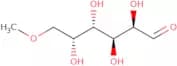
CAS:6-O-Methyl-D-galactopyranose is a monosaccharide that is an important component of the glycosidic linkage in the plant galactomannans. 6-O-Methyl-D-galactopyranose has been shown to be a good substrate for immobilized lectin, which can be used in ionization techniques as well as to characterize glycoproteins and glycopeptides. 6-O-Methyl-D-galactopyranose has also been used in the identification of blood groups and amino acid analysis.
Formula:C7H14O6Purity:Min. 97 Area-%Color and Shape:White Off-White PowderMolecular weight:194.18 g/mol2-Azido-((R)-3,5-O-benzylidene)-2,6-dideoxy-L-glucono-1.4-lactone
2-Azido-((R)-3,5-O-benzylidene)-2,6-dideoxy-L-glucono-1.4-lactone is a sugar and sugar derivative. It is a synthetic product that has been modified with methylation, fluorination and click chemistry. 2-Azido-(R)-3,5-O-benzylidene)-2,6-dideoxy--L--glucono--1.4--lactone is a carbohydrate with a saccharide at the end of its chain. This product is synthesized in high purity and without any contaminants, as it has been custom synthesized for your company's needs.Purity:Min. 95%2C-Hydroxymethyl-2,3:5,6-di-O-isopropylidene-L-gulono-1,4-lactone
CAS:2C-Hydroxymethyl-2,3:5,6-di-O-isopropylidene-L-gulono-1,4-lactone is a synthetic compound with the molecular formula C8H11O7. It is a sugar derivative that is used as an intermediate in the synthesis of saccharides and oligosaccharides. 2C-Hydroxymethyl-2,3:5,6-di-O-isopropylidene-L-gulono-1,4 -lactone has been shown to be a good candidate for Click chemistry modification.Formula:C13H20O7Purity:Min. 95%Molecular weight:288.29 g/molD-Glucosamine-6-O-sulphate
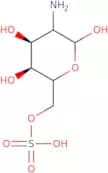
CAS:D-Glucosamine-6-O-sulphate is a disaccharide that is a component of heparin. The molecular docking analysis of this drug with the target proteins, d-glucosamine 6-O-sulphate and l-iduronic acid, has been performed using the protein data sets from proteomics. D-Glucosamine-6-O-sulphate has been found to be related to psoriasis patients in urine samples. The macroscopic and microscopic structure of this drug was also studied and characterized by liquid chromatography.Formula:C6H13NO8SPurity:Min. 95 Area-%Color and Shape:White PowderMolecular weight:259.23 g/mol(1R) -1- [(2R, 3S) -3- Hydroxy- 1- azetidinyl] -1, 2- ethanediol
CAS:The compound is a custom synthesis of (1R) -1- [(2R, 3S) -3- Hydroxy- 1- azetidinyl] -1, 2- ethanediol. The compound has been modified with fluorination and methylation. This modification has been confirmed by high resolution mass spectrometry and nuclear magnetic resonance spectroscopy. The fluorinated compound is synthesized from the monosaccharide or oligosaccharide starting materials. The modification process includes Click chemistry that is used to introduce saccharide groups onto the oligosaccharides or polysaccharides for glycosylation reactions. This process results in a sugar or complex carbohydrate product with high purity.Formula:C5H11NO3Purity:Min. 95%Molecular weight:133.15 g/mol1-Deoxy-D-xylulose - Aqueous solution
CAS:1-Deoxy-D-xylulose is a potent inhibitor of the enzyme xylulokinase, which catalyses the first step in the metabolism of D-xylulose to form 5-phosphate. This prevents the conversion of D-xylulose to xylitol and inhibits body formation. The 1-deoxy--D-xylulose molecule has been shown to bind selectively to sodium citrate by x-ray diffraction data. Sodium citrate is an antimicrobial agent used for food preservation and as a preservative in pharmaceuticals. It also has been shown to control enzyme activities that are involved in infectious diseases such as malaria, tuberculosis, and leprosy. 1-Deoxy--D--xylulose is one of many high purity steviol glycosides that have been identified as potential drug targets for inhibiting body formation or growth.Formula:C5H10O4Purity:Min. 97 Area-%Color and Shape:Clear LiquidMolecular weight:134.13 g/mol3-Deoxy-1,2-O-isopropylidene-5-O-toluoyl-b-L-ribofuranose
CAS:3-Deoxy-1,2-O-isopropylidene-5-O-toluoyl-b-L-ribofuranose is a sugar that is a methylated form of ribose. It also forms the backbone of polysaccharides and is modified with glycosylation. 3DOTRB can be custom synthesized in high purity and has CAS No. 2072145-19-6.Purity:Min. 95%N- [(3R, 4R, 5R) - 4- Hydroxy- 5- (hydroxymethyl) - 3- pyrrolidinyl] -acetamide
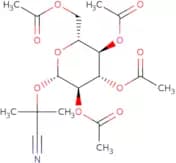
CAS:N- [(3R, 4R, 5R) - 4- Hydroxy- 5- (hydroxymethyl) - 3- pyrrolidinyl] -acetamide is a synthetic compound that is composed of two molecules of acetamide linked to each other by an ester linkage. The acetamide group is attached to the nitrogen atom of the heterocycle. The N-COOH carbonyl group is attached to the oxygen atom of the heterocycle. N-[(3R,4R,5R)-4-hydroxy-5-(hydroxymethyl)-3-(pyrrolidin-1-yl)pyrrolidinium]acetamide has not been studied in humans or animals.Purity:Min. 95%2,3,4,6-Tetra-O-acetyl linamarin
CAS:2,3,4,6-Tetra-O-acetyl linamarin is a carbohydrate that belongs to the group of oligosaccharides. It is a complex carbohydrate that has been modified by fluorination and methylation. This product is custom synthesized and can be produced with high purity. The 2,3,4,6-Tetra-O-acetyl linamarin has been glycosylated and click modified.
Formula:C18H25NO10Purity:Min. 95%Color and Shape:White To Off-White SolidMolecular weight:415.39 g/molN-Acetyl-D-galactosamine
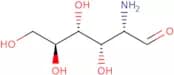
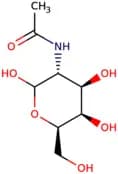
CAS:N-acetyl D-galactosamine (GalNAc) is an aldohexose (2-acetamido-2-deoxygalactose) in which the hydroxyl group at position 2 is replaced by a N-acetyl group (Collins, 2006). GalNAc forms a key part of both N- and O-linked glycoproteins, glycolipids, gangliosides, blood groups, glycosaminoglycans (chondroitin and dermatan sulfate) and human milk oligosaccharides. The number of GalNAc residues attached to the IgA O-linked glycans of Crohns Disease patients was significantly decreased, and strongly correlated with clinical activity. It is suggested that alterations of GalNAc attachment in IgA may be useful as a novel diagnostic and prognostic marker of Crohns Disease (Inoue, 2012).Formula:C8H15NO6Purity:Min. 99.0 Area-%Molecular weight:221.21 g/molN-Acetyl-D-glucosamine 2-epimerase
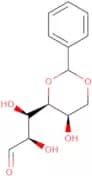
CAS:N-Acetyl-D-glucosamine 2-epimerase is an enzyme that catalyzes the conversion of N-acetyl D-glucosamine to N-acetyl D-mannosamine. This enzyme is a recombinant protein. It has been shown to be active against bacterial cells and has been used as a target for antibodies in research. The enzyme is insoluble at high concentrations, so it must be refolded before use. It is active in a denatured form, but can be made inactive by heat or other denaturing agents such as urea, guanidine hydrochloride, or sodium dodecyl sulfate (SDS). Refolding strategies include dilution, dialysis, or adsorption onto a solid support such as agarose beads. !--Purity:Min. 95%Color and Shape:Grey to brown solid.1,3-O-Benzylidene-D-arabitol
CAS:1,3-O-Benzylidene-D-arabitol is a methylated sugar that is used in the synthesis of complex carbohydrates. It is produced by the modification of a 1,3-O-benzylidene-D-ribitol. It has a CAS number of 70831-50-4 and can be custom synthesized to meet your needs. This product is available in high purity with a 99% yield.Formula:C12H16O5Purity:Min. 95%Color and Shape:White/Off-White SolidMolecular weight:240.25 g/mol(1R) -1- [(2S, 3R,4S) -4-(Acetylamino)methyl-3- hydroxy- 1- azetidinyl] -1, 2- ethanediol
(1R) -1- [(2S, 3R,4S) -4-(Acetylamino)methyl-3- hydroxy- 1- azetidinyl] -1, 2- ethanediol is a custom synthesis. It is a complex carbohydrate that consists of an oligosaccharide with the CAS No. 6056-89-2. This product has been modified by methylation and glycosylation and has been fluorinated in order to improve its stability. The purity of this product is high and it contains a saccharide or sugar which is a polysaccharide as well as a carbonyl group.Purity:Min. 95%D-Erythrose 4-phosphate sodium
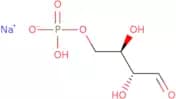
CAS:D-erythrose 4-phosphate sodium (D-EPPS) is a phosphoenolpyruvate analog and an inhibitor of chorismate mutase, which is an enzyme that catalyzes the conversion of D-arabinose 5-phosphate to D-erythrose 4-phosphate. It is used to study the biosynthesis of aromatic amino acids in bacteria. This compound has also been shown to inhibit phosphate uptake by Escherichia coli K12, leading to a decrease in the accumulation of ATP and other nucleotides. D-EPPS binds metal ions and organic acids such as citrate, which influences its thermodynamic stability. Biochemical techniques can be used for profiling D-EPPS in bacterial cells.Formula:C4H8NaO7PPurity:(%) Min. 50%Color and Shape:White PowderMolecular weight:222.07 g/molLumefantrine b-D-Glucuronide
CAS:Lumefantrine b-D-Glucuronide is an anti-malarial drug with a high purity and custom synthesis. It can be synthesized by click modification, fluorination, glycosylation, and methylation of the sugar. Lumefantrine b-D-Glucuronide is an oligosaccharide that contains saccharides and complex carbohydrates. Lumefantrine b-D-Glucuronide is a sugar modified to produce a molecule that is more soluble in water. It has a CAS No. 460745-26-0 and can also be found under the name Oligosaccharide, Monosaccharide, Saccharide, Carbohydrate.Formula:C36H40Cl3NO7Purity:Min. 95%Molecular weight:705.06 g/mol2,3,4-Tri-O-acetyl-D-glucuronide methyl ester
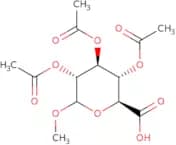
CAS:Intermediate for the anomeric modification of GlcU, including glucuronylationFormula:C13H18O10Purity:Min. 95%Color and Shape:White PowderMolecular weight:334.28 g/molTopiramate impurity D
CAS:Topiramate impurity D is a custom synthesis with CAS number. It is an oligosaccharide that has been modified by methylation and glycosylation. Topiramate impurity D is a complex carbohydrate with saccharide units, which are modified by fluorination and click chemistry. This product is high purity and has been synthesized using the synthetic method of glycosylation, Oligosaccharide, Methylation, and Carbohydrate.Formula:C12H20O6Purity:Min. 95%Molecular weight:260.28 g/mol3,4,6-Tri-O-acetyl-2-azido-2-deoxy-β-D-galactopyranosyl trichloroacetimidate
CAS:3,4,6-Tri-O-acetyl-2-azido-2-deoxy-beta-D-galactopyranosyl trichloroacetimidate is a custom synthesis that has been modified with fluorination and methylation. It is a monosaccharide containing the sugar galactose and it can be found in a saccharide or polysaccharide. This compound was synthesized using click chemistry.Formula:C14H17Cl3N4O8Purity:Min. 95 Area-%Molecular weight:475.67 g/mol1,2-O-Isopropylidene-a-D-glucofuranose
CAS:1,2-O-Isopropylidene-a-D-glucofuranose (IPDF) is a natural compound that has been isolated from the leaves of the plant Cinnamomum camphora. IPDF has been shown to have biological properties such as inhibiting hl-60 cells and inducing apoptosis in leukemia cells. The metabolic rate of IPDF was studied in isolated hearts and it was found that the compound slows fatty acid oxidation. The enzyme substrate specificity of IPDF was also tested by adding trifluoroacetic acid, which yielded no reaction.Formula:C9H16O6Color and Shape:White Off-White PowderMolecular weight:220.22 g/molIron sucrose
CAS:Iron sucrose is a sucrose-iron complex that is administered intravenously for the treatment of bowel disease and iron deficiency. Iron sucrose has been shown to have potent inducers of oxidative injury, which may be due to the formation of reactive oxygen species. Iron sucrose has also been shown to increase cellular transformation and congestive heart failure in mice. Long-term toxicity studies have not been conducted.
Formula:C12H22O11FePurity:Min. 95%Color and Shape:Brown PowderMolecular weight:398.141-Amino-2,5-anhydro-1-deoxy-D-mannitol
CAS:1-Amino-2,5-anhydro-1-deoxy-D-mannitol is an amino sugar that is synthesized by reductive amination of d-fructose and nitrous acid. It has been shown to be a substrate for the transporter protein, which transports it into the cell. 1-Amino-2,5-anhydro-1-deoxy-D-mannitol has been used in the synthesis of arylamines with nitrous acid as a reducing agent. This process has been used to study the stereospecificity of reductive amination.Formula:C6H13NO4Purity:Min. 95%Color and Shape:PowderMolecular weight:163.17 g/mola-L-Galactose-1-phosphate dipotassium salt
CAS:a-L-Galactose-1-phosphate dipotassium salt is an oligosaccharide that can be prepared by the methylation of a galactose molecule. It is a synthetic compound that has been shown to have antiviral properties. The modification of the sugar structure with fluorine atoms increases the stability of the molecule and prevents its degradation. This product is soluble in water and can be used as a pharmaceutical intermediate for other compounds.Formula:C6H11K2O9PPurity:Min. 95%Color and Shape:PowderMolecular weight:336.33 g/molMethyl 2,6-dideoxy-a-D-glucopyranoside
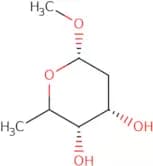
Methyl 2,6-dideoxy-a-D-glucopyranoside is a custom synthesis of an oligosaccharide that is modified with fluorination. It is a saccharide, or carbohydrate, that has been methylated and glycosylated. The modification of this complex carbohydrate has been achieved through the use of the Click reaction. This product has been purified to high purity and is ready for use in research and development.
Formula:C7H14O4Purity:Min. 95%Molecular weight:162.18 g/mol2,3,4,6-Tetra-O-benzyl-b-D-glucopyranosyl Fluoride
CAS:2,3,4,6-Tetra-O-benzyl-b-D-glucopyranosyl Fluoride (TBG) is a drug that has antibiotic properties. It inhibits bacterial growth by binding to the D-glucose residue in the cell wall of gram positive bacteria, which prevents the synthesis of peptidoglycan and thus inhibits protein synthesis. TBG binds to the hydroxyl group on the stannic chloride to form an insoluble complex. The stannic chloride is then converted into a soluble complex with fluoride ion. TBG can be used as an antibiotic for gram positive bacteria such as Staphylococcus aureus and Streptococcus pyogenes.Formula:C34H35FO5Purity:(%) Min. 96%Color and Shape:PowderMolecular weight:542.64 g/molPhosphoric acid mono-((2R,3R,4S,5R)-2,3,4,5,6,7-hexahydroxy-heptyl) ester barium salt
Phosphoric acid mono-((2R,3R,4S,5R)-2,3,4,5,6,7-hexahydroxy-heptyl) ester barium salt is a Glycosylation product. It is a complex carbohydrate with the molecular formula C6H14O6P. The glycosylation of this compound can be accomplished by methylation or by Click modification. This product also has an Oligosaccharide content and Polysaccharide properties. The CAS Number for this compound is 595-25-1.Formula:C7H15O10PBaPurity:Min. 95%Molecular weight:427.49 g/molMethyl 2-azido-2-deoxy-3-O-benzyl-6-O-benzoyl-a-D-glucopyranoside
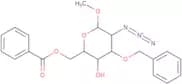
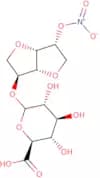
CAS:Methyl 2-azido-2-deoxy-3-O-benzyl-6-O-benzoyl-a-D-glucopyranoside is a synthetic carbohydrate that can be used as a fluorescent probe. It has been used to study the glycosylation of proteins and saccharides, and also as an intermediate in the synthesis of oligosaccharides. The chemical structure of Methyl 2-azido-2-deoxy-3 -O -benzyl -6 -O -benzoyl -a -D -glucopyranoside is shown below:Formula:C21H22N3O6Purity:Min. 95%Molecular weight:412.42 g/molIsosorbide 5-mononitrate 2-b-D-glucuronide
CAS:Isosorbide 5-mononitrate 2-b-D-glucuronide is a reconstituted form of Isosorbide 5-mononitrate. It is used in the treatment of congestive heart failure and angina pectoris. The drug is a nitrovasodilator that relaxes smooth muscle cells, increasing blood flow to the heart. It has been shown to be effective in reducing the frequency of angina attacks and improving exercise tolerance. Isosorbide 5-mononitrate 2-b-D-glucuronide may also have beneficial effects on other cardiovascular diseases such as coronary heart disease, heart attack, or high blood pressure.Formula:C12H17NO12Purity:Min. 95%Molecular weight:367.26 g/mol2-Keto-L-gulonic acid hydrate
CAS:2-Keto-L-gluonic acid hydrate, also called 2-oxo-gulonic acid hydrate, L-xylo-2-hexulosonic acid hydrate (2-KLG) and D-sorbosonic acid hydrate, is an important intermediate in the synthesis of L-ascorbic acid (vitamin C) and can be produced by modified E. herbicola.
Formula:C6H10O7•(H2O)xPurity:Min. 95%Color and Shape:PowderMolecular weight:194.14 g/mol4,6-O-Benzylidene-D-galactose
CAS:4,6-O-Benzylidene-D-galactose is an anomer of D-galactose. It is a lectin that has been shown to inhibit the binding of amyloid beta to the cerebroside in the brain tissue. This activity may be due to its ability to form an amide bond with galactose, which is present in amyloid beta. 4,6-O-Benzylidene-D-galactose also has a coronary heart disease prevention effect and can help reduce cholesterol levels. Furthermore, it has been found to have anti-cancer properties and can help prevent the growth of cancerous cells by inhibiting protein synthesis. In addition, 4,6-O-Benzylidene-D-galactose can be used as a cationic surfactant or detergent composition for cleaning or treating surfaces.
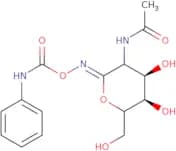
Formula:C13H16O6Purity:Min. 95%Color and Shape:White To Off-White SolidMolecular weight:268.26 g/molGalacto-PUGNAc
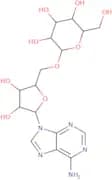
CAS:Galacto-PUGNAc is an oligosaccharide with a complex carbohydrate structure. It is synthesized from galactose and pyranose, which are sugars that belong to the group of carbohydrates. Galacto-PUGNAc is modified by methylation, glycosylation, and fluorination. The chemical modification of this compound provides it with high purity and fluorescence properties. Click chemistry is also used in its synthesis, which involves the use of reactive species that contain azides or alkyne groups. This modification increases the stability of the compound, making it a useful tool for molecular biology and biochemistry research.Formula:C15H19N3O7Purity:Min. 75 Area-%Color and Shape:PowderMolecular weight:353.33 g/molAdenosine-5'-b-D-galactopyranoside
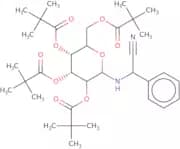
CAS:Adenosine-5'-b-D-galactopyranoside is a complex carbohydrate, which is a glycoconjugate consisting of an adenosine molecule linked to the sugar galactose by an alpha (1→4) glycosidic linkage. It is a methylated, fluorinated, and saccharide-modified analogue of adenosine monophosphate. Adenosine-5'-b-D-galactopyranoside is also known as 5'-Deoxyadenosine 5'-b-D-galactopyranoside or 3',5'-Diadenylic acid 5'-b-D-galactopyranoside. The compound can be custom synthesized in high purity with the desired modifications.Purity:Min. 95%N-(2'-Phenylacetonitrile)-2,3,4,6-tetra-O-pivaloyl-D-glucopyranoside
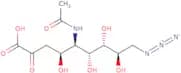
CAS:N-(2'-Phenylacetonitrile)-2,3,4,6-tetra-O-pivaloyl-D-glucopyranoside is a synthetic glycosyl compound that has been modified with fluorine. The compound has been shown to be effective in the methylation of saccharides and oligosaccharides. It can be used for modification of polysaccharides and carbohydrates by Click chemistry. This product is offered as a custom synthesis and can be ordered in high purity.Formula:C34H50N2O9Purity:Min. 95%Molecular weight:630.77 g/molN-Acetyl-9-azido-9-deoxy-neuraminic acid
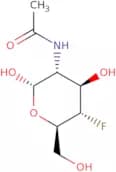
CAS:N-Acetyl-9-azido-9-deoxy-neuraminic acid (also known as 9AzNeu5Ac) is used as a sialic acid substitute for metabolic glycan labelling, which allows glycan-protein interactions and sialylations to be interrogated. Naturally occurring glycans can be di-sialylated by sialidase and replaced by a sialyl analogue, such as N-acetyl-9-azido-9-deoxy-neuraminic acid, using sialyltransferase. The modified glycans are then resistant to sialidase. Reduction of the azide functionality of N-acetyl-9-azido-9-deoxy-neuraminic acid affords access to an additional 9-amino sialic acid analogue which can be further elaborated to 9-amido analogues.Formula:C11H18N4O8Purity:Min. 90 Area-%Color and Shape:Off-White PowderMolecular weight:334.28 g/mol2-Acetamido-2,4-dideoxy-4-fluoro-α-D-glucopyranose
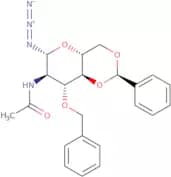
CAS:2-Acetamido-2,4-dideoxy-4-fluoro-a-D-glucopyranose is a synthetic, fluorinated carbohydrate. It is a monosaccharide that is made by the substitution of an acetamido group with a fluoro group at C2 and C4 of the glucose molecule. This product has been synthesized using Click chemistry to modify the 2’ position and methylation at C5. The target use for this product is as a sugar in order to glycosylate or polysaccharide. This compound has been shown to have high purity and can be custom synthesized, depending on the needs of the customer.Formula:C8H14FNO5Purity:Min. 95 Area-%Color and Shape:PowderMolecular weight:223.2 g/mol2-Acetamido-3-O-benzyl-4,6-O-benzylidene-2-deoxy-b-D-glucopyranosyl azide
CAS:2-Acetamido-3-O-benzyl-4,6-O-benzylidene-2-deoxy-b-D-glucopyranosyl azide is a modified carbohydrate that is used in the synthesis of glycosides. It is a synthetic molecule that is fluorinated at the alpha position of the glycosidic bond to allow for reaction with other molecules. This product has been shown to be stable in acid and base reactions and can be used for oligosaccharide synthesis or modification.Formula:C22H24N4O5Purity:Min. 95%Color and Shape:PowderMolecular weight:424.46 g/mol



![Hexahydro- 1, 2, 8- tris-acetoxy- [1S- (1a, 2a, 8a, 8ab) ]-5(1H) -indolizinone](/_next/image/?url=https%3A%2Fstatic.cymitquimica.com%2Fproducts%2F3D%2Fthumb-webp%2FMH163921.webp&w=3840&q=75)


![6- Deoxy- 3, 5- O- [(R) - benzylidene] - L- mannonic acid g- lactone](/_next/image/?url=https%3A%2Fstatic.cymitquimica.com%2Fproducts%2F3D%2Fthumb-webp%2FMD163972.webp&w=3840&q=75)





![(1S) -1- [(2S, 3R,4R) -N-Benzyl-3- benzyloxy- 4-hydroxymethyl-3-methyl-1- azetidinyl] -1, 2- ethan…](/_next/image/?url=https%3A%2Fstatic.cymitquimica.com%2Fproducts%2F3D%2Fthumb-webp%2FMB163366.webp&w=3840&q=75)
![(5S, 8R, 9S) -8- [(4R) - 2, 2- Dimethyl- 1, 3- dioxolan- 4- yl] - 9- azido- 2, 2- dimethyl- 1, 3, …](/_next/image/?url=https%3A%2Fstatic.cymitquimica.com%2Fproducts%2F3D%2Fthumb-webp%2FMD170673.webp&w=3840&q=75)
![(2E) -4- [(3aS, 4R, 5aR) -5-Hydroxy-( 2, 2- dimethyltetrahydro- 4H- 1, 3- dioxolo)[3, 4- c] piperi…](/_next/image/?url=https%3A%2Fstatic.cymitquimica.com%2Fproducts%2F3D%2Fthumb-webp%2FMH168767.webp&w=3840&q=75)





![(1R) -1- [(2R, 3S) -3- Hydroxy- 1- azetidinyl] -1, 2- ethanediol](/_next/image/?url=https%3A%2Fstatic.cymitquimica.com%2Fproducts%2F3D%2Fthumb-webp%2FMH163408.webp&w=3840&q=75)

![N- [(3R, 4R, 5R) - 4- Hydroxy- 5- (hydroxymethyl) - 3- pyrrolidinyl] -acetamide](/_next/image/?url=https%3A%2Fstatic.cymitquimica.com%2Fproducts%2F3D%2Fthumb-webp%2FMH163543.webp&w=3840&q=75)

![(1R) -1- [(2S, 3R,4S) -4-(Acetylamino)methyl-3- hydroxy- 1- azetidinyl] -1, 2- ethanediol](/_next/image/?url=https%3A%2Fstatic.cymitquimica.com%2Fproducts%2F3D%2Fthumb-webp%2FMA163403.webp&w=3840&q=75)