Monosaccharides
Subcategories of "Monosaccharides"
- Alloses(11 products)
- Arabinoses(21 products)
- Erythroses(11 products)
- Fructoses(9 products)
- Fucoses(36 products)
- Galactosamine(41 products)
- Galactose(262 products)
- Glucoses(365 products)
- Glucuronic Acids(52 products)
- Glyco-substrates for Enzyme(78 products)
- Guloses(6 products)
- Idoses(4 products)
- Inositols(15 products)
- Lyxoses(4 products)
- Mannoses(65 products)
- O-Glycans(48 products)
- Psicoses(3 products)
- Rhamnoses(10 products)
- Riboses(61 products)
- Sialic Acids(100 products)
- Sorboses(4 products)
- Sugars(173 products)
- Tagatoses(4 products)
- Taloses(8 products)
- Xyloses(20 products)
Found 6089 products of "Monosaccharides"
1,6:3,4-Dianhydro-b-D-altropyranose
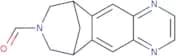
CAS:1,6:3,4-Dianhydro-b-D-altropyranose is a sugar that has been modified by methylation. It is a white powder with a melting point of 197°C. This product can be used as an intermediate in the synthesis of saccharides and polysaccharides. It can also be used as an intermediate for glycosylations and fluorinations. 1,6:3,4-Dianhydro-b-D-altropyranose is available in high purity and custom synthesis options.Formula:C6H8O4Purity:Min. 95%Molecular weight:144.13 g/molN-Formyl varenicline
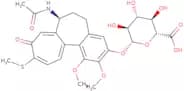
CAS:N-Formyl varenicline is a drug substance that is used as a pharmaceutical preparation. It has the regulatory status of an investigational new drug (IND). N-Formyl varenicline is supplied in the form of a white to off-white powder and is incompatible with iron oxides, so care must be taken when handling this product. This material has been shown to have fluorescence properties and can be detected using a fluorimetric detector. The drug substance has not been evaluated for excipients or diode compatibility.Formula:C14H13N3OPurity:Min. 95%Molecular weight:239.27 g/mol3-Desmethylthiocolchicine-3-O-D-glucuronide
CAS:3-Desmethylthiocolchicine-3-O-D-glucuronide is a compound that has been custom synthesized, with a purity of >95%. The compound is an oligosaccharide and polysaccharide containing saccharides and carbohydrates.Formula:C27H31NO11SPurity:Min. 95%Molecular weight:577.6 g/molMycophenolic acid phenolic b-D-glucoside
CAS:Mycophenolic acid phenolic b-D-glucoside is a high purity custom synthesis that can be modified to suit customer requirements. It is a complex carbohydrate with a methyl group, fluorine atom, and glycosylation. The chemical name for Mycophenolic acid phenolic b-D-glucoside is CAS No. 55533-52-3. This product is also known as Glycosylation, Oligosaccharide, sugar, Synthetic, Fluorination, Custom synthesis, Methylation, Monosaccharide, Polysaccharide, saccharide. Click modification or Modification.
Formula:C23H30O11Purity:Min. 95%Molecular weight:482.48 g/mol3,4-Di-O-benzyl-D-glucose
3,4-Di-O-benzyl-D-glucose is a monosaccharide that is synthetically modified with an O-benzyl group at the 3' and 4' positions. It is a custom synthesis and has a CAS number. This sugar can be used as a building block for polysaccharides or oligosaccharides with the addition of other sugars. 3,4-Di-O-benzyl-D-glucose is highly pure and can be modified with fluorine to make it more stable for use in click chemistry reactions. This sugar is soluble in water, ethanol, DMSO, DMF, and acetonitrile. It has been shown to inhibit the growth of bacteria such as Staphylococcus aureus and Mycobacterium tuberculosis.Purity:Min. 95%L-Idonic acid-1,4-lactone
CAS:L-Idonic acid-1,4-lactone is a custom synthesis that is a glycoconjugate with a carbohydrate moiety. It can be used for the modification of glycoproteins and glycopeptides, and has shown to have anti-inflammatory properties. L-Idonic acid-1,4-lactone is a sugar that is made up of an idonic acid attached to an alpha (1→4)-linked D-glucose molecule. This product can be methylated or glycosylated and has been shown to have anticancer activity in animal models. L-Idonic acid-1,4-lactone is soluble in water and has been fluorinated at the 4 position on the glucose unit.Formula:C6H10O6Purity:Min. 95%Molecular weight:178.14 g/mol2,3:5,6-Di-O-isopropylidene-D-talonoic acid-1,4-lactone
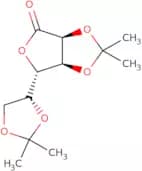
CAS:2,3:5,6-Di-O-isopropylidene-D-talonoic acid-1,4-lactone is a glycosylation product of D-talonic acid. It is a synthetic compound that is fluorinated and methylated. 2,3:5,6-Di-O-isopropylidene-D-talonoic acid-1,4-lactone is soluble in water and has low toxicity. The structure of this compound is complex carbohydrate consisting of saccharide units linked by glycosidic bonds. It can be used to modify proteins or other biomolecules by click chemistry. This compound has CAS number 23262-80-8 and should be stored at -20°C.Formula:C12H18O6Purity:Min. 95%Color and Shape:PowderMolecular weight:258.27 g/mol1,2,3,4-Tetra-O-acetyl-b-D-arabinopyranose
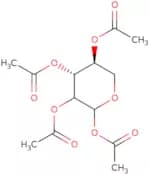
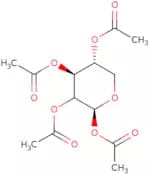
CAS:1,2,3,4-Tetra-O-acetyl-b-D-arabinopyranose is a custom synthesis of a carbohydrate. It is a tetra acetylated form of arabinopyranose that has been fluorinated. The fluorination process increases the reactivity of the sugar and allows for it to be glycosylated or methylated. This sugar can be used in the synthesis of oligosaccharides and complex carbohydrates. These can be used as sweeteners or functional food additives.Formula:C13H18O9Purity:Min. 95%Molecular weight:318.28 g/mol2,3,4,6-Tetra-O-(4-methoxybenzyl)-D-galactopyranosyl fluoride
CAS:2,3,4,6-Tetra-O-(4-methoxybenzyl)-D-galactopyranosyl fluoride is a custom synthesis. It is a complex carbohydrate that belongs to the group of carbohydrates and saccharides. This product has been modified by glycosylation, carbamoylation, methylation, and fluorination. The purity of this product is high.Formula:C38H43FO9Purity:Min. 95%Molecular weight:662.74 g/molPhenyl 2,3-di-O-benzyl-6-deoxy-b-D-thioglucopyranoside
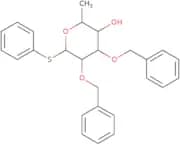
CAS:Phenyl 2,3-di-O-benzyl-6-deoxy-b-D-thioglucopyranoside is a synthetic glycosylated sugar with a fluorinated benzene ring. It is used as an intermediate in the synthesis of oligosaccharides, polysaccharides and saccharides. Phenyl 2,3-di-O-benzyl-6-deoxy-b-D-thioglucopyranoside has an appearance of a white powder and a melting point of around 100°C. This compound has been evaluated for its purity and quality by analytical methods such as high performance liquid chromatography (HPLC), gas chromatography (GC) and nuclear magnetic resonance (NMR).
Formula:C26H28O4SPurity:Min. 95%Molecular weight:436.56 g/mol4-Isothiocyanatophenyl-b-D-glucopyranoside
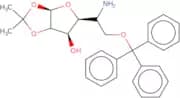
CAS:4-Isothiocyanatophenyl-b-D-glucopyranoside is an electrophilic compound that can be used as a reagent in organic synthesis. It reacts with nucleophiles and is used for nitro reduction, sulfoxide formation, and phenoxy formation. The structure of the molecule is characterized by two chiral centers. The reactivity of this molecule depends on the orientation of the substituents on the two chiral centers. 4-Isothiocyanatophenyl-b-D-glucopyranoside can also be used to form esters. The ethoxycarbonyl group (C=O) on one end of the molecule reacts with carboxylic acids to form esters, while at the other end of the molecule, hydroxy groups (OH) react with alcohols to form ethers.Formula:C13H15NO6SPurity:Min. 95%Molecular weight:313.33 g/mol5-Amino-5-deoxy-1,2-O-isopropylidene-6-O-trityl-a-D-galactofuranose
CAS:5-Amino-5-deoxy-1,2-O-isopropylidene-6-O-trityl-a-D-galactofuranose is a fluorinated analog of the natural sugar galactose. This compound has been used as a substrate for the synthesis of modified oligosaccharides and polysaccharides. It is also used in research for its ability to act as a methylation reagent. 5ADOGF has been modified with click chemistry to form 5-(2,3,4,5,6,7,8,9,10) -aminopropylidene-[beta]-D-[alpha]-D-[beta]-D-[alpha]-D-[beta]-D-[alpha] -galactofuranose (APGDF). The CAS number for this compound is 109681-00-7.Formula:C18H31NO5Purity:Min. 95%Molecular weight:461.55 g/molMethyl 2,4-di-O-acetyl-b-D-xylopyranoside
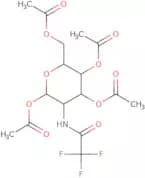
CAS:Methyl 2,4-di-O-acetyl-b-D-xylopyranoside (MDX) is an epoxide that has been found to stimulate the growth of Schizophyllum commune and other fungi. It is structurally related to vicinal diols, which are known to inhibit esterases and hydrolyze acetyl groups. The acetyl groups on MDX can be reduced by hydride reduction or by hydrolysis with acetylated esters. MDX inhibits bacterial growth by inhibiting protein synthesis through its structural similarity to deoxyribose phosphate, a component of DNA.Formula:C10H16O7Purity:Min. 95%Molecular weight:248.2 g/mol1,3,4,6-Tetra-O-acetyl-2-deoxy-2-trifluoroacetamido-D-glucopyranose
CAS:1,3,4,6-Tetra-O-acetyl-2-deoxy-2-trifluoroacetamido-D-glucopyranose is a carbohydrate that has been modified with fluorine and acetyl groups. It is used as a precursor to other saccharides. The compound is synthesized by the reaction of 1,3,4,6-tetra -O-acetyl glucose with trifluoroacetic anhydride in methylene chloride. It can be custom synthesized for research purposes. This product has high purity and is sold in both liquid and powder form.Formula:C16H20F3NO10Purity:Min. 95%Molecular weight:443.33 g/mol8-D-Glucopyranosyl-7,8,9,10-tetrahydro-6,10-methano-6H-pyrazino[2,3-h][3]benzazepine
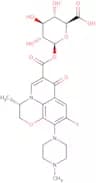
Please enquire for more information about 8-D-Glucopyranosyl-7,8,9,10-tetrahydro-6,10-methano-6H-pyrazino[2,3-h][3]benzazepine including the price, delivery time and more detailed product information at the technical inquiry form on this pageFormula:C19H23N3O5Purity:Min. 95%Molecular weight:373.4 g/molLevofloxacin acyl-b-D-glucuronide
CAS:Levofloxacin acyl-b-D-glucuronide is a metabolite of levofloxacin and belongs to the class of fluoroquinolone antibiotics. It has been shown to be effective against rhesus monkeys in efficacy studies. Levofloxacin acyl-b-D-glucuronide is eliminated via the urine, with >90% excreted within 24 hours. The majority of this drug is excreted as an active n-oxide form with a half-life of 8 hours.Formula:C24H28FN3O10Purity:Min. 95%Molecular weight:537.49 g/mol1-O-(5-Carboxy-N-phenyl-2-(1H)-pyridone)-D-glucuronide
1-O-(5-Carboxy-N-phenyl-2-(1H)-pyridone)-D-glucuronide is a modification of Oligosaccharide, Carbohydrate. It's CAS No. is 61877-69-8 and it has a molecular weight of 398.7 g/mol. The purity of this product is >99%. This product can be custom synthesized and has a glycosylation and methylation level of 100%. 1-O-(5-Carboxy-N-phenyl-2-(1H)-pyridone)-D-glucuronide is soluble in water and insoluble in oils, fats, ethers, chloroform and benzene. It is also resistant to acid hydrolysis.Formula:C18H17NO9Purity:Min. 95%Molecular weight:391.33 g/mol2-Methoxycarbonylphenyl 2,3,4,6-tetra-O-acetyl-b-D-glucopyranoside
CAS:2-Methoxycarbonylphenyl 2,3,4,6-tetra-O-acetyl-β-D-glucopyranoside is a high purity and custom synthesis sugar that can be fluorinated and glycosylated. This molecule has been modified with methyl groups and is an oligosaccharide. It is a complex carbohydrate with saccharide units, which are monosaccharides or polysaccharides. CAS No. 7791-66-4
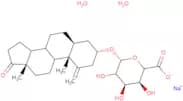
Formula:C22H26O12Purity:Min. 95%Molecular weight:482.43 g/mol1-Methylene-5-a-androstan-3-a-ol-17-one glucuronide
1-Methylene-5-a-androstan-3-a-ol-17-one glucuronide is a synthetic, modified sugar that is used for the synthesis of complex carbohydrates. It is available in high purity and can be custom synthesized according to customer specifications. 1 Methylene 5 a androstan 3 a ol 17 one glucuronide can be fluorinated, glycosylated, or methylated to meet the needs of different customers. This product has CAS No. 9002-00-6 and is available on request.Formula:C26H37O8·Na·2H2OPurity:Min. 95%Molecular weight:536.59 g/molMethyl 4,6-O-benzylidene-2-O-p-toluenesulfonyl-a-D-glucopyranoside
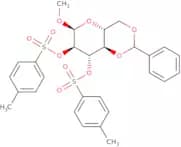
CAS:Methyl 4,6-O-benzylidene-2-O-p-toluenesulfonyl-a-D-glucopyranoside is a modification of the natural carbohydrate, alpha-D-(1→4)-glucose. It is an oligosaccharide that is synthesized by the methylation of a natural sugar and subsequent glycosylation with a saccharide. This compound has been shown to inhibit the activity of bacterial RNA polymerase and DNA gyrase enzymes. The synthesis of this compound has been described in detail in the literature. Methyl 4,6-O-benzylidene-2-O-(p-toluenesulfonyl)a D glucopyranoside This compound is a modification of the natural carbohydrate, alpha D (1 ->4) glucose. It is an oligosaccharide that is synthesized by methylation of a naturalFormula:C21H24O8SPurity:Min. 95%Molecular weight:436.48 g/mol2-Deoxy-D-ribose diethyl thioacetal
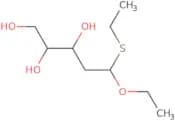
CAS:2-Deoxy-D-ribose diethyl thioacetal is a synthetic, fluorinated carbohydrate that is used in the modification of saccharides and oligosaccharides. It is a complex carbohydrate that has been synthesized from D-ribose and diethyl thioacetal. Fluorination of 2-deoxy-D-ribose diethyl thioacetal has been shown to lead to glycosylation reactions with glycosyl acceptors. Click chemistry reactions have been used to modify this compound with methyl groups. This product has a high purity and can be custom synthesized by request.Formula:C9H20O3S2Purity:Min. 95%Molecular weight:240.39 g/mol6,7,8-Trihydroxy-1-(hydroxymethyl)-3-oxo-2-oxa-4-azabicyclo[3.3.1]nonane
CAS:Valiolamine is a hydroxymethyl-derivative of jinggangmycin. It is a competitive inhibitor of the enzyme dihydroorotate dehydrogenase. Valiolamine has been shown to inhibit the production of amines, such as histamine, and has been used in the treatment of allergies.Formula:C8H13NO6Purity:Min. 95%Molecular weight:219.19 g/mol2'-(N-Butylcarboamido)phenyl-2-acetamido-3,4,6-tri-O-acetyl-2-deoxy-b-D-glucopyranoside
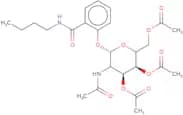
2'-(N-Butylcarboamido)phenyl-2-acetamido-3,4,6-tri-O-acetyl-2-deoxy-b-D-glucopyranoside is a glycosylation product that is custom synthesized for use in fluoroquinolone drug development. It is an acetamido derivative of 2'-phenylglycosides that undergoes fluorination and methylation to produce the desired compound. This product has been shown to be a potent inhibitor of bacterial cell wall synthesis by glycosylation of the peptidoglycan strands.Formula:C25H34N2O10Purity:Min. 95%Molecular weight:522.54 g/mol1-O -Acetyl-2,5-di-O-benzoyl-3-fluoro-3-deoxy-D-ribofuranoside
CAS:1-O -Acetyl-2,5-di-O-benzoyl-3-fluoro-3-deoxy-D-ribofuranoside is a synthetic carbohydrate that has been modified by fluorination and methylation. The molecule has a molecular weight of 581.1 g/mol, with the chemical formula C14H12F6O8N2. It is a white crystalline solid that can be used in the synthesis of glycosides, saccharides, oligosaccharides, and monosaccharides. 1-O -Acetyl-2,5-di-O-benzoyl-3-fluoro-3-deoxyribofuranoside can be useful for glycosylation reactions such as click chemistry or glycosidase reactions. This product is high purity and custom synthesis to order.Formula:C21H19FO7Purity:Min. 95%Molecular weight:402.37 g/molAllyl 3,4-di-O-benzyl-2-O-(2-naphthylmethyl)-a-D-galactopyranoside
Allyl 3,4-di-O-benzyl-2-O-(2-naphthylmethyl)-a-D-galactopyranoside is a synthetic carbohydrate with a complex structure. It is a modification of a D-galactopyranose sugar and has been glycosylated and methylated. This compound contains an allyl group that has been fluorinated at the 3 position.Purity:Min. 95%3-O-Acetyl-1,2-O-isopropylidene-a-D-galactofuranose
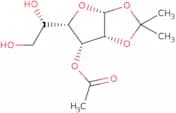
CAS:3-O-Acetyl-1,2-O-isopropylidene-a-D-galactofuranose is a modification of the carbohydrate structure galactofuranose. It has been custom synthesized and is available in high purity with a monosaccharide content of >99%. 3-O-Acetyl-1,2-O-isopropylidene-a-D-galactofuranose can be methylated or glycosylated and is used as a building block for the synthesis of complex carbohydrates. 3-O-Acetyl-1,2,3,4,6,7,8,-octahydrobenzo[b]naphtho[2,1b][1]benzopyran (CAS No. 109680) is also known as 3-(acetamido)-1,2:3',4'-diisopropyl
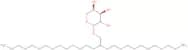
Formula:C11H18O7Purity:Min. 95%Molecular weight:262.26 g/mol2-Dodecylhexadecyl-D-xylopyranoside
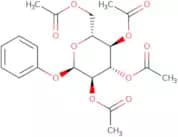
CAS:2-Dodecylhexadecyl-D-xylopyranoside is a synthetic sugar with a 2,6-dideoxy configuration. It is a modified sugar that can be fluorinated and glycosylated. This product has been synthesized using click chemistry, which means it has been prepared by the reaction of an azide and an alkyne in a one-pot process. This sugar has CAS No. 446264-03-5 and Methylation, Modification, Oligosaccharide, Monosaccharide, saccharide, Carbohydrate as its properties.Formula:C33H66O5Purity:Min. 95%Color and Shape:Colourless solid.Molecular weight:542.87 g/molPhenyl 2,3,4,6-tetra-O-acetyl-a-D-glucopyranoside
CAS:Phenyl 2,3,4,6-tetra-O-acetyl-a-D-glucopyranoside is a custom synthesis of a monosaccharide. Phenyl 2,3,4,6-tetra-O-acetyl-a-D-glucopyranoside can be fluorinated and methylated to produce other compounds. It is also used in the modification of saccharides and oligosaccharides to produce polysaccharides. Phenyl 2,3,4,6-tetra-O-acetyl-a -D -glucopyranoside is soluble in water and has CAS No. 34274500.Formula:C20H24O10Purity:Min. 95%Molecular weight:424.4 g/molN6-Benzyladenine-3-glucoside
CAS:N6-Benzyladenine-3-glucoside is a carbohydrate that is modified with a click chemistry reaction. It is synthesized from D-mannose and 6-benzylaminopurine and has been glycosylated with 2,3,4,6-tetra-O-acetyl glucosamine. N6-Benzyladenine-3-glucoside is an important component of the bacterial cell wall. The compound consists of a single sugar chain and is fluorinated at the C2 position.
Formula:C18H21N5O5Purity:Min. 95%Color and Shape:PowderMolecular weight:387.39 g/molMethyl 2-deoxy-a-D-ribofuranoside diacetate
Methyl 2-deoxy-a-D-ribofuranoside diacetate is a custom synthesis that is used for modification of natural and synthetic saccharides. This compound can be fluorinated, methylated, or modified with the click reaction. It can also be used to synthesize oligosaccharides and polysaccharides. Methyl 2-deoxy-a-D-ribofuranoside diacetate has been used as a monosaccharide and in glycosylation reactions. The CAS number is 5892-77-8 and it has the molecular formula C11H19NO9.Purity:Min. 95%1,2,3-Tri-O-acetyl-5-deoxy-D-ribofuranoside
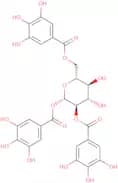
CAS:1,2,3-Tri-O-acetyl-5-deoxy-D-ribofuranoside is an acetylated form of a sugar derivative. It is used as a reagent for the acetylation of alcohols and amines. The reaction yield for this compound is stereoselective and can be prepared from readily available starting materials in good yield. The compound crystallizes in cyclic form with an organic solvent such as n-hexane or pyridine. This product is soluble in organic solvents such as n-hexane, pyridine, or vinyl acetate.Formula:C11H16O7Purity:Min. 95%Molecular weight:260.24 g/mol1,2,6-Tri-O-galloylglucose
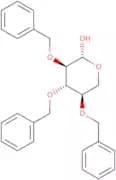
CAS:1,2,6-Tri-O-galloylglucose is a natural compound that has been shown to have inhibitory effects on the human immunodeficiency virus (HIV) enzyme serine protease. This inhibits the viral replication process by preventing the protease from cleaving viral polyproteins. The compound also inhibits complement activation and has antioxidant properties. 1,2,6-Tri-O-galloylglucose is active against leukemia cells and has been shown to be more effective at lower pH levels. It also has an inhibitory effect on ellagitannins and anticomplement activity.Formula:C27H24O18Purity:Min. 95%Molecular weight:636.47 g/mol2,3,4-Tri-O-benzyl-D-xylopyranose
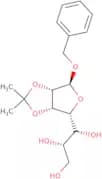
CAS:Calystegine is a benzyl ester of D-xylose. It is the reaction product of D-xylose with benzaldehyde and hydrochloric acid. The condensation product of calystegine with chondroitin sulfate is calystegine B2, which has been shown to be an inhibitor of protein glycosylation in human erythrocytes. This compound inhibits the oxygenated form of D-xylose, which may be useful in inhibiting the growth of certain cancer cells. Calystegine also has anti-inflammatory properties that may be due to its ability to inhibit prostaglandin synthesis.Purity:Min. 95%Benzyl 2,3-O-isopropylidene-L-glycero-a-D-mannoheptofuranoside
CAS:Benzyl 2,3-O-isopropylidene-L-glycero-a-D-mannoheptofuranoside is a high purity, custom synthesis and modification of sugar. Fluorination, glycosylation and methylation have been utilized in this product. This product is a synthetic oligosaccharide that contains saccharides and monosaccharides. Benzyl 2,3-O-isopropylidene-L-glycero-a-D-mannoheptofuranoside is used as an intermediate in the production of complex carbohydrates.Formula:C17H24O7Purity:Min. 95%Molecular weight:340.37 g/molMethyl 2-deoxy-b-L-ribofuranoside
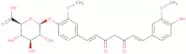
CAS:Methyl 2-deoxy-β-L-ribofuranoside is a custom synthesis, modification, fluorination and methylation of the monosaccharide ribose. This product has been modified with the addition of a methyl group on the hydroxyl group at position 2. Methyl 2-deoxy-β-L-ribofuranoside can be used as an oligosaccharide or polysaccharide in glycosylation reactions. The CAS number for this product is 144301-85-9.Formula:C6H12O4Purity:Min. 95%Molecular weight:148.16 g/molCurcumin b-D-glucuronide
CAS:Curcumin b-D-glucuronide is a glucuronide conjugate of the curcumin molecule. It has been shown to have anticancer activity in mouse tumor models and human metastatic colorectal cancer cell lines by inducing apoptosis. Curcumin b-D-glucuronide is metabolized by the liver microsomes of rats, and thus may be useful for the prevention of colon cancer. Curcumin b-D-glucuronide also has anti-inflammatory properties that are due to its inhibition of prostaglandin E2 (PGE2) levels in humans.Formula:C27H28O12Purity:85%MinMolecular weight:544.158084-Methoxyphenyl-D-ribofuranoside
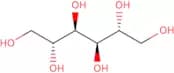
4-Methoxyphenyl-D-ribofuranoside is a monosaccharide that is used in the synthesis of oligosaccharides and polysaccharides. It is a synthetic compound that can be fluorinated, methylated, or glycosylated. The chemical formula for 4-methoxyphenyl-D-ribofuranoside is C6H8O5. The molecular weight of 4-methoxyphenyl-D-ribofuranoside is 184.12 g/mol. This product does not contain any hazardous chemicals and can be custom synthesized to meet your needs.Purity:Min. 95%D-Mannitol - EP
CAS:Mannitol is a sugar alcohol occurring widely in plants and they are exudates, for example, in olive and plane trees (Collins, 2006). It is produced commercially by the catalytic hydrogenation of fructose (Zelin, 2019). Mannitol is used extensively in food and pharmaceutical industries because of its unique functional properties. It is about 50% as sweet as sucrose and has a desirable cooling effect often used to mask bitter tastes. Mannitol is non-cariogenic and has a low caloric content. Mannitol is an osmotic diuretic that is metabolically inert in humans and is used for: the promotion of diuresis before irreversible renal failure becomes established, the promotion of urinary excretion of toxic substances, as an Antiglaucoma agent, and as a renal function diagnostic aid (OâNeil, 2013). Additonally, in 2020, mannitol was approved by the FDA as add-on maintenance therapy for the control of pulmonary symptoms associated with cystic fibrosis in adult patients (McKenna, 2020).Formula:C6H14O6Purity:Min. 97 Area-%Color and Shape:White PowderMolecular weight:182.17 g/molD-Glucose-1,6-diphosphate potassium salt
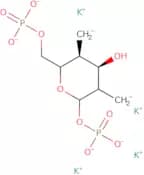
CAS:D-Glucose-1,6-diphosphate potassium salt is a white crystalline powder that has a molecular weight of 594.14 g/mol and a chemical formula of C₁₀H₁₅O₃P. It is used as an intermediate in the synthesis of saccharides. D-Glucose-1,6-diphosphate potassium salt is not known to be toxic to humans or animals.Formula:C6H10K4O12P2Purity:Min. 95%Molecular weight:492.48 g/mol2-Amino-2-deoxy-D-ribose hydrochloride
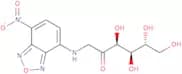
CAS:2-Amino-2-deoxy-D-ribose hydrochloride is a synthetic sugar that can be used to produce oligosaccharides and polysaccharides. It has been shown to have high purity and to be custom synthesized as per requirements. This sugar can also be modified with fluorination, methylation, or click modification.Formula:C5H11NO4•HClPurity:Min. 95%Color and Shape:PowderMolecular weight:185.61 g/molNBD-Fructose
CAS:Fluorescent substrate used to monitor fructose uptakeFormula:C12H14N4O8Purity:Min. 95%Molecular weight:342.26 g/mol4-Methylphenyl 4,6-O-benzylidene-b-D-thioglucopyranoside
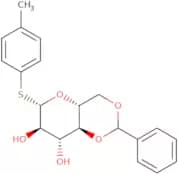
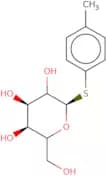
CAS:4-Methylphenyl 4,6-O-benzylidene-b-D-thioglucopyranoside is a synthetic carbohydrate that is an intermediate in the synthesis of saccharides. It is also used to modify saccharides and oligosaccharides. This product is a white solid that can be used as a building block for the preparation of various carbohydrates, including monosaccharides, disaccharides, and polysaccharides. The compound has been shown to react with other compounds through methylation, glycosylation, and click chemistry modifications.Formula:C20H22O5SPurity:Min. 95%Color and Shape:PowderMolecular weight:374.45 g/molMethyl b-D-altropyranoside
CAS:Methyl b-D-altropyranoside is a methylated saccharide that can be used as a sugar substitute. It has the same sweetness as sugar and is also resistant to browning. Methyl b-D-altropyranoside is synthesized by treating an aldose or ketose with formaldehyde in the presence of sulfuric acid and an alkali. This product is water soluble, heat stable, and free from impurities such as glucose or fructose. Methyl b-D-altropyranoside can be used to modify polysaccharides and oligosaccharides, adding a methyl group to the carbon 2 position. In addition, it has been shown to have antioxidant properties due to its ability to quench reactive oxygen species (ROS).Formula:C7H14O6Purity:Min. 95%Molecular weight:194.18 g/molMethyl 2,3,6-tri-O-benzoyl-a-D-mannopyranoside
CAS:Methyl 2,3,6-tri-O-benzoyl-a-D-mannopyranoside is a modified mannopyranose sugar that is used as a building block for the synthesis of oligosaccharides and saccharides. This compound can be found in glycosylation reactions. It has been shown to be useful in click chemistry, where it is used as a reactive group. Methyl 2,3,6-tri-O-benzoyl-a-D-mannopyranoside is also used in fluorination and glycosylation reactions. The CAS number for this compound is 3396-68-7.Formula:C28H26O9Purity:Min. 95%Molecular weight:506.5 g/mol1,2,3,4-Tetra-O-acetyl-L-arabinopyranose
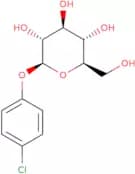
CAS:1,2,3,4-Tetra-O-acetyl-L-arabinopyranose is a custom synthesis that has been modified with fluorination and methylation. The monosaccharide is synthesized by using a Click modification and the oligosaccharides and polysaccharides are glycosylated. This compound has CAS No. 123163-97-3 and is a complex carbohydrate.Purity:Min. 95%4-Chlorophenyl b-D-glucopyranoside
CAS:4-Chlorophenyl b-D-glucopyranoside is a synthetic, high purity, monosaccharide sugar which can be used as a reagent in the synthesis of oligosaccharides and polysaccharides. It is also used as an intermediate for glycosylation and methylation reactions. 4-Chlorophenyl b-D-glucopyranoside has an CAS number of 4756-30-3 and can be fluorinated for use in saccharide chemistry.Formula:C12H15ClO6Purity:Min. 95%Molecular weight:290.7 g/molD-Digitalose
CAS:D-Digitalose is a cardenolide glycoside that was first isolated from the plant genus Digitalis. It is a molecule with two epoxide groups, which are chemical transformations of the original steroid glycosides. It has been shown to have cardiac activity and can be used as an ethanol extract in chemotherapy drug treatments. D-Digitalose has also shown to be effective against acuminatum, which is a type of fungus.Formula:C7H14O5Purity:Min. 95%Molecular weight:178.18 g/mol1,2,6-Tri-O-methyl-D-glucopyranoside
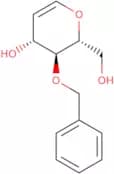
CAS:1,2,6-Tri-O-methyl-D-glucopyranoside is a synthetic sugar that has been modified by fluorination and glycosylation. This product is a white crystalline powder with a melting point of 185°C. The chemical formula for this product is C5H12O5.Formula:C9H18O6Purity:Min. 95%Molecular weight:222.24 g/mol4-O-Benzyl-D-glucal
CAS:4-O-Benzyl-D-glucal is an organic solvent and a reactive intermediate, which has been used as a reagent for allylic oxidation. It reacts with halogens, such as chlorine or bromine, to form the corresponding halohydrin or halonium salt in high yield. 4-O-Benzyl-D-glucal is soluble in acetonitrile, benzene, and other solvents and can be used as a solvent for organic synthesis. The compound also reacts with oxygen to form solvents such as acetone or acetic acid. END>Formula:C13H16O4Purity:Min. 95%Molecular weight:236.26 g/mol2-Ethylhexyl-D-xylopyranoside
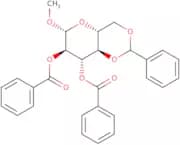
CAS:2-Ethylhexyl-D-xylopyranoside is a monosaccharide that has been modified with fluorine. This compound is typically used in the synthesis of complex carbohydrates and oligosaccharides. 2-Ethylhexyl-D-xylopyranoside has a number of chemical properties, including Methylation, Click modification, and Fluorination. It is soluble in water and ethanol, but insoluble in ether.Formula:C13H26O5Purity:Min. 95%Color and Shape:Colourless solid.Molecular weight:262.34 g/molMethyl 2,3-di-O-benzoyl-4,6-O-benzylidene-b-D-glucopyranoside
CAS:Methyl 2,3-di-O-benzoyl-4,6-O-benzylidene-b-D-glucopyranoside is a carbohydrate with a saccharide structure that has been modified by fluorination and methylation. The sugar is an oligosaccharide containing sugar monomers of glucose and galactose. This compound is available for custom synthesis to order. It can be synthesized in high purity and with a high degree of modification, such as glycosylation, click modification, and methylation.
Formula:C28H26O8Purity:Min. 95%Molecular weight:490.5 g/mol1,2:5,6-Di-O-isopropylidene-a-D-glucofuranose S-methyl dithiocarbonate
CAS:1,2:5,6-Di-O-isopropylidene-a-D-glucofuranose S-methyl dithiocarbonate is an organic compound that is used in the synthesis of 3,4-dihydroquinazolines. 1,2:5,6-Di-O-isopropylidene-a-D-glucofuranose S-methyl dithiocarbonate is a reagent that reacts with alkenes to form acrylonitrile and methyl iodide. It can also be used to synthesize phenyl substituted alkyl iodides by reacting with an aldehyde or substituents.Formula:C14H22O6S2Purity:Min. 95%Molecular weight:350.45 g/mol1,2:3,4-Di-O-isopropylidene-6-O-methacryloyl-a-D-galactopyranose
CAS:1,2:3,4-Di-O-isopropylidene-6-O-methacryloyl-a-D-galactopyranose is a high purity synthetic oligosaccharide with the molecular formula C12H20O8. This compound has a molecular weight of 312.32 g/mol and an empirical formula of C12H20O8. It has not been reported as a natural product. 1,2:3,4-Di-O-isopropylidene-6-O-methacryloyl-a-D-galactopyranose is used in the synthesis of saccharides and complex carbohydrates.Formula:C16H24O7Purity:Min. 95%Molecular weight:328.36 g/molMethyl 2-deoxy-5-O-[(1,1-dimethylethyl)diphenylsilyl]-β-D-erythro-pentofuranoside
CAS:Methyl 5-O-(tert-butyldiphenylsilyl)-2-deoxy-b-D-ribofuranoside is a modified sugar that is used in the synthesis of oligosaccharides. This compound has been shown to be easily synthesized from 2,3,4,6-tetraacetylbenzoyl chloride and methyl 5-hydroxyisophthalate. Methyl 5-O-(tert-butyldiphenylsilyl)-2-deoxy-b-D-ribofuranoside is not found in nature and can be used as a precursor for glycosylation reactions.Formula:C22H30O4SiPurity:Min. 95%Molecular weight:386.56 g/mol2-Hydroxydesipramine b-D-glucuronide sodium salt
CAS:2-Hydroxydesipramine b-D-glucuronide sodium salt is a glucuronide metabolite of desipramine. It has been shown to be an active form of desipramine in animals and humans, but the exact mechanism of this activity is unknown. 2-Hydroxydesipramine b-D-glucuronide sodium salt is excreted in the bile and may have a therapeutic effect on liver disease. The pharmacological effects of 2-hydroxydesipramine b-D-glucuronide sodium salt have been studied using various animal models and human studies. This drug has been shown to produce sedative effects and to affect the cardiovascular system. In addition, it has an effect on the central nervous system, including its ability to lower seizure threshold. 2-Hydroxydesipramine b-D-glucuronide sodium salt also inhibits the metabolism of other drugs by inhibFormula:C24H30N2O7·NaPurity:Min. 95%Molecular weight:481.49 g/mol2-Aminoethyl 5-acetamido-3,5-dideoxy-D-glycero-a-D-galacto-2-nonulopyranosidonic acid
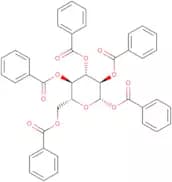
CAS:2-Aminoethyl 5-acetamido-3,5-dideoxy-D-glycero-a-D-galacto-2-nonulopyranosidonic acid is a synthetic glycosylate carbohydrate used in the synthesis of polysaccharides and oligosaccharides. This product is custom synthesized to order and can be modified with fluorination, methylation, click modification, or saccharide modification. 2AAEDG2NA has a CAS number of 38971-42-5 and is sold in high purity.Formula:C13H24N2O9Purity:Min. 95%Molecular weight:352.34 g/mol1,2,3,4,6-Penta-O-benzoyl-b-D-glucopyranose
CAS:1,2,3,4,6-Penta-O-benzoyl-b-D-glucopyranose is a synthetic substrate that has been validated for use in heparin assays. It is an inhibitor of the enzyme sulfate protease and can be used to study the role of this enzyme in inflammation. 1,2,3,4,6-Penta-O-benzoyl-b-D-glucopyranose has also been shown to inhibit the activity of neutrophils (a type of white blood cell) and monocytes (a type of white blood cell). This compound has been shown to have antitumor activity as well as antiinflammatory activities.Formula:C41H32O11Purity:Min. 95%Molecular weight:700.69 g/molPenta-O-acetyl-D-fructose diethyldithioacetal
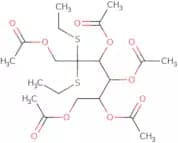
Penta-O-acetyl-D-fructose diethyldithioacetal is a synthetic carbohydrate with a modified sugar. It has been used in the synthesis of oligosaccharides and saccharides, as well as for glycosylation reactions. Penta-O-acetyl-D-fructose diethyldithioacetal is soluble in organic solvents and can be used to synthesize sugars that are difficult to obtain through natural sources.Formula:C20H32O10S2Purity:Min. 95%Molecular weight:496.59 g/molMethyl D-galactofuranoside
CAS:Methyl D-galactofuranoside is a derivative of galactose that is used as an intermediate in the synthesis of other carbohydrates. It can be obtained by trimethylation of methyl galactopyranoside, or by the stepwise reaction of hydrogen fluoride with 1,2-dihydroxyacetone. The product yields are largely dependent on the stereoisomeric form of the starting material. Methyl D-galactofuranoside crystallizes in a monoclinic form and can be synthesized from glucose.Formula:C7H14O6Purity:Min. 95%Color and Shape:SolidMolecular weight:194.18 g/mol4-Methoxyphenyl 3,4-O-isopropylidene-b-D-galactopyranoside
CAS:4-Methoxyphenyl 3,4-O-isopropylidene-b-D-galactopyranoside is a synthetic, conjugated prodrug that is metabolized to its active form by esterases. It has been shown to inhibit the h2 receptor and coagulation in vitro. 4-Methoxyphenyl 3,4-O-isopropylidene-b-D-galactopyranoside has also been shown to be a diagnostic marker for lymphocytic leukemia cells.Formula:C16H22O7Purity:Min. 95%Molecular weight:326.34 g/mol2-Deoxy-2-N-(2'-thioacetyl)-D-glucosamine
CAS:2-Deoxy-2-N-(2'-thioacetyl)-D-glucosamine is a synthetic sugar that is custom synthesized. It is a monosaccharide with a high purity and can be used as an oligosaccharide or complex carbohydrate. This compound has been fluorinated and has been modified with Click chemistry to produce the desired glycosylation, methylation, and saccharide modification. 2-Deoxy-2-N-(2'-thioacetyl)-D-glucosamine can be used in the synthesis of glycoproteins, glycolipids, polysaccharides, and other carbohydrates.Formula:C8H15NO6SPurity:Min. 95%Molecular weight:253.27 g/molMethyl D-glucofuranoside
CAS:Methyl D-glucofuranoside is a model compound of a sugar that has been modified with an acyl group. The hydroxy group in this molecule is the site of attachment for other molecules that can modify the sugar. In impure samples, methyl glycosides are frequently observed due to their high solubility in water. Methyl glycosides have been used as a synthetic intermediate in the production of empagliflozin, an anti-diabetic drug. Protocatechuic acid and nucleophilic reagents are often used during synthesis to convert the hydroxyl group into an ether or ester linkage. This modification makes methyl D-glucofuranoside more soluble in organic solvents. Methyl D-glucofuranoside has two stereoisomers: (S) and (R). The erythro form is most common, but there are also traces of the threo form present in some samples.Formula:C7H14O6Purity:Min. 95%Color and Shape:SolidMolecular weight:194.18 g/molR-Phenyleprine-3-D-glucuronide
R-Phenyleprine-3-D-glucuronide is a synthetic compound that is used for the modification of saccharides. It has fluoro groups and has been shown to be active in glycosylation reactions. R-Phenyleprine-3-D-glucuronide can also be used as a methylating agent, or as an intermediate in the synthesis of oligosaccharides and monosaccharides. The molecular weight of this compound is 594.Purity:Min. 95%Methyl b-neuraminic acid methyl ester
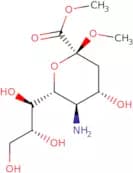
CAS:Methyl b-neuraminic acid methyl ester is a synthetic monosaccharide that is used for the synthesis of oligosaccharides and polysaccharides. Methylation of this compound provides a convenient way to introduce fluorine atoms into saccharides, which can be used for click chemistry reactions. Methyl b-neuraminic acid methyl ester is also used in the synthesis of glycosylated proteins, as it can be easily hydrolyzed by enzymes such as sialidase and neuraminidase. This product is sold at high purity and custom synthesis.Formula:C11H21NO8Purity:Min. 95%Molecular weight:295.29 g/mol2-Acetamido-3,4,6-tri-O-acetyl-2-deoxy-a-D-galactopyranosyl-L-threonine pentafluorophenyl ester
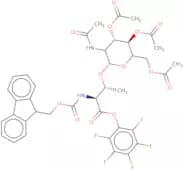
CAS:This product is a modification of a complex carbohydrate that has been synthesized from D-galactose and L-threonine. It is an Oligosaccharide, Carbohydrate, Custom synthesis, Synthetic, High purity, Monosaccharide, Methylation, Glycosylation, Polysaccharide with a CAS No. 182369-94-4. This product is fluorinated at the 2 position of the acetamido group. The saccharide unit has been methylated at the 2 position of the acetamido group. This product is also glycosylated at the 6 position of the acetamido group and it is an alpha-linked sugar.Formula:C39H37F5N2O13Purity:Min. 95%Molecular weight:836.71 g/molD-Lyxo-5-hexulosonic acid
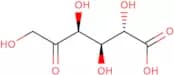
CAS:D-Lyxo-5-hexulosonic acid is a substrate molecule and an intermediate in the synthesis of the pentose phosphate pathway, which provides NADPH and ribose-5-phosphate for biosynthesis. D-Lyxo-5-hexulosonic acid is also involved in the biosynthesis of galacturonic acid, which is a component of bacterial cell walls. This compound was found to be an inhibitor of corrosion, but it can also act as a stabilizer in foods, pharmaceuticals, and cosmetics. D-Lyxo-5-hexulosonic acid may be used as a growth factor for cells in culture and has been shown to inhibit the replication of bacteria such as Salmonella enterica serovar Typhi.Formula:C6H10O7Purity:Min. 95%Molecular weight:194.14 g/molPhenyl 3-azido-2,4,6-tri-O-benzyl-3-deoxy-b-D-thioglucopyranoside
CAS:Phenyl 3-azido-2,4,6-tri-O-benzyl-3-deoxy-b-D-thioglucopyranoside is a custom synthesis. The compound is an oligosaccharide and polysaccharide with a complex carbohydrate structure. Phenyl 3-azido-2,4,6-tri-O-benzyl-3-deoxyglucopyranoside has been modified by methylation and glycosylation. It has also been fluorinated and synthesized.Formula:C33H36N3O4SPurity:Min. 95%Molecular weight:570.72 g/molD-[UL-13C6,15N]Glucosamine HCl
D-[UL-13C6,15N]Glucosamine HCl is a complex carbohydrate that can be custom synthesized to order. It is a synthetic sugar that has been modified by Click chemistry. The synthesis of this product requires the use of fluorination and glycosylation reactions. This product can be used in a variety of applications including methylation, modification, or oligosaccharide synthesis. D-[UL-13C6,15N]Glucosamine HCl is also known as glucosamine hydrochloride and has CAS number 1088-96-4.Formula:C6H13NO5·HClPurity:Min. 95%Color and Shape:White PowderMolecular weight:222.58 g/molMannostatin A hydrochloride
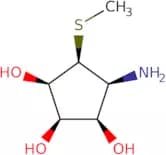
CAS:Mannostatin A is a prodrug that is activated in the body by cleavage of the ester linkage. It has been shown to be a specific inhibitor of feedback inhibition of protein synthesis and cleavage at the carboxyl-terminal end. Mannostatin A has also been shown to inhibit, selectively, the synthesis of proteins in bacteria. In addition, it is possible that this drug may be converted into an inactive form by conjugation with glucuronic acid or by oxidation.
Formula:C6H14ClNO3SPurity:Min. 95%Molecular weight:215.7 g/molGlycerone phosphate hemimagnesium salt hydrate
CAS:Glycerone phosphate hemimagnesium salt hydrate is a substrate molecule that is used in the control analysis of dihydroxyacetone phosphate. Glycerone phosphate hemimagnesium salt hydrate is an optimum concentration for 3T3-L1 preadipocytes and has been shown to have an effect on energy metabolism. Glycerone phosphate hemimagnesium salt hydrate also has enzymatic activity, which can lead to neuronal death or skin cancer. This compound is a monosodium salt that can be found in cytosolic calcium, which is present in cells and helps regulate muscle contraction. Glycerone phosphate hemimagnesium salt hydrate can also be found in basic proteins that are vital for cell function.Formula:C3H5O6P·xH2OMgPurity:Min. 95 Area-%Color and Shape:PowderMolecular weight:180.19 g/mol1,2-Dideoxy-2-fluoro-galactonojirimycin
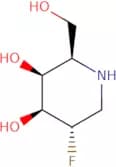
CAS:1,2-Dideoxy-2-fluoro-galactonojirimycin is a synthetic glycoside derived from galactonojirimycin. It has been modified to include fluorine and methyl groups. 1,2-Dideoxy-2-fluoro-galactonojirimycin is an oligosaccharide with a complex carbohydrate structure. It can be synthesized by Click modification of the sugar moiety with fluoroacetate followed by glycosylation and methylation of the saccharide chain.
Formula:C6H12NO3FPurity:Min. 95%Molecular weight:165.16 g/mol5-O-tert-Butyldimethylsilyl-2,3-O-isopropylidene-D-lyxono-1,4-lactone
CAS:5-O-tert-Butyldimethylsilyl-2,3-O-isopropylidene-D-lyxono-1,4-lactone is a synthetic monosaccharide that has been modified with fluorine. It is an oligosaccharide that has been synthesized from D-lyxose by glycosylation and methylation. The CAS number for this product is 1266546-70-6. This chemical can be used in the synthesis of complex carbohydrates such as polysaccharides or glycoconjugates. 5SDMTDSL is a white crystalline powder that can be custom synthesized to meet the requirements of customers.Formula:C14H26O5SiPurity:Min. 95%Molecular weight:302.45 g/mol1-O-Methyl-β-D-galactopyranoside
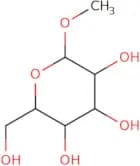
CAS:1-O-Methyl-beta-D-galactopyranoside is a monosaccharide sugar, which is a natural product of the degradation of plant cell walls. It is found in the blood of humans and other animals. 1-O-Methyl-beta-D-galactopyranoside has been shown to be an important reactive oxygen species (ROS) scavenger, which can protect cells from oxidative damage by reacting with ROS and converting them into less harmful molecules. 1-O-Methyl-beta-D-galactopyranoside binds to lectins and oligosaccharides, which are carbohydrate structures on the surface of cells that are involved in cellular recognition. This binding process may lead to uptake of 1OmBG by cells, which may be due to its ability to form hydrogen bonds with the hydroxyl group on polysaccharides such as polysaccharides in the plasma membrane or glycoproteinsFormula:C7H14O6Purity:Min. 98.0 Area-%Molecular weight:194.19 g/molRef: 3D-M-3591
-Unit-kgkgTo inquire1kgTo inquire100gTo inquire250gTo inquire500gTo inquire2500gTo inquirea-D-Glucosyl hesperidin
CAS:a-D-Glucosyl hesperidin is a water-soluble drug that has been shown to have antioxidant properties. It inhibits the activity of certain enzymes, such as phospholipase A2 and lipoxygenase, which are involved in inflammation. The compound has also been shown to inhibit cancer cells in vitro by inducing apoptosis and inhibiting cell proliferation. Glibenclamide, the active form of a-D-glucosyl hesperidin, is an orally active hypoglycemic agent used to treat diabetes mellitus type 2 and gestational diabetes. It works by stimulating insulin release from beta cells in the pancreas and promoting insulin sensitivity in peripheral tissues. This compound also inhibits annexin V binding to phosphatidylserine, which leads to apoptosis.
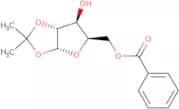
Formula:C34H44O20Purity:75%Color and Shape:Off-White To Yellow SolidMolecular weight:772.7 g/mol5-O-Benzoyl-1,2-O-isopropylidene-a-D-xylofuranose
CAS:Ai Product Descriptions 50 CreativeFormula:C15H18O6Purity:Min. 95%Molecular weight:294.31 g/molTarenflurbil-acyl-b-D-glucuronide
CAS:Tarenflurbil-acyl-b-D-glucuronide is a custom synthesis that is a synthetic, high purity compound. This compound is an Oligosaccharide which is a complex carbohydrate that consists of two or more simple sugars linked together in a chain. It is synthesized by modifying the saccharide with Methylation and Glycosylation, Carbohydrates are polymers of sugar molecules. Tarenflurbil-acyl-b-D-glucuronide has been modified with Fluorination and Click chemistry to create an acylated derivative.Formula:C21H21F1O8Purity:Min. 95%Molecular weight:420.39 g/mol1,2,3,6-Tetra-O-benzoyl-a-D-talose
1,2,3,6-Tetra-O-benzoyl-a-D-talose is a modified sugar that can be used as a saccharide or oligosaccharide. It can be synthesized by the Click reaction with 1,2,3,6-tetra-O-benzoyl-D-talose and methyl iodide. The product can also be obtained from the reaction of methyl acetate with glycerol in the presence of hydrochloric acid. This compound has been shown to have good solubility and is available in high purity.Formula:C34H28O10Purity:Min. 95%Molecular weight:596.58 g/molMethyl 6-deoxy-2-O-methyl-a-D-galactopyranoside
CAS:Methyl 6-deoxy-2-O-methyl-a-D-galactopyranoside is a custom synthesis that has been modified with fluorination, methylation and click chemistry. The product is a monosaccharide or oligosaccharide that is synthetic and can be used as a sugar or carbohydrate. It has CAS No. 59981-27-0 and can be found in Polysaccharides, Glycosylations, Carbohydrates, Complex Carbohydrates.Formula:C8H16O5Purity:Min. 95%Molecular weight:192.21 g/molcis-Resveratrol 4'-O-b-D-glucuronide
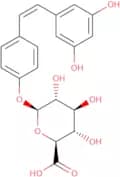
CAS:cis-Resveratrol 4'-O-b-D-glucuronide is a synthetic compound that is a sugar, with a molecular weight of 598. It is an oligosaccharide and has been modified with fluorination on the C2 position. cis-Resveratrol 4'-O-b-D-glucuronide is the methylated form of resveratrol. It has been shown to have anti-inflammatory properties and can be used for the treatment of inflammation associated with arthritis, psoriasis, or septic shock. cis-Resveratrol 4'-O-b-D-glucuronide binds to polysaccharides in the body and inhibits their ability to bind to glycoproteins on cell surfaces. This results in a decrease in inflammation and other inflammatory responses that are mediated by these cells.Formula:C20H20O9Purity:Min. 95%Molecular weight:404.37 g/mol4-Toluoyl-α-D-thiomannopyranoside
CAS:The 4-Toluoyl-a-D-thiomannopyranoside is a six-membered ring with a hydrogen atom at the center. The structure of this molecule is composed of two chains, each of which has four atoms in their backbone. There are also two conformations to the molecule, one that can be observed as a chair conformation and one that can be seen as a boat conformation. In the chair conformation, there are three bonds that form from the central carbon atom to other carbons on the same chain. These bonds are called alpha bonds, and they connect in a linear fashion. In the boat conformation, these three bonds form an angle of 120 degrees with each other and have staggered geometry. The alpha bonds in this case form an angle of 180 degrees with each other.
Formula:C13H18O5SPurity:Min. 95%Molecular weight:286.35 g/molMethyl 6-azido-6-deoxy-2,3-di-O-benzyl-a-D-glucopyranoside
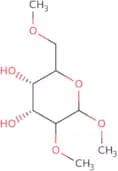
CAS:Methyl 6-azido-6-deoxy-2,3-di-O-benzyl-a-D-glucopyranoside is a custom synthesized compound that belongs to the group of glycosylation. It is an Oligosaccharide, sugar, Synthetic, Fluorination, Custom synthesis, Methylation, Monosaccharide, Polysaccharide and saccharide. This compound has CAS No. 54522-58-6 and a molecular weight of 598.29 g/mol. The purity level is >99% and the modification level is Click modification.Formula:C21H25N3O5Purity:Min. 95%Molecular weight:399.18 g/molMethyl 2,4,6-tri-O-methyl-a-D-glucopyranoside
CAS:Methyl 2,4,6-tri-O-methyl-a-D-glucopyranoside is a sugar that has been modified by the addition of a methyl group to the hydroxyl group at the C2 position. The chemical name for this sugar is methyl 2,4,6-tri-O-methyl-β--glucopyranoside. This modification of the sugar molecule can be achieved through either a Click or an Oligosaccharide synthesis approach. Methyl 2,4,6-tri-O-methyl-a-D--glucopyranoside is used in various applications including as a synthetic intermediate for saccharides or as a carbohydrate building block for glycosylations. Methyl 2,4,6--tri--O--methyl--β--glucopyranoside is also used in fluorination reactions to produce fluoro sugars and can be used as a custom synthesis service with high purityPurity:Min. 95%2,4-Anhydro-3,5-O-[(S)-phenylmethylene]- D-lyxonic acid methyl ester
CAS:2,4-Anhydro-3,5-O-[(S)-phenylmethylene]- D-lyxonic acid methyl ester is a synthetic monosaccharide that has a fluorination modification. It is commonly used as a raw material in the synthesis of oligosaccharides and polysaccharides. This chemical can be synthesized using Click chemistry or methylation reactions. 2,4-Anhydro-3,5-O-[(S)-phenylmethylene]- D-lyxonic acid methyl ester is used in the production of complex carbohydrates with glycosylation and polysaccharide modifications. This chemical exhibits high purity and can be custom synthesized to meet specific needs.Formula:C13H14O5Purity:Min. 95%Molecular weight:250.25 g/mol2,5-Anhydro-D-glucitol-6-phosphate
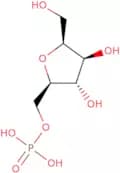
CAS:2,5-Anhydro-D-glucitol-6-phosphate is a phosphorylated derivative of D-glucitol 6 phosphate. It has been shown to be a major metabolic intermediate in the glycolytic pathway. 2,5-Anhydro-D-glucitol 6 phosphate is produced by the enzyme phosphofructokinase and hydrolyzed by the enzyme pyruvate kinase. The conversion of 2,5-anhydro -D-glucitol 6 phosphate to D -fructose 1 phosphate occurs at a rate that is dependent on the availability of oxygen. The activity of 2,5 anhydro -D-glucitol 6 phosphate in cells is also dependent on whether or not there are aerobic glycolytic enzymes present.Formula:C6H13O8PPurity:Min. 95%Molecular weight:244.14 g/mol4-Methoxyphenyl 3-O-benzyl-2-deoxy-2-phthalimido-b-D-glucopyranoside
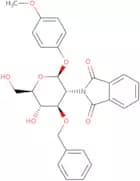
CAS:4-Methoxyphenyl 3-O-benzyl-2-deoxy-2-phthalimido-b-D-glucopyranoside is an antiviral agent that inhibits the replication of papilloma virus and other viruses. It binds to the viral DNA at a site that is not affected by other antiviral agents, preventing the viral DNA from being copied into RNA. 4MPBG also induces coagulation and cell expression in human cells and has been shown to inhibit the production of amyloid beta (Aβ) in Alzheimer's disease. This drug is not active against organisms such as bacteria, yeast, or fungi. The drug was originally synthesized as a potential pharmaceutical for cancer treatment, but it did not exhibit any cytotoxic effects on cancer cells.Formula:C28H27NO8Purity:Min. 95%Molecular weight:505.52 g/molMethyl-2,3,6-tri-O-benzoyl-a-D-mannopyranose monohydrate
Methyl-2,3,6-tri-O-benzoyl-a-D-mannopyranose monohydrate is a carbohydrate compound with the formula CHO. It is an Oligosaccharide made of three α-(1→2) linked mannose residues and one α-(1→3) linked mannose residue. This modification has been shown to be important for glycosylation and polysaccharide synthesis. Methyl-2,3,6-tri-O-benzoyl-a-D-mannopyranose monohydrate has high purity and CAS No.Purity:Min. 95%1,2,3,4-Tetra-O-acetyl-L-xylopyranose
CAS:1,2,3,4-Tetra-O-acetyl-L-xylopyranose is a custom synthesis product. It is a sugar that is found in glycosaminoglycans and proteoglycans. This product can be customized through the modification of the sugar with fluorination, methylation, acetylation or other modifications. This product has a CAS number of 142130-89-0 and can be synthesized from sucrose using Click chemistry. The chemical name for this compound is 1,2,3,4-Tetra-O-[(trimethylsilyl)acetyl]-L-xylopyranose.
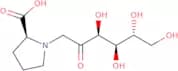
Formula:C13H18O9Purity:Min. 95%Molecular weight:318.28 g/molFrucoste-proline
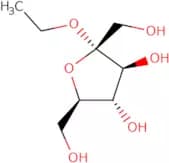
CAS:Frucoste-proline is a l-amino acid that is found in the leaves of tobacco plants. Frucoste-proline is synthesized by dehydration of L-proline, which is catalyzed by the enzyme tabacum l. Frucoste-proline can also be found in maltol and diazepine. The major function of frucoste-proline is to act as a cofactor for enzymes involved in the synthesis of aromatic compounds such as aldehydes and sulfides. This amino acid has been identified as an analytical marker for tobacco leaf, due to its low energy and high specificity.Purity:Min. 95%Ethyl a-D-fructofuranoside
CAS:Ethyl a-D-fructofuranoside is a carbohydrate found in the roots of orientalis that has been shown to have anti-allergic effects. Ethyl a-D-fructofuranoside is extracted from the root of orientalis and purified by column chromatography. It inhibits histamine release and reduces inflammation in mouse skin tests. The structure of ethyl a-D-fructofuranoside was determined using nuclear magnetic resonance (NMR) spectroscopy, gas chromatography, and mass spectroscopy. The biosynthesis of this compound is unknown but it may be synthesized from sucrose or methanol extract with the help of an enzyme called verbascose synthase.Formula:C8H16O6Purity:Min. 95%Molecular weight:208.21 g/mol2-O-Methyl-a-D-N-glycoloylneuraminic acid
CAS:2-O-Methyl-a-D-N-glycoloylneuraminic acid (2OMG) is a synthetic sugar that is used as a monosaccharide. It can be used to modify the glycosylation of saccharides, such as mono-, oligo-, and polysaccharides. The chemical structure of 2OMG includes one sugar unit and one methyl group in the alpha position, which makes it useful for click chemistry. This product is available in high purity and has a CAS number of 14206-42-9.Formula:C12H21NO10Purity:Min. 95%Molecular weight:339.3 g/mol2-Naphthylmethyl 2-acetamido-2-deoxy-b-D-glucopyranoside
CAS:2-Naphthylmethyl 2-acetamido-2-deoxy-b-D-glucopyranoside is a synthetic, fluorinated monosaccharide. It is a custom synthesis that can be glycosylated and methylated to produce polysaccharides. It has been shown to inhibit cancer cell growth in vitro and in vivo by inhibiting protein synthesis.Formula:C19H23NO6Purity:Min. 95%Molecular weight:361.39 g/molMethyl 2-deoxy-2-fluoro-D-arabinofuranoside
CAS:Methyl 2-deoxy-2-fluoro-D-arabinofuranoside is a fluorinated sugar that is used as a building block for the synthesis of oligosaccharides and polysaccharides. It is also used in click chemistry to modify saccharides. This product has been purified to > 98% purity, and is available with custom synthesis.Formula:C6H11FO4Purity:Min. 95%Molecular weight:166.15 g/molNeosamine
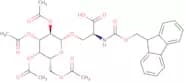
Neosamine is an antimicrobial agent that is activated by the addition of fatty acids. It has a low potency and is used to diagnose infections caused by bacteria. Neosamine has been shown to inhibit the growth of bacteria, fungi, and parasites on electron microscopy. Neosamine also inhibits protease activity and may be useful in detergent compositions for removing fats, oils, and greases from surfaces. This chemical is stable in acidic solutions and does not react with carbostyril or other diagnostic agents.Formula:C6H14N2O4Purity:Min. 95%Molecular weight:178.19 g/mol2,3,4,6-Tetra-O-acetyl-b-D-galactopyranosyl-(N2-Fmoc)-L-serine
CAS:2,3,4,6-Tetra-O-acetyl-b-D-galactopyranosyl-(N2-Fmoc)-L-serine is a chemical compound. The molecular formula of this compound is C20H32O5 and the molecular weight is 376.429 g/mol. The chemical structure of this compound contains a tetra acetyl bDgalactopyranosyl residue linked to an N2 substituted Lserine residue.Formula:C32H35NO14Purity:Min. 95%Molecular weight:657.63 g/molN-Acetylmuramic acid methyl ester
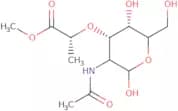
CAS:N-Acetylmuramic acid methyl ester is a methylated form of saccharides that are used in the synthesis of polysaccharides. It is synthesized by the addition of methanol to N-acetylmuramic acid, and can be used as a raw material for glycosylation reactions. This compound has been shown to have high purity and can be custom synthesized. The fluorination of this compound has been reported to improve its reactivity and stability.Formula:C12H21NO8Purity:Min. 95%Molecular weight:307.3 g/molPropofol 2,3,4-tri-O-benzoyl-b-D-glucuronide methyl ester
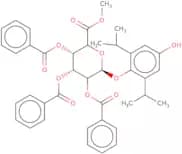
Propofol is a general anesthetic that is used to induce and maintain anesthesia. It binds to GABA receptors in the brain, leading to suppression of neuronal activity. Propofol is metabolized by esterases in the liver, resulting in its active form 2,3,4-tri-O-benzoyl-b-D-glucuronide methyl ester. This active form inhibits glycolysis by inhibiting the conversion of glucose to fructose 1,6-bisphosphate and glyceraldehyde 3-phosphate by phosphoglucose isomerase and triose phosphate isomerase respectively. It also inhibits protein synthesis by binding to the ribosomes and preventing peptide bond formation on amino acids.Formula:C40H40O10Purity:Min. 95%Molecular weight:680.74 g/mol3-Methylphenyl 2-acetamido-3,4,6-tri-O-acetyl-2-deoxy-b-D-glucopyranoside
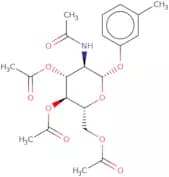
CAS:3-Methylphenyl 2-acetamido-3,4,6-tri-O-acetyl-2-deoxy-b-D-glucopyranoside is a synthetic chemical compound. It has been shown to have antiviral activity and inhibit the growth of bacteria.Formula:C21H27NO9Purity:Min. 95%Molecular weight:437.44 g/mol6-Amino-6-deoxy-1,2-O-isopropylidene-a-D-glucofuranose HCl
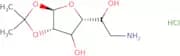
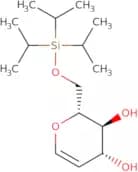
CAS:6-Amino-6-deoxy-1,2-O-isopropylidene-a-D-glucofuranose HCl is a custom synthesis product that can be used in the synthesis of oligosaccharides and polysaccharides. It has a CAS No. of 24384-88-1 and can be used to modify saccharides, carbohydrates, and sugars. This product is also fluorinated and is made from high purity raw materials. The chemical name for this product is 6-(amino)-6-(deoxy)-1,2:5,6:9,10:4′,5′:4′′,5′′′-[3H]isopropylidenea D glucofuranose hydrochloride.Formula:C9H17NO5·HClPurity:Min. 95%Molecular weight:255.7 g/mol6-O-Triisopropylsilyl-D-glucal
CAS:6-O-Triisopropylsilyl-D-glucal is a silyl ether that can be used as a protecting group for benzyl alcohol. It is an efficient, large-scale synthesis of the benzyl alcohol and d-glucuronolactone. 6-O-Triisopropylsilyl-D-glucal accelerates the reaction by removing water as a byproduct of the reaction, simplifying the synthesis to just two steps. This product is also useful for synthesizing other products with similar structures.
Formula:C15H30O4SiPurity:Min. 95%Molecular weight:302.48 g/molN1-b-D-Glucopyranosylamino-guanidine HCl
CAS:N1-b-D-Glucopyranosylamino-guanidine HCl is a synthetic, fluorinated, monosaccharide. It is a complex carbohydrate that can be modified to create a custom synthesis for glycosylation, methylation, or click modification. This product is CAS No. 109853-81-8 and has high purity.Formula:C7H16N4O5·HClPurity:Min. 95%Color and Shape:White to off-white solid.Molecular weight:272.69 g/mol






![8-D-Glucopyranosyl-7,8,9,10-tetrahydro-6,10-methano-6H-pyrazino[2,3-h][3]benzazepine](/_next/image/?url=https%3A%2Fstatic.cymitquimica.com%2Fproducts%2F3D%2Fthumb-webp%2FMG183915.webp&w=3840&q=75)


![6,7,8-Trihydroxy-1-(hydroxymethyl)-3-oxo-2-oxa-4-azabicyclo[3.3.1]nonane](/_next/image/?url=https%3A%2Fstatic.cymitquimica.com%2Fproducts%2F3D%2Fthumb-webp%2FMT15196.webp&w=3840&q=75)









![Methyl 2-deoxy-5-O-[(1,1-dimethylethyl)diphenylsilyl]-β-D-erythro-pentofuranoside](/_next/image/?url=https%3A%2Fstatic.cymitquimica.com%2Fproducts%2F3D%2Fthumb-webp%2FMM06067.webp&w=3840&q=75)




![D-[UL-13C6,15N]Glucosamine HCl](/_next/image/?url=https%3A%2Fstatic.cymitquimica.com%2Fproducts%2F3D%2Fthumb-webp%2FMG15630.webp&w=3840&q=75)






![2,4-Anhydro-3,5-O-[(S)-phenylmethylene]- D-lyxonic acid methyl ester](/_next/image/?url=https%3A%2Fstatic.cymitquimica.com%2Fproducts%2F3D%2Fthumb-webp%2FFA76878.webp&w=3840&q=75)