Monosaccharides
Monosaccharides are the simplest form of carbohydrates and serve as fundamental building blocks for more complex sugars and polysaccharides. These single sugar molecules play critical roles in energy metabolism, cellular communication, and structural components of cells. In this section, you will find a wide variety of monosaccharides essential for research in biochemistry, molecular biology, and glycoscience. These compounds are crucial for studying metabolic pathways, glycosylation processes, and developing therapeutic agents. At CymitQuimica, we offer high-quality monosaccharides to support your research needs, ensuring precision and reliability in your scientific investigations.
Subcategories of "Monosaccharides"
- Alloses(11 products)
- Arabinoses(21 products)
- Erythroses(11 products)
- Fructoses(9 products)
- Fucoses(36 products)
- Galactosamine(41 products)
- Galactose(261 products)
- Glucoses(365 products)
- Glucuronic Acids(51 products)
- Glyco-substrates for Enzyme(77 products)
- Guloses(6 products)
- Idoses(4 products)
- Inositols(15 products)
- Lyxoses(4 products)
- Mannoses(65 products)
- O-Glycans(48 products)
- Psicoses(3 products)
- Rhamnoses(10 products)
- Riboses(61 products)
- Sialic Acids(100 products)
- Sorboses(4 products)
- Sugars(173 products)
- Tagatoses(4 products)
- Taloses(8 products)
- Xyloses(20 products)
Show 17 more subcategories
Found 6088 products of "Monosaccharides"
Sort by
Purity (%)
0
100
|
0
|
50
|
90
|
95
|
100
2,4,7,8-Tetra-O-acetyl-9-azido-9-deoxy-N-acetylneuraminic acid methyl ester
CAS:<p>2,4,7,8-Tetra-O-acetyl-9-azido-9-deoxy-N-acetylneuraminic acid methyl ester is a high purity synthetic compound that has been modified for use in Click chemistry. It is a monosaccharide with an acetyl group on the 2' position and an azido group on the 9' position of the sugar. This compound is used in fluoroination reactions to modify sugars and oligosaccharides. It can also be used in glycosylation reactions to attach monosaccharides and saccharides to proteins or other molecules.</p>Formula:C20H28N4O12Purity:One SpotColor and Shape:White PowderMolecular weight:516.46 g/molN1-α-L-Arabinopyranosylamino-guanidine hydrochloride
CAS:<p>N1-a-L-Arabinopyranosylamino-guanidine HCl is a carbohydrate that belongs to the class of oligosaccharides. It is a synthetic compound, which is custom synthesized for use in research. This product has been shown to be high purity and is methylated, glycosylated, and click modified. The CAS number 109853-78-3 refers to the chemical name of this product. The molecular weight of N1-a-L-Arabinopyranosylamino-guanidine HCl is 597.14 g/mol with an empirical formula C8H23N2O6.</p>Formula:C6H14N4O4•HClPurity:Min. 95%Color and Shape:White to off-white solid.Molecular weight:242.66 g/molL-Rhamnose monohydrate
CAS:<p>L-rhamnose (Rha, 6-deoxy-L-mannose) (Collins, 2006) is normally bound to other sugars as a glycoside in many plant oligosaccharides and in polysaccharides. Rhamnose is also a component of the cell wall of Mycobacterium. In plants, rhamnose is found in the polysaccharide rhamnogalacturonan I, a branched pectic polysaccharide that accounts for 7â14% of the primary wall (Oomen, 2002). Rhamnose is also found in rhamnogalacturonan II, a complex polysaccharide that accounts for âŒ4% of the wall in dicots (Vidal, 2000). Rhamnose is also found in chacotriose and solatriose, the glycan components of solamargine and solasonine, two glycoalkaloids with anticancer properties (Al Sinani, 2017). An understanding of the rhamnose-containing polysaccharides of the gram positive cell wall has identified the biosynthetic pathway as an attractive therapeutic target for antimicrobial drug development (Mistou, 2016).</p>Formula:C6H12O5•H2OPurity:Min. 98 Area-%Color and Shape:Off-White PowderMolecular weight:182.17 g/molβ-L-Fucopyranosylamine
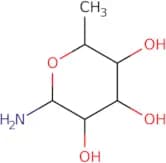
CAS:<p>B-L-Fucopyranosylamine is a Custom synthesis, Modification, Fluorination, Methylation, Monosaccharide, Synthetic, Click modification, Oligosaccharide, saccharide, Glycosylation. It has CAS No. 103419-79-0 and Carbohydrate.</p>Formula:C6H13NO4Purity:Min. 95%Color and Shape:White PowderMolecular weight:163.17 g/molN6-Benzyladenine-7-glucoside
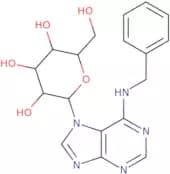
CAS:<p>N6-Benzyladenine-7-glucoside is a benzyladenine derivative that is the major precursor of dihydrozeatin, an important plant growth regulator. N6-Benzyladenine-7-glucoside has been shown to be a potent inhibitor of the uptake of radioactive n6-benzyladenine in tobacco leaves. It also inhibits the uptake of radioactive adenine and guanine in tabacum l. explants and tissues. The compound can inhibit cell division by interfering with hormonal treatments that promote growth and development. The inhibition of cell division may be due to interference with the auxin transport system in plants, which leads to decreased levels of endogenous auxins and growth regulators, such as cytokinins, gibberellins, abscisic acid, and ethylene.</p>Formula:C18H21N5O5Purity:Min. 95%Color and Shape:PowderMolecular weight:387.39 g/molGlupentaacetate
<p>Glupentaacetate is a synthetic, fluorinated sugar that is used in the synthesis of complex carbohydrates. It has been shown to be a useful tool for the modification of glycosylations, polysaccharides and saccharides. Glupentaacetate has been modified with a methyl group at the C-2 position. This modification leads to increased reactivity and stability, in addition to being useful for click chemistry. Glupentaacetate is also stable under acidic conditions, making it an excellent choice for use in organic synthesis.</p>Purity:Min. 95%D-Threitol
CAS:<p>D-Threitol is a carbohydrate that has been shown to have anti-microbial activity against a number of microbes, including E. coli, Klebsiella pneumoniae, Bacillus subtilis, and Staphylococcus aureus. It may also be useful in the treatment of microbial infections in the respiratory tract. D-Threitol is an analogue of threitol with an acyl chain at the 4 position instead of the 5 position. The allyl carbonate moiety can be cleaved by acid to form an acid complex, which is more stable than D-threitol. D-Threitol binds to antibody response sites on cells, thereby preventing cells from responding to pathogens or other foreign bodies by initiating appropriate immune responses. This binding also prevents bacteria from attaching themselves to cell walls.</p>Formula:C4H10O4Purity:Min. 98 Area-%Color and Shape:PowderMolecular weight:122.12 g/molD-Mannose-6-phosphate sodium
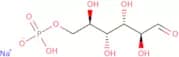
CAS:<p>D-Mannose-6-phosphate sodium salt (DMSP) is a phosphorylated sugar that is produced by the enzyme expressed in the yeast, Saccharomyces cerevisiae. DMSP has been shown to be involved in the synthesis of phosphatidylcholine and other lipids. Its solubilization and adsorption properties have been studied using dibutyryl camp, which is a lipid found in milk fat. The amino acid analysis of DMSP revealed that it contains both D-mannose residues and 6-phosphate groups. The 6-phosphate group is found only on one side of the molecule, which may contribute to its asymmetry.</p>Formula:C6H12NaO9PPurity:Min. 98 Area-%Color and Shape:White PowderMolecular weight:282.12 g/molLinamarin
CAS:<p>Cyanogenic glycoside</p>Formula:C10H17NO6Purity:Min. 97 Area-%Color and Shape:White PowderMolecular weight:247.25 g/molPetunidin 3-glucoside chloride
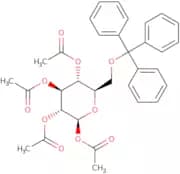
CAS:<p>Petunidin 3-glucoside chloride is a natural compound found in the human serum and in kidney beans. It is structurally similar to chlorogenic acid, a major phenolic acid in coffee. Petunidin 3-glucoside chloride is extracted using hydrochloric acid and then purified by a surface methodology. The main degradation products of this compound are protocatechuic acid, fluorescence detector, procyanidin B4, and malonic acid. This compound can be used as an antioxidant or chemoattractant protein. It has been shown to have high levels of anthocyanins and trifluoroacetic acid (TFA) when exposed to sunlight.</p>Formula:C22H23O12ClPurity:Min. 95%Color and Shape:PowderMolecular weight:514.86 g/mol1,2,3,4-Tetra-O-acetyl-6-O-triphenylmethyl-b-D-glucopyranose
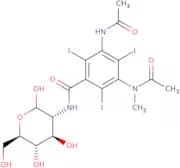
CAS:<p>1,2,3,4-Tetra-O-acetyl-6-O-triphenylmethyl-b-D-glucopyranose (TATPG) is a carbohydrate that belongs to the family of saccharides. It is a synthetic sugar with a modified glycosidic linkage between the hexoses 1 and 2. The preparation of TATPG is through the modification of sugar with fluorination and glycosylation. TATPG has been used in Click chemistry to attach polymers and proteins to oligosaccharides or monosaccharides. This modification can be achieved through methylation or substitution reactions with other chemical groups such as acetate, phosphates, and thiols. This molecule has also been used in the synthesis of complex carbohydrates by modifying the glucose unit with glucose oxidase, which leads to the formation of D-arabinitol 1,5-.</p>Formula:C33H34O10Purity:Min. 95%Color and Shape:PowderMolecular weight:590.62 g/molMetrizamide
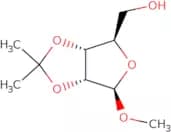
CAS:<p>Radiopaque contrast agent; diagnostic aid for myelography</p>Formula:C18H22I3N3O8Purity:(%) Min. 95%Color and Shape:White PowderMolecular weight:789.1 g/molMethyl 2,3-O-isopropylidene-β-D-ribofuranoside
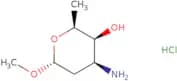
CAS:<p>Methyl 2,3-O-isopropylidene-β-D-ribofuranoside is a heterocycle that is classified as a furanose. It reacts with reactive compounds such as nitro groups to form nitrofurans. This compound also has carcinogenic properties and has been shown to be an animal carcinogen. Methyl 2,3-O-isopropylidene-β-D-ribofuranoside is also capable of forming conformationally constrained derivatives in which the carbonyl group adopts an α,α'-diaxial orientation with the adjacent nitrogen atom and can be used for synthesis of phenalenes.</p>Formula:C9H16O5Purity:Min. 95%Color and Shape:Colorless Clear LiquidMolecular weight:204.22 g/molMethyl α-L-daunosamide hydrochloride
CAS:<p>Methyl α-L-daunosamide hydrochloride is a drug that inhibits the production of DNA. It is used to treat infectious diseases such as malaria, in which it can inhibit the growth of the parasite by preventing DNA replication and transcription. The methyl α-L-daunosamide hydrochloride molecule is a polymerase chain inhibitor that binds to the enzyme adriamycin synthetase, which catalyzes the conversion of daunosamine into adriamycin. This binding prevents the formation of stable complexes with the target enzymes and blocks their activity, leading to inhibition of DNA synthesis and transcription. Methyl α-L-daunosamide hydrochloride has been shown to inhibit glycan biosynthesis in rat liver microsomes and does not have significant interactions with other drugs or with glycan in human serum.</p>Formula:C7H15NO3•HClPurity:Min. 85 Area-%Color and Shape:PowderMolecular weight:197.66 g/molValiolamine
CAS:<p>Inhibitor of alpha-glucosidase</p>Formula:C7H15NO5Purity:Min. 95%Color and Shape:White PowderMolecular weight:193.2 g/mol3,5,6-Tri-O-benzyl-1,2-O-Isopropylidene-a-D-glucofuranose
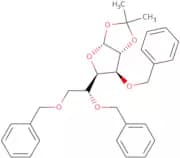
CAS:<p>3,5,6-Tri-O-benzyl-1,2-O-isopropylidene-a-D-glucofuranose is a synthetic monosaccharide that has been fluorinated at the C3 position. It is an oligosaccharide with a complex carbohydrate structure. This glycosylation product can be custom synthesized and has been modified by methylation. 3,5,6-Tri-O-benzyl-1,2-O-isopropylidene Glucuronic acid can be used in the synthesis of polysaccharides or as a sugar for click chemistry. The chemical formula is C13H28O4F3 and its molecular weight is 322.32 g/mol.</p>Formula:C30H34O6Purity:Min. 95%Color and Shape:PowderMolecular weight:490.59 g/mol1,2,3,4,5-Penta-O-acetyl-β-D-fructose
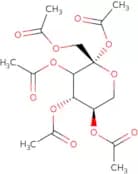
CAS:<p>1,2,3,4,5-Penta-O-acetyl-β-D-fructose is a synthetic oligosaccharide that is modified with fluorine to produce a variety of products. This product is used in the synthesis of complex carbohydrates and has been shown to have high purity. It is used for methylation reactions and can be found in saccharides and polysaccharides. The CAS number for this compound is 20764-61-8.</p>Formula:C16H22O11Purity:Min. 95%Color and Shape:White PowderMolecular weight:390.34 g/mol1,6-Anhydro-2-azido-2-deoxy-b-D-glucopyranose
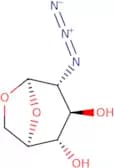
CAS:<p>1,6-Anhydro-2-azido-2-deoxy-b-D-glucopyranose is a sugar. It belongs to the group of carbohydrates and has a molecular weight of 198.15 g/mol. The CAS number for this compound is 67546-20-7. 1,6-Anhydro-2-azido-2,3,4,5,6,7,8,9,10,-hexahydroxybenzoate (1) is an intermediate in the synthesis of 1,6 anhydro 2 azido 2 deoxy b D glucopyranose (2). In this reaction 2 are reacted with sodium azide and potassium hydroxide in ethanol to give 2 as a white crystalline solid with mp 169°C. This product can be used as a monosaccharide or modified monosaccharide for glycosylation or methylation reactions.</p>Formula:C6H9N3O4Purity:Min. 95%Color and Shape:SolidMolecular weight:187.15 g/molN-Nonyldeoxynojirimycin
CAS:<p>Inhibitor and pharmacological chaperone of lysosomal β-glucosidase (glucosylceramidase). The compound binds to the unstable glucosidase active site during the folding and post-translational processing in Golgi apparatus and endoplasmatic reticulum. It is effective in stabilising the enzyme and preventing accumulation of glucosylceramides in models for Gaucher disease, especially in the ones carrying N370S mutation. In addition, it has antiviral activity against Hepatitis C virus, which is mediated by misfolding of viral glycoproteins in the presence of the inhibitor.</p>Formula:C15H31NO4Purity:Min. 95%Color and Shape:White PowderMolecular weight:289.41 g/molSucrose-6-acetic ester
CAS:<p>Sucrose-6-acetic ester is a product of the reaction between sucrose and acetic anhydride. It is a white crystalline compound that reacts with chlorinating agents to form sulfoxide compounds. Sucrose-6-acetic ester can be converted to acetylsalicylic acid, which is used to synthesize aspirin. The reaction selectivity of this process relies on the enzyme catalysis of acetylation and triphosgene as well as an acidic or basic catalyst. Acetylation is carried out in organic solvents and requires a crystallization process for purification. This product also has fatty acid properties, which are insoluble in water and other polar solvents.</p>Formula:C14H24O12Purity:Min. 95%Color and Shape:White PowderMolecular weight:384.33 g/mol