Monosaccharides
Monosaccharides are the simplest form of carbohydrates and serve as fundamental building blocks for more complex sugars and polysaccharides. These single sugar molecules play critical roles in energy metabolism, cellular communication, and structural components of cells. In this section, you will find a wide variety of monosaccharides essential for research in biochemistry, molecular biology, and glycoscience. These compounds are crucial for studying metabolic pathways, glycosylation processes, and developing therapeutic agents. At CymitQuimica, we offer high-quality monosaccharides to support your research needs, ensuring precision and reliability in your scientific investigations.
Subcategories of "Monosaccharides"
- Alloses(11 products)
- Arabinoses(21 products)
- Erythroses(11 products)
- Fructoses(9 products)
- Fucoses(36 products)
- Galactosamine(41 products)
- Galactose(260 products)
- Glucoses(365 products)
- Glucuronic Acids(51 products)
- Glyco-substrates for Enzyme(77 products)
- Guloses(6 products)
- Idoses(4 products)
- Inositols(15 products)
- Lyxoses(4 products)
- Mannoses(65 products)
- O-Glycans(48 products)
- Psicoses(3 products)
- Rhamnoses(10 products)
- Riboses(61 products)
- Sialic Acids(100 products)
- Sorboses(4 products)
- Sugars(173 products)
- Tagatoses(4 products)
- Taloses(8 products)
- Xyloses(20 products)
Show 17 more subcategories
Found 6088 products of "Monosaccharides"
Sort by
Purity (%)
0
100
|
0
|
50
|
90
|
95
|
100
3b-[(a-L-arabinopyranosyl) oxy]urs-12,19(29)-dien-28-oic acid 28-b-D-glucopyranosyl ester
<p>3b-[(a-L-arabinopyranosyl) oxy]urs-12,19(29)-dien-28-oic acid 28-b-D-glucopyranosyl ester is a Fluorination, Monosaccharide, Synthetic, Oligosaccharide, complex carbohydrate. It is custom synthesized and glycosylated with a polysaccharide chain. The modification of the sugar chain includes methylation and acetylation. This product has high purity and CAS No.</p>Purity:Min. 95%1,2,3,4-Tetra-O-pivaloyl-6-O-(tert-butyldimethylsilyl)-b-D-glucopyranose
<p>1,2,3,4-Tetra-O-pivaloyl-6-O-(tert-butyldimethylsilyl)-b-D-glucopyranose is a high purity oligosaccharide that can be custom synthesized to your specifications. This modification is an Oligosaccharide and Carbohydrate which is a complex carbohydrate. It has CAS No. and Monosaccharide as well as Methylation and Glycosylation. It is also a Sugar and Fluorination with saccharides.</p>Formula:C32H58O10SiPurity:Min. 95%Molecular weight:630.9 g/mol(1R,2S,3S,5R)-5-Benzyloxy-3-(tert-butyldimethylsilyloxy)-2-hydroxymethyl cyclohexanol
<p>(1R,2S,3S,5R)-5-Benzyloxy-3-(tert-butyldimethylsilyloxy)-2-hydroxymethyl cyclohexanol is a fluorinated carbohydrate that has been synthesized by a monosaccharide and oligosaccharide. This compound is a complex carbohydrate that has been glycosylated, methylated and modified with click chemistry. This product is available in high purity with CAS number.</p>Purity:Min. 95%3,4,6-Tri-O-benzyl-1,2-O-isopropylidene-a-D-glucopyranose
CAS:<p>3,4,6-Tri-O-benzyl-1,2-O-isopropylidene-a-D-glucopyranose is a complex carbohydrate that is typically found in plants and fungi. It is also known as a methylated sugar and can be used to produce monosaccharide derivatives. This compound has been modified with fluorine which increases its stability and prevents degradation of the compound. 3,4,6-Tri-O-benzyl-1,2-O-isopropylidene-a-D-glucopyranose is typically synthesized from glycerol or glucose using a process called the Click reaction. The resulting product is an Oligosaccharide with high purity and high quality.</p>Formula:C30H34O6Purity:Min. 95%Molecular weight:490.59 g/molEthyl 3-O-allyl-4-O-benzyl-2-O-(2-naphthylmethyl)-b-D-thioglucuronide benzyl ester
<p>Ethyl 3-O-allyl-4-O-benzyl-2-O-(2-naphthylmethyl)-b-D-thioglucuronide benzyl ester is a glycoconjugate that is synthesized by the methylation of thioglucuronic acid and subsequent etherification with ethyl bromoacetate. The chemical name for this compound is ethyl 3-[(2,4,6-trimethylphenoxy)methyl]benzoate. This chemical is soluble in ethanol and insoluble in water. It has a molecular weight of 459.5 g/mol and a CAS number of 53938-04-3.</p>Purity:Min. 95%(1S) -1- [(2S, 3S,4R) -N-Benzyl-4-hydroxymethyl-3- hydroxy- 1- azetidinyl] -1, 2- ethanediol
<p>The synthesis of 1,2-ethanediol is accomplished by the reaction of benzaldehyde with ethanol. This product is a synthetic sugar that is used in the modification of polysaccharides and glycosylation. The molecular weight of this product ranges from 200 to 400 Daltons. It has a CAS number of 730-25-6.</p>Purity:Min. 95%2,6-Anhydro-D-glycero-D-ido-heptonamide
CAS:<p>2,6-Anhydro-D-glycero-D-ido-heptonamide is a fluorinated carbohydrate that can be synthesized by the reaction of 2,6-anhydro-D-glycero-D-heptonic acid with N,N'-dicyclohexylcarbodiimide and ethyl bromoacetate. This compound is then modified with a methyl group at the C2 position or an acetyl group at the C3 position. The resulting product can be used in a wide variety of applications including biopharmaceuticals, diagnostic reagents, and inorganic chemicals.</p>Purity:Min. 95%[2R- (2a, 3a, 4b, 5b) ] -1-Benzyl- 3,4-O-isopropylidene-2-methyl- 3, 4, 5- piperidinetriol
<p>This product is a custom synthesis. It is an oligosaccharide that has been modified with fluorine and methylation. This product is glycosylated, which means it has a complex carbohydrate attached to the sugar. It can be used as a monosaccharide or an oligosaccharide, depending on how it will be used in a reaction. This product is synthetic and can be ordered for high purity.</p>Purity:Min. 95%2-Azido-2-deoxy-3,4:5,6-Di-O-isopropylidene-L-idonic acid methyl ester
<p>Custom synthesis, Modification, Fluorination, Methylation, Monosaccharide, Synthetic, Click modification, Oligosaccharide, saccharide, CAS No., Polysaccharide, Glycosylation, sugar, Carbohydrate</p>Purity:Min. 95%1,2,3,4-Tetra-O-benzyl-6-O-triisopropylsilyl-b-D-galactopyranose
<p>1,2,3,4-Tetra-O-benzyl-6-O-triisopropylsilyl-b-D-galactopyranose is a synthetic compound that is used as an intermediate in the synthesis of oligosaccharides and polysaccharides. It is a methylated derivative of galactose. The silyl protecting group on the benzyl side chain can be removed by hydrolysis with acid to give 1,2,3,4-tetra-O-(hydroxymethyl)galactopyranose. This product can be converted to 1-(2,3,4,-trihydroxypropoxy)-2-(1,1'-biphenyl)-6H-thiopyran using click chemistry. The hydroxymethyl group on position 4 can be fluorinated at the 4' position to give 1-(2',3',4'-trihydroxyprop</p>Formula:C43H56O6SiPurity:Min. 95%Molecular weight:697.01 g/mol1,2,3,4,6-Penta-O-acetyl-b-D-galactopyranose
CAS:<p>1,2,3,4,6-Penta-O-acetyl-b-D-galactopyranose, also known as beta-D-galactose pentaacetate, has high chemical stability and long shelf life. This protected form of galactose is a key building block of any chemical synthesis of galactose-containing oligosaccharides or glycoconjugates. In the presence of Lewis acids it can be used as a glycosyl donor to make simple glycosides. In order to perform more complex galactosylations it can be converted into more reactive donors, such as glycosyl halides or thioglycosides.</p>Formula:C16H22O11Purity:Min. 98 Area-%Color and Shape:White Off-White PowderMolecular weight:390.34 g/mol2,3,4,6-Tetra-O-acetyl-5-thio-D-galactopyranosyl trichloroacetimidate
<p>2,3,4,6-Tetra-O-acetyl-5-thio-D-galactopyranosyl trichloroacetimidate is a carbohydrate that is modified with acetylation at the 2' and 3' positions of the 5'-hydroxyl group of the sugar. This modification can be used for oligosaccharides, complex carbohydrates, and synthetic carbohydrates. The CAS number for this product is 4862-90-8.</p>Formula:C16H20Cl3NO9SPurity:Min. 95%Color and Shape:PowderMolecular weight:508.76 g/mol1,2,3,4-Tetra-O-benzyl-6-O-tert-butyldimethylsilyl-b-D-glucopyranose
<p>Tetra-O-benzyl-6-O-tert-butyldimethylsilyl-b-D-glucopyranose is an Oligosaccharide. It is a synthetic compound that can be used for glycosylation, methylation, and other chemical modifications. Tetra-O-benzyl-6-O-tert-butyldimethylsilyl-b-D-glucopyranose is a high purity product with CAS No. 92382–10–9. This product can be custom synthesized to meet your specifications.</p>Formula:C40H50O6SiPurity:Min. 95%Molecular weight:654.93 g/mol(2S, 3S, 4S) -3-Benzyloxy- 4- (hydroxymethyl) - 1- (phenylmethyl) -2- azetidinecarboxylic acid
<p>2-Amino-3,4-dihydroxybenzoic acid is an organic compound. It is a white solid that is soluble in water and polar organic solvents. 2-Amino-3,4-dihydroxybenzoic acid is used as an anti-inflammatory agent and for the treatment of arthritis.</p>Purity:Min. 95%Ethyl 2,3,4,6-tetra-O-benzyl-β-D-thioglucopyranoside
CAS:<p>Ethyl 2,3,4,6-tetra-O-benzyl-b-D-thioglucopyranoside is a sugar alcohol that is selective for the formation of disaccharides. It has a constant yield and can be synthesized from phenyl glycosides or acetonitrile.</p>Formula:C36H40O5SPurity:Min. 95%Color and Shape:PowderMolecular weight:584.77 g/mol3,4:5,6-Di-O-Isopropylidene-D- glycero- L- gulo- heptitol
<p>3,4:5,6-Di-O-Isopropylidene-D-glycero-L-guloheptitol is a synthetic glycosylate that is used as a molecular probe for glycosyltransferases. It can be fluorinated at the 3, 4, and 6 positions to produce 3,4:5,6-DiFluoro-D-glycero-L-guloheptitol. This product is made by reacting glycerol with glyceraldehyde in the presence of sodium borohydride in an acid medium. The resulting product is purified by crystallization.</p>Purity:Min. 95%2-C-Methyl- 2, 3- O- isopropylidene - D- lyxonic acid g- lactone
<p>2-C-Methyl- 2,3-O-isopropylidene -D-lyxonic acid g-lactone is a synthetic monosaccharide that is used as a building block in the synthesis of complex carbohydrates. It can be fluorinated and glycosylated to form saccharides. This product has been custom synthesized and is offered at high purity levels.</p>Purity:Min. 95%2,3:4,5-Di-O-isopropylidene-b-D-fructopyranose azide sulphate
CAS:<p>2,3:4,5-Di-O-isopropylidene-b-D-fructopyranose azide sulphate is a custom synthesis. It has been fluorinated and methylated by the click chemistry method. The compound is a complex carbohydrate with a high purity and modification level. 2,3:4,5-Di-O-isopropylidene-b-D-fructopyranose azide sulphate can be used for glycosylation or oligosaccharide synthesis. CAS No. 106881-35-0</p>Formula:C12H19N3O8SPurity:Min. 95%Molecular weight:365.36 g/mol1,2:5,6-Di-O-isopropylidene-a-D-allofuranose
CAS:<p>Synthetic building block</p>Formula:C12H20O6Purity:Min. 95%Color and Shape:White PowderMolecular weight:260.28 g/mol3b,19a-dihydroxyurs-12-en-28-oic acid 28-b-D-glucopyranosyl ester
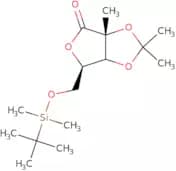
<p>3b,19a-dihydroxyurs-12-en-28-oic acid 28-b-D-glucopyranosyl ester is an Methylated saccharide. It is a white to off-white crystalline powder that is soluble in water and methanol. The CAS number for this product is 805829-15-6. This product can be custom synthesized with a modification of the glycosylation site, or glycosylation can be removed by Click chemistry.</p>Purity:Min. 95%5-O-tert-Butyldimethylsilyl-2,3-O-isopropylidene-L-ribono-1,4-lactone
CAS:<p>5-O-tert-Butyldimethylsilyl-2,3-O-isopropylidene-L-ribono-1,4-lactone is a high purity custom synthesis and custom synthesis of complex carbohydrates. 5-O-tert-Butyldimethylsilyl-2,3-O-isopropylidene-L-ribono--1,4--lactone is a fluorination and an oligosaccharide that contains methylated sugar. It is a polysaccharide with a click modification that can be used for glycosylation and methylation. This product has been shown to be effective in the synthesis of oligosaccharides.</p>Formula:C15H28O5SiPurity:Min. 95%Molecular weight:316.47 g/mol2-Aminophenyl 2,3,4-tri-O-acetyl-β-D-glucuronide methyl ester
CAS:<p>2-Aminophenyl 2,3,4-tri-O-acetyl-b-D-glucuronide methyl ester is a glycosylation reagent and can be used in synthesis of oligosaccharides and sugar. This chemical has been modified with fluorination, methylation and monosaccharide modification to provide a high purity product. It is also available in complex carbohydrate form.</p>Formula:C19H23NO10Purity:Min. 95%Color and Shape:White to off-white solid.Molecular weight:425.39 g/mol1,2,3,4-Tetra-O-acetyl-6-aminobenzoyl-6-deoxy-a-D-glucopyranoside
<p>1,2,3,4-Tetra-O-acetyl-6-aminobenzoyl-6-deoxy-a-D-glucopyranoside is a fluorinated monosaccharide that is synthesized from 6-deoxyglucose through the glycosylation of 1,2,3,4,-tetraaminobenzoyl chloride. It is a white solid with a molecular weight of 242.1 g/mol and a CAS Number of 368737-85-0. This product has been modified with methylation and click chemistry to give it desired properties for use as an intermediate in the synthesis of complex carbohydrates.</p>Formula:C21H25NO10Purity:Min. 95%Molecular weight:451.42 g/mol1-Cyano-1-methylethyl b-D-glucopyranosiduronic acid
CAS:<p>1-Cyano-1-methylethyl b-D-glucopyranosiduronic acid (1CMEG) is a synthetic monosaccharide that has been modified with fluorination. It is an oligosaccharide, which is a complex carbohydrate made up of many sugar molecules. The CAS number for 1CMEG is 78662-58-5. This product can be custom synthesized to meet customer specifications and needs. It has been shown to have glycosylation and polysaccharide properties, and it can be modified with methylation or sugar binding. This product's purity level is high, making it ideal for use in pharmaceuticals or other applications where purity matters.</p>Formula:C10H15NO7Purity:Min. 98 Area-%Color and Shape:PowderMolecular weight:261.23 g/molMethyl 2,3-di-O-acetyl-4,6-O-benzylidene-a-D-galactopyranoside
CAS:<p>Methyl 2,3-di-O-acetyl-4,6-O-benzylidene-a-D-galactopyranoside is a custom synthesis of a complex carbohydrate that can be modified with a methyl group on the C2 position. This compound has been fluorinated and glycosylated in the laboratory. This product has high purity and is insoluble in water.</p>Formula:C18H22O8Purity:Min. 95%Molecular weight:366.37 g/mol2, 5- Anhydro- 6- azido- 3, 6- dideoxy- L -arabino- hexonic acid methyl ester
CAS:<p>2,5-Anhydro-6-azido-3,6-dideoxy-L-arabino-hexonic acid methyl ester (ADAEM) is a modified sugar that can be used as a building block for oligosaccharides and polysaccharides. ADAEM is a monosaccharide with six hydroxyl groups. This modification of the sugar molecule prevents it from participating in glycosidic bond formation. ADAEM has been shown to be resistant to enzymatic degradation and has high purity. It is also stable at high temperatures and pH ranges.</p>Formula:C7H11N3O4Purity:Min. 95%Molecular weight:201.18 g/mol(3S, 4S, 5R) -Dihydro- 4, 5- bis(phenylmethoxy) -2(3H) - furanone
<p>This product is a modification of the natural compound (3S, 4S, 5R) -Dihydro-4,5-bis(phenylmethoxy)-2(3H)-furanone. It is an oligosaccharide that is composed of three monosaccharides. This product has been synthesized and modified to have high purity and no detectable contaminants. The CAS number for this product is 120548-06-1.<br>This product can be used in the synthesis of complex carbohydrates. It also can be methylated, glycosylated, or polysaccharided with other sugars such as galactose, glucose, or maltose. This product has been fluorinated to increase its solubility in organic solvents. It is a saccharide that contains one carbon atom and five hydrogen atoms per molecule.</p>Purity:Min. 95%(5S, 8S, 9R) -8- [(4R) - 2, 2- Dimethyl- 1, 3- dioxolan- 4- yl] - 9- hydroxy- 2, 2- dimethyl- 1, 3, 7- trioxaspiro[4.4] nonan- 6- on e
<p>(5S, 8S, 9R) -8- [(4R) - 2, 2- Dimethyl- 1, 3- dioxolan- 4- yl] - 9- hydroxy- 2, 2- dimethyl- 1, 3, 7- trioxaspiro[4.4] nonan- 6- on e is a fluorinated monosaccharide that is synthetically derived. It has been used in glycosylation and polysaccharide synthesis and can be modified with methylation or Click chemistry. This compound is a sugar with CAS number 100741-42-2.</p>Purity:Min. 95%2-Azido-2-deoxy-3,5-O-benzylidene-L-xylono-1,4-lactone
<p>2-Azido-2-deoxy-3,5-O-benzylidene-L-xylono-1,4-lactone is a sugar compound that can be custom synthesized. It has been shown to be a methylation product of 2,3,4,6-tetraacetylgalactose and is an oligosaccharide with a saccharide chain that includes glucose and xylose. The chemical formula for this compound is C11H13NO7. This compound has a CAS Number of 73028-81-2 and can be purchased from various vendors at high purity levels. 2Azido2deoxy3,5ObenzylideneLxylono1,4lactone is used as a reagent in the synthesis of complex carbohydrates. It can also be used to modify monosaccharides and sugar compounds with fluorination or modification reactions.</p>Purity:Min. 95%2,3,5,6-Tetra-O-acetyl-D-galactono-1,4-lactone
CAS:<p>2,3,5,6-Tetra-O-acetyl-D-galactono-1,4-lactone is a morpholidate that can be synthesized from l-fucose and phosphates. This chemical has been shown to have anti-inflammatory properties due to its ability to inhibit prostaglandin synthesis. The compound also inhibits the production of diphosphorylated guanosine (GDP) from guanosine monophosphate (GMP), which may be important in the regulation of cellular growth. 2,3,5,6-Tetra-O-acetyl-D-galactono-1,4-lactone has also been shown to inhibit the conversion of GMP into GTP by binding to the enzyme GMP synthase.</p>Formula:C14H18O10Purity:Min. 95%Molecular weight:346.29 g/mol1,2:4,5-Di-O-isopropylidene-3-O-methacryloyl-b-D-fructopyranose
<p>1,2:4,5-Di-O-isopropylidene-3-O-methacryloyl-b-D-fructopyranose is a monosaccharide that has been modified with fluorination and methylation. The methylation of this molecule provides a high degree of purity. This synthetic product is a complex carbohydrate that is used as an additive in food and medicine.<br>1,2:4,5-Di-O-isopropylidene-3-O-methacryloyl <br>b -D -fructopyranose has the CAS number 64794-52-9.</p>Purity:Min. 95%Ethyl 6-O-benzyl-2-deoxy-4-O-Fmoc-3-O-levulinoyl-2-trichloroacetamido-b-D-thioglucopyranoside
CAS:<p>Ethyl 6-O-benzyl-2-deoxy-4-O-Fmoc-3-O-levulinoyl-2-trichloroacetamido-b-D-thioglucopyranoside is a synthetic, custom synthesis of an oligosaccharide. It is composed of a saccharide and a fluorinated methyl group. The glycosylation pattern is not disclosed due to the proprietary nature of the product. The purity level is high, with minimal impurities.</p>Purity:Min. 95%Methyl 2, 3- anhydro- 4, 6- O- [(R) - benzylidene] -a- D- allopyranoside
CAS:<p>Methyl 2, 3-anhydro-4, 6-O-[(R)-benzylidene]-a-D-allopyranoside is a glycosylation product of methyl 4, 6-O-[(R)-benzylidene]-a-D-allopyranoside. It is a complex carbohydrate that is fluorinated and saccharified. Methyl 2, 3-anhydro-4, 6-(R)-benzylidene]-a-D-allopyranoside is custom synthesized to high purity and quality.</p>Purity:Min. 95%Methyl (2R,3R,4S)-2,3-dihydroxy-4-oxo-butanoate 2,4-hemiacetal
<p>Methyl (2R,3R,4S)-2,3-dihydroxy-4-oxo-butanoate 2,4-hemiacetal is a custom synthesis chemical that is not found in nature. It has the molecular formula CH3O(COOCH3)2C(OH)(OCH2CH2)2CHO. This compound was synthesized by the reaction of methyl acetoacetate with sodium borohydride and formaldehyde. The product was purified by recrystallization from ethyl acetate and hexane. Methyl (2R,3R,4S)-2,3-dihydroxy-4-oxo-butanoate 2,4-hemiacetal is a colorless solid that melts at 60°C and decomposes at 160°C. The purity of this compound is greater than 99%. This chemical reacts with nucleophiles to form acetals or hemiacet</p>Purity:Min. 95%1-O-Acetyl-2-azido-2-deoxy-3,4-di-O-benzyl-6-O-benzoyl-D-glucopyranose
<p>This compound is a custom synthesis of 1-O-acetyl-2-azido-2-deoxy-3,4-di-O-benzyl-6-O-benzoylglucopyranose. It is a synthetic carbohydrate that is used in the modification of saccharides and oligosaccharides. This product has been fluorinated to allow for fluorescence detection and click chemistry applications. It is a white solid with a melting point of 105 degrees Celsius. The CAS number for this compound is 15148344.</p>Formula:C29H29N3O7Purity:Min. 95%Molecular weight:531.56 g/molPhenyl 4,7,8,9-tetra-O-acetyl-2-thio-N-acetyl-D-neuraminic acid methyl ester
CAS:<p>N-Acetyl-2-phenylthioneuraminic acid methyl ester 4,7,8,9-tetraacetate, also called per-O-acetyl-thiophenyl-N-acetylneuraminic acid methyl ester, belongs to the family of sialic acids. This neuraminic acid derivative, as well as other related compounds, such as, N-Acetyl-9-azido-9-deoxy-neuraminic acid, N-Acetyl-2-O-methyl-a-D-neuraminic acid and N-Acetylneuraminic acid dihydrate, act as ligands for the synthesis of many intermediates of sialylated carbohydrates. Sialic acid derivatives present on the surface of vertebrate cells are crucial to advances in biology, as they play a significant role in pathogen-cell interactions and act as mediators of physiological processes.</p>Formula:C26H33NO12SPurity:Min. 95%Color and Shape:PowderMolecular weight:583.61 g/mol2-Azido- 2- deoxy- 3, 4- O-benzylidene-D- ribonic acid d- lactone
<p>2-Azido-2-deoxy-3,4-O-benzylidene-D-ribonic acid d-lactone is a glycosylation product of 2,4,6 azido 2,3,4 O benzylidene D -ribose. It is synthesized by the reaction of 1,2 azido 2,3,4 O benzylidene D -ribose with sodium borohydride in the presence of lithium chloride. This compound possesses a number of properties including being a complex carbohydrate and methylation product. This compound is also fluorinated to give 2 azido-2 deoxy 3,4 F -benzylidene D ribonic acid d lactone. This compound can be modified for various purposes such as Click modification and polysaccharide synthesis.</p>Purity:Min. 95%2,6-Anhydro-D-glycero-D-gluo-heptonic acid methylamide
<p>2,6-Anhydro-D-glycero-D-gluo-heptonic acid methylamide is a synthetic sugar that is used as a building block for the synthesis of oligosaccharides and monosaccharides. The glycosylation of 2,6-Anhydro-D-glycero-D-gluo-heptonic acid methylamide can be catalyzed by any of the glycosylators that use saccharides as substrates. This modification can also be achieved by methylation to produce methylated 2,6-Anhydro-D-glycero-D-gluo heptonic acid methylamide. It has been shown to exhibit antiviral activity against herpes simplex virus type 1.</p>Purity:Min. 95%(2S, 3S, 4R) -3- [[[(2S, 3S, 4R) - 3- Azido- 4- [[[(1, 1- dimethylethyl) dimethylsilyl] oxy] methyl] - 1- (phenylmethyl) - 2- azetid inyl] carbonyl] amino] - 4- [[[(1, 1- dimethylethyl) dimethylsilyl] oxy] methyl] - 1- (phenylmethyl) -2- azetidinecarb
<p>The synthesis starts with a commercially available, methyl-protected, phenyl-protected 2-azetidinecarboxylic acid. The carbonyl group is then converted to an amide by reaction with ammonia in the presence of a base (such as triethylamine) and an appropriate coupling agent (such as HOBt). The amide is then deprotected by treatment with hydrochloric acid to give the desired product. This compound has not been characterized fully yet but it is expected to be a complex carbohydrate.</p>Purity:Min. 95%Methyl (1,2-Di-O-benzoyl-3-O-benzyl-a-L-idopyranosyluronate)
<p>Methyl (1,2-Di-O-benzoyl-3-O-benzyl-a-L-idopyranosyluronate) is an oligosaccharide that is synthetically made and modified with the addition of a fluorine atom. This carbohydrate has a CAS number and may have applications in the synthesis of complex carbohydrates. It is also used as a component of glycoproteins for its ability to act as a linker between the protein and sugar strands. It can be found in nature in monosaccharides, methylated saccharides, or glycosylated polysaccharides.</p>Formula:C28H26O9Purity:Min. 95%Molecular weight:506.5 g/mol2,3,4-Tri-O-acetyl-1-O-azido-1-deoxy-b-D-arabinopyranoside
CAS:<p>2,3,4-Tri-O-acetyl-1-O-azido-1-deoxy-b-D-arabinopyranoside is a methylated sugar that can be used to modify oligosaccharides. It has an acetyl functional group on the 2' position of the ribose moiety. This product is a white crystalline powder and it is soluble in water and methanol.</p>Formula:C11H15N3O7Purity:Min. 95%Molecular weight:301.25 g/mol2-Acetamido-4,6-O-benzylidene-2-deoxy-D-glucopyranose
CAS:<p>2-Acetamido-4,6-O-benzylidene-2-deoxy-D-glucopyranose is an ether of d-glucosamine. It is formed by the reaction of benzyl alcohol and acetamidine with sodium methoxide in the presence of a catalyst. The stereoselectivity of this reaction can be tuned by using different alkali metals as catalysts. The nature and reactivity of the metal cation determines whether 2-acetamido-4,6-O-benzylidene-2,3,5,6,-tetraacetate or 2,3,5,6,-tetraacetate will be produced.</p>Formula:C15H19NO6Purity:Min. 95%Color and Shape:White PowderMolecular weight:309.31 g/mol(5R, 6R, 7S, 8R) -5, 6, 7, 8-Tetrahydro- 5- methyl- tetrazolo[1, 5- a] pyridine- 6, 7, 8- triol
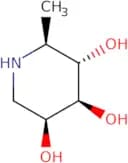
CAS:<p>Tetrahydro-5-methyl-tetrazolo[1,5-a]pyridine-6,7,8-triol is an organic compound that has been synthesized from a sugar. Tetrahydro-5-methyl-tetrazolo[1,5-a]pyridine-6,7,8-triol is soluble in water and formic acid. It is used as a synthetic intermediate for the production of oligosaccharides and saccharides. Tetrahydro-5-methyl-tetrazolo[1,5-a]pyridine-6,7,8-triol can be used to produce glycosylation or methylation in the laboratory. It is also used as a chemical reagent in complex carbohydrate synthesis.</p>Formula:C6H10N4O3Purity:Min. 95%Molecular weight:186.17 g/mol3-C-Methyl- 5, 6- O- isopropylidene-D- gluconic acid g- lactone
<p>3-C-Methyl- 5, 6- O- isopropylidene-D- gluconic acid g- lactone is an oligosaccharide that was synthesized by the reaction of 3,4-dihydroxybenzoic acid and methyl acrylate. The molecular weight of this sugar is 459. Its CAS number is 72854-10-7. This sugar has a purity level of >95%. It has been modified with methylation and click chemistry to afford various derivatives. This carbohydrate can be used in glycosylation reactions or as a building block for polysaccharides.</p>Purity:Min. 95%Sucrose 6'-monophosphate dipotassium
CAS:<p>Sucrose 6'-monophosphate dipotassium salt is a high purity, custom synthesis sugar. Click modification and fluorination of sucrose with potassium fluoride yields an oligosaccharide. Glycosylation and methylation of the saccharide with sodium methoxide yields a monosaccharide. Carbohydrates are defined as polyhydroxy aldehydes or ketones that contain either aldoses or ketoses. Complex carbohydrates are sugars that consist of two or more simple sugars linked together. Sucrose has six carbon atoms, 12 hydrogen atoms, six oxygen atoms, and two sulfur atoms in its molecular structure. The molecular formula for sucrose is C12H22O11S2K2O4P. The CAS number for sucrose is 36064-19-4. Molecular weight: 342.3 g/mol</p>Formula:C12H23O14P•K2Purity:Min. 95%Color and Shape:PowderMolecular weight:500.47 g/mol3-O-Benzyl-1,2-O-isopropylidene-b-L-lyxofuranose
CAS:<p>3-O-Benzyl-1,2-O-isopropylidene-b-L-lyxofuranose is an oligosaccharide that is a member of the class of carbohydrates. It has a saccharide sequence that is composed of three monosaccharides: b-D-glucopyranose, L-xylopyranose, and β-(3’,4’)-benzylidene erythritol. The carbohydrate is modified with fluorine atoms at the two hydroxyl positions on the glucose unit and a benzyl group at the C4 position on the xylopyranose unit. 3-O-Benzyl-1,2-O-isopropylidene -b -L -lyxofuranose is useful for click chemistry reactions due to its reactive benzyl group. This product has high purity and can be custom synthesized to</p>Formula:C15H20O5Purity:Min. 95%Molecular weight:280.32 g/mol(3R, 4R, 5S) -3, 4-Dihydroxy- 5- (hydroxymethyl) - 2- pyrrolidinone
<p>3, 4-Dihydroxy-5-(hydroxymethyl)pyrrolidinone (3R,4R,5S) is a custom synthesis of a fluorinated compound that has been modified through methylation and monosaccharide substitution. This product has been designed for use in Click chemistry applications. The CAS number for this product is 100906-64-6.</p>Purity:Min. 95%Raloxifene-6-D-glucuronide lithium salt
CAS:<p>Raloxifene-6-D-glucuronide lithium salt is a custom synthesis of a complex carbohydrate. It is an oligosaccharide that has been modified by methylation and glycosylation. The modification of the saccharide with click chemistry has provided a high purity product. This compound has been fluorinated to provide an organic molecule with a pharmaceutical grade purity.</p>Formula:C34H34NO10S·LiPurity:Min. 95%Molecular weight:655.64 g/molN-Acetyl-D-galactosamine-3,6-di-O-sulphate sodium salt
<p>A sulfated GalNAc analogue</p>Formula:C8H13NO12S2·2NaPurity:Min. 95%Color and Shape:White to off-white solid.Molecular weight:425.3 g/molD-Galactose-4-O-sulphate sodium
CAS:<p>D-Galactose-4-O-sulphate sodium salt is a white crystalline powder. It is soluble in water and ethanol, but insoluble in ether. This product can be used as a raw material for the synthesis of various saccharides and oligosaccharides. D-Galactose-4-O-sulphate sodium salt has an average purity of 99%. It is custom synthesized to meet customer requirements.</p>Formula:C6H12O9S•NaPurity:(%) Min. 95%Color and Shape:PowderMolecular weight:283.21 g/mol2,3,4,6-Tetra-O-acetyl-D-galactopyranosyl azide
CAS:<p>2,3,4,6-Tetra-O-acetyl-D-galactopyranosyl azide is a fluorinated sugar that can be used as a synthetic intermediate for the glycosylation of polysaccharides. This compound has been shown to have high purity and does not react with other compounds in the reaction mixture.</p>Formula:C14H19N3O9Purity:Min. 95%Molecular weight:373.32 g/molEthyl 2-O-benzoyl-3,6-di-O-benzyl-4-O-Fmoc-b-D-thioglucopyranoside
CAS:<p>The compound is a glycosylation, oligosaccharide and sugar. It is a synthetic, fluorinated compound that can be custom synthesized to meet your needs. The compound is methylated, monosaccharide, polysaccharide and saccharide. It has been modified with click chemistry and it has high purity. CAS No. 1416144-50-7</p>Purity:Min. 95%Methyl a-L-idopyranosiduronic acid 2-sulfate sodium salt
<p>Methyl a-L-idopyranosiduronic acid 2-sulfate sodium salt is a custom synthesis that is an oligosaccharide. It is a complex carbohydrate with Oligosaccharide CAS No. and it has been modified by saccharide, Methylation, and Glycosylation. This product has high purity and is fluorinated. This product is synthetic and can be used for click modification.</p>Formula:C7H10O10Na2SPurity:Min. 95%Molecular weight:332.19 g/molPhenyl 2-azido-2-deoxy-b-D-selenofucopyranoside
<p>Phenyl 2-azido-2-deoxy-b-D-selenofucopyranoside is a carbohydrate with the CAS number 54519-52-8. It is a custom synthesis that is available in high purity and can be methylated, glycosylated and click modified. Phenyl 2-azido-2-deoxy-b-D-selenofucopyranoside is an oligosaccharide that has been fluorinated, which makes it stable at higher temperatures. This product is used as a synthetic building block for complex carbohydrates and saccharides.</p>Purity:Min. 95%Methyl-2,3,4,6-tetra-O-acetyl-α-D-mannopyranoside
CAS:<p>Methyl-2,3,4,6-tetra-O-acetyl-alpha-D-mannopyranoside is a sugar that is synthesized by the methylation of an alpha-D-mannopyranoside. This compound can be customized for any application and is available in high purity. It is used as a building block for polysaccharides and oligosaccharides. Methyl-2,3,4,6-tetra-O-acetyl-alpha-D-mannopyranoside has been shown to have many applications including being used as a click modification substrate. The synthesis of this compound can be done by fluorination or glycosylation.</p>Formula:C15H22O10Purity:Min. 95%Color and Shape:PowderMolecular weight:362.33 g/molMethyl 2-acetamido-4,6-di-O-acetyl-2,3-dideoxy-3-fluoro-D-mannopyranoside
CAS:<p>Methyl 2-acetamido-4,6-di-O-acetyl-2,3-dideoxy-3-fluoro-D-mannopyranoside is a custom synthesis of a modified monosaccharide. It is fluorinated and methylated at the 2 and 6 positions respectively. The acetyl group at position 2 is replaced with an acetamido group to increase the stability of the molecule. This product has not been studied in vivo or in vitro. It is not on any international lists of prohibited substances and it is not banned by any sporting organization.</p>Formula:C13H20FNO7Purity:Min. 95%Molecular weight:321.3 g/mol4-Methoxyphenyl 3-O-benzyl-β-D-galactopyranoside
CAS:<p>4-Methoxyphenyl 3-O-benzyl-β-D-galactopyranoside is a microstructural stabilizer that can be used in the production of thermoelectric materials. It has been shown to inhibit the growth of bacteria and fungi at temperatures as low as −5°C. The compound has also been shown to have neuroprotective effects, which may be due to its ability to stabilize mitochondria and reduce oxidative stress. 4-Methoxyphenyl 3-O-benzyl-β-D-galactopyranoside is an endogenous ligand for unidentified receptors. It also binds to the amyloid protein in Alzheimer's disease, but does not show any significant toxicity in mice and rats.</p>Formula:C20H24O7Purity:Min. 95%Color and Shape:Off-White PowderMolecular weight:376.4 g/mol(3S,4S)-2,3-Dihydroxy-2-methylpentanoic acid-1.4-lactone (mix of diastereoisomers)
<p>(3S,4S)-2,3-Dihydroxy-2-methylpentanoic acid-1.4-lactone (mix of diastereoisomers) is a synthetic carbohydrate that has been modified with a fluorine atom at the C2 position. It has a molecular weight of 184.277 g/mol and is soluble in water and methanol. This product can be used as a precursor to other chemicals or as an intermediate in the synthesis of saccharides, polysaccharides, or oligosaccharides.</p>Purity:Min. 95%1,2:3,4:5,6-Tri-O-isopropylidene-D-gluconate
CAS:<p>1,2:3,4:5,6-Tri-O-isopropylidene-D-gluconate is a chain sugar that is extracted from plant sources. It is a product of the methylenation of D-glucose and can be converted to D-mannitol. The reaction mixture yields dimethyl 2,3,4,5,6-tetra-O-methylene erythritol phosphate (DMEP) and diphosphate 1,2:3,4:5,6-tri-O-isopropylidene erythritol (DITEP). The DMEP can be hydrolyzed to form DME and phosphorylated to form DMPP. The crystal structure of this compound has been determined. In the elimination pathway for this compound, the gluconate group is eliminated as carbon dioxide and water with the release of energy in the form of heat. This</p>Formula:C15H24O7Purity:Min. 95%Molecular weight:316.35 g/molMethyl 5-acetamido-2,5-(tert.butoxycarbonyl)imino-2,5,6-trideoxy-b-D-mannofuranoside
<p>Methyl 5-acetamido-2,5-(tert.butoxycarbonyl)imino-2,5,6-trideoxy-b-D-mannofuranoside is a synthetically modified sugar that has been modified with both fluorination and glycosylation. This compound is used to synthesize oligosaccharides and monosaccharides through a click modification reaction.</p>Purity:Min. 95%1,1-Di-C-allyl-2-O-benzyl-3,4-di-O-isopropylidene-2,4-di-C-methyl-L-arabinopyranose
<p>1,1-Di-C-allyl-2-O-benzyl-3,4-di-O-isopropylidene-2,4-di-C-methyl arabinopyranose is a methylated saccharide that has been synthesized by Click chemistry. It is a custom synthesis with high purity and high yield. 1,1 Di C allyl 2 O benzyl 3 4 di O isopropylidene 2 4 di C methyl arabinopyranose can be used as an artificial sweetener or as a sugar substitute in food products. This product can be modified to suit the needs of the customer.</p>Purity:Min. 95%Methyl 3,6-di-O-benzyl-2-deoxy-a-D-glucopyranoside
<p>Methyl 3,6-di-O-benzyl-2-deoxy-a-D-glucopyranoside is a sugar derived from the natural carbohydrate sucrose. It is custom synthesized and glycosylated with an oligosaccharide. Methyl 3,6-di-O-benzyl-2-deoxy-a-D-glucopyranoside can be used in the synthesis of polysaccharides and other carbohydrates. This product has been modified using click chemistry to attach a methyl group at the C3 position of the glucose moiety. This modification is useful for glycosylation reactions that require a specific location on the sugar for attachment of an amino acid or peptide. Methyl 3,6-, di-, O-, benzyl--2, deoxy--A--D--glucopyranoside has CAS number 51139–03–5 and is available in high purity.</p>Formula:C21H26O5Purity:Min. 95%Molecular weight:358.43 g/mol1,2,3,4-Tetra-O-acetyl-6-O-trityl-b-D-galactopyranose
CAS:<p>1,2,3,4-Tetra-O-acetyl-6-O-trityl-b-D-galactopyranose is a high purity glycosylation product. It has been custom synthesized and modified with Methylation, Click modification, Polysaccharide and Fluorination. The CAS number of this compound is 124648-92-6.</p>Formula:C33H34O10Purity:Min. 95%Molecular weight:590.62 g/mol(2R, 3S, 4S, 5S) -3-O-Benzoyl-4-O-tert.butyl-2- ((tert butylsilyloxy)methyl) - 5- methyl-3, 4- pyrrolidinediol
<p>(2R, 3S, 4S, 5S) -3-O-Benzoyl-4-O-tert.butyl-2- ((tert butylsilyloxy)methyl) - 5- methyl-3, 4- pyrrolidinediol is a synthetic sugar that is used in the modification of saccharide and polysaccharides. It has been used to synthesize oligosaccharides with high purity and good yield. This compound has a CAS number of 179119-92-7 and can be used for fluorination reactions.</p>Purity:Min. 95%(2R,3S,4R)-2-Benzylamino-2-methyl-3,4-dihydroxypyrrolidine
<p>(2R,3S,4R)-2-Benzylamino-2-methyl-3,4-dihydroxypyrrolidine is a synthetic compound that can be used as a research tool for the study of protein glycosylation. It has been shown to be an efficient glycosylant and can be used in the synthesis of oligosaccharides and saccharides. The compound was first synthesized by adding two methyl groups to the amino group at the nitrogen atom in position 2 of pyrrolidine. This modification allows for the attachment of sugar molecules through an amide bond. (2R,3S,4R)-2-Benzylamino-2-methyl-3,4-dihydroxypyrrolidine is not currently used in any commercial products.</p>Purity:Min. 95%2-Azidomethyl-2-deoxy-3,4-O-isopropylidene-6-O-tert.butyldimethylsilyl-D-talono-1.5-lactone
<p>2-Azidomethyl-2-deoxy-3,4-O-isopropylidene-6-O-tert.butyldimethylsilyl-D-talono-1.5-lactone is a synthetic compound that can be customized for your specific needs. It has been shown to have high purity and the ability to undergo a variety of modifications, such as fluorination, glycosylation, methylation, and modification. It is also available in a range of sizes and types of carbohydrate, including saccharides and oligosaccharides.</p>Purity:Min. 95%3-Azido-3-deoxy-1,2:5,6-di-O-isopropylidene-α-D-galactofuranose
CAS:<p>3-Azido-3-deoxy-1,2:5,6-di-O-isopropylidene-a-D-galactofuranose is a synthetic sugar that can be used as a monosaccharide or oligosaccharide. It is a complex carbohydrate that can be modified with methylation, fluorination, and click chemistry. 3-Azido-3-deoxy-1,2:5,6-di-O-isopropylidene-a-D galactofuranose is an important compound in carbohydrate chemistry due to its ability to undergo glycosylation reactions. The chemical properties of 3ADGFP are comparable to those of other monosaccharides and carbohydrates.</p>Formula:C12H19N3O5Purity:Min. 95%Color and Shape:Solidifying oil.Molecular weight:285.3 g/molIsorhamnetin 3-glucoside-7-rhamnoside
CAS:<p>Isorhamnetin 3-glucoside-7-rhamnoside is a type of flavonoid that is found in plants and has the chemical formula C14H12O5. It is a glycoside that is converted to its aglycone, rhamnetin, in the body. Isorhamnetin 3-glucoside-7-rhamnoside has shown potential as an antiinflammatory agent by inhibiting the ubiquitin proteasome pathway and Cox2 inhibitory activity. It also inhibits protease activity and can be used to treat inflammatory diseases such as arthritis. Isorhamnetin 3-glucoside-7-rhamnoside is synergistic with other molecules, so it can be used to prevent or treat inflammation when combined with other drugs.</p>Formula:C28H32O16Purity:Min. 95%Color and Shape:White PowderMolecular weight:624.54 g/mol1,2-Di-O-acetyl-3-O-benzyl-4-C-(methanesulfonyloxymethyl)-5-O-methanesulfonyl-D-ribofuranose
<p>1,2-Di-O-acetyl-3-O-benzyl-4-C-(methanesulfonyloxymethyl)-5-O-methanesulfonyl-D-ribofuranose is an oligosaccharide with a complex carbohydrate structure. The methylation of the sugar at position 1 and position 2 on the ribose sugar produces 1,2-di (O acetyl)-3,4 C (methylsulfanyloxymethyl) -5 O methanesulfonyl D ribofuranose. This modification creates a reactive site for click chemistry or other chemical reactions. The carbons in the sugar are fluorinated to produce 1,1′ F 2 COC 6 H 4 CH 2 OH.</p>Purity:Min. 95%Methyl (methyl-4-deoxy-α-L-threo-hex-4-enopyranosid)uronate
CAS:<p>Methyl (methyl-4-deoxy-alpha-L-threo-hex-4-enopyranosid)uronate is an intermediate in the synthesis of saccharides. It is a custom synthesis product that has been fluorinated and is available with a high purity. Methyl (methyl-4-deoxy-alpha-L-threo-hex-4-enopyranosid)uronate can be used for modification of oligosaccharides, glycosylation, click chemistry, and polysaccharide synthesis.</p>Formula:C8H12O6Purity:Min. 95%Molecular weight:204.18 g/mol6-Azido- 6- deoxy- D- glycero- L- gulo- heptitol
CAS:<p>6-Azido-6-deoxy-D-glycero-L-gulo-heptitol is a methylated, saccharide, polysaccharide, click modification, and modification of oligosaccharides. The chemical name for the compound is 6-[(1S)-1-(2-aminoethyl)propyl]-2,4 -dioxopentanedioic acid. It has CAS No. 1458063-96-1 and has a molecular weight of 374.5 g/mol. This product can be custom synthesized with high purity and it is a carbohydrate sugar that is synthetic.</p>Formula:C7H15N3O6Purity:Min. 95%Molecular weight:237.21 g/mol1,5:2,3-Dianhydro-4,6-O-benzylidene-D-allitol
CAS:<p>For synthesis of D-Altritol nucleosides</p>Formula:C13H14O4Purity:Min. 95%Color and Shape:PowderMolecular weight:234.25 g/mol(2R, 4S) - 3- Fluoro- 1- (phenylmethyl) -2,4- azetidinedimethanol
<p>(2R, 4S) - 3- Fluoro- 1- (phenylmethyl) -2,4- azetidinedimethanol is a high purity custom synthesis. It is synthesized by Click modification, fluorination and glycosylation. It is used in the synthesis of oligosaccharides and saccharides. The CAS number for this compound is 43425-49-8.</p>Purity:Min. 95%3,4:5,6-Di-O-Isopropylidene-2-O-tert.butyldimethylsilyl-L-idose
<p>3,4:5,6-Di-O-isopropylidene-2-O-tert.butyldimethylsilyl-L-idose is a custom synthesis that is used in the synthesis of oligosaccharides and polysaccharides. It is also used for glycosylation reactions and click chemistry modifications. 3,4:5,6-Di-O-isopropylidene-2-O-tert.butyldimethylsilyl L -idose has CAS No. 53762–04–2 and a sugar type of carbohydrate. This product is a high purity with 98% or greater purity.</p>Purity:Min. 95%(1R) -1- [(2S, 3R,4S) -4-(Acetylamino)methyl-3- hydroxy- 1- azetidinyl] -1, 2- ethanediol hydrochloride
<p>(1R) -1- [(2S, 3R,4S) -4-(Acetylamino)methyl-3- hydroxy- 1- azetidinyl] -1, 2- ethanediol hydrochloride is a custom synthesis of a fluorinated and methylated saccharide. It is modified with a click modification reaction to introduce an azetidine ring at the C6 position of the sugar. This saccharide has been shown to inhibit glycosylation in vitro and in vivo.</p>Purity:Min. 95%2-Acetamido- 2- deoxy- 3, 6- di- O- methyl-D- glucose
CAS:<p>2-Acetamido- 2- deoxy- 3, 6- di- O- methyl-D- glucose is a carbohydrate that has been modified with fluorine. The molecular weight of the compound is 348.14 g/mol. This product was synthesized by custom synthesis and has high purity. It can be used in glycosylation and click chemistry to modify saccharides, oligosaccharides, monosaccharides, or polysaccharides. Methylation of this product can also be done using reductive amination. Click modification is a reaction between an azide group on one molecule and an alkyne group on another molecule, which produces a 1,3,5 triazole ring containing two new chemical bonds. Polysaccharide refers to carbohydrates that are long chains of monosaccharides linked together by glycosidic bonds.</p>Formula:C10H19NO6Purity:Min. 95%Molecular weight:249.26 g/mol2,3,5-Tri-O-benzhydryloxybis(trimethylsilyloxy)silyl-2-C-methyl-D-ribono-1.4-lactone
<p>2,3,5-Tri-O-benzhydryloxybis(trimethylsilyloxy)silyl-2-C-methyl-D-ribono-1.4-lactone is a custom synthesis that is used as a building block for saccharides and polysaccharides due to its high purity. It is also used for the modification of saccharides and polysaccharides. It is synthesized using Click chemistry, which has been shown to be effective in glycosylation reactions. This product has fluorination at C2 and C3 positions, which provides resistance against hydrolysis by esterases and glucuronidases. It also has methylation at the 3' position of the sugar moiety, which makes it resistant to hydrolysis by phosphodiesterases. The CAS number of this product is 549299-05-5.br>br><br>br>br><br>This</p>Purity:Min. 95%(3S, 4R) -Dihydro- 3-hydroxy- 3- methyl-4-tert butyldimethylsilyloxy- 2(3H) - furanone
<p>(3S,4R) -Dihydro-3-hydroxy-3-methyl-4-tert butyldimethylsilyloxy-2(3H) -furanone is a fluorinated glycosylated monosaccharide. This compound is used as a synthetic intermediate in the custom synthesis of saccharides and oligosaccharides.</p>Purity:Min. 95%6- Azido- 6- deoxy- 1, 2:3, 5- bis- isopropylidene-D- glycero- L- gulo- heptitol
CAS:<p>6-Azido-6-deoxy-1,2:3,5-bisisopropylidene-D-glycero-L-guloheptitol is a synthetic monosaccharide that can be used for the synthesis of oligosaccharides and complex carbohydrates. It is prepared by the fluorination of 6,6'-azido-1,2:3,5 bisisopropylidene D-glycero L guloheptitol. The chemical name of 6,6'-azido 1,2:3,5 bisisopropylidene D glycero L guloheptitol is 2-(6'-Amino)-2-(6'-deoxy)-1-(isopropylidene)ethanol. This compound has been shown to react with carbonyl groups in sugar molecules to form new compounds called glycosides. 6,6'-Amino 1,</p>Formula:C13H23N3O6Purity:Min. 95%Molecular weight:317.34 g/mol6-Methyl-2-pyridyl 2-acetamido-2-deoxy-b-D-thioglucopyranoside
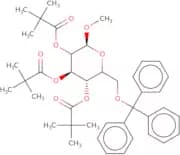
CAS:<p>The 6-Methyl-2-pyridyl 2-acetamido-2-deoxy-b-D-thioglucopyranoside is a chloride salt that has been used in the laboratory to develop an analytical method for the determination of glucose in urine samples. The bioavailability of 6MP is low and it is excreted by renal filtration, so this compound has been used as a marker for renal transplantation. Glomerular filtration rate (GFR) is reduced in diabetic patients, leading to a decrease in the amount of 6MP excreted. This drug can be administered orally or intravenously and has shown efficacy at low dose levels. Low doses have also been associated with decreased detection sensitivity due to its low level of excretion, which makes it an ideal candidate for use as a biomarker for chronic kidney disease. A chronic kidney disease animal model was used to study the effects on GFR and creatinine clearance rates</p>Purity:Min. 95%Color and Shape:White PowderMolecular weight:328.39 g/molMethyl 2,3,4-tri-O-pivaloyl-6-O-triisopropylsilyl-a-D-glucopyranoside
<p>Methyl 2,3,4-tri-O-pivaloyl-6-O-triisopropylsilyl-a-D-glucopyranoside is a synthetic, fluorinated monosaccharide that belongs to the group of oligosaccharides. It is used in the synthesis of complex carbohydrates. Methyl 2,3,4-tri-O-pivaloyl-6-O-triisopropylsilyl-a-D-glucopyranoside is a custom synthesis and can be modified with methylation or click chemistry. Methyl 2,3,4 - tri - O - pivaloyl - 6 - O - triisopropylsilyl - a - D - glucopyranoside has CAS number <br>Methyl 2,3,4 – tri – O – pivaloyl – 6 – O – triisopropylsily</p>Formula:C31H58O9SiPurity:Min. 95%Molecular weight:602.89 g/mol1,2,3,4-Tetra-O-acetyl-D-[6-13C]glucuronide methyl ester
<p>1,2,3,4-Tetra-O-acetyl-D-[6-13C]glucuronide methyl ester is a custom synthesis that can be used for the methylation of saccharides and polysaccharides. It is also used to modify glycosides and oligosaccharides. This compound has a CAS number and can be modified with click chemistry. It is a high purity product that can be synthesized with fluorination or complex carbohydrates.</p>Purity:Min. 95%Molecular weight:376.31 g/molMethyl 2,6-di-O-p-toluenesulfonyl-D-glucopyranoside
CAS:<p>Fluorination is a process that has been used to synthesize various types of chemical compounds. Fluorination is usually achieved by reacting an organic compound with elemental fluorine gas, or dissolved fluoric acid. Fluorination may also be carried out with silicon tetrachloride, sulfur tetrafluoride, or other fluorinating agents. The term fluorination refers to the substitution of hydrogen atoms in an organic molecule with fluorine atoms. This reaction is most often done on unsaturated carbon-carbon bonds, because these are more reactive than others. Monosaccharides are sugar molecules that consist of one sugar unit and two hydroxyl groups (CAS No. 54497-89-1). They are classified as simple sugars because they can be hydrolyzed into their component parts by hydrolysis or oxidation. Polysaccharides are carbohydrates consisting of long chains of monosaccharides (sugar molecules) bonded together by glycosidic linkages</p>Formula:C21H26O10S2Purity:Min. 95%Molecular weight:502.56 g/mol1,2:3,4-Di-O-isopropylidene-a-D-galactopyranose
CAS:<p>1,2:3,4-Di-O-isopropylidene-a-D-galactopyranose, also known as diacetone-D-galactose and galactose diacetonide, is a partially protected monosaccharide building block with isopropylidene groups on the 1,2 and 3,4 hydroxyls. The 6-hydroxyl is unprotected and able to undergo a variety of chemical transformations, such as glycosylation acting as a glycosyl acceptor to form 1,6-linked disaccharides.</p>Formula:C12H20O6Purity:Min. 96.5 Area-%Color and Shape:Clear Viscous LiquidMolecular weight:260.28 g/molN-(5-Carboxypentyl)-deoxymannojirimycin hydrochloride
CAS:<p>N-(5-Carboxypentyl)-deoxymannojirimycin hydrochloride is a high purity, custom synthesis, CAS No. 104154-10-1. It is a sugar that contains the Click modification, fluorination, glycosylation, and synthetic modifications. It contains methylation, modification and oligosaccharide or monosaccharide saccharides. This compound has been modified by Carbohydrate Complex.</p>Formula:C12H23NO6·HClPurity:Min. 95%Color and Shape:PowderMolecular weight:313.77 g/mol3,5-Dideoxy-3,5-imino-1,2-O-isopropylidene-N-methyl-L-xylofuranose
<p>3,5-Dideoxy-3,5-imino-1,2-O-isopropylidene-N-methyl-L-xylofuranose (3,5DDIMX) is a custom synthesis that belongs to the group of oligosaccharides. It is a fluorinated saccharide and has a high purity. 3,5DDIMX is a monosaccharide sugar with an O-methylation at the C6 position. This modification leads to high reactivity and selectivity in chemical reactions. The methylation also increases the stability of the molecule and prevents unwanted side reactions from occurring.</p>Purity:Min. 95%(1S) -1- [(2S, 3R) - 3- Hydroxy- 1- ((4-methoxyphenyl)methyl) - 2- azetidinyl] -1, 2- ethanediol
<p>(1S) -1- [(2S, 3R) - 3- Hydroxy- 1- ((4-methoxyphenyl)methyl) - 2- azetidinyl] -1, 2- ethanediol is a synthetic monosaccharide. It can be used in the synthesis of oligosaccharides and glycosylations. Click modification, methylation, and fluorination are all possible modifications for this product. The CAS number for this item is 52634-73-0.</p>Purity:Min. 95%2, 4- Anhydro-3,5-O-[(R)-benzylidene]- 6- deoxy- L- mannonic acid benzamide
<p>2, 4-Anhydro-3,5-O-[(R)-benzylidene]-6-deoxy-L-mannonic acid benzamide is a synthetic sugar that is fluorinated and methylated. It has been custom synthesized and can be modified to have any desired modification. This product is in high purity and has a CAS No.</p>Purity:Min. 95%2,3:4,5-Di-O-isopropylidene-D-gulonic acid methyl ester
<p>2,3:4,5-Di-O-isopropylidene-D-gulonic acid methyl ester is a custom synthesis that has been modified with fluorination and methylation. It is a monosaccharide, which is synthesized by the click modification of an oligosaccharide. The CAS number for this compound is 7791-54-2. This chemical can be used to produce polysaccharides and complex carbohydrates.</p>Purity:Min. 95%5-Deoxy- 5- iodo- 2, 3- O- isopropylidene -D- ribonic acid γ-lactone
<p>5-Deoxy-5-iodo-2,3-O-isopropylidene-D-ribonic acid gamma-lactone is a sugar molecule that has been modified and synthesized. It is a glycosylation product of 5'-deoxy-5'-iodoarabinose with 3,4,6-trihydroxybenzoic acid. It can be used for the synthesis of oligosaccharides and saccharides. This compound has been shown to inhibit the growth of Mycobacterium tuberculosis in culture.</p>Purity:Min. 95%3,4:5,6-Di-O-isopropylidene-L-gulonic acid methyl ester
<p>3,4:5,6-Di-O-isopropylidene-L-gulonic acid methyl ester is a synthetic monosaccharide. It is fluorinated at the hydroxyl group on C2 and also has a methoxy group on C3. The compound is an Oligosaccharide with a sugar unit of D-gulonic acid at the reducing end of the molecule. This product can be custom synthesized for your specific needs. 3,4:5,6-Di-O-isopropylidene-L-gulonic acid methyl ester has been shown to have Click modification and also complex carbohydrate modifications.</p>Purity:Min. 95%(2S,3R)-3,4-Bis-benzoyloxy-4-azidomethyl-pyrrolidin-2-one
<p>(2S,3R)-3,4-Bis-benzoyloxy-4-azidomethyl-pyrrolidin-2-one is a custom synthesis product. It is a fluorinated pyrrolidinone that has been modified with an azide group. This product can be used as an intermediate in the synthesis of glycoconjugates and saccharides. It can also be used to modify other molecules such as proteins, polymers, and oligosaccharides.<br>(2S,3R)-3,4-Bis-benzoyloxy-4-azidomethyl-pyrrolidin-2-one is a white solid that is insoluble in water. This compound has a molecular weight of 216.26 g/mol and a molecular formula of C11H14N6O5. The CAS number for this compound is 538113–92–1.</p>Purity:Min. 95%2,4,7,8,9-Penta-O-acetyl-N-azidoacetyl-b-neuraminic acid methyl ester
CAS:<p>2,4,7,8,9-Penta-O-acetyl-N-azidoacetyl-b-neuraminic acid methyl ester is a custom synthesis of a monosaccharide. It is modified with fluorine and methyl groups to give it a higher degree of reactivity. This product can be used for the synthesis of oligosaccharides and polysaccharides. 2,4,7,8,9-Penta-O-acetyl-N-azidoacetyl-b-neuraminic acid methyl ester is also used for click modification reactions on saccharide molecules. The CAS number for this product is 1357804-21-7.</p>Formula:C22H30N4O1Purity:Min. 95%Molecular weight:366.5 g/molMethyl 2,3,6-tri-O-benzoyl-4-deoxy-4-chloro-α-D-glucopyranoside
CAS:<p>Methyl 2,3,6-tri-O-benzoyl-4-deoxy-4-chloro-a-D-glucopyranoside is a modification of the sugar monosaccharide. It is an Oligosaccharide with Carbohydrate and Complex carbohydrate. Methyl 2,3,6-tri-O-benzoyl-4-deoxy-4-chloro--a D glucopyranoside is a Custom synthesis that is Synthetic and High purity. It has CAS No. 41881 07 6 and Polysaccharide as its sugar type. This Modification has Fluorination and saccharide as its modification type.</p>Formula:C28H25ClO8Purity:Min. 95%Color and Shape:PowderMolecular weight:524.96 g/mol2-Deoxy-3,4,6-tri-O-pivaloyl-D-glucopyranosyl amine
CAS:<p>2-Deoxy-3,4,6-tri-O-pivaloyl-D-glucopyranosyl amine is a custom synthesis that has been fluorinated and modified. It has been synthesized for use in the production of oligosaccharides and polysaccharides. This compound is a monosaccharide with a CAS number of 1338226-07-5. It can be used to produce complex carbohydrates. 2DGPA can be used as an intermediate in the synthesis of saccharides or sugars.</p>Formula:C21H37NO7Purity:Min. 95%Molecular weight:415.53 g/mol(2R, 3S, 4S) -3, 4-Dihydroxy- N- methyl- 2- pyrrolidinecarboxami de
CAS:<p>(2R, 3S, 4S) -3, 4-Dihydroxy-N-methyl-2-pyrrolidinecarboxamide is a custom synthesis that has been modified with fluorination and methylation. This compound is a monosaccharide that can be used to synthesize oligosaccharides and polysaccharides. The chemical formula of this compound is C4H8N4O3 and the molecular weight is 192.17 g/mol. This compound belongs to the category of saccharide, which is a carbohydrate made up of sugar molecules linked by glycosylations. This glycosylated carbohydrate can be found in complex carbohydrates such as starch or glycogen.</p>Purity:Min. 95%O-(2-Acetamido-3,4,6-tri-O-acetyl-2-deoxy-b-D-glucopyranosyl)-N-hydroxysuccinimide
CAS:<p>O-(2-Acetamido-3,4,6-tri-O-acetyl-2-deoxy-b-D-glucopyranosyl)-N-hydroxysuccinimide is a glycosylation agent that can be used in the synthesis of glycoproteins and polysaccharides. It has been shown to be effective for the synthesis of oligosaccharides, polysaccharides and complex carbohydrates. The compound has a CAS number of 170590-84-8 and is classified as an intermediate organic chemical. O-(2-Acetamido-3,4,6-tri-O-acetyl-2 -deoxy--b--D--glucopyranosyl)-N--hydroxysuccinimide reacts with primary alcohols to form acetal derivatives. This reaction can also be used for Click chemistry and fluorination in order to modify saccharide structures.</p>Formula:C18H23NO12Purity:Min. 95%Molecular weight:445.37 g/molEthyl 2,3,4,6-tetra-O-acetyl-b-D-thiogalactopyranoside
CAS:<p>Ethyl 2,3,4,6-tetra-O-acetyl-b-D-thiogalactopyranoside is a natural sugar that is used in the food industry as a flavoring agent.</p>Formula:C16H24O9SPurity:Min. 95%Color and Shape:PowderMolecular weight:392.42 g/mol(2S,3R,4S)-3-O-Benzoyl-2-(Tert.butyldimethylsilyloxy)methyl-5-methyl-4-O-tert.butyldimethylsilyl-pyrrolidine-3,4-diol
<p>Custom synthesis, Modification, Fluorination, Methylation, Monosaccharide, Synthetic, Click modification, Oligosaccharide, saccharide, CAS No., Polysaccharide. Glycosylation. Sugar. Carbohydrate. Complex carbohydrate.</p>Purity:Min. 95%1,2:3,4-Di-O-isopropylidene-α-D-fucopyranose
CAS:<p>1,2:3,4-Di-O-isopropylidene-a-D-fucopyranose is a tailored drug that was developed to have the same chemical structure as endogenous natural fucopyranosides. It has been shown to be a potent inhibitor of bacterial growth in vitro. The drug has been shown to have anti-inflammatory effects in vivo and may be useful for the treatment of autoimmune diseases. 1,2:3,4-Di-O-isopropylidene-a-D-fucopyranose has been observed to inhibit the production of inflammatory cytokines such as IL1β and TNFα by macrophages at concentrations of 10 μM or less. It has also been shown to inhibit NFκB activation by inhibiting IκB kinase activity.</p>Formula:C12H20O5Purity:Min. 95%Color and Shape:Clear colourless to yellow oil.Molecular weight:244.28 g/mol6-O-Benzhydryloxybis(trimethylsilyloxy)silyl-1,2:4,5-di-O-isopropylidene-D-glycero-D-manno-heptitol
<p>6-O-Benzhydryloxybis(trimethylsilyloxy)silyl-1,2:4,5-di-O-isopropylidene-D-glycero-D-mannoheptitol is a custom synthetic oligosaccharide. It is a complex carbohydrate that can be found in the human body. It is an Oligosaccharide with CAS No. and has been modified with Methylation and Glycosylation. The saccharide content is high purity and it has been fluorinated to increase its stability. This product has been synthesized using Click chemistry for ease of use.</p>Purity:Min. 95%N-Acetylneuraminic acid methyl ester
CAS:<p>Biologically relevant in neurotransmission and carbohydrate-protein recognition</p>Formula:C12H21NO9Purity:Min. 97 Area-%Color and Shape:White PowderMolecular weight:323.3 g/mol1,2:5,6-Di-O-isopropylidene-a-L-glucofuranose
CAS:<p>1,2:5,6-Di-O-isopropylidene-a-L-glucofuranose is a monosaccharide that is a component of the fatty acid biosynthesis pathway. It has been shown to be important in clinical relevance, because it can inhibit viral replication by binding to the virus as a nucleophile and attacking the glycosidic bond. This monosaccharide also inhibits the growth of liver cells by binding to a receptor on the cell surface. 1,2:5,6-Di-O-isopropylidene-a-L-glucofuranose binds specifically to nucleophilic sites on proteins and has been shown to have antiinflammatory properties through its inhibition of prostaglandin synthesis.</p>Formula:C12H20O6Purity:Min. 95%Color and Shape:White PowderMolecular weight:260.28 g/mol4-Azido-4,6-dideoxy-2,3-O-isopropylidene-D-talono-1,5-lactone
<p>4-Azido-4,6-dideoxy-2,3-O-isopropylidene-D-talono-1,5-lactone is an oligosaccharide that is synthesized using the Click chemistry. It is a modification of the natural product methylated L -rhamnosyl-(1→2)-D -talonolactone. 4-Azido-4,6-dideoxy-2,3-O-isopropylidene D -talono 1,5 lactone has been shown to inhibit the growth of Mycobacterium tuberculosis and Mycobacterium avium complex bacteria.</p>Purity:Min. 95%Methyl 2,3,4-tri-O-acetyl-6-O-triisopropylsilyl-a-D-galactopyranoside
CAS:<p>Methyl 2,3,4-tri-O-acetyl-6-O-triisopropylsilyl-a-D-galactopyranoside is a synthetic glycoside. It is used as a building block for the synthesis of complex carbohydrates. This compound has been shown to have high purity with a purity of 99% by mass. It has not been evaluated by the Food and Drug Administration (FDA) and therefore cannot be sold in the United States.</p>Formula:C22H40O9SiPurity:Min. 95%Molecular weight:476.64 g/mol4,6-O-(4-Methoxybenzylidene)-1,2,3-tri-O-pivaloyl-b-D-galactopyranose
<p>4,6-O-(4-Methoxybenzylidene)-1,2,3-tri-O-pivaloyl-b-D-galactopyranose is a custom synthesis of a complex carbohydrate. It is an oligosaccharide that has been modified with methylation and glycosylation. The CAS number for this compound is 123097-29-2. This compound has a high purity and has been fluorinated with the click reaction. It is a synthetic sugar that is also a polysaccharide.</p>Formula:C29H42O10Purity:Min. 95%Molecular weight:550.65 g/mol5-Azido-5-deoxy-1-C-butyl-2,3-O-isopropylidene-D-ribofuranose
<p>5-Azido-5-deoxy-1-C-butyl-2,3-O-isopropylidene-D-ribofuranose is a custom synthesis of an oligosaccharide that is modified by methylation and glycosylation. It has a CAS number of 533881-00-6.</p>Purity:Min. 95%6- Deoxy- 1, 2:3, 5- bis- isopropylidene-D- ido-heptitol
<p>6- Deoxy- 1, 2:3, 5- bis- isopropylidene-D- ido-heptitol is a modified oligosaccharide that is used as a reagent in the synthesis of complex carbohydrates. It has been shown to inhibit bacterial growth by binding to ribose and other sugars. 6-Deoxy-1,2:3,5-bis-isopropylidene-D-idoheptitol can be used to produce glycosides or methylated saccharides. This compound has been shown to have high purity and the CAS number for this product is 107738-94 -7.</p>Purity:Min. 95%N- [(3R, 4R, 5R) - 4- (Acetyloxy) - 5- [(acetyloxy) methyl] - 1- benzyl- 3- pyrrolidinyl] -acetamide
<p>N- [(3R, 4R, 5R) - 4- (Acetyloxy) - 5- [(acetyloxy) methyl] -1- benzyl- 3- pyrrolidinyl] -acetamide is a custom synthesis of our company. It can be used to synthesize oligosaccharides and polysaccharides by click modification. It is also used for fluorination of complex carbohydrates, saccharide and sugar.</p>Purity:Min. 95%Methyl 3- Deoxy- 3- fluoro-b- D- xylopyranoside
CAS:<p>Methyl 3-Deoxy-3-fluoro-b-D-xylopyranoside is a modification of the natural monosaccharide D-xylose. It is a synthetic molecule that has been modified with fluorine substituents. Methyl 3-Deoxy-3-fluoro-b-D-xylopyranoside can be used as a saccharide in the synthesis of complex carbohydrates. This reagent is supplied as a white powder and can be used in glycosylation reactions to modify the carbohydrate moiety.</p>Formula:C6H11FO4Purity:Min. 95%Molecular weight:166.15 g/molMethyl 2,3-dideoxy-3-fluoro-5-O-pivaloyl-L-ribofuroside
<p>Methyl 2,3-dideoxy-3-fluoro-5-O-pivaloyl-L-ribofuroside is a custom synthesis that is a complex carbohydrate. It has CAS No. and is Polysaccharide, Modification, saccharide, Methylation, Glycosylation and Click modification. Methyl 2,3-dideoxy-3-fluoro-5-O-pivaloyl--L--ribofuroside is available in high purity and with high quality. This product can be used for the synthesis of other products such as sugar or carbohydrates. The fluorination process on this product makes it more stable to hydrolysis and oxidation reactions.</p>Purity:Min. 95%Ethyl 3-O-benzyl-4,6-O-benzylidene-D-thiomannopyranoside
CAS:<p>Ethyl 3-O-benzyl-4,6-O-benzylidene-D-thiomannopyranoside is a custom synthetic glycosylated compound that is used in the synthesis of oligosaccharides and polysaccharides. This product has a high purity and is modified with fluorine to increase its stability. The CAS number for this product is 173935-67-6.</p>Formula:C22H26O5SPurity:Min. 95%Color and Shape:PowderMolecular weight:402.5 g/mol(2R, 3S, 4R, 5S) -Methyl- 1- nonyl-3, 4, 5- piperidinetriol
<p>(2R, 3S, 4R, 5S) -Methyl- 1- nonyl-3, 4, 5- piperidinetriol is a custom synthesis that has been modified with fluorination and methylation. This product is a monosaccharide or a synthetic oligosaccharide that is glycosylated with sugar. Carbohydrates are made up of complex carbohydrates.</p>Purity:Min. 95%D-Gluco-2,4-O-Isopropylidene-2,3,4,5-tetrahydroxy-1,6-dicarboxylic acid 3,6-lactone methyl ester
<p>D-Gluco-2,4-O-Isopropylidene-2,3,4,5-tetrahydroxy-1,6-dicarboxylic acid 3,6-lactone methyl ester is a custom synthesis of D-glucose with a methyl group at the 2 position. The compound has been fluorinated to increase its hydrophobicity and is used as an intermediate in the synthesis of oligosaccharides and polysaccharides. It has also been used in the modification of saccharides such as glycosides. This product is offered in high purity and can be modified according to customer specifications.</p>Purity:Min. 95%1-O-Benzyl-2N, 3-O-carbonyl-β-D-fructofuranosylamine
CAS:<p>The molecule is a complex carbohydrate with a glycosylation site and the following modifications: methylation, click modification, fluorination, saccharide and modification. The molecule was synthesized using custom synthesis methods. The 1-O-benzyl-2N, 3-O-carbonyl-b-D-fructofuranosylamine is available in high purity and CAS No. of 98996-97-3.</p>Formula:C14H17NO6Purity:Min. 95%Color and Shape:White To Off-White Viscous LiquidMolecular weight:295.29 g/mol5'-O-(2-Amino-2-deoxy-D-glucopyranosyl)-thymidine
CAS:<p>5'-O-(2-Amino-2-deoxy-D-glucopyranosyl)-thymidine is a custom synthesis of saccharide that is fluorinated, methylated, and monosaccharide. This compound has been modified with a click modification and an oligosaccharide. The saccharide is glycosylated with sugar and Carbohydrate. 5'-O-(2-Amino-2-deoxy-D-glucopyranosyl)-thymidine has CAS No. 631842-24-5</p>Formula:C16H25N3O9Purity:Min. 95%Molecular weight:403.38 g/mol2-Azido-2-deoxy-(S)-3,4-O-phenylmethylene-D-Arabinonic acid 1,5-lactone
<p>2-Azido-2-deoxy-(S)-3,4-O-phenylmethylene-D-arabinonic acid 1,5-lactone is a custom synthesis. It is a modification of the natural sugar arabinose. The chemical structure has been modified by fluorination and methylation. This product can be used in the synthesis of monosaccharide and saccharide oligosaccharides. 2-Azido-2-deoxy-(S)-3,4-O-phenylmethylene-D-arabinonic acid 1,5 -lactone is an organic compound that belongs to the group of carbohydrates and polysaccharides.</p>Purity:Min. 95%D-Glucosamine hydrochloride - non-animal origin
CAS:<p>D-Glucosamine (GlcN) is an aldohexose (2-Amino-2-deoxyglucose) in which the hydroxyl group at position 2 is replaced by an amino group (Collins, 2006). D-Glucosamine is found in chitosan as the N-Acetylated derivative in chitin (Rudrapatnam, 2003), glycoproteins, glycolipids and the glycosaminoglycan hyaluronic acid (Fallacara, 2018). Glucosamine, as its sulfate salt, often in combination with the polydisaccharide chondroitin, is marketed over-the-counter as a treatment for osteoarthritis inflammation and its accompanying pain. Only the D-enantiomer of glucosamine exists in nature.</p>Formula:C6H13NO5·HClPurity:(Hplc) 98.00 To 102.00%Color and Shape:White PowderMolecular weight:215.63 g/molMethylphenyl 2-O-benzyl-b-D-thiogalactopyranoside
<p>Methylphenyl 2-O-benzyl-b-D-thiogalactopyranoside (MPBGT) is a modification of the natural disaccharide, galactose. It is synthesized by the glycosylation and methylation of galactose with methyl phenyl b-D-thioglucopyranoside. MPBGT is typically used as a building block for oligosaccharides or polysaccharides. The MPBGT can be modified by fluorination or saccharide substitution to produce diverse products.</p>Formula:C20H24O5SPurity:Min. 95%Molecular weight:376.47 g/molD-Ribose-5-phosphate disodium salt hydrate
CAS:<p>Precursor for the synthesis of nucleotides;</p>Formula:C5H9Na2O8PColor and Shape:White Yellow PowderMolecular weight:274.07 g/mol2,3-O-Isopropylidene-1,4-di-C-methyl-L-erythrofuranose
<p>2,3-O-Isopropylidene-1,4-di-C-methyl-L-erythrofuranose is a fluorinated monosaccharide. It is synthesized by the reaction of 2,3-O-isopropylidene L-erythroascorbic acid with sodium difluoromethanesulfinate in toluene under refluxing conditions. It can be used as an intermediate for the preparation of oligosaccharides and polysaccharides. This product has been shown to be resistant to degradation by enzymes such as glycosidases and esterases. It also has a high purity level and can be used for custom synthesis projects.</p>Purity:Min. 95%4,6-O-Benzylidene-1,2,3-tri-O-pivaloyl-b-D-glucopyranose
CAS:<p>4,6-O-Benzylidene-1,2,3-tri-O-pivaloyl-b-D-glucopyranose is a carbohydrate that belongs to the group of saccharides. It is a simple sugar that has been modified with fluorination. This compound has been synthesized by custom synthesis and has high purity and can be used in research. 4,6-O-Benzylidene-1,2,3-tri-O-pivaloyl-b-D-glucopyranose is not currently available on the market.</p>Formula:C28H40O9Purity:Min. 95%Molecular weight:520.63 g/mol6-Deoxy-2,3:4,5-di-O-isopropylidene-D-gulonic acid methyl ester
<p>6-Deoxy-2,3:4,5-di-O-isopropylidene-D-gulonic acid methyl ester is a monosaccharide that can be used as a glycosylation and methylation reagent. It's also an important building block in the synthesis of complex carbohydrate polymers. This product is custom synthesized to meet your requirements.</p>Purity:Min. 95%Methyl 2-deoxy-2-fluoro-L-arabinofuranoside
CAS:<p>Methyl 2-deoxy-2-fluoro-L-arabinofuranoside is a synthetic monosaccharide that can be used as a building block for the synthesis of oligosaccharides and polysaccharides. It has been shown to have high purity, and it can be custom synthesized. Methyl 2-deoxy-2-fluoro-L-arabinofuranoside is an excellent source of fluorine atoms, which are commonly used in glycosylation reactions. This product is also useful for click chemistry reactions with methyl groups, as well as other modifications such as oxidation, reduction, esterification, and acetylation.</p>Formula:C6H11FO4Purity:Min. 95%Color and Shape:PowderMolecular weight:166.15 g/mol1,2-O-Isopropylidene-a-L-xylofuranose
CAS:<p>1,2-O-Isopropylidene-a-L-xylofuranose is a sulfate transport molecule that is present in the blood plasma. It binds to sulfate anions which are then transported by the sodium/sulfate co-transporter from the blood and into cells. This process is called equilibrative or facilitated transport. 1,2-O-Isopropylidene-a-L-xylofuranose also binds to adenosine and transports it across membranes. This process is regulated by surface receptors and uptake transporters that regulate the rate of adenosine uptake at different parts of the body.</p>Formula:C8H14O5Purity:Min. 98 Area-%Color and Shape:White PowderMolecular weight:190.2 g/mol7,9-Di-O-acetyl-N-glycolyl-8-O-methylneuraminic acid
CAS:<p>7,9-Di-O-acetyl-N-glycolyl-8-O-methylneuraminic acid is a synthetic glycolylneuraminic acid analogue that can be used in the treatment of bacterial infections. It is a prodrug that is converted to glycolylneuraminic acid by monoclonal antibody and other enzymes. 7,9-Di-O-acetyl-N-glycolyl-8-O-methylneuraminic acid inhibits the activity of necrosis factor (TNF) by binding to its receptor, thereby preventing TNF from binding to cells and stimulating inflammation. This compound has been shown to be effective against many bacteria including methicillin resistant Staphylococcus aureus (MRSA). Techniques used for the synthesis include high performance liquid chromatography with mass spectrometry detection and cavity ring down spectroscopy.</p>Formula:C16H25NO12Purity:Min. 95%Molecular weight:423.37 g/mol(1S) -1- [(2R, 3S) -N-Benzyl-3-hydroxy- 1- azetidinyl] -1, 2- ethanediol
<p>This product is a custom-synthesized, complex carbohydrate with the CAS number of 12078-03-7. This product is an Oligosaccharide that has been modified with saccharides and methylated. It has been glycosylated and click modified. The product is a sugar that has been fluorinated and synthesized. It has high purity and is synthetic.</p>Purity:Min. 95%2-C-(tert.Butylmethylsilyloxy)methyl-2,3:5,6-di-O-isopropylidene-D-mannono-1.4-lactone
<p>2-C-(tert.Butylmethylsilyloxy)methyl-2,3:5,6-di-O-isopropylidene-D-mannono-1.4-lactone is a custom synthesis of a complex carbohydrate with Oligosaccharide, CAS No., Polysaccharide and Modification properties. It is a saccharide that is Methylation and Glycosylation modified. This product has Click modification and Carbohydrate properties. 2C-(tert.Butylmethylsilyloxy)methyl-2,3:5,6-di-O-isopropylidene-D-mannono 1,4 lactone is a high purity product with Fluorination and Synthetic properties.</p>Purity:Min. 95%6-Amino-6-deoxy-D-glucose hydrochloride
CAS:<p>6-Amino-6-deoxy-D-glucose hydrochloride is a chromatographic agent that is used to detect and identify viruses. It is also used to study antiviral drugs and the virus life cycle. 6-Amino-6-deoxy-D-glucose hydrochloride has been shown to inhibit protein synthesis in animal cells infected with paramyxoviruses, which may be due to its ability to inhibit acetylation of proteins. This drug has also been shown to inhibit influenza virus replication in cell culture. 6-Amino-6-deoxy--D--glucose hydrochloride binds to the viral ribonucleic acid (RNA) and inhibits the replication of the virus by binding competitively to the RNA polymerase enzyme.</p>Formula:C6H13NO5·(HCl)Purity:Min. 95%Color and Shape:White PowderMolecular weight:215.63 g/mol1-O-Acetyl-2,3,5-tri-O-benzoyl-b-L-ribofuranose
CAS:<p>1-O-Acetyl-2,3,5-tri-O-benzoyl-b-L-ribofuranose is a reactive proton that has been shown in kinetic studies to be able to react with chloride ions. It is a stereoselective molecule that can be used to produce xanthosine (X), guanosine (G), and 2-aminoadenosine (A) from the corresponding ribofuranosides. 1-O-Acetyl-2,3,5-tri-O-benzoyl ribofuranose has been shown to inhibit viral replication in the case of hepatitis B and C viruses. This compound also inhibits cross coupling reactions with anions such as chloride ions and can be used as a potential antiviral agent or drug candidate for treatment of chronic hepatitis C infections.</p>Formula:C28H24O9Purity:Min. 95%Color and Shape:White PowderMolecular weight:504.48 g/molEstriol 3-O-b-D-glucuronide sodium salt
CAS:<p>Estriol 3-O-b-D-glucuronide sodium salt is an estrogenic compound that is metabolized to 17β-estradiol, the most potent endogenous estrogen. Estriol 3-O-b-D-glucuronide sodium salt is found in wastewater and has been detected in effluent from various sources. The presence of estriol 3-O-b-D glucuronide sodium salt in wastewater indicates that it may be discharged from pharmaceutical manufacturing plants. It has been shown to be present at high concentrations in the effluent of a pharmaceutical plant that manufactures estrogens, which may have resulted from incomplete recovery during production. Estriol 3-O-b glucuronide sodium salt can be readily recovered by liquid chromatography with a reversed phase column and eluted with acetonitrile containing 0.1% trifluoroacetic acid (TFA). Recoveries are typically greater than 90%. Estrogen conjugates such</p>Formula:C24H31NaO9Purity:Min. 95%Color and Shape:PowderMolecular weight:486.49 g/mol(2S,3R,4R,5S)-5-Acetylamino-3,4-dihydroxy-2-formylpiperidine
<p>(2S,3R,4R,5S)-5-Acetylamino-3,4-dihydroxy-2-formylpiperidine is a custom synthesis that can be modified to meet your needs. It is a fluorinated complex carbohydrate and has been shown to have high purity. The modification process of this chemical is simple and can be done in either the lab or in the field. (2S,3R,4R,5S)-5-Acetylamino-3,4-dihydroxy-2-formylpiperidine is synthesized by methylation of 5-(acetylamino)piperidinone with diazomethane followed by protection of the amine group with an acetyl group. This chemical also has Oligosaccharide and Polysaccharide properties.</p>Purity:Min. 95%1,3-O-Benzylidene-4-O-trityl-D-threitol
CAS:<p>1,3-O-Benzylidene-4-O-trityl-D-threitol is a carbohydrate that is modified with fluorine and contains a trityl group. It is used as a reagent in oligosaccharide synthesis, sugar modification, and glycosylation reactions. The compound can be custom synthesized to meet the desired specifications, such as high purity and low cost. The compound can also be methylated or glycosylated for custom synthesis.</p>Formula:C30H28O4Purity:Min. 95%Molecular weight:452.54 g/mol(2S,3S,4S)-N-Ethyl-2-hydroxymethyl-3,4-pyrrolidinediol
<p>(2S,3S,4S)-N-Ethyl-2-hydroxymethyl-3,4-pyrrolidinediol is a synthetic sugar that is commonly used in the synthesis of polysaccharides. It can also be used as a reagent for methylation and glycosylation reactions. This compound is available as a pure white powder with a melting point of 130°C to 135°C. (2S,3S,4S)-N-Ethyl-2-hydroxymethyl-3,4-pyrrolidinediol has been shown to be reactive with saccharide and polysaccharide substrates. Click modification can be performed on this product to make it reactive with other molecules or compounds. The purity of this compound exceeds 99%.</p>Purity:Min. 95%a-L-Galactose-1-phosphate dipotassium salt
CAS:<p>a-L-Galactose-1-phosphate dipotassium salt is an oligosaccharide that can be prepared by the methylation of a galactose molecule. It is a synthetic compound that has been shown to have antiviral properties. The modification of the sugar structure with fluorine atoms increases the stability of the molecule and prevents its degradation. This product is soluble in water and can be used as a pharmaceutical intermediate for other compounds.</p>Formula:C6H11K2O9PPurity:Min. 95%Color and Shape:PowderMolecular weight:336.33 g/mol(1R) -1- [(2S, 3R,4S) -4-(Acetylamino)methyl-3- hydroxy- 1- azetidinyl] -1, 2- ethanediol
<p>(1R) -1- [(2S, 3R,4S) -4-(Acetylamino)methyl-3- hydroxy- 1- azetidinyl] -1, 2- ethanediol is a custom synthesis. It is a complex carbohydrate that consists of an oligosaccharide with the CAS No. 6056-89-2. This product has been modified by methylation and glycosylation and has been fluorinated in order to improve its stability. The purity of this product is high and it contains a saccharide or sugar which is a polysaccharide as well as a carbonyl group.</p>Purity:Min. 95%N-(Propylidenimino)-2-deoxy-3,4,6-tri-O-pivaloyl-D-glucopyranoside
CAS:<p>N-(Propylidenimino)-2-deoxy-3,4,6-tri-O-pivaloyl-D-glucopyranoside is a custom synthesis that is modified with fluorine and methyl groups. It has been shown to be an effective inhibitor of glycosylation in the synthesis of oligosaccharides and polysaccharides. N-(Propylidenimino)-2-deoxy-3,4,6-tri-O-pivaloyl-D-glucopyranoside also has the ability to prevent glycosylation by binding to carbohydrate substrates.</p>Formula:C24H41NO7Purity:Min. 95%Molecular weight:455.58 g/mol1,2,4,6-Tetra-O-acetyl-β-D-glucopyranose
CAS:<p>1,2,4,6-Tetra-O-acetyl-b-D-glucopyranose is a synthetic sugar that can be used in the synthesis of oligosaccharides and polysaccharides. It is a high purity product with a purity of >99% by weight. This product is also available as a custom synthesis.</p>Formula:C14H20O10Purity:Min. 95%Color and Shape:White PowderMolecular weight:348.3 g/mol6-O-tert-Butyldimethylsilyl-1,2,3,4-tetra-O-pivaloyl-b-D-galactopyranose
<p>6-O-tert-Butyldimethylsilyl-1,2,3,4-tetra-O-pivaloyl-b-D-galactopyranose is an oligosaccharide that is synthesized through a complex carbohydrate. This product has a CAS No. and is not natural. It is a modification of the sugar galactose and can be methylated or glycosylated. This product has high purity and can be used as a custom synthesis.</p>Formula:C32H58O10SiPurity:Min. 95%Molecular weight:630.9 g/mol7-Deoxy-3,4:5,6-di-O-isopropylidene-D-glycero-L-ido-heptitol
<p>7-Deoxy-3,4:5,6-di-O-isopropylidene-D-glycero-L-ido-heptitol is an oligosaccharide that can be custom synthesized. It has a number of applications in the chemical and pharmaceutical industries. 7DGILH is a modified sugar used as a building block for complex carbohydrate synthesis. This sugar can be fluorinated to form a variety of products with different properties. 7DGILH can also be used as a monomer to produce saccharides with modifications such as methylation or click modification.</p>Purity:Min. 95%2-Acetamido-1,3,4,6-tetra-O-acetyl-2-deoxy-b-D-mannopyranose
CAS:<p>2-Acetamido-1,3,4,6-tetra-O-acetyl-2-deoxy-b-D-mannopyranose is a synthetic carbohydrate. It is a modified form of the natural sugar mannose that has been fluorinated. This modification gives 2-Acetamido-1,3,4,6-tetra-O-acetyl-2-deoxy--b--D--mannopyranose an increased resistance to degradation by enzymes. The CAS number for this compound is 6730–10–5.</p>Formula:C16H23NO10Purity:Min. 95%Color and Shape:White Off-White PowderMolecular weight:389.35 g/mol5-Azido-5-deoxy-2,3-O-isopropylidene-L-lyxono-1.4-lactone
<p>5-Azido-5-deoxy-2,3-O-isopropylidene-L-lyxono-1.4-lactone is a carbohydrate that is a modification of the saccharide, oligosaccharide, sugar, and fluorinated complex carbohydrate group. It is synthesized from 5-(azidomethyl)-5'-deoxyfuranose by methylation and glycosylation followed by click modification. 5-(Azidomethyl)-5'-deoxyfuranose can be synthesized from L-(+)-glyceraldehyde and methyl azide in the presence of sodium hydride via a sequence of reactions involving hydrolysis, reduction, and hydrogenation.</p>Purity:Min. 95%(2S, 3S, 4R, 5R) - 3, 4-Dihydroxy- 2- methyl-1- oxa- 6, 9- diazaspiro[4.5] decane- 7, 10- dione
CAS:<p>(2S, 3S, 4R, 5R) - 3, 4-Dihydroxy-2-methyl-1-oxa-6,9-diazaspiro[4.5] decane-7,10-dione is a synthetic sugar that can be used in the synthesis of oligosaccharides and monosaccharides. This sugar has been fluorinated and glycosylated with saccharide moieties to produce a high purity product. The chemical name for this sugar is (2S,3S,4R,5R)-3-(3',4'-dihydroxyphenyl)-2-[(1E)-1-(hydroxymethyl)ethoxy]propanoate. CAS No. 915275-45-5.</p>Purity:Min. 95%D-Allose-6-phosphate disodium
CAS:<p>D-Allose-6-phosphate disodium is a fluorinated sugar that is used in the synthesis of oligosaccharides and polysaccharides. It can be modified by methylation, fluorination, or click chemistry. This product has been custom synthesized to produce high purity and high quality.</p>Formula:C6H11O9PNa2Purity:Min. 95%Color and Shape:White Off-White PowderMolecular weight:304.1 g/molMethyl 1-O-acetyl-2,3-di-O-benzyl-4-O-methyl-β-D-glucopyranuronate
CAS:<p>A useful glucuronide building block.</p>Formula:C24H28O8Purity:Min. 95%Color and Shape:PowderMolecular weight:444.47 g/mol(2R, 3S, 4S, 5S) - 2-Methyl- 3, 4, 5- piperidinetriol
CAS:<p>D-Methylated pentaerythritol has been synthesized for the first time. The synthesis of D-methylated pentaerythritol was achieved via a modified version of the Click reaction, which is a three-component coupling reaction that involves an electrophilic carbonyl compound, an azide and a nucleophile. This product is suitable for use in the synthesis of oligosaccharides and polysaccharides. It can be used as a raw material for modification or as a sugar in the synthesis of complex carbohydrates, such as saccharides or carbohydrates.</p>Formula:C6H13NO3Purity:Min. 95%Molecular weight:147.17 g/mol2-Acetamido-3,4,6-tri-O-benzyl-2-deoxy-a-D-galactopyranosyl-(N-Fmoc)-L-threonine
CAS:<p>2-Acetamido-3,4,6-tri-O-benzyl-2-deoxy-a-D-galactopyranosyl-(N-Fmoc)-L-threonine is a methylated sugar with a saccharide. It is custom synthesized by Click chemistry and modified to be an oligosaccharide. The CAS number for this product is 1398123-86-8. This product has a high purity level and is fluorinated. 2-Acetamido-3,4,6-triObenzyl2deoxyA D Galactopyranosyl-(N Fmoc)L Threonine can be used as a glycosylation agent in the synthesis of complex carbohydrates.</p>Formula:C48H50N2O10Purity:Min. 95%Molecular weight:814.92 g/molMethyl 2,3,4-tri-O-pivaloyl-6-O-trityl-a-D-galactopyranoside
<p>Methyl 2,3,4-tri-O-pivaloyl-6-O-trityl-a-D-galactopyranoside is a sugar with a molecular weight of 576.6 g/mol. The chemical formula for this compound is C36H50O24 and the structural formula is CH2(COOCH2)5(CHO)3(CHOH)4(COOCH2)5. This product can be custom synthesized to order.<br>Methyl 2,3,4-tri-O-pivaloyl-6-O-trityl-a-D galactopyranoside is used in glycosylation reactions as a protecting group for the hydroxyl groups on the carbohydrate chain. It can also be used as a fluorination agent or in Click modification reactions to modify sugars and oligosaccharides. Methyl 2,3,4 tri - O - p</p>Formula:C41H52O9Purity:Min. 95%Molecular weight:688.87 g/mol5-O-tert-Butyldimethylsilyl-2,3-O-isopropylidene-2-C-methyl-D-ribono-1,4-lactone
CAS:<p>5-O-tert-Butyldimethylsilyl-2,3-O-isopropylidene-2-C-methyl-D-ribono-1,4-lactone is a synthetic glycoside with a fluorinated methyl group. The compound is used for the modification of complex carbohydrates. This product is characterized by its high purity, custom synthesis and click modification.</p>Formula:C15H28O5SiPurity:Min. 95%Molecular weight:316.47 g/molDi-Lex-APE-BSA
<p>Di-Lex-APE-BSA is a synthetic oligosaccharide with a high purity. It is synthesized from glycosylation and has been modified by fluorination, methylation, and click chemistry. This product has CAS No. 56837-19-4 and can be custom synthesized to order.</p>Purity:Min. 95%Diethylgalactarate
CAS:<p>Diethylgalactarate is a polymer that is solid at room temperature. It has a yield value of 10%. Diethylgalactarate is soluble in organic solvents, but insoluble in water. This polymer has been shown to have good thermal stability and microstructure when used as a monomer with other polymers. Diethylgalactarate has also been shown to have high permeability, which makes it an ideal candidate for use in drug delivery systems.</p>Formula:C10H18O8Purity:Min. 95%Molecular weight:266.25 g/mol(3S,5S) -1-Nonyl-3, 4, 5- piperidinetriol
<p>This is a high purity, custom synthesis of (3S,5S) -1-Nonyl-3, 4, 5- piperidinetriol. The starting material is an oligosaccharide and the product has been synthesized by a click modification reaction. It is a complex carbohydrate that has been fluorinated at the 3 position of the sugar moiety. This compound has been glycosylated and methylated with a high degree of purity.</p>Purity:Min. 95%Propranolol D-glucuronide D6
Controlled Product<p>Propranolol D-glucuronide D6 is a synthetic, fluorinated, saccharide that is a modification of propranolol. It has high purity and can be custom synthesized to meet specific requirements. Propranolol D-glucuronide D6 has been shown to inhibit the growth of bacteria by binding to the 50S ribosomal subunit. It is used in veterinary medicine to treat respiratory infections caused by Clostridium perfringens and other bacteria. The drug also has a toxic effect on respiratory system cells, which may be due to its ability to induce apoptosis.</p>Formula:C22H23NO8D6Purity:Min. 95%Molecular weight:441.5 g/mol2-(Piperidine-2,6-dione-4-yl)-acetic acid
<p>2-(Piperidine-2,6-dione-4-yl)-acetic acid is a modification of an oligosaccharide. It is a monosaccharide that has been methylated and glycosylated. 2-(Piperidine-2,6-dione-4-yl)-acetic acid can be used as a building block for the synthesis of complex carbohydrates. This compound has been synthesized by fluorination and saccharide.</p>Purity:Min. 95%UDP-N-Lev-galactosamine
CAS:<p>UDP-N-Lev-galactosamine is a glycosylation agent that is used in the synthesis of complex carbohydrates, such as methylated and fluorinated saccharides. It can be used to modify saccharides, oligosaccharides, and sugars. This compound can also be used for the synthesis of monosaccharides. UDP-N-Lev-galactosamine is a custom synthesis that has been shown to have a high purity.</p>Purity:Min. 95%D-Talitol-1,6-diphosphate
<p>D-Talitol-1,6-diphosphate is a modified sugar. It is an oligosaccharide and polysaccharide composed of D-talitol and 1,6-diphosphate. This product can be used in the synthesis of complex carbohydrates or as a reagent for fluorination reactions. D-Talitol phosphates are also used to modify monosaccharides by methylation, click modification, or other modifications.</p>Purity:Min. 95%4,6-Dichloro-4,6-dideoxy-D-galactose
<p>4,6-Dichloro-4,6-dideoxy-D-galactose (4,6DDG) is a chlorinated sugar that is used as a precursor for the synthesis of glycosides. It has been shown to react with cellulose to form 4,6-dichloro-4,6-dideoxycellulose. Chlorination of 4,6DDG at the hydroxyl group leads to the formation of 4,6-dichloro-4,6-dideoxyhydroxyl chloride (4,6DDH). The chlorination process can be done in two ways: nonreducing and reducing. The nonreducing chlorination process occurs by reacting 4,6DDG with chlorine and dimethylformamide. The reducing chlorination process occurs by reacting 4,6DDG with hydrogen chloride and sodium borohydride or lithium aluminum hydride. An excess of hydrogen chloride</p>Formula:C6H10Cl2O4Purity:Min. 95%Molecular weight:217.05 g/molMethyl a-D-glucopyranoside
CAS:<p>Methyl α-D- glucopyranoside is a methylated sugar used as an inhibitor of lectin-conjugate binding. Methyl α-D- glucopyranoside is commonly used in protein purification for eluting glycoproteins and other glycoconjugates from affinity chromatography columns of agarose lectin. Methyl α-D- glucopyranoside is also known as Methyl alpha-D-glucoside or alpha-Methyl-glucoside.</p>Formula:C7H14O6Purity:Min. 98 Area-%Color and Shape:PowderMolecular weight:194.18 g/mol(2R, 3R, 4R, 5R) -3, 4- Dihydroxy- 2, 5- bis(hydroxymethyl) -1- pyrrolidinepropanoic acid
CAS:<p>2, 5-Bis(hydroxymethyl)-1-pyrrolidinepropanoic acid is a sugar that has the chemical formula HOCCH(OH)CHCOH. It is synthesized by the Click modification of 2, 5-dihydroxy-1-pyrrolidinepropanoic acid. The most common use of this compound is in glycosylation reactions, which are used to modify complex carbohydrates.</p>Purity:Min. 95%4-Aminophenyl b-L-fucopyranoside
CAS:<p>4-Aminophenyl b-L-fucopyranoside is a synthetic, fluorinated carbohydrate with the CAS number 69936-58-9. It can be used in the synthesis of glycosides and oligosaccharides. This product is available for custom synthesis and modification.</p>Formula:C12H17NO5Purity:Min. 97 Area-%Color and Shape:White Beige PowderMolecular weight:255.27 g/molD-myo-Inositol-1,3,6-triphosphate
<p>1,3-Diphosphoglycerate is a glycosylation product of D-glyceraldehyde 3-phosphate and was first described in 1957. It is a key intermediate in the glycolytic pathway and is also found in the synthesis of polysaccharides. D-myo-Inositol-1,3,6-triphosphate (IP3) is an intracellular second messenger that regulates calcium release from intracellular stores. IP3 binds to the IP3 receptor on the endoplasmic reticulum to activate protein kinase C (PKC). PKC then phosphorylates downstream proteins involved in cell growth and proliferation. IP3 can be modified by methylation, glycosylation, or fluorination to produce modified forms with different biological activities.</p>Formula:C6H15O15P3Purity:Min. 95%Molecular weight:420.1 g/molN-Hexanoyl-D-glucosamine
CAS:<p>N-Hexanoyl-D-glucosamine is a hexose sugar that is a component of the glycosaminoglycan heparin. It is structurally related to acetylglucosamine and n-acetylglucosamine, which are also components of heparin. N-Hexanoyl-D-glucosamine can be synthesized by the injection of propionylated D-glucose into animal tissues. The biosynthesis of this compound is impaired in animals with diabetes mellitus.</p>Formula:C12H23NO6Purity:(%) Min. 98%Color and Shape:White PowderMolecular weight:277.31 g/molMycophenolic acid b-D-glucuronide
CAS:<p>Mycophenolic acid b-D-glucuronide is a metabolite of mycophenolic acid, which is an immunosuppressant drug. The glucuronide form of mycophenolic acid is the main form found in human serum. Mycophenolic acid b-D-glucuronide has been shown to have a concentration–time curve that has a higher peak at about 3 hours and lower troughs than those for mycophenolic acid. It has also been shown to have similar effects on autoimmune diseases as its parent compound, but with fewer side effects. Mycophenolic acid b-D-glucuronide can be detected by high performance liquid chromatography (HPLC). The analytical method for this compound was developed using HPLC methods with detection by fluorescence at 254 nm and has been validated for use in human serum samples.END></p>Formula:C23H28O12Purity:Min. 96 Area-%Color and Shape:PowderMolecular weight:496.46 g/mol1,2-O-Isopropylidene - 5- O- (tert.butyldimethylsilyl) -β- D- glucofuranuronic acid γ-lactone
<p>1,2-O-Isopropylidene - 5- O- (tert.butyldimethylsilyl) -beta- D- glucofuranuronic acid gamma-lactone is a synthetic compound that is used in the preparation of complex carbohydrates. This product can be methylated, glycosylated, or click modified to produce a wide range of products for use in the food and beverage industry. 1,2-O-Isopropylidene - 5- O- (tert.butyl dimethylsilyl) -beta- D- glucofuranuronic acid gamma lactone is also used in the production of polysaccharides and oligosaccharides with CAS No. 70690–05–4 and 70690–06–5 respectively. It has been shown to be fluorinated at various positions on the sugar ring with high purity and precision.</p>Purity:Min. 95%5-Keto-D-gluconic acid
CAS:<p>5-Keto-D-gluconic acid is an intermediate in the synthetic pathway of glucose. The enzyme 5-keto-D-gluconate dehydrogenase catalyzes the conversion of 5-keto-D-gluconate to D-glucono-1,5-lactone. This reaction is important for plant physiology and is used industrially for the production of citric acid. In order to synthesize 5-keto-D-gluconic acid, a p. pastoris strain was engineered with an increased expression of 5KGDH, which led to an increase in the production of this compound. This synthesis took place through a dinucleotide phosphate intermediate that was formed by two molecules of malonic acid. Citric acid was also synthesized from this intermediate. <br>The enzyme activity levels were measured using a bacterial strain that contained a wild type gene sequence (WT) and a mutant gene sequence (</p>Formula:C6H10O7Purity:Min. 98 Area-%Color and Shape:Clear LiquidMolecular weight:194.14 g/molConduritol D
CAS:<p>Conduritol D (CD) is a natural product that has been isolated from the pancreas of rats. It is homochiral, and it has been shown to be active in the treatment of diabetic patients. CD has a hydroxy group at C-4' and an alcohol group at C-5'. The functional groups are acetylated at C-3', which may make this compound more potent than other similar compounds with different functional groups. It is also synthesized stereoselectively, making it a selective molecule. CD has been shown to have pharmacokinetic properties that may be beneficial for treating diabetes.</p>Formula:C6H10O4Purity:Min. 95 Area-%Color and Shape:Clear LiquidMolecular weight:146.14 g/molPyridoxine galactoside
CAS:<p>Pyridoxine galactoside is an oligosaccharide that is used as a methyl donor in the synthesis of other compounds. Pyridoxine galactoside is a synthetic compound that has been modified by fluorination and has a saccharide chain consisting of a monosaccharide, sugar, or carbohydrate. It is synthesized from pyridoxine and galactose.</p>Formula:C14H21NO8Purity:Min. 95%Color and Shape:PowderMolecular weight:331.3 g/mol1,4-Dideoxy-1,4-imino-D-arabinitol
CAS:<p>1,4-Dideoxy-1,4-imino-D-arabinitol (1,4DA) is an inhibitor of glycolysis that has potent inhibitory activity against the enzyme phosphofructokinase. It has been shown to decrease cellular ATP levels in rat liver and kidney tissues. 1,4DA also inhibits urine production by inhibiting the conversion of fructose to glucose in the kidney. This compound is a racemic mixture with two enantiomers: R and S. The pharmacokinetics of 1,4DA have been studied in rats and humans using a model system. In rats, 1,4DA was absorbed rapidly and excreted unchanged in the urine. In humans, this drug was well absorbed after oral administration and metabolized mainly by hydrolysis to form 1,4-dideoxyfructose (Fru).</p>Formula:C5H11NO3Purity:Min. 95%Molecular weight:133.15 g/molD-myo-Inositol 1,2,3-triphosphate
CAS:<p>D-myo-Inositol 1,2,3-triphosphate is a polyphosphate that is involved in phosphatidylinositol signaling. It has been shown to be involved in the regulation of cellular proliferation and differentiation. The biological function of this molecule is not well understood, but it has been shown to have a high redox potential and can have protonation at high concentrations. D-myo-Inositol 1,2,3-triphosphate binds to metal ions such as iron. This molecule has been found in mammalian cells and is believed to be a structural component of these cells.</p>Formula:C6H15O15P3Purity:Min. 95%Molecular weight:420.1 g/molDideoxyrhamnojirimycin
CAS:<p>Dideoxyrhamnojirimycin is a synthetic drug that has been modified to have the same structure as natural dideoxyribonucleosides. It is used in the treatment of myelodysplastic syndrome and thalassemia major. Dideoxyrhamnojirimycin inhibits DNA synthesis by blocking the incorporation of deoxyribonucleotides into DNA, which prevents cell division and stops the spread of cancer cells. Dideoxyrhamnojirimycin also has anti-inflammatory effects by inhibiting prostaglandin synthesis.</p>Purity:Min. 95%1,2,3,4,6-Penta-O-acetyl-5-thio-D-galactopyranose
<p>1,2,3,4,6-Penta-O-acetyl-5-thio-D-galactopyranose is an oligosaccharide that is synthesized by the fluorination of a 5-thiogalactopyranosyl fluoride and subsequent glycosylation. It can also be made by methylation of a 3,4,6 pentaacetylgalactosamine with formaldehyde and sodium cyanoborohydride. It is a complex carbohydrate that has been shown to have antiviral activity against HIV.</p>Purity:Min. 95%6-Deoxy-L-allose
CAS:<p>6-Deoxy-L-allose is a sugar that belongs to the class of carbohydrates. It is synthesized by chemoenzymatic methods and can be used in the synthesis of glycoconjugates. 6-Deoxy-L-allose has been shown to inhibit acid phosphatase, a key enzyme involved in phosphate group metabolism, by competitive inhibition. This synthetic sugar has also been used as an immobilizing agent for enzymes such as glycosidases and phosphatases.</p>Formula:C6H12O5Purity:Min. 95%Color and Shape:SolidMolecular weight:164.16 g/mol2, 3:5, 6- Di- O- isopropylidene- D- mannofuranose
<p>2, 3:5, 6-Di-O-isopropylidene-D-mannofuranose is a fluorinated monosaccharide that is used in glycosylation and polysaccharide modification. This compound has an O-methyl group on the hydroxyl group of the C2 position and a methyl group on the hydroxyl group of the C3 position. It is a white to off-white powder with a molecular weight of 332.37 g/mol. 2, 3:5, 6-Di-O-isopropylidene-D-mannofuranose has been shown to be stable at high temperatures and pH levels. It has a CAS number of 8061-93-0.</p>Purity:Min. 95%2,3,4-Trichloro-2,3,4-trideoxy-D-fructose
<p>2,3,4-Trichloro-2,3,4-trideoxy-D-fructose is a custom synthesis that is a complex carbohydrate. It has been modified with glycosylation and methylation to produce the desired product. This compound has shown potential for use as a therapeutic agent in cancer treatment.</p>Formula:C6H9Cl3O3Purity:Min. 95%Molecular weight:235.5 g/mol3-O-Methyl-D-glucopyranoside
CAS:<p>Resource for synthesis of natural products with a 3-O-Me-glucosyl element</p>Formula:C7H14O6Purity:Min. 98 Area-%Color and Shape:White Off-White PowderMolecular weight:194.18 g/molD-glycero-D-galacto-Heptose
CAS:<p>D-Glycero-D-galacto-heptose is a sugar that has been shown to have antimicrobial properties and inhibit the growth of oral pathogens. It inhibits the enzyme glycosyltransferase, which is responsible for synthesizing D-galactosyl sugars. This inhibition prevents the formation of a substrate for the enzyme β-1,4-N acetylglucosaminyltransferase, which is necessary for bacterial cell wall synthesis. This leads to cell death as a result of impaired membrane integrity. D-Glycero-D-galacto-heptose has been shown to have inhibitory properties against both Gram negative and Gram positive bacteria in vitro assays. The mechanism of action is through target enzymes such as glycosyltransferases, which are necessary for bacterial cell wall synthesis. Inhibition of these enzymes leads to cell death by impairing membrane integrity.</p>Formula:C7H14O7Purity:Min. 98 Area-%Color and Shape:PowderMolecular weight:210.18 g/molEthyl β-D-glucuronide
CAS:<p>Ethyl β-D-glucuronide (EBG) is a metabolite of ethanol that is formed by the conjugation of glucuronic acid to ethanol in the liver. EBG has been shown to be a potential biomarker for alcohol consumption, as it can be detected in urine and blood. The presence of this molecule has also been associated with an increased risk of developing type 2 diabetes mellitus, cardiovascular disease, and cancer. EBG may also have pharmacological effects as it has been shown to inhibit lipid oxidation and increase insulin sensitivity. This molecule can be extracted from human serum using solid phase microextraction</p>Formula:C8H14O7Purity:Min. 98 Area-%Color and Shape:Slightly Brown PowderMolecular weight:222.19 g/molMethyl 2-deoxy-b-D-ribopyranoside
CAS:<p>Methyl 2-deoxy-b-D-ribopyranoside is a synthetic monosaccharide that has been modified by fluorination, monosaccharide, and methylation. It is an oligosaccharide that belongs to the group of complex carbohydrates. This compound can be used for glycosylation reactions or as a sugar donor in click chemistry. Methyl 2-deoxy-b-D-ribopyranoside has CAS No. 17676-20-9 and it's purity is greater than 99%.</p>Formula:C6H12O4Purity:Min. 95%Molecular weight:148.16 g/mol2-O-Hydroxyethyl-D-glucose
CAS:<p>2-O-Hydroxyethyl-D-glucose is a synthesised compound that has been glycosidically linked to the glucoside. This compound is an intramolecular glucoside with a bicyclic structure. It can be used in the synthesis of other compounds, such as 3-o-hydroxypropyl-D-glucose, which has been shown to have anti-inflammatory effects.</p>Formula:C8H16O7Purity:Min. 95%Color and Shape:PowderMolecular weight:224.21 g/molD-Gluconic acid manganese salt - USP
CAS:<p>D-Gluconic acid manganese salt is a wild-type strain that is used to treat infectious diseases. The mechanism of action is not yet fully understood, but it has been shown to inhibit the growth of bacteria by binding to the cell wall and disrupting bacterial enzymes. It also has been shown to bind to calcium ions, which can lead to cardiac problems. The drug can be used in combination with other antimicrobial agents, such as malonic acid, for the treatment of infections caused by methicillin resistant Staphylococcus aureus (MRSA).</p>Formula:C12H22MnO14Purity:Min. 95%Molecular weight:445.23 g/mol2'-Azidoethyl a-mannopyranoside
CAS:<p>2'-Azidoethyl a-mannopyranoside is a synthetic monosaccharide that is used as a building block for the synthesis of oligosaccharides and polysaccharides. This product has been custom synthesized for your specific needs. It is an off-white powder with purity greater than 99%. The methylation of this compound can be achieved by reacting it with sodium methoxide in methanol, followed by hydrolysis with sodium hydroxide. The azido group can also be converted to an acetyl group by reaction with acetic anhydride in pyridine.</p>Formula:C8H15N3O6Purity:Min. 95%Color and Shape:White PowderMolecular weight:249.22 g/molIsomaltol
CAS:<p>Isomaltol is a sugar alcohol that is used as a food additive. It is a white, crystalline powder that is soluble in water and has an intense sweet taste. Isomaltol is produced by hydrogenating the reducing ends of sucrose to form maltose, which then undergoes hydrolysis to form maltitol. Isomaltol can be used as a replacement for sugar in foods and drinks. Isomaltol has been shown to inhibit tyrosinase activity, which may be beneficial for skin care products. It also has antimicrobial properties due to its ability to react with aluminium ions.</p>Formula:C6H6O3Purity:Min. 95%Molecular weight:126.11 g/molChrysin-7-glucuronide
CAS:<p>Chrysin-7-glucuronide is a metabolite of chrysin, which is found in the roots of Oroxylum indicum. This compound has been shown to inhibit the enzyme activity for multidrug resistance (MDR) and cancer resistance (CDR). It has been found that chrysin-7-glucuronide inhibits MDR and CDR in vitro by binding to the ATP binding site on these enzymes. Chrysin-7-glucuronide also inhibits the production of acid in vivo and in vitro, which may be due to its ability to inhibit cellular proliferation. Chrysin-7-glucuronide may be an effective anti-cancer agent when used as a dietary supplement.</p>Formula:C21H18O10Purity:Min. 95%Color and Shape:Off-White PowderMolecular weight:430.36 g/moln-Dodecyl-β-D-maltoside
CAS:<p>Dodecyl maltoside (DDM) is a non-ionic detergent that consists of a hydrophilic maltose head and a hydrophobic long chain alkyl tail. It has a relatively low critical micelle concentration of 0.17 mM and is considered a gentle but powerful detergent. DDM is often the best tool for solubilising/crystallising membrane proteins. Membrane proteins usually have α-helical structures that are easily destroyed when the protein is released from its membrane environment. DDM can often preserve these structures during the solubilisation. In addition, membrane proteins can often be renatured when isolated with DDM.</p>Formula:C24H46O11Molecular weight:510.63 g/mol6-Aminohexyl 2-deoxy-5-O-DMT-a-D-riboside
<p>6-Aminohexyl 2-deoxy-5-O-DMT-a-D-riboside is a glycosylation agent that can be used in synthetic approaches that require the incorporation of oligosaccharides. This product is also useful for fluoroalkylation reactions and methylations involving saccharides. It can be used to synthesize complex carbohydrates, such as polysaccharides or saccharide complexes, with high purity and CAS number. 6-Aminohexyl 2-deoxy-5-O-DMT-a-D-riboside has been modified using Click chemistry for click modification of proteins and peptides.</p>Formula:C32H41N06Purity:Min. 95%Molecular weight:509.71 g/mol9,10-Anhydro doxorubicin
CAS:<p>Please enquire for more information about 9,10-Anhydro doxorubicin including the price, delivery time and more detailed product information at the technical inquiry form on this page</p>Formula:C27H27NO10Molecular weight:525.5 g/mol2,4-Methanoglutamic acid
CAS:<p>2,4-Methanoglutamic acid is an amino acid that has been shown to have neuroprotective effects in animal models of excitotoxicity. It has been shown to reduce neuronal death at low concentrations and inhibit the uptake of glutamate into the brain cells. 2,4-Methanoglutamic acid binds to calcium ions and prevents the release of calcium from intracellular stores, thereby protecting against neuronal death. This compound has also been shown to be toxic in mammalian cell culture, but it is not yet known if this toxicity will occur in humans.</p>Formula:C6H9NO4Purity:Min. 95%Molecular weight:159.14 g/mol2-Acetamido-2-deoxy-a-D-thiogalactopyranose
<p>Please enquire for more information about 2-Acetamido-2-deoxy-a-D-thiogalactopyranose including the price, delivery time and more detailed product information at the technical inquiry form on this page</p>Formula:C8H15NO5SPurity:Min. 95%Color and Shape:PowderMolecular weight:237.27 g/mol3-Epialexine
CAS:<p>3-Epialexine is a novel small molecule that inhibits sucrase, the enzyme responsible for cleaving glucose from sucrose. 3-Epialexine binds to the active site of this enzyme, preventing d-glucose from binding and being broken down. This leads to an accumulation of d-glucose in the intestinal lumen and could be used as a lead compound for the development of drugs to treat diabetes. The diversity of microorganisms can be screened for sucrase activity by using 3-epialexine as a lead compound.</p>Purity:Min. 95%3,6-Anhydro-D-galactose
CAS:<p>3,6-Anhydro-D-galactose is a monosaccharide of D-galactose where the 3 and 6 positions are cyclised in an ether link. 3,6-Anhydro-D-galactose is found naturally occurring in Rhodophyta (Red Algae) and is a constituent of the sulphated polysaccharide PLS, which has shown anti-inflammation activity and anti-nociceptive effects. In addition, sulphated polysaccharide is capable of inhibiting the in vitro replication of Herpes simplex virus type 1 (HSV-1) and HIV-1.<br>We also offer this product in 10% aqueous solution (MA07897).</p>Formula:C6H10O5Purity:Min. 95%Color and Shape:White PowderMolecular weight:162.14 g/mol4-Deoxy-4-fluoro-D-glucosamine
<p>4-Deoxy-4-fluoro-D-glucosamine is a carbohydrate that is used as an inhibitor of the enzyme l1210. This enzyme is required for the biosynthesis of the glycoprotein on the surface of some types of leukemia cells. 4-Deoxy-4-fluoro-D-glucosamine has been shown to be effective in inhibiting leukemia cell growth, and in some cases it has been shown to induce tumor regression. It inhibits protein synthesis by binding to the enzymes responsible for this process.</p>Purity:Min. 95%3, 5- O-Isopropylidene - D- lyxonic acid γ-lactone
<p>3,5-O-Isopropylidene-D-lyxonic acid gamma-lactone is a sugar that belongs to the group of carbohydrates. It is synthesized by the chemical modification of D-lyxonic acid and has been shown to inhibit the growth of bacteria. 3,5-O-Isopropylidene - D-lyxonic acid gamma-lactone inhibits bacterial growth by binding to the enzyme beta - galactosidase, which is involved in glycosylation and glycosyltransferase activity. This compound also inhibits protein synthesis in bacteria and has been shown to have antiinflammatory properties. 3,5-O-Isopropylidene - D-lyxonic acid gamma-lactone may be used as an alternative sweetener or food additive.</p>Purity:Min. 95%D-Arabonic acid-1,4-lactone
CAS:<p>D-Arabonic acid-1,4-lactone is a synthetic sugar that is modified to produce a variety of carbohydrates. This product can be used in the synthesis of oligosaccharides and monosaccharides. It is also used as a carbohydrate in the production of saccharide-based polymers, such as polysaccharides or polyols. This product has CAS number 2782-09-4 and a purity level of ≥99%.</p>Formula:C5H8O5Purity:Min. 95 Area-%Color and Shape:PowderMolecular weight:148.11 g/moltert-Butyl β-D-glucopyranoside
CAS:<p>tert-Butyl b-D-glucopyranoside is a monomer that belongs to the class of acrylic acid ester. It is used in polymer synthesis, as a photoinitiator and as a light stabilizer for polymers. The compound is resistant to heat and has a high degree of light transmittance. Tert-butyl b-D-glucopyranoside is soluble in chloroform and can be found in carbon tetrachloride solution with a transmittance of up to 83%. This compound can be used as an indexing agent for silicon wafers because it produces protrusions when immersed in chloroform.</p>Formula:C10H20O6Purity:Min. 95%Color and Shape:PowderMolecular weight:236.26 g/mol2-Keto-D-glucose
CAS:<p>2-Keto-D-glucose is a substrate molecule that is used in the study of plant physiology, enzyme kinetics, and metabolic regulation. It has been shown to be an important factor in redox potential and the activation of detoxification enzymes. 2-Keto-D-glucose has also been found to be an important factor in energy metabolism, as it can be converted into pyruvate and acetyl CoA. 2-Keto-D-glucose is a common substrate molecule for many enzymes, including glycolytic enzymes, hexokinase, alcohol dehydrogenase, lactate dehydrogenase, and phosphofructokinase. 2-Keto-D-glucose has also been found to play a role in human blood serum biochemistry by acting as a substrate for erythrocyte D glucose transporter protein and glycerol kinase.</p>Formula:C6H10O6Purity:Min. 98 Area-%Color and Shape:White Beige Yellow PowderMolecular weight:178.14 g/mol1-Deoxyfuconojirimycin HCl
CAS:<p>Specific, potent and competitive inhibitor of α-L-fucosidase with Ki of 10 nM. In human breast cancer cells, it causes increase of fucosylation on cell surface molecules such as Lewis X antigen (CD15) and CD44 glycoprotein. The 1-deoxyfuconojirimycin treatment increases invasiveness of cancer cells.</p>Formula:C6H13NO3·HClPurity:Min. 95%Color and Shape:Off-White PowderMolecular weight:183.63 g/mol4,6-O-Benzylidene-D-galactose
CAS:<p>4,6-O-Benzylidene-D-galactose is an anomer of D-galactose. It is a lectin that has been shown to inhibit the binding of amyloid beta to the cerebroside in the brain tissue. This activity may be due to its ability to form an amide bond with galactose, which is present in amyloid beta. 4,6-O-Benzylidene-D-galactose also has a coronary heart disease prevention effect and can help reduce cholesterol levels. Furthermore, it has been found to have anti-cancer properties and can help prevent the growth of cancerous cells by inhibiting protein synthesis. In addition, 4,6-O-Benzylidene-D-galactose can be used as a cationic surfactant or detergent composition for cleaning or treating surfaces.</p>Formula:C13H16O6Purity:Min. 95%Color and Shape:White To Off-White SolidMolecular weight:268.26 g/molSedoheptulose-1-phosphate
CAS:<p>Sedoheptulose-1-phosphate is a ribosomal metabolite that is produced by marine microorganisms. It is catabolized by sedoheptulose-7-phosphate kinase and converted to the pentose phosphate pathway. The metabolic profile of sedoheptulose-1-phosphate has been shown to be altered in response to environmental stress, such as changes in pH, oxygen levels, and temperature. Sedoheptulose-1-phosphate has also been shown to have structural properties similar to those of ATP and ADP, which may make it an important target for the development of antibiotics.</p>Formula:C7H15O10PPurity:Min. 95%Molecular weight:290.16 g/molEpilactose
CAS:<p>Epilactose is a monosaccharide with biological properties. It is the 2-epimer of lactulose, and can be synthesized from cellobiose by epimerase. Epilactose has been shown to have beneficial effects on bowel disease in mice, which may be related to its ability to stimulate intestinal motility and improve the intestinal microflora. Epilactose has also been shown to have anti-inflammatory activity in rats with colitis. Epilactose can be used as a structural probe for oligosaccharides, due to its ability to form hydrogen bonds with sugars. In addition, epilactose has been found in marine microalgae such as Chlorella pyrenoidosa, but not in higher plants or animals.</p>Formula:C12H22O11Purity:Min. 95%Color and Shape:PowderMolecular weight:342.3 g/molD-Arabinose
CAS:<p>D-Arabinose is a dinucleotide phosphate that is an important metabolic intermediate in the pentose phosphate pathway. It has been shown to have pharmacological effects, such as enzyme inhibition and binding to DNA. D-Arabinose has been used in biochemical studies of energy metabolism and related areas. D-Arabinose is converted to ribitol by ribitol dehydrogenase, which can be oxidized to ribulose 5-phosphate by ribulose 5-phosphate dehydrogenase. The conversion of D-arabinose to ribitol requires NAD(P)H, which provides the reducing power for this reaction. The conversion of ribitol to ribulose 5-phosphate also requires NAD(P)H, but does not produce any reducing power. A redox potential measurement was used to determine the relative reduction potentials of the two reactions and found that they are equal at -0.5 volts (V).</p>Formula:C5H10O5Molecular weight:150.13 g/molRef: 3D-A-8200
1kgTo inquire5kgTo inquire10kgTo inquire25kgTo inquire2500gTo inquire-Unit-kgkgTo inquire
![3b-[(a-L-arabinopyranosyl) oxy]urs-12,19(29)-dien-28-oic acid 28-b-D-glucopyranosyl ester](/_next/image/?url=https%3A%2Fstatic.cymitquimica.com%2Fproducts%2F3D%2Fthumb-webp%2FMA74563.webp&w=3840&q=75)

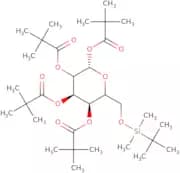


![(1S) -1- [(2S, 3S,4R) -N-Benzyl-4-hydroxymethyl-3- hydroxy- 1- azetidinyl] -1, 2- ethanediol](/_next/image/?url=https%3A%2Fstatic.cymitquimica.com%2Fproducts%2F3D%2Fthumb-webp%2FMB163383.webp&w=3840&q=75)
![[2R- (2a, 3a, 4b, 5b) ] -1-Benzyl- 3,4-O-isopropylidene-2-methyl- 3, 4, 5- piperidinetriol](/_next/image/?url=https%3A%2Fstatic.cymitquimica.com%2Fproducts%2F3D%2Fthumb-webp%2FMB163318.webp&w=3840&q=75)
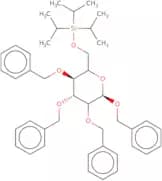
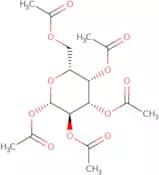
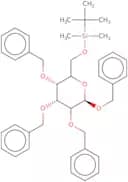
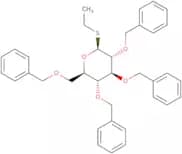

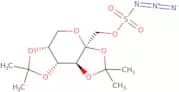




![(5S, 8S, 9R) -8- [(4R) - 2, 2- Dimethyl- 1, 3- dioxolan- 4- yl] - 9- hydroxy- 2, 2- dimethyl- 1, 3…](/_next/image/?url=https%3A%2Fstatic.cymitquimica.com%2Fproducts%2F3D%2Fthumb-webp%2FMD170671.webp&w=3840&q=75)


![Methyl 2, 3- anhydro- 4, 6- O- [(R) - benzylidene] -a- D- allopyranoside](/_next/image/?url=https%3A%2Fstatic.cymitquimica.com%2Fproducts%2F3D%2Fthumb-webp%2FMM163569.webp&w=3840&q=75)
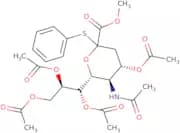
![(2S, 3S, 4R) -3- [[[(2S, 3S, 4R) - 3- Azido- 4- [[[(1, 1- dimethylethyl) dimethylsilyl] oxy] methy…](/_next/image/?url=https%3A%2Fstatic.cymitquimica.com%2Fproducts%2F3D%2Fthumb-webp%2FMA163462.webp&w=3840&q=75)


![(5R, 6R, 7S, 8R) -5, 6, 7, 8-Tetrahydro- 5- methyl- tetrazolo[1, 5- a] pyridine- 6, 7, 8- triol](/_next/image/?url=https%3A%2Fstatic.cymitquimica.com%2Fproducts%2F3D%2Fthumb-webp%2FMT163943.webp&w=3840&q=75)




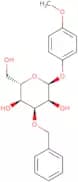
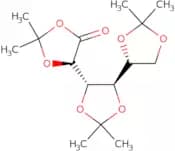

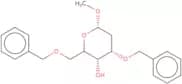
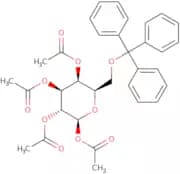

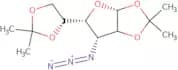
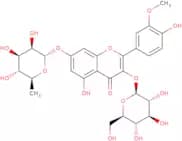


![(1R) -1- [(2S, 3R,4S) -4-(Acetylamino)methyl-3- hydroxy- 1- azetidinyl] -1, 2- ethanediol hydrochl…](/_next/image/?url=https%3A%2Fstatic.cymitquimica.com%2Fproducts%2F3D%2Fthumb-webp%2FMA163412.webp&w=3840&q=75)


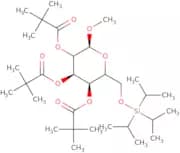
![1,2,3,4-Tetra-O-acetyl-D-[6-13C]glucuronide methyl ester](/_next/image/?url=https%3A%2Fstatic.cymitquimica.com%2Fproducts%2F3D%2Fthumb-webp%2FMT08063.webp&w=3840&q=75)

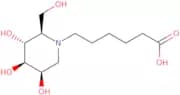
![(1S) -1- [(2S, 3R) - 3- Hydroxy- 1- ((4-methoxyphenyl)methyl) - 2- azetidinyl] -1, 2- ethanediol](/_next/image/?url=https%3A%2Fstatic.cymitquimica.com%2Fproducts%2F3D%2Fthumb-webp%2FMM163533.webp&w=3840&q=75)
![2, 4- Anhydro-3,5-O-[(R)-benzylidene]- 6- deoxy- L- mannonic acid benzamide](/_next/image/?url=https%3A%2Fstatic.cymitquimica.com%2Fproducts%2F3D%2Fthumb-webp%2FMA163989.webp&w=3840&q=75)

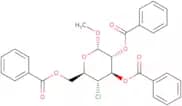
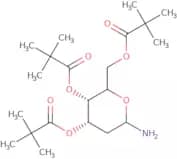
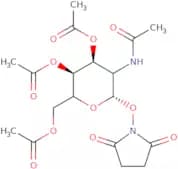
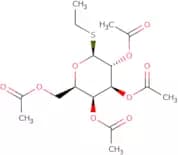

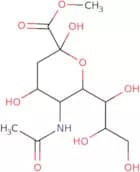
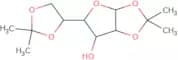
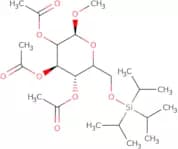
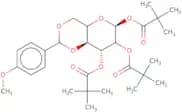
![N- [(3R, 4R, 5R) - 4- (Acetyloxy) - 5- [(acetyloxy) methyl] - 1- benzyl- 3- pyrrolidinyl] -acetami…](/_next/image/?url=https%3A%2Fstatic.cymitquimica.com%2Fproducts%2F3D%2Fthumb-webp%2FMA170395.webp&w=3840&q=75)
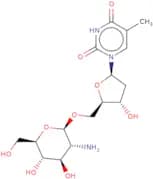
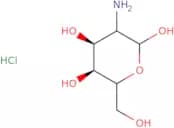

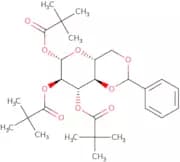
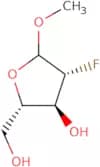
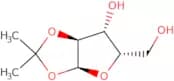
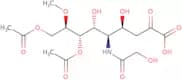
![(1S) -1- [(2R, 3S) -N-Benzyl-3-hydroxy- 1- azetidinyl] -1, 2- ethanediol](/_next/image/?url=https%3A%2Fstatic.cymitquimica.com%2Fproducts%2F3D%2Fthumb-webp%2FMB163377.webp&w=3840&q=75)
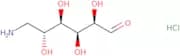
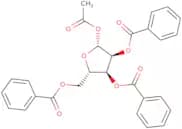

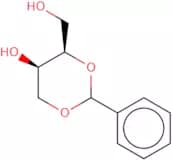
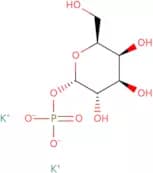
![(1R) -1- [(2S, 3R,4S) -4-(Acetylamino)methyl-3- hydroxy- 1- azetidinyl] -1, 2- ethanediol](/_next/image/?url=https%3A%2Fstatic.cymitquimica.com%2Fproducts%2F3D%2Fthumb-webp%2FMA163403.webp&w=3840&q=75)
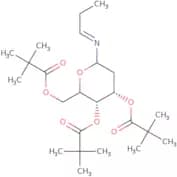
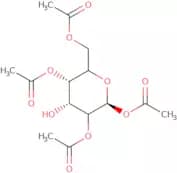
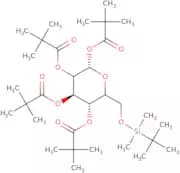


![(2S, 3S, 4R, 5R) - 3, 4-Dihydroxy- 2- methyl-1- oxa- 6, 9- diazaspiro[4.5] decane- 7, 10- dione](/_next/image/?url=https%3A%2Fstatic.cymitquimica.com%2Fproducts%2F3D%2Fthumb-webp%2FMD163949.webp&w=3840&q=75)