Monosaccharides
Subcategories of "Monosaccharides"
- Alloses(11 products)
- Arabinoses(21 products)
- Erythroses(11 products)
- Fructoses(9 products)
- Fucoses(36 products)
- Galactosamine(41 products)
- Galactose(261 products)
- Glucoses(365 products)
- Glucuronic Acids(52 products)
- Glyco-substrates for Enzyme(78 products)
- Guloses(6 products)
- Idoses(4 products)
- Inositols(15 products)
- Lyxoses(4 products)
- Mannoses(65 products)
- O-Glycans(48 products)
- Psicoses(3 products)
- Rhamnoses(10 products)
- Riboses(61 products)
- Sialic Acids(100 products)
- Sorboses(4 products)
- Sugars(173 products)
- Tagatoses(4 products)
- Taloses(8 products)
- Xyloses(20 products)
Found 6084 products of "Monosaccharides"
cis-Zeatin-9-glucoside
CAS:Cis-Zeatin-9-glucoside is a plant hormone known as a cytokinin, which is primarily synthesized in plants such as Zea mays (corn) and other monocots. Cytokinins play a critical role in regulating plant growth and development by promoting cell division, influencing nutrient allocation, and delaying leaf senescence. The mode of action of cis-Zeatin-9-glucoside involves its role as a signaling molecule that interacts with specific receptors in plant cells, thereby triggering a cascade of gene expression changes that modulate physiological processes.
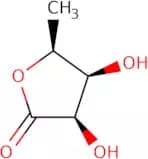
Formula:C16H23N5O6Purity:Min. 95%Color and Shape:PowderMolecular weight:381.38 g/mol5-Deoxy-L-lyxono-1,4-lactone
CAS:5-Deoxy-L-lyxono-1,4-lactone is a crystalline solid that belongs to the class of hydroxamic acids. This compound has been shown to react with hydroxylamine in an aldonic reaction and to inhibit the enzyme xanthin oxidase. The monoclinic crystal structure of 5-Deoxy-L-lyxono-1,4-lactone was determined by XRD analysis. This compound is synthesized from glyoxylate and malonitrile in an efficient manner. It also inhibits glucose oxidation and can be used as an additive for food products.
Formula:C5H8O4Purity:Min. 95%Molecular weight:132.12 g/molRef: 3D-MD09167
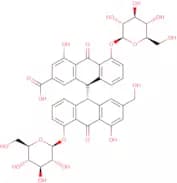
Discontinued productSennoside D
CAS:Sennoside D is a fatty acid that can be isolated from the sennosides found in the leaves of the plant Senna alata. It has been shown to have anti-tumor properties and may play a role in treating colon cancer, breast cancer, and skin cancer. Sennoside D has also been shown to be effective against autoimmune diseases such as arthritis, ulcerative colitis, and Crohn's disease. The low energy of this compound may be due to its formation rate. The hydroxide solution (NaOH) is used in the synthesis of this molecule because it binds with carbon dioxide molecules to form sodium bicarbonate and carbon dioxide gas which can then be captured by water. This process produces a high yield of sennoside D. In addition, the bound form of this molecule is soluble in organic solvents and insoluble in water, which makes it suitable for skin conditions as well as colon cancer treatments.
Purity:Min. 95%Color and Shape:SolidRef: 3D-MS74108
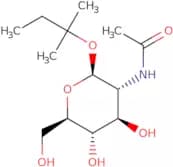
Discontinued producttert-Amyl 2-acetamido-2-deoxy-b-D-glucopyranoside
CAS:Tert-Amyl 2-acetamido-2-deoxy-b-D-glucopyranoside is a synthetic derivative of the natural sugar nucleotide, UDP-N-acetylgalactosamine. It is a precursor for the synthesis of glycosaminoglycans, which are important components of proteoglycans and glycosaminoglycan aggregates. Tert-Amyl 2-acetamido-2-deoxy-b-D-glucopyranoside has been modified by fluorination and methylation to provide increased stability and reactivity. This product is available in high purity with a CAS number of 262849-66-1.
Formula:C13H25NO6Purity:Min. 95%Molecular weight:291.34 g/molD-Xylonic acid lithium
CAS:D-Xylonic acid lithium salt is a redox potential regulator that belongs to the class of nucleotide phosphate. It has been shown to inhibit the transcriptional regulation of genes in Saccharomyces cerevisiae strain. D-Xylonic acid lithium salt inhibits the growth of bacteria by binding to a hydroxyl group on the surface of bacterial cells, which disrupts the cell membrane and causes cell death. This drug also has film-forming properties and can be used as a model system for studying glycolaldehyde, an intermediate in sugar metabolism.
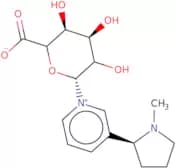
Formula:C5H10O6•LiPurity:Min. 95%Molecular weight:173.07 g/molNicotine-N-b-D-glucuronide hydrate
CAS:Nicotine-N-b-D-glucuronide hydrate is a metabolite of nicotine that is excreted in the urine as an organic anion. It has been shown to have anticancer activity against a variety of human cancer cell lines, including lung, stomach, colon, and prostate. Nicotine-N-b-D-glucuronide hydrate has also been shown to inhibit protein synthesis in vitro by interfering with the ability of cells to import amino acids such as tryptophan and phenylalanine. The same study also showed that this metabolite can cause symptoms similar to those caused by nicotine withdrawal.
Formula:C16H22N2O6·xH2OPurity:Min. 95%Molecular weight:338.36 g/molRef: 3D-MN09846
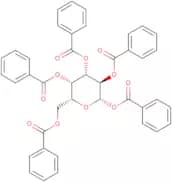
Discontinued product1,2,3,4,6-Penta-O-benzoyl-b-D-galactopyranose
CAS:Penta-O-benzoyl-b-D-galactopyranose is a pentasaccharide that has been shown to have an inhibitory effect on the growth of corynebacterium, which may be due to its ability to modulate fatty acid synthesis. Penta-O-benzoyl-b-D-galactopyranose is a disaccharide that is used as a diagnostic agent for corynebacteria. It is also used as a growth factor in the production of Corynebacterium glutamicum. The safety profile of this drug has not been evaluated in humans.Formula:C41H32O11Purity:Min. 95%Molecular weight:700.71 g/mol1,2,3,6-Tetra-O-benzoyl-5-thio-D-glucopyranose
1,2,3,6-Tetra-O-benzoyl-5-thio-D-glucopyranose is a monosaccharide that can be synthesized by the methylation of 1,2,3,6-tetra-O-(benzoyl) D-glucopyranose. The synthesis of this compound is accomplished by a click modification and the use of a fluoroquinolone to modify the sugar at C1. This compound has been shown to be an excellent substrate for polysaccharide and saccharide synthesis as well as fluorination. Purity levels are high with this product.
Purity:Min. 95%D-Ribopyranosyl thiosemicarbazide
CAS:D-Ribopyranosyl thiosemicarbazide is a glycosylation agent that can be used in the synthesis of complex carbohydrates. It also has the ability to modify sugar structures, such as methylation, click modification, and fluorination. This reagent can be used for the modification of saccharides, oligosaccharides, and monosaccharides. D-Ribopyranosyl thiosemicarbazide is synthesized from d-ribose and thiosemicarbazide. The CAS number for this product is 95352-77-5.
Formula:C6H13N3O4SPurity:Min. 95%Molecular weight:223.25 g/molGlcnacβ(1-3)GalNAc-α-Thr
CAS:Glcnacβ(1-3)GalNAc-α-Thr is a polysaccharide that is found in the human body, which is a complex carbohydrate. It is an oligosaccharide modification of galactose and alpha-threonine. Glcnacβ(1-3)GalNAc-α-Thr can be custom synthesized to order with high purity and monosaccharide content. This product is used for research purposes and has not been approved for therapeutic use. The CAS number for this compound is 286959-52-2.
Formula:C20H35N3O13Purity:Min. 95%Molecular weight:525.5 g/molRef: 3D-LLA95952
Discontinued productD-Lyxose-1-C-D
CAS:Please enquire for more information about D-Lyxose-1-C-D including the price, delivery time and more detailed product information at the technical inquiry form on this page
Formula:C5H10O5Purity:Min. 95%Molecular weight:151.14 g/molRef: 3D-NLA84688
Discontinued product4-Aminophenyl 2,3,4-tri-O-acetyl-b-D-glucuronide methyl ester
CAS:4-Aminophenyl 2,3,4-tri-O-acetyl-b-D-glucuronide methyl ester is an organic compound that belongs to the group of Modifications. It is a colorless solid with a melting point of about 200. °C. This product is used in the synthesis of oligosaccharides and carbohydrates. The molecular formula for 4-aminophenyl 2,3,4-tri-O-acetyl-b-D-glucuronide methyl ester is C8H14N2O5 and its molecular weight is 240.24 g/mol. The CAS Registry Number (RN) for this product is 25218-22-8 and its EINECS number is 249 3 578 - 7 .Formula:C19H23NO10Purity:Min. 95%Molecular weight:425.39 g/molMethyl a-D-altropyranoside
CAS:Methyl a-D-altropyranoside is an electrolyte solution that is used for the stabilization and selective separation of glycosides. It has been shown to be effective at diagnosing bacterial infections by selectively binding to glycosylated nucleotides. The methyl group on the molecule is necessary for this function, and therefore it cannot act as a glycosylated nucleotide in its own right. Methyl a-D-altropyranoside may be used to synthesize nucleotides with axial or equatorial configurations, which are not usually found in nature. The yields of these sequences can be increased using this compound.
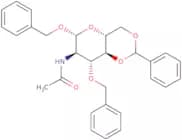
Formula:C7H14O6Purity:Min. 95%Molecular weight:194.18 g/mol2-Acetamido-1,3-di-O-benzyl-4,6-O-benzylidene-2-deoxy-b-D-glucopyranoside
CAS:2-Acetamido-1,3-di-O-benzyl-4,6-O-benzylidene-2-deoxy-b-D-glucopyranoside is a modification of a carbohydrate. It is a complex carbohydrate that has been synthesized by custom synthesis. It is an oligosaccharide with high purity and monosaccharides methylated at the hydroxyl group. The glycosylation and polysaccharide have been synthesized with fluorination and saccharides.Formula:C29H31NO6Purity:Min. 95%Molecular weight:489.56 g/molRef: 3D-MA06754
Discontinued productMirabegron N-glucuronide
CAS:Mirabegron is a drug that is used to treat overactive bladder. Mirabegron N-glucuronide is the major metabolite of mirabegron, which has been shown to be excreted in urine. This metabolite can be detected using a validated assay and can be measured using a mass spectrometer. The concentration of mirabegron N-glucuronide in the blood sample was measured at various timepoints after administration of mirabegron. Pharmacokinetic studies were performed in humans and human liver tissue, giving information on how long it takes for the drug to reach its maximum concentration in the body and how long it stays there before being eliminated.
Purity:Min. 95%Ref: 3D-MM59497
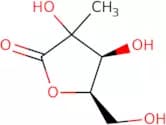
Discontinued product2-C-Methyl-D-arabono-1,4-lactone
CAS:2-C-Methyl-D-arabono-1,4-lactone is a synthetic sugar that can be custom synthesized to order. This product is fluorinated and methylated, which allows for the modification of any desired position. The product is also an oligosaccharide with a high purity and can be modified using click chemistry. 2-C-Methyl-D-arabono-1,4-lactone can be used as a sugar in glycosylation reactions or as a polysaccharide in complex carbohydrate synthesis.
Formula:C6H10O5Purity:Min. 95%Molecular weight:162.14 g/molRef: 3D-MM10516
Discontinued productL-Daunosamine-b-methylglycoside hydrochloride
L-Daunosamine-b-methylglycoside hydrochloride is a high purity, custom synthesis of an oligosaccharide. This product is synthesized from D-mannose and L-daunosamine. The synthetic process begins with the click modification of the carbohydrate to introduce a methyl group onto the sugar. The resulting product is then glycosylated, fluorinated, and methylated to create the final product. L-Daunosamine-b-methylglycoside hydrochloride has been shown to act as a competitive inhibitor of bacterial dna gyrase, which helps maintain the integrity of bacterial DNA by preventing supercoiling. L-Daunosamine-b-methylglycoside hydrochloride has also been shown to inhibit protein synthesis in bacteria by binding to ribosomes, which are responsible for translating mRNA into proteins.
Formula:C7H15NO3·HClPurity:Min. 95%Molecular weight:197.66 g/molRef: 3D-MD44774
Discontinued product1,2-o-Isopropylidene-β-L-idofuranuronic acid 5-o-pivaloate 6,3-lactone
CAS:Please enquire for more information about 1,2-o-Isopropylidene-β-L-idofuranuronic acid 5-o-pivaloate 6,3-lactone including the price, delivery time and more detailed product information at the technical inquiry form on this page
Formula:C14H20O7Purity:Min. 95%Molecular weight:300.3 g/molRef: 3D-TJA98276
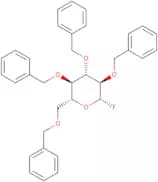
Discontinued product2,3,4,6-Tetra-O-benzyl-D-glucopyranosyl fluoride
CAS:2,3,4,6-Tetra-O-benzyl-D-glucopyranosyl fluoride is a postulated molecule that has been observed in the gas phase. The molecule is a fluorinated analog of 2,3,4,6-tetra-O-acetyl-D-glucopyranosyl fluoride and was detected by its characteristic nuclear magnetic resonance (NMR) data. It was found to be more nucleophilic than 2,3,4,6-tetra-O-acetyl-D glycosyl fluoride. As with the latter molecule 2,3,4,6-tetra -O benzyl glucopyranosyl fluoride can form adducts with hydrogen fluoride or oxocarbenium ions. 2,3,4,6 tetra -o benzyl glucopyranosyl fluoride has not been prepared and characterized experimentally yet.Formula:C34H35FO5Purity:Min. 95%Molecular weight:542.64 g/molRef: 3D-MT05020
Discontinued product(2R,3R,4S,5R,6S)-3,4,5-Trihydroxy-2-hydroxymethyl-7,9-diaza-1-oxa-spiro[4,5]decane-10-one-8-thione
CAS:(2R,3R,4S,5R,6S)-3,4,5-Trihydroxy-2-hydroxymethyl-7,9-diaza-1-oxa-spiro[4,5]decane-10-one-8-thione is a custom synthesis of a polysaccharide. It has been modified to include fluorination and methylation. The monosaccharides present are glucose and galactose. This polysaccharide also has a saccharide linkage to an oligosaccharide that contains glycosylation sites for sugar groups.
Formula:C8H12N2O6SPurity:Min. 95%Molecular weight:264.26 g/mol1,2,3,5-Tetra-O-acetyl-D-ribofuranose
CAS:1,2,3,5-Tetra-O-acetyl-D-ribofuranose is a dietary supplement that can be found in the form of palladium complexes. This compound has been shown to have anti-inflammatory properties and may be effective against cancer cells. 1,2,3,5-Tetra-O-acetyl-D-ribofuranose is an acetylated pyridazine derivative with antimicrobial and antibacterial effects. It has also been shown to inhibit the synthesis of purines and pyrimidines by cleaving the 6th carbon from ribose. 1,2,3,5-Tetra-O-acetyl-D-ribofuranose is synthesized by chlorination of 2,6-, 3-, 5-, or 7-(chloropurinomethyl)pyridine with mercuric chloride or nitrosyl chloride. The cleavage products are hydroxyl group
Purity:Min. 95%1,4:3,6-Dianhydro-5-nitro-D-glucitol
CAS:Isosorbide is a naturally occurring sugar alcohol (polyol) that is found in small quantities in many plants and fruits. It is used as a pharmaceutical drug to treat angina pectoris, congestive heart failure, and high blood pressure. Isosorbide has been shown to inhibit the activity of matrix metalloproteinases (MMPs), which are enzymes that degrade extracellular matrix proteins. This effect may be beneficial for patients with disorders such as arthritis. Isosorbide also increases nitric oxide production, leading to vasodilation and improved blood flow. The therapeutic effect of isosorbide has been demonstrated in experimental models using mice with congestive heart failure due to myocardial infarction or chronic heart disease. Pharmacological treatment of these animals with isosorbide resulted in an improvement of left ventricular function, reduction of myocardial fibrosis, and reduced levels of cardiac markers.
Formula:C6H9NO6Purity:Min. 95%Molecular weight:191.14 g/molRef: 3D-MD09906
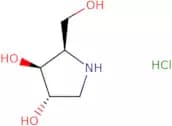
Discontinued product1,4-Dideoxy-1,4-imino-D-xylitol HCl
CAS:1,4-Dideoxy-1,4-imino-D-xylitol HCl (DDX) is a potent inhibitor of the enzyme carboxypeptidase A2. DDX has been shown to inhibit the growth of HIV in vitro and in vivo. DDX also inhibits the production of proinflammatory cytokines and neurotrophic factors from HL60 cells. It has been shown to be a potential drug target for the treatment of infectious diseases such as alphaviruses, which produce a severe neuroinvasive disease in humans. DDX binds to dna with high affinity and specificity, but does not bind to RNA or proteins. DDX inhibits mitochondrial membrane potential by binding to ATP synthase and blocking the synthesis of ATP. DDX has also been shown to have an anti-oxidative injury effect on mitochondria, which may contribute to its inhibition of viral replication.
Formula:C5H11NO3·HClPurity:Min. 95%Molecular weight:169.61 g/molRef: 3D-MD10116
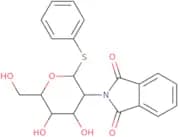
Discontinued productPhenyl 2-deoxy-2-phthalimido-b-D-thioglucopyranoside
CAS:Phenyl 2-deoxy-2-phthalimido-b-D-thioglucopyranoside is a glycosylation agent that has a glycone with a pyranoside at the 3′ position and an amide bond at the 2′ position. It is used in the synthesis of oligosaccharides and polysaccharides, as well as for Click modification. The compound is also used to modify proteins and saccharides. Phenyl 2-deoxy-2-phthalimido-b-D-thioglucopyranoside has been shown to be stable when heated, making it useful for complex carbohydrate synthesis.Formula:C20H19NO6SPurity:Min. 98 Area-%Color and Shape:PowderMolecular weight:401.43 g/molo-(A-D-Galactopyranosyl)-D-galactose
CAS:O-(A-D-Galactopyranosyl)-D-galactose is a sugar that is used in the synthesis of complex carbohydrates. O-(A-D-Galactopyranosyl)-D-galactose can be fluorinated and methylated to produce o-(A-D-Galactopyranosyl)-2,6-dideoxy--glucose. This sugar has been shown to inhibit the growth of bacteria such as Mycobacterium tuberculosis and Mycobacterium avium complex. Synthesis of this sugar is done through a custom synthesis process with high purity and quality.
Formula:C12H22O11Purity:Min. 95%Molecular weight:342.3 g/molRef: 3D-NAA11726
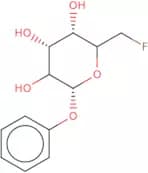
Discontinued productPhenyl 6-deoxy-6-fluoro-a-D-glucopyranoside
Phenyl 6-deoxy-6-fluoro-a-D-glucopyranoside is a modification of the natural sugar, deoxyglucose. It is an oligosaccharide with a complex carbohydrate structure that has been modified by methylation and glycosylation. This product is synthesized from monosaccharides, and it can be fluorinated or saccharided. Phenyl 6-deoxy-6-fluoro-a-D-glucopyranoside is used in the synthesis of polysaccharides.
Formula:C12H15FO5Purity:Min. 95%Molecular weight:258.24 g/molNefopam glucuronide
Nefopam is a compound that has been used as an analgesic and antipyretic. It is structurally related to the benzodiazepine class of drugs, but is not chemically equivalent to any other known drug. Nefopam has a low therapeutic index and can cause severe toxic effects in overdose. The most common adverse effects of nefopam are dizziness, drowsiness, headache, nausea and vomiting. An overdose can lead to death by respiratory paralysis or cardiac arrest.
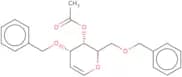
Formula:C23H27NO7Purity:Min. 95%Molecular weight:429.46 g/mol4-O-Acetyl-3,6-di-O-benzyl-D-glucal
CAS:4-O-Acetyl-3,6-di-O-benzyl-D-glucal is a custom synthesized compound with high purity. This product is a complex carbohydrate that can be used as a monosaccharide or sugar. It has been modified with fluorination and methylation to produce a compound that is resistant to degradation by enzymes and oxidation. The CAS number for this product is 165524-87-8.
Formula:C22H24O5Purity:Min. 95%Molecular weight:368.43 g/mol5,7-Bis-(benzyloxy)-a-(4-(benzyloxy)phenyl)-3-[3,4-di-O-acetyl-a-O-acetyl-a-L-rhamnopyranosyloxyl]-4H-chromen-4-one
CAS:This product is a custom synthesis. This product is a methylation, click modification, and oligosaccharide. This product is a polysaccharide and saccharide. This product is fluorinated and complex carbohydrate. This product is high purity with modification. This product has monosaccharides and sugar. This product is synthetic and CAS No. 849938-27-8.
Formula:C53H48O12Purity:Min. 95%Molecular weight:876.94 g/molRef: 3D-MB16635
Discontinued productα,β-D-Glucose pentaacetate
CAS:Glucose pentaacetate is a form of glucose that reacts with boron trifluoride etherate to produce anomers. This process can be used to synthesize the anomeric form of glucose, which is important for the biosynthesis of glycosides. Glucose pentaacetate has been shown to react with nitrate and trifluoride, forming conjugates with aluminum and chloride. The catalytic stereocontrol of this reaction allows for the production of disaccharides without hydrogen chloride or formylation.
Formula:C16H22O11Molecular weight:390.35 g/molRef: 3D-G-2990
Discontinued product3,4,6-Tri-O-acetyl-2-deoxy-2-phthalimido-b-D-glucopyranosyl chloride
CAS:3,4,6-tri-O-acetyl-2-deoxy-2-phthalimido-b-D-glucopyranosyl chloride is a modification of the carbohydrate. It is a complex carbohydrate that has been custom synthesized for research purposes. It can be used as a monosaccharide or polysaccharide in glycosylation reactions. This compound has not been fluorinated and the CAS number is 7772-87-4.
Formula:C20H20ClNO9Purity:Min. 95%Molecular weight:453.83 g/molRef: 3D-MT05342
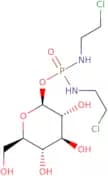
Discontinued productGlufosfamide
CAS:Glufosfamide is a cytotoxic drug that is used in the treatment of some types of cancer. It is a prodrug that requires conversion to its active form, glufosfamid, by esterase enzymes before it can exert its genotoxic effects. Glufosfamide has shown to be active against platinum-resistant ovarian cancer and solid tumours. This drug also has been shown to inhibit the growth of prostate cancer cells and miapaca-2 cells, which are derived from pancreatic cancer. Glufosfamide has been found to have low toxicity in mice, but there may be adverse reactions when combined with other drugs such as erythromycin or ketoconazole.
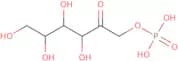
Formula:C10H21Cl2N2O7PPurity:Min. 95%Molecular weight:383.16 g/molD-Tagatose 1-phosphate
CAS:D-tagatose 1-phosphate is a cytosolic intermediate of tagatose, which is found in many dietary sources. It has been shown to have regulatory effects on mitochondrial membrane potential and peroxisome proliferation in human cells. D-tagatose 1-phosphate also has been shown to have clinical relevance for humans with liver disease, as it enhances aerobic glycolysis and increases adenine nucleotide levels.
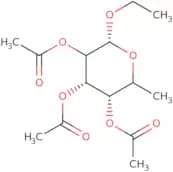
Formula:C6H13O9PPurity:Min. 95%Molecular weight:260.14 g/molEthyl 2,3,4-tri-O-acetyl-a-L-rhamnopyranoside
Ethyl 2,3,4-tri-O-acetyl-a-L-rhamnopyranoside is a custom synthesis of methylated oligosaccharides. It is an acetylated form of L-rhamnopyranoside that is obtained by the reaction of dl-glyceraldehyde with acetone and acetic acid. The product has been fluorinated to give a complex carbohydrate with high purity.
Formula:C14H22O8Purity:Min. 95%Molecular weight:318.32 g/molRef: 3D-ME08392
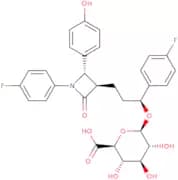
Discontinued productEzetimibe hydroxy-b-D-glucuronide
CAS:Ezetimibe hydroxy-b-D-glucuronide is an oligosaccharide that can be synthesized from the modified sugar, L-glucuronic acid. It has a molecular weight of 536 and is soluble in water and methanol. This compound has been used in the synthesis of glycosides, saccharides, and polysaccharides. The chemical name for this compound is 1-(2-hydroxyethyl)-3-(((4'-carboxybenzyl)oxy)carbonyl)-2,6-diazaoctane glucuronide. Ezetimibe hydroxy-b-D-glucuronide has been shown to increase the absorption of cholesterol and decrease low density lipoprotein (LDL) levels in the blood by inhibiting intestinal cholesterol absorption.
Formula:C30H29F2NO9Purity:Min. 95%Molecular weight:585.55 g/molRef: 3D-ME09937
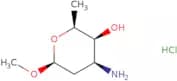
Discontinued productMethyl b-L-daunosaminide HCl
CAS:Methyl b-L-daunosaminide HCl is a glycoconjugate that has been custom synthesized by our team. It is a complex carbohydrate that has been modified with glycosylation and methylation groups. Methyl b-L-daunosaminide HCl is an oligosaccharide that contains multiple saccharides linked together in a specific order. It is also fluorinated at the C4 position, which makes it more stable in water. Methyl b-L-daunosaminide HCl has high purity, making it suitable for use in the modification of other compounds or as a research tool for studying glycosylations.
Formula:C7H15NO3·HClPurity:Min. 95%Molecular weight:197.66 g/molRef: 3D-MM04967
Discontinued product3-O-Methyl-D-mannopyranose
CAS:3-O-Methyl-D-mannopyranose is a glycosidic compound with immunostimulating properties. It is an intermediate in the synthesis of 3,6-anhydro-N-acetylneuraminic acid and other related carbohydrates. The hydrolysis of this molecule yields silver trifluoromethanesulfonate, chloride, and low molecular weight material. 3-O-Methyl-D-mannopyranose can be used as a reagent for the preparation of high molecular weight material by ion exchange chromatography or by dehydrative coupling.
Formula:C7H14O6Purity:Min. 95%Molecular weight:194.18 g/molRef: 3D-MM159159
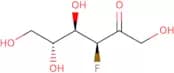
Discontinued product3-Deoxy-3-fluoro-D-fructose
CAS:3-Deoxy-3-fluoro-D-fructose is a monosaccharide that has been used as an inhibitor of glucose uptake and metabolism in the lymphocytic leukemia cell line. This compound has been shown to inhibit the glucose transporter GLUT1, which is responsible for the transport of glucose across the plasma membrane. 3-Deoxy-3-fluoro-D-fructose inhibits cancer cells by inhibiting galactitol production through inhibition of gluconeogenesis. It also inhibits oxidative phosphorylation in lymphocytic leukemia cells, leading to apoptosis. 3-Deoxy-3-fluoro-D-fructose has been shown to inhibit cancer growth by blocking glucose uptake in xenopus oocytes.
Purity:Min. 95%2-Acetonyl-1,3,4,6-tetra-O-acetyl-2-deoxy-b-D-galactopyranoside
2-Acetonyl-1,3,4,6-tetra-O-acetyl-2-deoxy-b-D-galactopyranoside is a synthetic sugar that has been modified to contain an acetyl group at the C2 position. The synthesis of this compound is based on the modification of galactose with acetic anhydride. This product has been shown to be resistant to hydrolysis by esterases or glucuronidases and can also inhibit bacterial growth in culture. It is a monosaccharide with a CAS number of 85583-40-7. It is also used as a precursor for the synthesis of complex carbohydrates.
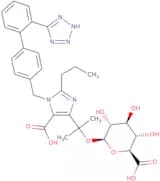
Purity:Min. 95%Olmesartan acid O-b-D-glucuronide
CAS:Olmesartan acid O-b-D-glucuronide is a synthetic, high purity, and custom synthesis oligosaccharide. It can be fluorinated in the presence of a base to give a fluorinated compound with the following CAS number: 369395-57-3. Olmesartan acid O-b-D-glucuronide is an oligosaccharide that has been modified by click chemistry. This modification results in a polysaccharide that contains saccharides connected through ether linkages. The saccharides are made up of monosaccharides and disaccharides, which are all sugars.
Formula:C30H34N6O9Purity:Min. 95%Molecular weight:622.63 g/molTrimethylsilyl-2,3,4,6-tetra-O-benzyl-b-D-glucopyranoside
CAS:Trimethylsilyl-2,3,4,6-tetra-O-benzyl-b-D-glucopyranoside is a modified carbohydrate that has been fluorinated and silylated. It is used as an intermediate in the synthesis of glycosylated compounds. Trimethylsilyl-2,3,4,6-tetra-O-benzyl-b-D-glucopyranoside can be custom synthesized to meet your needs. It is a white powder that is soluble in water and alcohols. The CAS number for this compound is 89825-08-1.
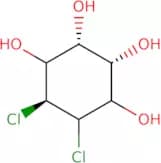
Formula:C37H42O8Purity:Min. 95%Molecular weight:614.72 g/mol1,2-Dichloro-1,2-dideoxy-myo-inositol
1,2-Dichloro-1,2-dideoxy-myo-inositol is a methylated saccharide. It is used in the synthesis of complex carbohydrates and can be modified to include fluorine atoms. 1,2-Dichloro-1,2-dideoxy-myo-inositol has been shown to inhibit the growth of Staphylococcus aureus and Clostridium perfringens.
Purity:Min. 95%Ref: 3D-MD08932
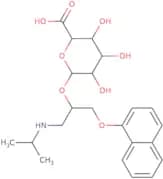
Discontinued product(S)-Propranolol glucuronide
CAS:(S)-Propranolol glucuronide is a custom-synthesized sugar that has been modified with fluorination and methylation. It is also a polysaccharide that has been glycosylated and carbamoylated. This compound is a white crystalline solid that can be used as an intermediate in the synthesis of saccharides, oligosaccharides, and polysaccharides.
Formula:C22H29NO8Purity:Min. 95%Molecular weight:435.47 g/molRef: 3D-MP35495
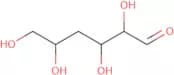
Discontinued productD-[1-13C]Xylose
CAS:D-[1-13C]Xylose is a carbon source that is used to study the metabolism of glycolytic carbon in cells. It has been labeled with 13C and can be used as a tracer for the study of the distribution of metabolites, including glucuronic acid, mannose, and xylose. This can be done by nuclear magnetic resonance (NMR) spectroscopy or by using a magnetic resonance spectroscopy technique. The use of D-[1-13C]xylose has been shown to be an effective way to label cryptococcus neoformans cells in order to understand their metabolism.
Formula:C5H10O5Purity:Min. 95%Molecular weight:151.12 g/molRef: 3D-VCA84921
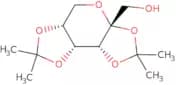
Discontinued productPsicose diacetonide
CAS:Psicose diacetonide is a synthetic, custom-synthesized carbohydrate. It is a complex carbohydrate that is made of saccharides and has been modified to have a fluorinated monosaccharide. Psicose diacetonide is an oligosaccharide with a high purity and has been methylated and glycosylated.
Purity:Min. 95%4-Deoxy-D-glucose
CAS:4-Deoxy-D-glucose is a sugar that is synthesized by the condensation of two molecules of erythrose. It has been shown to be an efficient donor substrate for nucleophilic attack, which can lead to the synthesis of glycosides and other natural products. 4-Deoxy-D-glucose is also a competitive inhibitor of uridine diphosphate (UDP) glucose, which is an enzyme involved in the biosynthesis of UDP sugars and glycoproteins. The concentration of 4-deoxy-D-glucose affects its catalytic mechanism, as it acts as a competitive inhibitor at high concentrations. Molecular modeling has revealed that this molecule adopts a chair conformation with significant solvent exposure.
Formula:C6H12O5Purity:Min. 98 Area-%Color and Shape:PowderMolecular weight:164.16 g/molRef: 3D-MD180432
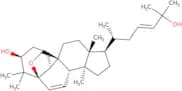
Discontinued productMomordicoside I aglycone
CAS:Momordicoside I aglycone is a compound that has been extracted from the roots of Momordica grosvenori. It is a potent inhibitor of the enzyme cyclooxygenase and has been shown to have analgesic, anti-inflammatory, and antipyretic activities in mice.
Purity:Min. 95%UDP-2-ketopropyl-a-D-galactose
UDP-2-ketopropyl-a-D-galactose is a synthetic compound that belongs to the group of oligosaccharides. It is an excellent candidate for glycosylation, methylation, and click modification. The product has a CAS number, which provides high purity and custom synthesis. The product is also a complex carbohydrate with a variety of modifications.
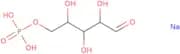
Purity:Min. 95%D-Ribulose-5-phosphate sodium
CAS:D-ribulose-5-phosphate sodium is a nucleotide sugar that is one of the ribonucleotides, which are fundamental components of RNA. D-ribulose 5-phosphate sodium has been shown to be an intermediate in the metabolism of ribulose and catalyzes the oxidation of d-arabinose. This enzyme also catalyses the synthesis of fatty acids and participates in reactions involving glycerolipids and phospholipids. The reaction mechanism involves a double displacement with simultaneous attack by a water molecule on C2' and C3'. When deuterium is present, it affects the rate of these reactions in a way that depends on the orientation of the substrate to the enzyme.
Formula:C5H11NaO8PPurity:Min. 95%Molecular weight:253.1 g/molRef: 3D-BDA05475
Discontinued product2-Acetamido-1,3,4,6-tetra-O-acetyl-2-deoxy-a-D-galactopyranose
CAS:2-Acetamido-1,3,4,6-tetra-O-acetyl-2-deoxy-a-D-galactopyranose is a fluorinated complex carbohydrate that has been modified by methylation and acetylation. This product is a custom synthesis that has not been previously described in the scientific literature. It is synthesized from 2, 3, 4, 6 tetraacetyl alpha D galactopyranoside and 2 deoxy alpha D galactopyranose. The chemical properties of this compound are similar to those of other complex carbohydrates such as glycogen and heparin.
Formula:C16H23NO10Purity:Min. 90.0 Area-%Molecular weight:389.35 g/mol






![(2R,3R,4S,5R,6S)-3,4,5-Trihydroxy-2-hydroxymethyl-7,9-diaza-1-oxa-spiro[4,5]decane-10-one-8-thione](/_next/image/?url=https%3A%2Fstatic.cymitquimica.com%2Fproducts%2F3D%2Fthumb-webp%2FMT01909.webp&w=3840&q=75)



![5,7-Bis-(benzyloxy)-a-(4-(benzyloxy)phenyl)-3-[3,4-di-O-acetyl-a-O-acetyl-a-L-rhamnopyranosyloxyl]…](/_next/image/?url=https%3A%2Fstatic.cymitquimica.com%2Fproducts%2F3D%2Fthumb-webp%2FMB16635.webp&w=3840&q=75)



![D-[1-13C]Xylose](/_next/image/?url=https%3A%2Fstatic.cymitquimica.com%2Fproducts%2F3D%2Fthumb-webp%2FVCA84921.webp&w=3840&q=75)