Monosaccharides
Subcategories of "Monosaccharides"
- Alloses(11 products)
- Arabinoses(21 products)
- Erythroses(11 products)
- Fructoses(9 products)
- Fucoses(36 products)
- Galactosamine(41 products)
- Galactose(262 products)
- Glucoses(365 products)
- Glucuronic Acids(52 products)
- Glyco-substrates for Enzyme(78 products)
- Guloses(6 products)
- Idoses(4 products)
- Inositols(15 products)
- Lyxoses(4 products)
- Mannoses(65 products)
- O-Glycans(48 products)
- Psicoses(3 products)
- Rhamnoses(10 products)
- Riboses(61 products)
- Sialic Acids(100 products)
- Sorboses(4 products)
- Sugars(174 products)
- Tagatoses(4 products)
- Taloses(8 products)
- Xyloses(20 products)
Found 6138 products of "Monosaccharides"
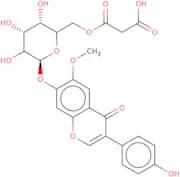
6-O-Malonylglycitin
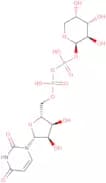
CAS:6-O-Malonylglycitin is a glycosylated flavonoid that belongs to the group of isoflavones. It is found in a variety of plants, including soybeans and fava beans. 6-O-Malonylglycitin has been shown to be an effective inhibitor of β-glucosidase activity at temperatures below 37°C, which overlaps with the range of temperatures where it inhibits glycitein production. This inhibition may be due to its pleiotropic effects on various treatments, such as its ability to inhibit cancer cell growth by inhibiting protein synthesis and inducing apoptosis. 6-O-Malonylglycitin also has synergistic effects when used concomitantly with chromatographic markers, such as high performance liquid chromatography (HPLC), which can be used to analyze the levels of endogenous compounds in human blood samples.Formula:C25H24O13Purity:Min. 95%Color and Shape:PowderMolecular weight:532.45 g/molUDP-b-L-arabinopyranose
CAS:UDP-b-L-arabinopyranose is a nucleotide sugar that is used in the synthesis of proteins and other macromolecules. It is synthesized from uridine and d-ribulose 5-phosphate by the enzyme ribulokinase. The reaction between UDP, b-L-arabinofuranose, and ATP, catalyzed by arabinofuranosyl transferase, produces UDP-b-L-arabinopyranose. This nucleotide sugar can be converted to UDP-b-(1→4)-glucuronate by the enzyme glucuronosyltransferase. This process plays an important role in plant physiology as well as in cell wall biosynthesis. The optimal pH for this conversion is 7.5 to 8.2.
Formula:C14H22N2O16P2Purity:Min. 95%Color and Shape:PowderMolecular weight:536.28 g/molMethyl β-D-maltopyranoside
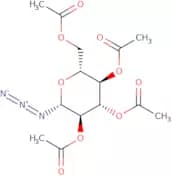
CAS:Methyl β-D-maltopyranoside is a disaccharide that is an aglycon of maltosides. It has been shown to bind to the active site of alpha-d-glucopyranosidases, which are enzymes that hydrolyze alpha-d-glucopyranosides. Methyl β-D-maltopyranoside has also been shown to interact with dihedral angles and hydroxyl groups in the enzyme binding region, which may be due to conformational changes in the enzyme's active site. The kinetic constants for methyl β-D-maltopyranoside have been calculated by using an algorithm.Formula:C13H24O11Purity:(%) Min. 98%Color and Shape:PowderMolecular weight:356.32 g/mol2,3,4,6-Tetra-O-acetyl-β-D-glucopyranosyl azide
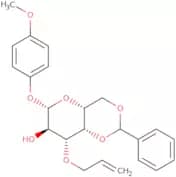
CAS:2,3,4,6-Tetra-O-acetyl-β-D-glucopyranosyl azide is a chemical compound that has been synthesized and studied by X-ray crystallography. It is an azide derivative of β-D-glucopyranosyl acetate. The structure of this compound was solved using x-ray crystallographic techniques.Formula:C14H19N3O9Purity:Min. 95%Color and Shape:White PowderMolecular weight:373.32 g/mol4-Methoxyphenyl 3-O-allyl-4,6-O-benzylidene-β-D-galactopyranoside
CAS:4-Methoxyphenyl 3-O-allyl-4,6-O-benzylidene-b-D-galactopyranoside is a galactoside that is commonly found in plants. The biosynthesis of this molecule has been studied in the bacteria N. meningitidis and it has been shown that it can be synthesized from fatty acids. 4-Methoxyphenyl 3-O-allyl-4,6-O-benzylidene b -D -galactopyranoside can be used as a HIV drug, as it inhibits the growth of HIV cells by inhibiting protein synthesis and RNA transcription. This molecule is also able to inhibit cancer cell proliferation in vitro.Formula:C23H26O7Purity:Min. 95%Color and Shape:White Off-White PowderMolecular weight:414.45 g/mol3,4,6-Tri-O-acetyl-L-glucal
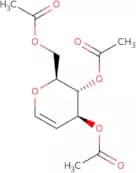
CAS:Resource for the synthesis of 2-azido- and 2-deoxy-L-glucoses and 1,2-epoxidesFormula:C12H16O7Purity:Min. 95%Color and Shape:White PowderMolecular weight:272.25 g/mol2,3,5-Tri-O-acetyl-L-arabinofuranosyl fluoride
2,3,5-Tri-O-acetyl-L-arabinofuranosyl fluoride is a monosaccharide sugar that has been fluorinated. It is a custom synthesis of methylation and click modification. The CAS number for this product is 565-64-8. This product has been modified to make it more resistant to degradation by enzymes such as alpha amylase and beta amylase. It is also used for polysaccharide synthesis and saccharides with higher purity than other products on the market. This product is synthesized from natural sources, making it high in purity and suitable for use in food production.END>Formula:C11H15FO7Purity:Min. 95%Color and Shape:Colourless To Yellow LiquidMolecular weight:278.23 g/mol1-O-Galloyl-b-D-glucose
CAS:1-O-Galloyl-b-D-glucose is a molecule that is found in plants and has been used as an inhibitor of p-hydroxybenzoic acid (PHBA) enzyme activities. 1OGG inhibits the growth of viruses by inhibiting the enzymatic activity of their RNA polymerases. It also inhibits mitochondrial membrane potential, which is vital for cellular respiration. 1OGG has shown to be active against urinary infections and opportunistic fungal infections such as Candida glabrata. In vitro assays have shown that it may have anti-inflammatory properties.Formula:C13H16O10Purity:Min. 98 Area-%Color and Shape:White PowderMolecular weight:332.26 g/molKifunensine
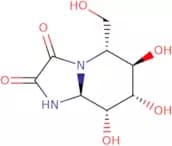
CAS:Kifunensine is a potent and specific inhibitor of plant and animal α-mannosidase I with IC50 in nanomolar range. It inhibits the enzyme isoforms in Golgi apparatus (GMI) and endoplasmatic reticulum (ERMI). The compound prevents mannose trimming on glycoproteins and shifts the glycoform content from complex to oligomannose type. It's used for the production of recombinant therapeutic glycoproteins with mannose rich N-linked glycans.Formula:C8H12N2O6Purity:Min. 99 Area-%Color and Shape:PowderMolecular weight:232.19 g/mol4,6-O-Benzylidene-D-glucal
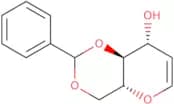
CAS:Glucal is a carbohydrate that is used as a synthon in organic synthesis. It has been shown to be anomeric and can be synthesized by acetylation of the corresponding aldose, or by the glycosidic bond reaction with borohydride reduction. Glucal is not stable at high pH and can undergo ring-opening reactions with nucleophiles such as sodium borohydride. Glucal also reacts with glycoconjugates to form new molecules, which are called glycosidic products.
Formula:C13H14O4Purity:Min. 95%Color and Shape:White PowderMolecular weight:234.25 g/mol1,4-Anhydro-D-glucitol
CAS:Intermediate in the synthesis of prostaglandins
Formula:C6H12O5Purity:Min. 97 Area-%Color and Shape:White Off-White PowderMolecular weight:164.16 g/molMethyl 3-O-benzyl-D-glucopyranoside
CAS:Methyl 3-O-benzyl-D-glucopyranoside is a custom synthesis. It is a complex carbohydrate that is an oligosaccharide, polysaccharide, and modified saccharide. Methyl 3-O-benzyl-D-glucopyranoside can be synthesized from glucose with the use of methylation, glycosylation, or carbonylation reactions. The product has been fluorinated to yield a high purity product. This product can be used for click modifications or sugar chemistry experiments.Purity:Min. 95%N-Acetyl-D-glucosamine
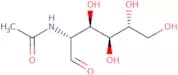
CAS:N-acetyl D-glucosamine (GlcNAc) is an aldohexose (2-acetamido-2-deoxyglucose) in which the hydroxyl group at position 2 is replaced by NHAc (Collins, 2006). N-acetyl D-glucosamine forms the exoskeletons of molluscs and insects as the building block of the polysaccharide chitin (Rudrapatnam, 2003). N-acetyl D-glucosamine is a key component of N- and O-linked glycans, present in glycolipids and the glycosaminoglycan hyaluronic acid (Fallacara, 2018). A recent study has suggested that N-acetyl D-glucosamine may have therapeutic potential for COVID-19 as it affects the spike protein-ACE2 receptor interaction during the infection with SARS-CoV-2 virus (Baysal, 2021).Formula:C8H15NO6Purity:Min. 98 Area-%Color and Shape:PowderMolecular weight:221.21 g/molL-Mannonic acid-1,4-lactone
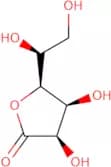
CAS:L-Mannonic acid-1,4-lactone is an acidic compound that has kinetic properties. It is used in the assays of chloride ions and neutral pH. L-Mannonic acid-1,4-lactone also has conjugates with hydrolytic activity and can be used as a synthetic intermediate for other organic compounds. L-Mannonic acid-1,4-lactone can be found in group P2 of the periodic table because it contains a hydroxyl group and an organic group with a methyl ethyl side chain. L-Mannonic acid-1,4-lactone hydrolyzes at high temperatures and may exhibit synergistic effects when combined with other agents. This product is also used to incubate cells such as k562 cells.
Formula:C6H10O6Purity:Min. 95%Color and Shape:PowderMolecular weight:178.14 g/molRaspberry ketone glucoside
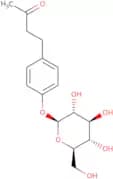
CAS:Raspberry ketone glucoside is a hydrogenated, isopropyl palmitate fatty acid. It is a dietary supplement that has been shown to inhibit the activity of matrix metalloproteinases, which are enzymes that break down collagen in the skin and lead to wrinkles. Raspberry ketone glucoside also inhibits tyrosinase, an enzyme involved in the production of melanin. As a result, raspberry ketone glucoside has been shown to reduce pigmentation and inhibit UV-induced skin damage. Raspberry ketone glucoside may have an inhibitory effect on fatty acids by inhibiting the synthesis of fatty acids and reducing the number of fat cells in adipose tissue. This compound is also used as a crystallization aid for cellulose and as an organic solvent for food composition.Formula:C16H22O7Purity:Min. 95%Color and Shape:White PowderMolecular weight:326.34 g/mol4-Methylphenyl 2,3,4-tri-O-benzyl-β-L-thiofucopyranoside
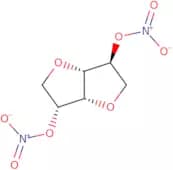
4-Methylphenyl 2,3,4-tri-O-benzyl-b-L-thiofucopyranoside is a custom synthesis of an oligosaccharide. It is a complex carbohydrate with CAS No. that belongs to the class of saccharide and sugar. Polysaccharides are made up of several monosaccharides linked together by glycosidic bonds, which are formed by the action of enzymes called glycosyltransferases or glycosidases. Glycosylation is the process in which a sugar molecule (usually glucose) is added to another molecule by means of a glycosidic bond. Carbohydrates are one type of macromolecule and they are important sources of energy in living things. They also play important roles in cell walls and as structural components in plants and animals. The chemical modification carried out on this compound is methylation, which refers to the addition of one or more methylFormula:C34H36O4SPurity:Min. 95%Molecular weight:540.71 g/molIsosorbide dinitrate - 60% lactose and 40% Isosorbide dinitrate
CAS:Isosorbide dinitrate is used to treat chronic bronchitis and congestive heart failure. It dilates blood vessels, allowing more oxygen-rich blood to reach the heart. Isosorbide dinitrate is also used to relieve chest pain (angina) and reduce complications after a heart attack. Isosorbide dinitrate is a prodrug that is converted in vivo to its active form, isosorbide mononitrate, by the enzyme nitric oxide synthase in response to hypoxia. In addition, it has been shown that this drug reduces levels of low-density lipoprotein cholesterol (LDL-C) and may be useful for the treatment of high cholesterol.
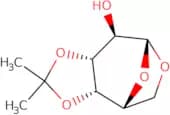
The mechanism of action for reducing LDL-C levels is not known but may be due to increased clearance of LDL-C from plasma or decreased production of very low density lipoproteins (VLDL). This medication does not affect triglycerides or high density lipFormula:C6H8N2O8Purity:Min. 95%Color and Shape:White PowderMolecular weight:236.14 g/mol1,6-Anhydro-3,4-O-isopropylidene-b-D-galactopyranose
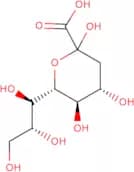
CAS:1,6-Anhydro-3,4-O-isopropylidene-b-D-galactopyranose is a custom synthesis of a complex carbohydrate that has been modified with methylation and glycosylation. It is a saccharide with the CAS number 52579-97-2. This product is highly pure and can be fluorinated for synthesizing other sugars or carbohydrates. The purity of this product is greater than 98%.Formula:C9H14O5Purity:Min. 95%Color and Shape:White PowderMolecular weight:202.2 g/mol3-Deoxy-D-glycero-D-galacto-2-nonulosonic acid
CAS:3-Deoxy-D-glycero-D-galacto-2-nonulosonic acid (3DG) is a monosaccharide that is present in many biological molecules, such as glycoproteins and glycoconjugates. 3DG is found in the sialic acid residues of glycoproteins and has been shown to have anticancer properties through its ability to inhibit cell growth. This compound also inhibits the synthesis of DNA and RNA by binding to bacterial 16S ribosomal RNA, inhibiting protein synthesis and cell division. 3DG has been used in biocompatible polymers for medical applications, such as drug delivery systems.Formula:C9H16O9Purity:Min. 98 Area-%Color and Shape:White Yellow PowderMolecular weight:268.22 g/mol6-O-Desmethyl donepezil glucuronide sodium (Mixture of Diastereomers)
CAS:Please enquire for more information about 6-O-Desmethyl donepezil glucuronide sodium (Mixture of Diastereomers) including the price, delivery time and more detailed product information at the technical inquiry form on this pageFormula:C29H35NO9•NaPurity:Min. 95%Molecular weight:540.59 g/mol1,5-Anhydro-2,3,4-tri-O-benzoyl-6-deoxy-D-arabino-hex-1-enitol
CAS:1,5-Anhydro-2,3,4-tri-O-benzoyl-6-deoxy-D-arabino-hex-1-enitol is a high purity sugar with a click modification. It is a synthetic monosaccharide that is an important building block for complex carbohydrates. This compound can be modified through methylation, glycosylation, and custom synthesis to produce desired compounds. The 1,5 Anhydro 2,3,4 tri O benzoyl 6 deoxy D arabino hex 1 enitol has shown activity against the fluoroquinolone resistant bacteria Staphylococcus aureus and Mycobacterium tuberculosis. It has also been shown to inhibit the growth of cancer cells in vitro and in vivo.Formula:C27H22O7Purity:Min. 95%Color and Shape:PowderMolecular weight:458.46 g/molPhenyl 2-O-benzoyl-4,6-O-benzylidene-3-O-(2-naphthylmethyl)-b-D-thioglucopyranoside
CAS:Phenyl 2-O-benzoyl-4,6-O-benzylidene-3-O-(2-naphthylmethyl)-b-D-thioglucopyranoside is a synthetic sugar with a complex carbohydrate structure. It has been modified by methylation, fluorination, and glycogenation. This product is used in the synthesis of saccharides and oligosaccharides for various purposes. Phenyl 2-O-benzoyl-4,6-O-benzylidene-3-- O-(2--naphthylmethyl)-b--D--thioglucopyranoside is CAS No. 1352561--95--5 and can be custom synthesized to meet your specifications.Formula:C37H32O6SPurity:Min. 95%Color and Shape:PowderMolecular weight:604.71 g/molMethyl b-D-thiogalactopyranoside
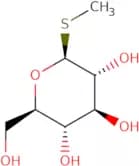
CAS:Methyl b-D-thiogalactopyranoside (MTGP) is a cell lysis agent that can be used for diagnostic purposes to measure enzyme activities in cells. It is also used to determine the kinetic of an enzyme reaction, as well as its acid formation. MTGP has been shown to inhibit sugar transport and metabolism by binding to the sugar molecule and preventing it from passing through cellular membranes. This inhibition prevents the accumulation of proton gradients across the membrane, which disrupts ATP production and leads to cell death. MTGP is also an inhibitor of glucose-6-phosphate dehydrogenase (G6PDH), which converts glucose into sorbitol. Sorbitol accumulates intracellularly and leads to cell death by osmotic lysis.Formula:C7H14O5SPurity:Min. 98 Area-%Color and Shape:PowderMolecular weight:210.25 g/molD-Fucose
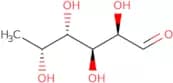
CAS:D-Fucose is a sugar that can be synthesized in vitro. It is a component of the xanthurenic acid pathway, which is involved in the synthesis of l-arabinose. D-Fucose has been found to have anti-leukemic effects and to inhibit enzyme activities in vitro. It has also been shown to bind to the toll-like receptor, α1-acid glycoprotein, and surface membranes. A hydroxyl group at position 1 on the fucose molecule may be important for this binding. D-Fucose's biological properties are related to its structural analysis and the cell receptors it binds with. D-Fucose has an optimum pH level of 7, so it cannot survive outside of a neutral environment. It does not need any biological cofactors or enzymes for its synthesis, so it is classified as a nonessential nutrient. D-Fucose is also used in blood groups because it contains an antigenFormula:C6H12O5Purity:Min. 97 Area-%Color and Shape:White Off-White PowderMolecular weight:164.16 g/molRaloxifene 6-D-glucuronide
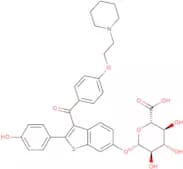
CAS:Raloxifene 6-D-glucuronide is a synthetic compound that consists of the sugar raloxifene and the sugar glucuronic acid. It is a complex carbohydrate with a molecular weight of 569. Raloxifene 6-D-glucuronide is soluble in water and insoluble in most organic solvents. The compound has been modified by fluorination, which increases its stability in water, and by click modification. This compound has been shown to inhibit the activity of bacterial enzymes that are responsible for the synthesis of saccharides, such as oligosaccharides and polysaccharides.Formula:C34H35NO10SPurity:Min. 95%Color and Shape:SolidMolecular weight:649.71 g/molEthyl 2,3,4-tri-O-benzyl-L-thiofucopyranoside
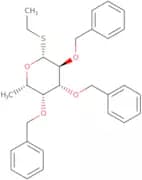
CAS:Ethyl 2,3,4-tri-O-benzyl-L-thiofucopyranoside is a glycosylation agent that is used in the synthesis of complex carbohydrates. It can also be used in the methylation and click modification of saccharides. Ethyl 2,3,4-tri-O-benzyl-L-thiofucopyranoside has been shown to have a high purity and can be custom synthesized to fit the needs of the customer. This product has a CAS number of 169532-17-6 and it is available in both monosaccharides and oligosaccharides.
Formula:C29H34O4SPurity:Min. 95%Color and Shape:White Off-White PowderMolecular weight:478.64 g/mol2,3,4,6-Tetra-O-benzoyl-1-deoxy-D-arabino-hex-1-enopyranose
CAS:2,3,4,6-Tetra-O-benzoyl-1-deoxy-D-arabino-hex-1-enopyranose is a glycosyl compound that has been synthesized by the elimination of trifluoride and alcohols. It is used as a starting material for the synthesis of other compounds. This compound can react with halides to form etherate or ester derivatives. 2,3,4,6-Tetra-O-benzoyl-1-deoxy-D-arabino hexane can also be reacted with boron trifluoride or boron trifluoride etherate to form eliminations.Formula:C34H26O9Purity:Min. 95%Molecular weight:578.57 g/mol2-Deoxy-2-fluoro-D-arabinofuranose
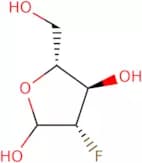
CAS:2-Deoxy-2-fluoro-D-arabinofuranose is a purine nucleoside that is used in the diagnosis and treatment of herpes simplex virus infection. It inhibits viral replication by competitively inhibiting acycloguanosine, an enzyme that catalyzes the conversion of 2’-deoxyguanosine to deoxyadenosine. 2-Deoxy-2-fluoro-D-arabinofuranose has been shown to be active against cancer cells and can be used as chemotherapeutic agent. This drug may also be used for the diagnosis of cancer by detecting the presence of activated T cells in patients with tumor necrosis factor α (TNFα) receptor gene polymorphism.
Formula:C5H9FO4Purity:Min. 95%Color and Shape:PowderMolecular weight:152.12 g/mol3-Deoxy-D-manno-2-octulosonic acid ammonium
CAS:3-Deoxy-D-manno-2-octulosonic acid ammonium is a bioreactor that is used in the delipidation of fatty acids. It is one of the most effective natural compounds for removing lipids, and it has been shown to be effective in reducing the levels of galactose and cholesterol. 3-Deoxy-D-manno-2-octulosonic acid ammonium has also been shown to be an effective antigen that can be used as a marker for various microorganisms, such as typhimurium, enterobacter, and lettuce.Formula:C8H17NO8Purity:Min. 95 Area-%Color and Shape:White PowderMolecular weight:255.22 g/molD-Ribulose, 0.5-1.0 mol/L aqueous solution
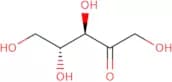
CAS:D-Ribulose is a type of sugar that belongs to the carbohydrate family. It is not metabolized by humans and is used as an energy source by certain bacteria. D-Ribulose is a substrate for bacterial xylitol dehydrogenase, which produces the intermediate xylitol. This product can be used in probiotic bacteria or as an antioxidant compound in biological samples such as coli k-12. D-Ribulose also has conformational properties that are different from other sugars, which may be due to its lack of hydroxyl groups on the ring. The reaction mechanism for this product has been identified and involves hydrogen fluoride (HF) and ribitol dehydrogenase to produce ribulose and hydrogen gas.Formula:C5H10O5Purity:Min. 98 Area-%Color and Shape:PowderMolecular weight:150.13 g/molEthyl 2,3,4-tri-O-benzyl-b-L-thiofucopyranoside
CAS:Synthetic building block. Glycosyl donor used in oligosaccharide chemistry to incorporate L-fucose into a structure.Formula:C29H34O4SPurity:Min. 98 Area-%Color and Shape:White PowderMolecular weight:478.64 g/molHaloperidol b-D-glucuronide
CAS:Controlled ProductHaloperidol b-D-glucuronide is the glucuronide conjugate of haloperidol. It is a major metabolite of haloperidol, which can be detected in urine samples and plasma concentration–time curves. It has been shown to be effective in the treatment of schizophrenic patients and is used as a marker for schizophrenia. Haloperidol b-D-glucuronide has been found to inhibit the reduction of carbonyl groups by human liver microsomes, but not rat liver microsomes. This inhibition may be due to its capacity to bind with human liver enzymes, such as cytochrome P450 reductase and glutathione reductase. Haloperidol b-D-glucuronide also inhibits the uptake of antipsychotic medications into human liver cells, but not rat liver cells.
Formula:C27H31ClFNO8Purity:Min. 95%Molecular weight:551.99 g/mol2,3,4,6-Tetra-O-methyl-D-glucose
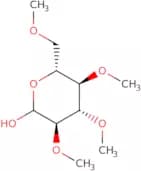
CAS:methyl ether of glucose with the anomeric position free.
Formula:C10H20O6Purity:Min. 95%Color and Shape:PowderMolecular weight:236.26 g/mol9-(b-D-Galactopyranose)-nonanoic acid
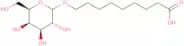
CAS:9-(b-D-Galactopyranose)-nonanoic acid is a custom synthesis, modification and fluorination of a methylated monosaccharide in the form of an oligosaccharide. This synthetic compound is polysaccharide with a carbohydrate group at one end, which can be modified to be glycosylated or saccharified. It has been shown to have anti-inflammatory properties, which may be due to its ability to inhibit prostaglandin synthesis.Formula:C15H28O8Purity:Min. 95%Color and Shape:SolidMolecular weight:336.38 g/mol2-Deoxy-2-fluoro-D-galactose - non-animal origin
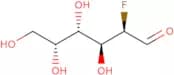
CAS:2-Deoxy-2-fluoro-D-galactose, also called 3-fluoro-6-hydroxymethyl-tetrahydro-pyran-2,4,5-triol, can be added to the medium of primary cultured rat hepatocytes to inhibit N-glycosylation of proteins. Immunoglobulin G (IgG) is the most common antibody found in blood and 2-deoxy-2-fluoro-D-galactose modifies the galactosylation of the N-linked glycan in the IgG-Fc receptor. We also have the same product MD04718.Formula:C6H11FO5Purity:Min. 97 Area-%Color and Shape:White Off-White PowderMolecular weight:182.15 g/molPolysucrose 400
CAS:Water-soluble, nontoxic, enzyme-resistant polymer for biological applications
Color and Shape:White PowderMolecular weight:400.0N-Acetyl-D-galactosamine
CAS:N-Acetyl-D-galactosamine (GalNAc) is an aldohexose (2-acetamido-2-deoxygalactose) in which the hydroxyl group at position 2 is replaced by a N-Acetyl group (Collins, 2006). GalNAc forms a key part of both N- and O-linked glycoproteins, glycolipids, gangliosides, blood groups, glycosaminoglycans (chondroitin and dermatan sulfate) and human milk oligosaccharides. The number of acetylgalactosamine residues attached to the IgA O-linked glycans of Crohn'sdisease patients is significantly decreased, and strongly correlated with clinical activity. It is suggested that alterations of GalNAc attachment in IgA may be useful as a novel diagnostic and prognostic marker of Crohn's disease (Inoue, 2012).Formula:C8H15NO6Purity:Min. 98%Color and Shape:White PowderMolecular weight:221.21 g/molMethyl 2-acetamido-2-deoxy-a-D-galactopyranoside
CAS:Methyl 2-acetamido-2-deoxy-a-D-galactopyranoside is a metabolite of the drug 6-fluoro-3-indoxyl-beta-D-galactopyranoside. It has been shown to induce apoptosis in cells, which is mediated by the activation of caspase 3 and cleavage of poly(ADP)ribose polymerase (PARP). Methyl 2-acetamido-2-deoxy-a-D-galactopyranoside also induces transcriptional regulation and decreases the expression of proteins that are involved in cell proliferation. These effects have been seen in clinical pathology, including cancer and infectious diseases. This metabolite binds to mouse monoclonal antibodies, which are used as a diagnostic tool for several types of cancer. The electrochemical impedance spectroscopy technique has demonstrated that methyl 2 acetamido 2 deoxy a D galactopyranoside inhibitsFormula:C9H17NO6Purity:Min. 98 Area-%Color and Shape:White PowderMolecular weight:235.23 g/molMethyl b-D-thioglucopyranoside
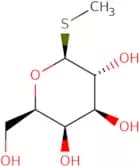
CAS:Methyl b-D-thioglucopyranoside is a mucolytic that is used to treat respiratory disorders such as chronic bronchitis, asthma, and emphysema. It can be used topically or orally, and is typically taken twice a day. Methyl b-D-thioglucopyranoside works by breaking down the mucus coating in the lungs, making it easier to cough up. This drug also has viscosity-lowering properties due to its ability to break down mucus.Formula:C7H14O5SPurity:Min. 95%Molecular weight:210.25 g/mol3,4,6-Tri-O-acetyl-b-D-mannopyranose 1,2-(methyl orthoacetate)
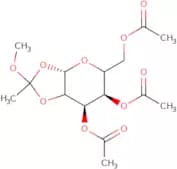
CAS:3,4,6-Tri-O-acetyl-b-D-mannopyranose 1,2-(methyl orthoacetate) is a glycosylation product that is used in the synthesis of oligosaccharides. 3,4,6-Tri-O-acetyl-b-D-mannopyranose 1,2-(methyl orthoacetate) is synthesized by the reaction of 3,4,6-triacetyl b D mannopyranose with methyl orthoacetate in aqueous solution containing an acid catalyst. This compound can be used to modify saccharides and complex carbohydrates. It is also used in click chemistry to create modified sugars. The molecular weight of this compound ranges from 200 to 600 grams per mole and it has a CAS number of 4435 05 6.Formula:C15H22O10Purity:Min. 95%Color and Shape:PowderMolecular weight:362.33 g/mol2,3,5-Tri-O-benzoyl-2- C- methyl- D- arabinonic acid γ-lactone
2,3,5-Tri-O-benzoyl-2- C- methyl- D- arabinonic acid gamma-lactone is a modification of an oligosaccharide. It is synthesized by the benzoylation of 2,3,5-trihydroxybenzoic acid with methyl iodide and sodium carbonate in acetic acid. The product is purified by recrystallization from methanol and water to yield a white crystalline solid. The chemical formula for 2,3,5-tri-O-benzoyl-2- C- methyl--D--arabinonic acid gamma lactone is C14H16O8. The molecular weight of the compound is 478.26 g/molPurity:Min. 95%3,4-O-Isopropylidene-D-mannitol
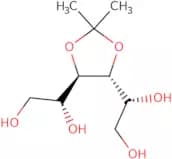
CAS:3,4-O-Isopropylidene-D-mannitol (IPM) is a d-mannitol that has been synthesized by an acid-catalyzed condensation reaction. It is a highly reactive compound with acidic properties and, as such, can be used as a buffer in acid environments. The product of this synthesis was also found to have anticancer activity in vitro, which may be due to its ability to induce apoptosis and inhibit cell proliferation. IPM possesses a hydroxyl group at the 3 position of the molecule and a hydrophilic nature. This makes it suitable for surface-enhanced Raman spectroscopy (SERS) studies and other detection methods.Formula:C9H18O6Purity:Min. 95%Color and Shape:White Off-White PowderMolecular weight:222.24 g/molThymidine-5'-diphosphate-D-glucose disodium salt
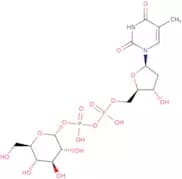
CAS:Starting point for the biosynthesis of more rare sugars such as deoxysugarsFormula:C16H24N2O16P2Na2Purity:Min. 95%Color and Shape:White Off-White PowderMolecular weight:608.29 g/molGlucotropaeolin potassium
CAS:Glucotropaeolin potassium is a dietary compound that is found in plants. It contains the flavonoids progoitrin, glucosinolates, and isothiocyanates. Glucotropaeolin potassium can be extracted from plant tissue using a stable isotope to increase the quantity of extract. This extract can then be analyzed by high-performance liquid chromatography (HPLC) and colorimetric methods for its content of glucoraphanin and gluconapin. The profile of this extract can also be determined using silver ions.Formula:C14H18NO9S2·KPurity:Min. 98 Area-%Color and Shape:PowderMolecular weight:447.52 g/mol2,3,4,6-Tetra-O-acetyl-D-glucopyranose
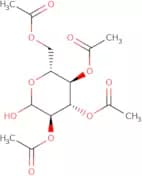
CAS:2,3,4,6-Tetra-O-acetyl-D-glucopyranose is a carbohydrate that is used in the synthesis of besifloxacin. This compound has been studied as an analog for many other natural compounds and its derivatives have shown to be effective against bacteria such as Staphylococcus aureus and Clostridium perfringens. The acetyl groups on this molecule allow it to be easily converted into other compounds with desired properties. This compound has been found to be acidic and can be used as a medicinal preparation or analytical chemistry reagent. The hydroxyl group on the 2 carbon atom allows the molecule to form glycoside derivatives. The halides on this molecule are also important for making new molecules by replacing one of the hydrogen atoms with another halogen atom. The phenylpropanoid glycosides are found in plants and may contain an enantiomeric form of 2,3,4
Formula:C14H20O10Purity:Min. 95%Color and Shape:White PowderMolecular weight:348.3 g/molAtractyloside dipotassium salt
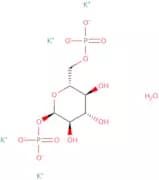
CAS:Atractyloside dipotassium salt is a chemical compound that acts as a potent mitochondrial toxin. It is primarily derived from plant sources, notably from the Atractylis gummifera species. This compound functions by specifically inhibiting the adenine nucleotide translocase (ANT) located in the inner mitochondrial membrane, thereby obstructing the exchange of ADP and ATP across this membrane. This blockade disrupts ATP synthesis, leading to alterations in cellular bioenergetics and apoptotic pathways.Formula:C30H44K2O16S2Purity:Min. 95 Area-%Molecular weight:802.99 g/molα-D-Glucose-1,6-diphosphate tetrapotassium hydrate
CAS:Inhibitor of hexokinase; activator of phosphofructokinase-1Formula:C6H14O12P2•4K•(H2O)nPurity:Min. 95%Color and Shape:PowderMolecular weight:496.51 g/mol6-O-Malonyldaidzin free acid
CAS:6-O-Malonyldaidzin is a metabolite of the soybean isoflavone daidzein. It is an isoflavonoid that has been shown to activate estrogen receptors in vitro and in vivo. 6-O-Malonyldaidzin has been found to have a protective effect on hepatic steatosis, as well as an anti-inflammatory effect. This compound also appears to have matrix effects on plasma lipoproteins and vascular endothelial cells. 6-O-Malonyldaidzin is absorbed efficiently from the gastrointestinal tract, with its bioavailability being 70% or higher when taken orally. The chemical reaction for the synthesis of 6-O-Malonyldaidzin free acid can be carried out using acetylgenistin as a starting material. The sample preparation for this reaction solution may include distillation, recrystallization, or column chromatography. The analytical method for measuring the concentration of this compound includes UV spectrosc
Formula:C24H22O12Purity:Min. 95%Color and Shape:White PowderMolecular weight:502.42 g/molN-Acetyl-2,3-dehydro-2-deoxyneuraminic acid
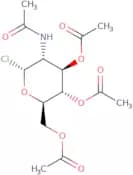
CAS:Inhibitor of viral, bacterial and animal sialidaseFormula:C11H17NO8Purity:Min. 94 Area-%Color and Shape:White PowderMolecular weight:291.25 g/mol2-Acetamido-3,4,6-tri-O-acetyl-2-deoxy-a-D-glucopyranosyl chloride - Stabilised with 2.5% CaCO3
CAS:2-Acetamido-3,4,6-tri-O-acetyl-2-deoxy-a-D-glucopyranosyl chloride - Stabilised with 2.5% CaCO3 is a crystalline compound that is synthesized from acetobromosugars and has the ability to inhibit virus activity. The compound binds to the reactive sulfhydryl groups on the surface of the virus, inhibiting its infectivity. This compound can be used in biomedical research for the treatment of hepatitis.Formula:C14H20ClNO8Purity:Min. 95%Color and Shape:White PowderMolecular weight:365.76 g/mol