Monosaccharides
Subcategories of "Monosaccharides"
- Alloses(11 products)
- Arabinoses(21 products)
- Erythroses(11 products)
- Fructoses(9 products)
- Fucoses(36 products)
- Galactosamine(41 products)
- Galactose(262 products)
- Glucoses(365 products)
- Glucuronic Acids(52 products)
- Glyco-substrates for Enzyme(78 products)
- Guloses(6 products)
- Idoses(4 products)
- Inositols(15 products)
- Lyxoses(4 products)
- Mannoses(65 products)
- O-Glycans(48 products)
- Psicoses(3 products)
- Rhamnoses(10 products)
- Riboses(61 products)
- Sialic Acids(100 products)
- Sorboses(4 products)
- Sugars(173 products)
- Tagatoses(4 products)
- Taloses(8 products)
- Xyloses(20 products)
Found 6089 products of "Monosaccharides"
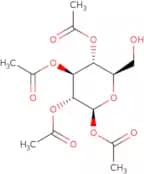
1,2,3,4-Tetra-O-acetyl-β-D-glucopyranose
CAS:Building block for the 6-O-modification of Glc, including 6-O-glycosylationsFormula:C14H20O10Purity:Min. 98 Area-%Color and Shape:PowderMolecular weight:348.3 g/mol(2E) -3-((2,3:5,6-Di-O-isopropylidene)-D-mannit-1-yl)-2- butenoic acid methyl ester (or tert.butyl ester)
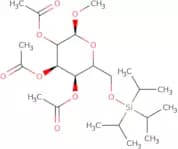
(2E) -3-((2,3:5,6-Di-O-isopropylidene)-D-mannit-1-yl)-2- butenoic acid methyl ester (or tert.butyl ester) is a synthetic compound that is used in the modification of complex carbohydrates and sugars. It is an ester of 2,3:5,6-di-O-(isopropylidene)-D-mannitol and 2,2’-(propane 1,3 diol). The CAS number for this product is 53724-59-8.Purity:Min. 95%Methyl 2,3,4-tri-O-acetyl-6-O-triisopropylsilyl-a-D-glucopyranoside
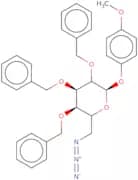
CAS:Methyl 2,3,4-tri-O-acetyl-6-O-triisopropylsilyl-a-D-glucopyranoside is a glycosylation product of D-glucose and methyl 2,3,4,6 triacetate. This product is a fluorinated sugar with the following chemical structure:Formula:C22H40O9SiPurity:Min. 95%Molecular weight:476.64 g/mol4-Methoxyphenyl 6-azido-2,3,4-tri-O-benzyl-6-deoxy-a-D-mannopyranoside
4-Methoxyphenyl 6-azido-2,3,4-tri-O-benzyl-6-deoxy-a-D-mannopyranoside is a synthetic sugar molecule that has been modified to contain a benzyl ether moiety. This product can be custom synthesized and is available in high purity.Formula:C34H35N3O6Purity:Min. 95%Molecular weight:581.66 g/molL-Fucose
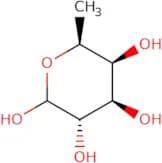
CAS:Fucose (Fuc, 6-deoxy L-galactose) has a methyl group at C6 in place of a hydroxyl group and this gives the molecule a greater degree of hydrophobicity than galactose (Collins, 2006). L-fucose is found in fucoidan, a polysaccharide that occurs in the brown seaweeds (Phaeophyceae) (Percival, 1967). Fucose is also a key component in many mammalian N- and O-linked glycans, glycolipids, blood group substances and Lewis antigens (Becker, 2003). In human milk, neutral (fucosylated) oligosaccharides (HMO) contain fucose at the terminal position (e.g. 2â -fucosyllactose and lactodifucopentaose). They represent 35% to 50% of the total HMO content and many in vitro studies suggest that HMOs directly modulate immune responses, acting either locally on cells of the mucosa-associated lymphoid tissues or systemically to inhibit the expression of inflammatory genes, mainly cytokines (Plaza-Diaz, 2018).
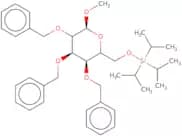
Formula:C6H12O5Purity:Min. 98 Area-%Molecular weight:164.16 g/molMethyl 2,3,4-tri-O-benzyl-6-O-triisopropylsilyl-a-D-glucopyranoside
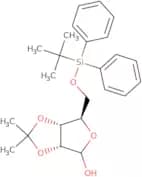
Methyl 2,3,4-tri-O-benzyl-6-O-triisopropylsilyl-a-D-glucopyranoside is an oligosaccharide that is synthesized by the process of fluorination and glycosylation. It can be used as a synthetic building block to produce complex carbohydrates and polysaccharides. This compound is a monosaccharide that has been modified with methyl groups on the 2, 3, 4, and 6 positions. Methyl 2,3,4-tri-O-benzyl-6-O-triisopropylsilyl glucopyranoside can be used for click modification reactions. The CAS number for this compound isFormula:C37H52O6SiPurity:Min. 95%Molecular weight:620.91 g/mol5-O-tert-Butyldiphenylsilyl-2,3-O-isopropylidene-D-ribofuranose
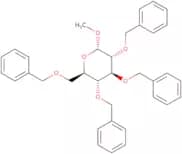
CAS:5-O-tert-Butyldiphenylsilyl-2,3-O-isopropylidene-D-ribofuranose is a synthetic compound that is an inhibitor of adenosine deaminase. This drug has been shown to inhibit the synthesis of nucleic acids and other biological molecules such as amino acids and proteins. 5-O-tert-Butyldiphenylsilyl-2,3-O-isopropylidene ribofuranose is used in organic chemistry as a chiral analog for naturally occurring compounds such as adenosine. 5BPSSIROdR inhibits the enzyme adenosine deaminase by binding to its active site and preventing it from converting adenosine into inosine.Formula:C24H32O5SiPurity:Min. 95%Color and Shape:PowderMolecular weight:428.59 g/molMethyl 2,3,4,6-tetra-O-benzyl-α-D-glucopyranoside
CAS:Methyl 2,3,4,6-tetra-O-benzyl-α-D-glucopyranoside is a benzylated glycoside that inhibits the activity of β-glucosidases and glycoside hydrolases. It is used as an inhibitor in ecological studies to investigate the effects of benzyl groups on biotic and abiotic stressors. Methyl 2,3,4,6-tetra-O-benzyl-α-D-glucopyranoside has been shown to have inhibitory potency against the transition state in enzymatic reactions. This compound also has been shown to be effective in treating diabetes.Formula:C35H38O6Purity:Min. 95%Color and Shape:PowderMolecular weight:554.67 g/mol1,3-O-Benzylidene-D-arabitol
CAS:1,3-O-Benzylidene-D-arabitol is a methylated sugar that is used in the synthesis of complex carbohydrates. It is produced by the modification of a 1,3-O-benzylidene-D-ribitol. It has a CAS number of 70831-50-4 and can be custom synthesized to meet your needs. This product is available in high purity with a 99% yield.Formula:C12H16O5Purity:Min. 95%Color and Shape:White/Off-White SolidMolecular weight:240.25 g/molD-Mannose - F (from birch)
CAS:Abundant and critical component of natural glycans and glycoproteinsFormula:C6H12O6Purity:Min. 98 Area-%Color and Shape:White PowderMolecular weight:180.16 g/mol1,2,4,6-Tetra-O-acetyl-3-deoxy-D-galactose
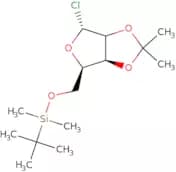
1,2,4,6-Tetra-O-acetyl-3-deoxy-D-galactose (1,2,4,6TDA) is a custom synthesis that is a complex carbohydrate. It has been modified with methylation and glycosylation. 1,2,4,6TDA is an oligosaccharide with a molecular weight of 498.06 Da and a CAS number of 90193-74-8. This product is high purity and can be fluorinated. This product can also be synthesized using the click modification reaction.Formula:C14H20O9Purity:Min. 95%Molecular weight:332.3 g/mol5-O-tert-Butyldimethylsilyl-1-chloro-2,3-O-isopropylidene-b-D-ribofuranose
CAS:5-O-tert-Butyldimethylsilyl-1-chloro-2,3-O-isopropylidene-b-D-ribofuranose is a synthetic saccharide that can be used as a custom synthesis. It is an intermediate for the synthesis of glycosides and has been shown to be useful for the methylation of saccharides. This product is also known as 5,5'-dithiobis(2,4,6 trimethylphenyl) disulfide.Formula:C14H27ClO4SiPurity:Min. 95%Molecular weight:322.9 g/molN- (2, 5-Anhydro- 3- azido- 3- deoxy-4,6-di-O-acetyl- D- altronoyl) - 2, 5- anhydro- 3- amino- 3- deoxy-4,6-di-O-acetyl- D- altronic acid methyl ester
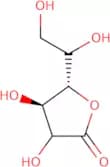
N- (2, 5-Anhydro- 3- azido- 3- deoxy-4,6-di-O-acetyl- D- altronoyl) - 2, 5- anhydro- 3- amino -3,6 di O acetyl -D altronic acid methyl ester is a glycosylation compound that is synthesized by modifying the corresponding nitrophenol with methylamine. It has a CAS number of 1205843.Purity:Min. 95%D-Gulonic acid-1,4-lactone
CAS:D-Gulonic acid-1,4-lactone is a naturally occurring compound that is formed from L-gulonic acid and a 1,4-lactone ring. It has been shown to have inhibitory properties against the matrix metalloproteinases MMP-2 and MMP-9. It also has an effect on dehydroascorbic acid, which plays an important role in the regulation of bioavailability of vitamin C. D-Gulonic acid-1,4-lactone has been found to stimulate collagen synthesis in human skin cells, which may be due to its ability to increase the activity of enzymes such as pyruvate kinase and lactate dehydrogenase. The structural analysis of this compound reveals a pyrazole ring with two hydroxyl groups (OH).Formula:C6H10O6Purity:Min. 98 Area-%Color and Shape:White PowderMolecular weight:178.14 g/molSalicylic acid ethyl ester b-D-glucuronide
The synthesis of this compound is accomplished by a two-step process. First, the methylation of salicylic acid ethyl ester with sodium methoxide in methanol followed by the addition of b-D-glucuronide to afford the desired product. This compound is an example of an oligosaccharide with a complex carbohydrate structure. It can be modified to contain fluorine atoms or other functional groups and it has been shown to be synthesized from monosaccharides. The sugar chain can include a variety of saccharides, such as glucose, galactose, or fructose. The synthesis of this compound is accomplished by a two-step process. First, the methylation of salicylic acid ethyl ester with sodium methoxide in methanol followed by the addition of b-D-glucuronide to afford the desired product. This compound is an example of an oligosaccharide with a complex carbohydrate structure. It canFormula:C15H18O9Purity:Min. 95%Molecular weight:342.3 g/mola-Homonojirimycin
CAS:a-Homonojirimycin is a chaperone that is effective in inhibiting HIV infection. It has been shown to inhibit the activity of chymotrypsin, carboxypeptidase A, and aminopeptidase B. The model system used for this compound was the human liver, which showed that a-homonojirimycin had a potent inhibitory activity against these enzymes. This drug also has a dry weight of 1,520 g/mol and an effective dose of 0.01 mg/mL. In vitro studies have shown that a-homonojirimycin inhibits influenza virus by binding to the hemagglutinin protein on the surface of the virus and preventing its attachment to host cells.Formula:C7H15NO5Purity:Min. 98 Area-%Color and Shape:White PowderMolecular weight:193.2 g/mol6-Phosphogluconic acid, trisodium salt dihydrate
CAS:6-Phosphogluconic acid, trisodium salt dihydrate is a custom synthesis that has been made to order. It is a complex carbohydrate that can be modified with methylation, glycosylation and other modifications. 6-Phosphogluconic acid, trisodium salt dihydrate is an Oligosaccharide and Polysaccharide of Modification saccharides. It can be made as an Methylated Glycosylated Carbohydrate or a Click Modified Sugar. It can be Fluorinated or Synthetically made for high purity.Formula:C6H14Na3O12PMolecular weight:378.11 g/molα-D-Galactosamine-1-phosphate
CAS:a-D-Galactosamine-1-phosphate is a synthetic, fluorinated glycosylation inhibitor. It inhibits the synthesis of complex carbohydrates and is used in biochemical research. This compound has been shown to inhibit the methylation of glycoproteins and polysaccharides. It also inhibits the phosphorylation of glycogen, which may be useful in cases of diabetes mellitus.Formula:C6H14NO8PPurity:Min. 95%Color and Shape:PowderMolecular weight:259.15 g/molIsopropyl-beta-D-thioglucuronic acid, sodium salt
CAS:Isopropyl-β-D-thioglucuronic acid is a β-D-glucuronidase inducer. It enhances the sensitivity of β-glucuronidase assays in E. coli.
Formula:C9H15NaO6SPurity:Min. 98 Area-%Molecular weight:274.27 g/molLinamarin
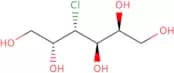
CAS:Cyanogenic glycosideFormula:C10H17NO6Purity:Min. 97 Area-%Color and Shape:White PowderMolecular weight:247.25 g/mol4-Chloro-4-deoxy-D-galactitol
4-Chloro-4-deoxygalactitol is a modified sugar. It is used in the synthesis of saccharides and oligosaccharides. This compound can be used to modify the glycosylation of proteins and polysaccharides. The 4-chloro group can be fluorinated, methylated, or click modified. The 4-deoxy group can also be modified to create 3,6-dideoxy-4-chloro-, 3,6-diiodo-, or 3,6-dimethoxy derivatives. This compound is known by CAS number 1877-19-0 and has a molecular weight of 270.06 g/mol with a melting point of 201 °C (410 °F).Formula:C6H13ClO5Purity:Min. 95%Molecular weight:200.62 g/molBenzyl 2-acetamido-4,6-O-benzylidene-2-deoxy-α-D-glucopyranoside
CAS:Please enquire for more information about Benzyl 2-acetamido-4,6-O-benzylidene-2-deoxy-α-D-glucopyranoside including the price, delivery time and more detailed product information at the technical inquiry form on this pageFormula:C22H25NO6Purity:Min. 98 Area-%Color and Shape:White PowderMolecular weight:399.44 g/molValiolamine
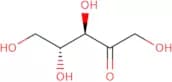
CAS:Inhibitor of alpha-glucosidaseFormula:C7H15NO5Purity:Min. 95%Color and Shape:White PowderMolecular weight:193.2 g/molD-Ribulose, 0.5-1.0 mol/L aqueous solution
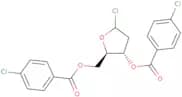
CAS:D-Ribulose is a type of sugar that belongs to the carbohydrate family. It is not metabolized by humans and is used as an energy source by certain bacteria. D-Ribulose is a substrate for bacterial xylitol dehydrogenase, which produces the intermediate xylitol. This product can be used in probiotic bacteria or as an antioxidant compound in biological samples such as coli k-12. D-Ribulose also has conformational properties that are different from other sugars, which may be due to its lack of hydroxyl groups on the ring. The reaction mechanism for this product has been identified and involves hydrogen fluoride (HF) and ribitol dehydrogenase to produce ribulose and hydrogen gas.Formula:C5H10O5Purity:Min. 98 Area-%Color and Shape:PowderMolecular weight:150.13 g/mol1-Chloro-3,5-di-O-(4-chlorobenzoyl)-2-deoxy-D-ribofuranose
CAS:Research on 1-chloro-3,5-di-O-(4-chlorobenzoyl)-2-deoxy-D-ribofuranose has shown that this compound has high antibacterial activity against a broad spectrum of Gram positive and Gram negative bacteria. In addition to its role as an antibacterial agent, this compound can also be used as a research reagent for the detection of genetic mutations in bacteria. This compound is not soluble in acetone or chloroform, but is soluble in water.Formula:C19H15Cl3O5Purity:Min. 95%Color and Shape:White PowderMolecular weight:429.68 g/mol3-Aminopropyl-3-O-(α-D-galactopyranosyl)-β-D-galactopyranoside
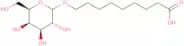
CAS:Please enquire for more information about 3-Aminopropyl-3-O-(α-D-galactopyranosyl)-β-D-galactopyranoside including the price, delivery time and more detailed product information at the technical inquiry form on this pageFormula:C15H29NO11Purity:Min. 80%Molecular weight:399.39 g/mol9-(b-D-Galactopyranose)-nonanoic acid
CAS:9-(b-D-Galactopyranose)-nonanoic acid is a custom synthesis, modification and fluorination of a methylated monosaccharide in the form of an oligosaccharide. This synthetic compound is polysaccharide with a carbohydrate group at one end, which can be modified to be glycosylated or saccharified. It has been shown to have anti-inflammatory properties, which may be due to its ability to inhibit prostaglandin synthesis.Formula:C15H28O8Purity:Min. 95%Color and Shape:SolidMolecular weight:336.38 g/mol2-C-Methyl-L-ribono-1,4-lactone
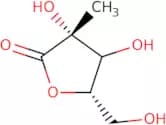
CAS:2-C-Methyl-L-ribono-1,4-lactone is a crystallized carbohydrate that contains the enantiomers L and D. It is a chiral molecule with two asymmetric carbon atoms. The L form has a higher yield than the D form and can be synthesized from l-arabinose, dimethylamine, and isomerisation. This compound is also present in ketoses such as d-xylose and 1-deoxy-d-ribulose. 2CMLR1L4L acts as an inhibitor of the enzyme d-galactose dehydrogenase, which catalyzes the conversion of d-galactose to d-glucose. Cyanide can bind to this compound to form cyanohydrin adducts, which are toxic to cells.Formula:C5H10O5Purity:Min. 95%Molecular weight:150.13 g/mol3-Deoxy-1,2-O-O-isopropylidene-3-trifluoromethyl-a-D-glucofuranose
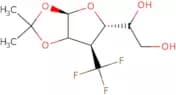
3-Deoxy-1,2-O-O-isopropylidene-3-trifluoromethyl-a-D-glucofuranose is a synthetic sugar that is used in the synthesis of oligosaccharides and polysaccharides. It has been shown to be effective in click chemistry modifications, such as methylations and glycosylations. 3DOGF has been found to be a potential biomarker for cancer cell proliferation.Formula:C10H15F3O5Purity:Min. 95%Molecular weight:272.22 g/mol1,2,3,4-Tetra-O-benzyl-6-O-tert-butyldiphenylsilyl-b-D-glucopyranose
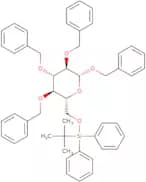
CAS:1,2,3,4-Tetra-O-benzyl-6-O-tert-butyldiphenylsilyl-b-D-glucopyranose is a fluorinated monosaccharide. It is synthesized by reacting benzyl bromide with 1,2,3,4-tetra-O-(benzyloxycarbonyl)-D-glucopyranosyl chloride in the presence of triethylamine and pyridine. This compound can be used as a building block for the synthesis of oligosaccharides and polysaccharides. The modification of the sugar moiety is carried out through methylation or click chemistry. The purity of this compound is >98%.Formula:C50H54O6SiPurity:Min. 95%Molecular weight:779.07 g/mol2-Deoxy-2-fluoro-D-galactose - non-animal origin
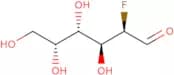
CAS:2-Deoxy-2-fluoro-D-galactose, also called 3-fluoro-6-hydroxymethyl-tetrahydro-pyran-2,4,5-triol, can be added to the medium of primary cultured rat hepatocytes to inhibit N-glycosylation of proteins. Immunoglobulin G (IgG) is the most common antibody found in blood and 2-deoxy-2-fluoro-D-galactose modifies the galactosylation of the N-linked glycan in the IgG-Fc receptor. We also have the same product MD04718.Formula:C6H11FO5Purity:Min. 97 Area-%Color and Shape:White Off-White PowderMolecular weight:182.15 g/mol2,3-Diaza-1,1,4,4-tetraphenyl-trans- butadiene
2,3-Diaza-1,1,4,4-tetraphenyl-trans-butadiene is a synthetic compound that can be used as a methylating agent. This compound has been shown to be an effective sugar donor for the synthesis of complex carbohydrates with high purity. 2,3-Diaza-1,1,4,4-tetraphenyl-trans-butadiene is also useful for click modification and glycosylation.Purity:Min. 95%α-D-Glucosamine pentaacetate
CAS:Alpha-D-glucosamine pentaacetate is a carbohydrate that is a member of the glycoconjugates family. It is an acetylated form of alpha-D-glucosamine and is used in the synthesis of glycoproteins and glycosaminoglycans. Alpha-D-Glucosamine pentaacetate has been shown to be an effective inhibitor of methylation reactions. It can also be used as a fluorinating agent in organic synthesis or Click chemistry, which involves the reaction between an azide group and an alkyne group. Alpha-D-Glucosamine pentaacetate has been shown to be a potent antiviral agent against herpes simplex virus 1 (HSV1) by blocking viral adsorption and penetration into cells, inhibiting DNA replication, and reducing viral titers.Formula:C16H23NO10Molecular weight:389.36 g/molRef: 3D-G-2960
-Unit-ggTo inquire25gTo inquire50gTo inquire100gTo inquire250gTo inquire500gTo inquireN-Azidoacetylglucosamine
CAS:Click reagent for metabolic labeling of GlcNAcFormula:C8H14N4O6Purity:Min. 95%Color and Shape:PowderMolecular weight:262.22 g/molThymidine-5'-diphosphate-D-glucose disodium salt
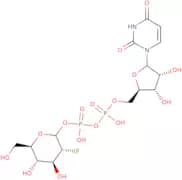
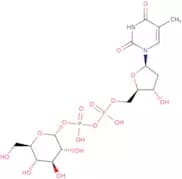
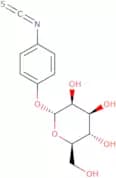
CAS:Starting point for the biosynthesis of more rare sugars such as deoxysugarsFormula:C16H24N2O16P2Na2Purity:Min. 95%Color and Shape:White Off-White PowderMolecular weight:608.29 g/mol4-Isothiocyanatophenyl-a-D-mannopyranoside
CAS:4-Isothiocyanatophenyl-a-D-mannopyranoside is a synthetic molecule that is used for the modification of saccharides and polysaccharides. It is used in glycosylation reactions to introduce an alpha-N-acetylgalactosamine residue with a methyl group at position 6 of the pyranose ring to produce N,O-linked glycans. This product can be custom synthesized to meet specific customer requirements. It has high purity, excellent solubility in water, and does not contain any toxic impurities.Formula:C13H15NO6SPurity:Min. 95 Area-%Color and Shape:Off-White PowderMolecular weight:313.33 g/molN-Acetyl-2-O-propargyl-a-neuraminic acid
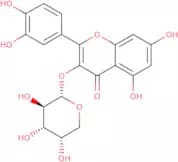
CAS:N-Acetyl-2-O-propargyl-a-neuraminic acid is a glycosylated, fluorinated saccharide. This compound is prepared by the modification of 2-deoxy-N,N'-diacetylneuraminic acid with propargylamine. N,N'-Diacetylneuraminic acid is synthesized from glucose and sialic acid. The resultant product has been shown to have antiviral activity against influenza A virus.Formula:C14H21NO9Purity:Min. 95%Molecular weight:347.32 g/molQuercetin-3-O-a-L-arabinoside
CAS:Quercetin-3-O-a-L-arabinoside is a flavonoid that has been shown to be active against human colorectal adenocarcinoma cells. Quercetin 3-O-a-L-arabinoside inhibits the proliferation of hl60 cells by inducing apoptosis and inhibiting protein synthesis. The biological properties of quercetin 3-O-a-L-arabinoside are not well understood, but it may work as an antioxidant due to its ability to scavenge free radicals. Quercetin 3-O-a-L-arabinoside has also been found to have antimicrobial activity against bacteria, fungi, and viruses. Quercetin 3 O a L arabinoside is able to inhibit the growth of various strains of Mycobacterium tuberculosis, including drug resistant strains. This compound is also shown to be effective in the treatment of platinum resistantFormula:C20H18O11Purity:Min. 98 Area-%Color and Shape:Yellow PowderMolecular weight:434.35 g/molN-Acetyl-2,3-dehydro-2-deoxyneuraminic acid
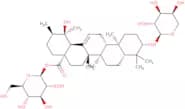
CAS:Inhibitor of viral, bacterial and animal sialidaseFormula:C11H17NO8Purity:Min. 94 Area-%Color and Shape:White PowderMolecular weight:291.25 g/molZiyuglycoside I
CAS:Ziyuglycoside I is a naturally occurring compound that has been shown to have physiological effects on skin cells. It has been found to bind to collagen and the matrix of skin cells, which may be its mechanism of action. Ziyuglycoside I also has an anti-inflammatory effect, which may be due to its ability to inhibit transcription-polymerase chain reactions (PCR). It has been shown to have antimicrobial activity against some strains of bacteria that are resistant to antibiotics such as erythromycin and tetracycline. Ziyuglycoside I has potential applications in the treatment of infectious diseases and inflammatory skin diseases.
Formula:C41H66O13Purity:Min. 95%Color and Shape:White PowderMolecular weight:766.95 g/molD-Mannose-BSA
D-Mannose-BSA is a receptor protein that is endogenous and found in the extracellular fluid. It has been shown to bind to the CD18 receptor on leukocytes and macrophages, which can be used as a diagnostic tool for identifying depression. D-Mannose-BSA has also been shown to bind to mouse macrophages, which may be due to its high affinity for the Fc receptors on these cells. D-Mannose-BSA binds to membranes of biotinylated cells and can be used as a ligand for immunoprecipitation. Antiserum against D-mannose is specific for polymorphonuclear neutrophils (PMN) and monocytes, but not lymphocytes or eosinophils. It can be used postoperatively as an adjunct therapy in wound healing.Color and Shape:PowderD-Mannose - F
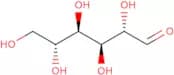
CAS:Abundant and critical component of natural glycans and glycoproteinsFormula:C6H12O6Purity:Min. 98 Area-%Color and Shape:PowderMolecular weight:180.16 g/mol2-Formylphenyl b-D-glucopyranoside
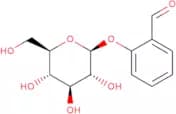
CAS:2-Formylphenyl b-D-glucopyranoside is a phenolic compound that has been shown to have high resistance to transport. It has been shown to possess surface methodology and this property can be used for the delivery of compounds. 2-Formylphenyl b-D-glucopyranoside has also been shown to inhibit plant enzyme activities such as detoxification enzymes and carbohydrate chemistry, which are important in the uptake of natural compounds. In addition, it is able to bind with amines and hydroxyl groups on cells, which may be due to its receptor cell properties. 2-Formylphenyl b-D-glucopyranoside can be synthesized by reacting trifluoroacetic acid with an amine and a hydroxyl group in the presence of glycol ethers or natural compounds.
Formula:C13H16O7Purity:Min. 95%Color and Shape:PowderMolecular weight:284.26 g/molD-[5-2H]Glucose
CAS:Controlled ProductD-[5-2H]Glucose is a deuterated form of glucose that is used in the study of lipid synthesis. This isotopically labeled compound can be incorporated into cellular lipids and their derivatives, such as glycerides and phospholipids. D-[5-2H]Glucose can be used to investigate the biosynthesis of lipids by measuring the incorporation rate and the number of 2H atoms found in each molecule. D-[5-2H]Glucose may also be used to study membrane lipid synthesis, which includes anomeric effects on lipid synthesis. The theory behind this is that when a molecule is incorporated into a lipid, it will have at least one hydrogen atom from deuterium instead of hydrogen. This isotopically labeled compound can be used to measure how anomeric effects influence lipid synthesis.Formula:C6H11DO6Purity:Min. 95%Color and Shape:White PowderMolecular weight:181.16 g/molD-Glucono-1,4-lactone
CAS:D-Glucono-1,4-lactone is a sugar that is produced by the action of glucoamylase on starch or cellulose. It can be used as a source of food for yeast, in the production of polyesters and plastics, and as a precursor to vitamin C. The pH optimum for D-glucono-1,4-lactone production is between 3.5 and 4.5. X-ray crystal structures have shown that the enzyme binds to crystalline cellulose via hydrogen bonding interactions, which are formed by hydroxyl groups on the enzyme and carboxyl groups on crystalline cellulose. These interactions are important for the cleavage of glucose from crystalline cellulose by D-glucono-1,4-lactone. D-glucono-1,4-lactone has been shown to reduce blood glucose levels in rats with metabolic disorders when administered orally at doses
Formula:C6H10O6Purity:Min. 95%Color and Shape:White PowderMolecular weight:178.14 g/molMethyl 2,3,4-tri-O-methyl-α-D-glucopyranoside
CAS:Methyl 2,3,4-tri-O-methyl-α-D-glucopyranoside is a synthetic monosaccharide that has been fluorinated with bromine. The synthetic process for this compound is click chemistry, which involves the use of copper and a chiral ligand. Methyl 2,3,4-tri-O-methyl-α-D-glucopyranoside is an example of a carbohydrate modification. It is also an oligosaccharide that contains three monosaccharides.
Methyl 2,3,4-tri-O-methyl-α-D-glucopyranoside can be used in glycosylation or methylation reactions due to its high purity and custom synthesis. This compound can also be used as an Oligosaccharide due to its saccharide composition.Formula:C10H20O6Purity:Min. 95%Color and Shape:PowderMolecular weight:236.26 g/molscyllo-Inositol
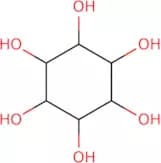
CAS:Scyllo-inositol is a sugar alcohol that is an effective inhibitor of inositol monophosphatase and phosphatidylinositol-4,5-bisphosphate 3-kinase. It has been shown to inhibit the activity of these enzymes in a model system, which may be due to its structural similarity to inositol. Scyllo-inositol has also been shown to have physiological effects on cell lysis and metabolic disorders. The inhibitory properties of scyllo-inositol have been evaluated using microdialysis probes and x-ray crystal structures.Formula:C6H12O6Purity:Min. 98 Area-%Color and Shape:White Off-White PowderMolecular weight:180.16 g/molUDP-2-deoxy-2-fluoro-D-glucose sodium salt
CAS:UDP-2-deoxy-2-fluoro-D-glucose sodium salt (UDPFG) is a fluorinated analog of the sugar donor, UDP-glucose. It is an acceptor for the enzyme, glycosylation protein glucosyltransferase, which catalyzes the transfer of glucose to proteins. This compound has been shown to be an activating sugar donor in vitro and in vivo. In addition, it was found that UDFG can bind to the active site of glucosyltransferase in a hydrogen bond interaction that may be important for catalysis.Formula:C15H21FN2O16P2·2NaPurity:Min. 95%Color and Shape:PowderMolecular weight:568.29 g/molUDP-6-azido-6-deoxy-D-glucose x·triethylammonium salt
CAS:UDP-6-azido-6-deoxy-D-glucose is a chemical building block that is used for saccharide synthesis. The azide group can be reduced to give the amine which has been used to make a fluorescent tag for 5-(hydroxymethyl)cytosine in DNA. UDP-6-azido-6-deoxy-D-glucose has also been used to synthesise siderophore conjugates which can be used to deliver functional reagents across bacterial cell membranes.Formula:C15H23N5O16P2·x(C6H15N)Purity:Min. 85 Area-%Color and Shape:Off-White PowderMolecular weight:591.31 g/mol1,2:3,5-Di-O-isopropylidene-a-D-xylofuranose
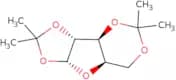
CAS:1,2:3,5-Di-O-isopropylidene-a-D-xylofuranose is a synthetic glycoside that is used in the synthesis of complex carbohydrates. It has been used for the modification of polysaccharides and oligosaccharides. This compound has also been modified with fluorine to form 1,2:3,5-Di-O-isopropylidene-a-D-(1'-fluoro)-xylofuranose. The chemical name of this product is CAS No. 20881-04-3.Formula:C11H18O5Purity:Min. 95%Color and Shape:White PowderMolecular weight:230.26 g/mol












![D-[5-2H]Glucose](/_next/image/?url=https%3A%2Fstatic.cymitquimica.com%2Fproducts%2F3D%2Fthumb-webp%2FMG75100.webp&w=3840&q=75)