Monosaccharides
Monosaccharides are the simplest form of carbohydrates and serve as fundamental building blocks for more complex sugars and polysaccharides. These single sugar molecules play critical roles in energy metabolism, cellular communication, and structural components of cells. In this section, you will find a wide variety of monosaccharides essential for research in biochemistry, molecular biology, and glycoscience. These compounds are crucial for studying metabolic pathways, glycosylation processes, and developing therapeutic agents. At CymitQuimica, we offer high-quality monosaccharides to support your research needs, ensuring precision and reliability in your scientific investigations.
Subcategories of "Monosaccharides"
- Alloses(11 products)
- Arabinoses(21 products)
- Erythroses(11 products)
- Fructoses(9 products)
- Fucoses(36 products)
- Galactosamine(41 products)
- Galactose(261 products)
- Glucoses(365 products)
- Glucuronic Acids(51 products)
- Glyco-substrates for Enzyme(77 products)
- Guloses(6 products)
- Idoses(4 products)
- Inositols(15 products)
- Lyxoses(4 products)
- Mannoses(65 products)
- O-Glycans(48 products)
- Psicoses(3 products)
- Rhamnoses(10 products)
- Riboses(61 products)
- Sialic Acids(100 products)
- Sorboses(4 products)
- Sugars(173 products)
- Tagatoses(4 products)
- Taloses(8 products)
- Xyloses(20 products)
Show 17 more subcategories
Found 6088 products of "Monosaccharides"
Sort by
Purity (%)
0
100
|
0
|
50
|
90
|
95
|
100
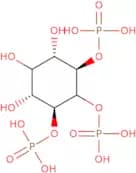
D-myo-Inositol 1,2,3-triphosphate
CAS:<p>D-myo-Inositol 1,2,3-triphosphate is a polyphosphate that is involved in phosphatidylinositol signaling. It has been shown to be involved in the regulation of cellular proliferation and differentiation. The biological function of this molecule is not well understood, but it has been shown to have a high redox potential and can have protonation at high concentrations. D-myo-Inositol 1,2,3-triphosphate binds to metal ions such as iron. This molecule has been found in mammalian cells and is believed to be a structural component of these cells.</p>Formula:C6H15O15P3Purity:Min. 95%Molecular weight:420.1 g/mol1,2,4-Tri-O-acetyl-3-O-benzyl-D-xylopyranoside
<p>1,2,4-Tri-O-acetyl-3-O-benzyl-D-xylopyranoside is a carbohydrate that has been modified with fluorine. The chemical formula is C12H21FO5. It has CAS number: 90693-24-9 and molecular weight of 356.35 g/mol. There are many uses for this compound, including being a synthetic sugar for use in pharmaceuticals, being a custom synthesis for research purposes, or as an intermediate in the production of other compounds. 1,2,4-Tri-O-acetyl-3-O-benzyl--D--xylopyranoside is also used as a fluorescence probe to detect saccharides and oligosaccharides because it emits light when bound to these compounds due to its high purity.<br>1,2,4 Tri O acetyl 3 O benzyl D xylopyranoside can be used to</p>Purity:Min. 95%1,2,3,4-Tetra-O-pivaloyl-6-O-trityl-b-D-glucopyranose
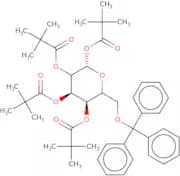
CAS:<p>1,2,3,4-Tetra-O-pivaloyl-6-O-trityl-b-D-glucopyranose is a trityl derivative of glucose that can be used as a diagnostic agent for the assessment of cancer. When labeled with radioactive iodine, 1,2,3,4-Tetra-O-pivaloyl-6-O-trityl-b-D-glucopyranose has been shown to accumulate in bile and esophageal cancer cells. Magnetic resonance imaging (MRI) was used to evaluate the distribution of 1,2,3,4 tetra O pivaloyl 6 O trityl b D glucopyranose in patients with cirrhosis. The results suggest that this compound can be used as an indicator for the diagnosis of liver disease.</p>Formula:C45H58O10Purity:Min. 95%Molecular weight:758.94 g/mol1,4-Dideoxy-1,4-imino-D-arabinitol
CAS:<p>1,4-Dideoxy-1,4-imino-D-arabinitol (1,4DA) is an inhibitor of glycolysis that has potent inhibitory activity against the enzyme phosphofructokinase. It has been shown to decrease cellular ATP levels in rat liver and kidney tissues. 1,4DA also inhibits urine production by inhibiting the conversion of fructose to glucose in the kidney. This compound is a racemic mixture with two enantiomers: R and S. The pharmacokinetics of 1,4DA have been studied in rats and humans using a model system. In rats, 1,4DA was absorbed rapidly and excreted unchanged in the urine. In humans, this drug was well absorbed after oral administration and metabolized mainly by hydrolysis to form 1,4-dideoxyfructose (Fru).</p>Formula:C5H11NO3Purity:Min. 95%Molecular weight:133.15 g/molPyridoxine galactoside
CAS:<p>Pyridoxine galactoside is an oligosaccharide that is used as a methyl donor in the synthesis of other compounds. Pyridoxine galactoside is a synthetic compound that has been modified by fluorination and has a saccharide chain consisting of a monosaccharide, sugar, or carbohydrate. It is synthesized from pyridoxine and galactose.</p>Formula:C14H21NO8Purity:Min. 95%Color and Shape:PowderMolecular weight:331.3 g/mol4-Aminophenyl a-D-glucopyranoside
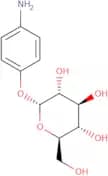
CAS:<p>4-Aminophenyl a-D-glucopyranoside is an alkoxycarbonyl analog that can be used in the preparation of antigens. It is a small, water-soluble molecule that can be used to induce antibody production and to identify antigenic determinants. 4-Aminophenyl a-D-glucopyranoside has been shown to react with glutamicum and corynebacterium cells in vitro. The compound binds to the bacterial cell surface by reacting with amino groups, inducing the production of acid molecules, which leads to bacterial death. 4-Aminophenyl a-D-glucopyranoside also reacts with methoxy residues on the ribosomal RNA molecule and corynebacterium DNA molecules. This allows it to be used as an expression vector for proteins and nucleic acids in Corynebacterium glutamicum (a bacterium commonly found in soil). Spectrosc</p>Formula:C12H17NO6Purity:Min. 95%Color and Shape:PowderMolecular weight:271.27 g/mol4-Deoxy-4-fluoro-D-glucose
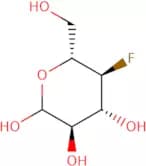
CAS:<p>4-Deoxy-4-fluoro-D-glucose is a biochemical compound that is used to bind to the carbon source in target tissues. It has a fluorine atom and two hydroxy groups, which are responsible for its biological properties. 4-Deoxy-4-fluoro-D-glucose binds to the 6 phosphate in bacterial enzymes and inhibits their activity, leading to cell death. It also binds to the hydroxyl group of proteins and alters their function. 4-Deoxy-4-fluoro-D-glucose is an inhibitor of bacterial enzymes, but has no effect on eukaryotic cells due to its inability to bind with these types of enzymes.</p>Formula:C6H11FO5Purity:Min. 95%Color and Shape:PowderMolecular weight:182.15 g/molConduritol D
CAS:<p>Conduritol D (CD) is a natural product that has been isolated from the pancreas of rats. It is homochiral, and it has been shown to be active in the treatment of diabetic patients. CD has a hydroxy group at C-4' and an alcohol group at C-5'. The functional groups are acetylated at C-3', which may make this compound more potent than other similar compounds with different functional groups. It is also synthesized stereoselectively, making it a selective molecule. CD has been shown to have pharmacokinetic properties that may be beneficial for treating diabetes.</p>Formula:C6H10O4Purity:Min. 95 Area-%Color and Shape:Clear LiquidMolecular weight:146.14 g/mol5-Keto-D-gluconic acid
CAS:<p>5-Keto-D-gluconic acid is an intermediate in the synthetic pathway of glucose. The enzyme 5-keto-D-gluconate dehydrogenase catalyzes the conversion of 5-keto-D-gluconate to D-glucono-1,5-lactone. This reaction is important for plant physiology and is used industrially for the production of citric acid. In order to synthesize 5-keto-D-gluconic acid, a p. pastoris strain was engineered with an increased expression of 5KGDH, which led to an increase in the production of this compound. This synthesis took place through a dinucleotide phosphate intermediate that was formed by two molecules of malonic acid. Citric acid was also synthesized from this intermediate. <br>The enzyme activity levels were measured using a bacterial strain that contained a wild type gene sequence (WT) and a mutant gene sequence (</p>Formula:C6H10O7Purity:Min. 98 Area-%Color and Shape:Clear LiquidMolecular weight:194.14 g/moln-Octyl-β-D-thiogalactopyranoside
CAS:<p>n-Octyl-beta-D-thiogalactopyranoside is a modification of the sugar Galactose. It is a mono saccharide that can be found in the form of an oligosaccharide or polysaccharide. The modification of the sugar is done by methylation, glycosylation and fluorination. n-Octyl-beta-D-thiogalactopyranoside has CAS No. 42891-16-7 and can be found on PubChem CID: 5135624.</p>Formula:C14H28O5SMolecular weight:308.44 g/mol1,2-O-Isopropylidene - 5- O- (tert.butyldimethylsilyl) -β- D- glucofuranuronic acid γ-lactone
<p>1,2-O-Isopropylidene - 5- O- (tert.butyldimethylsilyl) -beta- D- glucofuranuronic acid gamma-lactone is a synthetic compound that is used in the preparation of complex carbohydrates. This product can be methylated, glycosylated, or click modified to produce a wide range of products for use in the food and beverage industry. 1,2-O-Isopropylidene - 5- O- (tert.butyl dimethylsilyl) -beta- D- glucofuranuronic acid gamma lactone is also used in the production of polysaccharides and oligosaccharides with CAS No. 70690–05–4 and 70690–06–5 respectively. It has been shown to be fluorinated at various positions on the sugar ring with high purity and precision.</p>Purity:Min. 95%D-Fructose 6-phosphate, disodium salt dihydrate
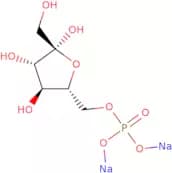
CAS:<p>D-Fructose 6-phosphate, disodium salt dihydrate (DFP) is a compound that is used as an extender in the preparation of semen extenders and as a plasma membrane stabilizer in cryopreserved spermatozoa. It has shown to preserve fertility in bubalus, which may be due to its ability to maintain mitochondrial transmembrane potential. DFP also has been shown to protect against acrosome reactions. This drug also has been found to increase sperm motility and maintain supravitality of spermatozoa.</p>Formula:C6H15Na2O11PPurity:Min. 97.0 Area-%Molecular weight:340.14 g/molMycophenolic acid b-D-glucuronide
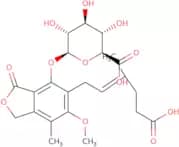
CAS:<p>Mycophenolic acid b-D-glucuronide is a metabolite of mycophenolic acid, which is an immunosuppressant drug. The glucuronide form of mycophenolic acid is the main form found in human serum. Mycophenolic acid b-D-glucuronide has been shown to have a concentration–time curve that has a higher peak at about 3 hours and lower troughs than those for mycophenolic acid. It has also been shown to have similar effects on autoimmune diseases as its parent compound, but with fewer side effects. Mycophenolic acid b-D-glucuronide can be detected by high performance liquid chromatography (HPLC). The analytical method for this compound was developed using HPLC methods with detection by fluorescence at 254 nm and has been validated for use in human serum samples.END></p>Formula:C23H28O12Purity:Min. 96 Area-%Color and Shape:PowderMolecular weight:496.46 g/molN-Hexanoyl-D-glucosamine
CAS:<p>N-Hexanoyl-D-glucosamine is a hexose sugar that is a component of the glycosaminoglycan heparin. It is structurally related to acetylglucosamine and n-acetylglucosamine, which are also components of heparin. N-Hexanoyl-D-glucosamine can be synthesized by the injection of propionylated D-glucose into animal tissues. The biosynthesis of this compound is impaired in animals with diabetes mellitus.</p>Formula:C12H23NO6Purity:(%) Min. 98%Color and Shape:White PowderMolecular weight:277.31 g/mol2-O-Benzyl-2,4-di-C-methyl-L-arabinopyranose
<p>2-O-Benzyl-2,4-di-C-methyl-L-arabinopyranose is a high purity, complex carbohydrate that is custom synthesized for use in glycosylation reactions. It is a synthetic compound that is sold by the CAS number. 2-O-Benzyl-2,4-di-C-methyl-L-arabinopyranose is a carbohydrate that has been modified with fluorination and methylation to provide an active site for glycosylation reactions. This product can be used to synthesize oligosaccharides and polysaccharides.</p>Purity:Min. 95%Allyl D-glucuronate
CAS:<p>Used for the synthesis of 1β-O-acyl glucuronides</p>Formula:C9H14O7Purity:Min. 95 Area-%Color and Shape:White PowderMolecular weight:234.2 g/mol4-Aminophenyl b-L-fucopyranoside
CAS:<p>4-Aminophenyl b-L-fucopyranoside is a synthetic, fluorinated carbohydrate with the CAS number 69936-58-9. It can be used in the synthesis of glycosides and oligosaccharides. This product is available for custom synthesis and modification.</p>Formula:C12H17NO5Purity:Min. 97 Area-%Color and Shape:White Beige PowderMolecular weight:255.27 g/mol(2R, 3R, 4R, 5R) -3, 4- Dihydroxy- 2, 5- bis(hydroxymethyl) -1- pyrrolidinepropanoic acid
CAS:<p>2, 5-Bis(hydroxymethyl)-1-pyrrolidinepropanoic acid is a sugar that has the chemical formula HOCCH(OH)CHCOH. It is synthesized by the Click modification of 2, 5-dihydroxy-1-pyrrolidinepropanoic acid. The most common use of this compound is in glycosylation reactions, which are used to modify complex carbohydrates.</p>Purity:Min. 95%2,5-Dideoxy-2,5-imino-glycero-D,L-mannoheptitol
<p>2,5-Dideoxy-2,5-imino-glycero-D,L-mannoheptitol is a methylated saccharide that has been modified with a click reaction. It is used in the synthesis of oligosaccharides and glycosylations. This product is an excellent choice for custom synthesis projects due to its high purity, low cost, and short lead time.</p>Purity:Min. 95%Methyl (E)-2-(a-D-ribosfuranosyl)acrylate
<p>Methyl (E)-2-(a-D-ribosfuranosyl)acrylate is a synthetic monomer that undergoes glycosylation to form a complex carbohydrate. It is used in the synthesis of saccharides and oligosaccharides, as well as the modification of proteins and nucleic acids. This product is highly pure with low impurity levels.</p>Purity:Min. 95%2,3,4-Tri-O-benzyl-L-fucopyranose
CAS:<p>2,3,4-Tri-O-benzyl-L-fucopyranose is a synthetic compound that activates the selectin receptor on the surface of white blood cells. It has been shown to activate the cell surface receptors for the lectin mannose and mannose-binding protein which are involved in the recognition of pathogens. 2,3,4-Tri-O-benzyl-L-fucopyranose is also able to inhibit magnesium ion binding to its target site on the bacterial surface. This inhibition prevents bacteria from attaching themselves to host tissues or other cells by binding with these sites. The compound was synthesized by a stereoselective method using silver trifluoromethanesulfonate as an activating reagent and can be used as an antimicrobial agent in mammals.</p>Formula:C27H30O5Purity:Min. 95%Color and Shape:White PowderMolecular weight:434.52 g/mol3,4,6-Tri-O-acetyl-2-deoxy-2-phthalimido-D-glucopyranose
CAS:<p>3,4,6-Tri-O-acetyl-2-deoxy-2-phthalimido-D-glucopyranose is a modified sugar that belongs to the group of carbohydrates. It is a monosaccharide that has been synthesized by the modification of 2,3,4,6-tetraacetyl glucose with 3,4,6-trihydroxybenzaldehyde. The compound is an off white powder and can be used in glycosylation reactions. This product has been shown to have high purity and can be custom synthesized to meet your needs.</p>Formula:C20H21NO10Purity:Min. 95%Molecular weight:435.38 g/mol1,2:5,6-Di-O-isopropylidene-α-D-gulofuranose
CAS:<p>1,2:5,6-Di-O-isopropylidene-alpha-D-gulofuranose is a sugar molecule that has a carbon and oxygen atoms in the 1,2 positions and an oxygen atom in the 5,6 position. It is an intermediate in the synthesis of lipids. The kinetic and clinical relevance of this compound have not been fully studied. 1,2:5,6-Di-O-isopropylidene-alpha-D-gulofuranose binds to fatty acid receptors on liver cells and initiates a cascade of events that lead to inflammation and cell death. This sugar molecule also inhibits hepatitis C virus RNA replication by binding to specific sequences on the virus’s RNA genome. The molecular interactions between 1,2:5,6-Di-O-isopropylidene alpha D gulofuranose and other molecules are determined by steric interactions with its hydroxyl group as</p>Formula:C12H20O6Purity:Min. 98.0 Area-%Molecular weight:260.28 g/molN-(Succinyl)-O-b-D-lactosylhydroxylamine
<p>N-(Succinyl)-O-b-D-lactosylhydroxylamine is a methylation product of b-D-lactosylhydroxylamine. It has a CAS number and can be modified with Click chemistry, which is a method of chemical modification using copper (II) ions. N-(Succinyl)-O-b-D-lactosylhydroxylamine can also be modified with other chemicals, such as an amine or carboxylic acid, to create an oligosaccharide. This product is synthesized in high purity and has a high glycosylation yield. It is used for research purposes and can be custom synthesized for any desired sugar.</p>Purity:Min. 95%α-D-Glucose-1-phosphate disodium salt hydrate
CAS:<p>Alpha-D-glucose-1-phosphate disodium salt hydrate is a sugar that is used to provide the carbohydrate in the diet. It is an important monosaccharide and can be found in many fruits, vegetables, and dairy products. The optimum pH for alpha-D-glucose-1-phosphate disodium salt hydrate is 7.5. Alpha-D-glucose-1-phosphate disodium salt hydrate has been shown to have antifungal properties, which are due to its ability to inhibit the growth of fungi by interfering with their metabolism. Alpha D glucose 1 phosphate disodium salt hydrate also inhibits the growth of bacteria such as E coli K 12 and C coli K 12, which are microorganisms that can cause food poisoning in humans. This compound also has been shown to have antihypertensive properties, which may be due to its ability to stimulate nitric oxide synthesis.</p>Formula:C6H11O9PNa2(anhydrousbasis)Molecular weight:304.1 g/mol3,6-Di-O-acetyl-5-S-acetyl-5-deoxy-1,2-O-isopropylidene-α-D-glucofuranose
CAS:<p>3,6-Di-O-acetyl-5-S-acetyl-5-deoxy-1,2-O-isopropylidene-a-D-glucofuranose is an acetal sugar. It is custom synthesized for research purposes. The sugar has a purity of >99% and was synthesized by click chemistry as well as fluorination and glycosylation. This product is offered in a variety of modifications including methylation, modification, and oligosaccharide. 3,6 Di O Acetyl 5 S Acetyl 5 Deoxy 1 2 O Isopropylidene A D Glucurono Furanose can be used to produce saccharides or complex carbohydrates in the laboratory setting.</p>Formula:C15H22O8SPurity:Min. 95%Color and Shape:PowderMolecular weight:362.4 g/mol4-O-β-D-Galactopyranosyl-D-glucitol
CAS:<p>Lactitol is a polyol sugar alcohol that has been used in the treatment of chronic viral hepatitis. It is also used to treat constipation, irritable bowel syndrome, and other gastrointestinal disorders. Lactitol is metabolized by certain types of bacteria and can have a laxative effect. Lactitol is not absorbed in the human intestine and thus does not cause an increase in blood sugar levels. Lactitol has been shown to be effective against microbial translocation and bacterial overgrowth in the gut, which may be due to its ability to lower pge2 levels and inhibit histological changes.</p>Formula:C12H24O11Purity:Min. 98.0 Area-%Molecular weight:344.31 g/molRef: 3D-W-109090
1kgTo inquire5kgTo inquire10kgTo inquire500gTo inquire2500gTo inquire-Unit-kgkgTo inquireAllyl 3-O-benzyl-2-O-p-toluenesulfonyl-a-L-rhamnopyranoside
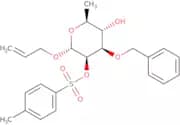
CAS:<p>Allyl 3-O-benzyl-2-O-p-toluenesulfonyl-a-L-rhamnopyranoside (ABTS) is a synthetic sugar derivative that is used in the modification and synthesis of saccharides. ABTS can be modified by fluorination, glycosylation, methylation, or other modifications to produce new compounds. ABTS has a CAS number of 940274-22-6.</p>Formula:C23H28O7SPurity:Min. 95%Molecular weight:448.54 g/mol2-Acetamido-2-deoxy-β-D-glucopyranosyl amine
CAS:<p>2-Acetamido-2-deoxy-beta-D-glucopyranosyl amine (A2DG) is a diagnostic marker for juvenile idiopathic polyarteritis nodosa. This molecule is an intermediate in the synthesis of the carbohydrate, heparin. The A2DG assay measures concentrations of this metabolite in plasma samples and can be used to diagnose vasculitis and other inflammatory diseases. Novartis has developed a metabolite profiling technique that uses mass spectrometry to identify molecules present in cell culture or plasma samples. This technique has been used to measure levels of A2DG metabolites in patients with vasculitis, including juvenile idiopathic polyarteritis nodosa.</p>Formula:C8H16N2O5Purity:Min. 95.0 Area-%Molecular weight:220.22 g/molHeptadecyl 2-acetamido-3,4,6-tri-O-acetyl-2-deoxy-β-D-glucopyranoside
CAS:<p>Heptadecyl 2-acetamido-3,4,6-tri-O-acetyl-2-deoxy-beta-D-glucopyranoside is a carbohydrate that can be synthesized through the modification of an oligosaccharide. It is a complex carbohydrate and is made up of monosaccharides and polysaccharides. Heptadecyl 2-acetamido-3,4,6-tri-O-acetyl-2-deoxy-beta-D--glucopyranoside has CAS number 262856–89–3 and can be used as a synthetic sugar.</p>Formula:C31H55NO9Molecular weight:585.77 g/mol2-Acetamido-2-deoxy-3-O-(a-D-galactopyranosyl)-D-galactopyranose
CAS:<p>2-Acetamido-2-deoxy-3-O-(a-D-galactopyranosyl)-D-galactopyranose is a high purity synthetic oligosaccharide. It is an off white to light yellow powder with a molecular weight of 514.06 and a melting point of >200 degrees Celsius. The chemical formula for this product is C12H24O11N2. This product has been fluorinated, methylated, glycosylated, and click modified to create a complex carbohydrate that can be used in the synthesis of other molecules.</p>Formula:C14H25NO11Purity:Min. 90.0 Area-%Molecular weight:383.35 g/molPropranolol D-glucuronide D6
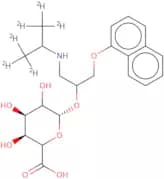
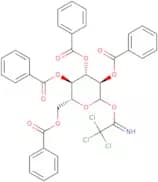
Controlled Product<p>Propranolol D-glucuronide D6 is a synthetic, fluorinated, saccharide that is a modification of propranolol. It has high purity and can be custom synthesized to meet specific requirements. Propranolol D-glucuronide D6 has been shown to inhibit the growth of bacteria by binding to the 50S ribosomal subunit. It is used in veterinary medicine to treat respiratory infections caused by Clostridium perfringens and other bacteria. The drug also has a toxic effect on respiratory system cells, which may be due to its ability to induce apoptosis.</p>Formula:C22H23NO8D6Purity:Min. 95%Molecular weight:441.5 g/mol2,3,4,6-Tetra-O-benzoyl-a-D-glucopyranosyl trichloroacetimidate
CAS:<p>A calibration system is a device that utilizes a set of parameters to calibrate or correct for errors in measurement. The device utilizes the properties of the signal, such as amplitude and frequency, to compensate for electronic distortion. A calibration system can be used in many different fields including biology, medicine and telecommunications. The optical system includes a sensor that interacts with an organism or cell culture to measure the concentration of a substance. The sensor may utilize light-emitting diodes (LEDs) or photodetectors to detect changes in current or voltage. Calibration is needed to ensure accuracy when using this type of sensor. A linearized data base stores information about polypeptides such as their linear sequence and how they interact with other molecules. This data base can be accessed by programs that calculate the sequence of new polypeptides and predict their function in cells and organisms.</p>Formula:C36H28Cl3NO10Purity:Min. 95%Color and Shape:PowderMolecular weight:740.97 g/mol3-O-Benzyl-1,2,4-tri-O-acetyl-D-xylopyranoside
<p>3-O-Benzyl-1,2,4-tri-O-acetyl-D-xylopyranoside is a methylated saccharide that has been modified with the click chemistry. This product can be used for the synthesis of complex carbohydrates and glycosylations. This product is available in high purity and custom synthesis. It is soluble in water or aqueous solutions, making it ideal for use in biological applications. 3-O-Benzyl-1,2,4-tri-O-acetyl-D-xylopyranoside can be used as an intermediate for the synthesis of oligosaccharides and glycoconjugates. It has CAS number 69936–76–5.</p>Purity:Min. 95%D-Glucose 6-phosphate, barium salt
CAS:<p>D-Glucose 6-phosphate is a high purity, custom synthesis sugar. It is a synthetic glycoside that is used in the production of fluorinated saccharides and oligosaccharides. D-Glucose 6-phosphate can be modified with methyl groups, fluorine atoms, and/or glycosylation. This compound has been shown to have properties as an antiviral agent against herpes simplex virus type 1 (HSV1) and cytomegalovirus (CMV).</p>Formula:C6H11BaO9PMolecular weight:395.46 g/molRef: 3D-G-3300
25gTo inquire50gTo inquire100gTo inquire250gTo inquire500gTo inquire-Unit-ggTo inquire4-Isothiocyanatophenyl-α-D-mannopyranoside
CAS:<p>4-Isothiocyanatophenyl-alpha-D-mannopyranoside is a synthetic glycosylated sugar that has been modified with fluorination and methylation. It is a custom synthesis that can be modified to customer specifications. This product is available in high purity and at competitive prices.</p>Formula:C13H15NO6SPurity:Min. 98.0 Area-%Molecular weight:313.33 g/molRef: 3D-W-204140
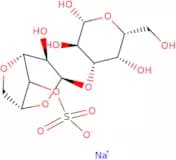
1gTo inquire50mgTo inquire100mgTo inquire250mgTo inquire500mgTo inquire-Unit-ggTo inquireNeocarrabiose-4-O-sulfate sodium
CAS:<p>Neocarrabiose-4-O-sulfate sodium is a methylated, saccharide polymer. It is a modification of the natural product neocarrabiose A (CAS No. 108321-76-2) and has been synthesized by Click chemistry. Neocarrabiose-4-O-sulfate sodium is a high purity, synthetic carbohydrate with a complex structure that consists of glucose and galactose units linked by β-(1→3) and β-(1→6) bonds. The glycosylation pattern of this compound is different from that of neocarrabiose A because it contains additional modifications at the terminal positions on the sugar rings. Neocarrabiose-4-O-sulfate sodium is used for glycosylation reactions, such as Click chemistry and oligosaccharide synthesis.</p>Formula:C12H19NaO13SPurity:Min. 95%Color and Shape:White PowderMolecular weight:426.33 g/molMuramic acid hydrate
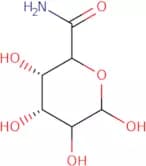
CAS:<p>Muramic acid hydrate as an amino sugar with a carboxylic acid group. It occurs in nature as N-acetylmuramic acid which is typically found in cell wall of bacterial.</p>Formula:C9H17NO7•(H2O)xPurity:Min. 95%Color and Shape:White PowderMolecular weight:269.25 g/molD-Glucuronamide
CAS:<p>D-Glucuronamide is a kinetic model system for the glycosylation reaction, which is an important step in the biosynthesis of complex oligosaccharides and polysaccharides. It has been shown to be an amide analog that can be acetylated with acetic anhydride in a reaction mechanism that involves nucleophilic attack by the amino group of D-glucuronamide on the electrophilic carbonyl carbon of acetic anhydride. The second-order rate constants for this reaction were determined to be 2.3×10 M-1s-1 at pH 7 and 25°C. NMR spectra showed that the product was not a simple amide but rather a glycopolymer with a distribution of different sugar residues, including D-glucose, D-galactose, and D-mannose.</p>Formula:C6H11NO6Purity:Min. 95%Color and Shape:PowderMolecular weight:193.15 g/mol1-Deoxy-D-sorbose
<p>D-sorbose is a diastereomer of D-xylose. It inhibits the glycolysis pathway, which stops the production of energy and leads to cell death. D-sorbose is synthesized from D-xylose by enzymatic conversion with 1,4-dihydroxybenzene. The crystalline form of D-sorbose is polymorphic and can be identified using X-ray diffraction. It has been shown to have cytotoxic effects on C. elegans and A. actinomycetes, but not on E. coli or other Gram negative bacteria. The imbalance in the ratio of these organisms may lead to an increased risk for cancer in humans.</p>Purity:Min. 95%3-O-benzyl-D-xylose
<p>3-O-benzyl-D-xylose is a sugar that belongs to the group of dimethyl, diisobutylaluminium, dicarboxylate, malonate, oxygenated, acetylation, cyclopentane. It has been shown to be effective in cleavage and condensation reactions. 3-O-benzyl-D-xylose can be used in the synthesis of pyridinium chlorochromate and chlorochromate. This compound also reacts with pyridinium via hydride reduction and hydroxide cleavage.</p>Purity:Min. 95%1,4-Anhydro-D-glucitol
CAS:<p>1,4-Anhydro-D-glucitol is a compound that belongs to the group of monosaccharides and has biological properties. It has also been used in the production of acetate extracts from fetal bovine erythrocytes. The ester linkages are formed between 1,4-anhydro-D-glucitol and sodium salt by reaction with acetic anhydride. The reaction mechanism has been studied in detail, and it was found that hydroxyl groups on the molecule react with sodium ions to form an ester linkage. This compound is toxicologically safe at high doses, but can become toxic at lower doses due to its acid formation potential.</p>Formula:C6H12O5Purity:Min. 97.0 Area-%Molecular weight:164.16 g/molRef: 3D-W-202151
5gTo inquire10gTo inquire25gTo inquire50gTo inquire2500mgTo inquire-Unit-ggTo inquire5-O-Benzyl-D-ribose
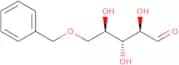
CAS:<p>5-O-Benzyl-D-ribose is an enantiomer of D-ribose. It has been used as an antiperspirant, although it does not stop the formation of sweat, but rather reduces the amount of perspiration. 5-O-Benzyl-D-ribose is also used in the synthesis of deodorants and enantiomers for optically active pharmaceuticals. The configurations are determined by the configuration of the substituents on the benzene ring and can be either R or S. The configurations can be separated into two groups:</p>Formula:C12H16O5Purity:Min. 95%Color and Shape:PowderMolecular weight:240.25 g/mol2-Acetamido-2,6-dideoxy-L-galactose
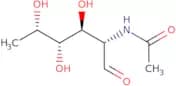
CAS:<p>2-Acetamido-2,6-dideoxy-L-galactose (ADG) is a sugar that belongs to the group of monosaccharides. It is produced by the enzyme synthase and is found in bacteria such as type strain S. mutans and P. aeruginosa. ADG has been shown to be an inhibitor of cell lysis and can be used for the treatment of staphylococcus infections. In addition, it has shown to have anti-inflammatory properties due to its ability to inhibit hydrogen fluoride induced inflammation in mice.</p>Formula:C8H15NO5Purity:Min. 98 Area-%Color and Shape:PowderMolecular weight:205.21 g/molN-(Succinyl)-O-b-D-maltosylhydroxylamine
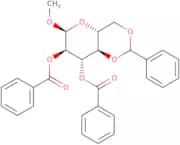
<p>N-Succinyl-O-b-D-maltosylhydroxylamine is a glycosylation reagent used in the synthesis of complex carbohydrates. Its CAS number is 87217-14-5.<br>N-Succinyl-O-b-D-maltosylhydroxylamine is a white to off-white crystalline powder with the molecular formula C4H8N2O6S and a molecular weight of 244.22. It has a melting point of 189°C. This product is soluble in water, ethanol, and chloroform. It does not dissolve in ether or hexane.</p>Purity:Min. 95%Methyl 2,3-di-O-benzoyl-4,6-O-benzylidene-a-D-glucopyranoside
CAS:<p>Methyl 2,3-di-O-benzoyl-4,6-O-benzylidene-a-D-glucopyranoside is a synthetic compound that has been shown to be an inhibitor of the receptor for the proinflammatory cytokine TNF. It has been proposed as a possible treatment for chronic kidney disease, acute phase, and neurodegenerative diseases such as chronic pain. Methyl 2,3-di-O-benzoyl-4,6-O-benzylidene-a-D-glucopyranoside is an inhibitor of factor receptors and inhibits the activation of NFκB in a dose dependent manner. This inhibition leads to decreased production of proinflammatory cytokines such as TNF.</p>Formula:C28H26O8Purity:Min. 95%Color and Shape:PowderMolecular weight:490.5 g/molMethyl 2,3-di-O-acetyl-4,6-O-(4-methoxybenzylidene)-a-D-mannopyranoside
<p>Methyl 2,3-di-O-acetyl-4,6-O-(4-methoxybenzylidene)-a-D-mannopyranoside is a custom synthesis that contains a fluorinated sugar with a methyl group attached to the 4 position. The oligosaccharide is synthesized through click chemistry and has been modified with an acetate at the 6 position. The CAS number is 108739-53-0. The carbohydrate is a complex carbohydrate that can be found in nature or synthesized in the laboratory.</p>Formula:C19H24O9Purity:Min. 95%Molecular weight:396.4 g/mol(2S,3S,4S)-N-Ethyl-2-hydroxymethyl-3,4-pyrrolidinediol
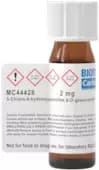
<p>(2S,3S,4S)-N-Ethyl-2-hydroxymethyl-3,4-pyrrolidinediol is a synthetic sugar that is commonly used in the synthesis of polysaccharides. It can also be used as a reagent for methylation and glycosylation reactions. This compound is available as a pure white powder with a melting point of 130°C to 135°C. (2S,3S,4S)-N-Ethyl-2-hydroxymethyl-3,4-pyrrolidinediol has been shown to be reactive with saccharide and polysaccharide substrates. Click modification can be performed on this product to make it reactive with other molecules or compounds. The purity of this compound exceeds 99%.</p>Purity:Min. 95%5-Chloro-8-hydroxyquinoline b-D-glucuronide
CAS:<p>Chromogenic substrate targeting beta-glucuronidase</p>Formula:C15H14ClNO7Purity:Min. 98 Area-%Color and Shape:White PowderMolecular weight:355.73 g/mol1,3-O-Benzylidene-4-O-trityl-D-threitol
CAS:<p>1,3-O-Benzylidene-4-O-trityl-D-threitol is a carbohydrate that is modified with fluorine and contains a trityl group. It is used as a reagent in oligosaccharide synthesis, sugar modification, and glycosylation reactions. The compound can be custom synthesized to meet the desired specifications, such as high purity and low cost. The compound can also be methylated or glycosylated for custom synthesis.</p>Formula:C30H28O4Purity:Min. 95%Molecular weight:452.54 g/mol