


Monosaccharides
Monosaccharides are the simplest form of carbohydrates and serve as fundamental building blocks for more complex sugars and polysaccharides. These single sugar molecules play critical roles in energy metabolism, cellular communication, and structural components of cells. In this section, you will find a wide variety of monosaccharides essential for research in biochemistry, molecular biology, and glycoscience. These compounds are crucial for studying metabolic pathways, glycosylation processes, and developing therapeutic agents. At CymitQuimica, we offer high-quality monosaccharides to support your research needs, ensuring precision and reliability in your scientific investigations.
Subcategories of "Monosaccharides"
- Alloses(11 products)
- Arabinoses(21 products)
- Erythroses(11 products)
- Fructoses(9 products)
- Fucoses(36 products)
- Galactosamine(41 products)
- Galactose(261 products)
- Glucoses(365 products)
- Glucuronic Acids(51 products)
- Glyco-substrates for Enzyme(77 products)
- Guloses(6 products)
- Idoses(4 products)
- Inositols(15 products)
- Lyxoses(4 products)
- Mannoses(65 products)
- O-Glycans(48 products)
- Psicoses(3 products)
- Rhamnoses(10 products)
- Riboses(61 products)
- Sialic Acids(100 products)
- Sorboses(4 products)
- Sugars(173 products)
- Tagatoses(4 products)
- Taloses(8 products)
- Xyloses(20 products)
Show 17 more subcategories
Found 6088 products of "Monosaccharides"
Sort by
Purity (%)
0
100
|
0
|
50
|
90
|
95
|
100
Ziyuglycoside II
CAS:<p>Ziyuglycoside II is a steroidal alkaloid that has been shown to have anti-angiogenic properties. It is a natural compound extracted from the Chinese herb ziyuglycoside. This compound has been shown to inhibit the activation of toll-like receptor 4, which plays an important role in inflammation and immunity. Ziyuglycoside II also inhibits the production of reactive oxygen species and autophagy, leading to cell death by apoptosis. This compound has been shown to be effective against bowel disease and epithelial mesenchymal transition (EMT). Ziyuglycoside II has also been shown to have matrix effects on the cells Hl-60, which are related to tumor metastasis.</p>Formula:C35H56O8Purity:Min. 95%Color and Shape:White To Off-White SolidMolecular weight:604.81 g/mol1,2:3,5-Di-O-Isopropylidene-α-L-xylofuranose
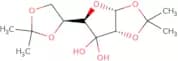
CAS:<p>1,2:3,5-Di-O-Isopropylidene-a-L-xylofuranose is a fluorinated sugar that is used as a building block in the synthesis of complex carbohydrates and oligosaccharides. It has a CAS number of 131156-47-3. 1,2:3,5-Di-O-Isopropylidene-a-L-xylofuranose is an active component in the modification of saccharide and polysaccharide structures by click chemistry. It can be modified with various functional groups such as methylation or monosaccharide to produce specific compounds. This product is available for custom synthesis.</p>Formula:C11H18O5Purity:Min. 95%Color and Shape:PowderMolecular weight:230.26 g/mol4-Methoxyphenyl 3-O-benzyl-a-D-mannopyranoside
CAS:<p>4-Methoxyphenyl 3-O-benzyl-a-D-mannopyranoside is a synthetic carbohydrate that has been modified with a click reaction. It is an Oligosaccharide, which is a type of Carbohydrate, and has a saccharide sequence. This product is used in the synthesis of complex carbohydrates. The product has high purity and custom synthesis capabilities.</p>Formula:C20H24O7Purity:Min. 95%Molecular weight:376.4 g/mol2-Keto-D-gluconic acid hemicalcium monohydrate
CAS:<p>Enhances dissolution of soil minerals; intermediate in L-ascorbic acid syntheses</p>Formula:C6H9O7•(Ca)•H2OPurity:Min. 99 Area-%Color and Shape:White PowderMolecular weight:231.19 g/mol1,2:5,6-Di-O-isopropylidene-a-D-ribo-hexofuranose-3-ulose monohydrate
CAS:<p>1,2:5,6-Di-O-isopropylidene-a-D-ribo-hexofuranose-3-ulose monohydrate is a fluorinated carbohydrate that has been synthesized in our lab. It is a complex carbohydrate and can be used as a building block for glycosylation. The synthesis of this compound is done through the use of click chemistry to modify the sugar. We have high purity levels for this compound and can provide custom synthesis services for your needs.</p>Formula:C12H20O7·H2OPurity:Min. 95%Color and Shape:White PowderMolecular weight:294.3 g/molUDP-D-Fucose
<p>sugar nucleotide</p>Formula:C15H24N2O16P2Purity:Min. 95 Area-%Molecular weight:550.31 g/mol1,7,7a-Triepialexine
CAS:<p>The compound 1,7,7a-Triepialexine is an alkaloid that is found in plants of the genus Trientalis. It has been shown to have anti-inflammatory properties due to its ability to inhibit prostaglandin synthesis. The compound also has a stereoselective synthesis and a stereoselective syntheses.</p>Purity:Min. 95%Methyl α-L-rhamnopyranoside
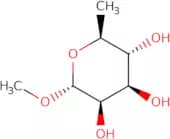
CAS:<p>Methyl α-L-rhamnopyranoside is a conjugate molecule made via a Fisher glycosylation with MeOH. It has been shown to have pesticidal activities and can be used in the production of pesticides or glycoconjugates. Methyl α-L-rhamnopyranoside is of interest as a vaccine adjuvant, due to its ability to activate the immune system. This compound also has anti-inflammatory properties, which may be due to its inhibition of prostaglandin synthesis.</p>Formula:C7H14O5Purity:Min. 95 Area-%Color and Shape:White PowderMolecular weight:178.18 g/mol2,3,4,6-Tetra-O-benzyl-D-glucopyranose
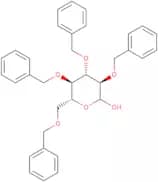
CAS:<p>2,3,4,6-Tetra-O-benzyl-D-glucopyranose is a selectively protected intermediate, where the anomeric 1-O-hydroxyl group is free. This hemiacetal has been used successfully as an intermediate for glucosylation couplings, where it was converted into 2,3,4,6-tetra-O-benzyl-D-glucopyranose trichloroacetimidate using trichloroacetonitrile in the presence of a base such as potassium carbonate and DBU. Importantly, this imidate donor with no neighbouring participating groups is commonly used for the selective formation of α-glucosides. 2,3,4,6-tetra-O-benzyl-D-glucopyranose can also be oxidized to the lactone, or reduced to give the open chain form. Additionally, 2,3,4,6-tetra-O-benzyl-D-glucopyranose can be used for the preparation of glucono-1,5-lactone hydrazine, which was used, in-turn, to form a glucosylidene-spirocyclopropane.</p>Formula:C34H36O6Purity:Min. 98.0 Area-%Molecular weight:540.66 g/molRef: 3D-T-1900
1kgTo inquire50gTo inquire250gTo inquire500gTo inquire2500gTo inquire-Unit-ggTo inquirePhenyl 2,3,4,6-tetra-O-acetyl-a-D-thiomannopyranoside
CAS:<p>Phenyl 2,3,4,6-tetra-O-acetyl-a-D-thiomannopyranoside is an analog of a sugar molecule. This compound can be synthesized by the metathesis reaction between phenyl 2,3,4,6-tetra-O-acetyl-α-(2′→3′)-D-thiomannopyranoside and bis(trimethylsilyl) sulfate in the presence of polyphosphoric acid and potassium sulfate. The yield of this synthesis is high and can be increased with the addition of potassium sulfonate as a cofactor.</p>Formula:C20H24O9SPurity:Min. 98%Color and Shape:PowderMolecular weight:440.46 g/mol1-O-Galloyl-b-D-glucose
CAS:<p>1-O-Galloyl-b-D-glucose is a molecule that is found in plants and has been used as an inhibitor of p-hydroxybenzoic acid (PHBA) enzyme activities. 1OGG inhibits the growth of viruses by inhibiting the enzymatic activity of their RNA polymerases. It also inhibits mitochondrial membrane potential, which is vital for cellular respiration. 1OGG has shown to be active against urinary infections and opportunistic fungal infections such as Candida glabrata. In vitro assays have shown that it may have anti-inflammatory properties.</p>Formula:C13H16O10Purity:Min. 98 Area-%Color and Shape:White PowderMolecular weight:332.26 g/mol1,5-Anhydro-2,3,4-tri-O-benzoyl-6-deoxy-D-arabino-hex-1-enitol
CAS:<p>1,5-Anhydro-2,3,4-tri-O-benzoyl-6-deoxy-D-arabino-hex-1-enitol is a high purity sugar with a click modification. It is a synthetic monosaccharide that is an important building block for complex carbohydrates. This compound can be modified through methylation, glycosylation, and custom synthesis to produce desired compounds. The 1,5 Anhydro 2,3,4 tri O benzoyl 6 deoxy D arabino hex 1 enitol has shown activity against the fluoroquinolone resistant bacteria Staphylococcus aureus and Mycobacterium tuberculosis. It has also been shown to inhibit the growth of cancer cells in vitro and in vivo.</p>Formula:C27H22O7Purity:Min. 95%Color and Shape:PowderMolecular weight:458.46 g/molD-Lyxonic acid potassium
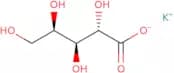
CAS:<p>D-Lyxonic acid potassium salt is a pentitol that is a stereospecific, aldonic, and nature D-glycosylamine. It can be synthesized by reacting phenylhydrazine with glycolic acid chloride in the presence of catalytic amounts of sodium hydroxide. The yield is about 98%. This compound has been shown to have anti-inflammatory properties when it reacts with hydrogen chloride to form D-lyxonic acid chloride. It also has been shown to inhibit the growth of bacteria and fungi by binding to the cell wall and inhibiting protein synthesis.</p>Formula:C5H9KO6Purity:Min. 95%Color and Shape:PowderMolecular weight:204.22 g/mola-D-Glucopyranosyl fluoride
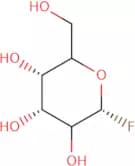
CAS:<p>a-D-Glucopyranosyl fluoride is an irreversible inhibitor of the enzyme glycosidase. This product has been used to study the kinetic and mechanism of human serum alpha-glucosidase, which is a key enzyme in the digestion of carbohydrates. Kinetic studies have shown that 4-hydroxycinnamic acid and glucose are competitive inhibitors of the enzyme. The reaction mechanism for this product involves hydrogen fluoride cleavage of the glycosidic bond. The optimum pH for this product is 7.</p>Formula:C6H11FO5Purity:Min. 95%Color and Shape:White PowderMolecular weight:182.15 g/mol2,3,5-Tri-O-benzyl-L-xylofuranose
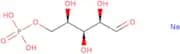
CAS:<p>2,3,5-Tri-O-benzyl-L-xylofuranose is a sugar molecule that has been modified to inhibit glycosidases. 2,3,5-Tri-O-benzyl-L-xylofuranose is an iminosugar that inhibits the enzyme β-glucosidase and α-galactosidase. The compound is not metabolized and it binds to the enzyme's active site. 2,3,5-Tri-O-benzyl L xylofuranose has been shown to be effective at inhibiting all of the glycosidases tested in this study with inhibition potencies ranging from 0.1 mM to 10 mM. This compound also inhibits epoxides and cyclic enzymes such as azido reductase and dihydropyrimidine dehydrogenase.</p>Formula:C26H28O5Purity:Min. 95%Color and Shape:PowderMolecular weight:420.5 g/molD-Xylose-5-phosphate disodium
CAS:<p>D-Xylose-5-phosphate disodium salt is a Custom synthesis that has been fluorinated, methylated, and modified with a click reaction. D-Xylose-5-phosphate disodium salt is also an oligosaccharide and polysaccharide. The CAS No. for this compound is 1083083-57-1.</p>Formula:C5H11O8P•Na2Purity:(%) Min. 80%Color and Shape:White/Off-White SolidMolecular weight:276.09 g/molMethyl 2,3,4-tri-O-benzyl-α-D-glucopyranoside
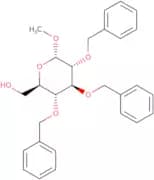
CAS:<p>Resource for the 6-O-modification of Glc e.g. in glucuronic acid synthesis</p>Formula:C28H32O6Purity:Min. 95%Color and Shape:White PowderMolecular weight:464.55 g/molVoglibose
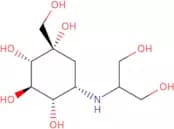
CAS:<p>Voglibose is a competitive inhibitor of α-glucosidase used for the control of blood sugar levels in patients with type 2 diabetes mellitus. The compound binds reversibly to intestinal carbohydrate-active digestive enzymes with α-glucosidase activity, inhibits breakdown of complex sugars and consequently delays the absorption of glucose into blood.</p>Formula:C10H21NO7Color and Shape:White PowderMolecular weight:267.28 g/mol2,3,4,6-Tetra-O-acetyl-β-D-galactopyranosyl azide
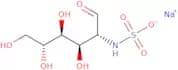
CAS:<p>2,3,4,6-Tetra-O-acetyl-β-D-galactopyranosyl azide is a catalyst that has been used in the production of carbonate catalysts. It can also be used to reoxidize metallic catalysts.</p>Formula:C14H19N3O9Purity:Min. 95%Color and Shape:White PowderMolecular weight:373.32 g/molD-Glucosamine-2-N-sulfate sodium
CAS:<p>D-Glucosamine-2-N-sulfate sodium is a synthetic, high purity carbohydrate with a custom synthesis. It is an oligosaccharide that is also a sugar and a saccharide. The methylation of D-glucosamine 2-N-sulfate sodium can be achieved by glycosylation or click modification. Click modification is the addition of a carbon atom to the molecule through the reaction with an electrophile, such as N-hydroxysuccinimide ester. This modification can be used to introduce fluorine atoms into the molecules, which can improve their solubility and stability. The product has shown anti-inflammatory activities in animal models, which may be due to its ability to inhibit prostaglandin synthesis.</p>Formula:C6H12NNaO8SPurity:Min. 95 Area-%Color and Shape:White Off-White PowderMolecular weight:281.22 g/molD-Glucose - monohydrate
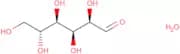
CAS:<p>D-Glucose - monohydrate is a glucose molecule that is found in the blood stream. It is the preferred source of energy for the brain and has been shown to enhance brain function. Glucose is also used to maintain the water balance of cells and tissues, as well as to prevent or treat hypoglycemia. This molecule can be found in many foods, such as honey, corn syrup, molasses, fruits and fruit juices. D-Glucose - monohydrate has antibacterial efficacy against a number of bacteria including staphylococcus aureus, Escherichia coli, Pseudomonas aeruginosa and Bacillus subtilis. It can also inhibit squamous cell carcinoma growth in vivo by preventing the proliferation of cancer cells. D-Glucose - monohydrate is structurally similar to adenosine diphosphate (ADP), which binds to dinucleotide phosphate (DP) enzymes that are involved in energy metabolism</p>Formula:C6H12O6·H2OPurity:(%) Min. 95%Color and Shape:White PowderMolecular weight:198.17 g/mol3,5-Di-O-benzoyl-2-deoxy-2,2-difluoro-D-ribonic acid-1,4-lactone
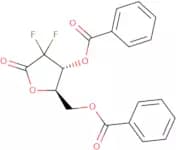
CAS:<p>3,5-Di-O-benzoyl-2-deoxy-2,2-difluoro-D-ribonic acid-1,4-lactone (3DBR) is a nucleoside that has been shown to have antiaging properties. It has been found to be an effective scavenger of peroxyl radicals and reactive oxygen species (ROS). 3DBR also inhibits the formation of aluminum oxide and styrene by catalyzing the salt formation reaction. This compound also has anti-tumour activity and can be used as a chemotherapeutic agent for the treatment of cancer. It is heat resistant and can be combined with gemcitabine hydrochloride in chemotherapy.</p>Formula:C19H14F2O6Purity:Min. 95%Color and Shape:White PowderMolecular weight:376.31 g/mol6-Azido-6-deoxy-D-fructose
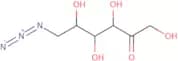
CAS:<p>6-Azido-6-deoxy-D-fructose is a piperidine that condenses with glyceraldehyde in the presence of aldolase and produces D-glyceraldehyde. This reaction is stereospecifically catalyzed by aldolase, which converts the product to D-glyceraldehyde 3-phosphate. 6Azido-6deoxy-D-fructose has been shown to exhibit polyhydroxylated properties.</p>Formula:C6H11N3O5Purity:Min. 95%Color and Shape:Clear LiquidMolecular weight:205.17 g/molMethyl-2,3,4-tri-O-benzoyl-6-bromo-6-deoxy-α-D-glucopyranoside
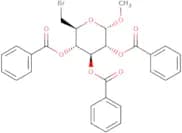
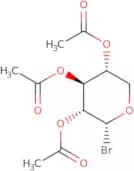
CAS:<p>Methyl-2,3,4-tri-O-benzoyl-6-bromo-6-deoxy-alpha-D-glucopyranoside is a sugar that belongs to the group of monosaccharides. It is a custom synthesis product that can be synthesized and modified according to customer's requirements. Methylation, fluorination and saccharide modification are possible and highly pure methylated products can be produced with high purity.</p>Formula:C28H25BrO8Purity:Min. 95%Molecular weight:569.4 g/mol2,3,4-Tri-O-acetyl-a-D-xylopyranosyl bromide - Stabilised with 2.5% CaCO3
CAS:<p>2,3,4-Tri-O-acetyl-a-D-xylopyranosyl bromide - Stabilised with 2.5% CaCO3 is a chiral compound that is a drug for the treatment of estrogen deficiency in postmenopausal women. It is synthesized from D-xylose and acetone by reductive elimination using an organotin catalyst. The resulting product has a nitro group at the 4 position and can be activated as a priming agent for DNA synthesis. This compound has been shown to be effective in treating intestinal disorders such as ulcerative colitis.<br>2,3,4-Tri-O-acetyl-a-D-xylopyranosyl bromide - Stabilised with 2.5% CaCO3 has been used to conjugate estrogens with various drugs to create new compounds that are more potent than free estrogens alone. Bioavailability of these conjugates has</p>Formula:C11H15BrO7Purity:(%) Min. 85%Color and Shape:PowderMolecular weight:339.14 g/mol1,2,3,5-Tetra-O-acetyl-D-xylofuranose
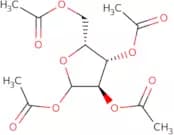
CAS:<p>1,2,3,5-Tetra-O-acetyl-D-xylofuranose is a lectin that has been shown to have an affinity for bacterial cells. It has been shown to be effective against Gram-positive and Gram-negative bacteria, with the exception of mycobacteria. 1,2,3,5-Tetra-O-acetyl-D-xylofuranose binds to the terminal sugar of the cell wall carbohydrate chains of these cells by means of its oligosaccharide side chain. The binding causes conformational changes in the bacterial membrane and disrupts the ion gradient across it. This leads to an influx of water into the cell and subsequent death.</p>Formula:C13H18O9Purity:Min. 95%Color and Shape:Colorless PowderMolecular weight:318.28 g/mol2,3-O-Isopropylidene-L-ribofuranose
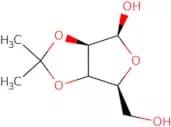
CAS:<p>2,3-O-Isopropylidene-L-ribofuranose is a chiral building block for the synthesis of α-amino acids. This compound can be obtained from l-arabinose and l-rhamnose by kinetic resolution reactions with reagents such as (R)-1,2,3,4,5,6-hexahydrobenzo[b]thiophene or (S)-1,2,3,4,5,6-hexahydrobenzo[b]thiophene. The product is an enantiospecifically pure mixture of 2,3-O-isopropylidene L-ribofuranose and its antipode. The use of acid catalysts such as sulfuric acid or hydrochloric acid will yield a higher yield of the desired product.</p>Formula:C8H14O5Purity:Min. 95 Area-%Color and Shape:PowderMolecular weight:190.19 g/mol1-Bromo-2,3,4-tri-O-acetyl-a-D-glucuronide methyl ester
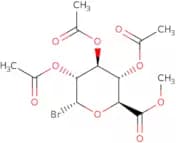
CAS:<p>1-Bromo-2,3,4-tri-O-acetyl-a-D-glucuronide methyl ester is a protected D-glucoronic acid with an alpha bromide at the anomeric position ready to undergo glycosylation reactions with suitable glycoside acceptors. Pharmaceutically active compounds have been used as acceptors to form β-linked D-glucuronide prodrugs which can be used to modify pharmacokinetics, improve solubility and lower the toxicity of the drug.</p>Formula:C13H17BrO9Purity:Min. 80%Molecular weight:397.17 g/mol3-Deoxy-D-manno-2-octulosonic acid ammonium
CAS:<p>3-Deoxy-D-manno-2-octulosonic acid ammonium is a bioreactor that is used in the delipidation of fatty acids. It is one of the most effective natural compounds for removing lipids, and it has been shown to be effective in reducing the levels of galactose and cholesterol. 3-Deoxy-D-manno-2-octulosonic acid ammonium has also been shown to be an effective antigen that can be used as a marker for various microorganisms, such as typhimurium, enterobacter, and lettuce.</p>Formula:C8H17NO8Purity:Min. 95 Area-%Color and Shape:White PowderMolecular weight:255.22 g/molD-Altrose
CAS:<p>D-Altrose is an alpha-hydroxy acid that is synthesized from D-arabinose and trifluoroacetic acid. It has been shown to be a substrate for the synthesis of oligosaccharides, which are important in carbohydrate chemistry. This molecule can also be used as a reagent in the preparation of carbohydrates with a specific configuration at C2. One use of this product is in generating analytical methods that can distinguish between D-altrose and D-arabinose by monitoring the ratio of hydrogen fluoride to carbonyl group signals. D-Altrose may also be used in asymmetric synthesis, where it is a useful chiral building block for the construction of galacturonic acid derivatives.</p>Formula:C6H12O6Purity:Min. 98 Area-%Color and Shape:White PowderMolecular weight:180.16 g/molPhenyl 4,6-O-benzylidene-β-D-glucopyranoside
CAS:<p>Phenyl 4,6-O-benzylidene-b-D-glucopyranoside is a white crystalline powder that belongs to the group of glycoconjugates. It has been made by the modification of glycosides and saccharides. This product can be used as a fluorination agent in organic synthesis, or as a click modification in carbohydrate chemistry. Phenyl 4,6-O-benzylidene-b-D-glucopyranoside can also be used for glycosylation reactions and methylation reactions.</p>Formula:C19H20O6Purity:Min. 95%Color and Shape:White to off-white solid.Molecular weight:344.36 g/molRaloxifene 4'-D-glucuronide
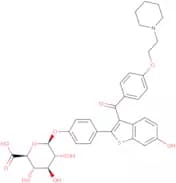
CAS:<p>Raloxifene 4'-D-glucuronide is a drug that is a prodrug of raloxifene, and it can be used to treat osteoporosis. The compound is metabolized by glucuronidation in the liver, and it has been found to have bioequivalence with the parent drug. Raloxifene 4'-D-glucuronide is marketed under the trade name Evista.</p>Formula:C34H35NO10SPurity:Min. 95%Color and Shape:PowderMolecular weight:649.71 g/mol1,2,3,5-Tetra-O-benzoyl-a-D-xylofuranose
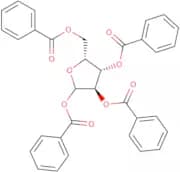
CAS:<p>1,2,3,5-Tetra-O-benzoyl-a-D-xylofuranose is a glycosylated oligosaccharide with a tetra-O-benzoyl group at the nonreducing end. It can be synthesized by reacting benzaldehyde with 1,2,3,5-tetraacetyl xylose in the presence of sodium methoxide and acetic acid. The product can be fluorinated or methylated to produce other derivatives. This product is soluble in water and methanol and has a CAS number of 5432-87-1. It is available as a custom synthesis from catalog number SYN0000011.<br>!-- <br>-->!-- <br>-->!-- <br>-->!-- <br>--> !-- <br>-->!-- <br>-->!-- <br>-->!-- <br>--> !-- <br>-->!-- <br>-->!--</p>Formula:C33H26O9Purity:Min. 95%Color and Shape:White PowderMolecular weight:566.55 g/mol1,3,4,6-Tetra-O-acetyl-2-azido-2-deoxy-a-D-galactopyranose
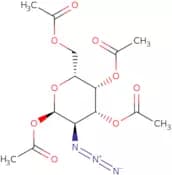
CAS:<p>1,3,4,6-Tetra-O-acetyl-2-azido-2-deoxy-a-D-galactopyranose is an azide sugar that is resistant to the activity of sulfide and can be used as a probe for sulfide in the distal colon. It has been shown that this sugar binds to recombinant human erythrocyte enzymes and inhibits their activities. The hydrolysis of this sugar by pancreatic enzymes has been shown to be dependent on the conformational state of the enzyme. This sugar also inhibits salivary amylase and intestinal sucrase activities.</p>Formula:C14H19N3O9Purity:Min. 95%Color and Shape:White PowderMolecular weight:373.32 g/molMucic acid
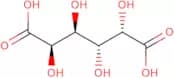
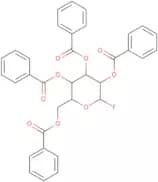
CAS:<p>Mucic acid is a metal chelate that stimulates the metabolism of carbohydrates, fats and proteins. It also plays a role in the production of energy in the body. Mucic acid has been shown to have a protective effect against infectious diseases, as it activates toll-like receptor 2 (TLR2) and TLR4, which are molecules involved in innate immunity. Mucic acid has been shown to protect against influenza virus infection by increasing the expression of interferon-gamma (IFN-γ) and IL-12, which are cytokines that inhibit viral replication. Mucic acid can be used as a fluorescence probe for detection of polymorphonuclear leucocytes in blood samples.</p>Formula:C6H10O8Purity:Min. 95%Color and Shape:White PowderMolecular weight:210.14 g/mol2,3,4,6-Tetra-O-benzoyl-β-D-glucopyranosyl fluoride
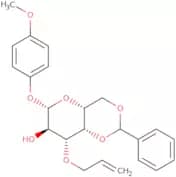
CAS:<p>Synthetic carbohydrate building block</p>Formula:C34H27FO9Purity:Min. 95%Color and Shape:PowderMolecular weight:598.59 g/mol4-Methoxyphenyl 3-O-allyl-4,6-O-benzylidene-β-D-galactopyranoside
CAS:<p>4-Methoxyphenyl 3-O-allyl-4,6-O-benzylidene-b-D-galactopyranoside is a galactoside that is commonly found in plants. The biosynthesis of this molecule has been studied in the bacteria N. meningitidis and it has been shown that it can be synthesized from fatty acids. 4-Methoxyphenyl 3-O-allyl-4,6-O-benzylidene b -D -galactopyranoside can be used as a HIV drug, as it inhibits the growth of HIV cells by inhibiting protein synthesis and RNA transcription. This molecule is also able to inhibit cancer cell proliferation in vitro.</p>Formula:C23H26O7Purity:Min. 95%Color and Shape:White Off-White PowderMolecular weight:414.45 g/mol2,3,4,6-Tetra-O-benzoyl-D-galactopyranose
CAS:<p>2,3,4,6-Tetra-O-benzoyl-D-galactopyranose is a glycoside. It is synthesized by the glycosylation of galactose with benzoic acid chloride in the presence of sodium carbonate. This compound is a natural product that can be found in plants and animals. 2,3,4,6-Tetra-O-benzoyl-D-galactopyranose has been shown to inhibit topoisomerase I and II activity in mammalian cells and induce the uptake of galactose into human adenocarcinoma cells. The yields of this compound are low and it has not been studied extensively due to its limited availability.</p>Formula:C34H28O10Purity:Min. 95%Color and Shape:White PowderMolecular weight:596.58 g/mol6-O-Malonyldaidzin free acid
CAS:<p>6-O-Malonyldaidzin is a metabolite of the soybean isoflavone daidzein. It is an isoflavonoid that has been shown to activate estrogen receptors in vitro and in vivo. 6-O-Malonyldaidzin has been found to have a protective effect on hepatic steatosis, as well as an anti-inflammatory effect. This compound also appears to have matrix effects on plasma lipoproteins and vascular endothelial cells. 6-O-Malonyldaidzin is absorbed efficiently from the gastrointestinal tract, with its bioavailability being 70% or higher when taken orally. The chemical reaction for the synthesis of 6-O-Malonyldaidzin free acid can be carried out using acetylgenistin as a starting material. The sample preparation for this reaction solution may include distillation, recrystallization, or column chromatography. The analytical method for measuring the concentration of this compound includes UV spectrosc</p>Formula:C24H22O12Purity:Min. 95%Color and Shape:White PowderMolecular weight:502.42 g/molD-Threitol
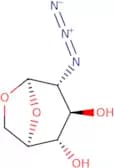
CAS:<p>D-Threitol is a carbohydrate that has been shown to have anti-microbial activity against a number of microbes, including E. coli, Klebsiella pneumoniae, Bacillus subtilis, and Staphylococcus aureus. It may also be useful in the treatment of microbial infections in the respiratory tract. D-Threitol is an analogue of threitol with an acyl chain at the 4 position instead of the 5 position. The allyl carbonate moiety can be cleaved by acid to form an acid complex, which is more stable than D-threitol. D-Threitol binds to antibody response sites on cells, thereby preventing cells from responding to pathogens or other foreign bodies by initiating appropriate immune responses. This binding also prevents bacteria from attaching themselves to cell walls.</p>Formula:C4H10O4Purity:Min. 98 Area-%Color and Shape:PowderMolecular weight:122.12 g/mol1,6-Anhydro-2-azido-2-deoxy-b-D-glucopyranose
CAS:<p>1,6-Anhydro-2-azido-2-deoxy-b-D-glucopyranose is a sugar. It belongs to the group of carbohydrates and has a molecular weight of 198.15 g/mol. The CAS number for this compound is 67546-20-7. 1,6-Anhydro-2-azido-2,3,4,5,6,7,8,9,10,-hexahydroxybenzoate (1) is an intermediate in the synthesis of 1,6 anhydro 2 azido 2 deoxy b D glucopyranose (2). In this reaction 2 are reacted with sodium azide and potassium hydroxide in ethanol to give 2 as a white crystalline solid with mp 169°C. This product can be used as a monosaccharide or modified monosaccharide for glycosylation or methylation reactions.</p>Formula:C6H9N3O4Purity:Min. 95%Color and Shape:SolidMolecular weight:187.15 g/molTriclosan-β-D-glucopyranoside
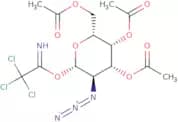
<p>Triclosan-beta-D-glucopyranoside is a synthetic sugar that can be used as a building block for the preparation of complex carbohydrates. Triclosan-beta-D-glucopyranoside is not known to have any commercial applications.</p>Formula:C18H17Cl3O7Purity:Min. 95%Color and Shape:PowderMolecular weight:451.68 g/mol3,4,6-Tri-O-acetyl-2-azido-2-deoxy-b-D-galactopyranosyl trichloroacetimidate
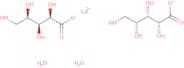
CAS:Glycosyl-donor for syntheses of N-acetylgalactosamine-glycoconjugatesFormula:C14H17Cl3N4O8Purity:(%) Min. 80%Color and Shape:White PowderMolecular weight:475.67 g/molD-Xylonic acid calcium salt hydrate
CAS:<p>D-Xylonic acid calcium salt hydrate is a product that is made from the hydrolysis of cellulose. It is a byproduct of the production of d-xylose and can be used as a nutritional supplement or an additive in animal feed. D-Xylonic acid calcium salt hydrate has been shown to have an uptake rate in aerobic conditions that is ten times higher than glucose, which makes it more economical for use in the production of d-xylose. D-Xylonic acid calcium salt hydrate can be catalyzed to produce yields for d-glucose and d-xylose, which are both important monosaccharides. The catalytic process also produces d-gluconic acid and aerobic oxidation produces d-xylose, making it possible to recycle these products.</p>Formula:C10H18O12·Ca·xH2OPurity:Min. 97%Color and Shape:White PowderMolecular weight:370.32 g/mol2,3,4,6-Tetra-O-acetyl-β-D-thioglucopyranose
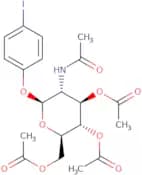
CAS:<p>Inhibits the Maillard reaction between glucose and glycine</p>Formula:C14H20O9SPurity:Min. 95%Color and Shape:PowderMolecular weight:364.37 g/mol4-Iodophenyl 2-acetamido-3,4,6-tri-O-acetyl-2-deoxy-b-D-glucopyranoside
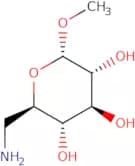
CAS:<p>4-Iodophenyl 2-acetamido-3,4,6-tri-O-acetyl-2-deoxy-b-D-glucopyranoside is a white crystalline powder. It is a glycosylation product of 4-(iodophenyl)-2-(acetamido)-3,4,6,-triacetylaminohexose. This compound can be used for the synthesis of complex carbohydrates and saccharides. This compound is also used in the modification of polysaccharides and oligosaccharides. The purity of this compound is greater than 98%.</p>Formula:C20H24INO9Purity:Min. 95%Color and Shape:PowderMolecular weight:549.31 g/molMethyl 6-amino-6-deoxy-a-D-glucopyranoside
CAS:<p>Methyl 6-amino-6-deoxy-a-D-glucopyranoside is a saccharide with a molecular weight of 362.4 g/mol. This carbohydrate is fluorinated and modified with an amine group on the C1 position, which makes it a complex carbohydrate. It can be custom synthesized to order and has high purity. CAS No. 5155-47-5</p>Formula:C7H15NO5Purity:Min. 98 Area-%Color and Shape:Clear LiquidMolecular weight:193.2 g/mol2,3,4,6-Tetra-O-benzyl-D-glucopyranose
CAS:<p>2,3,4,6-Tetra-O-benzyl-D-glucopyranose is a selectively protected intermediate, where the anomeric 1-O-hydroxyl group is free. This hemiacetal has been used successfully as an intermediate for glucosylation couplings, where it was converted into 2,3,4,6-tetra-O-benzyl-D-glucopyranose trichloroacetimidate using trichloroacetonitrile in the presence of a base such as potassium carbonate and DBU. Importantly, this imidate donor with no neighbouring participating groups is commonly used for the selective formation of α-glucosides. 2,3,4,6-tetra-O-benzyl-D-glucopyranose can also be oxidized to the lactone, or reduced to give the open chain form. Additionally, 2,3,4,6-tetra-O-benzyl-D-glucopyranose can be used for the preparation of glucono-1,5-lactone hydrazine, which was used, in-turn, to form a glucosylidene-spirocyclopropane.</p>Formula:C34H36O6Purity:Min. 97 Area-%Color and Shape:White PowderMolecular weight:540.65 g/mola-D-[UL-13C6]Glucose-1-phosphate dipotassium salt hydrate
CAS:<p>a-D-[UL-13C6]Glucose-1-phosphate dipotassium salt hydrate is a kinetic and structural analysis of the glucose phosphate metabolic pathway. It has been used to study biochemical properties of the glucose phosphate metabolic pathway, and to study the control mechanisms for this process. Specifically, it has been used to determine kinetic parameters that are necessary for understanding glucose metabolism. This compound has also been used to study hydrogen bonding interactions between monoclonal antibodies and ganoderma lucidum and transfer reactions of immobilized enzymes. The pH optimum for this compound is 4.5, and it can be synthesized from solanum tuberosum.</p>Formula:C6H11K2O9P·xH2OPurity:Min. 95%Color and Shape:PowderMolecular weight:342.27 g/mol4-Methylphenyl b-D-thioglucopyranoside
CAS:<p>4-Methylphenyl b-D-thioglucopyranoside is a carbohydrate that has been modified by fluorination, methylation, glycosylation, and click modification. It is an oligosaccharide sugar with CAS No. 1152-39-2 and is custom synthesized for high purity. This compound is synthesized from saccharides or from the combination of monosaccharides using glycosylation and click chemistry. 4-Methylphenyl b-D-thioglucopyranoside can be used as a synthetic intermediate in the synthesis of other compounds.</p>Formula:C13H18O5SPurity:Min. 95%Color and Shape:White PowderMolecular weight:286.35 g/mol














![a-D-[UL-13C6]Glucose-1-phosphate dipotassium salt hydrate](/_next/image/?url=https%3A%2Fstatic.cymitquimica.com%2Fproducts%2F3D%2Fthumb-webp%2FMG64091.webp&w=3840&q=75)
