Monosaccharides
Subcategories of "Monosaccharides"
- Alloses(11 products)
- Arabinoses(21 products)
- Erythroses(11 products)
- Fructoses(9 products)
- Fucoses(36 products)
- Galactosamine(41 products)
- Galactose(261 products)
- Glucoses(365 products)
- Glucuronic Acids(52 products)
- Glyco-substrates for Enzyme(78 products)
- Guloses(6 products)
- Idoses(4 products)
- Inositols(15 products)
- Lyxoses(4 products)
- Mannoses(65 products)
- O-Glycans(48 products)
- Psicoses(3 products)
- Rhamnoses(10 products)
- Riboses(61 products)
- Sialic Acids(100 products)
- Sorboses(4 products)
- Sugars(173 products)
- Tagatoses(4 products)
- Taloses(8 products)
- Xyloses(20 products)
Found 6089 products of "Monosaccharides"
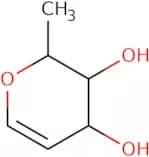
L-Rhamnal
CAS:L-Rhamnal is a sodium sulfide that is used in the synthesis of stereoselective compounds. It has been shown to have anti-leukemic properties and may be useful for the treatment of lymphocytic leukemia. L-Rhamnal has been shown to inhibit tumor growth and metastasis in animal models of cancer, as well as being cytotoxic to human leukemic cells. L-Rhamnal inhibits the proliferation of these cells by blocking DNA synthesis and preventing cell division. The hydroxymethyl group on L-rhamnal interacts with chloride ions to form a salt that can be degraded into hydrogen sulfide gas, which is known to be toxic to some organisms. The chloride ion also reacts with triterpene alcohols, glycosidic bonds, potassium phosphate, or borohydride reduction agents like sodium borohydride or lithium aluminum hydride. These reactions are used in carbohydrate chemistry and aldehydeFormula:C6H10O3Purity:Min. 95%Molecular weight:130.14 g/mol2-Octyldodecyl-D-xylopyranoside
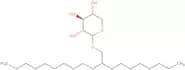
CAS:2-Octyldodecyl-D-xylopyranoside is a synthetic, fluorinated glycosylated monosaccharide. The chemical name for this compound is 2-octyldodecyl-D-xylopyranoside and the CAS number is 423772-95-6. It is a white to off white solid that has Glycosylation and Methylation. This compound can be modified with Click modification and Polysaccharide. It has a molecular weight of 400.25 g/mol and it's molecular formula is C32H62O14F2N2O8S2. 2-Octyldodecyl-D-xylopyranoside can be used as a methyl donor in the synthesis of glycoproteins, glycolipids, glycopeptides, polysaccharides, oligosaccharides, or other complex carbohydrates. It is also used in fluorFormula:C25H50O5Purity:Min. 95%Color and Shape:White solid.Molecular weight:430.66 g/moltrans-Cinnamoyl b-D-glucoside
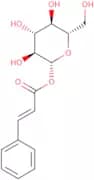
CAS:Trans-Cinnamoyl b-D-glucoside is a plant tissue that can be used as a natural chemical transformation agent. Trans-Cinnamoyl b-D-glucoside is also a chemical catalyst in the synthesis of medicines. The structure of trans-Cinnamoyl b-D-glucoside has been shown to have a high degree of stereoselectivity and sensitivity to tissue culture conditions, which are due to its aldehydic group. This molecule is also able to form gels when combined with other molecules and exhibits endogenous activity.
Formula:C15H18O7Purity:Min. 95%Molecular weight:310.3 g/mol4-Methoxyphenyl-D-ribofuranoside
4-Methoxyphenyl-D-ribofuranoside is a monosaccharide that is used in the synthesis of oligosaccharides and polysaccharides. It is a synthetic compound that can be fluorinated, methylated, or glycosylated. The chemical formula for 4-methoxyphenyl-D-ribofuranoside is C6H8O5. The molecular weight of 4-methoxyphenyl-D-ribofuranoside is 184.12 g/mol. This product does not contain any hazardous chemicals and can be custom synthesized to meet your needs.Purity:Min. 95%Octyl L-glucopyranoside
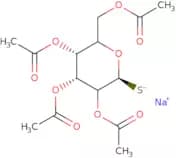
CAS:Octyl L-glucopyranoside is a detergent that is used in biochemical research. It is used as a signal peptide to purify proteins by binding to the hydrophobic region of the protein. In addition, it binds to human polymorphonuclear leukocytes and dextran sulfate. Octyl L-glucopyranoside also has a rate constant of 8 × 10 M-1 s-1 and an analytical method for glycol ethers. The octyl glucopyranoside has been shown to inhibit axonal growth, which may be due to its ability to bind toll-like receptor 4 (TLR4) on dendritic cells.Formula:C14H28O6Purity:Min. 95%Molecular weight:292.37 g/mol2,3,4,6-Tetra-O-acetyl-b-D-thioglucopyranose sodium salt
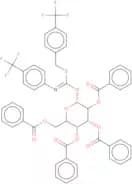
CAS:2,3,4,6-Tetra-O-acetyl-b-D-thioglucopyranose sodium salt is a synthetic monosaccharide that can be used for glycosylation. This product is synthesized by the addition of acetyl groups to the 2-, 3-, 4-, and 6-positions on the glucose moiety. The resulting product has been shown to have a high degree of purity as well as a low content of impurities.Formula:C14H19O9SNaPurity:Min. 95%Molecular weight:386.35 g/mol2,3,4,6-Tetra-O-benzoyl-a-D-glucopyranosyl p-trifluoromethylbenzylthio-N-(trifluoromethylphenyl)formimidate
CAS:2,3,4,6-Tetra-O-benzoyl-a-D-glucopyranosyl p-trifluoromethylbenzylthio-N-(trifluoromethylphenyl)formimidate is a carbohydrate that has been synthesized from an oligosaccharide and a monosaccharide. It has been modified by fluorination, methylation, glycosylation and click chemistry. This product has been custom synthesized for use in the synthesis of saccharides.Formula:C50H37F6NO10SPurity:Min. 95%Molecular weight:957.91 g/molD-Mannitol - EP
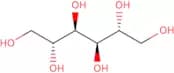
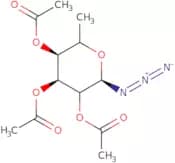
CAS:Mannitol is a sugar alcohol occurring widely in plants and they are exudates, for example, in olive and plane trees (Collins, 2006). It is produced commercially by the catalytic hydrogenation of fructose (Zelin, 2019). Mannitol is used extensively in food and pharmaceutical industries because of its unique functional properties. It is about 50% as sweet as sucrose and has a desirable cooling effect often used to mask bitter tastes. Mannitol is non-cariogenic and has a low caloric content. Mannitol is an osmotic diuretic that is metabolically inert in humans and is used for: the promotion of diuresis before irreversible renal failure becomes established, the promotion of urinary excretion of toxic substances, as an Antiglaucoma agent, and as a renal function diagnostic aid (OâNeil, 2013). Additonally, in 2020, mannitol was approved by the FDA as add-on maintenance therapy for the control of pulmonary symptoms associated with cystic fibrosis in adult patients (McKenna, 2020).Formula:C6H14O6Purity:Min. 97 Area-%Color and Shape:White PowderMolecular weight:182.17 g/mol2,3,4-Tri-O-acetyl-a-L-rhamnopyranosyl azide
CAS:2,3,4-Tri-O-acetyl-a-L-rhamnopyranosyl azide (AraG) is a triazole glycoside that is synthesized by the reaction of an acetylene glycosyl donor with a glycosyl acceptor. It has been shown to have high purity and custom synthesis. 2,3,4-Tri-O-acetyl-a-L-rhamnopyranosyl azide has been used for click modification and fluorination. It can be used to modify saccharides such as oligosaccharides and monosaccharides.Formula:C12H17N3O7Purity:Min. 95%Molecular weight:315.28 g/mol2,3,4,6-Tetrabenzoate D-glucopyranose
CAS:Please enquire for more information about 2,3,4,6-Tetrabenzoate D-glucopyranose including the price, delivery time and more detailed product information at the technical inquiry form on this page
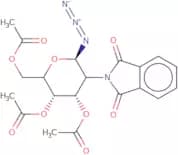
Formula:C34H28O10Purity:Min. 95%Molecular weight:596.6 g/mol3,4,6-Tri-O-acetyl-2-deoxy-2-phthalimido-b-D-glucopyranosyl azide
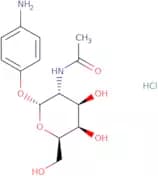
CAS:3,4,6-Tri-O-acetyl-2-deoxy-2-phthalimido-b-D-glucopyranosyl azide is a carbohydrate that has been modified by acetylation and fluorination. Carbohydrates are saccharides and oligosaccharides that have the general formula (CH2O)n. 3,4,6-Tri-O-acetyl-2-deoxy-2-phthalimido b -D -glucopyranosyl azide is an example of a high purity custom synthesis glycosylation product. This modification is a methylation reaction in which the hydroxymethyl group of the sugar alcohol reacts with methanol to produce methyl alcohol. The methyl group then reacts with an organic acid to yield the desired product.Formula:C20H20N4O9Purity:Min. 95%Molecular weight:460.39 g/mol4-Aminophenyl 2-acetamido-2-deoxy-a-D-galactopyranoside HCl
CAS:4-Aminophenyl 2-acetamido-2-deoxy-a-D-galactopyranoside HCl is an oligosaccharide that is composed of glucose, galactose, and two amino acids. It has a molecular weight of 496.34 g/mol and a chemical formula of C14H20N2O8. This compound is synthesized by the click modification of 2,5-diaminopyridine with D -galactopyranosyl chloride. The methylation and glycosylation reactions are also performed to produce this compound.
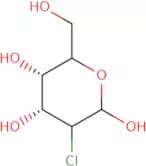
Formula:C14H20N2O6·HClPurity:Min. 95%Molecular weight:348.78 g/mol2-Chloro-2-deoxy-D-mannose
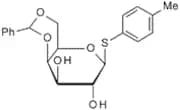
CAS:2-Chloro-2-deoxy-D-mannose is a synthetic sugar that can be used as a fluoride substrate. It has been shown to bind to the active site of bacterial enzymes and inhibit them. 2-Chloro-2-deoxy-D-mannose is a conformationally constrained analogue of 3-deoxyglucose, which binds to the same active site on bacterial enzymes. This sugar also inhibits nitrate reductase, an enzyme involved in the reductive dehalogenation of nitrates. 2-Chloro-2-deoxy-D-mannose has been shown to inhibit the growth of Mycobacterium tuberculosis and Mycobacterium avium complex by binding with high affinity to the ligand binding site on these bacteria's glycolytic enzymes.Formula:C6H11ClO5Purity:Min. 95%Color and Shape:White PowderMolecular weight:198.6 g/mol4-Methylphenyl 4,6-O-benzylidene-b-D-thiogalactopyranoside
CAS:4-Methylphenyl 4,6-O-benzylidene-b-D-thiogalactopyranoside is a synthetically produced carbohydrate typically used as a building block in oligo-saccharide synthesis.Formula:C20H22O5SPurity:Min. 95%Molecular weight:374.45 g/molN-Acetyl-D-[UL-13C6]glucosamine
CAS:N-Acetyl-D-[UL-13C6]glucosamine is a complex carbohydrate that contains a sugar at the end of a glycosidic bond. This product is modified with methylation, glycosylation, and fluorination. It has CAS No. 127959-06-2, High purity, and is custom synthesized for your specific needs.
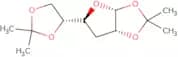
Formula:C6C2H15NO6Purity:Min. 95%Molecular weight:227.21 g/mol3-Deoxy-1,2:5,6-di-O-isopropylidene-a-D-glucofuranose
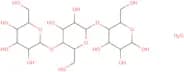
CAS:3-Deoxy-1,2:5,6-di-O-isopropylidene-a-D-glucofuranose is an oligosaccharide that belongs to the group of polysaccharides. It is a methylated saccharide with a high degree of purity and can be custom synthesized for use as a carbohydrate in pharmaceuticals. 3-Deoxy-1,2:5,6-di-O-isopropylidene-a-D-glucofuranose is used in the synthesis of glycosylations and has been shown to have antiviral activity against Epstein Barr virus by inhibiting viral protein synthesis.Formula:C12H20O5Purity:Min. 95%Molecular weight:244.29 g/molMaltotriose hydrate
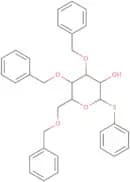
CAS:Maltotriose hydrate is a Chinese-made inhibitor analog that has shown promising anticancer properties. It has been shown to inhibit kinases, which are proteins involved in cell signaling pathways that regulate cell growth and division. This inhibition leads to apoptosis, or programmed cell death, in cancer cells. Maltotriose hydrate has been found in human urine and may have potential as a medicinal agent for the treatment of various types of tumors and cancers. Its ability to target cancer cells specifically makes it a promising candidate for further research into cancer treatments.Formula:C18H34O17Purity:Min. 95%Molecular weight:522.5 g/molPhenyl 3,4,6-tris-o-(phenylmethyl)-1-thio-B-D-glucopyranoside
CAS:Please enquire for more information about Phenyl 3,4,6-tris-o-(phenylmethyl)-1-thio-B-D-glucopyranoside including the price, delivery time and more detailed product information at the technical inquiry form on this page
Formula:C33H34O5SPurity:Min. 95%Molecular weight:542.7 g/molTri-O-acetyl-4,6-O-benzylidene-D-glucopyranose
CAS:Tri-O-acetyl-4,6-O-benzylidene-D-glucopyranose is a synthetic oligosaccharide that is used as an intermediate in the preparation of triacetylated glycosaminoglycans. This compound is also useful for studying glycosylation reactions and for measuring sugar binding affinity. Tri-O-acetyl-4,6-O-benzylidene-D-glucopyranose has been custom synthesized by our chemists to meet your specific requirements.Formula:C19H22O9Purity:Min. 95%Molecular weight:394.4 g/molN-(trans-3-Hydroxycotinine)-b-D-glucuronide
CAS:N-(trans-3-Hydroxycotinine)-b-D-glucuronide is a hydroxy metabolite of trans-3-hydroxycotinine, which is a pyridine derivative and an endogenous metabolite of nicotine. It is formed by conjugation with glucuronate in the liver and excreted in the urine. It has been detected in human urine after oral administration of nicotine. N-(trans-3-Hydroxycotinine)-b-D-glucuronide can be used as an indicator for tobacco exposure or use.Formula:C16H20N2O8Purity:Min. 95%Molecular weight:368.34 g/mol17-b-Estradiol-d3 3-b-D-glucuronide
17-b-Estradiol-d3 3-b-D-glucuronide is a custom synthesis of a complex carbohydrate. It has CAS No. and is a modification of the saccharides, methylation, glycosylation and click modification. This compound is fluorinated for high purity and synthetic.Formula:C24H29D3O8Purity:Min. 95%Molecular weight:451.52 g/mol16a-Hydroxyestrone 16-b-D-glucuronide
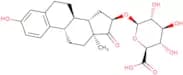
CAS:16a-Hydroxyestrone 16-b-D-glucuronide is a conjugate of the hydroxyestrone and glucuronic acid. It is a metabolite of estradiol, which is the most potent estrogen produced by the human body. The compound has been found in urine, saliva, and breast milk. 16a-Hydroxyestrone 16-b-D-glucuronide is an inactive steroid that can be conjugated with glucuronic acid to form a water soluble molecule that can be excreted in the urine or bile.Formula:C24H30O9Purity:Min. 95%Molecular weight:462.49 g/mol1,2,3,4,5,6-Hexa-O-acetyl-myo-inositol
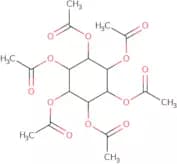
CAS:Myo-inositol is a naturally occurring organic compound that belongs to the group of sugars and polyols. It has been isolated from plants, where it is found in the form of its solubilized acetate ester. Myo-inositol is important as a component of cell membranes, as well as being an essential part of intracellular signaling pathways. This compound has also been shown to have an inhibitory effect on cervical cancer cells and can be used in the treatment of this condition. Myo-inositol binds iron and has been shown to have anti-inflammatory properties.Formula:C18H24O12Purity:Min. 95%Molecular weight:432.16 g/mol4-Methylphenyl 2-acetamido-2-deoxy-b-D-glucopyranoside
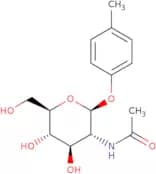
CAS:4-Methylphenyl 2-acetamido-2-deoxy-b-D-glucopyranoside is a high purity, custom synthesis sugar. It is a synthetic oligosaccharide monosaccharide saccharide carbohydrate. This chemical has been modified with fluorination, glycosylation, and methylation. The CAS number for this compound is 35694-99-6 and it has the molecular formula of C11H14O5.Formula:C15H21NO6Purity:Min. 95%Molecular weight:311.33 g/molD-Mannose-6-13C
CAS:Please enquire for more information about D-Mannose-6-13C including the price, delivery time and more detailed product information at the technical inquiry form on this pageFormula:C6H12O6Purity:Min. 95%Molecular weight:180.16 g/molEthyl 2,3-di-O-benzoyl-b-D-thiogalactopyranoside
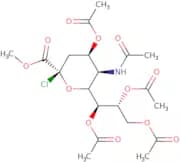
CAS:Ethyl 2,3-di-O-benzoyl-b-D-thiogalactopyranoside is a modification of the sugar galactose. It is an oligosaccharide that is a complex carbohydrate with a high purity and CAS No. 154391-05-6. This product is supplied as white powder and can be used in a number of applications including custom synthesis and synthetic chemistry. Ethyl 2,3-di-O-benzoyl-b-D-thiogalactopyranoside can be modified by methylation, glycosylation, and polysaccharide synthesis. The molecule has been fluorinated to create ethyl 2,3,4,5,6-[F]fluorohexanedioate.Purity:Min. 95%N-Acetyl-2-chloro-2-deoxyneuraminic acid methyl ester 4,7,8,9-tetraacetate
CAS:N-Acetyl-2-chloro-2-deoxyneuraminic acid methyl ester 4,7,8,9-tetraacetate is a sialic acid analog that has been shown to have antiviral properties. It binds to the influenza virus and inhibits its activity by blocking the hemagglutinin receptor. The compound is soluble in water and organic solvents and can be modified with perbenzylated groups to increase its stability in plasma and tissues. N-Acetyl-2-chloro-2-deoxyneuraminic acid methyl ester 4,7,8,9-tetraacetate is resistant to hydrolysis by esterases and can also be used for the treatment of infections caused by bacteria or fungi.
Formula:C20H28ClNO12Purity:Min. 95%Color and Shape:PowderMolecular weight:509.89 g/molEthyl 6-O-benzyl-2-deoxy-4-O-Fmoc-3-O-levulinoyl-2-trichloroacetamido-b-D-thioglucopyranoside
CAS:Ethyl 6-O-benzyl-2-deoxy-4-O-Fmoc-3-O-levulinoyl-2-trichloroacetamido-b-D-thioglucopyranoside is a synthetic, custom synthesis of an oligosaccharide. It is composed of a saccharide and a fluorinated methyl group. The glycosylation pattern is not disclosed due to the proprietary nature of the product. The purity level is high, with minimal impurities.
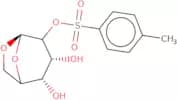
Purity:Min. 95%1,6-Anhydro-2-O-p-toluenesulfonyl-b-D-glucopyranose
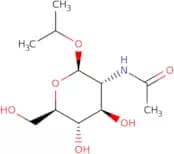
CAS:1,6-Anhydro-2-O-p-toluenesulfonyl-b-D-glucopyranose is a synthetic sugar that is used in glycosylation reactions. It has high purity and is available for custom synthesis. The compound is primarily used as a substrate for Click chemistry modifications to the anomeric carbon. It has been shown to effectively inhibit the growth of bacteria by binding to DNA gyrase, preventing the formation of covalent bonds that are required for bacterial cell division.Formula:C13H16O7SPurity:Min. 95%Molecular weight:316.33 g/molIsopropyl 2-acetamido-2-deoxy-b-D-glucopyranoside
CAS:Isopropyl 2-acetamido-2-deoxy-b-D-glucopyranoside is a chromatographic agent used in liquid chromatography. It is a reaction product of polysaccharides and fatty acids, which are extracted from fruits. Isopropyl 2-acetamido-2-deoxy-b-D-glucopyranoside has been shown to inhibit the growth of typhimurium and other viruses in cell culture. The safety profile of this compound has not been established in humans and should be tested before use in vivo.Formula:C11H21NO6Purity:Min. 95%Molecular weight:263.29 g/molSinapinoyl L-arabinofuranoside
Sinapinoyl L-arabinofuranoside is a synthetic oligosaccharide that is an important carbohydrate for research and development. It is a sugar that has been modified by fluorination and methylation, as well as glycosylation and click chemistry. This product can be custom synthesized to meet the needs of the customer, with high purity and quality.Purity:Min. 95%4'-Hydroxypropranolol-2-O-b-D-glucuronide
4'-Hydroxypropranolol-2-O-b-D-glucuronide is a custom synthesis that has been modified with glycosylation, methylation, and fluorination. It is a complex carbohydrate that has CAS number and is a polysaccharide. 4'-Hydroxypropranolol-2-O-b-D-glucuronide is synthesized by the modification of an oligosaccharide, saccharide, or sugar with methylation and glycosylation. This product also contains a click modification.Purity:Min. 95%4-Amino-4-deoxy-D-glucopyranose
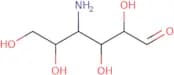
CAS:4-Amino-4-deoxy-D-glucopyranose is an anticancer agent that has been found to be effective against cancer cells. It is a chitosan derivative that acts as an inhibitor of apoptosis in cancer cells. This compound has been detected in urine and has been shown to inhibit the growth of human cancer cells by inhibiting kinase activity. 4-Amino-4-deoxy-D-glucopyranose is an analog of glucose and can be used as a potential therapeutic agent for the treatment of tumors. It specifically targets kinases involved in the regulation of cell growth and protein synthesis, which makes it a promising candidate for cancer treatment.Formula:C6H13NO5Purity:Min. 95%Molecular weight:179.17 g/molFluoxetine D-glucuronide (mixture of isomers)
CAS:Fluoxetine D-glucuronide is a glycosylated, fluorinated, custom-synthesized compound. It is composed of the methyl ester and glucuronide moiety of fluoxetine. The synthesis of this compound starts with the oxidation of fluoxetine to form an aldehyde intermediate. This intermediate is then condensed with chloroacetic acid to form the desired product. Fluoxetine D-glucuronide has shown efficacy in animal models for its ability to inhibit serotonin reuptake and block 5HT2A receptors. This drug is also used as a tracer in positron emission tomography (PET) imaging studies for serotonin transporters.Purity:Min. 95%2,3,5-Tri-O-benzoyl-b-D-ribofuranosyl isothiocyanate
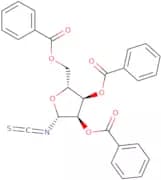
CAS:2,3,5-Tri-O-benzoyl-b-D-ribofuranosyl isothiocyanate is a synthetic compound consisting of a benzoyl group attached to the 2' position of the ribose sugar. This modification has been shown to increase the stability of oligosaccharides and complex carbohydrates in aqueous solutions. 2,3,5-Tri-O-benzoyl-b-D-ribofuranosyl isothiocyanate can be used for the fluorination of saccharides and oligosaccharides. It can also be used for glycosylation or methylation reactions with monosaccharides or polysaccharides.Formula:C27H21NO7SPurity:Min. 95%Molecular weight:503.52 g/molL-[2-13C]Xylose
CAS:Please enquire for more information about L-[2-13C]Xylose including the price, delivery time and more detailed product information at the technical inquiry form on this page
Formula:C5H10O5Purity:Min. 95%Molecular weight:151.12 g/molXylaric acid disodium salt
CAS:Xylaric acid disodium salt is a meso oxidised xylose analogueFormula:C5H6Na2O7Purity:Min. 98 Area-%Color and Shape:PowderMolecular weight:224.08 g/molO-Desmethyl galanthamine b-D-glucuronide
CAS:O-Desmethyl galanthamine b-D-glucuronide is a synthetic carbonyl glycoside. It is an acetylated monosaccharide with a fluorinated sugar. O-Desmethyl galanthamine b-D-glucuronide is prepared by the click modification of N-acetylgalactosamine and D,L-galactose with ethyl diazoacetate in the presence of copper(I) iodide. The methylation of the hydroxyl group on the C2 position of the sugar moiety and glycosylation at the C3 position are also carried out to produce this compound.Formula:C22H27NO9Purity:Min. 95%Molecular weight:449.45 g/molm-Methoxytopolin-9-glucoside
CAS:M-methoxytopolin-9-glucoside is a synthetic oligosaccharide that has been modified with fluorination and methylation. It is an important intermediate for the synthesis of complex carbohydrates. M-methoxytopolin-9-glucoside can be used in the production of glycosylated polysaccharides, including glycoproteins, proteoglycans, and mucopolysaccharides. This product is offered at a purity level of > 98% and can be used for custom synthesis.Formula:C19H23N5O6Purity:Min. 95%Molecular weight:417.42 g/molGlycosaminoglycan related oligosaccharides
Glycosaminoglycan related oligosaccharides are a family of complex carbohydrates that are found in the extracellular matrix. They consist of a monosaccharide, methylation, and glycosylation. Glycosaminoglycan related oligosaccharides have been shown to be effective in modifying cells, as well as in inhibiting bacterial growth. The fluorination of glycosaminoglycan related oligosaccharides has been shown to increase the stability and inhibit bacterial growth.Purity:Min. 95%3,4-Di-O-acetyl-2-O-benzyl-L-rhamnopyranoside
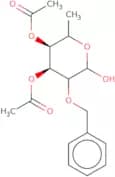
3,4-Di-O-acetyl-2-O-benzyl-L-rhamnopyranoside is a custom synthesized, fluorinated, methylated, monosaccharide that can be used as a synthetic building block for the synthesis of saccharides. This compound has been shown to have a CAS number and is classified as an oligosaccharide. 3,4-Di-O-acetyl-2-O-benzyl-L-rhamnopyranoside is recommended for use in glycosylation reactions. It has been shown to react with other saccharides at the C1 position in the presence of various conditions such as mild alkaline or acid conditions.Formula:C17H22O7Purity:Min. 95%Molecular weight:338.35 g/mol2,3-O-Isopropylidene-1,4-di-O-tosyl-L-threitol
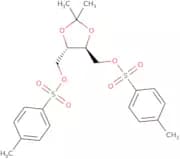
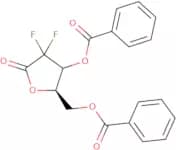
CAS:2,3-O-Isopropylidene-1,4-di-O-tosyl-L-threitol is a custom synthesis of the sugar 2,3-O-isopropylidene-1,4-di(tosyl)-L-threitol. The monomeric sugar is fluorinated and methylated before glycosylation. This modification prevents enzymatic degradation and increases the stability of the compound.Formula:C21H26O8S2Purity:Min. 95%Molecular weight:470.56 g/mol2-Deoxy-2,2-difluoro-D-threo-pentofuranos-1-ulose-3,5-dibenzoate
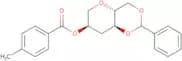
CAS:2-Deoxy-2,2-difluoro-D-threo-pentofuranos-1-ulose-3,5-dibenzoate is a custom synthesis of an oligosaccharide. It is a polysaccharide that contains saccharides and other modifications such as methylation and glycosylation. This product is a sugar with high purity and fluorination. Click modification is the process by which 2,2'-dF (fluorine) is introduced into the furanose ring at the C4 position. Fluorination increases the stability of the molecule and increases its resistance to hydrolysis by enzymes. The addition of this fluorine group also decreases the reactivity of the molecule with water, making it more stable for storage.Formula:C19H14F2O6Purity:Min. 95%Color and Shape:SolidMolecular weight:376.31 g/mol1,5-Anhydro-4,6-O-benzylidene-3-deoxy-2-O-toluoyl-D-glucitol
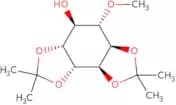
CAS:1,5-Anhydro-4,6-O-benzylidene-3-deoxy-2-O-toluoyl-D-glucitol is a methylated saccharide that is used in the synthesis of complex carbohydrates. It was synthesized by a click modification reaction with 2-(1H-benzotriazole-1-yl)methyl 4,6-anhydro toluene and 1,5 anhydro 3,4,6 deoxy glucose. The compound has been shown to have an antiinflammatory effect in the mouse model of colitis. Methylation: The addition of a methyl group to a molecule. Saccharide: A sugar or sugar alcohol composed of carbon, hydrogen, and oxygen atoms. Polysaccharide: A polymer (or macromolecule) consisting of multiple saccharides linked together. CAS No.: Chemical Abstract Service Registry Number; 14Formula:C21H22O5Purity:Min. 95%Molecular weight:354.4 g/molPinitol diacetonide
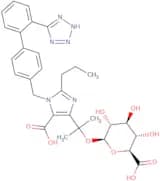
CAS:Pinitol diacetonide is an acceptor substrate for β-galactosidase, a glycosyl hydrolase that catalyzes the hydrolysis of terminal galactose residues from the non-reducing end of certain glycolipids. Pinitol diacetonide has been shown to be enzymatically active in both aerobic and anaerobic conditions. This product can also be used as a substrate for 1,4-β-D-galactosyltransferase, which catalyzes the transfer of D-galactose from 1,4-β-D-glucose to the nonreducing end of certain glycolipids. Pinitol diacetonide is not a suitable substrate for p-nitrophenyl galactosyltransferase, an enzyme that catalyzes the transfer of p-nitrophenol from L -pyranosides to the nonreducing end of certain glycolipids. PinFormula:C13H22O6Purity:Min. 95%Molecular weight:274.31 g/molOlmesartan N2-glucuronide
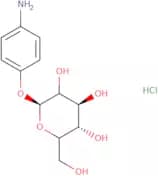
CAS:Olmesartan N2-glucuronide is a methylated metabolite of olmesartan, which is an angiotensin II receptor blocker. Olmesartan glucuronide is a high purity chemical compound with CAS No. 369395-57-3. It can be custom synthesized to order and has been used in glycosylation reactions as a sugar donor or acceptor. This product is also useful for the Click modification of oligosaccharides and polysaccharides, as well as for the modification of saccharides with fluorination and other chemical reactions.Formula:C30H34N6O9Purity:Min. 95%Molecular weight:622.63 g/mol4-Aminophenyl b-D-mannopyranoside HCl
CAS:4-Aminophenyl b-D-mannopyranoside HCl is a fluorinated sugar that is synthesized from the reaction of 4-aminobenzaldehyde and bromoacetylchloride. This product is a white crystalline solid that has a molecular weight of 396.4 g/mol. The purity of this product is > 98%. The molecular formula of this product is C14H14N2O8 and its structural formula is shown below:Formula:C12H17NO6·HClPurity:Min. 95%Molecular weight:307.73 g/molVarenicline carbamoyl b-D-glucuronide
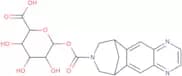
CAS:Varenicline is a glycosylation product with a sugar, which is synthesized by the methylation and fluorination of carbamoyl b-D-glucuronide. This drug is used for the treatment of nicotine dependence in adults. It acts on nicotinic acetylcholine receptors in the brain to reduce cravings and withdrawal symptoms from smoking, as well as increasing the release of dopamine. Varenicline binds to alpha4beta2 nicotinic acetylcholine receptors, which are located in the brain and other organs, such as the stomach and pancreas. The drug has been shown to be effective for smoking cessation when used alone or in combination with nicotine replacement therapy.Formula:C20H21N3O8Purity:Min. 95%Molecular weight:431.4 g/molN-(5-Carboxypentyl)-deoxynojirimycin
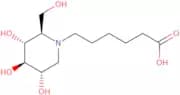
CAS:N-(5-Carboxypentyl)-deoxynojirimycin is a synthetic glycosylation agent that is used in the preparation of oligosaccharides, polysaccharides and saccharide complexes. This compound is also a potential therapeutic agent for cancer, as it can inhibit tumor cell growth by inhibiting protein synthesis. N-(5-Carboxypentyl)-deoxynojirimycin can be used as an intermediate in the synthesis of other fluorinated sugars. When modified with methyl groups, this compound has shown anticancer activity against human breast cancer cells.Formula:C12H23NO6Purity:Min. 95 Area-%Color and Shape:Beige PowderMolecular weight:277.31 g/mol5-(2-Hydroxyethyl)-2'-deoxyuridine
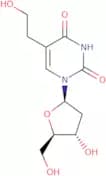
CAS:5-(2-Hydroxyethyl)-2'-deoxyuridine is a regiospecific inhibitor of the enzyme thymidylate synthase. This drug inhibits the synthesis of thymine and uracil, which are used in DNA replication. 5-(2-Hydroxyethyl)-2'-deoxyuridine binds to the carbon chain of uracil, preventing its incorporation into DNA. 5-(2-Hydroxyethyl)-2'-deoxyuridine has been shown to be an effective inhibitor of thymidylate synthase in both prokaryotic and eukaryotic cells. The mechanism of action is thought to be competitive inhibition with respect to substrate binding at the active site of the enzyme. 5-(2-Hydroxyethyl)-2'-deoxyuridine can be synthesized by reacting acrylonitrile with 5-iodouridine chloride, followed by elimination reactions with methylene chloride or thionyl chloride. The product can then beFormula:C11H16N2O6Purity:Min. 95%Color and Shape:PowderMolecular weight:272.25 g/mol



![N-Acetyl-D-[UL-13C6]glucosamine](/_next/image/?url=https%3A%2Fstatic.cymitquimica.com%2Fproducts%2F3D%2Fthumb-webp%2FMA44797.webp&w=3840&q=75)





![L-[2-13C]Xylose](/_next/image/?url=https%3A%2Fstatic.cymitquimica.com%2Fproducts%2F3D%2Fthumb-webp%2FDUA50663.webp&w=3840&q=75)