Metal Salts
Found 2872 products of "Metal Salts"
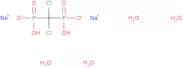
Disodium clodronate tetrahydrate
CAS:Disodium clodronate tetrahydrate is a water-soluble salt of the active form of clodronic acid, which has been shown to have anti-inflammatory activity. It is used in the treatment of breast cancer, as well as bowel disease. Disodium clodronate tetrahydrate inhibits basic protein synthesis and the production of pro-inflammatory cytokines by toll-like receptor 4 (TLR4) on polymorphonuclear leucocytes (PMN). This drug has also been shown to inhibit the enzyme activities of sodium salts, but not other enzymes such as phosphofructokinase or lactate dehydrogenase. Disodium clodronate tetrahydrate is also used in analytical methods that are based on measuring changes in the migration rate of proteins.Formula:CH2Cl2Na2O6P2·4H2OColor and Shape:White PowderMolecular weight:360.92 g/molCeftiofur sodium
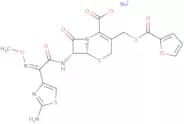
CAS:Ceftiofur sodium is a veterinary antibiotic that belongs to the class of antimicrobial agents. It is the most active agent for treating infections caused by gram-positive bacteria and has been shown to have a high degree of efficacy against amoxicillin-clavulanic acid-resistant strains. Ceftiofur sodium binds to bacterial ribosomes and inhibits protein synthesis, leading to cell death by inhibiting proteins vital for cell division. Ceftiofur sodium also inhibits DNA synthesis by binding to DNA gyrase, which is an enzyme that maintains the integrity of bacterial DNA. Ceftiofur hydrochloride (CFT) is a prodrug that is hydrolyzed in vivo to ceftiofur sodium, its active form. Ceftiofur hydrochloride has been shown to be effective against tetracycline-resistant Staphylococcus aureus (TETR) and Mycobacterium tuberculosis complex, but not against EscherichiaFormula:C19H16N5NaO7S3Purity:Min. 95 Area-%Color and Shape:Off-White PowderMolecular weight:545.55 g/molGallic acid sodium
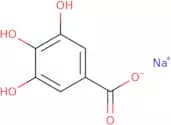
CAS:Gallic acid sodium salt is a fatty acid that can be extracted from plant sources. It is a hydroxyl group with a cationic surfactant and it has high values in the hydroxide solution. Gallic acid sodium salt can be used as a hydroxyl group extractant, which is an important property for use in clinical settings. It also has high values as a radiation-resistant, hydroxide solution, and hydroxyapatite extractant. The compound can be prepared by treating gallic acid with sodium carbonate or sodium hydroxide to form gallium(III) ion and sodium chloride. This compound can then react with copper chloride to form gallium(III) copper chloride coordination complex.
Formula:C7H5O5NaPurity:Min. 95%Color and Shape:PowderMolecular weight:192.1 g/molThallium (III) oxide
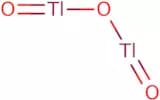
CAS:Thallium (III) oxide is a white powder that is insoluble in water and hydrochloric acid, soluble in nitric acid, and melts at 200 degrees Celsius. It has a density of 3.2 g/cm3 and thermal expansion coefficient of 5.5x10⁻⁶ K-1. Thallium (III) oxide has an irreversible oxidation reaction with hydrochloric acid to form thallous chloride and hydrogen gas. It also undergoes strong absorption of ultraviolet light at wavelengths below 300 nm, which makes it useful for the detection of hydrocarbons in petroleum products. Thallium (III) oxide can be used as a catalyst for acylation reactions and exhibits hydrogen bonding interactions with organic molecules.Formula:Tl2O3Purity:Min. 95%Color and Shape:Brown Clear LiquidMolecular weight:456.76 g/molSulfacetamide sodium monohydate
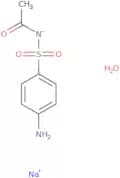
CAS:Sulfacetamide sodium monohydrate is a sulfa drug that is used in the treatment of infections caused by bacteria that are sensitive to sulfonamides. It is also used to reduce the symptoms of rosacea, a skin condition. Sulfacetamide sodium monohydrate inhibits microbial growth by disrupting microbial fatty acid synthesis and inhibiting bacterial growth through various mechanisms including hydrolysis by hydrochloric acid, metabolic disorders, or changes in water permeability. It has been shown to be an effective treatment for congestive heart failure due to its ability to increase the thickness of the glomerular basement membrane and inhibit erythrocyte adhesion. This drug is also useful as a topical agent for treating mild cases of radiation dermatitis and has high values as an anhydrous sodium sulfate substitute for wastewater treatment.Formula:C8H10N2O3S•H2O•NaPurity:Min. 95%Molecular weight:255.25 g/molPoly(acrylic acid, sodium salt) solution - average molecular weight 15000, 35% in water
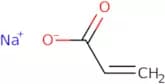
CAS:Poly(acrylic acid) is a polymer that has significant cytotoxicity. The molecular weight of the polymers range from 10,000 to 1,000,000 and it is soluble in water. Poly(acrylic acid) can be used for the treatment of solid tumours and bowel diseases. It has been shown to have a phase transition temperature at around 55°C, which means that it is a liquid at room temperature but becomes a gel when heated. Poly(acrylic acid) is also used as an ionotropic gelation agent in ionotropic electrode gels, and as an additive to increase the viscosity of benzalkonium chloride solutions.
Formula:(C3H4O2)x•NaxPurity:Min. 95%Color and Shape:Clear LiquidMethoxatin disodium salt
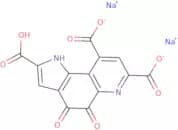
CAS:Methoxatin disodium salt is a sodium salt that has been shown to have antioxidant properties. It protects cells from oxidative damage and increases the mitochondrial membrane potential, which is essential for the production of ATP. Methoxatin disodium salt also stimulates enzyme activities, such as glutathione peroxidase and glutathione reductase, and prevents lipid peroxidation of human serum. This compound also inhibits radiation-induced cellular damage by preventing DNA strand breakage. Methoxatin disodium salt may be effective in treating diseases related to oxidative stress, such as diabetes and cancer.Formula:C14H4N2Na2O8Purity:Min. 97 Area-%Color and Shape:PowderMolecular weight:374.17 g/molPhosphoenolpyruvate potassium salt
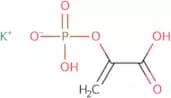
CAS:Emax (230 nm) = 3113
Formula:C3H4O6PKColor and Shape:White PowderMolecular weight:206.13 g/mol2,5-Dichlorobenzoic acid potassium
CAS:2,5-Dichlorobenzoic acid potassium salt is a fine chemical that is used as an intermediate for the synthesis of pharmaceuticals and speciality chemicals. It is a versatile building block with a variety of uses in research and manufacturing, including being used as a reaction component or as a reagent. This product has CAS No. 184637-62-5 and has been assigned the Chemical Abstract Service (CAS) number 184637-62-5.Formula:C7H4Cl2O2•KPurity:Min. 95%Color and Shape:PowderMolecular weight:230.11 g/molLithium chloride
CAS:Lithium chloride is a cyclic peptide drug that has anthelmintic properties. It is active against various nematodes and cestodes, such as Ascaris lumbricoides, Toxocara canis, and Taenia pisiformis. Lithium chloride induces autophagy in cultured cells by increasing the permeability of the cell membrane to water vapor. This leads to the release of intracellular contents into the extracellular space and subsequent cell death. In vivo studies using a rat model have shown that lithium chloride is also capable of inducing autophagy in the gastrointestinal tract and inhibiting food intake. Lithium chloride has been shown to be effective in treating metabolic disorders, such as obesity and diabetes mellitus type II, due to its ability to increase GLP-1 production.Formula:LiClColor and Shape:White PowderMolecular weight:42.39 g/molPotassium sorbate
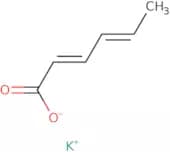
CAS:Controlled ProductPotassium sorbate is a salt of sorbic acid and potassium. It is used as a food preservative and stabilizer, with an optimum concentration of 0.1%. It has been shown to be genotoxic in certain studies with Candida glabrata, but not in others. Potassium sorbate has also been shown to inhibit the growth of mold and yeast, while being non-toxic to humans. The analytical method for determining the concentration of potassium sorbate in a sample is based on the reaction between potassium sorbate and p-hydroxybenzoic acid (PHBA). This reaction produces benzoic acid (BA) and water vapor, which are measured by gas chromatography/mass spectroscopy (GC/MS). Potassium sorbate has been shown to have anti-atherosclerotic effects through its ability to inhibit cholesterol synthesis.
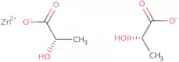
Formula:C6H7KO2Purity:Min. 95%Color and Shape:PowderMolecular weight:150.22 g/molZinc L-lactate
CAS:Zinc L-lactate is a form of zinc that has been used in the health-care industry for many years. It is an active targeting agent that selectively accumulates in cells, tissues, and organs where it is needed most. Zinc L-lactate is a mixture of the two enantiomers of L-lactic acid (D and L). These two enantiomers can be separated by chromatographic methods to isolate the D form. The D form has been shown to be more active than the L form in animal studies. Zinc L-lactate has also been shown to stimulate cell growth and function as well as being a primary component of platelet-derived growth factor.Formula:C3H5O3ZnPurity:Min. 95%Color and Shape:PowderMolecular weight:121.76 g/molTitanium (IV) oxide - Anatase, particle size 18nm
CAS:Titanium (IV) oxide is a reactive chemical that is used as a reagent, fine chemical, and speciality chemical. It has been used in the production of titanium metal and titanium metal alloys. Titanium (IV) oxide is also used as a building block for complex compounds, such as organic dyes, which are used in the textile industry. Titanium (IV) oxide is also used in the manufacture of pigments that are used in paints, plastics, and rubber products. This compound can be found under CAS No. 13463-47-6.Formula:TiO2Purity:Min. 95%Color and Shape:White Clear LiquidMolecular weight:79.87 g/molZinc methacrylate
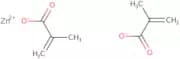
CAS:Zinc methacrylate is a model system for the study of polymerization reactions. It is used in biomedical applications such as light-emitting devices, prosthetic devices, and drug delivery systems. Zinc methacrylate is also a component of polymeric matrices that are used in cell culture. The reaction mechanism involves the formation of metal hydroxides through the crosslinking of zinc diethyldithiocarbamate with unsaturated alkyl groups on the surface of fatty acid molecules. This polymerization process creates a gel-like substance that can be cast into various shapes or molded into the desired shape. Zinc methacrylate has been shown to cause an increase in serum bilirubin levels and may be toxic to humans because it contains boron nitride, which can cause skin irritation or dermatitis.
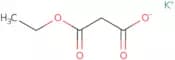
Formula:C8H10O4ZnPurity:Min. 95%Color and Shape:White PowderMolecular weight:235.54 g/molEthyl potassium malonate
CAS:Ethyl potassium malonate is a compound that has been shown to have antimicrobial activity in vivo. It is an inhibitor of the enzyme malonic acid reductase, which catalyzes the conversion of malonic acid to its corresponding ketone. This reaction is required for fatty acid biosynthesis. Ethyl potassium malonate has been shown to inhibit the growth of Gram-positive bacteria and fungi, as well as some Gram-negative bacteria. The antimicrobial activity of ethyl potassium malonate is due to its ability to react with hydroxyl groups on proteins and amides on lipids, leading to chemical degradation and cell death.Formula:C5H7KO4Purity:Min. 95%Color and Shape:White/Off-White SolidMolecular weight:170.2 g/molCesium sulfate
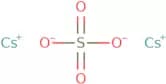
CAS:Cesium sulfate is a chemical compound that is a combination of the elements cesium and sulfur. It is used in wastewater treatment and has high resistance to organic solvents, making it an experimental model for studying fatty acid degradation. Cesium sulfate can be synthesized by reacting ethylene diamine with sodium citrate, which will precipitate as cesium sulfate. This compound has been used to study metal hydroxides and coordination geometry. Cesium sulfate is also used in biological samples such as plasma and human serum. It undergoes thermal expansion in the presence of light and emits light when heated to decomposition.Formula:Cs2SO4Purity:Min. 95%Color and Shape:PowderMolecular weight:361.87 g/molSodium stearyl fumarate
CAS:Sodium stearyl fumarate is a pharmaceutical excipient that is used as an anti-caking agent, lubricant, and flow agent in tablet production. It is also used as an additive to improve the stability of some drugs. Sodium stearyl fumarate can be used in diagnosis of metabolic disorders and prognosis of cardiovascular diseases. It reacts with hydrogen peroxide to form a particle which may be responsible for its anti-oxidant properties. The reaction mechanism for this drug has been elucidated using electron paramagnetic resonance spectroscopy on the hydroxyl radical.
Formula:C22H39NaO4Purity:Min. 95%Color and Shape:PowderMolecular weight:390.53 g/molCreatinine zinc chloride
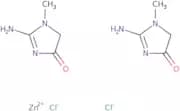
CAS:Creatinine zinc chloride is a fine chemical that is useful as a scaffold for the synthesis of complex compounds. Creatinine zinc chloride has been used as an intermediate in the synthesis of research chemicals and as a reaction component in the production of speciality chemicals. It has also been used as a building block for the synthesis of high-quality reagents.
Formula:(C4H7N3O)2•ZnCl2Purity:Min. 95%Color and Shape:PowderMolecular weight:362.52 g/molSodium L-lactate - 60% aqueous solution
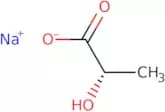
CAS:Lactate is a monocarboxylic acid that is produced by the liver and kidneys. It is also produced as a result of anaerobic metabolism. Lactate can be converted back to glucose in the liver, thereby contributing to blood sugar levels. Lactate has been shown to have inhibitory effects on bacterial growth and may work by binding to calcium ions. The uptake of lactate by bacteria is catalyzed by the enzyme L-lactate dehydrogenase, which converts lactate into pyruvate with concomitant release of a hydrogen ion (H+). The H+ may serve as an electron donor for the reduction of ferric iron, which leads to its oxidation state becoming ferrous iron (Fe2+) and thus prevents it from catalyzing the production of hydroxyl radicals. Magnetic particles are used to study the effect of lactate on bacterial cells. These studies show that lactate has low energy requirements and acts as a carbon source for bacteriaFormula:C3H5NaO3Purity:Min. 95%Color and Shape:Colorless Clear LiquidMolecular weight:112.06 g/molHydroxycitric acid tripotassium monohydrate
CAS:Hydroxycitric acid tripotassium salt monohydrate is a reagent that is used as a starting material in organic synthesis. It can be used as an intermediate in the preparation of complex compounds. Hydroxycitric acid tripotassium salt monohydrate has been shown to be useful for research purposes, as it has a versatile scaffold and can be used as a building block in the preparation of speciality chemicals. The compound also has a high quality and is considered to be a fine chemical. It is CAS No. 232281-44-6 and can be found on ChemSpider at http://www.chemspider.com/Chemical-Structure.232281-44-6.htmlFormula:C6H5K3O8•H2OPurity:Min. 95%Color and Shape:PowderMolecular weight:340.41 g/mol3,5-Dichloro-2-hydroxybenzenesulfonate sodium salt
CAS:3,5-Dichloro-2-hydroxybenzenesulfonate sodium salt (3,5-DCHBS) is an inhibitor of the enzymes that are involved in the biosynthesis of prostaglandins. This inhibition leads to a decrease in inflammation and pain. 3,5-DCHBS has been shown to be effective against skin cancer cells and is also used to treat various types of cancer.Formula:C6H3Cl2NaO4SPurity:Min. 95%Color and Shape:White Off-White PowderMolecular weight:265.05 g/mol1-[[6-(2,5-Dihydro-2,5-dioxo-1H-pyrrol-1-yl)-1-oxohexyl]oxy]-2,5-dioxo-3-pyrrolidinesulfonic acid sodium salt
CAS:1-[[6-(2,5-Dihydro-2,5-dioxo-1H-pyrrol-1-yl)-1-oxohexyl]oxy]-2,5-dioxo-3-pyrrolidinesulfonic acid sodium salt is an antibody response enhancer that binds to the Fc receptor of monocytes and macrophages. This binding activates the cells and increases their ability to produce antibodies against infectious agents. This product is used in the treatment of a variety of infections caused by viruses and bacteria. It has been shown to be effective for the treatment of influenza virus infection and other viral diseases such as HIV. The product also contains epidermal growth factor (EGF) which stimulates cell proliferation and differentiation in skin tissue. Antiinfective effects are achieved through inhibition of protein synthesis by silver ions or growth factors such as erythropoietin or photoelectron. This product also inhibits prostaglandin
Formula:C14H15N2NaO9SPurity:Min. 95%Color and Shape:SolidMolecular weight:410.33 g/molL-Aspartic acid potassium
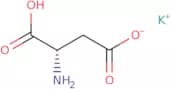
CAS:L-Aspartic acid potassium salt is a pyrazinoic acid derivative that is used for the treatment of bowel disease. L-Aspartic acid potassium salt prevents the formation of toxic metabolites by inhibiting the enzyme aspartate aminotransferase, which converts aspartate to oxaloacetate. This compound also has an inhibitory effect on cell factor and energy metabolism in cells. L-Aspartic acid potassium salt has been shown to have low potency against malignant cells in culture. !--END-->
Formula:C4H7NO4•KPurity:Min. 95%Color and Shape:PowderMolecular weight:172.2 g/molAcetylene dicarboxylic acid potassium salt
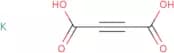
CAS:Acetylene dicarboxylic acid potassium salt (ADAC) is a drug that belongs to the class of 2-fluorobenzoic acid derivatives. Acetylene dicarboxylic acid potassium salt inhibits the enzyme 2,3-dihydroxybenzoate-4-hydroxylase and reduces the production of propiolic acid, which leads to a decrease in the synthesis of tetracene. Acetylene dicarboxylic acid potassium salt has been shown to be an effective anesthetic, with good visual and motor activity. The high toxicity of this compound is due to its high affinity for protein binding sites and its ability to form hydrogen bonds.Formula:C4H2KO4Purity:Min. 95%Molecular weight:153.15 g/molPotassium dihydrogen phosphate
CAS:Potassium dihydrogen phosphate (KDP) is a biocompatible polymer that is used in the treatment of bowel disease. It is a polyphosphate salt consisting of two molecules of potassium, one molecule of dihydrogen phosphate, and four molecules of water. KDP has been shown to have protective effects against radiation-induced DNA damage and to inhibit the activity of calcium-dependent enzymes such as 2,4-dichlorobenzoic acid. KDP has also been shown to enhance the activity of other enzymes such as polymerase chain reaction (PCR) and cyclic AMP phosphodiesterase. KDP binds to proteins through electrostatic interactions and can be used as a phase transition temperature sensor.Formula:KH2PO4Purity:(Titration) 95 To 105%Color and Shape:PowderMolecular weight:136.09 g/mol2-Chloroethanesulfonic acid sodium hydrate
CAS:2-Chloroethanesulfonic acid sodium hydrate is a chemical compound that belongs to the class of primary amines. It has a strong tendency to adsorb on surfaces, which can be seen in its FTIR spectra. 2-Chloroethanesulfonic acid sodium hydrate is a white crystalline solid and is insoluble in water. This compound has been found to have a high reactivity with metal ions, such as Na+, K+, Ca2+, and Mg2+. 2-Chloroethanesulfonic acid sodium hydrate reacts slowly with chloropropane, but more quickly with chloroacetic acid. The reaction time depends on the concentration of the reactants and the temperature at which it is heated.Formula:C2H4ClO3SNa·H2OPurity:Min. 98%Color and Shape:White PowderMolecular weight:184.58 g/molgamma-Polyglutamic acid sodium - MW > 700,000
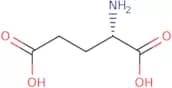
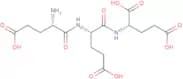
CAS:Gamma-Polyglutamic acid sodium - MW > 700,000 is a high molecular weight biopolymer, which is a salt form of polyglutamic acid. Its unique structure consists of glutamic acid units linked via γ-amide bonds, resulting in a robust and biodegradable polymer.The mode of action of gamma-Polyglutamic acid sodium involves its high water-binding capacity and viscosity, which make it exceptional in forming hydrogels. This property is pivotal in applications that require moisture retention or controlled release of active ingredients. Its biodegradability and non-toxic nature add to its versatility and safety profile.Gamma-Polyglutamic acid sodium is used across various fields, including biotechnology, pharmaceuticals, agriculture, and cosmetics. In biotechnology and pharmaceuticals, it is utilized as a drug delivery vehicle and tissue engineering scaffold due to its compatibility with human tissues. Its agricultural applications include acting as a soil conditioner and enhancing water retention. In cosmetics, it serves as a potent moisturizer and anti-aging ingredient.Formula:(C5H7NO3)n•NaxPurity:Min. 90 Area-%Color and Shape:White PowderDisodium 4,4'-diazidostilbene-2,2'-disulfonate tetrahydrate
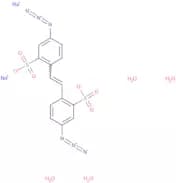
CAS:Please enquire for more information about Disodium 4,4'-diazidostilbene-2,2'-disulfonate tetrahydrate including the price, delivery time and more detailed product information at the technical inquiry form on this pageFormula:C14H8N6Na2O6S2·4H2OPurity:Min. 95%Color and Shape:PowderMolecular weight:538.42 g/molD-isoascorbiate sodium
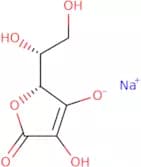
CAS:D-Sodium isoascorbiate is a model system for the study of enzyme activities. The compound can be used to determine the effects of glycol ether on kidney bean and ascorbic acid, as well as the effect of sodium salts on caproic acid. D-Sodium isoascorbiate has been used in electrochemical impedance spectroscopy (EIS) to study wastewater treatment. This compound has also been used in analytical methods for biological properties and physiological effects.Formula:C6H8O6•NaPurity:Min. 95%Color and Shape:PowderMolecular weight:199.11 g/molHEPES sodium salt
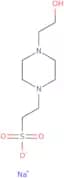
CAS:HEPES sodium salt is a piperazinic buffer with an optimal pH range of 6.8-8.2 and a pKa of 7.48. This buffering agent is widely used in cell culture however when exposed to light HEPES can produce hydrogen peroxide.Formula:C8H17N2NaO4SPurity:(Nmr) Min. 90%Color and Shape:PowderMolecular weight:260.29 g/molCalcium β-hydroxy-β-methylbutyrate monohydrate
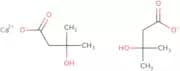
CAS:Calcium b-hydroxy-b-methylbutyrate monohydrate is a dietary supplement that has been shown to be effective in the treatment of skin conditions such as eczema. It is a calcium salt of the natural fatty acid, b-hydroxy-b-methylbutyrate, which is naturally found in kidney beans. This product may also be used for kidney disease and other health care products. The extract from this compound has been shown to increase collagen production in skin cells, as well as protein synthesis and casein production. Calcium b-hydroxy-b-methylbutyrate monohydrate can also bind with acetate (a chemical compound) and form calcium acetate, which has been shown to have antihypertensive effects.Formula:C5H10O3•Ca0•(H2O)0Purity:Min 97%Color and Shape:White PowderMolecular weight:294.36 g/molSodium dodecylsulfate
CAS:Sodium dodecylsulfate is a surfactant that is used as an experimental model for the study of crystalline cellulose, water vapor, and basic proteins. It has been shown to be effective in the polymerase chain reaction (PCR) when combined with fluorescence probes. Sodium dodecylsulfate has also been used in laser ablation mass spectrometry and optical sensors for detecting sodium salts. The optimum concentration of this surfactant is between 0.1% and 0.5%. Sodium dodecylsulfate binds to cell nuclei, making it useful for the treatment of infectious diseases.Formula:C12H26O4S•NaPurity:Min. 97 Area-%Color and Shape:PowderMolecular weight:289.39 g/molCalcium folinate pentahydrate
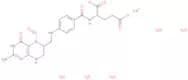
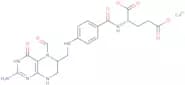
CAS:Calcium folinate pentahydrate is a drug that is used to treat overexertion. It is also used as a pharmacological treatment for cancer and as a drug repositioning agent. Calcium folinate pentahydrate has been shown to be effective in treating the symptoms of overexertion, including muscle cramps, pain, and fatigue. This drug binds to the casein in the bloodstream and forms calcium citrate, which is then excreted from the body. In cancer patients, this drug prevents tumor cells from dividing by inhibiting DNA synthesis and RNA synthesis. It does not affect normal cells because it cannot diffuse through membranes that are impenetrable by ions (e.g., cell membrane).
Formula:C20H21CaN7O7·5H2OPurity:Min. 95%Color and Shape:Yellow PowderMolecular weight:601.58 g/molLasalocid A sodium salt - 0.1mg/ml, in acetonitrile
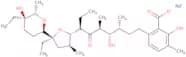
CAS:Lasalocid A sodium salt is a sodium salt of lasalocid, which is a macrolide antibiotic that inhibits bacterial growth by binding to the 50S ribosomal subunit. Lasalocid A sodium salt has intramolecular hydrogen bonds and exhibits high solubility in acetonitrile. The experimental solubility data was obtained using an analytical method with quillaja saponaria as a model system. Lasalocid A sodium salt has been used as an experimental model for congestive heart failure and is also used in biological samples such as blood, urine, or tissue. This drug is highly resistant to degradation by bacteria.Formula:C34H53NaO8Purity:Min. 90 Area-%Color and Shape:Colorless Clear LiquidMolecular weight:612.77 g/molH acid monosodium salt
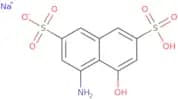
CAS:H acid monosodium salt is a versatile building block of complex compounds, which has been used in research chemicals and as a reagent. It is also useful as an intermediate for the synthesis of other chemical compounds and as a scaffold for drug development. H acid monosodium salt is soluble in water and has CAS number 5460-09-3.Formula:C10H8NNaO7S2Purity:Min. 97 Area-%Color and Shape:Off-White PowderMolecular weight:341.29 g/molOxonic acid potassium
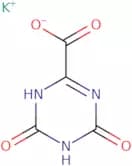
CAS:Oxonic acid potassium is a selectively competitive uricase inhibitor that avoids excretion of uric acid. It also inhibits the activity of orotate phosphoribosyltransferase (OPRT), an enzyme needed for the biosynthesis of pyrimidine nucleotides. Oxonic acid potassium catalyzes the phosphorylation of 5-fluorouracil (FF05372, BF166014) to 5-fluorouridine-5'-monophosphate (NF31487). In certain studies with rats, it has been shown that oxonic accid potassium suppresses the gastrointestinal toxicity of 5-fluorouracil or 5-FU without inhibiting the antitumor activity. Oxonic acid potassium, in combination with other prodrugs, boosts the antitumor activity and has shown positive results to treat gastric, pancreatic, lung, head, neck, and breast carcinomas.Formula:C4H2KN3O4Purity:Min. 98 Area-%Color and Shape:PowderMolecular weight:195.17 g/molCholesterol 3-sulfate sodium
CAS:Cholesterol 3-sulfate sodium salt is a fine chemical that is used as a versatile building block and reagent. It is a useful intermediate that can be used in the synthesis of complex compounds, speciality chemicals, and reaction components. Cholesterol 3-sulfate sodium salt can be used to synthesize cholesterol derivatives. This compound has been shown to have high reactivity with nucleophiles and can be used as a building block for other organic compounds. The CAS number for Cholesterol 3-sulfate sodium salt is 2864-50-8.Formula:C27H45NaO4SPurity:Min. 95%Color and Shape:White PowderMolecular weight:488.7 g/molFerrozine sodium salt
CAS:Ferrozine sodium salt, also known as ferrozine, is an iron chelator. It is used for the removal of iron from physiological fluids and tissue samples in order to identify the presence of reactive oxygen species (ROS). Ferrozine binds to iron ions and forms ferrous complexes that are excreted through urine or bile. It has been shown that ferrozine inhibits lipid peroxidation in rat liver mitochondria. This may be due to its ability to react with hydrogen peroxide and form a complex with iron-hydrogen peroxide, which prevents the formation of hydroxyl radicals.Formula:C20H13N4NaO6S2Purity:Min. 97 Area-%Color and Shape:Off-White PowderMolecular weight:492.46 g/molCalcium folinate
CAS:Dihydrofolate reductase activator; decreases methotrexate toxicityFormula:C20H21CaN7O7Purity:Min. 95%Color and Shape:PowderMolecular weight:511.50 g/molValeric acid sodium
CAS:Valeric acid sodium salt is a fatty acid that has been shown to inhibit bacterial growth in the presence of epidermal growth factor and sodium salts. Valeric acid sodium salt is used as an antiseptic in topical formulations and as a preservative for pharmaceuticals. Valeric acid sodium salt also inhibits HIV infection by inhibiting the binding of HIV to its receptor, which prevents the virus from entering cells.Formula:C5H10O2•NaPurity:Min. 95%Color and Shape:PowderMolecular weight:125.12 g/molCopper(II) oxide
CAS:Copper oxide is a solid ionic compound that has the chemical formula CuO. It has been shown to have potent anti-inflammatory properties and can be used in pharmaceutical preparations to treat rheumatoid arthritis, osteoarthritis, and gout. Copper oxide has a particle size of less than 10 microns with amines adsorbed on its surface. The adsorption of amines on the surface of copper oxide particles is an important factor for increasing the effectiveness of this material in biological applications. Copper oxide also provides protection against oxidative stress by scavenging free radicals. The activation energy for the reaction is high at 40 kcal/mol, which leads to a slow reaction rate. This reaction is kinetically controlled and the rate increases with increased temperature.Formula:CuOPurity:Min. 95%Color and Shape:PowderMolecular weight:79.55 g/molLithium phenyl(2,4,6-trimethylbenzoyl)phosphinate
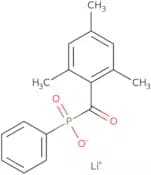
CAS:Lithium phenyl(2,4,6-trimethylbenzoyl)phosphinate is a disulfide bond reductant that can be used to reduce the disulfide bonds in proteins. Lithium phenyl(2,4,6-trimethylbenzoyl)phosphinate has been shown to inhibit the proliferation of human hepatic cells and reverse the accumulation of lipids in these cells. It also has antiviral properties and has been shown to inhibit HIV-1 replication in vitro. This drug may have potential applications in radiation therapy as it is not affected by light exposure or radiation. Low-density lipoprotein (LDL)-cholesterol levels were found to decrease after administration of lithium phenyl(2,4,6-trimethylbenzoyl)phosphinate. This drug also has effects on body weight and body mass index (BMI). Lithium phenyl(2,4,6-trimFormula:C16H16LiO3PPurity:Min. 95%Color and Shape:White PowderMolecular weight:294.21 g/molL-Aspartic acid sodium salt monohydrate
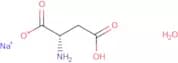
CAS:L-Aspartic acid sodium salt monohydrate is a sodium carbonate salt of L-aspartic acid that has been shown to inhibit the growth of leishmania in vitro. It may also be effective against other protozoa and amoeba, including Entamoeba histolytica and Naegleria fowleri. L-Aspartic acid sodium salt monohydrate inhibits acid formation by inhibiting the enzyme carbonate synthetase. This compound also has potential as a drug target for infantile lysosomal storage disease due to its ability to activate glutamate, which is an amino acid that is deficient in this condition. The surface methodology used for this study was titration calorimetry, which can be used to measure the thermodynamic properties of activated carboxylates.
Formula:C4H6NO4Na·H2OColor and Shape:White Off-White Clear LiquidMolecular weight:173.1 g/molZinc glycinate
CAS:Zinc glycinate is a form of zinc that is well-absorbed in the gut and has low toxicity. It is used to treat metabolic disorders such as fatty acid oxidation, ethylene diamine oxidation, and antimicrobial peptide synthesis. Zinc glycinate also inhibits the activity of enzymes involved in reactions involving acid complex, nutrient solution, drug interactions, and tissue antigens. Zinc glycinate binds to picolinic acid (a metabolite of tryptophan) and inhibits mitochondrial membrane potential. Structural analysis shows that zinc glycinate has a molecular weight of 196.2 g/mol and an empirical formula of C9H12N2O6Zn.
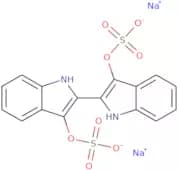
Formula:C4H8N2O4ZnPurity:Min. 95%Color and Shape:PowderMolecular weight:213.5 g/molIndigosol O, disodium salt
CAS:Indigo-sols are a class of high quality, versatile building blocks. They are useful in the synthesis of complex organic compounds and can be used as a reagent for reactions such as the Wittig reaction. Indigo-sols are an important intermediate for the production of indigo dye and have been shown to be useful scaffolds for drug discovery research. Indigo-sols have also been shown to exhibit antiviral activity against HIV protease, influenza neuraminidase, and herpes simplex virus type 1 protease. The CAS number is 3875-70-5.Formula:C16H10N2Na2O8S2Purity:Min. 95%Color and Shape:PowderMolecular weight:468.37 g/molZinc pentamethylenedithiocarbamate
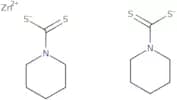
CAS:Zinc pentamethylenedithiocarbamate is an analytical reagent for the determination of fatty acid, viscosity, and cross-linking agent. It is also used as a synthetic, inorganic, organosilicon, piperidine derivative. Zinc pentamethylenedithiocarbamate is a molecule that consists of two divalent hydrocarbons: zinc diethyldithiocarbamate and organosilicon. The molecular weight of zinc pentamethylenedithiocarbamate is 476.6 g/mol.Formula:C12H20N2S4ZnPurity:(%) Min. 95%Color and Shape:PowderMolecular weight:385.94 g/molSodium sulfide nonahydrate
CAS:Controlled ProductSodium sulfide nonahydrate is a chemical compound that has been shown to be statistically significantly more genotoxic than sodium sulfate, but less genotoxic than sodium sulfite. Sodium sulfide nonahydrate is used as a coating material and in the production of polychromatic pigment. It has also been studied for its potential use in analytical methods such as surface methodology, x-ray absorption spectroscopy, and photoelectron spectroscopy. Recent studies have also shown that this compound may enhance the rate of reaction between nucleophiles and electrophiles. Sodium sulfide nonahydrate can cause hematological changes in humans at high doses, including lymphocyte reduction, leukocytosis, and increased erythrocyte sedimentation rate.Formula:Na2S•(H2O)9Purity:Min. 98%Color and Shape:PowderMolecular weight:240.18 g/molSodium carboxyl methylstarch
CAS:Sodium carboxymethyl starch, sometimes abbreviated as CMS or SCMS, is a modified starch derivative widely used as an excipient in pharmaceutical formulations. It is used to support the stability, delivery, and performance of the API in drug products.
Purity:Min. 95%Color and Shape:PowderL-Thyroxine sodium pentahydrate
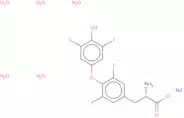
CAS:L-Thyroxine sodium pentahydrate is an organic chemical compound that belongs to the group of thyroxine compounds. It is a white, crystalline solid with a molecular formula of C5H11NNaO4S. L-Thyroxine sodium pentahydrate is used in research as a reagent, scaffold, and intermediate, and can be used as a building block for other chemicals. This chemical has many different uses because it is versatile and reacts easily with other compounds.Formula:C15H20I4NNaO9Color and Shape:PowderMolecular weight:888.93 g/molN, N-Bis(Carboxymethyl)-L -glutamic acid tetrasodium salt - ca. 40% in water
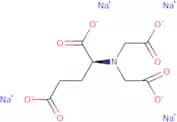
CAS:N,N-Bis(carboxymethyl)-L-glutamic acid tetrasodium salt is a cationic surfactant that has been used in the production of personal care products and industrial cleaners. This compound is soluble in water and can be used as a post-treatment to reduce the redox potential of hydrochloric acid. It also has antibacterial efficacy against both Gram-positive and Gram-negative bacteria. N,N-Bis(carboxymethyl)-L-glutamic acid tetrasodium salt has been shown to be effective against tumor cells.Formula:C9H9NO8·4NaPurity:Min. 95%Color and Shape:PowderMolecular weight:351.13 g/molLasalocid A sodium salt
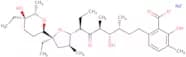
CAS:Lasalocid is a water-soluble sodium salt of lasalocid A, an antimicrobial agent that is used in wastewater treatment. Lasalocid A has been shown to have effects on the enzyme activities of quillaja saponaria, which may be due to its ability to change the phase transition temperature and react with enzymes involved in energy metabolism. Lasalocid A also appears to have cardiotoxic effects when administered in high doses in experimental models. The potential for toxicity is decreased when it is combined with dopamine β-hydroxylase inhibitors such as carbidopa.Formula:C34H53NaO8Purity:Min. 95%Color and Shape:White PowderMolecular weight:612.77 g/molDisodium pamoate
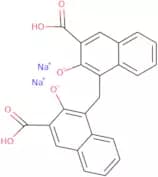
CAS:Disodium pamoate is a compound that contains caproic acid. It is used as an analytical reagent for the determination of peptide hormones and pharmacological agents. Disodium pamoate has been shown to be an antimicrobial agent, and can inhibit the growth of bacteria by binding to the ribosomal subunits. Disodium pamoate has also been shown to have anticancer properties, which may be due to its ability to induce mitochondrial membrane depolarization in HL-60 cells. This compound binds to nitrogen atoms on biological structures, such as proteins or other organic compounds, thereby altering their structure and function.Formula:C23H14Na2O6Purity:Min. 95%Color and Shape:Slightly Yellow PowderMolecular weight:432.33 g/molTitanium (IV) oxide - Rutile
CAS:Rutile is the most common form of titanium oxide and is a photocatalyst that can react with water vapor to produce hydrogen gas. Rutile has been shown to be toxicologically safe and has been used in analytical methods for the detection of sodium salts, such as the determination of sodium in seawater. Rutile can also be used for wastewater treatment, where it functions as a catalyst for chemical reactions that remove organic pollutants from water.Formula:TiO2Purity:Min. 95%Color and Shape:White Clear LiquidMolecular weight:79.87 g/molZirconiumdicarbonate
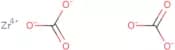
CAS:Zirconiumdicarbonate is a zirconium compound that is used as an oxidation catalyst for wastewater treatment. The chemical stability of zirconiumdicarbonate makes it a good choice for this application because it can withstand harsh conditions. Zirconiumdicarbonate is typically used in conjunction with potassium dichromate, which oxidizes organic compounds and converts them to carbon dioxide, water vapor, and hydrogen chloride. The reaction mechanism involves the dimethyl fumarate being reduced to formaldehyde and methanol. These substances react with the zirconium oxide to produce hydrogen gas and water vapor. Zirconiumdicarbonate is also used in the production of polyvinyl chloride (PVC) plastics. Zirconiumdicarbonate reacts with sodium carbonate or sodium hydroxide to produce sodium dichromate or sodium hydroxide respectively.
Formula:C2O6ZrColor and Shape:PowderMolecular weight:211.24 g/molMethylene Green zinc chloride double salt
CAS:Methylene green zinc chloride double salt is a reactive dye that is used in biological and analytical methods. It has a high affinity for proteins, which allows it to be used as a marker for protein-dye interactions. The methylene green zinc chloride double salt is an optical sensor that changes color when the dye interacts with other substances. It can be used to detect the presence of pathogens, such as bacteria or viruses, by determining the amount of dye remaining after exposure to the pathogen. Methylene green zinc chloride double salt also reacts with tetrazolium dye in biological samples, such as human serum or brain tissue, to produce a color change. This reaction mechanism can be used to measure metabolic activity in cells and tissues. In wastewater treatment, methylene green zinc chloride double salt can be used as an adsorbent for removal of organic pollutants from water. Methylene green zinc chloride double salt also has radiation-blocking properties and can be used as a protective agent against radiation exposure
Formula:C16H17ClN4O2S•(ZnCl2)0Purity:Min. 70 Area-%Color and Shape:PowderMolecular weight:432.99 g/molSulfadiazine sodium
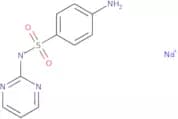
CAS:Sulfadiazine sodium is an antimicrobial agent that belongs to the sulfa drugs. It has a wide range of uses, such as wastewater treatment, disinfecting water supplies, and treating infectious diseases. Sulfadiazine sodium is commonly used in the treatment of urinary tract infections and skin infections. The structure of sulfadiazine sodium is similar to the structure of other sulfa drugs. Sulfa drugs are compounds containing a sulfonamide group linked to a 4-carbon organic acid. They are characterized by their antibiotic properties and their ability to prevent bacterial growth by blocking the synthesis of folic acid. Sulfa drugs also have a synergistic effect with penicillin antibiotics, which can help kill bacteria that have become resistant to penicillin alone.Formula:C10H9N4NaO2SPurity:Min. 95%Color and Shape:White To Yellow SolidMolecular weight:272.26 g/molGualicol sulfonic acid potassium salt
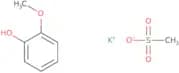
CAS:Gualicol sulfonic acid potassium salt is a potassium salt that has expectorant properties. It can be used for the treatment of respiratory conditions such as bronchitis and asthma. Gualicol sulfonic acid potassium salt is used to treat coughs and other symptoms of respiratory infections, such as bronchitis and asthma. The drug is administered by mouth in tablet form.Formula:C7H7KO5SPurity:Min. 95%Color and Shape:PowderMolecular weight:242.29 g/molZinc sulfate monohydrate
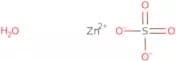
CAS:Zinc sulfate monohydrate is a white crystalline solid that is soluble in water. It is used as a nutrient supplement, such as in the form of zinc sulfate. The compound is also used to prepare zinc citrate, which can be used as a buffer or reaction solution. Zinc sulfate monohydrate reacts with other compounds to produce zinc salts and water vapor. In the presence of calcium pantothenate and phosphorus pentoxide, it forms zinc phosphate and zinc carbonate. This compound has been shown to increase locomotor activity when injected into rats at an optimum concentration. Zinc sulfate monohydrate has been shown to have cardiac effects in rats at higher doses, including delayed repolarization and reduced contractility. Structural analysis of this compound has shown that it contains a complex enzyme-like site that may be involved in the catalytic process. Thermodynamic data for this compound has been obtained by differential scanning calorimetry and X-ray powder diffraction analysis,
Formula:ZnSO4•H2OPurity:Min. 95%Color and Shape:PowderMolecular weight:179.46 g/molSodium diformylamide
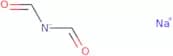
CAS:Sodium diformylamide is a chemical compound that belongs to the class of amides. It has been shown to inhibit the activity of a number of enzymes including alkanoic acid, inorganic acid, and amide. It has also shown promising results in the prevention and treatment of metabolic disorders such as hepatitis. The asymmetric synthesis of this compound is achieved through the use of trifluoroacetic acid and nitrogen atoms. The biological properties of sodium diformylamide have not yet been fully researched but it has been found to have integrin receptor-binding properties.Formula:C2H3NO2•NaPurity:Min. 95%Molecular weight:96.04 g/molTaurochenodeoxycholic acid sodium
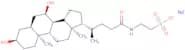
CAS:Taurochenodeoxycholic acid sodium is a bile acid derivative, which is naturally sourced from the bile of mammals. It is synthesized by conjugating chenodeoxycholic acid with taurine, resulting in its sodium salt form. The primary mode of action of taurochenodeoxycholic acid sodium involves its role in the emulsification and absorption of dietary fats and fat-soluble vitamins in the intestines. Additionally, it acts on the liver, where it enhances bile flow and exhibits hepatoprotective properties by modulating bile acid composition and reducing cytotoxicity.Formula:C26H45NO6S•NaPurity:Min. 95%Color and Shape:PowderMolecular weight:522.7 g/molDL-4-Hydroxy-2-ketoglutarate dilithium salt
CAS:DL-4-Hydroxy-2-ketoglutarate dilithium salt (DL4KG) is a lysine analogue that is used as a substrate for the enzyme aldolase. DL4KG has a hydroxyl group, which can react with the amino group of lysine residues on proteins to produce an unstable intermediate. This process eventually leads to the production of glutamate and glyceraldehyde 3-phosphate, which are needed in the synthesis of ATP. DL4KG has been shown to be an inhibitor of bacterial enzymes such as glutamate dehydrogenase, which catalyzes the conversion of L-glutamic acid to L-glutamine. Inhibition by DL4KG has been demonstrated in vitro at concentrations between 2 and 10 mM.Formula:C5H4O6Li2Purity:90%MinColor and Shape:White to off-white solid.Molecular weight:173.96 g/molTitanium (IV) oxide - Rutile nanopowder ca. 25 nm particle size
CAS:Rutile titanium dioxide is a naturally occurring mineral that is composed of titanium (IV) oxide and oxygen. Rutile TiO2 nanopowder has shown to be an effective catalyst for the decomposition of organic matter in wastewater treatment, due to its strong reactive properties. Rutile TiO2 nanopowder can also be used as an additive in polymerase chain reactions (PCR). It has been shown to have a number of physiological effects, such as changes in the expression of genes related to the pathogenesis of certain cancers. The mechanism by which this occurs is not yet fully understood and requires further research. Rutile TiO2 nanopowder is produced by laser ablation and has been used for analytical methods such as electrochemical impedance spectroscopy. The toxicity of rutile TiO2 nanopowder has been studied extensively with regards to its effects on animals, humans, and plants.Formula:TiO2Purity:(%) Min. 98%Color and Shape:White Off-White PowderMolecular weight:79.87 g/molPoly-L-glutamic acid sodium, MW 50,000-100,000
CAS:Poly-L-glutamic acid sodium, MW 50,000-100,000 is a treatment agent that belongs to the group of oligopeptides. It is a low-dose therapeutic agent for the treatment of hair loss and alopecia. The amino acid sequence of this product has been shown to be similar to that of methionine and contains carboxyl groups. Poly-L-glutamic acid sodium, MW 50,000-100,000 is formed by the deprotonation and protonation of amino groups and carboxyl groups in an acidic environment.Formula:(C5H9NO4)x•NaxPurity:Min. 95%Color and Shape:Powder9-(2-Carboxyphenyl)-3,6-bis(ethylamino)-2,7-dimethylxanthylium Cesium Salt
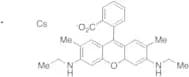
CAS:Controlled ProductApplications 9-(2-Carboxyphenyl)-3,6-bis(ethylamino)-2,7-dimethylxanthylium Cesium Salt is an intermediate in the synthesis of SkQR1 (S555050), a mitochondria-targeted plastoquinone antioxidant that exhibits neuroprotective effect. Potent Mitochondrial Targeting antioxidant (1)
References Isaev NK. et al. 2012. Biochemistry (Mosc). Sep;77(9):996-9 Isaev NK, et al. Rev Neurosci. 2016 Aug 25.Formula:C26H26CsN2O3Color and Shape:NeatMolecular weight:547.4D-Aspartic Acid-d3 L-Alanine Copper(II) Complex
CAS:Controlled ProductApplications D-Aspartic Acid-d3 L-Alanine Copper(II) Complex is an intermediate in the synthesis of D-Aspartic-2,3,3-d3 Acid (A790019) which is derived from D-Asparatic Acid (A790020), which is a non-essential amino acid found in food sources. Its conjugate base D-aspartate has potential use as an therapeutic agent in the treatment of schizophrenia-related symptoms.
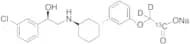
References Errico, F. et al.: J. Neurosci., 28, 10404 (2008); Denu, J.M. et al.: Biochem., 34, 3396 (1995); Chen, P.E. et al.: Mol. Pharmacol., 67, 1470 (2005);Formula:C7H9D3CuN2O62Color and Shape:NeatMolecular weight:286.742-(3-((1R,3S)-3-(((R)-2-(3-Chlorophenyl)-2-hydroxyethyl)amino)cyclohexyl)phenoxy)acetic Acid-13C, d2 Sodium Salt
CAS:Controlled ProductFormula:CC21D2H23ClNNaO4Color and Shape:NeatMolecular weight:428.886Sodium Stearate
CAS:Controlled ProductApplications Sodium stearate (cas# 822-16-2) is a useful research chemical.
Formula:C18H35NaO2Color and Shape:NeatMolecular weight:306.46Sodium Hydrosulfide Hydrate
CAS:Controlled ProductApplications Sodium Hydrosulfide Hydrate is a stable hydrogen sulfide (H2S) donor and oxidant in the formation of benzothiazoles. It is also used as a reagent in the synthesis of imidazo[1,2-b]thiazole derivatives as novel SIRT1 activators.
Not a dangerous good if item is equal to or less than 1g/ml and there is less than 100g/ml in the package
References Meng, J., et al.: Int. J. Impot. Res., 25, 86 (2013); Park, N., et al.: Eur. J. Org. Chem., 2012, 1984 (2012); Vu, C.B., et al.: J. Med. Chem., 52, 1275 (2009)Formula:HNaS(xH2O)Color and Shape:NeatMolecular weight:56.06Potassium Isobutyrate
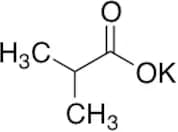
CAS:Controlled ProductApplications Potassium Isobutyrate (cas# 19455-20-0) is a useful research chemical.
Formula:C4H7O2·KColor and Shape:NeatMolecular weight:126.195Cytidine 5'-Triphosphate Disodium Salt
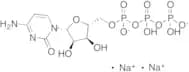
CAS:Applications Cytidine 5'-Triphosphate Disodium Salt is a P2X purinergic receptor agonist. It can be used as reactant/reagent in chemoenzymic synthesis of sialosides containing C7-modified sialic acids and their application in sialidase substrate specificity studies.
References Khedri, Z., et al.: Carbohyd Res, 389, 100 (2014)Formula:C9H14N3Na2O14P3Color and Shape:NeatMolecular weight:527.12Silver Cyanate
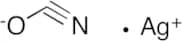
CAS:Controlled ProductApplications Silver cyanate is a chemosterilant in adult houseflies, and is also used as a reagent to synthesize 1-(3-thianyl)uracil and 9-(3-thianyl)adenine derivatives, compounds that have potential anti-human immunodeficiency virus (HIV) and antitumour activity.
References Fye, R., et al.: J. Econ. Entomol., 62, 522 (1969); Hultin, P. & Szarek, W.: Can. J. Chem., 72, 208 (1994)Formula:AgOCNColor and Shape:NeatMolecular weight:149.88Lithium Iodide Hydrate
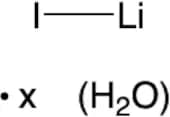
CAS:Controlled ProductApplications Lithium Iodide Hydrate is used in the dehydration of alkali metal iodides in vacuum and in the dehydration of lithium iodide hydrate crystals.
References Sofronov, D. S., et al.: Functional Materials, 12, 559 (2005), Demidov, A. I., et al.: Zhurnal Prikladnoi Khimii, 71, 1249 (1998)Formula:ILi·x(H2O)Color and Shape:NeatMolecular weight:151.9Sodium Cyanoborodeuteride
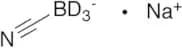
CAS:Controlled ProductApplications Labelled Sodium Cyanoborohydride is a commonly used as a reagent in the reductive amination of aldehydes and ketones and in the reductive alkylation of amines.
Not a dangerous good if item is equal to or less than 1g/ml and there is less than 100g/ml in the package
References Hsu, J. et al.: J. Am. Soc. Mass Spec., 17, 194 (2006); Ducrocq, C. et al.: J. Label. Comp. Radiopharm., 22, 61 (1985);Formula:C2H3BN·NaColor and Shape:NeatMolecular weight:65.86Sodium Phenoxide Trihydrate
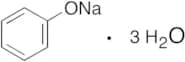
CAS:Controlled ProductApplications Sodium Phenoxide Trihydrate, is used in the synthesis of trialkylphosphonium salts as replacements for easily oxidizable trialkylphosphines. Also used in the aminocarbonylation of aryl chlorides at atmospheric pressure.
Not a dangerous good if item is equal to or less than 1g/ml and there is less than 100g/ml in the package
References Martinelli, J. et al.: Angew. Chem. Int. Ed., 46, 8460 (2007); Netherton, M. et al.: Org. Lett., 3, 4295 (2001);Formula:C6H5NaOH2OColor and Shape:NeatMolecular weight:170.14Iron
CAS:Controlled ProductApplications Iron is a transition metal element used in coordination chemistry as well as in metallo-organic molecules in pharmaceutical chemistry.
References Brozek, C. et al.: Chem. Mat., 25, 2998 (2013); Mesbah, A. et al.: Inorg. Chem., 52, 12057 (2013);Formula:FeColor and Shape:NeatMolecular weight:55.84Sodium 4-Methylbenzenesulfinate
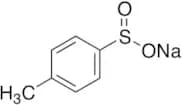
CAS:Controlled ProductApplications Sodium 4-methylbenzenesulfinate (cas# 824-79-3) is a useful research chemical.
Formula:C7H7NaO2SColor and Shape:NeatMolecular weight:178.19Copper(II) Chloride
CAS:Applications Copper(II) chloride is a reagent that is used in the synthesis of Diisobutyl Phosphate (D455480), which is an analyte found in human urine and municipal wastewaters.
Not a dangerous good if item is equal to or less than 1g/ml and there is less than 100g/ml in the package
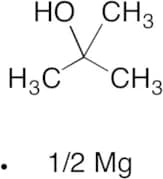
References Reemtsma, T., et al.: Sci. Total Environ., 409, 1990 (2011); Quintana, J.B., et al.: Anal. Chem., 78, 1644 (2006)Formula:Cl2CuColor and Shape:NeatMolecular weight:134.45Magnesium tert-Butoxide
CAS:Controlled ProductApplications Magnesium tert-Butoxide is a reagent used in deprotonation reactions in organic synthesis. A mild alkaline earth metal alkoxide base that also functions as a Lewis acid and Bronsted base in chemical transformations.
References Ponikiewski, L., et al.: Z. Anorg. Allg. Chem., 634, 1770 (2008); Roman, D. S., et al.: e-EROS Encyclopedia of Reagents for Organic Synthesis, 1 (2013)Formula:(C4H10O)·MgColor and Shape:NeatMolecular weight:172.54Potassium Fluoride Dihydrate
CAS:Controlled ProductApplications Potassium Fluoride Dihydrate is a useful chemical reagent.
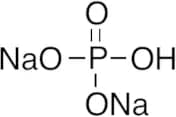
Not a dangerous good if item is equal to or less than 1g/ml and there is less than 100g/ml in the packageFormula:KF·2H2OColor and Shape:NeatMolecular weight:94.13Sodium Phosphate Dibasic
CAS:Applications Sodium Phosphate Dibasic is used as an in conjunction with trisodium phosphate in foods and water treatment. In foods, it is used to adjust pH. In water treatment, It retards calcium scale formation. It is also found in some detergents and cleaning agents. Sodium Phosphate Dibasic is used as a saline laxative to treat constipation or to clean the bowel before a colonoscopy.
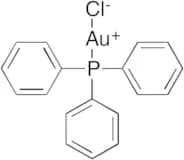
References Tsioulpas, A., et al.: Food Chem., 122, 1027 (2010); Schrödter, K., et al.: Ullmann’s Encyclopedia of Industrial Chemistry (2008); Hansen, C., et al.: Am. J. Obstet. Gynecol., 196, 311 (2007)Formula:Na·HO4PColor and Shape:NeatMolecular weight:141.96Chloro(triphenylphosphine)gold(I)
CAS:Controlled ProductApplications Chloro(triphenylphosphine)gold(I) is a coordination compound.
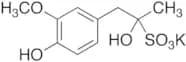
Formula:C18H15AuClPColor and Shape:NeatMolecular weight:494.71α,4-Dihydroxy-3-methoxy-α-methyl-benzeneethanesulfonic Acid Potassium Salt
CAS:Controlled ProductApplications An intermediate in the preparation of DOPA-decarboxylase inhibitors
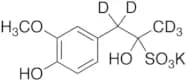
Formula:C10H13KO6SColor and Shape:NeatMolecular weight:300.37α,4-Dihydroxy-3-methoxy-α-methyl-benzeneethanesulfonic Acid Potassium Salt-d5
CAS:Controlled ProductApplications A labelled intermediate in the preparation of DOPA-decarboxylase inhibitors.
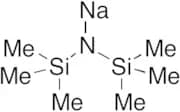
Formula:C10H8D5KO6SColor and Shape:NeatMolecular weight:305.4Sodium bis(trimethylsilyl)amide (95%)
CAS:Controlled ProductApplications can be used in the generation of carbenes, the amination of sulfenamides, and the preparation of lanthanide complexes.
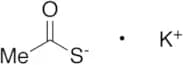
References Hasan T.m et al.: Journal of the Chemical Society. Perkin Transactions 1 , 1923-1923, (1992); S C Bock Journal of the American Chemical Society 116, 7637-7637, (1994)Formula:C6H18NNaSi2Purity:95%Color and Shape:NeatMolecular weight:183.37Potassium Thioacetate
CAS:Controlled ProductApplications Potassium Thioacetate is the potassium salt of Thioacetic Acid, a commonly used reagent in organic synthesis for the introduction of thiol groups in molecules.
Not a dangerous good if item is equal to or less than 1g/ml and there is less than 100g/ml in the package
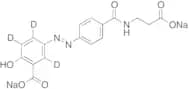
References Chapman, J.H. et al.: J. Chem. Soc., 579 (1950);Formula:C2H4KOSColor and Shape:NeatMolecular weight:114.21Balsalazide-d3 Disodium Salt
CAS:Controlled ProductApplications Balsalazide-d3 Disodium Salt is a labeled analogue of Sulfasalazine (S699084). A prodrug of 5-aminosalicylic acid where carrier molecule is 4-aminobenzoyl-β-alanine. Anti-inflammatory (gastrointestinal).
References Prakash, A., et al.: Drugs, 56, 83 (1998); Coyne, C., et al.: Mol. Biol. Cell, 13, 3218 (2002); Willemsen, L., et al.: Clin. Exp. Immunol., 142, 275 (2005)Formula:C17D3H10N3Na2O6Color and Shape:NeatMolecular weight:404.3Sodium Benzoylthioethanesulfonate-d4
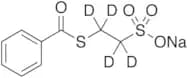
CAS:Controlled ProductApplications Sodium Benzoylthioethanesulfonate-d4 (cas# 1189657-00-8) is a compound useful in organic synthesis.
Formula:C92H4H5O4S2·NaColor and Shape:NeatMolecular weight:272.31Cobalt(II) Chloride Hydrate
CAS:Controlled ProductApplications Cobalt(II) Chloride Hydrate, is used in biological studies as adual control of glut1 glucose transporter gene by hypoxia and by inhibition of oxidative phosphorylation and structural and functional characterization of promoter region of rat glut1 gene
Not a dangerous good if item is equal to or less than 1g/ml and there is less than 100g/ml in the package
References Behrooz, A., et al.: J. Biol. Chem., 272, 5555 (1997)Formula:Cl2Co•xH2OColor and Shape:NeatMolecular weight:129.8418012-Chloro-5-nitrobenzene Sodium Sulphonate
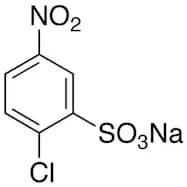
CAS:Controlled ProductApplications 2-Chloro-5-nitrobenzene Sodium Sulphonate (cas# 946-30-5) is a compound useful in organic synthesis.
Formula:C6H3ClNO5S·NaColor and Shape:NeatMolecular weight:259.60Lead(II) Oxide
CAS:Applications Lead(II) Oxide is used as the starting material in the synthesis of Dibasic Lead Phthalate Hydrate (D417070); a compound that is used in vinyl wire insulation as a flame retardant.
Not a dangerous good if item is equal to or less than 1g/ml and there is less than 100g/ml in the package
References Grossman, R. et al.: J. Vinyl Addt. Tech., 9, 65 (2003); Grossman, R. et al.: Vinyl Addt. Tech., 6, 138 (2000)Formula:PbOColor and Shape:NeatMolecular weight:223.97157Sodium Naphthalene-2,6-disulfonate
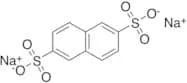
CAS:Controlled ProductApplications Sodium Naphthalene-2,6-disulfonate (cas# 1655-45-4) is a useful research chemical.
Formula:C10H6Na2O6S2Color and Shape:NeatMolecular weight:332.26Lithium Bromide
CAS:Applications Lithium bromide is used as an inexpensive catalyst for the opening of epoxide rings by amines at room temperature. Lithium bromide is also used in conjunction with water to create a refrigerant-absorbent solution for use in refrigeration systems.
References Arun, M., et al.: Appl. Therm. Eng., 21, 1273 (2001); Chakraborti, A., et al.: Eur. J. Org. Chem., 17, 3597 (2004)Formula:Br·LiColor and Shape:NeatMolecular weight:86.84Potassium Deuteroxide (40% w/w in D2O)
CAS:Controlled ProductApplications Labelled Potassium Hydroxide, used in the synthesis of biodiesels.
References Boz, N. et al.: Appl. Catal. B-Environ., 138, 236 (2013); Rathore, P. et al.: Energy. Fuels. 27, 2776 (2013);Formula:DKOColor and Shape:Single SolutionMolecular weight:57.112-Nitrophenol Potassium Salt
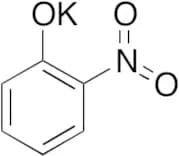
CAS:Controlled ProductApplications 2-Nitrophenol Potassium Salt s an intermediate in the synthesis of 5-Methyl-bis-(2-aminophenoxymethylene)-N,N,N’,N’-tetraacetate Methyl Ester (M294140)
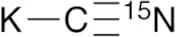
Formula:C6H4KNO3Color and Shape:NeatMolecular weight:177.2Potassium Cyanide-15N
CAS:Controlled ProductApplications Labelled analogue of Potassium Cyanide, a reagent widely used in organic synthesis for the preparation of nitriles and carboxylic acids, particularly in the von Richter reaction.
Not a dangerous good if item is equal to or less than 1g/ml and there is less than 100g/ml in the package
References Kollenz, G. et al.: Org. Prep. Proc. Int., 12, 244 (1980); Subramanian, L. R.: Sci. Synth., 19, 173 (2004);Formula:CK15NColor and Shape:NeatMolecular weight:66.114-Acetamido-4’-aminostilbene-2,2’-disulfonic Acid Disodium Salt
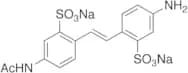
CAS:Controlled ProductStability Temperature Sensitive - Recommended Storage at -20°C
Applications 4-Acetamido-4’-aminostilbene-2,2’-disulfonic Acid Disodium Salt (cas# 78211-74-2) is a compound useful in organic synthesis.Formula:C16H14N2O7S2·2NaColor and Shape:NeatMolecular weight:456.4N-[2-(N’,N’,N’-Trimethylammoniumbromide)ethyl]maleamic Acid Sodium Salt
CAS:Controlled ProductApplications N-[2-(N’,N’,N’-Trimethylammoniumbromide)ethyl]maleamic Acid Sodium Salt is a compound useful in organic synthesis.
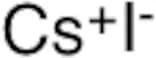
Formula:C9H16N2NaO3·BrColor and Shape:NeatMolecular weight:303.129Cesium Iodide
CAS:Controlled ProductApplications Cesium Iodide (cas# 7789-17-5) is a useful research chemical.
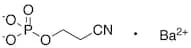
Formula:CsIColor and Shape:NeatMolecular weight:259.812-Cyanoethyl Phosphate, Barium
CAS:Controlled ProductApplications A phosphorylating agent with a protecting group sensitive to mild alkali, useful as an intermediate in the synthesis of nucleotides.
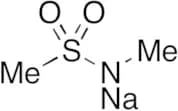
References Tener, G.M.: J. ACS, 83, 159-168 (1961)Formula:C3H4NO4P·BaColor and Shape:NeatMolecular weight:286.37N-Methylmethanesulfonamide Sodium Salt
CAS:Controlled ProductApplications N-Methylmethanesulfonamide Sodium Salt is an substituent in the synthesis of Rosuvastatin (R700500), a selective, competitive HMG-CoA reductase inhibitor.
References Tomita, N., et al.: Bioorg. Med. Chem. Lett., 23, 1779 (2013);Formula:C2H6NNaO2SColor and Shape:NeatMolecular weight:131.11







![1-[[6-(2,5-Dihydro-2,5-dioxo-1H-pyrrol-1-yl)-1-oxohexyl]oxy]-2,5-dioxo-3-pyrrolidinesulfonic acid …](/_next/image/?url=https%3A%2Fstatic.cymitquimica.com%2Fproducts%2F3D%2Fthumb-webp%2FFD24987.webp&w=3840&q=75)























![N-[2-(N’,N’,N’-Trimethylammoniumbromide)ethyl]maleamic Acid Sodium Salt](/_next/image/?url=https%3A%2Fstatic.cymitquimica.com%2Fproducts%2FTR%2Fthumb-webp%2FT795833.webp&w=3840&q=75)