Metal Salts
In this section, you can find various metal salts, which are compounds characterized by containing both metal and non-metal atoms. Essentially, metal salts are composed of cations that are one or more metal atoms. These salts play a crucial role in numerous chemical reactions and applications, serving as catalysts, reactants, or intermediates in various industrial and research processes. At CymitQuimica, we offer a wide selection of high-quality metal salts to meet your research and industrial needs, ensuring reliable and effective performance in your applications.
Found 2870 products of "Metal Salts"
Sort by
Purity (%)
0
100
|
0
|
50
|
90
|
95
|
100
Alizarin Yellow R sodium salt
CAS:<p>Acid-base indicator dye; textile dye; yellow color</p>Formula:C13H8N3O5NaPurity:Min. 95%Molecular weight:309.21 g/molSodium stearyl maleate
CAS:Sodium stearyl maleate is a pharmaceutical excipient that has been used as a diluent and granule. It is an effective particle in the treatment of pancreatitis. Sodium stearyl maleate is also used to help treat chronic bladder inflammation by increasing its fluidity. The use of sodium stearyl maleate in lipoprotein preparations can increase their proliferative activity, which can be useful in cancer research and the treatment of malignant and benign tumors. The long-chain fatty acids found in sodium stearyl maleate have been shown to decrease cholesterol levels and prevent the progression of liver cirrhosis and hepatocellular carcinoma.Formula:C22H39NaO4Purity:Min. 95%Molecular weight:390.53 g/molSodium linoleate
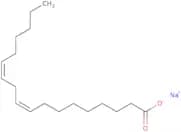
CAS:<p>Sodium linoleate is a model system for studying the effect of radiation on tumorigenesis. Sodium linoleate is used to study the relationship between light exposure and cancer. It has been shown to inhibit Cox-2 expression in carcinoma cell lines, which may be due to its ability to inhibit cox-2 activity by preventing the production of prostaglandins E2 (PGE2). The increased levels of PGE2 can lead to an increase in inflammation and cancer growth. Sodium linoleate has also been shown to have a synergic effect with sodium carbonate in inhibiting tumour growth, which is due to the inhibition of nuclear DNA transcription and protein synthesis.</p>Formula:C18H32O2·NaPurity:Min. 95%Color and Shape:PowderMolecular weight:303.44 g/molSodium triacetoxyborohydride
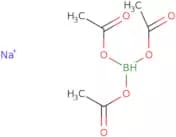
CAS:<p>Sodium triacetoxyborohydride is an oxidizing agent that is used in organic synthesis as a reagent for the reduction of esters and nitriles to alcohols and amines, respectively. This compound has been shown to be effective in reducing the activity of ccr5 receptors, which are important in HIV infection. Sodium triacetoxyborohydride can also be used to reduce antibodies, such as monoclonal antibodies, that have been conjugated with drugs or toxins to produce immunotoxins. Sodium triacetoxyborohydride has also been shown to be an effective agent for the treatment of inflammatory bowel disease and cancer therapy. It has been found to be toxic to some bacteria, fungi, and protozoa.</p>Formula:C6H10BNaO6Color and Shape:White PowderMolecular weight:211.94 g/molSilver(I) cyanide
CAS:Controlled Product<p>Silver(I) cyanide is an inorganic compound that is a silver salt of cyanide. It is a high-resistance material and can be used for the treatment of cancer. Silver(I) cyanide has been shown to induce apoptotic cell death in cultured cells by interfering with protein synthesis and the mitochondria membrane potential. The vibrational, structural, and functional properties of silver(I) cyanide are studied using different techniques. Silver(I) cyanide has also been shown to have fluorescence properties.</p>Formula:AgCNPurity:Min. 95%Molecular weight:133.89 g/molHeptadecafluorooctanesulfonic acid potassium
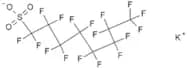
CAS:<p>Please enquire for more information about Heptadecafluorooctanesulfonic acid potassium including the price, delivery time and more detailed product information at the technical inquiry form on this page</p>Formula:C8HF17O3S•KPurity:Min. 95%Color and Shape:PowderMolecular weight:539.23 g/mol8-Hydroxyquinoline copper(II)
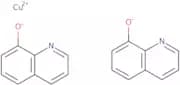
CAS:8-Hydroxyquinoline copper(II) salt is a metal chelate that can be used as an analytical reagent. It is prepared by the reaction of ethylene diamine with 8-hydroxyquinoline and copper(II) chloride. The product has been found to emit light when irradiated with UV light. This product is also used as a substrate for methyl transferase, which is an enzyme involved in the metabolism of drugs. 8-Hydroxyquinoline copper(II) salt has been shown to inhibit the activity of P-glycoprotein (Pgp), which is a drug transporter protein found in mammalian cells that functions to pump xenobiotics from the inside of cells out into the bloodstream. When Pgp is inhibited, it causes cellular accumulation of certain drugs, such as cyclosporin A and tacrolimus.Formula:C18H12CuN2O2Purity:Min. 95%Color and Shape:PowderMolecular weight:351.85 g/molBenzene-1,3-disulfonic acid disodium
CAS:This is a polynuclear compound that has an electrochemical method for detection. It is catalytic, with a low detection limit. The shape of the crystals are spherical, which is due to the size of the crystals. There are no interferences in these measurements, as well as photomicrographs and dopamine sensor. This compound will have synergistic effects with chloride and glucose sensors. The following are some properties of benzene-1,3-disulfonic acid disodium salt: -It has a molecular weight of 227.2 -It has a melting point of about 237 degrees Celsius -It is soluble in water -It has a boiling point at about 515 degrees Celsius -Benzene-1,3-disulfonic acid disodium salt is not hazardous to humans if it is ingested orally; however, it can be harmful if inhaled or if it comes into contact with skinFormula:C6H4Na2O6S2Purity:Min. 95%Color and Shape:PowderMolecular weight:282.2 g/molent-montelukast sodium salt
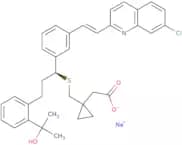
CAS:<p>Please enquire for more information about ent-montelukast sodium salt including the price, delivery time and more detailed product information at the technical inquiry form on this page</p>Formula:C35H35ClNNaO3SPurity:Min. 95%Molecular weight:608.17 g/molBismuth hydroxide
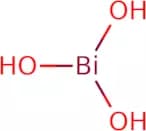
CAS:Bismuth hydroxide is a white powder that is insoluble in water and has a pH of 3.5 to 4.5. It is used as an antimicrobial agent and can be used to treat urinary tract infections and dental plaque. Bismuth hydroxide is added to the acidic solution of hydrochloric acid, sodium citrate, and galacturonic acid to form a bismuth citrate complex that can be analyzed by various methods, including the analytical method of particle size distribution using zirconium oxide. This metal hydroxide has been shown to have transport properties that are dependent on temperature changes, with large increases in particle size at high temperatures. Bismuth hydroxide also has antifungal activity against usnic acid-producing fungi such as Candida albicans and Saccharomyces cerevisiae.Purity:Min. 95%Copper(II) sulfate, anhydrous
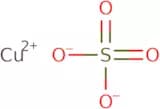
CAS:<p>Copper sulfate is a salt of copper and sulfuric acid. It is used as an antibiotic in the treatment of bacterial infections, although it does not exhibit a bactericidal effect. Copper sulfate can be used to create a synergistic effect with other antibiotics, such as penicillin, erythromycin, tetracycline, and clindamycin. The mechanism of action for this drug is unclear but may involve disruption of membrane function by formation of pores or alteration of ion channels. This drug also has been shown to have an inhibitory effect on toll-like receptor 4 (TLR4) activation and cytokine production in vitro. This inhibition may be due to its ability to bind copper ions in the cytoplasm or nucleus. Copper sulfate also has been shown to inhibit the ryanodine receptor, which is involved in calcium release from intracellular stores and regulation of cardiac muscle contraction. Clinical studies have shown that copper sulfate can increase the rate</p>Formula:CuSO4Purity:Min. 95%Color and Shape:PowderMolecular weight:159.61 g/molLithium formate
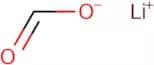
CAS:Lithium formate is an inorganic compound that belongs to the group of sodium salts. It is a white crystalline solid that is soluble in water and has a melting point of -10°C. Lithium formate is used as an antimicrobial agent in wastewater treatment systems and as a polymerase chain reaction (PCR) model system. The mechanism of action for lithium formate was determined to be inhibition of the enzyme structural analysis, activity index, wild-type strain, phase transition temperatureFormula:CHLiO2Purity:Min. 95%Color and Shape:White To Off-White SolidMolecular weight:51.96 g/molPotassium dicyanoargenate
CAS:Controlled Product<p>Potassium dicyanoargenate is an organic acid that is a precursor to silver nanoparticles. This compound is typically used in the production of cellulose derivatives, and for the activation of polymerization reactions. Potassium dicyanoargenate can also be used to produce insoluble polymers and cationic surfactants by combining it with a metal ion, such as sodium carbonate or hydroxyl groups.</p>Formula:C2AgKN2Purity:Min. 95%Molecular weight:199 g/molBarium hydroxide
CAS:Barium hydroxide is a hydroxide salt that is used as an analytical reagent. It has been shown to be toxic to many organisms, including bacteria and fungi. Barium hydroxide is a strong base that reacts with glycol esters and zirconium oxide to form water vapor. The reaction mechanism of barium hydroxide is not well-understood. However, it may involve the formation of a complex between barium ions and copper chloride, which then reacts with oxygen to form hydrogen peroxide. Structural analysis of this compound reveals that it has high resistance against water vapor and metal hydroxides.Formula:BaH2O2Purity:Min. 95%Color and Shape:PowderMolecular weight:171.34 g/molSodium naphthenate
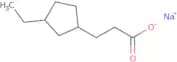
CAS:Sodium naphthenate is a sodium salt that is used as an intermediate in the production of polyvinyl chloride. It can be obtained by reacting ethylene diamine with sodium hydroxide and carbon dioxide. The reaction takes place at high temperatures and pressure, forming a solution of sodium carbonate, which is then hydrolyzed to form sodium naphthenate. This compound has been shown to have a low solubility in water and it can be purified by recrystallization or distillation. Sodium naphthenate is soluble in organic solvents such as acetone or chloroform. It has also been shown to be useful as a model system for studying transfer reactions between polycarboxylic acids and fatty acids, which are important processes in the manufacture of polyester resins.Formula:C10H17NaO2Color and Shape:Off-White PowderMolecular weight:192.23 g/molRhodium 5% on alumina
CAS:Rhodium 5% on alumina is a chemical catalyst that is used in the oxidation of hydrocarbons and the reduction of nitro compounds. It is used in the process of catalytic conversion of hydrocarbons to produce gasoline, diesel fuel, and other fuels. Rhodium 5% on alumina has high resistance to hydrochloric acid, water vapor, and acid complex. This catalyst has been shown to be an effective catalyst for hydrogenation reactions with boron nitride as a support material. Rhodium 5% on alumina also has analytical chemistry applications due to its ability to bind up blood group antigens from animal sources or human blood samples.Purity:Min. 95%[1,2-Bis(diphenylphosphino)ethane]dichloropalladium(II)
CAS:Controlled Product[1,2-Bis(diphenylphosphino)ethane]dichloropalladium(II) is a chemical compound that is insoluble in water and soluble in organic solvents. It is a reagent used to prepare other compounds. The synthesis of this compound involves the reaction of chloroform with dichloro[1,2-bis(diphenylphosphino)ethane]palladium (II). The resulting compound has a yellow color due to its ligands, which are amines or halides. This compound can be recrystallized from toluene or ether for use in preparative work. [1,2-Bis(diphenylphosphino)ethane]dichloropalladium(II) has been used as an analytical reagent for the determination of chloride and ligand content in some organic solvents.Formula:C26H24Cl2P2PdPurity:Min. 95%Molecular weight:575.74 g/mol7,7-Azo-3-a,12-a-dihydroxytaurocholanic acid sodium salt
CAS:Please enquire for more information about 7,7-Azo-3-a,12-a-dihydroxytaurocholanic acid sodium salt including the price, delivery time and more detailed product information at the technical inquiry form on this pageFormula:C26H42N3NaO6SPurity:Min. 95%Molecular weight:547.68 g/mol4-Methoxybenzyl chloride - stabilised with potassium carbonate
CAS:4-Methoxybenzyl chloride is a chemotherapeutic agent that inhibits the binding of inhibitor molecules to their target proteins. It has been shown to inhibit the binding of uridine and methanol solvent to their targets, which are enzymes in the synthesis of nucleic acids. The inhibition of these enzymes prevents DNA replication and protein synthesis, leading to cell death. 4-Methoxybenzyl chloride has been found to be effective in treating autoimmune diseases and solid tumours, as well as being an antimicrobial treatment for microbial infections. 4-Methoxybenzyl chloride is also used in chemical syntheses for its ability to undergo cationic polymerization and asymmetric synthesis.Formula:C8H9ClOPurity:Min. 95%Color and Shape:Colorless Clear LiquidMolecular weight:156.61 g/molSilver tetrafluoroborate
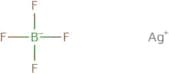
CAS:<p>Silver tetrafluoroborate (AgBF) is a chemical reagent that is used in analytical chemistry and structural analysis. It has shown to be a stable complex with organic molecules, such as fatty acids, and has been used to study the properties of these compounds. AgBF is an inorganic salt that can be synthesized by reacting silver nitrate and barium fluoride in the presence of trifluoroacetic acid. This compound has also been found to form stable complexes with organic molecules containing a hydroxyl group or nitrogen atom. The structure of AgBF has been determined through X-ray crystal structures and electron diffraction patterns. The molecule consists of two symmetric chains joined by a central disulfide bond.</p>Formula:AgBF4Purity:Min. 95%Color and Shape:PowderMolecular weight:194.67 g/mol






![[1,2-Bis(diphenylphosphino)ethane]dichloropalladium(II)](/_next/image/?url=https%3A%2Fstatic.cymitquimica.com%2Fproducts%2F3D%2Fthumb-webp%2FFB54999.webp&w=3840&q=75)