Food Industry Standards
Subcategories of "Food Industry Standards"
- Beverage Standards(7 products)
- Dairy Standards(39 products)
- Food Contact Materials(1,075 products)
- Wine Standards(47 products)
Found 7936 products of "Food Industry Standards"
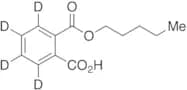
Monopentyl Phthalate-d4
CAS:Controlled ProductApplications A labelled metabolite of Di-n-pentyl phthalate (DPP), used mainly as a plasticizer in nitrocellulose.
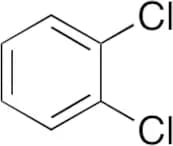
References Schmid, P., et al.: Xenobiotica, 1985, 15, 251 (1985), Nativelle, C., et al.: Food Chem. Toxicol., 37, 905 (1999), Howdeshell, K., et al.: Toxicol. Sci., 105, 153 (2008),Formula:C13D4H12O4Color and Shape:White To Off-WhiteMolecular weight:240.129971,2-Dichlorobenzene
CAS:Controlled ProductApplications 1,2-Dichlorobenzene is used as an organic solvent in a wide array of chemical reactions. Also known to cause oxidative stress and induction of apoptotic markers in lung epithelial cells. 1,2-Dichlorobenzene is a side product of the production of chlorobenzene.
Not a dangerous good if item is equal to or less than 1g/ml and there is less than 100g/ml in the package
References Peljo, P. et al.: J. Am. Chem. Soc., 134, 5974 (2012); Morbt, N. et al.: J. Proteome Res., 10, 363 (2011); Serguchev, Y.A., et al.: Theoretic. Experiment. Chem., 47, 123 (2011); Aracil, I., et al.: Environ. Sci. Technol., 44, 4169 (2010);Formula:C6H4Cl2Color and Shape:Colourless Light YellowMolecular weight:147.00Betaine
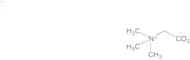
CAS:Applications Betaine, is the product of the enzyme oxidation of choline. It can also be used as an organic osmolytes. Betain is a methyl donor of increasingly recognized significance in biology. It can also be used for the treatment of homocystinuria which is an inherited disorder of the metabolism of amino acid methionine.
References J. Biol. Chem., 234, 1171 (1959); Alex, N. et al.: Org. Chem., (1987); Rees, W. et al.: Biochem., 32, 137 (1993);Formula:C5H11NO2Color and Shape:WhiteMolecular weight:117.15L-Alanine
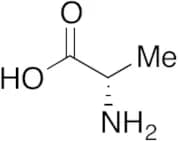
CAS:Controlled ProductApplications L-Alanine used to make in-vivo measurement of glucose and alanine metabolism in studies of patients with diabetes. L-Alanine is a non-essential amino acid for human development. L-Alanine is one of the 20 amino acids encoded by the genetic code
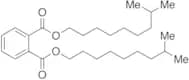
References Bier, D.M. et al.: Diabetes, 26, 1005 (1977); Capaldo, B. et al.: J. Clin. Endocrinol. Metab., 71, 1220 (1990); Giacca, A. et al.: Diabetes, 47, 1763 (1998);Formula:C3H7NO2Color and Shape:WhiteMolecular weight:89.09Diisodecyl Phthalate
CAS:Applications A phtalate ester found in plastic gasket used in food packaging. Used in environmental toxicology studies as a present contaminant.
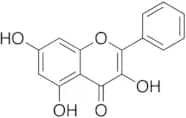
References Novak, J. et al.: Env. Toxicol. Chem., 26, 1591 (2007); Yu, Y. et al.: Ship. Gong. Keji, 29, 243 (2008);Formula:C28H46O4Color and Shape:ColourlessMolecular weight:446.66Galangin
CAS:Applications Galangin is a flavanoid found in Alpinia officinarum, galangal rhizome (Alpinia galanga) and in propolis. Galangin has been show to inhibit proliferation of estrogen receptor-positive MCF-7 human breast cancer cells as well as delay of mammary tumorigenesis.
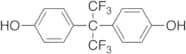
References So, F.V. et al.: Nutrit. Cancer, 26, 167 (1996); So, F. et al.: Cancer Lett., 112, 127 (1997); Ciolino, H.P. et al.: Br. J. Cancer, 79, 1340 (1999);Formula:C15H10O5Color and Shape:Light Yellow To YellowMolecular weight:270.242,2-Bis-(4-hydroxyphenyl)hexafluoropropane
CAS:Applications 2,2-Bis-(4-hydroxyphenyl)hexafluoropropane acts as an endocrine-disrupting chemical (EDC), activating estrogen through the estrogen receptor ERα. It is a full agonist for the estrogen receptor.
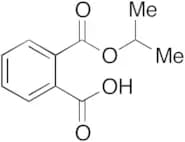
References Matsushima, A. et al.: Environ. Health, Perspect. 118, 1267 (2010);Formula:C15H10F6O2Color and Shape:NeatMolecular weight:336.23Monoisopropyl Phthalate
CAS:Controlled ProductApplications Monoisopropyl Phthalate, is shown to have anti-estrogenic activities at higher than 10-4 M. It can also be used for the preparation of SB-462795, a cathepsin K inhibitor.
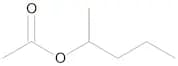
References Okubo, T., et al.: Bio. Pharmace. Bulletin, 26 (8), 1219 (2003); Wang, H., et al.: Org. Process Res. Deve., 12, 226 (2008);Formula:C11H12O4Color and Shape:White To Off-WhiteMolecular weight:208.212-Pentyl Acetate (>90% purity)
CAS:Controlled ProductStability Volatile
Applications 2-Pentyl Acetate has a weak banana odor. 2-Pentyl Acetate is an irritant.Environmental contaminants; food contaminants.
Not a dangerous good if item is equal to or less than 1g/ml and there is less than 100g/ml in the package
References Dong, T., et al.: J. Hortic. Sci. Biotechnol. 89, 441 (2014); Xu, Z., et al.: Food Bioprocess Tech 9, 407 (2016)Formula:C7H14O2Purity:>90%Color and Shape:NeatMolecular weight:130.18Wogonin
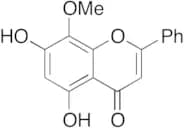
CAS:Controlled ProductApplications Wogonin acts as an anti-inflammatory agent, attenuating ovalbumin antigen-influenced neutrophillic airway inflammation. In addition, it reverses multi-drug resistance of human myelogenous leukemia.
References Takagi, R. et al.: Int. J. Inflamm., 571508, 9 (2014); Xu, X. et al.: Biochem. Pharm., 92, 220 (2014);Formula:C16H12O5Color and Shape:NeatMolecular weight:284.26Methyl Stearate
CAS:Controlled ProductApplications Methyl Stearate is used as a nonionic surfactant in various experiments in helping solubilize a variety of chemical species by dissociating aggregates and unfolding proteins.
References Abidin, S.Z., et al.: Industrial. Engineering. Chem. Rsch., 51, 14653 (2012);Formula:C19H38O2Color and Shape:WhiteMolecular weight:298.50Disecoctyl Phthalate
CAS:Applications Disecoctyl phthalate (cas# 131-15-7) is a useful research chemical.
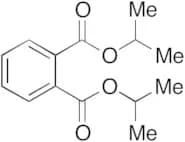
Formula:C24H38O4Color and Shape:Colourless OilyMolecular weight:390.56Diisopropyl Phthalate
CAS:Controlled ProductApplications Diisopropyl Phthalate, is a volatile components present in essential oils of various plants. It can also be used in the synthesis of enantioenriched C2-symmetric molecules.
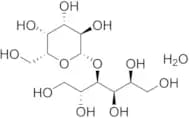
References Mahatheeranont, S., et al.: Kasetsart Journal: Natural Sci., 29 (4), 508 (1995); Kurashov, E. A., et al.: Rastitel'nye Resursy, 49 (1), 85 (2013); Castaldi, M. P., et al.: Euro. J. Org. Chem., 8, 1867 (2006);Formula:C14H18O4Color and Shape:NeatMolecular weight:250.29Lactitol Monohydrate
CAS:Controlled ProductApplications Lactitol Monohydrate is the hydrated form of Lactitol(L113550). Lactitol is listed as an excipient in some prescription drugs, such as Adderall. Lactitol is a sugar alcohol used as a replacement bulk sweetener for low calorie foods. It is also used medically as a laxative.
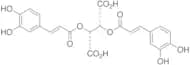
References Bolhuis, G., et al.: Drug Dev. Ind. Pharm., 35, 671 (2009); Toda, Y.: New Food Ind., 33, 21 (1991); Egger, B., et al.: Eur. J. Clin. Pharmacol., 37, 205 (1989);Formula:C12H24O11·H2OColor and Shape:NeatMolecular weight:362.33Chicoric Acid
CAS:Stability Hygroscopic
Applications Chicoric Acid is an effective inhibitor of human immunodeficiency virus type-1 (HIV-1) integrase and the replication in tissues. Also a class of cannabinomimetics with CB2 receptor-dependent and independent
References King, P. et al.: J. Virol., 72, 8420 (1998); Raduner, S. et al.: J. Biol. Chem., 281, 14192 (2006);Formula:C22H18O12Color and Shape:Light YellowMolecular weight:474.37Dicyclohexyl Phthalate-d4
CAS:Controlled ProductApplications Labelled analogue of Dicyclohexyl Phthalate, a phthalate ester used as a plasticizer as well as being present in cosmetic products. Dicyclohexyl Phthalate that is a weak drug-type inducer of hepatic xenobiotic metabolism.
References Lake, B.G. et al.: Acta Pharmacol. Toxicol., 51, 217 (1982); Tsutsumi, N. et al.: Optic. Mat., 29, 435 (2006);Formula:C202H4H22O4Color and Shape:NeatMolecular weight:334.44Dulcin (>90%)
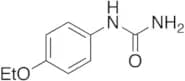
CAS:Controlled ProductApplications Dulcin is a non-nutritive sweetener. Dulcin is a sweet analgesic for use in medical procedures or treatments.
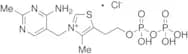
References Toropov, A.A., et al.: Eur. J. Med. Chem.,В 45,В 3581 (2010),Formula:C9H12N2O2Purity:>90%Color and Shape:NeatMolecular weight:180.20Thiamine Pyrophosphate Chloride
CAS:Stability Hygroscopic
Applications Thiamine Pyrophosphate is a thiamine (T344185) derivative produced by enzyme thiamine pyrophosphatase. Thiamine pyrophosphate is a cofactor used to catalyze various biochemical reactions.
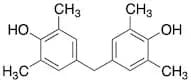
References Andrews, F.H. et al.: Biochem., 52, 3028 (2013); Mueller, C.R., et al.: Org. Biomolec. Chem., 11, 2000 (2013); Haag, N., et al.: J. Neurosci., 32, 17842 (2012); Nemeria, N., et al.: Biochem., 51, 7940 (2012);Formula:C12H19N4O7P2S·ClColor and Shape:Off-WhiteMolecular weight:460.774,4'-Methylenebis(2,6-dimethylphenol)
CAS:Controlled ProductApplications 4,4'-Methylenebis(2,6-dimethylphenol) is used in thermosetting resin composition for the industrial manufacture of metal-clad laminates and printed circuit boards.
Not a dangerous good if item is equal to or less than 1g/ml and there is less than 100g/ml in the package
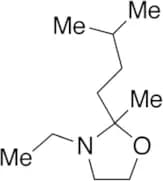
References You, J., et al.: Faming Zhuanli Shenqing. 19 pp. (2019)Formula:C17H20O2Color and Shape:ColourlessMolecular weight:256.343-Ethyl-2-methyl-2-(3-methylbutyl)-oxazolidine
CAS:Applications 3-Ethyl-2-methyl-2-(3-methylbutyl)-oxazolidine is a oxazolidine-based moisture scavenger for use in urethane coatings, sealants and elastomers.
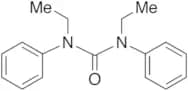
Not a dangerous good if item is equal to or less than 1g/ml and there is less than 100g/ml in the packageFormula:C11H23NOColor and Shape:NeatMolecular weight:185.311,3-Diethyl-1,3-diphenylurea
CAS:Applications 1,3-Diethyl-1,3-diphenylurea is a gunshot residue and a stabilizer for smokeless powder.
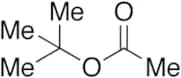
References Betz, R., et al.: Acta. Crystallogr. Sect. E. Struct. Rep., 1, 827 (2011); Perez, J.J., et al.: Anal. Chem., 85, 296 (2013);Formula:C17H20N2OColor and Shape:WhiteMolecular weight:268.35Tert-butyl Acetate
CAS:Controlled ProductApplications Tert-butyl Acetate is a common solvent used in the production of various industrial cleansers, thinners and adhesives and is also known as a VOC.Environmental contaminants; Food contaminants
Not a dangerous good if item is equal to or less than 1g/ml and there is less than 100g/ml in the package
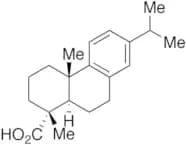
References Mackay, D., et al.: SAR. QSAR. Enviro. Res., 23, 205 (2012); Yang, Y.S., et al.: Toxicol. Res., 26, 293 (2010);Formula:C6H12O2Color and Shape:ColourlessMolecular weight:116.16Dehydroabietic Acid
CAS:Applications Dehydroabietic Acid is a resin acid found commonly in rosin. Dehydroabietic Acid is used in rosin-type nucleating agent for polypropylene (PP). Dehydroabietic Acid is used commonly in the synthesis of surfactants, antioxidants and chiral catalysts.
Not a dangerous good if item is equal to or less than 1g/ml and there is less than 100g/ml in the package
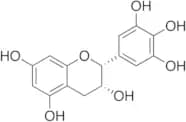
References Stricker, J.: Plaste Kautsch., 16, 481 (1969); Cui, G. et al.: Jing. Yu Zhuan. Huax., 14, 6 (2006); Wang, H. et al.: J. Appl. Polym. Sci., 89, 2137 (2003);Formula:C20H28O2Color and Shape:NeatMolecular weight:300.44(-)-Epigallocatechin
CAS:Applications A natural constituent of green tea. It is an antioxidant and a potential cancer chemopreventive agent. An epimer of (-)-Gallocatechin (G188990).
References Kalaivani, M. et al.: J. Pharm. Res., 3, 2901 (2010); Letchoumy, P.V. et al.: Arch. Med. Sci., 3, 330 (2007); Zhu, N. et al.: J. Food Lipids, 7, 275 (2000);Formula:C15H14O7Color and Shape:Off-WhiteMolecular weight:306.273-[4-[1-[4-(3-Chloro-2-hydroxypropoxy)phenyl]-1-methylethyl]phenoxy]-1,2-propanediol
CAS:Controlled ProductFormula:C21H27ClO5Color and Shape:Off-WhiteMolecular weight:394.89sec-Hexyl Alcohol Phthalate
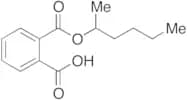
CAS:Controlled ProductFormula:C14H18O4Color and Shape:NeatMolecular weight:250.29Tetrachloroethylene
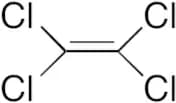
CAS:Applications Tetrachloroethylene is a common industrial solvent that is often found as a contaminant in groundwater. Tetrachloroethylene is also a suspected carcinogen to humans and is difficult to degrade biologically as it has no natural source. This compound is a contaminant of emerging concern (CECs).
Not a dangerous good if item is equal to or less than 1g/ml and there is less than 100g/ml in the package
References Fathepure, B. & Boyd, S.: Appl Environ. Microb., 54, 2976 (1988); Ryoo, D., et al.: Nat. Biotech., 18, 775 (2000); Vogel, T. & McCarty, P.: Appl. Environ. Microb., 49, 1080 (1985)Formula:C2Cl4Color and Shape:NeatMolecular weight:165.83Bisphenol Z
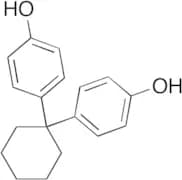
CAS:Controlled ProductApplications Bisphenol Z is one of the many derivatives of Bisphenol A (B519495) that can be used as HIF (hypoxia-inducible factor) inhibitors, antitumor agents, angiogenesis inhibitors, and antihypoxic agents.
References Imaoka, S., Bisphenol A derivatives as HIF inhibitors. Jpn. Kokai Tokkyo Koho. JP 2011195574 A 20111006. Oct 6, 2011;Formula:C18H20O2Color and Shape:White To Off-WhiteMolecular weight:268.35Nicotinamide
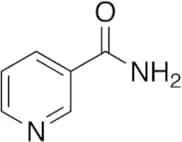
CAS:Controlled ProductApplications A water-soluble vitamin B, incorporated within nicotinamide cofactors such as NADH and NADPH.
References Sharma, M., et al.: J. Chem. Pharm. Res., 2, 416 (2010), Al-Nadaf, A., et al.: Bioorg. Medi. Chem., 18, 3088 (2010),Formula:C6H6N2OColor and Shape:NeatMolecular weight:122.12Trioctyl Trimellitate
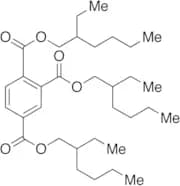
CAS:Applications Trioctyl Trimellitate is a plasticizer that was evaluated for endocrine disrupting activities through estrogen receptor alpha binding assay.
References Ito, R., et al.: Int. J. Pharma., 360, 91 (2008); Ohashi, A., et al.: J. Artific. Organs., 8, 252 (2005);Formula:C33H54O6Color and Shape:ColourlessMolecular weight:546.7783Bis(4-hydroxyphenyl) Sulfone
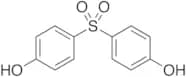
CAS:Controlled ProductApplications Bis(4-hydroxyphenyl) Sulfone is commonly used as a reactant in epoxy reactions and is also used as a latent thermal catalyst for epoxy resin.
References Fu, J.W., et al.: Adv. Mat. Rsch., 266, 1022 (2011); Li, J.X., et al.: Polymers. Adv. Tech., 23, 803 (2012);Formula:C12H10O4SColor and Shape:WhiteMolecular weight:250.271,3-Dioxolane (Stabilized with BHT)
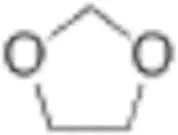
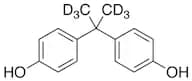
CAS:Controlled ProductFormula:C3H6O2Color and Shape:NeatMolecular weight:74.08Bisphenol A-D6
CAS:Controlled ProductApplications Labelled Bisphenol A (B519495). A monomer used for policarbonate and epoxy resins; exhibits estrogenic activity.
Not a dangerous good if item is equal to or less than 1g/ml and there is less than 100g/ml in the package
References Krishnan, A.V., et al.: Endocrinology, 132, 2279 (1993), Steinmetz, R., et al.: Trends Endocrinol. Metab., 9, 124 (1998), Petersen, H., et al.: Eur. Food Res. Technol., 216, 355 (2003),Formula:C152H6H10O2Color and Shape:White To Off-WhiteMolecular weight:234.32cis-13-Docosenamide (>85%)
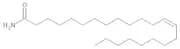
CAS:Applications Plastic additive 21 is a plasticizer; used in preparation of natural mineral modified degradable polymer flame-retardant composite material.
References Xu, H., et al.: Faming Zhuanli Shenqing, (2021);Formula:C22H43NOPurity:>85%Color and Shape:White To Off-WhiteMolecular weight:337.58Tropinone
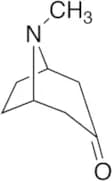
CAS:Controlled ProductApplications Tropinone is an oxidative product of Tropane, used to synthesize Morphine and Tropane alkaloids.
References Schmitt, K., et al.: J. Neurochem., 115, 296 (2010), Kok, G., et al.: Bioorg. Med. Chem. Lett., 20, 4499 (2010), Gohil, V., et al.: Nat. Biotechnol., 28, 249 (2010),Formula:C8H13NOColor and Shape:NeatMolecular weight:139.195Cyclopiazonic Acid
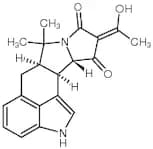
CAS:Controlled ProductApplications Cyclopiazonic Acid is an inhibitor of endoplasmic reticulum Ca2+-ATPase.
Not a dangerous good if item is equal to or less than 1g/ml and there is less than 100g/ml in the packageFormula:C20H20N2O3Color and Shape:NeatMolecular weight:336.381,2,3,4,7,8-Hexachlorodibenzodioxin (>90%)
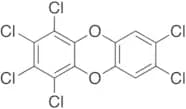
CAS:Applications A toxic polychlorinated dibenzo-p-dioxin detected in domestic meat and poultry.
Not a dangerous good if item is equal to or less than 1g/ml and there is less than 100g/ml in the package
References Feil, V., et al.: J. Agric. Food Chem., 48, 6163 (2000), Huwe, J., et al.: Food Addit. Contam., 21, 182 (2004), Llobet, J., et al.: Toxicol. Lett., 178, 117 (2008),Formula:C12H2Cl6O2Purity:>90%Color and Shape:NeatMolecular weight:390.86Diethyl Phthalate
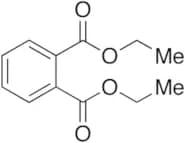
CAS:Applications A phthalate metabolite with genotoxic effect. This compound is a contaminant of emerging concern (CECs).
References Reyes, F., et al.: J. Clin. Endocrinol. Metab., 37, 74 (1973), Engel, S., et al.: Neurotoxicology, 30, 522 (2009),Formula:C12H14O4Color and Shape:ColourlessMolecular weight:222.24Caftaric Acid
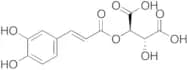
CAS:Applications Caftaric Acid is used in cancer therapy as an anticancer drug. Affecting the up regulation or down regulation of drug transporters or cytochrome p450 enzymes. Also provides antioxidant effects, found in wines.
References Mooiman, K. et al.: Drug Metab. Disp., 41, 1494 (2013); Cejudo-Bastante, M. et al.: J. Agri. Food Chem., 58, 11483 (2010);Formula:C13H12O9Color and Shape:NeatMolecular weight:312.23(S)-(-)-5-hydroxymethyl-2(5H)-furanone
CAS:Controlled ProductStability Moisture Sensitive
Applications (s)-(-)-5-hydroxymethyl-2(5h)-furanone (cas# 78508-96-0) is a useful research chemical.Formula:C5H6O3Color and Shape:NeatMolecular weight:114.1Antioxidant 24
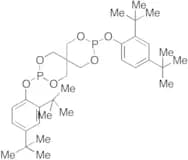
CAS:Applications Antioxidant 24 is used in the synthesis of composites to support polymer films, such as polypropylene and polyethylene film materials.
References del Teso Sanchez, K. et al.: Polym. Degrad. Stab., 113, 32 (2015); Pantani, R. et al.: Eur. Polym. J., 49, 3471 (2013);Formula:C33H50O6P2Color and Shape:NeatMolecular weight:604.691,1,2,2-Tetrachloroethane-d2
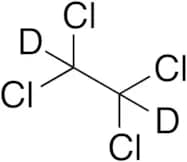
CAS:Controlled ProductApplications Isotope labelled 1,1,2,2-Tetrachloroethane is a material used in the manufacturing of thermoelectric material including carbon nanotubes. It was primarily used as a solvent however due to toxicity it is no longer a viable compound.
References Basu, D. et al.: J. Environ. Sci. Health. A. Tox. Hazard. Subst. Environ. Eng., 47, 638 (2012);Formula:C2D2Cl4Color and Shape:ColourlessMolecular weight:169.86Glycolic-2,2-d2 Acid
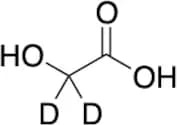
CAS:Controlled ProductFormula:C2D2H2O3Color and Shape:NeatMolecular weight:78.06N-Vanillylnonanamide
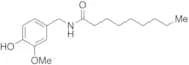
CAS:Controlled ProductApplications N-Vanillylnonanamide is a synthetic analogue of Capsaicin (175680) with similar bioactivity.
Not a dangerous good if item is equal to or less than 1g/ml and there is less than 100g/ml in the package
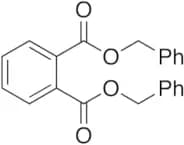
References Turgut, C., et al.: Environ. Sci. Pollut. Res., 11, 7 (2003), Xu, Q., et al.: Environ. Toxicol., 20, 467 (2005),Formula:C17H27NO3Color and Shape:WhiteMolecular weight:293.40Dibenzyl Phthalate
CAS:Controlled ProductApplications Dibenzyl Phthalate is an plasticizer used in toys that was found to exhibit potential estrogen agonist/ antagonist properties.
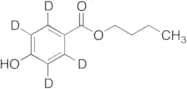
References Zhang, Z.B., et al.: Toxicol. Lett., 207, 7 (2011); Mentlein, R., et al.: BIochem. Pharma., 38, 3126 (1989);Formula:C22H18O4Color and Shape:NeatMolecular weight:346.38n-Butyl 4-Hydroxybenzoate-2,3,5,6-d4
CAS:Controlled ProductApplications n-Butyl 4-Hydroxybenzoate-2,3,5,6-d4 is the labelled analogue of butyl 4-hydroxybenzoate (B693600), which is an antimicrobial agent used in cosmetic products.
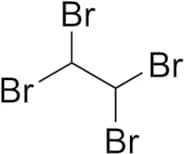
References Gilliland, D., et al.: J. Appl. Bacteriol., 72, 258 (1992), Routledge, E., et al.: Toxicol. Appl. Pharmacol., 153, 12 (1998), Miller, C., et al.: J. Biol. Chem., 272, 32824 (1997), Nakagawa, Y., et al.: Biochem. Pharmacol., 55, 1907 (1998),Formula:C11D4H10O3Color and Shape:NeatMolecular weight:198.25Tetrabromoethane
CAS:Controlled ProductApplications Tetrabromoethane (CAS# 79-27-6) is a useful research chemical compound.
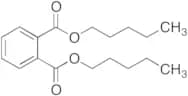
Formula:C2H2Br4Color and Shape:NeatMolecular weight:345.65Amyl Phthalate
CAS:Controlled ProductApplications Amyl Phthalate, is a Phthalate esters (PEs) acting as a plasticizer compounds that are widely used for many consumer product applications. It is also known to induce male fetal endocrine toxicity and postnatal reproductive malformations by disrupting androgen production during the sexual differentiation period of development.
Not a dangerous good if item is equal to or less than 1g/ml and there is less than 100g/ml in the package
References Bethany, R. H., et al.: Toxicological Sci., 120 (1), 184 (2011); Environmental Health Perspectives, 105 Suppl 1, 255 (1997);Formula:C18H26O4Color and Shape:ColourlessMolecular weight:306.40Elaidic Acid Methyl Ester
CAS:Applications Elaidic Acid Methyl Ester is an intermediate used to prepare ±)-trans-9,10-Epoxystearic Acid Methyl Ester.
References Tavasli, M., et al.: Chem. Commun., 1226 (2002)Formula:C19H36O2Color and Shape:NeatMolecular weight:296.492-Ethyl-3-methylpyrazine
CAS:Controlled ProductApplications 2-Ethyl-3-methylpyrazine (CAS# 15707-23-0) is a useful research chemical compound.
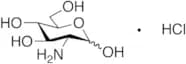
Formula:C7H10N2Color and Shape:NeatMolecular weight:122.17D-Glucosamine Hydrochloride
CAS:Stability Hygroscopic
Applications Novel application of glucosamine to prepare medical agent for treating vertigo. Found in chitin, in mucoproteins, and in mucopolysaccharides. Antiarthritic. Recent studies show that its chondroprotective activity is related to its antiapoptic properties.
References Zupanets, I.A. et al.: Klin. Farmat., 15, 67 (2011); Vajarudal, Y., et al.: Clin. Ther., 3, 336 (1981); Setnikar, I., et al.: Arzneim.-Forsch., 36, 729 (1986);Formula:C6H13NO5·ClHColor and Shape:NeatMolecular weight:215.632-Methyl-pentanoic Acid
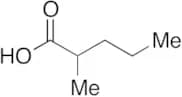
CAS:Controlled ProductApplications 2-Methyl-Pentanoic acid is a useful building block for organic synthesis.
Not a dangerous good if item is equal to or less than 1g/ml and there is less than 100g/ml in the packageFormula:C6H12O2Color and Shape:NeatMolecular weight:116.16L-Alanyl-L-glutamine
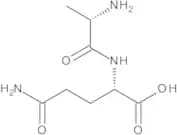
CAS:Controlled ProductApplications L-Alanyl-L-glutamine is a stable synthetic glutamine dipeptide. This dipeptide is used as an alternative source of amino acids in cell culture medium.
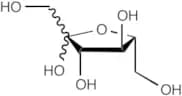
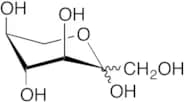
References Imamoto, Y., et al.: cytotechnology 65, 135 (2013)Formula:C8H15N3O4Color and Shape:Off-WhiteMolecular weight:217.22D-Fructose
CAS:Applications D-Fructose occurs naturally in a large number of fruits, honey, and plants. High intake and consumption of fructose has been hypothesized to increase occurrence of diabetes and insulin resistance.
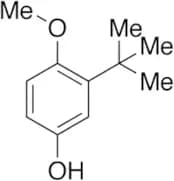
References Elliott S. et al.: Am. J. Clin. Nutr., 76, 911 (2002); Isganaitis E. et al.: Arterioscler. Thromb. Vasc. Biol., 25, 2451 (2006);Formula:C6H12O6Color and Shape:White To Off-WhiteMolecular weight:180.162-tert-Butyl-4-Hydroxyanisole
CAS:Controlled ProductApplications 2-tert-Butyl-4-hydroxyanisole shows insecticidal activity.
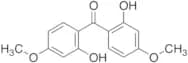
References Newberne, P., et al.: Food Technol., 54, 66 (2000), Passone, M., et al.: Food Control, 19, 364 (2008),Formula:C11H16O2Color and Shape:Off-White To Light BeigeMolecular weight:180.242,2'-Dihydroxy-4,4'-dimethoxybenzophenone
CAS:Controlled ProductApplications 2,2'-Dihydroxy-4,4'-dimethoxybenzophenone (cas# 131-54-4) is a useful research chemical.
Formula:C15H14O5Color and Shape:NeatMolecular weight:274.27Thiamine Hydrochloride
CAS:Applications Thiamine is a essential nutrient required for carbohydrate metabolism; also involved in nerve function. Biosynthesized by microorganisms and plants. Dietary sources include whole grains, meat products, vegetables, milk, legumes and fruit. Also present in rice husks and yeast. Converted in vivo to Thiamine diphosphate, a coenzyme in the decarboxylation of α-keto acids. Chronic deficiency may lead to neurological impairment, bariberi, Wernicke-Korsakoff syndrome.
References Kawaski, T., et al.: Methods Enzymol., 122, 15 (1986), Mascher, H., et al.: J. Pharm. Sci., 82, 56 (1993),Formula:C12H17N4OS·Cl·ClHColor and Shape:NeatMolecular weight:337.27Rosmarinic Acid
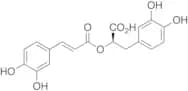
CAS:Applications Rosmarinic Acid is a phenolic component of rosemary with antioxidant and anti-inflammatory activity. Rosmarinic Acid has been shown to inhibit againts peroxidative damage to biomembranes. Rosmarinic Acid also suppresses endotoxin-induced activation of complement and concomitant prostacyclin biosynthesis. Rosmarinic Acid inhibits the free-radical chain reaction that leads to the oxidatin of fats and oils in foods, thereby stablilzing and increasing the shelf life of meats.Rosmarinic Acid has been found to bind to a known quorum-sensing regulator protein used by the pathogenic bacteria Pseudomonas aeruginosa.
References Liu, G. et al.: Biochem. Pjharmacol., 34, 147 (192); Rampart, M. et al.: Biochem. Pharmacol., 35, 1397 (1986); Bult, H. et al.: Br. J. Pharmacol., 84, 317 (1985); Chem. and Eng. News Feb. 10, 2014 p. 13; Chem. and Eng. News Jan. 11, 2016 p. 26Formula:C18H16O8Color and Shape:Yellow-OrangeMolecular weight:360.31Crotonic Acid
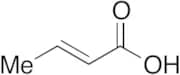
CAS:Applications Crotonic Acid is found in water extracts from carrot seeds (Daucus carota L.) and is shown to have strong herbicidal properties.
Not a dangerous good if item is equal to or less than 1g/ml and there is less than 100g/ml in the package
References Jasicka-Misiak, I., et al.: Phytochemistry, 66, 1485 (2005)Formula:C4H6O2Color and Shape:WhiteMolecular weight:86.093,5-Di-tert-butyl-4-hydroxybenzoic acid hexadecyl ester
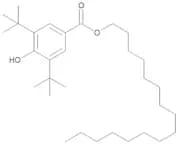
CAS:Controlled ProductApplications 3,5-Di-tert-butyl-4-hydroxybenzoic acid hexadecyl ester
Formula:C31H54O3Color and Shape:White PowderMolecular weight:474.76Methyl Octanoate
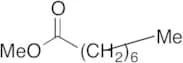
CAS:Applications Methyl Octanoate is a volatile organic compound found in many food substances.
References Zhang, Y.L., et. al.: J. Hortic. Sci. Biotech., 88, 320 (2013); Samykanno, K., et. al.: Food Chem., 141, 1997 (2013)Formula:C9H18O2Color and Shape:ColourlessMolecular weight:158.242-Acetylthiophene
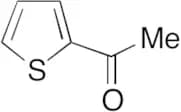
CAS:Controlled ProductApplications 2-Acetylthiophene is used in the synthesis of organoboranes as well as chalcone derivatives as anti-inflammatories.
Not a dangerous good if item is equal to or less than 1g/ml and there is less than 100g/ml in the package
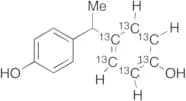
References Ko, H. et al.: Bioorg. Med. Chem., 11, 105 (2003); Brown, H. et al.: J. Am. Chem. Soc., 110, 1539 (1988);Formula:C6H6OSColor and Shape:NeatMolecular weight:126.18Bisphenol E-13C6
CAS:Controlled ProductApplications Bisphenol E-13C6 is an isotope labelled analog of Bisphenol E-13C6. Bisphenol E is a derivative of Bisphenol A (B519495) which is a monomer used for policarbonate and epoxy resins.
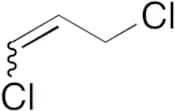
References Krishnan, A.V., et al.: Endocrinology, 132, 2279 (1993); Steinmetz, R., et al.: Trends Endocrinol. Metab., 9, 124 (1998); Petersen, H., et al.: Eur. Food Res. Technol., 216, 355 (2003)Formula:C813C6H14O2Color and Shape:NeatMolecular weight:220.221,3-Dichloropropene (E/Z Mixture)
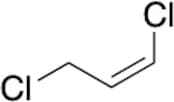
CAS:Controlled ProductFormula:C3H4Cl2Color and Shape:ColourlessMolecular weight:110.97cis-1,3-Dichloropropene
CAS:Controlled ProductApplications cis-1,3-Dichloropropene (CAS# 10061-01-5) is a useful research chemical compound.
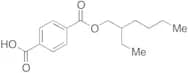
Formula:C3H4Cl2Color and Shape:NeatMolecular weight:110.97Mono(2-ethylhexyl) Terephthalate
CAS:Applications Mono(2-ethylhexyl) Terephthalate is a plasticizer for poly(vinyl chlorides) and a metabolite of di(2-ethylhexyl) terephthalate (DEHT) which has been found not to be genotoxic.
References Reichherzer, R.: Mitt. Chem. Forsch. Wirt. Oesterr., 11, 5 (1957); Barber, E.D.: Environ. Mol. Mutagen., 23, 234 (1994)Formula:C16H22O4Color and Shape:NeatMolecular weight:278.34Dicyclohexyl Phthalate
CAS:Applications Dicyclohexyl Phthalate is a phthalate ester used as a plasticizer as well as being present in cosmetic products. Dicyclohexyl Phthalate that is a weak drug-type inducer of hepatic xenobiotic metabolism.
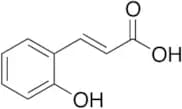
References Lake, B.G. et al.: Acta Pharmacol. Toxicol., 51, 217 (1982); Tsutsumi, N. et al.: Optic. Mat., 29, 435 (2006);Formula:C20H26O4Color and Shape:WhiteMolecular weight:330.422-Hydroxycinnamic Acid
CAS:Controlled ProductApplications 2-Hydroxycinnamic Acid (cas# 614-60-8) is a useful research chemical.
Formula:C9H8O3Color and Shape:NeatMolecular weight:164.16Sodium 2,2'-Methylene-bis(4,6-di-tert-butylphenyl)phosphate
CAS:Controlled ProductApplications Sodium 2,2'-Methylene-bis(4,6-di-tert-butylphenyl)phosphate is an organophosphate nucleating agent.
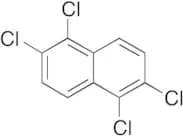
References Li, J., et al.: Suliao, 43, 47-50 (2014);Formula:C29H42O4P·NaColor and Shape:White PowderMolecular weight:508.601,2,5,6-Tetrachloronaphthalene
CAS:Controlled ProductApplications 1,2,5,6-Tetrachloronaphthalene is a polychlorinated naphthalene (PCN) with dioxin-like toxic properties. It can induce different biochemical changes by activating cellular aryl hydrocarbon receptor (AhR).
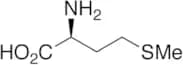
References Olivero-Verbel, J., et al.: J. Mol. Struc-Theochem., 678, 157 (2004)Formula:C10H4Cl4Purity:>85%Color and Shape:NeatMolecular weight:265.95L-Methionine
CAS:Applications Essential aminoacid for human development. Hepatoprotectant; antidote (acetominophen poisoning); urinary acidifier.
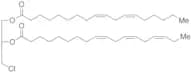
References Benevenga, N.J., et al.: J. Agric. Food Chem., 22, 2 (1974), Fleisher, L.D., et al.: Clin. Endocrinol. Metab., 3, 37 (1974), Meinnel, T., et al.: Biochimie, 75, 1061 (1993),Formula:C5H11NO2SColor and Shape:White To Off-WhiteMolecular weight:149.21rac 1-Linoleoyl-2-linolenoyl-3-chloropropanediol
CAS:Controlled ProductApplications New lipids in food protein hydrolyzates.
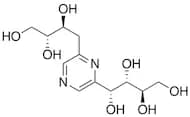
Formula:C39H65ClO4Color and Shape:NeatMolecular weight:633.382,6-Deoxyfructosazine
CAS:Controlled ProductApplications Contained in tobacco flavor additives.
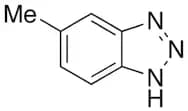
References Tsuchida, H., et al.: Agric. Biol. Chem., 40, 921 (1976),Formula:C12H20N2O7Color and Shape:NeatMolecular weight:304.305-Methylbenzotriazole
CAS:Controlled ProductApplications A potential nitrification inhibitor of urea fertilizer in agricultural soils.This compound is a contaminant of emerging concern (CECs)
References Pillard, D., et al.: Environ. Toxicol. Chem., 14, 311 (1995), Call, H., et al.: J. Biotechnol., 53, 163 (1997), McCarty, G., et al.: Biol. Fertil. Soils, 29, 1 (1999),Formula:C7H7N3Color and Shape:Light YellowMolecular weight:133.15Bis(2-butoxyethyl) Phthalate
CAS:Applications Bis(2-butoxyethyl) Phthalate can be used as a plasticizer.
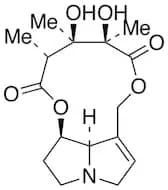
References Song, J., et al.: Suliao Keji, 41, 80 (2013); Bloom, P., et al.: J. Chromat., 72, 35 (1972)Formula:C20H30O6Purity:~85%Color and Shape:ColourlessMolecular weight:366.45Monocrotaline
CAS:Applications A toxic pyrrolizidine alkaloid isolated from Crotalaria spp. It is used for inducing pulmonary diseases in rats.
Not a dangerous good if item is equal to or less than 1g/ml and there is less than 100g/ml in the package
References Newberne, P.M., et al.: Toxicol. Appl. Pharmacol., 18, 387 (1971), Bober, M.A., et al.: Toxicon, 27, 1059 (1989), Wilson, D.W., et al.: Crit. Rev. Toxicol., 22, 307 (1992),Formula:C16H23NO6Color and Shape:White To Off-WhiteMolecular weight:325.362-NP-AMOZ
CAS:Applications A derivatized of AMOZ (A634600), a metabolite of Nitrofuran.Environmental contaminants; Food contaminants; Heat processing contaminants
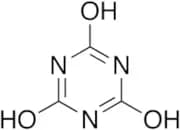
References Vroomen, L., et al.: Toxicol. Appl. Pharmacol., 95, 53 (1988), Delatour, T., et al.: J. Agric. Food Chem., 51, 6371 (2003), Stadler, R., et al.: Analyst, 129, 276 (2004),Formula:C15H18N4O5Color and Shape:NeatMolecular weight:334.33Cyanuric Acid
CAS:Controlled ProductApplications Diagnostic determination of Melamine and related compounds in kidney tissue.
References Mast, R., et al.: Food Chem. Toxicol., 21, 807 (1983), Yokley, R., et al.: J. Agric. Food Chem., 48, 3352 (2000), Ehling, S., et al.: Food Addit. Contam., 24, 1319 (2007), Vail, T., et al.: J. Anal. Toxicol., 31, 304 (2007),Formula:C3H3N3O3Color and Shape:WhiteMolecular weight:129.07Decanoic Acid
CAS:Controlled ProductApplications Decanoic acid is used in manufacturing of esters for artificial fruit flavors and perfumes.
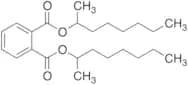
References Oro, L., et al.: Acta Pharmacol. Toxicol., 18, 141 (1961),Formula:C10H20O2Color and Shape:White To YellowMolecular weight:172.26Bis(6-methylheptyl) Phthalate (>85%)
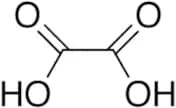
CAS:Formula:C24H38O4Purity:>85%Color and Shape:ColourlessMolecular weight:390.56Oxalic Acid
CAS:Applications An impurity of oxaliplatin which is a coordination complex that is used in cancer chemotherapy.A reducing agent and its conjugate base, known as oxalate (C2O42−), is a useful chelating agent for metal cations.
References Wheate, N., et al.: Dalton Trans., 39, 8113 (2010),Formula:C2H2O4Color and Shape:White To Off-WhiteMolecular weight:90.03Vitamin D2
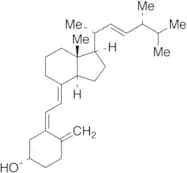
CAS:Controlled ProductStability Light Sensitive
Applications Vitamin D2 is the synthetic form of Vitamin D. Prepared from Ergosterol (E599240) by UV irradiation in a suitable solvent. Commercial solutions are usually made with propylene glycol or sesame oil. Antirachitic.
Not a dangerous good if item is equal to or less than 1g/ml and there is less than 100g/ml in the package
References Knudson, B., et al.: J. Biol. Chem., 124, 287 (1938), Huber, B., et al.: J. Biol. Chem., 149, 125 (1943), Crowfoot, D., et al.: Nature, 162, 608 (1948), Suda, et al.: Biochem. Biophys. Res. Commun., 35, 182 (1969),Formula:C28H44OColor and Shape:White To Orange BrownMolecular weight:396.65Sucralose
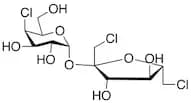
CAS:Applications A low-calorie artificial sweetener
References Agresti, C., et al.: Eur. J. Pharm. Biopharm., 70, 226 (2008), Kidd, M., et al.: Am. J. Physiol., 295, G260 (2008),Formula:C12H19Cl3O8Color and Shape:WhiteMolecular weight:397.63Ethyl Propionate(Propionic Acid Ethyl Ester)
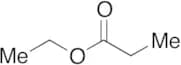
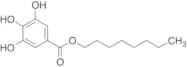
CAS:Formula:C5H10O2Color and Shape:ColourlessMolecular weight:102.13Octyl Gallate
CAS:Applications OCTYL GALLATE (cas# 1034-01-1) is a useful research chemical.
Formula:C15H22O5Color and Shape:White To Off-WhiteMolecular weight:282.333,4-Dihydroxybenzoic Acid Methyl Ester
CAS:Controlled ProductApplications The methyl ester of 3,4-Dihydroxybenzoic Acid (D451680) with antioxidant properties.
References Reis, B. et al.: J. Agric. Food Chem., 58, 6986 (2010); Tung, Y.-T. et al.: Biores. Technol., 98, 1120 (2007);Formula:C8H8O4Color and Shape:White To Off-WhiteMolecular weight:168.15(+)-Borneol
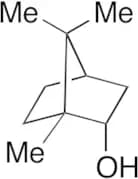
CAS:Controlled ProductApplications (+)-Borneol is used for analgesia and anesthesia in traditional Chinese and Japanese medicine. (+)-Borneol has hightly efficacious positive modulating action at human recombinant α1β2γ2L GABAA receptors.
Not a dangerous good if item is equal to or less than 1g/ml and there is less than 100g/ml in the package
References Granger, R.E., et. al.: Biochem. Pharmacol., 69, 1101 (2005)Formula:C10H18OColor and Shape:White To Off-WhiteMolecular weight:154.25D-Xylose
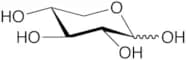
CAS:Applications D-Xylose is used in diagnostic malabsorption tests as well as in the production of Furfural.
References Ehrenpreis E.D. et al.: J. Acquir. Immune. Defic. Syndr., 5, 1047 (1992); Sérgio L. et al.: Cat. Comm., 9, 2144 (2008);Formula:C5H10O5Color and Shape:NeatMolecular weight:150.13Dibutyltin Dilaurate
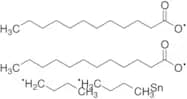
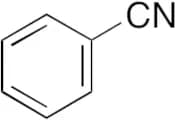
CAS:Controlled ProductFormula:C32H64O4SnColor and Shape:NeatMolecular weight:631.5582Benzonitrile
CAS:Controlled ProductFormula:C7H5NColor and Shape:Clear ColourlessMolecular weight:103.12Bisphenol F
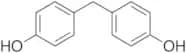
CAS:Controlled ProductApplications Bisphenol F is a bisphenol derivative with antioxidant activities. Bisphenol F has been reported to exhibit estrogen agonistic properties.
References Higashihara, N. et al.: Arch. Toxicol., 81, 825 (2007); Kanai, H. et al.: Int. J. Cancer, 93, 20 (2001); Pospisil, J. et al.: Kinet. Mech. Polyreacti.Int. Symp. Macromol. Chem. Prepr.,5, 383 (1969);Formula:C13H12O2Color and Shape:RedMolecular weight:200.23Diphenyl Phthalate
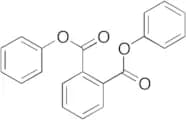
CAS:Controlled ProductFormula:C20H14O4Color and Shape:White To Off-WhiteMolecular weight:318.32





![3-[4-[1-[4-(3-Chloro-2-hydroxypropoxy)phenyl]-1-methylethyl]phenoxy]-1,2-propanediol](/_next/image/?url=https%3A%2Fstatic.cymitquimica.com%2Fproducts%2FTR%2Fthumb-webp%2FC315250.webp&w=3840&q=75)