APIs for research and impurities
Subcategories of "APIs for research and impurities"
- Aminoacids and derivatives(12,440 products)
- Anthraquinones and derivatives(407 products)
- Benzimidazole and Imidazole Derivatives(10,464 products)
- Benzodiazepine Derivatives(335 products)
- Carbohydrates and glycoconjugates(5,388 products)
- Esters and Derivatives(42,306 products)
- Fatty Acids and Lypidic Derivatives(32,486 products)
- Flavonoids and Polyphenols(17,100 products)
- Free Radicals and Oxidant/Reducing Agents(214 products)
- Ketones and derivatives(2,692 products)
- Natural and semi-synthetic antibiotics(6,409 products)
- Nitriles and Cyano Derivatives(3,070 products)
- Nitrosamines and Derivatives(55 products)
- Nucleosides and Nucleotides(3,492 products)
- Organic Phosphates and Phosphonates(1,205 products)
- Organic Sulphonates and Sulphates(10,451 products)
- Organometallics(4,425 products)
- Others(6,340 products)
- Peptides and Proteins(3,164 products)
- Polymers and Derivatives(100 products)
- Purines and Pyrimidine Derivatives(8,975 products)
- Quinazoline and Quinoline Derivatives(66,222 products)
- Quinones and Derivatives(24,379 products)
- Salts and Derivatives of Active Pharmaceutical Ingredients (API)(92,942 products)
- Steroids and Derivatives(4,987 products)
- Sulfonamides and Derivatives(2,607 products)
- Terpenoids and Derivatives(3,860 products)
- Thiazolidinediones and Thiopyrans(2,755 products)
- β-Adrenergic Compounds(231 products)
Found 66875 products of "APIs for research and impurities"
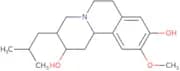
(2R,3R,11Br)-rel-9-deme-dtbz
CAS:(2R,3R,11Br)-rel-9-deme-dtbz is an analog of tolvaptan that has potent anticancer properties. It acts as a kinase inhibitor and induces apoptosis in cancer cells. This compound has been shown to inhibit the activity of several kinases, including protein kinase B (AKT), mitogen-activated protein kinase (MAPK), and extracellular signal-regulated kinase (ERK). It also inhibits the growth of human tumor xenografts in Chinese hamsters. Additionally, (2R,3R,11Br)-rel-9-deme-dtbz has been found to be a promising candidate for the treatment of cancer due to its high selectivity towards cancer cells and low toxicity towards normal cells. Its potent anticancer activity makes it a valuable tool for cancer research and drug development.Formula:C18H27NO3Purity:Min. 95%Molecular weight:305.4 g/molrac N-tert-Butoxycarbonyl viloxazine
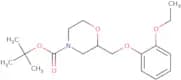
CAS:Please enquire for more information about rac N-tert-Butoxycarbonyl viloxazine including the price, delivery time and more detailed product information at the technical inquiry form on this pageFormula:C18H27NO5Purity:Min. 95%Molecular weight:337.4 g/molN,N-Dimethyl-N'-(4-methyl-2-nitrophenyl)-urea
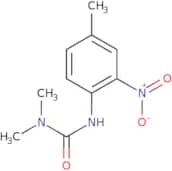
CAS:Please enquire for more information about N,N-Dimethyl-N'-(4-methyl-2-nitrophenyl)-urea including the price, delivery time and more detailed product information at the technical inquiry form on this pageFormula:C10H13N3O3Purity:Min. 95%Molecular weight:223.23 g/mol3-(tert-Butylsulfinyl)propanoic acid
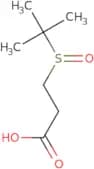
CAS:Please enquire for more information about 3-(tert-Butylsulfinyl)propanoic acid including the price, delivery time and more detailed product information at the technical inquiry form on this page
Formula:C7H14O3SPurity:Min. 95%Molecular weight:178.25 g/mol(S)-Rexamino
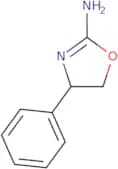
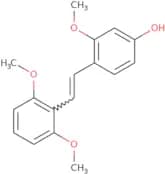
CAS:Controlled Product(S)-Rexamino is an analog of kinases that acts as a potent inhibitor of protein kinase. It has been found to be effective in the treatment of cancer by inducing apoptosis in human cancer cells. (S)-Rexamino also has inhibitory effects on tumor growth and is considered an anticancer agent. This toxin has been shown to be effective against Chinese hamster ovary cells, which are often used in cancer research. Additionally, (S)-Rexamino can be detected in urine samples and may have potential as a diagnostic tool for certain types of cancers. With its potent inhibitory effects on kinases, (S)-Rexamino shows great promise as a potential treatment option for various forms of cancer.Formula:C9H10N2OPurity:Min. 95%Molecular weight:162.19 g/mol(E)-4-(2,6-Dimethoxystyryl)-3-methoxyphenol-d6
CAS:Please enquire for more information about (E)-4-(2,6-Dimethoxystyryl)-3-methoxyphenol-d6 including the price, delivery time and more detailed product information at the technical inquiry form on this page
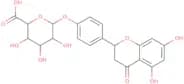
Formula:C17H18O4Purity:Min. 95%Molecular weight:286.32 g/molNaringenin 4'-o-β-D-glucuronide sodium
CAS:Naringenin 4'-o-β-D-glucuronide sodium salt is an analog of naringenin, a flavonoid found in Chinese herbs and citrus fruits. It has been shown to possess potent anticancer activity by inhibiting cyclin-dependent kinases (CDKs) and inducing apoptosis in cancer cells. Naringenin 4'-o-β-D-glucuronide sodium salt acts as a protein kinase inhibitor that disrupts the signaling pathways involved in tumor growth and metastasis. This compound has been found to be effective against various types of cancer, including breast, lung, prostate, and colon cancer. It is excreted in human urine and can be used as a biomarker for evaluating the efficacy of cancer treatment. Overall, this sodium salt has great potential as an inhibitor of tumor cell proliferation and may be a promising therapeutic agent for cancer treatment.
Formula:C21H20O11•NaxPurity:Min. 95%Molecular weight:448.4 g/molTrap 101
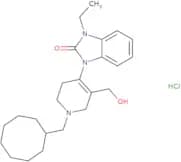
CAS:Trap 101 is a potent anticancer agent that is derived from xylose. This compound has been shown to induce apoptosis in cancer cells by inhibiting kinases, which are enzymes that play a key role in tumor growth and progression. Trap 101 specifically targets Chinese hamster ovary cells and human cancer cell lines, making it a promising candidate for the treatment of various cancers. In addition, Trap 101 acts as a kinase inhibitor and has been shown to be effective against several types of tumors. This compound can be detected in urine samples, making it an attractive candidate for non-invasive diagnostic tests for cancer patients. Overall, Trap 101 holds great potential as a novel therapeutic agent for cancer treatment.Formula:C24H36ClN3O2Purity:Min. 95%Molecular weight:434 g/molMicafungin Metabolite M1
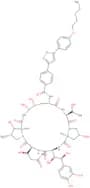
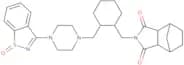
CAS:Micafungin Metabolite M1 is a metabolite of Micafungin. It is an impurity in the drug product and is not active. Micafungin Metabolite M1 has been proposed as a pharmacopoeia reference standard for HPLC quantification of Micafungin.Formula:C56H71N9O20Purity:Min. 95%Molecular weight:1,190.21 g/molLurasidone sulfoxide
CAS:Lurasidone sulfoxide is a molecule that inhibits the binding of ligands to the receptors in cells. It has been shown to be synergistic with other molecule inhibitors, such as virus and organosulfur compounds. Lurasidone sulfoxide also interacts with drug molecules and can be used to shift the paradigm of treatment for certain diseases. Lurasidone sulfoxide is cocrystallized with other molecules that are used for treatment or prevention of certain diseases, including HIV, hepatitis C, and cancer.
Formula:C28H36N4O3SPurity:Min. 95%Molecular weight:508.68 g/mol[[5-[[(2-Aminoethyl)thio]methyl]furan-2-yl]methyl]dimethylamine, hemifumarate
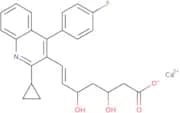
CAS:Ai Product Descriptions 50 CreativeFormula:C10H18N2OS·2C4H4O4Purity:Min. 95%Molecular weight:446.47 g/mol(Z)-Pitavastatin calcium
CAS:The Z-isomer impurity of pitavastatin is a synthetic compound that has been used as an analytical standard and pharmacopoeia reference. The Z-isomer impurity is not found in nature, but is generated by the hydrogenation of the natural product. It has been shown to be metabolized by CYP3A4 and CYP2C9 enzymes, which are the primary enzymes responsible for drug metabolism. This impurity does not have any therapeutic effect on the body, but can be used as a research and development standard for HPLC.Formula:C25H24FNO4•Ca0Purity:Min. 95%Molecular weight:441.50 g/molFlucloxacillin sodium monohydrate impurity E
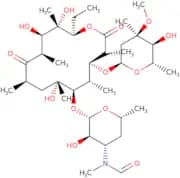
Flucloxacillin sodium monohydrate impurity E is an analytical reference material that is used in the pharmaceutical and research industries. Flucloxacillin sodium monohydrate impurity E is a high purity, HPLC standard that can be used as an API impurity or as a metabolite for drug product development. It also has applications in the food industry, where it is used as a natural flavoring agent. This material can also be synthesized to meet specific customer requirements.Formula:C27H27ClFN5O7S2Purity:Min. 95%Molecular weight:652.11 g/molErythromycin EP impurity L
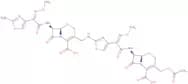
CAS:Erythromycin EP impurity L is a metabolite of erythromycin that is found in the urine of patients taking erythromycin. It is a white to light yellow crystalline powder. Erythromycin EP impurity L has been used as an analytical standard for HPLC and GC-MS, and as a pharmacopoeia reference material. Erythromycin EP impurity L is also known to have anti-inflammatory properties.Purity:Min. 95%Cefotaxime sodium impurity F
CAS:Cefotaxime sodium impurity F is a cefotaxime sodium salt that has been eluted from the column and is a byproduct of cefotaxime production. It has a structural formula of C6H8NaO4S2. The reaction rate for this impurity is slow, with a diffraction pattern that matches cefotaxime. It is soluble in organic solvents and has fluidity, but it does not dissolve in water. Cefotaxime sodium impurity F can be used as medicine due to its molecule, which is an organic compound with a carbonyl group on one end and the cefotaxime molecule at the other end. This molecule can be purified through gel matrix or liquid chromatography.Formula:C30H30N10O12S4Purity:Min. 95%Molecular weight:850.88 g/molSolifenacin impurity C
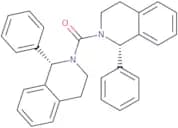
CAS:Solifenacin impurity C is an impurity that is found in the drug product Solifenacin. It has been shown to be a natural metabolite and has been detected in human urine. Solifenacin impurity C is used as an analytical standard for HPLC analyses of solifenacin, and can also be used as a reference material for pharmacopoeia. The purity of this compound is 99%.Formula:C31H28N2OPurity:Min. 95 Area-%Color and Shape:White PowderMolecular weight:444.57 g/mol2-(Acetylamino)-4-amino-2,4,6-trideoxy-α-D-galactopyranose
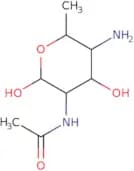
CAS:Please enquire for more information about 2-(Acetylamino)-4-amino-2,4,6-trideoxy-α-D-galactopyranose including the price, delivery time and more detailed product information at the technical inquiry form on this page
Formula:C8H16N2O4Purity:Min. 95%Molecular weight:204.22 g/molFluticasone furoate EP impurity G
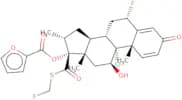
CAS:Fluticasone furoate is a synthetic corticosteroid that has anti-inflammatory and immunosuppressive properties. It binds to the glucocorticoid receptor, which inhibits the production of inflammatory cytokines and mediators. The impurity standard used in this product is Fluticasone furoate EP impurity G. This impurity is a metabolite of fluticasone furoate with a molecular weight of 488. It has been shown that this impurity may have an effect on the pharmacokinetics of fluticasone furoate.Formula:C27H29ClF2O6SPurity:Min. 95%Molecular weight:555.03 g/molDi-p-tolyl-phosphate-d14
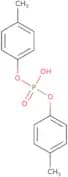
CAS:Di-p-tolyl-phosphate is a toxic chemical that belongs to the methyl ester class. It can be found in polymers, plasticizers, and paints. Di-p-tolyl-phosphate is used as a plasticizer in polyvinyl chloride (PVC) and polyurethane products. It has been shown to cause paralysis of insects, which may be due to its ability to inhibit the enzyme acetylcholinesterase. Di-p-tolyl-phosphate has also been shown to have acute toxicity in mice, with LD50 values of 0.5 g/kg for males and 0.6 g/kg for females. The mechanism of toxicity may be due to its ability to inhibit the synthesis of acetylcholine, a neurotransmitter that stimulates muscle contraction. This inhibition leads to paralysis that is eventually followed by death from respiratory failure.Formula:C14H15O4PPurity:Min. 95%Molecular weight:278.24 g/mol1-[[3-Methyl-4-(2,2,2-trifluoroethoxy)-2-pyridinyl]methyl]-2-[[[3-methyl-4-(2,2,2-trifluoroethoxy)-2-pyridinyl]methyl]thio]-1H-benzi midazole
CAS:1-[[3-Methyl-4-(2,2,2-trifluoroethoxy)-2-pyridinyl]methyl]-2-[[[3-methyl-4-(2,2,2-trifluoroethoxy)-2-pyridinyl]methyl]thio]-1H-benzi midazole is a high purity analytical standard that is used to calibrate HPLC. It is found as an impurity in the drug product and as a metabolite. 1-[(3-Methyl-4-(2,2,2 -trifluoroethoxy) - 2 - pyridinyl) methyl] - 2 - [[[3 - methyl (4 ( 2 , 2 , 2 - trifluoroethoxy) - 2 pyridinyl) methyl] thio] - 1 H benzimidazole is the IUPAC name for this compound. This chemical has been synthesized
Formula:C25H22F6N4O2SPurity:Min. 95%Molecular weight:556.52 g/molFensulfothion Oxon Sulfide
CAS:Fensulfothion oxon sulfide is a drug product that can be used as an analytical reference material. It has been shown to be metabolized in animal studies. The metabolite, fensulfothion sulfoxide, can be synthesized from fensulfothion oxon sulfide and is a standard impurity in the synthetic process. Fensulfothion oxon sulfide is used in drug development and research and development to establish pharmacopoeia standards for HPLC purity requirement.Formula:C11H17O4PSPurity:Min. 95%Molecular weight:276.29 g/molEtaconazol
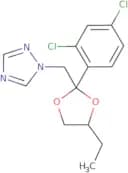
CAS:Etaconazol is a medicinal compound that acts as an analog of kinase inhibitors. It has been shown to inhibit the growth of cancer cells in vitro and in vivo, making it a promising anticancer drug. Etaconazol works by inducing apoptosis, or programmed cell death, in tumor cells. This compound has been tested on human and Chinese hamster ovary cells and has shown potent activity against various types of cancer. Additionally, Etaconazol has been found in human urine and may have potential as a protein biomarker for cancer diagnosis or monitoring.Formula:C14H15Cl2N3O2Purity:Min. 95%Molecular weight:328.2 g/molN-(1H-Pyrrol-2-ylcarbonyl)-glycine
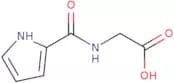
CAS:N-(1H-Pyrrol-2-ylcarbonyl)-glycine is a research and development impurity standard that is used as an impurity in the synthesis of clopidogrel. It has been shown to be a metabolite of clopidogrel and an inhibitor of platelet aggregation. The purity of this compound is greater than 98%.Formula:C7H8N2O3Purity:Min. 95%Molecular weight:168.15 g/mol23,24-Anhydro tacrolimus
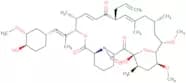
CAS:23,24-Anhydro tacrolimus is a synthetic prodrug of the immunosuppressant drug tacrolimus. It has the same pharmacological effects as the parent compound and can be used in its place to avoid adverse reactions. The metabolite of 23,24-anhydro tacrolimus is a natural metabolite of tacrolimus and has been synthesized for research purposes or for use as an analytical standard. 23,24-Anhydro tacrolimus is not an impurity standard, but rather a niche product that is not commercially available from suppliers.Formula:C44H67NO11Purity:Min. 95%Color and Shape:White PowderMolecular weight:786 g/mol2-[4-(Dimethylamino)-1-(2-methylphenyl)butyl]-phenol
CAS:Please enquire for more information about 2-[4-(Dimethylamino)-1-(2-methylphenyl)butyl]-phenol including the price, delivery time and more detailed product information at the technical inquiry form on this page
Formula:C19H25NOPurity:Min. 95%Molecular weight:283.4 g/mol(3S,5R)-Atorvastatin calcium
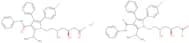
CAS:(3S,5R)-Atorvastatin calcium is an analytical standard for the drug atorvastatin. It has a purity of 99.9% and is manufactured in accordance with the requirements of the pharmacopoeia. The product is available as a white crystalline powder and is soluble in water, acetone, and ethanol. (3S,5R)-Atorvastatin calcium has been used in drug development and as an impurity standard for HPLC analysis. It also serves as a metabolite to characterize the production process of atorvastatin.Formula:C66H68CaF2N4O10Purity:Min. 95%Molecular weight:1,155.34 g/molTrimethoprim 3-N-oxide
CAS:Trimethoprim 3-N-oxide is a metabolite of trimethoprim, which is used to treat urinary tract infections. It is excreted in the urine and its concentration can be measured by gas chromatography. Trimethoprim 3-N-oxide has been shown to inhibit bacterial growth in vitro and has been found to be effective against methicillin resistant Staphylococcus aureus (MRSA).Formula:C14H18N4O4Purity:Min. 95%Molecular weight:306.32 g/molBu 224 hydrochloride
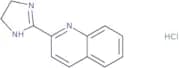
CAS:Bu 224 hydrochloride is an exogenous ligand that binds to the imidazoline I1 receptor. It is a potent and selective agonist for this receptor, which has been shown to be located in cardiac tissue. Bu 224 hydrochloride has been shown to increase the release of noradrenaline from cardiac cells, resulting in cardiostimulant effects. The binding of Bu 224 hydrochloride to the I1 receptor also increases blood pressure, heart rate, and myocardial contractility. The effect on blood pressure is dose-dependent: low doses result in a mild increase in blood pressure, whereas higher doses can lead to severe hypertension.Formula:C12H12ClN3Purity:Min. 95%Molecular weight:233.69 g/molAmlodipine diethyl ester
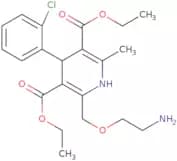
CAS:Amlodipine diethyl ester is a synthetic drug that belongs to the group of calcium channel blockers. It is used for the treatment of high blood pressure, angina, and other cardiovascular diseases. Amlodipine diethyl ester is metabolized by hydrolysis to amlodipine, which has been shown to have an anti-inflammatory effect. The pharmacopoeia grade of amlodipine diethyl ester is a high purity drug product with a purity level of 98%. The CAS No. 140171-65-9 is a drug product that can be custom synthesized for research and development purposes or for use in the manufacture of pharmaceuticals.Formula:C21H27ClN2O5Purity:Min. 95%Molecular weight:422.9 g/mol8-Hydroxymethylriboflavin
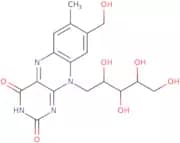
CAS:8-Hydroxymethylriboflavin is a metabolite of riboflavin that has been shown to be important in the metabolism of this vitamin. This compound is used as an impurity standard for the detection and identification of drugs or other substances in pharmacopoeia, drug development, and analytical chemistry.Formula:C17H20N4O7Purity:90%MinMolecular weight:392.4 g/molAtorvastatin N-(3,5-dihydroxy-7-heptanoic acid)amide calcium salt
CAS:Atorvastatin N-(3,5-dihydroxy-7-heptanoic acid)amide calcium salt is a synthetic drug product that belongs to the class of statins. It has been used in research and development as a standard for HPLC analysis. The metabolite atorvastatin 3,5-dihydroxy-7-heptanoic acid (CAS No. 1105067-87-5) is also available from Sigma Aldrich. The impurity standards atorvastatin calcium salt and amorphous calcium sulfate are also available from Sigma Aldrich. Atorvastatin N-(3,5-dihydroxy-7-heptanoic acid)amide calcium salt is an API impurity in the synthesis of atorvastatin sodium (CAS No. 120781-93-1).Formula:C40H48FN3O8CaPurity:Min. 95%Molecular weight:737.86 g/molGriseofulvic acid
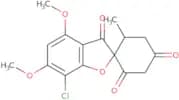
CAS:Griseofulvic acid is a molecule that encompasses an acidic chromatographic and plasma samples, urine metabolite, monocarboxylic acid, water molecule, pharmaceutical preparations, molecule, cancer and hyperproliferative. Griseofulvic acid is used for the treatment of autoimmune diseases and cancers. In addition to its use as an anticancer drug, griseofulvic acid has been shown to have immunosuppressive effects in cell cultures. The mechanism of action of griseofulvic acid in this regard may be due to its ability to disrupt DNA synthesis by binding to the purine bases in RNA and DNA molecules.Formula:C16H15ClO6Purity:Min. 95%Molecular weight:338.74 g/molNascopine
CAS:Nascopine is an analog of nifedipine that acts as a potent inhibitor of protein kinases. It has been shown to induce apoptosis in human cancer cells and inhibit the growth of tumors in Chinese hamsters. Nascopine is an anticancer drug that works by blocking the activity of kinases, which play a crucial role in cancer cell proliferation and survival. This drug has been found to be effective against a wide range of cancers, including breast, prostate, and lung cancer. In addition, Nascopine has been found in urine samples from cancer patients undergoing treatment with this drug. Its unique mechanism of action makes it a promising candidate for further development as an anticancer therapy.
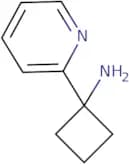
Formula:C22H23NO7Purity:Min. 95%Molecular weight:413.4 g/mol1-(2-Pyridinyl)cyclobutylamine
CAS:Please enquire for more information about 1-(2-Pyridinyl)cyclobutylamine including the price, delivery time and more detailed product information at the technical inquiry form on this page
Formula:C9H12N2Purity:Min. 95%Molecular weight:148.2 g/mol7 S-Cefdinir
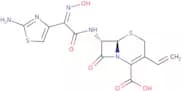
CAS:7 S-Cefdinir is an oral cephalosporin antibiotic that binds to penicillin-binding proteins in the bacterial cell wall by competitive inhibition. This binding prevents the formation of an antibiotic-inhibitor complex with transpeptidase and transpeptidase, which are enzymes involved in peptidoglycan synthesis. 7 S-Cefdinir also inhibits pentapeptide cross-linking, which is necessary for the formation of peptidoglycan chains. 7 S-Cefdinir has bactericidal activity against a wide range of bacteria and acts as an antibacterial agent. It is active against erythromycin-resistant strains of Streptococcus pneumoniae and Mycoplasma pneumoniae, but not against methicillin-resistant Staphylococcus aureus (MRSA).Formula:C14H13N5O5S2Purity:Min. 95%Molecular weight:395.42 g/mol(+)-Papaveroxinoline acetate
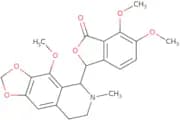
CAS:Please enquire for more information about (+)-Papaveroxinoline acetate including the price, delivery time and more detailed product information at the technical inquiry form on this page
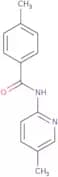
Formula:C26H31NO9Purity:Min. 95%Molecular weight:501.5 g/mol4-Methyl-N-(5-methyl-2-pyridinyl)benzamide
CAS:4-Methyl-N-(5-methyl-2-pyridinyl)benzamide is a birefringent, crystalline compound that is soluble in organic solvents. This compound exhibits liquid crystal composition and can be synthesized by the reaction of 2,4-dimethylbenzoyl chloride with 5-methylpyrimidine. It has been used in the production of photolytic materials such as fluorine. 4-Methylbenzamide has been shown to have a skeleton that is composed of two fused pyridine rings and an amide group. The impurities found in this product are mainly methyl benzoate and methyl pyridine.Formula:C14H14N2OPurity:Min. 95%Molecular weight:226.27 g/molN-[(6-Chloropyridin-3-yl)methyl]-N-methylacetamide
CAS:N-[(6-Chloropyridin-3-yl)methyl]-N-methylacetamide (CAS No. 864628-19-3) is a drug product that has a natural and synthetic origin. Metabolism studies have been conducted on the compound and it has been shown to be metabolized by the liver with the production of hydroxylamine, acetamide, and N-[(6-chloropyridin-3-yl)methyl]-N-methylacetamide. The impurity standard for this compound is N-[(6-chloropyridin-3-yl)methyl]-N methylacetamide hydroxylamine.Formula:C9H11ClN2OPurity:Min. 95%Molecular weight:198.65 g/mol4-[2-(5-Ethyl-2-pyridinyl)ethoxy]benzenepropanoic acid ethyl ester
CAS:4-[2-(5-Ethyl-2-pyridinyl)ethoxy]benzenepropanoic acid ethyl ester is an analytical standard for metabolite identification and quantitation in human urine. It is a natural product, API impurity, or synthetic. This compound is used as a drug development tool to study metabolism studies and may be used as a custom synthesis or impurity standard. 4-[2-(5-Ethyl-2-pyridinyl)ethoxy]benzenepropanoic acid ethyl ester may be used in HPLC analysis to produce high purity and pharmacopoeia standards.Formula:C20H25NO3Purity:Min. 95%Molecular weight:327.42 g/molAmpicillin desoxyazetidin-2-one
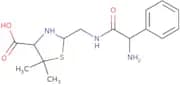
CAS:Please enquire for more information about Ampicillin desoxyazetidin-2-one including the price, delivery time and more detailed product information at the technical inquiry form on this pageFormula:C15H21N3O3SPurity:Min. 95%Molecular weight:323.4 g/mol4’-Chloro clomiphene citrate
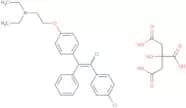
CAS:Controlled Product4’-Chloro clomiphene citrate is a drug product that is used as an analytical standard and impurity in the pharmaceutical industry. This compound is a natural metabolite of clomiphene, and is found in urine, serum, liver, and brain tissue. 4’-Chloro clomiphene citrate has been shown to have anti-inflammatory properties.
Formula:C32H35Cl2NO8Purity:Min. 95%Molecular weight:632.5 g/mol(-)-Tianeptine monosodium salt
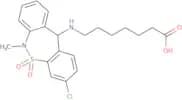
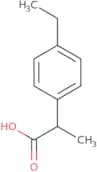
CAS:Controlled Product(-)-Tianeptine monosodium salt is a potent inhibitor of kinase activity that has shown anticancer properties in human urine. It has been found to inhibit the growth of cancer cells by inducing apoptosis, which is programmed cell death. (-)-Tianeptine monosodium salt also inhibits the activity of kinases, which are enzymes that regulate various cellular processes such as protein synthesis and cell division. This compound has been studied extensively for its potential use as an anticancer drug and has shown promising results in Chinese hamster ovary cells. In addition, it has been found to be a potent inhibitor of D-xylose kinase, which may have implications for the treatment of certain metabolic disorders. Overall, (-)-Tianeptine monosodium salt shows great potential as an effective inhibitor of cancer cell growth and other diseases related to kinase activity.Formula:C21H25ClN2O4SPurity:Min. 95%Molecular weight:437 g/mol2-(4-Ethylphenyl)-propanoic acid - Racemic
CAS:2-(4-Ethylphenyl)-propanoic acid is a supplement that is used to relieve pain and inflammation. It belongs to the group of non-steroidal anti-inflammatory drugs (NSAIDs). This drug has been shown to be efficacious in the treatment of osteoarthritis, rheumatoid arthritis, and bronchitis. 2-(4-Ethylphenyl)-propanoic acid inhibits both prostaglandin synthesis and leukotriene synthesis by inhibiting cyclooxygenase 1, which converts arachidonic acid into prostaglandins, and 5-lipoxygenase, which converts arachidonic acid into leukotrienes. This drug has also been shown to inhibit COX-2 production in human monocytes. The active form of this drug is metabolized through a number of metabolic transformations including hydrolysis by esterases or glucuronidases, oxidation by cytochrome P450 enzymes,Formula:C11H14O2Purity:Min. 95%Molecular weight:178.23 g/molGabapentin EP Impurity E
CAS:Impurity EP is a research and development impurity that is used as a drug product impurity in the synthesis of the active pharmaceutical ingredient, gabapentin. It has been shown to be a metabolite of gabapentin. The purity of this compound is determined by HPLC analysis. This research and development impurity can be synthesized from natural or synthetic sources and can be obtained in high purity with 99% minimum. Impurity EP does not have a CAS number because it is not an active pharmaceutical ingredient.Purity:Min. 95%Simotinib
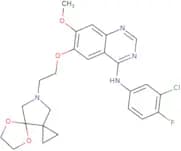
CAS:Simotinib is a kinase inhibitor that has shown promising results in the treatment of various types of cancer. It targets specific proteins that are involved in the growth and survival of tumor cells, leading to apoptosis (cell death) and inhibition of cancer cell proliferation. This medicinal compound is an analog of cyclin-dependent kinases inhibitors and has been extensively studied in Chinese patients with lung cancer. Simotinib works by blocking the activity of certain enzymes that promote tumor growth, making it an effective anticancer agent. It has also been found to have potential therapeutic applications in other types of cancer, including breast and prostate cancer. Overall, Simotinib shows great promise as a targeted therapy for cancer treatment.
Formula:C25H26ClFN4O4Purity:Min. 95%Molecular weight:500.9 g/mol2-[3,5-Dichloro-4-[(4-chlorophenyl)methyl]phenyl]-1,2,4-triazine-3,5(2H,4H)-dione
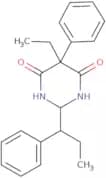
CAS:2-[3,5-Dichloro-4-[(4-chlorophenyl)methyl]phenyl]-1,2,4-triazine-3,5(2H,4H)-dione is a research and development impurity standard. It is custom synthesized for drug product synthesis and analysis. This chemical is high purity with a purity of > 98% and has been tested in the pharmacopoeia for quality assurance. 2-[3,5-Dichloro-4-[(4-chlorophenyl)methyl]phenyl]-1,2,4-triazine-3,5(2H,4H)-dione can be used as a metabolite marker in metabolism studies due to its structural similarity to the parent compound.Formula:C16H10Cl3N3O2Purity:Min. 95%Molecular weight:382.6 g/mol5-Ethyl-5-phenyl-2-(1-phenylpropyl)dihydropyrimidine-4,6(1H,5H)-dione
CAS:5-Ethyl-5-phenyl-2-(1-phenylpropyl)dihydropyrimidine-4,6(1H,5H)-dione is an impurity in the drug product of the drug 5-[3-(3,4-dihydroisoquinolin-2(1H)-yl)propoxy]-2,2'-bis[N-(2-hydroxyethyl)]ethaneamine. It is an analytical standard for HPLC and can be used as a pharmacopoeia or custom synthesis. It is also a metabolite of the drug 5-[3-(3,4-dihydroisoquinolin-2(1H)-yl)propoxy]-2,2'-bis[N-(2-hydroxyethyl)]ethaneamine.Formula:C21H24N2O2Purity:Min. 95%Color and Shape:White PowderMolecular weight:336.43 g/mol4-Amino-1-[3,5-di-O-(4-chlorobenzoyl)-2-deoxy-α-D-ribofuranosyl]-1,3,5-triazin-2(1H)-one
CAS:4-Amino-1-[3,5-di-O-(4-chlorobenzoyl)-2-deoxy-α-D-ribofuranosyl]-1,3,5-triazin-2(1H)-one (4AAT) is an analytical chemical that is used for research and development purposes. 4AAT is a metabolite of the antibiotic ampicillin and has been identified as an impurity in the drug product. It can be synthesized from 2-(4'-chlorophenyl)benzaldehyde, 3,5'-di-O-(4'-chlorobenzoyl)-2',3'-dideoxyribose and sodium azide in a two step process with 98% purity. 4AATs are also found to be present in natural products such as honey or sugar cane juice.
Formula:C22H18Cl2N4O6Purity:Min. 95%Color and Shape:White Off-White PowderMolecular weight:505.31 g/molHydrocortisone Impurity G
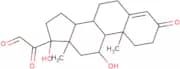
CAS:Controlled ProductHydrocortisone impurity G is a hydrocortisone derivative that has been shown to be an inhibitor of the estradiol dehydrogenase, which is responsible for converting estradiol to estrone. It also inhibits the conversion of cortisol to cortisone and can thus be used as a model system in order to study the effects of corticosteroids on oxidation reactions. Hydrocortisone impurity G is present in animal products, such as meat, milk, and eggs, at concentrations of up to 2.5%. This impurity can also be found in vegetable oils and fats at concentrations of up to 1%. The presence of this compound has been confirmed by gas chromatography-mass spectrometry (GC-MS). Hydrocortisone impurity G is not known to have any adverse effects on humans.Formula:C21H28O5Purity:Min. 95%Molecular weight:360.4 g/mol11β-Hydroxytestosterone 17-sulphate
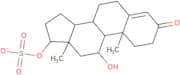
CAS:Please enquire for more information about 11β-Hydroxytestosterone 17-sulphate including the price, delivery time and more detailed product information at the technical inquiry form on this pageFormula:C19H27O6SPurity:Min. 95%Molecular weight:383.5 g/molBetamethasone EP Impurity I
CAS:Controlled ProductBetamethasone EP Impurity I is a synthesized impurity of betamethasone. It is an impurity in the drug product that is used for the treatment of inflammation and allergies, as well as some skin conditions. The main physicochemical properties are: white powder, soluble in methanol, insoluble in water and acetone. This impurity can be obtained by synthetic methods or it can be formed by metabolic degradation of the parent drug. The impurity has been shown to have a niche application in HPLC standards for analytical purposes and research and development of new drugs.Formula:C22H29FO5Purity:Min. 95%Molecular weight:392.5 g/molDes[2-[(2-hydroxyethyl)amino]ethyl] mitoxantrone
CAS:Des[2-[(2-hydroxyethyl)amino]ethyl] mitoxantrone is a research and development impurity standard for synthesis. It is a synthetic, high purity compound with a CAS number of 89991-52-6. The chemical is not found in nature and does not have any natural metabolites. Des[2-[(2-hydroxyethyl)amino]ethyl] mitoxantrone has been shown to be metabolized by the liver into various metabolites that have been identified through analysis of urine samples. The metabolite of des[2-[(2-hydroxyethyl)amino]ethyl] mitoxantrone may be used as an analytical standard for HPLC methods.Formula:C18H19N3O5Purity:Min. 95%Molecular weight:357.36 g/mol5-[(Desloratadine)methyl] rupatadine
CAS:Desloratadine is a drug that belongs to the group of antihistamines and is indicated for the treatment of allergic rhinitis. It has been shown to be as effective as loratadine, cetirizine, and fexofenadine in clinical trials. Desloratadine is metabolized by cytochrome P450 enzymes including CYP2D6 to its active form, desloratadine N-oxide. The metabolites are excreted in the urine.
Formula:C45H43Cl2N5Purity:Min. 95%Molecular weight:724.80 g/mol(R)-Tiagabine 4-carboxy-o-ethyl hydrochloride
CAS:Tiagabine is an ester hydrochloride that is used to treat the symptoms of Parkinson's disease. Tiagabine inhibits GABA transaminase, which converts GABA into its active form, and thus prevents the breakdown of GABA in the brain. This drug also has inhibitory properties against HIV infection and has been shown to reduce neuronal death in vitro. Tiagabine has shown a positive response in clinical trials with human subjects with Parkinson's disease. Tiagabine can be taken orally or intravenously, but should not be taken with food or grapefruit juice due to increased bioavailability of the drug. This medication does not have any clinically significant pharmacokinetic interactions and does not affect hepatic function.Formula:C22H30ClNO2S2Purity:Min. 95%Molecular weight:440.06 g/mol4’-(7-Dechloroquinolinyl) piperaquine
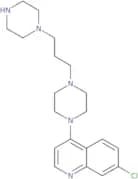
CAS:4’-(7-Dechloroquinolinyl) piperaquine is an inhibitor of tumor kinases and has shown potent anticancer activity against various cancer cells. This compound is a derivative of piperaquine, which is commonly used as an antimalarial drug. 4’-(7-Dechloroquinolinyl) piperaquine has been found to induce apoptosis in human cancer cells by inhibiting the activity of protein kinases that are essential for cell growth and division. It has also been shown to have synergistic effects with capsaicin, a natural compound found in chili peppers, in inhibiting the growth of cancer cells. Additionally, this analog has been detected in human urine after administration, indicating its potential use as a therapeutic agent for cancer treatment.
Formula:C20H28ClN5Purity:Min. 95%Molecular weight:373.9 g/molEthyl(1-methylbutyl)malonuric acid
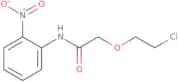
CAS:Please enquire for more information about Ethyl(1-methylbutyl)malonuric acid including the price, delivery time and more detailed product information at the technical inquiry form on this pageFormula:C11H20N2O4Purity:Min. 95%Molecular weight:244.29 g/mol2-(2-Chloroethoxy)-N-(2-nitrophenyl)-acetamide
CAS:Please enquire for more information about 2-(2-Chloroethoxy)-N-(2-nitrophenyl)-acetamide including the price, delivery time and more detailed product information at the technical inquiry form on this pageFormula:C10H11ClN2O4Purity:Min. 95%Molecular weight:258.66 g/molLinagliptin impurity E
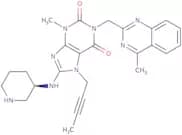
CAS:Controlled ProductLinagliptin impurity E is a metabolite of the drug Linagliptin. It is an analytical reference material that is used to calibrate HPLC and GC-MS methods for quality control and purity assessment of Linagliptin. This impurity standard is also used for metabolism studies.
Formula:C25H28N8O2Purity:Min. 95%Molecular weight:472.54 g/molMethylprednisolone 21-Propionate
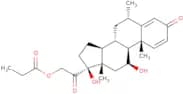
CAS:Controlled ProductMethylprednisolone 21-propionate is a drug product that is used in the treatment of inflammation and autoimmune diseases. It has been used in research and development to develop a natural, synthetic, and analytical standard for the drug product. Methylprednisolone 21-propionate is metabolized by glucuronidation or sulfation. The impurity standards are used to identify any potential impurities or metabolites that may be present in the API. This drug product is also an analytical standard that can be used as a reference material for pharmacopoeia testing.Formula:C25H34O6Purity:Min. 95%Molecular weight:430.53 g/molN-(5,6-Dichloro-1,4-dihydro-2-quinazolinyl)-2,3-dihydroxypropanamide 2,2,2-trifluoroacetate
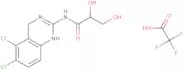
CAS:N-(5,6-Dichloro-1,4-dihydro-2-quinazolinyl)-2,3-dihydroxypropanamide 2,2,2-trifluoroacetate is an analytical reference standard that can be used as a high purity drug product impurity in HPLC. It also has niche application as an API impurity and is a metabolite of the drug quinine.Formula:C13H12Cl2F3N3O5Purity:Min. 95%Molecular weight:418.15 g/molHexadecanedioic acid mono-L-carnitine ester chloride
CAS:Hexadecanedioic acid mono-L-carnitine ester chloride is an analog of a naturally occurring compound that has been found to have medicinal properties. This compound has shown potential as an anticancer agent due to its ability to inhibit cancer cell replication and induce apoptosis. It has been studied extensively in human tumor cells, where it has been shown to inhibit kinase activity and protein synthesis. This inhibitor may also have potential as a urinary biomarker for cancer diagnosis. Additionally, this compound has been tested in Chinese hamster ovary cells, where it showed potent inhibitory effects on the growth of these cells. Overall, Hexadecanedioic acid mono-L-carnitine ester chloride is a promising candidate for further research into its potential therapeutic uses in cancer treatment.Formula:C23H44NO6Purity:Min. 95%Molecular weight:430.6 g/molPravastatin 6-oxo Impurity
CAS:Pravastatin 6-oxo Impurity is an impurity of Pravastatin, a drug used in the treatment of high cholesterol. The impurity has been identified through analytical methods and is characterized by HPLC analysis. This substance has been shown to be present in at least 0.1% of the drug product and may be present as a result of incomplete synthesis or a side-reaction during synthesis.
Formula:C23H34O7Purity:Min. 95%Molecular weight:422.51 g/molN-(4-Aminobenzenesulfonyl) sulfamethoxazole N-acetate
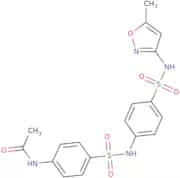
CAS:4-aminobenzenesulfonyl sulfamethoxazole N-acetate is a drug product that has been approved for use in humans. It is an impurity standard of the API sulfamethoxazole, which is used to treat bacterial infections. 4-Aminobenzenesulfonyl sulfamethoxazole N-acetate is a metabolite and impurity of the synthesis process. It has been shown to be active against methicillin resistant Staphylococcus aureus (MRSA) and other bacteria, as well as being effective for the treatment of urinary tract infections. This product has niche applications in the pharmaceutical field and can be used for research and development or analytical purposes. 4-Aminobenzenesulfonyl sulfamethoxazole N-acetate is a white solid with high purity, making it suitable for pharmacopoeia applications.
Formula:C18H18N4O6S2Purity:Min. 95%Molecular weight:450.5 g/molRuxolitinib Impurity 3
CAS:Ruxolitinib Impurity 3 is an analytical chemical that is used as a reference standard in the field of drug development. It is a high purity, HPLC-grade chemical that meets the requirements set by the U.S. Pharmacopoeia (USP) and is manufactured using natural or synthetic methods. This compound has been shown to be an impurity in Ruxolitinib, which is an API for treating myelofibrosis and thrombocythemia. Ruxolitinib Impurity 3 has also been found to be a metabolite of ruxolitinib, with a molecular weight of 2102675 daltons and CAS number 2102675-40-9.Formula:C17H19N5O2Purity:Min. 95%Molecular weight:325.36 g/mol4-Desmethyl-4-ethylimidazolyl nilotinib
CAS:4-Desmethyl-4-ethylimidazolyl nilotinib is a synthetic drug product that is custom-synthesized for research and development purposes. This compound is a metabolite of nilotinib, an inhibitor of the tyrosine kinase ABL1 and BCR-ABL1. 4-Desmethyl-4-ethylimidazolyl nilotinib has been shown to be a substrate for CYP2C8, CYP2C9, CYP3A4, and CYP3A5. It has also been found to be an impurity in API standards of nilotinib.Formula:C29H24F3N7OPurity:Min. 95%Molecular weight:543.50 g/molGlimepiride EP Impurity J hydrochloride
Please enquire for more information about Glimepiride EP Impurity J hydrochloride including the price, delivery time and more detailed product information at the technical inquiry form on this pageFormula:C16H25N3O3S•(HCl)xPurity:Min. 95%Toremifene-N-oxide
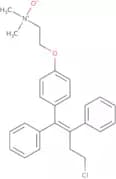
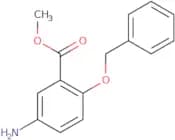
CAS:Toremifene-N-oxide is a drug that has been shown to have genotoxic effects in human liver cells in an incubated system. Toremifene-N-oxide is the active form of toremifene, which is a selective estrogen receptor modulator (SERM). Toremifene-N-oxide is metabolized by peroxidases and can react with reactive oxygen species (ROS) to produce DNA damage. It also binds to DNA at the site of supercoiled DNA, leading to changes in the molecule's structure. Toremifene-N-oxide has been shown to have an optimum pH of 7.4 and ionization mass of 367. This drug binds to lactoperoxidase found in human liver cells and produces reactive molecules that cause oxidative DNA damage.Formula:C26H28ClNO2Purity:Min. 95%Molecular weight:421.96 g/mol5-Amino-2-(phenylmethoxy)benzoic acid methyl ester
CAS:Please enquire for more information about 5-Amino-2-(phenylmethoxy)benzoic acid methyl ester including the price, delivery time and more detailed product information at the technical inquiry form on this pageFormula:C15H15NO3Purity:Min. 95%Molecular weight:257.28 g/molLinezolid N-oxide
CAS:Please enquire for more information about Linezolid N-oxide including the price, delivery time and more detailed product information at the technical inquiry form on this page
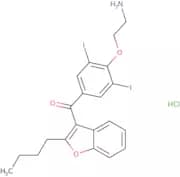
Formula:C16H20FN3O5Purity:Min. 95%Molecular weight:353.35 g/molDi(N-desethyl) amiodarone hydrochloride
CAS:Di(N-desethyl) amiodarone hydrochloride is an impurity of Amiodarone Hydrochloride, which is a drug that is used to treat and prevent serious ventricular arrhythmias. Di(N-desethyl) amiodarone hydrochloride can be synthesized from the corresponding parent compound by desmethylation with trifluoroacetic acid. It has been shown to have a low solubility in water and it is soluble in acetones, ethers, and chloroform. This impurity can be used as a HPLC standard for the analysis of Amiodarone Hydrochloride or as an analytical reference material for other liquid chromatography methods.Formula:C21H22ClI2NO3Purity:Min. 95%Molecular weight:625.67 g/molDeacetyl-N,o-didemethyldiltiazem
CAS:Deacetyl-N,o-didemethyldiltiazem is a drug product that is used for the treatment of hypertension. It is a synthetic compound and has not been found in nature. The impurity standard for this product is an analytical chemical that can be used to identify the presence of impurities in a sample. Deacetyl-N,o-didemethyldiltiazem can be synthesized from commercially available starting materials using custom synthesis methods. It is an API impurity and can be developed into a drug by researching and developing it as a niche therapy for hypertension. This compound has high purity and can be used as an HPLC standard.
Formula:C18H20N2O3SPurity:Min. 95%Molecular weight:344.40 g/molTRV120055
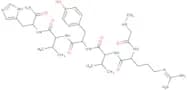
CAS:TRV120055 is a medicinal compound that acts as a kinase inhibitor, specifically targeting the cell cycle and protein synthesis in cancer cells. It has been shown to be effective against leukemia and various types of tumors in human and Chinese hamster cell lines. TRV120055 inhibits the activity of specific proteins involved in cancer cell growth and proliferation, leading to apoptosis or programmed cell death. This compound has potential as an anti-cancer drug due to its ability to selectively target cancer cells while leaving healthy cells unharmed. Its efficacy as a cancer treatment is currently being studied in clinical trials.Formula:C34H54N12O7Purity:Min. 95%Molecular weight:742.9 g/molaR-C 66096 Tetrasodium
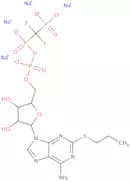
CAS:aR-C 66096 Tetrasodium is a drug product that has been developed for use in analytical, research and development, and other applications. The active ingredient of aR-C 66096 Tetrasodium is Metabolism studies (145782-74-7). It is a natural API impurity with CAS No. 145782-74-7. The impurity standard of this compound is Synthetic (145782-74-7). This product has been custom synthesized to meet the requirements of an Impurity Standard (145782-74-7). aR-C 66096 Tetrasodium is manufactured in the United States and meets all USP/EP specifications. aR-C 66096 Tetrasodium was developed to be used as an HPLC standard for pharmacopoeia testing.Formula:C14H18F2N5Na4O12P3SPurity:Min. 95%Molecular weight:703.26 g/mol1-Glycoloyl-L-prolinamide
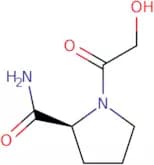
CAS:1-Glycoloyl-L-prolinamide is a drug product that is an analytical standard for the impurity 1-glycoloyl-L-proline (CAS No. 96166-39-1) in the API 1,4,5,6-tetrahydrobenzothiazole (CAS No. 86687-93-0). It has been synthesized to be used as an impurity standard and is provided at a purity of 98.0% or greater by weight. This chemical compound can be used in research and development for the production of drugs as well as in pharmaceutical manufacturing.
Formula:C7H12N2O3Purity:Min. 95%Molecular weight:172.18 g/molSpirolaxine
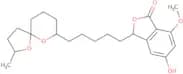
CAS:Spirolaxine is a coumarin derivative that has been shown to have anti-cancer properties. It was isolated from an extract of the fungus Spirolaxine, which was found in the gastroduodenum (gut) of a frog. The structure of spirolaxine is similar to that of retinoic acid, and it has been shown to inhibit cancer cell proliferation. Spirolaxine also inhibits the production of proinflammatory cytokines in mice with colitis. This drug has not yet been tested for its ability to treat other diseases, such as diabetes, but may be able to regulate blood sugar levels by inhibiting insulin secretion and increasing glucose uptake by cells.
Formula:C23H32O6Purity:Min. 95%Molecular weight:404.5 g/molSceptrin dihydrochloride
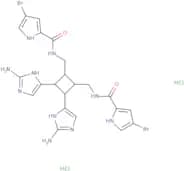
CAS:Sceptrin dihydrochloride is a natural product that is the first asymmetric synthesis of the sceptrin molecule. It has been shown to have anti-inflammatory properties and can be used for the treatment of inflammatory bowel disease. Sceptrin dihydrochloride inhibits the activity of leukotriene A4 hydrolase, which is an enzyme that controls the production of leukotrienes. This inhibition leads to decreased levels of leukotrienes and reduced inflammation in the gastrointestinal tract. Sceptrin dihydrochloride has also been shown to have an effect on skeleton cells, where it can inhibit bone resorption by activating osteoclasts and inhibiting osteoblasts. Sceptrin dihydrochloride belongs to a group of compounds called fatty acid esters and has a chemical structure consisting of nitrogen atoms with two chiral centers. The synthesis was carried out using an asymmetric synthesis method that involved reaction with a chiral catalyst andFormula:C22H26Br2Cl2N10O2Purity:Min. 95%Molecular weight:693.2 g/molPropylthiouracil-d5
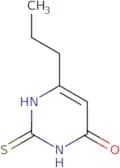
CAS:Propylthiouracil-d5 is a drug product that is used in the development of drugs. Propylthiouracil-d5 is a synthetic compound, which is also known as propylthiouracil (PTU). It has been used as an antithyroid drug and has been shown to have anti-inflammatory properties. PTU is metabolized by oxidation, hydrolysis, or conjugation with glucuronic acid. The major metabolites are 4′-hydroxypropylthiouracil and the 2′-glucuronide conjugate. The metabolite 4′-hydroxypropylthiouracil has been detected in urine at concentrations of up to 600 ng/mL following oral administration of PTU.
Formula:C7H5D5N2OSPurity:Min. 95%Molecular weight:175.26 g/molMethocarbamol-d5 β-D-glucuronide
CAS:Methocarbamol-d5 β-D-glucuronide is a synthetic drug product. It has CAS number 56305-74-9. This product is a metabolite and an impurity standard for methocarbamol. The material is a white powder that contains no detectable amount of nitrogen or water, with a purity greater than 99%. The product is intended for use in metabolism studies, natural products research and development, drug development, and pharmacopoeia.
Formula:C17H18D5NO11Purity:Min. 95%Molecular weight:422.4 g/molDiethyl (1-naphthylmethyl)malonate
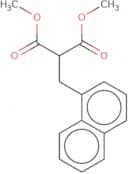
CAS:Diethyl (1-naphthylmethyl)malonate is an impurity of the drug product. It is a metabolite that has been found in rat urine and feces. Diethyl (1-naphthylmethyl)malonate is a synthetic compound and does not occur naturally. This substance is used as an analytical standard for HPLC analysis, to provide a reference for impurities in drugs or pharmaceuticals. It is also used as a chemical intermediate in the synthesis of other compounds. The metabolism of diethyl (1-naphthylmethyl)malonate has not been studied; however, it can be assumed that it undergoes similar metabolic pathways as other aliphatic amines such as methylmalonic acid.Formula:C18H20O4Purity:Min. 95%Molecular weight:300.35 g/molCarfilzomib (2R,4S)-diol
CAS:Carfilzomib is a drug product that belongs to the class of drugs called proteasome inhibitors. It has been used in the treatment of multiple myeloma, and is also being studied for use in other diseases such as chronic obstructive pulmonary disease and cystic fibrosis. Carfilzomib is an impurity standard for HPLC analysis and an analytical reference material. It is also used as a pharmacopoeia reference material. Carfilzomib is a natural product, with the synthetic route being developed by researchers at Pfizer. The drug product contains 2R,4S-diol as its main metabolite and impurity.
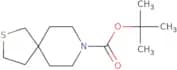
Formula:C40H59N5O8Purity:Min. 95%Molecular weight:737.90 g/moltert-Butyl 4-(4-amino-6,7-dimethoxyquinazolin-2-yl)piperazine-1-carboxylate
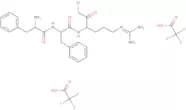
CAS:tert-Butyl 4-(4-amino-6,7-dimethoxyquinazolin-2-yl)piperazine-1-carboxylate is an impurity that is found in the production of tert-butyl 4-(4,5,6,7,8,9,10-hexahydrobenzo[a]pyrido[1,2:4,3]triazin-2(3H)-yl)piperazine-1 carboxylate. It has been used as a reference standard for HPLC. This compound is not active when administered orally and does not exhibit any pharmacological activity.Formula:C19H27N5O4Purity:Min. 95%Molecular weight:389.4 g/molD-Phe-Phe-Arg chloromethylketone trifluoroacetic acid
CAS:D-Phe-Phe-Arg chloromethylketone trifluoroacetic acid is an organophosphorus compound that is used as an analytical standard and in the development of pharmaceuticals and other drugs. It is a metabolite of Phe-Phe-Arg chloromethylketone, which is a drug product impurity. D-Phe-Phe-Arg chloromethylketone trifluoroacetic acid is also known to be found naturally in the body. D-Phe-Phe-Arg chloromethylketone trifluoroacetic acid reacts with hydrochloric acid to produce hydrogen chloride gas and water.Formula:C29H35ClF6N6O7Purity:Min. 95%Molecular weight:729.1 g/molWay 629 hydrochloride
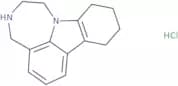
CAS:Way 629 hydrochloride is a chemical compound that belongs to the class of synthetic, pharmacopoeia and drug development. It is used as an impurity standard and a custom synthesis. Way 629 hydrochloride is also used in the study of metabolism. This compound has been shown to be metabolized by cytochrome P450 enzymes, glucuronidases, glutathione reductase, or conjugation with glucuronic acid.
Formula:C15H19ClN2Purity:Min. 95%Molecular weight:262.78 g/molCyamemazine sulfoxide
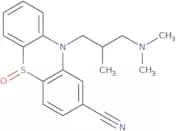
CAS:Cyamemazine sulfoxide is a histamine H1 receptor antagonist. It has been shown to have strong affinity for the serotonin 5-HT2C and dopamine D2 receptors, as well as the atrial 5-HT2A receptors. Cyamemazine sulfoxide has a low oral bioavailability of about 10% and is metabolized in the liver to cyamemazine and its active form, cyamemazine sulfoxide. Cyamemazine sulfoxide binds to serotonin 5-HT2C receptors with a high affinity, which leads to inhibition of serotonin release from nerve endings in the brain. This drug also inhibits dopamine release from nerve endings in the brain and has been shown to have cardiac effects on heart rate and contractility.
Formula:C19H21N3OSPurity:Min. 95%Molecular weight:339.46 g/molN-Desmethyl sorafenib (pyridine)-N-oxide
CAS:N-Desmethyl sorafenib (pyridine)-N-oxide is a drug product that can be used as an HPLC standard and is also used in the development of drugs. CAS No. 583840-04-4 is a metabolite impurity that can be found in the analytical API impurity of the drug. This synthetic compound is subject to metabolism studies, which are conducted on animals for pharmacopoeia purposes. N-Desmethyl sorafenib (pyridine)-N-oxide has shown niche applications in the field of research and development, as it can be used as an analytical standard for HPLC.Formula:C20H14ClF3N4O4Purity:Min. 95%Molecular weight:466.80 g/molNonanal-d18
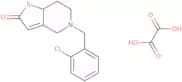
CAS:Please enquire for more information about Nonanal-d18 including the price, delivery time and more detailed product information at the technical inquiry form on this pageFormula:C9H18OPurity:Min. 95%Molecular weight:160.35 g/mol2-Oxo ticlopidine oxalic acid
CAS:2-Oxo ticlopidine oxalic acid is a synthetic compound that has been used as an impurity standard in the synthesis of other compounds. The CAS number for this compound is 89481-79-8. 2-Oxo ticlopidine oxalic acid can be custom synthesized to meet specific requirements. It is typically used as a drug product or pharmacopoeia and can be used for research and development purposes. Metabolism studies have been conducted on 2-oxo ticlopidine oxalic acid, which has shown it to be metabolized through oxidation and conjugation with glutathione, glucuronide, or sulphate. HPLC standards for this compound are available at Sigma Aldrich.
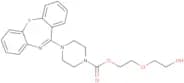
Formula:C16H16ClNO5SPurity:Min. 95%Molecular weight:369.8 g/molQuetiapine carboxylate impurity
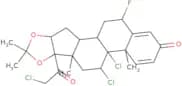
CAS:Quetiapine carboxylate impurity is a high purity, analytical grade quetiapine carboxylate impurity with CAS No. 1011758-00-1. This product is used in pharmacopoeia, drug development, and metabolite research and development. Quetiapine carboxylate impurity is a synthetic compound that has been developed to be an impurity standard for HPLC analysis of quetiapine carboxylate in pharmaceutical products. It can also be used as a natural metabolite in metabolism studies or as a niche synthesis compound in the research and development of new drugs.Formula:C22H25N3O4SPurity:Min. 95%Molecular weight:427.5 g/molTriclonide
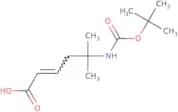
CAS:Triclonide is an analog of a protein kinase inhibitor that has shown potent anticancer activity. It is derived from human urine and has been found to induce apoptosis in cancer cells. Triclonide works by inhibiting the activity of kinases, which are enzymes that play a critical role in cell signaling pathways that regulate cell growth and division. This inhibition leads to the suppression of tumor growth and proliferation. Triclonide has been identified as a potential medicinal agent for cancer treatment due to its ability to target specific kinases involved in cancer progression, making it a promising candidate for further research and development.Formula:C24H28Cl3FO4Purity:Min. 95%Molecular weight:505.8 g/mol(2E)-5-(tert-Butyloxycarbonylamino)-5-methylhex-2-enoic acid
CAS:Please enquire for more information about (2E)-5-(tert-Butyloxycarbonylamino)-5-methylhex-2-enoic acid including the price, delivery time and more detailed product information at the technical inquiry form on this pageFormula:C12H21NO4Purity:Min. 95%Molecular weight:243.3 g/mol(+)-SHIN1
CAS:(+)-SHIN1 is an analog of a compound found in human urine that has shown promising results in the fight against cancer. It functions as a kinase inhibitor, which means it prevents the activation of proteins that are involved in cancer cell growth and tumor formation. Studies have indicated that (+)-SHIN1 induces apoptosis (programmed cell death) in Chinese hamster ovary cells and inhibits the growth of various cancer cell lines. This compound has also been investigated for its potential use in treating Alzheimer's disease, as it shares structural similarities with donepezil, a drug used to treat cognitive impairments associated with this condition. (+)-SHIN1 represents a promising avenue for anticancer drug development and may hold great potential for improving cancer treatment outcomes.Formula:C24H24N4O2Purity:Min. 95%Molecular weight:400.5 g/molIvermectin B1 aglycon
CAS:Ivermectin B1 aglycon is a drug product that is custom synthesized, high purity, and analytical. It is natural and synthetic and has a niche in the market. It is used for metabolic studies and drug development purposes. Its metabolite are impurities that are found in pharmacopoeia. Ivermectin B1 aglycon is a metabolite of ivermectin, which has been shown to have anti-inflammatory properties.Formula:C34H50O8Purity:Min. 95%Molecular weight:586.8 g/mol9-Epimitomycin B
CAS:9-Epimitomycin B is a water-soluble, alkoxy-substituted amino compound that is used medicinally. It has antibacterial activity and has been shown to be effective against Gram-positive bacteria such as Staphylococcus aureus, Streptococcus pyogenes, and Enterococcus faecalis. 9-Epimitomycin B inhibits the growth of these bacteria by binding to their ribosomes and inhibiting protein synthesis. The carbon atoms in 9-epimitomycin B are linked to an alkoxy group at one end, which causes it to have a higher affinity for bacterial ribosomes than human ribosomes. 9-Epimitomycin B also binds to mitomycin C, which may be responsible for its antimetabolite properties.
Formula:C16H19N3O6Purity:Min. 95%Molecular weight:349.34 g/molAciclovir EP impurity J
CAS:Aciclovir EP impurity J is a drug product that is used as an analytical standard in HPLC. Aciclovir EP impurity J is the natural metabolite of aciclovir, which is an antiviral drug. It is not active against herpesviruses but has been shown to inhibit the growth of human cells infected with cytomegalovirus. Aciclovir EP impurity J has been studied for its effects on drug metabolism and pharmacokinetics. Aciclovir EP impurity J has been shown to be excreted primarily in urine, with some excretion in the feces.Formula:C14H16N10O4Purity:Min. 95%Molecular weight:388.34 g/molRfrp-1(A.A. sequence mphsfanlplrf)
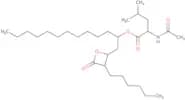
CAS:The Rfrp-1 product is a research and development impurity standard. It is used as a reference standard for HPLC analysis of drug products. This synthetic compound has high purity and is pharmacopoeia grade. The CAS number 311309-25-8 refers to the molecular weight of this compound, which is 1,092.2 daltons. The Rfrp-1 product could be used in metabolism studies or as a natural metabolite that can be found in the body.Formula:C67H101N19O14SPurity:Min. 95%Molecular weight:1,428.7 g/molN-Desformyl N-acetyl (S,S,R,S)-orlistat (orlistat impurity)
CAS:Please enquire for more information about N-Desformyl N-acetyl (S,S,R,S)-orlistat (orlistat impurity) including the price, delivery time and more detailed product information at the technical inquiry form on this pageFormula:C30H55NO5Purity:Min. 95%Molecular weight:509.8 g/molN2'-Deacetyl-N2'-[3-(methylthio)-1-oxopropyl]-maytansine
CAS:N2'-Deacetyl-N2'-[3-(methylthio)-1-oxopropyl]-maytansine is a cytotoxic drug that belongs to the class of maytansinoids. It is metabolized in vivo to produce cytotoxic metabolites which inhibit protein synthesis by binding to ribosomes, preventing peptide bond formation. The preclinical studies have shown that N2'-deacetyl-N2'-[3-(methylthio)-1-oxopropyl]-maytansine has a better therapeutic index than other maytansinoids, with fewer side effects. In animal models, N2'-deacetyl-N2'-[3-(methylthio)-1-oxopropyl]-maytansine showed efficacy against human tumor cells and was not toxic to normal cells. This agent also showed no impurities when incubated with human liver microsomes and it was well tolerated in clinical trials in humansFormula:C36H50ClN3O10SPurity:Min. 95%Molecular weight:752.3 g/molNorethisterone EP Impurity H
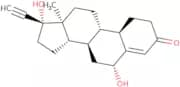
CAS:Controlled ProductNorethisterone EP Impurity H is a synthetic impurity that is used as an analytical reference standard and a metabolite in norethisterone research. It is not found in any natural products, but is instead produced synthetically. The CAS number for this compound is 51724-44-8.Formula:C20H26O3Purity:Min. 95%Molecular weight:314.42 g/molFluticasone 17b-carboxylic acid propionate
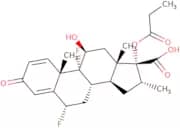
CAS:Controlled ProductFluticasone propionate is a synthetic corticosteroid that is used in the treatment of asthma. It is an esterified prodrug which requires hydrolysis by esterases in order to become active. Fluticasone propionate has shown clinical efficacy with oral administration and can be administered by inhalation or through the skin. This drug is available as a deuterated form for use in nuclear magnetic resonance spectroscopy and reaction monitoring. It also has a linear range of 10-1000 ng/mL and a quadrupole mass spectrometer detection limit of 0.1 pmol, which allows it to be used for plasma samples and reconstituted drugs.
Formula:C24H30F2O6Purity:(¹H-Nmr) Min. 95 Area-%Color and Shape:White Off-White PowderMolecular weight:452.49 g/molLidocaine-d10 hydrochloride
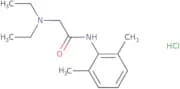
CAS:Lidocaine is a local anesthetic that inhibits the transmission of nerve impulses. Lidocaine-d10 hydrochloride is a drug product that contains lidocaine and deuterium-labeled lidocaine, which has been chemically synthesized to contain deuterium atoms in place of hydrogen atoms. Lidocaine-d10 hydrochloride is used as an analytical standard for pharmacological studies and drug development. It also serves as an impurity standard in the synthesis of other compounds. Lidocaine-d10 hydrochloride is metabolized through oxidation and reduction, forming metabolites such as 4-hydroxylidocaine, 4-dehydroxylidocaine, and 2,6-dehydroxylidocaine.
Lidocaine-d10 hydrochloride can be used to study the metabolism of lidocaine and its metabolites, which are important for drug development.Formula:C14H13D10ClN2OPurity:Min. 95%Molecular weight:280.86 g/mol

![[[5-[[(2-Aminoethyl)thio]methyl]furan-2-yl]methyl]dimethylamine, hemifumarate](/_next/image/?url=https%3A%2Fstatic.cymitquimica.com%2Fproducts%2F3D%2Fthumb-webp%2FIA57851.webp&w=3840&q=75)

![1-[[3-Methyl-4-(2,2,2-trifluoroethoxy)-2-pyridinyl]methyl]-2-[[[3-methyl-4-(2,2,2-trifluoroethoxy)…](/_next/image/?url=https%3A%2Fstatic.cymitquimica.com%2Fproducts%2F3D%2Fthumb-webp%2FIM25690.webp&w=3840&q=75)
![2-[4-(Dimethylamino)-1-(2-methylphenyl)butyl]-phenol](/_next/image/?url=https%3A%2Fstatic.cymitquimica.com%2Fproducts%2F3D%2Fthumb-webp%2FUDA43254.webp&w=3840&q=75)



![N-[(6-Chloropyridin-3-yl)methyl]-N-methylacetamide](/_next/image/?url=https%3A%2Fstatic.cymitquimica.com%2Fproducts%2F3D%2Fthumb-webp%2FIC171311.webp&w=3840&q=75)
![4-[2-(5-Ethyl-2-pyridinyl)ethoxy]benzenepropanoic acid ethyl ester](/_next/image/?url=https%3A%2Fstatic.cymitquimica.com%2Fproducts%2F3D%2Fthumb-webp%2FIE23113.webp&w=3840&q=75)
![2-[3,5-Dichloro-4-[(4-chlorophenyl)methyl]phenyl]-1,2,4-triazine-3,5(2H,4H)-dione](/_next/image/?url=https%3A%2Fstatic.cymitquimica.com%2Fproducts%2F3D%2Fthumb-webp%2FIFA64880.webp&w=3840&q=75)
![4-Amino-1-[3,5-di-O-(4-chlorobenzoyl)-2-deoxy-α-D-ribofuranosyl]-1,3,5-triazin-2(1H)-one](/_next/image/?url=https%3A%2Fstatic.cymitquimica.com%2Fproducts%2F3D%2Fthumb-webp%2FIA74824.webp&w=3840&q=75)

![Des[2-[(2-hydroxyethyl)amino]ethyl] mitoxantrone](/_next/image/?url=https%3A%2Fstatic.cymitquimica.com%2Fproducts%2F3D%2Fthumb-webp%2FID21105.webp&w=3840&q=75)
![5-[(Desloratadine)methyl] rupatadine](/_next/image/?url=https%3A%2Fstatic.cymitquimica.com%2Fproducts%2F3D%2Fthumb-webp%2FZYB51572.webp&w=3840&q=75)







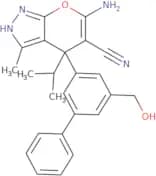
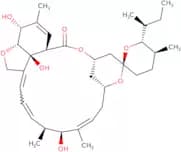

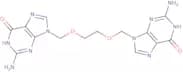
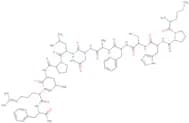
![N2'-Deacetyl-N2'-[3-(methylthio)-1-oxopropyl]-maytansine](/_next/image/?url=https%3A%2Fstatic.cymitquimica.com%2Fproducts%2F3D%2Fthumb-webp%2FMLB56984.webp&w=3840&q=75)