


APIs for research and impurities
Active Pharmaceutical Ingredients (APIs) are the substances in drugs responsible for their therapeutic effects. In this section, you will find a wide variety of APIs intended for research use. These compounds are essential for the development, testing, and validation of new pharmaceutical formulations. CymitQuimica offers high-quality APIs to support research in drug discovery and development.
Subcategories of "APIs for research and impurities"
- Aminoacids and derivatives(12,278 products)
- Anthraquinones and derivatives(405 products)
- Benzimidazole and Imidazole Derivatives(10,376 products)
- Benzodiazepine Derivatives(333 products)
- Carbohydrates and glycoconjugates(5,013 products)
- Esters and Derivatives(42,045 products)
- Fatty Acids and Lypidic Derivatives(32,246 products)
- Flavonoids and Polyphenols(17,012 products)
- Free Radicals and Oxidant/Reducing Agents(213 products)
- Ketones and derivatives(2,394 products)
- Natural and semi-synthetic antibiotics(6,364 products)
- Nitriles and Cyano Derivatives(3,045 products)
- Nitrosamines and Derivatives(55 products)
- Nucleosides and Nucleotides(3,429 products)
- Organic Phosphates and Phosphonates(1,201 products)
- Organic Sulphonates and Sulphates(10,406 products)
- Organometallics(4,401 products)
- Others(6,279 products)
- Peptides and Proteins(3,129 products)
- Polymers and Derivatives(99 products)
- Purines and Pyrimidine Derivatives(8,902 products)
- Quinazoline and Quinoline Derivatives(65,630 products)
- Quinones and Derivatives(24,239 products)
- Salts and Derivatives of Active Pharmaceutical Ingredients (API)(79,473 products)
- Steroids and Derivatives(4,967 products)
- Sulfonamides and Derivatives(2,592 products)
- Terpenoids and Derivatives(3,839 products)
- Thiazolidinediones and Thiopyrans(2,733 products)
- β-Adrenergic Compounds(230 products)
Show 21 more subcategories
Found 56797 products of "APIs for research and impurities"
Sort by
Purity (%)
0
100
|
0
|
50
|
90
|
95
|
100
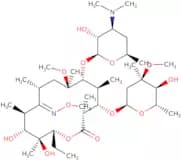
Clarithromycin (9E)-O-Methyloxime
CAS:<p>Clarithromycin (9E)-O-Methyloxime is an analytical standard for Clarithromycin. It is a metabolite of Clarithromycin and has been shown to be a potent inhibitor of cytochrome P450 3A4 in human liver microsomes. Clarithromycin (9E)-O-Methyloxime is also an impurity in the drug product, which is used to treat bacterial infections.</p>Formula:C39H72N2O13Purity:Min. 95%Molecular weight:776.99 g/molSLMP53-1
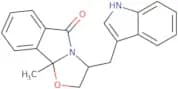
CAS:<p>SLMP53-1 is an anticancer agent that has been shown to induce apoptosis in cancer cells. It works by inhibiting kinases, which are enzymes involved in cell signaling pathways that regulate cell growth and division. SLMP53-1 has been found to be effective against a variety of tumors, including those of the bladder, breast, and lung. In addition, it has shown promising results as a potential treatment for Chinese hamster ovary (CHO) cells and human cancer cell lines. SLMP53-1 is also an analog of hepcidin, a protein that regulates iron metabolism in the body. Its unique structure allows it to bind specifically to cancer cells without affecting healthy cells, making it a promising candidate for targeted cancer therapy.</p>Formula:C20H18N2O2Purity:Min. 95%Molecular weight:318.4 g/molDes(2-methylbutyryl) pravastatin
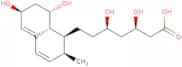
CAS:<p>Des(2-methylbutyryl) pravastatin is a synthetic allylic alcohol that is synthesized from the natural product, pravastatin. It has been shown to have carboxylic acid and carboxylic functional groups as well as two hydrogens on the allylic side of the molecule. In addition, des(2-methylbutyryl) pravastatin has two allylic alcohols with two hydrogens on the allylic side of the molecule. The synthesis of this compound is done by reacting 2-methylbutanoic acid with an allyl bromide in a reaction catalyzed by sodium methoxide. This reaction produces a mixture of products that includes des(2-methylbutyryl)pravastatin.</p>Formula:C18H28O6Purity:Min. 95%Molecular weight:340.41 g/molEnniatin B4
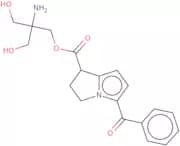
CAS:<p>Enniatin B4 is a potent inhibitor of cancer cells that has been shown to disrupt the cell cycle and induce apoptosis in breast cancer cell lines. This compound is derived from Chinese medicine and is a protein that specifically targets tumor cells, making it an effective anticancer agent. Enniatin B4 has also been found to be an inhibitor of leukemia cells and has shown activity against aryl hydrocarbon receptor (AhR)-dependent cancers. In human studies, this compound has demonstrated promising results as a potential treatment for various types of cancer due to its ability to selectively target cancer cells while leaving healthy cells unharmed.</p>Formula:C34H59N3O9Purity:Min. 95%Molecular weight:653.8 g/mol(2-Amino-2-(hydroxymethyl)propane-3-ol-1-yl) (5-benzoyl-2,3-dihydro-1H-pyrrolizine-1-carboxylate), racemic
<p>Racemic 2-amino-2-(hydroxymethyl)propane-3-ol-1-yl (5-benzoyl-2,3-dihydro-1H-pyrrolizine-1-carboxylate) is a synthetic drug product. It is used in research and development as an impurity standard. It is also used to synthesize drug products, which are custom synthesis and not commercially available. The racemate is a metabolite of the natural compound "Lysergic acid" and has been studied for its effects on metabolism.</p>Formula:C19H22N2O5Purity:Min. 95%Molecular weight:358.39 g/molAlbendazole impurity F
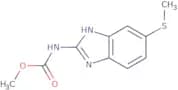
CAS:<p>Albendazole is an anti-helminthic drug that is structurally classified as a benzimidazole. It has been shown to be effective against a variety of helminths, including roundworms, pinworms, hookworms, and tapeworms. Albendazole impurity F is an analytical standard for the determination of albendazole in pharmaceutical products by HPLC. It also serves as a reference substance to establish the purity of drug products containing albendazole and its metabolites. Albendazole impurity F is not considered to be a metabolite of albendazole because it has been shown to be stable under acidic conditions and can be synthesized from other starting materials.</p>Formula:C10H11N3O2SPurity:Min. 95%Molecular weight:237.28 g/mol3'-Des(dimethylamino)-3'-keto azithromycin
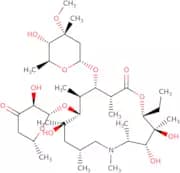
CAS:<p>3'-Des(dimethylamino)-3'-keto azithromycin is a prodrug that is hydrolyzed in vivo to the active form of azithromycin. 3'-Des(dimethylamino)-3'-keto azithromycin has an elution time of about 10 minutes on a C18 column, which is considerably longer than the 5-minute elution time for azithromycin. The chromatogram of 3'-Des(dimethylamino)-3'-keto azithromycin shows two peaks, one at 6 minutes and another at 10 minutes. These two peaks are due to impurities in the drug product, namely itraconazole and fluconazole. 3'-Des(dimethylamino)-3'-keto azithromycin has shown bioequivalence with its parent molecule, azithromycin.</p>Formula:C36H65NO13Purity:Min. 95%Molecular weight:719.9 g/mol(R)-1-Trichloromethyl-1,2,3,4-tetrahydro-β-carboline
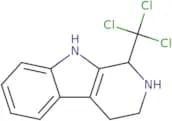
CAS:<p>(R)-1-Trichloromethyl-1,2,3,4-tetrahydro-β-carboline is a potent inhibitor of kinases that play key roles in cancer. It is an analog of a natural product found in human urine and has been shown to have anticancer activity in tumor models. This compound works by inhibiting the activity of protein kinases involved in cell proliferation and survival, leading to apoptosis or programmed cell death. (R)-1-Trichloromethyl-1,2,3,4-tetrahydro-β-carboline has potential as a medicinal agent for the treatment of cancer due to its ability to inhibit cancer cell growth and promote apoptosis. Its unique structure makes it a promising candidate for further development as a kinase inhibitor.</p>Formula:C12H11Cl3N2Purity:Min. 95%Molecular weight:289.6 g/molTriclosan o-β-D-glucuronide sodium salt
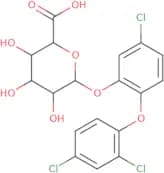
CAS:<p>Triclosan o-β-D-glucuronide sodium salt is an analog of Triclosan, which is a potent inhibitor of bacterial enoyl-acyl carrier protein reductase. It has been shown to have anticancer properties, inhibiting the growth of cancer cells by inducing apoptosis and inhibiting kinase activity. This compound has been found to be effective against a variety of tumors and cancers, including thyroid cancer. Triclosan o-β-D-glucuronide sodium salt has also been shown to inhibit the activity of human protein kinases, making it a potential candidate for the development of new anticancer drugs. This compound can be detected in urine samples from both humans and Chinese hamsters, indicating its potential for use as a diagnostic tool for cancer detection.</p>Formula:C18H15Cl3O8Purity:Min. 95%Molecular weight:465.7 g/molAtracurium cis-Quaternary Ester Benzensulfonate
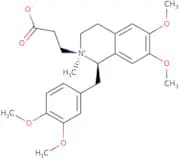
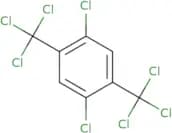
CAS:<p>Atracurium cis-Quaternary Ester Benzensulfonate is an impurity standard used in the manufacture of atracurium. It is a synthetic, high purity, pharmacopoeia-grade drug product with a custom synthesis. Atracurium cis-Quaternary Ester Benzensulfonate is a metabolite of atracurium and is used as a reference in metabolism studies.</p>Formula:C24H32NO6Purity:Min. 95%Molecular weight:486.62 g/mol1,4-Bis(trichloromethyl)-2,5-dichlorobenzene
CAS:<p>Please enquire for more information about 1,4-Bis(trichloromethyl)-2,5-dichlorobenzene including the price, delivery time and more detailed product information at the technical inquiry form on this page</p>Formula:C8H2Cl8Purity:Min. 95%Molecular weight:381.7 g/molAtropine impurity G
<p>Atropine impurity G is a natural metabolite that is found in the body as an impurity of atropine. It is a synthetic drug product that is used as an analytical standard for the quantification of atropine and other drugs. Atropine impurity G has been shown to inhibit metabolism studies, which may be due to its ability to inhibit CYP3A4 activity. This impurity can be detected using HPLC with UV detection.</p>Purity:Min. 95%9-(Sulfooxy)dibenz[b,f][1,4]oxazepin-11(10H)-one
CAS:<p>Please enquire for more information about 9-(Sulfooxy)dibenz[b,f][1,4]oxazepin-11(10H)-one including the price, delivery time and more detailed product information at the technical inquiry form on this page</p>Formula:C13H9NO6SPurity:Min. 95%Molecular weight:307.28 g/mol10-Hydroxy nortriptyline maleate
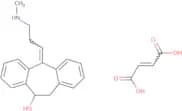
CAS:<p>10-Hydroxy nortriptyline maleate is a drug product that is manufactured in high purity. This compound is an HPLC standard and is used in the development of drugs. 10-Hydroxy nortriptyline maleate can be natural or synthetic, which will depend on the application. The impurity standard for this compound is 10-hydroxynortriptyline. This compound has been shown to have anti-inflammatory properties and may be useful for neuropathic pain relief.</p>Formula:C23H25NO5Purity:Min. 95%Molecular weight:395.4 g/mol1-b-D-Ribofuranosyl-1,2,4-triazole-3-carboxylic acid
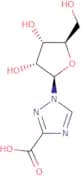
CAS:<p>1-b-D-Ribofuranosyl-1,2,4-triazole-3-carboxylic acid (1bRT) is an amide that inhibits the growth of viruses by inhibiting the viral enzyme thiosemicarbazide. It has been shown to be active against specific viruses such as HIV and retroviruses. 1bRT is used to treat lung diseases caused by viruses, including bronchiolitis, pneumonia, and pulmonary fibrosis. It also has antibacterial properties. Studies have shown that 1bRT reduces the number of bacteria in body fluids and helps to prevent respiratory infections and other bacterial infections in people with weakened immune systems due to AIDS or cancer treatment.</p>Formula:C8H11N3O5Purity:Min. 95%Molecular weight:229.19 g/mol[(1S)-(1α,2β,3β)]-3-(2-Amino-6-iodo-7H-purin-7-yl)-1,2-cyclobutanedimethanol dibenzoate ester
CAS:<p>[(1S)-(1Alpha,2Beta,3Beta)]-3-(2-Amino-6-iodo-7H-purin-7-yl)-1,2-cyclobutanedimethanol dibenzoate ester is a synthetic drug product that is used in the development and manufacture of pharmaceutical products. It is an impurity standard for HPLC. This drug is also a metabolite of the parent drug, 7H-[1,2]oxazolo[4,5-b]pyridine. The chemical formula is C19H22N6O3 and molecular weight is 356.37 g/mol. CAS No. 1246812-29-2</p>Formula:C25H22IN5O4Purity:Min. 95%Molecular weight:583.40 g/mol2,2-Bis[4-(2-diethylaminoethoxy)phenyl]-1,2-diphenylethanone
CAS:Controlled Product<p>2,2-Bis[4-(2-diethylaminoethoxy)phenyl]-1,2-diphenylethanone (bis-DEA) is a synthetic metabolite that has been shown to inhibit human liver microsomal cytochrome P450 enzymes. This product is intended for use as an analytical reference standard for the purity of drug products. It is also used in pharmacological and metabolic studies.</p>Formula:C38H46N2O3Purity:Min. 95%Molecular weight:578.78 g/molEmtricitabine impurity 9
CAS:<p>Emtricitabine impurity 9 is an analytical standard that is used to calibrate HPLC instruments. It is a natural product, which is synthesized and purified. Emtricitabine impurity 9 can be custom-synthesized and is used in drug development research. This chemical compound has a purity of >98% and a CAS number of 20752-33-4. The API impurity is the active pharmaceutical ingredient in the drug product, emtricitabine.</p>Formula:C10H20OPurity:Min. 95%Molecular weight:156.26 g/mol[[5-[[(2-Aminoethyl)thio]methyl]furan-2-yl]methyl]dimethylamine, hemifumarate
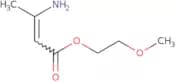
CAS:<p>Ai Product Descriptions 50 Creative</p>Formula:C10H18N2OS·2C4H4O4Purity:Min. 95%Molecular weight:446.47 g/mol2-Methoxyethyl-3-aminocrotonate
CAS:<p>2-Methoxyethyl-3-aminocrotonate is an impurity of a drug product. It is an analytical standard that is used to quantify the metabolite in pharmaceutical preparations. 2-Methoxyethyl-3-aminocrotonate is a natural metabolite, which can be found in human urine. This compound has been shown to be a potent inhibitor of both bacterial and mammalian cell topoisomerase II and IV, but not mammalian cell topoisomerase I. It also inhibits protein synthesis by binding to the ribosomal 50S subunit. In addition, it has been shown to inhibit the growth of certain bacteria such as clostridium perfringens and Mycobacterium tuberculosis.</p>Formula:C7H13NO3Purity:Min. 95%Molecular weight:159.18 g/mol2-Hydroxy cephalexin
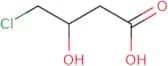
CAS:<p>2-Hydroxy cephalexin is a metabolite of cephalexin. It is an impurity that is present in the final drug product. 2-Hydroxy cephalexin has been used as an analytical standard and as a HPLC standard for quantification of cephalexin. 2-Hydroxy cephalexin is also used as a research and development tool for drug development.</p>Formula:C16H17N3O5SPurity:Min. 95%Molecular weight:363.40 g/mol4-Chloro-3-hydroxybutyric acid
CAS:<p>4-Chloro-3-hydroxybutyric acid (4C3HB) is an analytical, research and development, high purity, synthetic, API impurity and HPLC standard. 4C3HB is a metabolite of the drug clofibric acid. It also serves as an impurity standard for clofibric acid. 4C3HB has been used in the synthesis of some drugs such as risperidone and carbamazepine. The chemical formula for 4C3HB is C9H13ClO2. CAS No. 95574-97-3</p>Formula:C4H7ClO3Purity:Min. 95%Molecular weight:138.55 g/mol2-[[2-Oxo-3-[4-(3-oxo-4-morpholinyl)phenyl]-5-oxazolidinyl]methyl]-1H-isoindole-1,3(2H)-dione
CAS:<p>Please enquire for more information about 2-[[2-Oxo-3-[4-(3-oxo-4-morpholinyl)phenyl]-5-oxazolidinyl]methyl]-1H-isoindole-1,3(2H)-dione including the price, delivery time and more detailed product information at the technical inquiry form on this page</p>Formula:C22H19N3O6Purity:Min. 95%Molecular weight:421.4 g/molSynucleozid
CAS:<p>Synucleozid is an anticancer drug that has shown promising results in the treatment of tumors. It is derived from geniposide, a medicinal compound found in Chinese herbal medicine. Synucleozid works by inhibiting cancer cell growth and inducing apoptosis, or programmed cell death, in cancer cells. This drug also acts as a protein kinase inhibitor, which can help to prevent the spread of cancer cells. Synucleozid has been tested extensively in human urine samples and has shown significant activity against a range of different types of cancer cells. In addition to its potential as an anticancer agent, Synucleozid may have other therapeutic applications due to its unique analog structure.</p>Formula:C22H21ClN6Purity:Min. 95%Molecular weight:404.9 g/mol(+/-)-trans-Lamivudine
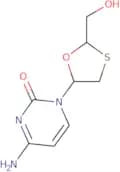
CAS:<p>Lamivudine is an antiviral drug that belongs to the group of nucleoside analogues. It can be used as a single agent or in combination with other antiviral drugs for the treatment of HIV infection. Lamivudine is a prodrug that is converted to its active form, which inhibits viral DNA synthesis by competing with natural substrates for incorporation into viral DNA by inhibiting viral polymerase activity and causing chain termination. The long-term toxicity of lamivudine has been studied in animals and humans. Although it does not cause any serious side effects, it can cause hepatitis and reactivation of hepatitis B virus (HBV). Lamivudine has been shown to inhibit the IL-2 receptor on T cells, which may contribute to its beneficial effect on HBV.</p>Formula:C8H11N3O3SPurity:Min. 95%Molecular weight:229.26 g/molTilnoprofen arbamel
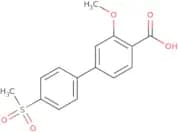
CAS:<p>Tilnoprofen arbamel is a synthetic drug with antipyretic and analgesic properties, which is made in the laboratory. It is a metabolite of tilnoprofen that has been synthesized to meet the pharmacopoeia standards for purity. Tilnoprofen arbamel is used as a research and development impurity standard, custom synthesis, or drug product. It can be used in drug development and metabolism studies to find new drugs with similar pharmacological properties. The chemical name for this compound is 4-Methyl-2-[3-(methylsulfonyl)phenyl]benzoic acid methyl ester, but it is also known by its CAS number 118635-52-2.</p>Formula:C20H22N2O4Purity:Min. 95%Molecular weight:354.40 g/molNizatidine sulfoxide
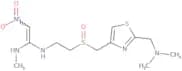
CAS:<p>Nizatidine sulfoxide is a drug product with CAS No. 102273-13-2. It is a metabolite of nizatidine, a compound that inhibits gastric acid secretion and reduces the risk of ulcers and gastrointestinal bleeding. Nizatidine sulfoxide is an impurity in the synthesis of nizatidine. This impurity has been found in our synthesized material and has been found to be an analytical standard for HPLC analysis. Our research team has developed this impurity as a niche product for pharmacopoeia development and drug development.</p>Formula:C12H21N5O3S2Purity:Min. 95%Molecular weight:347.5 g/molEsomeprazole impurity 17
<p>Esomeprazole impurity 17 is a drug product that is an analytical standard. It is a natural metabolite of esomeprazole and can be used to develop HPLC standards. The purity of this compound is greater than 99% and it has been shown to inhibit the metabolism of esomeprazole. Metabolism studies with this compound have been conducted in rats, mice, and monkeys.</p>Formula:C26H30N4O5SPurity:Min. 95%Molecular weight:510.61 g/mol(3R,5R)-Pitavastatin Calcium Salt
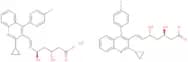
CAS:<p>(3R,5R)-Pitavastatin Calcium Salt is a drug product that is used in the development of pharmaceuticals. It is a synthetic compound with an impurity standard and a metabolite impurity. The CAS number for this product is 254452-96-5. (3R,5R)-Pitavastatin Calcium Salt has been shown to be metabolized by CYP2C9 and CYP2C8 enzymes, which may result in a decrease in potency or activity. This product also has been shown to have anti-inflammatory properties and inhibit the production of inflammatory mediators such as prostaglandins and leukotrienes. (3R,5R)-Pitavastatin Calcium Salt was prepared by solid phase synthesis using a fluorous biphasic approach.</p>Formula:C25H24FNO4CaPurity:Min. 95%Color and Shape:White/Off-White SolidMolecular weight:441.5 g/molMethyl 6-(1-hydroxyethyl)-3-methyl-4-phenylpicolinate
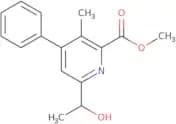
CAS:<p>Methyl 6-(1-hydroxyethyl)-3-methyl-4-phenylpicolinate is a synthetic chemical that is used as an analytical standard in chemical and pharmaceutical research. It has been shown to have a wide range of pharmacological effects, including antihypertensive, antidiabetic, and antiulcerogenic activities. Research into the drug product is ongoing.</p>Formula:C16H17NO3Purity:Min. 95%Molecular weight:271.31 g/molPyrethrin 1
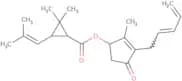
CAS:<p>Pyrethrin 1 is an analog that has been shown to have potent anticancer activity. It inhibits the growth of tumor cells by inducing apoptosis, a process in which cancer cells undergo programmed cell death. Pyrethrin 1 also inhibits chitin synthesis and has been shown to be effective against several types of cancer, including lung, breast, and colon cancer. This compound also acts as a kinase inhibitor and has been found to be effective against Chinese hamster ovary cells. Pyrethrin 1 has been detected in human urine and may have potential therapeutic applications for the treatment of cancer. Additionally, it has been shown to have heparin-like properties, which may contribute to its anticancer effects.</p>Formula:C21H28O3Purity:Min. 95%Molecular weight:328.4 g/mol2,5-Thiazolylmethyl diacarbonate
CAS:<p>2,5-Thiazolylmethyl diacarbonate is a pure chemical intermediate used in the manufacture of pharmaceuticals. It has been shown to inhibit the growth of bacteria and fungi. This product is an impurity in some drugs and is also used as a reference material for HPLC analysis. 2,5-Thiazolylmethyl diacarbonate is manufactured synthetically or it can be isolated from natural sources such as plants.</p>Formula:C28H30N4O5S2Purity:Min. 95%Molecular weight:566.70 g/molSodium sulfoxone
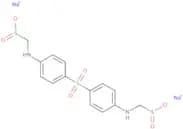
CAS:<p>Sodium sulfoxone is a sulfa drug that is used in the treatment of a number of conditions, including cancer and inflammatory skin diseases. It works by blocking the synthesis of DNA and RNA in bacterial cells, thereby inhibiting cell growth. Sodium sulfoxone has been shown to be effective against a wide variety of microorganisms, including Escherichia coli, Pseudomonas aeruginosa, Staphylococcus aureus, Streptococcus pyogenes and Enterococcus faecalis. Sodium sulfoxone can also be used as an eye drop to treat eye disorders such as choroidal neovascularization.</p>Formula:C14H14N2Na2O6S3Purity:Min. 95%Molecular weight:448.5 g/molRemdesivir related compound 9
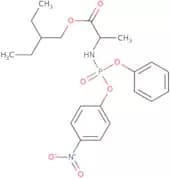
CAS:<p>Remdesivir related compound 9 is a drug product that is an analytical standard. It is a natural API impurity, which has been synthesized for use as an impurity standard. This compound has been custom synthesized to be used as a research and development chemical. CAS No. 1439900-56-7 is the number of this synthetic drug product. It can be used in HPLC standards and it meets pharmacopoeia requirements for purity. The niche market for this compound is high purity analytical standards, including HPLC standards.</p>Formula:C21H27N2O7PPurity:Min. 95%Molecular weight:450.42 g/molN-Desmethyl (E)-α-hydroxy tamoxifen
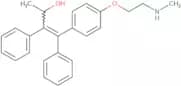
CAS:<p>N-Desmethyl (E)-α-hydroxy tamoxifen is a metabolite of tamoxifen. This drug has been shown to be more reactive than its parent compound, with the potential for enhanced toxicity. N-Desmethyl (E)-α-hydroxy tamoxifen is thought to be responsible for the toxic effects of tamoxifen in women and rats. The metabolites are excreted in the bile, with 50% being reabsorbed from the gastrointestinal tract and then excreted into the urine. In human liver cells, N-desmethyl (E)-α-hydroxy tamoxifen inhibits the growth of cancer cells and induces apoptosis by binding to DNA. It also causes increased production of reactive oxygen species in liver cells, which may contribute to hepatotoxicity.</p>Formula:C25H27NO2Purity:Min. 95%Molecular weight:373.5 g/mol4-[(2,3,4-Trimethoxyphenyl)methyl]-1-piperazinecarboxylic acid ethyl ester
CAS:<p>4-[(2,3,4-Trimethoxyphenyl)methyl]-1-piperazinecarboxylic acid ethyl ester is an impurity standard for HPLC. It is a white or off-white solid that is soluble in organic solvents. The compound has been shown to be a metabolite of the drug product, and can also be found as an impurity in the API. 4-[(2,3,4-Trimethoxyphenyl)methyl]-1-piperazinecarboxylic acid ethyl ester can be synthesized from 2,3,4-trimethoxybenzoic acid and 1-(2-chloroethyl)piperazine.</p>Formula:C17H26N2O5Purity:Min. 95%Molecular weight:338.4 g/mol2-Methoxy-5-methyl-γ-phenylbenzenepropanol
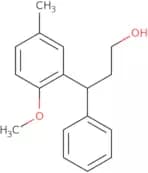
CAS:<p>2-Methoxy-5-methyl-gamma-phenylbenzenepropanol is a synthetic compound that is used as an intermediate in the synthesis of coumarin derivatives. Reaction with sulfonating agents produces sulfones, and reaction with borohydride reagents produces boronates. The synthesis of 2-methoxy-5-methyl-gamma-phenylbenzenepropanol can be accomplished by the reduction of diphenyl ethers with lithium aluminum hydride or borohydride. The reduction can also be carried out using lanthanum oxide and potassium borohydride. The reaction proceeds smoothly at room temperature in nonpolar solvents.<br>2-Methoxy-5-methyl-gamma-phenylbenzenepropanol reacts with chloride to produce the corresponding chlorides, which are useful intermediates for the synthesis of tolterodine tartrate, a drug used to treat urinary inc</p>Formula:C17H20O2Purity:Min. 95%Molecular weight:256.34 g/molN-Hydroxymethyl rizatriptan fumarate
CAS:<p>Please enquire for more information about N-Hydroxymethyl rizatriptan fumarate including the price, delivery time and more detailed product information at the technical inquiry form on this page</p>Formula:C20H25N5O5Purity:Min. 95%Molecular weight:415.4 g/molAbiraterone dimer impurity
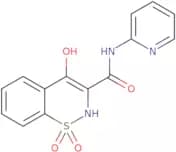
CAS:Controlled Product<p>Abiraterone dimer impurity is a drug product that is used as an analytical standard for HPLC, as well as in research and development of drugs. It is also a metabolite of abiraterone and has been detected in the urine of patients receiving the drug. Abiraterone dimer impurity is found in trace amounts in abiraterone acetate but its pharmacological significance is not known. This impurity has been detected in the urine of patients receiving abiraterone acetate therapy.</p>Formula:C43H57NO2Purity:Min. 95%Molecular weight:619.92 g/mol4-Hydroxy-N-2-pyridinyl-2H-1,2-benzothiazine-3-carboxamide-1,1-dioxide
CAS:<p>4-Hydroxy-N-2-pyridinyl-2H-1,2-benzothiazine-3-carboxamide-1,1dioxide is a drug product that is used as an analytical reference material. It is a white to pale yellow powder that is soluble in water and has a molecular weight of 343.4 g/mol. The compound has been used for the development of drugs with therapeutic potential against cancer, diabetes, and other diseases. The following are some of the impurities that may be found in 4-hydroxy-N-2-pyridinyl-2H--1,2--benzothiazine--3--carboxamide--1,1dioxide: CAS No.: 65897 - 46 - 3 Molecular weight: 343.4 g/mol Melting point: Boiling point: Density: 1.7 g/cm</p>Formula:C14H11N3O4SPurity:Min. 95%Molecular weight:317.32 g/molNbi 27914 hydrochloride
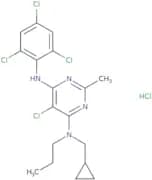
CAS:<p>NBI 27914 hydrochloride is a small molecule that binds to and blocks the neurotransmitter receptor for norepinephrine, which is involved in the regulation of mood. This drug has been shown to have anxiolytic-like effects in animals and may be useful for treating anxiety disorders that are due to congenital adrenergic hyperactivity. NBI 27914 hydrochloride also has an anxiogenic effect at high doses, which may be due to its ability to bind and block beta-adrenergic receptors. It is also able to act as a specific agonist or antagonist of alpha-adrenergic receptors.</p>Formula:C18H21Cl5N4Purity:Min. 95%Molecular weight:470.6 g/molrac-1,2,3,4-Tetrahydro-5-methoxy-N-propyl-2-naphthalenamine
CAS:<p>Rac-1,2,3,4-Tetrahydro-5-methoxy-N-propyl-2-naphthalenamine is an organic compound with the molecular formula C10H14N. Racemic rac-1,2,3,4-tetrahydro-5-methoxy-N propyl 2 naphthalenamine has been used in the synthesis of rotigotine. The enantiomers can be separated by means of an electrophoretic method. Racemic rac 1,2 3 4 tetrahydro 5 methoxy n propyl 2 naphthalenamine has a melting point range of 138 to 141 °C and a boiling point range of 285 to 288 °C at atmospheric pressure. This compound is soluble in organic solvents such as chloroform and ethanol and insoluble in water. It has a density of 1.07 g/cm3 at 20 °C and it is</p>Formula:C14H21NOPurity:Min. 95%Molecular weight:219.32 g/molPreterramide C
CAS:<p>Preterramide C is a drug that belongs to the class of drugs known as aminopyridines. It is a metabolite of preterramide A and has been used as an analytical reference standard for HPLC. This product is available in the form of a pure white crystalline powder with a purity greater than 98%. It has been shown to be an impurity in drug products and can be used as an impurity standard, as well as being synthesized by natural or synthetic means.</p>Formula:C24H23N3O7Purity:Min. 95%Molecular weight:465.50 g/mol6-Ethenyl-3-methyl-4-phenyl-2-pyridinecarboxylic acid methyl ester
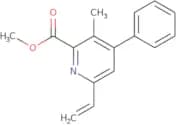
CAS:<p>6-Ethenyl-3-methyl-4-phenyl-2-pyridinecarboxylic acid methyl ester is an impurity standard for use in the drug product formulation and development of drugs. It is a synthetic, high purity, pharmacopoeia grade chemical that can be used as an analytical reference standard for HPLC. 6-Ethenyl-3-methyl-4-phenyl-2-pyridinecarboxylic acid methyl ester is a metabolite of nicotinamide and has been studied extensively by metabolism studies.</p>Formula:C16H15NO2Purity:Min. 95%Molecular weight:253.29 g/mol1,3-Dithietan-2-imine hydrochloride
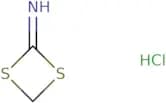
CAS:<p>Please enquire for more information about 1,3-Dithietan-2-imine hydrochloride including the price, delivery time and more detailed product information at the technical inquiry form on this page</p>Formula:C2H4ClNS2Purity:Min. 95%Molecular weight:141.6 g/mol(E/Z)-BCI
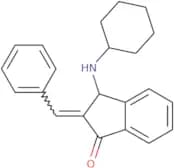
CAS:<p>(E/Z)-BCI is a medicinal compound that has shown potential as an inhibitor of cancer cell growth. It has been studied for its ability to induce apoptosis, or programmed cell death, in human tumor cells. (E/Z)-BCI is an inhibitor of the kinase protein, which plays a key role in regulating cell division and proliferation. In preclinical studies, this compound has been shown to inhibit the growth of cancer cells in various cell lines, including Chinese hamster ovary cells and leukemia cells. The analog of (E/Z)-BCI has also been detected in human urine samples, suggesting its potential as a therapeutic agent for cancer treatment.</p>Formula:C22H23NOPurity:Min. 95%Molecular weight:317.4 g/mol2-(2,3-Dichlorophenyl)-2-(guanidinoimino) acetonitrile
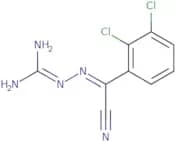
CAS:<p>Lamotrigine is a chemically unrelated compound, which is the active ingredient of a new class of adjuvant drugs for epilepsy. This drug has been found to be effective against seizures in patients with partial seizures and generalized seizures. Lamotrigine is an orally administered suspensoid that can be mixed with water or other liquids to form a suspension. It has been used as a flavouring agent and an adjuvant in pharmaceuticals, including tablets and capsules. The chemical structure of lamotrigine includes two 2,3-dichlorophenyl groups connected by an amino group (guanidinoimino). This structure gives lamotrigine its chemical name: 2-(2,3-dichlorophenyl)-2-(guanidinoimino) acetonitrile.</p>Formula:C9H7Cl2N5Purity:Min. 95%Molecular weight:256.09 g/molPolyethylene glycol monoisotridecyl ether
CAS:<p>Polyethylene glycol monoisotridecyl ether (PEG-DTAE) is a polymer that can be used as an antimicrobial agent. It is active against Gram-positive bacteria but not against Gram-negative bacteria. PEG-DTAE has anti-angiogenic effects, which may be due to its ability to inhibit the growth of new blood vessels and thereby prevent the spread of infection. In vitro assays have shown that PEG-DTAE can induce cell lysis and hemolysis in test samples. PEG-DTAE has been shown to have hemolytic activity in vivo in rats, with histology sections showing inflammation and necrosis in the spleen and liver. This polymer also causes symptoms such as fever, chills, rigors, and hypotension in patients with chronic renal failure who are undergoing dialysis.</p>Formula:C30H62O10Purity:Min. 95%Molecular weight:582.8 g/mol1-[4-[4-(2,3-Dichlorophenyl)piperazin-1-yl]butyl]-7-hydroxy-1,2,3,4-tetrahydro-carbostyril
CAS:<p>1-[4-[4-(2,3-Dichlorophenyl)piperazin-1-yl]butyl]-7-hydroxy-1,2,3,4-tetrahydro-carbostyril (1HHC) is a synthetic drug that is used as a research tool in the study of metabolism. It has been shown to be metabolized through a number of metabolic transformations, including hydrolysis by esterases or glucuronidases, oxidation by cytochrome P450 enzymes, reduction by glutathione reductase, or conjugation with glucuronic acid. 1HHC also specifically binds to markers expressed at high levels in Mycobacterium tuberculosis strains (e.g., ESX-1 secretion system protein) and inhibits cell growth in culture.</p>Formula:C23H29Cl2N3O2Purity:Min. 95%Molecular weight:450.40 g/molThymol sulfate potassium
CAS:<p>Thymol sulfate potassium salt is a drug product that has been used in the clinical setting for over 40 years. It is an analytical standard, and an impurity in various drugs. It is also a natural compound found in many plants (e.g., thyme) and foods (e.g., oregano). Thymol sulfate potassium salt is synthesized from thymol by sulfation with potassium hydroxide and sulfuric acid. The drug development process includes researching and developing new drugs, as well as testing them to ensure they are safe and effective.</p>Formula:C10H14O4S•KPurity:Min. 95%Color and Shape:PowderMolecular weight:269.38 g/molDeschloro amlodipine
CAS:<p>Deschloro amlodipine is a drug that is used for the treatment of high blood pressure. It belongs to a group of drugs called calcium channel blockers. Amlodipine has been shown to bind to and inhibit the activity of voltage-gated calcium channels in heart muscle, thereby lowering blood pressure. Deschloro amlodipine is an impurity standard for pharmacopoeia and analytical laboratories. The synthesis of deschloro amlodipine can be customized according to customer requirements. This product will be shipped as soon as possible after purchase.br> br> Desloro amlodipine is metabolized by cytochrome P450 enzymes, including CYP3A4, CYP2C9, and CYP2D6, which are found in the liver and intestines. These enzymes convert desloro amlodipine into two metabolites: 4-hydroxyamlodipine and 4</p>Formula:C20H26N2O5Purity:Min. 95%Molecular weight:374.43 g/molR-(−)-7-Desmethyl-8-nitro blebbistatin
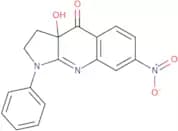
CAS:<p>R-(-)-7-Desmethyl-8-nitro blebbistatin is a drug product that has been custom synthesized for research and development purposes. The purity of this product is high, and the analytical data can be provided upon request. This compound is metabolized in vivo by a number of metabolic transformations, including hydrolysis by esterases or glucuronidases, oxidation by cytochrome P450 enzymes, reduction by glutathione reductase, or conjugation with glucuronic acid. R-(-)-7-Desmethyl-8-nitro blebbistatin also specifically binds to markers expressed at high levels in Mycobacterium tuberculosis strains (e.g., ESX-1 secretion system protein) and inhibits cell growth in culture.</p>Formula:C17H13N3O4Purity:Min. 95%Molecular weight:323.3 g/mol3-Hydroxy mepivacaine
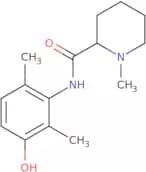
CAS:<p>3-Hydroxy mepivacaine is a drug product that is synthesized in the laboratory for research and development purposes. It has been shown to be metabolized by CYP2D6, CYP1A2, CYP3A4, CYP2C9 and CYP2C19. The metabolite of 3-hydroxy mepivacaine is not known at this time. 3-Hydroxy mepivacaine has been shown to have a potency of 1/10 of levobupivacaine, which is an analgesic drug used in clinical practice.</p>Formula:C15H22N2O2Purity:Min. 95%Color and Shape:PowderMolecular weight:262.35 g/mol(R)-2-Amino-2-methyl-N-[4-phenyl-1-[[4-[2-[2-(1H-tetrazol-5-yl)ethyl]phenyl]-1-piperidinyl]carbonyl]butyl]propanamide
CAS:(R)-2-Amino-2-methyl-N-[4-phenyl-1-[[4-[2-[2-(1H-tetrazol-5-yl)ethyl]phenyl]-1-piperidinyl]carbonyl]butyl]propanamide is a synthetic drug that has been used in research and development. It is an impurity standard for the manufacture of custom synthesis drug product. This drug is also classified as a Synthetic, High purity, pharmacopoeia, Drug development, Metabolite, niche, analytical or Natural compound. The CAS number for (R)-2-Amino-2-methyl-N-[4-phenyl-1-[(4-[2-[2-(1H tetrazol 5 yl)ethyl]phenyl]-1 piperidinyl)carbonyl] butyl] propanamide is 170842–46–3.Formula:C29H39N7O2Purity:Min. 95%Molecular weight:517.67 g/mol[(2E)-4-Chloro-2-methylbut-2-ene-1-sulfonyl]benzene
CAS:<p>Please enquire for more information about [(2E)-4-Chloro-2-methylbut-2-ene-1-sulfonyl]benzene including the price, delivery time and more detailed product information at the technical inquiry form on this page</p>Formula:C11H13ClO2SPurity:Min. 95%Molecular weight:244.74 g/molN-4,5[Acetylamino)methyl]desmopressin
<p>N-4,5[Acetylamino)methyl]desmopressin is a synthetic drug product that is used as an analytical standard for the identification and quantitation of desmopressin in pharmaceutical preparations. It is also used as an impurity standard for HPLC analysis. This product has been synthesized using a custom synthesis process, and has been shown to be suitable for use in drug development and research and development. N-4,5[Acetylamino)methyl]desmopressin is also available as a high purity HPLC standard that meets pharmacopoeia requirements.</p>Purity:Min. 95%[4-(4-Amino-7-hydroxy-6-methoxy-2-quinazolinyl)-1-piperazinyl](tetrahydro-2-furanyl)-methanone
CAS:<p>3-amino-2,6-dimethoxy-4-(4-amino-7-hydroxy-6-methoxyquinazolin-2(1H)-yl)piperazine (DMQA) is a synthetic compound. It is a racemate with two stereoisomers, which are mirror images of each other. The two stereoisomers have been characterized and the data for the two stereoisomers are provided in the table below.</p>Formula:C18H23N5O4Purity:Min. 95%Molecular weight:373.41 g/molrac 1-Hydroxy ketorolac methyl ester
CAS:Rac-1-Hydroxy ketorolac methyl ester is a drug product that is a racemic mixture of 1-hydroxy ketorolac (1HKO) and its hydroxy metabolite, ketorolac. Rac-1-Hydroxy ketorolac methyl ester is used in the manufacture of HPLC standards for analytical purposes. It is also used as an impurity standard. Rac-1-Hydroxy ketorolac methyl ester has been developed to study the metabolism of racemic 1HKO. This drug product has been shown to be chemically pure and free from any significant impurities. Rac-1-Hydroxy ketorolac methyl ester can be obtained with high purity, which meets the requirements of pharmacopoeia specifications.Formula:C16H15NO4Purity:Min. 95%Molecular weight:285.29 g/molHaloperidol decanoate EP impurity K hydrochloride
CAS:Controlled ProductPlease enquire for more information about Haloperidol decanoate EP impurity K hydrochloride including the price, delivery time and more detailed product information at the technical inquiry form on this pageFormula:C33H45ClFNO3•HClPurity:95%NmrMolecular weight:594.63 g/molOlmesartan methyl ketone
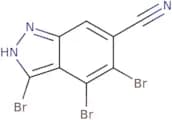
CAS:<p>Olmesartan methyl ketone is a synthetic drug product that is used as an analytical reference standard. It has been shown to be metabolized in vivo to its active form, olmesartan. The chemical structure of this compound is similar to the active metabolite of other angiotensin II receptor blockers, such as losartan and valsartan. This compound is an impurity in the API Olmesartan medoxomil, which is a potent angiotensin II receptor blocker used for the treatment of hypertension (high blood pressure).</p>Formula:C25H28N6O2Purity:Min. 95%Molecular weight:444.5 g/mol3,4,5-Tribromo-6-cyano (1H)indazole
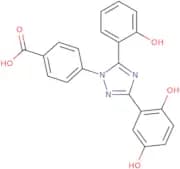
CAS:<p>Please enquire for more information about 3,4,5-Tribromo-6-cyano (1H)indazole including the price, delivery time and more detailed product information at the technical inquiry form on this page</p>Formula:C8H2Br3N3Purity:Min. 95%Molecular weight:379.83 g/mol5-Hydroxydeferasirox
CAS:<p>Please enquire for more information about 5-Hydroxydeferasirox including the price, delivery time and more detailed product information at the technical inquiry form on this page</p>Formula:C21H15N3O5Purity:Min. 95%Molecular weight:389.4 g/molN-Formyl-L-leucine (1S)-1-[[(2R,3R)-3-hexyl-4-oxo-2-oxetanyl] methyl] dodecyl ester
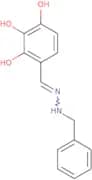
CAS:<p>N-Formyl-L-leucine (1S)-1-[[(2R,3R)-3-hexyl-4-oxo-2-oxetanyl] methyl] dodecyl ester is an impurity in the drug product. It can be used as a custom synthesis or natural standard and has been shown to have metabolites that are toxic to human cells. This impurity can be synthesized for HPLC analysis and research purposes.</p>Formula:C29H53NO5Purity:Min. 95%Molecular weight:495.73 g/mol2,3,4-Trihydroxybenzaldehyde 2-benzylhydrazone
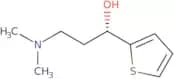
CAS:<p>Please enquire for more information about 2,3,4-Trihydroxybenzaldehyde 2-benzylhydrazone including the price, delivery time and more detailed product information at the technical inquiry form on this page</p>Formula:C14H14N2O3Purity:Min. 95%Molecular weight:258.27 g/mol(S)-3-(Dimethylamino)-1-(2-thienyl)propan-1-ol
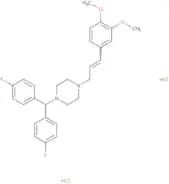
CAS:<p>(S)-3-(Dimethylamino)-1-(2-thienyl)propan-1-ol is a polymerase chain reaction (PCR) reagent that is used as a building block for the synthesis of five membered ring lactams and dihedral polymers. This compound is synthesized by chemoenzymatic coupling of propanamine with trifluoroacetic acid in the presence of methyl groups, followed by catalytic hydrogenation to yield the desired product. The asymmetric synthesis of this compound was achieved through chiral resolution using NMR spectroscopy.</p>Formula:C9H15NOSPurity:Min. 95%Molecular weight:185.29 g/mol(E/Z)-Trelnarizine dihydrochloride
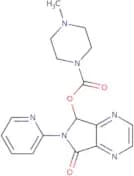
CAS:<p>Please enquire for more information about (E/Z)-Trelnarizine dihydrochloride including the price, delivery time and more detailed product information at the technical inquiry form on this page</p>Formula:C28H32Cl2F2N2O2Purity:Min. 95%Molecular weight:537.5 g/molDeschloro-zopiclone
CAS:<p>Deschloro-zopiclone is a drug product that is custom synthesized for research and development purposes. It is a synthetic drug that has been shown to have pharmacological properties in the treatment of insomnia. Deschloro-zopiclone is metabolized by hydrolysis, oxidation and conjugation, with the major metabolites being 2,5-dimethoxybenzoic acid and 2-hydroxy-5-methoxybenzoic acid. The metabolite 2,5-dimethoxybenzoic acid has been shown to be responsible for the hypnotic effects of deschloro-zopiclone.</p>Formula:C17H18N6O3Purity:Min. 95%Molecular weight:354.4 g/molImipramine N-oxide hydrate
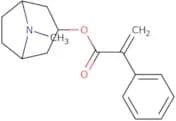
CAS:<p>Imipramine N-oxide hydrate is a drug product that is used in the synthesis of other drugs. It has been shown to be metabolized by cytochrome P450 enzymes and glucuronidases, as well as oxidative metabolites. Imipramine N-oxide hydrate is a metabolite of imipramine.</p>Formula:C19H26N2O2Purity:Min. 95%Molecular weight:314.40 g/molApoatropine
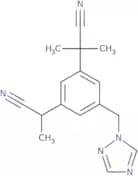
CAS:<p>Apoatropine is a quaternary ammonium compound that is used as an antidote for the treatment of anticholinesterase poisoning. Apoatropine binds to acetylcholine receptors and prevents further stimulation by acetylcholine, which will eventually lead to paralysis and death. The drug product is available as an HPLC standard, with analytical standards available for impurities such as apoatropine sulfate and apoatropine hydrochloride. Apoatropine is metabolized in vivo to atropine and scopolamine, which are also present as impurities in this drug product.</p>Formula:C17H21NO2Purity:Min. 95%Molecular weight:271.35 g/molα-Desmethyl anastrozole
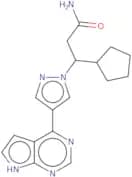
CAS:<p>Alpha-Desmethyl anastrozole is a synthetic chemical that has been used as an impurity standard for the drug product, Anastrozole (Arimidex). This compound is metabolized in humans and is a metabolite of Arimidex. Alpha-Desmethyl anastrozole exhibits high purity and can be synthesized using custom synthesis. The CAS number for this compound is 1215780-15-6.</p>Formula:C16H17N5Purity:Min. 95%Molecular weight:279.34 g/molRuxoRuxolitinib amidelitinib-amide
CAS:<p>RuxoRuxolitinib amidelitinib-amide is a drug product that is used in the development of new drugs. This synthetic compound has been shown to have cytotoxic activity in vitro and in vivo against cancer cells. The active metabolite of this drug product, desacetylruxolitinib, has been shown to suppress platelet activation and inhibit the growth of erythrocytes. RuxoRuxolitinib amidelitinib-amide is an impurity standard for analytical purposes and an API impurity. It also has been shown to have pharmacological effects on the liver and kidneys, as well as having toxic effects on red blood cells. RuxoRuxolitinib amidelitinib-amide is not found in any pharmacopoeia because it is a synthetic compound.</p>Formula:C17H20N6OPurity:Min. 95%Molecular weight:324.38 g/mol[4-(N-Methylpyridinium-4-yl)-1,3-thiazol-2-yl]thiolate
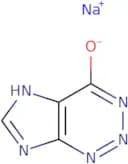
CAS:<p>Please enquire for more information about [4-(N-Methylpyridinium-4-yl)-1,3-thiazol-2-yl]thiolate including the price, delivery time and more detailed product information at the technical inquiry form on this page</p>Formula:C9H8N2S2Purity:Min. 95%Molecular weight:208.3 g/mol2-Azahypoxanthine sodium salt
CAS:<p>2-Azahypoxanthine sodium salt is a compound with a unique set of characteristics. It has been extensively studied and its properties have been thoroughly analyzed. The mass spectrum of 2-Azahypoxanthine sodium salt reveals its molecular structure and provides valuable information about its composition.</p>Formula:C4H2N5NaOPurity:Min. 95%Molecular weight:159.08 g/molCarbonic acid, methyl 1-methylene-2-oxopropyl ester
CAS:<p>Carbonic acid, methyl 1-methylene-2-oxopropyl ester is a drug product that is custom synthesized for research and development. It has high purity and analytical data. Metabolism studies are required for this drug product. This drug product is natural and synthetic. CAS No. 146897-17-8 is the impurity standard for this drug product. Research and Development (R&D) needs to be conducted on this drug product in order to develop a pharmacopoeia standard. Synthetic methods are used in the manufacture of this drug product, which also has a niche market.br></p>Formula:C6H8O4Purity:Min. 95%Molecular weight:144.12 g/molLamivudine S-oxide
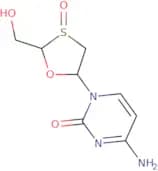
CAS:<p>Lamivudine is an antiviral drug that belongs to the group of nucleoside analogues. It is a prodrug that is activated by intracellular phosphorylation to form the active compound, lamivudine triphosphate (L-TTP). L-TTP inhibits viral replication by competing with natural substrates for incorporation into viral DNA. The antiviral activity of L-TTP has been shown in animals and humans with hepatitis B virus or human immunodeficiency virus type 1 (HIV-1) infections. Lamivudine S-oxide is a stereoselective form of lamivudine, which can be used for chemoprophylaxis against the pandemic H1N1 virus. This drug has shown to have a lower toxicity profile than other drugs used for this purpose.</p>Formula:C8H11N3O4SPurity:Min. 95%Molecular weight:245.26 g/molAcetylsalicylic acid sodium salt
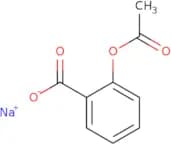
CAS:<p>Acetylsalicylic acid sodium salt is a potent inhibitor of kinases in both human and Chinese cells. It is an analog of salicylic acid and has been shown to inhibit the growth of cancer cells in vitro. Acetylsalicylic acid sodium salt also induces apoptosis, or programmed cell death, in cancer cells. Additionally, it has been shown to inhibit heparin-induced platelet aggregation and reduce the risk of blood clots. This drug has potential anticancer properties due to its ability to inhibit chitin synthesis, which is necessary for tumor growth and survival. Acetylsalicylic acid sodium salt may be useful as a therapeutic agent for the treatment of cancer and other diseases associated with abnormal kinase activity.</p>Formula:C9H7NaO4Purity:Min. 95%Molecular weight:202.14 g/molTrans-2'-deoxy-3'-oxa-4'-thiocytidine (apricitabine)
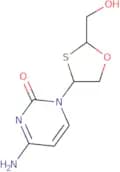
CAS:<p>Please enquire for more information about Trans-2'-deoxy-3'-oxa-4'-thiocytidine (apricitabine) including the price, delivery time and more detailed product information at the technical inquiry form on this page</p>Formula:C8H11N3O3SPurity:Min. 95%Molecular weight:229.26 g/molBrilacidin tetrahydrochloride
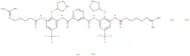
CAS:<p>Brilacidin tetrahydrochloride is an analog of a naturally occurring peptide that has been shown to have anticancer properties. It works by inhibiting the activity of kinases, which are enzymes that play a critical role in cancer cell growth and survival. Brilacidin tetrahydrochloride has been shown to induce apoptosis, or programmed cell death, in tumor cells. In addition to its anticancer effects, this compound also has potential as an inhibitor of protein kinase C (PKC), which is involved in a variety of signaling pathways. Brilacidin tetrahydrochloride has been studied in Chinese hamster ovary cells and human urine samples, and it shows promising results as a potential anticancer agent. It may also have potential therapeutic applications for other diseases such as dabigatran-induced nephropathy.</p>Formula:C40H54Cl4F6N14O6Purity:Min. 95%Molecular weight:1,082.7 g/molKetoconazole Impurity A
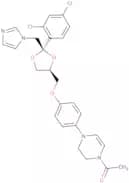
CAS:<p>Ketoconazole Impurity A is a synthetic impurity of Ketoconazole, which is used as an anti-fungal agent. Ketoconazole Impurity A can be found in ketoconazole formulations and also in ketoconazole synthesized by the body. Ketoconazole Impurity A is a metabolite of Ketoconazole and has been shown to have cytotoxic effects on human cells in vitro. Ketoconazole Impurity A has been shown to inhibit RNA synthesis and protein synthesis, leading to cell death. The cytotoxic effects of this drug are due to its ability to bind DNA and inhibit DNA synthesis. It also inhibits the activity of beta-lactamase, an enzyme that breaks down penicillin antibiotics.</p>Formula:C26H26Cl2N4O4Purity:Min. 95%Molecular weight:529.41 g/molTyk2-in-5
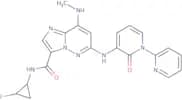
CAS:<p>Please enquire for more information about Tyk2-in-5 including the price, delivery time and more detailed product information at the technical inquiry form on this page</p>Formula:C21H19FN8O2Purity:Min. 95%Molecular weight:434.4 g/mol7β,25-Dihydroxycholesterol
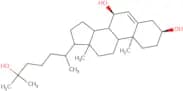
CAS:Controlled Product<p>7β,25-Dihydroxycholesterol is a steroid precursor that is synthesized in the liver and is converted to other steroid hormones. It has been shown to be important in immune function and as a regulator of cholesterol metabolism. In addition, 7β,25-Dihydroxycholesterol can bind to follicle cells and immune cells, activating signalling pathways. This compound has been shown to have an immunosuppressive effect on the humoral immune response by blocking antibody production. The receptor for 7β,25-Dihydroxycholesterol has been identified as GPER1. Knockout mice studies have shown that this receptor plays a role in regulating the number of plasma cells and oxysterols.</p>Formula:C27H46O3Purity:Min. 95%Molecular weight:418.65 g/molEurycomanol
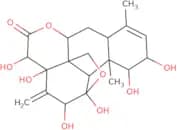
CAS:<p>Eurycomanol is a potent anticancer compound that has been extensively studied for its medicinal properties. It is an analog of the Chinese herb Tongkat Ali, which has traditionally been used to treat a variety of ailments. Eurycomanol works by inhibiting specific kinases and proteins that are involved in cancer cell growth and proliferation. This inhibition leads to apoptosis, or programmed cell death, in tumor cells. Eurycomanol has been shown to be effective against a range of human cancers and cancer cell lines, making it a promising candidate for future cancer treatments. Additionally, eurycomanol can be detected in urine samples, making it a potential biomarker for cancer diagnosis and monitoring.</p>Formula:C20H26O9Purity:Min. 95%Molecular weight:410.4 g/molFluorindine
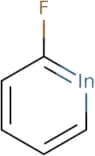
CAS:<p>Fluorindine is a medicinal compound that has shown promise in inhibiting the growth of cancer cells. It works by targeting specific kinases involved in cell cycle regulation and inducing apoptosis, or programmed cell death, in tumor cells. Fluorindine has been tested on human and Chinese hamster cells and has shown potent anticancer activity. It also acts as an inhibitor of nintedanib, a protein kinase inhibitor that is used to treat certain types of cancer. In addition, Fluorindine has been found to have potential for use as an anticancer drug due to its ability to inhibit the activity of apomorphine, a protein involved in cancer cell growth. Overall, Fluorindine has promising potential as a novel therapeutic agent for the treatment of cancer.</p>Formula:C5H4FInPurity:Min. 95%Molecular weight:197.9 g/molUSP7-IN-3
CAS:<p>Please enquire for more information about USP7-IN-3 including the price, delivery time and more detailed product information at the technical inquiry form on this page</p>Formula:C29H31F3N6O3Purity:Min. 95%Molecular weight:568.6 g/molMontelukast dicarboxylic acid
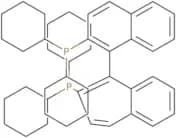
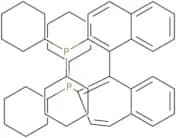
CAS:Controlled Product<p>Montelukast is a drug product that belongs to the class of drugs called leukotriene receptor antagonists. Montelukast binds to cysteinyl leukotrienes (LTC4, LTD4, LTE4) and prevents their interaction with receptors on the cell surface. It can be used for the treatment of asthma, chronic obstructive pulmonary disease, and other allergic conditions. Montelukast is available in tablet form and is taken orally. Montelukast is not expected to be toxic because it has been shown to have a low incidence of side effects in clinical trials.</p>Formula:C35H34ClNO5SPurity:Min. 95%Molecular weight:616.20 g/mol(S)-Cy-BINAP
CAS:<p>Please enquire for more information about (S)-Cy-BINAP including the price, delivery time and more detailed product information at the technical inquiry form on this page</p>Formula:C44H56P2Purity:Min. 95%Molecular weight:646.9 g/molDexamethasone Impurity A
<p>Impurity A is an impurity of the drug product, dexamethasone. The impurity is a natural metabolite of dexamethasone that is found in the urine of patients taking this medication. Impurity A is chemically identified using HPLC and its purity verified using GC-MS and LC-MS. This impurity can be used as a reference standard for analytical purposes and as an impurity standard for pharmacopoeia testing.</p>Formula:C22H29FO5Purity:Min. 95 Area-%Color and Shape:White Off-White PowderMolecular weight:392.46 g/mol(R)-Cy-BINAP
CAS:<p>Please enquire for more information about (R)-Cy-BINAP including the price, delivery time and more detailed product information at the technical inquiry form on this page</p>Formula:C44H56P2Purity:Min. 95%Molecular weight:646.9 g/molN-[2-[(1S)-5-Bromo-2,3-dihydro-6-(2-propen-1-yloxy)-1H-inden-1-yl]ethyl]propanamide
CAS:<p>N-[2-[(1S)-5-Bromo-2,3-dihydro-6-(2-propen-1-yloxy)-1H-inden-1-yl]ethyl]propanamide is a synthetic compound that has been used as an analytical standard for HPLC. It has also been used in the development of drugs to treat cancer. It is one of the impurities found in the drug product and is also known as 2-[(1S)-5-(2,3-dihydrobenzo[b][1,4]dioxin-6-yl)-2-(propenyloxy)indenyl]acetic acid. CAS No. 196597-85-0</p>Formula:C17H22BrNO2Purity:Min. 95%Molecular weight:352.3 g/molCDC25B-IN-1
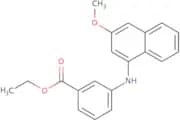
CAS:<p>Please enquire for more information about CDC25B-IN-1 including the price, delivery time and more detailed product information at the technical inquiry form on this page</p>Formula:C20H19NO3Purity:Min. 95%Molecular weight:321.4 g/molGW300657X
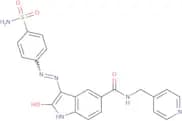
CAS:<p>GW300657X is an indirubin analog that has been shown to act as a potent inhibitor of tumor growth in Chinese hamster ovary cells. It has also demonstrated anticancer activity in human cancer cell lines by inducing apoptosis, or programmed cell death. GW300657X targets kinases and proteins involved in the regulation of cell division and proliferation, making it a promising candidate for cancer treatment. This compound can be detected in urine after administration, indicating its potential for clinical use. As a kinase inhibitor, GW300657X shows great potential in the development of new cancer therapies.</p>Formula:C21H18N6O4SPurity:Min. 95%Molecular weight:450.5 g/molDecarbazolyl desmethyl carvedilol
CAS:<p>Decarbazolyl desmethyl carvedilol is a potent anticancer agent that inhibits elastase and protein kinases, which are involved in cancer cell growth and tumor progression. It induces apoptosis, or programmed cell death, in cancer cells by inhibiting the activity of specific kinases. Decarbazolyl desmethyl carvedilol has been shown to be effective against a variety of human cancers, including lung, breast, and prostate cancers. It is also an inhibitor of Chinese hamster ovary (CHO) cell kinase activity and can be detected in urine samples. This analog of carvedilol has potential as a therapeutic agent for the treatment of cancer.</p>Formula:C11H17NO4Purity:Min. 95%Molecular weight:227.26 g/molClopidogrel Impurity A
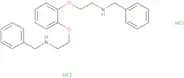
CAS:<p>Clopidogrel Impurity A is a medicine that is used for the prevention of heart attacks, strokes, and blood clots in people with an increased risk of these events. It is not intended to be used for immediate relief from sudden symptoms. Clopidogrel Impurity A is a substance that may be found in some preparations of clopidogrel. The presence of this substance can be detected by liquid chromatography-mass spectrometry (LC-MS/MS) methods. The structural analysis of this substance was determined using enantiomeric resolution and chromatographic methods. This impurity has been shown to have no effect on the bioavailability of the parent drug, clopidogrel, when given orally to Sprague-Dawley rats.</p>Formula:C15H15Cl2NO2SPurity:Min. 95%Molecular weight:344.26 g/molBis(o-ethylbenzylamine) catechol dihydrochloride
CAS:<p>Bis(o-ethylbenzylamine) catechol dihydrochloride is a potent inhibitor of protein kinases that play a crucial role in the regulation of the cell cycle. It has been shown to induce apoptosis in various human cancer cell lines, including leukemia and Chinese hamster ovary cells. This compound inhibits the activity of several kinases, including indoleamine 2,3-dioxygenase (IDO), which is involved in tumor immune evasion. Bis(o-ethylbenzylamine) catechol dihydrochloride also acts as an inhibitor of other key proteins involved in the growth and proliferation of cancer cells. Its unique mode of action makes it a promising candidate for the development of novel anticancer therapies.</p>Formula:C24H30Cl2N2O2Purity:Min. 95%Molecular weight:449.4 g/mol5-Hydroxyindole-3-acetic acid-d2
CAS:<p>5-Hydroxyindole-3-acetic acid-d2 is a drug product that can be used as an analytical reference standard for HPLC. It is also used as a metabolite in the metabolism studies of 5-hydroxyindole-3-acetic acid, a natural and synthetic compound. This product is manufactured synthetically and has been shown to have a purity of >98%. It is also manufactured for use in pharmacopoeias and can be used as an API impurity standard.</p>Formula:C10H7D2NO3Purity:Min. 95%Color and Shape:PowderMolecular weight:193.2 g/mol(2R,2R,Trans)-saxagliptin
CAS:<p>(2R,2R,Trans)-saxagliptin is a drug product that is synthesized using natural ingredients. It is a custom synthesis and has high purity. The CAS number for this compound is 1564266-03-0. (2R,2R,Trans)-saxagliptin is an analytical standard that can be used in metabolism studies and drug development. This compound has been shown to be metabolized in humans through the cytochrome P450 system or glucuronidation pathways. Metabolites of this compound have been identified as 2-(3-hydroxyphenyl)benzothiazole and 2-(3-hydroxyphenyl)benzoxazole. Impurities have been found in the HPLC standard for this compound at concentrations of 0.0025%.</p>Formula:C18H25N3O2Purity:Min. 95%Molecular weight:315.40 g/molZZW-115
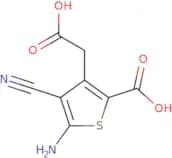
CAS:<p>ZZW-115 is a NUPR-1 inhibitor that induces the accumulation of reactive oxygen species inside cells. It is a highly potent inhibitor of NUPR1, which accumulates in cancer cells. ZZW-115 is therefore an anticancer agent.</p>Formula:C24H31F3N4SPurity:Min. 95%Molecular weight:464.6 g/mol5-Amino-2-carboxy-4-cyano-3-thiopheneacetic acid
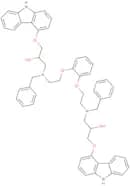
CAS:<p>Please enquire for more information about 5-Amino-2-carboxy-4-cyano-3-thiopheneacetic acid including the price, delivery time and more detailed product information at the technical inquiry form on this page</p>Formula:C8H6N2O4SPurity:Min. 95%Molecular weight:226.21 g/molCarvedilol bis(N-benzylalkylpyrocatechol) impurity
CAS:<p>Please enquire for more information about Carvedilol bis(N-benzylalkylpyrocatechol) impurity including the price, delivery time and more detailed product information at the technical inquiry form on this page</p>Formula:C54H54N4O6Purity:Min. 95%Molecular weight:855 g/molN-(1-Oxobutyl)-N-[[2'-(2H-tetrazol-5-yl)[1,1'-biphenyl]-4-yl]methyl]-L-valine
CAS:<p>N-(1-Oxobutyl)-N-[[2'-(2H-tetrazol-5-yl)[1,1'-biphenyl]-4-yl]methyl]-L-valine (GW1929) is a potent vasodilator that is used for the treatment of hypertension. It is synthesized by condensation of sodium hydroxide with 2-(4′-chlorophenyl)piperazine followed by methyl esterification and chloride acylation. The synthesis of GW1929 has been accomplished in two steps: carbonate cyclization and valsartan hydrolysis. In the first step, the carboxylic acid group of GW1929 was converted to its corresponding chloride compound which was then reacted with methyl bromide to yield the desired product. The second step involved hydrolysis of GW1929 with potassium carbonate, after which it was oxidized with azide to form an ester. Sodium</p>Formula:C23H27N5O3Purity:Min. 95%Color and Shape:White PowderMolecular weight:421.49 g/mol



![9-(Sulfooxy)dibenz[b,f][1,4]oxazepin-11(10H)-one](/_next/image/?url=https%3A%2Fstatic.cymitquimica.com%2Fproducts%2F3D%2Fthumb-webp%2FNDA37318.webp&w=3840&q=75)
![[(1S)-(1α,2β,3β)]-3-(2-Amino-6-iodo-7H-purin-7-yl)-1,2-cyclobutanedimethanol dibenzoate ester](/_next/image/?url=https%3A%2Fstatic.cymitquimica.com%2Fproducts%2F3D%2Fthumb-webp%2FWZB81229.webp&w=3840&q=75)
![2,2-Bis[4-(2-diethylaminoethoxy)phenyl]-1,2-diphenylethanone](/_next/image/?url=https%3A%2Fstatic.cymitquimica.com%2Fproducts%2F3D%2Fthumb-webp%2FOB166693.webp&w=3840&q=75)
![[[5-[[(2-Aminoethyl)thio]methyl]furan-2-yl]methyl]dimethylamine, hemifumarate](/_next/image/?url=https%3A%2Fstatic.cymitquimica.com%2Fproducts%2F3D%2Fthumb-webp%2FIA57851.webp&w=3840&q=75)

![2-[[2-Oxo-3-[4-(3-oxo-4-morpholinyl)phenyl]-5-oxazolidinyl]methyl]-1H-isoindole-1,3(2H)-dione](/_next/image/?url=https%3A%2Fstatic.cymitquimica.com%2Fproducts%2F3D%2Fthumb-webp%2FIO183175.webp&w=3840&q=75)
![4-[(2,3,4-Trimethoxyphenyl)methyl]-1-piperazinecarboxylic acid ethyl ester](/_next/image/?url=https%3A%2Fstatic.cymitquimica.com%2Fproducts%2F3D%2Fthumb-webp%2FIT145543.webp&w=3840&q=75)



![1-[4-[4-(2,3-Dichlorophenyl)piperazin-1-yl]butyl]-7-hydroxy-1,2,3,4-tetrahydro-carbostyril](/_next/image/?url=https%3A%2Fstatic.cymitquimica.com%2Fproducts%2F3D%2Fthumb-webp%2FRFC05474.webp&w=3840&q=75)
![(R)-2-Amino-2-methyl-N-[4-phenyl-1-[[4-[2-[2-(1H-tetrazol-5-yl)ethyl]phenyl]-1-piperidinyl]carbony…](/_next/image/?url=https%3A%2Fstatic.cymitquimica.com%2Fproducts%2F3D%2Fthumb-webp%2FVGA84246.webp&w=3840&q=75)
![[(2E)-4-Chloro-2-methylbut-2-ene-1-sulfonyl]benzene](/_next/image/?url=https%3A%2Fstatic.cymitquimica.com%2Fproducts%2F3D%2Fthumb-webp%2FFAA82979.webp&w=3840&q=75)
![N-4,5[Acetylamino)methyl]desmopressin](/_next/image/?url=https%3A%2Fstatic.cymitquimica.com%2Fproducts%2F3D%2Fthumb-webp%2FIA173214.webp&w=3840&q=75)
-methanone](/_next/image/?url=https%3A%2Fstatic.cymitquimica.com%2Fproducts%2F3D%2Fthumb-webp%2FIA63847.webp&w=3840&q=75)


![N-Formyl-L-leucine (1S)-1-[[(2R,3R)-3-hexyl-4-oxo-2-oxetanyl] methyl] dodecyl ester](/_next/image/?url=https%3A%2Fstatic.cymitquimica.com%2Fproducts%2F3D%2Fthumb-webp%2FIF26581.webp&w=3840&q=75)
![[4-(N-Methylpyridinium-4-yl)-1,3-thiazol-2-yl]thiolate](/_next/image/?url=https%3A%2Fstatic.cymitquimica.com%2Fproducts%2F3D%2Fthumb-webp%2FCHC20746.webp&w=3840&q=75)


![N-[2-[(1S)-5-Bromo-2,3-dihydro-6-(2-propen-1-yloxy)-1H-inden-1-yl]ethyl]propanamide](/_next/image/?url=https%3A%2Fstatic.cymitquimica.com%2Fproducts%2F3D%2Fthumb-webp%2FWHA59785.webp&w=3840&q=75)



![N-(1-Oxobutyl)-N-[[2'-(2H-tetrazol-5-yl)[1,1'-biphenyl]-4-yl]methyl]-L-valine](/_next/image/?url=https%3A%2Fstatic.cymitquimica.com%2Fproducts%2F3D%2Fthumb-webp%2FIO28664.webp&w=3840&q=75)