APIs for research and impurities
Subcategories of "APIs for research and impurities"
- Aminoacids and derivatives(12,333 products)
- Anthraquinones and derivatives(404 products)
- Benzimidazole and Imidazole Derivatives(10,446 products)
- Benzodiazepine Derivatives(334 products)
- Carbohydrates and glycoconjugates(5,047 products)
- Esters and Derivatives(42,250 products)
- Fatty Acids and Lypidic Derivatives(32,413 products)
- Flavonoids and Polyphenols(17,083 products)
- Free Radicals and Oxidant/Reducing Agents(213 products)
- Ketones and derivatives(2,401 products)
- Natural and semi-synthetic antibiotics(6,382 products)
- Nitriles and Cyano Derivatives(3,068 products)
- Nitrosamines and Derivatives(55 products)
- Nucleosides and Nucleotides(3,480 products)
- Organic Phosphates and Phosphonates(1,201 products)
- Organic Sulphonates and Sulphates(10,433 products)
- Organometallics(4,421 products)
- Others(6,305 products)
- Peptides and Proteins(3,148 products)
- Polymers and Derivatives(100 products)
- Purines and Pyrimidine Derivatives(8,948 products)
- Quinazoline and Quinoline Derivatives(66,025 products)
- Quinones and Derivatives(24,362 products)
- Salts and Derivatives of Active Pharmaceutical Ingredients (API)(80,543 products)
- Steroids and Derivatives(4,954 products)
- Sulfonamides and Derivatives(2,595 products)
- Terpenoids and Derivatives(3,848 products)
- Thiazolidinediones and Thiopyrans(2,753 products)
- β-Adrenergic Compounds(231 products)
Found 57820 products of "APIs for research and impurities"
aH 11110 Hydrochloride
CAS:aH 11110 Hydrochloride is an analytical standard for HPLC. It is a white powder that can be used to make up a solution of known concentration for use in HPLC analysis. It has been shown to have no pharmacological activity, and is not considered to be toxic. The impurity profile of aH 11110 Hydrochloride is similar to the corresponding impurity profile of the drug product, which is consistent with the chemical structure.Formula:C21H27ClN2O2Purity:Min. 95%Molecular weight:374.9 g/molLevothyroxine EP impurity B
CAS:Please enquire for more information about Levothyroxine EP impurity B including the price, delivery time and more detailed product information at the technical inquiry form on this pageFormula:C15H11ClI3NO4Purity:Min. 95%Molecular weight:685.42 g/mol(E/Z)-FK-506 26,28-Allylic Ester Rearrangement Impurity
CAS:The impurity is a natural product and an API impurity. The impurity is synthesized by the rearrangement of (E/Z)-FK-506 26,28-allylic ester. This impurity has been shown to be present in drug products at concentrations up to 0.0025% w/w. It is found in analytical samples at concentrations up to 0.02% w/w, which may be due to its use as a HPLC standard. The impurity has been studied for metabolism in rats and rabbits and is not metabolized by microsomal enzymes or conjugated with glucuronic acid. The compound has also been shown to have anti-inflammatory properties in mice models and has no cardiotoxic effects on Balb/c mice.Formula:C44H69NO12Purity:Min. 95%Molecular weight:804.02 g/mol(2E,4E,6E)-3,7-Dimethyl-8-oxo-2,4,6-octatrienoic acid
CAS:Please enquire for more information about (2E,4E,6E)-3,7-Dimethyl-8-oxo-2,4,6-octatrienoic acid including the price, delivery time and more detailed product information at the technical inquiry form on this pageFormula:C10H12O3Purity:Min. 95%Molecular weight:180.2 g/molRegorafenib metabolite M5
CAS:Regorafenib metabolite M5 is a drug product that is custom synthesized by our company and has high purity. It can be used in metabolism studies, drug development, and pharmacopoeia due to its natural origin. It is also a synthetic compound that can be used as an impurity standard or research and development standard in HPLC.Formula:C20H13ClF4N4O4Purity:Min. 95%Molecular weight:484.79 g/molAmoxicillin trihydrate impurity H
CAS:Amoxicillin trihydrate impurity H is an impurity of amoxicillin that is a potent bactericide. The impurity has been observed to have bactericidal activity against gram-negative bacteria and gram-positive bacteria, as well as potent activity against gram-negative bacteria. The process development of this compound has shown it to be an elemental substance. It can be found in the form of a hydroxyphenyl group attached to the amoxicillin molecule. Impurities such as this one are often removed from the final product by ion exchange chromatography or other methods.Formula:C13H17NO4Purity:Min. 95%Molecular weight:251.28 g/molHydrocortisone Impurity G
CAS:Controlled ProductHydrocortisone impurity G is a hydrocortisone derivative that has been shown to be an inhibitor of the estradiol dehydrogenase, which is responsible for converting estradiol to estrone. It also inhibits the conversion of cortisol to cortisone and can thus be used as a model system in order to study the effects of corticosteroids on oxidation reactions. Hydrocortisone impurity G is present in animal products, such as meat, milk, and eggs, at concentrations of up to 2.5%. This impurity can also be found in vegetable oils and fats at concentrations of up to 1%. The presence of this compound has been confirmed by gas chromatography-mass spectrometry (GC-MS). Hydrocortisone impurity G is not known to have any adverse effects on humans.Formula:C21H28O5Purity:Min. 95%Molecular weight:360.4 g/mol4-Desmethyl-4-ethylimidazolyl nilotinib
CAS:4-Desmethyl-4-ethylimidazolyl nilotinib is a synthetic drug product that is custom-synthesized for research and development purposes. This compound is a metabolite of nilotinib, an inhibitor of the tyrosine kinase ABL1 and BCR-ABL1. 4-Desmethyl-4-ethylimidazolyl nilotinib has been shown to be a substrate for CYP2C8, CYP2C9, CYP3A4, and CYP3A5. It has also been found to be an impurity in API standards of nilotinib.Formula:C29H24F3N7OPurity:Min. 95%Molecular weight:543.50 g/mol4-Methyl-3-[[4-(3-pyridinyl)-2-pyrimidinyl]amino]benzamide
CAS:4-Methyl-3-[4-(3-pyridinyl)-2-pyrimidinyl]amino]benzamide is a synthetic compound that has been used as an impurity standard to determine the purity of drugs. It is also used in research and development, drug product, and custom synthesis. 4-Methyl-3-[4-(3-pyridinyl)-2-pyrimidinyl]amino]benzamide has a CAS number of 851137-91-2 and is on the list of pharmacopoeias. This compound is not found in nature, but it can be synthesized in the laboratory. Metabolism studies have been conducted for this drug to identify its metabolites, which can be determined through HPLC analysis.Formula:C17H15N5OPurity:Min. 95%Molecular weight:305.33 g/molRiboflavin 3',4'-diphosphate
CAS:Riboflavin 3',4'-diphosphate is a crystalline powder that has an analytical purity of 99.9%. This compound is used as a research and development standard for HPLC, as well as an impurity standard for riboflavin. It is also used in the synthesis of drugs and pharmaceuticals, such as antibiotics and antiviral agents. Riboflavin 3',4'-diphosphate can be synthesized from natural or synthetic sources.
Formula:C17H22N4O12P2Purity:Min. 95%Molecular weight:536.3 g/molMethocarbamol-d5 β-D-glucuronide
CAS:Methocarbamol-d5 β-D-glucuronide is a synthetic drug product. It has CAS number 56305-74-9. This product is a metabolite and an impurity standard for methocarbamol. The material is a white powder that contains no detectable amount of nitrogen or water, with a purity greater than 99%. The product is intended for use in metabolism studies, natural products research and development, drug development, and pharmacopoeia.
Formula:C17H18D5NO11Purity:Min. 95%Molecular weight:422.4 g/molJNJ-55308942
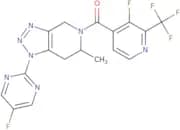
CAS:JNJ-55308942 is a human Chinese nalbuphine analog that has been found to have anticancer properties. It works by inhibiting kinases, which are enzymes that play a crucial role in cancer cell growth and survival. JNJ-55308942 induces apoptosis, or programmed cell death, in tumor cells, making it a promising candidate for the treatment of various types of cancer. This inhibitor has shown to be effective against gastrin-induced proliferation of cancer cells and can be detected in urine after administration. With its potent anticancer activity, JNJ-55308942 holds great potential as a therapeutic agent for cancer treatment.Formula:C17H12F5N7OPurity:Min. 95%Molecular weight:425.3 g/mol5-Aza-2’-deoxyuridine (β isomer only)
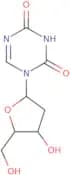
CAS:Please enquire for more information about 5-Aza-2’-deoxyuridine (β isomer only) including the price, delivery time and more detailed product information at the technical inquiry form on this pageFormula:C8H11N3O5Purity:Min. 95%Molecular weight:229.19 g/mol11-Cis-3,4-didehydro retinal
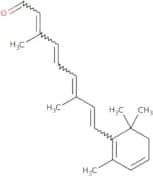
CAS:11-Cis-3,4-didehydro retinal is an analog of retinal that has been shown to inhibit apoptosis in human cells. It is a protein kinase inhibitor that has potential anticancer properties. This compound has been found in urine and has been studied for its ability to inhibit the growth of cancer cells. 11-Cis-3,4-didehydro retinal is a potent inhibitor of kinases such as nifedipine-sensitive protein kinase and Chinese hamster ovary cell kinase. Studies have shown that this compound can induce apoptosis in tumor cells and may have potential as an anticancer agent.Formula:C20H26OPurity:Min. 95%Molecular weight:282.4 g/molChlorhexidine EP Impurity N hydrochloride
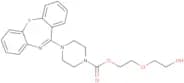
CAS:Chlorhexidine is an antimicrobial agent that has been shown to be effective against escherichia and chlorobenzene. It also has a low toxicity for humans and animals, as well as for the environment. Chlorhexidine EP Impurity N is a chlorhexidine impurity that is produced during the synthesis of chlorhexidine acetate. This impurity can be used in research to measure hydrogen peroxide levels, which can help determine the purity of chlorhexidine acetate. Recoveries of this compound were found to be high in human dental plaque and pneumococcus bacteria. Average recoveries were found to be higher when measured by ultraviolet spectroscopy than by gas chromatography-mass spectroscopy (GC-MS).Formula:C15H25ClN8•(HCl)xPurity:Min. 95%Molecular weight:352.87 g/molQuetiapine carboxylate impurity
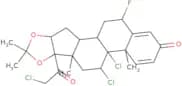
CAS:Quetiapine carboxylate impurity is a high purity, analytical grade quetiapine carboxylate impurity with CAS No. 1011758-00-1. This product is used in pharmacopoeia, drug development, and metabolite research and development. Quetiapine carboxylate impurity is a synthetic compound that has been developed to be an impurity standard for HPLC analysis of quetiapine carboxylate in pharmaceutical products. It can also be used as a natural metabolite in metabolism studies or as a niche synthesis compound in the research and development of new drugs.Formula:C22H25N3O4SPurity:Min. 95%Molecular weight:427.5 g/molTriclonide
CAS:Triclonide is an analog of a protein kinase inhibitor that has shown potent anticancer activity. It is derived from human urine and has been found to induce apoptosis in cancer cells. Triclonide works by inhibiting the activity of kinases, which are enzymes that play a critical role in cell signaling pathways that regulate cell growth and division. This inhibition leads to the suppression of tumor growth and proliferation. Triclonide has been identified as a potential medicinal agent for cancer treatment due to its ability to target specific kinases involved in cancer progression, making it a promising candidate for further research and development.Formula:C24H28Cl3FO4Purity:Min. 95%Molecular weight:505.8 g/mol2-Oxo-mirabegron N-carbamoylglucuronide
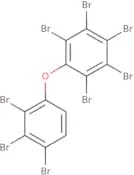
CAS:2-Oxo-mirabegron N-carbamoylglucuronide (2OMGC) is an impurity of mirabegron, a drug used to treat overactive bladder. 2OMGC is a metabolite of mirabegron that is created through the hydrolysis of the carbamate group on the nitrogen atom. This impurity can be detected in HPLC and GC/MS analyses and has been found in the urine of patients taking mirabegron. The detection limit for this impurity is 10 ng/mL. 2OMGC exhibits pharmacological activity similar to that of its parent compound, mirabegron, which is purported to have antispasmodic and anal sphincter relaxant properties.Formula:C28H30N4O10SPurity:Min. 95%Molecular weight:614.60 g/mol1,2,3,4,5-Pentabromo-6-(2,3,4-tribromophenoxy)benzene
CAS:Controlled Product1,2,3,4,5-Pentabromo-6-(2,3,4-tribromophenoxy)benzene is a medicinal compound that has been used in Chinese traditional medicine as an anticancer agent. It is an analog of a natural product found in urine that inhibits kinases involved in cancer cell growth and survival. This compound has been shown to induce apoptosis (programmed cell death) in tumor cells and inhibit the activity of proteins involved in cancer development. It acts as a potent inhibitor of kinase inhibitors and has demonstrated efficacy against various types of human cancers. Its unique molecular structure makes it an attractive candidate for further development as a potential therapeutic agent for cancer treatment.
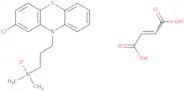
Formula:C12H2Br8OPurity:Min. 95%Molecular weight:801.4 g/molChlorpromazine N-oxide maleic acid salt
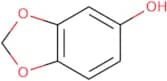
CAS:Please enquire for more information about Chlorpromazine N-oxide maleic acid salt including the price, delivery time and more detailed product information at the technical inquiry form on this pageFormula:C21H23ClN2O5SPurity:Min. 95%Molecular weight:450.9 g/molSesamol-d2
CAS:Controlled ProductSesamol-d2 is an oral prodrug that belongs to the class of morpholinos. It acts as a mitochondrial DNA ligase inhibitor, preventing the repair of oxidative damage to DNA. Sesamol-d2 has been shown to reduce fungal biomass and inhibit RNA concentration in a reaction solution containing adenine and tenofovir alafenamide hemifumarate. It also inhibits base-excision repair, leading to increased levels of oxidative DNA damage. Furthermore, Sesamol-d2 has been found to have plasma-level effects on various impurities, as demonstrated through molecular docking studies.Formula:C7H6O3Purity:Min. 95%Molecular weight:140.13 g/molPBB 154
CAS:Controlled ProductPBB 154 is a medicinal compound that has shown promising results in the treatment of cancer. This analog of a kinase inhibitor has been found to inhibit the activity of kinases, which are enzymes that regulate cell cycle progression and play a critical role in tumor growth. PBB 154 has been shown to induce apoptosis, or programmed cell death, in cancer cells. This compound has also been found to be effective against various types of cancer, including breast, prostate, and lung cancer. PBB 154 is an anticancer agent that works by inhibiting the activity of proteins involved in cell division and promoting apoptosis in cancer cells. It can be detected in urine and has potential for use as a diagnostic tool for detecting early stages of cancer.
Formula:C12H4Br6Purity:Min. 95%Molecular weight:627.6 g/molCXCR2-IN-2
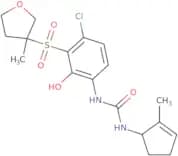
CAS:Please enquire for more information about CXCR2-IN-2 including the price, delivery time and more detailed product information at the technical inquiry form on this pageFormula:C18H23ClN2O5SPurity:Min. 95%Molecular weight:414.9 g/molN-Demethylcyamemazine maleate
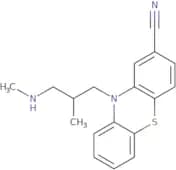
CAS:Please enquire for more information about N-Demethylcyamemazine maleate including the price, delivery time and more detailed product information at the technical inquiry form on this pageFormula:C18H19N3SPurity:Min. 95%Molecular weight:309.4 g/mol4-Methyl trans-Doxercalciferol
CAS:4-Methyl trans-Doxercalciferol is a synthetic drug product that is used as an analytical reference material for the study of metabolism. It is a natural, API impurity, and synthetic metabolite that has been prepared as an impurity standard for HPLC analysis. 4-Methyl trans-Doxercalciferol has not been evaluated in living systems, but it may be useful in research and development of drugs, such as those used to treat cardiovascular disease. 4-Methyl trans-Doxercalciferol has shown no adverse effects in pharmacological studies.Formula:C28H44O2Purity:Min. 95%Molecular weight:412.65 g/mol2-(4-Bromophenyl)-8-methylimidazo[1,2-a]pyridine
CAS:Please enquire for more information about 2-(4-Bromophenyl)-8-methylimidazo[1,2-a]pyridine including the price, delivery time and more detailed product information at the technical inquiry form on this pageFormula:C14H11BrN2Purity:Min. 95%Molecular weight:287.15 g/mol(5S)-5-(Aminomethyl)-3-[3-fluoro-4-(4-morpholinyl)phenyl]-1,3-oxazolidin-2-one
CAS:(5S)-5-(Aminomethyl)-3-[3-fluoro-4-(4-morpholinyl)phenyl]-1,3-oxazolidin-2-one is a molecule with a broad spectrum of antimicrobial activity. It is a potent inhibitor of the enzyme metallo-β-lactamase, which is found in Streptococcus faecalis and other bacteria. This molecule also has antibacterial activity against Streptococcus pyogenes and Staphylococcus aureus. (5S)-5-(Aminomethyl)-3-[3-fluoro-4-(4-morpholinyl)phenyl]-1,3-oxazolidin-2 -one is an amide with mass spectrometric and spectroscopic properties that can be used as analytical methods to identify it in biological samples.
Formula:C14H18FN3O3Purity:Min. 95%Color and Shape:Off-White PowderMolecular weight:295.31 g/mol6,6-Dibromopenicillanic acid S,S-dioxide
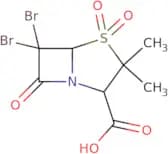
CAS:6,6-Dibromopenicillanic acid S,S-dioxide (DBPA) is an inorganic compound that is used as an antibiotic. It inhibits the growth of bacteria by binding to the 50S ribosomal subunit and preventing the formation of a complex with the enzyme cell wall synthesis that is required for cell wall biosynthesis, inhibiting protein synthesis and cell division. DBPA degrades lactamase enzymes that are necessary for resistance to this antibiotic. This chemical also has a high degree of stability against hydrochloric acid, which makes it useful in organic solvents. It is resistant to many resistant bacteria due to its mechanism of action and lack of substrate specificity.Formula:C8H9Br2NO5SPurity:Min. 95%Molecular weight:391.04 g/molaS1810722
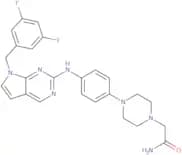
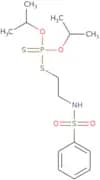
CAS:aS1810722 is a potent inhibitor of kinases that has shown promise in the treatment of cancer. This protein analog is derived from human urine and has been found to inhibit the activity of ghrelin, which is known to promote tumor growth. In preclinical studies, aS1810722 has demonstrated strong anticancer activity by inducing apoptosis in cancer cells and inhibiting tumor growth. This inhibitor has been tested on Chinese hamster ovary cells and has shown promising results as a potential therapeutic agent for the treatment of various cancers. Its specificity for kinases makes it an attractive candidate for targeted cancer therapy.Formula:C25H25F2N7OPurity:Min. 95%Molecular weight:477.5 g/molBensulide
CAS:Bensulide is a potent inhibitor of kinases, which are enzymes that regulate various cellular processes. It has been shown to have anticancer properties by inducing apoptosis in cancer cells. Bensulide is a Chinese medicinal herb that has been used for centuries as a traditional medicine. It is an analog of protein kinase inhibitors and can be used as an inhibitor of tumor growth. Bensulide has also been found in human urine and may have potential as a diagnostic marker for cancer. Its mechanism of action involves the inhibition of protein kinases, which are involved in cell signaling pathways that regulate cell growth and division. Overall, Bensulide shows great promise as an anticancer agent with potent inhibitory effects on cancer cells.
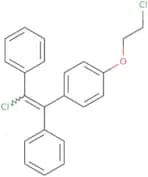
Formula:C14H24NO4PS3Purity:Min. 95%Molecular weight:397.5 g/mol1-(2-Chloro-1,2-diphenylethenyl)-4-(2-chloroethoxy)benzene
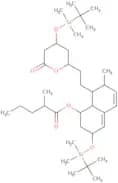
CAS:Please enquire for more information about 1-(2-Chloro-1,2-diphenylethenyl)-4-(2-chloroethoxy)benzene including the price, delivery time and more detailed product information at the technical inquiry form on this pageFormula:C22H18Cl2OPurity:Min. 95%Molecular weight:369.3 g/molHomopravastatin lactone di-(tert-butyldimethylsilyl) ether
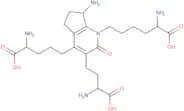
CAS:Please enquire for more information about Homopravastatin lactone di-(tert-butyldimethylsilyl) ether including the price, delivery time and more detailed product information at the technical inquiry form on this pageFormula:C36H64O6Si2Purity:Min. 95%Molecular weight:649.1 g/molOxodesmosine
CAS:Oxodesmosine is an analog of a protein found in Chinese urine that has shown promise as an anticancer agent. It works by inhibiting kinases, which are enzymes that play a key role in cancer cell growth and survival. Oxodesmosine has been shown to induce apoptosis, or programmed cell death, in tumor cells both in vitro and in vivo. This compound may be useful as a therapeutic agent for the treatment of various types of cancer in humans. Additionally, Oxodesmosine has been studied for its potential synergistic effects with other kinase inhibitors such as mirtazapine. Overall, Oxodesmosine represents a promising new avenue for the development of novel anticancer therapies.Formula:C23H37N5O7Purity:Min. 95%Molecular weight:495.6 g/molRotigotine sulfate
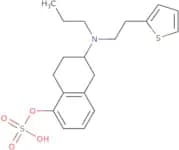
CAS:Rotigotine is a drug that belongs to the group of pharmaceutical formulations. It is an unlabeled drug that has been shown to be effective in the treatment of depression. Rotigotine may be administered through a transdermal patch or by iontophoresis, which is a technique used to administer drugs through the skin. The mechanism of action is not known, but it may involve the inhibition of monoamine reuptake and/or alteration of intracellular levels of catecholamines. Rotigotine sulfate has a high affinity for dopamine receptors and increases plasma concentrations of dopamine by inhibiting its reuptake into presynaptic neurons. This leads to increased concentrations of dopamine in synaptic clefts and an increase in postsynaptic receptor binding.Formula:C19H25NO4S2Purity:Min. 95%Molecular weight:395.5 g/molAlpha-[4-(2-dimethylaminoethoxy)phenyl]stilbene
CAS:Alpha-[4-(2-dimethylaminoethoxy)phenyl]stilbene (DS) is a synthetic, analytical standard that is used as an impurity in the manufacture of pharmaceutical products. DS is also sold as a reference material for HPLC and GC/MS analysis.
Formula:C24H25NOPurity:Min. 95%Molecular weight:343.50 g/molAG-024322
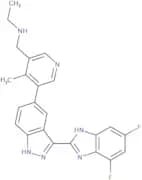
CAS:AG-024322 is an analog of a Chinese medicinal herb that has been found to have potent anticancer properties. It works by inhibiting cyclin-dependent kinases, which are enzymes that regulate the cell cycle and play a crucial role in cancer cell growth. AG-024322 has been shown to induce apoptosis, or programmed cell death, in cancer cells. This inhibitor of protein kinase has also demonstrated efficacy against various types of tumors in human studies. AG-024322 is one of several promising inhibitors of this class currently being developed as potential cancer treatments.Formula:C23H20F2N6Purity:Min. 95%Molecular weight:418.4 g/mol3’-Epi gemcitabine 3’,5’-dibenzoate
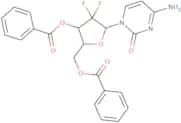
CAS:Please enquire for more information about 3’-Epi gemcitabine 3’,5’-dibenzoate including the price, delivery time and more detailed product information at the technical inquiry form on this pageFormula:C23H19F2N3O6Purity:Min. 95%Molecular weight:471.4 g/molDefluoro pitavastatin
CAS:Please enquire for more information about Defluoro pitavastatin including the price, delivery time and more detailed product information at the technical inquiry form on this pageFormula:C25H25NO4Purity:Min. 95%Molecular weight:403.47 g/molApixaban rc G
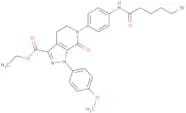
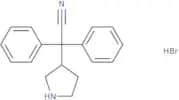
CAS:Please enquire for more information about Apixaban rc G including the price, delivery time and more detailed product information at the technical inquiry form on this pageFormula:C27H29BrN4O5Purity:Min. 95%Molecular weight:569.4 g/mol(R)-2,2-Diphenyl-2-(pyrrolidin-3-yl)acetonitrile hydrobromide
CAS:Please enquire for more information about (R)-2,2-Diphenyl-2-(pyrrolidin-3-yl)acetonitrile hydrobromide including the price, delivery time and more detailed product information at the technical inquiry form on this pageFormula:C18H19BrN2Purity:Min. 95%Molecular weight:343.3 g/mol11β-Hydroxy-5α-pregnane-3,20-dione
CAS:Controlled Product11β-Hydroxy-5α-pregnane-3,20-dione is a medicinal compound that has been found to have potential anticancer properties. It is a steroid analog that inhibits protein kinases, which are enzymes involved in the regulation of cell cycle and tumor growth. This compound has shown promising results as an inhibitor of various cancer cells in Chinese hamster ovary cells and human urine-derived bladder cancer cells. 11β-Hydroxy-5α-pregnane-3,20-dione may also have applications as an inhibitor of other kinases involved in cancer growth and progression. Its unique chemical structure makes it a promising candidate for further research into its potential therapeutic applications.Formula:C21H32O3Purity:Min. 95%Molecular weight:332.5 g/mol4-Glutathionyl cyclophosphamide
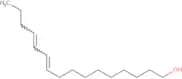
CAS:4-Glutathionyl cyclophosphamide is an analog of the anticancer drug cyclophosphamide that has been modified to include a glutathione moiety. This modification enhances the drug's ability to inhibit cancer cell growth by acting as a kinase inhibitor, which prevents cancer cells from dividing and proliferating. In addition, 4-Glutathionyl cyclophosphamide has been shown to induce apoptosis in human tumor cells, leading to their death. This drug also inhibits the activity of dabigatran, a protein involved in blood clotting. 4-Glutathionyl cyclophosphamide is excreted in urine and can be used as a potential biomarker for monitoring cancer treatment efficacy. This drug may also have synergistic effects when used in combination with other chemotherapeutic agents such as chloroquine.Formula:C17H30Cl2N5O8PSPurity:Min. 95%Molecular weight:566.4 g/mol(10E,12E)-10,12-Hexadecadienol
CAS:(10E,12E)-10,12-Hexadecadienol is an analog of a Chinese herbal compound that has been shown to have anticancer properties. It acts as an inhibitor of kinases, which are enzymes involved in cell signaling pathways that regulate cell growth and division. This compound has been found to induce apoptosis, or programmed cell death, in cancer cells. (10E,12E)-10,12-Hexadecadienol has also been shown to inhibit the growth of tumors in human studies. Additionally, this compound has been identified in urine samples from individuals taking the diabetes medication vildagliptin, suggesting its potential use as a biomarker for drug efficacy. Overall, (10E,12E)-10,12-Hexadecadienol shows promising potential as a natural anticancer agent with multiple therapeutic applications.Formula:C16H30OPurity:Min. 95%Molecular weight:238.41 g/mol4-(1,1-Dimethylpropyl)-alpha-methyl-benzenepropanal
CAS:4-(1,1-Dimethylpropyl)-alpha-methyl-benzenepropanal is a synthetic compound that is used as an impurity standard for the measurement of purity in drug products. It can also be used to monitor the metabolism of drugs, and may contribute to their side effects. 4-(1,1-Dimethylpropyl)-alpha-methyl-benzenepropanal has shown little evidence of toxicity in animal studies.Formula:C15H22OPurity:Min. 95%Molecular weight:218.33 g/molo-Desisopropyl-o-ethyl cefpodoxime proxetil
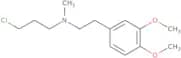
CAS:o-Desisopropyl-o-ethyl cefpodoxime proxetil is a drug product that is used in the treatment of infections caused by bacteria. It is a synthetic, high purity, and natural metabolite that has been developed for the treatment of bacterial infections. This drug product has been shown to have an analytical purity of >99.5% and a pharmacopoeia purity of >99%. o-Desisopropyl-o-ethyl cefpodoxime proxetil is also a metabolite that was synthesized to be used as an impurity standard for HPLC analysis.Formula:C20H25N5O9S2Purity:Min. 95%Molecular weight:543.60 g/molN-Methyl-N-(3-chloropropyl)homoveratrylamine
CAS:N-Methyl-N-(3-chloropropyl)homoveratrylamine is a chlorinated alkylating agent that has been shown to accumulate in the myocardium. It is an anaesthetic that can be recycled and used as a nutrient. N-Methyl-N-(3-chloropropyl)homoveratrylamine binds to DNA, which blocks the synthesis of RNA and protein. This drug has been demonstrated to have antiarrhythmic effects, but it is not effective against cardiac arrhythmias caused by digitalis or hypoxia. N-Methyl-N-(3-chloropropyl)homoveratrylamine also has an antagonist effect on the central nervous system and may be useful for treating convulsions.Formula:C12H19NO2·HClPurity:Min. 95%Molecular weight:245.75 g/molCefdinir impurity H
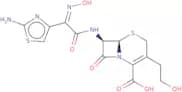
Cefdinir impurity H is a metabolite of the drug cefdinir. It is an impurity in the drug product that was discovered during research and development of cefdinir. Cefdinir impurity H has a CAS number, which indicates that it is a drug product. It also has high purity and can be used for analytical purposes or as a metabolism study standard. Metabolism studies have been conducted on this compound to determine its pharmacological effects. This metabolite is not natural, but synthetic and may be considered a niche compound due to its limited use in research and development.br>
This impurity may be found in the form of an HPLC standard and can be used for developing new drugs against bacterial infections such as tuberculosis, which are caused by Mycobacterium tuberculosis.br>br>Formula:C14H15N5O6S2Purity:Min. 95%Molecular weight:413.43 g/molLinagliptin Impurity 18
CAS:Controlled ProductPlease enquire for more information about Linagliptin Impurity 18 including the price, delivery time and more detailed product information at the technical inquiry form on this pageFormula:C22H23N7O2Purity:Min. 95%Molecular weight:417.46 g/molrac-Des(isopropylamino) acebutolol diol
CAS:rac-Des(isopropylamino) acebutolol diol is a synthetic drug substance that is used for research and development purposes. It has a purity of 99% or greater, does not contain any impurities, and is manufactured using the latest technology. The rac-Des(isopropylamino) acebutolol diol is a pharmaceutical grade product with high purity and quality standards that have been verified by HPLC analysis. This compound is an analytical standard that can be used to calibrate mass spectrometry instruments. Rac-Des(isopropylamino) acebutolol diol is also metabolized into the natural metabolite noracebutanol by cytochrome P450 enzymes in humans.Formula:C15H21NO5Purity:Min. 95%Molecular weight:295.33 g/mol(7Alpha,17Alpha)- 9,17-Dihydroxy-3-oxo-pregn-4-ene-7,21-dicarboxylic acid di-gamma-lactone
CAS:(7Alpha,17Alpha)- 9,17-Dihydroxy-3-oxo-pregn-4-ene-7,21-dicarboxylic acid di-gamma-lactone is a synthetic analogue of progesterone. It is used as a drug product for research and development purposes. The product has been shown to be metabolized through the 3beta hydroxysteroid dehydrogenase pathway or the side chain cleavage enzyme pathways. This product has not been evaluated in humans and should not be used for any human applications. (7Alpha,17Alpha)- 9,17-Dihydroxy-3-oxo-pregn-4-ene-7,21 -dicarboxylic acid di gamma lactone is an impurity standard for HPLC analysis of progesterone in urine.
Formula:C23H28O5Purity:Min. 95%Molecular weight:384.50 g/mol3-Hydroxy darifenacin
CAS:3-Hydroxy darifenacin is a metabolite of the drug Darifenacin. It is an impurity standard for use in the manufacture of drug products and as a research standard for pharmacopoeia, drug development, and analytical methods. 3-Hydroxy darifenacin is not a natural product.Formula:C28H30N2O3Purity:Min. 95%Molecular weight:442.50 g/mol5-Desthiopropyl-5-hydroxy-ticagrelor
CAS:5-Desthiopropyl-5-hydroxy-ticagrelor is a synthetic and new chemical entity, which is a prodrug. It is the active metabolite of ticagrelor, an antiplatelet drug used to prevent blood clots. Ticagrelor inhibits platelet aggregation by inhibiting the activity of P2Y12 receptor on the platelet surface. 5-Desthiopropyl-5-hydroxy-ticagrelor has an analytical purity of >97% and a pharmacopoeia grade purity of >99%. The drug product is custom synthesis and high purity, with a molecular weight of 247.9 Da. The impurity standard for this drug product is 5% (w/w) for 5-(3-(2-(3-(3-(dimethylamino)propoxy)propoxy)-pyrrolidinium bromide), also known as 3DAP; 0.1% (wFormula:C20H22F2N6O5Purity:Min. 95%Molecular weight:464.40 g/molChlordene
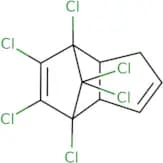
CAS:Chlordene is an analog of geniposide, a natural compound found in Chinese herbal medicine. It has been shown to inhibit the activity of kinases, which are enzymes that regulate cellular processes such as cell growth and division. Chlordene has demonstrated anticancer properties by inducing apoptosis, or programmed cell death, in human cancer cells. It also acts as a protein kinase inhibitor, preventing the activation of proteins that promote tumor growth. Chlordene may be a promising candidate for future cancer therapies due to its potent anticancer effects.Formula:C10H6Cl6Purity:Min. 95%Molecular weight:338.9 g/molpep2-SVKE
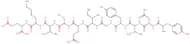
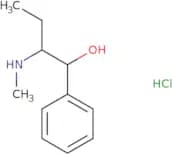
CAS:Pep2-SVKE is an analog of a protein kinase inhibitor that has shown potent anticancer activity. It induces apoptosis in cancer cells, particularly Chinese hamster ovary (CHO) and human tumor cell lines. Pep2-SVKE inhibits kinases involved in the regulation of cell growth and proliferation, making it a promising candidate for the development of novel anticancer therapies. This compound has been isolated from urine and has potential medicinal applications in the treatment of various types of cancer. Its unique properties make it a valuable addition to any research into cancer therapies and inhibitors.Formula:C59H89N13O20Purity:Min. 95%Molecular weight:1,300.4 g/mol3-Methyl pseudoephedrine
CAS:Controlled Product3-Methyl pseudoephedrine is a psychoactive substance that is found in the leaves of the plant Ephedra sinica. 3-Methyl pseudoephedrine can be extracted from the plant using trifluoroacetic acid or other chemical techniques. It can be used to treat asthma and nasal congestion. 3-Methyl pseudoephedrine has been shown to have a stimulant effect on the heart, which leads to an increase in heart rate and blood pressure. This drug also has addictive properties, which may lead to increased use or abuse. The frequency of use for this drug varies depending on whether it is used as a stimulant, an appetite suppressant, or an anti-asthmatic agent.Formula:C11H18ClNOPurity:Min. 95%Molecular weight:215.72 g/molSimotinib
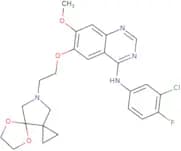
CAS:Simotinib is a kinase inhibitor that has shown promising results in the treatment of various types of cancer. It targets specific proteins that are involved in the growth and survival of tumor cells, leading to apoptosis (cell death) and inhibition of cancer cell proliferation. This medicinal compound is an analog of cyclin-dependent kinases inhibitors and has been extensively studied in Chinese patients with lung cancer. Simotinib works by blocking the activity of certain enzymes that promote tumor growth, making it an effective anticancer agent. It has also been found to have potential therapeutic applications in other types of cancer, including breast and prostate cancer. Overall, Simotinib shows great promise as a targeted therapy for cancer treatment.
Formula:C25H26ClFN4O4Purity:Min. 95%Molecular weight:500.9 g/molDiosmin impurity 8
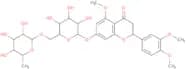
CAS:Please enquire for more information about Diosmin impurity 8 including the price, delivery time and more detailed product information at the technical inquiry form on this page
Formula:C30H38O15Purity:Min. 95%Molecular weight:638.6 g/molα-Hydroxy flurbiprofen
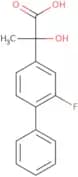
CAS:α-Hydroxy flurbiprofen is a metabolite of the nonsteroidal anti-inflammatory drug (NSAID) Flurbiprofen. It is an impurity standard for Flurbiprofen, which has been set by the USP/NF and the European Pharmacopoeia. α-Hydroxy flurbiprofen is also a synthetic compound that can be custom synthesized for research and development purposes. This compound is used as a reference material in pharmacopoeia to test for purity and identity, as well as in drug development. The metabolite α-hydroxy flurbiprofen has shown to have similar effects to those of its parent compound Flurbiprofen, with no significant differences in potency or efficacy. Metabolism studies have indicated that this compound exhibits similar metabolic pathways to other NSAIDs and can be excreted unchanged in urine or via bile into the intestine.Formula:C15H13FO3Purity:Min. 95%Molecular weight:260.26 g/molGabapentin EP Impurity E
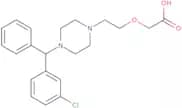
CAS:Impurity EP is a research and development impurity that is used as a drug product impurity in the synthesis of the active pharmaceutical ingredient, gabapentin. It has been shown to be a metabolite of gabapentin. The purity of this compound is determined by HPLC analysis. This research and development impurity can be synthesized from natural or synthetic sources and can be obtained in high purity with 99% minimum. Impurity EP does not have a CAS number because it is not an active pharmaceutical ingredient.Purity:Min. 95%Cetirizine 3-chloro impurity dihydrochloride
CAS:Cetirizine 3-chloro impurity dihydrochloride is a drug substance that contains the impurity cetirizine. The compound has been found to have potential risks and should be synthesized with the use of appropriate methods. Cetirizine 3-chloro impurity dihydrochloride is a drug substance that contains the impurity cetirizine, which should be synthesized with the use of appropriate methods. Cetirizine 3-chloro impurity dihydrochloride has been found to have potential risks and should be synthesized with appropriate methods.Formula:C21H27Cl3N2O3Purity:Min. 95%Color and Shape:SolidMolecular weight:461.81 g/mol3-(1-Hydroxybutyl)-1(3H)-isobenzofuranone
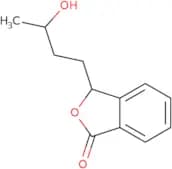
CAS:3-(1-Hydroxybutyl)-1(3H)-isobenzofuranone is a medicinal compound that has been identified as an inhibitor of protein kinases. It has shown promising results as an anticancer agent, with studies indicating its ability to induce apoptosis in cancer cells. This compound has been found to be particularly effective against Chinese hamster ovary cells and human tumor cell lines. Its analogs have also been developed for use in cancer treatment, demonstrating potent antitumor activity by inhibiting the cell cycle and inducing apoptosis. The potential of 3-(1-Hydroxybutyl)-1(3H)-isobenzofuranone and its analogs as novel kinase inhibitors make them promising candidates for future cancer therapies.Formula:C12H14O3Purity:Min. 95%Molecular weight:206.24 g/mol3'-Acetyl-4'-(2,3-epoxypropoxy)butyranilide
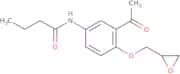
CAS:3'-Acetyl-4'-(2,3-epoxypropoxy)butyranilide is an impurity found in the drug product of 3'-acetyl-4'-(2,3-epoxypropoxy)butyranilide hydrochloride. It has a molecular weight of 268.9 and chemical formula C12H18O6N2. 3'-Acetyl-4'-(2,3-epoxypropoxy)butyranilide is a synthetic compound that can be used as an analytical reference material for HPLC standardization or as an impurity standard for synthesis.
Formula:C15H19NO4Purity:Min. 95%Molecular weight:277.32 g/molSMS2-IN-1
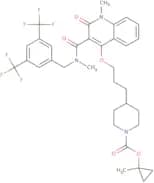
CAS:SMS2-IN-1 is a nuclear ginseng propionate monoester inhibitor that has shown promising antiviral properties. It has been found to inhibit the activity of galacturonic acid, which is crucial for viral replication. Additionally, SMS2-IN-1 has been studied in molecular docking experiments and has shown potential as an inhibitor of tenofovir disoproxil fumarate, a widely used antiviral drug. This compound also exhibits cytotoxic effects on certain cells and has been explored for its potential in recombination studies. It is important to note that SMS2-IN-1 may contain impurities, including the compound ivermectin.
Formula:C34H37F6N3O5Purity:Min. 95%Molecular weight:681.7 g/molN-Acetyl-S-[4-(2-pyridinyl)benzyl]-L-cysteine
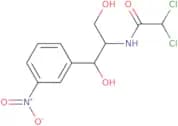
CAS:Please enquire for more information about N-Acetyl-S-[4-(2-pyridinyl)benzyl]-L-cysteine including the price, delivery time and more detailed product information at the technical inquiry form on this pageFormula:C17H18N2O3SPurity:Min. 95%Molecular weight:330.4 g/molRel-M-nitro-threo-chloramphenicol
CAS:Please enquire for more information about Rel-M-nitro-threo-chloramphenicol including the price, delivery time and more detailed product information at the technical inquiry form on this pageFormula:C11H12Cl2N2O5Purity:Min. 95%Molecular weight:323.13 g/mol(R,R)-Solifenacin succinate
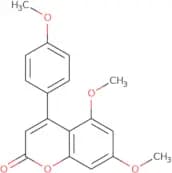
CAS:(R,R)-Solifenacin succinate is a pharmaceutical agent that acts as an antimuscarinic drug. It has been shown to be effective in wastewater treatment, where it was found to reduce the amount of solifenacin and optimised organic chemicals in the water. This drug has also been shown to have antagonist properties against the muscarinic receptor M3.Formula:C23H26N2O2•C4H6O4Purity:Min. 95%Color and Shape:PowderMolecular weight:480.55 g/mol5,7,4'-Trimethoxy-4-phenylcoumarin
CAS:5,7,4'-Trimethoxy-4-phenylcoumarin is a potent anticancer agent that has been shown to inhibit cancer cell growth and induce apoptosis. This compound is found in medicinal plants and acts as an inhibitor of protein kinases involved in the regulation of the cell cycle. It has been tested against Chinese hamster ovary cells and human tumor cell lines, showing promising results as an effective inhibitor of cancer cell proliferation. 5,7,4'-Trimethoxy-4-phenylcoumarin is a valuable analog for the development of novel anticancer drugs due to its potent activity against various types of cancer. Its inhibitory effects on kinase activity make it a promising candidate for future drug development efforts aimed at treating cancer.
Formula:C18H16O5Purity:Min. 95%Molecular weight:312.3 g/mol2,2-Bis-[3-(1-methylpiperidin-4-yl)-1H-indol-5-yl]ethanesulfonic acid methylamide
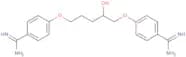
CAS:2,2-Bis-[3-(1-methylpiperidin-4-yl)-1H-indol-5-yl]ethanesulfonic acid methylamide is an analytical standard for HPLC. It is a synthetic substance and has been shown to be a metabolite of the drug product, 2,2-bis-(3-(1-methylpiperidin-4-yl)indol-5-yl)ethanesulfonic acid methylamide.Formula:C31H41N5O2SPurity:Min. 95%Molecular weight:547.80 g/mol1,5-Bis(4-amidinophenoxy)-2-pentanol
CAS:Please enquire for more information about 1,5-Bis(4-amidinophenoxy)-2-pentanol including the price, delivery time and more detailed product information at the technical inquiry form on this page
Formula:C19H24N4O3Purity:Min. 95%Molecular weight:356.4 g/molN,N'-Bis[2-(3,4-dimethoxyphenyl)ethyl]-N,N'-dimethyl-1,3-propanediamine dihydrochloride
CAS:N,N'-Bis[2-(3,4-dimethoxyphenyl)ethyl]-N,N'-dimethyl-1,3-propanediamine dihydrochloride is a synthetic compound that is metabolized to the natural product naphthol AS. It is an impurity in the drug product and can also be used as an analytical reference standard.Formula:C25H38N2O4·2HClPurity:Min. 95%Molecular weight:503.5 g/mol(1R,3S)-1-(1,3-Benzodioxol-5-yl)-2-(2-chloroacetyl)-2,3,4,9-tetrahydro-1H-pyrido[3,4-b]indole-3-carboxylic acid methyl ester
CAS:(1R,3S)-1-(1,3-Benzodioxol-5-yl)-2-(2-chloroacetyl)-2,3,4,9-tetrahydro-1H-pyrido[3,4-b]indole-3-carboxylic acid methyl ester is a drug product that has not yet been approved for use in humans. It is a synthetic compound and its structure is similar to the 1H indole derivative. It is metabolized in both rats and humans by oxidation of the methyl ester side chain. Metabolites have been identified in urine and feces following administration of radiolabeled (1R,3S)-1-(1,3-benzodioxol-5-yl)-2-(2 chloroacetyl)-2,3,4,9 tetrahydro 1H pyrido[3,4 b]indole 3 carboxylic
Formula:C22H19ClN2O5Purity:Min. 95%Molecular weight:426.8 g/mol1,3-Dihydro-6-methylfuro[3,4-c]pyridin-7-ol
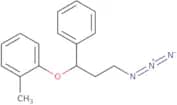
CAS:1,3-Dihydro-6-methylfuro[3,4-c]pyridin-7-ol is a compound that contains impurities such as fatty acids and uridine. It has been found to be an inhibitor of α-mangostin adduct formation with fatty acids. Additionally, it has been shown to inhibit the activity of GSK-3β, an enzyme involved in various cellular processes. This compound also exhibits inhibitory effects on monascus and safranal, two enzymes involved in the production of certain compounds. Furthermore, it has been found to inhibit calpain, an enzyme responsible for protein degradation. The compound can be used in various research applications involving electrode modification and polylysine immobilization. It may also have potential interactions with other drugs such as cefdinir.Formula:C8H9NO2Purity:Min. 95%Molecular weight:151.16 g/mol(R)-3-Azido-1-phenyl-1-(2-methylphenoxy)propane
CAS:Please enquire for more information about (R)-3-Azido-1-phenyl-1-(2-methylphenoxy)propane including the price, delivery time and more detailed product information at the technical inquiry form on this pageFormula:C16H17N3OPurity:Min. 95%Molecular weight:267.33 g/mol6-Methyl-2-(4-methylphenyl)imidazol[1,2-a]-pyridine-3-acetic acid
CAS:6-Methyl-2-(4-methylphenyl)imidazol[1,2-a]-pyridine-3-acetic acid is an imidazopyridine that is soluble in organic solvents. It is a white crystalline solid at room temperature. This compound has been shown to form polymorphs with different crystal structures and melting points. 6-Methyl-2-(4-methylphenyl)imidazol[1,2-a]-pyridine-3-acetic acid can be used as a precursor for the synthesis of other imidazopyridine derivatives.
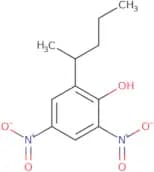
Formula:C17H16N2O2Purity:Min. 95%Molecular weight:280.32 g/molDinosam
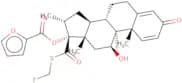
CAS:Dinosam is a medicinal compound that has been found to possess potent anticancer properties. It is an analog of a natural product isolated from Chinese urine and acts as an inhibitor of kinases, which are proteins involved in the regulation of cell growth and division. Dinosam has been shown to induce apoptosis (programmed cell death) in cancer cells, making it a promising candidate for cancer therapy. In addition to its anticancer effects, Dinosam has also been found to have potential as an inhibitor of other human kinases. Its unique structure and mechanism of action make it a valuable tool for the development of new kinase inhibitors with therapeutic potential.Formula:C11H14N2O5Purity:Min. 95%Molecular weight:254.24 g/molFluticasone furoate EP impurity E
CAS:Fluticasone furoate EP impurity E is an analytical reference standard for pharmacopoeia and research. It is a synthetic fluticasone furoate EP impurity that has been custom synthesized for use as a high-purity, HPLC-grade standard. Fluticasone furoate EP impurity E is characterized by its natural origin and purity, making it appropriate for use in drug development and research. The CAS number for this product is 398454-97-2.Formula:C25H31F3O5SPurity:Min. 95%Molecular weight:500.5 g/mol(1R,1’R, 2’S)-2-Desmethyl cisatracurium besylate
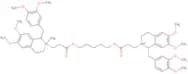
CAS:Please enquire for more information about (1R,1’R, 2’S)-2-Desmethyl cisatracurium besylate including the price, delivery time and more detailed product information at the technical inquiry form on this page
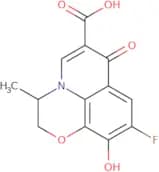
Formula:C52H70N2O12Purity:Min. 95%Molecular weight:915.1 g/molLevofloxacin impurity 19
CAS:Please enquire for more information about Levofloxacin impurity 19 including the price, delivery time and more detailed product information at the technical inquiry form on this pageFormula:C13H10FNO5Purity:Min. 95%Molecular weight:279.22 g/molBosentan impurity C
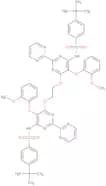
CAS:Bosentan impurity C is a stable crystalline compound that is soluble in organic solvents. It has been identified as an impurity of the drug bosentan, and has been found to be present in the drug at concentrations of up to 0.2%. Bosentan impurity C can be prepared by crystallization from an alkaline solution and can also be obtained as a salt form. The salt form is a dimer that consists of two bosentan molecules linked together by one oxygen atom. Bosentan impurity C is stable under normal conditions and does not undergo any changes when exposed to light or heat. This compound has shown no significant adverse effects on humans who have taken it, with no adverse effects on the kidney, liver, or lungs reported.Formula:C52H52N10O10S2Purity:Min. 95%Molecular weight:1,041.16 g/mol5-[(Hydroxyacetyl)amino]-N,N'-bis [2-hydroxy-1-(hydroxymethyl)ethyl]-2,4,6-triiodo-1,3-benzenedicarboxamide
CAS:5-[(Hydroxyacetyl)amino]-N,N'-bis [2-hydroxy-1-(hydroxymethyl)ethyl]-2,4,6-triiodo-1,3-benzenedicarboxamide is a drug product that was synthesized for research purposes. It is an analytical standard for HPLC and has not been approved for clinical use. 5-[(Hydroxylacetyl)amino]-N,N'-bis [2-hydroxy-1-(hydroxymethyl)ethyl]-2,4,6-triiodo-1,3-benzenedicarboxamide is a compound with natural origin and has been classified as an API impurity. This synthetic drug product is custom synthesized to meet the requirements of pharmacopoeia standards.Formula:C16H20I3N3O8Purity:Min. 95%Molecular weight:763.06 g/molL-Pyroglutamic acid-13C5
CAS:L-Pyroglutamic acid-13C5 is a drug product that is used as an impurity standard in the synthesis of L-pyroglutamic acid, which is an API for the treatment of various diseases. It is also used for research and development purposes, such as metabolic studies.
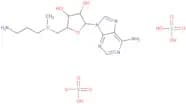
Formula:C5H7NO3Purity:Min. 95%Molecular weight:134.08 g/molDecarboxylated S-adenosylmethionine sulfate
CAS:Decarboxylated S-adenosylmethionine sulfate is a synthetic, high purity, pharmacopoeia grade impurity standard used in the research and development of drugs. This drug product is also used as a metabolite in metabolism studies. Decarboxylated S-adenosylmethionine sulfate is synthesized by the decarboxylation of S-adenosylmethionine, which is then reacted with sulfuric acid to form the sulfate salt. Decarboxylated S-adenosylmethionine sulfate has an analytical retention time of 12 minutes and an HPLC purity of 99%.Formula:C14H26N6O11S3Purity:Min. 95%Molecular weight:550.6 g/molEpi lovastatin
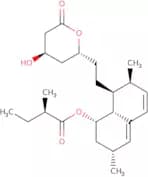
CAS:Lovastatin is a cholesterol-lowering drug that acts by inhibiting the enzyme HMG-CoA reductase. It is also used to prevent organ rejection after a liver transplant, and has been shown to have anti-aging effects. Lovastatin has been shown to reduce serum cholesterol levels, which may be due to its ability to inhibit cellular proliferation in rat hepatocytes. This drug has been shown to have an effect on DNA damage and post-translational modification of proteins, as well as on health care foods. Lovastatin is a member of the statins family of drugs, which are all natural products isolated from fungi or bacteria. The active form of lovastatin is made in the laboratory by chemical synthesis, using recombinant DNA technology. The recombinant gene encoding lovastatin was cloned into an expression vector and expressed in Escherichia coli cells (E.M.).Formula:C24H36O5Purity:Min. 95%Molecular weight:404.54 g/molFenofibrate impurity G
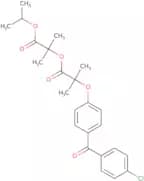
CAS:Fenofibrate impurity G is a drug product that is synthesized from natural sources and is not chemically modified. It has the CAS number 217636-48-1. Fenofibrate impurity G is an analytical standard in the field of drug development and pharmacopoeia. It can be used as a metabolite or impurity standard in research and development, HPLC standard, or as a niche product for pharmaceutical companies. Fenofibrate impurity G can be synthesized to create new chemical entities.Formula:C24H27ClO6Purity:Min. 95%Molecular weight:446.92 g/mol1-[3-(Dimethylamino)propyl]-1-(4-fluorophenyl)-1,3-dihydro-5-isobenzofurancarboxaldehyde oxime
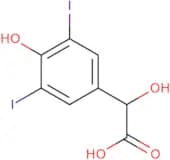
CAS:1-[3-(Dimethylamino)propyl]-1-(4-fluorophenyl)-1,3-dihydro-5-isobenzofurancarboxaldehyde oxime is an impurity in the drug product of 1-[3-(dimethylamino)propyl]-1-(4-fluorophenyl)-1,3-dihydro-5-isobenzofuran. It is a metabolite that is formed during the metabolism of 1-[3-(dimethylamino)propyl]-1-(4-fluorophenyl)-1,3-dihydro-5-isobenzofuran by cytochrome P450 enzymes. The CAS number for this compound is 227954–88–3. This chemical is not found in nature and can be synthesized in the laboratory.Formula:C20H23FN2O2Purity:Min. 95%Molecular weight:342.41 g/mol3,5-Diiodo-4-hydroxymandelic acid
CAS:Please enquire for more information about 3,5-Diiodo-4-hydroxymandelic acid including the price, delivery time and more detailed product information at the technical inquiry form on this pageFormula:C8H6I2O4Purity:Min. 95%Molecular weight:419.94 g/molValaciclovir Related Compound E
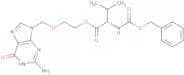
CAS:Valaciclovir Related Compound E is a white crystalline powder that has an appearance similar to acyclovir, with a melting point of 164-167°C. It is soluble in water and methanol. The compound is used as a medicament and also acts as an intermediate for the synthesis of other pharmaceutical products. Valaciclovir Related Compound E can be synthesized from valaciclovir by reacting it with ethyl chloroformate, followed by recrystallization from pyridine and chloroform. This process produces the desired product in high purity under good yield. Valaciclovir Related Compound E is a white crystalline powder that has an appearance similar to acyclovir, with a melting point of 164-167°C. It is soluble in water and methanol. The compound is used as a medicament and also acts as an intermediate for the synthesis of other pharmaceutical products. ValacFormula:C21H26N6O6Purity:Min. 95%Molecular weight:458.47 g/molPruvanserin hydrochloride
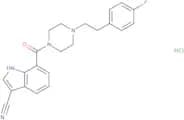
CAS:Pruvanserin hydrochloride is a synthetic compound that belongs to the group of drugs called selective serotonin reuptake inhibitors (SSRIs). It is used for research and development purposes. Pruvanserin hydrochloride has not been marketed as a drug product. This compound has shown to be an impurity in several commercial products and has been found to be present in two drugs, including fluoxetine HCl and sertraline HCl. Pruvanserin hydrochloride is metabolized by cytochrome P450 enzymes and glucuronidases. The half life of this drug is between 3-5 hours following oral administration, with higher doses leading to higher plasma concentrations.
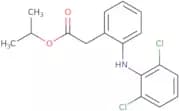
Formula:C22H22ClFN4OPurity:Min. 95%Molecular weight:412.9 g/molDiclofenac isopropyl ester
CAS:Diclofenac isopropyl ester is a synthetic, non-natural drug product. It has been shown to be metabolized by the liver to produce diclofenac acid and sulfate conjugates. The drug product can be used as an analytical standard or impurity control in HPLC measurements of drug products that contain diclofenac. Diclofenac isopropyl ester is also used for research and development purposes and has niche applications for pharmacopoeia purposes.Formula:C17H17Cl2NO2Purity:Min. 95%Molecular weight:338.2 g/mol2-Oxo ticlopidine oxalic acid
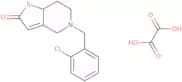
CAS:2-Oxo ticlopidine oxalic acid is a synthetic compound that has been used as an impurity standard in the synthesis of other compounds. The CAS number for this compound is 89481-79-8. 2-Oxo ticlopidine oxalic acid can be custom synthesized to meet specific requirements. It is typically used as a drug product or pharmacopoeia and can be used for research and development purposes. Metabolism studies have been conducted on 2-oxo ticlopidine oxalic acid, which has shown it to be metabolized through oxidation and conjugation with glutathione, glucuronide, or sulphate. HPLC standards for this compound are available at Sigma Aldrich.
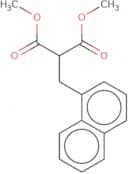
Formula:C16H16ClNO5SPurity:Min. 95%Molecular weight:369.8 g/molDiethyl (1-naphthylmethyl)malonate
CAS:Diethyl (1-naphthylmethyl)malonate is an impurity of the drug product. It is a metabolite that has been found in rat urine and feces. Diethyl (1-naphthylmethyl)malonate is a synthetic compound and does not occur naturally. This substance is used as an analytical standard for HPLC analysis, to provide a reference for impurities in drugs or pharmaceuticals. It is also used as a chemical intermediate in the synthesis of other compounds. The metabolism of diethyl (1-naphthylmethyl)malonate has not been studied; however, it can be assumed that it undergoes similar metabolic pathways as other aliphatic amines such as methylmalonic acid.Formula:C18H20O4Purity:Min. 95%Molecular weight:300.35 g/molSceptrin dihydrochloride
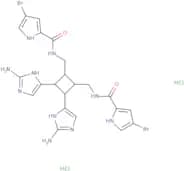
CAS:Sceptrin dihydrochloride is a natural product that is the first asymmetric synthesis of the sceptrin molecule. It has been shown to have anti-inflammatory properties and can be used for the treatment of inflammatory bowel disease. Sceptrin dihydrochloride inhibits the activity of leukotriene A4 hydrolase, which is an enzyme that controls the production of leukotrienes. This inhibition leads to decreased levels of leukotrienes and reduced inflammation in the gastrointestinal tract. Sceptrin dihydrochloride has also been shown to have an effect on skeleton cells, where it can inhibit bone resorption by activating osteoclasts and inhibiting osteoblasts. Sceptrin dihydrochloride belongs to a group of compounds called fatty acid esters and has a chemical structure consisting of nitrogen atoms with two chiral centers. The synthesis was carried out using an asymmetric synthesis method that involved reaction with a chiral catalyst andFormula:C22H26Br2Cl2N10O2Purity:Min. 95%Molecular weight:693.2 g/molPindolol EP Impurity F
CAS:Pindolol EP Impurity F is a metabolite of the drug pindolol. It is an impurity found in the product or in the analytical sample. Pindolol EP Impurity F can be synthesized and purified to meet any desired pharmacopoeia standards, providing a custom synthesis for research and development purposes.Formula:C11H12ClNO2Purity:Min. 95%Molecular weight:225.67 g/molMesalamine impurity S
CAS:Mesalamine impurity S is a mesalamine metabolite that has been identified as an impurity in the drug product. Mesalamine impurity S is an analytical standard that is used for HPLC analysis and can be used as a reference material for the pharmacopoeia. Mesalamine impurity S can also be synthesized from natural or synthetic sources.Formula:C14H12N2O5Purity:Min. 95%Color and Shape:Green SolidMolecular weight:288.26 g/molN-(5,6-Dichloro-1,4-dihydro-2-quinazolinyl)-2,3-dihydroxypropanamide 2,2,2-trifluoroacetate
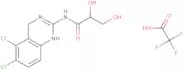
CAS:N-(5,6-Dichloro-1,4-dihydro-2-quinazolinyl)-2,3-dihydroxypropanamide 2,2,2-trifluoroacetate is an analytical reference standard that can be used as a high purity drug product impurity in HPLC. It also has niche application as an API impurity and is a metabolite of the drug quinine.Formula:C13H12Cl2F3N3O5Purity:Min. 95%Molecular weight:418.15 g/molRocuronium
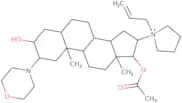
CAS:Rocuronium is a potent muscle relaxant that is used during surgical procedures to facilitate intubation and mechanical ventilation. Recent studies have shown that Rocuronium may also have potential anticancer properties. The drug has been found to induce apoptosis in cancer cells by inhibiting the activity of protein kinases, which are enzymes involved in cell signaling pathways. Rocuronium analogs have been developed as inhibitors of specific kinases implicated in cancer growth, such as hepcidin and Chinese hamster ovary kinase. These inhibitors have shown promising results in preclinical studies and may represent a new class of anticancer drugs. Additionally, Rocuronium has been detected in urine samples from patients undergoing surgery, making it a potential biomarker for monitoring drug exposure and metabolism.Formula:C32H53N2O4Purity:Min. 95%Molecular weight:529.8 g/molTetrahydro-α-(1-naphthalenylmethyl)-2-furanpropanoic acid
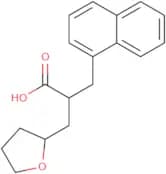
CAS:Tetrahydro-α-(1-naphthalenylmethyl)-2-furanpropanoic acid is a reagent that is used in analytical procedures for the determination of phosphate and potassium. Tetrahydro-α-(1-naphthalenylmethyl)-2-furanpropanoic acid can be used to determine the concentrations of phosphate and potassium in human plasma, serum, or other biological fluids. It reacts with phosphates to form an insoluble salt which can be detected by fluorimetry. Tetrahydro-α-(1-naphthalenylmethyl)-2-furanpropanoic acid can also be used as an analytical standard in high performance liquid chromatography (HPLC) to measure the concentration of phosphate.Formula:C18H20O3Purity:Min. 95%Molecular weight:284.3 g/molRacecadotril Impurity G
CAS:Racecadotril Impurity G is an analytical impurity found in the drug Racecadotril. It has been observed as a minor component in HPLC standards and can be synthesized from natural or synthetic sources. Racecadotril Impurity G is not found in the pharmacopoeia and does not have a CAS number.Formula:C19H21NO3SPurity:Min. 95%Molecular weight:343.44 g/mol(1R,2S,6R,7S)-4-[[(1R,2S)-2-[[4-(1,2-Benzothiazol-3-yl)piperazin-1-yl]methyl]cyclohexyl]methyl]-4-azatricyclo[5.2.1.02,6]decane-3,5- dione
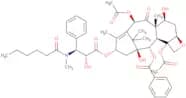
CAS:Controlled Product(1R,2S,6R,7S)-4-[[(1R,2S)-2-[[4-(1,2-Benzothiazol-3-yl)piperazin-1-yl]methyl]cyclohexyl]methyl]-4-azatricyclo[5.2.1.02,6]decane-3,5- dione is a drug product for use in human and animal health. It is an analytical standard that has been synthesized from natural starting materials by the custom synthesis process. The impurities present are within the limits of the pharmacopoeia and it is used in HPLC as an impurity standard for this compound. It has been developed to research and develop niche drugs in drug development and research studies.Formula:C28H36N4O2SPurity:Min. 95%Molecular weight:492.7 g/molN-Methyltaxol C
CAS:N-Methyltaxol C is an amide derivative of the taxane family. It has been shown to increase systolic pressure in animal models and acts as a cardiac depressant. N-Methyltaxol C also has arrhythmogenic properties, which may be due to its ability to inhibit the inward flow of potassium ions through the cardiac membrane. This drug is being studied for its potential use in cancer treatment, specifically for cancer that arises from breast cells. N-Methyltaxol C has been shown to inhibit the growth of human breast cancer cells in vitro and to induce apoptosis in these cells. The mechanism by which it does this is not yet known, but it is thought that it may work by interfering with cell cycle progression or DNA synthesis by inhibiting protein synthesis or DNA replication.Formula:C47H59NO14Purity:Min. 95%Molecular weight:861.97 g/mol


![4-Methyl-3-[[4-(3-pyridinyl)-2-pyrimidinyl]amino]benzamide](/_next/image/?url=https%3A%2Fstatic.cymitquimica.com%2Fproducts%2F3D%2Fthumb-webp%2FIM182951.webp&w=3840&q=75)


![2-(4-Bromophenyl)-8-methylimidazo[1,2-a]pyridine](/_next/image/?url=https%3A%2Fstatic.cymitquimica.com%2Fproducts%2F3D%2Fthumb-webp%2FAAA88861.webp&w=3840&q=75)
![(5S)-5-(Aminomethyl)-3-[3-fluoro-4-(4-morpholinyl)phenyl]-1,3-oxazolidin-2-one](/_next/image/?url=https%3A%2Fstatic.cymitquimica.com%2Fproducts%2F3D%2Fthumb-webp%2FIA58038.webp&w=3840&q=75)
![Alpha-[4-(2-dimethylaminoethoxy)phenyl]stilbene](/_next/image/?url=https%3A%2Fstatic.cymitquimica.com%2Fproducts%2F3D%2Fthumb-webp%2FUAA95751.webp&w=3840&q=75)




![N-Acetyl-S-[4-(2-pyridinyl)benzyl]-L-cysteine](/_next/image/?url=https%3A%2Fstatic.cymitquimica.com%2Fproducts%2F3D%2Fthumb-webp%2FRFC06809.webp&w=3840&q=75)

![2,2-Bis-[3-(1-methylpiperidin-4-yl)-1H-indol-5-yl]ethanesulfonic acid methylamide](/_next/image/?url=https%3A%2Fstatic.cymitquimica.com%2Fproducts%2F3D%2Fthumb-webp%2FWDC60416.webp&w=3840&q=75)
![N,N'-Bis[2-(3,4-dimethoxyphenyl)ethyl]-N,N'-dimethyl-1,3-propanediamine dihydrochloride](/_next/image/?url=https%3A%2Fstatic.cymitquimica.com%2Fproducts%2F3D%2Fthumb-webp%2FIB145560.webp&w=3840&q=75)
![(1R,3S)-1-(1,3-Benzodioxol-5-yl)-2-(2-chloroacetyl)-2,3,4,9-tetrahydro-1H-pyrido[3,4-b]indole-3-ca…](/_next/image/?url=https%3A%2Fstatic.cymitquimica.com%2Fproducts%2F3D%2Fthumb-webp%2FEAB65244.webp&w=3840&q=75)
![1,3-Dihydro-6-methylfuro[3,4-c]pyridin-7-ol](/_next/image/?url=https%3A%2Fstatic.cymitquimica.com%2Fproducts%2F3D%2Fthumb-webp%2FID27319.webp&w=3840&q=75)
![6-Methyl-2-(4-methylphenyl)imidazol[1,2-a]-pyridine-3-acetic acid](/_next/image/?url=https%3A%2Fstatic.cymitquimica.com%2Fproducts%2F3D%2Fthumb-webp%2FIM46256.webp&w=3840&q=75)
![5-[(Hydroxyacetyl)amino]-N,N'-bis [2-hydroxy-1-(hydroxymethyl)ethyl]-2,4,6-triiodo-1,3-benzenedica…](/_next/image/?url=https%3A%2Fstatic.cymitquimica.com%2Fproducts%2F3D%2Fthumb-webp%2FIH138513.webp&w=3840&q=75)

![1-[3-(Dimethylamino)propyl]-1-(4-fluorophenyl)-1,3-dihydro-5-isobenzofurancarboxaldehyde oxime](/_next/image/?url=https%3A%2Fstatic.cymitquimica.com%2Fproducts%2F3D%2Fthumb-webp%2FID182715.webp&w=3840&q=75)

![(1R,2S,6R,7S)-4-[[(1R,2S)-2-[[4-(1,2-Benzothiazol-3-yl)piperazin-1-yl]methyl]cyclohexyl]methyl]-4-…](/_next/image/?url=https%3A%2Fstatic.cymitquimica.com%2Fproducts%2F3D%2Fthumb-webp%2FUHA86182.webp&w=3840&q=75)