APIs for research and impurities
Subcategories of "APIs for research and impurities"
- Aminoacids and derivatives(12,332 products)
- Anthraquinones and derivatives(404 products)
- Benzimidazole and Imidazole Derivatives(10,439 products)
- Benzodiazepine Derivatives(333 products)
- Carbohydrates and glycoconjugates(5,049 products)
- Esters and Derivatives(42,250 products)
- Fatty Acids and Lypidic Derivatives(32,406 products)
- Flavonoids and Polyphenols(17,081 products)
- Free Radicals and Oxidant/Reducing Agents(212 products)
- Ketones and derivatives(2,399 products)
- Natural and semi-synthetic antibiotics(6,375 products)
- Nitriles and Cyano Derivatives(3,068 products)
- Nitrosamines and Derivatives(55 products)
- Nucleosides and Nucleotides(3,470 products)
- Organic Phosphates and Phosphonates(1,200 products)
- Organic Sulphonates and Sulphates(10,430 products)
- Organometallics(4,421 products)
- Others(6,299 products)
- Peptides and Proteins(3,146 products)
- Polymers and Derivatives(100 products)
- Purines and Pyrimidine Derivatives(8,940 products)
- Quinazoline and Quinoline Derivatives(65,968 products)
- Quinones and Derivatives(24,357 products)
- Salts and Derivatives of Active Pharmaceutical Ingredients (API)(80,646 products)
- Steroids and Derivatives(4,951 products)
- Sulfonamides and Derivatives(2,589 products)
- Terpenoids and Derivatives(3,845 products)
- Thiazolidinediones and Thiopyrans(2,753 products)
- β-Adrenergic Compounds(231 products)
Found 57982 products of "APIs for research and impurities"
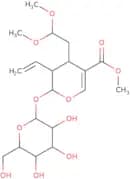
Secologanin acetal
CAS:Secologanin acetal is a lonicerae japonicae schisandrae fruit extract that is used in traditional Chinese medicines. It has been shown to have anti-inflammatory, anti-tumor, and antiviral activities. Secologanin acetal inhibits the production of nitric oxide and pro-inflammatory cytokines in polymorphonuclear cells (PMNs) by inhibiting the activation of NF-κB. Structural formula:Formula:C19H30O11Purity:Min. 95%Molecular weight:434.4 g/molAurantinidin chloride
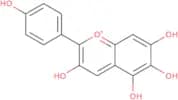
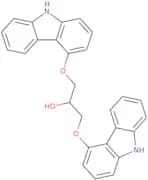
CAS:Aurantinidin chloride is a molecule that has been shown to inhibit the growth of prostate cancer cells in vitro. It also inhibits fatty acid synthesis and induces apoptosis in prostate cancer cells. Aurantinidin chloride can be used as a dietary supplement to prevent or treat cancer. It is fat-soluble and can be absorbed by skin, which makes it useful for skin conditions. Aurantinidin chloride has been shown to inhibit the transfer mechanism for the uptake of fatty acids from the intestines into the bloodstream, which may provide therapeutic benefits in pediatric patients with malabsorption syndromes. Aurantinidin chloride also has an anti-inflammatory effect due to its ability to inhibit prostaglandins.Formula:C15H11O6Purity:Min. 95%Molecular weight:287.24 g/mol1,3-Bis(9H-carbazol-4-yloxy)-2-propanol(carvedilol impurity)
CAS:1,3-Bis(9H-carbazol-4-yloxy)-2-propanol is a metabolite of carvedilol. It is not active as a drug, but may have pharmacological effects. 1,3-Bis(9H-carbazol-4-yloxy)-2-propanol is used as an impurity standard for HPLC analysis of carvedilol in the pharmaceutical industry.
Formula:C27H22N2O3Purity:Min. 95%Molecular weight:422.5 g/mol2-[[2-Oxo-3-[4-(3-oxo-4-morpholinyl)phenyl]-5-oxazolidinyl]methyl]-1H-isoindole-1,3(2H)-dione
CAS:Please enquire for more information about 2-[[2-Oxo-3-[4-(3-oxo-4-morpholinyl)phenyl]-5-oxazolidinyl]methyl]-1H-isoindole-1,3(2H)-dione including the price, delivery time and more detailed product information at the technical inquiry form on this pageFormula:C22H19N3O6Purity:Min. 95%Molecular weight:421.4 g/mol2-Methoxyethyl-3-aminocrotonate
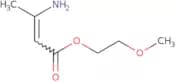
CAS:2-Methoxyethyl-3-aminocrotonate is an impurity of a drug product. It is an analytical standard that is used to quantify the metabolite in pharmaceutical preparations. 2-Methoxyethyl-3-aminocrotonate is a natural metabolite, which can be found in human urine. This compound has been shown to be a potent inhibitor of both bacterial and mammalian cell topoisomerase II and IV, but not mammalian cell topoisomerase I. It also inhibits protein synthesis by binding to the ribosomal 50S subunit. In addition, it has been shown to inhibit the growth of certain bacteria such as clostridium perfringens and Mycobacterium tuberculosis.
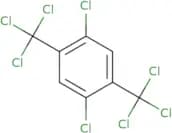
Formula:C7H13NO3Purity:Min. 95%Molecular weight:159.18 g/mol1,4-Bis(trichloromethyl)-2,5-dichlorobenzene
CAS:Please enquire for more information about 1,4-Bis(trichloromethyl)-2,5-dichlorobenzene including the price, delivery time and more detailed product information at the technical inquiry form on this page
Formula:C8H2Cl8Purity:Min. 95%Molecular weight:381.7 g/mol4'-(Bromomethyl)-[1,1'-biphenyl]-2-carboxylic acid
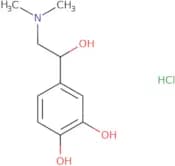
CAS:4'-(Bromomethyl)-[1,1'-biphenyl]-2-carboxylic acid (4BMBCA) is a chemical compound that is used as an analytical method in drug discovery and development. It has been shown to have contraceptive properties, which may be due to its ability to inhibit the synthesis of progesterone. 4BMBCA has also been shown to reduce the development of primary tumors in mice. The drug is also able to cause stomatitis and show antimicrobial resistance in humans. Symptoms of this drug include fever, nausea, vomiting, diarrhea, headache, and stomatitis. 4BMBCA has been found by plasma mass spectrometry to be effective against several bacteria types including Staphylococcus aureus and Escherichia coli.Formula:C14H11BrO2Purity:Min. 95%Molecular weight:291.14 g/molrac N-Methyl epinephrine hydrochloride salt
CAS:Rac N-Methyl epinephrine hydrochloride salt is a potential anti-cancer agent that has been used in Chinese medicine for its apoptotic effects on cancer cells. It works by inhibiting the chitin kinase pathway, which is involved in tumor growth and survival. Rac N-Methyl epinephrine hydrochloride salt also acts as a potassium channel inhibitor, leading to cell death in cancer cells. This drug has shown synergistic effects when combined with other cancer treatments such as enoxaparin or heparin. Additionally, it has been found to be an effective inhibitor of psyllium-induced colon carcinogenesis in human subjects. Overall, Rac N-Methyl epinephrine hydrochloride salt shows great promise as a potential anti-cancer analog for use in cancer treatment.
Formula:C10H16ClNO3Purity:Min. 95%Molecular weight:233.69 g/mol2-(Sulfoacetamido) dimoxystrobin acetic acid disodium
CAS:2-(Sulfoacetamido) dimoxystrobin acetic acid disodium is a drug product that is an impurity of the API 2,5-dimethoxy-4-hydroxyphenylacetic acid. The CAS number for this impurity is 1196157-87-5. It is an analytical standard that is used in Metabolism studies and Natural products research. This compound is a Synthetic and Custom synthesis. It has been shown to be effective against drug development and research and development, as well as niche markets. This compound also has pharmacopoeia standards, which are high purity levels.Formula:C12H13NNa2O6SPurity:Min. 95%Molecular weight:345.28 g/moliso-Gemfibrozil
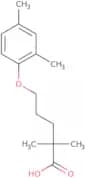
CAS:iso-Gemfibrozil is a natural, synthetic drug product. It is an impurity standard for the pharmacopoeia and analytical standards for HPLC. iso-Gemfibrozil is metabolized in the liver to its active form, gemfibrozil. Impurities are not detected by HPLC and can be found in low levels in the API impurity standard. It has been used as a research and development candidate in clinical studies on atherosclerosis, hyperlipidemia, and diabetes mellitus.
Formula:C15H22O3Purity:Min. 95%Molecular weight:250.33 g/mol(6E,8Z)-5-Oxo-6,8-octadecadienoic acid
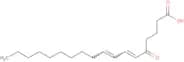
CAS:(6E,8Z)-5-Oxo-6,8-octadecadienoic acid is a potent anticancer agent that has shown promising results in the treatment of various types of cancer. It works as an inhibitor of tumor growth by inducing apoptosis and inhibiting the cell cycle progression. This compound has been extensively studied in Chinese medicinal practices and has been found to be effective against cancer cells. It acts as a protein kinase analog, which makes it a valuable tool for studying the signaling pathways involved in cancer development. Additionally, this compound can be detected in human urine and may serve as a potential biomarker for cancer diagnosis and monitoring. Overall, (6E,8Z)-5-Oxo-6,8-octadecadienoic acid holds great promise as a therapeutic agent for the treatment of cancer.Formula:C18H30O3Purity:Min. 95%Molecular weight:294.4 g/mol2S-OMPT
CAS:2S-OMPT is a protein that is expressed in the cell. It is involved in transcriptional regulation, and can be assayed using k562 cells. 2S-OMPT has been shown to be associated with cancer. It also increases resistance to chemotherapeutic agents by inhibiting cation channels or inducing apoptosis of leukemia cells. 2S-OMPT may also play an important role in intracellular calcium ion concentrations, as it binds to the extracellular domain of sphingosine kinase and inhibits its activity. This inhibition leads to decreased levels of intracellular calcium ions, which may modulate chemokine production by chemoresistant cancer cells.
Formula:C22H43O6PSPurity:Min. 95%Molecular weight:466.61 g/mol1,4-Di-2-furoylpiperazine
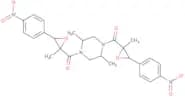
CAS:1,4-Di-2-furoylpiperazine is a synthetic compound that has been shown to have anti-inflammatory and analgesic properties. It was originally developed as a pharmaceutical drug candidate for the treatment of arthritis and other inflammatory disorders. 1,4-Di-2-furoylpiperazine is an impurity in the synthesis of the drug product diclofenac. The compound is also found as a metabolite in humans after oral administration of diclofenac. 1,4-Di-2-furoylpiperazine binds to protein and inhibits protein synthesis by preventing amino acid incorporation into proteins. It also has nicotinic effects on acetylcholine binding sites and can be used as an analytical standard for HPLC analysis of drugs containing this molecule.Formula:C14H14N2O4Purity:Min. 95%Molecular weight:274.27 g/molBeperidium iodide
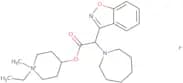
CAS:Beperidium iodide is a diagnostic agent that is used to identify the presence of glycerides and fatty acids in the skin through electrical impedance measurements. It has been shown to be effective for implanting in fatty tissue, including the nasal area. Beperidium iodide is a polyvalent ionic preparation that contains magnesium, pharmaceutical grade excipients, and fatty acid esters. This drug is usually formulated as a cream or ointment, which can be applied topically to the desired site.Formula:C23H34IN3O3Purity:Min. 95%Molecular weight:527.4 g/mol(+)-Geosmin
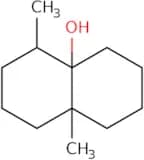
CAS:(+)-Geosmin is a protein that has shown promising medicinal properties as an inhibitor of tumor growth and apoptosis inducer in human Chinese hamster ovary cells. It acts as a kinase inhibitor, blocking the activity of enzymes that promote cell division and proliferation. Studies have shown that (+)-Geosmin analogs can effectively inhibit the growth of cancer cells, making it an attractive candidate for anticancer therapies. Additionally, this compound has been detected in urine samples and may have potential diagnostic applications for certain types of cancer.Formula:C12H22OPurity:Min. 95%Molecular weight:182.3 g/molChrysamide B
CAS:Chrysamide B is an analog that has been shown to have potent anticancer properties. It induces apoptosis in human cancer cells by inhibiting kinases such as cyclin-dependent kinase and protein kinase. Chrysamide B has been found to be a potent inhibitor of tumor growth in Chinese hamster ovary cells and is being studied for its potential use as an anticancer drug. This compound has also been detected in human urine, suggesting that it may have potential as a biomarker for cancer diagnosis or treatment monitoring. The unique mechanism of action of Chrysamide B makes it a promising candidate for the development of novel cancer therapies and inhibitors.Formula:C26H28N4O8Purity:Min. 95%Molecular weight:524.5 g/molRisperidone N-oxide
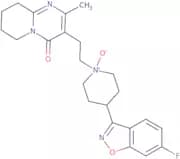
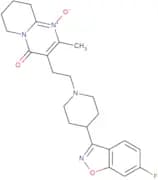
CAS:Risperidone N-oxide is a prodrug of risperidone. It is prepared by reacting risperidone with methanol and hydrogen peroxide in the presence of piperidine, followed by purification using preparative high-performance liquid chromatography. Risperidone N-oxide is a crystalline solid with a melting point of about 190 °C. Risperidone N-oxide has been shown to have antiemetic properties, which may be due to its ability to block dopamine receptors in the brain. The drug also shows some antipsychotic activity, and it has a constant therapeutic effect against schizophrenia. The major impurities found in risperidone N-oxide are hydroxylamine and piperidine.Formula:C23H27FN4O3Purity:Min. 95%Molecular weight:426.48 g/molL-741,742 Hydrochloride
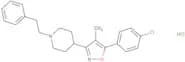
CAS:L-741,742 Hydrochloride is an atypical antipsychotic drug that has been shown to inhibit the growth of malignant brain tumors in animal models. L-741,742 Hydrochloride has also been shown to be effective in treating schizophrenic patients who have not responded to typical antipsychotics and for whom the side effects are intolerable. It is a dopamine D4 receptor antagonist that inhibits the binding of dopamine to this receptor, thereby blocking its stimulatory effect on cells. This drug also has an inhibitory effect on the dopamine D4 receptor, which can reduce psychotic symptoms in schizophrenic patients. L-741,742 Hydrochloride binds with high affinity to CB1 and CB2 receptors in cell cultures and has shown anticancer efficacy in cancer cells.Formula:C23H26Cl2N2OPurity:Min. 95%Molecular weight:417.4 g/molRisperidone pyrimidinone-N-oxide(risperidone impurity)
CAS:Risperidone pyrimidinone-N-oxide (ROPN) is a metabolite of risperidone. It is an impurity that is used as a reference standard for HPLC in the drug development process. ROPN can be synthesized from risperidone, but it is also found naturally in some plants and fungi. It has been shown to have anti-inflammatory properties, which may be due to its inhibition of prostaglandin synthesis.
Formula:C23H27FN4O3Purity:Min. 95%Molecular weight:426.5 g/molEsomeprazole impurity 12
Esomeprazole impurity 12 is a drug product that belongs to the class of organic compounds. It is a metabolite of esomeprazole, an API impurity. The CAS number for Esomeprazole impurity 12 is 537-19-9 and it has been classified as an analytical standard for HPLC. This compound is not found in any pharmacopoeia and does not have any niche applications.Formula:C26H30N4O4SPurity:Min. 95%Molecular weight:494.61 g/mol3-Carboxy-a-methyl-benzeneacetic acid
CAS:3-Carboxy-a-methyl-benzeneacetic acid (3CMA) is an impurity in the synthesis of 3,4-methylenedioxyphenylacetone. It is a preservative that has been analysed as a potential source of contamination in pharmaceutical preparations. 3CMA has been shown to be effective at inhibiting the growth of bacteria, yeast and moulds. The analysis time for 3CMA is typically 8 hours or less. The parameters that are used to analyse 3CMA include the use of acetonitrile, optimal porosity and efficiency. The analytical methods used for 3CMA include chromatographic and chromolith methods.
Formula:C10H10O4Purity:Min. 95%Molecular weight:194.18 g/mol2-Amino-5,6-dichloro-3(4H)-quinazoline acetic acid benzyl ester hydrobromide
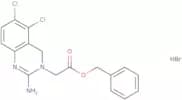
CAS:2-Amino-5,6-dichloro-3-(4H)-quinazoline acetic acid benzyl ester hydrobromide is a drug product that is used as an analytical reference standard for the identification of impurities in aminoglycosides. 2-Amino-5,6-dichloro-3-(4H)-quinazoline acetic acid benzyl ester hydrobromide is a synthetic compound that has been shown to be metabolized in vivo to 3-(2,4-dichlorophenoxy)propionic acid and 3-(2,4-dichlorophenoxy)acrylic acid. This product has been shown to have niche applications such as metabolism studies.
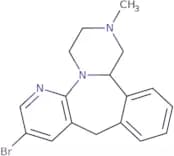
Formula:C17H15Cl2N3O2Purity:Min. 95%Molecular weight:364.23 g/molMirtazapine bromide
CAS:Mirtazapine bromide is a substance that belongs to the class of monohydrates. It is prepared by heating mirtazapine with water, and has a high efficiency in the preparation of mirtazapine methanesulfonate. Mirtazapine bromide has an enantiomerically pure form in solid state. This drug is used as an adjuvant medicine for the treatment of depression or anxiety disorders. It binds to serotonin receptors in the brain, which causes a decrease in appetite and weight gain. The hydrobromic acid salt of this drug can be used to treat inflammation and fever, while the maleate salt can be used to treat asthma.Formula:C17H18BrN3Purity:Min. 95%Molecular weight:344.2 g/mol1,1'-[Hydroxypropane-1,3-diylbis(oxy-2,1-phenylene)]bis(3-phenylpropan-1-one)
CAS:1,1'-[Hydroxypropane-1,3-diylbis(oxy-2,1-phenylene)]bis(3-phenylpropan-1-one) is an analytical standard for HPLC. It is a natural and synthetic metabolite of the drug product. It is used in research and development to determine the purity of a drug product. The CAS number is 1329643-40-4.Formula:C33H32O5Purity:Min. 95%Molecular weight:508.6 g/mol6-Amino-N-(2,6-dimethylphenyl)hexanamide
CAS:Please enquire for more information about 6-Amino-N-(2,6-dimethylphenyl)hexanamide including the price, delivery time and more detailed product information at the technical inquiry form on this pageFormula:C14H22N2OPurity:Min. 95%Molecular weight:234.34 g/molBezafibrate 1-o-β-glucuronide
CAS:Bezafibrate is a drug product that is used in the treatment of hyperlipidemia. It is an impurity standard for bezafibrate 1-o-β-glucuronide, which can be used as an analytical standard for HPLC analysis. Bezafibrate 1-o-β-glucuronide can also be used to evaluate the metabolism of bezafibrate through animal studies.
Formula:C25H28ClNO10Purity:Min. 95%Molecular weight:537.94 g/molImidapril tert-butyl ester
CAS:Imidapril tert-butyl ester is a drug product that is custom synthesized. It has a purity of >98% and analytical data available. Imidapril has been shown to be metabolized in vivo through hydrolysis by esterases or glucuronidases, oxidation by cytochrome P450 enzymes, reduction by glutathione reductase, or conjugation with glucuronic acid. There is also an impurity standard for this compound. Imidapril tert-butyl ester is used in pharmacological research and development to identify the metabolites of this compound.Formula:C24H35N3O6Purity:Min. 95%Molecular weight:461.60 g/molIndenestrol-d3
CAS:Indenestrol-d3 is a synthetic, natural or semi-synthetic metabolite of indenestrol. It is an impurity in the drug product and is detectable by HPLC. Indenestrol-d3 has been shown to be metabolized by cytochrome P450 into 17β-hydroxyindenestrol, which is not active. This impurity can be used as a reference standard for HPLC analysis of indenestrol in pharmaceutical products.Formula:C18H18O2Purity:Min. 95%Molecular weight:266.30 g/molN-Ethoxycarbonyl norfloxacin
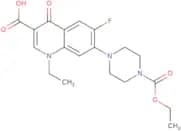
CAS:N-Ethoxycarbonyl norfloxacin is a custom synthesis for research and development. It is an impurity standard used to determine the purity of drug product. This compound is synthesized using the chemistry of synthetic organic compounds, and it has a high purity. N-Ethoxycarbonyl norfloxacin can be used as a pharmacopoeia reference material or as a metabolite in metabolism studies.Formula:C19H22FN3O5Purity:Min. 95%Molecular weight:391.4 g/mol6-Hydroxy-4’-tert-butyldimethylsylyl raloxifene-d4
CAS:Please enquire for more information about 6-Hydroxy-4’-tert-butyldimethylsylyl raloxifene-d4 including the price, delivery time and more detailed product information at the technical inquiry form on this page
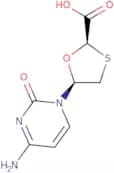
Formula:C34H41NO4SSiPurity:Min. 95%Molecular weight:591.9 g/molLamivudine acid
CAS:Lamivudine acid is a synthetic orotate prodrug that is converted to the active form, lamivudine. It inhibits the synthesis of viral DNA by inhibiting the reverse transcriptase enzyme and has been used as a treatment for HIV infection. Lamivudine acid is soluble in organic solvents such as acetone and cyclohexane. The crystal structure of this compound has been determined using X-ray crystallography and exhibits a zwitterion structure with a hydrogen bond between the carboxylate group and the amide nitrogen atom of the molecule.Formula:C8H9N3O4SPurity:Min. 95%Molecular weight:243.24 g/molN-Nitroso N-hydroxy cyclohexanamine
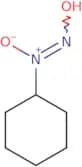
CAS:N-Nitroso N-hydroxy cyclohexanamine is an analog of betamethasone and a potent inhibitor of kinases. It has been shown to have anticancer properties by inducing apoptosis in cancer cells. This compound is excreted in urine and has been studied extensively in Chinese populations for its potential as an anticancer agent. N-Nitroso N-hydroxy cyclohexanamine inhibits the activity of kinases, which are important enzymes involved in cell signaling pathways that regulate cell growth and division. This inhibition leads to the suppression of tumor growth and the induction of apoptosis in cancer cells. Additionally, this compound has been found to be a potent inhibitor of vitamin D receptor (VDR) and may play a role in regulating VDR-mediated gene expression.
Formula:C6H12N2O2Purity:Min. 95%Molecular weight:144.17 g/mol((E)-5-((M-[(2-Carboxyethyl)carbamoyl]phenyl)azo)-2-salicylic acid)
CAS:((E)-5-((M-[(2-Carboxyethyl)carbamoyl]phenyl)azo)-2-salicylic acid) is a drug product. It is a synthetic, white to off-white powder that has a molecular weight of 246.9 g/mol and an assay of 99%. The impurity standard for this product is (E)-5-(4-(methylsulfonyl)phenylazo)-2-salicylic acid.
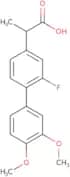
Formula:C17H15N3O6Purity:Min. 95%Molecular weight:357.32 g/mol3’,4’-Dimethoxy flurbiprofen
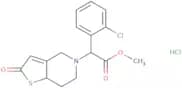
CAS:3’,4’-Dimethoxy flurbiprofen is a synthetic drug product with the molecular formula C17H18O3 and CAS No. 1346601-72-6. It is a metabolite of Ibuprofen, which is an active ingredient in many over-the-counter pain relievers. 3’,4’-Dimethoxy flurbiprofen is used in research and development as a standard for impurity testing and quality control. 3’,4’-Dimethoxy flurbiprofen has also been used as a pharmacopoeia to provide standards for HPLC analysis of ibuprofen metabolites.Formula:C17H17FO4Purity:Min. 95%Molecular weight:304.31 g/mol2-Oxo clopidogrel hydrochloride
CAS:2-Oxo clopidogrel hydrochloride is a drug product that belongs to the class of drugs called platelet aggregation inhibitors. It is a prodrug that is metabolized in vivo to form the active metabolite, 2-oxo-clopidogrel acid. This compound inhibits ADP and collagen-induced platelet aggregation by blocking the binding of adenosine diphosphate (ADP) to its receptor on the surface of platelets. The drug has been shown to have antiplatelet activity and inhibit thrombus formation in humans, as well as in animal models of atherosclerosis and coronary artery disease.Formula:C16H17Cl2NO3SPurity:Min. 95%Molecular weight:374.3 g/molS-(9H-Fluoren-9-ylmethyl)-N-[(2-propen-1-yloxy)carbonyl]-L-cysteine
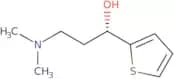
CAS:S-(9H-Fluoren-9-ylmethyl)-N-[(2-propen-1-yloxy)carbonyl]-L-cysteine is a drug product that is used as an analytical standard for HPLC. It can be used as a metabolite, impurity standard, or API impurity. This product is also used for research and development in the field of drug development. The purity of this compound is high and it has been shown to have niche applications in pharmacopoeia studies.Formula:C21H21NO4SPurity:Min. 95%Molecular weight:383.5 g/mol(S)-3-(Dimethylamino)-1-(2-thienyl)propan-1-ol
CAS:(S)-3-(Dimethylamino)-1-(2-thienyl)propan-1-ol is a polymerase chain reaction (PCR) reagent that is used as a building block for the synthesis of five membered ring lactams and dihedral polymers. This compound is synthesized by chemoenzymatic coupling of propanamine with trifluoroacetic acid in the presence of methyl groups, followed by catalytic hydrogenation to yield the desired product. The asymmetric synthesis of this compound was achieved through chiral resolution using NMR spectroscopy.Formula:C9H15NOSPurity:Min. 95%Molecular weight:185.29 g/molN-(2,2,2-Trichloroethoxy)carbonyl] bisnor-(cis)-tilidine
CAS:N-(2,2,2-Trichloroethoxy)carbonyl] bisnor-(cis)-tilidine is an analog of dabigatran that has been shown to be a potent inhibitor of human kinases. It has demonstrated anticancer activity by inducing apoptosis in cancer cells and inhibiting tumor growth. This compound has been found in urine samples from Chinese patients with cancer, suggesting that it may have potential as an anticancer agent. N-(2,2,2-Trichloroethoxy)carbonyl] bisnor-(cis)-tilidine acts as a protein kinase inhibitor and may be useful in the development of new cancer therapies. Its mechanism of action is thought to involve the inhibition of various kinases involved in cell proliferation and survival pathways. Overall, this compound holds great promise for its potential use in the treatment of cancer.Formula:C18H20Cl3NO4Purity:Min. 95%Molecular weight:420.7 g/molN-Demethyl pazopanib
CAS:N-Demethyl pazopanib is a synthetic drug that has been researched and developed for the treatment of cancer. It is an impurity standard, custom synthesis, and drug product. Synthetic N-demethyl pazopanib is used in clinical trials as a research and development tool to explore the metabolism of this drug and its metabolites. High purity N-demethyl pazopanib is used as a pharmacopoeia reference material for HPLC analysis in pharmacological studies. The metabolite of N-demethyl pazopanib has been found to be carcinogenic in animal studies. Metabolism studies have shown that N-demethyl pazopanib undergoes extensive hydroxylation and glucuronidation, which are detoxification pathways for xenobiotics in mammals.Formula:C20H21N7O2SPurity:Min. 95%Molecular weight:423.5 g/mol(4R)-1-(4-O-b-D-Galactopyranosyl-b-D-glucopyranosyl)-4-(2-methylpropyl)-2-pyrrolidinone
CAS:(4R)-1-(4-O-b-D-Galactopyranosyl-b-D-glucopyranosyl)-4-(2-methylpropyl)-2-pyrrolidinone is a synthetic, impurity standard and research and development compound. (4R)-1-(4-O-b-D-Galactopyranosyl-b-D-glucopyranosyl)-4-(2-methylpropyl)-2pyrrolidinone is used as an analytical reference in the synthesis of other compounds. It is also used in drug development for the treatment of tuberculosis. This product has a high purity level and is pharmacopoeia grade.Formula:C20H35NO11Purity:Min. 95%Molecular weight:465.49 g/molDMAC-PDB
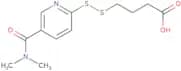
CAS:DMAC-PDB is an aromatic cleavable linker commonly used in protein and drug conjugation. It enables controlled release of payloads under specific chemical conditions.
Formula:C12H16N2O3S2Purity:Min. 95%Molecular weight:300.4 g/molNociceptin (1-7)
CAS:Nociceptin (1-7) is a drug product that is a natural, API impurity, and an impurity standard. It is used in research and development for the study of drug metabolism and pharmacopoeia for high purity standards in HPLC analysis. Nociceptin (1-7) is also synthesized as a synthetic compound with the CAS number 178249-42-8.
Formula:C31H41N7O9Purity:Min. 95%Molecular weight:655.7 g/mol4',4'''-[(4'-Methyl-2'-propyl[2,6'-bi-1H-benzimidazole]-1,1'-diyl)bis(methylene)]bis[1,1'-biphenyl]-2-carboxylic acid
CAS:4',4'''-[(4'-Methyl-2'-propyl[2,6'-bi-1H-benzimidazole]-1,1'-diyl)bis(methylene)]bis[1,1'-biphenyl]-2-carboxylic acid is an analytical reagent that is used in research and development as a drug product impurity standard. This compound has been shown to be metabolized by cytochrome P450 1A1 and 2C8 to form 4-hydroxybenzoic acid and 4,4''-[(4'-methyl-2' propyl-[2,6']bi-1H-benzimidazol-1,1' diyl)bis(methylene)]bis[3-(4-hydroxyphenyl)-propionic acid], respectively. 4',4''-[(4'-Methyl-2' propyl-[2,6']bi-1Formula:C46H38N4O4Purity:Min. 95%Molecular weight:710.82 g/molLoratadine epoxide
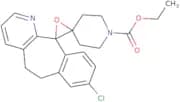
CAS:Loratadine is an antihistamine drug and its metabolite, loratadine epoxide, can be detected in the blood and urine of patients. Loratadine epoxide can be isolated from high-performance liquid chromatography (HPLC) with a spectrometer. The experimental method for the isolation of loratadine epoxide is to add diazomethane to a solution of loratadine in benzene. This experiment yielded a n-oxide that reacts with oxygen to form an aliphatic compound with a shift on the mass spectrum. This n-oxide has been found as an analyte in urine samples.Formula:C22H23ClN2O3Purity:Min. 95%Molecular weight:398.9 g/molMKK7-COV-9
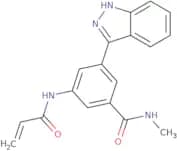
CAS:MKK7-COV-9 is a potent inhibitor of kinases that plays a critical role in apoptosis, also known as programmed cell death. It has been extensively studied in Chinese and human tumor cells and has been shown to be an effective anticancer agent. MKK7-COV-9 is an analog of the cyclin-dependent kinase (CDK) inhibitors and has been found to inhibit the growth of cancer cells by blocking the activity of CDKs. This protein kinase inhibitor has also been found in urine samples from cancer patients, suggesting its potential as a biomarker for cancer diagnosis and treatment. The inhibitory effect of MKK7-COV-9 on tumor cell proliferation makes it a promising candidate for developing novel anticancer drugs.Formula:C18H16N4O2Purity:Min. 95%Molecular weight:320.3 g/molUlifloxacin acyl-β-D-glucuronide
CAS:Ulifloxacin acyl-β-D-glucuronide is an inhibitor of protein kinases that has been shown to induce apoptosis in cancer cells. This compound is a metabolite of ulifloxacin, a fluoroquinolone antibiotic used to treat urinary tract infections. Ulifloxacin acyl-β-D-glucuronide has potent anticancer activity and has been shown to inhibit the growth of tumor cells in vitro. This compound is an analog of other kinase inhibitors and has been extensively studied in Chinese hamster ovary (CHO) cells, where it was found to be effective against various types of cancer. Ulifloxacin acyl-β-D-glucuronide also possesses toxin-binding properties and may have potential as an anti-toxin agent.
Formula:C22H24FN3O9SPurity:Min. 95%Molecular weight:525.5 g/molRibosamine
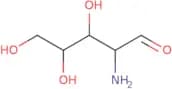
CAS:Ribosamine is a medicinal compound that has shown potential as an anticancer agent. It is a kinase inhibitor that targets specific proteins involved in cancer cell growth and survival. Ribosamine has been studied extensively in Chinese medicine and has been shown to induce apoptosis, or programmed cell death, in cancer cells. This compound has also demonstrated the ability to inhibit the growth of tumors by blocking the activity of certain enzymes involved in tumor progression. Ribosamine may also have therapeutic applications beyond cancer treatment, such as its ability to inhibit chitin synthesis and heparinase activity. Its unique properties make it a promising candidate for further research into novel cancer therapies.
Formula:C5H11NO4Purity:Min. 95%Molecular weight:149.15 g/mol1,4-Bis(trichloromethyl)-2-chlorobenzene
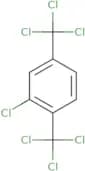
CAS:Please enquire for more information about 1,4-Bis(trichloromethyl)-2-chlorobenzene including the price, delivery time and more detailed product information at the technical inquiry form on this pageFormula:C8H3Cl7Purity:Min. 95%Molecular weight:347.3 g/molDemethylpiperazinyl sildenafil sulfonic acid
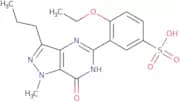
CAS:Demethylpiperazinyl Sildenafil Sulfonic Acid is a prodrug of sildenafil, which is an organic compound. It is used in the treatment of erectile dysfunction and pulmonary arterial hypertension. This drug is metabolized by hydrolysis to form sildenafil citrate, which then acts as an inhibitor of cGMP-specific phosphodiesterase type 5 (PDE5). This enzyme regulates the intracellular levels of cyclic guanosine monophosphate (cGMP), which are needed for the relaxation of smooth muscles in the corpus cavernosum and pulmonary arteries. Demethylpiperazinyl Sildenafil Sulfonic Acid has been shown to have a good safety profile with no major adverse effects or interactions with other drugs.Formula:C17H20N4O5SPurity:Min. 95%Color and Shape:PowderMolecular weight:392.43 g/mol(-)-Neoisomenthol
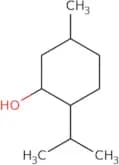
CAS:(-)-Neoisomenthol is a drug product that is a natural product and is found in peppermint oil. It has been shown to have anti-inflammatory and analgesic properties. (-)-Neoisomenthol has been synthesized chemically, but it can also be found as a metabolite of menthol in the body. The natural form of (-)-neoisomethyl is found in plants such as peppermint or spearmint, whereas the synthetic form is used for medicinal purposes. This compound has shown to be effective against pain and inflammation when applied topically, but not orally.
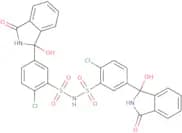
Formula:C10H20OPurity:Min. 95%Molecular weight:156.26 g/molChlorthalidone Dimer
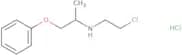
CAS:Chlorthalidone Dimer is a high purity, analytical standard for chlorthalidone. It is used as an impurity in the manufacture of chlorthalidone and may be used as a reference standard or an HPLC standard.Formula:C28H19Cl2N3O8S2Purity:Min. 95%Molecular weight:660.5 g/molN-(2-Chloroethyl)-1-phenoxy-2-propanamine hydrochloride
CAS:Please enquire for more information about N-(2-Chloroethyl)-1-phenoxy-2-propanamine hydrochloride including the price, delivery time and more detailed product information at the technical inquiry form on this pageFormula:C11H17Cl2NOPurity:Min. 95%Molecular weight:250.16 g/molTivantinib
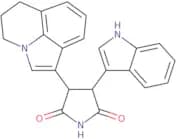
CAS:Tivantinib is a potent inhibitor of the c-Met receptor tyrosine kinase, which plays a role in tumor growth and metastasis. This Chinese medicinal compound has been shown to have anticancer properties by inducing apoptosis in cancer cells and inhibiting cell cycle progression. Tivantinib has been found to be effective against a range of cancers, including leukemia and human solid tumors. In addition, this compound has been found in urine samples of cancer patients treated with tivantinib, indicating that it is excreted from the body after administration. Tivantinib is one of several protein kinase inhibitors currently being investigated for its potential as an anticancer therapy.Formula:C23H19N3O2Purity:Min. 95%Molecular weight:369.4 g/molAll-trans-retinal dimer trifluoroacetic acid salt
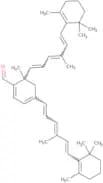
CAS:All-trans-retinal dimer trifluoroacetic acid salt is an analog of methotrexate, which is commonly used as an anticancer drug. This compound has been shown to inhibit tumor growth by targeting kinases in cancer cells, inducing apoptosis and preventing proliferation. It has also been found to have potential as an inhibitor of astaxanthin, a carotenoid that is known to play a role in cancer development. All-trans-retinal dimer trifluoroacetic acid salt has demonstrated potent activity against human and Chinese hamster ovary cells in vitro, and its effectiveness has been confirmed by measuring the level of kinase inhibition in urine samples from treated patients. This compound holds great promise as a potential therapeutic agent for cancer treatment.Formula:C40H54OPurity:Min. 95%Molecular weight:550.9 g/molRopivacaine N-Oxide
CAS:Ropivacaine N-Oxide is a synthetic drug used to relieve pain during surgery. It is metabolized by the liver, with metabolites excreted in the urine. Ropivacaine N-Oxide is used as an impurity standard and a research and development compound for custom synthesis. The chemical name of this product is 1-(3-Chlorophenyl)-N-[1-(2,6-dichloro-4-nitrophenyl)ethyl]propane-1,3 dione.Formula:C17H26N2O2Purity:Min. 95%Color and Shape:SolidMolecular weight:290.4 g/molMethyl-dihydropurinone
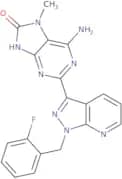
CAS:Methyl-dihydropurinone is an impurity in a drug product. It has been used as an analytical standard for the identification and quantification of metabolites of drugs and other compounds. The purity of this compound is >98%. It is also used as a pharmacopoeia standard for HPLC analysis. This compound is synthetically produced by custom synthesis. Methyl-dihydropurinone has been found to be metabolized into methyl-dihydropyrimidine, which can be detected using HPLC with UV detection at 254 nm.Formula:C19H15FN8OPurity:Min. 95%Molecular weight:390.4 g/mol2-[(E)-[(4-Fluorophenyl)imino]methyl]phenol
CAS:2-[(E)-[(4-Fluorophenyl)imino]methyl]phenol is a synthetic substance that is used as an analytical reagent, research and development, drug development, and impurity standard. It is an impurity of certain drugs, such as furosemide, which are metabolized to 2-[(E)-[(4-fluorophenyl)imino]methyl]phenol. 2-[(E)-[(4-Fluorophenyl)imino]methyl]phenol is also a metabolite of the drug product erythromycin. This chemical has been identified in the National Institute for Standards and Technology (NIST) mass spectral library. The CAS number for this substance is 252573-77-6.Formula:C13H10FNOPurity:Min. 95%Molecular weight:215.22 g/molTetrabromobisphenol A dimethyl ether
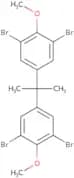
CAS:Tetrabromobisphenol A dimethyl ether is a high yield, biotransformed product that is synthesized from brominated phenols. It has been shown to be radiation-resistant and can be used as an extender for polymers in the hydroponic industry. Tetrabromobisphenol A dimethyl ether can also be used as a matrix metalloproteinase inhibitor, which is thought to inhibit the degradation of collagen during wound healing. This product has also been shown to have enzymatic activity in human serum.Formula:C17H16Br4O2Purity:Min. 95%Molecular weight:571.9 g/mol2-Aminoethyl-amino palbociclib
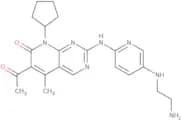
CAS:2-Aminoethyl-amino palbociclib is a versatile compound used in various industrial applications. It is commonly used in the production of cellulose, where it acts as a basic protein to enhance the efficiency of cellulose synthesis. Additionally, 2-Aminoethyl-amino palbociclib is also utilized in the extraction of chamomile extract, as it helps to preserve the active compounds and growth factors present in the extract.
Formula:C22H27N7O2Purity:Min. 95%Molecular weight:421.5 g/molCortisol 21-M-maleimidobenzoate
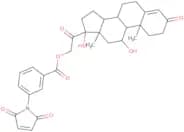
CAS:Cortisol 21-M-maleimidobenzoate is a synthetic analog of the human hormone cortisol. It is commonly used as a kinase inhibitor in cancer research and medicinal chemistry. This compound has been shown to induce apoptosis in tumor cells by targeting specific proteins involved in cell cycle regulation, making it a promising candidate for anticancer therapy. Cortisol 21-M-maleimidobenzoate has demonstrated potent activity against various kinases and inhibitors, making it a valuable tool for studying their roles in cancer progression. Its unique chemical structure allows for precise targeting of specific proteins, making it an ideal choice for researchers seeking to develop new treatments for cancer. Additionally, this compound can be detected in urine samples, which makes it useful for monitoring disease progression and response to treatment.Formula:C32H35NO8Purity:Min. 95%Molecular weight:561.62 g/mol[(1S)-(1Alpha,2Beta,3Beta)]-3-(2-Amino-6-iodo-7H-purin-7-yl)-1,2-cyclobutanedimethanol dibenzoate ester
CAS:[(1S)-(1Alpha,2Beta,3Beta)]-3-(2-Amino-6-iodo-7H-purin-7-yl)-1,2-cyclobutanedimethanol dibenzoate ester is a synthetic drug product that is used in the development and manufacture of pharmaceutical products. It is an impurity standard for HPLC. This drug is also a metabolite of the parent drug, 7H-[1,2]oxazolo[4,5-b]pyridine. The chemical formula is C19H22N6O3 and molecular weight is 356.37 g/mol. CAS No. 1246812-29-2Formula:C25H22IN5O4Purity:Min. 95%Molecular weight:583.40 g/molEntecavir (1S,3S,4S) diastereomer
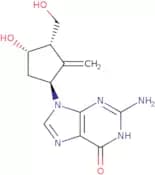
CAS:Entecavir is a drug product that is custom synthesized to order. It has a purity of >98% and is made up of the 1S,3S,4S diastereomer. Entecavir is an antiviral drug that belongs to the nucleoside analog family and inhibits viral replication by inhibiting DNA polymerase α. The metabolism studies for entecavir have been completed and it was found that entecavir undergoes hydrolysis by esterases, oxidation by cytochrome P450 enzymes, reduction by glutathione reductase, or conjugation with glucuronic acid. Entecavir also specifically binds to markers expressed at high levels in Mycobacterium tuberculosis strains (e.g., ESX-1 secretion system protein) and inhibits cell growth in culture.Formula:C12H15N5O3Purity:Min. 95%Molecular weight:277.28 g/mol1-β-D-Arabinofuranosyl-5-methylcytosine
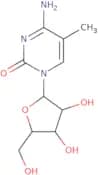
CAS:1-β-D-Arabinofuranosyl-5-methylcytosine is an analog of the anticancer drug indirubin that has been shown to induce apoptosis in cancer cells. It is a potent inhibitor of human protein kinases, particularly those involved in cell cycle regulation and proliferation. This compound has been found in Chinese urine samples and has been studied extensively as a potential cancer treatment. 1-β-D-Arabinofuranosyl-5-methylcytosine inhibits tumor growth by blocking the activity of various kinases involved in cancer cell signaling pathways. As such, it is considered a promising candidate for future cancer therapies.Formula:C10H15N3O5Purity:Min. 95%Molecular weight:257.24 g/molPheniramine aminoxide
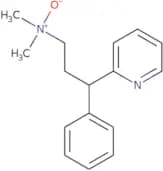
CAS:Pheniramine aminoxide is an amino compound that belongs to the class of pyridines. It has an oxidation potential of -1.48 volts, which is slightly less than that of an oxide. This compound also has a molecular weight of 247.3 grams per mole, and a melting point of 155 degrees Celsius.Formula:C16H20N2OPurity:Min. 95%Molecular weight:256.34 g/molBazedoxifene 4’-β-D-glucuronide
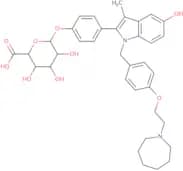
CAS:Please enquire for more information about Bazedoxifene 4’-β-D-glucuronide including the price, delivery time and more detailed product information at the technical inquiry form on this pageFormula:C36H42N2O9Purity:Min. 95%Molecular weight:646.7 g/molCandesartan acyl-glucuronide
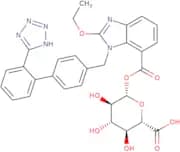
CAS:Candesartan acyl-glucuronide is a metabolite of candesartan. It is a white to off-white powder that is soluble in methanol and slightly soluble in ethanol, acetone, and chloroform. Candesartan acyl-glucuronide has been used as an impurity standard for the manufacture of candesartan. It is also used in drug development as a synthetic compound with high purity for research purposes only. It is not intended for use as an active pharmaceutical ingredient.Formula:C30H28N6O9Purity:Min. 95%Molecular weight:616.58 g/molN-Demethyl lincomycin hydrochloride
CAS:N-Demethyl lincomycin hydrochloride is a drug product that is used in the synthesis of pharmaceuticals. It is an analytical standard for natural lincomycin and an impurity in the synthetic production of lincomycin. N-Demethyl lincomycin hydrochloride is synthesized from the drug product, 4-demethyllincomycin, which is obtained from fermentation of Streptomyces lincolnensis. This drug product has been shown to inhibit bacterial protein synthesis by inhibiting ribosomal protein S12. N-Demethyl lincomycin hydrochloride has a purity greater than 98% and can be used as a high purity HPLC standard or as a pharmacopoeia standard.Formula:C17H32N2O6S•HClPurity:Min. 95%Molecular weight:392.51 g/molO-Desethyl Dapagliflozin
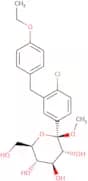
CAS:O-Desethyl Dapagliflozin is a white powder that is a synthetic drug product. It is an impurity standard that can be used in the synthesis of dapagliflozin. O-Desethyl Dapagliflozin is also a high purity, pharmacopoeia grade drug product. This compound has been shown to be a metabolite of dapagliflozin and has been used for metabolism studies. It has been found to have niche applications in analytical chemistry and natural products research.
Formula:C19H21ClO6Purity:Min. 95%Color and Shape:PowderMolecular weight:380.82 g/molα-Amylcinnamaldehyde dimethyl acetal
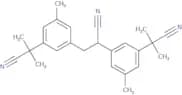
CAS:α-Amylcinnamaldehyde dimethyl acetal is a medicinal compound that has shown promise in inhibiting the growth of cancer cells. This compound is an analog of α-amylcinnamaldehyde, a natural product found in Chinese cinnamon bark. Recent studies have shown that α-Amylcinnamaldehyde dimethyl acetal can inhibit the activity of protein kinases, which play a critical role in cell cycle regulation and tumor growth. This inhibition leads to apoptosis, or programmed cell death, in cancer cells. Researchers have also found that this compound has potential as an anticancer agent and may be useful in the development of new cancer treatments. Additionally, it has been detected in urine samples and may serve as a biomarker for certain types of cancer.Formula:C16H24O2Purity:Min. 95%Molecular weight:248.36 g/molDi-destriazole desmethyl anastrozole dimer impurity
CAS:Please enquire for more information about Di-destriazole desmethyl anastrozole dimer impurity including the price, delivery time and more detailed product information at the technical inquiry form on this pageFormula:C25H27N3Purity:Min. 95%Molecular weight:369.5 g/mol2,3-Dimethyl-N-phenylbenzenamine
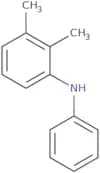
CAS:2,3-Dimethyl-N-phenylbenzenamine is a medicinal compound that has been found in urine and has shown potential as an anticancer agent. It acts as a kinase inhibitor, specifically targeting proteins involved in cancer cell growth and survival. In Chinese hamster ovary cells, this compound has been shown to inhibit the activity of protein kinases and induce apoptosis, or programmed cell death. This analog also displays potent antitumor activity against leukemia cells in vitro. As a promising candidate for cancer treatment, 2,3-Dimethyl-N-phenylbenzenamine may serve as a valuable tool in developing novel inhibitors for various types of cancers.Formula:C14H15NPurity:Min. 95%Molecular weight:197.27 g/molGuaimesal
CAS:Guaimesal is a protein analog that acts as an inhibitor of tumor growth and induces apoptosis in human cancer cells. It has been shown to inhibit the activity of kinases, including cyclin-dependent kinases, which play a key role in regulating cell division. Guaimesal has been isolated from Chinese urine and has demonstrated potent anticancer activity both in vitro and in vivo. This compound shows promise as a novel therapeutic agent for the treatment of cancer.Formula:C16H14O5Purity:Min. 95%Molecular weight:286.28 g/molEthylenediamine p-toluenesulfonate
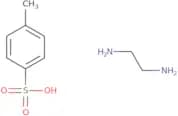
CAS:Ethylenediamine p-toluenesulfonate is an inhibitor of various kinases that have been implicated in cancer cell replication and tumor growth. This chemical compound has been shown to induce apoptosis, or programmed cell death, in human cancer cells. Ethylenediamine p-toluenesulfonate has also been studied as a potential treatment for methotrexate-induced nephrotoxicity, a common side effect of chemotherapy. Additionally, it has been identified as a potent analog of astaxanthin, which is a naturally occurring carotenoid with antioxidant properties. The use of ethylenediamine p-toluenesulfonate as a kinase inhibitor may hold promise for the development of novel cancer therapies.Formula:C9H16N2O3SPurity:Min. 95%Molecular weight:232.3 g/molNUC-7738
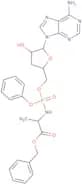
CAS:NUC-7738 is a medicinal compound that has been shown to be an effective inhibitor of cyclin-dependent kinases (CDKs). It has potent anticancer activity and has been studied extensively in Chinese hamster ovary (CHO) cells, human leukemia cells, and other cancer cell lines. NUC-7738 works by selectively inhibiting CDK4/6, which are critical regulators of the cell cycle. This leads to the induction of apoptosis in cancer cells, making it a promising new therapeutic agent for the treatment of various types of cancer. Additionally, NUC-7738 has been shown to have low toxicity and good pharmacokinetic properties in preclinical studies. Overall, this compound holds great promise as a novel anticancer therapy that may help improve outcomes for patients with cancer.
Formula:C26H29N6O7PPurity:Min. 95%Molecular weight:568.5 g/molMeclizine ortho chloro isomer bishydrochloride salt
CAS:Please enquire for more information about Meclizine ortho chloro isomer bishydrochloride salt including the price, delivery time and more detailed product information at the technical inquiry form on this pageFormula:C25H29Cl3N2Purity:Min. 95%Molecular weight:463.9 g/mol1-(1-Cyclohexen-1-yl)-cyclohexanecarboxylic acid
CAS:Please enquire for more information about 1-(1-Cyclohexen-1-yl)-cyclohexanecarboxylic acid including the price, delivery time and more detailed product information at the technical inquiry form on this pageFormula:C13H20O2Purity:Min. 95%Molecular weight:208.3 g/molPioglitazone Pyridine-6-[4-[2-[5-ethyl-6-[4-[2-(5-ethyl-2-pyridinyl)ethoxy]phenyl]
CAS:Pioglitazone Pyridine-6-[4-[2-[5-ethyl-6-[4-[2-(5-ethyl-2-pyridinyl)ethoxy]phenyl]propionamido]-1,3,4-thiadiazol-2(3H)-ylidene]aminocarbonyl]-1,3,4-thiadiazole is a drug that belongs to the group of thiazolidinediones. It is an oral hypoglycemic agent that lowers blood sugar by stimulating insulin release from the pancreas and increasing peripheral tissue sensitivity to insulin. Pioglitazone Pyridine-6-[4-[2-[5-ethyl-6-[4-[2-(5-ethyl-2 pyridinyl)ethoxy]phenyl]propionamido]-1,3,4-thiadiazol 2(3H)-ylidene]aminocarbonyl]-
Formula:C34H35N3O4SPurity:Min. 95%Molecular weight:581.73 g/molRabeprazole Impurity 2
CAS:Rabeprazole Impurity 2 is a research and development impurity standard that is used for qualitative analysis. It can be custom synthesized to meet specific needs, and it can also be used in drug product synthesis. Rabeprazole Impurity 2 is a high purity synthetic compound that has been pharmacopoeia-qualified. It can also be used as a metabolite or analytical standard, and it has been studied for its metabolism studies with HPLC-MS. Rabeprazole Impurity 2 has CAS No. 1807988-36-8.
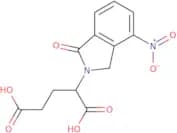
Formula:C18H19N3O4Purity:Min. 95%Molecular weight:341.36 g/mol2-(4-Nitro-1-oxoisoindolin-2-yl)pentanedioic acid
CAS:Please enquire for more information about 2-(4-Nitro-1-oxoisoindolin-2-yl)pentanedioic acid including the price, delivery time and more detailed product information at the technical inquiry form on this pageFormula:C13H12N2O7Purity:Min. 95%Molecular weight:308.24 g/mol2,4-DDE-d8
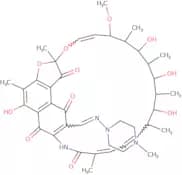
CAS:Please enquire for more information about 2,4-DDE-d8 including the price, delivery time and more detailed product information at the technical inquiry form on this pageFormula:C14H8Cl4Purity:Min. 95%Molecular weight:326.1 g/molDesacetyl rifampicin quinone
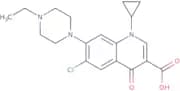
CAS:Custom synthesis of desacetyl rifampicin quinone, CAS No. 65110-92-1, is a high purity custom synthesis drug product. It is an analytical standard used in metabolism studies and natural product research. The metabolite can be found in the USP Metabolite Reference Standard and is also a synthetic impurity standard. This material is not a pharmacopoeia or HPLC standard.Formula:C41H54N4O11Purity:Min. 95%Molecular weight:778.9 g/molEnrofloxacin impurity E
CAS:Enrofloxacin impurity E is a product of the synthesis of enrofloxacin, with high purity and analytical standards. It is synthesized from natural products, and it can be used as an impurity standard for HPLC analysis. Enrofloxacin impurity E also has pharmacopoeia and CAS number 1369495-59-9. This substance is used in drug development and research to study metabolism.Formula:C19H22ClN3O3Purity:Min. 95%Molecular weight:375.85 g/molDL-threo-ritalinic acid lactam
CAS:Please enquire for more information about DL-threo-ritalinic acid lactam including the price, delivery time and more detailed product information at the technical inquiry form on this pageFormula:C13H15NO3Purity:Min. 95%Molecular weight:233.26 g/mol13-Cis-retinoic acid ethyl ester
CAS:Controlled ProductPlease enquire for more information about 13-Cis-retinoic acid ethyl ester including the price, delivery time and more detailed product information at the technical inquiry form on this page
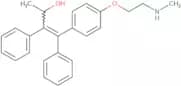
Formula:C22H32O2Purity:Min. 95%Molecular weight:328.5 g/molN-Desmethyl (E)-α-hydroxy tamoxifen
CAS:N-Desmethyl (E)-α-hydroxy tamoxifen is a metabolite of tamoxifen. This drug has been shown to be more reactive than its parent compound, with the potential for enhanced toxicity. N-Desmethyl (E)-α-hydroxy tamoxifen is thought to be responsible for the toxic effects of tamoxifen in women and rats. The metabolites are excreted in the bile, with 50% being reabsorbed from the gastrointestinal tract and then excreted into the urine. In human liver cells, N-desmethyl (E)-α-hydroxy tamoxifen inhibits the growth of cancer cells and induces apoptosis by binding to DNA. It also causes increased production of reactive oxygen species in liver cells, which may contribute to hepatotoxicity.Formula:C25H27NO2Purity:Min. 95%Molecular weight:373.5 g/molAcyclovir EP impurity R
CAS:Acyclovir EP impurity R is a by-product of acyclovir, which has been shown to be stable in acidic and alkaline conditions. It is also linear with high reproducibility and low detection limits. Acyclovir EP impurity R can be detected using a validated RP-HPLC method with an acidified mobile phase. The compound is not photolyzed under the conditions of the assay. This impurity has been detected in batches of acyclovir that have been produced on two different production lines for more than 5 years without any changes in quality or yield.Formula:C13H21CIN6O4Purity:Min. 95%Molecular weight:464.26 g/molDefluoro paroxetine hydrochloride
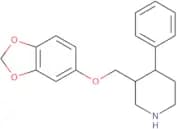
CAS:Please enquire for more information about Defluoro paroxetine hydrochloride including the price, delivery time and more detailed product information at the technical inquiry form on this page
Formula:C19H21NO3Purity:Min. 95%Molecular weight:311.4 g/molVinorelbine N'B-oxide
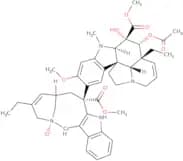
CAS:Vinorelbine N'B-oxide is a drug product that is used as an analytical or impurity standard. It is a natural product and its chemical structure has been determined by HPLC. Vinorelbine N'B-oxide is metabolized in vivo to vinorelbine and N'-desmethylvinorelbine, which are metabolites of vinorelbine. It has been shown to be useful for metabolism studies.
Formula:C45H54N4O9Purity:Min. 95%Molecular weight:794.93 g/molNoralfentanil-d3 hydrochloride
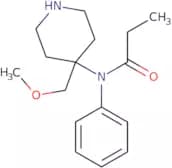
CAS:Controlled ProductNoralfentanil-d3 hydrochloride is a highly selective and potent mu-opioid receptor agonist. It is used for the treatment of moderate to severe pain. Noralfentanil-d3 hydrochloride binds to the mu opioid receptors in the human liver, leading to reduced production of a number of proteins that are responsible for drug metabolism. Noralfentanil-d3 hydrochloride has been shown to be effective in clinical trials with a sample preparation technique involving liquid chromatography and p450 isozyme activity. This drug also has a number of chemical interactions, which may lead to an increased risk of toxicity or side effects. Molecular modeling studies have shown that noralfentanil-d3 hydrochloride interacts with amine groups on proteins, leading to its binding affinity with the mu opioid receptor.Formula:C16H24N2O2Purity:Min. 95%Molecular weight:276.37 g/molCarbocisteine lactam sodium salt
CAS:Carbocisteine is a drug that belongs to the class of non-steroidal anti-inflammatory drugs. It is used in the treatment of bronchial asthma, bronchitis, and chronic obstructive pulmonary disease. Carbocisteine has been shown to inhibit platelet aggregation and to reduce blood viscosity. Carbocisteine may also be classified as a drug that binds to octadecyl groups. In this way it can be used as an analytical reagent for substances with similar chemical structures.
Formula:C5H6NNaO3SPurity:Min. 95%Molecular weight:183.16 g/mol8-Hydroxypinoresinol 4'-o-β-D-glucopyranoside
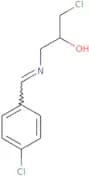
CAS:Eucommia is a genus of trees in the family Eucommiaceae. The bark and leaves of eucommia have been shown to contain the compound 8-hydroxypinoresinol 4'-o-β-D-glucopyranoside. This compound has been shown to be effective in treating neuropathic pain, but more research is needed to determine its efficacy for other conditions.Formula:C26H32O12Purity:Min. 95%Molecular weight:536.53 g/mol(S)-(E,Z)-1-(4-Chlorobenzylideneamino)-3-chloropropan-2-ol
CAS:Please enquire for more information about (S)-(E,Z)-1-(4-Chlorobenzylideneamino)-3-chloropropan-2-ol including the price, delivery time and more detailed product information at the technical inquiry form on this pageFormula:C10H11Cl2NOPurity:Min. 95%Molecular weight:232.1 g/mol[6-(4-Phenylbutoxy)hexyl]benzylamine hydrochloride
CAS:Please enquire for more information about [6-(4-Phenylbutoxy)hexyl]benzylamine hydrochloride including the price, delivery time and more detailed product information at the technical inquiry form on this page
Formula:C23H34ClNOPurity:Min. 95%Molecular weight:376 g/molTrans-2-methyl-3-(5'-carboxy-3'-methyl-2'-pentenyl)-1,4-naphthoquinone
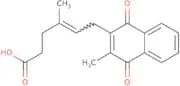
CAS:Trans-2-methyl-3-(5'-carboxy-3'-methyl-2'-pentenyl)-1,4-naphthoquinone is a synthetic impurity standard used as a research and development, impurity standard, and custom synthesis. It is also used in the production of drug product and in drug development. Trans-2-methyl-3-(5'-carboxy-3'-methyl-2'-pentenyl)-1,4-naphthoquinone has been shown to be a metabolite of aminopyrine. Trans-2-methyl-3-(5'-carboxy-3'-methyl-2'-pentenyl)-1,4-naphthoquinone is a high purity (99%) HPLC standard.Formula:C18H18O4Purity:90% MinMolecular weight:298.33 g/molSodium 2,6-dihydroxyphenyl sulfate
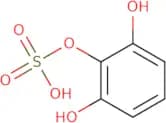
CAS:Sodium 2,6-dihydroxyphenyl sulfate is a potent anticancer agent that has been shown to inhibit the growth of cancer cells. It is an analog of a kinase inhibitor found in Chinese medicinal plants and has been found in urine samples of cancer patients. Sodium 2,6-dihydroxyphenyl sulfate inhibits protein kinases involved in cancer cell proliferation and survival, leading to apoptosis or programmed cell death. This compound has been studied extensively for its potential as a therapeutic agent against various types of cancer, including leukemia and tumors. As one of the most promising inhibitors available today, Sodium 2,6-dihydroxyphenyl sulfate represents a significant breakthrough in cancer research and treatment.Formula:C6H6O6SPurity:Min. 95%Molecular weight:206.18 g/mol2,3',4',5-Tetrachlorobiphenyl
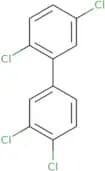
CAS:Controlled Product2,3',4',5-Tetrachlorobiphenyl is an analog with potent anticancer activity. It has been shown to induce apoptosis in human cancer cells and inhibit tumor growth in Chinese hamsters. This compound is also a potent inhibitor of protein kinases, including those involved in the regulation of cell growth and differentiation. Additionally, it has been found to enhance the activity of other kinase inhibitors such as tolvaptan. 2,3',4',5-Tetrachlorobiphenyl may be useful for developing new therapies for cancer treatment.Formula:C12H6Cl4Purity:Min. 95%Molecular weight:292 g/mol1-Chloro-3,5,7-trimethyladamantane
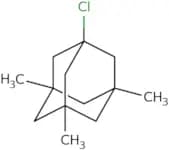
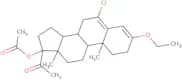
CAS:Please enquire for more information about 1-Chloro-3,5,7-trimethyladamantane including the price, delivery time and more detailed product information at the technical inquiry form on this pageFormula:C13H21ClPurity:Min. 95%Molecular weight:212.76 g/mol17-Acetoxy-6-chloro-3-ethoxypregna-3,5-dien-20-one
CAS:Controlled ProductPlease enquire for more information about 17-Acetoxy-6-chloro-3-ethoxypregna-3,5-dien-20-one including the price, delivery time and more detailed product information at the technical inquiry form on this page
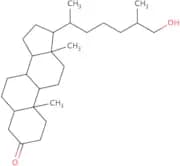
Formula:C25H35ClO4Purity:Min. 95%Molecular weight:435 g/mol(5α,25R)-26-Hydroxycholestan-3-one
CAS:Controlled ProductPlease enquire for more information about (5α,25R)-26-Hydroxycholestan-3-one including the price, delivery time and more detailed product information at the technical inquiry form on this pageFormula:C27H46O2Purity:Min. 95%Molecular weight:402.7 g/molAmoxicillin EP Impurity E
CAS:Amoxicillin EP Impurity E is an impurity found in Amoxicillin EP, which is a β-lactam antibiotic. It belongs to the group of β-lactam antibiotics and has antibacterial activity. Amoxicillin EP Impurity E is found by applying validation methods to measure the concentration of this product. The analytical method used for this impurity is a wavelength measurement or a magnetic field measurement. This impurity can be determined using chromatographic or elution methods. The chromatographic methods used are high performance liquid chromatography (HPLC) and gas chromatography (GC). Method development is required for determining the level of this impurity, as well as validation procedures for measuring it with various methods.Formula:C15H21N3O4SPurity:Min. 95%Molecular weight:339.41 g/mol

![2-[[2-Oxo-3-[4-(3-oxo-4-morpholinyl)phenyl]-5-oxazolidinyl]methyl]-1H-isoindole-1,3(2H)-dione](/_next/image/?url=https%3A%2Fstatic.cymitquimica.com%2Fproducts%2F3D%2Fthumb-webp%2FIO183175.webp&w=3840&q=75)
![4'-(Bromomethyl)-[1,1'-biphenyl]-2-carboxylic acid](/_next/image/?url=https%3A%2Fstatic.cymitquimica.com%2Fproducts%2F3D%2Fthumb-webp%2FIB19247.webp&w=3840&q=75)



![1,1'-[Hydroxypropane-1,3-diylbis(oxy-2,1-phenylene)]bis(3-phenylpropan-1-one)](/_next/image/?url=https%3A%2Fstatic.cymitquimica.com%2Fproducts%2F3D%2Fthumb-webp%2FIH63819.webp&w=3840&q=75)



![((E)-5-((M-[(2-Carboxyethyl)carbamoyl]phenyl)azo)-2-salicylic acid)](/_next/image/?url=https%3A%2Fstatic.cymitquimica.com%2Fproducts%2F3D%2Fthumb-webp%2FYWC39596.webp&w=3840&q=75)
![S-(9H-Fluoren-9-ylmethyl)-N-[(2-propen-1-yloxy)carbonyl]-L-cysteine](/_next/image/?url=https%3A%2Fstatic.cymitquimica.com%2Fproducts%2F3D%2Fthumb-webp%2FHHA20177.webp&w=3840&q=75)
![N-(2,2,2-Trichloroethoxy)carbonyl] bisnor-(cis)-tilidine](/_next/image/?url=https%3A%2Fstatic.cymitquimica.com%2Fproducts%2F3D%2Fthumb-webp%2FWZB81995.webp&w=3840&q=75)

![4',4'''-[(4'-Methyl-2'-propyl[2,6'-bi-1H-benzimidazole]-1,1'-diyl)bis(methylene)]bis[1,1'-biphenyl…](/_next/image/?url=https%3A%2Fstatic.cymitquimica.com%2Fproducts%2F3D%2Fthumb-webp%2FIM28023.webp&w=3840&q=75)

![2-[(E)-[(4-Fluorophenyl)imino]methyl]phenol](/_next/image/?url=https%3A%2Fstatic.cymitquimica.com%2Fproducts%2F3D%2Fthumb-webp%2FCKA57377.webp&w=3840&q=75)
![[(1S)-(1Alpha,2Beta,3Beta)]-3-(2-Amino-6-iodo-7H-purin-7-yl)-1,2-cyclobutanedimethanol dibenzoate …](/_next/image/?url=https%3A%2Fstatic.cymitquimica.com%2Fproducts%2F3D%2Fthumb-webp%2FWZB81229.webp&w=3840&q=75)



![Pioglitazone Pyridine-6-[4-[2-[5-ethyl-6-[4-[2-(5-ethyl-2-pyridinyl)ethoxy]phenyl]](/_next/image/?url=https%3A%2Fstatic.cymitquimica.com%2Fproducts%2F3D%2Fthumb-webp%2FIP165311.webp&w=3840&q=75)



![[6-(4-Phenylbutoxy)hexyl]benzylamine hydrochloride](/_next/image/?url=https%3A%2Fstatic.cymitquimica.com%2Fproducts%2F3D%2Fthumb-webp%2FNGA92318.webp&w=3840&q=75)