


APIs for research and impurities
Subcategories of "APIs for research and impurities"
- Aminoacids and derivatives(12,331 products)
- Anthraquinones and derivatives(404 products)
- Benzimidazole and Imidazole Derivatives(10,435 products)
- Benzodiazepine Derivatives(333 products)
- Carbohydrates and glycoconjugates(5,050 products)
- Esters and Derivatives(42,250 products)
- Fatty Acids and Lypidic Derivatives(32,404 products)
- Flavonoids and Polyphenols(17,080 products)
- Free Radicals and Oxidant/Reducing Agents(212 products)
- Ketones and derivatives(2,400 products)
- Natural and semi-synthetic antibiotics(6,373 products)
- Nitriles and Cyano Derivatives(3,068 products)
- Nitrosamines and Derivatives(55 products)
- Nucleosides and Nucleotides(3,470 products)
- Organic Phosphates and Phosphonates(1,199 products)
- Organic Sulphonates and Sulphates(10,430 products)
- Organometallics(4,421 products)
- Others(6,297 products)
- Peptides and Proteins(3,143 products)
- Polymers and Derivatives(100 products)
- Purines and Pyrimidine Derivatives(8,934 products)
- Quinazoline and Quinoline Derivatives(65,945 products)
- Quinones and Derivatives(24,357 products)
- Salts and Derivatives of Active Pharmaceutical Ingredients (API)(80,718 products)
- Steroids and Derivatives(4,946 products)
- Sulfonamides and Derivatives(2,587 products)
- Terpenoids and Derivatives(3,843 products)
- Thiazolidinediones and Thiopyrans(2,753 products)
- β-Adrenergic Compounds(230 products)
Found 58070 products of "APIs for research and impurities"
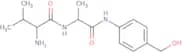
Val-Ala-PAB
CAS:Val-Ala-PAB is an analog of a naturally occurring peptide that has been shown to have anticancer properties. It induces apoptosis in cancer cells by inhibiting cyclin-dependent kinases, which are proteins that regulate cell division. Val-Ala-PAB has been shown to be effective against various types of tumors, including human and Chinese hamster ovary cells. This compound is also a potent inhibitor of the proteasome, which is a cellular complex that degrades proteins. It has been found in urine samples from patients with cancer, suggesting that it may play a role in the body's natural defense against cancer. Overall, Val-Ala-PAB holds great promise as a potential cancer treatment and inhibitor of tumor growth.Formula:C15H23N3O3Purity:Min. 95%Molecular weight:293.36 g/mol2,3,6,7-Tetrachlorobiphenylene
CAS:2,3,6,7-Tetrachlorobiphenylene is a potent inhibitor of kinases that are involved in cancer cell growth and proliferation. It is an analog of tolvaptan, a drug used to treat hyponatremia by increasing urine output. This compound has been shown to induce apoptosis in cancer cells and inhibit tumor growth. Studies have found that 2,3,6,7-Tetrachlorobiphenylene inhibits the activity of human protein kinases and may be effective against various types of cancer. This Chinese compound has promising anticancer properties and could potentially be used as a therapeutic agent for cancer treatment.Formula:C12H4Cl4Purity:Min. 95%Molecular weight:290 g/molrac-N-Desisopropyl-N-ethyl acebutolol
CAS:rac-N-Desisopropyl-N-ethyl acebutolol is a synthetic drug product. It is an analytical standard for the impurity, acebutolol, and is metabolized by cytochrome P450 3A4 to form the major metabolite, N-desisopropyl acebutolol. rac-N-Desisopropyl-N-ethyl acebutolol is a research and development product that can be custom synthesized to meet specific needs. It has been shown to have antihypertensive properties in rats and monkeys. This product is not intended for human use.Formula:C17H26N2O4Purity:Min. 95%Molecular weight:322.4 g/mol4-Bromo-2-cyclobutylthiazole
CAS:Please enquire for more information about 4-Bromo-2-cyclobutylthiazole including the price, delivery time and more detailed product information at the technical inquiry form on this pageFormula:C7H8BrNSPurity:Min. 95%Molecular weight:218.12 g/mol(S)-2-Amino-3-(3,5-diiodo-4-(4-methoxyphenoxy)phenyl propanoic acid
CAS:(S)-2-Amino-3-(3,5-diiodo-4-(4-methoxyphenoxy)phenyl propanoic acid is a synthetic compound that is used as an impurity standard. It has been shown to be metabolized by cytochrome P450 enzyme system and its metabolites are excreted in the urine. This chemical can also act as an analytical reference for HPLC analysis of other compounds.Formula:C16H15I2NO4Purity:Min. 95%Molecular weight:539.1 g/molJusticidin E
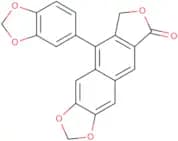
CAS:Justicidin E is a potent inhibitor that has been found in the urine of Chinese medicinal plants. It has been shown to have anticancer properties by inhibiting tumor growth and inducing apoptosis in cancer cells. Justicidin E works by inhibiting protein kinases, which are enzymes that play a crucial role in cell division and proliferation. This inhibition leads to the suppression of cancer cell growth and the promotion of apoptosis. Justicidin E is an analog of glycerol, a naturally occurring organic compound found in many foods and beverages. Its unique chemical structure makes it an effective inhibitor of cancer cell growth without causing significant toxicity to healthy human cells. With its promising potential as an anticancer agent, Justicidin E is being studied extensively for its medicinal properties.Formula:C20H12O6Purity:Min. 95%Molecular weight:348.3 g/molRemdesivir impurity 14
Remdesivir impurity 14 is a research and development product that belongs to the class of drugs. It is a synthetic metabolite with high purity. Remdesivir impurity 14 meets the pharmacopoeia standard for drug products and drug development. It has been synthesized to be used as an analytical standard for HPLC analysis of remdesivir. This product also has niche applications in metabolism studies, because it is a natural metabolite with its own metabolic pathway.Formula:C18H18N5O7PPurity:Min. 95%Molecular weight:447.34 g/molN-Demethyl-N-(ethylsuccinyl) erythromycin
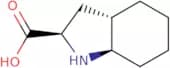
Please enquire for more information about N-Demethyl-N-(ethylsuccinyl) erythromycin including the price, delivery time and more detailed product information at the technical inquiry form on this pageFormula:C42H73NO16Purity:Min. 95%Molecular weight:848.03 g/mol(2R,3aS,7aR)-Octahydro-1H-indole-2-carboxylic acid
CAS:(2R,3aS,7aR)-Octahydro-1H-indole-2-carboxylic acid is a drug product that is an analytical standard used in the study of metabolism. It is a natural compound that can be synthesized and purified. This chemical has been used as an impurity standard to identify other compounds. It has been used in the synthesis of other drugs and can be custom synthesized for research and development purposes. (2R,3aS,7aR)-Octahydro-1H-indole-2-carboxylic acid can be used as an HPLC standard or high purity chemical. This compound has shown pharmacopoeia activity and is used in drug development and research studies.Formula:C9H15NO2Purity:Min. 95%Molecular weight:169.22 g/molGPI-16552
CAS:GPI-16552 is an inhibitor that has shown potential as an anticancer agent. It induces apoptosis in cancer cells by disrupting the cell cycle and inhibiting the activity of certain proteins. Studies have shown that GPI-16552 can inhibit tumor growth in human cancer cell lines, making it a promising candidate for future cancer treatments. Additionally, this inhibitor has been found in Chinese urine samples and may have potential as a natural source of vitamin-like compounds. Overall, GPI-16552 is a powerful inhibitor with exciting potential for both cancer research and health supplementation.Formula:C33H30N2O3Purity:Min. 95%Molecular weight:502.6 g/mol1-[2-(3-Chloro-2-hydroxypropoxy)phenyl]-3-phenyl-1-propanone
CAS:1-[2-(3-Chloro-2-hydroxypropoxy)phenyl]-3-phenyl-1-propanone is a synthetic drug product. It is an impurity standard for HPLC, and drug development and research. This compound is also used as an analytical reference. The CAS number for this chemical is 165279-79-8.Formula:C18H19ClO3Purity:Min. 95%Molecular weight:318.79 g/mol2-Ethoxy-4-[2-[[(1R)-3-methyl-1-[2-(1-piperidinyl)phenyl]butyl]amino]-2-oxoethyl]benzoic acid
CAS:2-Ethoxy-4-[2-[[(1R)-3-methyl-1-[2-(1-piperidinyl)phenyl]butyl]amino]-2-oxoethyl]benzoic acid is a synthetic amino acid. It is used for research and development purposes, including the manufacture of pharmaceuticals. The impurity standard for this compound is CAS No. 147852-26-4. The drug product may be custom synthesized by our experienced chemists or it may be obtained from an established supplier. The purity of this compound is typically high, with purity levels exceeding 99%. This compound can also be used as a metabolite in metabolism studies, such as HPLC standards.Formula:C27H36N2O4Purity:Min. 95%Molecular weight:452.59 g/mol5-Chloro-N-[3-[[(5-chloro-2-thienyl)carbonyl]amino]-2-hydroxypropyl]-N-[4-(3-oxo-4-morpholinyl)phenyl]-2-thiophenecarboxamide
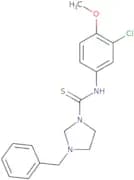
CAS:Please enquire for more information about 5-Chloro-N-[3-[[(5-chloro-2-thienyl)carbonyl]amino]-2-hydroxypropyl]-N-[4-(3-oxo-4-morpholinyl)phenyl]-2-thiophenecarboxamide including the price, delivery time and more detailed product information at the technical inquiry form on this pageFormula:C23H21Cl2N3O5S2Purity:Min. 95%Molecular weight:554.47 g/molDC-5163
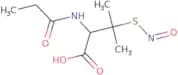
CAS:DC-5163 is a protein analog that has shown potent anticancer activity in preclinical studies. It inhibits the activity of kinases, which are enzymes involved in cancer cell growth and survival. DC-5163 has been shown to induce apoptosis, or programmed cell death, in various types of cancer cells, including those from human tumors and Chinese hamster ovary cells. This compound also acts as a toxin for cancer cells by interfering with their ability to divide and grow. In addition, DC-5163 has shown promising results as an inhibitor of tumor growth in animal models. Its potential as a therapeutic agent for cancer treatment is currently being investigated.Formula:C18H20ClN3OSPurity:Min. 95%Molecular weight:361.9 g/molS-Nitroso-N-propionyl-D,L-penicillamine
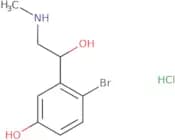
CAS:S-Nitroso-N-propionyl-D,L-penicillamine is a nitric oxide donor that can be used in the treatment of locomotor activity and renal injury. It has been shown to inhibit protein synthesis and growth factor production by light exposure. This drug has also been used to treat infectious diseases such as tuberculosis, as well as autoimmune diseases like lupus and lymphoproliferative disorders such as leukemia. S-Nitroso-N-propionyl-D,L-penicillamine is also used for the prevention of postoperative kidney damage after ischemia reperfusion during surgery. The drug was found to reduce the levels of neutrophils, which are cells that are responsible for inflammation. There have been no reports on its potential carcinogenicity or mutagenicity.Formula:C8H14N2O4SPurity:Min. 95%Molecular weight:234.28 g/molrac 6-Bromo phenylephrine hydrochloride
CAS:Please enquire for more information about rac 6-Bromo phenylephrine hydrochloride including the price, delivery time and more detailed product information at the technical inquiry form on this page
Formula:C9H13BrClNO2Purity:Min. 95%Molecular weight:282.56 g/molAmbroxol hydrochloride impurity C
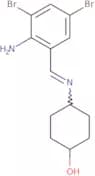
CAS:Ambroxol hydrochloride impurity C is a by-product of ambroxol hydrochloride. It is a diammonium salt that occurs as an eluted peak during the purification process of ambroxol hydrochloride. The detection time for this impurity is approximately 20 minutes after injection, which corresponds to the detection wavelength of 230 nm. Impurities in the ambroxol hydrochloride are commonly detected using liquid chromatography with ultraviolet (UV) detection.Formula:C13H16Br2N2O·HClPurity:Min. 95%Molecular weight:412.55 g/molFoxy 5 trifluoroacetic acid
CAS:Foxy 5 trifluoroacetic acid is a nanofiber that can be used to create a cancer-fighting drug. It is made of polymers and has been shown to have the ability to absorb electromagnetic fields from all directions. Foxy 5 trifluoroacetic acid is packaged in a small, easy-to-handle container that releases the drug when the package is positioned against the tumor. This drug can be used for colon cancer and colorectal cancer because it targets only cells with efflux proteins, which are proteins that promote cancer cell metastasis. In addition, Foxy 5 trifluoroacetic acid has been shown to be effective against prostate and breast cancers by targeting specific receptors on these cells.
Formula:C26H42N6O12S2Purity:Min. 95%Molecular weight:694.8 g/mol7-Chloro-1-methyl-2,3,4,5-tetrahydro-1H-3-benzazepine
CAS:Please enquire for more information about 7-Chloro-1-methyl-2,3,4,5-tetrahydro-1H-3-benzazepine including the price, delivery time and more detailed product information at the technical inquiry form on this pageFormula:C11H14ClNPurity:Min. 95%Molecular weight:195.69 g/molAmlodipine besilate impurity B
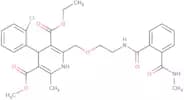
CAS:Amlodipine besilate impurity B is a metabolite of amlodipine besilate. It is an impurity that originates from the synthesis of amlodipine besilate, which is a calcium channel blocker used to treat high blood pressure. Amlodipine besilate impurity B can be synthesized or found in nature, depending on the desired purity and availability.Formula:C29H32ClN3O7Purity:Min. 95%Molecular weight:570 g/molPeraquinsin
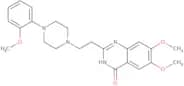
CAS:Peraquinsin is a potent anticancer drug that targets human protein kinases, which are enzymes involved in cell cycle regulation and apoptosis. It is an analog of a natural product found in urine, and has been shown to inhibit the activity of several kinases that are important for tumor growth. Peraquinsin is a promising inhibitor of cancer cell proliferation, with potential applications in medicinal chemistry. Its mechanism of action involves inhibiting the activity of specific protein kinases, leading to cell cycle arrest and apoptosis. This drug has shown great potential as an anticancer agent due to its ability to target multiple signaling pathways involved in cancer development and progression.
Formula:C23H28N4O4Purity:Min. 95%Molecular weight:424.5 g/molProfluthrin
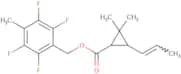
CAS:Profluthrin is a potent analog of the Chinese medicinal herb, Chrysanthemum indicum. It acts as an inhibitor of protein kinases involved in the regulation of cell cycle and apoptosis. Profluthrin has been shown to have anticancer properties by inducing apoptosis in cancer cells and inhibiting tumor growth. This compound also shows potential as a urinary inhibitor for the prevention of urinary tract infections. Its unique chemical structure allows it to act selectively on specific protein kinases, making it a promising candidate for targeted cancer therapy.Formula:C17H18F4O2Purity:Min. 95%Molecular weight:330.32 g/molOxo Simvastatin
CAS:Oxo Simvastatin is a synthetic drug product that belongs to the class of statins. It is used as a research and development impurity standard in pharmacopoeia, and as a high-purity analytical standard in niche applications. Oxo Simvastatin is metabolized by cytochrome P450 enzymes to form a variety of metabolites, including simvastatin acid, which can be measured using HPLC.Formula:C25H36O5Purity:Min. 95%Molecular weight:416.55 g/mol(S,S)-Dihydro bupropion hydrochloride
CAS:Controlled Product(S,S)-Dihydro bupropion hydrochloride (Bupropion) is an antidepressant that is used for the treatment of major depressive disorder and seasonal affective disorder. It is a racemic mixture of the two enantiomers, (S,S) and (R,R), with the former being more active than the latter. The drug product contains a racemic mixture of (S,S) and (R,R) in a ratio of approximately 97:3. The analytical impurity in this product is N-desmethyl-bupropion. This impurity has not been found to be pharmacologically active. Bupropion may be synthesized by reacting benzaldehyde with propargyl bromide in presence of sodium hydroxide in ethanol to form a cyclic imine intermediate which is then hydrolyzed to yield bupropion
Formula:C13H20ClNO·HClPurity:Min. 95%Molecular weight:241.76 g/molN-(Aminosulphonyl)-2-[[[2-[(Aminoiminomethyl)amino]-4-thiazolyl]methylsulphinyl]propanimidamide
CAS:N-(Aminosulphonyl)-2-[[[2-[(aminoiminomethyl)amino]-4-thiazolyl]methylsulphinyl]propanimidamide (NTSX) is an analytical standard and a metabolite of the drug product N-(aminosulphonyl)-2-[[[2-[(aminothiazolyl)methyl]sulfinyl]propanimidamide (NTST). The CAS number is 109467-06-3. NTSX is a white to off-white crystalline powder that is soluble in water and has a molecular weight of 296.37. It has been shown to be active against ampicillin resistant strains of Staphylococcus aureus, but not against methicillin resistant strains. NTSX can be synthesized from the drug NTST or obtained as an impurity from the synthesis of NTST.Formula:C8H15N7O3S3·C4H4O4Purity:Min. 95%Molecular weight:469.52 g/molAcyclovir EP Impurity Q
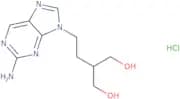
Acyclovir EP Impurity Q is a drug product that is used as the impurity standard for Acyclovir EP. It is a natural metabolite of acyclovir and may be found in the urine of patients taking this drug. Acyclovir EP Impurity Q has shown to have antiviral activity against herpes simplex virus type 1 and type 2. The structure of this compound has been determined by nuclear magnetic resonance (NMR) spectroscopy and mass spectrometry.Purity:Min. 95%Rpr121056-d3
CAS:Please enquire for more information about Rpr121056-d3 including the price, delivery time and more detailed product information at the technical inquiry form on this pageFormula:C33H38N4O8Purity:Min. 95%Molecular weight:621.7 g/molDutasteride EP impurity E
CAS:Please enquire for more information about Dutasteride EP impurity E including the price, delivery time and more detailed product information at the technical inquiry form on this pageFormula:C27H30F6N2O2Purity:Min. 95%Molecular weight:528.54 g/mol9α-Fluoro-6α-methylprednisolone 21-acetate
CAS:Controlled Product9α-Fluoro-6α-methylprednisolone 21-acetate is an analog of the hormone cortisol and has potent anti-inflammatory and immunosuppressive properties. It is also being studied for its potential anticancer activity. This compound inhibits cyclin-dependent kinases, which are involved in regulating cell division and growth. It has been shown to induce apoptosis in cancer cells and inhibit tumor growth in animal models. Additionally, it has been found in human urine, indicating that it may have potential as a biomarker for cancer diagnosis or monitoring.Formula:C24H31FO6Purity:Min. 95%Molecular weight:434.5 g/molBaclofen inhouse impurity
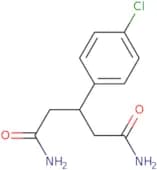
CAS:Baclofen inhouse impurity is an analog of baclofen that has been shown to have potent anticancer properties. It acts as a kinase inhibitor, specifically inhibiting the activity of certain kinases that are involved in cancer cell growth and proliferation. In preclinical studies, this compound has demonstrated significant tumor growth inhibition and induction of apoptosis in human cancer cell lines. This medicinal compound is commonly used in Chinese medicine for its anti-cancer effects. Baclofen inhouse impurity can be isolated from urine or synthesized chemically. Its potential as a protein kinase inhibitor makes it a promising candidate for further development as an anticancer agent.Formula:C11H13ClN2O2Purity:Min. 95%Molecular weight:240.68 g/molDeacylated alfuzosin
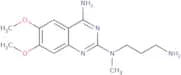
CAS:Deacylated alfuzosin is an impurity of alfuzosin, which is a selective alpha-1A-adrenergic receptor antagonist. It has been shown to minimize the effects of impurities in alfuzosin by binding competitively to the alpha-1A-adrenergic receptors.Formula:C14H21N5O2Purity:Min. 95%Molecular weight:291.35 g/molCarbocisteine lactam sodium salt
CAS:Carbocisteine is a drug that belongs to the class of non-steroidal anti-inflammatory drugs. It is used in the treatment of bronchial asthma, bronchitis, and chronic obstructive pulmonary disease. Carbocisteine has been shown to inhibit platelet aggregation and to reduce blood viscosity. Carbocisteine may also be classified as a drug that binds to octadecyl groups. In this way it can be used as an analytical reagent for substances with similar chemical structures.
Formula:C5H6NNaO3SPurity:Min. 95%Molecular weight:183.16 g/molScopine-2,2-dithienyl glycolate
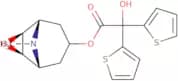
CAS:Scopine-2,2-dithienyl glycolate is a catalyst that belongs to the class of dithienyl glycolates. Scopine-2,2-dithienyl glycolate is used in the pharmaceutical industry as an average catalyst for reactions and can be used to recover dimethylbenzene. The method of detection for scopine-2,2-dithienyl glycolate is based on its ability to absorb light at a wavelength of 360 nm. The reaction solution must be monitored carefully during the synthetic process because it has been shown that it can react with water or air and form hydrogen sulfide gas. If this happens, the reaction solution will become cloudy or turbid. This product is a white crystalline solid that appears as tiny needles and has a melting point of 173 degrees Celsius (340 degrees Fahrenheit).Formula:C18H19NO4S2Purity:Min. 95%Molecular weight:377.48 g/mol4-Ethyl-5-fluoropyrimidine hydrochloride
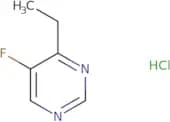
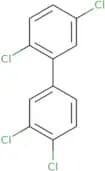
CAS:Please enquire for more information about 4-Ethyl-5-fluoropyrimidine hydrochloride including the price, delivery time and more detailed product information at the technical inquiry form on this pageFormula:C6H8ClFN2Purity:Min. 95%Molecular weight:162.59 g/mol2,3',4',5-Tetrachlorobiphenyl
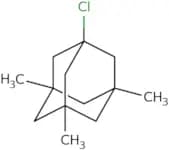
CAS:Controlled Product2,3',4',5-Tetrachlorobiphenyl is an analog with potent anticancer activity. It has been shown to induce apoptosis in human cancer cells and inhibit tumor growth in Chinese hamsters. This compound is also a potent inhibitor of protein kinases, including those involved in the regulation of cell growth and differentiation. Additionally, it has been found to enhance the activity of other kinase inhibitors such as tolvaptan. 2,3',4',5-Tetrachlorobiphenyl may be useful for developing new therapies for cancer treatment.Formula:C12H6Cl4Purity:Min. 95%Molecular weight:292 g/mol1-Chloro-3,5,7-trimethyladamantane
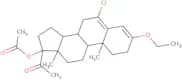
CAS:Please enquire for more information about 1-Chloro-3,5,7-trimethyladamantane including the price, delivery time and more detailed product information at the technical inquiry form on this pageFormula:C13H21ClPurity:Min. 95%Molecular weight:212.76 g/mol17-Acetoxy-6-chloro-3-ethoxypregna-3,5-dien-20-one
CAS:Controlled ProductPlease enquire for more information about 17-Acetoxy-6-chloro-3-ethoxypregna-3,5-dien-20-one including the price, delivery time and more detailed product information at the technical inquiry form on this page
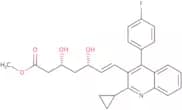
Formula:C25H35ClO4Purity:Min. 95%Molecular weight:435 g/molPitavastatin methyl ester
CAS:((3R,5S,6E)-Methyl-7-(2-cyclopropyl-4-(4-fluorophenyl)quinolin -3-yl)-3,5-dihydroxyhept-6-enoate is a metabolite of the drug product. It is a white to off-white crystalline powder that is soluble in methanol and insoluble in water. This compound has been shown to be an impurity standard for HPLC analysis of the drug product. ((3R,5S,6E)-Methyl-7-(2-cyclopropyl-4-(4-fluorophenyl)quinolin -3-yl)-3,5-dihydroxyhept-6-enoate has been used in metabolism studies and pharmacopoeia as a reference substance for the analytical testing of drugs. It can also be synthesized for research purposes.Formula:C26H26FNO4Purity:Min. 95%Molecular weight:435.79 g/molTametraline
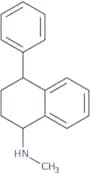
CAS:Tametraline is a medicinal compound that has been used in Chinese traditional medicine to treat tumors. It is an analog of protein kinase inhibitors and has shown potent anticancer activity in preclinical studies. Tametraline is an inhibitor of kinases, which are enzymes involved in the regulation of cell growth and division. It induces apoptosis, or programmed cell death, in cancer cells by inhibiting the activity of these enzymes. Tametraline has also been found to be excreted in urine, indicating that it can be effectively metabolized by the human body. This compound holds great promise as a potential treatment for various types of cancer.Formula:C17H19NPurity:Min. 95%Molecular weight:237.34 g/molBis(o-ethylbenzylamine) catechol dihydrochloride
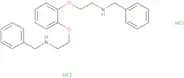
CAS:Bis(o-ethylbenzylamine) catechol dihydrochloride is a potent inhibitor of protein kinases that play a crucial role in the regulation of the cell cycle. It has been shown to induce apoptosis in various human cancer cell lines, including leukemia and Chinese hamster ovary cells. This compound inhibits the activity of several kinases, including indoleamine 2,3-dioxygenase (IDO), which is involved in tumor immune evasion. Bis(o-ethylbenzylamine) catechol dihydrochloride also acts as an inhibitor of other key proteins involved in the growth and proliferation of cancer cells. Its unique mode of action makes it a promising candidate for the development of novel anticancer therapies.Formula:C24H30Cl2N2O2Purity:Min. 95%Molecular weight:449.4 g/molCarbamazepine impurity
CAS:Carbamazepine is a drug that has been used to treat epileptic seizures and trigeminal neuralgia. Impurities in the drug are removed by using chromatographic methods, such as high-performance liquid chromatography (HPLC). The rotarod test is an animal model of motor coordination and balance that can be used to assess the effects of drugs on these functions. Carbamazepine impurities may cause depression and have an epileptic effect on animals. Chronic exposure to carbamazepine can lead to drug reactions and gene polymorphisms, which may alter the metabolism of the drug. Analytical methods for determining carbamazepine impurities include HPLC, gas chromatography mass spectrometry (GC-MS), and thin-layer chromatography (TLC).Formula:C15H14N2OPurity:Min. 95%Molecular weight:238.28 g/molNeriifolin
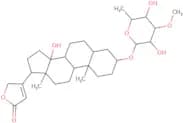
CAS:Neriifolin is a potent anticancer compound that has been isolated from the Chinese plant, Nerium oleander. It belongs to the class of xylan analogs and has been shown to inhibit the growth of cancer cells by inducing apoptosis. Neriifolin targets the cell cycle and inhibits the activity of protein kinases, which are essential for cell division. It has demonstrated significant inhibitory effects on tumor growth in human cancer cell lines, making it a promising candidate for cancer therapy. In addition, Neriifolin has been found to be a potent inhibitor of several key enzymes involved in cancer progression, making it an attractive target for developing new cancer therapies. Its effectiveness as an anticancer agent makes Neriifolin an important tool in the fight against cancer.Formula:C30H46O8Purity:Min. 95%Molecular weight:534.7 g/mol6-Chloro-4-(2-chlorophenyl)-2-quinazolinecarboxylic acid
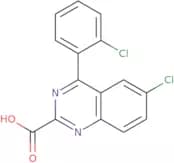
CAS:6-Chloro-4-(2-chlorophenyl)-2-quinazolinecarboxylic acid (CA) is an impurity found in the drug lorazepam. It is a chemical intermediate that is not active as a pharmaceutical agent, but has been studied for use in treating epilepsy and other neurological disorders. CA is an excipient used to manufacture other drugs such as salicylic acid and the surfactant sodium lauryl sulfate. It has been shown to have acidic properties and can be used as a surfactant, which is helpful in chromatographic methods to separate molecules by size. CA also binds to chloride ions, which are necessary for the proper functioning of many cellular processes. CA's molecular weight is 322 daltons and it exhibits no pharmacological activity.
Formula:C15H8Cl2N2O2Purity:Min. 95%Color and Shape:White PowderMolecular weight:319.14 g/molHydroxychloroquine N-oxide
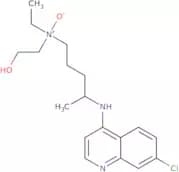
CAS:Hydroxychloroquine N-oxide is a drug product that is an impurity of hydroxychloroquine. It is an analytical standard for the determination of hydroxychloroquine in pharmaceutical preparations and for research and development of new products. Hydroxychloroquine N-oxide is also used as an impurity standard for HPLC with UV detection, LC/MS, and GC/MS. The chemical formula of this compound is C6H7ClN3O4. The molecular weight of this compound is 231.09 g/mol. Hydroxychloroquine N-oxide has CAS No. 1449223-88-4 and natural status. br>br> Hydroxychloroquine N-oxide is primarily used as a synthesis intermediate in the production of drugs, such as antihypertensives, antimalarials, antidepressants, antipsychotics, immunosuppressants and immunomodulators.br>br> TheFormula:C18H26ClN3O2Purity:Min. 95%Molecular weight:351.9 g/molClobetasol Propionate - Impurity C
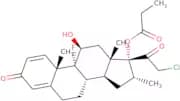
CAS:Controlled Product21-Chloro-9-fluoro-11beta,17-dihydroxy-16alpha-methylpregna-1,4-diene-3,20-dione 17-propionate is an ester of ketoconazole and the propionic acid. It is used as a pharmaceutical formulation and has been shown to be stable in an HPLC method. This compound also has an optical isomer that was validated by a stability test. This product has been shown to have antiinflammatory properties and may be used as a topical treatment for skin disorders such as clobetasol propionate.Formula:C25H32ClFO5Purity:Min. 95%Molecular weight:466.97 g/molBimatoprost acid methyl ester
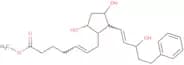
CAS:Bimatoprost acid methyl ester is a medicament, which is a prostaglandin that is used for the treatment of glaucoma. It has a number of analogues, including bimatoprost and latanoprost. Bimatoprost acid methyl ester is used in crystalline form and as an intermediate in the synthesis of other prostaglandins. This product can be found in polymorphic form.Formula:C24H34O5Purity:Min. 95%Color and Shape:PowderMolecular weight:402.5 g/mol2-(2-(4-(Dibenzo[b,f][1,4]thiazepin-11-yl)piperazin-1-yl)ethoxy)ethyl acetatequetiapine acetate
CAS:2-(2-(4-(Dibenzo[b,f][1,4]thiazepin-11-yl)piperazin-1-yl)ethoxy)ethyl acetatequetiapine acetate is a drug product that is synthesized and purified by HPLC. It is a metabolite of quetiapine, an antipsychotic drug used for the treatment of schizophrenia and bipolar disorder. 2-(2-(4-(Dibenzo[b,f][1,4]thiazepin-11-yl)piperazin-1-yl)ethoxy)ethyl acetatequetiapine acetate has been shown to be more potent than quetiapine in inhibiting dopamine release in rat brain synaptosomes and dopamine transporter activity in human cells. This compound also inhibits the binding of ligands to the serotonin transporter at higher concentrations than those required for inhibition of dopamine uptake.Formula:C23H27N3O3SPurity:Min. 95%Molecular weight:425.50 g/molChlorpromazine EP Impurity F
CAS:Chlorpromazine EP Impurity F is a research and development impurity standard for the drug product, chlorpromazine. This product is synthesized in high purity and meets pharmacopeia standards. It has been shown to have low toxicity in animals, with no negative effects on the liver or kidneys. The metabolite of chlorpromazine EP Impurity F has been identified as being formed by hydrolysis of the ester linkage. Chlorpromazine EP Impurity F can be used as a reference material to support the quality control of drug products that contain chlorpromazine.Purity:Min. 95%4-[(2-Chlorophenyl)sulfonyl]benzenamine
CAS:Please enquire for more information about 4-[(2-Chlorophenyl)sulfonyl]benzenamine including the price, delivery time and more detailed product information at the technical inquiry form on this pageFormula:C12H10ClNO2SPurity:Min. 95%Molecular weight:267.73 g/molRemdesivir related compound 12
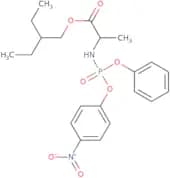
CAS:Remdesivir related compound 12 is a synthetic drug product. It is an impurity standard used for the production of the active pharmaceutical ingredient, remdesivir. The substance is a custom synthesis and can be synthesized to meet customer specifications. Remdesivir related compound 12 has been studied in animal models for metabolism studies and human pharmacokinetic studies. This substance is also used for research and development, as well as niche drug development.
Formula:C21H27N2O7PPurity:Min. 95%Molecular weight:450.42 g/molMiproxifene
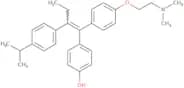
CAS:Controlled ProductMiproxifene is a potent anticancer drug that has been shown to induce apoptosis and inhibit cell cycle progression in human cancer cells. This drug has been extensively studied in Chinese hamster ovary (CHO) cells and has demonstrated significant activity against various types of cancer, including leukemia. Miproxifene acts as a protein inhibitor and has been found to be effective against several tumor cell lines. It is a promising medicinal compound for the treatment of cancer, with potential applications in both chemotherapy and radiation therapy. Miproxifene is excreted primarily through urine and is well-tolerated by patients. Its use as an anticancer agent holds great promise for the future of cancer treatment.
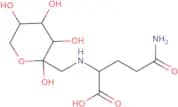
Formula:C29H35NO2Purity:Min. 95%Molecular weight:429.6 g/mol1-(9-Deazaguanin-9-yl)-1,4-dideoxy-1,4-iminoribitol
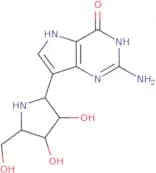
CAS:1-(9-Deazaguanin-9-yl)-1,4-dideoxy-1,4-iminoribitol is an analog of mannitol that acts as a potent inhibitor of kinase activity. It has been shown to induce apoptosis in cancer cells and has potential as an anticancer agent. This compound inhibits the activity of Chinese hamster ovary cell kinases and luciferase kinases, which are involved in protein synthesis and tumor growth. Additionally, this compound has been found in human urine samples, suggesting that it may have clinical relevance as a therapeutic agent for cancer treatment. Overall, 1-(9-Deazaguanin-9-yl)-1,4-dideoxy-1,4-iminoribitol shows great promise as a novel inhibitor with potential for use in cancer therapy.
Formula:C11H15N5O4Purity:Min. 95%Molecular weight:281.27 g/molOlsalazine sodium impurity A
Olsalazine sodium impurity A is a synthetic drug that is used as an active pharmaceutical ingredient (API) in the development of drug products. It is a metabolite of olsalazine sodium, which is a natural product. Olsalazine sodium impurity A has been shown to be an analytical impurity for HPLC standards and is also used in metabolism studies. This impurity has niche applications as an analytical standard or as a pharmacopoeia reference material.END>Formula:C15H12N2O6Purity:Min. 95%Molecular weight:316.27 g/molSanthopine
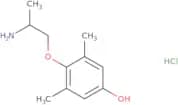
CAS:Santhopine is a medicinal compound that has shown to be a promising anticancer agent. It is a kinase inhibitor that targets various protein kinases involved in cancer cell proliferation and survival. Santhopine has been found in the urine of Chinese cancer patients and has been shown to induce apoptosis (programmed cell death) in human cancer cells. This compound inhibits the cell cycle, preventing the uncontrolled growth of tumor cells. Santhopine's potential as an anticancer drug makes it an exciting area of research for cancer treatment.Formula:C11H20N2O8Purity:Min. 95%Molecular weight:308.29 g/mol4-Hydroxy mexiletine hydrochloride
CAS:4-Hydroxy mexiletine hydrochloride is a compound with a high viscosity and the presence of impurities. It forms hydrogen bonds and has been found to interact with growth factors such as epidermal growth factor (EGF). This compound has been shown to have neutralizing effects on CDK4/6 inhibitors like palbociclib, which are commonly used in cancer treatment. Additionally, 4-Hydroxy mexiletine hydrochloride binds to proteins involved in cellular processes, such as interleukin-6 (IL-6) and monoclonal antibodies. Its structure includes a chelate ring, which can be observed in its mass spectrum analysis. Furthermore, this compound has demonstrated an impact on hepatocyte growth and phycocyanin.Formula:C11H18ClNO2Purity:Min. 95%Molecular weight:231.72 g/molFluticasone furoate EP impurity G
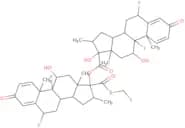
CAS:Fluticasone furoate impurity K is a synthetic drug product that is used in the manufacture of pharmaceutical products. It has a CAS Number of 220589-37-7, and the purity of the compound is >98%. The compound has been synthesized using natural starting materials, and it has undergone metabolism studies to determine its pharmacological activity. Fluticasone furoate impurity K is on the list of substances that are not scheduled by the US DEA. Fluticasone furoate impurity K is an analytical standard and Metabolite for use in HPLC analysis. Fluticasone furoate impurity K can be used as a Research and Development or Pharmacopoeia standard. This compound may also be useful for niche applications such as Drug development or Custom synthesis.Formula:C43H51F5O8SPurity:Min. 95%Molecular weight:822.92 g/molHydroxyvarenicline N-oxide
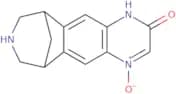
CAS:Hydroxyvarenicline N-oxide is a drug product with a purity of 98.0%. It is an analytical standard used in metabolism studies, drug development, and pharmacopoeia. It has been shown to be metabolized by CYP450 enzymes to form its metabolite hydroxyvarenicline N-oxide sulfate. The CAS number for this compound is 2306217-11-6.Purity:Min. 95%NMP-ACA (cefepime impurity)
CAS:NMP-ACA is a metabolite of cefepime. It is a synthetic, impurity standard for use in HPLC. It has an analytical purity of >98%. The metabolites of NMP-ACA are not known at this time.Formula:C13H19N3O3SPurity:Min. 95%Molecular weight:297.37 g/molMdl 72832 hydrochloride
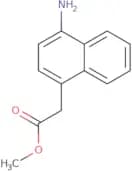
CAS:Mdl 72832 hydrochloride is a ligand that modulates the activity of nerve cells. It has been shown to activate and synergistically enhance the effects of nerve growth factor (NGF) and acetylcholine on neurons. Mdl 72832 hydrochloride also increases the synthesis and release of melanocortins, which are neurotransmitters that are involved in regulating appetite, mood, and pain sensation. Mdl 72832 hydrochloride may be a potential nootropic agent for the treatment of neurodegenerative diseases such as Alzheimer's disease or Parkinson's disease.Formula:C22H31ClN2O4Purity:Min. 95%Molecular weight:422.9 g/mol4-Amino-1-naphthaleneacetic acid methyl ester
CAS:Please enquire for more information about 4-Amino-1-naphthaleneacetic acid methyl ester including the price, delivery time and more detailed product information at the technical inquiry form on this page
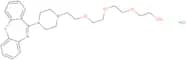
Formula:C13H13NO2Purity:Min. 95%Molecular weight:215.25 g/molN,N-Bis[2-(2-hydroxyethoxy)ethyl] quetiapine chloride
N,N-Bis[2-(2-hydroxyethoxy)ethyl] quetiapine chloride is a synthetic drug product with a purity of >98% and low impurity content, which is used in research and development. It can be custom synthesized to meet the needs of a particular research or development project. This compound has an analytical purity of >98% and low impurity content, making it suitable for use as an API impurity standard. N,N-Bis[2-(2-hydroxyethoxy)ethyl] quetiapine chloride is not currently regulated by any pharmacopoeia.Formula:C25H34ClN3O4SPurity:Min. 95%Molecular weight:508.07 g/mol[p-(Benzyloxy)phenyl]acetic acid tert-butyl ester
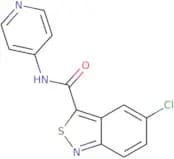
CAS:Please enquire for more information about [p-(Benzyloxy)phenyl]acetic acid tert-butyl ester including the price, delivery time and more detailed product information at the technical inquiry form on this pageFormula:C19H22O3Purity:Min. 95%Molecular weight:298.4 g/mol5-Chloro-N-4-pyridinyl-2,1-benzisothiazole-3-carboxamide
CAS:Please enquire for more information about 5-Chloro-N-4-pyridinyl-2,1-benzisothiazole-3-carboxamide including the price, delivery time and more detailed product information at the technical inquiry form on this page
Formula:C13H8ClN3OSPurity:Min. 95%Molecular weight:289.74 g/molRemdesivir impurity 8
Remdesivir impurity 8 is a metabolite of remdesivir, a drug product that belongs to the class of synthetic compounds. Remdesivir impurity 8 has been used as a research and development standard for HPLC analysis. It is also used as an impurity standard in pharmacopoeia and drug development. This impurity has shown natural activity in metabolism studies, but it is not known if this activity is due to the compound itself or an artifact from its synthesis.
Formula:C30H39N6O8PPurity:Min. 95%Molecular weight:642.64 g/mol5-Oxo pitavastatin
CAS:5-Oxo pitavastatin is a research and development drug product that is synthesized by custom synthesis. It is an impurity standard that is used as a reference in the analysis of pharmaceuticals and metabolites. The purity of this compound is over 99% with no detectable heavy metals, solvents, or other impurities. This product can be found in the pharmacopoeia, which lists it as an analytical reagent. 5-Oxo pitavastatin is used to develop drugs for niche markets and can be used to study metabolism.
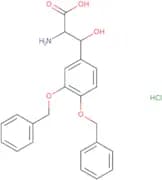
Formula:C25H22FNO4Purity:Min. 95%Color and Shape:PowderMolecular weight:419.45 g/mol3,4-Di-o-benzyl droxidopa-13C2,15N hydrochloride
CAS:Please enquire for more information about 3,4-Di-o-benzyl droxidopa-13C2,15N hydrochloride including the price, delivery time and more detailed product information at the technical inquiry form on this pageFormula:C23H24ClNO5Purity:Min. 95%Molecular weight:432.9 g/molQuetiapine ep impurity J
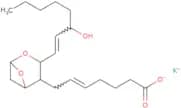
CAS:Controlled ProductQuetiapine ep impurity J is a drug product that is custom synthesized to meet the needs of our clients. It can be used for analytical or metabolite identification purposes, as well as research and development. Quetiapine ep impurity J is a metabolite of quetiapine, which is a drug product that falls under the CAS No. 2250242-46-5. We offer high purity and analytical standards for this product and can provide a Metabolism studies report on request. Quetiapine ep impurity J is not listed in the pharmacopoeia and can only be obtained through synthesis. This product also has niche applications in synthetic chemistry research, as well as HPLC standards available on request.Formula:C25H34ClN3O4SPurity:Min. 95%Molecular weight:508.1 g/molThromboxane A2 potassium salt
CAS:Please enquire for more information about Thromboxane A2 potassium salt including the price, delivery time and more detailed product information at the technical inquiry form on this page
Formula:C20H31KO5Purity:Min. 95%Molecular weight:390.6 g/molDihydro lafutidine
CAS:Dihydro lafutidine is a drug product that is used in the treatment of acid-related disorders. It is an analytical standard and impurity control compound for HPLC. Dihydro lafutidine has been shown to inhibit the production of gastric acid by blocking the histamine H2 receptor, which is involved in regulating stomach pH. It also inhibits the growth of Helicobacter pylori, which may be due to its ability to bind to bacterial 16S ribosomal RNA and inhibit protein synthesis.Formula:C22H31N3O4SPurity:Min. 95%Molecular weight:433.60 g/mol6-Deoxypenciclovir hydrochloride
CAS:6-Deoxypenciclovir hydrochloride is a synthetic intermediate that is used in the synthesis of penciclovir, an antiviral drug. 6-Deoxypenciclovir hydrochloride can be used as an analytical standard for HPLC and as a research and development (R&D) API impurity. This product has been shown to be metabolized to penciclovir, a natural metabolite of penciclovir. The CAS number for this product is 246021-75-0.Formula:C10H16ClN5O2Purity:Min. 95%Molecular weight:273.72 g/molTazarotenic acid sulfone
CAS:Tazarotenic acid sulfone is a retinoic acid, which is a metabolite of vitamin A. It is an all-trans retinoic acid that has been chemically modified to increase its water solubility and stability. Tazarotenic acid sulfone has been shown to inhibit the formation of metabolites by hydroxylase enzymes and the photolytic decomposition of tazarotene. Tazarotenic acid sulfone also interacts with the substrate binding site on cytochrome P450 enzyme, inhibiting the metabolic activation of exogenous substances such as acetonitrile and ammonium formate. The chemical structure of tazarotenic acid sulfone is acidic, which may be responsible for its inhibition of cytochrome P450 enzymes.Formula:C19H17NO4SPurity:Min. 95%Molecular weight:355.4 g/molAripiprazole EP Impurity E
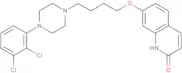
CAS:Aripiprazole EP Impurity E is a potential impurity of aripiprazole, which is an antipsychotic drug. It has been detected as a major impurity in the drug. Aripiprazole EP Impurity E has been found to be present in human plasma and it is thought that this impurity may have pharmacological effects on humans similar to those of aripiprazole. The detection of this impurity has been achieved using LC-MS/MS methods. This method can be used for wastewater treatment due to the matrix effect of nitrogen atoms. Aripiprazole EP Impurity E may have significant implications in the diagnosis, prevention, and treatment of obesity and other metabolic disorders.Formula:C23H25Cl2N3O2Purity:Min. 95%Molecular weight:446.37 g/molPrilocaine hydrochloride
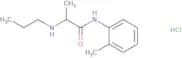
CAS:Prilocaine is a synthetic chemical that is used as an active ingredient in some local anesthetic preparations. It is a metabolite of lidocaine and has been shown to be more potent than lidocaine in animal studies. Prilocaine hydrochloride is the free base form of prilocaine, which is soluble in water and alcohol. This product can be used as a reference standard for quality control purposes or as an analytical impurity standard for the analysis of drug products containing prilocaine.Formula:C13H21ClN2OPurity:Min. 95%Molecular weight:256.77 g/molNaltrexone hydrochloride EP Impurity G
Naltrexone Impurity G is a synthetic impurity found in naltrexone. It is used as an impurity standard and can be custom synthesized to meet the needs of researchers, developers, and manufacturers of drug products. Naltrexone Impurity G is a metabolite that has been shown to have pharmacological effects similar to those of naltrexone. It is used in metabolism studies. Naltrexone Impurity G has a purity level of 99% or higher and can be ordered as a methanol solution or powder.
Formula:C20H23NO5Purity:Min. 95%Color and Shape:PowderMolecular weight:357.4 g/mol9,13β-Dehydro epinastine
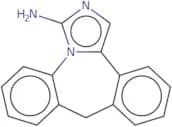
CAS:9,13β-Dehydro epinastine is a synthetic impurity that is an analytical reference material. It is a metabolite of the drug epinastine and has been shown to have pharmacological activity.Formula:C16H13N3Purity:Min. 95%Molecular weight:247.29 g/molDecarboxy ciprofloxacin
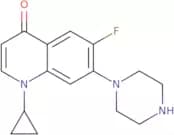
CAS:Decarboxy ciprofloxacin is a prodrug that is active against bacteria and other microorganisms. It has been shown to have an affinity for the fluoroquinolone binding site on the bacterial ribosome, inhibiting protein synthesis and cell division. Decarboxy ciprofloxacin has been used in animals to treat infections caused by Escherichia coli, Klebsiella pneumoniae, Salmonella enterica, Proteus mirabilis, and Pseudomonas aeruginosa. Decarboxy ciprofloxacin is administered orally in the form of tablets or capsules. The drug binds to metal ions and can be detected with a biosensor that uses an aptamer-coated electrode. This sensor can be used for the detection of both metal ions and fluoroquinolones. Decarboxy ciprofloxacin is also used as a research tool toFormula:C16H18FN3OPurity:Min. 95%Color and Shape:PowderMolecular weight:287.33 g/molBromfenac sodium imp-B
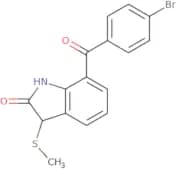
CAS:Bromfenac sodium imp-B is an analytical standard that is used in drug development and research to measure the concentration of bromfenac in pharmaceutical products. Bromfenac sodium imp-B is a white to off-white crystalline powder with a melting point of about 230°C. It is soluble in methanol, ethanol, and acetone, but insoluble in water. Bromfenac sodium imp-B can be synthesized from the corresponding bromo acid chloride.Formula:C16H12BrNO2SPurity:Min. 95%Molecular weight:362.24 g/mol5-Oxo atorvastatin
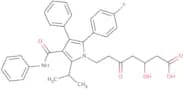
CAS:5-Oxo atorvastatin is an impurity standard for atorvastatin. It is a synthetic metabolite that has been observed in the urine of patients receiving atorvastatin. 5-Oxo atorvastatin can be used as a reference compound to calibrate HPLC measurements and as an analytical standard in pharmacopoeia testing.Formula:C33H33FN2O5Purity:Min. 95%Molecular weight:556.6 g/molMontelukast Bis-sulfide(mixture of diastereomers)
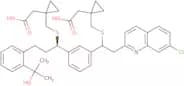
CAS:Montelukast Bis-sulfide is a drug product that is custom synthesized with high purity. It has been studied for its metabolism, analytical properties, and natural sources. The metabolite of montelukast bis-sulfide has been extensively researched for pharmacopoeia as well as for drug development. Montelukast bis-sulfide is a synthetic compound that is not found in nature, but it has niche applications in research and development. CAS No.: 1242260-05-4
Formula:C41H46ClNO5S2Purity:Min. 95%Molecular weight:732.39 g/molAlverine EP Impurity C
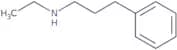
CAS:Alverine EP Impurity C is a by-product of the synthesis of alverine, which is an ammonium salt. The process involves the use of high yield, high purity triflic acid, and organic solvents. The reaction system is typically carried out in a solvent such as toluene or dichloromethane. The organic solvent is then removed by filtration and the desired product can be obtained by crystallization or recrystallization. Alverine EP Impurity C has been shown to have insecticidal properties when applied externally, due to its interaction with insect stereoisomers. It also has anticancer activity and may be used in cancer therapy treatments that involve decompressing tumours and increasing blood supply to the area. Alverine EP Impurity C also has a citric acid binding property that makes it insoluble in water.
Formula:C11H17NPurity:Min. 95%Molecular weight:163.26 g/mol5-(4-Amidinophenoxy)-1-pentanol
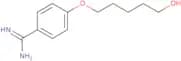
CAS:Please enquire for more information about 5-(4-Amidinophenoxy)-1-pentanol including the price, delivery time and more detailed product information at the technical inquiry form on this pageFormula:C12H18N2O2Purity:Min. 95%Molecular weight:222.28 g/molThreo ifenprodil hemitartrate
CAS:Threo ifenprodil hemitartrate is a drug product that has been synthesized and analyzed. It is an impurity standard for the synthesis of ifenprodil HCl. The purity of this product is greater than 99% and meets the requirements of the USP-NF, EP, BP, JP, and the pharmacopoeias of other countries. This product can be used in drug development research and development to develop drugs for niche markets.Formula:C21H27NO2Purity:Min. 95%Molecular weight:325.40 g/molOxybutynin EP impurity B
CAS:Oxybutynin EP impurity B is a metabolite of oxybutynin and is a natural product. It is used as an analytical reference substance, to develop new drugs, and in pharmacopoeia in order to measure the purity of oxybutynin. The compound is synthesized by chemical synthesis and can be used as a standard for HPLC analysis.
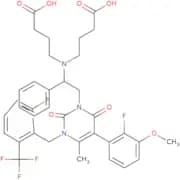
Purity:Min. 95%Elagolix dialkylated impurity
CAS:Please enquire for more information about Elagolix dialkylated impurity including the price, delivery time and more detailed product information at the technical inquiry form on this pageFormula:C36H36F5N3O7Purity:Min. 95%Molecular weight:717.7 g/molJTE 013
CAS:JTE 013 is a medicinal compound that acts as an inhibitor of kinases, which are enzymes involved in cell cycle regulation and tumor growth. It has been shown to induce apoptosis, or programmed cell death, in cancer cells and has potential as an anticancer agent. JTE 013 has been tested on human cancer cell lines and found to be effective at inhibiting protein expression related to the growth of tumors. This compound has also been found in urine samples of Chinese patients with various forms of cancer, indicating its potential for use as a diagnostic tool. Overall, JTE 013 shows promise as a potent inhibitor of kinases for use in the treatment of cancer.Formula:C17H19Cl2N7OPurity:Min. 95%Molecular weight:408.3 g/molDesisopropyl disopyramide oxalate
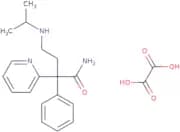
CAS:Desisopropyl disopyramide oxalate is a racemic mixture of the enantiomers, (+)-desisopropyl disopyramide and (-)-desisopropyl disopyramide. It is an anticholinergic drug that can be used to treat chronic depression. Desisopropyl disopyramide binds to two different sites on the enzyme p-450 and inhibits the metabolism of drugs such as benzodiazepines and tricyclic antidepressants. Desisopropyl disopyramide has been shown to have an inhibitory effect on activated muscarinic receptors in animal models, but not in humans. This drug also has anti-cholinergic effects and is used for the treatment of pediatric patients with spasticity.Formula:C20H25N3O5Purity:Min. 95%Molecular weight:387.4 g/molDocetaxel impurity D
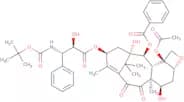
CAS:Docetaxel Impurity D is an impurity found in the formulation of Docetaxel, a drug used to treat cancer. The impurity is a 10-deacetylated form of docetaxel that has been shown to have chiral properties. Docetaxel Impurity D can be separated from the active ingredient through chromatographic techniques and quantified by high-performance liquid chromatography. It has been found to be present in all batches of docetaxel tested, but at different concentrations.Formula:C43H51NO14Purity:Min. 95%Molecular weight:805.86 g/molBenz[A]anthracene-7-acetic acid
CAS:Please enquire for more information about Benz[A]anthracene-7-acetic acid including the price, delivery time and more detailed product information at the technical inquiry form on this page
Formula:C20H14O2Purity:Min. 95%Molecular weight:286.3 g/mol6,8-Disulfo-2-naphthalenediazonium
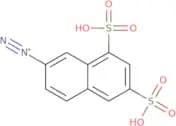
CAS:6,8-Disulfo-2-naphthalenediazonium (6,8-DN) is a Chinese anticancer protein analog that has been shown to induce apoptosis in cancer cells. It is an inhibitor of the antibiotic linezolid and has been found to be effective against various types of human cancer cells. 6,8-DN has been detected in urine samples from patients with tumors and may serve as a potential biomarker for cancer diagnosis. It also acts as a kinase inhibitor, which can affect the regulation of cell growth and division. The inhibition of kinases by 6,8-DN may play a role in its anticancer activity.Formula:C10H7N2O6S2Purity:Min. 95%Molecular weight:315.3 g/mol(16β,17β)-16,17-Dihydroxyestr-4-en-3-one
CAS:(16Beta,17Beta)-16,17-Dihydroxyestr-4-en-3-one is a high purity custom synthesis drug product that is used for metabolism studies. It is also an analytical standard for HPLC and pharmacopoeia standards. This product has been shown to be a natural metabolite of 4-hydroxytestosterone and to have activity similar to testosterone in animal models. (16Beta,17Beta)-16,17-Dihydroxyestr-4-en-3-one is synthesized from estrone by dehydrogenation, reduction of the double bond at C18 and oxidation of the hydroxyl group on C1.Formula:C18H26O3Purity:Min. 95%Molecular weight:290.40 g/mol4,4-(1,3,3-Trimethyl-1-propene-1,3-diyl)bisphenol
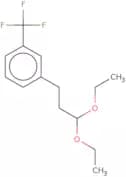
CAS:4,4-(1,3,3-Trimethyl-1-propene-1,3-diyl)bisphenol is a synthetic compound that is used in the development of pharmaceutical drugs. It is used as an analytical standard for HPLC and is available as a new drug product. 4,4-(1,3,3-Trimethyl-1-propene-1,3-diyl)bisphenol has been shown to be metabolized by CYP 450 enzymes and to be an impurity in API production. 4,4-(1,3,3-Trimethyl-1-propene-1,3-diyl)bisphenol is also found in natural products such as plant leaves and bark.Formula:C18H20O2Purity:Min. 95%Molecular weight:268.30 g/mol3-(3-Trifluoromethylphenyl)propionaldehyde diethylacetal
CAS:3-(3-Trifluoromethylphenyl)propionaldehyde diethylacetal is a synthetic compound that belongs to the class of drug products. It is used for research and development, as well as for developing analytical standards for HPLC. This product has been shown to be metabolized in the rat liver by hydrolysis of the acetal group and oxidation of the alcohol.
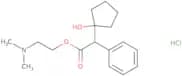
Formula:C14H19F3O2Purity:Min. 95%Molecular weight:276.29 g/molN,N-Dimethylaminoethyl-a-(1-Hydroxycyclopentyl)phenylacetate hydrochloride
CAS:Controlled ProductN,N-Dimethylaminoethyl-a-(1-Hydroxycyclopentyl)phenylacetate hydrochloride (DMAEA) is a drug that is used as an ophthalmic. It has been shown to be safe and effective in patients with chronic open angle glaucoma, and it may also have some efficacy for the treatment of other conditions such as uveitis and retinal detachment. DMAEA is thought to work by binding to the DNA in the eye’s optic nerve cells and blocking the production of leukotrienes. This drug has also been shown to have anti-inflammatory properties.Formula:C17H26ClNO3Purity:Min. 95%Color and Shape:PowderMolecular weight:327.85 g/molN-Methyl-N'-[2-[(5-methyl-1H-imidazol-4-yl)methylhio]ethyl]guanidine dihydrochloride
CAS:N-Methyl-N'-[2-[(5-methyl-1H-imidazol-4-yl)methylhio]ethyl]guanidine dihydrochloride is an analytical standard used in HPLC. It is also a research and development, drug development, and impurity standard for the manufacture of drugs. CAS No. 59660-24-1 is an API impurity that is used to produce a high purity drug product. Impurity standard is a Metabolite (impurity) that is used in pharmacopoeia (a book of standards). Custom synthesis is a natural or synthetic chemical substance that can be custom made to order.Formula:C9H17N5S·2HClPurity:Min. 95%Molecular weight:300.25 g/molDecitabine related compound A
CAS:Decitabine related compound A is an impurity that is found in the API, decitabine. It is an analytical standard for HPLC measurements and a reference material for impurity testing. It is also used as a pharmacopoeia standard for pharmacopoeias such as European Pharmacopoeia, USP, and Japanese Pharmacopoeia. Decitabine related compound A has been synthesized from natural sources such as plant-derived alkaloids and synthetically produced in the laboratory. CAS No. 1019659-87-0Formula:C21H18Cl2O7Purity:Min. 95%Color and Shape:SolidMolecular weight:453.27 g/molEthylene terephthalate cyclic hexamer-d24
CAS:Ethylene terephthalate cyclic hexamer-d24 is a synthetic drug product. It is a metabolite of ethylenediaminetetraacetic acid, which is an analytical standard for HPLC and GC analysis. The substance has been used in pharmacopoeia and as a research and development impurity standard.Formula:C60H24D24O24Purity:Min. 95%Molecular weight:1,177.16 g/mol1-(4-Aza-8-hydroxy-6-oxo)oct-2-en-1-oylimidazole
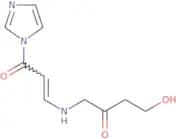
CAS:The 1-aza-8-hydroxy-6-oxo-oct-2-en-1-oylimidazole is a prodrug that is hydrolyzed to form the active compound clavulanate. It can be used for the treatment of infections caused by beta lactamase producing bacteria such as penicillinase producing staphylococci and beta lactamase producing streptococci. The 1-(4-Aza)8-(6-oxo)oct-(2)en-(1)-oylimidazole binds to penicillin binding proteins, which prevents the formation of an antibiotic inhibitor complex with the enzyme cell wall synthesis that is required for cell wall biosynthesis, inhibiting protein synthesis and cell division. The clavulanic acid moiety in this drug also inhibits beta lactamases produced by bacteria, resulting in increased efficacy against these organisms.Formula:C10H13N3O3Purity:Min. 95%Color and Shape:PowderMolecular weight:223.23 g/molSacubitril Impurity 19
CAS:Sacubitril Impurity 19 is a drug product that is used as an analytical standard for the purity and concentration of sacubitril. It is also used as an impurity in API manufacture. Sacubitril Impurity 19 is a natural metabolite of sacubitril, which is synthesized from the chemical reaction between sacubitril and hydroxypropyl-beta-cyclodextrin. The impurity has been shown to be eliminated through metabolism studies in rats. Sacubitril Impurity 19 can be found at a concentration of up to 0.2% in commercial samples of sacubitril. It may be present at levels up to 10% in medicinal products containing sacubitril.Purity:Min. 95%(7α,17β)-7-[9-[(R)-(4,4,5,5,5-Pentafluoropentyl)sulfinyl]nonyl]estra-1,3,5(10)-triene-3,17-diol
CAS:Controlled ProductEstradiol is a steroid hormone that belongs to the estrogens group. It is used for the treatment of breast cancer, metastatic breast cancer and estrogen receptor-positive breast cancer. Estradiol has been shown to inhibit the growth of human breast cancer cells in vitro and in vivo. It binds to estrogen receptors, which leads to a decrease in the production of other hormones. This drug also has anti-estrogenic effects on breast tissue, which may be due to its ability to bind with estrogen receptors and act as an antagonist.Formula:C32H47F5O3SPurity:Min. 95%Molecular weight:606.8 g/mol2-[3,5-Bis(2-hydroxyphenyl)-1H-1,2,4-triazol-1-yl]benzoic acid
CAS:Please enquire for more information about 2-[3,5-Bis(2-hydroxyphenyl)-1H-1,2,4-triazol-1-yl]benzoic acid including the price, delivery time and more detailed product information at the technical inquiry form on this pageFormula:C21H15N3O4Purity:Min. 95%Molecular weight:373.4 g/mol



![1-[2-(3-Chloro-2-hydroxypropoxy)phenyl]-3-phenyl-1-propanone](/_next/image/?url=https%3A%2Fstatic.cymitquimica.com%2Fproducts%2F3D%2Fthumb-webp%2FIC21067.webp&w=3840&q=75)
![2-Ethoxy-4-[2-[[(1R)-3-methyl-1-[2-(1-piperidinyl)phenyl]butyl]amino]-2-oxoethyl]benzoic acid](/_next/image/?url=https%3A%2Fstatic.cymitquimica.com%2Fproducts%2F3D%2Fthumb-webp%2FIE27700.webp&w=3840&q=75)
![5-Chloro-N-[3-[[(5-chloro-2-thienyl)carbonyl]amino]-2-hydroxypropyl]-N-[4-(3-oxo-4-morpholinyl)phe…](/_next/image/?url=https%3A%2Fstatic.cymitquimica.com%2Fproducts%2F3D%2Fthumb-webp%2FIC183209.webp&w=3840&q=75)

![N-(Aminosulphonyl)-2-[[[2-[(Aminoiminomethyl)amino]-4-thiazolyl]methylsulphinyl]propanimidamide](/_next/image/?url=https%3A%2Fstatic.cymitquimica.com%2Fproducts%2F3D%2Fthumb-webp%2FIA58086.webp&w=3840&q=75)


![2-(2-(4-(Dibenzo[b,f][1,4]thiazepin-11-yl)piperazin-1-yl)ethoxy)ethyl acetatequetiapine acetate](/_next/image/?url=https%3A%2Fstatic.cymitquimica.com%2Fproducts%2F3D%2Fthumb-webp%2FUIB63907.webp&w=3840&q=75)
![4-[(2-Chlorophenyl)sulfonyl]benzenamine](/_next/image/?url=https%3A%2Fstatic.cymitquimica.com%2Fproducts%2F3D%2Fthumb-webp%2FYFA30196.webp&w=3840&q=75)

![N,N-Bis[2-(2-hydroxyethoxy)ethyl] quetiapine chloride](/_next/image/?url=https%3A%2Fstatic.cymitquimica.com%2Fproducts%2F3D%2Fthumb-webp%2FIB76470.webp&w=3840&q=75)
![[p-(Benzyloxy)phenyl]acetic acid tert-butyl ester](/_next/image/?url=https%3A%2Fstatic.cymitquimica.com%2Fproducts%2F3D%2Fthumb-webp%2FUAA71289.webp&w=3840&q=75)

![Benz[A]anthracene-7-acetic acid](/_next/image/?url=https%3A%2Fstatic.cymitquimica.com%2Fproducts%2F3D%2Fthumb-webp%2FVAA31612.webp&w=3840&q=75)
![N-Methyl-N'-[2-[(5-methyl-1H-imidazol-4-yl)methylhio]ethyl]guanidine dihydrochloride](/_next/image/?url=https%3A%2Fstatic.cymitquimica.com%2Fproducts%2F3D%2Fthumb-webp%2FIM58261.webp&w=3840&q=75)
![(7α,17β)-7-[9-[(R)-(4,4,5,5,5-Pentafluoropentyl)sulfinyl]nonyl]estra-1,3,5(10)-triene-3,17-diol](/_next/image/?url=https%3A%2Fstatic.cymitquimica.com%2Fproducts%2F3D%2Fthumb-webp%2FHXC90080.webp&w=3840&q=75)
![2-[3,5-Bis(2-hydroxyphenyl)-1H-1,2,4-triazol-1-yl]benzoic acid](/_next/image/?url=https%3A%2Fstatic.cymitquimica.com%2Fproducts%2F3D%2Fthumb-webp%2FBIA53078.webp&w=3840&q=75)