APIs for research and impurities
Subcategories of "APIs for research and impurities"
- Aminoacids and derivatives(12,331 products)
- Anthraquinones and derivatives(404 products)
- Benzimidazole and Imidazole Derivatives(10,435 products)
- Benzodiazepine Derivatives(333 products)
- Carbohydrates and glycoconjugates(5,050 products)
- Esters and Derivatives(42,250 products)
- Fatty Acids and Lypidic Derivatives(32,404 products)
- Flavonoids and Polyphenols(17,080 products)
- Free Radicals and Oxidant/Reducing Agents(212 products)
- Ketones and derivatives(2,400 products)
- Natural and semi-synthetic antibiotics(6,373 products)
- Nitriles and Cyano Derivatives(3,068 products)
- Nitrosamines and Derivatives(55 products)
- Nucleosides and Nucleotides(3,470 products)
- Organic Phosphates and Phosphonates(1,199 products)
- Organic Sulphonates and Sulphates(10,430 products)
- Organometallics(4,421 products)
- Others(6,297 products)
- Peptides and Proteins(3,143 products)
- Polymers and Derivatives(100 products)
- Purines and Pyrimidine Derivatives(8,934 products)
- Quinazoline and Quinoline Derivatives(65,945 products)
- Quinones and Derivatives(24,357 products)
- Salts and Derivatives of Active Pharmaceutical Ingredients (API)(80,718 products)
- Steroids and Derivatives(4,946 products)
- Sulfonamides and Derivatives(2,587 products)
- Terpenoids and Derivatives(3,843 products)
- Thiazolidinediones and Thiopyrans(2,753 products)
- β-Adrenergic Compounds(230 products)
Found 58070 products of "APIs for research and impurities"
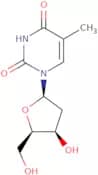
1-(2-Deoxy-beta-D-xylofuranosyl)-5-methyluracil
CAS:1-(2-Deoxy-beta-D-xylofuranosyl)-5-methyluracil (1DXP) is a nucleoside that inhibits the enzyme UDP glucose pyrophosphorylase. This enzyme is involved in the synthesis of uridine nucleotides, which are required for RNA and DNA synthesis. 1DXP has been shown to be effective against hepatitis B virus and lymphocytic leukemia cells in vitro. The mechanism of action of 1DXP is not well understood, but it may be related to the inhibition of protein synthesis or cellular metabolism. It may also inhibit the enzyme amino transferase, which is important for the synthesis of aromatic amino acids such as phenylalanine and tyrosine.Formula:C10H14N2O5Purity:Min. 95%Molecular weight:242.23 g/molRoxithromycin impurity H
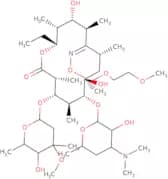
CAS:Roxithromycin impurity H is an analytical standard for Roxithromycin. It is a metabolite that has been identified in human urine and bile samples as well as in rat plasma following oral administration of Roxithromycin. It is also a byproduct of the synthesis of Roxithromycin, which can be eliminated through purification steps. This compound has not yet been evaluated in humans or animals, but it may cause adverse effects such as gastrointestinal disturbances, headache, or hepatotoxicity.
Formula:C41H76N2O14Purity:Min. 95%Molecular weight:821.05 g/molDes-[(S)-3-methyl-2-pentanamidobutanoic acid] valsartan 4’-bromomethyl
CAS:Des-[(S)-3-methyl-2-pentanamidobutanoic acid] valsartan 4’-bromomethyl is an impurity that was found in a pharmaceutical drug product. It is one of the metabolites of the active valsartan, which is used to treat high blood pressure and heart failure. Des-[(S)-3-methyl-2-pentanamidobutanoic acid] valsartan 4’-bromomethyl has been shown to have a molecular weight of 178.2 and a CAS number of 138402-33-2. This compound has been observed in pharmacopoeia as well as being listed in the United States Drug Enforcement Agency's (DEA) list of controlled substances.Formula:C14H11BrN4Purity:Min. 95%Molecular weight:315.17 g/molHydroxythio acetildenafil
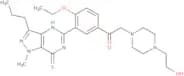
CAS:Hydroxythio acetildenafil is a synthetic drug product with CAS No. 1159977-47-5. It is used as an analytical standard for the examination of Metabolism studies, Natural, API impurity, Custom synthesis, Impurity standard, and Synthetic drugs. Hydroxythio acetildenafil can be custom synthesized in order to meet the needs of Drug development, Research and Development, niche markets, and High purity requirements. This product is also used as an HPLC standard in pharmacopoeia.Formula:C25H34N6O3SPurity:Min. 95%Molecular weight:498.6 g/molN’-(4-Aminophenyl)-N,N-dimethylacetamidine
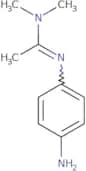
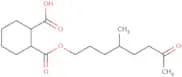
CAS:N’-(4-Aminophenyl)-N,N-dimethylacetamidine (ADAA) is a cholinergic anthelmintic drug that is effective against endoparasites. It has been shown to be effective against caenorhabditis, resistant mutants and acetylcholine receptor. ADAA is administered to animals and humans orally or intravenously. The pharmacokinetics of ADAA have been studied in rats, mice, pigs and humans. ADAA has a long half-life in rats and mice but not in humans.Formula:C10H15N3Purity:Min. 95%Molecular weight:177.25 g/mol2-(((4-Methyl-7-oxyooctyl)oxy)carbonyl)cyclohexanecarboxylic acid
CAS:2-(((4-Methyl-7-oxyooctyl)oxy)carbonyl)cyclohexanecarboxylic acid (2MEOCA) is a metabolite of progesterone which has been detected in human urine. 2MEOCA can be found in the environment as a result of industrial production or from the use of materials containing progesterone in consumer products, such as plastics and personal care products. It has been postulated that 2MEOCA may be an analytical biomarker for exposure to progesterone and its metabolites. 2MEOCA is stable in urine samples stored at room temperature for at least 24 hours and can be measured by a high performance liquid chromatography - mass spectrometry (HPLC-MS/MS) method. The median concentration of 2MEOCA was found to be 0.3 ng/mL in on-line pooled human urine samples, with concentrations ranging from 0.1 ng/mLFormula:C17H28O5Purity:Min. 95%Molecular weight:312.4 g/molEsmolol isopropyl amine hydrochloride
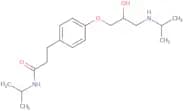
CAS:Esmolol is a drug product that has been developed for the treatment of cardiac arrhythmias. It is an ester prodrug of esmolol, which is metabolized by hydrolysis to produce esmolol. Esmolol isopropyl amine hydrochloride (ESA) is an analytical standard used as a reference compound in HPLC methods. ESA is an impurity standard for API esmolol and CAS number 83356-59-6. Research on ESA has shown that it undergoes rapid metabolism to form metabolites that are detectable in plasma. Metabolism studies have shown that this drug has niche applications in the field of pharmacopoeia and high purity pharmaceuticals.Formula:C18H28N2O3·HClPurity:Min. 95%Molecular weight:322.44 g/molα-Amylcinnamaldehyde dimethyl acetal
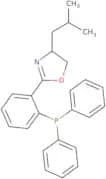
CAS:α-Amylcinnamaldehyde dimethyl acetal is a medicinal compound that has shown promise in inhibiting the growth of cancer cells. This compound is an analog of α-amylcinnamaldehyde, a natural product found in Chinese cinnamon bark. Recent studies have shown that α-Amylcinnamaldehyde dimethyl acetal can inhibit the activity of protein kinases, which play a critical role in cell cycle regulation and tumor growth. This inhibition leads to apoptosis, or programmed cell death, in cancer cells. Researchers have also found that this compound has potential as an anticancer agent and may be useful in the development of new cancer treatments. Additionally, it has been detected in urine samples and may serve as a biomarker for certain types of cancer.Formula:C16H24O2Purity:Min. 95%Molecular weight:248.36 g/mol(S)-Ibu-phox
CAS:Please enquire for more information about (S)-Ibu-phox including the price, delivery time and more detailed product information at the technical inquiry form on this pageFormula:C25H26NOPPurity:Min. 95%Molecular weight:387.5 g/molHydroxymethyl tolperisone
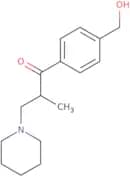
CAS:Hydroxymethyl tolperisone is a medicinal compound that has been identified as a kinase inhibitor with potential anticancer properties. It has shown promising results in inhibiting the growth of leukemia cells and tumor cell lines in human studies. Hydroxymethyl tolperisone works by interfering with protein synthesis, disrupting the cell cycle, and inducing apoptosis in cancer cells. This compound has also been found to be effective against various types of cancer, including breast, lung, and colon cancer. Hydroxymethyl tolperisone is an analog of tolperisone, a muscle relaxant that is excreted primarily through urine. The use of this compound as an anticancer agent is still under investigation, but it holds great promise for the future of cancer treatment.
Formula:C16H23NO2Purity:Min. 95%Molecular weight:261.36 g/mol(±)-Mandelic-2,3,4,5,6-d5 acid
CAS:Controlled ProductMandelic acid is a naturally occurring organic compound that is the simplest aromatic carboxylic acid. It is used as an intermediate in chemical synthesis, and as a reagent in analytical chemistry. Mandelic acid can be produced synthetically by the oxidation of benzaldehyde or benzoic acid. Mandelic acid has been shown to inhibit the metabolism of many drugs, including diazepam, phenobarbital and propranolol. It also shows anti-inflammatory effects due to its ability to inhibit prostaglandin synthesis.Formula:C8H3D5O3Purity:Min. 95%Molecular weight:157.18 g/mol(2S,2R,Cis)-saxagliptin
CAS:(2S,2R,Cis)-saxagliptin is a drug product that has been developed for the treatment of type II diabetes. It is an orally active DPP-4 inhibitor that inhibits the degradation of GLP-1 and GIP and lowers blood glucose levels in patients with type II diabetes mellitus. It binds to the serine/threonine protein phosphatase catalytic site of DPP-4. (2S,2R,Cis)-saxagliptin can be used as a standard for HPLC analysis and as a research and development compound in the study of its metabolism. This drug product is not on the World Health Organization's list of essential medicines. (2S,2R,Cis)-saxagliptin is also not on the United States Pharmacopeia’s list of approved drugs.Formula:C18H25N3O2Purity:Min. 95%Molecular weight:315.40 g/mol(+)-o-Desmethyl-N,N-bisdesmethyl tramadol
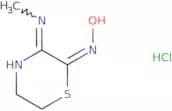
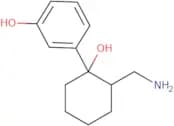
CAS:(+)-o-Desmethyl-N,N-bisdesmethyl tramadol is a synthetic opioid analgesic. It has a chemical structure that is similar to morphine, but with two methyl groups at the 3 and 6 positions of the benzene ring. (+)-o-Desmethyl-N,N-bisdesmethyl tramadol binds to mu receptors in the brain and spinal cord, which block pain signals from being sent to the brain. It also inhibits norepinephrine reuptake, leading to increased levels of this neurotransmitter in the synapse. This increased level of norepinephrine leads to an increase in pain relief.Formula:C13H19NO2Purity:Min. 95%Molecular weight:221.29 g/mol3-(Methylamino)-5,6-dihydro-2H-1,4-thiazin-2-one oxime hydrochloride
CAS:3-(Methylamino)-5,6-dihydro-2H-1,4-thiazin-2-one oxime hydrochloride is an analytical reagent used for HPLC analysis of the impurities in pharmaceutical products. It is a white crystalline solid with a melting point of 235°C. 3-(Methylamino)-5,6-dihydro-2H-1,4-thiazin-2-one oxime hydrochloride is used as a reference standard and has been assigned CAS No. 112233-23-5 by the Chemical Abstracts Service (CAS). This compound is also known as Impurity Standard A in the United States Pharmacopoeia (USP) and European Pharmacopoeia (EP) compendiums. 3-(Methylamino)-5,6-dihydro-2H-1,4-thiazin-2-one oximeFormula:C5H9N3OS•HClPurity:Min. 95%Color and Shape:PowderMolecular weight:195.67 g/molN-Acetylsulfathiazole
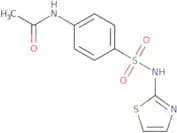
CAS:N-Acetylsulfathiazole is a sulfa drug that acts as an inhibitor of bacterial growth. It reacts with sulfonic acids in the receptor molecule and forms hydrogen chloride, which inhibits bacterial growth by denaturing proteins. N-Acetylsulfathiazole has been shown to be effective against bacteria such as E. coli, Klebsiella pneumoniae, Pseudomonas aeruginosa, Staphylococcus aureus, Streptococcus pyogenes, and Salmonella enterica. This antibiotic binds to the active site of the enzyme dihydropteroate synthase and inhibits pyrimidine synthesis by competing with para-aminobenzoic acid (PABA) for binding sites on the enzyme. The formation of PABA is necessary for the synthesis of folic acid (vitamin B9). N-Acetylsulfathiazole is also used to treat vitamin B6 deficiency caused by
Formula:C11H11N3O3S2Purity:Min. 95%Molecular weight:297.4 g/mol2,3-Dimethyl-N-phenylbenzenamine
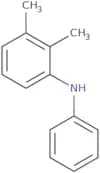
CAS:2,3-Dimethyl-N-phenylbenzenamine is a medicinal compound that has been found in urine and has shown potential as an anticancer agent. It acts as a kinase inhibitor, specifically targeting proteins involved in cancer cell growth and survival. In Chinese hamster ovary cells, this compound has been shown to inhibit the activity of protein kinases and induce apoptosis, or programmed cell death. This analog also displays potent antitumor activity against leukemia cells in vitro. As a promising candidate for cancer treatment, 2,3-Dimethyl-N-phenylbenzenamine may serve as a valuable tool in developing novel inhibitors for various types of cancers.Formula:C14H15NPurity:Min. 95%Molecular weight:197.27 g/molLiotrix
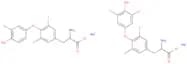
CAS:Liotrix is a drug that acts as an inhibitor of apoptosis and has been shown to have anticancer properties. It is derived from Chinese urine and works by inhibiting kinase activity, which is essential for the survival of cancer cells. Liotrix is an analog of quetiapine, a drug used to treat schizophrenia and bipolar disorder, and has been found to be effective against various types of tumors in human cancer cell lines. This drug specifically targets kinases, which are enzymes involved in the regulation of cellular processes such as growth and differentiation. By inhibiting these kinases, Liotrix can prevent the proliferation and survival of cancer cells, making it a promising candidate for the treatment of various forms of cancer.
Formula:C30H21I7N2Na2O8Purity:Min. 95%Molecular weight:1,471.8 g/mol(-)-o-Desmethyl-N,N-bisdesmethyl tramadol
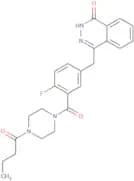
CAS:Please enquire for more information about (-)-o-Desmethyl-N,N-bisdesmethyl tramadol including the price, delivery time and more detailed product information at the technical inquiry form on this pageFormula:C13H19NO2Purity:Min. 95%Molecular weight:221.29 g/molOlaparib impurity 15
CAS:Olaparib impurity 15 is an analytical reference standard for the drug Olaparib, which is used in cancer treatments. It is a high-purity, HPLC-grade material. This impurity has been shown to be a metabolite in rat urine and human plasma. The CAS number for this compound is 2250243-17-3. Impurity 15 can also be used as an impurity standard for Olaparib and other drugs that contain it.
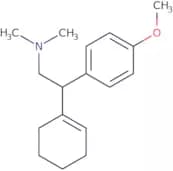
Formula:C24H25FN4O3Purity:Min. 95%Molecular weight:436.5 g/molVenlafaxine Impurity F HCl
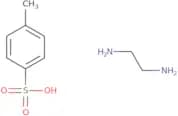
CAS:Controlled Productb-1-Cyclohexen-1-yl-4-methoxy-N,N-dimethylbenzeneethanamine is a drug product that is used in the development of drugs. It is a metabolite of cyclizine and has been shown to have antihistaminic effects. This chemical compound is an impurity standard for HPLC analyses of other substances. b-1-Cyclohexen-1-yl-4-methoxy-N,N-dimethylbenzeneethanamine has also been shown to be a synthetic intermediate in the synthesis of pharmaceuticals.Formula:C17H25NO·HClPurity:Min. 95%Molecular weight:295.85 g/molEthylenediamine p-toluenesulfonate
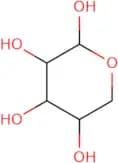
CAS:Ethylenediamine p-toluenesulfonate is an inhibitor of various kinases that have been implicated in cancer cell replication and tumor growth. This chemical compound has been shown to induce apoptosis, or programmed cell death, in human cancer cells. Ethylenediamine p-toluenesulfonate has also been studied as a potential treatment for methotrexate-induced nephrotoxicity, a common side effect of chemotherapy. Additionally, it has been identified as a potent analog of astaxanthin, which is a naturally occurring carotenoid with antioxidant properties. The use of ethylenediamine p-toluenesulfonate as a kinase inhibitor may hold promise for the development of novel cancer therapies.Formula:C9H16N2O3SPurity:Min. 95%Molecular weight:232.3 g/molD-Ribose-3-D
CAS:D-Ribose-3-D is a medicinal compound that has been shown to have anti-cancer properties. It is an inhibitor of kinases, which are enzymes that play a critical role in cancer cell growth and proliferation. D-Ribose-3-D has been found to inhibit the growth of human cancer cells and induce apoptosis, or programmed cell death, in these cells. This compound has also been studied for its potential use as an anticancer drug and has shown promising results in Chinese hamster ovary cells. Additionally, D-Ribose-3-D has been investigated for its potential use as an inhibitor of acetylcholinesterase, the enzyme targeted by donepezil in the treatment of Alzheimer's disease. Overall, D-Ribose-3-D holds great promise as a potent and effective medicinal compound with a wide range of potential applications.
Formula:C5H10O5Purity:Min. 95%Molecular weight:151.14 g/mol(+/-)-trans-Lamivudine
CAS:Lamivudine is an antiviral drug that belongs to the group of nucleoside analogues. It can be used as a single agent or in combination with other antiviral drugs for the treatment of HIV infection. Lamivudine is a prodrug that is converted to its active form, which inhibits viral DNA synthesis by competing with natural substrates for incorporation into viral DNA by inhibiting viral polymerase activity and causing chain termination. The long-term toxicity of lamivudine has been studied in animals and humans. Although it does not cause any serious side effects, it can cause hepatitis and reactivation of hepatitis B virus (HBV). Lamivudine has been shown to inhibit the IL-2 receptor on T cells, which may contribute to its beneficial effect on HBV.Formula:C8H11N3O3SPurity:Min. 95%Molecular weight:229.26 g/mol1-[4-(4-Amino-6,7-dimethoxy-2-quinazolinyl)-1-piperazinyl]-2-hydroxy-1-pentanone
CAS:1-[4-(4-Amino-6,7-dimethoxy-2-quinazolinyl)-1-piperazinyl]-2-hydroxy-1-pentanone (DMPP) is an analog of the antiarrhythmic drugs flecainide and propafenone. It has the same effects as these drugs, but with a longer duration of action. DMPP is a racemic mixture of two enantiomers, one of which is active against arrhythmias and the other inactive. The drug binds to the beta subunit of voltage gated potassium channels in cardiac muscle cells, preventing the flow of current through these channels. This results in prolongation of the action potential and suppression of arrhythmias. DMPP also inhibits cellulase activity and may be used as an agent for treatment of bacterial infections caused by methicillin resistant Staphylococcus aureus (MRSA).Formula:C19H27N5O4Purity:Min. 95%Molecular weight:389.45 g/molPBDE 202
CAS:Controlled ProductPBDE 202 is a potent inhibitor of kinases, specifically protein kinases. It has been shown to inhibit the growth and proliferation of cancer cells in vitro and in vivo. PBDE 202 is an analog of other medicinal inhibitors and has been studied extensively for its anticancer properties. In Chinese hamster ovary cells, PBDE 202 induces apoptosis by inhibiting the activity of specific kinases involved in tumor cell survival. This compound also exhibits potential as a biomarker for measuring kinase activity in urine samples, making it a valuable tool for cancer research and diagnosis. Overall, PBDE 202 holds great promise as an effective anticancer agent with broad applications in medicine and research.
Formula:C12H2Br8OPurity:Min. 95%Molecular weight:801.4 g/mol2,2-Bis[4-(2-diethylaminoethoxy)phenyl]-1,2-diphenylethanone
CAS:Controlled Product2,2-Bis[4-(2-diethylaminoethoxy)phenyl]-1,2-diphenylethanone (bis-DEA) is a synthetic metabolite that has been shown to inhibit human liver microsomal cytochrome P450 enzymes. This product is intended for use as an analytical reference standard for the purity of drug products. It is also used in pharmacological and metabolic studies.
Formula:C38H46N2O3Purity:Min. 95%Molecular weight:578.78 g/mol6,7,8,9-Tetrahydro-3-[2-[4-(6-hydroxy-1,2-benzisoxazol-3-yl)-1-piperidinyl]ethyl]-2-methyl-4H-pyrido[1,2-a]pyrimidin-4-one
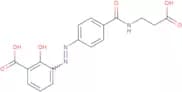
CAS:Tetrahydro-3-[2-[4-(6-hydroxy-1,2-benzisoxazol-3-yl)-1-piperidinyl]ethyl]-2-methyl-4H-pyrido[1,2-a]pyrimidin-4-one (THPP) is a drug product that belongs to the class of drugs used for research and development. It has been shown to have antiinflammatory properties in animal models. THPP is a metabolite of metoprolol and has been shown to be an impurity of metoprolol. The analytical properties of THPP are not yet known. Tetrahydro-3-[2-[4-(6-hydroxy-1,2-benzisoxazol-3--yl)-1--piperidinyl]ethyl]-2--methyl--4H--pyrido[1,2--a]pyrimidin--4oneFormula:C23H28N4O3Purity:Min. 95%Molecular weight:408.49 g/molBalsalazide 3-isomer
CAS:Balsalazide 3-isomer (BZ3) is a diacid that is used as an anti-hypertensive drug. BZ3 has been shown to be a prodrug of balsalazide, which is converted in vivo to the active form by hydrolysis of the ester linkage. The prodrug approach was designed to provide an orally available agent for use in patients with colitis and ulcerative colitis. The synthetic process begins with the reaction of salicylic acid and bisoprolol to form the ester product, which then undergoes a second reaction with acetyl chloride to form the acyl chloride intermediate. This intermediate reacts with balsalazide and yields BZ3 when heated to high temperatures. BZ3 contains no impurities because it is synthesized from pure starting materials, whereas commercially available balsalazide may contain impurities such as salicylic acid or colitis.Formula:C17H15N3O6Purity:Min. 95%Molecular weight:357.32 g/molTolycaine hydrochloride
CAS:Procaine is a local anesthetic that is used to block nerve conduction in the peripheral nervous system. Procaine is soluble in water, alcohol, and propylene glycol but insoluble in ether and chloroform. It is active at low concentrations and has long-lasting effects. In addition, procaine can be given by intramuscular injection or intravenously. It has been shown to be effective for the treatment of thromboses and as a preventive measure for people with heart disease who are prone to blood clots. Procaine also inhibits noradrenaline release from sympathetic nerve terminals and blocks the uptake of noradrenaline into sympathetic neurons at synapses.Formula:C15H23ClN2O3Purity:Min. 95%Molecular weight:314.81 g/molN-(Cyclohexylcarbamoyl)-4-(2-((cyclohexylcarbamoyl)amino)ethyl)benzenesulfonamide
CAS:N-(Cyclohexylcarbamoyl)-4-(2-((cyclohexylcarbamoyl)amino)ethyl)benzenesulfonamide is a drug product that is an analytical standard. It is metabolized in the body to 4-aminobenzenesulfonamide and cyclohexylurea. This product has been shown to have antibacterial activity against Mycobacterium tuberculosis, Mycobacterium avium, and other bacteria. It also has analgesic properties, which may be due to its ability to inhibit prostaglandin synthesis.Formula:C22H34N4O4SPurity:Min. 95%Molecular weight:450.6 g/molPaclitaxel impurity 2
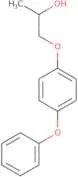
CAS:Paclitaxel impurity 2 is an analytical standard for the measurement of paclitaxel purity. Paclitaxel impurity 2 is a natural metabolite of paclitaxel, and its presence in a drug product is indicative of a higher level of contamination with paclitaxel. The impurity is found in concentrations greater than 10% up to 100%.Formula:C33H45NO8Purity:Min. 95%Molecular weight:583.71 g/mol1-(4-Phenoxyphenoxy)-2-propanol
CAS:1-(4-Phenoxyphenoxy)-2-propanol is an analog of a Chinese medicinal herb that has shown promising results as an anticancer agent. It works by inhibiting kinase activity, which is essential for cancer cell growth and proliferation. This compound has been found to induce apoptosis, or programmed cell death, in several types of human cancer cells, including leukemia. It is a potent inhibitor of protein kinases, making it a promising candidate for the development of new cancer therapies. In addition, 1-(4-Phenoxyphenoxy)-2-propanol has been detected in urine samples from patients with tumors, indicating its potential as a diagnostic tool for cancer detection and monitoring. Overall, this compound shows great potential as a powerful anticancer agent and warrants further investigation.Formula:C15H16O3Purity:Min. 95%Molecular weight:244.28 g/mol(S)-3-Hexyl-5,6-dihydro-6-undecyl-2H-pyran-2-one
CAS:(S)-3-Hexyl-5,6-dihydro-6-undecyl-2H-pyran-2-one is a natural metabolite that is used for the analytical standardization of HPLC. It is also used in research and development for drug development and as an impurity in pharmaceuticals. This compound has a purity of 99% and a CAS number of 130676-64-1. (S)-3-Hexyl-5,6-dihydro-6-undecyl-2H-pyran-2one is synthesized from 2,4,5,7 tetrahydrobenzofuran.Formula:C22H40O2Purity:Min. 95%Molecular weight:336.55 g/mol3'-Des(dimethylamino)-3'-keto azithromycin
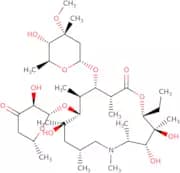
CAS:3'-Des(dimethylamino)-3'-keto azithromycin is a prodrug that is hydrolyzed in vivo to the active form of azithromycin. 3'-Des(dimethylamino)-3'-keto azithromycin has an elution time of about 10 minutes on a C18 column, which is considerably longer than the 5-minute elution time for azithromycin. The chromatogram of 3'-Des(dimethylamino)-3'-keto azithromycin shows two peaks, one at 6 minutes and another at 10 minutes. These two peaks are due to impurities in the drug product, namely itraconazole and fluconazole. 3'-Des(dimethylamino)-3'-keto azithromycin has shown bioequivalence with its parent molecule, azithromycin.Formula:C36H65NO13Purity:Min. 95%Molecular weight:719.9 g/molN2-Losartanyl-losartan
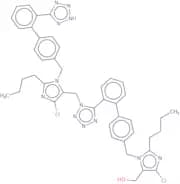
CAS:N2-Losartanyl-losartan is a drug product that has a CAS number of 230971-72-9. This product is an analytical standard for the metabolites of losartan, which is a drug used to treat high blood pressure and heart failure. Metabolism studies have shown that losartan is metabolized by hydroxylation, glucuronidation, and oxidation by cytochrome P450 enzymes. Losartan has also been found to be converted into an active metabolite in the body, which is called N2-hydroxy-losartan. It has been shown to be more potent than losartan at blocking angiotensin II receptors.Formula:C44H44Cl2N12OPurity:Min. 95%Molecular weight:827.81 g/molH3Resca-TFP
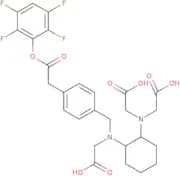
CAS:Please enquire for more information about H3Resca-TFP including the price, delivery time and more detailed product information at the technical inquiry form on this page
Formula:C27H28F4N2O8Purity:Min. 95%Molecular weight:584.5 g/molBazedoxifene 5-β-D-glucuronide
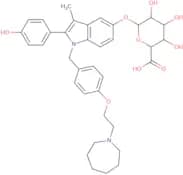
CAS:Bazedoxifene 5-β-D-glucuronide is an analog of bazedoxifene, a selective estrogen receptor modulator used in the treatment of osteoporosis. This compound has shown promising anticancer properties and has been studied extensively in Chinese hamster ovary cells. Bazedoxifene 5-β-D-glucuronide has been found to induce apoptosis in cancer cells and inhibit the activity of kinases involved in tumor growth. It is a potent inhibitor of several human protein kinases, including cyclin-dependent kinase 2 (CDK2) and glycogen synthase kinase 3 beta (GSK3β), which are important targets for medicinal chemists developing kinase inhibitors. This compound is excreted primarily in urine and may have potential as a therapeutic agent for various types of cancer.Formula:C36H42N2O9Purity:Min. 95%Color and Shape:PowderMolecular weight:646.7 g/mol3-Hydroxy deoxy dihydro artemisinin
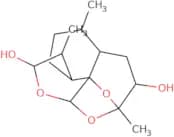
CAS:3-Hydroxy deoxy dihydro artemisinin is a drug product that is an analytical standard for the determination of artemisinin in natural and synthetic samples. It is a metabolite of artemisinin, which is a natural compound extracted from Artemisia annua L. (Asteraceae). 3-Hydroxy deoxy dihydro artemisinin is also an impurity found in commercial preparations of artemisinins. 3-Hydroxy deoxy dihydroartemisinin has been used as an API impurity standard, and has been synthesized as part of drug development research and development. The purity of this substance was determined by HPLC analysis, and it complies with the pharmacopoeia requirements.Formula:C15H24O5Purity:Min. 95%Molecular weight:284.35 g/molRhubofix
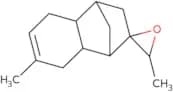
CAS:Rhubofix is a medicinal product that contains xylose, a natural sugar found in human urine and protein. It has been shown to be an inhibitor of tumor kinases, which are enzymes involved in the growth and proliferation of cancer cells. Rhubofix has been found to induce apoptosis, or programmed cell death, in cancer cells, making it a potential treatment for various types of cancer. This product also acts as an inhibitor of the cell cycle, preventing cancer cells from dividing and multiplying. Rhubofix has been used traditionally in Chinese medicine as an inhibitor of kinase activity and has shown promising results in preclinical studies as a potential anti-cancer agent.Formula:C14H20OPurity:Min. 95%Molecular weight:204.31 g/molPregnane
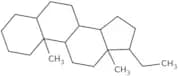
CAS:Controlled ProductPregnane is an analog of progesterone that has been identified as a potential anticancer agent. It has been shown to have potent inhibitory effects on various cancer cells by blocking the activity of kinases, which are enzymes that regulate cell growth and division. Pregnane induces apoptosis in cancer cells by activating proteins that trigger programmed cell death. This compound also acts as a cyclin-dependent kinase inhibitor, which prevents the progression of the cell cycle and inhibits tumor growth. Pregnane has been detected in human urine and Chinese medicinal herbs, indicating its natural occurrence in biological systems. Its potential as a therapeutic agent against cancer is currently being investigated.Formula:C21H36Purity:Min. 95%Molecular weight:288.5 g/molThymonin
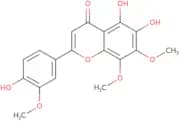
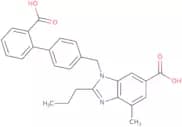
CAS:Thymonin is an analog of the thyroid hormone that has been shown to have anticancer properties. It works by inhibiting kinases, which are enzymes that play a crucial role in cancer cell growth and proliferation. Thymonin induces apoptosis, or programmed cell death, in cancer cells, making it an effective treatment option for various types of tumors. This protein-based substance is derived from Chinese urine and has been extensively studied for its potential as an inhibitor of human kinases. Thymonin has shown promising results in preclinical studies as a potential therapeutic agent for cancer treatment. Its ability to selectively target cancer cells while leaving healthy cells unharmed makes it a promising candidate for future cancer therapies.Formula:C18H16O8Purity:Min. 95%Molecular weight:360.3 g/mol6-Des(1-methyl-2-benzimidazolyl)-6-carboxy telmisartan
CAS:Telmisartan is a drug that belongs to the class of angiotensin II receptor antagonists and is used in the treatment of hypertension. Telmisartan can be quantitatively analyzed with high sensitivity by liquid chromatography. Impurities in telmisartan can be analyzed qualitatively and quantitatively by liquid chromatography, which requires a shorter time than GC analysis.Formula:C26H24N2O4Purity:Min. 95%Molecular weight:428.48 g/mol1-[5-(Hydroxymethyl)-2-furyl]-2-methyl-1,2,3,4-tetrahydroisochinolin-4,6-diol
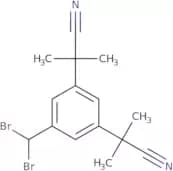
CAS:1-[5-(Hydroxymethyl)-2-furyl]-2-methyl-1,2,3,4-tetrahydroisochinolin-4,6-diol is an analytical standard in the form of a white solid. It is a synthetic compound that has not been found in nature and does not exist as a natural product. It is used to provide a calibration or quality control for HPLC testing. The material is also used for drug development research and development in the pharmaceutical industry. 1-[5-(Hydroxymethyl)-2-furyl]-2-methyl-1,2,3,4-tetrahydroisochinolin-4,6-diol (CAS No. 1312706-19) is an analytical standard in the form of a white solid. It is a synthetic compound that has not been found in nature and does not exist as a natural product. It is used to provideFormula:C15H17NO4Purity:Min. 95%Molecular weight:275.3 g/mola,a,a',a'-Tetramethyl-5-(dibromomethyl)-1,3-benzenediacetonitrile
CAS:Tetramethyl-1,3-benzenediacetonitrile is a synthetic chemical that is used as an impurity in the synthesis of pharmaceuticals. It can be found in drug products and is used as an analytical standard for HPLC analysis. Tetramethyl-1,3-benzenediacetonitrile can also be found in natural sources such as plants and fungi. The metabolite has been studied for its metabolism and pharmacological properties. Tetramethyl-1,3-benzenediacetonitrile is not regulated by any pharmacopoeia standards.Formula:C15H16Br2N2Purity:Min. 95%Molecular weight:384.11 g/molHelipyrone A
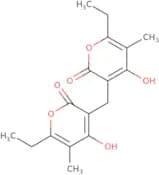
CAS:Helipyrone A is a potent anticancer compound that has been used in traditional Chinese medicine for its medicinal properties. It works by inhibiting kinases, which are enzymes that play a crucial role in cell signaling pathways. Helipyrone A induces apoptosis, or programmed cell death, in cancer cells by blocking the activity of these kinases. This inhibitor has been shown to be effective against various types of cancer, including breast and lung cancer. Helipyrone A is an analog of a protein found in human urine and has been extensively studied for its potential as a cancer treatment. Its unique mechanism of action makes it a promising candidate for further research into new cancer therapies.Formula:C17H20O6Purity:Min. 95%Molecular weight:320.3 g/molrac-N-Desisopropyl-N-ethyl acebutolol
CAS:rac-N-Desisopropyl-N-ethyl acebutolol is a synthetic drug product. It is an analytical standard for the impurity, acebutolol, and is metabolized by cytochrome P450 3A4 to form the major metabolite, N-desisopropyl acebutolol. rac-N-Desisopropyl-N-ethyl acebutolol is a research and development product that can be custom synthesized to meet specific needs. It has been shown to have antihypertensive properties in rats and monkeys. This product is not intended for human use.Formula:C17H26N2O4Purity:Min. 95%Molecular weight:322.4 g/mol5-Eicosene
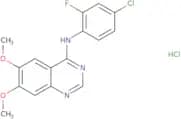
CAS:5-Eicosene is an analog that has been shown to have potent anticancer properties. It acts as an inhibitor of various protein kinases, including cyclin-dependent kinases, which are essential for cancer cell growth and division. Studies have demonstrated that 5-Eicosene induces apoptosis in Chinese hamster ovary cells and human cancer cells, suggesting its potential as an effective anticancer agent. Additionally, this compound inhibits the activity of certain urinary protein kinases, which may be valuable in the diagnosis and treatment of cancer. Overall, 5-Eicosene shows promise as a potent inhibitor with therapeutic potential against various types of cancer.Formula:C20H40Purity:Min. 95%Molecular weight:280.5 g/molZm 306416 hydrochloride
CAS:Zm 306416 hydrochloride is a new synthetic compound with antimicrobial activities. It has been shown to be active against gram-positive bacteria, gram-negative bacteria, and fungi. Zm 306416 hydrochloride can also protect mice from carbon tetrachloride-induced liver damage by reducing serum bilirubin levels and inhibiting lipid peroxidation. This compound can also be used as a photocatalyst in organic synthesis.Formula:C16H14Cl2FN3O2Purity:Min. 95%Molecular weight:370.2 g/molJusticidin E
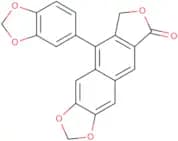
CAS:Justicidin E is a potent inhibitor that has been found in the urine of Chinese medicinal plants. It has been shown to have anticancer properties by inhibiting tumor growth and inducing apoptosis in cancer cells. Justicidin E works by inhibiting protein kinases, which are enzymes that play a crucial role in cell division and proliferation. This inhibition leads to the suppression of cancer cell growth and the promotion of apoptosis. Justicidin E is an analog of glycerol, a naturally occurring organic compound found in many foods and beverages. Its unique chemical structure makes it an effective inhibitor of cancer cell growth without causing significant toxicity to healthy human cells. With its promising potential as an anticancer agent, Justicidin E is being studied extensively for its medicinal properties.Formula:C20H12O6Purity:Min. 95%Molecular weight:348.3 g/molN,N'-Dicyclohexylcarbamimidothioic acid (5,6-dihydro-6,6-dimethylimidazo[2,1-b]thiazol-3-yl)methyl ester hydrochloride
CAS:N,N'-Dicyclohexylcarbamimidothioic acid (5,6-dihydro-6,6-dimethylimidazo[2,1-b]thiazol-3-yl)methyl ester hydrochloride is a chemokine that binds to the CXCR4 receptor. It also interacts with other chemokines and heteromers. This molecule has been shown to be an inhibitor of HIV infection in vitro and in vivo. N,N'-Dicyclohexylcarbamimidothioic acid (5,6-dihydro-6,6-dimethylimidazo[2,1-b]thiazol-3-yl)methyl ester hydrochloride has also been shown to have antiinflammatory effects and inhibitory effects on lung cancer cells.Formula:C21H34N4S2Purity:Min. 95%Molecular weight:406.7 g/mol2-Hydroxy-3-methylcholanthrene
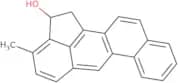
CAS:2-Hydroxy-3-methylcholanthrene is a medicinal analog that has been shown to have potent anticancer activity. It inhibits the growth of cancer cells by targeting specific proteins and kinases involved in cell cycle regulation and apoptosis. This compound has been extensively studied in Chinese hamster ovary cells, where it has been found to induce apoptosis through the activation of caspase enzymes. 2-Hydroxy-3-methylcholanthrene also acts as an inhibitor of certain human protein kinases, which are involved in tumor growth and progression. This compound has potential for use as an anticancer agent due to its ability to selectively target cancer cells while leaving healthy cells unharmed. Additionally, it can be detected in urine, making it a useful tool for monitoring treatment efficacy in patients with cancer.Formula:C21H16OPurity:Min. 95%Molecular weight:284.3 g/molMethyl 3-aminocrotonate
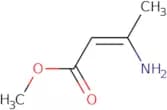
CAS:Methyl 3-aminocrotonate is an intermediate in the synthesis of pyridinedicarboxylic acid. It is a white powder with a melting point of 160-165°C and a boiling point of 263°C. Methyl 3-aminocrotonate is soluble in water, alcohols, ethers, chloroform, and benzene. It has been detected by its UV absorption at 227 nm. The detection sensitivity for this compound was found to be 0.1 ppm. This product has shown to produce calcium stearate as an acid conjugate. Methyl 3-aminocrotonate is a molecule that contains a hydrogen bond between the hydroxyl group and the amine group on C3, which are both in close proximity to the carbonyl group on C2. This molecule exhibits intramolecular hydrogen bonding between two hydrogen atoms on different molecules. The IR spectrum for methyl 3-aminocFormula:C5H9NO2Purity:Min. 95%Color and Shape:White To Yellow SolidMolecular weight:115.13 g/mol1-[2-(3-Chloro-2-hydroxypropoxy)phenyl]-3-phenyl-1-propanone
CAS:1-[2-(3-Chloro-2-hydroxypropoxy)phenyl]-3-phenyl-1-propanone is a synthetic drug product. It is an impurity standard for HPLC, and drug development and research. This compound is also used as an analytical reference. The CAS number for this chemical is 165279-79-8.Formula:C18H19ClO3Purity:Min. 95%Molecular weight:318.79 g/molDC-5163
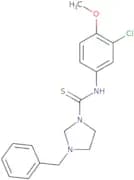
CAS:DC-5163 is a protein analog that has shown potent anticancer activity in preclinical studies. It inhibits the activity of kinases, which are enzymes involved in cancer cell growth and survival. DC-5163 has been shown to induce apoptosis, or programmed cell death, in various types of cancer cells, including those from human tumors and Chinese hamster ovary cells. This compound also acts as a toxin for cancer cells by interfering with their ability to divide and grow. In addition, DC-5163 has shown promising results as an inhibitor of tumor growth in animal models. Its potential as a therapeutic agent for cancer treatment is currently being investigated.Formula:C18H20ClN3OSPurity:Min. 95%Molecular weight:361.9 g/molN-Methyl amisulpride
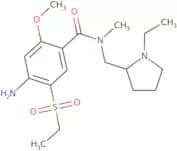
CAS:N-Methyl amisulpride is a synthetic drug with antipsychotic properties. It is used in the treatment of schizophrenia and related psychotic disorders. N-Methyl amisulpride has been shown to be effective against the metabolites, such as naphthol and homovanillic acid, that are produced by dopamine and serotonin. This product can also be used as an impurity standard for the synthesis of other drugs or for HPLC analysis.Formula:C18H29N3O4SPurity:Min. 95%Molecular weight:383.5 g/mol7-Chloro-1-methyl-2,3,4,5-tetrahydro-1H-3-benzazepine
CAS:Please enquire for more information about 7-Chloro-1-methyl-2,3,4,5-tetrahydro-1H-3-benzazepine including the price, delivery time and more detailed product information at the technical inquiry form on this pageFormula:C11H14ClNPurity:Min. 95%Molecular weight:195.69 g/molAmlodipine besilate impurity B
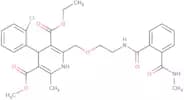
CAS:Amlodipine besilate impurity B is a metabolite of amlodipine besilate. It is an impurity that originates from the synthesis of amlodipine besilate, which is a calcium channel blocker used to treat high blood pressure. Amlodipine besilate impurity B can be synthesized or found in nature, depending on the desired purity and availability.Formula:C29H32ClN3O7Purity:Min. 95%Molecular weight:570 g/molFluphenazine decanoate EP impurity E
Fluphenazine decanoate EP impurity E is an impurity found in Fluphenazine decanoate, a drug product. Fluphenazine decanoate EP impurity E is a natural metabolite of Fluphenazine decanoate that has been synthesized for use as an analytical reference standard and as an Impurity Standard for HPLC. The CAS number for Fluphenazine decanoate EP impurity E is
Purity:Min. 95%Peraquinsin
CAS:Peraquinsin is a potent anticancer drug that targets human protein kinases, which are enzymes involved in cell cycle regulation and apoptosis. It is an analog of a natural product found in urine, and has been shown to inhibit the activity of several kinases that are important for tumor growth. Peraquinsin is a promising inhibitor of cancer cell proliferation, with potential applications in medicinal chemistry. Its mechanism of action involves inhibiting the activity of specific protein kinases, leading to cell cycle arrest and apoptosis. This drug has shown great potential as an anticancer agent due to its ability to target multiple signaling pathways involved in cancer development and progression.
Formula:C23H28N4O4Purity:Min. 95%Molecular weight:424.5 g/molFluocortolone Impurity 13
CAS:Controlled ProductFluocortolone Impurity 13 is a metabolite of fluorocortolone. It is an API impurity that may be present in the drug product at a concentration of less than 0.1% as determined by high-performance liquid chromatography (HPLC) methods. Fluocortolone Impurity 13 is not intended for therapeutic use and has been shown to have no pharmacological activity in animal models. Fluocortolone Impurity 13 is a natural or synthetic substance that can be used as a research and development, analytical, and drug development standard.Formula:C27H36F2O5Purity:Min. 95%Molecular weight:478.25308Cephalexin diketopiperazine monoacid
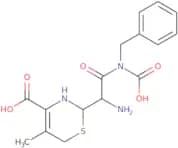
CAS:Please enquire for more information about Cephalexin diketopiperazine monoacid including the price, delivery time and more detailed product information at the technical inquiry form on this pageFormula:C16H19N3O5SPurity:Min. 95%Molecular weight:365.4 g/molIbudilast-d3
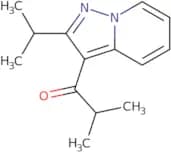
CAS:Please enquire for more information about Ibudilast-d3 including the price, delivery time and more detailed product information at the technical inquiry form on this pageFormula:C14H18N2OPurity:Min. 95%Molecular weight:234.33 g/molChlorhexidine diacetate impurity A
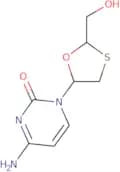
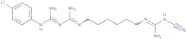
CAS:Chlorhexidine diacetate impurity A is a high purity, analytical standard for the detection of chlorhexidine diacetate impurities in drug products. Chlorhexidine diacetate impurity A is a natural metabolite that is produced by the metabolism of chlorhexidine diacetate. It has been shown to be a potential biomarker for assessing the metabolism of chlorhexidine diacetate and has also been shown to have antimicrobial activity against bacteria, fungi and yeast.Formula:C16H24ClN9Purity:Min. 95%Color and Shape:White to off-white solid.Molecular weight:377.88 g/molcis 5-Fluoro-1-[2-(hydroxymethyl)-1,3-oxathiolan-5-yl]-2,4(1H,3H)- pyrimidinedione
CAS:cis 5-Fluoro-1-[2-(hydroxymethyl)-1,3-oxathiolan-5-yl]-2,4(1H,3H)-pyrimidinedione is a drug product that has been custom synthesized for use as an analytical reference material and an impurity standard. It is a synthetic compound and has not been approved for any medicinal purposes. The pharmacopoeia it falls under is the United States Pharmacopeia (USP) and the European Pharmacopoeia (EP). cis 5-Fluoro-1-[2-(hydroxymethyl)-1,3-oxathiolan-5-yl]-2,4(1H,3H)-pyrimidinedione is used to determine the purity of active pharmaceutical ingredients in finished drug products. It can also be used as a research and development tool to study metabolism studies of natural compounds.Formula:C8H9FN2O4SPurity:Min. 95%Molecular weight:248.23 g/mol4-(2-Hydroxy-3-isopropylaminopropoxy)benzoic acid 2-hydroxyethyl ester
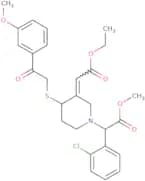
CAS:4-(2-Hydroxy-3-isopropylaminopropoxy)benzoic acid 2-hydroxyethyl ester is a synthetic drug product that can be used as an HPLC standard. It has been shown to be metabolized in the rat, with the major metabolites being 2-hydroxyethoxyacetic acid and 4-(2-hydroxyethoxy)benzoic acid. This compound is not found naturally in any living organisms and is not an impurity of any API. The purity of this compound is >98%.Formula:C15H23NO5Purity:Min. 95%Molecular weight:297.35 g/molTrans-clopidogrel-mp ethyl ester derivative
CAS:Please enquire for more information about Trans-clopidogrel-mp ethyl ester derivative including the price, delivery time and more detailed product information at the technical inquiry form on this pageFormula:C27H30ClNO6SPurity:Min. 95%Molecular weight:532 g/mol10-Allyl-2-chloro-phenothiazine
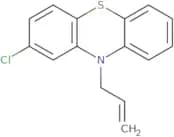
CAS:10-Allyl-2-chloro-phenothiazine is a metabolite of the drug product, Clopidogrel. It is a white crystalline powder that is soluble in water and alcohol. 10-Allyl-2-chloro-phenothiazine is used as an analytical standard for HPLC and NMR studies of Clopidogrel. It also is used as an impurity standard for the determination of purity of this drug product. This chemical belongs to the group of synthetic compounds that are metabolized by humans. Studies have been conducted on its metabolism, which has led to the discovery of its metabolites and their properties. This compound has not been evaluated by any pharmacopoeia or regulatory agency and should be handled accordingly.Formula:C15H12ClNSPurity:Min. 95%Molecular weight:273.8 g/mol(2E,5R)-7-[(1S,2S,6R,8S,8aR)-8-(2,2-Dimethyl-1-oxobutoxy)-1,2,6,7,8,8a-hexahydro-2,6-dimethyl-1-naphthalenyl]-5-hydroxy-2-heptenoic acid sodium salt
CAS:(2E,5R)-7-[(1S,2S,6R,8S,8aR)-8-(2,2-Dimethyl-1-oxobutoxy)-1,2,6,7,8,8a-hexahydro-2,6-dimethyl-1-naphthalenyl]-5-hydroxy-2-heptenoic acid sodium salt is a synthetic drug product. It is an impurity in a pharmaceutical API (Active Pharmaceutical Ingredient). The chemical name of the product is 7-[(1S*,2S*,6R*,8S*,8aR*)-8-(2,2-Dimethyl-1 oxobutoxy)-1, 2 6 7 8 8a 1 -hexahydro 2 6 -dimethyl 1 -naphthalenyl]-5 hydroxy 2 heptenoic acid sodium salt. It has the following CAS Number: 39Formula:C25H37NaO5Purity:Min. 95%Molecular weight:440.55 g/mol2,2',3,3'-Tetrachlorobiphenyl
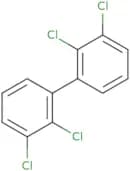
CAS:Controlled Product2,2',3,3'-Tetrachlorobiphenyl is an inhibitor that has been shown to have anticancer properties. It inhibits the growth of tumor cells by blocking the activity of protein kinases, which are enzymes that regulate cell division and proliferation. This compound has been tested in Chinese hamster ovary cells and has been found to induce apoptosis in cancer cells. Additionally, 2,2',3,3'-Tetrachlorobiphenyl has analog inhibitors that have been tested in human urine samples and have shown potential as anticancer agents. These analogs inhibit cyclin-dependent kinases (CDKs), which play a crucial role in regulating the cell cycle. The inhibition of CDKs leads to the suppression of cancer cell growth and division, making this compound a promising candidate for future cancer treatments.
Formula:C12H6Cl4Purity:Min. 95%Molecular weight:292 g/molAmpicillin desoxocarboxylic acid-[(R)-(phenyl-d5)glycine]
CAS:Ampicillin desoxocarboxylic acid-[(R)-(phenyl-d5)glycine] is an analytical standard for HPLC. It has the CAS number 1207726-28-0 and is available in various quantities. The impurity of this standard is determined by the HPLC chromatogram and can be found in the USP and EP. This product is a drug product that has niche application, meaning it's not a common pharmaceutical ingredient. It can be used as a metabolite or impurity standard for pharmacopoeia purposes. Custom synthesis and natural are also possible options for purchase.
Formula:C24H26N4O5SPurity:Min. 95%Molecular weight:482.6 g/mol11,12-EET
CAS:11,12-EET is an analog of the human protein that has been found to have potential medicinal benefits in the treatment of cancer. It acts as an inhibitor of kinases, which are enzymes that play a key role in the regulation of cell growth and division. 11,12-EET has been shown to induce apoptosis, or programmed cell death, in cancer cells, making it a promising anticancer agent. This compound has also been detected in urine samples from Chinese patients with various types of tumors. Ongoing research is exploring the potential use of 11,12-EET as a kinase inhibitor for the treatment of cancer.
Formula:C20H32O3Purity:Min. 95%Molecular weight:320.5 g/mol2,3,4-Trichloro-6-(2,4-dichlorophenoxy)phenol
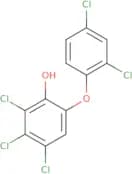
CAS:2,3,4-Trichloro-6-(2,4-dichlorophenoxy)phenol is a potent tumor inhibitor that has been shown to be effective against various types of cancer cells. It works by inhibiting the activity of certain proteins in the cell that are essential for cancer cell growth and survival. This compound has been tested on different cancer cell lines and has demonstrated apoptosis-inducing properties. In addition to its anticancer effects, 2,3,4-Trichloro-6-(2,4-dichlorophenoxy)phenol has also been found to have vitamin-like properties and is commonly found in Chinese urine as a natural anticancer agent. It regulates the cell cycle and plays an important role in preventing the growth and spread of cancer cells. Overall, this compound shows great potential as a therapeutic agent for the treatment of various types of cancer.Formula:C12H5Cl5O2Purity:Min. 95%Molecular weight:358.4 g/molNoralfentanil-d3 hydrochloride
CAS:Controlled ProductNoralfentanil-d3 hydrochloride is a highly selective and potent mu-opioid receptor agonist. It is used for the treatment of moderate to severe pain. Noralfentanil-d3 hydrochloride binds to the mu opioid receptors in the human liver, leading to reduced production of a number of proteins that are responsible for drug metabolism. Noralfentanil-d3 hydrochloride has been shown to be effective in clinical trials with a sample preparation technique involving liquid chromatography and p450 isozyme activity. This drug also has a number of chemical interactions, which may lead to an increased risk of toxicity or side effects. Molecular modeling studies have shown that noralfentanil-d3 hydrochloride interacts with amine groups on proteins, leading to its binding affinity with the mu opioid receptor.Formula:C16H24N2O2Purity:Min. 95%Molecular weight:276.37 g/molDesoxo-palbociclib
CAS:Desoxo-palbociclib is a drug product that has been custom synthesized. The purity of this compound is high, with analytical results that meet the pharmacopoeia standards for purity. Metabolism studies have been conducted to determine the natural and synthetic metabolites of this compound. Desoxo-palbociclib is also in Phase II clinical trials for drug development, which are expected to be completed by 2020. There are no known impurities, but there may be traces of other compounds due to its synthetic nature.Formula:C24H29N7OPurity:Min. 95%Molecular weight:431.5 g/molHSL-IN-1
CAS:HSL-IN-1 is an inhibitor analog of nalbuphine that has shown potential as an anticancer agent. It works by inhibiting the activity of certain kinases that are involved in tumor growth and survival. HSL-IN-1 induces apoptosis, or programmed cell death, in cancer cells by disrupting their protein synthesis and causing DNA damage. This compound has been found to be effective against a variety of human cancers, including breast, lung, and colon cancer. HSL-IN-1 is derived from Chinese medicinal urine and is one of several promising inhibitors currently being studied for their potential use as anticancer agents.Formula:C19H13BClF3N2O4Purity:Min. 95%Molecular weight:436.6 g/molRacecadotril Impurity G
CAS:Racecadotril Impurity G is an analytical impurity found in the drug Racecadotril. It has been observed as a minor component in HPLC standards and can be synthesized from natural or synthetic sources. Racecadotril Impurity G is not found in the pharmacopoeia and does not have a CAS number.Formula:C19H21NO3SPurity:Min. 95%Molecular weight:343.44 g/mol1-[2-[2-Hydroxy-3-(propylamino)propoxy]phenyl]-3-phenyl-2-propen-1-one
CAS:N-Propyl-1-[2-[2-hydroxy-3-(propylamino)propoxy]phenyl]-3-phenyl-2-propenamide is a drug that belongs to the group of beta blockers. It inhibits the action of catecholamines on β receptors, which in turn reduces cardiac output, heart rate and myocardial oxygen consumption. N-Propyl-1-[2-[2-hydroxy-3-(propylamino)propoxy]phenyl]-3-phenyl-2-propenamide has been used in experimental studies to investigate its effects on metabolism.
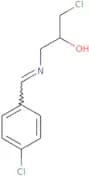
Formula:C21H25NO3Purity:Min. 95%Molecular weight:339.43 g/mol(S)-(E,Z)-1-(4-Chlorobenzylideneamino)-3-chloropropan-2-ol
CAS:Please enquire for more information about (S)-(E,Z)-1-(4-Chlorobenzylideneamino)-3-chloropropan-2-ol including the price, delivery time and more detailed product information at the technical inquiry form on this pageFormula:C10H11Cl2NOPurity:Min. 95%Molecular weight:232.1 g/mol[6-(4-Phenylbutoxy)hexyl]benzylamine hydrochloride
CAS:Please enquire for more information about [6-(4-Phenylbutoxy)hexyl]benzylamine hydrochloride including the price, delivery time and more detailed product information at the technical inquiry form on this page
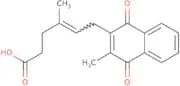
Formula:C23H34ClNOPurity:Min. 95%Molecular weight:376 g/molTrans-2-methyl-3-(5'-carboxy-3'-methyl-2'-pentenyl)-1,4-naphthoquinone
CAS:Trans-2-methyl-3-(5'-carboxy-3'-methyl-2'-pentenyl)-1,4-naphthoquinone is a synthetic impurity standard used as a research and development, impurity standard, and custom synthesis. It is also used in the production of drug product and in drug development. Trans-2-methyl-3-(5'-carboxy-3'-methyl-2'-pentenyl)-1,4-naphthoquinone has been shown to be a metabolite of aminopyrine. Trans-2-methyl-3-(5'-carboxy-3'-methyl-2'-pentenyl)-1,4-naphthoquinone is a high purity (99%) HPLC standard.Formula:C18H18O4Purity:90% MinMolecular weight:298.33 g/molRoflumilast Impurity E
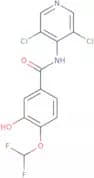
CAS:Roflumilast Impurity E is a reagent that is used to monitor the pharmacokinetic properties of roflumilast. Roflumilast Impurity E is an acidic component of roflumilast that may be synthesized from acetone and acid hydrolysis. It has been shown to be hepatotoxic, but it does not have any adverse effects on the liver when taken with other drugs such as erythromycin and phenytoin. This substance also has a spectrum of action that includes pulmonary disease, which makes it useful for treating bronchitis and asthma.Formula:C13H8Cl2F2N2O3Purity:Min. 95%Molecular weight:349.12 g/mol(R)-3-((R)-5-Oxopyrrolidine-2-carbonyl)thiazolidine-4-carboxylic acid
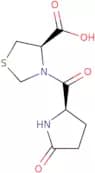
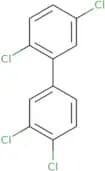
CAS:(R)-3-((R)-5-Oxopyrrolidine-2-carbonyl)thiazolidine-4-carboxylic acid is a research and development, impurity standard, custom synthesis, drug product, synthetic, high purity, pharmacopoeia, drug development and analytical reagent. CAS No. 162148-17-6Formula:C9H12N2O4SPurity:Min. 95%Molecular weight:244.27 g/mol2,3',4',5-Tetrachlorobiphenyl
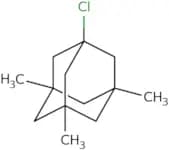
CAS:Controlled Product2,3',4',5-Tetrachlorobiphenyl is an analog with potent anticancer activity. It has been shown to induce apoptosis in human cancer cells and inhibit tumor growth in Chinese hamsters. This compound is also a potent inhibitor of protein kinases, including those involved in the regulation of cell growth and differentiation. Additionally, it has been found to enhance the activity of other kinase inhibitors such as tolvaptan. 2,3',4',5-Tetrachlorobiphenyl may be useful for developing new therapies for cancer treatment.Formula:C12H6Cl4Purity:Min. 95%Molecular weight:292 g/mol1-Chloro-3,5,7-trimethyladamantane
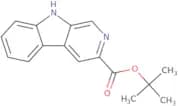
CAS:Please enquire for more information about 1-Chloro-3,5,7-trimethyladamantane including the price, delivery time and more detailed product information at the technical inquiry form on this pageFormula:C13H21ClPurity:Min. 95%Molecular weight:212.76 g/moltert-Butyl β-carboline-3-carboxylate
CAS:Tert-butyl β-carboline-3-carboxylate is a GABAergic drug that binds to the benzodiazepine receptor and has been shown to be a nonselective antagonist. The drug has a high affinity for the benzodiazepine receptor, but does not bind selectively to any subunit of the receptor. Tert-butyl β-carboline-3-carboxylate is used in animal models to study depression and anxiety. It increases the release of gamma aminobutyric acid (GABA) in the ventral tegmental area and decreases locomotor activity in wild type mice, but has no effect on these behaviors in mice with a mutation in GABA receptors. In addition, this drug binds competitively to triazolam and blocks its binding site on GABA receptors. Tert-butyl β-carboline-3-carboxylate also inhibits ethanol consumption by wild type mice, but not by mutant mice lacking theFormula:C16H16N2O2Purity:Min. 95%Molecular weight:268.31 g/molFenticonazole sulfone nitric acid salt
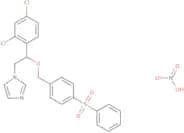
CAS:Fenticonazole sulfone nitric acid salt is an analog of dabigatran, which is a protein kinase inhibitor that has shown potential in the treatment of cancer. It induces apoptosis in human cancer cells and inhibits the activity of various kinases involved in tumor growth and proliferation. Fenticonazole sulfone nitric acid salt has been studied extensively for its anticancer properties, showing promising results in Chinese hamster ovary cells and urine samples from cancer patients. This drug also exhibits inhibitory effects on protein kinases that are involved in the regulation of cell cycle progression, angiogenesis, and metastasis. Overall, Fenticonazole sulfone nitric acid salt holds great promise as a potential anticancer agent.
Formula:C24H21Cl2N3O6SPurity:Min. 95%Molecular weight:550.4 g/molRosuvastatin impurity 42
CAS:Please enquire for more information about Rosuvastatin impurity 42 including the price, delivery time and more detailed product information at the technical inquiry form on this page
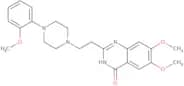
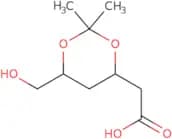
Formula:C9H16O5Purity:Min. 95%Molecular weight:204.22 g/molN2-Methyl alfuzosin
CAS:N2-Methyl alfuzosin is an impurity of Alfuzosin, a drug used to treat benign prostatic hyperplasia. It can be used as an HPLC standard for the detection and quantification of Alfuzosin in pharmaceutical products. N2-Methyl alfuzosin is a metabolite of Alfuzosin that is formed by cytochrome P450 3A4. It has been shown to have anti-inflammatory effects, which may be due to its inhibition of prostaglandin synthesis.Formula:C19H27N5O4Purity:Min. 95%Molecular weight:389.45 g/molRemdesivir impurity 1
CAS:Remdesivir impurity 1 is a drug product, analytical and Metabolism studies. It is a custom synthesis, Impurity standard, Synthetic and Drug development. Remdesivir impurity 1 is an API impurity that is a natural and has CAS No. 1355049-95-4. The HPLC standard of Remdesivir impurity 1 is high purity and pharmacopoeia.Formula:C12H13N5O4Purity:Min. 95%Molecular weight:291.26 g/molCarbamazepine impurity
CAS:Carbamazepine is a drug that has been used to treat epileptic seizures and trigeminal neuralgia. Impurities in the drug are removed by using chromatographic methods, such as high-performance liquid chromatography (HPLC). The rotarod test is an animal model of motor coordination and balance that can be used to assess the effects of drugs on these functions. Carbamazepine impurities may cause depression and have an epileptic effect on animals. Chronic exposure to carbamazepine can lead to drug reactions and gene polymorphisms, which may alter the metabolism of the drug. Analytical methods for determining carbamazepine impurities include HPLC, gas chromatography mass spectrometry (GC-MS), and thin-layer chromatography (TLC).Formula:C15H14N2OPurity:Min. 95%Molecular weight:238.28 g/molAmoxicillin EP Impurity E
CAS:Amoxicillin EP Impurity E is an impurity found in Amoxicillin EP, which is a β-lactam antibiotic. It belongs to the group of β-lactam antibiotics and has antibacterial activity. Amoxicillin EP Impurity E is found by applying validation methods to measure the concentration of this product. The analytical method used for this impurity is a wavelength measurement or a magnetic field measurement. This impurity can be determined using chromatographic or elution methods. The chromatographic methods used are high performance liquid chromatography (HPLC) and gas chromatography (GC). Method development is required for determining the level of this impurity, as well as validation procedures for measuring it with various methods.Formula:C15H21N3O4SPurity:Min. 95%Molecular weight:339.41 g/molNeriifolin
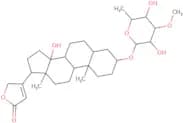
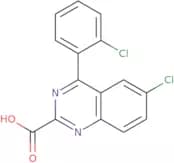
CAS:Neriifolin is a potent anticancer compound that has been isolated from the Chinese plant, Nerium oleander. It belongs to the class of xylan analogs and has been shown to inhibit the growth of cancer cells by inducing apoptosis. Neriifolin targets the cell cycle and inhibits the activity of protein kinases, which are essential for cell division. It has demonstrated significant inhibitory effects on tumor growth in human cancer cell lines, making it a promising candidate for cancer therapy. In addition, Neriifolin has been found to be a potent inhibitor of several key enzymes involved in cancer progression, making it an attractive target for developing new cancer therapies. Its effectiveness as an anticancer agent makes Neriifolin an important tool in the fight against cancer.Formula:C30H46O8Purity:Min. 95%Molecular weight:534.7 g/mol6-Chloro-4-(2-chlorophenyl)-2-quinazolinecarboxylic acid
CAS:6-Chloro-4-(2-chlorophenyl)-2-quinazolinecarboxylic acid (CA) is an impurity found in the drug lorazepam. It is a chemical intermediate that is not active as a pharmaceutical agent, but has been studied for use in treating epilepsy and other neurological disorders. CA is an excipient used to manufacture other drugs such as salicylic acid and the surfactant sodium lauryl sulfate. It has been shown to have acidic properties and can be used as a surfactant, which is helpful in chromatographic methods to separate molecules by size. CA also binds to chloride ions, which are necessary for the proper functioning of many cellular processes. CA's molecular weight is 322 daltons and it exhibits no pharmacological activity.
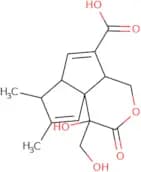
Formula:C15H8Cl2N2O2Purity:Min. 95%Color and Shape:White PowderMolecular weight:319.14 g/molPentalenolactone O
CAS:Pentalenolactone O is a natural product, which is used as an analytical standard for the determination of metabolites in drug development and research. It can be synthesized from pentalenolactone A by hydrogenation with Raney nickel catalyst. Pentalenolactone O is also a synthetic compound that has been developed as an impurity standard for HPLC analysis. The purity of this compound is high, and it complies with the requirements of pharmacopoeias such as USP and BP.
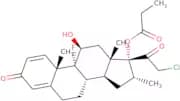
Formula:C15H18O6Purity:Min. 95%Molecular weight:294.3 g/molClobetasol Propionate - Impurity C
CAS:Controlled Product21-Chloro-9-fluoro-11beta,17-dihydroxy-16alpha-methylpregna-1,4-diene-3,20-dione 17-propionate is an ester of ketoconazole and the propionic acid. It is used as a pharmaceutical formulation and has been shown to be stable in an HPLC method. This compound also has an optical isomer that was validated by a stability test. This product has been shown to have antiinflammatory properties and may be used as a topical treatment for skin disorders such as clobetasol propionate.Formula:C25H32ClFO5Purity:Min. 95%Molecular weight:466.97 g/mol4-[(2-Chlorophenyl)sulfonyl]benzenamine
CAS:Please enquire for more information about 4-[(2-Chlorophenyl)sulfonyl]benzenamine including the price, delivery time and more detailed product information at the technical inquiry form on this pageFormula:C12H10ClNO2SPurity:Min. 95%Molecular weight:267.73 g/molMiproxifene
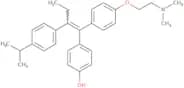
CAS:Controlled ProductMiproxifene is a potent anticancer drug that has been shown to induce apoptosis and inhibit cell cycle progression in human cancer cells. This drug has been extensively studied in Chinese hamster ovary (CHO) cells and has demonstrated significant activity against various types of cancer, including leukemia. Miproxifene acts as a protein inhibitor and has been found to be effective against several tumor cell lines. It is a promising medicinal compound for the treatment of cancer, with potential applications in both chemotherapy and radiation therapy. Miproxifene is excreted primarily through urine and is well-tolerated by patients. Its use as an anticancer agent holds great promise for the future of cancer treatment.
Formula:C29H35NO2Purity:Min. 95%Molecular weight:429.6 g/mol1-(9-Deazaguanin-9-yl)-1,4-dideoxy-1,4-iminoribitol
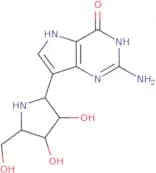
CAS:1-(9-Deazaguanin-9-yl)-1,4-dideoxy-1,4-iminoribitol is an analog of mannitol that acts as a potent inhibitor of kinase activity. It has been shown to induce apoptosis in cancer cells and has potential as an anticancer agent. This compound inhibits the activity of Chinese hamster ovary cell kinases and luciferase kinases, which are involved in protein synthesis and tumor growth. Additionally, this compound has been found in human urine samples, suggesting that it may have clinical relevance as a therapeutic agent for cancer treatment. Overall, 1-(9-Deazaguanin-9-yl)-1,4-dideoxy-1,4-iminoribitol shows great promise as a novel inhibitor with potential for use in cancer therapy.
Formula:C11H15N5O4Purity:Min. 95%Molecular weight:281.27 g/mol1-Isopropyl-1-N-methylpropylamino-(3,4-dimethoxyphenyl)acetonitrile
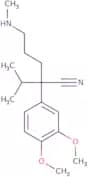
CAS:1-Isopropyl-1-N-methylpropylamino-(3,4-dimethoxyphenyl)acetonitrile is a fluorescent probe that can be used for the detection of drugs in biological samples. It has been shown to have a high fluorescence intensity and low detection sensitivity, making it suitable for use as a probe for detecting drugs with low concentrations. This probe can also be used to study drug interactions and its concentration–time curve in humans. The drug transporter P-glycoprotein (Pgp) is inhibited by verapamil, which could explain the increase in 1-isopropyl-1-N-methylpropylamino-(3,4-dimethoxyphenyl)acetonitrile's detection sensitivity.Formula:C17H26N2O2Purity:Min. 95%Color and Shape:PowderMolecular weight:290.4 g/molAvanafil 5’-desmethylpyrimidyl 5’-acid
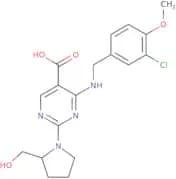
CAS:Avanafil 5'-desmethylpyrimidyl 5'-acid is a kinase inhibitor that has been shown to have anti-cancer properties. It inhibits kinases, which are enzymes involved in cell signaling pathways, and has been shown to inhibit the growth of cancer cells in vitro. Avanafil 5'-desmethylpyrimidyl 5'-acid may be used in combination with other drugs, such as rifampicin or methotrexate, for the treatment of cancer. Additionally, it has been found to induce apoptosis (programmed cell death) in human tumor cells. Chinese medicine has also used avanafil 5'-desmethylpyrimidyl 5'-acid analogs such as astaxanthin for its health benefits. This drug is excreted primarily through urine and shows promise as a potential inhibitor for various diseases.Formula:C18H21ClN4O4Purity:Min. 95%Molecular weight:392.8 g/mol

![Des-[(S)-3-methyl-2-pentanamidobutanoic acid] valsartan 4’-bromomethyl](/_next/image/?url=https%3A%2Fstatic.cymitquimica.com%2Fproducts%2F3D%2Fthumb-webp%2FNFA40233.webp&w=3840&q=75)

![1-[4-(4-Amino-6,7-dimethoxy-2-quinazolinyl)-1-piperazinyl]-2-hydroxy-1-pentanone](/_next/image/?url=https%3A%2Fstatic.cymitquimica.com%2Fproducts%2F3D%2Fthumb-webp%2FIA63849.webp&w=3840&q=75)

![2,2-Bis[4-(2-diethylaminoethoxy)phenyl]-1,2-diphenylethanone](/_next/image/?url=https%3A%2Fstatic.cymitquimica.com%2Fproducts%2F3D%2Fthumb-webp%2FOB166693.webp&w=3840&q=75)
![6,7,8,9-Tetrahydro-3-[2-[4-(6-hydroxy-1,2-benzisoxazol-3-yl)-1-piperidinyl]ethyl]-2-methyl-4H-pyri…](/_next/image/?url=https%3A%2Fstatic.cymitquimica.com%2Fproducts%2F3D%2Fthumb-webp%2FIT21195.webp&w=3840&q=75)



![1-[5-(Hydroxymethyl)-2-furyl]-2-methyl-1,2,3,4-tetrahydroisochinolin-4,6-diol](/_next/image/?url=https%3A%2Fstatic.cymitquimica.com%2Fproducts%2F3D%2Fthumb-webp%2FMCC70619.webp&w=3840&q=75)


![N,N'-Dicyclohexylcarbamimidothioic acid (5,6-dihydro-6,6-dimethylimidazo[2,1-b]thiazol-3-yl)methyl…](/_next/image/?url=https%3A%2Fstatic.cymitquimica.com%2Fproducts%2F3D%2Fthumb-webp%2FPJB67755.webp&w=3840&q=75)
![1-[2-(3-Chloro-2-hydroxypropoxy)phenyl]-3-phenyl-1-propanone](/_next/image/?url=https%3A%2Fstatic.cymitquimica.com%2Fproducts%2F3D%2Fthumb-webp%2FIC21067.webp&w=3840&q=75)


![cis 5-Fluoro-1-[2-(hydroxymethyl)-1,3-oxathiolan-5-yl]-2,4(1H,3H)- pyrimidinedione](/_next/image/?url=https%3A%2Fstatic.cymitquimica.com%2Fproducts%2F3D%2Fthumb-webp%2FFF23363.webp&w=3840&q=75)

![Ampicillin desoxocarboxylic acid-[(R)-(phenyl-d5)glycine]](/_next/image/?url=https%3A%2Fstatic.cymitquimica.com%2Fproducts%2F3D%2Fthumb-webp%2FHYB72628.webp&w=3840&q=75)

![1-[2-[2-Hydroxy-3-(propylamino)propoxy]phenyl]-3-phenyl-2-propen-1-one](/_next/image/?url=https%3A%2Fstatic.cymitquimica.com%2Fproducts%2F3D%2Fthumb-webp%2FIH63816.webp&w=3840&q=75)
![[6-(4-Phenylbutoxy)hexyl]benzylamine hydrochloride](/_next/image/?url=https%3A%2Fstatic.cymitquimica.com%2Fproducts%2F3D%2Fthumb-webp%2FNGA92318.webp&w=3840&q=75)


![4-[(2-Chlorophenyl)sulfonyl]benzenamine](/_next/image/?url=https%3A%2Fstatic.cymitquimica.com%2Fproducts%2F3D%2Fthumb-webp%2FYFA30196.webp&w=3840&q=75)