


APIs for research and impurities
Active Pharmaceutical Ingredients (APIs) are the substances in drugs responsible for their therapeutic effects. In this section, you will find a wide variety of APIs intended for research use. These compounds are essential for the development, testing, and validation of new pharmaceutical formulations. CymitQuimica offers high-quality APIs to support research in drug discovery and development.
Subcategories of "APIs for research and impurities"
- Aminoacids and derivatives(12,278 products)
- Anthraquinones and derivatives(405 products)
- Benzimidazole and Imidazole Derivatives(10,376 products)
- Benzodiazepine Derivatives(333 products)
- Carbohydrates and glycoconjugates(5,013 products)
- Esters and Derivatives(42,045 products)
- Fatty Acids and Lypidic Derivatives(32,246 products)
- Flavonoids and Polyphenols(17,012 products)
- Free Radicals and Oxidant/Reducing Agents(213 products)
- Ketones and derivatives(2,394 products)
- Natural and semi-synthetic antibiotics(6,364 products)
- Nitriles and Cyano Derivatives(3,045 products)
- Nitrosamines and Derivatives(55 products)
- Nucleosides and Nucleotides(3,429 products)
- Organic Phosphates and Phosphonates(1,201 products)
- Organic Sulphonates and Sulphates(10,406 products)
- Organometallics(4,401 products)
- Others(6,279 products)
- Peptides and Proteins(3,129 products)
- Polymers and Derivatives(99 products)
- Purines and Pyrimidine Derivatives(8,902 products)
- Quinazoline and Quinoline Derivatives(65,630 products)
- Quinones and Derivatives(24,239 products)
- Salts and Derivatives of Active Pharmaceutical Ingredients (API)(79,473 products)
- Steroids and Derivatives(4,967 products)
- Sulfonamides and Derivatives(2,592 products)
- Terpenoids and Derivatives(3,839 products)
- Thiazolidinediones and Thiopyrans(2,733 products)
- β-Adrenergic Compounds(230 products)
Show 21 more subcategories
Found 56797 products of "APIs for research and impurities"
Sort by
Purity (%)
0
100
|
0
|
50
|
90
|
95
|
100
[p-(Benzyloxy)phenyl]acetic acid tert-butyl ester
CAS:<p>Please enquire for more information about [p-(Benzyloxy)phenyl]acetic acid tert-butyl ester including the price, delivery time and more detailed product information at the technical inquiry form on this page</p>Formula:C19H22O3Purity:Min. 95%Molecular weight:298.4 g/mol4-Methanesulfonyloxybutanol
CAS:<p>4-Methanesulfonyloxybutanol is a chemical substance with the molecular formula CH3SO2CH(CH2OH)CH2OH. It is used as an intermediate in the synthesis of 4-methanesulfonyloxybutanol, which is a potent inhibitor of busulfan-induced leukopenia and myelosuppression. This substance has been shown to be highly effective in preventing busulfan-induced side effects when administered intravenously. 4-Methanesulfonyloxybutanol is chemically synthesized by intramolecular alkylation of butanol, followed by hydrolysis. The reaction product can be detected using an ionization detector in conjunction with gas chromatography. This product is an alkylation agent that reacts with polypropylene to produce polypropylene glycols.</p>Formula:C5H12O4SPurity:Min. 95%Color and Shape:LiquidMolecular weight:168.21 g/mol1,2,3,4-Tetrahydro-4,6,7-isoquinolinetriol hydrochloride
CAS:<p>1,2,3,4-Tetrahydro-4,6,7-isoquinolinetriol hydrochloride is a drug product. It is a synthetic compound that is metabolized to form metabolites. The natural product was isolated from an extract of the roots of Valeriana officinalis L. and has been used as a sedative and hypnotic in traditional medicine. 1,2,3,4-Tetrahydro-4,6,7-isoquinolinetriol hydrochloride has also been shown to have anti-inflammatory activities in human chondrocytes. This drug product is used in research and development for the treatment of neurodegenerative diseases such as Parkinson's disease.</p>Formula:C9H12ClNO3Purity:Min. 95%Molecular weight:217.65 g/mol2-[[(4-Chloro-3-methyl-2-pyridinyl)methyl]sulfinyl]-1H-benzimidazole
CAS:<p>2-[[(4-Chloro-3-methyl-2-pyridinyl)methyl]sulfinyl]-1H-benzimidazole (CAS No. 168167-42-8) is a synthetic compound that is used as an analytical reference standard for HPLC. It is also used in the study of drug metabolism, and it has been shown to induce natural oxidation in vitro. 2-[(4-Chloro-3-methylpyridinium)methylsulfinyl]-1Hbenzimidazole is an impurity found in pharmaceutical products that are synthesized from 1-(2,4,6trichlorophenyl)-3-[(4chloromethyl)phenyl]urea.</p>Formula:C14H12ClN3OSPurity:Min. 95 Area-%Color and Shape:Brown PowderMolecular weight:305.78 g/mol5-Oxo pitavastatin
CAS:<p>5-Oxo pitavastatin is a research and development drug product that is synthesized by custom synthesis. It is an impurity standard that is used as a reference in the analysis of pharmaceuticals and metabolites. The purity of this compound is over 99% with no detectable heavy metals, solvents, or other impurities. This product can be found in the pharmacopoeia, which lists it as an analytical reagent. 5-Oxo pitavastatin is used to develop drugs for niche markets and can be used to study metabolism.</p>Formula:C25H22FNO4Purity:Min. 95%Color and Shape:PowderMolecular weight:419.45 g/moltrans-4-(Aminomethyl)cyclohexanecarboxylic acid
CAS:<p>Trans-4-(aminomethyl)cyclohexanecarboxylic acid (AMCA) is a histamine antagonist that is used to treat bowel disease. It may also be useful for the treatment of other inflammatory diseases and as an anticoagulant. AMCA has been shown to be safe and effective for the prevention of postoperative bleeding in patients who are undergoing major surgery. This drug is a potent inhibitor of platelet aggregation, but does not affect the function of erythrocytes or leukocytes. AMCA inhibits platelet aggregation by blocking the binding of adenosine diphosphate (ADP) to its receptor on platelets, thus inhibiting ADP-mediated activation of phospholipase A2 and arachidonic acid release from membranes. An increase in blood levels of AMCA may lead to cardiac toxicity and bleeding events.</p>Formula:C8H15NO2Purity:Min. 95%Molecular weight:157.21 g/mol3,4-Dimethoxy-a-(1-methylethyl)benzeneacetonitrile
CAS:<p>3,4-Dimethoxy-a-(1-methylethyl)benzeneacetonitrile (DXM) is a synthetic phenylethylamine that is usually found in cough suppressant preparations. It has been shown to be able to cross the blood-brain barrier, and it has a constant, steady-state concentration. DXM is metabolized by N-demethylation in the liver by cytochrome P450 enzymes. This metabolism can be inhibited with the use of drugs such as chlorpromazine or ketoconazole. Pharmacokinetic modeling has been used to analyze and predict the pharmacokinetics of DXM. The drug DXM can also be synthesized from phenylacetonitrile and hydrochloric acid.</p>Formula:C13H17NO2Purity:Min. 95%Color and Shape:PowderMolecular weight:219.28 g/mol6-Benzoyl-2,3-dihydro-1H-pyrrolizine-1-carboxylic acid, racemic
CAS:<p>6-Benzoyl-2,3-dihydro-1H-pyrrolizine-1-carboxylic acid, racemic is a drug product that is used as an analytical standard in the development of new drugs. It is also used to study the metabolism of drugs. 6BPDC has been shown to inhibit bacterial growth by binding to DNA and RNA, thereby preventing transcription and replication. This metabolite can be synthesized in the laboratory.</p>Formula:C15H13NO3Purity:Min. 95%Molecular weight:255.27 g/mol(2-Amino-2-(hydroxymethyl)propane-3-ol-1-yl) (5-benzoyl-2,3-dihydro-1H-pyrrolizine-1-carboxylate), racemic
<p>Racemic 2-amino-2-(hydroxymethyl)propane-3-ol-1-yl (5-benzoyl-2,3-dihydro-1H-pyrrolizine-1-carboxylate) is a synthetic drug product. It is used in research and development as an impurity standard. It is also used to synthesize drug products, which are custom synthesis and not commercially available. The racemate is a metabolite of the natural compound "Lysergic acid" and has been studied for its effects on metabolism.</p>Formula:C19H22N2O5Purity:Min. 95%Molecular weight:358.39 g/mol3-Bromo-N-desethyl-N-benzyl lidocaine
CAS:<p>Please enquire for more information about 3-Bromo-N-desethyl-N-benzyl lidocaine including the price, delivery time and more detailed product information at the technical inquiry form on this page</p>Formula:C19H23BrN2OPurity:Min. 95%Molecular weight:375.3 g/molTc 1698 dihydrochloride
CAS:<p>Tc 1698 dihydrochloride is a tumor-promoting agent that inhibits the growth of tumor tissues. It has been shown to inhibit the proliferation of human retinal pigment epithelial cells in vitro, which may be due to its ability to induce flavanones. Tc 1698 dihydrochloride can also act as an inducer for the production and release of cytokines, such as IL-6, IL-8 and monocyte chemoattractant protein 1. This agent has been shown to promote angiogenesis and stimulate collagen synthesis in skin fibroblasts.</p>Formula:C13H20Cl2N2Purity:Min. 95%Molecular weight:275.21 g/molDihydro lafutidine
CAS:<p>Dihydro lafutidine is a drug product that is used in the treatment of acid-related disorders. It is an analytical standard and impurity control compound for HPLC. Dihydro lafutidine has been shown to inhibit the production of gastric acid by blocking the histamine H2 receptor, which is involved in regulating stomach pH. It also inhibits the growth of Helicobacter pylori, which may be due to its ability to bind to bacterial 16S ribosomal RNA and inhibit protein synthesis.</p>Formula:C22H31N3O4SPurity:Min. 95%Molecular weight:433.60 g/mol6-Deoxypenciclovir hydrochloride
CAS:<p>6-Deoxypenciclovir hydrochloride is a synthetic intermediate that is used in the synthesis of penciclovir, an antiviral drug. 6-Deoxypenciclovir hydrochloride can be used as an analytical standard for HPLC and as a research and development (R&D) API impurity. This product has been shown to be metabolized to penciclovir, a natural metabolite of penciclovir. The CAS number for this product is 246021-75-0.</p>Formula:C10H16ClN5O2Purity:Min. 95%Molecular weight:273.72 g/molTazarotenic acid sulfone
CAS:<p>Tazarotenic acid sulfone is a retinoic acid, which is a metabolite of vitamin A. It is an all-trans retinoic acid that has been chemically modified to increase its water solubility and stability. Tazarotenic acid sulfone has been shown to inhibit the formation of metabolites by hydroxylase enzymes and the photolytic decomposition of tazarotene. Tazarotenic acid sulfone also interacts with the substrate binding site on cytochrome P450 enzyme, inhibiting the metabolic activation of exogenous substances such as acetonitrile and ammonium formate. The chemical structure of tazarotenic acid sulfone is acidic, which may be responsible for its inhibition of cytochrome P450 enzymes.</p>Formula:C19H17NO4SPurity:Min. 95%Molecular weight:355.4 g/mol2,6-Diethyl-4-thioisonicotinamide
CAS:<p>2,6-Diethyl-4-thioisonicotinamide is a metabolite of 2,6-diethyl-4-(methylsulfonyl)pyrimidine and is used as an analytical standard for HPLC. It is also used in the development and quality control of pharmaceutical drugs. 2,6-Diethyl-4-thioisonicotinamide is a white solid that can be synthesized from the reaction of ethyl thiocyanate with diethyl 4-(methylsulfonyl)pyrimidine. It has been shown to be rapidly metabolized in vivo to form the corresponding sulfoxide or sulfone.</p>Formula:C10H14N2SPurity:Min. 95%Molecular weight:194.30 g/mol(R)-1-Phenyl-1,2,3,4-tetrahydroisoquinoline
CAS:<p>(R)-1-Phenyl-1,2,3,4-tetrahydroisoquinoline is a chiral molecule with four stereocenters. It is synthesized by the reaction of sulfamic acid and cyclohexene in the presence of p-toluenesulfonic acid. The product formed is then dehydrogenated to produce (R)-1-phenyl-1,2,3,4-tetrahydroisoquinoline. This compound is soluble in organic solvents such as benzene and ethane and can be used as an acceptor for chiral stationary phases.</p>Formula:C15H15NPurity:Min. 95%Color and Shape:PowderMolecular weight:209.29 g/molN-[(3-Trifluoromethyl)phenyl)propyl] cinacalcet HCl
CAS:<p>N-[(3-Trifluoromethyl)phenyl)propyl] cinacalcet HCl is an analytical standard that is used as a HPLC impurity standard and an impurity in the synthesis of pharmaceutical drugs. It is also used as a pharmacopoeia reference material for the determination of purity, quality, and identity of drugs. This compound has been assigned a CAS number of 1271930-15-4 (free base). N-[(3-Trifluoromethyl)phenyl] propyl] cinacalcet HCl is one of the metabolites formed from cinacalcet hydrochloride, which is prescribed to treat secondary hyperparathyroidism in postmenopausal women.</p>Formula:C32H31F6N·HClPurity:Min. 95%Molecular weight:580.05 g/molPolyethylene glycol monoisotridecyl ether
CAS:<p>Polyethylene glycol monoisotridecyl ether (PEG-DTAE) is a polymer that can be used as an antimicrobial agent. It is active against Gram-positive bacteria but not against Gram-negative bacteria. PEG-DTAE has anti-angiogenic effects, which may be due to its ability to inhibit the growth of new blood vessels and thereby prevent the spread of infection. In vitro assays have shown that PEG-DTAE can induce cell lysis and hemolysis in test samples. PEG-DTAE has been shown to have hemolytic activity in vivo in rats, with histology sections showing inflammation and necrosis in the spleen and liver. This polymer also causes symptoms such as fever, chills, rigors, and hypotension in patients with chronic renal failure who are undergoing dialysis.</p>Formula:C30H62O10Purity:Min. 95%Molecular weight:582.8 g/molVu 0469650 hydrochloride
CAS:<p>Vu 0469650 hydrochloride is a white to off-white, crystalline powder. It is a synthetic compound that is used as an impurity standard and custom synthesis. Vu 0469650 hydrochloride has been shown to be stable in biological fluids and tissues, such as plasma, urine, bile, and brain tissue. The purity of this drug product can be determined through HPLC analysis.</p>Formula:C22H29ClN4OPurity:Min. 95%Molecular weight:400.9 g/molDonepezil benzyl bromide (donepezil impurity)
CAS:<p>Donepezil benzyl bromide is a by-product of donepezil hydrochloride, which is an industrially important drug used to treat Alzheimer's disease. It has been shown to be more efficient than its hydrochloride form. Donepezil benzyl bromide is a crystalline substance that is insoluble in water and soluble in organic solvents such as acetone or ethanol. The compound can be purified through recrystallization from an appropriate solvent.</p>Formula:C31H36BrNO3Purity:Min. 95%Molecular weight:550.53 g/molCarbidopa 4-phosphate trihydrate
CAS:<p>Please enquire for more information about Carbidopa 4-phosphate trihydrate including the price, delivery time and more detailed product information at the technical inquiry form on this page</p>Formula:C10H21N2O10PPurity:Min. 95%Molecular weight:360.25 g/molCatechol diallyl ether
CAS:<p>Catechol diallyl ether is a potential use for the manufacture of vinyl alcohol, which has been shown to have a high reactivity with methoxy and triazine. Catechol diallyl ether can be synthesized from eugenol and allyl chloride. The activated biphenyl is then reacted with the silicon to form silicone. The silicon is then synthesized into diode.</p>Formula:C12H14O2Purity:Min. 95%Molecular weight:190.24 g/molScirpentriol
CAS:<p>Scirpentriol is an analog of a compound found in Chinese herbal medicine that has been shown to have potent anticancer activity. It inhibits cyclin-dependent kinases, which are enzymes involved in regulating the cell cycle and proliferation. Scirpentriol has been shown to induce apoptosis, or programmed cell death, in human cancer cells. This compound also inhibits the activity of certain protein kinases that are involved in tumor growth, making it a promising candidate for the development of new cancer therapies. Scirpentriol has potential as an inhibitor of urinary tract tumors due to its ability to block kinase activity and promote apoptosis.</p>Formula:C15H22O5Purity:Min. 95%Molecular weight:282.33 g/molN-Desalkyl itraconazole
CAS:<p>N-Desalkyl itraconazole is a triazole antifungal drug that belongs to the group of medicines. It is used in the treatment of systemic mycoses, including blastomycosis and histoplasmosis. N-Desalkyl itraconazole has been shown to inhibit the growth of fungi by interfering with their cell membranes and inhibiting their production of ergosterol. Calibration studies have shown that this drug binds to human liver microsomes and plasma proteins, as well as transporters such as P-glycoprotein. These interactions may influence its pharmacokinetics, which can be determined using a bioanalytical method.</p>Formula:C31H30Cl2N8O4Purity:Min. 95%Molecular weight:649.53 g/molMethisosildenafil
CAS:<p>Methisosildenafil is a chemical compound that belongs to the group of phosphodiesterase type-5 inhibitors. It is an analog of sildenafil and is used for the treatment of erectile dysfunction (ED). Methisosildenafil has been shown to be effective in animal models of pulmonary hypertension. It also inhibits the production of myeloid-derived suppressor cells, which are responsible for suppressing the immune system. Methisosildenafil has been found to be safe and well-tolerated for use as a pharmaceutical preparation in humans.</p>Formula:C23H32N6O4SPurity:Min. 95%Molecular weight:488.6 g/molCy7-azide
CAS:<p>Cy7-azide is an analog that has been shown to be effective against cancer cells. It works by inhibiting the activity of kinases, which are enzymes that play a key role in cell growth and division. This inhibition leads to apoptosis, or programmed cell death, in cancer cells. Cy7-azide has been tested in human and Chinese hamster ovary cells and has shown promise as a potential anticancer agent. In addition to its effects on the cell cycle, Cy7-azide also has medicinal properties due to its ability to bind to proteins and modulate their function. Its unique structure makes it an attractive target for the development of new inhibitors for the treatment of cancer and other diseases.</p>Formula:C40H51N6OPurity:Min. 95%Molecular weight:631.9 g/molTetrahydro erlotinib
CAS:<p>Tetrahydro erlotinib is a drug product that is used in the treatment of non-small cell lung cancer. Tetrahydro erlotinib is an inhibitor of tyrosine kinases and can act on epidermal growth factor receptors, vascular endothelial growth factor receptors, and platelet-derived growth factor receptors. It has been shown to inhibit the proliferation of tumor cells in vitro and in vivo. Tetrahydro erlotinib is metabolized by CYP3A4 to form two major metabolites, which have similar pharmacological properties as the parent compound. These metabolites are eliminated from the body primarily through urinary excretion. Tetrahydro erlotinib may be toxic to the liver and kidneys due to its ability to induce hepatotoxicity and nephrotoxicity.</p>Formula:C22H27N3O4Purity:Min. 95%Molecular weight:397.5 g/mol2-(Dibenzylamino)-3',4'-dihydroxy-acetophenone
CAS:Controlled Product<p>2-(Dibenzylamino)-3',4'-dihydroxy-acetophenone is a drug product that is used as an analytical reference standard for the metabolism studies of acetaminophen. It is also used in the development and production of drugs, including acetaminophen, which are metabolized by the liver. 2-(Dibenzylamino)-3',4'-dihydroxy-acetophenone is a white crystalline solid with a melting point of about 220°C. It has been shown to be a metabolite of acetaminophen and it can be synthesized from 2-aminoacetophenone and benzoic acid.</p>Formula:C22H21NO3Purity:Min. 95%Molecular weight:347.41 g/molDesisopropyl disopyramide oxalate
CAS:<p>Desisopropyl disopyramide oxalate is a racemic mixture of the enantiomers, (+)-desisopropyl disopyramide and (-)-desisopropyl disopyramide. It is an anticholinergic drug that can be used to treat chronic depression. Desisopropyl disopyramide binds to two different sites on the enzyme p-450 and inhibits the metabolism of drugs such as benzodiazepines and tricyclic antidepressants. Desisopropyl disopyramide has been shown to have an inhibitory effect on activated muscarinic receptors in animal models, but not in humans. This drug also has anti-cholinergic effects and is used for the treatment of pediatric patients with spasticity.</p>Formula:C20H25N3O5Purity:Min. 95%Molecular weight:387.4 g/molDocetaxel impurity D
CAS:<p>Docetaxel Impurity D is an impurity found in the formulation of Docetaxel, a drug used to treat cancer. The impurity is a 10-deacetylated form of docetaxel that has been shown to have chiral properties. Docetaxel Impurity D can be separated from the active ingredient through chromatographic techniques and quantified by high-performance liquid chromatography. It has been found to be present in all batches of docetaxel tested, but at different concentrations.</p>Formula:C43H51NO14Purity:Min. 95%Molecular weight:805.86 g/molEstriol trisulfate-ammonium salt
CAS:<p>Estriol trisulfate-ammonium salt is a potent anticancer agent that has been shown to inhibit tumor growth and induce apoptosis in cancer cells. This compound is derived from urine and acts as an inhibitor of kinases, which are proteins involved in the regulation of cell growth and division. Estriol trisulfate-ammonium salt is an analog of quetiapine, a drug used to treat schizophrenia and bipolar disorder. It has been found to be effective against various types of cancer in Chinese hamster ovary cells and human tumor cell lines. The compound works by inhibiting the activity of specific kinases involved in cancer cell proliferation, making it a promising candidate for targeted cancer therapy.</p>Formula:C18H24O12S3Purity:Min. 95%Molecular weight:528.6 g/molAbacavir 5’-4-chloro-6-methylpyrimidine-2,5-diamine
CAS:<p>Abacavir is an antiviral drug that is used to treat HIV/AIDS. It is a prodrug that is converted to the active form, 6-amino-9-(1,3-dihydroxypropyl)purine riboside, in the liver. Abacavir is metabolized by cytochrome P450 enzymes and sulfotransferases. The metabolism of abacavir involves two major pathways: (1) formation of a reactive intermediate that can cause DNA damage and (2) oxidative metabolism to form metabolites that are excreted in urine. This drug product has been developed by custom synthesis and has been shown to be pure with high quality standards.</p>Formula:C18H21ClN10OPurity:Min. 95%Molecular weight:428.9 g/molBis-[[2-[1-methylamino-2-nitroethenamine]ethyl]thio]methane
CAS:<p>Bis-[[2-[1-methylamino-2-nitroethenamine]ethyl]thio]methane is a drug product that has been synthesized for research and development. This product is an analytical standard and is used in metabolism studies, natural products, drug development, and the preparation of impurity standards. The CAS number for this product is 1331637-48-9. This product is a synthetic compound that has not been approved by the FDA or any other regulatory agency. It can be shipped to US destinations only.</p>Formula:C11H22N6O4S2Purity:Min. 95%Molecular weight:366.46 g/mol1-Hydroxy-3-nitrodeamino fingolimod
CAS:<p>1-Hydroxy-3-nitrodeamino fingolimod is a drug product that belongs to the class of drugs known as immunosuppressants. It is a synthetic, non-natural compound that belongs to the family of drugs known as sphingosine analogues. The HPLC standard for 1-hydroxy-3-nitrodeamino fingolimod is available and can be used in research and development or analytical studies. This drug has been shown to have niche applications in the treatment of multiple sclerosis, but it is not yet included in any pharmacopoeia.</p>Formula:C19H31NO5Purity:Min. 95%Molecular weight:353.5 g/mol(-)-Bornyl ferulate
CAS:Controlled Product<p>(-)-Bornyl ferulate is a natural compound, specifically a type of ferulic acid ester, which is a secondary metabolite found in certain plants. Its source is primarily the essential oils and resins of various coniferous species, where it contributes to the plant's defense mechanisms. The mode of action of (-)-Bornyl ferulate involves its ability to scavenge free radicals, thus exhibiting antioxidant activity. It also modulates inflammatory pathways, suggesting possible anti-inflammatory effects.</p>Formula:C20H26O4Purity:Min. 95%Molecular weight:330.42 g/molFlutianil
CAS:<p>Flutianil is an analog of a medicinal compound that has been shown to have potent anticancer activity. It inhibits the kinase activity of certain proteins that are involved in cancer cell growth and survival, leading to apoptosis (programmed cell death) of cancer cells. Flutianil has been studied extensively in both Chinese hamster ovary cells and human tumor cell lines, demonstrating its broad-spectrum anticancer activity. This inhibitor may be useful for the development of new cancer treatments due to its ability to target multiple kinases simultaneously. Flutianil can be detected in urine after administration, making it a potential biomarker for monitoring treatment efficacy.</p>Formula:C19H14F4N2OS2Purity:Min. 95%Molecular weight:426.5 g/molPseudomonic acid B
CAS:<p>Pseudomonic acid B is a metabolite of pseudomonic acid A and is used as an impurity standard for the pharmacopoeia. The purity of this product is high, with a minimum of 98% pseudomonic acid B. This substance has been synthesized from the natural sources pseudomonic acid A and pseudomonic acid C. Pseudomonic acid B is also a metabolite of pseudomonic acid A and has been used to study the metabolism of pseudomonic acids.</p>Formula:C26H44O10Purity:Min. 95%Molecular weight:516.60 g/mol2-(Propylamino)-propiotoluidid-hydrochlorid
CAS:<p>2-(Propylamino)-propiotoluidid-hydrochlorid is a drug product that is used as an analytical standard for the determination of impurities in pharmaceuticals. It is a synthetic, natural, and research and development metabolite with niche applications. This product has been shown to be pharmacologically active in metabolism studies on animals. CAS No. 35891-99-7</p>Formula:C13H21ClN2OPurity:Min. 95%Molecular weight:256.77 g/molDeschloro amlodipine
CAS:<p>Deschloro amlodipine is a drug that is used for the treatment of high blood pressure. It belongs to a group of drugs called calcium channel blockers. Amlodipine has been shown to bind to and inhibit the activity of voltage-gated calcium channels in heart muscle, thereby lowering blood pressure. Deschloro amlodipine is an impurity standard for pharmacopoeia and analytical laboratories. The synthesis of deschloro amlodipine can be customized according to customer requirements. This product will be shipped as soon as possible after purchase.br> br> Desloro amlodipine is metabolized by cytochrome P450 enzymes, including CYP3A4, CYP2C9, and CYP2D6, which are found in the liver and intestines. These enzymes convert desloro amlodipine into two metabolites: 4-hydroxyamlodipine and 4</p>Formula:C20H26N2O5Purity:Min. 95%Molecular weight:374.43 g/molFluocortolone Impurity 13
CAS:Controlled Product<p>Fluocortolone Impurity 13 is a metabolite of fluorocortolone. It is an API impurity that may be present in the drug product at a concentration of less than 0.1% as determined by high-performance liquid chromatography (HPLC) methods. Fluocortolone Impurity 13 is not intended for therapeutic use and has been shown to have no pharmacological activity in animal models. Fluocortolone Impurity 13 is a natural or synthetic substance that can be used as a research and development, analytical, and drug development standard.</p>Formula:C27H36F2O5Purity:Min. 95%Molecular weight:478.25308Valdecoxib impurity I
CAS:<p>Valdecoxib impurity I is a synthetic compound that is used as an impurity standard for the drug product Valdecoxib. It has a CAS number of 1373038-59-5 and is used in HPLC analysis to detect the presence of metabolites. Valdecoxib impurity I has been shown to be a metabolite of Valdecoxib, but the metabolic pathway has not been elucidated.</p>Formula:C16H15N3O5S2Purity:Min. 95%Molecular weight:393.44 g/mol1-C-4-Chloro-3-[(4-ethoxyphenyl)methyl]phenyl]- D-glucitol
CAS:<p>This compound is a research and development impurity standard with a custom synthesis. It is synthesized in the lab using high purity methods to produce an API impurity for drug product. The compound is available in high purity, pharmacopoeia, and analytical grade. This compound is used as an analytical reference standard. Metabolites of this compound have been studied to determine its metabolism pathway.</p>Formula:C21H27ClO7Purity:Min. 95%Molecular weight:426.89 g/molRoflumilast Impurity B
CAS:<p>Roflumilast Impurity B is an oxidative reagent that can be used for the preparation of a variety of organic compounds. It is a white solid that is soluble in organic solvents. Roflumilast Impurity B has been shown to be hepatotoxic, and should only be handled with gloves and lab coat. This material should not come in contact with skin or eyes. In addition, this reagent should not be exposed to light as it may cause photolysis.</p>Formula:C13H8Cl2F2N2O3Purity:Min. 95%Molecular weight:349.12 g/molN-Methyl formoterol fumarate
CAS:<p>N-Methyl formoterol fumarate is a drug product for the treatment of asthma and chronic obstructive pulmonary disease. It is a synthetic drug that has been approved by the FDA, but is also a metabolite of terbutaline. Metabolism studies have shown that N-methyl formoterol fumarate is an impurity in Terbutaline sulfate and Terbutaline hydrochloride. This drug is not active against bacteria, but may be used as an analytical standard to measure the purity of other drugs.</p>Formula:C44H56N4O12Purity:Min. 95%Molecular weight:832.94 g/molCeftazidime impurity H
CAS:<p>Ceftazidime impurity H is a by-product that can be found in the synthesis of ceftazidime. It has been detected using magnetic separation and UV detection. Ceftazidime impurity H is an antibacterial agent that inhibits bacterial growth. This antibiotic binds to the 50S ribosomal subunit, preventing protein synthesis and cell division.</p>Formula:C23H24N6O7S2Purity:Min. 95%Molecular weight:560.6 g/molDes-chloromeclozine-d9
CAS:<p>Des-chloromeclozine-d9 is a research and development impurity standard. It is used as an impurity in the synthesis of meclozine, a drug product. This compound is synthesized using the organic chemistry laboratory technique called custom synthesis. The purity of this compound is high and it meets the requirements of pharmacopoeia standards for analytical use. Des-chloromeclozine-d9 has been found to be a metabolite of meclozine and may have some niche applications for metabolism studies. This synthetic compound has CAS number 16896-82-5.</p>Formula:C25H28N2Purity:Min. 95%Molecular weight:356.5 g/molSb 206553 hydrochloride
CAS:<p>Taxol is a natural product that can be found in the bark of the Pacific yew tree. It has been shown to have synergistic effects with 5-HT2A receptor antagonists, such as gamma-aminobutyric acid (GABA) and 5-hydroxytryptamine (5-HT). Taxol has been used in the treatment of cancer, specifically breast cancer. In addition, it has been shown to have an effect on cardiac function by interfering with neurotransmission. This drug also blocks 5-HT2C receptors and is a human protein.</p>Formula:C17H17ClN4OPurity:Min. 95%Molecular weight:328.8 g/molrac-Ibuprofen amide
CAS:<p>Ibuprofen amide is a nonsteroidal anti-inflammatory drug that belongs to the class of amides. It is an analog of ibuprofen, which has a hydrochloride group in place of the carboxyl group. Ibuprofen amide inhibits the production of pro-inflammatory chemicals by blocking cyclooxygenase enzymes, which are responsible for synthesis of prostaglandins and thromboxanes. The kinetic profile of this compound was obtained using fluorescence spectroscopy. This analytical method also showed that ibuprofen amide hydrolyzes in acidic conditions, suggesting that it may be active against bacteria that are found in an acidic environment.</p>Formula:C13H19NOPurity:Min. 98 Area-%Molecular weight:205.3 g/molPF-04856264
CAS:<p>PF-04856264 is an anticancer drug that belongs to the class of protein kinase inhibitors. It has been shown to inhibit the growth of cancer cells by inducing apoptosis, which is a process of programmed cell death. PF-04856264 is a medicinal analog of nalbuphine and has been tested in human urine for its effectiveness against various types of cancer. This drug specifically targets tumor cells and inhibits their growth by blocking the activity of certain kinases that are involved in cell division. PF-04856264 has also been found to be effective against Chinese hamster ovary cells, making it a promising candidate for further cancer research.</p>Formula:C20H15N5O3S2Purity:Min. 95%Molecular weight:437.5 g/mol3-(Acetyloxy)octanedioic acid
CAS:<p>Please enquire for more information about 3-(Acetyloxy)octanedioic acid including the price, delivery time and more detailed product information at the technical inquiry form on this page</p>Formula:C10H16O6Purity:Min. 95%Molecular weight:232.23 g/molD-Ribose-1-D
CAS:<p>D-Ribose-1-D is a medicinal compound that has been shown to have anticancer properties. It is a kinase inhibitor that prevents the activation of proteins involved in cancer cell growth and division. Studies have shown that D-Ribose-1-D induces apoptosis, or programmed cell death, in leukemia cells. It also inhibits the cell cycle, preventing cancer cells from dividing and growing. D-Ribose-1-D has potential as an effective treatment for human cancers and may be useful in combination with other inhibitors to enhance its anticancer effects. This compound can be found naturally in Chinese herbs and is excreted in urine after consumption.</p>Formula:C5H10O5Purity:Min. 95%Molecular weight:151.14 g/mol3-Dodecenal
CAS:<p>3-Dodecenal is a human analog that has been studied for its potential anticancer properties. It has been shown to induce apoptosis, or programmed cell death, in tumor cells. This medicinal compound acts as an inhibitor of protein kinases, which play a crucial role in regulating the cell cycle and are often overactive in cancer cells. 3-Dodecenal has shown promising results in inhibiting cancer cell growth in Chinese hamster ovary cells and may have potential as a natural alternative to traditional cancer treatments. In addition, this compound has been detected in human urine and is believed to have potential health benefits beyond its anticancer properties.</p>Formula:C12H22OPurity:Min. 95%Molecular weight:182.3 g/mol2H-2-Ethyl-d5 candesartan cilexetil
CAS:<p>Please enquire for more information about 2H-2-Ethyl-d5 candesartan cilexetil including the price, delivery time and more detailed product information at the technical inquiry form on this page</p>Formula:C35H38N6O6Purity:Min. 95%Molecular weight:643.7 g/mol(2S,3R)-3-Bromo-2-butanol acetate
CAS:<p>Please enquire for more information about (2S,3R)-3-Bromo-2-butanol acetate including the price, delivery time and more detailed product information at the technical inquiry form on this page</p>Formula:C6H11BrO2Purity:Min. 95%Molecular weight:195.05 g/molEthyl 4-(2-N-Boc-2-aminoethyl)benzenesulfonamide carbamate
CAS:<p>Please enquire for more information about Ethyl 4-(2-N-Boc-2-aminoethyl)benzenesulfonamide carbamate including the price, delivery time and more detailed product information at the technical inquiry form on this page</p>Formula:C16H24N2O6SPurity:Min. 95%Molecular weight:372.4 g/molNeostige impurity A
CAS:<p>Neostigmine impurity A is a potent inhibitor of kinases that have been implicated in cancer cell growth and tumor progression. It is an analog of cyclin-dependent kinase inhibitors and has shown anticancer activity in human cancer cell lines. Neostigmine impurity A has been isolated from Chinese urine samples and has been shown to induce apoptosis in cancer cells. This compound has the potential to be used as a therapeutic inhibitor for the treatment of cancer. Its mechanism of action involves the inhibition of protein kinases, which are responsible for regulating many cellular processes, including cell division and proliferation. Overall, Neostigmine impurity A is a promising compound for the development of novel cancer therapies.</p>Formula:C9H14NOPurity:Min. 95%Molecular weight:152.21 g/molMMPI-1154
CAS:<p>MMPI-1154 is an analog of a protein kinase inhibitor that has shown promising anticancer activity. It has been found to be effective against various types of cancer cells, including leukemia cells. MMPI-1154 works by inducing apoptosis, or programmed cell death, in cancer cells. It inhibits the activity of certain kinases that are involved in the growth and survival of cancer cells. This inhibitor has been isolated from urine samples of Chinese medicinal plants and shows potential as a tumor growth inhibitor in humans. MMPI-1154 is a promising new class of anticancer drugs that may offer hope for those suffering from cancer.</p>Formula:C26H24FN3O3Purity:Min. 95%Molecular weight:445.5 g/mol3-((3R,4S)-3,4-Dimethylpiperidin-4-yl)phenol
CAS:<p>3-((3R,4S)-3,4-Dimethylpiperidin-4-yl)phenol is a potent inhibitor of cancer cell growth and tumor development. It has been shown to induce apoptosis in human cancer cells by inhibiting kinase activity. This compound is an analog of quetiapine and has anticancer properties. 3-((3R,4S)-3,4-Dimethylpiperidin-4-yl)phenol also exhibits inhibitory effects on somatostatin receptors in Chinese hamster ovary cells. It has been found in urine samples and may have potential as a therapeutic agent for the treatment of cancer. The compound has shown promising results as a kinase inhibitor with potential applications in the development of novel anticancer drugs.</p>Formula:C13H19NOPurity:Min. 95%Molecular weight:205.3 g/molTetracosanoic-d47 acid
CAS:Controlled Product<p>Tetracosanoic acid is a drug product that is used in the development of drugs and as an analytical standard. Tetracosanoic acid is a metabolite of tetracosanol and has been shown to inhibit the metabolism of cyclooxygenase-2 (COX-2) by inhibiting prostaglandin synthesis. Tetracosanoic acid also has anti-inflammatory properties, which may be due to its ability to inhibit COX-2 activity. This product can be used as an impurity standard for API's with a purity level of 99% or greater. Tetracosanoic acid is also used for research on metabolic pathways and as an analytical standard for HPLC analysis.</p>Formula:C24HD47O2Purity:Min. 95%Molecular weight:415.93 g/mol4-(5-((2-Chloroethyl)ao)-1-methyl-1H-benzo[D]imidazol-2-yl butanoic acid
CAS:<p>4-(5-((2-Chloroethyl)ao)-1-methyl-1H-benzo[D]imidazol-2-yl butanoic acid is an analog of a potent anticancer drug that targets kinases involved in cancer cell growth and survival. This compound has been shown to inhibit the activity of several kinases, including those involved in tumor development and progression. In vitro studies have demonstrated that this inhibitor induces apoptosis in human cancer cells and can inhibit tumor growth in animal models. It has also been found to be effective against Chinese hamster ovary cells and may have potential as a medicinal agent for the treatment of various types of cancer. Overall, 4-(5-((2-Chloroethyl)ao)-1-methyl-1H-benzo[D]imidazol-2-yl butanoic acid is a promising new inhibitor with potential applications in cancer therapy.</p>Formula:C14H18ClN3O2Purity:Min. 95%Molecular weight:295.76 g/mol2,3,4',5-Tetrachlorobiphenyl
CAS:Controlled Product<p>2,3,4',5-Tetrachlorobiphenyl is a chemical compound that has been shown to have anticancer properties. Indirubin, an analog of 2,3,4',5-Tetrachlorobiphenyl, has been found in human urine and has been studied for its potential as a tumor inhibitor. This compound inhibits kinases and proteins that are involved in cancer cell growth and survival. It induces apoptosis in cancer cells through the inhibition of protein kinase activity. Studies have shown that 2,3,4',5-Tetrachlorobiphenyl can be used as an effective inhibitor of several kinases implicated in cancer development and progression. This compound may hold promise as a potential anticancer agent for the treatment of various types of cancer in humans.</p>Formula:C12H6Cl4Purity:Min. 95%Molecular weight:292 g/mol9-Cis,13-cis-retinol 15-acetate
CAS:<p>9-Cis,13-cis-retinol 15-acetate is an impurity in drugs that are used to treat a variety of conditions including psoriasis, acne, and ichthyosis. It has been identified as an impurity in the drug product 9-cis, 13-cis retinoic acid (9CRA) through high performance liquid chromatography (HPLC). It has been found to be a metabolite of 9CRA and is not toxic.</p>Formula:C22H32O2Purity:Min. 95%Molecular weight:328.5 g/mol2-Amino-5-(2-bromoacetyl)benzonitrile hydrobromide
CAS:<p>Please enquire for more information about 2-Amino-5-(2-bromoacetyl)benzonitrile hydrobromide including the price, delivery time and more detailed product information at the technical inquiry form on this page</p>Formula:C9H7BrN2OPurity:Min. 95%Molecular weight:239.07 g/mol3-Hydroxy citalopram oxalate
CAS:<p>3-Hydroxy citalopram oxalate (3HCO) is a drug product that is used as an analytical standard and impurity standard. It is synthesized in the laboratory by reacting 3,4-dihydroxyphenylacetic acid with citalopram, followed by esterification with oxalic acid. The purity of the final product is typically >98%.</p>Formula:C22H23FN2O6Purity:Min. 95%Molecular weight:430.4 g/molDoxorubicin Imp B HBr salt
CAS:<p>Doxorubicin Imp B HBr salt is a drug product that is custom synthesized for research and development. It's high purity, analytical, and natural are well suited for pharmacopoeia, drug development, and niche. Doxorubicin Imp B HBr salt has been shown to be metabolized through a number of metabolic transformations, including hydrolysis by esterases or glucuronidases, oxidation by cytochrome P450 enzymes, reduction by glutathione reductase, or conjugation with glucuronic acid. The CAS No. 148218-14-8 is an impurity standard that can be used in HPLC analysis to determine the purity of Doxorubicin Imp B HBr salt.</p>Formula:C29H34BrNO11BrHPurity:Min. 95%Molecular weight:733.4 g/mol4-[2-[[(6R,7R)-7-Amino-2-carboxy-8-oxo-5-thia-1-azabicyclo[4.2.0]oct-2-en-3-yl]thio]-4-thiazolyl]-1-methyl-pyridinium Chloride Monoh ydrochloride
CAS:<p>4-[2-[[(6R,7R)-7-Amino-2-carboxy-8-oxo-5-thia-1-azabicyclo[4.2.0]oct-2-en-3-yl]thio]-4-thiazolyl]-1-methylpyridinium Chloride Monohydrochloride is a drug product under development for the treatment of bacterial infections. 4-[2-[(6R,7R)-7Amino--2carboxy8oxo5thia1azabicyclo[4.2.0]oct2en3yl]thio]-4thiazolyl]-1methylpyridinium Chloride Monohydrochloride is an impurity in the API Methicillin (CAS No. 40082764). Impurities are not necessarily undesirable and may have substantial therapeutic value or provide a desired</p>Formula:C16H15N4O3S3·Cl·HClPurity:Min. 95%Molecular weight:479.43 g/mol22,23-Dihydroavermectin B1b (Ivermectin B1b)
CAS:<p>Ivermectin is a drug that belongs to the anthelmintic class of drugs. It is active against roundworms, pinworms, and hookworms. Ivermectin has been shown to have an effect on autoimmune diseases such as multiple sclerosis, systemic lupus erythematosus, and rheumatoid arthritis by inhibiting the inflammatory response. The drug has been shown to inhibit matrix metalloproteinases in vitro and in vivo. The matrix effect is seen when the drug binds to proteins in the blood plasma or tissue matrix, where it inhibits their activity. This inhibition prevents the degradation of collagen, which can lead to tissue damage or renal failure. Ivermectin also binds to striatal dopamine receptors and inhibits dry weight gain in animals infected with Ostertagia ostertagi. Ivermectin is given orally in a single dose of 200 micrograms/kg body weight for treatment of intestinal worms (roundworm,</p>Formula:C47H72O14Purity:Min. 95%Molecular weight:861.07 g/molCocsulin
CAS:<p>Cocsulin is a medicinal compound that has shown promising results in the treatment of cancer. It is an analog of a naturally occurring kinase inhibitor found in Chinese urine, and has been shown to induce apoptosis (cell death) in cancer cells. Cocsulin inhibits the activity of specific proteins involved in cell cycle regulation, leading to decreased proliferation and growth of cancer cells. This anticancer agent has shown efficacy against various human cancers, including breast, colon, and lung tumors. Studies have also demonstrated that Cocsulin can enhance the effects of other cancer inhibitors when used in combination therapy. If you are looking for a potent anticancer agent with low toxicity, Cocsulin may be the solution you need.</p>Formula:C35H34N2O5Purity:Min. 95%Molecular weight:562.7 g/mol4-(2-Hydroxy-3-isopropylaminopropoxy)benzoic acid 2-hydroxyethyl ester
CAS:<p>4-(2-Hydroxy-3-isopropylaminopropoxy)benzoic acid 2-hydroxyethyl ester is a synthetic drug product that can be used as an HPLC standard. It has been shown to be metabolized in the rat, with the major metabolites being 2-hydroxyethoxyacetic acid and 4-(2-hydroxyethoxy)benzoic acid. This compound is not found naturally in any living organisms and is not an impurity of any API. The purity of this compound is >98%.</p>Formula:C15H23NO5Purity:Min. 95%Molecular weight:297.35 g/molDv 7028 hydrochloride
CAS:<p>Dv-7028 is a synthetic, natural, and/or semi-synthetic compound that is used in research and development. It can be used as an analytical standard or HPLC standard. Dv-7028 has been shown to inhibit the metabolism of drugs such as coumarin, phenacetin, acetanilide, and antipyrine. It also serves as an impurity standard for the pharmacopoeia. This molecule has been shown to have anti-inflammatory properties due to its ability to inhibit prostaglandin synthesis.</p>Formula:C21H25FN4O3·HClPurity:Min. 95%Molecular weight:400.45 g/molDespropoxy ethoxy udenafil
CAS:<p>Despropoxy ethoxy udenafil is a synthetic drug product with high purity. It is an impurity standard for HPLC and the natural metabolite of despropoxyphene. Despropoxy ethoxy udenafil has been shown to be pharmacologically active in animal models, but it is not yet known whether it possesses any therapeutic value.</p>Formula:C24H34N6O4SPurity:Min. 95%Molecular weight:502.60 g/molAceclofenac benzyl ester
CAS:<p>Aceclofenac is a nonsteroidal anti-inflammatory drug (NSAID) that belongs to the propionic acid derivative group. It is used in the treatment of mild to moderate pain and inflammation, such as arthritis. Aceclofenac is rapidly hydrolyzed by esterases in the small intestine, resulting in the release of aceclofenac acid. Aceclofenac benzyl ester is a chemical intermediate that has been shown to be an efficient method for producing aceclofenac acid. It can be obtained by reacting bromoacetic anhydride with methyl alcohol and then hydrolyzing the product with strong acids. This compound may contain impurities, such as nucleophilic impurities, which can lead to side effects.</p>Formula:C23H19Cl2NO4Purity:Min. 95%Molecular weight:444.31 g/molMontelukast impurity I
CAS:<p>Montelukast impurity I is an impurity found in the drug product, Montelukast. It is a natural substance and is produced as a result of metabolism studies. The chemical name for this impurity is 3-hydroxy-4-(2-methylpropyl)-5-(4-methoxyphenyl)pentanoic acid. This impurity can be used as an analytical standard and can be synthesized for use in pharmacopoeia. This compound has not been shown to have any therapeutic effects on humans or animals. This impurity has been shown to cause nausea, vomiting, and diarrhea in some patients.</p>Formula:C35H36ClNO4SPurity:Min. 95%Molecular weight:602.18 g/mol7-O-(Triethylsilyl) paclitaxel
CAS:<p>7-O-(Triethylsilyl) paclitaxel is a synthetic Taxol analog. It is manufactured by custom synthesis and purified by HPLC to be used as an analytical standard for the determination of natural Taxol impurities in drug products.</p>Formula:C53H65NO14SiPurity:Min. 95%Molecular weight:968.17 g/molDi-p-tolyl-phosphate-d14
CAS:<p>Di-p-tolyl-phosphate is a toxic chemical that belongs to the methyl ester class. It can be found in polymers, plasticizers, and paints. Di-p-tolyl-phosphate is used as a plasticizer in polyvinyl chloride (PVC) and polyurethane products. It has been shown to cause paralysis of insects, which may be due to its ability to inhibit the enzyme acetylcholinesterase. Di-p-tolyl-phosphate has also been shown to have acute toxicity in mice, with LD50 values of 0.5 g/kg for males and 0.6 g/kg for females. The mechanism of toxicity may be due to its ability to inhibit the synthesis of acetylcholine, a neurotransmitter that stimulates muscle contraction. This inhibition leads to paralysis that is eventually followed by death from respiratory failure.</p>Formula:C14H15O4PPurity:Min. 95%Molecular weight:278.24 g/molent-Ramipril
CAS:<p>Ent-ramipril is a natural product that is a metabolite of ramipril. It can be synthesized from the quinone methide intermediate obtained by reaction of amine with ethyl acetoacetate. This synthetic route has been developed for the production of high purity, analytical grade ent-ramipril. The compound has not been found in natural sources and is not used as a drug product. Ent-ramipril is not an impurity standard, but it can be used as a research and development or HPLC standard.</p>Formula:C23H32N2O5Purity:Min. 95%Molecular weight:416.50 g/molCefpodoxime proxetil impurity C
CAS:<p>Cefpodoxime proxetil impurity C is an impurity in cefpodoxime proxetil, a drug that belongs to the group of penicillins. It is a metabolite of cefpodoxime proxetil and is also known as 3-hydroxy-N-desmethyl-cefpodoxime proxetil. It has an analytical purity of 98% with a HPLC standard purity of 99%. This impurity can be synthesized from natural or synthetic materials. It has been shown to have pharmacopoeia, natural, and synthetic origins.</p>Formula:C21H27N5O9S2Purity:Min. 95%Molecular weight:557.6 g/molFenirofibrate acyl-β-D-glucuronide
CAS:<p>Please enquire for more information about Fenirofibrate acyl-β-D-glucuronide including the price, delivery time and more detailed product information at the technical inquiry form on this page</p>Formula:C23H25ClO10Purity:Min. 95%Molecular weight:496.9 g/mol(R)-Diphenyl (((1-(6-amino-9H-purin-9-yl)propan-2-yl)oxy)methyl)phosphonate
CAS:<p>(R)-Diphenyl (((1-(6-amino-9H-purin-9-yl)propan-2-yl)oxy)methyl)phosphonate is a high purity, analytical, API impurity, HPLC standard, drug development, niche and drug product. It is an impurity standard for the pharmacopoeia. It is also synthesized from natural or synthetic sources.</p>Formula:C21H22N5O4PPurity:Min. 95%Molecular weight:439.4 g/molRegorafenib metabolite M2 oxide
CAS:<p>Regorafenib metabolite M2 oxide (M2O) is a cancer drug that is an inhibitor of multikinase. It was developed as a prodrug for regorafenib, which is used to treat patients with metastatic colorectal cancer and has been shown to be effective against other cancers, such as lung and pancreatic cancer. M2O inhibits the efflux of drugs from cells by binding to the transporter protein P-glycoprotein. This prevents the accumulation of toxic concentrations of regorafenib in cells, which are responsible for its side effects, such as diarrhea and liver damage. The uptake of M2O by cells is also inhibited by light and acidic conditions. Oral administration of M2O leads to increased exposure to regorafenib in the body because it is not metabolized by CYP3A4 enzymes.</p>Formula:C21H15ClF4N4O4Purity:Min. 95%Molecular weight:498.81 g/mol2R,3S,4R,5R,6S-6-4-Chloro-3-[[4-[(3S)-tetrahydrofuran-3-yl]oxyphenyl]methyl]phenyl]-3,4,5-trihydroxy-tetrahydropyran-2-yl]methyl ace tate
CAS:<p>2R,3S,4R,5R,6S-6-4-Chloro-3-[[4-[(3S)-tetrahydrofuran-3-yl]oxyphenyl]methyl]phenyl]-3,4,5-trihydroxy-tetrahydropyran-2-yl]methyl ace tate is an API impurity and a metabolite of the drug product finasteride. It is a white crystalline solid with a melting point of 106°C. The purity ranges from 98% to 100%. 2R,3S,4R,5R,6S-6-4-Chloro-3-[(4-[(3S)-tetrahydrofuran-- 3yl]oxyphenyl)methyl]phenyl]-3,4,5,-trihydroxy tetrahydropyran--2-- yl)methyl acetate is</p>Formula:C25H29ClO8Purity:Min. 95%Molecular weight:493 g/mol2,2-Bis-[3-(1-methylpiperidin-4-yl)-1H-indol-5-yl]ethanesulfonic acid methylamide
CAS:<p>2,2-Bis-[3-(1-methylpiperidin-4-yl)-1H-indol-5-yl]ethanesulfonic acid methylamide is an analytical standard for HPLC. It is a synthetic substance and has been shown to be a metabolite of the drug product, 2,2-bis-(3-(1-methylpiperidin-4-yl)indol-5-yl)ethanesulfonic acid methylamide.</p>Formula:C31H41N5O2SPurity:Min. 95%Molecular weight:547.80 g/molN-Demethyl pazopanib
CAS:<p>N-Demethyl pazopanib is a synthetic drug that has been researched and developed for the treatment of cancer. It is an impurity standard, custom synthesis, and drug product. Synthetic N-demethyl pazopanib is used in clinical trials as a research and development tool to explore the metabolism of this drug and its metabolites. High purity N-demethyl pazopanib is used as a pharmacopoeia reference material for HPLC analysis in pharmacological studies. The metabolite of N-demethyl pazopanib has been found to be carcinogenic in animal studies. Metabolism studies have shown that N-demethyl pazopanib undergoes extensive hydroxylation and glucuronidation, which are detoxification pathways for xenobiotics in mammals.</p>Formula:C20H21N7O2SPurity:Min. 95%Molecular weight:423.5 g/mol(-)-8,9-Dihydroxy-8,9-dihydrobenz[A]anthracene
CAS:<p>(-)-8,9-Dihydroxy-8,9-dihydrobenz[A]anthracene is a research and development impurity standard. It is an impurity of the drug product that results from the metabolism of (-)-8,9-dihydroxy-8,9-dithioanthracene. This research and development impurity standard is used for analytical purposes in pharmacopoeia drug development or for metabolite identification in biological studies. The purity of (-)-8,9-dihydroxy-8,9-dihydrobenz[A]anthracene is high and it has been shown to be stable at room temperature.</p>Formula:C18H14O2Purity:Min. 95%Molecular weight:262.3 g/mol1,5-Bis(4-amidinophenoxy)-2-pentanol
CAS:<p>Please enquire for more information about 1,5-Bis(4-amidinophenoxy)-2-pentanol including the price, delivery time and more detailed product information at the technical inquiry form on this page</p>Formula:C19H24N4O3Purity:Min. 95%Molecular weight:356.4 g/mola,a'-[[[2-(3,4-Dimethoxyphenyl)ethyl]imino]di-3,1-propanediyl]bis[3,4-dimethoxy-α-(1-methylethyl)-benzeneacetonitrile
CAS:<p>2,3,4-Trimethoxybenzaldehyde is an organic compound that is used as a chemical intermediate in the synthesis of pharmaceuticals. It is also used as a reagent in the chemical industry and as a flavoring agent. 2,3,4-Trimethoxybenzaldehyde has been shown to be metabolized by human liver microsomes to yield metabolites that are not well characterized. The impurities found in this drug product are 2-methoxy-5-methylphenol and 2,6-dimethoxyphenol.</p>Formula:C42H57N3O6Purity:Min. 95%Molecular weight:699.92 g/molPteroic acid, min95%
CAS:<p>Pteroic acid is a naturally occurring substance found in plants and animals. It has inhibitory activities against enzymes such as butyrate kinase, acetyl-CoA synthetase, and glutamate dehydrogenase. Pteroic acid is used to synthesize quinoxalines, which are used for the treatment of cancer. Pteroic acid also inhibits cell growth by inhibiting protein synthesis. This is done by conjugating with amino acids and inhibiting their uptake into the ribosome. The inhibition of glutamate dehydrogenase may be due to its ability to reduce levels of glutathione, which is an inhibitor of this enzyme.</p>Formula:C14H12N6O3Purity:Min. 95%Color and Shape:Slightly Yellow PowderMolecular weight:312.28 g/molDMAC-PDB
CAS:<p>DMAC-PDB is an aromatic cleavable linker commonly used in protein and drug conjugation. It enables controlled release of payloads under specific chemical conditions.</p>Formula:C12H16N2O3S2Purity:Min. 95%Molecular weight:300.4 g/molIbuprofen EP impurity H
CAS:<p>Ibuprofen EP impurity H is an impurity of ibuprofen. It is a white crystalline powder with a melting point of 182-184°C and a molecular weight of 253.3. Ibuprofen EP impurity H can be synthesized in high purity by reacting 4-bromobenzenesulfonyl chloride with 2-hydroxybenzoic acid in the presence of triethylamine. This impurity has been used as a standard for drug product analysis, pharmacopoeia standards, drug development, and metabolism studies. Ibuprofen EP impurity H can be identified by HPLC using a retention time of 17.2 minutes and an UV absorption maximum at 254 nm.</p>Formula:C24H32OPurity:Min. 95%Molecular weight:336.51 g/molCefazedone Impurity 12
CAS:<p>Cefazedone Impurity 12 is a drug product that has been custom synthesized for research and development purposes. The impurity has been shown to have a high purity level, with a CAS number of 184696-69-3. Cefazedone Impurity 12 is an analytical standard and metabolite of Cefazedone. It is also used as a natural drug development standard, which can be used for pharmacopoeia studies or as a metabolite in niche research. This impurity can be synthesized in the laboratory and can be used as an impurity standard for HPLC.</p>Formula:C8H8N2O3SPurity:Min. 95%Molecular weight:212.23 g/molFexofenadine Impurity G
CAS:<p>Fexofenadine Impurity G is an impurity that is found in the drug Fexofenadine. This impurity can be identified and quantified using HPLC with a UV detector at 254 nm. Fexofenadine Impurity G has been classified as a natural metabolite of Fexofenadine. It is also considered to be a synthetic impurity because it can be synthesized in the laboratory.</p>Formula:C32H37NO3Purity:Min. 95%Molecular weight:483.6 g/mol1-(2-Furoyl)piperazine
CAS:<p>1-(2-Furoyl)piperazine is a potent inhibitor of tyrosinase, an enzyme involved in the production of melanin. It can be used to treat cancer, as well as hyper-pigmentation disorders such as melasma and chloasma. 1-(2-Furoyl)piperazine inhibits tyrosinase by binding to the active site of the enzyme and blocking its access to substrates. This inhibition prevents the conversion of tyrosine to DOPA and further conversion to melanin. 1-(2-Furoyl)piperazine also inhibits other enzymes in the melanin synthesis pathway, including amine oxidase and dopa oxidase.</p>Formula:C9H12N2O2Purity:Min. 95%Color and Shape:PowderMolecular weight:180.2 g/mol(R)-3-Azido-1-phenyl-1-(2-methylphenoxy)propane
CAS:<p>Please enquire for more information about (R)-3-Azido-1-phenyl-1-(2-methylphenoxy)propane including the price, delivery time and more detailed product information at the technical inquiry form on this page</p>Formula:C16H17N3OPurity:Min. 95%Molecular weight:267.33 g/mol2-Hydroxy-5-[2-[4-[[(6-methyl-2-pyridinyl)amino]sulfonyl]phenyl]diazenyl]benzoic acid
CAS:<p>2-Hydroxy-5-[2-[4-[[(6-methyl-2-pyridinyl)amino]sulfonyl]phenyl]diazenyl]benzoic acid is a synthetic drug product that has not been approved for clinical use. 2-Hydroxy-5-[2-[4-[[(6-methyl-2-pyridinyl)amino]sulfonyl]phenyl]- diazenyl]benzoic acid is a metabolite of the drug product, 3-(2,4,6,-trimethoxybenzoyl)-1-(pyridinium methyl) piperidine. This metabolite was isolated and characterized using high performance liquid chromatography (HPLC), gas chromatography (GC), and nuclear magnetic resonance spectroscopy.</p>Formula:C19H16N4O5SPurity:Min. 95%Molecular weight:412.42 g/molN-Benzyl-N-[2-(benzylamino)-2-oxoethyl]-2-chloroacetamide
CAS:<p>Please enquire for more information about N-Benzyl-N-[2-(benzylamino)-2-oxoethyl]-2-chloroacetamide including the price, delivery time and more detailed product information at the technical inquiry form on this page</p>Formula:C18H19ClN2O2Purity:Min. 95%Molecular weight:330.8 g/molHexetidine impurity A
CAS:<p>Hexetidine impurity A is an impurity in the drug product that is not present in the natural extract. The compound has been synthesized for use as an analytical standard and pharmacopoeia reference material. Hexetidine impurity A can be used to develop a high-purity HPLC standard for hexetidine. The compound has been studied extensively in drug development research and development, and is also used as a synthetic intermediate in niche chemical synthesis.</p>Formula:C21H43N3Purity:Min. 95%Molecular weight:337.6 g/molTazarotene sulfoxide
CAS:<p>Tazarotene is a synthetic retinoid that is used in the treatment of psoriasis and acne vulgaris. Tazarotene sulfoxide is the active metabolite of tazarotene. It has been shown to have an acidic pH, and it can be photolysed by exposure to light. Tazarotene sulfoxide has been shown to be reproducible and reliable for analytical purposes and can be used as an additive for medicines.</p>Formula:C21H21NO3SPurity:Min. 95%Molecular weight:367.5 g/molAzithromycin impurity J
CAS:<p>Azithromycin impurity J, also known as Azithromycin P-Toluenesulfonate, is an impurity of the drug azithromycin. It is an antibiotic that has been shown to be effective in the treatment of protozoal infections, cancer and parasites. Azithromycin impurity J has been shown to bind to DNA gyrase and topoisomerase IV enzymes, which are necessary for bacterial replication. Azithromycin impurity J is a protozoan inhibitor that acts by blocking the synthesis of RNA and DNA. This impurity binds to DNA gyrase and topoisomerase IV enzymes, which are necessary for bacterial replication. Azithromycin impurity J is a protozoan inhibitor that acts by blocking the synthesis of RNA and DNA.</p>Formula:C30H58N2O9Purity:Min. 95%Color and Shape:Off-White PowderMolecular weight:590.79 g/molMKK7-COV-9
CAS:<p>MKK7-COV-9 is a potent inhibitor of kinases that plays a critical role in apoptosis, also known as programmed cell death. It has been extensively studied in Chinese and human tumor cells and has been shown to be an effective anticancer agent. MKK7-COV-9 is an analog of the cyclin-dependent kinase (CDK) inhibitors and has been found to inhibit the growth of cancer cells by blocking the activity of CDKs. This protein kinase inhibitor has also been found in urine samples from cancer patients, suggesting its potential as a biomarker for cancer diagnosis and treatment. The inhibitory effect of MKK7-COV-9 on tumor cell proliferation makes it a promising candidate for developing novel anticancer drugs.</p>Formula:C18H16N4O2Purity:Min. 95%Molecular weight:320.3 g/mol(1R,1’R, 2’S)-2-Desmethyl cisatracurium besylate
CAS:<p>Please enquire for more information about (1R,1’R, 2’S)-2-Desmethyl cisatracurium besylate including the price, delivery time and more detailed product information at the technical inquiry form on this page</p>Formula:C52H70N2O12Purity:Min. 95%Molecular weight:915.1 g/molLevofloxacin impurity 19
CAS:<p>Please enquire for more information about Levofloxacin impurity 19 including the price, delivery time and more detailed product information at the technical inquiry form on this page</p>Formula:C13H10FNO5Purity:Min. 95%Molecular weight:279.22 g/molrac-Benzyl phenylephrone hydrochloride
CAS:Controlled Product<p>Rac-Benzyl phenylephrone hydrochloride is a synthetic compound that is not found in nature. It can be used as an analytical standard or a pharmacopoeia impurity standard. Rac-Benzyl phenylephrone hydrochloride has been shown to inhibit the activity of CYP3A4, an enzyme which metabolizes many drugs. As a result, it may be useful for drug development and research and could have applications in niche markets such as natural products.</p>Formula:C16H18ClNO2Purity:Min. 95%Molecular weight:291.77 g/molPNU-248686a
CAS:<p>PNU-248686a is a potent anticancer drug that induces apoptosis in cancer cells. It is an analog of indirubin, a natural protein kinase inhibitor found in Chinese traditional medicine. PNU-248686a has been shown to inhibit the activity of various kinases involved in tumor growth and progression, making it a promising candidate for cancer treatment. This drug has demonstrated significant efficacy against human cancer cell lines and tumors in preclinical studies. PNU-248686a is metabolized and excreted primarily through urine, making it a suitable option for patients with renal impairment. Its ability to selectively target cancer cells while sparing healthy cells makes it an ideal candidate for targeted therapy against various types of cancers.</p>Formula:C22H18ClNaO5S2Purity:Min. 95%Molecular weight:485 g/mol2-(Tritylamino)-4-thiazolylacetic acid
CAS:<p>Please enquire for more information about 2-(Tritylamino)-4-thiazolylacetic acid including the price, delivery time and more detailed product information at the technical inquiry form on this page</p>Formula:C24H20N2O2SPurity:Min. 95%Molecular weight:400.5 g/molLy 2389575 hydrochloride
CAS:<p>Ly 2389575 hydrochloride is a drug product for the treatment of rheumatoid arthritis, psoriatic arthritis, and plaque psoriasis. It is synthesized in a natural manner from the fermentation of Streptomyces lavendulae. The compound has been shown to be metabolized through a number of metabolic transformations including hydrolysis by esterases or glucuronidases, oxidation by cytochrome P450 enzymes, reduction by glutathione reductase, or conjugation with glucuronic acid. Ly 2389575 hydrochloride also specifically binds to markers expressed at high levels in Mycobacterium tuberculosis strains (e.g., ESX-1 secretion system protein) and inhibits cell growth in culture.</p>Formula:C15H16BrCl3N4Purity:Min. 95%Molecular weight:438.6 g/molMeropenem EP Impurity A
<p>Meropenem EP Impurity A is a synthetic, high purity, drug product that is used as an impurity standard for Meropenem. It has been synthesized from a custom synthesis and is available in both natural and synthetic form. This impurity can be used to investigate the metabolism of Meropenem and to determine its stability in different environments. The HPLC analysis of this impurity is available as a pharmacopoeia standard.</p>Formula:C17H27N3O6SPurity:Min. 95%Molecular weight:401.48 g/molrac-Keto labetalol
CAS:<p>Rac-keto labetalol is an active substance that belongs to the group of pyrazole derivatives. It is a racemic mixture of two enantiomers, (+)-labetalol and (-)-labetalol. Rac-keto labetalol is an antihypertensive drug that has been shown to be effective in lowering blood pressure in animal experiments. Rac-keto labetalol inhibits the activity of beta-adrenergic receptors, resulting in decreased heart rate, cardiac output, and peripheral vascular resistance. Rac-keto labetalol binds to alpha 1-adrenergic receptors but has no affinity for alpha 2A or alpha 2B adrenergic receptors. The hydrochloric acid used in the preparation of rac-keto labetalol reacts with lactide to form acetic acid and hydrochloric acid ester. This reaction is catalyzed by triphosgene, which also serves as a solvent for the</p>Formula:C19H22N2O3Purity:Min. 95%Molecular weight:326.4 g/mol2-(4-(Benzylamino)-2-ethylbutyl)-5,6-dimethoxy-2,3-dihydroinden-1-one hydrochloride
CAS:<p>2-(4-(Benzylamino)-2-ethylbutyl)-5,6-dimethoxy-2,3-dihydroinden-1-one hydrochloride is a drug product used as an analytical standard for HPLC. It is a natural metabolite from the metabolism of lisinopril and other prodrugs. This impurity is found in drugs that are metabolized by cytochrome P450 enzymes including lisinopril, captopril, enalapril and benazepril. The impurity may be present in drugs with a niche market such as captopril and benazepril or drugs with a high purity such as enalapril. 2-(4-(Benzylamino)-2-ethylbutyl)-5,6-dimethoxy-2,3-dihydroinden-1-one hydrochloride is typically synthesized by the reaction of 4-(benzylamino</p>Formula:C24H31NO3•HClPurity:Min. 95 Area-%Color and Shape:PowderMolecular weight:417.97 g/mol4-[(Dimethylamino)iminomethyl]benzoic acid
CAS:<p>Please enquire for more information about 4-[(Dimethylamino)iminomethyl]benzoic acid including the price, delivery time and more detailed product information at the technical inquiry form on this page</p>Formula:C10H12N2O2Purity:Min. 95%Molecular weight:192.21 g/mol4-tert-Butyl-2,6-dimethyl-3-hydroxyphenylacetamide
CAS:<p>4-tert-Butyl-2,6-dimethyl-3-hydroxyphenylacetamide is a drug product that is used as an analytical standard. It can be found in the natural environment and may be synthesized for use in research and development of drugs. This substance has been used to study the metabolism of drugs and to produce high purity standards for HPLC analysis. 4-tert-Butyl-2,6-dimethyl-3-hydroxyphenylacetamide has been shown to have niche applications in pharmacopoeia.</p>Formula:C14H21NO2Purity:Min. 95%Molecular weight:235.32 g/molN-[4-[2-[[(2R)-2-Hydroxy-2-phenylethyl]amino]ethyl]phenyl]-acetamide
CAS:<p>N-[4-[2-[[(2R)-2-Hydroxy-2-phenylethyl]amino]ethyl]phenyl]-acetamide is a synthetic drug product that belongs to the class of drugs called acetamides. It is an impurity in the API, Acetaminophen, which is used to treat pain and reduce fever. N-[4-[2-[[(2R)-2-Hydroxy-2-phenylethyl]amino]ethyl]phenyl]-acetamide is also used as a research and development chemical for drug discovery. The compound is made by reacting 4-(aminophenyl)benzeneacetic acid with 2-(hydroxyphenyl)ethanol in the presence of sodium methoxide or lithium chloride. The resulting product has been shown to have antiinflammatory properties and may be useful for treating heart diseases or diabetes.</p>Formula:C18H22N2O2Purity:Min. 95%Molecular weight:298.4 g/mol(-)-Neoisomenthol
CAS:<p>(-)-Neoisomenthol is a drug product that is a natural product and is found in peppermint oil. It has been shown to have anti-inflammatory and analgesic properties. (-)-Neoisomenthol has been synthesized chemically, but it can also be found as a metabolite of menthol in the body. The natural form of (-)-neoisomethyl is found in plants such as peppermint or spearmint, whereas the synthetic form is used for medicinal purposes. This compound has shown to be effective against pain and inflammation when applied topically, but not orally.</p>Formula:C10H20OPurity:Min. 95%Molecular weight:156.26 g/molD-Fuculose
CAS:<p>D-Fuculose is a medicinal compound that has shown anticancer properties in various studies. It is a kinase inhibitor that targets specific kinases involved in cancer cell growth and survival. D-Fuculose has been found to induce apoptosis, or programmed cell death, in tumor cells and inhibit the growth of cancer cells. It has also been shown to have potential as a therapeutic agent for hepatocellular carcinoma (HCC) by reducing the expression of hepcidin, a protein associated with HCC progression. D-Fuculose can be found in Chinese herbal medicine and has been detected in urine samples from healthy individuals, indicating its potential as a natural anticancer agent.</p>Formula:C6H12O5Purity:Min. 95%Molecular weight:164.16 g/molAmifostine disulfide tetrahydrochloride
CAS:<p>Amifostine is a disulfide tetrahydrochloride salt that is used as an antidote to protect the bone marrow during chemotherapy and radiotherapy. Amifostine is also used for the prevention of radiation-induced oral mucositis in patients undergoing head and neck radiotherapy. This drug has been shown to inhibit the effects of radiation on the bone marrow, which may be due to its ability to scavenge radicals. Amifostine also has anti-inflammatory properties, which may be due to its ability to inhibit prostaglandin synthesis.</p>Formula:C10H30Cl4N4S2Purity:Min. 95%Molecular weight:412.3 g/molValaciclovir Related Compound E
CAS:<p>Valaciclovir Related Compound E is a white crystalline powder that has an appearance similar to acyclovir, with a melting point of 164-167°C. It is soluble in water and methanol. The compound is used as a medicament and also acts as an intermediate for the synthesis of other pharmaceutical products. Valaciclovir Related Compound E can be synthesized from valaciclovir by reacting it with ethyl chloroformate, followed by recrystallization from pyridine and chloroform. This process produces the desired product in high purity under good yield. Valaciclovir Related Compound E is a white crystalline powder that has an appearance similar to acyclovir, with a melting point of 164-167°C. It is soluble in water and methanol. The compound is used as a medicament and also acts as an intermediate for the synthesis of other pharmaceutical products. Valac</p>Formula:C21H26N6O6Purity:Min. 95%Molecular weight:458.47 g/molo-Desphenyl sofosbuvir
CAS:<p>o-Desphenyl sofosbuvir is a drug product that has been custom synthesized for research purposes. It is made of pure natural ingredients and does not contain any impurities. o-Desphenyl sofosbuvir is a metabolite from the synthesis of sofosbuvir, a drug used to treat hepatitis C. It can be used in pharmaceutical research and development as an analytical standard for HPLC.</p>Formula:C16H25FN3O9PPurity:Min. 95%Molecular weight:453.36 g/mol(R)-(+)-2’-o-Benzyloxy-2-o-desmethylcarvedilol
CAS:<p>Please enquire for more information about (R)-(+)-2’-o-Benzyloxy-2-o-desmethylcarvedilol including the price, delivery time and more detailed product information at the technical inquiry form on this page</p>Formula:C30H30N2O4Purity:Min. 95%Molecular weight:482.6 g/mol3-Chloro-10-[3-(dimethylamino)propyl]-9(10H)-acridinone
CAS:<p>Please enquire for more information about 3-Chloro-10-[3-(dimethylamino)propyl]-9(10H)-acridinone including the price, delivery time and more detailed product information at the technical inquiry form on this page</p>Formula:C18H19ClN2OPurity:Min. 95%Molecular weight:314.8 g/mol8-Hydroxy-6,9-diphenyl-10H-pyrido[1,2-a]quinoxalin-10-one
CAS:<p>Please enquire for more information about 8-Hydroxy-6,9-diphenyl-10H-pyrido[1,2-a]quinoxalin-10-one including the price, delivery time and more detailed product information at the technical inquiry form on this page</p>Formula:C24H16N2O2Purity:Min. 95%Molecular weight:364.4 g/mol2-tert-Butyl-1,2,3,4-tetrahydro-isoquinoline-4,6,8-triol
CAS:<p>2-tert-Butyl-1,2,3,4-tetrahydro-isoquinoline-4,6,8-triol is an impurity found in the drug product 2-tert-butyl-1,2,3,4-tetrahydroisoquinoline. It is a synthetic compound with pharmacological properties that have been studied in animals and humans. The chemical name for 2-tert-butyl isoquinoline is 4-(2'-methylpropoxy)-isoquinoline. The structure of this compound is shown below:</p>Formula:C13H19NO3Purity:Min. 95%Molecular weight:237.29 g/molBisnonyl dimethyl ammonium chloride
CAS:<p>Bisnonyl dimethyl ammonium chloride (BDAC) is an inorganic, modifying agent that is used as a catalyst for organic reactions. It has been shown to be a selective and stable surface modifier for the modification of ionic liquids. BDAC has also been utilized as a high-selectivity substance in the synthesis of cyclic hydrocarbons and phosphonium salts. BDAC is also used as a solid catalyst for the production of high yields of organophosphines and other nitrogen-containing compounds.</p>Formula:C20H44ClNPurity:Min. 95%Molecular weight:334 g/molN-Desformyl N-acetyl (S,S,R,S)-orlistat (orlistat impurity)
CAS:<p>Please enquire for more information about N-Desformyl N-acetyl (S,S,R,S)-orlistat (orlistat impurity) including the price, delivery time and more detailed product information at the technical inquiry form on this page</p>Formula:C30H55NO5Purity:Min. 95%Molecular weight:509.8 g/mol(3S,4R)-3-((Benzo[D][1,3]dioxol-5-yloxy)methyl)-4-(4-fluorophenyl)piperidine hydrochloride
CAS:Controlled Product<p>(3S,4R)-3-((Benzo[D][1,3]dioxol-5-yloxy)methyl)-4-(4-fluorophenyl)piperidine hydrochloride is a potent inhibitor of kinase proteins in humans. It is an analog of tumor inhibitors that induce apoptosis in cancer cells. This compound has been shown to be a selective inhibitor of cyclin-dependent kinases (CDKs) and can be used as an anticancer drug. It has been tested on Chinese hamster ovary cells and has demonstrated strong inhibition of CDK activity. In addition, it has been shown to inhibit the growth of cancer cells and promote apoptosis in vitro. This compound also has potential therapeutic applications for certain types of cancers and is excreted in urine after administration.</p>Formula:C19H21ClFNO3Purity:Min. 95%Molecular weight:365.8 g/molPindolol EP Impurity F
CAS:<p>Pindolol EP Impurity F is a metabolite of the drug pindolol. It is an impurity found in the product or in the analytical sample. Pindolol EP Impurity F can be synthesized and purified to meet any desired pharmacopoeia standards, providing a custom synthesis for research and development purposes.</p>Formula:C11H12ClNO2Purity:Min. 95%Molecular weight:225.67 g/molDeacetyl-N,o-didemethyldiltiazem
CAS:<p>Deacetyl-N,o-didemethyldiltiazem is a drug product that is used for the treatment of hypertension. It is a synthetic compound and has not been found in nature. The impurity standard for this product is an analytical chemical that can be used to identify the presence of impurities in a sample. Deacetyl-N,o-didemethyldiltiazem can be synthesized from commercially available starting materials using custom synthesis methods. It is an API impurity and can be developed into a drug by researching and developing it as a niche therapy for hypertension. This compound has high purity and can be used as an HPLC standard.</p>Formula:C18H20N2O3SPurity:Min. 95%Molecular weight:344.40 g/mol5-Amino-2-(phenylmethoxy)benzoic acid methyl ester
CAS:<p>Please enquire for more information about 5-Amino-2-(phenylmethoxy)benzoic acid methyl ester including the price, delivery time and more detailed product information at the technical inquiry form on this page</p>Formula:C15H15NO3Purity:Min. 95%Molecular weight:257.28 g/molN-(4-Aminobenzenesulfonyl) sulfamethoxazole N-acetate
CAS:<p>4-aminobenzenesulfonyl sulfamethoxazole N-acetate is a drug product that has been approved for use in humans. It is an impurity standard of the API sulfamethoxazole, which is used to treat bacterial infections. 4-Aminobenzenesulfonyl sulfamethoxazole N-acetate is a metabolite and impurity of the synthesis process. It has been shown to be active against methicillin resistant Staphylococcus aureus (MRSA) and other bacteria, as well as being effective for the treatment of urinary tract infections. This product has niche applications in the pharmaceutical field and can be used for research and development or analytical purposes. 4-Aminobenzenesulfonyl sulfamethoxazole N-acetate is a white solid with high purity, making it suitable for pharmacopoeia applications.</p>Formula:C18H18N4O6S2Purity:Min. 95%Molecular weight:450.5 g/molN-(5,6-Dichloro-1,4-dihydro-2-quinazolinyl)-2,3-dihydroxypropanamide 2,2,2-trifluoroacetate
CAS:<p>N-(5,6-Dichloro-1,4-dihydro-2-quinazolinyl)-2,3-dihydroxypropanamide 2,2,2-trifluoroacetate is an analytical reference standard that can be used as a high purity drug product impurity in HPLC. It also has niche application as an API impurity and is a metabolite of the drug quinine.</p>Formula:C13H12Cl2F3N3O5Purity:Min. 95%Molecular weight:418.15 g/mol(2S,2R,Cis)-saxagliptin
CAS:<p>(2S,2R,Cis)-saxagliptin is a drug product that has been developed for the treatment of type II diabetes. It is an orally active DPP-4 inhibitor that inhibits the degradation of GLP-1 and GIP and lowers blood glucose levels in patients with type II diabetes mellitus. It binds to the serine/threonine protein phosphatase catalytic site of DPP-4. (2S,2R,Cis)-saxagliptin can be used as a standard for HPLC analysis and as a research and development compound in the study of its metabolism. This drug product is not on the World Health Organization's list of essential medicines. (2S,2R,Cis)-saxagliptin is also not on the United States Pharmacopeia’s list of approved drugs.</p>Formula:C18H25N3O2Purity:Min. 95%Molecular weight:315.40 g/mol3,4-Dimethoxy-N,N-dimethyl-benzeneethanamine hydrochloride
CAS:Controlled Product<p>3,4-Dimethoxy-N,N-dimethyl-benzeneethanamine hydrochloride is a drug product that is used as an analytical standard. This drug development chemical is not found in nature and has been synthesized in the laboratory. The chemical's structure closely resembles that of amphetamine and methamphetamine. 3,4-Dimethoxy-N,N-dimethyl-benzeneethanamine hydrochloride is used to develop analytical methods for determining impurities in APIs such as 3,4-dimethoxyamphetamine (DMA). It is also used to help identify metabolites of amphetamines. 3,4-Dimethoxy-N,N-dimethyl-benzeneethanamine hydrochloride has been shown to have a half life of approximately 12 hours and is excreted through the urine.</p>Formula:C12H19NO2·HClPurity:Min. 95%Molecular weight:245.75 g/molL-733,060 Hydrochloride
CAS:<p>L-733,060 Hydrochloride is a drug product that was custom synthesized for the purpose of research and development. It is a white to off-white crystalline powder with a melting point of 178.5°C. The purity of L-733,060 Hydrochloride is greater than or equal to 98% by analytical HPLC. L-733,060 Hydrochloride has been studied in metabolism studies and has been shown to be metabolized by cytochrome P450 enzymes, oxidative metabolites, hydrolysis by esterases, glutathione reductase, or conjugation with glucuronic acid. It also specifically binds to markers expressed at high levels in Mycobacterium tuberculosis strains (e.g., ESX-1 secretion system protein) and inhibits cell growth in culture.</p>Formula:C20H20ClF6NOPurity:Min. 95%Molecular weight:439.8 g/molDiploicin
CAS:<p>Diploicin is a potent anticancer drug that inhibits the growth of human tumors by targeting kinases. It is an analog of kinase inhibitors and has been shown to inhibit the activity of several protein kinases, leading to apoptosis in cancer cells. Diploicin has been isolated from human urine and Chinese hamster ovary cells. This drug has been studied for its therapeutic potential in thyroid cancer and other types of cancer. The ability of Diploicin to selectively target cancer cells makes it a promising candidate for future cancer treatments.</p>Formula:C16H10Cl4O5Purity:Min. 95%Molecular weight:424.1 g/mol4'-Acetyl simvastatin
CAS:<p>4'-Acetyl simvastatin is a synthetic statin that inhibits cholesterol synthesis by competitively inhibiting the enzyme HMG-CoA reductase. The reaction yield of 4'-acetyl simvastatin is high, and it has been shown to be effective at a lower dose than other statins. Impurities are not detected in this drug, and it has a low toxicity profile. Some impurities may be formed during the synthesis process due to reactions with acid catalysts, esterases, or expressed chloride. Other impurities such as hydroxyanisole and amination reaction products can be found in this drug due to its manufacturing process, which includes methyl alcohol and chemoenzymatic reactions.</p>Formula:C27H40O6Purity:Min. 95%Color and Shape:PowderMolecular weight:460.6 g/molN-[2-[[[5-[(Dimethylamino)methyl]-2-furanyl]methyl]thio]ethyl]-2-nitroacetamide
CAS:<p>N-[2-[[[5-[(Dimethylamino)methyl]-2-furanyl]methyl]thio]ethyl]-2-nitroacetamide is a metabolite of the drug product, Impurity standard. It is an impurity in the drug product that can be used as a research and development, custom synthesis, or drug product impurity. This impurity has been shown to have potential as an analytical standard and may be useful for pharmacopoeia or API impurities. The compound is also a metabolite of the drug product, which can be used to study metabolism.</p>Formula:C12H19N3O4SPurity:Min. 95%Molecular weight:301.36 g/molaR453588
CAS:<p>aR453588 is a human analog of Voriconazole, which has been found to have anticancer properties. This compound is a kinase inhibitor that works by inducing apoptosis in cancer cells. It has been shown to be effective against various types of tumors, including those resistant to other inhibitors. aR453588 also inhibits the growth of cancer cells by blocking protein synthesis and cell division. This compound is derived from cellulose and can be detected in urine samples after administration. Overall, aR453588 shows great promise as a potential treatment for cancer.</p>Formula:C25H25N7O2S2Purity:Min. 95%Molecular weight:519.6 g/molSunitinib impurity G
CAS:<p>Sunitinib impurity G is a research and development impurity that is found in the process of synthesizing sunitinib. Sunitinib impurity G is an analytical standard that is soluble in methanol and is suitable for HPLC analysis. It has been shown to have high purity, excellent stability, and a low level of toxicity.</p>Formula:C18H20ClFN4O2Purity:Min. 95%Molecular weight:378.8 g/mol3-[4-(2-Pyridylsulfamoyl)phenyl] sulfasalazine
CAS:<p>3-[4-(2-Pyridylsulfamoyl)phenyl] sulfasalazine is an analytical standard and a metabolite of sulfasalazine. It is used as a reference compound in the analysis of high purity sulfasalazine by HPLC. 3-[4-(2-Pyridylsulfamoyl)phenyl] sulfasalazine is also used as an impurity in the drug product, API, and drug development. The CAS number for 3-[4-(2-Pyridylsulfamoyl)phenyl] sulfasalazine is 1391062-34-2.</p>Formula:C29H22N6O7S2Purity:Min. 95%Molecular weight:630.65 g/mol(S)-Carisbamate β-D-o-glucuronide
CAS:<p>Please enquire for more information about (S)-Carisbamate β-D-o-glucuronide including the price, delivery time and more detailed product information at the technical inquiry form on this page</p>Formula:C15H18ClNO9Purity:Min. 95%Molecular weight:391.76 g/molFlubendazole alcohol
CAS:<p>Flubendazole alcohol is a drug product that is an impurity standard for the synthesis of flubendazole. It is also used as a metabolite and an analytical reference material in drug development, natural product research and development, and metabolism studies. Flubendazole alcohol is considered to be high purity, with 98% purity by HPLC standards. The CAS number for this product is 82050-12-2.</p>Formula:C16H14FN3O3Purity:Min. 95%Molecular weight:315.3 g/mol2-Ethoxy-1-[[2'-[1-(trityl)-1H-tetrazol-5-yl][1,1'-biphenyl]-4-yl]methyl]-1H-benzimidazole-4-carboxylic acid methyl ester
CAS:<p>2-Ethoxy-1-[2'-[1-(trityl)-1H-tetrazol-5-yl][1,1'-biphenyl]-4-yl]methyl]-1H-benzimidazole-4-carboxylic acid methyl ester is an impurity in the drug product, which is a synthetic drug for research and development. The impurity standard for 2-ethoxy-1-[2'-[1-(trityl)-1H-tetrazol-5-yl][1,1'-biphenyl]-4-yl]methyl]-1H benzimidazole 4 carboxylic acid methyl ester is available in quantities of 10g. The CAS number for the impurity is 150058-29-0. This compound has an API purity of 99.9%. Impurities are not expected to be present at greater than 1% by weight.</p>Formula:C44H36N6O3Purity:Min. 95%Molecular weight:696.8 g/mol(Nitrosoimino)bisacetic acid diethyl ester
CAS:<p>Please enquire for more information about (Nitrosoimino)bisacetic acid diethyl ester including the price, delivery time and more detailed product information at the technical inquiry form on this page</p>Formula:C8H14N2O5Purity:Min. 95%Molecular weight:218.21 g/mol4-Hydroxy mepivacaine
CAS:<p>4-Hydroxy mepivacaine is a drug product that belongs to the group of local anesthetics. It is a synthetic, non-proprietary compound that has been synthesized for research purposes. 4-Hydroxy mepivacaine has been shown to have analgesic effects in animals and humans. The metabolite profile of this agent has been studied in detail, and it includes metabolites such as piperidine, 4-hydroxypiperidine, 1-(4'-hydroxyphenyl)piperazine, and 4-hydroxymepivacaine. Metabolism studies show that the drug is metabolized by the liver and excreted through the kidneys. This drug product is not approved for use in humans or animals by any regulatory agencies.</p>Formula:C15H22N2O2Purity:Min. 95%Color and Shape:PowderMolecular weight:262.35 g/mol2'-(2,3-Epoxypropoxy)-3-phenylpropiophenone
CAS:<p>2'-(2,3-Epoxypropoxy)-3-phenylpropiophenone is a research and development impurity standard. It is used as an impurity standard for HPLC analysis of the drug product, in pharmacopoeia, and in drug development. This compound has been shown to be metabolized by cytochrome P450 enzymes into unidentified metabolites. 2'-(2,3-Epoxypropoxy)-3-phenylpropiophenone may also act as a substrate for human epoxide hydrolase or for erythrocyte esterases.</p>Formula:C18H18O3Purity:Min. 95%Color and Shape:PowderMolecular weight:282.33 g/molCerivastatin lactone
CAS:<p>Cerivastatin lactone is a statin that inhibits the enzyme HMG-CoA reductase, which is involved in the synthesis of cholesterol. It also has anti-inflammatory properties. Cerivastatin lactone is used for the treatment of cardiovascular diseases and hypercholesterolemia. The drug can be administered orally and has been shown to have good bioavailability, with serum concentrations being detectable within 30 minutes after oral administration. Cerivastatin lactone has been shown to reduce serum concentration of total cholesterol, low-density lipoprotein cholesterol (LDL-C), and triglycerides, while increasing high-density lipoprotein cholesterol (HDL-C).</p>Formula:C27H34FNO3Purity:Min. 95%Molecular weight:439.6 g/molTolterodine S-enantiomer
CAS:<p>Tolterodine S-enantiomer is a drug product that belongs to the class of prodrugs. It is metabolized in vivo to the active form, tolterodine. Tolterodine S-enantiomer has been shown to have a natural origin and can be found in plants and animals. Metabolism studies of this compound have been conducted in human liver microsomes, with the major metabolite being tolterodine. Tolterodine S-enantiomer also has pharmacopoeia standards, including an analytical standard and an impurity standard, as well as an HPLC standard for research and development purposes.</p>Formula:C22H31NO·C4H6O6Purity:Min. 95%Molecular weight:475.57 g/molHaloperidol nonanoate
CAS:<p>Haloperidol is a drug belonging to the group of typical antipsychotics. Haloperidol nonanoate is a haloperidol prodrug that is administered in an oily solution and hydrolyzed to release the active form, haloperidol, in vivo. Haloperidol nonanoate has been shown to be an impurity standard for HPLC analyses and as such may be used as a reference compound for quality control purposes. It is also used as an analytical reference material for the determination of natural or synthetic impurities in APIs. Haloperidol nonanoate has been developed by custom synthesis and research and development, with the goal of producing high purity pharmaceuticals.</p>Formula:C36H43ClFNO3Purity:Min. 95%Molecular weight:592.18 g/molN-4,5[Acetylamino)methyl]desmopressin
<p>N-4,5[Acetylamino)methyl]desmopressin is a synthetic drug product that is used as an analytical standard for the identification and quantitation of desmopressin in pharmaceutical preparations. It is also used as an impurity standard for HPLC analysis. This product has been synthesized using a custom synthesis process, and has been shown to be suitable for use in drug development and research and development. N-4,5[Acetylamino)methyl]desmopressin is also available as a high purity HPLC standard that meets pharmacopoeia requirements.</p>Purity:Min. 95%Varenicline N-oxide
CAS:<p>Varenicline N-oxide is a synthetic drug product. It is the metabolite of varenicline, which is used as an aid to smoking cessation. Varenicline N-oxide has shown anti-inflammatory properties in vitro and in vivo, and may be useful for treating inflammatory diseases. Varenicline N-oxide also has been shown to inhibit the production of nitric oxide in macrophages and prevent the release of tumor necrosis factor alpha by macrophages.</p>Formula:C13H13N3OPurity:Min. 95%Molecular weight:227.26 g/molDiethylaminocarboxymethyl poc tenofovir fumarate
CAS:<p>The drug product is a synthetic, non-natural, white powder. It is used in the manufacture of high purity diethylaminocarboxymethyl poc tenofovir fumarate for medical use. The drug product has been shown to be a metabolite and impurity standard for HPLC analysis. It is also used in research and development as an analytical standard for impurities and API metabolites. This drug product has niche applications in pharmacopoeias.</p>Formula:C20H33N6O9·C4H4O4Purity:Min. 95%Molecular weight:532.48 g/mol2',3'-Isopropylidene ribavirin
CAS:<p>Intermediate in the synthesis of ribavirin</p>Formula:C11H16N4O5Purity:Min. 95%Molecular weight:284.27 g/mol3-[2-[4-(6-Fluoro-2-benzoxazolyl)-1-piperidinyl]ethyl]-6,7,8,9-tetrahydro-2-methyl-4H-pyrido[1,2-a]pyrimidin-4-one
CAS:<p>3-[2-[4-(6-Fluoro-2-benzoxazolyl)-1-piperidinyl]ethyl]-6,7,8,9-tetrahydro-2-methyl-4H-pyrido[1,2-a]pyrimidin-4-one is a synthetic compound that functions as a drug product. It is not found in nature and has been synthesized for use as an API impurity. The CAS number for this compound is 1005191-81-0. 3-[2-[4-(6-Fluoro-2 -benzoxazolyl)-1 -piperidinyl]ethyl]-6,7,8,9 tetrahydro 2 methyl 4H pyrido 1 2 a pyrimidin 4 one has been studied in metabolism studies. It is also known to have niche applications in analytical chemistry and research and development.</p>Formula:C23H27FN4O2Purity:Min. 95%Molecular weight:410.48 g/mol8-Methyl etodolac
CAS:<p>8-Methyl etodolac is an impurity of etodolac that is used in the drug development and analytical chemistry industry. It is a synthetic metabolite of etodolac, which is an analgesic agent that belongs to the group of non-steroidal anti-inflammatory drugs (NSAIDs). 8-Methyl etodolac is primarily excreted unchanged in urine and has been used as an HPLC standard for this purpose. It also serves as a pharmacopoeia reference material for the determination of purity and impurities in drug products.</p>Formula:C16H19NO3Purity:Min. 95%Molecular weight:273.33 g/mol2,4-Dicyano-3-isobutyl-glutaric acid
CAS:<p>2,4-Dicyano-3-isobutyl-glutaric acid is an impurity found in the synthesis of the drug product 2,4-D. It is a white solid that has been shown to have analytical properties. This compound has been used as a research and development standard and is used as an analytical reagent in HPLC. 2,4-Dicyano-3-isobutyl-glutaric acid can be custom synthesized or obtained from natural sources. Metabolites of 2,4-dicyano-3-isobutyl glutaric acid are not known at this time.</p>Formula:C10H12N2O4Purity:Min. 95%Molecular weight:224.21 g/molLevofloxacin impurity
CAS:<p>Levofloxacin is a drug product that is used to treat bacterial infections. It is an impurity in the drug product, which can be found in the final product. Levofloxacin impurity has been detected by LC-MS/MS and GC-MS analysis. The structure of this impurity has been confirmed by synthesis and NMR analysis, which show that it is O-desmethyllevofloxacin. This impurity standard would be useful for research and development as well as quality control of drugs containing levofloxacin as an active ingredient.</p>Formula:C16H18FN3O4Purity:Min. 95%Molecular weight:335.33 g/molTymazoline hydrochloride
CAS:<p>Tymazoline hydrochloride is a medicine that belongs to the class of imidazolines. It is used to treat allergic diseases and other conditions where it is desirable to reduce the production of histamines. Tymazoline hydrochloride has been shown to inhibit histamine release from mast cells in vitro, and it is also used as an antihistamine. Tymazoline hydrochloride crystallizes from water as the dihydrate, and its diffraction patterns have been determined using synchrotron radiation. The molecule has an orthorhombic crystal structure with spacings of 0.7-0.8 nm between planes and intensities of 5-6 cm-1 in the X-ray region. Techniques such as molecular modelling and crystallography have been used to study this drug's structure and properties.</p>Formula:C14H21ClN2OPurity:Min. 95%Molecular weight:268.78 g/molTaxine A
CAS:<p>Taxine A is a potent inhibitor of kinases that has been isolated from the Chinese yew tree. It has shown promising results in inhibiting the growth of cancer cells and inducing apoptosis. Taxine A exhibits a unique mechanism of action by binding to a specific site on the kinase, which prevents its activation and subsequent downstream signaling. This analog of linezolid has been shown to have potent anticancer activity against various tumor cell lines, including human breast cancer and lung cancer. Taxine A is also excreted in urine, making it an attractive candidate for non-invasive diagnostic tests for cancer. Its ability to inhibit kinases makes it a potential therapeutic agent for a wide range of cancers.</p>Formula:C35H47NO10Purity:Min. 95%Molecular weight:641.7 g/molFijimycin B
CAS:<p>Fijimycin B is a medicinal compound that acts as an inhibitor of kinases, which are proteins that play a crucial role in cancer cell growth and proliferation. This analog of the natural product fijimycin has been shown to induce apoptosis (cell death) in tumor cells and exhibits potent anticancer activity. Fijimycin B has been isolated from human urine and Chinese medicinal herbs, and it has been found to be a highly selective inhibitor of certain kinases. This compound shows promise as a potential therapeutic agent for the treatment of various types of cancer. Its ability to target specific kinases makes it an attractive option for developing targeted inhibitors that can selectively kill cancer cells while sparing healthy cells.</p>Formula:C42H66N8O11Purity:Min. 95%Molecular weight:859 g/molN-Benzyl N-demethyl trimebutine
CAS:<p>N-Benzyl N-demethyl trimebutine is an analytical standard that is used in the development of new drugs. It is a synthetic compound and has not been found in any natural sources. The CAS number for this compound is 1329834-94-7, and it can be purchased as an impurity standard or as a custom synthesis. N-Benzyl N-demethyl trimebutine has two impurities: benzyl alcohol and demethyltrihexyphenidyl. This compound can be used as a pharmacopoeia or HPLC standard.</p>Formula:C28H33NO5Purity:Min. 95%Molecular weight:463.6 g/molN,5-Dibenzyl-5-hydroxy-indole-3-glyoxylamide
CAS:<p>N,5-Dibenzyl-5-hydroxy-indole-3-glyoxylamide is a drug product that can be used as an analytical reference standard and an impurity standard. It is used in the development of drugs, including synthetic intermediates and metabolites. N,5-Dibenzyl-5-hydroxy-indole-3-glyoxylamide is a natural metabolite. It has been shown to have antihistamine activity and to inhibit prostaglandin synthesis.</p>Formula:C24H20N2O3Purity:Min. 95%Molecular weight:384.43 g/mol6-Chloro-3-(dimethylamino)-2,4(1H,3H)-quinazolinedione
CAS:<p>Please enquire for more information about 6-Chloro-3-(dimethylamino)-2,4(1H,3H)-quinazolinedione including the price, delivery time and more detailed product information at the technical inquiry form on this page</p>Formula:C10H10ClN3O2Purity:Min. 95%Molecular weight:239.66 g/molCapecitabine 2',3'-cyclic carbonate
CAS:<p>Capecitabine is a prodrug that is converted to 5-fluorouracil in the body. It has been used for many years in the treatment of breast cancer and colorectal cancer. Capecitabine 2',3'-cyclic carbonate is an analytical standard, research and development tool, high purity drug product, and impurity standard for HPLC analysis. This compound is also used as a pharmacopoeia reference material for quality control testing. Capecitabine 2',3'-cyclic carbonate can be custom synthesized or purified from natural or synthetic sources.</p>Formula:C16H20FN3O7Purity:Min. 95%Molecular weight:385.34 g/molBIM 23127
CAS:<p>BIM 23127 is a protein kinase inhibitor that acts as an analog of vitamin K. It has been shown to have anticancer effects by inducing apoptosis in cancer cells. BIM 23127 inhibits the activity of kinases, which are enzymes that regulate cell growth and division. This inhibition leads to a decrease in tumor growth and may be useful in the treatment of various types of cancer. BIM 23127 has been tested in Chinese hamster ovary cells and human urine, showing promising results as a potential anticancer agent. Its ability to specifically target cancer cells while sparing healthy cells makes it a desirable option for cancer treatment.</p>Formula:C62H71N11O9S2Purity:Min. 95%Molecular weight:1,178.4 g/molMonic acid A
CAS:<p>Metabolite of mupirocin</p>Formula:C17H28O7Purity:Min. 95%Molecular weight:344.4 g/molSofosbuvir impurity 6
CAS:<p>Sofosbuvir impurity 6 is an impurity in the drug Sofosbuvir. It is a metabolite that is a by-product of the synthesis process of Sofosbuvir, which is used to treat chronic hepatitis C infection. The purity of this compound has been tested with HPLC and found to be 99.99% pure. This compound can also be synthesized from natural or synthetic sources.</p>Formula:C31H27N3O7Purity:Min. 95%Molecular weight:553.56 g/mol3-Chloro-2-hydroxyimipramine
CAS:<p>3-Chloro-2-hydroxyimipramine is a potent anticancer agent that has shown promising results in preclinical studies. This compound is a kinase inhibitor that targets cancer cells and induces apoptosis, leading to tumor regression. It has been found in urine samples of Chinese medicinal herb users and shows an analog structure to imipramine, an antidepressant drug. 3-Chloro-2-hydroxyimipramine inhibits kinases involved in cell proliferation and survival, making it a potential treatment option for various types of cancer in humans. Its anti-cancer properties make it an attractive candidate for further research and development as a potential therapeutic agent.</p>Formula:C19H23ClN2OPurity:Min. 95%Molecular weight:330.8 g/molRemdesivir impurity 4
CAS:<p>Remdesivir is an antiviral drug that inhibits the viral enzyme, RNA-dependent RNA polymerase. Remdesivir is administered in combination with other antiviral drugs to treat HIV-1 infection. The analytical impurity 4 is a metabolite of remdesivir and has been identified as a potential impurity in the drug product. CAS No. 2096985-18-9 is the molecular weight of this impurity. This impurity can be found in the pharmacopoeia, custom synthesis, natural, or synthetic form.</p>Formula:C21H27N2O7PPurity:Min. 95%Molecular weight:450.42 g/molCarbofuran N,N-dibutyl-2λ1-disulfan-1-amine
CAS:<p>Please enquire for more information about Carbofuran N,N-dibutyl-2λ1-disulfan-1-amine including the price, delivery time and more detailed product information at the technical inquiry form on this page</p>Formula:C20H32N2O3S2Purity:Min. 95%Molecular weight:412.6 g/molHexahydrophenyl cinacalcet hydrochloride
CAS:<p>Hexahydrophenyl cinacalcet hydrochloride (HPC) is a synthetic compound that is used as an impurity standard in the manufacture of other drugs. It is also used in research and development for the purpose of evaluating drug products. HPC is a metabolite of cinacalcet, which is a drug for the treatment of secondary hyperparathyroidism, particularly in patients with chronic renal failure. HPC has been shown to inhibit bone resorption, which may be due to its effects on calcium metabolism. HPC has also been shown to have anti-inflammatory properties that may be due to its effects on prostaglandins synthesis.</p>Formula:C22H28F3NPurity:Min. 95%Molecular weight:363.50 g/molRoxithromycin impurity H
CAS:<p>Roxithromycin impurity H is an analytical standard for Roxithromycin. It is a metabolite that has been identified in human urine and bile samples as well as in rat plasma following oral administration of Roxithromycin. It is also a byproduct of the synthesis of Roxithromycin, which can be eliminated through purification steps. This compound has not yet been evaluated in humans or animals, but it may cause adverse effects such as gastrointestinal disturbances, headache, or hepatotoxicity.</p>Formula:C41H76N2O14Purity:Min. 95%Molecular weight:821.05 g/molN-Desmethyltoremifene
CAS:<p>N-Desmethyltoremifene is an anti-estrogen that has been shown to have genotoxic effects. It inhibits DNA synthesis and protein synthesis in human breast cancer cells. N-Desmethyltoremifene is a potent inducer of CYP3A4, which metabolizes many drugs. This drug also binds to α1-acid glycoprotein, which can lead to reduced plasma concentrations and pharmacokinetics. N-Desmethyltoremifene has been shown to inhibit the growth of renal cell carcinoma in animals, but not normal tissue, at high doses.</p>Formula:C25H26ClNOPurity:Min. 95%Molecular weight:391.93 g/molCyclopentylalbendazole sulfoxide
CAS:<p>Please enquire for more information about Cyclopentylalbendazole sulfoxide including the price, delivery time and more detailed product information at the technical inquiry form on this page</p>Formula:C14H17N3O3SPurity:Min. 95%Molecular weight:307.37 g/mol(R)-2-Amino-2-methyl-N-[4-phenyl-1-[[4-[2-[2-(1H-tetrazol-5-yl)ethyl]phenyl]-1-piperidinyl]carbonyl]butyl]propanamide
CAS:(R)-2-Amino-2-methyl-N-[4-phenyl-1-[[4-[2-[2-(1H-tetrazol-5-yl)ethyl]phenyl]-1-piperidinyl]carbonyl]butyl]propanamide is a synthetic drug that has been used in research and development. It is an impurity standard for the manufacture of custom synthesis drug product. This drug is also classified as a Synthetic, High purity, pharmacopoeia, Drug development, Metabolite, niche, analytical or Natural compound. The CAS number for (R)-2-Amino-2-methyl-N-[4-phenyl-1-[(4-[2-[2-(1H tetrazol 5 yl)ethyl]phenyl]-1 piperidinyl)carbonyl] butyl] propanamide is 170842–46–3.Formula:C29H39N7O2Purity:Min. 95%Molecular weight:517.67 g/molN-Demethyl lincomycin hydrochloride
CAS:<p>N-Demethyl lincomycin hydrochloride is a drug product that is used in the synthesis of pharmaceuticals. It is an analytical standard for natural lincomycin and an impurity in the synthetic production of lincomycin. N-Demethyl lincomycin hydrochloride is synthesized from the drug product, 4-demethyllincomycin, which is obtained from fermentation of Streptomyces lincolnensis. This drug product has been shown to inhibit bacterial protein synthesis by inhibiting ribosomal protein S12. N-Demethyl lincomycin hydrochloride has a purity greater than 98% and can be used as a high purity HPLC standard or as a pharmacopoeia standard.</p>Formula:C17H32N2O6S•HClPurity:Min. 95%Molecular weight:392.51 g/molHaloperidol decanoate EP impurity K hydrochloride
CAS:Controlled ProductPlease enquire for more information about Haloperidol decanoate EP impurity K hydrochloride including the price, delivery time and more detailed product information at the technical inquiry form on this pageFormula:C33H45ClFNO3•HClPurity:95%NmrMolecular weight:594.63 g/molDes(oxopentyl) valsartan benzyl ester
CAS:<p>Des(oxopentyl) Valsartan Benzyl Ester is an analytical standard for the drug valsartan. It is a white to off-white, crystalline powder that is soluble in methanol and acetone. This compound can be used as an HPLC standard, or as an impurity standard in the development of valsartan drugs. Des(oxopentyl) Valsartan Benzyl Ester also has niche uses in natural product isolation and synthetic organic chemistry. It is a metabolite of des(oxopentyl)valsartan, which is a prodrug of valsartan.</p>Formula:C26H27N5O2Purity:Min. 95%Molecular weight:441.53 g/molN1.9,N1.9-Dimethyldesmopressin
<p>N1.9,N1.9-Dimethyldesmopressin is a synthetic analog of the natural hormone vasopressin. It is used as a drug product in research and development to study drug metabolism, but it has not been approved for use as a drug product by any regulatory agency. Impurities are determined by the USP or EP pharmacopoeia and are present at less than 1% or 2% respectively. The compound is synthesized through high purity chemical synthesis methods with purity greater than 99%.</p>Purity:Min. 95%N-Formyl-D-leucine (1S)-1-[[(2S,3S)-3-hexyl-4-oxo-2-oxetanyl]methyl]dodecyl ester
CAS:<p>N-Formyl-D-leucine (1S)-1-[[(2S,3S)-3-hexyl-4-oxo-2-oxetanyl]methyl]dodecyl ester is a research and development impurity standard that is used to assist in the production of high purity drug products. It is a synthetic compound that is metabolized in vivo to form N-formylglycine. This impurity standard can be used as a reference material for pharmacopoeia, drug development, and metabolic studies.</p>Formula:C29H53NO5Purity:Min. 95%Molecular weight:495.73 g/molPinoxaden
CAS:<p>Pinoxaden is a protein kinase inhibitor that has shown promising results in the treatment of cancer. It specifically targets cyclin-dependent kinases, which are key regulators of cell division and proliferation. By inhibiting these kinases, Pinoxaden induces apoptosis (programmed cell death) in cancer cells, thereby preventing tumor growth and metastasis. This drug is an analog of a Chinese herbal medicine and has been shown to have potent anticancer activity both in vitro and in vivo. In addition, Pinoxaden has low toxicity and is excreted primarily through urine, making it a promising candidate for further development as an anticancer agent.</p>Formula:C23H32N2O4Purity:Min. 95%Molecular weight:400.5 g/molTobramycin Impurity 4 dihydrochloride (Mixture of Isomers)
<p>Tobramycin Impurity 4 dihydrochloride (Mixture of Isomers) is an analytical standard that is used in the manufacture of drugs. It is a mixture of two dihydrochloride isomers, which have been separated by high-performance liquid chromatography (HPLC). The impurity's purity is determined by HPLC and it has a retention time of 8.8 minutes. This impurity can be used to create a pharmacopoeia reference standard or as an analyte for the determination of drug product quality.</p>Purity:Min. 95%[5-[(Dimethylamino)methyl]furan-2-yl]methanol
CAS:<p>Dimethylaminoethyl methacrylate is a chemical compound that belongs to the group of dimeric monomers. It is an activated form of methacrylates, which are compounds containing the -C(O)OC-CH2-CH2-O-CO-R functional group. The activated form is prepared by the reaction of a primary amine with acetic acid and acrylic acid. Dimethylaminoethyl methacrylate has been used as a carbohydrate adduct to create glycoconjugates and it has been shown to have anti-mutagenic properties. This product can be found in high concentrations in China.</p>Formula:C8H13NO2Purity:Min. 95%Molecular weight:155.19 g/molDefluoro flunarizine dihydrochloride
CAS:<p>Defluoro flunarizine dihydrochloride is a research and development drug product that is synthetic. It is an impurity standard, which is used as an analytical reference to determine the purity of a drug product. Defluoro flunarizine dihydrochloride is also an API impurity. The metabolite of this compound has not been fully characterized, but it may be similar to the natural metabolite of Flunarizine. HPLC standards are used for quality control during analysis and synthesis of drugs in the pharmaceutical industry.</p>Formula:C26H27FN2Purity:Min. 95%Molecular weight:386.5 g/mol4-Desfluoro-4-[4-(2-oxo-2,3-dihydro-1H-benzimidazol-1-yl)-3,6-dihydropyridin-1(2H)-yl] droperidol
CAS:<p>4-Desfluoro-4-[4-(2-oxo-2,3-dihydro-1H-benzimidazol-1-yl)-3,6-dihydropyridin-1(2H)-yl] droperidol is a research chemical that belongs to the class of drugs. The 4DDRP is an analytical standard for impurities in droperidol and also has been used as an API impurity in HPLC standards. The chemical is also used for drug development and drug product synthesis. 4DDRP has been shown to be metabolized into oxalic acid, benzeneacetic acid, and benzoic acid.</p>Formula:C34H34N6O3Purity:Min. 95%Molecular weight:574.70 g/mol5-Hydroxyindole-3-acetic acid-d2
CAS:<p>5-Hydroxyindole-3-acetic acid-d2 is a drug product that can be used as an analytical reference standard for HPLC. It is also used as a metabolite in the metabolism studies of 5-hydroxyindole-3-acetic acid, a natural and synthetic compound. This product is manufactured synthetically and has been shown to have a purity of >98%. It is also manufactured for use in pharmacopoeias and can be used as an API impurity standard.</p>Formula:C10H7D2NO3Purity:Min. 95%Color and Shape:PowderMolecular weight:193.2 g/mol2-(2-Chloroethoxy)-N-(2-nitrophenyl)-acetamide
CAS:<p>Please enquire for more information about 2-(2-Chloroethoxy)-N-(2-nitrophenyl)-acetamide including the price, delivery time and more detailed product information at the technical inquiry form on this page</p>Formula:C10H11ClN2O4Purity:Min. 95%Molecular weight:258.66 g/mola,a,a',a'-Tetramethyl-5-bromomethyl-1,3-benzenediacetonitrile
CAS:<p>Tetramethyl-5-bromomethyl-1,3-benzenediacetonitrile (TMBDAC) is an impurity standard and a metabolite of the drug product. It is an analytical standard for HPLC. Tetramethyl-5-bromomethyl-1,3-benzenediacetonitrile is a high purity research and development chemical that can be custom synthesized to meet specific needs. This synthetic compound has shown potential as a niche metabolite in metabolism studies. CAS No. 120511-84-4.</p>Formula:C15H17BrN2Purity:Min. 95%Molecular weight:305.21 g/mol(-)-o-Desmethyl-N,N-bisdesmethyl tramadol
CAS:<p>Please enquire for more information about (-)-o-Desmethyl-N,N-bisdesmethyl tramadol including the price, delivery time and more detailed product information at the technical inquiry form on this page</p>Formula:C13H19NO2Purity:Min. 95%Molecular weight:221.29 g/molOlaparib impurity 15
CAS:<p>Olaparib impurity 15 is an analytical reference standard for the drug Olaparib, which is used in cancer treatments. It is a high-purity, HPLC-grade material. This impurity has been shown to be a metabolite in rat urine and human plasma. The CAS number for this compound is 2250243-17-3. Impurity 15 can also be used as an impurity standard for Olaparib and other drugs that contain it.</p>Formula:C24H25FN4O3Purity:Min. 95%Molecular weight:436.5 g/molWAY 181187 oxalate
CAS:WAY 181187 oxalate is a metabolite of WAY-361507, a drug that has been studied for the treatment of cancer. The chemical structure of WAY 181187 oxalate is shown below.Formula:C17H15ClN4O6S2Purity:Min. 95%Molecular weight:470.9 g/molEthylenediamine p-toluenesulfonate
CAS:<p>Ethylenediamine p-toluenesulfonate is an inhibitor of various kinases that have been implicated in cancer cell replication and tumor growth. This chemical compound has been shown to induce apoptosis, or programmed cell death, in human cancer cells. Ethylenediamine p-toluenesulfonate has also been studied as a potential treatment for methotrexate-induced nephrotoxicity, a common side effect of chemotherapy. Additionally, it has been identified as a potent analog of astaxanthin, which is a naturally occurring carotenoid with antioxidant properties. The use of ethylenediamine p-toluenesulfonate as a kinase inhibitor may hold promise for the development of novel cancer therapies.</p>Formula:C9H16N2O3SPurity:Min. 95%Molecular weight:232.3 g/molN-(4-Amino-6,7-dimethoxyquinazol-2-yl)-N-methylpropylenediamine formamide hydrochloride
CAS:<p>N-(4-Amino-6,7-dimethoxyquinazol-2-yl)-N-methylpropylenediamine formamide hydrochloride is an impurity in the synthesis of N-(4-amino-6,7-dimethoxyquinazol-2-yl)-N'-methylpropylenediamine formamide hydrochloride. It is a white solid that can be used as an analytical reference standard for HPLC. It has been detected in the urine of people taking this drug and can be used to identify the presence of this drug in urine samples.</p>Formula:C14H17N5O2·HClPurity:Min. 95%Molecular weight:323.78 g/molElagolix lactam impurity
CAS:<p>Elagolix lactam impurity is a reactive compound that may be found as an impurity in various pharmaceutical products. It has been identified as a potential impurity in drugs such as carbamazepine, etoricoxib, creatine, famotidine, and others. Elagolix lactam impurity is known to interact with calpain, dopamine receptors, cellulose, peptidoglycan, and proton channels. This compound may have implications for drug stability and efficacy. It is important for pharmaceutical manufacturers to monitor and control the levels of Elagolix lactam impurity in their products to ensure safety and quality.</p>Formula:C32H28F5N3O4Purity:Min. 95%Molecular weight:613.6 g/molDioctyl carbonate
CAS:<p>Dioctyl carbonate is a pharmaceutical preparation used to treat skin conditions. It is a fatty acid ester of carbonic and carbonyl groups in which the two esters are in the same molecule. Dioctyl carbonate is a reaction product obtained by reacting an inorganic acid, such as hydrochloric acid or sulfuric acid, with an alcohol containing two hydroxyl groups and one double bond. This reaction may be facilitated by heating. The film-forming polymer may be polyvinylpyrrolidone, polyvinyl alcohol, or polyacrylic acid. Dioctyl carbonate has been shown to stimulate colony-stimulating factor production and inhibit the proliferation of human epidermal keratinocytes.</p>Formula:C17H34O3Purity:Min. 95%Color and Shape:Clear LiquidMolecular weight:286.4 g/molSolifenacin impurity C
CAS:<p>Solifenacin impurity C is an impurity that is found in the drug product Solifenacin. It has been shown to be a natural metabolite and has been detected in human urine. Solifenacin impurity C is used as an analytical standard for HPLC analyses of solifenacin, and can also be used as a reference material for pharmacopoeia. The purity of this compound is 99%.</p>Formula:C31H28N2OPurity:Min. 95 Area-%Color and Shape:White PowderMolecular weight:444.57 g/mol[1-Hydroxy-3-(methylisopentylamino)propylidene] bisphosphonic acid monosodium (ibandronic acid impurity)
CAS:<p>[1-Hydroxy-3-(methylisopentylamino)propylidene] bisphosphonic acid monosodium (ibandronic acid impurity) is a metabolite of ibandronate, which is used in the treatment of osteoporosis. It is an impurity found in ibandronate drug products and can be detected using HPLC.</p>Formula:C9H22NNaO7P2Purity:Min. 95%Molecular weight:341.21 g/molo-Chlorobenzyl methyl sulfoxide
CAS:<p>o-Chlorobenzyl methyl sulfoxide is a potent inhibitor of kinases, which are enzymes that play a crucial role in cell signaling and regulation. This compound has been shown to induce apoptosis, or programmed cell death, in human cancer cells. It is an analog of o-chlorobenzyl methyl sulfone, which has been found in urine samples from Chinese individuals with cancer. o-Chlorobenzyl methyl sulfoxide inhibits the activity of elastin kinase and other protein kinases, making it a potential anticancer agent. Its ability to inhibit tumor growth makes it a promising candidate for further research into cancer treatment.</p>Formula:C8H9ClOSPurity:Min. 95%Molecular weight:188.67 g/molLurasidone sulfoxide
CAS:<p>Lurasidone sulfoxide is a molecule that inhibits the binding of ligands to the receptors in cells. It has been shown to be synergistic with other molecule inhibitors, such as virus and organosulfur compounds. Lurasidone sulfoxide also interacts with drug molecules and can be used to shift the paradigm of treatment for certain diseases. Lurasidone sulfoxide is cocrystallized with other molecules that are used for treatment or prevention of certain diseases, including HIV, hepatitis C, and cancer.</p>Formula:C28H36N4O3SPurity:Min. 95%Molecular weight:508.68 g/molIndoxacarb impurity 6
CAS:<p>Indoxacarb is a racemic compound that is used as an insecticide. It belongs to the class of carbamate insecticides and is marketed under the trade name of "Provaunt". Indoxacarb inhibits acetylcholinesterase, which leads to increased acetylcholine in the synapse, resulting in death. The production of indoxacarb has been optimized to yield a high-level of stereoselectivity. This optimization was achieved through a biocatalytic process that uses a strain of Escherichia coli with high stereoselectivity. This strain produces indoxacarb with a high level of stereoselectivity, which can be confirmed by NMR analysis.</p>Formula:C11H9ClO4Purity:Min. 95%Color and Shape:PowderMolecular weight:240.64 g/mol(-)-Cloprostenol
CAS:<p>(-)-Cloprostenol is an analog of prostaglandin F2α and a potent inhibitor of protein kinase C. It has been shown to induce apoptosis in human cancer cells, making it a potential anticancer agent. (-)-Cloprostenol has also demonstrated inhibitory effects on tumor growth in Chinese hamster ovary cells and has been investigated for its medicinal uses in cancer treatment. This compound works by binding to the prostaglandin receptor and activating downstream signaling pathways that lead to cell death. Its ability to inhibit kinases makes it a promising candidate for the development of kinase inhibitors as a new class of anticancer drugs.</p>Formula:C22H29ClO6Purity:Min. 95%Molecular weight:424.9 g/molOlopatadine methyl ester
CAS:<p>Olopatadine methyl ester is a non-sedating antihistamine that is used to treat allergic symptoms. It has a rapid onset of action and is effective for 24 hours. Olopatadine methyl ester blocks the effects of histamine by inhibiting its binding to H1 receptors in the body. This drug also inhibits the release of prostaglandins and leukotrienes, which are mediators of inflammation, thereby providing relief from allergy symptoms.</p>Formula:C21H23NO3Purity:Min. 95%Molecular weight:337.4 g/molN-Formyl-D-leucine (1R)-1-[[(2S,3S)-3-hexyl-4-oxo-2-oxetanyl]methyl]dodecyl ester
CAS:<p>N-Formyl-D-leucine (1R)-1-[[(2S,3S)-3-hexyl-4-oxo-2-oxetanyl]methyl]dodecyl ester is a research and development impurity standard that can be custom synthesized for drug product development. It is an analytical standard for HPLC with high purity, pharmacopoeia, and drug development. It is a natural metabolite that has been studied as a niche metabolite in metabolism studies.</p>Formula:C29H53NO5Purity:Min. 95%Molecular weight:495.73 g/mol
![[p-(Benzyloxy)phenyl]acetic acid tert-butyl ester](/_next/image/?url=https%3A%2Fstatic.cymitquimica.com%2Fproducts%2F3D%2Fthumb-webp%2FUAA71289.webp&w=3840&q=75)

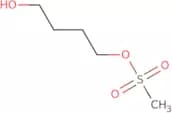

![2-[[(4-Chloro-3-methyl-2-pyridinyl)methyl]sulfinyl]-1H-benzimidazole](/_next/image/?url=https%3A%2Fstatic.cymitquimica.com%2Fproducts%2F3D%2Fthumb-webp%2FIC21226.webp&w=3840&q=75)

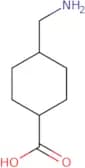
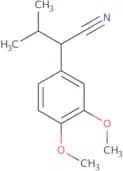
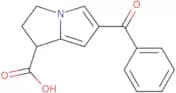
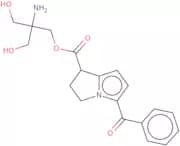
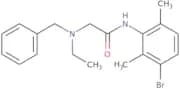
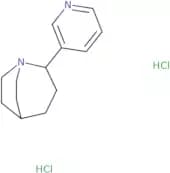
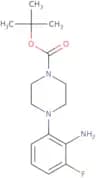
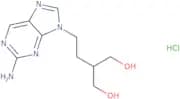
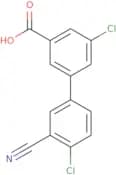
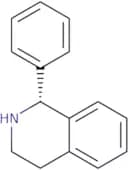
![N-[(3-Trifluoromethyl)phenyl)propyl] cinacalcet HCl](/_next/image/?url=https%3A%2Fstatic.cymitquimica.com%2Fproducts%2F3D%2Fthumb-webp%2FIT106469.webp&w=3840&q=75)

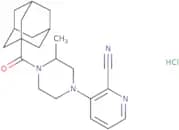

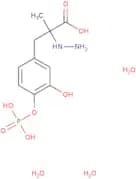
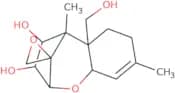
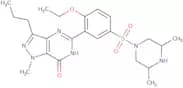
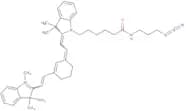
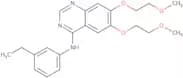
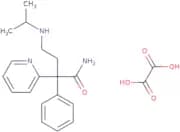
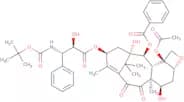
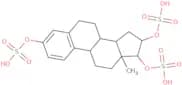
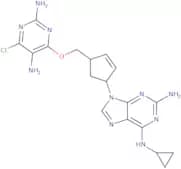
![Bis-[[2-[1-methylamino-2-nitroethenamine]ethyl]thio]methane](/_next/image/?url=https%3A%2Fstatic.cymitquimica.com%2Fproducts%2F3D%2Fthumb-webp%2FIB57853.webp&w=3840&q=75)
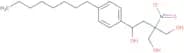
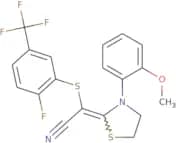
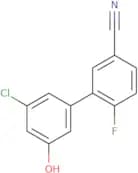
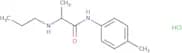
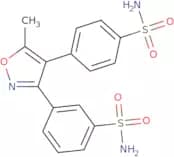
![1-C-4-Chloro-3-[(4-ethoxyphenyl)methyl]phenyl]- D-glucitol](/_next/image/?url=https%3A%2Fstatic.cymitquimica.com%2Fproducts%2F3D%2Fthumb-webp%2FIC181107.webp&w=3840&q=75)
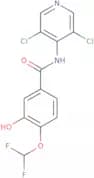
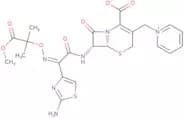
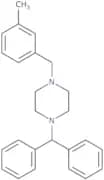
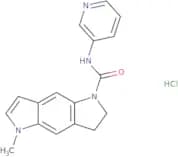
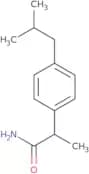
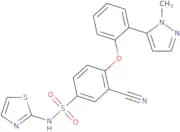
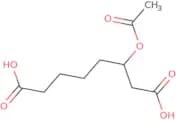
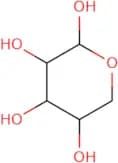

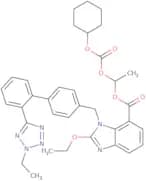
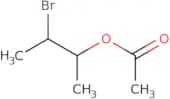
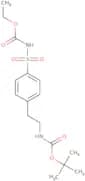
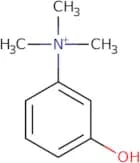
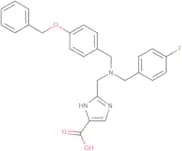
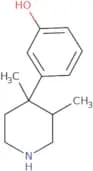
![4-(5-((2-Chloroethyl)ao)-1-methyl-1H-benzo[D]imidazol-2-yl butanoic acid](/_next/image/?url=https%3A%2Fstatic.cymitquimica.com%2Fproducts%2F3D%2Fthumb-webp%2FUYB70986.webp&w=3840&q=75)
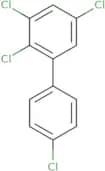
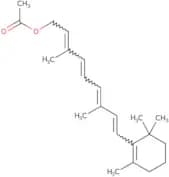
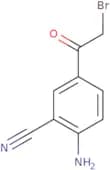
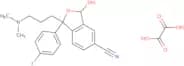
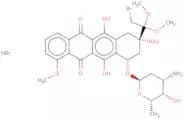
![4-[2-[[(6R,7R)-7-Amino-2-carboxy-8-oxo-5-thia-1-azabicyclo[4.2.0]oct-2-en-3-yl]thio]-4-thiazolyl]-…](/_next/image/?url=https%3A%2Fstatic.cymitquimica.com%2Fproducts%2F3D%2Fthumb-webp%2FIA172859.webp&w=3840&q=75)
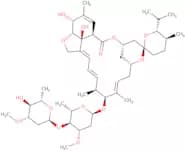
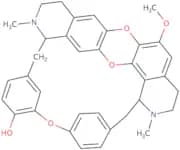
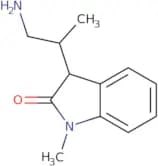
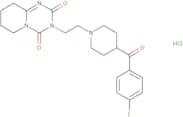
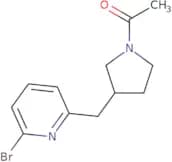
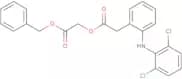
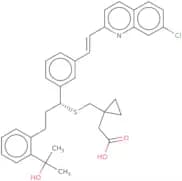
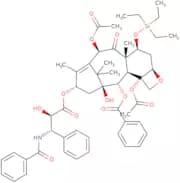
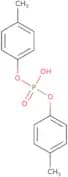
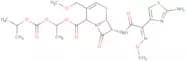
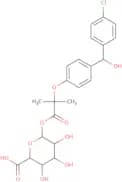
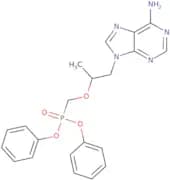
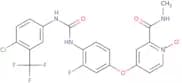
![2R,3S,4R,5R,6S-6-4-Chloro-3-[[4-[(3S)-tetrahydrofuran-3-yl]oxyphenyl]methyl]phenyl]-3,4,5-trihydro…](/_next/image/?url=https%3A%2Fstatic.cymitquimica.com%2Fproducts%2F3D%2Fthumb-webp%2FIC181144.webp&w=3840&q=75)
![2,2-Bis-[3-(1-methylpiperidin-4-yl)-1H-indol-5-yl]ethanesulfonic acid methylamide](/_next/image/?url=https%3A%2Fstatic.cymitquimica.com%2Fproducts%2F3D%2Fthumb-webp%2FWDC60416.webp&w=3840&q=75)
![(-)-8,9-Dihydroxy-8,9-dihydrobenz[A]anthracene](/_next/image/?url=https%3A%2Fstatic.cymitquimica.com%2Fproducts%2F3D%2Fthumb-webp%2FXCA52286.webp&w=3840&q=75)
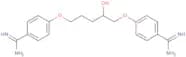
![a,a'-[[[2-(3,4-Dimethoxyphenyl)ethyl]imino]di-3,1-propanediyl]bis[3,4-dimethoxy-α-(1-methylethyl)-…](/_next/image/?url=https%3A%2Fstatic.cymitquimica.com%2Fproducts%2F3D%2Fthumb-webp%2FID145565.webp&w=3840&q=75)
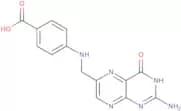
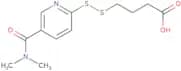
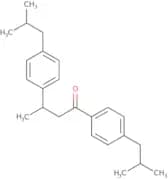
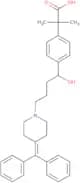
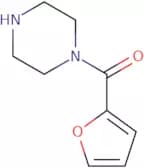
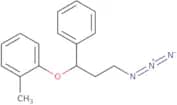
![2-Hydroxy-5-[2-[4-[[(6-methyl-2-pyridinyl)amino]sulfonyl]phenyl]diazenyl]benzoic acid](/_next/image/?url=https%3A%2Fstatic.cymitquimica.com%2Fproducts%2F3D%2Fthumb-webp%2FIH145662.webp&w=3840&q=75)
![N-Benzyl-N-[2-(benzylamino)-2-oxoethyl]-2-chloroacetamide](/_next/image/?url=https%3A%2Fstatic.cymitquimica.com%2Fproducts%2F3D%2Fthumb-webp%2FRFC05179.webp&w=3840&q=75)


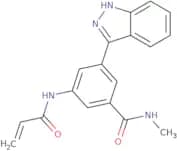
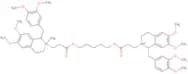
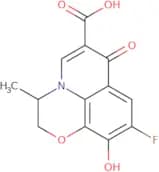
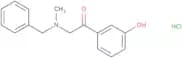
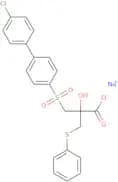
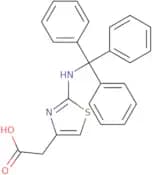
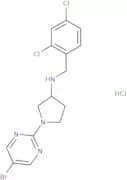
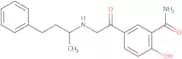
![4-[(Dimethylamino)iminomethyl]benzoic acid](/_next/image/?url=https%3A%2Fstatic.cymitquimica.com%2Fproducts%2F3D%2Fthumb-webp%2FUJA25776.webp&w=3840&q=75)
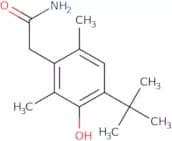
![N-[4-[2-[[(2R)-2-Hydroxy-2-phenylethyl]amino]ethyl]phenyl]-acetamide](/_next/image/?url=https%3A%2Fstatic.cymitquimica.com%2Fproducts%2F3D%2Fthumb-webp%2FQEC24463.webp&w=3840&q=75)
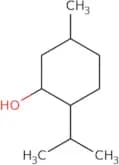
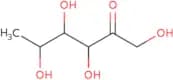

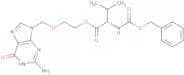
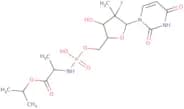
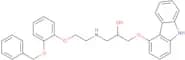
![3-Chloro-10-[3-(dimethylamino)propyl]-9(10H)-acridinone](/_next/image/?url=https%3A%2Fstatic.cymitquimica.com%2Fproducts%2F3D%2Fthumb-webp%2FIWC02821.webp&w=3840&q=75)
![8-Hydroxy-6,9-diphenyl-10H-pyrido[1,2-a]quinoxalin-10-one](/_next/image/?url=https%3A%2Fstatic.cymitquimica.com%2Fproducts%2F3D%2Fthumb-webp%2FMCA63850.webp&w=3840&q=75)

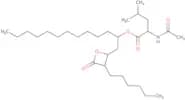
![(3S,4R)-3-((Benzo[D][1,3]dioxol-5-yloxy)methyl)-4-(4-fluorophenyl)piperidine hydrochloride](/_next/image/?url=https%3A%2Fstatic.cymitquimica.com%2Fproducts%2F3D%2Fthumb-webp%2FFFA85516.webp&w=3840&q=75)
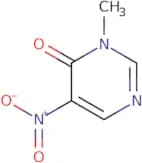
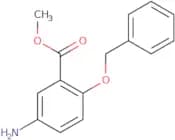
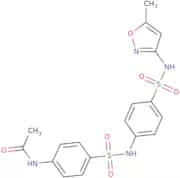
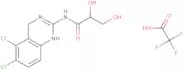

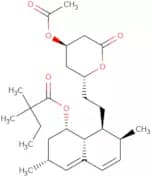
![N-[2-[[[5-[(Dimethylamino)methyl]-2-furanyl]methyl]thio]ethyl]-2-nitroacetamide](/_next/image/?url=https%3A%2Fstatic.cymitquimica.com%2Fproducts%2F3D%2Fthumb-webp%2FSEA84602.webp&w=3840&q=75)
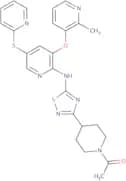
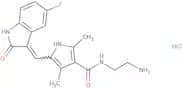
![3-[4-(2-Pyridylsulfamoyl)phenyl] sulfasalazine](/_next/image/?url=https%3A%2Fstatic.cymitquimica.com%2Fproducts%2F3D%2Fthumb-webp%2FIP145663.webp&w=3840&q=75)
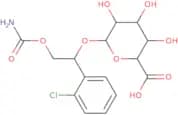
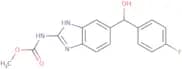
![2-Ethoxy-1-[[2'-[1-(trityl)-1H-tetrazol-5-yl][1,1'-biphenyl]-4-yl]methyl]-1H-benzimidazole-4-carbo…](/_next/image/?url=https%3A%2Fstatic.cymitquimica.com%2Fproducts%2F3D%2Fthumb-webp%2FIE22869.webp&w=3840&q=75)
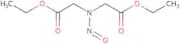
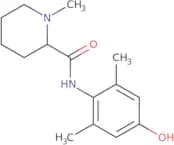
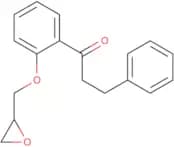
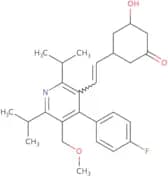
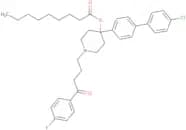
![N-4,5[Acetylamino)methyl]desmopressin](/_next/image/?url=https%3A%2Fstatic.cymitquimica.com%2Fproducts%2F3D%2Fthumb-webp%2FIA173214.webp&w=3840&q=75)
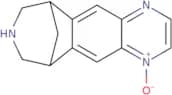
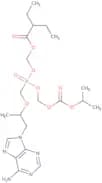
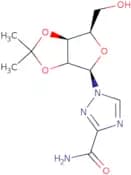
![3-[2-[4-(6-Fluoro-2-benzoxazolyl)-1-piperidinyl]ethyl]-6,7,8,9-tetrahydro-2-methyl-4H-pyrido[1,2-a…](/_next/image/?url=https%3A%2Fstatic.cymitquimica.com%2Fproducts%2F3D%2Fthumb-webp%2FIF23377.webp&w=3840&q=75)
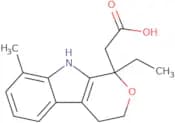
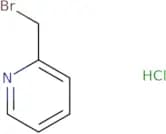
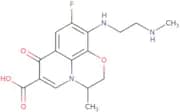
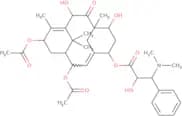
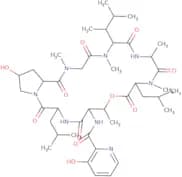
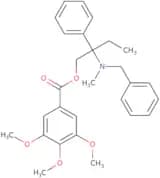
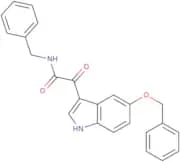
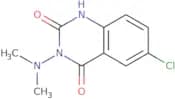

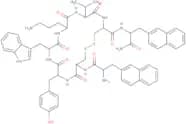
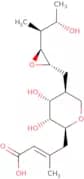
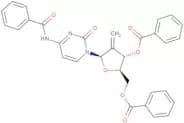
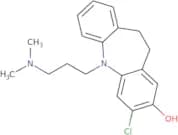
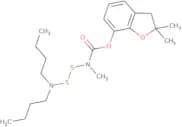
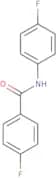
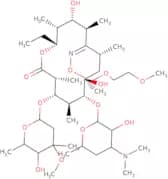
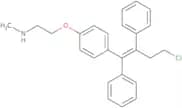
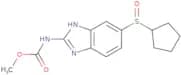
![(R)-2-Amino-2-methyl-N-[4-phenyl-1-[[4-[2-[2-(1H-tetrazol-5-yl)ethyl]phenyl]-1-piperidinyl]carbony…](/_next/image/?url=https%3A%2Fstatic.cymitquimica.com%2Fproducts%2F3D%2Fthumb-webp%2FVGA84246.webp&w=3840&q=75)

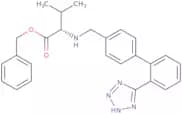
![N-Formyl-D-leucine (1S)-1-[[(2S,3S)-3-hexyl-4-oxo-2-oxetanyl]methyl]dodecyl ester](/_next/image/?url=https%3A%2Fstatic.cymitquimica.com%2Fproducts%2F3D%2Fthumb-webp%2FIF26578.webp&w=3840&q=75)
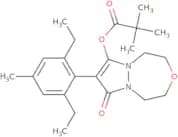
![[5-[(Dimethylamino)methyl]furan-2-yl]methanol](/_next/image/?url=https%3A%2Fstatic.cymitquimica.com%2Fproducts%2F3D%2Fthumb-webp%2FID57850.webp&w=3840&q=75)
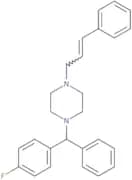
![4-Desfluoro-4-[4-(2-oxo-2,3-dihydro-1H-benzimidazol-1-yl)-3,6-dihydropyridin-1(2H)-yl] droperidol](/_next/image/?url=https%3A%2Fstatic.cymitquimica.com%2Fproducts%2F3D%2Fthumb-webp%2FWDC60417.webp&w=3840&q=75)

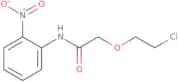
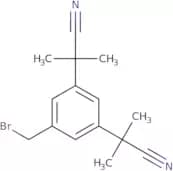
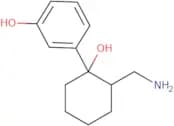
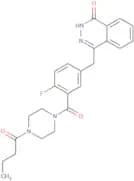
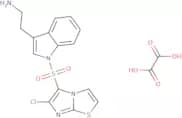
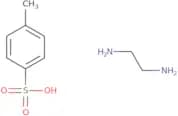
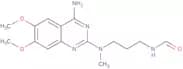
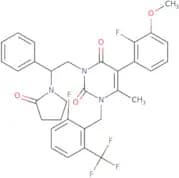

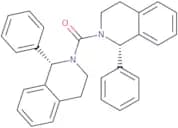
![[1-Hydroxy-3-(methylisopentylamino)propylidene] bisphosphonic acid monosodium (ibandronic acid imp…](/_next/image/?url=https%3A%2Fstatic.cymitquimica.com%2Fproducts%2F3D%2Fthumb-webp%2FXWC98436.webp&w=3840&q=75)

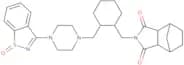
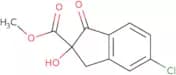
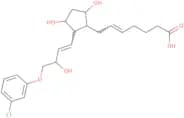
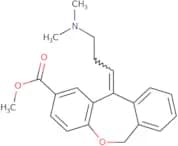
![N-Formyl-D-leucine (1R)-1-[[(2S,3S)-3-hexyl-4-oxo-2-oxetanyl]methyl]dodecyl ester](/_next/image/?url=https%3A%2Fstatic.cymitquimica.com%2Fproducts%2F3D%2Fthumb-webp%2FIF26577.webp&w=3840&q=75)