APIs for research and impurities
Active Pharmaceutical Ingredients (APIs) are the substances in drugs responsible for their therapeutic effects. In this section, you will find a wide variety of APIs intended for research use. These compounds are essential for the development, testing, and validation of new pharmaceutical formulations. CymitQuimica offers high-quality APIs to support research in drug discovery and development.
Subcategories of "APIs for research and impurities"
- Aminoacids and derivatives(12,278 products)
- Anthraquinones and derivatives(405 products)
- Benzimidazole and Imidazole Derivatives(10,376 products)
- Benzodiazepine Derivatives(333 products)
- Carbohydrates and glycoconjugates(5,013 products)
- Esters and Derivatives(42,045 products)
- Fatty Acids and Lypidic Derivatives(32,246 products)
- Flavonoids and Polyphenols(17,012 products)
- Free Radicals and Oxidant/Reducing Agents(213 products)
- Ketones and derivatives(2,394 products)
- Natural and semi-synthetic antibiotics(6,363 products)
- Nitriles and Cyano Derivatives(3,045 products)
- Nitrosamines and Derivatives(55 products)
- Nucleosides and Nucleotides(3,427 products)
- Organic Phosphates and Phosphonates(1,201 products)
- Organic Sulphonates and Sulphates(10,406 products)
- Organometallics(4,401 products)
- Others(6,279 products)
- Peptides and Proteins(3,128 products)
- Polymers and Derivatives(99 products)
- Purines and Pyrimidine Derivatives(8,901 products)
- Quinazoline and Quinoline Derivatives(65,630 products)
- Quinones and Derivatives(24,237 products)
- Salts and Derivatives of Active Pharmaceutical Ingredients (API)(79,464 products)
- Steroids and Derivatives(4,964 products)
- Sulfonamides and Derivatives(2,592 products)
- Terpenoids and Derivatives(3,839 products)
- Thiazolidinediones and Thiopyrans(2,733 products)
- β-Adrenergic Compounds(230 products)
Show 21 more subcategories
Found 56790 products of "APIs for research and impurities"
Sort by
Purity (%)
0
100
|
0
|
50
|
90
|
95
|
100
Nizatidine sulfoxide
CAS:<p>Nizatidine sulfoxide is a drug product with CAS No. 102273-13-2. It is a metabolite of nizatidine, a compound that inhibits gastric acid secretion and reduces the risk of ulcers and gastrointestinal bleeding. Nizatidine sulfoxide is an impurity in the synthesis of nizatidine. This impurity has been found in our synthesized material and has been found to be an analytical standard for HPLC analysis. Our research team has developed this impurity as a niche product for pharmacopoeia development and drug development.</p>Formula:C12H21N5O3S2Purity:Min. 95%Molecular weight:347.5 g/mol3?-Hydroxydesoxyartemether
CAS:<p>3α-Hydroxydesoxyartemether is a synthetic, natural product. It is an impurity of the API 3α-hydroxydesoxyartemisinin. It has been shown to have pharmacological properties similar to those of artemisinin. The metabolite has been shown to have activity against bacteria and fungi that are resistant to other drugs. Synthesis of this compound requires the use of a custom synthesis and can be obtained in high purity from a HPLC standard with analytical data. 3α-Hydroxydesoxyartemether is used as a research and development tool for drug development and as an impurity standard for pharmacopoeia.</p>Formula:C16H26O5Purity:Min. 95%Molecular weight:298.37 g/mol(Αr,βs)-β-(acetylamino)-α-hydroxy-4-(phenylmethoxy)-benzenepropanoic acid ethyl ester
CAS:<p>(Αr,βs)-β-(acetylamino)-α-hydroxy-4-(phenylmethoxy)-benzenepropanoic acid ethyl ester is a drug product that is custom synthesized for research and development purposes. The CAS number for this product is 382596-25-0. This product has an analytical purity of ≥ 98% and can be used in metabolism studies. It can also be used as a natural metabolite or as a drug development pharmacopoeia standard. This product contains impurities at ≤ 1%.</p>Formula:C20H23NO5Purity:Min. 95%Molecular weight:357.4 g/mol(-)-Wine lactone
CAS:<p>(-)-Wine lactone is a medicinal compound with potent anticancer properties. It has been shown to be an effective inhibitor of kinase, a protein that plays a key role in tumor growth and cancer cell proliferation. Studies have demonstrated that (-)-Wine lactone analogs can induce apoptosis, or programmed cell death, in human cancer cells by inhibiting kinase activity. This compound has also been found in Chinese medicinal herbs and urine samples from healthy individuals. Its potential as an anticancer agent makes it an exciting area of research for the development of novel cancer therapies.</p>Formula:C10H14O2Purity:Min. 95%Molecular weight:166.22 g/molDes-[(S)-3-methyl-2-pentanamidobutanoic acid] valsartan 4’-bromomethyl
CAS:<p>Des-[(S)-3-methyl-2-pentanamidobutanoic acid] valsartan 4’-bromomethyl is an impurity that was found in a pharmaceutical drug product. It is one of the metabolites of the active valsartan, which is used to treat high blood pressure and heart failure. Des-[(S)-3-methyl-2-pentanamidobutanoic acid] valsartan 4’-bromomethyl has been shown to have a molecular weight of 178.2 and a CAS number of 138402-33-2. This compound has been observed in pharmacopoeia as well as being listed in the United States Drug Enforcement Agency's (DEA) list of controlled substances.</p>Formula:C14H11BrN4Purity:Min. 95%Molecular weight:315.17 g/molL-745,870 Trihydrochloride
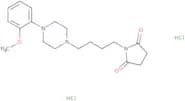
CAS:<p>L-745,870 is a subchronic atypical antipsychotic agent that is a potent D4 receptor agonist. Its efficacy in treating various mental disorders has been demonstrated in clinical studies with animals. L-745,870 has shown antidyskinetic activity in animal models of Parkinson's disease and dyskinesia. The molecular target for this drug is the dopamine D4 receptor. Clinical development of L-745,870 has begun in human studies.</p>Formula:C18H22Cl4N4Purity:Min. 95%Molecular weight:436.2 g/molN’-(4-Aminophenyl)-N,N-dimethylacetamidine
CAS:<p>N’-(4-Aminophenyl)-N,N-dimethylacetamidine (ADAA) is a cholinergic anthelmintic drug that is effective against endoparasites. It has been shown to be effective against caenorhabditis, resistant mutants and acetylcholine receptor. ADAA is administered to animals and humans orally or intravenously. The pharmacokinetics of ADAA have been studied in rats, mice, pigs and humans. ADAA has a long half-life in rats and mice but not in humans.</p>Formula:C10H15N3Purity:Min. 95%Molecular weight:177.25 g/molN-Methyl-N-(3-chloropropyl)homoveratrylamine
CAS:<p>N-Methyl-N-(3-chloropropyl)homoveratrylamine is a chlorinated alkylating agent that has been shown to accumulate in the myocardium. It is an anaesthetic that can be recycled and used as a nutrient. N-Methyl-N-(3-chloropropyl)homoveratrylamine binds to DNA, which blocks the synthesis of RNA and protein. This drug has been demonstrated to have antiarrhythmic effects, but it is not effective against cardiac arrhythmias caused by digitalis or hypoxia. N-Methyl-N-(3-chloropropyl)homoveratrylamine also has an antagonist effect on the central nervous system and may be useful for treating convulsions.</p>Formula:C12H19NO2·HClPurity:Min. 95%Molecular weight:245.75 g/mol(+)-Anatoxin A hydrochloride
CAS:<p>(+)-Anatoxin A hydrochloride is a tumor inhibitor that has medicinal properties for the treatment of cancer. It is an analog of protein kinase inhibitors and works by inhibiting kinases in cancer cells, leading to apoptosis or programmed cell death. (+)-Anatoxin A hydrochloride has been shown to be effective against Chinese hamster ovary cells and human tumor cell lines. This drug also has potential as an anticancer agent due to its ability to induce apoptosis in cancer cells. Additionally, it has been found in urine samples of patients with bladder cancer and may serve as a diagnostic marker for this disease. Overall, (+)-Anatoxin A hydrochloride shows great promise as a potent and selective kinase inhibitor with potential therapeutic applications for the treatment of cancer.</p>Formula:C10H16ClNOPurity:Min. 95%Molecular weight:201.69 g/mol6-o-Benzyl-4-dehydroxy-4-dimethylphenylsilyl entecavir
CAS:<p>6-o-Benzyl-4-dehydroxy-4-dimethylphenylsilyl entecavir is a synthetic drug product with an API impurity. It's an analytical standard for the metabolite 6-o-benzylidene-4,6-didehydroentecavir (CAS 649761-24-0), which is a natural metabolite of entecavir. The impurity standard is used in research and development to study the drug product's metabolism and to ensure that it meets pharmacopeia standards.</p>Formula:C27H31N5O2SiPurity:Min. 95%Molecular weight:485.7 g/molDesamino-hydroxy revefenacin
CAS:<p>Please enquire for more information about Desamino-hydroxy revefenacin including the price, delivery time and more detailed product information at the technical inquiry form on this page</p>Formula:C35H42N4O5Purity:Min. 95%Molecular weight:598.7 g/mol6-Ethyl-3-methyl-4-phenyl-2-pyridinecarboxylic acid methyl ester
CAS:<p>6-Ethyl-3-methyl-4-phenyl-2-pyridinecarboxylic acid methyl ester is a synthetic molecule that is used as an impurity standard in the manufacture of drug product. 6EMPA has been shown to be a metabolite of the drug clindamycin and can be found in human plasma and urine. 6EMPA has also been shown to have anti-inflammatory properties. This compound is sold by us as a research grade material for use in HPLC standards, pharmacopoeia, and custom synthesis.</p>Formula:C16H17NO2Purity:Min. 95%Molecular weight:255.31 g/mol3-(Aminocarbonyl)-1,6-dimethyl-pyridinium iodide
CAS:<p>Please enquire for more information about 3-(Aminocarbonyl)-1,6-dimethyl-pyridinium iodide including the price, delivery time and more detailed product information at the technical inquiry form on this page</p>Formula:C8H11IN2OPurity:Min. 95%Molecular weight:278.09 g/molN-Acetylsulfathiazole
CAS:<p>N-Acetylsulfathiazole is a sulfa drug that acts as an inhibitor of bacterial growth. It reacts with sulfonic acids in the receptor molecule and forms hydrogen chloride, which inhibits bacterial growth by denaturing proteins. N-Acetylsulfathiazole has been shown to be effective against bacteria such as E. coli, Klebsiella pneumoniae, Pseudomonas aeruginosa, Staphylococcus aureus, Streptococcus pyogenes, and Salmonella enterica. This antibiotic binds to the active site of the enzyme dihydropteroate synthase and inhibits pyrimidine synthesis by competing with para-aminobenzoic acid (PABA) for binding sites on the enzyme. The formation of PABA is necessary for the synthesis of folic acid (vitamin B9). N-Acetylsulfathiazole is also used to treat vitamin B6 deficiency caused by</p>Formula:C11H11N3O3S2Purity:Min. 95%Molecular weight:297.4 g/mol1-[2-[2-Hydroxy-3-[[2-hydroxy-3-[2-(3-phenylpropanoyl)phenoxy]propyl]-propylamino]propoxy]phenyl]-3-phenylpropan-1-one
CAS:<p>Arbidol is a drug molecule that interacts with protease enzymes. It has been shown to inhibit human erythrocyte chymotrypsin, trypsin, and elastase. Arbidol is also able to inhibit the growth of bacteria such as Staphylococcus aureus, Escherichia coli, and Pseudomonas aeruginosa. The molecular modelling of arbidol suggests that it binds to the active site of the enzyme by blocking hydrophobic pockets on the surface of the enzyme. The conformational change in the protease enzyme activates arbidol's binding site for an extended period of time. This prolonged interaction prevents substrate from binding to the catalytic site of the enzyme and inhibits its activity.</p>Formula:C39H45NO6Purity:Min. 95%Molecular weight:623.78 g/mol9-Demethyl FR-901235
CAS:<p>9-Demethyl FR-901235 is a synthetic compound that is used as an impurity standard for the synthesis of drugs. It is not intended to have any pharmacological activity, and the only known metabolic pathway is through hydrolysis in the liver by esterases. 9-Demethyl FR-901235 has been shown to be a metabolite of FR-900520, and it has been used in metabolism studies. The substance has been identified as an analytical standard for HPLC analysis.</p>Formula:C17H14O7Purity:Min. 95%Molecular weight:330.29 g/molα-Amylcinnamaldehyde dimethyl acetal
CAS:<p>α-Amylcinnamaldehyde dimethyl acetal is a medicinal compound that has shown promise in inhibiting the growth of cancer cells. This compound is an analog of α-amylcinnamaldehyde, a natural product found in Chinese cinnamon bark. Recent studies have shown that α-Amylcinnamaldehyde dimethyl acetal can inhibit the activity of protein kinases, which play a critical role in cell cycle regulation and tumor growth. This inhibition leads to apoptosis, or programmed cell death, in cancer cells. Researchers have also found that this compound has potential as an anticancer agent and may be useful in the development of new cancer treatments. Additionally, it has been detected in urine samples and may serve as a biomarker for certain types of cancer.</p>Formula:C16H24O2Purity:Min. 95%Molecular weight:248.36 g/molDiclofenac alcohol
CAS:<p>COX inhibitor; non-steroidal anti-inflammatory drug</p>Formula:C13H11Cl2NOPurity:Min. 95%Molecular weight:268.14 g/molRocuronium
CAS:<p>Rocuronium is a potent muscle relaxant that is used during surgical procedures to facilitate intubation and mechanical ventilation. Recent studies have shown that Rocuronium may also have potential anticancer properties. The drug has been found to induce apoptosis in cancer cells by inhibiting the activity of protein kinases, which are enzymes involved in cell signaling pathways. Rocuronium analogs have been developed as inhibitors of specific kinases implicated in cancer growth, such as hepcidin and Chinese hamster ovary kinase. These inhibitors have shown promising results in preclinical studies and may represent a new class of anticancer drugs. Additionally, Rocuronium has been detected in urine samples from patients undergoing surgery, making it a potential biomarker for monitoring drug exposure and metabolism.</p>Formula:C32H53N2O4Purity:Min. 95%Molecular weight:529.8 g/molVerapamil-d6 hydrochloride
CAS:Controlled Product<p>Verapamil-d6 hydrochloride is a drug product that can be used for the synthesis of other drugs. It has high purity, and it is an analytical standard that is used in metabolism studies. The natural form of Verapamil-d6 hydrochloride is found in plants such as the common vervain plant. This drug product can also be synthesized from the synthetic form by using chemical reactions. The impurity standard for this product is verapamil-d4 hydrochloride, which has a retention time of approximately 12 minutes on reversed phase HPLC.</p>Formula:C27H33D6ClN2O4Purity:Min. 95%Molecular weight:497.1 g/molAnapterin
CAS:<p>Anapterin is an analog of capsaicin, a compound found in chili peppers. It acts as an inhibitor of kinases, which are enzymes involved in cell signaling and regulation. Anapterin has been shown to induce apoptosis (cell death) in cancer cells, making it a potential anticancer drug. In Chinese hamster ovary cells, Anapterin inhibited the activity of protein kinase C (PKC), leading to reduced cell proliferation and increased cell death. This compound has also been studied for its potential use as a urinary inhibitor for the prevention of kidney stones. Overall, Anapterin shows promise as a potent inhibitor with potential therapeutic applications in cancer treatment and other diseases involving abnormal kinase activity.</p>Formula:C9H11N5O3Purity:Min. 95%Molecular weight:237.22 g/molDi-destriazole desmethyl anastrozole dimer impurity
CAS:<p>Please enquire for more information about Di-destriazole desmethyl anastrozole dimer impurity including the price, delivery time and more detailed product information at the technical inquiry form on this page</p>Formula:C25H27N3Purity:Min. 95%Molecular weight:369.5 g/molNitrosoantipyrine
CAS:<p>Nitrosoantipyrine is a diagnostic agent that can be used to detect the presence of antitumour activity by examining the effects of nitrosation on cervical cancer cells. In this assay, nitrosation is induced by incubating cells in the presence of hydrochloric acid and sodium citrate. The reaction products are then examined for their ability to inhibit the growth of typhimurium. Nitrosoantipyrine can be used as an antitumour agent or dietary supplement to reduce risk factors associated with carcinogens. Coumarin derivatives are often used as a precursor for nitrosoantipyrine synthesis because they react readily with nitrous acid at room temperature and form a stable product without any side reactions.</p>Formula:C11H11N3O2Purity:Min. 95%Molecular weight:217.22 g/molCl2 linker
CAS:<p>The Cl2 linker is an analog of saxagliptin, a kinase inhibitor that has shown promise in the treatment of tumors and cancer. It has been studied extensively in Chinese hamster ovary cells and human urine, where it has demonstrated potent inhibitory activity against a variety of kinases. The Cl2 linker has also been shown to induce apoptosis in cancer cells, making it a potential therapeutic agent for the treatment of cancer. Additionally, it has been investigated as an inhibitor of xylanase, an enzyme involved in the breakdown of plant cell walls. The Cl2 linker may also have potential as an inhibitor of other kinases, such as those targeted by aprepitant, which is used to treat chemotherapy-induced nausea and vomiting.</p>Formula:C68H103N11O22Purity:Min. 95%Molecular weight:1,426.6 g/mol(17α)-13-Ethyl-3-methoxy-18,19-dinorpregna-2,5(10)-dien-20-yn-17-ol (levonorgestrel impurity T)
CAS:Controlled Product<p>(17α)-13-Ethyl-3-methoxy-18,19-dinorpregna-2,5(10)-dien-20-yn-17-ol (levonorgestrel impurity T) is an analog of levonorgestrel with potent anticancer properties. It has been shown to induce apoptosis in human cancer cell lines by inhibiting kinase and elastase activities. This compound has also been tested against a variety of tumor cell lines and has demonstrated significant anticancer activity. In Chinese hamster ovary cells, levonorgestrel impurity T was found to arrest the cell cycle at the G1 phase, leading to decreased protein synthesis and ultimately cell death. As an inhibitor of kinases and other enzymes involved in cellular signaling pathways, this compound may have potential as a therapeutic agent for the treatment of cancer.</p>Formula:C22H30O2Purity:Min. 95%Molecular weight:326.5 g/molLiotrix
CAS:<p>Liotrix is a drug that acts as an inhibitor of apoptosis and has been shown to have anticancer properties. It is derived from Chinese urine and works by inhibiting kinase activity, which is essential for the survival of cancer cells. Liotrix is an analog of quetiapine, a drug used to treat schizophrenia and bipolar disorder, and has been found to be effective against various types of tumors in human cancer cell lines. This drug specifically targets kinases, which are enzymes involved in the regulation of cellular processes such as growth and differentiation. By inhibiting these kinases, Liotrix can prevent the proliferation and survival of cancer cells, making it a promising candidate for the treatment of various forms of cancer.</p>Formula:C30H21I7N2Na2O8Purity:Min. 95%Molecular weight:1,471.8 g/mola,a,a',a'-Tetramethyl-5-bromomethyl-1,3-benzenediacetonitrile
CAS:<p>Tetramethyl-5-bromomethyl-1,3-benzenediacetonitrile (TMBDAC) is an impurity standard and a metabolite of the drug product. It is an analytical standard for HPLC. Tetramethyl-5-bromomethyl-1,3-benzenediacetonitrile is a high purity research and development chemical that can be custom synthesized to meet specific needs. This synthetic compound has shown potential as a niche metabolite in metabolism studies. CAS No. 120511-84-4.</p>Formula:C15H17BrN2Purity:Min. 95%Molecular weight:305.21 g/mol(-)-o-Desmethyl-N,N-bisdesmethyl tramadol
CAS:<p>Please enquire for more information about (-)-o-Desmethyl-N,N-bisdesmethyl tramadol including the price, delivery time and more detailed product information at the technical inquiry form on this page</p>Formula:C13H19NO2Purity:Min. 95%Molecular weight:221.29 g/molOlaparib impurity 15
CAS:<p>Olaparib impurity 15 is an analytical reference standard for the drug Olaparib, which is used in cancer treatments. It is a high-purity, HPLC-grade material. This impurity has been shown to be a metabolite in rat urine and human plasma. The CAS number for this compound is 2250243-17-3. Impurity 15 can also be used as an impurity standard for Olaparib and other drugs that contain it.</p>Formula:C24H25FN4O3Purity:Min. 95%Molecular weight:436.5 g/mol(+/-)-trans-Lamivudine
CAS:<p>Lamivudine is an antiviral drug that belongs to the group of nucleoside analogues. It can be used as a single agent or in combination with other antiviral drugs for the treatment of HIV infection. Lamivudine is a prodrug that is converted to its active form, which inhibits viral DNA synthesis by competing with natural substrates for incorporation into viral DNA by inhibiting viral polymerase activity and causing chain termination. The long-term toxicity of lamivudine has been studied in animals and humans. Although it does not cause any serious side effects, it can cause hepatitis and reactivation of hepatitis B virus (HBV). Lamivudine has been shown to inhibit the IL-2 receptor on T cells, which may contribute to its beneficial effect on HBV.</p>Formula:C8H11N3O3SPurity:Min. 95%Molecular weight:229.26 g/mol4-Chloro-3-hydroxybutyric acid
CAS:<p>4-Chloro-3-hydroxybutyric acid (4C3HB) is an analytical, research and development, high purity, synthetic, API impurity and HPLC standard. 4C3HB is a metabolite of the drug clofibric acid. It also serves as an impurity standard for clofibric acid. 4C3HB has been used in the synthesis of some drugs such as risperidone and carbamazepine. The chemical formula for 4C3HB is C9H13ClO2. CAS No. 95574-97-3</p>Formula:C4H7ClO3Purity:Min. 95%Molecular weight:138.55 g/mol1-[4-(4-Amino-6,7-dimethoxy-2-quinazolinyl)-1-piperazinyl]-2-hydroxy-1-pentanone
CAS:<p>1-[4-(4-Amino-6,7-dimethoxy-2-quinazolinyl)-1-piperazinyl]-2-hydroxy-1-pentanone (DMPP) is an analog of the antiarrhythmic drugs flecainide and propafenone. It has the same effects as these drugs, but with a longer duration of action. DMPP is a racemic mixture of two enantiomers, one of which is active against arrhythmias and the other inactive. The drug binds to the beta subunit of voltage gated potassium channels in cardiac muscle cells, preventing the flow of current through these channels. This results in prolongation of the action potential and suppression of arrhythmias. DMPP also inhibits cellulase activity and may be used as an agent for treatment of bacterial infections caused by methicillin resistant Staphylococcus aureus (MRSA).</p>Formula:C19H27N5O4Purity:Min. 95%Molecular weight:389.45 g/molPBDE 202
CAS:Controlled Product<p>PBDE 202 is a potent inhibitor of kinases, specifically protein kinases. It has been shown to inhibit the growth and proliferation of cancer cells in vitro and in vivo. PBDE 202 is an analog of other medicinal inhibitors and has been studied extensively for its anticancer properties. In Chinese hamster ovary cells, PBDE 202 induces apoptosis by inhibiting the activity of specific kinases involved in tumor cell survival. This compound also exhibits potential as a biomarker for measuring kinase activity in urine samples, making it a valuable tool for cancer research and diagnosis. Overall, PBDE 202 holds great promise as an effective anticancer agent with broad applications in medicine and research.</p>Formula:C12H2Br8OPurity:Min. 95%Molecular weight:801.4 g/molMeclizine ortho chloro isomer bishydrochloride salt
CAS:<p>Please enquire for more information about Meclizine ortho chloro isomer bishydrochloride salt including the price, delivery time and more detailed product information at the technical inquiry form on this page</p>Formula:C25H29Cl3N2Purity:Min. 95%Molecular weight:463.9 g/mol1-(1-Cyclohexen-1-yl)-cyclohexanecarboxylic acid
CAS:<p>Please enquire for more information about 1-(1-Cyclohexen-1-yl)-cyclohexanecarboxylic acid including the price, delivery time and more detailed product information at the technical inquiry form on this page</p>Formula:C13H20O2Purity:Min. 95%Molecular weight:208.3 g/mol6-Iodo-2-propoxy-3-propylquinazolin-4(3H)-one
CAS:<p>6-Iodo-2-propoxy-3-propylquinazolin-4(3H)-one is a potent anticancer agent that inhibits the activity of specific kinases involved in cancer cell growth and proliferation. It has been shown to induce apoptosis, or programmed cell death, in cancer cells by blocking the activity of certain proteins. This compound is structurally similar to other kinase inhibitors used in medicinal chemistry, such as gefitinib and erlotinib. 6-Iodo-2-propoxy-3-propylquinazolin-4(3H)-one has been tested on human and Chinese hamster ovarian cells and has demonstrated significant antitumor activity. It is a promising candidate for the development of new cancer therapies due to its potent inhibitory effects on kinases involved in tumor growth and progression. Additionally, this chemical analog can be detected in urine samples, making it a useful tool for studying kinase activities in vivo.</p>Formula:C14H17IN2O2Purity:Min. 95%Molecular weight:372.2 g/molNRX-252262
CAS:<p>NRX-252262 is an inhibitor that has shown potent anticancer activity in various types of cancer cells. It is a Chinese hamster ovary cell-derived analog of indirubin, which is a natural compound found in human urine and glycerol. NRX-252262 inhibits kinases, which are enzymes that play a role in cell division and proliferation. This inhibition leads to apoptosis, or programmed cell death, in cancer cells. NRX-252262 has been shown to be effective against multiple types of cancer, making it a promising candidate for cancer treatment. Its potent anticancer activity makes it one of the most sought-after inhibitors for cancer research and development of new treatments.</p>Formula:C23H17Cl2F3N2O4SPurity:Min. 95%Molecular weight:545.4 g/molWH-4-025
CAS:<p>WH-4-025 is a potent kinase inhibitor that has shown promising results in the treatment of various cancers. It is derived from Chinese medicinal herbs and has been extensively studied for its anticancer properties. WH-4-025 works by inhibiting the activity of specific kinases that are involved in tumor growth and cell cycle regulation. It has been shown to induce apoptosis in cancer cells, leading to their death, and also inhibit the growth of leukemia cells. This protein inhibitor has been found to be effective against a wide range of human cancers and is currently being investigated as a potential therapy for cancer patients. WH-4-025 is excreted through urine, making it an attractive candidate for further development as an anticancer drug.</p>Formula:C39H38F3N7O5Purity:Min. 95%Molecular weight:741.8 g/molHexyl ((4-aminophenyl)(imino)methyl)carbamate hydrochloride
CAS:<p>Hexyl ((4-aminophenyl)(imino)methyl)carbamate hydrochloride is a research and development impurity standard that has been shown to be synthetically derived. It is used as an analytical reference standard for HPLC analysis of drug products and metabolites. Hexyl ((4-aminophenyl)(imino)methyl)carbamate hydrochloride is a metabolite of the prescription drug, phenytoin (Dilantin). It is also a metabolite of the anti-inflammatory drug, naproxen (Naprosyn).</p>Formula:C14H22ClN3O2Purity:Min. 95%Molecular weight:299.79 g/molN2-Losartanyl-losartan
CAS:<p>N2-Losartanyl-losartan is a drug product that has a CAS number of 230971-72-9. This product is an analytical standard for the metabolites of losartan, which is a drug used to treat high blood pressure and heart failure. Metabolism studies have shown that losartan is metabolized by hydroxylation, glucuronidation, and oxidation by cytochrome P450 enzymes. Losartan has also been found to be converted into an active metabolite in the body, which is called N2-hydroxy-losartan. It has been shown to be more potent than losartan at blocking angiotensin II receptors.</p>Formula:C44H44Cl2N12OPurity:Min. 95%Molecular weight:827.81 g/molAlbendazole impurity F
CAS:<p>Albendazole is an anti-helminthic drug that is structurally classified as a benzimidazole. It has been shown to be effective against a variety of helminths, including roundworms, pinworms, hookworms, and tapeworms. Albendazole impurity F is an analytical standard for the determination of albendazole in pharmaceutical products by HPLC. It also serves as a reference substance to establish the purity of drug products containing albendazole and its metabolites. Albendazole impurity F is not considered to be a metabolite of albendazole because it has been shown to be stable under acidic conditions and can be synthesized from other starting materials.</p>Formula:C10H11N3O2SPurity:Min. 95%Molecular weight:237.28 g/molH3Resca-TFP
CAS:<p>Please enquire for more information about H3Resca-TFP including the price, delivery time and more detailed product information at the technical inquiry form on this page</p>Formula:C27H28F4N2O8Purity:Min. 95%Molecular weight:584.5 g/molBazedoxifene 5-β-D-glucuronide
CAS:<p>Bazedoxifene 5-β-D-glucuronide is an analog of bazedoxifene, a selective estrogen receptor modulator used in the treatment of osteoporosis. This compound has shown promising anticancer properties and has been studied extensively in Chinese hamster ovary cells. Bazedoxifene 5-β-D-glucuronide has been found to induce apoptosis in cancer cells and inhibit the activity of kinases involved in tumor growth. It is a potent inhibitor of several human protein kinases, including cyclin-dependent kinase 2 (CDK2) and glycogen synthase kinase 3 beta (GSK3β), which are important targets for medicinal chemists developing kinase inhibitors. This compound is excreted primarily in urine and may have potential as a therapeutic agent for various types of cancer.</p>Formula:C36H42N2O9Purity:Min. 95%Color and Shape:PowderMolecular weight:646.7 g/mol3-Hydroxy deoxy dihydro artemisinin
CAS:<p>3-Hydroxy deoxy dihydro artemisinin is a drug product that is an analytical standard for the determination of artemisinin in natural and synthetic samples. It is a metabolite of artemisinin, which is a natural compound extracted from Artemisia annua L. (Asteraceae). 3-Hydroxy deoxy dihydro artemisinin is also an impurity found in commercial preparations of artemisinins. 3-Hydroxy deoxy dihydroartemisinin has been used as an API impurity standard, and has been synthesized as part of drug development research and development. The purity of this substance was determined by HPLC analysis, and it complies with the pharmacopoeia requirements.</p>Formula:C15H24O5Purity:Min. 95%Molecular weight:284.35 g/molRhubofix
CAS:<p>Rhubofix is a medicinal product that contains xylose, a natural sugar found in human urine and protein. It has been shown to be an inhibitor of tumor kinases, which are enzymes involved in the growth and proliferation of cancer cells. Rhubofix has been found to induce apoptosis, or programmed cell death, in cancer cells, making it a potential treatment for various types of cancer. This product also acts as an inhibitor of the cell cycle, preventing cancer cells from dividing and multiplying. Rhubofix has been used traditionally in Chinese medicine as an inhibitor of kinase activity and has shown promising results in preclinical studies as a potential anti-cancer agent.</p>Formula:C14H20OPurity:Min. 95%Molecular weight:204.31 g/mol2,3,6,7-Tetrachlorobiphenylene
CAS:<p>2,3,6,7-Tetrachlorobiphenylene is a potent inhibitor of kinases that are involved in cancer cell growth and proliferation. It is an analog of tolvaptan, a drug used to treat hyponatremia by increasing urine output. This compound has been shown to induce apoptosis in cancer cells and inhibit tumor growth. Studies have found that 2,3,6,7-Tetrachlorobiphenylene inhibits the activity of human protein kinases and may be effective against various types of cancer. This Chinese compound has promising anticancer properties and could potentially be used as a therapeutic agent for cancer treatment.</p>Formula:C12H4Cl4Purity:Min. 95%Molecular weight:290 g/molrac-N-Desisopropyl-N-ethyl acebutolol
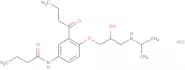
CAS:<p>rac-N-Desisopropyl-N-ethyl acebutolol is a synthetic drug product. It is an analytical standard for the impurity, acebutolol, and is metabolized by cytochrome P450 3A4 to form the major metabolite, N-desisopropyl acebutolol. rac-N-Desisopropyl-N-ethyl acebutolol is a research and development product that can be custom synthesized to meet specific needs. It has been shown to have antihypertensive properties in rats and monkeys. This product is not intended for human use.</p>Formula:C17H26N2O4Purity:Min. 95%Molecular weight:322.4 g/mol2-Hydroxy-3-methylcholanthrene
CAS:<p>2-Hydroxy-3-methylcholanthrene is a medicinal analog that has been shown to have potent anticancer activity. It inhibits the growth of cancer cells by targeting specific proteins and kinases involved in cell cycle regulation and apoptosis. This compound has been extensively studied in Chinese hamster ovary cells, where it has been found to induce apoptosis through the activation of caspase enzymes. 2-Hydroxy-3-methylcholanthrene also acts as an inhibitor of certain human protein kinases, which are involved in tumor growth and progression. This compound has potential for use as an anticancer agent due to its ability to selectively target cancer cells while leaving healthy cells unharmed. Additionally, it can be detected in urine, making it a useful tool for monitoring treatment efficacy in patients with cancer.</p>Formula:C21H16OPurity:Min. 95%Molecular weight:284.3 g/molMethyl 3-aminocrotonate
CAS:<p>Methyl 3-aminocrotonate is an intermediate in the synthesis of pyridinedicarboxylic acid. It is a white powder with a melting point of 160-165°C and a boiling point of 263°C. Methyl 3-aminocrotonate is soluble in water, alcohols, ethers, chloroform, and benzene. It has been detected by its UV absorption at 227 nm. The detection sensitivity for this compound was found to be 0.1 ppm. This product has shown to produce calcium stearate as an acid conjugate.<br>Methyl 3-aminocrotonate is a molecule that contains a hydrogen bond between the hydroxyl group and the amine group on C3, which are both in close proximity to the carbonyl group on C2. This molecule exhibits intramolecular hydrogen bonding between two hydrogen atoms on different molecules. <br>The IR spectrum for methyl 3-aminoc</p>Formula:C5H9NO2Purity:Min. 95%Color and Shape:White To Yellow SolidMolecular weight:115.13 g/mol1-[2-(3-Chloro-2-hydroxypropoxy)phenyl]-3-phenyl-1-propanone
CAS:<p>1-[2-(3-Chloro-2-hydroxypropoxy)phenyl]-3-phenyl-1-propanone is a synthetic drug product. It is an impurity standard for HPLC, and drug development and research. This compound is also used as an analytical reference. The CAS number for this chemical is 165279-79-8.</p>Formula:C18H19ClO3Purity:Min. 95%Molecular weight:318.79 g/molDC-5163
CAS:<p>DC-5163 is a protein analog that has shown potent anticancer activity in preclinical studies. It inhibits the activity of kinases, which are enzymes involved in cancer cell growth and survival. DC-5163 has been shown to induce apoptosis, or programmed cell death, in various types of cancer cells, including those from human tumors and Chinese hamster ovary cells. This compound also acts as a toxin for cancer cells by interfering with their ability to divide and grow. In addition, DC-5163 has shown promising results as an inhibitor of tumor growth in animal models. Its potential as a therapeutic agent for cancer treatment is currently being investigated.</p>Formula:C18H20ClN3OSPurity:Min. 95%Molecular weight:361.9 g/molN-Methyl amisulpride
CAS:<p>N-Methyl amisulpride is a synthetic drug with antipsychotic properties. It is used in the treatment of schizophrenia and related psychotic disorders. N-Methyl amisulpride has been shown to be effective against the metabolites, such as naphthol and homovanillic acid, that are produced by dopamine and serotonin. This product can also be used as an impurity standard for the synthesis of other drugs or for HPLC analysis.</p>Formula:C18H29N3O4SPurity:Min. 95%Molecular weight:383.5 g/molFoxy 5 trifluoroacetic acid
CAS:<p>Foxy 5 trifluoroacetic acid is a nanofiber that can be used to create a cancer-fighting drug. It is made of polymers and has been shown to have the ability to absorb electromagnetic fields from all directions. Foxy 5 trifluoroacetic acid is packaged in a small, easy-to-handle container that releases the drug when the package is positioned against the tumor. This drug can be used for colon cancer and colorectal cancer because it targets only cells with efflux proteins, which are proteins that promote cancer cell metastasis. In addition, Foxy 5 trifluoroacetic acid has been shown to be effective against prostate and breast cancers by targeting specific receptors on these cells.</p>Formula:C26H42N6O12S2Purity:Min. 95%Molecular weight:694.8 g/mol7-Chloro-1-methyl-2,3,4,5-tetrahydro-1H-3-benzazepine
CAS:<p>Please enquire for more information about 7-Chloro-1-methyl-2,3,4,5-tetrahydro-1H-3-benzazepine including the price, delivery time and more detailed product information at the technical inquiry form on this page</p>Formula:C11H14ClNPurity:Min. 95%Molecular weight:195.69 g/molAmlodipine besilate impurity B
CAS:<p>Amlodipine besilate impurity B is a metabolite of amlodipine besilate. It is an impurity that originates from the synthesis of amlodipine besilate, which is a calcium channel blocker used to treat high blood pressure. Amlodipine besilate impurity B can be synthesized or found in nature, depending on the desired purity and availability.</p>Formula:C29H32ClN3O7Purity:Min. 95%Molecular weight:570 g/molPeraquinsin
CAS:<p>Peraquinsin is a potent anticancer drug that targets human protein kinases, which are enzymes involved in cell cycle regulation and apoptosis. It is an analog of a natural product found in urine, and has been shown to inhibit the activity of several kinases that are important for tumor growth. Peraquinsin is a promising inhibitor of cancer cell proliferation, with potential applications in medicinal chemistry. Its mechanism of action involves inhibiting the activity of specific protein kinases, leading to cell cycle arrest and apoptosis. This drug has shown great potential as an anticancer agent due to its ability to target multiple signaling pathways involved in cancer development and progression.</p>Formula:C23H28N4O4Purity:Min. 95%Molecular weight:424.5 g/molProfluthrin
CAS:<p>Profluthrin is a potent analog of the Chinese medicinal herb, Chrysanthemum indicum. It acts as an inhibitor of protein kinases involved in the regulation of cell cycle and apoptosis. Profluthrin has been shown to have anticancer properties by inducing apoptosis in cancer cells and inhibiting tumor growth. This compound also shows potential as a urinary inhibitor for the prevention of urinary tract infections. Its unique chemical structure allows it to act selectively on specific protein kinases, making it a promising candidate for targeted cancer therapy.</p>Formula:C17H18F4O2Purity:Min. 95%Molecular weight:330.32 g/molN-(Aminosulphonyl)-2-[[[2-[(Aminoiminomethyl)amino]-4-thiazolyl]methylsulphinyl]propanimidamide
CAS:<p>N-(Aminosulphonyl)-2-[[[2-[(aminoiminomethyl)amino]-4-thiazolyl]methylsulphinyl]propanimidamide (NTSX) is an analytical standard and a metabolite of the drug product N-(aminosulphonyl)-2-[[[2-[(aminothiazolyl)methyl]sulfinyl]propanimidamide (NTST). The CAS number is 109467-06-3. NTSX is a white to off-white crystalline powder that is soluble in water and has a molecular weight of 296.37. It has been shown to be active against ampicillin resistant strains of Staphylococcus aureus, but not against methicillin resistant strains. NTSX can be synthesized from the drug NTST or obtained as an impurity from the synthesis of NTST.</p>Formula:C8H15N7O3S3·C4H4O4Purity:Min. 95%Molecular weight:469.52 g/molNoralfentanil-d3 hydrochloride
CAS:Controlled Product<p>Noralfentanil-d3 hydrochloride is a highly selective and potent mu-opioid receptor agonist. It is used for the treatment of moderate to severe pain. Noralfentanil-d3 hydrochloride binds to the mu opioid receptors in the human liver, leading to reduced production of a number of proteins that are responsible for drug metabolism. Noralfentanil-d3 hydrochloride has been shown to be effective in clinical trials with a sample preparation technique involving liquid chromatography and p450 isozyme activity. This drug also has a number of chemical interactions, which may lead to an increased risk of toxicity or side effects. Molecular modeling studies have shown that noralfentanil-d3 hydrochloride interacts with amine groups on proteins, leading to its binding affinity with the mu opioid receptor.</p>Formula:C16H24N2O2Purity:Min. 95%Molecular weight:276.37 g/mol(-)-OSU-d7
CAS:<p>Please enquire for more information about (-)-OSU-d7 including the price, delivery time and more detailed product information at the technical inquiry form on this page</p>Formula:C15H23NO2SPurity:Min. 95%Molecular weight:288.5 g/mol(S)-(E,Z)-1-(4-Chlorobenzylideneamino)-3-chloropropan-2-ol
CAS:<p>Please enquire for more information about (S)-(E,Z)-1-(4-Chlorobenzylideneamino)-3-chloropropan-2-ol including the price, delivery time and more detailed product information at the technical inquiry form on this page</p>Formula:C10H11Cl2NOPurity:Min. 95%Molecular weight:232.1 g/mol1-(5-(4-Fluorophenyl)-1-(pyridin-3-ylsulfonyl)-1H-pyrrol-3-yl)-N-methylmethanamine
CAS:<p>1-(5-(4-Fluorophenyl)-1-(pyridin-3-ylsulfonyl)-1H-pyrrol-3-yl)-N-methylmethanamine (5FPP) is a drug product. It is an impurity standard for HPLC and analytical methods, as well as an API impurity. 5FPP is a synthetic compound that has been studied in metabolism studies. The metabolite of 5FPP is 1-(5-(4-fluorophenyl)-1H-pyrrolo[3,2,1-jk]thiazol-2(3H)-one).</p>Formula:C17H16FN3O2SPurity:Min. 95%Molecular weight:345.4 g/mol17-Acetoxy-6-chloro-3-ethoxypregna-3,5-dien-20-one
CAS:Controlled Product<p>Please enquire for more information about 17-Acetoxy-6-chloro-3-ethoxypregna-3,5-dien-20-one including the price, delivery time and more detailed product information at the technical inquiry form on this page</p>Formula:C25H35ClO4Purity:Min. 95%Molecular weight:435 g/molFenticonazole sulfone nitric acid salt
CAS:<p>Fenticonazole sulfone nitric acid salt is an analog of dabigatran, which is a protein kinase inhibitor that has shown potential in the treatment of cancer. It induces apoptosis in human cancer cells and inhibits the activity of various kinases involved in tumor growth and proliferation. Fenticonazole sulfone nitric acid salt has been studied extensively for its anticancer properties, showing promising results in Chinese hamster ovary cells and urine samples from cancer patients. This drug also exhibits inhibitory effects on protein kinases that are involved in the regulation of cell cycle progression, angiogenesis, and metastasis. Overall, Fenticonazole sulfone nitric acid salt holds great promise as a potential anticancer agent.</p>Formula:C24H21Cl2N3O6SPurity:Min. 95%Molecular weight:550.4 g/molRosuvastatin impurity 42
CAS:<p>Please enquire for more information about Rosuvastatin impurity 42 including the price, delivery time and more detailed product information at the technical inquiry form on this page</p>Formula:C9H16O5Purity:Min. 95%Molecular weight:204.22 g/molN2-Methyl alfuzosin
CAS:<p>N2-Methyl alfuzosin is an impurity of Alfuzosin, a drug used to treat benign prostatic hyperplasia. It can be used as an HPLC standard for the detection and quantification of Alfuzosin in pharmaceutical products. N2-Methyl alfuzosin is a metabolite of Alfuzosin that is formed by cytochrome P450 3A4. It has been shown to have anti-inflammatory effects, which may be due to its inhibition of prostaglandin synthesis.</p>Formula:C19H27N5O4Purity:Min. 95%Molecular weight:389.45 g/molRegaloside F
CAS:<p>Regaloside F is a potent medicinal compound with anticancer properties. It is an analog of a kinase inhibitor found in Chinese medicinal herbs and has been shown to induce apoptosis (cell death) in cancer cells. Regaloside F inhibits protein kinases involved in cell cycle regulation, which can lead to the suppression of tumor growth. This compound has been isolated from urine and has demonstrated promising results as an anticancer agent in preclinical studies. Regaloside F may be a potential candidate for the development of new cancer therapies.</p>Formula:C19H26O11Purity:Min. 95%Molecular weight:430.4 g/molClobetasol Propionate - Impurity C
CAS:Controlled Product<p>21-Chloro-9-fluoro-11beta,17-dihydroxy-16alpha-methylpregna-1,4-diene-3,20-dione 17-propionate is an ester of ketoconazole and the propionic acid. It is used as a pharmaceutical formulation and has been shown to be stable in an HPLC method. This compound also has an optical isomer that was validated by a stability test. This product has been shown to have antiinflammatory properties and may be used as a topical treatment for skin disorders such as clobetasol propionate.</p>Formula:C25H32ClFO5Purity:Min. 95%Molecular weight:466.97 g/mol2,6-Dimethyl-4-(3-nitrophenyl)pyridine-3,5-dicarboxylic acid monomethyl ester
CAS:<p>2,6-Dimethyl-4-(3-nitrophenyl)pyridine-3,5-dicarboxylic acid monomethyl ester is a metabolite of the drug 2,6-dimethyl-4-(3-nitrophenyl)pyridine. It has been shown to have an analytical purity greater than 98%. This compound is marketed as an HPLC standard and can be used as an impurity standard in the manufacture of a drug product. The CAS number for this compound is 64603-72-1.</p>Formula:C16H14N2O6Purity:Min. 95%Molecular weight:330.29 g/molButibufen-d5
CAS:<p>Please enquire for more information about Butibufen-d5 including the price, delivery time and more detailed product information at the technical inquiry form on this page</p>Formula:C14H20O2Purity:Min. 95%Molecular weight:225.34 g/mol2-Isopropoxy-5-phenyl-1,3,4-oxadiazole
CAS:<p>2-Isopropoxy-5-phenyl-1,3,4-oxadiazole is a potent anticancer agent that has been extensively studied for its ability to inhibit tumor growth in humans. This compound belongs to the class of kinase inhibitors and has been shown to induce apoptosis in cancer cells. It is an analog of a medicinal compound that was first identified in Chinese herbal medicine. 2-Isopropoxy-5-phenyl-1,3,4-oxadiazole specifically inhibits certain protein kinases involved in cancer cell signaling pathways, leading to a decrease in cell proliferation and survival. This compound has demonstrated significant activity against various types of cancer cells and may have potential as a therapeutic agent for the treatment of cancer. Its presence can be detected in human urine after administration.</p>Formula:C11H12N2O2Purity:Min. 95%Molecular weight:204.22 g/molArundinin
CAS:<p>Arundinin is a potent anticancer agent that has been shown to induce apoptosis in cancer cells. It is a protein analog derived from Chinese medicine and has been found to inhibit several kinases, including testosterone-sensitive kinases, which are involved in the growth of prostate cancer cells. Arundinin has also been demonstrated to have anti-tumor activity in human clinical trials. This inhibitor belongs to a class of compounds known as kinase inhibitors, which are being actively investigated for their potential as novel anticancer agents. Arundinin is excreted primarily in urine and holds great promise for the treatment of various types of cancer.</p>Formula:C22H22O4Purity:Min. 95%Molecular weight:350.4 g/molAvanafil 5’-desmethylpyrimidyl 5’-acid
CAS:<p>Avanafil 5'-desmethylpyrimidyl 5'-acid is a kinase inhibitor that has been shown to have anti-cancer properties. It inhibits kinases, which are enzymes involved in cell signaling pathways, and has been shown to inhibit the growth of cancer cells in vitro. Avanafil 5'-desmethylpyrimidyl 5'-acid may be used in combination with other drugs, such as rifampicin or methotrexate, for the treatment of cancer. Additionally, it has been found to induce apoptosis (programmed cell death) in human tumor cells. Chinese medicine has also used avanafil 5'-desmethylpyrimidyl 5'-acid analogs such as astaxanthin for its health benefits. This drug is excreted primarily through urine and shows promise as a potential inhibitor for various diseases.</p>Formula:C18H21ClN4O4Purity:Min. 95%Molecular weight:392.8 g/molSanthopine
CAS:<p>Santhopine is a medicinal compound that has shown to be a promising anticancer agent. It is a kinase inhibitor that targets various protein kinases involved in cancer cell proliferation and survival. Santhopine has been found in the urine of Chinese cancer patients and has been shown to induce apoptosis (programmed cell death) in human cancer cells. This compound inhibits the cell cycle, preventing the uncontrolled growth of tumor cells. Santhopine's potential as an anticancer drug makes it an exciting area of research for cancer treatment.</p>Formula:C11H20N2O8Purity:Min. 95%Molecular weight:308.29 g/mol4-Hydroxy mexiletine hydrochloride
CAS:<p>4-Hydroxy mexiletine hydrochloride is a compound with a high viscosity and the presence of impurities. It forms hydrogen bonds and has been found to interact with growth factors such as epidermal growth factor (EGF). This compound has been shown to have neutralizing effects on CDK4/6 inhibitors like palbociclib, which are commonly used in cancer treatment. Additionally, 4-Hydroxy mexiletine hydrochloride binds to proteins involved in cellular processes, such as interleukin-6 (IL-6) and monoclonal antibodies. Its structure includes a chelate ring, which can be observed in its mass spectrum analysis. Furthermore, this compound has demonstrated an impact on hepatocyte growth and phycocyanin.</p>Formula:C11H18ClNO2Purity:Min. 95%Molecular weight:231.72 g/molFluticasone furoate EP impurity G
CAS:<p>Fluticasone furoate impurity K is a synthetic drug product that is used in the manufacture of pharmaceutical products. It has a CAS Number of 220589-37-7, and the purity of the compound is >98%. The compound has been synthesized using natural starting materials, and it has undergone metabolism studies to determine its pharmacological activity. Fluticasone furoate impurity K is on the list of substances that are not scheduled by the US DEA. Fluticasone furoate impurity K is an analytical standard and Metabolite for use in HPLC analysis. Fluticasone furoate impurity K can be used as a Research and Development or Pharmacopoeia standard. This compound may also be useful for niche applications such as Drug development or Custom synthesis.</p>Formula:C43H51F5O8SPurity:Min. 95%Molecular weight:822.92 g/molHydroxyvarenicline N-oxide
CAS:<p>Hydroxyvarenicline N-oxide is a drug product with a purity of 98.0%. It is an analytical standard used in metabolism studies, drug development, and pharmacopoeia. It has been shown to be metabolized by CYP450 enzymes to form its metabolite hydroxyvarenicline N-oxide sulfate. The CAS number for this compound is 2306217-11-6.</p>Purity:Min. 95%N-(5-Formyl-2-hydroxyphenyl)formamide
CAS:<p>N-(5-Formyl-2-hydroxyphenyl)formamide is a drug product that is synthesized by Custom synthesis. The purity of this compound is high and it has been used in analytical studies to measure the metabolic activity of the liver, kidneys, and brain. It is also used in natural drug development for pharmacopoeia. This compound has a CAS number of 903563-43-9 and an impurity standard. It can be synthesized from N-(5-formylphenyl) formamide.</p>Formula:C8H7NO3Purity:Min. 95%Molecular weight:165.15 g/molN-[[2-[[[4-[[[(Hexyloxy)carbonyl]amino]carbonyl]phenyl]amino]methyl]-1-methyl-1H-benzimidazol-5-yl]carbonyl]-N-2-pyridinyl-β-alanine
CAS:<p>N-[[2-[[[4-[[[(Hexyloxy)carbonyl]amino]carbonyl]phenyl]amino]methyl]-1-methyl-1H-benzimidazol-5-yl]carbonyl]-N-2-pyridinyl-β-alanine is a custom synthesis that has a CAS number of 1408238-37-8. This product is for research and development, HPLC standard, impurity standard, metabolite, natural, niche, and synthetic. N-[2-[4-(hexyloxy)anilinocarbonylamino]-1-(methyl)-1H benzimidazol--5--yl]carbonyl -N-[2-(pyridinyl)]alanine is a metabolite of this product. It has been synthesized by the drug development department in order to use it as an analytical standard for HPLC. The following are some</p>Formula:C32H36N6O6Purity:Min. 95%Molecular weight:600.7 g/molBendamustine isopropyl ester
CAS:<p>Bendamustine isopropyl ester is a synthetic, high purity drug product. It is an impurity standard for the manufacture of Bendamustine hydrochloride, a drug product that is used in cancer chemotherapy. Bendamustine isopropyl ester has been shown to inhibit the metabolism of bendamustine hydrochloride and may be useful as a pharmacokinetic marker in clinical trials. Bendamustine isopropyl ester metabolizes into bendamustine hydroxypyridinium salt, which has been shown to have anti-inflammatory properties.</p>Formula:C19H27Cl2N3O2Purity:Min. 95%Molecular weight:400.30 g/molDehydro trimipramine
CAS:<p>Dehydro trimipramine is a metabolite of the antidepressant drug trimipramine. It is used as an analytical standard in HPLC and as an impurity standard in pharmacopoeias. Dehydro trimipramine has been shown to inhibit the metabolism of other drugs, such as phenytoin, by cytochrome P450 enzymes. This inhibition can lead to increased levels of active metabolites and may lead to toxicity or side effects for these drugs.</p>Formula:C20H24N2Purity:Min. 95%Molecular weight:292.4 g/mol4-Methanesulfonyloxybutanol
CAS:<p>4-Methanesulfonyloxybutanol is a chemical substance with the molecular formula CH3SO2CH(CH2OH)CH2OH. It is used as an intermediate in the synthesis of 4-methanesulfonyloxybutanol, which is a potent inhibitor of busulfan-induced leukopenia and myelosuppression. This substance has been shown to be highly effective in preventing busulfan-induced side effects when administered intravenously. 4-Methanesulfonyloxybutanol is chemically synthesized by intramolecular alkylation of butanol, followed by hydrolysis. The reaction product can be detected using an ionization detector in conjunction with gas chromatography. This product is an alkylation agent that reacts with polypropylene to produce polypropylene glycols.</p>Formula:C5H12O4SPurity:Min. 95%Color and Shape:LiquidMolecular weight:168.21 g/mol9,10-Dioxo ketotifen
CAS:<p>9,10-Dioxo ketotifen is a drug product that belongs to the category of HPLC standards. It has been shown to be a metabolite of ketotifen and also an impurity in ketotifen. 9,10-Dioxo ketotifen has been shown to possess antihistamine activity and may have potential as a lead compound for the development of new drugs.</p>Formula:C19H17NO2SPurity:Min. 95%Color and Shape:PowderMolecular weight:323.41 g/molRemdesivir impurity 8
<p>Remdesivir impurity 8 is a metabolite of remdesivir, a drug product that belongs to the class of synthetic compounds. Remdesivir impurity 8 has been used as a research and development standard for HPLC analysis. It is also used as an impurity standard in pharmacopoeia and drug development. This impurity has shown natural activity in metabolism studies, but it is not known if this activity is due to the compound itself or an artifact from its synthesis.</p>Formula:C30H39N6O8PPurity:Min. 95%Molecular weight:642.64 g/molRemdesivir related compound 9
CAS:<p>Remdesivir related compound 9 is a drug product that is an analytical standard. It is a natural API impurity, which has been synthesized for use as an impurity standard. This compound has been custom synthesized to be used as a research and development chemical. CAS No. 1439900-56-7 is the number of this synthetic drug product. It can be used in HPLC standards and it meets pharmacopoeia requirements for purity. The niche market for this compound is high purity analytical standards, including HPLC standards.</p>Formula:C21H27N2O7PPurity:Min. 95%Molecular weight:450.42 g/mol6-Benzoyl-2,3-dihydro-1H-pyrrolizine-1-carboxylic acid, racemic
CAS:<p>6-Benzoyl-2,3-dihydro-1H-pyrrolizine-1-carboxylic acid, racemic is a drug product that is used as an analytical standard in the development of new drugs. It is also used to study the metabolism of drugs. 6BPDC has been shown to inhibit bacterial growth by binding to DNA and RNA, thereby preventing transcription and replication. This metabolite can be synthesized in the laboratory.</p>Formula:C15H13NO3Purity:Min. 95%Molecular weight:255.27 g/molSulfo-Cy 3 carboxylic acid
CAS:<p>Sulfo-Cy 3 carboxylic acid is a synthetic fluorescent dye that emits green light and has a fluorescence quantum yield of 0.7. It is prepared via the reaction of benzindole with 4-sulfonyl chloride in the presence of triethylamine and recrystallization from ethyl acetate. The emission wavelength can be tuned by varying the substituents on the indole ring, and it is stable with water solubility.</p>Formula:C30H35KN2O8S2Purity:Min. 95%Molecular weight:654.8 g/molThromboxane A2 potassium salt
CAS:<p>Please enquire for more information about Thromboxane A2 potassium salt including the price, delivery time and more detailed product information at the technical inquiry form on this page</p>Formula:C20H31KO5Purity:Min. 95%Molecular weight:390.6 g/molN-Acetyl zonisamide
CAS:<p>N-Acetyl zonisamide is a drug that is used in the treatment of epilepsy. It has a broad spectrum of activity and has been shown to be effective against seizures caused by both genetic and acquired conditions. N-Acetyl zonisamide's mechanism of action is not fully understood, but it may involve inhibition of carbonic anhydrase, modulation of serotonergic systems, and antagonism at adenosine receptors. Zonisamide also binds to glutamate and dopamine receptors in the brain, which may contribute to its clinical effects.</p>Formula:C10H10N2O4SPurity:Min. 95%Color and Shape:PowderMolecular weight:254.26 g/mol1-b-D-Ribofuranosyl-1,2,4-triazole-3-carboxylic acid
CAS:<p>1-b-D-Ribofuranosyl-1,2,4-triazole-3-carboxylic acid (1bRT) is an amide that inhibits the growth of viruses by inhibiting the viral enzyme thiosemicarbazide. It has been shown to be active against specific viruses such as HIV and retroviruses. 1bRT is used to treat lung diseases caused by viruses, including bronchiolitis, pneumonia, and pulmonary fibrosis. It also has antibacterial properties. Studies have shown that 1bRT reduces the number of bacteria in body fluids and helps to prevent respiratory infections and other bacterial infections in people with weakened immune systems due to AIDS or cancer treatment.</p>Formula:C8H11N3O5Purity:Min. 95%Molecular weight:229.19 g/mol3-Bromo-N-desethyl-N-benzyl lidocaine
CAS:<p>Please enquire for more information about 3-Bromo-N-desethyl-N-benzyl lidocaine including the price, delivery time and more detailed product information at the technical inquiry form on this page</p>Formula:C19H23BrN2OPurity:Min. 95%Molecular weight:375.3 g/molOxybutynin EP impurity A
CAS:<p>Oxybutynin EP impurity A is a metabolite of oxybutynin, an antispasmodic drug. It has been shown to have immunomodulatory effects in a rat model of adjuvant arthritis. Oxybutynin EP impurity A is the major metabolite of oxybutynin and has been shown to be pharmacologically active in humans.</p>Purity:Min. 95%6-Deoxypenciclovir hydrochloride
CAS:<p>6-Deoxypenciclovir hydrochloride is a synthetic intermediate that is used in the synthesis of penciclovir, an antiviral drug. 6-Deoxypenciclovir hydrochloride can be used as an analytical standard for HPLC and as a research and development (R&D) API impurity. This product has been shown to be metabolized to penciclovir, a natural metabolite of penciclovir. The CAS number for this product is 246021-75-0.</p>Formula:C10H16ClN5O2Purity:Min. 95%Molecular weight:273.72 g/molTazarotenic acid sulfone
CAS:<p>Tazarotenic acid sulfone is a retinoic acid, which is a metabolite of vitamin A. It is an all-trans retinoic acid that has been chemically modified to increase its water solubility and stability. Tazarotenic acid sulfone has been shown to inhibit the formation of metabolites by hydroxylase enzymes and the photolytic decomposition of tazarotene. Tazarotenic acid sulfone also interacts with the substrate binding site on cytochrome P450 enzyme, inhibiting the metabolic activation of exogenous substances such as acetonitrile and ammonium formate. The chemical structure of tazarotenic acid sulfone is acidic, which may be responsible for its inhibition of cytochrome P450 enzymes.</p>Formula:C19H17NO4SPurity:Min. 95%Molecular weight:355.4 g/mol6-Ethenyl-3-methyl-4-phenyl-2-pyridinecarboxylic acid methyl ester
CAS:<p>6-Ethenyl-3-methyl-4-phenyl-2-pyridinecarboxylic acid methyl ester is an impurity standard for use in the drug product formulation and development of drugs. It is a synthetic, high purity, pharmacopoeia grade chemical that can be used as an analytical reference standard for HPLC. 6-Ethenyl-3-methyl-4-phenyl-2-pyridinecarboxylic acid methyl ester is a metabolite of nicotinamide and has been studied extensively by metabolism studies.</p>Formula:C16H15NO2Purity:Min. 95%Molecular weight:253.29 g/molTrazodone Impurity A
CAS:<p>Trazodone Impurity A is a drug product that is an impurity standard for Trazodone. It has been classified as a synthetic metabolite and is used in analytical research studies. Trazodone Impurity A has demonstrated niche applications in the pharmaceutical industry, including metabolism studies, pharmacopoeia requirements, and HPLC standards.</p>Formula:C19H22ClN5OPurity:Min. 95%Molecular weight:371.86 g/molVu 0469650 hydrochloride
CAS:<p>Vu 0469650 hydrochloride is a white to off-white, crystalline powder. It is a synthetic compound that is used as an impurity standard and custom synthesis. Vu 0469650 hydrochloride has been shown to be stable in biological fluids and tissues, such as plasma, urine, bile, and brain tissue. The purity of this drug product can be determined through HPLC analysis.</p>Formula:C22H29ClN4OPurity:Min. 95%Molecular weight:400.9 g/mol5-(4-Fluorobenzyl)-2,4-thiazolidinedione
CAS:<p>Pioglitazone is a thiazolidinedione drug that is used to treat type 2 diabetes. It is an anti-diabetic drug that works by increasing the sensitivity of cells to insulin, thereby lowering blood sugar levels. Pioglitazone has been found to have impurities in bulk batches that are detectable by HPLC. This impurity is a pyridine derivative and can be removed by recrystallization or chromatography.</p>Formula:C10H8FNO2SPurity:Min. 95%Molecular weight:225.24 g/mol(trans)-4-Propyl-1-methyl-L-proline
CAS:<p>(trans)-4-Propyl-1-methyl-L-proline is a synthetic compound that has been used in the past as an impurity standard in the synthesis of several drugs, including metaxalone and aminopyrine. It is also found to have pharmacological effects on its own and was used as a drug product for the treatment of rheumatoid arthritis. (trans)-4-Propyl-1-methyl-L-proline is not listed in any pharmacopoeia or international list of approved drugs.</p>Formula:C9H17NO2Purity:Min. 95%Color and Shape:White/Off-White SolidMolecular weight:171.24 g/molScirpentriol
CAS:<p>Scirpentriol is an analog of a compound found in Chinese herbal medicine that has been shown to have potent anticancer activity. It inhibits cyclin-dependent kinases, which are enzymes involved in regulating the cell cycle and proliferation. Scirpentriol has been shown to induce apoptosis, or programmed cell death, in human cancer cells. This compound also inhibits the activity of certain protein kinases that are involved in tumor growth, making it a promising candidate for the development of new cancer therapies. Scirpentriol has potential as an inhibitor of urinary tract tumors due to its ability to block kinase activity and promote apoptosis.</p>Formula:C15H22O5Purity:Min. 95%Molecular weight:282.33 g/mol[4-L-Glutamic Acid]-desmopressin
<p>4-L-Glutamic Acid]-desmopressin is an analytical standard that is used to calibrate HPLC systems. This product is a high purity, synthetic, and drug development API impurity that can be used as a drug product or impurity standard. It is also available as an HPLC standard, niche, and custom synthesis. 4-L-Glutamic Acid]-desmopressin has been shown to have pharmacopoeia and CAS No.</p>Purity:Min. 95%5-Oxo atorvastatin
CAS:<p>5-Oxo atorvastatin is an impurity standard for atorvastatin. It is a synthetic metabolite that has been observed in the urine of patients receiving atorvastatin. 5-Oxo atorvastatin can be used as a reference compound to calibrate HPLC measurements and as an analytical standard in pharmacopoeia testing.</p>Formula:C33H33FN2O5Purity:Min. 95%Molecular weight:556.6 g/mol(R)-3-((1-Methylpyrrolidin-2-yl)methyl)-5-vinyl-1H-indole
CAS:<p>Please enquire for more information about (R)-3-((1-Methylpyrrolidin-2-yl)methyl)-5-vinyl-1H-indole including the price, delivery time and more detailed product information at the technical inquiry form on this page</p>Formula:C16H20N2Purity:Min. 95%Molecular weight:240.34 g/molDescyclopropyl-2-oxopropyl prasugrel
CAS:<p>Descyclopropyl-2-oxopropyl prasugrel is a metabolite of the prodrug prasugrel. It is a synthetic compound that has been shown to have pharmacological activity similar to its parent drug. Descyclopropyl-2-oxopropyl prasugrel has a purity of >98% and is available as an API standard in impurity grade and as custom synthesis. The chemical name for descyclopropyl-2-oxopropyl prasugrel is 2-[4-(4,4,5,5-tetramethyl-[1,3,2]dioxaborolan-2- yl)butoxy]-N-(3S)-(3aR*,8aS*)-octahydroindole-1,3(2H)-dione.</p>Formula:C18H18FNO3SPurity:Min. 95%Molecular weight:347.40 g/molTrans-carboxy glimepiride
CAS:<p>Trans-carboxy glimepiride is a drug with the chemical name of (2S,4R)-2-[(1E)-2-[[(1E)-1-(carboxy)butyl]oxy]ethyl]glycine. It is an impurity found in the drug product Glimepiride. The impurity standard for trans-carboxy glimepiride is prepared by dissolving 1 g of the substance in water and diluting to 10 mL with water. It is used as an HPLC standard and has been shown to be a metabolite of Glimepiride.</p>Formula:C24H32N4O7SPurity:Min. 95%Molecular weight:520.60 g/molTetrahydro erlotinib
CAS:<p>Tetrahydro erlotinib is a drug product that is used in the treatment of non-small cell lung cancer. Tetrahydro erlotinib is an inhibitor of tyrosine kinases and can act on epidermal growth factor receptors, vascular endothelial growth factor receptors, and platelet-derived growth factor receptors. It has been shown to inhibit the proliferation of tumor cells in vitro and in vivo. Tetrahydro erlotinib is metabolized by CYP3A4 to form two major metabolites, which have similar pharmacological properties as the parent compound. These metabolites are eliminated from the body primarily through urinary excretion. Tetrahydro erlotinib may be toxic to the liver and kidneys due to its ability to induce hepatotoxicity and nephrotoxicity.</p>Formula:C22H27N3O4Purity:Min. 95%Molecular weight:397.5 g/mol2-[3-[4-(3-Chloro-4-ethylphenyl)-1-piperazinyl]propyl]-1,2,4-triazolo[4,3-a]pyridin-3(2H)-one
CAS:<p>2-[3-[4-(3-Chloro-4-ethylphenyl)-1-piperazinyl]propyl]-1,2,4-triazolo[4,3-a]pyridin-3(2H)-one is a research and development impurity standard. Impurities are the substances that are not intentionally added to the drug product but can be generated from the synthesis process or from the raw materials. This substance has been used as a synthetic intermediate in the production of other drugs and as an analytical reference for HPLC analysis. It is used to help develop new drugs by providing data about metabolites and possible toxic effects on humans.</p>Purity:Min. 95%Isoxadifen
CAS:<p>Isoxadifen is a medicinal compound that has been shown to have potent anticancer properties. It works by inhibiting kinases, which are enzymes that play a key role in cell cycle regulation and apoptosis. Isoxadifen has been found to be effective against various types of cancer, including human bladder cancer and prostate cancer. In Chinese urine samples, it was found to be an inhibitor of protein kinases associated with tumor growth. This compound also induces apoptosis in cancer cells, leading to their death. Isoxadifen is a promising candidate for the development of new anticancer drugs due to its potent inhibitory effects on tumor growth and its ability to induce cell death in cancer cells.</p>Formula:C16H13NO3Purity:Min. 95%Molecular weight:267.28 g/molAbacavir 5’-4-chloro-6-methylpyrimidine-2,5-diamine
CAS:<p>Abacavir is an antiviral drug that is used to treat HIV/AIDS. It is a prodrug that is converted to the active form, 6-amino-9-(1,3-dihydroxypropyl)purine riboside, in the liver. Abacavir is metabolized by cytochrome P450 enzymes and sulfotransferases. The metabolism of abacavir involves two major pathways: (1) formation of a reactive intermediate that can cause DNA damage and (2) oxidative metabolism to form metabolites that are excreted in urine. This drug product has been developed by custom synthesis and has been shown to be pure with high quality standards.</p>Formula:C18H21ClN10OPurity:Min. 95%Molecular weight:428.9 g/molBis-[[2-[1-methylamino-2-nitroethenamine]ethyl]thio]methane
CAS:<p>Bis-[[2-[1-methylamino-2-nitroethenamine]ethyl]thio]methane is a drug product that has been synthesized for research and development. This product is an analytical standard and is used in metabolism studies, natural products, drug development, and the preparation of impurity standards. The CAS number for this product is 1331637-48-9. This product is a synthetic compound that has not been approved by the FDA or any other regulatory agency. It can be shipped to US destinations only.</p>Formula:C11H22N6O4S2Purity:Min. 95%Molecular weight:366.46 g/mol1-Hydroxy-3-nitrodeamino fingolimod
CAS:<p>1-Hydroxy-3-nitrodeamino fingolimod is a drug product that belongs to the class of drugs known as immunosuppressants. It is a synthetic, non-natural compound that belongs to the family of drugs known as sphingosine analogues. The HPLC standard for 1-hydroxy-3-nitrodeamino fingolimod is available and can be used in research and development or analytical studies. This drug has been shown to have niche applications in the treatment of multiple sclerosis, but it is not yet included in any pharmacopoeia.</p>Formula:C19H31NO5Purity:Min. 95%Molecular weight:353.5 g/molProfluazol
CAS:<p>Profluazol is an inhibitor of protein kinases that has shown potential in the treatment of cancer. This Chinese indole derivative has been found to inhibit the proliferation of leukemia cells and induce apoptosis in tumor cell lines. Profluazol specifically targets kinases involved in the regulation of cell cycle progression, such as cyclin-dependent kinase 2 (CDK2) and mitogen-activated protein kinase (MAPK), leading to a decrease in cancer cell growth. In addition, this compound has shown selectivity towards human cancer cells while sparing normal cells, making it a promising anti-cancer agent with minimal side effects.</p>Formula:C13H11Cl2F2N3O4SPurity:Min. 95%Molecular weight:414.2 g/molN-Boc-N-desethyl acetildenafil
CAS:<p>N-Boc-N-desethyl acetildenafil is a synthetic drug product that is used as an analytical standard in metabolite studies. It is also used as an impurity standard for the synthesis of Acetildenafil, which is a drug used to treat erectile dysfunction. N-Boc-N-desethyl acetildenafil has a purity of 99% and can be synthesized in quantities ranging from 1 gram to kilograms. This product's CAS number is 1246820-46-1.br><br>br><br>N-Boc-N-desethyl acetildenafil has not been evaluated by the FDA and is not intended for human or veterinary use.</p>Formula:C28H38N6O5Purity:Min. 95%Molecular weight:538.6 g/molL-Isoleucine orlistat
CAS:<p>L-Isoleucine orlistat is a drug product that is an analytical standard and a natural product. It is used in research and development for the study of drug metabolism, and as an impurity standard for synthetic L-isoleucine. L-Isoleucine orlistat has CAS number 1072902-75-0 and Impurity Standard Number (ISN) 910.<br>L-Isoleucine orlistat is not a registered active pharmaceutical ingredient (API). It can be custom synthesized to meet the requirements of a particular application, such as high purity, pharmacopoeia grade, or USP HPLC grade.</p>Formula:C29H53NO5Purity:Min. 95%Molecular weight:495.7 g/molRos 234 dioxalate
CAS:<p>Ros 234 is a dioxalate salt of rosiglitazone, and is an anti-cancer agent that inhibits the growth of cancer cells. Ros 234 has been shown to inhibit inflammatory conditions such as asthma, rheumatoid arthritis, and colitis. It also modulates immune and autoimmune responses.</p>Formula:C17H19N5O8Purity:Min. 95%Molecular weight:421.4 g/molTyk2-in-5
CAS:<p>Please enquire for more information about Tyk2-in-5 including the price, delivery time and more detailed product information at the technical inquiry form on this page</p>Formula:C21H19FN8O2Purity:Min. 95%Molecular weight:434.4 g/molNaproxen EP Impurity D
CAS:<p>Naproxen EP Impurity D is a research and development impurity standard that is used for pharmacopoeia drug product, synthetic, high purity, and analytical purposes. Naproxen EP Impurity D is a metabolite of naproxen and has been shown to be an active form of the drug in animal studies. The CAS number for Naproxen EP Impurity D is 116883-62-6.</p>Formula:C14H13IO3Purity:Min. 95%Molecular weight:356.16 g/molN-Methyl-N'-[2-[(5-methyl-1H-imidazol-4-yl)methylhio]ethyl]guanidine dihydrochloride
CAS:<p>N-Methyl-N'-[2-[(5-methyl-1H-imidazol-4-yl)methylhio]ethyl]guanidine dihydrochloride is an analytical standard used in HPLC. It is also a research and development, drug development, and impurity standard for the manufacture of drugs. CAS No. 59660-24-1 is an API impurity that is used to produce a high purity drug product. Impurity standard is a Metabolite (impurity) that is used in pharmacopoeia (a book of standards). Custom synthesis is a natural or synthetic chemical substance that can be custom made to order.</p>Formula:C9H17N5S·2HClPurity:Min. 95%Molecular weight:300.25 g/molN-Desmethyltoremifene
CAS:<p>N-Desmethyltoremifene is an anti-estrogen that has been shown to have genotoxic effects. It inhibits DNA synthesis and protein synthesis in human breast cancer cells. N-Desmethyltoremifene is a potent inducer of CYP3A4, which metabolizes many drugs. This drug also binds to α1-acid glycoprotein, which can lead to reduced plasma concentrations and pharmacokinetics. N-Desmethyltoremifene has been shown to inhibit the growth of renal cell carcinoma in animals, but not normal tissue, at high doses.</p>Formula:C25H26ClNOPurity:Min. 95%Molecular weight:391.93 g/molSteptonigrin
CAS:<p>Streptonigrin is an anticancer drug that is derived from the bacterium Streptomyces flocculus. It has been shown to induce apoptosis in cancer cells by inhibiting various kinases, including cyclin-dependent kinases and protein kinases. Streptonigrin has been found to be effective against a variety of tumors, including those of Chinese hamster ovary cells and human urine-derived cancer cells. This inhibitor analog also has a potent inhibitory effect on tumor growth in vivo.</p>Formula:C25H22N4O8Purity:Min. 95%Molecular weight:506.5 g/molDamulin B
CAS:<p>Damulin B is a potent inhibitor of cancer cell growth and proliferation. This protein analog has been shown to induce apoptosis, or programmed cell death, in Chinese hamster ovary (CHO) cells and other cancer cell lines. Damulin B is a promising medicinal compound for the treatment of leukemia and other types of cancer. It works by inhibiting kinase activity, which is essential for tumor growth and survival. Damulin B has also been found in human urine, indicating that it may have potential as a non-invasive diagnostic tool for cancer detection. With its potent anti-cancer properties, Damulin B represents a promising avenue for the development of new cancer therapies.</p>Formula:C42H70O13Purity:Min. 95%Molecular weight:783 g/molSacubitril Impurity 19
CAS:<p>Sacubitril Impurity 19 is a drug product that is used as an analytical standard for the purity and concentration of sacubitril. It is also used as an impurity in API manufacture. Sacubitril Impurity 19 is a natural metabolite of sacubitril, which is synthesized from the chemical reaction between sacubitril and hydroxypropyl-beta-cyclodextrin. The impurity has been shown to be eliminated through metabolism studies in rats. Sacubitril Impurity 19 can be found at a concentration of up to 0.2% in commercial samples of sacubitril. It may be present at levels up to 10% in medicinal products containing sacubitril.</p>Purity:Min. 95%Phenobarbital impurity A
CAS:<p>Phenobarbital impurity A is a drug product that can be synthesized by Custom synthesis, and is available in high purity. It has been used for metabolic studies and as an analytical standard. Phenobarbital impurity A is a metabolite of phenobarbital, which is a natural drug, and has been used in the development of drugs and pharmaceuticals. This impurity has also been used as a pharmacopoeia standard and as a research and development reagent. CAS No. 69125-70-8</p>Formula:C12H14N4OPurity:Min. 95%Color and Shape:PowderMolecular weight:230.27 g/molPhenproxide
CAS:<p>Phenproxide is an analog of testosterone that has been used traditionally in Chinese medicine to treat tumors. It has been found to induce apoptosis in cancer cells by inhibiting kinases, which are enzymes that regulate cellular processes such as cell division and growth. Phenproxide has also been shown to inhibit the activity of somatostatin, a hormone that regulates the release of other hormones. This inhibition may contribute to its anti-cancer properties. In addition, Phenproxide has been shown to have an effect on hyaluronan metabolism, a substance involved in tissue repair and inflammation. It is excreted in urine and may be used as a potential biomarker for cancer diagnosis or monitoring.</p>Formula:C15H14ClNO4SPurity:Min. 95%Molecular weight:339.8 g/molPF-04856264
CAS:<p>PF-04856264 is an anticancer drug that belongs to the class of protein kinase inhibitors. It has been shown to inhibit the growth of cancer cells by inducing apoptosis, which is a process of programmed cell death. PF-04856264 is a medicinal analog of nalbuphine and has been tested in human urine for its effectiveness against various types of cancer. This drug specifically targets tumor cells and inhibits their growth by blocking the activity of certain kinases that are involved in cell division. PF-04856264 has also been found to be effective against Chinese hamster ovary cells, making it a promising candidate for further cancer research.</p>Formula:C20H15N5O3S2Purity:Min. 95%Molecular weight:437.5 g/molRS 39604 hydrochloride
CAS:<p>RS 39604 hydrochloride is a mitochondrial function inhibitor that blocks the uptake of mitochondrial substrates, thereby inhibiting the synthesis of ATP. RS 39604 hydrochloride is also an inhibitor of 5-HT1A receptors, which are found in the striatal membranes and play a role in regulating dopamine release. These properties make RS 39604 hydrochloride a potential therapeutic agent for conditions such as Parkinson's disease and cardiac arrhythmia.</p>Formula:C16H24Cl2N2O3Purity:Min. 95%Molecular weight:363.3 g/mol3-Dodecenal
CAS:<p>3-Dodecenal is a human analog that has been studied for its potential anticancer properties. It has been shown to induce apoptosis, or programmed cell death, in tumor cells. This medicinal compound acts as an inhibitor of protein kinases, which play a crucial role in regulating the cell cycle and are often overactive in cancer cells. 3-Dodecenal has shown promising results in inhibiting cancer cell growth in Chinese hamster ovary cells and may have potential as a natural alternative to traditional cancer treatments. In addition, this compound has been detected in human urine and is believed to have potential health benefits beyond its anticancer properties.</p>Formula:C12H22OPurity:Min. 95%Molecular weight:182.3 g/mol2H-2-Ethyl-d5 candesartan cilexetil
CAS:<p>Please enquire for more information about 2H-2-Ethyl-d5 candesartan cilexetil including the price, delivery time and more detailed product information at the technical inquiry form on this page</p>Formula:C35H38N6O6Purity:Min. 95%Molecular weight:643.7 g/mol(2S,3R)-3-Bromo-2-butanol acetate
CAS:<p>Please enquire for more information about (2S,3R)-3-Bromo-2-butanol acetate including the price, delivery time and more detailed product information at the technical inquiry form on this page</p>Formula:C6H11BrO2Purity:Min. 95%Molecular weight:195.05 g/molEthyl 4-(2-N-Boc-2-aminoethyl)benzenesulfonamide carbamate
CAS:<p>Please enquire for more information about Ethyl 4-(2-N-Boc-2-aminoethyl)benzenesulfonamide carbamate including the price, delivery time and more detailed product information at the technical inquiry form on this page</p>Formula:C16H24N2O6SPurity:Min. 95%Molecular weight:372.4 g/mol1,4-Dihydro-4-oxo-3-quinolinecarbonyl chloride
CAS:<p>Please enquire for more information about 1,4-Dihydro-4-oxo-3-quinolinecarbonyl chloride including the price, delivery time and more detailed product information at the technical inquiry form on this page</p>Formula:C10H6ClNO2Purity:Min. 95%Molecular weight:207.61 g/molEnniatin K1
CAS:<p>Enniatin K1 is an analog of a natural compound found in Chinese medicinal herbs. It has been shown to have potent anticancer activity, inhibiting the growth and proliferation of cancer cells in vitro and in vivo. Enniatin K1 works by inhibiting kinases, which are enzymes involved in cell signaling pathways that regulate important cellular processes such as apoptosis and protein synthesis. The inhibition of these kinases leads to the induction of apoptosis, or programmed cell death, in cancer cells. Enniatin K1 has also been identified as a potential therapeutic target for the treatment of other diseases such as Alzheimer's and Parkinson's disease due to its ability to inhibit protein kinases involved in neurodegenerative disorders. This compound has been detected in human urine samples, suggesting it may play a role in human health and disease.</p>Formula:C32H55N3O9Purity:Min. 95%Molecular weight:625.8 g/molN-Desmethyl-4-hydroxy tamoxifen β-D-glucuronide
CAS:<p>N-Desmethyl-4-hydroxy tamoxifen β-D-glucuronide is a drug product that is used as an analytical reference for the identification and quantification of Metabolites in drug metabolism studies. It is synthesized from 4-hydroxytamoxifen, which has been shown to have antiestrogenic effects and inhibit the growth of estrogen receptor (ER)-positive breast cancer cells. N-Desmethyl-4-hydroxy tamoxifen β-D-glucuronide has been shown to be a metabolite of 4-hydroxytamoxifen. This impurity standard is available in both powder and liquid form with purity levels up to 99%. It can be custom synthesized upon request, with a lead time of 5 weeks.<br>NDA: N/A</p>Formula:C31H35NO8Purity:Min. 95%Molecular weight:549.61 g/molRisperidone carboxylate impurity
CAS:<p>Risperidone carboxylate impurity is an analytical reference standard of risperidone that is used in the research and development, drug development, and production of drugs. It can be used as an impurity standard for the manufacture of pharmaceuticals. Risperidone carboxylate impurity has a molecular weight of 514.83 g/mol and a melting point of 200-202°C. Its CAS number is 1346603-86-8. Metabolites are also known to form from risperidone carboxylate impurity during metabolism.</p>Formula:C24H27FN4O4Purity:Min. 95%Molecular weight:454.50 g/molFluphenazine decanoate EP impurity E
<p>Fluphenazine decanoate EP impurity E is an impurity found in Fluphenazine decanoate, a drug product. Fluphenazine decanoate EP impurity E is a natural metabolite of Fluphenazine decanoate that has been synthesized for use as an analytical reference standard and as an Impurity Standard for HPLC. The CAS number for Fluphenazine decanoate EP impurity E is</p>Purity:Min. 95%10-Allyl-2-chloro-phenothiazine
CAS:<p>10-Allyl-2-chloro-phenothiazine is a metabolite of the drug product, Clopidogrel. It is a white crystalline powder that is soluble in water and alcohol. 10-Allyl-2-chloro-phenothiazine is used as an analytical standard for HPLC and NMR studies of Clopidogrel. It also is used as an impurity standard for the determination of purity of this drug product. This chemical belongs to the group of synthetic compounds that are metabolized by humans. Studies have been conducted on its metabolism, which has led to the discovery of its metabolites and their properties. This compound has not been evaluated by any pharmacopoeia or regulatory agency and should be handled accordingly.</p>Formula:C15H12ClNSPurity:Min. 95%Molecular weight:273.8 g/molFijimycin B
CAS:<p>Fijimycin B is a medicinal compound that acts as an inhibitor of kinases, which are proteins that play a crucial role in cancer cell growth and proliferation. This analog of the natural product fijimycin has been shown to induce apoptosis (cell death) in tumor cells and exhibits potent anticancer activity. Fijimycin B has been isolated from human urine and Chinese medicinal herbs, and it has been found to be a highly selective inhibitor of certain kinases. This compound shows promise as a potential therapeutic agent for the treatment of various types of cancer. Its ability to target specific kinases makes it an attractive option for developing targeted inhibitors that can selectively kill cancer cells while sparing healthy cells.</p>Formula:C42H66N8O11Purity:Min. 95%Molecular weight:859 g/mol3-Hydroxy citalopram oxalate
CAS:<p>3-Hydroxy citalopram oxalate (3HCO) is a drug product that is used as an analytical standard and impurity standard. It is synthesized in the laboratory by reacting 3,4-dihydroxyphenylacetic acid with citalopram, followed by esterification with oxalic acid. The purity of the final product is typically >98%.</p>Formula:C22H23FN2O6Purity:Min. 95%Molecular weight:430.4 g/molHydroxy ziprasidone
CAS:<p>Hydroxyziprasidone is a hydroxy derivative of ziprasidone. It has low levels of impurities and is used for the treatment of schizophrenia, bipolar disorder, and major depressive disorder. Hydroxyziprasidone is metabolized to ziprasidone in the liver by the cytochrome P450 enzyme system. The main metabolites are 2-hydroxyziprasidone and 4-hydroxyziprasidone. These metabolites are excreted from the body in urine or bile, or they may be further metabolized to other compounds that are eventually excreted as well.</p>Formula:C21H21ClN4O2SPurity:Min. 95%Molecular weight:428.9 g/molHaloperidol decanoate EP impurity J hydrochloride
CAS:Controlled Product<p>Please enquire for more information about Haloperidol decanoate EP impurity J hydrochloride including the price, delivery time and more detailed product information at the technical inquiry form on this page</p>Formula:C32H43ClFNO3•HClPurity:95%NmrMolecular weight:580.6 g/molPhenyl di-p-tert-butylphenyl phosphate
CAS:<p>Phenyl di-p-tert-butylphenyl phosphate is a synthetic compound that is used in the optimization of analytical methods, such as sample preparation, and for the analysis of chlorine levels in water samples. Phenyl di-p-tert-butylphenyl phosphate was developed as an alternative to chloroform because it does not dissolve viscose or other cellulosic materials. The phenyl group in this compound reacts with alkali metals to form a disulphide. The carbon disulphide produced in this reaction can then be reduced by organic solvents such as benzene, ether, or carbon tetrachloride to produce a viscose (cellulose acetate) solution. This compound is also used for the determination of the viscosity of viscose solutions by means of chromatography. Sensitivity tests have been performed on phenyl di-p-tert-butylphenyl phosphate using gas chromatography and mass spectrom</p>Formula:C26H31O4PPurity:Min. 95%Molecular weight:438.5 g/mol3-(Aminomethylene)-6-phenyl-2,5-piperazinedione
CAS:<p>3-(Aminomethylene)-6-phenyl-2,5-piperazinedione is a potent anticancer agent that has shown promising results in inhibiting cancer cell growth. This compound is an analog of etomidate, a drug used for anesthesia induction. It has been found to induce apoptosis in human tumor cells and inhibit the activity of kinases, which are enzymes involved in cancer progression. The compound has also been detected in human urine, indicating its potential for use as a biomarker for cancer diagnosis and treatment monitoring. Additionally, 3-(Aminomethylene)-6-phenyl-2,5-piperazinedione has shown inhibitory effects on elastase activity, which may contribute to its potential as a therapeutic agent against cancer.</p>Formula:C11H11N3O2Purity:Min. 95%Molecular weight:217.22 g/molFluorometholone impurity 5
CAS:<p>Fluorometholone impurity 5 is a drug product that has been custom synthesized. It has not yet been assigned to a CAS number. This compound exhibits high purity and is an analytical grade. Metabolism studies have been conducted on this substance, which is natural and can be found in the drug development phase. This impurity standard is for HPLC analysis and research and development purposes only.</p>Purity:Min. 95%(-)-N,N-Bisdesmethyl tramadol
CAS:<p>(-)-N,N-Bisdesmethyl tramadol is a potent inhibitor of apoptosis, which plays a key role in the development and progression of cancer. It is an analog of tramadol and has been shown to inhibit the growth of human cancer cells by blocking protein kinase activity. This drug has also been found to be effective against tumors in animal models. (-)-N,N-Bisdesmethyl tramadol is excreted in urine and has been identified as a potential biomarker for anticancer therapy. Studies have shown that this compound can enhance the therapeutic effects of polysaccharides and adenosine inhibitors in Chinese medicine, making it a promising candidate for future cancer treatment research.</p>Formula:C14H21NO2Purity:Min. 95%Molecular weight:235.32 g/molMSC2360844
CAS:<p>MSC2360844 is a Chinese medicinal analog that has shown potent anticancer activity against various types of tumors. It functions as an inhibitor of kinases, which are proteins involved in cell signaling and growth regulation. MSC2360844 induces apoptosis, or programmed cell death, in cancer cells by inhibiting the activity of specific kinases. This inhibitor has been shown to be effective against multiple cancer cell lines and has potential therapeutic applications for the treatment of cancer. MSC2360844 is excreted through urine after administration and shows promising results in preclinical studies as a potential anticancer agent.</p>Formula:C26H27FN4O5SPurity:Min. 95%Molecular weight:526.6 g/molBenz[A]anthracene-7-acetic acid methyl ester
CAS:<p>Please enquire for more information about Benz[A]anthracene-7-acetic acid methyl ester including the price, delivery time and more detailed product information at the technical inquiry form on this page</p>Formula:C21H16O2Purity:Min. 95%Molecular weight:300.3 g/molErythromycin EP impurity L
CAS:<p>Erythromycin EP impurity L is a metabolite of erythromycin that is found in the urine of patients taking erythromycin. It is a white to light yellow crystalline powder. Erythromycin EP impurity L has been used as an analytical standard for HPLC and GC-MS, and as a pharmacopoeia reference material. Erythromycin EP impurity L is also known to have anti-inflammatory properties.</p>Purity:Min. 95%N-Methyl carvedilol hydrochloride
CAS:<p>N-Methyl carvedilol hydrochloride is a drug product that is an analytical standard for the impurity N-methylcarvedilol. The CAS number for this compound is 1346599-33-4. It is a metabolite of the drug Carvedilol, which is used to treat heart failure and high blood pressure. Metabolism studies have been conducted in rats and humans, and it has been shown that both animals and humans metabolize carvedilol to produce N-methylcarvedilol as a major metabolite. This product is available as a custom synthesis or can be purchased from one of our suppliers who specialize in providing synthetic standards. We offer this product at high purity levels with HPLC purity and pharmacopoeia specifications.</p>Formula:C25H29ClN2O4Purity:Min. 95%Molecular weight:456.96 g/molImidaprilat benzyl ester, (carbonylimidazolidine)tert-butyl ester
CAS:<p>Imidaprilat benzyl ester, (carbonylimidazolidine)tert-butyl ester is a drug product that is used to study the metabolism of drugs. Imidaprilat benzyl ester, (carbonylimidazolidine)tert-butyl ester is an impurity standard in the pharmacopoeia. It is also used as an analytical reference material and for research and development. This compound has a CAS number of 89460-20-8 and a molecular weight of 310.2 g/mol.</p>Formula:C29H37N3O6Purity:Min. 95%Molecular weight:523.60 g/molDespropoxy ethoxy udenafil
CAS:<p>Despropoxy ethoxy udenafil is a synthetic drug product with high purity. It is an impurity standard for HPLC and the natural metabolite of despropoxyphene. Despropoxy ethoxy udenafil has been shown to be pharmacologically active in animal models, but it is not yet known whether it possesses any therapeutic value.</p>Formula:C24H34N6O4SPurity:Min. 95%Molecular weight:502.60 g/molMontelukast impurity I
CAS:<p>Montelukast impurity I is an impurity found in the drug product, Montelukast. It is a natural substance and is produced as a result of metabolism studies. The chemical name for this impurity is 3-hydroxy-4-(2-methylpropyl)-5-(4-methoxyphenyl)pentanoic acid. This impurity can be used as an analytical standard and can be synthesized for use in pharmacopoeia. This compound has not been shown to have any therapeutic effects on humans or animals. This impurity has been shown to cause nausea, vomiting, and diarrhea in some patients.</p>Formula:C35H36ClNO4SPurity:Min. 95%Molecular weight:602.18 g/molN-Desethyl-E-clomiphene hydrochloride
CAS:<p>N-Desethyl-E-clomiphene hydrochloride is a synthetic drug product that has been custom synthesized to meet the needs of our customer. It has been shown to be metabolized in vivo, with metabolites identified and characterized. This drug product is a synthetic, natural, and impurity standard. Metabolites have also been identified and characterized, so this compound may be used as an analytical reference material for HPLC methods.</p>Formula:C24H24ClNO•HClPurity:Min. 95%Molecular weight:414.37 g/mol5-O-Desethyl amlodipine
CAS:<p>5-O-Desethyl amlodipine is a metabolite of amlodipine. It has been used as an analytical reference standard for the determination of amlodipine and its metabolites in human plasma and urine. 5-O-Desethyl amlodipine has been reported to be excreted in human breast milk at a concentration that is about 20% of that found in maternal plasma. The drug product is manufactured by HPLC and is classified as a high purity pharmaceutical drug, which means it is free from extraneous substances such as other drugs, proteins, or bacteria.</p>Formula:C18H21ClN2O5Purity:Min. 95%Molecular weight:380.82 g/mol2-[(Tetrahydropyran-2-yl)oxy]ethyl p-toluenesulfonate
CAS:<p>2-[(Tetrahydropyran-2-yl)oxy]ethyl p-toluenesulfonate is a drug product. The compound is an impurity in the API, which is a metabolite of the synthetic chemical 2-[(Tetrahydropyran-2-yl)oxy]ethyl p-toluenesulfonate (CAS No. 65338-95-6). This impurity has been identified by HPLC analysis and was found to have natural origin. It has been detected in various batches of the API, although at different concentrations. It may also be present as an analytical or impurity standard for HPLC analysis.</p>Formula:C14H22O6SPurity:Min. 95%Molecular weight:318.39 g/molFensulfothion Oxon Sulfide
CAS:<p>Fensulfothion oxon sulfide is a drug product that can be used as an analytical reference material. It has been shown to be metabolized in animal studies. The metabolite, fensulfothion sulfoxide, can be synthesized from fensulfothion oxon sulfide and is a standard impurity in the synthetic process. Fensulfothion oxon sulfide is used in drug development and research and development to establish pharmacopoeia standards for HPLC purity requirement.</p>Formula:C11H17O4PSPurity:Min. 95%Molecular weight:276.29 g/molCis-1,2-dihydroperillic acid
CAS:<p>Cis-1,2-dihydroperillic acid is an endogenous metabolite of perillyl alcohol. It is formed in the liver from perillyl alcohol and is excreted in the urine. Cis-1,2-dihydroperillic acid has been shown to inhibit cell growth and induce cancer in animals and humans. Its mechanism of action may be due to its ability to inhibit the production of a growth factor called growth factor β (GFβ). This hormone stimulates the proliferation of mammary carcinomas and may also be involved in carcinogenesis. Cis-1,2-dihydroperillic acid is present in plasma at low concentrations, which have been measured using a human bioassay.</p>Formula:C10H16O2Purity:Min. 95%Molecular weight:168.23 g/molAmbrisentan acyl β-D-glucuronide
CAS:<p>Ambrisentan is a drug product that is used in the treatment of pulmonary hypertension. Ambrisentan is metabolized to ambrisentan acyl β-D-glucuronide, a natural metabolite that has been synthesized as an analytical standard. It also shows antihypertensive activity and is currently under development for use in the treatment of heart failure.</p>Formula:C28H30N2O10Purity:Min. 95%Molecular weight:554.5 g/molN-Methyl metribuzin
CAS:<p>N-Methyl metribuzin is a drug product that belongs to the class of organic compounds known as phenylureas. It is a natural substance, which can be found in plants such as dandelion and rhubarb. Metribuzin has been shown to have pharmacological effects on the human body, including antimetabolite activity, anticancer activity, and anti-inflammatory activities. Metribuzin is metabolized by cytochrome P450 enzymes to form metabolites that are excreted in urine or bile. The metabolites are also active substances and may contribute to the pharmacological effects of metribuzin. Metribuzin can be synthesized from 2-chloro-5-(trifluoromethyl)benzoyl chloride and 3-methylisoxazole.<br>Metribuzin is used as an analytical standard for HPLC analysis because it has a high purity level and analytical quality. It is also used in</p>Formula:C9H16N4OSPurity:Min. 95%Color and Shape:PowderMolecular weight:228.32 g/mol9-b-D-Arabinofuranosyl-6-chloro-9H-purin-2-amine
CAS:<p>9-b-D-Arabinofuranosyl-6-chloro-9H-purin-2-amine is a synthetic compound that has been used as an impurity standard for the drug product. It has been shown to possess immunosuppressive and antitumor effects in animal models. 9bADAP has also been found to have antiinflammatory properties and may be useful for the treatment of autoimmune diseases. Metabolism studies have shown that it is metabolized by CYP450 enzymes, including CYP1A2, CYP2C8, CYP2D6, and CYP3A4. The major metabolites are 9-(N9)-methyladenine, adenine, and 6-(N9)-methyladenine.</p>Formula:C10H12ClN5O4Purity:Min. 95%Color and Shape:PowderMolecular weight:301.69 g/mol2,3,3',4'-Tetrachlorobiphenyl
CAS:Controlled Product<p>2,3,3',4'-Tetrachlorobiphenyl is an inhibitor that has been shown to induce apoptosis in human and Chinese hamster cancer cells. It inhibits the activity of kinases, which are enzymes that play a critical role in regulating cell growth and division. The inhibition of these enzymes leads to the activation of apoptotic pathways, resulting in cell death. Additionally, 2,3,3',4'-Tetrachlorobiphenyl has been found to inhibit the uptake of d-xylose by cells and decrease protein synthesis. This compound has potential medicinal applications for the treatment of tumors and cancers. It can be detected in urine samples and is considered a marker for exposure to environmental pollutants.</p>Formula:C12H6Cl4Purity:Min. 95%Molecular weight:292 g/mol23,24-Anhydro tacrolimus
CAS:<p>23,24-Anhydro tacrolimus is a synthetic prodrug of the immunosuppressant drug tacrolimus. It has the same pharmacological effects as the parent compound and can be used in its place to avoid adverse reactions. The metabolite of 23,24-anhydro tacrolimus is a natural metabolite of tacrolimus and has been synthesized for research purposes or for use as an analytical standard. 23,24-Anhydro tacrolimus is not an impurity standard, but rather a niche product that is not commercially available from suppliers.</p>Formula:C44H67NO11Purity:Min. 95%Color and Shape:White PowderMolecular weight:786 g/mol2-[4-(Dimethylamino)-1-(2-methylphenyl)butyl]-phenol
CAS:<p>Please enquire for more information about 2-[4-(Dimethylamino)-1-(2-methylphenyl)butyl]-phenol including the price, delivery time and more detailed product information at the technical inquiry form on this page</p>Formula:C19H25NOPurity:Min. 95%Molecular weight:283.4 g/molN4-(5-Chloro-4-quinolinyl)-N1,N1-diethyl-1,4-pentanediamine
CAS:<p>N4-(5-Chloro-4-quinolinyl)-N1,N1-diethyl-1,4-pentanediamine is a synthetic compound that is used as an impurity standard in the synthesis of a number of drugs. It is also used for research and development purposes. N4-(5-Chloro-4-quinolinyl)-N1,N1-diethyl-1,4-pentanediamine can be used as an analytical reference material for high performance liquid chromatography (HPLC) methods. This compound was synthesized from 5-(chloromethyl)quinoline and diethylamine.</p>Formula:C18H26ClN3Purity:Min. 95%Molecular weight:319.9 g/mol(R)-3-Quinuclidinyl di(2-thienyl)glycolate
CAS:<p>(R)-3-Quinuclidinyl di(2-thienyl)glycolate is a Chinese-made inhibitor that targets kinases in tumor cells. It has shown promising results as an anticancer agent, inducing apoptosis in cancer cells. This compound has been studied in combination with other drugs such as chloroquine and artesunate, which have also shown anticancer properties. (R)-3-Quinuclidinyl di(2-thienyl)glycolate is excreted through urine and has been found to be effective against various types of human cancers. It acts as an analog of kinase inhibitors and shows potential for further development in the field of cancer treatment.</p>Formula:C17H19NO3S2Purity:Min. 95%Molecular weight:349.5 g/molTrimethoprim 3-N-oxide
CAS:<p>Trimethoprim 3-N-oxide is a metabolite of trimethoprim, which is used to treat urinary tract infections. It is excreted in the urine and its concentration can be measured by gas chromatography. Trimethoprim 3-N-oxide has been shown to inhibit bacterial growth in vitro and has been found to be effective against methicillin resistant Staphylococcus aureus (MRSA).</p>Formula:C14H18N4O4Purity:Min. 95%Molecular weight:306.32 g/molBu 224 hydrochloride
CAS:<p>Bu 224 hydrochloride is an exogenous ligand that binds to the imidazoline I1 receptor. It is a potent and selective agonist for this receptor, which has been shown to be located in cardiac tissue. Bu 224 hydrochloride has been shown to increase the release of noradrenaline from cardiac cells, resulting in cardiostimulant effects. The binding of Bu 224 hydrochloride to the I1 receptor also increases blood pressure, heart rate, and myocardial contractility. The effect on blood pressure is dose-dependent: low doses result in a mild increase in blood pressure, whereas higher doses can lead to severe hypertension.</p>Formula:C12H12ClN3Purity:Min. 95%Molecular weight:233.69 g/molPrizidilol
CAS:<p>Prizidilol is a medicinal inhibitor that has shown promising results as an anticancer agent. It works by inhibiting protein kinases, which are enzymes involved in cell cycle regulation and apoptosis. Prizidilol has been found to be effective against cancer cells in both Chinese hamster and human urine tumor models. This inhibitor has also been shown to have potential as an analog for other inhibitors used in cancer research. Its ability to induce apoptosis in cancer cells makes it a promising candidate for future cancer therapies.</p>Formula:C17H25N5O2Purity:Min. 95%Molecular weight:331.4 g/mol2-Des(5-methyl-1,3,4-oxadiazole-2-carboxamide) 2-(2-amino-2-oxoacetic acid) raltegravir
CAS:<p>Raltegravir is a drug that inhibits HIV-1 protease. It is an analytical standard for HPLC, and can be used in the development of drugs, including as an impurity standard. Raltegravir has shown promising results in clinical trials, but it is not available commercially. The chemical compound 2-des(5-methyl-1,3,4-oxadiazole-2-carboxamide) 2-(2-amino-2-oxoacetic acid) raltegravir has CAS No. 1064706-98-4 and is a natural product.</p>Formula:C18H19FN4O6Purity:Min. 95%Molecular weight:406.40 g/molGriseofulvic acid
CAS:<p>Griseofulvic acid is a molecule that encompasses an acidic chromatographic and plasma samples, urine metabolite, monocarboxylic acid, water molecule, pharmaceutical preparations, molecule, cancer and hyperproliferative. Griseofulvic acid is used for the treatment of autoimmune diseases and cancers. In addition to its use as an anticancer drug, griseofulvic acid has been shown to have immunosuppressive effects in cell cultures. The mechanism of action of griseofulvic acid in this regard may be due to its ability to disrupt DNA synthesis by binding to the purine bases in RNA and DNA molecules.</p>Formula:C16H15ClO6Purity:Min. 95%Molecular weight:338.74 g/molNascopine
CAS:<p>Nascopine is an analog of nifedipine that acts as a potent inhibitor of protein kinases. It has been shown to induce apoptosis in human cancer cells and inhibit the growth of tumors in Chinese hamsters. Nascopine is an anticancer drug that works by blocking the activity of kinases, which play a crucial role in cancer cell proliferation and survival. This drug has been found to be effective against a wide range of cancers, including breast, prostate, and lung cancer. In addition, Nascopine has been found in urine samples from cancer patients undergoing treatment with this drug. Its unique mechanism of action makes it a promising candidate for further development as an anticancer therapy.</p>Formula:C22H23NO7Purity:Min. 95%Molecular weight:413.4 g/mol1-(2-Pyridinyl)cyclobutylamine
CAS:<p>Please enquire for more information about 1-(2-Pyridinyl)cyclobutylamine including the price, delivery time and more detailed product information at the technical inquiry form on this page</p>Formula:C9H12N2Purity:Min. 95%Molecular weight:148.2 g/mol7 S-Cefdinir
CAS:<p>7 S-Cefdinir is an oral cephalosporin antibiotic that binds to penicillin-binding proteins in the bacterial cell wall by competitive inhibition. This binding prevents the formation of an antibiotic-inhibitor complex with transpeptidase and transpeptidase, which are enzymes involved in peptidoglycan synthesis. 7 S-Cefdinir also inhibits pentapeptide cross-linking, which is necessary for the formation of peptidoglycan chains. 7 S-Cefdinir has bactericidal activity against a wide range of bacteria and acts as an antibacterial agent. It is active against erythromycin-resistant strains of Streptococcus pneumoniae and Mycoplasma pneumoniae, but not against methicillin-resistant Staphylococcus aureus (MRSA).</p>Formula:C14H13N5O5S2Purity:Min. 95%Molecular weight:395.42 g/mol(+)-Papaveroxinoline acetate
CAS:<p>Please enquire for more information about (+)-Papaveroxinoline acetate including the price, delivery time and more detailed product information at the technical inquiry form on this page</p>Formula:C26H31NO9Purity:Min. 95%Molecular weight:501.5 g/molm-Glimepiride impurity
CAS:<p>m-Glimepiride impurity is a chemical substance that belongs to the sulfonylurea family. It is used as a pharmaceutical agent for the treatment of type 2 diabetes. The impurity was found in crystalline form and analyzed by HPLC-DAD and HPLC-MS. The purity of m-Glimepiride impurity was determined to be 99%. It is not known whether this impurity has any biological activity.</p>Formula:C24H34N4O5SPurity:Min. 95%Molecular weight:490.62 g/mol1-Descarbamoyl-2-carbamoyl methocarbamol
CAS:<p>1-Descarbamoyl-2-carbamoyl methocarbamol is a white powder that is used as an analytical reference standard. It is also used in the development of new drugs and as an impurity standard for the manufacture of pharmaceuticals. 1-Descarbamoyl-2-carbamoyl methocarbamol has a molecular weight of 230.093 g/mol and a melting point between 265°C and 270°C. This compound has been assigned CAS No. 10488-39-8, which may be found on PubChem under number PDB ID: 6D0I.</p>Formula:C11H15NO5Purity:Min. 95%Molecular weight:241.24 g/mol5α-Androstan-3α,11β-diol-17-one 3-glucosiduronate
CAS:<p>5Alpha-Androstan-3alpha,11beta-diol-17-one 3-glucosiduronate is a metabolite of testosterone. It is used as an analytical reference for the determination of testosterone in biological matrices. 5Alpha-Androstan-3alpha,11beta-diol-17-one 3-glucosiduronate is also a component of the United States Pharmacopeia (USP) reference standard for testosterone. This product has been synthesized by our R&D department and can be custom manufactured to your specifications.</p>Formula:C25H37NaO9Purity:Min. 95%Molecular weight:504.50 g/molMirtazapine N-oxide
CAS:<p>Mirtazapine N-oxide is an antidepressant agent that is metabolized to mirtazapine. Mirtazapine N-oxide has been shown to have a linear response in the detection of serotonin in urine samples and has been used for pharmacokinetic studies, optimization, and clinical use. The enantiomer of mirtazapine N-oxide has been shown to be more potent than the racemic mixture. The drug is excreted unchanged into the urine with a half-life of 2 hours. Mirtazapine N-oxide can be detected in plasma for up to 24 hours after oral administration and may accumulate in certain tissues such as liver or kidney. This drug has also been shown to cause death in mice at very high doses.</p>Formula:C17H19N3OPurity:Min. 95%Molecular weight:281.35 g/molFluocortolone Impurity 4
CAS:<p>Fluocortolone Impurity 4 is a drug product that is custom synthesized to meet the high purity requirement of analytical standards. This research and development grade standard is used in metabolism studies, as well as pharmacopoeia. Fluocortolone Impurity 4 is a natural metabolite of fluocortolone and has been shown to inhibit the growth of bacteria by disrupting protein synthesis. It can be found in the urine, feces, and plasma of humans. Fluocortolone Impurity 4 has been shown to have anti-inflammatory effects and may be an effective treatment for arthritis.</p>Purity:Min. 95%Dorzolamide impurity C hydrochloride
<p>Impurity C is a by-product of dorzolamide hydrochloride. It is used as an analytical reference material, in drug development and as an impurity standard for HPLC. It is also used to generate a pharmacopoeia monograph. The CAS number for Impurity C is 70585-27-5.</p>Purity:Min. 95%Chlorhexidine dihydrochloride impurity B
CAS:<p>Chlorhexidine dihydrochloride impurity B is an impurity found in chlorhexidine dihydrochloride, a drug that is used as an antiseptic and disinfectant. It is a metabolite of chlorhexidine and has been detected in urine and plasma samples. This impurity has no known pharmacological activity. The purity of this compound is not less than 99%.</p>Formula:C16H28Cl3N9OPurity:Min. 95%Color and Shape:White PowderMolecular weight:468.81 g/molBetanidine
CAS:<p>Betanidine or betanidine is a glycosidic dye or pigment responsible to provide their color to the plant. It belongs to the family of betalain and is used as coloring agent in the food industry. Betadinine is also involved in the in the metabolism of betalains via tyrosinase regulation. It has high antioxidant properties and in certains studies in mice it has been proved to be involved in the regulation of blood glucose levels.</p>Formula:C18H16N2O8Purity:Min. 95%Molecular weight:388.3 g/mol(3R,4R,5S)-Ethyl 4-(N-(tert-butyl)acetamido)-5-(diallylamino)-3-(pentan-3-yloxy)cyclohex-1-enecarboxylate
CAS:<p>(3R,4R,5S)-Ethyl 4-(N-(tert-butyl)acetamido)-5-(diallylamino)-3-(pentan-3-yloxy)cyclohex-1-enecarboxylate is a synthetic metabolite of the drug etravirine. It is an impurity in the drug product. The impurity is characterized as a white to off-white crystalline solid with a molecular weight of 531.6 g/mol and melting point of 170°C. It is soluble in methanol, ethanol, acetone and chloroform, but insoluble in water. (3R,4R,5S)-Ethyl 4-(N-(tert-butyl)acetamido)-5-(diallylamino)-3-(pentan-3-yloxy)cyclohex-1-enecarboxylate can be synthesized from commercially available starting materials</p>Formula:C26H44N2O4Purity:Min. 95%Molecular weight:448.6 g/mol7-Desmethyl-9-(5-oxohexyl) pentoxifylline
CAS:Controlled Product<p>Please enquire for more information about 7-Desmethyl-9-(5-oxohexyl) pentoxifylline including the price, delivery time and more detailed product information at the technical inquiry form on this page</p>Formula:C18H26N4O4Purity:Min. 95%Molecular weight:362.4 g/molPhyscion-d3
CAS:<p>Please enquire for more information about Physcion-d3 including the price, delivery time and more detailed product information at the technical inquiry form on this page</p>Formula:C16H12O5Purity:Min. 95%Molecular weight:287.28 g/molN-Boc-4-nitro-L-phenylalanine t-butyl ester
CAS:<p>Please enquire for more information about N-Boc-4-nitro-L-phenylalanine t-butyl ester including the price, delivery time and more detailed product information at the technical inquiry form on this page</p>Formula:C18H26N2O6Purity:Min. 95%Molecular weight:366.4 g/mol(2Z)-1-[5,6-Dihydro-3-(trifluoromethyl)-1,2,4-triazolo[4,3-α]pyrazin-7(8H)-yl]-4-(2,4,5-trifluorophenyl)-2-buten-1-one
CAS:<p>Please enquire for more information about (2Z)-1-[5,6-Dihydro-3-(trifluoromethyl)-1,2,4-triazolo[4,3-α]pyrazin-7(8H)-yl]-4-(2,4,5-trifluorophenyl)-2-buten-1-one including the price, delivery time and more detailed product information at the technical inquiry form on this page</p>Formula:C16H12F6N4OPurity:Min. 95%Molecular weight:390.28 g/mol(1aS,4S,6aR,7aS)-6-Amino-1,1a,4,6a,7,7a-hexahydro-4-(3-hydroxytricyclo[3.3.1.13,7]dec-1-yl)-3H-Cyclopropa[4,5]pyrrolo[1,2-a]pyrazin- 3-one
CAS:<p>(1aS,4S,6aR,7aS)-6-Amino-1,1a,4,6a,7,7a-hexahydro-4-(3-hydroxytricyclo[3.3.1.13,7]dec-1-yl)-3H-Cyclopropa[4,5]pyrrolo[1,2- a]pyrazin-3-one is an HPLC standard that is used in the development of drugs and pharmaceuticals. It is an impurity found in API's and is also known as a metabolite. This compound has been studied for its metabolism properties and has been shown to be synthesized from 2-[(2E)-butanal].</p>Formula:C18H25N3O2Purity:Min. 95%Molecular weight:315.41 g/molrac-3-Deacetyl-3-butanoyl acebutolol hydrochloride
CAS:<p>3-Deacetyl-3-butanoyl acebutolol hydrochloride is a racemic mixture of two enantiomers, (+)-(S)-3-Deacetyl-3-butanoyl acebutolol and (-)-(R)-3-Deacetyl-3-butanoyl acebutolol. It is used as an impurity standard for the manufacture of acebutolol hydrochloride. The substance has a purity of at least 99% by HPLC. 3DBAH is also metabolized to the active form, which is (-)-(R)-3-Deacetylacebutanol.</p>Formula:C20H33ClN2O4Purity:Min. 95%Molecular weight:400.94 g/molMm 77 dihydrochloride
CAS:<p>Mm 77 is a blocker of serotonin. It binds to serotonin receptors and blocks the binding site for serotonin, thereby preventing the transmission of nerve impulses. Mm 77 has been shown to be effective in treating hepatitis.</p>Formula:C19H29Cl2N3O3Purity:Min. 95%Molecular weight:418.4 g/mol2-Hydroxy-5-methyl-γ-phenylbenzenepropanol
CAS:<p>2-Hydroxy-5-methylphenylbenzenepropanol is an aliphatic phenol that is used as a treatment for benzene poisoning. It is also used as a precursor to other compounds, such as the chlorides and alkylates of 2-hydroxy-5-methylphenylbenzenepropanol. This compound can be synthesized by reacting ethyl benzoylacetate with diisopropylamine in the presence of oxygen and chlorine gas. It is often immobilized using nutrients, l-tartaric acid, or cinnamic acid.</p>Formula:C16H18O2Purity:Min. 95%Molecular weight:242.31 g/molElagolix dialkylated impurity
CAS:<p>Please enquire for more information about Elagolix dialkylated impurity including the price, delivery time and more detailed product information at the technical inquiry form on this page</p>Formula:C36H36F5N3O7Purity:Min. 95%Molecular weight:717.7 g/molElagolix hydroxy impurity
CAS:<p>Please enquire for more information about Elagolix hydroxy impurity including the price, delivery time and more detailed product information at the technical inquiry form on this page</p>Formula:C31H28F5N3O5Purity:Min. 95%Molecular weight:617.6 g/molAmbroxol hydrochloride impurity C
CAS:<p>Ambroxol hydrochloride impurity C is a by-product of ambroxol hydrochloride. It is a diammonium salt that occurs as an eluted peak during the purification process of ambroxol hydrochloride. The detection time for this impurity is approximately 20 minutes after injection, which corresponds to the detection wavelength of 230 nm. Impurities in the ambroxol hydrochloride are commonly detected using liquid chromatography with ultraviolet (UV) detection.</p>Formula:C13H16Br2N2O·HClPurity:Min. 95%Molecular weight:412.55 g/mol(R)-7-(But-2-yn-1-yl)-8-(3-(1,3-Dioxoisoindolin-2-yl)piperidin-1-yl)-3-methyl-1-((4-methylquinazolin-2-yl)methyl)-1H-purine-2,6(3H,7 H)-dione
CAS:<p>7-(But-2-yn-1-yl)-8-(3-(1,3-Dioxoisoindolin-2-yl)piperidin-1-yl)-3-methyl-1-(4-methylquinazolin-2(4H)-yl)methyl)-1H -purine-2,6(3H,7H)-dione is a synthetic drug that has been modified to have a higher flow rate. It is used in the synthesis of other drugs. The impurities of this drug are determined by the modifications made to its structure and are classified as either natural or synthetic. Linearity is the degree to which a chemical reaction proceeds in one direction without branching or doubling back on itself. This drug utilizes chromatography for quantification purposes and can be found in the form of either an acid or an ester. Formic acid and acetonitrile are two solvents that can be utilized for this drug's elution from</p>Formula:C33H30N8O4Purity:Min. 95%Molecular weight:602.64 g/molAztreonam Impurity B TFA salt
CAS:<p>Aztreonam Impurity B (AZTB) is a synthetic, non-natural impurity that has been identified in Aztreonam. The CAS number for AZTB is 102586-36-7. Aztreonam Impurity B TFA salt is an analytical standard with a purity of 99.9%. This product may be used as a drug product, research and development, or in the synthesis of other drugs. HPLC analysis of AZTB reveals an Rf value of 0.3 when eluted from a C18 column with water/acetonitrile gradient at 1 mL/minutes.</p>Formula:C13H19N5O6SPurity:Min. 95%Molecular weight:373.39 g/molTopiramate impurity C
CAS:<p>Topiramate impurity C is an analytical reference standard, which is primarily sourced from the chemical synthesis of topiramate-related compounds. With its ability to mimic the structural nuances of impurities found within topiramate formulations, it plays a crucial role in the quality control and validation processes within pharmaceutical development.Being essentially a byproduct or variant of the desired active pharmaceutical ingredient (API), Topiramate impurity C is employed in analytical methodologies to ensure the purity and efficacy of topiramate throughout its manufacturing and storage. Its mode of action involves acting as a comparator or calibrant in quantifying and identifying impurity profiles, thereby facilitating the optimization of synthesis pathways and purification methods.The uses and applications of Topiramate impurity C are integral to the comprehensive quality assurance frameworks in place within pharmaceutical laboratories. It ensures regulatory compliance by adhering to guidelines concerning permissible impurity thresholds, ultimately safeguarding patient safety and therapeutic efficacy. Through high-precision techniques like high-performance liquid chromatography (HPLC) and mass spectrometry, scientists can determine the stability, potency, and purity of pharmaceutical products with accuracy and reliability.</p>Formula:C12H19ClO8SPurity:Min. 95%Molecular weight:358.79 g/molDoxorubicin Impurity 15
CAS:<p>Doxorubicin impurity 15 is a natural product that is used as an analytical reference standard in pharmacopoeia. It has been synthesized for use in drug development and research and development, and is available as a high-purity HPLC standard. Doxorubicin impurity 15 has a CAS number of 131086-18-5.</p>Formula:C31H38BrNO11Purity:Min. 95%Molecular weight:680.54 g/molTolvaptan γ-oxobutanoic acid impurity
CAS:<p>Tolvaptan is a drug that is used for the treatment of hyponatremia. It is classified as an anti-diuretic, which blocks the release of water from the kidneys and can lead to increased levels of sodium in the blood. Tolvaptan has been shown to be metabolized by cytochrome P450 enzymes, forming the gamma-oxobutanoic acid impurity (tolvaptan-goc). This impurity has been found to have similar pharmacological activity to tolvaptan, but with a longer half-life. The gamma-oxobutanoic acid impurity may be detected in urine using HPLC techniques and can be used as an analytical standard or as a reference material for research and development purposes.</p>Formula:C26H23ClN2O5Purity:Min. 95%Molecular weight:478.90 g/molHydroxy carisoprodol
CAS:<p>Hydroxy carisoprodol is a muscle relaxant that is used to treat muscle spasms, stiffness, and pain. It works by blocking nerve impulses (or pain sensations) that are sent to the brain. Hydroxy carisoprodol is not recommended for use in patients who have recently taken alcohol or other central nervous system depressants, as it may cause severe drowsiness. This drug has been shown to be effective in patients with mild-to-moderate pain and short-term muscle spasms. Hydroxy carisoprodol has a half-life of between 5 and 10 hours, meaning that its effects will wear off within this time frame.</p>Formula:C12H24N2O5Purity:Min. 95%Molecular weight:276.33 g/molRemdesivir impurity 11
CAS:<p>CAS No. 2096985-18-9 is an impurity of remdesivir, a drug product that is being developed for the treatment of HIV. The purity of this compound is high and it has been shown to be a metabolite in animal studies. Remdesivir impurity 11 has also been shown to have the same pharmacological activities as remdesivir. This compound may be used as an analytical standard or as a research and development tool.</p>Formula:C21H23N6O8PPurity:Min. 95%Molecular weight:518.42 g/mol
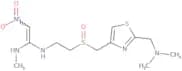


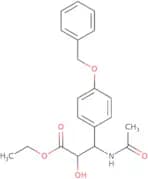
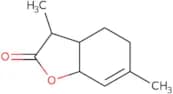
![Des-[(S)-3-methyl-2-pentanamidobutanoic acid] valsartan 4’-bromomethyl](/_next/image/?url=https%3A%2Fstatic.cymitquimica.com%2Fproducts%2F3D%2Fthumb-webp%2FNFA40233.webp&w=3840&q=75)
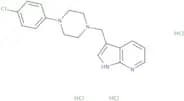
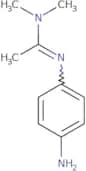
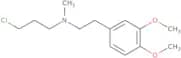
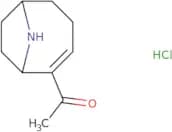
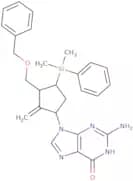
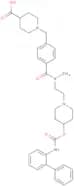
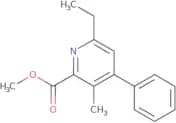

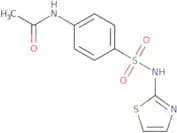
![1-[2-[2-Hydroxy-3-[[2-hydroxy-3-[2-(3-phenylpropanoyl)phenoxy]propyl]-propylamino]propoxy]phenyl]-…](/_next/image/?url=https%3A%2Fstatic.cymitquimica.com%2Fproducts%2F3D%2Fthumb-webp%2FIP63820.webp&w=3840&q=75)
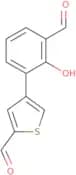

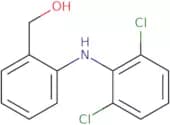
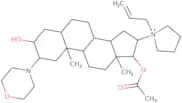
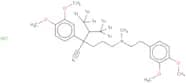
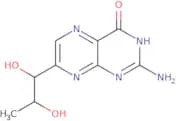
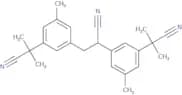
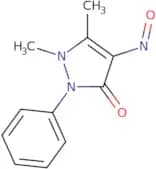
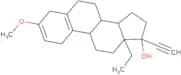
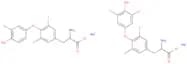
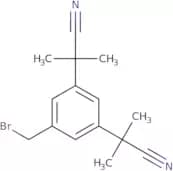
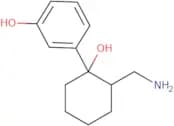
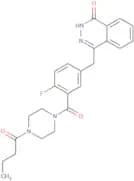
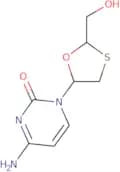
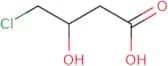
![1-[4-(4-Amino-6,7-dimethoxy-2-quinazolinyl)-1-piperazinyl]-2-hydroxy-1-pentanone](/_next/image/?url=https%3A%2Fstatic.cymitquimica.com%2Fproducts%2F3D%2Fthumb-webp%2FIA63849.webp&w=3840&q=75)


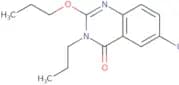
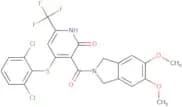
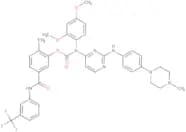
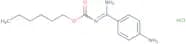
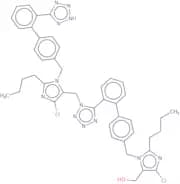
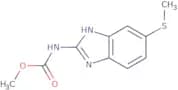
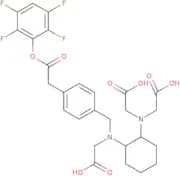
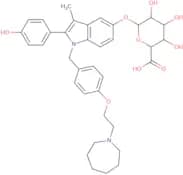
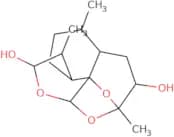
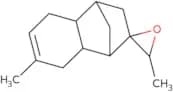


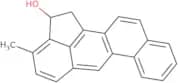
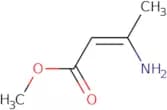
![1-[2-(3-Chloro-2-hydroxypropoxy)phenyl]-3-phenyl-1-propanone](/_next/image/?url=https%3A%2Fstatic.cymitquimica.com%2Fproducts%2F3D%2Fthumb-webp%2FIC21067.webp&w=3840&q=75)
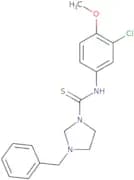
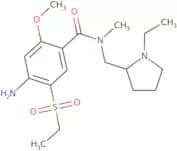
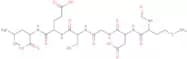

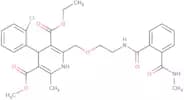
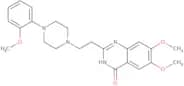
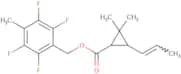
![N-(Aminosulphonyl)-2-[[[2-[(Aminoiminomethyl)amino]-4-thiazolyl]methylsulphinyl]propanimidamide](/_next/image/?url=https%3A%2Fstatic.cymitquimica.com%2Fproducts%2F3D%2Fthumb-webp%2FIA58086.webp&w=3840&q=75)
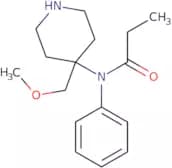
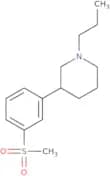
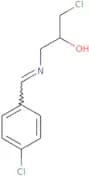
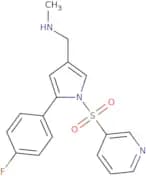
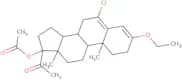
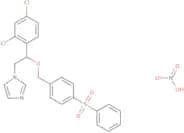
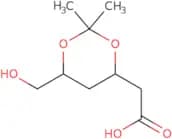

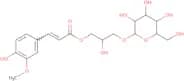
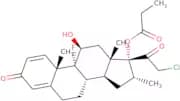
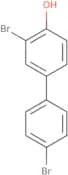
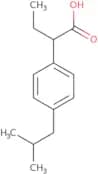
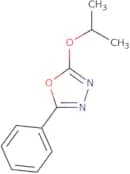
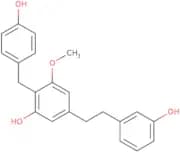
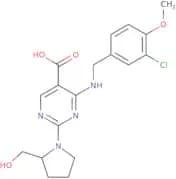
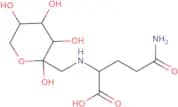
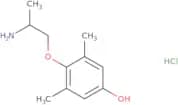
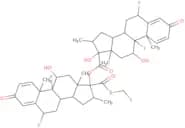
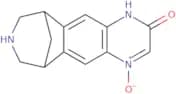
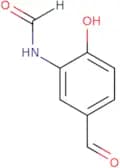
![N-[[2-[[[4-[[[(Hexyloxy)carbonyl]amino]carbonyl]phenyl]amino]methyl]-1-methyl-1H-benzimidazol-5-yl…](/_next/image/?url=https%3A%2Fstatic.cymitquimica.com%2Fproducts%2F3D%2Fthumb-webp%2FIGC23837.webp&w=3840&q=75)

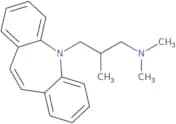
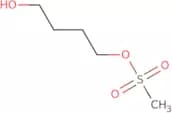
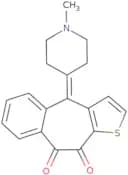
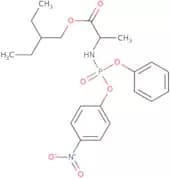
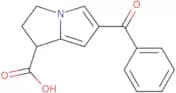
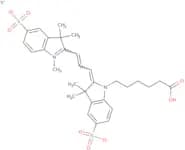
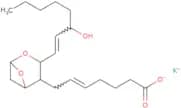
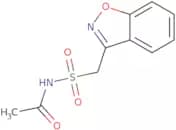
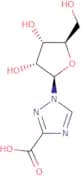
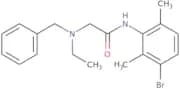
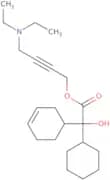
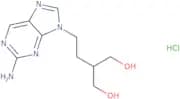
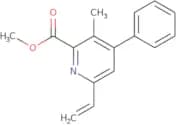
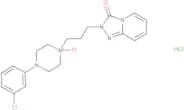
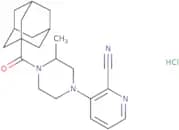
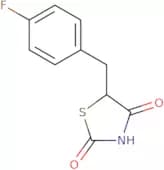
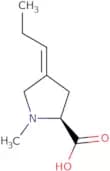
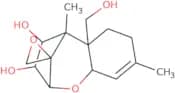
![[4-L-Glutamic Acid]-desmopressin](/_next/image/?url=https%3A%2Fstatic.cymitquimica.com%2Fproducts%2F3D%2Fthumb-webp%2FIG173261.webp&w=3840&q=75)
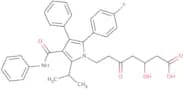
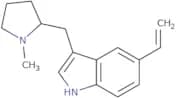
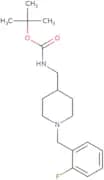
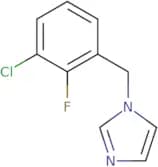
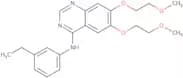
![2-[3-[4-(3-Chloro-4-ethylphenyl)-1-piperazinyl]propyl]-1,2,4-triazolo[4,3-a]pyridin-3(2H)-one](/_next/image/?url=https%3A%2Fstatic.cymitquimica.com%2Fproducts%2F3D%2Fthumb-webp%2FIC171026.webp&w=3840&q=75)
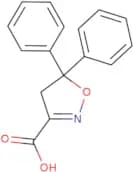
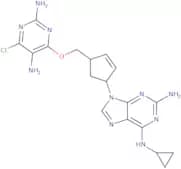
![Bis-[[2-[1-methylamino-2-nitroethenamine]ethyl]thio]methane](/_next/image/?url=https%3A%2Fstatic.cymitquimica.com%2Fproducts%2F3D%2Fthumb-webp%2FIB57853.webp&w=3840&q=75)
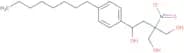
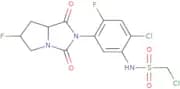
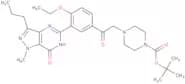
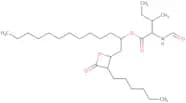
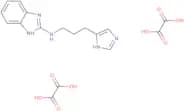
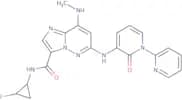

![N-Methyl-N'-[2-[(5-methyl-1H-imidazol-4-yl)methylhio]ethyl]guanidine dihydrochloride](/_next/image/?url=https%3A%2Fstatic.cymitquimica.com%2Fproducts%2F3D%2Fthumb-webp%2FIM58261.webp&w=3840&q=75)
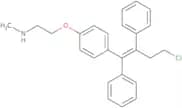
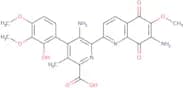
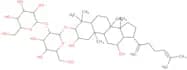
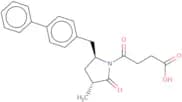
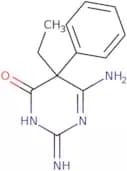
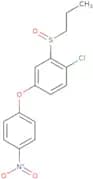
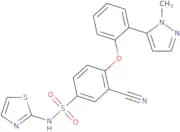
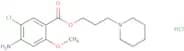

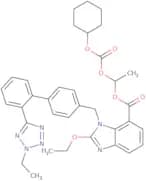
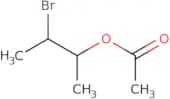
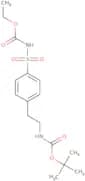
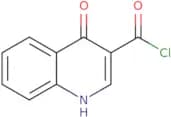
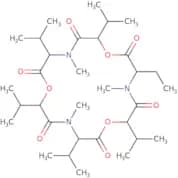
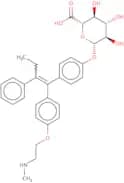
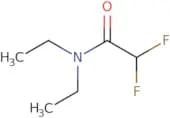
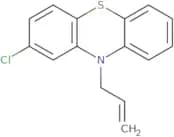
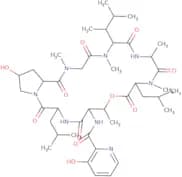
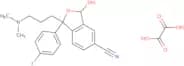
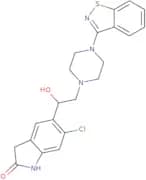
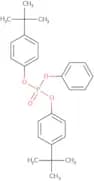
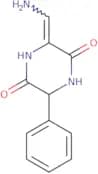
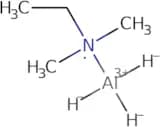
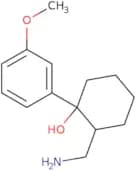
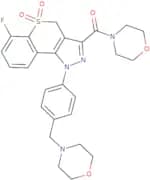
![Benz[A]anthracene-7-acetic acid methyl ester](/_next/image/?url=https%3A%2Fstatic.cymitquimica.com%2Fproducts%2F3D%2Fthumb-webp%2FNCA01840.webp&w=3840&q=75)
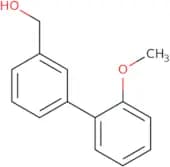
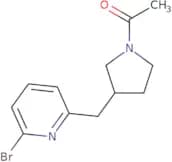
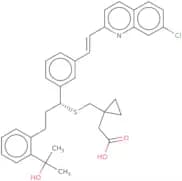
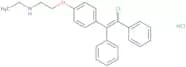
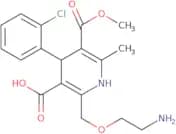
![2-[(Tetrahydropyran-2-yl)oxy]ethyl p-toluenesulfonate](/_next/image/?url=https%3A%2Fstatic.cymitquimica.com%2Fproducts%2F3D%2Fthumb-webp%2FQCA33895.webp&w=3840&q=75)
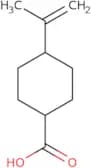
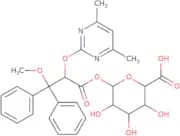
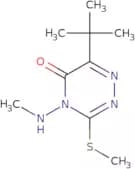
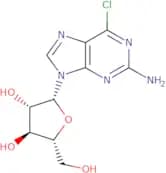
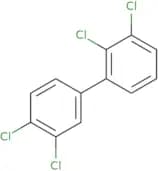
![2-[4-(Dimethylamino)-1-(2-methylphenyl)butyl]-phenol](/_next/image/?url=https%3A%2Fstatic.cymitquimica.com%2Fproducts%2F3D%2Fthumb-webp%2FUDA43254.webp&w=3840&q=75)
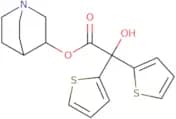

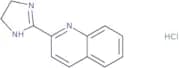
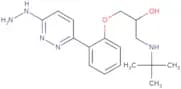
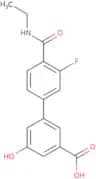
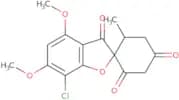
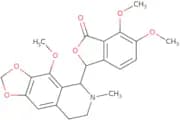
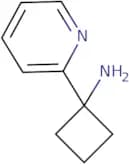
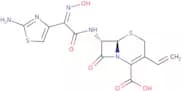

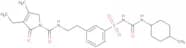
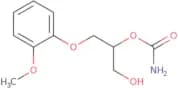
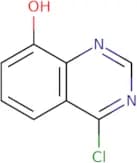
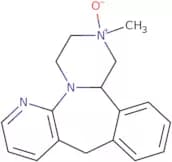
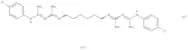
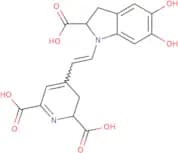
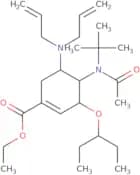

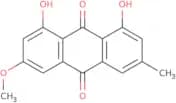
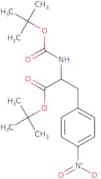
![(2Z)-1-[5,6-Dihydro-3-(trifluoromethyl)-1,2,4-triazolo[4,3-α]pyrazin-7(8H)-yl]-4-(2,4,5-trifluorop…](/_next/image/?url=https%3A%2Fstatic.cymitquimica.com%2Fproducts%2F3D%2Fthumb-webp%2FID183167.webp&w=3840&q=75)
![(1aS,4S,6aR,7aS)-6-Amino-1,1a,4,6a,7,7a-hexahydro-4-(3-hydroxytricyclo[3.3.1.13,7]dec-1-yl)-3H-Cyc…](/_next/image/?url=https%3A%2Fstatic.cymitquimica.com%2Fproducts%2F3D%2Fthumb-webp%2FAEC80076.webp&w=3840&q=75)