APIs for research and impurities
Subcategories of "APIs for research and impurities"
- Aminoacids and derivatives(12,318 products)
- Anthraquinones and derivatives(402 products)
- Benzimidazole and Imidazole Derivatives(10,390 products)
- Benzodiazepine Derivatives(326 products)
- Carbohydrates and glycoconjugates(5,044 products)
- Esters and Derivatives(42,242 products)
- Fatty Acids and Lypidic Derivatives(32,374 products)
- Flavonoids and Polyphenols(17,073 products)
- Free Radicals and Oxidant/Reducing Agents(211 products)
- Ketones and derivatives(2,399 products)
- Natural and semi-synthetic antibiotics(6,324 products)
- Nitriles and Cyano Derivatives(3,068 products)
- Nitrosamines and Derivatives(55 products)
- Nucleosides and Nucleotides(3,445 products)
- Organic Phosphates and Phosphonates(1,194 products)
- Organic Sulphonates and Sulphates(10,419 products)
- Organometallics(4,417 products)
- Others(6,269 products)
- Peptides and Proteins(3,132 products)
- Polymers and Derivatives(99 products)
- Purines and Pyrimidine Derivatives(8,898 products)
- Quinazoline and Quinoline Derivatives(65,683 products)
- Quinones and Derivatives(24,341 products)
- Salts and Derivatives of Active Pharmaceutical Ingredients (API)(81,254 products)
- Steroids and Derivatives(4,923 products)
- Sulfonamides and Derivatives(2,564 products)
- Terpenoids and Derivatives(3,835 products)
- Thiazolidinediones and Thiopyrans(2,753 products)
- β-Adrenergic Compounds(227 products)
Found 58629 products of "APIs for research and impurities"
Olanzapine ketolactam
CAS:Olanzapine Ketolactam is a drug product that can be custom synthesized. It has a purity of at least 98% and is identified by its CAS number, 1017241-34-7. The metabolite of Olanzapine ketolactam is olanzapine N-oxide, which can be found in the urine of patients who have taken Olanzapine ketolactam. Metabolism studies have been conducted on this drug product to determine how it may affect the body. This drug product is also used in natural or synthetic drug development, pharmacopoeia, and analytical research.
Formula:C17H20N4O2Purity:Min. 95%Color and Shape:PowderMolecular weight:312.37 g/molRef: 3D-IO26538
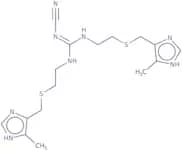
Discontinued productCimetidine impurity F
CAS:Cimetidine impurity F is a research and development, drug product, analytical, synthetic, natural, niche, HPLC standard and pharmacopoeia impurity.
CAS No. 55272-86-1Formula:C16H24N8S2Purity:Min. 95%Color and Shape:White PowderMolecular weight:392.55 g/molRef: 3D-IC58263
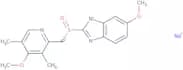
Discontinued productEsomeprazole sodium
CAS:Esomeprazole is a proton pump inhibitor used to treat gastroesophageal reflux disease and other conditions where there is too much stomach acid. It is available as a capsule or tablet in doses of 20, 40, and 60 mg. Esomeprazole inhibits the production of gastric acid by blocking the hydrogen/potassium adenosine triphosphate (H+/K+ ATPase) enzyme system at the secretory surface of the gastric parietal cells. Omeprazole is an acidic drug that blocks the H+/K+ ATPase enzyme system. The two drugs have been compared in two-way crossover studies using healthy volunteers who were given omeprazole magnesium for one week followed by esomeprazole sodium for another week. There was no difference in their effect on acid secretion or on heartburn relief. The plasma concentrations of both drugs increased with increasing dose, but there was no significant difference between them in terms of either
Formula:C17H18N3NaO3SPurity:(%) Min. 95%Color and Shape:PowderMolecular weight:367.4 g/molRef: 3D-IM58097
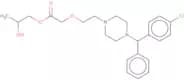
Discontinued productCetirizine propanediol ester impurity
Cetirizine is a drug product that is metabolized to cetirizine propanediol ester. This impurity has been identified in the drug and is not expected to cause any adverse effects in humans. Cetirizine propanediol ester can be synthesized and purified through high-purity, analytical, and natural methods. The pharmacopoeia defines cetirizine propanediol ester as a metabolite of cetirizine. It can also be used as an impurity standard for HPLC analysis.
Formula:C24H31ClN2O4Purity:Min. 95%Molecular weight:446.97 g/molN-[[2'-(2H-Tetrazol-5-yl)[1,1'-biphenyl]-4-yl]methyl]-L-valine methyl ester
CAS:N-[[2'-(2H-Tetrazol-5-yl)[1,1'-biphenyl]-4-yl]methyl]-L-valine methyl ester is a synthetic compound used as an HPLC standard. It is also used in the development of new drugs to study the metabolism of these drugs and their metabolites. N-[[2'-(2H-Tetrazol-5-yl)[1,1'-biphenyl]-4-yl]methyl]-L-valine methyl ester can be synthesized from 2-[(2H)-tetrazol-5-yl][1,1'-biphenyl]-4-(phenylamino)propanenitrile and L -valine methyl ester. It is soluble in ethyl acetate, chloroform and methanol. N-[2'(2H)-tetrazol-[5' (phenylamino)
Formula:C20H23N5O2Purity:Min. 95%Color and Shape:PowderMolecular weight:365.43 g/molRef: 3D-IT106481
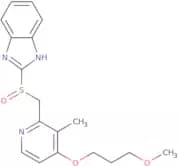
Discontinued productRabeprazole
CAS:Rabeprazole is a proton pump inhibitor that suppresses the production of stomach acid by blocking the H+/K+ ATPase enzyme. It is used for the treatment of gastroesophageal reflux disease, peptic ulcers, and Zollinger-Ellison syndrome. Rabeprazole has been shown to be more effective than omeprazole in reducing gastric acid secretion in two-way crossover studies. Rabeprazole also has been shown to inhibit the growth of antibiotic-resistant strains of bacteria. In addition, rabeprazole binds to metal ions like iron and copper, which may affect its pharmacokinetics and efficacy. This drug is currently being investigated as an analytical method for determination of proton pump inhibitors in human serum and urine samples by electrochemical impedance spectroscopy (EIS).
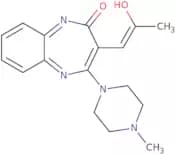
Formula:C18H21N3O3SPurity:Min. 95%Color and Shape:White PowderMolecular weight:359.44 g/mol2-Hydroxy-2-{4-[2-(hydroxyethoxy)ethyl]piperazin-1-yl}dithiazepin
CAS:2-Hydroxy-2-{4-[2-(hydroxyethoxy)ethyl]piperazin-1-yl}dithiazepin (LPSE) is a monoclonal antibody that is used in the diagnosis of atrial fibrillation. It binds to the antigenic determinant on the surface of atrial cells and also has high affinity for cardiac troponin I. LPSE has biochemical properties that distinguish it from other antibodies and is not known to have any adverse reactions or interactions with other drugs. The clinical relevance of LPSE has been demonstrated by its ability to detect atrial cells in tissue samples from patients with atrial fibrillation, and to discriminate between samples taken from patients who had undergone catheter ablation or those who had not undergone this procedure. LPSE binds to tetroxide, gamma-aminobutyric acid (GABA), amides, and proteins, as well as hl-60 cells,Formula:C21H27N3O3SPurity:Min. 97 Area-%Color and Shape:Yellow Clear LiquidMolecular weight:401.53 g/molErythromycin impurity M
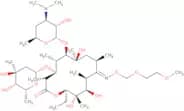
Erythromycin impurity M is a natural, API impurity (impurity standard) that is a metabolite of erythromycin. It has been synthesized as a high purity HPLC standard to meet the requirements of pharmacopoeia and drug development. Erythromycin impurity M is an analytical reference material with CAS number 528-73-2.
Formula:C37H67NO13Purity:Min. 95%Molecular weight:733.93 g/molBis-[5-[(dimethylamino)methyl]furan-2-yl]methane
Bis-[5-[(dimethylamino)methyl]furan-2-yl]methane is a synthetic compound with the CAS number 16864-73-6. It is used in pharmacological studies and drug development. The purity of this material is greater than 99%.
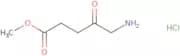
Formula:C15H22N2O2Purity:Min. 95%Molecular weight:262.35 g/mol5-Aminolevulinic acid methyl ester hydrochloride
CAS:5-Aminolevulinic acid methyl ester hydrochloride is a drug that is used to treat skin conditions such as psoriasis, dermatitis, and vitiligo. It is used to treat skin cancer and inflammatory diseases such as lupus erythematosus. 5-Aminolevulinic acid methyl ester hydrochloride works by targeting the mitochondria of skin cells. This drug causes mitochondrial membrane depolarization in vitro. The clinical response to this drug is variable and may depend on the severity of the condition being treated. In vivo studies with human subjects show low bioavailability for this drug.
Formula:C6H11NO3·HClPurity:Min. 95%Color and Shape:PowderMolecular weight:181.62 g/molUrolithin M5
CAS:Urolithin M5 is a drug product that has undergone custom synthesis, and is high in purity. It has CAS No. 91485-02-8, analytical data, metabolism studies, and drug development. Urolithin M5 is natural, with a metabolite pharmacopoeia and niche. There are impurities in this substance that are of synthetic origin and have an analytical HPLC standard. This substance has been researched and developed for use as an Impurity Standard.
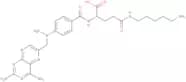
Formula:C13H8O7Purity:Min. 95%Color and Shape:PowderMolecular weight:276.2 g/molN-(5-Aminopentyl) methotrexate amide
CAS:N-(5-Aminopentyl) methotrexate amide is a fluorescent probe that is used to study the transport of drugs across cell membranes. It binds to the plasma membrane of cells and can be visualized with a fluorescence microscope. N-(5-Aminopentyl) methotrexate amide has been shown to bind to leukemia cells in murine leukemia models. It has a high affinity for drug-resistant cells, which makes it useful for studying drug resistance mechanisms. This probe can be used at nanomolar concentrations for imaging studies, as well as for measuring the uptake of drugs into cancer cells by flow cytometry.
Formula:C25H34N10O4Purity:Min. 95%Color and Shape:Yellow PowderMolecular weight:538.6 g/molRef: 3D-FA17806
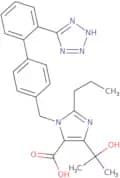
Discontinued productOlmesartan
CAS:Olmesartan medoxomil is a prodrug that is hydrolyzed to olmesartan, its active form. It is a member of the angiotensin II receptor antagonists and it is used for the treatment of hypertension and heart failure. Olmesartan medoxomil reduces the risk of cardiovascular events in patients with resistant hypertension or heart failure. The drug binds to the angiotensin II type 1 receptor, thereby blocking the binding of angiotensin II to this receptor. This prevents activation of downstream signaling pathways, including phospholipase C, protein kinase C, and mitogen-activated protein kinases. Olmesartan medoxomil also blocks the formation of new blood vessels and vascular remodeling in animal models.
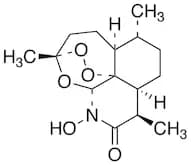
Formula:C24H26N6O3Purity:Min. 95%Color and Shape:White PowderMolecular weight:446.5 g/molN-Hydroxy-11-azaartemisinin
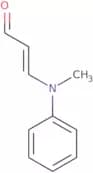
CAS:Controlled ProductFormula:C15H23NO5Color and Shape:WhiteMolecular weight:297.353-(N-Phenyl-N-methyl)aminoacrolein
CAS:3-(N-Phenyl-N-methyl)aminoacrolein is a hydrophobic compound that has been shown to reversibly bind to serum albumin. This binding leads to a decrease in the lipid content of lipoproteins and a decrease in the rate of their metabolism. These effects are mediated by hydrophobic interactions with the hydrophobic regions of serum albumin. 3-(N-Phenyl-N-methyl)aminoacrolein also interacts with human serum albumin, which is involved in lipid transport and metabolism, and can be used as a contrast agent for X-ray diffraction studies.
Formula:C10H11NOPurity:Min. 97 Area-%Color and Shape:PowderMolecular weight:161.2 g/molRef: 3D-IP167308
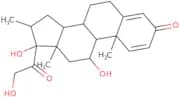
Discontinued productBetamethasone EP impurity G
CAS:Controlled ProductBetamethasone EP Impurity G is an analytical impurity that is found in the drug product Betamethasone EP. It is also a natural, synthetic, and custom synthesis impurity that has been manufactured to be an impurity standard. Betamethasone EP Impurity G has a CAS number of 85700-75-0 and is a niche HPLC standard for research and development purposes. This high purity impurity may be synthesized from other chemical compounds or created synthetically.
Formula:C22H30O5Purity:Min. 95%Color and Shape:PowderMolecular weight:374.5 g/molRef: 3D-IB180622
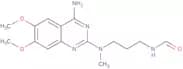
Discontinued productN-(4-Amino-6,7-dimethoxyquinazol-2-yl)-N-methylpropylenediamine formamide hydrochloride
CAS:N-(4-Amino-6,7-dimethoxyquinazol-2-yl)-N-methylpropylenediamine formamide hydrochloride is an impurity in the synthesis of N-(4-amino-6,7-dimethoxyquinazol-2-yl)-N'-methylpropylenediamine formamide hydrochloride. It is a white solid that can be used as an analytical reference standard for HPLC. It has been detected in the urine of people taking this drug and can be used to identify the presence of this drug in urine samples.
Formula:C14H17N5O2·HClPurity:Min. 95%Molecular weight:323.78 g/molDioctyl carbonate
CAS:Dioctyl carbonate is a pharmaceutical preparation used to treat skin conditions. It is a fatty acid ester of carbonic and carbonyl groups in which the two esters are in the same molecule. Dioctyl carbonate is a reaction product obtained by reacting an inorganic acid, such as hydrochloric acid or sulfuric acid, with an alcohol containing two hydroxyl groups and one double bond. This reaction may be facilitated by heating. The film-forming polymer may be polyvinylpyrrolidone, polyvinyl alcohol, or polyacrylic acid. Dioctyl carbonate has been shown to stimulate colony-stimulating factor production and inhibit the proliferation of human epidermal keratinocytes.
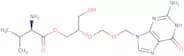
Formula:C17H34O3Purity:Min. 95%Color and Shape:Clear LiquidMolecular weight:286.4 g/molValganciclovir related compound G
CAS:Valganciclovir related compound G is a drug product. It has been synthesized in our lab. Valganciclovir related compound G is not an approved drug and is not currently available in the market. Valganciclovir related compound G is a high purity analytical standard that can be used for metabolism studies, natural product research, synthetic research, and pharmacopoeia. Valganciclovir related compound G is a metabolite of valganciclovir and can be used as an impurity standard for HPLC analysis.
Formula:C15H24N6O6Purity:Min. 95%Molecular weight:384.39 g/mol2-[[4-(2-Pyridylsulfamoyl)phenyl]azo]hydroxybenzene
CAS:2-[[4-(2-Pyridylsulfamoyl)phenyl]azo]hydroxybenzene is an impurity found in sulfasalazine. It is a metabolite that is formed by the P450 system in the liver. The metabolic process of 2-[[4-(2-Pyridylsulfamoyl)phenyl]azo]hydroxybenzene has been studied in detail and has been shown to be a major contributor to the pharmacokinetic profile of sulfasalazine. This substance also exhibits antimicrobial activity and inhibits the growth of bacteria, fungi, and viruses.
Formula:C17H14N4O3SPurity:Min. 95%Molecular weight:354.38 g/molRef: 3D-IP27340
Discontinued productMoexipril methyl ester analog hydrochloride
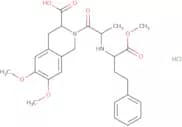
CAS:Moexipril methyl ester analog hydrochloride is a drug product that has been custom synthesized for research and development. It is a high purity, analytical grade compound with CAS No. 1356841-17-2. Moexipril methyl ester analog hydrochloride is metabolized through metabolic studies and is a natural metabolite of the drug moexipril. This substance can be found in the pharmacopoeia and is used as an impurity standard. Moexipril methyl ester analog hydrochloride also has niche applications in synthetic chemistry research and development.Formula:C26H32N2O7•HClPurity:Min. 95%Color and Shape:PowderMolecular weight:521 g/molRef: 3D-GEC84117
Discontinued productLoperamide N-oxide
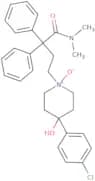
CAS:Loperamide N-oxide is an analog of loperamide, which is commonly used as an anti-diarrheal medication. It has been shown to have potential anti-cancer properties by inducing apoptosis in cancer cells. Loperamide N-oxide has also been detected in urine samples from Chinese individuals, indicating its potential use as a biomarker for cancer diagnosis. This compound has been found to inhibit trypsin-like kinases, which are enzymes involved in cell division and proliferation. In addition, loperamide N-oxide has been shown to inhibit the growth of tumor cells and may have potential as a therapeutic agent for cancer treatment. However, it should be noted that rifampicin and other inhibitors can reduce the effectiveness of loperamide N-oxide against cancer cells. Further research is needed to fully understand the potential benefits and limitations of this compound.
Formula:C29H33ClN2O3Purity:Min. 95%Molecular weight:493 g/molRef: 3D-SIA47103
Discontinued productRetinyl retinoate
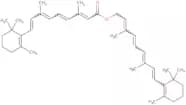
CAS:Controlled ProductRetinyl retinoate is a synthetic retinoid that is chemically stable and has been shown to be effective in clinical studies. Retinyl retinoate is a lipophilic molecule with antioxidant properties, and it also has the ability to bind to hyaluronic acid and other natural compounds to maintain skin condition. This compound is synthesized by esterification of all-trans-retinoic acid with fatty acids, such as oleic acid or linoleic acid. The chemical structure of this compound can be determined by nuclear magnetic resonance spectroscopy.
Formula:C40H56O2Purity:Min. 95%Molecular weight:568.9 g/molRef: 3D-QAA49886
Discontinued productBoc-3-hydroxy-1-adamantyl-glycine
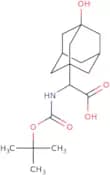
CAS:Boc-3-hydroxy-1-adamantyl-glycine is a catalytic, nucleophilic, chiral amino acid that is used in the synthesis of oximes. Boc-3-hydroxy-1-adamantyl-glycine has been shown to be an effective substitute for hydroxylamine in reductive amination reactions and can be used to synthesize some pharmaceuticals, including saxagliptin. This compound is stable under standard conditions and can be easily synthesized. It is also a powerful nucleophile that reacts with electrophiles such as chloroformates and sulfonyl chlorides.
Formula:C17H27NO5Purity:Min. 95%Molecular weight:325.4 g/molRef: 3D-JDC32139
Discontinued product1,1-Dimethylethyl (3S,5S,6E)-7-[4-(4-fluorophenyl)-6-(1-methylethyl)-2-[methyl(methylsulfonyl)amino]-5-pyrimidinyl]-3,5-dihydroxy-6- heptenoate
CAS:Please enquire for more information about 1,1-Dimethylethyl (3S,5S,6E)-7-[4-(4-fluorophenyl)-6-(1-methylethyl)-2-[methyl(methylsulfonyl)amino]-5-pyrimidinyl]-3,5-dihydroxy-6- heptenoate including the price, delivery time and more detailed product information at the technical inquiry form on this page
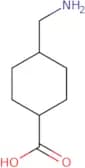
Formula:C26H36FN3O6SPurity:Min. 95%Molecular weight:537.65 g/moltrans-4-(Aminomethyl)cyclohexanecarboxylic acid
CAS:Trans-4-(aminomethyl)cyclohexanecarboxylic acid (AMCA) is a histamine antagonist that is used to treat bowel disease. It may also be useful for the treatment of other inflammatory diseases and as an anticoagulant. AMCA has been shown to be safe and effective for the prevention of postoperative bleeding in patients who are undergoing major surgery. This drug is a potent inhibitor of platelet aggregation, but does not affect the function of erythrocytes or leukocytes. AMCA inhibits platelet aggregation by blocking the binding of adenosine diphosphate (ADP) to its receptor on platelets, thus inhibiting ADP-mediated activation of phospholipase A2 and arachidonic acid release from membranes. An increase in blood levels of AMCA may lead to cardiac toxicity and bleeding events.
Formula:C8H15NO2Purity:Min. 95%Molecular weight:157.21 g/molRef: 3D-IA71533
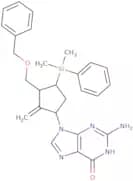
Discontinued product6-o-Benzyl-4-dehydroxy-4-dimethylphenylsilyl entecavir
CAS:6-o-Benzyl-4-dehydroxy-4-dimethylphenylsilyl entecavir is a synthetic drug product with an API impurity. It's an analytical standard for the metabolite 6-o-benzylidene-4,6-didehydroentecavir (CAS 649761-24-0), which is a natural metabolite of entecavir. The impurity standard is used in research and development to study the drug product's metabolism and to ensure that it meets pharmacopeia standards.Formula:C27H31N5O2SiPurity:Min. 95%Molecular weight:485.7 g/molRef: 3D-ZAB76124
Discontinued product1-[2-[2-Hydroxy-3-[[2-hydroxy-3-[2-(3-phenylpropanoyl)phenoxy]propyl]-propylamino]propoxy]phenyl]-3-phenylpropan-1-one
CAS:Arbidol is a drug molecule that interacts with protease enzymes. It has been shown to inhibit human erythrocyte chymotrypsin, trypsin, and elastase. Arbidol is also able to inhibit the growth of bacteria such as Staphylococcus aureus, Escherichia coli, and Pseudomonas aeruginosa. The molecular modelling of arbidol suggests that it binds to the active site of the enzyme by blocking hydrophobic pockets on the surface of the enzyme. The conformational change in the protease enzyme activates arbidol's binding site for an extended period of time. This prolonged interaction prevents substrate from binding to the catalytic site of the enzyme and inhibits its activity.
Formula:C39H45NO6Purity:Min. 95%Molecular weight:623.78 g/molRef: 3D-IP63820
Discontinued product(E)-4-Alloxycarboxyl tamoxifen
CAS:(E)-4-Alloxycarboxyl tamoxifen is a synthetic metabolite of tamoxifen. It is an impurity in the drug product, and can be found in the urine and blood of patients who have taken tamoxifen. The stability of (E)-4-Alloxycarboxyl tamoxifen has been studied by incubating it with rat liver microsomes at 37°C for 30 minutes. Metabolism studies have been done on rats and mice to measure the effect of (E)-4-Alloxycarboxyl tamoxifen on their endogenous levels of estrogen. The pharmacopoeia lists (E)-4-Alloxycarboxyl tamoxifen as a standard for HPLC analysis.
Formula:C30H33NO4Purity:Min. 95%Molecular weight:471.60 g/molRef: 3D-MBC19158
Discontinued productN-(2-Hydroxyethyl)-P,P-bisaziridinyl thiophosphamide
CAS:N-(2-Hydroxyethyl)-P,P-bisaziridinyl thiophosphamide (HEPBTP) is a metabolite of the drug product. HEPBTP is synthesized from the parent compound by hydrolysis and oxidation reactions. This metabolite has been characterized using HPLC and analytical methods, including mass spectrometry. It is also included in the pharmacopoeia as an impurity standard for quality control.
Formula:C6H15N3O4PSPurity:Min. 95%Molecular weight:256.24 g/molRef: 3D-IH180621
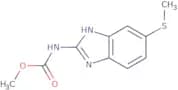
Discontinued productAlbendazole impurity F
CAS:Albendazole is an anti-helminthic drug that is structurally classified as a benzimidazole. It has been shown to be effective against a variety of helminths, including roundworms, pinworms, hookworms, and tapeworms. Albendazole impurity F is an analytical standard for the determination of albendazole in pharmaceutical products by HPLC. It also serves as a reference substance to establish the purity of drug products containing albendazole and its metabolites. Albendazole impurity F is not considered to be a metabolite of albendazole because it has been shown to be stable under acidic conditions and can be synthesized from other starting materials.
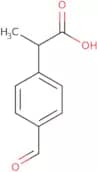
Formula:C10H11N3O2SPurity:Min. 95%Molecular weight:237.28 g/mol2-(4-Formylphenyl)propionic acid - Racemic
CAS:2-(4-Formylphenyl)propionic acid is a racemic mixture of 2-formylphenylacetic acid and 4-formylphenylacetic acid. This compound is used in the treatment of bacterial infections and inflammation. It is an organic solution that can be injected, administered orally, or applied topically. The 2-(4-formylphenyl)propionic acid has been shown to have anti-inflammatory properties, but also has side effects such as skin irritation when it is applied topically. This drug can also cause nausea, vomiting, and diarrhea when administered orally.
Formula:C10H10O3Purity:Min. 95%Color and Shape:White PowderMolecular weight:178.18 g/molRef: 3D-IF27430
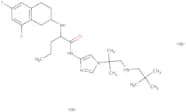
Discontinued productPf 3084014 hydrobromide
CAS:Pf 3084014 hydrobromide is a pluripotent, non-tumorigenic, and self-renewing cell line that can differentiate into cells of all three germ layers. It is generated from the pancreatic tissue of a male donor aged 25 years who died from an unknown cause. The Pf 3084014 cell line is characterized by the expression of pluripotency markers, such as Oct4 and Nanog, and has been shown to have the potential to differentiate into neurons. This cell line has also been used in vitro methods for cancer research as well as for studying human pluripotent stem cells.
Formula:C27H43Br2F2N5OPurity:Min. 95%Molecular weight:651.5 g/molRef: 3D-MDD92529
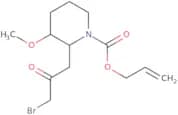
Discontinued productAlloc bromoridane
CAS:Alloc bromoridane is a drug product that contains the active ingredient bromoridane. Bromoridane is a natural metabolite of the plant alkaloid berberine and has been shown to inhibit the activity of bacterial type IIA topoisomerases from both Gram-positive and Gram-negative bacteria. The chemical name for Alloc bromoridane is 2-[2-(4-bromobenzoyl)phenyl]dihydropyrimidine, and it has CAS number 117348-70-6. Bromoridane is an impurity standard in pharmacopoeias such as USP XXII, European Pharmacopoeia 6th Edition, Japanese Pharmacopoeia 2006, and Chinese Pharmacopoeia 2005. Alloc bromoridane is used in research and development for pharmaceuticals or as an analytical reference material.
Formula:C13H20BrNO4Purity:Min. 95%Molecular weight:334.21 g/molRef: 3D-SEA34870
Discontinued productDecladinose roxithromycin
CAS:Decladinose roxithromycin is a novel drug that can be used for the diagnosis and treatment of disorders related to the mutation. Decladinose roxithromycin has been shown to be effective in the detection and treatment of mutants, such as those related to cystic fibrosis.
Formula:C33H62N2O12Purity:Min. 95%Molecular weight:678.85 g/molDexamethasone Impurity A
Impurity A is an impurity of the drug product, dexamethasone. The impurity is a natural metabolite of dexamethasone that is found in the urine of patients taking this medication. Impurity A is chemically identified using HPLC and its purity verified using GC-MS and LC-MS. This impurity can be used as a reference standard for analytical purposes and as an impurity standard for pharmacopoeia testing.
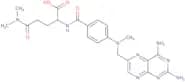
Formula:C22H29FO5Purity:Min. 95 Area-%Color and Shape:White Off-White PowderMolecular weight:392.46 g/molMethotrexate dimethylamide
CAS:Methotrexate dimethylamide is a research and development impurity standard with high purity. It is a synthetic drug product that can be custom synthesized to meet the needs of the customer. Methotrexate dimethylamide has been used as an analytical standard for HPLC analysis and as a natural metabolite in metabolism studies. This compound is also known as 71074-44-7, CAS No. 71074-44-7, or Metabolite.
Formula:C22H27N9O4Purity:Min. 95%Molecular weight:481.51 g/molTofacitinib impurity 69
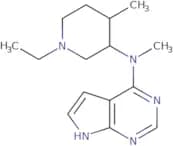
CAS:Please enquire for more information about Tofacitinib impurity 69 including the price, delivery time and more detailed product information at the technical inquiry form on this page
Formula:C15H23N5Purity:Min. 95%Molecular weight:273.38 g/molRef: 3D-IMD51970
Discontinued product1-[[4-(3-Methoxypropoxy)-3-methyl-2-pyridinyl]methyl]-2-[[[4-(3-methoxypropoxy)-3-methyl-2-pyridinyl]methyl]sulfonyl]-1H-benzimidazo le
CAS:1-[[4-(3-Methoxypropoxy)-3-methyl-2-pyridinyl]methyl]-2-[(4-(3-methoxypropoxy)-3-methyl-2-pyridinyl)methylsulfonyl]-1H-benzimidazole (MKC1807) is a synthetic drug product. MKC1807 is an analytical standard in the HPLC assay for the determination of Epiandrosterone sulfate and its metabolites. 1-[4-(3-Methoxypropoxy)-3,5,6,7,8 -pentamethylcyclohexyl]methyl 2-[(4-(3 -methoxypropoxy) 3,5,6,7,8 -pentamethylcyclohexyl)methylsulfonyl]-1H benzimidazole has been shown to be a natural metabolite of Epiandrosterone sulfate. This compoundFormula:C29H36N4O6SPurity:Min. 95%Molecular weight:568.69 g/molRef: 3D-IM25352
Discontinued product(6R)-Folinic acid
CAS:(6R)-Folinic acid is an impurity standard and a metabolite of folic acid. It is synthesized by the body in the liver, where it is converted to 5,10-methylenetetrahydrofolate (5,10-MTHF). This metabolite is used to convert homocysteine into methionine, which can then be converted into S-adenosylmethionine (SAMe), a compound that has been shown to have antidepressant properties. The methylation of folate also helps to regulate DNA synthesis and repair. (6R)-Folinic acid has been used in research as a drug development tool for studying folate metabolism and its effects on the central nervous system. High purity standards are available for use in HPLC analysis of this compound.
Formula:C20H23N7O7Purity:Min. 95%Molecular weight:473.40 g/molRef: 3D-YCA95154
Discontinued productPravastatin diol lactone
CAS:Pravastatin diol lactone is a lipase inhibitor that prevents the hydrolysis of triglycerides in the intestines. It also inhibits the synthesis of cholesterol by inhibiting hydroxymethylglutaryl-coenzyme A (HMG-CoA) reductase. Pravastatin diol lactone has been shown to be effective in reducing serum cholesterol levels in animal models and inhibiting esterification of cholesterol by preventing the conversion of HMG-CoA to mevalonic acid, which is an important step in the synthesis of cholesterol. Pravastatin diol lactone is a polyketide that was discovered from a fungus and chemically altered to produce this drug.
Formula:C18H26O5Purity:Min. 95%Molecular weight:322.4 g/molRef: 3D-JGA34593
Discontinued productRS 67506 hydrochloride
CAS:RS 67506 hydrochloride is a biochemical that is used in experimental and descriptor studies. The ketone group has been found to be an important part of the molecular structure. RS 67506 hydrochloride has been shown to have a number of biological properties, including inhibition of the synthesis of neurotransmitters such as dopamine, serotonin and norepinephrine; it also has anti-nervous system activity. This chemical was also found to inhibit the synthesis of prostaglandin E2 in human neutrophils. It is hypothesized that RS 67506 hydrochloride may inhibit phospholipase A2, which would prevent the release of arachidonic acid from phospholipids into the cell membrane and block the production of eicosanoids.
Formula:C18H29Cl2N3O4SPurity:Min. 95%Molecular weight:454.4 g/molRef: 3D-TGA98661
Discontinued productKM91104
CAS:KM91104 is a potent inhibitor of protein kinases that has been shown to induce apoptosis in cancer cells. It is derived from a traditional Chinese medicinal plant and has demonstrated anticancer activity against various human cancer cell lines. KM91104 specifically targets the cell cycle and inhibits tumor growth by blocking the activity of certain proteins involved in cell division. This compound has also been found in urine samples, indicating that it may have potential as a diagnostic marker for cancer. Overall, KM91104 shows promising potential as an effective and selective inhibitor for the treatment of cancer.
Formula:C14H12N2O4Purity:Min. 95%Molecular weight:272.26 g/molRef: 3D-EMA48160
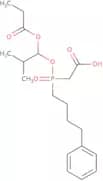
Discontinued product2-((2-Methyl-1-(propionyloxy)propoxy)(4-phenylbutyl)phosphoryl)acetic acid
CAS:2-((2-Methyl-1-(propionyloxy)propoxy)(4-phenylbutyl)phosphoryl)acetic acid (KZPBA) is a zoonotic antibiotic that has been shown to be active against agalactiae. It is a prodrug, which is metabolized to the active form, KZPBA, in humans and other mammals. The mechanism of action of KZPBA is not yet known; however, it has been hypothesized that its activity may be due to inhibition of DNA gyrase and topoisomerase IV. This drug has also been shown to have an effect on mastitis in dairy cows.Formula:C19H29O6PPurity:Min. 95%Molecular weight:384.4 g/molRef: 3D-IM27637
Discontinued productRoxithromycin impurity E
CAS:Roxithromycin impurity E is a metabolite of roxithromycin. It is a yellow powder with a melting point of about 130°C and a molecular weight of 226.14g/mol. Roxithromycin impurity E has been shown to be an inhibitor of CYP3A4 and CYP2D6, as well as an inducer of CYP1A2. This impurity can be used for the research and development of roxithromycin, as well as production of analytical standards for HPLC analysis.
Formula:C40H74N2O15Purity:Min. 95%Molecular weight:823.02 g/molSunitinib impurity G
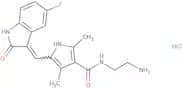
CAS:Sunitinib impurity G is a research and development impurity that is found in the process of synthesizing sunitinib. Sunitinib impurity G is an analytical standard that is soluble in methanol and is suitable for HPLC analysis. It has been shown to have high purity, excellent stability, and a low level of toxicity.
Formula:C18H20ClFN4O2Purity:Min. 95%Molecular weight:378.8 g/molRef: 3D-SYB21661
Discontinued productDexamethasone-17-ketone
CAS:Controlled ProductPlease enquire for more information about Dexamethasone-17-ketone including the price, delivery time and more detailed product information at the technical inquiry form on this page
Formula:C20H25FO3Purity:Min. 95%Molecular weight:332.42 g/molRef: 3D-ID183298
Discontinued productOrnidazole-hydroxy
CAS:Ornidazole-hydroxy is a drug product that is manufactured using HPLC. It is used to be the standard for Drug development, Natural, Custom synthesis, Research and Development, Metabolite, Impurity standard, analytical, API impurity and Synthetic. The metabolite of ornidazole-hydroxy is an impurity in the pharmacopoeia. Ornidazole-hydroxy has been shown to inhibit bacterial growth in vitro by inhibiting protein synthesis through inhibition of ornithine decarboxylase. Ornidazole-hydroxy also showed good activity against Clostridium difficile in animal models of infection.
Formula:C7H10ClN3O4Purity:Min. 95%Molecular weight:235.62 g/molRef: 3D-MCA58079
Discontinued productPteroic acid, min95%
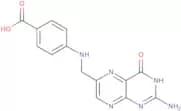
CAS:Pteroic acid is a naturally occurring substance found in plants and animals. It has inhibitory activities against enzymes such as butyrate kinase, acetyl-CoA synthetase, and glutamate dehydrogenase. Pteroic acid is used to synthesize quinoxalines, which are used for the treatment of cancer. Pteroic acid also inhibits cell growth by inhibiting protein synthesis. This is done by conjugating with amino acids and inhibiting their uptake into the ribosome. The inhibition of glutamate dehydrogenase may be due to its ability to reduce levels of glutathione, which is an inhibitor of this enzyme.
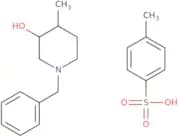
Formula:C14H12N6O3Purity:Min. 95%Color and Shape:Slightly Yellow PowderMolecular weight:312.28 g/mol1-Benzyl-4-methylpiperidin-3-ol 4-methylbenzenesulfonate
CAS:Please enquire for more information about 1-Benzyl-4-methylpiperidin-3-ol 4-methylbenzenesulfonate including the price, delivery time and more detailed product information at the technical inquiry form on this page
Formula:C20H27NO4SPurity:Min. 95%Molecular weight:377.5 g/molRef: 3D-TUA04020
Discontinued product

![N-[[2'-(2H-Tetrazol-5-yl)[1,1'-biphenyl]-4-yl]methyl]-L-valine methyl ester](/_next/image/?url=https%3A%2Fstatic.cymitquimica.com%2Fproducts%2F3D%2Fthumb-webp%2FIT106481.webp&w=3840&q=75)
![2-Hydroxy-2-{4-[2-(hydroxyethoxy)ethyl]piperazin-1-yl}dithiazepin](/_next/image/?url=https%3A%2Fstatic.cymitquimica.com%2Fproducts%2F3D%2Fthumb-webp%2FFQ06935.webp&w=3840&q=75)
![Bis-[5-[(dimethylamino)methyl]furan-2-yl]methane](/_next/image/?url=https%3A%2Fstatic.cymitquimica.com%2Fproducts%2F3D%2Fthumb-webp%2FIB57835.webp&w=3840&q=75)


![2-[[4-(2-Pyridylsulfamoyl)phenyl]azo]hydroxybenzene](/_next/image/?url=https%3A%2Fstatic.cymitquimica.com%2Fproducts%2F3D%2Fthumb-webp%2FIP27340.webp&w=3840&q=75)

![1-[2-[2-Hydroxy-3-[[2-hydroxy-3-[2-(3-phenylpropanoyl)phenoxy]propyl]-propylamino]propoxy]phenyl]-…](/_next/image/?url=https%3A%2Fstatic.cymitquimica.com%2Fproducts%2F3D%2Fthumb-webp%2FIP63820.webp&w=3840&q=75)


![1-[[4-(3-Methoxypropoxy)-3-methyl-2-pyridinyl]methyl]-2-[[[4-(3-methoxypropoxy)-3-methyl-2-pyridin…](/_next/image/?url=https%3A%2Fstatic.cymitquimica.com%2Fproducts%2F3D%2Fthumb-webp%2FIM25352.webp&w=3840&q=75)