APIs for research and impurities
Active Pharmaceutical Ingredients (APIs) are the substances in drugs responsible for their therapeutic effects. In this section, you will find a wide variety of APIs intended for research use. These compounds are essential for the development, testing, and validation of new pharmaceutical formulations. CymitQuimica offers high-quality APIs to support research in drug discovery and development.
Subcategories of "APIs for research and impurities"
- Aminoacids and derivatives(12,278 products)
- Anthraquinones and derivatives(405 products)
- Benzimidazole and Imidazole Derivatives(10,375 products)
- Benzodiazepine Derivatives(333 products)
- Carbohydrates and glycoconjugates(5,012 products)
- Esters and Derivatives(42,045 products)
- Fatty Acids and Lypidic Derivatives(32,245 products)
- Flavonoids and Polyphenols(17,011 products)
- Free Radicals and Oxidant/Reducing Agents(213 products)
- Ketones and derivatives(2,394 products)
- Natural and semi-synthetic antibiotics(6,363 products)
- Nitriles and Cyano Derivatives(3,045 products)
- Nitrosamines and Derivatives(55 products)
- Nucleosides and Nucleotides(3,427 products)
- Organic Phosphates and Phosphonates(1,201 products)
- Organic Sulphonates and Sulphates(10,405 products)
- Organometallics(4,401 products)
- Others(6,278 products)
- Peptides and Proteins(3,127 products)
- Polymers and Derivatives(99 products)
- Purines and Pyrimidine Derivatives(8,901 products)
- Quinazoline and Quinoline Derivatives(65,624 products)
- Quinones and Derivatives(24,235 products)
- Salts and Derivatives of Active Pharmaceutical Ingredients (API)(79,450 products)
- Steroids and Derivatives(4,962 products)
- Sulfonamides and Derivatives(2,592 products)
- Terpenoids and Derivatives(3,839 products)
- Thiazolidinediones and Thiopyrans(2,733 products)
- β-Adrenergic Compounds(230 products)
Show 21 more subcategories
Found 56771 products of "APIs for research and impurities"
Sort by
Purity (%)
0
100
|
0
|
50
|
90
|
95
|
100
a-(Aminocarbonyl)-4-[2-(5-ethyl-2-pyridinyl)ethoxy]benzeneethanesulfonic acid
CAS:<p>a-(Aminocarbonyl)-4-[2-(5-ethyl-2-pyridinyl)ethoxy]benzeneethanesulfonic acid is an analytical standard that is used in the drug development process. It has a purity of 99.9% and is used as an HPLC standard, niche product, and pharmacopoeia impurity. This chemical can also be custom synthesized or found in nature.</p>Formula:C18H22N2O5SPurity:Min. 95%Molecular weight:378.44 g/molMethyl 4-methyl-3-[2-(propylamino)acetamido)thiophene-2-carboxylate
CAS:<p>Methyl 4-methyl-3-[2-(propylamino)acetamido]thiophene-2-carboxylate is an impurity that can be found in the drug product. It is a metabolite of clozapine, which is used to treat schizophrenia and other psychiatric disorders. This impurity can be detected by HPLC or LC/MS analysis and quantified using a calibration curve generated from standards. Methyl 4-methyl-3-[2-(propylamino)acetamido]thiophene-2-carboxylate may also be found in the urine as an indicator of clozapine use.</p>Formula:C12H18N2O3SPurity:Min. 95%Molecular weight:270.35 g/molDMAC-PDB
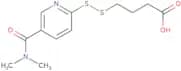
CAS:<p>DMAC-PDB is an aromatic cleavable linker commonly used in protein and drug conjugation. It enables controlled release of payloads under specific chemical conditions.</p>Formula:C12H16N2O3S2Purity:Min. 95%Molecular weight:300.4 g/molOlopatadine methyl ester
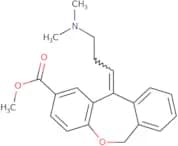
CAS:<p>Olopatadine methyl ester is a non-sedating antihistamine that is used to treat allergic symptoms. It has a rapid onset of action and is effective for 24 hours. Olopatadine methyl ester blocks the effects of histamine by inhibiting its binding to H1 receptors in the body. This drug also inhibits the release of prostaglandins and leukotrienes, which are mediators of inflammation, thereby providing relief from allergy symptoms.</p>Formula:C21H23NO3Purity:Min. 95%Molecular weight:337.4 g/mol2-[[(4-Methoxy-3-methyl-2-pyridinyl)methyl]sulfinyl]-1H-benzimidazole
CAS:<p>2-[(4-Methoxy-3-methyl-2-pyridinyl)methyl]sulfinyl]-1H-benzimidazole is a synthetic, impurity standard that is used in the synthesis of drug products. It has been shown to inhibit the metabolism of drugs and may be used as a marker for drug metabolism. This compound may also be used as a marker in analytical studies to assess the purity of a drug product. 2-[(4-Methoxy-3-methyl-2-pyridinyl)methyl]sulfinyl]-1H-benzimidazole has not been evaluated for safety or efficacy.</p>Formula:C15H15N3O2SPurity:Min. 95%Molecular weight:301.36 g/molAct 373898 disodium
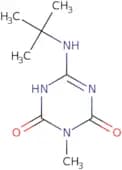
CAS:<p>Act 373898 disodium (A37) is a custom synthesis drug product that is used as an analytical standard for the metabolism of actiomycin D. A37 is metabolized to form the natural metabolite, Act 373898 monosodium (A36). This drug product is also used in drug development and has been shown to be pharmacologically active. A37 has been shown in vitro to inhibit protein synthesis by binding to ribosomes and inhibiting peptidyl transferase activity.<br>A37 is not a natural compound but it does possess niche properties. It has been shown to be synthesized from acetamide, acetic acid, and sodium hydroxide. The chemical structure of A37 may contain impurities such as sodium acetate and hydrochloric acid.</p>Formula:C15H17BrN4O5SPurity:Min. 95%Molecular weight:445.3 g/mol6-(tert-Butylamino)-3-methyl-1,3,5-triazine-2,4(1H,3H)-dione
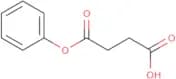
CAS:<p>Please enquire for more information about 6-(tert-Butylamino)-3-methyl-1,3,5-triazine-2,4(1H,3H)-dione including the price, delivery time and more detailed product information at the technical inquiry form on this page</p>Formula:C8H14N4O2Purity:Min. 95%Molecular weight:198.22 g/molMonophenyl succinate
CAS:<p>Monophenyl succinate is an organic compound that is a derivative of succinic acid. It contains a hydroxyl group, which reacts with hydrogen chloride to form a cross-linking agent. The diameters of the particles are between 1 and 100 nm. Monophenyl succinate can be used as a cross-linking agent in polymers and coatings, as well as an antihypertensive drug. The hydroxy group on the monophenyl group has ester linkages with the methyl and ethoxycarbonyl groups on the phenyl group. This compound also has methoxy groups and chlorine atoms attached to it. The reaction products of this compound are hydrogen chloride, hydroxyl group, and diameter.</p>Formula:C10H10O4Purity:Min. 95%Molecular weight:194.18 g/molUlifloxacin acyl-β-D-glucuronide
CAS:<p>Ulifloxacin acyl-β-D-glucuronide is an inhibitor of protein kinases that has been shown to induce apoptosis in cancer cells. This compound is a metabolite of ulifloxacin, a fluoroquinolone antibiotic used to treat urinary tract infections. Ulifloxacin acyl-β-D-glucuronide has potent anticancer activity and has been shown to inhibit the growth of tumor cells in vitro. This compound is an analog of other kinase inhibitors and has been extensively studied in Chinese hamster ovary (CHO) cells, where it was found to be effective against various types of cancer. Ulifloxacin acyl-β-D-glucuronide also possesses toxin-binding properties and may have potential as an anti-toxin agent.</p>Formula:C22H24FN3O9SPurity:Min. 95%Molecular weight:525.5 g/mol2-[2-[4-(5,5-Dioxidodibenzo[b,f][1,4]thiazepin-11-yl)-1-piperazinyl]ethoxy]ethanol
CAS:<p>Quetiapine is a drug that belongs to the class of sulfoxides. It is usually administered orally, but can also be given intravenously or intramuscularly. Quetiapine has been studied for its clinical use in the treatment of schizophrenia and bipolar disorder. The plasma concentrations of quetiapine are determined by high-performance liquid chromatography (HPLC) with tandem mass spectrometry (LC-MS/MS) detection. Validation studies have shown that the HPLC-MS/MS method is accurate and precise, with good linearity over a range of concentrations. Analysis was performed on plasma samples from healthy volunteers who were administered either 2 mg or 10 mg doses of quetiapine by intravenous injection. Concentrations were calculated and compared to those found in patients with schizophrenia and bipolar disorder who had been given oral doses of 300 mg per day for four weeks, yielding a therapeutic plasma concentration range from 100 to 300 ng/mL.</p>Formula:C21H25N3O4SPurity:Min. 95%Molecular weight:415.51 g/molElagolix lactam impurity
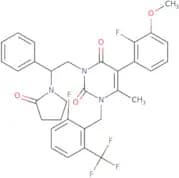
CAS:<p>Elagolix lactam impurity is a reactive compound that may be found as an impurity in various pharmaceutical products. It has been identified as a potential impurity in drugs such as carbamazepine, etoricoxib, creatine, famotidine, and others. Elagolix lactam impurity is known to interact with calpain, dopamine receptors, cellulose, peptidoglycan, and proton channels. This compound may have implications for drug stability and efficacy. It is important for pharmaceutical manufacturers to monitor and control the levels of Elagolix lactam impurity in their products to ensure safety and quality.</p>Formula:C32H28F5N3O4Purity:Min. 95%Molecular weight:613.6 g/mol4-Methyl-N-(5-methyl-2-pyridinyl)benzamide
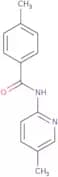
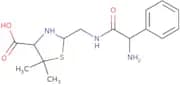
CAS:<p>4-Methyl-N-(5-methyl-2-pyridinyl)benzamide is a birefringent, crystalline compound that is soluble in organic solvents. This compound exhibits liquid crystal composition and can be synthesized by the reaction of 2,4-dimethylbenzoyl chloride with 5-methylpyrimidine. It has been used in the production of photolytic materials such as fluorine. 4-Methylbenzamide has been shown to have a skeleton that is composed of two fused pyridine rings and an amide group. The impurities found in this product are mainly methyl benzoate and methyl pyridine.</p>Formula:C14H14N2OPurity:Min. 95%Molecular weight:226.27 g/molAmpicillin desoxyazetidin-2-one
CAS:<p>Please enquire for more information about Ampicillin desoxyazetidin-2-one including the price, delivery time and more detailed product information at the technical inquiry form on this page</p>Formula:C15H21N3O3SPurity:Min. 95%Molecular weight:323.4 g/mol4-Hydroxy-α1-[[[6-(3-phenylpropoxy)hexyl]amino]methyl]-1,3-benzenedimethanol-d3
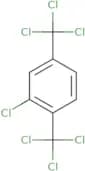
CAS:<p>4-Hydroxy-α1-[[[6-(3-phenylpropoxy)hexyl]amino]methyl]-1,3-benzenedimethanol (4OHBZ) is a metabolite of the drug product 4OHBZ. It is an impurity standard for HPLC analysis of the drug product 4OHBZ. The impurity has been characterized by LCMS and MS studies. The purity of this compound is >99%.</p>Formula:C24H35NO4Purity:Min. 95%Molecular weight:401.5 g/mol1,4-Bis(trichloromethyl)-2-chlorobenzene
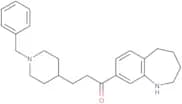
CAS:<p>Please enquire for more information about 1,4-Bis(trichloromethyl)-2-chlorobenzene including the price, delivery time and more detailed product information at the technical inquiry form on this page</p>Formula:C8H3Cl7Purity:Min. 95%Molecular weight:347.3 g/molZanapezil
CAS:<p>Zanapezil is a human and Chinese analog of mirtazapine that has been studied for its potential anticancer properties. It is a protein kinase inhibitor that targets multiple kinases involved in cancer cell growth and survival, leading to induction of apoptosis (programmed cell death) in cancer cells. Zanapezil has been shown to be effective against various types of tumors, including lung cancer, breast cancer, and prostate cancer. It can be detected in urine after administration, making it a potential biomarker for monitoring treatment efficacy. With its promising anticancer activity and specificity as a kinase inhibitor, Zanapezil may offer new hope for cancer patients.</p>Formula:C25H32N2OPurity:Min. 95%Molecular weight:376.5 g/mol[9-Glycine]desmopressin
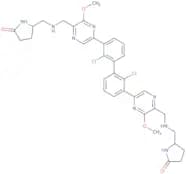
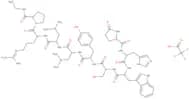
<p>9-Glycine Desmopressin is a drug product that has been custom synthesized for use in research and development. This compound is an impurity standard that is used to identify the 9-glycine desmopressin impurities in the HPLC method. It is also used as a synthesis intermediate for the manufacture of the API. The CAS number for this compound is [CAS NO.]. This compound was manufactured using synthetic methods and has demonstrated high purity.</p>Purity:Min. 95%Evixapodlin
CAS:<p>Please enquire for more information about Evixapodlin including the price, delivery time and more detailed product information at the technical inquiry form on this page</p>Formula:C34H36Cl2N8O4Purity:Min. 95%Molecular weight:691.6 g/molMoclobemide N-oxide
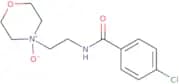
CAS:<p>Moclobemide N-oxide is a metabolite of moclobemide, an antidepressant drug. It is a white to off-white crystalline powder with a molecular formula of C14H14N2O4 and a molecular weight of 237.3. Moclobemide N-oxide is used in the treatment of depression, but it has not been approved for clinical use in the United States. Moclobemide N-oxide is extensively metabolized by cytochrome P450 enzymes, which may lead to variations in its activity among patients.</p>Formula:C13H17ClN2O3Purity:Min. 95%Molecular weight:284.74 g/molFlumethasone Impurity 10
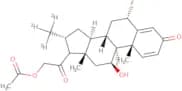
CAS:Controlled Product<p>Flumethasone Impurity 10 is a synthetic drug product. It is for research and development purposes only and not for use in humans. Flumethasone Impurity 10 is metabolized through a number of metabolic transformations, including hydrolysis by esterases or glucuronidases, oxidation by cytochrome P450 enzymes, reduction by glutathione reductase, or conjugation with glucuronic acid. Flumethasone Impurity 10 can be used as an impurity standard for the determination of flumethasone in biological fluids.</p>Purity:Min. 95%D-Fuculose
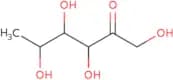
CAS:<p>D-Fuculose is a medicinal compound that has shown anticancer properties in various studies. It is a kinase inhibitor that targets specific kinases involved in cancer cell growth and survival. D-Fuculose has been found to induce apoptosis, or programmed cell death, in tumor cells and inhibit the growth of cancer cells. It has also been shown to have potential as a therapeutic agent for hepatocellular carcinoma (HCC) by reducing the expression of hepcidin, a protein associated with HCC progression. D-Fuculose can be found in Chinese herbal medicine and has been detected in urine samples from healthy individuals, indicating its potential as a natural anticancer agent.</p>Formula:C6H12O5Purity:Min. 95%Molecular weight:164.16 g/mol3-Chloro-10-[3-(dimethylamino)propyl]-9(10H)-acridinone
CAS:<p>Please enquire for more information about 3-Chloro-10-[3-(dimethylamino)propyl]-9(10H)-acridinone including the price, delivery time and more detailed product information at the technical inquiry form on this page</p>Formula:C18H19ClN2OPurity:Min. 95%Molecular weight:314.8 g/molTirofiban impurity 9
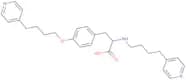
CAS:<p>Please enquire for more information about Tirofiban impurity 9 including the price, delivery time and more detailed product information at the technical inquiry form on this page</p>Formula:C27H33N3O3Purity:Min. 95%Molecular weight:447.6 g/mol2-tert-Butyl-1,2,3,4-tetrahydro-isoquinoline-4,6,8-triol
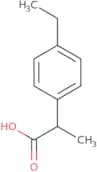
CAS:<p>2-tert-Butyl-1,2,3,4-tetrahydro-isoquinoline-4,6,8-triol is an impurity found in the drug product 2-tert-butyl-1,2,3,4-tetrahydroisoquinoline. It is a synthetic compound with pharmacological properties that have been studied in animals and humans. The chemical name for 2-tert-butyl isoquinoline is 4-(2'-methylpropoxy)-isoquinoline. The structure of this compound is shown below:</p>Formula:C13H19NO3Purity:Min. 95%Molecular weight:237.29 g/mol2-(4-Ethylphenyl)-propanoic acid - Racemic
CAS:<p>2-(4-Ethylphenyl)-propanoic acid is a supplement that is used to relieve pain and inflammation. It belongs to the group of non-steroidal anti-inflammatory drugs (NSAIDs). This drug has been shown to be efficacious in the treatment of osteoarthritis, rheumatoid arthritis, and bronchitis. 2-(4-Ethylphenyl)-propanoic acid inhibits both prostaglandin synthesis and leukotriene synthesis by inhibiting cyclooxygenase 1, which converts arachidonic acid into prostaglandins, and 5-lipoxygenase, which converts arachidonic acid into leukotrienes. This drug has also been shown to inhibit COX-2 production in human monocytes. The active form of this drug is metabolized through a number of metabolic transformations including hydrolysis by esterases or glucuronidases, oxidation by cytochrome P450 enzymes,</p>Formula:C11H14O2Purity:Min. 95%Molecular weight:178.23 g/molAll-trans-retinal dimer trifluoroacetic acid salt
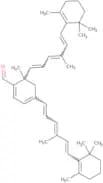
CAS:<p>All-trans-retinal dimer trifluoroacetic acid salt is an analog of methotrexate, which is commonly used as an anticancer drug. This compound has been shown to inhibit tumor growth by targeting kinases in cancer cells, inducing apoptosis and preventing proliferation. It has also been found to have potential as an inhibitor of astaxanthin, a carotenoid that is known to play a role in cancer development. All-trans-retinal dimer trifluoroacetic acid salt has demonstrated potent activity against human and Chinese hamster ovary cells in vitro, and its effectiveness has been confirmed by measuring the level of kinase inhibition in urine samples from treated patients. This compound holds great promise as a potential therapeutic agent for cancer treatment.</p>Formula:C40H54OPurity:Min. 95%Molecular weight:550.9 g/molRopivacaine N-Oxide
CAS:<p>Ropivacaine N-Oxide is a synthetic drug used to relieve pain during surgery. It is metabolized by the liver, with metabolites excreted in the urine. Ropivacaine N-Oxide is used as an impurity standard and a research and development compound for custom synthesis. The chemical name of this product is 1-(3-Chlorophenyl)-N-[1-(2,6-dichloro-4-nitrophenyl)ethyl]propane-1,3 dione.</p>Formula:C17H26N2O2Purity:Min. 95%Color and Shape:SolidMolecular weight:290.4 g/mol2-[3,5-Dichloro-4-[(4-chlorophenyl)methyl]phenyl]-1,2,4-triazine-3,5(2H,4H)-dione
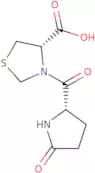
CAS:<p>2-[3,5-Dichloro-4-[(4-chlorophenyl)methyl]phenyl]-1,2,4-triazine-3,5(2H,4H)-dione is a research and development impurity standard. It is custom synthesized for drug product synthesis and analysis. This chemical is high purity with a purity of > 98% and has been tested in the pharmacopoeia for quality assurance. 2-[3,5-Dichloro-4-[(4-chlorophenyl)methyl]phenyl]-1,2,4-triazine-3,5(2H,4H)-dione can be used as a metabolite marker in metabolism studies due to its structural similarity to the parent compound.</p>Formula:C16H10Cl3N3O2Purity:Min. 95%Molecular weight:382.6 g/mol(S)-3-((S)-5-Oxopyrrolidine-2-carbonyl)thiazolidine-4-carboxylic acid
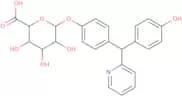
CAS:<p>(S)-3-((S)-5-Oxopyrrolidine-2-carbonyl)thiazolidine-4-carboxylic acid is a synthetic compound that is used as an impurity standard for HPLC. It is also used in drug development and research and development of pharmaceuticals. This product was made through custom synthesis and is not natural.</p>Formula:C9H12N2O4SPurity:Min. 95%Molecular weight:244.27 g/molDesacetyl bisacodyl β-D-glucuronide
CAS:<p>Desacetyl bisacodyl β-D-glucuronide is a drug product that is used as an impurity standard in analytical chemistry. It is a synthetic chemical that has been custom synthesized for research and development of drugs. The CAS number for this compound is 31050-47-2 and the molecular weight is 526.25 g/mol. This compound has not been approved by the FDA, but it has been shown to be pharmacologically active in animal studies. Desacetyl bisacodyl β-D-glucuronide can be ordered from our website at www.customsynthesislab.com</p>Formula:C24H23NO8Purity:Min. 95%Molecular weight:453.4 g/molEltrombopag methyl ester
CAS:<p>Eltrombopag methyl ester is a drug product that is used in the treatment of thrombocytopenia. It is an HPLC standard and an analytical impurity. Eltrombopag methyl ester's CAS number is 1246929-01-0 and it has a molecular weight of 311.03 g/mol. The purity of Eltrombopag methyl ester is 99%.</p>Formula:C26H24N4O4Purity:Min. 95%Molecular weight:456.50 g/mol3-Des(2-methylpropyl)-3-N-butyl tetrabenazine
CAS:<p>3-Des(2-methylpropyl)-3-N-butyl tetrabenazine is a synthetic drug product that has been studied in metabolism studies. It is an API impurity with the CAS No. 19328-35-9 and is a custom synthesis. 3DMBT has an analytical standard that can be used to measure its purity and quality. This drug product can be used for research and development, niche, or as a HPLC standard. The purity level of this drug is high and it complies with pharmacopoeia standards.</p>Formula:C19H27NO3Purity:Min. 95%Molecular weight:317.40 g/molFluphenazine decanoate EP impurity F
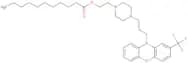
CAS:Controlled Product<p>Fluphenazine decanoate EP impurity F is an analytical impurity of fluphenazine decanoate. This compound is a natural metabolite of the drug product, which is used to treat schizophrenia and other psychotic disorders. The synthesis of this compound is accomplished by custom synthesis or by synthesis from other synthetic compounds. Fluphenazine decanoate EP impurity F can be identified through HPLC analysis, as well as through its specific retention time on a chromatogram. Fluphenazine decanoate EP impurity F has been shown to have pharmacopoeia purity levels and is suitable for use as a reference standard in pharmacopoeial assays.</p>Formula:C33H46F3N3O2SPurity:Min. 95%Molecular weight:605.8 g/molS-Amisulpride
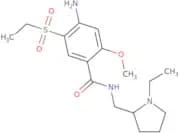
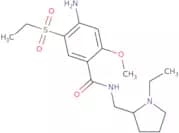
CAS:Controlled Product<p>S-Amisulpride is a benzamide antipsychotic drug that is an atypical antipsychotic. It has been shown to be effective in the treatment of schizophrenia, schizoaffective disorder, and bipolar disorder. Amisulpride was first synthesized by a French company called Laboratoires Servier and it was approved for sale in France in 1988. The drug is available as tablets for oral administration. The clinical effects of amisulpride are due to its ability to block dopamine receptors and serotonin receptors, which are neurotransmitters that play a role in the regulation of mood. Amisulpride also has stereoselective properties as it is active as an antipsychotic only when administered in the S-enantiomer form.</p>Formula:C17H27N3O4SPurity:Min. 95%Molecular weight:369.5 g/mol(R)-L 888607
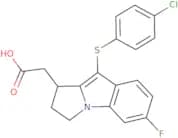
CAS:<p>Please enquire for more information about (R)-L 888607 including the price, delivery time and more detailed product information at the technical inquiry form on this page</p>Formula:C19H15ClFNO2SPurity:Min. 95%Molecular weight:375.8 g/molL-Piperacillin
<p>Please enquire for more information about L-Piperacillin including the price, delivery time and more detailed product information at the technical inquiry form on this page</p>Formula:C23H27N5O7SPurity:Min. 95%Molecular weight:517.56 g/mol(5E)-2,2-Dimethyl-7-[(1-naphthalenylmethyl)amino]-5-hepten-3-ynoic acid
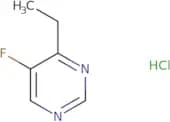
CAS:<p>The compound (5E)-2,2-dimethyl-7-[(1-naphthalenylmethyl)amino]-5-hepten-3-ynoic acid is a chiral antifungal agent. It was developed to be used as an analytical tool for the determination of plasma concentrations and it can be used in profiling and chiral chromatography. This compound has been shown to have excellent solubility in water and good stability in most organic solvents. The compound is metabolized by the liver and excreted via the kidneys, with a half life of approximately 6 hours. The compound also shows linearity over a wide concentration range, which makes it useful for measuring quantitative changes in plasma concentrations.</p>Formula:C20H21NO2Purity:Min. 95%Molecular weight:307.39 g/mol4-Ethyl-5-fluoropyrimidine hydrochloride
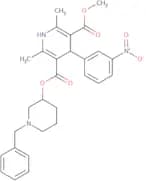
CAS:<p>Please enquire for more information about 4-Ethyl-5-fluoropyrimidine hydrochloride including the price, delivery time and more detailed product information at the technical inquiry form on this page</p>Formula:C6H8ClFN2Purity:Min. 95%Molecular weight:162.59 g/molBenidipine 5-(1-benzylpiperidin-3-yl)
CAS:<p>Benidipine 5-(1-benzylpiperidin-3-yl) is a potent calcium channel blocker that is used to treat hypertension. It contains mannitol and acts as a kinase inhibitor, which has been shown to have anticancer properties. Benidipine inhibits the growth of cancer cells by inducing apoptosis and suppressing protein synthesis. This drug has been studied extensively in Chinese medicinal research for its tumor-inhibiting effects, and it has demonstrated promising results in human urine samples. Benidipine is an analog of other medicinal inhibitors and has shown efficacy against various types of cancer cells.</p>Formula:C28H31N3O6Purity:Min. 95%Molecular weight:505.6 g/molPDdEC-NB
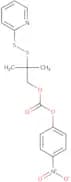
CAS:<p>Please enquire for more information about PDdEC-NB including the price, delivery time and more detailed product information at the technical inquiry form on this page</p>Formula:C16H16N2O5S2Purity:Min. 95%Molecular weight:380.4 g/mol2-Ethoxy-4-[2-[[(1R)-3-methyl-1-[2-(1-piperidinyl)phenyl]butyl]amino]-2-oxoethyl]benzoic acid
CAS:<p>2-Ethoxy-4-[2-[[(1R)-3-methyl-1-[2-(1-piperidinyl)phenyl]butyl]amino]-2-oxoethyl]benzoic acid is a synthetic amino acid. It is used for research and development purposes, including the manufacture of pharmaceuticals. The impurity standard for this compound is CAS No. 147852-26-4. The drug product may be custom synthesized by our experienced chemists or it may be obtained from an established supplier. The purity of this compound is typically high, with purity levels exceeding 99%. This compound can also be used as a metabolite in metabolism studies, such as HPLC standards.</p>Formula:C27H36N2O4Purity:Min. 95%Molecular weight:452.59 g/mol(±)-Voriconazole
CAS:<p>(±)-Voriconazole is an analog of voriconazole, which is a potent inhibitor of kinases that play a role in cancer cell growth and apoptosis. It has been shown to be effective against tumors in human and Chinese hamster cells. (±)-Voriconazole also inhibits angiotensin-converting enzyme (ACE), which may play a role in its anticancer activity. This drug has been found to have a low potential for toxicity and is well-tolerated by patients. It is excreted primarily through the urine and has been shown to be effective as an inhibitor of multiple kinases involved in cancer progression.</p>Formula:C16H14F3N5OPurity:Min. 95%Molecular weight:349.31 g/mol6-Hydroxymelatonin glucuronide
CAS:<p>6-Hydroxymelatonin glucuronide is a metabolite of melatonin. It is an impurity in melatonin and can be used as a HPLC standard. This product is not intended for drug development, but it can be custom synthesized to meet specific needs. 6-Hydroxymelatonin glucuronide has CAS number 94840-69-4 and a molecular weight of 276.<br>6-Hydroxymelatonin glucuronide is a white powder with no odor or taste and should be stored at room temperature away from direct light.</p>Formula:C19H24N2O9Purity:Min. 95%Molecular weight:424.40 g/molR-Amisulpride
CAS:Controlled Product<p>R-Amisulpride is an antipsychotic drug that has been shown to be effective in the treatment of schizophrenia. It is used as a long-term treatment for depression and other neurodegenerative diseases. R-Amisulpride also binds to gamma-aminobutyric acid (GABA) receptors, which are located on the outer surface of cells in the brain. This binding reduces the activity of these cells and leads to an increase in neurotransmitter release from presynaptic neurons, resulting in a sedative effect. R-Amisulpride is soluble in water and alcohol, but insoluble in ether or chloroform. It is metabolized by conjugation with glucuronic acid and sulphate, which results in its elimination from the body through urine.<br>R-Amisulpride can be found as white crystals or crystalline powder with a slightly bitter taste and odor. The drug is only available for oral administration at this time</p>Formula:C17H27N3O4SPurity:Min. 95%Molecular weight:369.5 g/molLevofloxacin carboxylic acid
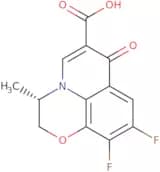
CAS:<p>Levofloxacin is a synthetic molecule with an asymmetric carbon atom in its heterocycle. It is synthesized by reacting chloroform with 2-fluoro-5-nitrobenzaldehyde, which reacts further with sodium hydroxide and hydrochloric acid to form the levofloxacin carboxylic acid. Impurities can be found in the reaction product due to chlorine atoms that are formed during the synthesis. The amount of impurities present in the final product can be determined using a titration method or through HPLC analysis. Levofloxacin has been shown to be effective against methicillin-resistant Staphylococcus aureus (MRSA) and Clostridium perfringens, although is not active against acid-fast bacteria such as Mycobacterium tuberculosis or Mycobacterium avium complex.</p>Formula:C13H9F2NO4Purity:Min. 95%Color and Shape:PowderMolecular weight:281.21 g/molTofacitinib impurity
CAS:<p>Tofacitinib impurity is a pharmacopoeia grade synthetic tofacitinib impurity intended for the manufacture of drug products and research and development. It is a custom synthesis that is not found in nature. Tofacitinib impurity is used for the production of analytical standards and as an impurity standard for HPLC analysis. The purity of this product is greater than 99% with a specific gravity between 1.2-1.3 g/mL at 25°C, an assay range between 20-200 μg/mL, and a melting point range between 124-128°C.</p>Purity:Min. 95%Molecular weight:314.39 g/mol3’,4’-Di-o-methoxy 3,7-bis(benzyloxy) quercetin
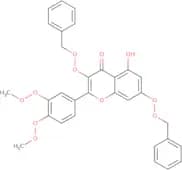
CAS:<p>Please enquire for more information about 3’,4’-Di-o-methoxy 3,7-bis(benzyloxy) quercetin including the price, delivery time and more detailed product information at the technical inquiry form on this page</p>Formula:C31H26O11Purity:Min. 95%Molecular weight:574.5 g/molAAK1-IN-1
CAS:<p>AAK1-IN-1 is a potent inhibitor of the AAK1 kinase, which plays a crucial role in regulating cell cycle progression and apoptosis. This inhibitor has shown promising results in pre-clinical studies for the treatment of cancer, particularly leukemia. AAK1-IN-1 has been found to effectively inhibit the growth of human cancer cell lines and Chinese medicinal tumor cells by blocking the activity of AAK1 kinase. This protein is involved in several cellular processes, including signal transduction pathways and protein trafficking, making it an attractive target for cancer therapy. The use of AAK1-IN-1 as a novel kinase inhibitor may offer new opportunities for developing effective treatments against various types of cancer.</p>Formula:C19H23F4N3OPurity:Min. 95%Molecular weight:385.4 g/molGbr 12935 dimaleate
CAS:<p>Gbr 12935 dimaleate is a research and development impurity standard. It is a synthetic, high purity, pharmacopoeia drug product. The CAS number for Gbr 12935 dimaleate is 1349767-56-1. Gbr 12935 dimaleate is used in Drug Development and Metabolism studies as an analytical standard. This compound is also used as a natural metabolite in HPLC standards.</p>Formula:C32H38N2O5Purity:Min. 95%Color and Shape:PowderMolecular weight:530.7 g/mol7-Hydroxydibenz[b,f][1,4]oxazepin-11(10H)-one
CAS:<p>Please enquire for more information about 7-Hydroxydibenz[b,f][1,4]oxazepin-11(10H)-one including the price, delivery time and more detailed product information at the technical inquiry form on this page</p>Formula:C13H9NO3Purity:Min. 95%Molecular weight:227.21 g/molAnhydrovinblastine N’B-oxide sulfate salt
CAS:<p>Please enquire for more information about Anhydrovinblastine N’B-oxide sulfate salt including the price, delivery time and more detailed product information at the technical inquiry form on this page</p>Formula:C46H58N4O13SPurity:Min. 95%Molecular weight:907 g/molDeiodo amiodarone hydrochloride
CAS:<p>Deiodo amiodarone hydrochloride is an analog of the drug amiodarone, which is used to treat cardiac arrhythmias. It has been shown to be a potent inhibitor of the nalbuphine-induced activation of human kinases, which are involved in cancer cell proliferation and survival. Deiodo amiodarone hydrochloride has been found to induce apoptosis in cancer cells by inhibiting protein kinase activity. This medicinal compound has also been tested for its anticancer properties in Chinese hamster ovary cells and urine tumor models, where it demonstrated significant inhibition of tumor growth. Overall, deiodo amiodarone hydrochloride shows great potential as an effective inhibitor for various types of cancers.</p>Formula:C25H31ClINO3Purity:Min. 95%Molecular weight:555.9 g/molBMS 326412
CAS:<p>BMS 326412 is an analog inhibitor of several kinases that have been implicated in cancer. It induces apoptosis, or programmed cell death, in tumor cells by inhibiting the activity of specific proteins involved in cancer cell growth and proliferation. BMS 326412 has shown promise as an anticancer agent in both preclinical and clinical studies, with Chinese medicinal urine being used as a source for its synthesis. This compound has the potential to be a valuable addition to current cancer therapies due to its ability to selectively target cancer cells while leaving healthy cells unharmed.</p>Formula:C27H44N2O6SPurity:Min. 95%Molecular weight:524.7 g/mol3-Sulfanilamidoisoxazole sodium
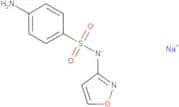
CAS:<p>3-Sulfanilamidoisoxazole sodium is a Chinese medicinal compound that has shown promising results in the treatment of cancer. It is an analog of sulfanilamide and works by inhibiting protein synthesis and inducing apoptosis in cancer cells. 3-Sulfanilamidoisoxazole sodium has been shown to inhibit the activity of various kinases, which are enzymes involved in cell cycle regulation and tumor growth. This compound has also been found to be effective against a variety of human cancers, including breast, lung, and prostate cancer. Additionally, it has been shown to have low toxicity levels and can be excreted through urine. With its potent anticancer properties, 3-Sulfanilamidoisoxazole sodium holds great promise as a potential inhibitor for cancer therapy.</p>Formula:C9H8N3NaO3SPurity:Min. 95%Molecular weight:261.24 g/mol(R)-Penbutolol sulfate
CAS:<p>(R)-Penbutolol sulfate is a racemic mixture of the two enantiomers of penbutolol. Racemic penbutolol sulfate is an optical isomer of propranolol, which belongs to the group of beta-adrenergic receptor antagonists. It has a matrix effect, which means that it can be used in tablet form and will not dissolve in the stomach acid. Racemic penbutolol sulfate blocks pro-inflammatory signaling by inhibiting the activity of pcsk9 (proprotein convertase subtilisin/kexin type 9), which prevents cholesterol from being converted into bile acids. This drug has been shown to lower blood pressure in humans and is used to treat hypertension and heart failure. Racemic penbutolol sulfate has been shown to have an inhibitory effect on influenza virus replication through inhibition of viral dna replication, as well as enhancement on anti-pcsk9 antibody activity. In clinical trials</p>Formula:C36H58N2O4(H2SO4)Purity:Min. 95%Molecular weight:582.86 g/molSydowinin B
CAS:<p>Sydowinin B is a metabolite of the drug product, Sydowinin. It is an impurity in the API that can be generated during the synthesis of Sydowinin. Sydowinin B is intentionally created as a standard for HPLC analysis and as a reference material for other research and development studies. The purity of this compound is greater than 99% with less than 0.5% water content, making it suitable for use as a pharmacopoeia grade reagent.</p>Formula:C16H12O7Purity:Min. 95%Molecular weight:316.26 g/mol5-Benzoyl-1,3-dihydro-2H-benzimidazol-2-one
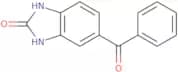
CAS:<p>5-Benzoyl-1,3-dihydro-2H-benzimidazol-2-one is a synthetic compound that has been used as an impurity standard. This substance is also found in the drug product Loxapine (Loxitane) and is metabolized to the active ingredient loxapine. 5-Benzoyl-1,3-dihydro-2H-benzimidazol-2-one has not been shown to have any therapeutic effects.</p>Formula:C14H10N2O2Purity:Min. 95%Molecular weight:238.24 g/molEmtricitabine impurity 9
CAS:<p>Emtricitabine impurity 9 is an analytical standard that is used to calibrate HPLC instruments. It is a natural product, which is synthesized and purified. Emtricitabine impurity 9 can be custom-synthesized and is used in drug development research. This chemical compound has a purity of >98% and a CAS number of 20752-33-4. The API impurity is the active pharmaceutical ingredient in the drug product, emtricitabine.</p>Formula:C10H20OPurity:Min. 95%Molecular weight:156.26 g/molLeuprolide acetate ep impurity F
CAS:<p>Leuprolide acetate ep impurity F is a drug product that is an impurity standard for the leuprolide acetate API. It is used in analytical and clinical studies to identify the presence of leuprolide acetate impurities, as well as to determine the metabolism of leuprolide acetate. Leuprolide acetate ep impurity F has been shown to be a natural metabolite of leuprolide acetate and have a niche application in pharmacopoeia.</p>Formula:C61H85F3N16O14Purity:Min. 95%Molecular weight:1,323.4 g/molα-[4-(2-dimethylaminoethoxy)phenyl]stilbene
CAS:<p>Alpha-[4-(2-dimethylaminoethoxy)phenyl]stilbene (DS) is a synthetic, analytical standard that is used as an impurity in the manufacture of pharmaceutical products. DS is also sold as a reference material for HPLC and GC/MS analysis.</p>Formula:C24H25NOPurity:Min. 95%Molecular weight:343.50 g/molDtpa-bma
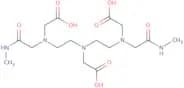
CAS:<p>Dtpa-bma is an anticancer agent that acts as a kinase inhibitor. It has been shown to induce apoptosis in cancer cells by inhibiting the activity of kinases, which are enzymes that play a key role in cell signaling pathways. Dtpa-bma is an analog of Chinese hamster ovary (CHO) cell-derived ghrelin and is excreted in urine. This drug is effective against various types of cancer, including human tumors, and has been shown to inhibit tumor growth in vivo. Dtpa-bma is formulated as a cellulose-based resin for use in chromatography purification processes.</p>Formula:C16H29N5O8Purity:Min. 95%Molecular weight:419.43 g/molaH 11110 Hydrochloride
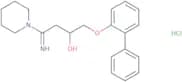
CAS:<p>aH 11110 Hydrochloride is an analytical standard for HPLC. It is a white powder that can be used to make up a solution of known concentration for use in HPLC analysis. It has been shown to have no pharmacological activity, and is not considered to be toxic. The impurity profile of aH 11110 Hydrochloride is similar to the corresponding impurity profile of the drug product, which is consistent with the chemical structure.</p>Formula:C21H27ClN2O2Purity:Min. 95%Molecular weight:374.9 g/molRotigotine sulfate
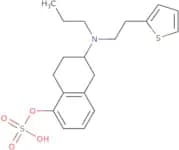
CAS:<p>Rotigotine is a drug that belongs to the group of pharmaceutical formulations. It is an unlabeled drug that has been shown to be effective in the treatment of depression. Rotigotine may be administered through a transdermal patch or by iontophoresis, which is a technique used to administer drugs through the skin. The mechanism of action is not known, but it may involve the inhibition of monoamine reuptake and/or alteration of intracellular levels of catecholamines. Rotigotine sulfate has a high affinity for dopamine receptors and increases plasma concentrations of dopamine by inhibiting its reuptake into presynaptic neurons. This leads to increased concentrations of dopamine in synaptic clefts and an increase in postsynaptic receptor binding.</p>Formula:C19H25NO4S2Purity:Min. 95%Molecular weight:395.5 g/molLevothyroxine EP impurity B
CAS:<p>Please enquire for more information about Levothyroxine EP impurity B including the price, delivery time and more detailed product information at the technical inquiry form on this page</p>Formula:C15H11ClI3NO4Purity:Min. 95%Molecular weight:685.42 g/molOxodesmosine
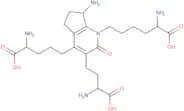
CAS:<p>Oxodesmosine is an analog of a protein found in Chinese urine that has shown promise as an anticancer agent. It works by inhibiting kinases, which are enzymes that play a key role in cancer cell growth and survival. Oxodesmosine has been shown to induce apoptosis, or programmed cell death, in tumor cells both in vitro and in vivo. This compound may be useful as a therapeutic agent for the treatment of various types of cancer in humans. Additionally, Oxodesmosine has been studied for its potential synergistic effects with other kinase inhibitors such as mirtazapine. Overall, Oxodesmosine represents a promising new avenue for the development of novel anticancer therapies.</p>Formula:C23H37N5O7Purity:Min. 95%Molecular weight:495.6 g/mol6-Amino-5-ethyl-5-phenyl-2,4(3H,5H)-pyrimidinedione
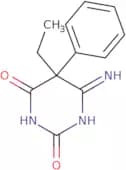
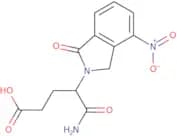
CAS:<p>Phenobarbital impurity B is an analytical reference material that is available as a HPLC standard and a CAS No. 58042-96-9. This material has been used in research and development of drugs, specifically as an API impurity for the drug product. Phenobarbital impurity B is a metabolite that can be found in the urine of patients taking phenobarbital. It has shown to have pharmacopoeia standards. Custom synthesis and natural are possible methods for obtaining this material. Synthetic is the most common method for generating this substance.</p>Formula:C12H13N3O2Purity:Min. 95%Molecular weight:231.25 g/mol5-Amino-4-(4-nitro-1-oxoisoindolin-2-yl)-5-oxopentanoic acid
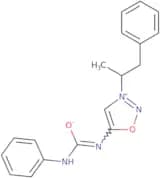
CAS:<p>5-Amino-4-(4-nitro-1-oxoisoindolin-2-yl)-5-oxopentanoic acid is a compound that contains a carbonyl group and a nitro group. It has been found to exhibit emission properties and has shown potential as an antiviral agent. This compound has also been studied for its effects on 27-hydroxycholesterol, a cholesterol metabolite involved in lipid peroxidation and inflammation. Additionally, it has been investigated for its interaction with tenofovir, an antiviral medication used to treat HIV/AIDS. The presence of hydroxyl groups in this compound suggests its potential as a precursor for the synthesis of oxysterols, which are important signaling molecules in the body. Impurities in this compound may be removed through purification processes to ensure its quality and effectiveness. Overall, this compound shows promise for further research in the field of antiviral drugs and lipid metabolism.</p>Formula:C13H13N3O6Purity:Min. 95%Molecular weight:307.26 g/molD-Sydnocarb
CAS:<p>Please enquire for more information about D-Sydnocarb including the price, delivery time and more detailed product information at the technical inquiry form on this page</p>Formula:C18H18N4O2Purity:Min. 95%Molecular weight:322.4 g/molBinospirone hydrochloride
CAS:<p>Binospirone hydrochloride is a drug product that is used in the treatment of depression. It belongs to the class of antidepressants and has been shown to be effective against major depressive disorder (MDD). Binospirone hydrochloride is metabolized by cytochrome P450 enzymes into two metabolites: 3-hydroxybinospirone and 2,3-dihydroxybinospirone. The natural form of binospirone hydrochloride is synthesized from tyrosine and phenylalanine. It is also found as an impurity in other pharmaceuticals, such as clomipramine, amitriptyline, and fluoxetine. It has been shown that this compound binds to the serotonin transporter (SERT) at high affinity. This binding inhibits the reuptake of serotonin from synapses, leading to increased extracellular concentrations of serotonin.</p>Formula:C20H27ClN2O4Purity:Min. 95%Molecular weight:394.9 g/molPyrrolo[1,2-f][1,2,4]triazin-4-amine
CAS:<p>Pyrrolo[1,2-f][1,2,4]triazin-4-amine is a small molecule that inhibits the proliferation of leukemia cells as well as other tumor cells. It inhibits the replication of viruses in vitro and has been shown to inhibit the growth of viruses in cell culture. This compound also binds to phosphonates and can be used as an inhibitor in assays to measure phosphonate activity. Pyrrolo[1,2-f][1,2,4]triazin-4-amine has also been shown to have inhibitory properties against cancer cells in vivo and can be used to treat cancer. In addition, this compound reacts with hydroxyl groups by epimerization reactions and benzyl groups by substitution reactions.</p>Formula:C6H6N4Purity:Min. 95%Color and Shape:Off-White PowderMolecular weight:134.14 g/molCatechol diallyl ether
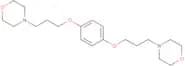
CAS:<p>Catechol diallyl ether is a potential use for the manufacture of vinyl alcohol, which has been shown to have a high reactivity with methoxy and triazine. Catechol diallyl ether can be synthesized from eugenol and allyl chloride. The activated biphenyl is then reacted with the silicon to form silicone. The silicon is then synthesized into diode.</p>Formula:C12H14O2Purity:Min. 95%Molecular weight:190.24 g/mol1,4-Bis(3-morpholinopropoxy)benzene
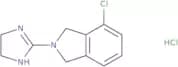
CAS:<p>1,4-Bis(3-morpholinopropoxy)benzene is a drug product that is custom synthesized. It is a high purity compound with analytical data available. Metabolism studies are required to determine the natural state of this compound and its metabolites. Drug development and pharmacopoeia may be applicable for this product. It is a niche product with research and development potential. This compound has been synthesized from high purity starting materials and is an impurity standard for HPLC analysis.</p>Formula:C20H32N2O4Purity:Min. 95%Molecular weight:364.48 g/molRS 45041-190 hydrochloride
CAS:<p>RS 45041-190 hydrochloride is a selective antagonist of the imidazoline receptor, which is a type of receptor ligand. RS 45041-190 hydrochloride blocks the binding of dopamine to its receptors in the cerebral cortex and blood pressure regulation. This drug also blocks adrenoceptors and 5-hydroxytryptamine (5-HT) receptors. RS 45041-190 hydrochloride is an equated drug that has been shown to be effective for inflammatory pain caused by nerve injury. It has not been proven to be effective for other types of pain.</p>Formula:C11H13Cl2N3Purity:Min. 95%Molecular weight:258.14 g/molPemetrexed impurity C
CAS:<p>Pemetrexed is a drug product that belongs to the group of drugs called antifolate agents. It is used in the treatment of cancer and is metabolized through a number of metabolic transformations, including hydrolysis by esterases or glucuronidases, oxidation by cytochrome P450 enzymes, reduction by glutathione reductase, or conjugation with glucuronic acid. The impurity C is a natural metabolite that can be found in urine as well as in plasma. This impurity has not been identified as a major metabolite of pemetrexed.</p>Formula:C40H40N10O13Purity:Min. 95%Molecular weight:868.81 g/mol(2E,4E,6E)-3,7-Dimethyl-8-oxo-2,4,6-octatrienoic acid
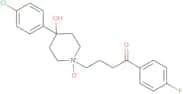
CAS:<p>Please enquire for more information about (2E,4E,6E)-3,7-Dimethyl-8-oxo-2,4,6-octatrienoic acid including the price, delivery time and more detailed product information at the technical inquiry form on this page</p>Formula:C10H12O3Purity:Min. 95%Molecular weight:180.2 g/molTrans-haloperidol N-oxide
CAS:<p>Trans-haloperidol N-oxide is a pyridinium salt that has been used in the synthesis of other compounds. It is an intermediate in the formation of the anion, which arises due to hydrolysis of haloperidol. The anion can be converted to an n-oxide by treatment with hydrogen peroxide and acetic acid. Trans-haloperidol N-oxide can also be prepared by chromatography or kinetic studies. The analytical techniques employed include high performance liquid chromatography (HPLC) and gas chromatography/mass spectrometry (GC/MS).</p>Formula:C21H23ClFNO3Purity:Min. 95%Molecular weight:391.9 g/mol(4-Chlorophenyl)[4-(1-methylethoxy)phenyl]methanone
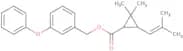
CAS:<p>(4-Chlorophenyl)[4-(1-methylethoxy)phenyl]methanone is a drug product that is Custom synthesized to meet the requirements of pharmacopoeia, analytical, and drug development. It has been studied for its metabolism and toxicity profile in animals. This compound is a metabolite of chlorpheniramine, which is used as an antihistamine. Metabolites of this compound have also been identified in humans. The CAS Registry Number for this compound is 154356-96-4.</p>Formula:C16H15ClO2Purity:Min. 95%Molecular weight:274.74 g/mol(+)-Cis-phenothrin
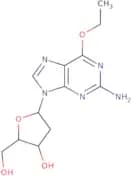
CAS:<p>Cis-phenothrin is a carbamate insecticide that is used in agriculture, public health, and veterinary medicine. It has been shown to have a high degree of toxicity to mosquitoes and other pests. Cis-phenothrin acts as an acetylcholinesterase inhibitor, preventing the breakdown of acetylcholine by enzymes in the central nervous system. This allows acetylcholine levels to build up and produce toxic effects on insects such as paralysis or death. Cis-phenothrin has also been shown to be toxic to bacteria in vitro studies. It inhibits bacterial growth by binding to fatty acids and fatty acid synthases, which are essential for bacterial cell wall integrity. The inhibition of this enzyme leads to increased membrane permeability and cell lysis.</p>Formula:C23H26O3Purity:Min. 95%Molecular weight:350.4 g/molO6-Ethyl-2’-deoxyguanosine
CAS:<p>base ethylated deoxy-guanosine nucleoside</p>Formula:C12H17N5O4Purity:Min. 95%Molecular weight:295.29 g/molPseudomonic acid D sodium
CAS:<p>Pseudomonic acid D sodium is a drug product that is used for the development of novel drugs. It is a natural metabolite of pseudomonic acid A, which is found in the fungus Pseudomonas sp. Pseudomonic acid D sodium is used as an analytical standard to aid in the identification of pseudomonic acid A and its metabolites. Pseudomonic acid D sodium can be synthesized by reacting 2-chloro-4-nitrobenzene with sodium bisulfate. The synthesis proceeds through a sequence of three reactions, namely nucleophilic substitution, electrophilic substitution, and hydrolysis. The structure of pseudomonic acid D sodium has been confirmed using nuclear magnetic resonance spectroscopy (NMR) and mass spectrometry (MS).</p>Formula:C26H41NaO9Purity:90%MinMolecular weight:520.59 g/mol2,7-Dichloro-9-[(4-chlorophenyl)methylene]-9H-fluorene
CAS:<p>Please enquire for more information about 2,7-Dichloro-9-[(4-chlorophenyl)methylene]-9H-fluorene including the price, delivery time and more detailed product information at the technical inquiry form on this page</p>Formula:C20H11Cl3Purity:Min. 95%Molecular weight:357.7 g/mol13-Ethyl-17-hydroxy-18,19-dinor-17a-pregn-5(10)-en-20-yn-3-one - EP
CAS:Controlled Product<p>13-Ethyl-17-hydroxy-18,19-dinor-17a-pregn-5(10)-en-20-yn-3-one EP is an analytical standard and an impurity. It is used as the reference substance for HPLC drug analysis. It is also a metabolite that can be found in drugs such as metoprolol, clonidine, and propranolol. 13EP was first synthesized by a custom synthesis company to meet the needs of niche drug products. The synthetic compound has been shown to be natural and it is not chemically related to any other compounds.</p>Formula:C21H28O2Purity:Min. 95%Molecular weight:312.45 g/molDimethrimol
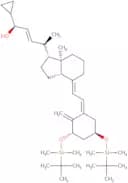
CAS:<p>Dimethrimol is a medicinal compound that has shown potential as an anticancer agent. It is an analog of inhibitors found in Chinese urine that have been used for their apoptotic effects on cancer cells. Dimethrimol has been shown to inhibit kinases, which are enzymes involved in cell signaling and proliferation. This inhibition leads to apoptosis, or programmed cell death, in human cancer cells. Dimethrimol is a promising inhibitor of tumor kinase activity and may be useful in the development of new anticancer therapies. Its protein kinase inhibitory activity makes it a valuable tool for studying the molecular mechanisms underlying cancer cell growth and survival.</p>Formula:C11H19N3OPurity:Min. 95%Molecular weight:209.29 g/mol1,3-Bis-O-(tert-butyldimethylsilyl)-calcipotriene
CAS:<p>1,3-Bis-O-(tert-butyldimethylsilyl)-calcipotriene is a synthetic silyl ether of calcipotriene. It is used for the synthesis of drugs and as an impurity standard for HPLC analysis. 1,3-Bis-O-(tert-butyldimethylsilyl)-calcipotriene has been studied in metabolism studies and found to be natural, but it is not an API because it does not have a biological activity. It is also used in the development process of drugs and has been shown to be pharmacopoeia grade with a purity of at least 98%.</p>Formula:C39H68O3Si2Purity:Min. 95 Area-%Color and Shape:PowderMolecular weight:641.13 g/molDesmethoxyamino hydroxy gemifloxacin
CAS:<p>Desmethoxyamino hydroxy gemifloxacin is a drug product that belongs to the class of fluoroquinolones. It is a synthetic compound with a molecular weight of 551.4 g/mol and an empirical formula of C21H25FN3O2. Desmethoxyamino hydroxy gemifloxacin has been shown to inhibit bacterial DNA gyrase and topoisomerase IV in vitro, which are enzymes that maintain the integrity of bacterial DNA. The compound binds to 16S ribosomal RNA and inhibits protein synthesis, leading to cell death by inhibiting the production of proteins vital for cell division. This drug product is metabolized into gemifloxacin, desmethoxyamino acid, and desmethylgemifloxacin. These metabolites have not been shown to be active against bacterial DNA gyrase or topoisomerase IV in vitro, but may be active against other targets in</p>Formula:C17H19FN4O4Purity:Min. 95%Molecular weight:362.40 g/mol2-(4?-Chloro-2,3,4,5-tetrahydro-[1,1?-biphenyl]-4-yl)-3-hydroxynaphthalene-1,4-dione
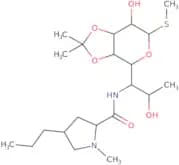
CAS:<p>2-(4′-Chloro-2,3,4,5-tetrahydro-[1,1′-biphenyl]-4-yl)-3-hydroxynaphthalene-1,4-dione is a research and development impurity standard. It is a synthetic compound that is used as an impurity standard for the manufacture of drug product. 2-(4′-Chloro-2,3,4,5-tetrahydro-[1,1′-biphenyl]-4-yl)-3-hydroxynaphthalene-1,4-dione has high purity and can be used in pharmacopoeia and drug development studies to measure metabolism. 2-(4′-Chloro-2,3,4,5-tetrahydro-[1,1′-biphenyl]-4-yl)-3 -hydroxynaphthalene -1</p>Formula:C22H17ClO3Purity:Min. 95%Molecular weight:364.80 g/mol3,4-o-Isopropylidenelincomycin
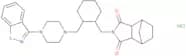
CAS:<p>Please enquire for more information about 3,4-o-Isopropylidenelincomycin including the price, delivery time and more detailed product information at the technical inquiry form on this page</p>Formula:C21H38N2O6SPurity:Min. 95%Molecular weight:446.6 g/molEndo-cis-lurasidone hydrochloride
CAS:Controlled Product<p>Endo-cis-lurasidone hydrochloride is a synthetic, high purity, analytical standard material. It is an impurity in the drug product, Lurasidone hydrochloride. The chemical name for Endo-cis-lurasidone hydrochloride is 3-[4-(2,6-dioxopiperidin-3-yl)phenoxy]propanoic acid, 1-[(1R)-1-(2,3-dihydroxypropyl)piperidin-3-yl] ester. The CAS number for Endo-cis-lurasidone hydrochloride is 1318074-20-2.</p>Formula:C28H37ClN4O2SPurity:Min. 95%Molecular weight:529.1 g/mol4-Methyl-3-[[4-(3-pyridinyl)-2-pyrimidinyl]amino]benzamide
CAS:<p>4-Methyl-3-[4-(3-pyridinyl)-2-pyrimidinyl]amino]benzamide is a synthetic compound that has been used as an impurity standard to determine the purity of drugs. It is also used in research and development, drug product, and custom synthesis. 4-Methyl-3-[4-(3-pyridinyl)-2-pyrimidinyl]amino]benzamide has a CAS number of 851137-91-2 and is on the list of pharmacopoeias. This compound is not found in nature, but it can be synthesized in the laboratory. Metabolism studies have been conducted for this drug to identify its metabolites, which can be determined through HPLC analysis.</p>Formula:C17H15N5OPurity:Min. 95%Molecular weight:305.33 g/molRiboflavin 3',4'-diphosphate
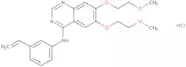
CAS:<p>Riboflavin 3',4'-diphosphate is a crystalline powder that has an analytical purity of 99.9%. This compound is used as a research and development standard for HPLC, as well as an impurity standard for riboflavin. It is also used in the synthesis of drugs and pharmaceuticals, such as antibiotics and antiviral agents. Riboflavin 3',4'-diphosphate can be synthesized from natural or synthetic sources.</p>Formula:C17H22N4O12P2Purity:Min. 95%Molecular weight:536.3 g/molErlotinib-3-vinyl hydrochloride
CAS:<p>Erlotinib-3-vinyl hydrochloride is a drug product that is used in the treatment of cancer, including non-small cell lung cancer. It is an impurity standard for HPLC and analytical testing. Erlotinib-3-vinyl hydrochloride is also used as an API impurity and metabolite in metabolism studies. Erlotinib-3-vinyl hydrochloride can be synthesized from 4-(4'-vinylphenoxy)butanal, which is a natural compound obtained from plants like apple trees. This synthetic process can be done by the reduction of 4-(4'-vinylphenoxy)butanal with sodium borohydride, followed by reaction with vinyl chloride. The compound is also found as a metabolite in humans after oral administration of erlotinib, which has been shown to inhibit protein synthesis and DNA synthesis.</p>Formula:C22H26ClN3O4Purity:Min. 95%Molecular weight:431.9 g/molLinezolid N-oxide
CAS:<p>Please enquire for more information about Linezolid N-oxide including the price, delivery time and more detailed product information at the technical inquiry form on this page</p>Formula:C16H20FN3O5Purity:Min. 95%Molecular weight:353.35 g/molN-Benzyl-N-[2-(benzylamino)-2-oxoethyl]-2-chloroacetamide
CAS:<p>Please enquire for more information about N-Benzyl-N-[2-(benzylamino)-2-oxoethyl]-2-chloroacetamide including the price, delivery time and more detailed product information at the technical inquiry form on this page</p>Formula:C18H19ClN2O2Purity:Min. 95%Molecular weight:330.8 g/mol6-Methyl-2-(4-methylphenyl)imidazol[1,2-a]-pyridine-3-acetic acid
CAS:<p>6-Methyl-2-(4-methylphenyl)imidazol[1,2-a]-pyridine-3-acetic acid is an imidazopyridine that is soluble in organic solvents. It is a white crystalline solid at room temperature. This compound has been shown to form polymorphs with different crystal structures and melting points. 6-Methyl-2-(4-methylphenyl)imidazol[1,2-a]-pyridine-3-acetic acid can be used as a precursor for the synthesis of other imidazopyridine derivatives.</p>Formula:C17H16N2O2Purity:Min. 95%Molecular weight:280.32 g/mol2,2'-Methylenebis[4-[2-(dimethylamino)-1-(1-hydroxycyclohexyl)ethyl]phenol
CAS:<p>2,2'-Methylenebis[4-[2-(dimethylamino)-1-(1-hydroxycyclohexyl)ethyl]phenol] is a synthetic drug product that is used as a reference standard for HPLC and GC analyses. It is also a metabolite of the drug product 2,2'-methylenebis[4-[2-(dimethylamino)-1-(1-hydroxycyclohexyl)ethyl]phenol], which is used in pharmaceuticals. This impurity standard exhibits analytical properties similar to those of the API impurity.<br>The chemical structure of this compound consists of an aromatic ring with two methyl groups and two methoxy groups attached to it.</p>Formula:C33H50N2O4Purity:Min. 95%Molecular weight:538.76 g/mol6-o-Desmethyl moxonidine
CAS:<p>6-O-Desmethyl moxonidine is a drug product that is a metabolite of the parent compound, moxonidine. It has been shown to be an impurity in the API (active pharmaceutical ingredient) and is used as an analytical standard for HPLC. 6-O-Desmethyl moxonidine is synthetically prepared and can be found in natural sources, such as plants or animals. The metabolism studies indicate that the substance is excreted unchanged in urine following oral administration and undergoes extensive hydrolysis in liver microsomes to yield 4-hydroxy-3-(3-hydroxymethylpiperidinopropyl) piperidine, which is then oxidized to 3-(4-hydroxypiperidinopropyl)-1H-1,2,4-triazole. This product may cause skin irritation.</p>Formula:C8H10ClN5OPurity:Min. 95%Molecular weight:227.65 g/mol3’-Hydroxytyrosol 3’-glucuronide
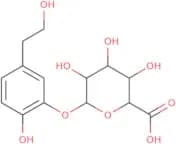
CAS:<p>3’-Hydroxytyrosol 3’-glucuronide is a metabolite of tyrosol that has been found in human urine. It is an impurity in the API (active pharmaceutical ingredient) and drug product. The analytical purity of this compound should be at least 98%. This substance can be synthesized from tyrosol and 3'-hydroxy-D-glucuronic acid, according to the following chemical equation: 3' - Hydroxytyrosol + 3'-Hydroxy-D-Glucuronic Acid → 3' - Hydroxytyrosol 3' - Glucuronide</p>Formula:C14H18O9Purity:Min. 95%Molecular weight:330.29 g/molN-Desethyl-E-clomiphene hydrochloride
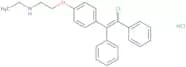
CAS:<p>N-Desethyl-E-clomiphene hydrochloride is a synthetic drug product that has been custom synthesized to meet the needs of our customer. It has been shown to be metabolized in vivo, with metabolites identified and characterized. This drug product is a synthetic, natural, and impurity standard. Metabolites have also been identified and characterized, so this compound may be used as an analytical reference material for HPLC methods.</p>Formula:C24H24ClNO•HClPurity:Min. 95%Molecular weight:414.37 g/molPteroic acid, min95%
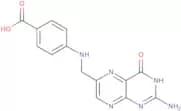
CAS:<p>Pteroic acid is a naturally occurring substance found in plants and animals. It has inhibitory activities against enzymes such as butyrate kinase, acetyl-CoA synthetase, and glutamate dehydrogenase. Pteroic acid is used to synthesize quinoxalines, which are used for the treatment of cancer. Pteroic acid also inhibits cell growth by inhibiting protein synthesis. This is done by conjugating with amino acids and inhibiting their uptake into the ribosome. The inhibition of glutamate dehydrogenase may be due to its ability to reduce levels of glutathione, which is an inhibitor of this enzyme.</p>Formula:C14H12N6O3Purity:Min. 95%Color and Shape:Slightly Yellow PowderMolecular weight:312.28 g/mol2-(Aminomethyl)-1-ethylpyrrolidine
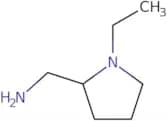
CAS:<p>2-(Aminomethyl)-1-ethylpyrrolidine is a pharmaceutical preparation that has been used in the analytical method for determining impurities in pharmaceuticals. It has also been used as an intermediate for pharmaceutical dosage preparations and as a reagent for chromatographic analysis of various substances. 2-(Aminomethyl)-1-ethylpyrrolidine is produced by acylation of pyrrole with ethyl chloride, followed by hydrolysis with sodium carbonate and hydrochloric acid. The substance can be separated into its two components using chromatography, which is based on the difference in their polarity. 2-(Aminomethyl)-1-ethylpyrrolidine is a dopamine receptor antagonist that blocks uptake of dopamine into cells by inhibiting the dopamine transporter (DAT). This leads to increased levels of extracellular dopamine and subsequent activation of postsynaptic D2 receptors.</p>Formula:C7H16N2Purity:Min. 95%Color and Shape:Clear LiquidMolecular weight:128.22 g/mol
![a-(Aminocarbonyl)-4-[2-(5-ethyl-2-pyridinyl)ethoxy]benzeneethanesulfonic acid](/_next/image/?url=https%3A%2Fstatic.cymitquimica.com%2Fproducts%2F3D%2Fthumb-webp%2FIA27057.webp&w=3840&q=75)

![2-[[(4-Methoxy-3-methyl-2-pyridinyl)methyl]sulfinyl]-1H-benzimidazole](/_next/image/?url=https%3A%2Fstatic.cymitquimica.com%2Fproducts%2F3D%2Fthumb-webp%2FIM21228.webp&w=3840&q=75)


![2-[2-[4-(5,5-Dioxidodibenzo[b,f][1,4]thiazepin-11-yl)-1-piperazinyl]ethoxy]ethanol](/_next/image/?url=https%3A%2Fstatic.cymitquimica.com%2Fproducts%2F3D%2Fthumb-webp%2FID27366.webp&w=3840&q=75)
![4-Hydroxy-α1-[[[6-(3-phenylpropoxy)hexyl]amino]methyl]-1,3-benzenedimethanol-d3](/_next/image/?url=https%3A%2Fstatic.cymitquimica.com%2Fproducts%2F3D%2Fthumb-webp%2FUDA74911.webp&w=3840&q=75)
![[9-Glycine]desmopressin](/_next/image/?url=https%3A%2Fstatic.cymitquimica.com%2Fproducts%2F3D%2Fthumb-webp%2FIG173262.webp&w=3840&q=75)
![3-Chloro-10-[3-(dimethylamino)propyl]-9(10H)-acridinone](/_next/image/?url=https%3A%2Fstatic.cymitquimica.com%2Fproducts%2F3D%2Fthumb-webp%2FIWC02821.webp&w=3840&q=75)
![2-[3,5-Dichloro-4-[(4-chlorophenyl)methyl]phenyl]-1,2,4-triazine-3,5(2H,4H)-dione](/_next/image/?url=https%3A%2Fstatic.cymitquimica.com%2Fproducts%2F3D%2Fthumb-webp%2FIFA64880.webp&w=3840&q=75)
![(5E)-2,2-Dimethyl-7-[(1-naphthalenylmethyl)amino]-5-hepten-3-ynoic acid](/_next/image/?url=https%3A%2Fstatic.cymitquimica.com%2Fproducts%2F3D%2Fthumb-webp%2FID21358.webp&w=3840&q=75)
![2-Ethoxy-4-[2-[[(1R)-3-methyl-1-[2-(1-piperidinyl)phenyl]butyl]amino]-2-oxoethyl]benzoic acid](/_next/image/?url=https%3A%2Fstatic.cymitquimica.com%2Fproducts%2F3D%2Fthumb-webp%2FIE27700.webp&w=3840&q=75)

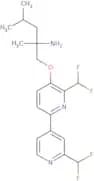
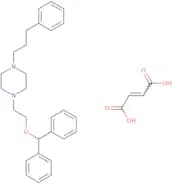
![7-Hydroxydibenz[b,f][1,4]oxazepin-11(10H)-one](/_next/image/?url=https%3A%2Fstatic.cymitquimica.com%2Fproducts%2F3D%2Fthumb-webp%2FKCA28711.webp&w=3840&q=75)

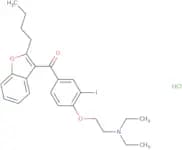
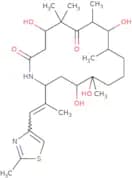
![α-[4-(2-dimethylaminoethoxy)phenyl]stilbene](/_next/image/?url=https%3A%2Fstatic.cymitquimica.com%2Fproducts%2F3D%2Fthumb-webp%2FUAA95751.webp&w=3840&q=75)
![Pyrrolo[1,2-f][1,2,4]triazin-4-amine](/_next/image/?url=https%3A%2Fstatic.cymitquimica.com%2Fproducts%2F3D%2Fthumb-webp%2FFP55646.webp&w=3840&q=75)


![(4-Chlorophenyl)[4-(1-methylethoxy)phenyl]methanone](/_next/image/?url=https%3A%2Fstatic.cymitquimica.com%2Fproducts%2F3D%2Fthumb-webp%2FIC20310.webp&w=3840&q=75)

![2,7-Dichloro-9-[(4-chlorophenyl)methylene]-9H-fluorene](/_next/image/?url=https%3A%2Fstatic.cymitquimica.com%2Fproducts%2F3D%2Fthumb-webp%2FEAA36435.webp&w=3840&q=75)

![2-(4?-Chloro-2,3,4,5-tetrahydro-[1,1?-biphenyl]-4-yl)-3-hydroxynaphthalene-1,4-dione](/_next/image/?url=https%3A%2Fstatic.cymitquimica.com%2Fproducts%2F3D%2Fthumb-webp%2FJXC46427.webp&w=3840&q=75)
![4-Methyl-3-[[4-(3-pyridinyl)-2-pyrimidinyl]amino]benzamide](/_next/image/?url=https%3A%2Fstatic.cymitquimica.com%2Fproducts%2F3D%2Fthumb-webp%2FIM182951.webp&w=3840&q=75)

![N-Benzyl-N-[2-(benzylamino)-2-oxoethyl]-2-chloroacetamide](/_next/image/?url=https%3A%2Fstatic.cymitquimica.com%2Fproducts%2F3D%2Fthumb-webp%2FRFC05179.webp&w=3840&q=75)
![6-Methyl-2-(4-methylphenyl)imidazol[1,2-a]-pyridine-3-acetic acid](/_next/image/?url=https%3A%2Fstatic.cymitquimica.com%2Fproducts%2F3D%2Fthumb-webp%2FIM46256.webp&w=3840&q=75)
![2,2'-Methylenebis[4-[2-(dimethylamino)-1-(1-hydroxycyclohexyl)ethyl]phenol](/_next/image/?url=https%3A%2Fstatic.cymitquimica.com%2Fproducts%2F3D%2Fthumb-webp%2FIM21345.webp&w=3840&q=75)