APIs for research and impurities
Active Pharmaceutical Ingredients (APIs) are the substances in drugs responsible for their therapeutic effects. In this section, you will find a wide variety of APIs intended for research use. These compounds are essential for the development, testing, and validation of new pharmaceutical formulations. CymitQuimica offers high-quality APIs to support research in drug discovery and development.
Subcategories of "APIs for research and impurities"
- Aminoacids and derivatives(12,278 products)
- Anthraquinones and derivatives(405 products)
- Benzimidazole and Imidazole Derivatives(10,376 products)
- Benzodiazepine Derivatives(333 products)
- Carbohydrates and glycoconjugates(5,013 products)
- Esters and Derivatives(42,045 products)
- Fatty Acids and Lypidic Derivatives(32,246 products)
- Flavonoids and Polyphenols(17,012 products)
- Free Radicals and Oxidant/Reducing Agents(213 products)
- Ketones and derivatives(2,394 products)
- Natural and semi-synthetic antibiotics(6,364 products)
- Nitriles and Cyano Derivatives(3,045 products)
- Nitrosamines and Derivatives(55 products)
- Nucleosides and Nucleotides(3,429 products)
- Organic Phosphates and Phosphonates(1,201 products)
- Organic Sulphonates and Sulphates(10,406 products)
- Organometallics(4,401 products)
- Others(6,279 products)
- Peptides and Proteins(3,129 products)
- Polymers and Derivatives(99 products)
- Purines and Pyrimidine Derivatives(8,902 products)
- Quinazoline and Quinoline Derivatives(65,630 products)
- Quinones and Derivatives(24,239 products)
- Salts and Derivatives of Active Pharmaceutical Ingredients (API)(79,473 products)
- Steroids and Derivatives(4,967 products)
- Sulfonamides and Derivatives(2,592 products)
- Terpenoids and Derivatives(3,839 products)
- Thiazolidinediones and Thiopyrans(2,733 products)
- β-Adrenergic Compounds(230 products)
Show 21 more subcategories
Found 56797 products of "APIs for research and impurities"
Sort by
Purity (%)
0
100
|
0
|
50
|
90
|
95
|
100
(-)-o-Desmethyl-N,N-bisdesmethyl tramadol
CAS:<p>Please enquire for more information about (-)-o-Desmethyl-N,N-bisdesmethyl tramadol including the price, delivery time and more detailed product information at the technical inquiry form on this page</p>Formula:C13H19NO2Purity:Min. 95%Molecular weight:221.29 g/mol(+)-Papaveroxinoline acetate
CAS:<p>Please enquire for more information about (+)-Papaveroxinoline acetate including the price, delivery time and more detailed product information at the technical inquiry form on this page</p>Formula:C26H31NO9Purity:Min. 95%Molecular weight:501.5 g/molα-Desmethyl anastrozole
CAS:<p>Alpha-Desmethyl anastrozole is a synthetic chemical that has been used as an impurity standard for the drug product, Anastrozole (Arimidex). This compound is metabolized in humans and is a metabolite of Arimidex. Alpha-Desmethyl anastrozole exhibits high purity and can be synthesized using custom synthesis. The CAS number for this compound is 1215780-15-6.</p>Formula:C16H17N5Purity:Min. 95%Molecular weight:279.34 g/molGuaimesal
CAS:<p>Guaimesal is a protein analog that acts as an inhibitor of tumor growth and induces apoptosis in human cancer cells. It has been shown to inhibit the activity of kinases, including cyclin-dependent kinases, which play a key role in regulating cell division. Guaimesal has been isolated from Chinese urine and has demonstrated potent anticancer activity both in vitro and in vivo. This compound shows promise as a novel therapeutic agent for the treatment of cancer.</p>Formula:C16H14O5Purity:Min. 95%Molecular weight:286.28 g/mol5,6-Dehydro-17β-dutasteride
CAS:<p>5,6-Dehydro-17beta-dutasteride is a synthetic drug product that is used as an analytical standard for the determination of metabolites and impurities in pharmaceuticals. It also has been used as a natural metabolite, which can be found in human urine. 5,6-Dehydro-17beta-dutasteride is a metabolite of dutasteride, which is an antiandrogen medication for the treatment of benign prostatic hyperplasia (BPH). It is also known to inhibit the metabolism of other drugs such as ketoconazole and metoprolol.</p>Formula:C27H28F6N2O2Purity:Min. 95%Molecular weight:526.51 g/molAcetylazide
CAS:<p>Acetylazide is an analog of a compound found in human urine that has shown promising anticancer activity. It is a potent inhibitor of protein kinases, which are enzymes involved in the regulation of cell growth and division. Acetylazide has been shown to induce apoptosis (cell death) in cancer cells, particularly those associated with thyroid cancer. This compound has also been tested in Chinese hamster ovary cells and has demonstrated a high degree of selectivity for tumor cells over normal cells. Acetylazide may be a promising candidate for the development of new anticancer drugs.</p>Formula:C13H14N4O4SPurity:Min. 95%Molecular weight:322.34 g/molrac Enterodiol-d6
CAS:<p>Racemic Enterodiol-d6 is a high purity synthetic racemic compound that is used as an impurity standard for use in HPLC. The CAS number for Racemic Enterodiol-d6 is 104411-12-3. Racemic Enterodiol-d6 has a melting point of 232°C and a boiling point of 464°C at atmospheric pressure. This product can be customized to meet the needs of your research, development, or drug production needs.</p>Formula:C18H22O4Purity:Min. 95%Molecular weight:308.4 g/molValaciclovir Related Compound E
CAS:<p>Valaciclovir Related Compound E is a white crystalline powder that has an appearance similar to acyclovir, with a melting point of 164-167°C. It is soluble in water and methanol. The compound is used as a medicament and also acts as an intermediate for the synthesis of other pharmaceutical products. Valaciclovir Related Compound E can be synthesized from valaciclovir by reacting it with ethyl chloroformate, followed by recrystallization from pyridine and chloroform. This process produces the desired product in high purity under good yield. Valaciclovir Related Compound E is a white crystalline powder that has an appearance similar to acyclovir, with a melting point of 164-167°C. It is soluble in water and methanol. The compound is used as a medicament and also acts as an intermediate for the synthesis of other pharmaceutical products. Valac</p>Formula:C21H26N6O6Purity:Min. 95%Molecular weight:458.47 g/mol(17α)-13-Ethyl-3-methoxy-18,19-dinorpregna-2,5(10)-dien-20-yn-17-ol (levonorgestrel impurity T)
CAS:Controlled Product<p>(17α)-13-Ethyl-3-methoxy-18,19-dinorpregna-2,5(10)-dien-20-yn-17-ol (levonorgestrel impurity T) is an analog of levonorgestrel with potent anticancer properties. It has been shown to induce apoptosis in human cancer cell lines by inhibiting kinase and elastase activities. This compound has also been tested against a variety of tumor cell lines and has demonstrated significant anticancer activity. In Chinese hamster ovary cells, levonorgestrel impurity T was found to arrest the cell cycle at the G1 phase, leading to decreased protein synthesis and ultimately cell death. As an inhibitor of kinases and other enzymes involved in cellular signaling pathways, this compound may have potential as a therapeutic agent for the treatment of cancer.</p>Formula:C22H30O2Purity:Min. 95%Molecular weight:326.5 g/molSodium picosulfate EP Impurity A
CAS:<p>Sodium picosulfate EP Impurity A is a drug product, analytical, Metabolism studies, Natural, API impurity, CAS No. 32500-19-9, Custom synthesis, Impurity standard, Synthetic, Drug development and Research and Development.</p>Formula:C18H14NNaO5SPurity:Min. 95%Cl2 linker
CAS:<p>The Cl2 linker is an analog of saxagliptin, a kinase inhibitor that has shown promise in the treatment of tumors and cancer. It has been studied extensively in Chinese hamster ovary cells and human urine, where it has demonstrated potent inhibitory activity against a variety of kinases. The Cl2 linker has also been shown to induce apoptosis in cancer cells, making it a potential therapeutic agent for the treatment of cancer. Additionally, it has been investigated as an inhibitor of xylanase, an enzyme involved in the breakdown of plant cell walls. The Cl2 linker may also have potential as an inhibitor of other kinases, such as those targeted by aprepitant, which is used to treat chemotherapy-induced nausea and vomiting.</p>Formula:C68H103N11O22Purity:Min. 95%Molecular weight:1,426.6 g/molN2'-Deacetyl-N2'-[3-(methylthio)-1-oxopropyl]-maytansine
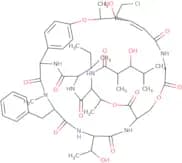
CAS:<p>N2'-Deacetyl-N2'-[3-(methylthio)-1-oxopropyl]-maytansine is a cytotoxic drug that belongs to the class of maytansinoids. It is metabolized in vivo to produce cytotoxic metabolites which inhibit protein synthesis by binding to ribosomes, preventing peptide bond formation. The preclinical studies have shown that N2'-deacetyl-N2'-[3-(methylthio)-1-oxopropyl]-maytansine has a better therapeutic index than other maytansinoids, with fewer side effects. In animal models, N2'-deacetyl-N2'-[3-(methylthio)-1-oxopropyl]-maytansine showed efficacy against human tumor cells and was not toxic to normal cells. This agent also showed no impurities when incubated with human liver microsomes and it was well tolerated in clinical trials in humans</p>Formula:C36H50ClN3O10SPurity:Min. 95%Molecular weight:752.3 g/molDes[2-[(2-hydroxyethyl)amino]ethyl] mitoxantrone
CAS:<p>Des[2-[(2-hydroxyethyl)amino]ethyl] mitoxantrone is a research and development impurity standard for synthesis. It is a synthetic, high purity compound with a CAS number of 89991-52-6. The chemical is not found in nature and does not have any natural metabolites. Des[2-[(2-hydroxyethyl)amino]ethyl] mitoxantrone has been shown to be metabolized by the liver into various metabolites that have been identified through analysis of urine samples. The metabolite of des[2-[(2-hydroxyethyl)amino]ethyl] mitoxantrone may be used as an analytical standard for HPLC methods.</p>Formula:C18H19N3O5Purity:Min. 95%Molecular weight:357.36 g/mol5-(Hydroxymethyl)-N-[4-(trifluoromethyl)phenyl]-4-isoxazolecarboxamide
CAS:<p>5-(Hydroxymethyl)-N-[4-(trifluoromethyl)phenyl]-4-isoxazolecarboxamide is a chemical compound that is used as an analytical reference standard, research and development, drug development and API impurity. 5-(Hydroxymethyl)-N-[4-(trifluoromethyl)phenyl]-4-isoxazolecarboxamide has a purity of 98% or higher and is available for purchase in bulk quantities. This compound can also be purchased as a HPLC standard, niche product, drug product or impurity standard. 5-(Hydroxymethyl)-N-[4-(trifluoromethyl)phenyl]-4-isoxazolecarboxamide can be synthesized naturally or synthetically. The CAS number for this chemical is 1058722-46-5.</p>Formula:C12H9F3N2O3Purity:Min. 95%Molecular weight:286.21 g/molIvacaftor carboxylic acid lactone
CAS:<p>Ivacaftor is a drug product that is used for the treatment of cystic fibrosis. It is an active ingredient of Kalydeco, which is a combination therapy to treat cystic fibrosis. Ivacaftor is the first FDA-approved drug for the treatment of CF in patients with specific mutations. The metabolism of ivacaftor has been studied by analytical methods and it has been shown to have natural impurities. The API impurity and synthetic impurity standards are available for custom synthesis and can be ordered from a specialty manufacturer. Ivacaftor requires high purity and pharmacopoeia-grade standards for research and development as well as niche markets, such as HPLC standard or high purity.</p>Formula:C24H24N2O4Purity:Min. 95%Molecular weight:404.5 g/molFosfomycin trometamol EP impurity A disodium
CAS:<p>Fosfomycin trometamol EP impurity A disodium is a research and development impurity standard. It is a custom synthesis that is used as a drug product, synthetic, high purity, pharmacopoeia, drug development, metabolite, niche, analytical and natural. Fosfomycin trometamol EP impurity A disodium has been shown to have an HPLC standard and CAS No. 84954-80-3(free base).</p>Purity:Min. 95%O-Desmethyl mycophenolate mofetil
CAS:<p>O-Desmethyl mycophenolate mofetil (ODMM) is a metabolite of mycophenolic acid, a drug that is used to treat immunosuppressive diseases. ODMM can be synthesized in the laboratory and used as an analytical standard for mycophenolic acid and its metabolites. ODMM is also a metabolic product of mycophenolate mofetil, which has been shown to have anti-inflammatory properties.</p>Formula:C22H29NO7Purity:Min. 95%Color and Shape:PowderMolecular weight:419.47 g/molAmoxicillin EP Impurity G
CAS:<p>Amoxicillin EP Impurity G is an impurity of Amoxicillin. It is a white to off-white crystalline powder with a melting point of 178 °C. The compound is soluble in alcohol, chloroform, ether, and acetone. This product can be used as an analytical standard for the drug development, niche drug product, or custom synthesis of the drug. Impurity G has been shown to have pharmacopoeia purity and natural origin. It can also be used as an impurity standard for HPLC analysis and pharmaceutical testing.</p>Formula:C24H26N4O7SPurity:Min. 95%Molecular weight:514.55 g/mol1-[5-(Hydroxymethyl)-2-furyl]-2-methyl-1,2,3,4-tetrahydroisochinolin-4,8-diol
CAS:<p>1-[5-(Hydroxymethyl)-2-furyl]-2-methyl-1,2,3,4-tetrahydroisochinolin-4,8-diol is a compound that has not been fully characterized. It is a synthetic product with the following chemical structure:</p>Formula:C15H17NO4Purity:Min. 95%Molecular weight:275.3 g/molDidesmethylchlorpromazine hydrochloride
CAS:Didesmethylchlorpromazine hydrochloride is an antitumor agent that is resistant to multidrug resistance. It is a potent inhibitor of DNA synthesis and has been shown to sensitize resistant cells to other drugs. Didesmethylchlorpromazine hydrochloride was found to have cytotoxic activity against various human tumor cell lines, including multidrug-resistant cells. However, it did not show any significant activity against normal cells.Formula:C15H16Cl2N2SPurity:Min. 95%Molecular weight:327.3 g/mol3-(Aminocarbonyl)-1,6-dimethyl-pyridinium iodide
CAS:<p>Please enquire for more information about 3-(Aminocarbonyl)-1,6-dimethyl-pyridinium iodide including the price, delivery time and more detailed product information at the technical inquiry form on this page</p>Formula:C8H11IN2OPurity:Min. 95%Molecular weight:278.09 g/mol3-Hydroxy citalopram oxalate
CAS:<p>3-Hydroxy citalopram oxalate (3HCO) is a drug product that is used as an analytical standard and impurity standard. It is synthesized in the laboratory by reacting 3,4-dihydroxyphenylacetic acid with citalopram, followed by esterification with oxalic acid. The purity of the final product is typically >98%.</p>Formula:C22H23FN2O6Purity:Min. 95%Molecular weight:430.4 g/molN,N'-Dimethyl-N,N'-bis(2-pyridylmethyl)ethane-1,2-diamine
CAS:<p>The labile character of N,N'-dimethyl-N,N'-bis(2-pyridylmethyl)ethane-1,2-diamine (DMPD) is due to its high reactivity with peroxide. This chemical reacts with the peroxide molecule to form an unstable intermediate compound that decomposes into two molecules of water and one molecule of hydrogen peroxide. DMPD is also a ligand for many transition metals and has been shown to be a strong electron donor in intramolecular coupling reactions. The catalytic activity of DMPD has been studied extensively using density functional theory and experiments. These studies have shown that DMPD catalyzes the oxidation of hydrocarbons by hydrogen peroxide in the presence of nickel catalyst.</p>Formula:C16H22N4Purity:Min. 95%Molecular weight:270.37 g/molWAY 181187 oxalate
CAS:WAY 181187 oxalate is a metabolite of WAY-361507, a drug that has been studied for the treatment of cancer. The chemical structure of WAY 181187 oxalate is shown below.Formula:C17H15ClN4O6S2Purity:Min. 95%Molecular weight:470.9 g/mol4-Acetyloxy-N-despropyl N-tert-butyloxycarbonyl ropivacaine
CAS:<p>Please enquire for more information about 4-Acetyloxy-N-despropyl N-tert-butyloxycarbonyl ropivacaine including the price, delivery time and more detailed product information at the technical inquiry form on this page</p>Formula:C21H30N2O5Purity:Min. 95%Molecular weight:390.5 g/molL-Threo-hex-2-enaric acid 1,4-lactone 6-methyl ester
CAS:<p>L-Threo-hex-2-enaric acid 1,4-lactone 6-methyl ester is a research and development compound. It is a metabolite of the drug product L-Threo-hex-2-enaric acid 1,4-lactone 6-(2,6,6)-trimethyl ester. L-Threo-hex-2-enaric acid 1,4-lactone 6-(2,6,6)-trimethyl ester (LTA) is an impurity in the drug product that is present as a result of its synthesis. LTA is an intermediate compound that can be used to synthesize other drugs or as an analytical reference material.</p>Formula:C7H8O7Purity:Min. 95%Molecular weight:204.13 g/molTortoside A
CAS:<p>Tortoside A is a potent inhibitor of protein kinases and has been found to have anticancer properties. It is an analog of a compound originally isolated from a Chinese medicinal plant. Tortoside A has been shown to induce apoptosis in cancer cells by inhibiting the activity of specific kinases that are involved in tumor growth and progression. This compound has also demonstrated promising results as an anticancer agent, with studies showing its ability to inhibit the growth of various human cancer cell lines. Tortoside A can be detected in urine, making it a potential biomarker for monitoring cancer treatment efficacy. Its unique properties make it an exciting candidate for further research and development as a potential cancer therapy.</p>Formula:C28H36O13Purity:Min. 95%Molecular weight:580.6 g/molEmpagliflozin tetraacetate
CAS:<p>Empagliflozin tetraacetate is a drug product that has been manufactured by chemical synthesis. It is a white to off-white crystalline powder with a molecular weight of 597.7 and a purity of 98.2%. Empagliflozin tetraacetate has been formulated as the hydrochloride salt, which is soluble in water and alcohols. The USP/BP/EP specifications for this drug are 5% impurity standard, analytical, API impurity, Synthetic, Metabolism studies, niche, High purity>. This drug product can be used in research and development as well as for manufacturing pharmaceutical products. It is not intended for use in humans or animals.</p>Formula:C27H29ClO10Purity:Min. 95%Molecular weight:548.97 g/molEphedrine Hydrochloride EP Impurity A
CAS:Controlled Product<p>Ephedrine Hydrochloride EP Impurity A is a product of the biotransformations of pseudoephedrine. It has been shown that this impurity can be formed in enzymatic reactions where pseudoephedrine is acted upon by β-unsaturated ketones or by filamentous fungi. Ephedrine Hydrochloride EP Impurity A is a chiral compound, which means that it has two different forms that are non-superimposable mirror images of each other. The enantiomers (left and right) are the individual molecules that make up the racemic mixture. In some cases, ephedrine hydrochloride ep impurity a may be present as a result of a reaction between pseudoephedrine and an enzyme preparation containing β-unsaturated ketones, such as acetone peroxide or benzoyl peroxide. This impurity has been shown to inhibit candida glabrata and to have kinetic properties similar to that of ephed</p>Formula:C9H10O2Purity:Min. 96 Area-%Color and Shape:Clear Viscous LiquidMolecular weight:150.17 g/mol1,4-Bis(trichloromethyl)-2,5-dichlorobenzene
CAS:<p>Please enquire for more information about 1,4-Bis(trichloromethyl)-2,5-dichlorobenzene including the price, delivery time and more detailed product information at the technical inquiry form on this page</p>Formula:C8H2Cl8Purity:Min. 95%Molecular weight:381.7 g/molBupropion impurity 9
CAS:<p>Bupropion impurity 9 is a diphosphate and it has novel, high quality, DNA. CAS No. 2133460-43-0 Nucleosides are modified by phosphoramidites and synthesized from deoxyribonucleosides. Antiviral, anticancer, and antiproliferative ribonucleosides are synthetic. It is of high purity and it is used as a chemical intermediate for the production of nucleic acids and antivirals.</p>Formula:C12H14ClNO3SPurity:Min. 95%Molecular weight:287.76 g/mol(S)-2-Amino-3-(4-(4-hydroxy-3,5-diiodophenoxy)-3,5-diiodophenyl)-N-methylpropanamide
CAS:<p>(S)-2-Amino-3-(4-(4-hydroxy-3,5-diiodophenoxy)-3,5-diiodophenyl)-N-methylpropanamide is an analytical standard that is used as an impurity in the synthesis of a drug product. The purity of this compound is greater than 99%. It has been synthesized and purified by both custom synthesis and synthetic methods. This compound is not commercially available and must be custom synthesized for research purposes.</p>Formula:C16H14I4N2O3Purity:Min. 95%Molecular weight:789.91 g/molMe 1207E
CAS:<p>Me 1207E is a potent protein kinase inhibitor that has shown promising results in the treatment of various types of cancer. This analog of a Chinese medicinal compound has been found to induce apoptosis and inhibit cell replication in human cancer cells. Me 1207E has also been shown to be effective as an anticancer agent in animal models, with significant tumor growth inhibition observed in mice. This inhibitor can be detected in urine after administration, making it a convenient option for monitoring therapeutic levels. With its potent activity against cancer cells and promising preclinical data, Me 1207E represents a promising avenue for the development of novel cancer therapies.</p>Formula:C25H28N6O7S3Purity:Min. 95%Molecular weight:620.7 g/molDes-[(S)-3-methyl-2-pentanamidobutanoic acid] valsartan 4’-bromomethyl
CAS:<p>Des-[(S)-3-methyl-2-pentanamidobutanoic acid] valsartan 4’-bromomethyl is an impurity that was found in a pharmaceutical drug product. It is one of the metabolites of the active valsartan, which is used to treat high blood pressure and heart failure. Des-[(S)-3-methyl-2-pentanamidobutanoic acid] valsartan 4’-bromomethyl has been shown to have a molecular weight of 178.2 and a CAS number of 138402-33-2. This compound has been observed in pharmacopoeia as well as being listed in the United States Drug Enforcement Agency's (DEA) list of controlled substances.</p>Formula:C14H11BrN4Purity:Min. 95%Molecular weight:315.17 g/mol(2S,2R,Trans)-saxagliptin
CAS:<p>(2S,2R,Trans)-saxagliptin is an analytical standard that is used in the development of drug products. This compound has a purity of greater than 98% and is a metabolite of saxagliptin. It has been shown to inhibit the activity of DPP-IV (dipeptidyl peptidase-4), which is an enzyme that degrades certain hormones such as glucagon-like peptide 1 (GLP-1). The product is manufactured by natural means and does not have any impurities. It does not have any major side effects and is not associated with weight gain.</p>Formula:C18H25N3O2Purity:Min. 95%Molecular weight:315.40 g/molD-Ribose-1-D
CAS:<p>D-Ribose-1-D is a medicinal compound that has been shown to have anticancer properties. It is a kinase inhibitor that prevents the activation of proteins involved in cancer cell growth and division. Studies have shown that D-Ribose-1-D induces apoptosis, or programmed cell death, in leukemia cells. It also inhibits the cell cycle, preventing cancer cells from dividing and growing. D-Ribose-1-D has potential as an effective treatment for human cancers and may be useful in combination with other inhibitors to enhance its anticancer effects. This compound can be found naturally in Chinese herbs and is excreted in urine after consumption.</p>Formula:C5H10O5Purity:Min. 95%Molecular weight:151.14 g/molAceclofenac ethyl ester
CAS:<p>Aceclofenac ethyl ester is a prodrug of diclofenac. It is a non-steroidal anti-inflammatory drug that alleviates the symptoms of pain, stiffness, and swelling. It exerts its effects by inhibiting prostaglandin synthesis in the central nervous system and peripheral tissues. Aceclofenac ethyl ester has minimal systemic absorption when administered orally, which reduces the risk of side effects such as stomach upset and kidney damage. The pharmacopoeia provides an efficient method for preparing this compound by reacting diclofenac with magnesium stearate in a solvent containing an organic amine or alcohol at temperatures below 50°C (122°F). Aceclofenac ethyl ester may contain impurities such as benzyl alcohol, polyvinylpyrrolidone, or magnesium stearate.</p>Formula:C18H17Cl2NO4Purity:Min. 95 Area-%Color and Shape:PowderMolecular weight:382.24 g/molMaprotiline-d5 hydrochloride
CAS:Controlled Product<p>Maprotiline-d5 hydrochloride is a drug product that is used in Metabolism studies. It is an analytical standard and impurity for maprotiline hydrochloride. Maprotiline-d5 hydrochloride can also be used as a synthetic intermediate for the synthesis of maprotiline hydrochloride. Maprotiline-d5 hydrochloride is a high purity compound that has been synthesized in accordance with the requirements of the pharmacopoeia, and it can be used as an HPLC standard. This compound has CAS No. 1794942-12-3 and its natural form is maprotiline.</p>Formula:C20H19D5ClNPurity:Min. 95%Molecular weight:318.9 g/molN-Desmethyl phenyltoloxamine hydrochloride
CAS:<p>N-Desmethyl phenyltoloxamine hydrochloride is a white crystalline powder that is soluble in water and slightly soluble in ethanol. It has an analytical purity of greater than 99% with a melting point of 188-190°C. This compound is a metabolite of phenyltoloxamine, which is used as an analgesic and anti-inflammatory drug. N-Desmethyl phenyltoloxamine hydrochloride can be used as a pharmacopoeia reference standard for the analysis of this metabolite and also as a research and development starting material for the synthesis of other compounds.</p>Formula:C16H20ClNOPurity:Min. 95%Molecular weight:277.79 g/mol(-)-Wine lactone
CAS:<p>(-)-Wine lactone is a medicinal compound with potent anticancer properties. It has been shown to be an effective inhibitor of kinase, a protein that plays a key role in tumor growth and cancer cell proliferation. Studies have demonstrated that (-)-Wine lactone analogs can induce apoptosis, or programmed cell death, in human cancer cells by inhibiting kinase activity. This compound has also been found in Chinese medicinal herbs and urine samples from healthy individuals. Its potential as an anticancer agent makes it an exciting area of research for the development of novel cancer therapies.</p>Formula:C10H14O2Purity:Min. 95%Molecular weight:166.22 g/mol2-Cyclopropyl-1-nitro-naphthalene
CAS:<p>Please enquire for more information about 2-Cyclopropyl-1-nitro-naphthalene including the price, delivery time and more detailed product information at the technical inquiry form on this page</p>Formula:C13H11NO2Purity:Min. 95%Molecular weight:213.23 g/molIsopropyl (1R)-(+)-camphorsulfate
CAS:<p>Please enquire for more information about Isopropyl (1R)-(+)-camphorsulfate including the price, delivery time and more detailed product information at the technical inquiry form on this page</p>Formula:C13H22O4SPurity:Min. 95%Molecular weight:274.38 g/molSecophenol
CAS:<p>Secophenol is a potent inhibitor of Chinese hamster ovary (CHO) and human kinases. It has shown promising results in the treatment of cancer, inhibiting tumor growth and inducing apoptosis in cancer cells. Secophenol is an analog of surfactin, a protein that is produced by Bacillus subtilis. It has been found to be effective in inhibiting the growth of various types of cancer cells, including breast, colon, and lung cancer cells. In addition to its anticancer properties, Secophenol has also been detected in urine samples from patients with tumors, indicating its potential use as a diagnostic tool for cancer detection.</p>Formula:C19H24O3Purity:Min. 95%Molecular weight:300.4 g/mol3’-Hydroxytyrosol 3’-glucuronide
CAS:<p>3’-Hydroxytyrosol 3’-glucuronide is a metabolite of tyrosol that has been found in human urine. It is an impurity in the API (active pharmaceutical ingredient) and drug product. The analytical purity of this compound should be at least 98%. This substance can be synthesized from tyrosol and 3'-hydroxy-D-glucuronic acid, according to the following chemical equation: 3' - Hydroxytyrosol + 3'-Hydroxy-D-Glucuronic Acid → 3' - Hydroxytyrosol 3' - Glucuronide</p>Formula:C14H18O9Purity:Min. 95%Molecular weight:330.29 g/molElagolix lactam impurity
CAS:<p>Elagolix lactam impurity is a reactive compound that may be found as an impurity in various pharmaceutical products. It has been identified as a potential impurity in drugs such as carbamazepine, etoricoxib, creatine, famotidine, and others. Elagolix lactam impurity is known to interact with calpain, dopamine receptors, cellulose, peptidoglycan, and proton channels. This compound may have implications for drug stability and efficacy. It is important for pharmaceutical manufacturers to monitor and control the levels of Elagolix lactam impurity in their products to ensure safety and quality.</p>Formula:C32H28F5N3O4Purity:Min. 95%Molecular weight:613.6 g/molAgomelatine dimer acetamide
CAS:<p>Agomelatine dimer acetamide is an impurity of agomelatine, an antidepressant that is used in the treatment of major depressive disorder. Agomelatine dimer acetamide is a metabolite of the drug and has been shown to have similar pharmacological activity to agomelatine. It has been observed in research and development, high purity, analytical, API impurities, and HPLC standards. Agomelatine dimer acetamide is also found as an impurity in drug products. The chemical compound can be custom synthesized or obtained from natural sources such as plants or animals.</p>Formula:C28H29NO3Purity:Min. 95%Molecular weight:427.5 g/mol6-Chloro-3-(dimethylamino)-2,4(1H,3H)-quinazolinedione
CAS:<p>Please enquire for more information about 6-Chloro-3-(dimethylamino)-2,4(1H,3H)-quinazolinedione including the price, delivery time and more detailed product information at the technical inquiry form on this page</p>Formula:C10H10ClN3O2Purity:Min. 95%Molecular weight:239.66 g/molPheniramine aminoxide
CAS:<p>Pheniramine aminoxide is an amino compound that belongs to the class of pyridines. It has an oxidation potential of -1.48 volts, which is slightly less than that of an oxide. This compound also has a molecular weight of 247.3 grams per mole, and a melting point of 155 degrees Celsius.</p>Formula:C16H20N2OPurity:Min. 95%Molecular weight:256.34 g/molHaloperidol nonanoate
CAS:<p>Haloperidol is a drug belonging to the group of typical antipsychotics. Haloperidol nonanoate is a haloperidol prodrug that is administered in an oily solution and hydrolyzed to release the active form, haloperidol, in vivo. Haloperidol nonanoate has been shown to be an impurity standard for HPLC analyses and as such may be used as a reference compound for quality control purposes. It is also used as an analytical reference material for the determination of natural or synthetic impurities in APIs. Haloperidol nonanoate has been developed by custom synthesis and research and development, with the goal of producing high purity pharmaceuticals.</p>Formula:C36H43ClFNO3Purity:Min. 95%Molecular weight:592.18 g/moltert-Butyl 4-(4-amino-6,7-dimethoxyquinazolin-2-yl)piperazine-1-carboxylate
CAS:<p>tert-Butyl 4-(4-amino-6,7-dimethoxyquinazolin-2-yl)piperazine-1-carboxylate is an impurity that is found in the production of tert-butyl 4-(4,5,6,7,8,9,10-hexahydrobenzo[a]pyrido[1,2:4,3]triazin-2(3H)-yl)piperazine-1 carboxylate. It has been used as a reference standard for HPLC. This compound is not active when administered orally and does not exhibit any pharmacological activity.</p>Formula:C19H27N5O4Purity:Min. 95%Molecular weight:389.4 g/mol1-β-D-Arabinofuranosyl-5-methylcytosine
CAS:<p>1-β-D-Arabinofuranosyl-5-methylcytosine is an analog of the anticancer drug indirubin that has been shown to induce apoptosis in cancer cells. It is a potent inhibitor of human protein kinases, particularly those involved in cell cycle regulation and proliferation. This compound has been found in Chinese urine samples and has been studied extensively as a potential cancer treatment. 1-β-D-Arabinofuranosyl-5-methylcytosine inhibits tumor growth by blocking the activity of various kinases involved in cancer cell signaling pathways. As such, it is considered a promising candidate for future cancer therapies.</p>Formula:C10H15N3O5Purity:Min. 95%Molecular weight:257.24 g/molEnzalutamide Carboxylic Acid
CAS:<p>Enzalutamide Carboxylic Acid is a potent n-oxide derivative of Enzalutamide, which is used in the treatment of metastatic castration-resistant prostate cancer. It works by blocking the androgen receptor, thereby inhibiting the growth and spread of prostate cancer cells. Enzalutamide Carboxylic Acid is a carboxylic acid metabolite of Enzalutamide and abiraterone acetate. It has been shown to be effective in treating patients with castration-resistant prostate cancer who have failed previous treatments. This drug is also used in combination with other medications to treat metastatic castration-resistant prostate cancer. Enzalutamide Carboxylic Acid sulfate has been identified as a potential biomarker for predicting response to therapy in patients with metastatic castration-resistant prostate cancer.</p>Formula:C20H13F4N3O3SPurity:Min. 95%Molecular weight:451.39 g/mol[4-L-Glutamic Acid]-desmopressin
<p>4-L-Glutamic Acid]-desmopressin is an analytical standard that is used to calibrate HPLC systems. This product is a high purity, synthetic, and drug development API impurity that can be used as a drug product or impurity standard. It is also available as an HPLC standard, niche, and custom synthesis. 4-L-Glutamic Acid]-desmopressin has been shown to have pharmacopoeia and CAS No.</p>Purity:Min. 95%(R)-7-(But-2-yn-1-yl)-8-(3-(1,3-Dioxoisoindolin-2-yl)piperidin-1-yl)-3-methyl-1-((4-methylquinazolin-2-yl)methyl)-1H-purine-2,6(3H,7 H)-dione
CAS:<p>7-(But-2-yn-1-yl)-8-(3-(1,3-Dioxoisoindolin-2-yl)piperidin-1-yl)-3-methyl-1-(4-methylquinazolin-2(4H)-yl)methyl)-1H -purine-2,6(3H,7H)-dione is a synthetic drug that has been modified to have a higher flow rate. It is used in the synthesis of other drugs. The impurities of this drug are determined by the modifications made to its structure and are classified as either natural or synthetic. Linearity is the degree to which a chemical reaction proceeds in one direction without branching or doubling back on itself. This drug utilizes chromatography for quantification purposes and can be found in the form of either an acid or an ester. Formic acid and acetonitrile are two solvents that can be utilized for this drug's elution from</p>Formula:C33H30N8O4Purity:Min. 95%Molecular weight:602.64 g/mol[(1S)-(1α,2β,3β)]-3-(2-Amino-6-iodo-7H-purin-7-yl)-1,2-cyclobutanedimethanol dibenzoate ester
CAS:<p>[(1S)-(1Alpha,2Beta,3Beta)]-3-(2-Amino-6-iodo-7H-purin-7-yl)-1,2-cyclobutanedimethanol dibenzoate ester is a synthetic drug product that is used in the development and manufacture of pharmaceutical products. It is an impurity standard for HPLC. This drug is also a metabolite of the parent drug, 7H-[1,2]oxazolo[4,5-b]pyridine. The chemical formula is C19H22N6O3 and molecular weight is 356.37 g/mol. CAS No. 1246812-29-2</p>Formula:C25H22IN5O4Purity:Min. 95%Molecular weight:583.40 g/molMch-1 antagonist 1
CAS:<p>Mch-1 antagonist 1 is a drug product that is custom synthesized and is available in high purity. This compound is analytical, and it has been shown to be metabolized in vivo. Metabolism studies have been performed using this compound for the purposes of drug development. CAS No. 1039825-68-7 is the unique identification number for this compound, and it appears on the U.S. Drug Enforcement Administration's list of controlled substances as a natural product. It can be found in the pharmacopoeia as both a synthetic and natural product, with its synthetic form being an impurity standard for HPLC analysis. Mch-1 antagonist 1 has also been studied for its potential use in niche areas such as research and development of drugs or as an analytical standard for HPLC analysis.</p>Formula:C25H26N4O2Purity:Min. 95%Molecular weight:414.5 g/molPinaverium bromide impurity 11
CAS:<p>Pinaverium bromide impurity 11 is a drug product that is used in the development of new drugs. It is an analytical standard for pharmacopoeia and research purposes. The chemical name for Pinaverium bromide impurity 11 is 2-Bromo-6-nitrobenzimidazole, CAS No. 1970218-70-2, which can be found in the NIST Mass Spectral Library. This compound has a molecular weight of 226.12 and melting point of 191°C (decomposes). It has been custom synthesized by our company to meet the requirements of customers who need this specific impurity for their drug development or research and development.</p>Purity:Min. 95%Tolterodine S-enantiomer
CAS:<p>Tolterodine S-enantiomer is a drug product that belongs to the class of prodrugs. It is metabolized in vivo to the active form, tolterodine. Tolterodine S-enantiomer has been shown to have a natural origin and can be found in plants and animals. Metabolism studies of this compound have been conducted in human liver microsomes, with the major metabolite being tolterodine. Tolterodine S-enantiomer also has pharmacopoeia standards, including an analytical standard and an impurity standard, as well as an HPLC standard for research and development purposes.</p>Formula:C22H31NO·C4H6O6Purity:Min. 95%Molecular weight:475.57 g/mol2-Ethoxy-1-[[2'-[1-(trityl)-1H-tetrazol-5-yl][1,1'-biphenyl]-4-yl]methyl]-1H-benzimidazole-4-carboxylic acid methyl ester
CAS:<p>2-Ethoxy-1-[2'-[1-(trityl)-1H-tetrazol-5-yl][1,1'-biphenyl]-4-yl]methyl]-1H-benzimidazole-4-carboxylic acid methyl ester is an impurity in the drug product, which is a synthetic drug for research and development. The impurity standard for 2-ethoxy-1-[2'-[1-(trityl)-1H-tetrazol-5-yl][1,1'-biphenyl]-4-yl]methyl]-1H benzimidazole 4 carboxylic acid methyl ester is available in quantities of 10g. The CAS number for the impurity is 150058-29-0. This compound has an API purity of 99.9%. Impurities are not expected to be present at greater than 1% by weight.</p>Formula:C44H36N6O3Purity:Min. 95%Molecular weight:696.8 g/mol(7α,17β)-7-[9-[(R)-(4,4,5,5,5-Pentafluoropentyl)sulfinyl]nonyl]estra-1,3,5(10)-triene-3,17-diol
CAS:Controlled Product<p>Estradiol is a steroid hormone that belongs to the estrogens group. It is used for the treatment of breast cancer, metastatic breast cancer and estrogen receptor-positive breast cancer. Estradiol has been shown to inhibit the growth of human breast cancer cells in vitro and in vivo. It binds to estrogen receptors, which leads to a decrease in the production of other hormones. This drug also has anti-estrogenic effects on breast tissue, which may be due to its ability to bind with estrogen receptors and act as an antagonist.</p>Formula:C32H47F5O3SPurity:Min. 95%Molecular weight:606.8 g/molHexahydrophenyl cinacalcet hydrochloride
CAS:<p>Hexahydrophenyl cinacalcet hydrochloride (HPC) is a synthetic compound that is used as an impurity standard in the manufacture of other drugs. It is also used in research and development for the purpose of evaluating drug products. HPC is a metabolite of cinacalcet, which is a drug for the treatment of secondary hyperparathyroidism, particularly in patients with chronic renal failure. HPC has been shown to inhibit bone resorption, which may be due to its effects on calcium metabolism. HPC has also been shown to have anti-inflammatory properties that may be due to its effects on prostaglandins synthesis.</p>Formula:C22H28F3NPurity:Min. 95%Molecular weight:363.50 g/mol(±)-3',4'-Dihydro-1'-hydroxy-7'-methoxy-spiro[cyclopentane-1,2'(1'H)-naphthalene]-1'-acetonitrile
CAS:<p>(±)-3',4'-Dihydro-1'-hydroxy-7'-methoxy-spiro[cyclopentane-1,2'(1'H)-naphthalene]-1'-acetonitrile is an impurity standard that is used as a research and development (R&D) chemical. It can be custom synthesized and is available as a drug product. This compound is synthetically derived and has high purity. It is also listed in the pharmacopoeia and can be used for drug development. Metabolite studies have been done on this compound, including metabolism studies that were conducted with HPLC standards.</p>Formula:C17H21NO2Purity:Min. 95%Molecular weight:271.35 g/molSteptonigrin
CAS:<p>Streptonigrin is an anticancer drug that is derived from the bacterium Streptomyces flocculus. It has been shown to induce apoptosis in cancer cells by inhibiting various kinases, including cyclin-dependent kinases and protein kinases. Streptonigrin has been found to be effective against a variety of tumors, including those of Chinese hamster ovary cells and human urine-derived cancer cells. This inhibitor analog also has a potent inhibitory effect on tumor growth in vivo.</p>Formula:C25H22N4O8Purity:Min. 95%Molecular weight:506.5 g/molAlverine EP Impurity C
CAS:<p>Alverine EP Impurity C is a by-product of the synthesis of alverine, which is an ammonium salt. The process involves the use of high yield, high purity triflic acid, and organic solvents. The reaction system is typically carried out in a solvent such as toluene or dichloromethane. The organic solvent is then removed by filtration and the desired product can be obtained by crystallization or recrystallization. Alverine EP Impurity C has been shown to have insecticidal properties when applied externally, due to its interaction with insect stereoisomers. It also has anticancer activity and may be used in cancer therapy treatments that involve decompressing tumours and increasing blood supply to the area. Alverine EP Impurity C also has a citric acid binding property that makes it insoluble in water.</p>Formula:C11H17NPurity:Min. 95%Molecular weight:163.26 g/molCarfilzomib (2R,4S)-diol
CAS:<p>Carfilzomib is a drug product that belongs to the class of drugs called proteasome inhibitors. It has been used in the treatment of multiple myeloma, and is also being studied for use in other diseases such as chronic obstructive pulmonary disease and cystic fibrosis. Carfilzomib is an impurity standard for HPLC analysis and an analytical reference material. It is also used as a pharmacopoeia reference material. Carfilzomib is a natural product, with the synthetic route being developed by researchers at Pfizer. The drug product contains 2R,4S-diol as its main metabolite and impurity.</p>Formula:C40H59N5O8Purity:Min. 95%Molecular weight:737.90 g/molCortisol 21-M-maleimidobenzoate
CAS:<p>Cortisol 21-M-maleimidobenzoate is a synthetic analog of the human hormone cortisol. It is commonly used as a kinase inhibitor in cancer research and medicinal chemistry. This compound has been shown to induce apoptosis in tumor cells by targeting specific proteins involved in cell cycle regulation, making it a promising candidate for anticancer therapy. Cortisol 21-M-maleimidobenzoate has demonstrated potent activity against various kinases and inhibitors, making it a valuable tool for studying their roles in cancer progression. Its unique chemical structure allows for precise targeting of specific proteins, making it an ideal choice for researchers seeking to develop new treatments for cancer. Additionally, this compound can be detected in urine samples, which makes it useful for monitoring disease progression and response to treatment.</p>Formula:C32H35NO8Purity:Min. 95%Molecular weight:561.6 g/molIsoginsenoside rh3
CAS:<p>Isoginsenoside Rh3 is a metabolite of the natural product ginseng. It has been reported to have anti-inflammatory properties in vitro and in vivo, but it has not been studied extensively. Isoginsenoside Rh3 is not found in the human body, but it is an impurity of Ginseng extract that is routinely measured by HPLC. The concentration of this metabolite can be used as a quality control measure for Ginseng extracts.</p>Formula:C36H60O7Purity:Min. 95%Molecular weight:604.9 g/mol3,4-Dimethoxy-a-(1-methylethyl)benzeneacetonitrile
CAS:<p>3,4-Dimethoxy-a-(1-methylethyl)benzeneacetonitrile (DXM) is a synthetic phenylethylamine that is usually found in cough suppressant preparations. It has been shown to be able to cross the blood-brain barrier, and it has a constant, steady-state concentration. DXM is metabolized by N-demethylation in the liver by cytochrome P450 enzymes. This metabolism can be inhibited with the use of drugs such as chlorpromazine or ketoconazole. Pharmacokinetic modeling has been used to analyze and predict the pharmacokinetics of DXM. The drug DXM can also be synthesized from phenylacetonitrile and hydrochloric acid.</p>Formula:C13H17NO2Purity:Min. 95%Color and Shape:PowderMolecular weight:219.28 g/mol3,4-Dimethoxy-N,N-dimethyl-benzeneethanamine hydrochloride
CAS:Controlled Product<p>3,4-Dimethoxy-N,N-dimethyl-benzeneethanamine hydrochloride is a drug product that is used as an analytical standard. This drug development chemical is not found in nature and has been synthesized in the laboratory. The chemical's structure closely resembles that of amphetamine and methamphetamine. 3,4-Dimethoxy-N,N-dimethyl-benzeneethanamine hydrochloride is used to develop analytical methods for determining impurities in APIs such as 3,4-dimethoxyamphetamine (DMA). It is also used to help identify metabolites of amphetamines. 3,4-Dimethoxy-N,N-dimethyl-benzeneethanamine hydrochloride has been shown to have a half life of approximately 12 hours and is excreted through the urine.</p>Formula:C12H19NO2·HClPurity:Min. 95%Molecular weight:245.75 g/mol(2R,2R,Trans)-saxagliptin
CAS:<p>(2R,2R,Trans)-saxagliptin is a drug product that is synthesized using natural ingredients. It is a custom synthesis and has high purity. The CAS number for this compound is 1564266-03-0. (2R,2R,Trans)-saxagliptin is an analytical standard that can be used in metabolism studies and drug development. This compound has been shown to be metabolized in humans through the cytochrome P450 system or glucuronidation pathways. Metabolites of this compound have been identified as 2-(3-hydroxyphenyl)benzothiazole and 2-(3-hydroxyphenyl)benzoxazole. Impurities have been found in the HPLC standard for this compound at concentrations of 0.0025%.</p>Formula:C18H25N3O2Purity:Min. 95%Molecular weight:315.40 g/mol6-o-Desmethyl moxonidine
CAS:<p>6-O-Desmethyl moxonidine is a drug product that is a metabolite of the parent compound, moxonidine. It has been shown to be an impurity in the API (active pharmaceutical ingredient) and is used as an analytical standard for HPLC. 6-O-Desmethyl moxonidine is synthetically prepared and can be found in natural sources, such as plants or animals. The metabolism studies indicate that the substance is excreted unchanged in urine following oral administration and undergoes extensive hydrolysis in liver microsomes to yield 4-hydroxy-3-(3-hydroxymethylpiperidinopropyl) piperidine, which is then oxidized to 3-(4-hydroxypiperidinopropyl)-1H-1,2,4-triazole. This product may cause skin irritation.</p>Formula:C8H10ClN5OPurity:Min. 95%Molecular weight:227.65 g/molLevofloxacin impurity 4
CAS:<p>Please enquire for more information about Levofloxacin impurity 4 including the price, delivery time and more detailed product information at the technical inquiry form on this page</p>Formula:C23H30FN5O3Purity:Min. 95%Molecular weight:443.5 g/molBosentan impurity C
CAS:<p>Bosentan impurity C is a stable crystalline compound that is soluble in organic solvents. It has been identified as an impurity of the drug bosentan, and has been found to be present in the drug at concentrations of up to 0.2%. Bosentan impurity C can be prepared by crystallization from an alkaline solution and can also be obtained as a salt form. The salt form is a dimer that consists of two bosentan molecules linked together by one oxygen atom. Bosentan impurity C is stable under normal conditions and does not undergo any changes when exposed to light or heat. This compound has shown no significant adverse effects on humans who have taken it, with no adverse effects on the kidney, liver, or lungs reported.</p>Formula:C52H52N10O10S2Purity:Min. 95%Molecular weight:1,041.16 g/molPf9 tetrasodium
CAS:<p>Pf9 tetrasodium is a high purity, HPLC standard. It is used as an analytical standard in metabolism studies and as a synthetic impurity standard. Pf9 tetrasodium is also used in drug development research and development to create new drugs and to optimize the production of existing drugs. This product is sold in quantities of 100 grams or more. Pf9 tetrasodium has CAS number 851265-78-6.</p>Formula:C18H16N5Na4O13P3Purity:Min. 95%Molecular weight:695.2 g/molN-[2-[[[5-[(Dimethylamino)methyl]-2-furanyl]methyl]thio]ethyl]-2-nitroacetamide
CAS:<p>N-[2-[[[5-[(Dimethylamino)methyl]-2-furanyl]methyl]thio]ethyl]-2-nitroacetamide is a metabolite of the drug product, Impurity standard. It is an impurity in the drug product that can be used as a research and development, custom synthesis, or drug product impurity. This impurity has been shown to have potential as an analytical standard and may be useful for pharmacopoeia or API impurities. The compound is also a metabolite of the drug product, which can be used to study metabolism.</p>Formula:C12H19N3O4SPurity:Min. 95%Molecular weight:301.36 g/mol3'-Hydroxy-4'-methoxydiclofenac
CAS:<p>3'-Hydroxy-4'-methoxydiclofenac is a potent anticancer agent that induces apoptosis in cancer cells. It has been shown to inhibit the growth of tumor cells in both human and Chinese hamster models. This compound acts as an inhibitor of kinases, including indirubin and glycerol kinase, which are involved in cell proliferation and survival. 3'-Hydroxy-4'-methoxydiclofenac is an analog of diclofenac, a nonsteroidal anti-inflammatory drug (NSAID) used for pain relief. However, this compound does not exhibit any anti-inflammatory properties and has been found to be excreted mainly through urine. The unique structure of 3'-Hydroxy-4'-methoxydiclofenac makes it a promising candidate for further development as an effective cancer treatment.</p>Formula:C15H13Cl2NO4Purity:Min. 95%Molecular weight:342.2 g/molDesmethyl dehydro lercanidipine
CAS:<p>Desmethyl dehydro lercanidipine is a metabolite of lercanidipine, an antihypertensive agent. Lercanidipine is a dihydropyridine calcium channel blocker that inhibits the influx of calcium ions into cardiac muscle cells and vascular smooth muscle cells. The desmethyl form of lercanidipine has been shown to have anti-inflammatory effects in rats with experimental arthritis. It has also been shown to inhibit the production of inflammatory cytokines in lipopolysaccharide-stimulated human peripheral blood mononuclear cells.</p>Formula:C35H37N3O6Purity:Min. 95%Molecular weight:595.70 g/mol1-C-4-Chloro-3-[(4-ethoxyphenyl)methyl]phenyl]- D-glucitol
CAS:<p>This compound is a research and development impurity standard with a custom synthesis. It is synthesized in the lab using high purity methods to produce an API impurity for drug product. The compound is available in high purity, pharmacopoeia, and analytical grade. This compound is used as an analytical reference standard. Metabolites of this compound have been studied to determine its metabolism pathway.</p>Formula:C21H27ClO7Purity:Min. 95%Molecular weight:426.89 g/molDes(2-methylbutyryl) pravastatin
CAS:<p>Des(2-methylbutyryl) pravastatin is a synthetic allylic alcohol that is synthesized from the natural product, pravastatin. It has been shown to have carboxylic acid and carboxylic functional groups as well as two hydrogens on the allylic side of the molecule. In addition, des(2-methylbutyryl) pravastatin has two allylic alcohols with two hydrogens on the allylic side of the molecule. The synthesis of this compound is done by reacting 2-methylbutanoic acid with an allyl bromide in a reaction catalyzed by sodium methoxide. This reaction produces a mixture of products that includes des(2-methylbutyryl)pravastatin.</p>Formula:C18H28O6Purity:Min. 95%Molecular weight:340.41 g/molGlimepiride EP Impurity H
CAS:<p>Please enquire for more information about Glimepiride EP Impurity H including the price, delivery time and more detailed product information at the technical inquiry form on this page</p>Formula:C24H28N4O5SPurity:Min. 95%Color and Shape:PowderMolecular weight:484.57 g/molMethyl-dihydropurinone
CAS:<p>Methyl-dihydropurinone is an impurity in a drug product. It has been used as an analytical standard for the identification and quantification of metabolites of drugs and other compounds. The purity of this compound is >98%. It is also used as a pharmacopoeia standard for HPLC analysis. This compound is synthetically produced by custom synthesis. Methyl-dihydropurinone has been found to be metabolized into methyl-dihydropyrimidine, which can be detected using HPLC with UV detection at 254 nm.</p>Formula:C19H15FN8OPurity:Min. 95%Molecular weight:390.4 g/mol(R)-(+)-2’-o-Benzyloxy-2-o-desmethylcarvedilol
CAS:<p>Please enquire for more information about (R)-(+)-2’-o-Benzyloxy-2-o-desmethylcarvedilol including the price, delivery time and more detailed product information at the technical inquiry form on this page</p>Formula:C30H30N2O4Purity:Min. 95%Molecular weight:482.6 g/mol(2R,2R,Cis)-saxagliptin
CAS:<p>(2R,2R,Cis)-saxagliptin is an analytical research and development (R&D) drug development API impurity HPLC standard that is a metabolite of saxagliptin. Saxagliptin is a drug product that has been approved for the treatment of type 2 diabetes. It has been shown to inhibit the activity of dipeptidyl peptidase-4 (DPP-4) in vitro and in vivo. Saxagliptin is a competitive inhibitor of DPP-4, which prevents it from breaking down incretin hormones such as glucagon-like peptide 1 (GLP-1). This results in increased levels of GLP-1, which improves blood glucose control. The purity level for this API impurity HPLC standard is high. Impurities are less than 0.5% and have been tested at various concentrations to ensure quality standards are met.</p>Formula:C18H25N3O2Purity:Min. 95%Molecular weight:315.40 g/molRopivacaine N-Oxide
CAS:<p>Ropivacaine N-Oxide is a synthetic drug used to relieve pain during surgery. It is metabolized by the liver, with metabolites excreted in the urine. Ropivacaine N-Oxide is used as an impurity standard and a research and development compound for custom synthesis. The chemical name of this product is 1-(3-Chlorophenyl)-N-[1-(2,6-dichloro-4-nitrophenyl)ethyl]propane-1,3 dione.</p>Formula:C17H26N2O2Purity:Min. 95%Color and Shape:SolidMolecular weight:290.4 g/mol9,10-Dioxo ketotifen
CAS:<p>9,10-Dioxo ketotifen is a drug product that belongs to the category of HPLC standards. It has been shown to be a metabolite of ketotifen and also an impurity in ketotifen. 9,10-Dioxo ketotifen has been shown to possess antihistamine activity and may have potential as a lead compound for the development of new drugs.</p>Formula:C19H17NO2SPurity:Min. 95%Color and Shape:PowderMolecular weight:323.41 g/molTrans-carboxy glimepiride
CAS:Trans-carboxy glimepiride is a drug with the chemical name of (2S,4R)-2-[(1E)-2-[[(1E)-1-(carboxy)butyl]oxy]ethyl]glycine. It is an impurity found in the drug product Glimepiride. The impurity standard for trans-carboxy glimepiride is prepared by dissolving 1 g of the substance in water and diluting to 10 mL with water. It is used as an HPLC standard and has been shown to be a metabolite of Glimepiride.Formula:C24H32N4O7SPurity:Min. 95%Molecular weight:520.60 g/mol3-[(4-Amino-2-methylpyrimidin-5-yl)methyl]-5-(2-chloroethyl)-4-methyl-1,3-thiazol-3-ium
CAS:<p>3-[(4-Amino-2-methylpyrimidin-5-yl)methyl]-5-(2-chloroethyl)-4-methyl-1,3-thiazol-3-ium is a drug product that belongs to the group of synthetic drugs. It is metabolized by the liver and has an oral bioavailability of 100%. 3-[(4-Amino-2-methylpyrimidin-5-yl)methyl]-5-(2-chloroethyl)-4-methylthiazol 3 -ium is used in research and development for pharmacopoeia standard. This compound is an impurity in the synthesis of other compounds, such as quetiapine.</p>Formula:C12H16ClN4SPurity:Min. 95%Color and Shape:PowderMolecular weight:283.8 g/mol(20S)-21-Hydroxy-20-methylpregn-4-en-3-one
CAS:Controlled Product<p>(20S)-21-Hydroxy-20-methylpregn-4-en-3-one is an analog of a naturally occurring steroid hormone that has been found to have potent anticancer activity. It inhibits the activity of kinases, which are enzymes that play a critical role in the regulation of cell growth and division. This compound has been shown to induce apoptosis, or programmed cell death, in cancer cells by blocking the activity of cyclin-dependent kinases. (20S)-21-Hydroxy-20-methylpregn-4-en-3-one has also been found to inhibit the growth of tumors in Chinese hamsters and human cancer cell lines. This compound may be useful as a potential therapeutic agent for the treatment of various types of cancer.</p>Formula:C22H34O2Purity:Min. 95%Molecular weight:330.5 g/molOlopatadine methyl ester
CAS:<p>Olopatadine methyl ester is a non-sedating antihistamine that is used to treat allergic symptoms. It has a rapid onset of action and is effective for 24 hours. Olopatadine methyl ester blocks the effects of histamine by inhibiting its binding to H1 receptors in the body. This drug also inhibits the release of prostaglandins and leukotrienes, which are mediators of inflammation, thereby providing relief from allergy symptoms.</p>Formula:C21H23NO3Purity:Min. 95%Molecular weight:337.4 g/mol2-Despiperidyl-2-amino repaglinide methyl ester
CAS:<p>Please enquire for more information about 2-Despiperidyl-2-amino repaglinide methyl ester including the price, delivery time and more detailed product information at the technical inquiry form on this page</p>Formula:C23H30N2O4Purity:Min. 95%Molecular weight:398.5 g/molN-Acetyl-S-(2-carboxypropyl)-L-cysteine disodium salt
CAS:<p>N-Acetyl-S-(2-carboxypropyl)-L-cysteine disodium salt is an analog of a human kinase inhibitor that has been shown to inhibit cyclin-dependent kinases. This compound induces apoptosis in cancer cells and has been tested in Chinese hamster ovary cells. N-Acetyl-S-(2-carboxypropyl)-L-cysteine disodium salt is a potent anticancer agent that inhibits the growth of tumor cells by blocking protein synthesis. It has been used as a research tool to study the effects of kinase inhibitors on cancer cell growth and may have potential therapeutic applications in cancer treatment. The compound has also been detected in human urine and may serve as a biomarker for the presence of certain types of cancer.</p>Formula:C9H15NO5SPurity:Min. 95%Molecular weight:249.29 g/molOlsalazine o-sulfate sodium salt
CAS:<p>Olsalazine o-sulfate sodium salt is a medicinal compound that has been shown to have potential as an apoptosis-inducing agent for cancer cells. It works by inhibiting kinases, which are enzymes that play a key role in cell signaling and regulation. Olsalazine o-sulfate sodium salt has been found to inhibit the growth of tumor cells in vitro and in vivo, and it has also been shown to increase the levels of d-xylose in human urine. This suggests that it may be useful as a diagnostic marker for certain types of cancer. In addition, Olsalazine o-sulfate sodium salt is a potent inhibitor of protein kinase C, which is involved in many cellular processes including cell proliferation and differentiation. Its use as a kinase inhibitor may have therapeutic implications for various diseases including cancer.</p>Formula:C14H10N2O9SPurity:Min. 95%Molecular weight:382.3 g/molSecologanin acetal
CAS:<p>Secologanin acetal is a lonicerae japonicae schisandrae fruit extract that is used in traditional Chinese medicines. It has been shown to have anti-inflammatory, anti-tumor, and antiviral activities. Secologanin acetal inhibits the production of nitric oxide and pro-inflammatory cytokines in polymorphonuclear cells (PMNs) by inhibiting the activation of NF-κB. Structural formula:</p>Formula:C19H30O11Purity:Min. 95%Molecular weight:434.4 g/mol5-(4-Amidinophenoxy)-1-pentanol
CAS:<p>Please enquire for more information about 5-(4-Amidinophenoxy)-1-pentanol including the price, delivery time and more detailed product information at the technical inquiry form on this page</p>Formula:C12H18N2O2Purity:Min. 95%Molecular weight:222.28 g/molO-Desethyl Dapagliflozin
CAS:<p>O-Desethyl Dapagliflozin is a white powder that is a synthetic drug product. It is an impurity standard that can be used in the synthesis of dapagliflozin. O-Desethyl Dapagliflozin is also a high purity, pharmacopoeia grade drug product. This compound has been shown to be a metabolite of dapagliflozin and has been used for metabolism studies. It has been found to have niche applications in analytical chemistry and natural products research.</p>Formula:C19H21ClO6Purity:Min. 95%Color and Shape:PowderMolecular weight:380.82 g/molFluocortolone Impurity 4
CAS:<p>Fluocortolone Impurity 4 is a drug product that is custom synthesized to meet the high purity requirement of analytical standards. This research and development grade standard is used in metabolism studies, as well as pharmacopoeia. Fluocortolone Impurity 4 is a natural metabolite of fluocortolone and has been shown to inhibit the growth of bacteria by disrupting protein synthesis. It can be found in the urine, feces, and plasma of humans. Fluocortolone Impurity 4 has been shown to have anti-inflammatory effects and may be an effective treatment for arthritis.</p>Purity:Min. 95%(-)-N,N-Bisdesmethyl tramadol
CAS:<p>(-)-N,N-Bisdesmethyl tramadol is a potent inhibitor of apoptosis, which plays a key role in the development and progression of cancer. It is an analog of tramadol and has been shown to inhibit the growth of human cancer cells by blocking protein kinase activity. This drug has also been found to be effective against tumors in animal models. (-)-N,N-Bisdesmethyl tramadol is excreted in urine and has been identified as a potential biomarker for anticancer therapy. Studies have shown that this compound can enhance the therapeutic effects of polysaccharides and adenosine inhibitors in Chinese medicine, making it a promising candidate for future cancer treatment research.</p>Formula:C14H21NO2Purity:Min. 95%Molecular weight:235.32 g/molQuinovin
CAS:<p>Quinovin is a Chinese medicinal compound that has been shown to have potent anticancer properties. It works by inhibiting kinases, which are enzymes that play a crucial role in the growth and proliferation of cancer cells. Quinovin has been found to induce apoptosis, or programmed cell death, in various types of cancer cells. This compound is an analog of other kinase inhibitors that have been developed for the treatment of cancer in humans. Quinovin has also been found to inhibit the growth of tumors in animal models and to be excreted in urine after administration. Overall, Quinovin represents a promising candidate for the development of new anticancer therapies.</p>Formula:C36H56O9Purity:Min. 95%Molecular weight:632.8 g/molFluorometholone impurity 5
CAS:<p>Fluorometholone impurity 5 is a drug product that has been custom synthesized. It has not yet been assigned to a CAS number. This compound exhibits high purity and is an analytical grade. Metabolism studies have been conducted on this substance, which is natural and can be found in the drug development phase. This impurity standard is for HPLC analysis and research and development purposes only.</p>Purity:Min. 95%N-Hydroxymethyl rizatriptan fumarate
CAS:<p>Please enquire for more information about N-Hydroxymethyl rizatriptan fumarate including the price, delivery time and more detailed product information at the technical inquiry form on this page</p>Formula:C20H25N5O5Purity:Min. 95%Molecular weight:415.4 g/mol2-Methoxy-5-methyL-N,N-bis(1-methyLethyL)-γ-phenyLbenzenepropanamine fumarate
CAS:<p>2-Methoxy-5-methyL-N,N-bis(1-methyLethyl)-gamma-phenyLbenzenepropanamine fumarate (DMXBPC) is an analgesic that has been shown to be a potent inhibitor of the cytosolic phospholipase A2 and is also cytotoxic. DMXBPC has significant cholinergic activity and can inhibit the synthesis of prostaglandins in the prostate gland. DMXBPC binds to the pyridine ring of DOPA and inhibits its conversion to dopamine. The enantiomers of DMXBPC have different effects on inhibition of phospholipase A2, with the (+) form being more potent than the (-) form. This is due to the fact that (+)DMXBPC binds more tightly to the enzyme than (-)DMXBPC does.</p>Formula:C23H33NOPurity:Min. 95%Molecular weight:339.51 g/molAmifostine disulfide tetrahydrochloride
CAS:<p>Amifostine is a disulfide tetrahydrochloride salt that is used as an antidote to protect the bone marrow during chemotherapy and radiotherapy. Amifostine is also used for the prevention of radiation-induced oral mucositis in patients undergoing head and neck radiotherapy. This drug has been shown to inhibit the effects of radiation on the bone marrow, which may be due to its ability to scavenge radicals. Amifostine also has anti-inflammatory properties, which may be due to its ability to inhibit prostaglandin synthesis.</p>Formula:C10H30Cl4N4S2Purity:Min. 95%Molecular weight:412.3 g/molChlorthalidone Dimer
CAS:<p>Chlorthalidone Dimer is a high purity, analytical standard for chlorthalidone. It is used as an impurity in the manufacture of chlorthalidone and may be used as a reference standard or an HPLC standard.</p>Formula:C28H19Cl2N3O8S2Purity:Min. 95%Molecular weight:660.5 g/mol3,14-Dihydroxy 14β-estra-1,3,5(10)-trien-17-one
CAS:Controlled Product<p>Please enquire for more information about 3,14-Dihydroxy 14β-estra-1,3,5(10)-trien-17-one including the price, delivery time and more detailed product information at the technical inquiry form on this page</p>Formula:C18H22O3Purity:Min. 95%Molecular weight:286.4 g/molMethotrexate-5-monomethyl ester
CAS:<p>Methotrexate-5-monomethyl ester is an analytical standard that is synthesized synthetically. The synthetic route used to produce the compound has been optimized for high purity, making this product suitable for use as a drug product or impurity standard. The structure of methotrexate-5-monomethyl ester was confirmed by 1H and 13C NMR spectroscopy and mass spectrometry. Methotrexate-5-monomethyl ester is an impurity found in the synthesis of methotrexate and is a metabolite of methotrexate. It has been shown to inhibit DNA synthesis and protein synthesis in animal cells, which may be due to its ability to inhibit transcription factors such as NFATc1, NFkB, STAT3, STAT5A and STAT5B.</p>Formula:C21H24N8O5Purity:Min. 95%Molecular weight:468.47 g/mol(5Z,9Z,13E)-Geranylgeranylacetone
CAS:<p>Please enquire for more information about (5Z,9Z,13E)-Geranylgeranylacetone including the price, delivery time and more detailed product information at the technical inquiry form on this page</p>Formula:C23H38OPurity:Min. 95%Molecular weight:330.5 g/mol3-Oxo-1,2-benzoisothiazoline-2-acetic acid methyl ester 1,1-dioxide
CAS:<p>Meloxicam is a nonsteroidal anti-inflammatory drug that is used in the treatment of osteoarthritis and rheumatoid arthritis. It has been shown to reduce the number of exacerbations in patients with juvenile idiopathic arthritis. Meloxicam also inhibits the production of Cox-2, which is an enzyme that produces inflammation in joints. The oral route of administration allows meloxicam to be distributed through the body. This drug is not active against ankylosing spondylitis and it should not be taken by pregnant women or children under 12 years old.</p>Formula:C10H9NO5SPurity:Min. 95%Molecular weight:255.25 g/molBenz[A]anthracene-7-acetonitrile
CAS:<p>Please enquire for more information about Benz[A]anthracene-7-acetonitrile including the price, delivery time and more detailed product information at the technical inquiry form on this page</p>Formula:C20H13NPurity:Min. 95%Molecular weight:267.3 g/molDiclazuril 6-carboxylic acid [(4-chlorophenyl)cyanomethyl]-2,6-dichlorophenyl-4-amide
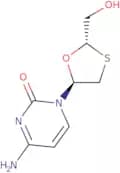
CAS:<p>Diclazuril is a drug product that is custom synthesized in our laboratory. It is a high purity, analytical standard with a CAS No. 1796928-69-2. Diclazuril is metabolized through a number of metabolic transformations, including hydrolysis by esterases or glucuronidases, oxidation by cytochrome P450 enzymes, reduction by glutathione reductase, or conjugation with glucuronic acid. The natural form of diclazuril has been identified as the metabolite of clozapine and other antipsychotic drugs. This drug has been evaluated for its pharmacopoeia and HPLC standards. These standards are used to determine the quality and purity of drugs that are used in research and development.</p>Formula:C32H16Cl6N6O3Purity:Min. 95%Molecular weight:745.2 g/molN-Acetyl o-benzyl 5’-epi lamivudine
CAS:<p>Please enquire for more information about N-Acetyl o-benzyl 5’-epi lamivudine including the price, delivery time and more detailed product information at the technical inquiry form on this page</p>Formula:C17H17N3O5SPurity:Min. 95%Molecular weight:375.4 g/molEverolimus related compound 3
CAS:<p>Everolimus related compound 3 is a chemical compound that contains xylose, chamomile extract, cellulose, sulfadiazine, and other ingredients. It is commonly used in industrial applications and has various properties and uses. This compound has been found to have interactions with glutamate, basic proteins, tocopherol, biomass, ticagrelor, chemokines, P. aeruginosa, and other substances. It may also contain impurities such as growth factors and fatty acids. Its specific applications and benefits will depend on the intended use in different industries.</p>Formula:C32H49NO9Purity:Min. 95%Molecular weight:591.7 g/molPF-06843195
CAS:<p>PF-06843195 is a potent analog of a medicinal compound that has shown anticancer activity against various types of cancer cells. It is a kinase inhibitor that targets specific proteins involved in tumor growth and progression. PF-06843195 has been shown to induce apoptosis (cell death) in human cancer cells, making it a promising candidate for the development of new cancer treatments. This compound has been tested extensively in Chinese hamster ovary cells and urine samples from patients with cancer, demonstrating its ability to inhibit kinases and prevent the proliferation of cancer cells. Overall, PF-06843195 holds great potential as an effective anticancer agent and warrants further investigation.</p>Formula:C20H25F3N8O4Purity:Min. 95%Molecular weight:498.5 g/mol7-Hydroxy-furo[3,4-b]pyrazin-5-one
CAS:<p>Please enquire for more information about 7-Hydroxy-furo[3,4-b]pyrazin-5-one including the price, delivery time and more detailed product information at the technical inquiry form on this page</p>Formula:C6H4N2O3Purity:Min. 95%Molecular weight:152.11 g/molRosuvastatin isoamy ester
CAS:<p>Rosuvastatin is a natural, synthetic and semi-synthetic drug product. It is the active ingredient in an investigational drug called Iressa. Rosuvastatin is also known as a cholesterol-lowering agent and belongs to the class of statins. Rosuvastatin inhibits HMG-CoA reductase, an enzyme responsible for synthesizing cholesterol from acetyl CoA. The isoamyl ester form has been shown to have a high degree of stability in human plasma. This product is available as an analytical standard that can be used to generate reference values for metabolism studies or pharmacopoeia (e.g., USP).</p>Formula:C27H38FN3O6SPurity:Min. 95%Molecular weight:551.70 g/molHirsutidin chloride
CAS:<p>Hirsutidin chloride is a plant flavonol glycoside that has been found to be an effective ingredient for the treatment of skin conditions such as dryness and aging. Hirsutidin chloride is also known to have an anti-inflammatory effect. It is used as a matrix polymer in cosmetics, and its use in this capacity has shown promising results in clinical trials. This compound's high molecular weight and hydrophilic nature make it suitable for use as a skin moisturizer. Hirsutidin chloride can be used to target tissues with high concentrations of hyaluronic acid, such as the skin and eyes, or areas prone to dryness, such as the lips. Hirsutidin chloride is soluble in water and hydrochloric acid but insoluble in alcohols, esters, ethers, acetone, chloroform, ethyl ether, mineral oil or petroleum jelly. <br>Hirsutidin chloride has strong fluorescence properties under</p>Formula:C18H17O7Purity:Min. 95%Molecular weight:345.3 g/molMontelukast impurity I
CAS:<p>Montelukast impurity I is an impurity found in the drug product, Montelukast. It is a natural substance and is produced as a result of metabolism studies. The chemical name for this impurity is 3-hydroxy-4-(2-methylpropyl)-5-(4-methoxyphenyl)pentanoic acid. This impurity can be used as an analytical standard and can be synthesized for use in pharmacopoeia. This compound has not been shown to have any therapeutic effects on humans or animals. This impurity has been shown to cause nausea, vomiting, and diarrhea in some patients.</p>Formula:C35H36ClNO4SPurity:Min. 95%Molecular weight:602.18 g/mol4'-Bromo-2-(diethylamino)-2',6'-acetoxylidide
CAS:<p>Please enquire for more information about 4'-Bromo-2-(diethylamino)-2',6'-acetoxylidide including the price, delivery time and more detailed product information at the technical inquiry form on this page</p>Formula:C14H21BrN2OPurity:Min. 95%Molecular weight:313.23 g/molAceclofenac benzyl ester
CAS:<p>Aceclofenac is a nonsteroidal anti-inflammatory drug (NSAID) that belongs to the propionic acid derivative group. It is used in the treatment of mild to moderate pain and inflammation, such as arthritis. Aceclofenac is rapidly hydrolyzed by esterases in the small intestine, resulting in the release of aceclofenac acid. Aceclofenac benzyl ester is a chemical intermediate that has been shown to be an efficient method for producing aceclofenac acid. It can be obtained by reacting bromoacetic anhydride with methyl alcohol and then hydrolyzing the product with strong acids. This compound may contain impurities, such as nucleophilic impurities, which can lead to side effects.</p>Formula:C23H19Cl2NO4Purity:Min. 95%Molecular weight:444.31 g/molZanapezil
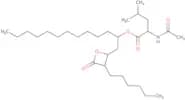
CAS:<p>Zanapezil is a human and Chinese analog of mirtazapine that has been studied for its potential anticancer properties. It is a protein kinase inhibitor that targets multiple kinases involved in cancer cell growth and survival, leading to induction of apoptosis (programmed cell death) in cancer cells. Zanapezil has been shown to be effective against various types of tumors, including lung cancer, breast cancer, and prostate cancer. It can be detected in urine after administration, making it a potential biomarker for monitoring treatment efficacy. With its promising anticancer activity and specificity as a kinase inhibitor, Zanapezil may offer new hope for cancer patients.</p>Formula:C25H32N2OPurity:Min. 95%Molecular weight:376.5 g/molN-Formyl-D-leucine (1R)-1-[[(2R,3R)-3-Hexyl-4-oxo-2-oxetanyl]methyl]dodecyl ester
CAS:<p>N-Formyl-D-leucine (1R)-1-[[(2R,3R)-3-Hexyl-4-oxo-2-oxetanyl]methyl]dodecyl ester is a synthetic metabolite that is used as an impurity standard for the analysis of N-formylmetabolites in drugs. It is also used to study the metabolism of drugs. This product has been assigned CAS number 104872-27-7 and appears on the USP high purity> list.</p>Formula:C29H53NO5Purity:Min. 95%Molecular weight:495.73 g/molDibenzhydryl disulfide
CAS:<p>Dibenzhydryl disulfide is a compound that includes sulfide and olefinic groups. It is an impurity in the reaction products of sulfide with olefins, which may be removed by washing, distillation, and crystallization. Dibenzhydryl disulfide has been shown to react with nucleophiles (e.g., OH-, CO2) to form an anion or proton. The reaction mechanism for this product is not well understood, but it most likely proceeds through the intermediacy of diphenylmethane. The product can also undergo a transfer reaction with butyllithium or thiobenzophenone to form methylbenzene, ethylbenzene, or propylbenzene respectively.</p>Formula:C26H22S2Purity:Min. 95%Molecular weight:398.6 g/mol1,4-Bis(trichloromethyl)-2-chlorobenzene
CAS:<p>Please enquire for more information about 1,4-Bis(trichloromethyl)-2-chlorobenzene including the price, delivery time and more detailed product information at the technical inquiry form on this page</p>Formula:C8H3Cl7Purity:Min. 95%Molecular weight:347.3 g/molN-[1-[3-(4-Ethoxyphenyl)-3,4-dihydro-4-oxopyrido[2,3-d]pyrimidin-2-yl]ethyl]-4-fluoro-N-(3-pyridinylmethyl)-3-(trifluoromethyl)-benz eneacetamide
CAS:<p>N-[1-[3-(4-Ethoxyphenyl)-3,4-dihydro-4-oxopyrido[2,3-d]pyrimidin-2-yl]ethyl]-4-fluoro-N-(3-pyridinylmethyl)-3-(trifluoromethyl)-benz eneacetamide is a drug product that is used in the development of new drugs. It is an analytical standard for HPLC and was created as a natural metabolite from the antibiotic Cefazolin. N-[1-[3-(4-Ethoxyphenyl)-3,4-dihydro-4-oxopyrido[2,3-d]pyrimidin-2-yl]ethyl]-4 -fluoro -N-(3 -pyridinylmethyl) - 3 (trifluoromethyl) - benzeneacetic acid has been shown to inhibit</p>Formula:C32H27F4N5O3Purity:Min. 95%Molecular weight:605.6 g/molAprepitant β-glucuronide sodium salt
CAS:<p>Aprepitant β-glucuronide sodium salt is a unique compound that has been shown to have potent anti-cancer properties. It works by inhibiting the cell cycle and inducing apoptosis in cancer cells. Aprepitant β-glucuronide sodium salt has been extensively studied in Chinese medicine and has shown promising results as an anticancer agent. This compound can be used to target specific proteins involved in the growth and proliferation of cancer cells, making it a highly effective treatment option for various types of tumors. Additionally, nanoparticles containing Aprepitant β-glucuronide sodium salt have been developed, which allows for targeted delivery and improved efficacy. Overall, this innovative compound holds great potential as a powerful tool in the fight against cancer.</p>Formula:C23H21F7N4O3Purity:Min. 95%Molecular weight:534.4 g/molEdaravone impurity P3
CAS:<p>Edaravone impurity P3 is an impurity standard that is used in research and development of drug products. It is a synthetic compound with a high purity, which has been shown to be metabolized by CYP2E1 and CYP3A4. Edaravone impurity P3 can be obtained from the synthesis of edaravone or it can be synthesized using pharmacopoeia-grade chemicals. This compound has a CAS number of 1323485-71-7. The analytical retention time for Edaravone impurity P3 is 8.6 minutes and its HPLC purity grade is 99%.</p>Formula:C13H16N2O4SPurity:Min. 95%Molecular weight:296.34 g/molDidemethyl rizatriptan hydrochloride
CAS:<p>Didemethyl rizatriptan hydrochloride is a potent anticancer agent that belongs to the indirubin analog family. It acts as a selective inhibitor of various kinases, including cyclin-dependent kinase (CDK), glycogen synthase kinase-3β (GSK-3β), and casein kinase 1 (CK1). This drug has been shown to induce apoptosis in various human cancer cell lines, including breast, prostate, and colon cancers. Didemethyl rizatriptan hydrochloride has also demonstrated significant tumor growth inhibition in animal models of cancer. Moreover, this drug can be detected in urine samples of Chinese patients with cancer who have received treatment with this inhibitor. Overall, didemethyl rizatriptan hydrochloride shows great promise as an effective protein kinase inhibitor for the treatment of cancer.</p>Formula:C13H16ClN5Purity:Min. 95%Molecular weight:277.75 g/mol3-Hydroxy darifenacin
CAS:Controlled Product<p>3-Hydroxy darifenacin is a synthetic drug that is a prodrug of darifenacin. It has a niche application in the treatment of overactive bladder. This compound has been shown to be metabolized by CYP3A4 and CYP2D6. 3-Hydroxy darifenacin is an impurity standard for the HPLC assay of darifenacin and its metabolites.</p>Formula:C28H30N2O3Purity:Min. 95%Molecular weight:442.5 g/molSulofenur
CAS:<p>Sulofenur is an analog of capsaicin, a compound found in chili peppers, that has been shown to have anticancer properties. It works by inhibiting kinases, enzymes that play a role in cell signaling and regulation. Sulofenur has been found to induce apoptosis, or programmed cell death, in cancer cells. It is a potent inhibitor of protein kinases and has been shown to be effective against a variety of tumors. In addition, Sulofenur has been tested in Chinese hamster ovary cells and human urine samples with promising results. Its potential as an anticancer agent makes it a valuable tool for cancer research and treatment.</p>Formula:C16H15ClN2O3SPurity:Min. 95%Molecular weight:350.8 g/molTirofiban impurity 8
CAS:<p>Tirofiban impurity 8 is an analytical standard for HPLC. It is a research-grade, high purity, impurity standard for the drug product. Tirofiban impurity 8 is a metabolite of tirofiban that has been shown to be pharmacologically active in animal models and in vitro. Tirofiban impurity 8 has a natural or synthetic origin and its CAS number is 2250244-25-6.</p>Formula:C18H22N2O3Purity:Min. 95%Molecular weight:314.4 g/molTorasemide EP Impurity D
CAS:<p>Torasemide EP Impurity D is a drug product or impurity. It is an analytical standard for purity testing of torasemide. Torasemide EP Impurity D is also a metabolite of torasemide and can be found in urine as well as other tissues. It is natural, but not naturally occurring. Research and Development studies of this impurity are ongoing to determine its pharmacological activity and niche applications.</p>Formula:C17H22N4O3SPurity:Min. 95%Molecular weight:362.45 g/molN-(3,3-Diethoxypropyl)acetamide
CAS:<p>N-(3,3-Diethoxypropyl)acetamide is a custom synthesis drug product. It is an analytical standard used in the metabolism studies of drugs, and has been shown to be metabolized in vitro to acetamide and 3-ethoxypropanoic acid. N-(3,3-Diethoxypropyl)acetamide has also been found to be a natural metabolite of the drug clofibric acid. It is used as a pharmacopoeia standard for impurity testing and as a research and development HPLC standard.</p>Formula:C9H19NO3Purity:Min. 95%Molecular weight:189.25 g/mol1-[5-(Hydroxymethyl)-2-furyl]-2-methyl-1,2,3,4-tetrahydroisochinolin-4,6-diol
CAS:<p>1-[5-(Hydroxymethyl)-2-furyl]-2-methyl-1,2,3,4-tetrahydroisochinolin-4,6-diol is an analytical standard in the form of a white solid. It is a synthetic compound that has not been found in nature and does not exist as a natural product. It is used to provide a calibration or quality control for HPLC testing. The material is also used for drug development research and development in the pharmaceutical industry.<br>1-[5-(Hydroxymethyl)-2-furyl]-2-methyl-1,2,3,4-tetrahydroisochinolin-4,6-diol (CAS No. 1312706-19) is an analytical standard in the form of a white solid. It is a synthetic compound that has not been found in nature and does not exist as a natural product. It is used to provide</p>Formula:C15H17NO4Purity:Min. 95%Molecular weight:275.3 g/molEthyl 3,6-dioxocyclohexa-1,4-diene-1-sulfonate
CAS:<p>Ethyl 3,6-dioxocyclohexa-1,4-diene-1-sulfonate is an analog that has shown potential as an anticancer agent. It works by inhibiting kinases that are involved in cancer cell growth and proliferation. Studies have shown that this compound induces apoptosis in human tumor cells, making it a promising candidate for cancer treatment. Ethyl 3,6-dioxocyclohexa-1,4-diene-1-sulfonate has also been found to be a potent inhibitor of protein kinase D (PKD), which plays a key role in cancer cell survival and proliferation. This compound has been compared to the well-known kinase inhibitor saxagliptin and found to be more effective at inhibiting PKD activity. Additionally, Chinese hamster ovary cells treated with Ethyl 3,6-dioxocyclohexa-1,4-diene-1-sulfonate showed reduced levels of urinary ex</p>Formula:C12H12CaO11S2Purity:Min. 95%Molecular weight:436.4 g/mol(E)-2-Furaldehyde, (2,4-dinitrophenyl)hydrazone
CAS:<p>Please enquire for more information about (E)-2-Furaldehyde, (2,4-dinitrophenyl)hydrazone including the price, delivery time and more detailed product information at the technical inquiry form on this page</p>Formula:C11H8N4O5Purity:Min. 95%Molecular weight:276.2 g/molNadoxolol hydrochloride
CAS:<p>Nadoxolol hydrochloride is a fatty acid derivative that has been shown to have hypoglycemic effects. Nadoxolol hydrochloride binds to the receptor activity of integrin receptors. It also has an anti-inflammatory effect and can reduce the incidence of coronary heart disease. Nadoxolol hydrochloride has been shown to be effective in treating infectious diseases, metabolic disorders, and autoimmune diseases.</p>Formula:C14H17ClN2O3Purity:Min. 95%Molecular weight:296.75 g/molN-Ethoxycarbonyl dabigatran ethyl ester
CAS:<p>N-Ethoxycarbonyl dabigatran ethyl ester is a synthetic compound that is an impurity in the drug product, Dabigatran etexilate (CAS No. 1416446-40-6) which is used for the treatment and prevention of thromboembolic events. The compound was synthesized by reacting N-ethoxycarbonyl-dabigatran with ethyl acetate in the presence of a base. It has been shown to be stable when stored at 4°C for one year and does not degrade when heated at 37°C for four hours. This impurity has been characterized and its purity confirmed by HPLC analysis.</p>Formula:C30H33N7O5Purity:Min. 95%Molecular weight:571.63 g/molRjr 2429 dihydrochloride
CAS:<p>Rjr 2429 dihydrochloride is a tumor promoter that has been shown to induce tumor growth in tissues and in cell culture. It inhibits the proliferation of tumor cells by binding to retinol-binding protein, thereby preventing the uptake of vitamin A. Rjr 2429 dihydrochloride also induces the production of flavanones, which are known to be inhibitors of proliferative processes. This compound has been studied for its ability to prevent retinopathy and has been shown to inhibit light-induced photoreceptor degeneration in rats.</p>Formula:C12H18Cl2N2Purity:Min. 95%Molecular weight:261.19 g/molEthylene terephthalate cyclic hexamer-d24
CAS:<p>Ethylene terephthalate cyclic hexamer-d24 is a synthetic drug product. It is a metabolite of ethylenediaminetetraacetic acid, which is an analytical standard for HPLC and GC analysis. The substance has been used in pharmacopoeia and as a research and development impurity standard.</p>Formula:C60H24D24O24Purity:Min. 95%Molecular weight:1,177.16 g/molTovinontrine
CAS:<p>Tovinontrine is a potent Chinese anticancer drug that targets the kinase pathway in cancer cells. It has been shown to inhibit cell cycle progression and induce apoptosis in cancer cells, making it a promising candidate for cancer treatment. Tovinontrine also has protein kinase inhibitory activity and can be used as an inhibitor of tumor growth. This drug is highly effective against various types of human cancers, including breast, lung, prostate, and colon cancer. Additionally, Tovinontrine has been shown to have synergistic effects with other anticancer drugs such as betamethasone and vitamin D3. The urine concentration of Tovinontrine can be used as a biomarker for the diagnosis and monitoring of cancer patients undergoing treatment with this drug.</p>Formula:C21H26N6O2Purity:Min. 95%Molecular weight:394.5 g/molCefdinir impurity H
<p>Cefdinir impurity H is a metabolite of the drug cefdinir. It is an impurity in the drug product that was discovered during research and development of cefdinir. Cefdinir impurity H has a CAS number, which indicates that it is a drug product. It also has high purity and can be used for analytical purposes or as a metabolism study standard. Metabolism studies have been conducted on this compound to determine its pharmacological effects. This metabolite is not natural, but synthetic and may be considered a niche compound due to its limited use in research and development.br><br>This impurity may be found in the form of an HPLC standard and can be used for developing new drugs against bacterial infections such as tuberculosis, which are caused by Mycobacterium tuberculosis.br>br></p>Formula:C14H15N5O6S2Purity:Min. 95%Molecular weight:413.43 g/molTadalafil spiro-urethane impurity (EP impurity F)
CAS:<p>Please enquire for more information about Tadalafil spiro-urethane impurity (EP impurity F) including the price, delivery time and more detailed product information at the technical inquiry form on this page</p>Formula:C22H19N3O6Purity:Min. 95%Molecular weight:421.4 g/molGlimepiride EP Impurity G
Please enquire for more information about Glimepiride EP Impurity G including the price, delivery time and more detailed product information at the technical inquiry form on this pageFormula:C19H25N3O6SPurity:Min. 95%Molecular weight:423.48 g/mol2'-Deoxy-5,6-didehydro-2',2'-difluoro-6-hydroxyuridine
<p>2'-Deoxy-5,6-didehydro-2',2'-difluoro-6-hydroxyuridine is an analytical standard that is used in research and development of drugs. This compound has been designated as an impurity in a drug product. It has also been used as a reference standard for HPLC analysis. 2'-Deoxy-5,6-didehydro-2',2'-difluoro-6-hydroxyuridine is a metabolite of the drug product. This compound is not found in nature and has been synthesized artificially.</p>Formula:C9H12F2N2O6Purity:Min. 95%Molecular weight:282.2 g/molLincomycin B
CAS:<p>Lincomycin B is a chemical compound that belongs to the group of antimicrobial agents. It is used in the treatment of viral infections and has been shown to have an effect against HIV-1, herpes simplex virus, and influenza A virus. Lincomycin B inhibits protein synthesis by binding to the ribosomes in bacteria and inhibiting peptide elongation. The optimum concentration for this compound is 0.2 mM with a minimum inhibitory concentration of 1 mM. Lincomycin B can be synthesized by reacting sodium hydroxide solution with hydrochloric acid or hydroxide solution at a temperature range from 30 °C to 70 °C.</p>Formula:C17H32N2O6SPurity:Min. 95%Molecular weight:392.51 g/molFrovatriptan related compound A
CAS:<p>Frovatriptan is a drug used to treat migraine attacks. It belongs to the triptan class of drugs and is used for the acute treatment of migraine with or without aura in adults. Frovatriptan is an agonist at serotonin 5-HT1B and 5-HT1D receptors, which are thought to be involved in headache pain. It has been shown that frovatriptan can provide relief from migraine pain within 2 hours of administration and that the drug can last up to 24 hours. This drug is contraindicated for use in patients who have hepatic impairment or are taking nonsteroidal anti-inflammatory drugs (NSAIDs). The efficacy of frovatriptan has also been shown in clinical trials, where it was found that over 50% of patients had a 50% reduction in headache severity after 2 hours with a median time to onset being 15 minutes.</p>Formula:C13H15N3OPurity:Min. 95%Molecular weight:229.28 g/mol1-Deoxy-4-O-β-D-galactopyranosyl-1-[(4R)-4-(2-methylpropyl)-2-oxo-1-pyrrolidinyl]-β-D-fructopyranose/furanose
CAS:<p>Lactose conjugate degradation product of pregabalin</p>Formula:C20H35NO11Purity:Min. 95%Color and Shape:PowderMolecular weight:465.49 g/mol1-Amino-3-(9H-carbazol-4-yloxy)-2-propanol
CAS:<p>Please enquire for more information about 1-Amino-3-(9H-carbazol-4-yloxy)-2-propanol including the price, delivery time and more detailed product information at the technical inquiry form on this page</p>Formula:C15H16N2O2Purity:Min. 95%Molecular weight:256.3 g/mol(1RS)-1-(6-Methoxy-2-naphthyl)ethanol
CAS:<p>(1RS)-1-(6-Methoxy-2-naphthyl)ethanol is a multiphase test drug that exhibits reactive properties. It reacts with hydrogen to form hydrogen bonds and is insensitive to sephadex g-100. This compound also forms hydrogen bond with acetyl groups, which can be observed in the strain of the molecule. (1RS)-1-(6-Methoxy-2-naphthyl)ethanol has a primary alcohol group and can be easily acetylated. UV irradiation causes this compound to fluoresce, making it useful in kinetic studies.</p>Formula:C13H14O2Purity:Min. 95%Molecular weight:202.25 g/molPyrene-13C6
CAS:<p>Pyrene-13C6 is a medicinal compound that has been shown to be an effective inhibitor of apoptosis in tumor and leukemia cells. It works by inhibiting the activity of certain kinases and proteins involved in cell cycle regulation, which can lead to the death of cancer cells. Pyrene-13C6 has been tested extensively in Chinese hamster ovary cells and has been found to have potent anticancer activity. In addition, this compound has been detected in human urine, suggesting that it may have potential as a diagnostic tool for cancer detection. Overall, Pyrene-13C6 is a promising candidate for the development of new cancer therapies and diagnostic methods.</p>Formula:C16H10Purity:Min. 95%Molecular weight:202.25 g/mol4-Amino-5,6-dimethoxypyrimidine
CAS:<p>4-Amino-5,6-dimethoxypyrimidine is a pyrimethamine derivative that has been used as an antimalarial agent. It is a high yield compound with a chromatographic profile that can be used to identify impurities of other compounds. 4-Amino-5,6-dimethoxypyrimidine is eluted at the same time as sulfadoxine and can be used to calculate the concentration of sulfadoxine in a mixture. It can also be used as a reagent for rp-hplc. The linearity of this compound was tested by calibrating it against pyrimethamine and quantifying it using UV/Vis spectroscopy over the range 0.05 to 1 mg/mL.</p>Formula:C6H9N3O2Purity:Min. 95%Molecular weight:155.15 g/mol1,4-Bis[(tetrahydro-2-furanyl)carbonyl]-piperazine
CAS:<p>1,4-Bis[(tetrahydro-2-furanyl)carbonyl]-piperazine is a synthetic drug product. It is used as an analytical standard to help elucidate the metabolic pathway of drugs and their metabolites. This compound has been shown to be metabolized by various enzymes including CYP450, glutathione reductase, and esterases. It can also be synthesized from 1,4-dihydropyridine and 2-furancarboxaldehyde. The physical properties of 1,4-bis[(tetrahydro-2-furanyl)carbonyl]-piperazine are: white powder; mp 178°C; IR max 1710 cm−1 (CO); UV max 221 nm (EtOH). The impurities in this product are: 1-(2H)-Quinolinone (CAS No. 2467-94-1) which may have a maximum concentration</p>Formula:C14H22N2O4Purity:Min. 95%Molecular weight:282.34 g/mol(1R,3S)-1-(1,3-Benzodioxol-5-yl)-2-(2-chloroacetyl)-2,3,4,9-tetrahydro-1H-pyrido[3,4-b]indole-3-carboxylic acid methyl ester
CAS:<p>(1R,3S)-1-(1,3-Benzodioxol-5-yl)-2-(2-chloroacetyl)-2,3,4,9-tetrahydro-1H-pyrido[3,4-b]indole-3-carboxylic acid methyl ester is a drug product that has not yet been approved for use in humans. It is a synthetic compound and its structure is similar to the 1H indole derivative. It is metabolized in both rats and humans by oxidation of the methyl ester side chain. Metabolites have been identified in urine and feces following administration of radiolabeled (1R,3S)-1-(1,3-benzodioxol-5-yl)-2-(2 chloroacetyl)-2,3,4,9 tetrahydro 1H pyrido[3,4 b]indole 3 carboxylic</p>Formula:C22H19ClN2O5Purity:Min. 95%Molecular weight:426.8 g/molBortezomib impurity 76
CAS:<p>Bortezomib impurity 76 is an analytical reference material that is used in the development and production of pharmaceuticals. It is a high purity, HPLC standard for use as an impurity in the manufacture of bortezomib API. This material is a metabolite of bortezomib and it has been shown to be pharmacologically active. Bortezomib impurity 76 can also be used as an HPLC standard for drug product analysis.</p>Formula:C21H44BNO2Si2Purity:Min. 95%Color and Shape:PowderMolecular weight:409.56 g/mol2-Amino-5-[[4-[2-(5-ethyl-2-pyridinyl)ethoxy]phenyl]methyl]-4(5H)-thiazolone
CAS:<p>2-Amino-5-[4-[2-(5-ethyl-2-pyridinyl)ethoxy]phenyl]-4(5H)-thiazolone is a structural analog of nitrite. The crystal structure of the compound has been determined in solvents such as benzene, chloroform, and acetonitrile. It is soluble in alkali and hydrochloric acid, but not in water. 2-Amino-5-[4-[2-(5-ethyl-2-pyridinyl)ethoxy]phenyl]-4(5H)-thiazolone crystallizes as a dimerized molecule with an acrylate group at each end. It can be prepared by reacting thiourea with copper (II) chloride. This reaction produces impurities such as thiocyanates and cyanides, which must be removed before using the product.</p>Formula:C19H21N3O2SPurity:Min. 95%Molecular weight:355.46 g/molL-733,060 Hydrochloride
CAS:<p>L-733,060 Hydrochloride is a drug product that was custom synthesized for the purpose of research and development. It is a white to off-white crystalline powder with a melting point of 178.5°C. The purity of L-733,060 Hydrochloride is greater than or equal to 98% by analytical HPLC. L-733,060 Hydrochloride has been studied in metabolism studies and has been shown to be metabolized by cytochrome P450 enzymes, oxidative metabolites, hydrolysis by esterases, glutathione reductase, or conjugation with glucuronic acid. It also specifically binds to markers expressed at high levels in Mycobacterium tuberculosis strains (e.g., ESX-1 secretion system protein) and inhibits cell growth in culture.</p>Formula:C20H20ClF6NOPurity:Min. 95%Molecular weight:439.8 g/molrac-Pregabalin N-acrylamide
CAS:<p>Pregabalin is an anticonvulsant drug that is used to treat epilepsy, neuropathic pain, and generalized anxiety disorder. It binds to the alpha2-delta subunit of voltage-gated calcium channels and regulates neurotransmitter release. Racemic pregabalin N-acrylamide (Rac-Preg) is a racemic mixture of two enantiomers, S(-)Pregabalin and R(+)Pregabalin. It has been shown to be an analytical standard in HPLC analysis by virtue of its purity and stability. Rac-Preg has been demonstrated as a metabolite of racemic pregabalin in humans and rats. Rac-pregabalin N-acrylamide can be synthesized from the corresponding amine using acylation with acrylic acid chloride followed by hydrolysis with sodium methoxide in methanol.</p>Formula:C11H19NO3Purity:Min. 95%Molecular weight:213.27 g/molO-Desmethyl urapidil
CAS:<p>O-Desmethyl urapidil is an impurity of the drug product, urapidil. It is a synthetic compound that is not found in nature. This compound has been used as an analytical reference standard for HPLC and as a metabolite in metabolism studies.</p>Formula:C19H27N5O3Purity:Min. 95%Molecular weight:373.45 g/molMonophenyl succinate
CAS:<p>Monophenyl succinate is an organic compound that is a derivative of succinic acid. It contains a hydroxyl group, which reacts with hydrogen chloride to form a cross-linking agent. The diameters of the particles are between 1 and 100 nm. Monophenyl succinate can be used as a cross-linking agent in polymers and coatings, as well as an antihypertensive drug. The hydroxy group on the monophenyl group has ester linkages with the methyl and ethoxycarbonyl groups on the phenyl group. This compound also has methoxy groups and chlorine atoms attached to it. The reaction products of this compound are hydrogen chloride, hydroxyl group, and diameter.</p>Formula:C10H10O4Purity:Min. 95%Molecular weight:194.18 g/mol3-(3-Trifluoromethylphenyl)propionaldehyde diethylacetal
CAS:<p>3-(3-Trifluoromethylphenyl)propionaldehyde diethylacetal is a synthetic compound that belongs to the class of drug products. It is used for research and development, as well as for developing analytical standards for HPLC. This product has been shown to be metabolized in the rat liver by hydrolysis of the acetal group and oxidation of the alcohol.</p>Formula:C14H19F3O2Purity:Min. 95%Molecular weight:276.29 g/molTiotropium Bromide EP Impurity G
CAS:<p>Tiotropium Bromide EP Impurity G is an anticholinergic bronchodilator that is used in the treatment of asthma. Tiotropium Bromide EP Impurity G has been shown to have long-acting properties, with a half-life of about 20 hours. It has a high affinity for the muscarinic receptor and acts as a competitive antagonist at this site. Tiotropium Bromide EP Impurity G also has a cavity, which may be necessary for its activity.</p>Formula:C9H6BrNO2Purity:Min. 95%Molecular weight:240.05 g/molScirpentriol
CAS:<p>Scirpentriol is an analog of a compound found in Chinese herbal medicine that has been shown to have potent anticancer activity. It inhibits cyclin-dependent kinases, which are enzymes involved in regulating the cell cycle and proliferation. Scirpentriol has been shown to induce apoptosis, or programmed cell death, in human cancer cells. This compound also inhibits the activity of certain protein kinases that are involved in tumor growth, making it a promising candidate for the development of new cancer therapies. Scirpentriol has potential as an inhibitor of urinary tract tumors due to its ability to block kinase activity and promote apoptosis.</p>Formula:C15H22O5Purity:Min. 95%Molecular weight:282.33 g/mol8-o-4-Hydroxycinnamoylharpagide
CAS:<p>8-O-4-hydroxycinnamoylharpagide is a phenylpropanoid glycoside that is found in Scrophularia, a genus of plants within the family Scrophulariaceae. It has been isolated from the roots of Scrophularia striata and has been shown to have anti-inflammatory activity. 8-O-4-hydroxycinnamoylharpagide is also an iridoid glycoside and can be cleaved into two different compounds, harpagoside and scrophulariin. The latter compound has been shown to have antiviral properties.</p>Formula:C24H30O12Purity:Min. 95%Molecular weight:510.5 g/molN-Benzyl-N-[2-(benzylamino)-2-oxoethyl]-2-chloroacetamide
CAS:<p>Please enquire for more information about N-Benzyl-N-[2-(benzylamino)-2-oxoethyl]-2-chloroacetamide including the price, delivery time and more detailed product information at the technical inquiry form on this page</p>Formula:C18H19ClN2O2Purity:Min. 95%Molecular weight:330.8 g/molEthyl 2-(6-amino-2,3-dichlorobenzyl)glycine
CAS:<p>Ethyl 2-(6-amino-2,3-dichlorobenzyl)glycine is a drug product with a CAS number of 70406-92-7. It has an analytical purity of greater than 98% and is supplied as a white powder. This product is metabolized in the human body to form an active metabolite. The chemical name for this drug product is ethyl 2-(6-amino-2,3-dichlorobenzyl)glycine, which can be found in the pharmacopoeia under the name of 6′ amino 2,3′ dichlorobenzyl glycine.</p>Formula:C11H14Cl2N2O2Purity:Min. 95%Molecular weight:277.15 g/mol(1R,3S,5S)-3-(2-Hydroxy-2,2-di(thiophen-2-yl)acetoxy)-8,8-dimethyl-8-azabicyclo[3.2.1]oct-6-en bromide
CAS:<p>The human red blood cell (RBC) is a non-nucleated cell in the human blood that carries oxygen to the body's cells. The erythrocyte is characterized by its biconcave shape and its lack of organelles. It has a volume of about 80 fL, and a diameter of about 7 micrometers. The RBCs are produced in bone marrow from precursor cells that differentiate into erythroid progenitor cells. This drug binds to the hemoglobin molecules in the red blood cells and alters their shape, causing an increase in their deformability. In addition, this drug decreases the viscosity of the plasma outside of the red blood cell, which increases its extravascular sensitivity. Evaluations have been performed on low doses to evaluate sensitivities within capillaries with microscopy parameters such as magnification and resolution. These evaluations have shown that this drug can be used for quantifying changes in capillary size due to low doses (</p>Formula:C19H22NO3S2·BrPurity:Min. 95%Molecular weight:456.42 g/molAct 373898 disodium
CAS:<p>Act 373898 disodium (A37) is a custom synthesis drug product that is used as an analytical standard for the metabolism of actiomycin D. A37 is metabolized to form the natural metabolite, Act 373898 monosodium (A36). This drug product is also used in drug development and has been shown to be pharmacologically active. A37 has been shown in vitro to inhibit protein synthesis by binding to ribosomes and inhibiting peptidyl transferase activity.<br>A37 is not a natural compound but it does possess niche properties. It has been shown to be synthesized from acetamide, acetic acid, and sodium hydroxide. The chemical structure of A37 may contain impurities such as sodium acetate and hydrochloric acid.</p>Formula:C15H17BrN4O5SPurity:Min. 95%Molecular weight:445.3 g/molRiboflavin 3',4'-diphosphate
CAS:<p>Riboflavin 3',4'-diphosphate is a crystalline powder that has an analytical purity of 99.9%. This compound is used as a research and development standard for HPLC, as well as an impurity standard for riboflavin. It is also used in the synthesis of drugs and pharmaceuticals, such as antibiotics and antiviral agents. Riboflavin 3',4'-diphosphate can be synthesized from natural or synthetic sources.</p>Formula:C17H22N4O12P2Purity:Min. 95%Molecular weight:536.3 g/mol(R)-3-((R)-5-Oxopyrrolidine-2-carbonyl)thiazolidine-4-carboxylic acid
CAS:<p>(R)-3-((R)-5-Oxopyrrolidine-2-carbonyl)thiazolidine-4-carboxylic acid is a research and development, impurity standard, custom synthesis, drug product, synthetic, high purity, pharmacopoeia, drug development and analytical reagent. CAS No. 162148-17-6</p>Formula:C9H12N2O4SPurity:Min. 95%Molecular weight:244.27 g/molBisnonyl dimethyl ammonium chloride
CAS:<p>Bisnonyl dimethyl ammonium chloride (BDAC) is an inorganic, modifying agent that is used as a catalyst for organic reactions. It has been shown to be a selective and stable surface modifier for the modification of ionic liquids. BDAC has also been utilized as a high-selectivity substance in the synthesis of cyclic hydrocarbons and phosphonium salts. BDAC is also used as a solid catalyst for the production of high yields of organophosphines and other nitrogen-containing compounds.</p>Formula:C20H44ClNPurity:Min. 95%Molecular weight:334 g/molAmlodipine besilate impurity D oxalate salt
CAS:<p>Amlodipine besilate impurity D oxalate salt is a pharmaceutical ingredient that is an impurity in Amlodipine besilate and is used as a diluent. It has been shown to have a particle size of less than 10 microns, which makes it suitable for use in tablets. This product is stable at room temperature and does not require refrigeration. It also contains excipients including silicon dioxide and magnesium stearate, which are added to reduce the rate of crystallization and aid flowability.</p>Formula:C22H25ClN2O9Purity:Min. 95%Molecular weight:496.89 g/molDescyclopropyl lenvatinib
CAS:<p>Descyclopropyl lenvatinib is a synthetic drug candidate that is being developed for the treatment of cancer. It is a metabolite of lenvatinib and has shown to have similar pharmacological activity, including inhibition of protein synthesis. Descyclopropyl lenvatinib also has been shown to inhibit the metabolism of other drugs, such as irinotecan, which may be due to its ability to inhibit cytochrome P450 enzymes.</p>Formula:C18H15ClN4O4Purity:Min. 95%Molecular weight:386.80 g/mol(E)-4-Alloxycarboxyl tamoxifen
CAS:<p>(E)-4-Alloxycarboxyl tamoxifen is a synthetic metabolite of tamoxifen. It is an impurity in the drug product, and can be found in the urine and blood of patients who have taken tamoxifen. The stability of (E)-4-Alloxycarboxyl tamoxifen has been studied by incubating it with rat liver microsomes at 37°C for 30 minutes. Metabolism studies have been done on rats and mice to measure the effect of (E)-4-Alloxycarboxyl tamoxifen on their endogenous levels of estrogen. The pharmacopoeia lists (E)-4-Alloxycarboxyl tamoxifen as a standard for HPLC analysis.</p>Formula:C30H33NO4Purity:Min. 95%Molecular weight:471.60 g/molOxybutynin EP impurity A
CAS:<p>Oxybutynin EP impurity A is a metabolite of oxybutynin, an antispasmodic drug. It has been shown to have immunomodulatory effects in a rat model of adjuvant arthritis. Oxybutynin EP impurity A is the major metabolite of oxybutynin and has been shown to be pharmacologically active in humans.</p>Purity:Min. 95%6-Deoxypenciclovir hydrochloride
CAS:<p>6-Deoxypenciclovir hydrochloride is a synthetic intermediate that is used in the synthesis of penciclovir, an antiviral drug. 6-Deoxypenciclovir hydrochloride can be used as an analytical standard for HPLC and as a research and development (R&D) API impurity. This product has been shown to be metabolized to penciclovir, a natural metabolite of penciclovir. The CAS number for this product is 246021-75-0.</p>Formula:C10H16ClN5O2Purity:Min. 95%Molecular weight:273.72 g/mol4-Methyl-3-[[4-(3-pyridinyl)-2-pyrimidinyl]amino]benzamide
CAS:<p>4-Methyl-3-[4-(3-pyridinyl)-2-pyrimidinyl]amino]benzamide is a synthetic compound that has been used as an impurity standard to determine the purity of drugs. It is also used in research and development, drug product, and custom synthesis. 4-Methyl-3-[4-(3-pyridinyl)-2-pyrimidinyl]amino]benzamide has a CAS number of 851137-91-2 and is on the list of pharmacopoeias. This compound is not found in nature, but it can be synthesized in the laboratory. Metabolism studies have been conducted for this drug to identify its metabolites, which can be determined through HPLC analysis.</p>Formula:C17H15N5OPurity:Min. 95%Molecular weight:305.33 g/mol(aR)-a-Methyl-N-[3-[4-(trifluoromethyl)phenyl]propyl]-1-naphthalenemethanamine
CAS:<p>(aR)-a-Methyl-N-[3-[4-(trifluoromethyl)phenyl]propyl]-1-naphthalenemethanamine is a synthetic drug product that is used in research and development. It has been shown to have an analytical purity of 99.8%.</p>Formula:C22H22F3NPurity:Min. 95%Molecular weight:357.41 g/mol2-Hydroxy-5-[2-[4-[[(6-methyl-2-pyridinyl)amino]sulfonyl]phenyl]diazenyl]benzoic acid
CAS:<p>2-Hydroxy-5-[2-[4-[[(6-methyl-2-pyridinyl)amino]sulfonyl]phenyl]diazenyl]benzoic acid is a synthetic drug product that has not been approved for clinical use. 2-Hydroxy-5-[2-[4-[[(6-methyl-2-pyridinyl)amino]sulfonyl]phenyl]- diazenyl]benzoic acid is a metabolite of the drug product, 3-(2,4,6,-trimethoxybenzoyl)-1-(pyridinium methyl) piperidine. This metabolite was isolated and characterized using high performance liquid chromatography (HPLC), gas chromatography (GC), and nuclear magnetic resonance spectroscopy.</p>Formula:C19H16N4O5SPurity:Min. 95%Molecular weight:412.42 g/molFexofenadine Impurity G
CAS:<p>Fexofenadine Impurity G is an impurity that is found in the drug Fexofenadine. This impurity can be identified and quantified using HPLC with a UV detector at 254 nm. Fexofenadine Impurity G has been classified as a natural metabolite of Fexofenadine. It is also considered to be a synthetic impurity because it can be synthesized in the laboratory.</p>Formula:C32H37NO3Purity:Min. 95%Molecular weight:483.6 g/molrac-N-Desbutyroyl acebutolol
CAS:<p>rac-N-Desbutyroyl acebutolol is a prodrug that is metabolized to the active form, acebutolol. The metabolism of rac-N-desbutyroyl acebutolol is mediated through cytochrome P450 (CYP) enzymes, specifically CYP2D6. Rac-N-desbutyroyl acebutolol has been shown to inhibit the growth of bacteria in vitro and in vivo. It has also been shown to have therapeutic effects on diabetic patients with high levels of fatty acids in their blood. Rac-N-desbutyroyl acebutolol has also been found to be effective for the treatment of patients with polycarboxylic acid exposure and dna replication diseases.</p>Formula:C14H22N2O3Purity:Min. 95%Molecular weight:266.34 g/molN-(2,4-Dichlorophenyl)-2-hydroxy-2-methyl-3-(phenylsulfonyl)propanamide
CAS:<p>2-Hydroxymethyl-3-(phenylsulfonyl)propanamide (HMPPA) is a metabolite of n-(2,4-dichlorophenyl)-2-hydroxy-2-methylpropanamide (DCPAMP), an impurity of the drug product. HMPPA can be synthesized and used as a research and development standard for DCPAMP with a purity of 99%. It is also used as a standard in pharmacopoeia and to develop drugs.</p>Formula:C16H15Cl2NO4SPurity:Min. 95%Molecular weight:388.3 g/molSb 206553 hydrochloride
CAS:<p>Taxol is a natural product that can be found in the bark of the Pacific yew tree. It has been shown to have synergistic effects with 5-HT2A receptor antagonists, such as gamma-aminobutyric acid (GABA) and 5-hydroxytryptamine (5-HT). Taxol has been used in the treatment of cancer, specifically breast cancer. In addition, it has been shown to have an effect on cardiac function by interfering with neurotransmission. This drug also blocks 5-HT2C receptors and is a human protein.</p>Formula:C17H17ClN4OPurity:Min. 95%Molecular weight:328.8 g/mol2-(((Hydroxy-4-methyloctyl)oxy)carbonyl)cyclohexanecarboxylic-d8 acid
CAS:<p>2-(((Hydroxy-4-methyloctyl)oxy)carbonyl)cyclohexanecarboxylic acid is a metabolite of the plasticiser diethyl phthalate. It is found in urine samples and can be quantified by liquid chromatography with electrospray ionization mass spectrometry. 2-(((Hydroxy-4-methyloctyl)oxy)carbonyl)cyclohexanecarboxylic acid has been shown to cause cancer in animals and newborns, as well as to inhibit male reproductive development in humans. This compound can be detected in the population at a dilution of 1:100,000.</p>Formula:C17H22D8O5Purity:Min. 95%Molecular weight:322.47 g/molGomphrenin I
CAS:<p>Gomphrenin I is an analog of a human protein that has been found to have potent anticancer properties. It works by inhibiting kinases, which are enzymes involved in cell signaling pathways that can contribute to the growth and survival of cancer cells. Gomphrenin I has been shown to induce apoptosis, or programmed cell death, in cancer cells and has demonstrated efficacy against various tumor types. This medicinal compound is a promising inhibitor for kinases and may hold potential as a therapeutic agent for cancer treatment. Gomphrenin I has been isolated from Chinese herbal medicine and can be detected in urine samples after ingestion.</p>Formula:C24H26N2O13Purity:Min. 95%Molecular weight:550.5 g/molAtorvastatin lactam lactone
CAS:<p>Atorvastatin lactam lactone is a synthetic drug product that has been used in the research and development of atorvastatin. It is an impurity standard for atorvastatin and has been shown to be the major metabolite of atorvastatin. Atorvastatin lactam lactone is a white powder with a melting point of 122-124°C, soluble in ethanol and acetone, but insoluble in water. This substance is not found naturally in any plants or animals, but it can be synthesized by reacting 3-hydroxyatorvastatin (3HA) with lithium hydroxide.</p>Formula:C33H31FN2O5Purity:Min. 95%Molecular weight:554.60 g/moltrans-Clomiphene
CAS:Controlled Product<p>Clomiphene is a drug that is used to treat female infertility. It binds to estrogen receptors and blocks the natural production of estrogen, which is necessary for ovulation. Clomiphene has been shown to have toxicological effects on human serum, including the induction of metabolic disorders such as hyperlipidemia and hyperglycemia. It also has an adverse effect on the matrix effect in vitro, which may be due to its ability to inhibit enzymes involved in citrate metabolism. Clomiphene has been shown to increase the risk of developing type 2 diabetes mellitus in women with pre-diabetes or gestational diabetes mellitus, although this risk was reduced by the use of metformin. Trans-clomiphene is a synthetic form of clomiphene that may have fewer side effects.</p>Formula:C26H28ClNOPurity:Min. 95%Color and Shape:PowderMolecular weight:406 g/molTyk2-in-5
CAS:<p>Please enquire for more information about Tyk2-in-5 including the price, delivery time and more detailed product information at the technical inquiry form on this page</p>Formula:C21H19FN8O2Purity:Min. 95%Molecular weight:434.4 g/molLevofloxacin carboxylic acid
CAS:<p>Levofloxacin is a synthetic molecule with an asymmetric carbon atom in its heterocycle. It is synthesized by reacting chloroform with 2-fluoro-5-nitrobenzaldehyde, which reacts further with sodium hydroxide and hydrochloric acid to form the levofloxacin carboxylic acid. Impurities can be found in the reaction product due to chlorine atoms that are formed during the synthesis. The amount of impurities present in the final product can be determined using a titration method or through HPLC analysis. Levofloxacin has been shown to be effective against methicillin-resistant Staphylococcus aureus (MRSA) and Clostridium perfringens, although is not active against acid-fast bacteria such as Mycobacterium tuberculosis or Mycobacterium avium complex.</p>Formula:C13H9F2NO4Purity:Min. 95%Color and Shape:PowderMolecular weight:281.21 g/mol5-Benzoyl-2,3-dihydro-1H-pyrrolizine-1-carboxylic acid - Racemic
CAS:<p>5-Benzoyl-2,3-dihydro-1H-pyrrolizine-1-carboxylic acid - Racemic (5BPC) is a drug that is used for the treatment of pain. It has been shown to be safe and effective in treating postoperative pain when given by intravenous infusion or as an oral tablet. 5BPC has minimal toxicity and is metabolized primarily by the liver with a half life of 2.6 hours. The drug has been found to have pharmacokinetic properties that allow it to be used safely in patients with hepatic impairment and in those recovering from abdominal surgery. 5BPC is a prodrug that undergoes biotransformation by esterases into its active form, pyrrolizidine alkaloid (PA). PA acts as a nonsteroidal anti-inflammatory agent and inhibits prostaglandin synthesis, which leads to analgesia. This drug also has minimal drug interactions because</p>Formula:C15H13O3NPurity:Min. 95%Molecular weight:255.27 g/mol1-Hydroxy-3-nitrodeamino fingolimod
CAS:<p>1-Hydroxy-3-nitrodeamino fingolimod is a drug product that belongs to the class of drugs known as immunosuppressants. It is a synthetic, non-natural compound that belongs to the family of drugs known as sphingosine analogues. The HPLC standard for 1-hydroxy-3-nitrodeamino fingolimod is available and can be used in research and development or analytical studies. This drug has been shown to have niche applications in the treatment of multiple sclerosis, but it is not yet included in any pharmacopoeia.</p>Formula:C19H31NO5Purity:Min. 95%Molecular weight:353.5 g/molTazarotenic acid sulfone
CAS:<p>Tazarotenic acid sulfone is a retinoic acid, which is a metabolite of vitamin A. It is an all-trans retinoic acid that has been chemically modified to increase its water solubility and stability. Tazarotenic acid sulfone has been shown to inhibit the formation of metabolites by hydroxylase enzymes and the photolytic decomposition of tazarotene. Tazarotenic acid sulfone also interacts with the substrate binding site on cytochrome P450 enzyme, inhibiting the metabolic activation of exogenous substances such as acetonitrile and ammonium formate. The chemical structure of tazarotenic acid sulfone is acidic, which may be responsible for its inhibition of cytochrome P450 enzymes.</p>Formula:C19H17NO4SPurity:Min. 95%Molecular weight:355.4 g/molLoe 908 hydrochloride
CAS:<p>Loe 908 hydrochloride is a cytosolic calcium ionophore with a biphasic response. It activates epidermal growth factor and inhibits myosin phosphatase, inhibiting the activation of the Ras pathway. Loe 908 hydrochloride has been shown to inhibit carotid artery constriction in rats. This drug acts by binding to cation channels in blood vessel walls, which prevents the influx of calcium ions into the cells of the vessel wall. Loe 908 hydrochloride also binds to 5-HT2 receptors and activates them. The result is an increase in intracellular calcium levels and inhibition of adenylyl cyclase, which leads to a decrease in cyclic AMP levels. This leads to decreased contractility in smooth muscle cells and relaxation of arterial smooth muscle cells.</p>Formula:C41H49ClN2O9Purity:Min. 95%Molecular weight:749.3 g/molSalinamide B
CAS:<p>Salinamide B is an analog of the natural product Salinamide A, which has been shown to have anti-cancer properties. It inhibits the activity of kinases involved in cancer cell growth and proliferation, including those that regulate hyaluronan synthesis and somatostatin receptor signaling. Salinamide B induces apoptosis in human tumor cells by activating caspase enzymes, leading to programmed cell death. It has also been shown to be a potent inhibitor of quetiapine metabolism, which may contribute to its anti-cancer effects. Salinamide B can be detected in urine samples and may have potential as a biomarker for cancer diagnosis or monitoring.</p>Formula:C51H70ClN7O15Purity:Min. 95%Molecular weight:1,056.6 g/mol(10E,12E)-10,12-Hexadecadienol
CAS:<p>(10E,12E)-10,12-Hexadecadienol is an analog of a Chinese herbal compound that has been shown to have anticancer properties. It acts as an inhibitor of kinases, which are enzymes involved in cell signaling pathways that regulate cell growth and division. This compound has been found to induce apoptosis, or programmed cell death, in cancer cells. (10E,12E)-10,12-Hexadecadienol has also been shown to inhibit the growth of tumors in human studies. Additionally, this compound has been identified in urine samples from individuals taking the diabetes medication vildagliptin, suggesting its potential use as a biomarker for drug efficacy. Overall, (10E,12E)-10,12-Hexadecadienol shows promising potential as a natural anticancer agent with multiple therapeutic applications.</p>Formula:C16H30OPurity:Min. 95%Molecular weight:238.41 g/molMotexafin lutetium hydrate
CAS:<p>Motexafin lutetium hydrate is a radioactive drug that is used in the diagnosis of skin cancer. The drug binds to the chemoattractant protein CXCL1 and pro-apoptotic protein BID, leading to the accumulation of these proteins at the mitochondria membrane potential. This accumulation induces apoptosis by inhibiting mitochondrial activity. Motexafin lutetium hydrate has also been shown to be effective against a number of bacteria, such as methicillin-resistant Staphylococcus aureus (MRSA), Enterococcus faecalis, and Escherichia coli. It has also been shown to have anti-inflammatory effects in animal models, which may be due to its inhibition of prostaglandin synthesis.</p>Formula:C52H74LuN5O15Purity:Min. 95%Molecular weight:1,184.1 g/mol1-(2-Deoxy-β-D-xylofuranosyl)-5-methyluracil
CAS:<p>1-(2-Deoxy-beta-D-xylofuranosyl)-5-methyluracil (1DXP) is a nucleoside that inhibits the enzyme UDP glucose pyrophosphorylase. This enzyme is involved in the synthesis of uridine nucleotides, which are required for RNA and DNA synthesis. 1DXP has been shown to be effective against hepatitis B virus and lymphocytic leukemia cells in vitro. The mechanism of action of 1DXP is not well understood, but it may be related to the inhibition of protein synthesis or cellular metabolism. It may also inhibit the enzyme amino transferase, which is important for the synthesis of aromatic amino acids such as phenylalanine and tyrosine.</p>Formula:C10H14N2O5Purity:Min. 95%Molecular weight:242.23 g/mol2'-Epi-lamivudine
CAS:<p>2'-Epi-lamivudine is a chiral, racemic mixture of the two enantiomers of lamivudine. The synthesis and purification of 2'-epi-lamivudine is achieved by using a chiralpak column to separate the optical isomers from each other and then an immunoaffinity column to remove the undesired enantiomer (the S-enantiomer). The final product is a mixture of both enantiomers in a 1:1 ratio, which has been shown to have antiviral activity against HIV.<br>2'-Epi-lamivudine has been shown to be more potent than its parent compound lamivudine and is less toxic. This antiviral agent inhibits HIV replication by inhibiting reverse transcriptase, which is an enzyme that synthesizes viral DNA from viral RNA. It also has anti-inflammatory properties that may be due to inhibition of prostaglandin synthesis.</p>Formula:C8H11N3O3SPurity:Min. 95%Molecular weight:229.26 g/moltrans-trans-4,4'-Iminodimethylenedi(cyclohexanecarboxylic acid)
CAS:<p>Trans-trans-4,4'-Iminodimethylenedi(cyclohexanecarboxylic acid) is a hydrophobic particle that is soluble in water. It has an average particle diameter of 20 nm and a viscosity of 10 cps. Trans-trans-4,4'-Iminodimethylenedi(cyclohexanecarboxylic acid) is used in skin care products as a thickener and viscosity enhancer. It provides a silky feel to the skin and improves the skin's elasticity. This product also helps to protect the skin from UV radiation by forming a barrier on the surface of the skin. The natural polymer can be produced from glycerin or amide to produce different properties for different applications. Trans-trans-4,4'-Iminodimethylenedi(cyclohexanecarboxylic acid) is an amphoteric molecule that can react with both acidic</p>Formula:C16H27NO4Purity:Min. 95%Molecular weight:297.39 g/molN-Desformyl N-acetyl (S,S,R,S)-orlistat (orlistat impurity)
CAS:<p>Please enquire for more information about N-Desformyl N-acetyl (S,S,R,S)-orlistat (orlistat impurity) including the price, delivery time and more detailed product information at the technical inquiry form on this page</p>Formula:C30H55NO5Purity:Min. 95%Molecular weight:509.8 g/molN-(3-Trifluoromethylphenyl)-phenylamine
CAS:<p>N-(3-Trifluoromethylphenyl)-phenylamine is a research and development drug product that is used as an analytical impurity standard. It has a CAS number of 101-23-5 and is classified under the trade name 3TFPPA. The chemical formula for N-(3-Trifluoromethylphenyl)-phenylamine is C12H8F3NO. This compound can be synthesized from phenylamine, 3-trifluoromethylaniline, and hydrochloric acid. The molecular weight of this compound is 197.19 g/mol, which falls within the range of 195 to 200 g/mol. N-(3-Trifluoromethylphenyl)-phenylamine can be found in the following pharmacopoeia: USP (United States Pharmacopeia), EP (European Pharmacopoeia), JP (Japanese Pharmacopeia), BP</p>Formula:C13H10F3NPurity:Min. 95%Molecular weight:237.22 g/molRuxolitinib Impurity 3
CAS:<p>Ruxolitinib Impurity 3 is an analytical chemical that is used as a reference standard in the field of drug development. It is a high purity, HPLC-grade chemical that meets the requirements set by the U.S. Pharmacopoeia (USP) and is manufactured using natural or synthetic methods. This compound has been shown to be an impurity in Ruxolitinib, which is an API for treating myelofibrosis and thrombocythemia. Ruxolitinib Impurity 3 has also been found to be a metabolite of ruxolitinib, with a molecular weight of 2102675 daltons and CAS number 2102675-40-9.</p>Formula:C17H19N5O2Purity:Min. 95%Molecular weight:325.36 g/mol
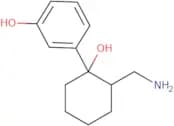


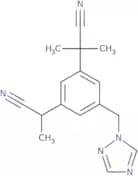
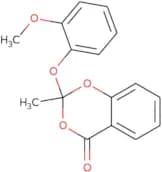
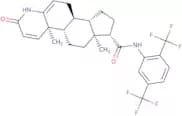
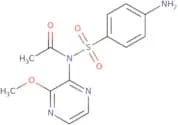
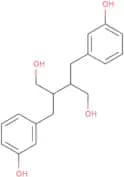
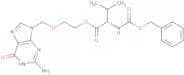
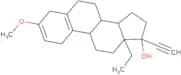
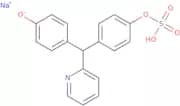
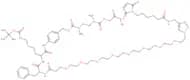
![N2'-Deacetyl-N2'-[3-(methylthio)-1-oxopropyl]-maytansine](/_next/image/?url=https%3A%2Fstatic.cymitquimica.com%2Fproducts%2F3D%2Fthumb-webp%2FMLB56984.webp&w=3840&q=75)
![Des[2-[(2-hydroxyethyl)amino]ethyl] mitoxantrone](/_next/image/?url=https%3A%2Fstatic.cymitquimica.com%2Fproducts%2F3D%2Fthumb-webp%2FID21105.webp&w=3840&q=75)
![5-(Hydroxymethyl)-N-[4-(trifluoromethyl)phenyl]-4-isoxazolecarboxamide](/_next/image/?url=https%3A%2Fstatic.cymitquimica.com%2Fproducts%2F3D%2Fthumb-webp%2FISB72246.webp&w=3840&q=75)
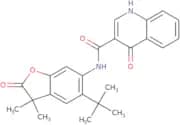
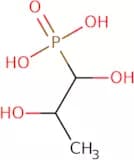
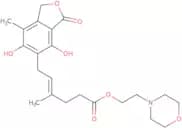
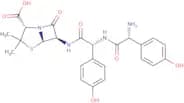
![1-[5-(Hydroxymethyl)-2-furyl]-2-methyl-1,2,3,4-tetrahydroisochinolin-4,8-diol](/_next/image/?url=https%3A%2Fstatic.cymitquimica.com%2Fproducts%2F3D%2Fthumb-webp%2FMCC70618.webp&w=3840&q=75)
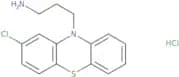

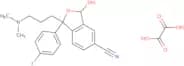
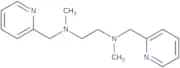
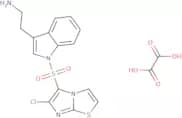
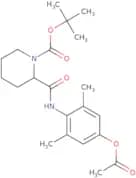
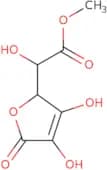
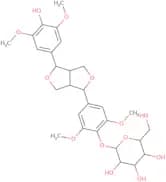
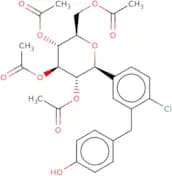
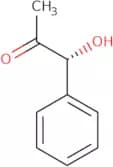
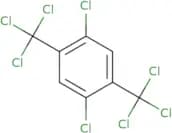
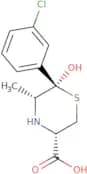
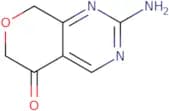
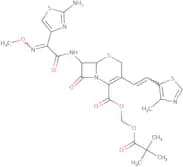
![Des-[(S)-3-methyl-2-pentanamidobutanoic acid] valsartan 4’-bromomethyl](/_next/image/?url=https%3A%2Fstatic.cymitquimica.com%2Fproducts%2F3D%2Fthumb-webp%2FNFA40233.webp&w=3840&q=75)
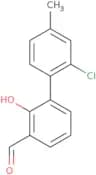
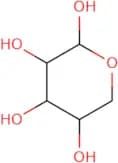
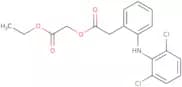
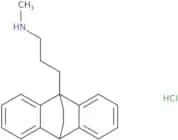
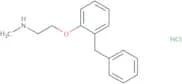
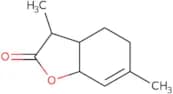

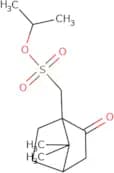
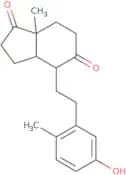
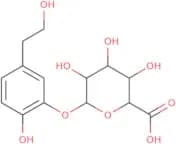
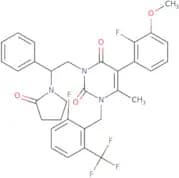

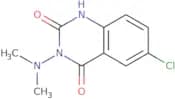
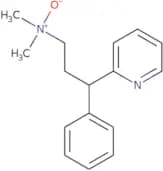
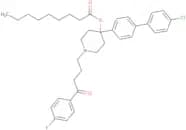

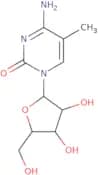
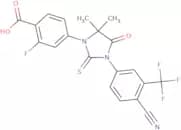
![[4-L-Glutamic Acid]-desmopressin](/_next/image/?url=https%3A%2Fstatic.cymitquimica.com%2Fproducts%2F3D%2Fthumb-webp%2FIG173261.webp&w=3840&q=75)
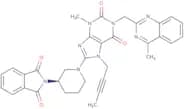
![[(1S)-(1α,2β,3β)]-3-(2-Amino-6-iodo-7H-purin-7-yl)-1,2-cyclobutanedimethanol dibenzoate ester](/_next/image/?url=https%3A%2Fstatic.cymitquimica.com%2Fproducts%2F3D%2Fthumb-webp%2FWZB81229.webp&w=3840&q=75)
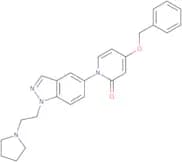

![2-Ethoxy-1-[[2'-[1-(trityl)-1H-tetrazol-5-yl][1,1'-biphenyl]-4-yl]methyl]-1H-benzimidazole-4-carbo…](/_next/image/?url=https%3A%2Fstatic.cymitquimica.com%2Fproducts%2F3D%2Fthumb-webp%2FIE22869.webp&w=3840&q=75)
![(7α,17β)-7-[9-[(R)-(4,4,5,5,5-Pentafluoropentyl)sulfinyl]nonyl]estra-1,3,5(10)-triene-3,17-diol](/_next/image/?url=https%3A%2Fstatic.cymitquimica.com%2Fproducts%2F3D%2Fthumb-webp%2FHXC90080.webp&w=3840&q=75)
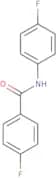
![(±)-3',4'-Dihydro-1'-hydroxy-7'-methoxy-spiro[cyclopentane-1,2'(1'H)-naphthalene]-1'-acetonitrile](/_next/image/?url=https%3A%2Fstatic.cymitquimica.com%2Fproducts%2F3D%2Fthumb-webp%2FBCA49109.webp&w=3840&q=75)
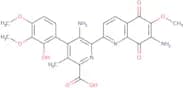
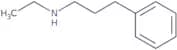
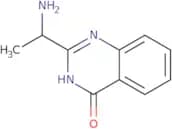
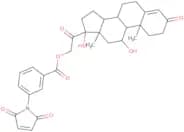
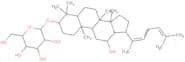
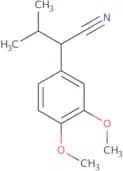
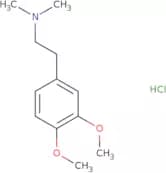
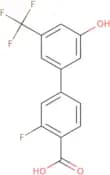
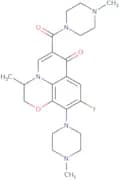
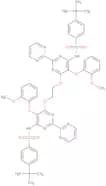
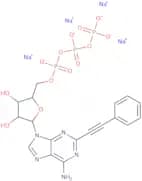
![N-[2-[[[5-[(Dimethylamino)methyl]-2-furanyl]methyl]thio]ethyl]-2-nitroacetamide](/_next/image/?url=https%3A%2Fstatic.cymitquimica.com%2Fproducts%2F3D%2Fthumb-webp%2FSEA84602.webp&w=3840&q=75)
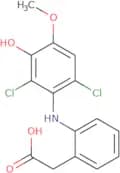
![1-C-4-Chloro-3-[(4-ethoxyphenyl)methyl]phenyl]- D-glucitol](/_next/image/?url=https%3A%2Fstatic.cymitquimica.com%2Fproducts%2F3D%2Fthumb-webp%2FIC181107.webp&w=3840&q=75)
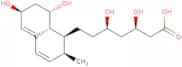

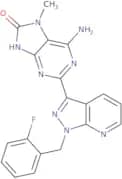
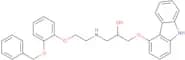
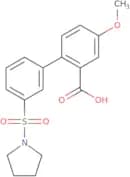
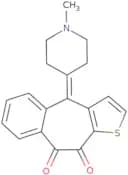
![3-[(4-Amino-2-methylpyrimidin-5-yl)methyl]-5-(2-chloroethyl)-4-methyl-1,3-thiazol-3-ium](/_next/image/?url=https%3A%2Fstatic.cymitquimica.com%2Fproducts%2F3D%2Fthumb-webp%2FIA181779.webp&w=3840&q=75)
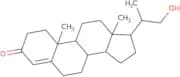
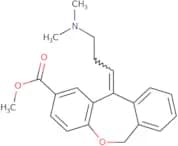
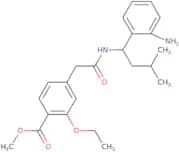
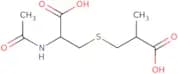
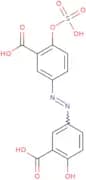
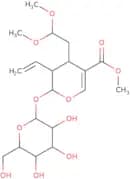
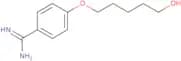
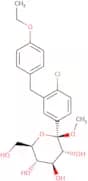
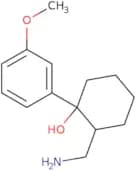
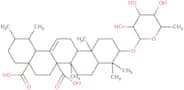

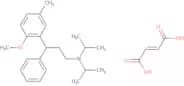

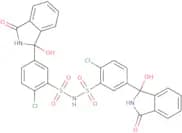
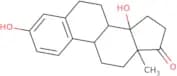
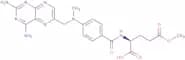
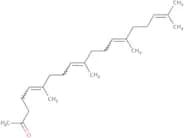
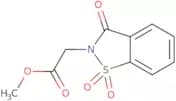
![Benz[A]anthracene-7-acetonitrile](/_next/image/?url=https%3A%2Fstatic.cymitquimica.com%2Fproducts%2F3D%2Fthumb-webp%2FNCA01869.webp&w=3840&q=75)
![Diclazuril 6-carboxylic acid [(4-chlorophenyl)cyanomethyl]-2,6-dichlorophenyl-4-amide](/_next/image/?url=https%3A%2Fstatic.cymitquimica.com%2Fproducts%2F3D%2Fthumb-webp%2FWWC92869.webp&w=3840&q=75)
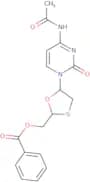
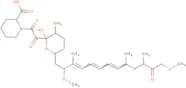

![7-Hydroxy-furo[3,4-b]pyrazin-5-one](/_next/image/?url=https%3A%2Fstatic.cymitquimica.com%2Fproducts%2F3D%2Fthumb-webp%2FQJB06150.webp&w=3840&q=75)
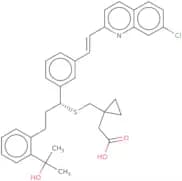
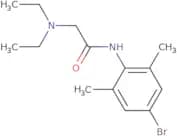
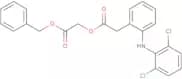
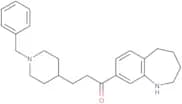
![N-Formyl-D-leucine (1R)-1-[[(2R,3R)-3-Hexyl-4-oxo-2-oxetanyl]methyl]dodecyl ester](/_next/image/?url=https%3A%2Fstatic.cymitquimica.com%2Fproducts%2F3D%2Fthumb-webp%2FIF26576.webp&w=3840&q=75)
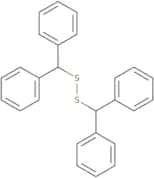
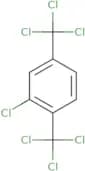
![N-[1-[3-(4-Ethoxyphenyl)-3,4-dihydro-4-oxopyrido[2,3-d]pyrimidin-2-yl]ethyl]-4-fluoro-N-(3-pyridin…](/_next/image/?url=https%3A%2Fstatic.cymitquimica.com%2Fproducts%2F3D%2Fthumb-webp%2FYTA72268.webp&w=3840&q=75)
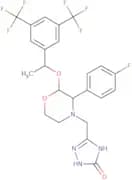
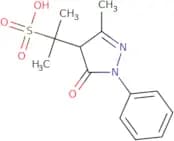
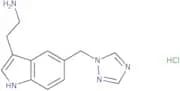
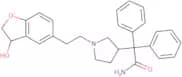
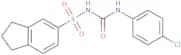
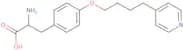

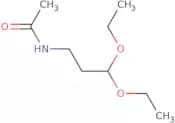
![1-[5-(Hydroxymethyl)-2-furyl]-2-methyl-1,2,3,4-tetrahydroisochinolin-4,6-diol](/_next/image/?url=https%3A%2Fstatic.cymitquimica.com%2Fproducts%2F3D%2Fthumb-webp%2FMCC70619.webp&w=3840&q=75)
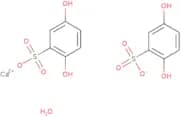

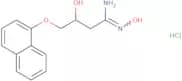
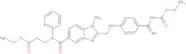
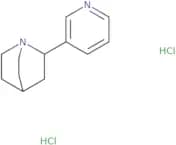

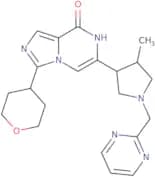
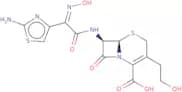



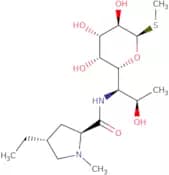
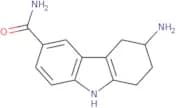
![1-Deoxy-4-O-β-D-galactopyranosyl-1-[(4R)-4-(2-methylpropyl)-2-oxo-1-pyrrolidinyl]-β-D-fructopyrano…](/_next/image/?url=https%3A%2Fstatic.cymitquimica.com%2Fproducts%2F3D%2Fthumb-webp%2FID63811.webp&w=3840&q=75)
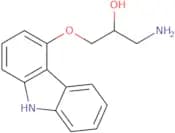
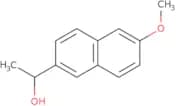
![1,4-Bis[(tetrahydro-2-furanyl)carbonyl]-piperazine](/_next/image/?url=https%3A%2Fstatic.cymitquimica.com%2Fproducts%2F3D%2Fthumb-webp%2FIB63853.webp&w=3840&q=75)
![(1R,3S)-1-(1,3-Benzodioxol-5-yl)-2-(2-chloroacetyl)-2,3,4,9-tetrahydro-1H-pyrido[3,4-b]indole-3-ca…](/_next/image/?url=https%3A%2Fstatic.cymitquimica.com%2Fproducts%2F3D%2Fthumb-webp%2FEAB65244.webp&w=3840&q=75)
![2-Amino-5-[[4-[2-(5-ethyl-2-pyridinyl)ethoxy]phenyl]methyl]-4(5H)-thiazolone](/_next/image/?url=https%3A%2Fstatic.cymitquimica.com%2Fproducts%2F3D%2Fthumb-webp%2FIA27055.webp&w=3840&q=75)
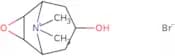
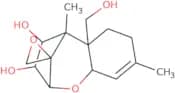
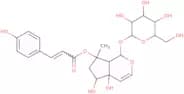
![N-Benzyl-N-[2-(benzylamino)-2-oxoethyl]-2-chloroacetamide](/_next/image/?url=https%3A%2Fstatic.cymitquimica.com%2Fproducts%2F3D%2Fthumb-webp%2FRFC05179.webp&w=3840&q=75)
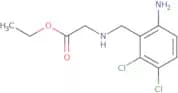
![(1R,3S,5S)-3-(2-Hydroxy-2,2-di(thiophen-2-yl)acetoxy)-8,8-dimethyl-8-azabicyclo[3.2.1]oct-6-en bro…](/_next/image/?url=https%3A%2Fstatic.cymitquimica.com%2Fproducts%2F3D%2Fthumb-webp%2FIH42882.webp&w=3840&q=75)


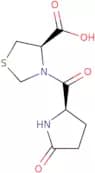

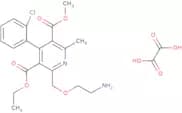
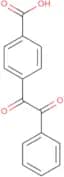
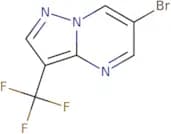
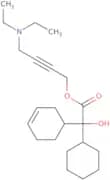
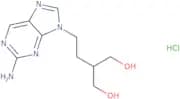
![4-Methyl-3-[[4-(3-pyridinyl)-2-pyrimidinyl]amino]benzamide](/_next/image/?url=https%3A%2Fstatic.cymitquimica.com%2Fproducts%2F3D%2Fthumb-webp%2FIM182951.webp&w=3840&q=75)
![(aR)-a-Methyl-N-[3-[4-(trifluoromethyl)phenyl]propyl]-1-naphthalenemethanamine](/_next/image/?url=https%3A%2Fstatic.cymitquimica.com%2Fproducts%2F3D%2Fthumb-webp%2FIM101358.webp&w=3840&q=75)
![2-Hydroxy-5-[2-[4-[[(6-methyl-2-pyridinyl)amino]sulfonyl]phenyl]diazenyl]benzoic acid](/_next/image/?url=https%3A%2Fstatic.cymitquimica.com%2Fproducts%2F3D%2Fthumb-webp%2FIH145662.webp&w=3840&q=75)