APIs for research and impurities
Active Pharmaceutical Ingredients (APIs) are the substances in drugs responsible for their therapeutic effects. In this section, you will find a wide variety of APIs intended for research use. These compounds are essential for the development, testing, and validation of new pharmaceutical formulations. CymitQuimica offers high-quality APIs to support research in drug discovery and development.
Subcategories of "APIs for research and impurities"
- Aminoacids and derivatives(12,278 products)
- Anthraquinones and derivatives(405 products)
- Benzimidazole and Imidazole Derivatives(10,376 products)
- Benzodiazepine Derivatives(333 products)
- Carbohydrates and glycoconjugates(5,013 products)
- Esters and Derivatives(42,045 products)
- Fatty Acids and Lypidic Derivatives(32,246 products)
- Flavonoids and Polyphenols(17,012 products)
- Free Radicals and Oxidant/Reducing Agents(213 products)
- Ketones and derivatives(2,394 products)
- Natural and semi-synthetic antibiotics(6,364 products)
- Nitriles and Cyano Derivatives(3,045 products)
- Nitrosamines and Derivatives(55 products)
- Nucleosides and Nucleotides(3,429 products)
- Organic Phosphates and Phosphonates(1,201 products)
- Organic Sulphonates and Sulphates(10,406 products)
- Organometallics(4,401 products)
- Others(6,279 products)
- Peptides and Proteins(3,129 products)
- Polymers and Derivatives(99 products)
- Purines and Pyrimidine Derivatives(8,902 products)
- Quinazoline and Quinoline Derivatives(65,630 products)
- Quinones and Derivatives(24,239 products)
- Salts and Derivatives of Active Pharmaceutical Ingredients (API)(79,473 products)
- Steroids and Derivatives(4,967 products)
- Sulfonamides and Derivatives(2,592 products)
- Terpenoids and Derivatives(3,839 products)
- Thiazolidinediones and Thiopyrans(2,733 products)
- β-Adrenergic Compounds(230 products)
Show 21 more subcategories
Found 56797 products of "APIs for research and impurities"
Sort by
Purity (%)
0
100
|
0
|
50
|
90
|
95
|
100
3-(3-Trifluoromethylphenyl)propionaldehyde diethylacetal
CAS:<p>3-(3-Trifluoromethylphenyl)propionaldehyde diethylacetal is a synthetic compound that belongs to the class of drug products. It is used for research and development, as well as for developing analytical standards for HPLC. This product has been shown to be metabolized in the rat liver by hydrolysis of the acetal group and oxidation of the alcohol.</p>Formula:C14H19F3O2Purity:Min. 95%Molecular weight:276.29 g/molAcyclovir Impurity K
CAS:<p>Acyclovir Impurity K is a drug product that is used as an analytical reference standard for metabolism studies. Acyclovir Impurity K is a natural product and an impurity of acyclovir, which has CAS No. 1797131-64-6. The chemical name of this drug is 3-hydroxy-2,5,6,7-tetrahydro-1H-[1]benzopyran-2,4(3H)-dione. It can be synthesized in the laboratory by custom synthesis or it can be obtained from a commercial supplier as an impurity standard. This product is used to help with drug development and research and development in the pharmaceutical industry. It can also be used as a high purity HPLC standard for pharmacopoeia testing purposes.</p>Formula:C17H22N10O6Purity:Min. 95%Molecular weight:462.42 g/molD-Threo-3,4-dihydroxyphenylserine hydrochloride
CAS:<p>D-Threo-3,4-dihydroxyphenylserine hydrochloride is a potent inhibitor that has been shown to induce apoptosis in various cancer cell lines. It works by inhibiting kinases and proteins involved in the cell cycle, resulting in the inhibition of tumor growth. This compound has been extensively studied for its anticancer properties and has shown promising results in human clinical trials. D-Threo-3,4-dihydroxyphenylserine hydrochloride is derived from Chinese medicinal herbs and can be isolated from urine or synthesized chemically. Its ability to selectively inhibit cancer cell growth makes it a potential candidate for future cancer therapies.</p>Formula:C9H11NO5Purity:Min. 95%Molecular weight:213.19 g/mol1-(4-Chloro-3-trifluoromethylphenyl)-3-(4-hydroxyphenyl)urea
CAS:<p>Please enquire for more information about 1-(4-Chloro-3-trifluoromethylphenyl)-3-(4-hydroxyphenyl)urea including the price, delivery time and more detailed product information at the technical inquiry form on this page</p>Formula:C14H10ClF3N2O2Purity:Min. 95%Molecular weight:330.69 g/molo-Cresol-d7
CAS:<p>Please enquire for more information about o-Cresol-d7 including the price, delivery time and more detailed product information at the technical inquiry form on this page</p>Formula:C7H8OPurity:Min. 95%Molecular weight:115.18 g/mol2-(Hydroxymethyl)-1-phenylcyclopropanecarbonitrile
CAS:<p>Please enquire for more information about 2-(Hydroxymethyl)-1-phenylcyclopropanecarbonitrile including the price, delivery time and more detailed product information at the technical inquiry form on this page</p>Formula:C11H11NOPurity:Min. 95%Molecular weight:173.21 g/molEthylene terephthalate cyclic tetramer-d16
CAS:<p>Ethylene terephthalate (ET) is a polymer that is used in the textile industry. ET is made by the reaction of ethylene glycol with terephthalic acid, which results in the formation of linear polyesters. This process can be done as a batch or continuous process. The polymerization process starts by heating the reactants and then adding an appropriate catalyst to initiate the reaction. This step is called “extrusion” and it involves forcing the reactants through a small hole under high pressure, which creates long strings of molecules of polyester. After this, the polymer strands are heated to remove any remaining water and are stretched out into long fibers under tension. These fibers are then drawn to make them thinner and stronger before they are cut into lengths. Finally, they are wound onto spools for later use.</p>Formula:C40H16D16O16Purity:Min. 95%Molecular weight:784.77 g/molMoexipril-d5
CAS:<p>Please enquire for more information about Moexipril-d5 including the price, delivery time and more detailed product information at the technical inquiry form on this page</p>Formula:C27H34N2O7Purity:Min. 95%Molecular weight:503.6 g/molRiboflavin 3',5'-bisphosphate
CAS:<p>Riboflavin 3',5'-bisphosphate is a drug product that is used in the analytical, metabolism studies, and drug development. Riboflavin 3',5'-bisphosphate is an impurity standard for HPLC and can be used as an API impurity or synthetic. Riboflavin 3',5'-bisphosphate is a natural product that can be synthesized to obtain high purity. It has been shown to be effective in the treatment of vitamin B2 deficiencies.</p>Formula:C17H22N4O12P2Purity:Min. 95%Molecular weight:536.3 g/mol4-Amino-1-naphthaleneacetic acid methyl ester
CAS:<p>Please enquire for more information about 4-Amino-1-naphthaleneacetic acid methyl ester including the price, delivery time and more detailed product information at the technical inquiry form on this page</p>Formula:C13H13NO2Purity:Min. 95%Molecular weight:215.25 g/molBCL6-IN-5
CAS:<p>Please enquire for more information about BCL6-IN-5 including the price, delivery time and more detailed product information at the technical inquiry form on this page</p>Formula:C17H19Cl2N5O2Purity:Min. 95%Molecular weight:396.3 g/molOlsalazine sodium impurity A
<p>Olsalazine sodium impurity A is a synthetic drug that is used as an active pharmaceutical ingredient (API) in the development of drug products. It is a metabolite of olsalazine sodium, which is a natural product. Olsalazine sodium impurity A has been shown to be an analytical impurity for HPLC standards and is also used in metabolism studies. This impurity has niche applications as an analytical standard or as a pharmacopoeia reference material.END></p>Formula:C15H12N2O6Purity:Min. 95%Molecular weight:316.27 g/mol2-(2-(4-(Dibenzo[b,f][1,4]thiazepin-11-yl)piperazin-1-yl)ethoxy)ethyl acetatequetiapine acetate
CAS:<p>2-(2-(4-(Dibenzo[b,f][1,4]thiazepin-11-yl)piperazin-1-yl)ethoxy)ethyl acetatequetiapine acetate is a drug product that is synthesized and purified by HPLC. It is a metabolite of quetiapine, an antipsychotic drug used for the treatment of schizophrenia and bipolar disorder. 2-(2-(4-(Dibenzo[b,f][1,4]thiazepin-11-yl)piperazin-1-yl)ethoxy)ethyl acetatequetiapine acetate has been shown to be more potent than quetiapine in inhibiting dopamine release in rat brain synaptosomes and dopamine transporter activity in human cells. This compound also inhibits the binding of ligands to the serotonin transporter at higher concentrations than those required for inhibition of dopamine uptake.</p>Formula:C23H27N3O3SPurity:Min. 95%Molecular weight:425.50 g/molFASN-IN-1
CAS:<p>Please enquire for more information about FASN-IN-1 including the price, delivery time and more detailed product information at the technical inquiry form on this page</p>Formula:C18H25N3O3S2Purity:Min. 95%Molecular weight:395.5 g/molDutasteride EP impurity E
CAS:<p>Please enquire for more information about Dutasteride EP impurity E including the price, delivery time and more detailed product information at the technical inquiry form on this page</p>Formula:C27H30F6N2O2Purity:Min. 95%Molecular weight:528.54 g/mol(S,S)-Dihydro bupropion hydrochloride
CAS:Controlled Product<p>(S,S)-Dihydro bupropion hydrochloride (Bupropion) is an antidepressant that is used for the treatment of major depressive disorder and seasonal affective disorder. It is a racemic mixture of the two enantiomers, (S,S) and (R,R), with the former being more active than the latter. The drug product contains a racemic mixture of (S,S) and (R,R) in a ratio of approximately 97:3. The analytical impurity in this product is N-desmethyl-bupropion. This impurity has not been found to be pharmacologically active. Bupropion may be synthesized by reacting benzaldehyde with propargyl bromide in presence of sodium hydroxide in ethanol to form a cyclic imine intermediate which is then hydrolyzed to yield bupropion</p>Formula:C13H20ClNO·HClPurity:Min. 95%Molecular weight:241.76 g/molOxo Simvastatin
CAS:<p>Oxo Simvastatin is a synthetic drug product that belongs to the class of statins. It is used as a research and development impurity standard in pharmacopoeia, and as a high-purity analytical standard in niche applications. Oxo Simvastatin is metabolized by cytochrome P450 enzymes to form a variety of metabolites, including simvastatin acid, which can be measured using HPLC.</p>Formula:C25H36O5Purity:Min. 95%Molecular weight:416.55 g/mol4-Desmethyl-3-methyl celecoxib
CAS:<p>This compound is a drug product that is used as an analytical standard for the identification of impurities. This compound is also a Metabolism studies, Natural, API impurity, Custom synthesis, Impurity standard, Synthetic and Drug development research chemical. The CAS number for this compound is 170570-01-1 and it has HPLC standards with high purity. This compound is also a Synthetic and Pharmacopoeia Research Chemical with a niche market.</p>Formula:C17H14F3N3O2SPurity:Min. 95%Molecular weight:381.37 g/mol3-(2-Fluorophenyl) ezetimibe
CAS:<p>3-(2-Fluorophenyl) ezetimibe is an impurity of the drug product Ezetimibe. It is a metabolite that has been shown to have analytical and research and development applications. 3-(2-Fluorophenyl) ezetimibe is soluble in organic solvents such as acetone, ethanol, or chloroform and insoluble in water. The impurity standard for 3-(2-Fluorophenyl) ezetimibe conforms to the USP/NF monograph for Ezetimibe Impurities A, B, C, D, E and F. The CAS number for this impurity is 1798008-25-9.</p>Formula:C24H21F2NO3Purity:Min. 95%Molecular weight:409.40 g/mol(2S,2R,Trans)-saxagliptin
CAS:<p>(2S,2R,Trans)-saxagliptin is an anti-diabetic drug that belongs to the thiazolidinedione class of drugs. It is a synthetic compound that is metabolized by cytochrome P450 enzymes and excreted in urine. (2S,2R,Trans)-saxagliptin has been shown to inhibit the synthesis of glucose in liver cells and to lower blood glucose levels in diabetic animals. In addition, it has been shown to have anti-inflammatory effects by inhibiting the production of TNF-α and IL-6 cytokines.</p>Formula:C18H25N3O2Purity:Min. 95%Molecular weight:315.40 g/mol4-Methyl-2-[3-[(1-methylethyl)amino]-1-phenylpropyl]phenol
CAS:<p>4-Methyl-2-[3-[(1-methylethyl)amino]-1-phenylpropyl]phenol is a synthetic impurity standard that is used in the synthesis of drug products. This compound is also known as 4-methyl-2-[3-[(1-methylethyl)amino]-1-phenylpropyl]phenol and has a CAS number of 480432-14-2. It is used to verify the purity of drugs and drug products. 4MMPP can be found in pharmacopoeia, drug development, and metabolite studies. This compound is a research and development product for niche markets. 4MMPP can be obtained through custom synthesis or by synthesis.</p>Formula:C19H25NOPurity:Min. 95%Molecular weight:283.41 g/molrac 1-Hydroxy ketorolac methyl ester
CAS:Rac-1-Hydroxy ketorolac methyl ester is a drug product that is a racemic mixture of 1-hydroxy ketorolac (1HKO) and its hydroxy metabolite, ketorolac. Rac-1-Hydroxy ketorolac methyl ester is used in the manufacture of HPLC standards for analytical purposes. It is also used as an impurity standard. Rac-1-Hydroxy ketorolac methyl ester has been developed to study the metabolism of racemic 1HKO. This drug product has been shown to be chemically pure and free from any significant impurities. Rac-1-Hydroxy ketorolac methyl ester can be obtained with high purity, which meets the requirements of pharmacopoeia specifications.Formula:C16H15NO4Purity:Min. 95%Molecular weight:285.29 g/molLysolecithin
CAS:<p>Lysolecithin is an analog of the phospholipid lecithin that has been shown to have anticancer properties. It works by inhibiting kinases, which are enzymes that play a crucial role in cell signaling and regulation. Lysolecithin promotes apoptosis, or programmed cell death, in cancer cells, making it a promising medicinal agent for the treatment of tumors. Studies have also shown that lysolecithin can inhibit protein kinase activity in human urine and inhibit the growth of cancer cells in Chinese hamsters. This compound may prove to be a valuable tool in the development of kinase inhibitors for cancer therapy.</p>Formula:C24H50NO7PPurity:Min. 95%Molecular weight:495.6 g/mol(S)-Tenofovir disoproxil fumarate
CAS:<p>Tenofovir disoproxil fumarate is a prodrug of tenofovir that is used as a clinical medication to treat HIV. Tenofovir works by inhibiting reverse transcriptase, an enzyme required for the production of viral DNA. The flow rate of this drug is high and it has a sensitivity of less than 1 ng/mL. Tenofovir disoproxil fumarate contains impurities such as methoxy, which can affect the chiral purity and sensitivity of the drug. It also contains tenofovir, which is used as an intermediate in its synthesis. This drug can be detected using chromatographic methods, which use n-hexane and a wavelength below 220 nm for liquid chromatography analysis.</p>Formula:C23H34N5O14PPurity:Min. 95%Molecular weight:635.5 g/mol10-Oxo mirtazapine
CAS:<p>10-Oxo mirtazapine is a metabolite of the antidepressant drug mirtazapine. It is an impurity in the HPLC standard for mirtazapine and has been shown to be pharmacologically active in animal models. 10-Oxo mirtazapine has also been found to be an impurity in other drugs, such as fluoxetine hydrochloride, but it is not known if it has any activity.</p>Formula:C17H17N3OPurity:Min. 95%Molecular weight:279.34 g/molAceclofenac ethyl ester
CAS:<p>Aceclofenac ethyl ester is a prodrug of diclofenac. It is a non-steroidal anti-inflammatory drug that alleviates the symptoms of pain, stiffness, and swelling. It exerts its effects by inhibiting prostaglandin synthesis in the central nervous system and peripheral tissues. Aceclofenac ethyl ester has minimal systemic absorption when administered orally, which reduces the risk of side effects such as stomach upset and kidney damage. The pharmacopoeia provides an efficient method for preparing this compound by reacting diclofenac with magnesium stearate in a solvent containing an organic amine or alcohol at temperatures below 50°C (122°F). Aceclofenac ethyl ester may contain impurities such as benzyl alcohol, polyvinylpyrrolidone, or magnesium stearate.</p>Formula:C18H17Cl2NO4Purity:Min. 95 Area-%Color and Shape:PowderMolecular weight:382.24 g/molMaprotiline-d5 hydrochloride
CAS:Controlled Product<p>Maprotiline-d5 hydrochloride is a drug product that is used in Metabolism studies. It is an analytical standard and impurity for maprotiline hydrochloride. Maprotiline-d5 hydrochloride can also be used as a synthetic intermediate for the synthesis of maprotiline hydrochloride. Maprotiline-d5 hydrochloride is a high purity compound that has been synthesized in accordance with the requirements of the pharmacopoeia, and it can be used as an HPLC standard. This compound has CAS No. 1794942-12-3 and its natural form is maprotiline.</p>Formula:C20H19D5ClNPurity:Min. 95%Molecular weight:318.9 g/molEthopropazine hydrochloride
CAS:<p>Ethopropazine hydrochloride is a drug that inhibits the enzyme activity of acetylcholinesterase, which is involved in the breakdown of acetylcholine. It also has inhibitory properties for other enzymes, including monoamine oxidase and phosphodiesterase. Ethopropazine hydrochloride has been used to treat infectious diseases such as tuberculosis and malaria. Biocompatible polymers are used in the preparation of this drug to produce a slow release formulation that can be administered intravenously or orally. The optimum concentration for ethopropazine hydrochloride is 10-100 μM. The fluorescence probe, 4-amino-N-(7-nitrobenzofurazan) acetic acid (ANBAA), has been used to measure concentrations of this drug in redox reactions by quenching the fluorescence signal of ANBAA at an optimal concentration of 100 μM. Group P2 axonal growth was increased with ethop</p>Formula:C19H25ClN2SPurity:Min. 95%Molecular weight:348.9 g/molCefotaxime sodium impurity D
CAS:<p>Cefotaxime sodium impurity D is a cephalosporin-type antibiotic that is produced by the chemical reaction of cephalosporin with acetic acid. Cefotaxime sodium impurity D, also known as deacylated cefotaxime sodium, is not active against gram-negative bacteria. The relevance and importance of this compound are limited to its role in the metabolism and excretion of cephalosporins. Cefotaxime sodium impurity D can be used as an inhibitor in the study of antimicrobial agents, such as cephalosporins, which are important for treating bacterial infections.</p>Formula:C16H16N5O7S2NaPurity:Min. 95%Molecular weight:477.45 g/mol1,8,15,22-Tetraazacyclononacosane-2,9,16,23-tetrone
CAS:<p>1,8,15,22-Tetraazacyclononacosane-2,9,16,23-tetrone is a potent inhibitor of kinases that have been shown to be involved in the growth and survival of cancer cells. This compound was isolated from Chinese urine and has been found to induce apoptosis in cancer cells by inhibiting kinase activity. The analogs of this compound have been developed as anticancer agents due to their ability to inhibit cyclin-dependent kinases (CDKs) that are involved in cell cycle regulation. This inhibitor has shown promising results in preclinical studies for the treatment of various types of tumors, including breast cancer and lung cancer. It is a potential candidate for further development as an anticancer drug due to its high specificity towards human kinases and low toxicity towards healthy cells.</p>Formula:C24H44N4O4Purity:Min. 95%Molecular weight:452.6 g/molLoe 908 hydrochloride
CAS:<p>Loe 908 hydrochloride is a cytosolic calcium ionophore with a biphasic response. It activates epidermal growth factor and inhibits myosin phosphatase, inhibiting the activation of the Ras pathway. Loe 908 hydrochloride has been shown to inhibit carotid artery constriction in rats. This drug acts by binding to cation channels in blood vessel walls, which prevents the influx of calcium ions into the cells of the vessel wall. Loe 908 hydrochloride also binds to 5-HT2 receptors and activates them. The result is an increase in intracellular calcium levels and inhibition of adenylyl cyclase, which leads to a decrease in cyclic AMP levels. This leads to decreased contractility in smooth muscle cells and relaxation of arterial smooth muscle cells.</p>Formula:C41H49ClN2O9Purity:Min. 95%Molecular weight:749.3 g/molFluorobexarotene
CAS:<p>Fluorobexarotene is a fatty acid that has been shown to induce the expression of inflammatory genes in animal models. It has also been shown to inhibit the growth of human cancer cells in vitro and in vivo. Fluorobexarotene is used for the diagnosis of x-linked adrenoleukodystrophy and is currently being studied as a treatment for liver cancer. This molecule is also an agonist of retinoic acid receptors, which may be responsible for its effects on gene transcription.</p>Formula:C24H27FO2Purity:Min. 95%Molecular weight:366.5 g/mol(-)-Nefopam
CAS:<p>(-)-Nefopam is a medicinal compound that acts as an inhibitor of kinases, which are enzymes involved in many cellular processes. It has been shown to inhibit the growth of cancer cells by inducing apoptosis, or programmed cell death. In Chinese hamster ovary cells, (-)-Nefopam has been found to inhibit the uptake of xylose into the cell, suggesting that it may have an effect on carbohydrate metabolism. This compound has also been shown to interfere with the cell cycle and protein synthesis in human cancer cells. Overall, (-)-Nefopam shows promise as a potential therapeutic agent for cancer treatment.</p>Formula:C17H19NOPurity:Min. 95%Molecular weight:253.34 g/mol2,12-Dihydro-1,3-dimethyl-8-methoxy-12-thioxobenzo [4,5] pyrido [1,2-c] imidazo [1,2-a] imidazol-2-one
CAS:<p>2,12-Dihydro-1,3-dimethyl-8-methoxy-12-thioxobenzo [4,5] pyrido [1,2-c] imidazo [1,2-a] imidazol-2-one is a metabolite of the drug 2-[2-(4,5,-dihydroimidazo[1,2a]imidazol -2(3H)-yl)ethoxy]-N-(methylsulfonyl)benzamide. It can be used as an impurity standard for the manufacture of drugs and as a research chemical.</p>Formula:C16H13N3O2SPurity:Min. 95%Molecular weight:311.36 g/molO4-Desmethyl O3-desethyl apremilast
CAS:<p>Please enquire for more information about O4-Desmethyl O3-desethyl apremilast including the price, delivery time and more detailed product information at the technical inquiry form on this page</p>Formula:C19H18N2O7SPurity:Min. 95%Molecular weight:418.4 g/molPravastatin diol lactone
CAS:<p>Pravastatin diol lactone is a lipase inhibitor that prevents the hydrolysis of triglycerides in the intestines. It also inhibits the synthesis of cholesterol by inhibiting hydroxymethylglutaryl-coenzyme A (HMG-CoA) reductase. Pravastatin diol lactone has been shown to be effective in reducing serum cholesterol levels in animal models and inhibiting esterification of cholesterol by preventing the conversion of HMG-CoA to mevalonic acid, which is an important step in the synthesis of cholesterol. Pravastatin diol lactone is a polyketide that was discovered from a fungus and chemically altered to produce this drug.</p>Formula:C18H26O5Purity:Min. 95%Molecular weight:322.4 g/mol5'-Hydroxydeferasirox
CAS:<p>Please enquire for more information about 5'-Hydroxydeferasirox including the price, delivery time and more detailed product information at the technical inquiry form on this page</p>Formula:C21H15N3O5Purity:Min. 95%Molecular weight:389.4 g/molRegaloside H
CAS:<p>Regaloside H is a medicinal compound found in urine that has shown promising results in the treatment of cancer. It works by inducing apoptosis, or programmed cell death, in cancer cells. Regaloside H has been shown to inhibit kinase activity, which is involved in cell cycle regulation and proliferation. This inhibitor effect makes it a potential candidate for anticancer therapy. In Chinese medicine, Regaloside H has been used as an herbal remedy for treating tumors. Studies have shown that it can target specific kinases that are overexpressed in certain types of human cancers, making it a potentially effective treatment option for cancer patients. Overall, Regaloside H represents a promising new avenue for the development of novel anticancer therapies.</p>Formula:C18H24O10Purity:Min. 95%Molecular weight:400.4 g/mol(4-Carboxy-3-ethoxy)phenyl acetic acid
CAS:<p>4-Carboxy-3-ethoxy)phenyl acetic acid (CPAE) is a fluorescent compound that has been shown to have antidiabetic and luminescence properties. It absorbs light at wavelengths of 340, 405, and 455 nm and emits light at 525 nm. It also absorbs UV light at 310 nm and emits fluorescence at 495 nm. CPAE is formed by the condensation of two molecules of 4-carboxybenzaldehyde with one molecule of ethyl 3-ethoxypropanoate in the presence of a base. The crystals are monoclinic, with space group P2/c and lattice constants a = 12.872(1) Å, b = 7.319(1) Å, c = 17.814(2) Å, β = 98.664(9)°, Z = 2. The molecular weight is 182.24 g/mol and its molecular</p>Formula:C11H12O5Purity:Min. 95%Molecular weight:224.21 g/mol4-Chloro-2-(iminophenylmethyl)-N-methylbenzenamine
CAS:<p>4-Chloro-2-(iminophenylmethyl)-N-methylbenzenamine is a potent inhibitor of protein kinases that are involved in the regulation of cell cycle progression and apoptosis. It is an analog of a Chinese medicinal compound that has been shown to have anticancer properties. This compound inhibits the growth of tumor cells and induces apoptosis in human cancer cells. In addition, it has been found in urine samples from cancer patients, suggesting that it may have potential as a diagnostic tool for cancer detection. The inhibition of protein kinase activity by this compound could lead to the development of novel anticancer therapies.</p>Formula:C14H13ClN2Purity:Min. 95%Molecular weight:244.72 g/mol1-Benzyl-4-phenylpiperidine-4-carboxylic acid
CAS:Controlled Product<p>1-Benzyl-4-phenylpiperidine-4-carboxylic acid (1BPPC) is a soluble guanylate cyclase activator that is used as a research tool. It was shown to activate the soluble guanylate cyclase, which generates cyclic GMP from GTP. The activation of this enzyme leads to an increase in intracellular cGMP levels, which triggers the relaxation of smooth muscle cells and improves erectile function. 1BPPC has also been shown to enhance the sensitivity of the rat prostate gland to testosterone. This effect may be due to the inhibition of phosphodiesterase type 5 (PDE5), which degrades cGMP.</p>Formula:C18H21NO2Purity:Min. 95%Molecular weight:283.36 g/molSAR131675
CAS:<p>SAR131675 is a small molecule that potently inhibits angiotensin converting enzyme (ACE) and angiotensin receptor type 1 (AT1). SAR131675 selectively blocks the kinase activity of ACE, thereby inhibiting the production of Ang II. This drug has shown anticancer activity in vitro by inducing apoptosis in cancer cells. SAR131675 also has anti-herpes simplex virus activity, which may be due to its ability to inhibit viral DNA synthesis and/or stimulate cell death.</p>Formula:C18H22N4O4Purity:Min. 95%Molecular weight:358.4 g/molDexamethasone-17-ketone
CAS:Controlled Product<p>Please enquire for more information about Dexamethasone-17-ketone including the price, delivery time and more detailed product information at the technical inquiry form on this page</p>Formula:C20H25FO3Purity:Min. 95%Molecular weight:332.42 g/molBAMEA-O16B
CAS:<p>BAMEA-O16B is a human analog with potent anticancer properties. This Chinese medicinal compound has been shown to induce apoptosis in tumor cells and inhibit the growth of cancer cells. BAMEA-O16B acts as an inhibitor of protein kinases, which play a key role in cell cycle regulation and are often overexpressed in cancer cells. This compound has been found to be effective against a range of cancers, including breast, lung, and colon cancer. In addition, BAMEA-O16B has been shown to have low toxicity and is excreted primarily in urine. This makes it a promising candidate for further development as an anticancer therapy.</p>Formula:C56H111N3O6S6Purity:Min. 95%Molecular weight:1,114.9 g/mol(S)-4,5,6,7-Tetrahydro-N2,N6-propionyl-2,6-benzothiazolediamine
CAS:<p>(S)-4,5,6,7-Tetrahydro-N2,N6-propionyl-2,6-benzothiazolediamine is an analytical standard that is used in the research and development of drugs. It has a purity of 99.9%, and the CAS number is 1346617-47-7. This compound can be used as a reference substance to identify other impurities in drug products. The compound is also used as an HPLC standard for verifying the purity of raw materials or intermediates on a high performance liquid chromatography system.</p>Formula:C13H19N3O2SPurity:Min. 95%Molecular weight:281.38 g/mol(2S,2R,Trans)-saxagliptin
CAS:<p>(2S,2R,Trans)-saxagliptin is an analytical standard that is used in the development of drug products. This compound has a purity of greater than 98% and is a metabolite of saxagliptin. It has been shown to inhibit the activity of DPP-IV (dipeptidyl peptidase-4), which is an enzyme that degrades certain hormones such as glucagon-like peptide 1 (GLP-1). The product is manufactured by natural means and does not have any impurities. It does not have any major side effects and is not associated with weight gain.</p>Formula:C18H25N3O2Purity:Min. 95%Molecular weight:315.40 g/molPelitinib-d6
CAS:<p>Pelitinib-d6 is an anticancer drug that inhibits the activity of protein kinases, which are enzymes involved in cell cycle regulation and apoptosis. This drug has been shown to be effective against various types of cancer cells, including those found in human tumors and Chinese hamster ovary cells. Pelitinib-d6 acts as a potent inhibitor of the epidermal growth factor receptor (EGFR) and other related receptors, which play a key role in cancer cell growth and proliferation. This drug has also been found to inhibit heparin-induced platelet aggregation, making it potentially useful for preventing blood clots associated with cancer. Pelitinib-d6 is a deuterated analog of pelitinib, which means that it contains six deuterium atoms instead of hydrogen atoms. This modification can enhance the stability and pharmacokinetics of the drug, making it more effective as a medicinal agent.</p>Formula:C24H23ClFN5O2Purity:Min. 95%Molecular weight:474 g/molTrandolaprilat diketopiperazine
CAS:<p>Trandolaprilat diketopiperazine is an analog of trandolapril, a medication used to treat high blood pressure. Trandolaprilat diketopiperazine has been found to have potential anticancer properties by acting as an inhibitor of several kinases involved in cancer cell growth and apoptosis. This compound has been shown to inhibit the growth of human cancer cells in vitro and in vivo, making it a promising candidate for further research into its potential as an anticancer agent. Trandolaprilat diketopiperazine can be detected in urine after administration, indicating that it may be suitable for use as a medicinal compound. Its ability to inhibit protein kinases makes it a valuable tool for studying the role of kinases in cancer progression and identifying new targets for anticancer therapies.</p>Formula:C22H28N2O4Purity:Min. 95%Molecular weight:384.5 g/molLosartan related compound D
CAS:<p>Losartan related compound D is an antihypertensive agent that has been shown to reduce blood pressure in experimental animals. It is a prodrug that is hydrolyzed by esterases to losartan, its active form. Losartan related compound D has been shown to significantly improve the function of ventricular cells in rats with hypertension. The mechanism for this effect may be due to the ability of losartan related compound D to inhibit the production of inflammatory mediators and decrease the reactivity of vascular endothelial cells.<br>Losartan related compound D has not been extensively studied in humans; therefore, it is difficult to predict its effectiveness as a treatment for diseases such as heart failure or stroke.</p>Formula:C44H43Cl2KN12OPurity:Min. 95%Molecular weight:865.9 g/molDes-chloromeclozine-d9
CAS:<p>Des-chloromeclozine-d9 is a research and development impurity standard. It is used as an impurity in the synthesis of meclozine, a drug product. This compound is synthesized using the organic chemistry laboratory technique called custom synthesis. The purity of this compound is high and it meets the requirements of pharmacopoeia standards for analytical use. Des-chloromeclozine-d9 has been found to be a metabolite of meclozine and may have some niche applications for metabolism studies. This synthetic compound has CAS number 16896-82-5.</p>Formula:C25H28N2Purity:Min. 95%Molecular weight:356.5 g/mol(2R)-2-(3,4-Dimethoxyphenyl)-5-[2-(3,4-dimethoxyphenyl)ethyl-methylamino]-2-isopropylpentanenitrile hydrochloride
CAS:<p>(2R)-2-(3,4-Dimethoxyphenyl)-5-[2-(3,4-dimethoxyphenyl)ethyl-methylamino]-2-isopropylpentanenitrile hydrochloride (ZD4054) is a drug that has been shown to be sensitive to the efflux pump in Escherichia coli. It is also able to inhibit multidrug resistance in nematodes and cross-resistance in humans. ZD4054 inhibits multidrug resistance by inhibiting the efflux of drugs from cells. This prevents the development of resistance to antibiotics and other drugs. The mechanism of action for this drug is unknown, but it may affect chloride channels that are found on the cell membrane. ZD4054 has also been shown to be effective against C.elegans and Drosophila melanogaster, two species commonly used for research purposes.</p>Formula:C27H39ClN2O4Purity:Min. 95%Molecular weight:491.06 g/mol3-Ethyl-2-methyl-6,7,8,9-tetrahydro-4H-pyrido[1,2-a]pyrimidin-4-one
CAS:<p>3-Ethyl-2-methyl-6,7,8,9-tetrahydro-4H-pyrido[1,2-a]pyrimidin-4-one is a research and development impurity standard. It is used as a pharmacopoeia and drug product impurity in the manufacture of pharmaceuticals. 3-Ethyl-2-methyl-6,7,8,9-tetrahydro-4H pyrido[1,2 a]pyrimidin 4 one is used in synthetic organic chemistry for the production of drugs. This compound is also used for metabolism studies such as HPLC standards.</p>Formula:C11H16N2OPurity:Min. 95%Molecular weight:192.26 g/molMelatonin methoxy-d3
CAS:Controlled Product<p>Melatonin methoxy-d3 is a synthetic melatonin metabolite that is used as an impurity standard in the manufacture of drug products. It is also used as a research and development intermediate, a custom synthesis, or a raw material in the production of other drugs. Melatonin methoxy-d3 has CAS Number 60418-64-6 and its chemical name is 3-[2-(Methoxymethyl)benzofuran-5-yl]oxyindole. Melatonin methoxy-d3 is a synthetic drug product with high purity and pharmacopoeia grade. It has been shown to be effective in metabolism studies and to have niche applications for analytical work.</p>Formula:C13H13D3N2O2Purity:Min. 95%Molecular weight:235.3 g/molDiltiazem EP Impurity H
CAS:<p>Diltiazem EP Impurity H is a metabolite of diltiazem that is used as an impurity standard for the drug product. Diltiazem EP Impurity H has a purity level of 99% and is soluble in water. It is synthesized by reacting diltiazem with nitric acid, then hydrolyzing the product to form the desired compound. Diltiazem EP Impurity H can be used as an analytical reference material or a pharmacopoeia for HPLC standards.<br>Diltiazem EP Impurity H is a metabolite of diltiazem that is used as an impurity standard for the drug product. Diltiazem EP Impurity H has a purity level of 99% and is soluble in water. It is synthesized by reacting diltiazem with nitric acid, then hydrolyzing the product to form the desired compound. Diltiazem EP Impurity H can be used as an analytical reference material</p>Formula:C17H18N2O3SPurity:Min. 95%Molecular weight:330.4 g/molN-(4-Hydroxy)benzyl o-tert-butyldimethylsilyl ractopamine
CAS:<p>Please enquire for more information about N-(4-Hydroxy)benzyl o-tert-butyldimethylsilyl ractopamine including the price, delivery time and more detailed product information at the technical inquiry form on this page</p>Formula:C31H43NO4SiPurity:Min. 95%Molecular weight:521.8 g/molTribenuron
CAS:<p>Tribenuron is a medicinal compound that has been traditionally used in Chinese medicine for its anticancer properties. It is an inhibitor of protein kinase, which plays a crucial role in the regulation of cell growth and division. Tribenuron has been shown to induce apoptosis, or programmed cell death, in cancer cells by inhibiting the activity of certain proteins involved in tumor growth. Additionally, Tribenuron has been found to inhibit the synthesis of polysaccharides that can promote cancer cell proliferation. Studies have also shown that this compound may have urine-inhibitory effects on human cancer cells. Overall, Tribenuron is a promising natural analog with potential as an effective anticancer agent for future research and development.</p>Formula:C14H15N5O6SPurity:Min. 95%Molecular weight:381.37 g/mol(3R,4R)-3-Hexyl-4-((S)-2-hydroxytridecyl)oxetan-2-one
CAS:<p>Please enquire for more information about (3R,4R)-3-Hexyl-4-((S)-2-hydroxytridecyl)oxetan-2-one including the price, delivery time and more detailed product information at the technical inquiry form on this page</p>Formula:C22H42O3Purity:Min. 95%Molecular weight:354.6 g/mol(2S, 4’S, 8’R)-α-Tocopherol
CAS:<p>(2S, 4'S, 8'R)-α-Tocopherol is a natural form of vitamin E that is commonly found in Chinese medicinal herbs. It has been shown to have potent anticancer properties and can inhibit the growth of cancer cells by inducing apoptosis. This protein analog acts as an inhibitor of tumor cell kinase activity, which is essential for cell division and proliferation. (2S, 4'S, 8'R)-α-Tocopherol has been studied extensively for its ability to prevent cancer development and progression in humans. It has been found in human urine and may be used as a biomarker for cancer risk assessment. This compound has also been used in the development of novel kinase inhibitors that target specific kinases involved in cancer cell growth and proliferation.</p>Formula:C29H50O2Purity:Min. 95%Molecular weight:430.7 g/mol(S)-2-((4-Hydroxybenzyl)amino)propanamide
CAS:<p>Please enquire for more information about (S)-2-((4-Hydroxybenzyl)amino)propanamide including the price, delivery time and more detailed product information at the technical inquiry form on this page</p>Formula:C10H14N2O2Purity:Min. 95%Molecular weight:194.23 g/molRivaroxaban
CAS:<p>Rivaroxaban is an analog of the kinase inhibitor which has been shown to have potent anticancer activity. It works by inhibiting kinases that are involved in cancer cell growth and survival. Rivaroxaban induces apoptosis in human and Chinese hamster ovary cells, leading to tumor cell death. This drug also inhibits glutathione S-transferase activity, which plays a role in the detoxification of reactive oxygen species and other electrophilic compounds. Rivaroxaban has been found to be effective against a variety of cancer types, including breast, lung, prostate, and colon cancers. It is a promising candidate for use as an anticancer therapy due to its ability to inhibit protein kinases that are overexpressed in cancer cells.</p>Formula:C19H18ClN3O5SPurity:Min. 95%Molecular weight:435.9 g/mol4’-Chloro clomiphene citrate
CAS:Controlled Product<p>4’-Chloro clomiphene citrate is a drug product that is used as an analytical standard and impurity in the pharmaceutical industry. This compound is a natural metabolite of clomiphene, and is found in urine, serum, liver, and brain tissue. 4’-Chloro clomiphene citrate has been shown to have anti-inflammatory properties.</p>Formula:C32H35Cl2NO8Purity:Min. 95%Molecular weight:632.5 g/mol6-Bromo-6-dehydro-17a-acetoxy progesterone
CAS:Controlled Product<p>6-Bromo-6-dehydro-17a-acetoxy progesterone is a drug product that can be used as an HPLC standard or as a synthetic intermediate. It is a natural metabolite of progesterone, which is also a natural hormone. 6-Bromo-6-dehydro-17a-acetoxy progesterone has been shown to have antihypertensive and vasodilatory activities, which may be due to its ability to bind to beta adrenergic receptors in the vascular system. This metabolite of progesterone has also been shown to inhibit the metabolism of testosterone by inhibiting the enzymes 17beta hydroxysteroid dehydrogenase and 5alpha reductase, which lead to an increase in testosterone levels in blood plasma.</p>Formula:C23H29BrO4Purity:Min. 95%Molecular weight:449.38 g/mol1-(4-((2,4-Dimethylphenyl)thio)phenyl)piperazine hydrobromide
<p>1-(4-((2,4-dimethylphenyl)thio)phenyl)piperazine hydrobromide is a synthetic drug that has been used in the research and development of drugs. It is a metabolite of 1-(4-((2,4-dimethylphenyl)thio)-phenyl)piperazine (1DMPP). The impurity standard for 1-(4-((2,4-dimethylphenyl)thio)-phenyl)piperazine hydrobromide is 0.5% (w/w). It has been shown to be effective in metabolism studies.</p>Purity:Min. 95%AT-406 hydrochloride
CAS:<p>AT-406 hydrochloride is an analog of the anticancer protein kinase inhibitor, SMAC. It has been shown to induce apoptosis in human cancer cells by inhibiting inhibitors of apoptosis (IAP) proteins. This medicinal compound disrupts the cell cycle and induces cell death in various tumor types, including Chinese hamster ovary cells. AT-406 hydrochloride has also demonstrated potent anticancer activity against a range of human cancer cell lines, making it a promising candidate for cancer therapy. Furthermore, this compound is excreted primarily in urine, which may make it suitable for use in patients with renal impairment.</p>Formula:C32H43N5O4Purity:Min. 95%Molecular weight:561.7 g/mol2-(3-Nitrophenyl)-2,3-dihydro-1H-benzo[D]imidazole
CAS:<p>Please enquire for more information about 2-(3-Nitrophenyl)-2,3-dihydro-1H-benzo[D]imidazole including the price, delivery time and more detailed product information at the technical inquiry form on this page</p>Formula:C13H11N3O2Purity:Min. 95%Molecular weight:241.24 g/molCyanthoate
CAS:<p>Cyanthoate is an analog with anticancer properties that has been used in Chinese medicine for centuries. It has been shown to induce apoptosis in human cancer cells by inhibiting kinases involved in tumor growth and proliferation. Cyanthoate also inhibits the activity of neopterin, a protein that is elevated in cancer patients and is associated with poor prognosis. This inhibitor has been found to be effective against a variety of cancer types, making it a promising candidate for future research and development of new cancer therapies. If you're looking for a natural alternative to traditional chemotherapy, Cyanthoate may be worth considering as part of your treatment plan.</p>Formula:C10H19N2O4PSPurity:Min. 95%Molecular weight:294.31 g/mol3,5-Diiodosalicylic acid lithium salt
CAS:<p>3,5-Diiodosalicylic acid lithium salt is a potent inhibitor of kinases and has been studied for its potential use in cancer treatment. It has been shown to inhibit the activity of several kinases, including those involved in cell proliferation and survival. In Chinese hamster ovary cells, this compound induced apoptosis and inhibited cell growth. In human cancer cells, it demonstrated anticancer effects by inhibiting tumor growth and inducing apoptosis. Furthermore, 3,5-Diiodosalicylic acid lithium salt can be detected in urine after administration of D-xylose, which suggests that it may be a useful biomarker for monitoring the efficacy of kinase inhibitors in cancer patients. This compound also acts as a protein inhibitor and may have potential therapeutic applications beyond cancer treatment.</p>Formula:C7H3I2LiO3Purity:Min. 95%Molecular weight:395.9 g/molMorphothion
CAS:<p>Morphothion is a potent anticancer drug that has been synthesized as an analog of capsaicin, a compound found in chili peppers. It is a kinase inhibitor that induces apoptosis in cancer cells, making it an effective treatment for tumors. Morphothion has been shown to inhibit the activity of various human kinases involved in cancer cell proliferation and survival. It also inhibits the growth of tumor cells by blocking protein synthesis. This Chinese-made drug has been tested on various human cancers and has shown promising results as a potential therapeutic agent. Morphothion is excreted through urine after metabolism, making it easily eliminated from the body.</p>Formula:C8H16NO4PS2Purity:Min. 95%Molecular weight:285.3 g/mol4-Amino-5-(3-methoxyphenyl)pentan-1-ol
CAS:<p>Please enquire for more information about 4-Amino-5-(3-methoxyphenyl)pentan-1-ol including the price, delivery time and more detailed product information at the technical inquiry form on this page</p>Formula:C12H19NO2Purity:Min. 95%Molecular weight:209.28 g/molRaltegravir -ethoxyacethydrazone
CAS:<p>Please enquire for more information about Raltegravir -ethoxyacethydrazone including the price, delivery time and more detailed product information at the technical inquiry form on this page</p>Formula:C22H27FN6O6Purity:Min. 95%Molecular weight:490.5 g/molAcitretin o-β-D-glucuronide
CAS:Controlled Product<p>Acitretin o-β-D-glucuronide is a potent anticancer agent that induces apoptosis in cancer cells. It is an analog of octreotide, a synthetic hormone used to treat tumors. Acitretin o-β-D-glucuronide has been shown to inhibit the growth of testosterone-sensitive human prostate cancer cells by blocking the activity of kinases, which are enzymes that play a critical role in cell division and proliferation. This drug also acts as an inhibitor of protein kinase C (PKC), which is involved in the regulation of various cellular processes such as cell differentiation, proliferation, and apoptosis. Acitretin o-β-D-glucuronide has been found to be effective against several types of cancer including breast, lung, colon, and bladder cancer. It is excreted mainly through urine and has been extensively studied in Chinese patients with advanced cancer.</p>Formula:C27H34O9Purity:Min. 95%Molecular weight:502.6 g/molDes[2-(1,2,4-triazolyl)] itraconazole-2-isocyanate
CAS:<p>Please enquire for more information about Des[2-(1,2,4-triazolyl)] itraconazole-2-isocyanate including the price, delivery time and more detailed product information at the technical inquiry form on this page</p>Formula:C34H36Cl2N6O5Purity:Min. 95%Molecular weight:679.6 g/molrac Methotrimeprazine maleate salt
CAS:Controlled Product<p>Rac Methotrimeprazine maleate salt is a potent cancer drug that targets kinases, enzymes involved in regulating cell growth and division. It has been shown to be effective against various types of cancer cells, including those that are resistant to other forms of chemotherapy. Rac Methotrimeprazine maleate salt works by inhibiting the activity of these kinases, which prevents cancer cells from replicating and undergoing apoptosis. This drug is an analog of astaxanthin, a natural compound found in Chinese herbal medicine, and it has been shown to have similar effects on cancer cells. Rac Methotrimeprazine maleate salt is excreted primarily through urine and has minimal side effects compared to other cancer drugs such as methotrexate. This inhibitor is a promising new treatment option for patients with various types of tumors.</p>Formula:C23H28N2O5SPurity:Min. 95%Molecular weight:444.5 g/molParitaprevir
CAS:<p>Paritaprevir is a medicinal compound that acts as an inhibitor of protein kinases. It has been shown to be effective against various types of cancer cells, including those found in the urine and tumors. Paritaprevir is an analog of a Chinese anticancer compound and has been shown to induce apoptosis in human cancer cells. This potent kinase inhibitor selectively targets specific kinases involved in cancer cell proliferation, making it a promising candidate for the treatment of cancer. Its ability to inhibit kinases also makes it an attractive therapeutic option for other diseases that involve aberrant kinase activity.</p>Formula:C40H43N7O7SPurity:Min. 95%Molecular weight:765.9 g/molS-Clopidogrel N-methyl impurity
CAS:<p>S-Clopidogrel N-methyl impurity is a Chinese medicinal compound that has been shown to have potent anticancer properties. It works by inhibiting kinases, which are enzymes involved in cell signaling pathways that regulate the growth and division of cancer cells. This compound has been found to induce apoptosis (cell death) in tumor cells, making it a promising candidate for cancer treatment. S-Clopidogrel N-methyl impurity is an analog of clopidogrel, a drug used to prevent blood clots. It can be detected in urine and has potential as a protein kinase inhibitor for the development of novel cancer therapies.</p>Formula:C16H18ClNO2SPurity:Min. 95%Molecular weight:323.8 g/mol2-(2,5-Dichlorophenyl)benzo[D]oxazol-5-amine
CAS:<p>Please enquire for more information about 2-(2,5-Dichlorophenyl)benzo[D]oxazol-5-amine including the price, delivery time and more detailed product information at the technical inquiry form on this page</p>Formula:C13H8Cl2N2OPurity:Min. 95%Molecular weight:279.12 g/molMedimeform
CAS:<p>Medimeform is an anticancer drug that targets cancer cells by inhibiting the activity of kinases, which are enzymes that regulate various cellular processes. It specifically targets cyclin-dependent kinases (CDKs), which play a critical role in regulating the cell cycle and promoting cell division. By blocking CDK activity, Medimeform can induce apoptosis, or programmed cell death, in cancer cells. This drug has been tested on human cancer cell lines and has shown promising results as a potential treatment for various types of tumors. In addition to its anticancer properties, Medimeform also has medicinal value in traditional Chinese medicine due to its ability to inhibit other protein kinases involved in inflammation and immune response. Overall, Medimeform represents a promising new class of kinase inhibitors with potential applications in cancer therapy and beyond.</p>Formula:C11H16N2•HClPurity:Min. 95%Molecular weight:212.72 g/mol(3-Fluoro-4-morpholin-4-ylphenyl)carbamic acid methyl ester
CAS:<p>Please enquire for more information about (3-Fluoro-4-morpholin-4-ylphenyl)carbamic acid methyl ester including the price, delivery time and more detailed product information at the technical inquiry form on this page</p>Formula:C12H15FN2O3Purity:Min. 95%Molecular weight:254.26 g/molDiazaborine
CAS:<p>Diazaborine is an analog of the cyclin-dependent kinase inhibitor and has been shown to have anticancer properties. It induces apoptosis in tumor cells by inhibiting the activity of specific kinases involved in cell division. Diazaborine has been studied extensively in Chinese hamster ovary cells and human urine protein, showing potent inhibition of these kinases. This drug may be useful for the treatment of various types of cancer. Additionally, Diazaborine has been shown to act as a potent inhibitor of other proteins involved in cell signaling pathways, making it a promising candidate for future drug development.</p>Formula:C14H13BN2O3SPurity:Min. 95%Color and Shape:PowderMolecular weight:300.14 g/mol5-Methylhexyl orlistat decyl ester
CAS:<p>Please enquire for more information about 5-Methylhexyl orlistat decyl ester including the price, delivery time and more detailed product information at the technical inquiry form on this page</p>Formula:C28H51NO5Purity:Min. 95%Molecular weight:481.7 g/molAzathioprine impurity B
CAS:<p>Azathioprine impurity B is an analog of the immunosuppressant drug azathioprine. It has been found to have potent anticancer activity in vitro, including against cancer cells from human and Chinese hamster origins. Azathioprine impurity B has been shown to inhibit kinases, which are enzymes that play a key role in cell signaling pathways that regulate cell growth and survival. This inhibition induces apoptosis, or programmed cell death, in cancer cells. Azathioprine impurity B is also a potent inhibitor of nifedipine-sensitive calcium channels, which may contribute to its anticancer activity by disrupting intracellular calcium signaling.</p>Formula:C5H4N4SPurity:Min. 95%Molecular weight:152.18 g/molDesisobutyl-benzylsibutramine Hydrochloride
CAS:<p>Desisobutyl-benzylsibutramine hydrochloride is a medicinal compound that has been shown to have anticancer properties. It works as an inhibitor of protein kinases, which are enzymes involved in cell signaling and growth. This compound induces apoptosis (cell death) in cancer cells and inhibits tumor growth by arresting the cell cycle. Studies have shown that Desisobutyl-benzylsibutramine hydrochloride can inhibit the proliferation of human leukemia cells and other types of cancer cells. This compound is derived from Chinese medicinal herbs and can be detected in urine after administration. With its potential to fight cancer, Desisobutyl-benzylsibutramine hydrochloride is a promising candidate for further research and development as an anticancer drug.</p>Formula:C20H24ClNHClPurity:Min. 95%Color and Shape:PowderMolecular weight:350.33 g/molThymine-d4
CAS:<p>Thymine-d4 is a medicinal compound that has been found to be an effective inhibitor of cancer cell growth. It is a deuterated analog of thymine, which is a pyrimidine base found in DNA. Thymine-d4 has been shown to induce apoptosis in Chinese hamster ovary (CHO) cells and other cancer cell lines. It is an anticancer agent that works by inhibiting protein kinases, which are enzymes involved in the regulation of cell growth and division. Thymine-d4 has also been detected in human urine, suggesting that it may have potential as a diagnostic marker for certain cancers. This inhibitor has shown promising results in preclinical studies as a potential therapeutic agent for the treatment of tumors.</p>Formula:C5H6N2O2Purity:Min. 95%Molecular weight:130.14 g/mol3-(3-Aminopropyl)benzoic acid hydrochloride
CAS:<p>3-(3-Aminopropyl)benzoic acid hydrochloride is a chemical compound that is commonly used as an impurity in various industries. It has been found to have inhibitory effects on the growth of Pseudomonas aeruginosa, a common pathogenic bacteria. Additionally, it has been shown to interact with other compounds such as sulfadiazine, glutamate, fatty acids, and basic proteins. This compound is soluble in methanol and has been used in the production of chemokines, ticagrelor, chamomile extract, cellulose biomass, xylose, and tocopherol. Its versatile nature makes it a valuable component in many industrial processes.</p>Formula:C10H14ClNO2Purity:Min. 95%Molecular weight:215.67 g/molN-(1-Hydroxy-9H-fluoren-2-yl)-acetamide
CAS:<p>N-(1-Hydroxy-9H-fluoren-2-yl)-acetamide is an anticancer agent that functions as a kinase inhibitor. It has been shown to inhibit the growth of cancer cells in both Chinese hamster ovary and human cell lines. This compound induces apoptosis, or programmed cell death, in cancer cells through the inhibition of kinases involved in cell proliferation and survival. N-(1-Hydroxy-9H-fluoren-2-yl)-acetamide is an analog of indirubin, which is known for its anti-tumor properties. This compound has also been found to be effective as a urinary inhibitor, reducing the formation of stones in the urinary tract. Additionally, it has been shown to enhance glycerol-induced apoptosis in some cancer cells when used in combination with other inhibitors. Overall, N-(1-Hydroxy-9H-fluoren-2-yl)-acetamide holds great promise as a potential treatment option for various types of</p>Formula:C15H13NO2Purity:Min. 95%Molecular weight:239.27 g/molN-(4-Benzyloxy)benzyl o-tert-butyldimethylsilyl ractopamine
CAS:<p>N-(4-Benzyloxy)benzyl o-tert-butyldimethylsilyl ractopamine is a compound that contains impurities commonly found in chamomile extract, ticagrelor, methanol, tocopherol, sulfadiazine, xylose, basic proteins, growth factors, chemokines, glutamate, industrial chemicals, cellulose, fatty acids, and acetyltransferases. This compound is used in various industries for different purposes due to its versatility and wide range of applications. It can be utilized in the production of pharmaceuticals, cosmetics, and other consumer goods. Its unique chemical composition makes it an essential component in many manufacturing processes.</p>Formula:C38H49NO4SiPurity:Min. 95%Molecular weight:611.9 g/molBiprofen-d3
CAS:<p>Biprofen-d3 is a potent inhibitor of kinases that has shown promising results in the treatment of cancer. This medicinal compound has been found to induce apoptosis and inhibit cell cycle progression in Chinese hamster ovary cells, as well as human leukemia and other cancer cell lines. Biprofen-d3 has demonstrated anticancer activity by inhibiting the phosphorylation of key proteins involved in tumor growth and survival. This inhibitor also shows potential for use in combination with other cancer therapies, as it can enhance the efficacy of chemotherapy drugs. Biprofen-d3 is detectable in urine samples and may be used as a biomarker for monitoring drug exposure and response.</p>Formula:C15H14O2Purity:Min. 95%Molecular weight:229.29 g/molUlimorelin hydrochloride hydrate
CAS:<p>Ulimorelin hydrochloride hydrate is an inhibitor that has been shown to selectively induce apoptosis in cancer cells. This medicinal compound is a protein analog that inhibits the activity of kinases, which are enzymes that play a critical role in tumor growth and progression. Ulimorelin hydrochloride hydrate has been tested on human cancer cell lines and has demonstrated potent anticancer activity. Additionally, it has been found to have inhibitory effects on Chinese hamster ovary (CHO) cells, which suggests potential therapeutic applications beyond cancer treatment. Ulimorelin hydrochloride hydrate is excreted primarily via urine and may be the basis for future research in developing new kinase inhibitors for treating various types of cancer.</p>Formula:C30H42ClFN4O5Purity:Min. 95%Molecular weight:593.1 g/molAcid red 119
CAS:<p>Acid red 119 is an anticancer agent that has been shown to inhibit the growth of human and Chinese cancer cells. It acts as a tumor inhibitor by inducing apoptosis, or programmed cell death, in cancer cells. Acid red 119 has also been found to be an effective kinase inhibitor, blocking the activity of certain proteins involved in cancer cell growth and proliferation. It is structurally similar to saxagliptin, an analog used in the treatment of diabetes. Acid red 119 may have potential as a therapeutic agent for cancer due to its ability to selectively target kinases and inhibit their activity. Additionally, it can be detected in urine samples, making it a useful tool for monitoring treatment efficacy.</p>Formula:C31H25N5Na2O6S2Purity:Min. 95%Molecular weight:673.7 g/mol2-Bromo-4-chloro-N-methyl-N-phenyl-butanamide
CAS:<p>2-Bromo-4-chloro-N-methyl-N-phenyl-butanamide is an analog of saxagliptin, a protein inhibitor that has been shown to induce apoptosis in cancer cells. This compound has demonstrated potent anticancer activity in vitro and in vivo, inhibiting the growth of tumor cells by targeting kinases involved in cell proliferation and survival. It has also been found to be effective against a variety of human cancer types, including breast, prostate, and lung cancer. Additionally, 2-Bromo-4-chloro-N-methyl-N-phenyl-butanamide has been shown to have potential as a urine biomarker for detecting early-stage Chinese bladder cancer. Overall, this compound shows promise as a potent inhibitor of cancer cell growth and may have important applications in the development of novel anticancer therapies.</p>Formula:C11H13BrClNOPurity:Min. 95%Molecular weight:290.58 g/molFlupranone
CAS:<p>Flupranone is an analog of capsaicin, a compound found in chili peppers. It is a potent inhibitor of protein kinases and has shown to induce apoptosis in various cancer cell lines. Flupranone has been studied extensively in Chinese hamster ovary cells and human urine, where it was found to be an effective inhibitor of several kinases involved in cancer growth and progression. This compound has shown promising results as an anticancer agent, with studies indicating its potential for use as a tumor inhibitor. Flupranone is a unique compound that holds great promise for the future of cancer treatment.</p>Formula:C20H24FN3O2Purity:Min. 95%Molecular weight:357.4 g/molAtorvastatinN-(3,5-dihydroxy-7-heptanoic acid)amide
CAS:<p>Atorvastatin is a synthetic drug product. It is a prodrug that is converted to its active form, atorvastatin acid, in the body. Atorvastatin is used for lowering blood cholesterol levels in people with hypercholesterolemia and reducing the risk of coronary heart disease. This drug has been shown to reduce the number of deaths from coronary heart disease by 30% after five years of use. Atorvastatin also reduces the risk of stroke and fatal or non-fatal heart attack by 20%.</p>Formula:C40H48FN3O8Purity:Min. 95%Molecular weight:717.82 g/molGSK-2793660
CAS:<p>GSK-2793660 is a potent and selective analog of a human protein kinase inhibitor that has been shown to induce apoptosis in cancer cells. It is a medicinal compound that inhibits the activity of kinases, which are enzymes involved in cell signaling pathways. GSK-2793660 has demonstrated anticancer activity in preclinical studies, particularly against Chinese hamster ovary (CHO) tumor models. This inhibitor has also been found in urine samples from cancer patients, indicating its potential as a diagnostic tool for cancer. Its ability to selectively target specific kinases makes it a promising candidate for the development of new cancer therapies.</p>Formula:C20H27N3O3Purity:Min. 95%Molecular weight:357.4 g/molITE analog
CAS:<p>ITE analog is an anticancer agent that works by inhibiting the activity of certain kinases in cancer cells. This inhibitor has been shown to induce apoptosis and inhibit tumor growth in both human and Chinese hamster ovary cell lines. ITE analog is a protein toxin that can be found in urine, but the synthetic analog is more potent and selective than the natural compound. This analog has been tested against a variety of kinases, including those involved in cancer cell proliferation, and has shown promising results as a potential treatment for cancer. Its unique mechanism of action makes it a valuable addition to the arsenal of anticancer drugs available today.</p>Formula:C15H12N2O2SPurity:Min. 95%Molecular weight:284.3 g/mol(-)-Wine lactone
CAS:<p>(-)-Wine lactone is a medicinal compound with potent anticancer properties. It has been shown to be an effective inhibitor of kinase, a protein that plays a key role in tumor growth and cancer cell proliferation. Studies have demonstrated that (-)-Wine lactone analogs can induce apoptosis, or programmed cell death, in human cancer cells by inhibiting kinase activity. This compound has also been found in Chinese medicinal herbs and urine samples from healthy individuals. Its potential as an anticancer agent makes it an exciting area of research for the development of novel cancer therapies.</p>Formula:C10H14O2Purity:Min. 95%Molecular weight:166.22 g/molCyclopentylalbendazole sulfoxide
CAS:<p>Please enquire for more information about Cyclopentylalbendazole sulfoxide including the price, delivery time and more detailed product information at the technical inquiry form on this page</p>Formula:C14H17N3O3SPurity:Min. 95%Molecular weight:307.37 g/molN’-(4-Aminophenyl)-N,N-dimethylacetamidine
CAS:<p>N’-(4-Aminophenyl)-N,N-dimethylacetamidine (ADAA) is a cholinergic anthelmintic drug that is effective against endoparasites. It has been shown to be effective against caenorhabditis, resistant mutants and acetylcholine receptor. ADAA is administered to animals and humans orally or intravenously. The pharmacokinetics of ADAA have been studied in rats, mice, pigs and humans. ADAA has a long half-life in rats and mice but not in humans.</p>Formula:C10H15N3Purity:Min. 95%Molecular weight:177.25 g/molM1-Enrofloxacin hydrochloride
CAS:<p>Please enquire for more information about M1-Enrofloxacin hydrochloride including the price, delivery time and more detailed product information at the technical inquiry form on this page</p>Formula:C17H20FN3O3Purity:Min. 95%Molecular weight:333.36 g/mol3-(Aminocarbonyl)-1,6-dimethyl-pyridinium iodide
CAS:<p>Please enquire for more information about 3-(Aminocarbonyl)-1,6-dimethyl-pyridinium iodide including the price, delivery time and more detailed product information at the technical inquiry form on this page</p>Formula:C8H11IN2OPurity:Min. 95%Molecular weight:278.09 g/mol(S)-Ibu-phox
CAS:<p>Please enquire for more information about (S)-Ibu-phox including the price, delivery time and more detailed product information at the technical inquiry form on this page</p>Formula:C25H26NOPPurity:Min. 95%Molecular weight:387.5 g/molHydroxymethyl tolperisone
CAS:<p>Hydroxymethyl tolperisone is a medicinal compound that has been identified as a kinase inhibitor with potential anticancer properties. It has shown promising results in inhibiting the growth of leukemia cells and tumor cell lines in human studies. Hydroxymethyl tolperisone works by interfering with protein synthesis, disrupting the cell cycle, and inducing apoptosis in cancer cells. This compound has also been found to be effective against various types of cancer, including breast, lung, and colon cancer. Hydroxymethyl tolperisone is an analog of tolperisone, a muscle relaxant that is excreted primarily through urine. The use of this compound as an anticancer agent is still under investigation, but it holds great promise for the future of cancer treatment.</p>Formula:C16H23NO2Purity:Min. 95%Molecular weight:261.36 g/mol(Nitrosoimino)bisacetic acid diethyl ester
CAS:<p>Please enquire for more information about (Nitrosoimino)bisacetic acid diethyl ester including the price, delivery time and more detailed product information at the technical inquiry form on this page</p>Formula:C8H14N2O5Purity:Min. 95%Molecular weight:218.21 g/mol(±)-Mandelic-2,3,4,5,6-d5 acid
CAS:Controlled Product<p>Mandelic acid is a naturally occurring organic compound that is the simplest aromatic carboxylic acid. It is used as an intermediate in chemical synthesis, and as a reagent in analytical chemistry. Mandelic acid can be produced synthetically by the oxidation of benzaldehyde or benzoic acid. Mandelic acid has been shown to inhibit the metabolism of many drugs, including diazepam, phenobarbital and propranolol. It also shows anti-inflammatory effects due to its ability to inhibit prostaglandin synthesis.</p>Formula:C8H3D5O3Purity:Min. 95%Molecular weight:157.18 g/molAnapterin
CAS:<p>Anapterin is an analog of capsaicin, a compound found in chili peppers. It acts as an inhibitor of kinases, which are enzymes involved in cell signaling and regulation. Anapterin has been shown to induce apoptosis (cell death) in cancer cells, making it a potential anticancer drug. In Chinese hamster ovary cells, Anapterin inhibited the activity of protein kinase C (PKC), leading to reduced cell proliferation and increased cell death. This compound has also been studied for its potential use as a urinary inhibitor for the prevention of kidney stones. Overall, Anapterin shows promise as a potent inhibitor with potential therapeutic applications in cancer treatment and other diseases involving abnormal kinase activity.</p>Formula:C9H11N5O3Purity:Min. 95%Molecular weight:237.22 g/molα-Phenyl-α-[3-(phenyl-2-pyridinylmethylene)-2,4-cyclopentadien-1-yl]-2-pyridinemethanol
CAS:<p>α-Phenyl-α-[3-(phenyl-2-pyridinylmethylene)-2,4-cyclopentadien-1-yl]-2-pyridinemethanol is a synthetic compound that is used as an impurity standard in the research and development of drugs. It is also used as a custom synthesis drug product to create a high purity, pharmacopeia grade drug. α-Phenyl-α-[3-(phenyl-2-pyridinylmethylene)-2,4-cyclopentadien-1-yl]-2-pyridinemethanol has been shown to be an active metabolite for the treatment of hypertension. Metabolism studies have shown that this drug is subject to oxidative metabolism by cytochrome P450 enzymes with subsequent oxidation of the pyridine ring. The resulting metabolite can then bind to DNA and inhibit transcription and replication.</p>Formula:C29H22N2OPurity:Min. 95%Molecular weight:414.5 g/molN-Hydroxy lorcaserin
CAS:<p>Lorcaserin is a selective 5-HT2C receptor agonist, which is used for the treatment of obesity. It has been shown to be effective in clinical studies as a weight loss drug. Lorcaserin acts on the serotonin system in the human body by activating the 5-HT2c receptors, which are located in cells with high levels of serotonin. Lorcaserin has shown potential as an anticancer agent and is undergoing clinical development. It inhibits cytochrome P1A enzymes, which are found primarily in liver tissues and may have anti-cancer properties. Lorcaserin is being developed as a treatment for diabetes and obesity due to its ability to suppress appetite and induce satiety.</p>Formula:C11H14ClNOPurity:Min. 95%Molecular weight:211.69 g/molCelecoxib hydraziney
CAS:<p>Celecoxib hydrazine is an inhibitor of protein kinases that has been shown to have anticancer properties. It is an analog of celecoxib, a non-steroidal anti-inflammatory drug (NSAID) that is commonly used to treat pain and inflammation. Celecoxib hydrazine has been shown to induce apoptosis in human cancer cells and inhibit the growth of tumors in mice. This compound has potential as a medicinal agent for the treatment of cancer, and urine samples from Chinese patients with cancer have been found to contain high levels of this compound. Celecoxib hydrazine acts on specific kinases in the body, which are involved in various cellular processes such as cell cycle regulation and signal transduction. Its ability to selectively inhibit these kinases makes it a promising candidate for targeted therapy against cancer.</p>Formula:C8H8F3N3O3SPurity:Min. 95%Molecular weight:283.23 g/molLiotrix
CAS:<p>Liotrix is a drug that acts as an inhibitor of apoptosis and has been shown to have anticancer properties. It is derived from Chinese urine and works by inhibiting kinase activity, which is essential for the survival of cancer cells. Liotrix is an analog of quetiapine, a drug used to treat schizophrenia and bipolar disorder, and has been found to be effective against various types of tumors in human cancer cell lines. This drug specifically targets kinases, which are enzymes involved in the regulation of cellular processes such as growth and differentiation. By inhibiting these kinases, Liotrix can prevent the proliferation and survival of cancer cells, making it a promising candidate for the treatment of various forms of cancer.</p>Formula:C30H21I7N2Na2O8Purity:Min. 95%Molecular weight:1,471.8 g/molD-Ribose-3-D
CAS:<p>D-Ribose-3-D is a medicinal compound that has been shown to have anti-cancer properties. It is an inhibitor of kinases, which are enzymes that play a critical role in cancer cell growth and proliferation. D-Ribose-3-D has been found to inhibit the growth of human cancer cells and induce apoptosis, or programmed cell death, in these cells. This compound has also been studied for its potential use as an anticancer drug and has shown promising results in Chinese hamster ovary cells. Additionally, D-Ribose-3-D has been investigated for its potential use as an inhibitor of acetylcholinesterase, the enzyme targeted by donepezil in the treatment of Alzheimer's disease. Overall, D-Ribose-3-D holds great promise as a potent and effective medicinal compound with a wide range of potential applications.</p>Formula:C5H10O5Purity:Min. 95%Molecular weight:151.14 g/molBenzyl (2R)-2-chlorocarbonylpyrrolidine-1-carboxylate
CAS:<p>Please enquire for more information about Benzyl (2R)-2-chlorocarbonylpyrrolidine-1-carboxylate including the price, delivery time and more detailed product information at the technical inquiry form on this page</p>Formula:C13H14ClNO3Purity:Min. 95%Molecular weight:267.71 g/molo-Chlorobenzyl methyl sulfoxide
CAS:<p>o-Chlorobenzyl methyl sulfoxide is a potent inhibitor of kinases, which are enzymes that play a crucial role in cell signaling and regulation. This compound has been shown to induce apoptosis, or programmed cell death, in human cancer cells. It is an analog of o-chlorobenzyl methyl sulfone, which has been found in urine samples from Chinese individuals with cancer. o-Chlorobenzyl methyl sulfoxide inhibits the activity of elastin kinase and other protein kinases, making it a potential anticancer agent. Its ability to inhibit tumor growth makes it a promising candidate for further research into cancer treatment.</p>Formula:C8H9ClOSPurity:Min. 95%Molecular weight:188.67 g/mol4-Chloro-3-hydroxybutyric acid
CAS:<p>4-Chloro-3-hydroxybutyric acid (4C3HB) is an analytical, research and development, high purity, synthetic, API impurity and HPLC standard. 4C3HB is a metabolite of the drug clofibric acid. It also serves as an impurity standard for clofibric acid. 4C3HB has been used in the synthesis of some drugs such as risperidone and carbamazepine. The chemical formula for 4C3HB is C9H13ClO2. CAS No. 95574-97-3</p>Formula:C4H7ClO3Purity:Min. 95%Molecular weight:138.55 g/molRel-(2R,3aR,5S,6S,6aS)-4-methylhexahydro-2H-2,5-methanofuro[3,2-b]pyrrol-6-yl 2-hydroxy-2,2-di(thiophen-2-yl)acetate
CAS:<p>Rel-(2R,3aR,5S,6S,6aS)-4-methylhexahydro-2H-2,5-methanofuro[3,2-b]pyrrol-6-yl 2-hydroxy-2,2-di(thiophen-2-yl)acetate is a synthetic compound that can be used as a drug product. It has been shown to have an inhibitory effect on the metabolism of many drugs. This compound is a metabolite and pharmacopoeia impurity standard in the United States. Rel-(2R, 3aR, 5S, 6S, 6aS)-4-methylhexahydro - 2H - 2,5 - methanofuro [3 , 2 - b ] pyrrol - 6 - yl 2 hydroxy - 2 , 2 - di ( thiophen - 2 yl ) acetate is also used for</p>Formula:C18H19NO4S2Purity:Min. 95%Molecular weight:377.48 g/mol3,4-Dimethoxy-2-methylpyridine-N-oxide
CAS:<p>3,4-Dimethoxy-2-methylpyridine-N-oxide is a potent inhibitor of somatostatin, which is known to play a role in the regulation of cancer cell growth and apoptosis. This compound has been shown to inhibit the activity of human kinases, including those involved in tumor cell proliferation. 3,4-Dimethoxy-2-methylpyridine-N-oxide is an anticancer agent that can be used to treat various types of cancer. It has also been found to have inhibitory effects on urine quetiapine and Chinese hamster ovary cells. The compound is a potent analog of kinase inhibitors and can be used as a lead compound for developing new drugs with anticancer properties.</p>Formula:C8H11NO3Purity:Min. 95%Molecular weight:169.18 g/mol1-(4-Phenoxyphenoxy)-2-propanol
CAS:<p>1-(4-Phenoxyphenoxy)-2-propanol is an analog of a Chinese medicinal herb that has shown promising results as an anticancer agent. It works by inhibiting kinase activity, which is essential for cancer cell growth and proliferation. This compound has been found to induce apoptosis, or programmed cell death, in several types of human cancer cells, including leukemia. It is a potent inhibitor of protein kinases, making it a promising candidate for the development of new cancer therapies. In addition, 1-(4-Phenoxyphenoxy)-2-propanol has been detected in urine samples from patients with tumors, indicating its potential as a diagnostic tool for cancer detection and monitoring. Overall, this compound shows great potential as a powerful anticancer agent and warrants further investigation.</p>Formula:C15H16O3Purity:Min. 95%Molecular weight:244.28 g/molAdenosine cyclic 2',3'-phosphate 5'-phosphate
CAS:<p>Adenosine cyclic 2',3'-phosphate 5'-phosphate is an inhibitor that has been shown to induce apoptosis in cancer cells. It is a urinary metabolite of nifedipine, an anti-hypertensive drug. Adenosine cyclic 2',3'-phosphate 5'-phosphate has anticancer activity and can inhibit protein kinase A, which plays a role in tumor growth and progression. This compound is an analog of cyclic adenosine monophosphate (cAMP) and can compete with cAMP for binding to regulatory subunits of protein kinases. Adenosine cyclic 2',3'-phosphate 5'-phosphate has been shown to inhibit the activity of several kinases, including protein kinase C, GSK-3β, and ERK1/2 in human cancer cells. It may have therapeutic potential as a targeted therapy for certain types of cancer.</p>Formula:C10H13N5O9P2Purity:Min. 95%Molecular weight:409.19 g/molMethyl 1-C-[4-chloro-3-[(4-ethoxyphenyl)methyl]phenyl]-a-D-glucopyranoside
CAS:<p>Methyl 1-C-[4-chloro-3-[(4-ethoxyphenyl)methyl]phenyl]-alpha-D-glucopyranoside is an impurity of Dapagliflozin.</p>Formula:C22H27ClO7Purity:Min. 95%Molecular weight:438.9 g/molAlbendazole impurity F
CAS:<p>Albendazole is an anti-helminthic drug that is structurally classified as a benzimidazole. It has been shown to be effective against a variety of helminths, including roundworms, pinworms, hookworms, and tapeworms. Albendazole impurity F is an analytical standard for the determination of albendazole in pharmaceutical products by HPLC. It also serves as a reference substance to establish the purity of drug products containing albendazole and its metabolites. Albendazole impurity F is not considered to be a metabolite of albendazole because it has been shown to be stable under acidic conditions and can be synthesized from other starting materials.</p>Formula:C10H11N3O2SPurity:Min. 95%Molecular weight:237.28 g/molH3Resca-TFP
CAS:<p>Please enquire for more information about H3Resca-TFP including the price, delivery time and more detailed product information at the technical inquiry form on this page</p>Formula:C27H28F4N2O8Purity:Min. 95%Molecular weight:584.5 g/molBazedoxifene 5-β-D-glucuronide
CAS:<p>Bazedoxifene 5-β-D-glucuronide is an analog of bazedoxifene, a selective estrogen receptor modulator used in the treatment of osteoporosis. This compound has shown promising anticancer properties and has been studied extensively in Chinese hamster ovary cells. Bazedoxifene 5-β-D-glucuronide has been found to induce apoptosis in cancer cells and inhibit the activity of kinases involved in tumor growth. It is a potent inhibitor of several human protein kinases, including cyclin-dependent kinase 2 (CDK2) and glycogen synthase kinase 3 beta (GSK3β), which are important targets for medicinal chemists developing kinase inhibitors. This compound is excreted primarily in urine and may have potential as a therapeutic agent for various types of cancer.</p>Formula:C36H42N2O9Purity:Min. 95%Color and Shape:PowderMolecular weight:646.7 g/molRhubofix
CAS:<p>Rhubofix is a medicinal product that contains xylose, a natural sugar found in human urine and protein. It has been shown to be an inhibitor of tumor kinases, which are enzymes involved in the growth and proliferation of cancer cells. Rhubofix has been found to induce apoptosis, or programmed cell death, in cancer cells, making it a potential treatment for various types of cancer. This product also acts as an inhibitor of the cell cycle, preventing cancer cells from dividing and multiplying. Rhubofix has been used traditionally in Chinese medicine as an inhibitor of kinase activity and has shown promising results in preclinical studies as a potential anti-cancer agent.</p>Formula:C14H20OPurity:Min. 95%Molecular weight:204.31 g/molN-Hydroxy-6-(trifluoromethoxy)-2-benzothiazolamine
CAS:<p>N-Hydroxy-6-(trifluoromethoxy)-2-benzothiazolamine (NHTB) is a drug that has been shown to have clinical use as an anticonvulsant. NHTB is a metabolite of diazepam, which is used to treat seizures and anxiety. It binds to the GABA receptor and increases the duration of time that the chloride channel remains open, leading to inhibition of neural activity and in turn seizure control. NHTB has been found to be more potent than diazepam and has also been shown to bind to other receptors, such as dopamine receptors.</p>Formula:C8H5F3N2O2SPurity:Min. 95%Molecular weight:250.2 g/molErythromycin impurity K
CAS:<p>Erythromycin impurity K is a synthetic impurity of erythromycin, which is an antibiotic drug product. It is typically found in pharmaceutical products that are made from natural sources and is used as a research and development (R&D) standard for the pharmacopoeia. Erythromycin impurity K can be purified by HPLC or other means to create high purity standards for analytical purposes. The chemical name of this compound is 3-[[[3-(2-Amino-4-thiazolyl)-1,2,4-triazol-5-yl]amino]methyl]-1H-indole.</p>Formula:C36H65NO12Purity:Min. 95%Molecular weight:703.9 g/molMontelukast methyl ester
CAS:<p>Montelukast is a leukotriene receptor antagonist that is used to treat asthma and chronic obstructive pulmonary disease. It is also an effective prophylactic agent against asthma in children. The drug is active in the lung, where it blocks the binding of leukotrienes to their receptors, preventing bronchoconstriction. Montelukast has been shown to be well tolerated with minimal side effects.</p>Formula:C36H38ClNO3SPurity:Min. 95%Molecular weight:600.2 g/mol5-Eicosene
CAS:<p>5-Eicosene is an analog that has been shown to have potent anticancer properties. It acts as an inhibitor of various protein kinases, including cyclin-dependent kinases, which are essential for cancer cell growth and division. Studies have demonstrated that 5-Eicosene induces apoptosis in Chinese hamster ovary cells and human cancer cells, suggesting its potential as an effective anticancer agent. Additionally, this compound inhibits the activity of certain urinary protein kinases, which may be valuable in the diagnosis and treatment of cancer. Overall, 5-Eicosene shows promise as a potent inhibitor with therapeutic potential against various types of cancer.</p>Formula:C20H40Purity:Min. 95%Molecular weight:280.5 g/molEnrofloxacin impurity E
CAS:<p>Enrofloxacin impurity E is a product of the synthesis of enrofloxacin, with high purity and analytical standards. It is synthesized from natural products, and it can be used as an impurity standard for HPLC analysis. Enrofloxacin impurity E also has pharmacopoeia and CAS number 1369495-59-9. This substance is used in drug development and research to study metabolism.</p>Formula:C19H22ClN3O3Purity:Min. 95%Molecular weight:375.85 g/mol6-o-Benzyl-4-dehydroxy-4-dimethylphenylsilyl entecavir
CAS:<p>6-o-Benzyl-4-dehydroxy-4-dimethylphenylsilyl entecavir is a synthetic drug product with an API impurity. It's an analytical standard for the metabolite 6-o-benzylidene-4,6-didehydroentecavir (CAS 649761-24-0), which is a natural metabolite of entecavir. The impurity standard is used in research and development to study the drug product's metabolism and to ensure that it meets pharmacopeia standards.</p>Formula:C27H31N5O2SiPurity:Min. 95%Molecular weight:485.7 g/molEthyl (S)-1-phenyl-1,2,3,4-tetrahydro-2-isoquinolinecarboxylate
CAS:<p>Ethyl (S)-1-phenyl-1,2,3,4-tetrahydro-2-isoquinolinecarboxylate is an analytical standard used to identify impurities in drug products. It is a metabolite of the drug product and has been shown to be safe for human consumption. The compound is a synthetic chemical that is not found naturally in the environment. CAS No. 180468-42-2</p>Formula:C18H19NO2Purity:Min. 95%Molecular weight:281.35 g/mol2-Hydroxy-3-methylcholanthrene
CAS:<p>2-Hydroxy-3-methylcholanthrene is a medicinal analog that has been shown to have potent anticancer activity. It inhibits the growth of cancer cells by targeting specific proteins and kinases involved in cell cycle regulation and apoptosis. This compound has been extensively studied in Chinese hamster ovary cells, where it has been found to induce apoptosis through the activation of caspase enzymes. 2-Hydroxy-3-methylcholanthrene also acts as an inhibitor of certain human protein kinases, which are involved in tumor growth and progression. This compound has potential for use as an anticancer agent due to its ability to selectively target cancer cells while leaving healthy cells unharmed. Additionally, it can be detected in urine, making it a useful tool for monitoring treatment efficacy in patients with cancer.</p>Formula:C21H16OPurity:Min. 95%Molecular weight:284.3 g/molMethyl 3-aminocrotonate
CAS:<p>Methyl 3-aminocrotonate is an intermediate in the synthesis of pyridinedicarboxylic acid. It is a white powder with a melting point of 160-165°C and a boiling point of 263°C. Methyl 3-aminocrotonate is soluble in water, alcohols, ethers, chloroform, and benzene. It has been detected by its UV absorption at 227 nm. The detection sensitivity for this compound was found to be 0.1 ppm. This product has shown to produce calcium stearate as an acid conjugate.<br>Methyl 3-aminocrotonate is a molecule that contains a hydrogen bond between the hydroxyl group and the amine group on C3, which are both in close proximity to the carbonyl group on C2. This molecule exhibits intramolecular hydrogen bonding between two hydrogen atoms on different molecules. <br>The IR spectrum for methyl 3-aminoc</p>Formula:C5H9NO2Purity:Min. 95%Color and Shape:White To Yellow SolidMolecular weight:115.13 g/molDL-threo-ritalinic acid lactam
CAS:<p>Please enquire for more information about DL-threo-ritalinic acid lactam including the price, delivery time and more detailed product information at the technical inquiry form on this page</p>Formula:C13H15NO3Purity:Min. 95%Molecular weight:233.26 g/mol13-Cis-retinoic acid ethyl ester
CAS:Controlled Product<p>Please enquire for more information about 13-Cis-retinoic acid ethyl ester including the price, delivery time and more detailed product information at the technical inquiry form on this page</p>Formula:C22H32O2Purity:Min. 95%Molecular weight:328.5 g/mol8-Hydroxyacyclovir
CAS:<p>8-Hydroxyacyclovir is an analog of acyclovir, a drug used to treat viral infections. It is a potent inhibitor of protein kinase and has been shown to induce apoptosis in cancer cells. This compound has anti-tumor activity and shows promise as an anticancer agent. In Chinese medicine, indirubin, which is structurally similar to 8-hydroxyacyclovir, has been used as an anticancer agent for centuries. 8-Hydroxyacyclovir inhibits the activity of kinases involved in cell division and growth, leading to the death of cancer cells. It has been detected in human urine after administration, making it a potential candidate for use as a therapeutic agent for cancer treatment.</p>Formula:C8H11N5O4Purity:Min. 95%Molecular weight:241.2 g/molFoxy 5 trifluoroacetic acid
CAS:<p>Foxy 5 trifluoroacetic acid is a nanofiber that can be used to create a cancer-fighting drug. It is made of polymers and has been shown to have the ability to absorb electromagnetic fields from all directions. Foxy 5 trifluoroacetic acid is packaged in a small, easy-to-handle container that releases the drug when the package is positioned against the tumor. This drug can be used for colon cancer and colorectal cancer because it targets only cells with efflux proteins, which are proteins that promote cancer cell metastasis. In addition, Foxy 5 trifluoroacetic acid has been shown to be effective against prostate and breast cancers by targeting specific receptors on these cells.</p>Formula:C26H42N6O12S2Purity:Min. 95%Molecular weight:694.8 g/mol2-(3,4-Diethoxyphenyl)-3-hydroxy-4H-1-benzopyran-4-one
CAS:<p>Please enquire for more information about 2-(3,4-Diethoxyphenyl)-3-hydroxy-4H-1-benzopyran-4-one including the price, delivery time and more detailed product information at the technical inquiry form on this page</p>Formula:C19H18O5Purity:Min. 95%Molecular weight:326.3 g/molVinorelbine N'B-oxide
CAS:<p>Vinorelbine N'B-oxide is a drug product that is used as an analytical or impurity standard. It is a natural product and its chemical structure has been determined by HPLC. Vinorelbine N'B-oxide is metabolized in vivo to vinorelbine and N'-desmethylvinorelbine, which are metabolites of vinorelbine. It has been shown to be useful for metabolism studies.</p>Formula:C45H54N4O9Purity:Min. 95%Molecular weight:794.93 g/molBaclofen inhouse impurity
CAS:<p>Baclofen inhouse impurity is an analog of baclofen that has been shown to have potent anticancer properties. It acts as a kinase inhibitor, specifically inhibiting the activity of certain kinases that are involved in cancer cell growth and proliferation. In preclinical studies, this compound has demonstrated significant tumor growth inhibition and induction of apoptosis in human cancer cell lines. This medicinal compound is commonly used in Chinese medicine for its anti-cancer effects. Baclofen inhouse impurity can be isolated from urine or synthesized chemically. Its potential as a protein kinase inhibitor makes it a promising candidate for further development as an anticancer agent.</p>Formula:C11H13ClN2O2Purity:Min. 95%Molecular weight:240.68 g/molNoralfentanil-d3 hydrochloride
CAS:Controlled Product<p>Noralfentanil-d3 hydrochloride is a highly selective and potent mu-opioid receptor agonist. It is used for the treatment of moderate to severe pain. Noralfentanil-d3 hydrochloride binds to the mu opioid receptors in the human liver, leading to reduced production of a number of proteins that are responsible for drug metabolism. Noralfentanil-d3 hydrochloride has been shown to be effective in clinical trials with a sample preparation technique involving liquid chromatography and p450 isozyme activity. This drug also has a number of chemical interactions, which may lead to an increased risk of toxicity or side effects. Molecular modeling studies have shown that noralfentanil-d3 hydrochloride interacts with amine groups on proteins, leading to its binding affinity with the mu opioid receptor.</p>Formula:C16H24N2O2Purity:Min. 95%Molecular weight:276.37 g/molNSC 116339
CAS:<p>Please enquire for more information about NSC 116339 including the price, delivery time and more detailed product information at the technical inquiry form on this page</p>Formula:C26H34O7Purity:Min. 95%Molecular weight:458.5 g/molPropafenone β-D-glucuronide
CAS:<p>Propafenone beta-D-glucuronide is a drug product that is used as an analytical reference standard. It has been shown to be metabolized in the rat, dog, and human by hydrolysis of the glucuronide group. The natural form of propafenone is found in various plants and fruits. Research and Development includes the synthesis of Propafenone beta-D-glucuronide from synthetic precursors. CAS No. 91411-76-6 is a Metabolite impurity standard for API Impurities testing which is found in pharmaceuticals, including propafenone, as an impurity.</p>Formula:C27H35NO9Purity:Min. 95%Molecular weight:517.60 g/mol(-)-OSU-d7
CAS:<p>Please enquire for more information about (-)-OSU-d7 including the price, delivery time and more detailed product information at the technical inquiry form on this page</p>Formula:C15H23NO2SPurity:Min. 95%Molecular weight:288.5 g/mol1-[4-Chloro-2-(2-fluorobenzoyl)phenyl]-2-methyl-1H-imidazole-5-carboxaldehyde
CAS:<p>Please enquire for more information about 1-[4-Chloro-2-(2-fluorobenzoyl)phenyl]-2-methyl-1H-imidazole-5-carboxaldehyde including the price, delivery time and more detailed product information at the technical inquiry form on this page</p>Formula:C18H12ClFN2O2Molecular weight:342.75 g/mol(S)-(E,Z)-1-(4-Chlorobenzylideneamino)-3-chloropropan-2-ol
CAS:<p>Please enquire for more information about (S)-(E,Z)-1-(4-Chlorobenzylideneamino)-3-chloropropan-2-ol including the price, delivery time and more detailed product information at the technical inquiry form on this page</p>Formula:C10H11Cl2NOPurity:Min. 95%Molecular weight:232.1 g/mol[6-(4-Phenylbutoxy)hexyl]benzylamine hydrochloride
CAS:<p>Please enquire for more information about [6-(4-Phenylbutoxy)hexyl]benzylamine hydrochloride including the price, delivery time and more detailed product information at the technical inquiry form on this page</p>Formula:C23H34ClNOPurity:Min. 95%Molecular weight:376 g/molTrans-2-methyl-3-(5'-carboxy-3'-methyl-2'-pentenyl)-1,4-naphthoquinone
CAS:<p>Trans-2-methyl-3-(5'-carboxy-3'-methyl-2'-pentenyl)-1,4-naphthoquinone is a synthetic impurity standard used as a research and development, impurity standard, and custom synthesis. It is also used in the production of drug product and in drug development. Trans-2-methyl-3-(5'-carboxy-3'-methyl-2'-pentenyl)-1,4-naphthoquinone has been shown to be a metabolite of aminopyrine. Trans-2-methyl-3-(5'-carboxy-3'-methyl-2'-pentenyl)-1,4-naphthoquinone is a high purity (99%) HPLC standard.</p>Formula:C18H18O4Purity:90% MinMolecular weight:298.33 g/mol2-Amino-3H,4H,7H-pyrrolo[2,3-d]pyrimidine-4-thione
CAS:<p>Please enquire for more information about 2-Amino-3H,4H,7H-pyrrolo[2,3-d]pyrimidine-4-thione including the price, delivery time and more detailed product information at the technical inquiry form on this page</p>Formula:C6H6N4SPurity:Min. 95%Molecular weight:166.21 g/mol2,3',4',5-Tetrachlorobiphenyl
CAS:Controlled Product<p>2,3',4',5-Tetrachlorobiphenyl is an analog with potent anticancer activity. It has been shown to induce apoptosis in human cancer cells and inhibit tumor growth in Chinese hamsters. This compound is also a potent inhibitor of protein kinases, including those involved in the regulation of cell growth and differentiation. Additionally, it has been found to enhance the activity of other kinase inhibitors such as tolvaptan. 2,3',4',5-Tetrachlorobiphenyl may be useful for developing new therapies for cancer treatment.</p>Formula:C12H6Cl4Purity:Min. 95%Molecular weight:292 g/mol1-Chloro-3,5,7-trimethyladamantane
CAS:<p>Please enquire for more information about 1-Chloro-3,5,7-trimethyladamantane including the price, delivery time and more detailed product information at the technical inquiry form on this page</p>Formula:C13H21ClPurity:Min. 95%Molecular weight:212.76 g/molSr 33805 oxalate
CAS:<p>Sr 33805 oxalate is a potent inhibitor of cell proliferation that is used in the treatment of cancer. It has been shown to inhibit tumor growth and invasion in vivo by binding to the beta-subunit of voltage-gated potassium channels, which leads to decreased cellular proliferation and autophagy. Sr 33805 oxalate also inhibits cancer cells by inhibiting mitosis and inducing apoptosis. This agent has cytotoxic effects on brain cells, with an IC50 value of 0.1 μM in vitro against rat cerebellar neurons. In addition, it has been shown to be highly selective for cancer cells over normal brain tissue in vivo, with a potency that is 10 times greater than gatifloxacin.</p>Formula:C34H42N2O9SPurity:Min. 95%Molecular weight:654.8 g/mol((3R,5S,6E)-Methyl-7-(2-cyclopropyl-4-(4-fluorophenyl)quinolin -3-yl)-3,5-dihydroxyhept-6-enoate
CAS:<p>((3R,5S,6E)-Methyl-7-(2-cyclopropyl-4-(4-fluorophenyl)quinolin -3-yl)-3,5-dihydroxyhept-6-enoate is a metabolite of the drug product. It is a white to off-white crystalline powder that is soluble in methanol and insoluble in water. This compound has been shown to be an impurity standard for HPLC analysis of the drug product. ((3R,5S,6E)-Methyl-7-(2-cyclopropyl-4-(4-fluorophenyl)quinolin -3-yl)-3,5-dihydroxyhept-6-enoate has been used in metabolism studies and pharmacopoeia as a reference substance for the analytical testing of drugs. It can also be synthesized for research purposes.</p>Purity:Min. 95%Paclitaxel impurity O
CAS:<p>Paclitaxel impurity O is a synthetic drug that is used in the treatment of cancer. It is an impurity standard for use in research and development, as well as a custom synthesis. Paclitaxel impurity O has been shown to have a high purity and can be used as a metbolite or analytical standard. It has been shown to possess anti-inflammatory properties, which may be due to its ability to inhibit prostaglandin synthesis.</p>Formula:C49H53NO14Purity:Min. 95%Molecular weight:879.94 g/molTametraline
CAS:<p>Tametraline is a medicinal compound that has been used in Chinese traditional medicine to treat tumors. It is an analog of protein kinase inhibitors and has shown potent anticancer activity in preclinical studies. Tametraline is an inhibitor of kinases, which are enzymes involved in the regulation of cell growth and division. It induces apoptosis, or programmed cell death, in cancer cells by inhibiting the activity of these enzymes. Tametraline has also been found to be excreted in urine, indicating that it can be effectively metabolized by the human body. This compound holds great promise as a potential treatment for various types of cancer.</p>Formula:C17H19NPurity:Min. 95%Molecular weight:237.34 g/molBis(o-ethylbenzylamine) catechol dihydrochloride
CAS:<p>Bis(o-ethylbenzylamine) catechol dihydrochloride is a potent inhibitor of protein kinases that play a crucial role in the regulation of the cell cycle. It has been shown to induce apoptosis in various human cancer cell lines, including leukemia and Chinese hamster ovary cells. This compound inhibits the activity of several kinases, including indoleamine 2,3-dioxygenase (IDO), which is involved in tumor immune evasion. Bis(o-ethylbenzylamine) catechol dihydrochloride also acts as an inhibitor of other key proteins involved in the growth and proliferation of cancer cells. Its unique mode of action makes it a promising candidate for the development of novel anticancer therapies.</p>Formula:C24H30Cl2N2O2Purity:Min. 95%Molecular weight:449.4 g/molCefdinir sulfoxide
CAS:<p>Cefdinir sulfoxide is a drug product that belongs to the group of cephalosporin antibiotics. It has been shown to be a metabolite of Cefdinir, which is manufactured by reacting cefdinir with sulfur trioxide gas in the presence of an acid catalyst. This product has been shown to have no antimicrobial activity and is used as an impurity standard for HPLC analysis. Cefdinir sulfoxide has also been found to be a metabolite for other drugs, such as Cefditoren.</p>Formula:C14H13N5O6S2Purity:Min. 95%Molecular weight:411.4 g/molDecarboxy ciprofloxacin
CAS:<p>Decarboxy ciprofloxacin is a prodrug that is active against bacteria and other microorganisms. It has been shown to have an affinity for the fluoroquinolone binding site on the bacterial ribosome, inhibiting protein synthesis and cell division. Decarboxy ciprofloxacin has been used in animals to treat infections caused by Escherichia coli, Klebsiella pneumoniae, Salmonella enterica, Proteus mirabilis, and Pseudomonas aeruginosa. Decarboxy ciprofloxacin is administered orally in the form of tablets or capsules. The drug binds to metal ions and can be detected with a biosensor that uses an aptamer-coated electrode. This sensor can be used for the detection of both metal ions and fluoroquinolones. <br>Decarboxy ciprofloxacin is also used as a research tool to</p>Formula:C16H18FN3OPurity:Min. 95%Color and Shape:PowderMolecular weight:287.33 g/molN,N-Bis(2-chloroethyl)-4-methoxybenzenesulfonamide
CAS:<p>Please enquire for more information about N,N-Bis(2-chloroethyl)-4-methoxybenzenesulfonamide including the price, delivery time and more detailed product information at the technical inquiry form on this page</p>Formula:C11H15Cl2NO3SPurity:Min. 95%Molecular weight:312.2 g/molThiohempa
CAS:<p>Thiohempa is an anticancer drug that has been shown to inhibit tumor growth by targeting kinases, which are enzymes involved in cell signaling pathways. This drug induces apoptosis, or programmed cell death, in cancer cells by inhibiting the activity of these kinases. Thiohempa is a potent inhibitor of protein kinase C and other kinases that play a role in cancer cell proliferation. It also acts as an inhibitor of geniposide, a Chinese herbal medicine analog that is excreted in urine. Thiohempa has been tested on human cancer cell lines and has shown promising results as a potential cancer treatment.</p>Formula:C6H18N3PSPurity:Min. 95%Molecular weight:195.27 g/molAvocadyne
CAS:<p>Avocadyne is a bioactive compound, which is sourced from avocados, specifically from the lipids extracted from the fruit. Its mode of action involves interacting with cellular pathways that are relevant to inflammation and metabolic regulation, showcasing effects that may influence various biochemical processes.Avocadyne has been primarily studied for its potential roles in therapeutic applications due to its anti-inflammatory and antioxidant properties. Research suggests that this compound may modulate signaling pathways related to lipid metabolism and oxidative stress, thus offering potential benefits in the management of conditions such as metabolic disorders and chronic inflammation. Additionally, its ability to interact with these pathways positions Avocadyne as a compound of interest for further investigation in the context of neurodegenerative diseases and certain cancers. Scientifically, the exploration of Avocadyne's effects on cellular models aims to elucidate its mechanism of action and optimize its potential therapeutic applications. This necessitates a thorough understanding of its biochemical interactions and the possible modulation of various molecular targets within diseased states.</p>Formula:C17H32O3Purity:Min. 95%Molecular weight:284.43 g/molCarmoxirole hydrochloride
CAS:<p>Carmoxirole hydrochloride is a hypoglycemic agent that is used in the treatment of type II diabetes. It is an analog of pergolide mesylate, which is a dopamine receptor agonist and has been shown to cause carcinogenesis in laboratory animals. Carmoxirole hydrochloride is synthesized from the reaction of 3-hydroxy-2-quinuclidinyl benzilate with chloroacetaldehyde, followed by hydrolysis of the ester linkages with hydrochloric acid. It has a particle size of less than 10 μm and exhibits high lipophilicity as it passes through cell membranes and into the intracellular fluid. The drug acts on all types of receptors, including alpha 1-, alpha 2-, beta 1-, beta 2-, and dopaminergic receptors.</p>Formula:C24H27ClN2O2Purity:Min. 95%Molecular weight:410.9 g/molSanthopine
CAS:<p>Santhopine is a medicinal compound that has shown to be a promising anticancer agent. It is a kinase inhibitor that targets various protein kinases involved in cancer cell proliferation and survival. Santhopine has been found in the urine of Chinese cancer patients and has been shown to induce apoptosis (programmed cell death) in human cancer cells. This compound inhibits the cell cycle, preventing the uncontrolled growth of tumor cells. Santhopine's potential as an anticancer drug makes it an exciting area of research for cancer treatment.</p>Formula:C11H20N2O8Purity:Min. 95%Molecular weight:308.29 g/mol4-Hydroxy mexiletine hydrochloride
CAS:<p>4-Hydroxy mexiletine hydrochloride is a compound with a high viscosity and the presence of impurities. It forms hydrogen bonds and has been found to interact with growth factors such as epidermal growth factor (EGF). This compound has been shown to have neutralizing effects on CDK4/6 inhibitors like palbociclib, which are commonly used in cancer treatment. Additionally, 4-Hydroxy mexiletine hydrochloride binds to proteins involved in cellular processes, such as interleukin-6 (IL-6) and monoclonal antibodies. Its structure includes a chelate ring, which can be observed in its mass spectrum analysis. Furthermore, this compound has demonstrated an impact on hepatocyte growth and phycocyanin.</p>Formula:C11H18ClNO2Purity:Min. 95%Molecular weight:231.72 g/molFluticasone furoate EP impurity G
CAS:Fluticasone furoate impurity K is a synthetic drug product that is used in the manufacture of pharmaceutical products. It has a CAS Number of 220589-37-7, and the purity of the compound is >98%. The compound has been synthesized using natural starting materials, and it has undergone metabolism studies to determine its pharmacological activity. Fluticasone furoate impurity K is on the list of substances that are not scheduled by the US DEA. Fluticasone furoate impurity K is an analytical standard and Metabolite for use in HPLC analysis. Fluticasone furoate impurity K can be used as a Research and Development or Pharmacopoeia standard. This compound may also be useful for niche applications such as Drug development or Custom synthesis.Formula:C43H51F5O8SPurity:Min. 95%Molecular weight:822.92 g/mol1-Amino-3-(9H-carbazol-4-yloxy)-2-propanol
CAS:<p>Please enquire for more information about 1-Amino-3-(9H-carbazol-4-yloxy)-2-propanol including the price, delivery time and more detailed product information at the technical inquiry form on this page</p>Formula:C15H16N2O2Purity:Min. 95%Molecular weight:256.3 g/molN-[(2E)-6,6-Dimethyl-2-hepten-4-ynyl]-1-naphthalenemethanamine
CAS:<p>N-[(2E)-6,6-Dimethyl-2-hepten-4-ynyl]-1-naphthalenemethanamine (DHEA) is a human metabolite and an endogenous hormone. DHEA has been shown to have antifungal activity against Candida albicans in vitro. It also possesses an inhibitory effect on the growth of some fungi that are resistant to azole drugs, such as Coccidioides immitis, Cryptococcus neoformans and Blastomyces dermatitidis. DHEA has been used in the treatment of pediatric patients with chronic granulomatous disease and is currently being evaluated for use in other pediatric conditions.</p>Formula:C20H23NPurity:Min. 95%Molecular weight:277.4 g/molAmoxicillin EP Impurity L
CAS:<p>Amoxicillin EP Impurity L is an impurity standard for amoxicillin. It is a synthetic compound that is used to ensure the quality of amoxicillin drug products. Amoxicillin EP Impurity L has been shown to be metabolized through a number of metabolic transformations, including hydrolysis by esterases or glucuronidases, oxidation by cytochrome P450 enzymes, reduction by glutathione reductase, or conjugation with glucuronic acid. This impurity has also been shown to have anti-inflammatory properties and may be due to its inhibition of prostaglandin synthesis.</p>Formula:C24H29N5O7S2Purity:Min. 95%Molecular weight:563.65 g/molDesoximetasone impurity A
CAS:Controlled Product<p>Desoximetasone impurity A is an impurity found in the drug product Desoximetasone, which is a corticosteroid. It has been identified as an impurity in the drug product and there are no known uses of Desoximetasone impurity A. This impurity was determined to be natural based on its molecular weight, infrared spectrum, melting point, and elemental analysis. The molecular weight for Desoximetasone impurity A is 687.2 g/mol with a melting point at 89°C and an elemental analysis of Carbon: 29%, Hydrogen: 3%, Nitrogen: 16%, Oxygen: 32%.</p>Formula:C21H25FO4Purity:Min. 95%Molecular weight:360.42 g/mol[p-(Benzyloxy)phenyl]acetic acid tert-butyl ester
CAS:<p>Please enquire for more information about [p-(Benzyloxy)phenyl]acetic acid tert-butyl ester including the price, delivery time and more detailed product information at the technical inquiry form on this page</p>Formula:C19H22O3Purity:Min. 95%Molecular weight:298.4 g/molVU 0465350
CAS:<p>Please enquire for more information about VU 0465350 including the price, delivery time and more detailed product information at the technical inquiry form on this page</p>Formula:C19H18N4OPurity:Min. 95%Molecular weight:318.4 g/mol5-Chloro-N-4-pyridinyl-2,1-benzisothiazole-3-carboxamide
CAS:<p>Please enquire for more information about 5-Chloro-N-4-pyridinyl-2,1-benzisothiazole-3-carboxamide including the price, delivery time and more detailed product information at the technical inquiry form on this page</p>Formula:C13H8ClN3OSPurity:Min. 95%Molecular weight:289.74 g/molo-Methyl meloxicam
CAS:<p>Meloxicam is a nonsteroidal anti-inflammatory drug (NSAID) that is used for the relief of inflammation and pain in osteoarthritis and rheumatoid arthritis. It is a stable, water-soluble prodrug of methylated meloxicam. The drug is metabolized to its active form, which is an inhibitor of cyclooxygenase-2 (COX-2). Meloxicam has been shown to be effective against COX-1, but not COX-2. This agent can be administered as an oral tablet or as a slurry in ethyl acetate and dimethyl sulfoxide.</p>Formula:C15H15N3O4S2Purity:Min. 95%Molecular weight:365.4 g/molPreterramide C
CAS:<p>Preterramide C is a drug that belongs to the class of drugs known as aminopyridines. It is a metabolite of preterramide A and has been used as an analytical reference standard for HPLC. This product is available in the form of a pure white crystalline powder with a purity greater than 98%. It has been shown to be an impurity in drug products and can be used as an impurity standard, as well as being synthesized by natural or synthetic means.</p>Formula:C24H23N3O7Purity:Min. 95%Molecular weight:465.50 g/molExo-tropine-3-thiol hydrochloride
CAS:<p>Please enquire for more information about Exo-tropine-3-thiol hydrochloride including the price, delivery time and more detailed product information at the technical inquiry form on this page</p>Formula:C8H16ClNSPurity:Min. 95%Molecular weight:193.74 g/mol3,4-Di-o-benzyl droxidopa-13C2,15N hydrochloride
CAS:<p>Please enquire for more information about 3,4-Di-o-benzyl droxidopa-13C2,15N hydrochloride including the price, delivery time and more detailed product information at the technical inquiry form on this page</p>Formula:C23H24ClNO5Purity:Min. 95%Molecular weight:432.9 g/molBenzylidene camphor sulfonic acid
CAS:<p>Benzylidene camphor sulfonic acid is a non-volatile, oil-soluble, water-insoluble, white solid. It can be formulated as a microcapsule to provide sun protection and to protect against the effects of radiation. Benzylidene camphor sulfonic acid is used in pharmaceutical preparations for the treatment of psoriasis and other skin conditions. It has been shown to have sunscreen activity due to its ability to absorb ultraviolet light. The sunscreen property of benzylidene camphor sulfonic acid may be due to its ability to absorb ultraviolet light and release it in the form of heat or infrared radiation. Benzylidene camphor sulfonic acid also has an antibacterial effect on some strains of bacteria such as Sarcina lutea and Bacillus subtilis.</p>Formula:C17H20O4SPurity:Min. 95%Molecular weight:320.4 g/molThromboxane A2 potassium salt
CAS:<p>Please enquire for more information about Thromboxane A2 potassium salt including the price, delivery time and more detailed product information at the technical inquiry form on this page</p>Formula:C20H31KO5Purity:Min. 95%Molecular weight:390.6 g/mola-(Aminocarbonyl)-4-[2-(5-ethyl-2-pyridinyl)ethoxy]benzeneethanesulfonic acid
CAS:<p>a-(Aminocarbonyl)-4-[2-(5-ethyl-2-pyridinyl)ethoxy]benzeneethanesulfonic acid is an analytical standard that is used in the drug development process. It has a purity of 99.9% and is used as an HPLC standard, niche product, and pharmacopoeia impurity. This chemical can also be custom synthesized or found in nature.</p>Formula:C18H22N2O5SPurity:Min. 95%Molecular weight:378.44 g/molN-Acetyl zonisamide
CAS:<p>N-Acetyl zonisamide is a drug that is used in the treatment of epilepsy. It has a broad spectrum of activity and has been shown to be effective against seizures caused by both genetic and acquired conditions. N-Acetyl zonisamide's mechanism of action is not fully understood, but it may involve inhibition of carbonic anhydrase, modulation of serotonergic systems, and antagonism at adenosine receptors. Zonisamide also binds to glutamate and dopamine receptors in the brain, which may contribute to its clinical effects.</p>Formula:C10H10N2O4SPurity:Min. 95%Color and Shape:PowderMolecular weight:254.26 g/molCinacalcet impurity E hydrochloride
CAS:<p>Cinacalcet is a drug product that is used for the treatment of secondary hyperparathyroidism in patients with chronic kidney disease. It is metabolized through a number of metabolic transformations, including hydrolysis by esterases or glucuronidases, oxidation by cytochrome P450 enzymes, reduction by glutathione reductase, or conjugation with glucuronic acid. The high frequency of human activity has been shown using a patch-clamp technique on human erythrocytes. Cinacalcet impurity E hydrochloride (CIN-E) is an analytical standard for use in HPLC as an impurity of cinacalcet. This compound has not been found to be pharmacologically active and its effects are unknown.</p>Formula:C22H25N·HClPurity:Min. 95%Molecular weight:339.9 g/mol3-Bromo-N-desethyl-N-benzyl lidocaine
CAS:<p>Please enquire for more information about 3-Bromo-N-desethyl-N-benzyl lidocaine including the price, delivery time and more detailed product information at the technical inquiry form on this page</p>Formula:C19H23BrN2OPurity:Min. 95%Molecular weight:375.3 g/mol2-[2-[4-(5,5-Dioxidodibenzo[b,f][1,4]thiazepin-11-yl)-1-piperazinyl]ethoxy]ethanol
CAS:<p>Quetiapine is a drug that belongs to the class of sulfoxides. It is usually administered orally, but can also be given intravenously or intramuscularly. Quetiapine has been studied for its clinical use in the treatment of schizophrenia and bipolar disorder. The plasma concentrations of quetiapine are determined by high-performance liquid chromatography (HPLC) with tandem mass spectrometry (LC-MS/MS) detection. Validation studies have shown that the HPLC-MS/MS method is accurate and precise, with good linearity over a range of concentrations. Analysis was performed on plasma samples from healthy volunteers who were administered either 2 mg or 10 mg doses of quetiapine by intravenous injection. Concentrations were calculated and compared to those found in patients with schizophrenia and bipolar disorder who had been given oral doses of 300 mg per day for four weeks, yielding a therapeutic plasma concentration range from 100 to 300 ng/mL.</p>Formula:C21H25N3O4SPurity:Min. 95%Molecular weight:415.51 g/mol4-Methyl-N-(5-methyl-2-pyridinyl)benzamide
CAS:<p>4-Methyl-N-(5-methyl-2-pyridinyl)benzamide is a birefringent, crystalline compound that is soluble in organic solvents. This compound exhibits liquid crystal composition and can be synthesized by the reaction of 2,4-dimethylbenzoyl chloride with 5-methylpyrimidine. It has been used in the production of photolytic materials such as fluorine. 4-Methylbenzamide has been shown to have a skeleton that is composed of two fused pyridine rings and an amide group. The impurities found in this product are mainly methyl benzoate and methyl pyridine.</p>Formula:C14H14N2OPurity:Min. 95%Molecular weight:226.27 g/molTrazodone Impurity A
CAS:<p>Trazodone Impurity A is a drug product that is an impurity standard for Trazodone. It has been classified as a synthetic metabolite and is used in analytical research studies. Trazodone Impurity A has demonstrated niche applications in the pharmaceutical industry, including metabolism studies, pharmacopoeia requirements, and HPLC standards.</p>Formula:C19H22ClN5OPurity:Min. 95%Molecular weight:371.86 g/molAmpicillin desoxyazetidin-2-one
CAS:<p>Please enquire for more information about Ampicillin desoxyazetidin-2-one including the price, delivery time and more detailed product information at the technical inquiry form on this page</p>Formula:C15H21N3O3SPurity:Min. 95%Molecular weight:323.4 g/mol4-Hydroxy-α1-[[[6-(3-phenylpropoxy)hexyl]amino]methyl]-1,3-benzenedimethanol-d3
CAS:<p>4-Hydroxy-α1-[[[6-(3-phenylpropoxy)hexyl]amino]methyl]-1,3-benzenedimethanol (4OHBZ) is a metabolite of the drug product 4OHBZ. It is an impurity standard for HPLC analysis of the drug product 4OHBZ. The impurity has been characterized by LCMS and MS studies. The purity of this compound is >99%.</p>Formula:C24H35NO4Purity:Min. 95%Molecular weight:401.5 g/mol[9-Glycine]desmopressin
<p>9-Glycine Desmopressin is a drug product that has been custom synthesized for use in research and development. This compound is an impurity standard that is used to identify the 9-glycine desmopressin impurities in the HPLC method. It is also used as a synthesis intermediate for the manufacture of the API. The CAS number for this compound is [CAS NO.]. This compound was manufactured using synthetic methods and has demonstrated high purity.</p>Purity:Min. 95%5'-S-(4-Hydroxybutyl)-5'-thio-adenosine
CAS:<p>Please enquire for more information about 5'-S-(4-Hydroxybutyl)-5'-thio-adenosine including the price, delivery time and more detailed product information at the technical inquiry form on this page</p>Formula:C14H21N5O4SPurity:Min. 95%Molecular weight:355.42 g/mol2-[3,5-Dichloro-4-[(4-chlorophenyl)methyl]phenyl]-1,2,4-triazine-3,5(2H,4H)-dione
CAS:<p>2-[3,5-Dichloro-4-[(4-chlorophenyl)methyl]phenyl]-1,2,4-triazine-3,5(2H,4H)-dione is a research and development impurity standard. It is custom synthesized for drug product synthesis and analysis. This chemical is high purity with a purity of > 98% and has been tested in the pharmacopoeia for quality assurance. 2-[3,5-Dichloro-4-[(4-chlorophenyl)methyl]phenyl]-1,2,4-triazine-3,5(2H,4H)-dione can be used as a metabolite marker in metabolism studies due to its structural similarity to the parent compound.</p>Formula:C16H10Cl3N3O2Purity:Min. 95%Molecular weight:382.6 g/mol11β-Hydroxytestosterone 17-sulphate
CAS:Please enquire for more information about 11β-Hydroxytestosterone 17-sulphate including the price, delivery time and more detailed product information at the technical inquiry form on this pageFormula:C19H27O6SPurity:Min. 95%Molecular weight:383.5 g/mol5-[(Desloratadine)methyl] rupatadine
CAS:<p>Desloratadine is a drug that belongs to the group of antihistamines and is indicated for the treatment of allergic rhinitis. It has been shown to be as effective as loratadine, cetirizine, and fexofenadine in clinical trials. Desloratadine is metabolized by cytochrome P450 enzymes including CYP2D6 to its active form, desloratadine N-oxide. The metabolites are excreted in the urine.</p>Formula:C45H43Cl2N5Purity:Min. 95%Molecular weight:724.80 g/mol(trans)-4-Propyl-1-methyl-L-proline
CAS:<p>(trans)-4-Propyl-1-methyl-L-proline is a synthetic compound that has been used in the past as an impurity standard in the synthesis of several drugs, including metaxalone and aminopyrine. It is also found to have pharmacological effects on its own and was used as a drug product for the treatment of rheumatoid arthritis. (trans)-4-Propyl-1-methyl-L-proline is not listed in any pharmacopoeia or international list of approved drugs.</p>Formula:C9H17NO2Purity:Min. 95%Color and Shape:White/Off-White SolidMolecular weight:171.24 g/mol2-Amino-5,6-dichloro-3(4H)-quinazoline acetic acid hydrobromide
CAS:<p>2-Amino-5,6-dichloro-3(4H)-quinazoline acetic acid hydrobromide is a drug product that is Custom synthesized. It has a high purity and analytical quality. Metabolism studies have been conducted on this compound. Natural and synthetic sources are available for this compound. It is found in the Drug Development section of the pharmacopoeia. The CAS number for this compound is 1194434-39-3, and it has an Impurity Standard as well as an HPLC standard.</p>Formula:C10H10BrCl2N3O2Purity:Min. 95%Molecular weight:355.02 g/mol2-(4-Formylphenyl)propionic acid - Racemic
CAS:<p>2-(4-Formylphenyl)propionic acid is a racemic mixture of 2-formylphenylacetic acid and 4-formylphenylacetic acid. This compound is used in the treatment of bacterial infections and inflammation. It is an organic solution that can be injected, administered orally, or applied topically. The 2-(4-formylphenyl)propionic acid has been shown to have anti-inflammatory properties, but also has side effects such as skin irritation when it is applied topically. This drug can also cause nausea, vomiting, and diarrhea when administered orally.</p>Formula:C10H10O3Purity:Min. 95%Color and Shape:White PowderMolecular weight:178.18 g/mol2-[3-[4-(3-Chloro-4-ethylphenyl)-1-piperazinyl]propyl]-1,2,4-triazolo[4,3-a]pyridin-3(2H)-one
CAS:<p>2-[3-[4-(3-Chloro-4-ethylphenyl)-1-piperazinyl]propyl]-1,2,4-triazolo[4,3-a]pyridin-3(2H)-one is a research and development impurity standard. Impurities are the substances that are not intentionally added to the drug product but can be generated from the synthesis process or from the raw materials. This substance has been used as a synthetic intermediate in the production of other drugs and as an analytical reference for HPLC analysis. It is used to help develop new drugs by providing data about metabolites and possible toxic effects on humans.</p>Purity:Min. 95%Isoxadifen
CAS:<p>Isoxadifen is a medicinal compound that has been shown to have potent anticancer properties. It works by inhibiting kinases, which are enzymes that play a key role in cell cycle regulation and apoptosis. Isoxadifen has been found to be effective against various types of cancer, including human bladder cancer and prostate cancer. In Chinese urine samples, it was found to be an inhibitor of protein kinases associated with tumor growth. This compound also induces apoptosis in cancer cells, leading to their death. Isoxadifen is a promising candidate for the development of new anticancer drugs due to its potent inhibitory effects on tumor growth and its ability to induce cell death in cancer cells.</p>Formula:C16H13NO3Purity:Min. 95%Molecular weight:267.28 g/mol5-Amino-N,N’-bis[2-hydroxy-1-(hydroxymethyl)ethyl]-2,4,6-triiodo-1,3-benzenedicarboxamide - EP
CAS:<p>5-Amino-N,N’-bis[2-hydroxy-1-(hydroxymethyl)ethyl]-2,4,6-triiodo-1,3-benzenedicarboxamide - EP is an impurity found in the synthetic process of iopamidol. It is a nonionic chemical that has been shown to be synthesized using the following methods: dichloride and synthetic. 5-Amino-N,N’-bis[2-hydroxy-1-(hydroxymethyl)ethyl]-2,4,6-triiodo-1,3-benzenedicarboxamide - EP is used as a contrast agent for magnetic resonance imaging (MRI).</p>Formula:C14H18I3N3O6Purity:Min. 95%Molecular weight:705.02 g/mol6β-Phthalimidopenicillanic acid
CAS:<p>6β-Phthalimidopenicillanic acid is an analog of penicillin that acts as an inhibitor of cyclin-dependent kinases (CDKs). It has been shown to have potent anticancer activity and induce apoptosis in tumor cells. This medicinal compound specifically targets CDKs, which are important regulators of the cell cycle and have been implicated in cancer development. 6β-Phthalimidopenicillanic acid has been tested in Chinese hamster ovary cells and human cancer cell lines, where it has demonstrated significant inhibition of CDK activity. This inhibitor also exhibits potential as a protein kinase inhibitor, making it a promising candidate for further development as an anticancer agent.</p>Formula:C16H14N2O5SPurity:Min. 95%Molecular weight:346.4 g/molBenzenesulfonamide
CAS:<p>Benzenesulfonamide is a drug product that is used as an analytical standard. It is a synthetic drug that has been shown to be metabolized by the liver, forming metabolites such as hydroxybenzenesulfonamide and sulfamethoxazole. Benzenesulfonamide is not under any pharmacopoeia guidelines or regulations. The CAS number for this drug product is 20778-16-9.</p>Formula:C10H9N3O3SPurity:Min. 95%Molecular weight:251.26 g/molRef: 3D-VAA77816
1gTo inquire25mgTo inquire50mgTo inquire100mgTo inquire250mgTo inquire500mgTo inquireBenz[A]anthracene-7-acetic acid
CAS:<p>Please enquire for more information about Benz[A]anthracene-7-acetic acid including the price, delivery time and more detailed product information at the technical inquiry form on this page</p>Formula:C20H14O2Purity:Min. 95%Molecular weight:286.3 g/molEthyl 3-(3-amino-4-(2-((4-cyanophenyl)amino)-N-methylacetamido)-N-(pyridin-2-yl)benzamido)propanoate
CAS:<p>Ethyl 3-(3-amino-4-(2-((4-cyanophenyl)amino)-N-methylacetamido)-N-(pyridin-2-yl)benzamido)propanoate is an analytical standard and a drug development impurity in the preparation of HPLC standards. It is a metabolite that can be used as an impurity standard for the determination of purity by HPLC, and it is also available as a custom synthesis product. This compound has been assigned CAS No. 1648817-93-9.</p>Purity:Min. 95%9,10-Dihydro-9,10-ethanoanthracene-9-carboxylic acid
CAS:<p>9,10-Dihydro-9,10-ethanoanthracene-9-carboxylic acid (DECA) is a halogenated aliphatic carboxylic acid that can be used as an oxidizing agent. It is a diluent in the synthesis of other compounds and can also act as a catalyst for reactions involving carboxylic acids. DECA has been shown to selectively oxidize carboxylic acids with one or more carbon atoms in the aliphatic chain. This is often done with propionic acid, which is oxidized to acrylic acid. The selectivity of DECA for this reaction is attributed to its ability to react with the carbonyl group in the carbon chain due to its electron withdrawing properties.</p>Formula:C17H14O2Purity:Min. 95%Molecular weight:250.29 g/mol
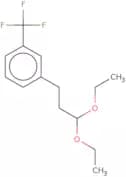

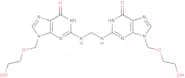
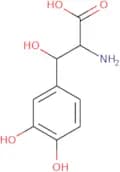
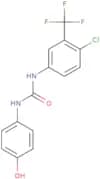
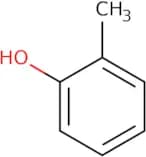
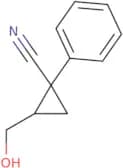
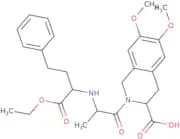
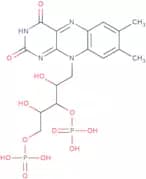
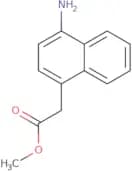
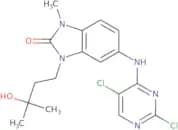

![2-(2-(4-(Dibenzo[b,f][1,4]thiazepin-11-yl)piperazin-1-yl)ethoxy)ethyl acetatequetiapine acetate](/_next/image/?url=https%3A%2Fstatic.cymitquimica.com%2Fproducts%2F3D%2Fthumb-webp%2FUIB63907.webp&w=3840&q=75)


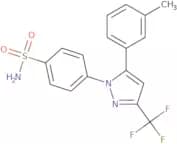
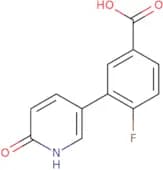
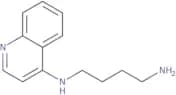
![4-Methyl-2-[3-[(1-methylethyl)amino]-1-phenylpropyl]phenol](/_next/image/?url=https%3A%2Fstatic.cymitquimica.com%2Fproducts%2F3D%2Fthumb-webp%2FIM27501.webp&w=3840&q=75)


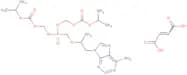
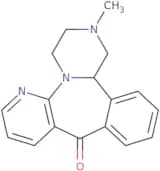
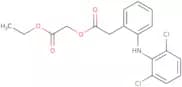
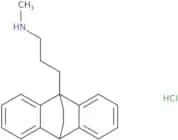


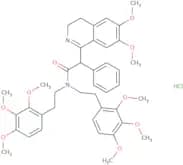

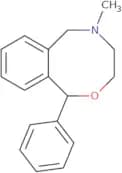
![2,12-Dihydro-1,3-dimethyl-8-methoxy-12-thioxobenzo [4,5] pyrido [1,2-c] imidazo [1,2-a] imidazol-2…](/_next/image/?url=https%3A%2Fstatic.cymitquimica.com%2Fproducts%2F3D%2Fthumb-webp%2FID57924.webp&w=3840&q=75)
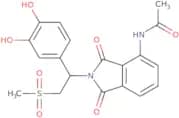
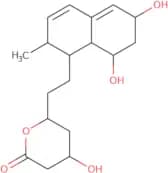

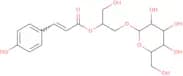
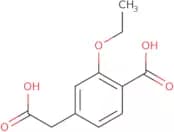
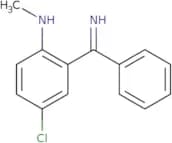
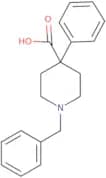
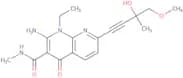


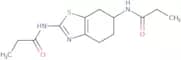
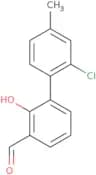
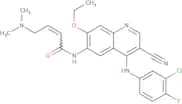
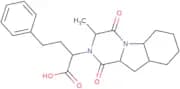
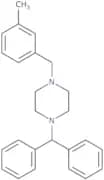
![(2R)-2-(3,4-Dimethoxyphenyl)-5-[2-(3,4-dimethoxyphenyl)ethyl-methylamino]-2-isopropylpentanenitril…](/_next/image/?url=https%3A%2Fstatic.cymitquimica.com%2Fproducts%2F3D%2Fthumb-webp%2FID28684.webp&w=3840&q=75)
![3-Ethyl-2-methyl-6,7,8,9-tetrahydro-4H-pyrido[1,2-a]pyrimidin-4-one](/_next/image/?url=https%3A%2Fstatic.cymitquimica.com%2Fproducts%2F3D%2Fthumb-webp%2FIE23102.webp&w=3840&q=75)
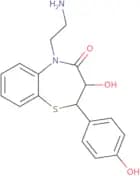

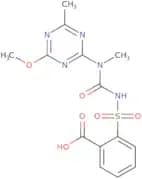
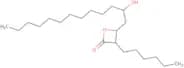
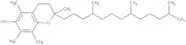

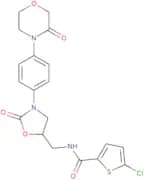
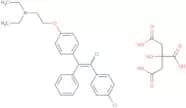
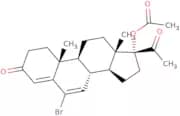

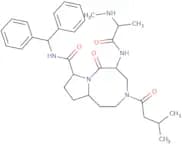
![2-(3-Nitrophenyl)-2,3-dihydro-1H-benzo[D]imidazole](/_next/image/?url=https%3A%2Fstatic.cymitquimica.com%2Fproducts%2F3D%2Fthumb-webp%2FYHA06924.webp&w=3840&q=75)
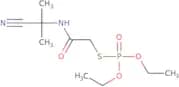
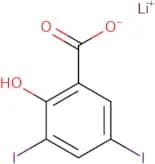
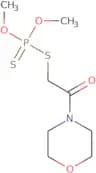
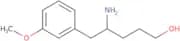
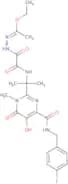
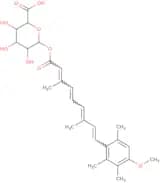
![Des[2-(1,2,4-triazolyl)] itraconazole-2-isocyanate](/_next/image/?url=https%3A%2Fstatic.cymitquimica.com%2Fproducts%2F3D%2Fthumb-webp%2FWZB81237.webp&w=3840&q=75)
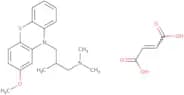


![2-(2,5-Dichlorophenyl)benzo[D]oxazol-5-amine](/_next/image/?url=https%3A%2Fstatic.cymitquimica.com%2Fproducts%2F3D%2Fthumb-webp%2FTLA73784.webp&w=3840&q=75)
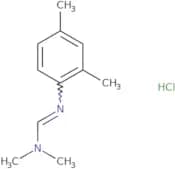
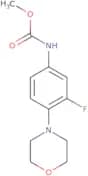
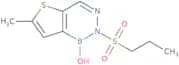
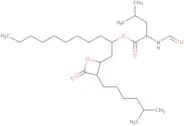


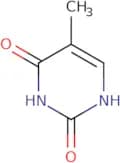
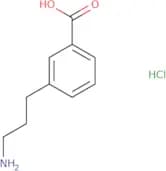
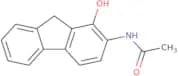
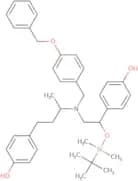
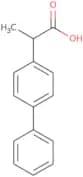
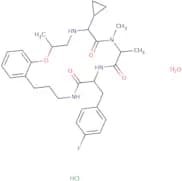
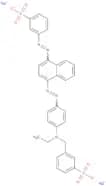
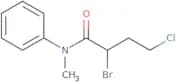
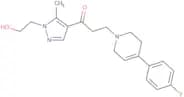
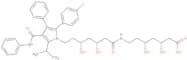
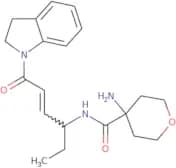
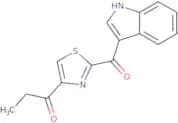
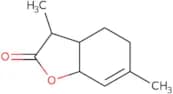
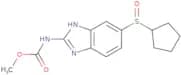
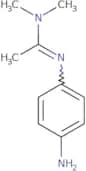
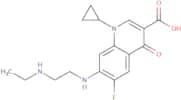

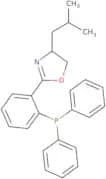
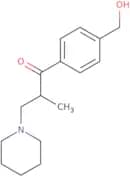
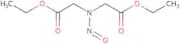
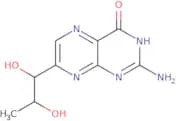
![α-Phenyl-α-[3-(phenyl-2-pyridinylmethylene)-2,4-cyclopentadien-1-yl]-2-pyridinemethanol](/_next/image/?url=https%3A%2Fstatic.cymitquimica.com%2Fproducts%2F3D%2Fthumb-webp%2FCAA02658.webp&w=3840&q=75)
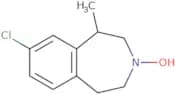
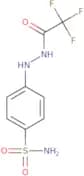
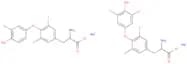
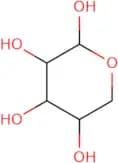
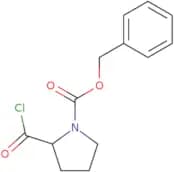

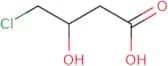
![Rel-(2R,3aR,5S,6S,6aS)-4-methylhexahydro-2H-2,5-methanofuro[3,2-b]pyrrol-6-yl 2-hydroxy-2,2-di(thi…](/_next/image/?url=https%3A%2Fstatic.cymitquimica.com%2Fproducts%2F3D%2Fthumb-webp%2FJIC72106.webp&w=3840&q=75)
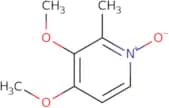
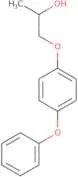
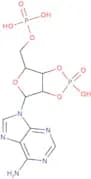
![Methyl 1-C-[4-chloro-3-[(4-ethoxyphenyl)methyl]phenyl]-a-D-glucopyranoside](/_next/image/?url=https%3A%2Fstatic.cymitquimica.com%2Fproducts%2F3D%2Fthumb-webp%2FFE171681.webp&w=3840&q=75)
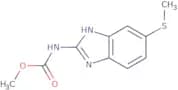
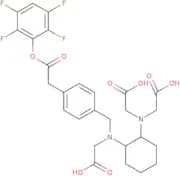
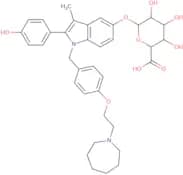

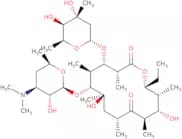
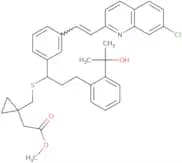

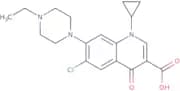
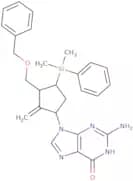
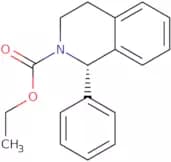
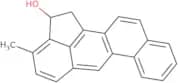
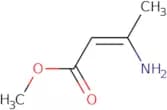


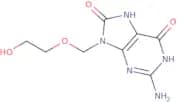
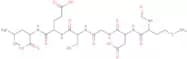
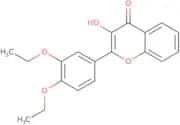
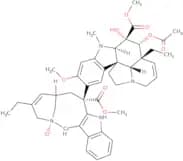
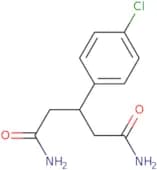
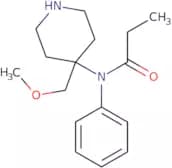
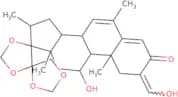
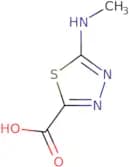
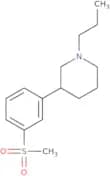
![1-[4-Chloro-2-(2-fluorobenzoyl)phenyl]-2-methyl-1H-imidazole-5-carboxaldehyde](/_next/image/?url=https%3A%2Fstatic.cymitquimica.com%2Fproducts%2F3D%2Fthumb-webp%2FIC184412.webp&w=3840&q=75)
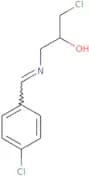
![[6-(4-Phenylbutoxy)hexyl]benzylamine hydrochloride](/_next/image/?url=https%3A%2Fstatic.cymitquimica.com%2Fproducts%2F3D%2Fthumb-webp%2FNGA92318.webp&w=3840&q=75)
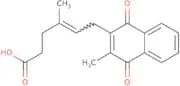
![2-Amino-3H,4H,7H-pyrrolo[2,3-d]pyrimidine-4-thione](/_next/image/?url=https%3A%2Fstatic.cymitquimica.com%2Fproducts%2F3D%2Fthumb-webp%2FEHA82229.webp&w=3840&q=75)
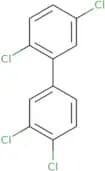
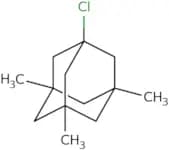
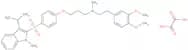
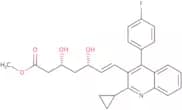
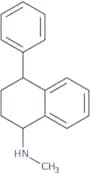
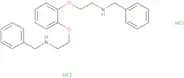
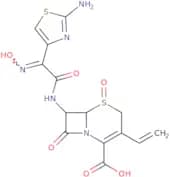
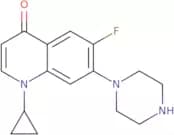
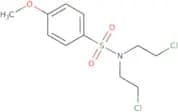
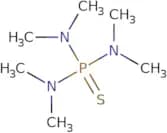

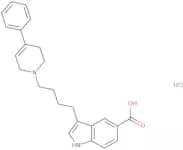
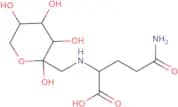
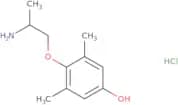
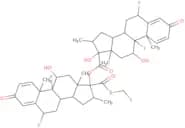
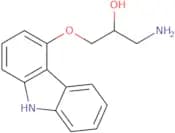
![N-[(2E)-6,6-Dimethyl-2-hepten-4-ynyl]-1-naphthalenemethanamine](/_next/image/?url=https%3A%2Fstatic.cymitquimica.com%2Fproducts%2F3D%2Fthumb-webp%2FID21330.webp&w=3840&q=75)

![[p-(Benzyloxy)phenyl]acetic acid tert-butyl ester](/_next/image/?url=https%3A%2Fstatic.cymitquimica.com%2Fproducts%2F3D%2Fthumb-webp%2FUAA71289.webp&w=3840&q=75)
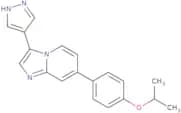
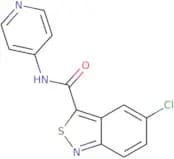
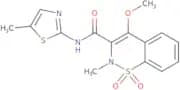
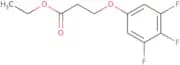
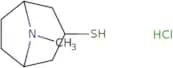
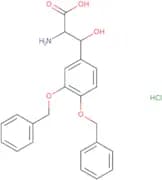
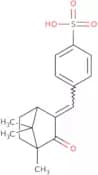
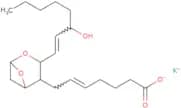
![a-(Aminocarbonyl)-4-[2-(5-ethyl-2-pyridinyl)ethoxy]benzeneethanesulfonic acid](/_next/image/?url=https%3A%2Fstatic.cymitquimica.com%2Fproducts%2F3D%2Fthumb-webp%2FIA27057.webp&w=3840&q=75)
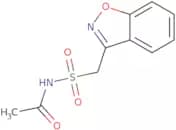
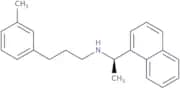
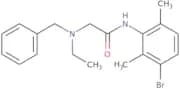
![2-[2-[4-(5,5-Dioxidodibenzo[b,f][1,4]thiazepin-11-yl)-1-piperazinyl]ethoxy]ethanol](/_next/image/?url=https%3A%2Fstatic.cymitquimica.com%2Fproducts%2F3D%2Fthumb-webp%2FID27366.webp&w=3840&q=75)
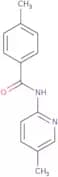
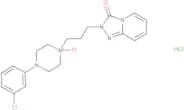
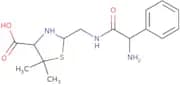
![4-Hydroxy-α1-[[[6-(3-phenylpropoxy)hexyl]amino]methyl]-1,3-benzenedimethanol-d3](/_next/image/?url=https%3A%2Fstatic.cymitquimica.com%2Fproducts%2F3D%2Fthumb-webp%2FUDA74911.webp&w=3840&q=75)
![[9-Glycine]desmopressin](/_next/image/?url=https%3A%2Fstatic.cymitquimica.com%2Fproducts%2F3D%2Fthumb-webp%2FIG173262.webp&w=3840&q=75)
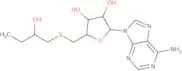
![2-[3,5-Dichloro-4-[(4-chlorophenyl)methyl]phenyl]-1,2,4-triazine-3,5(2H,4H)-dione](/_next/image/?url=https%3A%2Fstatic.cymitquimica.com%2Fproducts%2F3D%2Fthumb-webp%2FIFA64880.webp&w=3840&q=75)
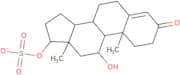
![5-[(Desloratadine)methyl] rupatadine](/_next/image/?url=https%3A%2Fstatic.cymitquimica.com%2Fproducts%2F3D%2Fthumb-webp%2FZYB51572.webp&w=3840&q=75)
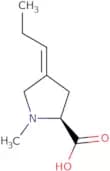

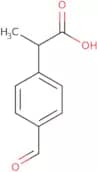
![2-[3-[4-(3-Chloro-4-ethylphenyl)-1-piperazinyl]propyl]-1,2,4-triazolo[4,3-a]pyridin-3(2H)-one](/_next/image/?url=https%3A%2Fstatic.cymitquimica.com%2Fproducts%2F3D%2Fthumb-webp%2FIC171026.webp&w=3840&q=75)
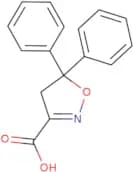
![5-Amino-N,N’-bis[2-hydroxy-1-(hydroxymethyl)ethyl]-2,4,6-triiodo-1,3-benzenedicarboxamide - EP](/_next/image/?url=https%3A%2Fstatic.cymitquimica.com%2Fproducts%2F3D%2Fthumb-webp%2FIA138685.webp&w=3840&q=75)
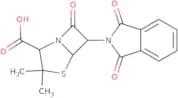
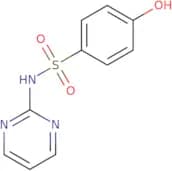
![Benz[A]anthracene-7-acetic acid](/_next/image/?url=https%3A%2Fstatic.cymitquimica.com%2Fproducts%2F3D%2Fthumb-webp%2FVAA31612.webp&w=3840&q=75)