Amino Acids (AA)
Amino acids (AAs) are the fundamental building blocks of proteins, playing a crucial role in various biological processes. These organic compounds are essential for protein synthesis, metabolic pathways, and cell signaling. In this category, you will find a comprehensive range of amino acids, including essential, non-essential, and modified forms, which are vital for research in biochemistry, molecular biology, and nutritional sciences. At CymitQuimica, we provide high-quality amino acids to support your research and development needs, ensuring accuracy and reliability in your experimental outcomes.
Subcategories of "Amino Acids (AA)"
- Amino Acid Derivatives(3,955 products)
- Amino Acid and Amino Acid Related Compounds(3,471 products)
- Amino Acids with Oxygen or Sulphur(168 products)
- Boc- Amino Acids(351 products)
- Fmoc Amino Acids(1,710 products)
Found 38262 products of "Amino Acids (AA)"
Sort by
Purity (%)
0
100
|
0
|
50
|
90
|
95
|
100
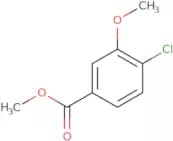
4-Chloro-3-methoxybenzoic acid methyl ester
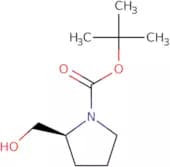
CAS:<p>4-Chloro-3-methoxybenzoic acid methyl ester is a chemical compound that is used as a reagent in organic synthesis. It can be used to produce high quality research chemicals, speciality chemicals, and fine chemicals. This compound has a wide variety of uses because it is versatile and can be used as a reaction component or building block. Its CAS number is 116022-18-5.</p>Formula:C9H9ClO3Purity:Min. 95%Color and Shape:SolidMolecular weight:200.62 g/molN-Boc-L-prolinol
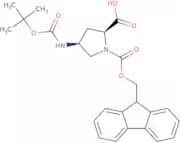
CAS:<p>N-Boc-L-prolinol is a chiral proline derivative that has been modified with an allyl group. It is a potent nicotinic acetylcholine antagonist, and it has been shown to have immune functions in vitro. The synthesis of N-Boc-L-prolinol occurs through a three-step process involving the use of organocatalysts, asymmetric synthesis, and stereoselective reactions. This molecule is also useful for the study of apoptotic signaling pathways in cells.</p>Formula:C10H19NO3Purity:Min. 95%Color and Shape:White PowderMolecular weight:201.26 g/molBoc-(2S,4S)-4-amino-1-Fmoc-pyrrolidine-2-carboxylic acid
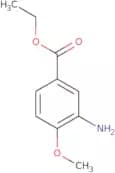
CAS:<p>Useful chiral building block</p>Formula:C25H28N2O6Purity:Min. 95%Molecular weight:452.5 g/mol3-Amino-4-methoxybenzoic acid ethyl ester
CAS:<p>3-Amino-4-methoxybenzoic acid ethyl ester is a chemical building block that can be used in the synthesis of various organic compounds. It is an important reaction component, and can also be used as a reagent or useful scaffold. 3-Amino-4-methoxybenzoic acid ethyl ester is soluble in organic solvents and has a high quality. This chemical has been shown to be useful for research purposes.</p>Formula:C10H13NO3Purity:Min. 95%Color and Shape:PowderMolecular weight:195.22 g/mol1-O-Hexadecyl-sn-glycero-3-phosphocholine
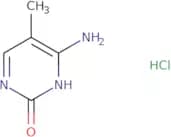
CAS:<p>1-O-Hexadecyl-sn-glycero-3-phosphocholine (1OHDGPC) is a compound that inhibits the uptake of oxidized LDL in neuronal cells and reduces neuronal death. 1OHDGPC also has antihypertensive activity, as it decreases systolic blood pressure. This compound is an antioxidant because it prevents the oxidation of LDL cholesterol, which is the main cause of atherosclerosis. 1OHDGPC has been shown to reduce the incidence of allergic reactions in animal studies. It also has been shown to have hydroxyl groups and fatty acid chains, which may contribute to its antioxidant properties.</p>Formula:C24H52NO6PColor and Shape:PowderMolecular weight:481.65 g/mol5-Methylcytosine hydrochloride salt
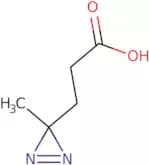
CAS:<p>5-Methylcytosine hydrochloride salt is a metabolite of cytosine that occurs naturally in the body. It is used as an inhibitor of DNA methylation to study the effect of this process on gene expression. 5-Methylcytosine hydrochloride salt has been shown to inhibit the production of growth factors, such as insulin-like growth factor 1, and radiation energy. It also causes oxidative damage to DNA and inhibits the oxidation of urea nitrogen in lettuce. The matrix effect may interfere with the analysis of 5-methylcytosine hydrochloride salt by spectrometry.</p>Formula:C5H7N3O·HClPurity:Min. 95%Color and Shape:PowderMolecular weight:161.59 g/mol3-(3-Methyl-3H-diazirine-3-yl)propionic acid
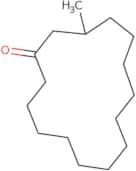
CAS:<p>3-(3-Methyl-3H-diazirine-3-yl)propionic acid (3MDZ) is a fluorophore that can be used in cancer research. It has been shown to bind to the active site of human SIRT1 and inhibit its activity, which leads to cell death by deacylating histone H3. 3MDZ is also able to bind to carbenes, which are highly reactive molecules that have been implicated in aging and cancer. 3MDZ has shown chemopreventive effects against tumor formation and growth by binding to the carbenes and preventing them from forming reactive oxygen species. It can be used as a fluorescent probe for studying the interactions between carbenes and nucleic acids.</p>Formula:C5H8N2O2Purity:Min. 95%Color and Shape:Clear LiquidMolecular weight:128.13 g/mol3-Methyl-1-cyclopentadecanone
CAS:<p>3-Methyl-1-cyclopentadecanone is a chemical compound with the molecular formula C10H18O. It has an optimum concentration of 0.08% and phase transition temperature of -83 degrees Celsius. The pro-apoptotic protein, Bax, is activated by 3-methyl-1-cyclopentadecanone in mammalian cells, inducing apoptosis. This compound also inhibits the activity of enzymes such as lipoxygenase and cyclooxygenase, which are involved in inflammation. 3-Methyl-1-cyclopentadecanone has been shown to be effective against cancer tissues and neuronal death in rats. 3MCTD has been shown to inhibit polymerase chain reaction (PCR) amplification of DNA from rhizoma gastrodiae, a traditional Chinese herbal medicine for the treatment of myocardial infarcts.</p>Formula:C16H30OPurity:Min. 95%Color and Shape:Clear LiquidMolecular weight:238.41 g/mol2-(4-Methylphenyl)ethanol
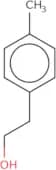
CAS:<p>2-(4-Methylphenyl)ethanol is a chemical compound that is used as a solvent. It is also used in the synthesis of 2-hydroxyphenylacetic acid, an intermediate in the synthesis of 4-methylbenzoic acid and 4-methylphenol. The toxicologic properties of 2-(4-methylphenyl)ethanol are not well known. However, it has been shown to inhibit tyrosinase activity and stimulate melanogenesis in rats. The chemical structure of 2-(4-methylphenyl)ethanol consists of two functional groups: a phenyl group with a methyl substitution and an alcohol group. The molecular formula for this compound is C9H12O2, which indicates that it contains one carbon atom, nine hydrogen atoms, one oxygen atom, and two hydrogens. This compound has been studied by nuclear magnetic resonance spectroscopy (NMR).</p>Formula:C9H12OPurity:Min. 95%Color and Shape:Clear LiquidMolecular weight:136.19 g/molH-Lys-AMC
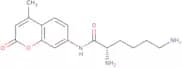
CAS:<p>H-Lys-AMC is a proteolytic enzyme preparation that was originally isolated from the bacterium Staphylococcus epidermidis. It is active against a wide range of bacteria, including Staphylococcus aureus, and has been shown to inhibit the growth of these bacteria in vitro. Carboxypeptidase activity has been demonstrated using an ion-exchange chromatography technique on S. epidermidis culture supernatants. H-Lys-AMC has also been shown to have antibiotic sensitivity against many strains of bacteria, including S. epidermidis and staphylococci.</p>Formula:C16H21N3O3Purity:Min. 95%Color and Shape:SolidMolecular weight:303.36 g/molMethyl 5-amino-2-methylbenzoate
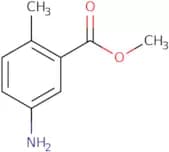
CAS:<p>Methyl 5-amino-2-methylbenzoate is a potent inhibitor of the B-Raf protein, which is involved in cell proliferation and differentiation. Methyl 5-amino-2-methylbenzoate has been shown to inhibit the growth of cancer cells in vitro and in vivo. Methyl 5-amino-2-methylbenzoate inhibits the activity of b-Raf (a protein that plays a role in cell proliferation and differentiation) by binding to its ATP site and blocking phosphorylation. This inhibition leads to decreased cellular activity, resulting in tumor regression. Methyl 5-amino-2-methylbenzoate also shows efficacy against other proteins, such as BclxL, HSP90, and NF1. It does this by inhibiting their ATP sites and preventing them from functioning properly. For these reasons, methyl 5-amino-2-methylbenzoate is considered a promising drug for fighting cancer.</p>Formula:C9H11NO2Purity:Min. 95%Color and Shape:PowderMolecular weight:165.19 g/molDL-α-Methyltryptophan
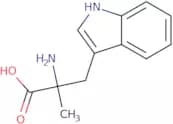
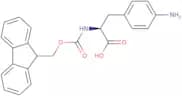
CAS:<p>DL-alpha-Methyltryptophan is a metabolite of the amino acid tryptophan. It is a monoamine neurotransmitter that has been implicated in brain function and inflammatory lesions. DL-alpha-Methyltryptophan can be used as a potential drug target for the treatment of Parkinson's disease, depression, and anxiety disorders. The hydroxyl group on the indole ring of DL-alpha-Methyltryptophan gives it an increased reactivity with oxygen, which allows it to be oxidized by monoamine oxidase B (MAO B) to 3-hydroxyanthranilic acid. This reaction can be inhibited by MAO A inhibitors such as clorgyline or selegiline. The oxidation of DL-alpha-Methyltryptophan leads to increased concentrations of serotonin in the brain and increased activity of aminotransferases.</p>Formula:C12H14N2O2Purity:Min. 98 Area-%Color and Shape:PowderMolecular weight:218.25 g/molFmoc-4-amino-L-phenylalanine
CAS:<p>Fmoc-4-amino-L-phenylalanine is a molecule with the amino acid, aminophenylalanine, that is used in devices to detect epithelial cells. It has been functionalized with a fluoro group and can be used as a fluorescent probe for the detection of epithelial cells. Fmoc-4-amino-L-phenylalanine can also be used to diagnose tumors and tumor cells by detecting their presence in urine samples. This peptide has been shown to have anti-tumor properties when it interacts with the tumor cell membrane, which may be due to its ability to inhibit protein synthesis and induce apoptosis.</p>Formula:C24H22N2O4Purity:Min. 97 Area-%Color and Shape:Off-White PowderMolecular weight:402.44 g/molN-[(1-Methyl-1H-indol-3-yl)methyl]cyclohexanamine
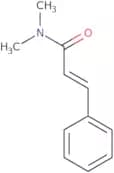
CAS:Controlled Product<p>Please enquire for more information about N-[(1-Methyl-1H-indol-3-yl)methyl]cyclohexanamine including the price, delivery time and more detailed product information at the technical inquiry form on this page</p>Formula:C16H22N2Purity:Min. 95%Molecular weight:242.36 g/mol(2E)-N,N-Dimethyl-3-phenylprop-2-enamide
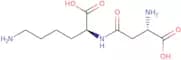
CAS:<p>2,2-diphenyl-N,N-dimethylpropeneamide (DPPA) is a disulfide compound that has photolytic, thermolytic and modelling properties. DPPA can be used to produce alkylcobalt complexes with various substituents at the α position of the phenyl ring. The lactam structure of DPPA has been shown to undergo thermolysis at temperatures of 250°C in a vacuum. Cinnamic acids have been shown to form lactams with DPPA as well as cinnamic acid derivatives. Molecular modelling studies have been conducted on 2,2-diphenyl-N,N-dimethylpropeneamide and its molecular interactions with styrene and amido groups.</p>Formula:C11H13NOPurity:Min. 95%Color and Shape:PowderMolecular weight:175.23 g/molH-Asp(Lys-OH)-OH
CAS:<p>H-Asp(Lys-OH)-OH is a metabolite that is an intermediate in the fatty acid oxidation pathway. It may be involved in the progression of colorectal carcinoma by inhibition of fatty acid synthesis, leading to the accumulation of fatty acids and subsequent death. This metabolite can also be used to identify potential biomarkers for colorectal cancer. H-Asp(Lys-OH)-OH can be detected using liquid chromatography coupled with mass spectrometry (LC/MS).</p>Formula:C10H19N3O5Purity:Min. 95%Color and Shape:White PowderMolecular weight:261.28 g/mol5-Fluoro D,L-tryptophan
CAS:<p>5-Fluoro D,L-tryptophan (5FDTL) is a tryptophan analog that inhibits the growth of bacteria by binding to fatty acid synthesis enzymes. 5FDTL binds to wild-type and resistant mutants of bacterial fatty acid synthases, which are proteins that catalyze the formation of long-chain fatty acids from acetyl-CoA. This binding prevents the formation of long-chain fatty acids, which are required for bacterial cell replication. 5FDTL also binds to protein data and has been shown to have an anti-infective effect on wild-type strains of Pseudomonas aeruginosa and Escherichia coli as well as Pichia pastoris. Disulfide bonds in 5FDTL stabilize its secondary structure and provide protection against proteolytic degradation by enzymes in the extracellular environment. The structural analysis of 5FDTL has revealed that it consists of a small molecule with a logarithmic growth phase</p>Formula:C11H11FN2O2Purity:Min. 95%Color and Shape:PowderMolecular weight:222.22 g/mol1-(2-Methoxyphenyl)-2-nitroethane
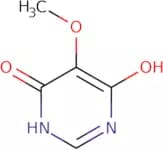
CAS:<p>1-(2-Methoxyphenyl)-2-nitroethane is a natural alkaloid that is found in the plant Piper methysticum. This compound has been shown to inhibit the transformation of nitroalkenes to nitropropene and nitrobenzene. The synthetic studies on this compound are mainly focused on its effects on other nitroalkenes. It has been shown that 1-(2-methoxyphenyl)-2-nitroethane can be used as an inhibitor of cyclization reactions, such as the synthesis of indole alkaloids, which are important in many pharmacological processes and biological systems.</p>Formula:C9H9NO3Purity:Min. 95%Color and Shape:PowderMolecular weight:179.17 g/mol4,6-Dihydroxy-5-methoxypyrimidine
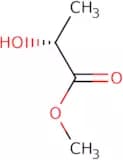
CAS:<p>4,6-Dihydroxy-5-methoxypyrimidine is a white crystalline solid. It is soluble in alkali, acid ethyl, and alcohol. This compound can be used as a solvent for organic substances and has been shown to methylate phosphorus oxychloride. 4,6-Dihydroxy-5-methoxypyrimidine is also used in the synthesis of nucleosides.</p>Formula:C5H6N2O3Purity:Min. 95%Molecular weight:142.11 g/molD-Methyl lactate
CAS:<p>D-Methyl lactate is a synthetic, broad-spectrum antibacterial agent that is synthesized by the ring-opening of l-glutamic acid methyl esters with methyl glycosides. It has been shown to have a greater effect on gram-positive bacteria than gram-negative bacteria. This drug also has stereoselective activity against Staphylococcus aureus and Escherichia coli, which may be related to its ability to inhibit the synthesis of dl-amino acids. D-Methyl lactate has also been shown to increase bacterial cell growth at low concentrations and inhibit bacterial growth at high concentrations. This may be due to its ability to induce dehydration in cells through the cleavage of fatty acids.</p>Formula:C4H8O3Purity:(¹H-Nmr) Min. 95 Area-%Color and Shape:Colorless Clear LiquidMolecular weight:104.1 g/mol3-(tert-butyl)-2-methyl-6-nitroindeno[3,2-c]pyrazol-4-one
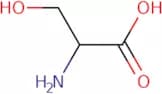
CAS:<p>Please enquire for more information about 3-(tert-butyl)-2-methyl-6-nitroindeno[3,2-c]pyrazol-4-one including the price, delivery time and more detailed product information at the technical inquiry form on this page</p>Purity:Min. 95%DL-Serine
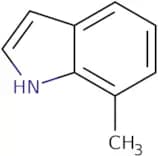
CAS:<p>DL-Serine is a metabolite of the amino acid serine. It is an important intermediate in the biosynthesis of other amino acids, such as glycine and cysteine. DL-Serine can also be used to synthesize phospholipids and nucleotides. DL-Serine is a stable complex with sodium ester hydrochloride at pH 1.5 and anhydrous sodium at pH 2.8, which makes it suitable for use in acidic conditions. It has been shown to have clinical relevance in enzymatic processes related to fatty acid synthesis and metabolism, including glycerophospholipid synthesis and degradation of triacylglycerols. DL-Serine has been shown to have optimum concentration at 0.1 mM, with hydroxyl group interactions stabilizing the molecule by forming hydrogen bonding interactions with adjacent molecules; however, if the concentration exceeds 0.2 mM there will be a net decrease in free energy due to its ability to form</p>Formula:C3H7NO3Color and Shape:White PowderMolecular weight:105.09 g/mol7-Methylindole
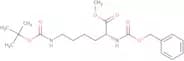
CAS:<p>7-Methylindole is a biochemical substance that is synthesized in the body. It is produced in the liver, and it can be found in the brain, heart, and kidney. 7-Methylindole has been shown to have cancer-fighting properties. 7-Methylindole binds to DNA by methylating nucleic acid bases, which causes a change in the genetic code. This leads to tumor cells being more sensitive to treatment with other substances that inhibit DNA synthesis or repair, such as anthranilate and 5-methoxyindole.</p>Formula:C9H9NPurity:Min 98%Color and Shape:PowderMolecular weight:131.17 g/molNα-Z-Nε-Boc-D-lysine methyl ester
CAS:<p>Please enquire for more information about Nα-Z-Nε-Boc-D-lysine methyl ester including the price, delivery time and more detailed product information at the technical inquiry form on this page</p>Formula:C20H30N2O6Purity:Min. 95%Color and Shape:PowderMolecular weight:394.46 g/molL-Alanine-β-naphthylamide
CAS:<p>L-alanine-β-naphthylamide is an amino acid that is synthesized by the action of β-Naphtholactamase on l-alanine. It is used as a substrate for enzyme studies and to determine the uptake of substances by cells. L-Alanine-β-naphthylamide has been shown to inhibit the activity of some enzymes, such as aminopeptidases and peptidases. The inhibition may be due to its ability to bind to lysine residues in the active site of these enzymes. This amino acid also inhibits the growth of bacteria at neutral pH and has a bacteriostatic effect at a pH range from 4.5 to 5.5.</p>Formula:C13H14N2OPurity:Min. 95%Color and Shape:PowderMolecular weight:214.26 g/mol8-Hydroxy-7-methoxy-2-oxo-2H-1-benzopyran-3-carboxylic acid
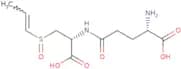
<p>8-Hydroxy-7-methoxy-2-oxo-2H-1-benzopyran-3-carboxylic acid is a versatile building block with a broad range of applications. It has been used in the synthesis of many complex compounds and research chemicals, including CAS No. 1207819-96-6. This chemical can be used as a reagent to produce important biological molecules such as antibiotics, antivirals, and antihypertensives.</p>Formula:C11H7NO8Purity:Min. 95%Color and Shape:Green SolidMolecular weight:281.18 g/molL-γ-Glutamyl-3-(1-propenylsulfinyl)-L-alanine
CAS:<p>Please enquire for more information about L-γ-Glutamyl-3-(1-propenylsulfinyl)-L-alanine including the price, delivery time and more detailed product information at the technical inquiry form on this page</p>Formula:C11H18N2O6SPurity:Min. 95%Color and Shape:PowderMolecular weight:306.34 g/molβ-Estradiol 3-methyl ether
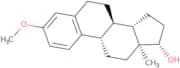
CAS:Controlled Product<p>Beta-estradiol 3-methyl ether is a synthetic estrogen that is used as an oral contraceptive. It has been shown to be effective in the treatment of secondary amenorrhea and menorrhagia, as well as in the prevention of pregnancy. Beta-estradiol 3-methyl ether has been shown to increase fibrinogen levels and may be useful in the treatment of thrombocytopenia. A bolus dose of beta-estradiol 3-methyl ether may also be used to induce abortion, resulting in a decrease in blood pressure. The active form is taken up by cells via passive diffusion and is converted into estradiol by cytochrome P450 enzymes. Beta-estradiol 3-methyl ether binds to fatty acids with two or more carbon atoms, which then enter the cell by facilitated diffusion through specific membrane protein carriers. These carriers are blocked by atropine sulfate, preventing uptake of beta-estradiol 3-methyl ether</p>Formula:C19H26O2Purity:Min. 98 Area-%Color and Shape:PowderMolecular weight:286.41 g/mol1,2-Dihydro-1,5-dimethyl-2-phenyl-3H-pyrazol-3-one
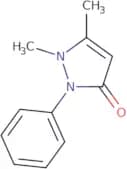
CAS:<p>1,2-Dihydro-1,5-dimethyl-2-phenyl-3H-pyrazol-3-one (1,2DHDP) is a chemical inhibitor that prevents the activity of enzymes by binding to their active site. 1,2DHDP has been shown to inhibit the enzyme pyrazole ring synthesis in rat liver microsomes. It also inhibits the production of antimicrobial agents and has been used as a sample preparation agent. 1,2DHDP also interferes with drug interactions by inhibiting cytochrome P450 enzymes in the liver. This compound can be used for wastewater treatment because it is not toxic to bacteria or plants. The mechanism of this inhibitor is unknown but may be due to its ability to bind to the dinucleotide phosphate cofactor at the active site of an enzyme.</p>Formula:C11H12N2OPurity:Min. 95%Color and Shape:White/Off-White SolidMolecular weight:188.23 g/mol2,5-Diphenyl-3-(4-methoxyphenyl)pyronium tetrafluoroborate
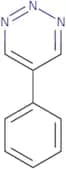
CAS:<p>2,5-Diphenyl-3-(4-methoxyphenyl)pyronium tetrafluoroborate is a chemical compound that can be used as a reagent or building block for the synthesis of other chemical compounds. It is also useful for research and as a versatile building block in organic chemistry. 2,5-Diphenyl-3-(4-methoxyphenyl)pyronium tetrafluoroborate is classified as a speciality chemical product. This compound has CAS Number 2907-20-2 and a molecular weight of 244.12 g/mol.</p>Formula:C24H19O2·BF4Purity:90%Color and Shape:PowderMolecular weight:426.21 g/mol5-Phenyl-1,2,3-triazine
CAS:<p>5-Phenyl-1,2,3-triazine is an isomer of the 1,2,3-triazine class of heterocyclic compounds. It has been experimentally shown to exist in four conformations: two dihedral and two conformational. The dihedral isomers have a planar conformation with a plane of symmetry through the five-membered ring. The conformational isomers are nonplanar and possess a boat or chair conformation. These different conformations can lead to different optical properties. 5-Phenyl-1,2,3-triazine has a dipole moment due to its nitrogen atoms. This molecule also exhibits optical activity due to its asymmetric carbon atoms and the presence of hydroxyl groups on one side of the molecule. The relative orientation of these groups can also create anisotropy in the molecule's optical properties.</p>Formula:C9H7N3Purity:Min. 95%Color and Shape:PowderMolecular weight:157.17 g/molN-[6-Chloro-5-(2-methoxyphenoxy)-(2,2-bipyrimidine)4-4-yl]-(1,1-dimethylethyl)-benzenesulfonamide
CAS:<p>N-[6-Chloro-5-(2-methoxyphenoxy)-(2,2-bipyrimidine)4-4-yl]-(1,1-dimethylethyl)-benzenesulfonamide is a reagent that can be used as a reaction component in the synthesis of complex compounds. It has high quality and is a versatile building block for the synthesis of speciality chemicals. N-[6-Chloro-5-(2-methoxyphenoxy)-(2,2-bipyrimidine)4-4-yl]-(1,1-dimethylethyl)-benzenesulfonamide is also a useful intermediate in the synthesis of fine chemicals.</p>Formula:C25H24ClN5O4SPurity:Min. 95%Color and Shape:White PowderMolecular weight:526.01 g/molBoc-N-methyl-D-isoleucine
CAS:<p>Boc-N-methyl-D-isoleucine is a useful building block and research chemical. It is a high quality, complex compound that is versatile for use as a reaction component or scaffold. Boc-N-methyl-D-isoleucine can be used to produce fine chemicals, pharmaceuticals, herbicides, pesticides, and other products.</p>Formula:C12H23NO4Purity:Min. 95%Color and Shape:PowderMolecular weight:245.32 g/mol7-Methoxy-1-tetralone
CAS:<p>7-Methoxy-1-tetralone is a synthetic compound that inhibits the activity of hepg2 cells. It has been shown to induce apoptosis in these cells and inhibit tumor growth in vivo. This substance is a fatty acid derivative that can be synthesized by Friedel-Crafts acylation of 7-methoxycoumarin with oleic acid. 7-Methoxy-1 tetralone has been shown to have antitumor effects in vitro, as well as in vivo animal studies. The inhibition of hepg2 cells may be due to damage to the cell membrane, which leads to the release of lysosomal enzymes and cell death.</p>Formula:C11H12O2Purity:Min. 95%Color and Shape:PowderMolecular weight:176.21 g/mol6-Fluoro-5-Methyl-2-[(5-Methyl-1H-Imidazol-4-Yl)Methyl]-2,3,4,5-Tetrahydro-1H-Pyrido[4,3-b]Indol-1-One
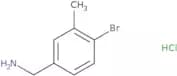
CAS:Controlled Product<p>6-Fluoro-5-Methyl-2-[(5-Methyl-1H-Imidazol-4-Yl)Methyl]-2,3,4,5-Tetrahydro-1H-Pyrido[4,3-b]Indol-1-One is a drug that belongs to the class of fatty acid esters. It has been shown to be effective in clinical trials for the treatment of symptoms of dry eye syndrome. 6FMETI has a low safety profile and does not cause any adverse effects in humans. The drug can be administered by intravenous injection or oral administration and has a long elimination half life of 36 hours. 6FMETI is metabolized by hydrolysis to its active form, 5FMTI, which is then conjugated with glucuronic acid or methyl glutaryl coenzyme A to form an inactive metabolite. This drug also has good pharmacokinetic properties</p>Formula:C17H17FN4OPurity:Min. 95%Molecular weight:312.34 g/mol4-Bromo-3-methylbenzylamine hydrochloride
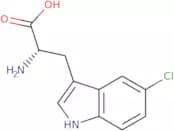
CAS:<p>4-Bromo-3-methylbenzylamine hydrochloride is a synthetic chemical that can be used in the synthesis of various products. This compound is a useful scaffold for the preparation of complex compounds, and it has been used as a reaction component in organic chemistry. It is also a versatile building block that can be used to synthesize fine chemicals with high purity. 4-Bromo-3-methylbenzylamine hydrochloride has been assigned CAS No. 1955514-32-5 by the Chemical Abstracts Service (CAS).</p>Formula:C8H10BrN·HClPurity:Min. 95%Molecular weight:236.54 g/mol5-Chloro-L-tryptophan
CAS:<p>5-Chloro-L-tryptophan (5CTP) is a chemical compound that belongs to the class of cyclic peptides. It is biosynthesized by plants and other organisms from 4-chloro-L-tryptophan. 5CTP is synthesized from 4CTP by a two step process, involving an oxidative decarboxylation followed by a deamination reaction. The oxidative decarboxylation converts the amino acid into an intermediate, which is then deaminated and converted into 5CTP. This compound has been shown to have potential as a drug against cancer cells, with its mechanism of action being related to its ability to form metal chelates with heavy metals such as copper and mercury. 5CTP has also been used in molecular modeling studies, genetic analyses, and biochemical investigations of substrate binding and enzyme catalysis.</p>Formula:C11H11N2O2ClPurity:Min. 95%Color and Shape:White PowderMolecular weight:238.67 g/mol9-Fluoro-3-methyl-7-oxo-10-(1-piperazinyl)-2,3-dihydro-7H-[1,4]oxazino[2,3,4-Ij]quinoline-6-carboxylic acid
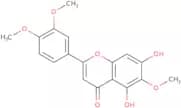
CAS:<p>9-Fluoro-3-methyl-7-oxo-10-(1-piperazinyl)-2,3-dihydro-7H-[1,4]oxazino[2,3,4-Ij]quinoline (FQ) is a fluoroquinolone antibiotic. It inhibits the DNA gyrase and topoisomerase IV enzymes that maintain the integrity of bacterial DNA. FQ has been used to treat urinary tract infections in humans and other animals. This drug is also effective against methicillin resistant Staphylococcus aureus (MRSA) and Clostridium perfringens. FQ binds to bacterial 16S ribosomal RNA and inhibits protein synthesis leading to cell death by inhibiting the production of proteins vital for cell division. The 9 position on the quinoline ring can be detected using UV detection at 260 nm.<br>FQ can be analyzed using mass spectrometry with fluor</p>Formula:C17H18FN3O4Purity:Min. 95 Area-%Color and Shape:White PowderMolecular weight:347.34 g/molEupatilin
CAS:<p>Eupatilin is a flavonoid compound, which is derived from the Artemisia species. This plant-based source has been traditionally used in various medicinal applications across different cultures. Eupatilin’s mode of action involves inhibition of pro-inflammatory cytokines and modulation of signaling pathways associated with inflammation, such as the NF-kB pathway. Additionally, it has been found to possess antioxidant activities, which further contributes to its therapeutic potential.</p>Formula:C18H16O7Purity:Min. 95%Color and Shape:PowderMolecular weight:344.32 g/mol3-(1-Methylhydrazino)-1,2-benzisothiazole 1,1-dioxide
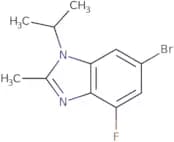
CAS:<p>3-(1-Methylhydrazino)-1,2-benzisothiazole 1,1-dioxide is a fine chemical that is used as a building block for more complex compounds. This molecule has been shown to be an effective intermediate in the production of research chemicals. 3-(1-Methylhydrazino)-1,2-benzisothiazole 1,1-dioxide can be used as a reagent and is available at high quality.</p>Formula:C8H9N3O2SPurity:Min. 95%Color and Shape:White PowderMolecular weight:211.24 g/mol6-Bromo-4-fluoro-2-methyl-1-propan-2-ylbenzimidazole
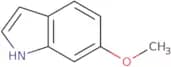
CAS:<p>6-Bromo-4-fluoro-2-methyl-1-propan-2-ylbenzimidazole is an environmental pollutant that can be found in deionized water, as a result of the reaction between hydrochloric acid and benzene. It has been synthesized using the industrial synthesis method by reacting n-hexane with sodium sulfate, followed by treatment with acetone and hydriodic acid. 6BFMBI is a white solid that reacts with hydrogen to produce acetone and formaldehyde. The reaction time for this compound is about three hours at room temperature.</p>Formula:C11H12BrFN2Purity:Min. 95%Color and Shape:PowderMolecular weight:271.13 g/mol6-Methoxyindole
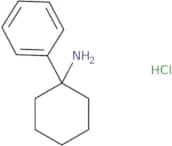
CAS:<p>6-Methoxyindole is an acetate extract of the plant 5-methoxyindole. It has been shown to be a 5-HT1A receptor agonist in animals, and has been shown to have cardiac effects in rats. 6-Methoxyindole is also used as a precursor for the synthesis of diphenylacetylindoles. 6-Methoxyindole is one of the molecules that can be recombined to form a batcho-leimgruber indole (BLI).</p>Formula:C9H9NOPurity:Min. 99 Area-%Color and Shape:PowderMolecular weight:147.17 g/mol1-Phenylcyclohexanamine hydrochloride
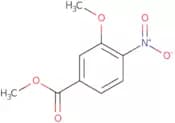
CAS:Controlled Product<p>1-Phenylcyclohexanamine hydrochloride is a secondary amine that binds to the nicotinic acetylcholine receptor. It has been shown to inhibit the activity of rat liver microsomes and dopamine, with a primary amino group. The analogs of 1-phenylcyclohexanamine hydrochloride are active and have been shown to inhibit acetylcholinesterase in rat brain tissue. This inhibition leads to an increase in the neurotransmitter acetylcholine, which causes an excitatory effect on the central nervous system. 1-Phenylcyclohexanamine hydrochloride is also used as a molecular model for studying glutamate receptors because of its similar structure.</p>Formula:C12H18ClNPurity:Min. 95%Molecular weight:211.73 g/mol3-Methoxy-4-nitrobenzoic acid methyl ester
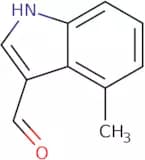
CAS:<p>3-Methoxy-4-nitrobenzoic acid methyl ester is a dianellidin, a type of natural product. It is an ionizing acid that catalyzes the reaction between carboxylic acids and hydroxyl compounds. This compound is used to produce some drugs, such as methyldopate, which is an antiarrhythmic drug that slows heart rate. The catalytic rate of 3-methoxy-4-nitrobenzoic acid methyl ester can be increased by buffers and solvents (e.g., methanol). These compounds increase the concentration of the reactants in solution and reduce the activation energy required for the reaction to take place. Uncatalyzed reactions are slow because there are no molecules to act as intermediates in the process.</p>Formula:C9H9NO5Purity:95%NmrColor and Shape:PowderMolecular weight:211.17 g/mol4-Methylindole-3-carboxaldehyde
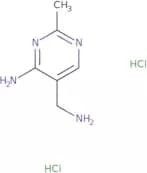
CAS:<p>4-Methylindole-3-carboxaldehyde is a lipophilic extract that inhibits the growth of fungi. It has been shown to be effective against phytopathogenic fungi, and it has been used as an antibiotic in the treatment of bacterial infections. 4-Methylindole-3-carboxaldehyde is an analog of streptochlorin, which inhibits protein synthesis by binding to the ribosome. This leads to cell death by inhibiting the production of proteins vital for cell division. 4-Methylindole-3-carboxaldehyde also has antifungal activity against Candida albicans and Trichophyton mentagrophytes.</p>Formula:C10H9NOPurity:Min. 95%Molecular weight:159.18 g/mol4-Amino-5-aminomethyl-2-methylpyrimidine dihydrochloride
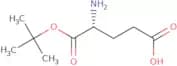
CAS:<p>4-Amino-5-aminomethyl-2-methylpyrimidine dihydrochloride is a vitamin B1 derivative that is biosynthesized by marine algal cells. It is active at high concentrations, and has been shown to have an interaction with the active site residues of hydrogen chloride. This analog has been used in genomic analyses and can be detected by mass spectrometry. It also has the ability to inhibit the growth of phytoplankton, which are microscopic plants living near the surface of water. The concentration of 4-amino-5-aminomethyl-2-methylpyrimidine dihydrochloride in seawater can be determined using a constant scaling factor based on plankton biomass.</p>Formula:C6H10N4•(HCl)2Purity:Min. 95%Color and Shape:Slightly Yellow PowderMolecular weight:211.09 g/molH-D-Glu-OtBu
CAS:<p>H-D-Glu-OtBu is a fine chemical that is useful as a scaffold for the synthesis of complex compounds. It is used as a versatile building block in the preparation of research chemicals and speciality chemicals, and as an intermediate in the preparation of complex compounds. H-D-Glu-OtBu has been shown to be highly reactive and can be used in reactions involving metal salt or organic reagents. This compound is used as a reaction component, which can be produced by reacting acetyl chloride with D-glucamine. H-D-Glu-OtBu is also known by CAS No. 25456-76-2 and has a high quality purity level of 99%.</p>Formula:C9H17NO4Purity:Min. 95%Color and Shape:PowderMolecular weight:203.24 g/mol2-(2,2-dimethylpropanoyl)-3-(3-phenoxyphenyl)prop-2-enenitrile
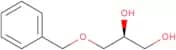
CAS:<p>Please enquire for more information about 2-(2,2-dimethylpropanoyl)-3-(3-phenoxyphenyl)prop-2-enenitrile including the price, delivery time and more detailed product information at the technical inquiry form on this page</p>Purity:Min. 95%(S)-Glycerol 1-benzyl ether
CAS:<p>(S)-Glycerol 1-benzyl ether is a chiral, synthesised antidepressant drug that has shown to be effective in the treatment of depression. It binds to α-adrenergic receptors and blocks the binding of norepinephrine and epinephrine, preventing the production of stress hormones. (S)-Glycerol 1-benzyl ether is also used as a reagent for the synthesis of doxazosin and d-mannitol.</p>Formula:C10H14O3Purity:Min. 95%Color and Shape:Colourless To White To Yellow SolidMolecular weight:182.22 g/molCyclo(-Pro-Val)
CAS:<p>Cyclo(-Pro-Val) is a type of natural product that has been shown to inhibit the growth of tumor cells. Cyclo(-Pro-Val) is a metabolite produced by the fungus Cryptococcus neoformans and may serve as a potential anti-cancer drug. The compound blocks mitochondrial membrane potential, which prevents cancer cells from multiplying. Cyclo(-Pro-Val) has also been shown to inhibit the growth of bacteria such as Pseudomonas aeruginosa and Burkholderia cepacia complex, although it has little or no effect on other types of bacteria and fungi.</p>Formula:C10H16N2O2Purity:Min. 95%Color and Shape:White PowderMolecular weight:196.25 g/mol4-Methoxy-2-(trifluoromethyl)aniline
CAS:<p>4-Methoxy-2-(trifluoromethyl)aniline is a chemical compound that is used as a research chemical, reagent, and speciality chemical. It is a versatile building block that can be used in reactions to produce complex compounds. 4-Methoxy-2-(trifluoromethyl)aniline has been identified by the Chemical Abstracts Service (CAS) as having high quality and is useful for preparing fine chemicals. This substance also has uses in the field of medicinal chemistry and can be used as a scaffold for pharmaceutical products.</p>Formula:C8H8F3NOPurity:Min. 95%Color and Shape:Clear LiquidMolecular weight:191.15 g/molLY2112688 trifluoroacetate
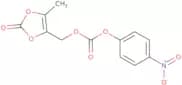
CAS:<p>Please enquire for more information about LY2112688 trifluoroacetate including the price, delivery time and more detailed product information at the technical inquiry form on this page</p>Formula:C51H70N18O11S2•(C2HF3O2)xPurity:Min. 95%Color and Shape:PowderMolecular weight:1,175.35 g/mol(5-Methyl-2-oxo-1,3-dioxol-4-yl)methyl 4-nitrophenyl carbonate
CAS:<p>(5-Methyl-2-oxo-1,3-dioxol-4-yl)methyl 4-nitrophenyl carbonate is a fine chemical that is used as a building block for the synthesis of complex compounds. It is an intermediate in the synthesis of 3,4-Dihydroquinazolinone. This compound has been reported to have useful pharmacological activity and has been used as a research chemical and in the synthesis of pharmaceuticals. (5-Methyl-2-oxo-1,3-dioxol-4-yl)methyl 4 nitrophenyl carbonate also has potential as a reagent and can be used in organic synthesis.</p>Formula:C12H9NO8Purity:Min. 95%Color and Shape:White PowderMolecular weight:295.2 g/molBoc-Ser(Tos)-OMe
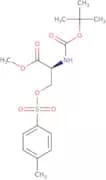
CAS:<p>Boc-Ser(Tos)-OMe is a c6 alkyl, electrophilic and methyl ester. It has been used as an intermediate in the synthesis of drugs such as cefuroxime and tetracycline. This compound is also used to produce organic fluorine compounds that are important in the manufacture of plastics, insecticides, perfumes and pharmaceuticals. Boc-Ser(Tos)-OMe is an inorganic compound with a fluoro group, which is an important component for the production of polymers. The chloro group also plays an important role in this process by introducing chlorine into the polymer chain. The ammonium group can be replaced by other functional groups like alkoxy or alkyl groups to produce different derivatives. Boc-Ser(Tos)-OMe undergoes oxidative reactions when exposed to air or light to form a carboxylic acid derivative, which can be removed by treatment with acids.</p>Formula:C16H23NO7SPurity:Min. 95%Color and Shape:PowderMolecular weight:373.42 g/mol4-(Dimethylamino)-4-phenylcyclohexan-1-one
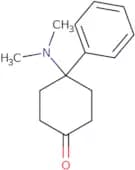
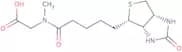
CAS:Controlled Product<p>Dimethylphencyclidine is a potent analgesic with high affinity for opioid receptors. It is an agonist at the μ-opioid receptor and κ-opioid receptor. Dimethylphencyclidine may also act as a nociceptive agent and has been shown to modulate pain in animals. This drug has also been shown to be neuropathic, as it inhibits the development of chronic constriction injury (CCI) in rats by reducing the formation of reactive oxygen species and increasing the expression of brain-derived neurotrophic factor (BDNF). Dimethylphencyclidine has undergone clinical trials for the treatment of neuropathic pain and is currently in phase II clinical development.<br>The pharmacological properties of dimethylphencyclidine are due to its ability to act on opioid receptors and other neurotransmitter systems, including serotonin, dopamine, acetylcholine, glutamate, and glycine. The chemical name for this drug is 4-(Dimethylamino)-4-phen</p>Formula:C14H19NOPurity:Min. 95%Molecular weight:217.31 g/mol(+)-Biotin-sarcosine
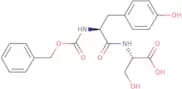
CAS:<p>Please enquire for more information about (+)-Biotin-sarcosine including the price, delivery time and more detailed product information at the technical inquiry form on this page</p>Formula:C13H21N3SO4Purity:Min. 95%Molecular weight:315.39 g/molZ-Tyr-Ser-OH
CAS:<p>Z-Tyr-Ser-OH is a fine chemical that is used as a versatile building block in the synthesis of complex compounds. It is also a useful intermediate for the production of many other chemicals, including pharmaceuticals, agrochemicals and research chemicals. The CAS number for Z-Tyr-Ser-OH is 20448-71-9. This compound has been shown to be a high quality reagent with many applications in research and commercial manufacturing.</p>Formula:C20H22N2O7Purity:Min. 95%Color and Shape:PowderMolecular weight:402.4 g/molFmoc-O-benzyl-L-serine
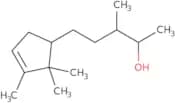
CAS:<p>Fmoc-O-benzyl-L-serine is a synthetic amino acid that is synthesized by the reaction of piperidine and L-serine. This amino acid has high specificity and is used in the synthesis of human cell lines. Fmoc-O-benzyl-L-serine may be useful for bone morphogenetic protein (BMP) activation, cancer treatment, and other therapeutic purposes. It also integrates with a linker to form peptides or proteins, which can be optimized for specific uses. The synthesis methods of this amino acid are proteolytic, solid phase synthesis, and optimization.</p>Formula:C25H23NO5Purity:(%) Min. 99%Color and Shape:White PowderMolecular weight:417.45 g/mol5-(2,2,3-Trimethyl-3-cyclopentenyl)-3-methyl-pentan-2-ol
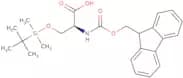
CAS:<p>5-(2,2,3-Trimethyl-3-cyclopentenyl)-3-methyl-pentan-2-ol (5MMPP) is a natural product that has been identified as an inhibitor of human immunodeficiency virus (HIV) replication. 5MMPP inhibits the formation of farnesyl diphosphate (FPP), which is essential for the production of protein kinase C and other cellular processes. This compound also blocks the HIV co-receptor CCR5, reducing the ability of HIV to latch onto cells. 5MMPP also has shown chemotactic activity against leukemia cells and skin cells in vitro, which may be due to its ability to stimulate growth factor release.</p>Formula:C14H26OPurity:Min. 95%Color and Shape:Colorless PowderMolecular weight:210.36 g/molFmoc-O-tert-butyldimethylsilyl-L-serine
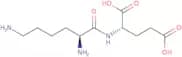
CAS:<p>Fmoc-O-tert-butyldimethylsilyl-L-serine is a monomer that can be used in the solid-phase synthesis of conjugates. It has been shown to be an efficient method for synthesizing bioconjugates, which are used in chemical biology and biotechnology. Fmoc-O-tert-butyldimethylsilyl-L-serine is also efficient for the synthesis of proteins, small organic molecules, and carbohydrates. This monomer is often used as a building block for peptide synthesis because it can be easily removed from the peptides with trifluoroacetic acid or other acid catalysts.</p>Formula:C24H31NO5SiPurity:Min. 95%Color and Shape:SolidMolecular weight:441.59 g/molN-L-Lysyl-L-glutamic acid
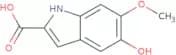
CAS:<p>Lysyl-glutamic acid is a potent antagonist that blocks the activity of growth factor-β1, which is vital for the growth of gland cells. Lysyl-glutamic acid has also been shown to inhibit epidermal growth factor and activate tissue culture cells. This drug has also been shown to be carcinogenic in humans and animals, but not in vitro. It is metabolized by hydrolysis to lysine and glutamic acid. The chemical structures of lysyl-glutamic acid are very similar to those of the amino acids lysine and glutamic acid.</p>Formula:C11H21N3O5Purity:Min. 95 Area-%Color and Shape:PowderMolecular weight:275.3 g/mol5-Hydroxy-6-methoxyindole-carboxylic acid
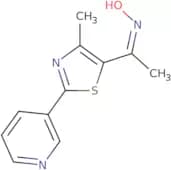
CAS:<p>5-Hydroxy-6-methoxyindole-carboxylic acid (5-HMICA) is a molecule that is found in the pericardium and urine of patients with cancer. 5-HMICA has been shown to suppress tumor growth and activate cell mediated cytotoxicity in vitro. It also induces T helper type 1 (Th1) immune responses, which are associated with the production of cytokines such as interferon gamma and tumor necrosis factor alpha.</p>Formula:C10H9NO4Color and Shape:PowderMolecular weight:207.18 g/mol1-(Hydroxyimino)-1-(5-methyl-3-(3-pyridyl)(2,4-thiazolyl))ethane
CAS:<p>Please enquire for more information about 1-(Hydroxyimino)-1-(5-methyl-3-(3-pyridyl)(2,4-thiazolyl))ethane including the price, delivery time and more detailed product information at the technical inquiry form on this page</p>Formula:C11H11N3OSPurity:Min. 95%Color and Shape:PowderMolecular weight:233.29 g/mol(2-methoxyethyl)((2-nitrophenyl)sulfonyl)amine
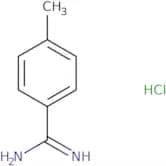
CAS:<p>Please enquire for more information about (2-methoxyethyl)((2-nitrophenyl)sulfonyl)amine including the price, delivery time and more detailed product information at the technical inquiry form on this page</p>Purity:Min. 95%4-Methylbenzamidine hydrochloride
CAS:<p>4-Methylbenzamidine hydrochloride is a synthetic molecule that has been shown to have anticancer activity. It is an efficient method for the preparation of modified chromenones, which are biomolecules with anticancer activity. 4-Methylbenzamidine hydrochloride can be used as a template molecule to synthesize biologically active molecules, such as etoposide, which is a synthetic anti-cancer drug. The hydroxyl group in 4-methylbenzamidine hydrochloride is nucleophilic and can undergo dehydrogenative reactions with various reagents. 4-Methylbenzamidine hydrochloride has been shown to inhibit the growth of cancer cells in vitro and in vivo. It inhibits the synthesis of DNA, RNA, and proteins by binding to the ribosomal RNA of cancer cells and preventing protein synthesis.</p>Formula:C8H10N2·HClPurity:Min. 95%Color and Shape:PowderMolecular weight:170.64 g/molZ-Phe-Ala-OH
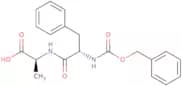
CAS:<p>Z-Phe-Ala-OH is a synthetic amino acid with the chemical formula of C10H13NO3. This compound is a racemic mixture of L-Z-Phe and D-Z-Phe. Z-Phe-Ala-OH has been shown to inhibit protein synthesis by acting as an enzyme inhibitor, which leads to neuronal death. It also has reactive properties that can lead to cell death, which may be due to its ability to react with methyl ketones. Z-Phe-Ala-OH's acidic nature makes it a toxic compound for cells and can cause apoptotic effects. The reactive properties of this compound make it a potential candidate for use in cancer therapy and other treatments that target glutamate receptors and their signaling pathways, such as excitotoxic or glutamate antagonists.</p>Formula:C20H22N2O5Purity:Min. 95%Color and Shape:White To Off-White SolidMolecular weight:370.4 g/molL-Propargylglycine
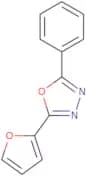
CAS:<p>L-Propargylglycine is a novel, synthetic compound that has been shown to inhibit bacterial growth. It is a strong inhibitor of the polymerase chain reaction (PCR) and nuclear DNA replication. L-Propargylglycine has also been shown to inhibit mitochondrial membrane potential and human serum which may lead to its anti-inflammatory properties. L-Propargylglycine has antioxidative properties, antimicrobial peptide activity, and ATP channel inhibition. This drug also has a number of other pharmacological effects including modulation of intestinal inflammation in models of inflammatory bowel disease and improvement of atherosclerotic lesions in animal models.</p>Formula:C5H7NO2Purity:(%) Min. 98%Color and Shape:PowderMolecular weight:113.11 g/mol2-Phenyl-5-(2-furyl)-1,3,4-oxadiazole
CAS:<p>2-Phenyl-5-(2-furyl)-1,3,4-oxadiazole is an intramolecular dipolar cycloaddition reaction that forms hydrazones. This compound is used in agrochemical research to form herbicides and pesticides. 2-Phenyl-5-(2-furyl)-1,3,4-oxadiazole is also a basic compound that has shown some biological activity in rat studies. It has been shown to inhibit the growth of cancer cells by inhibiting protein synthesis and cell division.</p>Formula:C12H8N2O2Purity:Min. 95%Color and Shape:PowderMolecular weight:212.2 g/mol7-Methoxy-1H-indole
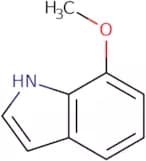
CAS:<p>7-Methoxy-1H-indole (7MI) is a synthetic compound that exhibits anti-inflammatory activity. It is an analog of the amino acid methionine found in proteins and its synthesis involves the condensation of a chlorinated alkyl acetate with an esterified hydrazide to form the corresponding amide. 7MI has been shown to inhibit both bacterial and mammalian protein synthesis, as well as to inhibit tumor cell growth. 7MI binds reversibly to the N7 atom of the adenine base in DNA, thereby inhibiting DNA replication through inhibition of DNA polymerase.</p>Formula:C9H9NOPurity:Min. 95%Color and Shape:Clear LiquidMolecular weight:147.17 g/mol4'-Methoxy-3',β-dimethyl-β-nitrostyrene
<p>4'-Methoxy-3',beta-dimethyl-beta-nitrostyrene is a fine chemical that belongs to the group of versatile building blocks. It is an intermediate for the synthesis of complex compounds, research chemicals, and speciality chemicals. 4'-Methoxy-3',beta-dimethyl-beta-nitrostyrene is a useful reagent in organic synthesis and can be used as a reaction component or scaffold. It has been shown to have high quality and it can be used as a useful building block.</p>Formula:C11H13NO3Purity:Min. 95%Color and Shape:PowderMolecular weight:207.23 g/mol3-Methylbiphenyl
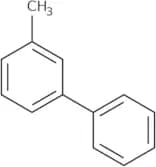
CAS:<p>3-Methylbiphenyl is a colorless liquid with a pleasant odor that is soluble in organic solvents. It is an aromatic hydrocarbon that can be used as a carbon source for the synthesis of other chemicals. 3-Methylbiphenyl has been shown to inhibit the growth of Pseudomonas strains, including P. aeruginosa, and also inhibits nitrogenase activity in rhizosphere soil samples. This compound has two different isomers: 2-methylbiphenyl and 4-methylbiphenyl. The functional theory predicts that the ethyl group on 3-methylbiphenyl will react more quickly than the methyl proton because it has one additional electron pair than the methyl proton and thus an increased electron density around it.</p>Formula:C13H12Purity:Min. 95%Color and Shape:PowderMolecular weight:168.23 g/molFmoc-N-Me-Gln(Trt)-OH
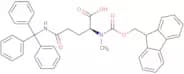
CAS:<p>Fmoc-N-Me-Gln(Trt)-OH is a peptide that has been synthesized to investigate the mechanisms of action of heparin. The synthetic peptide mimics the N-terminal sequence of heparin, which is hypothesized to be responsible for its anticoagulant activity. This peptide was incubated with plasma samples from rhesus monkeys and was metabolized by sequential enzymatic reactions. The c-terminal sequence was also investigated, but no activity was found.</p>Formula:C40H36N2O5Purity:Min. 95 Area-%Color and Shape:PowderMolecular weight:624.72 g/molH-Gly-Pro-pNA•hydrochloride
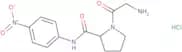
CAS:<p>H-Gly-Pro-pNA is an antidiabetic drug that inhibits the activity of dipeptidyl peptidase IV (DPP IV), a family of enzymes that catalyses the cleavage of the amino acid sequence of proline and arginine. The inhibitory effect on DPP IV by H-Gly-Pro-pNA was demonstrated using magnetic resonance spectroscopy, chromatographic assays, and electrospray ionization mass spectrometry. H-Gly-Pro-pNA also has hydrophobic properties and can interact with other drugs that are lipophilic. In vitro assays have been used to determine the inhibition activity of H-Gly-Pro-pNA against various proteins involved in diabetes mellitus, including aminopeptidases, carboxypeptidases and endopeptidases.</p>Formula:C13H16N4O4•HClPurity:Min. 95%Color and Shape:White PowderMolecular weight:328.75 g/molClobetasol Propionate - Impurity B
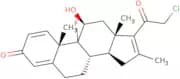
CAS:Controlled Product<p>(11β)-21-Chloro-9-fluoro-11-hydroxy-16-methylpregna-1,4,16-triene-3,20-dione is a chemical compound that can be used as a building block in the synthesis of other chemicals. It is structurally related to progesterone and has been found to have antiandrogenic properties. This product can also be used as a reagent or speciality chemical in research. It is high quality and versatile. (11β)-21-Chloro-9-fluoro-11-hydroxy-16-methylpregna 1,4,16 triene 3,20 dione has been shown to have an effect on the body's reproductive system by binding to the androgen receptor.</p>Formula:C22H26ClFO3Purity:Min. 95%Color and Shape:PowderMolecular weight:392.89 g/molAlanyl-phenylalanyl-lysine fluoromethane
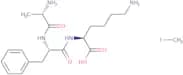
CAS:Controlled Product<p>Alanyl-phenylalanyl-lysine fluoromethane is a competitive inhibitor of the enzyme kallikrein. It binds to the active site of kallikrein and competes with the natural substrate peptidyl-piperidinium for binding, thereby inhibiting the activity of the enzyme. Alanyl-phenylalanyl-lysine fluoromethane has been shown to inhibit coagulation by blocking the activation of prothrombin and thrombin by kallikrein. This inhibition can be reversed by adding an anticoagulant such as heparin or hirudin. The biochemical assay used to measure this drug's effect on coagulation requires analysis using fluoroalkyl reagents, which are not suitable for use in human subjects.</p>Formula:C19H31FN4O4Purity:Min. 95%Molecular weight:398.47 g/molDL-Norleucine
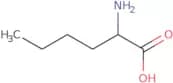
CAS:<p>DL-Norleucine is a polypeptide that is resistant to enzymes that hydrolyze the peptide bonds. It belongs to the group of fatty acids, and has two hydrophobic chains. DL-Norleucine is not metabolized by human enzymes and cannot be broken down by bacterial enzymes. This makes DL-Norleucine an ideal candidate for use as a long-acting antibiotic in humans. The surface methodology used for this compound was FTIR spectroscopy, which showed that DL-Norleucine has a ph optimum of 8.5±0.2 and can form stable crystals at -10 °C to -20 °C. Structural analysis revealed that the molecule consists of two α-helices and one β-sheet with no hydrogen bonds or ionic interactions present in its structure.</p>Formula:C6H13NO2Purity:Min. 95%Color and Shape:White PowderMolecular weight:131.17 g/mol3,5-Diiodo-L-tyrosine dihydrate
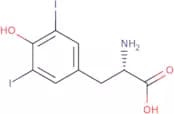
CAS:<p>There are many good reasons to eat fish and seafood, one of them is certainly the fact that they are rich in iodine salts, which are a fundamental for the endocrine activity of the thyroid gland. Iodine salts are enzymatically converted into molecular iodine, which adds to tyrosine residues in thyroglobulin forming diiodotyrosine. This is the first step towards the biosynthesis of thyroid hormones triodityronine T3 and tetraiodotyronine T4 which serve important regulatory functions in body metabolism and energy expenditure. Recently, the dietary introduction of potassium iodide and diiodotyrosine were compared in mice showing that diiodotyrosine can also be used effectively as food supplement preventing the potential damage from excessive intake of inorganic iodine salts.</p>Formula:C9H13I2NO5Purity:Min. 95.0 Area-%Molecular weight:469.02 g/mol2-[(4-Amino-2-methyl-5-nitrylbenzyl)amino]ethylalcohol
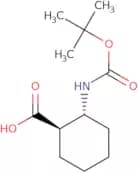
CAS:<p>2-[(4-Amino-2-methyl-5-nitrylbenzyl)amino]ethylalcohol is a reactive, hydrated, colorant that belongs to the group of hydroxy compounds. It has a chromophore and is used in the production of cosmetics. 2-[(4-Amino-2-methyl-5-nitrylbenzyl)amino]ethylalcohol is used for alkalization and in the production of particle pigments. This compound can be found in fatty acid esters, as it has a long hydrocarbon chain, which makes it soluble. It also has fatty acids and an amine group that provides color.</p>Formula:C9H13N3O3Purity:Min. 95%Molecular weight:211.22 g/mol(1R,2R)-Boc-aminocyclohexane carboxylic acid
CAS:<p>Please enquire for more information about (1R,2R)-Boc-aminocyclohexane carboxylic acid including the price, delivery time and more detailed product information at the technical inquiry form on this page</p>Formula:C12H21NO4Purity:Min. 95%Color and Shape:PowderMolecular weight:243.3 g/mol4-Chloro-2-methylbenzyl alcohol
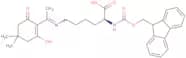
CAS:<p>4-Chloro-2-methylbenzyl alcohol is an organic compound that has a sensor and hydroxyl group. It is used in pest control as an insecticide. 4-Chloro-2-methylbenzyl alcohol has been shown to be effective against ants, cockroaches, and other insects. There are multiple instabilities of this compound, including low oxygen stability when exposed to air, which may lead to the degradation of this chemical. Impurities in 4-chloro-2-methylbenzyl alcohol may also lead to its instability as it reacts with alkali metals at high temperatures. The instability of 4-chloro-2-methylbenzyl alcohol can be reduced by storing it at low temperatures or by adding cryogenic substances such as liquid nitrogen or carbon dioxide gas.</p>Formula:C8H9ClOPurity:Min. 95%Molecular weight:156.61 g/molN-α-Fmoc-Nε-1-(4,4-dimethyl-2,6-dioxocyclohex-1-ylidene)ethyl-L-lysine
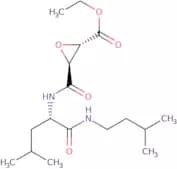
CAS:<p>N-alpha-Fmoc-Nepsilon-1-(4,4-dimethyl-2,6-dioxocyclohex-1-ylidene)ethyl-L-lysine is a synthetic amide with a peptide backbone. It has been shown to have anti tumor activity in vivo and in vitro against a variety of solid tumor xenografts. The compound was conjugated to the integrin receptor ligand RGD, which is expressed on the surface of various types of cancer cells. This modification increased the uptake of N-alpha-Fmoc-Nepsilon-1-(4,4 dimethyl 2,6 dioxocyclohex1 ylidene)ethyl L lysine by leukemia cells and solid tumor xenografts.</p>Formula:C31H36N2O6Purity:Min. 98 Area-%Color and Shape:Slightly Yellow PowderMolecular weight:532.63 g/mol(2S,3S)-trans-Epoxysuccinyl-L-leucylamido-3-methylbutane ethyl ester
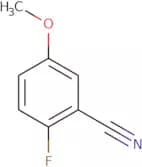
CAS:<p>Inhibitor of cathepsins</p>Formula:C17H30N2O5Purity:Min. 95%Color and Shape:PowderMolecular weight:342.43 g/mol2-Fluoro-5-methoxybenzonitrile
CAS:<p>2-Fluoro-5-methoxybenzonitrile is a metal catalyst that has been shown to be effective in the synthesis of various organic compounds. The use of ultrasound can increase the yields of reactions involving 2-fluoro-5-methoxybenzonitrile. 2-Fluoro-5-methoxybenzonitrile has also been demonstrated as a pharmacological agent with a number of potential applications. It inhibits the activity of phosphodiesterase 4, which may lead to an improved therapeutic profile for conditions such as asthma and erectile dysfunction. 2-Fluoro-5-methoxybenzonitrile is also used in photochemical reactions, where it acts as an inhibitor to prevent the formation of undesired products.</p>Formula:C8H6FNOPurity:Min. 95%Color and Shape:PowderMolecular weight:151.14 g/mol3-Chloro-4-methylbenzyl alcohol - Technical grade
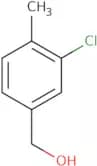
CAS:<p>3-Chloro-4-methylbenzyl alcohol is a building block chemical that is used in the synthesis of a variety of organic compounds. It is a versatile chemical that can be used as a reagent, reaction component, and intermediate. 3-Chloro-4-methylbenzyl alcohol has been found to be useful in the synthesis of complex compounds, such as 4-chloromethoxybenzoic acid and 3-(3,5-dimethoxyphenyl)acetic acid. This chemical can also be used to produce speciality chemicals, such as 3-(2-(2,4-dichlorophenoxy)ethyl)benzonitrile.</p>Formula:C8H9ClOPurity:Min. 95%Color and Shape:Colorless PowderMolecular weight:156.61 g/mol3-(3,4-Dihydroxyphenyl)-2-methyl-L-alanine sesquihydrate
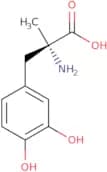
CAS:<p>3-(3,4-Dihydroxyphenyl)-2-methyl-L-alanine sesquihydrate is a biological sample that is an active inhibitor of the enzyme methyldopa. This compound has been shown to reduce blood pressure in rats and humans by blocking the α7 nicotinic acetylcholine receptor. 3-(3,4-Dihydroxyphenyl)-2-methyl-L-alanine sesquihydrate is also a polymer composition that has been shown to be toxic in animal studies. The toxicity of 3-(3,4-dihydroxyphenyl)-2-methyl-L-alanine sesquihydrate can be attributed to its structural similarity to methyldopa or its ability to act as a receptor agonist.</p>Formula:C10H13NO4•(H2O)1Purity:Min. 95%Molecular weight:238.24 g/molN2-Phenoxyacetyl guanine
CAS:<p>N2-Phenoxyacetyl guanine is a labile nucleoside that can be synthesized by the aminoacylation of guanosine with phenoxyacetic acid. It has been shown to have an important role in oxidative DNA damage, which may lead to mutagenesis and cancer. N2-Phenoxyacetyl guanine is stereoselective and binds preferentially to the GGC sequence, and it is also aminopropylated at its 2′ position. This nucleoside is not ionizing but can be degraded by radiation or enzymes such as deaminases.</p>Formula:C13H11N5O3Purity:Min. 95%Molecular weight:285.26 g/molS-acetyl-L-glutathione
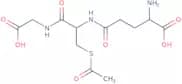
CAS:<p>Acetylcysteine is a drug that inhibits the growth of bacteria and viruses. Acetylcysteine is a precursor to the amino acid cysteine and has been shown to have antiviral properties against herpes simplex virus. It also has protective effects on human liver cells by preventing lipid peroxidation, which may be due to its antioxidant activity. Acetylcysteine can be used as an analytical method for particle size, thermal expansion, and hydrogen chloride content in industrial processes. Its use in metabolic disorders and cancer therapy is limited because it does not cross the blood-brain barrier easily. Acetylcysteine has been shown to inhibit HIV infection by blocking reverse transcriptase activity, but it cannot cure HIV infection.</p>Formula:C12H19N3O7SPurity:Min. 96 Area-%Color and Shape:White Off-White PowderMolecular weight:349.36 g/molAmyloid β-Protein (40-1) hydrochloride salt
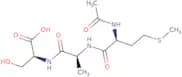
CAS:<p>Hydrochloride salt</p>Formula:C194H295N53O58SPurity:Min. 95%Molecular weight:4,329.81 g/molAc-Met-Ala-Ser-OH
CAS:<p>Ac-Met-Ala-Ser-OH is a fine chemical that can be used as a building block in the synthesis of other compounds. It is also a reagent and speciality chemical, which are substances that are not typically found in everyday life but have specific uses. Ac-Met-Ala-Ser-OH is an intermediate chemical, meaning it is used to make something else, and can be used as a scaffold for developing new compounds. Ac-Met-Ala-Ser-OH has CAS number 149151-19-9.</p>Formula:C13H23N3O6SPurity:Min. 95%Color and Shape:PowderMolecular weight:349.4 g/molN-(5-Amino-2-methylphenyl)-4-(3-pyridyl)-2-pyrimidineamine
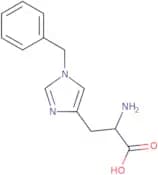
CAS:<p>Imatinib is an anticancer drug that belongs to the class of trimethyls. It is a potent inhibitor of tyrosine-specific protein kinases, including Bcr-Abl and Src family kinases. It has been shown to have antineoplastic properties in human cells in vitro. Imatinib is structurally similar to the anticancer agent lapatinib and inhibits G1 phase cell cycle progression by preventing phosphorylation of retinoblastoma protein (Rb). Imatinib is also genotoxic due to its structural similarity to other known genotoxic compounds such as bromo-2′-deoxyuridine and 2-chloroimidazole.</p>Formula:C16H15N5Purity:Min. 95%Color and Shape:PowderMolecular weight:277.32 g/molD-His(Bzl)-OH
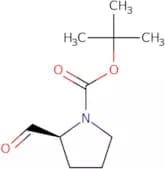
CAS:<p>D-His(Bzl)-OH is a chromatographic ligand that has been used in the preparation of recombinant proteins and vaccines. D-His(Bzl)-OH is an amphipathic molecule with a hydrophilic head group and hydrophobic tail group. It has been shown to be an effective inhibitor of papillomavirus, as well as other viruses such as HIV, herpes simplex virus, poliovirus, and vesicular stomatitis virus. D-His(Bzl)-OH has also been shown to induce antibody production in micelles when conjugated to antigens. The binding of D-His(Bzl)-OH to the viral envelope protein can be increased by increasing pH or by adding ammonium sulfate or chloride ions. Increasing the flow rate during chromatography will also increase the progressions of D-His(Bzl)-OH through the column.</p>Formula:C13H15N3O2Purity:Min. 95%Color and Shape:White PowderMolecular weight:245.28 g/molBoc-L-prolinal
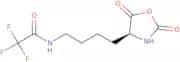
CAS:<p>Boc-L-prolinal is a stereoselective enolate that has been used in the synthesis of organometallic compounds. It is also used in the preparation of monoclonal antibodies, which are proteins that are produced by the immune system to help fight off infections. Boc-L-prolinal has been shown to be an effective agent for treating many cancers, including breast cancer and melanoma. In addition, it has been shown to inhibit epidermal growth factor (EGF) and other growth factors, which may be due to its ability to induce apoptotic signaling. Boc-L-prolinal also contains a carbonyl group, which can undergo acidolysis reactions with nucleophiles such as water or alcohols.</p>Formula:C10H17NO3Purity:Min. 95%Color and Shape:Colorless Clear LiquidMolecular weight:199.25 g/molN6-Trifluoroacetyl-L-lysine N-carboxyanhydride
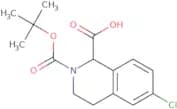
CAS:<p>Trifluoroacetyl-L-lysine N-carboxyanhydride is an N6-trifluoroacetylated lysine derivative that is used in the synthesis of peptides. It is a racemic mixture of L and D forms, which is hydrolyzed to form L-glutamic acid, NH4Cl, and CO2. Trifluoroacetyl-L-lyside N-carboxyanhydride has been shown to be useful in the formation of bonds between amino acids, such as lysine and dipeptides. The compound is also used for the protection of lysine against oxidation during peptide synthesis.</p>Formula:C9H11F3N2O4Purity:Min. 95%Color and Shape:White PowderMolecular weight:268.19 g/mol2-Boc-6-Chloro-3,4-dihydro-1H-isoquinoline-1-carboxylic acid
CAS:<p>2-Boc-6-Chloro-3,4-dihydro-1H-isoquinoline-1-carboxylic acid is a useful scaffold for the production of various chemical compounds. It is a versatile building block that can be used as an intermediate in various chemical reactions or as a speciality chemical. 2-Boc-6-Chloro-3,4-dihydro-1H-isoquinoline-1 carboxylic acid has been shown to be a high quality and reliable reagent for use in research and development.</p>Formula:C15H18ClNO4Purity:Min. 95%Color and Shape:White PowderMolecular weight:311.76 g/molIndole-3-acetyl-L-valine
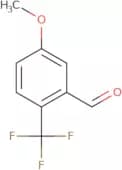
CAS:<p>Indole-3-acetyl-L-valine (IAV) is a naturally occurring amino acid that binds to the surface glycoprotein of wild-type viruses. It inhibits viral replication by inhibiting the production of basic proteins, which are necessary for viral life. IAV also has inhibitory properties against the toll-like receptor, which may be due to its ability to inhibit growth factor signaling. IAV has been shown to decrease the number of opportunistic fungal and bacterial infections in humans, with no adverse effects on human health. This drug has no effect on healthy cells and can be used as an adjuvant for the treatment of HIV and other viral infections.</p>Formula:C15H18N2O3Purity:Min. 95%Color and Shape:PowderMolecular weight:274.32 g/mol5-Methoxy-2-(trifluoromethyl)benzaldehyde
CAS:<p>5-Methoxy-2-(trifluoromethyl)benzaldehyde (5MFBA) is a potential anticancer compound that has been shown to inhibit the growth of pancreatic cancer cells. 5MFBA is formed by the reaction of methoxybenzene and trifluoromethyl bromide in the presence of copper chloride, which acts as a dehydrogenase. This compound also has prognostic and clinicopathological implications in patients with pancreatic cancer, as well as staining properties in tissues. 5MFBA modulates biological function via reactive oxygen species (ROS) production, which induces cell apoptosis. Research on this compound has been done on cancer tissues from various organs, including breast and prostate cancers.</p>Formula:C9H7F3O2Purity:Min. 95%Color and Shape:PowderMolecular weight:204.15 g/molN-(4-methylthio(3H-2,3,5-triazolyl))-3-phenylprop-2-enamide
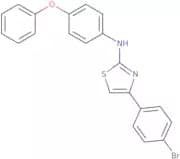
CAS:<p>Please enquire for more information about N-(4-methylthio(3H-2,3,5-triazolyl))-3-phenylprop-2-enamide including the price, delivery time and more detailed product information at the technical inquiry form on this page</p>Formula:C12H12N4OSPurity:Min. 95%Color and Shape:PowderMolecular weight:260.32 g/mol(4-(4-bromophenyl)(2,5-thiazolyl))(4-phenoxyphenyl)amine
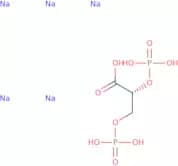
CAS:<p>Please enquire for more information about (4-(4-bromophenyl)(2,5-thiazolyl))(4-phenoxyphenyl)amine including the price, delivery time and more detailed product information at the technical inquiry form on this page</p>Purity:Min. 95%2,3-Diphospho-D-glyceric acid pentasodium salt
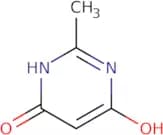
CAS:<p>2,3-Diphospho-D-glyceric acid pentasodium salt is a pyridine complex that is found in nature as a constant. It is also synthesized by humans and can be formed in the laboratory. 2,3-Diphospho-D-glyceric acid pentasodium salt is reactive and has been shown to be useful for producing radical species. This compound has been analysed in the human body at physiological concentrations and has been shown to interact with endogenous molecules such as lipids. The interaction of this compound with lipids could be due to its ability to form emulsions.</p>Formula:C3H3Na5O10P2Purity:Min. 95%Color and Shape:PowderMolecular weight:375.95 g/mol4,6-Dihydroxy-2-methylpyrimidine
CAS:<p>4,6-Dihydroxy-2-methylpyrimidine is an organic compound that is synthesized by the reaction of 2-chloroethanol with ethyl chloroformate and nitroethane in the presence of a magnesium salt. The synthesis can be done systematically or by chance. 4,6-Dihydroxy-2-methylpyrimidine can be formed by the hydrolysis of ethyl esters with a metallacycle. Its acidic properties are due to its electron withdrawing groups. The systematic synthesis is carried out in two steps: 1) formation of the monomers from ethyl chloroformate and nitroethane; 2) condensation of the monomers to form 4,6-dihydroxy-2-methylpyrimidine. This synthesis requires hydroxide solution and chloroformate as well as a base such as sodium hydroxide or potassium hydroxide. The chemical reaction mechanism is based</p>Formula:C5H6N2O2Purity:Min. 95%Molecular weight:126.11 g/mol


![N-[(1-Methyl-1H-indol-3-yl)methyl]cyclohexanamine](/_next/image/?url=https%3A%2Fstatic.cymitquimica.com%2Fproducts%2F3D%2Fthumb-webp%2FFM128410.webp&w=3840&q=75)


![3-(tert-butyl)-2-methyl-6-nitroindeno[3,2-c]pyrazol-4-one](/_next/image/?url=https%3A%2Fstatic.cymitquimica.com%2Fproducts%2F3D%2Fthumb-webp%2FFB169678.webp&w=3840&q=75)


![N-[6-Chloro-5-(2-methoxyphenoxy)-(2,2-bipyrimidine)4-4-yl]-(1,1-dimethylethyl)-benzenesulfonamide](/_next/image/?url=https%3A%2Fstatic.cymitquimica.com%2Fproducts%2F3D%2Fthumb-webp%2FFC20113.webp&w=3840&q=75)


![6-Fluoro-5-Methyl-2-[(5-Methyl-1H-Imidazol-4-Yl)Methyl]-2,3,4,5-Tetrahydro-1H-Pyrido[4,3-b]Indol-1…](/_next/image/?url=https%3A%2Fstatic.cymitquimica.com%2Fproducts%2F3D%2Fthumb-webp%2FFF102588.webp&w=3840&q=75)
![9-Fluoro-3-methyl-7-oxo-10-(1-piperazinyl)-2,3-dihydro-7H-[1,4]oxazino[2,3,4-Ij]quinoline-6-carbox…](/_next/image/?url=https%3A%2Fstatic.cymitquimica.com%2Fproducts%2F3D%2Fthumb-webp%2FFF102861.webp&w=3840&q=75)






![2-[(4-Amino-2-methyl-5-nitrylbenzyl)amino]ethylalcohol](/_next/image/?url=https%3A%2Fstatic.cymitquimica.com%2Fproducts%2F3D%2Fthumb-webp%2FFA146928.webp&w=3840&q=75)