Amino Acids (AA)
Amino acids (AAs) are the fundamental building blocks of proteins, playing a crucial role in various biological processes. These organic compounds are essential for protein synthesis, metabolic pathways, and cell signaling. In this category, you will find a comprehensive range of amino acids, including essential, non-essential, and modified forms, which are vital for research in biochemistry, molecular biology, and nutritional sciences. At CymitQuimica, we provide high-quality amino acids to support your research and development needs, ensuring accuracy and reliability in your experimental outcomes.
Subcategories of "Amino Acids (AA)"
- Amino Acid Derivatives(3,955 products)
- Amino Acid and Amino Acid Related Compounds(3,469 products)
- Amino Acids with Oxygen or Sulphur(168 products)
- Boc- Amino Acids(351 products)
- Fmoc Amino Acids(1,710 products)
Found 38260 products of "Amino Acids (AA)"
Sort by
Purity (%)
0
100
|
0
|
50
|
90
|
95
|
100
3'-Bromo-4'-fluoro-β-methyl-β-nitrostyrene
CAS:<p>3'-Bromo-4'-fluoro-beta-methyl-beta-nitrostyrene is a chemical compound with the molecular formula C9H5BrFN2O. It can be used as an intermediate in the synthesis of other chemical compounds. 3'-Bromo-4'-fluoro-beta-methyl-beta-nitrostyrene can also be used to produce research chemicals, speciality chemicals, and complex compounds. This compound has a high quality and is useful for research purposes.</p>Formula:C9H7BrFNO2Purity:Min. 95%Color and Shape:PowderMolecular weight:260.06 g/mol(2S)-N-Boc-2-amino-4-azido-butanoic acid methyl ester
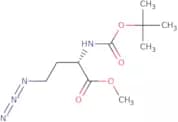
CAS:<p>(2S)-N-Boc-2-amino-4-azido-butanoic acid methyl ester is a high quality, reagent, complex compound, useful intermediate, fine chemical that is used as a building block in the synthesis of speciality chemicals.</p>Formula:C10H18N4O4Purity:Min. 95%Color and Shape:PowderMolecular weight:258.27 g/molN-Methyl-N-vinylacetamide
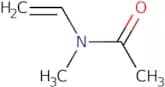
CAS:<p>N-Methyl-N-vinylacetamide is a colorless liquid with a boiling point of 105.6°C. It is produced by the reaction of acetamide and vinyl chloride in the presence of hydrochloric acid, glycol ether, and methyl ethyl ketone. The viscosity of this compound is low, which makes it an ideal solvent for paints and coatings. N-Methyl-N-vinylacetamide also has genetic damaging effects and can cause mutations in bacteria that are exposed to this compound in high concentrations. This product has an unusual chemical structure due to its hydrogen bonding interactions.br>br><br>br>br><br>Hydrogen bonds are weak intermolecular forces between polar molecules, such as water or alcohols, that are formed by the attraction between a partially positive hydrogen atom on one molecule and the negative end of another nearby molecule. Hydrogen bonds stabilize certain molecular structures because they provide partial shielding from electrostatic interactions with</p>Formula:C5H9NOPurity:Min. 97.5%Color and Shape:Clear LiquidMolecular weight:99.13 g/molL-Proline methyl ester hydrochloride
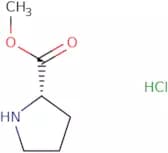
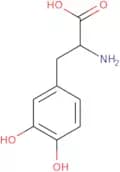
CAS:<p>L-Proline methyl ester hydrochloride is an organic compound that is classified as a trifluoroacetic acid ester. It has significant antiproliferative activity and induces apoptotic cell death in colorectal carcinoma cells. L-Proline methyl ester hydrochloride also inhibits the proliferation of lymphocytes by inhibiting protein synthesis, which may be due to its conformational properties. L-Proline methyl ester hydrochloride is synthesized by reacting L-proline with trifluoroacetic acid and subsequently hydrolyzing the resulting ester with hydrochloric acid. The synthesis can be carried out in two steps: first, a chloride ion is added to the protonated form of the amine; second, the protonated form of the amine reacts with hydrophobic compounds such as dodecyl amines or ethyl acetate to form an alkyl group. This reaction can also be carried out using</p>Formula:C6H12ClNO2Color and Shape:White PowderMolecular weight:165.62 g/mol3,4-Dihydroxy-DL-phenylalanine
CAS:Controlled Product<p>3,4-Dihydroxy-DL-phenylalanine is a phenolic compound that can be found in plants, animals and humans. It is a precursor of dopamine and has been shown to inhibit bacterial growth and decrease the production of p-hydroxybenzoic acid by inhibiting the enzyme tyrosinase. 3,4-Dihydroxy-DL-phenylalanine has also been shown to have antioxidant properties and may be useful in preventing neuronal death. 3,4-Dihydroxy-DL-phenylalanine has the ability to prevent oxidative stress by scavenging free radicals. The compound also inhibits lipid peroxidation induced by trifluoroacetic acid (TFA).</p>Formula:C9H11NO4Purity:Min. 95%Color and Shape:White PowderMolecular weight:197.19 g/molMALP-2
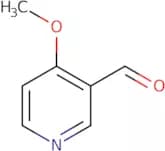
CAS:<p>Macrophage-activating lipopetide-2 (MALP-2) is a TLR2 agonist and activator of MyD88-dependent signaling pathways. It has potential as a vaccine adjuvant.</p>Formula:C99H167N19O30SPurity:Min. 95%Molecular weight:2,135.6 g/mol3-Formyl-4-methoxypyridine
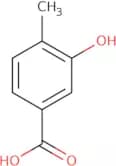
CAS:<p>3-Formyl-4-methoxypyridine is a synthetic compound that belongs to the group of pyrimidine ring compounds. It is synthesized by the reaction of triflic acid with 2,6-dichloropyridine and has been shown to have antiviral and antitumour properties. The compound has also been synthetized as a potential drug for the treatment of malaria. 3-Formyl-4-methoxypyridine is an analog of variolin, which is an alkaloid that can be found in marine organisms such as sponges and tunicates. 3-Formyl-4-methoxypyridine has been shown to inhibit protein synthesis by inhibiting the enzyme RNA polymerase II, which leads to cell death by apoptosis or necrosis.</p>Formula:C7H7NO2Purity:Min. 95%Color and Shape:PowderMolecular weight:137.14 g/mol3-Hydroxy-4-methylbenzoic acid
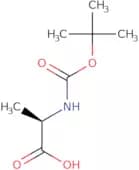
CAS:<p>3-Hydroxy-4-methylbenzoic acid is a cardiotonic glycoside that has been used in the treatment of cardiac arrhythmia. It has been shown to inhibit the enzyme persulfate, which is involved in the activation of hydrogen peroxide and may be responsible for the therapeutic effect of 3-hydroxy-4-methylbenzoic acid. The inhibition of persulfate by 3-hydroxy-4-methylbenzoic acid may be due to an intramolecular hydrogen bond that is formed between the sulfonate group on 3-hydroxy-4 methyl benzoic acid and the hydroxyl group on 4-tert butylbenzoic acid. Animal studies have shown that this drug inhibits sodium urate crystal formation and excretion in urine samples. This drug also inhibits renal ammoniagenesis, which is a metabolic pathway where ammonia is converted to urea, thereby lowering blood levels of ammonia. The metabolism of</p>Formula:C8H8O3Purity:Min. 95%Color and Shape:PowderMolecular weight:152.15 g/molBoc-D-alanine
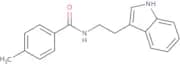
CAS:<p>Boc-D-alanine is a nicotinic acetylcholine receptor agonist that is used for the treatment of Parkinson's disease. Boc-D-alanine is an acid conjugate of D-alanine, which has been shown to increase the activity of the nicotinic acetylcholine receptor. This drug has been found in urine samples and may be useful as a diagnostic tool for detecting Parkinson's disease. The conformational properties of Boc-D-alanine have been investigated through molecular modeling and X-ray crystallography. It has also been shown to be a synthetic substrate for enzymes such as carboxypeptidase A and aminopeptidase P. Although Boc-D-alanine can exist in two forms, one with an acidic environment (Boc) and one with a neutral environment (HOC), it usually exists in its protonated form due to the acidic environment in which it is found.</p>Formula:C8H15NO4Purity:Min. 95%Color and Shape:White Off-White PowderMolecular weight:189.21 g/molN-(2-Indol-3-ylethyl)(4-methylphenyl)formamide
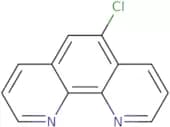
CAS:<p>Please enquire for more information about N-(2-Indol-3-ylethyl)(4-methylphenyl)formamide including the price, delivery time and more detailed product information at the technical inquiry form on this page</p>Formula:C18H18N2OPurity:Min. 95%Color and Shape:PowderMolecular weight:278.35 g/mol5-Chloro-1,10-phenanthroline
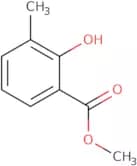
CAS:<p>5-Chloro-1,10-phenanthroline (5CP) is a molecule that has been used in the study of DNA oxidation. 5CP has been shown to be an effective inhibitor of oxidative dna damage and can be used for the prevention of mutations caused by reactive oxygen species. This compound was also found to inhibit the growth of L1210 murine leukemia cells, which is due to its ability to bind to potassium ions. 5CP has been shown to have significant binding constants with DNA and protein molecules. It also has a very high level of ancillary activity and can be used as a catalyst in transfer reactions.</p>Formula:C12H7ClN2Purity:Min. 97.5 Area-%Color and Shape:Red PowderMolecular weight:214.65 g/molMethyl 3-methylsalicylate
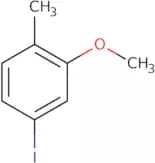
CAS:<p>Methyl 3-methylsalicylate is a member of the class of organic compounds known as phenols. It has a molecular formula of C6H5OCH3 and a molecular weight of 126.08 g/mol. The compound possesses three methoxy groups, two hydroxyl groups, and one methyl group. Methyl 3-methylsalicylate is used in dyestuffs and as an intermediate in the synthesis of pyrazole derivatives. Methyl 3-methylsalicylate has been shown to induce behavioral responses in model organisms such as honeybees and ants, which may be due to its ability to affect their cuticular hydrocarbons.</p>Formula:C9H10O3Purity:Min. 95%Color and Shape:Colorless PowderMolecular weight:166.17 g/mol5-Iodo-2-methylanisole
CAS:<p>5-Iodo-2-methylanisole is a versatile building block that can be used in the preparation of complex compounds. It is an intermediate in the synthesis of many biologically active compounds, such as pharmaceuticals, pesticides, and herbicides. This compound is also a reagent for organic synthesis and other research purposes. 5-Iodo-2-methylanisole has been shown to have high purity and quality with a melting point of 176°C.</p>Formula:C8H9IOColor and Shape:Clear LiquidMolecular weight:248.06 g/molN,N'-Diacetyl-L-cystine
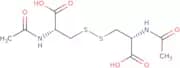
CAS:<p>N,N'-Diacetyl-L-cystine (NAC) is a cysteine derivative that is used in the preparation of samples for analysis by liquid chromatography. It has been shown to have an antiatherogenic effect in chronic bronchitis patients and has been found to be a growth factor, inhibiting apoptosis and stimulating cell proliferation. NAC also increases the activity of aminotransferases in serum samples, which can be used as an indicator of liver health. Its chemical stability and low toxicity make it an ideal candidate for use as a pharmaceutical preparation at doses below those required for its enzyme-stimulating effects.</p>Formula:C10H16N2O6S2Purity:Min. 95%Color and Shape:PowderMolecular weight:324.38 g/mol3-(2-Aminoethyl)-5-methoxy-1H-indole-2-carboxylic acid
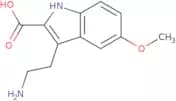
CAS:<p>3-(2-Aminoethyl)-5-methoxy-1H-indole-2-carboxylic acid is a fine chemical that is used as a building block for research chemicals, reagents, and specialty chemicals. It has the CAS No. 52648-13-2. 3-(2-Aminoethyl)-5-methoxy-1H-indole-2-carboxylic acid is also a versatile building block for synthesis of complex compounds with high quality and is a reaction component in many reactions. This compound can serve as an intermediate or scaffold in chemical synthesis.</p>Formula:C12H14N2O3Purity:Min. 95%Color and Shape:White PowderMolecular weight:234.25 g/mol5-Methoxyresorcinol
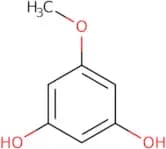
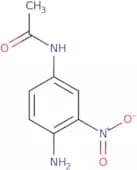
CAS:<p>5-Methoxyresorcinol is a plant product that has been shown to inhibit protein synthesis. It was found to have a second-order rate constant of 0.079 M-1s-1 at pH 7, which is much lower than the first order rate constant for urea hydrolysis (0.71 M-1s-1). 5-Methoxyresorcinol has also been shown to demethylate methyl glycosides and synthesize cell cultures. This product inhibits the replication of herpes simplex virus by inhibiting the synthesis of viral proteins in infected cells and blocking the maturation of progeny virus particles.</p>Formula:C7H8O3Purity:Min. 95%Color and Shape:Slightly Yellow PowderMolecular weight:140.14 g/mol1-N-Acetyl-3-nitro-p-phenylenediamine
CAS:<p>1-N-Acetyl-3-nitro-p-phenylenediamine is a hydrolytic product of 1,4-diaminobenzene. It is an intermediate in the preparation of naphthalene diamine and has been shown to hydrolyze in acidic solutions.</p>Formula:C8H9N3O3Purity:Min. 95%Color and Shape:PowderMolecular weight:195.18 g/mol6,9-Dichloro-2-methoxyacridine
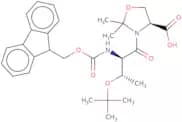
CAS:<p>6,9-Dichloro-2-methoxyacridine (DCA) is a fluorescent probe that can be used to measure the cytosolic Ca2+ concentration in mammalian cells. DCA binds to chloride ions and emits a fluorescence signal proportional to the cytosolic Ca2+ concentration. The binding constants for DCA and chloride are low, which makes this probe an ideal candidate for measuring cytosolic Ca2+. DCA has been shown to inhibit cancer cell growth by decreasing mitochondrial membrane potential. This effect may be caused by the inhibition of mitochondrial ATP production or the disruption of ion transport across the mitochondrial membrane.</p>Formula:C14H9Cl2NOPurity:Min. 95%Color and Shape:Slightly Yellow PowderMolecular weight:278.13 g/molFmoc-D-allo-Thr(tBu)-L-Ser(Psi(Me,Me)pro)-OH
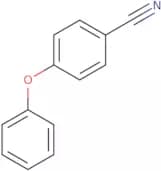
<p>Fmoc-D-allo-Thr(tBu)-L-Ser(Psi(Me,Me)pro)-OH is a reagent that is used as an intermediate in the synthesis of complex compounds. It is also a fine chemical that can be used to prepare speciality chemicals. Fmoc-D-allo-Thr(tBu)-L-Ser(Psi(Me,Me)pro)-OH has CAS No. and can be used as a reaction component in various reactions. This compound is versatile and can be used as a building block for other compounds.</p>Formula:C29H36N2O7Purity:Min. 95%Color and Shape:PowderMolecular weight:524.61 g/mol4-Phenoxybenzonitrile
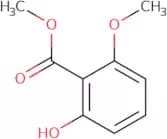
CAS:<p>4-Phenoxybenzonitrile is a synthetic, electron deficient amide that has been shown to react with various halides in vitro. 4-Phenoxybenzonitrile is stable in the presence of copper oxide and can be recycled. It also reacts with fatty acid and monoacylglycerol, which are drug targets for the prevention of hyperlipidemia. In vitro studies have shown that 4-phenoxybenzonitrile potently inhibits potassium phosphate uptake by cells. The reaction mechanism for this inhibition is not known, but it may involve a palladium-catalyzed coupling.</p>Formula:C13H9NOPurity:Min. 95%Color and Shape:PowderMolecular weight:195.22 g/mol2-Hydroxy-6-methoxybenzoic acid methyl ester
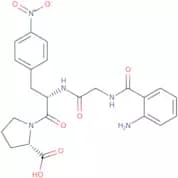
CAS:<p>2-Hydroxy-6-methoxybenzoic acid methyl ester is a biologically active molecule that has been shown to have antibacterial activity. It is structurally similar to the natural compound 2,6-dimethoxyphenol and can be used as a substitute for this compound in bioassays. The antibacterial activity of 2-hydroxy-6-methoxybenzoic acid methyl ester is due to its ability to inhibit enzymes involved in DNA repair and cell division. This compound also inhibits the growth of cancer cells and weevils by interfering with their metabolism.</p>Formula:C9H10O4Purity:Min. 95%Color and Shape:PowderMolecular weight:182.17 g/molo-Aminobenzoylglycyl-p-nitro-L-phenylalanyl-L-proline TFA salt
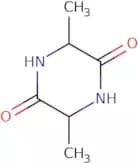
CAS:<p>O-Aminobenzoylglycyl-p-nitro-L-phenylalanyl-L-proline TFA salt is a synthetic, hydrophilic interaction chromatography (HIC) substrate. It has inhibitory properties and is used in biological assays to measure the activities of enzymes that catalyze the hydrolysis of the substrate. O-Aminobenzoylglycyl-p-nitro-L-phenylalanyl-L-proline TFA salt also has been shown to have bioactivities on blood pressure and cell monolayers.</p>Formula:C23H25N5O7•C2HF3O2Purity:Min. 95 Area-%Color and Shape:PowderMolecular weight:597.49 g/molAlanine anhydride
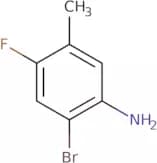
CAS:<p>Alanine anhydride is a purine derivative that can be used as a diagnostic agent. It contains a carbonyl group and a chloride, which are both low energy groups. Alanine anhydride is also a hydrogen bond acceptor, which allows it to bind to the amide backbone of proteins. The nitrogen atoms in this compound are diagnostic agents that can be used to identify the presence of cancer cells in urine samples. This chemical has been shown to have potential microbial infection-fighting effects.</p>Formula:C6H10N2O2Purity:Min. 98 Area-%Color and Shape:PowderMolecular weight:142.16 g/mol2-Bromo-4-fluoro-5-methylaniline
CAS:<p>2-Bromo-4-fluoro-5-methylaniline (BFM) is a reactive intermediate that is used as a building block in the synthesis of various organic compounds. It is also used in research and development for the preparation of pharmaceuticals, pesticides, herbicides, and dyes. BFM is a versatile intermediate that can be used in many different types of reactions. This chemical belongs to the group of halogenated methylanilines and has a CAS number of 1065076-39-2.</p>Formula:C7H7BrFNPurity:Min. 95%Color and Shape:PowderMolecular weight:204.04 g/molFmoc-Ser(tBu)-Wang resin (200-400 mesh)
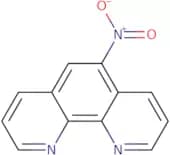
<p>Fmoc-Ser(tBu)-Wang resin is a versatile building block that is used in the synthesis of complex compounds. It has a CAS number and is available as a fine chemical or reagent. Fmoc-Ser(tBu)-Wang resin is an intermediate for research chemicals, reaction components, and speciality chemicals. This material can be used as an important building block in the synthesis of many useful compounds and has high quality.</p>Formula:C22H24NO4RPurity:Min. 95%Color and Shape:PowderMolecular weight:366.43 g/mol5-Nitro-1,10-phenanthroline
CAS:<p>5-Nitro-1,10-phenanthroline is a coordination compound that belongs to the group of p2. It has been shown to have low toxicity and can be used as an ancillary ligand in coordination chemistry. 5-Nitro-1,10-phenanthroline has been used as a synchronous fluorescence probe for amines and is also useful for kinetic studies due to its high stability and sensitivity. FTIR spectroscopy has shown that this compound binds to glyoxal at neutral pH; it may also react with reactive oxygen species such as superoxide, hydrogen peroxide, or hydroxyl radicals.</p>Formula:C12H7N3O2Purity:Min. 97 Area-%Color and Shape:PowderMolecular weight:225.2 g/molFmoc-L-cysteine
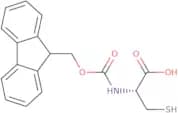
CAS:<p>Fmoc-L-cysteine is a reactive thiol that can be used for the synthesis of peptides and proteins. Fmoc-L-cysteine is synthesized by hydrothiolation of L-cysteine with 3-mercaptopropionic acid, which leads to the formation of a disulfide bond. The reaction product is purified by column chromatography and analyzed by NMR spectroscopy. Fmoc-L-cysteine has been shown to have efficient prenylation activity in vitro and in cell culture experiments. It has also been shown to be an important amino acid for the formation of amyloid protein aggregates, as well as being involved with other helical peptides in plants. X-ray crystal structures have been determined for Fmoc-L-cysteine bound to monoclonal antibodies.</p>Formula:C18H17NO4SPurity:Min. 98 Area-%Color and Shape:PowderMolecular weight:343.4 g/molLL-37 amide trifluoroacetate
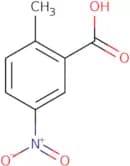
CAS:<p>Please enquire for more information about LL-37 amide trifluoroacetate including the price, delivery time and more detailed product information at the technical inquiry form on this page</p>Formula:C205H341N61O52•(C2HF3O2)xPurity:Min. 95%Color and Shape:PowderMolecular weight:4,492.28 g/mol2-Methyl-5-nitrobenzoic acid
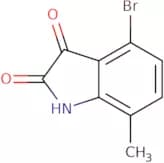
CAS:<p>2-Methyl-5-nitrobenzoic acid is a synthetic compound that has been shown to inhibit the growth of tumor xenografts in mice. This compound has been shown to inhibit the production of prostate-specific antigen and prostate cancer cells, as well as cause apoptosis in prostate cancer cells. 2-Methyl-5-nitrobenzoic acid also inhibits the activity of vitamin D3 and docetaxel, which are both chemotherapeutic agents used to treat prostate cancer. 2-Methyl-5-nitrobenzoic acid is a thermodynamic inhibitor with an IC50 value of 0.1 mM. It is an inhibitor of cellular respiration and mitochondrial function with a Km value of 1 mM. This agent also inhibits tumor perfusion, which may be due to its ability to induce apoptosis in tumor cells.</p>Formula:C8H7NO4Purity:Min. 95%Color and Shape:PowderMolecular weight:181.15 g/mol4-Bromo-7-methylisatin
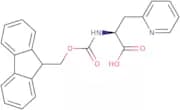
CAS:<p>4-Bromo-7-methylisatin is a chemical compound that is used as a reagent, reaction component, and building block in organic chemistry. 4-Bromo-7-methylisatin is an important intermediate for the synthesis of other compounds and has been shown to have versatile applications in the synthesis of complex compounds. It has also been used as a speciality chemical in research applications and as a fine chemical.</p>Formula:C9H6BrNO2Purity:Min. 95%Color and Shape:PowderMolecular weight:240.05 g/molFmoc-3-(2'-pyridyl)-L-alanine
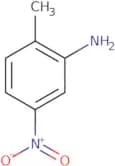
CAS:<p>Fmoc-3-(2'-pyridyl)-L-alanine is an acid molecule that has been shown to have anti-cancer properties. It is a polysaccharide polymer used in the preparation of polyvinyl alcohol and polyvinyl acetate. The phosphatase activity of Fmoc-3-(2'-pyridyl)-L-alanine was first observed in the 1970s, when it was found to be an effective inhibitor of acid phosphatase. This structural study has also revealed the effects of Fmoc-3-(2'-pyridyl)-L-alanine on cancer cells, which may be due to its ability to prevent cell division and genetic control. Fmoc-3-(2'-pyridyl)-L-alanine is also known as a monoclonal antibody that can bind to specific structures on cancer cells, such as antigens and receptors, which may be responsible for these effects.</p>Formula:C23H20N2O4Purity:Min. 95%Color and Shape:SolidMolecular weight:388.42 g/mol2-Methyl-5-nitroaniline
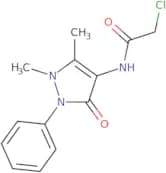
CAS:<p>2-Methyl-5-nitroaniline (2MNA) is a chemical that has been found to be toxic to humans. It is used in wastewater treatment and as a reagent for the production of dyes, rubber products, pesticides, and plastics. 2MNA is oxidized by cytochrome P450 enzymes to create reactive intermediates that react with DNA bases or nucleic acids. 2MNA has also been shown to cause cancer in animals and humans at high doses. It is unclear whether this effect is due to the 2MNA itself or the reactive intermediate formed during metabolism. 2MNA binds to proteins on the surface of cells which may interfere with their function, including enzyme activities and signal transduction pathways. The carcinogenic potential of 2MNA may be due to its ability to form covalent bonds with cellular components such as fatty acids and proteins.</p>Formula:C7H8N2O2Purity:Min. 98%Color and Shape:Slightly Yellow Orange PowderMolecular weight:152.15 g/mol2-Chloro-N-(1,5-dimethyl-3-oxo-2-phenyl-2,3-dihydro-1H-pyrazol-4-yl)acetamide
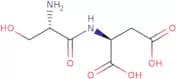
CAS:<p>2-Chloro-N-(1,5-dimethyl-3-oxo-2-phenyl-2,3-dihydro-1H-pyrazol-4-yl)acetamide (CPA) is a chemical compound that belongs to the class of phenyl pyrazoles. It has a thermal stability and is soluble in organic solvents. CPA crystallizes in the monoclinic system with the space group P21/c, with the following unit cell parameters: a = 8.943(4) Å, b = 7.878(3) Å, c = 17.834(6) Å, α = 90°, β = 112° and γ = 90°. In this crystal structure, there are two molecules of chloride per molecule of CPA. The crystal x ray diffraction pattern showed that this compound forms dimers in solution at room temperature and can be dissolved</p>Formula:C13H14ClN3O2Purity:Min. 95%Molecular weight:279.72 g/molH-Ser-Asp-OH
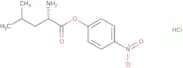
CAS:<p>H-Ser-Asp-OH is a peptide that is the product of the prokaryotic gene, mycobacterium avium. It has been shown to inhibit the translation of mRNA into protein in mycobacteria. H-Ser-Asp-OH also has an anti-inflammatory effect on human cells by inhibiting the synthesis of prostaglandins. This peptide also has antiviral properties and can be used as a treatment for chronic kidney disease (CKD) and hepatitis C. The drug is not effective against HIV infection or hepatitis B virus, however, because it does not inhibit reverse transcriptase or bind to viral DNA.</p>Formula:C7H12N2O6Purity:Min. 95 Area-%Color and Shape:PowderMolecular weight:220.18 g/molL-Leucine 4-nitrophenyl ester hydrochloride
CAS:<p>L-Leucine 4-nitrophenyl ester hydrochloride is a reaction component, reagent, and useful scaffold that is used in the synthesis of complex compounds. It is a versatile building block and useful intermediate that can be used to synthesize fine chemicals such as pharmaceuticals, agrochemicals, or dyes. L-Leucine 4-nitrophenyl ester hydrochloride has CAS number 75691-76-8.</p>Formula:C12H16N2O4•HClPurity:Min. 95%Molecular weight:288.73 g/mol5-Bromo-2-methoxycinnamic acid
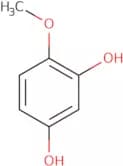
CAS:<p>5-Bromo-2-methoxycinnamic acid is a fine chemical that is used as a scaffold, versatile building block, and useful intermediate. It has been shown to be a useful reaction component in the preparation of complex compounds. 5-Bromo-2-methoxycinnamic acid can also be used as a speciality chemical or reagent. This compound has high quality and is an important research chemical.</p>Formula:C10H9BrO3Purity:Min. 95%Color and Shape:PowderMolecular weight:257.08 g/mol4-Methoxyresorcinol
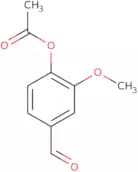
CAS:<p>4-Methoxyresorcinol is a chemical compound that has the molecular formula CHNO. It has a hydroxyl group in the 4-position and a methyl group on the 8-position. The intramolecular hydrogen of this molecule is denatured by heating to about 220°C. This process converts it into resorcinol, which is structurally similar but has different properties. 4-Methoxyresorcinol can be used as a polymerization initiator for polycarboxylic acid or quinoline derivatives, and its analytical methods are used in determining its structure.</p>Formula:C7H8O3Purity:Min. 95%Color and Shape:PowderMolecular weight:140.14 g/mol4-Acetoxy-3-methoxybenzaldehyde
CAS:<p>4-Acetoxy-3-methoxybenzaldehyde is an antimicrobial agent that is used specifically for the treatment of lemongrass oil and eugenol. It has been shown to be effective against a wide range of microorganisms, such as Escherichia coli, Pseudomonas aeruginosa, Salmonella enterica, Staphylococcus aureus, and Streptococcus pneumoniae. 4-Acetoxy-3-methoxybenzaldehyde has been shown to inhibit the growth of bacteria by binding to the 50S ribosomal subunit. The molecule also has hydroxyl group which can react with potassium dichromate and sodium carbonate. This reaction results in the formation of 4-acetoxy-3-hydroxybenzaldehyde through an S N 2 substitution mechanism.</p>Formula:C10H10O4Purity:Min. 95%Color and Shape:PowderMolecular weight:194.18 g/molBis(7-methyloctyl) cyclohexane-1,2-dicarboxylate
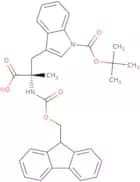
CAS:<p>Bis(7-methyloctyl) cyclohexane-1,2-dicarboxylate is an ester that can be found in the blood of humans and animals. It can also be found in the air as a result of the release of phthalates, which are used to soften plastics. Bis(7-methyloctyl) cyclohexane-1,2-dicarboxylate is used as a catalyst and a reagent in analytical chemistry. This substance is also commonly used as a plasticizer in polyvinyl chloride products and other plastics.</p>Formula:C26H48O4Purity:Min. 95%Color and Shape:Clear LiquidMolecular weight:424.66 g/molFmoc-a-Me-Trp(Boc)-OH
CAS:<p>Fmoc-a-Me-Trp(Boc)-OH is a fine chemical that is used as an intermediate in organic synthesis. It can be used as a versatile building block, useful reaction component, or speciality chemical. Fmoc-a-Me-Trp(Boc)-OH is an important compound for the production of complex compounds and is useful as a building block for high quality reagents. Fmoc-a-Me-Trp(Boc)-OH has CAS No. 1315449-98-9 and can be ordered from Sigma Aldrich at www.sigmaaldrich.com</p>Formula:C32H32N2O6Purity:Min. 95%Color and Shape:PowderMolecular weight:540.61 g/mol2-Amino-5-methylbenzonitrile
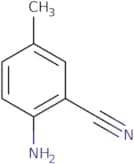
CAS:<p>2-Amino-5-methylbenzonitrile (2AMB) is a molecule that has two nitrile groups. It has been shown to be effective in the treatment of cancer cells, and it also inhibits thymidylate synthase (TS), an enzyme involved in DNA synthesis. The crystallographic structure of this compound has been determined by x-ray diffraction studies, and 2AMB was synthesized and assayed for its anticancer activity on human lung cancer cells in culture. 2AMB is an intercalator that binds to DNA by inserting itself between base pairs, which then blocks the progression of DNA synthesis during replication. This type of inhibition causes cell death because the cell cannot divide or make new proteins. Naphthalene and pyrrole are two chemicals found in 2AMB that have been shown to have antibacterial properties.</p>Formula:C8H8N2Purity:Min. 95%Color and Shape:PowderMolecular weight:132.16 g/molDL-Lysine hydrochloride
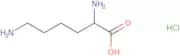
CAS:<p>The solubility of DL-Lysine hydrochloride in water is low, with a solubility of 0.01 g/100 mL at 25 °C. The pH of the solution is 7.0 and the concentration is 10.00%. The pH of the solution was determined using a pH meter. The concentration was determined by weight measurements using a balance and a volumetric flask. DL-Lysine hydrochloride reacts with hydrochloric acid to form an amide linkage between lysine residues on adjacent polypeptides or proteins, which may be used as a cross-linking agent for cell culture experiments. This compound has been shown to inhibit the growth of herpes simplex virus type 1 (HSV-1) in cell culture experiments, although it has no effect on HSV-2 because it lacks an amino group at position 2 on its side chain.</p>Formula:C6H14N2O2·HClPurity:Min. 98%Color and Shape:PowderMolecular weight:182.65 g/mol3-Fluoro-L-tyrosine
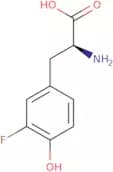
CAS:<p>3-Fluoro-L-tyrosine is a hydroxylated amino acid that is used as a pharmacological agent. 3-Fluoro-L-tyrosine has been shown to be a substrate for the enzyme tyrosinase, which catalyzes the conversion of L-tyrosine into 3,4 dihydroxyphenylalanine (DOPA). 3-Fluoro-L-tyrosine also reacts with bacterial enzymes and may have antibacterial properties.</p>Formula:C9H10FNO3Purity:Min. 95%Color and Shape:PowderMolecular weight:199.18 g/molL-Histidine monohydrochloride monohydrate
CAS:<p>L-Histidine monohydrochloride monohydrate is a histidine derivative that is used in the treatment of chronic oral and bowel diseases. L-histidine has been shown to activate phospholipase A2, which releases arachidonic acid from phospholipids. Arachidonic acid then reacts with other molecules to form prostaglandins and leukotrienes. L-histidine also inhibits the release of tumor necrosis factor (TNF) by blocking the activity of lipoxygenase, or it can stimulate the production of prostaglandins and leukotrienes that suppress inflammation in animal models. L-histidine monohydrochloride monohydrate has been shown to have an anti-inflammatory effect in animals with inflammatory bowel disease due to its ability to inhibit the production of prostaglandin E2 (PGE2). This drug has also been shown to be capable of neutralizing acidic ph by forming a salt with</p>Formula:C6H9N3O2·HCl·H2OColor and Shape:White PowderMolecular weight:209.63 g/molBoc-Leu-Leu-OH
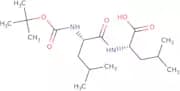
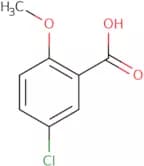
CAS:<p>Boc-Leu-Leu-OH is a synthetic compound that is used as a fluorescent probe in bioelectronics. It has been used to study the conformational changes of proteins and to investigate the interactions between biomolecules. Boc-Leu-Leu-OH has also been investigated for use as a sensor in optical, chemical, and mechanical applications. This compound can be modified with solvents or other chemicals to alter its properties.</p>Formula:C17H32N2O5Purity:Min. 95%Color and Shape:PowderMolecular weight:344.45 g/mol5-Chloro-2-methoxybenzoic acid
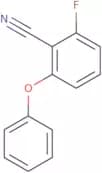
CAS:<p>5-Chloro-2-methoxybenzoic acid is an industrial chemical that is used in the production of pharmaceuticals, plastics, and dyes. It also has hypoglycemic activity and can be used to treat type 2 diabetes. The molecular modeling study of this compound showed that it binds to the chloride ion by forming a hydrogen bond between the oxygen atom of the carboxylic acid group and the nitrogen atom of the chloride ion. This interaction leads to a lower pH value in the environment where 5-chloro-2-methoxybenzoic acid is present. This change in pH may affect other molecules such as glucose, which could lead to a decrease in blood sugar levels. Researchers have found that 5-chloro-2-methoxybenzoic acid has cancer cell growth inhibiting properties and can be used as a potential drug for colorectal adenocarcinoma treatment.</p>Formula:C8H7ClO3Purity:Min. 95%Molecular weight:186.59 g/mol2-Fluoro-6-phenoxybenzonitrile
CAS:<p>2-Fluoro-6-phenoxybenzonitrile is activated by calcium oxide to form a reactive intermediate that participates in the polymerization reaction. It is also used as a building block for the synthesis of other compounds. 2-Fluoro-6-phenoxybenzonitrile can be used as a crosslinker and toughening agent in polymers, and has been shown to have nucleophilic properties. The mechanisms of its activation by calcium oxide are not yet fully understood, but it is known that this process produces reactive intermediates that are capable of forming ester bonds with other molecules.</p>Formula:C13H8FNOPurity:Min. 95%Color and Shape:PowderMolecular weight:213.21 g/mol5-Methoxyuracil
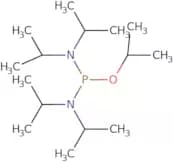
CAS:<p>5-Methoxyuracil is a labile, colorless and crystalline compound that occurs spontaneously in the presence of oxygen. It has a chemical structure similar to thiourea, with one methyl group substituted for the amino group on the heterocycle. 5-Methoxyuracil is used as a precursor for synthesis of thymine and uracil. It also acts as an antioxidant, preventing reactive oxygen species from causing cellular damage. 5-Methoxyuracil can be used in regenerative medicine to increase the production of messenger RNA (mRNA) and ribosomal RNA (rRNA). This drug is used as a prebiotic agent and can be synthetically produced by dimethylation of uridine followed by ethyl formate oxidation.</p>Formula:C5H6N2O3Purity:Min. 95%Color and Shape:PowderMolecular weight:142.11 g/molPhosphorodiamidous acid N,N,N',N'-tetrakis(1-methylethyl)-1-methylethyl ester
CAS:<p>Please enquire for more information about Phosphorodiamidous acid N,N,N',N'-tetrakis(1-methylethyl)-1-methylethyl ester including the price, delivery time and more detailed product information at the technical inquiry form on this page</p>Formula:C15H35N2OPPurity:Min. 95%Molecular weight:290.43 g/mol2-[(2,6-Dibromo-4-methylphenyl)amino]acetohydrazide
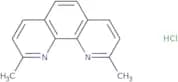
CAS:<p>2-[(2,6-Dibromo-4-methylphenyl)amino]acetohydrazide is a chemical compound that is used as a building block for the synthesis of diverse heterocyclic compounds. 2-[(2,6-Dibromo-4-methylphenyl)amino]acetohydrazide is prepared from 2,6-dibromo-4-methylbenzaldehyde and acetohydrazide in the presence of triethylamine. The compound has been reported to be a useful scaffold for the synthesis of various heterocycles. The following are some examples of its applications: <br>1. Fine chemical<br>2. Useful building block <br>3. Research chemicals <br>4. Reagent <br>5. CAS No. 882760-46-5 <br>6. Speciality chemical <br>7. High quality <br>8. Complex compound <br>9. Versatile building block</p>Formula:C9H11Br2N3OPurity:Min. 95%Color and Shape:White PowderMolecular weight:337.01 g/mol2,9-Dimethyl-1,10-phenanthroline hydrochloride monohydrate
CAS:<p>Chelating agent used to detect aqueous copper ions by electrochemiluminescence</p>Formula:C14H12N2·HCl·H2OColor and Shape:White PowderMolecular weight:262.73 g/mol4'-Isopropyl-β-methyl-β-nitrostyrene
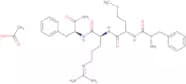
CAS:<p>4'-Isopropyl-beta-methyl-beta-nitrostyrene is a versatile building block that can be used in the synthesis of complex compounds. It has been used as a reagent or speciality chemical in research and development, and as an intermediate for the synthesis of high quality, useful scaffolds. It is also a useful building block for the preparation of high quality, useful compounds.</p>Formula:C12H15NO2Purity:Min. 95%Color and Shape:Clear LiquidMolecular weight:205.25 g/molH-Phe-Met-Arg-Phe-NH2 acetate
CAS:Controlled Product<p>H-Phe-Met-Arg-Phe-NH2 acetate is a high quality reagent that is useful in the synthesis of complex compounds. It can be used as an intermediate for the production of fine chemicals and speciality chemicals, as well as being a versatile building block in the synthesis of organic compounds. H-Phe-Met-Arg-Phe-NH2 acetate can also be used to make research chemicals or reaction components.</p>Formula:C29H42N8O4S•(C2H4O2)xPurity:Min. 95%Color and Shape:PowderMolecular weight:598.76 g/mol5-Methoxyindole
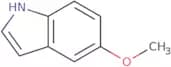
CAS:<p>5-Methoxyindole is a chemical compound that is soluble in water. It has been shown to inhibit tumor growth and induce apoptosis, as well as inhibit the expression of glycogen synthase kinase-3. The structure of 5-methoxyindole was determined by NMR spectroscopy and FT-IR spectroscopy. The compound has been observed to exhibit fluorescence properties at a wavelength of 490 nm when it is excited with UV light. A copper complex of 5-methoxyindole was studied using molecular modeling and FT-IR spectroscopy, which revealed that it can undergo nucleophilic attack by hydrogen bond formation or an acid/base reaction to form a new hydrogen bond. This study also found that 5-methoxyindole is able to form hydrogen bonds with its neighboring molecules, which may contribute to its high solubility in water.</p>Formula:C9H9NOColor and Shape:PowderMolecular weight:147.17 g/molD-Penicillamine
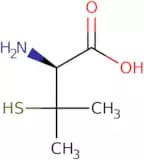
CAS:<p>D-Penicillamine is a nonsteroidal anti-inflammatory drug that is used to treat bowel disease, including ulcerative colitis and Crohn's disease. It has also been used as a treatment for schizophrenia that is unresponsive to other treatments. D-Penicillamine binds covalently to reactive oxygen species (ROS), thereby preventing their interaction with proteins and DNA. The binding of ROS by D-penicillamine can be monitored using electrochemical impedance spectroscopy (EIS). The compound has also been shown to reduce the expression of bcl-2 protein in human cells, which may result in increased oxidative injury and rates of cell proliferation. D-Penicillamine has been shown to have therapeutic benefits for patients with primary sclerosing cholangitis, myocardial infarcts, or preparative high performance liquid chromatography (HPLC) analysis.</p>Formula:C5H11NO2SPurity:Min 97%Color and Shape:White PowderMolecular weight:149.21 g/mol1,2-Dipalmitoyl-sn-glycero-3-phosphoethanolamine
CAS:<p>1,2-Dipalmitoyl-sn-glycero-3-phosphoethanolamine is a phospholipid that plays an important role in many cellular processes. It is a major component of the lipid bilayer that surrounds cells and provides stability to the membrane. 1,2-Dipalmitoyl-sn-glycero-3-phosphoethanolamine can form hydrogen bonding interactions with other molecules in the cytoplasm. The redox potential of this compound is also high enough to allow it to participate in oxidation reactions. This phospholipid also has a phase transition temperature at which it changes from a liquid state to a solid state at room temperature. 1,2-Dipalmitoyl-sn-glycero-3-phosphoethanolamine can be used as a reaction mechanism for synthesizing glycosylated proteins or lipids. In vitro assays have been performed using this compound as</p>Formula:C37H74NO8PMolecular weight:691.96 g/molHO-PEG12-OH
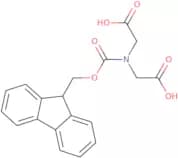
CAS:<p>HO-PEG12-OH is a fine chemical that is used as a scaffold for the synthesis of complex compounds. It can be used as an intermediate or reaction component in the synthesis of speciality chemicals and research chemicals. HO-PEG12-OH is also a versatile building block for the preparation of complex compounds, which could be used to synthesize drugs with high quality. This compound has many uses, including being a reagent for analytical measurements and other research purposes.</p>Formula:C24H50O13Purity:Min. 95%Color and Shape:White PowderMolecular weight:546.65 g/molFmoc-iminodiacetic acid
CAS:<p>Fmoc-iminodiacetic acid is a versatile building block and reagent that is used in the synthesis of complex compounds, such as peptides, proteins, and pharmaceuticals. It is also a useful intermediate in organic synthesis reactions. Fmoc-iminodiacetic acid has been shown to be effective as a reactant for the preparation of various scaffolds with high purity and quality.</p>Formula:C19H17NO6Purity:Min. 95%Color and Shape:PowderMolecular weight:355.34 g/mol6-Chloro-D,L-tryptophan
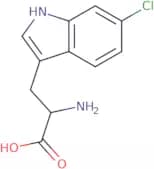
CAS:<p>6-Chloro-D,L-tryptophan is a chemical intermediate that is used in the production of pharmaceuticals. It is a precursor to the amino acid tryptophan and has been shown to inhibit protein synthesis in human macrophages and microglia cells. In addition, this compound has been shown to inhibit the uptake of tryptophan by human macrophages and thp-1 cells. This drug also inhibits the activity of aminotransferase enzymes, which are involved in the metabolism of tryptophan. 6-Chloro-D,L-tryptophan has enantiomeric purity and is an aryl halide with chlorine as its functional group. It can form 3-hydroxyanthranilic acid when it reacts with acid or an acidifying agent. 6-Chloro-D,L-tryptophan has been shown to inhibit the herpes simplex virus (HSV</p>Formula:C11H11ClN2O2Purity:Min. 95%Molecular weight:238.67 g/mol3-Phenylcoumarin
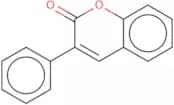
CAS:<p>3-Phenylcoumarin is a naturally occurring compound that has been shown to have cytotoxic effects on cervical cancer cells. It is also a reactive and inflammatory agent, which can lead to the development of inflammatory diseases in humans. 3-Phenylcoumarin has been shown to inhibit the growth of cancer cells by inhibiting DNA synthesis and cell division, as well as by causing programmed cell death. This compound was found to be effective at an effective dose of 10µM in a rotarod test. The molecular modeling studies suggest that 3-phenylcoumarin binds to the active site of human liver microsomal cytochrome P450 enzymes and inhibits their activity. Viscosity has also been found to be an important factor for determining the solubility and stability of this compound.</p>Formula:C15H10O2Purity:Min. 95%Color and Shape:PowderMolecular weight:222.24 g/mol4'-Chloro-4-methoxychalcone
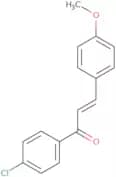
CAS:<p>4'-Chloro-4-methoxychalcone is a dihedral molecule that has been studied by laser spectroscopy. The wavelength and efficiency of the laser have been shown to be dependent on the chalcone's dipole moment. Chalcones are also used in the synthesis of other compounds, such as benzene, which is an aromatic hydrocarbon. Chalcones are used as optical brighteners in detergents and soaps and can also be used to induce evaporation of organic solvents. 4'-Chloro-4-methoxychalcone is used as an intermediate in crystal x-ray diffraction studies.</p>Formula:C16H13ClO2Purity:Min. 95%Color and Shape:PowderMolecular weight:272.73 g/molH-Gly-Ala-AMC monohydrochloride
CAS:<p>H-Gly-Ala-AMC monohydrochloride is a chemical that is used as a reaction component or reagent in pharmaceutical and research laboratories. It has been shown to be a useful scaffold for the synthesis of complex compounds. This compound is also used as an intermediate in the synthesis of other fine chemicals. H-Gly-Ala-AMC monohydrochloride can be used as a building block for the production of versatile building blocks, which are useful for making speciality chemicals.</p>Formula:C15H17N3O4·HClPurity:Min. 95 Area-%Color and Shape:PowderMolecular weight:339.77 g/mol5-Benzyloxyindole-3-glyoxylamide
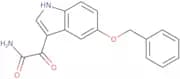
CAS:<p>5-Benzyloxyindole-3-glyoxylamide is a versatile building block that can be used in the synthesis of complex compounds. It has been shown to have a high quality and is useful as a reagent for research purposes. 5-Benzyloxyindole-3-glyoxylamide can be used as a reaction component and is useful as an intermediate in organic synthesis. 5BIGA has CAS number 22424-62-0 and is also known as 3-(benzyloxy)-5-(2,2,2-trifluoroethoxy)indole glyoxamide.</p>Formula:C17H14N2O3Purity:Min. 95%Molecular weight:294.3 g/mol2-Amino-3-bromo-5-methylbenzoic acid
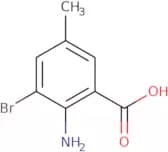
CAS:<p>2-Amino-3-bromo-5-methylbenzoic acid is a fatty acid that belongs to the group of undescribed organic acids. It is found in soil as well as in organisms such as bacteria and fungi. The 2-Amino-3-bromo-5-methylbenzoic acid molecule has been shown to be an antibiotic, inhibiting the growth of bacterial strains belonging to the phyla Actinobacteria and Proteobacteria. It may also be present in plants, where it is channeled out through the roots. This fatty acid also has nucleobase properties, which are essential for DNA replication.br>br><br>span style="font-size: 12px;">2 Amino 3 bromo 5 methyl benzoic acid (2ABMB) was first isolated from soil samples collected from a site near Beijing, China. It is one of many undescribed organic acids that are found</p>Formula:C8H8BrNO2Purity:Min. 95%Color and Shape:PowderMolecular weight:230.06 g/molMethyl (1S,2S,3S,5R)-3-[Bis(4-Fluorophenyl)Methoxy]-8-Methyl-8-Azabicyclo[3.2.1]Octane-2-Carboxylate
CAS:Controlled Product<p>Methyl (1S,2S,3S,5R)-3-[Bis(4-fluorophenyl)methoxy]-8-methyl-8-azabicyclo[3.2.1]octane-2-carboxylate is a molecule that has been shown to bind with high affinity to the serotonin receptor and blocks dopamine uptake. This drug has also demonstrated dose-dependent locomotor activity in rats and m1 muscarinic receptor binding. Methyl (1S,2S,3S,5R)-3-[Bis(4-fluorophenyl)methoxy]-8-methyl-8-azabicyclo[3.2.1]octane-2-carboxylate is being developed for use as a diagnostic tool for detecting Parkinsonian symptoms or chemical reactions in the brain.</p>Formula:C23H25F2NO3Purity:Min. 95%Molecular weight:401.45 g/mol4-Bromo-3-methylphenol
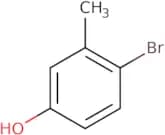
CAS:<p>4-Bromo-3-methylphenol is a hydrochloride salt of 4-bromo-3-methylphenol that has acidic properties. It can be used as a reagent to prepare samples for phosphotungstic acid and ligand desorption techniques. It can also be used in the reduction of sulfoxides by means of hydrogen gas in an efficient method, which is suitable for on-line analysis. 4-Bromo-3-methylphenol is soluble in water and easily prepared from chlorobenzene. This compound has been extensively studied for its use in liquid phase electroosmotic techniques, which are based on the principle that the movement of ions is influenced by an electric field applied to a liquid medium.</p>Formula:C7H7BrOPurity:Min. 95%Color and Shape:PowderMolecular weight:187.03 g/molZ-Phe-Arg-AMC·HCl
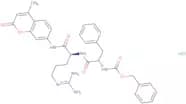
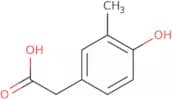
CAS:<p>Z-Phe-Arg-AMC·HCl is a fluorescent substrate for proteolytic enzymes. It has been shown to be a potent inhibitor of human immunoglobulin (Ig) secretion and protein synthesis in proximal tubules of the kidney, but this inhibition is not seen in the presence of other proteases. Z-Phe-Arg-AMC·HCl also inhibits the activity of soybean trypsin and hemolytic activity. This compound also has an optimum pH of 7.5 and is characterized by intermolecular hydrogen bonding as well as hydroxyl group interactions with enzyme active sites.</p>Formula:C33H36N6O6·HClPurity:Min. 95%Molecular weight:649.14 g/mol2-(4-Hydroxy-3-methylphenyl)acetic acid
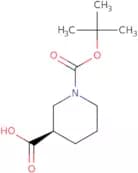
CAS:<p>2-(4-Hydroxy-3-methylphenyl)acetic acid is a small molecule that has been shown to be an effective inhibitor of the enzyme hydroxylase. This enzyme catalyzes the conversion of L-4-hydroxymandelic acid to mandelic acid, which is needed for the biosynthesis of L-DOPA, a precursor in the synthesis of dopamine. 2-(4-Hydoxy-3-methylphenyl)acetic acid has been shown to inhibit this reaction by binding to the active site and blocking access.</p>Formula:C9H10O3Purity:Min. 95%Color and Shape:PowderMolecular weight:166.17 g/molN-Boc-(R)-Nipecotic acid
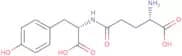
CAS:<p>N-Boc-(R)-Nipecotic acid is a synthetic compound that is used in the treatment of lymphocytic leukemia, chronic lymphocytic leukemia, and other types of cancer. It is a dry powder that can be taken orally or subcutaneously. N-Boc-(R)-Nipecotic acid binds to p53 mutations and inhibits DNA synthesis. This drug has been shown to reduce the size of tumors in mice with subcutaneous tumors and has been found to be effective against leukemia cells in vitro. The development of this drug was rationalized on the basis of fluorescence profiles.</p>Formula:C11H19NO4Purity:Min. 95%Color and Shape:PowderMolecular weight:229.27 g/molH-Glu(Tyr-OH)-OH
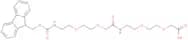
CAS:<p>H-Glu(Tyr-OH)-OH is an amino acid analogue that has been shown to have natriuretic effects. It also has anti-inflammatory and analgesic properties, which are likely due to its ability to inhibit the bacterial enzyme arginase. H-Glu(Tyr-OH)-OH is a part of a class of compounds called oximes, which are used in the treatment of poisoning by organophosphates, pyrethroid insecticides, and carbamates. The compound is synthesized by treating L-glutamic acid with hydrogen peroxide and tyrosine in acidic conditions. H-Glu(Tyr-OH)-OH has also been found to have a protective effect on alcohol induced damage in rats. This may be due to its ability to increase the synthesis of dopamine, which is involved in the regulation of blood pressure and water balance.</p>Formula:C14H18N2O6Purity:Min. 95%Color and Shape:PowderMolecular weight:310.3 g/molFmoc-AEEAc-AEEAc-OH
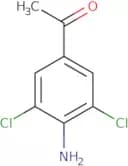
CAS:<p>Fmoc-AEEAc-AEEAc-OH is a coupling agent that is used in the industrial production of polypeptides and peptides. It has been shown to be reactive with amino acids, amino acid derivatives, and other compounds. Fmoc-AEEAc-AEEAc-OH can be synthesized by reacting an acetic acid derivative with an amine (e.g., AEEAc) in the presence of a base catalyst or by coupling two equivalents of the AEEAc derivative. The reactivity and efficiency of this coupling agent are influenced by both the type and concentration of reactants used in the synthesis process.</p>Formula:C27H34N2O9Purity:Min. 95%Color and Shape:PowderMolecular weight:530.57 g/mol1-(4-Amino-3,5-dichloro-phenyl)-2-ethanone
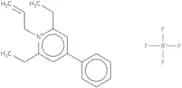
CAS:<p>1-(4-Amino-3,5-dichloro-phenyl)-2-ethanone is a beta-adrenergic agent. It has been used as a stable isotope label for the study of the pharmacokinetics and metabolism of drugs in humans. In addition, it has been shown to have a good stability profile in acidic solutions and can be easily converted to other derivatives by simple chemical methods. The compound's UV spectrum is linear with respect to concentration over the range from 0.1 to 1 mg/mL, with maxima at 227 nm and 254 nm. This compound has been characterized using analytical methods such as diffraction, spectroscopy, and chromatography.</p>Formula:C8H7Cl2NOPurity:Min. 95%Color and Shape:PowderMolecular weight:204.05 g/molN-Propyl-1-ene-2,6-diethyl-4-phenylpyridinium tetrafluoroborate
CAS:<p>N-Propyl-1-ene-2,6-diethyl-4-phenylpyridinium tetrafluoroborate (NPEEDPBF) is a fine chemical that has been used as a building block in research and industrial chemistry. The synthesis of NPEEDPBF typically involves the reaction of diethyl phenylpyridinium bromide with n propyl iodide. It can be used as a reagent for organic syntheses and as an intermediate for other compounds. NPEEDPBF is also a versatile building block for complex compounds.</p>Formula:C18H22N•BF4Purity:Min. 95%Molecular weight:339.18 g/molL-a-Phosphatidyl-L-serine
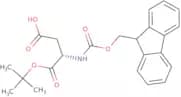
CAS:<p>L-a-Phosphatidyl-L-serine is a chelator that is commonly used in the production of dabigatran etexilate mesylate, a medication used for anticoagulation. It has the ability to bind to hydrocarbons and other reactive species, preventing them from causing harm. L-a-Phosphatidyl-L-serine is also known to interact with potassium ions, which are essential for various biological processes. This compound is often used in research chemicals and has been found to have an inhibitory effect on potassium channels. Additionally, it has been shown to enhance the activity of fluoroquinolones, a class of antibiotics. Overall, L-a-Phosphatidyl-L-serine plays a crucial role as a target molecule in various applications related to anticoagulation and potassium regulation.</p>Formula:C42H82NO10PPurity:Min. 95%Color and Shape:PowderMolecular weight:792.07 g/molFmoc-Asp(OH)-OtBu
CAS:<p>Fmoc-Asp(OH)-OtBu is a synthetic, non-natural amino acid that has been used in the chemical synthesis of lipoproteins. It was incorporated into recombinant human low-density lipoprotein (LDL) and high-density lipoprotein (HDL) to study the effect of acidic hydrolysis on their composition. Fmoc-Asp(OH)-OtBu is a fluorescent compound that can be detected using spectroscopy. It is also used as an amino acid residue in solid-phase peptide synthesis to synthesize peptides with an aspartyl residue at the N terminus.</p>Formula:C23H25NO6Purity:Min. 95 Area-%Color and Shape:PowderMolecular weight:411.45 g/molH-Glu(Abu-OH)-OH
CAS:<p>H-Glu(Abu-OH)-OH is a reaction component that is used in the synthesis of peptides, proteins, and other complex compounds. It has been shown to be an effective scaffold for the synthesis of a variety of useful compounds. H-Glu(Abu-OH)-OH can be used as a building block in the synthesis of peptides, proteins, and other complex molecules. This chemical also has many different applications in the pharmaceutical industry.</p>Formula:C9H16N2O5Purity:Min. 95 Area-%Color and Shape:Colorless PowderMolecular weight:232.23 g/mol2-Phenyl-malononitrile
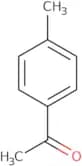
CAS:<p>2-Phenyl-malononitrile is an amide with a malonic acid group. It is a nucleophilic agent that inhibits the activity of histone deacetylases (HDACs). 2-Phenyl-malononitrile binds to the zinc ion in the active site of HDACs, preventing them from catalyzing the removal of acetyl groups from lysine residues on histones and other proteins. The use of 2-phenyl-malononitrile as an inhibitor has been shown to be effective against lipid kinases and protein targets of oxidative stress. It also inhibits transfer reactions involving oxygen nucleophiles, such as hydrochloric acid or carbonyl compounds. In addition, 2-phenyl-malononitrile has been shown to have pharmaceutical preparations for inhibiting cancer cell growth by targeting proteins involved in transcriptional regulation.</p>Formula:C9H6N2Purity:Min. 95%Color and Shape:SolidMolecular weight:142.16 g/mol4'-Methylacetophenone
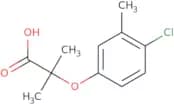
CAS:<p>4'-Methylacetophenone is a solvent that is used in the chemical industry, mainly for the production of trifluoroacetic acid. It has also been shown to be an effective antimicrobial agent, which is due to its ability to dissolve lipids and proteins. The mechanism of action of 4'-methylacetophenone is not fully understood, but it has been suggested that this compound reacts with fatty acids and pyrazole rings in the cell membrane and disrupts lipid bilayers. 4'-Methylacetophenone can be used as a reagent for solid phase microextraction in analytical chemistry. In addition, it reacts with acidic compounds (e.g., sulfuric acid) to produce insoluble salts and can be used as an analytical method for determining the concentration of these compounds.</p>Formula:C9H10OPurity:Min. 95%Color and Shape:Clear LiquidMolecular weight:134.18 g/mol2-(4-Chloro-3-methylphenoxy)-2-methylpropanoic acid
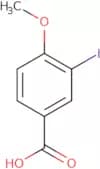
CAS:<p>2-(4-Chloro-3-methylphenoxy)-2-methylpropanoic acid (mCPP) is a pharmaceutical agent with a molecular weight of 318. It is used as an antidepressant and to treat anxiety disorders. This compound is quantified by reaction monitoring and recovery, using acetonitrile, chromatographic and spectrometric analysis. Optimization of the parameters for this analytical method has been carried out by monitoring the effects of ammonium formate on high concentrations of mCPP. The liquid chromatography technique was used to identify and quantify mCPP in order to develop a robust analytical method that can be applied to clinically relevant samples.</p>Formula:C11H13ClO3Purity:Min. 95%Color and Shape:PowderMolecular weight:228.67 g/mol3-Iodo-4-methoxybenzoic acid
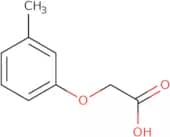
CAS:<p>3-Iodo-4-methoxybenzoic acid is a biaryl compound that can be synthesized by the cross-coupling reaction of an aryl boronic acid and benzene. 3-Iodo-4-methoxybenzoic acid is a good substrate for Suzuki cross-coupling reactions. The optimisation of this reaction requires sterically unhindered substrates, high solvents, and refluxing conditions. 3-Iodo-4-methoxybenzoic acid is also suitable for the synthesis of esters by esterification with alcohols in the presence of a catalytic amount of acid.</p>Formula:C8H7IO3Purity:Min. 95%Molecular weight:278.04 g/mol3-Methylphenoxyacetic acid
CAS:<p>3-Methylphenoxyacetic acid is an organic compound that has a zirconium atom in its chemical structure. This molecule is acidic and can be found in the form of a hydrate. 3-Methylphenoxyacetic acid has been shown to be soluble in organic solvents such as benzene, chloroform, and methylene chloride. The molecular weight of this compound is not yet known, but the calculated density is 1.49 g/mL. 3-Methylphenoxyacetic acid has a planar molecular geometry and the intramolecular hydrogen bonds are formed by O1 and O3 with H1 and H2 respectively. The Lewis electron dot diagram for this molecule indicates that there are no lone pairs on any atoms.</p>Formula:C9H10O3Purity:Min. 95%Color and Shape:White PowderMolecular weight:166.17 g/molH-Asp(OPp)-OH
<p>Please enquire for more information about H-Asp(OPp)-OH including the price, delivery time and more detailed product information at the technical inquiry form on this page</p>Purity:Min. 95%Fmoc-Cysteinol(Trt)
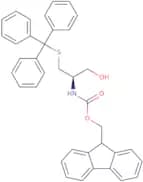
CAS:<p>Fmoc-Cysteinol(Trt) is a versatile building block that can be used in the production of complex compounds and research chemicals. This compound is a high quality, useful building block that is used to synthesize many other compounds. It can also be used as a reagent or speciality chemical. Fmoc-Cysteinol(Trt) has been classified as a CAS No. 215954-72-6 and is a useful scaffold for chemical reactions.</p>Formula:C37H33NO3SPurity:Min. 95%Color and Shape:PowderMolecular weight:571.73 g/mol(S)-2,3,5,6-Tetrahydro-6-phenylimidazo[2,1-b]thiazole
CAS:<p>The drug, 2,3,5,6-tetrahydro-6-phenylimidazo[2,1-b]thiazole (TEM), is a small molecule with potent immunomodulatory properties. TEM is a competitive inhibitor of the enzyme histamine N-methyltransferase and inhibits the synthesis of histamine and other proinflammatory mediators. It also has anthelmintic activity against nematodes and exhibits anti-inflammatory activities in animal models of autoimmune diseases such as lupus erythematosus and inflammatory skin diseases such as psoriasis. TEM is also a potent inhibitor of lymphocyte transformation. This drug can be used for the treatment of chronic viral hepatitis, which is caused by hepatitis B or C virus infections. TEM binds to the active site on the enzyme RNA polymerase II that catalyzes DNA transcription to produce messenger RNA. TEM blocks RNA synthesis by binding to the template strand of DNA, preventing</p>Formula:C11H12N2SPurity:Min. 97 Area-%Color and Shape:PowderMolecular weight:204.29 g/molLithocholylglycine
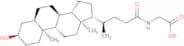
CAS:<p>Lithocholylglycine is a bile acid that is conjugated with glycine, which is the first step in the synthesis of bile acids. Lithocholylglycine has been found to be useful as an analytical tool for determining serum bile acids and can be used as a biological marker for liver function. This compound also has anticancer and anti-inflammatory properties and may be useful in clinical pathology, especially in cases of hepatitis or diabetes. Lithocholylglycine has been shown to have cholinergic activity and to decrease blood glucose levels in diabetic patients.</p>Formula:C26H43NO4Purity:(%) Min. 98%Color and Shape:White PowderMolecular weight:433.62 g/mol2-(S)-Hydroxy-4-oxo-4-phenylbutyric acid
CAS:<p>2-(S)-Hydroxy-4-oxo-4-phenylbutyric acid is a useful building block that can be used in the production of many fine chemicals, research chemicals, and reagents. It is a versatile building block that can be used as a reaction component in a wide range of reactions. 2-(S)-Hydroxy-4-oxo-4-phenylbutyric acid is also an intermediate or scaffold for complex compounds that are valuable in many fields such as pharmaceuticals, agrochemicals, and polymers. This compound has been shown to have high quality and purity.</p>Formula:C10H10O4Purity:Min. 95%Color and Shape:PowderMolecular weight:194.18 g/mol5-Methoxy-D-tryptophan
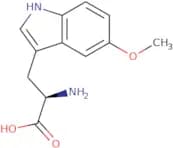
CAS:<p>5-Methoxy-D-tryptophan is a biaryl amino acid derivative that belongs to the class of alkaloids. It is a chiral monomeric building block derived from D-tryptophan. 5-Methoxy-D-tryptophan is commonly used in research chemicals and has been found in natural products such as lochnerine and indole. This compound exhibits unique properties and can be utilized for various applications in the field of chemistry and biochemistry. Its versatility makes it an essential component for researchers and scientists looking to explore new avenues in their studies.</p>Formula:C12H14N2O3Purity:Min. 95%Color and Shape:PowderMolecular weight:234.25 g/mol2’-C-Methyl-5-fluorouridine
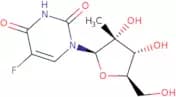
CAS:<p>2’-C-Methyl-5-fluorouridine is a fine chemical that is used as a versatile building block for the synthesis of various complex compounds. It is also used as a reaction component in the synthesis of research chemicals and speciality chemicals. 2’-C-Methyl-5-fluorouridine is an important intermediate in organic chemistry and has many applications, such as being a reaction component in the synthesis of pharmaceuticals, agrochemicals, dyes, and perfumes.</p>Formula:C10H13FN2O6Purity:Min. 95%Color and Shape:SolidMolecular weight:276.22 g/mol(5-Bromo-2-methoxyphenyl)acetone
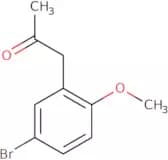
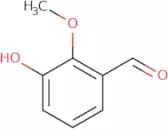
CAS:<p>5-Bromo-2-methoxyphenyl)acetone (BMPA) is a versatile building block used in the synthesis of complex compounds and speciality chemicals. BMPA has been shown to be a useful intermediate for the synthesis of pharmaceuticals, agrochemicals, perfumes, and other products. It is also used as a reagent for research purposes. The compound was first synthesized by the condensation of aniline with acetaldehyde in 1885 by two French chemists, but has since been prepared in various ways. CAS number: 205826-73-9</p>Formula:C10H11BrO2Purity:Min. 95%Molecular weight:243.1 g/mol3-Hydroxy-2-methoxybenzaldehyde
CAS:<p>3-Hydroxy-2-methoxybenzaldehyde is a synthetic compound that is used as an antiviral agent. It has been shown to inhibit the replication of Coxsackievirus A9 (CV-A9). In addition, 3-Hydroxy-2-methoxybenzaldehyde reacts with isoeugenol and isonicotinic acid under acidic conditions to form 4-allyl-2-methoxyphenol, which has antiviral activity against CV-A9. This reaction requires a catalyst, such as zinc chloride or nickel sulfate. The rate of this reaction can be increased by increasing the reaction time. 3-Hydroxy-2-methoxybenzaldehyde also inhibits the virus's ability to bind to cells and enter them, reducing its infectivity.</p>Formula:C8H8O3Color and Shape:PowderMolecular weight:152.15 g/molAc-Lys-pNA hydrochloride
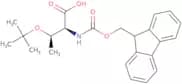
CAS:<p>Ac-Lys-pNA hydrochloride is a protease that belongs to the endopeptidase class of proteolytic enzymes. It is used in research and recombinant expression to cleave proteins at specific sites. Ac-Lys-pNA hydrochloride is activated by ammonium sulfate, which binds to the active site of the enzyme. The enzyme also cleaves peptides with Lys or Arg at the C terminus. Ac-Lys-pNA hydrochloride has been shown to be effective against aeruginosa, but not escherichia coli, which are both gram negative bacteria.</p>Formula:C14H20N4O4•HClPurity:Min. 95%Color and Shape:SolidMolecular weight:344.79 g/molFmoc-Thr(tBu)-OH
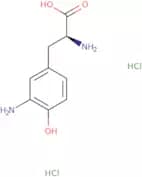
CAS:<p>Fmoc-Thr(tBu)-OH is an ester hydrochloride that is synthesized by reacting the amino acid, Fmoc-Thr(tBu) with trifluoroacetic acid. It has been used to synthesize a cyclic peptide with a protonated amide group, which allows for stereoselective synthesis of the chloride. This product has shown to be resistant to hydrolysis by atosiban and carbonyl oxygens, and also binds to mammalian cell receptors.</p>Formula:C23H27NO5Purity:Min. 98 Area-%Color and Shape:White PowderMolecular weight:397.46 g/mol3-Amino-L-tyrosine dihydrochloride
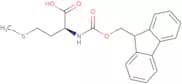
CAS:<p>Please enquire for more information about 3-Amino-L-tyrosine dihydrochloride including the price, delivery time and more detailed product information at the technical inquiry form on this page</p>Formula:C9H12N2O3•(HCl)2Purity:Min. 95%Molecular weight:269.12 g/molFmoc-Met-OH
CAS:<p>Fmoc-Met-OH is an amino acid that has significant cytotoxicity. It is a neutral molecule with a pKa of 7.6, and is soluble in water at low pH. The hydrogen bonding interactions of Fmoc-Met-OH are strong and involve the amino group and the side chain carboxyl groups, as well as other hydrophobic interactions with aromatic rings. Fmoc-Met-OH is also an acid analysis reagent for chlorine atoms because it can be easily converted to methoxychlor (CHClO). Fmoc-Met-OH has been shown to inhibit epidermal growth factor receptor signaling and has been used to block epidermal growth factor induced cell cycle progression in cancer cells.</p>Formula:C20H21NO4SPurity:Min. 98 Area-%Color and Shape:White PowderMolecular weight:371.5 g/mol3-O-Hexadecyl-sn-glycerol
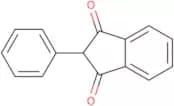
CAS:<p>3-O-Hexadecyl-sn glycerol (3OHG) is a neutral, high molecular weight glycol ether that is used for the preparation of zirconium oxide. 3OHG has been shown to be a substrate for carbohydrate chemistry and as an inhibitor of enzymes, such as hexokinase and phosphoglycerate kinase. 3OHG has minimal toxicity when administered orally to rats and does not cause any hemolysis in human erythrocytes. This compound is also a monoclonal antibody that binds to the surface glycoprotein on the HL-60 cell line and inhibits its growth. 3OHG is not cytotoxic at concentrations up to 10 mM in cultured cells, but it can induce Ca2+ release from the cytosol in HL-60 cells with minimal toxicity. The structure of 3OHG appears closely related to benzalkonium chloride (BAC).</p>Formula:C19H40O3Purity:Min. 95%Molecular weight:316.52 g/mol2-Phenyl-1,3-indandione
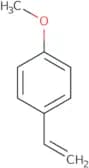
CAS:<p>2-Phenyl-1,3-indandione is a coumarin derivative that is used as an anti-inflammatory drug. It inhibits the release of arachidonic acid from phospholipids in the cell membrane and consequently inhibits the formation of prostaglandins. The drug has been shown to inhibit light-induced tumor promotion in mice with cervical cancer, which may be due to its ability to inhibit the activity of oxidative enzymes such as cytochrome P450. 2-Phenyl-1,3-indandione also inhibits sodium-dependent glucose transport and energy metabolism by binding to potassium channels. This drug also has immunosuppressive effects on lymphocyte transformation and autoimmune diseases through hydrogen bonding interactions with protein molecules.</p>Formula:C15H10O2Purity:Min. 95%Color and Shape:PowderMolecular weight:222.24 g/mol4-Methoxystyrene
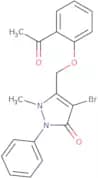
CAS:<p>4-Methoxystyrene is a monomer that can be polymerized to form poly(4-methoxystyrene). It is an ionic monomer that has been used in cationic polymerization reactions. 4-Methoxystyrene can also be used as a fluorescence detector and as a base for the synthesis of polymers with desired properties. The kinetic, radical, and cationic polymerization reactions are all possible with 4-methoxystyrene. This compound has been shown to have intermolecular hydrogen bonding and oxygen nucleophiles, which are both required for the reaction mechanism of this compound. X-ray crystal structures have revealed the structure of this compound.</p>Formula:C9H10OPurity:Min. 95%Color and Shape:Colorless Clear LiquidMolecular weight:134.18 g/mol3-((2-acetylphenoxy)methyl)-4-bromo-2-methyl-1-phenyl-3-pyrazolin-5-one
CAS:<p>Please enquire for more information about 3-((2-acetylphenoxy)methyl)-4-bromo-2-methyl-1-phenyl-3-pyrazolin-5-one including the price, delivery time and more detailed product information at the technical inquiry form on this page</p>Formula:C19H17BrN2O3Purity:Min. 95%Color and Shape:PowderMolecular weight:401.25 g/mol2,6-Dimethoxy-4-methylbenzyl alcohol
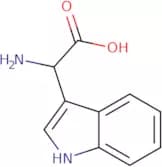
CAS:<p>2,6-Dimethoxy-4-methylbenzyl alcohol is a high quality, versatile building block that is used as a reagent. The chemical has been shown to be a useful intermediate in the production of fine chemicals and speciality chemicals. 2,6-Dimethoxy-4-methylbenzyl alcohol can be used as a reaction component in the production of research chemicals and versatile building blocks. This compound can be found on CAS registry number 875664-51-0.</p>Formula:C10H14O3Purity:Min. 95%Color and Shape:PowderMolecular weight:182.22 g/molD,L-3-Indolylglycine
CAS:<p>D,L-3-Indolylglycine is a fine chemical that is a versatile building block in organic synthesis. It is used as a reagent and reaction component in the manufacture of pharmaceuticals and other useful compounds. D,L-3-Indolylglycine has been shown to be useful for the synthesis of beta-carbolines, indole alkaloids and cyclic peptides. This compound has also been found to have anti-inflammatory properties.</p>Formula:C10H10N2O2Purity:Min. 95%Color and Shape:PowderMolecular weight:190.2 g/mol







![2-[(2,6-Dibromo-4-methylphenyl)amino]acetohydrazide](/_next/image/?url=https%3A%2Fstatic.cymitquimica.com%2Fproducts%2F3D%2Fthumb-webp%2FFD115486.webp&w=3840&q=75)



![Methyl (1S,2S,3S,5R)-3-[Bis(4-Fluorophenyl)Methoxy]-8-Methyl-8-Azabicyclo[3.2.1]Octane-2-Carboxyla…](/_next/image/?url=https%3A%2Fstatic.cymitquimica.com%2Fproducts%2F3D%2Fthumb-webp%2FFM102464.webp&w=3840&q=75)


![(S)-2,3,5,6-Tetrahydro-6-phenylimidazo[2,1-b]thiazole](/_next/image/?url=https%3A%2Fstatic.cymitquimica.com%2Fproducts%2F3D%2Fthumb-webp%2FFL138922.webp&w=3840&q=75)