Amino Acids (AA)
Amino acids (AAs) are the fundamental building blocks of proteins, playing a crucial role in various biological processes. These organic compounds are essential for protein synthesis, metabolic pathways, and cell signaling. In this category, you will find a comprehensive range of amino acids, including essential, non-essential, and modified forms, which are vital for research in biochemistry, molecular biology, and nutritional sciences. At CymitQuimica, we provide high-quality amino acids to support your research and development needs, ensuring accuracy and reliability in your experimental outcomes.
Subcategories of "Amino Acids (AA)"
- Amino Acid Derivatives(3,955 products)
- Amino Acid and Amino Acid Related Compounds(3,465 products)
- Amino Acids with Oxygen or Sulphur(168 products)
- Boc- Amino Acids(351 products)
- Fmoc Amino Acids(1,710 products)
Found 38248 products of "Amino Acids (AA)"
Sort by
Purity (%)
0
100
|
0
|
50
|
90
|
95
|
100
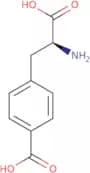
4-Carboxy-L-phenylalanine
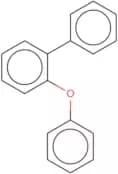
CAS:<p>4-Carboxy-L-phenylalanine is a synthetic amino acid that has been shown to inhibit tyrosine kinase activity. It can also be used as a chromogenic substrate for tyrosine kinases, which are enzymes that catalyze the transfer of phosphate groups from ATP to tyrosine residues in proteins. 4-Carboxy-L-phenylalanine has potent inhibitory effects on ligand binding and cell proliferation by blocking the phosphotyrosine signal transduction pathway. 4-Carboxy-L-phenylalanine is an analog of L-phenylalanine, which is an essential amino acid found in many proteins and enzymes.</p>Formula:C10H11NO4Purity:Min. 95%Color and Shape:White/Off-White SolidMolecular weight:209.2 g/mol2-Phenoxybiphenyl
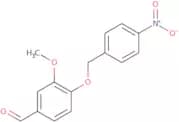
CAS:<p>2-Phenoxybiphenyl is a molecule with the chemical formula C12H10O2. It has functional groups including two phenolic hydroxyl groups, one of which is at the 2-position. 2-Phenoxybiphenyl is used in reactions that take place in solution and can be quantified by high-performance liquid chromatography. The reaction time depends on the temperature, and it usually occurs within a few hours. 2-Phenoxybiphenyl has been shown to react with hydrogen bonds and form new chemical species, such as an oxonium ion, at higher temperatures. 2-Phenoxybiphenyl also reacts with x-rays in an absorption spectrum that can be used to determine its molecular mass.<br>2-Phenoxybiphenyl is resistant to organic solvents and supercritical fluid extraction methods. It also has a kinetic halflife of 4 days under normal conditions but this decreases to 8</p>Formula:C18H14OPurity:Min. 95%Color and Shape:PowderMolecular weight:246.3 g/mol3-Methoxy-4-(4-nitrobenzyloxy)benzaldehyde
CAS:<p>3-Methoxy-4-(4-nitrobenzyloxy)benzaldehyde is a chemical intermediate that is used in the synthesis of complex compounds. It has been shown to be an effective reagent for the synthesis of various organic compounds, such as pharmaceuticals and pesticides. 3-Methoxy-4-(4-nitrobenzyloxy)benzaldehyde is also used as a research chemical or as a speciality chemical in laboratories. This compound can be used as a building block in the synthesis of other compounds with interesting properties, such as 3-methoxy-4-(2,5-dichlorobenzyloxy)benzaldehyde.</p>Formula:C15H13NO5Purity:Min. 95%Color and Shape:PowderMolecular weight:287.27 g/mol2-Chloro-4-methylbenzylamine hydrochloride
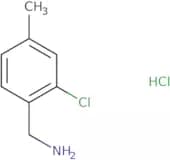
CAS:<p>2-Chloro-4-methylbenzylamine hydrochloride is a fine chemical that is used in the research, development and manufacturing of pharmaceuticals, agrochemicals, polymers and other organic compounds. 2-Chloro-4-methylbenzylamine hydrochloride can be used as an intermediate for the synthesis of a variety of drugs with different structures. It is also useful as a reagent in organic synthesis. The product has been classified by the EU as an SDS (Substances of Very High Concern) due to its potential for use in the production of nerve agents like sarin gas.</p>Formula:C8H10ClN•HClPurity:Min. 95%Molecular weight:192.09 g/mol3-((2-Aminophenyl)amino)-5-phenylcyclohex-2-en-1-one
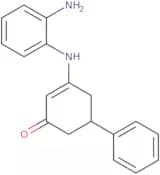
CAS:<p>Please enquire for more information about 3-((2-Aminophenyl)amino)-5-phenylcyclohex-2-en-1-one including the price, delivery time and more detailed product information at the technical inquiry form on this page</p>Formula:C18H18N2OPurity:Min. 95%Color and Shape:PowderMolecular weight:278.35 g/molL-Cysteine - non-animal origin
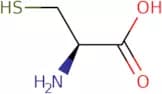
CAS:<p>L-Cysteine is a non-animal derived amino acid that has been shown to help maintain normal iron levels in the body. It also helps reduce oxidative injury and inflammation. L-Cysteine is made naturally by the human body, but can be found in some foods as well. L-Cysteine has been shown to help regulate protein oxidation and injury responses in humans. L-Cysteine plays a role in the immune system by binding to Toll-like receptors, which are proteins on cells that are involved with inflammation and immunity. L-Cysteine also plays a role in the immune system by stimulating antibody production, which is important for fighting infection. Cysteine is an amino acid involved with many biochemical reactions, including synthesis of proteins and DNA molecules. Cysteine also regulates gene expression through response elements that are found in the promoter regions of genes. The rate constant for cysteine is 0.00001s^(-1).</p>Formula:C3H7NO2SColor and Shape:White PowderMolecular weight:121.16 g/mol3-Methyl-5-Isothiazolamine
CAS:<p>3-Methyl-5-isothiazolamine is a linear molecule with a molecular weight of 122.1. 3-Methyl-5-isothiazolamine has an interaction with chloride and can be used as a reagent for the identification of disulfides. Disulfide bonds are formed by the oxidation of sulfhydryl groups in proteins, which are reduced by glutathione reductase to produce sulfhydryl groups. 3-Methyl-5-isothiazolamine has been shown to react with molecular ions that are characteristic of isothiazoles and isothiazole derivatives, as well as aromatic compounds such as 4-hydroxybenzoic acid. This product also reacts with dehydrogenase enzymes, such as alcohol dehydrogenase, which produces oxidized products from carbohydrates and other organic molecules that contain hydroxyl groups.</p>Formula:C4H6N2SPurity:Min. 95%Color and Shape:PowderMolecular weight:114.17 g/mol5-Phenylpenta-2,4-dienoic acid
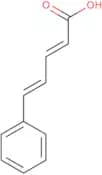
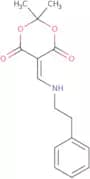
CAS:<p>5-Phenylpenta-2,4-dienoic acid is a high-potency inhibitor of tyrosine kinases. It has been shown to have an inhibitory effect on cancer cells in both squamous and non-squamous cell lines. This compound has been shown to inhibit the proliferation of cancer cells by arresting cell cycle progression at the G1 phase, which leads to the inhibition of DNA synthesis. 5-Phenylpenta-2,4-dienoic acid is also able to block the activation of transcription factors that are involved in tumorigenesis. In addition, this compound inhibits the proliferation of cancer cells by arresting cell cycle progression at the G1 phase, leading to inhibition of DNA synthesis. The molecular modeling study suggests that this compound may be able to bind with tyrosine kinase receptors on the surface of tumor cells and block their activity. The chemical structure of 5-phenylpenta-2,4-dien</p>Formula:C11H10O2Purity:Min. 95%Color and Shape:PowderMolecular weight:174.2 g/mol2,2-dimethyl-5-(((2-phenylethyl)amino)methylene)-1,3-dioxane-4,6-dione
CAS:<p>Please enquire for more information about 2,2-dimethyl-5-(((2-phenylethyl)amino)methylene)-1,3-dioxane-4,6-dione including the price, delivery time and more detailed product information at the technical inquiry form on this page</p>Purity:Min. 95%D-Allo-isoleucine
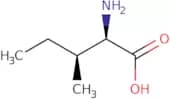
CAS:<p>D-Allo-isoleucine is an antimicrobial agent that belongs to the group of hydroxyl compounds. It is a natural amino acid that can be synthesized by asymmetric synthesis, and its conformational properties are different from those of L-isoleucine. D-Allo-isoleucine has been shown to increase activity against microorganisms in vitro and in mice models. D-Allo-isoleucine also has an inhibitory effect on aminotransferase activity, which may be due to its ability to form a cyclic peptide with the fatty acid group p2.</p>Formula:C6H13NO2Purity:Min. 95%Color and Shape:PowderMolecular weight:131.17 g/mol3-(tert-butyl)-4-((2-hydroxy-3-methoxyphenyl)methylene)-1-phenyl-2-pyrazolin-5-one
CAS:<p>Please enquire for more information about 3-(tert-butyl)-4-((2-hydroxy-3-methoxyphenyl)methylene)-1-phenyl-2-pyrazolin-5-one including the price, delivery time and more detailed product information at the technical inquiry form on this page</p>Purity:Min. 95%2-Phenyl-malononitrile
CAS:<p>2-Phenyl-malononitrile is an amide with a malonic acid group. It is a nucleophilic agent that inhibits the activity of histone deacetylases (HDACs). 2-Phenyl-malononitrile binds to the zinc ion in the active site of HDACs, preventing them from catalyzing the removal of acetyl groups from lysine residues on histones and other proteins. The use of 2-phenyl-malononitrile as an inhibitor has been shown to be effective against lipid kinases and protein targets of oxidative stress. It also inhibits transfer reactions involving oxygen nucleophiles, such as hydrochloric acid or carbonyl compounds. In addition, 2-phenyl-malononitrile has been shown to have pharmaceutical preparations for inhibiting cancer cell growth by targeting proteins involved in transcriptional regulation.</p>Formula:C9H6N2Purity:Min. 95%Color and Shape:SolidMolecular weight:142.16 g/mol2',6'-Dimethoxy-β-methyl-β-nitrostyrene
CAS:<p>2',6'-Dimethoxy-beta-methyl-beta-nitrostyrene is a chemical building block that is useful for the synthesis of complex organic molecules. It is an intermediate in the manufacture of pharmaceuticals, pesticides and dyes. 2',6'-Dimethoxy-beta-methyl-beta-nitrostyrene is an important component in the production of research chemicals and speciality chemicals. The compound has been assigned CAS number 78904-44-6.</p>Formula:C11H13NO4Purity:Min. 95%Molecular weight:223.23 g/molD-Arginine hydrochloride
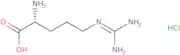
CAS:<p>D-Arginine HCl is a nonessential amino acid that has been shown to increase the release of acetylcholine in the brain, which is important for learning and memory. It has also been shown to inhibit urea nitrogen production by blocking arginase, an enzyme involved in the synthesis of urea. D-Arginine HCl has been used as a diuretic, but there is some evidence that it may have a biphasic response. This means that it causes increased urination at low doses and decreased urination at higher doses. D-Arginine HCl may be useful as an analgesic agent because it inhibits the production of nω-nitro-l-arginine methyl ester (LNMMA), which causes pain.</p>Formula:C6H14N4O2•HClPurity:Min. 95%Molecular weight:210.66 g/mol5-Methoxyisoxazole-4-carboxylic acid ethyl ester
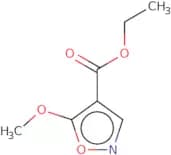
CAS:<p>5-Methoxyisoxazole-4-carboxylic acid ethyl ester is a fine chemical that has been used as a reagent, speciality chemical, and complex building block. It is also useful as a versatile intermediate for the synthesis of other organic compounds. 5-Methoxyisoxazole-4-carboxylic acid ethyl ester has been shown to react with alcohols and amines to form ethers and amides respectively. The compound can be used in the synthesis of polymers and pharmaceutical intermediates. 5-Methoxyisoxazole-4-carboxylic acid ethyl ester has a molecular weight of 210.24 g/mol and CAS No. 1314983-30-6.</p>Formula:C7H9NO4Purity:Min. 95%Molecular weight:171.15 g/mol5-Phenyl-2-oxazolidone
CAS:<p>5-Phenyl-2-oxazolidone is a glucosinolate precursor. It is used in the synthesis of peptides and has been shown to have anti-inflammatory effects. 5-Phenyl-2-oxazolidone has also been found to have tranquilizing properties, which may be due to its ability to inhibit the enzyme acetylcholinesterase. This compound has also been shown to have a protective effect against damage caused by chloramine T, which is a chemical that is used as a disinfectant and for water purification. 5-Phenyl-2-oxazolidone can be found in brassica vegetables such as broccoli, cauliflower, cabbage and Brussels sprouts. 5-Phenyl-2-oxazolidone also has pharmacological effects on the nucleus and leaves of lutea l., a plant belonging to the brassicaceae family.</p>Formula:C9H9NO2Purity:Min. 95%Color and Shape:PowderMolecular weight:163.17 g/mol6-amino-3-methyl-4-(3-nitrophenyl)-4H-pyrano[3,2-d]pyrazole-5-carbonitrile
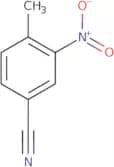
CAS:<p>Please enquire for more information about 6-amino-3-methyl-4-(3-nitrophenyl)-4H-pyrano[3,2-d]pyrazole-5-carbonitrile including the price, delivery time and more detailed product information at the technical inquiry form on this page</p>Formula:C14H11N5O3Purity:Min. 95%Color and Shape:PowderMolecular weight:297.27 g/mol4-Methyl-3-nitrobenzonitrile
CAS:<p>4-Methyl-3-nitrobenzonitrile is a potent antibacterial agent that belongs to the group of nitro compounds. It has been shown to be effective against gram negative bacteria at low concentrations. 4-Methyl-3-nitrobenzonitrile inhibits bacterial growth by binding to the enzyme nitroreductase, which is responsible for the conversion of nitrite ions to nitric oxide. This leads to a decrease in the production of toxic oxygen radicals, which are responsible for cell damage and death. 4-Methyl-3-nitrobenzonitrile has also been shown to have a linker length dependent antimicrobial activity against P. aeruginosa, with longer linkers being more active than shorter linkers.</p>Formula:C8H6N2O2Purity:Min. 95%Color and Shape:PowderMolecular weight:162.15 g/molN-Acetyl-S-(trichlorovinyl)-L-cysteine
CAS:<p>N-Acetyl-S-(trichlorovinyl)-L-cysteine is a recombinant protein that is produced by the chemical ionization of human cytochrome P450 1A1 (CYP1A1) using trichloroacetic acid. The reactive intermediate is conjugated to an anti-bacterial antibody that binds to bacterial enzymes, such as bacterial cytosolic enzymes, and prevents their activity. This treatment has been shown to be effective in experimental infection models in mice. N-Acetyl-S-(trichlorovinyl)-L-cysteine is also capable of increasing the antibody response in humans. It can be used for the diagnosis of chronic exposure to perchloroethylene, which is a chemical that can cause liver damage.</p>Formula:C7H8Cl3NO3SPurity:Min. 95 Area-%Color and Shape:PowderMolecular weight:292.57 g/mol2-(S)-Hydroxy-4-oxo-4-phenylbutyric acid
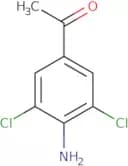
CAS:<p>2-(S)-Hydroxy-4-oxo-4-phenylbutyric acid is a useful building block that can be used in the production of many fine chemicals, research chemicals, and reagents. It is a versatile building block that can be used as a reaction component in a wide range of reactions. 2-(S)-Hydroxy-4-oxo-4-phenylbutyric acid is also an intermediate or scaffold for complex compounds that are valuable in many fields such as pharmaceuticals, agrochemicals, and polymers. This compound has been shown to have high quality and purity.</p>Formula:C10H10O4Purity:Min. 95%Color and Shape:PowderMolecular weight:194.18 g/mol1-(4-Amino-3,5-dichloro-phenyl)-2-ethanone
CAS:<p>1-(4-Amino-3,5-dichloro-phenyl)-2-ethanone is a beta-adrenergic agent. It has been used as a stable isotope label for the study of the pharmacokinetics and metabolism of drugs in humans. In addition, it has been shown to have a good stability profile in acidic solutions and can be easily converted to other derivatives by simple chemical methods. The compound's UV spectrum is linear with respect to concentration over the range from 0.1 to 1 mg/mL, with maxima at 227 nm and 254 nm. This compound has been characterized using analytical methods such as diffraction, spectroscopy, and chromatography.</p>Formula:C8H7Cl2NOPurity:Min. 95%Color and Shape:PowderMolecular weight:204.05 g/molD-Leucine ethyl ester hydrochloride
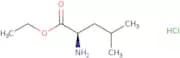
CAS:<p>D-Leucine ethyl ester hydrochloride is a synthetic amino acid with the chemical formula C5H11NO3. It is an ammonium salt of leucine that has been modified by replacing the side chain carboxylic acid group with an ethyl ester. This modification prevents D-leucine from being metabolized as a source of energy and instead makes it a useful probe for studying enzyme catalysis. D-Leucine ethyl ester hydrochloride is used to study intramolecular reactions in proteins, such as peptides and tripeptides, by probing their backbone conformation.</p>Formula:C8H17NO2•HClPurity:Min. 95%Color and Shape:PowderMolecular weight:195.69 g/molL-Histidine monohydrochloride monohydrate
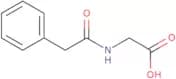
CAS:<p>L-Histidine monohydrochloride monohydrate is a histidine derivative that is used in the treatment of chronic oral and bowel diseases. L-histidine has been shown to activate phospholipase A2, which releases arachidonic acid from phospholipids. Arachidonic acid then reacts with other molecules to form prostaglandins and leukotrienes. L-histidine also inhibits the release of tumor necrosis factor (TNF) by blocking the activity of lipoxygenase, or it can stimulate the production of prostaglandins and leukotrienes that suppress inflammation in animal models. L-histidine monohydrochloride monohydrate has been shown to have an anti-inflammatory effect in animals with inflammatory bowel disease due to its ability to inhibit the production of prostaglandin E2 (PGE2). This drug has also been shown to be capable of neutralizing acidic ph by forming a salt with</p>Formula:C6H9N3O2·HCl·H2OColor and Shape:White PowderMolecular weight:209.63 g/molPhenylacetyl glycine
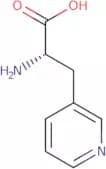
CAS:<p>Phenylacetyl glycine (PAG) is a non-essential amino acid and dietary supplement that has been shown to be effective in animals with metabolic disorders. PAG can be detected by magnetic resonance spectroscopy as a potential biomarker for chronic kidney disease and cancer. PAG has been shown to have anti-cancer effects by inhibiting the proliferation of malignant cells, which may be due to its ability to inhibit the production of monocarboxylic acids. It also inhibits the synthesis of ATP, which leads to a decrease in cellular energy metabolism.</p>Formula:C10H11NO3Purity:Min. 95%Molecular weight:193.2 g/mol3-(3-Pyridyl)-L-alanine
CAS:<p>3-(3-Pyridyl)-L-alanine is a cytotoxic compound that inhibits the biosynthesis of peptide hormones and has been shown to be effective against prostate cancer cells. It acts by inhibiting the functioned of the synthase gene, which encodes for a synthetase enzyme necessary for peptidyl chain formation. 3-(3-Pyridyl)-L-alanine also binds to receptors on cells such as cyclodepsipeptide analogs and antibiotics. This drug has been shown to inhibit the growth of bacteria in vivo through its ability to bind to ribosomal enzymes.</p>Formula:C8H10N2O2·HClPurity:Min. 95 Area-%Color and Shape:PowderMolecular weight:202.64 g/mol1-Chloro-2-(2-methoxyethoxy)ethane
CAS:<p>Please enquire for more information about 1-Chloro-2-(2-methoxyethoxy)ethane including the price, delivery time and more detailed product information at the technical inquiry form on this page</p>Formula:C5H11ClO2Purity:Min. 95%Color and Shape:Clear Colourless LiquidMolecular weight:138.59 g/molEthyl [2-methyl-3-(chlorosulfonyl)phenoxy]acetate
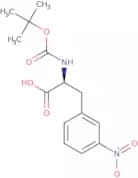
CAS:<p>Ethyl [2-methyl-3-(chlorosulfonyl)phenoxy]acetate is a fine chemical that has been used as a building block in the synthesis of other complex chemicals. It is also an intermediate for the production of pesticides and pharmaceuticals. The compound can be used to form more than one hundred different organic compounds, which makes it a versatile building block. It can be reacted with other chemicals to create new compounds, such as drugs or herbicides.</p>Formula:C11H13ClO5SPurity:Min. 95 Area-%Color and Shape:PowderMolecular weight:292.74 g/molBoc-3-nitro-L-phenylalanine
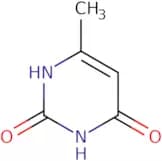
CAS:<p>Boc-3-nitro-L-phenylalanine is a chemical intermediate that is useful for the synthesis of a wide variety of compounds. It is a versatile building block with many applications in research and industry. Boc-3-nitro-L-phenylalanine has been used as a reaction component in organic synthesis, as well as in the production of pharmaceuticals and other specialized chemicals. This compound can be used as a reagent or starting material for the synthesis of other organic compounds. Boc-3-nitro-L-phenylalanine is an important chemical with high quality, which can be used in the production of many different types of products.</p>Formula:C14H18N2O6Purity:Min. 98 Area-%Color and Shape:PowderMolecular weight:310.3 g/mol6-Methyluracil
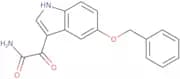
CAS:<p>6-Methyluracil is an antimetabolite that inhibits protein synthesis and is therefore used in the treatment of infectious diseases. 6-Methyluracil has two hydroxyl groups, which are located in adjacent positions on the ring. The optimum concentration for this drug is 3-10 μM, which can be achieved with a malonic acid buffer solution at pH 7.4. 6-Methyluracil reacts with sodium succinate to form an acid complex, which may have antiinflammatory activity. 6-Methyluracil has been shown to inhibit prostaglandin synthesis and exhibits a reaction with radiation to produce photoproducts that can be detected by analytical chemistry.</p>Formula:C5H6N2O2Purity:Min. 95%Color and Shape:PowderMolecular weight:126.12 g/mol5-Benzyloxyindole-3-glyoxylamide
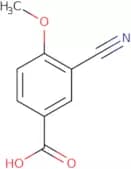
CAS:<p>5-Benzyloxyindole-3-glyoxylamide is a versatile building block that can be used in the synthesis of complex compounds. It has been shown to have a high quality and is useful as a reagent for research purposes. 5-Benzyloxyindole-3-glyoxylamide can be used as a reaction component and is useful as an intermediate in organic synthesis. 5BIGA has CAS number 22424-62-0 and is also known as 3-(benzyloxy)-5-(2,2,2-trifluoroethoxy)indole glyoxamide.</p>Formula:C17H14N2O3Purity:Min. 95%Molecular weight:294.3 g/mol3-Cyano-4-methoxybenzoicacid
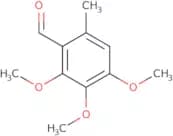
CAS:<p>3-Cyano-4-methoxybenzoic acid is a white crystalline solid that is soluble in water. This compound is a useful intermediate for the synthesis of other organic compounds, as well as a useful scaffold for the synthesis of complex compounds. 3-Cyano-4-methoxybenzoic acid also has potential use as a research chemical, and can be used as an effective building block for the preparation of fine chemicals.<br>3-Cyano-4-methoxybenzoic acid may be used to produce speciality chemicals such as pharmaceuticals, dyes, pesticides, and perfumes. It can also be used to synthesize compounds with diverse functionalities.</p>Formula:C9H7NO3Purity:Min. 95%Color and Shape:SolidMolecular weight:177.16 g/mol2,3,4-Trimethoxy-6-methylbenzaldehyde
CAS:<p>2,3,4-Trimethoxy-6-methylbenzaldehyde is a synthetic coumarin with antibacterial activity. It is synthesized by the condensation of 3-hydroxyacetophenone and benzaldehyde. 2,3,4-Trimethoxy-6-methylbenzaldehyde has been shown to have antibacterial activity against both Gram-positive and Gram-negative bacteria. This molecule has also been shown to inhibit the growth of Gram negative bacteria in the presence of hydrogen peroxide. The crystal structure of this molecule was determined by XRD analysis and shows that it contains a dihedral angle of about 155°.</p>Formula:C11H14O4Purity:Min. 95%Molecular weight:210.23 g/molMALP-2
CAS:<p>Macrophage-activating lipopetide-2 (MALP-2) is a TLR2 agonist and activator of MyD88-dependent signaling pathways. It has potential as a vaccine adjuvant.</p>Formula:C99H167N19O30SPurity:Min. 95%Molecular weight:2,135.6 g/mol3-Bromo-4-methoxybenzaldehyde
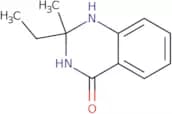
CAS:<p>3-Bromo-4-methoxybenzaldehyde is a heterocycle that contains a covalent inhibitor. It has been shown to have inhibitory activity against imines, hydroxyl groups, and human serum. 3-Bromo-4-methoxybenzaldehyde has been shown to be an efficient method for the synthesis of nitrogen containing heterocycles with potential use as pharmaceuticals. This compound has also been used in the asymmetric synthesis of diphenyl ethers, which are useful in pharmacological studies. The reaction mechanism of this compound is not well understood and needs more research before it can be applied to other areas.</p>Formula:C8H7BrO2Purity:Min. 95%Color and Shape:PowderMolecular weight:215.04 g/mol2-Ethyl-2-methyl-1,2,3-trihydroquinazolin-4-one
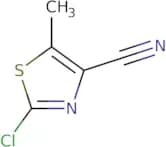
CAS:<p>Please enquire for more information about 2-Ethyl-2-methyl-1,2,3-trihydroquinazolin-4-one including the price, delivery time and more detailed product information at the technical inquiry form on this page</p>Purity:Min. 95%2-Chloro-5-methylthiazole-4-carbonitrile
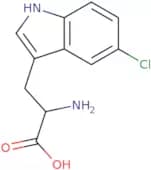
CAS:<p>Please enquire for more information about 2-Chloro-5-methylthiazole-4-carbonitrile including the price, delivery time and more detailed product information at the technical inquiry form on this page</p>Formula:C5H3ClN2SPurity:Min. 95%Molecular weight:158.61 g/mol5-Chloro-DL-tryptophan
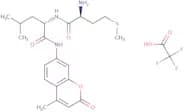
CAS:<p>5-Chloro-DL-tryptophan is a research chemical that is used as a building block in the synthesis of other chemicals.</p>Formula:C11H11ClN2O2Molecular weight:238.68 g/molH-Met-Leu-AMC·TFA
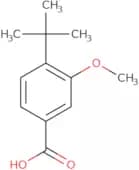
CAS:<p>H-Met-Leu-AMC·TFA is a fine chemical that is useful as a building block in the synthesis of other chemicals. It is also used as a reagent in research, and it can be used as a speciality chemical. H-Met-Leu-AMC·TFA has been shown to be an excellent reaction component in the synthesis of complex compounds, and it can be used as an intermediate in the synthesis of pharmaceuticals. This chemical is soluble in organic solvents such as dichloromethane or chloroform, but it is insoluble in water. H-Met-Leu-AMC·TFA has been assigned CAS number 1926163-55-4.</p>Formula:C21H29N3O4S·C2HF3O2Purity:Min. 95 Area-%Color and Shape:PowderMolecular weight:533.56 g/mol3-Methoxy-4-t-Butyl-Benzoic acid
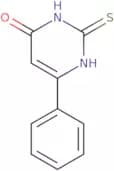
CAS:<p>3-Methoxy-4-t-Butyl-Benzoic acid is a building block that can be used in the synthesis of a variety of organic compounds. This chemical has been used as a reagent, as well as in research and development. It is also used to synthesize complex compounds and may be used as a versatile building block or intermediate for reactions.</p>Formula:C12H16O3Purity:Min. 95%Molecular weight:208.25 g/mol6-Phenyl-2-thiouracil
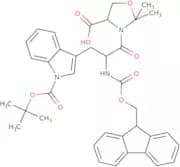
CAS:<p>6-Phenyl-2-thiouracil (6PTU) is an alkylthio group that inhibits the growth of microorganisms by binding to DNA. 6PTU binds to the oxygen nucleophiles in DNA and prevents transcription and replication. It also has a positive effect on the synthesis of proteins, which may be due to its ability to regulate gene transcription. 6PTU has been shown to inhibit cell growth in culture by blocking protein synthesis. This drug is used as an analytical method for determining urinary glucose levels in animals because it reacts with glucose in urine samples. The reaction produces a chromatographic peak that can be quantified using an electrochemical detector.</p>Formula:C10H8N2OSPurity:Min. 95%Color and Shape:PowderMolecular weight:204.25 g/molFmoc-Trp(Boc)-Ser(Psi(Me,Me)pro)-OH
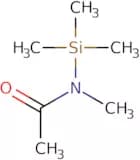
CAS:<p>Fmoc-Trp(Boc)-Ser(Psi(Me,Me)pro)-OH is a versatile building block that can be used in the synthesis of complex compounds. Fmoc-Trp(Boc)-Ser(Psi(Me,Me)pro)-OH is a high quality compound with a CAS No. 908601-15-0. This compound is useful as an intermediate or research chemical and can be used as a useful scaffold for making new compounds.</p>Formula:C37H39N3O8Purity:Min. 95%Color and Shape:PowderMolecular weight:653.72 g/molN-Methyl-N-trimethylsilylacetamide
CAS:<p>N-Methyl-N-trimethylsilylacetamide is a bifunctional amide that can react with an electrophile, such as hexane, to form an N-methylated product. The amide group of the molecule can also be deprotonated by a strong base to form an enolate, which can then react with a nucleophile. The NMR spectra of this compound show that it has a multinuclear structure and contains two tautomers. It is used in analytical chemistry for sample preparation, chromatographic science for reaction intermediates, and chemical study for its reactivity.</p>Formula:C6H15NOSiPurity:Min. 97 Area-%Color and Shape:Clear LiquidMolecular weight:145.27 g/mol2-Methylbenz[c,d]indole
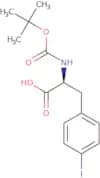
CAS:<p>2-Methylbenz[c,d]indole is an indole. It exhibits a number of spectroscopic properties including the presence of a strong absorption band at 290 nm and a weak one at 430 nm. 2-Methylbenz[c,d]indole is not active against bacteria.</p>Formula:C12H9NPurity:Min. 95 Area-%Color and Shape:PowderMolecular weight:167.21 g/molBoc-4-iodo-L-phenylalanine
CAS:<p>Boc-4-iodo-L-phenylalanine is a chemical compound belonging to the category of amino acid derivatives. It is widely used in research for various applications, including peptide synthesis and drug discovery.<br>The L-phenylalanine derivative, has a Boc protecting group (tert-butoxycarbonyl) on the amino group and an iodine atom at the 4-position of the phenyl ring. The Boc group protects the amino group from unwanted reactions during peptide synthesis, while the iodine atom serves as a useful group for further modifications.</p>Formula:C14H18IHO4Purity:Min. 95%Color and Shape:PowderMolecular weight:378.2 g/molN6-Trifluoroacetyl-L-lysine N-carboxyanhydride
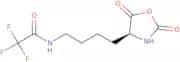
CAS:<p>Trifluoroacetyl-L-lysine N-carboxyanhydride is an N6-trifluoroacetylated lysine derivative that is used in the synthesis of peptides. It is a racemic mixture of L and D forms, which is hydrolyzed to form L-glutamic acid, NH4Cl, and CO2. Trifluoroacetyl-L-lyside N-carboxyanhydride has been shown to be useful in the formation of bonds between amino acids, such as lysine and dipeptides. The compound is also used for the protection of lysine against oxidation during peptide synthesis.</p>Formula:C9H11F3N2O4Purity:Min. 95%Color and Shape:White PowderMolecular weight:268.19 g/molDL-Norleucine
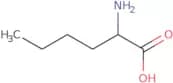
CAS:<p>DL-Norleucine is a polypeptide that is resistant to enzymes that hydrolyze the peptide bonds. It belongs to the group of fatty acids, and has two hydrophobic chains. DL-Norleucine is not metabolized by human enzymes and cannot be broken down by bacterial enzymes. This makes DL-Norleucine an ideal candidate for use as a long-acting antibiotic in humans. The surface methodology used for this compound was FTIR spectroscopy, which showed that DL-Norleucine has a ph optimum of 8.5±0.2 and can form stable crystals at -10 °C to -20 °C. Structural analysis revealed that the molecule consists of two α-helices and one β-sheet with no hydrogen bonds or ionic interactions present in its structure.</p>Formula:C6H13NO2Purity:Min. 95%Color and Shape:White PowderMolecular weight:131.17 g/mol2-(1-Methylindol-3-yl)-4-oxo-4-phenylbutanoic acid
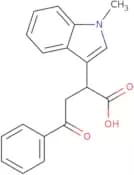
CAS:<p>Please enquire for more information about 2-(1-Methylindol-3-yl)-4-oxo-4-phenylbutanoic acid including the price, delivery time and more detailed product information at the technical inquiry form on this page</p>Purity:Min. 95%5-Fluoro D,L-tryptophan
CAS:<p>5-Fluoro D,L-tryptophan (5FDTL) is a tryptophan analog that inhibits the growth of bacteria by binding to fatty acid synthesis enzymes. 5FDTL binds to wild-type and resistant mutants of bacterial fatty acid synthases, which are proteins that catalyze the formation of long-chain fatty acids from acetyl-CoA. This binding prevents the formation of long-chain fatty acids, which are required for bacterial cell replication. 5FDTL also binds to protein data and has been shown to have an anti-infective effect on wild-type strains of Pseudomonas aeruginosa and Escherichia coli as well as Pichia pastoris. Disulfide bonds in 5FDTL stabilize its secondary structure and provide protection against proteolytic degradation by enzymes in the extracellular environment. The structural analysis of 5FDTL has revealed that it consists of a small molecule with a logarithmic growth phase</p>Formula:C11H11FN2O2Purity:Min. 95%Color and Shape:PowderMolecular weight:222.22 g/mol(S)-2-Methoxy-2-(1-naphthyl)propanoic acid
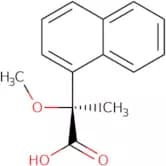
CAS:<p>(S)-2-Methoxy-2-(1-naphthyl)propanoic acid is a chiral molecule that can exist in two different forms, each of which has the same physical and chemical properties. The two enantiomers are not optically active, meaning they have the same degree of rotation when passed through a polarizing filter. It is an organic compound that is used as a flavoring agent in food chemistry and as a bioactive compound. (S)-2-Methoxy-2-(1-naphthyl)propanoic acid also has been shown to function as an attractant for hemipteran insects such as mosquitoes, although it is not clear if this property is due to its aromatic or enantiomeric structure.</p>Formula:C14H14O3Purity:Min. 95%Color and Shape:PowderMolecular weight:230.26 g/mol3-Fluoro-2-methylbenzaldehyde - 80%
CAS:<p>3-Fluoro-2-methylbenzaldehyde is a colorless liquid that has a strong odor. It is used as an intermediate in organic synthesis, especially for the production of fluorine compounds. 3-Fluoro-2-methylbenzaldehyde is also used to study the bioconversion of aldehydes and reductases in fungi. This chemical can be detected by its spectra and its ability to react with fluorine. 3-Fluoro-2-methylbenzaldehyde can also be synthesized by reacting naphthalene with anisole and hydrogen fluoride gas.</p>Formula:C8H7FOPurity:Min. 95%Color and Shape:Clear LiquidMolecular weight:138.14 g/molL-Serine β-lactone tetrafluoroborate
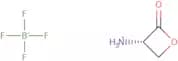
CAS:<p>L-Serine beta-lactone tetrafluoroborate salt is a fine chemical that is used as a reagent, complex compound and building block in the synthesis of other compounds. It is also an important intermediate for the production of pharmaceuticals and agrochemicals. L-Serine beta-lactone tetrafluoroborate salt has been shown to be a versatile building block in organic synthesis. This product may react with acids to produce hydrogen fluoride gas, which can cause injury or death through inhalation or contact with skin, eyes or clothing.</p>Formula:C3H5NO2•BF4•HPurity:Min. 95%Color and Shape:White/Off-White SolidMolecular weight:174.89 g/mol[(8S,10S,11S,13S,14S,16S)-9-Fluoro-11-Hydroxy-10,13,16-Trimethyl-17-Methylsulfanylcarbonyl-3-Oxo-6,7,8,11,12,14,15,16-Octahydrocyclo penta[a]Phenanthren-17-Yl] Acetate
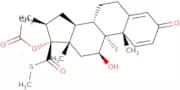
CAS:Controlled Product<p>(8S,10S,11S,13S,14S,16S)-9-Fluoro-11-Hydroxy-10,13,16-Trimethyl-17-Methylsulfanylcarbonyl-3-Oxo-6,7,8,11,12,14,15,16-Octahydrocyclo penta[a]Phenanthren-17-Yl) Acetate is a fatty acid ester that is used as a pharmaceutical preparation. It has been shown to be an effective treatment for the muscle wasting disease myotonic dystrophy and has been approved by the FDA. (8S,10S,11S,13S,14S,, 16 S)-9 - Fluoro - 11 - Hydroxy - 10 , 13 , 16 - Trimethyl - 17 - Methylsulfanylcarbonyl - 3 - Oxo - 6 , 7 , 8 , 11</p>Formula:C24H31FO5SPurity:Min. 95%Molecular weight:450.56 g/mol6-Amino-3-methyl-4-(4-nitrophenyl)-4H-pyrano[3,2-d]pyrazole-5-carbonitrile
CAS:<p>6-amino-3-methyl-4-(4-nitrophenyl)-4H-pyrano[3,2-d]pyrazole-5-carbonitrile is a compound that has been shown to have correlations with energies and regression. It also has a linear regression, polarities, photophysical properties, and dipole. The fluorescence and excited state of this compound are singlet and hydrogen bonding interactions with solvents.</p>Formula:C14H11N5O3Purity:Min. 95%Color and Shape:PowderMolecular weight:297.27 g/molN6-Carbobenzoxy-L-lysine N-carboxyanhydride
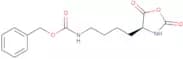
CAS:<p>N6-Carbobenzoxy-L-lysine N-carboxyanhydride is a protected form of amino acid L-lysine, where the side chain amine is Z-protected and the α-amine and carboxylic acid groups are linked via a carboxyl. N6-Carbobenzoxy-L-lysine N-carboxyanhydride can undergo a basic polycondensation reaction to afford polylysine, a polymer of α-linked lysine. Polylysine has a range of biological activities, such as, the inhibition of fungal infections (Trichophyton mentagrophytes, T. rubrum, and Candida albicans) in plants. Polylysine is used to coat tissue culture ware, where it enhances cell adherence.</p>Formula:C15H18N2O5Purity:Min. 95%Color and Shape:White Off-White PowderMolecular weight:306.31 g/molFmoc-D-Lys(ivDde)-OH
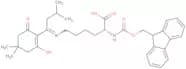
CAS:<p>Fmoc-D-Lys(ivDde)-OH is a synthetic amino acid with the molecular formula C6H14N2O2. It is an agonist of the dopaminergic receptor and has been shown to reverse insulin resistance in animal models. It also has affinity for fatty acid metabolism, nervous system, and glucagon-like peptide receptors. Fmoc-D-Lys(ivDde)-OH is a heterocycloalkyl amino acid that contains a nitrogen atom at position 1 and a fatty acid at position 2. The isopropyl group at position 3 prevents this amino acid from being absorbed orally and must be given intravenously or intramuscularly.</p>Formula:C34H42N2O6Purity:Min. 95%Color and Shape:PowderMolecular weight:574.71 g/molL-Lysine
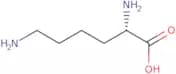
CAS:<p>L-Lysine is an amino acid that is necessary for the production of proteins. It plays a key role in the regulation of transcription and cellular metabolism. L-Lysine is synthesized from lysine, which is derived from ornithine and aspartate. L-Lysine can also be formed by methylation of lysine residues on histones, which leads to changes in gene expression. L-Lysine has been shown to inhibit cancer cells by inhibiting the proliferation of tumor cells, preventing cellular transformation, and inhibiting viral replication. The inhibition of viral replication may be due to the ability of L-lysine to act as a competitive inhibitor against cyclic peptides, such as polyoma virus T antigen (PVT) or SV40 large T antigen (SV40 LT).</p>Formula:C6H14N2O2Purity:Min. 95%Color and Shape:PowderMolecular weight:146.19 g/molL-Norleucine
CAS:<p>L-Norleucine is a non-essential amino acid that is structurally similar to leucine. It has been shown to have an inhibitory effect on the growth of resistant mutants in the coli K-12 strain. L-Norleucine binds strongly to amyloid proteins and may be used as a therapeutic agent for Alzheimer's disease. It has also been shown to be effective against congestive heart failure in vitro, which may be due to its ability to modulate monoamine neurotransmitters and increase the availability of nitric oxide. L-Norleucine may also be useful for the treatment of Parkinson's disease because it inhibits protein aggregation at low concentrations.</p>Formula:C6H13NO2Purity:Min. 95%Color and Shape:PowderMolecular weight:131.17 g/molBoc-NH-PEG3-CH2CH2COOH
CAS:<p>Boc-NH-PEG3-CH2CH2COOH is a PEG compound with two different functional groups (also known as heterobifunctional). Unlike homobifunctional PEG compounds (same functional group on both ends), this type of compounds are more versatile as have two different anchor points. Boc-NH-PEG3-CH2CH2COOH is used as a linker and spacer to add a PEG moiety, via pegylation (a bioconjugation technique) to proteins, peptides, oligonucleotides, small molecules and nanoparticles.</p>Formula:C14H27NO7Purity:Min. 95%Color and Shape:Colorless PowderMolecular weight:321.37 g/mol2,2-Dimethyl-3-phenylpropanoic acid
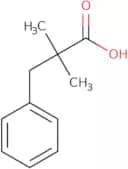
CAS:<p>2,2-Dimethyl-3-phenylpropanoic acid is a luteolytic agent that belongs to the group of phenylacetic acids. It has been shown to inhibit progesterone synthesis and induce regression of the estrous cycle in rats. 2,2-Dimethyl-3-phenylpropanoic acid is also able to bind with cytochrome P450 enzymes, which are involved in the metabolism of many drugs. This binding may lead to increased plasma concentrations of other drugs that are metabolized by cytochrome P450 enzymes, such as erythromycin and methyldopa.</p>Formula:C11H14O2Purity:Min. 95%Color and Shape:SolidMolecular weight:178.23 g/mol4'-Methoxy-α-naphthoflavone
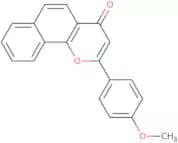
CAS:<p>4'-Methoxy-alpha-naphthoflavone is a flavonoid that has been shown to have inhibitory effects on the metabolism of 3-methylcholanthrene and other xenobiotics. The compound inhibits the oxidation of these compounds by both the cytochrome P450 and NADPH-dependent oxidases. 4'-Methoxy-alpha-naphthoflavone also inhibits the activation of these compounds by hepatic tissues, as well as the metabolism of phenobarbital by rat liver microsomes. The compound may be metabolized in vivo to 4'-hydroxy-alpha-naphthoflavone, which is more potent than 4'-methoxy-alpha-naphthoflavone.</p>Formula:C20H14O3Purity:Min. 95%Molecular weight:302.32 g/mol2-(2-formyl-6-methoxyphenoxy)acetonitrile
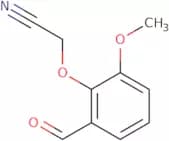
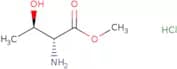
CAS:<p>Please enquire for more information about 2-(2-formyl-6-methoxyphenoxy)acetonitrile including the price, delivery time and more detailed product information at the technical inquiry form on this page</p>Formula:C10H9NO3Purity:Min. 95%Color and Shape:PowderMolecular weight:191.18 g/molH-D-allo-Threonine methyl ester hydrochloride
CAS:<p>H-D-allo-Threonine methyl ester hydrochloride is a speciality chemical that is used in research and development. It is an intermediate for the synthesis of other compounds, such as pharmaceuticals, pesticides, and fragrances. H-D-allo-Threonine methyl ester hydrochloride has been shown to be useful in the production of methanol and ethanol. This compound also has high quality and can be used as a reagent for other reactions.</p>Formula:C5H11NO3•HClPurity:Min. 95%Color and Shape:PowderMolecular weight:169.61 g/mol7-Methoxy-1H-indole
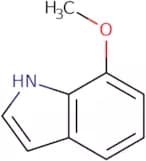
CAS:<p>7-Methoxy-1H-indole (7MI) is a synthetic compound that exhibits anti-inflammatory activity. It is an analog of the amino acid methionine found in proteins and its synthesis involves the condensation of a chlorinated alkyl acetate with an esterified hydrazide to form the corresponding amide. 7MI has been shown to inhibit both bacterial and mammalian protein synthesis, as well as to inhibit tumor cell growth. 7MI binds reversibly to the N7 atom of the adenine base in DNA, thereby inhibiting DNA replication through inhibition of DNA polymerase.</p>Formula:C9H9NOPurity:Min. 95%Color and Shape:Clear LiquidMolecular weight:147.17 g/mol3,5-Diiodo-L-tyrosine dihydrate
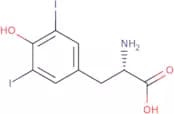
CAS:<p>There are many good reasons to eat fish and seafood, one of them is certainly the fact that they are rich in iodine salts, which are a fundamental for the endocrine activity of the thyroid gland. Iodine salts are enzymatically converted into molecular iodine, which adds to tyrosine residues in thyroglobulin forming diiodotyrosine. This is the first step towards the biosynthesis of thyroid hormones triodityronine T3 and tetraiodotyronine T4 which serve important regulatory functions in body metabolism and energy expenditure. Recently, the dietary introduction of potassium iodide and diiodotyrosine were compared in mice showing that diiodotyrosine can also be used effectively as food supplement preventing the potential damage from excessive intake of inorganic iodine salts.</p>Formula:C9H13I2NO5Purity:Min. 95.0 Area-%Molecular weight:469.02 g/mol1,2-Dioleoyl-sn-glycero-3-phosphatidylethanolamino (+)-biotin
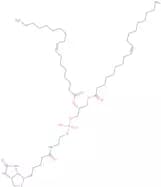
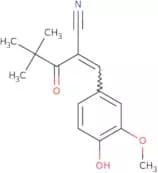
CAS:<p>This is a speciality chemical and is not intended for use in food, drug, or cosmetic applications. This fine chemical is a useful building block, which can be used to synthesize complex compounds. It has been shown to have high reactivity with a variety of reagents, making it an excellent research component.</p>Formula:C51H92N3O10PSPurity:Min. 95%Color and Shape:PowderMolecular weight:970.33 g/mol2-(2,2-dimethylpropanoyl)-3-(4-hydroxy-3-methoxyphenyl)prop-2-enenitrile
CAS:<p>Please enquire for more information about 2-(2,2-dimethylpropanoyl)-3-(4-hydroxy-3-methoxyphenyl)prop-2-enenitrile including the price, delivery time and more detailed product information at the technical inquiry form on this page</p>Purity:Min. 95%Capryloyl glycine
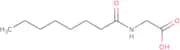
CAS:<p>Capryloyl glycine is a non-protein amino acid that has been identified as a potential biomarker for photosynthetic activity. Capryloyl glycine is a potent inhibitor of the growth of bacteria, fungi and yeasts. It was found to inhibit the growth of bacteria by blocking their ability to synthesize fatty acids in liver cells. Capryloyl glycine also inhibits the production of glycerides in skin cells, which may have therapeutic applications for certain skin disorders.</p>Formula:C10H19NO3Purity:Min. 95%Color and Shape:PowderMolecular weight:201.26 g/mol2-Chloro-L-phenylalanine
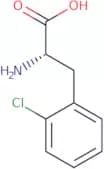
CAS:<p>2-Chloro-L-phenylalanine (2CLP) is a fatty acid that can be used as a pharmacological agent. It has been shown to have an anti-inflammatory effect in the form of an inflammatory lesion in animals. 2CLP is also able to inhibit monoamine neurotransmitters, such as phenolic acid, which is involved in energy metabolism and mitochondrial functions. 2CLP has been shown to increase bile acids and decrease serum cholesterol levels. The chemical structure of 2CLP makes it difficult for the body to absorb it. This chemical has not been tested on humans, but studies have shown that it may be effective when combined with other drugs.</p>Formula:C9H10ClNO2Purity:Min. 95%Color and Shape:White PowderMolecular weight:199.63 g/molFmoc-3-(3'-pyridyl)-D-alanine
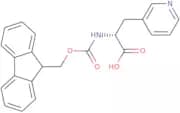
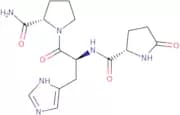
CAS:<p>Fmoc-3-(3'-pyridyl)-D-alanine is a building block for the synthesis of a wide variety of compounds. This compound has been shown to be an excellent and versatile starting material for the synthesis of complex compounds. Fmoc-3-(3'-pyridyl)-D-alanine is also a useful intermediate in organic synthesis and can be used as a reagent or in research. It has CAS number 142994-45-4.</p>Formula:C23H20N2O4Purity:Min. 95%Color and Shape:PowderMolecular weight:388.42 g/molL-Pyroglutamyl-L-histidyl-L-prolinamide
CAS:<p>L-Pyroglutamyl-L-histidyl-L-prolinamide (PGC) is a pyrrolidine that is used for the treatment of neurologic disorders. It has been shown to be effective in treating depression and a number of other neurologic disorders, including Parkinson's disease, Alzheimer's disease, and epilepsy. PGC has also been shown to have an antidepressant effect in women with depression who are pregnant or have recently given birth. In addition, it has been found to be clinically effective in the treatment of symptoms associated with Parkinson’s Disease. PGC is not absorbed into the bloodstream and must be injected directly into muscle tissue or fat cells in order to produce its therapeutic effects.</p>Formula:C16H22N6O4Purity:Min. 95%Color and Shape:White PowderMolecular weight:362.38 g/molent-(14S)-3-Methoxy-17-methylmorphinan
CAS:Controlled Product<p>Please enquire for more information about ent-(14S)-3-Methoxy-17-methylmorphinan including the price, delivery time and more detailed product information at the technical inquiry form on this page</p>Formula:C18H25NOPurity:Min. 95%Color and Shape:Colorless Clear LiquidMolecular weight:271.4 g/molFurosine dihydrochloride
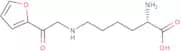
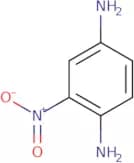
CAS:<p>Reference material for food analysis</p>Formula:C12H18N2O4•2HClPurity:Min. 98 Area-%Color and Shape:PowderMolecular weight:327.20 g/mol2-Nitro-p-phenylenediamine
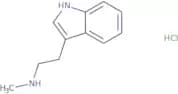
CAS:<p>2-Nitro-p-phenylenediamine is a chemical substance that can be used as a predictive biomarker for allergic reactions. It is an amine with the chemical formula C6H5CH2N2O2. It is soluble in water, ethanol, and ether, but insoluble in acetone and diethylether. 2-Nitro-p-phenylenediamine has been shown to cause cutaneous lesions in animal studies and has been classified as a possible human carcinogen by the International Agency for Research on Cancer (IARC). This compound was not mutagenic to bacteria or yeast strains tested, but it did cause chromosome aberrations in cultured human lymphocytes. The metabolite profile of 2-nitro-p-phenylenediamine has been studied in rats treated with this compound at different doses. When administered orally to rats at a dose of 50 mg/kg body weight per day, 2 nitro p phenylened</p>Formula:C6H7N3O2Purity:Min. 95%Color and Shape:PowderMolecular weight:153.14 g/molN-Methyltryptamine hydrochloride
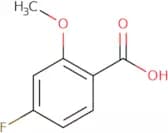
CAS:Controlled Product<p>N-Methyltryptamine hydrochloride is a chemical that has been shown to be an antagonist of the serotonin receptor 5-HT7 in vivo. This drug is also a potent inhibitor of acetylcholinesterase, which may be due to its ability to inhibit the methylation of serotonergic receptors. It has been shown to have clinical efficacy in treating depression, although it is not currently approved by the FDA for this use. N-Methyltryptamine hydrochloride has been shown to have an antidepressant effect in wild-type mice and in mouse models of depression. It inhibits the growth of cancer cells by inducing apoptosis and inhibiting cell proliferation.</p>Formula:C11H15ClN2Purity:Min. 95%Color and Shape:PowderMolecular weight:210.7 g/mol4-Fluoro-2-methoxybenzoic acid
CAS:<p>4-Fluoro-2-methoxybenzoic acid is a versatile building block that is used in the synthesis of many complex compounds. It is a reagent, which means it can be used as an intermediate in the synthesis of other compounds. 4-Fluoro-2-methoxybenzoic acid is also a useful scaffold for the preparation of new chemical entities with specific pharmaceutical properties. The CAS number for this compound is 395-82-4.</p>Formula:C8H7FO3Purity:Min. 95%Color and Shape:PowderMolecular weight:170.14 g/molFmoc-a-Me-Glu(OtBu)-OH
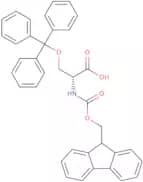
CAS:<p>Fmoc-a-Me-Glu(OtBu)-OH is a versatile chemical that can be used to synthesize complex compounds in the laboratory. It is a useful building block for organic synthesis and can be used as a reagent, speciality chemical, or useful scaffold. It has been shown to be of high quality and is often used as an intermediate for other compounds. Fmoc-a-Me-Glu(OtBu)-OH is also listed by CAS number 1072845-48-7.</p>Formula:C25H29NO6Purity:Min. 97 Area-%Color and Shape:PowderMolecular weight:439.5 g/molFmoc-O-trityl-D-serine
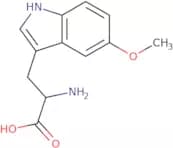
CAS:<p>Fmoc-O-trityl-D-serine is an inhibitor of the phosphatases that catalyze the hydrolysis of phosphate esters. It binds to the protein and prevents it from acting on its substrate, thus inhibiting phosphatase activity. Fmoc-O-trityl-D-serine has been shown to inhibit a number of phosphatases, including serine/threonine phosphatases, tyrosine phosphatases, and acid phosphatases. This drug can be used as a tool for research into mammalian cells and their role in cancer. The advantage of using this inhibitor is that it can be synthesized rapidly and with high homogeneity.</p>Formula:C37H31NO5Purity:Min. 98 Area-%Color and Shape:PowderMolecular weight:569.65 g/mol5-Methoxy-DL-tryptophan
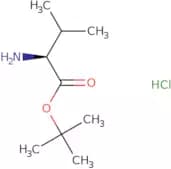
CAS:<p>5-Methoxy-DL-tryptophan is a molecule that has been shown to inhibit the formation of osteoclasts by binding to tryptophan. This molecule has also been used in magnetic resonance spectroscopy and fluorescence experiments to study the binding of 5-methoxy-DL-tryptophan with various other molecules. It is an inhibitor of tryptophan decarboxylase, an enzyme that catalyzes the conversion of tryptophan into serotonin, which can be used as a neurotransmitter. The inhibition of this enzyme leads to decreased serotonin levels and reduced production of inflammatory cytokines. This molecule has been shown to have an inhibitory effect on the enzymatic reaction between proline and oxaloacetate, leading to the production of alpha ketoglutarate. This molecule has also been shown to have a binding affinity with lung fibroblasts in vitro and inhibits their growth, suggesting that it may be useful for treating lung</p>Formula:C12H14N2O3Color and Shape:White To Light (Or Pale) Beige SolidMolecular weight:234.25 g/molL-Valine tert-butyl ester hydrochloride
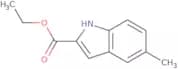
CAS:<p>L-Valine tert-butyl ester hydrochloride is a chiral diastereomeric, stereocontrolled acid ester. This product is a kinetically controlled reaction of L-valine and toluene that produces a racemic mixture of the cis and trans isomers in the ratio of 1:1. The cis isomer has been shown to be more effective than the trans isomer as a peptidomimetic. This product also exhibits stereogenic properties when reacted with acid anhydrides.</p>Formula:C9H19NO2·HClPurity:Min. 95%Color and Shape:PowderMolecular weight:209.71 g/molEthyl 5-methylindole-2-carboxylate
CAS:<p>Ethyl 5-methylindole-2-carboxylate is an antioxidant that is used as a reagent in the synthesis of other compounds. It has been shown to inhibit cancer cell growth in vitro via its ability to inhibit the metabolic activity of human hepatoma cells. Ethyl 5-methylindole-2-carboxylate has also been shown to have cytotoxic activity against human hepatoma cells in vitro, and may be a potential anticancer drug candidate.</p>Formula:C12H13NO2Purity:Min. 95%Color and Shape:PowderMolecular weight:203.24 g/molAc-Phe-Arg-AMC hydrochloride
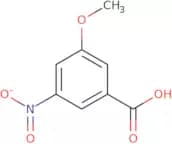
CAS:<p>Ac-Phe-Arg-AMC hydrochloride is a versatile building block that is used in the synthesis of complex compounds and research chemicals.<br>It is a fine chemical with CAS No. 177028-04-5. Ac-Phe-Arg-AMC hydrochloride is soluble in water, ethanol, and acetone, and insoluble in ether. This compound can be used as an intermediate for the synthesis of research chemicals with high quality or as a reagent. Ac-Phe-Arg-AMC hydrochloride can be used to produce a variety of useful scaffolds for medicinal chemistry or organic chemistry applications.</p>Formula:C27H32N6O5·HClPurity:Min. 95 Area-%Color and Shape:PowderMolecular weight:557.04 g/mol3-Methoxy-5-nitrobenzoic acid
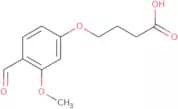
CAS:<p>3-Methoxy-5-nitrobenzoic acid is an organic compound that has mesomorphic and switchable properties. It is a chalcone derivative, with homologues such as 3-hydroxybenzoic acid. It is synthesized from the reaction of nitrous acid and 3-methoxybenzoic acid. The synthesis of this compound can be achieved by two different routes: peroxide oxidation or fluorine substitution. Both routes produce the same product, but offer different advantages. The first route involves the addition of hydrogen peroxide to 3-methoxybenzoic acid, which produces a mixture of products containing 3-methoxy-5-nitrobenzoic acid. This route is advantageous in that it can be conducted at room temperature with high yields, but the disadvantage is that this method produces a mixture of products which may contain undesired byproducts. The second route involves the use of sodium hypofluorite and potassium</p>Formula:C8H7NO5Purity:Min. 95%Color and Shape:PowderMolecular weight:197.14 g/mol4-(4-Formyl-3-methoxyphenoxy)butanoic acid
CAS:Controlled Product<p>4-(4'-Formyl-3'-methoxyphenoxy)butanoic acid is a carboxylate that can be used as a preloaded reagent for the synthesis of peptides, proteins, and other organic molecules. 4-(4'-Formyl-3'-methoxyphenoxy)butanoic acid has been shown to be an efficient linker for solid-phase peptide synthesis. 4-(4'-Formyl-3'-methoxyphenoxy)butanoic acid is labile to hydrolysis and so should be stored in an organic solvent such as dimethylsulfoxide. The carboxylate group is readily available in the form of its sodium salt, which can be synthesized by reacting sodium acetate with formaldehyde.</p>Formula:C12H14O5Purity:Min. 95%Color and Shape:PowderMolecular weight:238.24 g/mol4-Azido-L-phenylalanine
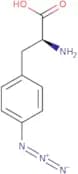
CAS:<p>4-Azido-L-phenylalanine is a model system that has been used for the study of biological processes. It is an analog of L-phenylalanine and can be synthesized from 4-amino-3,5-dichlorobenzonitrile. This chemical is a structural analogue of the natural amino acid phenylalanine and has been used in the study of protein folding and peptide hormone synthesis. 4AAP has also been used to produce monoclonal antibodies and histones proteins, as well as drugs for the treatment of cancer. The irreversible inhibition of enzymes by 4AAP is useful in chemical biology, such as in the production of peptides or amino acids.</p>Formula:C9H10N4O2Purity:Min. 98 Area-%Color and Shape:PowderMolecular weight:206.2 g/molSex Pheromone Inhibitor iPD1 trifluoroacetate salt
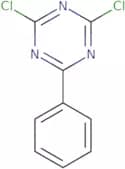
CAS:<p>Sex pheromone inhibitor IPD1 is an antibody that inhibits the production of sex pheromones by Streptococcus faecalis. It is used to diagnose and treat allergic diseases, such as atopic dermatitis or bronchial asthma. This antibody binds to a protein called polypide, which is involved in the synthesis of sex pheromones, and inhibits its activity. It has been shown to inhibit the production of sex pheromones by Streptococcus faecalis when analyzed using an SDS-polyacrylamide gel electrophoresis method. Sex pheromone inhibitor IPD1 also binds to antibodies against streptococcus, acari, and other bacteria.</p>Formula:C39H72N8O11Purity:Min. 95%Color and Shape:PowderMolecular weight:829.04 g/mol2,4-Dichloro-6-phenyl-1,3,5-triazine
CAS:<p>2,4-Dichloro-6-phenyl-1,3,5-triazine is a triazine that has been synthesized and characterized by gel permeation chromatography and powder diffraction analysis. This compound is insoluble in organic solvents due to its high molecular weight. 2,4-Dichloro-6-phenyl-1,3,5-triazine has a number of different applications in the field of polymer science as an acceptor for activated polymers. It can also be used for thermally or photophysically activated polymers. The molecular structure of this compound was determined using x-ray crystallography and molecular modelling techniques.</p>Formula:C9H5Cl2N3Purity:Min. 98%Color and Shape:PowderMolecular weight:226.06 g/molH-Val-Trp-OH
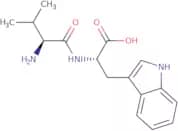
CAS:<p>H-Val-Trp-OH is a noncompetitive inhibitor of the enzyme tyrosinase, which plays a role in melanin production. It also has radical scavenging activities and can inhibit the activity of other enzymes such as glucose 6-phosphate dehydrogenase and acetylcholinesterase. The compound is stable in aqueous solution and can be used to study the effects of H-Val-Trp-OH on wheat germ cells. It is composed of an amino acid sequence that resembles tyrosine, with a carboxylate group attached to the hydroxyl group at position 3. H-Val-Trp-OH is most active against tyrosinase when it is in its activated form, but it can also act as an inhibitor when it is not activated. The compound inhibits the activity of tyrosinase by binding to its active site and blocking the binding or catalysis of substrate molecules. This inhibition occurs through competitive interactions with</p>Formula:C16H21N3O3Purity:Min. 95%Color and Shape:PowderMolecular weight:303.36 g/molL-Homoleucine hydrochloride
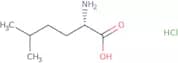
CAS:<p>L-Homoleucine hydrochloride is a fine chemical that is used as a building block in the synthesis of complex compounds and pharmaceuticals. It has been shown to be a useful reagent in organic chemistry and can be used as a speciality chemical. L-Homoleucine hydrochloride is also a versatile building block that can be used in the synthesis of several different compounds, including pharmaceuticals, agrochemicals, and research chemicals. This compound is also an intermediate for the production of other compounds with potential clinical applications. L-Homoleucine hydrochloride belongs to CAS number 1330286-49-1.</p>Formula:C7H15NO2·HClPurity:Min. 95%Color and Shape:White PowderMolecular weight:181.66 g/molFmoc-Ser(tBu)-OH
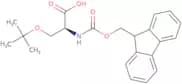
CAS:<p>Fmoc-Ser(tBu)-OH is a synthetic amino acid that is used in the synthesis of degarelix acetate, an amide ester of the vasodilator, prostaglandin F2α. Degarelix acetate binds to the fibrinogen receptor on the surface of cells and inhibits platelet aggregation. This drug has been shown to be effective in treating prostate cancer by inhibiting epidermal growth factor receptor signaling. It also has immune modulating effects by binding to monoclonal antibodies and altering antibody responses. Fmoc-Ser(tBu)-OH is synthesized from the amino acid serine and t-butyl alcohol, which are combined with trifluoroacetic acid (TFA) and hydroxyl group. The resulting product is then reacted with dansyl chloride or benzoyl chloride (BzCl), which cleaves off one carboxylic acid group from serine, forming an</p>Formula:C22H25NO5Purity:Min. 98 Area-%Color and Shape:White Off-White PowderMolecular weight:383.44 g/mol3-Methoxycarbonylphenylacetone
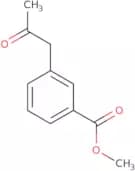
CAS:<p>3-Methoxycarbonylphenylacetone is a high quality, reagent, complex compound. It is a useful intermediate for the production of fine chemicals and speciality chemicals. 3-Methoxycarbonylphenylacetone can be used as a useful scaffold for the synthesis of new compounds and as a reaction component for chemical reactions. This compound has been shown to react with anhydrous hydrazine in the presence of catalysts to yield 2-aminothiazole derivatives. 3-Methoxycarbonylphenylacetone has CAS number 74998-19-9 and is listed on ChemSpider, PubChem, and Chemical Abstracts Service (CAS) databases.</p>Formula:C11H12O3Purity:Min. 95%Color and Shape:Clear LiquidMolecular weight:192.21 g/molO-Methyl-L-threonine
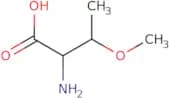
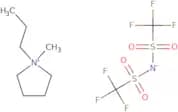
CAS:<p>O-Methyl-L-threonine is an analog of L-threonine. O-Methyl-L-threonine inhibits the production of fatty acids in resistant mutants, which are activated by the addition of a hydroxy group to their amino acid backbone. This analog has been shown to be effective at suppressing the growth of animal health bacteria and fungi, and has been used as a treatment for protein synthesis disorders in animals. O-Methyl-L-threonine is also used as a precursor for nicotinic acetylcholine synthesis. In vivo tests have shown that it has no toxic effects on mammalian cells, but does not inhibit photosynthesis in plants.</p>Formula:C5H11NO3Purity:Min. 95%Color and Shape:PowderMolecular weight:133.15 g/mol1-Methyl-1-propylpyrrolidinium bis(trifluoromethanesulfonyl)imide
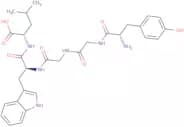
CAS:<p>1-Methyl-1-propylpyrrolidinium bis(trifluoromethanesulfonyl)imide (MPP+) is a high-affinity ligand for lithium ion batteries. It is used as a dopant in battery electrodes to improve the electrochemical performance of the electrode. MPP+ has been used extensively to study transport phenomena, transport properties, and solvation effects. The solvents that are compatible with MPP+ include anions such as ClO4-, BF4-, PF6-, SbF6-, SO3H2SO3, and CF3SO3H. MPP+ also has a very low viscosity and thermal expansion coefficient, which are desirable properties for use in lithium ion batteries. MPP+ has been shown to be stable up to 300 °C and can be used at temperatures up to 150 °C. Molecular simulation studies have shown that MPP+ is able to</p>Formula:C10H18F6N2O4S2Purity:Min. 95%Color and Shape:Clear LiquidMolecular weight:408.38 g/molGluten Exorphin B5 H-Tyr-Gly-Gly-Trp-Leu-OH
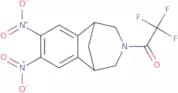
CAS:<p>Gluten Exorphin B5 H-Tyr-Gly-Gly-Trp-Leu-OH is a synthetic opioid peptide that has been shown in animal models to reduce food intake and body weight. This peptide is an analog of the endogenous opioid peptides Met-enkephalin and Leu-enkephalin, which have been implicated in the regulation of food intake and energy expenditure. Gluten exorphin B5 H-Tyr-Gly-Gly-Trp-Leu-OH binds to the μ opioid receptor, which is involved in drug safety. It also binds to the prolactin receptor, which plays a role in drug absorption and distribution.</p>Formula:C30H38N6O7Purity:Min. 95%Color and Shape:White PowderMolecular weight:594.66 g/mol2,3,4,5-Tetrahydro-7,8-dinitro-3-(trifluoroacetyl)-1,5-methano-1H-3-benzazepine
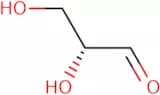
CAS:<p>2,3,4,5-Tetrahydro-7,8-dinitro-3-(trifluoroacetyl)-1,5-methano-1H-3-benzazepine is a supplement that may be used to treat depression. It has been shown to have a receptor activity on the acetylcholine receptors. 2,3,4,5-Tetrahydro-7,8-dinitro-3-(trifluoroacetyl)-1,5-methano-1H-3-benzazepine has also been shown to increase the activity of the endothelial function by increasing the production of nitric oxide. This drug has also been shown to be an effective treatment for reducing appetite in cases of anorexia nervosa and for treating Alzheimer's disease. The drug works by activating nicotinic acetylcholine receptors in the brain.</p>Formula:C13H10F3N3O5Purity:Min. 98 Area-%Color and Shape:PowderMolecular weight:345.23 g/molD-(+)-Glyceraldehyde
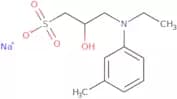
CAS:<p>D-Glyceraldehyde is sold by active weight in solution</p>Formula:C3H6O3Purity:85%MinColor and Shape:Colorless Clear Viscous LiquidMolecular weight:90.08 g/molN-Ethyl-N-(2-hydroxy-3-sulfopropyl)-3-methylaniline sodium salt dihydrate
CAS:<p>N-Ethyl-N-(2-hydroxy-3-sulfopropyl)-3-methylaniline sodium salt dihydrate (NMS) is a functional group with a side effect profile that is characterized by low incidence of adverse events. This drug has been shown to be well tolerated in clinical use, and there is evidence that it may be useful for the treatment of infectious diseases. Clinical studies have demonstrated that NMS can improve fatty acid and cholesterol levels, as well as reducing carnitine palmitoyltransferase activity. These effects are due to the inhibition of lipoprotein lipase, cholesterol esterase and carnitine palmitoyltransferase enzymes. In addition, NMS has been shown to be effective against dermatitis caused by atopic dermatitis or psoriasis.</p>Formula:C12H18NNaO4S·2H2OPurity:Min. 98 Area-%Color and Shape:White PowderMolecular weight:331.36 g/mol1-[(2,6-Difluorophenyl)Methyl]-4-Methyl-2-Propan-2-Ylbenzimidazole
CAS:Controlled Product<p>1-[(2,6-Difluorophenyl)Methyl]-4-Methyl-2-Propan-2-Ylbenzimidazole is a broad spectrum HIV drug that inhibits the HIV transcriptase. It binds to the active site of the enzyme and blocks the binding of nucleotides, preventing RNA synthesis. 1-[(2,6-Difluorophenyl)Methyl]-4-Methyl-2-Propan-2-Ylbenzimidazole has been shown to be effective against HIV in vitro and in vivo. This inhibitor has been shown to inhibit both wild type and mutant forms of HIV transcriptase by binding to the same region of the enzyme. The molecule also shows good activity against other types of viruses, including influenza virus, vesicular stomatitis virus and poliovirus.</p>Formula:C18H18F2N2Purity:Min. 95%Molecular weight:300.35 g/mol[4-(1-Methyl-1-phenylethyl)phenoxy]acetic acid
CAS:<p>4-(1-Methyl-1-phenylethyl)phenoxyacetic acid is a versatile building block that is used in the synthesis of a variety of fine chemicals and drugs. 4-(1-Methyl-1-phenylethyl)phenoxyacetic acid is an intermediate in the synthesis of a number of complex compounds, including research chemicals, reagents, and speciality chemicals. This compound can also be used as a reaction component for the synthesis of other chemical compounds or as a scaffold for larger molecules.</p>Formula:C17H18O3Purity:Min. 95%Color and Shape:PowderMolecular weight:270.32 g/mol[5-Methyl-3-(trifluoromethyl)-1H-pyrazol-1-yl]acetic acid
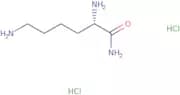
CAS:<p>[5-Methyl-3-(trifluoromethyl)-1H-pyrazol-1-yl]acetic acid is a reaction component that can be used in organic synthesis as a reagent. This chemical has been shown to have high quality, and is useful for research purposes. It is also a versatile building block and useful intermediate, which can be used in the production of complex compounds. [5-Methyl-3-(trifluoromethyl)-1H-pyrazol-1-yl]acetic acid has CAS number 345637-71-0, and is a fine chemical that is useful for chemistry research.</p>Formula:C7H7F3N2O2Purity:Min. 95%Color and Shape:PowderMolecular weight:208.14 g/molL-Lysine amide dihydrochloride
CAS:<p>L-Lysine amide dihydrochloride is a crystalline compound that is used for the treatment of tumours. It has been shown to bind to the enzyme iridoid synthase, which is involved in the formation of imines and aldehydes. L-Lysine amide dihydrochloride also inhibits the production of staining compounds, such as fluorine and heterocycles. The compound may also be used cosmetically as an anti-aging agent because it can inhibit the production of collagenase and elastase, which cause degradation of collagen.</p>Formula:C6H15N3O•HCl2Purity:Min. 95%Color and Shape:Off-White PowderMolecular weight:218.12 g/mol





![6-amino-3-methyl-4-(3-nitrophenyl)-4H-pyrano[3,2-d]pyrazole-5-carbonitrile](/_next/image/?url=https%3A%2Fstatic.cymitquimica.com%2Fproducts%2F3D%2Fthumb-webp%2FFA169032.webp&w=3840&q=75)




![Ethyl [2-methyl-3-(chlorosulfonyl)phenoxy]acetate](/_next/image/?url=https%3A%2Fstatic.cymitquimica.com%2Fproducts%2F3D%2Fthumb-webp%2FFE22936.webp&w=3840&q=75)

![2-Methylbenz[c,d]indole](/_next/image/?url=https%3A%2Fstatic.cymitquimica.com%2Fproducts%2F3D%2Fthumb-webp%2FFM148927.webp&w=3840&q=75)


![6-Amino-3-methyl-4-(4-nitrophenyl)-4H-pyrano[3,2-d]pyrazole-5-carbonitrile](/_next/image/?url=https%3A%2Fstatic.cymitquimica.com%2Fproducts%2F3D%2Fthumb-webp%2FFA169805.webp&w=3840&q=75)




![1-[(2,6-Difluorophenyl)Methyl]-4-Methyl-2-Propan-2-Ylbenzimidazole](/_next/image/?url=https%3A%2Fstatic.cymitquimica.com%2Fproducts%2F3D%2Fthumb-webp%2FFD98108.webp&w=3840&q=75)
![[4-(1-Methyl-1-phenylethyl)phenoxy]acetic acid](/_next/image/?url=https%3A%2Fstatic.cymitquimica.com%2Fproducts%2F3D%2Fthumb-webp%2FFM112689.webp&w=3840&q=75)
![[5-Methyl-3-(trifluoromethyl)-1H-pyrazol-1-yl]acetic acid](/_next/image/?url=https%3A%2Fstatic.cymitquimica.com%2Fproducts%2F3D%2Fthumb-webp%2FFM54360.webp&w=3840&q=75)