Amino Acids (AA)
Amino acids (AAs) are the fundamental building blocks of proteins, playing a crucial role in various biological processes. These organic compounds are essential for protein synthesis, metabolic pathways, and cell signaling. In this category, you will find a comprehensive range of amino acids, including essential, non-essential, and modified forms, which are vital for research in biochemistry, molecular biology, and nutritional sciences. At CymitQuimica, we provide high-quality amino acids to support your research and development needs, ensuring accuracy and reliability in your experimental outcomes.
Subcategories of "Amino Acids (AA)"
- Amino Acid Derivatives(3,957 products)
- Amino Acid and Amino Acid Related Compounds(3,472 products)
- Amino Acids with Oxygen or Sulphur(168 products)
- Boc- Amino Acids(351 products)
- Fmoc Amino Acids(1,710 products)
Found 38265 products of "Amino Acids (AA)"
Sort by
Purity (%)
0
100
|
0
|
50
|
90
|
95
|
100
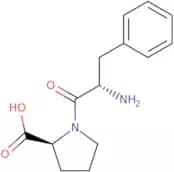
H-Phe-Pro-OH
CAS:<p>H-Phe-Pro-OH is a cyclic peptide that is a structural mimic of the natural amino acid gamma-aminobutyric acid (GABA) and has been shown to be an effective inhibitor of the p450 enzymes responsible for carcinogen activation. The peptide binds to response elements in DNA and RNA, which prevents transcription of genes that are involved in cancer development. H-Phe-Pro-OH also inhibits collagen production and has hemolytic activity due to hydrogen bonding with erythrocytes. This peptide can be used as an antimicrobial agent against Gram negative bacteria, including Pseudomonas aeruginosa, Klebsiella pneumoniae, Escherichia coli, and Salmonella typhimurium. In addition, it has been shown to inhibit the growth of Gram positive bacteria such as Staphylococcus aureus and Clostridium perfringens. The mechanism by which this compound inhibits bacterial growth is</p>Formula:C14H18N2O3Purity:Min. 95%Color and Shape:PowderMolecular weight:262.3 g/molO-Benzyl-L-tyrosine
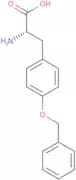
CAS:<p>O-Benzyl-L-tyrosine is an alkylated aromatic amino acid, which is synthesized by the reaction of chloromethyl ketone with proctolin. It has been shown to have anti-obesity properties in mice and rats. O-Benzyl-L-tyrosine has also been used to encapsulate a variety of drugs, including insulin, as well as small drug molecules like chemotherapeutic agents. The drug is immobilized in an organic polymer film through ester linkage. The film can be removed from the drug by dissolving it in chloroformate, or by exposing it to light and heat.</p>Formula:C16H17NO3Purity:Min. 95%Color and Shape:White/Off-White SolidMolecular weight:271.31 g/molFmoc-Trp(Boc)-OH
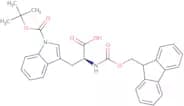
CAS:<p>Fmoc-Trp(Boc)-OH is an amide that has been shown to have the ability to bind to human serum proteins, making it useful in clinical diagnostics. This compound has also been found to be effective against a variety of bacterial strains and fungi. The Fmoc-Trp(Boc)-OH peptide can be synthesized using solid-phase synthesis techniques, which involve attaching amino acid residues to a polymer support. This process is cell specific and allows for the production of peptides with specific sequences. The presence of histidine residues on the side chain of this molecule makes it a good candidate for use in antimicrobial peptides.</p>Formula:C31H30N2O6Purity:Min. 98 Area-%Color and Shape:White Off-White PowderMolecular weight:526.58 g/molN-Methyl-β-alanine
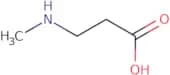
CAS:<p>N-Methyl-β-alanine is a synthetic amino acid that can be used as an additive to animal feed. It has been shown to synergistically increase the potency of dermorphin, a peptide that is derived from the skin of frogs. N-Methyl-β-alanine has also been found to have a useful application in industrial chemistry because it can be used to produce fluorophores, which are substances that emit visible light and are often used in paints and plastics. This substance is also a powerful antinociceptive agent, meaning it reduces pain. It is also active against amines, which are organic compounds containing nitrogen.</p>Formula:C4H9NO2Purity:Min. 95%Color and Shape:PowderMolecular weight:103.12 g/molIle-Tyr-OH
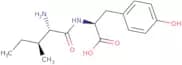
CAS:<p>Ile-Tyr-OH is a synthetic amino acid that is structurally similar to the amino acids ile and tyrosine. It has been shown to have potent inhibitory activity against noradrenaline and dopamine. Ile-Tyr-OH inhibits the synthesis of hydrogen bonds, which are essential for maintaining the shape of proteins. This prevents proteins from folding into their correct three dimensional structure, leading to an increase in blood pressure. Ile-Tyr-OH has also been shown to reduce intestinal transit time and decrease intestinal motility.</p>Formula:C15H22N2O4Purity:Min. 95%Molecular weight:294.35 g/molN-(4-methylthio(3H-2,3,5-triazolyl))-3-phenylprop-2-enamide
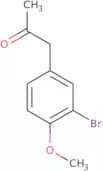
CAS:<p>Please enquire for more information about N-(4-methylthio(3H-2,3,5-triazolyl))-3-phenylprop-2-enamide including the price, delivery time and more detailed product information at the technical inquiry form on this page</p>Formula:C12H12N4OSPurity:Min. 95%Color and Shape:PowderMolecular weight:260.32 g/mol(5-Bromo-4-methoxyphenyl)acetone
CAS:<p>5-Bromo-4-methoxyphenyl)acetone (BMA) is a versatile building block that is used in the production of fine chemicals, research chemicals, and reagents. It has been shown to be a useful scaffold for the synthesis of complex compounds. BMA is also an intermediate for the production of other chemicals. This chemical has been shown to have high quality with a wide range of uses as a reaction component or useful scaffold.</p>Formula:C10H11BrO2Purity:Min. 95%Molecular weight:243.1 g/mol2-Phenylbenzo[B]thiophene
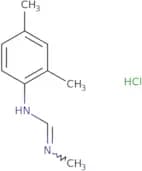
CAS:<p>2-Phenylbenzo[B]thiophene is a diphenyl ether that reacts with chloride in the presence of a base to produce diphenylmethane. It has been shown to bind to estrogen receptors and can be used for the treatment of estrogen-dependent cancers. 2-Phenylbenzo[B]thiophene has been shown to have anti-estrogenic properties, which may be due to its ability to compete with estrogen at the receptor binding site. In addition, it is a radical chain compound that can undergo reactions involving oxygen or nitrogen radicals. The nature of these reactions depends on the reaction products involved in the reactions. 2-Phenylbenzo[B]thiophene can react with xanthates such as diethylxanthate to produce pharmaceutical preparations such as phenyltriethyleneglycolxanthate and phenyldiethoxymethoxyethyleneglycolxanthate.</p>Formula:C14H10SPurity:Min. 95%Color and Shape:PowderMolecular weight:210.3 g/molN'-(2,4-Dimethylphenyl)-N-methylformamide hydrochloride
CAS:<p>Bifenthrin is a broad-spectrum, synthetic pyrethroid insecticide that has been used to control pests in the agricultural and residential sectors. It is applied as a spray or dust on plants and animals. Bifenthrin is highly toxic to mammals, with an oral LD50 of less than 10 milligrams per kilogram of body weight in rats and mice. The acute toxicity can be attributed to its ability to inhibit protein synthesis by binding to the cholinesterases, which are found in high concentrations in mammalian tissues.</p>Formula:C10H14N2·HClPurity:Min. 95%Color and Shape:PowderMolecular weight:198.69 g/molPyr-Gln-OH
CAS:<p>Pyr-Gln-OH is an intermediate in the synthesis of didemnin, a molecule that has been shown to inhibit cancer cell growth. Pyr-Gln-OH is also involved in the production of histamine, which is a neurotransmitter that plays a role in many bodily functions. Pyr-Gln-OH may be used as a diagnostic agent for bladder cancer. Excretion of this molecule was found to be increased in patients with bladder cancer and decreased in those without the disease. Biochemical profiling revealed that Pyr-Gln-OH is elevated in patients with bladder cancer and lower levels are found in healthy individuals.</p>Formula:C10H15N3O5Purity:Min. 95%Molecular weight:257.24 g/mol4'-Isopropyl-β-methyl-β-nitrostyrene
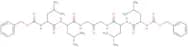
CAS:<p>4'-Isopropyl-beta-methyl-beta-nitrostyrene is a versatile building block that can be used in the synthesis of complex compounds. It has been used as a reagent or speciality chemical in research and development, and as an intermediate for the synthesis of high quality, useful scaffolds. It is also a useful building block for the preparation of high quality, useful compounds.</p>Formula:C12H15NO2Purity:Min. 95%Color and Shape:Clear LiquidMolecular weight:205.25 g/mol1,3-Bis-(Z-Leu-Leu)-diaminoacetone
CAS:<p>1,3-Bis-(Z-Leu-Leu)-diaminoacetone is a synthetic diketone inhibitor, which is a formulation derived through specialized organic synthesis. It functions by targeting and inhibiting aspartic proteases, a class of enzymes that play critical roles in numerous biological processes, including protein degradation and processing. This compound's mechanism involves the reversible covalent modification of the enzyme's active site, leading to an obstruction of its catalytic function.</p>Formula:C43H64N6O9Purity:Min. 95%Color and Shape:PowderMolecular weight:809 g/molN-α-Fmoc-N β-Boc-L-2,3-diaminopropionic acid
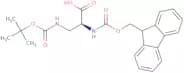
CAS:<p>N-alpha-Fmoc-Nbeta-Boc-L-2,3-diaminopropionic acid is a supramolecular compound that has antiproliferative effects on cancer cells. It can be used to inhibit the activity of tyrosine phosphatases, which are enzymes that regulate cell proliferation and differentiation. This compound has been shown to have synergistic effects with other chemotherapeutic agents in vitro and in vivo. It has also been shown to have a high binding affinity for polyacrylamide gels and is stable under various conditions.</p>Formula:C23H26N2O6Purity:Min. 95%Color and Shape:PowderMolecular weight:426.46 g/molMethyl 3-iodo-4-methylbenzoate
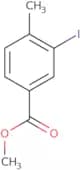
CAS:<p>Methyl 3-Iodo-4-methylbenzoate is a radiolabeled compound that can be used in the labeling of proteins and peptides. Methyl 3-Iodo-4-methylbenzoate can be used to study postoperative pain. It has been shown to bind to cannabinoid receptors, which may provide a new method for the treatment of pain. Methyl 3-Iodo-4-methylbenzoate is also an agonist of CB2 receptors, which are mainly found in the immune system and have been shown to have antiinflammatory properties. The efficiency of methyl 3-iodo-4 methylbenzoate as a radiolabeling agent is high, with low levels of radiation exposure to the patient. This compound has been shown to produce antibodies that bind specifically with opioid receptors, making it useful for research on opioid receptor ligands.</p>Formula:C9H9IO2Purity:Min. 95%Molecular weight:276.07 g/molFmoc-His(Trt)-OH
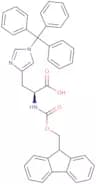
CAS:<p>Fmoc-His(Trt)-OH is an amino acid with the chemical formula HOOC-CH2-CH2-N(CH3)2. It has broad-spectrum antimicrobial activity and can be used as a chemosensor for trifluoroacetic acid. Fmoc-His(Trt)-OH also showed anticancer activity, which may be due to its ability to inhibit protein synthesis in cancer cells by inhibiting histidine decarboxylase. Fmoc-His(Trt)-OH is synthesized through a chemical reaction using trifluoroacetic acid, which reacts with His and Trt residues on the surface of the resin.</p>Formula:C40H33N3O4Purity:Min. 98 Area-%Color and Shape:White PowderMolecular weight:619.71 g/mol5-Methoxy-3-methylbenzonitrile
CAS:<p>5-Methoxy-3-methylbenzonitrile is a versatile chemical with a wide range of applications in pharmaceuticals, agrochemicals, and other industries. It is used as a reaction component in the synthesis of drugs such as indomethacin and methotrexate. It is also useful for the production of high-quality research chemicals. 5-Methoxy-3-methylbenzonitrile has been shown to be an efficient building block for the synthesis of complex compounds with diverse structures.</p>Formula:C9H9NOPurity:Min. 95%Color and Shape:PowderMolecular weight:147.17 g/molBoc-Leu-Leu-OH
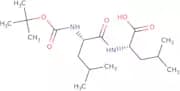
CAS:<p>Boc-Leu-Leu-OH is a synthetic compound that is used as a fluorescent probe in bioelectronics. It has been used to study the conformational changes of proteins and to investigate the interactions between biomolecules. Boc-Leu-Leu-OH has also been investigated for use as a sensor in optical, chemical, and mechanical applications. This compound can be modified with solvents or other chemicals to alter its properties.</p>Formula:C17H32N2O5Purity:Min. 95%Color and Shape:PowderMolecular weight:344.45 g/mol6-Methoxy-2-naphthaleneacetic acid
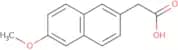
CAS:<p>6-Methoxy-2-naphthaleneacetic acid (6-MNA) is a nonsteroidal anti-inflammatory drug that is used to treat patients with chronic pain. 6-MNA has been shown to be an effective treatment for osteoarthritis, rheumatoid arthritis and other inflammatory conditions. It inhibits the production of prostaglandins and leukotrienes by inhibiting the enzyme cyclooxygenase, which is responsible for the conversion of arachidonic acid to these mediators. 6-MNA can also inhibit the activity of α1-acid glycoprotein and increase the activity of human serum albumin, which may contribute to its antiinflammatory effect. 6-MNA has several side effects including nausea, vomiting, diarrhea and abdominal pain. These adverse reactions are caused by inhibition of protein synthesis in the stomach lining, which leads to decreased production of mucus and bicarbonate ions.</p>Formula:C13H12O3Purity:Min. 95%Color and Shape:PowderMolecular weight:216.23 g/molα-Methylanisalacetone
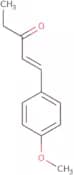
CAS:<p>Alpha-Methylanisalacetone is a chemical substance that is used as a reagent in the production of other chemicals. It is also an allergen and a sensitizer, which may cause health risks. Alpha-Methylanisalacetone can react with trifluoroacetic acid to form alpha-methylbenzeneacetic acid, which can be detected by an ionization detector. This reaction takes about 1 hour. The fluid extract from alpha-methylanisalacetone contains histidine, which reacts with the reagent 2,4-dinitrophenylhydrazine hydrochloride and produces dinitrophenylhydrazine. The analytical method for alpha-methylanisalacetone involves measuring the turbidity of the solution at 660 nm using a spectrophotometer.</p>Formula:C12H14O2Purity:Min. 95%Color and Shape:White PowderMolecular weight:190.24 g/mol3-Hydroxy-2-methylbenzoic acid
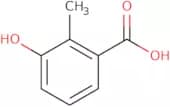
CAS:<p>3-Hydroxy-2-methylbenzoic acid is a chemical compound that can be found in urine. It has been shown to have antiviral activity against herpes simplex virus type 1 (HSV-1) and cytomegalovirus (CMV). This compound was synthesized by molecular modeling study, which showed that 3-hydroxy-2-methylbenzoic acid has the potential to inhibit viral replication by attacking the viral DNA. The structure of this molecule was also studied in detail using nuclear magnetic resonance and X-ray crystallography techniques. 3-Hydroxy-2-methylbenzoic acid is a weak base, which can react with an acidic solution to form a salt, such as chloride or sulfonate. This salt can then be used as an active ingredient in drugs to treat infections caused by viruses such as HSV and CMV.</p>Formula:C8H8O3Purity:Min. 95%Color and Shape:White PowderMolecular weight:152.15 g/molL-Methionine sulfone
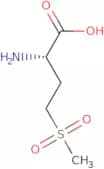
CAS:<p>L-Methionine sulfone is an enzyme substrate that is a potent antagonist of glutamate, the α subunit of aspartate aminotransferase, and proteolytic enzymes. L-Methionine sulfone inhibits protein synthesis by competitively inhibiting uptake of methionine into the cell. This compound has been shown to have inhibitory properties in tissue culture assays and also has potent antagonistic effects on glutamate, the α subunit of aspartate aminotransferase, and proteolytic enzymes. L-Methionine sulfone inhibits protein synthesis by competitively inhibiting uptake of methionine into the cell. This compound has been shown to have inhibitory properties in tissue culture assays and also has potent antagonistic effects on glutamate, the α subunit of aspartate aminotransferase, and proteolytic enzymes.</p>Formula:C5H11NO4SPurity:Min. 95%Molecular weight:181.21 g/mol(Des-Gly10,D-His2,D-Trp6,Pro-NHEt 9)-LHRH trifluoroacetate
CAS:<p>Please enquire for more information about (Des-Gly10,D-His2,D-Trp6,Pro-NHEt 9)-LHRH trifluoroacetate including the price, delivery time and more detailed product information at the technical inquiry form on this page</p>Formula:C64H83N17O12•(C2HF3O2)xPurity:Min. 95%Molecular weight:1,282.45 g/mol5-Methoxy-2-methylbenzoic acid
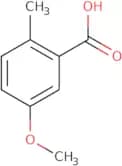
CAS:<p>5-Methoxy-2-methylbenzoic acid is an intermediate in the synthesis of vitamin D3. It can also be used to synthesize calciferol, a configurationally stable form of vitamin D3 that has been shown to be optically active. Lactonic forms are composed of a 5-methoxy group and a 2-methylbenzoic acid moiety. Enantiomers are compounds with the same chemical formula but different arrangements of their atoms in space and each enantiomer is capable of rotating plane polarized light in opposite directions.</p>Formula:C9H10O3Purity:Min. 95%Color and Shape:PowderMolecular weight:166.17 g/molSolvent Blue 63
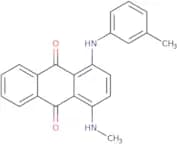
CAS:<p>1-[2,(3)-Methylanilino]-4-(methylamino)anthraquinone is a diazo dye that emits light when irradiated with UV-A or UV-B radiation. It is used as a fluorescent stain in electron microscopy to detect and identify the presence of metals and metal oxides in films. The compound is also used in polyvinyl chloride (PVC) films to increase thermal expansion and viscosity. 1-[2,(3)-Methylanilino]-4-(methylamino)anthraquinone may be used as a substrate film for the production of polyurethane foam for furniture cushions and automotive components. The compound can be acylated with fatty acids such as p-hydroxybenzoic acid to give it desirable properties such as lower viscosity, better adhesion, or improved light emission. This reaction can be catalyzed by heat or radiation.</p>Formula:C22H18N2O2Purity:Min. 95%Color and Shape:PowderMolecular weight:342.39 g/molTris(4,7-diphenyl-1,10-phenanthroline)ruthenium bis(hexafluorophosphate)
CAS:<p>Tris(4,7-diphenyl-1,10-phenanthroline)ruthenium bis(hexafluorophosphate) is a fluorescent dye that can be used to measure oxygen concentration. It has been shown to inhibit the transfer of oxygen at low concentrations. Tris(4,7-diphenyl-1,10-phenanthroline)ruthenium bis(hexafluorophosphate) is used as a calibration standard for the measurement of oxygen concentration in liquids by fluorescence.</p>Formula:C72H48N6Ru·2F6PPurity:(¹H-Nmr) Min. 95 Area-%Color and Shape:Orange PowderMolecular weight:1,388.19 g/mol3’,5’-Di-O-acetyl-2’-azido-2’-deoxy-5-methyluridine
CAS:<p>Please enquire for more information about 3’,5’-Di-O-acetyl-2’-azido-2’-deoxy-5-methyluridine including the price, delivery time and more detailed product information at the technical inquiry form on this page</p>Purity:Min. 95%3-Phenethyl-phenol
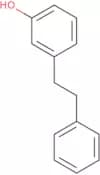
CAS:<p>3-Phenethylphenol is a hydrophobic, sterically-interacting compound that binds to molybdenum. It has been shown to inhibit the growth of fungi such as Poria and Coriolus. 3-Phenethylphenol also has functionalities such as peroxide, acetonitrile, and nature. This compound is not soluble in water and must be dissolved in solvents such as acetonitrile or polyvinyl acetate before use. 3-Phenethylphenol has been shown to have chromatographic properties, allowing it to be used as an adsorbent for the separation of organic compounds.</p>Formula:C14H14OPurity:Min. 95%Color and Shape:PowderMolecular weight:198.26 g/molL-Serine O-sulfate potassium salt
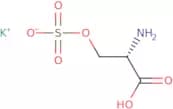
CAS:<p>L-Serine O-sulfate potassium salt is a racemase inhibitor. It has been shown to be effective in postoperative pain and sciatic nerve injury in animals. L-serine O-sulfate potassium salt inhibits the enzyme racemase, which converts L-serine to D-serine, thereby preventing the development of chronic neuropathic pain. The drug also has carboxylate properties that inhibit uptake of glutamate by nerve cells, thereby reducing the release of glutamate in response to nerve injury. This drug is not active against pain due to inflammation or disease.</p>Formula:C3H6NO6SKPurity:Min. 95%Color and Shape:White PowderMolecular weight:223.25 g/mol1-Methyl-1-propylpyrrolidinium bis(trifluoromethanesulfonyl)imide
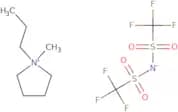
CAS:<p>1-Methyl-1-propylpyrrolidinium bis(trifluoromethanesulfonyl)imide (MPP+) is a high-affinity ligand for lithium ion batteries. It is used as a dopant in battery electrodes to improve the electrochemical performance of the electrode. MPP+ has been used extensively to study transport phenomena, transport properties, and solvation effects. The solvents that are compatible with MPP+ include anions such as ClO4-, BF4-, PF6-, SbF6-, SO3H2SO3, and CF3SO3H. MPP+ also has a very low viscosity and thermal expansion coefficient, which are desirable properties for use in lithium ion batteries. MPP+ has been shown to be stable up to 300 °C and can be used at temperatures up to 150 °C. Molecular simulation studies have shown that MPP+ is able to</p>Formula:C10H18F6N2O4S2Purity:Min. 95%Color and Shape:Clear LiquidMolecular weight:408.38 g/mol3-(4-Methoxyphenoxy)-1,2-propanediol
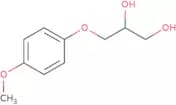
CAS:<p>3-(4-Methoxyphenoxy)-1,2-propanediol is a chiral molecule that can be found in various products. It has been used in the synthesis of a variety of drugs and other organic compounds. 3-(4-Methoxyphenoxy)-1,2-propanediol is an intermediate for the synthesis of natural products such as benzofuran and benzothiophene. This compound is also used as a reagent in the asymmetric dihydroxylation of epoxides. The rate at which this reaction proceeds depends on the kinetic parameters, such as the concentration of reactant and transition state analogues, and on the reaction conditions, such as temperature and pH. The product of this reaction is an epoxide hydrolase inhibitor with a reactive anion that can be used to synthesize pharmaceuticals.</p>Formula:C10H14O4Purity:Min. 95%Color and Shape:White PowderMolecular weight:198.22 g/mol2,3-Dihydroxy-4-methoxycinnamic acid ethyl ester
<p>Please enquire for more information about 2,3-Dihydroxy-4-methoxycinnamic acid ethyl ester including the price, delivery time and more detailed product information at the technical inquiry form on this page</p>Purity:Min. 95%3-Methyl-2-benzothiazolinone hydrazone hydrochloride monohydrate
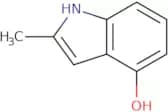
CAS:<p>3-Methyl-2-benzothiazolinone hydrazone hydrochloride monohydrate is a diazonium salt that inhibits the activity of tyrosinase. It is used in pharmaceutical preparations as an inhibitor molecule to treat skin cancer. This compound has been shown to inhibit the production of melanin, which protects cells from damage by ultraviolet (UV) radiation. 3-Methyl-2-benzothiazolinone hydrazone hydrochloride monohydrate binds to tyrosinase and prevents it from forming radicals, which are necessary for the formation of melanin. The inhibition of this enzyme results in skin that is less susceptible to UV radiation and therefore less likely to develop skin cancer.</p>Formula:C8H9N3S·HCl·H2OPurity:Min. 98 Area-%Color and Shape:PowderMolecular weight:233.72 g/mol4-Hydroxy-2-methylindole
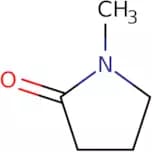
CAS:<p>4-Hydroxy-2-methylindole is an organic compound that belongs to the class of metal salts. It can be obtained as a white solid by reacting indole with alkali metal hydroxide or alkali metal carbonate in the presence of water at high temperatures. The reaction yields 4-hydroxy-2-methylindole and hydrogen chloride gas, which are removed by distillation. 4-Hydroxy-2-methylindole is used in the production of epichlorohydrin, which is a raw material for polyurethane resins and olefins.</p>Formula:C9H9NOPurity:Min. 95%Color and Shape:PowderMolecular weight:147.17 g/molN-Methyl-2-pyrrolidone
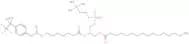
CAS:<p>N-Methyl-2-pyrrolidone is a solvent that is used in the production of polymers, paints, and other products. It has been shown to be a potent inducer of cardiac arrhythmias in rats. N-Methyl-2-pyrrolidone also has been shown to have a linear calibration curve for electrochemical impedance spectroscopy (EIS) data from 0.1 M to 5 M. This property makes it useful for determining reaction mechanisms and surface methodology. NMP has been shown to have constant pressure experimental solubility data, which can be used for thermodynamic data and high resistance values. NMP is not toxic to humans or animals at concentrations up to 2000 mg/kg body weight, but it does cause congestive heart failure in rats at doses of 500 mg/kg body weight or higher.</p>Formula:C5H9NOPurity:Min. 98 Area-%Color and Shape:Colorless Clear LiquidMolecular weight:99.13 g/mol1-palmitoyl-2-(10-(4-((trifluoromethyl)diazirinyl)phenyl)-8-oxadecanoyl)-sn-glycero-3-phosphocholine
CAS:<p>1-palmitoyl-2-(10-(4-((trifluoromethyl)diazirinyl)phenyl)-8-oxadecanoyl)-sn-glycero-3-phosphocholine (PPC) is a liposome that induces necrotic cell death. It binds to the mitochondria and inhibits adenine nucleotide translocation, leading to the loss of mitochondrial membrane potential and the release of cytosolic calcium. This leads to activation of proapoptotic proteins, such as Bax and Bak, which initiates caspase-independent apoptosis. PPC also induces light emission from phospholipid hydroperoxide decomposition, which can be used as a biomarker for cellular physiology.</p>Formula:C41H68TF3N3O9PPurity:Min. 95%Molecular weight:837.98 g/mol7-Methoxy-1H-indole
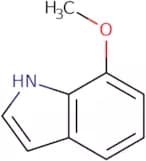
CAS:<p>7-Methoxy-1H-indole (7MI) is a synthetic compound that exhibits anti-inflammatory activity. It is an analog of the amino acid methionine found in proteins and its synthesis involves the condensation of a chlorinated alkyl acetate with an esterified hydrazide to form the corresponding amide. 7MI has been shown to inhibit both bacterial and mammalian protein synthesis, as well as to inhibit tumor cell growth. 7MI binds reversibly to the N7 atom of the adenine base in DNA, thereby inhibiting DNA replication through inhibition of DNA polymerase.</p>Formula:C9H9NOPurity:Min. 95%Color and Shape:Clear LiquidMolecular weight:147.17 g/mol3,5-Diiodo-4(4'-methoxyphenoxy)benzoic acid methyl ester
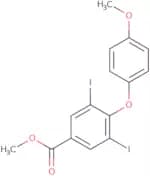
CAS:<p>3,5-Diiodo-4(4'-methoxyphenoxy)benzoic acid methyl ester (DIMBOA) is a hormone analogue that inhibits the growth of cancer cells by interfering with mitochondrial function. DIMBOA binds to the mitochondria of animal cells and prevents adenosine triphosphate (ATP) production. DIMBOA also blocks the synthesis of DNA and RNA in animal cells, which may be due to its ability to interfere with enzyme activities such as protein synthesis, cell proliferation, and apoptosis. 3,5-Diiodo-4(4'-methoxyphenoxy)benzoic acid methyl ester has been shown to inhibit cellular growth by autophagy. This drug has been shown to have no adverse effects on normal fibroblasts or antigen presenting cells in animals.</p>Formula:C15H12I2O4Purity:Min. 95%Color and Shape:PowderMolecular weight:510.06 g/molFmoc-Cys(Trt)-OH
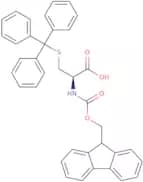
CAS:<p>Fmoc-Cys(Trt)-OH is a cyclic peptide that has potent antitumor activity. It binds to albumin and inhibits protein synthesis, leading to cell death by inhibiting the production of proteins vital for cell division. Fmoc-Cys(Trt)-OH has been shown to be effective against cancer cells in vitro and in vivo. Fmoc-Cys(Trt)-OH also binds the plasma glucose, which may be due to its ability to impede insulin release from the pancreas. This compound is synthesized by a stepwise light-induced solid-phase synthesis with trifluoroacetic acid as a solvent.</p>Formula:C37H31NO4SPurity:Min. 98 Area-%Color and Shape:White PowderMolecular weight:585.71 g/mol3-Phenylacetylamino-2,6-piperidinedione
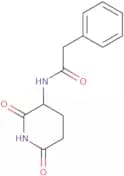
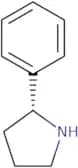
CAS:<p>3-Phenylacetylamino-2,6-piperidinedione is a trifluoroacetate analog of the amino acid phenylalanine. It has been shown to be effective against cancer cells. 3-Phenylacetylamino-2,6-piperidinedione inhibits protein synthesis in tumor cells and is used as an antiestrogen in clinical studies. The hydroxyl group on the 3rd carbon atom makes this compound more acidic than its parent compound, 2,6-piperidinedione. This analog also has a high affinity for cancer tissues and urine samples. Treatment with this drug inhibits the growth of carcinoma cell lines MCT7 and MCF7.</p>Formula:C13H14N2O3Purity:Min. 95%Color and Shape:PowderMolecular weight:246.26 g/mol(R)-2-Phenylpyrrolidine
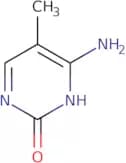
CAS:<p>(R)-2-Phenylpyrrolidine is a boronic ester that can be administered orally. It has been shown to have nootropic and memory-enhancing activities in rats, but it does not have any known effects on kinase activities, amines, factor receptors, or synthetic activity. (R)-2-Phenylpyrrolidine has also been shown to have prognostic value in cancer patients and can inhibit the growth of human cancer cells. This drug has been shown to bind to tropomyosin and growth factors with high affinity.</p>Formula:C10H13NPurity:Min. 95%Color and Shape:PowderMolecular weight:147.22 g/mol5-Methylcytosine
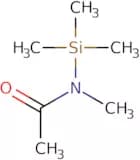
CAS:<p>5-Methylcytosine is a nucleic acid that is found in the DNA and RNA of the cell. It is an important component of methylation, which is the process by which a methyl group is added to a molecule. This process can lead to cellular transformation, a process that can cause cancer. 5-Methylcytosine has also been shown as a molecular pathogenesis factor in infectious diseases such as HIV and herpes simplex virus type 1. The presence of 5-methylcytosine in nuclear DNA has been detected by analytical techniques such as gas chromatography/mass spectrometry (GC/MS). There are many analytical methods, including GC/MS, that can be used to detect 5-methylcytosine in cellular nuclei.</p>Formula:C5H7N3OPurity:Min. 95%Color and Shape:PowderMolecular weight:125.13 g/molN-Methyl-N-trimethylsilylacetamide
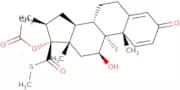
CAS:<p>N-Methyl-N-trimethylsilylacetamide is a bifunctional amide that can react with an electrophile, such as hexane, to form an N-methylated product. The amide group of the molecule can also be deprotonated by a strong base to form an enolate, which can then react with a nucleophile. The NMR spectra of this compound show that it has a multinuclear structure and contains two tautomers. It is used in analytical chemistry for sample preparation, chromatographic science for reaction intermediates, and chemical study for its reactivity.</p>Formula:C6H15NOSiPurity:Min. 97 Area-%Color and Shape:Clear LiquidMolecular weight:145.27 g/mol[(8S,10S,11S,13S,14S,16S)-9-Fluoro-11-Hydroxy-10,13,16-Trimethyl-17-Methylsulfanylcarbonyl-3-Oxo-6,7,8,11,12,14,15,16-Octahydrocyclo penta[a]Phenanthren-17-Yl] Acetate
CAS:Controlled Product<p>(8S,10S,11S,13S,14S,16S)-9-Fluoro-11-Hydroxy-10,13,16-Trimethyl-17-Methylsulfanylcarbonyl-3-Oxo-6,7,8,11,12,14,15,16-Octahydrocyclo penta[a]Phenanthren-17-Yl) Acetate is a fatty acid ester that is used as a pharmaceutical preparation. It has been shown to be an effective treatment for the muscle wasting disease myotonic dystrophy and has been approved by the FDA. (8S,10S,11S,13S,14S,, 16 S)-9 - Fluoro - 11 - Hydroxy - 10 , 13 , 16 - Trimethyl - 17 - Methylsulfanylcarbonyl - 3 - Oxo - 6 , 7 , 8 , 11</p>Formula:C24H31FO5SPurity:Min. 95%Molecular weight:450.56 g/molH-Gly-Glu-Gly-OH
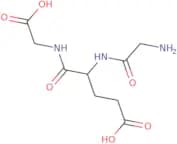
CAS:<p>H-Gly-Glu-Gly-OH is a high quality, versatile building block that is used in the synthesis of complex, high value compounds. It has been shown to be a good reagent for the synthesis of novel natural products and can also be used as a research chemical. H-Gly-Glu-Gly-OH is available as a fine chemical with CAS No. 50997-16-5.</p>Formula:C9H15N3O6Purity:Min. 95%Color and Shape:PowderMolecular weight:261.23 g/molBoc-NH-PEG3-CH2CH2COOH
CAS:<p>Boc-NH-PEG3-CH2CH2COOH is a PEG compound with two different functional groups (also known as heterobifunctional). Unlike homobifunctional PEG compounds (same functional group on both ends), this type of compounds are more versatile as have two different anchor points. Boc-NH-PEG3-CH2CH2COOH is used as a linker and spacer to add a PEG moiety, via pegylation (a bioconjugation technique) to proteins, peptides, oligonucleotides, small molecules and nanoparticles.</p>Formula:C14H27NO7Purity:Min. 95%Color and Shape:Colorless PowderMolecular weight:321.37 g/mol5-Fluoro-4-hydroxy-2-methoxypyrimidine
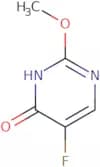
CAS:<p>5-Fluoro-4-hydroxy-2-methoxypyrimidine (5FMMP) is a chemical intermediate that is used in the synthesis of various pharmaceuticals, including antibiotics. It can be obtained by reacting phosphorus oxychloride with activated 2-methoxybenzaldehyde. This chemical intermediate is highly reactive and has been shown to be virulent against some strains of bacteria, such as E. coli and Proteus mirabilis. 5FMMP binds to the bacterial cell wall using its primary amine group, which prevents the formation of an antibiotic-inhibitor complex with the enzyme cell wall synthesis that is required for cell wall biosynthesis, inhibiting protein synthesis and cell division. The chlorinating reaction between 5FMMP and sodium hypochlorite results in hydrochloric acid generation. This chemical intermediate can also be synthesized from recycled chemicals such as ethyl chloride or chloroform.</p>Formula:C5H5FN2O2Purity:Min. 95%Color and Shape:PowderMolecular weight:144.1 g/molN-Methyl-L-tyrosine - Combretum collinum
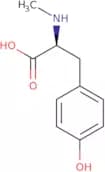
CAS:<p>N-Methyl-L-tyrosine is a molecule that has been studied as a potential treatment for Parkinson's disease. It is chemically related to the amino acid tyrosine and also shares some of its biological properties. N-Methyl-L-tyrosine inhibits the uptake of dopamine by dopamine transporters in cells, which reduces the symptoms of Parkinson's disease. The alkynyl group present in this molecule helps to improve the drug's binding affinity with proctolin, which is a substrate for proton pump inhibitors, and can be used to treat gastrointestinal problems. The clinical use of N-Methyl-L-tyrosine is limited due to its low oral bioavailability; however, it may be effective when administered intravenously or intramuscularly.</p>Formula:C10H13NO3Purity:Min. 95%Color and Shape:White PowderMolecular weight:195.22 g/mol4-Methylbenzenesulfonyl azide - 11-15 % (w/w) in Toluene
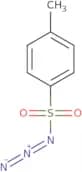
CAS:<p>4-Methylbenzenesulfonyl azide is a natural compound that is used to synthesize coumarin derivatives. It has been shown that the reaction of 4-methylbenzenesulfonyl azide with a tosyl group leads to an asymmetric synthesis. 4-Methylbenzenesulfonyl azide has also been shown to have antiinflammatory activity in cell studies, which may be due to its inhibition of fatty acid synthase and the reduction of the redox potentials. This compound belongs to the group p2, dimethyl fumarate.</p>Formula:C7H7N3O2SPurity:Min. 98 Area-%Color and Shape:Clear LiquidMolecular weight:197.22 g/mol2-Chloro-N-(3-chloro-4-methylphenyl)propanamide
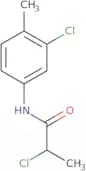
CAS:<p>Please enquire for more information about 2-Chloro-N-(3-chloro-4-methylphenyl)propanamide including the price, delivery time and more detailed product information at the technical inquiry form on this page</p>Formula:C10H11Cl2NOPurity:Min. 95%Molecular weight:232.11 g/molVal-Cit-PAB-MMAE
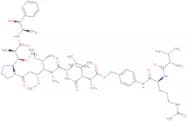
CAS:<p>Val-Cit-PAB-MMAE is a linker that has been conjugated to a monoclonal antibody (Val-Cit) and a cytotoxic agent (MMAE). This linker is designed to provide predictable strategies for site-specific conjugation of therapeutic agents to antibodies. The Val-Cit sequence facilitates the attachment of the linker to the antibody, while MMAE targets cancer cells through its chemotherapeutic effect. The linker provides an anti-cancer drug with an increased halflife in vivo, which may be due to its physicochemical properties. Val-Cit-PAB-MMAE also has the potential for use in other applications such as diagnostics and biosensors.</p>Formula:C58H94N10O12Purity:Min. 95 Area-%Color and Shape:PowderMolecular weight:1,123.43 g/mol3-Ethoxy-2-methylbenzoic acid - 90%
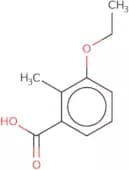
CAS:<p>3-Ethoxy-2-methylbenzoic acid is a white solid that is soluble in organic solvents. It has a molecular weight of 192.3 and an empirical formula of C9H11O3. 3-Ethoxy-2-methylbenzoic acid can be used as a building block for diverse chemical reactions and processes, including the synthesis of pharmaceuticals, pesticides, and other fine chemicals. This compound is also used as a research chemical, reaction component, or speciality chemical in various experiments and projects. 3-Ethoxy-2-methylbenzoic acid provides high quality reagents to scientists for use in research.br>br></p>Formula:C10H12O3Purity:Min. 95%Color and Shape:PowderMolecular weight:180.2 g/molL-Proline methyl ester hydrochloride
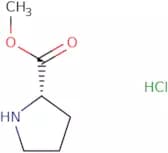
CAS:<p>L-Proline methyl ester hydrochloride is an organic compound that is classified as a trifluoroacetic acid ester. It has significant antiproliferative activity and induces apoptotic cell death in colorectal carcinoma cells. L-Proline methyl ester hydrochloride also inhibits the proliferation of lymphocytes by inhibiting protein synthesis, which may be due to its conformational properties. L-Proline methyl ester hydrochloride is synthesized by reacting L-proline with trifluoroacetic acid and subsequently hydrolyzing the resulting ester with hydrochloric acid. The synthesis can be carried out in two steps: first, a chloride ion is added to the protonated form of the amine; second, the protonated form of the amine reacts with hydrophobic compounds such as dodecyl amines or ethyl acetate to form an alkyl group. This reaction can also be carried out using</p>Formula:C6H12ClNO2Color and Shape:White PowderMolecular weight:165.62 g/mol1,3-Dipalmitoyl-glycero-2-phosphoethanolamine
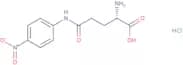
CAS:<p>Please enquire for more information about 1,3-Dipalmitoyl-glycero-2-phosphoethanolamine including the price, delivery time and more detailed product information at the technical inquiry form on this page</p>Formula:C37H74NO8PPurity:ReportedColor and Shape:White/Off-White SolidMolecular weight:691.96 g/molL-Glutamic acid gamma-(p-nitroanilide) hydrochloride
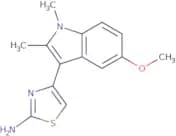
CAS:<p>Please enquire for more information about L-Glutamic acid gamma-(p-nitroanilide) hydrochloride including the price, delivery time and more detailed product information at the technical inquiry form on this page</p>Formula:C11H13N3O5·HClPurity:Min. 95%Color and Shape:SolidMolecular weight:303.7 g/mol4-(5-Methoxy-1,2-dimethyl-1H-indol-3-yl)-1,3-thiazol-2-amine
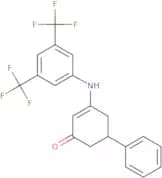
CAS:<p>Please enquire for more information about 4-(5-Methoxy-1,2-dimethyl-1H-indol-3-yl)-1,3-thiazol-2-amine including the price, delivery time and more detailed product information at the technical inquiry form on this page</p>Formula:C14H15N3OSPurity:Min. 95%Color and Shape:PowderMolecular weight:273.35 g/mol3-((3,5-bis(trifluoromethyl)phenyl)amino)-5-phenylcyclohex-2-en-1-one
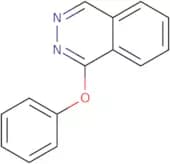
CAS:<p>Please enquire for more information about 3-((3,5-bis(trifluoromethyl)phenyl)amino)-5-phenylcyclohex-2-en-1-one including the price, delivery time and more detailed product information at the technical inquiry form on this page</p>Purity:Min. 95%1-Phenoxyphthalazine
CAS:<p>1-Phenoxyphthalazine is a n-oxide with life-threatening properties. It is used as a medication for high blood pressure and as an anxiolytic. 1-Phenoxyphazin has been shown to have receptor affinity for the dopamine, serotonin, and noradrenaline receptors. It also blocks the carboxylate ion channels of the central nervous system. 1-Phenoxyphthalazine has been shown to have peroxide and chloride properties, which may contribute to its antihypertensive effects.</p>Formula:C14H10N2OPurity:Min. 95%Color and Shape:PowderMolecular weight:222.24 g/molN-Methyl-L-isoleucine hydrochloride
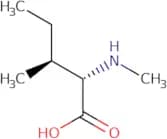
CAS:<p>N-Methyl-L-isoleucine hydrochloride is a molecule that has been found to have significant cytotoxicity against cancer cells. It has also been shown to inhibit the growth of Molt-4 and MCF-7 cells, both of which are human tumor cell lines. The molecular structure of N-Methyl-L-isoleucine hydrochloride is similar to that of L-isoleucine, but with an additional methyl group. Analysis by gas chromatography/mass spectroscopy revealed no other significant peaks in the nmr spectra. This compound may be a promising lead for developing new drugs for the treatment of cancer.</p>Formula:C7H15NO2·HClPurity:Min. 95%Color and Shape:PowderMolecular weight:181.66 g/molFmoc-Cit-OH
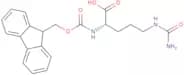
CAS:<p>Fmoc-Cit-OH, or N-Fmoc-L-citrulline, is a protected amino acid derivative commonly used in peptide synthesis. The "Fmoc" portion refers to the fluorenylmethyloxycarbonyl group, a protecting group that shields the amino group of citrulline, preventing unwanted side reactions during peptide chain elongation. Citrulline, the core amino acid in Fmoc-Cit-OH, is a non-proteinogenic amino acid, which is not directly incorporated into proteins during translation. In peptide synthesis, Fmoc-Cit-OH is incorporated into peptide chains using solid-phase peptide synthesis (SPPS). This technique allows for the stepwise assembly of peptides on a solid support, with Fmoc-protected amino acids added sequentially. The Fmoc group is then removed using a mild base, exposing the free amino group for the addition of the next amino acid. Fmoc-Cit-OH is particularly valuable in the synthesis of peptides containing citrulline residues, which are often found in biologically active peptides and proteins. These peptides may have therapeutic potential in various fields, including drug discovery and prodrug synthesis.</p>Formula:C21H23N3O5Purity:Min. 98 Area-%Color and Shape:White Off-White PowderMolecular weight:397.42 g/mol[(4-Methyl-2-oxo-2H-chromen-7-yl)oxy]acetic acid
CAS:<p>[(4-Methyl-2-oxo-2H-chromen-7-yl)oxy]acetic acid is a potential use for the production of iron oxide particles used in microscopy. It is synthesized by reacting 4-methylcoumarin with acetic anhydride. The reaction product is then purified by gel permeation chromatography, which separates it from other components and chloride salts. This compound can be used as a starting material for cellulose derivatives and trimethylammonium chloride. [(4-Methyl-2-oxo-2H-chromen-7-yl)oxy]acetic acid is not soluble in water or organic solvents such as acetonitrile, but it can be dissolved in a mixture of both to produce a textured product that has iminium groups on its fatty acid ester chains. This material can also be used to synthesize 2-[(4,6 -dimethoxybenzo</p>Formula:C12H10O5Purity:Min. 95%Color and Shape:PowderMolecular weight:234.2 g/mol4-Phenyl-2-butanone
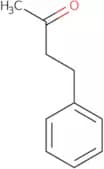
CAS:<p>4-Phenyl-2-butanone is an organic compound that is used as a solvent. It has been shown to be effective against a wide range of bacteria, including Gram positive and Gram negative bacteria. 4-Phenyl-2-butanone disrupts the cell membrane by binding to glycol ether, which is an important part of the lipid bilayer. It also inhibits the synthesis of two important molecules in bacterial cells, dinucleotide phosphate and phospholipids. This process leads to bacterial cell death. 4-Phenyl-2-butanone also has antimicrobial properties due to its ability to destroy water vapor and inhibit growth of microorganisms on skin.</p>Formula:C10H12OPurity:Min. 97.5 Area-%Color and Shape:Colorless Clear LiquidMolecular weight:148.2 g/mol3,5-Diiodo-L-tyrosine dihydrate
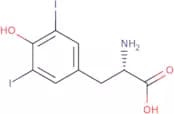
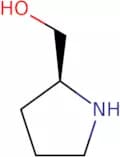
CAS:<p>There are many good reasons to eat fish and seafood, one of them is certainly the fact that they are rich in iodine salts, which are a fundamental for the endocrine activity of the thyroid gland. Iodine salts are enzymatically converted into molecular iodine, which adds to tyrosine residues in thyroglobulin forming diiodotyrosine. This is the first step towards the biosynthesis of thyroid hormones triodityronine T3 and tetraiodotyronine T4 which serve important regulatory functions in body metabolism and energy expenditure. Recently, the dietary introduction of potassium iodide and diiodotyrosine were compared in mice showing that diiodotyrosine can also be used effectively as food supplement preventing the potential damage from excessive intake of inorganic iodine salts.</p>Formula:C9H13I2NO5Purity:Min. 95.0 Area-%Molecular weight:469.02 g/mol(S)-(+)-Prolinol
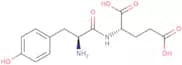
CAS:<p>(S)-(+)-Prolinol is a chiral compound that belongs to the class of polymerase chain reaction (PCR) reagents. It is used as an antibacterial agent, which inhibits bacterial growth by interfering with DNA replication and transcription. The stereoselective nature of the compound has been shown by its differential activity against two different strains of subtilis. This molecule also interacts with diazepam and other drugs, as well as with environmental pollutants such as polychlorinated biphenyls (PCBs). <br>The anti-inflammatory properties of this molecule may be due to its ability to inhibit prostaglandin synthesis through inhibition of cyclooxygenase or lipoxygenase enzymes.</p>Formula:C5H11NOPurity:Min. 95%Color and Shape:Clear LiquidMolecular weight:101.15 g/molH-Tyr-Glu-OH
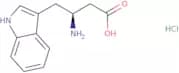
CAS:<p>H-Tyr-Glu-OH is a fluorescent dye that has been used in assays to detect the uptake of polymers in bacterial cells. It is also used to study conformational properties of porphyromonas, which are bacteria found in the oral cavity. H-Tyr-Glu-OH reacts with the sugar alcohols in porphyromonas, causing a change in its optical properties. This change can be measured using spectroscopy methods such as fluorescence and absorption, which allows for monitoring of polymer uptake and other changes related to porphyromonas activity.</p>Formula:C14H18N2O6Purity:Min. 95%Color and Shape:White To Off-White SolidMolecular weight:310.3 g/molL-β-Homotryptophan hydrochloride
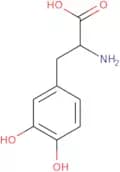
CAS:<p>L-beta-Homotryptophan hydrochloride is a fine chemical that is used in research, as well as in the production of other chemicals. It is a useful building block for complex compounds. It can be used to react with other compounds to produce reactions components or scaffolds. L-beta-Homotryptophan hydrochloride is also a versatile building block and can be used to synthesize other fine chemicals, such as pharmaceuticals, pesticides, and herbicides. L-beta-Homotryptophan hydrochloride belongs to the category of reagents that are available in high quality and are often used in research. The CAS number for this compound is 339994-86-4.</p>Formula:C12H14N2O2•HClPurity:Min. 95%Color and Shape:Off-White PowderMolecular weight:254.71 g/mol3,4-Dihydroxy-DL-phenylalanine
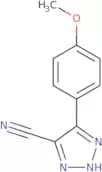
CAS:Controlled Product<p>3,4-Dihydroxy-DL-phenylalanine is a phenolic compound that can be found in plants, animals and humans. It is a precursor of dopamine and has been shown to inhibit bacterial growth and decrease the production of p-hydroxybenzoic acid by inhibiting the enzyme tyrosinase. 3,4-Dihydroxy-DL-phenylalanine has also been shown to have antioxidant properties and may be useful in preventing neuronal death. 3,4-Dihydroxy-DL-phenylalanine has the ability to prevent oxidative stress by scavenging free radicals. The compound also inhibits lipid peroxidation induced by trifluoroacetic acid (TFA).</p>Formula:C9H11NO4Purity:Min. 95%Color and Shape:White PowderMolecular weight:197.19 g/mol5-(4-methoxyphenyl)-2H-1,2,3-triazole-4-carbonitrile
CAS:<p>Please enquire for more information about 5-(4-methoxyphenyl)-2H-1,2,3-triazole-4-carbonitrile including the price, delivery time and more detailed product information at the technical inquiry form on this page</p>Purity:Min. 95%L-Theanine
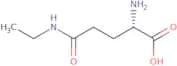
CAS:<p>L-Theanine is an amino acid found in various types of tea and has been shown to have physiological effects. It is also found in the leaves of Camellia sinensis plants. L-Theanine is a nonprotein amino acid that does not have any chiral centers, unlike other amino acids. It is chemically similar to glutamate and glutamine. L-Theanine has been shown to bind to alpha 1-acid glycoprotein and polymerase chain, which may affect its solubility in water. This amino acid also has a number of enzyme activities, including those that produce enzymes for acetylcholine synthesis and metabolism. L-Theanine has been shown to have antioxidant properties and can decrease neuronal death in humans when given intravenously.</p>Formula:C7H14N2O3Purity:Min. 98 Area-%Color and Shape:White PowderMolecular weight:174.2 g/mol3-O-Hexadecyl-sn-glycerol
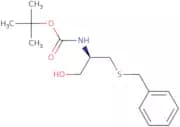
CAS:<p>3-O-Hexadecyl-sn glycerol (3OHG) is a neutral, high molecular weight glycol ether that is used for the preparation of zirconium oxide. 3OHG has been shown to be a substrate for carbohydrate chemistry and as an inhibitor of enzymes, such as hexokinase and phosphoglycerate kinase. 3OHG has minimal toxicity when administered orally to rats and does not cause any hemolysis in human erythrocytes. This compound is also a monoclonal antibody that binds to the surface glycoprotein on the HL-60 cell line and inhibits its growth. 3OHG is not cytotoxic at concentrations up to 10 mM in cultured cells, but it can induce Ca2+ release from the cytosol in HL-60 cells with minimal toxicity. The structure of 3OHG appears closely related to benzalkonium chloride (BAC).</p>Formula:C19H40O3Purity:Min. 95%Molecular weight:316.52 g/molBoc-S-benzyl-L-cysteinol
CAS:<p>Please enquire for more information about Boc-S-benzyl-L-cysteinol including the price, delivery time and more detailed product information at the technical inquiry form on this page</p>Formula:C15H23NO3SPurity:Min. 95%Color and Shape:PowderMolecular weight:297.41 g/mol2,3-Diphospho-D-glyceric acid pentasodium salt
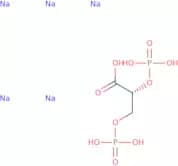
CAS:<p>2,3-Diphospho-D-glyceric acid pentasodium salt is a pyridine complex that is found in nature as a constant. It is also synthesized by humans and can be formed in the laboratory. 2,3-Diphospho-D-glyceric acid pentasodium salt is reactive and has been shown to be useful for producing radical species. This compound has been analysed in the human body at physiological concentrations and has been shown to interact with endogenous molecules such as lipids. The interaction of this compound with lipids could be due to its ability to form emulsions.</p>Formula:C3H3Na5O10P2Purity:Min. 95%Color and Shape:PowderMolecular weight:375.95 g/mol5-Fluoro D,L-tryptophan
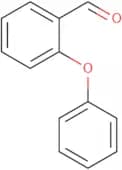
CAS:<p>5-Fluoro D,L-tryptophan (5FDTL) is a tryptophan analog that inhibits the growth of bacteria by binding to fatty acid synthesis enzymes. 5FDTL binds to wild-type and resistant mutants of bacterial fatty acid synthases, which are proteins that catalyze the formation of long-chain fatty acids from acetyl-CoA. This binding prevents the formation of long-chain fatty acids, which are required for bacterial cell replication. 5FDTL also binds to protein data and has been shown to have an anti-infective effect on wild-type strains of Pseudomonas aeruginosa and Escherichia coli as well as Pichia pastoris. Disulfide bonds in 5FDTL stabilize its secondary structure and provide protection against proteolytic degradation by enzymes in the extracellular environment. The structural analysis of 5FDTL has revealed that it consists of a small molecule with a logarithmic growth phase</p>Formula:C11H11FN2O2Purity:Min. 95%Color and Shape:PowderMolecular weight:222.22 g/mol2-Phenoxybenzaldehyde
CAS:<p>2-Phenoxybenzaldehyde is an organic compound that belongs to the heterocyclic aldehyde family. It is a white solid with a strong, pleasant odor. 2-Phenoxybenzaldehyde is used as an intermediate in organic synthesis, and has been shown to inhibit the receptor activity of human leukocyte antigen (HLA) class II molecules. The reaction mechanism for this inhibition is not known. The reaction of 2-phenoxybenzaldehyde with hydrochloric acid produces phenylhydroxylamine, which can be oxidized by inorganic acids to form phenyloxalic acid. This compound also inhibits the production of inflammatory cytokines such as TNFα and IL-1β in vitro and in vivo.</p>Formula:C13H10O2Purity:Min. 95%Color and Shape:Clear LiquidMolecular weight:198.22 g/molN-α-Boc-Nε-Z-D-lysine
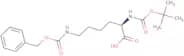
CAS:<p>N-alpha-Boc-Nepsilon-Z-D-lysine is a fusogenic peptide that has an acidic pKa. It is a potent inhibitor of survivin, which is a protein that regulates cell death. It also inhibits the uptake of l-phenylalanine to promote cancer cell death. The functional groups on this compound are epoxyketones, which have regulatory properties as well as being able to inhibit the growth of cells.</p>Formula:C19H28N2O6Purity:Min. 95%Molecular weight:380.44 g/mol4-(4-Ethoxyphenyl)-2-(3-methyl-5-oxo-1-phenyl(2-pyrazolin-4-yl))-4-oxobutanoic acid
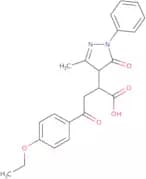
CAS:<p>Please enquire for more information about 4-(4-Ethoxyphenyl)-2-(3-methyl-5-oxo-1-phenyl(2-pyrazolin-4-yl))-4-oxobutanoic acid including the price, delivery time and more detailed product information at the technical inquiry form on this page</p>Purity:Min. 95%(2,6-dioxo-4-phenylcyclohexyl)-N-(3-(trifluoromethyl)phenyl)formamide
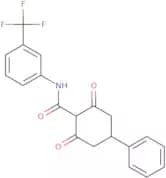
CAS:<p>Please enquire for more information about (2,6-dioxo-4-phenylcyclohexyl)-N-(3-(trifluoromethyl)phenyl)formamide including the price, delivery time and more detailed product information at the technical inquiry form on this page</p>Purity:Min. 95%(2-Chloro-4-methylphenyl)hydrazine hydrochloride
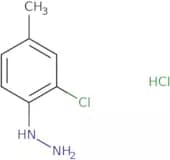
CAS:(2-Chloro-4-methylphenyl)hydrazine hydrochloride is a high quality reagent that is a useful intermediate for the synthesis of complex compounds. It has been used as a building block for the synthesis of speciality chemicals and research chemicals. This compound can be used to produce versatile building blocks and reaction components.Formula:C7H9ClN2·HClPurity:Min. 95%Color and Shape:PowderMolecular weight:193.07 g/mol(2S)-({[(4-Methyl-2-oxo-2H-chromen-7-yl)oxy]acetyl}amino)(phenyl)acetic acid
CAS:<p>(2S)-({[(4-Methyl-2-oxo-2H-chromen-7-yl)oxy]acetyl}amino)(phenyl)acetic acid is a kind of fine chemical that belongs to the class of reagents and speciality chemicals. It is a versatile building block which can be used in research, as well as in the production of pharmaceuticals and other fine chemicals. This compound can be used in reactions as a building block or intermediate, as well as a scaffold for complex compounds.</p>Formula:C20H17NO6Purity:Min. 95 Area-%Color and Shape:PowderMolecular weight:367.35 g/molN-Benzyloxycarbonyl-L-leucine
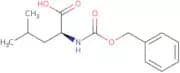
CAS:<p>N-Benzyloxycarbonyl-L-leucine is a peptidomimetic that has been shown to be effective against P. aeruginosa. The peptidyl amino group has a nucleophilic character, which allows it to react with the carboxyl group of L-lysine and form an amide bond. N-Benzyloxycarbonyl-L-leucine was found to be effective at low doses in inhibiting the growth of P. aeruginosa, and may also have therapeutic potential for treating lymphocytic leukemia. This compound is racemized into its two stereoisomers, D-N-benzyloxycarbonyl-L-leucine and L-N-benzyloxycarbonyl-L-leucine, which have different effects on cell membranes.</p>Formula:C14H19NO4Purity:Min. 98 Area-%Color and Shape:Clear LiquidMolecular weight:265.31 g/molFmoc-Pro-OH
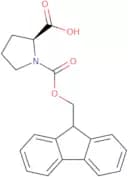
CAS:<p>Fmoc-Pro-OH is a synthetic cyclic peptide with the amino acid sequence (Fmoc-Lys-Lys-Ala-Glu)n. Fmoc-Pro-OH binds to the androgen receptor and can be used as a research tool to identify other molecules that bind to the same receptor. It has been shown to inhibit the activity of ester hydrochloride, trifluoroacetic acid, and superparamagnetic iron in coordination complexes.</p>Formula:C20H19NO4Purity:Min. 95 Area-%Color and Shape:White Off-White PowderMolecular weight:337.37 g/mol4--Methylacetophenone azine
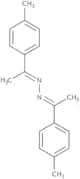
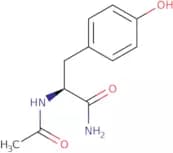
CAS:<p>4-Methylacetophenone azine is a useful chemical with a variety of applications. It is a versatile building block, which can be used as an intermediate for the synthesis of complex compounds and as a reaction component in organic synthesis. 4-Methylacetophenone azine has been shown to be effective in the production of research chemicals and speciality chemicals. This product is high quality and can be used as a reagent in organic synthesis.</p>Formula:C18H20N2Purity:Min. 95%Color and Shape:PowderMolecular weight:264.36 g/molAcetyl-L-tyrosine amide
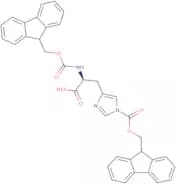
CAS:<p>Acetyl-L-tyrosine amide is an analog of L-tyrosine that is used as an active substance in the field of uv absorption. Acetyl-L-tyrosine amide reacts with sodium hydroxide to form a soluble salt, which has been shown to have binding constants that are comparable to those of human serum. This compound also has fluorescence properties and can be used for the determination of neutral pH. The reaction products formed between acetyl-L-tyrosine amide and sodium hydroxide are hydrolyzed by acids and yield a molecule with rotameric properties. These rotameric properties can be modeled using a protein model without affecting the stability or function of the protein.</p>Formula:C11H14N2O3Purity:Min. 95%Color and Shape:PowderMolecular weight:222.24 g/molN-α,im-Bis-Fmoc-L-histidine
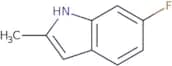
CAS:<p>Please enquire for more information about N-α,im-Bis-Fmoc-L-histidine including the price, delivery time and more detailed product information at the technical inquiry form on this page</p>Formula:C36H29N3O6Purity:Min. 95%Molecular weight:599.63 g/mol6-Fluoro-2-methylindole
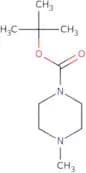
CAS:<p>6-Fluoro-2-methylindole is a member of the group of aromatic ketones. It is an organic compound that can be synthetized from 2,6-dichloroindole and methyl iodide. There are two types of photodimerization reactions for 6-fluoro-2-methylindole: one is an aerobic reaction and the other is an anaerobic reaction. The mechanistic study of 6-fluoro-2-methylindole has been investigated using bond cleavage and transformation reactions. This organic compound reacts with amines to form polycycles with high yields. It also undergoes Diastereomeric Control in chemistry.</p>Formula:C9H8FNPurity:Min. 95%Color and Shape:Brown PowderMolecular weight:149.16 g/mol1-Boc-4-methylpiperazine
CAS:<p>1-Boc-4-methylpiperazine is an inhibitor of the enzyme hydrolase. It has been shown to have a dose-dependent effect on inflammatory pain and can be used for the treatment of neuropathic pain. 1-Boc-4-methylpiperazine also has potent inhibitory activity against fatty acid amide hydrolase (FAAH) and fatty acid amide hydrolase (FAAH). It is orally administered and has been shown to have analgesic effects in animal studies. 1-Boc-4-methylpiperazine also inhibits the enzymatic activity of other hydrolases, such as cyclooxygenase 2 (COX2) and acetylcholinesterase (AChE), which are involved in inflammation, pain, and memory.</p>Formula:C10H20N2O2Purity:Min. 95%Color and Shape:Clear LiquidMolecular weight:200.28 g/molN-[(8-Fluoro-2,3-Dihydro-1-Methyl-5-Phenyl-1H-1,4-Benzodiazepin-2-Yl)Methyl]-3-Furancarboxamide
CAS:Controlled Product<p>N-[(8-Fluoro-2,3-Dihydro-1-Methyl-5-Phenyl-1H-1,4-Benzodiazepin-2-Yl)Methyl]-3-Furancarboxamide is a hydrophobic, implanting drug with an iontophoresis device. It has been shown to have therapeutic effects in cancer. The drug is a targetable molecule that can be used for diagnostic purposes and the treatment of various cancers. N-[(8-Fluoro-2,3-Dihydro-1,5 -Phenyl 1H -1,4 Benzodiazepin 2 Yl) Methyl] 3 Furancarboxamide has been shown to inhibit cell proliferation by blocking the synthesis of proteins required for DNA replication and also inhibits the activity of protein kinase C.</p>Purity:Min. 95%4-Phenylbenzoic acid methyl ester
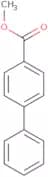
CAS:<p>4-Phenylbenzoic acid methyl ester is a bifunctional molecule that has been shown to be an effective antibacterial agent. It contains two oxadiazole moieties, which are structurally similar to sulfonamides and can form a stable amide bond with an amino group. The pharmacophore of 4-phenylbenzoic acid methyl ester is a four-member ring with two nitrogens and two carbons. This compound has been shown to have antibacterial properties by cleaving the magnesium bond in the enzyme methionine synthase, which catalyzes the formation of methionine from homocysteine and ATP. 4-Phenylbenzoic acid methyl ester is also able to cleave bonds in nonpolar solvents such as benzene, chloroform, and dichloromethane.</p>Formula:C14H12O2Purity:Min. 95%Color and Shape:PowderMolecular weight:212.24 g/mol{[2-(2-Methoxyphenyl)-1,3-thiazol-5-yl]methyl}amine
CAS:<p>Please enquire for more information about {[2-(2-Methoxyphenyl)-1,3-thiazol-5-yl]methyl}amine including the price, delivery time and more detailed product information at the technical inquiry form on this page</p>Formula:C11H12N2OSPurity:Min. 95%Color and Shape:PowderMolecular weight:220.29 g/molH-γ-Carboxy-Glu-OH
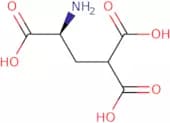
CAS:<p>H-gamma-carboxy-Glu-OH is a synthetic peptide with the amino acid sequence H-gamma-Carboxy-Glu. It is a glp-1 analogue and its function is to regulate glucose homeostasis. The protein has been shown to have antiapoptotic effects in human osteosarcoma cells. H-gamma-carboxy-Glu-OH has also been shown to regulate mitochondrial membrane potential, which is required for cell signaling pathways and calcium binding. H-gamma-carboxy-Glu-OH's receptor molecule is known as the GPCR, which plays an important role in the regulation of cell signaling pathways and calcium binding. H gamma carboxy Glu OH is a cyclic peptide that contains disulfide bonds. This compound has the basic structure of an alpha helix, which consists of many turns of amino acids bonded together by hydrogen bonds between individual amino acids</p>Formula:C6H9NO6Purity:Min. 95%Color and Shape:PowderMolecular weight:191.14 g/mol2,3,4,5,6-Pentafluoro-L-phenylalanine
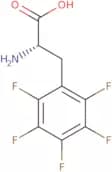
CAS:<p>2,3,4,5,6-Pentafluoro-L-phenylalanine (PFPA) is a substrate molecule that has been shown to inhibit the α1 subunit of the Na+/K+ ATPase in human heart cells. PFPA also inhibits the growth of bacteria in culture and is active against bacterial strains that have developed resistance to other antimicrobial agents. PFPA is also effective against bowel disease caused by H. pylori. PFPA has been shown to inhibit the production of an antimicrobial peptide by hl-60 cells in vitro and has been shown to be effective against a number of infectious diseases including tuberculosis and some autoimmune diseases.</p>Formula:C9H6F5NO2Purity:Min. 95%Color and Shape:PowderMolecular weight:255.14 g/mol9-Phenylcarbazole
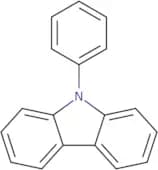
CAS:<p>9-Phenylcarbazole is a chemical compound that belongs to the group of activated carbazoles. It is a hydroxyl containing molecule that has a redox potential and can reversibly oxidize in the presence of oxygen or other electron acceptors, such as ferricyanide ions. 9-Phenylcarbazole is used in analytical chemistry as an indicator for measuring pH levels and also as a reagent for Suzuki coupling reactions. The most common application of 9-phenylcarbazole is in photophysical experiments, where it acts as an efficient photosensitizer. This compound has been shown to be insensitive to light when it is not activated by UV radiation, but its absorption spectrum changes when it becomes activated through irradiation with UV light.</p>Formula:C18H13NPurity:Min. 95%Color and Shape:Yellow PowderMolecular weight:243.3 g/molEthyl 3-phenylpropionate
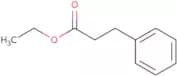
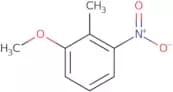
CAS:<p>Ethyl 3-phenylpropionate is a clear, colorless liquid with a fruity odor. It has been used in the production of perfumes and as a solvent. The compound is also known to be used in the synthesis of other organic compounds and can be found in dry weight. Palladium complexes are formed when ethyl 3-phenylpropionate is mixed with palladium chloride or palladium acetate. Ethyl 3-phenylpropionate is an intermediate in the conversion of ethyl decanoate to methyl anthranilate by diethyl succinate and p. pastoris. This conversion takes place at room temperature and below the phase transition temperature (T). The compound has been shown to have low lp-pla2 activity, which may be due to its lack of hydroxyl group.</p>Formula:C11H14O2Purity:Min. 95%Color and Shape:Colorless PowderMolecular weight:178.23 g/mol2-Methyl-3-nitroanisole
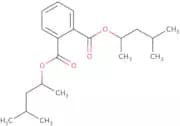
CAS:<p>2-Methyl-3-nitroanisole is a synthetic molecule with a bicyclic, cyclized ring system. It was synthesized by the cyclization reaction of 2-methylbenzaldehyde and nitroethane. The reductive amination of 2-methyl-3-nitroanisole with hydroxylamine yields a mixture of products that can be used to study intramolecular reductive amination.</p>Formula:C8H9NO3Purity:Min. 95%Color and Shape:PowderMolecular weight:167.16 g/molBis(4-methyl-2-pentyl) phthalate
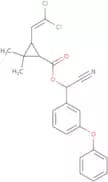
CAS:<p>Dibutyl phthalate is a mixture of two isomers, butyl benzyl phthalate and dibutyl phthalate. It is used as a plasticizer in the manufacture of polyvinyl chloride plastics. The health effects of dibutyl phthalate are not well-studied, although it has been shown to cause liver toxicity in rats. Dibutyl phthalate can be analyzed by gas chromatography or high-performance liquid chromatography. The chromatographic method for determining the presence of dibutyl phthalate is based on the chemical properties of the functional groups, which are determined by the type of solvent and the matrix effect. Dibutyl phthalate can also be determined using magnetic particles. This technique uses an analytical method that involves preparing a solution with a known concentration, followed by adding magnetic particles to the solution and measuring their response to an applied magnetic field.</p>Formula:C20H30O4Purity:Min. 95%Color and Shape:PowderMolecular weight:334.45 g/molCyano-3-phenoxybenzyl 3-(2,2-dichloroethenyl)-2,2-dimethylcyclopropanecarboxylate
CAS:<p>Cypermethrin is an insecticide that belongs to the family of chemical pesticides. It is used in agriculture and in public health to control malaria-transmitting mosquitoes, head lice, and scabies mites. Cypermethrin disrupts the insect nervous system by inhibiting the function of synapses between nerves, resulting in paralysis and death. The compound also affects signal pathways that regulate locomotor activity and enzyme activities. Cypermethrin has been shown to have a high resistance to degradation by glycol ethers such as ethylene glycol monomethyl ether acetate (EGMEA). It has an optimum concentration of 0.01 ppm for mosquito control and 0.1 ppm for lice control. The analytical method involves liquid chromatography with sodium citrate as an ion-pairing agent and a linear calibration curve using a standard curve generated from known concentrations of cypermethrin.</p>Formula:C22H19Cl2NO3Purity:Min. 95%Color and Shape:Colorless Clear LiquidMolecular weight:416.3 g/molL-Proline-13C5
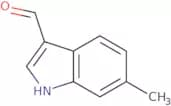
CAS:<p>L-Proline-13C5 is a high quality, reagent grade, complex compound that is useful as an intermediate for the synthesis of fine chemicals. It has CAS No. 201740-83-2 and can be used in a variety of chemical reactions to produce useful scaffolds or building blocks. L-Proline-13C5 is also a versatile building block that can be used in research or pharmaceutical applications. It is a speciality chemical that has many uses including reaction components for the synthesis of other compounds.</p>Formula:C5H9NO2Purity:Min. 95%Color and Shape:PowderMolecular weight:120.13 g/mol6-Methyl-1H-indole-3-carbaldehyde
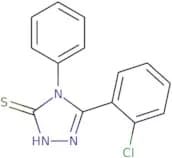
CAS:<p>6-Methyl-1H-indole-3-carbaldehyde is a synthetic chemical that has been used as a reagent in the form of its sodium salt. It is an acetylating agent and can be used for formylation reactions. 6-Methyl-1H-indole-3-carbaldehyde has shown strong antifungal activity against phytopathogenic fungi such as Fusarium, Rhizoctonia, and Phytophthora. This chemical also has a triazine group, which can be used to enhance the herbicidal properties of certain compounds.</p>Formula:C10H9NOPurity:Min. 95%Color and Shape:PowderMolecular weight:159.18 g/mol3-(2-chlorophenyl)-4-phenyl-1,2,4-triazoline-5-thione
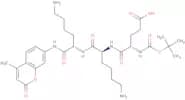
CAS:Please enquire for more information about 3-(2-chlorophenyl)-4-phenyl-1,2,4-triazoline-5-thione including the price, delivery time and more detailed product information at the technical inquiry form on this pagePurity:Min. 95%Boc-Glu-Lys-Lys-AMC acetate salt
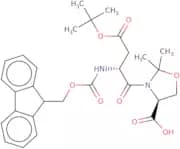
CAS:<p>Boc-Glu-Lys-Lys-AMC acetate salt is a synthetic, potent inhibitor of trypsin and other serine proteases. It is a basic protein with a molecular weight of 9,000 Da that has been obtained by chemical synthesis. This inhibitor binds to the active site of the enzyme and prevents it from cleaving peptide bonds. Boc-Glu-Lys-Lys-AMC acetate salt is an activator of plasminogen in vitro, which may be due to its ability to bind to lysine residues on the surface of tissue plasminogen activator.</p>Formula:C32H48N6O9•C2H4O2Purity:Min. 97 Area-%Color and Shape:PowderMolecular weight:720.81 g/molFmoc-D-Asp(OtBu)-L-Ser(Psi(Me,Me)pro)-OH
<p>Fmoc-D-Asp(OtBu)-L-Ser(Psi(Me,Me)pro)-OH is a high quality reagent that can be used as an intermediate in the synthesis of complex compounds. It is a useful building block for the synthesis of speciality chemicals and research chemicals. Fmoc-D-Asp(OtBu)-L-Ser(Psi(Me,Me)pro)-OH is also a versatile building block that can be used to synthesize different types of compounds.</p>Formula:C29H34N2O8Purity:Min. 95%Color and Shape:PowderMolecular weight:538.59 g/mol


![2-Phenylbenzo[B]thiophene](/_next/image/?url=https%3A%2Fstatic.cymitquimica.com%2Fproducts%2F3D%2Fthumb-webp%2FFP67001.webp&w=3840&q=75)






![[(4-Methyl-2-oxo-2H-chromen-7-yl)oxy]acetic acid](/_next/image/?url=https%3A%2Fstatic.cymitquimica.com%2Fproducts%2F3D%2Fthumb-webp%2FFM124388.webp&w=3840&q=75)


![(2S)-({[(4-Methyl-2-oxo-2H-chromen-7-yl)oxy]acetyl}amino)(phenyl)acetic acid](/_next/image/?url=https%3A%2Fstatic.cymitquimica.com%2Fproducts%2F3D%2Fthumb-webp%2FFM124529.webp&w=3840&q=75)
![N-[(8-Fluoro-2,3-Dihydro-1-Methyl-5-Phenyl-1H-1,4-Benzodiazepin-2-Yl)Methyl]-3-Furancarboxamide](/_next/image/?url=https%3A%2Fstatic.cymitquimica.com%2Fproducts%2F3D%2Fthumb-webp%2FFF102093.webp&w=3840&q=75)
![{[2-(2-Methoxyphenyl)-1,3-thiazol-5-yl]methyl}amine](/_next/image/?url=https%3A%2Fstatic.cymitquimica.com%2Fproducts%2F3D%2Fthumb-webp%2FFM124085.webp&w=3840&q=75)