Amino Acids (AA)
Subcategories of "Amino Acids (AA)"
- Amino Acid Derivatives(4,017 products)
- Amino Acid and Amino Acid Related Compounds(3,491 products)
- Amino Acids with Oxygen or Sulphur(168 products)
- Boc- Amino Acids(351 products)
- Fmoc Amino Acids(1,710 products)
Found 38385 products of "Amino Acids (AA)"
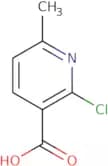
2-Chloro-6-methylnicotinic acid
CAS:2-Chloro-6-methylnicotinic acid is a protonated nicotinic acid derivative with potent inhibitory activity against hepatitis C virus. It has been shown to inhibit the replication of the virus by competitive inhibition at the 2-chloro-6-methylnicotinic acid site on the viral genome. It also inhibits the synthesis of viral proteins, which are necessary for viral replication. The molecule has been shown to have an inhibitory effect on other RNA viruses such as influenza and HIV, but it is not active against DNA viruses such as herpes simplex or adenovirus. 2-Chloro-6-methylnicotinic acid is absorbed orally and its pharmacokinetic properties are well understood. This compound can be used as a probe in supramolecular chemistry to study hydrogen bonding and biomolecular interactions.Formula:C7H6ClNO2Purity:Min. 95%Color and Shape:Yellow SolidMolecular weight:171.58 g/molD-Threonine
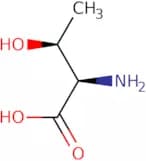
CAS:D-Threonine is a non-essential amino acid that is used in the synthesis of proteins. It is an essential amino acid for humans, and its production can be catalyzed by aldolase enzymes. D-Threonine has been shown to have anti-inflammatory properties, which may be due to its ability to inhibit the reaction mechanism of hydroxyl group enzymes. D-Threonine also inhibits cell lysis through the inhibition of certain bacterial enzymes, such as genus or kinetic. D-Threonine can also be synthetized from L-threonine by enzyme inhibitors or asymmetric synthesis.Formula:C4H9NO3Purity:Min. 95%Color and Shape:PowderMolecular weight:119.12 g/mol4-Methylphenyl-2-methylphenylsulphoxide
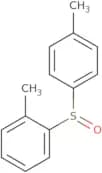
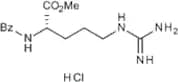
CAS:4-Methylphenyl-2-methylphenylsulphoxide is a versatile building block that can be used in the synthesis of complex compounds. It is an excellent reagent and speciality chemical that can be used in research, as well as a useful intermediate or reaction component. This compound has high quality and is a useful scaffold for the synthesis of other compounds.Formula:C14H14OSPurity:Min. 95%Molecular weight:230.33 g/molN-α-Benzoyl-L-arginine methyl ester hydrochloride
CAS:N-alpha-Benzoyl-L-arginine methyl ester hydrochloride is a useful intermediate in the synthesis of a variety of complex compounds. It is an important reagent for the synthesis of high quality fine chemicals, and can be used as a building block in the construction of new chemical compounds. The CAS number for N-alpha-Benzoyl-L-arginine methyl ester hydrochloride is 1784-04-9. This compound has been shown to be useful in research on speciality chemicals, and it has been utilized as a reaction component for the synthesis of versatile building blocks.Formula:C14H20N4O3•HClPurity:Min. 95%Color and Shape:PowderMolecular weight:328.79 g/molN-[(9H-Fluoren-9-ylmethoxy)carbonyl]-3-(2-furyl)-L-alanine
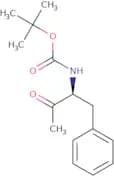
CAS:Formula:C22H19NO5Purity:>98.0%(T)Color and Shape:White to Light yellow powder to crystalMolecular weight:377.40Boc-(3S)-3-amino-4-phenyl-2-butanone
CAS:Boc-(3S)-3-amino-4-phenyl-2-butanone is a chemical intermediate that is useful as a building block in organic synthesis. It has been used as a reaction component, reagent and high quality research chemical. Boc-(3S)-3-amino-4-phenyl-2-butanone is also a versatile building block and useful intermediate for the preparation of complex compounds. This chemical has shown to have speciality applications in fine chemicals such as pharmaceuticals and agrochemicals.
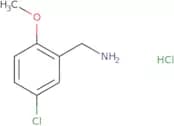
Formula:C15H21NO3Purity:Min. 95%Color and Shape:White to off-white solid.Molecular weight:263.33 g/mol5-Chloro-2-methoxybenzylamine hydrochloride
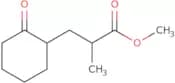
CAS:5-Chloro-2-methoxybenzylamine hydrochloride is a chemical substance that is used as an intermediate in the synthesis of pharmaceuticals and other chemicals. It can be used as a building block to create complex compounds, or it can be used in reactions to produce speciality chemicals. 5-Chloro-2-methoxybenzylamine hydrochloride is a high quality reagent that can be used as a reaction component in research and development. A fine chemical, 5-Chloro-2-methoxybenzylamine hydrochloride has many uses as a versatile building block for organic synthesis. It is also useful for generating research chemicals and complex compounds for use in medicines and other products.Formula:C8H10ClNO·(HCl)Purity:Min. 95%Color and Shape:PowderMolecular weight:208.08 g/molMethyl 3-(2-oxocyclohexyl)-2-methylpropionate
CAS:Methyl 3-(2-oxocyclohexyl)-2-methylpropionate is a subcluster of the cyclohexane carboxylic acid family. It has been found to be an operational compound that can be used as a source of fatty acids. Methyl 3-(2-oxocyclohexyl)-2-methylpropionate is one of many hydrocarbons produced by bacteria, and it has been shown to undergo acid analysis. The fatty acid compositions of methyl 3-(2-oxocyclohexyl)-2-methylpropionate have been studied in vitro.Formula:C11H18O3Purity:Min. 95%Molecular weight:198.26 g/mol6-Methyl phthalazine
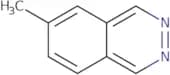
CAS:6-Methyl phthalazine is an organic compound with a molecular formula of C8H6N2. It is the methylated derivative of phthalazine. 6-Methyl phthalazine can be synthesized from 2-bromobenzaldehyde and benzaldehyde in two steps, producing an efficient synthesis of this compound. The first step consists of formylation of the aromatic ring followed by lithiation and cyclization to produce the desired product. The second step involves a sequence that begins with deprotection, proceeds with hydrazine formation, and ends with acetal cleavage to release the product.Formula:C9H8N2Purity:Min. 95%Color and Shape:White PowderMolecular weight:144.17 g/molEflornithine
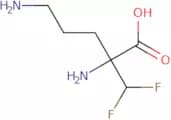
CAS:Inhibitor of ornithine decarboxylase
Formula:C6H12F2N2O2Purity:Min. 95%Color and Shape:Off-White PowderMolecular weight:182.17 g/molFmoc-Asp(OtBu)-Ser(Psi(Me,Me)pro)-OMe
Fmoc-Asp(OtBu)-Ser(Psi(Me,Me)pro)-OMe is a versatile building block that can be used in a variety of chemical reactions. Fmoc-Asp(OtBu)-Ser(Psi(Me,Me)pro)-OMe is a reagent and speciality chemical that is useful as an intermediate or reaction component for the synthesis of complex compounds. Fmoc-Asp(OtBu)-Ser(Psi(Me,Me)pro)-OMe has been used in the synthesis of many fine chemicals and research chemicals. This compound has also been shown to have high quality and is a useful scaffold for drug discovery.Formula:C30H36N2O8Purity:Min. 95%Color and Shape:PowderMolecular weight:552.62 g/molH-Gly-Pro-OH
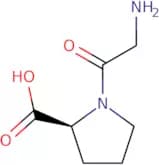
CAS:Glycine is a non-essential amino acid that is used in the biosynthesis of proteins. It is also a precursor to porphyrins, which are important cofactors in many enzymes. Glycine can be converted to glyoxylate and subsequently to oxalate. Glycine plays an important role in the diagnosis of cancer tissue because it has been shown to have high levels of enzyme activities that are indicative for cancer cells. Glycine also has biological properties that make it suitable for use as an experimental model for metabolic disorders, such as energy metabolism, proton production and human serum.
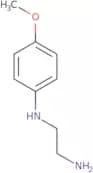
Formula:C7H12N2O3Purity:Min. 95%Color and Shape:PowderMolecular weight:172.18 g/molN-(4-Methoxyphenyl)ethane-1,2-diamine
CAS:N-(4-Methoxyphenyl)ethane-1,2-diamine is a synthetic compound that has been shown to inhibit the activity of cathepsins. It can be used in the treatment of diseases caused by these enzymes, such as osteoarthritis and Alzheimer's disease. N-(4-Methoxyphenyl)ethane-1,2-diamine has a pharmacokinetic profile that is favorable for oral administration. The drug is absorbed from the gastrointestinal tract readily and undergoes extensive metabolism in the liver. This process leads to the formation of active metabolites which are excreted in urine or bile. N-(4-Methoxyphenyl)ethane-1,2-diamine also inhibits nitroalkanes with activated aromatic rings, such as 4-nitrobenzaldehyde and 2,4,6-trinitrobenzene.Formula:C9H14N2OPurity:Min. 95%Color and Shape:Slightly Yellow PowderMolecular weight:166.22 g/mol3-Methylglutaconic acid
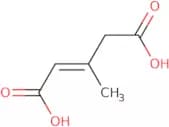
CAS:3-Methylglutaconic acid is a metabolite of creatine, which is an important energy source in the body. It is also involved in cholesterol synthesis and fatty acid production. The metabolic profile of 3-methylglutaconic acid can be used to diagnose metabolic disorders such as methylglutaconic aciduria and fatty acid oxidation defects. This compound can also be found in urine samples, but the concentration may vary depending on the patient's clinical condition. Nuclear DNA analysis has shown that 3-methylglutaconic acid is synthesized from acetyl coenzyme A and Mg2+, with the latter being supplied by ATP.Formula:C6H8O4Purity:Min. 95%Color and Shape:PowderMolecular weight:144.13 g/mol1,3-Phenylenediacetic acid
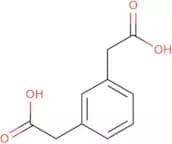
CAS:1,3-Phenylenediacetic acid is a molecule that contains an aromatic ring and two carboxylate groups. It has been shown to react with collagen and water molecules by forming hydrogen bonds. 1,3-Phenylenediacetic acid also reacts with the hydroxyl group in the cell culture media to form a crosslink between two molecules. This reaction was found to be responsible for the observed increase in stiffness of collagen gels. The vibrational and macroscopic analysis of 1,3-phenylenediacetic acid has also revealed that it adopts a tetranuclear structure at room temperature.
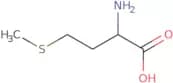
Formula:C10H10O4Purity:Min. 95%Molecular weight:194.18 g/molDL-Methionine
CAS:DL-Methionine is a naturally occurring amino acid that is essential for healthy protein synthesis. Methionine can be synthesized by the human body, but it must be consumed through diet. DL-Methionine has been shown to have anti-obesity properties in vitro and in vivo models. It also helps maintain normal levels of calcium and pantothenate in the blood and supports the function of the immune system. DL-Methionine may also have effects on locomotor activity, body mass index, and peptide hormones.Formula:C5H11NO2SPurity:Min. 95%Color and Shape:White PowderMolecular weight:149.21 g/molFmoc-Ile-Pro-OH
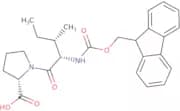
CAS:Fmoc-Ile-Pro-OH is a versatile building block that can be used for the synthesis of complex compounds, as well as a reagent for research chemicals. This chemical also has high quality and is useful as an intermediate or reaction component in organic chemistry. Fmoc-Ile-Pro-OH is a useful scaffold for the synthesis of structurally diverse molecules, such as epoxy resins, polyesters, and polyurethanes. It can be used in the synthesis of peptides with side chains attached to the backbone chain. Fmoc-Ile-Pro-OH is also used in many pharmaceuticals and agrochemicals.Formula:C26H30N2O5Purity:Min. 95%Color and Shape:White/Off-White SolidMolecular weight:450.53 g/mol3-Ethyl-4-methyl-3-pyrrolin-2-one
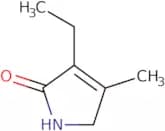
CAS:3-Ethyl-4-methyl-3-pyrrolin-2-one is a sulfonated dione that can be synthesized from chloroformates. The product yields are high and the compound is stable to heat, light, and hydrolysis. The compound crystallizes in a single pure form and does not contain any impurities. 3-Ethyl-4-methyl-3-pyrrolin-2-one has been used as a precursor for the synthesis of various other organic compounds. It can also be used to synthesize dimers with an aryl group at the end of the molecule.
Formula:C7H11NOPurity:Min. 95%Color and Shape:PowderMolecular weight:125.17 g/molL-α-Lysophosphatidylcholine
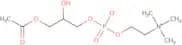
CAS:L-alpha-Lysophosphatidylcholine (from bovine brain) is a phospholipid that has been shown to have a matrix effect in biological samples. It can be used for the diagnosis of diseases, such as infectious diseases, by assessing the enzyme activities and receptor activity. L-alpha-Lysophosphatidylcholine (from bovine brain) can also be used to evaluate the response of polymorphonuclear leucocytes to an antigen. This molecule is an important component of the basic protein, which is found in higher concentrations in infectious diseases. L-alpha-Lysophosphatidylcholine (from bovine brain) has been shown to have an inhibitory effect on the polymerase chain reaction process.Purity:Min. 95%Color and Shape:PowderL-tert-Leucine
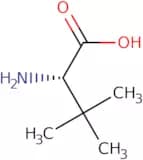
CAS:L-tert-Leucine is a chiral compound that inhibits the activity of metalloproteases, enzymes that catalyze the breakdown of proteins. L-tert-Leucine has been shown to inhibit proteolytic activity in recombinant cells and bacterial strain such as Escherichia coli, Pseudomonas aeruginosa, and Bacillus subtilis. L-tert-Leucine binds to the active site of metalloproteases by competitive inhibition, inhibiting the breakdown of proteins. This compound also prevents degradation of dinucleotide phosphate and chiral synthesis. The enantiopure form of this compound is used as a substrate for kinetic studies with type strains of various metalloprotease enzymes.Formula:C6H13NO2Purity:(%) Min. 95%Color and Shape:White PowderMolecular weight:131.17 g/mol2-Iodo-N-phenylbenzamide
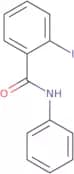
CAS:2-Iodo-N-phenylbenzamide is a palladium compound that inhibits bacterial growth by binding to DNA and preventing transcription. The drug binds to the DNA as a monomer, but also forms polymeric matrixes with other drugs. 2-Iodo-N-phenylbenzamide has been shown to have genotoxic effects on subtilis and methicillin resistant Staphylococcus aureus (MRSA) in vitro, which may be due to its ability to form crosslinks between adjacent strands of DNA. 2-Iodo-N-phenylbenzamide has been shown to be an effective anti-bacterial agent against MRSA, methicillin resistant coagulase negative staphylococci and erythromycin resistant strains of Streptococcus pyogenes.Formula:C13H10INOPurity:Min. 95%Molecular weight:323.13 g/mol1-(7,8-Diamino-1,2,4,5-tetrahydro-1,5-methano-3H-3-benzazepin-3-yl)-2,2,2-trifluoroethanone
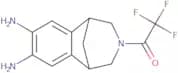
CAS:Varenicline Diamine Impurity - Bio-X ™ is a diamine impurity of varenicline, a medication used for smoking cessation. Varenicline acts as a partial agonist at α4β2 nicotinic acetylcholine receptors, which are involved in the addictive effects of nicotine. Researchers utilize this compound to study its effects on nicotine addiction and develop potential treatments for smoking cessation. This impurity is used as a reference standard or analytical tool in the quality control and manufacturing process of varenicline and serves as an important marker for ensuring the purity and consistency of varenicline during its production, helping to maintain the medication's safety and efficacy for patients seeking to quit smoking.Formula:C13H14F3N3OPurity:Min. 96 Area-%Color and Shape:PowderMolecular weight:285.27 g/molBoc-4-(Fmoc-aminomethyl)-L-phenylalanine
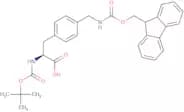
CAS:Boc-4-(Fmoc-aminomethyl)-L-phenylalanine is a useful scaffold that is used as a building block in the synthesis of complex compounds. This compound is also known as Boc-L-Phe, and has CAS number 170157-61-6. It can be used as an intermediate in the synthesis of many different compounds, and can be converted to other functional groups through chemical reactions. Boc-4-(Fmoc-aminomethyl)-L-phenylalanine has a variety of uses, including being a reagent for peptide synthesis and being a reaction component in organic chemistry.Formula:C30H32N2O6Purity:Min. 95%Color and Shape:PowderMolecular weight:516.58 g/mol3-Methyladipic acid
CAS:3-Methyladipic acid is a molecule that is formed from the chemical reaction of ethylmalonic acid and pyrimidine compounds. 3-Methyladipic acid can be found in urine samples, where it is excreted as a hydrated form. It is also soluble in organic solvents such as ethanol and acetone. This compound has been used to identify the presence of fatty acids in biological fluids by liquid chromatography. The addition of malonic acid to 3-methyladipic acid changes its phase composition, which can be observed using a polarizing microscope. 3-Methyladipic acid has also been used to study tubule cells, which are found in the kidney and are involved in the reabsorption of water and electrolytes.Formula:C7H12O4Purity:Min. 95%Color and Shape:PowderMolecular weight:160.17 g/molZ-L-tyrosine 4-nitrophenyl ester
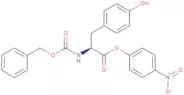
CAS:Z-L-tyrosine 4-nitrophenyl ester is a synthetic, inactivated amide that binds to the active site of enzyme, preventing its enzymatic activity. It prevents the formation of clots by cleaving the clotting factors and is used in blood transfusions. Z-L-tyrosine 4-nitrophenyl ester has been shown to inhibit the synthesis of surfactant and is used as an antiseptic. This drug can be prepared by reacting L-tyrosine with nitrophenol (NO2) in the presence of a base such as sodium hydroxide or potassium carbonate, followed by purification on sephadex g-100 columns. The product is then treated with hydrostatic pressure to remove any unreacted starting materials. This drug also has a sedimentation rate of about 1.5 x 10^6 cm/s.Formula:C23H20N2O7Purity:Min. 95%Color and Shape:White/Off-White SolidMolecular weight:436.41 g/molN-Methyl-DL-aspartic acid
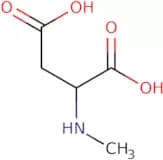
CAS:N-Methyl-DL-aspartic acid (NMDA) is a pharmacological agent that binds to the glutamate receptor and increases the intracellular calcium concentration in cells. NMDA has been shown to cause neuronal death in mouse hippocampal cells, as well as rat striatal cells. It can also act as a messenger molecule and enhance growth factor production. NMDA binds to the N-methyl-D-aspartate receptor, which is located on the surface of neurons in the brain. This binding causes an influx of sodium ions into the cell, resulting in an increase in the intracellular calcium concentration. This increase leads to changes in cellular function, including increased growth factor production and neuronal death.Formula:C5H9NO4Purity:Min. 95%Color and Shape:PowderMolecular weight:147.13 g/mol5-Methyl 4-fluoroglutamate
CAS:5-Methyl 4-fluoroglutamate is a reaction component that is used as a reagent in organic synthesis. It is a high quality and versatile building block for the production of fine chemicals. 5-Methyl 4-fluoroglutamate is also used as an intermediate to synthesize complex compounds, such as pharmaceuticals, agrochemicals, dyes, and other useful substances.
Formula:C6H10FNO4Purity:Min. 95%Molecular weight:179.15 g/molDibenzoyl-(+)-p-methoxy-D-tartaric acid
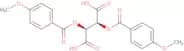
CAS:Dibenzoyl-(+)-p-methoxy-D-tartaric acid is a macrocyclic molecule that has been synthesized as an enantiomer. It has been found to be an effective drug against schistosomiasis in experimental studies. The compound inhibits the growth of Schistosoma mansoni by preventing the formation of eggs, which are released by the female worms into the environment. Dibenzoyl-(+)-p-methoxy-D-tartaric acid also inhibits the development of larval stages and prevents the release of eggs from male worms. This drug is not yet used clinically for this purpose, but it is being researched for use in tropical regions where schistosomiasis is endemic.Formula:C20H18O10Purity:Min. 95%Color and Shape:White PowderMolecular weight:418.35 g/mol4-Phenylbenzylamine
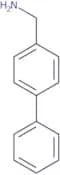
CAS:4-Phenylbenzylamine is an amide that has shown multiphase antibacterial activity against both Gram-positive and Gram-negative bacteria. 4-Phenylbenzylamine binds to the active site of glycopeptide antibiotics such as teicoplanin, which are used to treat bacterial infections. It also inhibits the replication of influenza virus in vivo. 4-Phenylbenzylamine has antiviral properties and can be used for antiviral therapy targeting the influenza virus. This drug also acts as a receptor antagonist on the sigma subtype, which may contribute to its antiviral activity.Formula:C13H13NPurity:Min. 95%Color and Shape:SolidMolecular weight:183.25 g/molHydroxy-4-methylphthalazine
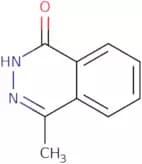
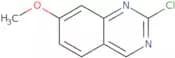
CAS:Hydroxy-4-methylphthalazine is a synthetic molecule that has been shown to inhibit the production of nitric oxide (NO) and other reactive oxygen species. It also inhibits cholinesterase activity, which leads to increased acetylcholine levels. This agent is metabolized by nucleophilic substitutions and may be synthesized from phthalazinone or aminoguanidine. Hydroxy-4-methylphthalazine binds to the redox potentials of molecular targets and can be used as an inhibitor in biological systems.Formula:C9H8N2OPurity:Min. 95%Color and Shape:PowderMolecular weight:160.17 g/mol2-Chloro-7-methoxyquinazoline
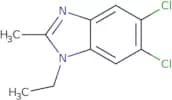
CAS:2-Chloro-7-methoxyquinazoline is a useful chemical that is used in the production of other compounds. It can be used as a building block for the synthesis of various organic compounds, such as pharmaceuticals and pesticides. This compound has been shown to have useful properties, such as high purity and low cost.Formula:C9H7ClN2OPurity:Min. 95%Color and Shape:Yellow PowderMolecular weight:194.62 g/mol1-Ethyl-2-methyl-5,6-dichlorobenzimidazole
CAS:1-Ethyl-2-methyl-5,6-dichlorobenzimidazole is an organic compound that is a salt of the thiazolium cation with the ammonium anion. It has been used for the synthesis of dyes and other organic compounds. 1-Ethyl-2-methyl-5,6-dichlorobenzimidazole has also been detected in a number of plant species as a natural product or metabolite. The compound is found in plants from the families Araceae, Chenopodiaceae, Fabaceae, and Solanaceae. In terms of its physical properties, it is insoluble in water and soluble in acetone.Formula:C10H10Cl2N2Purity:Min. 95%Molecular weight:229.11 g/molL-Valine b-naphthylamide
CAS:H-Val-bNA
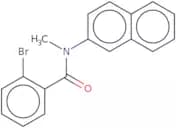
Formula:C15H18N2OPurity:Min. 99 Area-%Molecular weight:242.32 g/molN-Methyl-N-(2-naphthyl)-2-bromobenzamide
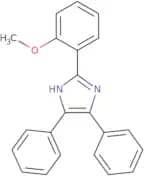
CAS:Methyl 2-naphthylbenzoate is a high quality reagent that is used as a complex compound, useful intermediate and speciality chemical. It is also a useful building block for the synthesis of other compounds. The CAS number 74881-61-1 identifies Methyl 2-naphthylbenzoate as a fine chemical with an interesting scaffold. This chemical is suitable for research purposes and versatile in its use as a reaction component.Formula:C18H14BrNOPurity:Min. 95%Molecular weight:340.21 g/mol2-(2-Methoxyphenyl)-4,5-diphenylimidazole
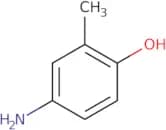
CAS:2-(2-Methoxyphenyl)-4,5-diphenylimidazole is a molecule with a dihedral angle of -115.1° and an asymmetric synthesis. It has antimicrobial activity against Escherichia coli, Staphylococcus aureus, and Bacillus subtilis. This compound also inhibits the synthesis of thromboxane A2 by blocking the 5-azaindole binding site on platelets and prolongs bleeding time in rats. 2-(2-Methoxyphenyl)-4,5-diphenylimidazole has been shown to be an antiplatelet drug that blocks the binding site of rilmenidine and imidazoline on platelets and reduces platelet aggregation. It also binds to the pyrazole ring of tautomers as well as hydrogen bonds to carbonyl groups on phenyl groups.Formula:C22H18N2OPurity:Min. 95%Color and Shape:PowderMolecular weight:326.39 g/mol4-Amino-2-methylphenol
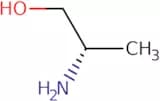
CAS:4-Amino-2-methylphenol is a chemical substance that is used in the production of dyes, cationic surfactants, and basic dyes. It can be produced through oxidation of phenol or by dehydration of aniline. 4-Amino-2-methylphenol has been shown to have potential use as a surface enhancer for Raman spectroscopy. This compound has also been used to extract amines and ethers from organic solvents.Formula:C7H9NOPurity:Min. 95%Color and Shape:SolidMolecular weight:123.15 g/molL-Alaninol
CAS:L-Alaninol is a natural amino acid that can be synthesized in an asymmetric way. It has been used as a palladium complex catalyst to produce the inorganic acid, l-alaninol. L-Alaninol is biologically active and has shown antiviral and antimicrobial activities against mycobacterium avium and human lymphocytes. It also has been shown to have anticancer properties in animal models. In addition, it has been used as a model system for the study of organic chemistry reactions. L-Alaninol has also been shown to exhibit magnetic resonance spectroscopy properties that are similar to those of l-phenylalaninol.
Formula:C3H9NOColor and Shape:Colorless Slightly Yellow Clear LiquidMolecular weight:75.11 g/mol2-Methyl-5,6-dihydro-4H-pyrrolo[3,4-d]thiazole
CAS:2-Methyl-5,6-dihydro-4H-pyrrolo[3,4-d]thiazole is a chemical compound that is used as a research chemical and in the synthesis of other compounds. It is also used as a speciality chemical and reagent. 2-Methyl-5,6-dihydro-4H-pyrrolo[3,4-d]thiazole has been used as a building block for the preparation of other compounds and can be found in complex natural products. The compound has shown to be versatile since it can be easily converted into other compounds through reaction with different functional groups.Formula:C6H8N2SPurity:Min. 95%Color and Shape:SolidMolecular weight:140.21 g/mol4-[(4-Methylbenzyl)oxy]benzoic acid
CAS:4-[(4-Methylbenzyl)oxy]benzoic acid is a high quality chemical that can be used as a building block in the synthesis of complex compounds or as an intermediate in the preparation of speciality chemicals. This reagent is useful for research purposes and can be used to prepare other compounds with similar structures. 4-[(4-Methylbenzyl)oxy]benzoic acid can also be used as a reactant in chemical reactions to produce new products.Formula:C15H14O3Purity:Min. 95%Color and Shape:White PowderMolecular weight:242.27 g/mol1-Methyl-N-(9-methyl-9-azabicyclo[3.3.1]non-3-yl)-indazole-3-carboxamide
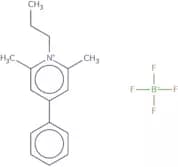
CAS:Controlled Product1-Methyl-N-(9-methyl-9-azabicyclo[3.3.1]non-3-yl)-indazole-3-carboxamide is a chemical inhibitor of the 5HT2 receptor, which is responsible for regulating nausea and vomiting. It has been shown to have antiemetic properties, and can be used in chemotherapy to control nausea and vomiting. The 5HT2 receptor is coupled to Gs proteins and inhibits adenylyl cyclase activity, while 1MMAI binds to the 5HT2A receptor and blocks serotonin from binding. This prevents serotonin from activating Gq protein receptors, which are involved in the generation of intracellular calcium concentrations that lead to neurotransmitter release. 1MMAI also inhibits the activation of phospholipase C by serotonin, resulting in decreased levels of diacylglycerol (DAG) and inositol triphosphate (IP3). These changes inhibit plateFormula:C18H24N4OPurity:Min. 95%Color and Shape:White Off-White PowderMolecular weight:312.41 g/mol2,6-Diethyl-4-phenyl-1-propylpyridinium tetrafluoroborate
CAS:2,6-Diethyl-4-phenyl-1-propylpyridinium tetrafluoroborate is a building block and a versatile intermediate in organic synthesis. It can be used as a reactant in the preparation of fine chemicals and pharmaceuticals. 2,6-Diethyl-4-phenyl-1-propylpyridinium tetrafluoroborate has been shown to produce high quality reaction products with good yield.Formula:C16H20N·BF4Purity:Min. 95%Molecular weight:313.14 g/molZ-Gly-Ala-Gln-AMC
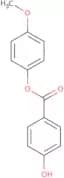
CAS:Z-Gly-Ala-Gln-AMC is a fluorescent substrate that can be used to detect vacuolar activity in cells. It is a peptide that has been shown to bind to the antigen of organisms, such as viruses and bacteria, which are then digested by endopeptidases. This product has various applications in cancer research, including elucidation of mechanisms of action and identification of targets for anti-cancer therapies. Z-Gly-Ala-Gln-AMC is also used as a molecular target for strategies against organisms such as Acinetobacter baumannii or Mycobacterium tuberculosis.Formula:C28H31N5O8Purity:Min. 98 Area-%Color and Shape:PowderMolecular weight:565.57 g/mol4-Methoxyphenyl 4-Hydroxybenzoate
CAS:4-Methoxyphenyl 4-hydroxybenzoate is a thermodynamic monomer with the molecular formula CHCOOH. It is a colorless to white solid that is soluble in water, methanol, and acetone. 4-Methoxyphenyl 4-hydroxybenzoate polymerizes under high pressure and temperature to form homopolymers and copolymers with phenoxy, trifluoromethyl, and amide groups. This compound has been used to make polyoxyethylene surfactants with a variety of properties including surface tension, viscosity, and efficiency.
Formula:C14H12O4Purity:Min. 95%Molecular weight:244.24 g/molL-a-Cyclohexylglycine
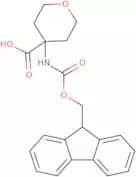
CAS:L-a-Cyclohexylglycine is an efficient, general method for the preparation of peptide aldehydes. It is a serine protease inhibitor that binds to thrombin and prevents it from converting fibrinogen into fibrin. L-a-Cyclohexylglycine has been shown to inhibit polymerization of fibrinogen and factor XIII, as well as the formation of thrombin, which is important for blood clotting. L-a-Cyclohexylglycine also inhibits hepatitis C virus (HCV) replication in vitro by binding to the HCV NS3 helicase protein. This compound has been shown to be able to inhibit HIV-1 protease activity and may have potential use as an antiviral agent.Formula:C8H15NO2Purity:Min. 95%Color and Shape:White PowderMolecular weight:157.21 g/molFmoc-4-amino-tetrahydropyran-4-carboxylic acid
CAS:Fmoc-4-amino-tetrahydropyran-4-carboxylic acid is a versatile building block that can be used for the synthesis of many complex compounds and research chemicals. It is a speciality chemical which has been shown to be a useful intermediate in reactions, as well as being a reagent. Fmoc-4-amino-tetrahydropyran-4-carboxylic acid has also been shown to be an effective scaffold for drug design and development.Formula:C21H21NO5Purity:Min. 95%Color and Shape:White/Off-White SolidMolecular weight:367.4 g/mol7-Methyladenine
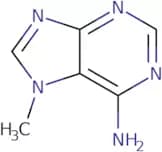
CAS:7-Methyladenine is a nitrogen-containing compound that has been shown to cause an increase in renal blood flow. It is also a synthetic estrogen. 7-Methyladenine is mainly metabolized by methylation, and it can be detected in urine samples. This substance has been shown to have a direct effect on cardiac contractility and blood pressure. 7-Methyladenine also has the ability to stimulate the growth of cells and tissues, as well as being able to inhibit the synthesis of certain proteins.Formula:C6H7N5Purity:Min. 95%Color and Shape:White To Off-White SolidMolecular weight:149.15 g/mol2-Methyl-5-(prop-1-en-2-yl)cyclohex-2-enone
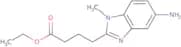
CAS:2-Methyl-5-(prop-1-en-2-yl)cyclohex-2-enone is a monoterpene that is found in essential oils of many plants, such as caraway, dill, and peppermint. It has been shown to have antimicrobial activity against a wide range of bacteria. 2-Methyl-5-(prop-1-en-2-yl)cyclohex-2-enone has also been shown to be an effective treatment for infectious diseases such as tuberculosis and leprosy. In vitro assays have shown that this compound inhibits the growth of bacteria by lysing the cells of the bacteria. This chemical also minimally affects the locomotor activity in mice and does not cause death at high doses when given orally to rats.Formula:C10H14OPurity:Min. 95%Color and Shape:Slightly Yellow PowderMolecular weight:150.22 g/mol1-Methyl-5-amino-1H-benzimidazole-2-butanoic acid ethyl ester
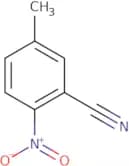
CAS:1-Methyl-5-amino-1H-benzimidazole-2-butanoic acid ethyl ester is a fine chemical that can be used to make a variety of other compounds. It is also used as a reagent in the synthesis of complex compounds, research chemicals, and speciality chemicals. The CAS number for this compound is 3543-73-5. This product has a high quality and is useful as an intermediate or reaction component in the synthesis of useful scaffolds.Formula:C14H19N3O2Purity:Min. 95%Color and Shape:Orange To Brown SolidMolecular weight:261.32 g/mol5-Methyl-2-nitrobenzonitrile
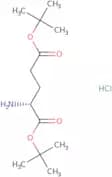
CAS:5-Methyl-2-nitrobenzonitrile is a versatile building block that is used to synthesize various chemical compounds. It is a fine chemical that can be used to create reagents, speciality chemicals, and useful scaffolds for research. 5-Methyl-2-nitrobenzonitrile has been shown to be an effective intermediate in the synthesis of many complex compounds. It is also a high quality reactant that can be used as a building block for many reactions.Formula:C8H6N2O2Purity:Min. 95%Molecular weight:162.15 g/molD-Glutamic acid di-tert-butyl ester hydrochloride
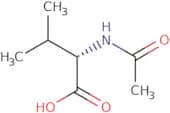
CAS:D-Glutamic acid di-tert-butyl ester hydrochloride is an organic acid that is used as a medicine. It is a covalently conjugated psychotropic drug, which means it contains two molecules of the same type. D-Glutamic acid di-tert-butyl ester hydrochloride has been shown to be effective in the treatment of depression and other mood disorders. This drug has also been shown to inhibit the reuptake of neurotransmitters such as serotonin and norepinephrine, which may account for its efficacy in treating depression. The drug was also found to be effective in the treatment of obsessive compulsive disorder (OCD) by inhibiting serotonin reuptake.Formula:C13H25NO4·HClPurity:Min. 95%Color and Shape:White PowderMolecular weight:295.8 g/molAcetyl-L-valine
CAS:Acetyl-L-valine is a synthetic amino acid that is used to treat metabolic disorders. It is also used as a model system for the study of enzyme activity and has been shown to have anticancer properties, although this has not been proven in clinical trials. Acetyl-L-valine inhibits copper complex formation, which may be due to its ability to form intramolecular hydrogen bonds with the copper, or by reacting with protonated fatty acids. This amino acid is also a specific treatment for some forms of radiation damage.
Formula:C7H13NO3Purity:Min. 95%Color and Shape:PowderMolecular weight:159.18 g/molFmoc-4-amino-L-phe(t-butyl-carbamoyl)-OH
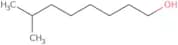
Fmoc-4-amino-L-phe(t-butyl-carbamoyl)-OH is a versatile building block that is used in the synthesis of complex compounds. This compound has been found to be useful as a reagent, speciality chemical, and reaction component for the synthesis of high quality and useful intermediates. Fmoc-4-amino-L-phe(t-butyl carbamoyl)-OH is also a useful scaffold for the production of novel compounds.Formula:C29H31N3O5Purity:Min. 95%Color and Shape:PowderMolecular weight:501.57 g/mol7-Methyloctanol
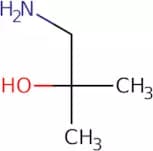
CAS:7-Methyloctanol is a polycarboxylic acid that is structurally similar to hydrochloric acid. It has been shown to have specific treatment effects on skin cells and light exposure, as well as an anti-inflammatory effect. 7-Methyloctanol is able to produce fatty acids by the hydroxylation of unsaturated alkyl chains, which are often used as plasticizers. The hydrophobic effect of 7-methyloctanol has also been shown to increase the permeability of liposomes.Formula:C9H20OPurity:Min. 95%Color and Shape:Colorless Clear LiquidMolecular weight:144.25 g/mol1-Amino-2-methyl-propan-2-ol
CAS:1-Amino-2-methyl-propan-2-ol is a cytotoxic molecule that has been shown to inhibit the growth of cancer cells. It is synthesized by converting 1,4-benzenediamine and cyclopentanol into the corresponding amines. The amines are then condensed with an alkanolamine in a kinetic reaction to form 1-amino-2-methylpropan-2-ol. This product's anticancer activity may be due to its ability to induce nucleophilic attack on DNA, leading to DNA strand breakage. 1AMPP has also been shown to have antiviral properties against HIV infection.Formula:C4H11NOPurity:Min. 95%Color and Shape:Colorless Clear LiquidMolecular weight:89.14 g/molBoc-2-chloro-L-phenylalanine
CAS:Boc-2-chloro-L-phenylalanine is a versatile building block that can be used as an intermediate or a reaction component. It has the following properties: CAS No. 114873-02-8, fine chemical, useful scaffold, versatile building block, useful intermediate, research chemicals, reaction component, speciality chemical, complex compound, useful building block. Boc-2-chloro-L-phenylalanine is a high quality reagent that can be used for research purposes.Formula:C14H18ClNO4Purity:Min. 98 Area-%Color and Shape:PowderMolecular weight:299.75 g/molImidazo[1,2-a]pyridin-2-yl-methylamine dihydrochloride
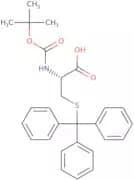
CAS:Imidazo[1,2-a]pyridin-2-yl-methylamine dihydrochloride is a fine chemical that is used as an intermediate in the synthesis of various compounds. It has been found to be an excellent building block for complex compounds and useful scaffold for a variety of research chemicals. Imidazo[1,2-a]pyridin-2-yl-methylamine dihydrochloride is also a reaction component that can be used in the synthesis of speciality chemicals and pharmaceuticals. Imidazo[1,2-a]pyridin-2-yl-methylamine dihydrochloride is soluble in water and methanol and can be stored at room temperature. This product has a CAS number of 452967-56-5.Formula:C8H9N3·2HClPurity:Min. 95%Color and Shape:PowderMolecular weight:220.1 g/molBoc-Cys(Trt)-OH
CAS:Boc-Cys(Trt)-OH is a molecule that can be used as an anticancer agent. It has been shown to inhibit the proliferation of human cancer cells in a dose-dependent manner. Boc-Cys(Trt)-OH also inhibits the production of acid conjugates, which are molecules that are toxic to humans, and has a safety profile. This drug is synthesized on a solid phase and has a disulfide bond that links two cysteines residues. The disulfide bond is important for the stability of Boc-Cys(Trt)-OH, which may be postulated to be due to its ability to bind with Toll-like receptors. Boc-Cys(Trt)-OH may also have anticancer activity by inhibiting protein synthesis in cancer cells.
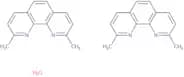
Formula:C27H29NO4SPurity:Min. 95 Area-%Color and Shape:PowderMolecular weight:463.59 g/mol2,9-Dimethyl-1,10-phenanthroline hemihydrate
CAS:Chelating agent used to detect aqueous copper ions by electrochemiluminescenceFormula:C14H12N2•(H2O)0Purity:Min. 95%Color and Shape:PowderMolecular weight:217.27 g/mol2-Amino-6-methoxybenzoic acid
CAS:2-Amino-6-methoxybenzoic acid is a monosubstituted amide, which is synthesized by the hydrolysis of 2-amino-5-methylbenzoic acid with hydrochloric acid in the presence of diacetate. This compound is formed as part of the biosynthesis of aminophenols and heterocycles. It can be used to adsorb metal ions and organic compounds, such as chloride and butyllithium. 2-Amino-6-methoxybenzoic acid is also found in aeruginosa infections due to its ability to inhibit bacterial growth by inhibiting protein synthesis. The synthesis of this compound requires shikimate pathway enzymes.Formula:C8H9NO3Purity:Min. 95%Color and Shape:PowderMolecular weight:167.16 g/mol2,4-Dimethoxy-5-methylbenzyl alcohol
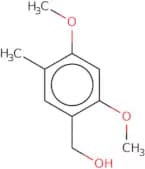
CAS:2,4-Dimethoxy-5-methylbenzyl alcohol is a high quality chemical that is used as an intermediate for the synthesis of complex compounds. It has been used as a reagent and as a building block for the synthesis of other chemicals. This compound can be used to produce fine chemicals and research chemicals. 2,4-Dimethoxy-5-methylbenzyl alcohol has been shown to be useful in the production of versatile building blocks and reaction components.
Formula:C10H14O3Purity:Min. 95%Molecular weight:182.22 g/molHO-PEG9-OH
CAS:HO-PEG9-OH is a hydroxylated polyethylene glycol (PEG) with a molecular weight of 9,000. It has been shown to be effective in the treatment of inflammatory bowel disease as well as blood disorders and surfactant-induced lung injury. HO-PEG9-OH's redox potentials are much higher than those of other PEGs, which makes it more resistant to oxidation. This polymer is also able to expand upon heating and can be used for studies on biological samples such as blood cells or bacteria. HO-PEG9-OH is very soluble in water and can be dissolved in monosodium salt solutions. It can also form particles that have a diameter of about 10 nm.Formula:C18H38O10Purity:Min. 95%Color and Shape:PowderMolecular weight:414.49 g/mol3-(2-Chlorophenyl)-2-phenyl-3H-indole
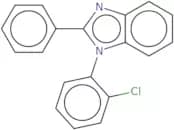
CAS:3-(2-Chlorophenyl)-2-phenyl-3H-indole is a versatile building block that can be used as a precursor in the synthesis of a wide range of complex compounds. 3-(2-Chlorophenyl)-2-phenyl-3H-indole has been shown to be an effective reagent for the synthesis of heterocycles and useful for the preparation of diverse speciality chemicals. 3-(2-Chlorophenyl)-2-phenyl-3H-indole is also an important intermediate in the synthesis of pharmaceuticals, agrochemicals, dyes, and perfumes. It is also a useful scaffold for organic chemistry reactions and can serve as a reaction component because it contains two reactive groups.Formula:C19H13ClN2Purity:Min. 95%Molecular weight:304.77 g/molFmoc-D-Aph(Hor)-OH
Fmoc-D-Aph(Hor)-OH is a versatile building block that is used in the synthesis of complex compounds. It can be used as a reaction component to make fine chemicals. Fmoc-D-Aph(Hor)-OH has CAS Number 58955-02-1 and is classified as a speciality chemical. This product has high quality and is useful for research purposes.Formula:C29H26N4O7Purity:Min. 95%Color and Shape:PowderMolecular weight:542.54 g/mol2-Bromo-4-methylphenol
CAS:2-Bromo-4-methylphenol is an organic compound that has interactive effects with hydrochloric acid, molybdenum, and trifluoromethanesulfonic acid. It is soluble in water vapor, but insoluble in polyvinyl. 2-Bromo-4-methylphenol reacts with sodium hydroxide solution to form a hydroxide solution and sodium carbonate. The reaction product of 2-bromo-4-methylphenol with triterpenoid saponin produces fatty acids. This reaction occurs because the hydroxide ion from the sodium hydroxide solution attacks the ester group of the saponin, forming an alcohol group on one end and a carboxylic acid group on the other end. The benzyl groups are removed by hydrogenation to produce phenol.
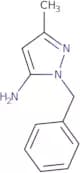
Formula:C7H7BrOPurity:Min. 95%Molecular weight:187.03 g/mol1-Benzyl-3-methyl-1H-pyrazol-5-amine HCl
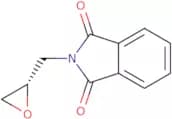
CAS:1-Benzyl-3-methyl-1H-pyrazol-5-amine HCl is a fine chemical that can be used as a versatile building block in research or as an intermediate in the synthesis of complex compounds. It has been shown to be a useful reagent for the preparation of speciality chemicals and reaction components. 1-Benzyl-3-methyl-1H-pyrazol-5-amine HCl has been shown to be a high quality compound with CAS No. 113482–3, which is listed on the Chemical Abstracts Service registry.Formula:C11H13N3·HClPurity:Min. 95%Color and Shape:Off-White PowderMolecular weight:223.7 g/mol(S)-N-Glycidylphthalimide
CAS:(S)-N-Glycidylphthalimide is a chlorinating agent that is used in the preparation of organic compounds. It reacts with electrophiles to form a chloroform or hydrochloric acid salt. The reaction can be followed by following the release of heat and by the evolution of chlorine gas from the reaction mixture.Formula:C11H9NO3Purity:Min. 95%Color and Shape:White PowderMolecular weight:203.19 g/molDL-3-(2-Furyl)serine
CAS:DL-3-(2-Furyl)serine is a versatile building block that can be used in the synthesis of complex compounds. It has been used as a reaction component and intermediate for research chemicals, speciality chemicals and fine chemicals. DL-3-(2-Furyl)serine has also been found to be useful in the synthesis of high quality reagents.Formula:C7H9NO4Purity:Min. 95%Color and Shape:PowderMolecular weight:171.15 g/mol6-Amino-8-methyl-2H-1,4-benzoxazin-3(4H)-one
CAS:6-Amino-8-methyl-2H-1,4-benzoxazin-3(4H)-one is a fine chemical that is a useful building block for research chemicals and speciality chemicals. It can be used as a reagent in organic synthesis, as well as in the production of high quality and versatile building blocks. 6-Amino-8-methyl-2H-1,4-benzoxazin-3(4H)-one can be reacted to form useful scaffolds or intermediates that are valuable in the process of making complex compounds.Formula:C9H10N2O2Purity:Min. 95%Color and Shape:PowderMolecular weight:178.19 g/molN-alpha,epsilon-Bis-Boc-L-lysine 4-nitrophenyl ester
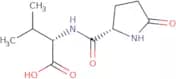
CAS:N-alpha,epsilon-Bis-Boc-L-lysine 4-nitrophenyl ester is a chiral compound that has been used as an antigen for the detection of antibodies against lysine. It is a synthetic peptide that can be used as an adjuvant to improve the efficacy of vaccines. The kinetic and orientations of the antigen were determined by electrospray ionization mass spectrometry. The enantiomeric composition was determined using high performance liquid chromatography with chiral stationary phase, followed by thioether cleavage and liquid chromatography.Formula:C22H33N3O8Purity:Min. 95%Color and Shape:White To Beige To Light (Or Pale) Yellow SolidMolecular weight:467.51 g/molPyr-Val-OH
CAS:Pyr-Val-OH is a molecule that is catalysed by the enzyme histone deacetylase. Pyr-Val-OH has been shown to inhibit cancer cell proliferation and growth. Pyr-Val-OH also has been shown to reduce bacterial vaginosis in mice with bacterial vaginosis, as well as nephrology dialysis patients. Pyr-Val-OH is a diagnostic marker for cancer, bacterial vaginosis and nephrology dialysis patients. It can be used to diagnose these conditions by profiling specific metabolic profiles. This molecule may also be used in the diagnosis of bladder cancer, as it reacts with amp-activated protein, which is elevated in bladder cancer patients.Formula:C10H16N2O4Purity:Min. 95%Color and Shape:PowderMolecular weight:228.25 g/molPropionyl-L-carnitine Hydrochloride
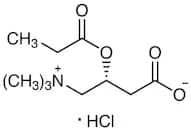
CAS:Formula:C10H19NO4·HClPurity:>98.0%(T)Color and Shape:White to Almost white powder to crystalMolecular weight:253.72Acetyl-O-tert-butyl-L-serine
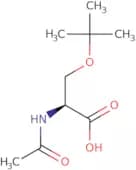
CAS:Acetyl-O-tert-butyl-L-serine is a versatile building block that can be used in the synthesis of complex compounds. It has been shown to be an effective reagent and speciality chemical, and is often used as a reaction component or useful scaffold. Acetyl-O-tert-butyl-L-serine can be used in the production of research chemicals, such as acetylated amino acids, and is also useful for the manufacture of fine chemicals.Formula:C9H17NO4Purity:Min. 95%Color and Shape:White to off-white solid.Molecular weight:203.24 g/molN9-Methyladenine
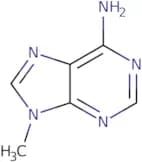
CAS:N9-Methyladenine is a purine derivative that has been shown to be an antagonist at the adenosine receptor. It can be synthesized by reacting N6-benzoyladenine with methanol, followed by treatment with aqueous sodium hydroxide and hydrogen peroxide. The molecule is planar, with a neutral pKa of 7.4. Proton and nitrogen NMR spectra were obtained for this compound, which showed it to have two hydrogen bonds and one intermolecular hydrogen bond. The proton resonances are observed at 2.97 ppm (H1) and 3.27 ppm (H2).Formula:C6H7N5Purity:Min. 95%Color and Shape:PowderMolecular weight:149.15 g/molFmoc-Cys(Trt)-Opfp
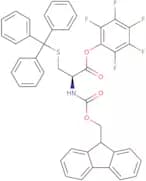
CAS:Fmoc-Cys(Trt)-Opfp is a synthetic peptide that is used in the study of receptor selectivity. This compound has been shown to bind to melanocortin receptors, and it is also an effective ligand for these receptors. Fmoc-Cys(Trt)-Opfp has been shown to be expressed in the brain and to have a transfer effect on other neurons. The structure function relationship of this compound has been studied by analyzing high concentrations of it in aquaculture systems. The sequences of this compound have been determined by structural studies on acid sequences.Formula:C43H30F5NO4SPurity:Min. 95%Color and Shape:White PowderMolecular weight:751.76 g/mol1-(3-Methylphenyl)-1H-pyrrole-2,5-dione
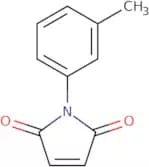
CAS:1-(3-Methylphenyl)-1H-pyrrole-2,5-dione is an anti-aging compound that has been shown to inhibit the replication of herpes viruses. It also inhibits corrosion, in particular by orthophosphoric acid. The monomer itself is useful as a viscosity agent and can be used in the synthesis of polymers such as dibutyl phthalate. 1-(3-Methylphenyl)-1H-pyrrole-2,5-dione has a high yield and can be used for analyzing magnesium oxide.Formula:C11H9NO2Purity:Min. 95%Color and Shape:White PowderMolecular weight:187.19 g/molDL-Valine
CAS:Valine is a non-essential, branched-chain amino acid that is used for the treatment of bowel disease. Valine is a water-soluble, colorless and odorless crystalline powder that has a sour taste. It can be prepared by reacting valeric acid with ammonia in the presence of an alkali or by hydrolysis of proteins. Valine is also widely distributed in animal tissues, where it participates in the biosynthesis of important biological compounds such as coenzyme A. The optimum concentration to achieve maximum electrochemical impedance spectroscopy (EIS) signal was observed at 20 mM. The EIS signal was found to be dependent on the pH and protein content of the solution matrix. Valine binds to human serum albumin and exhibits strong hydrogen bonding interactions. In addition, valine possesses a signal peptide that helps export it from cells into blood plasma.Formula:C5H11NO2Color and Shape:PowderMolecular weight:117.15 g/mol4',6'-Dimethoxy-2'-hydroxy-3-methylacetophenone
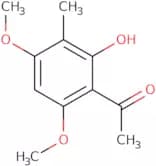
CAS:4,6-Dimethoxy-2-hydroxy-3-methylacetophenone belongs to the group of natural products. It is a phenolic compound that has been isolated from the leaves of plants in the genus Eucalyptus. 4,6-Dimethoxy-2-hydroxy-3-methylacetophenone has shown cytotoxic activity against cancer cells in an animal bioassay and inhibits tumor growth by inhibiting protein synthesis. This compound also exhibits chemosystematic properties and may be useful for research on natural products.
Formula:C11H14O4Purity:Min. 95%Color and Shape:White PowderMolecular weight:210.23 g/mol2-(2-Methoxyphenoxy)Benzoic Acid
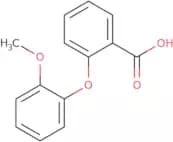
CAS:2-(2-Methoxyphenoxy)benzoic acid is an organic compound that can be synthesized in the laboratory. It has been shown to dimerize spontaneously in aqueous solutions with the release of hydrogen peroxide and oxygen. The mechanism is thought to involve oxidative dimerization, which may lead to carboxylate bond cleavage, intramolecular radical formation, or mechanistically radical attack. This process also results in the formation of a 2-methoxyphenoxy radical.
Formula:C14H12O4Purity:Min. 95%Color and Shape:PowderMolecular weight:244.24 g/mol3-(Bromomethyl)-5-methyl-1,2,4-oxadiazole
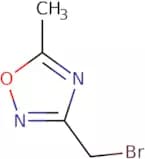
CAS:3-(Bromomethyl)-5-methyl-1,2,4-oxadiazole is an activating molecule that can be used as a histochemical stain. It forms a blue dye when reacted with the amino acid histidine in tissue. This compound stains cells and tissues blue, which can be used to identify different types of cells. 3-(Bromomethyl)-5-methyl-1,2,4-oxadiazole is also useful for identifying the location of specific proteins by detecting their presence in different types of cells. This compound can also be used in vivo to activate angiotensinogen in wild-type mice and then analyzing the effects on angiotensin levels.
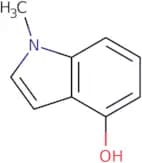
Formula:C4H5BrN2OPurity:Min. 95 Area-%Color and Shape:Yellow Clear LiquidMolecular weight:177 g/mol1-Methyl-1H-indol-4-ol
CAS:1-Methyl-1H-indol-4-ol is a sulfur containing natural product that has been shown to have antimicrobial activity. The compound is structurally similar to karanjin, an alkaloid found in the plant genus Camellia. In vitro studies with 1-methyl-1H-indol-4-ol have demonstrated antimicrobial activity against Gram positive bacteria such as Bacillus subtilis and Staphylococcus aureus, as well as anti fungal effects against Candida albicans and Cryptococcus neoformans. Furanoflavonoids are compounds that contain a furan ring and flavonoid group. 1-Methyl-1H-indol-4-ol is one of these compounds and has been shown to inhibit the growth of fungi by inhibiting the synthesis of proteins necessary for cell division.Formula:C9H9NOPurity:Min. 95%Color and Shape:PowderMolecular weight:147.17 g/mol5-Amino-4-bromo-3-methylpyrazole hydrobromide
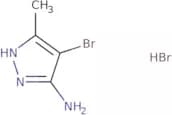
CAS:5-Amino-4-bromo-3-methylpyrazole hydrobromide is an intermediate in the synthesis of a variety of compounds. It is also a building block for the synthesis of heterocycles, such as pyrazoles, indazoles, benzoxazoles, and benzothiazoles. 5-Amino-4-bromo-3-methylpyrazole hydrobromide can be used as a reagent to synthesize pharmaceuticals and other useful compounds. 5-Amino-4-bromo-3-methylpyrazole hydrobromide is a versatile building block that can be used in the synthesis of many different types of compounds. This compound has been shown to react with various groups on organic molecules to form new chemical structures.Formula:C4H6BrN3•BrHPurity:Min. 95%Color and Shape:PowderMolecular weight:256.93 g/mol6-Chloro-2-methyl-4-pyrimidinamine
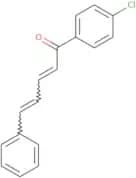
CAS:6-Chloro-2-methyl-4-pyrimidinamine is a molecule that has been studied for anticancer activity. It is an urea nitrogen, which is a hydrogen bond donor. The fructus of the 6-chloro-2-methyl-4-pyrimidinamine molecule has been shown to have anticancer activity in vitro. The anticancer activities of 6-chloro-2-methyl-4-pyrimidinamine are thermodynamic and vibrational, with etridiazole as the most potent inhibitor. The diamine tetraacetic acid (DTA) protonation state of the molecule was found to be 5.6, while the chloride protonation state was 3.6. In addition, it has been shown that 6CHMPA binds to Triticum aestivum cells through ethylene diamine and atomic orbital interactions.Formula:C5H6ClN3Purity:Min. 95%Color and Shape:White To Off-White SolidMolecular weight:143.57 g/mol(2E,4E)-1-(4-Chlorophenyl)-5-phenylpenta-2,4-dien-1-one
CAS:2,4-Dien-1-one is a cyclic dienone that is used in the preparation of various pharmaceutical drugs. It has been reported to be an excellent building block for the synthesis of complex compounds. This compound has shown antimicrobial activity against methicillin resistant Staphylococcus aureus (MRSA) and Mycobacterium tuberculosis. 2,4-Dien-1-one is a versatile intermediate that can be used as a speciality chemical or research chemicals. It is also a useful scaffold for the synthesis of various pharmaceutical drugs and can be used as a reaction component for various reactions.Formula:C17H13ClOPurity:Min. 95%Color and Shape:PowderMolecular weight:268.74 g/mol1-Oleoyl-rac-glycerol - 50%
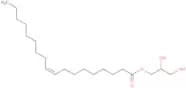
CAS:1-Oleoyl-rac-glycerol is a lipid that has been used in experimental studies to replace the use of animal-derived lipids for pharmaceutical applications. It can be synthesized by combining oleic acid with glycerol. 1-Oleoyl-rac-glycerol is soluble in water and has been shown to have a Langmuir adsorption isotherm, which means it can be used as a monoolein substitute. The basic protein in 1-Oleoyl-rac-glycerol has been determined using XRD data and found to be chitosan polymer. The experimental model for 1-Oleoyl-rac-glycerol was tested on rats and found not to cause toxicity, making it an ideal biocompatible polymer that can be used as an alternative to chitosan polymer.
Formula:C21H40O4Purity:Min. 95%Color and Shape:Slightly Yellow Clear LiquidMolecular weight:356.54 g/mol(1R,3S,5S)-3-(3-Isopropyl-5-methyl-4H-1,2,4-triazol-4-yl)-8-azabicyclo[3.2.1]octane
CAS:(1R,3S,5S)-3-(3-Isopropyl-5-methyl-4H-1,2,4-triazol-4-yl)-8-azabicyclo[3.2.1]octane is a versatile building block that can be used in the synthesis of complex compounds. It is a reagent and speciality chemical with applications in research or as a useful intermediate in the synthesis of other chemicals. (1R,3S,5S)-3-(3-Isopropyl-5-methyl-4H-1,2,4-triazol-4-yl)-8-azabicyclo[3.2.1]octane is also a useful scaffold for the synthesis of other compounds with specific properties such as high quality and usefulness as reaction components.Formula:C13H22N4Purity:Min. 95%Color and Shape:White PowderMolecular weight:234.34 g/mol2,2-Dimethyl-5-(1-methylprop-1-enyl)tetrahydrofuran
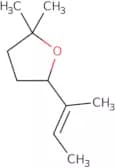
CAS:2,2-Dimethyl-5-(1-methylprop-1-enyl)tetrahydrofuran is a compound that is used in coatings and foodstuff. It has synergistic effects when combined with other compounds such as citric acid, hydrogen peroxide, or terpineol.Formula:C10H18OPurity:Min. 95%Color and Shape:Clear LiquidMolecular weight:154.25 g/molDL-Propargylglycine
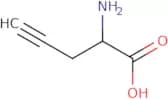
CAS:DL-Propargylglycine is a molecule that has been used as a model system for studying the interaction of neurokinin-1 receptor with response elements. It has also been shown to have inhibitory properties on polymerase chain, which is important in the process of energy metabolism. This compound has been shown to increase cytosolic Ca2+ and inhibit nuclear DNA synthesis in certain cells. DL-Propargylglycine can be used to study the effects of growth factor-β1 on myocardial infarcts and bowel disease.Formula:C5H7NO2Purity:Min. 95%Color and Shape:White Off-White PowderMolecular weight:113.11 g/mol4-Methylcyclohexanone
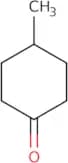
CAS:4-Methylcyclohexanone is a diazonium salt that has been shown to be an intramolecular hydrogen-bonded substrate for the hydroxyl group. It has been used as a precursor for the synthesis of 2,4-diaminobenzoic acid (2,4-DABA) and 3,5-diaminoquinoxaline (3,5-DQNX). 4-Methylcyclohexanone is also used in the production of herbicides and other organic compounds. The reaction mechanism can be explained by considering that 4-methylcyclohexanone is an electron donor with two hydroxyl groups. One of these groups will react with a diazonium salt to provide the α-hydroxyimine intermediate. This intermediate then reacts with another molecule of cyclohexanone to yield the desired product. A typical example of this mechanism is shown below: The acetateFormula:C7H12OPurity:Min. 95%Color and Shape:Clear LiquidMolecular weight:112.17 g/molCyclobis(paraquat-1,4-phenylene) tetrakis(hexafluorophosphate)
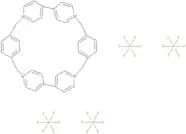
CAS:Cyclobis(paraquat-1,4-phenylene) tetrakis(hexafluorophosphate) (CPQTF) is a polyether that has been shown to have antiviral and anti-inflammatory properties. CPQTF is a chiral molecule which has the ability to form filaments at high temperatures. The temperature at which this polymer changes from a liquid to a filament is dependent on the concentration of polymer in solution. CPQTF has also been shown to have coagulation properties and can be used in cosmetics.Formula:C36H32F24N4P4Purity:Min. 95%Color and Shape:White PowderMolecular weight:1,100.52 g/mol4-Fluoro-3-methoxybenzylamine hydrochloride
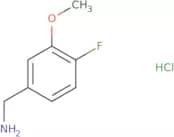
CAS:4-Fluoro-3-methoxybenzylamine hydrochloride is a fine chemical that can be used as a building block in research, as a reagent in the synthesis of complex compounds, and as a versatile scaffold for the synthesis of natural products. This compound is an intermediate for the production of other pharmaceuticals and has been shown to be useful in the production of various drugs. It is also used as a reactant in organic chemistry reactions due to its high quality. 4-Fluoro-3-methoxybenzylamine hydrochloride has CAS No. 869296-41-3 and can be found on the Chemical Abstract Service (CAS) database.Formula:C8H11ClFNOPurity:Min. 95%Molecular weight:191.63 g/molD-2-Nitrophenylalanine
CAS:D-2-Nitrophenylalanine is a high-quality, versatile building block for organic synthesis. It is a useful intermediate and scaffold for the production of pharmaceuticals, agrochemicals, and other chemicals. D-2-Nitrophenylalanine has been used as a reagent in research laboratories to synthesize different compounds. The CAS number for this compound is 169383-17-9.Formula:C9H10N2O4Purity:Min. 95%Color and Shape:Off-White PowderMolecular weight:210.19 g/molN,N'-Bis-(4-chlorobenzylidene)-C-phenylmethanediamine
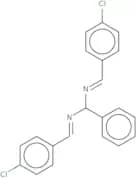
CAS:N,N'-Bis-(4-chlorobenzylidene)-C-phenylmethanediamine is a fine chemical that is useful as a building block for the preparation of other compounds. It can also be used as a reaction component in research and as a reagent for synthesizing organic compounds. This compound has CAS No. 320734-42-7 and is classified as speciality chemicals.Formula:C21H16Cl2N2Purity:Min. 95%Molecular weight:367.27 g/mol7-Carbethoxyamino-4-methylcoumarin
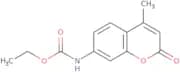
CAS:7-Carbethoxyamido-4-methylcoumarin is a aminocoumarin that exhibits anticancer activity. It is able to inhibit the activity of DPP-IV, an enzyme that degrades insulin in the body. 7-Carbethoxyamido-4-methylcoumarin has been shown to inhibit cancer cells and lung cancer cell lines, as well as breast cancer cells and cells with diabetes. This compound has also been shown to have anticancer activity in vivo in rats.Formula:C13H13NO4Purity:Min. 90%Color and Shape:PowderMolecular weight:247.25 g/mol4-Methyl-5,7-dimethoxycoumarin
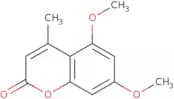
CAS:4-Methyl-5,7-dimethoxycoumarin is a coumarin derivative that has been synthesized from acetonitrile and aluminium. It is used as an antiplatelet drug in the treatment of cardiovascular diseases such as unstable angina, myocardial infarction, and transient ischemic attack. 4-Methyl-5,7-dimethoxycoumarin reversibly inhibits platelet aggregation by blocking the platelet receptor P2Y12 on the surface of platelets. This drug also has antioxidant effects and can be used to identify markers associated with cardiovascular disease.
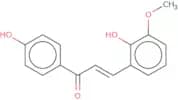
Formula:C12H12O4Purity:Min. 95%Molecular weight:220.22 g/mol4',2-Dihydroxy-3-methoxychalcone
CAS:4,2-Dihydroxy-3-methoxychalcone is a fine chemical that is useful in the synthesis of various pharmaceuticals and other chemicals. It is a versatile building block that can be used as a reaction component or intermediate in the synthesis of complex compounds. 4,2-Dihydroxy-3-methoxychalcone has been shown to be a high quality reagent for use in the synthesis of speciality chemicals and research chemicals. This compound is also useful as a scaffold for the development of new drugs.
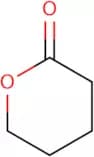
Formula:C16H14O4Purity:Min. 95%Molecular weight:270.28 g/molδ-Valerolactone
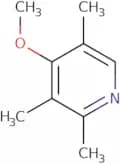
CAS:Delta-Valerolactone is a sodium salt that has a water-soluble, low melting point and a high vapor pressure. It has been used as a sample preparation agent in NMR spectroscopy and is also used in the manufacture of cosmetics. The compound has been shown to be active against Escherichia coli K-12 and rat liver microsomes. Delta-Valerolactone does not have any significant effect on the activity of enzymes such as acetylcholinesterase, butylcholinesterase or aminopyrine N-demethylase. This compound can also be found in human urine samples at concentrations of up to 2 mg/L.Formula:C5H8O2Purity:Min. 98 Area-%Color and Shape:Colorless Slightly Yellow Clear LiquidMolecular weight:100.12 g/mol4-Methoxy-2,3,5-trimethylpyridine
CAS:4-Methoxy-2,3,5-trimethylpyridine is an efficient hydrogenolysis catalyst that can be used for the synthesis of ethers from alcohols. It is a member of the methoxides family and can be produced by condensation of chloroform with acetaldehyde and formaldehyde. 4-Methoxy-2,3,5-trimethylpyridine inhibits palladium chloride from catalyzing hydrogenation reactions. The compound also has an inhibiting activity against acidic amines and n-Oxides. Its high yield makes it useful in organic synthesis as a precursor to diethyl malonate.Formula:C9H13NOPurity:Min. 95%Color and Shape:Colourless To Yellow LiquidMolecular weight:151.21 g/molDL-Homocysteine
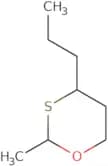
CAS:DL-Homocysteine is a sulfur-containing amino acid that is essential for the synthesis of methionine, and is an intermediate in the metabolism of L-methionine. DL-homocysteine has been shown to cause cardiac infarction in rats by inhibiting mitochondrial functions. This amino acid also inhibits the activity of enzymes that regulate homocysteine levels, such as cystathione beta-synthase and cystathione gamma-lyase. DL-homocysteine can be used as a fluorescent probe for detecting proteins involved in apoptosis. It also has proapoptotic effects on cells, causing them to undergo apoptosis.Formula:C4H9NO2SPurity:Min. 95%Color and Shape:PowderMolecular weight:135.19 g/mol2-Methyl-4-propyl-1,3 oxathiane
CAS:2-Methyl-4-propyl-1,3 oxathiane is a terpene. It has been shown to have significant effects on acetaldehyde levels in the brain and liver after consumption of alcohol. 2-Methyl-4-propyl-1,3 oxathiane is also able to increase the levels of acetaldehyde in blood plasma. It does this by inhibiting an enzyme that breaks down acetaldehyde called alcohol dehydrogenase. This means that alcohol will stay in the system for longer, resulting in higher blood alcohol levels. 2-Methyl-4-propyl-1,3 oxathiane may be used as a biomarker for alcohol consumption. It can be detected by analytical methods such as high performance liquid chromatography (HPLC).Formula:C8H16OSPurity:Min. 95%Color and Shape:Colourless To Light (Or Pale) Yellow Or Pink LiquidMolecular weight:160.28 g/molL-Isoleucine
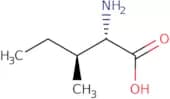
CAS:Isoleucine is an essential amino acid. It is a branched-chain amino acid that is used in the synthesis of proteins, and it is also important for the metabolism of fats and cholesterol. Isoleucine can be converted to other amino acids such as leucine, valine, and threonine. It is catabolized through a series of reactions that are catalyzed by enzymes including ketoreductase, dehydrogenase, reductase, and oxidase. The rate constant for this conversion has been shown to be 0.02 min-1 at pH 7.5 and 37°C.Formula:C6H13NO2Purity:98.5 - 101.5%Color and Shape:White PowderMolecular weight:131.17 g/mol

![N-[(9H-Fluoren-9-ylmethoxy)carbonyl]-3-(2-furyl)-L-alanine](/_next/image/?url=https%3A%2Fstatic.cymitquimica.com%2Fproducts%2F3B%2Fthumb-webp%2FF1013.webp&w=3840&q=75)




![2-Methyl-5,6-dihydro-4H-pyrrolo[3,4-d]thiazole](/_next/image/?url=https%3A%2Fstatic.cymitquimica.com%2Fproducts%2F3D%2Fthumb-webp%2FFM51472.webp&w=3840&q=75)
![4-[(4-Methylbenzyl)oxy]benzoic acid](/_next/image/?url=https%3A%2Fstatic.cymitquimica.com%2Fproducts%2F3D%2Fthumb-webp%2FFM119097.webp&w=3840&q=75)
![1-Methyl-N-(9-methyl-9-azabicyclo[3.3.1]non-3-yl)-indazole-3-carboxamide](/_next/image/?url=https%3A%2Fstatic.cymitquimica.com%2Fproducts%2F3D%2Fthumb-webp%2FFM137557.webp&w=3840&q=75)





![Imidazo[1,2-a]pyridin-2-yl-methylamine dihydrochloride](/_next/image/?url=https%3A%2Fstatic.cymitquimica.com%2Fproducts%2F3D%2Fthumb-webp%2FFI51742.webp&w=3840&q=75)








![(1R,3S,5S)-3-(3-Isopropyl-5-methyl-4H-1,2,4-triazol-4-yl)-8-azabicyclo[3.2.1]octane](/_next/image/?url=https%3A%2Fstatic.cymitquimica.com%2Fproducts%2F3D%2Fthumb-webp%2FFI21099.webp&w=3840&q=75)