Amino Acids (AA)
Amino acids (AAs) are the fundamental building blocks of proteins, playing a crucial role in various biological processes. These organic compounds are essential for protein synthesis, metabolic pathways, and cell signaling. In this category, you will find a comprehensive range of amino acids, including essential, non-essential, and modified forms, which are vital for research in biochemistry, molecular biology, and nutritional sciences. At CymitQuimica, we provide high-quality amino acids to support your research and development needs, ensuring accuracy and reliability in your experimental outcomes.
Subcategories of "Amino Acids (AA)"
- Amino Acid Derivatives(3,957 products)
- Amino Acid and Amino Acid Related Compounds(3,472 products)
- Amino Acids with Oxygen or Sulphur(168 products)
- Boc- Amino Acids(351 products)
- Fmoc Amino Acids(1,710 products)
Found 38265 products of "Amino Acids (AA)"
Sort by
Purity (%)
0
100
|
0
|
50
|
90
|
95
|
100
Biotinyl-Somatostatin-14
CAS:<p>Please enquire for more information about Biotinyl-Somatostatin-14 including the price, delivery time and more detailed product information at the technical inquiry form on this page</p>Formula:C86H118N20O21S3Purity:Min. 95%Molecular weight:1,864.18 g/mol(Glu9)-Exenatide (2-39) trifluoroacetate salt
CAS:<p>Please enquire for more information about (Glu9)-Exenatide (2-39) trifluoroacetate salt including the price, delivery time and more detailed product information at the technical inquiry form on this page</p>Formula:C179H277N47O59SPurity:Min. 95%Molecular weight:4,063.46 g/molN1-Glutathionyl-spermidine disulfide [
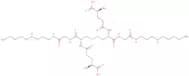
CAS:<p>N1-Glutathionyl-spermidine disulfide (N1-GS) is a molecule that has been shown to have clinical use in the treatment of chronic hepatitis C infection. The N1-GS molecule is composed of a glutathione (GSH) scaffold with two sulfhydryl groups and an amino acid side chain. N1-GS has a hydrophobic nature, which allows it to penetrate the cellular membrane and enter cells. It is also able to form hydrogen bonds and act as a catalyst for reactions. Fluorescence analysis revealed that this molecule is selective for disulfides over thiols, amines, or alcohols. Disulfides are very important in biological systems since they can be found in enzymes, proteins, and cellular membranes. The insolubility of the N1-GS molecule makes it difficult to analyze its structure using traditional methods such as gas chromatography or nuclear magnetic resonance spectroscopy. However, fluorescence</p>Formula:C34H66N12O10S2Purity:Min. 95%Molecular weight:867.09 g/molH-Glu(Glu(Gln-OH)-OH)-OH
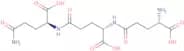
CAS:<p>Please enquire for more information about H-Glu(Glu(Gln-OH)-OH)-OH including the price, delivery time and more detailed product information at the technical inquiry form on this page</p>Formula:C15H24N4O9Purity:Min. 95%Molecular weight:404.37 g/molH-Gly-b-Ala-b-Ala-OH
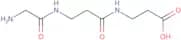
CAS:<p>Please enquire for more information about H-Gly-b-Ala-b-Ala-OH including the price, delivery time and more detailed product information at the technical inquiry form on this page</p>Formula:C8H15N3O4Purity:Min. 95%Molecular weight:217.22 g/molBoc-Phe-Phe-OH
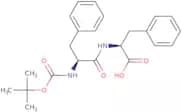
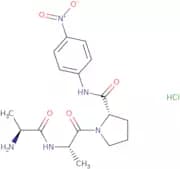
CAS:<p>Boc-Phe-Phe-OH is a linker that is used to create homologues. It has been shown to be able to form supramolecular structures and encapsulate biomolecules, such as amino acids. The ester linkage of Boc-Phe-Phe-OH can be modified by the addition of a carboxylic acid, which can lead to changes in its fluorescence and magnetic properties. Boc-Phe-Phe-OH is primarily used as an intermediate for fluorescent probes or other molecules.</p>Formula:C23H28N2O5Purity:Min. 95%Molecular weight:412.48 g/molH-Ala-Ala-Pro-pNA·HCl
CAS:<p>Please enquire for more information about H-Ala-Ala-Pro-pNA·HCl including the price, delivery time and more detailed product information at the technical inquiry form on this page</p>Formula:C17H23N5O5·HClPurity:Min. 95%Molecular weight:413.86 g/molAc-Gln-NH2
CAS:<p>Ac-Gln-NH2 is a multifunctional protein that has been covalently immobilized on the surface of a glass fiber. It can be used to immobilize enzymes and other proteins, as well as being able to function as an enzyme itself. Ac-Gln-NH2 has been shown to conjugate with various molecules, including antibodies, DNA, and proteins. The immobilizing process involves cross-linking the protein to the glass surface through a chemical method that uses reagents such as glutaraldehyde or epoxy resin. Immobilization of Ac-Gln-NH2 onto a glass surface allows for easier use in applications such as diagnostics and industrial processes.</p>Formula:C7H13N3O3Purity:Min. 95%Molecular weight:187.2 g/molNeuromedin U-25 (human) trifluoroacetate salt
CAS:<p>Please enquire for more information about Neuromedin U-25 (human) trifluoroacetate salt including the price, delivery time and more detailed product information at the technical inquiry form on this page</p>Formula:C141H203N41O38Purity:Min. 95%Molecular weight:3,080.37 g/molType A Allatostatin III
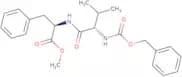
CAS:<p>Please enquire for more information about Type A Allatostatin III including the price, delivery time and more detailed product information at the technical inquiry form on this page</p>Formula:C42H62N10O12Purity:Min. 95%Molecular weight:899 g/molZ-Val-D-Phe-OMe
CAS:<p>Please enquire for more information about Z-Val-D-Phe-OMe including the price, delivery time and more detailed product information at the technical inquiry form on this page</p>Formula:C23H28N2O5Purity:Min. 95%Molecular weight:412.48 g/molZ-Leu-Leu-Tyr-a-keto aldehyde
CAS:<p>Please enquire for more information about Z-Leu-Leu-Tyr-a-keto aldehyde including the price, delivery time and more detailed product information at the technical inquiry form on this page</p>Formula:C30H39N3O7Purity:Min. 95%Molecular weight:553.65 g/molZ-Gly-Trp-OH
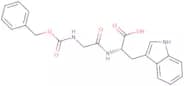
CAS:<p>Z-Gly-Trp-OH is a peptide that is synthesized by combining the amino acids glycine, alanine, and tryptophan. It is used in a variety of applications, including as an antimicrobial agent, sweetener, and health care product. Z-Gly-Trp-OH has been shown to have potential health benefits such as improved insulin sensitivity and prevention of cardiovascular disease. The strategies for synthesizing this peptide are dependent on the availability of different amino acid building blocks. For example, zinc ions may be used to catalyze the condensation of glycine with tryptophan.</p>Formula:C21H21N3O5Purity:Min. 95%Molecular weight:395.41 g/molFmoc-Nle-Wang resin (200-400 mesh)
<p>Please enquire for more information about Fmoc-Nle-Wang resin (200-400 mesh) including the price, delivery time and more detailed product information at the technical inquiry form on this page</p>Purity:Min. 95%Cecropin A (1-8)-Melittin (1-18) amide
CAS:<p>Please enquire for more information about Cecropin A (1-8)-Melittin (1-18) amide including the price, delivery time and more detailed product information at the technical inquiry form on this page</p>Formula:C136H233N33O29Purity:Min. 95%Molecular weight:2,794.51 g/molH-Arg(Pbf)-OtBu·HCl
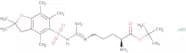
CAS:<p>Please enquire for more information about H-Arg(Pbf)-OtBu·HCl including the price, delivery time and more detailed product information at the technical inquiry form on this page</p>Formula:C23H38N4O5S·HClPurity:Min. 95%Color and Shape:PowderMolecular weight:519.1 g/mol4-(Fmoc-hydrazino)-benzoylaminomethyl resin (200-400 mesh)
<p>Please enquire for more information about 4-(Fmoc-hydrazino)-benzoylaminomethyl resin (200-400 mesh) including the price, delivery time and more detailed product information at the technical inquiry form on this page</p>Purity:Min. 95%Fmoc-D-Cys(Bzl)-OH
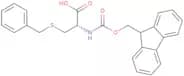
CAS:<p>The compound Fmoc-D-Cys(Bzl)-OH is a chiral homologue of the protonated amino acid D-Cys. The configuration of the proton in this molecule has been determined by proton nmr experiments. This compound is synthesized from the racemic mixture by reductive amination and deprotonation with sodium borohydride. The reagents are an organophosphate and an ester, which react in order to form a new carbon-carbon bond. The postulated enantiomers are screened for their activity against phospholipase A2, which cleaves ester bonds on phospholipids. One enantiomer has been shown to have more potent activity than its counterpart, suggesting that it is the desired product.</p>Formula:C25H23NO4SPurity:Min. 95%Molecular weight:433.52 g/molOsteogenic Growth Peptide (10-14) trifluoroacetate salt
CAS:<p>Osteogenic growth peptide is a cyclic peptide that has been shown to activate the production of collagen and other proteins in fibroblasts. It has also been found to promote hematopoietic cell proliferation, as well as stimulate growth in cultured cells. Osteogenic growth peptide is an analog of TGF-β1, but it differs by having a tyrosine residue at the 10th position instead of an arginine residue. This difference in amino acid sequence alters the activity of this peptide and produces a new compound with different biological effects.</p>Formula:C24H29N5O7Purity:Min. 95%Molecular weight:499.52 g/molSubstance P (2-11)
CAS:<p>Substance P (2-11) H-Pro-Lys-Pro-Gln-Gln-Phe-Phe-Gly-Leu-Met-NH2 is a peptide that is the product of proteolytic cleavage of substance P. It binds to the neurokinin receptor and induces degranulation in mast cells and sensory neurons. It has been used as a diagnostic tool for mast cell degranulation. Substance P (2-11) H-Pro-Lys-Pro-Gln-Gln-Phe has also been used to assess lung function in anesthetized animals, circulations in muscle, and changes in perfusion during surgical procedures.</p>Formula:C57H86N14O12SPurity:Min. 95%Molecular weight:1,191.45 g/molH-Gly-Gly-b-Ala-Gly-OH
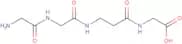
CAS:<p>Please enquire for more information about H-Gly-Gly-b-Ala-Gly-OH including the price, delivery time and more detailed product information at the technical inquiry form on this page</p>Formula:C9H16N4O5Purity:Min. 95%Molecular weight:260.25 g/molAc-Val-Glu-Ile-Asp-aldehyde (pseudo acid)
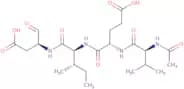
CAS:<p>Ac-Val-Glu-Ile-Asp-aldehyde is a pseudo acid that has been shown to induce apoptotic cell death in cultured cells. It is localized in the cerebellar granule and mitochondria of HL-60 cells and HK-2 cells. Ac-Val-Glu-Ile-Asp-aldehyde induces necrotic cell death when it binds to the serine protease zymogen, which is localized in the mitochondrial membrane. It also induces apoptosis by disrupting the mitochondrial membrane potential, leading to a release of cytochrome c into the cytosol. Ac-Val-Glu-Ile-Asp-aldehyde can bind to annexin and tubule cells, which are important for β cell function.</p>Formula:C22H36N4O9Purity:Min. 95%Molecular weight:500.54 g/molH-Tyr-betaNA
CAS:<p>H-Tyr-betaNA is a synthetic substrate that has been used to study the binding activities of natural and synthetic opioid compounds. H-Tyr-betaNA binds to δ opioid receptors and inhibits the release of neurotransmitters such as acetylcholine, histamine, and serotonin. It also binds to δ-opioid receptors, which are involved in mediating pain responses. This compound has been shown to be an inhibitor of antinociceptive responses in rats, but it is not yet known whether it can cross the blood brain barrier. The pharmacokinetic properties of H-Tyr-betaNA have not been fully elucidated; however, it has been shown to be stable at neutral ph.</p>Formula:C19H18N2O2Purity:Min. 95%Molecular weight:306.36 g/molFmoc-D-Pro-D-Pro-D-Pro-D-Pro-OH
CAS:<p>Please enquire for more information about Fmoc-D-Pro-D-Pro-D-Pro-D-Pro-OH including the price, delivery time and more detailed product information at the technical inquiry form on this page</p>Formula:C35H40N4O7Purity:Min. 95 Area-%Color and Shape:PowderMolecular weight:628.71 g/mol(Des-Gly10,D-Pyr 1,D-Leu6,Pro-NHEt 9)-LHRH trifluoroacetate salt
<p>Please enquire for more information about (Des-Gly10,D-Pyr 1,D-Leu6,Pro-NHEt 9)-LHRH trifluoroacetate salt including the price, delivery time and more detailed product information at the technical inquiry form on this page</p>Formula:C59H84N16O12Purity:Min. 95%Molecular weight:1,209.4 g/molMAGE-1 Antigen (161-169) (human) acetate salt
CAS:<p>MAGE-1 is a costimulatory molecule that is expressed on the surface of antigen presenting cells. It has been shown to be a very potent target for monoclonal antibodies. MAGE-1 can be used as an antigen in diagnostic tests, such as ELISA and Western blotting. It can also be used to generate monoclonal antibodies for use as therapeutic agents in cancer therapy and for the treatment of viral infections such as influenza virus. The MAGE-1 antigen has been shown to have high affinity binding with the paratope of Papilloma virus, which may help explain its clinical relevance in these diseases.</p>Formula:C41H57N11O17Purity:Min. 95%Molecular weight:975.96 g/molFmoc-Homophe-Wang resin (200-400 mesh)
<p>Please enquire for more information about Fmoc-Homophe-Wang resin (200-400 mesh) including the price, delivery time and more detailed product information at the technical inquiry form on this page</p>Purity:Min. 95%Ac-Leu-Glu-His-Asp-chloromethylketone
CAS:<p>Ac-Leu-Glu-His-Asp-chloromethylketone is a creatine kinase inhibitor that prevents the conversion of ATP to ADP. It inhibits mitochondrial pathways, leading to apoptotic and proapoptotic effects. Ac-Leu-Glu-His-Asp-chloromethylketone also has a kinetic effect on cells, where it causes necrotic cell death. This compound can cause proteolytic activity, which leads to the activation of caspase 9 and matrix metalloproteinases. Ac-Leu-Glu-His-Asp chloromethylketone has been shown to have antiinflammatory properties in cellular assays, as well as an ability to inhibit the synthesis of cellular proteins.</p>Formula:C24H35ClN6O9Purity:Min. 95%Molecular weight:587.02 g/molH-Val-Ile-His-Thr-EDANS acetate salt
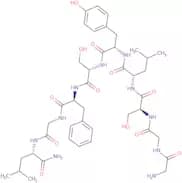
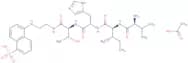
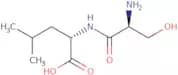
CAS:Controlled Product<p>Please enquire for more information about H-Val-Ile-His-Thr-EDANS acetate salt including the price, delivery time and more detailed product information at the technical inquiry form on this page</p>Formula:C33H48N8O8SPurity:Min. 95%Molecular weight:716.85 g/molH-Ser-Leu-OH
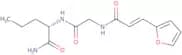
CAS:<p>H-Ser-Leu-OH is a methylvaleric acid that is found in biological tissue and has been studied for its potential use as a pharmacological treatment. It has been shown to have anti-inflammatory effects, which may be due to its inhibition of prostaglandin synthesis. H-Ser-Leu-OH also inhibits the activity of divalent metal ions, such as magnesium and zinc, by binding to their chelating groups. This binding prevents the formation of an enzyme cell wall synthesis complex with the enzyme that is required for cell wall biosynthesis, inhibiting protein synthesis and cell division. H-Ser-Leu-OH has also shown potential as an analytical method for cancer detection. It can be used to detect carcinogenesis by detecting changes in DNA methylation patterns at the promoter region of tumor suppressor genes (e.g., RASSF1A).</p>Formula:C9H18N2O4Purity:Min. 95%Molecular weight:218.25 g/molFA-Gly-Nva-NH2
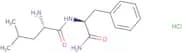
CAS:<p>Please enquire for more information about FA-Gly-Nva-NH2 including the price, delivery time and more detailed product information at the technical inquiry form on this page</p>Formula:C14H19N3O4Purity:Min. 95%Molecular weight:293.32 g/molH-Leu-Phe-NH2·HCl
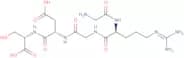
CAS:<p>H-Leu-Phe-NH2·HCl is a peptide that has been shown to have antiviral and anticancer properties. It blocks the replication of viruses by interacting with the amino acid sequence on the virus’s outer layer, which prevents the virus from binding to cells. H-Leu-Phe-NH2·HCl has also been shown to have anticancer properties. This peptide stimulates cancer cells to produce proteins that are required for their growth and proliferation, leading to increased tumor size. The effectiveness of this drug is enhanced when combined with other cancer drugs, such as cisplatin or vinblastine. H-Leu-Phe-NH2·HCl also has an excellent safety profile and does not cause any toxicity in healthy cells or tissues.</p>Formula:C15H23N3O2·HClPurity:Min. 95%Molecular weight:313.82 g/molH-Gly-Arg-Gly-Asp-Ser-Pro-OH
CAS:<p>H-Gly-Arg-Gly-Asp-Ser-Pro-OH is a cyclic peptide that contains five amino acids. It was synthesized by the reaction of L-glycine and D-alanine with D,L-aspartic acid and L,D,L-serine. HAGGS has been shown to stimulate the proliferation of fibroblast cells in vitro. The presence of HAGGS on the surface of human breast cancer cells (MDA MB 231) promotes the proliferation of these cells and stimulates the production of growth factor β1. HAGGS also activates integrin receptors on these cells, which are proteins that bind to collagen or fibronectin. This may be due to its ability to form disulfide bonds with neighboring proteins, such as fibronectin and integrin.</p>Formula:C22H37N9O10Purity:Min. 95%Molecular weight:587.58 g/molZ-Trp-Val-OH trifluoroacetic acid
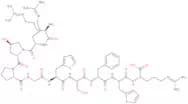
CAS:<p>Please enquire for more information about Z-Trp-Val-OH trifluoroacetic acid including the price, delivery time and more detailed product information at the technical inquiry form on this page</p>Formula:C24H27N3O5•CF3CO2HPurity:Min. 95%Molecular weight:437.49 g/molH-D-Arg-Arg-Pro-Hyp-Gly-β-(2-thienyl)-Ala-Ser-D-Phe-b-(2-thienyl)-Ala-Arg-OH
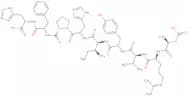
CAS:<p>Enalaprilat is a prodrug that is converted to the active drug enalapril in vivo. It is a potent angiotensin-converting enzyme (ACE) inhibitor that prevents the conversion of angiotensin I to angiotensin II, which leads to vasodilatation and reduced blood pressure. Enalaprilat has been shown to be effective in lowering blood pressure in patients with cardiac insufficiency or hypertension. It also has been shown to decrease the production of endogenous bradykinin, which acts on its receptor B2, leading to vasodilatation and reduced blood pressure. The most common side effect of enalaprilat therapy is cutaneous reactions such as erythema, rash, or pruritus.</p>Formula:C56H83N19O13S2Purity:Min. 95%Molecular weight:1,294.51 g/molAngiotensin I (1-9) trifluoroacetate salt
CAS:<p>Please enquire for more information about Angiotensin I (1-9) trifluoroacetate salt including the price, delivery time and more detailed product information at the technical inquiry form on this page</p>Formula:C56H78N16O13Purity:Min. 95%Molecular weight:1,183.32 g/molSeminalplasmin Fragment (SPF) Analog
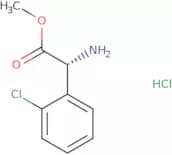
CAS:<p>Seminalplasmin Fragment (SPF) is a potent antibacterial agent that has been shown to inhibit the growth of Leishmania. It binds to the target cells, forming a covalent bond with the surface of the cell membrane. The SPF analog H-Pro-Lys-Leu-Leu-Lys-Thr-Phe-Leu-Ser-Lys-Trp-Ile-Gly-OH has been shown to have an increased antimicrobial spectrum due to its increased stability in acidic environments. This analog is also active against Gram positive bacteria and can be synthesized using cyclic peptide chemistry. This drug has been shown to have hemolytic activity, meaning that it inhibits red blood cell lysis by binding to phospholipids on the surface of red blood cells.</p>Formula:C76H123N17O16Purity:Min. 95%Molecular weight:1,530.89 g/molD-(-)-2-Chlorophenylglycine methyl ester hydrochloride
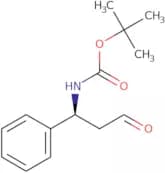
CAS:<p>Please enquire for more information about D-(-)-2-Chlorophenylglycine methyl ester hydrochloride including the price, delivery time and more detailed product information at the technical inquiry form on this page</p>Formula:C9H10ClNO2•HClPurity:Min. 95%Molecular weight:236.1 g/molN-Boc-(3S)-3-phenyl-3-aminopropionaldehyde
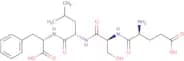
CAS:<p>N-Boc-(3S)-3-phenyl-3-aminopropionaldehyde is a synthetic chiral ligand that can be used as a building block in the synthesis of other compounds. It has been used to optimize the synthetic process, and it can be used in buffers, ammonium formate, metal chelate, and other additives to synthesize new compounds. N-Boc-(3S)-3-phenyl-3-aminopropionaldehyde is an optical isomer that can be used for supercritical fluid chromatography (SCFC) or liquid chromatography (LC). This compound has been shown to have a high affinity for ligands with a phenol group.</p>Formula:C14H19NO3Purity:Min. 95%Molecular weight:249.31 g/molH-Glu-Ser-Leu-Phe-OH
CAS:<p>Please enquire for more information about H-Glu-Ser-Leu-Phe-OH including the price, delivery time and more detailed product information at the technical inquiry form on this page</p>Formula:C23H34N4O8Purity:Min. 95%Molecular weight:494.54 g/molH-Gly-Arg-Gly-Asp-Ser-OH TFA salt
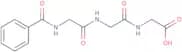
CAS:<p>H-Gly-Arg-Gly-Asp-Ser-OH TFA salt is a synthetic peptide that is designed to bind to the nuclear factor kappa B (NFκB) and inhibit its activation. NFκB is a transcription factor that regulates gene expression in response to various stimuli, including proinflammatory cytokines, oxidants, and electrophilic compounds. H-Gly-Arg-Gly-Asp-Ser-OH TFA salt has been shown to inhibit NFκB activation in a model system. This molecule also inhibits axonal growth and pluripotent cells differentiation, which may be due to its suppression of the signal peptide. The rate constant for this drug has been measured using polymer compositions and biocompatible polymers.</p>Formula:C17H30N8O9(freebase)Purity:Min. 95%Molecular weight:490.47 g/molHippuryl-Gly-Gly-OH
CAS:<p>Hippuryl-Gly-Gly-OH is a small molecule that inhibits the growth of bacteria. It is an inhibitor of epidermal growth factor (EGF) that binds to EGF and blocks its ability to interact with cells. Hippuryl-Gly-Gly-OH also has anti-inflammatory properties and has been shown to be effective against inflammatory bowel disease in vitro. This drug also has been shown to inhibit the enzyme activities associated with inflammatory bowel disease, such as COX2 and iNOS, in human serum, as well as inhibiting the production of proinflammatory cytokines from human peripheral blood mononuclear cells.</p>Formula:C13H15N3O5Purity:Min. 95%Molecular weight:293.28 g/molKemptamide trifluoroacetate salt
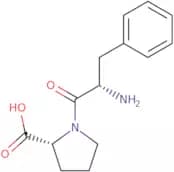
CAS:<p>Kemptamide is a peptide that has been shown to have cytotoxic and anti-proliferative effects on renal cancer cells. It is a synthetic analogue of an endogenous peptide, Lys-Lys-Arg-Pro-Gln-Arg-Ala-Thr-Ser-Asn-Val-Phe, that is found in porcine kidney. Kemptamide’s cytotoxic activity may be due to its ability to inhibit the activity of phosphatases. Kemptamide also has regulatory properties and can modulate the expression of genes that are involved in cell growth and apoptosis. This peptide has been shown to be reactive with kidney cells, which may lead to its therapeutic effect on renal cancer.</p>Formula:C65H112N24O18Purity:Min. 95%Molecular weight:1,517.74 g/molH-Phe-D-Pro-OH·HCl
CAS:<p>Please enquire for more information about H-Phe-D-Pro-OH·HCl including the price, delivery time and more detailed product information at the technical inquiry form on this page</p>Formula:C14H18N2O3·HClPurity:Min. 95%Molecular weight:298.77 g/molAngiogenin (108-123)
CAS:<p>Please enquire for more information about Angiogenin (108-123) including the price, delivery time and more detailed product information at the technical inquiry form on this page</p>Formula:C83H132N26O24Purity:Min. 95%Molecular weight:1,878.1 g/molH-Gly-Phe-Ser-OH
CAS:<p>H-Gly-Phe-Ser-OH is a substrate for thermolysin, an enzyme that catalyzes the hydrolysis of peptides to amino acids. It is modified by glycerol, which influences its affinity and nature. The residue can be either modified or unmodified with a specific chain length. The modifications of the residue are important in determining the specificity of the enzyme. H-Gly-Phe-Ser-OH has a high degree of hydrophobicity, which influences the catalytic reaction. This substrate can be used to determine enzyme specificity because it is not cleaved by enzymes such as trypsin and chymotrypsin.</p>Formula:C14H19N3O5Purity:Min. 95%Molecular weight:309.32 g/molBoc-D-Phe-Pro-OSu
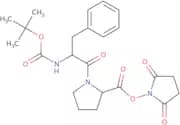
CAS:<p>Please enquire for more information about Boc-D-Phe-Pro-OSu including the price, delivery time and more detailed product information at the technical inquiry form on this page</p>Formula:C23H29N3O7Purity:Min. 95%Molecular weight:459.49 g/molAc-D-Ala-D-lactic acid
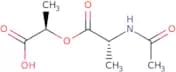
CAS:<p>Please enquire for more information about Ac-D-Ala-D-lactic acid including the price, delivery time and more detailed product information at the technical inquiry form on this page</p>Formula:C8H13NO5Purity:Min. 95%Molecular weight:203.19 g/molBoc-D-Asp-OFm
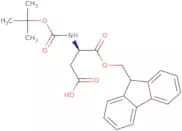
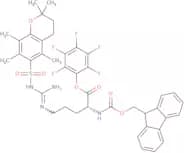
CAS:<p>Please enquire for more information about Boc-D-Asp-OFm including the price, delivery time and more detailed product information at the technical inquiry form on this page</p>Formula:C23H25NO6Purity:Min. 95%Molecular weight:411.45 g/molFmoc-D-Arg(Pmc)-OPfp
CAS:<p>Please enquire for more information about Fmoc-D-Arg(Pmc)-OPfp including the price, delivery time and more detailed product information at the technical inquiry form on this page</p>Formula:C41H41F5N4O7SPurity:Min. 95%Molecular weight:828.85 g/molAlloferon 2 trifluoroacetate salt
CAS:<p>Please enquire for more information about Alloferon 2 trifluoroacetate salt including the price, delivery time and more detailed product information at the technical inquiry form on this page</p>Formula:C46H69N19O15Purity:Min. 95%Molecular weight:1,128.16 g/molH-Ile-Ile-Ile-OH acetate salt
CAS:<p>Please enquire for more information about H-Ile-Ile-Ile-OH acetate salt including the price, delivery time and more detailed product information at the technical inquiry form on this page</p>Formula:C18H35N3O4Purity:Min. 95%Molecular weight:357.49 g/molAc-p-amino-Phe-OMe
CAS:<p>Please enquire for more information about Ac-p-amino-Phe-OMe including the price, delivery time and more detailed product information at the technical inquiry form on this page</p>Formula:C12H16N2O3Purity:Min. 95%Molecular weight:236.27 g/molTRAP-14 amide trifluoroacetate salt
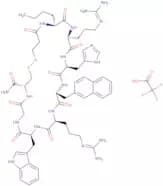
CAS:<p>Please enquire for more information about TRAP-14 amide trifluoroacetate salt including the price, delivery time and more detailed product information at the technical inquiry form on this page</p>Formula:C81H119N21O22Purity:Min. 95%Molecular weight:1,738.94 g/mol(Deamino-Cys3, Nle 4,Arg5,D-2-Nal 7,Cys11)-a-MSH (3-11) amide trifluoroacetate salt
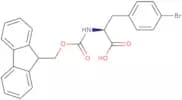
CAS:<p>Please enquire for more information about (Deamino-Cys3, Nle 4,Arg5,D-2-Nal 7,Cys11)-a-MSH (3-11) amide trifluoroacetate salt including the price, delivery time and more detailed product information at the technical inquiry form on this page</p>Formula:C56H76N18O9S2Purity:Min. 95%Molecular weight:1,209.45 g/molFMoc-L-4-BroMophenylalanine
CAS:<p>FMoc-L-4-BroMophenylalanine is a cell culture substrate that is used to study the interaction between peptides and hydrogels. It can be used as a fluorescent probe in peptide binding assays as well as for studies of protein folding. This product has been shown to be efficient at inducing gelation with other amino acids, such as aspartic acid, glycine, and arginine. FMoc-L-4-BroMophenylalanine also has potential applications for use in classifying peptides based on their charge and size.</p>Formula:C24H20BrNO4Purity:Min. 95%Molecular weight:466.32 g/molH-Asp-AMC
CAS:<p>Please enquire for more information about H-Asp-AMC including the price, delivery time and more detailed product information at the technical inquiry form on this page</p>Formula:C14H14N2O5Purity:Min. 95%Color and Shape:PowderMolecular weight:290.27 g/molZ-D-Ala-D-Ala-OMe
CAS:<p>Please enquire for more information about Z-D-Ala-D-Ala-OMe including the price, delivery time and more detailed product information at the technical inquiry form on this page</p>Formula:C15H20N2O5Purity:Min. 95%Molecular weight:308.33 g/molH-Leu-bNA
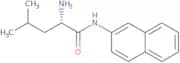
CAS:<p>H-Leu-bNA is a gene product that has been activated and is involved in the production of chronic arthritis. H-Leu-bNA is a basic protein that catalyzes the conversion of chloromethyl ketone to iodoacetic acid, which then converts neutral ph substances to acidic ph substances. This enzyme also catalyzes the conversion of amino acids to their corresponding amines and ammonia. H-Leu-bNA may be involved in autoimmune diseases with acidic phs, such as rheumatoid arthritis. It has an optimum pH of 7.4 and will not work at higher or lower pHs. The sequences for this enzyme are found in plants, but it is not found in humans or animals.br><br>H-Leu-bNA can be used as a kinetic tool to measure enzyme activity. Kinetic data for this enzyme show that it has a high affinity for chloromethyl ketone and can be inhibited by certain chemicals,</p>Formula:C16H20N2OPurity:Min. 95%Molecular weight:256.34 g/molH-Met-Leu-OH
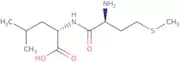
CAS:<p>H-Met-Leu-OH is a peptide that is a protonated form of the amino acid, methionine. It has been shown to have transient activity in the pancreas and testes. H-Met-Leu-OH is also a substrate for a number of enzymes including peptidases, which cleave it into smaller molecules. The presence of H-Met-Leu-OH in polyacrylamide gels can be detected by photooxidation or by using an electrophoresis method. H-Met-Leu-OH is used as a marker to show the purity of proteins and peptides during solubilization and electrophoresis.</p>Formula:C11H22N2O3SPurity:Min. 95%Molecular weight:262.37 g/molBiotinyl-(Leu8,D-Trp22,Tyr25)-Somatostatin-28 trifluoroacetate salt
CAS:<p>Please enquire for more information about Biotinyl-(Leu8,D-Trp22,Tyr25)-Somatostatin-28 trifluoroacetate salt including the price, delivery time and more detailed product information at the technical inquiry form on this page</p>Formula:C148H223N43O42S3Purity:Min. 95%Molecular weight:3,372.82 g/molOsteostatin (1-5) amide (human, bovine, dog, horse, mouse, rabbit, rat) trifluoroacetate salt
CAS:<p>Please enquire for more information about Osteostatin (1-5) amide (human, bovine, dog, horse, mouse, rabbit, rat) trifluoroacetate salt including the price, delivery time and more detailed product information at the technical inquiry form on this page</p>Formula:C27H42N10O7Purity:Min. 95%Molecular weight:618.69 g/molNeurotensin (9-13)
CAS:<p>Neurotensin (NT) is a peptide hormone that belongs to the family of amides and is found in the stomach, small intestine, and central nervous system. NT is an agonist of the neurotensin receptor and binds to allosteric binding sites on the receptor. Neurotensin (NT) is modified by proteolysis, which may be due to its acidic residue at position 9. This modification leads to increased affinity for the neurotensin receptor binding site. The pharmacokinetic properties of NT are not well-understood as it has been shown to have both high lipophilicity and low plasma protein binding rates. Neurotensin (NT) receptors have been shown to be G protein coupled receptors with different subtypes, such as NT1, NT2A, NT2B, and NT3.</p>Formula:C32H52N8O7Purity:Min. 95%Molecular weight:660.81 g/molH-Leu-Asn-OH
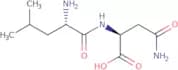
CAS:<p>H-Leu-Asn-OH is a water-soluble drug that belongs to the group of serotonin reuptake inhibitors. It is a radical prostatectomy drug that has been shown to have disease-modifying effects in patients with benign prostatic hyperplasia. H-Leu-Asn-OH has also been shown to be effective in treating HIV infection and cancer, as well as inhibiting the growth of cancer cells in cell culture. This compound is chemically stable and can be transported across the blood brain barrier. Clinical studies on H-Leu-Asn-OH have found it to be safe for use in humans.</p>Formula:C10H19N3O4Purity:Min. 95%Molecular weight:245.28 g/molSV40 Nuclear Transport Signal Peptide Analog
CAS:<p>Please enquire for more information about SV40 Nuclear Transport Signal Peptide Analog including the price, delivery time and more detailed product information at the technical inquiry form on this page</p>Formula:C60H104N20O15SPurity:Min. 95%Molecular weight:1,377.66 g/molNeuroendocrine Regulatory Peptide-1 (rat) trifluoroacetate salt
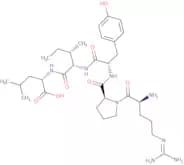
CAS:<p>Please enquire for more information about Neuroendocrine Regulatory Peptide-1 (rat) trifluoroacetate salt including the price, delivery time and more detailed product information at the technical inquiry form on this page</p>Formula:C110H180N32O38Purity:Min. 95%Molecular weight:2,558.8 g/molNeuronostatin-13 (mouse, rat) trifluoroacetate salt
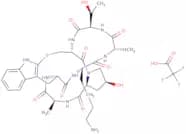
<p>Please enquire for more information about Neuronostatin-13 (mouse, rat) trifluoroacetate salt including the price, delivery time and more detailed product information at the technical inquiry form on this page</p>Formula:C65H112N20O17Purity:Min. 95%Molecular weight:1,445.71 g/mol(Lys7)-Phalloidin trifluoroacetate
CAS:<p>Please enquire for more information about (Lys7)-Phalloidin trifluoroacetate including the price, delivery time and more detailed product information at the technical inquiry form on this page</p>Formula:C35H49N9O9S•(C2HF3O2)xPurity:Min. 95%Molecular weight:771.88 g/molHIV Protease Substrate VIII
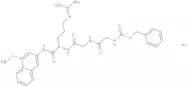
CAS:<p>HIV Protease Substrate VIII is a peptide that belongs to the HIV protease family. It is an active site residue of the HIV protease and has been shown to be essential for catalysis. The substrate binds to the aspartyl-proline termini, which are critical in preventing spontaneous hydrolysis of the amide bond. This peptide has also been used as an active analog to study HIV protease activity and as a model for developing new drugs with improved specificity and stability.</p>Formula:C42H66N10O13Purity:Min. 95%Molecular weight:919.03 g/molZ-Gly-Gly-Arg-4MbNA·HCl
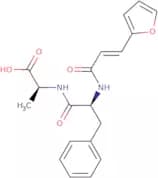
CAS:<p>Please enquire for more information about Z-Gly-Gly-Arg-4MbNA·HCl including the price, delivery time and more detailed product information at the technical inquiry form on this page</p>Formula:C29H35N7O6·HClPurity:Min. 95%Molecular weight:614.09 g/molFA-Phe-Ala-OH
CAS:<p>F-Phe-Ala-OH is a peptidyl amide that is ionizable at physiological pH. It has a constant and kinetic residue, as well as a hydrophobic, uncharged, and carboxypeptidase activity. F-Phe-Ala-OH catalyzes transpeptidation reactions between the amino acid residues of proteins. This reaction involves the elimination of one water molecule from the peptide bond to form an amine and an imine, which are then hydrolyzed to form the new peptide bond. The optimum pH for this catalysis is acidic.</p>Formula:C19H20N2O5Purity:Min. 95%Molecular weight:356.37 g/mol(Ile3)-Pressinoic acid
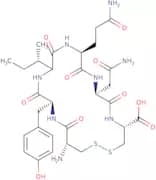
CAS:<p>Ile3-pressinoic acid is an amide that is structurally similar to gamma-aminobutyric acid. It has dose-dependent effects on fatty acid synthesis and redox potential. Ile3-pressinoic acid is a leishmania molecule that can be used as a diagnostic agent for the disease, as well as a potential treatment in cell culture and animal models. It also has been shown to have receptor activity on peptide hormones, including oxytocin receptors.</p>Formula:C30H44N8O10S2Purity:Min. 95%Molecular weight:740.85 g/molFmoc-D-Val-Wang resin (200-400 mesh)
<p>Please enquire for more information about Fmoc-D-Val-Wang resin (200-400 mesh) including the price, delivery time and more detailed product information at the technical inquiry form on this page</p>Purity:Min. 95%H-Cit-AMC trifluoroacetate salt
CAS:<p>Please enquire for more information about H-Cit-AMC trifluoroacetate salt including the price, delivery time and more detailed product information at the technical inquiry form on this page</p>Formula:C16H20N4O4Purity:Min. 95%Molecular weight:332.35 g/mol(Des-Thr5)-Glucagon trifluoroacetate salt
CAS:<p>Please enquire for more information about (Des-Thr5)-Glucagon trifluoroacetate salt including the price, delivery time and more detailed product information at the technical inquiry form on this page</p>Formula:C149H218N42O47SPurity:Min. 95%Molecular weight:3,381.65 g/molH-Gly-Pro-Gly-NH2·HCl
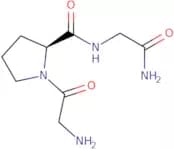
CAS:<p>Please enquire for more information about H-Gly-Pro-Gly-NH2·HCl including the price, delivery time and more detailed product information at the technical inquiry form on this page</p>Formula:C9H16N4O3·HClPurity:Min. 95%Molecular weight:264.71 g/molH-Ile-NHOH acetate salt
CAS:<p>H-Ile-NHOH acetate salt is an inhibitor of l-amino acid metabolism. It is a competitive inhibitor of the enzyme L-amino acid oxidase, which catalyzes the conversion of l-amino acids to alpha-keto acids and ammonia. H-Ile-NHOH acetate salt has been shown to inhibit the growth of wild type C. glutamicum in a molecular modeling study. In addition, this compound has been shown to block messenger RNA (mRNA) synthesis in a mutant strain of C. glutamicum that does not have the frameshifting mutation. H-Ile-NHOH acetate salt is also known to be an inhibitor of fatty acid biosynthesis by blocking the activity of acyl carrier protein synthetase and acyl carrier protein reductase.</p>Formula:C6H14N2O2Purity:Min. 95%Molecular weight:146.19 g/mol(Val6,Ala7)-Kemptide
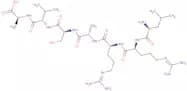
CAS:<p>Please enquire for more information about (Val6,Ala7)-Kemptide including the price, delivery time and more detailed product information at the technical inquiry form on this page</p>Formula:C32H61N13O9Purity:Min. 95%Molecular weight:771.91 g/molBoc-Arg(Tos)-Merrifield resin (200-400 mesh)
<p>Please enquire for more information about Boc-Arg(Tos)-Merrifield resin (200-400 mesh) including the price, delivery time and more detailed product information at the technical inquiry form on this page</p>Purity:Min. 95%H-Ala-D-Ala-Ala-OH
CAS:<p>Please enquire for more information about H-Ala-D-Ala-Ala-OH including the price, delivery time and more detailed product information at the technical inquiry form on this page</p>Formula:C9H17N3O4Purity:Min. 95%Molecular weight:231.25 g/mol(R)-2-Hydroxy-4-phenylbutanoic acid
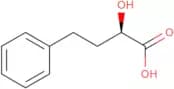
CAS:<p>(R)-2-Hydroxy-4-phenylbutanoic acid is an ester compound that is produced by the conversion of (S)-malic acid to its enantiomer. This reaction is catalyzed by a phosphoric acid esterase. The kinetic, immobilization, and transfer mechanisms have been characterized. The solubilized form of the enzyme was found to be more active than the crystalline form. Enzyme inhibitors such as hydrogen chloride and hydrochloric acid were also investigated in order to determine their effect on the reaction rate and product distribution. A structural formula for (R)-2-Hydroxy-4-phenylbutanoic acid was determined using nuclear magnetic resonance spectroscopy and mass spectrometry, revealing a dinucleotide phosphate as a possible intermediate in the synthesis pathway.</p>Formula:C10H12O3Purity:Min. 95%Molecular weight:180.2 g/molH-Gly-Ala-NH2·HCl
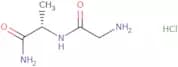
CAS:<p>Please enquire for more information about H-Gly-Ala-NH2·HCl including the price, delivery time and more detailed product information at the technical inquiry form on this page</p>Formula:C5H11N3O2·HClPurity:Min. 95%Molecular weight:181.62 g/molBiotinyl-BNP-32 (human) trifluoroacetate salt
CAS:<p>Please enquire for more information about Biotinyl-BNP-32 (human) trifluoroacetate salt including the price, delivery time and more detailed product information at the technical inquiry form on this page</p>Formula:C153H258N52O44S5Purity:Min. 95%Molecular weight:3,690.34 g/molH-Ser-Leu-Ser-Leu-Ser-Pro-Gly-OH trifluoroacetate salt
CAS:<p>Please enquire for more information about H-Ser-Leu-Ser-Leu-Ser-Pro-Gly-OH trifluoroacetate salt including the price, delivery time and more detailed product information at the technical inquiry form on this page</p>Formula:C28H49N7O11Purity:Min. 95%Molecular weight:659.73 g/molH-Gly-Gly-Arg-Ala-OH acetate salt
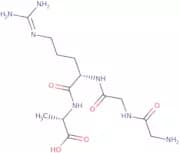
CAS:<p>Please enquire for more information about H-Gly-Gly-Arg-Ala-OH acetate salt including the price, delivery time and more detailed product information at the technical inquiry form on this page</p>Formula:C13H25N7O5Purity:Min. 95%Molecular weight:359.38 g/molSuc-Tyr-Val-Ala-Asp-pNA
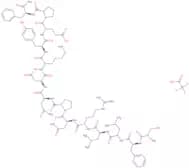
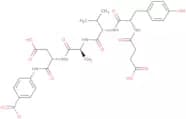
CAS:<p>Please enquire for more information about Suc-Tyr-Val-Ala-Asp-pNA including the price, delivery time and more detailed product information at the technical inquiry form on this page</p>Formula:C31H38N6O12Purity:Min. 95%Molecular weight:686.67 g/molProtein Kinase P34 (cd2) Substrate trifluoroacetate salt
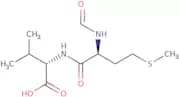
CAS:<p>H-ADAQHATPPKKKRKVEDPKDF-OH peptide, which can act as a substrate of Protein Kinase P34 (cd2). The peptide is supplied as a trifluoroacetate salt.</p>Formula:C106H172N32O32Purity:Min. 95%Molecular weight:2,406.7 g/molFor-Met-Val-OH
CAS:<p>For-Met-Val-OH is a synthetic molecule that has been shown to inhibit the growth of bacteria by binding to the ribosomal subunit, thereby inhibiting protein synthesis. This compound was synthesized in vitro and has been shown to be effective against single-stranded DNA. For-Met-Val-OH can also bind to the template strand of DNA and inhibit the synthesis of RNA. It binds to functional genes and inhibits their function in a similar manner as natural substrates. This inhibition may be due to inhibition of protein synthesis or other unknown mechanisms. The structure of For-Met-Val-OH is similar to hydroxamic acids, which are known for their antibacterial properties.</p>Formula:C11H20N2O4SPurity:Min. 95%Molecular weight:276.35 g/molNeuromedin S (rat) trifluoroacetate salt
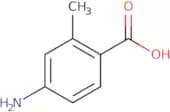
CAS:<p>Please enquire for more information about Neuromedin S (rat) trifluoroacetate salt including the price, delivery time and more detailed product information at the technical inquiry form on this page</p>Formula:C193H307N57O49SPurity:Min. 95%Molecular weight:4,241.92 g/mol4-Amino-2-methylbenzoic acid
CAS:<p>4-Amino-2-methylbenzoic acid is a low molecular weight compound that has been shown to inhibit the neuraminidase enzyme. It interacts with the imine group of the enzyme and forms a covalent bond, which prevents the release of sialic acid from the terminal sugar residue of glycoproteins. The inhibition of this enzyme leads to decreased bacterial growth. 4-Amino-2-methylbenzoic acid has been shown to be active against Gram positive bacteria such as Staphylococcus aureus and Streptococcus pneumoniae, but not against Gram negative bacteria such as Escherichia coli or Pseudomonas aeruginosa. This compound is also able to inhibit the synthesis of c-reactive protein (CRP) in human erythrocytes.</p>Formula:C8H9NO2Purity:Min. 95%Color and Shape:PowderMolecular weight:151.16 g/mol(Des-Gly10,D-His2,D-Ser(tBu)6,Pro-NHEt 9)-LHRH acetate salt
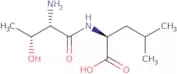
<p>Please enquire for more information about (Des-Gly10,D-His2,D-Ser(tBu)6,Pro-NHEt 9)-LHRH acetate salt including the price, delivery time and more detailed product information at the technical inquiry form on this page</p>Formula:C60H86N16O13Purity:Min. 95%Molecular weight:1,239.42 g/molH-Thr-Leu-OH
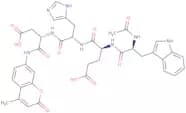
CAS:<p>L-threonine is an amino acid that can be found in proteins. It is a dipeptide of the essential amino acid l-threonine and the nonessential amino acid l-serine. L-Threonine can be metabolized to generate adenosylhomocysteine, which can serve as a substrate for S-adenosylmethionine synthetase. This enzyme converts S-adenosylmethionine to 5'-methylthioadenosine, which is then converted to HMTPA by methyltransferase. HMTPA is subsequently converted to homocysteine through the action of cystathionase or serine hydroxymethyltransferase. Homocysteine may then be converted back into methionin by methylenetetrahydrofolate reductase (MTHFR).</p>Formula:C10H20N2O4Purity:Min. 95%Molecular weight:232.28 g/molAc-Trp-Glu-His-Asp-AMC
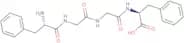
CAS:<p>Ac-Trp-Glu-His-Asp-AMC is a monomer that is expressed by baculoviruses. Cryo-electron microscopy has shown that Ac-Trp-Glu-His-Asp-AMC oligomerizes in the presence of caspase inhibitors. This polypeptide also activates caspase 1, which is involved in the inflammatory response. The activation of this enzyme is dependent on the proteolytic activity of the polypeptide and its stereoisomers. Acetylcholine receptor antagonists, such as coumarin derivatives, inhibit the activity of Ac-Trp-Glu-His-Asp AMC and suppress inflammation.</p>Formula:C38H40N8O11Purity:Min. 95%Molecular weight:784.77 g/molH-Phe-Gly-Gly-Phe-OH
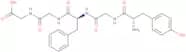
CAS:<p>H-Phe-Gly-Gly-Phe-OH is a tetrapeptide that is synthesized by the enzyme pepsin in a high concentration. Pepsin cleaves proline from the sequence (H-Phe-Gly) and replaces it with hydroxylated phenylalanine. The peptide is soluble in 0.1 M sodium acetate, pH 5.0, but precipitates at pH 4.0 or below. It binds to sephadex G100 but not to Sepharose CL4B or Sephadex G25M, and can be denatured by heating to 100°C for 10 minutes or by exposure to metal ions such as copper(II) sulfate. H-Phe-Gly-Gly-Phe-OH has been used as an analog for the amino acid sequence Gly-Leu in order to study its effects on receptor affinity and protein stability.br>br</p>Formula:C22H26N4O5Purity:Min. 95%Molecular weight:426.47 g/molH-Arg-Phe-Ala-OH acetate salt
CAS:<p>Please enquire for more information about H-Arg-Phe-Ala-OH acetate salt including the price, delivery time and more detailed product information at the technical inquiry form on this page</p>Formula:C18H28N6O4Purity:Min. 95%Molecular weight:392.45 g/molAF-2
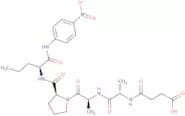
CAS:<p>AF-2 is a potent, selective and competitive antagonist at the nicotinic acetylcholine receptor (nAChR). AF-2 binds to the extracellular domains of the nAChR and prevents agonists from binding. It has been shown to inhibit acetylcholine release in isolated heart preparations with high affinity and selectivity. The drug has been tested as an anthelmintic against Caenorhabditis elegans and found to be effective. AF-2 is a cholinergic compound that binds to ganglia, leading to a biphasic response. It also has significant effects on the central nervous system, inhibiting both nicotinic and muscarinic acetylcholine receptors.<br>AF-2 is sequenced according to the following formula: <br>H-Lys-His-Glu-Tyr-Leu-Arg-Phe <br>NH2</p>Formula:C47H70N14O10Purity:Min. 95%Molecular weight:991.15 g/molSuc-Ala-Ala-Pro-Nva-pNA
CAS:<p>Suc-Ala-Ala-Pro-Nva-pNA is a tetrapeptide. It is one of the most potent trypsin inhibitors that has been identified to date and it has been shown to inhibit pancreatic trypsin with a potency similar to that of the synthetic inhibitor benzamidine. Suc-Ala-Ala-Pro-Nva-pNA binds to the active site of trypsin, preventing proteolysis of peptides. This inhibition is reversible because it does not bind covalently to any other sites on the enzyme. Suc-Ala-Ala-Pro-Nva-pNA inhibits proteases by binding to their active site and blocking access by the substrate. The binding occurs through noncovalent hydrophobic interactions with amino acids in the active site, including valine, leucine, phenylalanine, and methionine.</p>Formula:C26H36N6O9Purity:Min. 95%Molecular weight:576.6 g/molSuc-Phe-Gly-Leu-betaNA
CAS:<p>Suc-Phe-Gly-Leu-betaNA is a synthetic peptide that has been shown to bind to glutathione, an antioxidant. It is used in a method for determining the concentration of antioxidants in a sample by injection into the gas phase. The chemical ionisation (CI) and electrospray ionisation (ESI) are used to produce ions from the peptide. The compounds are then separated using chromatography before being quantified by measuring their mass using a mass spectrometer. This process is repeated until all of the antioxidant has been eluted from the column.</p>Formula:C31H36N4O6Purity:Min. 95%Molecular weight:560.64 g/molFA-Gly-Leu-OH
CAS:<p>FA-Gly-Leu-OH is a peptidase that catalyzes the hydrolysis of an amide bond in a peptide or protein. It has been shown to be active with acid sequences, as well as transpeptidation, which involves the transfer of a terminal amino acid from one peptide chain to another. FA-Gly-Leu-OH is also involved in the synthesis of proteins and peptides. This enzyme has high hydrolase activity and can hydrolyze most substrates at neutral pH values.</p>Formula:C15H20N2O5Purity:Min. 95%Molecular weight:308.33 g/molAc-Val-Arg-Pro-Arg-AMC trifluoroacetate salt
CAS:<p>Please enquire for more information about Ac-Val-Arg-Pro-Arg-AMC trifluoroacetate salt including the price, delivery time and more detailed product information at the technical inquiry form on this page</p>Formula:C34H51N11O7•C2HF3O2Purity:Min. 98 Area-%Color and Shape:PowderMolecular weight:839.86 g/mol