Amino Acids (AA)
Amino acids (AAs) are the fundamental building blocks of proteins, playing a crucial role in various biological processes. These organic compounds are essential for protein synthesis, metabolic pathways, and cell signaling. In this category, you will find a comprehensive range of amino acids, including essential, non-essential, and modified forms, which are vital for research in biochemistry, molecular biology, and nutritional sciences. At CymitQuimica, we provide high-quality amino acids to support your research and development needs, ensuring accuracy and reliability in your experimental outcomes.
Subcategories of "Amino Acids (AA)"
- Amino Acid Derivatives(3,957 products)
- Amino Acid and Amino Acid Related Compounds(3,472 products)
- Amino Acids with Oxygen or Sulphur(168 products)
- Boc- Amino Acids(351 products)
- Fmoc Amino Acids(1,710 products)
Found 38265 products of "Amino Acids (AA)"
Sort by
Purity (%)
0
100
|
0
|
50
|
90
|
95
|
100
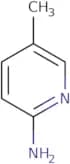
2-Amino-5-methylpyridine
CAS:<p>2-Amino-5-methylpyridine is a chemical compound that belongs to the group of methyl ketones. It has a nitrogen atom and an oxygen atom in its structure, which allows it to form hydrogen bonds with other molecules. 2-Amino-5-methylpyridine can be obtained by reacting hydrochloric acid and xanthone in the presence of a base. The compound is highly reactive and has been shown to have antiinflammatory properties. This can be attributed to its ability to inhibit prostaglandin synthesis. 2-Amino-5-methylpyridine also has fluorescence properties that are sensitive to pH changes and can be used as a probe for metal ions.<br>2-Amino-5-methylpyridine is an organic compound that contains a methyl group, two nitrogen atoms, and one oxygen atom in its chemical structure. This molecule can form hydrogen bonds with other molecules due to its nitrogen atoms and oxygen atom,</p>Formula:C6H8N2Purity:Min. 95%Color and Shape:PowderMolecular weight:108.14 g/molSomatostatin-25
CAS:<p>Somatostatin-25 H-Ser-Asn-Pro-Ala-Met-Ala-Pro-Arg-Glu-Arg-Lys-Ala-Gly-Cys-Lys-(disulfide bond) is a synthetic somatostatin analog that is conjugated to a linker that allows it to be administered intravenously. Somatostatin inhibits the release of growth hormone and insulin from the anterior pituitary gland, and also inhibits the release of other hormones such as glucagon and thyrotropin. Somatostatin has been shown to be effective in treating kidney disease, a condition characterized by increased levels of creatinine and blood urea nitrogen. This drug has been shown to be reversible with the removal of its linker. Somatostatin binds to receptors on pancreatic cells, inhibiting the secretion of digestive enzymes into the gastrointestinal tract. It also blocks insulin release from pancreatic beta cells, which may</p>Formula:C127H191N37O34S3Purity:Min. 95%Molecular weight:2,876.3 g/molZ-Val-Gly-Arg-pNA acetate salt
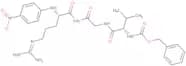
CAS:<p>Please enquire for more information about Z-Val-Gly-Arg-pNA acetate salt including the price, delivery time and more detailed product information at the technical inquiry form on this page</p>Formula:C27H36N8O7Purity:Min. 95%Molecular weight:584.62 g/molp-Methoxybenzylmercaptan
CAS:<p>P-Methoxybenzylmercaptan is an inhibitor of protein synthesis. It binds to the active site of the enzyme ribonuclease A, which is involved in the processing of messenger RNA. P-Methoxybenzylmercaptan also inhibits other enzymes such as alkaline phosphatase and esterases. It has been shown to be effective against HIV infection. This compound can be used for chemical ligation reactions and as a cell culture medium additive, as it protects cells from oxidation and provides a more acidic environment. P-Methoxybenzylmercaptan has been shown to bind to amines and is being investigated for its use in drug development.</p>Formula:C8H10OSPurity:Min. 95%Color and Shape:Clear LiquidMolecular weight:154.23 g/molZ-Lys(Aloc)-OH·DCHA
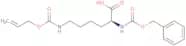
CAS:<p>Please enquire for more information about Z-Lys(Aloc)-OH·DCHA including the price, delivery time and more detailed product information at the technical inquiry form on this page</p>Formula:C18H24N2O6·C12H23NPurity:Min. 95%Molecular weight:545.71 g/molpTH (1-44) (human)
CAS:<p>Please enquire for more information about pTH (1-44) (human) including the price, delivery time and more detailed product information at the technical inquiry form on this page</p>Formula:C225H366N68O61S2Purity:Min. 95%Molecular weight:5,063.87 g/mol2-Amino-5-chloro-3-methylbenzoic acid
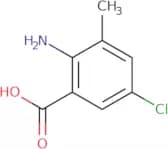
CAS:<p>2-Amino-5-chloro-3-methylbenzoic acid (ACMB) is a substructure of the insecticidal compound chlorantraniliprole. It is a solid at room temperature and has a molecular weight of 142.15 g/mol. ACMB can be extracted from n-hexane, chlorantraniliprole, or xylene using gravimetric analysis. The bioactivity of ACMB can be determined by an anthranilic assay, while its solubility data are available in the literature. ACMB has been shown to have insecticidal activity against lepidoptera larvae and cyanuric activity against mosquito larvae.</p>Formula:C8H8ClNO2Purity:Min. 95%Molecular weight:185.61 g/molEthyl 4-methoxyphenylacetate
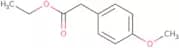
CAS:<p>Ethyl 4-methoxyphenylacetate is a fatty acid that is synthesized by the condensation of aniline and pyrrole. It has been shown to inhibit the growth of bacteria, such as Salmonella typhi and Staphylococcus aureus, in vitro. The inhibition of bacterial growth is thought to be due to its ability to react with hydrogen fluoride, which results in the formation of reactive oxygen species and nitrogen radicals. This compound also inhibits the production of tyrosinase in human skin cells, which may be beneficial for individuals with acne. Ethyl 4-methoxyphenylacetate has been shown to be safe for use in clinical trials.</p>Formula:C11H14O3Purity:Min. 95%Color and Shape:Clear LiquidMolecular weight:194.23 g/molAc-Asp-D-Gla-Leu-Ile-b-cyclohexyl-Ala-Cys-OH
CAS:<p>Please enquire for more information about Ac-Asp-D-Gla-Leu-Ile-b-cyclohexyl-Ala-Cys-OH including the price, delivery time and more detailed product information at the technical inquiry form on this page</p>Formula:C36H58N6O14SPurity:Min. 95%Molecular weight:830.94 g/molH-β-(1,2,4-Triazol-1-yl)-DL-Ala-OH
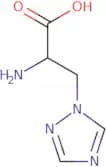
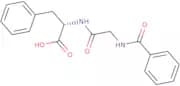
CAS:<p>Please enquire for more information about H-beta-(1,2,4-Triazol-1-yl)-DL-Ala-OH including the price, delivery time and more detailed product information at the technical inquiry form on this page</p>Formula:C5H8N4O2Purity:Min. 95%Molecular weight:156.14 g/molHippuryl-Phe-OH
CAS:<p>Hippuryl-Phe-OH is a soybean trypsin inhibitor that has been shown to have irreversible inhibition of trypsin and other enzymes. It is active at low pH, with a ph optimum of 5.5. Hippuryl-Phe-OH binds irreversibly to the active site of enzymes, thereby preventing them from catalyzing reactions. This irreversible inhibition can be exploited for use in vitro assays as well as biological studies such as cell culture, animal models, and human serum studies.</p>Formula:C18H18N2O4Purity:Min. 95%Molecular weight:326.35 g/molVIP Receptor-Binding Inhibitor L-8-K trifluoroacetate salt
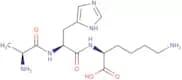
CAS:<p>Please enquire for more information about VIP Receptor-Binding Inhibitor L-8-K trifluoroacetate salt including the price, delivery time and more detailed product information at the technical inquiry form on this page</p>Formula:C50H77N9O12SPurity:Min. 95%Molecular weight:1,028.27 g/molH-Ala-His-Lys-OH acetate salt
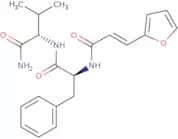
CAS:<p>H-Ala-His-Lys-OH acetate salt is a copper complex that has been shown to have antioxidant properties in vitro. It has been studied for use as an analog of the vitamin C, which is a cofactor for collagen synthesis and follicular keratinization. Copper complexes with H-Ala-His-Lys-OH acetate salt have been shown to inhibit the formation of reactive oxygen species (ROS) and to stimulate collagen production by human dermal fibroblasts in vitro. This compound also stimulates the growth of human skin cells in vitro, which may be due to its ability to induce fibroblast proliferation.</p>Formula:C15H26N6O4Purity:Min. 95%Molecular weight:354.4 g/molFA-Phe-Val-NH2
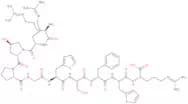
CAS:<p>Please enquire for more information about FA-Phe-Val-NH2 including the price, delivery time and more detailed product information at the technical inquiry form on this page</p>Formula:C21H25N3O4Purity:Min. 95%Molecular weight:383.44 g/molH-D-Arg-Arg-Pro-Hyp-Gly-β-(2-thienyl)-Ala-Ser-D-Phe-b-(2-thienyl)-Ala-Arg-OH
CAS:<p>Enalaprilat is a prodrug that is converted to the active drug enalapril in vivo. It is a potent angiotensin-converting enzyme (ACE) inhibitor that prevents the conversion of angiotensin I to angiotensin II, which leads to vasodilatation and reduced blood pressure. Enalaprilat has been shown to be effective in lowering blood pressure in patients with cardiac insufficiency or hypertension. It also has been shown to decrease the production of endogenous bradykinin, which acts on its receptor B2, leading to vasodilatation and reduced blood pressure. The most common side effect of enalaprilat therapy is cutaneous reactions such as erythema, rash, or pruritus.</p>Formula:C56H83N19O13S2Purity:Min. 95%Molecular weight:1,294.51 g/molC-Peptide 2 (rat) trifluoroacetate salt
CAS:<p>Please enquire for more information about C-Peptide 2 (rat) trifluoroacetate salt including the price, delivery time and more detailed product information at the technical inquiry form on this page</p>Formula:C135H222N38O49Purity:Min. 95%Molecular weight:3,161.43 g/mol(Des-His6)-ACTH (1-24) (human, bovine, rat) trifluoroacetate salt
<p>Please enquire for more information about (Des-His6)-ACTH (1-24) (human, bovine, rat) trifluoroacetate salt including the price, delivery time and more detailed product information at the technical inquiry form on this page</p>Formula:C130H203N37O30SPurity:Min. 95%Molecular weight:2,796.3 g/mol(D-Trp8)-γ2-MSH trifluoroacetate salt
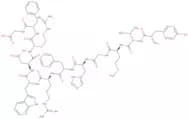
CAS:<p>Please enquire for more information about (D-Trp8)-gamma2-MSH trifluoroacetate salt including the price, delivery time and more detailed product information at the technical inquiry form on this page</p>Formula:C74H99N21O16SPurity:Min. 95%Molecular weight:1,570.78 g/molZ-Gly-Gly-Leu-AMC
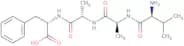
CAS:<p>Z-Gly-Gly-Leu-AMC is a small molecule that inhibits the activity of certain enzymes, such as poly (ADP-ribose) polymerase (PARP), which are involved in DNA repair and DNA replication. It has been shown to be effective against cancer cells and is used for the treatment of various cancers, including breast cancer. Z-Gly-Gly-Leu-AMC has also been shown to have anti-inflammatory properties and may be useful for the treatment of autoimmune diseases. The drug binds to PARP, inhibiting its ability to interact with other proteins, thereby preventing activation of proapoptotic protein.</p>Formula:C28H32N4O7Purity:Min. 95%Molecular weight:536.58 g/molH-Val-Ala-Ala-Phe-OH
CAS:<p>H-Val-Ala-Ala-Phe-OH is a polypeptide that has been synthesized to study the effects of metal surface on mass spectrometry. The peptide has been found to be labile and nonvolatile, which means it can easily evaporate and desorb from the metal surface. The research also shows that this polypeptide is more efficient in mass spectrometers with higher resolution.</p>Formula:C20H30N4O5Purity:Min. 95%Molecular weight:406.48 g/molH-Tyr-betaNA
CAS:<p>H-Tyr-betaNA is a synthetic substrate that has been used to study the binding activities of natural and synthetic opioid compounds. H-Tyr-betaNA binds to δ opioid receptors and inhibits the release of neurotransmitters such as acetylcholine, histamine, and serotonin. It also binds to δ-opioid receptors, which are involved in mediating pain responses. This compound has been shown to be an inhibitor of antinociceptive responses in rats, but it is not yet known whether it can cross the blood brain barrier. The pharmacokinetic properties of H-Tyr-betaNA have not been fully elucidated; however, it has been shown to be stable at neutral ph.</p>Formula:C19H18N2O2Purity:Min. 95%Molecular weight:306.36 g/molSubstance P (2-11)
CAS:<p>Substance P (2-11) H-Pro-Lys-Pro-Gln-Gln-Phe-Phe-Gly-Leu-Met-NH2 is a peptide that is the product of proteolytic cleavage of substance P. It binds to the neurokinin receptor and induces degranulation in mast cells and sensory neurons. It has been used as a diagnostic tool for mast cell degranulation. Substance P (2-11) H-Pro-Lys-Pro-Gln-Gln-Phe has also been used to assess lung function in anesthetized animals, circulations in muscle, and changes in perfusion during surgical procedures.</p>Formula:C57H86N14O12SPurity:Min. 95%Molecular weight:1,191.45 g/molNeurokinin A trifluoroacetate salt
CAS:<p>Neurokinin A trifluoroacetate salt H-His-Lys-Thr-Asp-Ser-Phe-Val-Gly-Leu-Met-NH2 trifluoroacetate salt is a potent inducer of the basic protein. It has been shown to have cytotoxic effects on pluripotent cells in vitro. Neurokinin A is also a potent inducer of substance P, which is a neurotransmitter that mediates inflammatory lesions and cardiac effects. Neurokinin A has also been shown to have an effect on locomotor activity and polymerase chain reaction (PCR) amplification in vitro.</p>Formula:C50H80N14O14SPurity:Min. 95%Molecular weight:1,133.32 g/molPHM-27 (human) trifluoroacetate salt
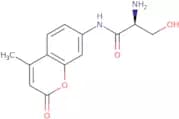
CAS:<p>PHM-27 is a human protein that contains a c-terminal histidine and n-terminal lysine. It contains an amino acid composition of histidine, valine, alanine, aspartic acid, glycine, serine, threonine, arginine, and methionine. PHM-27 is present in the cardiovascular system, nervous system, gastrointestinal system, and respiratory system. It has been shown to be involved in the synthesis of peptides important for blood clotting.</p>Formula:C135H214N34O40SPurity:Min. 95%Molecular weight:2,985.41 g/molH-Ser-AMC hydrochloride salt
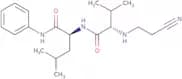
CAS:<p>Please enquire for more information about H-Ser-AMC hydrochloride salt including the price, delivery time and more detailed product information at the technical inquiry form on this page</p>Formula:C13H14N2O4Purity:Min. 95%Molecular weight:262.26 g/molN-2-Cyanoethyl-Val-Leu-anilide
CAS:<p>Please enquire for more information about N-2-Cyanoethyl-Val-Leu-anilide including the price, delivery time and more detailed product information at the technical inquiry form on this page</p>Formula:C20H30N4O2Purity:Min. 95%Molecular weight:358.48 g/molNeuromedin U-25 (human) trifluoroacetate salt
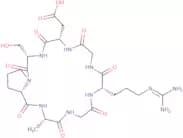
CAS:<p>Please enquire for more information about Neuromedin U-25 (human) trifluoroacetate salt including the price, delivery time and more detailed product information at the technical inquiry form on this page</p>Formula:C141H203N41O38Purity:Min. 95%Molecular weight:3,080.37 g/molCyclo(-Gly-Arg-Gly-Asp-Ser-Pro-Ala)
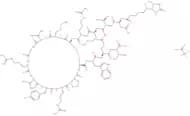
CAS:<p>Cyclo(-Gly-Arg-Gly-Asp-Ser-Pro-Ala) is a cyclic peptide that has a conformational interaction with fibrinogen. Cyclo(-Gly-Arg-Gly-Asp-Ser-Pro-Ala) binds to the FGA binding site on fibrinogen, preventing the formation of the fibrin clot. Cyclo(-Gly-Arg-Gly-Asp-Ser-Pro-Ala) has been shown to activate platelets, which may be due to its ability to increase levels of cAMP and activate protein kinase A. Cyclo(-Gly-Arg-Gly-Asp-) also has an affinity for monoclonal antibodies, which may be due to its high molecular electrostatic potential or its synthetic nature.</p>Formula:C25H40N10O10Purity:Min. 95%Molecular weight:640.65 g/molBiotinyl-MCH (salmon) trifluoroacetate salt
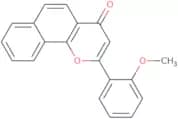
CAS:<p>Please enquire for more information about Biotinyl-MCH (salmon) trifluoroacetate salt including the price, delivery time and more detailed product information at the technical inquiry form on this page</p>Formula:C99H153N29O26S5Purity:Min. 95%Molecular weight:2,325.78 g/mol2'-Methoxy-α-naphthoflavone
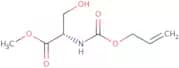
CAS:<p>2'-Methoxy-alpha-naphthoflavone is a fine chemical that can be synthesized from naphthalene, benzaldehyde, and methoxyacetic acid. It is a versatile building block for research chemicals and has been shown to have high quality. 2'-Methoxy-alpha-naphthoflavone has been used as a reaction component in the synthesis of complex compounds with interesting biological activities.</p>Formula:C20H14O3Purity:Min. 95%Molecular weight:302.32 g/molAloc-Ser-OMe
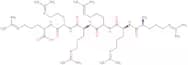
CAS:<p>Aloc-Ser-OMe is an enzyme that catalyzes the cleavage of 1,4-linked alpha-D-galactosides. It has been shown to be a useful reagent for the synthesis of alkyl glycosides. Aloc-Ser-OMe can be used in enzymatic synthesis or chemoenzymatic synthesis. This enzyme has excellent stereospecificity and is quantitatively active at pH 4.5 to 5.0 and at temperatures ranging from 20°C to 40°C. The enzyme can also catalyze transglycosylation reactions with beta-glucosidase, producing galactoarabinan oligosaccharides with various degrees of polymerization.</p>Formula:C8H13NO5Purity:Min. 95%Molecular weight:203.19 g/molH-Arg-Arg-Arg-Arg-Arg-Arg-OH trifluoroacetate salt
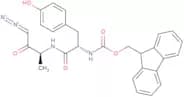
CAS:<p>H-Arg-Arg-Arg-Arg-Arg-Arg-OH trifluoroacetate salt is a compound that can be used as a cancer treatment. It has been shown to inhibit the growth of human retinal pigmented epithelial cells (p. pastoris) and induce apoptosis in these cells. H-Arg-Arg-Arg-Arg-Arg-Arg-OH trifluoroacetate salt interacts with the membrane of cells, blocking the binding site for growth factor and preventing the activation of downstream signaling pathways. This agent also binds to lysine residues on peptides, which are then degraded by proteases. H-Argo Arg Arg Arg Arg Arg Arg OH trifluoroacetate salt has been shown to have an affinity for flavone luteolin at neutral pH, as well as fatty acid molecules.</p>Formula:C36H74N24O7Purity:Min. 95%Molecular weight:955.13 g/molFmoc-Tyr-Ala-diazomethylketone
CAS:<p>Please enquire for more information about Fmoc-Tyr-Ala-diazomethylketone including the price, delivery time and more detailed product information at the technical inquiry form on this page</p>Formula:C28H26N4O5Purity:Min. 95%Molecular weight:498.53 g/molH-Val-Met-OH
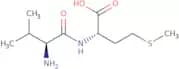
CAS:<p>H-Val-Met-OH is a synthetic compound that was created to have a structure similar to the natural amino acid histidine. The synthesis of H-Val-Met-OH was achieved by reacting 2,5-diaminopentane with formaldehyde in the presence of cellulose acetate as a reaction medium. This process produced a white solid material that was then purified using chromatography. The purity and yield were confirmed by high performance liquid chromatography (HPLC) analysis and nuclear magnetic resonance (NMR). In vitro studies showed that H-Val-Met-OH promotes brain derived neurotrophic factor (BDNF) production in healthy Chinese adults. Clinical data also suggest that H-Val-Met-OH has beneficial effects on cognitive function in patients with mild cognitive impairment or Alzheimer's disease. Additionally, this compound has been shown to promote BDNF production in cultured mouse hippocampal neurons and enhance spatial memory retention in CD1 mice.</p>Formula:C10H20N2O3SPurity:Min. 95%Molecular weight:248.34 g/molCyclo(-Pro-Gly)3
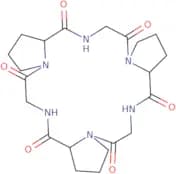
CAS:<p>Please enquire for more information about Cyclo(-Pro-Gly)3 including the price, delivery time and more detailed product information at the technical inquiry form on this page</p>Formula:C21H30N6O6Purity:Min. 95%Molecular weight:462.5 g/molH-Gly-Arg-Asp-Gly-Ser-OH
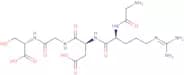
CAS:<p>A monoclonal antibody is a type of antibody produced by a single clone of B cells. Monoclonal antibodies are created by injecting mice with a protein, and then harvesting the antibody-producing cells from the mouse's spleen or lymph nodes. These cells are then fused with cancer cells to form hybridoma cells that produce the desired antibodies. Monoclonal antibodies are used in vitro assays to detect certain molecules, such as matrix molecules, growth factors and polysialic acid. They can also be used for in vivo diagnostic purposes, such as detecting urothelial carcinoma in mammals or human lymphocytes on the surface of lymphocytes.</p>Formula:C17H30N8O9Purity:Min. 95%Molecular weight:490.47 g/molNeurotensin (1-8) Pyr-Leu-Tyr-Glu-Asn-Lys-Pro-Arg-OH
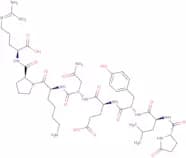
CAS:<p>Neurotensin (NT) is a peptide that has been implicated in the regulation of feeding behavior, cardiovascular function, and pain perception. The neurotensin receptor is a G-protein coupled receptor with seven transmembrane domains. Neurotensin binds to the receptor and activates it by inducing intracellular calcium mobilization and neurotransmitter release. This activation can be dose-dependent, as seen in experiments using rat brain slices incubated with different concentrations of NT. Neurotensin also induces maximal activation at low concentrations, which may be due to its ability to bind to both extracellular and intracellular receptors. NT binds selectively to ventral tegmental area neurons from rats, leading to increased spontaneous firing rates. Cancer cells have been shown to express high levels of neurotensin receptors on their surface membrane, which may contribute to tumorigenesis and metastasis. Neurodegenerative diseases such as Alzheimer’s disease are thought to involve alterations in the expression or</p>Formula:C46H71N13O14Purity:Min. 95%Molecular weight:1,030.14 g/molFmoc-Asn(Trt)-Wang resin (100-200 mesh)
<p>Please enquire for more information about Fmoc-Asn(Trt)-Wang resin (100-200 mesh) including the price, delivery time and more detailed product information at the technical inquiry form on this page</p>Purity:Min. 95%(D-Lys6)-LHRH trifluoroacetate salt
CAS:<p>Please enquire for more information about (D-Lys6)-LHRH trifluoroacetate salt including the price, delivery time and more detailed product information at the technical inquiry form on this page</p>Formula:C59H84N18O13·xC2HF3O2Purity:Min. 95%Color and Shape:White To Off-White SolidMolecular weight:1,253.41 g/mol2-(4-Methyl-2-phenyl-1-piperazinyl)-3-pyridinemethanol
CAS:<p>2-(4-Methyl-2-phenyl-1-piperazinyl)-3-pyridinemethanol is an impurity in hexane that is generated during the reaction of pyridine with acetonitrile. The impurity is removed by crystallizing it from methanol. 2-(4-Methyl-2-phenyl-1-piperazinyl)-3-pyridinemethanol has a high efficiency, and can be used to synthesize hexamethyldisiloxane. This product can be used as a metal catalyst for reactions involving alkali metals or metal halides. It can also be used as an alcohol solvent, but not hydrogenated.</p>Formula:C17H21N3OPurity:Min. 95%Color and Shape:White to off white powderMolecular weight:283.37 g/molBoc-Arg-SBzl·HCl
CAS:<p>Please enquire for more information about Boc-Arg-SBzl·HCl including the price, delivery time and more detailed product information at the technical inquiry form on this page</p>Formula:C18H28N4O3S·HClPurity:Min. 95%Molecular weight:416.97 g/molAc-Ser-Gly-OH
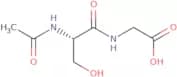
CAS:<p>Ac-Ser-Gly-OH is a tripeptide, meaning it has three amino acids. It is a hydrophobic molecule that contains the sequence of amino acid residues Ac-Ser-Gly. The residue of Ac-Ser-Gly-OH is an acetylated serine and glycolic acid. This tripeptide can be modified through techniques such as incubation or tryptic digestion. The postsynthetic modification technique of biosynthesis is used to create Ac-Ser-Gly-OH from its precursor, polyisoprenoid, which can also be sequenced to determine its nature with the help of techniques such as mass spectrometry.</p>Formula:C7H12N2O5Purity:Min. 95%Molecular weight:204.18 g/molChloroac-DL-Phe-OH
CAS:<p>Chloroac-DL-Phe-OH is an amino acid sequence that has been synthesized in the laboratory. It is a ligand that binds to surface antigens on cancer cells and inhibits multidrug efflux pumps. Chloroac-DL-Phe-OH is able to inhibit the translation of proteins by binding to the ribosome, preventing protein synthesis. In addition, it can reduce the flow rate of extracellular fluid, which may be useful for cancer therapy. This compound can also be conjugated with other drugs or molecules for delivery through the bloodstream.</p>Formula:C11H12ClNO3Purity:Min. 95%Molecular weight:241.67 g/molNeuronostatin-13 (human, canine, porcine) trifluoroacetate salt
CAS:<p>Please enquire for more information about Neuronostatin-13 (human, canine, porcine) trifluoroacetate salt including the price, delivery time and more detailed product information at the technical inquiry form on this page</p>Formula:C64H110N20O16Purity:Min. 95%Molecular weight:1,415.68 g/molN-(Hydroxymethyl)-phenylacetamide
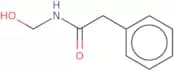
CAS:<p>N-(Hydroxymethyl)-phenylacetamide is an organic solvent that is used in the synthesis of certain antibiotics. It is a synthetic compound and can be obtained by reacting toluene with benzene, using a strong acid catalyst such as sulfuric acid. N-(Hydroxymethyl)-phenylacetamide has been used in the synthesis of isoquinolones, which are also antibiotics. This organic solvent can also be used for recrystallization, which is a process that helps purify solids from liquids or liquids from solids. The yield of this reaction is high, making it an efficient way to synthesize these compounds.</p>Formula:C9H11NO2Purity:Min. 95%Molecular weight:165.19 g/molH-Leu-Trp-Met-Arg-Phe-OH acetate salt
CAS:<p>H-Leu-Trp-Met-Arg-Phe-OH acetate salt is a molecule that transports amino acids across the cell membrane of bacteria, preventing bacterial growth. It is produced by proctolin and functional groups in dental plaque. This compound has been shown to inhibit the growth of bacteria in vitro by binding to hypochlorous acid, which is part of the antimicrobial activity of human neutrophils. H-Leu-Trp-Met-Arg-Phe-OH acetate salt has been used as a tracer for studying amino acid transport in E. coli cells and its uptake into extracellular vesicles. The product can also be used as an antiplaque agent due to its ability to inhibit the acid transport system and uptake of amino acids from the environment.</p>Formula:C37H53N9O6SPurity:Min. 95%Molecular weight:751.94 g/molNeurotensin acetate salt Pyr-Leu-Tyr-Glu-Asn-Lys-Pro-Arg-Arg-Pro-Tyr-Ile-Leu-OH acetate salt
CAS:<p>Neurotensin is a peptide hormone that regulates the release of other hormones and neurotransmitters, such as dopamine. It has been shown to be able to regulate appetite and bowel disease in animal models. Neurotensin acetate salt Pyr-Leu-Tyr-Glu-Asn-Lys-Pro-Arg-Arg-Pro-Tyr-Ile-Leu-OH acetate salt is a neurotensin molecule with an acetate group attached to it. This molecule is completely soluble in water and has been shown to have no effect on energy metabolism or polymerase chain reactions.</p>Formula:C78H121N21O20Purity:Min. 95%Molecular weight:1,672.92 g/molGalanin Message Associated Peptide (16-41) amide
CAS:<p>Please enquire for more information about Galanin Message Associated Peptide (16-41) amide including the price, delivery time and more detailed product information at the technical inquiry form on this page</p>Formula:C134H219N35O37SPurity:Min. 95%Molecular weight:2,944.45 g/molD-Tryptophan methyl ester hydrochloride
CAS:<p>D-Tryptophan is an amino acid that is naturally produced by the human body and is also found in certain foods such as bananas, oats, and turkey. D-Tryptophan methyl ester hydrochloride is a synthetic form of this amino acid. It has been shown to inhibit cell growth and may have other physiological effects such as regulating mood or sleep patterns. This drug binds to the cavity of enzymes involved in the synthesis of proteins and nucleic acids, which prevents them from carrying out their normal functions. The binding constants for D-tryptophan methyl ester hydrochloride with these enzymes are stronger than those for natural d-tryptophan. The reaction solution was studied using UV absorption spectroscopy and showed that glycol ethers were more effective solvents than piperonal, which allowed for asymmetric synthesis. Molecular docking analysis has shown that D-tryptophan methyl ester hydrochloride binds to the enzyme cavity more tightly than</p>Formula:C12H14N2O2•HClPurity:Min. 95%Color and Shape:PowderMolecular weight:254.71 g/molNFAT Inhibitor trifluoroacetate salt
CAS:<p>NFAT Inhibitor trifluoroacetate salt H-Met-Ala-Gly-Pro-His-Pro-Val-Ile-Val-Ile-Thr-Gly-Pro-His-Glu-Glu (NFAT) is an inhibitor drug that has been shown to inhibit the nuclear factor of activated T cells (NFAT). NFAT is a transcriptional regulator that controls the expression of inflammatory genes in macrophages and other cell types. NFAT inhibitors have been shown to be effective for treating bowel diseases, such as ulcerative colitis and Crohn's disease, by inhibiting the activation of macrophages. NFAT inhibitors are also used in vitro as a tool for studying cellular signaling pathways. The most common type of NFAT inhibitor is fluconazole, which blocks calcineurin activity and prevents the activation of NFAT. However, other types of inhibitors are being developed, including mmp9 activity or</p>Formula:C75H118N20O22SPurity:Min. 95%Molecular weight:1,683.93 g/molH-Val-Phe-NH2·HCl
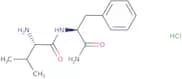
CAS:<p>Please enquire for more information about H-Val-Phe-NH2·HCl including the price, delivery time and more detailed product information at the technical inquiry form on this page</p>Formula:C14H21N3O2·HClPurity:Min. 95%Molecular weight:299.8 g/molpTH (1-37) (human) trifluoroacetate salt
CAS:<p>Please enquire for more information about pTH (1-37) (human) trifluoroacetate salt including the price, delivery time and more detailed product information at the technical inquiry form on this page</p>Formula:C195H316N58O54S2Purity:Min. 95%Molecular weight:4,401.09 g/molAmyloid Precursor Frameshift Mutant C-Terminal Peptide trifluoroacetate salt
CAS:<p>Please enquire for more information about Amyloid Precursor Frameshift Mutant C-Terminal Peptide trifluoroacetate salt including the price, delivery time and more detailed product information at the technical inquiry form on this page</p>Formula:C44H81N17O16Purity:Min. 95%Molecular weight:1,104.22 g/molH-Arg-4MbetaNA hydrochloride salt
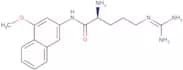
CAS:<p>Please enquire for more information about H-Arg-4MbetaNA hydrochloride salt including the price, delivery time and more detailed product information at the technical inquiry form on this page</p>Formula:C17H23N5O2·xHClPurity:Min. 95%Molecular weight:365.86 g/molZ-Gly-Pro-bNA
CAS:<p>Z-Gly-Pro-bNA is a peptide that has been synthesized using recombinant DNA technology. It is a carboxyl peptidase inhibitor, which inhibits the enzyme aspartic proteases and metalloendopeptidases. Z-Gly-Pro-bNA has a specific substrate, namely tetrathionate, and it is efficient in hydrolyzing carboxyl groups. This inhibition of the catalytic activity of these enzymes leads to an increase in proline and calcitonin levels. The optimum pH for this reaction is 8.5 to 9.5 and the optimum concentration is 50 to 300 μM.</p>Formula:C25H25N3O4Purity:Min. 95%Molecular weight:431.48 g/molHCV NS4A Protein (22-34) (H strain)
CAS:<p>Please enquire for more information about HCV NS4A Protein (22-34) (H strain) including the price, delivery time and more detailed product information at the technical inquiry form on this page</p>Formula:C59H109N17O15SPurity:Min. 95%Molecular weight:1,328.67 g/molH-Ala-Ala-Ala-pNA·HCl
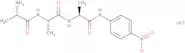
CAS:<p>Please enquire for more information about H-Ala-Ala-Ala-pNA·HCl including the price, delivery time and more detailed product information at the technical inquiry form on this page</p>Formula:C15H21N5O5·HClPurity:Min. 95%Molecular weight:387.82 g/molH-Gly-Ala-Hyp-OH
CAS:<p>Please enquire for more information about H-Gly-Ala-Hyp-OH including the price, delivery time and more detailed product information at the technical inquiry form on this page</p>Formula:C10H17N3O5Purity:Min. 95%Molecular weight:259.26 g/molH-Leu-NHOH·TFA
CAS:<p>H-Leu-NHOH·TFA is a histidine analogue that is used as a catalyst. It has been shown to be an effective inhibitor of corynebacteria, and can be used in the synthesis of fatty acids, which are important for cell membrane production. H-Leu-NHOH·TFA also binds to the enzyme synthetase and inhibits its activity, which blocks the conversion of ammonia and amino acids into polypeptides. This inhibition prevents bacterial growth. H-Leu-NHOH·TFA is active at acidic pH levels, with a maximum activity at pH 4.0. The optimum temperature for this compound is 50°C, but it will still work at temperatures up to 60°C.</p>Formula:C6H14N2O2·C2HF3O2Purity:Min. 95%Color and Shape:PowderMolecular weight:260.21 g/molSomatostatin-14 (7-14) trifluoroacetate salt
CAS:<p>Please enquire for more information about Somatostatin-14 (7-14) trifluoroacetate salt including the price, delivery time and more detailed product information at the technical inquiry form on this page</p>Formula:C49H66N10O12SPurity:Min. 95%Molecular weight:1,019.17 g/molD-(-)-2-Chlorophenylglycine methyl ester hydrochloride
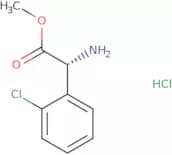
CAS:<p>Please enquire for more information about D-(-)-2-Chlorophenylglycine methyl ester hydrochloride including the price, delivery time and more detailed product information at the technical inquiry form on this page</p>Formula:C9H10ClNO2•HClPurity:Min. 95%Molecular weight:236.1 g/molZ-Arg-p-nitrobenzyl ester mixture of hydrochloride and hydrobromide salt
CAS:<p>Please enquire for more information about Z-Arg-p-nitrobenzyl ester mixture of hydrochloride and hydrobromide salt including the price, delivery time and more detailed product information at the technical inquiry form on this page</p>Formula:C21H25N5O6Purity:Min. 95%Molecular weight:443.45 g/molH-Tyr-Ile-Tyr-Gly-Ser-Phe-Lys-OH
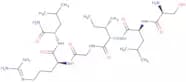
CAS:<p>Please enquire for more information about H-Tyr-Ile-Tyr-Gly-Ser-Phe-Lys-OH including the price, delivery time and more detailed product information at the technical inquiry form on this page</p>Formula:C44H60N8O11Purity:Min. 95%Molecular weight:876.99 g/molPAR-2 (1-6) amide (human) trifluoroacetate salt
CAS:<p>PAR-2 (1-6) amide (human) trifluoroacetate salt H-Ser-Leu-Ile-Gly-Lys-Val-NH2 trifluoroacetate salt is a protease inhibitor that inhibits the activity of PAR2, a protein receptor. PAR2 is implicated in cancer and inflammation. It has been shown to inhibit growth factor signaling, as well as activate toll-like receptor 4 and other inflammatory pathways. PAR2 inhibition has also been studied in vivo and found to be effective in treating wild type mice with melanoma cells. In vitro studies have shown that PAR2 inhibition by PAR 2 (1-6) amide (human) trifluoroacetate salt H-Ser-Leu-Ile-Gly-Lys-Val NH2 trifluoroacetate salt blocks the production of tumour necrosis factor alpha and interleukin 6.</p>Formula:C28H54N8O7Purity:Min. 95%Molecular weight:614.78 g/mol(Nle 35)-Amyloid b-Protein (1-42) ammonium salt
CAS:<p>Please enquire for more information about (Nle 35)-Amyloid b-Protein (1-42) ammonium salt including the price, delivery time and more detailed product information at the technical inquiry form on this page</p>Formula:C204H313N55O60Purity:Min. 95%Molecular weight:4,496 g/molFA-Phe-Ala-OH
CAS:<p>F-Phe-Ala-OH is a peptidyl amide that is ionizable at physiological pH. It has a constant and kinetic residue, as well as a hydrophobic, uncharged, and carboxypeptidase activity. F-Phe-Ala-OH catalyzes transpeptidation reactions between the amino acid residues of proteins. This reaction involves the elimination of one water molecule from the peptide bond to form an amine and an imine, which are then hydrolyzed to form the new peptide bond. The optimum pH for this catalysis is acidic.</p>Formula:C19H20N2O5Purity:Min. 95%Molecular weight:356.37 g/molOsteostatin (1-5) amide (human, bovine, dog, horse, mouse, rabbit, rat) trifluoroacetate salt
CAS:<p>Please enquire for more information about Osteostatin (1-5) amide (human, bovine, dog, horse, mouse, rabbit, rat) trifluoroacetate salt including the price, delivery time and more detailed product information at the technical inquiry form on this page</p>Formula:C27H42N10O7Purity:Min. 95%Molecular weight:618.69 g/molBiotinyl-(Leu8,D-Trp22,Tyr25)-Somatostatin-28 trifluoroacetate salt
CAS:<p>Please enquire for more information about Biotinyl-(Leu8,D-Trp22,Tyr25)-Somatostatin-28 trifluoroacetate salt including the price, delivery time and more detailed product information at the technical inquiry form on this page</p>Formula:C148H223N43O42S3Purity:Min. 95%Molecular weight:3,372.82 g/molZ-Leu-Phe-NH2
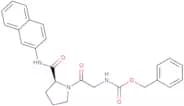
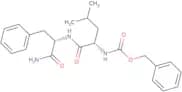
CAS:<p>Please enquire for more information about Z-Leu-Phe-NH2 including the price, delivery time and more detailed product information at the technical inquiry form on this page</p>Formula:C23H29N3O4Purity:Min. 95%Molecular weight:411.49 g/molFmoc-Lys(Nde)-OH
CAS:<p>Please enquire for more information about Fmoc-Lys(Nde)-OH including the price, delivery time and more detailed product information at the technical inquiry form on this page</p>Formula:C32H29N3O8Purity:Min. 95%Molecular weight:583.59 g/molFA-Phe-Phe-OH
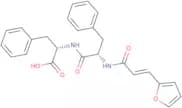
CAS:<p>FA-Phe-Phe-OH is a synthetic substrate for the polymerase chain reaction. It has been used in diagnostic tests to identify bacterial or viral infections and to diagnose cancer. This molecule is a mixture of three amino acids: phenylalanine, phenylalanine, and phenylalanine. FA-Phe-Phe-OH is not active against Gram-positive bacteria, but it can be used as an antibiotic against Gram-negative bacteria. The transport properties of this molecule have been shown to be radial and actin filament dependent because it binds to FtsZ proteins at the division site of the cell.</p>Formula:C25H24N2O5Purity:Min. 95%Molecular weight:432.47 g/mol1-{[5-(Cyclopropylcarbonyl)-1-methyl-4,5,6,7-tetrahydro-1H-pyrazolo[4,3-c]pyridin-3-yl]carbonyl}piperidine-4-carboxylic acid
CAS:<p>Please enquire for more information about 1-{[5-(Cyclopropylcarbonyl)-1-methyl-4,5,6,7-tetrahydro-1H-pyrazolo[4,3-c]pyridin-3-yl]carbonyl}piperidine-4-carboxylic acid including the price, delivery time and more detailed product information at the technical inquiry form on this page</p>Formula:C18H24N4O4Purity:Min. 95%Molecular weight:360.41 g/molDibenzoyl-(-)-p-methoxy-L-tartaric acid
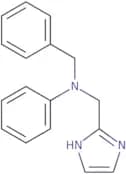
CAS:<p>Dibenzoyl-(-)-p-methoxy-L-tartaric acid is a chiral compound that has been extracted from plants and synthesized. It has a bitter taste and can be used as an enantiomer to treat schistosomiasis, a disease caused by parasitic flatworms. Dibenzoyl-(-)-p-methoxy-L-tartaric acid can be used as an enantiomer to treat schistosomiasis, which is caused by parasitic flatworms. The chemical is an anionic β-cyclodextrin derivative that binds to the parasites in the host's body and prevents them from releasing eggs into the water supply. This chemical also has pharmacological properties, such as antiinflammatory activities.</p>Formula:C20H18O10Purity:Min. 95%Color and Shape:White PowderMolecular weight:418.35 g/mol2-(N-Phenyl-N-benzyl-aminomethyl)-imidazol
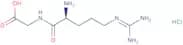
CAS:<p>Please enquire for more information about 2-(N-Phenyl-N-benzyl-aminomethyl)-imidazol including the price, delivery time and more detailed product information at the technical inquiry form on this page</p>Formula:C17H17N3Purity:Min. 95%Molecular weight:263.34 g/molH-Arg-Gly-OH·HCl
CAS:<p>Please enquire for more information about H-Arg-Gly-OH·HCl including the price, delivery time and more detailed product information at the technical inquiry form on this page</p>Formula:C8H17N5O3·HClPurity:Min. 95%Molecular weight:267.71 g/molFmoc-Gly-Wang resin (100-200 mesh)
<p>Please enquire for more information about Fmoc-Gly-Wang resin (100-200 mesh) including the price, delivery time and more detailed product information at the technical inquiry form on this page</p>Purity:Min. 95%PAR-2 (1-6) amide (mouse, rat) trifluoroacetate salt
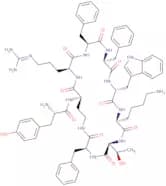
CAS:<p>PAR-2 agonist is a synthetic peptide that activates PAR-2. It binds to PAR-2 receptors, which are present in the mesenteric vasculature and in various other tissues. Activation of PAR-2 leads to an increase in intracellular calcium concentration, activation of protein kinase C, cytosolic calcium ion release, phosphorylation of myosin light chain, muscle cell proliferation, transcription and translation initiation, and increased production of vasoactive intestinal peptide. This drug also has anti-inflammatory effects and stimulates epidermal growth factor (EGF) and thrombin receptor expression as well as growth factor production.</p>Formula:C29H56N10O7Purity:Min. 95%Molecular weight:656.82 g/molTyr-(D-Dab 4,Arg5,D-Trp8)-cyclo-Somatostatin-14 (4-11) trifluoroacetate salt
CAS:<p>Please enquire for more information about Tyr-(D-Dab 4,Arg5,D-Trp8)-cyclo-Somatostatin-14 (4-11) trifluoroacetate salt including the price, delivery time and more detailed product information at the technical inquiry form on this page</p>Formula:C67H85N15O11Purity:Min. 95%Molecular weight:1,276.49 g/molH-β-Ala-Gly-OH
CAS:<p>H-beta-Ala-Gly-OH is a monoclinic crystalline compound. It is soluble in water and slightly soluble in ethanol, acetone, and benzene. The solubility of this compound depends on the pH of the solution as well as the presence of glycine. H-beta-Ala-Gly-OH has an upfield shift when protonated, making it useful for analytical purposes. This compound can be used to prepare glycine methyl ester by reacting with methanol or hydrochloric acid.</p>Formula:C5H10N2O3Purity:Min. 95%Molecular weight:146.14 g/molCholecystokinin Octapeptide (1-4) (sulfated)
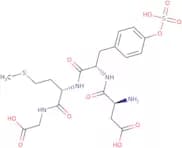
CAS:<p>Please enquire for more information about Cholecystokinin Octapeptide (1-4) (sulfated) including the price, delivery time and more detailed product information at the technical inquiry form on this page</p>Formula:C20H28N4O11S2Purity:Min. 95%Molecular weight:564.59 g/molAc-Phe-Gly-pNA
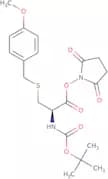
CAS:<p>Ac-Phe-Gly-pNA is a peptidyl prodrug that has been shown to have proteolytic activity against cells of the malignant phenotype. Ac-Phe-Gly-pNA is converted to an active form by serine proteases, which are found on the surface of trophozoites and in cancerous cells. The sequence of Ac-Phe-Gly-pNA is homologous with a protein found in Giardia lamblia, and it has been shown to be active against this parasite. Ac-Phe-Gly-pNA can also be detected with fluorogenic substrates and aminopeptidase activity.</p>Formula:C19H20N4O5Purity:Min. 95%Molecular weight:384.39 g/molBoc-Cys(Mob)-OSu
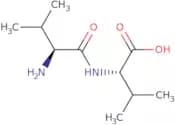
CAS:<p>Please enquire for more information about Boc-Cys(Mob)-OSu including the price, delivery time and more detailed product information at the technical inquiry form on this page</p>Formula:C20H26N2O7SPurity:Min. 95%Molecular weight:438.5 g/molH-Val-Val-OH
CAS:<p>H-Val-Val-OH is a compound that has been shown to inhibit uptake of proton from the environment. It was found to be an effective inhibitor of both protein and lipid uptake in cell culture studies. These effects may be due to its ability to form hydrogen bonds with water molecules, which are required for transport across the membrane. FTIR spectroscopy data show that H-Val-Val-OH forms intermolecular hydrogen bonding with other molecules. Linear regression analysis of FTIR spectroscopic data on H-Val-Val-OH has revealed the presence of nitrogen atoms, which may play a role in its function as an inhibitor.</p>Formula:C10H20N2O3Purity:Min. 95%Molecular weight:216.28 g/molBAM-12P (7-12)
CAS:<p>Please enquire for more information about BAM-12P (7-12) including the price, delivery time and more detailed product information at the technical inquiry form on this page</p>Formula:C29H52N12O9Purity:Min. 95%Molecular weight:712.8 g/mol(Des-Gly10,His(Bzl)6,Pro-NHEt 9)-LHRH
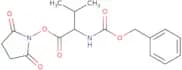
CAS:<p>Please enquire for more information about (Des-Gly10,His(Bzl)6,Pro-NHEt 9)-LHRH including the price, delivery time and more detailed product information at the technical inquiry form on this page</p>Formula:C66H86N18O12Purity:Min. 95%Molecular weight:1,323.5 g/molZ-L-Valine N-hydroxysuccinimide ester
CAS:<p>Z-L-Valine N-hydroxysuccinimide ester is a synthetic δ opioid ligand that has been shown to have potent inhibitory activity against casein. The compound has also been shown to have high affinity for opioid receptors and δ opioid receptors, which may be due to its ability to form supramolecular complexes with these proteins. Z-L-Valine N-hydroxysuccinimide ester binds to the receptor binding site of the protein, preventing it from interacting with other molecules. It is not selective for one receptor over another and can bind to both the δ and μ opioid receptors. This synthetic substance may be used as a lead compound in drug development.</p>Formula:C17H20N2O6Purity:Min. 95%Molecular weight:348.35 g/mol(D-Phe12, Nle 21·38)-CRF (12-41) (human, rat) trifluoroacetate salt
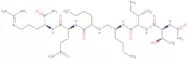
CAS:<p>Please enquire for more information about (D-Phe12, Nle 21·38)-CRF (12-41) (human, rat) trifluoroacetate salt including the price, delivery time and more detailed product information at the technical inquiry form on this page</p>Formula:C158H265N49O43Purity:Min. 95%Molecular weight:3,539.1 g/molAc-Thr-Ile-Nle-psi(CH2NH) Nle-Gln-Arg-NH2
CAS:<p>Ac-Thr-Ile-Nle-psi(CH2NH) Nle-Gln-Arg-NH2 is a protease inhibitor that prevents the breakdown of proteins by inhibiting the activity of proteases. It binds to the active site of these enzymes and blocks the access of other substrates. Ac-Thr-Ile-Nle-psi(CH2NH) Nle-Gln-Arg-NH2 has been shown to bind to a number of proteases, including serine, cysteine, aspartic acid, and metalloendoproteases. It inhibits the hydrolysis of peptide bonds in proteins by binding to the active site and blocking access to other substrates. The chemical structure is hydrophobic due to presence of a hydroxy group that can interact with hydrophobic regions on proteins. Acetylation at position Thr1 is important for its inhibitory activity against certain proteases such as</p>Formula:C35H67N11O8Purity:Min. 95%Molecular weight:769.98 g/molMca-Pro-Leu-Gly-Leu-Dap (Dnp)-Ala-Arg-NH2 trifluoroacetate salt
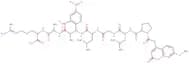
CAS:<p>Please enquire for more information about Mca-Pro-Leu-Gly-Leu-Dap (Dnp)-Ala-Arg-NH2 trifluoroacetate salt including the price, delivery time and more detailed product information at the technical inquiry form on this page</p>Formula:C49H68N14O15Purity:Min. 95%Molecular weight:1,093.15 g/molH-D-Ser(SO3H)-OH
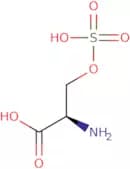
CAS:<p>Please enquire for more information about H-D-Ser(SO3H)-OH including the price, delivery time and more detailed product information at the technical inquiry form on this page</p>Formula:C3H7NO6SPurity:Min. 95%Molecular weight:185.16 g/molFmoc-Ala-Cys(Psi(Me ,Me)pro)-OH
<p>Please enquire for more information about Fmoc-Ala-Cys(Psi(Me ,Me)pro)-OH including the price, delivery time and more detailed product information at the technical inquiry form on this page</p>Formula:C24H26N2O5SPurity:Min. 95%Molecular weight:454.54 g/mol(Tyr0)-Fibrinopeptide A (human)
CAS:<p>Please enquire for more information about (Tyr0)-Fibrinopeptide A (human) including the price, delivery time and more detailed product information at the technical inquiry form on this page</p>Formula:C72H106N20O28Purity:Min. 95%Molecular weight:1,699.73 g/molH-Glu-Ser-Leu-Phe-OH
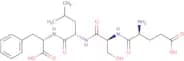
CAS:<p>Please enquire for more information about H-Glu-Ser-Leu-Phe-OH including the price, delivery time and more detailed product information at the technical inquiry form on this page</p>Formula:C23H34N4O8Purity:Min. 95%Molecular weight:494.54 g/molLys-(Des-Arg9)-Bradykinin trifluoroacetate salt
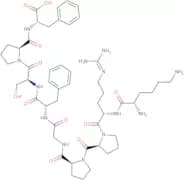
CAS:<p>Lys-(Des-Arg9)-Bradykinin trifluoroacetate salt H-Lys-Arg-Pro-Pro-Gly-Phe-Ser-Pro-Phe-OH trifluoroacetate salt (KBP) is a peptide that increases blood pressure by binding to the b2 receptor. This drug has been shown to be a potent pressor in animals and humans, with a concentration response curve similar to that of epinephrine. KBP binds to the extracellular domain of the b2 receptor, which activates this receptor and promotes the release of growth factors, such as epidermal growth factor (EGF). The high affinity of KBP for the b2 receptor is thought to be due to its ability to sequester EGF.</p>Formula:C50H73N13O11Purity:Min. 95%Molecular weight:1,032.2 g/molAngiotensin I (1-9) trifluoroacetate salt
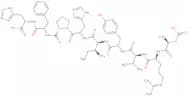
CAS:<p>Please enquire for more information about Angiotensin I (1-9) trifluoroacetate salt including the price, delivery time and more detailed product information at the technical inquiry form on this page</p>Formula:C56H78N16O13Purity:Min. 95%Molecular weight:1,183.32 g/molH-Ala-Ala-Ala-Tyr-Ala-OH
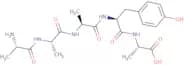
CAS:<p>Please enquire for more information about H-Ala-Ala-Ala-Tyr-Ala-OH including the price, delivery time and more detailed product information at the technical inquiry form on this page</p>Formula:C21H31N5O7Purity:Min. 95%Molecular weight:465.5 g/molHSV-1 Glycoprotein (gB) (497-507)
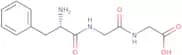
CAS:<p>Please enquire for more information about HSV-1 Glycoprotein (gB) (497-507) including the price, delivery time and more detailed product information at the technical inquiry form on this page</p>Formula:C59H91N15O18Purity:Min. 95%Molecular weight:1,298.44 g/molH-Phe-Gly-Gly-OH
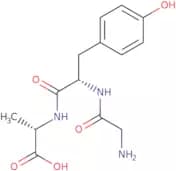
CAS:<p>H-Phe-Gly-Gly-OH is a phosphatase enzyme inhibitor that acts as a competitive inhibitor of serine/threonine phosphatases. It has been shown to inhibit the activity of protein data, which are enzymes that catalyze the hydrolysis of phosphate groups from proteins. This inhibition of protein data leads to an increase in the levels of protein kinase A (PKA) and cyclic AMP (cAMP) in human serum. H-Phe-Gly-Gly-OH also inhibits an enzyme called phospholipase A2, which is responsible for fatty acid metabolism, leading to an accumulation of fatty acids in cells. It has been shown that H-Phe-Gly-Gly-OH has anticancer activity against meningioma and squamous carcinoma cells in humans.</p>Formula:C13H17N3O4Purity:Min. 95%Molecular weight:279.29 g/molH-Gly-Tyr-Ala-OH
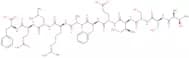
CAS:<p>H-Gly-Tyr-Ala-OH is a hydrophobic, reactive molecule that has been shown to be unstable in the presence of light and air. This compound is synthesized by the sequence: Gly-Tyr-Ala. It has been found to be an exciplex with the photooxidation product, 2-aminoacetophenone. The molecular weight of H-Gly-Tyr-Ala-OH is constant and can be determined by electrospray mass spectrometry. This molecule has shown to have a strong interaction with ovary tissue and can also produce carboxylate ions in solution.</p>Formula:C14H19N3O5Purity:Min. 95%Molecular weight:309.32 g/molTIMP-2 (145-168) (human, bovine) trifluoroacetate salt
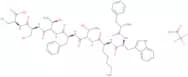
<p>Please enquire for more information about TIMP-2 (145-168) (human, bovine) trifluoroacetate salt including the price, delivery time and more detailed product information at the technical inquiry form on this page</p>Formula:C131H189N33O35S3Purity:Min. 95%Molecular weight:2,882.3 g/mol
















![1-{[5-(Cyclopropylcarbonyl)-1-methyl-4,5,6,7-tetrahydro-1H-pyrazolo[4,3-c]pyridin-3-yl]carbonyl}pi…](/_next/image/?url=https%3A%2Fstatic.cymitquimica.com%2Fproducts%2F3D%2Fthumb-webp%2FFC119596.webp&w=3840&q=75)