Amino Acids (AA)
Subcategories of "Amino Acids (AA)"
- Amino Acid Derivatives(4,016 products)
- Amino Acid and Amino Acid Related Compounds(3,490 products)
- Amino Acids with Oxygen or Sulphur(168 products)
- Boc- Amino Acids(351 products)
- Fmoc Amino Acids(1,710 products)
Found 38383 products of "Amino Acids (AA)"
N-alpha-Z-L-lysine methyl ester hydrochloride
CAS:N-alpha-Z-L-lysine methyl ester hydrochloride is a preparation that is used as a methyl ester. It is an ester of lysine and methyl chloride. This product has a molecular weight of 170.16 g/mol and the chemical formula CH3CONHCH2CH(NH)CO2CH3. The structural data has not been confirmed by X-ray crystallography, but it can be assumed to be in the form of a zwitterion. N-alpha-Z-L-lysine methyl ester hydrochloride can be used for the synthesis of peptides, which are building blocks for proteins and enzymes. N-alpha-Z-L-lysine methyl ester hydrochloride is also used in the production of certain kinds of drugs and organic acids such as acetylsalicylic acid (aspirin).
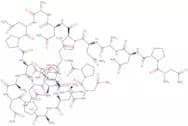
Formula:C15H22N2O4·HClPurity:Min. 95%Molecular weight:330.81 g/mol(Phe13,Tyr19)-MCH (human, mouse, rat) trifluoroacetate salt
CAS:Please enquire for more information about (Phe13,Tyr19)-MCH (human, mouse, rat) trifluoroacetate salt including the price, delivery time and more detailed product information at the technical inquiry form on this pageFormula:C109H160N30O26S4Purity:Min. 95%Molecular weight:2,434.89 g/molBovine Pineal Antireproductive Tripeptide acetate salt
CAS:Bovine pineal antiprogestin tripeptide acetate salt H-Thr-Ser-Lys-OH acetate salt is a molecule that binds to the prolactin receptor. It is a hydroxyl group reactive, carboxy terminal β amino acid analog of prolactin. It has been shown to have inhibitory properties in cancer cells and can be used as a diagnostic agent for tumor growth. This molecule also inhibits the activity of the prolactin receptor with micrometer-sized particles and has diagnostic potential in breast cancer cells.Formula:C13H26N4O6Purity:Min. 95%Molecular weight:334.37 g/molTyr-PDGF A-Chain (194-211)
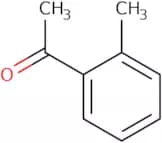
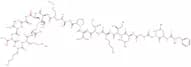
CAS:Please enquire for more information about Tyr-PDGF A-Chain (194-211) including the price, delivery time and more detailed product information at the technical inquiry form on this pageFormula:C101H181N39O25Purity:Min. 95%Molecular weight:2,341.77 g/mol2-Methylacetophenone
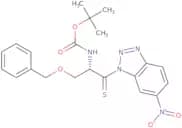
CAS:2-Methylacetophenone is an organic compound that has a molecular weight of 100.12 g/mol, and a chemical formula of C10H14O2. The compound is a colorless liquid at room temperature and pressure, with a sweet odor. It is soluble in nonpolar solvents such as hexane, ether, benzene, and toluene. 2-Methylacetophenone has been used as a solvent for the chemical study of benzyl groups, hydroxyl group activation energies, hydrogen bond, carbonyl group proton and intramolecular hydrogen bonding. It has also been used to study the reaction mechanism of fatty acid with benzyl groups in cryogenic conditions.Formula:C9H10OPurity:Min. 95%Color and Shape:Colorless Clear LiquidMolecular weight:134.18 g/molBoc-Thionoser(Bzl)-1-(6-nitro)benzotriazolide
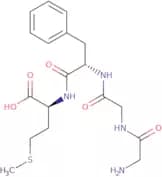
CAS:Please enquire for more information about Boc-Thionoser(Bzl)-1-(6-nitro)benzotriazolide including the price, delivery time and more detailed product information at the technical inquiry form on this pageFormula:C21H23N5O5SPurity:Min. 95%Molecular weight:457.5 g/mol(Des-Tyr1)-Met-Enkephalin
CAS:Des-Tyr1-Met-Enkephalin H-Gly-Gly-Phe-Met-OH is a peptide that is derived from the endorphin family. It has been shown to have both amnestic and enkephalin effects, which may be due to its antagonistic effect on naloxone. This endogenous peptide has been studied in a dose response curve, with an increase in amnesia and decrease in memory retention as the dose increases. Des-Tyr1-Met-Enkephalin H-Gly-Gly-Phe-Met-OH also binds to receptors at the same sites as other substances such as epinephrine, β endorphin, and behavioral effects are observed.
Formula:C18H26N4O5SPurity:Min. 95%Molecular weight:410.49 g/molGlutaryl-Phe-AMC
CAS:Glutaryl-Phe-AMC is a fluorophore that has been used to study dental plaque. It is an amide of glutaryl-Phe and AMC, which is a water molecule. Glutaryl-Phe-AMC is a synthetic molecule that can be deprotonated by histidine in the presence of d-homoserine. The fluorescence of this compound increases when it binds to the enzyme substrates, 7-amino-4-methylcoumarin (AMC) and water molecules. This assay can be used for studying proteolytic activity on enzymes such as protease and amylase.
Formula:C24H24N2O6Purity:Min. 95%Molecular weight:436.46 g/molLysozyme C (46-61) (chicken) trifluoroacetate salt
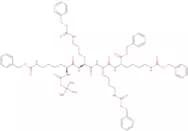
CAS:Lysozyme C (46-61) (chicken) trifluoroacetate salt is a conjugated synthetic peptide that binds to the antigen. It is a reactive molecule with solubilized properties that has been shown to bind to the peptide in binding experiments. This synthetic peptide has been found to be efficacious in transfected murine bone cells and antigen-presenting cells. The binding of Lysozyme C (46-61) (chicken) trifluoroacetate salt to phospholipid membranes may be due to its reactivity with the membrane's hydrophobic surface.Formula:C72H116N22O29Purity:Min. 95%Molecular weight:1,753.82 g/molBoc-Lys(Z)-Lys(Z)-Lys(Z)-Lys(Z)-OBzl
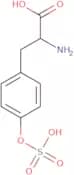
CAS:Please enquire for more information about Boc-Lys(Z)-Lys(Z)-Lys(Z)-Lys(Z)-OBzl including the price, delivery time and more detailed product information at the technical inquiry form on this pageFormula:C68H88N8O15Purity:Min. 95%Molecular weight:1,257.47 g/molH-Tyr(SO3H)-OH sodium salt
CAS:Please enquire for more information about H-Tyr(SO3H)-OH sodium salt including the price, delivery time and more detailed product information at the technical inquiry form on this page
Formula:C9H11NO6SPurity:Min. 95%Molecular weight:261.25 g/molBoc-Glu(OBzl)-PAM resin (200-400 mesh)
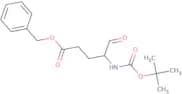
Please enquire for more information about Boc-Glu(OBzl)-PAM resin (200-400 mesh) including the price, delivery time and more detailed product information at the technical inquiry form on this pagePurity:Min. 95%2-Amino-5-methoxypyridine
CAS:2-Amino-5-methoxypyridine (2AM5MP) is a synthetic compound that is used to study the nicotinic acetylcholine receptor. It has been shown that 2AM5MP can be used as an agonist for the nicotinic acetylcholine receptor, which may be due to its ability to act as a substrate for amine oxidase. This compound has been shown to have anti-cancer properties and fluoresce when exposed to positron emission tomography (PET) scans. The anti-cancer effects of 2AM5MP are thought to be due to its ability to inhibit cancer cell proliferation and induce cancer cell apoptosis.
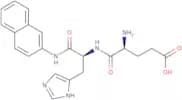
Formula:C6H8N2OPurity:Min. 95%Molecular weight:124.14 g/molH-Glu-His-bNA
CAS:Please enquire for more information about H-Glu-His-bNA including the price, delivery time and more detailed product information at the technical inquiry form on this pageFormula:C21H23N5O4Purity:Min. 95%Molecular weight:409.44 g/molTyr-Somatostatin-28
CAS:Please enquire for more information about Tyr-Somatostatin-28 including the price, delivery time and more detailed product information at the technical inquiry form on this pageFormula:C146H216N42O41S3Purity:Min. 95%Molecular weight:3,311.73 g/molPhenylac-Leu-Asp-Phe-D-Pro-NH2
CAS:Phenylac-Leu-Asp-Phe-D-Pro-NH2 is a molecule that inhibits the inflammatory response by binding to the active site of proteinase 3. It has been shown to be effective in treating bowel disease, such as Crohn's disease, and also shows potential for use in other inflammatory diseases, including autoimmune diseases and blood disorders. Phenylac-Leu-Asp-Phe-D-Pro-NH2 is an inhibitor of proprotein convertase 3 (PC3) and has been shown to inhibit the activity of PC3 in vitro. This inhibition leads to reduced production of inflammatory cytokines and decreased inflammation in animal models. Clinical studies have demonstrated that phenylacetic acid ester derivatives are safe for use in humans.Formula:C32H41N5O7Purity:Min. 95%Molecular weight:607.7 g/molCRAMP-18 (mouse) trifluoroacetate salt
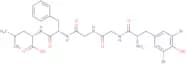
CAS:Please enquire for more information about CRAMP-18 (mouse) trifluoroacetate salt including the price, delivery time and more detailed product information at the technical inquiry form on this pageFormula:C101H171N27O24Purity:Min. 95%Molecular weight:2,147.61 g/mol(3,5-Dibromo-Tyr1)-Leu-Enkephalin
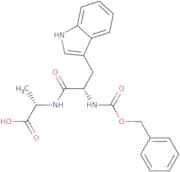
CAS:Please enquire for more information about (3,5-Dibromo-Tyr1)-Leu-Enkephalin including the price, delivery time and more detailed product information at the technical inquiry form on this pageFormula:C28H35Br2N5O7Purity:Min. 95%Molecular weight:713.42 g/molZ-Trp-Ala-OH
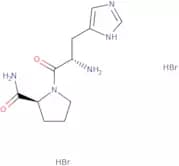
CAS:Z-Trp-Ala-OH is an imidazolide that is used as a potassium supplement. It has the potential to be used in the treatment of epilepsy, but more research is needed to determine its safety and efficacy.Formula:C22H23N3O5Purity:Min. 95%Molecular weight:409.44 g/molH-His-Pro-NH2·2 HBr
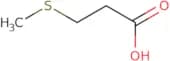
CAS:Please enquire for more information about H-His-Pro-NH2·2 HBr including the price, delivery time and more detailed product information at the technical inquiry form on this pageFormula:C11H17N5O2·2HBrPurity:Min. 95%Molecular weight:413.11 g/mol3-Methylthiopropionic acid
CAS:3-Methylthiopropionic acid is a bacterial metabolite that can serve as an alternative carbon source for the production of amino acids. 3-Methylthiopropionic acid is used to study the effect of matrix on enzyme activities, and has been shown to have protein-binding properties. The compound also serves as a precursor in the synthesis of tiglic acid, which is a lysine precursor. 3-Methylthiopropionic acid has been found to be effective in slowing the growth of cancer cells. It has been shown to inhibit fatty acid synthesis, and may also inhibit methionine synthetase activity and cell proliferation.
Formula:C4H8O2SPurity:Min. 95%Color and Shape:Colourless To Pale Yellow LiquidMolecular weight:120.17 g/molRanalexin
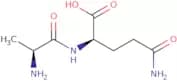
CAS:Ranalexin is a peptide antibiotic that has been isolated from the fungus Penicillium patulum. It is an antimicrobial peptide and has shown antibacterial efficacy against gram-positive bacteria, including methicillin-resistant Staphylococcus aureus and Enterococcus faecalis. Ranalexin binds to bacterial membrane receptors, leading to rapid cell death. The biological properties of ranalexin are still being studied in order to determine its mechanism of action.Formula:C97H167N23O22S3Purity:Min. 95%Molecular weight:2,103.7 g/molH-Ala-D-Gln-OH
CAS:Please enquire for more information about H-Ala-D-Gln-OH including the price, delivery time and more detailed product information at the technical inquiry form on this pageFormula:C8H15N3O4Purity:Min. 95%Molecular weight:217.22 g/mol4-{[4-(4-Methyloxyphenyl)-piperazin-1-yl]-phenyl}-2,4-dihydro-[1,2,4]-triazol-3-one
CAS:Please enquire for more information about 4-{[4-(4-Methyloxyphenyl)-piperazin-1-yl]-phenyl}-2,4-dihydro-[1,2,4]-triazol-3-one including the price, delivery time and more detailed product information at the technical inquiry form on this pageFormula:C19H21N5O2Purity:Min. 95%Molecular weight:351.4 g/molH-Arg-epsilon-aminocaproyl-Arg-epsilon-aminocaproyl-Arg-epsilon-aminocaproyl-Arg-epsilon-aminocaproyl-Arg-epsilon-aminocaproyl-Arg-e psilon-aminocaproyl-Arg-OH trifluoroacetate salt
CAS:Please enquire for more information about H-Arg-epsilon-aminocaproyl-Arg-epsilon-aminocaproyl-Arg-epsilon-aminocaproyl-Arg-epsilon-aminocaproyl-Arg-epsilon-aminocaproyl-Arg-e psilon-aminocaproyl-Arg-OH trifluoroacetate salt including the price, delivery time and more detailed product information at the technical inquiry form on this pageFormula:C78H152N34O14Purity:Min. 95%Molecular weight:1,790.26 g/molLeu-Leu-OMe·HCl
CAS:Leu-Leu-OMe·HCl is a reagent that is used as a reaction component. It is soluble in water and has a pH of 2.0. Leu-Leu-OMe·HCl is also useful for the synthesis of building blocks and fine chemicals with versatile applications, such as bioactive compounds and pharmaceuticals. This chemical has been shown to react with other molecules to form a variety of complex compounds, making it useful for research purposes. This compound can be used as an intermediate in the synthesis of many different products, including pharmaceuticals, pesticides, and insecticides.Formula:C13H26N2O3·HClPurity:Min. 95%Color and Shape:PowderMolecular weight:294.82 g/mol4-Bromo-2-fluoro-N-methylbenzamide
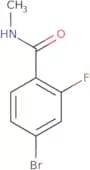
CAS:4-Bromo-2-fluoro-N-methylbenzamide is an impurity in the pharmaceutical drug nilutamide. It is a ligand that binds to the androgen receptor and inhibits the binding of dihydrotestosterone, reducing its effect on prostate cells. 4-Bromo-2-fluoro-N-methylbenzamide has been shown to have pharmacokinetic properties similar to nilutamide, which is a drug used for treating prostate cancer. This impurity is also found in small quantities in other drugs including cyclobutanone, 2-aminoisobutyric acid, and chloral hydrate. The elucidation of these impurities can help regulate the quality of pharmaceutical drugs.Formula:C8H7BrFNOPurity:Min. 95%Color and Shape:White Off-White PowderMolecular weight:232.05 g/molH-Cys-psi(CH2NH)Val-psi(CH2NH)Phe-Met-OH trifluoroacetate salt
CAS:FTI-277 is a peptidomimetic compound that inhibits HIV-1 protease. FTI-277 is an orally active, potent, and selective inhibitor of HIV-1 protease. The drug has been shown to be effective in the treatment of HIV infection in various clinical trials. FTI-277 inhibited HIV replication in activated cells and disrupted virion production by binding to the target enzyme. FTI-277 also has potential for use as a diagnostic tool for detecting the presence of HIV in body fluids.Formula:C22H38N4O3S2Purity:Min. 95%Molecular weight:470.69 g/molZ-Leu-Tyr-OH
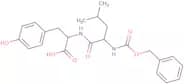
CAS:The enzyme z-leu-tyr-OH is a peptidyl acid phosphatase that hydrolyzes the phosphate group from peptides. It is activated at acidic ph, and has been shown to hydrolyze the residue of metal ions such as Zn2+, Cu2+ and Hg2+. The enzyme is expressed by tissues such as the pancreas, and has been shown to be involved in the biochemical processes of hyaluronate degradation.Formula:C23H28N2O6Purity:Min. 95%Molecular weight:428.48 g/molBursin (avian)
CAS:Bursin is a vaccine that is used to prevent the infection of avian influenza in chickens. It has been shown to stimulate antibody production and increase the immune response in chickens. Bursin consists of an amino terminal, carboxy terminal, and a peptide sequence that binds to receptors on the surface of cells. Peptides such as bursin are used for sample preparation or expression plasmids in tissue culture experiments. Bursin also has calcium-binding properties and can be used as a histochemical stain for skin cells. The hydroxyl group on the side chain is important for its function.Formula:C14H25N7O3Purity:Min. 95%Molecular weight:339.39 g/molVasonatrin Peptide (VNP) trifluoroacetate salt
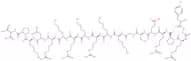
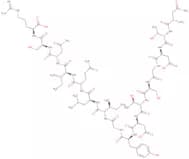
CAS:Please enquire for more information about Vasonatrin Peptide (VNP) trifluoroacetate salt including the price, delivery time and more detailed product information at the technical inquiry form on this pageFormula:C123H198N36O36S3Purity:Min. 95%Molecular weight:2,853.31 g/molH-Pro-Asp-Val-Asp-His-Val-Phe-Leu-Arg-Phe-NH2
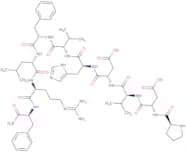
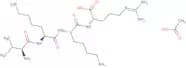
CAS:H-Pro-Asp-Val-Asp-His-Val-Phe-Leu-Arg-Phe is a peptide that is synthesized from proctolin. It has been shown to have gland cell receptor activity and physiological effects in animals. HPAVH has been shown to inhibit the binding of specific antibody to its antigen and can be used as a receptor for various applications, such as a cation channel. This peptide has also been shown to inhibit the binding of carboxy terminal of the alpha subunit of the acetylcholine receptor and can be used for research in animals.Formula:C59H86N16O14Purity:Min. 95%Molecular weight:1,243.41 g/molH-Val-Lys-Lys-Arg-OH acetate salt
CAS:Controlled ProductPlease enquire for more information about H-Val-Lys-Lys-Arg-OH acetate salt including the price, delivery time and more detailed product information at the technical inquiry form on this pageFormula:C23H47N9O5Purity:Min. 95%Molecular weight:529.68 g/molNazumamide A
CAS:Nazumamide A is a cyclic peptide with inhibitory activity against serine proteases. It binds to the active site of thrombin and inhibits its action, thereby inhibiting the fibrinogen degradation in blood. Nazumamide A is also found to have neuroprotective properties, which may be due to its ability to inhibit nitric oxide production by binding to the enzyme nitric oxide synthase. It has been shown to have anti-inflammatory activities and can be used for the treatment of inflammation-associated diseases such as asthma and arthritis. Nazumamide A is a nonribosomal peptide that does not require any cofactors for synthesis.
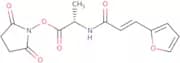
Formula:C28H43N7O8Purity:Min. 95%Molecular weight:605.68 g/molFA-Ala-OSu
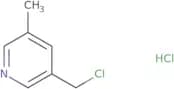
CAS:Please enquire for more information about FA-Ala-OSu including the price, delivery time and more detailed product information at the technical inquiry form on this pageFormula:C14H14N2O6Purity:Min. 95%Molecular weight:306.27 g/mol3-(Chloromethyl)-5-methylpyridine hydrochloride
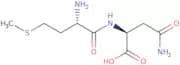
CAS:3-(Chloromethyl)-5-methylpyridine hydrochloride (3CMPH) is a chemical compound that is synthesized from chlorine and methylpyridine. 3CMPH can be produced by the reaction of chlorination with toluene or hydrogen chloride. The synthesis of 3CMPH is done in two steps: first, reacting toluene with chlorine gas at high temperature and pressure in the presence of sulfuric acid, followed by the addition of sulfuric acid to the resulting product. In the second step, hydrogen chloride reacts with methylpyridine in an alkaline solution, yielding 3-(chloromethyl)-5-methylpyridine hydrochloride as a white solid. 3CMPH has been shown to have antihistamine effects and can be used for treating allergies. It can also be used as a skin protectant against uv light and rupatadine.Formula:C7H8ClN·HClPurity:Min. 95%Molecular weight:178.06 g/molH-Met-Asn-OH
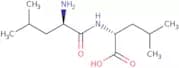
CAS:H-Met-Asn-OH is a peptide that is composed of the amino acids methionine, asparagine, and hydroxyproline. It has been found to be specific for influenza and has been proposed as a potential drug target for this virus. The constant and resonance energies of H-Met-Asn-OH have been determined by NMR spectroscopy. The amino acid composition of H-Met-Asn-OH is typical of many proteins. Structural isomers are molecules that differ only in their spatial arrangement but share the same chemical formula. H-Met-Asn-OH can be considered a structural isomer because it differs by its chirality, which means that it rotates plane polarized light in one direction while its mirror image, L-methionine asparagine hydroxyproline (LMAHP), rotates light in the opposite direction. Gene products are molecules that are responsible for converting information from DNA into proteins viaFormula:C9H17N3O4SPurity:Min. 95%Molecular weight:263.32 g/molH-D-Leu-Tyr-OH
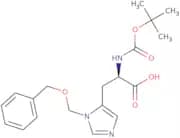
CAS:H-D-Leu-Tyr-OH is a biochemically reactive compound that can undergo a number of reactions with other substrates. It is an amide that is converted to the tripeptides, H-D-leu-tyr and H-D-Phe-Lys, by hydrolysis in the liver. It is also converted to the condensation products, H-D-leu and H2NCH2COOH, by hydrochloric acid or metal ions. The formation rate of this compound depends on its concentration. The rate of reaction increases with increased substrate concentrations. This compound has an acidic pH and binds to a bidentate ligand, histidine.Formula:C15H22N2O4Purity:Min. 95%Molecular weight:294.35 g/molBoc-D-His(3-Bom)-OH
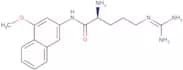
CAS:Please enquire for more information about Boc-D-His(3-Bom)-OH including the price, delivery time and more detailed product information at the technical inquiry form on this pageFormula:C19H25N3O5Purity:Min. 95%Molecular weight:375.42 g/molH-Arg-4MbetaNA hydrochloride salt
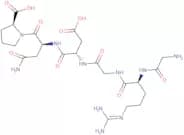
CAS:Please enquire for more information about H-Arg-4MbetaNA hydrochloride salt including the price, delivery time and more detailed product information at the technical inquiry form on this pageFormula:C17H23N5O2·xHClPurity:Min. 95%Molecular weight:365.86 g/molH-Gly-Arg-Gly-Asp-Asn-Pro-OH
CAS:H-Gly-Arg-Gly-Asp-Asn-Pro-OH is a cyclic peptide that is derived from the amino acid sequence of human collagen. It has been shown to have significant cytotoxicity and act as a chemoattractant for cells. H-Gly-Arg-Gly-Asp-Asn-Pro-OH has also been found to stimulate the growth of fibroblasts and increase the production of collagen, which is an important structural protein in connective tissue. HGRAAAP has been shown to have antiinflammatory properties and can be used to treat autoimmune diseases and infectious diseases, such as papillary muscle dysfunction, which is caused by inflammation. HGRAAAP may also be used to inhibit water permeability into cells, which would be helpful for the treatment of certain cancers that are caused by unregulated cell growth.Formula:C23H38N10O10Purity:Min. 95%Molecular weight:614.61 g/molDL-Methionine methylsulfonium chloride
CAS:DL-Methionine methylsulfonium chloride is a fine chemical that has many uses. It can be used as a versatile building block for research and synthesis of complex compounds, or as an intermediate for the production of speciality chemicals. DL-Methionine methylsulfonium chloride is also useful as a reaction component in organic synthesis and as a reagent in analytical chemistry. It is often used to introduce methionine residues into proteins, which are then used for structural studies and protein engineering. The quality of this compound is high and it has CAS number 3493-12-7.Formula:C6H14ClNO2SColor and Shape:White PowderMolecular weight:199.7 g/molAngiotensin (1-12) (human) trifluoroacetate salt
CAS:Please enquire for more information about Angiotensin (1-12) (human) trifluoroacetate salt including the price, delivery time and more detailed product information at the technical inquiry form on this pageFormula:C73H109N19O16Purity:Min. 95%Molecular weight:1,508.77 g/mol(3,5-Diiodo-Tyr1,D-Ala2,N-Me-Phe4,glycinol5)-Enkephalin acetate salt
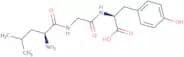
CAS:Controlled ProductPlease enquire for more information about (3,5-Diiodo-Tyr1,D-Ala2,N-Me-Phe4,glycinol5)-Enkephalin acetate salt including the price, delivery time and more detailed product information at the technical inquiry form on this pageFormula:C26H33I2N5O6Purity:Min. 95%Molecular weight:765.38 g/molH-Leu-Gly-Tyr-OH
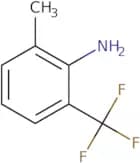
CAS:H-Leu-Gly-Tyr-OH is a tripeptide that plays a role in cell proliferation, endothelial cell function and endothelial cell proliferation. H-Leu-Gly-Tyr-OH has been shown to be an inhibitor of the production of prostaglandin, which is involved in atherogenesis. H-Leu-Gly-Tyr-OH also inhibits the functions of cells by linking with amide bonds and hydrolysates.Formula:C17H25N3O5Purity:Min. 95%Molecular weight:351.4 g/mol2-methyl-6-(trifluoromethyl)aniline
CAS:2-Methyl-6-(trifluoromethyl)aniline is a colorless, oily liquid with a sulfurous odor. It is soluble in water and alcohol. The reaction rate of 2-methyl-6-(trifluoromethyl)aniline with sulfoxides is faster than that of benzyl anilines, but slower than that of anilino derivatives. The addition of hydrophobic groups to the 2-methyl-6-(trifluoromethyl)aniline molecule increases the reaction rate. 2-Methyl-6-(trifluoromethyl)aniline can be used as an anesthetic agent because it is a potent inhibitor of nerve conduction in sciatic nerves. It also has been shown to be effective in desulfurizing propylene, which is important for the production of polypropylene plastics and synthetic rubber. 2-Methyl-6-(trifluFormula:C8H8F3NPurity:Min. 95%Molecular weight:175.15 g/molH-Asp-Arg-OH
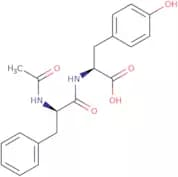
CAS:H-Asp-Arg-OH is a histamine releasing factor. Histamine is a neurotransmitter that regulates the release of other neurotransmitters in the brain. It also has been shown to be an important mediator of inflammatory reactions and has been associated with asthma, allergic reactions, and inflammation. H-Asp-Arg-OH can be used as a histological stain for the detection of 8-hydroxyquinoline and its metabolites such as glucuronides in tissues. The distribution pattern of this compound can be visualized using infrared spectroscopy and β-glucuronidase activity can be detected by color change in histochemical reactions.Formula:C10H19N5O5Purity:Min. 95%Molecular weight:289.29 g/molAc-D-Phe-Tyr-OH
CAS:Please enquire for more information about Ac-D-Phe-Tyr-OH including the price, delivery time and more detailed product information at the technical inquiry form on this pageFormula:C20H22N2O5Purity:Min. 95%Molecular weight:370.4 g/molFmoc-4-(7-hydroxy-4-coumarinyl)-Abu-OH
CAS:Please enquire for more information about Fmoc-4-(7-hydroxy-4-coumarinyl)-Abu-OH including the price, delivery time and more detailed product information at the technical inquiry form on this pageFormula:C28H23NO7Purity:Min. 95%Molecular weight:485.48 g/molFmoc-Arg(Mtr)-Wang resin (200-400 mesh)
Please enquire for more information about Fmoc-Arg(Mtr)-Wang resin (200-400 mesh) including the price, delivery time and more detailed product information at the technical inquiry form on this pagePurity:Min. 95%Fmoc-Met-Wang resin (100-200 mesh)
Please enquire for more information about Fmoc-Met-Wang resin (100-200 mesh) including the price, delivery time and more detailed product information at the technical inquiry form on this pagePurity:Min. 95%H-Asp(Gly-OH)-OH
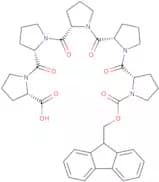
CAS:Polymyxin B is a polycationic antibiotic that has been used in the treatment of infectious diseases and as an ophthalmic ointment. It is effective against bacteria, fungi, and parasites. Polymyxin B exhibits antimicrobial activity by binding to microbial membranes and causing lysis. The redox potential of this antibiotic is low, which can make it difficult for it to penetrate into cells. Oral cephalosporins are acidic drugs that are poorly absorbed from the gastrointestinal tract; they are only active in the distal small intestine and colon. Streptococcus faecalis is a bacterium that causes infections in the upper respiratory tract and urinary tract. Polymyxin B may be used as an oral agent to treat these infections because it does not require acidity for activity. This drug also exhibits anti-inflammatory effects through its ability to inhibit gamma-aminobutyric acid (GABA) synthesis in bowel cells, which leads to decreased inflammation.Formula:C6H10N2O5Purity:Min. 95%Molecular weight:190.15 g/molFmoc-Pro-Pro-Pro-Pro-Pro-OH
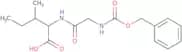
CAS:Please enquire for more information about Fmoc-Pro-Pro-Pro-Pro-Pro-OH including the price, delivery time and more detailed product information at the technical inquiry form on this pageFormula:C40H47N5O8Purity:Min. 95%Molecular weight:725.83 g/molZ-Gly-Ile-OH
CAS:Please enquire for more information about Z-Gly-Ile-OH including the price, delivery time and more detailed product information at the technical inquiry form on this pageFormula:C16H22N2O5Purity:Min. 95%Molecular weight:322.36 g/molUrotensin I
CAS:Please enquire for more information about Urotensin I including the price, delivery time and more detailed product information at the technical inquiry form on this pageFormula:C210H340N62O67S2Purity:Min. 95%Molecular weight:4,869.46 g/molH-D-Leu-D-Leu-OH
CAS:H-D-Leu-D-Leu-OH is a type of molecule that can be found in the human body. It is an amino acid with specificities and transport mechanisms that are not yet well understood. This compound is resistant to aminopeptidase activity and has been shown to have a ph optimum in the intestinal tract. Acetylation of this molecule may also have an effect on its transport rate, as it has been shown to affect the transport rate of D-tryptophan and D-alanine. H-D-Leu-D-Leu-OH is a type of molecule that can be found in the human body. It is an amino acid with specificities and transport mechanisms that are not yet well understood. This compound is resistant to aminopeptidase activity and has been shown to have a ph optimum in the intestinal tract. Acetylation of this molecule may also have an effect on its transport rate, asFormula:C12H24N2O3Purity:Min. 95%Molecular weight:244.33 g/molSuc-Ala-Lys-Pro-Phe-pNA
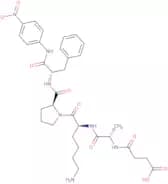
CAS:Suc-Ala-Lys-Pro-Phe-pNA is a casein that has been modified to contain additional lysine residues. This modification increases the protein’s stability, making it more resistant to hydrolysis by phosphatases. Suc-Ala-Lys-Pro-Phe-pNA also contains a peptide sequence that is homologous to a part of the endoplasmic reticulum chaperone FK506 binding protein (FKBP). The peptide sequence in this casein acts as an artificial chaperone and can be used in cell culture experiments to stabilize newly synthesized proteins.Formula:C33H43N7O9Purity:Min. 95%Molecular weight:681.74 g/molMyeloblastin (142-150) (human, mouse) trifluoroacetate salt
CAS:Myeloblastin (142-150) (human, mouse) trifluoroacetate salt HVal-Leu-Gln-Glu-Leu-Asn-Val-Thr-Val-OH trifluoroacetate salt is an antigen that belongs to the class of serine proteinases. It is a soluble recombinant human proteinase that has been shown to have a tumor cell lysis activity in vitro and in vivo. Myeloblastin (142-150) (human, mouse) trifluoroacetate salt HVal-Leu-Gln-Glu-Leu-Asn-Val-Thr Val is also a leukocyte antigen and can be used for the development of cancer vaccines.Formula:C45H79N11O15Purity:Min. 95%Molecular weight:1,014.17 g/molApelin-12 (human, bovine, mouse, rat)
CAS:Apelin-12 is a peptide hormone that belongs to the group of apelin family. It is an endogenous agonist for the apelin receptor and has been shown to affect metabolic and cardiovascular regulation. Apelin-12 has been found to increase systolic blood pressure, which may be due to its ability to inhibit the synthesis of nitric oxide in the heart. It also exhibits anti-inflammatory properties, which have been shown in vivo using a model of colitis induced by dextran sulfate sodium (DSS). The biological properties of this hormone are not yet fully understood. However, it is known that it has effects on cardiac contractility and myocardial infarct size in vivo. Further investigation into this protein's role in inflammatory diseases and metabolic disorders may lead to new treatments for these conditions.Formula:C64H103N21O14SPurity:Min. 95%Molecular weight:1,422.7 g/molBiotinyl-pTH (44-68) (human) trifluoroacetate salt
CAS:Please enquire for more information about Biotinyl-pTH (44-68) (human) trifluoroacetate salt including the price, delivery time and more detailed product information at the technical inquiry form on this pageFormula:C127H213N43O43SPurity:Min. 95%Molecular weight:3,062.38 g/molH(-Asn-Pro-Asn-Ala)6-OH
CAS:Please enquire for more information about H(-Asn-Pro-Asn-Ala)6-OH including the price, delivery time and more detailed product information at the technical inquiry form on this pageFormula:C96H146N36O37Purity:Min. 95%Molecular weight:2,396.41 g/molAc-Lys-Gln-Leu-Arg-AFC trifluoroacetate salt
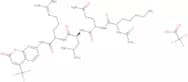
CAS:Please enquire for more information about Ac-Lys-Gln-Leu-Arg-AFC trifluoroacetate salt including the price, delivery time and more detailed product information at the technical inquiry form on this pageFormula:C35H51F3N10O8Purity:Min. 95%Molecular weight:796.84 g/mol1,3,5-Tri(1-phenyl-1H-benzo[d]imidazol-2-yl)phenyl
CAS:1,3,5-Tri(1-phenyl-1H-benzo[d]imidazol-2-yl)phenyl is a diphenyl ether derivative that has been synthesized from the reaction of methanol with a solution of benzimidazole. The compound is soluble in organic solvents such as chloroform and dichloromethane. The molecule absorbs UV light and emits visible light, which can be detected by photomultiplier tubes. It has chemical structures similar to other benzimidazole derivatives.Formula:C45H30N6Purity:Min. 95%Molecular weight:654.76 g/molH-Gly-Lys-OH·HCl
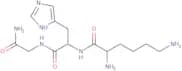
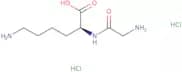
CAS:Please enquire for more information about H-Gly-Lys-OH·HCl including the price, delivery time and more detailed product information at the technical inquiry form on this pageFormula:C8H17N3O3·HClPurity:Min. 95%Molecular weight:239.7 g/molBiotinyl-LL-37 amide trifluoroacetate salt
CAS:Please enquire for more information about Biotinyl-LL-37 amide trifluoroacetate salt including the price, delivery time and more detailed product information at the technical inquiry form on this pageFormula:C215H355N63O54SPurity:Min. 95%Molecular weight:4,718.58 g/molH-Asn-Arg-Cys-Ser-Gln-Gly-Ser-Cys-Trp-Asn-OH (Disulfide bond)
CAS:Please enquire for more information about H-Asn-Arg-Cys-Ser-Gln-Gly-Ser-Cys-Trp-Asn-OH (Disulfide bond) including the price, delivery time and more detailed product information at the technical inquiry form on this pageFormula:C44H65N17O16S2Purity:Min. 95%Molecular weight:1,152.22 g/molH-His-Ser-OH
CAS:H-His-Ser-OH is a type of histidine with a hydroxyl group at the 3' position. It is an amino acid found in proteins and natural products. H-His-Ser-OH has been shown to be a synthetic substrate for the production of monoclonal antibodies, which are used as therapeutic agents in cancer treatment. The metabolic disorders that affect H-His-Ser-OH include human serum albumin and hemoglobinuria. This amino acid also plays a role in cervical cancer, neutral pH, and amide bonds. H-His-Ser-OH is also known to be a growth factor and has been linked to autoimmune diseases, site specific phosphorylation, and peptide hormones.br>br>br>Formula:C9H14N4O4Purity:Min. 95%Molecular weight:242.23 g/molH-D-Phe-Ala-OH
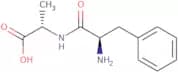
CAS:3-Hydroxy-4-phenylbutyrate (H-D-Phe-Ala) is a fatty acid that is metabolized by the liver. It has been shown to be a potent inhibitor of the enzyme 3-hydroxyacyl coenzyme A dehydrogenase, which catalyzes the first step in fatty acid metabolism. H-D-Phe-Ala also inhibits the production of hormones such as insulin and glucagon and may be used to treat diabetes. This compound may also be useful for preventing or treating liver disease caused by alcohol abuse or other causes, due to its ability to inhibit enzymes that break down proteins in the cell. The addition of H-D-Phe-Ala has been shown to prevent formation of toxic metabolites in rats given an experimental drug, phenacetin, which can lead to kidney damage.
Formula:C12H16N2O3Purity:Min. 95%Molecular weight:236.27 g/mol1-Methyl-3-phenyl-piperazine
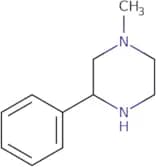
CAS:1-Methyl-3-phenylpiperazine is a molecule with the chemical formula C6H14N2. It is an amide that belongs to the group of hexanes. 1-Methyl-3-phenylpiperazine is a colorless liquid with a strong ammonia odor and an irritating effect on skin. The molecule has been tested in vivo and found to be irritants when applied to the skin of rabbits, and can cause severe irritation when injected into the eyes of rabbits or rats. 1-Methyl-3-phenylpiperazine is not soluble in water but can be dissolved in ethanolamine, dimethyl sulfoxide, acetone, or chloroform.Formula:C11H16N2Purity:Min. 95%Color and Shape:PowderMolecular weight:176.26 g/mol(Leu31,Pro34)-Peptide YY (human) trifluoroacetate salt
CAS:Please enquire for more information about (Leu31,Pro34)-Peptide YY (human) trifluoroacetate salt including the price, delivery time and more detailed product information at the technical inquiry form on this pageFormula:C195H296N54O56Purity:Min. 95%Molecular weight:4,292.77 g/molFGF basic (119-126) (human, mouse, rabbit, rat)
CAS:Please enquire for more information about FGF basic (119-126) (human, mouse, rabbit, rat) including the price, delivery time and more detailed product information at the technical inquiry form on this pageFormula:C44H76N14O12Purity:Min. 95%Molecular weight:993.16 g/mol2-[(4-Chloro-2-nitrophenyl)azo]-N-(2-methoxyphenyl)-3-oxobutanamide
CAS:2-[(4-Chloro-2-nitrophenyl)azo]-N-(2-methoxyphenyl)-3-oxobutanamide is a chelating agent that has been used as a control agent in the manufacture of dyes, plastics, and rubber. It is also used as an additive in paints, textiles, and paper. 2-[(4-Chloro-2-nitrophenyl)azo]-N-(2-methoxyphenyl)-3-oxobutanamide is nonvolatile, nonflammable, and does not produce toxic byproducts when heated. This compound has low molecular weight with a molecular formula of C12H13NO5Cl. The structure of this compound includes two hydroxy groups (OH), one aliphatic hydrocarbon group (CH3), one carboxylic acid group (COOH), and three chlorine atoms (Cl). This product is soluble in waterFormula:C17H15ClN4O5Color and Shape:Yellow Clear LiquidMolecular weight:390.78 g/molZ-Gly-Pro-Leu-Gly-Pro-OH
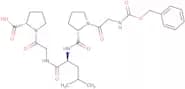
CAS:Z-Gly-Pro-Leu-Gly-Pro-OH is a synthetic peptide that is hydrophobic and has a sequence of amino acids. It can be used as a substrate for proteolytic enzymes. Z-Gly-Pro-Leu-Gly-Pro-OH has been shown to have collagenase activity in human liver and porcine tissues, but not in the presence of chloromethyl ketone. The neutral pH is important for this reaction because it increases the solubility of the substrate. This product is also soluble in water, making it easier to use in experiments.Formula:C28H39N5O8Purity:Min. 95%Molecular weight:573.64 g/molGRF (ovine, caprine) trifluoroacetate salt
CAS:Growth hormone-releasing factor (GRF) or GHRH (growth hormone-releasing hormone).Binds to the growth hormone-releasing hormone receptor (GHRH-R), causing growth hormone secretion.porcine: H-YADAIFTNSYRKVLGQLSARKLLQDIMSRQQGERNQEQGARVRL-NH2bovine: H-YADAIFTNSYRKVLGQLSARKLLQDIMNRQQGERNQEQGAKVRL-NH2ovine: H-YADAIFTNSYRKILGQLSARKLLQDIMNRQQGERNQEQGAKVRL-NH2human: H-YADAIFTNSYRKVLGQLSARKLLQDIMSRQQGESNQERGARARL-NH2Formula:C221H368N72O66SPurity:Min. 95%Molecular weight:5,121.8 g/mol(Des-Ala3)-GHRP-2
CAS:Please enquire for more information about (Des-Ala3)-GHRP-2 including the price, delivery time and more detailed product information at the technical inquiry form on this pageFormula:C42H50N8O5Purity:Min. 95%Molecular weight:746.9 g/molH-Leu-Ala-Pro-OH
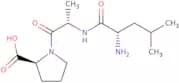
CAS:Please enquire for more information about H-Leu-Ala-Pro-OH including the price, delivery time and more detailed product information at the technical inquiry form on this pageFormula:C14H25N3O4Purity:Min. 95%Molecular weight:299.37 g/molZ-His-Phe-OH
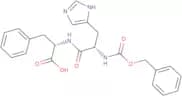
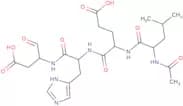
CAS:Please enquire for more information about Z-His-Phe-OH including the price, delivery time and more detailed product information at the technical inquiry form on this pageFormula:C23H24N4O5Purity:Min. 95%Molecular weight:436.46 g/molAc-Leu-Glu-His-Asp-aldehyde (pseudo acid) trifluoroacetate salt
CAS:Ac-Leu-Glu-His-Asp-aldehyde (pseudo acid) trifluoroacetate salt is a chemical compound that belongs to the group of apoptosis proteins. It has been shown to have anti-inflammatory and neuroprotective effects in primary cells, as well as to induce apoptosis in HL60 cells. Ac-Leu-Glu-His-Asp-aldehyde (pseudo acid) trifluoroacetate salt is also able to inhibit the activation of the caspase pathway by preventing the release of cytochrome c from mitochondria and decreasing the mitochondrial membrane potential. The protein may be used as an agent for skin cancer treatment.Formula:C23H34N6O9Purity:Min. 95%Molecular weight:538.55 g/mol(D-Arg2)-Kyotorphin acetate salt
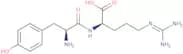
CAS:(D-Arg2)-Kyotorphin acetate salt H-Tyr-D-Arg-OH acetate salt is a peptide that contains two amino acid residues, D-arginine and L-tyrosine. It has been shown to have analgesic properties in animal models of pain, and is also thought to be involved with bowel disease, congestive heart failure, and platelet aggregation. The biological activity of this peptide has been studied using whole cell recordings in the presence of an experimental model (rat dorsal root ganglion neurons). Kyotorphin acetate salt H-Tyr-D-Arg-OH acetate salt was found to inhibit enzyme activities such as cyclase and phosphodiesterase. This peptide binds to opioid receptors and acts as an electrochemical detector for cyclases, which are enzymes that produce cyclic adenosine monophosphate (cAMP). Kyotorphin acetate salt H-Tyr-DFormula:C15H23N5O4Purity:Min. 95%Molecular weight:337.37 g/molZ-Gly-Pro-pNA
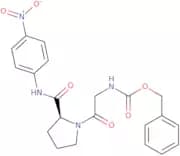
CAS:Z-Gly-Pro-pNA is a synthetic substrate that has been used in the development of polyclonal antibodies against the surface protein of Stenotrophomonas maltophilia. The antibody, when immobilized to an insoluble support, was able to detect the bacterial cells within 10 hours. Z-Gly-Pro-pNA is a cyclic peptide with a proteolytic activity and an acidic pH optimum. It has been shown that Z-Gly-Pro-pNA can be hydrolysed by serine proteases such as trypsin and chymotrypsin.Formula:C21H22N4O6Purity:Min. 95%Molecular weight:426.42 g/molTos-Gly-Pro-OH
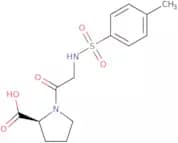
CAS:Tos-Gly-Pro-OH is a fluorescent histone deacetylase (HDAC) inhibitor. It has been validated as a competitive inhibitor of HDACs by using a fluorescence assay to detect the deacetylated form of 7-amino-4-methylcoumarin. Tos-Gly-Pro-OH is used in the treatment of malignant tumors, such as leukemia and lymphoma, by inhibiting HDACs that are responsible for cellular proliferation. In addition, Tos-Gly-Pro-OH may be useful in the treatment of diseases caused by bacterial infection because it inhibits bacterial HDACs that are responsible for protein synthesis and chemotaxis. This drug also inhibits trypsin activity and can be used as an alternative to nonisotopic solvents for peptide synthesis.Formula:C14H18N2O5SPurity:Min. 95%Molecular weight:326.37 g/molpTH (1-38) (human)
CAS:Please enquire for more information about pTH (1-38) (human) including the price, delivery time and more detailed product information at the technical inquiry form on this pageFormula:C197H319N59O55S2Purity:Min. 95%Molecular weight:4,458.14 g/molZ-Ala-Ser-OMe
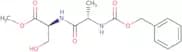
CAS:Z-Ala-Ser-OMe is a peptide that is produced by catalyzed amide bond formation between the carboxylic acid group of Z-Ala and the amino group of Ser. This peptide has been shown to have a molecular weight of 564.2 and a melting point of 139°C. The peptides are coupled by d-amino acid residues to form chains, which are then esterified with acyl groups to yield Z-Ala-Ser-OMe.Formula:C15H20N2O6Purity:Min. 95%Molecular weight:324.33 g/molGalanin Message Associated Peptide (25-41) amide
CAS:Please enquire for more information about Galanin Message Associated Peptide (25-41) amide including the price, delivery time and more detailed product information at the technical inquiry form on this pageFormula:C90H143N21O22SPurity:Min. 95%Molecular weight:1,903.29 g/molZ-Lys(Boc)-Leu-OMe
CAS:Please enquire for more information about Z-Lys(Boc)-Leu-OMe including the price, delivery time and more detailed product information at the technical inquiry form on this page
Formula:C26H41N3O7Purity:Min. 95%Molecular weight:507.62 g/mol(Des-Leu9)-Kinetensin
CAS:(Des-Leu9)-Kinetensin H-Ile-Ala-Arg-Arg-His-Pro-Tyr-Phe-OH is an analog of kinetensin, a peptide hormone that stimulates pancreatic exocrine secretions. (Des-Leu9)-Kinetensin H-Ile-Ala-Arg-Arg-His-Pro-Tyr-Phe has been shown to have a specific interaction with the albumin protein, which is the major plasma protein in humans. This peptide can inhibit protein synthesis and may be used as a treatment for chronic renal failure, cystic fibrosis, malignant hypertension, and other conditions. The sequence of this peptide is homologous to the sequence of human kinetensin. Electron microscopic analysis showed that it has a hydrophobic side chain and an amphipathic structure.
Formula:C50H74N16O10Purity:Min. 95%Molecular weight:1,059.22 g/molNeurotensin acetate salt Pyr-Leu-Tyr-Glu-Asn-Lys-Pro-Arg-Arg-Pro-Tyr-Ile-Leu-OH acetate salt
CAS:Neurotensin is a peptide hormone that regulates the release of other hormones and neurotransmitters, such as dopamine. It has been shown to be able to regulate appetite and bowel disease in animal models. Neurotensin acetate salt Pyr-Leu-Tyr-Glu-Asn-Lys-Pro-Arg-Arg-Pro-Tyr-Ile-Leu-OH acetate salt is a neurotensin molecule with an acetate group attached to it. This molecule is completely soluble in water and has been shown to have no effect on energy metabolism or polymerase chain reactions.Formula:C78H121N21O20Purity:Min. 95%Molecular weight:1,672.92 g/molGalanin Message Associated Peptide (16-41) amide
CAS:Please enquire for more information about Galanin Message Associated Peptide (16-41) amide including the price, delivery time and more detailed product information at the technical inquiry form on this pageFormula:C134H219N35O37SPurity:Min. 95%Molecular weight:2,944.45 g/molAmyloid Precursor Frameshift Mutant C-Terminal Peptide trifluoroacetate salt
CAS:Please enquire for more information about Amyloid Precursor Frameshift Mutant C-Terminal Peptide trifluoroacetate salt including the price, delivery time and more detailed product information at the technical inquiry form on this pageFormula:C44H81N17O16Purity:Min. 95%Molecular weight:1,104.22 g/molCyclo(-Ala-Gln)
CAS:Cyclo(-Ala-Gln) is a cyclic dipeptide that is used in the bioscience industry for analytical purposes. It can be analyzed using liquid chromatography mass spectrometry. Cyclo(-Ala-Gln) is a bioactive molecule that has been shown to inhibit the growth of bacteria, such as Staphylococcus aureus and E. coli. It also has an effect on cancer cells and has been shown to have anti-inflammatory properties.
Formula:C8H13N3O3Purity:Min. 95%Molecular weight:199.21 g/mol(Des-Gly10,D-Arg6,Pro-NHEt 9)-LHRH II (chicken)
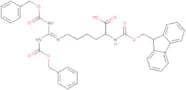
CAS:Please enquire for more information about (Des-Gly10,D-Arg6,Pro-NHEt 9)-LHRH II (chicken) including the price, delivery time and more detailed product information at the technical inquiry form on this pageFormula:C64H79N19O12Purity:Min. 95%Molecular weight:1,306.43 g/molFmoc-Homoarg (Z)2-OH
CAS:Please enquire for more information about Fmoc-Homoarg (Z)2-OH including the price, delivery time and more detailed product information at the technical inquiry form on this page
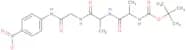
Formula:C38H38N4O8Purity:Min. 95%Molecular weight:678.73 g/molBoc-Ala-Ala-Gly-pNA
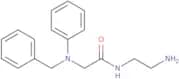
CAS:Boc-Ala-Ala-Gly-pNA is a peptide that has been synthesized using the Fmoc/tBu strategy. It has an acidic pH, and its proteolytic activity can be enhanced by the addition of chromogenic or fluorogenic substrates. Boc-Ala-Ala-Gly-pNA is used as a substrate in fingerprint analysis and can be used to identify bacteria such as Proteus mirabilis, Pseudomonas aeruginosa, and Bacillus cereus. This peptide can also be used to identify strains of Escherichia coli, Enterococci, Staphylococci, Streptococci, and Haemophilus influenzae.Formula:C19H27N5O7Purity:Min. 95%Color and Shape:PowderMolecular weight:437.45 g/molN-(2-Amino-ethyl)-2-(benzyl-phenyl-amino)-acetamide
CAS:Please enquire for more information about N-(2-Amino-ethyl)-2-(benzyl-phenyl-amino)-acetamide including the price, delivery time and more detailed product information at the technical inquiry form on this page
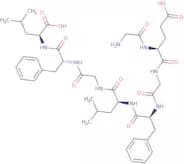
Formula:C17H21N3OPurity:Min. 95%Color and Shape:White PowderMolecular weight:283.37 g/molH-Gly-Glu-Gly-Phe-Leu-Gly-D-Phe-Leu-OH
CAS:Please enquire for more information about H-Gly-Glu-Gly-Phe-Leu-Gly-D-Phe-Leu-OH including the price, delivery time and more detailed product information at the technical inquiry form on this pageFormula:C41H58N8O11Purity:Min. 95%Molecular weight:838.95 g/molH-Arg-Asn-Ile-Ala-Glu-Ile-Ile-Lys-Asp-Ile-OH
CAS:Arg-Asn-Ile-Ala-Glu-Ile-Ile-Lys-Asp is a synthetic peptide that was designed to be unidirectional in its metabolic activity. This peptide has been shown to stimulate nerve growth and promote axonal outgrowth. It can also be used to treat neuropathic pain and other conditions related to the nervous system. The Arg-Asn-Ile-Ala-Glu sequence has been shown to increase nerve growth factor synthesis, which promotes axonal outgrowth. This sequence may also have potential as an antiadhesive or antiinflammatory agent since it may inhibit the interactions of inflammatory cells with the endothelium.Formula:C52H93N15O16Purity:Min. 95%Molecular weight:1,184.39 g/molAcetyl-Hirudin (53-65) (sulfated) Ac-Asp-Gly-Asp-Phe-Glu-Glu-Ile-Pro-Glu-Glu-Tyr(SO3H)-Leu-Gln-OH
CAS:Acetyl-Hirudin 53-65 (sulfated) Ac-Asp-Gly-Asp-Phe-Glu-Glu-Ile-Pro-Glu-Glu-Tyr(SO3H)-Leu-Gln-OH is an anticoagulant drug that is used to prevent blood clots. It has been shown to inhibit thrombin and dextran sulfate, a substance that can cause blood clots. Acetyl Hirudin 53–65 (sulfated) Ac Asp Gly Asp Phe Glu Glu Ile Pro Glu Glu Tyr (SO3H) Leu Gln OH also prevents the formation of new blood clots by inhibiting the expression of certain proteins such as epidermal growth factor, monoclonal antibody, and fibrinogen. The molecular weight of this compound is about 8,000 Daltons.
Formula:C72H100N14O32SPurity:Min. 95%Molecular weight:1,705.71 g/molH-Leu-Leu-Val-Tyr-OH
CAS:Please enquire for more information about H-Leu-Leu-Val-Tyr-OH including the price, delivery time and more detailed product information at the technical inquiry form on this pageFormula:C26H42N4O6Purity:Min. 95%Molecular weight:506.64 g/molFmoc-Ser(tBu)-Thr(Psi(Me ,Me)pro)-OH
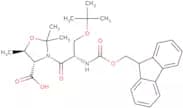
CAS:Please enquire for more information about Fmoc-Ser(tBu)-Thr(Psi(Me ,Me)pro)-OH including the price, delivery time and more detailed product information at the technical inquiry form on this pageFormula:C29H36N2O7Purity:Min. 95%Color and Shape:PowderMolecular weight:524.61 g/mol1,2-Phenylene phosphorochloridite
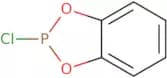
CAS:1,2-Phenylene phosphorochloridite is a chemical that is an intermediate for the synthesis of perfluorinated compounds. It has been used as a precursor for the synthesis of biodiesel. The proton NMR spectrum shows three resonances: one at δ 3.8 ppm (J = 6 Hz) corresponding to the protons on the aromatic ring, one at δ 4.7 ppm (J = 6 Hz) corresponding to the protons on the chloro group, and one at δ 7.6 ppm (J = 2 Hz) corresponding to the protons on the methylene chain. This chemical can be prepared by reacting trifluoroacetic acid with phenol in a preparative method with nucleophilic substitution or by dehydrating fatty alcohols with halides in a dehydration reaction.
Formula:C6H4ClO2PPurity:Min. 95%Color and Shape:PowderMolecular weight:174.52 g/mol







![4-{[4-(4-Methyloxyphenyl)-piperazin-1-yl]-phenyl}-2,4-dihydro-[1,2,4]-triazol-3-one](/_next/image/?url=https%3A%2Fstatic.cymitquimica.com%2Fproducts%2F3D%2Fthumb-webp%2FFM25920.webp&w=3840&q=75)












![1,3,5-Tri(1-phenyl-1H-benzo[d]imidazol-2-yl)phenyl](/_next/image/?url=https%3A%2Fstatic.cymitquimica.com%2Fproducts%2F3D%2Fthumb-webp%2FFT37776.webp&w=3840&q=75)


![2-[(4-Chloro-2-nitrophenyl)azo]-N-(2-methoxyphenyl)-3-oxobutanamide](/_next/image/?url=https%3A%2Fstatic.cymitquimica.com%2Fproducts%2F3D%2Fthumb-webp%2FFC149929.webp&w=3840&q=75)