Amino Acids (AA)
Amino acids (AAs) are the fundamental building blocks of proteins, playing a crucial role in various biological processes. These organic compounds are essential for protein synthesis, metabolic pathways, and cell signaling. In this category, you will find a comprehensive range of amino acids, including essential, non-essential, and modified forms, which are vital for research in biochemistry, molecular biology, and nutritional sciences. At CymitQuimica, we provide high-quality amino acids to support your research and development needs, ensuring accuracy and reliability in your experimental outcomes.
Subcategories of "Amino Acids (AA)"
- Amino Acid Derivatives(3,955 products)
- Amino Acid and Amino Acid Related Compounds(3,469 products)
- Amino Acids with Oxygen or Sulphur(168 products)
- Boc- Amino Acids(351 products)
- Fmoc Amino Acids(1,710 products)
Found 38260 products of "Amino Acids (AA)"
Sort by
Purity (%)
0
100
|
0
|
50
|
90
|
95
|
100
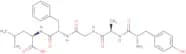
(D-Ala2,D-Leu5)-Enkephalin
CAS:<p>Enkephalin is a peptide belonging to the group of opioid drugs. It is a neurotransmitter that binds to kappa-opioid receptors and μ-opioid receptors. Enkephalin has been shown to inhibit voltage-dependent calcium channels and mitochondrial membrane potential in neurons, which leads to neuronal death. This drug also inhibits the production of cyclic guanine monophosphate (cGMP) by inhibiting guanine nucleotide-binding proteins at the plasma membrane, leading to a decrease in the synthesis of proteins and DNA. The dextran sulfate test can be used to measure enkephalin activity by precipitating it from solution with sodium sulfate. Additionally, this drug can be used as a p-gp inhibitor for the treatment of cancer cells.</p>Formula:C29H39N5O7Purity:Min. 95%Molecular weight:569.65 g/molRanamargarin
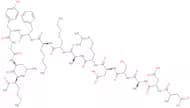
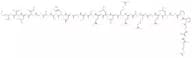
CAS:<p>Ranamargarin H-Asp-Asp-Ala-Ser-Asp-Arg-Ala-Lys-Lys-Phe-Tyr-Gly-Leu-Met-NH2 is a compound that has been shown to bind to the dopamine receptor in rats. It has been shown to have low potency and is not active in clinical trials. Ranamargarin H-Asp-Asp-Ala-Ser--Asp--Arg--Ala--Lys--Lys--Phe--Tyr--Gly--Leu---Met---NH2 has also been shown to inhibit the production of dopamine in animals and humans, with a maximal response at concentrations of 10 nM. The biological properties of this compound are still being researched, but it appears that it can be used as a lead for developing new drugs for treating Parkinson's disease.</p>Formula:C70H110N20O22SPurity:Min. 95%Molecular weight:1,615.81 g/molH-Arg-Arg-Lys-Asp-Leu-His-Asp-Asp-Glu-Glu-Asp-Glu-Ala-Met-Ser-Ile-Thr-Ala-OH
CAS:<p>Please enquire for more information about H-Arg-Arg-Lys-Asp-Leu-His-Asp-Asp-Glu-Glu-Asp-Glu-Ala-Met-Ser-Ile-Thr-Ala-OH including the price, delivery time and more detailed product information at the technical inquiry form on this page</p>Formula:C85H139N27O35SPurity:Min. 95%Molecular weight:2,131.24 g/molN-Boc-1,2-phenyldiamine
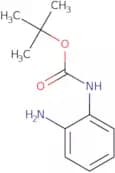
CAS:<p>N-Boc-1,2-phenyldiamine is a histone acetyltransferase (HAT) inhibitor. It is an acetylated molecule that contains two phenyl rings, one of which is substituted with an amine group. This compound was designed to inhibit the activity of HATs, which are enzymes involved in the chemical modification of histones and other proteins. N-Boc-1,2-phenyldiamine inhibits the activities of these enzymes and prevents the acetylation of lysines on histones or other proteins. It has been shown to be efficient in inducing apoptosis in human cancer cells and may also have some antitumor effects.</p>Formula:C11H16N2O2Purity:Min. 95%Color and Shape:PowderMolecular weight:208.26 g/molH-Pro-Pro-Pro-OH
CAS:<p>H-Pro-Pro-Pro-OH is a synthetic peptide that inhibits the production of reactive oxygen species (ROS) by acting as an antioxidant. It has been shown to have a protective effect on cells, preventing cell death and promoting cell survival. H-Pro-Pro-Pro-OH also has a significant inhibitory effect on superoxide radical production in nanotubes and photoreceptors. It can be used to prevent the oxidation of α-tocopherol, which is a lipid soluble vitamin found in vegetable oils. The three amino acids in the sequence are hydrolysed to proline, which is an essential amino acid for human metabolism, and two dipeptides with chemical structures similar to those found in natural peptides. The peptide was synthesized from proline, histidine and arginine. This molecule can be detected using polyacrylamide gel electrophoresis and fluorescence microscopy with enhanced optical properties as a chromophore.</p>Formula:C15H23N3O4Purity:Min. 95%Molecular weight:309.36 g/molFmoc-D-Arg(Pmc)-Wang resin (200-400 mesh)
<p>Please enquire for more information about Fmoc-D-Arg(Pmc)-Wang resin (200-400 mesh) including the price, delivery time and more detailed product information at the technical inquiry form on this page</p>Purity:Min. 95%H-Ala-Arg-bNA·2 HCl
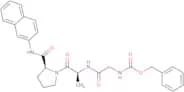
CAS:<p>Please enquire for more information about H-Ala-Arg-bNA·2 HCl including the price, delivery time and more detailed product information at the technical inquiry form on this page</p>Formula:C19H26N6O2·2HClPurity:Min. 95%Molecular weight:443.37 g/molZ-Leu-Tyr-NH2
CAS:<p>Please enquire for more information about Z-Leu-Tyr-NH2 including the price, delivery time and more detailed product information at the technical inquiry form on this page</p>Formula:C23H29N3O5Purity:Min. 95%Color and Shape:White/Off-White SolidMolecular weight:427.49 g/mol(Leu8,D-Trp22,Tyr25)-Somatostatin-28
CAS:<p>Please enquire for more information about (Leu8,D-Trp22,Tyr25)-Somatostatin-28 including the price, delivery time and more detailed product information at the technical inquiry form on this page</p>Formula:C138H209N41O40S2Purity:Min. 95%Molecular weight:3,146.52 g/molH-Ile-2-chlorotrityl resin (200-400 mesh)
<p>Please enquire for more information about H-Ile-2-chlorotrityl resin (200-400 mesh) including the price, delivery time and more detailed product information at the technical inquiry form on this page</p>Purity:Min. 95%Z-Pro-D-Leu-D-Ala-NHOH
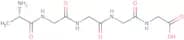
CAS:<p>Z-Pro-D-Leu-D-Ala-NHOH is a neutralizing peptide that inhibits the activity of elastase and collagenase. It also has potent inhibitory activities against experimental infection with various microorganisms, including Streptococcus pyogenes, Staphylococcus aureus, and Pseudomonas aeruginosa. This peptide is a molecule consisting of 11 amino acids, which is synthesized in vivo by the host as a response to bacterial infections. Z-Pro-D-Leu-D-Ala-NHOH can be used for pharmaceutical preparations or techniques that require an enzyme inhibitor. The biological function of this peptide is not fully understood but it has been shown to have antiestrogenic effects.</p>Formula:C22H32N4O6Purity:Min. 95%Molecular weight:448.51 g/molH-Ala-Gly-Gly-Gly-Gly-OH
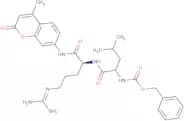
CAS:<p>Please enquire for more information about H-Ala-Gly-Gly-Gly-Gly-OH including the price, delivery time and more detailed product information at the technical inquiry form on this page</p>Formula:C11H19N5O6Purity:Min. 95%Molecular weight:317.3 g/molZ-Leu-Arg-AMC HCl
CAS:<p>Please enquire for more information about Z-Leu-Arg-AMC HCl including the price, delivery time and more detailed product information at the technical inquiry form on this page</p>Formula:C30H38N6O6Purity:Min. 95%Molecular weight:578.66 g/molFmoc-His(1-Trt)-Wang resin (100-200 mesh)
<p>Please enquire for more information about Fmoc-His(1-Trt)-Wang resin (100-200 mesh) including the price, delivery time and more detailed product information at the technical inquiry form on this page</p>Purity:Min. 95%Bexagliflozin
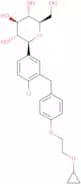
CAS:<p>Bexagliflozin is a drug that is used to treat type II diabetes in adults. It helps to control blood sugar levels by inhibiting the enzyme DPP-IV and increasing insulin release from the pancreas. Bexagliflozin has been shown to be effective in lowering blood sugar levels in patients with chronic kidney disease and cancer, as well as those with a body mass index (BMI) of 30 or higher. This drug is an oral hypoglycaemic agent that can be used for diagnostic purposes. It has also been shown to be clinically effective for the treatment of diabetic nephropathy and diabetic retinopathy. The enantiomers of bexagliflozin can be differentiated according to their pharmacological properties, which may allow for more targeted therapy.</p>Formula:C24H29ClO7Purity:Min. 95%Molecular weight:464.94 g/molAc-Ile-Tyr-Gly-Glu-Phe-NH2
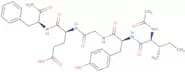
CAS:<p>Please enquire for more information about Ac-Ile-Tyr-Gly-Glu-Phe-NH2 including the price, delivery time and more detailed product information at the technical inquiry form on this page</p>Formula:C33H44N6O9Purity:Min. 95%Molecular weight:668.74 g/molMeOSuc-Ala-Ala-Pro-Val-pNA
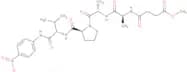
CAS:<p>MeOSuc-Ala-Ala-Pro-Val-pNA is specific chromogenic substrate for human elastase.</p>Formula:C27H38N6O9Purity:Min. 95%Molecular weight:590.63 g/molBradykinin-Like Neuropeptide (Aplysia californica) trifluoroacetate salt
CAS:<p>Please enquire for more information about Bradykinin-Like Neuropeptide (Aplysia californica) trifluoroacetate salt including the price, delivery time and more detailed product information at the technical inquiry form on this page</p>Formula:C53H98N24O14SPurity:Min. 95%Molecular weight:1,327.56 g/molH-Lys(Boc)-OH
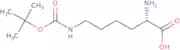
CAS:<p>H-Lys(Boc)-OH is an ε-amino-protected lysine that plays a pivotal role in solution phase peptide synthesis. Strategically protected at the ε-amino group, it allows controlled peptide assembly, and it serves as intermediate for synthesizing β-peptides. The bulky Boc (tert-butyloxycarbonyl) group shields its epsilon amine (NH2) group, acting as a protective measure to prevent unwanted side reactions.</p>Formula:C11H22N2O4Color and Shape:White PowderMolecular weight:246.3 g/molPhenserine
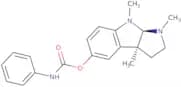
CAS:<p>Phenserine is a natural drug that is an ester hydrochloride. It has been shown to be effective in the treatment of Alzheimer's disease in clinical trials. Phenserine has also been found to inhibit acetylcholinesterase, an enzyme that breaks down the neurotransmitter acetylcholine. This inhibition leads to increased levels of acetylcholine, which can improve cognitive function and reduce neuronal death. The mechanism of action for phenserine is unknown, but it may involve a change in iron homeostasis or other biochemical reactions. Phenserine has not been tested on humans; however, it has shown promising results in animal studies.</p>Formula:C20H23N3O2Purity:Min. 95%Molecular weight:337.42 g/molp-Hydroxyhippuryl-His-Leu-OH
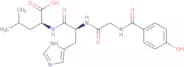
CAS:<p>P-hydroxyhippuryl-His-Leu-OH is a natriuretic that has been shown to have beneficial effects on diabetic patients. It can be used to prevent and treat proliferative diabetic retinopathy, which is a complication of diabetes. P-hydroxyhippuryl-His-Leu-OH increases the glomerular filtration rate and decreases the ventricular mass index, which may be due to its ability to inhibit angiotensin II receptors in the brain. P-hydroxyhippuryl-His-Leu-OH also inhibits angiotensin converting enzyme, an enzyme that converts angiotensin I into angiotensin II. This inhibition leads to an increase in levels of atrial natriuretic peptide (ANP), brain natriuretic peptide (BNP), and the downstream effectors of these peptides, namely nitric oxide synthase and cyclooxygenase</p>Formula:C21H27N5O6Purity:Min. 95%Molecular weight:445.47 g/molFmoc-L-aspartic acid β-allyl ester
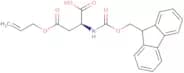
CAS:<p>Fmoc-L-aspartic acid beta-allyl ester is a specific interaction between an amide and an enzyme target. It has been shown to have anti-inflammatory properties by inhibiting the activity of COX-2, which inhibits the production of prostaglandins. Fmoc-L-aspartic acid beta-allyl ester is a cyclic peptide with a lactam ring system that has been synthesized in a stepwise manner on a solid phase. This molecule interacts with cell line A549 and blocks the proliferation of cancer cells. Fmoc-L-aspartic acid beta-allyl ester also contains a disulfide bond that stabilizes its structure.</p>Formula:C22H21NO6Purity:Min. 95%Molecular weight:395.41 g/molBoc-Ala-Ala-Asp-pNA
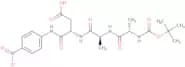
CAS:<p>Boc-Ala-Ala-Asp-pNA is a peptide that has been shown to have cytotoxic activity against the leukemia cell line, basophilic leukemia (BL). It also inhibits hemolytic activity and cytolysin production by staphylococcus. This peptide is expressed in the sequence of Boc-Ala-Ala-Asp and is composed of 20 amino acids. The Boc-Ala sequence has been shown to be involved in apoptosis, while Asp and pNA are responsible for inhibiting hemolytic activity. Functional assays have demonstrated that this peptide has a strong inhibitory effect on the growth of bacteria, including strains of subtilis and hybridization.</p>Formula:C21H29N5O9Purity:Min. 95%Molecular weight:495.48 g/molPresenilin-1 (331-349)-Cys (human, mouse) trifluoroacetate salt
CAS:<p>Please enquire for more information about Presenilin-1 (331-349)-Cys (human, mouse) trifluoroacetate salt including the price, delivery time and more detailed product information at the technical inquiry form on this page</p>Formula:C92H130N28O37SPurity:Min. 95%Molecular weight:2,252.25 g/molN-Boc-isonipecotic acid
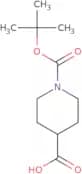
CAS:<p>N-Boc-isonipecotic acid is a potent antitumor agent that has been clinically shown to be effective against leukemia and lymphoma. It has potent antibacterial activity against Gram-positive bacteria such as Staphylococcus aureus and Streptococcus pyogenes. N-Boc-isonipecotic acid binds to the gyrase enzyme, which is used by these bacteria to maintain the integrity of their DNA, inhibiting protein synthesis and cell division. This drug also has anti-inflammatory properties. N-Boc-isonipecotic acid inhibits prostaglandin synthesis in cells, which may be due to its ability to inhibit the production of tumor necrosis factor α (TNFα) in macrophages.</p>Formula:C11H19NO4Purity:Min. 95%Molecular weight:229.27 g/molDnp-Arg-Pro-Leu-Ala-Leu-Trp-Arg-Ser-OH trifluoroacetate salt
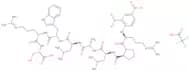
CAS:<p>Dnp-Arg-Pro-Leu-Ala-Leu-Trp-Arg-Ser-OH trifluoroacetate salt is a potent, competitive inhibitor of matrix metalloproteinase (MMP) 3 and MMP9. It binds to the catalytic zinc ion in the active site of these enzymes. Dnp-Arg-Pro-Leu-Ala-Leu-Trp-Arg-Ser-OH trifluoroacetate salt has been shown to inhibit tumor growth and promote neuronal death in vitro. This drug also blocks the release of matrix metalloproteins from cells, which are involved in extracellular processes such as cell migration and cell adhesion.</p>Formula:C52H77N17O14Purity:Min. 95%Molecular weight:1,164.27 g/molSuc-Ala-Leu-Pro-Phe-OH
CAS:<p>Please enquire for more information about Suc-Ala-Leu-Pro-Phe-OH including the price, delivery time and more detailed product information at the technical inquiry form on this page</p>Formula:C27H38N4O8Purity:Min. 95%Molecular weight:546.61 g/molCecropin A
CAS:<p>Cecropin A is an antimicrobial peptide, which is derived from the immune systems of insects, specifically moths. It displays potent antimicrobial properties through its ability to disrupt bacterial cell membranes, leading to cell lysis and death. This peptide primarily targets Gram-negative bacteria but is also effective against some Gram-positive strains. Cecropin A has garnered significant scientific interest due to its potential applications in developing new antimicrobial agents, particularly in the face of increasing antibiotic resistance. By integrating Cecropin A into therapeutic strategies, researchers aim to broaden the spectrum of antimicrobial options available for use in both clinical and agricultural settings, offering a promising avenue for future drug development.</p>Formula:C184H313N53O46Purity:Min. 95%Molecular weight:4,003.78 g/molGRF (1-29) amide (human) acetate salt
CAS:<p>Growth hormone-releasing factor (GRF) is a peptide fragment of amino acids 1–2 from GHRH (growth hormone-releasing hormone). This 1-29 region is the shortest fully functional fragment of GHRH. GRF is also known as sermorelin. Sermorelin binds to the growth hormone-releasing hormone receptor (GHRH-R), and acts as a surrogate for GHRH, causing growth hormone secretion.human: H-YADAIFTNSYRKVLGQLSARKLLQDIMSR-NH2rat: H-HADAIFTSSYRR I LGQLYARKLLHEIMNR-NH2</p>Formula:C149H246N44O42SPurity:Min. 95%Molecular weight:3,357.88 g/molH-His-Lys-OH·HBr
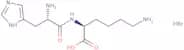
CAS:<p>Please enquire for more information about H-His-Lys-OH·HBr including the price, delivery time and more detailed product information at the technical inquiry form on this page</p>Formula:C12H21N5O3·HBrPurity:Min. 95%Molecular weight:364.24 g/mol(Ala11,D-Leu15)-Orexin B (human) trifluoroacetate salt
CAS:<p>Please enquire for more information about (Ala11,D-Leu15)-Orexin B (human) trifluoroacetate salt including the price, delivery time and more detailed product information at the technical inquiry form on this page</p>Formula:C120H206N44O35SPurity:Min. 95%Molecular weight:2,857.26 g/molH-Gly-Gly-Pro-Ala-OH
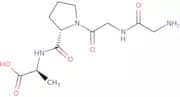
CAS:<p>Glycosaminoglycans are polysaccharides that are made of repeating disaccharide units composed of a sugar and a uronic acid. Glycosaminoglycans serve as structural components in the extracellular matrix, where they provide tensile strength and elasticity to tissues. They also function as enzymes, providing energy for cellular processes. This glycosaminoglycan is found in human tissue, specifically the cervix and blood group antigens. It has been shown to have an effect on creatine kinase activity, which can be used as a screening tool for women who have had hysterectomies or biopsies done.</p>Formula:C12H20N4O5Purity:Min. 95%Molecular weight:300.31 g/mol(D-Arg1,D-Trp7·9,Leu11)-Substance P
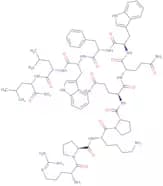
CAS:<p>Substance P is a neuropeptide that is involved in the transmission of pain signals from the nerves to the brain. It also has been implicated in inflammatory and autoimmune diseases. Substance P is a potent agonist of the neurokinin-1 receptor, which causes an increase in intracellular calcium ion levels, leading to neuronal excitation. The release of substance P from nerve fibers can be blocked by administration of an analog (e.g., N-acetyl-D-Arg1,D-Trp7·9,Leu11)-substance P H-D-Arg-Pro-Lys-Pro-Gln-Gln-D-Trp-Phe-D-Trp-Leu -Leu -NH2). This compound blocks the activation of substance P receptors with high affinity and specificity.</p>Formula:C75H108N20O13Purity:Min. 95%Molecular weight:1,497.79 g/molFibronectin Adhesion-Promoting Peptide trifluoroacetate salt
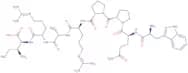
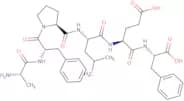
CAS:<p>Fibronectin Adhesion-Promoting Peptide trifluoroacetate salt H-Trp-Gln-Pro-Pro-Arg-Ala-Arg-Ile-OH trifluoroacetate salt (FAP) is a synthetic peptide that promotes fibronectin adhesion. It binds to the amino acid sequence in the C terminal end of fibronectin, which is known to be responsible for binding to actin filaments and growth factors. FAP has been shown to promote wound healing by stimulating the proliferation of corneal epithelial cells in vitro. The mechanism of action of FAP may be due to its ability to bind to chloride ions, which are involved in the regulation of cell proliferation and migration.</p>Formula:C47H74N16O10Purity:Min. 95%Molecular weight:1,023.19 g/mol(Ala2)-Leu-Enkephalin
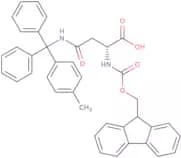
CAS:<p>Leu-enkephalin is an opioid peptide that is a neurotransmitter in the brain. It is synthesized from the proenkephalin precursor and acts on δ-opioid receptors and kappa-opioid receptors. Leu-enkephalin has been shown to have physiological effects such as analgesia, hypothermia, hyperalgesia, and decreased gastrointestinal motility. Leu-enkephalin also inhibits voltage-dependent calcium channels in neuronal cells by binding to them with high affinity. The binding of leu-enkephalin to these channels affects their function and leads to neuronal death. Disulfide bonds are formed between cysteine residues on leu-enkephalin to stabilize this protein's structure.</p>Formula:C29H39N5O7Purity:Min. 95%Molecular weight:569.65 g/molFmoc-D-Asn(Mtt)-OH
CAS:<p>Please enquire for more information about Fmoc-D-Asn(Mtt)-OH including the price, delivery time and more detailed product information at the technical inquiry form on this page</p>Formula:C39H34N2O5Purity:Min. 95%Molecular weight:610.7 g/molLys-Lys-IRS-1 (891-902) (dephosphorylated) (human) trifluoroacetate salt
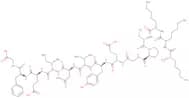
CAS:<p>Please enquire for more information about Lys-Lys-IRS-1 (891-902) (dephosphorylated) (human) trifluoroacetate salt including the price, delivery time and more detailed product information at the technical inquiry form on this page</p>Formula:C73H114N18O22Purity:Min. 95%Molecular weight:1,595.79 g/molKR-12 (human) trifluoroacetate salt
CAS:<p>Please enquire for more information about KR-12 (human) trifluoroacetate salt including the price, delivery time and more detailed product information at the technical inquiry form on this page</p>Formula:C71H127N25O15Purity:Min. 95%Molecular weight:1,570.93 g/molN-α-Trityl-Nε-Fmoc-L-lysine
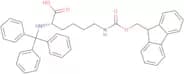
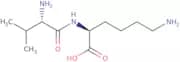
CAS:<p>N-alpha-Trityl-Nepsilon-Fmoc-L-lysine is a pentapeptide that is used in peptides. It has been shown to have cytotoxicity and permeability, as well as being biologically active. N-alpha-Trityl-Nepsilon-Fmoc-L-lysine has also been used in solid phase synthesis of peptides. This pentapeptide can be synthesized using the Miyaura cross coupling reaction with an ether or Suzuki cross coupling reaction. N-alpha-Trityl-Nepsilon-Fmoc-L-lysine is a bicyclic molecule that can be synthesized on a solid phase.</p>Formula:C40H38N2O4Purity:Min. 95%Molecular weight:610.74 g/molH-Val-Lys-OH monoacetate salt
CAS:<p>Please enquire for more information about H-Val-Lys-OH monoacetate salt including the price, delivery time and more detailed product information at the technical inquiry form on this page</p>Formula:C11H23N3O3•C2H4O2Purity:Min. 95%Molecular weight:305.37 g/molFmoc-D-Pen (Trt)-Wang resin (200-400 mesh)
<p>Please enquire for more information about Fmoc-D-Pen (Trt)-Wang resin (200-400 mesh) including the price, delivery time and more detailed product information at the technical inquiry form on this page</p>Purity:Min. 95%Neuropeptide Y (porcine) trifluoroacetate salt
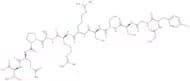
CAS:<p>Neuropeptide Y (porcine) trifluoroacetate salt H-Tyr-Pro-Ser-Lys-Pro-Asp-Asn-Pro-Gly-Glu-Asp-Ala-Pro-Ala-Glu-Asp-Leu -Ala -Arg Tyr Tyr Ser Ala Leu Arg His Tyr Ile Asn Leu Ile Thr Arg Gln Arg Tyr NH2 trifluoroacetate salt is a peroxidase enzyme that is biotinylated and purified from porcine sources. It has been used as an antiserum in the development of a plate sealer.</p>Formula:C190H287N55O57Purity:Min. 95%Molecular weight:4,253.65 g/molIGF-I (30-41)
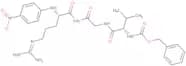
CAS:<p>Please enquire for more information about IGF-I (30-41) including the price, delivery time and more detailed product information at the technical inquiry form on this page</p>Formula:C51H83N19O19Purity:Min. 95%Molecular weight:1,266.32 g/molZ-Val-Gly-Arg-pNA acetate salt
CAS:<p>Please enquire for more information about Z-Val-Gly-Arg-pNA acetate salt including the price, delivery time and more detailed product information at the technical inquiry form on this page</p>Formula:C27H36N8O7Purity:Min. 95%Molecular weight:584.62 g/molBig Endothelin-3 (22-41) amide (human) trifluoroacetate salt
CAS:<p>Please enquire for more information about Big Endothelin-3 (22-41) amide (human) trifluoroacetate salt including the price, delivery time and more detailed product information at the technical inquiry form on this page</p>Formula:C102H156N30O31Purity:Min. 95%Molecular weight:2,298.51 g/molCyclo(-D-Tyr-Arg-Gly-Asp-Cys(carboxymethyl)-OH) sulfoxide
CAS:<p>Please enquire for more information about Cyclo(-D-Tyr-Arg-Gly-Asp-Cys(carboxymethyl)-OH) sulfoxide including the price, delivery time and more detailed product information at the technical inquiry form on this page</p>Formula:C26H36N8O11SPurity:Min. 95%Molecular weight:668.68 g/molAc-Lys-(Me)Leu-Val-(Me)Phe-Phe-NH2
CAS:<p>Ac-Lys-(Me)Leu-Val-(Me)Phe-Phe-NH2 is a synthetic chemokine that is a member of the CXC subfamily. Chemokines are small proteins that have a hydrophobic region, which allows them to insert into membranes. This chemokine has been shown to be capable of forming dimers in the presence of other chemokines and exhibits a high degree of homology with congener chemokines. The Ac-Lys-(Me)Leu-Val-(Me)Phe-Phe-NH2 sequence has been shown to denature at pH 8 and has water solubility; however, it does not dissolve in lipid bilayers such as phospholipid bilayers or monolayers. The Ac-Lys-(Me)Leu-Val-(Me)Phe-Phe-NH2 sequence is also stable in an Alzheimer's disease mouse model.</p>Formula:C39H59N7O6Purity:Min. 95%Molecular weight:721.93 g/molFmoc-Arg(Z)2-OH
CAS:<p>Please enquire for more information about Fmoc-Arg(Z)2-OH including the price, delivery time and more detailed product information at the technical inquiry form on this page</p>Formula:C37H36N4O8Purity:Min. 95%Molecular weight:664.7 g/molBiotinyl-5-aminopentanoyl-Antennapedia Homeobox (43-58) amide trifluoroacetate salt
CAS:<p>Please enquire for more information about Biotinyl-5-aminopentanoyl-Antennapedia Homeobox (43-58) amide trifluoroacetate salt including the price, delivery time and more detailed product information at the technical inquiry form on this page</p>Formula:C119H192N38O22S2Purity:Min. 95%Molecular weight:2,571.17 g/molCyclo(-Pro-Thr)
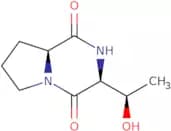
CAS:<p>Cyclo(-Pro-Thr) is a cyclic peptide that is derived from the amino acid sequence of serotonin. Cyclo(-Pro-Thr) has been detected in human urine, and it is possible that this compound may be formed by the hydrolysis of serotonin by enzymes such as pipecolate oxidase. The presence of cyclo(-Pro-Thr) in human urine has been correlated with the occurrence of stomach ulcers, which are caused by substances such as famotidine and other proton pump inhibitors. Cyclo(-Pro-Thr) has also been found to inhibit the production of gamma-aminobutyric acid (GABA), which is an important neurotransmitter for controlling muscle tone, blood pressure, and anxiety.</p>Formula:C9H14N2O3Purity:Min. 95%Molecular weight:198.22 g/molMca-Pro-Lys-Pro-Leu-Ala-Leu-Dap (Dnp)-Ala-Arg-NH2 trifluoroacetate salt
CAS:<p>Please enquire for more information about Mca-Pro-Lys-Pro-Leu-Ala-Leu-Dap (Dnp)-Ala-Arg-NH2 trifluoroacetate salt including the price, delivery time and more detailed product information at the technical inquiry form on this page</p>Formula:C61H89N17O17Purity:Min. 95%Molecular weight:1,332.46 g/molMastoparan 17 (free acid)
CAS:<p>Please enquire for more information about Mastoparan 17 (free acid) including the price, delivery time and more detailed product information at the technical inquiry form on this page</p>Formula:C70H131N19O16Purity:Min. 95%Molecular weight:1,494.91 g/molH-Glu-Gly-Phe-OH
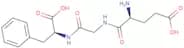
CAS:<p>H-Glu-Gly-Phe-OH is a labile tripeptide molecule that has been synthesized. The tripeptide is synthesized by coupling the amino acid H-Glu to Gly-Phe and then adding an amide bond to form the peptide. This study of the structure of H-Glu-Gly-Phe-OH was done using techniques such as electrospray ionization, chromatographic methods, and proton nuclear magnetic resonance spectroscopy. The compound was found to be neutral in charge and stable at room temperature, but unstable under acidic conditions. It is also soluble in any buffer with a pH range from 2.0 to 12.0 and can be purified by column chromatography or preparative HPLC.</p>Formula:C16H21N3O6Purity:Min. 95%Molecular weight:351.35 g/mol2-Bromo-3-methylbenzoic acid
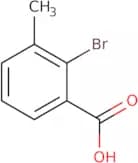
CAS:<p>2-Bromo-3-methylbenzoic acid is an alcohol that has been shown to be selective for the stereoselective synthesis of chiral secondary alcohols. It has been used in the reduction of 2-formylphenylboronic acid, yielding a mixture of the two possible diastereomers, and in the reductive elimination of carboxylic acids, which can be used as an alternative to the Baylis-Hillman reaction. The compound also has inhibitory activity against several bacteria, including methicillin resistant Staphylococcus aureus (MRSA) and Mycobacterium tuberculosis. 2-Bromo-3-methylbenzoic acid is photochromic and changes color from yellow to red when exposed to UV light.</p>Formula:C8H7BrO2Purity:Min. 95%Color and Shape:PowderMolecular weight:215.04 g/molPhe-Leu-OH
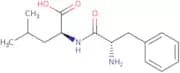
CAS:<p>Phe-Leu-OH is an enzyme that has been found to be involved in the synthesis of meningococcal disease. In addition, it has been shown to have diagnostic potential for the detection of this disease. The enzyme is expressed on the surface of meningococci and produces a protein antigen which can be detected by the presence of antibodies in patient serum. Phe-Leu-OH is also involved in the synthesis of Phe-Leu amide, which may inhibit binding of inhibitor molecules to membrane channels. This activity may be related to its ability to cause a decrease in ion flow across cell membranes.</p>Formula:C15H22N2O3Purity:Min. 95%Color and Shape:PowderMolecular weight:278.35 g/mol3-Methoxyphenylboronic acid
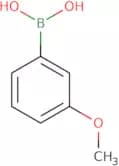
CAS:<p>3-Methoxyphenylboronic acid is a photophysical molecule that can be used as an analytical reagent in plant physiology and analytical chemistry. 3-Methoxyphenylboronic acid reacts reversibly with copper ions to form a complex. The binding constants of the copper complex depend on the pH of the solution, which can be altered by adding a phosphate derivative to the solution. This reaction was investigated using cross-coupling techniques and showed that the binding constants for this complex are dependent on the type of solvent used. 3-Methoxyphenylboronic acid has also been used to measure glucose levels in blood samples.</p>Formula:C7H9BO3Purity:Min. 95%Color and Shape:White PowderMolecular weight:151.96 g/molAmyloid β-Protein (1-42) hydrochloride salt
CAS:<p>Key subunit of extracellular plaques found in the brains of patients with Alzheimer's disease; Hydrochloride salt</p>Formula:C203H311N55O60SPurity:Min. 95%Molecular weight:4,514.04 g/molHippuryl-Phe-Arg-OH
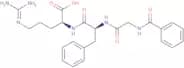
CAS:<p>Hippuryl-Phe-Arg-OH is a potent and selective inhibitor of angiotensin-converting enzyme (ACE) with a long duration of action. It has been shown to be a potentiator of captopril and enalaprilat in the biochemical validation for ACE inhibition. Hippuryl-Phe-Arg-OH has significant inhibitory activity against phosphatases such as carboxypeptidase A, phospholipase A2, and aminopeptidase N.</p>Formula:C24H30N6O5Purity:Min. 95%Molecular weight:482.53 g/molZ-His-Gly-OH
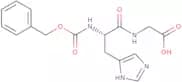
CAS:<p>Please enquire for more information about Z-His-Gly-OH including the price, delivery time and more detailed product information at the technical inquiry form on this page</p>Formula:C16H18N4O5Purity:Min. 95%Molecular weight:346.34 g/molEGF Receptor (988-993) (phosphorylated) (human)
CAS:<p>Please enquire for more information about EGF Receptor (988-993) (phosphorylated) (human) including the price, delivery time and more detailed product information at the technical inquiry form on this page</p>Formula:C31H46N7O16PPurity:Min. 95%Molecular weight:803.71 g/molPhenylacetyl-(D-Arg2·28,p-chloro-Phe6, Homoarg 9·29,Tyr(Me)10, Abu 15, Nle 27)-GRF (1-29) amide (human)
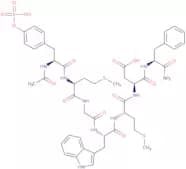
CAS:<p>Please enquire for more information about Phenylacetyl-(D-Arg2·28,p-chloro-Phe6, Homoarg 9·29,Tyr(Me)10, Abu 15, Nle 27)-GRF (1-29) amide (human) including the price, delivery time and more detailed product information at the technical inquiry form on this page</p>Formula:C172H284ClN53O41Purity:Min. 95%Molecular weight:3,785.88 g/molAcetyl-Cholecystokinin Octapeptide (2-8) (sulfated)
CAS:<p>Please enquire for more information about Acetyl-Cholecystokinin Octapeptide (2-8) (sulfated) including the price, delivery time and more detailed product information at the technical inquiry form on this page</p>Formula:C47H59N9O14S3Purity:Min. 95%Molecular weight:1,070.22 g/molEthyl 2-(4-hydroxyphenyl)-4-methylthiazole-5-carboxylate
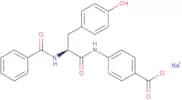
CAS:<p>Ethyl 2-(4-hydroxyphenyl)-4-methylthiazole-5-carboxylate is an anticancer agent that belongs to the class of formamidines. It is synthesized by refluxing ethyl 4-hydroxyphenylacetic acid with hexamethylenetetramine and acetic acid in ethanol. After purification, it is converted to its active form by reacting with hydrochloric acid. Ethyl 2-(4-hydroxyphenyl)-4-methylthiazole-5-carboxylate prevents the growth of cancer cells in culture by preventing DNA synthesis, which prevents RNA and protein synthesis. This agent has also been found to suppress paclitaxel production in cultured human breast cancer cells.</p>Formula:C13H13NO3SPurity:Min. 95%Molecular weight:263.31 g/molBz-Tyr-4-Abz-OH·sodium salt
CAS:<p>Please enquire for more information about Bz-Tyr-4-Abz-OH·sodium salt including the price, delivery time and more detailed product information at the technical inquiry form on this page</p>Formula:C23H19N2NaO5Purity:Min. 95%Molecular weight:426.4 g/molH-Ala-Ala-Pro-Val-chloromethylketone
CAS:<p>H-Ala-Ala-Pro-Val-chloromethylketone is a hydrogen peroxide prodrug that is activated by the enzyme chloromethyl ketone. This drug has been shown to be active against schistosoma and pancreatic cancer cells, as well as in activating peroxide. HAPV may also have an effect on immunity and leukocytes, which could be due to its ability to sensitize these cells to damage caused by other agents, or through the hydrolytic enzymes it generates.</p>Formula:C17H29ClN4O4Purity:Min. 95%Molecular weight:388.89 g/molZ-β-Ala-Gly-Gly-OH
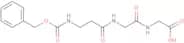
CAS:<p>Please enquire for more information about Z-beta-Ala-Gly-Gly-OH including the price, delivery time and more detailed product information at the technical inquiry form on this page</p>Formula:C15H19N3O6Purity:Min. 95%Molecular weight:337.33 g/mol2-Methyl-5-chloromethylpyridineHydrochloride
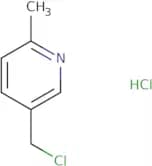
CAS:<p>Please enquire for more information about 2-Methyl-5-chloromethylpyridineHydrochloride including the price, delivery time and more detailed product information at the technical inquiry form on this page</p>Formula:C7H9Cl2NPurity:Min. 95%Molecular weight:178.06 g/molFmoc-Cys(Acm)-Wang resin (200-400 mesh)
<p>Please enquire for more information about Fmoc-Cys(Acm)-Wang resin (200-400 mesh) including the price, delivery time and more detailed product information at the technical inquiry form on this page</p>Purity:Min. 95%Amyloid P Component (33-38) amide trifluoroacetate salt
CAS:<p>Please enquire for more information about Amyloid P Component (33-38) amide trifluoroacetate salt including the price, delivery time and more detailed product information at the technical inquiry form on this page</p>Formula:C37H56N10O7SPurity:Min. 95%Molecular weight:784.97 g/mol2-Methoxyethyl acetoacetate
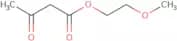
CAS:<p>2-Methoxyethyl acetoacetate is used as a raw material for coatings. It has been shown to be an effective calcium antagonist in the treatment of leukemia and other cancers. 2-Methoxyethyl acetoacetate has also been shown to inhibit the growth of HL-60 cells when it is incubated with these cells in the presence of hydrochloric acid, malonic acid, and quinoline derivatives. The reaction produces chlorine gas, which is toxic to cells.</p>Formula:C7H12O4Purity:Min. 95%Color and Shape:Clear LiquidMolecular weight:160.17 g/molNeuronostatin-19 (human, canine, porcine) trifluoroacetate salt
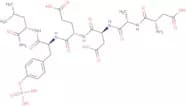
<p>Please enquire for more information about Neuronostatin-19 (human, canine, porcine) trifluoroacetate salt including the price, delivery time and more detailed product information at the technical inquiry form on this page</p>Formula:C90H151N29O25Purity:Min. 95%Molecular weight:2,039.34 g/molH-Glu-Pro-Gln-Tyr(PO3H2)-Glu-Glu-Ile-Pro-Ile-Tyr-Leu-OH
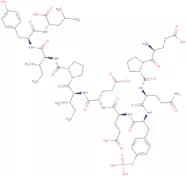
CAS:<p>The target of H-Glu-Pro-Gln-Tyr(PO3H2)-Glu-Glu-Ile-Pro-Ile-Tyr-Leu is the phosphotyrosine residue in tyrosine kinase. This compound has been shown to inhibit the proliferation of cells that express this type of receptor and induce apoptosis. The x-ray structures of ligand binding to the receptor show a hydrogen bond network with the hydroxyl group at position 2, which is believed to be important for binding activity. The molecular modeling studies confirm that this interaction is energetically favorable, with a ΔΔG = -6.5 kcal/mol. H-Glu-Pro-Gln-Tyr(PO3H2)-Glu-Glu-Ile-(OH) has also been found to have antiosteoporotic properties when administered orally in rats.</p>Formula:C66H97N12O24PPurity:Min. 95%Molecular weight:1,473.52 g/molH-Leu-Ser-Lys-Leu-OH trifluoroacetate salt
CAS:<p>Please enquire for more information about H-Leu-Ser-Lys-Leu-OH trifluoroacetate salt including the price, delivery time and more detailed product information at the technical inquiry form on this page</p>Formula:C21H41N5O6Purity:Min. 95%Molecular weight:459.58 g/molAc-Met-Asp-Lys-Val-Leu-Asn-Arg-Glu-OH
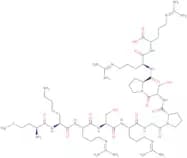
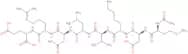
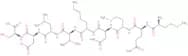
CAS:<p>Please enquire for more information about Ac-Met-Asp-Lys-Val-Leu-Asn-Arg-Glu-OH including the price, delivery time and more detailed product information at the technical inquiry form on this page</p>Formula:C43H75N13O15SPurity:Min. 95%Molecular weight:1,046.2 g/molTIPP
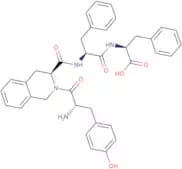
CAS:<p>TIPP is a peptide that belongs to the group of chemokines. It has been shown to have receptor binding activity and to stimulate the release of pro-inflammatory cytokines in cancer cells. TIPP interacts with membranes by forming hydrogen bonds with carbonyl groups and hydroxyl groups, which are located in the membrane. This results in a low energy barrier for intramolecular hydrogen transfer, making it a suitable candidate for drug design. TIPP also interacts with receptors, such as δ receptors, which may contribute to its anti-cancer properties.</p>Formula:C37H38N4O6Purity:Min. 95%Molecular weight:634.72 g/molFmoc-N-methyl-O-tert-butyl-L-tyrosine
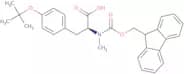
CAS:<p>Fmoc-N-methyl-O-tert-butyl-L-tyrosine is a peptide that mimics the natural substrate serine protease. It has been used to study protein-protein interactions in proteases and their cleavage specificity. This peptide was designed as a peptidomimetic, which is an analog of a protein or peptide. The systematic synthesis of this molecule has been studied extensively and it has been shown that the maximum number of modifications occurs at the N terminus and the minimal number at the C terminus. The residue of this molecule is modified by proteolytic modification, which is a chemical modification that changes the amino acid sequence. Fmoc-N-methyl-O-tert-butyl-L-tyrosine has minimal quantified stability, which means that it can be quantified but not stable for long periods of time.</p>Formula:C29H31NO5Purity:Min. 95%Molecular weight:473.56 g/molH-Glu-Tyr-OH
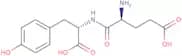
CAS:<p>H-Glu-Tyr-OH is an amino acid derivative that has been shown to have anti-cancer properties. It inhibits the growth of cancer cells by binding to the surface of the tumor and inhibiting the production of angiogenic factors. This leads to a decrease in tumor size and an increase in light emission, which can be detected with light exposure. H-Glu-Tyr-OH also inhibits protein synthesis and cell proliferation, leading to death of tumor cells. The mechanism of action for H-Glu-Tyr-OH is through its ability to inhibit DNA topoisomerase I and II, which are enzymes that maintain the integrity of DNA. These enzymes are essential for DNA replication and transcription, so their inhibition results in cell death.</p>Formula:C14H18N2O6Purity:Min. 95%Molecular weight:310.3 g/molZ-Tyr-Phe-OH
CAS:<p>Please enquire for more information about Z-Tyr-Phe-OH including the price, delivery time and more detailed product information at the technical inquiry form on this page</p>Formula:C26H26N2O6Purity:Min. 95%Molecular weight:462.49 g/molpTH (44-68) (human)
CAS:<p>Please enquire for more information about pTH (44-68) (human) including the price, delivery time and more detailed product information at the technical inquiry form on this page</p>Formula:C117H199N41O41Purity:Min. 95%Molecular weight:2,836.08 g/molFmoc-N-Me-D-Arg(Mtr)-OH
CAS:<p>Please enquire for more information about Fmoc-N-Me-D-Arg(Mtr)-OH including the price, delivery time and more detailed product information at the technical inquiry form on this page</p>Formula:C32H38N4O7SPurity:Min. 95%Molecular weight:622.73 g/mol2-Bromo-6-methylpyridine-3-carboxaldehyde
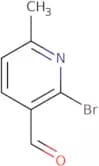
CAS:<p>2-Bromo-6-methylpyridine-3-carboxaldehyde (BMPCA) is a pharmacological agent that belongs to the group of antagonists. It has been shown to be a potent antagonist at the NMDA receptor and may be used for treating neuropathic pain. BMPCA also has been shown to have competitive inhibition at the naphthyridine receptor, which may allow it to act as an antagonist or an agonist depending on its binding site. The regioisomeric analogs of BMPCA are 2-(2,5-dichloropyridyl)-6-methylpyridine-3-carboxaldehyde and 2-(2,5-dimethylpyridyl)-6-methylpyridine-3-carboxaldehyde. These analogs have been shown to inhibit the growth of tumor cells in vitro and in vivo.</p>Formula:C7H6BrNOPurity:Min. 95%Molecular weight:200.03 g/molZ-Gly-Ala-Pro-bNA
CAS:<p>Z-Gly-Ala-Pro-bNA is a peptidase that hydrolyzes peptides. The peptidase has two catalytic domains, which are located at the N and C termini of the protein. The N-terminal domain contains an oligopeptidase motif that has been shown to be important for the hydrolysis of substrates with hydrophobic residues. The C-terminal domain contains a cavity, which is necessary for binding to substrate and catalysis. This catalytic domain also contains an acid substitution, which may contribute to its stability in acidic environments. A mutant form of Z-Gly-Ala-Pro-bNA was generated by changing the amino acid residue at position n from serine to asparagine, which led to an increase in thermostability and in catalytic activity.</p>Formula:C28H30N4O5Purity:Min. 95%Molecular weight:502.56 g/molH-Tyr(tBu)-2-chlorotrityl resin (200-400 mesh) (Low Substitution)
<p>Please enquire for more information about H-Tyr(tBu)-2-chlorotrityl resin (200-400 mesh) (Low Substitution) including the price, delivery time and more detailed product information at the technical inquiry form on this page</p>Purity:Min. 95%3-Methylcyclohex-2-en-1-one
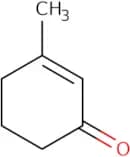
CAS:<p>3-Methylcyclohex-2-en-1-one is a chemical compound that is used in the synthesis of pharmaceuticals, pesticides, and other organic compounds. It has been shown to be effective against Dendroctonus species and other pests. 3-Methylcyclohex-2-en-1-one is synthesized from cyclohexanone by hydrogenation of the double bond at the 3 position. The reaction can be catalyzed by palladium complexes with acid complexing ligands, such as phosphines or amines. The product is then purified by distillation, crystallization, or recrystallization.</p>Formula:C7H10OPurity:Min. 95%Molecular weight:110.15 g/molH-D-Phe-Cys-Tyr-D-Trp-Orn-Thr-Pen-Thr-NH2 (Disulfide bond between Cys2 and Pen7)
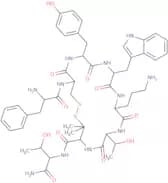
CAS:<p>H-D-Phe-Cys-Tyr-D-Trp-Orn-Thr-Pen-Thr-NH2 is a neuropeptide that was found in the brain of an amphibian and has been shown to have antinociceptive properties. The peptide has been shown to bind to kappa opioid receptors and δ opioid receptors, which are both involved in pain regulation. H-D-Phe-Cys-Tyr-D-Trp-Orn (HDFYDT) has been shown to be effective in vivo, which may be due to its ability to increase striatal dopamine levels and decrease locomotor activity. HDFYDT also increases gamma aminobutyric acid levels in the brain, which may result in reduced anxiety. HDFYDT is synthesized from two amino acids: histidine and glutamine. This peptide is sensitive to proteolytic enzymes and can be degraded into smaller fragments such</p>Formula:C50H67N11O11S2Purity:Min. 95%Molecular weight:1,062.27 g/molFluorescein-6-carbonyl-Leu-Glu(OMe)-Thr-DL-Asp(OMe)-fluoromethylketone
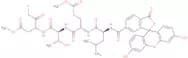
CAS:<p>Please enquire for more information about Fluorescein-6-carbonyl-Leu-Glu(OMe)-Thr-DL-Asp(OMe)-fluoromethylketone including the price, delivery time and more detailed product information at the technical inquiry form on this page</p>Formula:C43H47FN4O15Purity:Min. 95%Molecular weight:878.85 g/molMyelin Basic Protein (87-99) (human, bovine, rat)
CAS:<p>Please enquire for more information about Myelin Basic Protein (87-99) (human, bovine, rat) including the price, delivery time and more detailed product information at the technical inquiry form on this page</p>Formula:C74H114N20O17Purity:Min. 95%Molecular weight:1,555.82 g/molZ-Lys(Z)-Ser-OH
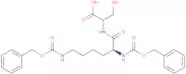
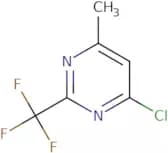
CAS:<p>Please enquire for more information about Z-Lys(Z)-Ser-OH including the price, delivery time and more detailed product information at the technical inquiry form on this page</p>Formula:C25H31N3O8Purity:Min. 95%Molecular weight:501.53 g/mol4-Chloro-6-methyl-2-trifluoromethylpyrimidine
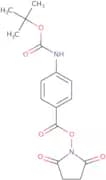
CAS:<p>Please enquire for more information about 4-Chloro-6-methyl-2-trifluoromethylpyrimidine including the price, delivery time and more detailed product information at the technical inquiry form on this page</p>Formula:C6H4ClF3N2Purity:Min. 95%Molecular weight:196.56 g/molBoc-4-Abz-OSu
CAS:<p>Please enquire for more information about Boc-4-Abz-OSu including the price, delivery time and more detailed product information at the technical inquiry form on this page</p>Formula:C16H18N2O6Purity:Min. 95%Molecular weight:334.32 g/molACTH (18-39) (human)
CAS:<p>ACTH is a polypeptide hormone that regulates the release of cortisol from the adrenal cortex. ACTH (18-39) is a fragment of ACTH which binds to the glucocorticoid receptor with high affinity. The carboxy terminal sequence of ACTH (18-39) is identical to that of human ACTH and can be used as an immunogen to produce monoclonal antibodies against ACTH. The monoclonal antibodies can then be used in prognostic studies for patients with congestive heart failure, diabetic neuropathy, or k562 cells. ACTH (18-39) has an optimum pH level of 7.0 and can bind to cellular receptors at physiological concentrations. It also has a molecular weight of 4,000 Daltons and is soluble in trifluoroacetic acid and hydrogen fluoride, but not in water or methanol.</p>Formula:C112H165N27O36Purity:Min. 95%Molecular weight:2,465.67 g/mol(H-Cys-Phe-OH)2 (Disulfide bond)
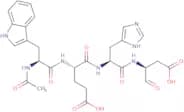
CAS:<p>Please enquire for more information about (H-Cys-Phe-OH)2 (Disulfide bond) including the price, delivery time and more detailed product information at the technical inquiry form on this page</p>Formula:C24H30N4O6S2Purity:Min. 95%Molecular weight:534.65 g/molAc-Trp-Glu-His-Asp-aldehyde (pseudo acid)
CAS:<p>Ac-Trp-Glu-His-Asp-aldehyde is a tetrapeptide that has been shown to inhibit the activity of caspases. Caspases are proteases that play an important role in cell death by inducing apoptosis and necrosis. The structure of the Ac-Trp-Glu-His-Asp-aldehyde was determined by X-ray crystallography, revealing a hydrophobic molecule with a pseudo acid residue. This compound binds to peptides and blocks the binding site for caspase substrates, which prevents their activation. Acetylation of this compound also increases its hydrophobicity, making it more likely to bind to other molecules such as proteins or lipids.</p>Formula:C28H33N7O9Purity:Min. 95%Molecular weight:611.6 g/mol(Nle 8·18,Tyr34)-pTH (1-34) (human)
CAS:<p>Please enquire for more information about (Nle 8·18,Tyr34)-pTH (1-34) (human) including the price, delivery time and more detailed product information at the technical inquiry form on this page</p>Formula:C183H295N55O52Purity:Min. 95%Molecular weight:4,097.64 g/molACTH (34-39)
CAS:<p>Please enquire for more information about ACTH (34-39) including the price, delivery time and more detailed product information at the technical inquiry form on this page</p>Formula:C37H50N6O9Purity:Min. 95%Molecular weight:722.83 g/molArg-Glu(EDANS)-(Asn670,Leu671)-Amyloid β/A4 Protein Precursor770 (668-675)-Lys(DABCYL)-Arg trifluoroacetate salt
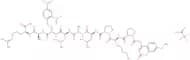
CAS:<p>Please enquire for more information about Arg-Glu(EDANS)-(Asn670,Leu671)-Amyloid beta/A4 Protein Precursor770 (668-675)-Lys(DABCYL)-Arg trifluoroacetate salt including the price, delivery time and more detailed product information at the technical inquiry form on this page</p>Formula:C91H129N25O25SPurity:Min. 95%Molecular weight:2,005.22 g/mol2-O-Benzyl-3-O-allyl-sn-glycerol
CAS:<p>Please enquire for more information about 2-O-Benzyl-3-O-allyl-sn-glycerol including the price, delivery time and more detailed product information at the technical inquiry form on this page</p>Formula:C13H18O3Purity:Min. 95%Molecular weight:222.28 g/molCyclo(-Glu-Glu)
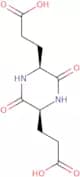
CAS:<p>Please enquire for more information about Cyclo(-Glu-Glu) including the price, delivery time and more detailed product information at the technical inquiry form on this page</p>Formula:C10H14N2O6Purity:Min. 95%Molecular weight:258.23 g/molAnti-Inflammatory Peptide 3
CAS:<p>Anti-Inflammatory Peptide 3 (AIP3) is a peptide that contains an ester linkages and a carboxylic ester, which are both hydrophobic. The amino acid sequence of AIP3 is H-Met-Gln-Met-Asn-Lys-Val-Leu-Asp-Ser. AIP3 has been shown to have antiinflammatory properties and can be used as a diagnostic tool for inflammation. This peptide also has prodrug properties and can be conjugated with drugs to form drug linkers.</p>Formula:C43H76N12O15S2Purity:Min. 95%Molecular weight:1,065.27 g/molH-Lys-Gly-Trp-Lys-OtBu acetate salt
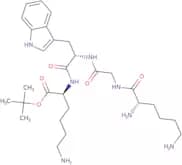
CAS:<p>The acetate salt of H-Lys-Gly-Trp-Lys is a peptide that has been modified with an acetyl group. The acetate salt is neutral and does not react with other compounds. This compound is a superoxide scavenger and can be used to prevent the formation of reactive oxygen species in biological systems.</p>Formula:C29H47N7O5Purity:Min. 95%Molecular weight:573.73 g/mol