Amino Acids (AA)
Amino acids (AAs) are the fundamental building blocks of proteins, playing a crucial role in various biological processes. These organic compounds are essential for protein synthesis, metabolic pathways, and cell signaling. In this category, you will find a comprehensive range of amino acids, including essential, non-essential, and modified forms, which are vital for research in biochemistry, molecular biology, and nutritional sciences. At CymitQuimica, we provide high-quality amino acids to support your research and development needs, ensuring accuracy and reliability in your experimental outcomes.
Subcategories of "Amino Acids (AA)"
- Amino Acid Derivatives(3,955 products)
- Amino Acid and Amino Acid Related Compounds(3,472 products)
- Amino Acids with Oxygen or Sulphur(168 products)
- Boc- Amino Acids(351 products)
- Fmoc Amino Acids(1,710 products)
Found 38263 products of "Amino Acids (AA)"
Sort by
Purity (%)
0
100
|
0
|
50
|
90
|
95
|
100
3-Hydroxy-5-methylpyridine
CAS:<p>3-Hydroxy-5-methylpyridine (3HMP) is a chemical substance that has been classified as an amine. It is a product of the metabolism of purines, which are nitrogenous bases found in DNA and RNA. 3HMP is produced by aerogenic bacteria (such as Enterobacter), and can be used to estimate the number of these bacteria present in water samples. 3HMP has been shown to have antiviral properties against influenza virus, and can be used as a biomarker for the presence of other viruses in animals. 3HMP also has mineralization properties, which have been studied extensively, particularly with regards to pancreatic disease.</p>Formula:C6H7NOPurity:Min. 95%Color and Shape:PowderMolecular weight:109.13 g/molAc-Asp-Tyr(PO3H2)-Val-Pro-Met-Leu-NH2
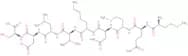
CAS:<p>Please enquire for more information about Ac-Asp-Tyr(PO3H2)-Val-Pro-Met-Leu-NH2 including the price, delivery time and more detailed product information at the technical inquiry form on this page</p>Formula:C36H56N7O13PSPurity:Min. 95%Molecular weight:857.91 g/mol(D-Trp8)-Somatostatin-14 trifluoroacetate salt
CAS:<p>Please enquire for more information about (D-Trp8)-Somatostatin-14 trifluoroacetate salt including the price, delivery time and more detailed product information at the technical inquiry form on this page</p>Formula:C76H104N18O19S2Purity:Min. 95%Molecular weight:1,637.88 g/molCortistatin-29 (human) trifluoroacetate salt
CAS:<p>Please enquire for more information about Cortistatin-29 (human) trifluoroacetate salt including the price, delivery time and more detailed product information at the technical inquiry form on this page</p>Formula:C149H223N47O42S3Purity:Min. 95%Molecular weight:3,440.85 g/molAnti-Inflammatory Peptide 3
CAS:<p>Anti-Inflammatory Peptide 3 (AIP3) is a peptide that contains an ester linkages and a carboxylic ester, which are both hydrophobic. The amino acid sequence of AIP3 is H-Met-Gln-Met-Asn-Lys-Val-Leu-Asp-Ser. AIP3 has been shown to have antiinflammatory properties and can be used as a diagnostic tool for inflammation. This peptide also has prodrug properties and can be conjugated with drugs to form drug linkers.</p>Formula:C43H76N12O15S2Purity:Min. 95%Molecular weight:1,065.27 g/molTRH-AMC acetate salt
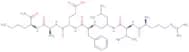
CAS:<p>TRH-AMC acetate salt Pyr-His-Pro-AMC acetate salt is a potent and selective histidine kinase inhibitor that modulates the activity of many enzymes. TRH-AMC acetate salt Pyr-His-Pro-AMC acetate salt has a molecular weight of 476.9 g/mol and chemical formula C12H14N2O4S. The compound was synthesized by reacting tris(2,4,6-trimethoxybenzoyl)amine with pyridoxal 5'-phosphate and histidine in acetic acid. The synthesis reaction yielded a white solid that was then recrystallized from methanol to yield the final product. TRH-AMC acetate salt Pyr-His-Pro-AMC acetate salt has been shown to inhibit the enzymatic activity of numerous enzymes at nanomolar concentrations including: protein kinases, phosphatases, ligases</p>Formula:C26H28N6O6Purity:Min. 95%Molecular weight:520.54 g/molN-Acetyl-L-norleucyl-L-glutaminyl-L-histidyl-D-phenylalanyl-L-arginyl-D-tryptophylglycinamide
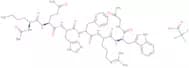
CAS:<p>Please enquire for more information about N-Acetyl-L-norleucyl-L-glutaminyl-L-histidyl-D-phenylalanyl-L-arginyl-D-tryptophylglycinamide including the price, delivery time and more detailed product information at the technical inquiry form on this page</p>Formula:C47H65N15O9Purity:Min. 95%Molecular weight:984.11 g/molAbz-Amyloid β/A4 Protein Precursor770 (708-715)-Lys(Dnp)-D-Arg-D-Arg-D-Arg amide trifluoroacetate salt
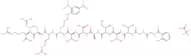
CAS:<p>Please enquire for more information about Abz-Amyloid beta/A4 Protein Precursor770 (708-715)-Lys(Dnp)-D-Arg-D-Arg-D-Arg amide trifluoroacetate salt including the price, delivery time and more detailed product information at the technical inquiry form on this page</p>Formula:C69H114N26O18Purity:Min. 95%Molecular weight:1,595.81 g/molArg-Glu(EDANS)-(Asn670,Leu671)-Amyloid β/A4 Protein Precursor770 (668-675)-Lys(DABCYL)-Arg trifluoroacetate salt
CAS:<p>Please enquire for more information about Arg-Glu(EDANS)-(Asn670,Leu671)-Amyloid beta/A4 Protein Precursor770 (668-675)-Lys(DABCYL)-Arg trifluoroacetate salt including the price, delivery time and more detailed product information at the technical inquiry form on this page</p>Formula:C91H129N25O25SPurity:Min. 95%Molecular weight:2,005.22 g/mol2-Methyl-2H-indazol-5-ylamine
CAS:<p>Please enquire for more information about 2-Methyl-2H-indazol-5-ylamine including the price, delivery time and more detailed product information at the technical inquiry form on this page</p>Formula:C8H9N3Purity:Min. 95%Molecular weight:147.18 g/molN-2-Chloroethyl-Val-Leu-anilide
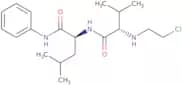
CAS:<p>Please enquire for more information about N-2-Chloroethyl-Val-Leu-anilide including the price, delivery time and more detailed product information at the technical inquiry form on this page</p>Formula:C19H30ClN3O2Purity:Min. 95%Molecular weight:367.91 g/molH-Ala-D-Glu(Lys-D-Ala-D-Ala-OH)-OH
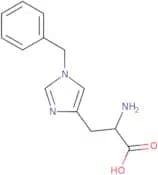
CAS:<p>Teicoplanin is an amide-linked glycopeptide antibiotic that binds to the bacterial cell wall. It is used for the treatment of infections caused by staphylococci and p. aeruginosa, which are resistant to other antibiotics. The drug binds to a specific site on the bacterial cell wall, forming a coordination complex with the peptidoglycan layer and making it easier for water molecules to penetrate the cell wall. This leads to increased rates of cell death by osmosis. Teicoplanin enhances the activity of other antibiotics against Gram-positive bacteria by preventing their binding to penicillin-binding proteins in the bacterial cell walls.</p>Formula:C20H36N6O8Purity:Min. 95%Molecular weight:488.54 g/molH-D-His(Bzl)-OH
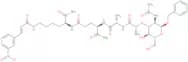
CAS:<p>Please enquire for more information about H-D-His(Bzl)-OH including the price, delivery time and more detailed product information at the technical inquiry form on this page</p>Formula:C13H15N3O2Purity:Min. 95%Molecular weight:245.28 g/molAc-α-benzyl-muramyl-Ala-D-Glu(Lys(trans-(3-nitrocinnamoyl))-NH2)-NH2
CAS:<p>Please enquire for more information about Ac-alpha-benzyl-muramyl-Ala-D-Glu(Lys(trans-(3-nitrocinnamoyl))-NH2)-NH2 including the price, delivery time and more detailed product information at the technical inquiry form on this page</p>Formula:C41H56N8O14Purity:Min. 95%Molecular weight:884.93 g/molAc-Glu-Glu-Val-Val-Ala-Cys-pNA
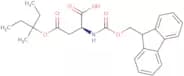
CAS:<p>Please enquire for more information about Ac-Glu-Glu-Val-Val-Ala-Cys-pNA including the price, delivery time and more detailed product information at the technical inquiry form on this page</p>Formula:C34H50N8O13SPurity:Min. 95%Molecular weight:810.87 g/molFmoc-L-aspartic acid β-methylpentyl ester
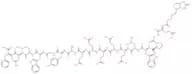
CAS:<p>Fmoc-L-aspartic acid b-methylpentyl ester is a solid phase synthesis of Asp(OtBu)-OH that has been synthesized by reacting aspartic acid with piperidine and methylbenzene. This synthesis has been shown to be effective at temperatures below 25°C, to minimize the formation of water, and to be resistant to treatments with strong acids or bases. The synthesis has also been optimized for the peptidyl bond formation and peptide synthesis, resulting in enhanced yields.</p>Formula:C25H29NO6Purity:Min. 95%Color and Shape:White PowderMolecular weight:439.5 g/molBiotinyl-(Glu1)-Gastrin I (human) Biotinyl-Glu-Gly-Pro-Trp-Leu-Glu-Glu-Glu-Glu-Glu-Ala-Tyr-Gly-Trp-Met-Asp-Phe-NH2
CAS:<p>Please enquire for more information about Biotinyl-(Glu1)-Gastrin I (human) Biotinyl-Glu-Gly-Pro-Trp-Leu-Glu-Glu-Glu-Glu-Glu-Ala-Tyr-Gly-Trp-Met-Asp-Phe-NH2 including the price, delivery time and more detailed product information at the technical inquiry form on this page</p>Formula:C107H140N22O34S2Purity:Min. 95%Molecular weight:2,342.52 g/molMca-Gly-Ala-Lys-Arg-His-Arg-Lys-Val-NH2 trifluoroacetate salt
<p>Please enquire for more information about Mca-Gly-Ala-Lys-Arg-His-Arg-Lys-Val-NH2 trifluoroacetate salt including the price, delivery time and more detailed product information at the technical inquiry form on this page</p>Formula:C52H83N19O12Purity:Min. 95%Molecular weight:1,166.34 g/molH-Met-Gly-OH
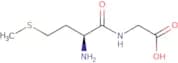
CAS:<p>H-Met-Gly-OH is a radical scavenger that has been shown to have potent antioxidant properties. It is an amide with two nitrogen atoms and can be used as a marker protein in human serum, where it binds to fatty acids and inhibits the formation of free radicals. H-Met-Gly-OH has been shown to chelate metal ions such as copper, iron, and zinc. The uptake of these metal ions by the human body may cause genotoxic effects or other toxic reactions, which can be prevented by using H-Met-Gly-OH as a chelating agent. This compound also has broad spectrum antimicrobial activity against microbes that are resistant to many antibiotics.</p>Formula:C7H14N2O3SPurity:Min. 95%Molecular weight:206.26 g/molNesfatin-1 (30-59) (human) trifluoroacetate salt
<p>Please enquire for more information about Nesfatin-1 (30-59) (human) trifluoroacetate salt including the price, delivery time and more detailed product information at the technical inquiry form on this page</p>Formula:C167H263N41O54Purity:Min. 95%Molecular weight:3,709.12 g/molFmoc-Arg(Pmc)-OPfp
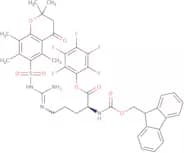
CAS:<p>Fmoc-Arg(Pmc)-OPfp is an amino acid that belongs to the group of l-amino acids. It has a molecular weight of 121.12 g/mol and a pKa of 9.78, and it can be used in the synthesis of oligopeptides. Fmoc-Arg(Pmc)-OPfp is also a positional isomer, which means that it has the same chemical formula but different spatial arrangements within the molecule. The position for this amino acid is on the N-terminal side of an alpha carbon atom, meaning that there are two chiral centers at this position on either side of the molecule. These two chiral centers are opposite each other, so they are called enantiomers. The conformation of this amino acid is L-amino acid because its amine group faces towards the right when looking at it from below. In addition, Fmoc-Arg(Pmc)-OPfp contains one specific mon</p>Formula:C41H41F5N4O7SPurity:Min. 95%Molecular weight:828.85 g/molH-Pro-Pro-Pro-OH
CAS:<p>H-Pro-Pro-Pro-OH is a synthetic peptide that inhibits the production of reactive oxygen species (ROS) by acting as an antioxidant. It has been shown to have a protective effect on cells, preventing cell death and promoting cell survival. H-Pro-Pro-Pro-OH also has a significant inhibitory effect on superoxide radical production in nanotubes and photoreceptors. It can be used to prevent the oxidation of α-tocopherol, which is a lipid soluble vitamin found in vegetable oils. The three amino acids in the sequence are hydrolysed to proline, which is an essential amino acid for human metabolism, and two dipeptides with chemical structures similar to those found in natural peptides. The peptide was synthesized from proline, histidine and arginine. This molecule can be detected using polyacrylamide gel electrophoresis and fluorescence microscopy with enhanced optical properties as a chromophore.</p>Formula:C15H23N3O4Purity:Min. 95%Molecular weight:309.36 g/molUrotensin II-Related Peptide (human, mouse, rat) trifluoroacetate salt
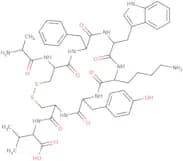
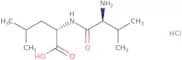
CAS:<p>Urotensin II is a peptide that is expressed in the brain and has hypotensive effects. It is an endogenous ligand for the urotensin II receptor, which is found in various tissues including the heart, vascular system, and lungs. Urotensin II-Related Peptide (URP) was identified from cDNA sequences of human, mouse, and rat tissues. The URP consists of a sequence of amino acids with a molecular weight of 1219. This peptide has been shown to have diagnostic use in tissues and animals as well as being immunoreactive in monoclonal antibodies. The gene encoding URP has been cloned and its protein product has been characterized by mass spectroscopy.</p>Formula:C49H64N10O10S2Purity:Min. 95%Molecular weight:1,017.23 g/molH-Val-Leu-OH·HCl
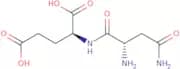
CAS:<p>H-Val-Leu-OH·HCl is a hydrolytic cleavage product of the covalent adduct of valproic acid and HCl. It is an acidic compound that can be produced by hydrolysis or by exposure to alcohols. This compound is also known as ethylene glycol monobutyl ether, which is formed when ethylene reacts with butanol. H-Val-Leu-OH·HCl has been shown to cause termination in animal experiments and has been detected in humans following alcohol exposure. It also has some toxic effects on animals such as liver damage, kidney damage, and death.</p>Formula:C11H22N2O3·HClPurity:Min. 95%Molecular weight:266.76 g/molH-Asn-Glu-OH
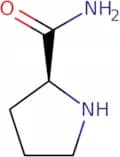
CAS:<p>H-Asn-Glu-OH is a reversed-phase high-performance liquid chromatography (RP-HPLC) stationary phase that has been used for the analysis of glutamic acid. It has been shown to be resistant to hydrogen fluoride and other organic solvents, and does not contain any detectable impurities. H-Asn-Glu-OH is made up of amino acids, such as glutamic acid, which can be detected by reverse phase HPLC.</p>Formula:C9H15N3O6Purity:Min. 95%Molecular weight:261.23 g/molL-Prolinamide
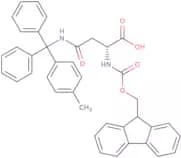
CAS:<p>Intermediate in the synthesis of vildagliptin</p>Formula:C5H10N2OPurity:Min. 95%Color and Shape:PowderMolecular weight:114.15 g/molFmoc-D-Asn(Mtt)-OH
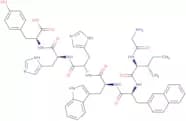
CAS:<p>Please enquire for more information about Fmoc-D-Asn(Mtt)-OH including the price, delivery time and more detailed product information at the technical inquiry form on this page</p>Formula:C39H34N2O5Purity:Min. 95%Molecular weight:610.7 g/molH-Gly-Ile-2-Nal-Trp-His-His-Tyr-OH
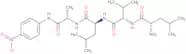
CAS:<p>Please enquire for more information about H-Gly-Ile-2-Nal-Trp-His-His-Tyr-OH including the price, delivery time and more detailed product information at the technical inquiry form on this page</p>Formula:C53H60N12O9Purity:Min. 95%Molecular weight:1,009.12 g/molH-Leu-Val-Leu-Ala-pNA
CAS:<p>Please enquire for more information about H-Leu-Val-Leu-Ala-pNA including the price, delivery time and more detailed product information at the technical inquiry form on this page</p>Formula:C26H42N6O6Purity:Min. 95%Molecular weight:534.65 g/mol1,2-Distearoyl-sn-glycero-3-phosphatidic acid·disodium salt
CAS:<p>Please enquire for more information about 1,2-Distearoyl-sn-glycero-3-phosphatidic acid·disodium salt including the price, delivery time and more detailed product information at the technical inquiry form on this page</p>Formula:C39H75Na2O8PPurity:Min. 95%Molecular weight:748.96 g/mol(Tyr15)-Fibrinopeptide B (human)
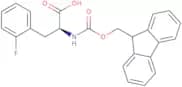
CAS:<p>Fibrinopeptide B is a linear peptide that is found in the human fibrinogen molecule. It has been shown to be bioactive and can be used as a specific molecular marker for thrombus formation. Fibrinopeptide B has an optimal wavelength of 280 nm, and can be detected using phosphoric acid-based electrophoresis. The peptides are typically only 10 to 20 amino acids long, although the length varies depending on the protein they are derived from.</p>Formula:C75H102N20O27Purity:Min. 95%Molecular weight:1,715.73 g/molFmoc-2-fluoro-L-phenylalanine
CAS:<p>Please enquire for more information about Fmoc-2-fluoro-L-phenylalanine including the price, delivery time and more detailed product information at the technical inquiry form on this page</p>Formula:C24H20FNO4Purity:Min. 95%Color and Shape:PowderMolecular weight:405.42 g/molH-Ile-Ser-OH trifluoroacetic acid
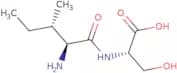
CAS:<p>H-Ile-Ser-OH trifluoroacetic acid is a bioactive compound that has been cocrystallized with N,N′-dimethylformamide and analyzed using liquid chromatography/mass spectrometry. It has been shown to be hydrophilic and soluble in water. H-Ile-Ser-OH trifluoroacetic acid has also been detected by mass spectrometric methods as well as electrospray mass spectrometry.</p>Formula:C9H18N2O4•TFAPurity:Min. 95%Molecular weight:218.25 g/molBoc-Arg-Val-Arg-Arg-AMC acetate salt
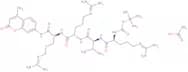
CAS:Controlled Product<p>Boc-Arg-Val-Arg-Arg-AMC acetate salt is a protease inhibitor that belongs to the group of basic proteins. It inhibits the action of serine proteases, which are enzymes that break down proteins in cells. Boc-Arg-Val-Arg-Arg-AMC acetate salt has been shown to inhibit leishmania and tumor cell growth. It also inhibits cancer cell proliferation and metastasis. The inhibition of these cancer cell lines by Boc-Arg-Val-Arg-Arg-AMC acetate salt may be due to its ability to inhibit protein synthesis, which is vital for tumor cell growth. Boc Arg Val Arg Arg AMC acetate salt also induces apoptosis (cell death) in some cancer cells through the activation of caspase 3, a cysteine protease that plays an important role in apoptosis signaling pathways.</p>Formula:C38H62N14O8Purity:Min. 95%Molecular weight:842.99 g/molFmoc-Gln(Trt)-Wang resin (200-400 mesh)
<p>Please enquire for more information about Fmoc-Gln(Trt)-Wang resin (200-400 mesh) including the price, delivery time and more detailed product information at the technical inquiry form on this page</p>Purity:Min. 95%Adipokinetic Hormone (Apis mellifera ligustica) TFA salt
CAS:<p>Adipokinetic hormone is a peptide hormone that has been shown to stimulate the metabolism of fat cells in laboratory animals. This peptide is produced by the gland cells of honeybees and is used to regulate the energy metabolism of honeybees and other insects. Adipokinetic hormone has been shown to increase locomotor activity, inhibit the growth of human pathogens, activate transfer reactions, and inhibit receptor activity. The biological properties of this hormone have not yet been fully elucidated.</p>Formula:C47H65N11O14•C2HF3O2Purity:Min. 95 Area-%Color and Shape:PowderMolecular weight:1,122.10 g/mol1-Methyl-1H-imidazole-5-carboxylic acid
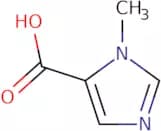
CAS:<p>1-Methyl-1H-imidazole-5-carboxylic acid is an amide that is used as a hardener in medicines. It can be synthesized by the reaction of ethyl formate with thionyl chloride and imidazoles. The yield of this product is high, and it can be produced in different stereoisomeric forms. 1-Methyl-1H-imidazole-5-carboxylic acid is used to produce other medicines, such as painkillers, tranquilizers, diuretics, and antibiotics. This product has been shown to have a number of health benefits, including reducing cholesterol levels and blood pressure.</p>Formula:C5H6N2O2Purity:Min. 95%Molecular weight:126.11 g/molFibronectin Adhesion-Promoting Peptide trifluoroacetate salt
CAS:<p>Fibronectin Adhesion-Promoting Peptide trifluoroacetate salt H-Trp-Gln-Pro-Pro-Arg-Ala-Arg-Ile-OH trifluoroacetate salt (FAP) is a synthetic peptide that promotes fibronectin adhesion. It binds to the amino acid sequence in the C terminal end of fibronectin, which is known to be responsible for binding to actin filaments and growth factors. FAP has been shown to promote wound healing by stimulating the proliferation of corneal epithelial cells in vitro. The mechanism of action of FAP may be due to its ability to bind to chloride ions, which are involved in the regulation of cell proliferation and migration.</p>Formula:C47H74N16O10Purity:Min. 95%Molecular weight:1,023.19 g/mol(Ala2)-Leu-Enkephalin
CAS:<p>Leu-enkephalin is an opioid peptide that is a neurotransmitter in the brain. It is synthesized from the proenkephalin precursor and acts on δ-opioid receptors and kappa-opioid receptors. Leu-enkephalin has been shown to have physiological effects such as analgesia, hypothermia, hyperalgesia, and decreased gastrointestinal motility. Leu-enkephalin also inhibits voltage-dependent calcium channels in neuronal cells by binding to them with high affinity. The binding of leu-enkephalin to these channels affects their function and leads to neuronal death. Disulfide bonds are formed between cysteine residues on leu-enkephalin to stabilize this protein's structure.</p>Formula:C29H39N5O7Purity:Min. 95%Molecular weight:569.65 g/mol5-Fluoro-2-methoxyphenylacetone
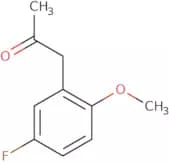
CAS:<p>5-Fluoro-2-methoxyphenylacetone is a chemical with a wide array of applications in research and industry. It is a versatile building block, useful intermediate, and reagent for organic synthesis. This compound has been used as a starting material in the synthesis of other compounds. CAS No. 1017082-10-8</p>Formula:C10H11FO2Color and Shape:PowderMolecular weight:182.19 g/molNeuropeptide Y (porcine) trifluoroacetate salt
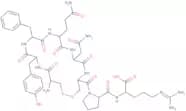
CAS:<p>Neuropeptide Y (porcine) trifluoroacetate salt H-Tyr-Pro-Ser-Lys-Pro-Asp-Asn-Pro-Gly-Glu-Asp-Ala-Pro-Ala-Glu-Asp-Leu -Ala -Arg Tyr Tyr Ser Ala Leu Arg His Tyr Ile Asn Leu Ile Thr Arg Gln Arg Tyr NH2 trifluoroacetate salt is a peroxidase enzyme that is biotinylated and purified from porcine sources. It has been used as an antiserum in the development of a plate sealer.</p>Formula:C190H287N55O57Purity:Min. 95%Molecular weight:4,253.65 g/molBig Endothelin-3 (22-41) amide (human) trifluoroacetate salt
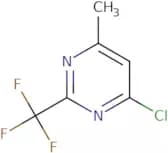
CAS:<p>Please enquire for more information about Big Endothelin-3 (22-41) amide (human) trifluoroacetate salt including the price, delivery time and more detailed product information at the technical inquiry form on this page</p>Formula:C102H156N30O31Purity:Min. 95%Molecular weight:2,298.51 g/mol4-Chloro-6-methyl-2-trifluoromethylpyrimidine
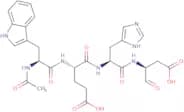
CAS:<p>Please enquire for more information about 4-Chloro-6-methyl-2-trifluoromethylpyrimidine including the price, delivery time and more detailed product information at the technical inquiry form on this page</p>Formula:C6H4ClF3N2Purity:Min. 95%Molecular weight:196.56 g/molAc-Trp-Glu-His-Asp-aldehyde (pseudo acid)
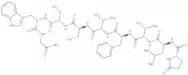
CAS:<p>Ac-Trp-Glu-His-Asp-aldehyde is a tetrapeptide that has been shown to inhibit the activity of caspases. Caspases are proteases that play an important role in cell death by inducing apoptosis and necrosis. The structure of the Ac-Trp-Glu-His-Asp-aldehyde was determined by X-ray crystallography, revealing a hydrophobic molecule with a pseudo acid residue. This compound binds to peptides and blocks the binding site for caspase substrates, which prevents their activation. Acetylation of this compound also increases its hydrophobicity, making it more likely to bind to other molecules such as proteins or lipids.</p>Formula:C28H33N7O9Purity:Min. 95%Molecular weight:611.6 g/mol(Leu116)-Prepro-Neuromedin U (104-136) (human) trifluoroacetate salt
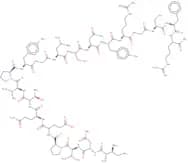
<p>Please enquire for more information about (Leu116)-Prepro-Neuromedin U (104-136) (human) trifluoroacetate salt including the price, delivery time and more detailed product information at the technical inquiry form on this page</p>Formula:C177H276N46O45Purity:Min. 95%Molecular weight:3,768.37 g/molZ-Pro-Leu-Gly-OH
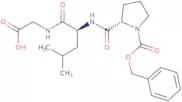
CAS:<p>Z-Pro-Leu-Gly-OH is a peptide that belongs to the class of amides, oxalate salts, and grignard reagents. It can be synthesized from the reaction between an oxalate salt and a grignard reagent. The synthesis of Z-Pro-Leu-Gly-OH is usually done by reacting an oxalate salt with a grignard reagent in presence of a ketone or ketomethylene.</p>Formula:C21H29N3O6Purity:Min. 95%Molecular weight:419.47 g/mol(H-Cys-Phe-OH)2 (Disulfide bond)
CAS:<p>Please enquire for more information about (H-Cys-Phe-OH)2 (Disulfide bond) including the price, delivery time and more detailed product information at the technical inquiry form on this page</p>Formula:C24H30N4O6S2Purity:Min. 95%Molecular weight:534.65 g/molH-Arg-Met-OH acetate salt
CAS:<p>H-Arg-Met-OH acetate salt is a reactive chemical that is used in the treatment of hepatitis. It has been shown to be effective against virus and heart disease, as well as being active in the prevention of insulin resistance. H-Arg-Met-OH acetate salt is also used to determine if a person has had an allergic reaction by testing for elevated serum levels of this chemical. H-Arg-Met-OH acetate salt can be found in the blood, urine, and liver cells. This chemical is also present in mouse spleen cells and has been shown to react with specific antibodies.</p>Formula:C11H23N5O3SPurity:Min. 95%Molecular weight:305.4 g/molSuc-Ala-Phe-Pro-Phe-pNA
CAS:<p>Suc-Ala-Phe-Pro-Phe-pNA is a recombinant isomerase that has been shown to be an immunosuppressive agent. It is able to catalyze the conversion of cyclosporin A into its two inactive forms, as well as the conversion of cyclophilins A and B into their corresponding inactive forms. The enzyme has also been shown to have chaperone activity. Suc-Ala-Phe-Pro-Phe-pNA has been expressed in Escherichia coli and purified from inclusion bodies using an affinity column with immobilized recombinant cyclophilin A and B. The enzyme's activity was measured by catalysis of the conversion of pNPP, a substrate analogue, into pNPPdG, which can be detected spectrophotometrically at a wavelength of 340 nm. Suc-Ala-Phe-Pro-Phe-pNA shows exponential growth in the presence of</p>Formula:C36H40N6O9Purity:Min. 95%Molecular weight:700.74 g/molHippuryl-Phe-Arg-OH
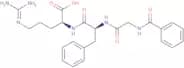
CAS:<p>Hippuryl-Phe-Arg-OH is a potent and selective inhibitor of angiotensin-converting enzyme (ACE) with a long duration of action. It has been shown to be a potentiator of captopril and enalaprilat in the biochemical validation for ACE inhibition. Hippuryl-Phe-Arg-OH has significant inhibitory activity against phosphatases such as carboxypeptidase A, phospholipase A2, and aminopeptidase N.</p>Formula:C24H30N6O5Purity:Min. 95%Molecular weight:482.53 g/molZ-His-Gly-OH
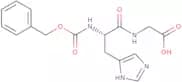
CAS:<p>Please enquire for more information about Z-His-Gly-OH including the price, delivery time and more detailed product information at the technical inquiry form on this page</p>Formula:C16H18N4O5Purity:Min. 95%Molecular weight:346.34 g/molFor-Nle-Leu-Phe-Nle-Tyr-Lys-OH
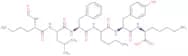
CAS:<p>For-Nle-Leu-Phe-Nle-Tyr-Lys-OH is an amino acid sequence that is a proteolytic fragment of the erythrocyte membrane protein band 3. It has been shown to be able to inhibit the activity of cytosolic calcium and actin filament polymerization, as well as inhibiting apoptosis in human polymorphonuclear leukocytes (PMNL). This compound has been found to be effective in preventing uptake of bacteria by neutrophils, which may be due to its ability to alter the pH gradient across the membrane and increase intracellular calcium levels. For-Nle-Leu-Phe-Nle-Tyr-Lys-OH also inhibits diacylglycerol synthesis, which may contribute to its antiinflammatory effects.</p>Formula:C43H65N7O9Purity:Min. 95%Molecular weight:824.02 g/molL-Phenylalanine benzyl ester hydrochloride
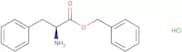
CAS:<p>L-Phenylalanine benzyl ester hydrochloride is an ester of L-phenylalanine and benzoic acid. It has a solubility of 1.9g/L in water, 2.1g/L in methanol, and 0.8g/L in acetonitrile at 20°C. The melting point is 119°C to 120°C and the boiling point is 243°C to 244°C at atmospheric pressure. This compound can be synthesized by reacting formamide with L-phenylalanine chloride in the presence of hexamethylphosphoramide as a catalyst.</p>Formula:C16H17NO2·HClPurity:Min. 95%Molecular weight:291.77 g/molH-Gly-Phe-NH2·HCl
CAS:<p>Please enquire for more information about H-Gly-Phe-NH2·HCl including the price, delivery time and more detailed product information at the technical inquiry form on this page</p>Formula:C11H15N3O2·HClPurity:Min. 95%Molecular weight:257.72 g/molC-Peptide 1 (rat) trifluoroacetate salt
CAS:<p>Please enquire for more information about C-Peptide 1 (rat) trifluoroacetate salt including the price, delivery time and more detailed product information at the technical inquiry form on this page</p>Formula:C140H228N38O51Purity:Min. 95%Molecular weight:3,259.53 g/molSuc-Ala-Phe-Lys-AMC trifluoroacetate salt
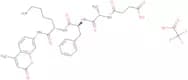
CAS:<p>Please enquire for more information about Suc-Ala-Phe-Lys-AMC trifluoroacetate salt including the price, delivery time and more detailed product information at the technical inquiry form on this page</p>Formula:C32H39N5O8·C2HF3O2Purity:Min. 95%Molecular weight:735.7 g/molH-Gly-Ala-Pro-AFC
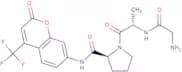
CAS:<p>Please enquire for more information about H-Gly-Ala-Pro-AFC including the price, delivery time and more detailed product information at the technical inquiry form on this page</p>Formula:C20H21F3N4O5Purity:Min. 95%Molecular weight:454.4 g/molBoc-Pro-Pro-Pro-Pro-OH
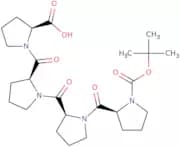
CAS:<p>Boc-Pro-Pro-Pro-Pro-OH is a synthetic peptide. It has been shown to have high specificity and is useful in the diagnosis of diseases that are caused by abnormal extracellular glutamic acid, hydroxyproline, or ion-exchange. Boc-Pro-Pro-Pro-Pro-OH has been used as a model for other peptides and has been shown to have acidic properties. The structure is dodecyl peptidic with a residue of -N(CH2)3-.</p>Formula:C25H38N4O7Purity:Min. 95%Molecular weight:506.59 g/molFmoc-octyl-D-Gly-OH
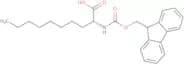
CAS:<p>Fmoc-octyl-D-Gly-OH is a supramolecular polymer with a wide range of applications, including oil recovery and as a nanomaterial. Fmoc-octyl-D-Gly-OH is synthesized by the ring opening polymerization of octylglycol with D,L lactic acid. It has been shown to be an effective emulsifier in water, which may be due to its synergistic effect with other molecules. Fmoc-octyl-D-Gly-OH also has the ability to self assemble into a variety of morphologies such as nanoribbons, nanowires, and gel networks. This polymer can also be used as a hydrogenation catalyst for organic synthesis reactions that require high pressures and temperatures. Fmoc-octyl-D-Gly-OH has also been used in the production of ultrasonication devices for use in medicine.</p>Formula:C25H31NO4Purity:Min. 95%Molecular weight:409.52 g/molH-Arg-Val-Leu-psi(CH2NH)Phe-Glu-Ala-Nle-NH2
CAS:<p>H-Arg-Val-Leu-psi(CH2NH)Phe-Glu-Ala-Nle-NH2 is a compound which is structurally related to the amino acid histidine. It has been used as an indicator for Xanthochromia, a diagnostic for copper. H-Arg-Val-Leu-psi(CH2NH)Phe-Glu-Ala-Nle-NH2 has also been used in polyester production and as a monitoring agent for modifications of polylactic acid thermally.</p>Formula:C40H69N11O8Purity:Min. 95%Molecular weight:832.05 g/molFmoc-Arg(Pbf)-Wang resin (100-200 mesh)
<p>Please enquire for more information about Fmoc-Arg(Pbf)-Wang resin (100-200 mesh) including the price, delivery time and more detailed product information at the technical inquiry form on this page</p>Purity:Min. 95%H-Trp-Val-OH
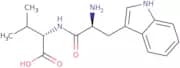
CAS:<p>H-Trp-Val-OH is a human protein that has been shown to be involved in the uptake of glucose into cells. H-Trp-Val-OH is also known as colony stimulating factor 1, which stimulates the growth and differentiation of hematopoietic cells. It has been shown to play a role in weight gain, insulin resistance, and type 2 diabetes. This monoclonal antibody has not been found to have any long term toxicity or genotoxicity in animal studies.</p>Formula:C16H21N3O3Purity:Min. 95%Molecular weight:303.36 g/molBoc-Gly-Phe-Gly-Lys-OH
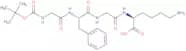
CAS:<p>Boc-Gly-Phe-Gly-Lys-OH is an allergen that belongs to the group of flavonoids. It is a reaction product of cinnamates and methoxycinnamate, which are found in sunscreens. Boc-Gly-Phe-Gly-Lys-OH is used as a model for chemical carcinogens in studies on cancer. Boc-Gly-Phe-Gly-Lys-OH has been shown to be a potent skin cancer and radiation sensitizer. There are no known effects on humans, but it is possible that this compound may react with UV irradiation from sunlight, causing DNA damage and skin cancer.</p>Formula:C24H37N5O7Purity:Min. 95%Molecular weight:507.58 g/mol([15N]Gly)-Glutathione (reduced)
CAS:<p>Please enquire for more information about ([15N]Gly)-Glutathione (reduced) including the price, delivery time and more detailed product information at the technical inquiry form on this page</p>Purity:Min. 95%Biotinyl-Somatostatin-14
CAS:<p>Please enquire for more information about Biotinyl-Somatostatin-14 including the price, delivery time and more detailed product information at the technical inquiry form on this page</p>Formula:C86H118N20O21S3Purity:Min. 95%Molecular weight:1,864.18 g/molFibronectin Fragment (196-203)
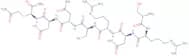
CAS:<p>Fibronectin fragment (196-203) H-Ser-Arg-Asn-Arg-Cys-Asn-Asp-Gln, is a synthetic peptide that has been shown to have antiinflammatory properties. It can inhibit the inflammatory response by inhibiting the production of cytokines and chemokines. Fibronectin fragment (196-203) H-Ser-Arg-Asn-Arg-Cys-Asn, has also been shown to inhibit angiogenesis and tumor growth in vitro, as well as stabilize blood vessels and reduce the incidence of lymphatic vessel leakage. This peptide may be used in cancer therapy and for other diseases such as Kaposi's sarcoma, rheumatoid arthritis, autoimmune diseases, or infectious diseases.</p>Formula:C35H62N18O14SPurity:Min. 95%Molecular weight:991.05 g/molBombesin trifluoroacetate salt
CAS:<p>Trifluoroacetate salt</p>Formula:C71H110N24O18SPurity:Min. 95%Molecular weight:1,619.85 g/molHCV Nucleoprotein (88-96)
CAS:<p>Please enquire for more information about HCV Nucleoprotein (88-96) including the price, delivery time and more detailed product information at the technical inquiry form on this page</p>Formula:C46H60N12O13Purity:Min. 95%Molecular weight:989.04 g/molFmoc-Thr(tBu)-Wang resin (200-400 mesh)
<p>Please enquire for more information about Fmoc-Thr(tBu)-Wang resin (200-400 mesh) including the price, delivery time and more detailed product information at the technical inquiry form on this page</p>Purity:Min. 95%3-Methylcyclohex-2-en-1-one
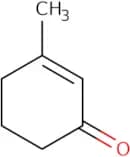
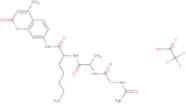
CAS:<p>3-Methylcyclohex-2-en-1-one is a chemical compound that is used in the synthesis of pharmaceuticals, pesticides, and other organic compounds. It has been shown to be effective against Dendroctonus species and other pests. 3-Methylcyclohex-2-en-1-one is synthesized from cyclohexanone by hydrogenation of the double bond at the 3 position. The reaction can be catalyzed by palladium complexes with acid complexing ligands, such as phosphines or amines. The product is then purified by distillation, crystallization, or recrystallization.</p>Formula:C7H10OPurity:Min. 95%Molecular weight:110.15 g/molAc-Gly-Ala-Lys-AMC trifluoroacetate salt
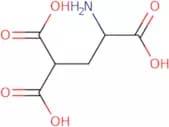
<p>Please enquire for more information about Ac-Gly-Ala-Lys-AMC trifluoroacetate salt including the price, delivery time and more detailed product information at the technical inquiry form on this page</p>Formula:C23H31N5O6Purity:Min. 95%Molecular weight:473.52 g/molH-γ-Carboxy-DL-Glu-OH
CAS:<p>H-gamma-Carboxy-DL-Glu-OH is a protein that contains the sequence of amino acids -Gln-Gly-Leu. The basic structure of H-gamma-Carboxy-DL-Glu-OH includes an alpha helix, beta sheet and random coil. The rate constant for the reaction with sephadex g100 is 2.5x10^8 M^(-1) s^(-1). The signal peptide is located at the N terminus of the molecule. The mitochondrial membrane potential can be reduced by H-gamma-Carboxy-DL-Glu-OH. Glp1 analogues are compounds that stimulate glucose uptake and glycogen synthesis in muscle cells, which may be due to their ability to increase mitochondrial membrane potential. H gamma Carboxy DL Glu OH has been shown to have physiological levels in cells and it has been shown to inhibit growth in model systems. It also</p>Formula:C6H9NO6Purity:Min. 95%Molecular weight:191.14 g/molH-Val-β-Ala-OH
CAS:<p>Please enquire for more information about H-Val-beta-Ala-OH including the price, delivery time and more detailed product information at the technical inquiry form on this page</p>Formula:C8H16N2O3Purity:Min. 95%Molecular weight:188.22 g/molCell-permeable Caspase-1 Inhibitor I trifluoroacetate salt
CAS:<p>Please enquire for more information about Cell-permeable Caspase-1 Inhibitor I trifluoroacetate salt including the price, delivery time and more detailed product information at the technical inquiry form on this page</p>Formula:C97H160N20O24Purity:Min. 95%Molecular weight:1,990.43 g/molZ-Val-Ala-Asp-AMC
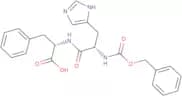
CAS:<p>Z-Val-Ala-Asp-AMC is a photoactive peptide that is activated by light exposure. This drug has cytostatic and cardiotoxic effects, which may be due to its ability to induce autophagy. Z-Val-Ala-Asp-AMC induces cell death in cancer cells through the activation of caspase independent pathways. It also inhibits nitroprusside induced apoptosis in cultured skin cells, suggesting that it may have therapeutic potential for the treatment of cancer.</p>Formula:C30H34N4O9Purity:Min. 95%Molecular weight:594.61 g/molZ-His-Phe-OH
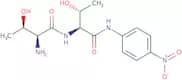
CAS:<p>Please enquire for more information about Z-His-Phe-OH including the price, delivery time and more detailed product information at the technical inquiry form on this page</p>Formula:C23H24N4O5Purity:Min. 95%Molecular weight:436.46 g/molH-Thr-Thr-pNA
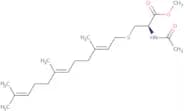
CAS:<p>Please enquire for more information about H-Thr-Thr-pNA including the price, delivery time and more detailed product information at the technical inquiry form on this page</p>Formula:C14H20N4O6Purity:Min. 95%Molecular weight:340.33 g/molAc-Cys(farnesyl)-OMe
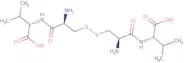
CAS:<p>Ac-Cys(farnesyl)-OMe is a synthetic, methyl esterification product of farnesol and acetic acid. It is a protease activity inhibitor that has been shown to have bone resorption activity in rats. Ac-Cys(farnesyl)-OMe has been shown to inhibit the enzyme farnesyltransferase, which is involved in the posttranslational modification of proteins. This inhibition blocks the synthesis of sterols, which are necessary for bone resorption. Ac-Cys(farnesyl)-OMe has been shown to be active against multidrug resistant bacteria and may be used as an agent for treatment or prevention of heart disease.</p>Formula:C21H35NO3SPurity:Min. 95%Molecular weight:381.57 g/mol(H-Cys-Val-OH)2 (Disulfide bond)
CAS:<p>Please enquire for more information about (H-Cys-Val-OH)2 (Disulfide bond) including the price, delivery time and more detailed product information at the technical inquiry form on this page</p>Formula:C16H30N4O6S2Purity:Min. 95%Molecular weight:438.56 g/molAlarin (rat) trifluoroacetate salt
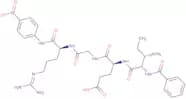
CAS:<p>Please enquire for more information about Alarin (rat) trifluoroacetate salt including the price, delivery time and more detailed product information at the technical inquiry form on this page</p>Formula:C119H199N45O35Purity:Min. 95%Molecular weight:2,820.14 g/molBz-Ile-Glu-Gly-Arg-pNA acetate salt
CAS:<p>Bz-Ile-Glu-Gly-Arg-pNA acetate salt is an anticoagulant that binds to heparin. It has been shown to inhibit protease activity in soybean trypsin by binding to the active site of the enzyme. Bz-Ile-Glu-Gly-Arg-pNA acetate salt has also been shown to have a molecular weight of heparin and a protein synthesis inhibition rate of fibrinogen, which is responsible for coagulation.</p>Formula:C32H43N9O9Purity:Min. 95%Molecular weight:697.74 g/molPACAP-38 (6-38) (human, chicken, mouse, ovine, porcine, rat) trifluoroacetate salt
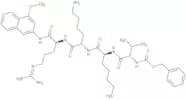
CAS:<p>Please enquire for more information about PACAP-38 (6-38) (human, chicken, mouse, ovine, porcine, rat) trifluoroacetate salt including the price, delivery time and more detailed product information at the technical inquiry form on this page</p>Formula:C182H300N56O45SPurity:Min. 95%Molecular weight:4,024.75 g/molZ-Val-Lys-Lys-Arg-4MbNA hydrochloride salt
CAS:<p>Z-Val-Lys-Lys-Arg-4MbNA is a synthetic peptide that is used for staining of fixed cells. It binds to lysosomal membrane proteins and stains with a red color when reacted with a chromogen. This product is used as an intermediate in the production of monoclonal antibodies. Z-Val-Lys-Lys-Arg-4MbNA is also used to detect lysosomes in unfixed cells by histochemically staining the reaction product with a solution of buffers and biochemical, following incubation at 37°C for 24 hours. This product has been shown to bind to cellular morphology, fibroblasts, and stained tissue sections.</p>Formula:C42H62N10O7Purity:Min. 95%Molecular weight:819 g/molH-Arg-4MbetaNA hydrochloride salt
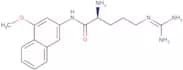
CAS:<p>Please enquire for more information about H-Arg-4MbetaNA hydrochloride salt including the price, delivery time and more detailed product information at the technical inquiry form on this page</p>Formula:C17H23N5O2·xHClPurity:Min. 95%Molecular weight:365.86 g/molCalcium-Like Peptide
CAS:<p>Please enquire for more information about Calcium-Like Peptide including the price, delivery time and more detailed product information at the technical inquiry form on this page</p>Formula:C40H75N9O10Purity:Min. 95%Molecular weight:842.08 g/molZ-Gly-Phe-Ala-OH
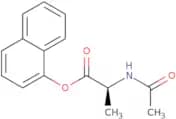
CAS:<p>Please enquire for more information about Z-Gly-Phe-Ala-OH including the price, delivery time and more detailed product information at the technical inquiry form on this page</p>Formula:C22H25N3O6Purity:Min. 95%Molecular weight:427.45 g/molAc-Ala-α-naphthyl ester
CAS:<p>Ac-Ala-alpha-naphthyl ester is a chemical compound that belongs to the class of aromatic esters. It is used as a research and benchmarking agent in the measurement of skin penetration potential. Ac-Ala-alpha-naphthyl ester has been shown to have good skin penetration properties, with no adverse effects on the skin.</p>Formula:C15H15NO3Purity:Min. 95%Molecular weight:257.28 g/molFmoc-4-phosphono-Phe(Bzl)-OH
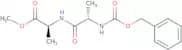
CAS:<p>Fmoc-4-phosphono-Phe(Bzl)-OH is an efficient solid phase peptide synthesizer. It has been used in the synthesis of a variety of peptides, including those with short sequences and bulky side chains. Fmoc-4-phosphono-Phe(Bzl)-OH is an efficient synthesis reagent for the solid phase peptide synthesis of small or medium size peptides, which are difficult to synthesize with other methods.</p>Formula:C31H28NO7PPurity:Min. 95%Molecular weight:557.53 g/molZ-Ala-Ala-OMe
CAS:<p>Z-Ala-Ala-OMe is a serine protease inhibitor that binds to serine proteases, including chymotrypsin, trypsin, and elastase. The inhibition of these enzymes prevents the hydrolysis of proteins by these enzymes, which can lead to cell death. Z-Ala-Ala-OMe has been shown to inhibit the growth of bacteria in vitro and in animal models. This compound also showed an ability to inhibit the production of phosphite by immobilized subtilisin from Bacillus licheniformis (Bacillus subtilis) with a Km value of 0.5 mM</p>Formula:C15H20N2O5Purity:Min. 95%Molecular weight:308.33 g/mol(Arg8,des-Gly-NH29)-Vasopressin
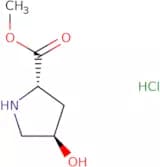
CAS:<p>Vasopressin is a hormone that is released from the posterior pituitary gland and stimulates the release of water from the kidneys. Vasopressin binds to receptors in the kidney tubules and increases water permeability and urine volume. Vasopressin also has been shown to be effective in reducing sensitivity to ionizing radiation, which may be due to its ability to bind with sulfur-containing amino acids such as cysteine and glutathione. The radiolabeled form of vasopressin is used as a tracer for measuring lung function, including volumes of air flow, gas density, and gas volume.</p>Formula:C44H61N13O12S2Purity:Min. 95%Molecular weight:1,028.17 g/moltrans-4-Hydroxy-L-proline methyl ester hydrochloride
CAS:<p>Trans-4-hydroxy-L-proline methyl ester hydrochloride is a matrix metalloproteinase inhibitor. It inhibits the activity of matrix metalloproteinases, which are enzymes that break down collagen and other proteins in the extracellular matrix. The inhibition of these enzymes leads to a decrease in restenosis, which is the recurrence of artery narrowing after angioplasty or stent placement. Trans-4-hydroxy-L-proline methyl ester hydrochloride has been shown to be effective against chemokine receptors, including CCR5 receptor and chemokines such as TNFα. It also inhibits cytokine production by inhibiting signaling pathways that lead to inflammation and cell proliferation.</p>Formula:C6H11NO3·HClColor and Shape:White/Off-White SolidMolecular weight:181.62 g/mol(3S)-3-(tert-Butoxycarbonyl)amino-1-chloro-4-phenyl-2-butanone
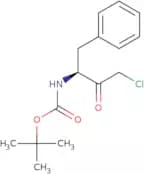
CAS:<p>(3S)-3-(tert-Butoxycarbonyl)amino-1-chloro-4-phenyl-2-butanone is an organic compound that belongs to the class of carbonyl reductase. It is used as a catalyst for the transformation of secondary alcohols to ketones or aldehydes, including isopropyl alcohol. The reaction proceeds via an intermediate carboxylic acid. The enzyme has been found in various microorganisms, and can be purified from Bacillus megaterium and Streptomyces lividans. The enzyme’s activity can be inhibited by steric effects, metal ions, or other compounds. (3S)-3-(tert-Butoxycarbonyl)amino-1-chloro-4-phenyl-2-butanone crystallizes in two forms: one with the chiral center at the 3 position and one with it at the 4 position.</p>Purity:Min. 95%N-(Hydroxymethyl)-phenylacetamide
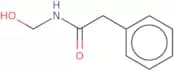
CAS:<p>N-(Hydroxymethyl)-phenylacetamide is an organic solvent that is used in the synthesis of certain antibiotics. It is a synthetic compound and can be obtained by reacting toluene with benzene, using a strong acid catalyst such as sulfuric acid. N-(Hydroxymethyl)-phenylacetamide has been used in the synthesis of isoquinolones, which are also antibiotics. This organic solvent can also be used for recrystallization, which is a process that helps purify solids from liquids or liquids from solids. The yield of this reaction is high, making it an efficient way to synthesize these compounds.</p>Formula:C9H11NO2Purity:Min. 95%Molecular weight:165.19 g/molNeurotensin (8-13)
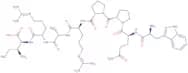
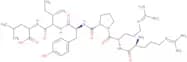
CAS:<p>Neurotensin is a peptide that regulates the activity of the hypothalamus and pituitary gland. Neurotensin is synthesized from prepro-neurotensin, which is cleaved to produce neurotensin (8-13) H-Arg-Arg-Pro-Tyr-Ile-Leu-OH. It is a member of the tachykinins family of neuropeptides, which are characterized by a conserved disulfide bond. Neurotensin has been shown to increase locomotor activity in mice and rats and may be involved in pain perception. Neurotensin also binds to receptors on nerve cells, including the enkephalin receptor, with high affinity. This binding leads to an inhibition of release of neurotransmitters such as dopamine, serotonin, and acetylcholine by neurons.</p>Formula:C38H64N12O8Purity:Min. 95%Molecular weight:816.99 g/molZ-Phe-Gly-Phe-Gly-OH
CAS:<p>Please enquire for more information about Z-Phe-Gly-Phe-Gly-OH including the price, delivery time and more detailed product information at the technical inquiry form on this page</p>Formula:C30H32N4O7Purity:Min. 95%Molecular weight:560.6 g/molSuc-Ala-Pro-Ala-AMC
CAS:<p>Suc-Ala-Pro-Ala-AMC is a synthetic peptide that is used as a fluorescent substrate to measure the activity of serine proteases. It is used in plant physiology and has been shown to be effective in the treatment of inflammatory diseases. Suc-Ala-Pro-Ala-AMC is an acidic molecule with a pKa of 3.1. This means it can exist as both a zwitterion, with a positive charge on one end and negative charge on the other, or as an ionized molecule with both ends having a negative charge. The zwitterionic form is more stable than the ionized form at low pH levels and will therefore be present at higher concentrations at lower pH values. Suc-Ala-Pro-Ala-AMC shows proteolytic activity against peptidases such as papain, bromelain, trypsin, and chymotrypsin. It also binds to neutroph</p>Formula:C25H30N4O8Purity:Min. 95%Molecular weight:514.53 g/molH-Gly-Gly-Ala-Gly-OH
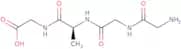
CAS:<p>Glycylglycine is a tetrapeptide antibiotic that belongs to the group of antibiotics. It is expressed in E. coli and has been shown to inhibit the growth of other bacteria through binding to metal ions, such as magnesium, which are necessary for their survival. Glycylglycine has also been shown to have a kinetic method with a high rate of inhibition. This compound was synthesized by an electrospray ionization process, and its enantiomeric form was detected using a spectrometer. The molecule has been found to be an overgrowth inhibitor in analytical chemistry studies.</p>Formula:C9H16N4O5Purity:Min. 95%Molecular weight:260.25 g/mol[(RS)-2-Carboxy-3-phenylpropionyl]-Leu-OH
CAS:<p>Please enquire for more information about [(RS)-2-Carboxy-3-phenylpropionyl]-Leu-OH including the price, delivery time and more detailed product information at the technical inquiry form on this page</p>Formula:C16H21NO5Purity:Min. 95%Molecular weight:307.34 g/molH-Pro-Ser-Hyp-Gly-Asp-Trp-OH
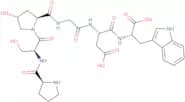
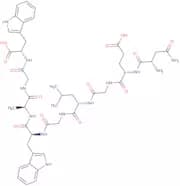
CAS:<p>H-Pro-Ser-Hyp-Gly-Asp-Trp-OH is a cyclic hexapeptide with a high activity against platelets. It is an antagonist of the cyclic RGD sequence, which is present in fibrinogen, fibronectin, vitronectin and other proteins. This peptide binds to the n-terminal residue of these proteins and prevents them from binding to their receptors on the surface of platelets. H-Pro-Ser-Hyp-Gly-Asp-Trp-OH has been shown to be specific for human platelets and does not bind to erythrocytes or leukocytes.</p>Formula:C30H39N7O11Purity:Min. 95%Molecular weight:673.67 g/molIDR-1 trifluoroacetate salt
CAS:<p>IDR-1 is a peptide that is derived from the sequence of the human typhimurium protein. IDR-1 has been shown to have anti-inflammatory properties and modulates immune responses in mice. In particular, IDR-1 inhibits neutrophil chemotaxis by inhibiting formyl peptide receptor signaling. This peptide also inhibits bacterial chemokines, which are important for the recruitment of neutrophils. IDR-1 also has been shown to be effective against methicillin-resistant Staphylococcus aureus (MRSA) and pertussis.</p>Formula:C65H118N18O15Purity:Min. 95%Molecular weight:1,391.74 g/mol



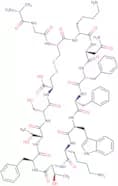














![([15N]Gly)-Glutathione (reduced)](/_next/image/?url=https%3A%2Fstatic.cymitquimica.com%2Fproducts%2F3D%2Fthumb-webp%2FFG109306.webp&w=3840&q=75)









![[(RS)-2-Carboxy-3-phenylpropionyl]-Leu-OH](/_next/image/?url=https%3A%2Fstatic.cymitquimica.com%2Fproducts%2F3D%2Fthumb-webp%2FFR111021.webp&w=3840&q=75)