Amino Acids (AA)
Amino acids (AAs) are the fundamental building blocks of proteins, playing a crucial role in various biological processes. These organic compounds are essential for protein synthesis, metabolic pathways, and cell signaling. In this category, you will find a comprehensive range of amino acids, including essential, non-essential, and modified forms, which are vital for research in biochemistry, molecular biology, and nutritional sciences. At CymitQuimica, we provide high-quality amino acids to support your research and development needs, ensuring accuracy and reliability in your experimental outcomes.
Subcategories of "Amino Acids (AA)"
- Amino Acid Derivatives(3,955 products)
- Amino Acid and Amino Acid Related Compounds(3,465 products)
- Amino Acids with Oxygen or Sulphur(168 products)
- Boc- Amino Acids(351 products)
- Fmoc Amino Acids(1,710 products)
Found 38248 products of "Amino Acids (AA)"
Sort by
Purity (%)
0
100
|
0
|
50
|
90
|
95
|
100
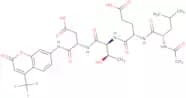
Ac-Leu-Glu-Thr-Asp-AFC
CAS:<p>Please enquire for more information about Ac-Leu-Glu-Thr-Asp-AFC including the price, delivery time and more detailed product information at the technical inquiry form on this page</p>Formula:C31H38F3N5O12Purity:Min. 95%Molecular weight:729.66 g/molH-Val-Leu-Ser-Glu-Gly-OH
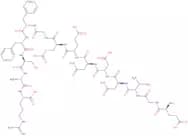
CAS:<p>H-Val-Leu-Ser-Glu-Gly-OH is a polypeptide that is hydrophobic and has carboxypeptidase activity. It hydrolyzes anions, such as the penicillin G, which has been shown to have a high affinity for this enzyme. H-Val-Leu-Ser-Glu-Gly-OH has also been shown to interact with other proteins through hydrophobic interactions. When used in high concentrations, it can be used to filter out substances that are hydrophobic. It can also be used to hydrolyze anions and divalent ions, such as copper and zinc.</p>Formula:C21H37N5O9Purity:Min. 95%Molecular weight:503.55 g/molMAGE-1 Antigen (161-169) (human) acetate salt
CAS:<p>MAGE-1 is a costimulatory molecule that is expressed on the surface of antigen presenting cells. It has been shown to be a very potent target for monoclonal antibodies. MAGE-1 can be used as an antigen in diagnostic tests, such as ELISA and Western blotting. It can also be used to generate monoclonal antibodies for use as therapeutic agents in cancer therapy and for the treatment of viral infections such as influenza virus. The MAGE-1 antigen has been shown to have high affinity binding with the paratope of Papilloma virus, which may help explain its clinical relevance in these diseases.</p>Formula:C41H57N11O17Purity:Min. 95%Molecular weight:975.96 g/mol(Glu1)-Fibrinopeptide B (human)
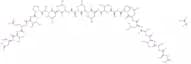
CAS:<p>Fibrinopeptide B (FPB) is a protein fragment of the blood clotting process. It is a member of the group of fibrinopeptides, which are formed by proteolytic cleavage of the precursor prothrombin. FPB is a low molecular weight peptide with an amino acid sequence that contains tryptophan and arginine residues, which are susceptible to oxidation by radiation. The presence of FPB in plasma can be used as an indicator for exposure to ionizing radiation. Matrix-assisted laser desorption/ionization (MALDI) mass spectrometry has been used to identify and quantify FPB in human plasma samples. This technique has also been applied to monitor the proteomic profile of activated platelets with high sensitivity using matrix molecules such as glycerol, ethylene glycol, and formamide as matrices for MALDI analysis.</p>Formula:C66H95N19O26Purity:Min. 95%Molecular weight:1,570.57 g/molAc-Ala-Ala-Val-Ala-Leu-Leu-Pro-Ala-Val-Leu-Leu-Ala-Leu-Leu-Ala-Pro-Ile-Glu-Thr-Asp-aldehyde trifluoroacetate salt
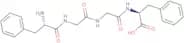
CAS:<p>Please enquire for more information about Ac-Ala-Ala-Val-Ala-Leu-Leu-Pro-Ala-Val-Leu-Leu-Ala-Leu-Leu-Ala-Pro-Ile-Glu-Thr-Asp-aldehyde trifluoroacetate salt including the price, delivery time and more detailed product information at the technical inquiry form on this page</p>Formula:C95H162N20O26Purity:Min. 95%Molecular weight:2,000.42 g/molH-Phe-Gly-Gly-Phe-OH
CAS:<p>H-Phe-Gly-Gly-Phe-OH is a tetrapeptide that is synthesized by the enzyme pepsin in a high concentration. Pepsin cleaves proline from the sequence (H-Phe-Gly) and replaces it with hydroxylated phenylalanine. The peptide is soluble in 0.1 M sodium acetate, pH 5.0, but precipitates at pH 4.0 or below. It binds to sephadex G100 but not to Sepharose CL4B or Sephadex G25M, and can be denatured by heating to 100°C for 10 minutes or by exposure to metal ions such as copper(II) sulfate. H-Phe-Gly-Gly-Phe-OH has been used as an analog for the amino acid sequence Gly-Leu in order to study its effects on receptor affinity and protein stability.br>br</p>Formula:C22H26N4O5Purity:Min. 95%Molecular weight:426.47 g/molPAR-4 (1-6) (mouse) trifluoroacetate salt
CAS:<p>Please enquire for more information about PAR-4 (1-6) (mouse) trifluoroacetate salt including the price, delivery time and more detailed product information at the technical inquiry form on this page</p>Formula:C33H45N7O8Purity:Min. 95%Molecular weight:667.75 g/molZ-Val-Leu-Arg-4MbNA·HCl
CAS:<p>Please enquire for more information about Z-Val-Leu-Arg-4MbNA·HCl including the price, delivery time and more detailed product information at the technical inquiry form on this page</p>Formula:C36H49N7O6·HClPurity:Min. 95%Molecular weight:712.28 g/molH-Lys-Gly-Asp-Ser-OH trifluoroacetate salt
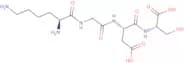
CAS:<p>Please enquire for more information about H-Lys-Gly-Asp-Ser-OH trifluoroacetate salt including the price, delivery time and more detailed product information at the technical inquiry form on this page</p>Formula:C15H27N5O8Purity:Min. 95%Molecular weight:405.4 g/molSar-Pro-OH
CAS:<p>Please enquire for more information about Sar-Pro-OH including the price, delivery time and more detailed product information at the technical inquiry form on this page</p>Formula:C8H14N2O3Purity:Min. 95%Molecular weight:186.21 g/molGalanin (1-16) (mouse, porcine, rat)
CAS:<p>Please enquire for more information about Galanin (1-16) (mouse, porcine, rat) including the price, delivery time and more detailed product information at the technical inquiry form on this page</p>Formula:C78H116N20O21Purity:Min. 95%Molecular weight:1,669.88 g/mol(Tyr65,Phe67)-C5a (65-74) (human)
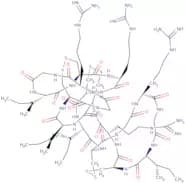
CAS:<p>Please enquire for more information about (Tyr65,Phe67)-C5a (65-74) (human) including the price, delivery time and more detailed product information at the technical inquiry form on this page</p>Formula:C55H85N15O16SPurity:Min. 95%Molecular weight:1,244.42 g/molNeuromedin U-23 (rat) trifluoroacetate salt
CAS:<p>Neuromedin U-23 (rat) is a peptide that belongs to the family of tachykinins, which are small neuropeptides that act as neurotransmitters in the central nervous system. It is a potent stimulator of intestinal motility and has been shown to have protective effects against oxidative stress in cells. Neuromedin U-23 (rat) shares sequence similarity with human neuromedin N-19 and binds to the same receptors in the brain, suggesting it may have similar physiological effects. This peptide has been shown to inhibit tumor cell growth by inducing apoptosis, but it does not appear to have any effect on healthy cells.</p>Formula:C124H180N34O31Purity:Min. 95%Molecular weight:2,642.97 g/mol2-Bromo-6-methylpyridin-3-ol
CAS:<p>2-Bromo-6-methylpyridin-3-ol is a heterocyclic organic compound. It is a pyridine ring with two methyl groups attached to the ring at positions 2 and 6. The bromine atom is at position 3. This is an important intermediate in the Suzuki coupling reaction, which uses it as a starting material for the synthesis of many other compounds. The dieckmann condensation reaction produces this compound from 2,6-dichloropyridine and other reagents. Fluorescent when exposed to UV light, this compound has been used as a probe for chloride ions in solution using mass spectroscopy. This substance also yields dieckmann condensation products with alkynes and chlorine or bromine. 2-Bromo-6-methylpyridin-3-ol can be produced by treating pyridine with methylacrylate in the presence of catalysts such as copper(II)</p>Formula:C6H6BrNOPurity:Min. 95%Molecular weight:188.02 g/molZ-N-Me-Thr(tBu)-OH·CHA
CAS:<p>Please enquire for more information about Z-N-Me-Thr(tBu)-OH·CHA including the price, delivery time and more detailed product information at the technical inquiry form on this page</p>Formula:C17H25NO5·C6H13NPurity:Min. 95%Molecular weight:422.56 g/molFmoc-Homoarg (Z)2-OH
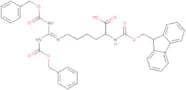
CAS:<p>Please enquire for more information about Fmoc-Homoarg (Z)2-OH including the price, delivery time and more detailed product information at the technical inquiry form on this page</p>Formula:C38H38N4O8Purity:Min. 95%Molecular weight:678.73 g/molAcetyl-(D-Phe2,Lys15,Arg16,Leu27)-VIP (1-7)-GRF (8-27) trifluoroacetate salt
CAS:<p>Please enquire for more information about Acetyl-(D-Phe2,Lys15,Arg16,Leu27)-VIP (1-7)-GRF (8-27) trifluoroacetate salt including the price, delivery time and more detailed product information at the technical inquiry form on this page</p>Formula:C150H246N44O38Purity:Min. 95%Molecular weight:3,273.83 g/molH-Gly-Ala-Asp-OH
CAS:<p>H-Gly-Ala-Asp-OH is a pharmacological treatment for bacterial infection. The drug has been shown to be effective in treating the symptoms of bacterial infections, such as fever and headache, in animal models. H-Gly-Ala-Asp-OH binds to the GABA receptor and inhibits the production of GABA, which is an inhibitory neurotransmitter that regulates neuronal activity. This binding prevents the formation of an inhibitor complex with the enzyme decarboxylase that is required for GABA synthesis and thus inhibits protein synthesis and cell division.</p>Formula:C9H15N3O6Purity:Min. 98 Area-%Color and Shape:PowderMolecular weight:261.23 g/mol(Val34)-Amyloid b-Protein (1-40) trifluoroacetate salt
CAS:<p>Please enquire for more information about (Val34)-Amyloid b-Protein (1-40) trifluoroacetate salt including the price, delivery time and more detailed product information at the technical inquiry form on this page</p>Formula:C193H293N53O58SPurity:Min. 95%Molecular weight:4,315.78 g/molBoc-Ala-D-Glu(OBzl)-NH2
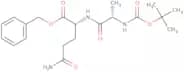
CAS:<p>Please enquire for more information about Boc-Ala-D-Glu(OBzl)-NH2 including the price, delivery time and more detailed product information at the technical inquiry form on this page</p>Formula:C20H29N3O6Purity:Min. 95%Molecular weight:407.46 g/mol(Ala1·3·11·15)-Endothelin-1 trifluoroacetate salt
CAS:<p>(Ala1·3·11·15)-Endothelin-1 trifluoroacetate salt H-Ala-Ser-Ala-Ser-Ser-Leu-Met-Asp-Lys-Glu-Ala-Val-Tyr-Phe-Ala-His-Leu) is a phorbol ester, which is an analog of endothelin. It has been shown to inhibit the production of proinflammatory cytokines and chemokines in vitro and in vivo. This compound also inhibits the migration and proliferation of vascular endothelial cells, which may be due to its ability to suppress Ca2+ concentration. (Ala1·3·11·15)-Endothelin -1 trifluoroacetate salt H-) can also be used as a fluorescent marker for immunohistochemical studies on tissues such as vessels and gastrointestinal tissues. The localization of this drug can be observed by microscopy techniques such as</p>Formula:C109H163N25O32SPurity:Min. 95%Molecular weight:2,367.68 g/mol(Des-Asp187,Met186)-Melanocyte Protein PMEL 17 (185-193) (human, bovine, mouse) trifluoroacetate salt
CAS:<p>Please enquire for more information about (Des-Asp187,Met186)-Melanocyte Protein PMEL 17 (185-193) (human, bovine, mouse) trifluoroacetate salt including the price, delivery time and more detailed product information at the technical inquiry form on this page</p>Formula:C43H69N9O11SPurity:Min. 95%Molecular weight:920.13 g/mol(Cys18)-Atrial Natriuretic Factor (4-18) amide (mouse, rabbit, rat) trifluoroacetate salt
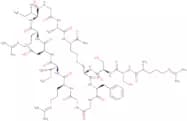
CAS:<p>Please enquire for more information about (Cys18)-Atrial Natriuretic Factor (4-18) amide (mouse, rabbit, rat) trifluoroacetate salt including the price, delivery time and more detailed product information at the technical inquiry form on this page</p>Formula:C64H107N25O19S2Purity:Min. 95%Molecular weight:1,594.82 g/molAcetyl-Exenatide trifluoroacetate salt
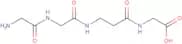
CAS:<p>Please enquire for more information about Acetyl-Exenatide trifluoroacetate salt including the price, delivery time and more detailed product information at the technical inquiry form on this page</p>Formula:C186H284N50O61SPurity:Min. 95%Molecular weight:4,228.61 g/molH-Gly-Gly-b-Ala-Gly-OH
CAS:<p>Please enquire for more information about H-Gly-Gly-b-Ala-Gly-OH including the price, delivery time and more detailed product information at the technical inquiry form on this page</p>Formula:C9H16N4O5Purity:Min. 95%Molecular weight:260.25 g/mol([D2]Gly4)-Cholecystokinin Octapeptide (sulfated) ammonium salt
<p>Please enquire for more information about ([D2]Gly4)-Cholecystokinin Octapeptide (sulfated) ammonium salt including the price, delivery time and more detailed product information at the technical inquiry form on this page</p>Formula:C49H60D2N10O16S3Purity:Min. 95%Molecular weight:1,145.28 g/molH-D-Phg-Leu-OH
CAS:<p>H-D-Phg-Leu-OH is a protein that has been shown to have protease activity. It is encoded by the gene for human mitochondrial protein. H-D-Phg-Leu-OH is involved in the adsorption mechanism of proteins in cells, which may be due to its ability to form disulfide bonds with other molecules. H-D-Phg-Leu-OH also has the ability to bind specifically to antibodies and monoclonal antibodies that are directed against it. The biological function of this protein is not known, but it has been found that it is differentially expressed between women and men. Studies using a polymerase chain reaction showed that H-D-Phg-Leu-OH was upregulated in cancer cells and its expression increased with increasing body mass index (BMI).</p>Formula:C14H20N2O3Purity:Min. 95%Molecular weight:264.32 g/molFmoc-N-methylglycine
CAS:<p>Fmoc-N-methylglycine is a modified form of the amino acid glycine, which has been modified to include a reactive group that can be used to link other molecules. This molecule has gram-negative bacterial activity and exhibits potent antibacterial activity against many gram-positive bacteria. Fmoc-N-methylglycine is also an antimicrobial peptide with binding constants in the nanomolar range. It is also an agent that binds to serotonin, which may explain its effects on mood and sleep. Fmoc-N-methylglycine can be synthesized using stepwise solid phase synthesis methods or by conjugation with other molecules.</p>Formula:C18H17NO4Purity:Min. 95%Molecular weight:311.33 g/molApelin-12 (human, bovine, mouse, rat)
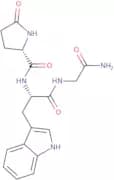
CAS:<p>Apelin-12 is a peptide hormone that belongs to the group of apelin family. It is an endogenous agonist for the apelin receptor and has been shown to affect metabolic and cardiovascular regulation. Apelin-12 has been found to increase systolic blood pressure, which may be due to its ability to inhibit the synthesis of nitric oxide in the heart. It also exhibits anti-inflammatory properties, which have been shown in vivo using a model of colitis induced by dextran sulfate sodium (DSS). The biological properties of this hormone are not yet fully understood. However, it is known that it has effects on cardiac contractility and myocardial infarct size in vivo. Further investigation into this protein's role in inflammatory diseases and metabolic disorders may lead to new treatments for these conditions.</p>Formula:C64H103N21O14SPurity:Min. 95%Molecular weight:1,422.7 g/molPyr-Trp-Gly-NH2
CAS:<p>Please enquire for more information about Pyr-Trp-Gly-NH2 including the price, delivery time and more detailed product information at the technical inquiry form on this page</p>Formula:C18H21N5O4Purity:Min. 95%Molecular weight:371.39 g/molMelanocyte Protein PMEL 17 (185-193) (human, bovine, mouse) trifluoroacetate salt
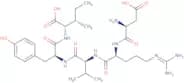
CAS:<p>Please enquire for more information about Melanocyte Protein PMEL 17 (185-193) (human, bovine, mouse) trifluoroacetate salt including the price, delivery time and more detailed product information at the technical inquiry form on this page</p>Formula:C46H72N10O15Purity:Min. 95%Molecular weight:1,005.12 g/molH-Tyr-Ile-Tyr-Gly-Ser-Phe-Lys-OH
CAS:<p>Please enquire for more information about H-Tyr-Ile-Tyr-Gly-Ser-Phe-Lys-OH including the price, delivery time and more detailed product information at the technical inquiry form on this page</p>Formula:C44H60N8O11Purity:Min. 95%Molecular weight:876.99 g/molPACAP-38 (human, mouse, ovine, porcine, rat) trifluoroacetate salt
CAS:<p>PACAP-38 is a peptide that has been shown to have a variety of physiological effects, including the regulation of brain functions and immunological responses. PACAP-38 has been found to bind to toll-like receptor 4 (TLR4) in macrophages and neutrophils, which stimulates the production of proinflammatory cytokines. It also interacts with adenylate cyclase, which leads to an increase in cAMP levels. This may be the mechanism by which PACAP-38 regulates brain functions. The biological function of PACAP-38 is not yet clear but it may act as a signal peptide, regulating protein synthesis and gene expression.</p>Formula:C203H331N63O53SPurity:Min. 95%Molecular weight:4,534.26 g/molFmoc-Lys(biotinyl)-Wang resin (200-400 mesh)
<p>Please enquire for more information about Fmoc-Lys(biotinyl)-Wang resin (200-400 mesh) including the price, delivery time and more detailed product information at the technical inquiry form on this page</p>Purity:Min. 95%Vasonatrin Peptide (VNP) trifluoroacetate salt
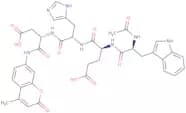
CAS:<p>Please enquire for more information about Vasonatrin Peptide (VNP) trifluoroacetate salt including the price, delivery time and more detailed product information at the technical inquiry form on this page</p>Formula:C123H198N36O36S3Purity:Min. 95%Molecular weight:2,853.31 g/molAc-Trp-Glu-His-Asp-AMC
CAS:<p>Ac-Trp-Glu-His-Asp-AMC is a monomer that is expressed by baculoviruses. Cryo-electron microscopy has shown that Ac-Trp-Glu-His-Asp-AMC oligomerizes in the presence of caspase inhibitors. This polypeptide also activates caspase 1, which is involved in the inflammatory response. The activation of this enzyme is dependent on the proteolytic activity of the polypeptide and its stereoisomers. Acetylcholine receptor antagonists, such as coumarin derivatives, inhibit the activity of Ac-Trp-Glu-His-Asp AMC and suppress inflammation.</p>Formula:C38H40N8O11Purity:Min. 95%Molecular weight:784.77 g/molPhenylac-Leu-Asp-Phe-D-Pro-NH2
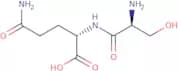
CAS:<p>Phenylac-Leu-Asp-Phe-D-Pro-NH2 is a molecule that inhibits the inflammatory response by binding to the active site of proteinase 3. It has been shown to be effective in treating bowel disease, such as Crohn's disease, and also shows potential for use in other inflammatory diseases, including autoimmune diseases and blood disorders. Phenylac-Leu-Asp-Phe-D-Pro-NH2 is an inhibitor of proprotein convertase 3 (PC3) and has been shown to inhibit the activity of PC3 in vitro. This inhibition leads to reduced production of inflammatory cytokines and decreased inflammation in animal models. Clinical studies have demonstrated that phenylacetic acid ester derivatives are safe for use in humans.</p>Formula:C32H41N5O7Purity:Min. 95%Molecular weight:607.7 g/molH-Ser-Gln-OH
CAS:<p>H-Ser-Gln-OH is an analog of the amino acid serine. It is a programmed protein that is responsible for DNA damage and is incrementally produced during radiation therapy. This protein phosphorylates at the end of a homologous sequence, which damages the DNA strand. H-Ser-Gln-OH can also phosphorylate other proteins, leading to cell death by apoptosis or necrosis. The rate of H-Ser-Gln-OH production may be increased in plants by photorespiration and endoreduplication, as well as by reactive oxygen species (ROS). The production of H-Ser-Gln-OH can be inhibited by hydrogen peroxide scavengers such as catalase or superoxide dismutase.</p>Formula:C8H15N3O5Purity:Min. 95%Molecular weight:233.22 g/molAmyloid Bri Protein (1-34) trifluoroacetate salt
CAS:<p>Please enquire for more information about Amyloid Bri Protein (1-34) trifluoroacetate salt including the price, delivery time and more detailed product information at the technical inquiry form on this page</p>Formula:C173H273N49O52S2Purity:Min. 95%Molecular weight:3,935.45 g/molH-Tyr-Lys-OH
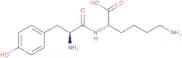
CAS:<p>H-Tyr-Lys-OH is a small drug molecule that has been shown to inhibit protein synthesis. It binds to the active site of the transcription-polymerase chain and competitively inhibits the binding of RNA polymerase. H-Tyr-Lys-OH has also been shown to have anti-inflammatory properties, which may be due to its ability to inhibit prostaglandin synthesis. H-Tyr-Lys-OH's conformational properties are similar to those found in proteins such as glutamic acid and lysine.</p>Formula:C15H23N3O4Purity:Min. 95%Molecular weight:309.36 g/molH-D-Ala-D-Ala-D-Ala-D-Ala-D-Ala-D-Ala-OH
CAS:<p>Please enquire for more information about H-D-Ala-D-Ala-D-Ala-D-Ala-D-Ala-D-Ala-OH including the price, delivery time and more detailed product information at the technical inquiry form on this page</p>Formula:C18H32N6O7Purity:Min. 95%Molecular weight:444.48 g/molAc-Leu-Val-Phe-aldehyde
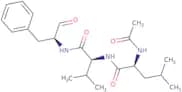
CAS:<p>Ac-Leu-Val-Phe-aldehyde is a synthetic compound that inhibits the catalytic activity of carboxyl enzymes. It binds to the catalytic site of the enzyme via a noncovalent interaction with residues on the polypeptide chain, thereby preventing the formation of an active complex with other cofactors such as metal ions, amino acids, and ATP. Ac-Leu-Val-Phe-aldehyde can be used in analytical chemistry for determination of carboxyl groups in organic compounds or for determining protein content in biological samples. Ac-Leu-Val-Phe-aldehyde has also been shown to bind to antibodies which are specific for carboxyl groups.</p>Formula:C22H33N3O4Purity:Min. 95%Molecular weight:403.52 g/molH-Glu-Ala-OH
CAS:<p>H-Glu-Ala-OH is a human protein that belongs to the family of glycosylated proteins. It is expressed in the cells of the ovary and is a member of the insulin-like growth factor (IGF) superfamily. H-Glu-Ala-OH binds to lectins in mammalian cells, which may be due to its sulfoxide group. This protein has been shown to have dehydrogenase activity and polymerase chain reaction (PCR) amplification properties. H-Glu-Ala-OH has also been shown to inhibit growth in cell culture and promote apoptosis, which may be due to its ability to regulate IGF levels in mammalian cells.br>br><br>br>br><br>This protein is found at high levels in ovarian cancer cells and serum from patients with ovarian cancer. The sequence of this protein has been determined using mass spectrometry analysis on ovary extracts and on cDNA derived from human embryonic kidney (</p>Formula:C8H14N2O5Purity:Min. 95 Area-%Color and Shape:PowderMolecular weight:218.21 g/molSar-Gly-Gly-OH
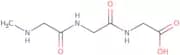
CAS:<p>Sar-Gly-Gly-OH is a zwitterionic, hydrophobic, and alkylating agent that is used to synthesize hyaluronic acid derivatives. It has been shown to form stable hydrogen bonds with metal ions such as copper (Cu) and zinc (Zn). Sar-Gly-Gly-OH has been used in the synthesis of various hyaluronic acid derivatives. These derivatives are used for the treatment of allergic conjunctivitis, dry eye, and other related conditions. Sar-Gly-Gly-OH also has low molecular weight and functional groups that allow it to react with other chemicals. The reaction products are aromatic hydrocarbons that can be used in techniques such as nuclear magnetic resonance spectroscopy.</p>Formula:C7H13N3O4Purity:Min. 95%Molecular weight:203.2 g/molH-Trp-Lys-OH formiate salt
CAS:<p>H-Trp-Lys-OH formiate salt is a tryptophan derivative that is stable in air and has been shown to have anti-inflammatory properties. It inhibits the synthesis of proinflammatory cytokines as well as cyclooxygenase, lipoxygenase, and nitric oxide synthase enzymes. This compound also inhibits the production of inflammatory mediators, such as leukotrienes, prostaglandins, and thromboxanes. H-Trp-Lys-OH formiate salt has been shown to be effective in lung diseases such as asthma and chronic obstructive pulmonary disease (COPD). It has also been shown to have an effect on autoimmune diseases such as rheumatoid arthritis and systemic lupus erythematosus (SLE). H-Trp-Lys-OH formiate salt can be used for the treatment of infectious diseases such as HIV and malaria due to its ability to inhibit viral replication.</p>Formula:C17H24N4O3Purity:Min. 95%Molecular weight:332.4 g/molH-Arg-Arg-Arg-Arg-Arg-Arg-Arg-OH trifluoroacetate salt
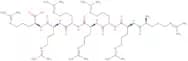
CAS:<p>The Arg-Arg-Arg-Arg-Arg-Arg-Arg-Arg-OH trifluoroacetate salt is a biologically active form of arginine. It has been shown to inhibit the activity of both NS3 protease and NS4A protease from the hepatitis C virus (HCV). It also inhibits tumor cell growth in vitro, which may be due to its ability to upregulate epidermal growth factor receptor (EGFR) expression on tumor cells. The Arg-Arg-Arg-Arg-Arg-Arg-Arghydrogen trifluoroacetate salt is an inhibitor of estrogen receptor modulators that are used as therapeutic agents for breast cancer.</p>Formula:C42H86N28O8Purity:Min. 95%Molecular weight:1,111.32 g/molH-Arg-Ser-OH acetate salt
CAS:Controlled Product<p>Please enquire for more information about H-Arg-Ser-OH acetate salt including the price, delivery time and more detailed product information at the technical inquiry form on this page</p>Formula:C9H19N5O4Purity:Min. 95%Molecular weight:261.28 g/molZ-Phe-Arg-OMe·HCl
CAS:<p>Please enquire for more information about Z-Phe-Arg-OMe·HCl including the price, delivery time and more detailed product information at the technical inquiry form on this page</p>Formula:C24H31N5O5·HClPurity:Min. 95%Molecular weight:505.99 g/molPAR-1 (1-6) (mouse, rat) trifluoroacetate salt
CAS:<p>Please enquire for more information about PAR-1 (1-6) (mouse, rat) trifluoroacetate salt including the price, delivery time and more detailed product information at the technical inquiry form on this page</p>Formula:C37H54N10O9Purity:Min. 95%Molecular weight:782.89 g/molHCV NS4A Protein (21-34) (JT strain) trifluoroacetate salt
CAS:<p>Please enquire for more information about HCV NS4A Protein (21-34) (JT strain) trifluoroacetate salt including the price, delivery time and more detailed product information at the technical inquiry form on this page</p>Formula:C63H116N20O17Purity:Min. 95%Molecular weight:1,425.72 g/molN-Methyl-4-oxo-4,5-dihydropyridine-3-carboxamide
CAS:<p>N-Methyl-4-oxo-4,5-dihydropyridine-3-carboxamide is a fine chemical that can be used as a reagent or intermediate. It is a versatile building block that can be used in the production of useful scaffolds or useful intermediates. This compound has been shown to react with many different types of chemicals, including alcohols and amines. N-Methyl-4-oxo-4,5-dihydropyridine-3-carboxamide can also be used as a reaction component in the synthesis of diverse compounds.</p>Formula:C7H8N2O2Purity:Min. 95%Color and Shape:White to grey solid.Molecular weight:152.15 g/molH-Ala-Pro-Tyr-Ala-OH
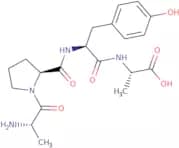
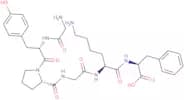
CAS:<p>Acetylation is the process of reacting an organic compound with acetic acid to produce an ester and water. Acetylation is one of the most common reactions in organic chemistry. Acetylating agents, such as acetic anhydride or acetyl chloride, are often used in chemical synthesis because they react selectively with primary and secondary alcohols to form esters. The acetylation reaction can be used to modify proteins by attaching an acetyl group to the amine group of a lysine residue. This modification prevents the protein from binding to other proteins and can alter its function. Acetylation also has been implicated in several diseases, such as hepatitis and inflammatory bowel disease.</p>Formula:C20H28N4O6Purity:Min. 95%Molecular weight:420.46 g/mol4-Methylbenzyl acetate
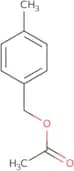
CAS:<p>4-Methylbenzyl acetate is a monocarboxylic acid that is an oxidation product of benzyl esters. It has been found to be a suitable catalyst for the oxidation of wastewater containing monocarboxylic acids, including acetic acid, propionic acid and butyric acid. The catalytic mechanism of 4-methylbenzyl acetate was found to be an acylation reaction in which the carboxyl group of 4-methylbenzyl acetate acts as an acylating agent with the hydrogen atom of the substrate. The reaction mechanism for this process is similar to that for other types of carboxylic acids, such as propionate and butyrate. 4-Methylbenzyl acetate also has functional groups that allow it to act as both a base and a nucleophile in addition to its ability to act as an acylating agent.</p>Formula:C10H12O2Purity:Min. 95%Molecular weight:164.2 g/molH-Lys-Phe-Gly-Lys-OH acetate salt
CAS:<p>Please enquire for more information about H-Lys-Phe-Gly-Lys-OH acetate salt including the price, delivery time and more detailed product information at the technical inquiry form on this page</p>Formula:C23H38N6O5Purity:Min. 95%Molecular weight:478.59 g/molN-Me-Abz-Amyloid β/A4 Protein Precursor770 (708-715)-Lys(Dnp)-D-Arg-D-Arg-D-Arg amide trifluoroacetate salt
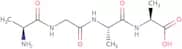
CAS:<p>Please enquire for more information about N-Me-Abz-Amyloid beta/A4 Protein Precursor770 (708-715)-Lys(Dnp)-D-Arg-D-Arg-D-Arg amide trifluoroacetate salt including the price, delivery time and more detailed product information at the technical inquiry form on this page</p>Formula:C70H116N26O18Purity:Min. 95%Molecular weight:1,609.83 g/molH-Ala-Gly-Ala-Ala-OH
CAS:<p>Please enquire for more information about H-Ala-Gly-Ala-Ala-OH including the price, delivery time and more detailed product information at the technical inquiry form on this page</p>Formula:C11H20N4O5Purity:Min. 95%Molecular weight:288.3 g/molBoc-L-Nitroarginine
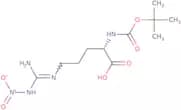
CAS:<p>Boc-L-Nitroarginine is a nitric oxide synthase inhibitor that belongs to the class of drugs called nitric oxide inhibitors. It is a potent inhibitor of nitric oxide synthase, preventing the production of nitric oxide from arginine. The drug has been shown to have therapeutic effects in the treatment of cancer, diabetes mellitus, and other diseases. Boc-L-Nitroarginine inhibits tumor angiogenesis by blocking endothelial cell proliferation and migration. It also inhibits insulin secretion, leading to an improved glycemic control in diabetic patients. Boc-L-Nitroarginine can be used as a hydrogenation reducing agent for the synthesis of imatinib and palladium catalysts for hydrogenation reactions.</p>Formula:C11H21N5O6Purity:Min. 95%Color and Shape:PowderMolecular weight:319.31 g/molAc-Gln-NH2
CAS:<p>Ac-Gln-NH2 is a multifunctional protein that has been covalently immobilized on the surface of a glass fiber. It can be used to immobilize enzymes and other proteins, as well as being able to function as an enzyme itself. Ac-Gln-NH2 has been shown to conjugate with various molecules, including antibodies, DNA, and proteins. The immobilizing process involves cross-linking the protein to the glass surface through a chemical method that uses reagents such as glutaraldehyde or epoxy resin. Immobilization of Ac-Gln-NH2 onto a glass surface allows for easier use in applications such as diagnostics and industrial processes.</p>Formula:C7H13N3O3Purity:Min. 95%Molecular weight:187.2 g/molBoc-Lys(2-chloro-Z)-PAM resin (200-400 mesh)
<p>Please enquire for more information about Boc-Lys(2-chloro-Z)-PAM resin (200-400 mesh) including the price, delivery time and more detailed product information at the technical inquiry form on this page</p>Purity:Min. 95%2-O-Benzyl-3-O-allyl-sn-glycerol
CAS:<p>Please enquire for more information about 2-O-Benzyl-3-O-allyl-sn-glycerol including the price, delivery time and more detailed product information at the technical inquiry form on this page</p>Formula:C13H18O3Purity:Min. 95%Molecular weight:222.28 g/molAc-Tyr-Val-Ala-Asp-aldehyde (pseudo acid)
CAS:<p>Ac-Tyr-Val-Ala-Asp-aldehyde is a sesquiterpene lactone that has been shown to have anti-inflammatory properties. It inhibits the inflammatory response by inhibiting the production of pro-inflammatory cytokines and chemokines, such as IL1β, IL6, and TNFα. Ac-Tyr-Val-Ala-Asp-aldehyde also inhibits the activity of cyclooxygenase 2 (COX2) and lipoxygenase (LOX), which are enzymes that produce prostaglandins from arachidonic acid. Acetylsalicylic acid is an example of a drug with similar properties. Acetylsalicylic acid has been shown to inhibit the growth of cancer cells in tissue culture studies and in animal models. This compound may also be used to treat bowel disease, congestive heart failure, or other diseases that are characterized by increased apoptosis.</p>Formula:C23H32N4O8Purity:Min. 95%Molecular weight:492.52 g/molPreangiotensinogen (11-14) (human) acetate salt
CAS:<p>Please enquire for more information about Preangiotensinogen (11-14) (human) acetate salt including the price, delivery time and more detailed product information at the technical inquiry form on this page</p>Formula:C21H35N7O6Purity:Min. 95%Molecular weight:481.55 g/mol4-Nitro-Z-Gly-Trp-Gly-OH
CAS:<p>Please enquire for more information about 4-Nitro-Z-Gly-Trp-Gly-OH including the price, delivery time and more detailed product information at the technical inquiry form on this page</p>Formula:C23H23N5O8Purity:Min. 95%Molecular weight:497.46 g/molBz-Tyr-4-Abz-OH·sodium salt
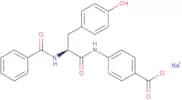
CAS:<p>Please enquire for more information about Bz-Tyr-4-Abz-OH·sodium salt including the price, delivery time and more detailed product information at the technical inquiry form on this page</p>Formula:C23H19N2NaO5Purity:Min. 95%Molecular weight:426.4 g/molRetrocyclin-1 trifluoroacetate salt
CAS:<p>Retrocyclin-1 trifluoroacetate salt is a synthetic antimicrobial peptide, which is derived from humanized sequences based on the theta-defensin family, originally found in certain primates. Retrocyclin-1 is particularly notable for its circular structure which contributes to its stability and biological activity. The peptide is produced through a process of solid-phase peptide synthesis, designed to mimic the native cyclic conformation of natural theta-defensins.</p>Formula:C74H128N30O18S6Purity:Min. 95%Molecular weight:1,918.4 g/molNeurokinin A trifluoroacetate salt
CAS:<p>Neurokinin A trifluoroacetate salt H-His-Lys-Thr-Asp-Ser-Phe-Val-Gly-Leu-Met-NH2 trifluoroacetate salt is a potent inducer of the basic protein. It has been shown to have cytotoxic effects on pluripotent cells in vitro. Neurokinin A is also a potent inducer of substance P, which is a neurotransmitter that mediates inflammatory lesions and cardiac effects. Neurokinin A has also been shown to have an effect on locomotor activity and polymerase chain reaction (PCR) amplification in vitro.</p>Formula:C50H80N14O14SPurity:Min. 95%Molecular weight:1,133.32 g/molBoc-Thr(Bzl)-Merrifield resin (200-400 mesh)
<p>Please enquire for more information about Boc-Thr(Bzl)-Merrifield resin (200-400 mesh) including the price, delivery time and more detailed product information at the technical inquiry form on this page</p>Purity:Min. 95%3-Phenyl-1-adamantane carboxylic acid
CAS:<p>3-Phenyl-1-adamantane carboxylic acid is a thioester that can be used in the synthesis of anti-fungal and antiviral agents. 3-Phenyl-1-adamantane carboxylic acid has been shown to have anti-viral activity against herpes simplex virus type 1 (HSV-1) and type 2 (HSV-2). It also has anthelmintic properties, which may be due to its ability to inhibit the growth of parasitic worms. 3PCA can also be used in the synthesis of cyclic anthelmintics, which are drugs that treat worm infestations.</p>Formula:C17H20O2Purity:Min. 95%Color and Shape:White Off-White PowderMolecular weight:256.34 g/molFmoc-D-Glu(OtBu)-OH
CAS:<p>Fmoc-D-glu(OtBu)-OH is a homologous molecule that binds to the influenza virus and inhibits its replication. The synthesis of Fmoc-D-glu(OtBu)-OH is achieved by solid-phase peptide synthesis, which involves the ligation of amino acid building blocks on an insoluble carrier resin. This process has been found to be effective for the synthesis of peptides with a variety of amino acid sequences. Fmoc-D-glu(OtBu)-OH has been shown to inhibit the growth and multiplication of Chlorella pyrenoidosa, a single celled green alga, and Paramecium tetraurelia, a protozoan ciliate. It also displays antimycobacterial activity against Mycobacterium tuberculosis in vitro.</p>Formula:C24H27NO6Purity:Min. 95%Color and Shape:PowderMolecular weight:425.47 g/molBoc-Lys(2-chloro-Z)-Merrifield resin (200-400 mesh)
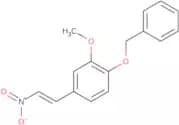
<p>Please enquire for more information about Boc-Lys(2-chloro-Z)-Merrifield resin (200-400 mesh) including the price, delivery time and more detailed product information at the technical inquiry form on this page</p>Purity:Min. 95%trans-4-Benzyloxy-3-methoxy-β-nitrostyrene
CAS:<p>Trans-4-Benzyloxy-3-methoxy-beta-nitrostyrene is an oxime that can be used as a catalyst for the catalytic hydrogenation of nitroalkanes. It is also a precursor to pallimamine, which is used as a pharmaceutical agent and an experimental virucide. Trans-4-Benzyloxy-3-methoxy-beta-nitrostyrene is synthesized by coupling two indole carboxylic acid analogues in the presence of sodium hydroxide and potassium carbonate. The reaction yields trans-(4'-benzyloxy)-3'-methoxystyrene, which is then converted to the title compound with ammonium chloride and hydrochloric acid. This compound undergoes acidic hydrolysis to yield the title compound.</p>Formula:C16H15NO4Purity:Min. 95%Color and Shape:PowderMolecular weight:285.29 g/molZ-Leu-Ala-OH
CAS:<p>Z-Leu-Ala-OH is a casein extract that has been processed by ultrafiltration to remove impurities. It is used in the diagnosis of dermatophyte infections and other diseases. Z-Leu-Ala-OH has been shown to inhibit the growth of Trichophyton mentagrophytes, an organism that causes skin infections, as well as the growth of some bacteria and fungi. In addition, this extract can be used to diagnose collagen diseases such as pancreatic disease and fibrinogen disorders.</p>Formula:C17H24N2O5Purity:Min. 95%Molecular weight:336.38 g/mol(D-Ser4)-LHRH trifluoroacetate salt
CAS:<p>Please enquire for more information about (D-Ser4)-LHRH trifluoroacetate salt including the price, delivery time and more detailed product information at the technical inquiry form on this page</p>Formula:C55H75N17O13Purity:Min. 95%Molecular weight:1,182.29 g/molH-Ala-Ala-Ala-Tyr-OH
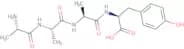
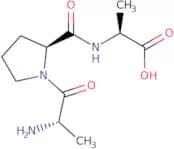
CAS:<p>H-Ala-Ala-Ala-Tyr-OH is a peptidic substrate that is used in assays to measure the activity of proteases. It has been shown to be a good substrate for neutrophil elastase and can be used to measure the activity of this enzyme. H-Ala-Ala-Ala-Tyr-OH has also been shown to be a reference compound for fluorescence measurements, which can be used for labeling or profiling. The fluorescence emission spectrum is constant over a wide range of pH and ionic strength, making it an ideal substrate for measuring protease activity.</p>Formula:C18H26N4O6Purity:Min. 95%Molecular weight:394.42 g/molH-Trp-Trp-OH
CAS:<p>H-Trp-Trp-OH is a reaction product of the amino acid tryptophan and various electron donors. The radical form of H-Trp-Trp-OH has been studied using 2D nuclear magnetic resonance (NMR) spectroscopy to determine its structure. In addition, H-Trp-Trp-OH has been used to study the mechanism of protein phosphorylation reactions. This chemical can be prepared from a solution of tryptophan in water and an oxidizing agent such as hydrogen peroxide or sodium hypochlorite. The frequency shift observed for H-Trp-Trp-OH was attributed to the presence of a constant that was found to be 10 Hz/M, indicating that this substance is a radical form. The sample preparation technique used in this experiment consisted of adding an equal volume of acetic acid to an unknown sample and then centrifuging it at 5000 rpm for five minutes before measuring its fluorescence emission.</p>Formula:C22H22N4O3Purity:Min. 95%Molecular weight:390.44 g/molC5a Anaphylatoxin (37-53) (human) trifluoroacetate salt
CAS:<p>Please enquire for more information about C5a Anaphylatoxin (37-53) (human) trifluoroacetate salt including the price, delivery time and more detailed product information at the technical inquiry form on this page</p>Formula:C82H141N27O22SPurity:Min. 95%Molecular weight:1,889.23 g/molZ-Lys(Z)-Ser-OH
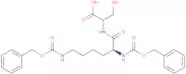
CAS:<p>Please enquire for more information about Z-Lys(Z)-Ser-OH including the price, delivery time and more detailed product information at the technical inquiry form on this page</p>Formula:C25H31N3O8Purity:Min. 95%Molecular weight:501.53 g/molFmoc-β-Ala-Wang resin (200-400 mesh)
<p>Please enquire for more information about Fmoc-beta-Ala-Wang resin (200-400 mesh) including the price, delivery time and more detailed product information at the technical inquiry form on this page</p>Purity:Min. 95%Urinary Trypsin Inhibitor Fragment
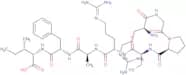
CAS:<p>Urinary Trypsin Inhibitor Fragment H-Arg-Gly-Pro-Cys-Arg-Ala-Phe-Ile-OH is a synthetic peptide that is used as a diagnostic agent. It has been shown to inhibit proinflammatory cytokines in vitro and in vivo. This peptide binds to the amino acid sequences of phospholipase A2, which are found in tumor cells, and can be used for cancer diagnosis. Urinary Trypsin Inhibitor Fragment H-Arg-Gly-Pro-Cys-Arg-Ala-Phe-Ile-OH also binds to DNA methylation, which may be useful for studying DNA methylation patterns in cancer cells.</p>Formula:C40H66N14O9SPurity:Min. 95%Molecular weight:919.11 g/mol3'-Hydroxy-4'-methoxyacetophenone
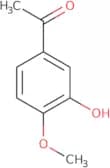
CAS:<p>3'-Hydroxy-4'-methoxyacetophenone is a chemical compound with the molecular formula CHO and it belongs to the group of bisbenzylisoquinoline alkaloids. It is a white crystalline powder that has a dry weight of 155.2g/mol and melting point of 154-158°C. 3'-Hydroxy-4'-methoxyacetophenone is used as an intermediate in the synthesis of other chemicals, such as methyl transferase inhibitors like metronidazole or oxidative stress agents like benzoquinones. 3'-Hydroxy-4'-methoxyacetophenone can be found in bowel disease patients, where it may be produced by bacteria in the gut. This chemical also has UV absorption properties and can be used as a sample preparation agent for hydroalcoholic samples.</p>Formula:C9H10O3Purity:Min. 95%Color and Shape:PowderMolecular weight:166.17 g/molH-Leu-bNA
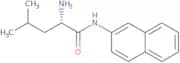
CAS:<p>H-Leu-bNA is a gene product that has been activated and is involved in the production of chronic arthritis. H-Leu-bNA is a basic protein that catalyzes the conversion of chloromethyl ketone to iodoacetic acid, which then converts neutral ph substances to acidic ph substances. This enzyme also catalyzes the conversion of amino acids to their corresponding amines and ammonia. H-Leu-bNA may be involved in autoimmune diseases with acidic phs, such as rheumatoid arthritis. It has an optimum pH of 7.4 and will not work at higher or lower pHs. The sequences for this enzyme are found in plants, but it is not found in humans or animals.br><br>H-Leu-bNA can be used as a kinetic tool to measure enzyme activity. Kinetic data for this enzyme show that it has a high affinity for chloromethyl ketone and can be inhibited by certain chemicals,</p>Formula:C16H20N2OPurity:Min. 95%Molecular weight:256.34 g/molZ-His-Ala-OH
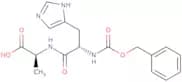
CAS:<p>Please enquire for more information about Z-His-Ala-OH including the price, delivery time and more detailed product information at the technical inquiry form on this page</p>Formula:C17H20N4O5Purity:Min. 95%Molecular weight:360.36 g/molFmoc-4-(neopentyloxysulfonyl)-Abu-OH (S)-2-(Fmoc-amino)-4-neopentyloxysulfonyl-butyric acid
CAS:<p>Please enquire for more information about Fmoc-4-(neopentyloxysulfonyl)-Abu-OH (S)-2-(Fmoc-amino)-4-neopentyloxysulfonyl-butyric acid including the price, delivery time and more detailed product information at the technical inquiry form on this page</p>Formula:C24H29NO7SPurity:Min. 95%Molecular weight:475.56 g/molDABCYL-γ-Abu-Ser-Gln-Asn-Tyr-Pro-Ile-Val-Gln-EDANS trifluoroacetate salt
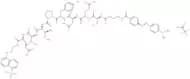
CAS:<p>Please enquire for more information about DABCYL-gamma-Abu-Ser-Gln-Asn-Tyr-Pro-Ile-Val-Gln-EDANS trifluoroacetate salt including the price, delivery time and more detailed product information at the technical inquiry form on this page</p>Formula:C73H97N17O18SPurity:Min. 95%Molecular weight:1,532.72 g/molBoc-Asp(OcHex)-PAM resin (200-400 mesh)
<p>Please enquire for more information about Boc-Asp(OcHex)-PAM resin (200-400 mesh) including the price, delivery time and more detailed product information at the technical inquiry form on this page</p>Purity:Min. 95%H-Ala-Pro-Ala-OH
CAS:<p>H-Ala-Pro-Ala-OH is a fluorescent amino acid residue that can be used to study the structures of proteins. This amino acid is derived from histidine, and its fluorescence intensity increases when it binds to tryptophan residues near the active site of an enzyme. H-Ala-Pro-Ala-OH has been used for the structural analysis of mutant enzymes that have been engineered to show differences in substrate binding sites. This molecule also has a fluorogenic substrate, which can be used as a replacement for traditional substrates in order to highlight specific regions of a protein or enzyme. The quantum theory was used to calculate the x-ray diffraction data, which were then analyzed using software programs such as MOLMOL and XPLOR. These datasets were then used to create molecular models of H-Ala-Pro-Ala-OH.</p>Formula:C11H19N3O4Purity:Min. 95%Molecular weight:257.29 g/mol3-Boc-amino-2,6-dioxopiperidine
CAS:<p>Please enquire for more information about 3-Boc-amino-2,6-dioxopiperidine including the price, delivery time and more detailed product information at the technical inquiry form on this page</p>Formula:C10H16N2O4Purity:Min. 95%Molecular weight:228.25 g/molH-Asp(Leu-OH)-OH
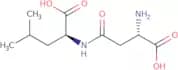
CAS:<p>H-Asp(Leu-OH)-OH is a bioactive molecule that can induce apoptosis in cancer cells. Mechanistically, this compound induces apoptosis by increasing the amount of reactive oxygen species (ROS) and reducing mitochondrial membrane potential in cancer cells. The anti-cancer activity of H-Asp(Leu-OH)-OH has been shown to be dose dependent and it has been observed to cause vacuolization in kidney cells. Chemical compositions show that H-Asp(Leu-OH)-OH is composed of Aspartic acid, Leucine, and Hydroxyl groups.</p>Formula:C10H18N2O5Purity:Min. 95%Molecular weight:246.26 g/molScyliorhinin I
CAS:<p>Scyliorhinin I H-Ala-Lys-Phe-Asp-Lys-Phe-Tyr-Gly-Leu-Met-NH2 is a peptide that has been conjugated to an aminopropyl linker. It has shown cardioprotective effects in vitro, which may be due to its ability to inhibit the activity of angiotensin converting enzyme (ACE). Scyliorhinin I H-Ala-Lys-Phe-Asp-Lys-Phe-Tyr-Gly-Leu-Met NH2 also inhibits the production of ACTH and corticosterone in the dogfish. This peptide is not highly potent, but it does have a biphasic response in submandibular gland cells.</p>Formula:C59H87N13O13SPurity:Min. 95%Molecular weight:1,218.47 g/molFmoc-Glu(OtBu)-Wang resin (200-400 mesh)
<p>Please enquire for more information about Fmoc-Glu(OtBu)-Wang resin (200-400 mesh) including the price, delivery time and more detailed product information at the technical inquiry form on this page</p>Purity:Min. 95%H-Leu-Ser-Lys-Leu-OH trifluoroacetate salt
CAS:<p>Please enquire for more information about H-Leu-Ser-Lys-Leu-OH trifluoroacetate salt including the price, delivery time and more detailed product information at the technical inquiry form on this page</p>Formula:C21H41N5O6Purity:Min. 95%Molecular weight:459.58 g/molAngiotensin I/II (1-5)
CAS:<p>Please enquire for more information about Angiotensin I/II (1-5) including the price, delivery time and more detailed product information at the technical inquiry form on this page</p>Formula:C30H48N8O9Purity:Min. 95%Molecular weight:664.75 g/molAtrial Natriuretic Factor (1-28) (human) hydrochloride salt
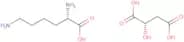
CAS:Controlled Product<p>Please enquire for more information about Atrial Natriuretic Factor (1-28) (human) hydrochloride salt including the price, delivery time and more detailed product information at the technical inquiry form on this page</p>Formula:C127H203N45O39S3Purity:Min. 95%Molecular weight:3,080.45 g/molL-Lysine L-malate
CAS:<p>L-Lysine L-malate is a chemical compound that is used in wastewater treatment. It inhibits the activity of enzymes such as carbon disulphide oxidase, copper complexes, and cationic surfactants. L-Lysine L-malate can be synthesized from sodium citrate and malonic acid by reacting with hydrogen peroxide to form a bicyclic heterocycle. This compound has been shown to have biological effects on metabolic disorders in animal studies, which may be due to its ability to inhibit the synthesis of fatty acids and proteins. The adsorption mechanism for this product is unknown.</p>Formula:C6H14N2O2·C4H6O5Purity:Min. 95%Color and Shape:White PowderMolecular weight:280.28 g/molFmoc-Leu-Wang resin (100-200 mesh)
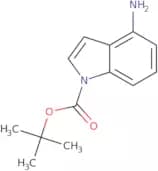
<p>Please enquire for more information about Fmoc-Leu-Wang resin (100-200 mesh) including the price, delivery time and more detailed product information at the technical inquiry form on this page</p>Purity:Min. 95%1-Boc-4-aminoindole
CAS:<p>Please enquire for more information about 1-Boc-4-aminoindole including the price, delivery time and more detailed product information at the technical inquiry form on this page</p>Formula:C13H16N2O2Purity:Min. 95%Molecular weight:232.28 g/molH-Val-Lys-OH monoacetate salt
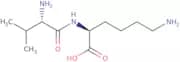
CAS:<p>Please enquire for more information about H-Val-Lys-OH monoacetate salt including the price, delivery time and more detailed product information at the technical inquiry form on this page</p>Formula:C11H23N3O3•C2H4O2Purity:Min. 95%Molecular weight:305.37 g/mol2-Bromo-3-methylbenzoic acid
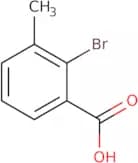
CAS:<p>2-Bromo-3-methylbenzoic acid is an alcohol that has been shown to be selective for the stereoselective synthesis of chiral secondary alcohols. It has been used in the reduction of 2-formylphenylboronic acid, yielding a mixture of the two possible diastereomers, and in the reductive elimination of carboxylic acids, which can be used as an alternative to the Baylis-Hillman reaction. The compound also has inhibitory activity against several bacteria, including methicillin resistant Staphylococcus aureus (MRSA) and Mycobacterium tuberculosis. 2-Bromo-3-methylbenzoic acid is photochromic and changes color from yellow to red when exposed to UV light.</p>Formula:C8H7BrO2Purity:Min. 95%Color and Shape:PowderMolecular weight:215.04 g/molEGF Receptor (988-993) (phosphorylated) (human)
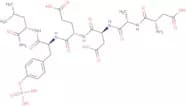
CAS:<p>Please enquire for more information about EGF Receptor (988-993) (phosphorylated) (human) including the price, delivery time and more detailed product information at the technical inquiry form on this page</p>Formula:C31H46N7O16PPurity:Min. 95%Molecular weight:803.71 g/molH-Trp(Boc)-2-chlorotrityl resin (100-200 mesh)
<p>Please enquire for more information about H-Trp(Boc)-2-chlorotrityl resin (100-200 mesh) including the price, delivery time and more detailed product information at the technical inquiry form on this page</p>Purity:Min. 95%









![([D2]Gly4)-Cholecystokinin Octapeptide (sulfated) ammonium salt](/_next/image/?url=https%3A%2Fstatic.cymitquimica.com%2Fproducts%2F3D%2Fthumb-webp%2FFG110020.webp&w=3840&q=75)