Amino Acids (AA)
Amino acids (AAs) are the fundamental building blocks of proteins, playing a crucial role in various biological processes. These organic compounds are essential for protein synthesis, metabolic pathways, and cell signaling. In this category, you will find a comprehensive range of amino acids, including essential, non-essential, and modified forms, which are vital for research in biochemistry, molecular biology, and nutritional sciences. At CymitQuimica, we provide high-quality amino acids to support your research and development needs, ensuring accuracy and reliability in your experimental outcomes.
Subcategories of "Amino Acids (AA)"
- Amino Acid Derivatives(3,955 products)
- Amino Acid and Amino Acid Related Compounds(3,464 products)
- Amino Acids with Oxygen or Sulphur(168 products)
- Boc- Amino Acids(351 products)
- Fmoc Amino Acids(1,710 products)
Found 38247 products of "Amino Acids (AA)"
Sort by
Purity (%)
0
100
|
0
|
50
|
90
|
95
|
100
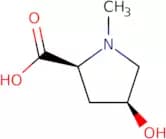
N-Methyl-L-trans-4-hydroxyproline hydrochloride
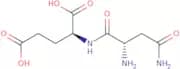
CAS:<p>N-Methyl-L-trans-4-hydroxyproline hydrochloride is a bioactive compound that is present in the leaves of Semecarpifolia. It has been found to have antioxidant and anti-inflammatory properties. The chemical structure of N-methyl-L-trans-4-hydroxyproline hydrochloride is cyclic, butanamide, hexane, ethanolic extracts, and semecarpifolia. The family Meliaceae includes species such as Eucalyptus, which produces the bioactive compound cineole. Solvents used in this process are hexane and ethanolic extracts.</p>Formula:C6H11NO3·HClPurity:Min. 95%Color and Shape:PowderMolecular weight:181.62 g/molH-Asn-Glu-OH
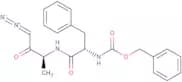
CAS:<p>H-Asn-Glu-OH is a reversed-phase high-performance liquid chromatography (RP-HPLC) stationary phase that has been used for the analysis of glutamic acid. It has been shown to be resistant to hydrogen fluoride and other organic solvents, and does not contain any detectable impurities. H-Asn-Glu-OH is made up of amino acids, such as glutamic acid, which can be detected by reverse phase HPLC.</p>Formula:C9H15N3O6Purity:Min. 95%Molecular weight:261.23 g/molZ-Phe-Ala-diazomethylketone
CAS:<p>Z-Phe-Ala-diazomethylketone is a molecule that belongs to the class of hydrolase inhibitors. It has been shown to have inhibitory properties against trichomonas vaginalis and proteolytic activity against liver cells. Z-Phe-Ala-diazomethylketone also has a kinetic energy of 11.2 kcal/mol, which is higher than most protease inhibitors. This molecule has been shown to be effective as a cell vaccine in wild-type mice and as a protease inhibitor in brain cells. The optimal ph for this molecule is 7.5, which corresponds to its pKa value of 5.1.</p>Formula:C21H22N4O4Purity:Min. 95%Molecular weight:394.42 g/molL-Glutamic acid 5-benzyl ester
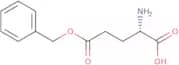
CAS:<p>L-Glutamic acid 5-benzyl ester is an amino acid that has been synthesized to have a lysine residue. It is an ester hydrochloride and has been shown to have broad-spectrum antimicrobial properties. L-glutamic acid 5-benzyl ester's antimicrobial activity is thought to be due to its chemical structure which allows it to act as an antimicrobial peptide, binding to receptors on the surface of bacterial cells and inhibiting their growth. L-glutamic acid 5-benzyl ester also inhibits osteogenic genes in cervical cancer cells, but not in normal cells.</p>Formula:C12H15NO4Purity:Min. 95%Color and Shape:White Off-White PowderMolecular weight:237.25 g/molZ-Ala-Ala-NH2
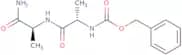
CAS:<p>Z-Ala-Ala-NH2 is a peptide that has been modified. Z-Ala-Ala-NH2 is a hydrolase and has the ability to hydrolyze peptides. It can be used in organic solvents as an unmodified hydrolase, or it can be modified with a nucleophile (such as an amine) to produce an active hydrolase. The unmodified form of Z-Ala-Ala-NH2 has been shown to have high yields and specificity for peptidyl substrates. This modification is also useful for the synthesis of amide bonds in peptides, which are more stable than ester bonds.</p>Formula:C14H19N3O4Purity:Min. 95%Molecular weight:293.32 g/molmPEG9-OH
CAS:<p>mPEG9-OH is a PEG polymer categorised as monofunctional (OH-PEG-X). Used as a linker, mPEG9-OH is used to attached PEG to proteins, peptides, oligonucleotides, nanoparticles and small molecules via pegylation, a bioconjugation technique.</p>Formula:C19H40O10Purity:Min. 95%Molecular weight:428.51 g/molH-Gly-Pen-Gly-Arg-Gly-Asp-Ser-Pro-Cys-Ala-OH trifluoroacetate salt (Disulfide bond between Pen2 and Cys9)
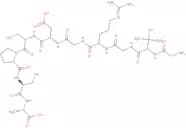
CAS:<p>Gly-Pen-Gly-Arg-Gly-Asp-Ser-Pro-Cys (GPEG) is a peptide that modulates the function of muscle cells and is present in collagen. GPEG has been shown to improve oxidative damage, which occurs during exercise. The effect of GPEG on muscle cells is dependent on the dose. Low doses of GPEG activate proteins that are involved in transcription and increases the synthesis of oxidative enzymes, while high doses inhibit these proteins. GPEG also modulates integrin receptor expression and decreases fibronectin production by vascular smooth muscle cells.</p>Formula:C35H57N13O14S2Purity:Min. 95%Molecular weight:948.04 g/molCathelicidin LL 37
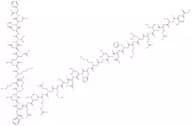
CAS:<p>LL-37 is a potent antimicrobial peptide that has been shown to be effective against cancer cells and is currently being investigated as a potential antineoplastic agent. LL-37 binds to the leukocyte receptor, which leads to chemotaxis, increased expression of p53 and apoptosis. LL-37 also induces apoptotic cell death in epithelial tissues, both in vitro and in vivo. This peptide has been shown to induce death in cancer cells, as well as cell death in other types of cells.</p>Formula:C205H340N60O53Purity:Min. 95%Molecular weight:4,493.27 g/molH-Cys(Trt)-2-chlorotrityl resin (200-400 mesh)
<p>Please enquire for more information about H-Cys(Trt)-2-chlorotrityl resin (200-400 mesh) including the price, delivery time and more detailed product information at the technical inquiry form on this page</p>Purity:Min. 95%Hirudin (55-65) (sulfated)
CAS:<p>Please enquire for more information about Hirudin (55-65) (sulfated) including the price, delivery time and more detailed product information at the technical inquiry form on this page</p>Formula:C64H90N12O27SPurity:Min. 95%Molecular weight:1,491.53 g/molMet-Enkephalin-Arg-Phe
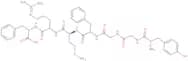
CAS:<p>Met-enkephalin is a 5-hydroxytryptamine (serotonin) agonist. It has been shown to have anesthetic properties and to be active in cardiac, pulmonary, and renal functions. Met-enkephalin has also been found to have a delta-opioid receptor activity. This molecule has been shown to inhibit noradrenaline release from the locus coeruleus, as well as immunohistochemically demonstrating its presence at the atrium of the heart. Met-enkephalin also exhibits hydroxylase activity and has been shown to inhibit dopamine release from the substantia nigra pars compacta and sinoatrial node in rats. This drug can be used for treatment of pain, hypertension, angina pectoris, myocardial infarction, unstable angina, cardiogenic shock, congestive heart failure due to left ventricular dysfunction or ischemia of the coronary artery, acute pulmonary edema</p>Formula:C42H56N10O9SPurity:Min. 95%Molecular weight:877.02 g/molH-Lys-Gln-Ala-Gly-Asp-Val-OH
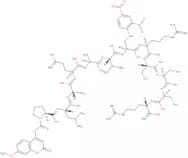
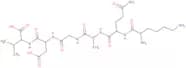
CAS:<p>H-Lys-Gln-Ala-Gly-Asp-Val-OH is a synthetic peptide that is used as a research tool. It is synthesized by recombinant e. coli cells and has been shown to have strong affinity for the specific ligand, fluorescence and microbial assays. This synthetic peptide is hydrophilic and can be detected using confocal microscopy. It also exhibits biodegradability in an e. coli environment, which may be due to its lysine residue.</p>Formula:C25H44N8O10Purity:Min. 95%Molecular weight:616.66 g/molAc-Leu-Glu-His-Asp-AMC trifluoroacetate salt
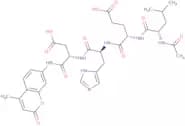
CAS:<p>Ac-Leu-Glu-His-Asp-AMC trifluoroacetate salt is a synthetic peptide that is derived from the amino acid sequence of caspases. Ac-Leu-Glu-His-Asp-AMC trifluoroacetate salt induces apoptosis in insect and E. coli cells by protease activity, which leads to cell death. The sequence of this peptide is found in Drosophila melanogaster and has been shown to induce apoptosis in insect cells. Caspases are enzymes that regulate apoptosis and play a key role in cell death.</p>Formula:C33H41N7O11Purity:Min. 95%Molecular weight:711.72 g/molBoc-Thr(Ala-Fmoc)-OH
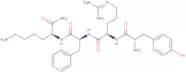
CAS:<p>Please enquire for more information about Boc-Thr(Ala-Fmoc)-OH including the price, delivery time and more detailed product information at the technical inquiry form on this page</p>Formula:C27H32N2O8Purity:Min. 95%Color and Shape:PowderMolecular weight:512.55 g/molH-Lys-Phe-OH·HCl
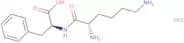
CAS:<p>Please enquire for more information about H-Lys-Phe-OH·HCl including the price, delivery time and more detailed product information at the technical inquiry form on this page</p>Formula:C15H23N3O3·HClPurity:Min. 95%Molecular weight:329.82 g/molHIV-1 tat Protein (1-9)
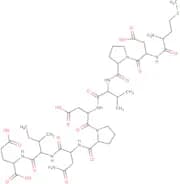
CAS:<p>Tat is a protein from the human immunodeficiency virus type 1 (HIV-1) that is responsible for the regulation of viral gene expression. Tat binds to a cellular receptor, CD4, and enters the cell. The Tat protein forms a ternary complex with transcription factors and RNA polymerase II. This complex then binds to promoter regions of HIV genes and initiates transcription. Tat has been postulated to modulate immune functions such as chemokine production, T-cell activation, and macrophage activation. The HIV-1 tat Protein (1-9) H-Met-Asp-Pro-Val-Asp-Pro-Asn-Ile-Glu-OH has been shown to have an effect on the immune system by affecting chemokines and other immune functions.</p>Formula:C43H68N10O17SPurity:Min. 95%Molecular weight:1,029.12 g/molUrotensin II-Related Peptide (human, mouse, rat) trifluoroacetate salt
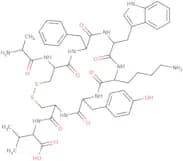
CAS:<p>Urotensin II is a peptide that is expressed in the brain and has hypotensive effects. It is an endogenous ligand for the urotensin II receptor, which is found in various tissues including the heart, vascular system, and lungs. Urotensin II-Related Peptide (URP) was identified from cDNA sequences of human, mouse, and rat tissues. The URP consists of a sequence of amino acids with a molecular weight of 1219. This peptide has been shown to have diagnostic use in tissues and animals as well as being immunoreactive in monoclonal antibodies. The gene encoding URP has been cloned and its protein product has been characterized by mass spectroscopy.</p>Formula:C49H64N10O10S2Purity:Min. 95%Molecular weight:1,017.23 g/mol(D-Pen 2,p-chloro-Phe4,D-Pen 5)-Enkephalin
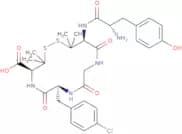
CAS:<p>D-Pen 2,p-chloro-Phe4,D-Pen 5)-Enkephalin H-Tyr-D-Pen-Gly-p-chloro-Phe-D-Pen (Disulfide bond) is a peptide that belongs to the family of opioid drugs. It has low potency and is used in pharmacological studies as a nonselective antagonist of δ-, μ-, and κ-(kappa) receptors. This drug blocks pain by binding to the same receptor sites that are activated by endogenous opioids and has been shown to be effective against both inflammatory and neuropathic pain. DPDPE has also been shown to have a high safety profile with minimal side effects.</p>Formula:C30H38ClN5O7S2Purity:Min. 95%Molecular weight:680.24 g/molCaspase-3/7 Inhibitor II Ac-Asp-Asn-Leu-Asp-aldehyde (pseudo acid)
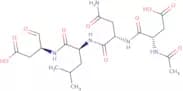
CAS:<p>Caspase-3/7 Inhibitor II Ac-Asp-Asn-Leu-Asp-aldehyde (pseudo acid) is a peptide inhibitor of caspases. It blocks the activation of these proteases and their subsequent cleavage of substrates in the apoptotic pathway. This drug has potent inhibitory activity against caspases 3, 7, 8, 9, and 10. Caspase-3/7 Inhibitor II Ac-Asp-Asn-Leu-Asp-aldehyde (pseudo acid) specifically interacts with the active site and inhibits the enzyme by binding to an aspartic acid residue at position D197 in human caspase 3. Caspase 3/7 Inhibitor II Ac-Asp-Asn-Leu-Asp-aldehyde (pseudo acid) is localized to mitochondria and binds to acetyldeviceine (acDEV), a substrate for caspases</p>Formula:C20H31N5O10Purity:Min. 95%Molecular weight:501.49 g/mol3-(2R,3S)-Phenylisoserine
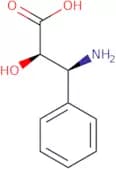
CAS:<p>3-(2R,3S)-Phenylisoserine is a chiral enantiomer that can be used in organic synthesis. It is a reactive compound and has the ability to form amide bonds with other compounds. 3-(2R,3S)-Phenylisoserine is also able to react with nitro groups and form an oxime. It is not soluble in water but it is soluble in organic solvents like acetone or methanol. 3-(2R,3S)-Phenylisoserine can be synthesized by the enzymatic methods of benzyloxymethyl hydrazine and hydrochloric acid.</p>Formula:C9H11NO3Purity:Min. 95%Color and Shape:PowderMolecular weight:181.19 g/mol1-t-Boc-piperidine-4-spiro-5'-[1',3'-bis-t-boc]-hydantoin
CAS:<p>Please enquire for more information about 1-t-Boc-piperidine-4-spiro-5'-[1',3'-bis-t-boc]-hydantoin including the price, delivery time and more detailed product information at the technical inquiry form on this page</p>Formula:C22H35N3O8Purity:Min. 95%Molecular weight:469.53 g/molCarbamoyl-Asp-OH·magnesium salt/Carbamoyl-Asp-OH·dipotassium salt (1:1)
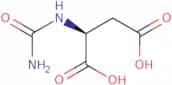
CAS:<p>Carbamoyl-Asp-OH·magnesium salt/Carbamoyl-Asp-OH·dipotassium salt (1:1) is a derivate of p-hydroxybenzoic acid that has been shown to inhibit leukotriene receptor antagonists and basic proteins. It has been found in urine samples, but its function is not yet known. The uptake of this molecule may be a potential biomarker for the diagnosis of orotic aciduria and HIV infection. Carbamoyl-Asp-OH·magnesium salt/Carbamoyl-Asp-OH·dipotassium salt (1:1) has also been shown to be an inhibitor of intramolecular hydrogen transfer reactions in model systems.</p>Formula:C10H12K2MgN4O10Purity:Min. 95%Molecular weight:450.72 g/molH-D-Thr-OBzl·oxalate (1:1)
CAS:<p>Please enquire for more information about H-D-Thr-OBzl·oxalate (1:1) including the price, delivery time and more detailed product information at the technical inquiry form on this page</p>Formula:C11H15NO3·C2H2O4Purity:Min. 95%Molecular weight:299.28 g/mol(D-Trp6)-LHRH acetate salt
CAS:<p>Please enquire for more information about (D-Trp6)-LHRH acetate salt including the price, delivery time and more detailed product information at the technical inquiry form on this page</p>Formula:C64H82N18O13·xC2H4O2Purity:Min. 95%Molecular weight:1,311.45 g/molTrt-Cys(Trt)-OH
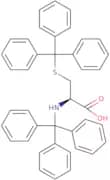
CAS:<p>Trt-Cys(Trt)-OH is a selective dicyclohexyl carbodiimide reagent for the synthesis of amides from carboxylic acids. It is used as an intermediate in the synthesis of glutathione and other nitrogen-containing compounds. Trt-Cys(Trt)-OH reacts with hydrochloric acid to form a salt, which can be saponified to release the desired product. The hydrochloric acid converts the ester into a carboxylic acid, while the amine group on the glycine reacts with the carboxylic acid to form an amide. Trityl is also produced during this reaction, which can be removed by reduction with hydrogen gas and palladium on charcoal.</p>Formula:C41H35NO2SPurity:Min. 95%Molecular weight:605.79 g/mol(Gly14)-Humanin (human) trifluoroacetate salt
CAS:<p>Please enquire for more information about (Gly14)-Humanin (human) trifluoroacetate salt including the price, delivery time and more detailed product information at the technical inquiry form on this page</p>Formula:C118H202N34O31S2Purity:Min. 95%Molecular weight:2,657.21 g/molH-Trp-Gly-Gly-Tyr-OH
CAS:<p>Please enquire for more information about H-Trp-Gly-Gly-Tyr-OH including the price, delivery time and more detailed product information at the technical inquiry form on this page</p>Formula:C24H27N5O6Purity:Min. 95%Molecular weight:481.5 g/molAMCA-Glu-Glu-Lys-Pro-Ile-Ser-Phe-Phe-Arg-Leu-Gly-Lys(biotinyl)-NH2
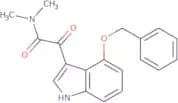
CAS:<p>Please enquire for more information about AMCA-Glu-Glu-Lys-Pro-Ile-Ser-Phe-Phe-Arg-Leu-Gly-Lys(biotinyl)-NH2 including the price, delivery time and more detailed product information at the technical inquiry form on this page</p>Formula:C90H131N21O22SPurity:Min. 95%Molecular weight:1,891.2 g/mol4-(Benzyloxy)-N,N-dimethyl-indole-3-glyoxylamide
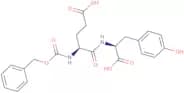
CAS:<p>Please enquire for more information about 4-(Benzyloxy)-N,N-dimethyl-indole-3-glyoxylamide including the price, delivery time and more detailed product information at the technical inquiry form on this page</p>Formula:C19H18N2O3Purity:Min. 95%Molecular weight:322.36 g/molZ-Glu-Tyr-OH
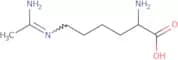
CAS:<p>Z-Glu-Tyr-OH is a disulfide bond with a cavity. It is soluble in acidic solutions and has a cationic surface. Z-Glu-Tyr-OH is an enzyme inhibitor that blocks the activity of α subunit of protein kinase C, which is involved in intracellular signal transduction pathways. The inhibition of this enzyme may lead to apoptosis, or programmed cell death. Z-Glu-Tyr-OH also inhibits fatty acid synthesis by blocking the activity of hydroxylase enzymes, such as 3β-hydroxysteroid dehydrogenase and 17α-hydroxylase. This compound has been shown to inhibit indole-3-propionic acid production by inhibiting the kinetic and sephadex g-100 activities of the enzyme indoleamine 2,3 dioxygenase.</p>Formula:C22H24N2O8Purity:Min. 95%Molecular weight:444.43 g/molH-Lys(acetimidoyl)-OH
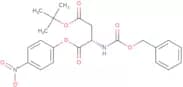
CAS:<p>Lysine acetimidate is a reactive compound that can be activated by the addition of an acid. Lysine acetimidate is a potent activator of macrophages and other inflammatory cells. It has been used in experimental models to study bowel disease and repair mechanisms. In these models, lysine acetimidate has shown to have anti-inflammatory effects, which may be due to its ability to decrease the production of pro-inflammatory cytokines by immune cells. The metabolic disorder caused by lysine acetimidate is still being studied. Lysine acetimidate also has immunomodulatory effects, as it can inhibit the synthesis of epidermal growth factor (EGF) in lung cells and cause damage to alveolar type II cells in the lung.</p>Formula:C8H17N3O2Purity:Min. 95%Molecular weight:187.24 g/molZ-Asp(OtBu)-ONp
CAS:<p>Please enquire for more information about Z-Asp(OtBu)-ONp including the price, delivery time and more detailed product information at the technical inquiry form on this page</p>Formula:C22H24N2O8Purity:Min. 95%Molecular weight:444.43 g/molH-Val-Tyr-Val-OH
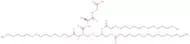
CAS:<p>H-Val-Tyr-Val-OH is a water soluble polymer that has a sulfamic acid group and a hydroxyl group. The polymer film is used as an additive for cellulose acetate, which is used in the manufacture of films, lacquers, and adhesives. H-Val-Tyr-Val-OH increases the solubility of the cellulose acetate in hydrochloric acid and reduces its tendency to dissolve in water. H-Val-Tyr-Val-OH also has a high degree of uv absorption. Constant techniques are used for analytical chemistry, such as gas chromatography and nuclear magnetic resonance spectroscopy, to study the surface properties of micelles formed from H-Val-Tyr-Val-OH.</p>Formula:C19H29N3O5Purity:Min. 95%Molecular weight:379.45 g/molPalmitoyl-Cys((RS)-2,3-di(palmitoyloxy)-propyl)-Ala-Gly-OH
CAS:<p>Palmitoyl-Cys((RS)-2,3-di(palmitoyloxy)-propyl)-Ala-Gly-OH is a molecule that can be used to generate an antigen against tumor necrosis factor alpha (TNFα). It has been shown to be able to bind TNFα and prevent it from binding to its receptors. This leads to a decrease in the production of cytokines, as well as a decrease in the activation of cytosolic guanylate cyclase. Palmitoyl-Cys((RS)-2,3-di(palmitoyloxy)-propyl)-Ala-Gly-OH has also been shown to inhibit the proliferation of cancer cells by inhibiting extracellular Ca2+ influx and cytosolic Ca2+ ion concentrations.</p>Formula:C59H111N3O9SPurity:Min. 95%Molecular weight:1,038.59 g/mol4-Fluoro-2-methoxy-5-nitroaniline
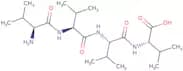
CAS:<p>Intermediate in the synthesis of osimertinib (AZD9291)</p>Formula:C7H7FN2O3Purity:Min. 95%Molecular weight:186.14 g/molH-Val-Val-Val-Val-OH
CAS:<p>Please enquire for more information about H-Val-Val-Val-Val-OH including the price, delivery time and more detailed product information at the technical inquiry form on this page</p>Formula:C20H38N4O5Purity:Min. 95%Molecular weight:414.54 g/molBoc-4-carboxymethyl-piperidine
CAS:<p>Boc-4-carboxymethyl-piperidine is a novel drug that has been shown to have significant correlations with the inhibition of fibrinogen and cellulose. It also has the ability to inhibit arsenite, which may be due to its dithiocarbamate group. Boc-4-carboxymethyl-piperidine has been shown to have significant biological activity in vitro. This molecule has been synthesized and crystallized, and x-ray data have been collected. The molecular structure of this molecule is shown below:</p>Formula:C12H21NO4Purity:Min. 95%Color and Shape:White PowderMolecular weight:243.3 g/molAloc-Ala-OH·DCHA
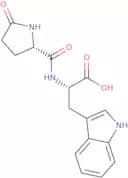
CAS:<p>Aloc-Ala-OH·DCHA is a linker that can be utilized in nucleotide synthesis. It is synthesized by reacting the amine group of alanine with the acid chloride of DCHA. The product of this reaction, Aloc-Ala-OH·DCHA, is an amide bond with a free hydroxyl group on one end and a free amino group on the other end. The C-terminal carboxylic acid function of this compound reacts with phosphoramidite to yield the desired n-terminal threonine residue. This linker can also be used to conjugate other compounds such as nucleosides or phosphodiester bonds.</p>Formula:C7H11NO4·C12H23NPurity:Min. 95%Color and Shape:SolidMolecular weight:354.48 g/molPyr-Trp-OH
CAS:<p>Pyr-Trp-OH is a derivative of tryptophan. It has been found to be active in the brain and its metabolites have been shown to inhibit superoxide production by inhibiting the activity of hydroxylase and dismutase. Pyr-Trp-OH also inhibits serotonin synthesis, which may contribute to its antidepressant properties. Pyr-Trp-OH is an inhibitor of indoleamine 2,3 dioxygenase, an enzyme that converts tryptophan into kynurenine. This process generates hydrogen peroxide, which can lead to cell death. The conversion of tryptophan into serotonin also produces hydrogen peroxide, so it is possible that Pyr-Trp-OH may have antioxidant effects as well as antidepressant effects.</p>Formula:C16H17N3O4Purity:Min. 95%Molecular weight:315.32 g/molHIV-1 gag Protein p24 (65-73) (isolates MAL/U455) trifluoroacetate salt
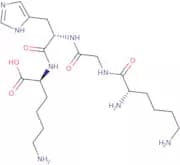
CAS:<p>Please enquire for more information about HIV-1 gag Protein p24 (65-73) (isolates MAL/U455) trifluoroacetate salt including the price, delivery time and more detailed product information at the technical inquiry form on this page</p>Formula:C44H79N11O14S2Purity:Min. 95%Molecular weight:1,050.3 g/molSPARC (119-122) (mouse) acetate salt
CAS:<p>SPARC (119-122) (mouse) is an acetate salt of H-Lys-Gly-His-Lys-OH. SPARC (119-122) has been shown to be a mimetic of the c-terminal region of the protein SPARC and can bind to many metal ions including Zn2+, Mn2+, Cu2+, Co2+, Ni2+ and Mg2+. The binding affinity for these metals is dose dependent, with saturation occurring at high concentrations. This property may make this compound a therapeutic target for drug discovery strategies.</p>Formula:C20H36N8O5Purity:Min. 95%Molecular weight:468.55 g/molH-Phe-Val-OH
CAS:<p>H-Phe-Val-OH, also known as humanized Val-Phe-His-Leu (VHL), is a monoclonal antibody that binds to the antigen epidermal growth factor (EGF). It has been shown to have diagnostic and therapeutic properties in vitro. This antibody is used in the diagnosis of cancer tissues and is able to identify carcinoma cell lines. Furthermore, it can be used to diagnose hepatitis C virus infection. H-Phe-Val-OH blocks the binding of EGF with its receptor on the surface of cells and prevents the proliferation of cancerous cells. It also inhibits cancer growth by reducing the synthesis of proteins such as epidermal growth factor and transforming growth factor alpha.</p>Formula:C14H20N2O3Purity:Min. 98%Color and Shape:PowderMolecular weight:264.32 g/molBAM-3200
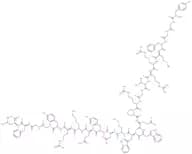
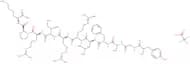
CAS:<p>BAM-3200 is a small molecule with the chemical formula CHFOC(O)NHCHCOOH. It is a potent and selective agonist of the TrkB receptor, which binds to brain-derived neurotrophic factor (BDNF). BAM-3200 has been shown to have anti-cancer activity in mouse tumor models, as well as increased locomotor activity and improved memory retention in mice. The biological function of BAM-3200 is not yet known. Structural analysis shows that it binds to the hydroxyl group on mammalian tissue receptors, which may be due to its basic protein structure. BAM-3200 also has been shown to hydrolyze enzymes such as esterases, glucuronidases, or glutathione reductase. This agent has been shown to be selectively active against cancer cells by binding to their acidic surface structures and altering their acidity.</p>Formula:C147H207N41O34S2Purity:Min. 95%Molecular weight:3,156.6 g/molBoc-Val-Pro-Arg-AMC
CAS:<p>Please enquire for more information about Boc-Val-Pro-Arg-AMC including the price, delivery time and more detailed product information at the technical inquiry form on this page</p>Formula:C31H45N7O7Purity:Min. 95%Molecular weight:627.73 g/mol(Met(O)27)-Glucagon (1-29) (human, rat, porcine) trifluoroacetate salt
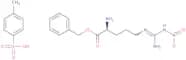
CAS:<p>Please enquire for more information about (Met(O)27)-Glucagon (1-29) (human, rat, porcine) trifluoroacetate salt including the price, delivery time and more detailed product information at the technical inquiry form on this page</p>Formula:C153H225N43O50SPurity:Min. 95%Molecular weight:3,498.75 g/molH-Arg(NO2)-OBzl p-tosylate salt
CAS:<p>Please enquire for more information about H-Arg(NO2)-OBzl p-tosylate salt including the price, delivery time and more detailed product information at the technical inquiry form on this page</p>Formula:C13H19N5O4·C7H8O3SPurity:Min. 95%Color and Shape:SolidMolecular weight:481.52 g/molBAM-22P (8-22) trifluoroacetate salt
CAS:<p>BAM-22P (8-22) trifluoroacetate salt is a compound that has been shown to be an effective drug for the treatment of pain. It has been shown to have an effect on bone cancer, which can be activated by serotonin. This compound may be beneficial in treating nerve injury and fibrosarcoma cells. BAM-22P (8-22) trifluoroacetate salt is an allosteric modulator of the serotonin receptor and may be used as a treatment for pain in wild-type mice. The molecule is also a serotonin reuptake inhibitor, which prevents the reuptake of serotonin into the presynaptic neuron. This leads to increased levels of serotonin in the synapse and increased pain relief.</p>Formula:C91H127N25O23SPurity:Min. 95%Molecular weight:1,971.2 g/molH-Ala-Pro-Phe-OH
CAS:<p>Please enquire for more information about H-Ala-Pro-Phe-OH including the price, delivery time and more detailed product information at the technical inquiry form on this page</p>Formula:C17H23N3O4Purity:Min. 95%Molecular weight:333.38 g/molH-Gly-Ala-Asp-OH
CAS:<p>H-Gly-Ala-Asp-OH is a pharmacological treatment for bacterial infection. The drug has been shown to be effective in treating the symptoms of bacterial infections, such as fever and headache, in animal models. H-Gly-Ala-Asp-OH binds to the GABA receptor and inhibits the production of GABA, which is an inhibitory neurotransmitter that regulates neuronal activity. This binding prevents the formation of an inhibitor complex with the enzyme decarboxylase that is required for GABA synthesis and thus inhibits protein synthesis and cell division.</p>Formula:C9H15N3O6Purity:Min. 98 Area-%Color and Shape:PowderMolecular weight:261.23 g/mol(Val34)-Amyloid b-Protein (1-40) trifluoroacetate salt
CAS:<p>Please enquire for more information about (Val34)-Amyloid b-Protein (1-40) trifluoroacetate salt including the price, delivery time and more detailed product information at the technical inquiry form on this page</p>Formula:C193H293N53O58SPurity:Min. 95%Molecular weight:4,315.78 g/mol(Ala92)-Peptide 6
CAS:<p>Please enquire for more information about (Ala92)-Peptide 6 including the price, delivery time and more detailed product information at the technical inquiry form on this page</p>Formula:C93H155N31O26Purity:Min. 95%Molecular weight:2,123.42 g/molAc-Tyr(PO3H2)-Glu-Glu-Ile-Glu-OH
CAS:<p>Ac-Tyr(PO3H2)-Glu-Glu-Ile-Glu-OH is a nucleic acid sensor that can be used to detect the presence of specific nucleic acids (DNA or RNA) in a sample. Ac-Tyr(PO3H2)-Glu-Glu-Ile-Glu-OH binds to nucleic acids, and then emits fluorescence when irradiated with light at a wavelength of 350 nm. Ac-Tyr(PO3H2)-Glu-Glu-Ile-Glu-OH can be used as an assay for the detection of specific DNA sequences, such as those found in single nucleotide polymorphisms (SNPs).</p>Formula:C32H46N5O17PPurity:Min. 95%Molecular weight:803.7 g/mol(Pro3)-Dynorphin A (1-11) amide trifluoroacetate salt
CAS:<p>Please enquire for more information about (Pro3)-Dynorphin A (1-11) amide trifluoroacetate salt including the price, delivery time and more detailed product information at the technical inquiry form on this page</p>Formula:C66H108N22O12Purity:Min. 95%Molecular weight:1,401.7 g/mol(Cys(Et)2·7)-a-CGRP (human) trifluoroacetate salt
CAS:<p>Please enquire for more information about (Cys(Et)2·7)-a-CGRP (human) trifluoroacetate salt including the price, delivery time and more detailed product information at the technical inquiry form on this page</p>Formula:C167H277N51O49S2Purity:Min. 95%Molecular weight:3,847.43 g/molH-Ala-Ala-Lys-OH hydrochloride salt
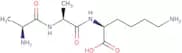
CAS:<p>H-Ala-Ala-Lys-OH hydrochloride salt is a tripeptide with a reactive side chain. The protonated form of the molecule can be analyzed by acid analysis, and the ligand can be synthesized in a laboratory. Amino acid analysis has shown that this tripeptide contains lysine residues, which are important for binding to the peptide transporter. This compound is taken up through the intestine and is found in porcine tissue. H-Ala-Ala-Lys-OH hydrochloride salt has been used as a model compound in structural studies of peptide transporters.</p>Formula:C12H24N4O4Purity:Min. 95%Molecular weight:288.34 g/molSar-Gly-Gly-OH
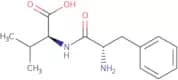
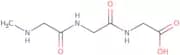
CAS:<p>Sar-Gly-Gly-OH is a zwitterionic, hydrophobic, and alkylating agent that is used to synthesize hyaluronic acid derivatives. It has been shown to form stable hydrogen bonds with metal ions such as copper (Cu) and zinc (Zn). Sar-Gly-Gly-OH has been used in the synthesis of various hyaluronic acid derivatives. These derivatives are used for the treatment of allergic conjunctivitis, dry eye, and other related conditions. Sar-Gly-Gly-OH also has low molecular weight and functional groups that allow it to react with other chemicals. The reaction products are aromatic hydrocarbons that can be used in techniques such as nuclear magnetic resonance spectroscopy.</p>Formula:C7H13N3O4Purity:Min. 95%Molecular weight:203.2 g/molZ-Ala-Val-OH
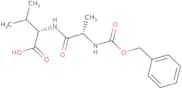
CAS:<p>Z-Ala-Val-OH is a prodrug that is hydrolyzed to ala-z-valine in vivo. It has been shown to be resistant to enzymes such as esterases, amidases, and proteases. Z-Ala-Val-OH has been modified in an effort to increase its affinity for the active site of the enzyme. This modification involves attaching a hydrophobic group onto the amide nitrogen of the amino acid residue. The resulting product is an active ester that can be used as an antihypertensive drug or for the treatment of Alzheimer's disease.</p>Formula:C16H22N2O5Purity:Min. 95%Molecular weight:322.36 g/mol(H-Asp-Glu-Val-Asp)2-Rhodamine 110 trifluoroacetate salt
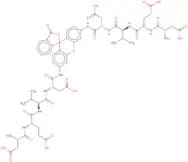
CAS:<p>Please enquire for more information about (H-Asp-Glu-Val-Asp)2-Rhodamine 110 trifluoroacetate salt including the price, delivery time and more detailed product information at the technical inquiry form on this page</p>Formula:C56H66N10O23Purity:Min. 95%Molecular weight:1,247.18 g/mol(His(3-Me)2)-TRH trifluoroacetate salt
CAS:<p>Please enquire for more information about (His(3-Me)2)-TRH trifluoroacetate salt including the price, delivery time and more detailed product information at the technical inquiry form on this page</p>Formula:C17H24N6O4Purity:Min. 95%Molecular weight:376.41 g/molGLP-2 (1-34) (human) trifluoroacetate salt
CAS:<p>Structure/Function: human; Trifluoroacetate salt</p>Formula:C171H266N48O56SPurity:Min. 95%Molecular weight:3,922.3 g/molFor-Phe-OMe
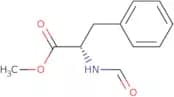
CAS:<p>Please enquire for more information about For-Phe-OMe including the price, delivery time and more detailed product information at the technical inquiry form on this page</p>Formula:C11H13NO3Purity:Min. 95%Molecular weight:207.23 g/mol(Asn7)-Amyloid b-Protein (1-40) trifluoroacetate salt
CAS:<p>(Asn7)-Amyloid b-Protein (1-40) trifluoroacetate salt H-Asp-Ala-Glu-Phe-Arg-His-Asn-Ser-Gly-Tyr-Glu-Val-His-His-Gln-Lys<br>The product is a compound that has been shown to inhibit the formation of beta amyloid peptides in the brain. It binds to the beta amyloid peptide and prevents its aggregation, thereby preventing the formation of plaques and inhibiting neuronal cell death. The product contains no detectable levels of trehalose, which makes it ideal for use in brain imaging studies. This product may also be used as a predictive biomarker for Alzheimer's disease because it can be detected in cerebrospinal fluid and plasma.</p>Formula:C194H296N54O57SPurity:Min. 95%Molecular weight:4,328.82 g/mol(D-Ala3)-Dynorphin A (1-11) amide trifluoroacetate salt
CAS:<p>Please enquire for more information about (D-Ala3)-Dynorphin A (1-11) amide trifluoroacetate salt including the price, delivery time and more detailed product information at the technical inquiry form on this page</p>Formula:C64H106N22O12Purity:Min. 95%Molecular weight:1,375.67 g/molC5a Anaphylatoxin (37-53) (human) trifluoroacetate salt
CAS:<p>Please enquire for more information about C5a Anaphylatoxin (37-53) (human) trifluoroacetate salt including the price, delivery time and more detailed product information at the technical inquiry form on this page</p>Formula:C82H141N27O22SPurity:Min. 95%Molecular weight:1,889.23 g/molH-D-Phe-D-Phe-OH
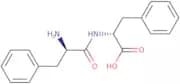
CAS:<p>H-D-Phe-D-Phe-OH is a polypeptide that contains 24 amino acids. It is synthesized by the filamentous fungus, Aspergillus niger, and has been found to be an optimal substrate for aminopeptidase. H-D-Phe-D-Phe-OH has also been shown to be a homolog of the halophilic enzyme from Halobacterium salinarum.</p>Formula:C18H20N2O3Purity:Min. 95%Molecular weight:312.36 g/mol2-Methoxy-6-picolinic acid
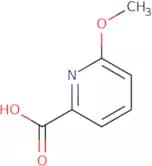
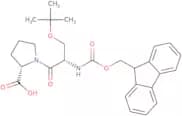
CAS:<p>2-Methoxy-6-picolinic acid (2MPA) is a picolinate that has been shown to be an effective catalyst for the conversion of alcohols into allylic alcohols. 2MPA is able to catalyze the reaction by abstracting hydrogen from the carbonyl group, and then adding it to the adjacent carbon. This reaction can produce peroxide as a byproduct, which is subsequently hydrolyzed to form water and alcohol. The β-unsaturated carbonyl group of 2MPA provides additional stability for this catalytic process.<br>2MPA can also be used as a catalyst in other reactions, such as the oxidation of benzylic alcohols with hydrogen peroxide to form benzylic carbonyl compounds.</p>Formula:C7H7NO3Purity:Min. 95%Color and Shape:PowderMolecular weight:153.14 g/molFmoc-Ser(tBu)-Pro-OH
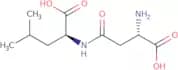
CAS:<p>Please enquire for more information about Fmoc-Ser(tBu)-Pro-OH including the price, delivery time and more detailed product information at the technical inquiry form on this page</p>Formula:C27H32N2O6Purity:Min. 95%Molecular weight:480.55 g/molH-Asp(Leu-OH)-OH
CAS:<p>H-Asp(Leu-OH)-OH is a bioactive molecule that can induce apoptosis in cancer cells. Mechanistically, this compound induces apoptosis by increasing the amount of reactive oxygen species (ROS) and reducing mitochondrial membrane potential in cancer cells. The anti-cancer activity of H-Asp(Leu-OH)-OH has been shown to be dose dependent and it has been observed to cause vacuolization in kidney cells. Chemical compositions show that H-Asp(Leu-OH)-OH is composed of Aspartic acid, Leucine, and Hydroxyl groups.</p>Formula:C10H18N2O5Purity:Min. 95%Molecular weight:246.26 g/molMca-Pro-b-cyclohexyl-Ala-Gly-Nva-His-Ala-Dap (Dnp)-NH2 trifluoroacetate salt
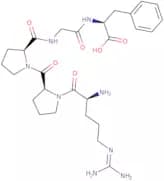
CAS:<p>Please enquire for more information about Mca-Pro-b-cyclohexyl-Ala-Gly-Nva-His-Ala-Dap (Dnp)-NH2 trifluoroacetate salt including the price, delivery time and more detailed product information at the technical inquiry form on this page</p>Formula:C51H65N13O15Purity:Min. 95%Molecular weight:1,100.14 g/molBradykinin (1-5) trifluoroacetate salt
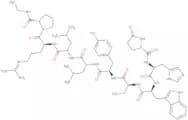
CAS:<p>Bradykinin (1-5) trifluoroacetate salt H-Arg-Pro-Pro-Gly-Phe-OH is a peptide that has been shown to have anti-cancer properties. The effect of Bradykinin (1-5) trifluoroacetate salt H-Arg-Pro-Pro-Gly-Phe-OH on prostate cancer cells was studied in vitro by measuring the extent of cell growth. The results showed a dose dependent decrease in tumor growth rate, suggesting that this peptide may be useful as an adjuvant therapy for prostate cancer. Bradykinin (1-5) trifluoroacetate salt H-Arg-Pro-Pro-Gly-Phe has also been shown to inhibit diabetic nephropathy and reduce proteinuria in diabetic patients. This peptide may also be used to diagnose prostate cancer because it binds to the thrombin receptor, which is present on cancer cells but not</p>Formula:C27H40N8O6Purity:Min. 95%Molecular weight:572.66 g/mol(Des-Gly10,D-Tyr5,D-Leu6,Pro-NHEt 9)-LHRH
CAS:<p>Please enquire for more information about (Des-Gly10,D-Tyr5,D-Leu6,Pro-NHEt 9)-LHRH including the price, delivery time and more detailed product information at the technical inquiry form on this page</p>Formula:C59H84N16O12Purity:Min. 95%Molecular weight:1,209.4 g/molFibronectin Fragment (1376-1380) trifluoroacetate salt
CAS:<p>Please enquire for more information about Fibronectin Fragment (1376-1380) trifluoroacetate salt including the price, delivery time and more detailed product information at the technical inquiry form on this page</p>Formula:C24H39N11O8Purity:Min. 95%Molecular weight:609.64 g/molAtrial Natriuretic Factor (3-28) (rat) trifluoroacetate salt
CAS:<p>Natriuretic factor is a peptide hormone that regulates blood pressure. This peptide is encoded by a gene located on chromosome 10 and is made up of 28 amino acids. Natriuretic factor binds to the membrane of mitochondria and zymogen granules, causing them to release their contents into the cytosol. The resulting increase in cytosolic volume causes an increased diastolic pressure, as well as an increased glomerular filtration rate and cardiac output. Natriuretic factors have also been shown to stimulate the production of natriuretic peptides, which are involved in water balance and electrolyte homeostasis.</p>Formula:C119H189N43O36S2Purity:Min. 95%Molecular weight:2,862.17 g/molZ-Gly-Pro-Arg-AMC·HCl
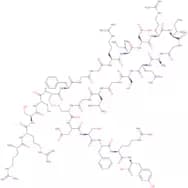
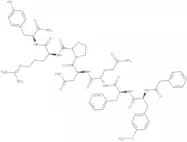
CAS:<p>Please enquire for more information about Z-Gly-Pro-Arg-AMC·HCl including the price, delivery time and more detailed product information at the technical inquiry form on this page</p>Formula:C31H37N7O7·HClPurity:Min. 95%Molecular weight:656.13 g/mol(Phenylac 1,D-Tyr(Me)2,Arg6·8,Tyr-NH29)-Vasopressin trifluoroacetate salt Phenylac-D-Tyr(Me)-Phe-Gln-Asn-Arg-Pro-Arg-Tyr-NH2 tri
CAS:<p>Please enquire for more information about (Phenylac 1,D-Tyr(Me)2,Arg6·8,Tyr-NH29)-Vasopressin trifluoroacetate salt Phenylac-D-Tyr(Me)-Phe-Gln-Asn-Arg-Pro-Arg-Tyr-NH2 tri including the price, delivery time and more detailed product information at the technical inquiry form on this page</p>Formula:C62H83N17O13Purity:Min. 95%Color and Shape:PowderMolecular weight:1,274.43 g/mol(D-Arg2,Lys4)-Dermorphin (1-4) amide
CAS:<p>Dermorphin is a neuropeptide that has been shown to reduce cortisol levels in badgers and has been shown to have biological activity in vitro. Dermorphin also has a number of pharmacokinetic properties, including water solubility, lipid solubility, and oral bioavailability. The drug binds to δ receptors and inhibits the enzyme activities of rat liver microsomes. Dermorphin is used as an analgesic for bowel disease, such as inflammatory bowel disease or hypogaea. Dermorphin has antinociceptive properties (pain-relieving).</p>Formula:C30H45N9O5Purity:Min. 95%Molecular weight:611.74 g/molpTH (1-34) amide (human) trifluoroacetate salt
CAS:<p>Parathyroid hormone (PTH) is a peptide hormone that regulates calcium and phosphate balance in the body. PTH is secreted by the parathyroid glands, located near the thyroid gland in the neck. It is also known as parathormone or parathyrin. The active form of PTH, called pTH (1-34) amide, has been shown to stimulate bone resorption and to inhibit bone formation. The amino acid sequence of this hormone starts with arginine and ends with phenylalanine. The N-terminal amino acid residue is an aspartic acid or asparagine and histidine is the only basic residue in this molecule. This molecule has two acidic residues, glutamic acid and aspartic acid, which are found on the side chains of two amino acids: aspartic acid and glutamic acid. Valine is found at position 3 and phenylalanine at position 34.</p>Formula:C181H292N56O50S2Purity:Min. 95%Molecular weight:4,116.73 g/molGRPP (human) trifluoroacetate salt
CAS:<p>Please enquire for more information about GRPP (human) trifluoroacetate salt including the price, delivery time and more detailed product information at the technical inquiry form on this page</p>Formula:C136H215N41O58SPurity:Min. 95%Molecular weight:3,384.47 g/molH-Thr-Arg-OH sulfate salt
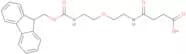
CAS:<p>H-Thr-Arg-OH sulfate salt is a molecule that contains the active amino acid residues of vasoactive intestinal peptide (VIP) and reversed-phase high-performance liquid chromatography. The structure of VIP was determined by stepwise synthesis and chloromethyl ketone activation. It has been shown to have an intestinal effect, which is due to its ability to increase blood pressure. This drug also has potential as a therapeutic agent in the treatment of hypertension, heart disease, or diabetes mellitus.</p>Formula:C10H21N5O4Purity:Min. 95%Molecular weight:275.31 g/molN-(Fmoc-5-amino-3-oxa-pentyl)succinamic acid
CAS:<p>N-(Fmoc-5-amino-3-oxa-pentyl)succinamic acid is a high quality chemical that is used as an intermediate in the production of pharmaceuticals and other fine chemicals. It is also a reagent for use in peptide synthesis. N-(Fmoc-5-amino-3-oxa-pentyl)succinamic acid has a CAS No. 669073-62-5 and can be used as a useful scaffold for the production of complex compounds. This compound is also useful for research purposes, due to its versatility as a building block with speciality chemical applications.</p>Formula:C23H26N2O6Purity:Min. 95%Molecular weight:426.46 g/molOctreotide trifluoroacetate salt (Dimer, Antiparallel) (
<p>Please enquire for more information about Octreotide trifluoroacetate salt (Dimer, Antiparallel) ( including the price, delivery time and more detailed product information at the technical inquiry form on this page</p>Formula:C98H132N20O20S4Purity:Min. 95%Molecular weight:2,038.48 g/mol4-Amino-N-(4-methylpyrimidin-2-yl)benzenesulfonamide
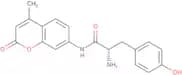
CAS:<p>4-Amino-N-(4-methylpyrimidin-2-yl)benzenesulfonamide (AMBPS) is a sulfonamide antimicrobial agent that belongs to the group of sulfa drugs. It is a potent inhibitor of tetracycline resistance in bacterial cells, and has been shown to be effective against infectious diseases such as tuberculosis, leprosy and pneumonia. AMBPS has also been used in wastewater treatment and biological studies with high values. This drug binds to sulfamerazine, which inhibits bacterial growth by inhibiting RNA synthesis. The hydrogen bonding interactions between AMBPS and sulfadiazine are thought to be responsible for the effects on congestive heart failure.</p>Formula:C11H12N4O2SPurity:Min. 95%Molecular weight:264.3 g/molH-Tyr-AMC·TFA
CAS:<p>Please enquire for more information about H-Tyr-AMC·TFA including the price, delivery time and more detailed product information at the technical inquiry form on this page</p>Formula:C19H18N2O4·C2HF3O2Purity:Min. 95%Molecular weight:452.38 g/molAc-tBu-Gly-tBu-Gly-Asn(Me)2-Ala-AMC
CAS:<p>Please enquire for more information about Ac-tBu-Gly-tBu-Gly-Asn(Me)2-Ala-AMC including the price, delivery time and more detailed product information at the technical inquiry form on this page</p>Formula:C33H50N6O8Purity:Min. 95%Molecular weight:658.79 g/mol2-[(4-Chloro-2-nitrophenyl)azo]-N-(2-methoxyphenyl)-3-oxobutanamide
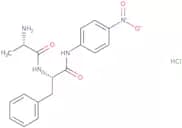
CAS:<p>2-[(4-Chloro-2-nitrophenyl)azo]-N-(2-methoxyphenyl)-3-oxobutanamide is a chelating agent that has been used as a control agent in the manufacture of dyes, plastics, and rubber. It is also used as an additive in paints, textiles, and paper. 2-[(4-Chloro-2-nitrophenyl)azo]-N-(2-methoxyphenyl)-3-oxobutanamide is nonvolatile, nonflammable, and does not produce toxic byproducts when heated. This compound has low molecular weight with a molecular formula of C12H13NO5Cl. The structure of this compound includes two hydroxy groups (OH), one aliphatic hydrocarbon group (CH3), one carboxylic acid group (COOH), and three chlorine atoms (Cl). This product is soluble in water</p>Formula:C17H15ClN4O5Color and Shape:Yellow Clear LiquidMolecular weight:390.78 g/molH-Ala-Phe-pNA·HCl
CAS:<p>Please enquire for more information about H-Ala-Phe-pNA·HCl including the price, delivery time and more detailed product information at the technical inquiry form on this page</p>Formula:C18H20N4O4·HClPurity:Min. 95%Molecular weight:392.84 g/molAmyloid β-Protein (3-40) trifluoroacetate salt
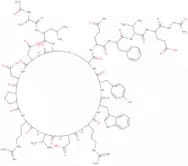
CAS:<p>Please enquire for more information about Amyloid beta-Protein (3-40) trifluoroacetate salt including the price, delivery time and more detailed product information at the technical inquiry form on this page</p>Formula:C187H285N51O54SPurity:Min. 95%Molecular weight:4,143.64 g/molAc-Ala-Leu-Cys-Asp-Asp-Pro-Arg-Val-Asp-Arg-Trp-Tyr-Cys-Gln-Phe-Val-Glu-Gly-NH2 (Disulfide bond)
CAS:<p>Please enquire for more information about Ac-Ala-Leu-Cys-Asp-Asp-Pro-Arg-Val-Asp-Arg-Trp-Tyr-Cys-Gln-Phe-Val-Glu-Gly-NH2 (Disulfide bond) including the price, delivery time and more detailed product information at the technical inquiry form on this page</p>Formula:C97H139N27O29S2Purity:Min. 95%Molecular weight:2,211.44 g/molTRH-Gly
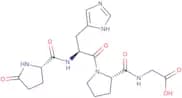
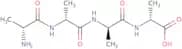
CAS:<p>TRH-Gly Pyr-His-Pro-Gly-OH is a synthetic glucocorticoid that binds to the glucocorticoid receptor. It has been shown to be effective in inhibiting tumor growth and reducing the size of tumors in rats. TRH-Gly Pyr-His-Pro-Gly-OH has also been shown to reduce the release of calcium from intracellular stores, inhibit the biosynthesis of messenger RNA, and inhibit DNA synthesis in human tumor cells. It is used to treat patients with cancer and those with chronic obstructive pulmonary disease (COPD).</p>Formula:C18H24N6O6Purity:Min. 95%Molecular weight:420.42 g/molH-D-Ala-D-Ala-D-Ala-D-Ala-OH
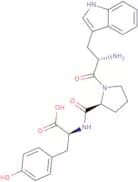
CAS:<p>Please enquire for more information about H-D-Ala-D-Ala-D-Ala-D-Ala-OH including the price, delivery time and more detailed product information at the technical inquiry form on this page</p>Formula:C12H22N4O5Purity:Min. 95%Molecular weight:302.33 g/molH-Trp-Pro-Tyr-OH
CAS:<p>The peptide H-Trp-Pro-Tyr-OH is a tripeptide with a dihedral angle of 180°. It has been studied by infrared and fluorescence spectroscopy, and the proton resonances have been assigned to H1, H2, and H3. The zwitterion form of this peptide is predicted to be more stable than the isomeric form due to its higher solvation energy. The peptide transporter in the intestinal tract has been shown to transport this peptide via an electrophilic mechanism.</p>Formula:C25H28N4O5Purity:Min. 95%Molecular weight:464.51 g/molMca-(endo-1a-Dap (Dnp))-TNF-a (-5 to +6) amide (human) trifluoroacetate salt
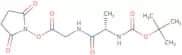
CAS:<p>Please enquire for more information about Mca-(endo-1a-Dap (Dnp))-TNF-a (-5 to +6) amide (human) trifluoroacetate salt including the price, delivery time and more detailed product information at the technical inquiry form on this page</p>Formula:C69H103N23O24Purity:Min. 95%Molecular weight:1,638.7 g/molBoc-Ala-Gly-OSu
CAS:<p>Please enquire for more information about Boc-Ala-Gly-OSu including the price, delivery time and more detailed product information at the technical inquiry form on this page</p>Formula:C14H21N3O7Purity:Min. 95%Molecular weight:343.33 g/molH-Gly-Arg-Gly-Glu-Thr-Pro-OH
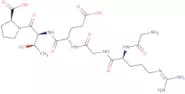
CAS:<p>Please enquire for more information about H-Gly-Arg-Gly-Glu-Thr-Pro-OH including the price, delivery time and more detailed product information at the technical inquiry form on this page</p>Formula:C24H41N9O10Purity:Min. 95%Molecular weight:615.64 g/molAbz-Gly-Ala-Ala-Pro-Phe-3-nitro-Tyr-Asp-OH trifluoroacetate salt
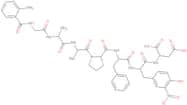
CAS:<p>Please enquire for more information about Abz-Gly-Ala-Ala-Pro-Phe-3-nitro-Tyr-Asp-OH trifluoroacetate salt including the price, delivery time and more detailed product information at the technical inquiry form on this page</p>Formula:C42H49N9O14Purity:Min. 95%Molecular weight:903.89 g/molH-Pro-His-Leu-OH
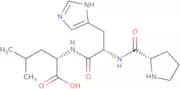
CAS:<p>H-Pro-His-Leu-OH is a tripeptide with a sequence of L-proline, H-histidine, and D-leucine. It is an experimental substrate for peptide transporters and has been shown to be taken up by E. coli. This peptide is specific for Borrelia burgdorferi, the organism that causes Lyme disease.</p>Formula:C17H27N5O4Purity:Min. 95%Molecular weight:365.43 g/molPeptide 6A
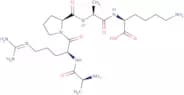
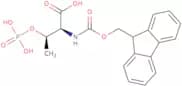
CAS:<p>Peptide 6A is a cyclic peptide that has been shown to have analgesic and anti-inflammatory effects. It is synthesized by conjugating the amino acid alanine to the N-terminal of arginine, which leads to a polymer conjugate. The cyclic peptide has been shown to inhibit pain responses in anesthetized animals as well as inhibit blood pressure in rats with hypertension. In addition, it showed significant vasodilatory effects and inhibited sodium citrate induced platelet aggregation. Treatment with peptide 6A also decreases fibrinogen levels in humans and showed radical scavenging activities in human serum.</p>Formula:C23H43N9O6Purity:Min. 95%Molecular weight:541.64 g/molFmoc-Thr(PO3H2)-OH
CAS:<p>Please enquire for more information about Fmoc-Thr(PO3H2)-OH including the price, delivery time and more detailed product information at the technical inquiry form on this page</p>Formula:C19H20NO8PPurity:Min. 95%Molecular weight:421.34 g/molFmoc-Tyr(tBu)-Ser(Psi(Me,Me)Pro)-OH
CAS:<p>Please enquire for more information about Fmoc-Tyr(tBu)-Ser(Psi(Me,Me)Pro)-OH including the price, delivery time and more detailed product information at the technical inquiry form on this page</p>Formula:C34H38N2O7Purity:Min. 95%Color and Shape:White PowderMolecular weight:586.67 g/mol(H-Cys-Tyr-OH)2
CAS:<p>Please enquire for more information about (H-Cys-Tyr-OH)2 including the price, delivery time and more detailed product information at the technical inquiry form on this page</p>Formula:C24H30N4O8S2Purity:Min. 95%Color and Shape:PowderMolecular weight:566.65 g/mol





![1-t-Boc-piperidine-4-spiro-5'-[1',3'-bis-t-boc]-hydantoin](/_next/image/?url=https%3A%2Fstatic.cymitquimica.com%2Fproducts%2F3D%2Fthumb-webp%2FFB18981.webp&w=3840&q=75)
























![2-[(4-Chloro-2-nitrophenyl)azo]-N-(2-methoxyphenyl)-3-oxobutanamide](/_next/image/?url=https%3A%2Fstatic.cymitquimica.com%2Fproducts%2F3D%2Fthumb-webp%2FFC149929.webp&w=3840&q=75)