Amino Acids (AA)
Amino acids (AAs) are the fundamental building blocks of proteins, playing a crucial role in various biological processes. These organic compounds are essential for protein synthesis, metabolic pathways, and cell signaling. In this category, you will find a comprehensive range of amino acids, including essential, non-essential, and modified forms, which are vital for research in biochemistry, molecular biology, and nutritional sciences. At CymitQuimica, we provide high-quality amino acids to support your research and development needs, ensuring accuracy and reliability in your experimental outcomes.
Subcategories of "Amino Acids (AA)"
- Amino Acid Derivatives(3,955 products)
- Amino Acid and Amino Acid Related Compounds(3,464 products)
- Amino Acids with Oxygen or Sulphur(168 products)
- Boc- Amino Acids(351 products)
- Fmoc Amino Acids(1,710 products)
Found 38247 products of "Amino Acids (AA)"
Sort by
Purity (%)
0
100
|
0
|
50
|
90
|
95
|
100
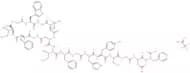
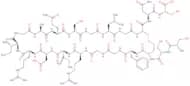
(Pyr 16)-VIP (16-28) (human, mouse, rat)
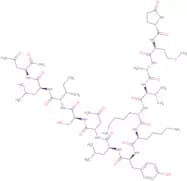
CAS:<p>Please enquire for more information about (Pyr 16)-VIP (16-28) (human, mouse, rat) including the price, delivery time and more detailed product information at the technical inquiry form on this page</p>Formula:C68H114N18O18SPurity:Min. 95%Molecular weight:1,503.81 g/molHIV Protease Substrate IV
CAS:<p>Please enquire for more information about HIV Protease Substrate IV including the price, delivery time and more detailed product information at the technical inquiry form on this page</p>Formula:C49H83N15O13Purity:Min. 95%Molecular weight:1,090.28 g/molBradykinin (2-9) acetate salt
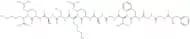
CAS:<p>Acetate salt</p>Formula:C44H61N11O10Purity:Min. 95%Molecular weight:904.02 g/mol(Arg8)-Conopressin G trifluoroacetate salt
CAS:<p>Please enquire for more information about (Arg8)-Conopressin G trifluoroacetate salt including the price, delivery time and more detailed product information at the technical inquiry form on this page</p>Formula:C44H71N17O10S2Purity:Min. 95%Molecular weight:1,062.28 g/molAcetyl-ACTH (4-24) (human, bovine, rat) trifluoroacetate salt
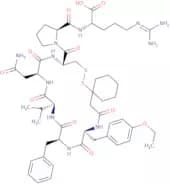
CAS:<p>Please enquire for more information about Acetyl-ACTH (4-24) (human, bovine, rat) trifluoroacetate salt including the price, delivery time and more detailed product information at the technical inquiry form on this page</p>Formula:C123H193N37O26SPurity:Min. 95%Molecular weight:2,638.15 g/mol(d(CH2)51,Tyr(Et)2,Val4,Arg8,des-Gly-NH29)-Vasopressin
CAS:<p>Please enquire for more information about (d(CH2)51,Tyr(Et)2,Val4,Arg8,des-Gly-NH29)-Vasopressin including the price, delivery time and more detailed product information at the technical inquiry form on this page</p>Formula:C51H73N11O11S2Purity:Min. 95%Molecular weight:1,080.32 g/mol(D-Thr6,D-Trp8·9,L-alaninol15)-Galanin (1-15)
CAS:<p>Please enquire for more information about (D-Thr6,D-Trp8·9,L-alaninol15)-Galanin (1-15) including the price, delivery time and more detailed product information at the technical inquiry form on this page</p>Formula:C84H117N21O18Purity:Min. 95%Molecular weight:1,708.96 g/molErythropoietin Mimetic Peptide Sequence 20 trifluoroacetate salt
CAS:<p>Please enquire for more information about Erythropoietin Mimetic Peptide Sequence 20 trifluoroacetate salt including the price, delivery time and more detailed product information at the technical inquiry form on this page</p>Formula:C72H99N17O17S2Purity:Min. 95%Molecular weight:1,538.79 g/molEnterostatin (human, mouse, rat) acetate salt
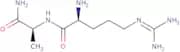
CAS:<p>Enterostatin is a peptide hormone that inhibits the release of insulin, gastric acid and pancreatic juices. Enterostatin has been shown to have a number of biological properties, including an anti-obesity effect in humans. In mice, enterostatin has been shown to decrease food intake, increase energy expenditure and weight loss. Enterostatin also decreases the levels of serum cholesterol and triglycerides in rats. This drug has a number of pharmacological activities including inhibition of platelet aggregation and vasodilation. Enterostatin is related to peptide hormones such as ghrelin, which stimulates appetite, and cholecystokinin (CCK), which reduces appetite. It may be used as an alternative treatment for obesity or metabolic disorders like diabetes mellitus type 2 or hyperlipidaemia.</p>Formula:C21H36N8O6Purity:Min. 95%Molecular weight:496.56 g/molH-Arg-Ala-NH2·2 HCl
CAS:<p>Please enquire for more information about H-Arg-Ala-NH2·2 HCl including the price, delivery time and more detailed product information at the technical inquiry form on this page</p>Formula:C9H20N6O2·2HClPurity:Min. 95%Molecular weight:317.22 g/molSPLUNC1 (22-39) trifluoroacetate salt
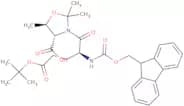
CAS:<p>Please enquire for more information about SPLUNC1 (22-39) trifluoroacetate salt including the price, delivery time and more detailed product information at the technical inquiry form on this page</p>Formula:C82H135N21O25Purity:Min. 95%Molecular weight:1,815.08 g/molFmoc-a-Me-D-Asp(OtBu)-OH
CAS:<p>Please enquire for more information about Fmoc-a-Me-D-Asp(OtBu)-OH including the price, delivery time and more detailed product information at the technical inquiry form on this page</p>Formula:C24H27NO6Purity:Min. 95%Molecular weight:425.47 g/molH-Gly-Arg-Ala-Asp-Ser-Pro-Lys-OH acetate salt
CAS:<p>Glycine-arginine-aspartate (GAA) is a mimic of the endothelium-derived vasoactive peptide, nitric oxide (NO). It has been shown to attenuate the inflammatory response by decreasing leukocyte adhesion and migration. GAA is also a potent inhibitor of vascular permeability and can attenuate edema in animal models. Studies have shown that GAA prevents microvascular damage following brain infarction. The mechanism of action for GAA is not fully understood, but it may be due to its ability to inhibit fibronectin breakdown, which leads to cerebral edema. GAA's activity on the endothelium may be due to its ability to mimic NO or inhibit sulfate synthesis.</p>Formula:C29H51N11O11Purity:Min. 95%Molecular weight:729.78 g/molHippocampal Cholinergic Neurostimulating Peptide
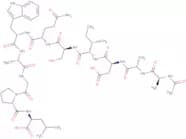
CAS:<p>Hippocampal Cholinergic Neurostimulating Peptide Ac-Ala-Ala-Asp-Ile-Ser-Gln-Trp-Ala-Gly-Pro-Leu is a peptide hormone that has been found in the hippocampus. It is a cholinergic neurotransmitter that is synthesized and secreted by neurons in the brain. It has been shown to have an effect on bowel disease, locomotor activity, and hippocampal formation. Hippocampal Cholinergic Neurostimulating Peptide Ac-Ala-Ala-Asp-Ile-Ser-Gln-Trp was first identified through biochemical analysis of rat brain tissue.</p>Formula:C53H79N13O17Purity:Min. 95%Molecular weight:1,170.27 g/mol2-Phenylpyridine
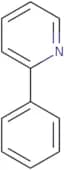
CAS:<p>2-Phenylpyridine is a heterocyclic organic compound that has been shown to have x-ray crystal structures. It has redox potentials, nitrogen atoms, and a fatty acid group attached. 2-Phenylpyridine has been shown to have nmr spectra that are characteristic of a transfer reaction mechanism. The steric interactions and the biphenyl groups have been shown to have ancillary effects on the reaction mechanism. 2-Phenylpyridine is also known to coordinate in a geometric shape called octahedral, which is most likely due to hydrogen bonding and photophysical properties. The analytical chemistry of this molecule consists of determining its melting point, boiling point, and density. 2-phenylpyridine</p>Formula:C11H9NPurity:Min. 95%Molecular weight:155.2 g/molBiotinyl-epsilonAhx-ω-Conotoxin GVIA trifluoroacetate salt
CAS:Controlled Product<p>Please enquire for more information about Biotinyl-epsilonAhx-omega-Conotoxin GVIA trifluoroacetate salt including the price, delivery time and more detailed product information at the technical inquiry form on this page</p>Formula:C136H207N41O46S7Purity:Min. 95%Molecular weight:3,376.81 g/molL-Lysine methyl ester 2HCl
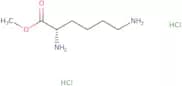
CAS:<p>L-Lysine methyl ester 2HCl is a lysine derivative that has been synthesized by reacting L-lysine with methanol and hydrochloric acid. This compound's cytotoxicity has been demonstrated in an inhibition study using calf thymus dna. L-Lysine methyl ester 2HCl contains amide, acid, and ester linkages, as well as hydrogen bonds that are typical of natural compounds. It is also biologically active and has a molecular weight of 246.3 g/mol. The chemical structure of this compound consists of a central l-lysine molecule with two methyl groups on the nitrogen atom. The compound also contains a carboxyl group on the end of the chain and an ester group on the second carbon atom from the end of the chain. L-Lysine methyl ester 2HCl can be found in soybeans and bovine fetal tissue. It exhibits morphological properties similar to other</p>Formula:C7H16N2O2·2HClPurity:Min. 95%Color and Shape:PowderMolecular weight:233.14 g/molFITC-b-Ala-Amyloid b-Protein (1-42) ammonium salt
CAS:<p>Please enquire for more information about FITC-b-Ala-Amyloid b-Protein (1-42) ammonium salt including the price, delivery time and more detailed product information at the technical inquiry form on this page</p>Formula:C227H327N57O66S2Purity:Min. 95%Molecular weight:4,974.5 g/molZ-Ala-Ala-Lys-4MbetaNA formiate salt
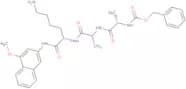
CAS:<p>Please enquire for more information about Z-Ala-Ala-Lys-4MbetaNA formiate salt including the price, delivery time and more detailed product information at the technical inquiry form on this page</p>Formula:C31H39N5O6·CH2O2Purity:Min. 95%Molecular weight:623.7 g/molH-D-Asp(OtBu)-allyl ester·HCl
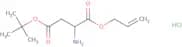
CAS:<p>Please enquire for more information about H-D-Asp(OtBu)-allyl ester·HCl including the price, delivery time and more detailed product information at the technical inquiry form on this page</p>Formula:C11H19NO4·HClPurity:Min. 95%Molecular weight:265.73 g/mol(Tyr0)-BNP-32 (human) trifluoroacetate salt
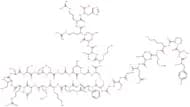
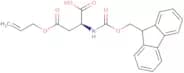
CAS:<p>Please enquire for more information about (Tyr0)-BNP-32 (human) trifluoroacetate salt including the price, delivery time and more detailed product information at the technical inquiry form on this page</p>Formula:C152H253N51O44S4Purity:Min. 95%Molecular weight:3,627.22 g/molFmoc-L-aspartic acid β-allyl ester
CAS:<p>Fmoc-L-aspartic acid beta-allyl ester is a specific interaction between an amide and an enzyme target. It has been shown to have anti-inflammatory properties by inhibiting the activity of COX-2, which inhibits the production of prostaglandins. Fmoc-L-aspartic acid beta-allyl ester is a cyclic peptide with a lactam ring system that has been synthesized in a stepwise manner on a solid phase. This molecule interacts with cell line A549 and blocks the proliferation of cancer cells. Fmoc-L-aspartic acid beta-allyl ester also contains a disulfide bond that stabilizes its structure.</p>Formula:C22H21NO6Purity:Min. 95%Molecular weight:395.41 g/molBpoc-Gly-OH·DCHA
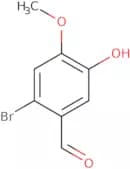
CAS:Controlled Product<p>Please enquire for more information about Bpoc-Gly-OH·DCHA including the price, delivery time and more detailed product information at the technical inquiry form on this page</p>Formula:C18H19NO4·C12H23NPurity:Min. 95%Molecular weight:494.67 g/mol2-Bromo-5-hydroxy-4-methoxybenzaldehyde
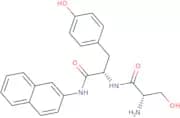
CAS:<p>2-Bromo-5-hydroxy-4-methoxybenzaldehyde is a death pathway inhibitor that has been shown to have radiosensitizing effects in vitro. It has also been found to inhibit the expression of matrix metalloproteinase (MMP) in human glioma cells and in a rat model of cerebral ischemia. This compound may be used as a potential chemotherapeutic agent for the treatment of cancer. 2-Bromo-5-hydroxy-4-methoxybenzaldehyde inhibits cell proliferation by inducing apoptosis, or programmed cell death, which may be due to its ability to suppress MMP activity.</p>Formula:C8H7BrO3Purity:Min. 95%Color and Shape:PowderMolecular weight:231.04 g/molH-Ser-Tyr-betaNA
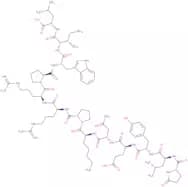
CAS:<p>Please enquire for more information about H-Ser-Tyr-betaNA including the price, delivery time and more detailed product information at the technical inquiry form on this page</p>Formula:C22H23N3O4Purity:Min. 95%Molecular weight:393.44 g/mol(Trp11)-Neurotensin Pyr-Leu-Tyr-Glu-Asn-Lys-Pro-Arg-Arg-Pro-Trp-Ile-Leu-OH
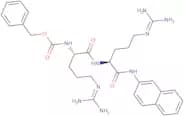
CAS:<p>Neurotensin is a peptide hormone that is found in the brain and gastrointestinal tract. It stimulates the release of acetylcholine, histamine, and serotonin from nerve endings. Neurotensin acts as a neurotransmitter in the brain by binding to specific receptors on presynaptic nerve terminals. The amino acid sequence of neurotensin contains 11 amino acids: Trp-Leu-Tyr-Glu-Asn-Lys-Pro-Arg-Arg-Pro-Trp-Ile. It is labeled with azidobenzoyl (AB) and disuccinimidyl suberate (DSS) for autoradiography studies using gel electrophoresis. The molecular weight of neurotensin is approximately 7,200 daltons.</p>Formula:C80H122N22O19Purity:Min. 95%Molecular weight:1,695.96 g/molZ-Arg-Arg-bNA acetate salt
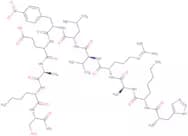
CAS:<p>Please enquire for more information about Z-Arg-Arg-bNA acetate salt including the price, delivery time and more detailed product information at the technical inquiry form on this page</p>Formula:C30H39N9O4Purity:Min. 95%Molecular weight:589.69 g/molHIV Protease Substrate III
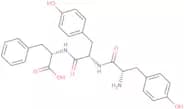
CAS:<p>HIV protease is a large protein that cleaves the polyprotein of HIV. This enzyme is essential for viral replication and so any drug that inhibits its function will inhibit HIV infectivity. The HIV protease substrate III, which contains histidine at position 3, has been used to study the effects of HIV proteases on different tissue types. It has been shown that this substrate can be detected in the cytoplasm and vacuole of cells infected with HIV, indicating that it may be involved in the transport process. The addition of an acidic amino acid (p-nitro-phenylalanine) to the substrate increases its antiviral activity by increasing its stability against proteolytic enzymes and allowing it to penetrate into cells more easily.</p>Formula:C58H95N19O16Purity:Min. 95%Molecular weight:1,314.49 g/molH-Tyr-Tyr-Phe-OH acetate salt
CAS:<p>H-Tyr-Tyr-Phe-OH acetate salt is a reaction product of the matrix-assisted laser desorption ionization (MALDI) technique. It is an analog of tyrosine, with a hydroxyl group substituted for the amino group. The protonation state of this molecule has been determined by the hydration constant and the centroid to be a neutral pH. Using hydrogen bonding, H-Tyr-Tyr-Phe-OH acetate salt binds to the mitochondria in cells, which may lead to a higher rate of reaction.</p>Formula:C27H29N3O6Purity:Min. 95%Molecular weight:491.54 g/mol(D-His2,D-Ser(tBu)6,Azagly10)-LHRH
CAS:<p>Please enquire for more information about (D-His2,D-Ser(tBu)6,Azagly10)-LHRH including the price, delivery time and more detailed product information at the technical inquiry form on this page</p>Formula:C59H84N18O14Purity:Min. 95%Molecular weight:1,269.41 g/molFmoc-Lys(Boc)-Wang resin (100-200 mesh)
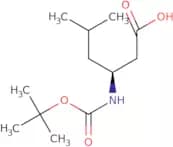
<p>Please enquire for more information about Fmoc-Lys(Boc)-Wang resin (100-200 mesh) including the price, delivery time and more detailed product information at the technical inquiry form on this page</p>Purity:Min. 95%Boc-L-β-homoleucine
CAS:<p>Please enquire for more information about Boc-L-beta-homoleucine including the price, delivery time and more detailed product information at the technical inquiry form on this page</p>Formula:C12H23NO4Purity:Min. 95%Molecular weight:245.32 g/molH-His-Tyr-OH
CAS:<p>H-His-Tyr-OH is a histidine-containing compound that has been synthesized and structurally characterized. H-His-Tyr-OH was shown to be a competitive inhibitor of the enzyme histidine decarboxylase in a rat liver microsomal preparation. The kinetic constants for the inhibition of the enzyme were determined, and the binding site on the enzyme was identified by molecular modeling. This study also showed that H-His-Tyr-OH binds to monoclonal antibodies with high affinity and specificity, which may be useful for therapy.</p>Formula:C15H18N4O4Purity:Min. 95%Molecular weight:318.33 g/molSuc-Ala-Leu-Pro-Phe-OH
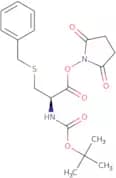
CAS:<p>Please enquire for more information about Suc-Ala-Leu-Pro-Phe-OH including the price, delivery time and more detailed product information at the technical inquiry form on this page</p>Formula:C27H38N4O8Purity:Min. 95%Molecular weight:546.61 g/molBoc-Cys(Bzl)-OSu
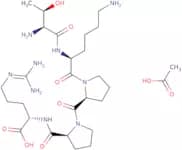
CAS:<p>Boc-Cys(Bzl)-OSu is a prodrug that is metabolized by esterases to form the active compound, boc-Cys(Bzl)-OH. This molecule inhibits matrix metalloproteinase (MMP) activity and can be used for the treatment of viral infections, such as hepatitis C and HIV. Boc-Cys(Bzl)-OSu has been shown to inhibit MMPs in a number of different ways including steric interactions with the active site of MMPs and by binding to the receptor protein for these enzymes. It also has antiviral activity against HIV and other viruses.</p>Formula:C19H24N2O6SPurity:Min. 95%Molecular weight:408.47 g/molH-Thr-Lys-Pro-Pro-Arg-OH acetate salt
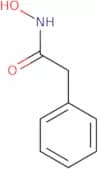
CAS:Controlled Product<p>Please enquire for more information about H-Thr-Lys-Pro-Pro-Arg-OH acetate salt including the price, delivery time and more detailed product information at the technical inquiry form on this page</p>Formula:C26H47N9O7Purity:Min. 95%Molecular weight:597.71 g/molN-Hydroxy-2-phenyl-acetamide
CAS:<p>N-Hydroxy-2-phenyl-acetamide is a metalloprotease inhibitor that binds to the active site of the enzyme, thereby preventing it from binding with its natural substrate. This drug has been shown to inhibit the production of TNF-α in mice with autoimmune diseases and may be able to inhibit other proinflammatory mediators. N-Hydroxy-2-phenyl-acetamide has been shown to bind to a water molecule and an aliphatic hydrocarbon in order to form a hydrogen bond. This coordination complex inhibits the activity of matrix metalloproteinases, which are enzymes that break down collagen, elastin, and other proteins in the extracellular matrix. N-Hydroxy-2-phenyl-acetamide is not active against acid complexes or tnfα.</p>Formula:C8H9NO2Purity:Min. 95%Color and Shape:White Yellow PowderMolecular weight:151.16 g/molFmoc-Tyr(tBu)-Wang resin (200-400 mesh)
<p>Please enquire for more information about Fmoc-Tyr(tBu)-Wang resin (200-400 mesh) including the price, delivery time and more detailed product information at the technical inquiry form on this page</p>Purity:Min. 95%Z-His(Z)-OH ethanol solvate
<p>Please enquire for more information about Z-His(Z)-OH ethanol solvate including the price, delivery time and more detailed product information at the technical inquiry form on this page</p>Formula:C22H21N3O6Purity:Min. 95%Molecular weight:423.42 g/molFmoc-S-trityl-D-cysteine
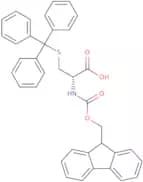
CAS:<p>Fmoc-S-trityl-D-cysteine (Fmoc-SC) is a modified amino acid that is used in the synthesis of biomolecules. It can be synthesized using a stepwise process, starting with the reaction between cysteine and trityl chloride. Fmoc-SC has been shown to inhibit mitochondrial membrane potential and cell growth in cancer cells. Additionally, it has pharmacokinetic properties that make it suitable for intravenous administration. Fmoc-SC can also be used to modify proteins by reacting with hydroxyl groups on lysine residues and other nucleophiles, as well as to inhibit histone deacetylases (HDACs), which are enzymes that regulate transcriptional activity.</p>Formula:C37H31NO4SPurity:Min. 95%Color and Shape:PowderMolecular weight:585.71 g/molZ-Ala-Arg-Arg-4MbetaNA acetate salt
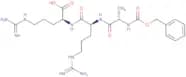
CAS:<p>Please enquire for more information about Z-Ala-Arg-Arg-4MbetaNA acetate salt including the price, delivery time and more detailed product information at the technical inquiry form on this page</p>Formula:C34H46N10O6Purity:Min. 95%Molecular weight:690.79 g/molAnxiety Peptide acetate salt
CAS:<p>Anxiety Peptide acetate salt H-Gln-Ala-Thr-Val-Gly-Asp-Val-Asn-Thr-Asp-Arg-Pro-Gly-Leu-Leu-Asp-Leu Lys is a peptide that has been shown to have neurotrophic activity and the ability to modulate locomotor activity in mice. This compound has also been shown to inhibit dpp iv, a protein that is involved in the regulation of neuronal death. Anxiety Peptide acetate salt H Gln Ala Thr Val Gly Asp Val Asn Thr Arg Pro Gly Leu Leu Asp Leu Lys OH acetate salt also inhibits the polymerase chain reaction, which is an enzyme that synthesizes DNA from RNA templates. Anxiety Peptide acetate salt H Gln Ala Thr Val Gly Asp Val Asn Thr Arg Pro Gly Leu Leu Asp Leu Lys OH acetate salt has been shown</p>Formula:C81H138N24O29Purity:Min. 95%Molecular weight:1,912.11 g/molFmoc-rink amide resin
CAS:<p>Fmoc-rink amide resin is a synthetic, radionuclide, and constant polymer. It is used in chemical ligation to produce peptides from amines and growth factors. Fmoc-rink amide resin also has antimicrobial properties due to its ability to inhibit the growth of bacteria and fungi by binding to their cell membranes. This polymer can be conjugated with growth factor or antimicrobial peptides for use as a therapeutic agent or used in the production of antibodies against a particular protein. Fmoc-rink amide resin has been shown to increase epidermal growth factor (EGF) uptake into cells by targeting EGF receptors on the cell surface.</p>Purity:Min. 95%H-Thr-Asp-OH TFA salt
CAS:<p>Please enquire for more information about H-Thr-Asp-OH TFA salt including the price, delivery time and more detailed product information at the technical inquiry form on this page</p>Formula:C8H14N2O6C2F3HO2Purity:Min. 95%Molecular weight:348.23 g/molFmoc-Thr(PO3H2)-OH
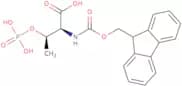
CAS:<p>Please enquire for more information about Fmoc-Thr(PO3H2)-OH including the price, delivery time and more detailed product information at the technical inquiry form on this page</p>Formula:C19H20NO8PPurity:Min. 95%Molecular weight:421.34 g/mol(Des-Glu5)-ACTH (1-24) (human, bovine, rat) trifluoroacetate salt
CAS:<p>Please enquire for more information about (Des-Glu5)-ACTH (1-24) (human, bovine, rat) trifluoroacetate salt including the price, delivery time and more detailed product information at the technical inquiry form on this page</p>Formula:C131H203N39O28SPurity:Min. 95%Molecular weight:2,804.33 g/molH-Glu-Tyr-Glu-OH
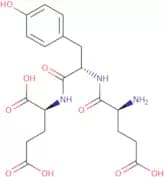
CAS:<p>Please enquire for more information about H-Glu-Tyr-Glu-OH including the price, delivery time and more detailed product information at the technical inquiry form on this page</p>Formula:C19H25N3O9Purity:Min. 95%Molecular weight:439.42 g/molpp60 c-src (521-533) (phosphorylated) trifluoroacetate salt
CAS:<p>Please enquire for more information about pp60 c-src (521-533) (phosphorylated) trifluoroacetate salt including the price, delivery time and more detailed product information at the technical inquiry form on this page</p>Formula:C62H95N16O28PPurity:Min. 95%Molecular weight:1,543.48 g/molAngiotensin I/II (3-8)
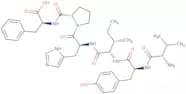
CAS:<p>Angiotensin I/II (3-8) H-Val-Tyr-Ile-His-Pro-Phe-OH is a peptide that has physiological effects and is used as a drug. It is an active analogue of the peptide hormone angiotensin II, which regulates blood pressure and fluid volume. Angiotensin I/II (3-8) H-Val-Tyr-Ile-His-Pro-Phe-OH binds to angiotensin receptors and stimulates the release of calcium ions from cytosolic stores in cells, leading to increased muscle contractions and vasoconstriction. This drug may also have effects on dopamine levels in the brain, locomotor activity, and biochemical properties such as enzyme activity or protein binding.br><br>Angiotensin I/II (3-8) H-Val-Tyr-Ile-His Pro Phe OH has been shown to reduce the level of dopamine</p>Formula:C40H54N8O8Purity:Min. 95%Molecular weight:774.91 g/molAtriopeptin I (rat)
CAS:<p>Atriopeptin I is a peptide hormone that is produced in the rat mesenteric gland. It has been shown to have β-amino acid, diagnostic agents, ph optimum, and receptor activity. Atriopeptin I has been found to have atrial natriuretic effects and may be useful for the treatment of infectious diseases. Atriopeptin I has also been shown to bind with a monoclonal antibody and enzyme inhibitors as well as having a disulfide bond. The biological function of this peptide hormone is not yet known, but it is thought to be involved in fatty acid metabolism.</p>Formula:C83H135N29O30S2Purity:Min. 95%Molecular weight:2,083.27 g/mol(Ala11·22·28)-VIP (human, mouse, rat) trifluoroacetate salt
CAS:<p>(Ala11·22·28)-VIP is an endogenous peptide which is involved in the regulation of inflammation. It is a specific agonist for the vasoactive intestinal peptide receptor (VIP-R) and has been shown to exacerbate inflammatory responses such as those seen in tissues, intestines, and phagocytes. VIP also has effects on other cells types that are mediated by its ability to activate the VIP-R. These include increased vascular permeability and vasodilation, as well as increases in reactive oxygen species and cytokine production.</p>Formula:C139H231N43O39SPurity:Min. 95%Molecular weight:3,160.65 g/mol([13C6]Leu5)-Ghrelin (human) trifluoroacetate salt
CAS:<p>Please enquire for more information about ([13C6]Leu5)-Ghrelin (human) trifluoroacetate salt including the price, delivery time and more detailed product information at the technical inquiry form on this page</p>Purity:Min. 95%Amyloid β-Protein (1-40) trifluoroacetate salt
CAS:<p>Amyloid beta-protein (Aβ) is a protein that is involved in the metabolic processes that are thought to be associated with Alzheimer's disease. Aβ is a peptide of 39-43 residues and is found in amyloid plaques, which are aggregates of Aβ. The amino acid sequence of human Aβ has been determined by sequencing the cDNA and gene for this protein. The structure of the protein has been studied using molecular modeling, kinetic data, and predictive biomarker studies. Cleavage products have been identified from the protein, including beta-amyloid peptide (1-40), which can be used as a diagnostic marker for Alzheimer's disease. Structural analysis has also shown lysine residues that may serve as pharmaceutical targets for therapeutic intervention.</p>Formula:C194H295N53O58SPurity:Min. 95%Molecular weight:4,329.81 g/molCecropin A
CAS:<p>Cecropin A is an antimicrobial peptide, which is derived from the immune systems of insects, specifically moths. It displays potent antimicrobial properties through its ability to disrupt bacterial cell membranes, leading to cell lysis and death. This peptide primarily targets Gram-negative bacteria but is also effective against some Gram-positive strains. Cecropin A has garnered significant scientific interest due to its potential applications in developing new antimicrobial agents, particularly in the face of increasing antibiotic resistance. By integrating Cecropin A into therapeutic strategies, researchers aim to broaden the spectrum of antimicrobial options available for use in both clinical and agricultural settings, offering a promising avenue for future drug development.</p>Formula:C184H313N53O46Purity:Min. 95%Molecular weight:4,003.78 g/molZ-Ile-Glu(OtBu)-Ala-Leu-aldehyde
CAS:<p>Z-Ile-Glu(OtBu)-Ala-Leu-aldehyde, also known as ZILEAL, is a potent immunosuppressant that binds to the Toll-like receptor (TLR) and inhibits NF-κB binding activity. It has been shown to reduce the activation of macrophages by inhibiting the production of proinflammatory cytokines such as tumor necrosis factor alpha (TNFα), IL-1β, and IL-6. This drug has been shown to inhibit HIV replication in vitro and was also found to have an antiviral effect against herpes simplex virus type 1 in vivo. ZILEAL also inhibits dsDNA binding activity, which may have potential applications in cancer treatment.</p>Formula:C32H50N4O8Purity:Min. 95%Molecular weight:618.76 g/molAc-Gln-Gln-OH
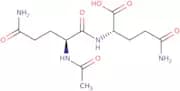
CAS:<p>Glutamine is a non-essential amino acid that is found in the cell in large amounts. It functions as a precursor of glutamate, an important neurotransmitter and intermediate in protein synthesis. Glutamine also has antioxidant properties, which may be due to its ability to donate hydrogen atoms or act as a reducing agent. Glutamine can be synthesized by glutaminase from glutamate and ammonia, but it can also be obtained from dietary sources. The uptake of glutamine is rapid at low concentrations, but becomes slower at higher concentrations. Glutamine is catabolized by the liver and kidney into glutamate and ammonia.<br>Glutamate dehydrogenase (GLDH) catalyzes the conversion of glutamate to α-ketoglutarate, producing NADH and H+.<br>The genetic mechanisms underlying the synthesis of glutamine are not well understood; however, one hypothesis states that glutamine could be synthesized from alpha-ketoglutarate via the reverse transamination reaction during periods when glucose</p>Formula:C12H20N4O6Purity:Min. 95%Molecular weight:316.31 g/molAbz-Gly-Ala-Ala-Pro-Phe-3-nitro-Tyr-Asp-OH trifluoroacetate salt
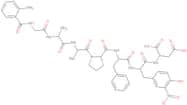
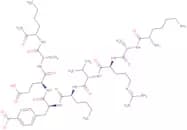
CAS:<p>Please enquire for more information about Abz-Gly-Ala-Ala-Pro-Phe-3-nitro-Tyr-Asp-OH trifluoroacetate salt including the price, delivery time and more detailed product information at the technical inquiry form on this page</p>Formula:C42H49N9O14Purity:Min. 95%Molecular weight:903.89 g/molBoc-L-tyrosine methyl ester
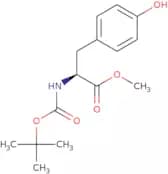
CAS:<p>Boc-L-tyrosine methyl ester is a synthetic amino acid that can be used in the production of peptides and proteins. It has been shown to have a high uptake and hydroxyl group, which allows for the synthesis of dopamine. The kinetic study of Boc-L-tyrosine methyl ester in agarose gels has shown that it has a high affinity for dopamine. Boc-L-tyrosine methyl ester has also been used as an intermediate for the synthesis of peptides and proteins. It is not active against cancer cells but has been used to induce matrix metalloproteinase (MMP) activity in Mcf-7 cells.</p>Formula:C15H21NO5Purity:Min. 95%Color and Shape:White PowderMolecular weight:295.33 g/molH-Gly-Met-Gly-OH
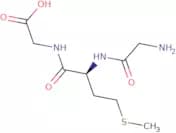
CAS:<p>H-Gly-Met-Gly-OH is an amide containing a sulfoxide group. It is synthesized from the amino acid glycine and the tripeptide Met-Gly-Gly. The synthesis of HMG was first reported by Sato in 1907, although it was not used as a drug until 1983. This drug has potential antitumor activity and inhibits the growth of certain tumor cells. HMG is metabolized by peptidases, which hydrolyze the peptide bond between glycine and Met-Gly-Gly. Hydrolysis of HMG yields glyoxylic acid (H2O2) and the amino acids glycine and methanol. HMG also inhibits the uptake of glucose into cells, which may be related to its antitumor effect. X-ray diffraction studies have shown that HMG has a carboxylate group at C6 that binds to three oxygen atoms, which are present in two</p>Formula:C9H17N3O4SPurity:Min. 95%Molecular weight:263.32 g/molProadrenomedullin (1-20) (human)
CAS:<p>Proadrenomedullin (1-20) is a polypeptide that is found in human plasma. It is a member of the vasoactive intestinal peptide family and has been shown to be involved in the regulation of vascular tone, blood pressure, and blood vessel permeability. Proadrenomedullin (1-20) also inhibits the production of proinflammatory cytokines such as tumor necrosis factor-alpha, interleukin-6, and interleukin-8. This compound has been shown to have antiviral activity against HIV and herpes simplex virus type 1. Proadrenomedullin (1-20) also functions as a growth factor for tumor cells.</p>Formula:C112H178N36O27Purity:Min. 95%Molecular weight:2,460.84 g/molH-Trp-Pro-Tyr-OH
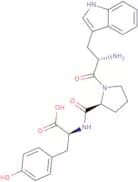
CAS:<p>The peptide H-Trp-Pro-Tyr-OH is a tripeptide with a dihedral angle of 180°. It has been studied by infrared and fluorescence spectroscopy, and the proton resonances have been assigned to H1, H2, and H3. The zwitterion form of this peptide is predicted to be more stable than the isomeric form due to its higher solvation energy. The peptide transporter in the intestinal tract has been shown to transport this peptide via an electrophilic mechanism.</p>Formula:C25H28N4O5Purity:Min. 95%Molecular weight:464.51 g/molH-D-Ala-D-Ala-D-Ala-D-Ala-OH
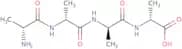
CAS:<p>Please enquire for more information about H-D-Ala-D-Ala-D-Ala-D-Ala-OH including the price, delivery time and more detailed product information at the technical inquiry form on this page</p>Formula:C12H22N4O5Purity:Min. 95%Molecular weight:302.33 g/molH-Lys-Tyr-OH acetate salt
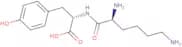
CAS:<p>H-Lys-Tyr-OH acetate salt (HAT) is a synthetic nonsteroidal anti-inflammatory drug that has been used in the treatment of inflammatory diseases and cancer. HAT is an optical isomer of the naturally occurring amino acid L-lysine. It has been shown to have antioxidative properties and to be active against HIV infection and inflammatory diseases, including diabetes. HAT also has a molecular structure that makes it a potential therapeutic agent for cancer, as well as for women with osteoporosis and other chronic inflammatory conditions.</p>Formula:C15H23N3O4Purity:Min. 95%Molecular weight:309.36 g/molCholecystokinin-33 (10-20) (bovine, porcine)
CAS:<p>Please enquire for more information about Cholecystokinin-33 (10-20) (bovine, porcine) including the price, delivery time and more detailed product information at the technical inquiry form on this page</p>Formula:C54H90N16O18Purity:Min. 95%Molecular weight:1,251.39 g/molHydrin 2
CAS:<p>Hydrin 2 is a member of the family of peptide hormones that are involved in the regulation of blood pressure. It is synthesized from two amino acids, H-Cys-Tyr-Ile-Gln-Asn-Cys-Pro-Arg-Gly-Gly-. Hydrin 2 has been shown to have biological properties that are similar to those of angiotensin II and vasopressin. This peptide hormone is produced as a result of the action of hydrochloric acid on the precursor peptide, which is synthesized in the ventral and apical regions of the bladder. The reaction product is soluble in water and has been shown to be effective at treating wastewater.</p>Formula:C45H69N15O14S2Purity:Min. 95%Molecular weight:1,108.25 g/molNociceptin (1-13) amide trifluoroacetate salt
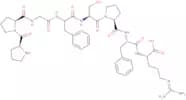
CAS:<p>Please enquire for more information about Nociceptin (1-13) amide trifluoroacetate salt including the price, delivery time and more detailed product information at the technical inquiry form on this page</p>Formula:C61H100N22O15Purity:Min. 95%Molecular weight:1,381.59 g/molHymenistatin I Cyclo(-Pro-Pro-Tyr-Val-Pro-Leu-Ile-Ile)
CAS:<p>Hymenistatin I is a cyclic peptide that is synthesized from the natural amino acid L-proline. It has been shown to inhibit tumor growth and is used in the treatment of bladder cancer. The synthesis of Hymenistatin I begins with the protection of proline as an N-tert-butyloxycarbonyl derivative, followed by a sequence of coupling reactions. This synthetic process involves the use of a linker, such as tetrazole or succinimidyl ester, for example. The final product can then be purified by HPLC analysis. Hymenistatin I inhibits calcineurin inhibitor, which are immunosuppressive agents that are used to treat lymphocytic leukemia and other autoimmune diseases.</p>Formula:C47H72N8O9Purity:Min. 95%Molecular weight:893.12 g/molMca-Pro-Leu-Ala-Cys(Mob)-Trp-Ala-Arg-Dap (Dnp)-NH2 trifluoroacetate salt
CAS:<p>Please enquire for more information about Mca-Pro-Leu-Ala-Cys(Mob)-Trp-Ala-Arg-Dap (Dnp)-NH2 trifluoroacetate salt including the price, delivery time and more detailed product information at the technical inquiry form on this page</p>Formula:C66H82N16O17SPurity:Min. 95%Molecular weight:1,403.52 g/molSuc-Ala-Phe-Lys-AMC trifluoroacetate salt
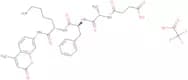
CAS:<p>Please enquire for more information about Suc-Ala-Phe-Lys-AMC trifluoroacetate salt including the price, delivery time and more detailed product information at the technical inquiry form on this page</p>Formula:C32H39N5O8·C2HF3O2Purity:Min. 95%Molecular weight:735.7 g/molAnantin (linear sequence) trifluoroacetate salt
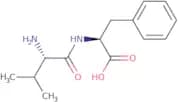
CAS:<p>Please enquire for more information about Anantin (linear sequence) trifluoroacetate salt including the price, delivery time and more detailed product information at the technical inquiry form on this page</p>Formula:C90H113N21O25Purity:Min. 95%Molecular weight:1,888.99 g/molH-Val-Phe-OH
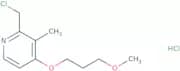
CAS:<p>H-Val-Phe-OH is a peptide consisting of three amino acids, Valine, Phenylalanine and Hydroxyproline. It is a small molecule that has been shown to have an antihypertensive effect in rats. H-Val-Phe-OH binds to the dihydropyridine receptor on the cell membrane surface, which causes blood vessels to relax and contract. This action leads to decreased blood pressure. The high reactivity of H-Val-Phe-OH with other molecules makes it biodegradable, which means it can be broken down by water or enzymes into smaller molecules that are less harmful to the environment.</p>Formula:C14H20N2O3Purity:Min. 95%Molecular weight:264.32 g/mol2-Chloromethyl-4-(3-methoxypropoxy)-3-methylpyridine hydrochloride
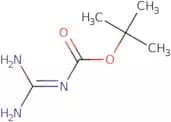
CAS:<p>Please enquire for more information about 2-Chloromethyl-4-(3-methoxypropoxy)-3-methylpyridine hydrochloride including the price, delivery time and more detailed product information at the technical inquiry form on this page</p>Formula:C11H17Cl2NO2Purity:Min. 95%Molecular weight:266.16 g/molBoc-guanidine
CAS:<p>Guanidine is a guanidinium cation that is used in the treatment of autoimmune diseases, cancer, and aspartyl receptor activity. Boc-guanidine is an efficient method for the synthesis of guanidine. It has been shown to be effective in treating inflammatory diseases and neutral pH conditions. Boc-guanidine inhibits glycogen synthase kinase-3 (GSK3) and membrane interactions, which are associated with a number of human disorders. It also has antimicrobial properties against marine microorganisms.</p>Formula:C6H13N3O2Purity:Min. 95%Molecular weight:159.19 g/molAntistasin-Related Peptide
CAS:<p>Please enquire for more information about Antistasin-Related Peptide including the price, delivery time and more detailed product information at the technical inquiry form on this page</p>Formula:C34H57N15O8S2Purity:Min. 95%Molecular weight:868.04 g/mol2-Chloro-3-methoxybenzaldehyde
CAS:<p>Please enquire for more information about 2-Chloro-3-methoxybenzaldehyde including the price, delivery time and more detailed product information at the technical inquiry form on this page</p>Formula:C8H7ClO2Purity:Min. 95%Molecular weight:170.59 g/molZ-Asp-Gln-Met-Asp-AFC
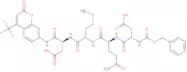
CAS:<p>Please enquire for more information about Z-Asp-Gln-Met-Asp-AFC including the price, delivery time and more detailed product information at the technical inquiry form on this page</p>Formula:C36H39F3N6O13SPurity:Min. 95%Molecular weight:852.79 g/molH-His-Leu-Pro-Pro-Pro-Val-His-Leu-Pro-Pro-Pro-Val-OH
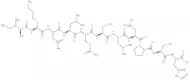
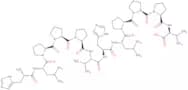
CAS:<p>Please enquire for more information about H-His-Leu-Pro-Pro-Pro-Val-His-Leu-Pro-Pro-Pro-Val-OH including the price, delivery time and more detailed product information at the technical inquiry form on this page</p>Formula:C64H98N16O13Purity:Min. 95%Molecular weight:1,299.56 g/molH-Ala-Arg-bNA·2 HCl
CAS:<p>Please enquire for more information about H-Ala-Arg-bNA·2 HCl including the price, delivery time and more detailed product information at the technical inquiry form on this page</p>Formula:C19H26N6O2·2HClPurity:Min. 95%Molecular weight:443.37 g/molBoc-Homoarg-OH·HCl
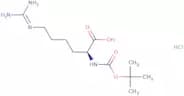
CAS:<p>Please enquire for more information about Boc-Homoarg-OH·HCl including the price, delivery time and more detailed product information at the technical inquiry form on this page</p>Formula:C12H24N4O4·HClPurity:Min. 95%Molecular weight:324.8 g/mol(Leu31,Pro34)-Neuropeptide Y (human, rat) trifluoroacetate salt
CAS:<p>Please enquire for more information about (Leu31,Pro34)-Neuropeptide Y (human, rat) trifluoroacetate salt including the price, delivery time and more detailed product information at the technical inquiry form on this page</p>Formula:C189H284N54O56SPurity:Min. 95%Molecular weight:4,240.67 g/molZ-Leu-Tyr-NH2
CAS:<p>Please enquire for more information about Z-Leu-Tyr-NH2 including the price, delivery time and more detailed product information at the technical inquiry form on this page</p>Formula:C23H29N3O5Purity:Min. 95%Color and Shape:White/Off-White SolidMolecular weight:427.49 g/molFmoc-Orn (Boc)-Wang resin (200-400 mesh)
<p>Please enquire for more information about Fmoc-Orn (Boc)-Wang resin (200-400 mesh) including the price, delivery time and more detailed product information at the technical inquiry form on this page</p>Purity:Min. 95%H-Gly-His-OH
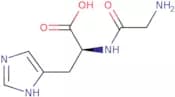
CAS:<p>H-Gly-His-OH is a cationic surfactant that can be used as an emulsifying agent, dispersing agent, or wetting agent. It has been shown to form model complexes with hydrogen bond strength and the ability to bind to nitrogen atoms. H-Gly-His-OH has been detected in a detectable concentration of 0.01% in neutral pH and at least 0.1% in acidic pH. The chemical shift of the proton NMR spectra for H-Gly-His-OH are found at 8.5 ppm (δ) and 8.2 ppm (δ). Magnetic resonance spectroscopy performed on ternary mixtures containing H-Gly-His-OH show peaks at δ 2.6 ppm and δ 1.9 ppm from the amide protons of the His residue, which are characteristic for this molecule's chemical structure.</p>Formula:C8H12N4O3Purity:Min. 95%Molecular weight:212.21 g/molZ-Pro-Leu-OH
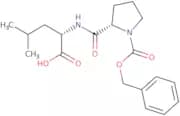
CAS:<p>The compound Z-Pro-Leu-OH is a peptidomimetic that has been shown to be an effective inhibitor of the enzyme l-amino acid oxidase, which catalyzes the oxidation of l-amino acids. This inhibition may be due to the protonation of the substrate and/or solvents in the enzyme active site. The molecule is hydrophobic, making it suitable for use in simulations and theoretical studies. Furthermore, this compound is identifiable by its retention time on high performance liquid chromatography (HPLC) and can be rationalized by its amide group.</p>Formula:C19H26N2O5Purity:Min. 95%Molecular weight:362.42 g/molBiotinyl-Neuromedin S (human) trifluoroacetate salt
CAS:<p>Please enquire for more information about Biotinyl-Neuromedin S (human) trifluoroacetate salt including the price, delivery time and more detailed product information at the technical inquiry form on this page</p>Formula:C183H279N55O46SPurity:Min. 95%Molecular weight:4,017.58 g/mol(Leu31,Pro34)-Neuropeptide Y (13-36) (human, rat)
CAS:<p>Please enquire for more information about (Leu31,Pro34)-Neuropeptide Y (13-36) (human, rat) including the price, delivery time and more detailed product information at the technical inquiry form on this page</p>Formula:C134H206N39O35SPurity:Min. 95%Molecular weight:2,955.38 g/molDABCYL-(Asn670,Leu671)-Amyloid b/A4 Protein Precursor770 (661-675)-EDANS ammonium salt
CAS:<p>Please enquire for more information about DABCYL-(Asn670,Leu671)-Amyloid b/A4 Protein Precursor770 (661-675)-EDANS ammonium salt including the price, delivery time and more detailed product information at the technical inquiry form on this page</p>Formula:C103H146N22O32SPurity:Min. 95%Molecular weight:2,236.46 g/molFmoc-Tyr(SO3H)-OH barium salt
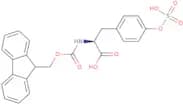
CAS:<p>Please enquire for more information about Fmoc-Tyr(SO3H)-OH barium salt including the price, delivery time and more detailed product information at the technical inquiry form on this page</p>Formula:C24H21NO8SPurity:Min. 95%Molecular weight:483.49 g/molTyr-Proinsulin C-Peptide (55-89) (human)
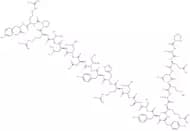
CAS:<p>Please enquire for more information about Tyr-Proinsulin C-Peptide (55-89) (human) including the price, delivery time and more detailed product information at the technical inquiry form on this page</p>Formula:C162H268N50O54Purity:Min. 95%Molecular weight:3,780.17 g/molBoc-Asn-o-nitrophenyl ester
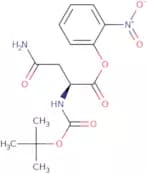
CAS:<p>Please enquire for more information about Boc-Asn-o-nitrophenyl ester including the price, delivery time and more detailed product information at the technical inquiry form on this page</p>Formula:C15H19N3O7Purity:Min. 95%Molecular weight:353.33 g/molSarafotoxin C trifluoroacetate salt
CAS:<p>Sarafotoxin C is a peptide from the venom of the spider Phoneutria nigriventer that has been shown to have potent inhibitory properties on endothelin-1. Sarafotoxin C is able to block intracellular Ca2+ levels and signal pathways, leading to decreased levels of endothelin-1 as well as other inflammatory mediators. Sarafotoxin C has also been shown to have an anti-inflammatory effect in bowel disease, which may be due to its ability to inhibit the production of cytokines and prostaglandins. The biological properties of sarafotoxin C are related to its inhibition of polymerase chain reaction (PCR) amplification of DNA. This inhibition is due to the binding of sarafotoxin C with endothelin receptors on DNA, which prevents DNA polymerase from attaching. Endothelin-a receptor activity can also be inhibited by sarafotoxin C through enzymatic inactivation. Sarafot</p>Formula:C103H147N27O37S5Purity:Min. 95%Molecular weight:2,515.76 g/molFmoc-Glu(OtBu)-Thr(psi(Me,Me)pro)-OH
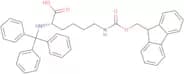
CAS:<p>Fmoc-glu(otbu)-thr(psi(Me,Me)pro)-OH is a c1-6 alkoxy, expressed, alkenyl, linker, c1-6 alkyl, efficiency, sequence that can be used for peptide synthesis. It is an efficient linker for the synthesis of peptides and has been shown to yield high yields with few side products. The hydroxyl group on the side chain of the amino acid residue provides an additional site for acylation. This product also contains an aralkyl and alkoxy group that can be used in further reactions.</p>Formula:C31H38N2O8Purity:Min. 95%Color and Shape:PowderMolecular weight:566.64 g/molN-α-Trityl-Nε-Fmoc-L-lysine
CAS:<p>N-alpha-Trityl-Nepsilon-Fmoc-L-lysine is a pentapeptide that is used in peptides. It has been shown to have cytotoxicity and permeability, as well as being biologically active. N-alpha-Trityl-Nepsilon-Fmoc-L-lysine has also been used in solid phase synthesis of peptides. This pentapeptide can be synthesized using the Miyaura cross coupling reaction with an ether or Suzuki cross coupling reaction. N-alpha-Trityl-Nepsilon-Fmoc-L-lysine is a bicyclic molecule that can be synthesized on a solid phase.</p>Formula:C40H38N2O4Purity:Min. 95%Molecular weight:610.74 g/molH-Val-Ser-OH
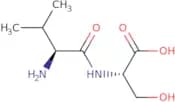
CAS:<p>L-Threonine is an amino acid that belongs to the branched-chain family of amino acids. It is a nonessential amino acid, meaning that it can be synthesized by the human body. L-Threonine is one of the two amino acids (along with L-Serine) that has a hydroxyl group on the alpha carbon atom. It is also used in certain metabolic pathways such as sphingolipid metabolism and tryptophan metabolism. L-Threonine is used in experimental models for bowel disease and intestinal cancer, but its role in these conditions has not been determined. The molecule can be found in both animal and plant proteins, but most often it occurs in animal sources. The compound can also be found as a component of skin condition treatments or as an additive to shampoos, lotions, and cosmetics.</p>Formula:C8H16N2O4Purity:Min. 95%Molecular weight:204.22 g/molFor-Met-Leu-Phe-OMe
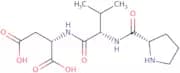
CAS:<p>For-Met-Leu-Phe-OMe is a drug that has been shown to have anti-inflammatory properties in human cells. For-Met-Leu-Phe-OMe inhibits the production of inflammatory molecules, such as gamma-aminobutyric acid, and it also blocks the binding of leukotrienes to their receptors. These effects are due to its conformational properties, which allow it to bind to the receptor site and inhibit the binding of other molecules. For-Met-Leu-Phe-OMe has been shown to enhance the release of nucleotide levels and intracellular calcium concentration in vitro. It also binds to receptors on cells, which may be due to its biochemical properties or its analogues with other drugs.</p>Formula:C22H33N3O5SPurity:Min. 95%Molecular weight:451.58 g/molH-Pro-Val-Asp-OH
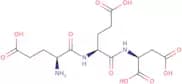
CAS:<p>Please enquire for more information about H-Pro-Val-Asp-OH including the price, delivery time and more detailed product information at the technical inquiry form on this page</p>Formula:C14H23N3O6Purity:Min. 95%Molecular weight:329.35 g/molH-Glu-Glu-Asp-OH
CAS:<p>H-Glu-Glu-Asp-OH is a tripeptide that is a marker for endothelial cell proliferation. This peptide sequence has been shown to promote endothelial cell function, as well as to have atherogenic properties. The hydrolysate of H-Glu-Glu-Asp-OH has been shown to inhibit the growth of endothelial cells and functions in vitro.END><br>END></p>Formula:C14H21N3O10Purity:Min. 95%Molecular weight:391.33 g/mol(D-Ala2)-Leu-Enkephalin
CAS:<p>(D-Ala2)-Leu-Enkephalin H-Tyr-D-Ala-Gly-Phe-Leu-OH is a peptide that is a member of the endorphin family of endogenous analgesic compounds. It has been shown to have anti-inflammatory properties in clinical studies and to suppress bacterial growth in vitro. The compound has been implicated in the regulation of glucose homeostasis, as well as having an effect on body mass index and skin cells. (D-Ala2)-Leu-Enkephalin H-Tyr-D-Ala-Gly-Phe-Leu-(OH) is thought to modulate the activity of Toll like receptor 4, which is involved in inflammation and immune response.</p>Formula:C29H39N5O7Purity:Min. 95%Molecular weight:569.65 g/molFmoc-L-Asp-ODmb
CAS:<p>Albumin is a major protein in the blood, which can be conjugated with Fmoc-L-Asp-ODmb to form an albumin conjugate. This albumin conjugate has been shown to have a strong binding affinity for Alzheimer's disease related amyloid beta peptides and thus could serve as a vaccine for this disease. The albumin conjugate may also be used as a tracer for Alzheimer's disease or other amyloid diseases. Additionally, the conjugate may be used in antibody detection methods such as enzyme-linked immunosorbent assay.</p>Formula:C28H27NO8Purity:Min. 95%Molecular weight:505.52 g/molH-Gly-Ala-Asp-OH
CAS:<p>H-Gly-Ala-Asp-OH is a pharmacological treatment for bacterial infection. The drug has been shown to be effective in treating the symptoms of bacterial infections, such as fever and headache, in animal models. H-Gly-Ala-Asp-OH binds to the GABA receptor and inhibits the production of GABA, which is an inhibitory neurotransmitter that regulates neuronal activity. This binding prevents the formation of an inhibitor complex with the enzyme decarboxylase that is required for GABA synthesis and thus inhibits protein synthesis and cell division.</p>Formula:C9H15N3O6Purity:Min. 98 Area-%Color and Shape:PowderMolecular weight:261.23 g/mol















![([13C6]Leu5)-Ghrelin (human) trifluoroacetate salt](/_next/image/?url=https%3A%2Fstatic.cymitquimica.com%2Fproducts%2F3D%2Fthumb-webp%2FFL110022.webp&w=3840&q=75)