Amino Acids (AA)
Amino acids (AAs) are the fundamental building blocks of proteins, playing a crucial role in various biological processes. These organic compounds are essential for protein synthesis, metabolic pathways, and cell signaling. In this category, you will find a comprehensive range of amino acids, including essential, non-essential, and modified forms, which are vital for research in biochemistry, molecular biology, and nutritional sciences. At CymitQuimica, we provide high-quality amino acids to support your research and development needs, ensuring accuracy and reliability in your experimental outcomes.
Subcategories of "Amino Acids (AA)"
- Amino Acid Derivatives(3,955 products)
- Amino Acid and Amino Acid Related Compounds(3,464 products)
- Amino Acids with Oxygen or Sulphur(168 products)
- Boc- Amino Acids(351 products)
- Fmoc Amino Acids(1,710 products)
Found 38247 products of "Amino Acids (AA)"
Sort by
Purity (%)
0
100
|
0
|
50
|
90
|
95
|
100
H-Leu-Leu-Ala-OH
CAS:<p>Please enquire for more information about H-Leu-Leu-Ala-OH including the price, delivery time and more detailed product information at the technical inquiry form on this page</p>Formula:C15H29N3O4Purity:Min. 95%Molecular weight:315.41 g/molZ-Phe-Lys-2,4,6-trimethylbenzoyloxy-methylketone trifluoroacetate salt
CAS:<p>Z-Phe-Lys-2,4,6-trimethylbenzoyloxy-methylketone trifluoroacetate salt is a proteolytic enzyme that has been shown to have bone resorption and tissue destructive properties. It is active against porphyromonas and bactericidal against fibrinogen. Z-Phe-Lys-2,4,6-trimethylbenzoyloxy-methylketone trifluoroacetate salt also inhibits the formation of osteoclasts by inhibiting the uptake and protease activity of extracellular matrix proteins such as fibrinogen. This drug is currently being researched for possible use in the treatment of Alzheimer's Disease.</p>Formula:C34H41N3O6Purity:Min. 95%Molecular weight:587.71 g/molEndotoxin Inhibitor
CAS:<p>Endotoxin inhibitor H-Lys-Thr-Lys-Cys-Lys-Phe-Leu-Lys-Lys-Cys-OH is a natural disulfide bond that inhibits cytosolic Ca2+ release and bacterial translocation. It has been shown to decrease the production of tumor necrosis factor alpha (TNFα) in vitro, which may be due to its effects on protein synthesis. It also has antimicrobial activity against bacteria such as Clostridium perfringens, Mycobacterium tuberculosis, and Mycobacterium avium complex. Endotoxin inhibitor H-Lys-Thr-Lys-Cys-Lys-Phe-Leu-Lys-- Lys -Cys -OH binds to the ribosomal RNA of bacteria, inhibiting protein synthesis by binding to the peptidyl transferase center</p>Formula:C55H97N15O12S2Purity:Min. 95%Molecular weight:1,224.58 g/molε-Maleimidocaproic acid-(2-nitro-4-sulfo)-phenyl ester·sodium salt
CAS:<p>Epsilon-Maleimidocaproic acid-(2-nitro-4-sulfo)-phenyl ester·sodium salt (EMAP) is a crosslinker that belongs to the group of heterobifunctional reagents. It has been used to conjugate monoclonal antibodies with other molecules, such as toxins. EMAP is activated by the dianion generated by protonation of the nitro groups on the phenyl ring and reacts with free amines or thiols in proteins. EMAP can be used for labeling immunotoxins for diagnostic use, maximizing detection sensitivity, and crosslinking DNA molecules for use in molecular cloning experiments.</p>Formula:C16H15N2NaO9SPurity:Min. 95%Molecular weight:434.35 g/molZ-Leu-Leu-Nle-aldehyde
CAS:<p>Z-Leu-Leu-Nle (ZLL) is a small molecule that selectively inhibits the activity of the aspartyl protease, BACE1, which is an enzyme that cleaves amyloid precursor protein (APP) to produce amyloid beta peptides. The inhibition of this enzyme has been shown to be effective in preventing or delaying the onset of Alzheimer's disease. ZLL also inhibits estrogen receptor alpha and has antiestrogenic effects in breast cancer cells. This compound induces apoptosis by binding to apoptotic proteins, such as tumor necrosis factor receptor 1, Fas ligand, and TRAIL receptors. It also inhibits cell growth and induces chemoresistance in breast cancer cells.</p>Formula:C26H41N3O5Purity:Min. 95%Molecular weight:475.62 g/mol(His32,Leu34)-Neuropeptide Y (32-36)
CAS:<p>Please enquire for more information about (His32,Leu34)-Neuropeptide Y (32-36) including the price, delivery time and more detailed product information at the technical inquiry form on this page</p>Formula:C33H54N14O6Purity:Min. 95%Molecular weight:742.87 g/mol(D-Ala6)-LHRH acetate salt Pyr-His-Trp-Ser-Tyr-D-Ala-Leu-Arg-Pro-Gly-NH2 acetate salt
CAS:<p>Please enquire for more information about (D-Ala6)-LHRH acetate salt Pyr-His-Trp-Ser-Tyr-D-Ala-Leu-Arg-Pro-Gly-NH2 acetate salt including the price, delivery time and more detailed product information at the technical inquiry form on this page</p>Formula:C56H77N17O13Purity:Min. 95%Molecular weight:1,196.32 g/molH-Asp(Leu-OH)-OH
CAS:<p>H-Asp(Leu-OH)-OH is a bioactive molecule that can induce apoptosis in cancer cells. Mechanistically, this compound induces apoptosis by increasing the amount of reactive oxygen species (ROS) and reducing mitochondrial membrane potential in cancer cells. The anti-cancer activity of H-Asp(Leu-OH)-OH has been shown to be dose dependent and it has been observed to cause vacuolization in kidney cells. Chemical compositions show that H-Asp(Leu-OH)-OH is composed of Aspartic acid, Leucine, and Hydroxyl groups.</p>Formula:C10H18N2O5Purity:Min. 95%Molecular weight:246.26 g/molH-D-Ala-D-Ala-bNA·HCl
CAS:<p>Please enquire for more information about H-D-Ala-D-Ala-bNA·HCl including the price, delivery time and more detailed product information at the technical inquiry form on this page</p>Formula:C16H19N3O2·HClPurity:Min. 95%Molecular weight:321.8 g/molSPLUNC1 (22-39) trifluoroacetate salt
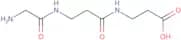
CAS:<p>Please enquire for more information about SPLUNC1 (22-39) trifluoroacetate salt including the price, delivery time and more detailed product information at the technical inquiry form on this page</p>Formula:C82H135N21O25Purity:Min. 95%Molecular weight:1,815.08 g/molH-Gly-Gly-b-Ala-OH
CAS:<p>Please enquire for more information about H-Gly-Gly-b-Ala-OH including the price, delivery time and more detailed product information at the technical inquiry form on this page</p>Formula:C7H13N3O4Purity:Min. 95%Molecular weight:203.2 g/molSecretin (porcine) acetate salt
CAS:Controlled Product<p>Secretin acetate salt H-His-Ser-Asp-Gly-Thr-Phe-Thr-Ser-Glu-Leu-Ser-Arg-Leu-Arg-Asp-Ser-Ala is a peptide that is secreted by the pancreas in response to the ingestion of food. Secretin stimulates the release of water and bicarbonate from the pancreas, as well as stimulating the gallbladder to contract, which results in increased flow of bile. Secretin also inhibits gastric acid secretion, slows intestinal motility, and stimulates pancreatic enzyme secretion. The amino acid sequence of this peptide is identical to that of leuprolide acetate (Lupron) and goserelin acetate (Zoladex), which are synthetic analogs with similar biological activity. This peptide can be synthesized on a solid phase or in solution phase. Solid phase synthesis involves attaching amino acids</p>Formula:C130H220N44O41Purity:Min. 95%Molecular weight:3,055.41 g/mol(Lys(Z)2)-Tuftsin
CAS:<p>Please enquire for more information about (Lys(Z)2)-Tuftsin including the price, delivery time and more detailed product information at the technical inquiry form on this page</p>Formula:C29H46N8O8Purity:Min. 95%Molecular weight:634.72 g/mol(Des-Arg9,Leu8)-Bradykinin
CAS:<p>Bradykinin is a peptide hormone that is produced in the body and has been found to be involved in many physiological processes. Bradykinin is formed from the cleavage of a larger protein, kininogen, by the enzyme kallikrein. Bradykinin binds to two types of receptors, B1 and B2. This antibody reacts with both types of receptor. The B2 receptor is found mainly on muscle cells and causes contraction, while the B1 receptor is found mainly on endothelial cells and causes vasodilation. The maximal response of bradykinin occurs when it binds to extracellular receptors. When knockout mice lack either type of bradykinin receptor they have an increased inflammatory response following injection with carrageenan or formaldehyde.</p>Formula:C41H63N11O10Purity:Min. 95%Molecular weight:870.01 g/molSomatostatin-14 (3-14) trifluoroacetate salt
CAS:<p>Please enquire for more information about Somatostatin-14 (3-14) trifluoroacetate salt including the price, delivery time and more detailed product information at the technical inquiry form on this page</p>Formula:C71H96N16O17S2Purity:Min. 95%Molecular weight:1,509.75 g/molN-((RS)-2-Hydroxy-2-phenyl-ethyl)-Val-Leu-anilide
CAS:<p>Please enquire for more information about N-((RS)-2-Hydroxy-2-phenyl-ethyl)-Val-Leu-anilide including the price, delivery time and more detailed product information at the technical inquiry form on this page</p>Formula:C25H35N3O3Purity:Min. 95%Molecular weight:425.56 g/molPyr-Arg-Thr-Lys-Arg-AMC trifluoroacetate salt
CAS:<p>Please enquire for more information about Pyr-Arg-Thr-Lys-Arg-AMC trifluoroacetate salt including the price, delivery time and more detailed product information at the technical inquiry form on this page</p>Formula:C37H57N13O9Purity:Min. 95%Molecular weight:827.93 g/mol(Propionyl1,D-Tyr(Et)2,Val4, Abu 6,Arg8·9)-Vasopressin
CAS:<p>Please enquire for more information about (Propionyl1,D-Tyr(Et)2,Val4, Abu 6,Arg8·9)-Vasopressin including the price, delivery time and more detailed product information at the technical inquiry form on this page</p>Formula:C53H82N16O11Purity:Min. 95%Molecular weight:1,119.32 g/mol2-Bromo-1-methyl-4-(methylsulfonyl)benzene
CAS:<p>Please enquire for more information about 2-Bromo-1-methyl-4-(methylsulfonyl)benzene including the price, delivery time and more detailed product information at the technical inquiry form on this page</p>Formula:C8H9BrO2SPurity:Min. 95%Molecular weight:249.13 g/molZ-Gly-Gly-Leu-pNA
CAS:<p>The peptide z-Gly-Gly-Leu-pNA is a synthetic substrate that is used in the study of metalloendopeptidases. The peptide is composed of four amino acids and has an acidic, monoclonal antibody, dodecyl, proteolytic, peptide hormones, extracellular, inactivated, serine protease. It is synthesized from wheat leaves and can be used as a substrate for the enzyme.</p>Formula:C24H29N5O7Purity:Min. 95%Molecular weight:499.52 g/molH-D-Tyr-Val-Gly-OH
CAS:<p>H-D-Tyr-Val-Gly-OH is a catalyst that is used in the synthesis of phenylhydrazones. It catalyses the condensation of an aromatic aldehyde and hydrazine, which leads to the formation of a phenylhydrazone. The reaction occurs at neutral pH and high temperature. H-D-Tyr-Val-Gly-OH has been shown to inhibit protein synthesis in rat liver cells, with its inhibitory effect increasing with increased pH.</p>Formula:C16H23N3O5Purity:Min. 95%Molecular weight:337.37 g/molZ-β-Ala-Val-OH
CAS:<p>Please enquire for more information about Z-beta-Ala-Val-OH including the price, delivery time and more detailed product information at the technical inquiry form on this page</p>Formula:C16H22N2O5Purity:Min. 95%Molecular weight:322.36 g/molEndothelin-3 (human, mouse, rabbit, rat) trifluoroacetate salt
CAS:<p>Trifluoroacetate salt</p>Formula:C121H168N26O33S4Purity:Min. 95%Molecular weight:2,643.05 g/molN-Hydroxy-2-phenyl-acetamide
CAS:<p>N-Hydroxy-2-phenyl-acetamide is a metalloprotease inhibitor that binds to the active site of the enzyme, thereby preventing it from binding with its natural substrate. This drug has been shown to inhibit the production of TNF-α in mice with autoimmune diseases and may be able to inhibit other proinflammatory mediators. N-Hydroxy-2-phenyl-acetamide has been shown to bind to a water molecule and an aliphatic hydrocarbon in order to form a hydrogen bond. This coordination complex inhibits the activity of matrix metalloproteinases, which are enzymes that break down collagen, elastin, and other proteins in the extracellular matrix. N-Hydroxy-2-phenyl-acetamide is not active against acid complexes or tnfα.</p>Formula:C8H9NO2Purity:Min. 95%Color and Shape:White Yellow PowderMolecular weight:151.16 g/molLys(Dabsyl)-(Asn670,Leu671)-Amyloid β/A4 Protein Precursor770 (667-676)-Gln-Lucifer Yellow ammonium salt
CAS:<p>Please enquire for more information about Lys(Dabsyl)-(Asn670,Leu671)-Amyloid beta/A4 Protein Precursor770 (667-676)-Gln-Lucifer Yellow ammonium salt including the price, delivery time and more detailed product information at the technical inquiry form on this page</p>Formula:C89H122N24O31S3Purity:Min. 95%Molecular weight:2,120.26 g/mol(D-Cys(tBu)2,Thr(tBu)6)-Leu-Enkephalin-Thr
CAS:<p>Leu-Enkephalin is a synthetic opioid peptide that exhibits potent analgesic effects and is used in the treatment of a variety of pain syndromes. Leu-Enkephalin has been shown to have an inhibitory effect on δ-opioid receptors, which are involved in the transmission of pain signals. Leu-Enkephalin has also been shown to have an inhibitory effect on other enzymes such as aminopeptidases, proteases, and kinases. This drug has been used in the treatment of autoimmune diseases, cancer, and inflammatory diseases. Leu-Enkephalin is also known to increase locomotor activity and reduce sensitivity to pain.</p>Formula:C41H62N6O9SPurity:Min. 95%Molecular weight:815.03 g/molMca-Pro-b-cyclohexyl-Ala-Gly-Nva-His-Ala-Dap (Dnp)-NH2 trifluoroacetate salt
CAS:<p>Please enquire for more information about Mca-Pro-b-cyclohexyl-Ala-Gly-Nva-His-Ala-Dap (Dnp)-NH2 trifluoroacetate salt including the price, delivery time and more detailed product information at the technical inquiry form on this page</p>Formula:C51H65N13O15Purity:Min. 95%Molecular weight:1,100.14 g/molZ-Phe-Leu-Ala-OH
CAS:<p>Z-Phe-Leu-Ala-OH is a homologous protein that has been shown to have proteolytic activity. It has a neutral pH and is stable in the presence of metal ions. This enzyme is structurally similar to subtilisin, with a sequence of residues containing two histidine residues, which are important for stability. The kinetic parameters of this enzyme were determined by analyzing its activity under different conditions and at different temperatures. The mutant Z-Phe-Leu-Ala-OH was found to be more active than the wild type at high temperature, but less active at low temperature, suggesting that the protein could be used as an industrial catalyst in food processing or chemical production.</p>Formula:C26H33N3O6Purity:Min. 95%Molecular weight:483.56 g/molH-D-Met-D-Met-OH
CAS:<p>Please enquire for more information about H-D-Met-D-Met-OH including the price, delivery time and more detailed product information at the technical inquiry form on this page</p>Formula:C10H20N2O3S2Purity:Min. 95%Molecular weight:280.41 g/molZ-Lys-Arg-pNA·2 HCl
CAS:<p>This is a new inhibitor of phosphatase 2A (PP2A) that is in the form of a zwitterion. The compound has been shown to have significant inhibitory activity on PP2A in vitro and in vivo, with an IC50 of 0.12 μM and 0.28 μM respectively. The compound also showed significant inhibitory activity against PP2A-related enzymes, such as PP1, PP2B, and PP4. Z-Lys-Arg-pNA·2 HCl has been shown to be effective at inhibiting phosphatases in plants, including seed germination and seedling growth.</p>Formula:C26H36N8O6·2HClPurity:Min. 95%Molecular weight:629.54 g/molFmoc-Thr(PO3H2)-OH
CAS:<p>Please enquire for more information about Fmoc-Thr(PO3H2)-OH including the price, delivery time and more detailed product information at the technical inquiry form on this page</p>Formula:C19H20NO8PPurity:Min. 95%Molecular weight:421.34 g/mol3-(3-Bromo-4-hydroxy-5-methoxyphenyl)acrylic acid
CAS:<p>3-(3-Bromo-4-hydroxy-5-methoxyphenyl)acrylic acid is a polyphenol that can be found in plants and food. It has been shown to have antimicrobial properties against certain bacteria and fungi, such as Staphylococcus aureus, Clostridium perfringens, and Candida albicans. 3-(3-Bromo-4-hydroxy-5-methoxyphenyl)acrylic acid is synthesized by means of the condensation of p-coumaric acid with acrylic acid in the presence of a base catalyst. This compound undergoes biotransformations such as hydroxylation and oxidation to form 3-(3,4′-dihydroxyphenyl)acrylic acid (DHPAA). The compound is also able to react with other phenolic compounds such as cinnamic acid under certain conditions.</p>Formula:C10H9BrO4Purity:Min. 95%Color and Shape:PowderMolecular weight:273.08 g/molH-Pro-His-Leu-OH
CAS:<p>H-Pro-His-Leu-OH is a tripeptide with a sequence of L-proline, H-histidine, and D-leucine. It is an experimental substrate for peptide transporters and has been shown to be taken up by E. coli. This peptide is specific for Borrelia burgdorferi, the organism that causes Lyme disease.</p>Formula:C17H27N5O4Purity:Min. 95%Molecular weight:365.43 g/molH-D-Glu(pNA)-OH
CAS:<p>Please enquire for more information about H-D-Glu(pNA)-OH including the price, delivery time and more detailed product information at the technical inquiry form on this page</p>Formula:C11H13N3O5Purity:Min. 95%Molecular weight:267.24 g/molZ-Leu-Ser-OMe
CAS:<p>Please enquire for more information about Z-Leu-Ser-OMe including the price, delivery time and more detailed product information at the technical inquiry form on this page</p>Formula:C18H26N2O6Purity:Min. 95%Molecular weight:366.41 g/molHIV-1 tat Protein (1-9)
CAS:<p>Tat is a protein from the human immunodeficiency virus type 1 (HIV-1) that is responsible for the regulation of viral gene expression. Tat binds to a cellular receptor, CD4, and enters the cell. The Tat protein forms a ternary complex with transcription factors and RNA polymerase II. This complex then binds to promoter regions of HIV genes and initiates transcription. Tat has been postulated to modulate immune functions such as chemokine production, T-cell activation, and macrophage activation. The HIV-1 tat Protein (1-9) H-Met-Asp-Pro-Val-Asp-Pro-Asn-Ile-Glu-OH has been shown to have an effect on the immune system by affecting chemokines and other immune functions.</p>Formula:C43H68N10O17SPurity:Min. 95%Molecular weight:1,029.12 g/molAc-Gly-Asp-Tyr-Ser-His-Cys-Ser-Pro-Leu-Arg-Tyr-Tyr-Pro-Trp-Trp-Lys-Cys-Thr-Tyr-Pro-Asp-Pro-Glu-Gly-Gly-Gly-NH2 trifluoroacetate salt (Disulfide bond)
CAS:<p>Please enquire for more information about Ac-Gly-Asp-Tyr-Ser-His-Cys-Ser-Pro-Leu-Arg-Tyr-Tyr-Pro-Trp-Trp-Lys-Cys-Thr-Tyr-Pro-Asp-Pro-Glu-Gly-Gly-Gly-NH2 trifluoroacetate salt (Disulfide bond) including the price, delivery time and more detailed product information at the technical inquiry form on this page</p>Formula:C141H185N35O40S2Purity:Min. 95%Molecular weight:3,074.32 g/molFA-Gly-Phe-Leu-OH
CAS:<p>Please enquire for more information about FA-Gly-Phe-Leu-OH including the price, delivery time and more detailed product information at the technical inquiry form on this page</p>Formula:C24H29N3O6Purity:Min. 95%Molecular weight:455.5 g/molProcathepsin B (26-50) (rat)
CAS:<p>Please enquire for more information about Procathepsin B (26-50) (rat) including the price, delivery time and more detailed product information at the technical inquiry form on this page</p>Formula:C123H198N34O33SPurity:Min. 95%Molecular weight:2,713.16 g/molH-Ala-D-Glu(Lys-D-Ala-D-Ala-OH)-OH
CAS:<p>Teicoplanin is an amide-linked glycopeptide antibiotic that binds to the bacterial cell wall. It is used for the treatment of infections caused by staphylococci and p. aeruginosa, which are resistant to other antibiotics. The drug binds to a specific site on the bacterial cell wall, forming a coordination complex with the peptidoglycan layer and making it easier for water molecules to penetrate the cell wall. This leads to increased rates of cell death by osmosis. Teicoplanin enhances the activity of other antibiotics against Gram-positive bacteria by preventing their binding to penicillin-binding proteins in the bacterial cell walls.</p>Formula:C20H36N6O8Purity:Min. 95%Molecular weight:488.54 g/mol2-Phenylpropionic acid
CAS:<p>2-Phenylpropionic acid is a reactive chemical that can be synthesized by an asymmetric process. It has been used in the synthesis of nonsteroidal anti-inflammatory drugs, as it inhibits the activity of cyclooxygenase and lipoxygenase enzymes. This chemical also binds to the hydroxyl group on target proteins, inhibiting their function. 2-Phenylpropionic acid is metabolized by microbial metabolism and can inhibit the activity of drug-metabolizing enzymes such as CYP3A4 and CYP2D6. It may also interact with other drugs that are processed by these enzymes, including warfarin and carbamazepine. 2-Phenylpropionic acid is a competitive inhibitor that binds to the active site of an enzyme and blocks its access to its substrate molecule. The binding of 2-phenylpropionic acid to enzyme's active site prevents the reactant from entering and reacting with the enzyme, thereby preventing a</p>Formula:C9H10O2Purity:Min. 95%Color and Shape:Colorless Clear LiquidMolecular weight:150.17 g/molH-Pro-Gly-NH2·HCl
CAS:<p>Please enquire for more information about H-Pro-Gly-NH2·HCl including the price, delivery time and more detailed product information at the technical inquiry form on this page</p>Formula:C7H13N3O2·HClPurity:Min. 95%Molecular weight:207.66 g/molHIV-1 env Protein gp41 (1-23) amide (isolates BRU/JRCSF)
CAS:<p>Please enquire for more information about HIV-1 env Protein gp41 (1-23) amide (isolates BRU/JRCSF) including the price, delivery time and more detailed product information at the technical inquiry form on this page</p>Formula:C95H155N27O26SPurity:Min. 95%Molecular weight:2,123.48 g/molPAR-2 (1-6) (human) trifluoroacetate salt
CAS:<p>PAR-2 is a cytosolic protein that is activated by calcium. PAR-2 activation induces the synthesis of prostaglandins and other inflammatory mediators, which stimulate the release of substances from cells such as cytokines and chemokines. PAR-2 also has an important role in cell proliferation, differentiation, apoptosis, and cancer development. PAR-2 activation is induced by proteases such as trypsin or soybean trypsin inhibitor. The trifluoroacetate salt form of PAR-2 (1-6) has been used to inhibit protease activity in colon cancer cells and prostate cancer cells.<br>PAR-2 (1-6) (human) trifluoroacetate salt H-Ser-Leu-Ile-Gly-Lys-Val-OH trifluoroacetate salt is a potent chemical inhibitor of trypsin activity with IC50 values of 0.5 µM for soybean trypsin inhibitor</p>Formula:C28H53N7O8Purity:Min. 95%Molecular weight:615.76 g/molVIP Antagonist
CAS:<p>The VIP antagonist is a model system that has been shown to inhibit the activity of VIP in fetal bovine lung. The VIP antagonist has been shown to be effective against a variety of cancers, including colon cancer and prostate cancer. It also inhibits the production of cytosolic Ca2+ in human skin cells and has anti-inflammatory properties. The VIP antagonist's biological properties have been studied extensively, including its ability to induce neuronal death by inhibiting the release of neurotransmitters from neurons in culture.</p>Formula:C154H257N49O40SPurity:Min. 95%Molecular weight:3,467.06 g/mol(Thr28, Nle 31)-Cholecystokinin-33 (25-33) (sulfated)
CAS:<p>Please enquire for more information about (Thr28, Nle 31)-Cholecystokinin-33 (25-33) (sulfated) including the price, delivery time and more detailed product information at the technical inquiry form on this page</p>Formula:C55H74N14O18SPurity:Min. 95%Molecular weight:1,251.33 g/molAQEE-30 (mouse, rat) trifluoroacetate salt
CAS:<p>Please enquire for more information about AQEE-30 (mouse, rat) trifluoroacetate salt including the price, delivery time and more detailed product information at the technical inquiry form on this page</p>Formula:C156H245N47O56Purity:Min. 95%Molecular weight:3,674.9 g/molEpinecidin-1 trifluoroacetate salt
CAS:<p>Please enquire for more information about Epinecidin-1 trifluoroacetate salt including the price, delivery time and more detailed product information at the technical inquiry form on this page</p>Formula:C114H176N30O21SPurity:Min. 95%Molecular weight:2,334.87 g/mol(Lys3)-Bombesin
CAS:<p>Lys3-Bombesin is a bifunctional peptide that binds to the bombesin receptor and is used in cancer therapy. It is a radiotracer, which can be used for diagnostic imaging and diagnosis of tumors. Lys3-Bombesin has a high affinity for the bombesin receptor subtype B, which is expressed by prostate cancer cells. The peptide can be conjugated to a small molecule, such as a radioactive isotope, and used to deliver it specifically to the tumor site. This compound has been shown to inhibit the growth of human prostate cancer cells in vitro.</p>Formula:C71H110N22O18SPurity:Min. 95%Molecular weight:1,591.84 g/molPYX-1 trifluoroacetate salt
CAS:<p>Please enquire for more information about PYX-1 trifluoroacetate salt including the price, delivery time and more detailed product information at the technical inquiry form on this page</p>Formula:C70H105Cl2N19O16Purity:Min. 95%Molecular weight:1,539.61 g/molH-Gly-His-Arg-Pro-OH acetate salt
CAS:<p>H-Gly-His-Arg-Pro-OH acetate salt is a synthetic monoclonal antibody that binds to fibrinogen. It has been used in the production of a model protein and as an anticoagulant. H-Gly-His-Arg-Pro-OH acetate salt has been shown to inhibit the growth of tissue plasminogen activator, which is a growth factor for cells involved in blood clotting. This drug also inhibits the release of acetylcholine from nerve cells, which may be due to its ability to bind to plasma proteins.</p>Formula:C19H31N9O5Purity:Min. 95%Molecular weight:465.51 g/molH-Phe-Gly-Phe-Gly-OH
CAS:<p>H-Phe-Gly-Phe-Gly-OH is a neutral, uv absorbing molecule. It can be found as a tetrapeptide sequence and in the form of isomers. H-Phe-Gly-Phe-Gly-OH is also known as Ileahexocin. The chemical ionization and matrix assisted laser desorption/ionization techniques have been used to detect this molecule in different matrices. H-Phe-Gly-Phe-Gly-OH has been shown to inhibit fatty acid synthesis, which may be due to its inhibition of the enzyme acetyl coenzyme A carboxylase (ACC). This molecule has also been shown to inhibit tripeptide synthesis, which may be due to its inhibition of the enzyme dipeptidyl peptidase IV (DPIV).</p>Formula:C22H26N4O5Purity:Min. 95%Color and Shape:PowderMolecular weight:426.47 g/molN-Methyl-1-propanamine
CAS:<p>N-Methyl-1-propanamine is a compound made up of ethylene diamine and activated chlorine. It has been used as a model system to study the biological properties of amines. This compound has been shown to have anti-cancer effects in human serum and is active against inflammation diseases. N-Methyl-1-propanamine is soluble in water, but not in ethanol or acetone. It has a pH optimum at 10 and decomposes at temperatures higher than 120°C. The activation energies for the reactions of this compound with hydrogen bond acceptors, such as alcohols and ethers, are relatively low (around 20 kcal/mol).</p>Formula:C4H11NPurity:Min. 95%Molecular weight:73.14 g/mol(Trp63,Trp64)-C3a (63-77)
CAS:<p>Please enquire for more information about (Trp63,Trp64)-C3a (63-77) including the price, delivery time and more detailed product information at the technical inquiry form on this page</p>Formula:C86H134N26O18Purity:Min. 95%Molecular weight:1,820.15 g/mol4-(2'-N-Boc-hydrazino)benzoic acid
CAS:<p>Please enquire for more information about 4-(2'-N-Boc-hydrazino)benzoic acid including the price, delivery time and more detailed product information at the technical inquiry form on this page</p>Formula:C12H16N2O4Purity:Min. 95%Molecular weight:252.27 g/mol1-Methyl-L-tryptophan
CAS:Controlled Product<p>1-Methyl-L-tryptophan is an activated form of the amino acid tryptophan. It has been shown to have immunomodulatory effects that are mediated by its ability to inhibit IDO1, which is an enzyme that regulates the production of inflammatory cytokines. 1-Methyl-L-tryptophan has been shown to reduce the severity of abdominal surgery in mice and exhibits anticancer activity against a variety of cancer cells. 1-Methyl-L-tryptophan also has antiemetic properties, as it has been shown to block the activation of 5HT3 receptors in the brainstem. This drug also activates polymerase chain reaction (PCR) and inhibits DNA synthesis by binding directly to DNA polymerase.</p>Formula:C12H14N2O2Purity:Min. 95%Color and Shape:PowderMolecular weight:218.25 g/mol(Nle 8·21,Tyr34)-pTH (1-34) amide (rat)
CAS:<p>Please enquire for more information about (Nle 8·21,Tyr34)-pTH (1-34) amide (rat) including the price, delivery time and more detailed product information at the technical inquiry form on this page</p>Formula:C182H296N56O48Purity:Min. 95%Molecular weight:4,036.65 g/mol8-Methylnonanal
CAS:<p>8-Methylnonanal is a fatty acid that has been hydrogenated and sulfonated. It is an unsaturated, straight chain, alpha-methylene-containing molecule with the chemical formula CH3(CH2)4CH=CH(CH2)3COOH. 8-Methylnonanal can be used as an additive in polyolefin production to improve processability. 8-Methylnonanal is used as a reaction system for the synthesis of monomers and polymers. In addition, it reacts with sulfuric acid to produce sulfuric acid esters and alkyl sulfonic acids. This chemical also reacts with fatty acids to form various products such as fatty acid methyl esters (FAMEs).</p>Formula:C10H20OPurity:Min. 95%Molecular weight:156.27 g/molH-Met-Phe-OH
CAS:<p>H-Met-Phe-OH is a synthetic polymerase chain that has been shown to be effective in treatment trials for various diseases such as ventricular dysfunction, cancer, inflammatory diseases, and virus. H-Met-Phe-OH binds to the DNA template strand and initiates the synthesis of RNA from nucleotide triphosphates. This molecule also has chemotactic activity and can be used as a diagnostic tool for inflammation or cancer. H-Met-Phe-OH can also be used in biological samples to detect viruses or hepatitis B.</p>Formula:C14H20N2O3SPurity:Min. 95%Molecular weight:296.39 g/molMoth Cytochrome C (MCC) Fragment
CAS:<p>Please enquire for more information about Moth Cytochrome C (MCC) Fragment including the price, delivery time and more detailed product information at the technical inquiry form on this page</p>Formula:C78H129N23O26Purity:Min. 95%Molecular weight:1,805 g/molH-Ala-Ala-Tyr-Ala-Ala-OH
CAS:<p>H-Ala-Ala-Tyr-Ala-Ala-OH is a butanedione that hydrolyzes to form acetaldehyde. It is a chaperone and amide that, in the presence of water, forms peptides. The kinetic constants are dependent on the pH of the reaction. This product has been shown to have proctolin activity and is an enkephalinase inhibitor, which is involved in pain sensation. H-Ala-Ala-Tyr-Ala-Ala-OH has been used as an ion exchanger and carboxylate isomerizing agent.</p>Formula:C21H31N5O7Purity:Min. 95%Molecular weight:465.5 g/molFmoc-Gln(Trt)-Wang resin (100-200 mesh)
<p>Please enquire for more information about Fmoc-Gln(Trt)-Wang resin (100-200 mesh) including the price, delivery time and more detailed product information at the technical inquiry form on this page</p>Purity:Min. 95%Caerulein (desulfated)
CAS:<p>Caerulein (desulfated) Pyr-Gln-Asp-Tyr-Thr-Gly-Trp-Met-Asp-Phe-NH2 is a decapeptide that is found in the Australian frog, Caerulea. It has been shown to be a potent extractant of ionic materials and can be used in the separation of proteins by ion exchange chromatography. The sequence is as follows: Caerulein (desulfated) Pyr-Gln-Asp-Tyr-Thr-Gly-Trp-Met-Asp-Phe. It has an acid composition of Cys, Asp, Tyr, Glu, Pro, Gly, Phe and Met. The amino acid composition is Pro, Ala, Gly, Val, Gln and Leu. Caerulein (desulfated) Pyr-Gln has been shown to have antihypertensive effects due to</p>Formula:C58H73N13O18SPurity:Min. 95%Molecular weight:1,272.34 g/molMyelin Proteolipid Protein (139-151) (depalmitoylated) (human, bovine, dog, mouse, rat) trifluoroacetate salt
CAS:<p>MPLP(139-151) is a peptide that is derived from the myelin proteolipid protein (PLP). MPLP(139-151) has been shown to inhibit macrophage inflammatory in vitro and brain inflammation in vivo. The inhibition of macrophages was mediated by the induction of apoptosis and inhibition of NF-κB. MPLP(139-151) also induced regression of experimental autoimmune encephalomyelitis in mice, which suggests that it might be useful as a therapeutic agent for multiple sclerosis or other inflammatory diseases.</p>Formula:C72H104N20O16SPurity:Min. 95%Molecular weight:1,537.79 g/molGRPP (human) trifluoroacetate salt
CAS:<p>Please enquire for more information about GRPP (human) trifluoroacetate salt including the price, delivery time and more detailed product information at the technical inquiry form on this page</p>Formula:C136H215N41O58SPurity:Min. 95%Molecular weight:3,384.47 g/molAc-Tyr-Phe-OH
CAS:<p>This synthetic peptide is an acceptor of protons and has a molecular weight of 904. It is one of the most potent proton donors known to date and has been shown to be effective in iontophoresis experiments. Ac-Tyr-Phe-OH has been found to have a bitter taste, which may limit its use as a drug candidate. However, it could be used as a screening tool to identify compounds that are likely to have a bitter taste, but without the need for extensive animal testing.</p>Formula:C20H22N2O5Purity:Min. 95%Molecular weight:370.4 g/mol(D-Ala3)-Dynorphin A (1-11) amide trifluoroacetate salt
CAS:<p>Please enquire for more information about (D-Ala3)-Dynorphin A (1-11) amide trifluoroacetate salt including the price, delivery time and more detailed product information at the technical inquiry form on this page</p>Formula:C64H106N22O12Purity:Min. 95%Molecular weight:1,375.67 g/molZ-Asp(OMe)-Glu(OMe)-Val-DL-Asp(OMe)-fluoromethylketone
CAS:<p>Z-Asp(OMe)-Glu(OMe)-Val-DL-Asp(OMe)-fluoromethylketone is a small molecule that has been shown to induce apoptosis in cultured cells. It is a caspase-3 inhibitor, which prevents the activation of the caspase cascade and protects cells from oxidative injury. Low doses of Z-Asp(OMe)-Glu(OMe)-Val-DL-Asp(OMe)-fluoromethylketone have been shown to induce apoptosis in cultured cells, with no significant cytotoxicity at high doses. The mechanism of action for this agent is not yet known, but it may promote mitochondrial membrane potential loss and neuronal death by binding to DNA, or induce cell death through a caspase-independent pathway.</p>Formula:C30H41FN4O12Purity:Min. 95%Molecular weight:668.66 g/molBiotinyl-Substance P trifluoroacetate salt
CAS:<p>Biotinyl-Substance P trifluoroacetate salt Biotinyl-Arg-Pro-Lys-Pro-Gln-Gln-Phe-Phe-Gly-Leu-Met-NH2 trifluoroacetate salt is a biotin conjugated Substance P analog. It is designed to bind to the amino acid sequences in the brain that are responsible for controlling and regulating pain. The drug's amino acid sequence was designed by accessing databases of amino acid sequences from all known organisms. The drug is administered as a sequence of cassettes, each containing an acid molecule that can be transferred to cells through nucleotide transfer.</p>Formula:C73H112N20O15S2Purity:Min. 95%Molecular weight:1,573.93 g/molHIV-1 gag Protein p24 (65-73) (isolates MAL/U455) trifluoroacetate salt
CAS:<p>Please enquire for more information about HIV-1 gag Protein p24 (65-73) (isolates MAL/U455) trifluoroacetate salt including the price, delivery time and more detailed product information at the technical inquiry form on this page</p>Formula:C44H79N11O14S2Purity:Min. 95%Molecular weight:1,050.3 g/mol4-Fluoro-2-methoxy-5-nitroaniline
CAS:<p>Intermediate in the synthesis of osimertinib (AZD9291)</p>Formula:C7H7FN2O3Purity:Min. 95%Molecular weight:186.14 g/mol4-(Benzyloxy)-N,N-dimethyl-indole-3-glyoxylamide
CAS:<p>Please enquire for more information about 4-(Benzyloxy)-N,N-dimethyl-indole-3-glyoxylamide including the price, delivery time and more detailed product information at the technical inquiry form on this page</p>Formula:C19H18N2O3Purity:Min. 95%Molecular weight:322.36 g/molH-Ile-2-chlorotrityl resin (200-400 mesh) (Low Substitution)
<p>Please enquire for more information about H-Ile-2-chlorotrityl resin (200-400 mesh) (Low Substitution) including the price, delivery time and more detailed product information at the technical inquiry form on this page</p>Purity:Min. 95%pTH (1-31) amide (human)
CAS:<p>pTH (1-31) amide is a polymer conjugate that is used to treat osteoporosis. It has been shown to be effective in reducing the risk of fracture and increasing bone mineral density in animals. The compound binds to the extracellular domain of the estrogen receptor, altering its conformation and preventing it from interacting with other proteins in the nucleus. pTH (1-31) amide has also been shown to reduce blood pressure in animals by inhibiting angiotensin-converting enzyme. Clinical data on this drug are limited, but it has been well tolerated so far.</p>Formula:C162H270N50O46S2Purity:Min. 95%Molecular weight:3,718.32 g/molBoc-Gly-Merrifield resin (200-400 mesh)
<p>Please enquire for more information about Boc-Gly-Merrifield resin (200-400 mesh) including the price, delivery time and more detailed product information at the technical inquiry form on this page</p>Purity:Min. 95%H-Arg-Tyr-NH2·2 HCl
CAS:<p>Please enquire for more information about H-Arg-Tyr-NH2·2 HCl including the price, delivery time and more detailed product information at the technical inquiry form on this page</p>Formula:C15H24N6O3·2HClPurity:Min. 95%Molecular weight:409.31 g/molHIV-1 rev Protein (34-50)
CAS:<p>Please enquire for more information about HIV-1 rev Protein (34-50) including the price, delivery time and more detailed product information at the technical inquiry form on this page</p>Formula:C97H173N51O24Purity:Min. 95%Molecular weight:2,437.74 g/molH-Ala-Ala-Pro-Ala-OH
CAS:<p>H-Ala-Ala-Pro-Ala-OH is a tetrapeptide that inhibits elastase, an enzyme that breaks down elastin. This compound has been shown to have anti-elastolytic activity in vitro and in vivo. H-Ala-Ala-Pro-Ala-OH was administered intraperitoneally to hamsters with induced emphysema, resulting in a decrease of elastin abnormalities and improvement of the ultrastructure of the lungs. It also improves pancreatic morphology and function in porcine pancreatitis models.</p>Formula:C14H24N4O5Purity:Min. 95%Molecular weight:328.36 g/molS-(1,2-Dicarboxyethyl)glutathione
CAS:<p>S-(1,2-Dicarboxyethyl)glutathione is a glutathione analogue that has been shown to prevent acetaminophen-induced hepatotoxicity in mice. It inhibits the reaction between acetaminophen and hepatic microsomal cytochrome P450 enzymes, which prevents the formation of toxic metabolites. S-(1,2-Dicarboxyethyl)glutathione also inhibits the production of serotonin by inhibiting the enzyme tryptophan hydroxylase. This drug has an anticoagulant effect by preventing the conversion of prothrombin to thrombin. S-(1,2-Dicarboxyethyl)glutathione also affects growth factors and collagen synthesis by affecting both epidermal growth factor (EGF) and fibroblast growth factor (FGF). The optimum pH for this drug is at 7.0.</p>Formula:C14H21N3O10SPurity:Min. 95%Molecular weight:423.4 g/mol(Ala1)-PAR-4 (1-6) (mouse) trifluoroacetate salt
CAS:<p>(Ala1)-PAR-4 (1-6) (mouse) trifluoroacetate salt H-Ala-Tyr-Pro-Gly-Lys-Phe-OH trifluoroacetate salt is a potent inhibitor of protein kinase C, and has been shown to inhibit the growth of prostate cancer cells. It also inhibits phosphorylation of epidermal growth factor receptors, which leads to lower levels of epidermal growth factor in the cell. This drug also has antiplatelet effects and may be used as an antiplatelet agent for patients with vascular disease or diabetes.</p>Formula:C34H47N7O8Purity:Min. 95%Molecular weight:681.78 g/molBoc-Val-Pro-Arg-AMC
CAS:<p>Please enquire for more information about Boc-Val-Pro-Arg-AMC including the price, delivery time and more detailed product information at the technical inquiry form on this page</p>Formula:C31H45N7O7Purity:Min. 95%Molecular weight:627.73 g/mol(Met(O)27)-Glucagon (1-29) (human, rat, porcine) trifluoroacetate salt
CAS:<p>Please enquire for more information about (Met(O)27)-Glucagon (1-29) (human, rat, porcine) trifluoroacetate salt including the price, delivery time and more detailed product information at the technical inquiry form on this page</p>Formula:C153H225N43O50SPurity:Min. 95%Molecular weight:3,498.75 g/molH-Arg(NO2)-OBzl p-tosylate salt
CAS:<p>Please enquire for more information about H-Arg(NO2)-OBzl p-tosylate salt including the price, delivery time and more detailed product information at the technical inquiry form on this page</p>Formula:C13H19N5O4·C7H8O3SPurity:Min. 95%Color and Shape:SolidMolecular weight:481.52 g/molH-Tyr-L-1,2,3,4-tetrahydroisoquinoline-3-carboxamide·HCl
CAS:<p>H-Tyr-L-1,2,3,4-tetrahydroisoquinoline-3-carboxamide·HCl is a monoclinic crystalline compound. It has a molecular weight of 607.14 and contains the dipeptide Tyr-Lys in its structure. H-Tyr-L-1,2,3,4-tetrahydroisoquinoline-3-carboxamide·HCl crystallizes in the P21/c space group and has an asymmetric unit cell with dimensions a=8.851 Å, b=7.965 Å and c=5.98 Å. This compound has been shown to have antibacterial properties against methicillin resistant Staphylococcus aureus (MRSA) isolates and Clostridium perfringens strains by inhibiting bacterial protein synthesis through inhibition of peptidyl transferase activity.</p>Formula:C19H21N3O3·HClPurity:Min. 95%Molecular weight:375.85 g/mol(Pro3)-Dynorphin A (1-11) amide trifluoroacetate salt
CAS:<p>Please enquire for more information about (Pro3)-Dynorphin A (1-11) amide trifluoroacetate salt including the price, delivery time and more detailed product information at the technical inquiry form on this page</p>Formula:C66H108N22O12Purity:Min. 95%Molecular weight:1,401.7 g/molFmoc-Lys(biotinyl)-Wang resin (200-400 mesh)
<p>Please enquire for more information about Fmoc-Lys(biotinyl)-Wang resin (200-400 mesh) including the price, delivery time and more detailed product information at the technical inquiry form on this page</p>Purity:Min. 95%4-Methoxyphenyl boronic acid
CAS:<p>4-Methoxyphenyl boronic acid is a molecule with a hydroxyl group and a boronic acid. It is synthesized by reacting biphenyl with trifluoroacetic acid in the presence of sodium carbonate and palladium-catalyzed coupling. 4-Methoxyphenyl boronic acid has shown to bind to the receptor for fatty acids, which may be due to its structural similarity to p-hydroxybenzoic acid. The protonated form of this molecule has been shown to react with an electrophilic carbon atom and an electron-deficient alkyl or vinyl halide, resulting in ring formation. This reaction is known as the Suzuki coupling reaction.</p>Formula:C7H9BO3Purity:Min. 95%Color and Shape:PowderMolecular weight:151.96 g/molMca-Lys-Pro-Leu-Gly-Leu-Dap (Dnp)-Ala-Arg-NH2 trifluoroacetate salt
CAS:<p>Please enquire for more information about Mca-Lys-Pro-Leu-Gly-Leu-Dap (Dnp)-Ala-Arg-NH2 trifluoroacetate salt including the price, delivery time and more detailed product information at the technical inquiry form on this page</p>Formula:C55H80N16O16Purity:Min. 95%Molecular weight:1,221.32 g/molZ-Ala-Val-OH
CAS:<p>Z-Ala-Val-OH is a prodrug that is hydrolyzed to ala-z-valine in vivo. It has been shown to be resistant to enzymes such as esterases, amidases, and proteases. Z-Ala-Val-OH has been modified in an effort to increase its affinity for the active site of the enzyme. This modification involves attaching a hydrophobic group onto the amide nitrogen of the amino acid residue. The resulting product is an active ester that can be used as an antihypertensive drug or for the treatment of Alzheimer's disease.</p>Formula:C16H22N2O5Purity:Min. 95%Molecular weight:322.36 g/mol2-Methoxy-6-picolinic acid
CAS:<p>2-Methoxy-6-picolinic acid (2MPA) is a picolinate that has been shown to be an effective catalyst for the conversion of alcohols into allylic alcohols. 2MPA is able to catalyze the reaction by abstracting hydrogen from the carbonyl group, and then adding it to the adjacent carbon. This reaction can produce peroxide as a byproduct, which is subsequently hydrolyzed to form water and alcohol. The β-unsaturated carbonyl group of 2MPA provides additional stability for this catalytic process.<br>2MPA can also be used as a catalyst in other reactions, such as the oxidation of benzylic alcohols with hydrogen peroxide to form benzylic carbonyl compounds.</p>Formula:C7H7NO3Purity:Min. 95%Color and Shape:PowderMolecular weight:153.14 g/molFmoc-Ser(tBu)-Pro-OH
CAS:<p>Please enquire for more information about Fmoc-Ser(tBu)-Pro-OH including the price, delivery time and more detailed product information at the technical inquiry form on this page</p>Formula:C27H32N2O6Purity:Min. 95%Molecular weight:480.55 g/mol(D-Arg2,Lys4)-Dermorphin (1-4) amide
CAS:<p>Dermorphin is a neuropeptide that has been shown to reduce cortisol levels in badgers and has been shown to have biological activity in vitro. Dermorphin also has a number of pharmacokinetic properties, including water solubility, lipid solubility, and oral bioavailability. The drug binds to δ receptors and inhibits the enzyme activities of rat liver microsomes. Dermorphin is used as an analgesic for bowel disease, such as inflammatory bowel disease or hypogaea. Dermorphin has antinociceptive properties (pain-relieving).</p>Formula:C30H45N9O5Purity:Min. 95%Molecular weight:611.74 g/molTyr-α-CGRP (human) trifluoroacetate salt
CAS:<p>Please enquire for more information about Tyr-alpha-CGRP (human) trifluoroacetate salt including the price, delivery time and more detailed product information at the technical inquiry form on this page</p>Formula:C172H276N52O51S2Purity:Min. 95%Molecular weight:3,952.48 g/molMet(O)14-Exenatide trifluoroacetate salt
CAS:<p>Please enquire for more information about Met(O)14-Exenatide trifluoroacetate salt including the price, delivery time and more detailed product information at the technical inquiry form on this page</p>Formula:C184H282N50O61SPurity:Min. 95%Molecular weight:4,202.57 g/molFmoc-Tyr(Boc-Nmec)-OH
CAS:<p>Fmoc-Tyr(Boc-Nmec)-OH is a hydrophobic amino acid that can be used in the synthesis of peptides. It is soluble in organic solvents and has been shown to have intramolecular cyclization reaction. Fmoc-Tyr(Boc-Nmec)-OH can be coupled with other amino acids using an amide bond, and has been shown to react with cationic groups such as tyrosine residues. This compound is often used in solid-phase peptide synthesis, where the product is cleaved from the resin by the action of aqueous acid or base before being purified. Fmoc-Tyr(Boc-Nmec)-OH can also be used for neutralizing alkaline conditions during peptide synthesis.</p>Formula:C34H39N3O8Purity:Min. 95%Molecular weight:617.69 g/mol(N-Me-Phe7)-Neurokinin B trifluoroacetate salt
CAS:<p>Please enquire for more information about (N-Me-Phe7)-Neurokinin B trifluoroacetate salt including the price, delivery time and more detailed product information at the technical inquiry form on this page</p>Formula:C60H81N13O14S2Purity:Min. 95%Molecular weight:1,272.5 g/molZ-Val-Leu-Arg-4MbNA·HCl
CAS:<p>Please enquire for more information about Z-Val-Leu-Arg-4MbNA·HCl including the price, delivery time and more detailed product information at the technical inquiry form on this page</p>Formula:C36H49N7O6·HClPurity:Min. 95%Molecular weight:712.28 g/molH-Asp-Arg-Val-Tyr-Ile-His-Pro-Phe-His-Leu-Leu-Tyr-Tyr-Ser-OH
CAS:<p>Please enquire for more information about H-Asp-Arg-Val-Tyr-Ile-His-Pro-Phe-His-Leu-Leu-Tyr-Tyr-Ser-OH including the price, delivery time and more detailed product information at the technical inquiry form on this page</p>Formula:C89H123N21O21Purity:Min. 95%Molecular weight:1,823.06 g/molAc-Pro-Leu-Gly-OH
CAS:<p>Ac-Pro-Leu-Gly-OH is a synthetic peptide that has been shown to be an effective crosslinker for thiols. Ac-Pro-Leu-Gly-OH is a water soluble, acidic peptide and can be used in biological systems as a crosslinker.</p>Formula:C15H25N3O5Purity:Min. 95%Molecular weight:327.38 g/mol4-Nitro-Z-Gly-Trp-Gly-OH
CAS:<p>Please enquire for more information about 4-Nitro-Z-Gly-Trp-Gly-OH including the price, delivery time and more detailed product information at the technical inquiry form on this page</p>Formula:C23H23N5O8Purity:Min. 95%Molecular weight:497.46 g/molH-Gly-Cys-OH
CAS:<p>H-Gly-Cys-OH is an amide that is structurally related to the nonapeptide, Gly-Pro-Cys. H-Gly-Cys-OH has been shown to be an efficient method for preparation of 3-mercaptopropionic acid. The nucleophilic attack of the thiol group on the carbonyl carbon atom in the amide bond leads to cleavage and formation of a disulfide bond. This reaction occurs spontaneously at room temperature with high efficiency and can be used for synthesis of 3-mercaptopropionic acid. H-Gly-Cys-OH has low bioavailability, which may be due to its primary amino group, which is not well absorbed by the intestinal epithelium.</p>Formula:C5H10N2O3SPurity:Min. 95%Molecular weight:178.21 g/mol(Cys8·13)-Dynorphin A (1-13) amide
CAS:<p>Please enquire for more information about (Cys8·13)-Dynorphin A (1-13) amide including the price, delivery time and more detailed product information at the technical inquiry form on this page</p>Formula:C69H112N24O14S2Purity:Min. 95%Molecular weight:1,565.91 g/molZ-Tyr-Tyr-OH
CAS:<p>Please enquire for more information about Z-Tyr-Tyr-OH including the price, delivery time and more detailed product information at the technical inquiry form on this page</p>Formula:C26H26N2O7Purity:Min. 95%Molecular weight:478.49 g/molHIV (gp120) Fragment (421-438) trifluoroacetate salt
CAS:<p>Please enquire for more information about HIV (gp120) Fragment (421-438) trifluoroacetate salt including the price, delivery time and more detailed product information at the technical inquiry form on this page</p>Formula:C99H148N24O25S2Purity:Min. 95%Molecular weight:2,138.51 g/molUrocortin III (mouse) trifluoroacetate salt
CAS:<p>Trifluoroacetate salt</p>Formula:C186H312N52O52S2Purity:Min. 95%Molecular weight:4,172.92 g/molH-Arg-Phe-NH2 hydrochloride salt
CAS:<p>H-Arg-Phe-NH2 hydrochloride salt (H-RF) is a physiological agent that has been shown to have effects on the response element binding protein. H-RF is a small, water soluble molecule that has been shown to act as an agonist for peptides and cation channels in vitro. The peptides are involved in the regulation of cardiac function and locomotor activity, while the cation channel regulates the opening and closing of potassium channels. The binding of H-RF to these receptors leads to positive changes in energy metabolism, which may be due to its ability to activate ATPase. H-RF also binds strongly to disulfide bonds found in proteins such as peptide hormones and enzymes. These disulfide bonds are important for maintaining protein structure and function.</p>Formula:C15H24N6O2Purity:Min. 95%Molecular weight:320.39 g/molAc-Asp-Glu-Asp(EDANS)-Glu-Glu-Abu-L-lactoyl-Ser-Lys(DABCYL)-NH2 ammonium salt
CAS:<p>Please enquire for more information about Ac-Asp-Glu-Asp(EDANS)-Glu-Glu-Abu-L-lactoyl-Ser-Lys(DABCYL)-NH2 ammonium salt including the price, delivery time and more detailed product information at the technical inquiry form on this page</p>Formula:C68H89N15O25SPurity:Min. 95%Molecular weight:1,548.59 g/molBiphalin trifluoroacetate salt (
CAS:<p>Biphalin trifluoroacetate salt (H-Tyr-D-Ala-Gly-Phe-NH)2 trifluoroacetate salt is a peptide hormone. It has been shown to be an opioid that binds to the μ and δ opioid receptors and inhibits the production of inflammatory mediators. Biphalin trifluoroacetate salt (H-Tyr-D-Ala-Gly-Phe-NH)2 trifluoroacetate salt has also been shown to have neuroprotective effects. This drug has low potency and can only be used in vivo models. Biphalin trifluoroacetate salt (H-Tyr-D-Ala-Gly-Phe-NH)2 trifluoroacetate salt is not active against skin cancer cells, but does show activity against other types of cancer cells.</p>Formula:C46H56N10O10Purity:Min. 95%Molecular weight:909 g/molFmoc-D-Thr(tBu)-Wang resin (200-400 mesh)
<p>Please enquire for more information about Fmoc-D-Thr(tBu)-Wang resin (200-400 mesh) including the price, delivery time and more detailed product information at the technical inquiry form on this page</p>Purity:Min. 95%Amyloid Bri Protein (1-23) trifluoroacetate salt
CAS:<p>Please enquire for more information about Amyloid Bri Protein (1-23) trifluoroacetate salt including the price, delivery time and more detailed product information at the technical inquiry form on this page</p>Formula:C116H175N31O35S2Purity:Min. 95%Molecular weight:2,627.95 g/molRFRP-3 (rat)
CAS:<p>Please enquire for more information about RFRP-3 (rat) including the price, delivery time and more detailed product information at the technical inquiry form on this page</p>Formula:C88H134N26O25S2Purity:Min. 95%Molecular weight:2,020.3 g/mol4-Formyl-phenyloxymethyl polystyrene resin (200-400 mesh)
<p>4-Formylphenyloxymethyl polystyrene resin (200-400 mesh) is a polymer that can be used in the synthesis of amide, aminoacylation, halides, piperidine, yields, imine, reductive amination and heterocycles. It has been shown to be especially useful for the synthesis of diazepinones. The resin is soluble in solvents such as dichloromethane and ethanol. 4-Formylphenyloxymethyl polystyrene resin can be prepared by reacting styrene with formaldehyde and phenol in a solvent such as tetrahydrofuran or pyridine at a temperature between 0°C and 50°C. This process is usually conducted under an inert atmosphere such as nitrogen or argon gas. The resin is then washed with diethylether followed by benzene to remove residual formaldehyde.</p>Purity:Min. 95%Fibronectin CS-1 Fragment (1978-1982)
CAS:<p>Fibronectin CS-1 Fragment (1978-1982) H-Glu-Ile-Leu-Asp-Val-OH is a heterocyclic peptide that has inhibitory effects on the muscle cells. It inhibits the enzyme guanosine triphosphatase, which is responsible for releasing calcium ions from its intracellular storage site. Fibronectin CS-1 Fragment (1978-1982) H-Glu-Ile-Leu-Asp-Val-OH is an analog of the human protein fibronectin, and it can be used as a synthetic molecule to study how integrin receptors interact with different sequences of amino acids.</p>Formula:C26H45N5O10Purity:Min. 95%Molecular weight:587.66 g/molCyclo(-D-Trp-Tyr)
CAS:<p>Cyclo(-D-Trp-Tyr) is a cyclic peptide that is produced by the fungus Microbispora sp. It has been shown to inhibit the growth of Staphylococcus aureus, as well as other bacteria, fungi and cancer cells. Cyclo(-D-Trp-Tyr) binds to the ribosomal RNA in these cells and inhibits protein synthesis. The peptide does not bind to subtilisin or bgc-823, but does bind to lung fibroblasts and leukemia cells.</p>Formula:C20H19N3O3Purity:Min. 95%Molecular weight:349.38 g/molH-Lys-Leu-Lys-OH triacetate salt
CAS:<p>Please enquire for more information about H-Lys-Leu-Lys-OH triacetate salt including the price, delivery time and more detailed product information at the technical inquiry form on this page</p>Formula:C18H37N5O4•3C2H4O2Purity:Min. 95%Molecular weight:567.67 g/molNeuromedin S (human) trifluoroacetate salt
<p>Please enquire for more information about Neuromedin S (human) trifluoroacetate salt including the price, delivery time and more detailed product information at the technical inquiry form on this page</p>Formula:C173H265N53O44Purity:Min. 95%Molecular weight:3,791.29 g/molDynorphin A (1-9)
CAS:<p>Dynorphin A (1-9) H-Tyr-Gly-Gly-Phe-Leu-Arg-Arg-Ile-Arg-OH is a substrate binding inhibitor that blocks potassium channels. Dynorphin A (1-9) H-Tyr-Gly-Gly-Phe-Leu Arg Arg Ile Arg OH binds to the d -alanine site of the potassium channel and inhibits glutamate release from presynaptic terminals. Dynorphin A (1 9) H Tyr Gly Gly Phe Leu Arg Arg Ile Arg OH has been shown to be a potent inhibitor of aminopeptidase activity in vitro, which may be due to its affinity for the substrate binding site on the enzyme. Its inhibition of aminopeptidase activity may lead to an increase in opioid peptides such as dynorphins and enkephalins. Dynorphin A (1 9) H Tyr Gly Gly Phe</p>Formula:C52H84N18O11Purity:Min. 95%Molecular weight:1,137.34 g/mol5-Iodo-2-methoxybenzyl alcohol
CAS:<p>5-Iodo-2-methoxybenzyl alcohol (5IMB) is a conjugate that inhibits tubulin polymerization and mitochondrial membrane integrity. It has significant inhibitory effects on colchicine-induced apoptosis in colon cancer cells, inducing apoptotic cell death by the activation of caspase 3 and annexin. 5IMB also has an inhibitory effect on mitochondria, leading to mitochondrial membrane depolarization and apoptotic cell death. This conjugate also induces the death of human cancer cells, specifically mcf-7, which are involved in tumour growth and metastasis. The mechanism of action for 5IMB is through its ability to induce mitochondrial membrane depolarization, leading to apoptotic cell death.</p>Formula:C8H9O2IPurity:Min. 95%Molecular weight:264.06 g/molH-Pro-Leu-Gly-NHOH·HCl
CAS:<p>Please enquire for more information about H-Pro-Leu-Gly-NHOH·HCl including the price, delivery time and more detailed product information at the technical inquiry form on this page</p>Formula:C13H24N4O4·HClPurity:Min. 95%Molecular weight:336.81 g/molEndothelin-1 (human, bovine, dog, mouse, porcine, rat) trifluoroacetate salt
CAS:<p>Please enquire for more information about Endothelin-1 (human, bovine, dog, mouse, porcine, rat) trifluoroacetate salt including the price, delivery time and more detailed product information at the technical inquiry form on this page</p>Formula:C109H159N25O32S5·C2HF3O2Purity:Min. 95%Molecular weight:2,605.93 g/molDansyl-Tyr-Val-Gly-OH trifluoroacetate salt
CAS:<p>Dansyl-Tyr-Val-Gly-OH trifluoroacetate salt is a glyoxylate analog that can be used as a substrate in the kinetic assays for glyoxalase I. The enzyme catalyses the conversion of this compound to Dansylglyoxal, which can be detected by absorbance at 360 nm. The second order rate constant and acidic pH of the reaction have been determined using biophysical experiments and expressed as a function of substrate concentration. Inactivates papilloma virus, which is the virus that causes genital warts, at low concentrations.</p>Formula:C28H34N4O7SPurity:Min. 95%Molecular weight:570.66 g/molH-Nle-Arg-Phe-NH2 acetate salt
CAS:<p>Please enquire for more information about H-Nle-Arg-Phe-NH2 acetate salt including the price, delivery time and more detailed product information at the technical inquiry form on this page</p>Formula:C21H35N7O3Purity:Min. 95%Molecular weight:433.55 g/mol(D-Ala2,D-Leu5)-Enkephalin
CAS:<p>Enkephalin is a peptide belonging to the group of opioid drugs. It is a neurotransmitter that binds to kappa-opioid receptors and μ-opioid receptors. Enkephalin has been shown to inhibit voltage-dependent calcium channels and mitochondrial membrane potential in neurons, which leads to neuronal death. This drug also inhibits the production of cyclic guanine monophosphate (cGMP) by inhibiting guanine nucleotide-binding proteins at the plasma membrane, leading to a decrease in the synthesis of proteins and DNA. The dextran sulfate test can be used to measure enkephalin activity by precipitating it from solution with sodium sulfate. Additionally, this drug can be used as a p-gp inhibitor for the treatment of cancer cells.</p>Formula:C29H39N5O7Purity:Min. 95%Molecular weight:569.65 g/molpTH (1-44) (human)
CAS:<p>Please enquire for more information about pTH (1-44) (human) including the price, delivery time and more detailed product information at the technical inquiry form on this page</p>Formula:C225H366N68O61S2Purity:Min. 95%Molecular weight:5,063.87 g/molH-Val-Lys-OH monoacetate salt
CAS:<p>Please enquire for more information about H-Val-Lys-OH monoacetate salt including the price, delivery time and more detailed product information at the technical inquiry form on this page</p>Formula:C11H23N3O3•C2H4O2Purity:Min. 95%Molecular weight:305.37 g/molSomatostatin-25
CAS:<p>Somatostatin-25 H-Ser-Asn-Pro-Ala-Met-Ala-Pro-Arg-Glu-Arg-Lys-Ala-Gly-Cys-Lys-(disulfide bond) is a synthetic somatostatin analog that is conjugated to a linker that allows it to be administered intravenously. Somatostatin inhibits the release of growth hormone and insulin from the anterior pituitary gland, and also inhibits the release of other hormones such as glucagon and thyrotropin. Somatostatin has been shown to be effective in treating kidney disease, a condition characterized by increased levels of creatinine and blood urea nitrogen. This drug has been shown to be reversible with the removal of its linker. Somatostatin binds to receptors on pancreatic cells, inhibiting the secretion of digestive enzymes into the gastrointestinal tract. It also blocks insulin release from pancreatic beta cells, which may</p>Formula:C127H191N37O34S3Purity:Min. 95%Molecular weight:2,876.3 g/mol2-Amino-5-methylpyridine
CAS:<p>2-Amino-5-methylpyridine is a chemical compound that belongs to the group of methyl ketones. It has a nitrogen atom and an oxygen atom in its structure, which allows it to form hydrogen bonds with other molecules. 2-Amino-5-methylpyridine can be obtained by reacting hydrochloric acid and xanthone in the presence of a base. The compound is highly reactive and has been shown to have antiinflammatory properties. This can be attributed to its ability to inhibit prostaglandin synthesis. 2-Amino-5-methylpyridine also has fluorescence properties that are sensitive to pH changes and can be used as a probe for metal ions.<br>2-Amino-5-methylpyridine is an organic compound that contains a methyl group, two nitrogen atoms, and one oxygen atom in its chemical structure. This molecule can form hydrogen bonds with other molecules due to its nitrogen atoms and oxygen atom,</p>Formula:C6H8N2Purity:Min. 95%Color and Shape:PowderMolecular weight:108.14 g/molAc-Val-Arg-Pro-Arg-AMC trifluoroacetate salt
CAS:<p>Please enquire for more information about Ac-Val-Arg-Pro-Arg-AMC trifluoroacetate salt including the price, delivery time and more detailed product information at the technical inquiry form on this page</p>Formula:C34H51N11O7•C2HF3O2Purity:Min. 98 Area-%Color and Shape:PowderMolecular weight:839.86 g/molZ-Phe-Phe-Phe-OH
CAS:<p>Z-Phe-Phe-Phe-OH is an organic solvent that is homogeneous, has low solubility and a high boiling point. The epimerization of this compound can be achieved through the use of experimental methods. Z-Phe-Phe-Phe-OH is used in medicinal solvents as well as fields such as pharmacology and chemistry. This compound also has efficient methods for producing it and yields are detectable. There are also no residues from this compound.</p>Formula:C35H35N3O6Purity:Min. 95%Molecular weight:593.67 g/molFor-Met-Val-OH
CAS:<p>For-Met-Val-OH is a synthetic molecule that has been shown to inhibit the growth of bacteria by binding to the ribosomal subunit, thereby inhibiting protein synthesis. This compound was synthesized in vitro and has been shown to be effective against single-stranded DNA. For-Met-Val-OH can also bind to the template strand of DNA and inhibit the synthesis of RNA. It binds to functional genes and inhibits their function in a similar manner as natural substrates. This inhibition may be due to inhibition of protein synthesis or other unknown mechanisms. The structure of For-Met-Val-OH is similar to hydroxamic acids, which are known for their antibacterial properties.</p>Formula:C11H20N2O4SPurity:Min. 95%Molecular weight:276.35 g/molProtein Kinase P34 (cd2) Substrate trifluoroacetate salt
CAS:<p>H-ADAQHATPPKKKRKVEDPKDF-OH peptide, which can act as a substrate of Protein Kinase P34 (cd2). The peptide is supplied as a trifluoroacetate salt.</p>Formula:C106H172N32O32Purity:Min. 95%Molecular weight:2,406.7 g/mol(H-Cys-4MbNA)2 acetate salt (Disulfide bond)
CAS:<p>Please enquire for more information about (H-Cys-4MbNA)2 acetate salt (Disulfide bond) including the price, delivery time and more detailed product information at the technical inquiry form on this page</p>Formula:C28H30N4O4S2Purity:Min. 95%Molecular weight:550.69 g/molZ-Phe-Cit-AMC
CAS:<p>Z-Phe-Cit-AMC is a fluorescent substrate for the enzymes cysteine and peptide aminopeptidases. It has been synthesized by conjugating 7-amino-4-methylcoumarin with L-phenylalanine. The product is useful in assays to measure the activity of these enzymes, which are involved in protein digestion and wound healing. Z-Phe-Cit-AMC can be hydrolyzed by bromelain, ficin, or papain and it can be used as a substrate for enzyme reactions.</p>Formula:C33H35N5O7Purity:Min. 95%Molecular weight:613.66 g/mol([ring-D5]Phe6)-Somatostatin-14
<p>Please enquire for more information about ([ring-D5]Phe6)-Somatostatin-14 including the price, delivery time and more detailed product information at the technical inquiry form on this page</p>Formula:C76H99D5N18O19S2Purity:Min. 95%Molecular weight:1,642.91 g/molH-Gly-Pro-Gly-NH2·HCl
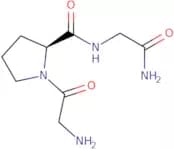
CAS:<p>Please enquire for more information about H-Gly-Pro-Gly-NH2·HCl including the price, delivery time and more detailed product information at the technical inquiry form on this page</p>Formula:C9H16N4O3·HClPurity:Min. 95%Molecular weight:264.71 g/molH-Gly-Gly-Pro-OH
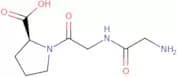
CAS:<p>H-Gly-Gly-Pro-OH is a recombinant polypeptide with affinity for amino acids. It is a positionally defined sequence of amino acids that has been shown to bind to Alzheimer's disease (AD) amyloid peptides and inhibit the formation of beta amyloid fibrils. The N-terminal sequence of this polypeptide is immunogenic, which may be useful for generating antibodies against AD.</p>Formula:C9H15N3O4Purity:Min. 95%Molecular weight:229.23 g/mol2,2'-(Perchloro-1,2-phenylene)diacetonitrile
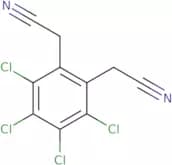
CAS:<p>Please enquire for more information about 2,2'-(Perchloro-1,2-phenylene)diacetonitrile including the price, delivery time and more detailed product information at the technical inquiry form on this page</p>Formula:C10H4Cl4N2Purity:Min. 95%Molecular weight:293.96 g/molAc-D-Lys-OH
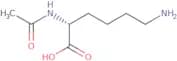
CAS:<p>Nicotinamide is a form of vitamin B3 that has been shown to inhibit the growth of Giardia lamblia trophozoites. Nicotinamide also inhibits the sirtuins and has been shown to inhibit cell cycle control in microorganisms. It inhibits transcriptional activity by competing with nicotinamide adenine dinucleotide for binding sites on DNA and prevents the formation of nicotinamide-adenine dinucleotide complexes, which are needed for DNA synthesis. Nicotinamide also binds to metronidazole, causing it to be inactive as an antimicrobial agent. The mechanism of action of nicotinamide may be due to its ability to bind and inactivate metronidazole, thereby preventing it from functioning as an anti-microbial agent.</p>Formula:C8H16N2O3Purity:Min. 95%Molecular weight:188.22 g/molNFAT Inhibitor trifluoroacetate salt
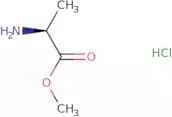
CAS:<p>NFAT Inhibitor trifluoroacetate salt H-Met-Ala-Gly-Pro-His-Pro-Val-Ile-Val-Ile-Thr-Gly-Pro-His-Glu-Glu (NFAT) is an inhibitor drug that has been shown to inhibit the nuclear factor of activated T cells (NFAT). NFAT is a transcriptional regulator that controls the expression of inflammatory genes in macrophages and other cell types. NFAT inhibitors have been shown to be effective for treating bowel diseases, such as ulcerative colitis and Crohn's disease, by inhibiting the activation of macrophages. NFAT inhibitors are also used in vitro as a tool for studying cellular signaling pathways. The most common type of NFAT inhibitor is fluconazole, which blocks calcineurin activity and prevents the activation of NFAT. However, other types of inhibitors are being developed, including mmp9 activity or</p>Formula:C75H118N20O22SPurity:Min. 95%Molecular weight:1,683.93 g/molL-Alanine methyl ester HCl
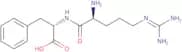
CAS:<p>L-Alanine methyl ester HCl is a compound that is used in wastewater treatment. It has been shown to inhibit the enzyme DPP-IV, which is associated with metabolic disorders. L-Alanine methyl ester HCl also has been shown to have antimicrobial activity against a number of bacteria, including methicillin resistant Staphylococcus aureus (MRSA). L-Alanine methyl ester HCl has been shown to have anti-inflammatory properties and can be used for the treatment of autoimmune diseases. This compound also has a significant effect on biological properties such as phase transition temperature and thermal expansion.</p>Formula:C4H10NO2ClPurity:Min. 95%Color and Shape:White PowderMolecular weight:139.58 g/molH-Arg-Phe-OH acetate salt
CAS:<p>H-Arg-Phe-OH Acetate Salt is a peptide that has the amino acids H, Arg, Phe and OH. It is a stable complex with amines and is effective in reducing blood pressure. The binding constants are high, which means that it can be used as an antihypertensive agent. A study on the haemodynamic effects of H-Arg-Phe-OH Acetate Salt showed that it could inhibit the release of noradrenaline levels in the body. The reaction mechanism for H-Arg-Phe-OH Acetate Salt is functional groups plus fatty acids; kidney bean is one of its sources.</p>Formula:C15H23N5O3Purity:Min. 95%Molecular weight:321.38 g/molH-Gly-Phe-Ser-OH
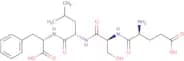
CAS:<p>H-Gly-Phe-Ser-OH is a substrate for thermolysin, an enzyme that catalyzes the hydrolysis of peptides to amino acids. It is modified by glycerol, which influences its affinity and nature. The residue can be either modified or unmodified with a specific chain length. The modifications of the residue are important in determining the specificity of the enzyme. H-Gly-Phe-Ser-OH has a high degree of hydrophobicity, which influences the catalytic reaction. This substrate can be used to determine enzyme specificity because it is not cleaved by enzymes such as trypsin and chymotrypsin.</p>Formula:C14H19N3O5Purity:Min. 95%Molecular weight:309.32 g/molH-Glu-Ser-Leu-Phe-OH
CAS:<p>Please enquire for more information about H-Glu-Ser-Leu-Phe-OH including the price, delivery time and more detailed product information at the technical inquiry form on this page</p>Formula:C23H34N4O8Purity:Min. 95%Molecular weight:494.54 g/molH-D-Arg-Arg-Pro-Hyp-Gly-β-(2-thienyl)-Ala-Ser-D-Phe-b-(2-thienyl)-Ala-Arg-OH
CAS:<p>Enalaprilat is a prodrug that is converted to the active drug enalapril in vivo. It is a potent angiotensin-converting enzyme (ACE) inhibitor that prevents the conversion of angiotensin I to angiotensin II, which leads to vasodilatation and reduced blood pressure. Enalaprilat has been shown to be effective in lowering blood pressure in patients with cardiac insufficiency or hypertension. It also has been shown to decrease the production of endogenous bradykinin, which acts on its receptor B2, leading to vasodilatation and reduced blood pressure. The most common side effect of enalaprilat therapy is cutaneous reactions such as erythema, rash, or pruritus.</p>Formula:C56H83N19O13S2Purity:Min. 95%Molecular weight:1,294.51 g/mol2-Chloro-6-methoxypyridine
CAS:<p>2-Chloro-6-methoxypyridine (2CMP) is a potent antagonist that binds to copper chloride, inhibiting its ability to activate aryl chlorides. This chemical has been shown to have anti-angiogenic effects in human cancer cells and can be used for the treatment of cancer. 2CMP has also been shown to be effective at blocking angiogenesis in mice with breast cancer. 2CMP is synthesized through an asymmetric synthesis process, which involves the use of a dipole and molecular docking analysis.</p>Formula:C6H6ClNOPurity:Min. 95%Color and Shape:Clear LiquidMolecular weight:143.57 g/molDynorphin A (1-6)
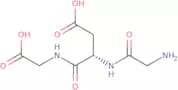
CAS:<p>Please enquire for more information about Dynorphin A (1-6) including the price, delivery time and more detailed product information at the technical inquiry form on this page</p>Formula:C34H49N9O8Purity:Min. 95%Molecular weight:711.81 g/molH-Gly-Asp-Gly-OH
CAS:<p>H-Gly-Asp-Gly-OH is a tripeptide with an amino acid sequence of H-Gly-Asp-Gly. It has the following constants:</p>Formula:C8H13N3O6Purity:Min. 95%Molecular weight:247.21 g/molSubstance P (2-11)
CAS:<p>Substance P (2-11) H-Pro-Lys-Pro-Gln-Gln-Phe-Phe-Gly-Leu-Met-NH2 is a peptide that is the product of proteolytic cleavage of substance P. It binds to the neurokinin receptor and induces degranulation in mast cells and sensory neurons. It has been used as a diagnostic tool for mast cell degranulation. Substance P (2-11) H-Pro-Lys-Pro-Gln-Gln-Phe has also been used to assess lung function in anesthetized animals, circulations in muscle, and changes in perfusion during surgical procedures.</p>Formula:C57H86N14O12SPurity:Min. 95%Molecular weight:1,191.45 g/molNeurokinin A trifluoroacetate salt
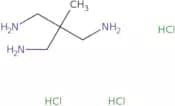
CAS:<p>Neurokinin A trifluoroacetate salt H-His-Lys-Thr-Asp-Ser-Phe-Val-Gly-Leu-Met-NH2 trifluoroacetate salt is a potent inducer of the basic protein. It has been shown to have cytotoxic effects on pluripotent cells in vitro. Neurokinin A is also a potent inducer of substance P, which is a neurotransmitter that mediates inflammatory lesions and cardiac effects. Neurokinin A has also been shown to have an effect on locomotor activity and polymerase chain reaction (PCR) amplification in vitro.</p>Formula:C50H80N14O14SPurity:Min. 95%Molecular weight:1,133.32 g/mol2-(Aminomethyl)-2-methyl-1,3-propanediamine trihydrochloride
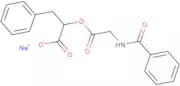
CAS:<p>Please enquire for more information about 2-(Aminomethyl)-2-methyl-1,3-propanediamine trihydrochloride including the price, delivery time and more detailed product information at the technical inquiry form on this page</p>Formula:C5H15N3•(HCl)3Purity:Min. 95%Color and Shape:PowderMolecular weight:226.57 g/molO-Hippuryl-DL-b-phenyllactic acid sodium salt
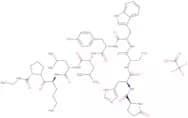
CAS:<p>Please enquire for more information about O-Hippuryl-DL-b-phenyllactic acid sodium salt including the price, delivery time and more detailed product information at the technical inquiry form on this page</p>Formula:C18H16NNaO5Purity:Min. 95%Molecular weight:349.31 g/mol(Des-Gly10,D-Leu6, Orn 8,Pro-NHEt 9)-LHRH trifluoroacetate salt
CAS:<p>Please enquire for more information about (Des-Gly10,D-Leu6, Orn 8,Pro-NHEt 9)-LHRH trifluoroacetate salt including the price, delivery time and more detailed product information at the technical inquiry form on this page</p>Formula:C58H82N14O12Purity:Min. 95%Molecular weight:1,167.36 g/molAtrial Natriuretic Factor (5-27) (human) trifluoroacetate salt
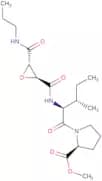
CAS:<p>Please enquire for more information about Atrial Natriuretic Factor (5-27) (human) trifluoroacetate salt including the price, delivery time and more detailed product information at the technical inquiry form on this page</p>Formula:C97H154N34O32S3Purity:Min. 95%Molecular weight:2,404.67 g/molL-trans-Epoxysuccinyl-Ile-Pro-OMe propylamide
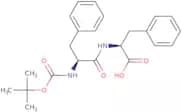
CAS:<p>L-trans-Epoxysuccinyl-Ile-Pro-OMe propylamide is a pharmacological agent that inhibits the toll-like receptor 4 signaling pathway. L-trans-Epoxysuccinyl-Ile-Pro-OMe propylamide has been shown to cause caspase independent cell death by inducing cathepsin and iron homeostasis. The drug also causes polymerase chain reaction inhibition and neuronal death in vivo.</p>Formula:C19H31N3O6Purity:Min. 95%Molecular weight:397.47 g/molBoc-Phe-Phe-OH
CAS:<p>Boc-Phe-Phe-OH is a linker that is used to create homologues. It has been shown to be able to form supramolecular structures and encapsulate biomolecules, such as amino acids. The ester linkage of Boc-Phe-Phe-OH can be modified by the addition of a carboxylic acid, which can lead to changes in its fluorescence and magnetic properties. Boc-Phe-Phe-OH is primarily used as an intermediate for fluorescent probes or other molecules.</p>Formula:C23H28N2O5Purity:Min. 95%Molecular weight:412.48 g/molH-Gly-b-Ala-b-Ala-OH
CAS:<p>Please enquire for more information about H-Gly-b-Ala-b-Ala-OH including the price, delivery time and more detailed product information at the technical inquiry form on this page</p>Formula:C8H15N3O4Purity:Min. 95%Molecular weight:217.22 g/molKALA Amphipathic Peptide
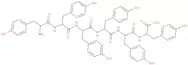
CAS:<p>Please enquire for more information about KALA Amphipathic Peptide including the price, delivery time and more detailed product information at the technical inquiry form on this page</p>Formula:C144H248N40O35SPurity:Min. 95%Molecular weight:3,131.82 g/molH-Tyr-Tyr-Tyr-Tyr-Tyr-Tyr-OH trifluoroacetate salt
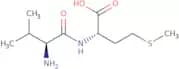
CAS:<p>The compound H-Tyr-Tyr-Tyr-Tyr-Tyr-Tyr-OH trifluoroacetate salt is a synthetic antigen for use in the production of immunoadsorbent conjugates. It is a postulated fluorescence molecule that interacts with specific antibodies to form an antigen. This antigen can be used as a probe for detecting antibodies in biological fluids and tissues by fluorescence microscopy and has been shown to have no antigenicity in skin reactions.</p>Formula:C54H56N6O13Purity:Min. 95%Molecular weight:997.06 g/molH-Val-Met-OH
CAS:<p>H-Val-Met-OH is a synthetic compound that was created to have a structure similar to the natural amino acid histidine. The synthesis of H-Val-Met-OH was achieved by reacting 2,5-diaminopentane with formaldehyde in the presence of cellulose acetate as a reaction medium. This process produced a white solid material that was then purified using chromatography. The purity and yield were confirmed by high performance liquid chromatography (HPLC) analysis and nuclear magnetic resonance (NMR). In vitro studies showed that H-Val-Met-OH promotes brain derived neurotrophic factor (BDNF) production in healthy Chinese adults. Clinical data also suggest that H-Val-Met-OH has beneficial effects on cognitive function in patients with mild cognitive impairment or Alzheimer's disease. Additionally, this compound has been shown to promote BDNF production in cultured mouse hippocampal neurons and enhance spatial memory retention in CD1 mice.</p>Formula:C10H20N2O3SPurity:Min. 95%Molecular weight:248.34 g/molHirudin (54-65) (sulfated)
CAS:<p>Hirudin is a protein that functions as an anticoagulant by binding to the active site of thrombin, preventing it from converting fibrinogen into fibrin. It has a high affinity for the thrombin receptor and can be modified in various ways. Hirudin's most common modification is sulfation, which enhances its anticoagulant activity. Hirudin is a proteolytic enzyme that can be synthesized using solid-phase chemistry. Its biological function is to inhibit blood coagulation by inhibiting the conversion of fibrinogen to fibrin. Hirudin binds to thrombin, preventing it from converting fibrinogen into fibrin and thus inhibits coagulation. It also prevents clot formation by inhibiting platelet aggregation, which may result from interactions with other proteins such as prothrombin and factor VIII.</p>Formula:C66H93N13O28SPurity:Min. 95%Molecular weight:1,548.58 g/molNeurotensin (1-8) Pyr-Leu-Tyr-Glu-Asn-Lys-Pro-Arg-OH
CAS:<p>Neurotensin (NT) is a peptide that has been implicated in the regulation of feeding behavior, cardiovascular function, and pain perception. The neurotensin receptor is a G-protein coupled receptor with seven transmembrane domains. Neurotensin binds to the receptor and activates it by inducing intracellular calcium mobilization and neurotransmitter release. This activation can be dose-dependent, as seen in experiments using rat brain slices incubated with different concentrations of NT. Neurotensin also induces maximal activation at low concentrations, which may be due to its ability to bind to both extracellular and intracellular receptors. NT binds selectively to ventral tegmental area neurons from rats, leading to increased spontaneous firing rates. Cancer cells have been shown to express high levels of neurotensin receptors on their surface membrane, which may contribute to tumorigenesis and metastasis. Neurodegenerative diseases such as Alzheimer’s disease are thought to involve alterations in the expression or</p>Formula:C46H71N13O14Purity:Min. 95%Molecular weight:1,030.14 g/molBoc-Ser(Ala-Fmoc)-OH
CAS:<p>Boc-Ser(Ala-Fmoc)-OH is a synthetic amino acid that is used in peptide synthesis. It is typically prepared by the condensation of Serine with diethyl Fmoc-amino acid and hydrochloric acid. This molecule has an efficient epimerization process, which allows for the synthesis of the other enantiomer, L-Ser(Ala-Fmoc)-OH. The synthetic method for Boc-Ser(Ala-Fmoc)-OH can be used to synthesize peptides from amino acids.</p>Formula:C26H30N2O8Purity:Min. 95%Molecular weight:498.53 g/molBoc-Asp(OcHex)-PAM resin (200-400 mesh)
<p>Please enquire for more information about Boc-Asp(OcHex)-PAM resin (200-400 mesh) including the price, delivery time and more detailed product information at the technical inquiry form on this page</p>Purity:Min. 95%Fmoc-Leu-Wang resin (200-400 mesh)
<p>Please enquire for more information about Fmoc-Leu-Wang resin (200-400 mesh) including the price, delivery time and more detailed product information at the technical inquiry form on this page</p>Purity:Min. 95%Mca-(Asn670,Leu671)-Amyloid β/A4 Protein Precursor770 (667-675)-Lys(Dnp) ammonium acetate salt
CAS:<p>Please enquire for more information about Mca-(Asn670,Leu671)-Amyloid beta/A4 Protein Precursor770 (667-675)-Lys(Dnp) ammonium acetate salt including the price, delivery time and more detailed product information at the technical inquiry form on this page</p>Formula:C68H88N14O27Purity:Min. 95%Molecular weight:1,533.5 g/mol1-Methylpiperidine-4-carboxylic acid hydrochloride
CAS:<p>1-Methylpiperidine-4-carboxylic acid hydrochloride is a betaine. Betaines are intermediates in the biosynthesis of phosphocholine, which is an important component of all cell membranes. 1-Methylpiperidine-4-carboxylic acid hydrochloride has been analyzed and quantified in fruits and plants such as beets, bananas, oranges, and tomatoes. It can be found in the roots of plants and has been shown to inhibit abiotic stress. This compound is also present in the human body as a result of its ingestion from food sources. 1-Methylpiperidine-4-carboxylic acid hydrochloride inhibits proline synthesis by competing with glycine for the enzyme choline acetyltransferase. It also inhibits synthesis of pipecolic acid (a precursor for histamine) by competing with glycine for the enzyme choline acetyltransferase.</p>Formula:C7H14NO2ClPurity:Min. 95%Molecular weight:179.64 g/mol1-Boc-5-Cyano-3-hydroxymethylindole
CAS:<p>Please enquire for more information about 1-Boc-5-Cyano-3-hydroxymethylindole including the price, delivery time and more detailed product information at the technical inquiry form on this page</p>Formula:C15H16N2O3Purity:Min. 95%Molecular weight:272.3 g/molAngiogenin (108-122)
CAS:<p>Please enquire for more information about Angiogenin (108-122) including the price, delivery time and more detailed product information at the technical inquiry form on this page</p>Formula:C78H125N25O23Purity:Min. 95%Molecular weight:1,780.98 g/molAcetyl-Hirudin (55-65) (desulfated) Ac-Asp-Phe-Glu-Glu-Ile-Pro-Glu-Glu-Tyr-Leu-Gln-OH
CAS:<p>Please enquire for more information about Acetyl-Hirudin (55-65) (desulfated) Ac-Asp-Phe-Glu-Glu-Ile-Pro-Glu-Glu-Tyr-Leu-Gln-OH including the price, delivery time and more detailed product information at the technical inquiry form on this page</p>Formula:C66H92N12O25Purity:Min. 95%Molecular weight:1,453.5 g/molZ-Trp-Leu-OH
CAS:<p>Please enquire for more information about Z-Trp-Leu-OH including the price, delivery time and more detailed product information at the technical inquiry form on this page</p>Formula:C25H29N3O5Purity:Min. 95%Molecular weight:451.51 g/molZ-Pro-Leu-Gly-NHOH
CAS:<p>Z-Pro-Leu-Gly-NHOH is a proteolytic enzyme that hydrolyzes collagen, an extracellular matrix protein. It is used in the workstation to extract proteins from biological samples such as mesenteric tissue or holothuria. The immobilized enzyme is prepared and stored on the workstation. The sample is then extracted by adding hydroxamic acids in a liquified state and separating the mixture using size exclusion chromatography. The proteolytic activity of Z-Pro-Leu-Gly-NHOH can be measured by its ability to hydrolyze collagen under alkaline conditions.</p>Formula:C21H30N4O6Purity:Min. 95%Molecular weight:434.49 g/molHCV NS4A Protein (22-33) (FDA strain) trifluoroacetate salt
CAS:<p>Please enquire for more information about HCV NS4A Protein (22-33) (FDA strain) trifluoroacetate salt including the price, delivery time and more detailed product information at the technical inquiry form on this page</p>Formula:C54H99N15O14SPurity:Min. 95%Molecular weight:1,214.52 g/molMet-Enkephalin-Arg acetate salt
CAS:<p>Please enquire for more information about Met-Enkephalin-Arg acetate salt including the price, delivery time and more detailed product information at the technical inquiry form on this page</p>Formula:C33H47N9O8SPurity:Min. 95%Molecular weight:729.85 g/molH-Met-Gly-Gly-OH
CAS:<p>H-Met-Gly-Gly-OH is a tripeptide that has been synthesized and is used in microassays to measure the activity of methionine aminopeptidase. This enzyme hydrolyzes peptides with N-terminal amino acids such as methionine, which are derived from proteins. The activity of methionine aminopeptidase can be determined by measuring the release of H2O2, which is proportional to the concentration of peptides in the sample. The assay measures the change in absorbance at 340 nm on a spectrophotometer as a result of H2O2 production.</p>Formula:C9H17N3O4SPurity:Min. 95%Molecular weight:263.32 g/molBoc-δ-azido-Nva-OH·DCHA
CAS:<p>Please enquire for more information about Boc-delta-azido-Nva-OH·DCHA including the price, delivery time and more detailed product information at the technical inquiry form on this page</p>Formula:C10H18N4O4·C12H23NPurity:Min. 95%Molecular weight:439.59 g/molAc-Lys-Tyr-Val-Nle-Gly-His-Phe-Arg-Trp-Asp-Arg-Phe-Gly-NH2
CAS:<p>Please enquire for more information about Ac-Lys-Tyr-Val-Nle-Gly-His-Phe-Arg-Trp-Asp-Arg-Phe-Gly-NH2 including the price, delivery time and more detailed product information at the technical inquiry form on this page</p>Formula:C83H116N24O17Purity:Min. 95%Molecular weight:1,721.96 g/molN-Methyl-L-trans-4-hydroxyproline hydrochloride
CAS:<p>N-Methyl-L-trans-4-hydroxyproline hydrochloride is a bioactive compound that is present in the leaves of Semecarpifolia. It has been found to have antioxidant and anti-inflammatory properties. The chemical structure of N-methyl-L-trans-4-hydroxyproline hydrochloride is cyclic, butanamide, hexane, ethanolic extracts, and semecarpifolia. The family Meliaceae includes species such as Eucalyptus, which produces the bioactive compound cineole. Solvents used in this process are hexane and ethanolic extracts.</p>Formula:C6H11NO3·HClPurity:Min. 95%Color and Shape:PowderMolecular weight:181.62 g/molAmylin (8-37) (human) trifluoroacetate salt
CAS:<p>Please enquire for more information about Amylin (8-37) (human) trifluoroacetate salt including the price, delivery time and more detailed product information at the technical inquiry form on this page</p>Formula:C138H216N42O45Purity:Min. 95%Molecular weight:3,183.45 g/molFmoc-Phe-Thr(Psi(Me,Me)pro)-OH
CAS:<p>Please enquire for more information about Fmoc-Phe-Thr(Psi(Me,Me)pro)-OH including the price, delivery time and more detailed product information at the technical inquiry form on this page</p>Formula:C31H32N2O6Purity:Min. 95%Molecular weight:528.6 g/mol5-Phenylisoxazole-3-carboxylic acid
CAS:<p>5-Phenylisoxazole-3-carboxylic acid is a phenoxy compound that has been shown to inhibit the growth of tuberculosis bacteria. This drug binds to the postsynaptic potential in the cell membrane and inhibits the effector proteins from interacting with the receptor, preventing neurotransmitter release. The molecular modeling study showed that 5-Phenylisoxazole-3-carboxylic acid interacts with ethyl esters and rifampin, which inhibits xanthine oxidase. Xanthine oxidase inhibitors are used as a treatment for gout and hyperuricemia. 5-Phenylisoxazole-3-carboxylic acid also has fluorimetric properties, which can be used to measure its concentration in biological samples such as urine or plasma. Nitro groups in this drug make it susceptible to oxidation by nitric oxide, which can be monitored using nmr spectra.</p>Formula:C10H7NO3Purity:Min. 95%Molecular weight:189.17 g/molH-Thr-Val-OH
CAS:<p>The peptidomimetic H-Thr-Val-OH is a synthetic molecule that is hydrophobic. It has been shown to activate epidermal growth factor (EGF) through the transduction of a signal from outside the cell to inside the cell. This activation of EGF leads to increased levels of other molecules, such as cytosolic amide and hydrogen bond, which are important for cell growth. The amino acid sequence of H-Thr-Val-OH resembles that of EGF, allowing it to bind to the same receptor site on cells. This binding activates signalling pathways that lead to increased levels of proteins involved in cell proliferation, migration, and differentiation.</p>Formula:C9H18N2O4Purity:Min. 95%Molecular weight:218.25 g/molFmoc-D-Cys(Mob)-OH
CAS:<p>Please enquire for more information about Fmoc-D-Cys(Mob)-OH including the price, delivery time and more detailed product information at the technical inquiry form on this page</p>Formula:C26H25NO5SPurity:Min. 95%Molecular weight:463.55 g/molH-Ala-Pro-Ala-OH
CAS:<p>H-Ala-Pro-Ala-OH is a fluorescent amino acid residue that can be used to study the structures of proteins. This amino acid is derived from histidine, and its fluorescence intensity increases when it binds to tryptophan residues near the active site of an enzyme. H-Ala-Pro-Ala-OH has been used for the structural analysis of mutant enzymes that have been engineered to show differences in substrate binding sites. This molecule also has a fluorogenic substrate, which can be used as a replacement for traditional substrates in order to highlight specific regions of a protein or enzyme. The quantum theory was used to calculate the x-ray diffraction data, which were then analyzed using software programs such as MOLMOL and XPLOR. These datasets were then used to create molecular models of H-Ala-Pro-Ala-OH.</p>Formula:C11H19N3O4Purity:Min. 95%Molecular weight:257.29 g/molMCH-Gene-Overprinted-Polypeptide-27 (rat)
CAS:<p>Please enquire for more information about MCH-Gene-Overprinted-Polypeptide-27 (rat) including the price, delivery time and more detailed product information at the technical inquiry form on this page</p>Formula:C145H227N39O40S4Purity:Min. 95%Molecular weight:3,284.86 g/mol(2S,3S)-(-)-3-Amino-2-phenylpiperidine
CAS:<p>The process of asymmetric epoxidation is used to convert alkenes into epoxides in a single step. This reaction is catalyzed by the use of a chiral catalyst with an enantiomeric excess (ee) greater than 50%. The reactants are added to the catalyst and hydrogen peroxide, which oxidizes the alkenes. The resulting epoxides can be isolated from the reaction mixture by distillation or extraction. Factors that affect this reaction include the type of reactant, solvent, temperature, and pressure.</p>Formula:C11H16N2Purity:Min. 95%Molecular weight:176.26 g/molH-p-Chloro-Phe-D-Cys-b-(3-pyridyl)-Ala-D-Trp-Lys-Val-Cys-p-chloro-Phe-NH2 trifluoroacetate salt (Disulfide bond)
CAS:<p>Please enquire for more information about H-p-Chloro-Phe-D-Cys-b-(3-pyridyl)-Ala-D-Trp-Lys-Val-Cys-p-chloro-Phe-NH2 trifluoroacetate salt (Disulfide bond) including the price, delivery time and more detailed product information at the technical inquiry form on this page</p>Formula:C54H66Cl2N12O8S2Purity:Min. 95%Molecular weight:1,146.22 g/molH-Leu-Gly-OtBu·HCl
CAS:<p>Please enquire for more information about H-Leu-Gly-OtBu·HCl including the price, delivery time and more detailed product information at the technical inquiry form on this page</p>Formula:C12H24N2O3·HClPurity:Min. 95%Molecular weight:280.79 g/molHIV-1 env Protein gp120 (278-292) (strains BH10, BH8, HXB2, HXB3, PV22)
CAS:<p>The HIV-1 envelope protein, gp120, is a transmembrane glycoprotein that plays a key role in the viral entry process. The gp120 protein contains the binding site for the CD4 receptor and can be cleaved by proteases to remove the membrane-spanning domain. The resulting soluble gp120 (sgp120) is an important co-receptor for HIV infection of target cells such as prostate cancer cells. The sgp120 binds to heparin sulfate proteoglycans on the surface of target cells and triggers cellular activation pathways including angiogenic factors, which induce cell proliferation and migration. This process is important for tumour growth and metastasis, inflammatory bowel disease, and other inflammatory diseases. The sgp120 has also been shown to activate pro-apoptotic proteins such as Bcl-2 family members and Bax. These proteins play a crucial role in apoptosis pathway by regulating mitochondrial membrane integrity, cytochrome c release from mitochond</p>Formula:C73H126N26O18Purity:Min. 95%Molecular weight:1,655.95 g/molFibronectin Fragment (1954-1959) trifluoroacetate salt
CAS:<p>Please enquire for more information about Fibronectin Fragment (1954-1959) trifluoroacetate salt including the price, delivery time and more detailed product information at the technical inquiry form on this page</p>Formula:C32H63N11O7Purity:Min. 95%Molecular weight:713.91 g/molZ-Arg-p-nitrobenzyl ester mixture of hydrochloride and hydrobromide salt
CAS:<p>Please enquire for more information about Z-Arg-p-nitrobenzyl ester mixture of hydrochloride and hydrobromide salt including the price, delivery time and more detailed product information at the technical inquiry form on this page</p>Formula:C21H25N5O6Purity:Min. 95%Molecular weight:443.45 g/mol12-(Boc-aminooxy)-dodecanoic acid
CAS:<p>Please enquire for more information about 12-(Boc-aminooxy)-dodecanoic acid including the price, delivery time and more detailed product information at the technical inquiry form on this page</p>Formula:C17H33NO5Purity:Min. 95%Molecular weight:331.45 g/molFmoc-Lys(Boc)-Cys(Psi(Dmp,H)pro)-OH
CAS:<p>Please enquire for more information about Fmoc-Lys(Boc)-Cys(Psi(Dmp,H)pro)-OH including the price, delivery time and more detailed product information at the technical inquiry form on this page</p>Formula:C38H45N3O9SPurity:Min. 95%Molecular weight:719.84 g/molBzl-Nle-OH
CAS:<p>Please enquire for more information about Bzl-Nle-OH including the price, delivery time and more detailed product information at the technical inquiry form on this page</p>Formula:C13H19NO2Purity:Min. 95%Molecular weight:221.3 g/molAc-Ala-Ala-Val-Ala-Leu-Leu-Pro-Ala-Val-Leu-Leu-Ala-Leu-Leu-Ala-Pro-Ile-Glu-Thr-Asp-aldehyde trifluoroacetate salt
CAS:<p>Please enquire for more information about Ac-Ala-Ala-Val-Ala-Leu-Leu-Pro-Ala-Val-Leu-Leu-Ala-Leu-Leu-Ala-Pro-Ile-Glu-Thr-Asp-aldehyde trifluoroacetate salt including the price, delivery time and more detailed product information at the technical inquiry form on this page</p>Formula:C95H162N20O26Purity:Min. 95%Molecular weight:2,000.42 g/mol4-Methyl-benzhydrylamine resin (100-200 mesh)·HCl
<p>Please enquire for more information about 4-Methyl-benzhydrylamine resin (100-200 mesh)·HCl including the price, delivery time and more detailed product information at the technical inquiry form on this page</p>Purity:Min. 95%Apelin-36 (1-16) amide (human) trifluoroacetate salt
CAS:<p>Please enquire for more information about Apelin-36 (1-16) amide (human) trifluoroacetate salt including the price, delivery time and more detailed product information at the technical inquiry form on this page</p>Formula:C74H117N27O20Purity:Min. 95%Molecular weight:1,704.89 g/mol(Met(O2)35)-Amyloid b-Protein (1-42)
CAS:<p>Please enquire for more information about (Met(O2)35)-Amyloid b-Protein (1-42) including the price, delivery time and more detailed product information at the technical inquiry form on this page</p>Formula:C203H311N55O62SPurity:Min. 95%Molecular weight:4,546.04 g/molH-β-Ala-Phe-OH
CAS:<p>H-beta-Ala-Phe-OH is a synthetic dipeptide that is positioned at the C terminus of the l-phenylalanine residue. It has two residues, H and beta-Ala, which are connected by a peptide bond between the carboxyl group of beta-Ala and the amino group of phenylalanine. The crystallographic structure of this molecule shows that it adopts a helical conformation with hydrogen bonds between adjacent helices. This water-soluble molecule has been shown to have antihypertensive properties in animal studies.</p>Formula:C12H16N2O3Purity:Min. 95%Color and Shape:PowderMolecular weight:236.27 g/molH-D-Val-Leu-Lys-pNA·2 HCl
CAS:<p>D-Val-Leu-Lys-p-nitroanilide is a selective colorimetric substrate for plasmin used to determine plasmin formation from plasminogen in amidolytic activity assays and plasminogen activating assays. Plasmin is a plasma serine protease whose main role is to dissolve fibrin blood clots. After cleavage by plasmin, the protease activity is quantified by the release of p-nitroaniline (pNA) from the substrate.</p>Formula:C23H38N6O5·2HClPurity:Min. 95%Molecular weight:551.51 g/mol
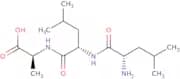

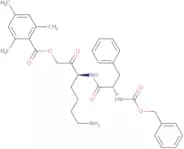
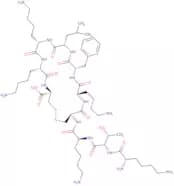
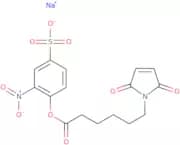
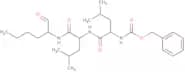
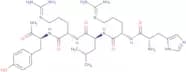
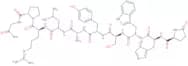
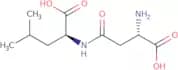
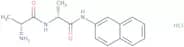
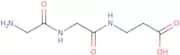

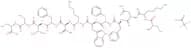
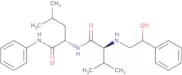

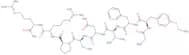
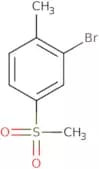
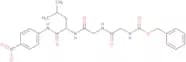
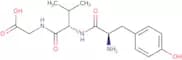
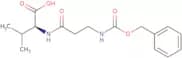
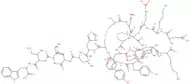
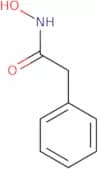


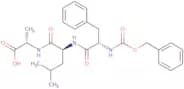
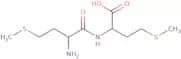
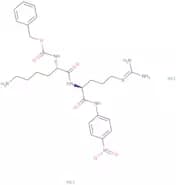
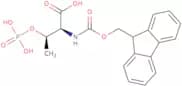
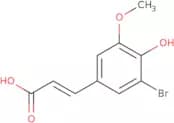
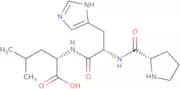
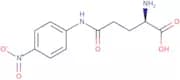

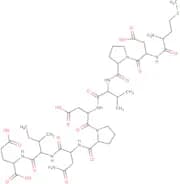

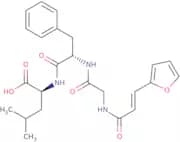
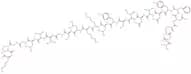

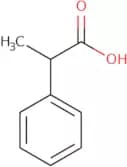
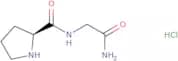
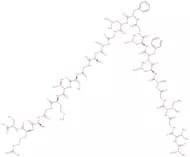
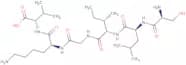



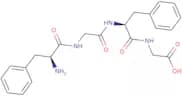
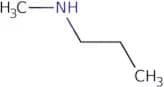
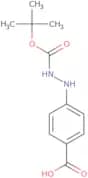
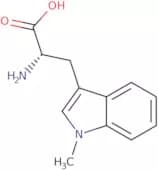
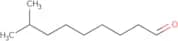
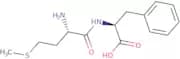
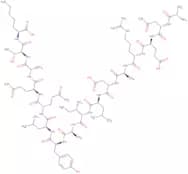


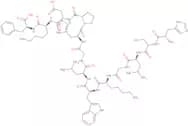
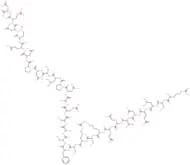
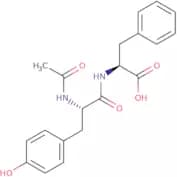
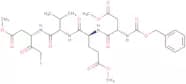


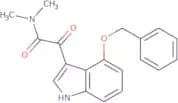
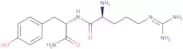
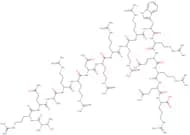
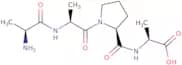

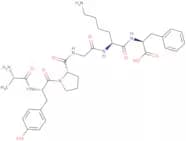

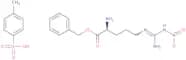
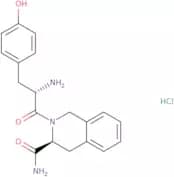
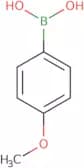
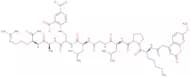
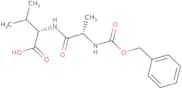
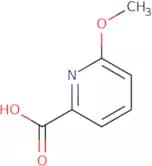
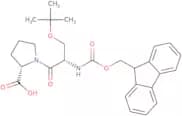
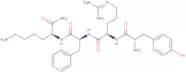

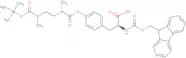

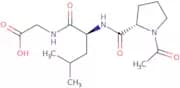

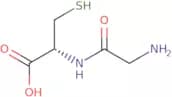
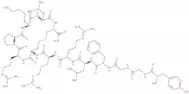
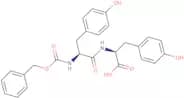

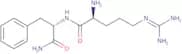
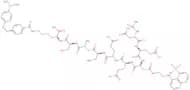
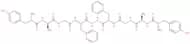
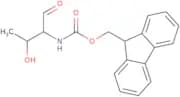
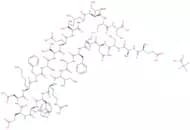
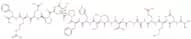
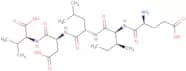
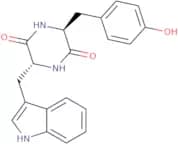
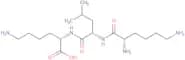
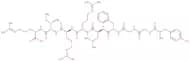
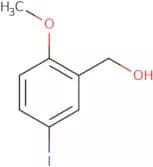
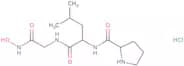

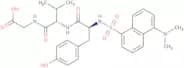
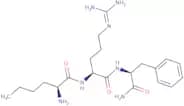
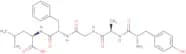
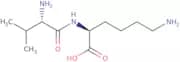
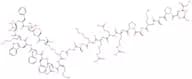
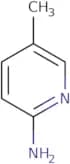

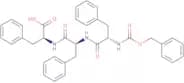
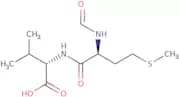
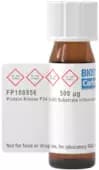

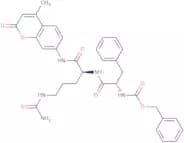
![([ring-D5]Phe6)-Somatostatin-14](/_next/image/?url=https%3A%2Fstatic.cymitquimica.com%2Fproducts%2F3D%2Fthumb-webp%2FFR110019.webp&w=3840&q=75)