Amino Acids (AA)
Subcategories of "Amino Acids (AA)"
- Amino Acid Derivatives(3,999 products)
- Amino Acid and Amino Acid Related Compounds(3,487 products)
- Amino Acids with Oxygen or Sulphur(168 products)
- Boc- Amino Acids(351 products)
- Fmoc Amino Acids(1,710 products)
Found 38360 products of "Amino Acids (AA)"
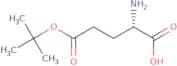
L-Glutamic acid 5-tert-butyl ester
CAS:L-glutamic acid 5-tert-butyl ester (L-GTE) is an amino acid that is classified as a heterocyclic amide. It can be synthesized by the condensation of L-glutamic acid and N-(2-aminoethyl)-N'-(2-propenyl)carbodimide with the tert-butylester of dihydrobenzoin. The protonation of L-GTE with sodium hydroxide produces the corresponding salt, L-glutamic acid 5-(N,N'-dimethylamino)propyl ester. This compound can be used for the synthesis of various amines by reacting it with primary amines in different sequences. L-GTE has also been shown to have antioxidant properties, which may be due to its ability to scavenge hydrogen sulfate radicals.
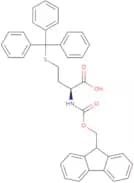
Formula:C9H17NO4Purity:Min. 98 Area-%Color and Shape:White PowderMolecular weight:203.24 g/molFmoc-S-trityl-L-homocysteine
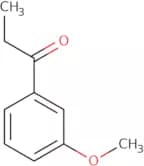
CAS:Fmoc-S-trityl-L-homocysteine is a positron analog that can be used for the diagnosis of cancer. It is labeled with carbon-11, fluorine-18, or nitrogen-13 and can be identified by PET scanning. Fmoc-S-trityl-L-homocysteine has been shown to exhibit epidermal growth factor activity in vitro and in vivo models. This compound also helps in the diagnosis of cancer, as it binds to the surface of tumor cells and increases uptake by these cells. Fmoc-S-trityl-L-homocysteine is a congener of epidermal growth factor that may be used as a model system for other growth factors.Formula:C38H33NO4SPurity:Min. 97 Area-%Color and Shape:Off-White PowderMolecular weight:599.74 g/mol3'-Methoxypropiophenone
CAS:3'-Methoxypropiophenone is an acylating agent that is used in the synthesis of racemic and optically active phenylacetic acids. It can be prepared by the reaction of ketones with methoxypropiolic acid, which is catalyzed by a base such as sodium ethoxide. 3'-Methoxypropiophenone also has been shown to undergo transformation reactions with hydrogenolysis and salt formation. The deprotection step involves removal of a protective group such as dimethylamine or diastereomer.Formula:C10H12O2Purity:Min. 95%Color and Shape:PowderMolecular weight:164.2 g/mol(R)-2-((4-Aminophenethyl)amino)-1-phenylethanol hydrochloride
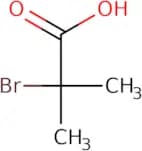
CAS:Intermediate in the synthesis of mirabegronFormula:C16H20N2O·HClPurity:Min. 95%Color and Shape:PowderMolecular weight:292.8 g/mol2-Bromo-2-methylpropionic acid
CAS:2-Bromo-2-methylpropionic acid is a chemical compound that is used to stabilize nanoparticles. It also has covalent interactions with the surface of the nanoparticles, which helps to stabilize them and prevent aggregation. 2-Bromo-2-methylpropionic acid can be modified with polymers or other molecules that can help to stabilize the particles. This stabilizer is also able to create magnetic nanoparticles by using a strategy called "magnetic stabilization". In this method, the stabilizer can react with the metal ions in solution and form a stable complex, which will then coat the particles of interest. The stabilizer can also be used to circumvent mesoporous materials, such as silica gel, by coating them with a polymer layer.Formula:C4H7BrO2Purity:Min. 95%Color and Shape:White Clear LiquidMolecular weight:167 g/mol4,4-Dimethyl-1-[(3,4-methylenedioxy)phenyl]-1-penten-3-ol
CAS:4,4-Dimethyl-1-[(3,4-methylenedioxy)phenyl]-1-penten-3-ol is a drug that has been used in the treatment of Dravet syndrome. This drug is also known as 3,4-methylenedioxyphenylacetone. It is a competitive inhibitor of the enzyme citrate synthase and inhibits the conversion of acetate to citrate. The effect of 4,4-dimethyl-1-[(3,4-methylenedioxy)phenyl]-1-penten-3-ol on sodium citrate concentrations is concentration dependent and results in an increase in plasma sodium concentrations with prolonged administration. Other drugs that are metabolized by the cytochrome P450 system may interact with 4,4-dimethyl-1-[(3,4 methylenedioxy)phenyl]-1 penten 3 ol and lead to increased levels of these drugs in the blood.
Formula:C14H18O3Purity:Min. 95%Color and Shape:White PowderMolecular weight:234.29 g/molN-alpha-Fmoc-Ndelta-Boc-L-ornithine
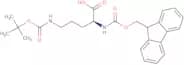
CAS:N-alpha-Fmoc-Ndelta-Boc-L-ornithine (NDO) is a stable complex with the amino acid ornithine. It is a short, cyclic peptide that is a stereoselective inhibitor of melanocortin receptors. NDO has been shown to have no toxicity in animal models, and its safety profile has been evaluated in humans. The biological function of NDO is not known, but it may be involved in regulating the death protein pathway. This molecule also can form complexes with other biologically active molecules such as cryptococcal neoformans, which may help to elucidate their function.Formula:C25H30N2O6Purity:Min. 95%Color and Shape:White PowderMolecular weight:454.52 g/molMethyl 4-methyl-3-oxopentanoate
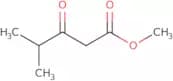
CAS:Methyl 4-methyl-3-oxopentanoate is a synthetic compound that inhibits the production of active oxygen and reactive oxygen species. It has been shown to be a potent inhibitor of tumor cell proliferation in vitro and in vivo, with an IC50 value of approximately 1.5 μM. The mechanism of methyl 4-methyl-3-oxopentanoate's anti-cancer activity may be through its ability to inhibit the activation of tumor necrosis factor alpha (TNFα) in human monocytes and macrophages, which leads to decreased inflammatory responses. Methyl 4-methyl-3-oxopentanoate has also been shown to inhibit the production of reactive oxygen species by inhibiting the activity of NADPH oxidase, thereby decreasing inflammation and oxidative stress. This compound is not known to have any adverse effects on humans or animals.Formula:C7H12O3Purity:Min. 97%Color and Shape:Clear LiquidMolecular weight:144.17 g/mol4-[2-[(3-Ethyl-4-methyl-2-oxo-3-pyrrolin-1-yl)carboxamido]ethyl]benzenesulfonamide
CAS:Metformin is an antidiabetic drug that is used to treat type 2 diabetes. It works by increasing insulin sensitivity and decreasing glucose production in the liver. Metformin does not cause low blood sugar in people with diabetes, but it can lower blood sugar in those without the condition. Metformin is available as metformin hydrochloride and has a molecular weight of 314.5 g/mol. Metformin is excreted primarily through the kidneys, with less than 10% of a dose being excreted unchanged in the urine. Excipients include acetonitrile, which is used as an organic solvent for liquid drug products; impurities may be present due to incomplete synthesis or purification processes; and animal studies are performed to assess safety and efficacy of drugs that may have adverse effects on humans. Metformin has been shown to decrease blood sugar levels in animals through its antidiabetic potential, but there are no studies showing its effect on humans with typeFormula:C16H21N3O4SPurity:Min. 95%Color and Shape:White PowderMolecular weight:351.42 g/molBetonicine
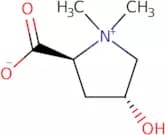
CAS:Betonicine is a natural compound that has been shown to have therapeutic effects in autoimmune diseases. It has been used as a model system for studying plant physiology and to determine the transport properties of hydroxyl groups. Betonicine has also been shown to have receptor activity, which is responsible for its disease-modifying effects in autoimmune diseases. Betonicine is an inorganic acid that can be synthesized from the reaction between ammonia and nitric acid. It can also be extracted from plants such as cress seeds, which are rich in nitrogen atoms. The titration calorimetry method was used to measure the concentration of betonicine in coli K-12 cells.Formula:C7H13NO3Purity:Min. 95%Color and Shape:PowderMolecular weight:159.18 g/mol6-Amino-7-hydroxy-4-methylcoumarin
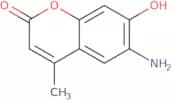
CAS:6-Amino-7-hydroxy-4-methylcoumarin is an antibacterial agent that has been shown to be effective against a range of Gram-positive and Gram-negative bacteria. It is synthesized from coumarins in nature, but also can be synthesized in the laboratory. This compound has been shown to inhibit bacterial growth by forming a covalent bond with the bacterial enzyme DNA gyrase, preventing the synthesis of DNA. 6-Amino-7-hydroxy-4-methylcoumarin has also been shown to have anti cancer properties.
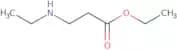
Formula:C10H9NO3Purity:Min. 95%Color and Shape:Yellow solid.Molecular weight:191.18 g/molEthyl N-ethyl-beta-alaninate
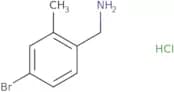
CAS:Ethyl N-ethyl-beta-alaninate is a compound that is used in the stabilization of organic compounds. It has been shown to react with halogens, amides, and other compounds. Ethyl N-ethyl-beta-alaninate has also been shown to inhibit tyrosine kinase and adenosine kinase. This product can be synthesized by reacting ethyl imine with sodium hydroxide or hydroxide solution.Formula:C7H15NO2Purity:Min. 95%Color and Shape:LiquidMolecular weight:145.2 g/mol4-Bromo-2-methylbenzylamine hydrochloride
CAS:4-Bromo-2-methylbenzylamine hydrochloride is a high quality, versatile building block that can be used in the synthesis of many different compounds. It is a reagent that can be used as an intermediate in the production of other compounds. 4-Bromo-2-methylbenzylamine hydrochloride is also a fine chemical and speciality chemical that can be used for research purposes. This compound has been shown to be useful as a reaction component in the synthesis of complex compounds.
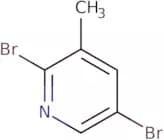
Formula:C8H10BrN·HClPurity:Min. 95%Molecular weight:236.54 g/mol2,5-Dibromo-3-methylpyridine
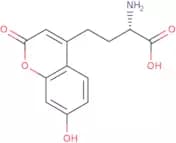
CAS:2,5-Dibromo-3-methylpyridine is used in the synthesis of new ligands for receptor ligand interactions. The compound is synthesized by a cross-coupling reaction with boronic acids. This reaction occurs at room temperature and does not require any harsh chemicals. The product has been shown to be effective against oncologic cells, as well as against cancerous cells in a chloride solution. Cryogenic techniques are also used in this synthesis process.Formula:C6H5Br2NPurity:Min. 95%Color and Shape:PowderMolecular weight:250.92 g/molL-(7-Hydroxycoumarin-4-yl) ethylglycine
CAS:L-(7-Hydroxycoumarin-4-yl) ethylglycine is a molecule that has been used as a model system to study the binding of inhibitors to enzymes. L-(7-Hydroxycoumarin-4-yl) ethylglycine binds to the enzyme synthetase and inhibits its activity. The inhibition of this enzyme prevents the formation of ATP, which is necessary for the synthesis of proteins. L-(7-Hydroxycoumarin-4-yl) ethylglycine also blocks transcription and translation by binding to DNA binding proteins and inhibiting ribosome function respectively. This agent is an antimicrobial agent that has shown activity against gram positive bacteria such as Staphylococcus aureus, Enterococcus faecalis, and Bacillus cereus, as well as gram negative bacteria such as Escherichia coli, Salmonella typhimurium, Pseudomonas aeruginFormula:C13H13NO5Purity:Min. 98 Area-%Color and Shape:Red PowderMolecular weight:263.25 g/molBis(4-methylpentyl)phthalate
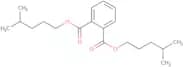
CAS:Bis(4-methylpentyl)phthalate (BMPP) is a plasticizer that is used in many products such as cosmetics, paints and adhesives. BMPP has the chemical formula CH(COCH). It is a cross-linker that acts to increase the viscosity of polymers. The dry weight of BMPP is around 100g/mol. The molecular weight of this compound is around 216.04g/mol. Electrospray ionization quadrupole mass spectrometry (ESI-QMS) was used to analyze the sample. To prepare a sample for analysis, microcapsules were created by dissolving BMPP in chloroform and sonicating it with water and then drying it out. Molecular modeling was used to study the mechanism of BMPP degradation on surfaces through thermolysis or oxidation. This compound can be found in fatty acids in vitro assays, which measure how well an agent can bind toFormula:C20H30O4Purity:Min. 95 Area-%Color and Shape:Clear LiquidMolecular weight:334.45 g/mol(E)-3-[3'-(4''-fluorophenyl)-1'-(1''-methylethyl)-1H-indol-2''-yl]-2-propnal
CAS:(E)-3-[3'-(4''-Fluorophenyl)-1'-(1''-methylethyl)-1H-indol-2''-yl]-2-propnal is an amoebicidal agent that belongs to the class of indole derivatives. It has been shown to inhibit tumor growth in animal models, and thus may be a potential anti-cancer drug. The activity index of (E)-3-[3'-(4''-fluorophenyl)-1'-(1''-methylethyl)-1H-indol-2''-yl]-2-propnal was significantly lower than those of fenoldopam, a well known antihypertensive agent, for the treatment of liver cancer. The compound also inhibits the growth of bacteria by inhibiting protein synthesis in organisms such as amoeba.Formula:C20H18FNOPurity:Min. 95%Color and Shape:Yellow PowderMolecular weight:307.36 g/molβ-Fluoro-DL-alanine
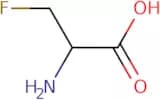
CAS:b-Fluoro-DL-alanine is an amino acid that is synthesized by the asymmetric synthesis of hydrogen fluoride and acetic anhydride. b-Fluoro-DL-alanine has a deuterium isotope effect on the NMR spectra, which can be used to determine the structure of the molecule. It has been found that this amino acid inhibits ribonucleotide reductase activity. The inhibition constant for b-fluoro-DL-alanine is 1.6 mM with a kinetic rate of 0.0012 min−1 M−1, which can be used to compare its inhibitory effect with other chemicals. This chemical also has inhibitory effects on transcriptase polymerase chain and protein synthesis by binding to the A site on RNA polymerase and preventing transcription from occurring.Formula:C3H6FNO2Purity:Min. 95%Color and Shape:PowderMolecular weight:107.08 g/mol3-Iodo-4-methylbenzamidine
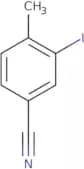
CAS:3-Iodo-4-methylbenzamidine is a chemical building block that is used as a reagent for the synthesis of other chemicals. 3-Iodo-4-methylbenzamidine is a versatile building block that can be used to synthesize complex compounds. It can also be used to produce fine chemicals and pharmaceuticals, such as antibiotics, chemotherapeutics, and antivirals. 3-Iodo-4-methylbenzamidine has been shown in preliminary research to have anti-inflammatory properties.Formula:C8H6INPurity:90%Color and Shape:White PowderMolecular weight:243.04 g/molArg-Gly-Asp
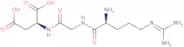
CAS:Arg-Gly-Asp is a peptide with inhibitory properties against tumor growth. It binds to the integrin receptor and blocks the angiogenic process by inhibiting the expression of vascular endothelial growth factor (VEGF) and transforming growth factor beta (TGF-β). Arg-Gly-Asp also inhibits the proliferation of pluripotent cells, which are cells that can differentiate into any type of cell in the body, and prevents the formation of new blood vessels. This peptide has been shown to have inhibitory properties against leukemia inhibitory factor (LIF), which is a cytokine that regulates cell growth.
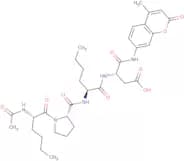
Formula:C12H22N6O6Purity:Min. 98 Area-%Color and Shape:PowderMolecular weight:346.34 g/molAc-Nle-Pro-Nle-Asp-AMC
CAS:Ac-Nle-Pro-Nle-Asp-AMC is a reactive molecule that has been shown to be neuroprotective and to inhibit insulin resistance in mammalian cells. Ac-Nle-Pro-Nle-Asp-AMC is able to stop neuronal death by binding to the proteolytic enzymes, such as ubiquitin ligases, and inhibiting their activity. This drug also inhibits the activity of c2c12 myotubes, which are muscle cells that have been used in research studies. Ac-Nle-Pro-Nle-Asp AMC binds to ubiquitin and prevents it from being degraded by the proteasome system, which is a cellular protein degradation pathway. Ac-Nle-Pro-Nle -Asp AMC also inhibits the release of inflammatory factors from c2c12 myotubes, which may be due to its ability to block ubiquitin ligases.
Formula:C33H45N5O9Purity:Min. 97 Area-%Color and Shape:PowderMolecular weight:655.74 g/mol5-(3-Methoxyphenyl)-4-phenyl-4H-1,2,4-triazole-3-thiol
CAS:Please enquire for more information about 5-(3-Methoxyphenyl)-4-phenyl-4H-1,2,4-triazole-3-thiol including the price, delivery time and more detailed product information at the technical inquiry form on this pageFormula:C15H13N3OSPurity:Min. 95%Color and Shape:PowderMolecular weight:283.35 g/mol5-Iodo-2-methoxybenzonitrile
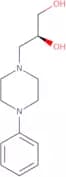
CAS:5-Iodo-2-methoxybenzonitrile is a fine chemical that is used as a building block in the synthesis of other chemicals or pharmaceuticals. The compound reacts with strong bases to produce an aryl amine and iodoethane, and can be used to make derivatives as well. 5-Iodo-2-methoxybenzonitrile has a number of uses, including as a research chemical, reagent, specialty chemical, and intermediate. It is also useful in the synthesis of other complex compounds. 5-Iodo-2-methoxybenzonitrile belongs to the group of organoiodine compounds that are classified as speciality chemicals. This compound has CAS number 933672-32-3.Formula:C8H6INOColor and Shape:PowderMolecular weight:259.04 g/mol(S)-3-(4-Phenyl-1-piperazinyl)-1,2-propanediol
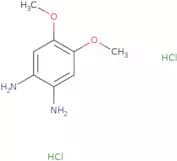
CAS:(S)-3-(4-Phenyl-1-piperazinyl)-1,2-propanediol is a synthetic compound that has been shown to have antiinflammatory activity in rat urine and human bronchial tissue. The antiinflammatory effect of (S)-3-(4-Phenyl-1-piperazinyl)-1,2-propanediol may be due to its ability to inhibit the release of leukotrienes and prostaglandins. The drug is currently being tested as a treatment for chronic cough in children. This drug has not been approved by the FDA for use in children under 12 years old.Formula:C13H20N2O2Purity:Min. 95%Color and Shape:White To Off-White SolidMolecular weight:236.31 g/mol4,5-Dimethoxy-1,2-phenylenediamine hydrochloride
CAS:Produces fluorescent benzimidazole derivatives; detects aromatic aldehydes
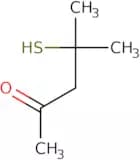
Formula:C8H14N2O2•xHClPurity:Min. 98%Color and Shape:Purple PowderMolecular weight:241.11 g/mol4-Mercapto-4-methyl-pentan-2-one
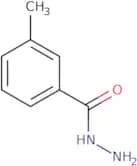
CAS:4-Mercapto-4-methyl-pentan-2-one is a fatty acid that is used as a flavor and fragrance agent. It has shown potential as a biomarker for exposure to volatile organic compounds (VOCs). 4-Mercapto-4-methylpentan2one has been found to inhibit the transcriptional regulation of genes encoding thiols and is an important component of the matrix effect. This compound can be extracted by solid phase microextraction, which will require sample preparation before use. The wild type strain of Escherichia coli was used in this experiment, but it may also be possible to use other bacteria such as Bacillus subtilis or Pseudomonas aeruginosa. Chemical ionization mass spectrometry was used to identify 4-mercapto-4-methylpentan2one in the extract.Formula:C6H12SOPurity:Min. 98 Area-%Molecular weight:132.22 g/mol3-Methyl-benzoylhydrazide
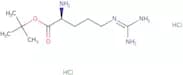
CAS:3-Methyl-benzoylhydrazide is a chemical compound that has been shown to have antibacterial effects against Gram-positive bacteria. It has been found to inhibit the growth of chickpea, acrylonitrile, and subtilis at acidic pH levels. 3-Methyl-benzoylhydrazide inhibits bacterial growth by reacting with the enzyme protein imine (NAD+), which is required for oxidative metabolism in bacteria. This reaction results in the formation of an iminium ion, which is highly reactive and can lead to the destruction of DNA, RNA, and proteins. 3-Methyl-benzoylhydrazide also reacts with staphylococcus by inhibiting its growth at alkaline pH levels. This compound also has nutritional benefits because it contains amino acids such as cysteine and methionine.Formula:C8H10N2OPurity:Min. 95%Color and Shape:PowderMolecular weight:150.18 g/molL-Arginine-tert-butyl ester dihydrochloride
CAS:L-Arginine-tert-butyl ester dihydrochloride is a high quality, reagent, complex compound that is soluble in most organic solvents. It has a CAS No. of 87459-72-1 and can be used as an intermediate for the production of other chemical compounds. L-Arginine-tert-butyl ester dihydrochloride is also a useful scaffold for the synthesis of speciality chemicals or research chemicals and can be used as a versatile building block in the synthesis of many chemical compounds.Formula:C10H22N4O2·2HClPurity:Min. 95%Color and Shape:PowderMolecular weight:303.23 g/mol2-Phenylbenzo[B]thiophene
CAS:2-Phenylbenzo[B]thiophene is a diphenyl ether that reacts with chloride in the presence of a base to produce diphenylmethane. It has been shown to bind to estrogen receptors and can be used for the treatment of estrogen-dependent cancers. 2-Phenylbenzo[B]thiophene has been shown to have anti-estrogenic properties, which may be due to its ability to compete with estrogen at the receptor binding site. In addition, it is a radical chain compound that can undergo reactions involving oxygen or nitrogen radicals. The nature of these reactions depends on the reaction products involved in the reactions. 2-Phenylbenzo[B]thiophene can react with xanthates such as diethylxanthate to produce pharmaceutical preparations such as phenyltriethyleneglycolxanthate and phenyldiethoxymethoxyethyleneglycolxanthate.
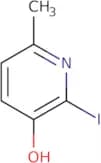
Formula:C14H10SPurity:Min. 95%Color and Shape:PowderMolecular weight:210.3 g/mol3-Hydroxy-2-iodo-6-methylpyridine
CAS:3-Hydroxy-2-iodo-6-methylpyridine is a catalyst that is used to produce the heterocycle pyridone. It can be used as a precursor for new pharmaceuticals and agrochemicals. 3-Hydroxy-2-iodo-6-methylpyridine has been shown to catalyze the reaction of aromatic amines with ketones or sulfonyl chlorides, leading to the formation of pyridones. These reactions are also catalyzed by other compounds such as 2,4,5,6,-tetramethylpiperidinium hexafluorophosphate (TEMPO).Formula:C6H6INOPurity:Min. 95%Color and Shape:PowderMolecular weight:235.02 g/mol2,3-Dihydroxy-4-methoxycinnamic acid ethyl ester
Please enquire for more information about 2,3-Dihydroxy-4-methoxycinnamic acid ethyl ester including the price, delivery time and more detailed product information at the technical inquiry form on this pagePurity:Min. 95%1-((2,5-dichlorophenyl)sulfonyl)-5-methylthio-1,2,4-triazole-3-ylamine
CAS:Please enquire for more information about 1-((2,5-dichlorophenyl)sulfonyl)-5-methylthio-1,2,4-triazole-3-ylamine including the price, delivery time and more detailed product information at the technical inquiry form on this pagePurity:Min. 95%Methyl 4-methoxyacetoacetate
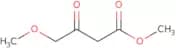
CAS:Methyl 4-methoxyacetoacetate is a synthetic chemical compound that can be used in the synthesis of other substances. It has been shown to react with diacetates and produce hydroxy compounds during the reaction system. The reaction rate is dependent on the temperature and concentration of the reactants, as well as the presence of a catalyst such as hydrochloric acid. Methyl 4-methoxyacetoacetate has also been shown to form crystals when heated at constant temperature, which have been analyzed by X-ray diffraction. These crystals are composed of 2 molecules of methyl 4-methoxyacetoacetate that are held together through hydrogen bonding.Formula:C6H10O4Purity:Min. 95%Color and Shape:Colorless Clear LiquidMolecular weight:146.14 g/molFmoc-3,5-diiodo-D-tyrosine
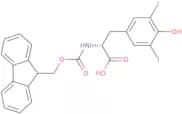
CAS:Please enquire for more information about Fmoc-3,5-diiodo-D-tyrosine including the price, delivery time and more detailed product information at the technical inquiry form on this pageFormula:C24H19I2NO5Purity:Min. 95%Color and Shape:PowderMolecular weight:655.22 g/mol(3-(2,6-dichlorophenyl)-5-methylisoxazol-4-yl)-N-(5-methylisoxazol-3-yl)formamide
CAS:Please enquire for more information about (3-(2,6-dichlorophenyl)-5-methylisoxazol-4-yl)-N-(5-methylisoxazol-3-yl)formamide including the price, delivery time and more detailed product information at the technical inquiry form on this page
Purity:Min. 95%6-Acetyl-7-methylpyrazolo[1,5-α]pyrimidine-3-carboxylic acid
CAS:The 6-Acetyl-7-methylpyrazolo[1,5-α]pyrimidine-3-carboxylic acid is a fine chemical that belongs to the group of speciality chemicals. It is an intermediate that can be used in research or as a building block for more complex compounds. This compound has been shown to have many useful properties, including its versatility as a scaffold and its ability to react with other compounds. The 6-Acetyl-7-methylpyrazolo[1,5-α]pyrimidine-3-carboxylic acid is also considered high quality and can be used in reactions related to the production of pharmaceuticals, agrochemicals, polymers and dyes.Formula:C10H9N3O3Purity:Min. 95%Color and Shape:PowderMolecular weight:219.2 g/molH-D-Cys-OH·HCl·H2O
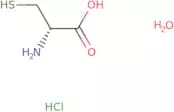
CAS:D-Cysteine hydrochloride monohydrate (Cys-OH·HCl·H2O) is a derivative of the amino acid D-Cysteine. It has potential application in research and chemical synthesis.Formula:C3H7NO2S·HCl·H2OPurity:Min. 95%Color and Shape:White PowderMolecular weight:175.64 g/molD-Valine
CAS:D-Valine is a non-essential amino acid that is synthesized from 2-oxoglutarate and glutamine. D-Valine has been shown to be an intermediate in microbial metabolism, where it is converted to L-valine by the enzyme d-amino acid oxidase. It has also been shown to have antihypertensive properties in rat models of hypertension. The synthesis of D-valine from glucose can occur through two different pathways: one involves the conversion of L-glutamic acid to L-alanine then to pyruvic acid, which is then converted to L-lactate and then d-malic acid; the other pathway involves the conversion of L-glutamate to citric acid, which can then be converted into succinic acid and eventually d-malic acid. Structural analysis has revealed that D-valine contains a hydrogen bond between its carboxyl group and nitrogen atom in a neighboring molecule. This hydrogen
Formula:C5H11NO2Purity:Min. 95%Color and Shape:White PowderMolecular weight:117.15 g/molFmoc-Gly-OH
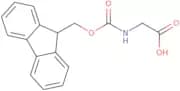
CAS:Fmoc-Gly-OH is a peptide that has been shown to have anti-inflammatory properties. It inhibits the production of inflammatory cytokines by binding to the receptor for IL-1β on du145 cells, which are prostate cancer cells. The synthesis of Fmoc-Gly-OH is achieved through an ester hydrochloride and amide bond formation. This synthesis method is not efficient and requires high amounts of reagents and solvents. Fmoc-Gly-OH has been shown to be effective in inhibiting the inflammatory response in human serum with a dose of 10 μM, but it does not inhibit inflammation in chronic exposure studies with rats or mice.!--Formula:C17H15NO4Purity:Min. 98 Area-%Color and Shape:White Off-White PowderMolecular weight:297.31 g/mol[2-(3-Methylphenoxy)ethyl]amine hydrochloride
CAS:[2-(3-Methylphenoxy)ethyl]amine hydrochloride is a fine chemical that is a versatile building block. It can be used as a reaction component in the synthesis of complex molecules and as a reagent for the synthesis of speciality chemicals and research chemicals. This compound has been shown to react with nitric acid to form an amine salt, which is useful for the manufacture of pharmaceuticals. [2-(3-Methylphenoxy)ethyl]amine hydrochloride can also be reacted with chloroacetic acid to form an amine salt, which is useful for the manufacture of pesticides. The high quality and versatility of this compound make it a useful scaffold for many types of reactions.Formula:C9H13NO•HClPurity:Min. 95 Area-%Color and Shape:PowderMolecular weight:187.66 g/mol(Des-Gly10,D-Ser4,D-Trp6,Pro-NHEt 9)-LHRH trifluoroacetate salt
Please enquire for more information about (Des-Gly10,D-Ser4,D-Trp6,Pro-NHEt 9)-LHRH trifluoroacetate salt including the price, delivery time and more detailed product information at the technical inquiry form on this pageFormula:C64H83N17O12Purity:Min. 95%Color and Shape:PowderMolecular weight:1,282.45 g/molN-Methyl-beta-alaninenitrile
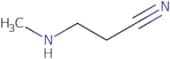
CAS:Formamide is a colorless gas with a pungent, irritating odor. It is used as an antiseptic and an intermediate in the production of other organic compounds. Formamide has been shown to be effective against animal-derived pathogens such as Covid-19 and influenza A/H5N1, and it has been proposed as a potential treatment for pandemic influenza. Formamide reacts with chlorine to produce formate salt (formic acid), which can then be converted into amines or hexamethylphosphoramide. The reaction rate of formamide increases with increasing temperature, but decreases with increasing concentration of hydrogen.
Formamide is also used as a solvent in microscopy to dissolve tissue samples for analysis by electron microscopy techniques.Formula:C4H8N2Purity:Min. 98 Area-%Color and Shape:Colorless Clear LiquidMolecular weight:84.12 g/molMethyl indolyl-3-glyoxylate
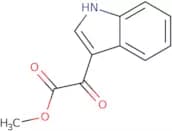
CAS:Methyl indolyl-3-glyoxylate is an active analogue of hepg2, a protein involved in the synthesis of prenylated proteins. It inhibits the prenylation of proteins and halides by binding to ATP, preventing the formation of a covalent bond between ATP and the protein. Methyl indolyl-3-glyoxylate has been shown to induce apoptosis in HeLa cells by inhibiting cell proliferation and DNA synthesis. This compound also causes g1 phase arrest, which may be due to its ability to alkylate DNA. Methyl indolyl-3-glyoxylate has also been shown to be effective against cancer cells in vitro and in vivo, particularly those that are resistant to other chemotherapeutic drugs.Formula:C11H9NO3Purity:Min. 95%Color and Shape:PowderMolecular weight:203.19 g/mol2-Phenyl-N-(phenylsulfonyl)acetamide
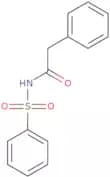
CAS:2-Phenyl-N-(phenylsulfonyl)acetamide is a fine chemical, useful intermediate and research chemicals. It has a CAS number of 92200-24-3. This compound can be used as a versatile building block in the synthesis of complex compounds with high quality and purity. 2-Phenyl-N-(phenylsulfonyl)acetamide can also be used as a reaction component in the synthesis of speciality chemicals or as a reagent.Formula:C14H13NO3SMolecular weight:275.33 g/mol5-Chloro-1,10-phenanthroline
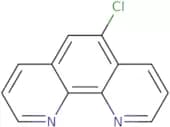
CAS:5-Chloro-1,10-phenanthroline (5CP) is a molecule that has been used in the study of DNA oxidation. 5CP has been shown to be an effective inhibitor of oxidative dna damage and can be used for the prevention of mutations caused by reactive oxygen species. This compound was also found to inhibit the growth of L1210 murine leukemia cells, which is due to its ability to bind to potassium ions. 5CP has been shown to have significant binding constants with DNA and protein molecules. It also has a very high level of ancillary activity and can be used as a catalyst in transfer reactions.Formula:C12H7ClN2Purity:Min. 97.5 Area-%Color and Shape:Red PowderMolecular weight:214.65 g/mol2-Methoxy benzyl chloride
CAS:2-Methoxy benzyl chloride is an organometallic compound that has potent antagonist activity against a wide variety of organometallic and non-organometallic compounds. It is used in the treatment of inflammatory diseases, such as myocardial infarct, and also displays antimicrobial properties. 2-Methoxy benzyl chloride is a potent competitive inhibitor of many enzymes, including xanthine oxidase, hydroxylase, and tyrosinase. This molecule also has the ability to bind to cationic polymers and inhibit polymerization reactions by interfering with the formation of hydrogen bonds between monomers. The chlorine atom in this molecule can be replaced by a hydrogen atom for use as an antimicrobial agent. 2-Methoxy benzyl chloride binds to nitrogen atoms on amides and other nitrogen containing compounds, which may account for its antiinflammatory effects.
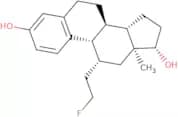
Formula:C8H9ClOPurity:Min. 95%Color and Shape:PowderMolecular weight:156.61 g/mol(8S,9S,11R,13S,14S,17S)-11-(2-Fluoroethyl)-13-Methyl-6,7,8,9,11,12,14,15,16,17-Decahydrocyclopenta[a]Phenanthrene-3,17-Diol
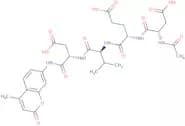
CAS:Controlled Product(8S,9S,11R,13S,14S,17S)-11-(2-Fluoroethyl)-13-Methyl-6,7,8,9,11,12,14,15,16,17-Decahydrocyclopenta[a]Phenanthrene-3,17-Diol is a light emitting diode (LED) that emits light in the near infrared spectrum. This LED is composed of a single layer of CdTe nanowires and has an emission wavelength of 760 nm. It also has a high quantum efficiency and low energy requirements for fabrication. The lifetime of this device is also long and its optical properties are stable over time. This device can be used to replace traditional incandescent bulbs or to emit light in specific wavelengths for biomedical applications.Formula:C20H27FO2Purity:Min. 95%Molecular weight:318.43 g/molAc-Asp-Glu-Val-Asp-AMC ammonium salt
CAS:Ac-Asp-Glu-Val-Asp-AMC ammonium salt is a small molecule that is used as a tool to study apoptosis in vitro. Ac-Asp-Glu-Val-Asp-AMC ammonium salt induces apoptosis by blocking the mitochondrial membrane potential and inducing the release of cytochrome c from mitochondria into the cytoplasm. This drug also induces activation of caspase 3, which initiates the cascade of events leading to cell death. Ac-Asp-Glu-Val-Asp-AMC ammonium salt has been shown to have an antiangiogenic effect on hl60 cells. This effect may be due to its ability to inhibit expression of survivin, a protein that protects cells from apoptosis. The efficacy of this drug in an experimental model has been shown to be dependent on toll like receptor (TLR) signaling pathways and mitochondrial function.br>Formula:C30H37N5O13•NH3Purity:Min. 97 Area-%Color and Shape:PowderMolecular weight:692.67 g/mol1-Fluoro-3-methoxy-2-nitrobenzene
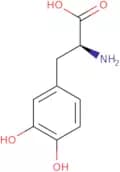
CAS:1-Fluoro-3-methoxy-2-nitrobenzene is a versatile building block that can be used as a scaffold for the synthesis of complex compounds. It is also used as a reaction component in research and development, especially in the production of pharmaceuticals, pesticides and other chemicals. 1-Fluoro-3-methoxy-2-nitrobenzene has many uses in the production of high quality reagents, such as pharmaceutical intermediates, dyes, and explosives.Formula:C7H6FNO3Purity:Min. 95%Molecular weight:171.13 g/mol3,4-Dihydroxy-L-phenylalanine
CAS:Controlled ProductPrecursor of catecholamine neurotransmitters; anti-parkinsonian therapy
Formula:C9H11NO4Purity:Min. 98 Area-%Color and Shape:White PowderMolecular weight:197.19 g/mol


![4,4-Dimethyl-1-[(3,4-methylenedioxy)phenyl]-1-penten-3-ol](/_next/image/?url=https%3A%2Fstatic.cymitquimica.com%2Fproducts%2F3D%2Fthumb-webp%2FFS27881.webp&w=3840&q=75)
![4-[2-[(3-Ethyl-4-methyl-2-oxo-3-pyrrolin-1-yl)carboxamido]ethyl]benzenesulfonamide](/_next/image/?url=https%3A%2Fstatic.cymitquimica.com%2Fproducts%2F3D%2Fthumb-webp%2FFE23124.webp&w=3840&q=75)
![(E)-3-[3'-(4''-fluorophenyl)-1'-(1''-methylethyl)-1H-indol-2''-yl]-2-propnal](/_next/image/?url=https%3A%2Fstatic.cymitquimica.com%2Fproducts%2F3D%2Fthumb-webp%2FFF37514.webp&w=3840&q=75)


![2-Phenylbenzo[B]thiophene](/_next/image/?url=https%3A%2Fstatic.cymitquimica.com%2Fproducts%2F3D%2Fthumb-webp%2FFP67001.webp&w=3840&q=75)


![6-Acetyl-7-methylpyrazolo[1,5-α]pyrimidine-3-carboxylic acid](/_next/image/?url=https%3A%2Fstatic.cymitquimica.com%2Fproducts%2F3D%2Fthumb-webp%2FFA119841.webp&w=3840&q=75)

![[2-(3-Methylphenoxy)ethyl]amine hydrochloride](/_next/image/?url=https%3A%2Fstatic.cymitquimica.com%2Fproducts%2F3D%2Fthumb-webp%2FFM120149.webp&w=3840&q=75)