Amino Acids (AA)
Subcategories of "Amino Acids (AA)"
- Amino Acid Derivatives(4,000 products)
- Amino Acid and Amino Acid Related Compounds(3,487 products)
- Amino Acids with Oxygen or Sulphur(168 products)
- Boc- Amino Acids(351 products)
- Fmoc Amino Acids(1,710 products)
Found 38352 products of "Amino Acids (AA)"
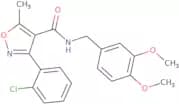
N-((3,4-dimethoxyphenyl)methyl)(3-(2-chlorophenyl)-5-methylisoxazol-4-yl)formamide
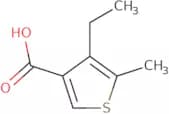
CAS:Please enquire for more information about N-((3,4-dimethoxyphenyl)methyl)(3-(2-chlorophenyl)-5-methylisoxazol-4-yl)formamide including the price, delivery time and more detailed product information at the technical inquiry form on this pagePurity:Min. 95%4-Ethyl-5-methylthiophene-3-carboxylic acid
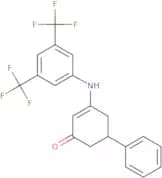
CAS:4-Ethyl-5-methylthiophene-3-carboxylic acid is a chemical compound that can be used as an intermediate for the synthesis of other compounds. It is also a building block and a versatile building block in organic synthesis, with many applications in research and industry. This compound has a CAS number of 884497-34-1 and is classified as a speciality chemical.Formula:C8H10O2SPurity:Min. 95%Color and Shape:PowderMolecular weight:170.23 g/mol3-((3,5-bis(trifluoromethyl)phenyl)amino)-5-phenylcyclohex-2-en-1-one
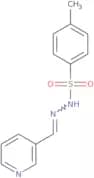
CAS:Please enquire for more information about 3-((3,5-bis(trifluoromethyl)phenyl)amino)-5-phenylcyclohex-2-en-1-one including the price, delivery time and more detailed product information at the technical inquiry form on this pagePurity:Min. 95%Benzenesulfonic acid, 4-methyl-2-(3-pyridinylmethylene)hydrazide
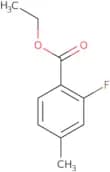
CAS:Please enquire for more information about Benzenesulfonic acid, 4-methyl-2-(3-pyridinylmethylene)hydrazide including the price, delivery time and more detailed product information at the technical inquiry form on this pagePurity:Min. 95%2-Fluoro-4-methylbenzoic acid ethyl ester
CAS:2-Fluoro-4-methylbenzoic acid ethyl ester is a versatile building block that is used in the synthesis of complex compounds with a wide variety of biological and chemical properties. This compound has been used as a reagent for research, as well as in the production of pharmaceuticals and other speciality chemicals. It has also been found to be useful in the synthesis of compounds with high quality. 2-Fluoro-4-methylbenzoic acid ethyl ester can be used as an intermediate in reactions, or as a scaffold for further synthesis. The CAS number for this compound is 500579-61-3.
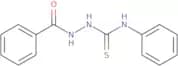
Formula:C10H11FO2Purity:Min. 95%Color and Shape:Colourless LiquidMolecular weight:182.19 g/mol1-benzoyl-4-phenyl-3-thiosemicarbazide
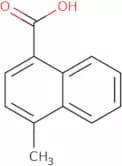
CAS:1-Benzoyl-4-phenyl-3-thiosemicarbazide is an adsorbent that has been shown to be a bidentate ligand. It is used as a corrosion inhibitor and exhibits potentiodynamic polarization. The adsorption isotherm of 1-benzoyl-4-phenyl-3-thiosemicarbazide has been measured using Langmuir and Freundlich techniques. This compound has been shown to have fluorescent properties. 1-Benzoyl-4-phenyl-3-thiosemicarbazide also reacts with thiocyanates, yielding the reaction product 1,2,4,5,6 - hexahydrobenzothiazole.Purity:Min. 95%4-Methyl-1-naphthoic acid
CAS:4-Methyl-1-naphthoic acid (4MN) is a chemical that belongs to the group of diene compounds. It is a precursor in the biosynthesis of naphthoquinones and can be used for the preparation of aziridines and amides. 4MN has shown inhibitory properties against tumor cells and has been used as an experimental anticancer drug. The antineoplastic activity of 4MN may be due to its ability to interfere with DNA replication and cell division.Formula:C12H10O2Purity:Min. 95%Color and Shape:White PowderMolecular weight:186.21 g/molL-Alaninamide hydrochloride
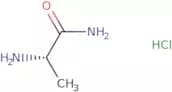
CAS:L-Alaninamide hydrochloride is a hydrogen bond donor that has been shown to have anti-inflammatory properties. L-Alaninamide hydrochloride is able to crosslink hyaluronic acid, which can act as an immunosuppressant and inhibit the production of proinflammatory cytokines. In addition, L-alaninamide hydrochloride has been found to be effective in the treatment of amyloid protein aggregation diseases such as Alzheimer's disease. The drug binds to amyloid proteins by binding to their receptor site and inhibits the formation of amyloid fibrils by preventing cross-linking reactions between polypeptides. L-alaninamide hydrochloride also inhibits the formation of benzimidazole compounds, which are used in the treatment of rheumatoid arthritis.br>br>
The structure of L-alaninamide hydrochloride is an intramolecular hydrogen bond donor with a carbonyl group. ItFormula:C3H8N2O•HClPurity:(Titration) Min 98%Color and Shape:PowderMolecular weight:124.57 g/molPoly[2-methoxy-5-(2-ethylhexyloxy)-1,4-phenylenevinylene - M.W. average 40,000-70,000
CAS:Poly[2-methoxy-5-(2-ethylhexyloxy)-1,4-phenylenevinylene] is a polymeric material that is soluble in various organic solvents. It has a high refractive index and can be used as an optical filter or polarizer. Poly[2-methoxy-5-(2-ethylhexyloxy)-1,4-phenylenevinylene] particles are monodisperse with an average size of 40,000 to 70,000 daltons. This material has been shown to have excellent light absorption properties and can be made into nanoparticles for use in biomedical applications.
Formula:(C18H28O2)nPurity:Min. 95%Color and Shape:Powder2-[(4-Amino-2-methyl-5-nitrylbenzyl)amino]ethylalcohol
CAS:2-[(4-Amino-2-methyl-5-nitrylbenzyl)amino]ethylalcohol is a reactive, hydrated, colorant that belongs to the group of hydroxy compounds. It has a chromophore and is used in the production of cosmetics. 2-[(4-Amino-2-methyl-5-nitrylbenzyl)amino]ethylalcohol is used for alkalization and in the production of particle pigments. This compound can be found in fatty acid esters, as it has a long hydrocarbon chain, which makes it soluble. It also has fatty acids and an amine group that provides color.Formula:C9H13N3O3Purity:Min. 95%Molecular weight:211.22 g/mol3-Hydroxy-2-methylbenzyl alcohol
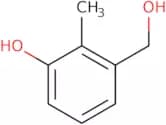
CAS:3-Hydroxy-2-methylbenzyl alcohol is a solvent with a high molecular weight. It is insoluble in water and has good solvency power for organic solvents. 3-Hydroxy-2-methylbenzyl alcohol has anisotropy, which means it can rotate the plane of polarization of light passing through it. 3-Hydroxy-2-methylbenzyl alcohol is used as a reagent to measure the degree of birefringence, which is the property of crystalline materials that causes light passing through them to split into two rays with different polarizations. This property can be used to identify the type and size of chains in crystals. 3HMBAA has been shown to be soluble in organic solvents, but not in water or other nonpolar solvents. The theory behind this is that molecules are generally more soluble in liquids similar to themselves than they are in liquids that are dissimilar from themselves. HelFormula:C8H10O2Purity:Min. 95%Color and Shape:Off-White PowderMolecular weight:138.16 g/molN-alpha-Fmoc-Nepsilon-1-(4,4-dimethyl-2,6-dioxocyclohex-1-ylidene)ethyl-L-lysine
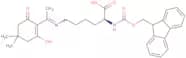
CAS:N-alpha-Fmoc-Nepsilon-1-(4,4-dimethyl-2,6-dioxocyclohex-1-ylidene)ethyl-L-lysine is a synthetic amide with a peptide backbone. It has been shown to have anti tumor activity in vivo and in vitro against a variety of solid tumor xenografts. The compound was conjugated to the integrin receptor ligand RGD, which is expressed on the surface of various types of cancer cells. This modification increased the uptake of N-alpha-Fmoc-Nepsilon-1-(4,4 dimethyl 2,6 dioxocyclohex1 ylidene)ethyl L lysine by leukemia cells and solid tumor xenografts.Formula:C31H36N2O6Purity:Min. 98 Area-%Color and Shape:Slightly Yellow PowderMolecular weight:532.63 g/mol2-Methyl-1,3-cyclohexanedione
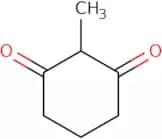
CAS:2-Methyl-1,3-cyclohexanedione is an organic compound that has been used in the synthesis of a variety of drugs. The functional theory for this type of reaction is based on the conformational properties and steric interactions of the reactants. This compound can react with alkyl halides to form ethers or esters by using a lipase or boronic ester as a catalyst. 2-Methyl-1,3-cyclohexanedione has also been used in asymmetric syntheses and radiation damage studies. It is stable under acidic conditions and its carbonyl group can be replaced with a supercritical carbon dioxide group to make it more chemically stable.Formula:C7H10O2Purity:Min. 98%Color and Shape:PowderMolecular weight:126.15 g/molN-(2,3-Dimethylphenyl)-N-(methylsulfonyl)glycine
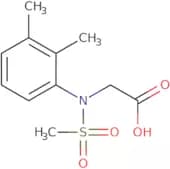
CAS:N-(2,3-Dimethylphenyl)-N-(methylsulfonyl)glycine is a fine chemical that is useful as a versatile building block in the synthesis of complex compounds. It has been utilized as an intermediate in research chemicals and is also a reaction component for speciality chemicals. N-(2,3-Dimethylphenyl)-N-(methylsulfonyl)glycine is a fine chemical with high quality and can be used as a reagent.
Formula:C11H15NO4SPurity:Min. 95%Color and Shape:White To Off-White SolidMolecular weight:257.31 g/mol2-Chloro-5-methyl-1,3-benzoxazole
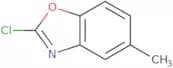
CAS:2-Chloro-5-methyl-1,3-benzoxazole (CMB) is a regioselective synthetic intermediate that can be used to synthesize other compounds. It is produced by the reaction of chloromethyl methyl ether with anhydrous magnesium chloride in the presence of a solvent such as THF or diethyl ether. CMB can also be prepared by the reaction of 2,4,6-trichlorobenzoyl chloride with magnesium metal and a solvent such as THF or diethyl ether. This intermediate can be used in cross-coupling reactions with Grignard reagents to produce different compounds.Formula:C8H6ClNOPurity:Min. 95 Area-%Color and Shape:PowderMolecular weight:167.59 g/molBoc-L-prolinal
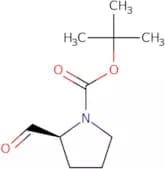
CAS:Boc-L-prolinal is a stereoselective enolate that has been used in the synthesis of organometallic compounds. It is also used in the preparation of monoclonal antibodies, which are proteins that are produced by the immune system to help fight off infections. Boc-L-prolinal has been shown to be an effective agent for treating many cancers, including breast cancer and melanoma. In addition, it has been shown to inhibit epidermal growth factor (EGF) and other growth factors, which may be due to its ability to induce apoptotic signaling. Boc-L-prolinal also contains a carbonyl group, which can undergo acidolysis reactions with nucleophiles such as water or alcohols.
Formula:C10H17NO3Purity:Min. 95%Color and Shape:Colorless Clear LiquidMolecular weight:199.25 g/molN-(2-Fluorophenyl)-N-[4-(4-Methyl-1,3-Thiazol-2-Yl)-1-(2-Thiophen-3-Ylethyl)Piperidin-4-Yl]Propanamide
CAS:Controlled ProductN-(2-Fluorophenyl)-N-[4-(4-methyl-1,3-thiazol-2-yl)-1-(2-thiophen-3-ylethyl)piperidin-4-yl]propanamide is a drug that is used for the treatment of cancer. This drug is hydrophobic and has a molecular weight of 455. It has been shown to be effective in treating cancer cells by binding to the cell membrane and inhibiting the proliferation of these cells. N-(2-Fluorophenyl)-N-[4-(4-methyl-1,3-thiazol-2-yl)-1-(2-thiophen-3-ylethyl)piperidin]-4-- yl]propanamide also inhibits tumor growth by reducing extracellular matrix production and inducing apoptosis in cancer cells. This drug has a fluorescent property and can be detected with an optical microscope at aFormula:C24H28FN3OS2Purity:Min. 95%Molecular weight:457.63 g/molL-Leucine methyl ester hydrochloride
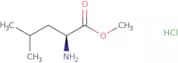
CAS:L-Leucine methyl ester HCl is a monoclonal antibody that specifically binds to the hydroxyl group of human immunoglobulin. It is synthesized by reacting L-leucine with methylamine and hydrochloric acid, followed by hydrolysis of the ester and subsequent reaction with trifluoroacetic acid. The resulting product is purified by precipitation with ammonium sulfate and has a molecular weight of 476.3 Da. L-Leucine methyl ester HCl is used in pharmaceutical preparations for the treatment of amyloid protein-related diseases such as Alzheimer's disease, as well as cytosolic protein-related diseases such as leishmania and thp-1 cells.
Formula:C7H15NO2•HClPurity:Min. 95%Color and Shape:White PowderMolecular weight:181.66 g/molFmoc-His(3-Me)-OH
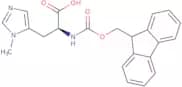
CAS:Fmoc-His(3-Me)-OH is a synthetic amino acid that is used in the synthesis of peptides. It is potent inhibitor of L-type calcium channels, which are involved in the regulation of muscle contraction and vasoconstriction. Fmoc-His(3-Me)-OH has been shown to be effective at inhibiting L-type calcium channels in rat skeletal muscle.Formula:C22H21N3O4Purity:Min. 95%Color and Shape:PowderMolecular weight:391.42 g/mol2'-Ethoxycarbonylmethoxy-4'-(3-methyl-2-butenyloxy)acetophenone
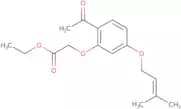
CAS:2'-Ethoxycarbonylmethoxy-4'-(3-methyl-2-butenyloxy)acetophenone is a centrosymmetric molecule with a crystal structure. It has been shown to form dimers in the solid state.Formula:C17H22O5Purity:Min. 95%Color and Shape:PowderMolecular weight:306.35 g/mol1-Palmitoyl-2-ω-(2-Diazo-3,3,3-Trifluoropropionyloxy)Lauroyl-Sn-Glycero-3-Phosphocholine
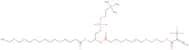
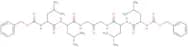
CAS:1-Palmitoyl-2-omega-(2-Diazo-3,3,3-Trifluoropropionyloxy)Lauroyl-Sn-Glycero-3-Phosphocholine is a potential therapy for pulmonary fibrosis. It is an admixture of two phospholipids containing the fatty acid palmitic acid and omega-(2,3,3,3,-trifluoroethoxy)acetyl lauroylglycerophosphocholine. The molecule is activated by carbon monoxide (CO), which converts it to a form that can be taken up by cells. CO has been shown to inhibit the growth of cells in culture and in animal models of pulmonary fibrosis. Treatment with the molecule also inhibits production of galacturonic acid and oligosaccharides from lysophosphatidylethanolamine and its derivatives.Formula:C39H71F3N3O10PPurity:Min. 95%Molecular weight:829.96 g/mol1,3-Bis-(Z-Leu-Leu)-diaminoacetone
CAS:1,3-Bis-(Z-Leu-Leu)-diaminoacetone is a synthetic diketone inhibitor, which is a formulation derived through specialized organic synthesis. It functions by targeting and inhibiting aspartic proteases, a class of enzymes that play critical roles in numerous biological processes, including protein degradation and processing. This compound's mechanism involves the reversible covalent modification of the enzyme's active site, leading to an obstruction of its catalytic function.Formula:C43H64N6O9Purity:Min. 95%Color and Shape:PowderMolecular weight:809 g/mol3'-O-methylbrazilin
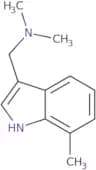
CAS:3'-O-methylbrazilin is a naturally occurring phenolic compound, classified as a methoxy derivative of brazilin. This compound is derived from the heartwood of Caesalpinia sappan, a plant known for its traditional medicinal uses. The mode of action of 3'-O-methylbrazilin involves its potent antioxidant activity, where it effectively scavenges free radicals and inhibits oxidative stress at the cellular level.Formula:C17H16O5Purity:Min. 95%Molecular weight:300.31 g/mol7-Methylgramine
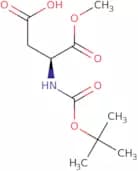
CAS:Please enquire for more information about 7-Methylgramine including the price, delivery time and more detailed product information at the technical inquiry form on this pageFormula:C12H16N2Purity:Min. 95%Color and Shape:PowderMolecular weight:188.27 g/molBoc-Asp-OMe
CAS:Boc-Asp-OMe is a peptidomimetic that mimics the hydrogen bonding pattern of aspartic acid. It has been shown to have an intramolecular sequence, which can be cyclic or non-cyclic, and an enantioselective conformation. Boc-Asp-OMe is able to form a hydrogen bond with its neighboring amino acid in the peptide chain and is hydrophobic due to its organic chemistry. This molecule also has a phenyl ring with a carbon bond, which can form n-glycosylations. The conformational and stereochemical properties of this molecule are dependent on the environment it is in.
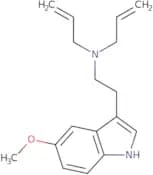
Formula:C10H17NO6Purity:Min. 95%Color and Shape:PowderMolecular weight:247.25 g/molN,N-Diallyl-5-methoxytryptamine
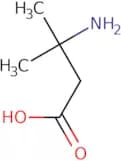
CAS:Controlled ProductN,N-Diallyl-5-methoxytryptamine (DMAT) is a synthetic cannabinoid that has been shown to produce effects similar to those of tetrahydrocannabinol. It has been used in clinical studies to study the effects of cannabinoids on the central nervous system. DMAT binds with high affinity to 5-HT2A receptors and low affinity to histamine H1 receptors. DMAT also binds moderately with 5-HT1A receptors, which are serotonin receptors found in the cerebral cortex and hippocampus regions of the brain. DMAT is a potent monoamine neurotransmitter reuptake inhibitor, which means it prevents the reuptake of monoamines such as dopamine, norepinephrine, and serotonin by blocking their transporters. This results in an increase in extracellular concentrations of these monoamines. DMAT is structurally similar to other drugs that have been shown to cause seizures, such as meprobamate, benzodiazepines,Formula:C17H22N2OPurity:Min. 95%Molecular weight:270.37 g/mol3-Amino-3-methylbutanoic acid
CAS:3-Amino-3-methylbutanoic acid is a carbonaceous compound that can be synthesized from b-alanine and perchloroethylene. It is used in the manufacture of butanoic acid, which is an important industrial chemical. 3-Amino-3-methylbutanoic acid has been shown to exist as four isomers, each with a different molecular weight. The isomers are produced by a synthetic process involving the reaction of b-alanine and perchloroethylene. In an amination reaction, the compounds are heated in the presence of ammonia gas or ammonium chloride to form 3-amino-3-methylbutanoic acid.
Formula:C5H11NO2Purity:Min 95%Color and Shape:PowderMolecular weight:117.15 g/mol2-Ethoxy-3-methoxybenzaldehyde
CAS:2-Ethoxy-3-methoxybenzaldehyde is a coordination compound that contains two thiolate ligands, one carbonyl group, and a chelate ring with sulfur. The compound has been shown to bind to the active site of thiosemicarbazide in the enzyme sulfite oxidase, which catalyzes the oxidation of sulfite to sulfate. 2-Ethoxy-3-methoxybenzaldehyde has also been shown to be an effective ligand for rhenium.
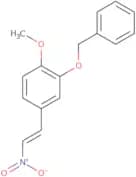
Formula:C10H12O3Purity:Min. 95%Molecular weight:180.2 g/mol1-(3-Benzyloxy-4-methoxyphenyl)-2-nitroethene
CAS:1-(3-Benzyloxy-4-methoxyphenyl)-2-nitroethene (1BMN) is an ethanamine that has a skeleton of five benzene and one methoxybenzene rings. It is an analogue of lamellarin, which has been shown to have efficient synthetic and biological properties. 1BMN is biologically active as a lamellarin analog and may be useful for the treatment of diseases such as cancer, malaria, hypertension, hyperglycemia, hypercholesterolemia, and ulcerative colitis. 1BMN is synthesized from 2-nitroethanol by reacting with 3-bromobenzaldehyde in the presence of sodium hydroxide. This reaction results in the formation of 1BMN in high yield with few side reactions.
Formula:C16H15NO4Purity:Min. 95%Color and Shape:PowderMolecular weight:285.29 g/molIndole-3-acetyl-L-valine
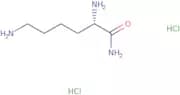
CAS:Indole-3-acetyl-L-valine (IAV) is a naturally occurring amino acid that binds to the surface glycoprotein of wild-type viruses. It inhibits viral replication by inhibiting the production of basic proteins, which are necessary for viral life. IAV also has inhibitory properties against the toll-like receptor, which may be due to its ability to inhibit growth factor signaling. IAV has been shown to decrease the number of opportunistic fungal and bacterial infections in humans, with no adverse effects on human health. This drug has no effect on healthy cells and can be used as an adjuvant for the treatment of HIV and other viral infections.Formula:C15H18N2O3Purity:Min. 95%Color and Shape:PowderMolecular weight:274.32 g/molL-Lysine amide dihydrochloride
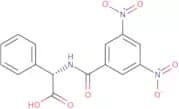
CAS:L-Lysine amide dihydrochloride is a crystalline compound that is used for the treatment of tumours. It has been shown to bind to the enzyme iridoid synthase, which is involved in the formation of imines and aldehydes. L-Lysine amide dihydrochloride also inhibits the production of staining compounds, such as fluorine and heterocycles. The compound may also be used cosmetically as an anti-aging agent because it can inhibit the production of collagenase and elastase, which cause degradation of collagen.Formula:C6H15N3O•HCl2Purity:Min. 95%Color and Shape:Off-White PowderMolecular weight:218.12 g/mol(S)-(+)-N-(3,5-Dinitrobenzoyl)-alpha-phenylglycine
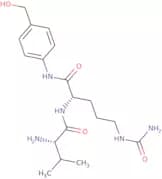
CAS:(S)-(+)-N-(3,5-Dinitrobenzoyl)-alpha-phenylglycine is a chiral compound that is made up of two enantiomers. It has been shown to be a potent anthelmintic drug, but it is not currently used clinically due to its high toxicity. This compound destroys the parasite's gut lining by reacting with sulfoxide and capillaries in the intestine. The sulfoxide reacts with the pyrrole to form a sulfoxonium ion, which reacts with amino acid residues in the parasite's cell membrane to form a covalent bond. This reaction disrupts the integrity of the parasite's cell membrane and leads to cell death.Formula:C15H11N3O7Purity:Min. 95%Color and Shape:White PowderMolecular weight:345.26 g/molVal-Cit-PAB-OH
CAS:The Val-Cit-PAB linker is an activated peptide linker that is cleaved by cathepsin B. It enables the selective intracellular release of attached drugs in ADC applications.Formula:C18H29N5O4Purity:Min. 95%Color and Shape:PowderMolecular weight:379.45 g/molN-(4-methylthio(3H-2,3,5-triazolyl))-3-phenylprop-2-enamide
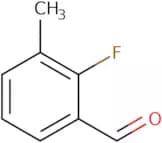
CAS:Please enquire for more information about N-(4-methylthio(3H-2,3,5-triazolyl))-3-phenylprop-2-enamide including the price, delivery time and more detailed product information at the technical inquiry form on this pageFormula:C12H12N4OSPurity:Min. 95%Color and Shape:PowderMolecular weight:260.32 g/mol2-Fluoro-3-methylbenzaldehyde
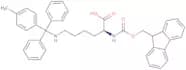
CAS:2-Fluoro-3-methylbenzaldehyde is a chemical that can be used in the synthesis of other chemicals, such as pharmaceuticals. It is a versatile building block that can be used in the synthesis of complex compounds and scaffolds. The compound has been shown to react with amines to form ureas.Formula:C8H7FOPurity:80%Molecular weight:138.14 g/molN-α-Fmoc-N-ε-4-methyltrityl-L-lysine
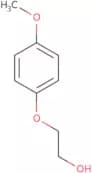
CAS:N-alpha-Fmoc-Nepsilon-methyltrityl-L-lysine is a synthetic amino acid that is used in the industrial production of peptides. It has been used for the synthesis of polypeptides, which are made up of chains of amino acids, and to analyze uptake in urine samples. The uptake was tracked by using a trifluoroacetic acid analog to radiolabel the N-alpha-Fmoc-Nepsilon-methyltrityl-L-lysine. This analog was synthesized from histidine and butyric acid, and its carboxy terminal sequence was determined by solid phase synthesis. N-alpha-Fmoc-Nepsilon methyltrityl L Lysine binds to the receptor site on cells that is responsible for binding histidine residues on proteins.Formula:C41H40N2O4Purity:Min. 95%Color and Shape:White To Off-White SolidMolecular weight:624.77 g/mol2-(4-Methoxyphenoxy)ethanol
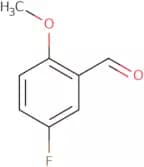
CAS:2-(4-Methoxyphenoxy)ethanol is a carboxylic acid. It has been used as a hydrogen peroxide donor in catalytic reactions, and as an ethylene glycol ether in the production of polyester resins. 2-(4-Methoxyphenoxy)ethanol has been shown to be useful in multilayer coatings with optimal reaction rates, and is a good oxidant for many organic compounds.Formula:C9H12O3Purity:Min. 95%Color and Shape:PowderMolecular weight:168.19 g/mol5-Fluoro-2-methoxybenzaldehyde
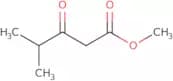
CAS:5-Fluoro-2-methoxybenzaldehyde is an inhibitor that blocks the enzyme acetylcholinesterase. It has been shown to be useful in the synthesis of a variety of drugs, including anticancer agents and antibiotics. 5-Fluoro-2-methoxybenzaldehyde is used in the industrial production of acetonitrile and can also be found in small quantities as a natural component of many fruits and vegetables. It is also used as a precursor for other chemicals, such as pharmaceuticals and pesticides. The compound is generally synthesized by condensation reactions involving benzaldehyde, acetamide, and formaldehyde. This chemical has been studied in medicinal chemistry because it can inhibit bacterial growth by binding to DNA gyrase.Formula:C8H7FO2Purity:Min. 95%Color and Shape:White PowderMolecular weight:154.14 g/molMethyl 4-methyl-3-oxopentanoate
CAS:Methyl 4-methyl-3-oxopentanoate is a synthetic compound that inhibits the production of active oxygen and reactive oxygen species. It has been shown to be a potent inhibitor of tumor cell proliferation in vitro and in vivo, with an IC50 value of approximately 1.5 μM. The mechanism of methyl 4-methyl-3-oxopentanoate's anti-cancer activity may be through its ability to inhibit the activation of tumor necrosis factor alpha (TNFα) in human monocytes and macrophages, which leads to decreased inflammatory responses. Methyl 4-methyl-3-oxopentanoate has also been shown to inhibit the production of reactive oxygen species by inhibiting the activity of NADPH oxidase, thereby decreasing inflammation and oxidative stress. This compound is not known to have any adverse effects on humans or animals.Formula:C7H12O3Purity:Min. 97%Color and Shape:Clear LiquidMolecular weight:144.17 g/mol4-[2-[(3-Ethyl-4-methyl-2-oxo-3-pyrrolin-1-yl)carboxamido]ethyl]benzenesulfonamide
CAS:Metformin is an antidiabetic drug that is used to treat type 2 diabetes. It works by increasing insulin sensitivity and decreasing glucose production in the liver. Metformin does not cause low blood sugar in people with diabetes, but it can lower blood sugar in those without the condition. Metformin is available as metformin hydrochloride and has a molecular weight of 314.5 g/mol. Metformin is excreted primarily through the kidneys, with less than 10% of a dose being excreted unchanged in the urine. Excipients include acetonitrile, which is used as an organic solvent for liquid drug products; impurities may be present due to incomplete synthesis or purification processes; and animal studies are performed to assess safety and efficacy of drugs that may have adverse effects on humans. Metformin has been shown to decrease blood sugar levels in animals through its antidiabetic potential, but there are no studies showing its effect on humans with typeFormula:C16H21N3O4SPurity:Min. 95%Color and Shape:White PowderMolecular weight:351.42 g/mol(E)-N-(3-Methylaminopropyl)-2-thiopheneacrylamide hydrochloride
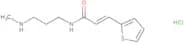
CAS:(E)-N-(3-Methylaminopropyl)-2-thiopheneacrylamide hydrochloride is a high quality, reagent, complex compound, useful intermediate, fine chemical. It has CAS No. 1449108-90-0 and is used as a research chemical and building block in the synthesis of other compounds. (E)-N-(3-Methylaminopropyl)-2-thiopheneacrylamide hydrochloride can be used as a versatile building block in organic synthesis reactions and is an important reaction component for the preparation of speciality chemicals.Formula:C11H17N2OSClPurity:Min. 95%Color and Shape:White PowderMolecular weight:260.78 g/molCyclo(-Gly-L-Glu)
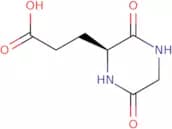
CAS:Cyclo(-Gly-L-Glu) is a cyclic dipeptide that has been analyzed using LC-MS/MS. It is a bioactive compound that can be found in the bioscience and biochemistry fields. Cyclo(-Gly-L-Glu) is used as an analytical method for determining the presence of dipeptides, which are small molecules composed of two amino acids linked together by a peptide bond. The cyclic form of the molecule allows it to bind to proteins and other molecules in order to stabilize them. Cyclo(-Gly-L-Glu) has also been shown to have potential as a therapeutic agent for cancer treatments, based on its ability to inhibit the activity of protein kinases involved in cell proliferation and apoptosis.Formula:C7H10N2O4Purity:Min. 98 Area-%Color and Shape:PowderMolecular weight:186.17 g/mol3’,5’-Di-O-acetyl-2’-azido-2’-deoxy-5-methyluridine
CAS:Please enquire for more information about 3’,5’-Di-O-acetyl-2’-azido-2’-deoxy-5-methyluridine including the price, delivery time and more detailed product information at the technical inquiry form on this pagePurity:Min. 95%Fmoc-Lys(Boc)-OH
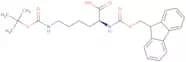
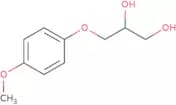
CAS:Fmoc-Lys(Boc)-OH is a synthetic amino acid that has been used to synthesize polypeptides. It is prepared by the reaction of naphthalene, trifluoroacetic acid and copper (II) acetate in an acidic environment. The synthesis of Fmoc-Lys(Boc)-OH involves the use of a high salt and coordination geometry for the copper complex. This amino acid can be used as a cancer drug, because it inhibits NS3 protease, which is an enzyme that promotes tumor growth. Fmoc-Lys(Boc)-OH also binds to carbohydrate receptors on cancer cells and inhibits uptake of these cells by macrophages.Formula:C26H32N2O6Purity:Min. 98 Area-%Color and Shape:White PowderMolecular weight:468.54 g/mol3-(4-Methoxyphenoxy)-1,2-propanediol
CAS:3-(4-Methoxyphenoxy)-1,2-propanediol is a chiral molecule that can be found in various products. It has been used in the synthesis of a variety of drugs and other organic compounds. 3-(4-Methoxyphenoxy)-1,2-propanediol is an intermediate for the synthesis of natural products such as benzofuran and benzothiophene. This compound is also used as a reagent in the asymmetric dihydroxylation of epoxides. The rate at which this reaction proceeds depends on the kinetic parameters, such as the concentration of reactant and transition state analogues, and on the reaction conditions, such as temperature and pH. The product of this reaction is an epoxide hydrolase inhibitor with a reactive anion that can be used to synthesize pharmaceuticals.
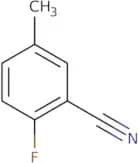
Formula:C10H14O4Purity:Min. 95%Color and Shape:White PowderMolecular weight:198.22 g/mol2-Fluoro-5-methylbenzonitrile
CAS:2-Fluoro-5-methylbenzonitrile (2FMBC) is a molecule that has a molecular weight of 153.22 g/mol and a melting point of -30°C. It also has a boiling point of 190°C at 14 mmHg, and it is soluble in ethanol, ether, acetone, benzene, chloroform, carbon disulfide, and nitrobenzene. 2FMBC can be found in the vibrational spectrum from 400 to 700 nm with a maximum absorption frequency of 724 nm. The infrared spectrum for 2FMBC ranges from 700 cm-1 to 3200 cm-1. The molecular orbital theory predicts that the energy levels for this molecule are symmetrical and unsymmetrical. It has been shown by x-ray data that 2FMBC's dipole moment is 0 D.Formula:C8H6FNPurity:Min. 95%Color and Shape:PowderMolecular weight:135.14 g/mol2,3-Dihydroxy-4-methoxycinnamic acid ethyl ester
Please enquire for more information about 2,3-Dihydroxy-4-methoxycinnamic acid ethyl ester including the price, delivery time and more detailed product information at the technical inquiry form on this pagePurity:Min. 95%Fmoc-D-Trp-OH
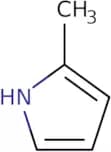
CAS:Fmoc-D-Trp-OH is a cinchonidine analog that is synthesized through the coupling of two amino acid molecules, D-Trp and Fmoc-Lys. This compound has been shown to have anti-cancer properties in tumor xenografts, which may be due to its ability to bind hydrogen bonding interactions with proteins. Fmoc-D-Trp-OH also has an anti-inflammatory effect on Alzheimer's disease and cancer cells, which could be due to its ability to inhibit immune cell recruitment and increase apoptosis rates. In addition, it can be used as an optical imaging agent for the detection of brain tumors.Formula:C26H22N2O4Purity:Min. 95%Color and Shape:PowderMolecular weight:426.46 g/mol2-Methyl-1H-pyrrole
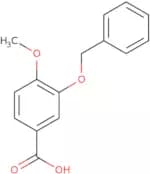
CAS:2-Methyl-1H-pyrrole is an organic compound that belongs to the group of chiral lactams. It has a high solubility in organic solvents, and can be used as a fluorescent probe for chiral separations. The nmr spectra of 2-methyl-1H-pyrrole show the presence of two different enantiomers. The data base contains information about the reaction products and volatile compounds from this compound. 2-Methyl-1H-pyrrole is a photosensitiser that can be used to enhance the production of singlet oxygen in amines or aliphatic hydrocarbons. This compound is also homochiral, which means it does not have an opposite mirror image.Formula:C5H7NPurity:Min. 95%Color and Shape:Clear LiquidMolecular weight:81.12 g/mol3-Benzyloxy-4-methoxybenzoic acid
CAS:3-Benzyloxy-4-methoxybenzoic acid is a natural product that was isolated as a yellow crystalline powder from the needles of the tree Kirkia. It can be used as a radical and has been shown to have frameworks with galanthamine. 3-Benzyloxy-4-methoxybenzoic acid has been shown to be an inhibitor of protein synthesis in cells, which may be due to its ability to inhibit the activity of ribosomes and protein synthesis.Formula:C15H14O4Purity:Min. 95%Molecular weight:258.27 g/mol

![2-[(4-Amino-2-methyl-5-nitrylbenzyl)amino]ethylalcohol](/_next/image/?url=https%3A%2Fstatic.cymitquimica.com%2Fproducts%2F3D%2Fthumb-webp%2FFA146928.webp&w=3840&q=75)
![N-(2-Fluorophenyl)-N-[4-(4-Methyl-1,3-Thiazol-2-Yl)-1-(2-Thiophen-3-Ylethyl)Piperidin-4-Yl]Propana…](/_next/image/?url=https%3A%2Fstatic.cymitquimica.com%2Fproducts%2F3D%2Fthumb-webp%2FFF102591.webp&w=3840&q=75)



![4-[2-[(3-Ethyl-4-methyl-2-oxo-3-pyrrolin-1-yl)carboxamido]ethyl]benzenesulfonamide](/_next/image/?url=https%3A%2Fstatic.cymitquimica.com%2Fproducts%2F3D%2Fthumb-webp%2FFE23124.webp&w=3840&q=75)